
Piston.my

Latest News

BHPetrol RON95 Euro4M

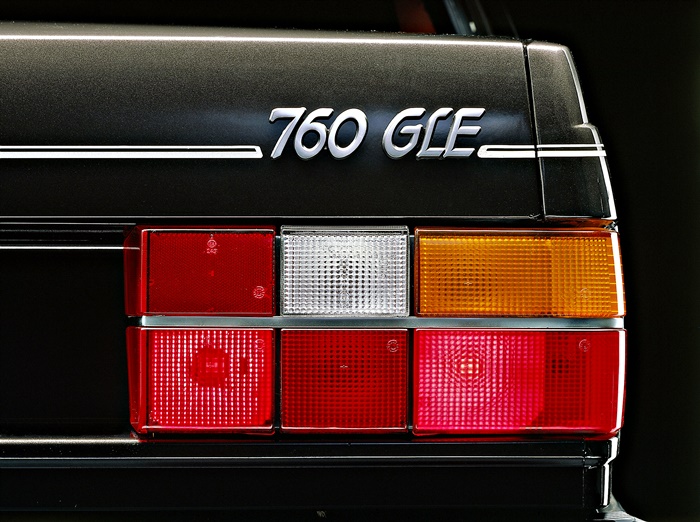
The 760 is remembered as the model that saved Volvo and allowed it to exist up till today. Though the company had line of smaller models (the 300 series) from its Dutch subsidiary, it still needed a large volume-seller to take over from the aging 240/260 that had done well before the world got hit by the first of the oil crises.

When the first plans for the 760 were formulated in the mid-1970s, the automotive industry in general was experiencing a lot of difficulties. The first oil crisis had just passed and increasing concerns about air pollution caused by exhaust fumes had brought on stricter emission-control regulations, requiring new engineering solutions at extra cost. It was also a very difficult time as production costs increased and currency issues also made exports more expensive.
Volvo 760

The 760 had taken a longer time to develop because it was a crucial model and not just a successor to the 200-series. It was to take Volvo further into the premium segment for the first time and had to be able to attract customers who usually considered the BMW 5-Series or the Mercedes-Benz E-Class (W123 at that time).

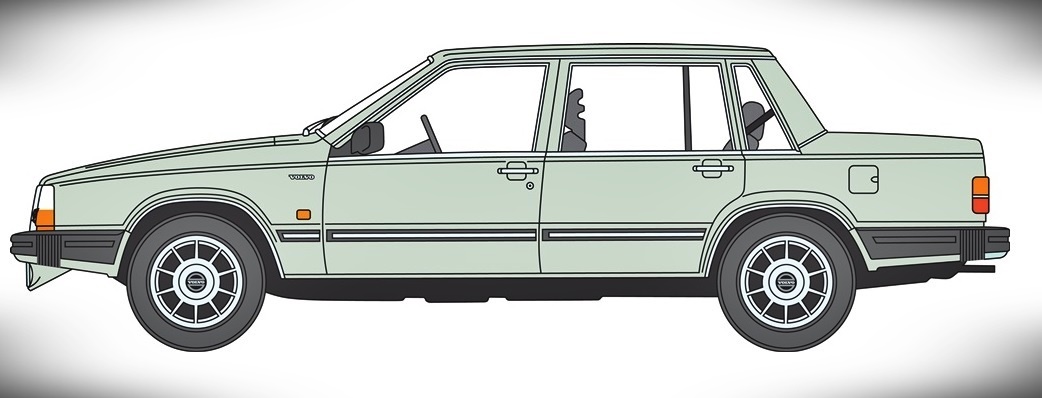
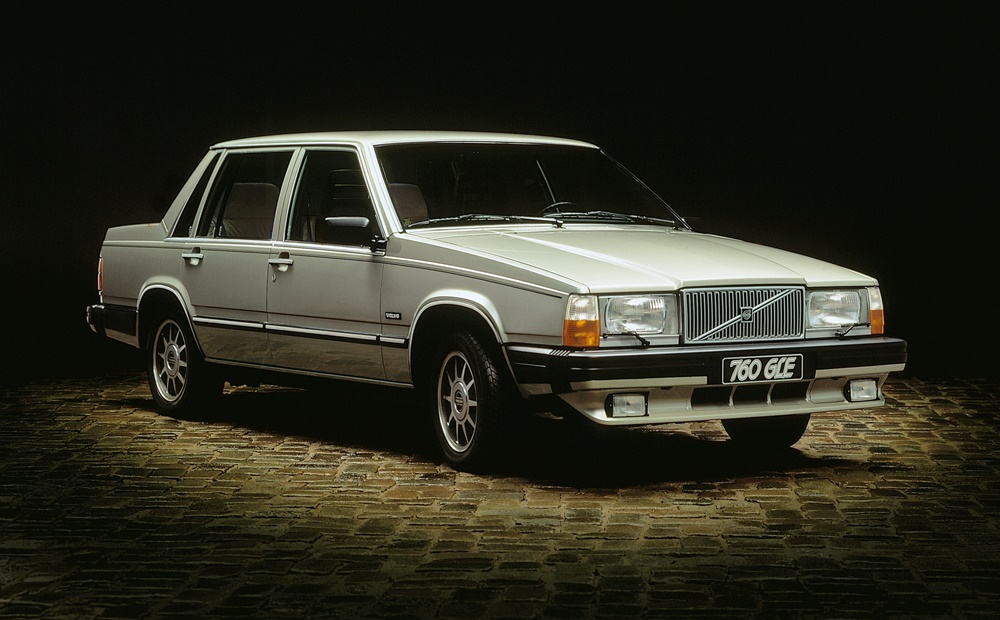
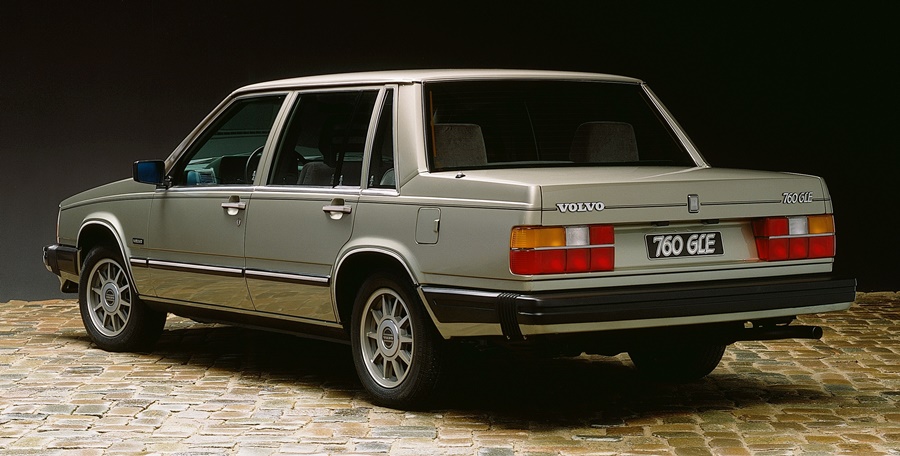
The car that was launched in 1982 was entirely new with a design that epitomised the Swedish obsession with ‘function having priority over form’ and it was taken to an extreme. Elegant in some ways, it was also slab-sided – at a time when car designs were ‘softening’ with rounded edges and more curves.
Volvo 760

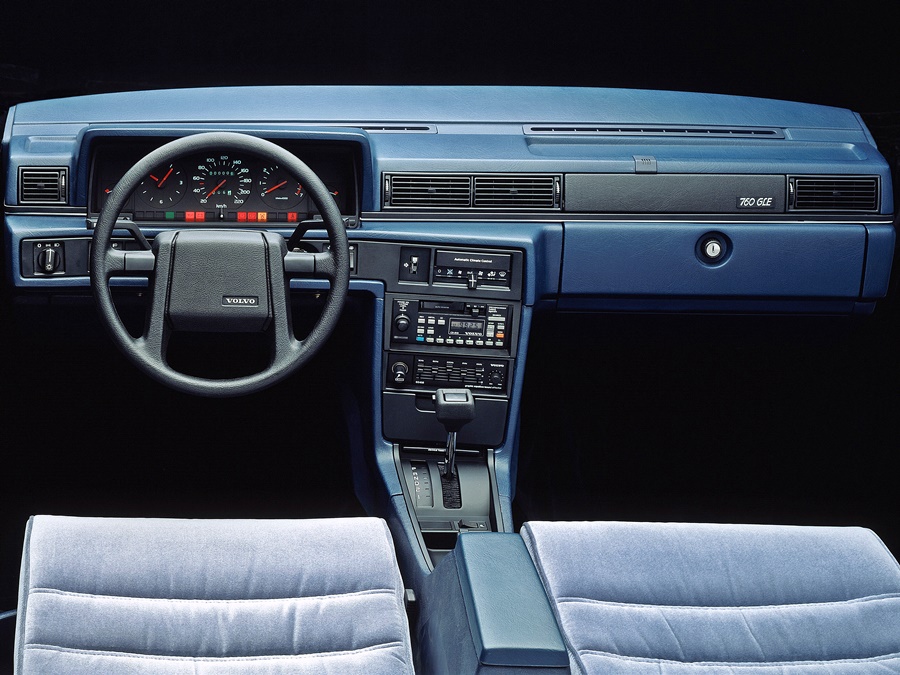
Volvo 760 GLE

Some thought the looks were rather ‘American’ and that Volvo’s designers wanted to appeal to that market where the company sold the most cars but that was never admitted. Jan Wilsgaard, then Volvo’s head of design, said the car looked the way it did because ‘of function and space optimization’.

Apparently, the finance department wanted a design with straight and flat surfaces, as well as angular lines, preferably 90 degrees, in order to reduce the production costs as much as possible. This led to Volvo’s looking rather boxy for a long time and it would only be in the mid-1990s, with the C70 Coupe that Peter Horbury, who was the design chief, could declare that Volvo had finally gotten rid of ‘the box’.
Volvo 760

Wilsgaard’s proposal somehow satisfied the different groups within the company: the rear end was somewhat like a stationwagon with straight body sides and with an abruptly cut-off boot. This led to having almost vertical rear screen and boxy rear section. Designers were in pursuit of ever-lower drag coefficients by making shapes sleeker and it was pointed out that the 700’s Cd of 0.29 was as good as the Porsche 928’s and 10% better than the 264.

The 760 was conceived in a time when conditions changed almost daily and in the company, there were many strong and different opinions regarding the new car. There was no Internet to surf in order to understand consumer thinking but Volvo designers made use of the best possible tool available at the time, a very thorough analysis of the surrounding world.

Very valuable during this process was the use of product clinics which Volvo used for the first time and at which people’s reactions regarding the new car were studied without revealing any details like the brand of car or its origins.
Volvo 760
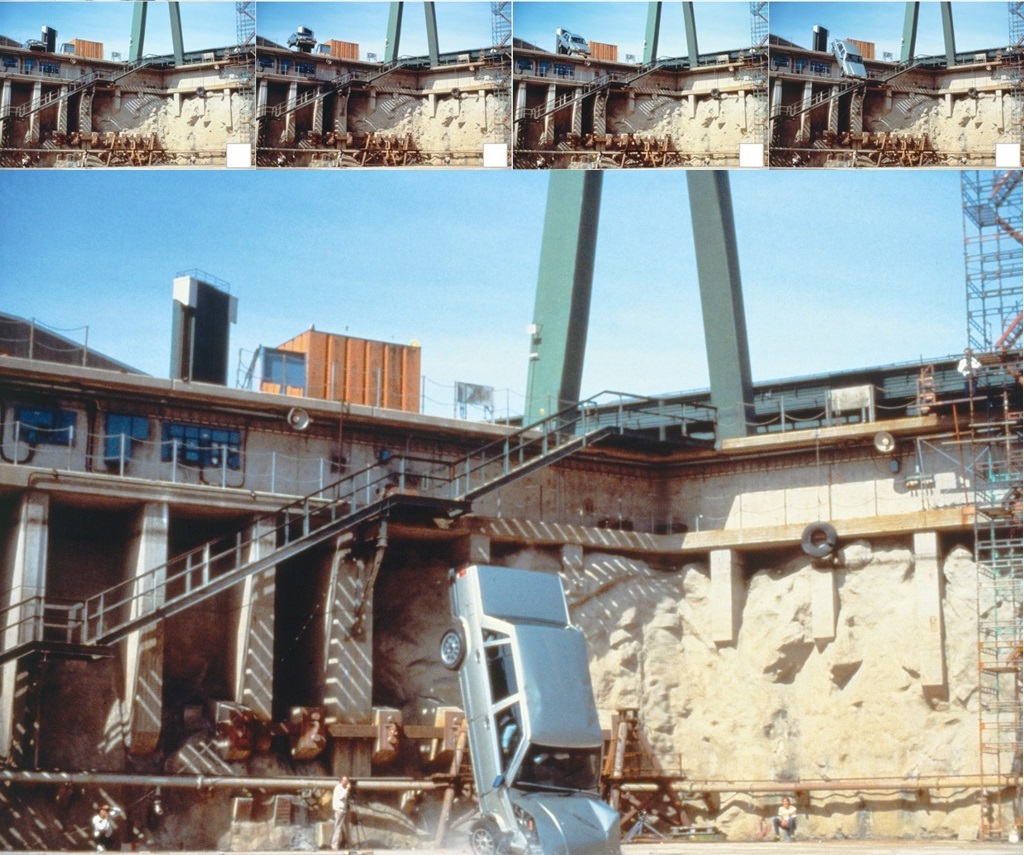
No, this wasn’t from a James Bond movie. It was a dramatic film demonstrating the car’s strength by dropping it from 3 storeys.

Volvo 760

Besides safety, it was decided that reliability, fuel efficiency, longevity, serviceability, low noise levels, design and performance – in that order – should guide the development work on the new project which was given the code ‘P31’. It was also decided that rear-wheel drive should be employed, and that the wheelbase should be 10 cm longer than that of the 264 which was Volvo’s flagship then.

The car was also to be somewhat shorter than its predecessor but had to be the same width. Volvos were still being viewed as ‘tanks’ because of their bulk and weight but Volvo was never discouraged by that label though the engineers were told that the 760 should be at least 100 kgs lighter than the 264.
Volvo 760
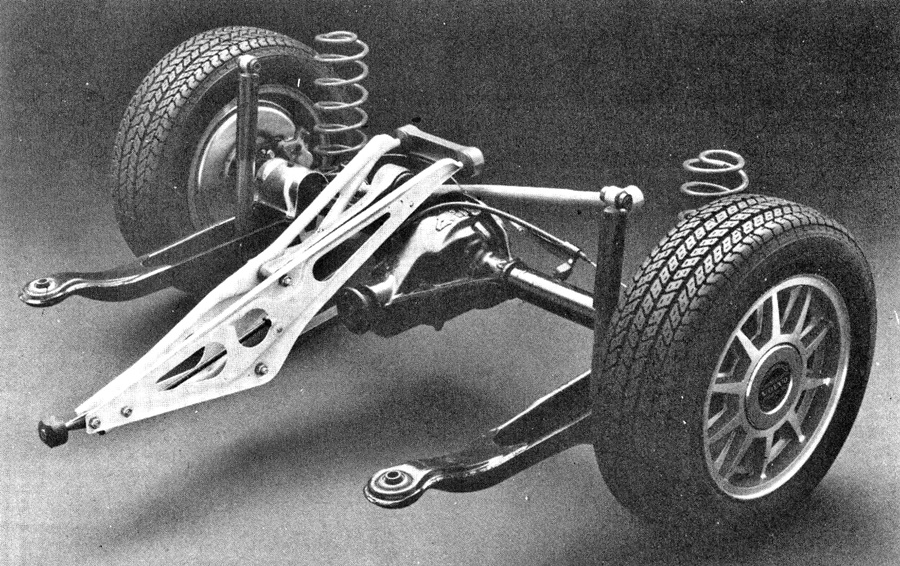
Constant-track rear suspension with subframe in the middle.

What people saw of the exterior was entirely new but Volvo didn’t have the financial resources to develop a brand new platform for the car. So the powertrain and chassis were carried over from the 264, the primary engine being the 2.8-litre ‘Douvrin’ V6 engine which was jointly developed by Volvo, Peugeot and Renault and built at one plant for all of them.
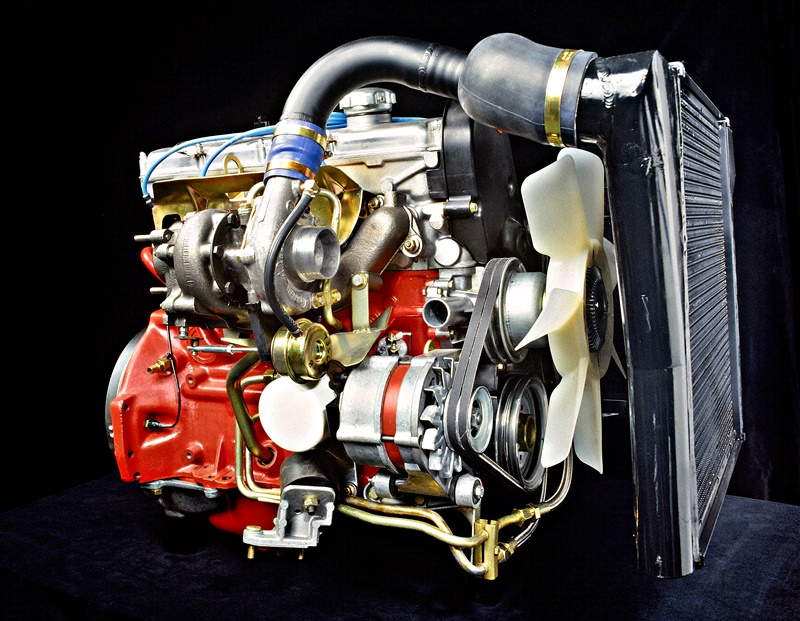
Volvo 760
The B23ET turbocharged engine used in the 740 Turbo.

There was also a 6-cylinder turbodiesel unit supplied by Volkswagen and tuned to Volvo’s specifications. It was the quickest diesel car at that time. Later on, Volvo would also offer the 760 Turbo which had unusually quick performance – 8.5 seconds from 0 to 100 km/h – which was very quick for a Volvo in those days.
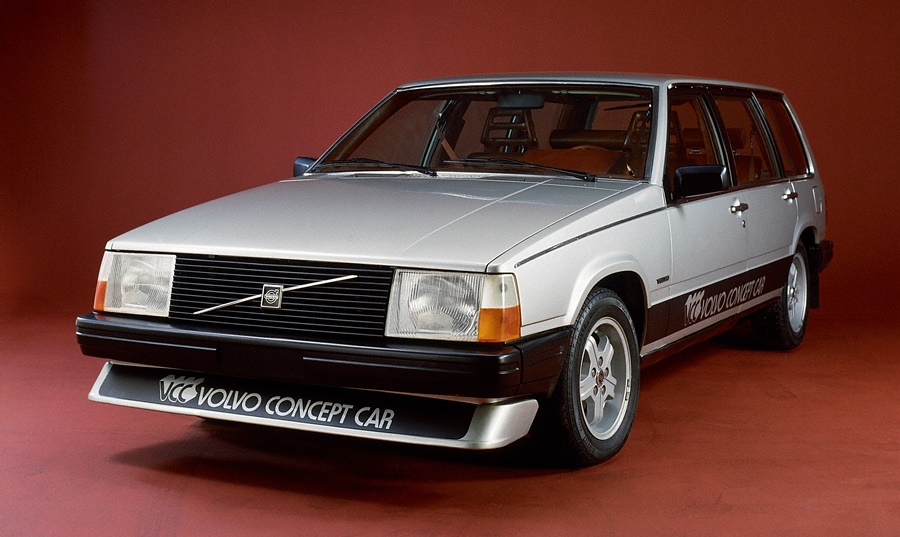
Volvo Concept Car
Prior to the launch of the 760 in 1982, Volvo previewed the new shape as a stationwagon concept car at the 1981 Frankfurt Motorshow

Volvo also examined the idea of shutting down cylinders selectively when a high power output was not necessary. This was a fuel-saving strategy but it was very crude in operation and it was only some 2 decades later than Honda would be able to get the concept refined enough for use (GM did introduce such an engine in some of its models but it failed to catch on).

The 760 became a turning point for Volvo, product-wise and financially, and formed the basis for the continuation of the company. Like the later Galaxy project which saw Volvo moving into front-wheel drive cars with the 850, the P31 project was a massive industrial undertaking.
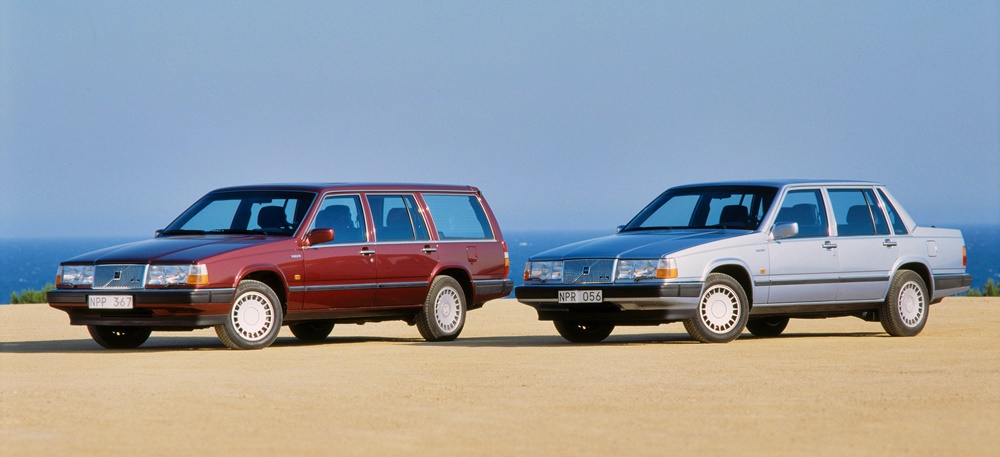
Volvo 760

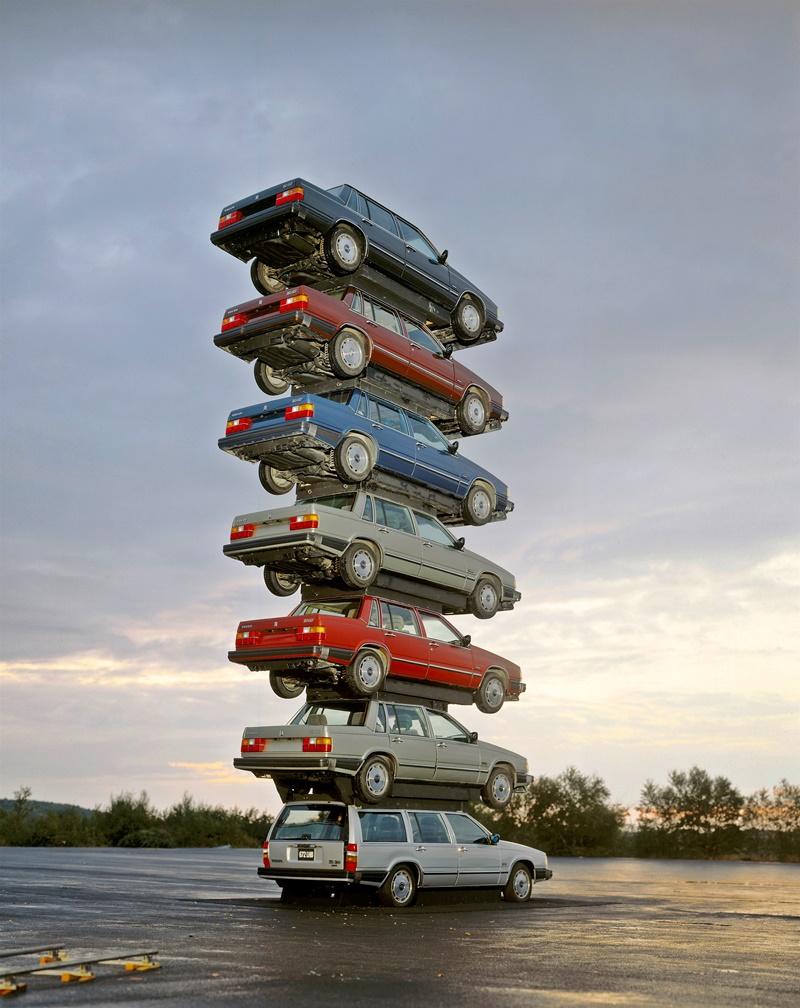
Longevity was also evident in the platform which continued to evolve up till 1998 when the last model with its roots in 760 technologies ended production. Records show that 221,309 units of the 760 were made (1,230,704 if the smaller-engined 740 is included) before it was replaced in late 1992 by the 960.

Volvo Cars and Geely to merge engine operations to create stand-alone business
COVID-19

PISTON.MY

While most Malaysians are remaining at home under the conditions of the Movement Control Order (MCO) which will run till April 28, 2020, there are many who are out carrying out duties that are vital to stop the spread of the COVID-19 virus. These are the frontliners who are also placing themselves at risk of getting infected.

The corporate sector has been providing support in various ways as this War Against COVID-19 is one which everyone has to play a part in. Where UMW Toyota Motor (UMWT) is concerned, providing protective gear is one of the ways that can help the frontliners who travel in vehicles.

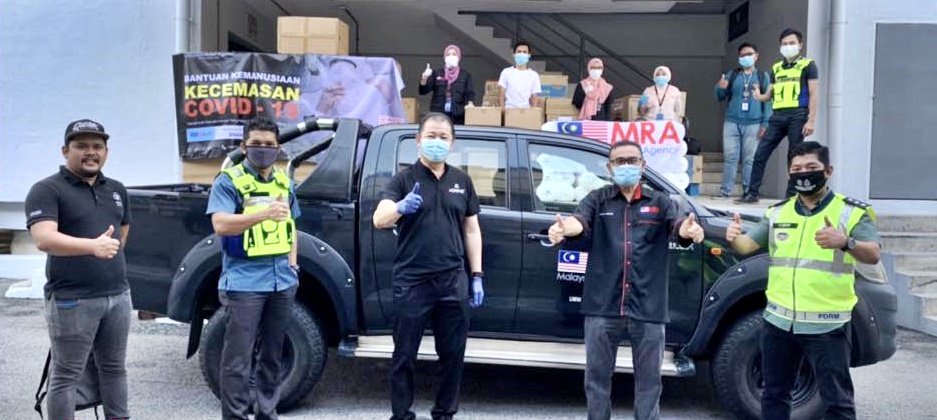
This morning, representatives from UMWT handed over 10,000 seat covers, gear knob covers and steering covers which can provide protection over surfaces in the vehicle. The recipients were the PDRM (Royal Malaysian Police) and the Malaysian Relief Agency (MRA). The handover took place at the MRA Warehouse in Petaling Jaya, Selangor.

Toyota dealers

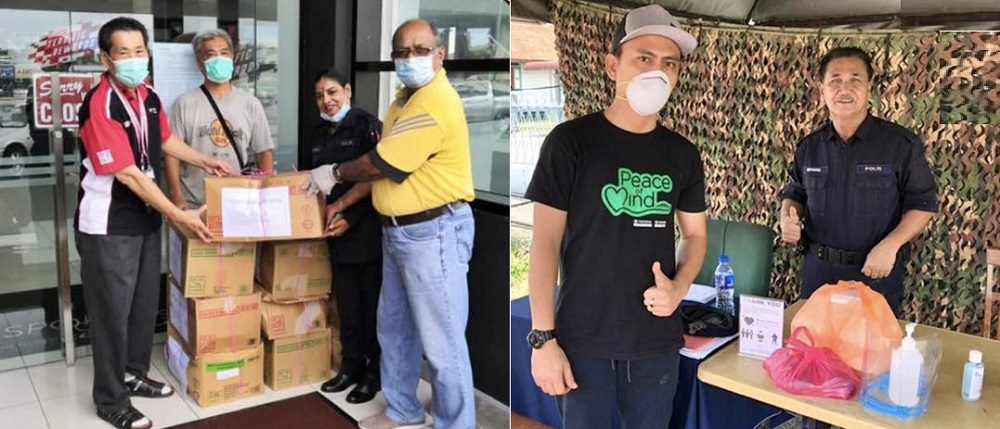
Additionally, at UMWT’s various outlets, assistance in the form of food, facemasks and other essentials have been gathered and donated from their respective locations. For example, a dealership in Kuala Selangor has donated meals and water to police and armed forces personnel stationed in its vicinity.

War against COVID-19: Toyota to make facemasks for its workers to reduce demand on commercial supplies

Social distancePISTON.MY


BHPetrol RON95 Euro4M

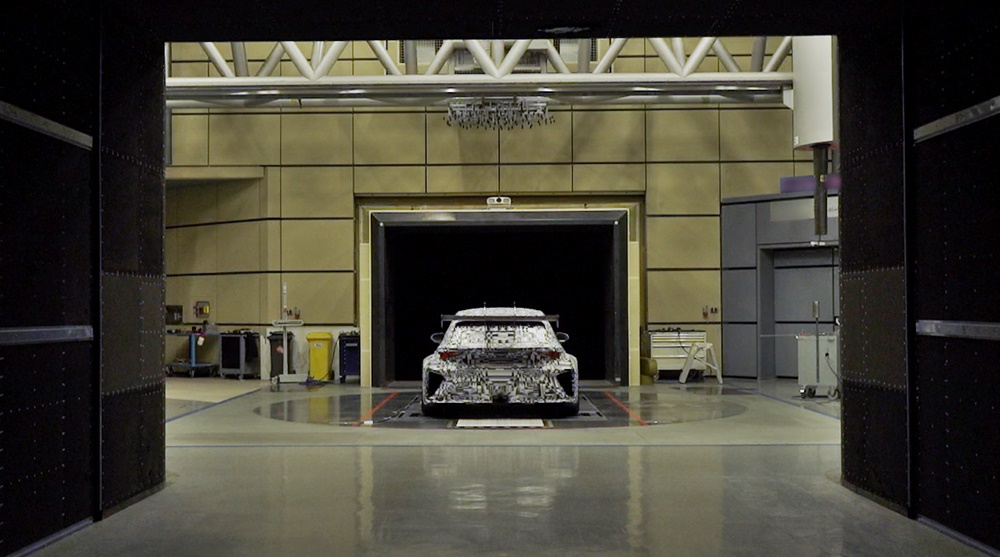
Nobody can see it, but it is a factor in a car’s fuel consumption, safety and comfort. It’s called aerodynamics, or the study of how air moves around solid objects. In the automotive world, its application is very practical: reducing a car’s resistance to wind. And all this is tested in its ‘temple’, the wind tunnel. This is how it works.

A hurricane in the room
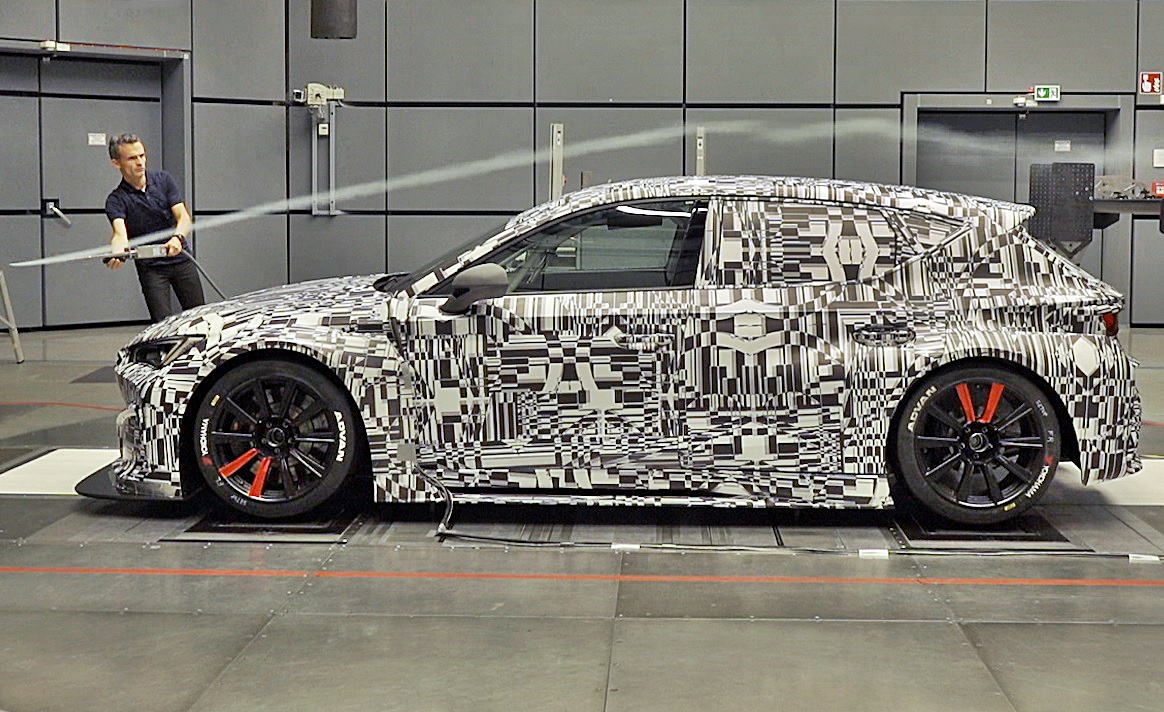
Typically, prototypes are placed in the middle of a chamber, securely kept to the floor. Huge fans generate airflow and the vehicles can face winds of up to 300 km/h while sensors study their individual surfaces.

The air travels in a circular motion, depending on the size of the rotor and blades. Needless to say, when it’s blowing at full power, no one will be allowed inside the chamber as they would literally get blown out of it.

SEAT wind tunnel

The car’s resistance data is displayed on the computer screens. Hundreds of numbers to be interpreted and compared to even the smallest variable to improve aerodynamics. Every millimetre of each part is key, since it is not only possible to reduce consumption, but also to increase stability, comfort and safety.

Shaping to go faster
Wind tunnels, while primarily used for development of future models, are also valuable for racing cars. While the goal in aerodynamic efficiency for production models is to lower fuel consumption and improve stability, when it comes to racing cars, optimising the bodywork to achieve higher speeds is the aim.

SEAT wnd tunnel
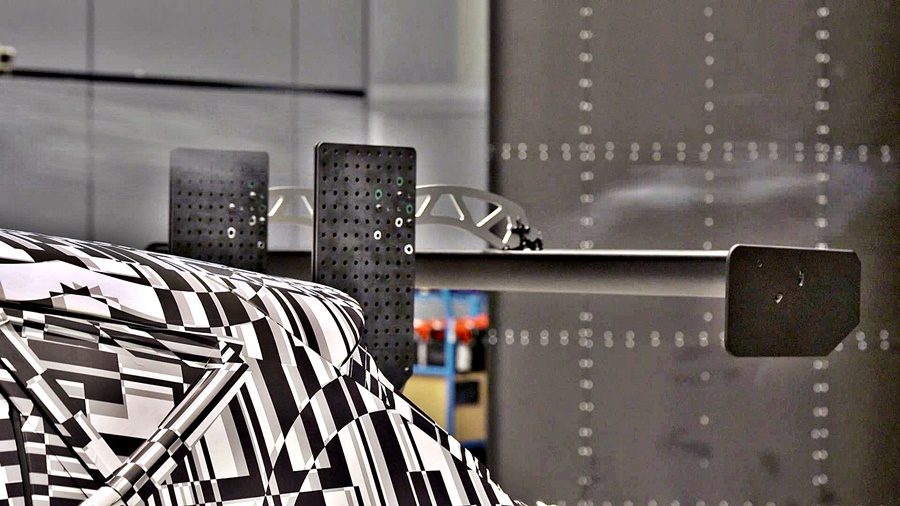
The performance of rear wings, for example, can be optimised for the best downforce.

CUPRA Racing’s Head of Technical Development, Xavi Serra, explains: “We want the new CUPRA Leon Competicion to have less air resistance and more grip when cornering. First, they will have to compete against the wind. Here we measure the parts on a 1:1 scale with the real aerodynamic loads and we can simulate the real contact with the road. This gives us the result of how the car will perform on the track.”

235 km/h standing still
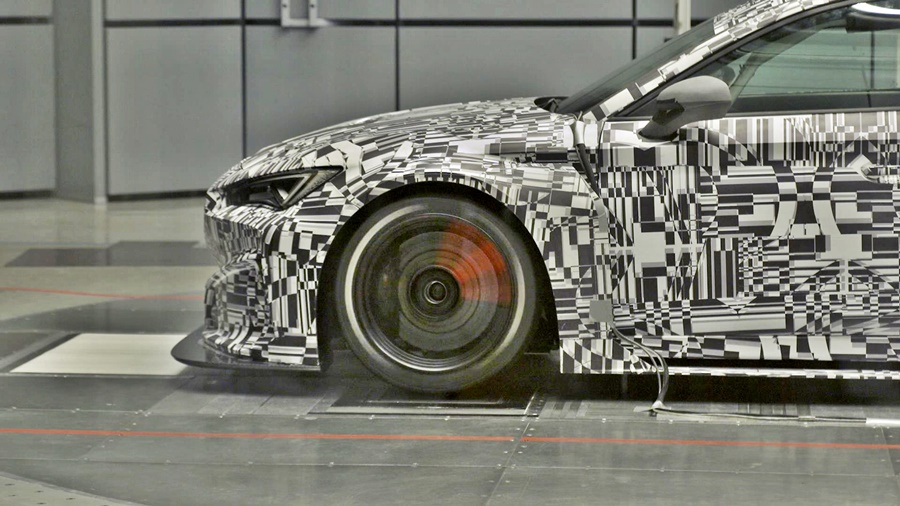
The facilities where the CUPRA engineers test their prototypes are among the most complete and innovative. They have a special feature that makes the tests seem as if they are made in near-real conditions. However, instead of the car travelling at up to 235 km/h, the same effects are achieved by making the air travel at those speeds.

SEAT wind tunnel

“The most important thing is that we can simulate the road. The wheels turn thanks to electric motors that move belts under the car,” said Wind Tunnel engineer Stefan Auri.

After hundreds of measurements, the results are compared with the car’s previous generation. “In this sense we’re satisfied; we’ve lowered the drag and improved the downforce, so it’s more efficient than the previous model, which will give us better lap times on the track,” said Xavi, adding that the data obtained will also be used to improve the new CUPRA models.

Supercomputer crunches numbers
The wind tunnel is not the only tool for improving aerodynamics. Supercomputing also plays a key role. When a model is in the early stages of development and there is not yet a prototype to study in a wind tunnel, 40,000 laptops working in unison are put to the service of aerodynamics. This is the MareNostrum 4 supercomputer, the most powerful in Spain and the seventh in Europe. Scientists around the world use it to carry out all kinds of simulations, and in the case of a collaboration project with SEAT, its computing power is used to battle the wind.

Watch: Onboard a race-spec Seat Cupra around Sepang Circuit!

StayAtHome

PISTON.MY

To this day, Mercedes-Benz is the only automotive brand that bears a female name. The female was Mercedes, an 11-year old girl who was the daughter of Emil Jellinek, an Austrian businessman who lived in Nice, France.

Besides selling cars, Jellinek also registered them for racing events. The first car with this melodious Spanish name – the Mercedes 35 PS – caused a sensation at the Nice race week. This was not only because of its highly advanced technology – allowing it to win several races there – but also because of its exceptionally elegant design.

The success of the Mercedes cars at the event inspired Daimler-Motoren-Gesellschaft to call its automobiles ‘Mercedes’. From then on, the curved ‘Mercedes’ lettering adorned the radiators of Daimler passenger cars. The name was registered as a trademark on June 23, 1902 and legally protected on September 26, 1902.

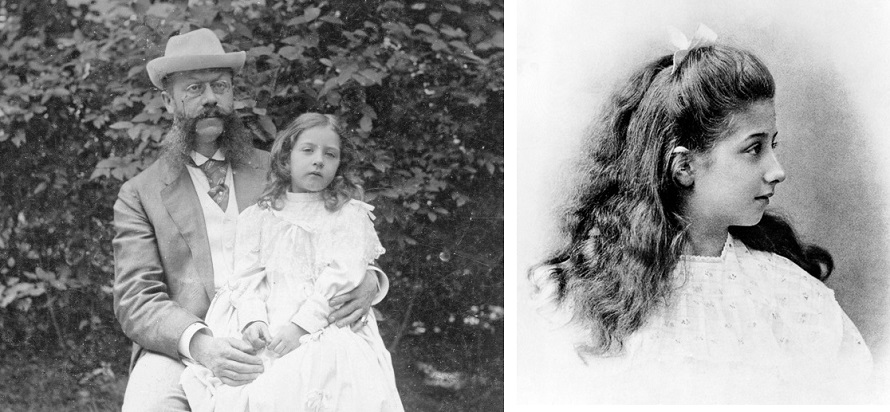
Emil Jellinek and Mercedes
Emil Jellinek and his daughter, Mercedes.

Since then, the brand name – which was changed to Mercedes-Benz after the merger of the Daimler and Benz companies in June 1926 – has been both an expression of and a commitment to luxury and innovation.

Birth of the Mercedes 35 PS
Emil Jellinek was well aware of the importance of a brand name that was easy to remember. From 1899 onwards, he had competed in car races in high-performance Daimler cars under the pseudonym ‘Monsieur Mercedes’, already using the name of his daughter.

At the beginning of April 1900, he concluded an agreement with Daimler-Motoren-Gesellschaft (DMG) for the distribution of Daimler cars and engines. Jellinek insisted on greater performance and more innovative technology from DMG in the closing years of the 19th century, which resulted in the development of the modern motorcar and a new engine.

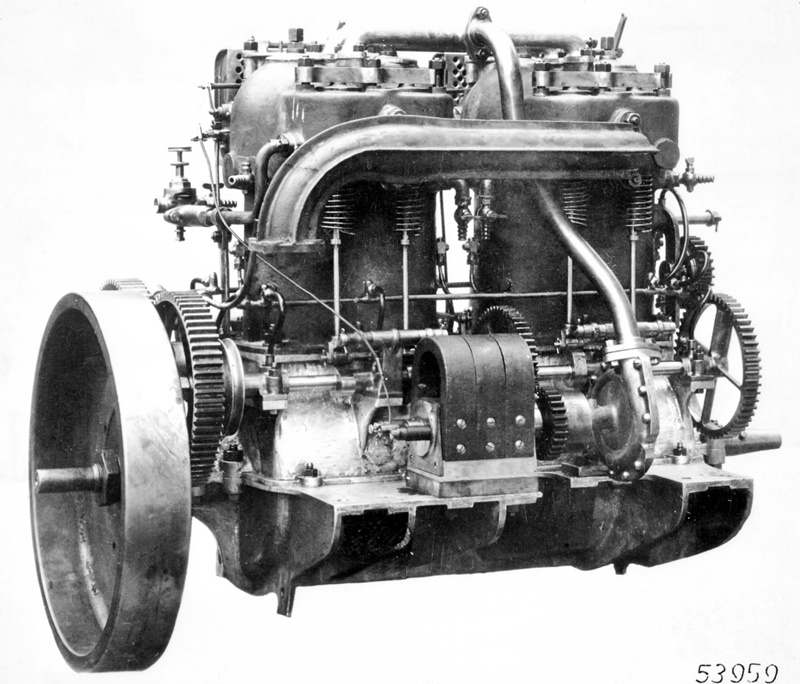
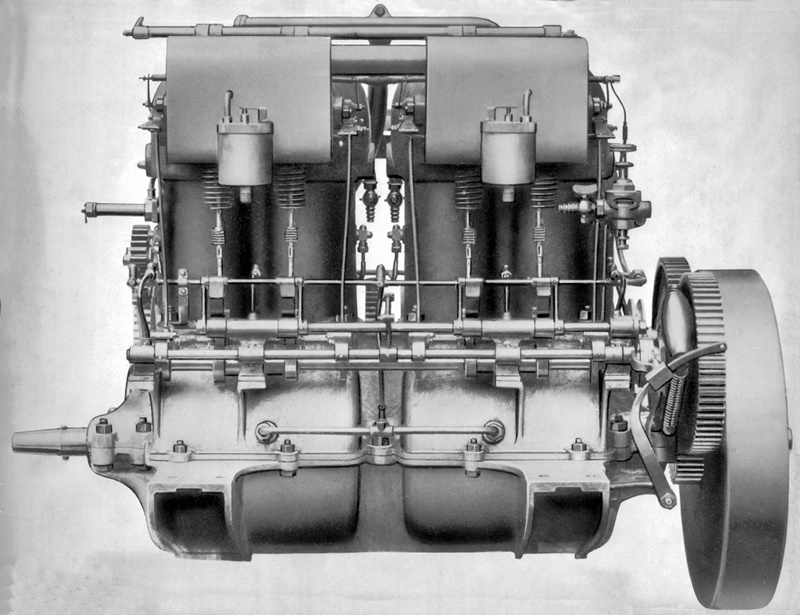
The new engine from DMG
The new 4-cylinder in-line engine had a displacement of 5913 cc and an output of 35 hp at 1,000 rpm. It was lighter than an earlier engine DMG produced and had a short stroke to achieve higher engine speeds. The intake valves were actuated by their own camshafts for the first time, meaning that the engine had two camshafts. This marked a substantial advance over the previously employed ‘sniffing valves’, which were actuated by the vacuum created by the downward-moving piston.

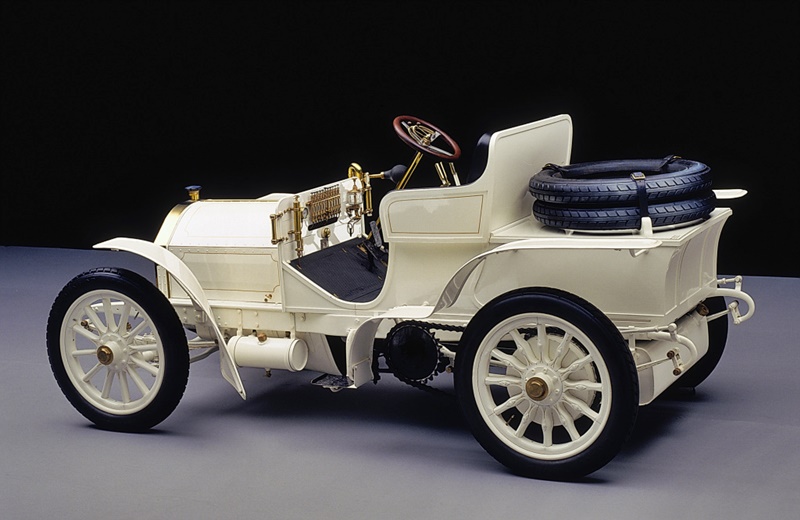
DMG 35 HP

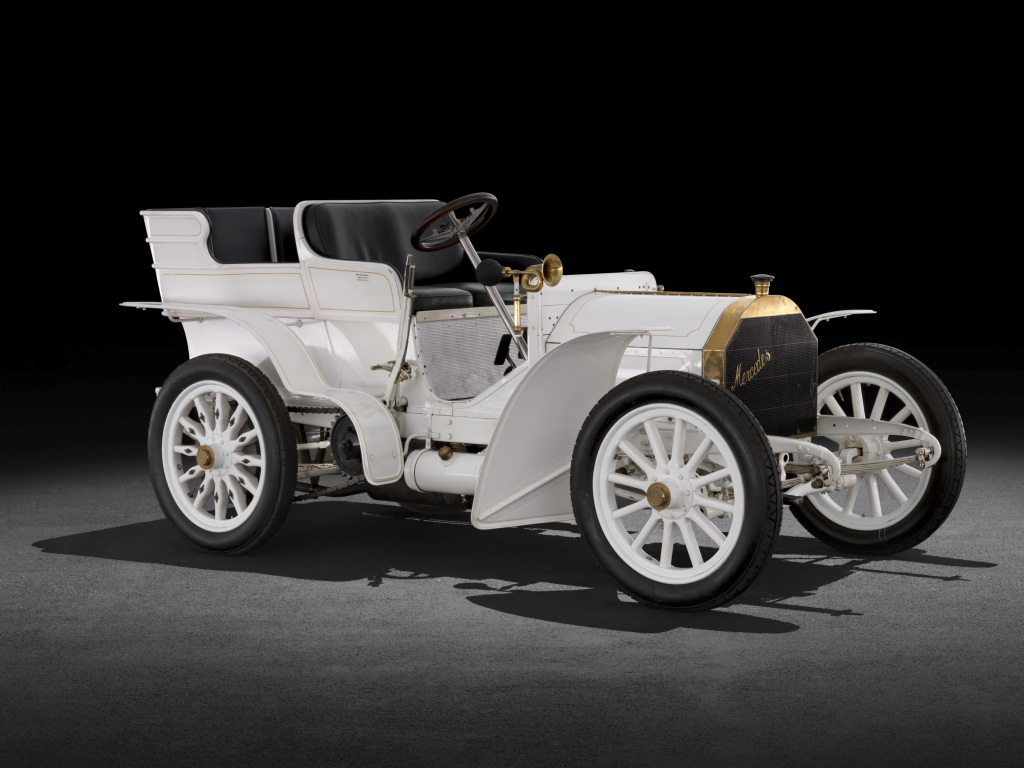
On December 22 1900, DMG delivered the first car equipped with a new engine, a 35 PS racing car. The car was not only the newest and most powerful model produced by DMG but has since come to be recognised as the very first modern motorcar.

The Mercedes 35 PS was systematically designed for performance, weight savings and safety, its key features including a lightweight high-performance engine, a long wheelbase and a low centre of gravity.

DMG 35 HP

With these attributes and the honeycomb radiator organically integrated into the front, it gave the motorcar its own distinct form. The first Mercedes was no longer reminiscent of a carriage pulled along by a combustion engine instead of horses. Rather, it was a new construction which had been systematically designed from scratch for the innovative new type of drive.

Unbeatable Mercedes
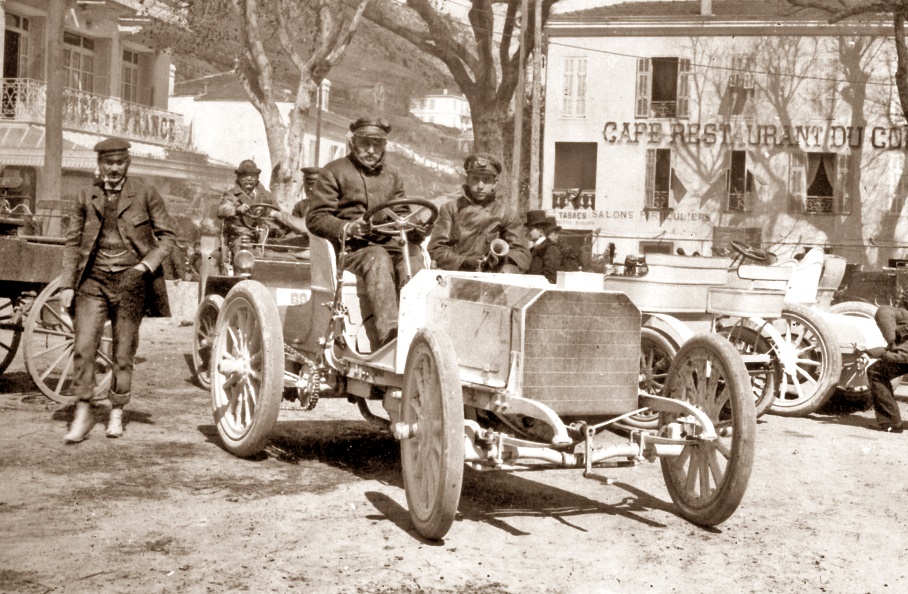
During Nice Week in March 1901, at that time perhaps the most important international motorsport event, the Mercedes cars entered were unbeatable in practically every class. This helped Jellinek and Mercedes to achieve exceptional publicity. In March and August 1901, the sister models, the 12/16 PS and 8/11 PS, were launched and Jellinek’s business was booming. In society’s most exclusive circles, it became the trend to drive a Mercedes or, even better, to be driven in one.

Mercedes
One of the Mercedes 35 racing cars in the Nice Week in 1901.
Mercedes
From the Mercedes 35 HP came the  Mercedes-Simplex 40 PS which was a luxury motorcar in the early 1900s.

Interestingly, Jellinek went a step further in June 1903: he received permission to change his name to Jellinek-Mercedes. He explained the decision thus: “This must in all probability be the first time that a father has borne the name of his daughter.”

And what about The Star?
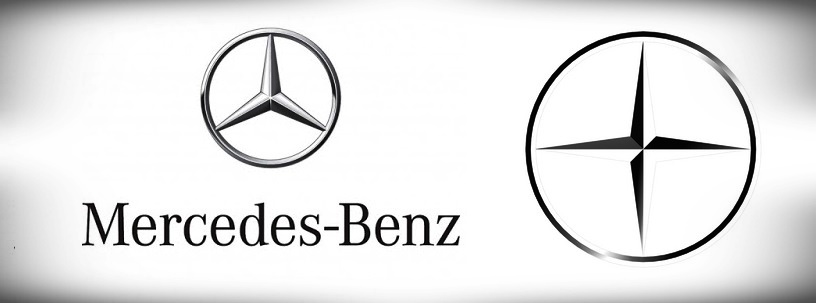
The Mercedes Star today immediately identifies the brand and its history goes back to 1909 when DMG registered it as a trademark by DMG in June 1909 (there was also a 4-pointed star). From 1910, it would be a common sight on the radiators of Mercedes vehicles.

Mercedes Star
While the 3-pointed star is well known as the symbol of Mercedes-Benz, the company also registered a 4-pointed star in 1909. It was not used for the passenger vehicles but was adopted by a Daimler-Benz affiliate, DASA. The 4-pointed star today features in the logo of the European Aeronautic Defence and Space Company (EADS).

The three tips of the star were also regarded as a symbol of Gottlieb Daimler’s efforts to achieve universal motorisation ‘on land, at sea and in the air’ – a vision he consistently pursued from the very beginning.

Vision Mercedes Simplex sculpture embodies heritage and future of luxury brand

Covid-19

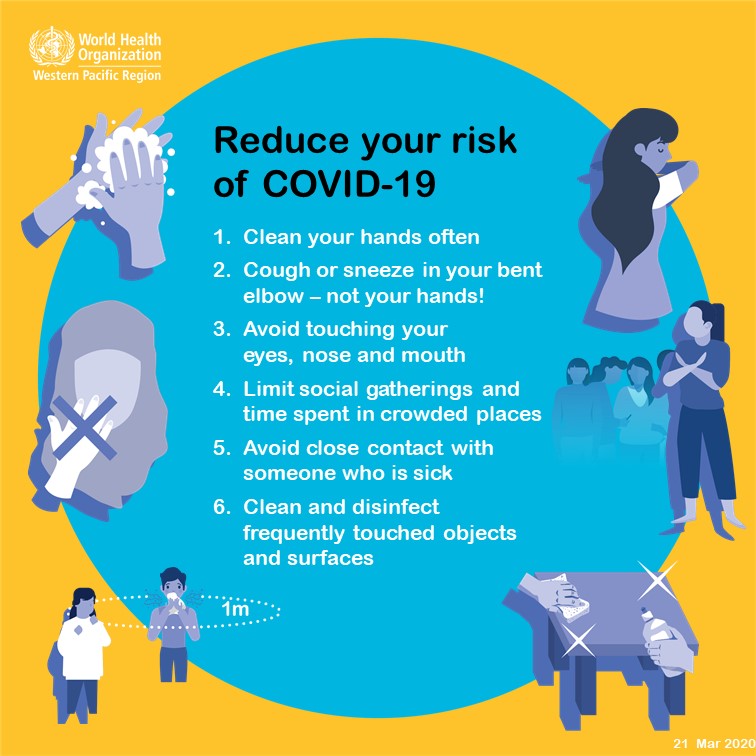
Fighting COVID-19 is our joint responsibility. Protect yourself and others: make these 6 simple precautions your new habits.

BHPetrol RON95 Euro4M

‘Necessity is the mother of invention’ is a saying which is attributed to Plato, the Greek philosopher. And it is certainly true in these times when there is urgent need of medial equipment to save lives as well as protect healthcare personnel.

Many carmakers have initiated and executed projects to design, engineer and manufacture vital Personal Protective Equipment (PPE), doing so faster than normal processes would take. They are using their advanced technologies which can speed up the R&D, and their factories to then produce the items.

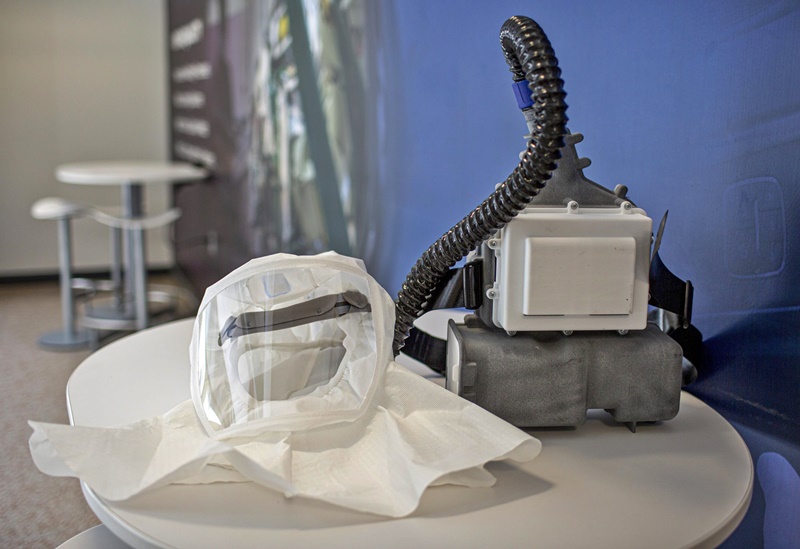
Ford, for example, is expanding its efforts to design and produce urgently needed medical equipment. In addition to the current production of more than 3 million face shields, the company is also now making powered air-purifying respirators which were designed in-house.

Ford

Gown production
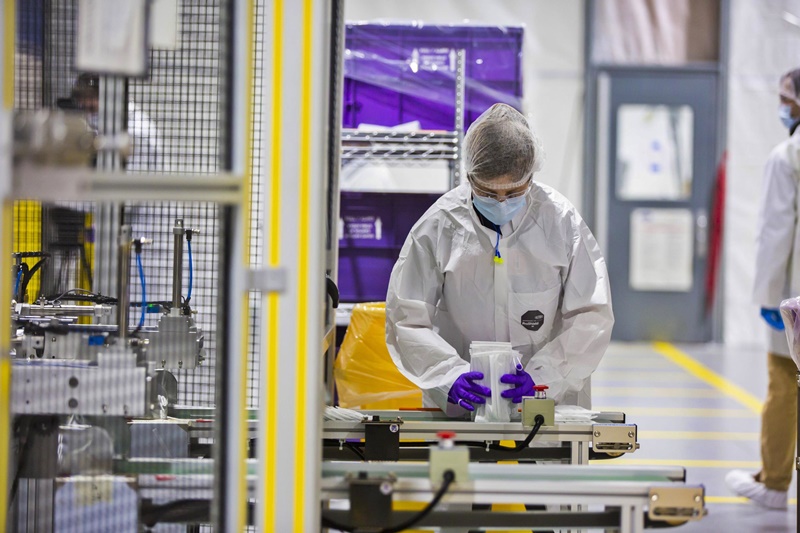
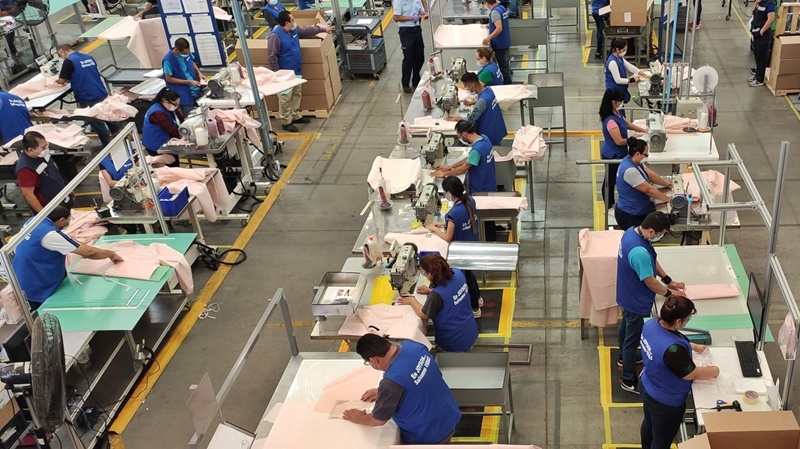
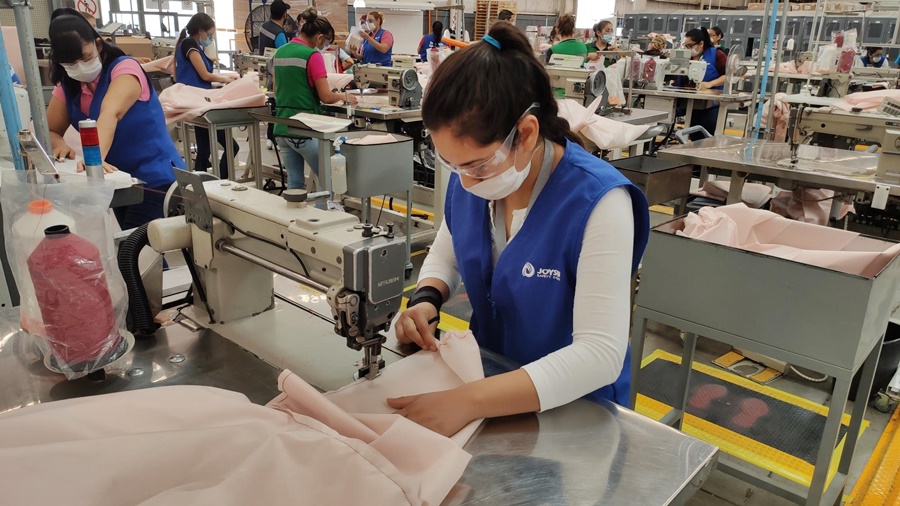
To help further protect healthcare workers, Ford is leading efforts to manufacture reusable gowns with its airbag supplier, Joyson Safety Systems. The go-fast project has created reusable gowns manufactured from material used to make airbags in Ford vehicles.

Production of gowns will reach 75,000 gowns a week by Sunday and scale up to 100,000 gowns for the week of April 19 and beyond. By July 4, Joyson Safety Systems aims to cut and sew 1.3 million gowns which are washable up to 50 times, extending their usage.

Ford

Ford

Ford worked with Beaumont Health in Metro Detroit to quickly design the gown pattern and test for sizing during fit and function trials. More than 5,000 gowns have already been delivered to the hospital.

The new PAPR
Since late March, Ford manufacturing, purchasing and supply chain experts have been embedded at 3M manufacturing facilities to help increase production of urgently needed products. With this additional help, 3M and Ford were able to increase the output of Powered Air Purifying Respirators and N95 respirators at 3M’s U.S.-based manufacturing facilities.

“By working collaboratively with 3M to quickly combine more than 100 years of Ford manufacturing and engineering expertise with personal protection equipment design and expertise, we’re getting much-needed technology into the hands of frontline medical workers to help when they need it most,” said Marcy Fisher, Ford Director, Global Body Exterior and Interior Engineering.

Ford

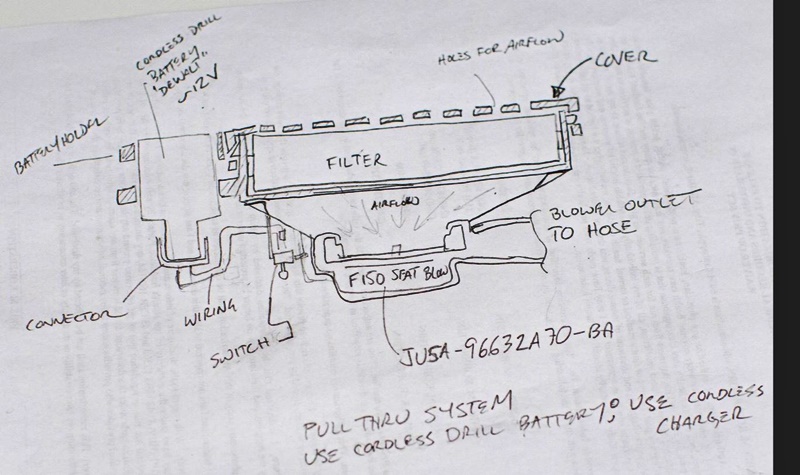
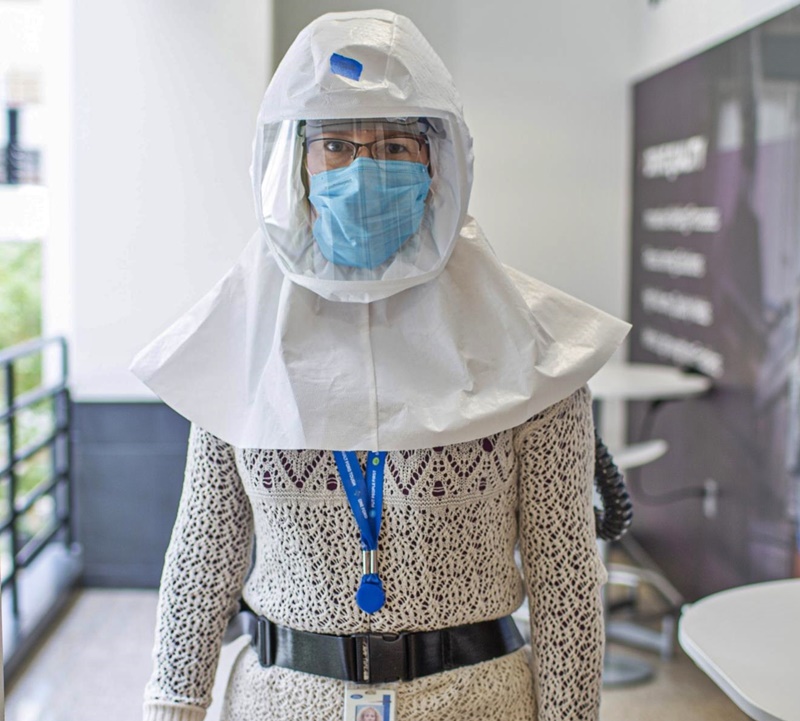
The newly designed PAPR includes a hood and faceshield to cover healthcare professionals’ heads and shoulders, while a high-efficiency filter system provides a supply of filtered air for up to 8 hours. The air blower system – similar to the fan found in F-150’s ventilated seats – is powered by a rechargeable, portable battery, helping keep the respirator in constant use by first-line defenders.

Ford

Producing globally
Besides the USA, faceshield production is also ongoing globally at Ford facilities in Canada and Thailand and with Ford joint-venture partner Mahindra & Mahindra in India. Ventilator pre-production activities are also underway in the UK, where Ford and an industry consortium are preparing to make ventilators.

Ford is providing manufacturing engineering capability, project leadership, purchasing support and assembly of the ventilators at its Dagenham engine plant. This production will help meet demand for 15,000 ventilators ordered by the U.K. government.

War on COVID-19: Proton to produce 60,000 face shields for frontliners

Social distancePISTON.MY

With the unprecedented COVID-19 pandemic affecting everyone, life as we have always known is changing – and many changes may become the ‘new normal’. Many sectors, especially businesses big and small are affected and where taxi drivers are concerned, it is obvious that the Movement Control Order (MCO) which restricts movements of the general public has been devastating.

Greatly reduced demand means less earnings and the government is offering financial assistance under the new economic stimulus package. This is in the form of a one-off payment for taxi drivers (RM600) and e-hailing drivers (RM500).

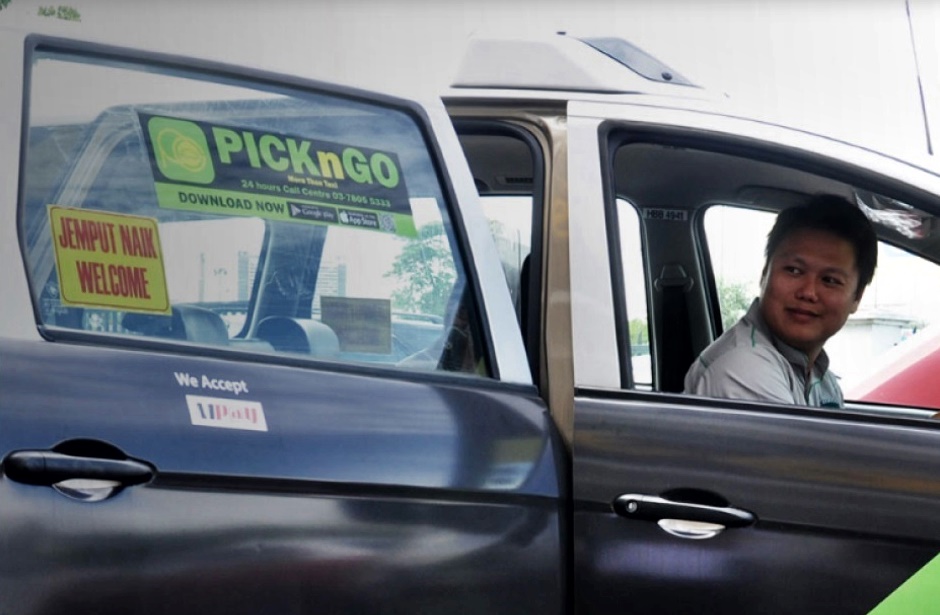
Valerie Chan, Executive Director of PICK N GO Sdn Bhd, said that this financial aid is a short-term relief for taxi drivers but with MCO extended until April 28, the taxi drivers may not be able to sustain themselves on their own although they are allowed to work.

The 3-year old company, which has a taxi-oriented ride-hailing app launched in 2017, has quickly embraced ICT advancement by allowing their app users to book the ride as a delivery service. This in turn helps business owners and customers to pick up their groceries or essential items from designated locations.
PicknGo

PICKnGO, which connects some 10,000 taxi drivers around Greater Kuala Lumpur, Perak, Melaka, Johor and Penang, has embarked on this new service involving delivery of items. This would provide an additional source of revenue for taxi drivers in these challenging times through their delivery operations. A customer will only need to book a ride through the application and leave a relevant remark at the message section of the app.

“We are also concerned over the widespread transmission of COVID-19 and have advised all our drivers take additional precautions by wearing a facemask while on duty and have hand sanitizers in their vehicle. We also urge passengers to wear a mask while riding in the taxi,” Ms. Chan said.

She added that the taxi drivers are also practicing contactless and cashless payment system though the app to reduce any physical contact. Taxis are listed under essential services, hence they are allowed to move around conveniently to offer their service, she added.

PicknGo

“This would enable a natural progression for taxi companies to keep up with the advancements and the changing business landscape in the current e-hailing landscape which has become further challenging due to the given pandemic,” she said.
Ms Chan also reminded taxi drivers not to give up during this tough period and is hopeful that the public will support and provide an opportunity to taxi drivers by utilising their delivery services. PICKnGO has plans to collaborate with other industry players as well to provide food deliveries and courier services to help taxi drivers sustain in the nearest future.

You can download the PICKnGO app from Google Play or the App Store.

StayAtHome

PISTON.MY

Archive

Follow us on Facebook

Follow us on YouTube