
Piston.my

Latest News

BHPetrol RON95 Euro4M

23 years ago, Lexus introduced a new model which created a premium SUV class. It was known as the RX and in Japan, the same model was also sold as a Harrier under the Toyota brand (probably because Lexus was not sold in Japan yet). For the generations that followed, the Lexus and Toyota models were essentially similar until 2013 when they separated and the Harrier became an independent development.

Toyota Harrier generations (1)
The first two generations of the Harrier were similar to the Lexus RX but the most recent one (right) was an independent development.

The Harrier name and product had built up a strong reputation, even outside Japan and was a very popular parallel import in many countries, including Malaysia. Initially a JDM (Japan Domestic Market) model, its popularity eventually led to UMW Toyota Motor deciding to officially sell it in Malaysia from 2017.

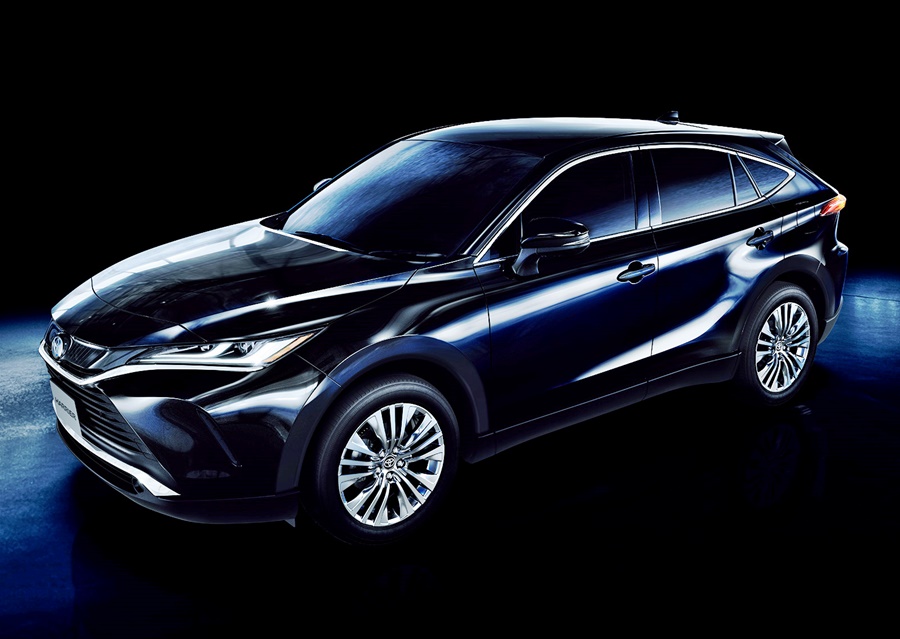
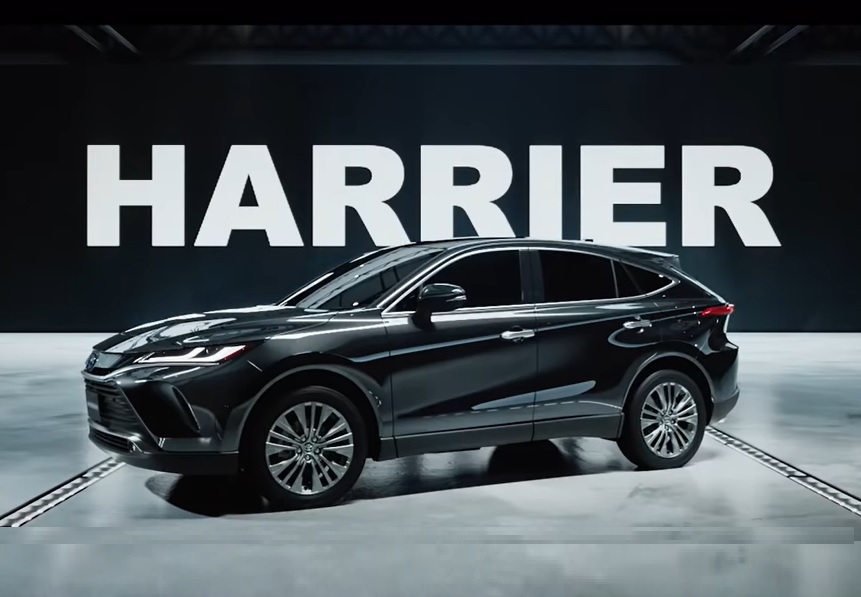
Now comes a new Harrier, to be launched in Japan in June 2020, which is said to ‘go beyond the SUV category to offer new value as ‘a life-enriching partner’. Like its predecessors, it offers the same high quality in design and engineering.
2020 Toyota Harrier

2020 Toyota Harrier

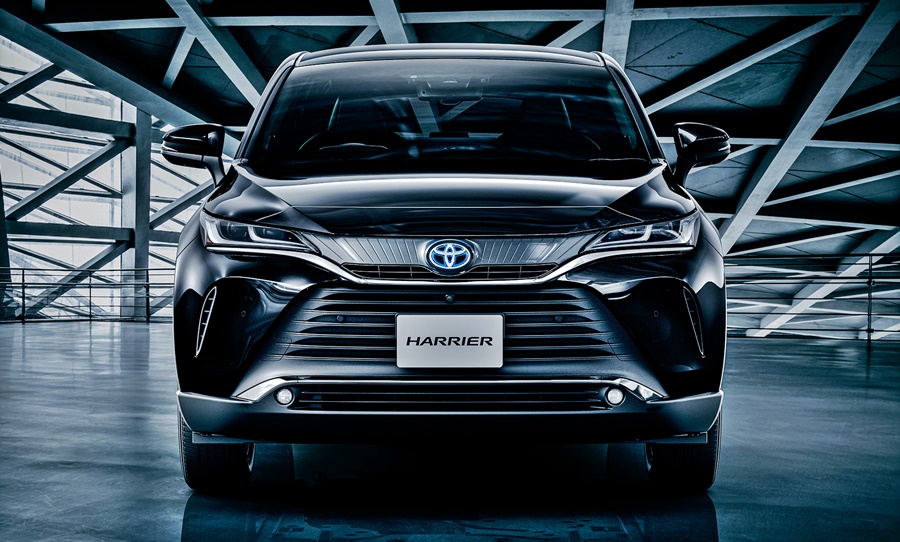
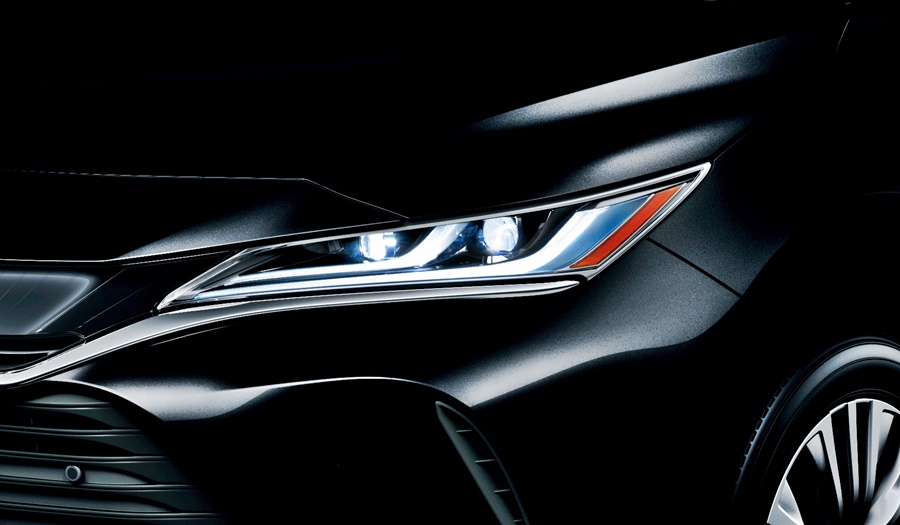
The new Harrier has a front view that emphasizes sharp styling with fluid proportions through the continuity of lines flowing from the front upper grill through to the headlamps. The headlamps (with double-L DRLs) indicate individuality and technical advancement while enabling easy identification from a distance.

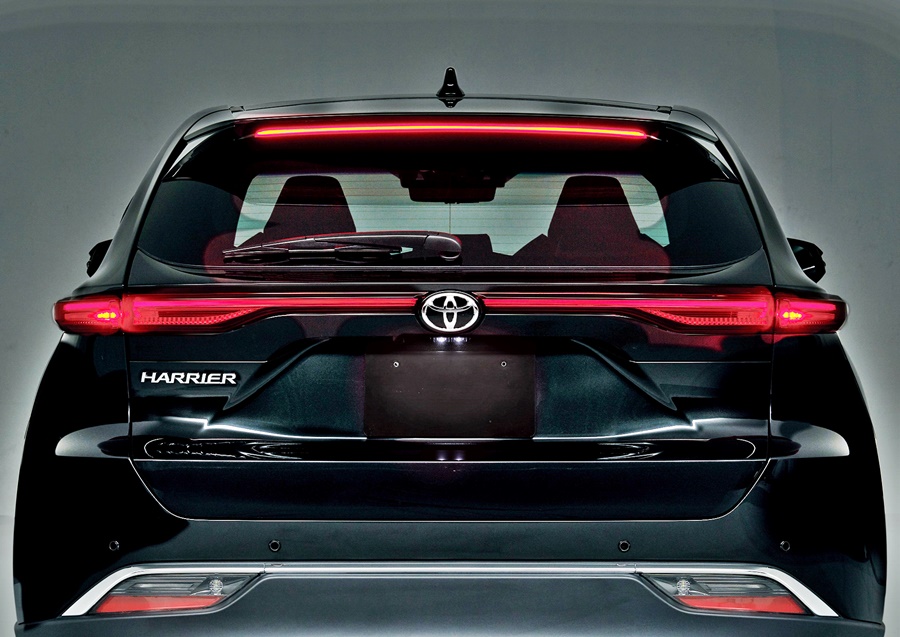
The narrowed coupe cabin has sportscar-like wheel housings extending from both sides of the body. Light from a thin, sharp line of tail lamps and stop lamps gives it an overwhelming sense of presence.
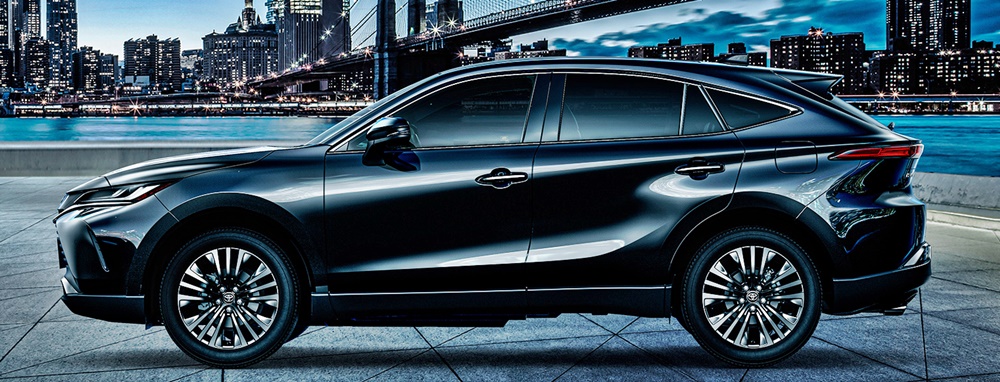
2020 Toyota Harrier

2020 Toyota Harrier

2020 Toyota Harrier

TNGA platform
The new Harrier uses the TNGA (GA-K) platform for its basic structure. This creates a highly rigid body with a low centre of gravity, enhancing both ride comfort and driving performance with a focus on driver sensitivity.

The suspension system uses MacPherson struts at the front and a double wishbone set-up at the rear. The front and rear suspension geometry has also been optimized to produce a well-balanced rigid body. Through thorough tuning and testing, Toyota engineers aimed to provide a ride that is both solid and graceful.

To improve steering convergence in the new Harrier, the shock absorbers have a smooth pedal stroke even in very low speed ranges are used. This enables the driver to feel the tyres gripping the road, achieving a high level of sensitivity.
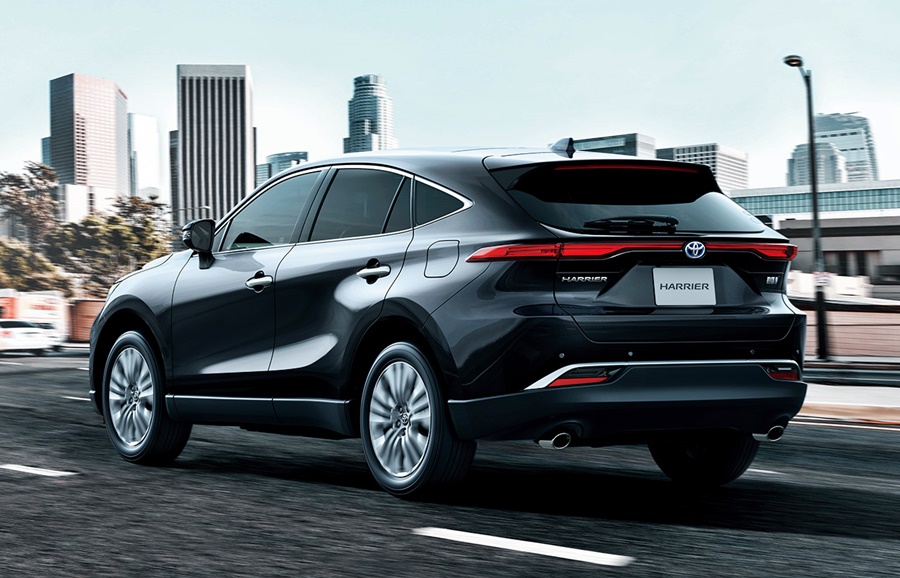
2020 Toyota Harrier

The TNGA platform brings with it the latest all-new Dynamic Force Engines (2.5 litres and 2.0 litres) and Direct Shift-CVT. Customers can also choose the continually evolving Toyota Hybrid System (THS II), which expands the options available more than ever. Drivetrains are AWD or 2WD as well as E-Four with the Harrier Hybrid.

Toyota Safety Sense
The new Harrier comes with Toyota Safety Sense (TSS), which employs a pre-collision safety system that detects pedestrians during the day and at night, as well as cyclists during the day. TSS includes Intelligent Clearance Sonar with Parking Support Brakes (Stationary Objects) that helps reduce and/or mitigate damage from collisions during low-speed driving in parking lots, etc.

There is also a Digital Inner Mirror, used for the first time by Toyota, which enables recording of images to the front and rear of the vehicle while driving. The hybrid variant features a 100-volt (AC)/1,500-watt accessory power outlet. This not only allows the use of electrical products using the same electrical outlets found in the home, but also enables the SUV to be used as a power generator during blackouts and other times of emergency.
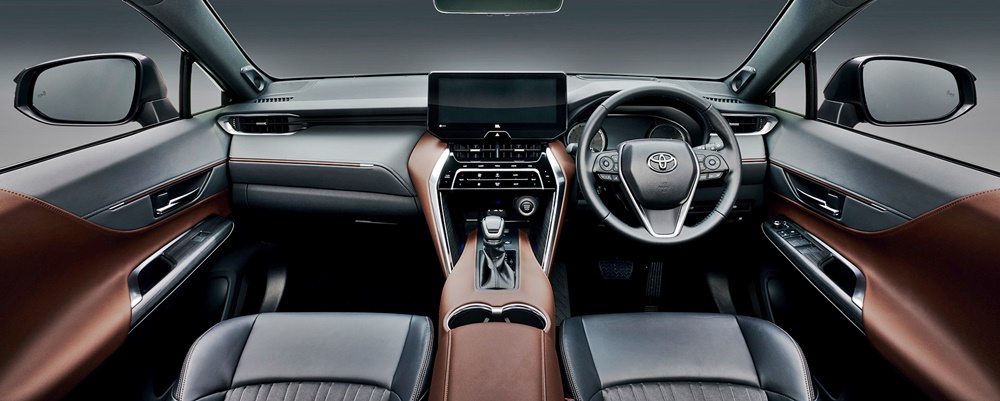
2020 Toyota Harrier

Ruggedness and individuality
The interior employs tactile synthetic leather to create the image of a natural-looking silhouette wrapped in thick leather, and bentwood-inspired wood tones and piping throughout, presenting a casual air of quality.
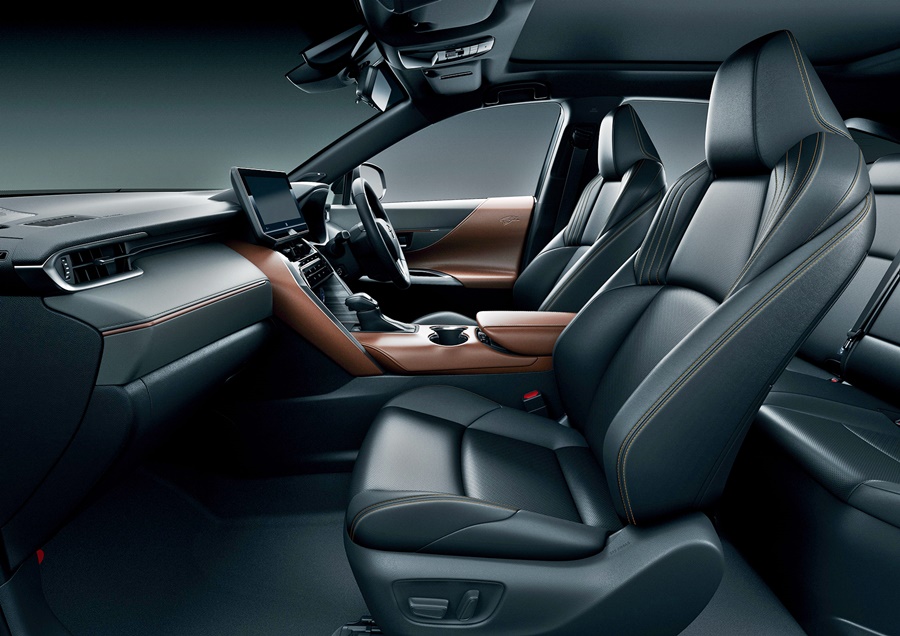
2020 Toyota Harrier

A panorama roof, used for the first time by Toyota, is equipped with electric shades and electro-chromatic windows. When the windows are dimmed, soft light penetrates the cabin. Low-contrast browns, greys, and blacks are used to create a calming atmosphere that is both chic and mature.

The centre console presents a wide and imposing impression of a horse’s saddle. It combines with an instrument panel set within the edges of the ‘saddle’ to present a generous ruggedness with an emphasis on individuality.

Toyota’s new painting process with highest coating efficiency in the world

Covid-19
Fighting COVID-19 is our joint responsibility. Protect yourself and others: make these 6 simple precautions your new habits.

PISTON.MY

BHPetrol RON95 Euro4M

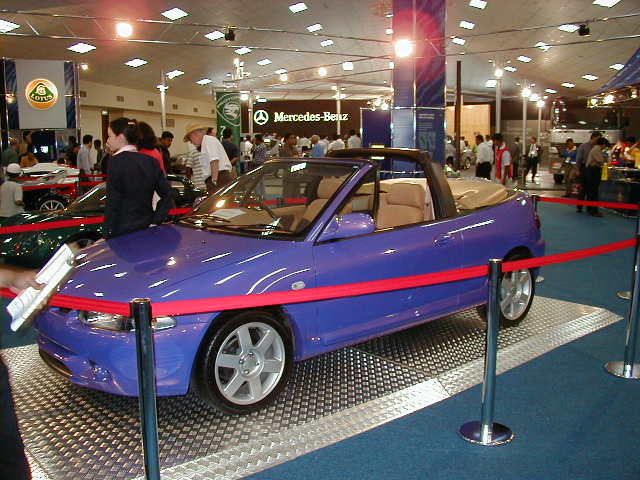
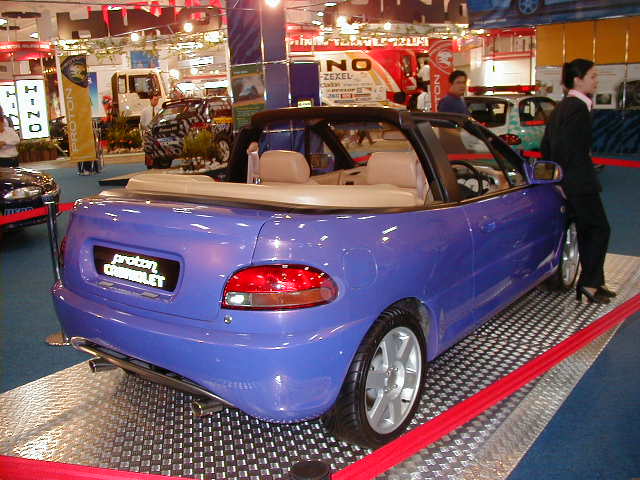
Proton has never had a convertible model in its range but 20 years ago, it built one as a concept study based on the Satria. The model was displayed in Germany as well as China, besides the 2001 KL International Motor Show. Although there was positive response, Proton did not go on to develop it as a production model.

Proton Convertible

PISTON.MY

StayAtHome

BHPetrol RON95 Euro4M

‘Quality’ can be perceived in varying degrees and where cars are concerned, it would not be wrong to say that the more expensive the model, the higher the quality will be. The higher cost comes partly from using the finest materials and having the best workmanship and advanced manufacturing processes.
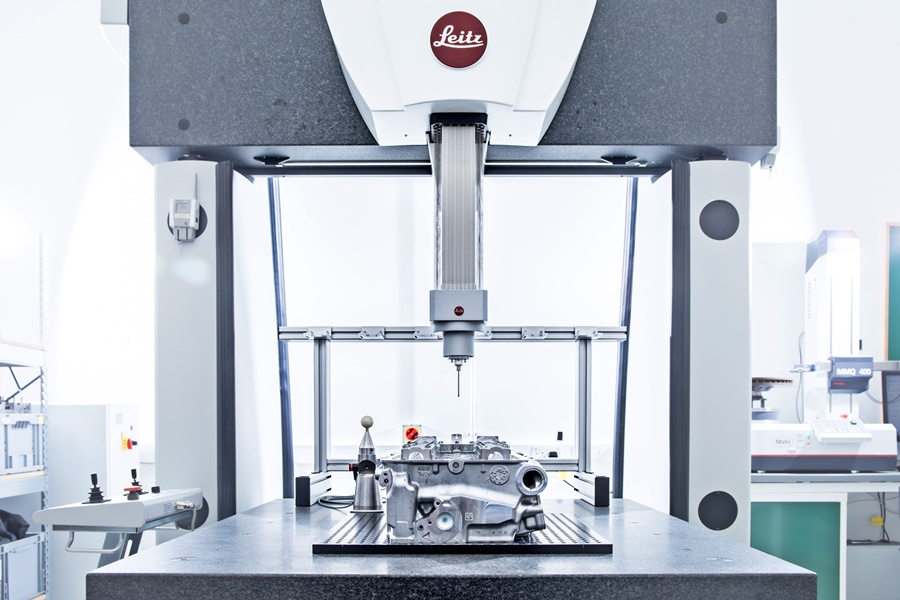
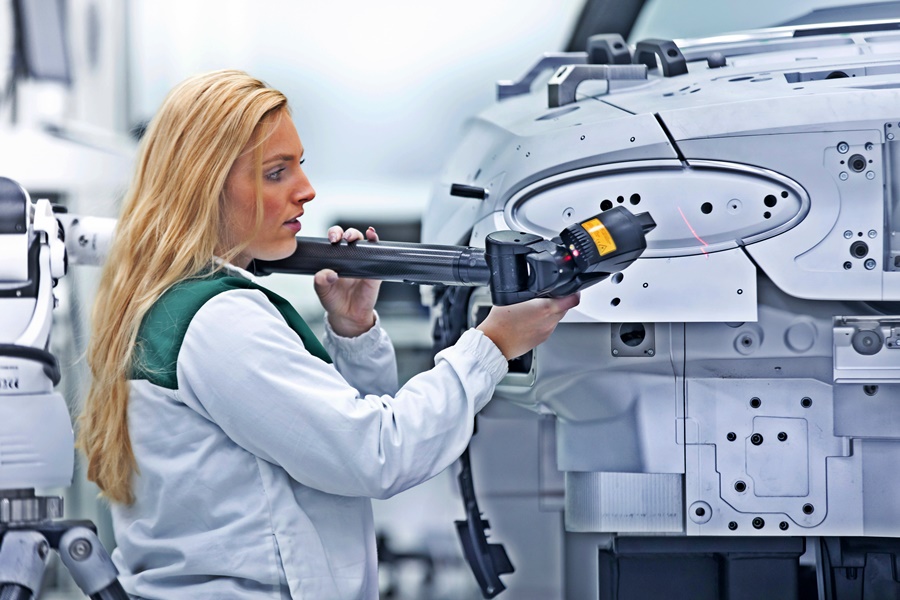
Precision is a key element in quality and at Bentley, maintaining precision is done in a large, airy and air-conditioned workshop packed with the kind of precision instruments you’d expect to find in a space agency facility or university science lab.

It’s here that Head of Metrology Michael Stockdale and his 25 colleagues measure every part of a Bentley to the highest standards of precision. Metrology is the science of measurement, and it’s fundamental to the quality, performance and longevity of every Bentley that each component is made to consistently precise dimensions.

Bentley

Stockdale and his colleagues can measure every part of each model Bentley makes, from the smallest washer to body panels and interior trim, and ensure that no component strays from the close tolerances prescribed for it. “We have the tools to measure everything from the graining of leather to the surface of a cylinder bore, down to fractions of a micron” explains Stockdale.

Having measured components individually, they are measured again as sub-assemblies and once more as part of the finished vehicle. Thus, the Metrology team plays a vital role in ensuring that near perfection is repeatable.

Precise choreography
Measuring and enforcing the highest standards of dimensional accuracy is especially important for a vehicle, where multiple components become sub-assemblies. To take just one example, the retractable Flying B mascot on the bonnet of the Flying Spur, which smoothly deploys and retracts only because each component in its complex control assembly is made to close and consistent dimensions.

Bentley

It is illuminated and linked to the keyless entry system as the driver approaches the car, yet it must also retract automatically in the event of an accident. To achieve this precise choreography and to ensure that it sits perfectly centred within its plinth, elements of the Flying B system have tolerances as low as 0.15 mm.

Finer than a single blood cell
Laymen use ‘a hair’s breadth’ as a description of the tiniest imaginable measure, but such a term would be too imprecise for Bentley’s Metrology team. As Stockdale points out, a human hair can be anything from 17 microns to over 150 microns thick. In contrast, there are instruments within Metrology that can measure down to 0.5 microns.

A micron is one millionth of a metre, and a human red blood cell is 5 microns in diameter. Not every component of a Bentley needs to be measured to tolerances of less than a micron, but there are some.

Bentley

As an example, Stockdale cites the crankshaft of Bentley’s 6-litre W12 engine. Though invisible to the naked eye, each of the 12 machined bearing journal surfaces in which the crankshaft sits features minute grooves that hold a microscopic film of oil.

By using a high accuracy Perthometer (a tool designed to measure surface finishes), the Metrology team can verify that those minute grooves are within their defined tolerances, in turn ensuring that each W12 engine produces both the immense power and lifelong durability its owners would expect.

Scanning every millimetre
As well as measuring individual surfaces and components to microscopic levels of accuracy, the Metrology team measures entire vehicles. Every millimetre of the car’s body is scanned using high accuracy digital cameras to create a complete and precise map of the car.

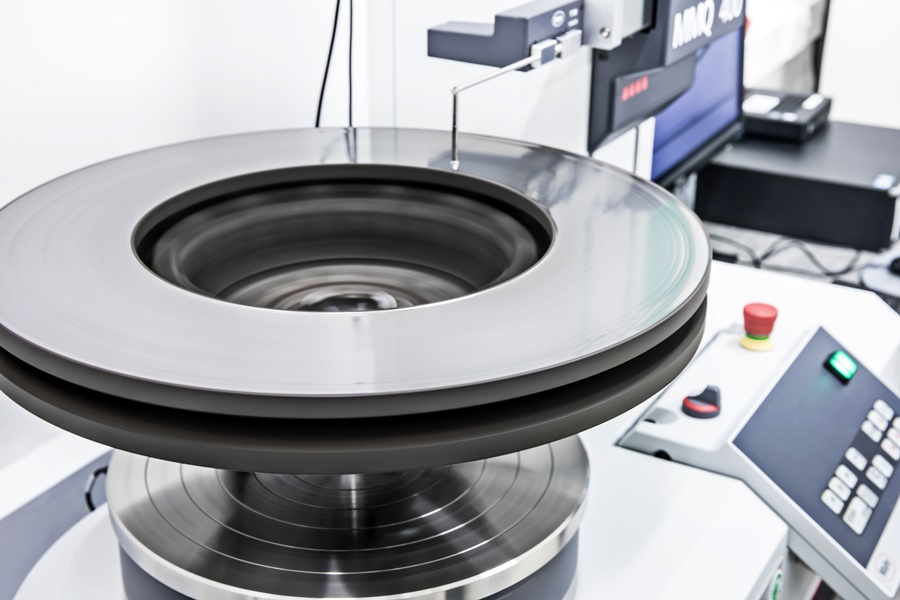
Brake disc
Ensuring the contrencity of the brake disc is precisely within specifications.

“Imagine an issue at the prototype stage where the panel gap between grille and bonnet is a millimetre too large,” explained Stockdale. “Does the fault lie with the grille, or the bonnet? A special reference vehicle provides the answer, because it’s made to the precise dimensions of the CAD data.”

Precise temperature control
Materials expand when warm and shrink when cold, so it’s essential that measurements are taken at a consistent reference temperature. Within the Metrology area, air conditioning keeps the area at a steady 20°C. But for components that demand the highest levels of precision, there’s an inner sanctum called the High Accuracy Measurement area, where a dedicated climate control system ensures that the temperature never deviates by more than half a degree Celsius.

Within this area are three gigantic granite blocks to which components can be clamped for the ultimate in stability, essential for an accurate reading. But first, the components to be measured have to soak in the atmosphere – literally. “A large component like an engine block might have to soak at a consistent temperature for up to a week, so we can be sure that it’s 20°C all the way to the core,” said Stockdale.

Only 12 people will get to own this super exclusive Bentley Bacalar (w/VIDEO)

StayAtHome

PISTON.MY

BHPetrol RON95 Euro4M

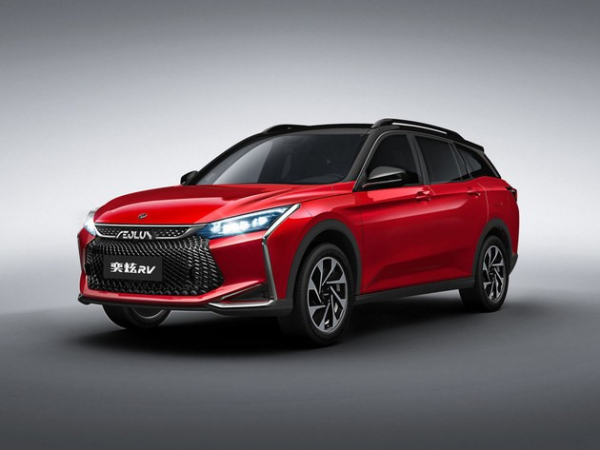
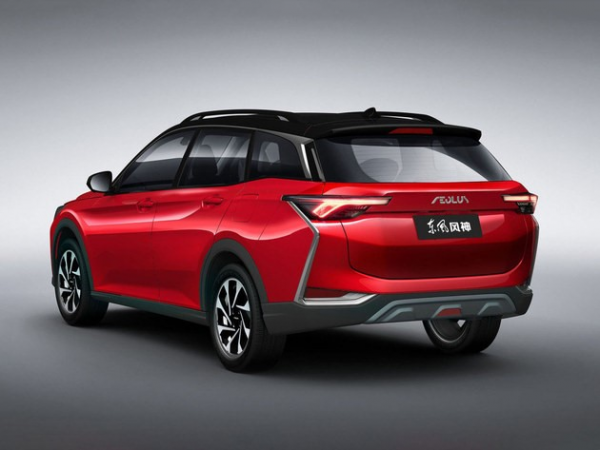
With the COVID-19 pandemic crisis in China appearing to subside and businesses are resuming operations, some carmakers are already looking at launching new models later this year. One of them is Dongfeng Motor Corporation (DFM) which is readying a new compact SUV, to be called the Yixuan RV, in June this year

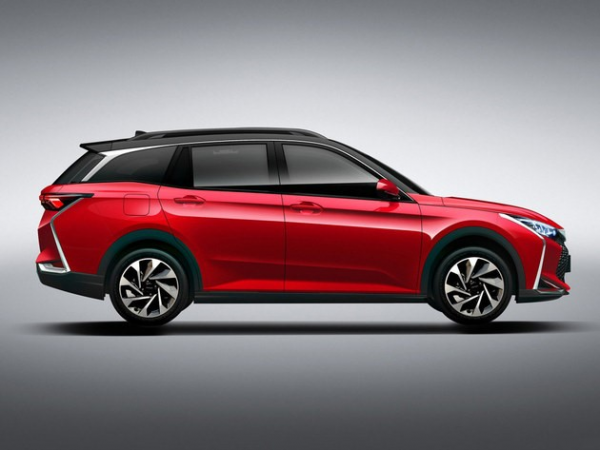
Tough sharing the same over styling as the Yixuan model in the Aeolus range, it has a more aggressive design language. The angular front design elements complement the large matrix centre grille to create a bold look. When viewed from the side, the profile of Yixuan RV incorporates a bi-colour design, and the chromed sash molding and wheel rim well echo the overall design styling.

2020 Dongfeng Yixuan RV

This is the first SUV developed from the DFM’s CMP modular platform which was jointly developed with the French PSA Group (which has Peugeot and Citroen). Dimensionally, the new model has an overall length of 4610 mm and width of 1830 mm with a wheelbase of 2680 mm. This would put it around the same size as a Hyundai Tucson.

The interior styling of this new model is also similar to Yixuan, with a similar looking console, floating central control screen, multifunction steering wheel and red/black leather seats. What differentiates the RV version is the carbonfibre-like pattern on the trim.

2020 Dongfeng Yixuan RV

Customers will be able to order the Yixuan RV with either a 1-litre 3-cylinder turbocharged engine with a maximum power of 125 bhp/196 Nm, or a 1.5-litre (also turbocharged) 4-cylinder engine that produces 150 bhp/230 Nm. Transmission options available are 5-speed manual or a 6-speed dual-clutch unit.

About Dongfeng
DFM’s history is longer than most other carmakers in China, going back to 1969 when it was founded as the Second Automobile Works Co., Ltd. This was before the country’s automotive industry took off (in the 1980s) and its main products then were trucks. Since the 2000s, it has also been producing passenger vehicles and collaborates with the PSA Group as well as Renault and Nissan.

Dongfeng
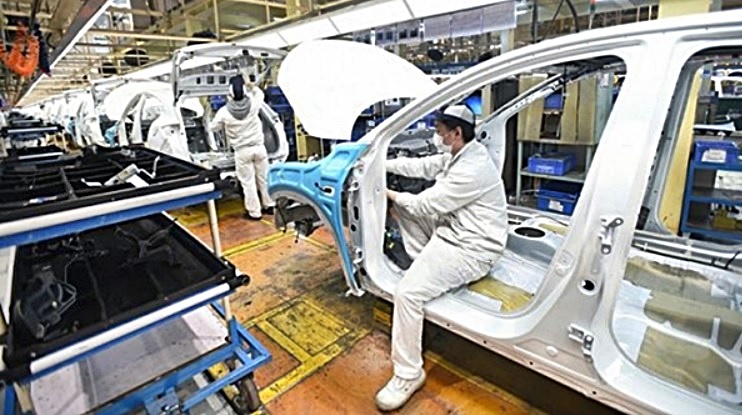
Dongfeng’s factory in Wuhan lost 3 months of producton this year and has been slowly increasing output since resuming operations from the end of March.

Last year, it sold almost 3 million vehicles, made up of 2,463,620 passenger vehicles and 468,333 commercial vehicles. This year, it is aiming for 3.1 million vehicles although the lengthy shutdown would impact that target especially as DFM production facilities are located in Wuhan and Hubei province whichh were at the epicentre of the pandemic.

Covid-19
Fighting COVID-19 is our joint responsibility. Protect yourself and others: make these 6 simple precautions your new habits.

BHPetrol RON95 Euro4M

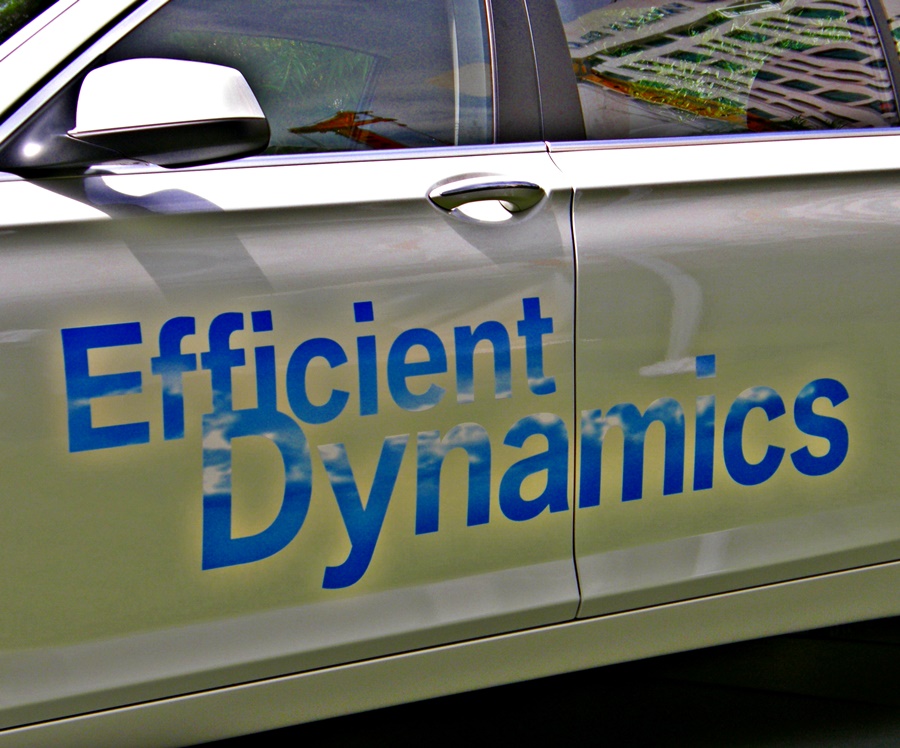
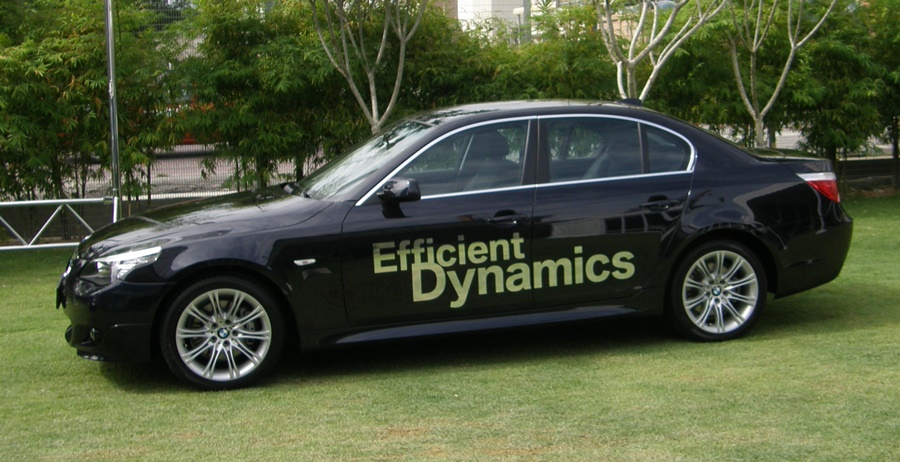
BMW Efficient Dynamics technology was initiated in 2007 with the objective of consistently reducing fuel consumption – and thereby CO2 emissions – on the one hand, while steadily enhancing driving dynamics on the other. Generally, when pursuing lower fuel consumption goals, the trade-off has been in performance but that would not be acceptable to BMW engineers.

BMW Efficient Dynamics
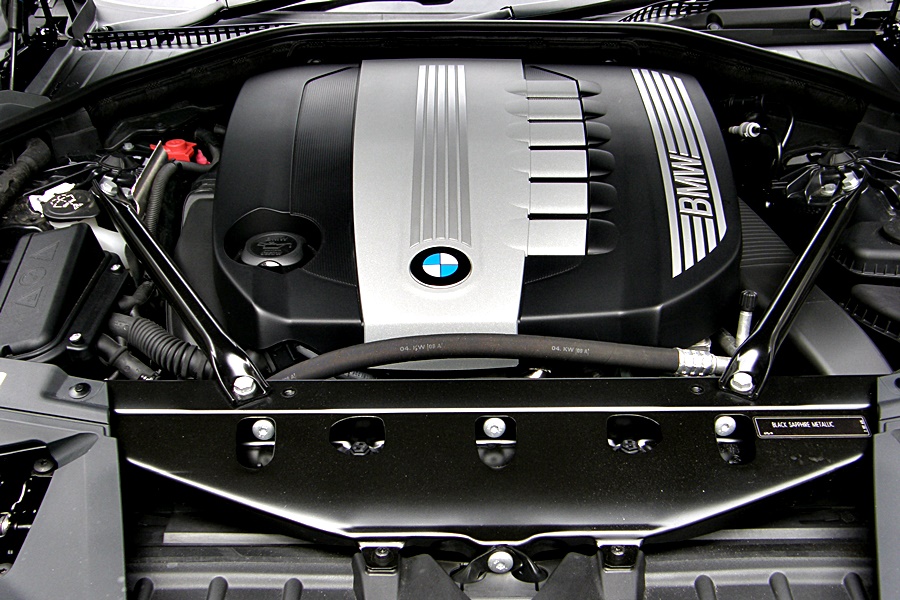
In Malaysia, early examples of BMW Efficient Dynamics focussed on advanced turbodiesel technology (2009 730Ld engine shown below).

BMW engine

As a result, Efficient Dynamics is now a fundamental link in the DNA of all BMW models and one of the key reasons why the BMW Group will be able to meet the European Union’s CO2 targets in full.

Technical measures covering every area
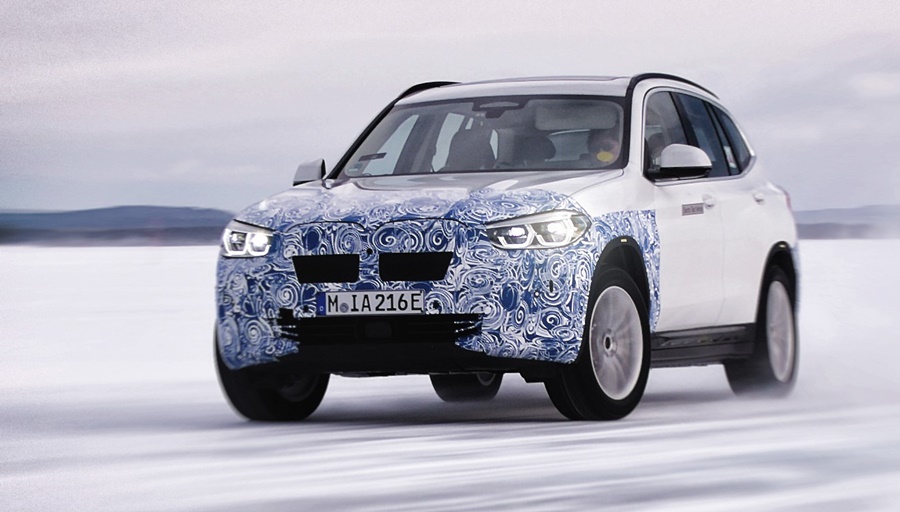
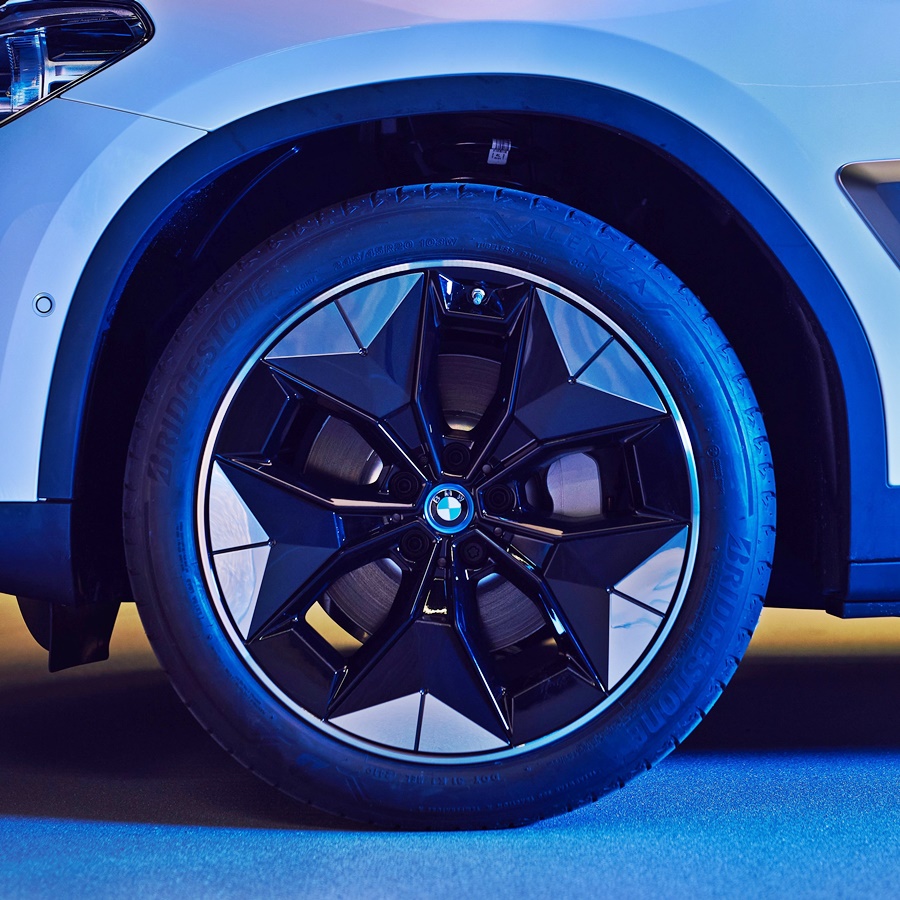
The Efficient Dynamics approach systematically optimizes every aspect of the vehicle, not just the powertrain. On the aerodynamics side, active air flap control is now in its third generation, while the new iX3 (due to be launched by the end of 2020) will be fitted with the latest generation of BMW aerodynamic wheels.

BMW Efficient Dynamics
iX3 prototype, undergoing cold weather testing, will use unique aerodynamic wheels (below).

BMW Efficient Dynamics

The technology behind the new wheels has been further refined, resulting in a 5% reduction in drag coefficient compared to conventional X3 wheels plus a 15% weight saving over the previous BMW aerodynamic wheel type.

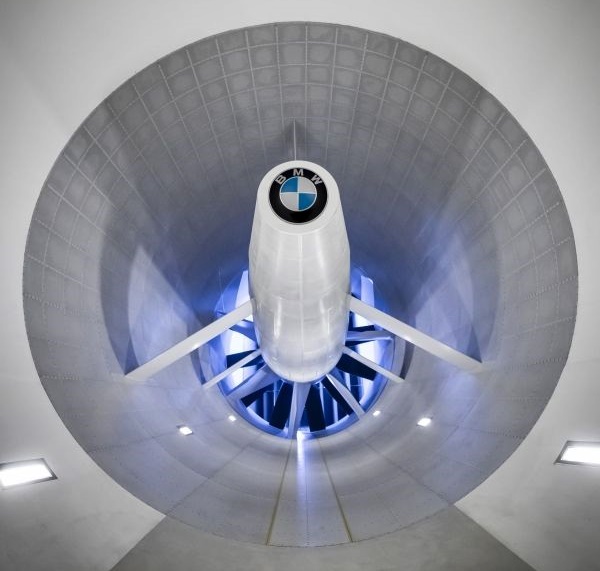
Such significant steps forward have been achieved thanks to heavy investment in the necessary aerodynamics R&D infrastructure over recent years. The most aerodynamically efficient current model overall, the new 3-Series Sedan, has a Cd of just 0.23, earning it the title of ‘best in segment’.

Intelligent lightweight design has also led to some major efficiency-boosting advances. This has made it possible to reduce the weight of models from one generation to the next, despite increases in size and safety enhancements. Optimizing structures and employing the ideal materials in every area of a vehicle are key to attaining the goals that have been set.

BMW Wind tunnel

The wide range of powertrain systems on offer also plays a fundamental role in the Efficient Dynamics concept. From highly efficient combustion engines with 48V electrical systems to plug-in hybrids and all-electric vehicles – all are underpinned by the basic principle of Efficient Dynamics: minimize the input while maximizing the output.

The advent of 48V mild hybrid technology greatly expands the possible uses of Brake Energy Regeneration. This technology made its debut in the four variants of the 520d last year and are now being extended to the 3-Series, X3 and X4 ranges.

Hydrogen fuel cells in future
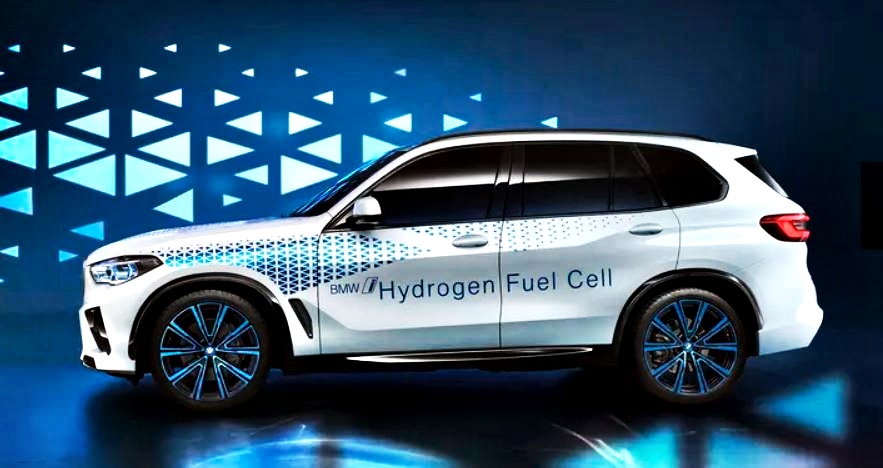
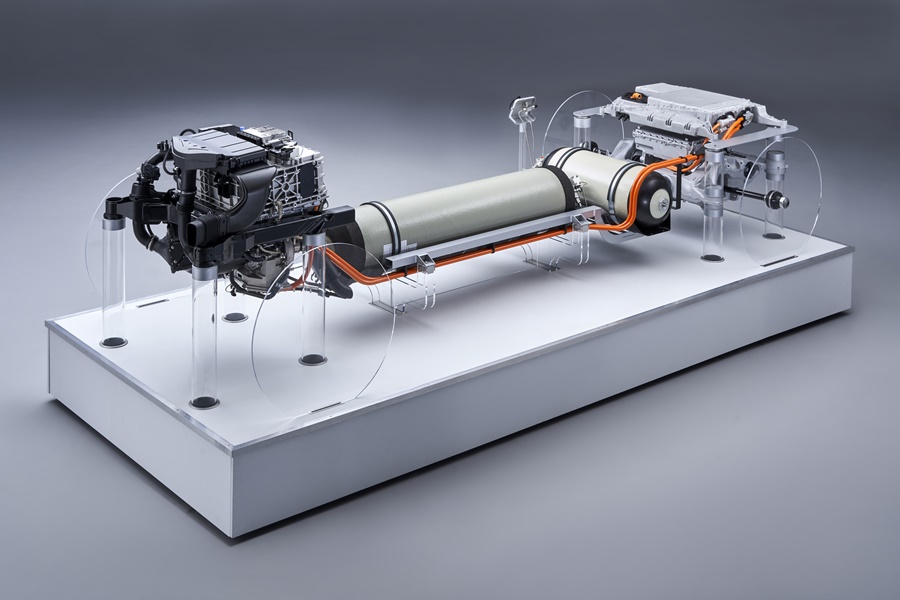
The BMW i Hydrogen NEXT – unveiled to the public at the 2019 Frankfurt Motor Show as a technology demonstrator – represents a potential fourth pillar in the company’s powertrain portfolio. The BMW Group has been working with the Toyota Motor Corporation on fuel cell technology since 2013. The underlying conditions for supplying ‘green’ hydrogen are not yet in place, however, meaning it will still be some time before the BMW Group brings out a production vehicle with this technology on board.

BMW i Hydrogen NEXT

BMW Efficient Dynamics
The BMW Group and Toyota are working on a hydrogen fuel cell powertrain for the future.

Systematic roll-out with clear benefits
As a result of the continuously evolving package of technological measures, fleet consumption and CO2 emissions have been cut by more than 40% over the last 13 years. What is more, the BMW Group will comply in full with the European Union’s CO2 targets, thanks in part to the rigorous deployment of BMW Efficient Dynamics innovations as standard across all model series. With ongoing electrification of the range, CO2 emissions in 2020 will be 20% lower again thant the figure for 2019.

First look at the hydrogen fuel cell powertrain being developed by BMW and Toyota

StayAtHome

PISTON.MY

By now, Malaysians would know that the Movement Control Order (MCO) will not expire on April 14 but continue till April 28, 2020. The reason is to give more time for the effects of social distancing and restricted movements to slow down the spread of the COVID-19 coronavirus and ‘flatten the curve’. The latter refers to a graph which projects the number of infected cases and the ‘flatten to curve’ will keep the number lower so that our medical facilities can cope.

In Europe and America, the number of cases has gotten so high that hospitals cannot cope and lives are being lost because of insufficient life-saving equipment and even beds. We do not want that to happen in Malaysia and it seems that the MCO has worked to some extent although the Health Ministry’s Director-General says that more time is needed.

Understanding that the restrictions, which have included closure of most businesses, has seriously affected the economy and put increasing pressure on workers, the government will permit certain sectors to operate in what we hope is the final phase of the MCO. The sectors involve industries such as machinery and equipment, social health services, construction, aerospace, optical shops, laundry shops and barber shops. Earlier, hardware shops had already been allowed to operate on certain days and within certain hours.

Proton

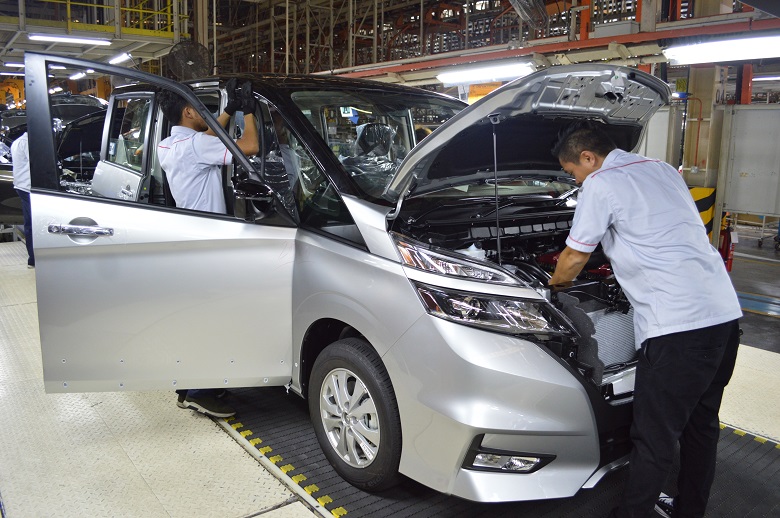
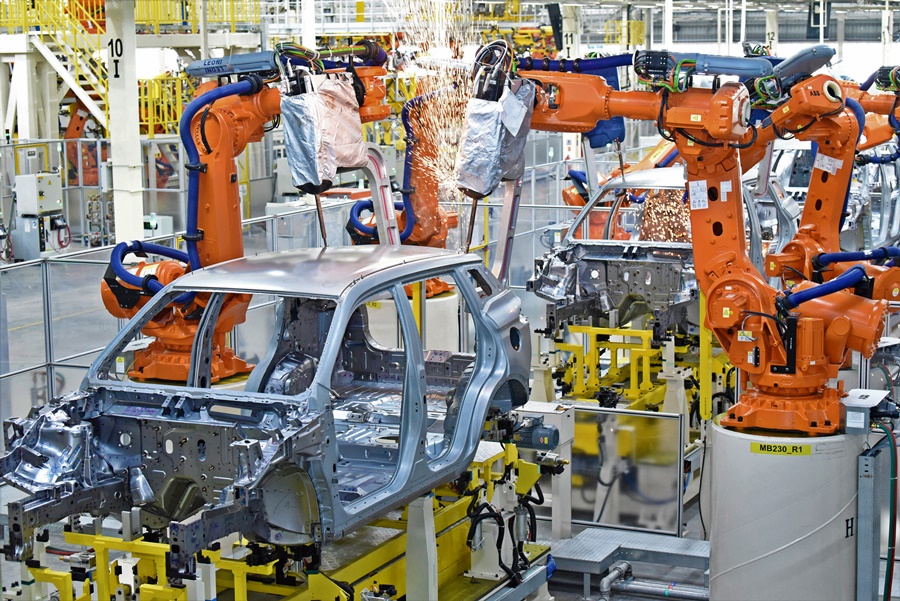
Some sectors of the auto industry are also allowed to operate in the coming weeks. These are plants and companies which are involved in the assembly of vehicles for exports (production for the domestic market is not allowed). This would mean brands such as BMW, Mazda, Perodua, Peugeot, Proton and Volvo, along with the companies which provide parts to them.

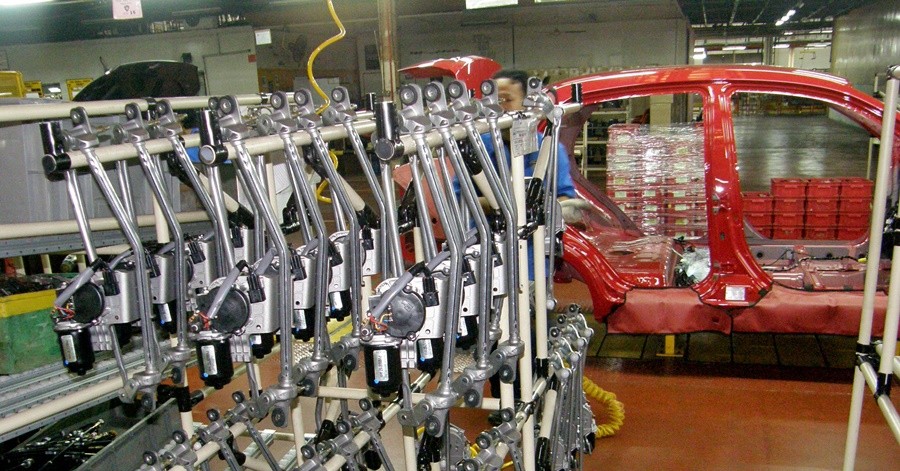
It’s good news but might not be as helpful to the companies as it seems. There are still parts and systems that are imported from not just other ASEAN countries but also Japan and Europe and with many production facilities shut down, it may not be possible to finish assembly of the vehicles. Just one part not being available means the vehicle cannot be completed although there might be a small stock of the parts.

Assembly

However, most automobile factories today operate on a just-in-time system where a minimum stock is kept to reduce storage space requirements. Under normal circumstances, the supply chain from overseas is constant and that’s fine. Now with many sources shut down and also local restricted movements for which exemption will be needed to get the parts out from the ports, it will be a challenge for the assemblers.

Then there’s the matter of whether importers in other countries want new vehicles. Vehicles from Malaysia are exported mainly to ASEAN countries as the ASEAN Free Trade Area (AFTA) agreement allows them to be imported duty-free. But Thailand, Indonesia, Brunei and the Philippines are all under similar crisis conditions and sales would be down.

Service centres allowed to open
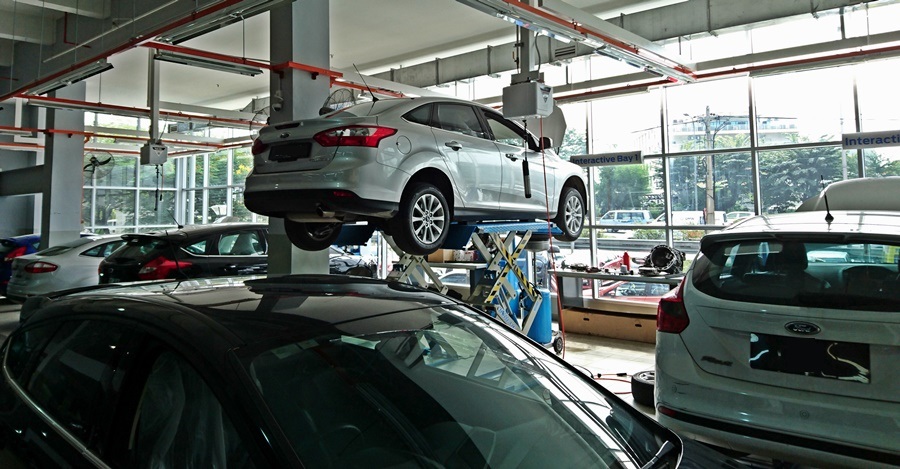
When the MCO was first activated, all service centres had to close. The only allowance was for emergency services to tow disabled vehicles or change batteries, but no work was to be done at the premises. If a car was towed there, it would remain there until the MCO was over before any repair work could start.

Service centre

Now, it has been announced that ‘aftersales activities’ will be allowed to resume from next week (provided approval is given to the company by MITI). This is taken to mean that the service centres can operate and receive cars for servicing. So far, it is not known if the companies will open their service centres and we’ll only know after Monday when applications are submitted.

The manager at a company selling a leading brand said that there is also concern about their own people getting infected and whether it is worth the risk for now. Furthermore, with the 10-km range imposed under the MCO, there may be vehicle owners who may be beyond range to reach the authorized service centres.

The personnel at roadblocks have been instructed to be stricter and many people have been charged with disobeying the regulations, which means a RM1,000 fine or 6 months in jail (higher penalties might be considered).

Roadblock

Basically, for private motorists, besides the 10-km range from your home that you can travel to buy essential items or for emergencies, only one person can be inside the vehicle. You may be required to show proof of residence which, if not the same as what is on your MyKad, can be shown with TNB or water bill for your current place of residence. You are not allowed to wander around after making your purchases and should return straight home.

As everyone from the Prime Minister to the medical personnel at hospitals has appealed: STAY AT HOME. This is how you can do your part in the War on COVID-19. It may be frustrating and for many, a worrying time as it creates uncertainties about the future but we need to make the sacrifices so our lives can return to some normalcy (although things will be different for sure).

Social distancing

PISTON.MY

Archive

Follow us on Facebook

Follow us on YouTube