Piston.my

Latest News

BHPetrol RON95 Euro4M

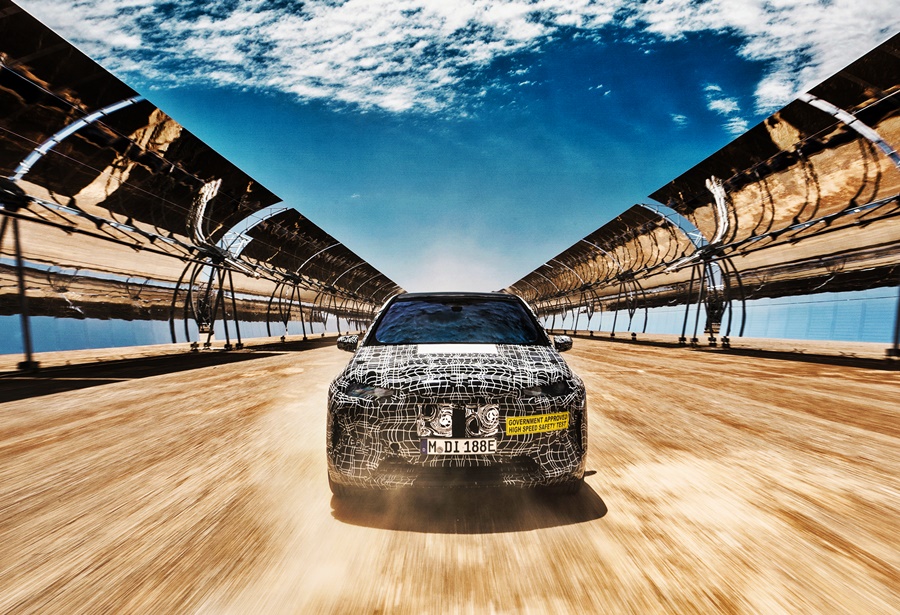
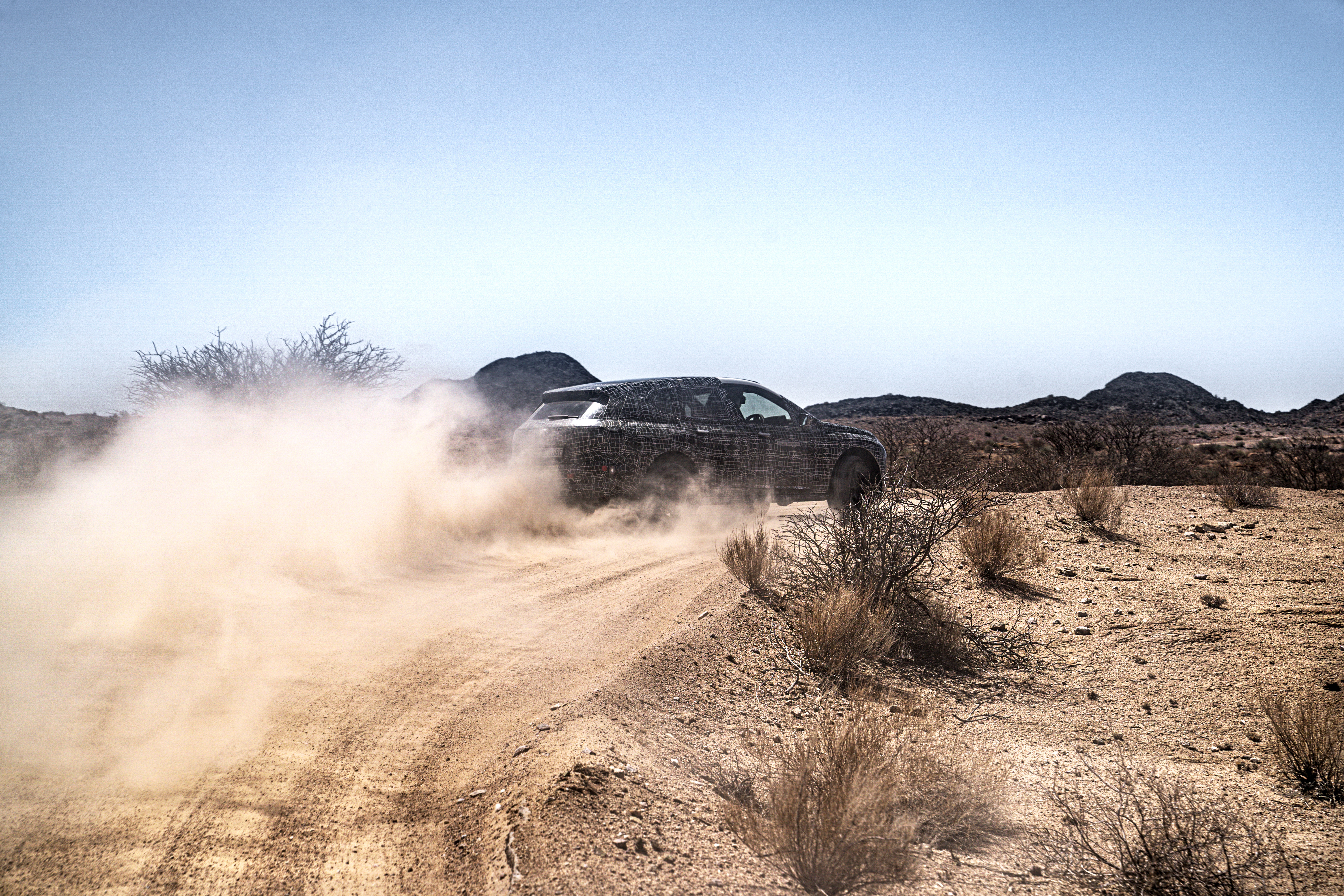
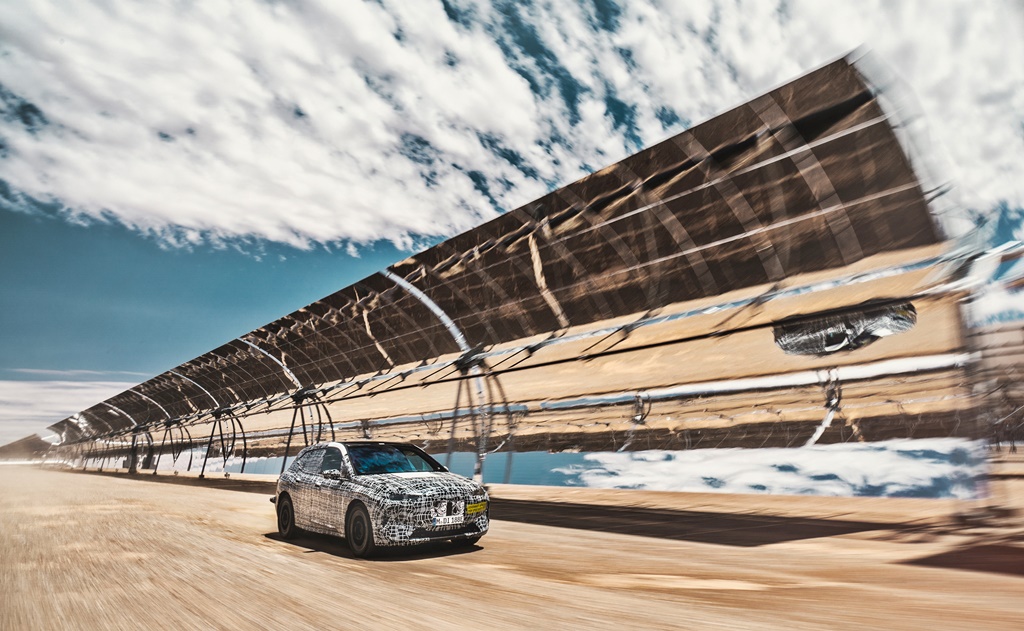
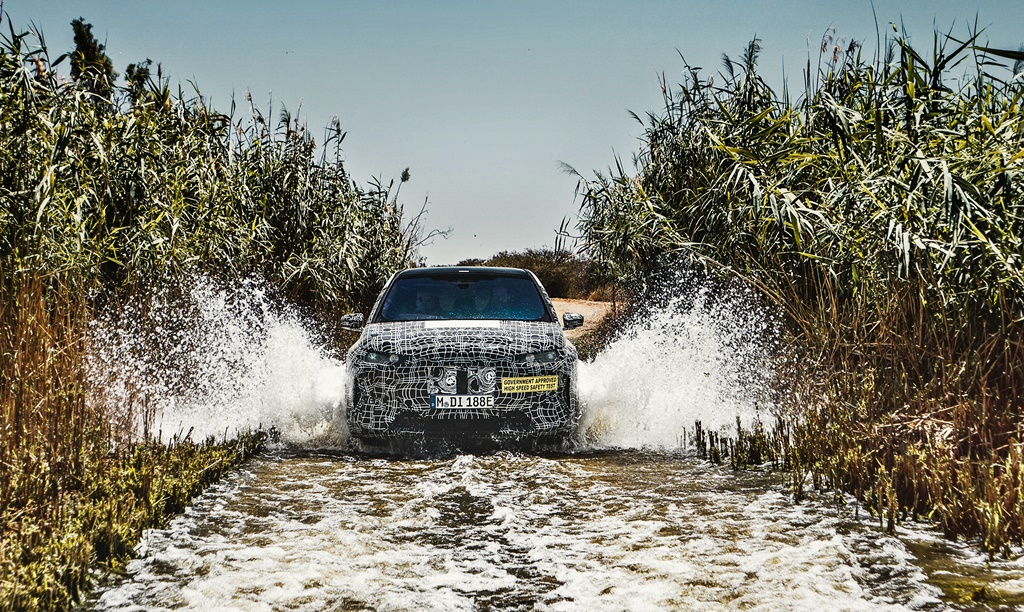
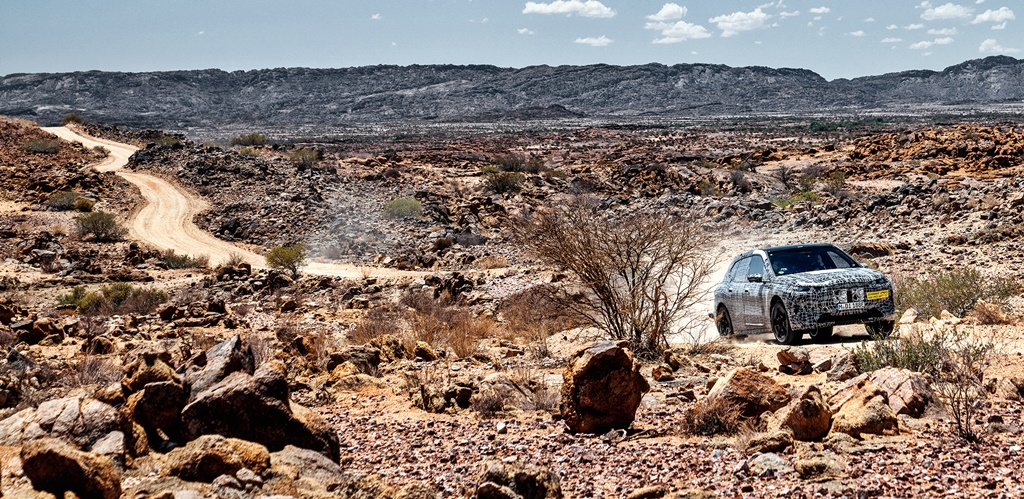
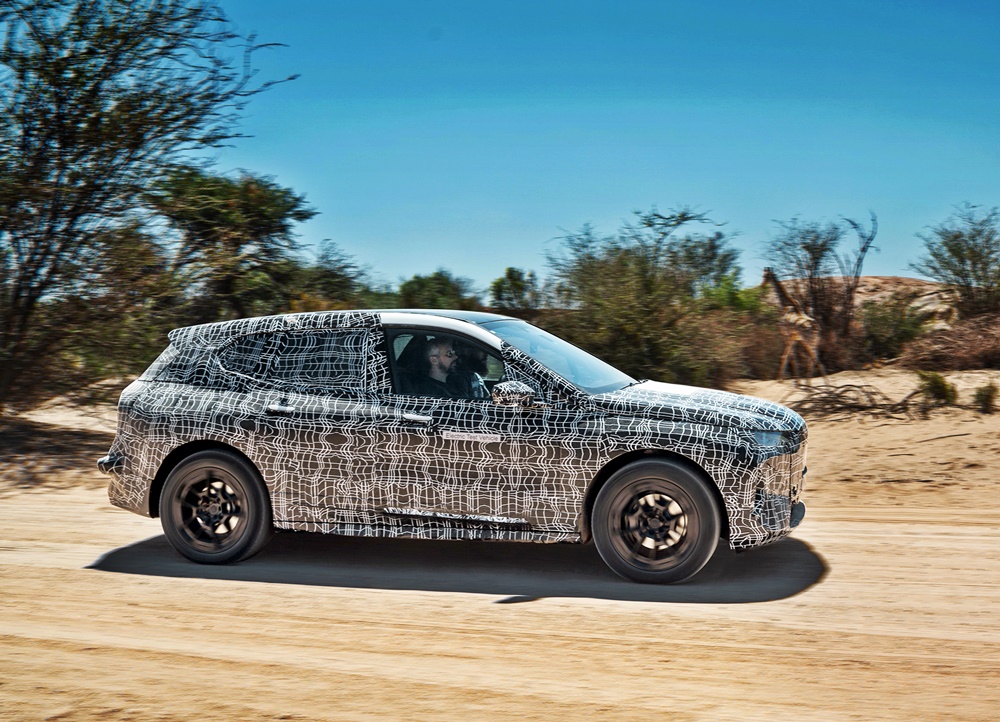
On its way to being ready for production, the BMW iNEXT is completing additional vehicle testing under particularly demanding conditions. Intensive test runs in the freezing cold at the polar circle are now being followed by a contrasting program in the Kalahari in southern Africa.

In addition to extreme heat and solar radiation, permanent dust formation and off-road terrain with its sand, pebble and gravel tracks pose exceptional challenges for the BMW Group’s technology flagship.

2021 BMW iNEXT

The test drives through the desert and savanna regions in the northwest corner of South Africa are in temperatures that would drain any mobilephone battery in no time at all. This puts a severe test on the integrated cooling concept for the high-voltage battery, the electric motor and the vehicle electronics.

2021 BMW iNEXT

During extensive heat tests, the car is repeatedly exposed to the heat of the sun for hours and later cooled down. In this way, the developers test not only the operability of the electrical systems but also the temperature stability of the materials used in the interior.

Moreover, the interior air conditioning, which operates by means of thermal pump technology, its control system and all further components of the electronics, are subjected to the extreme conditions of the desert climate.

2021 BMW iNEXT

Every part and system stress-tested
In this literally hot phase of the product development process, not only do the drive and suspension components of the iNEXT –  a car designed for all-electric mobility – have to provide proof of their functional safety, durability and reliability, but also the car’s bodywork, interior, driver assistance systems and digitalisation technology.

The ‘hot climate’ tests are an integral part of a both extensive and varied development and test program. Prototypes are subjected virtually in time-lapse to the stress of an entire car’s service life.

2021 BMW iNEXT

Real-world conditions
Like every new BMW model, the prototypes are also driven at the proving ground at Miramas in southern France, the Nurburgring Nordschleife and other racetracks as well as the Winter Centre in Sweden.

With high-speed operation, stop/go traffic, extreme temperatures below and above zero, testing on ice and snow as well as desert sand and gravel, the pre-production cars are put through a concentrated form all of the challenges an automobile may face in everyday traffic over a period of many years.

2021 BMW iNEXT

Fifth generation BMW eDrive technology
Featuring fifth-generation BMW eDrive technology, the iNEXT is said to set new benchmarks in sportiness, efficiency and range in a battery-powered automobile. The car’s suspension control and driver assistance systems pave the way for a further step towards autonomous driving. Current innovations in the field of operation and digitalisation also underscore the future-oriented character of the iNEXT.

Production of the iNEXT will commence at the BMW Dingolfing plant in 2021. Designed as a modern Sports Activity Vehicle, the new model combines the latest innovations defined by the BMW Group in its corporate NUMBER ONE > NEXT strategy for the future fields D-ACES (Design, Autonomous, Connected, Electrified und Services).

5th generation BMW eDrive technology to debut in iX3 next year

PISTON.MY

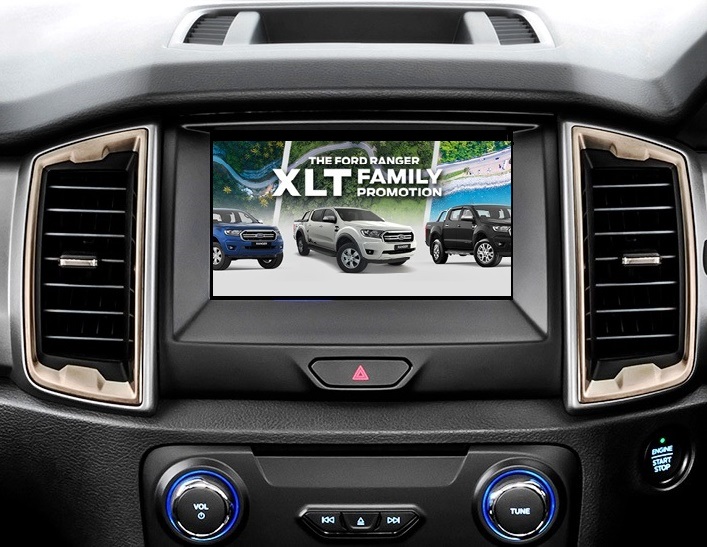
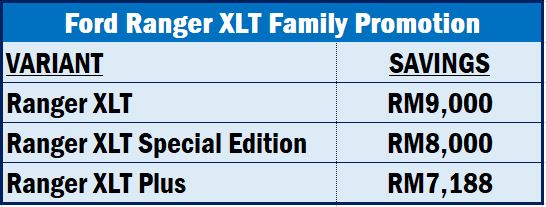
Over the next 3 months, Sime Darby Auto ConneXion (SDAC) has a money-saving offer for the Ford Ranger, specifically the XLT variants. With the ‘Ford Ranger XLT Family Promotion’, purchasers of the Ranger XLT, XLT Plus and XLT Special Edition can save up to RM9,000. The promotion will run from March 1 to May 31, 2020.

“The Ford Ranger XLT line-up continues to attract a wide range of customers with its appeal as a hardworking and rugged pickup that is suited for both work and play. Comfortable yet powerful, refined yet capable, our customers appreciate its versatility. With that, we are delighted to introduce the ‘Ford Ranger XLT Family Promotion’ to our customers,” said Syed Ahmad Muzri Syed Faiz, MD of Sime Darby Auto ConneXion.

Ford Ranger XLT Family Promotion

Ford Ranger XLT Special Edition
The Ranger XLT Special Edition has enhancements that include an upgraded 9-inch Touchscreen display with Reverse Camera plus Apple CarPlay and Android Auto that supports applications like Spotify, YouTube, Waze and Google Chrome. It also comes with a tonneau cover and trendy decals on each side of the truck.

Ford Ranger XLT Plus

Ford Ranger XLT Plus
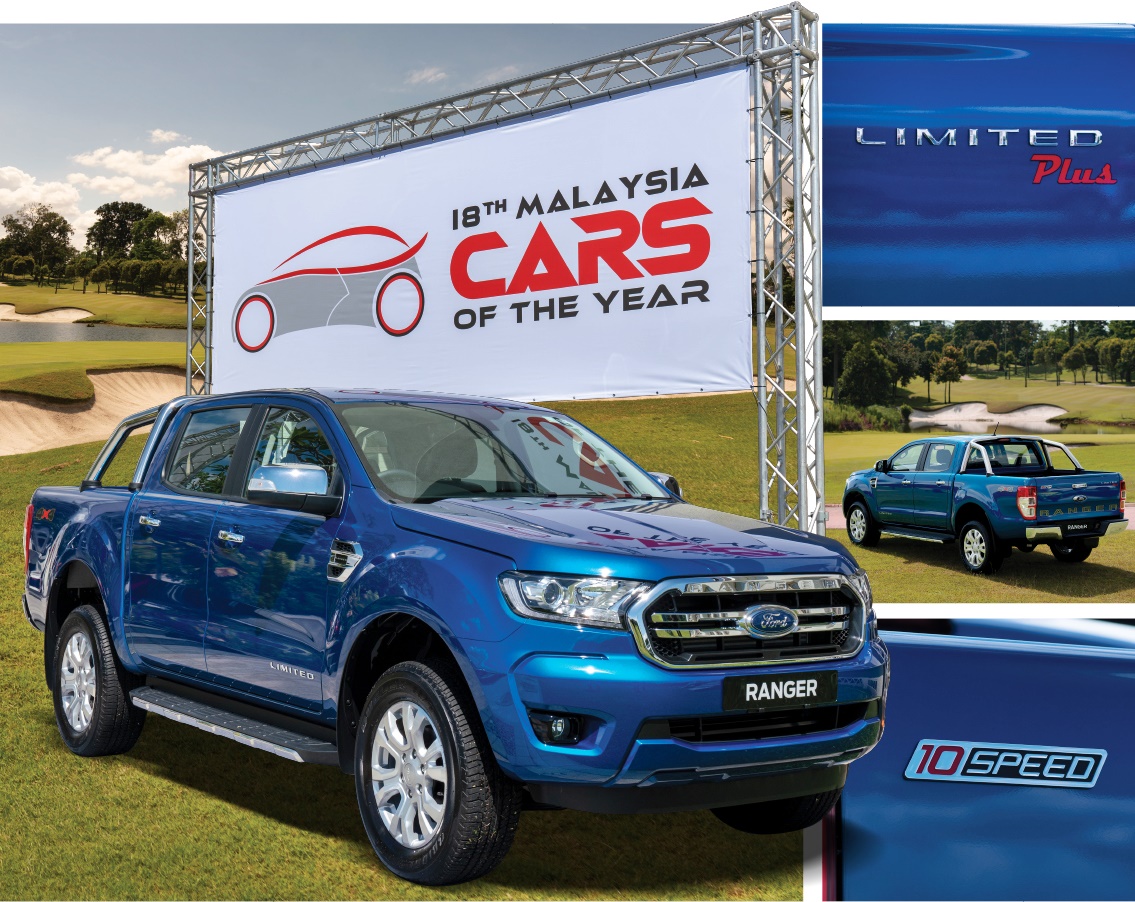
Voted ‘Twin Cab Pick-up Truck of The Year’ in the 18th Malaysia Cars of the Year Awards, the Ranger XLT Plus is powered by a 2-litre Single-Turbo diesel engine that is mated to a 10-speed automatic transmission delivering 180 ps/420Nm.

It comes with convenience features such as keyless entry with start/stop button for engine operation and an Easy-Lift Tailgate to make lifting and lowering the tailgate effortless. It’s an ideal vehicle for those who enjoy outdoor activities such as biking, camping or canoeing.

The capable Ranger XLT has a proven diesel engine with a variable geometry turbocharger that delivers 160 ps of power and maximum torque of 385 Nm, more than enough for work and personal business.

Ford Ranger XLT Family Promotion (3)

Colour choices
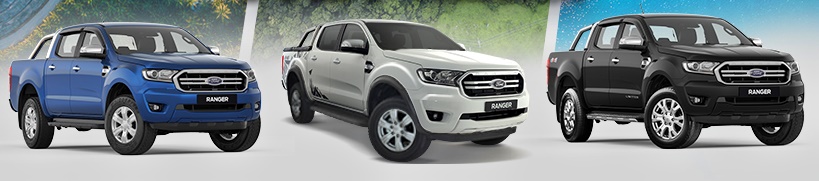
The Ranger Special Edition comes with a choice of two colours – Arctic White and Absolute Black, while the Ranger XLT and XLT Plus are available in Aluminium Metallic, Lightning Blue, Frozen White, Magnetic and Absolute Black.

To find out more about each variant and other promotions, visit www.sdacford.com.my .

Ford Ranger wins International Pick-up Award 2020

PISTON.MY

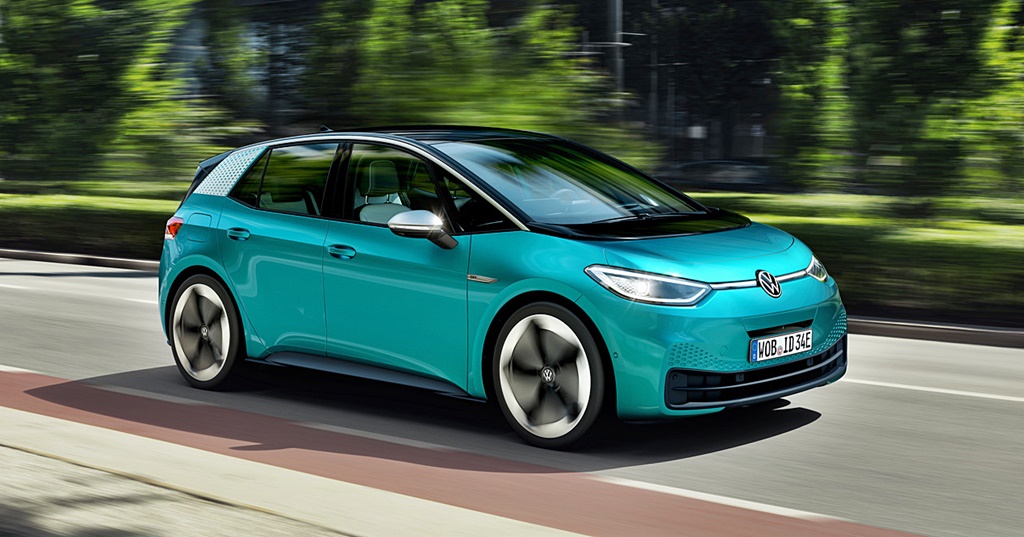
Volkswagen’s modular electric drive matrix (MEB) platform is to be the key element in its future models as electrification increases. The platform, to be used by Volkswagen Group brands such as Audi, SEAT, Skoda and Volkswagen, has many sophisticated components optimized for electric drive systems.

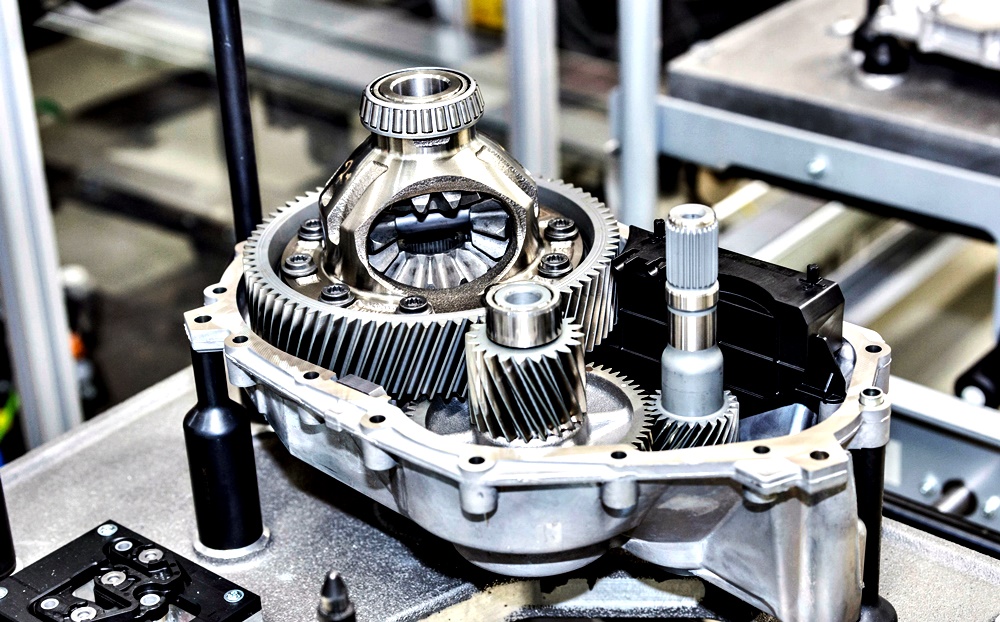
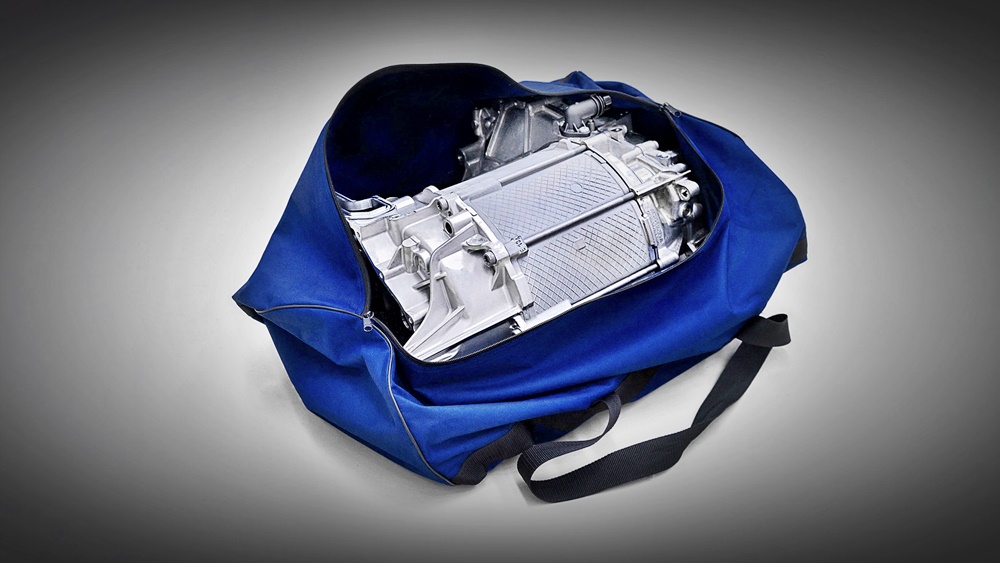
One of these is the APP310 e-drive unit that will used for the Volkswagen ID.3 due in showrooms from mid-2020. The powerful unit transmits power to the driven wheels using an extremely compact gearbox with a single gear. The mechanism used has only a small number of cogs. It is manufactured by a Volkswagen subsidiary.

Is one gear enough?
But why is a single gear enough for the drive motor? The traction, ie the force that allows movement, and speed of a motor vehicle depend on the rotational speed of its drive system. As the speed of the drive system increases, the force transmitted to the wheels – the torque – can vary.

Volkswagen e-drive

With a vehicle with a combustion engine, the torque increases along with the engine speed and then falls again. With an electric drive system, however, the maximum torque is available immediately and remains constant over a wide range of speeds. The use of a multi-speed gearbox to achieve the desired speed or the necessary torque along the speed curve is therefore not absolutely necessary.

Volkswagen ID.3
Volkswagen ID.3, due in showrooms in Europe from mid-2020.

One gear for every situation
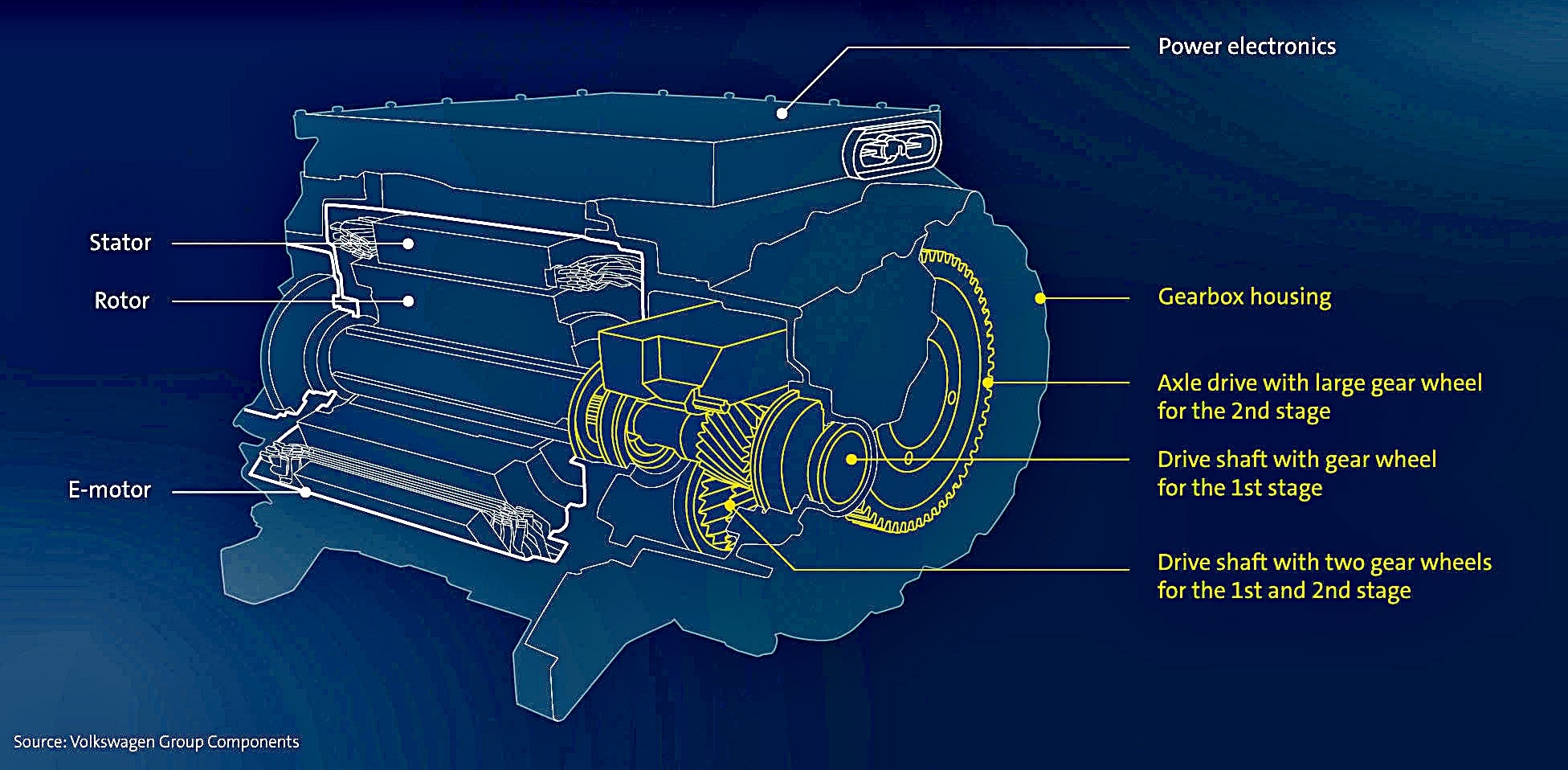
That is why a 2-stage 1-speed gearbox is practical for the Volkswagen ID.3. When reversing the car, the direction of the electric drive system is simply reversed. In addition to various other components, power electronics are responsible for this and for the power characteristics of the drive system.

Volkswagen e-drive
The e-drive weighs just 90 kgs and is compact enough to fit inside a bag.

In order to generate the maximum output of 150 kW, the 90-kg electric drive unit must rotate at high speeds. For a high level of torque, a 10x transmission ratio is used. To save space, the gearbox has a two-stage design with two smaller cogs instead of one big one. As a result, the electric drive motor in the ID.3 provides maximum torque of 310 Nm constantly over a wide range of speeds. The maximum speed of 160 km/h is reached at a maximum of 16,000 rpm.

Precision manufacturing
Because an electric drive system is very quiet, the level of noise in an EV is very important. Even the tiniest sources of noise can be heard. The parts for the 1-speed gearbox must therefore be manufactured with great precision to ensure that they do not cause any additional noise. At the end of the production line, not only the power characteristics of the electric drive system checked but so are the relevant noise levels.

2020 Volkswagen ID.3 makes global debut

PISTON.MY

BHPetrol RON95 Euro4M

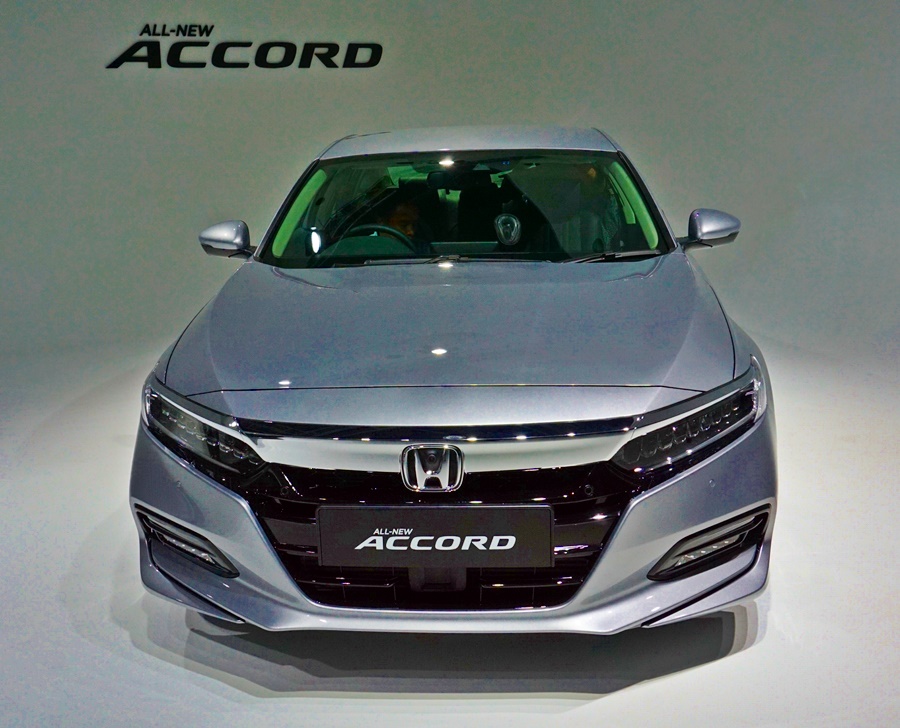
At long last, the 10th generation Honda Accord has arrived in Malaysian showrooms. Although the new generation first went on sale in October 2017 (in the US market), it was only in March last year that the ASEAN version was launched in Thailand, followed by Indonesia. Malaysia, in spite of the diminished D-segment market, still continues to assemble the flagship model, which has been the case since the first generation in the late 1970s.

With the D-segment smaller in size here (prompting Edaran Tan Chong Motor to stop selling its Nissan Teana), Honda Malaysia plans to sell only 200 units a month – and that too is felt to be on the high side. We don’t have the sales figures for last year (as the powerful Competition Commission won’t allow the public to know) but the production numbers totalled less than 1,000 units with an average of 77 units/month.

Nevertheless, the Accord is popular in markets like America (where it has been the overall bestselling passenger car) and so there is still enthusiasm in product development. And since the third (current) Jazz generation that appeared in 2014, Honda’s styling has become more and more aggressive and sporty, with the Accord now also following the same themes.
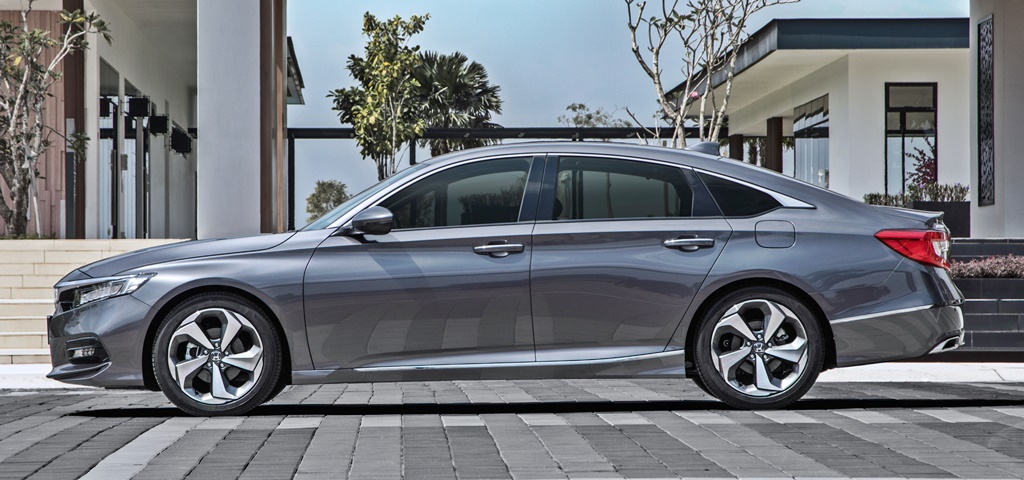
10th Generation Honda Accord

Some may regard the new styling, with a coupe-like rear end, as being too radical a change for a model in this upper segment. After all, cars like the Accord have usually been driven by older people with more senior positions in the corporate world. These are people who may have conservative tastes and the new looks might not go down well.

But Honda has always been a maverick in the car industry and daring enough to embark in new directions. The older management may have their conservative views but it appears that they are also open to evolving trends and willing to trust their younger designers to head in the right direction.
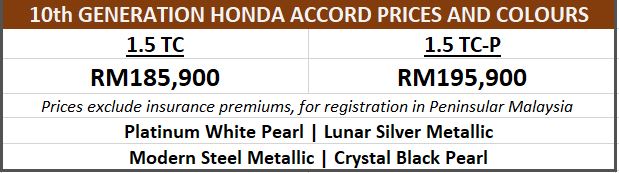
10th Generation Honda Accord Prices and Colours

Comparing the latest 10th generation to the first one that started off as a hatchback in 1976 is like comparing day and night. The differences are so great that it’s hard to believe they share the same nameplate. The first generation sedan was 4.45 metres long and today’s Accord is 500 mm longer, with a wheelbase that is almost similarly longer with the 55 mm increase for the 10th generation. It’s also heavier – that first Accord weighed just 965 kgs whereas the 2020 one is almost 1,500 kgs.
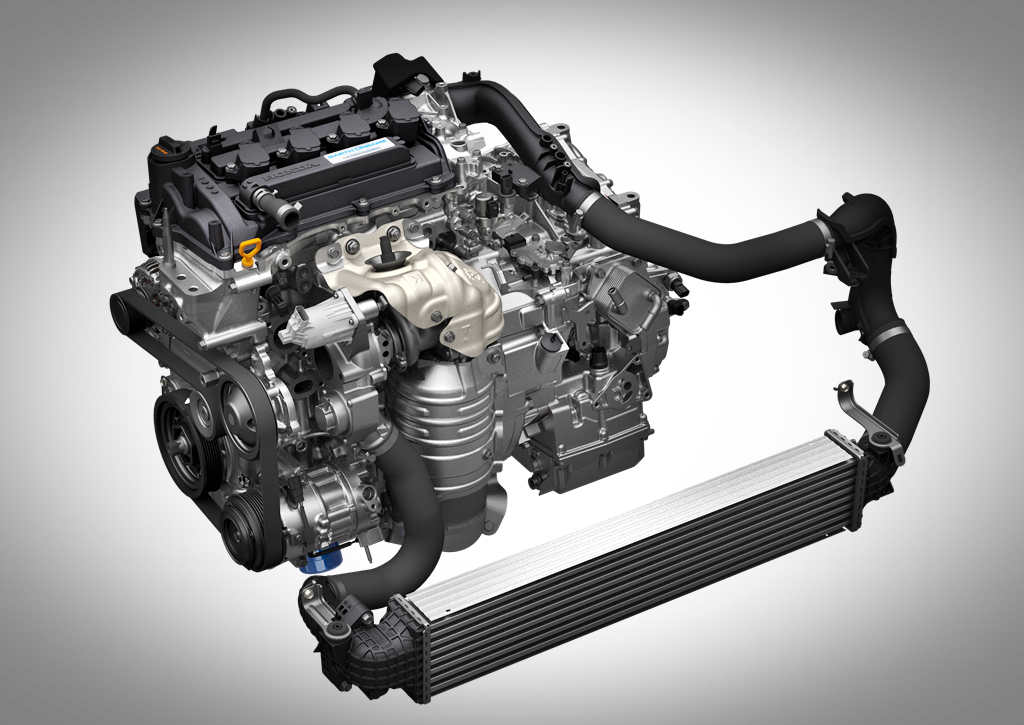
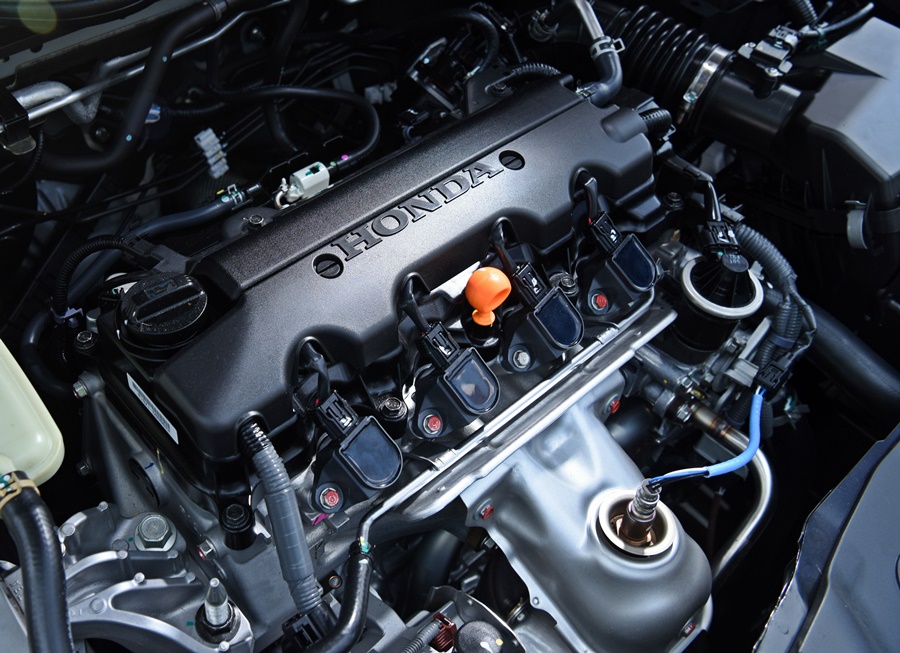
Honda 1,5-litre VTEC Turbo engine

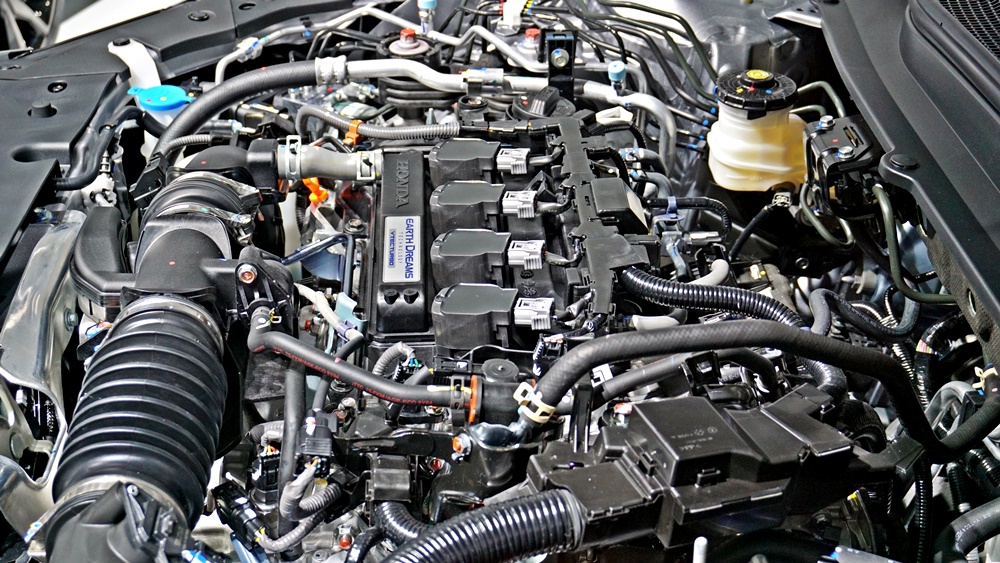
Powertrains have greatly changed too. Until this generation, the smallest engine for the Accord was the 1.6-litre unit used in the early generations. But in this age of downsizing, small is better and so the new Accord gets its smallest engine ever – the 1.5-litre turbocharged Earth Dreams Technology engine.

It’s a bold move to have such a small displacement engine for such a big car although European motorists are fine with it. Malaysians still think of cc as being indicators of output and performance and we won’t be surprised if salesmen are asked ‘Can go up Genting Highlands or not?’, referring to the hill resort area with steep slopes. Younger customers may already accept and understand that with turbocharging, the output can be boosted and performance can be much higher.
10th Generation Honda Accord

In fact, the new Accord’s engine (with VTEC) develops 201 ps/260 Nm, considerably more powerful than the 2.4-litre engine. And apart from all that extra output is the fact that, along with the assistance of the CVT, fuel consumption will be lower and you also pay much less roadtax.

The Accord range in America has the additional option of a bigger 2-litre (K20) engine as well as a hybrid variant (also available in Thailand) but for the Malaysian market, it is banking on the 1.5-litre turbo engine only. Understandably, with the low volumes, it would make no sense to assemble two different engine variants and in any case, the other variants would cost more.

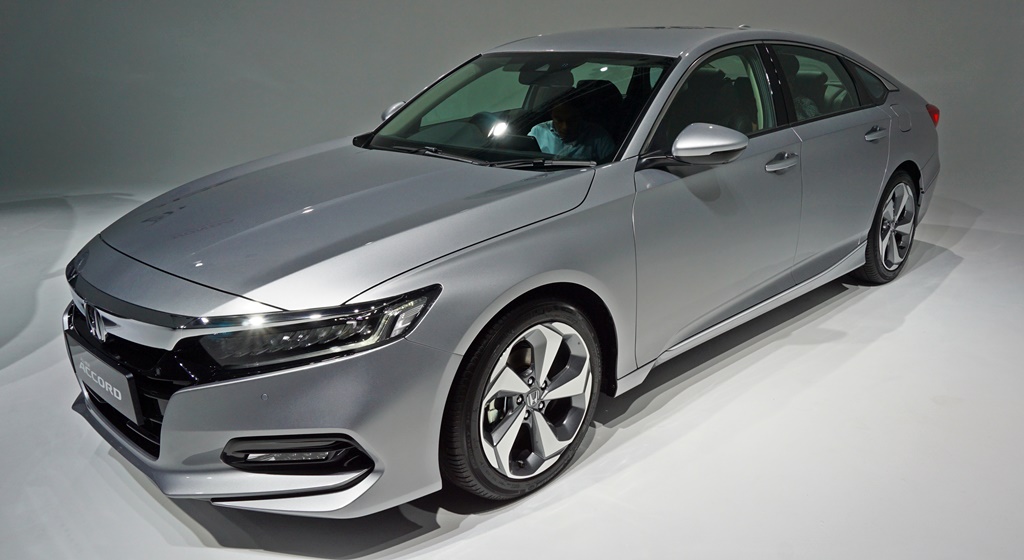
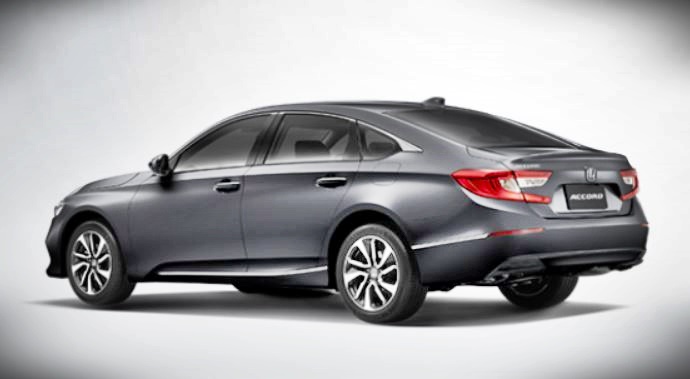
As an all-new generation, the latest Accord is essentially a clean-sheet development meaning it started almost more scratch rather than having a structural carry-over. The platform is new to accommodate the largest bodyshell the model has ever had. It is now 4901 mm long (+39 mm), 1862 mm wide (+13 mm) and though it looks low-slung because of the sleek profile, the roof is actually 16 mm higher. A 54 mm increase in the wheelbase extends it to 2830 mm, with 48 mm more rear legroom as a result of that increase.
10th Generation Honda Accord

During the development of the new Accord, the engineers worked hard at bringing down NVH (noise, vibration and harshness) as this influences the perception of quality and refinement. Spray foam helps to lower noise while High-Performance Adhesive enhances rigidity which improves durability. Laser brazing is used to join the roof and body side panels, and Honda Malaysia’s factory in Melaka had to agree to make the necessary investment for equipment to do this process before Honda was willing to allow the model to continue to be assembled here.
ASEAN NCAP

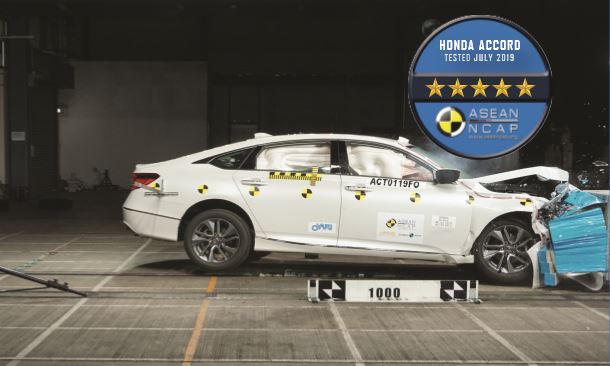
Having been launched almost a year ago in Thailand meant that ASEAN NCAP could evaluate the new Accord and not unexpectedly, it got the maximum 5-star rating. Passive safety apart, the new Accord also has an impressive list of active safety systems and features that will help the driver to avoid accidents or reduce the effects of accidents on the occupants.

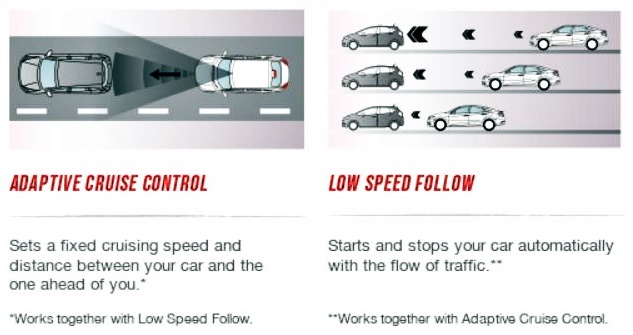
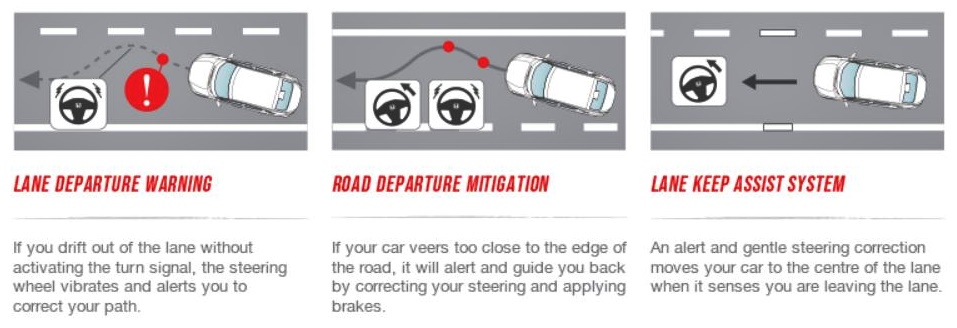
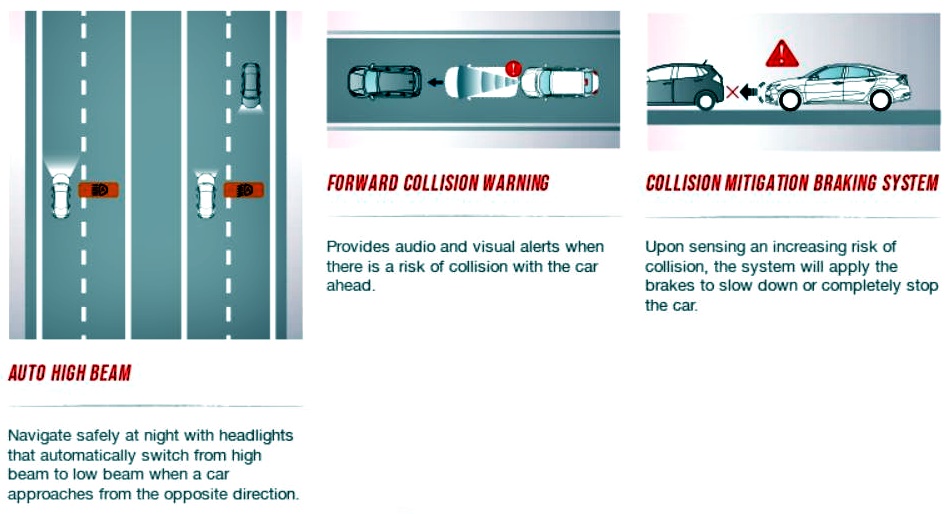
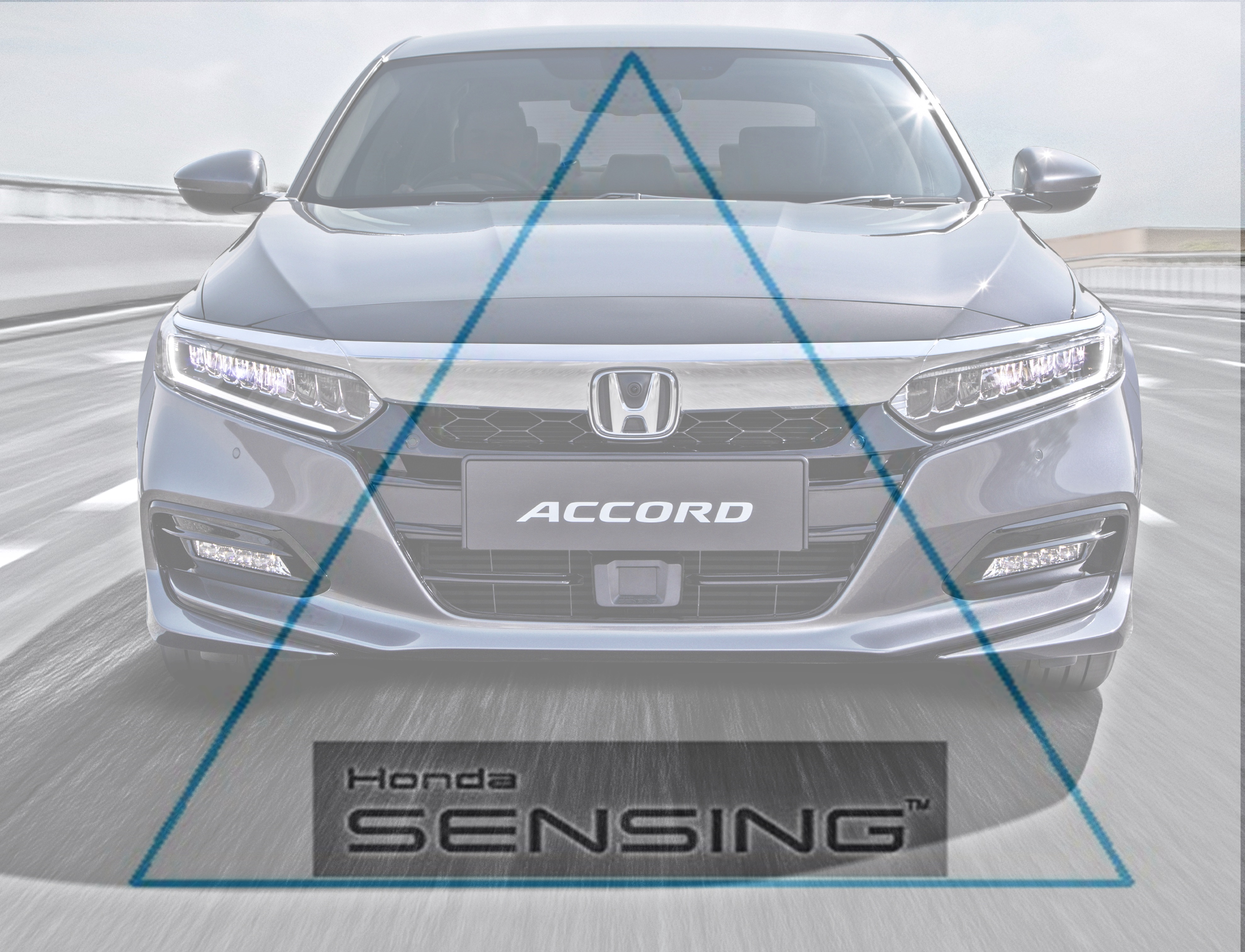
Much of this is provided by the Honda SENSING system, an integrated package of systems with 8 components. These are Low Speed Follow, Auto High-Beam, Adaptive Cruise Control, Collision Mitigation Braking System, Forward Collision Warning, Lane Keep Assist System, Road Departure Mitigation, and Lane Departure Warning. Most of the systems rely on information from a camera mounted at the top of the windscreen and a millimetre-wave radar in the grille.
Honda SENSING

With Adaptive Cruise Control (which can operate down to 0 km/h) and the Collision Mitigation Braking System that will automatically apply the brakes, drivers can have an early experience of autonomous motoring as these systems are managed by a computer without involvement of a human.

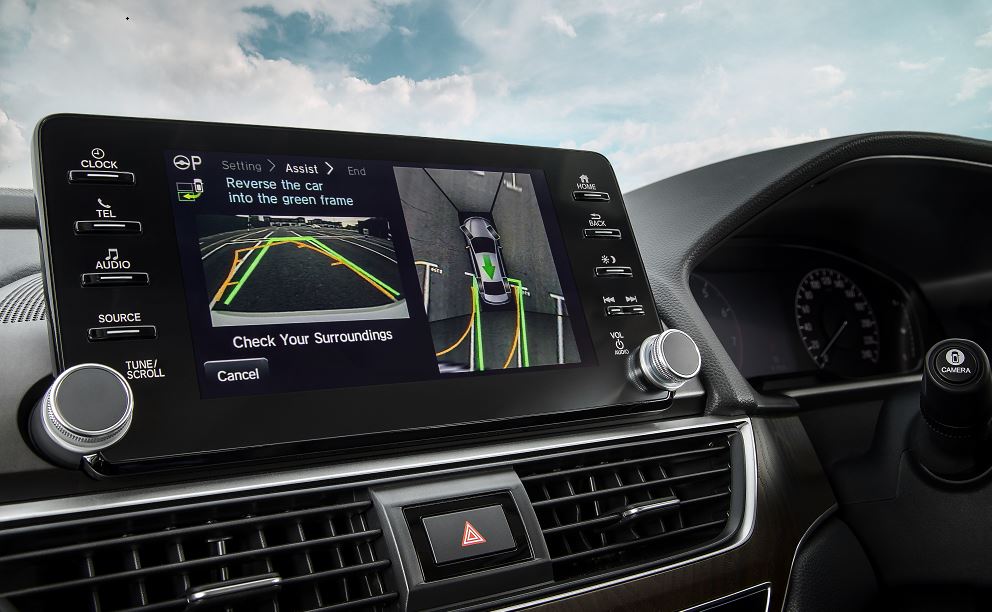
Additionally, there’s the Honda LaneWatch system, an innovative idea which uses a small camera in the left door mirror to capture real-time images of that side of the car. The image is displayed on the screen in the middle of the dashboard, which the driver can see more easily than having to swivel the head to the left. Also providing additional visual coverage is a Multi-View Camera System.
Honda Accord

Parking the car is made easier with Smart Parking Assist System with Brake Assist (Rear) that recognises the border line of the parking space and assists the driver with automatic steering assist, screen display, voice guidance and auto braking.

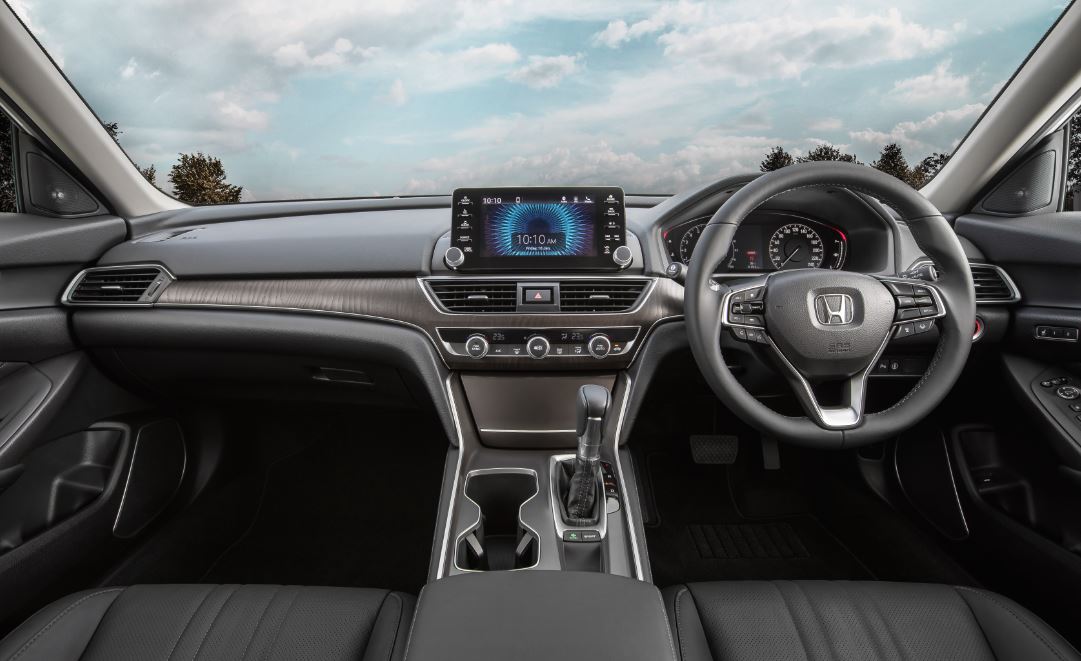
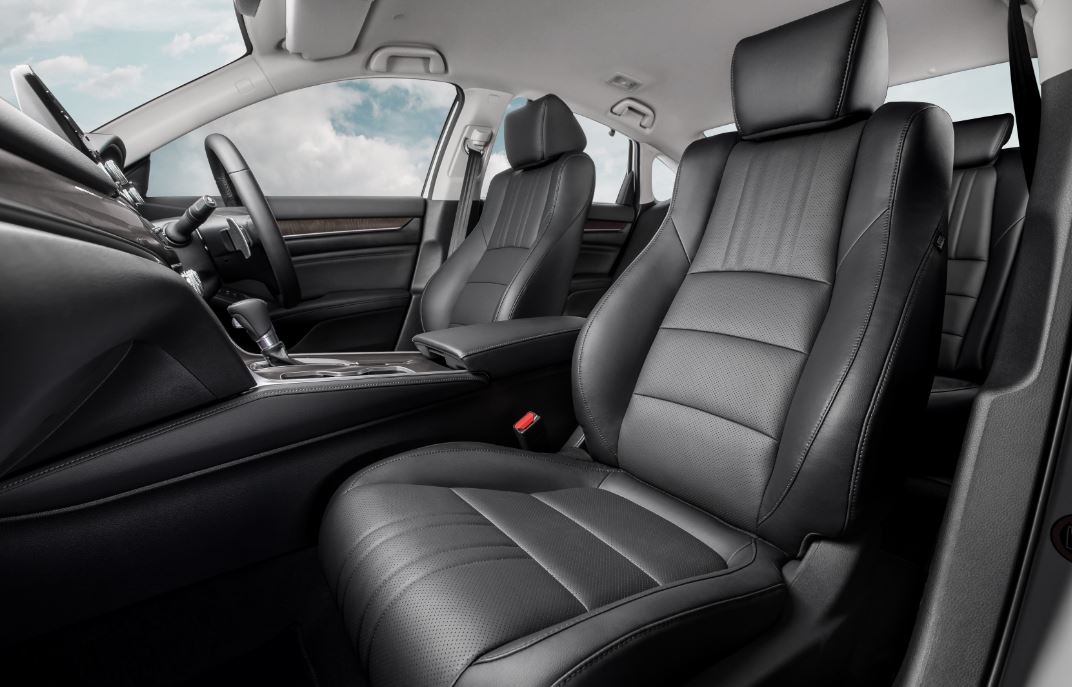
As with other Hondas currently in showrooms, the new Accord’s interior was packaged with the ‘Man-Maximum, Machine-Minimum’ approach. Being the flagship model, it comes with a comprehensive list of premium features that include 4-way Assistant Power Seat with Shoulder Switch, and Wireless Charging.
10th Generation Honda Accord

10th Generation Honda Accord

The instrument panel and dashboard have elements of the previous generation but enhanced with more premium and fresher looks. For example, there is a bright and clear 8-inch Advanced Display at the centre console and a 7-inch Interactive Thin Film Transistor (TFT) meter cluster.
10th Generation Honda Accord

As with the latest Civic, the new Accord also comes with a 5-year unlimited mileage warranty and free labour service (terms and conditions apply). It is now available for viewing and test-drives at authorised Honda dealerships nationwide. To locate a showroom near you, visit www.honda.com.my.


PISTON.MY

BHPetrol RON95 Euro4M

When it arrived in Malaysia 4 years ago, the 10th generation Honda Civic revived interest in the segment that was showing signs of contraction, especially with the shift towards SUVs. Not surprisingly, it dominated the C-segment with 48,000 units delivered and last year accounted for 72% of it.

The Civic may not have strong competition but as a senior Honda executive said, “We can’t take things for granted” so the model gets upgrades and enhancements to keep it on top. As in recent years, the focus is in advanced technology, especially in the area of safety.
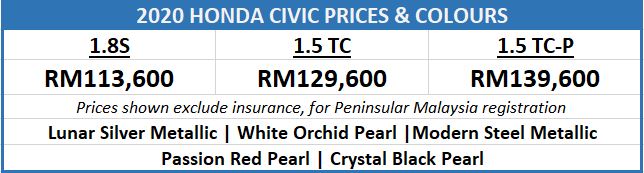
2020 Honda Civic Prices and Colours

Minimal cosmetic changes
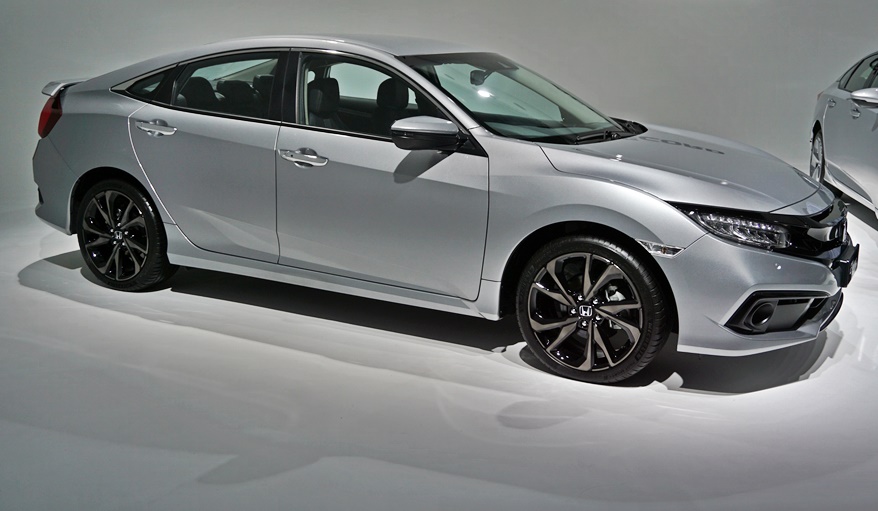
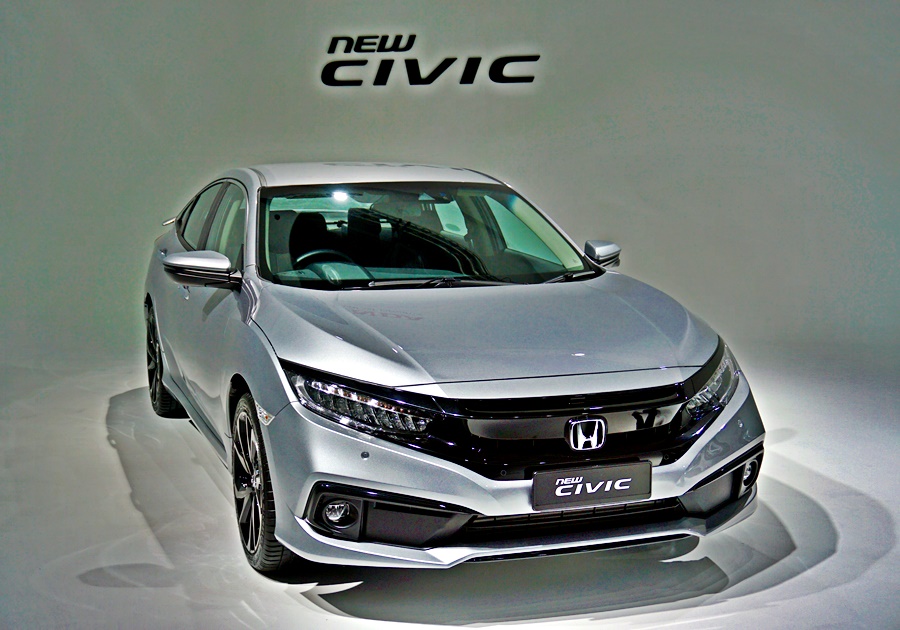
Of course, the 2020 model (available in 3 variants as before) also gets cosmetic changes although they are not so apparent at a glance. However, the front end, with its eye-catching LED headlights and DRLs, has a new bumper design which visually widens the car while the blackened grille puts a bold tone to the image.
2020 Honda Civic

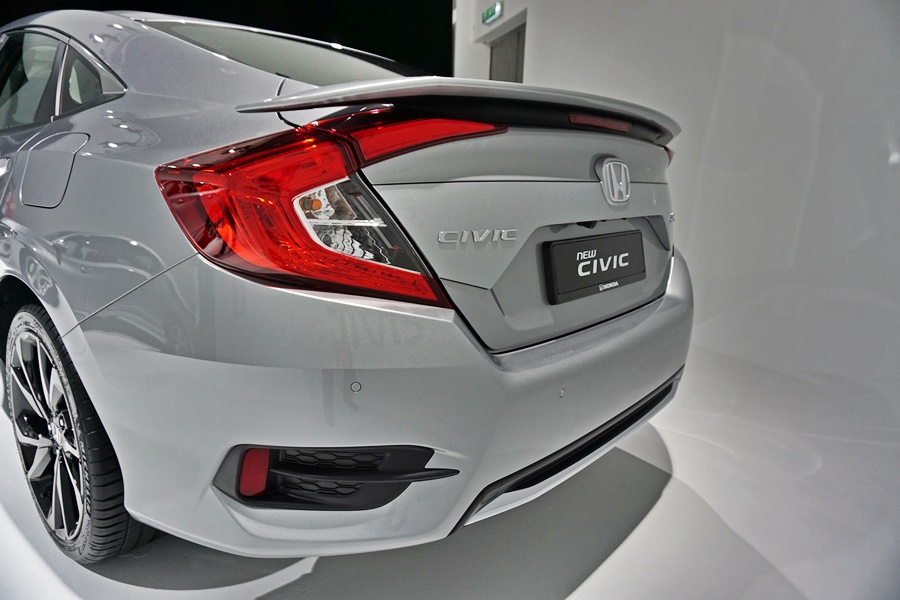
2020 Honda Civic

At the rear, the bootlid spoiler has also been shaped a bit though improvement in its effect on airflow would be negligible. The distinctive tail lights (Honda refers to them as ‘boomerang-shaped’ but many also see them as crab’s claws) are retained, providing a visual signature at night.

Each variant has a new wheel design, with the Civic 1.8S wheels having a 16-inch diameter while the Civic 1.5TC and TC-P have black wheels of 17 inches and 18 inches, respectively.

Two powertrain choices, as before
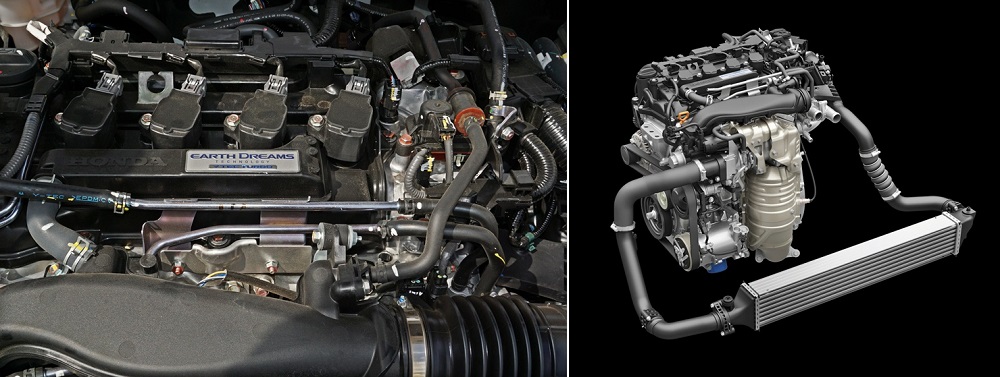
The two powertrains continue, with the 1.5-litre VTEC turbocharged engine still one of the current Civic’s strongest features. Such downsized engines have completely changed the displacement-output formula and today’s smaller engines are producing much more power and torque than the older bigger ones. The Civic 1.5 engine, with turbocharging, produces 173 ps with 220 Nm of torque – numbers that are comparable to a 2.4-litre engine.

Honda 1.5-litre turbocharged engine
Honda 1.5-litre turbocharged engine with Earth Dreams Technology
Honda Civic 1.8
The 1.8-litre engine is still available in the updated range.

The 1.8-litre engine is older but its 141 ps/174 Nm output provides respectable performance for the 1,251-kg car (interestingly, the Civic 1.5 is around 69 kgs heavier). There are some buyers who will still insist that there’s no substitute for cubic centimetres so Honda Malaysia wants to ensure they don’t buy something else. A CVT is the only available transmission and the same applies to the 1.5-litre variants which also have paddle shifters.

Full Honda SENSING package
Where safety systems were individually identified as they operated independently, the approach taken today is to integrate them and have them work together for enhanced safety performance. After all, many share the same sensors and rely on the same imaging devices. Honda SENSING is the name for Honda’s suite of safety systems and the new Civic gets the full package which consists of 8 advanced features (but only for the Civic 1.5TC-P).

Honda SENSING

Honda SENSING provides assistance to the driver to avoid accidents and in most instances, alerts the driver to dangers. With the Collision Mitigating Braking System, the driver gets warnings of a possible collision first and if no positive action is taken, the brakes are applied automatically. Even if the car skids and still hits a car in front, the earlier activation of the brakes (at maximum force) could help to reduce the extent of damage as the car’s impact speed would have lower.

Honda SENSING

Another component of Honda SENSING, Adaptive Cruise Control (ACC) is also worth mentioning as it is a more advanced type of cruise control which make driving in jams less tiring. Where conventional cruise control systems maintain a constant set speed, adaptive cruise control can adjust the speed to reduce it when necessary. This would be in the case of another vehicle ahead which the system detects with a radar and a safe gap needs to be maintained. When there is no longer a vehicle in front, the speed will be allowed to increase to what was set. With conventional cruise control, the car would collide if nothing is done by the driver which is why pressing the brake pedal immediately disengages the system.

Honda SENSING

Honda’s system also has a more advanced feature called Low Speed Follow (LSF) which allows the speed to be reduced to zero. This is especially useful in stop/start traffic although you need to first be travelling at 40 km/h or more in order to activate the ACC. With LSF, the car can slow down until it comes to a stop but the ACC remains active and when the car ahead moves, the Civic will also start moving. It’s the next best thing to have before a self-driving autonomous car is available!

Honda SENSING

The previous Honda SENSING package had 7 components and the new addition to complete it is Auto High Beam. This makes driving at night safer for both the Civic driver as well as other drivers. When sensors detect the headlights of an oncoming vehicle, the Civic’s headlights will be automatically switched to low beam (if it is on high beam) so as not to dazzle the other driver. Once there is no vehicle coming, the high beams will come on again to provide stronger illumination of the road ahead.

Honda LaneWatch
Honda LaneWatch

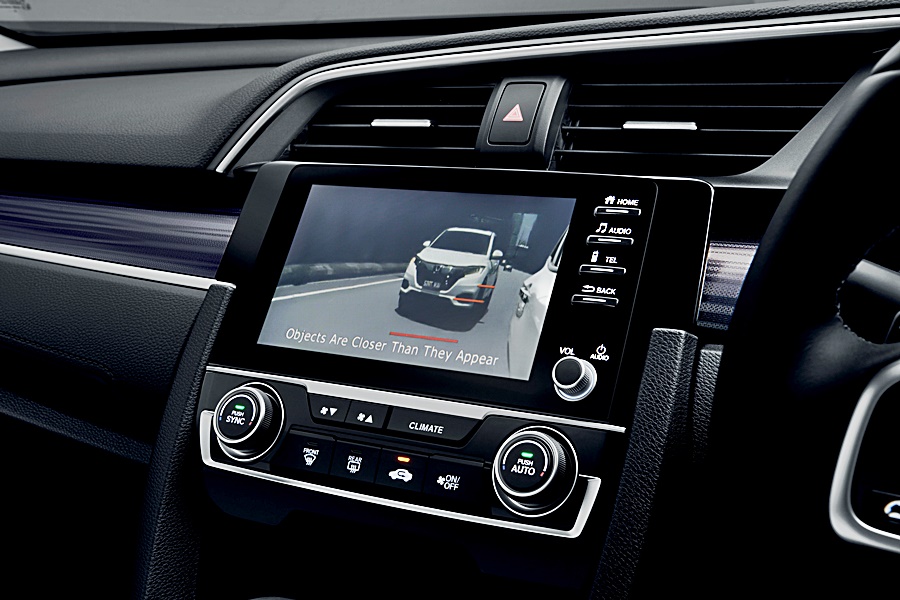
The new 1.5-litre variants also get Honda LaneWatch, a camera-based system which shows the drive what’s in the blind spot on the left side. No other car has such an innovative safety feature and it provides a view that is almost 4 times more than most side mirrors. It works only when the turn signal is activated and operates day and night, with clarity even in dim lighting. The LaneWatch display is in the middle of the dashboard and the advantage of this location is that the driver does not have to turn the head so much to the left to check the blind spot. There are also distance markers embedded in the display to provide an indication of how far away another vehicle or motorcyclist is.

2020 Honda Civic

2020 Honda Civic

2020 Honda Civic
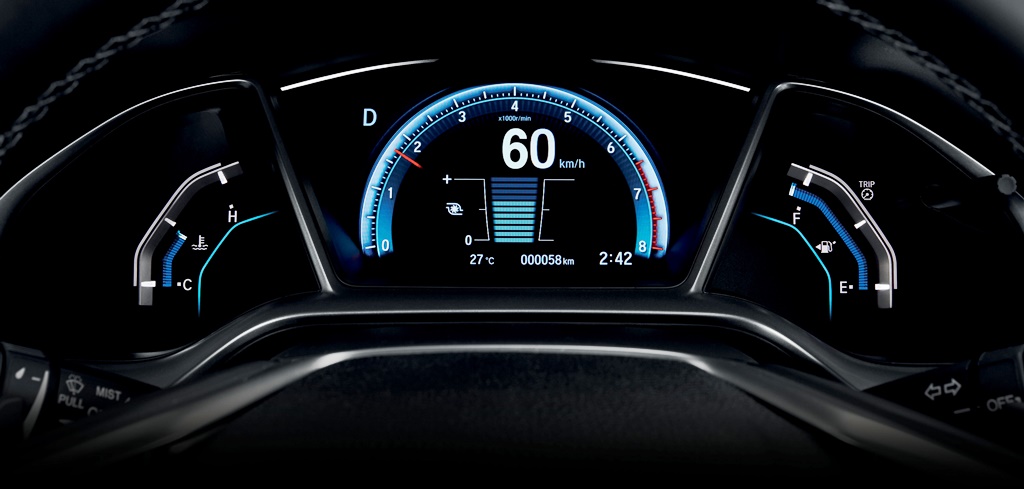
The instrument panel can have customised displays to emphasise different information. The one above shows the turbo boost level.

What else is new?
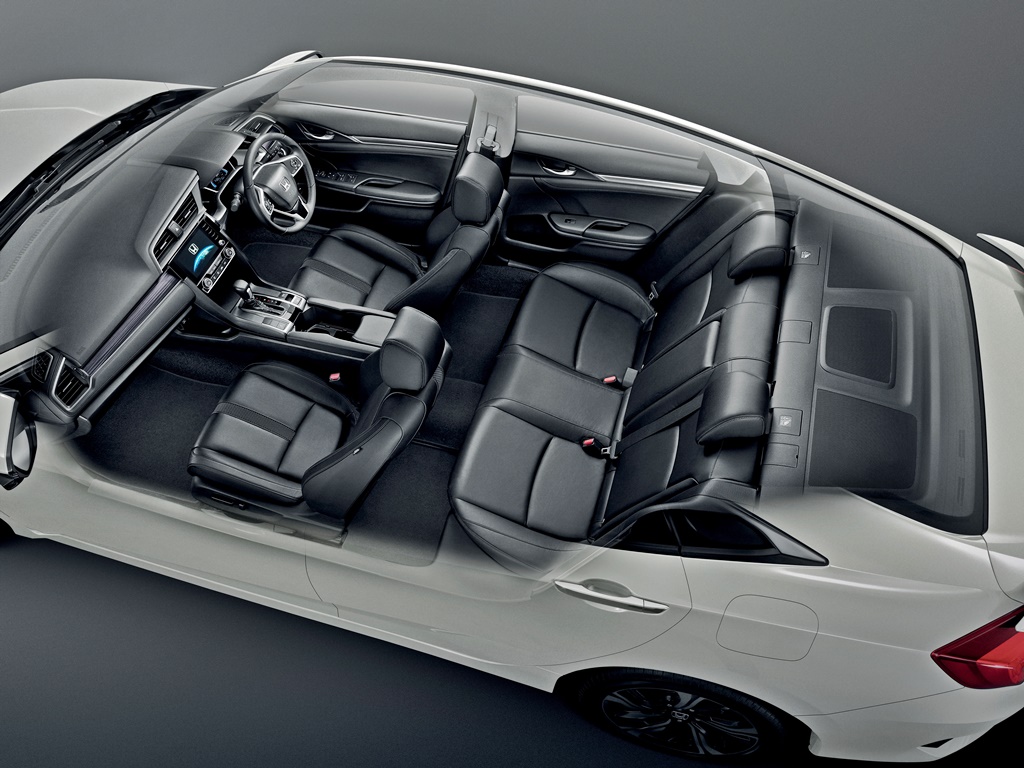
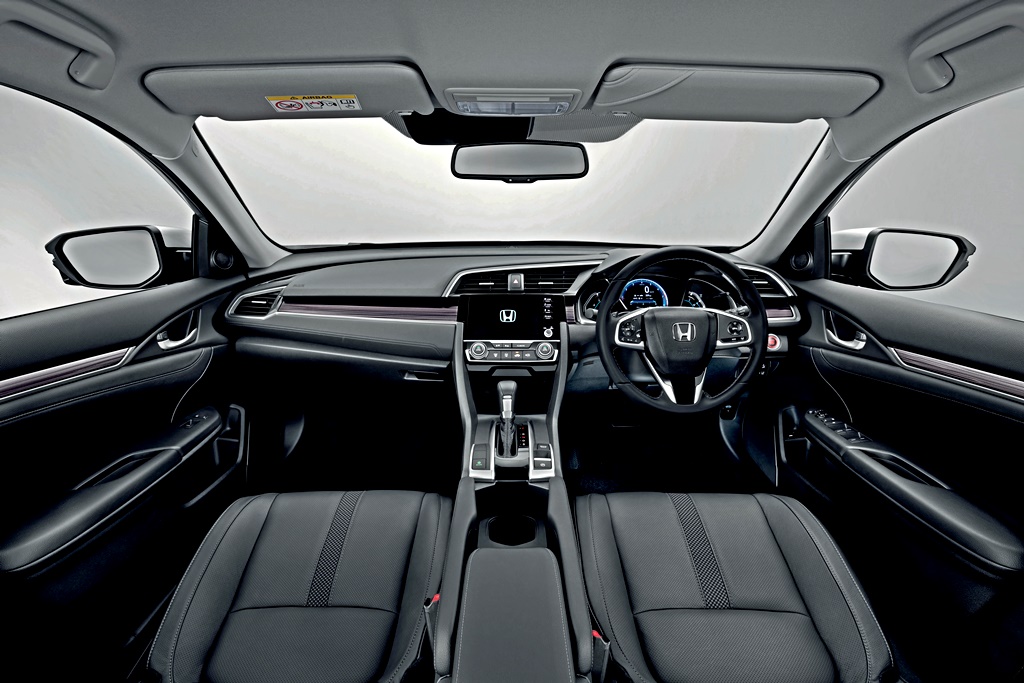
There’s no change to the interior for the 2020 model and certainly, when one compares today’s Civic to the original, spaciousness is a vast difference. Honda Malaysia has now included rear foldable 60:40 seats to make it possible to extend the 519-ltre boot space when needed. These days, with DIY furniture being popular, a longer boot floor is useful to carry the packages.

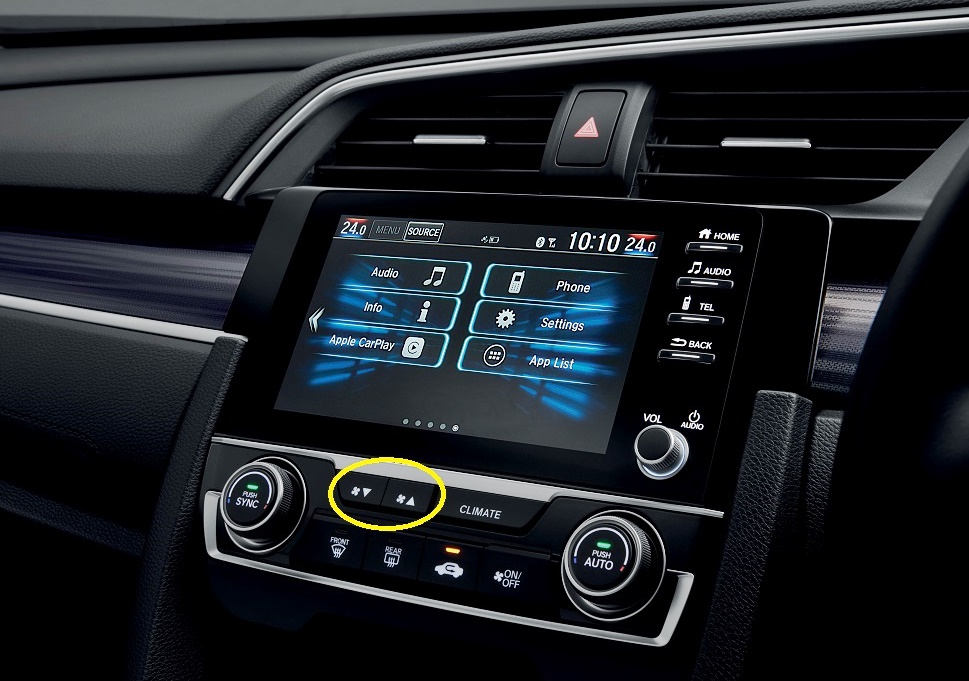
Being more expensive, the two 1.5-litre variants get a new leather upholstery with an Accent Design but all variants get an automatic front wiping system, 8-way power adjustment for the driver’s seat, remote engine start and walkaway auto-lock. There’s also a newly-added blower control switch for the air-conditioner (which includes rear vents) to make it easier for adjustments at the touch of a button.

2020 Honda Civic
A tiny new detail – switches to adjust the blower speed (circled in yellow)

In other areas, no change is evident although with the kaizen philosophy of constant improvement, there will be improvements that can’t be seen. It’s likely that the 2020 model will have as much as the 10th generation model is going to have in terms of features and equipment since it’s been in the market for 4 years now and model cycles have typically been 5 years. Of course, as launch timing in different regions differ, even if a new generation does appear in 2021, it might be another year more before it appears in Malaysia.

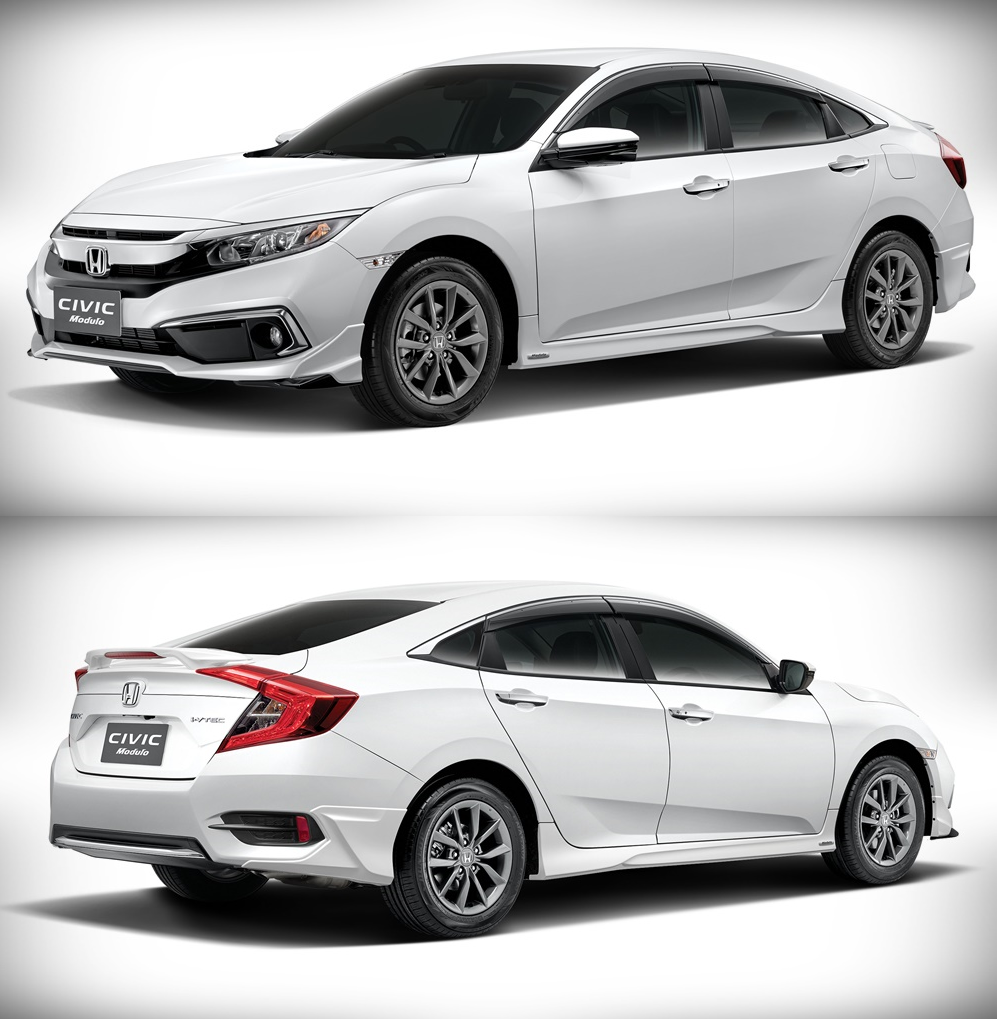
For those who do want to have more upgrades, you can ask for the Modulo packages which add functional accessories to the Civic. There are three packages, with prices ranging from RM865 to RM5,414. The good thing about taking these accessories at the time of purchasing the car is that their cost can be included in the total cost of the car so, in effect, you can pay for them over many years. No accessory shop can give you that kind of deal!

Honda Civic with Modulo package

As with other models sold in Malaysia, Honda Malaysia gives a 5-year warranty with no limit on mileage and owners don’t have to pay labour charges for scheduled servicing up to 5 times within 100,000 kms or a maximum of 5 years.

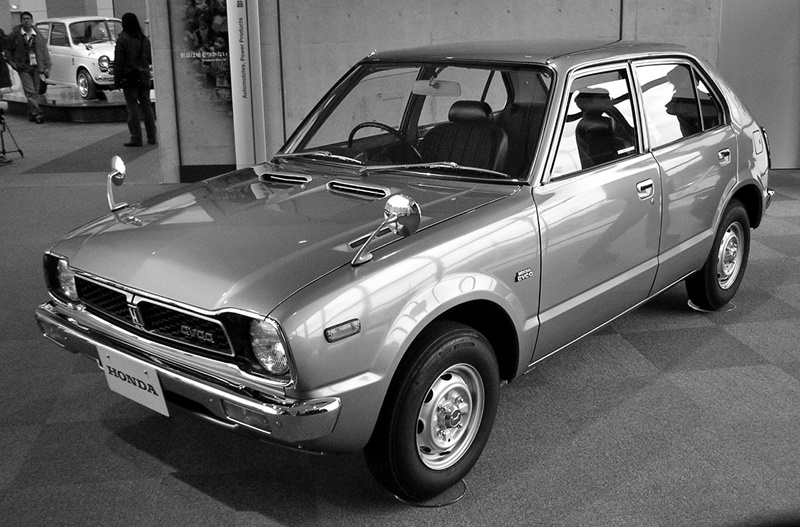
Honda Civic first generation
How different the 10th generation Civic is compared to the first generation which was introduced in the mid-1970s.

130,000th Honda Civic delivered to proud owner

PISTON.MY

BHPetrol RON95 Euro4M

Polestar began as a racing team in 1996 and after showing what it could do to Volvos, the Swedish carmaker decided to commission the company to develop performance variants. The potential of such enhanced models led Volvo to acquire the company in 2015 and have a sub-brand which focussed on performance.

Two years later, Polestar’s mission changed as it was tasked to focus on electric cars. Volvo and its owner, the Zhejiang Geely Holding Group, provided 640 million euros (about RM2.94 billion) to support the initial phase of product, brand and industrial development.

As a fully consolidated Volvo Cars subsidiary, it would become a stand-alone electrified performance car company. Since then, besides being an advanced technology affiliate for the Volvo Car Group, Polestar has also started to build cars at a new factory in China.

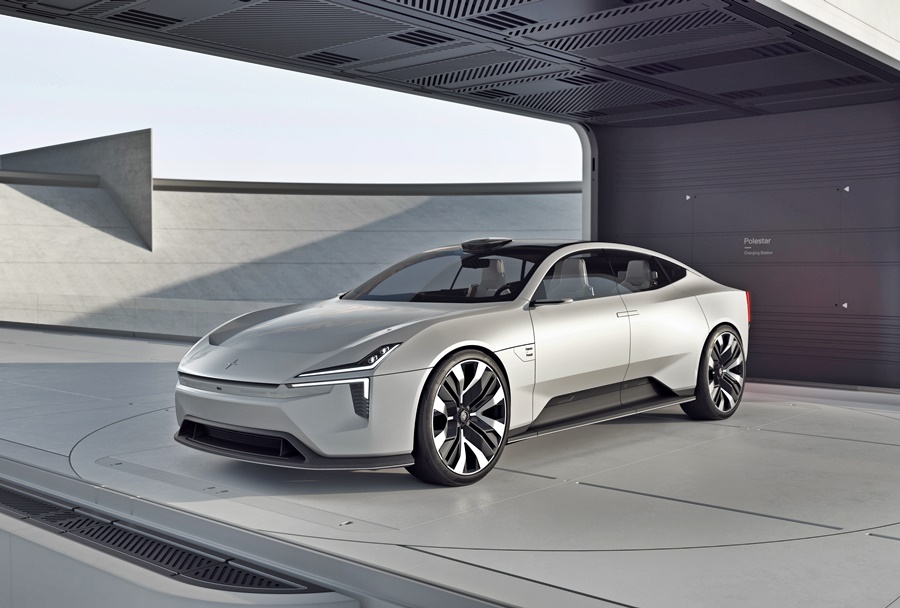
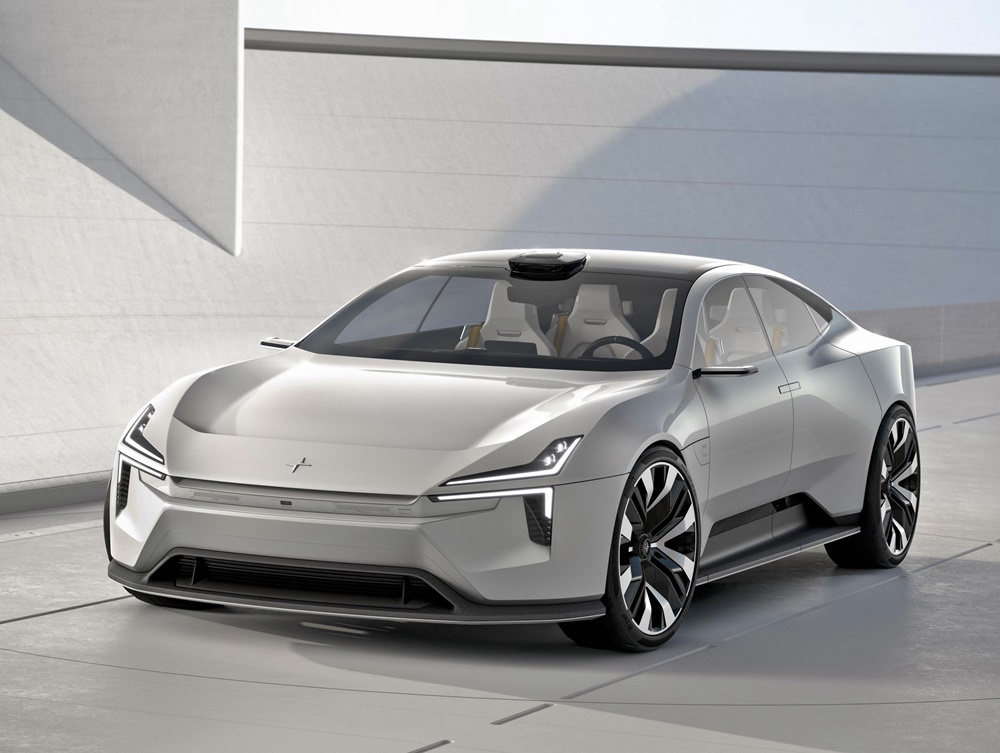
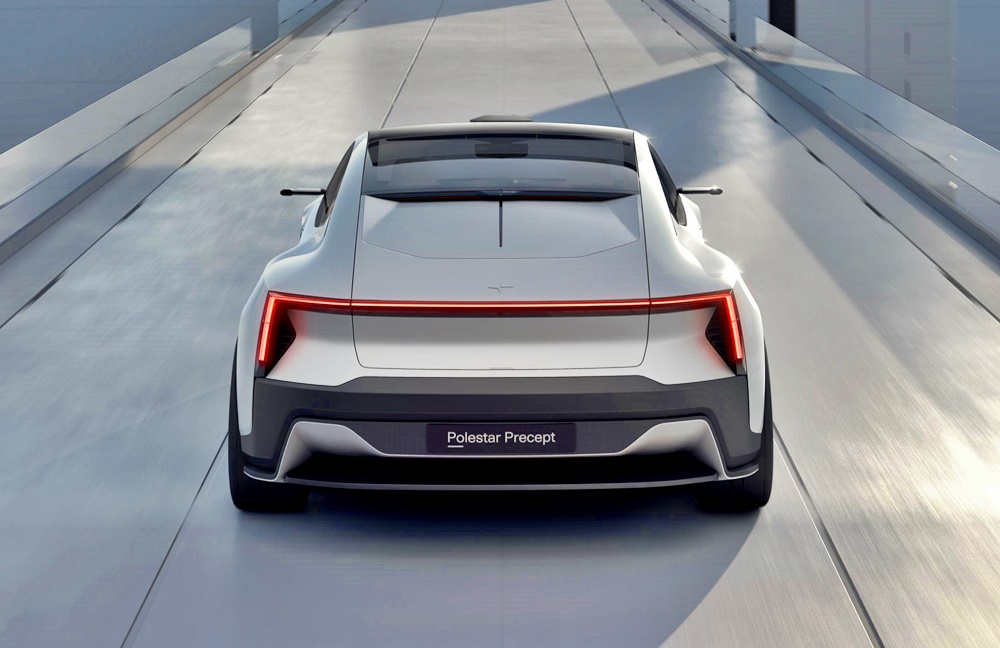
Polestar Precept Concept

Vision of future direction
Obviously a very forward-looking company, Polestar is looking ahead and its vision of the brand’s future direction is revealed in the Precept concept. A precept is a manifesto of things to come, a declaration. Hence the name chosen emphasises the car’s role in setting out Polestar’s intent as the contemporary electric performance brand.

“Precept is a declaration, a vision of what Polestar stands for and what makes the brand relevant,” said Thomas Ingenlath, CEO of Polestar. “The car is a response to the clear challenges our society and industry face. This is not a dream of a distant future; Polestar Precept previews future vehicles and shows how we will apply innovation to minimise our environmental impact.”

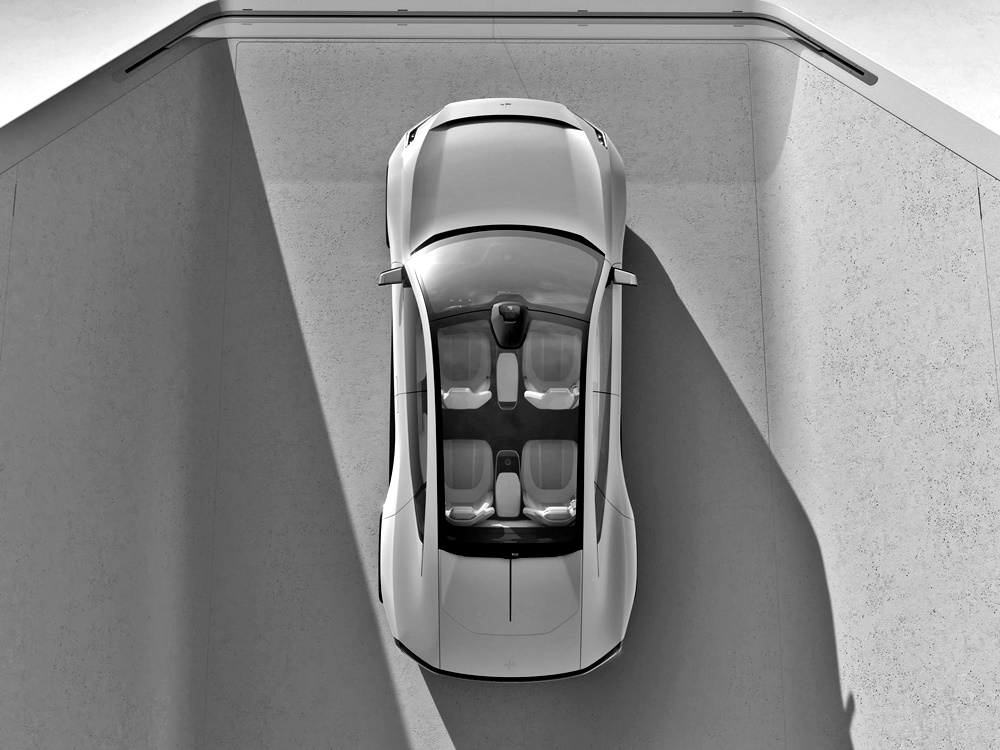
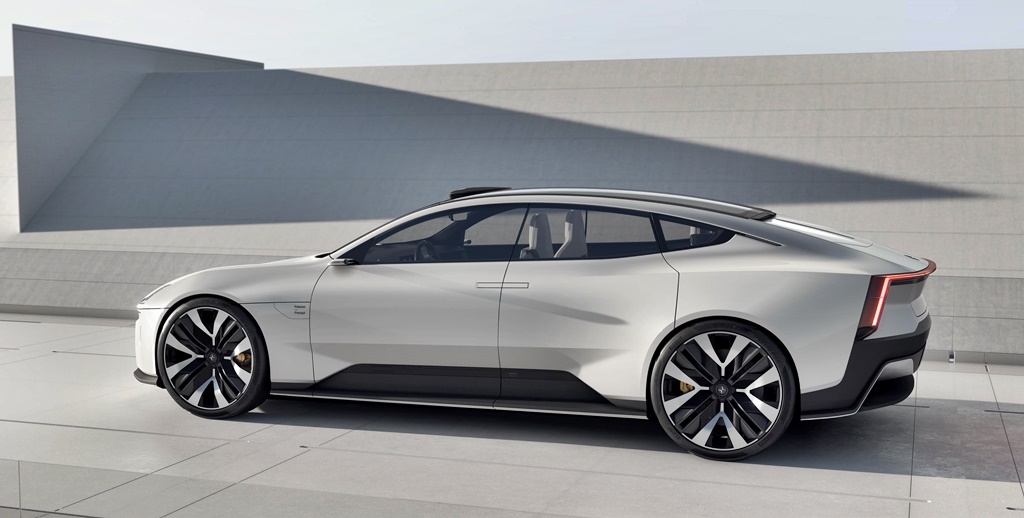
Minimalistic athleticism and restrained surfacing are evident in the aerodynamic sculpted form of the Precept with proportions that define its presence. A 3.1-metre wheelbase which accommodates a large battery pack gives the 4-door Grand Tourer a very low and sleek silhouette with an emphasis on legroom and headroom in the rear.

Polestar Precept Concept

No grille needed
Not requiring a grille for cooling, the front end incorporates the Polestar SmartZone, representing a shift from ‘breathing’ to ‘seeing’. The area which once channelled air to radiators and the internal combustion engine now houses technology for safety sensors and driver assistance functions.

Purposefully gathered behind a transparent panel dedicated to intelligent hardware are two radar sensors and a high definition camera. The LiDAR pod, mounted atop the glass roof, is given optimal visibility as a next step towards increased driving assistance. The Thor’s Hammer LED headlight signature evolves with separated elements, taking on a dynamic, more robotic and brand-defining interpretation.

The Precept features an integrated front wing above the SmartZone which accelerates airflow over the long bonnet. This allows air to attach itself to the surface earlier, which improves aerodynamic efficiency and thus improves the car’s range.

Polestar Precept Concept

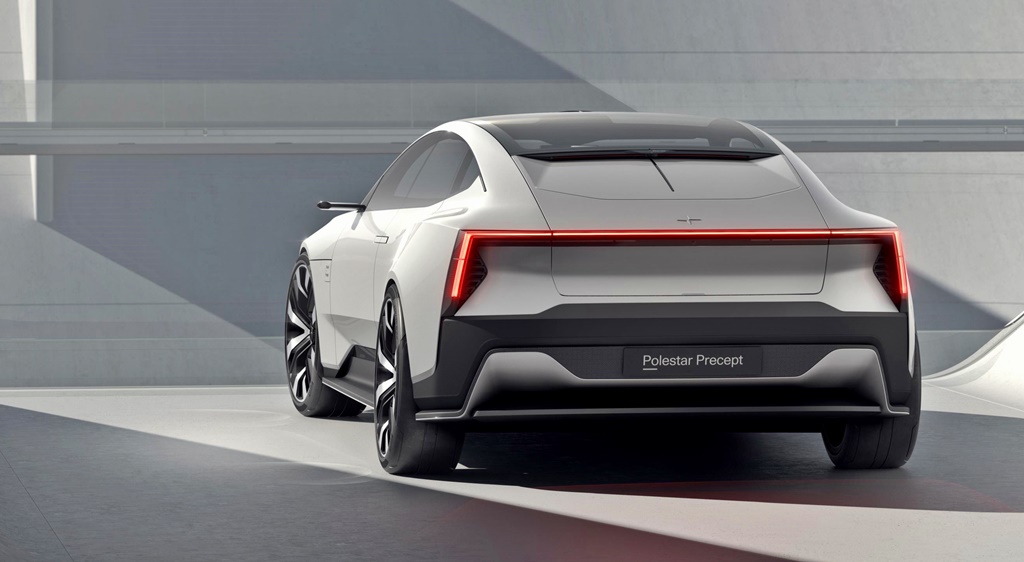
At the rear, the wide light-blade spans the entire width of the car, extending into vertical aero-wings – another aerodynamic feature and a nod to lightweight design.

Conventional side mirrors are replaced by camera-based units, each of which extends outwards on an aerodynamic arm. Inside, the traditional rear-view mirror is replaced with a digital screen, the image collected by a wide-angle camera mounted at the rear of the car.

Polestar Precept Concept

The absence of a conventional rear window means that the Precept’s single-volume glass roof extends behind the rear seats and the tailgate itself is designed with a larger opening and higher-mounted hinges improving access.

Best available technologies
Polestar continues to believe in collaborating with experts to accelerate development and provide customers with the best available technologies. The Precept’s interior is defined by sustainability and offered opportunity to work with new materials and processes. Similarly, the evolution of the HMI (Human-Machine Interface) builds on current partnerships which maximise the integration of expertise.

Polestar Precept Concept

Polestar Precept Concept

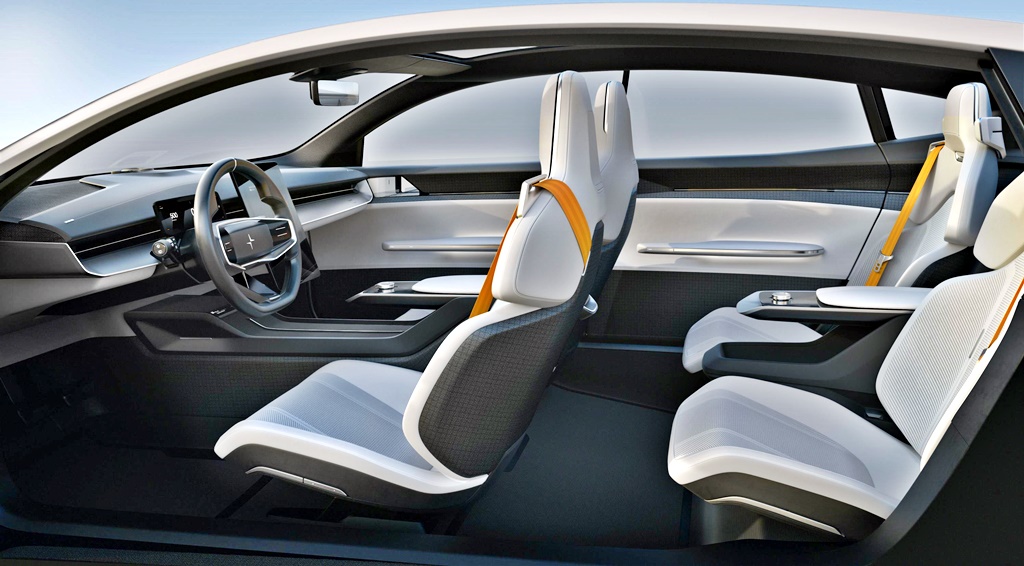
Sustainable new interior materials balance modern high-tech luxury with reduced environmental impact. For instance, flax-based composites for interior panels and seatbacks offer significant improvements over conventional materials, including up to 50% saving in weight and up to 80% reduction of plastic waste.

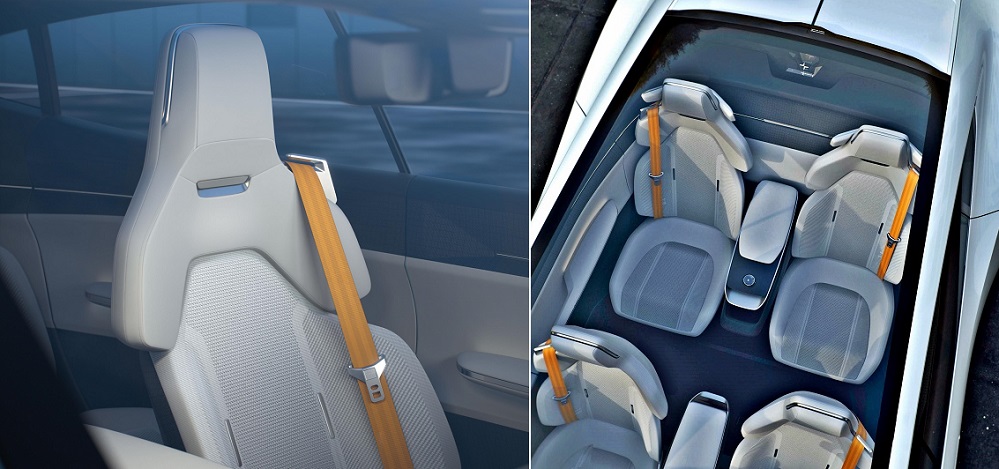
The seat surfaces are 3D-knitted from recycled PET bottles, while the bolsters and headrests are made from recycled cork vinyl and the carpets from reclaimed fishing nets. These elements, combined with digital artistry, define a new premium luxury that surpasses the conventions of leather, wood and chrome.

Android-powered connectivity
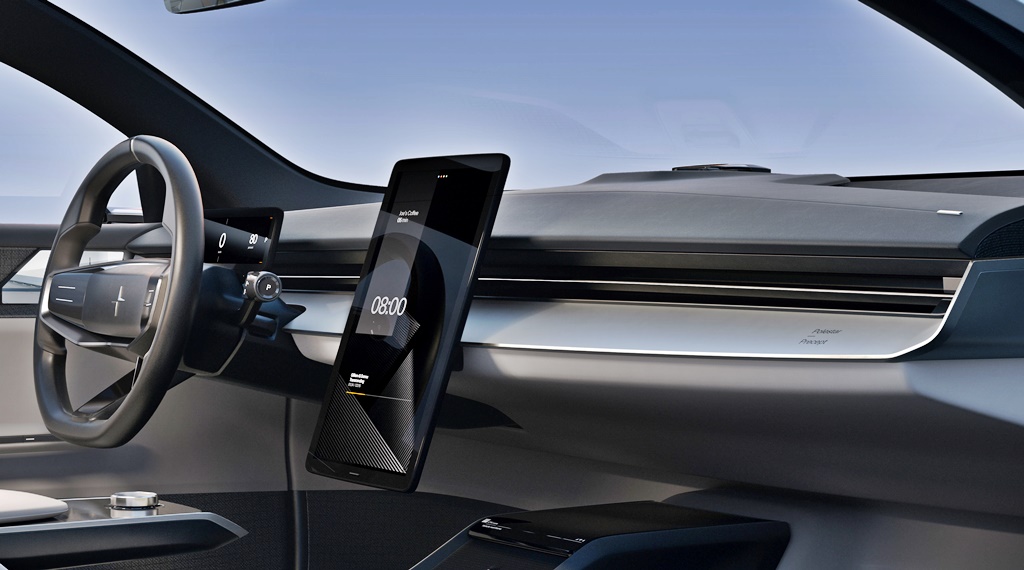
The next generation HMI, powered by Android, builds on Polestar’s close collaboration with Google. An enlarged, portrait-oriented 15-inch centre touch screen complements a 12.5-inch driver display, and the two are linked by an illuminated blade that encompasses the entire interior. In this execution, the unique Polestar emblem floats holographically inside a solid piece of Swedish crystal between the rear seat headrests.

Polestar Precept Concept

Supporting the advancement of a personalised and dynamic digital interface, the instrument panel also hosts an array of smart sensors. Eye tracking will allow the car to monitor the driver’s gaze and adjust the content of the various screens accordingly. Proximity sensors also enhance the usability of the centre display when driving.

Polestar Precept Concept

Polestar 1 production underway in Chengdu, China

PISTON.MY

Archive

Follow us on Facebook

Follow us on YouTube