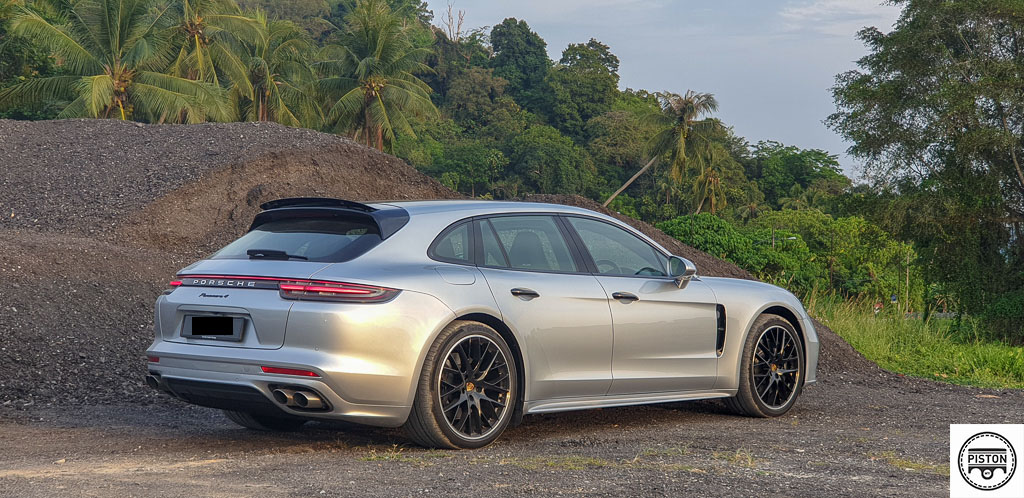
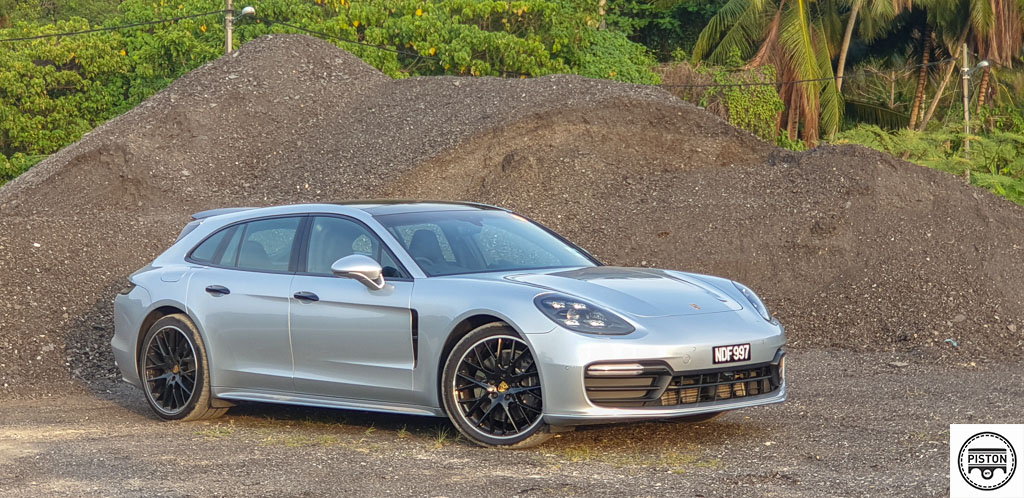
Porsche has made the strategic decision to discontinue the Sport Turismo wagon variant in the Panamera lineup, unveiling the third generation of the luxury sedan with a renewed focus on a sedan-only range. The move follows the debut of the latest Panamera model, which showcased the absence of the Sport Turismo option.
The decision to drop the Sport Turismo comes as a response to the model’s slow sales, which did not justify the development of a successor. Porsche acknowledges that the Sport Turismo has played a minor role in key markets, especially in China and the United States. The statement from Porsche highlights the specific market dynamics, stating, “In China and the US – our main markets in the D-Segment – the Sport Turismo plays only a minor role. For this reason, we have decided to discontinue this model variant with the launch of the new generation.”
In the recently concluded nationwide Ops Patuh Bersepadu 2023, more than 23,000 motorists were apprehended for driving without a valid license. The 14-day operation, which concluded on Friday (Nov 24), targeted various traffic violations and aimed to enhance road safety.
According to TheStar, during the operation, JPJ officials inspected a total of 554,372 vehicles, resulting in the issuance of 23,748 notices for driving without a license. The majority of offenders fell within the age group of 15 to 35. In addition to unlicensed driving, JPJ also issued 17,447 notices for expired road taxes, 13,857 notices for vehicles lacking insurance coverage, and 12,191 notices for technical offenses. Other notable violations included 4,902 cases of driving without vocational licenses and 2,329 cases of overloaded vehicles.
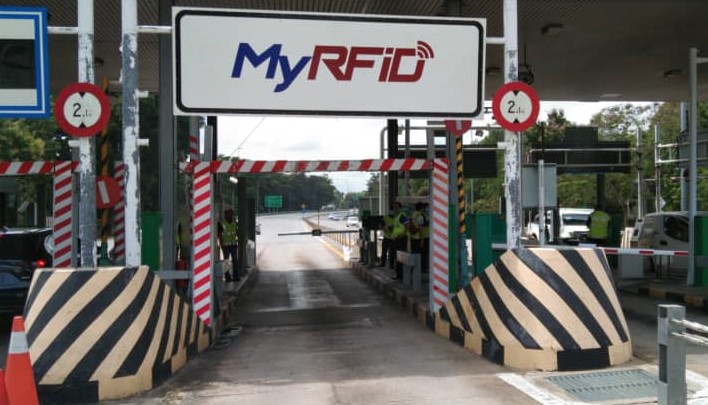
Touch ‘n Go, a key player in RFID technology in Malaysia, is addressing a recent misconception about RFID tags having an expiry date. While debunking this misconception, the company emphasised a different aspect—RFID tags, unlike traditional smart tags, may experience wear and tear over time.
Contrary to the false information suggesting an expiry date, Touch ‘n Go clarified that RFID tags issued by the company do not have a predetermined expiration. Instead, the focus was on a recent campaign aimed at pilot users, participants in the initial RFID pilot program launched in 2018. This campaign offered these users the opportunity to refresh their RFID tags, particularly if wear and tear had occurred, through a special promotion.
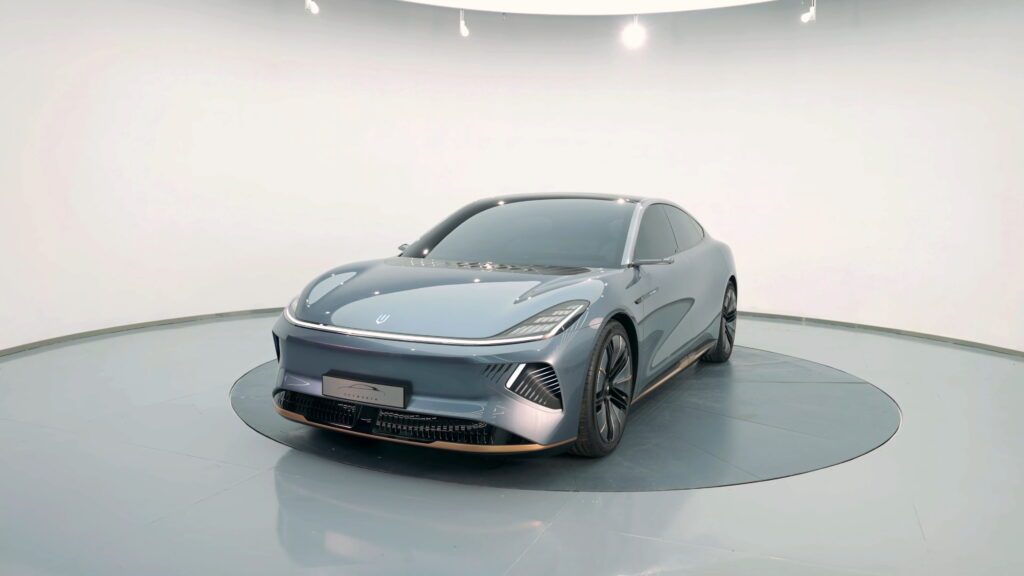
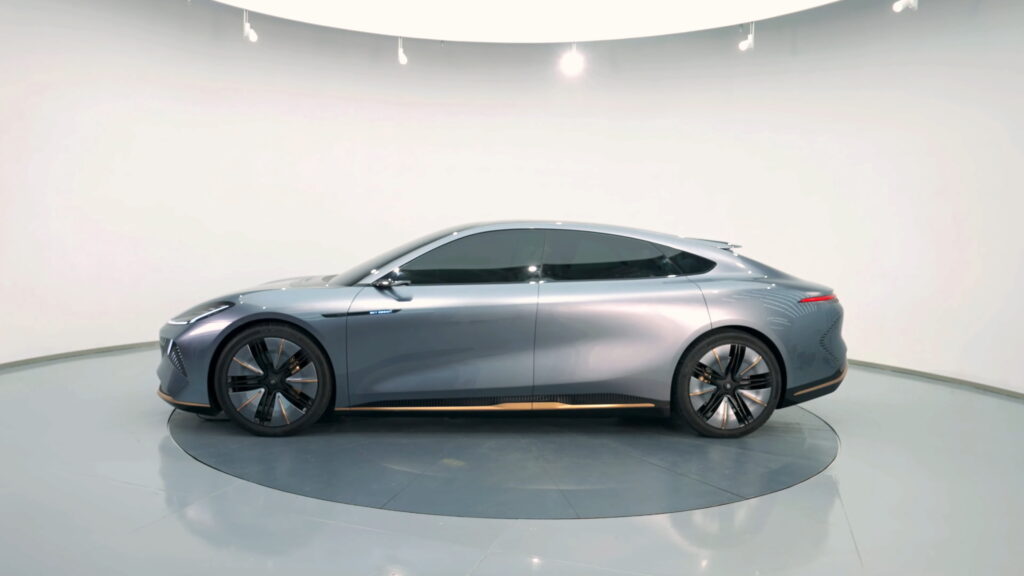
Chinese electronics giant Skywell has lifted the curtain on its revolutionary electric sedan, the Skyhome, set to hit production lines next year. Amidst the growing influx of electric vehicles from China, Skywell’s creation stands out with innovative features, promising a blend of sleek design and cutting-edge technology.
The Skyhome, produced under Skywell’s automotive division Skyworth, boasts a remarkably curvy exterior, breaking away from the sharp edges dominating modern car design. With a flowing front fascia, LED headlights, a panoramic glass roof, and digital wing mirrors, the car exudes a sleek and distinctive aesthetic. Notably, the cabin features a massive curved screen on the dashboard, housing the gauge cluster, infotainment display, and a passenger-centric screen. The yoke-style steering wheel, ambient lighting, and a variety of materials contribute to the futuristic interior.
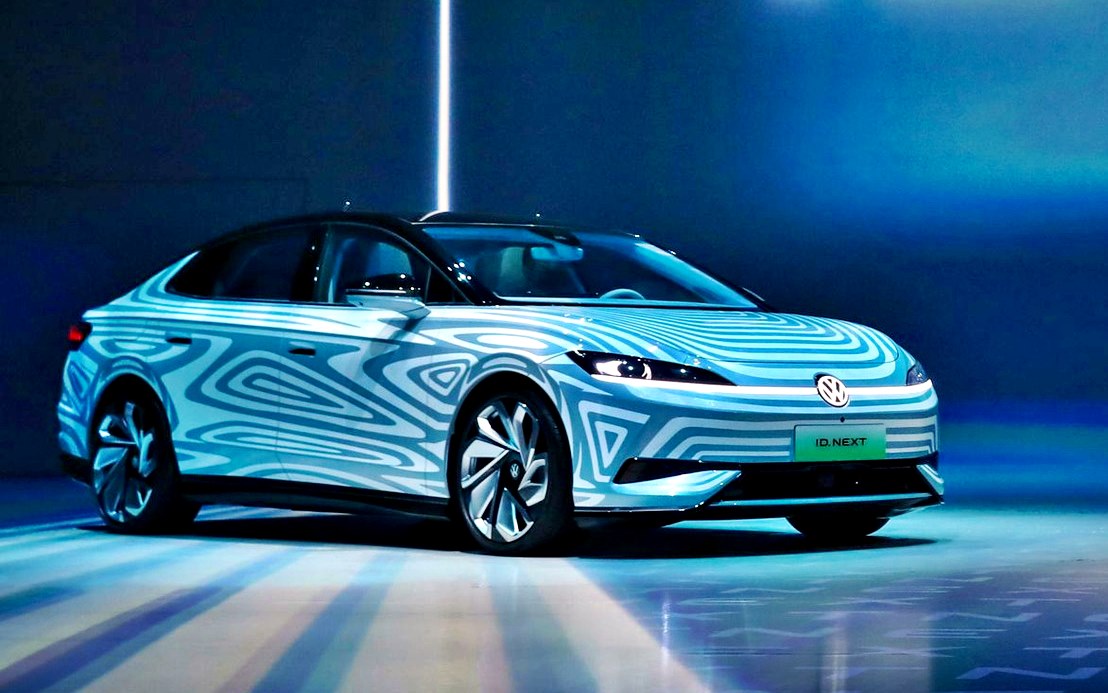
In a strategic move to solidify its presence in the rapidly growing Chinese electric vehicle (EV) market, Volkswagen has unveiled plans for a new platform tailored for affordable electric cars. The announcement was made by Ralf Brandstaetter, Chief of Volkswagen China, during the inauguration of the Volkswagen Group China Technology Company (VCTC) in Hefei, where an investment of approximately $1.1 billion is set to generate over 2,000 jobs.
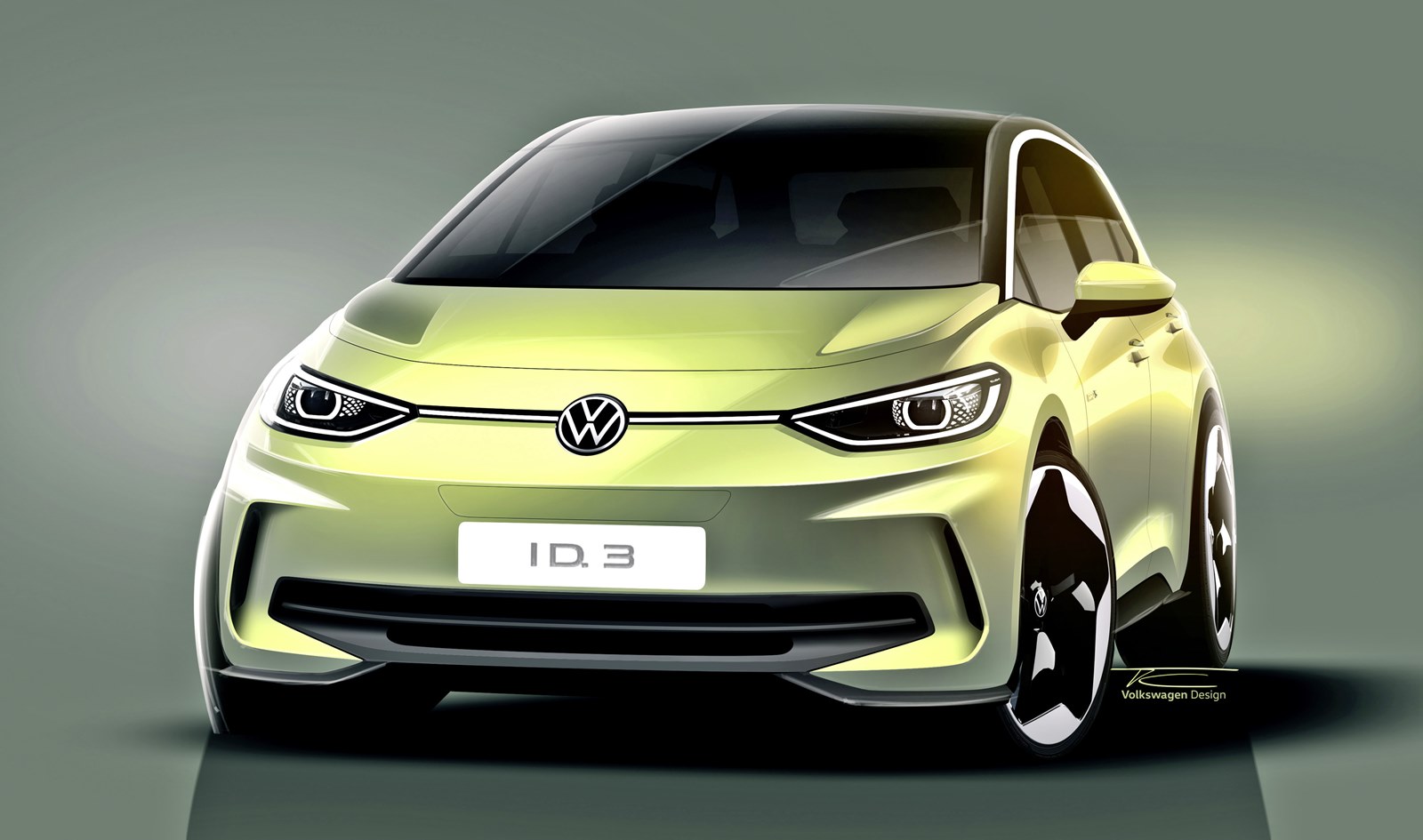
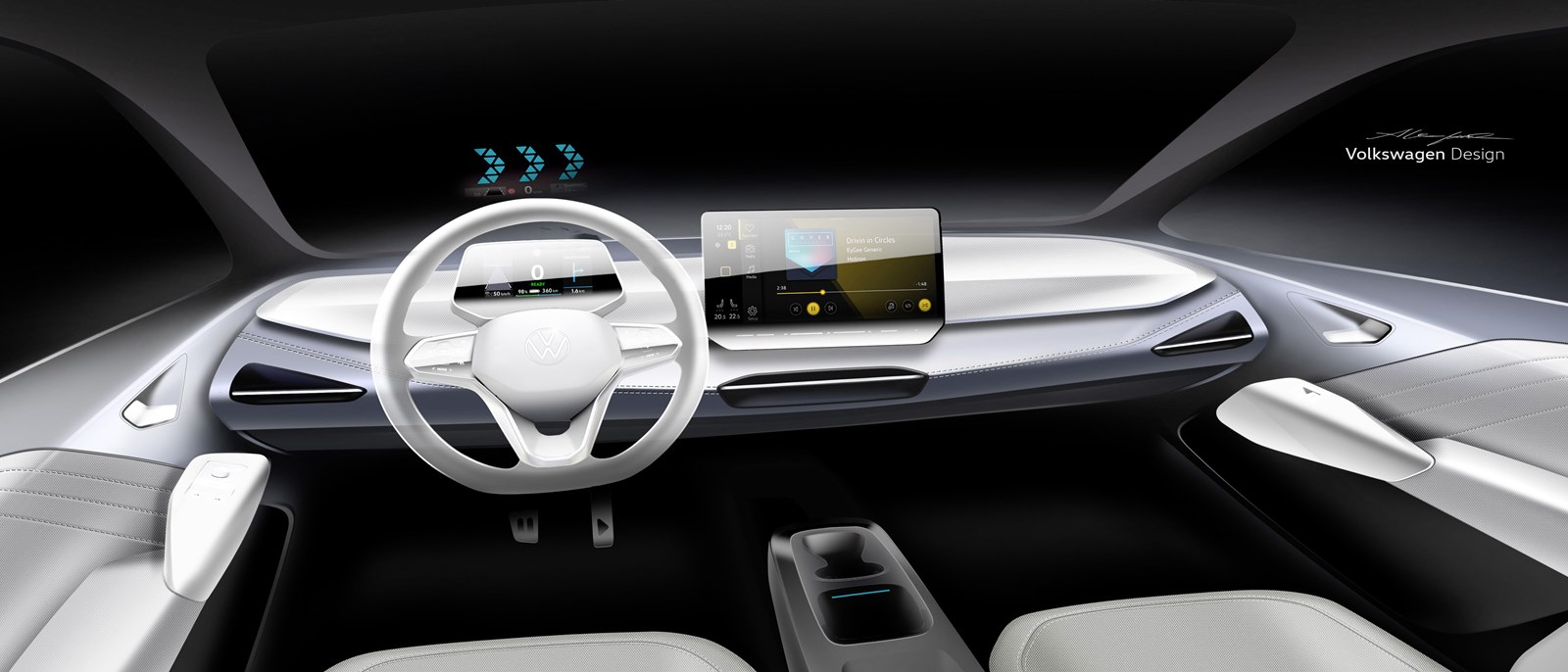
The newly revealed platform, tentatively named the “A Main Platform,” is designed specifically for the Chinese market. Volkswagen aims to enhance cost efficiency by incorporating a higher percentage of locally sourced components compared to their existing Modular Electric Drive Toolkit (MEB)-based models in China, such as the ID.3, ID.4, ID.6, and ID.7.
The platform, derived from the MEB, is anticipated to be operational by 2026—around a third earlier than initially projected—thanks to the capabilities of the VCTC.
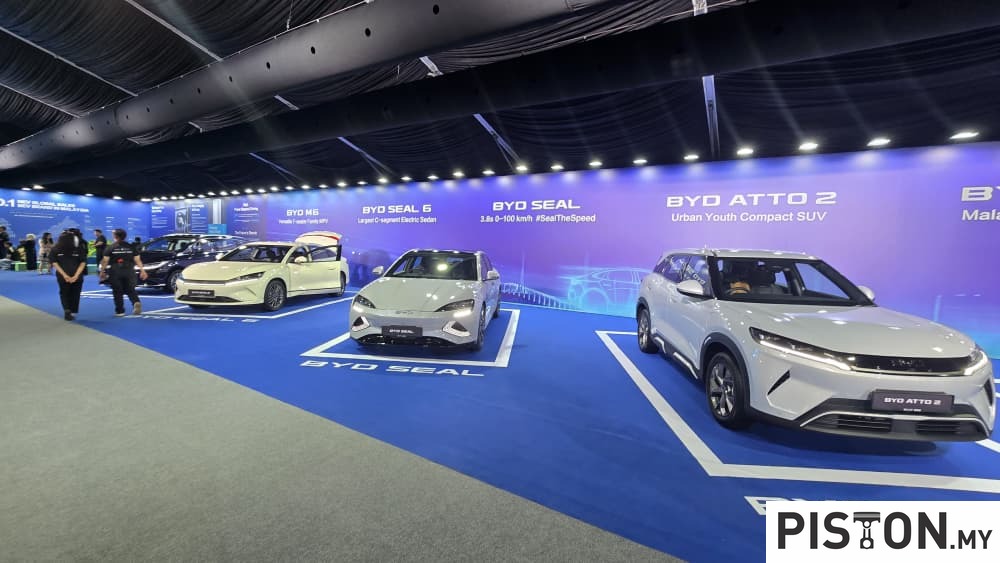
Brandstaetter highlighted the “price-sensitive” nature of the Chinese electric vehicle market, necessitating a focus on cost optimisation. The move comes as Volkswagen faces increased competition, with BYD surpassing the brand in sales in 2022. The decline in gasoline car sales further emphasizes the importance of affordability, and Volkswagen’s ID.3 model experienced a surge in sales after price cuts.
The new platform targets the entry-level segment, with a price range of 140,000 CNY (RM92,483) to 170,000 CNY (RM112,301). Volkswagen plans to introduce four models based on this platform, collaborating with existing joint ventures with SAIC and FAW, the manufacturers of the MEB-based models.
Additionally, Volkswagen aims to launch two all-electric models, in collaboration with Chinese EV manufacturer XPeng, starting in 2026. This aligns with the automaker’s broader goal of introducing a total of 10 new all-electric cars globally by 2026, marking a significant acceleration in their electrification strategy.
Volkswagen’s commitment to the Chinese market involves not only addressing the immediate demand for affordable electric vehicles but also fostering partnerships and expanding its electric vehicle lineup, contributing to the global shift towards sustainable mobility.
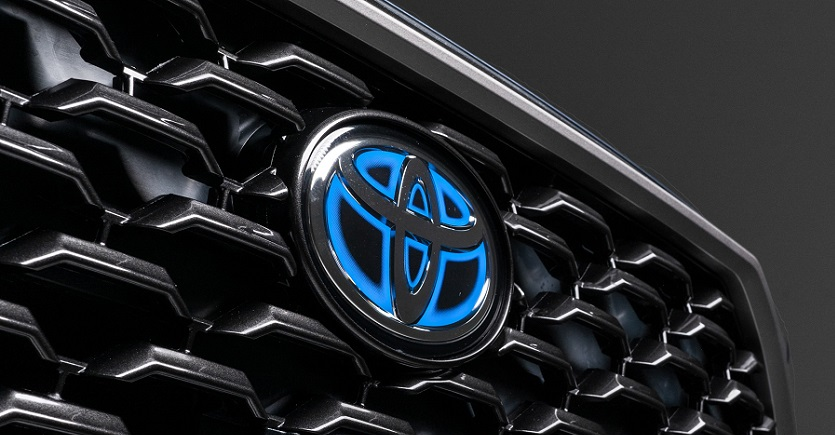
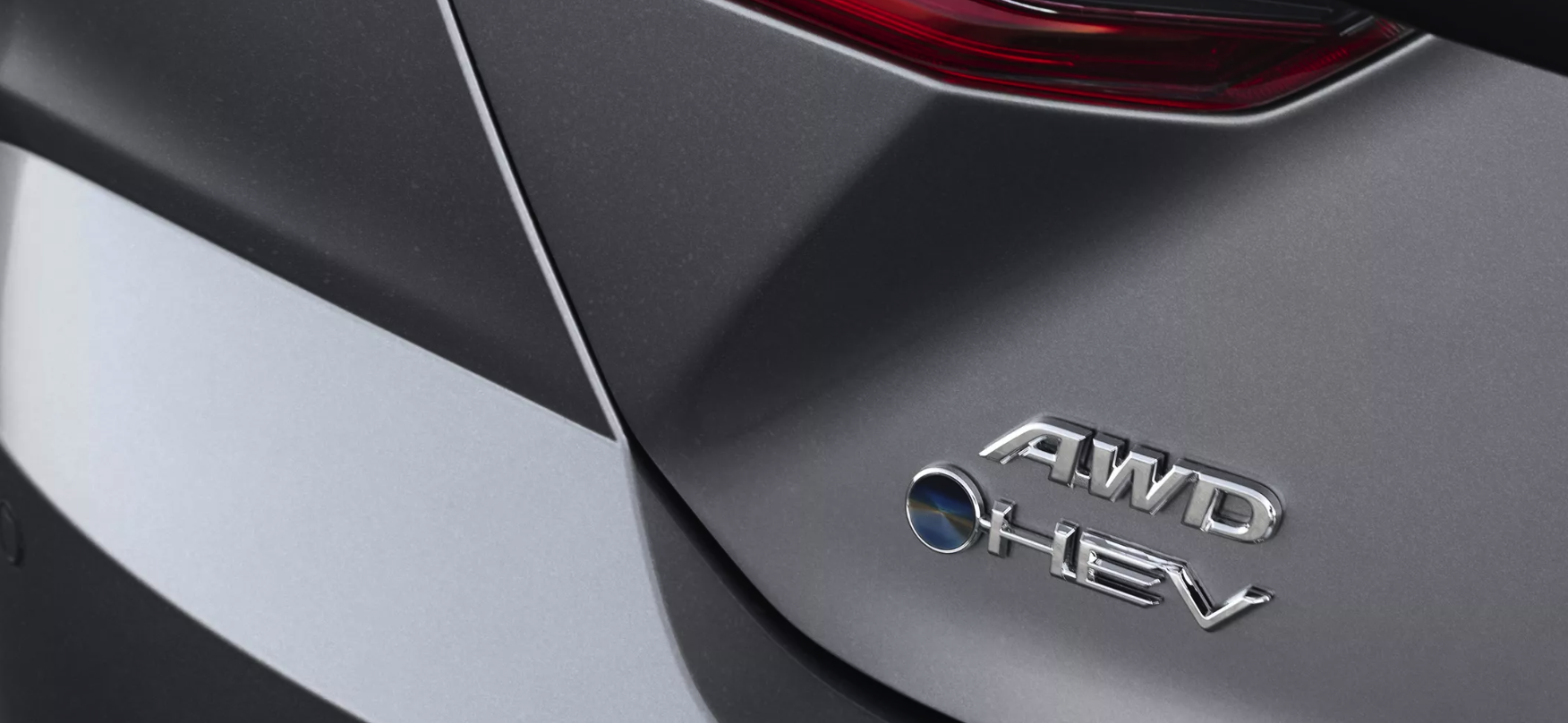
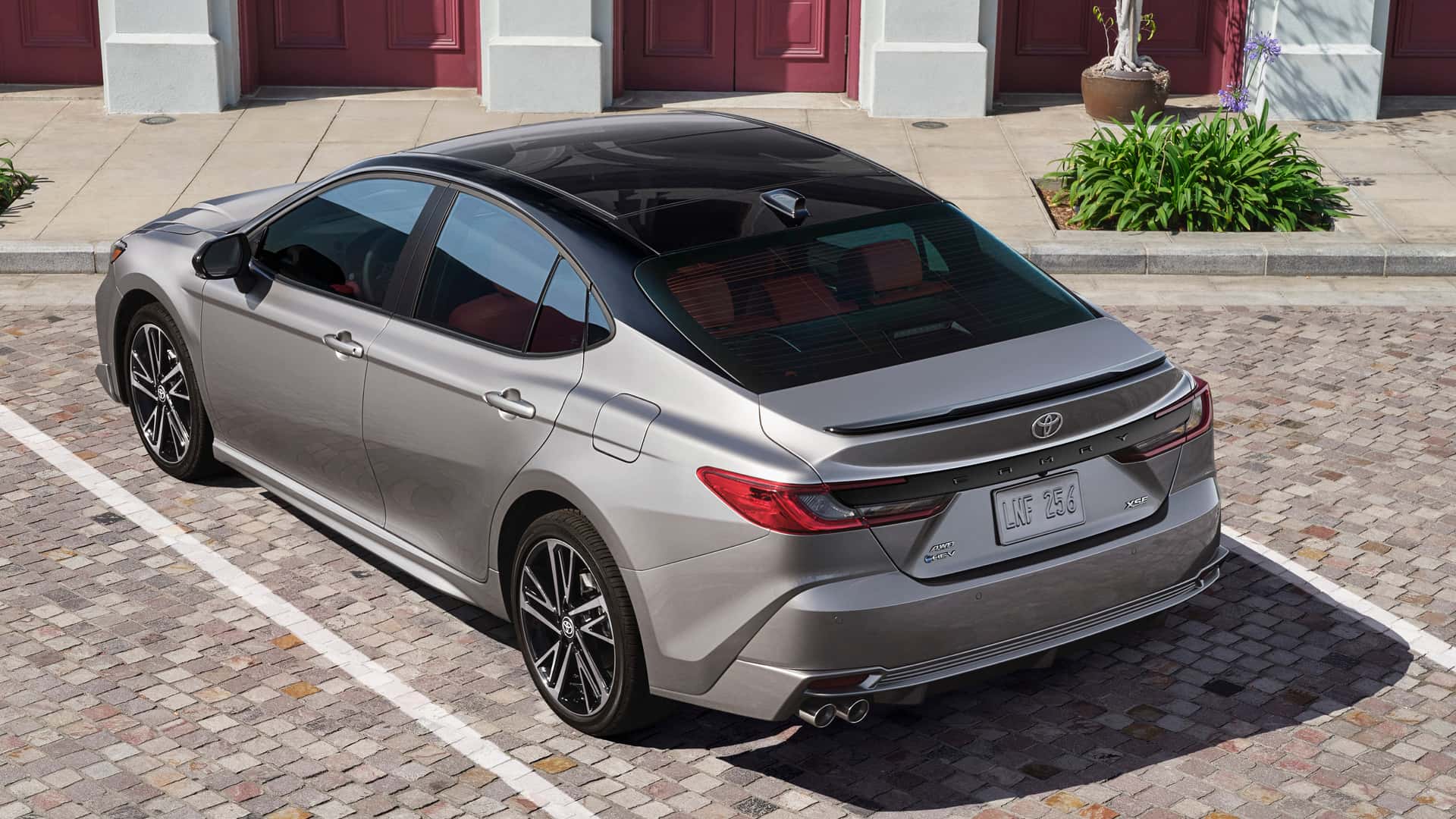
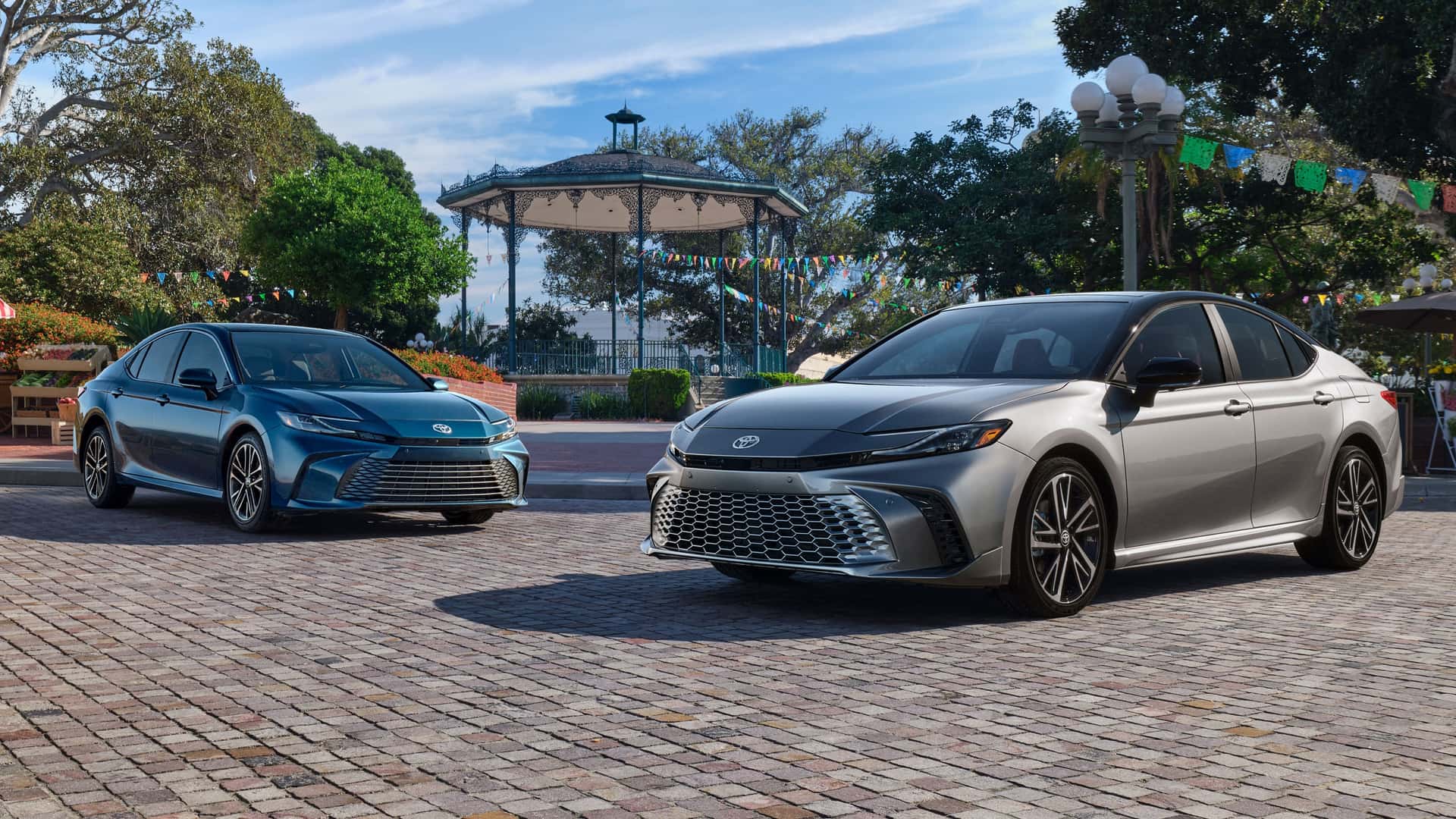
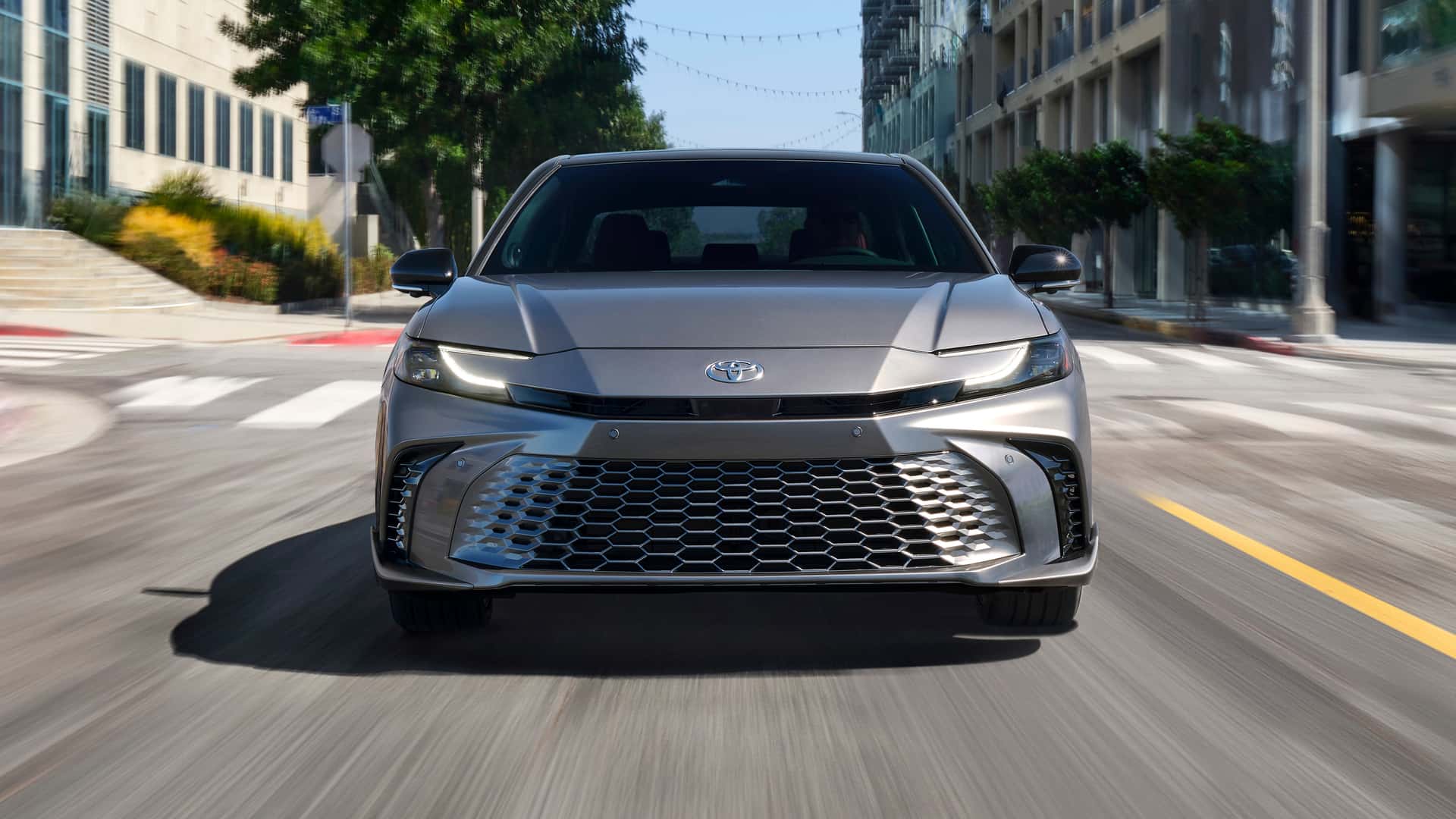
In a departure from its iconic blue halo within the T badge, Toyota has unveiled a symbolic blue dot on the trunk of its latest Camry hybrid, signaling a shift in its visual representation of electrified vehicles. Since 2009, the blue halo had been a distinctive feature on Toyota’s hybrid powertrain-equipped vehicles, but the new Camry takes a different approach to convey the brand’s commitment to sustainability.
The Shift to Symbolic Significance
The absence of the familiar blue halo on the new Camry is deliberate, as Toyota aims to emphasize its dedication to environmental stewardship with a fresh visual element. Instead of incorporating blue highlights within the Toyota badge, the Camry now proudly displays a blue dot next to the letters ‘HEV’ on the trunk, denoting its status as a hybrid electric vehicle.
A Symbol of Commitment to Sustainability
In a social media post from September, Toyota shared that the blue circle represents the company’s commitment to “the happiness of people living on earth and [its desire] to pass it on to the next generation.” This emblematic change extends beyond the Camry, with upcoming models like the Crown and the renowned Prius adopting the new visual cue.
Comprehensive Electrification Strategy
This symbolic shift isn’t exclusive to hybrids; Toyota plans to implement the blue dot on its new hybrids, plug-in hybrids, battery electric vehicles (BEVs), and fuel-cell electric vehicles (FCEVs). While models like the RAV4, Venza, and Corolla still bear the traditional blue Ts, the impending updates to these vehicles will incorporate the blue dot, aligning with Toyota’s overarching electrification strategy.
Beyond Zero Campaign: A Vision for a Greener Future
The introduction of the blue dot aligns with Toyota’s “Beyond Zero” marketing campaign, signaling a commitment to reach beyond carbon neutrality and make a positive impact on the planet and society. The company emphasises a diverse range of new energy vehicles, not limited to electric vehicles (EVs), and aims to underscore this strategy by incorporating the symbolic blue dot across multiple electrified models.
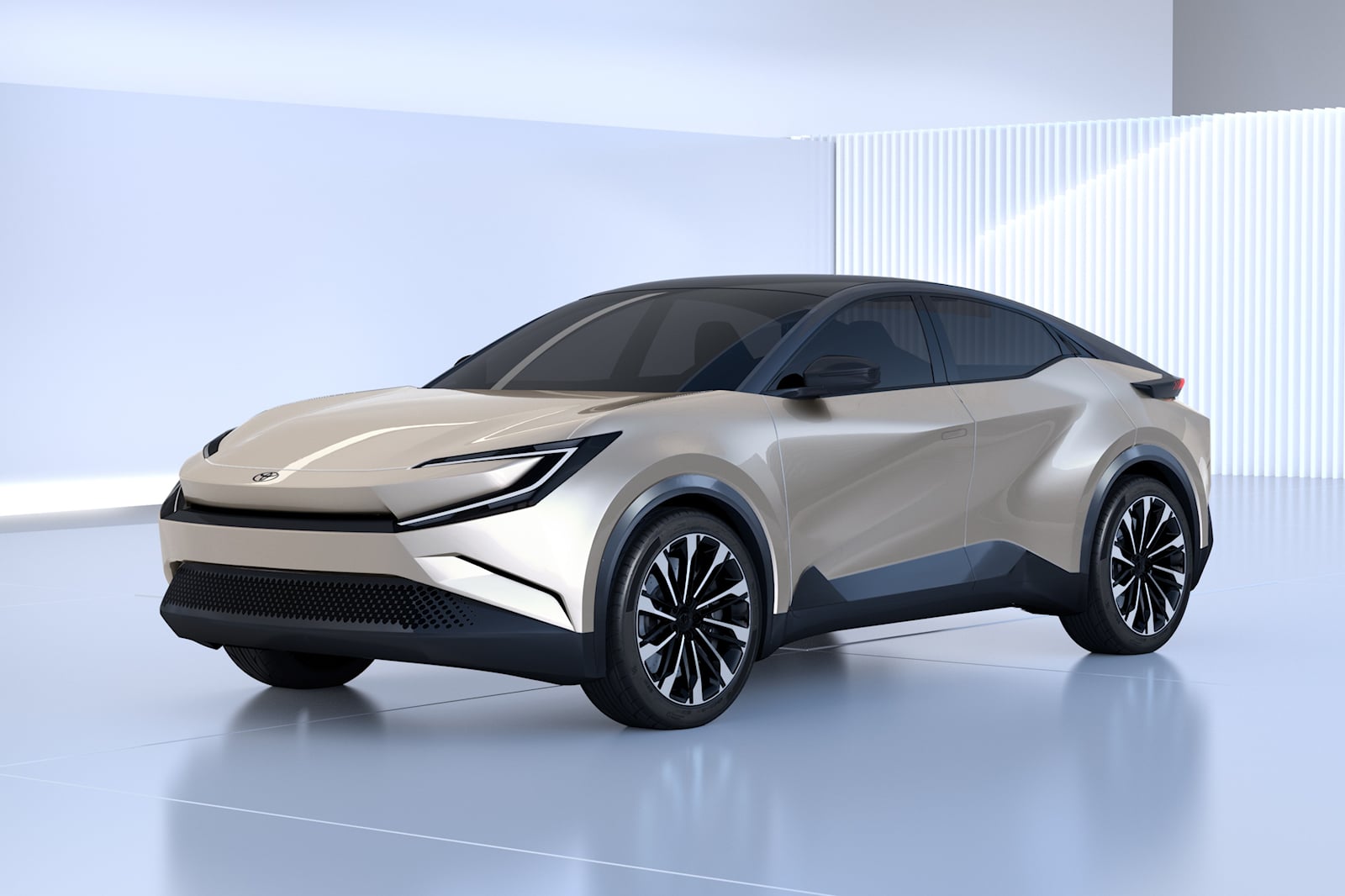
bZ3X
Future Teasers and Beyond
Teaser shots of the upcoming bZ3X, a battery electric vehicle, already showcase the blue circle alongside the letters “BEV” on the rear end. This sneak peek gives enthusiasts a glimpse into Toyota’s vision for a greener automotive future.