
Piston.my

English

BHPetrol

Dodge, an American brand in the Stellantis Group, knows that going electric is not an option but something which has to happen. Over its 122 years of existence, Dodge has had a wide variety of vehicles although in the 21st century, its line-up has shrunk and it is better known for its musclecars especially the Dodge Charger, which Torreto (Vin Diesel) used in various Fast & Furious movies.

Moving into the electric age, Dodge wants to maintain its performance image so unlike other manufacturers which have been giving previews of sleek, efficient EVs with a focus on range, the carmaker has been working on an electric musclecar.
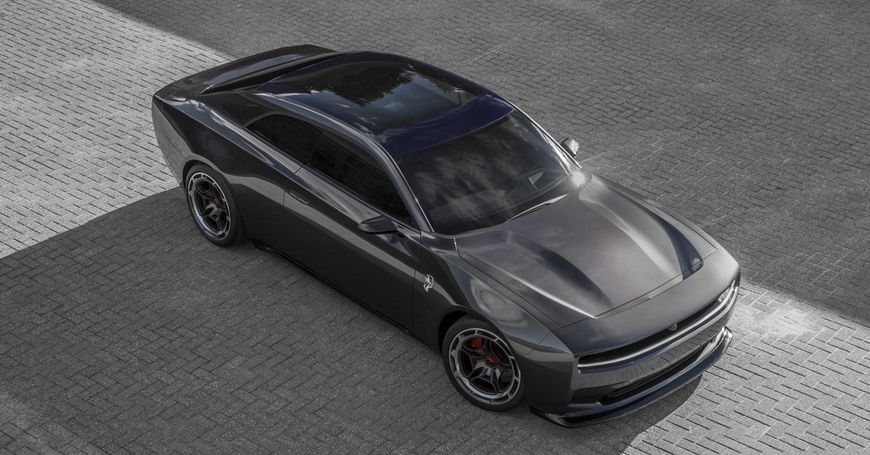
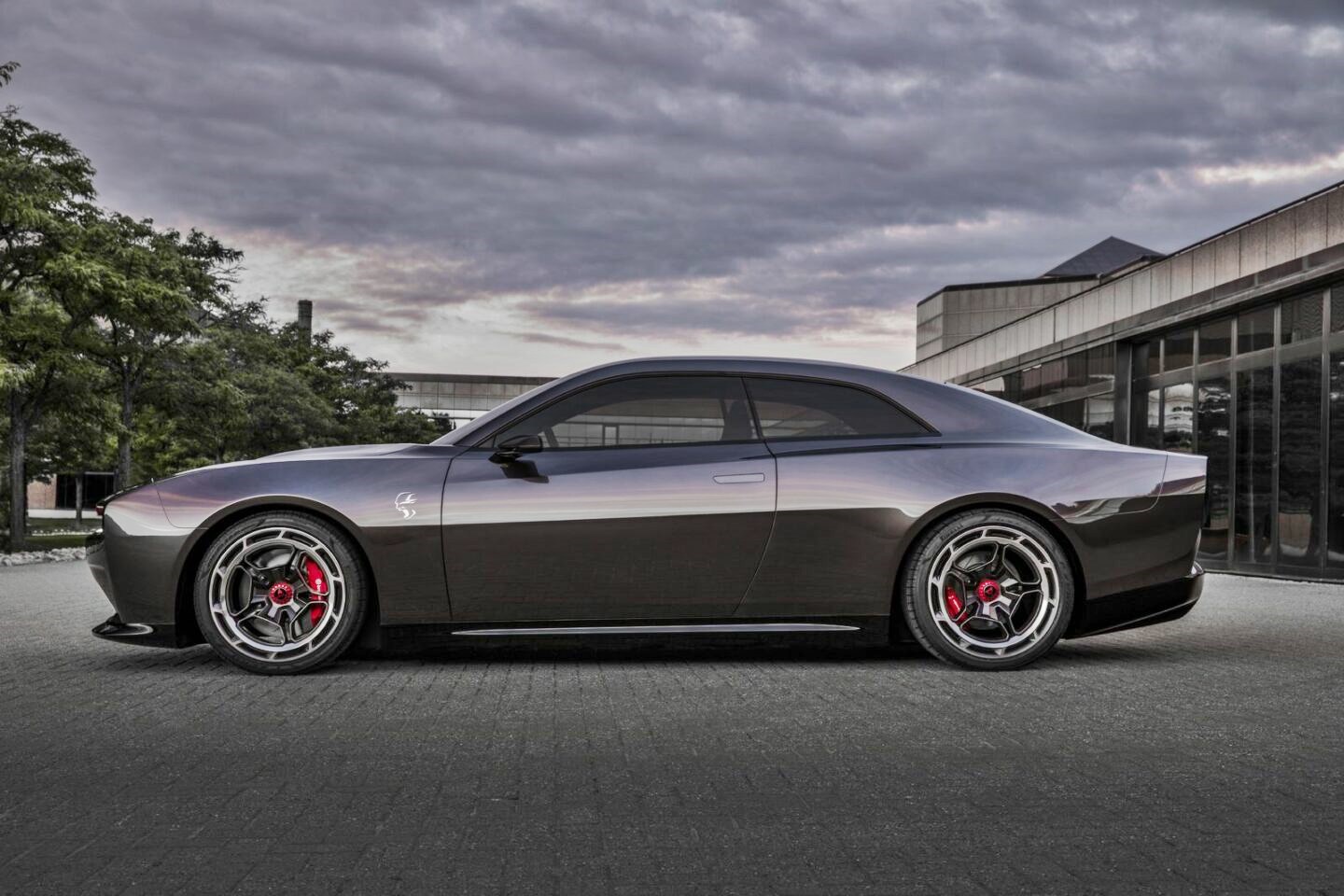
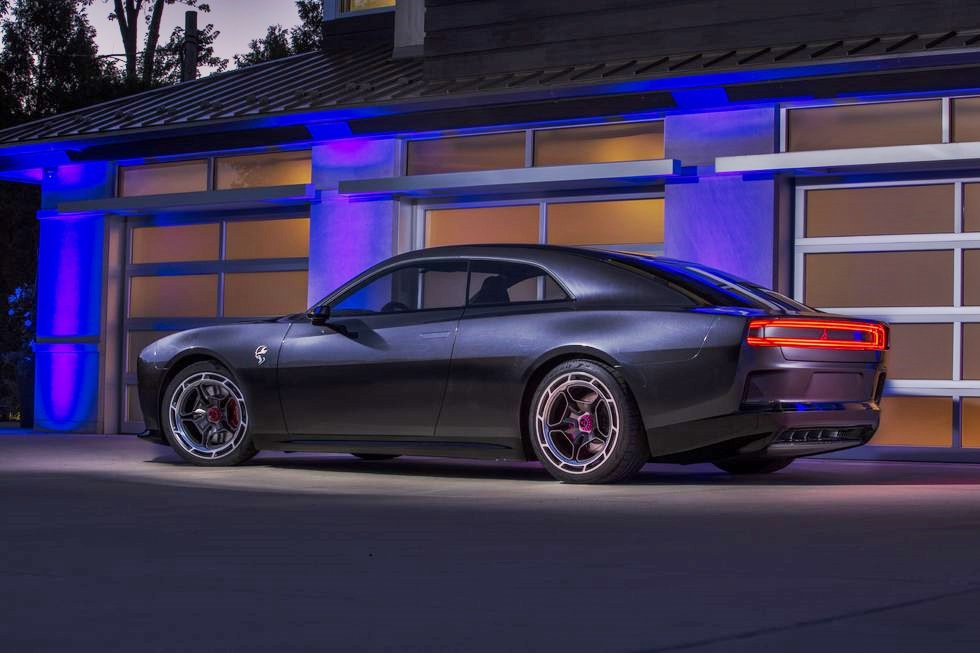
The Charger Daytona SRT Concept shows how the company will shape its future musclecar. It retains the sporty styling cues of Dodge musclecars and is said to also go like one, but it runs on electricity instead of high-octane petrol.

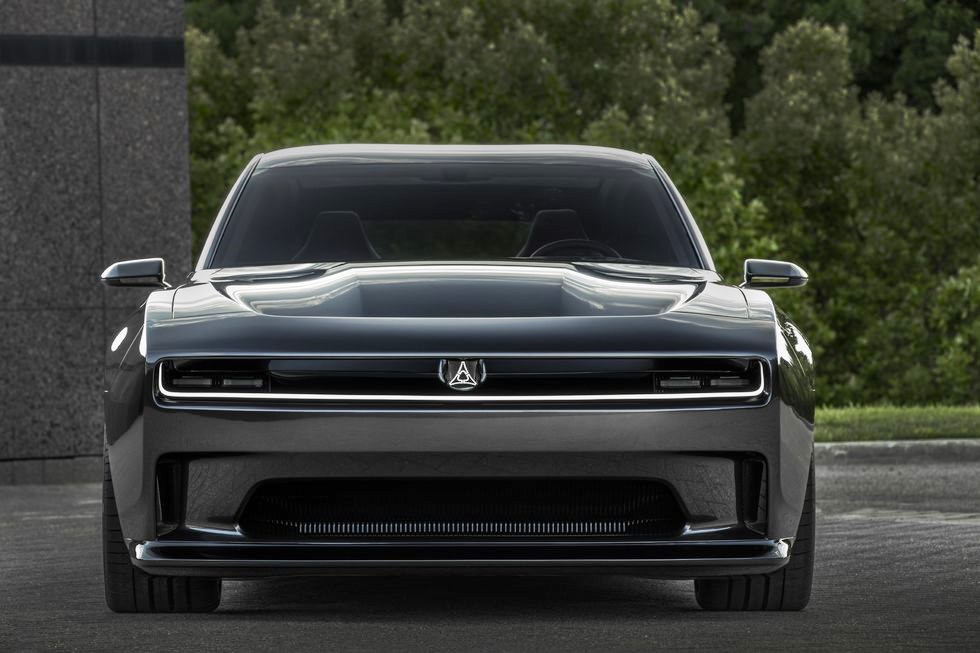
The 2-door concept’s exterior styling incorporates subtle Dodge heritage cues that are reminiscent of the iconic 1968 Charger, with the vertical grille details adding texture. The patent-pending R-Wing redefines the typical Dodge front end, maintaining the characteristically blunt Dodge profile while developing a more aerodynamic vehicle.
The R-Wing, which pays homage to the original Charger Daytona, allows air to flow through the front opening, enhancing downforce. Incorporated into this functional performance bonnet, the R-Wing delivers an aerodynamically improved pass-through design. Carbonfibre intakes tucked into both sides of the front and rear lower fascias provide an air curtain to assist in exceeding aerodynamic performance targets.

Giving the concept the ‘Daytona SRT’ name carries with it great performance expectations because it recalls the famed Charger Daytona model that was the first vehicle to break 320 km/h on a NASCAR track in 1970.

This performance will be delivered by a new propulsion system that Dodge calls ‘Banshee’. Its 800V system will give performance levels faster than the Hellcat. Unlike typical EVs, the eRupt multi-speed transmission for the concept car has electro-mechanical shifting with distinctive shift points. All-wheel drive provides stability and grip as well as all-weather capability.

The Charger Daytona SRT Concept also boasts a PowerShot push-to-pass feature. Activated by the push of a button on the steering wheel, this feature creates a boosted output (figures are not given) that quickens acceleration for brief periods.

While quietness is used as a selling point of EVs, Dodge has given this electric musclecar the sort of sound that will be missed in future. It’s 126 dB roar comparable to that of the SRT Hellcat, generated through a new, patent-pending Fratzonic Chambered Exhaust system (yes, an exhaust on an EV).
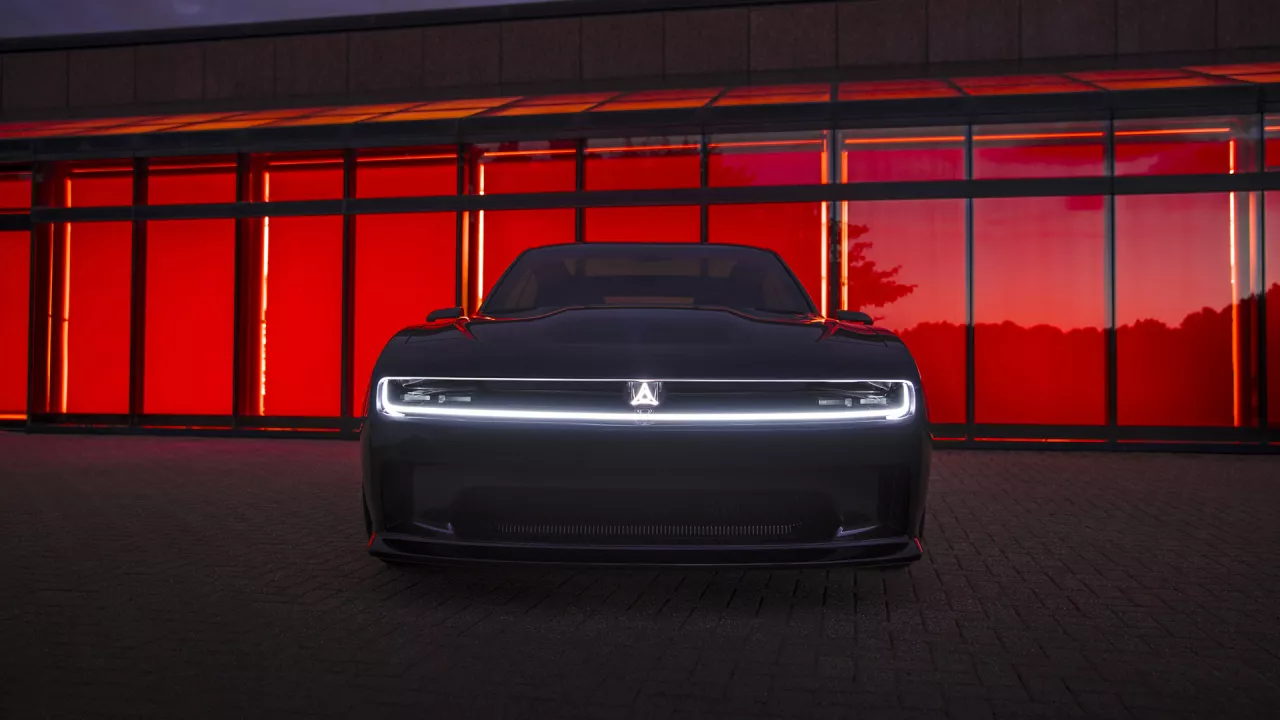
The industry-first Fratzonic Chambered Exhaust works by generating sound through an amplifier and tuning chamber located at the rear of the vehicle. So far, enthusiasts have had mixed feelings about this special feature, some finding it weird as they know it is artificially created. Torreto would probably not appreciate it, even if the performance is as strong as his Charger.

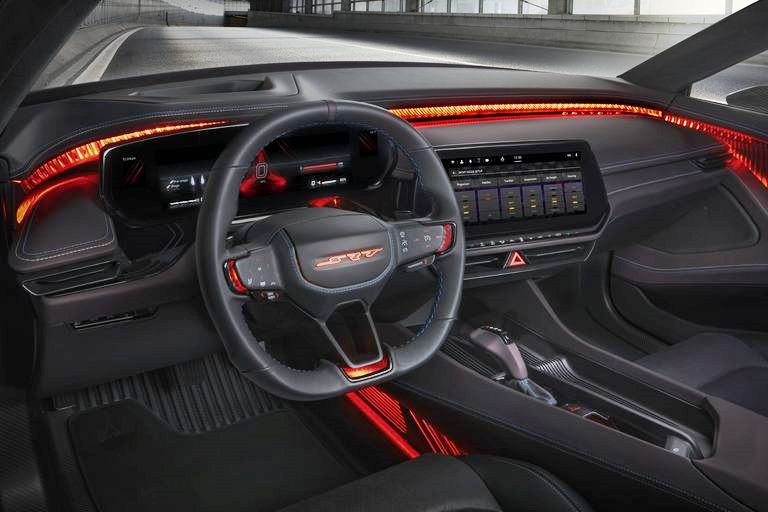
The interior is modern, lightweight and athletic, providing a driver-centric cockpit with all essentials cohesively packaged. The 12.3-inch centre screen is the largest ever fitted in a Dodge vehicle, complemented by a 16-inch curved instrument. An 8×3-inch H ead-up Display puts additional information ahead of the driver on the windscreen.
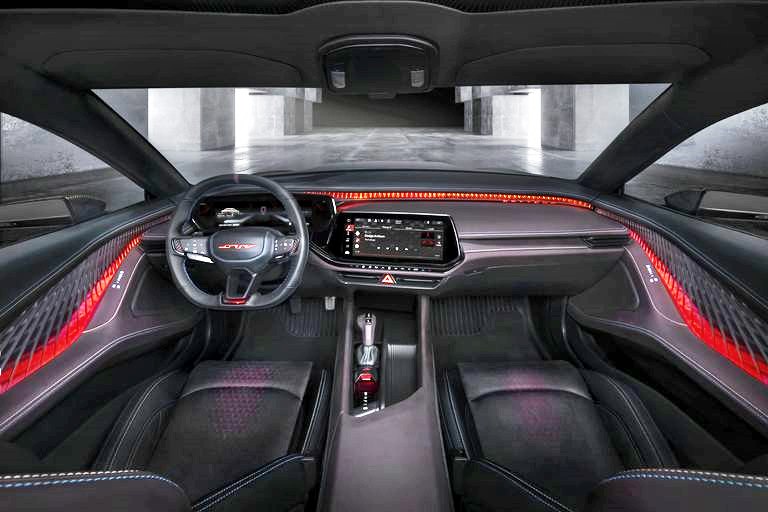
The slim, instrument panel (IP) and mid-bolster in Ultraviolet colour with blue and silver accent stitching feature a ‘waterline’ that extends cross-car. The upper IP is a step higher, an elevation change that creates a sculptural surface floating above the cluster. The Ultraviolet colour also touches multiple interior surfaces, such as the console, doors and seats, creating a halo that works with the Attitude Adjustment Lighting to enhance shadows and highlights.
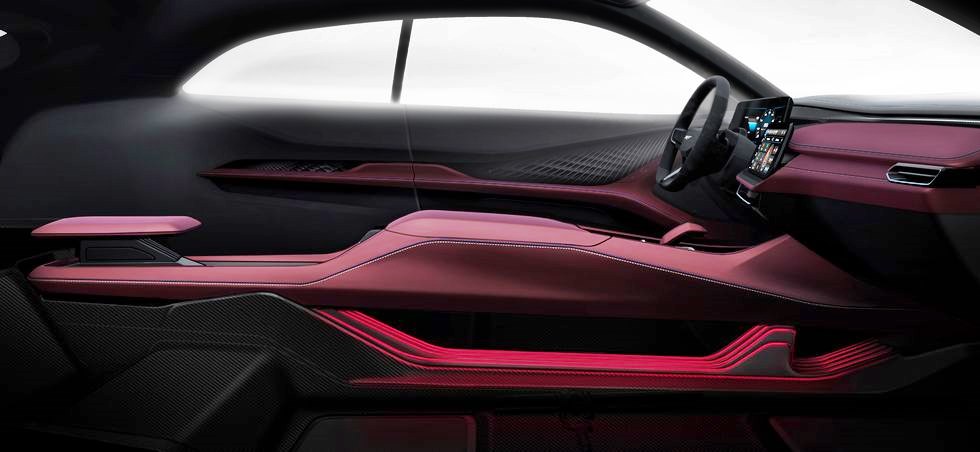
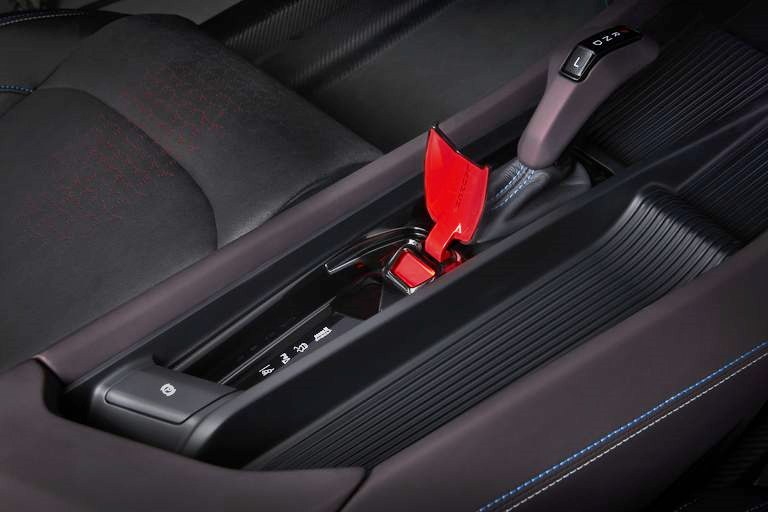
A parametric texture unites the interior and provides a connection to the exterior by continuing the inspiration of the 1968 Charger grille detail on the inside. The parametric pattern adds fluidity and sculpture, spanning from the IP to door appliques, beneath the console and continuing to the rear armrests and rear console.

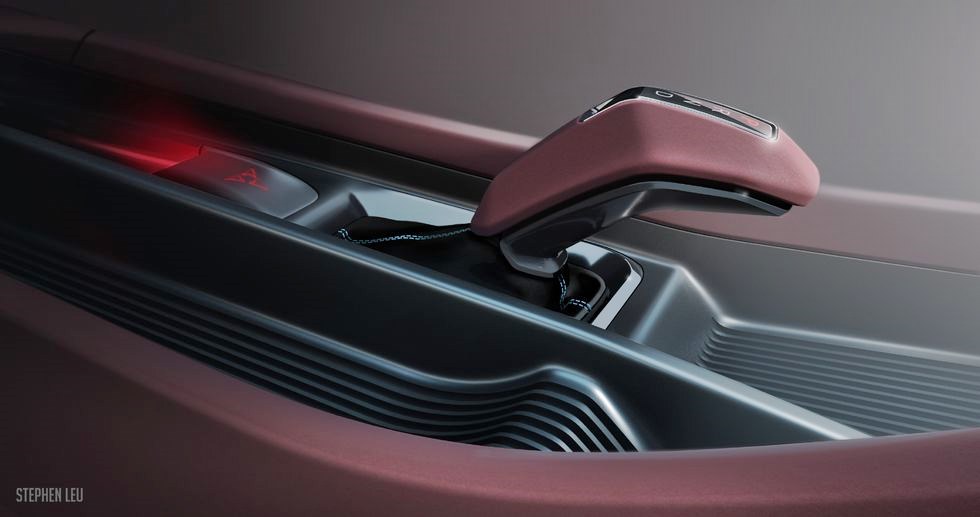
Circuit-like graphics originate on the carbonfibre floor and are strategically placed to surround occupants, flowing under the seats, moving to the centre console and dashboard,  and coming back to the driver, a subtle detail that acts as a circuit board, connecting one to another The.centre console includes a unique jet-fighter-inspired cap that flips up to allow engagement of the start button and a pistol-grip shifter design inspired by the past, 
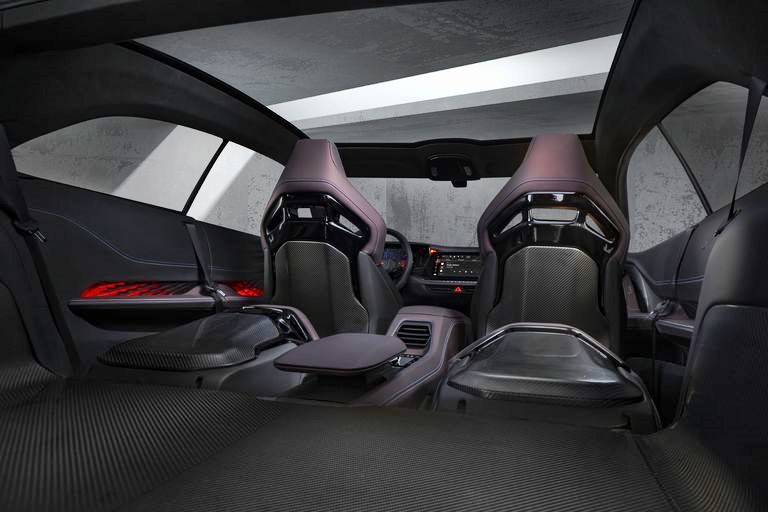
The concept seats are lightweight, race-inspired and slim in design, with an insert that features an abstract, perforated pattern of the Fratzog logo. The unique pattern fades out as it travels down the seat and reappears as it flows toward the centre of the seatbacks. The upper seatbacks feature openings and seat bolsters that provide an airy, race-oriented feel, while holding occupants.

“The Dodge Charger Daytona SRT Concept exists because performance made us do it,” said Tim Kuniskis, Dodge brand CEO – Stellantis. “Dodge is about muscle, attitude and performance, and the brand carries that chip on its shoulder and into the EV segment through a concept loaded with patents, innovations, and performance features that embody the electrified muscle of tomorrow.”
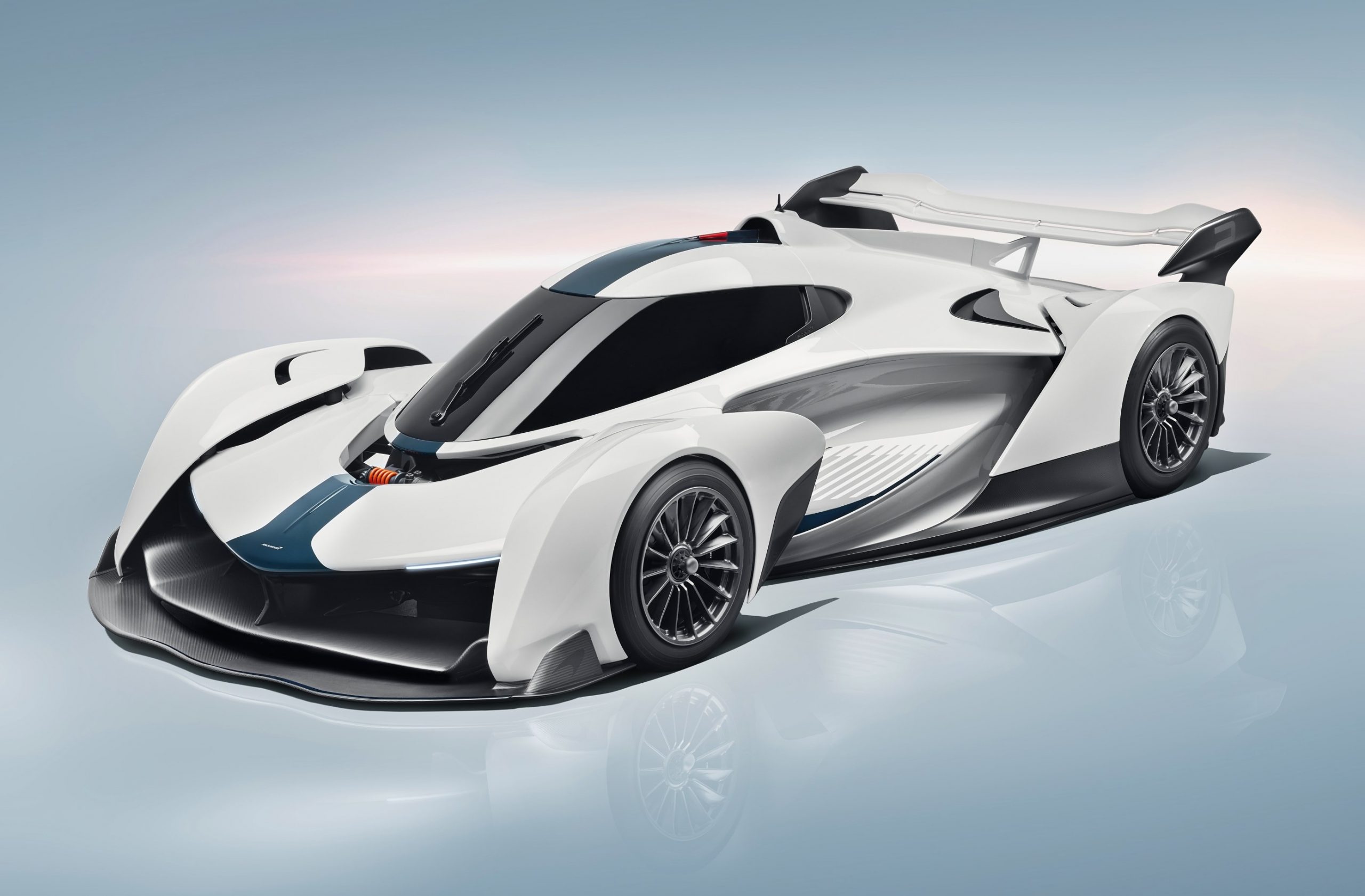
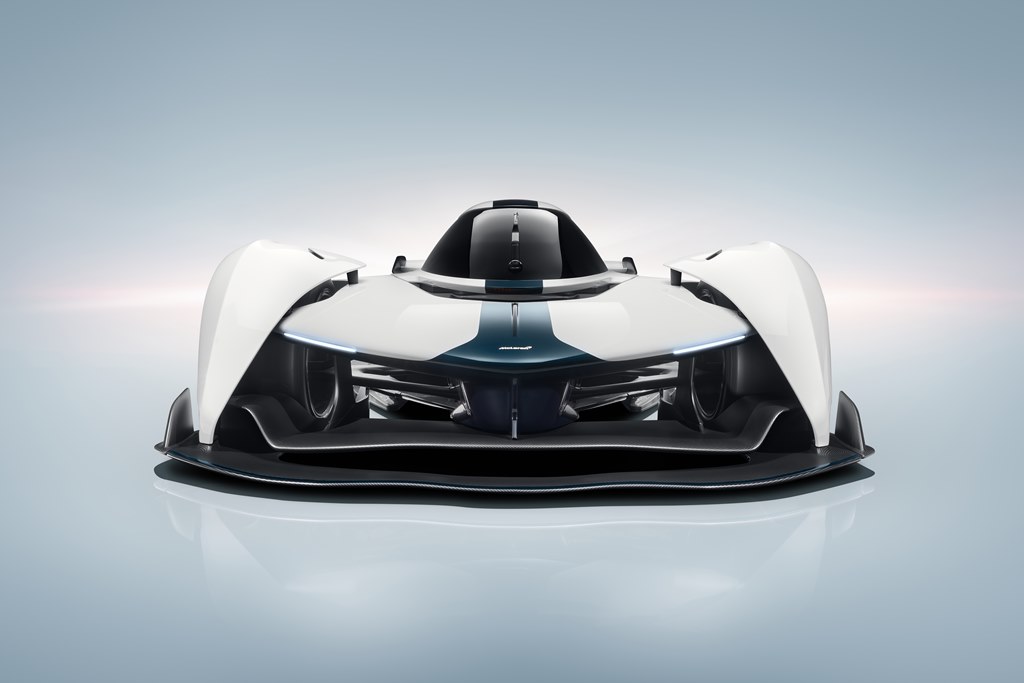
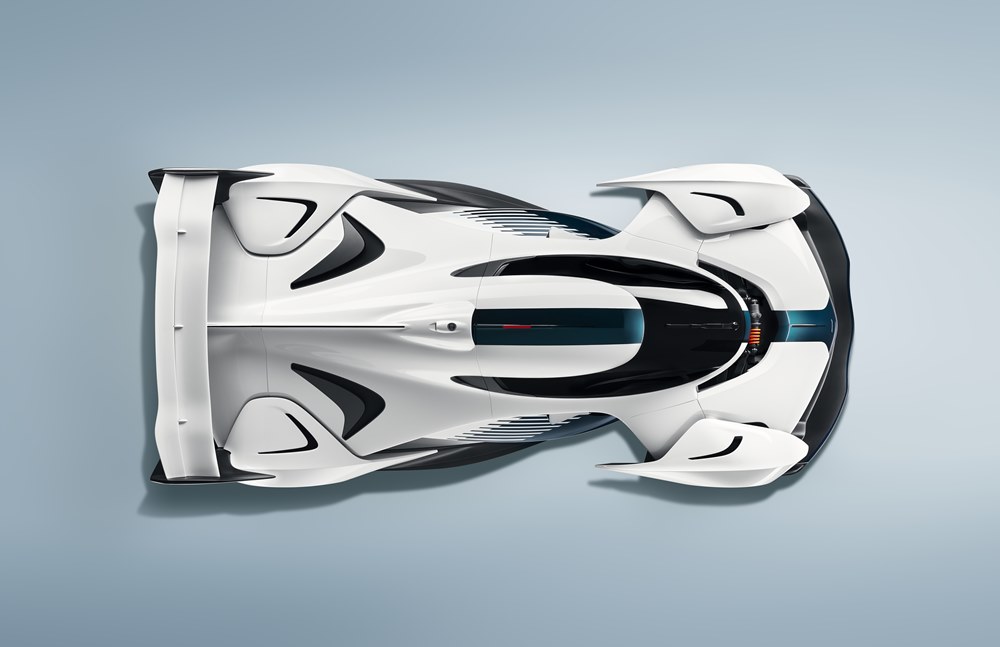
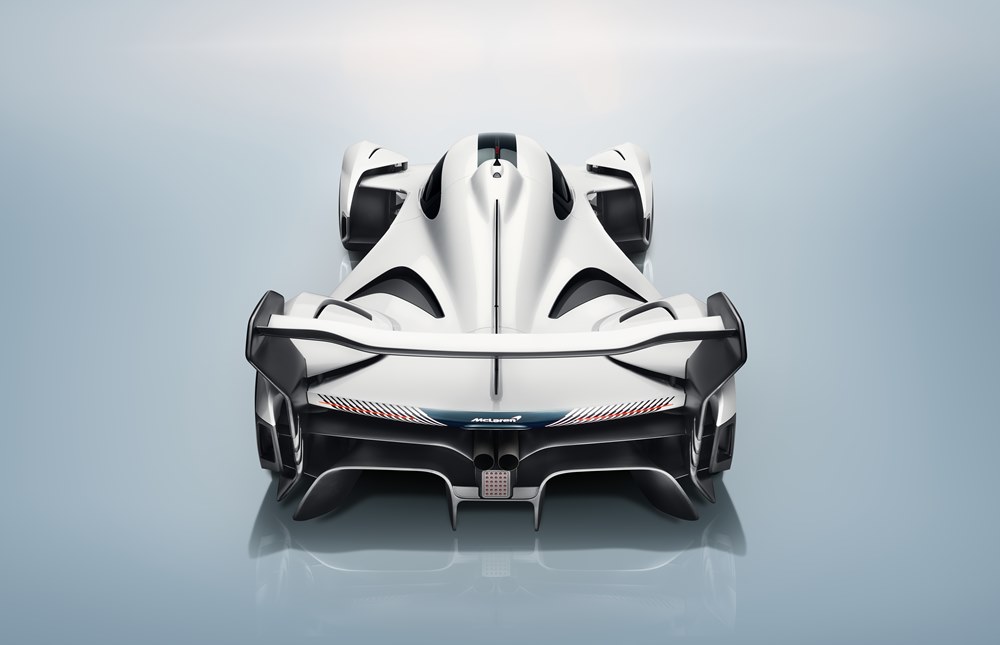
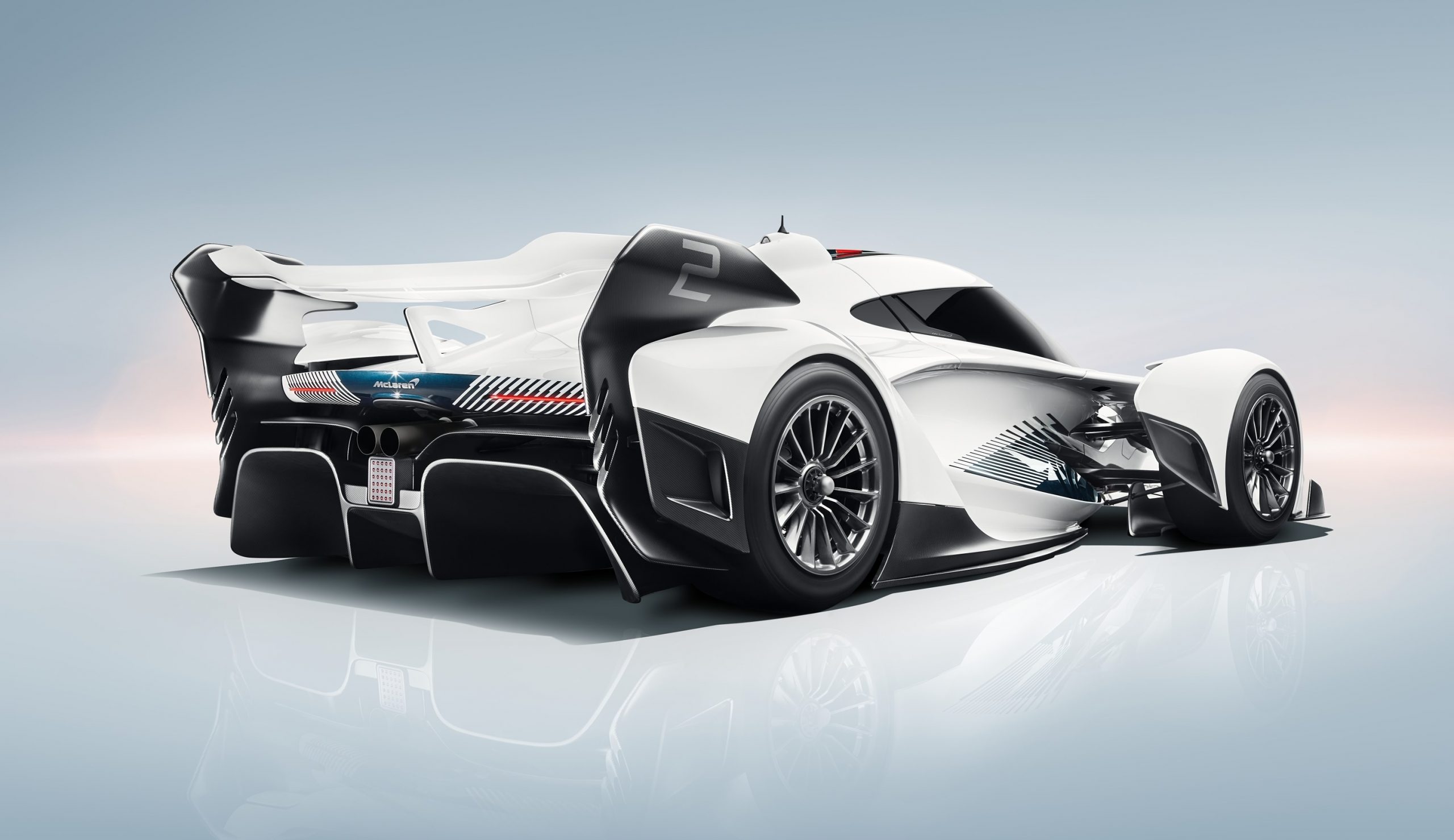
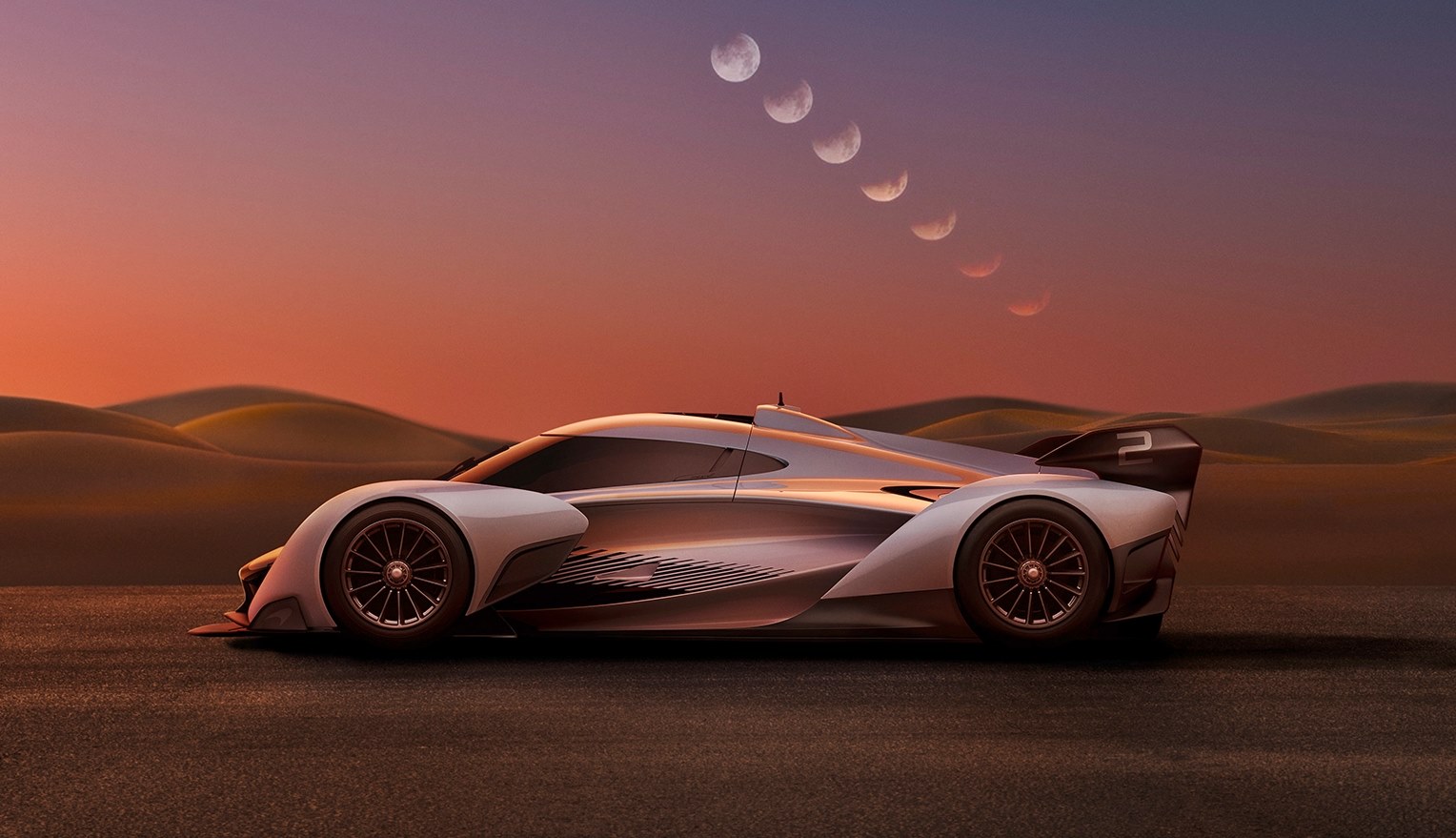
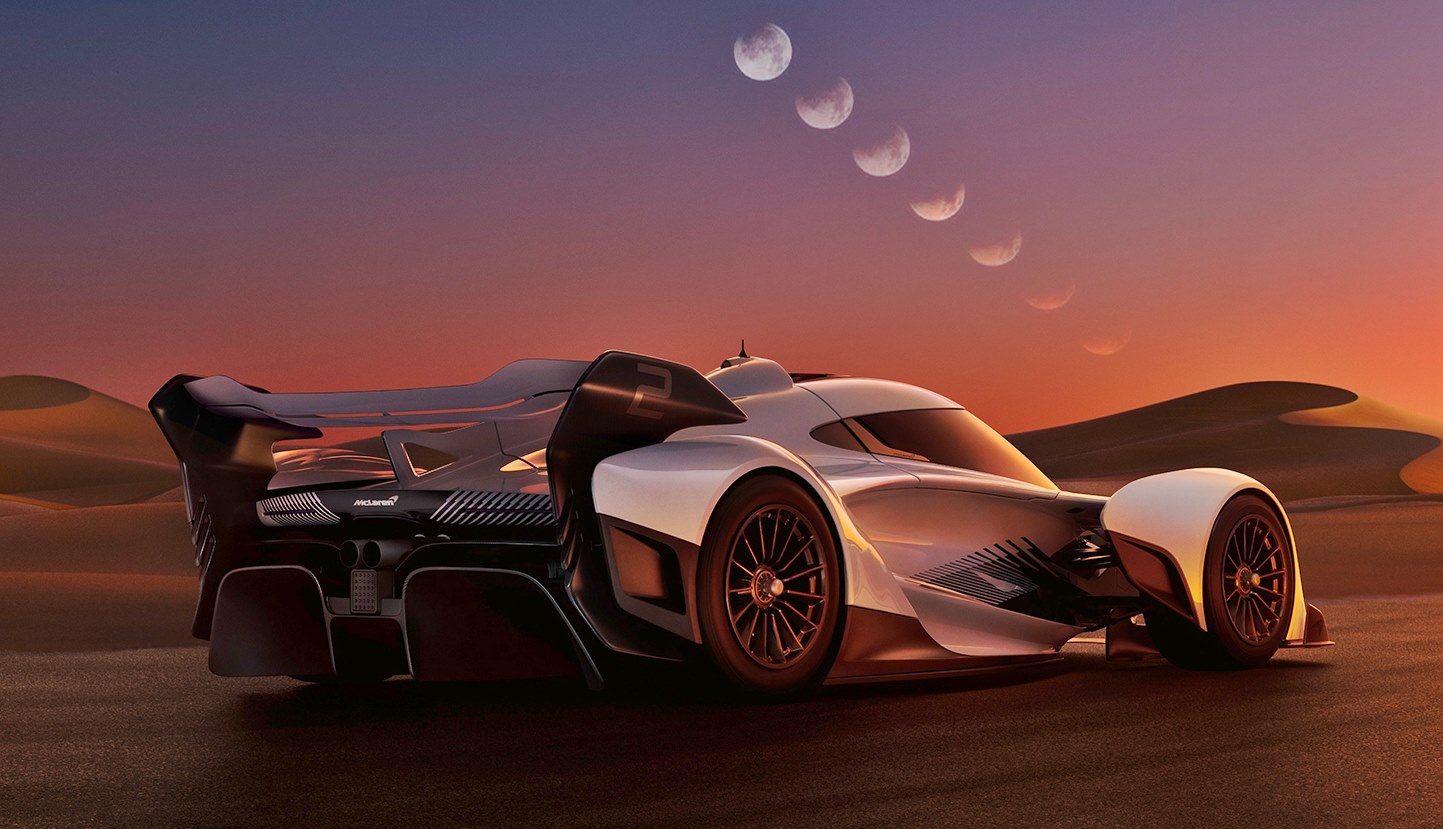
The McLaren Solus GT was born in the virtual gaming world of Gran Turismo SPORT. Now, the carmaker will make it a reality that can be driven on racetracks. Only 25 will be built and all of them have already been sold before the official unveiling in California yesterday. The pricing of the hypercar has not been revealed although it can be expected to be many, many millions of ringgit.

The striking futuristic exterior design is remarkably faithful to its virtual inspiration. While machines in simulator games have total technical freedom because the designers are not constrained by cost or regulations, the Solus GT is based on proven aerodynamic principles and McLaren’s ‘everything for a reason’ design ethos. This is further supported by CFD (Computational Fluid Dynamics) and wind-tunnel aerodynamic research.

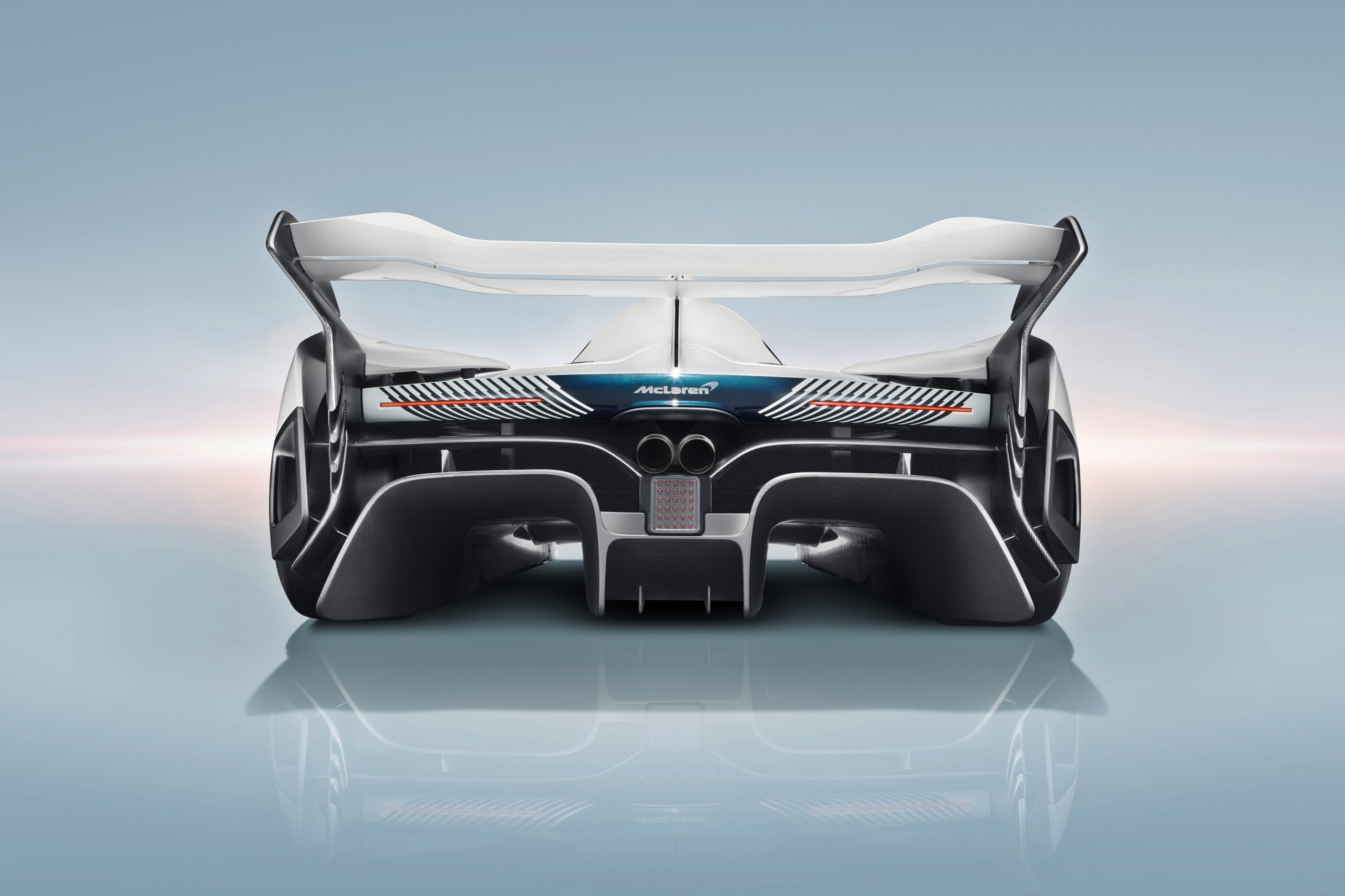
Among the numerous external features are the sliding canopy above the single central (like a jet fighter) and wheels are shrouded in aerodynamic pods and located by suspension arms. A large front splitter feeds air into ground-effect tunnels before it exits the car via a full diffuser. A motorsport-inspired intake above the cockpit integrated into the design of the roll-over hoop cover feeds cold air into the engine. The sidepods which house the Solus GT’s radiators are inspired by racing car design.

A twin-element, fixed rear wing is key to a downforce figure (over 1,202 kgs) that exceeds the overall weight of the hypercar (1,002 kgs). The downforce to drag ratio is also optimized, aiding straight-line performance as well as enhancing cornering abilities.

In common with every McLaren since 1981, the Solus GT is based around a carbonfibre monocoque, in this case one created using specialist low-volume production methods. The front and rear chassis structures are also made from carbonfibre, with the engine and gearbox forming the rest of the chassis.

Carbonfibre is not the only high-value material in the hypercar. Further embracing technologies used in the top tiers of motorsport, 3D-printed titanium components have been used for the halo cockpit protection structure and roll hoop. This is the first time the approach has been adopted for structural elements in a McLaren production car, allowing a tailored design as well reducing weight.

The powertrain is a naturally-aspirated 5.2-litre V10 engine with a bespoke 7-speed sequential shift gearbox. It can rev to more than 10,000 rpm and will produce over 829 bhp/650 Nm. The engine’s responsiveness is enhanced by the use of barrel-driven throttles for each cylinder – a system only suitable for track application – and is entirely gear-driven, with no chains or belts for camshaft or ancillary systems.

The engine was also chosen for its structural qualities; for the first time in a McLaren production car, the engine is an integral part of the chassis. Conventional practice in race car construction, this design approach optimizes weight reduction by negating the need for additional chassis structures or subframes behind the carbonfibre monocoque.

The race-derived 7-speed sequential gearbox, which features a bespoke casting and casing – the latter manufactured from aluminium with magnesium panels – is mounted to the back of the engine with the rear suspension fixed to the gearbox casing. The system is fully automated and software controlled, removing the need for the driver to operate the clutch, aiding pit-lane pull-away.

McLaren says the Solus GT will be capable of the fastest lap times of any McLaren outside of single-seater racing and delivers a driving experience close to the engagement and sensation of driving a Formula 1 racing car. Acceleration from 0 – 100 km/h has a target time of 2.5 seconds and the top speed will be more than 320 km/h.

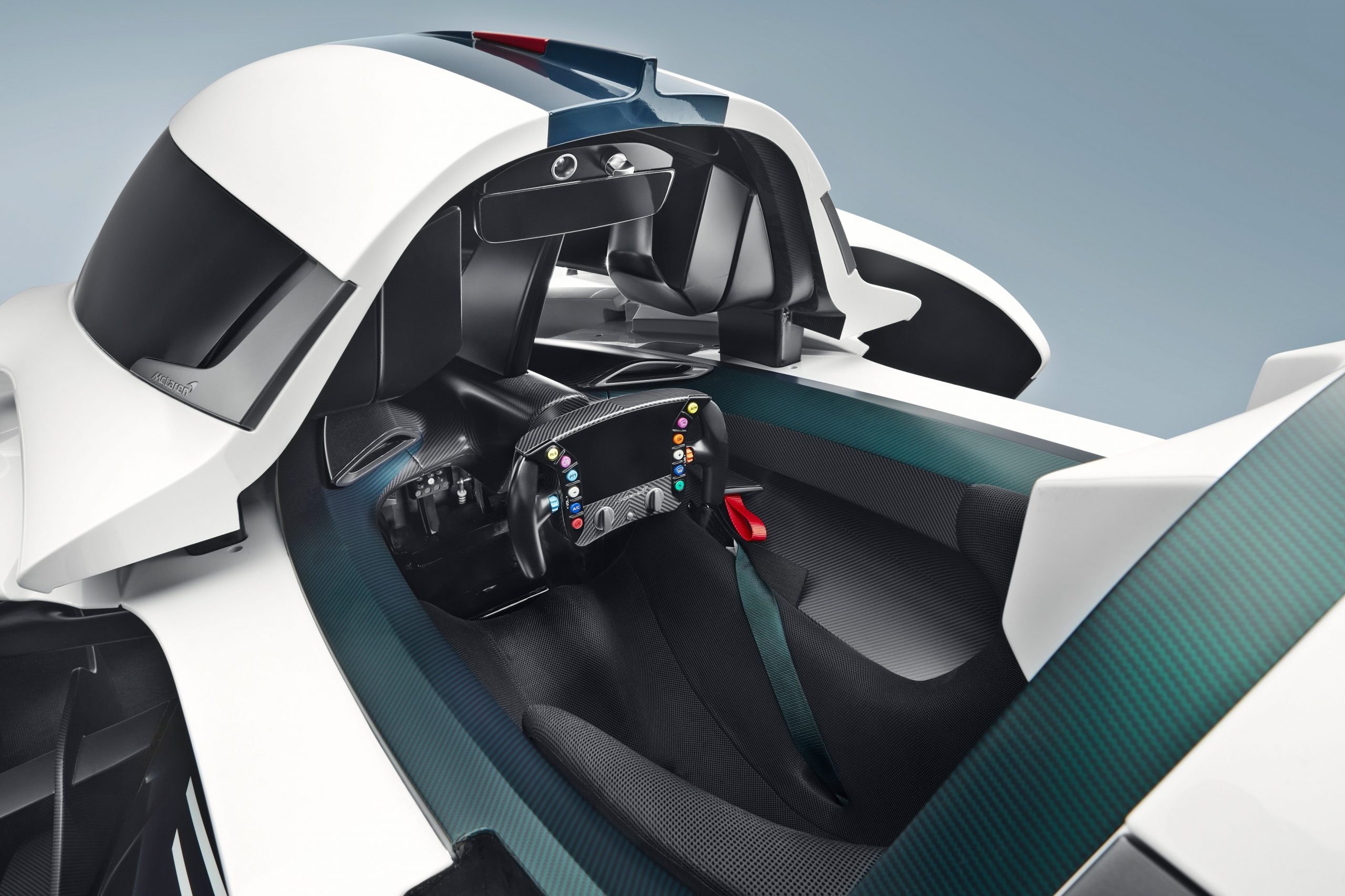
In the cockpit, the steering wheel (with a unique design among McLaren production cars) takes its inspiration from Formula 1, with instrument panel display and essential controls integrated to suit the tight confines of a single-seater track car. Beyond the steering wheel is a view through the glass ‘bubble’, with integrated halo-style cockpit protection.

The perfectly symmetrical 180-degree line of sight provided by the central driving position is further aided by the dramatically styled wheel pods in helping the driver to position the hypercar on a track. Above the driver’s head are switches for engine ignition and the fully plumbed-in emergency fire extinguisher.

This area also houses the rearview display, streamed in real-time from a camera located on the roll hoop behind the driver’s head. The wide-angle camera provides a comprehensive rear view of the track to allow traffic to pass on a slowing-down lap or aid pit-lane maneuvering.

To further enhance the driving experience for Solus GT owners, McLaren is offering a full ‘racing driver experience’. This includes a driving seat molded to the driver’s individual body shape; an FIA-homologated race suit, helmet and HANS device bespoke to each owner, and radio-enabled ear inserts.

All owners will get a flight case to allow them to support their own track activities. This includes a comprehensive set of tools, vehicle jacks, stands, radio sets and a coolant pre-heater. After the cars are delivered next year, Solus GT track events are planned and a full driver-development coaching program will also be available to help owners fully exploit the potential of their new hypercar.

BHPetrol

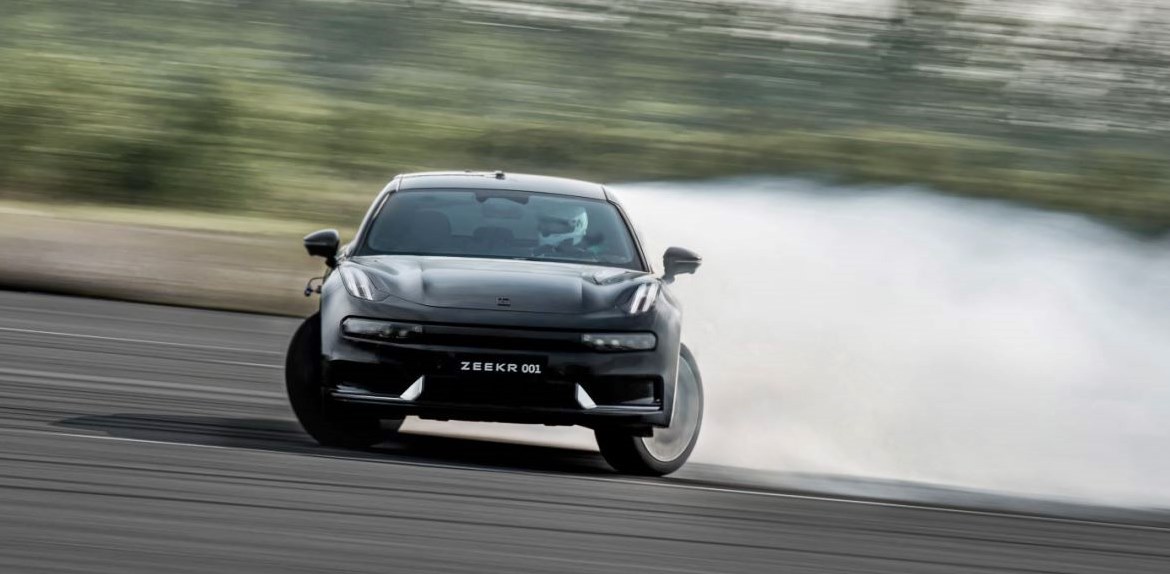
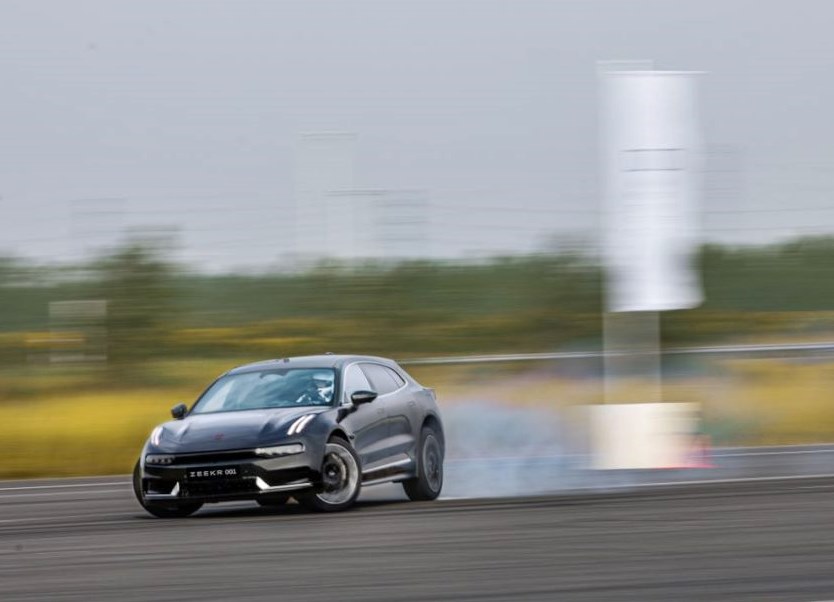
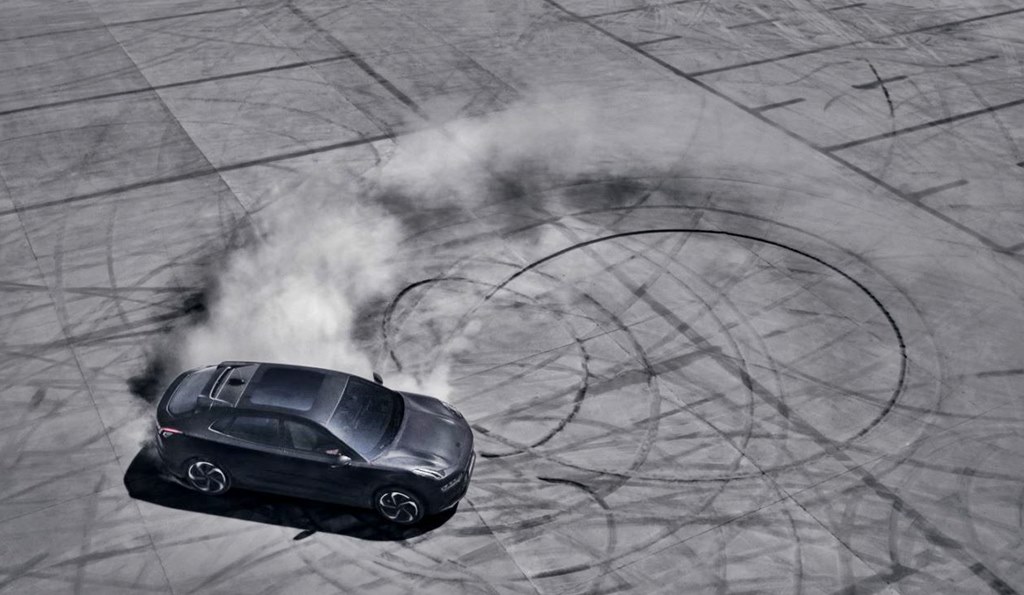
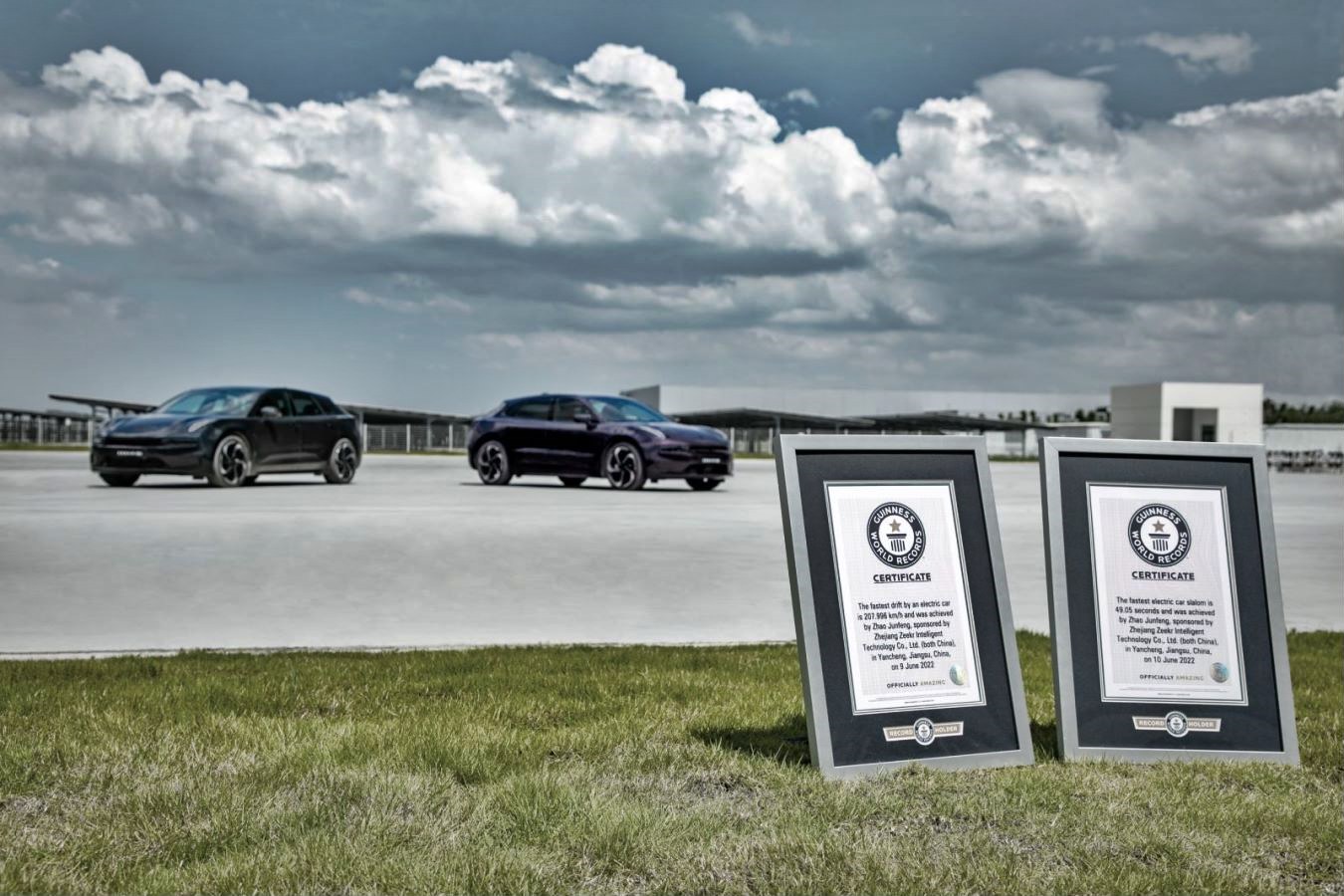
ZEEKR, a brand in the Geely group dedicated to EVs, has set two new Guinness World Records for electric cars – one for the fastest drift and the other for the fastest through a slalom. The records were achieved less than a year since the brand started delivering cars to customers in China.

The fastest EV drift requires the vehicle to achieve greater than 160 km/h and the 001 model was able to reach a maximum speed of 207.996 km/h. The EV has a high-performance dual electric drive powertrain which generates instantaneous torque of up to 7,680 Nm. It is capable of going from standstill to 100 km/h in 3.8 seconds.

Of course, when you hit such a high speed and put the car sideways, superior control is needed and ZEEKR says that the 001’s high-performance chassis suspension system maximizes body stability so the driver can maintain consistent and precise drifting right on the edge of the performance envelope.

For the second record, the 001 weaved between 50 cones equally spaced and completed the course, without touching or knocking any down, in 49.05 seconds. The stability and precision were maximized by the electric 4-wheel drive, with the intelligent power distribution and the balance between the front and rear wheels allowing the 001 to switch directions qucikly as it travelled at high speed around each cone .

The records were set recently under the supervision of an adjudicator from the Guinness World Records organization at the CATARC proving ground in China.

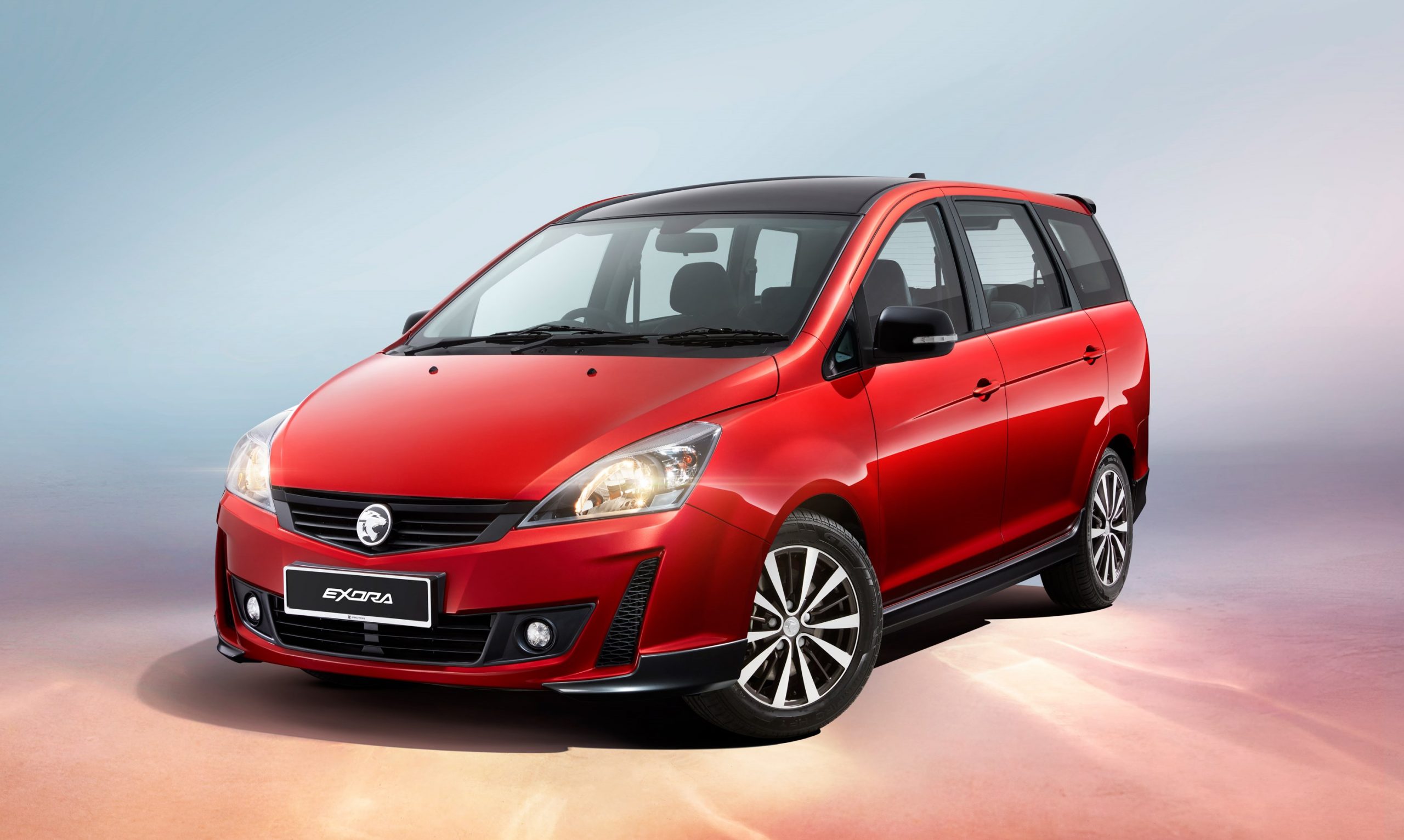
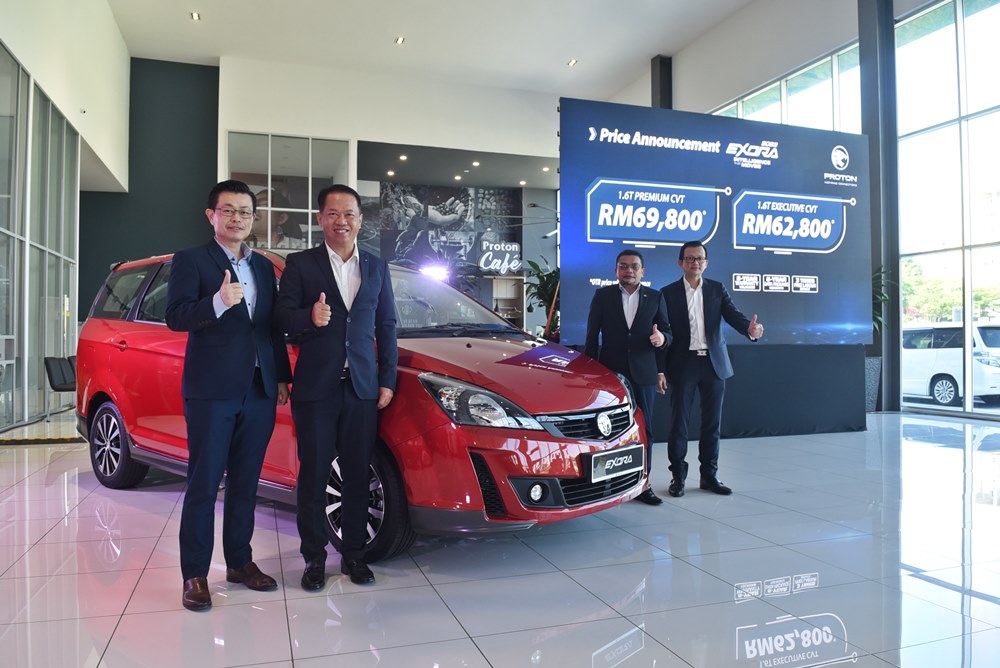
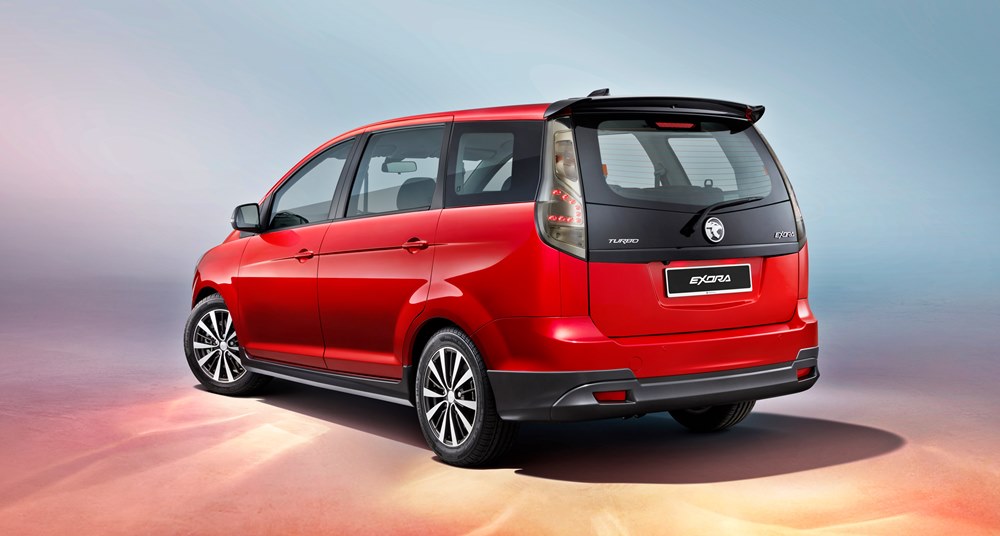
Proton has officially launched the 2023 Proton Exora at PROTON KEB Auto Sdn Bhd in TTDI Kajang, Selangor today. Two variants are available – the Exora 1.6T Executive at RM62,800 and the 1.6T Premium CVT at RM69,800 (prices excluding insurance). The evergreen MPV is available in Snow White, Indiana Grey, Rosewood Maroon, Ruby Red or Cocoa Grey.

The 2023 Proton Exora has been refreshed with the new brand logo on the front grille and tailgate. LED daytime running lamps are now fitted, along with 16-inch alloy wheels in dual-tone finishing. There are also side skirtings and a rear spoiler, while a black roof with black rear garnish adds a stylish touch in keeping with trends for MPVs.

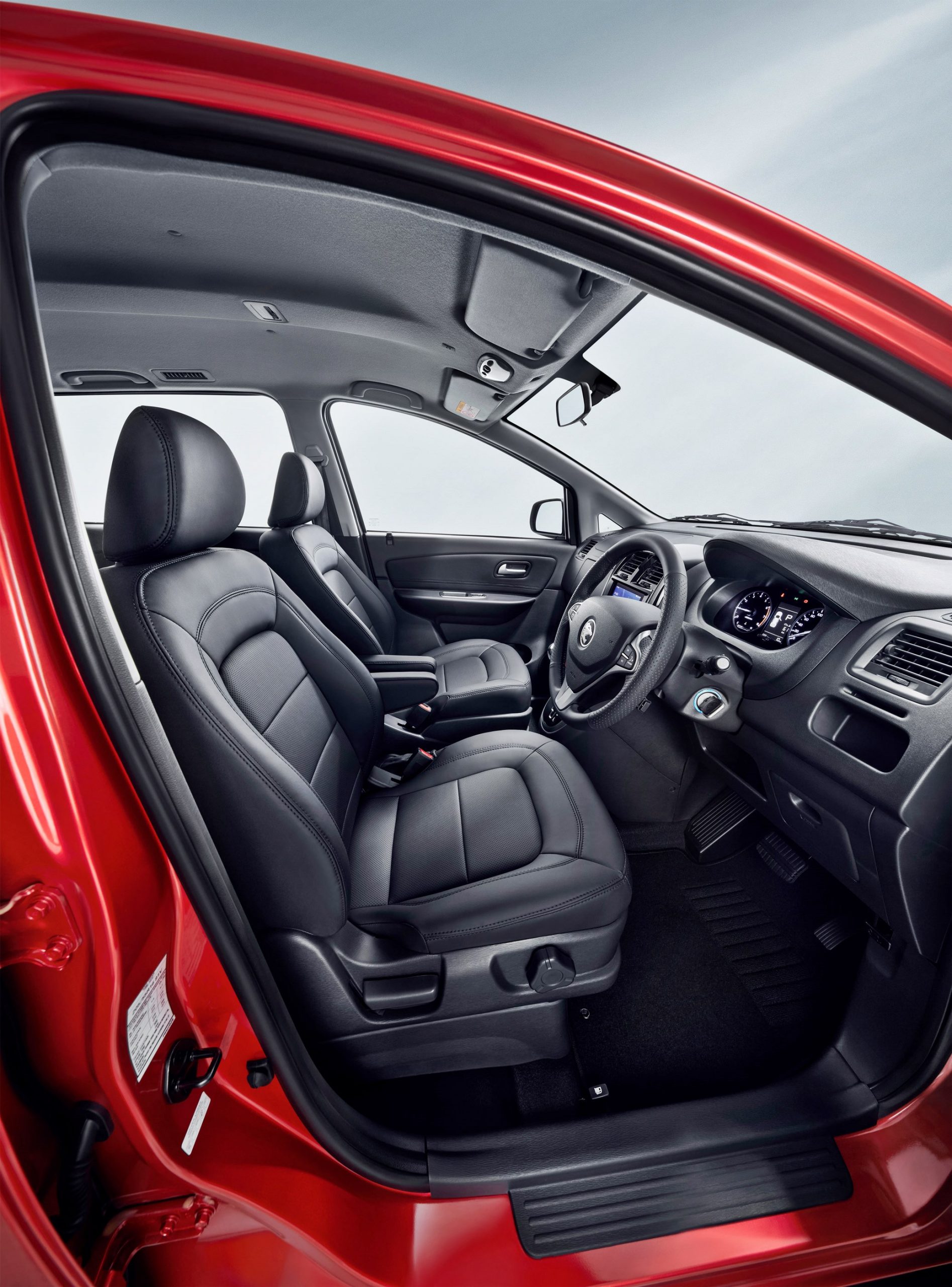
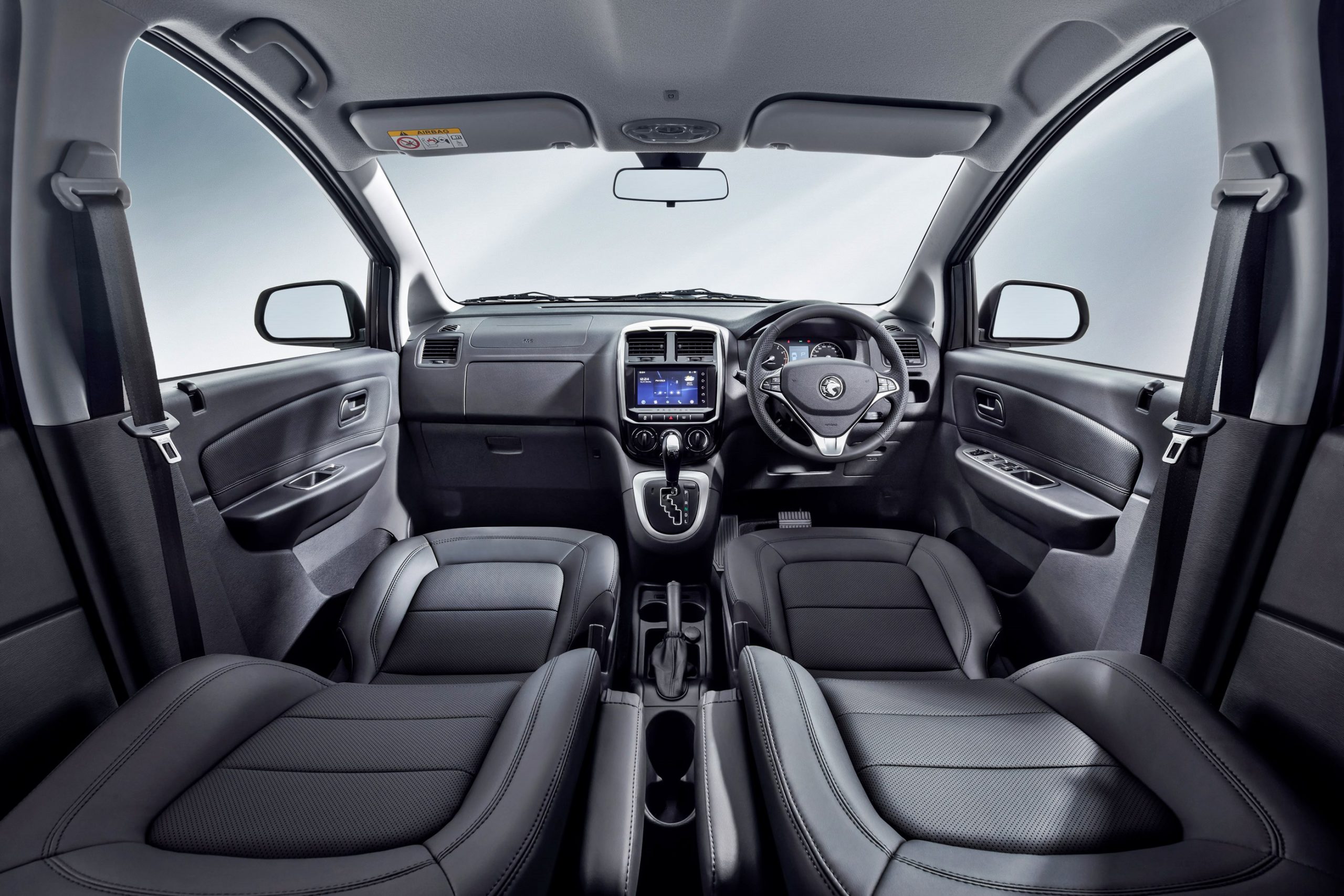
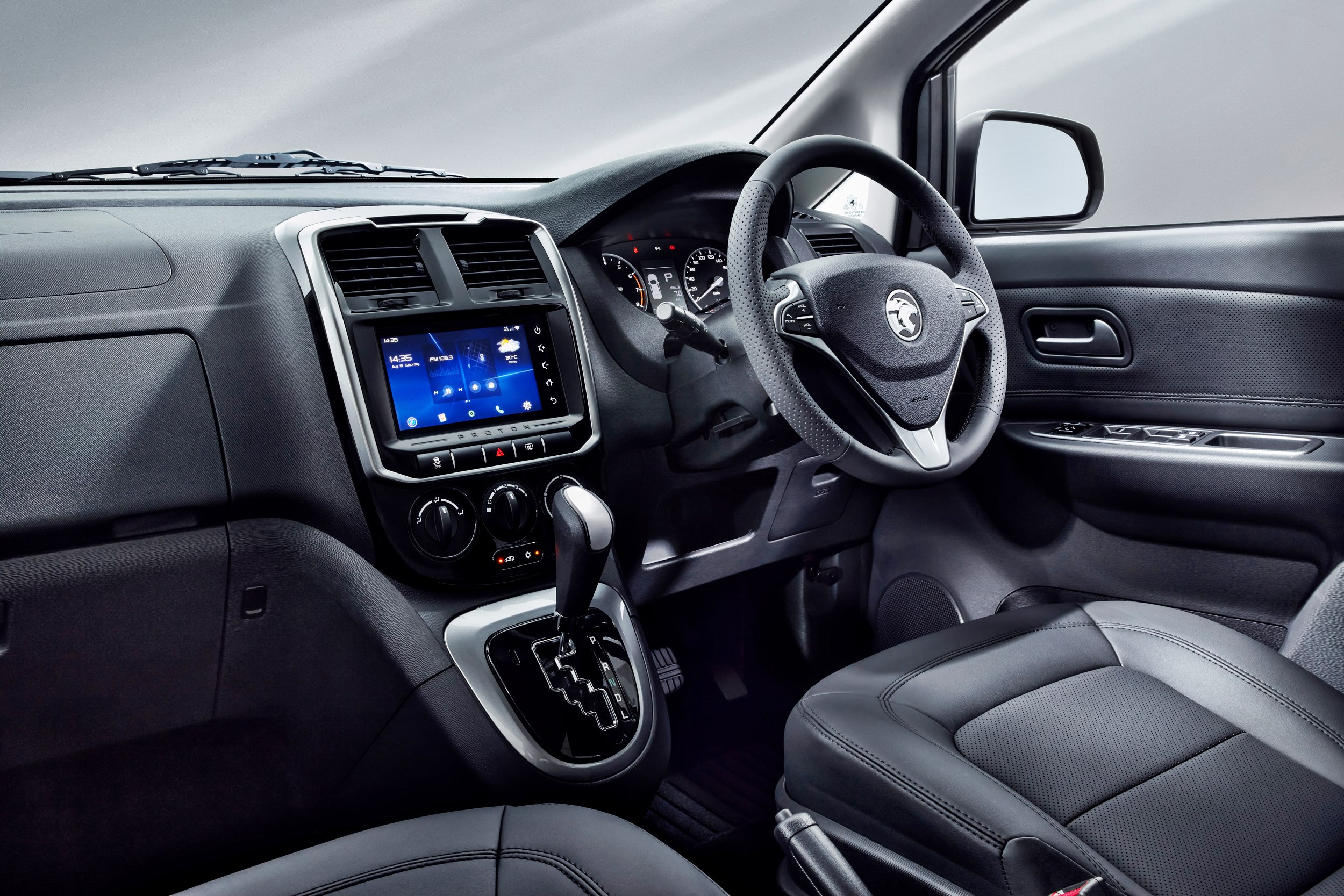
The spacious 7-seater cabin has full leatherette seats, a leather-wrapped multi-function steering wheel and armrests for the front seats. Rear occupants are kept comfortable with additional air-conditioning vents further back in the cabin. The ventilation system now has a standard N95 filter to improve the air quality.

The infotainment system features a 7-inch touchscreen monitor with the now-popular ‘Hi PROTON’ Voice Command system. The occupants can enjoy music streaming while the driver can have route guidance with GPS with 4G and wifi connectivity. Smartphone connectivity is also available to mirror link with Android devices.

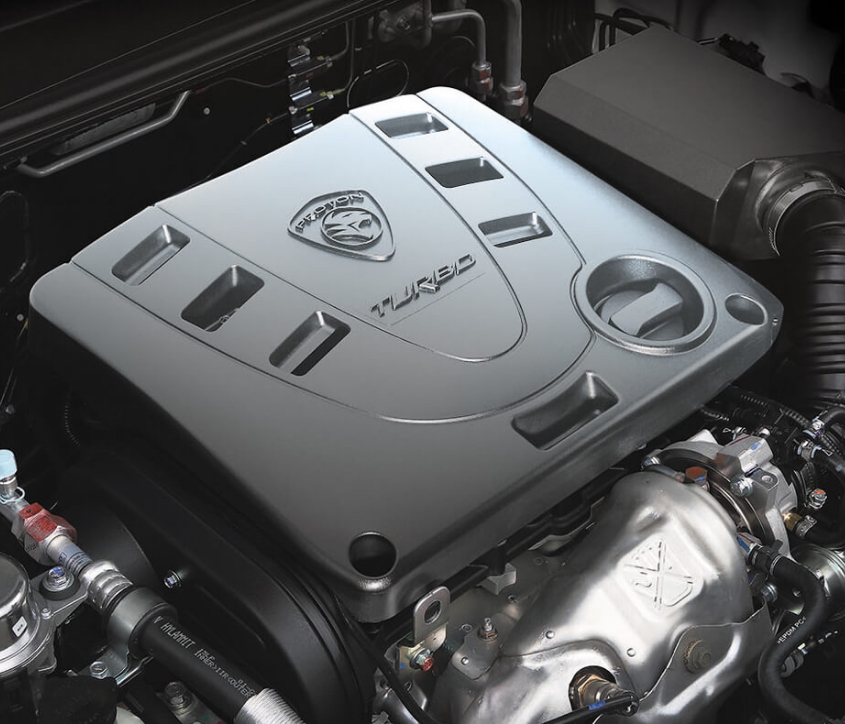
Mechanically, there are no changes with the engine being the familiar Proton-developed 1.6 litre turbocharged 140 ps/205 Nm engine paired with a CVT.

Being an older model, the Exora does not have the latest active safety systems, but it is nevertheless equipped with the essential ones such as airbags (two in front), ABS with Electronic Brake Distribution, and Electronic Stability Control.

There’s also an Emergency Stop Signal system which will activate the hazard warning lights automatically if there is sudden and very hard braking. This will help to alert drivers behind earlier as they may sometimes not notice that the vehicle ahead is suddenly braking. Early warning could help to avoid a rear-end collision.

To help with parking, the Exora comes with a reverse camera and together with rear parking sensors, the driver should be able to reverse confidently and position the MPV properly in a bay. The image from the camera will also help prevent accidents as the driver will be able to spot if there is a small child right behind the vehicle who cannot be seen in the mirrors.

“The 2023 Proton Exora, Malaysia’s first home-grown MPV, is designed and built with Malaysia’s rakyat in mind. With this latest update, we took a class-leading product and made it even better for drivers and passengers alike, across a variety of applications, by reinforcing its proposition of power, space, and value. With more than 180,000 units sold over 13 years, the Proton Exora is Malaysia’s best-selling C-Segment MPV and to this day retains that position,” said Roslan Abdullah, Deputy CEO of Proton.

BHPetrol

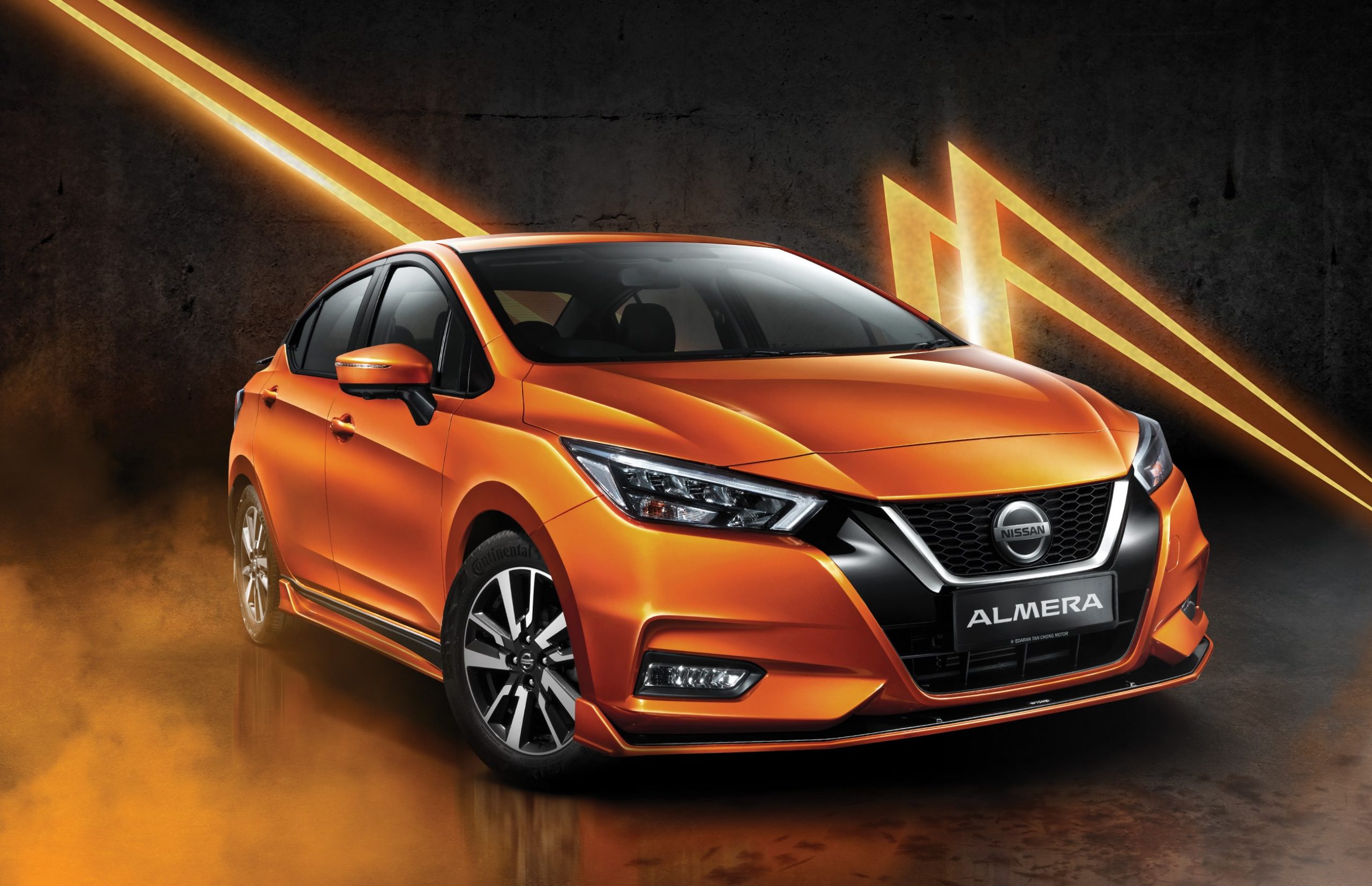
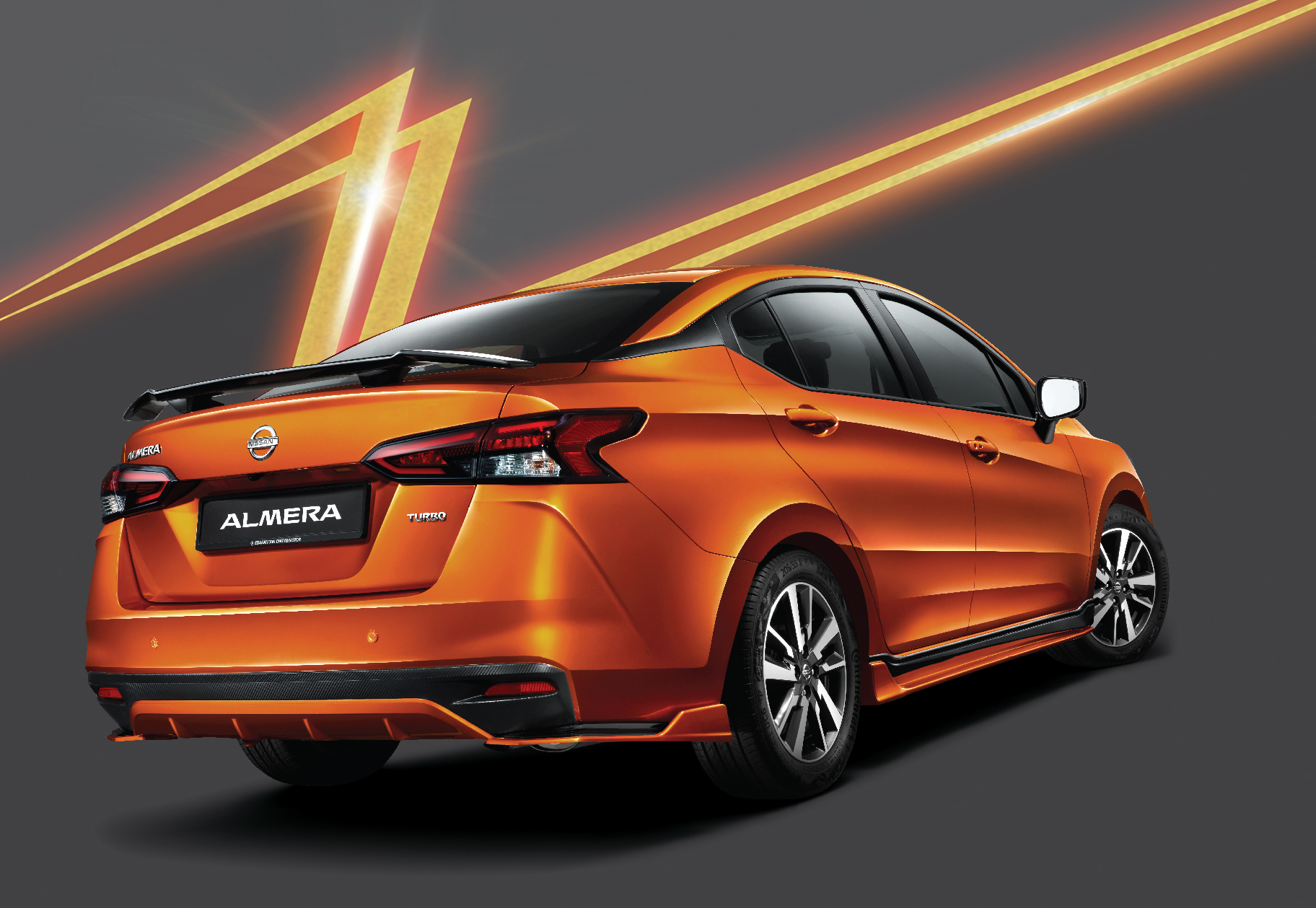
For a limited period (while stocks are available), every new unit of the Nissan Almera Turbo will come with a free Tomei Aerokit Package worth RM8,000. Tomei, a well-known tuner in Japan, collaborated with Edaran Tan Chong Motor (ETCM) to develop this package exclusively for the sedan.

The Tomei Aero Package is available for all three variants of the Almera Turbo with the top VLT version having all the items. These are a 5-piece aerokit consisting of a front and rear (two sections) bumper spoilers, side skirts, sport pedals with footrest, door handle protectors (4 pcs), kickplate for the door sills. Door visors, and ICE Cool Tinting.

The other two versions come with the 5-piece aerokit and a bootlid spoiler, ICE Cool Tinting Film and the sport pedals with footrest. All bodykit items come in a 2-tone colour scheme.

A Tomei GT Wing (shown below) specially designed for the Almera Turbo is also available, price at RM1,400 (inclusive of installation). For a limited period, ETCM is offering the Tomei GT Wing to Early Bird buyers with a 50% discount.

All the items are factory-fitted to ensure the same high quality as the rest of the car. Each item also comes with a warranty against manufacturing defects for a period of 3 years/100,000 kms (whichever comes first).

Downsized but performance not sacrificed
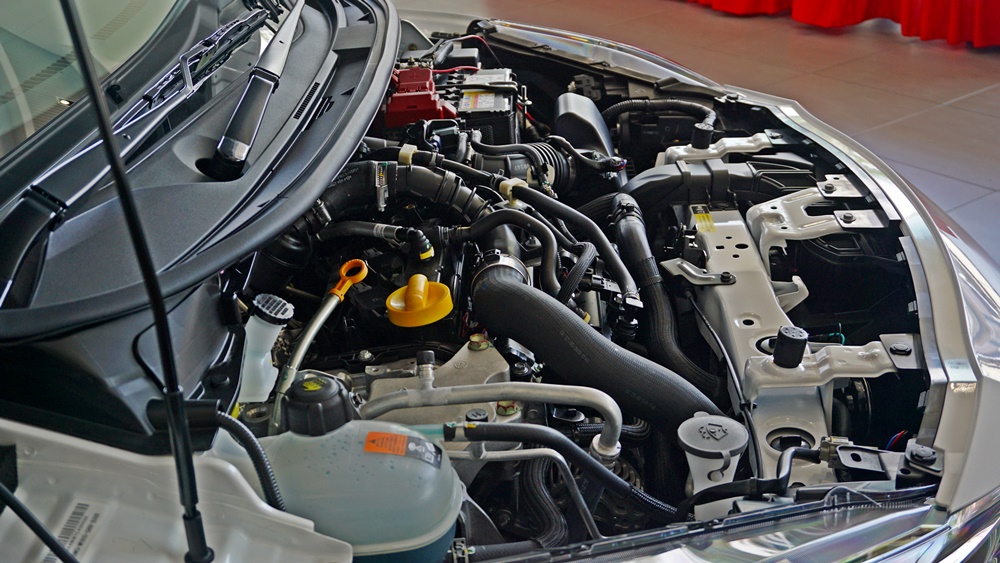
The Almera Turbo’s powerplant is a good example of how downsizing engines, an industry trend, has been achieved without sacrificing performance and yet giving better fuel efficiency. The HR10DET engine generates 100 ps/152 Nm – comparable to a 1.5-litre engine – but owners have reported being able to get up to 49.5 kms/litre! Should the price of RON95 petrol (currently subsidised by the government) go up, Almera owners will be happy that they have a fuel-sipping engine.

Nissan Almera Turbo

The Almera Turbo range is priced from RM83,888 to RM95,888, with the Tomei package free while stocks last. For more information, visit the Nissan Malaysia website at www.nissan.com.my. Test-drives are available at all Nissan showrooms throughout Malaysia. For those who are not able to visit a Nissan showroom, they can still experience the car by requesting for a test-drive at their home or office. The request can be made at the Nissan Online Showroom at nissan.com.my/onlineshowroom/

Incidentally, Via the Lazada Nissan Flagship store, a booking fee (RM250) can be paid online to start the purchase process. A sales representative will then be in touch to assist in completing the rest of the process.

BHPetrol

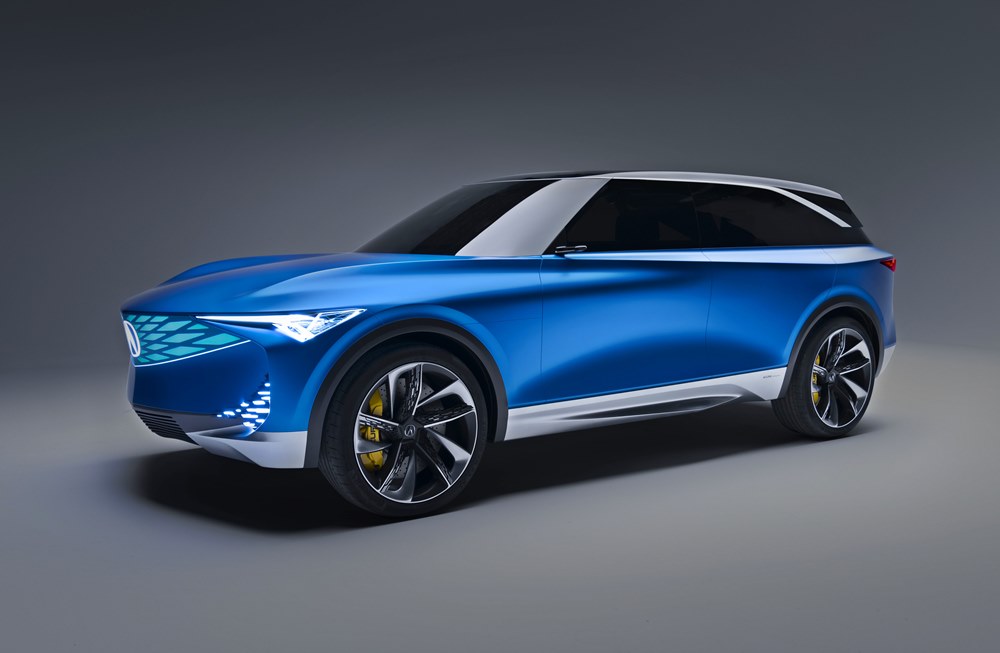
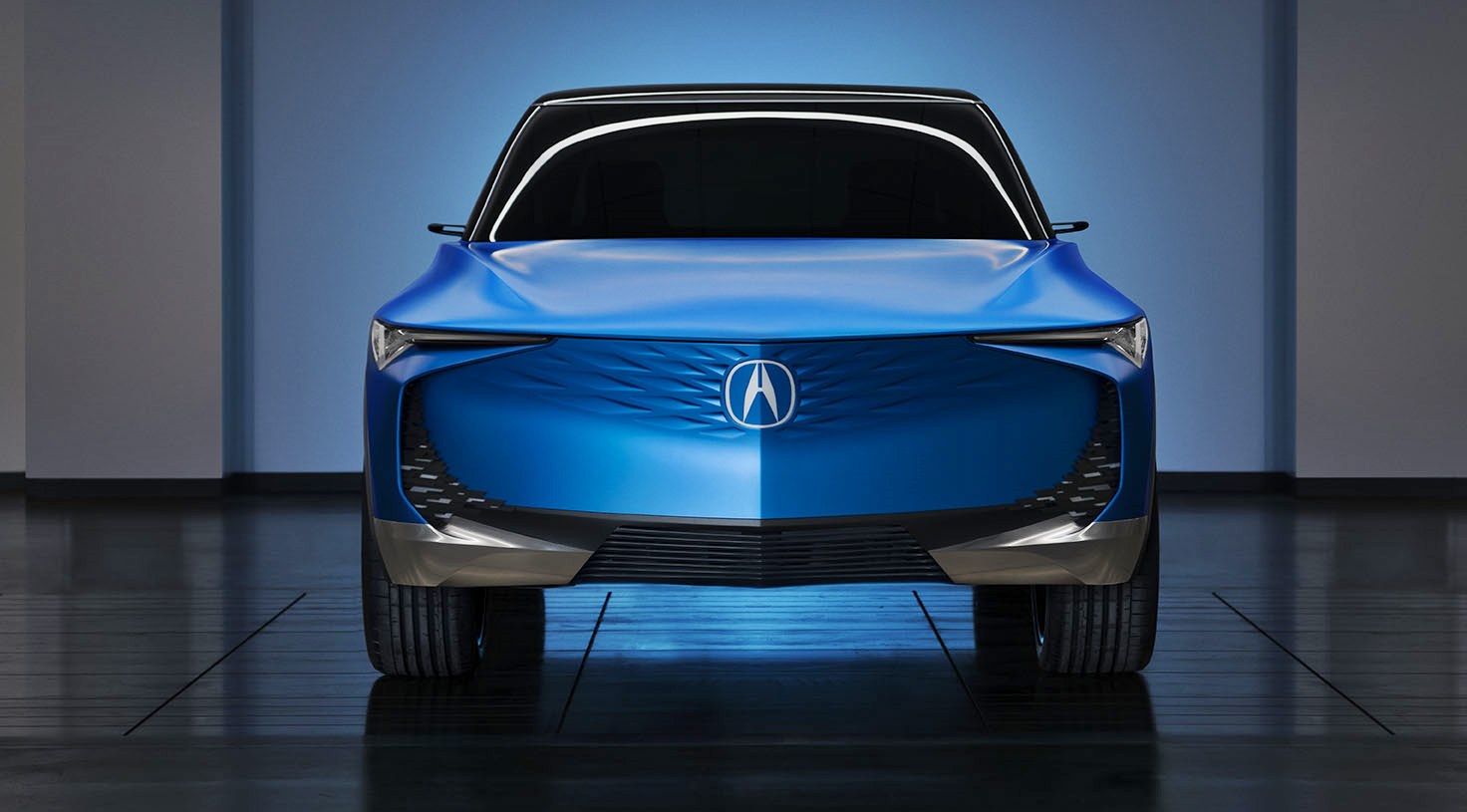
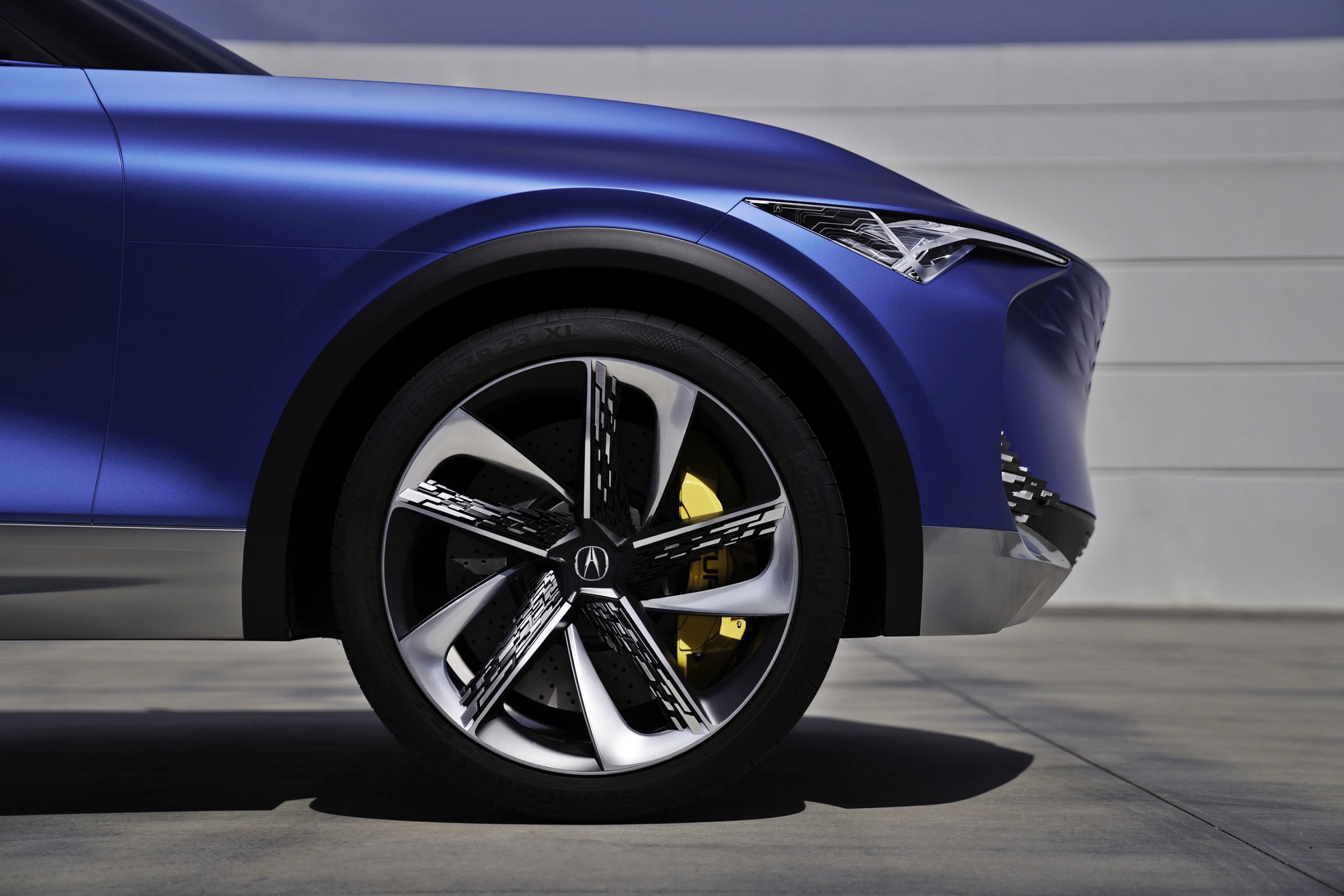
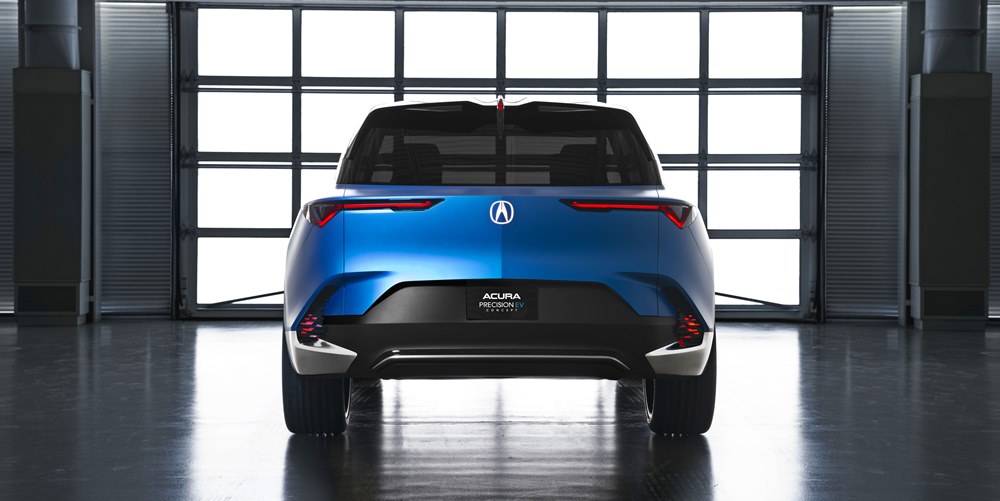
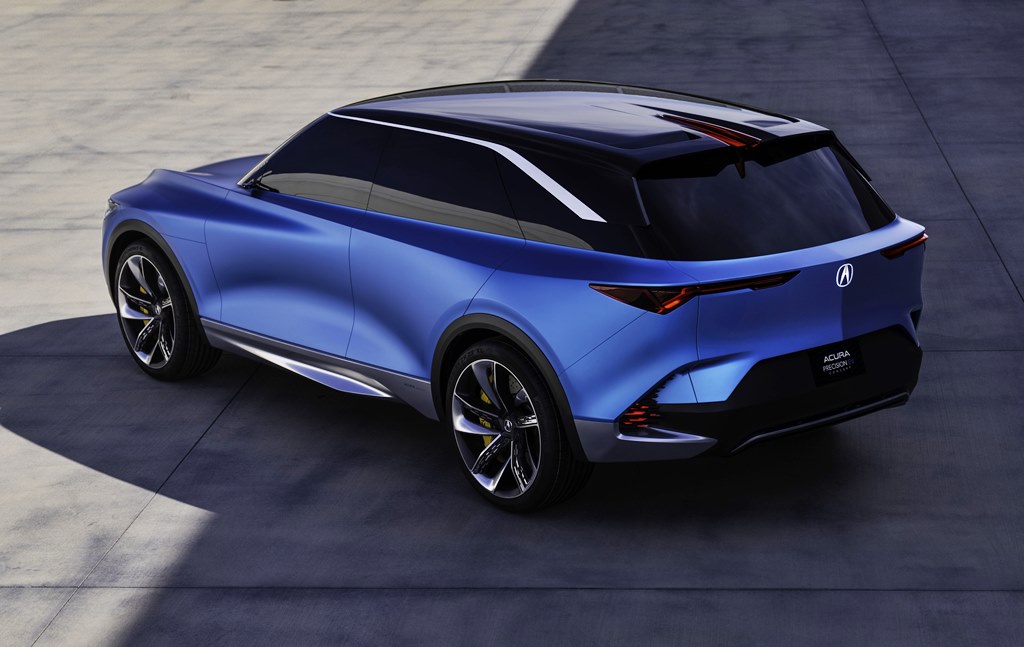
Acura, Honda’s brand of premium models mainly sold in North America, is transitioning to a new design language and a preview of this is given in the Precision EV Concept unveiled in California this week. This is the brand’s third design concept since 2016.

Created by the Acura Design Studio in Los Angeles, the SUV concept model showcases a future vision of electrified vehicles with distinct manual and full driving automation experiences. Its design focuses on performance through design, with inspiration drawn from luxury Italian powerboats.

A special feature is the theatrical lighting approach that previews an electrified powertrain through a dramatic illuminated evolution of Acura’s Diamond Pentagon grille, Chicane DRL signature and new ‘Particle Glitch’ lighting on the front and rear facias.

Dual driving modes
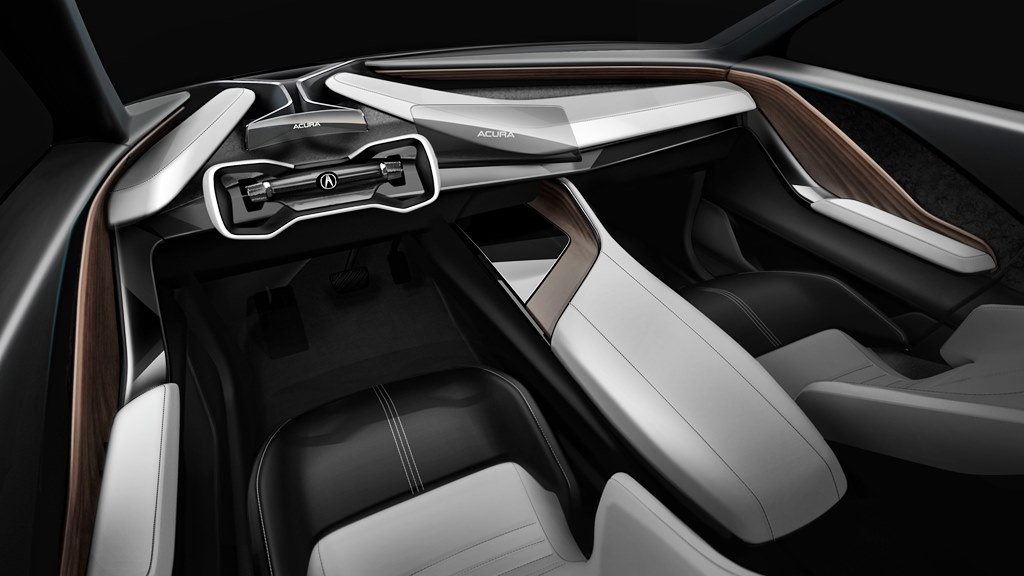
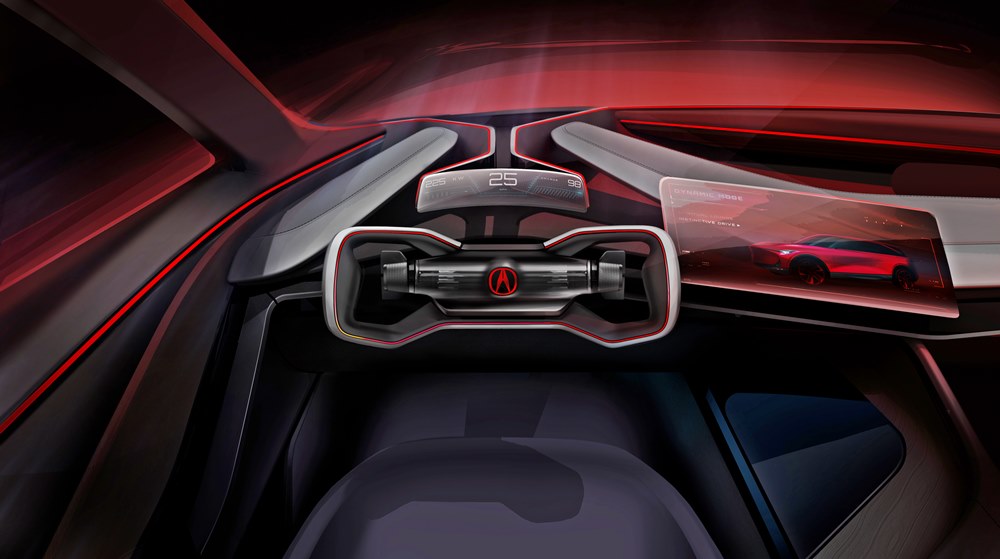
Inspired by the cockpit of a Formula 1 racing car are the low-slung driving position, high-performance driver sightlines and a 2-grip yoke-style steering wheel. The interior space of the Precision EV concept features dual experiences – an Instinctive Drive mode for the performance experience and a calming Spiritual Lounge mode during autonomous operation.

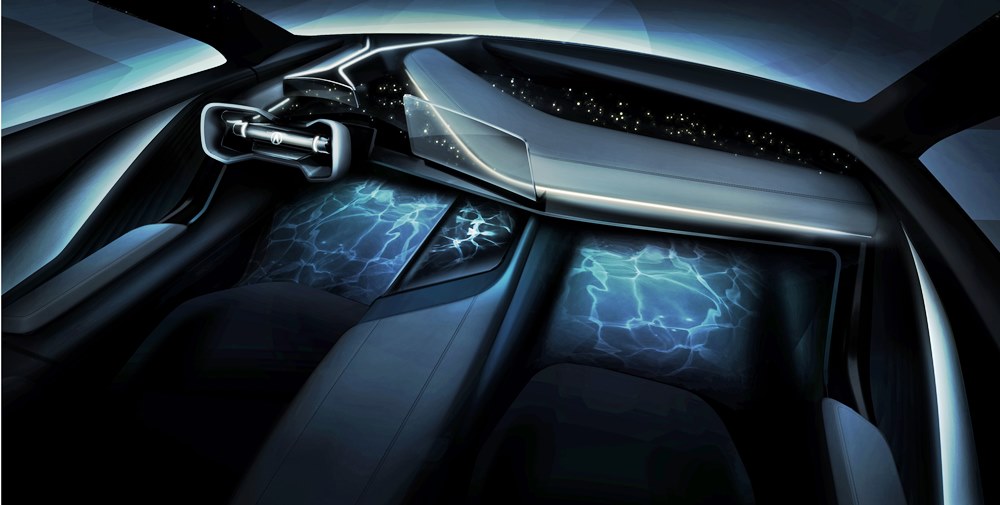
The Instinctive Drive mode elevates the dynamic connection with the car with racing-style digital instrumentation and invigorating red ambient and pipe lighting. In Spiritual Lounge mode, the steering wheel retracts and as it does so, the cabin transforms into a warm, calming experience with soothing scents and restful ‘underwater’ animated projection so the driver and occupants can relax and recharge.

The SUV cabin is crafted with sustainable, environmentally-responsible materials creating premium, unique finishes including marbled recycled plastic trim and 100% biomass leather. All the aluminium used, as well as the dimensional green cast acrylic that forms the steering wheel secondary controls, were made from recycled materials. Milled FSC certified wood, harvested from responsibly managed forests that provide environmental, social and economic benefits, adds warmth and a connection to nature.

Next-generation HMI
The Precision EV Concept also previews the next generation of Acura HMI (Human-Machine Interface) with an intuitive and easy to use hyper-wide, curved transparent display and haptic touch response. ‘Particle Glitch’ boot-up graphics mirror the signature exterior detail, visually harmonizing the experience.

“As the definition of premium and performance evolves to include the application of sustainable materials, we are looking at new and innovative material technologies to inspire our customers while both reducing our carbon footprint and enabling the Acura brand to reshape the perception of quality,” said Gypsy Modina, Principal Designer – colour, materials and finish..

“The Precision EV Concept is a look into our future direction and continues the Acura Precision Crafted Performance design language with a modern expression of performance” said Dave Marek, Acura Executive Creative Director. “The Acura Precision EV Concept will be our ‘North Star’ as we move into an exciting electrified future, and you will see these design cues translate over to future production models.”
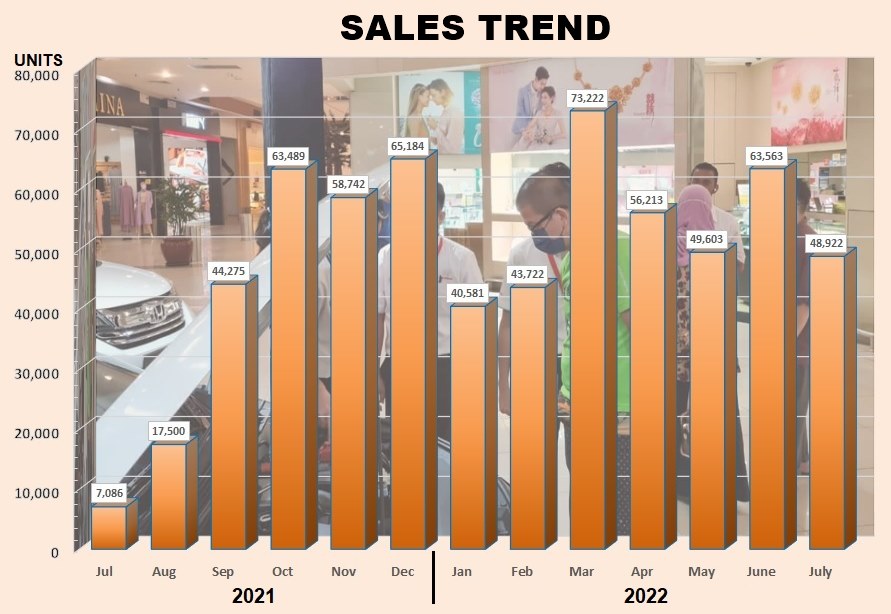
As expected, sales in July 2022 fell and the Total Industry Volume (TIV) dropped 23% to 48,922 units. The reason was partly due to June being exceptionally high as many people rushed to buy their new vehicles before the sales tax exemption ended. Whatever stocks companies had were quickly exhausted during the month and the TIV might have been higher if there had been more supply.

For those who managed to confirm their bookings by the last day of June 2022, the sales tax exemption will still apply for their new vehicle, provided it is registered not later than March 31, 2023. That should be ample time for the assembly plants to supply the vehicles.

Looking back at 2021, the TIV this year is certainly higher. In July last year, due to the MCO and restrictions, sales fell to less than 7,500 units for the month. On a cumulative basis, the TIV has reached 380,595 units after 7 months, 48% higher than the volume for the same period in 2021.

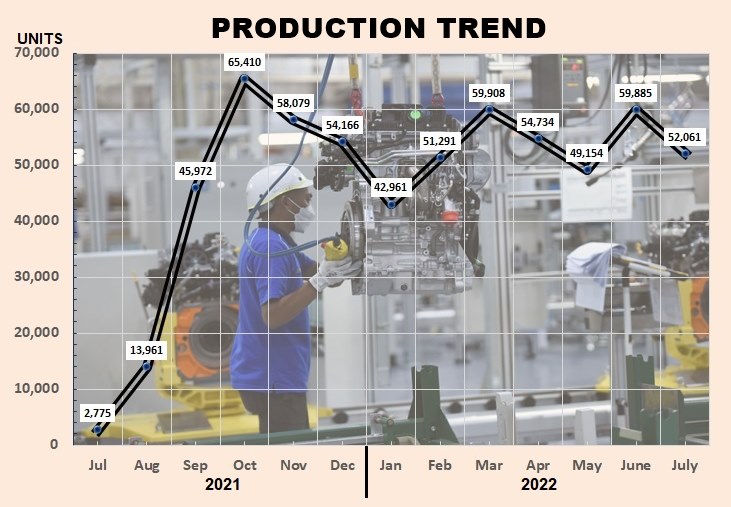
On the production side, from January to July this year, 369,994 vehicles were assembled locally, almost 126,000 units (52%) more than for the same period last year. However, the chip and parts shortages continue to slow down output as vehicles cannot be completed. This affects both locally assembled as well as imported models since the chip shortage is global.

The Malaysian Automotive Association expects August sales to be at the same level as July. The association revised its annual forecast upwards by 30,000 units to 630,000 units. This means that average monthly sales will have to be about 50,000 units in the remaining 5 months.

The situation at the moment is not a true picture of the state of the market as the number of registered vehicles reported to the MAA is largely dependent on whatever stocks are available from the plants or from overseas. Until the supply situation stabilizes, it will be hard to ascertain the demand since every available unit is delivered as soon as it arrives at the showroom.

BHPetrol

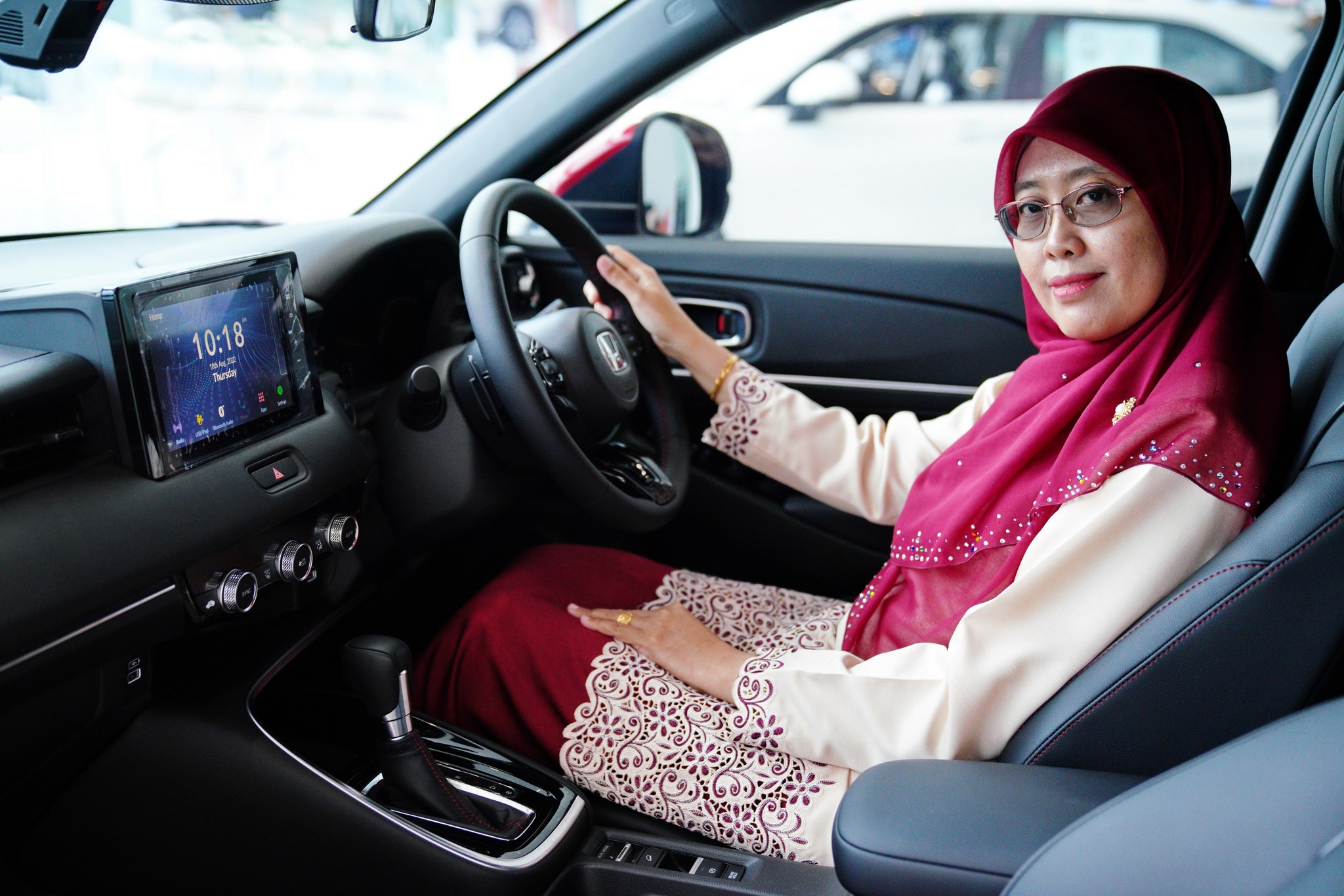
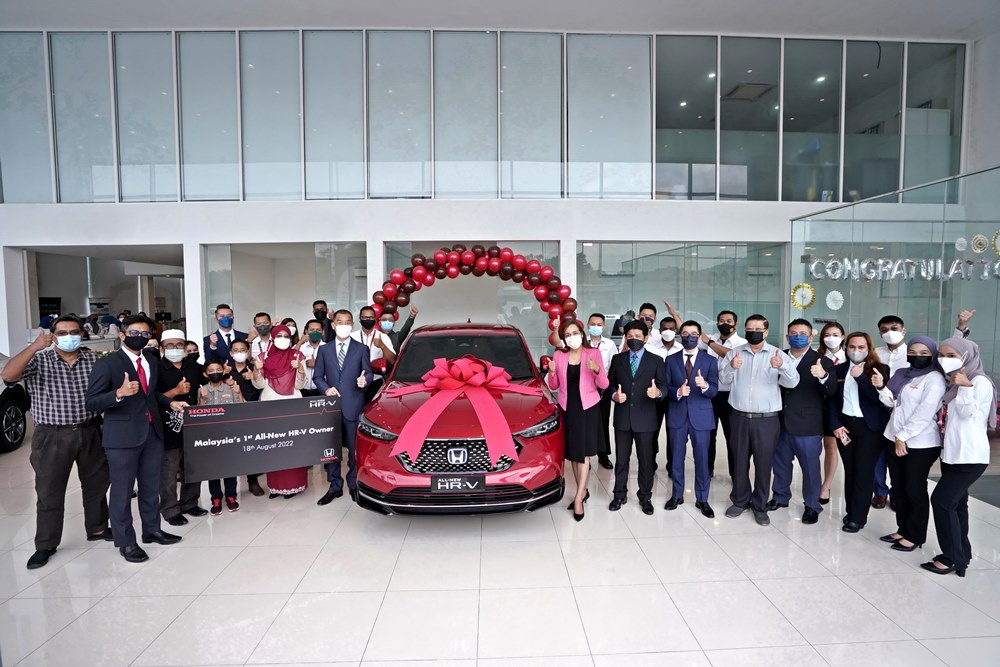
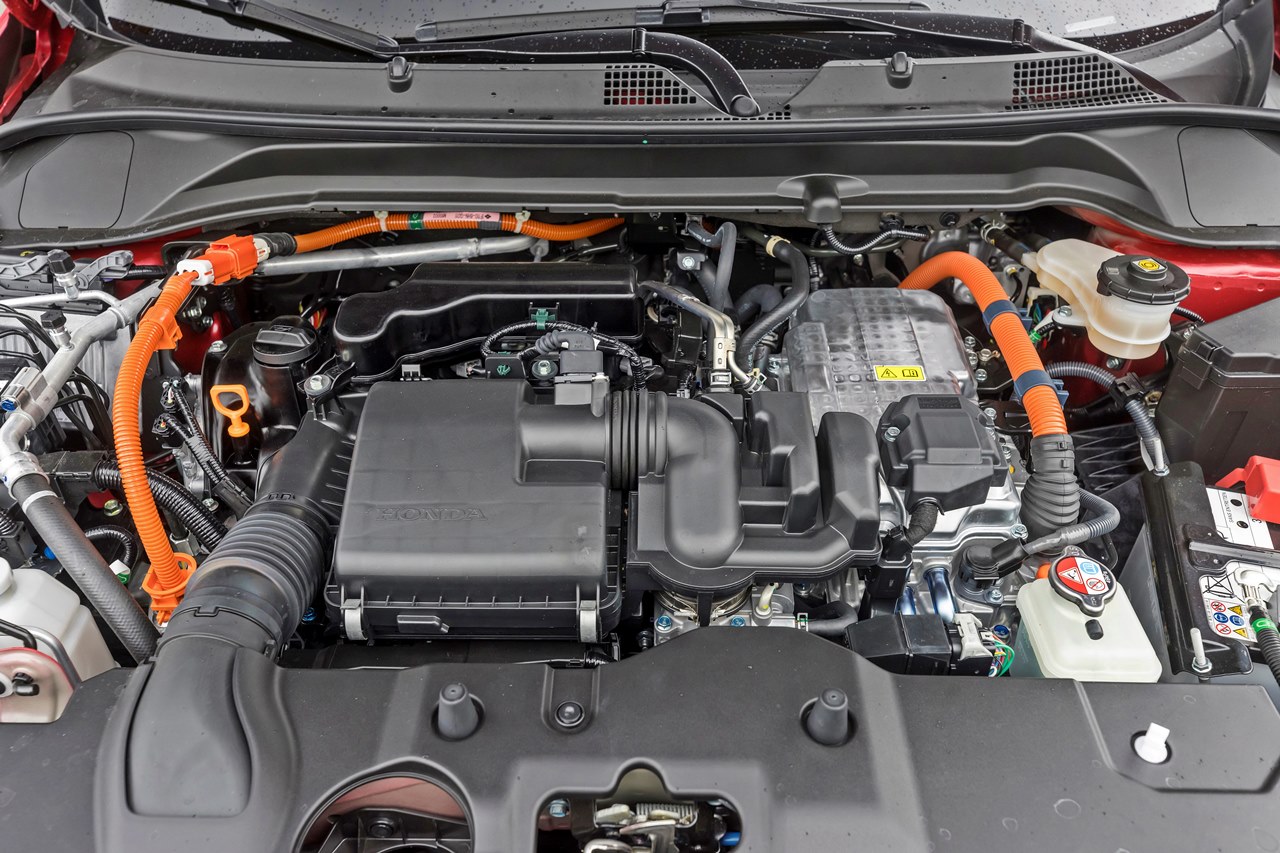
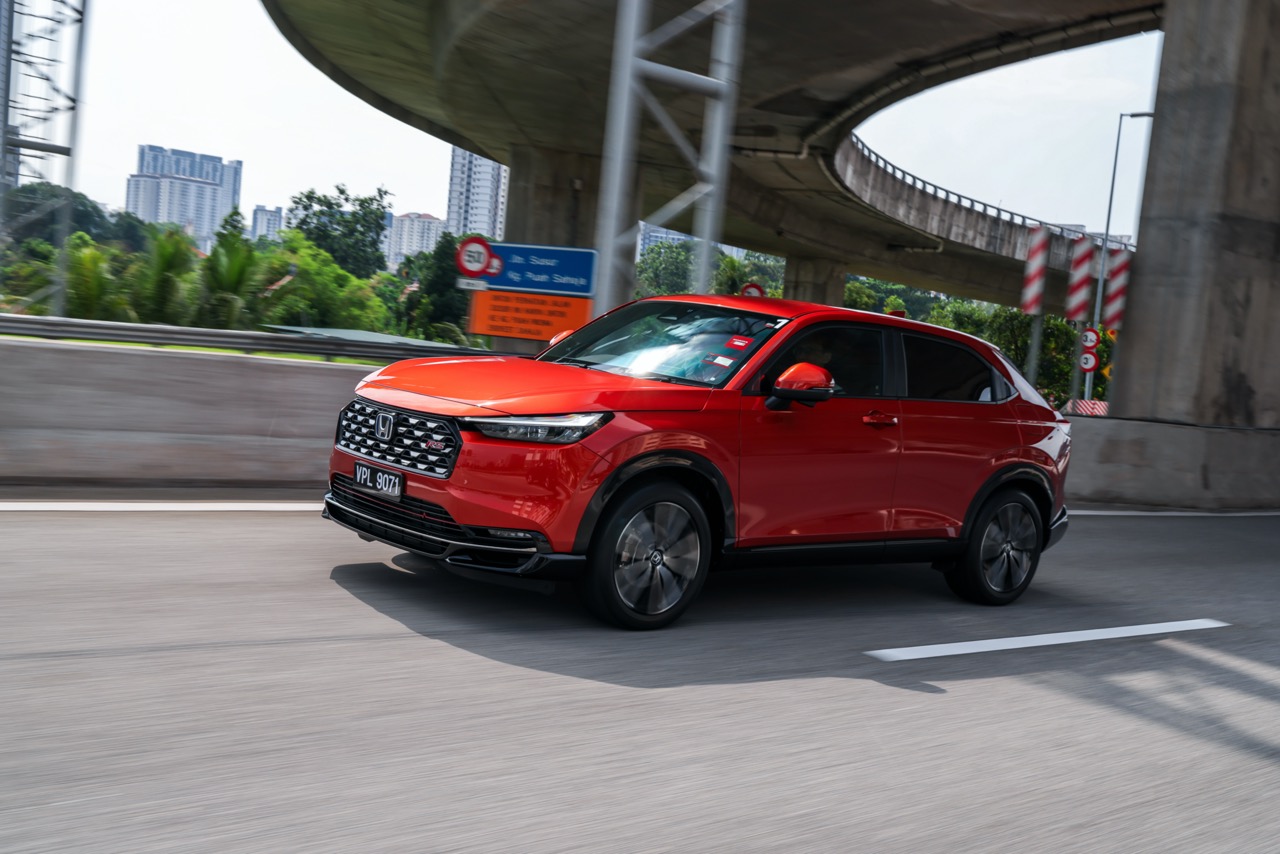
Honda Malaysia has begun delivering the new Honda HR-V and the first customer to receive the new crossover SUV was Nurul Hafida binti Mohd Jais. Cik Nurul Hafida received her new vehicle at MJN Motors Sdn. Bhd. in Cheras, Selangor, where she had booked the RS e:HEV version with a red finish.

As the first HR-V owner in Malaysia, she received some extras as token of appreciation from Honda Malaysia. These were Honda Authorized Accessories, Ultra Glass Body Coating and Honda official merchandise valued at RM5,700.

Explaining the reasons why she chose the new Honda, Cik Nurul Hafida said: “I did my research even before the official launch of the All-New HR-V in Malaysia. The exterior styling and looks caught my attention and that’s when I decided to book the model the moment it was opened for booking. I have been anticipating the delivery of my new car and was pleasantly surprised when I found out that I was the first customer to receive the car!”
“What’s even more exciting is the additional surprise of receiving gifts from Honda! I am looking forward to taking my family out and about on my new ride,” she added.

Speaking at the handover ceremony, Honda Malaysia’s Managing Director & CEO, Hironobu Yoshimura, said: “The response we have received for the All-New HR-V has been overwhelming and we believe this new model will be sensational once again as it did in the past. Today, we are excited to deliver the All-New HR-V to the first owner, Cik Nurul Hafida. In addition to this momentous occasion, Honda Malaysia will deliver over 1,300 units of the All-New HR-V within one month of its launch. We would like to take this opportunity to convey our sincere gratitude to all our customers for their continuous support to the Honda brand.”

Demand for the new HR-V is high, according to Wan Hazmi bin Dato’ Wan Mustafa, owner of MJN Motors Sdn. Bhd. “We are so honoured to be the dealer to deliver the first HR-V to our beloved customer! We are committed to continue providing our customers with excellent service in all aspects,” he said.

2022-Honda-HR-V

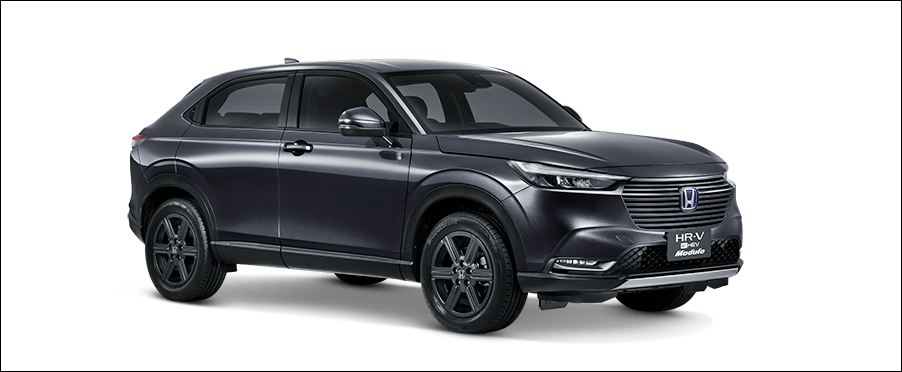
The new HR-V is available with a choice of three 1.5-litre powertrains. The RS version has the e:HEV system with Honda’s unique 2-motor hybrid system which generates 131 ps/253 Nm and the other two are a VTEC turbocharged engine (181 ps/240 Nm) and a naturally-aspirated i-VTEC engine (121 ps/145 Nm).

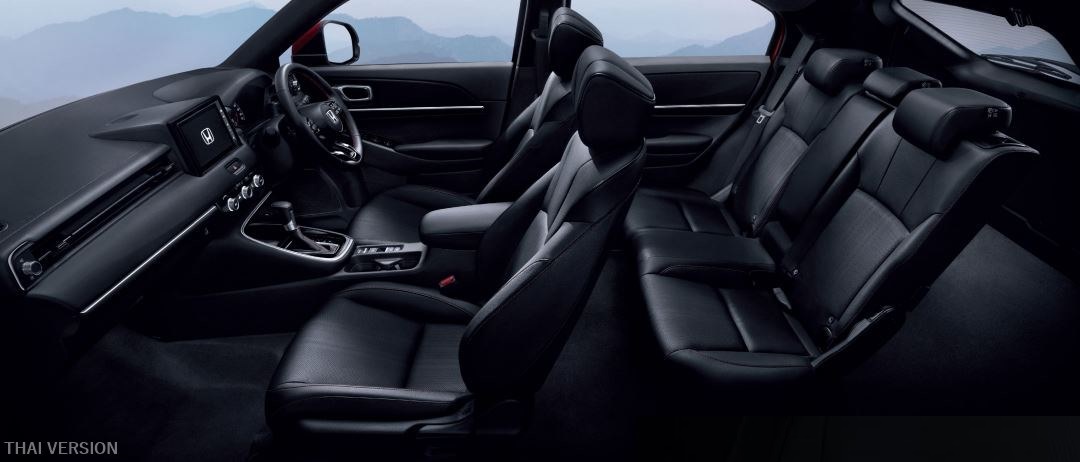
For this second generation, a more modern feel is evident and features available (depending on version) include leather upholstery, sports pedals, dual-zone automatic air-conditioning with an Air Diffusion System, and a Hands-Free Power Tailgate with Walkaway Close function. Honda SENSING, the suite of active safety systems, is standard across the range.

For more information on the latest HR-V or any Honda models, visit any of the 102 authorized Honda dealerships nationwide or www.honda.com.my.

BHPetrol

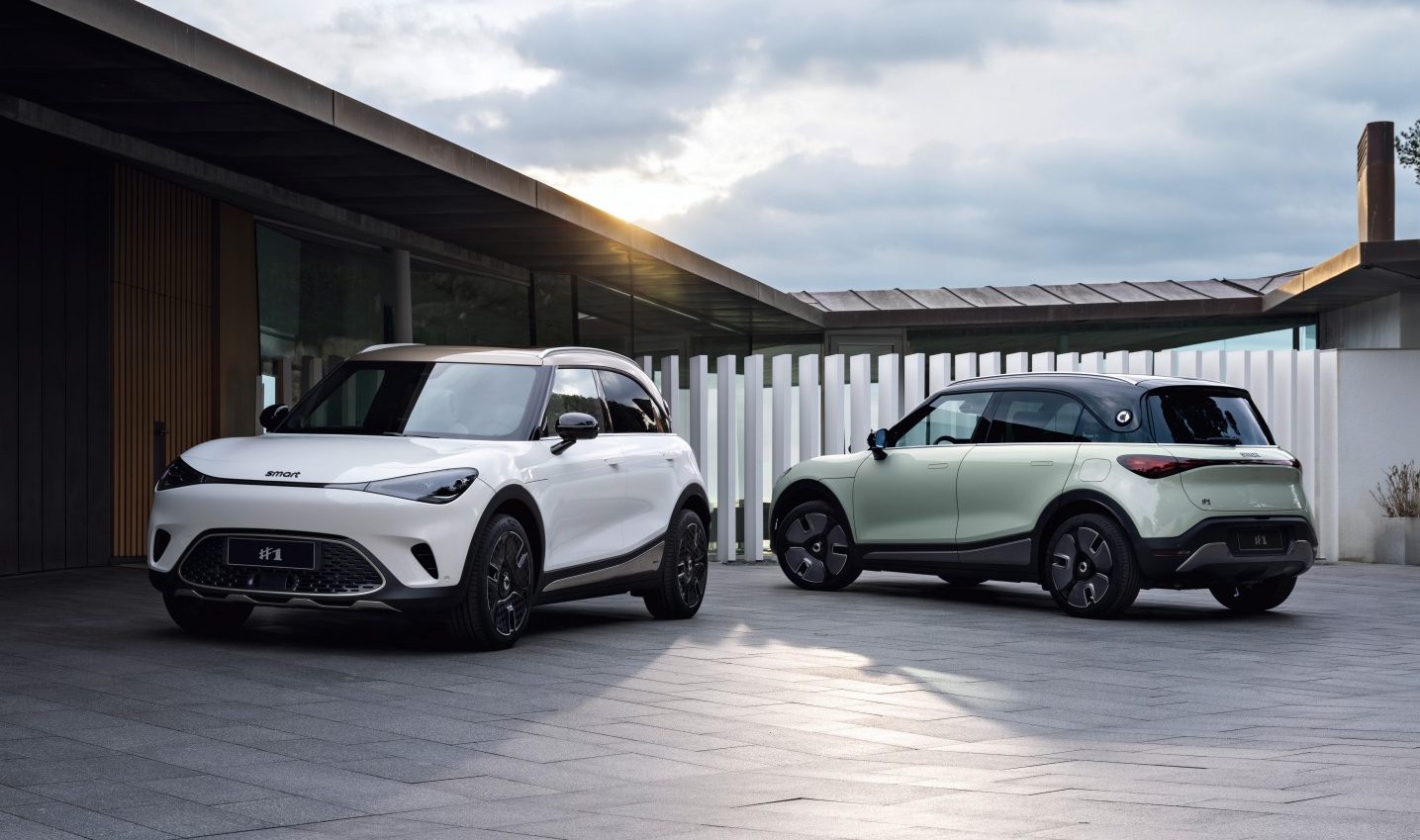
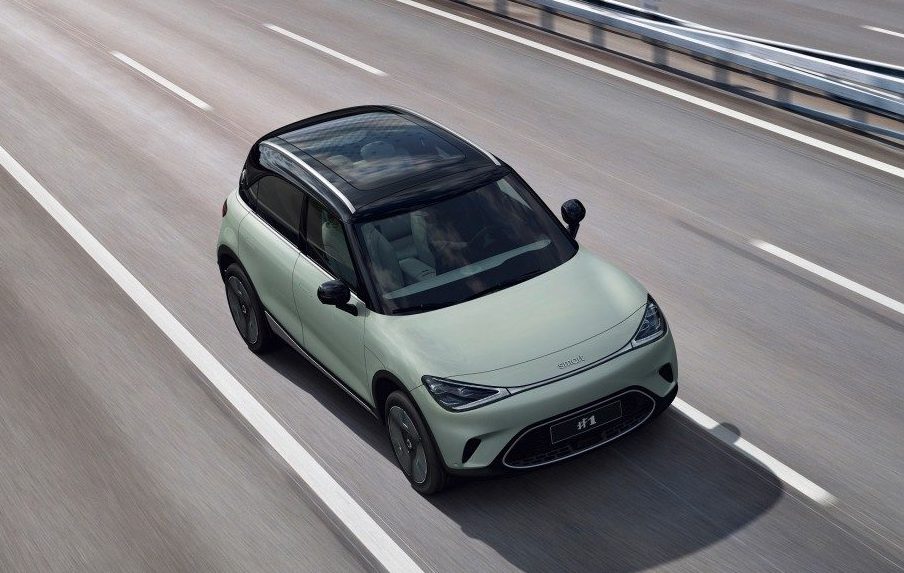
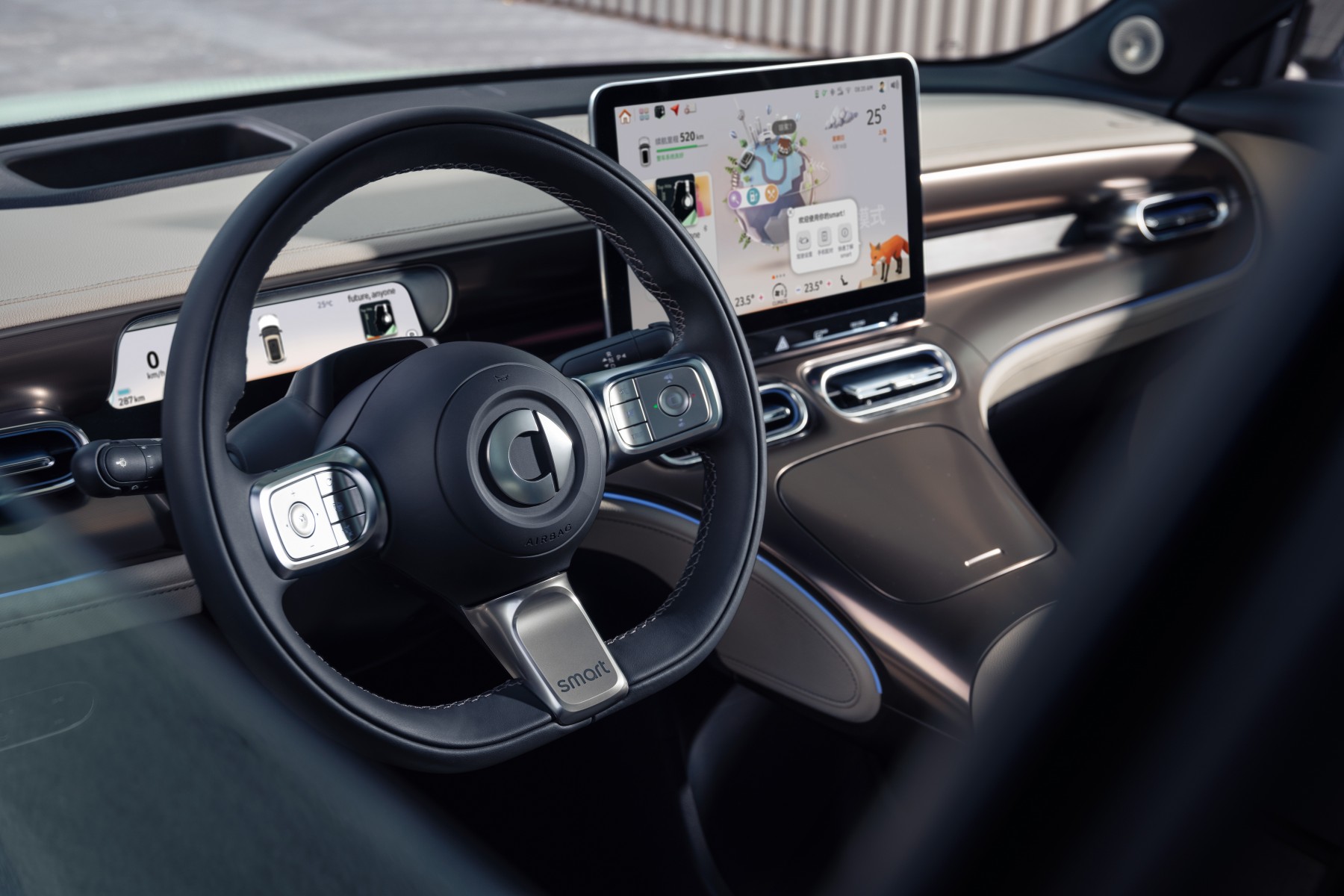
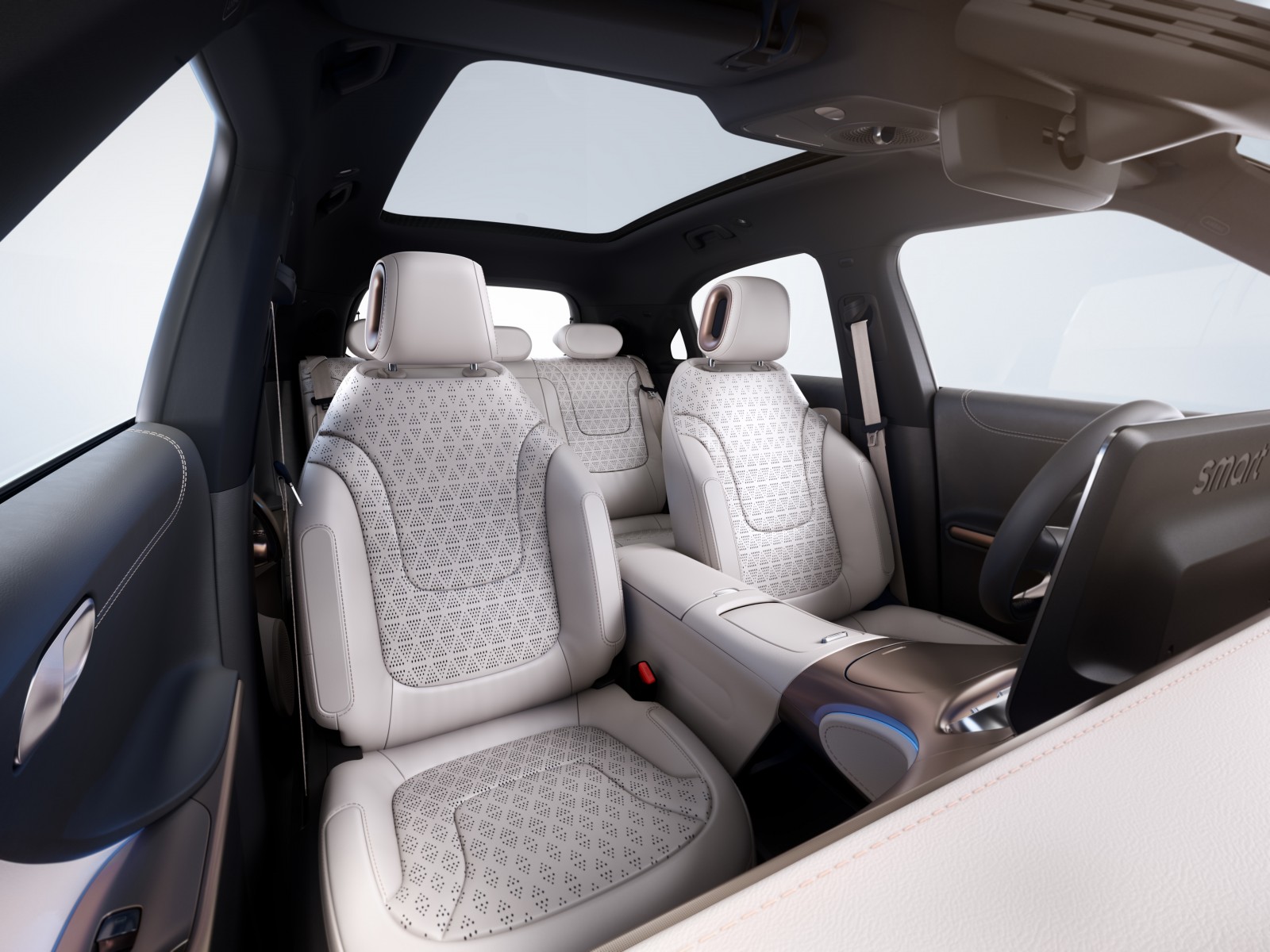
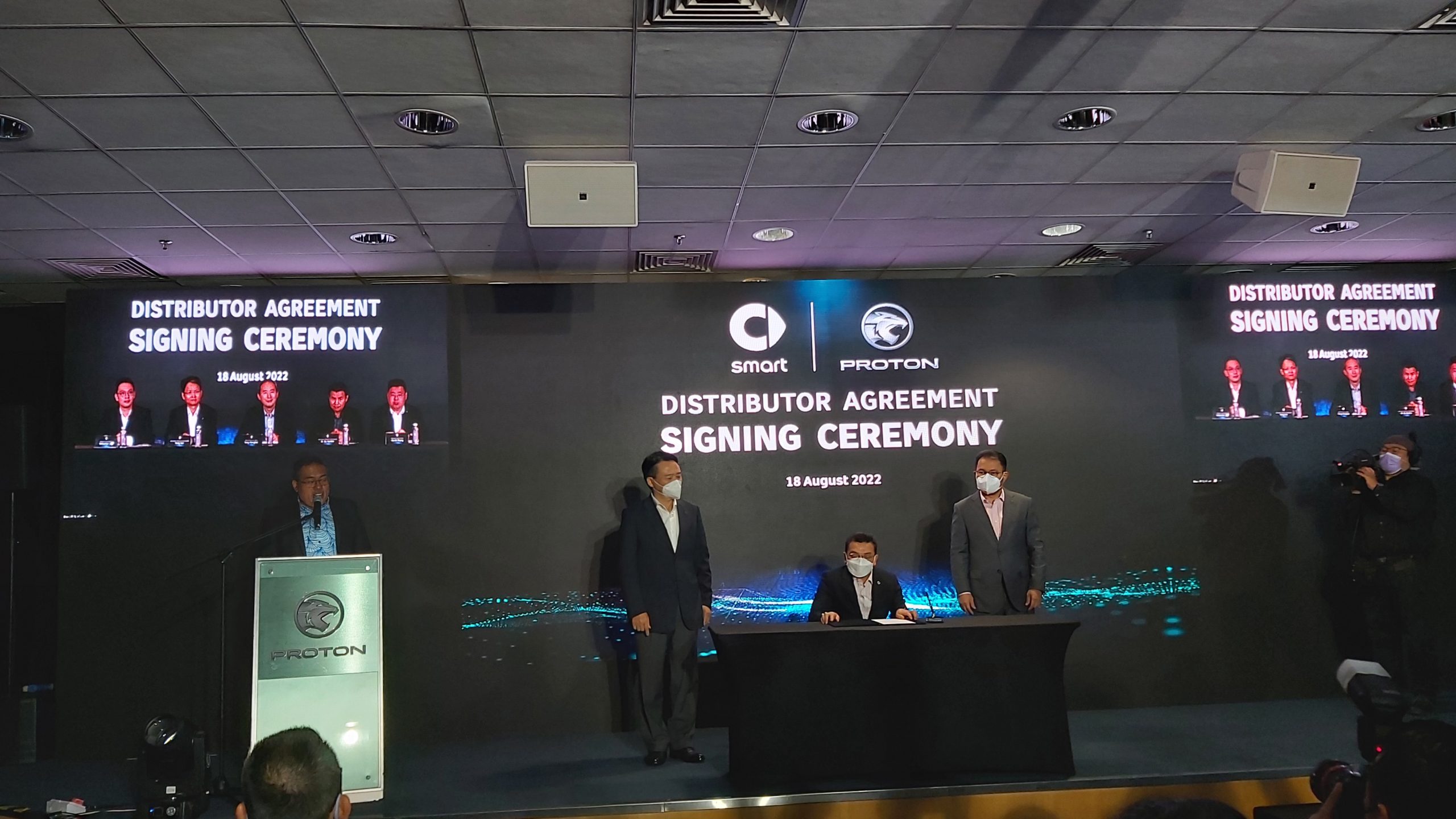
Proton will begin selling its first electric vehicle (EV) from Q4 of 2023 via its marketing arm, Proton Edar, which has been appointed as the importer, distributor, and dealer for smart New Energy Vehicles (NEV). Besides the Malaysian market, Proton Edar will also be handling the brand in Thailand (from 2024).

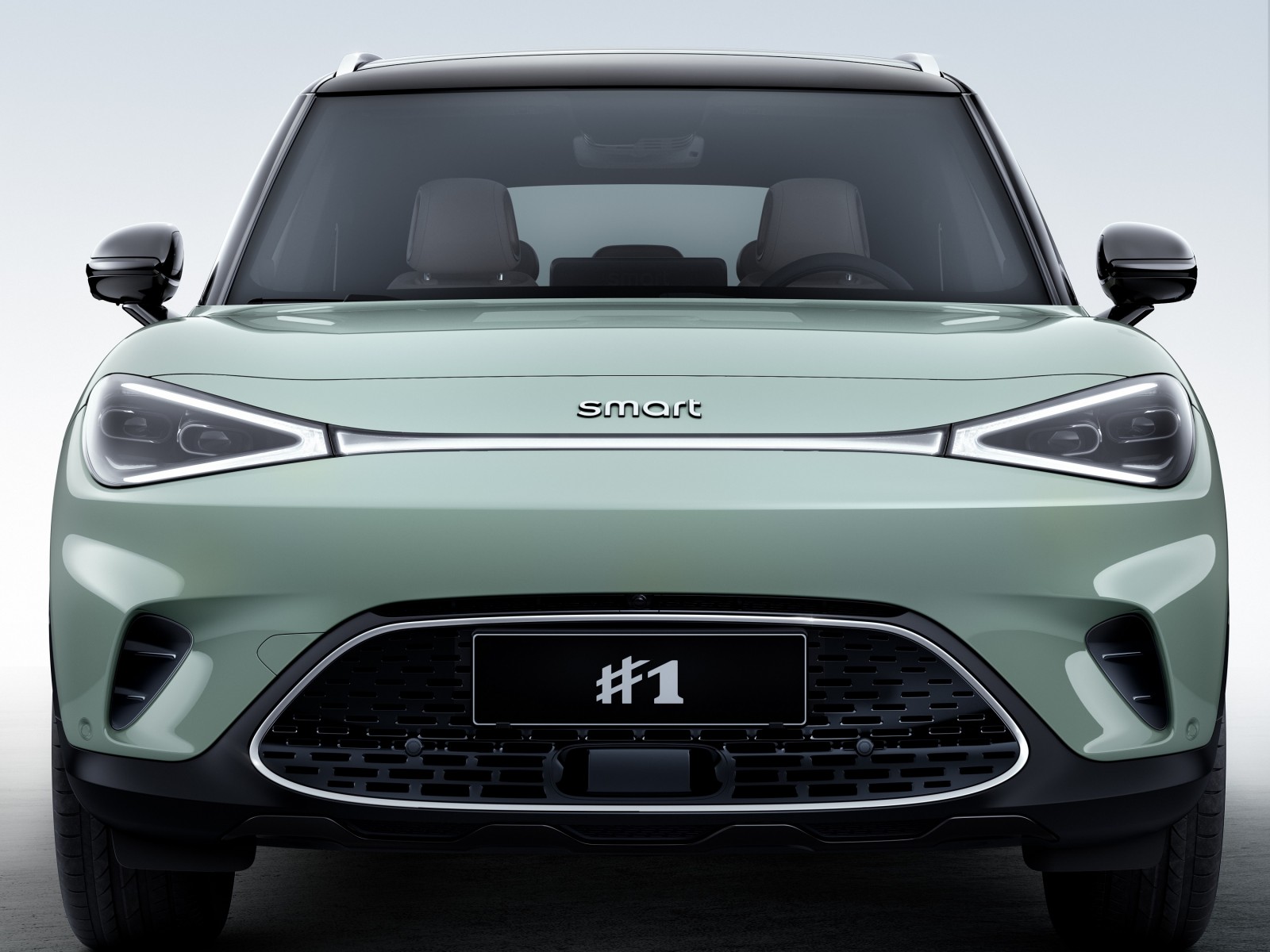
The EV is the new smart #1 (referred to as ‘hashtag 1’) which was launched in April this year. The smart #1 is the first product of a joint venture company, smart Automobile Company Ltd. which was established by Mercedes-Benz AG and the Zhejiang Geely Holding Group in 2019. It is a ‘descendant’ of the original smart company which started in the 1990s as a low-cost concept of Nicolas Hayek, creator of the Smart watches.

The EV will not be in Proton showrooms and there will be separate outlets dedicated to the brand. Expect a different, more digital environment at these outlets as they will be modelled along the same concept as smart outlets in other markets. Whether aftersales support will be shared with Proton or be separate is something being studied at the moment although it may be better to have dedicated facilities. Just because EVs are electric vehicles doesn’t mean that the ‘wireman’ at the workshop will be qualified to handle them!

As the brand image is youthful and ‘lifestyle’, the smart #1 is targeted at younger customers. However, the smart #1 is a premium product and its price would therefore be unlikely to be under RM150,000 with the present tax exemptions. This would make it difficult for young customers in Malaysia to afford but according to Roslan Abdullah, CEO of Proton Edar and Deputy CEO of Proton Holdings Berhad, there is a segment of young and affluent customers whom the company expects will be interested in such a product.

The marketing of smart EVs is seen as the first phase of collaboration between Proton and smart and could possibly see other ventures. The company will also be looking at EV models for other segments, although these could come from other brands in the Geely group (eg Emgrand and Zeekr). This is one of the advantages Proton has by being part of such a large group as it has access to models and technology which can be adapted for its products.

Certainly, it will provide Proton with useful experience and insights into selling and servicing EVs to Malaysians in preparation for its own electrified products in future. In fact, the carmaker has already established a New Energy Vehicle division to look into all aspects of the future business.

Well aware of the issue of ‘range anxiety’ and access to recharging facilities, Proton Edar will also be looking at ways to develop its own recharging network as well as public facilities. Additionally, there is also the possibility of a mobile recharging service which could be offered in rural areas where the recharging network might not cover adequately.

Initially, the annual volume is expected to be 800 to 1,000 units in Malaysia, with a forecast of 10,000 units by 2027. Bookings might be accepted from May next year as the first shipment of cars is expected during the second quarter.

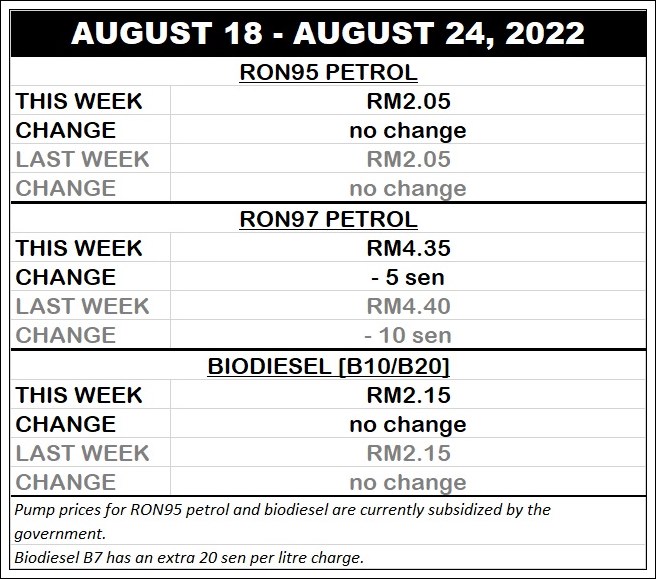
Fuel Price Updates for coming 7 days see another 5 sen reduction in RON97 petrol to bring the price per litre to RM4.35. New fuel price effective after midnight today.

BHPetrol

Fuel saving tips

Slow and steady: You don’t have to drive at a crawl to save fuel but if you just drive more frequently at 80/90 km/h instead of 100/110 km/h, you could save 10 to 15% in fuel. Keeping a steady speed rather than ‘pumping‘ the pedal will also save on fuel.

Right tyre pressures: Under-inflated tyres will cause more rolling resistance (not to mention faster wear) which will worsen fuel consumption. Be sure they are inflated to the minimum recommended by the manufacturer and a bit more might also be better.

Service the engine regularly: Engine parts wear out or get dirty over time and reduce the operating efficiency of the engine. Regular servicing ensures that adjustments are set correctly and periodically, parts like filters or sparkplugs need to be replaced.

Switch off the engine more: Many motorists do not fully realize that the engine is burning fuel every second it is running. They will keep the engine running for long periods while waiting for someone to buy things or waiting for their children to come out from school. This is very wasteful and running the air-conditioner at the same time wastes more fuel. Switch off the engine when you are going to be stationary for more than 5 minutes and you’ll find your fuel consumption improving.

Plan trips: If you have different places to go on a single journey, spend a few minutes to think about the route so that you avoid congested areas. You may have to travel a few extra kilometres using a less congested route but you will actually use less fuel because the car won’t be stuck in a jam burning fuel going nowhere. Plus you will probably be less stressed out when you reach your destination.

Don’t carry unnecessary weight: The less weight your car has to move, the less hard the engine has to work. So whatever you do not need to keep in the boot should be taken out. This includes those golfbags.

Archive

Follow us on Facebook

Follow us on YouTube