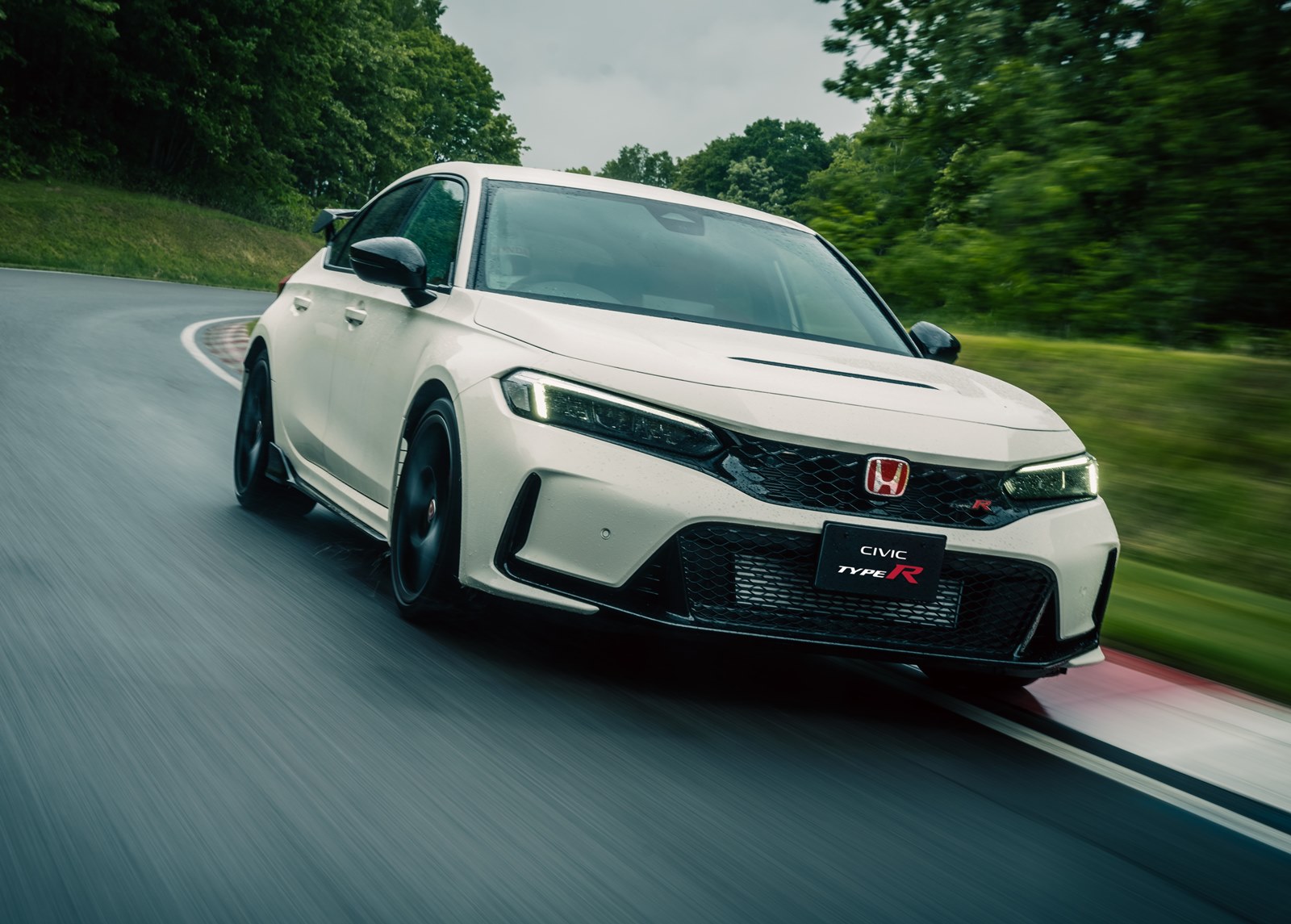
It’s the 50th anniversary of the Honda Civic and to celebrate this milestone, a brand new Type R has made its global debut. Based on the 11th generation of the Civic, the latest Type R will be the most powerful version ever to come from the factory.
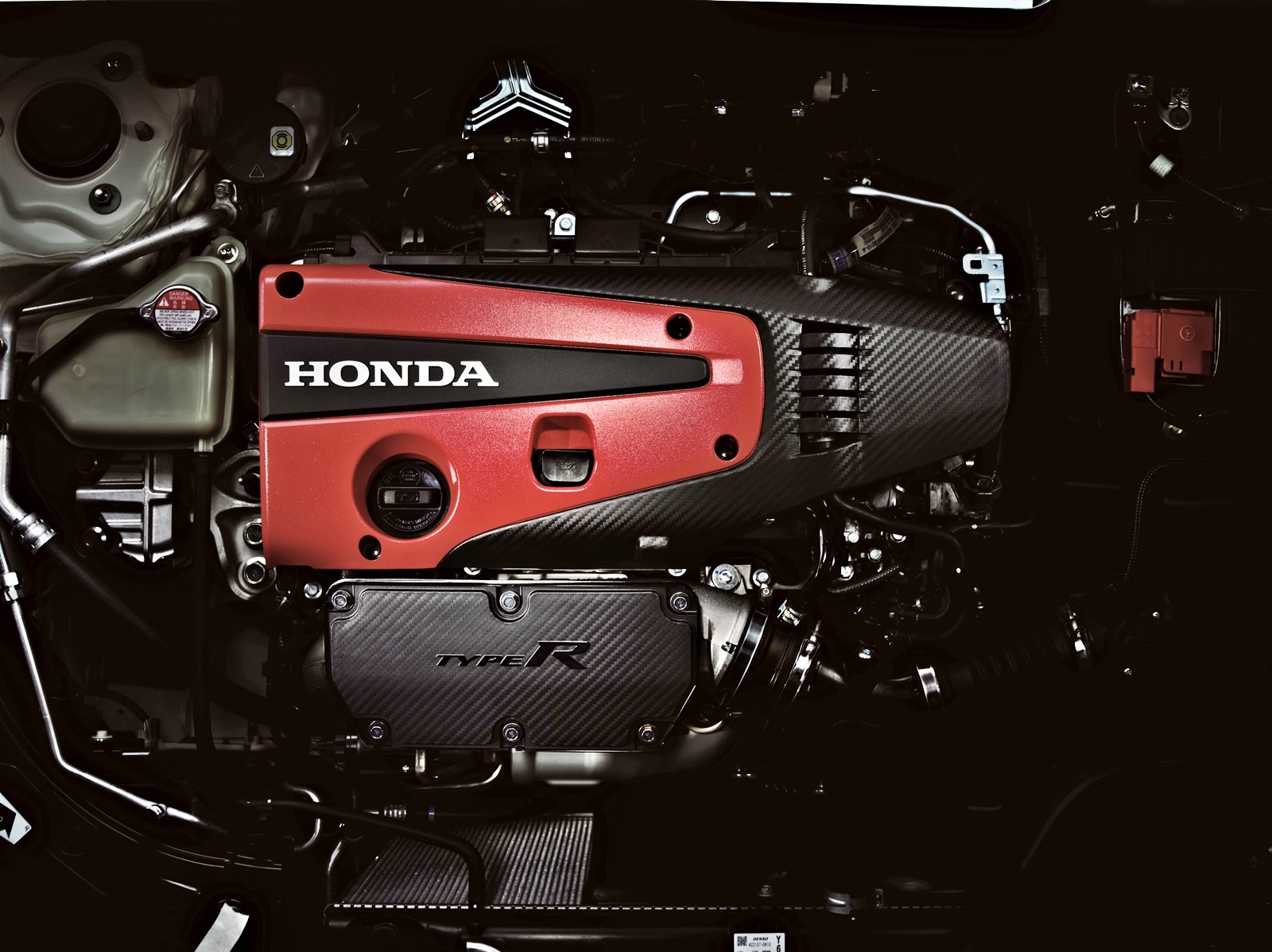
Full technical information is not released yet but Honda says that the familiar 2-litre 4-cylinder turbocharged engine has been retuned for more power and responsiveness, so it should be higher than 300 ps/400 Nm. It’s paired with an improved 6-speed manual transmission with a rev-matching system for smoother and more precise shifts.
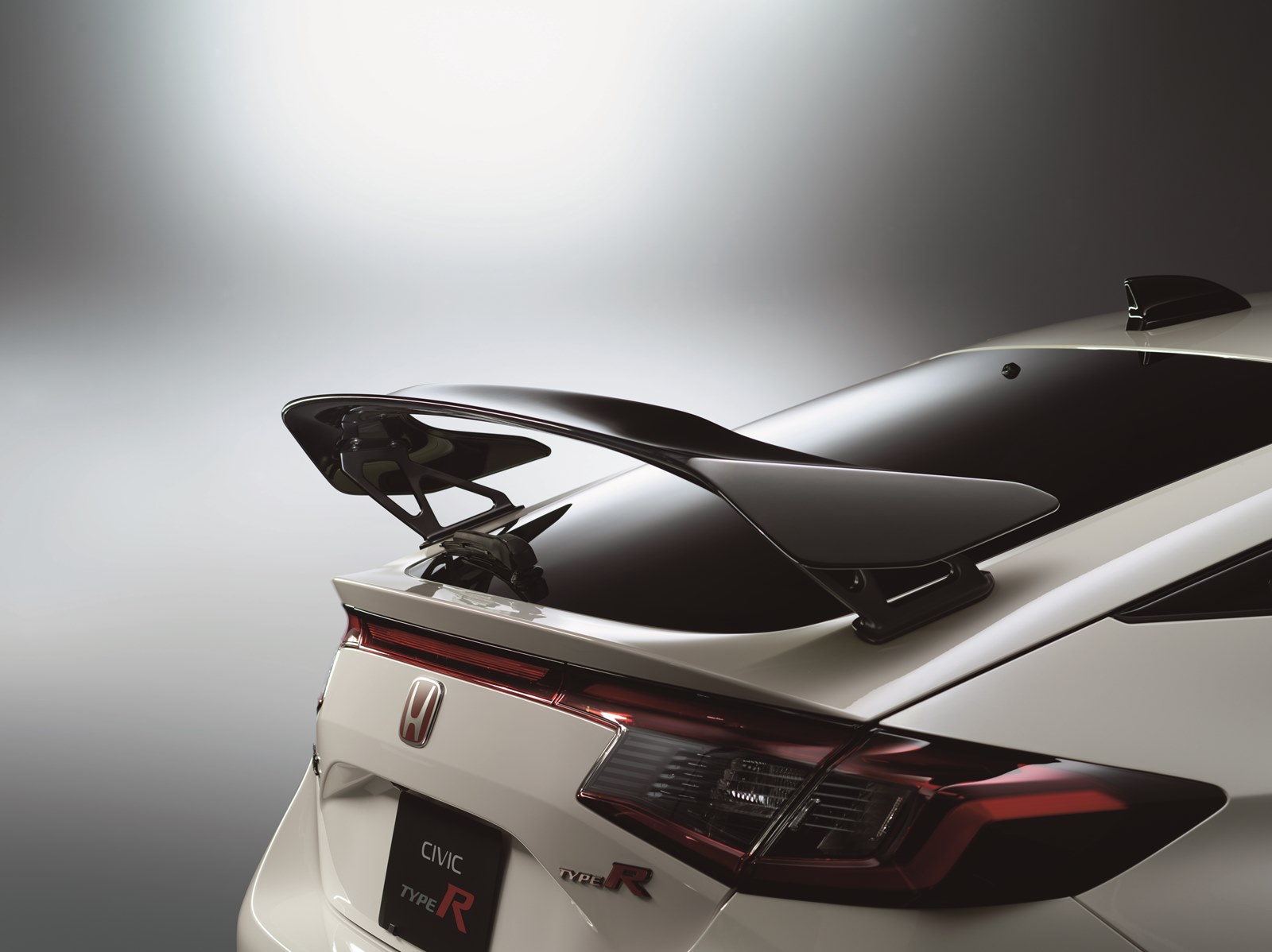
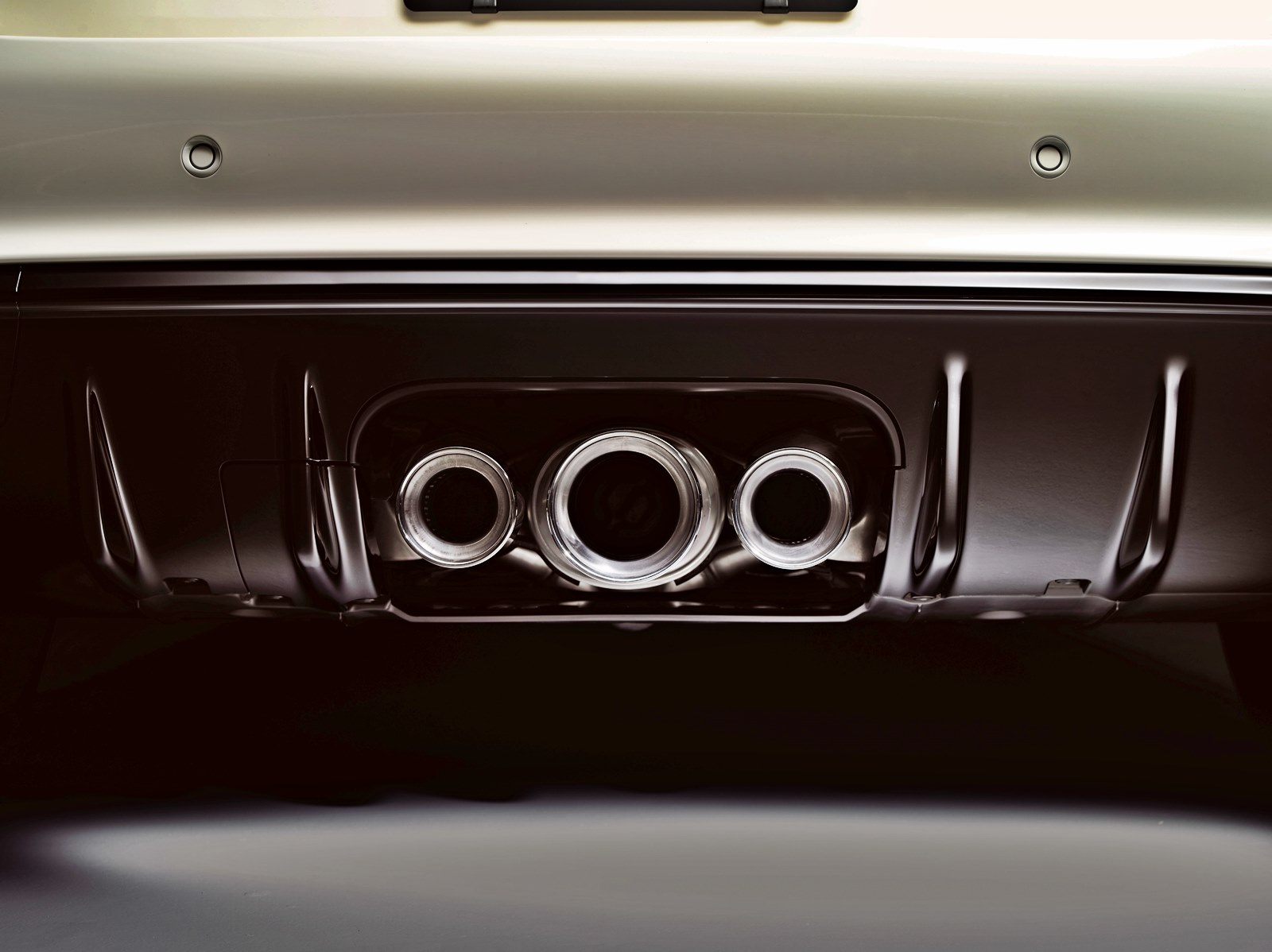
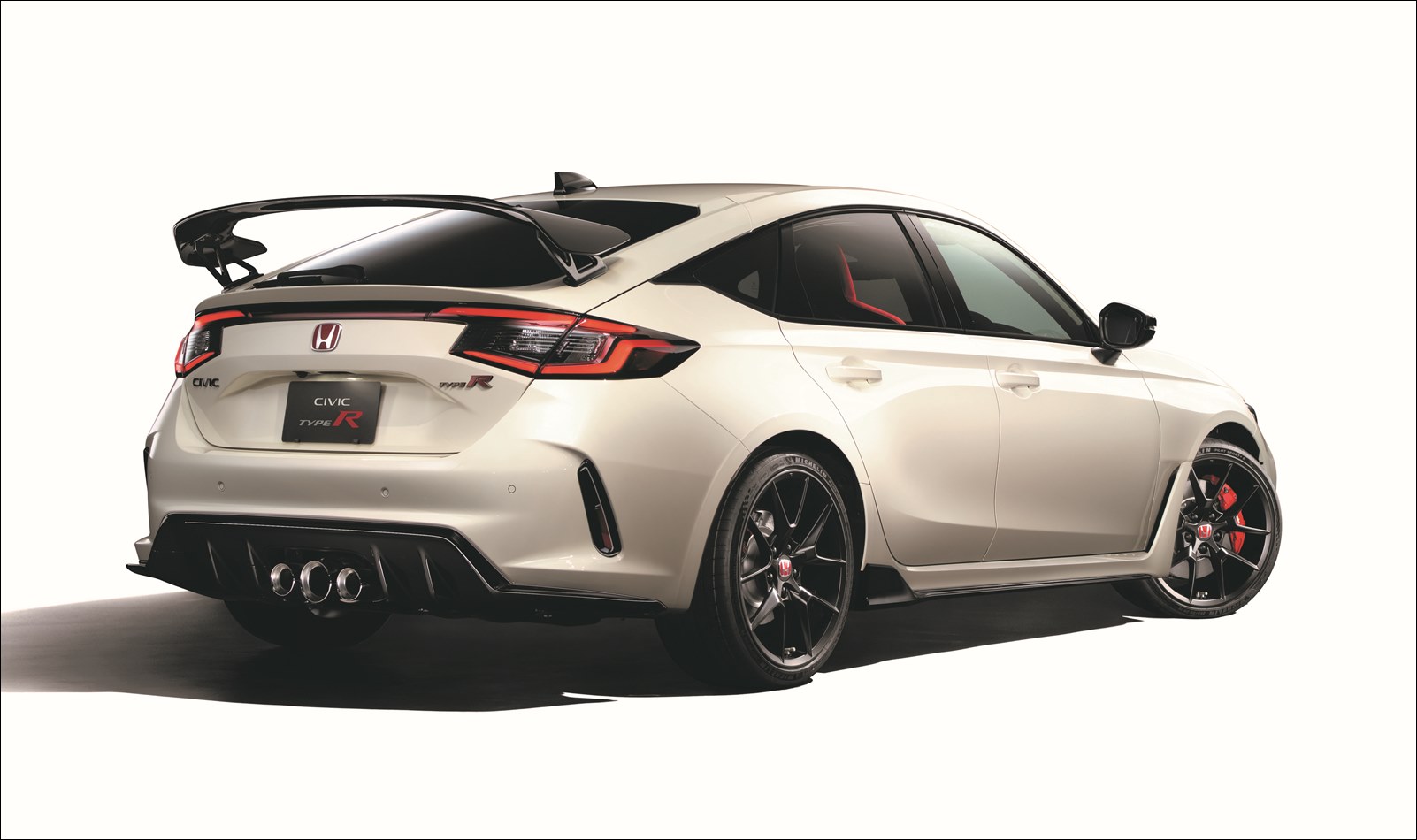
The new Type R is longer, lower and wider, with more integrated advanced aerodynamic features to achieve well-balanced downforce as well as drag-reduction. Look carefully and you’ll notice the wider rear doors which are exclusive to this version, while there’s a redesigned rear spoiler. The new rear bumper incorporates the signature three round exhaust outlets and new rear diffuser.
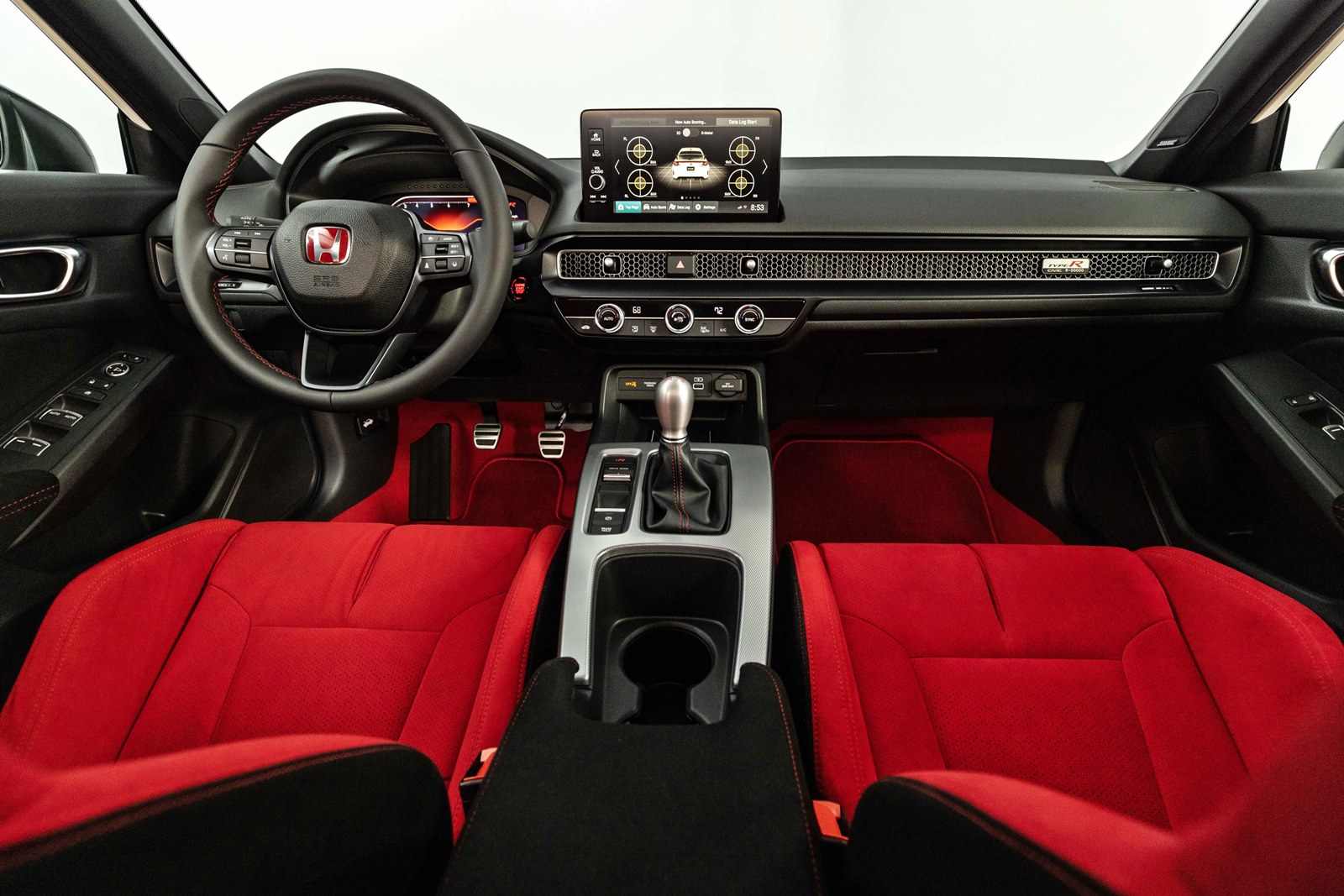
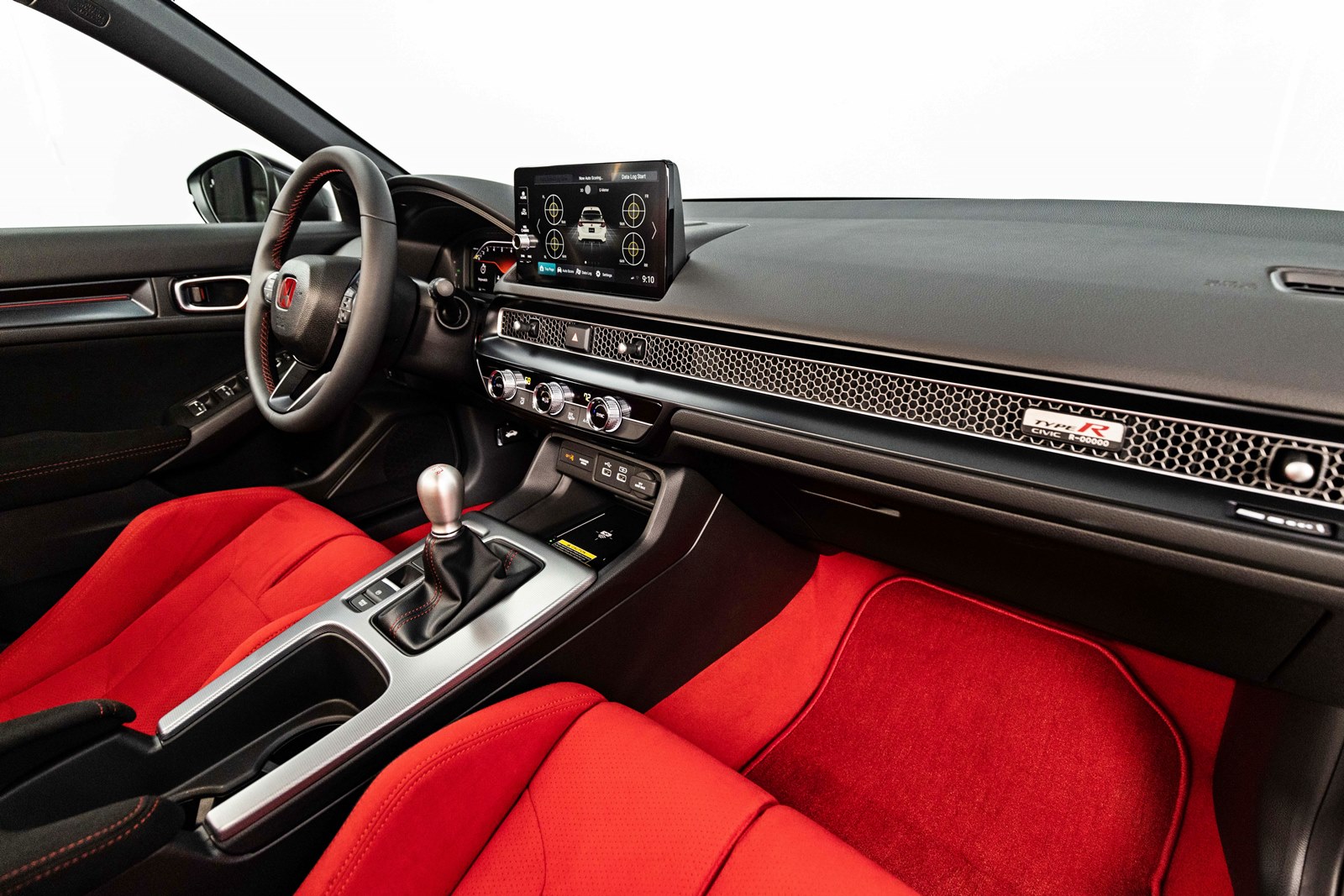
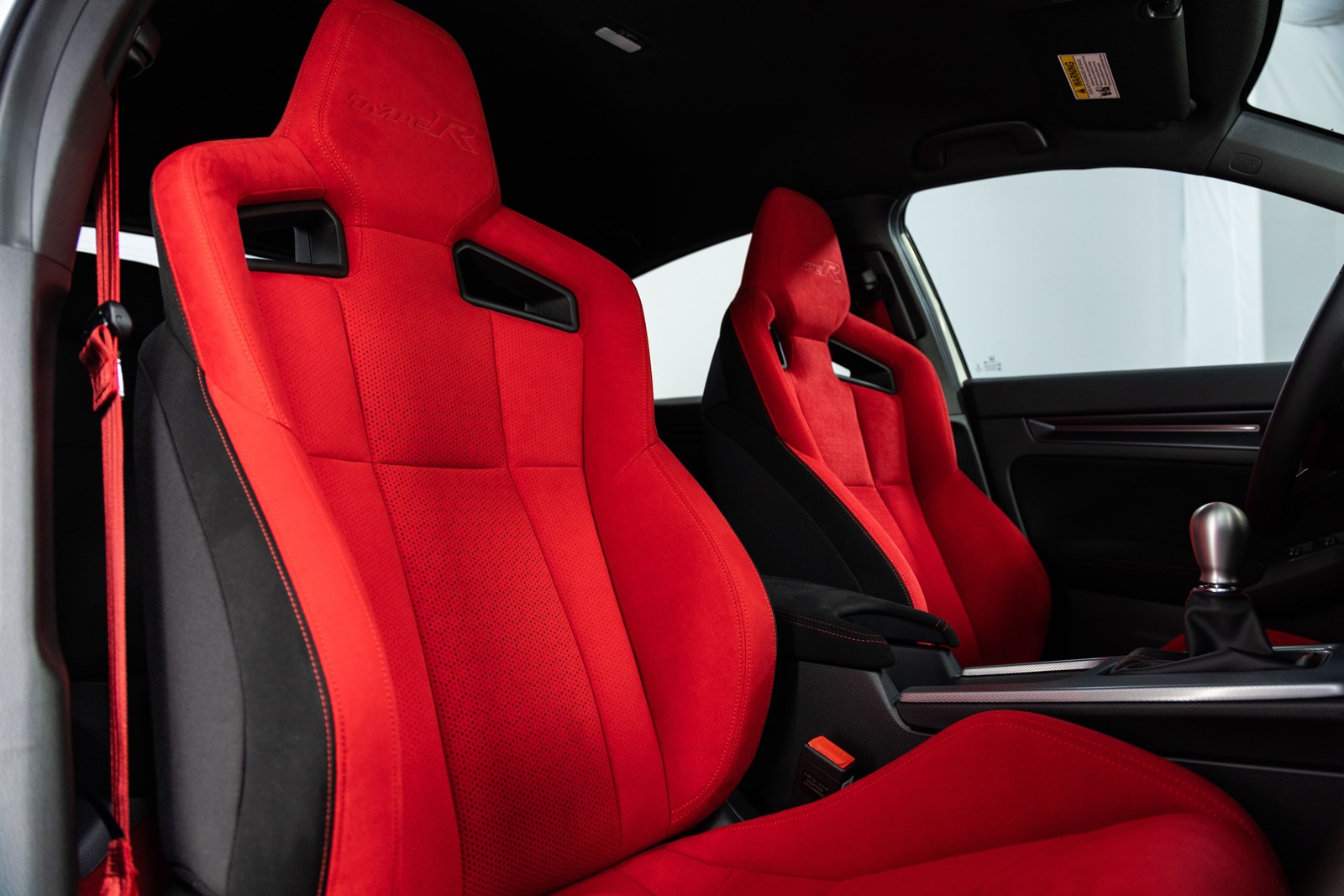
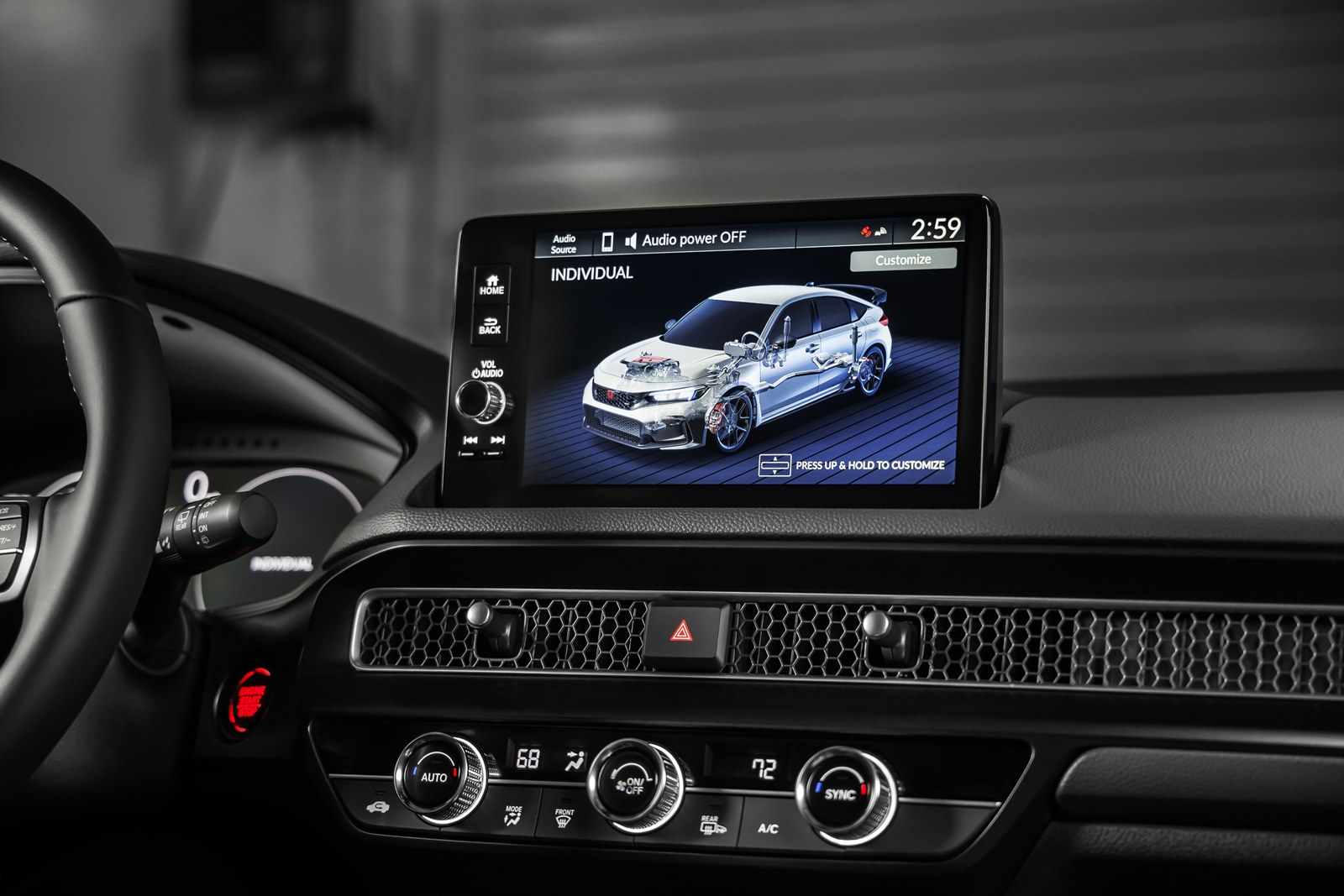
The cockpit is performance-themed and driver-focussed, with the Type R’s iconic red seats, carpet and trim, and a serialized Type R plate now placed on the dashboard. The suede-like material which covers the body-hugging seats has a high friction coefficient to reduce body slippage when cornering in high-g driving situations.
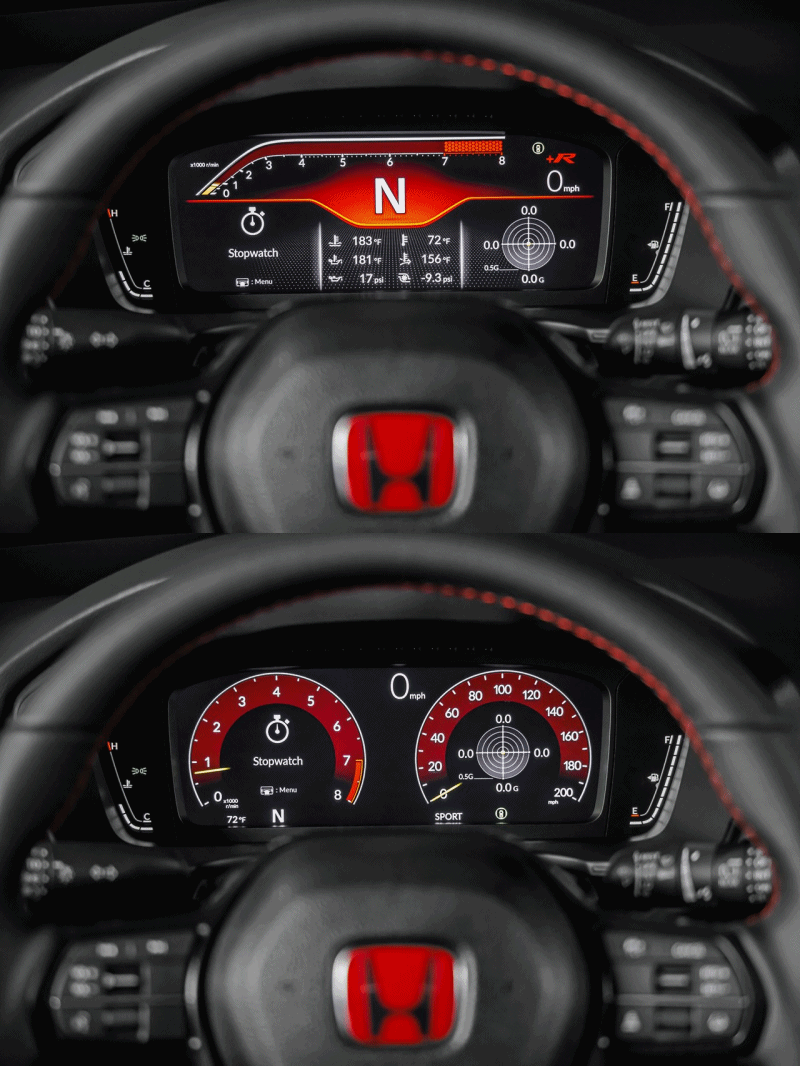
The revised instrument panel has a new +R driving mode which allows the driver to quickly view vital information, with a graphic engine rpm display, rev indicator lights, and gear position indicator placed at the top.
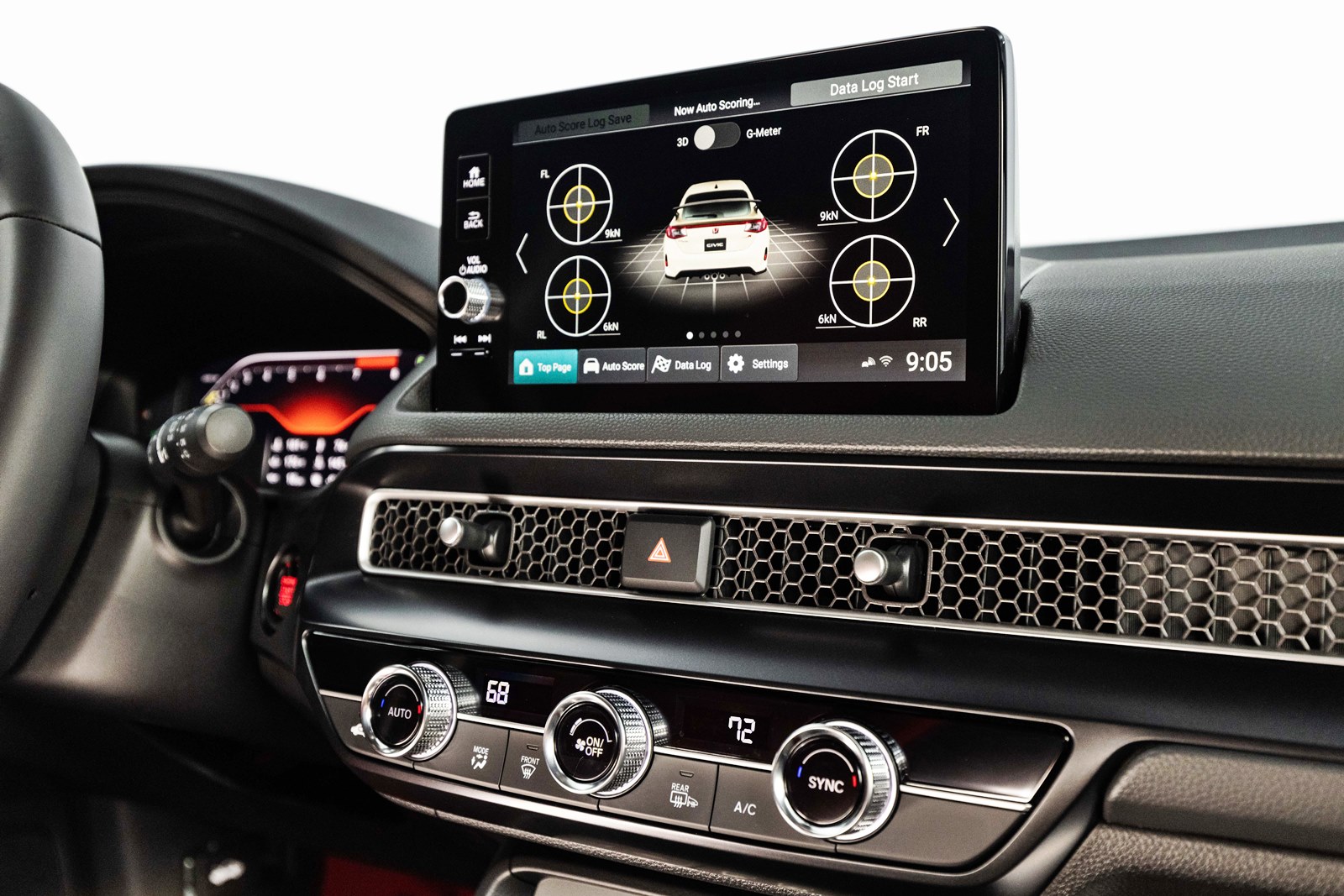
For those who want to improve their performance, the Honda LogR data logger provides real-time information on the mechanical movements of the vehicle and vehicle behaviour. Other useful features include a stopwatch to record lap times and the ability to share driving videos.
Full details will only be released in the fourth quarter of the year when the new model has its official market launch.
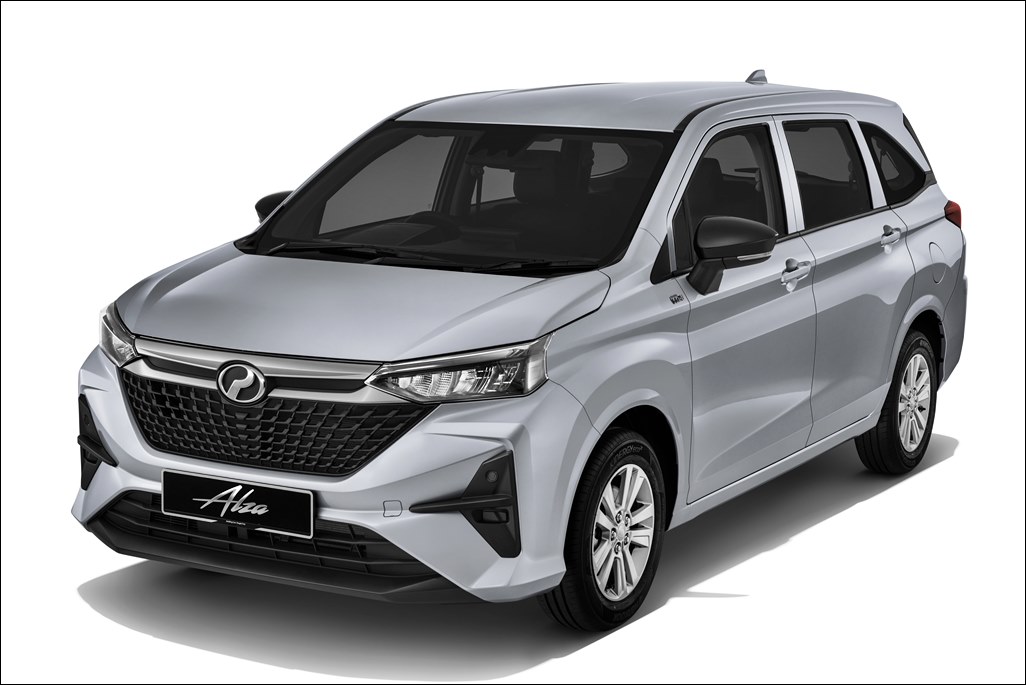
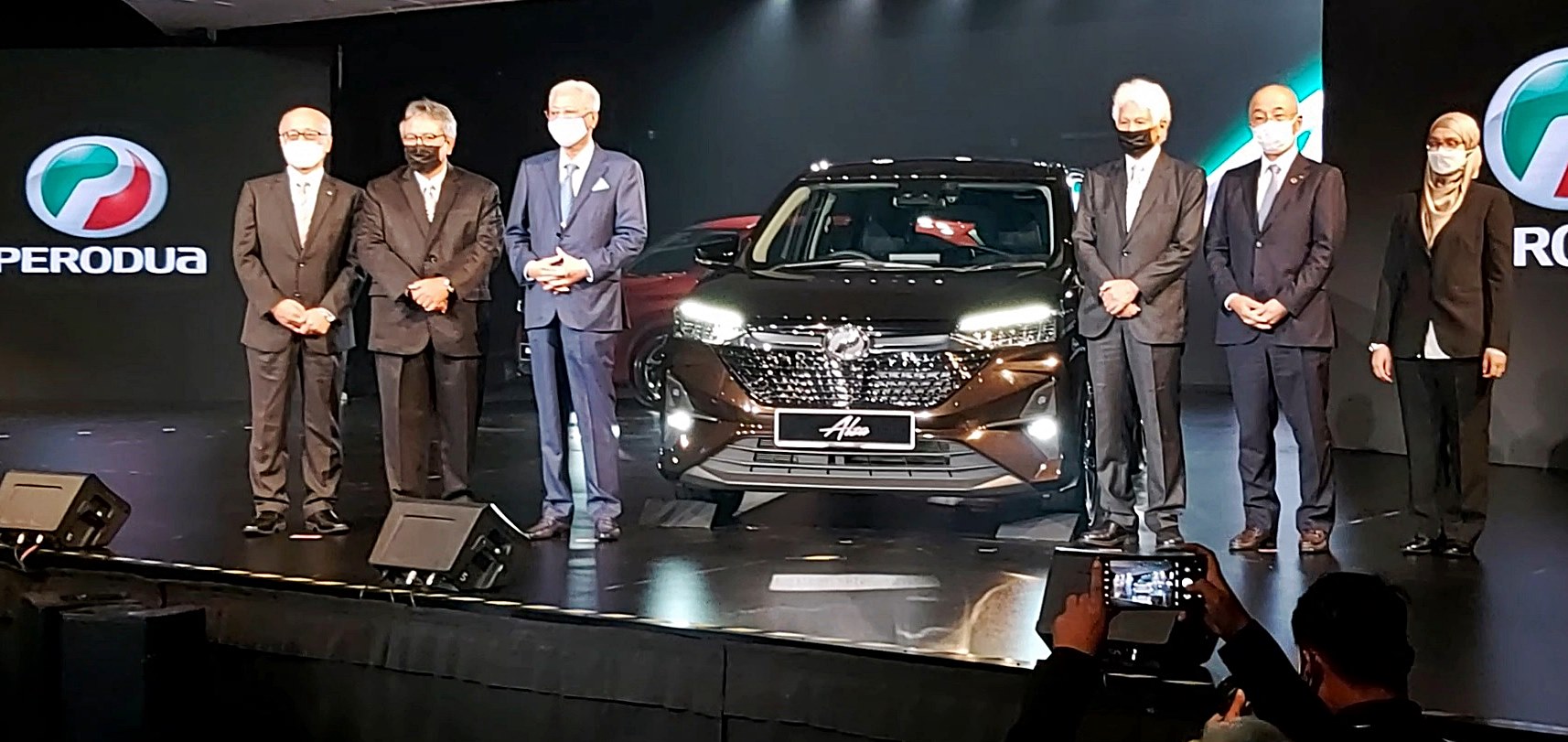
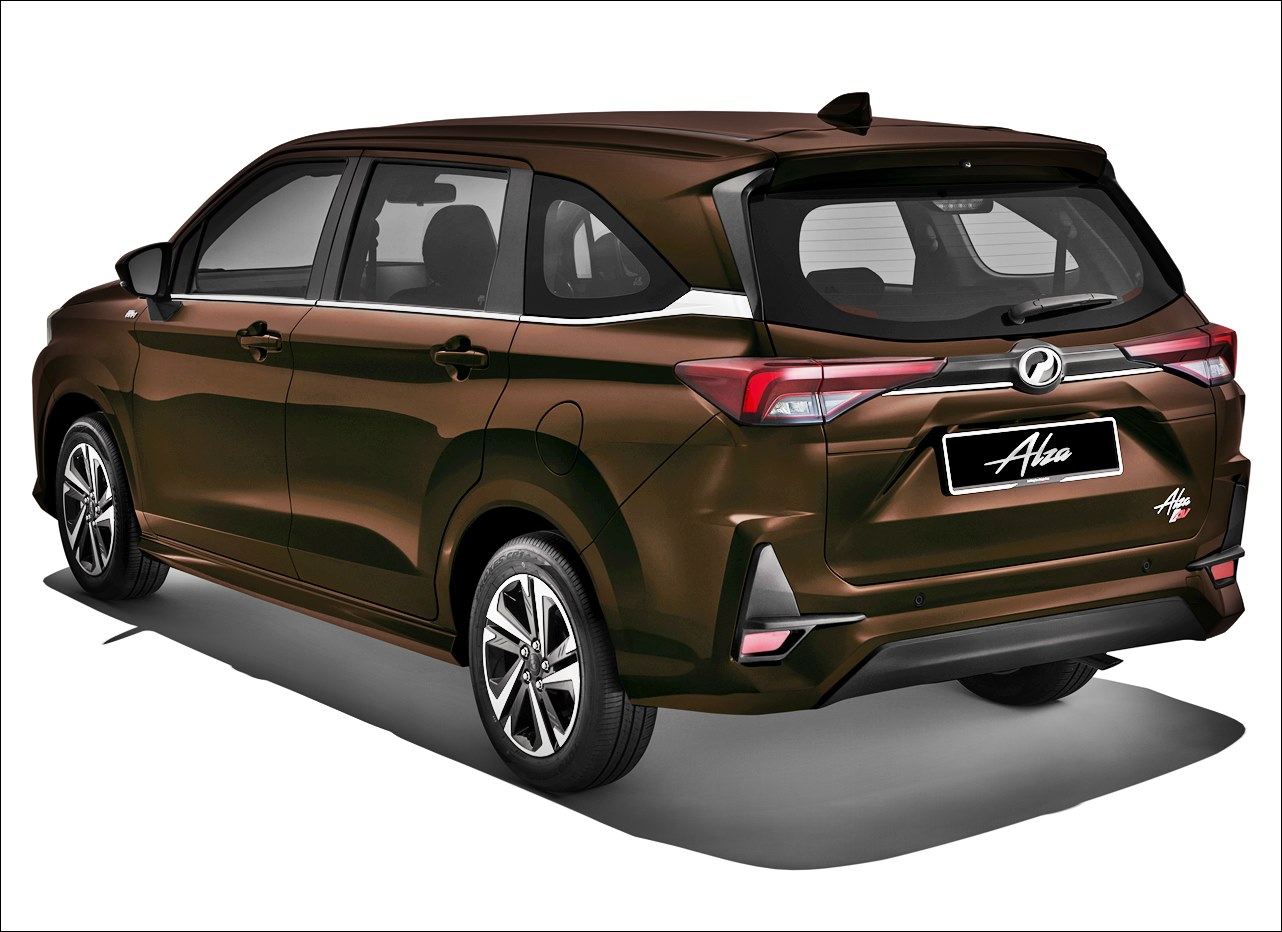
After 12½ years, the second generation of the Perodua Alza has finally been launched. It’s a long time for a product to be in the market as normal cycles are around 5 years. However, during the lengthy period of production, the small MPV held a share of between 39% to as high as 61% of the MPV market in Malaysia as it was sold at an attractive price point.
Perodua doesn’t commit to a model without good data that indicates its potential, and whether to have a second generation of the Alza was debated for a long time. This was because of the rise of SUVs and carmakers go where the biggest numbers are, especially for a major player like Perodua. Without a substantial volume to enable it to be priced competitively, it would not justify the investment.
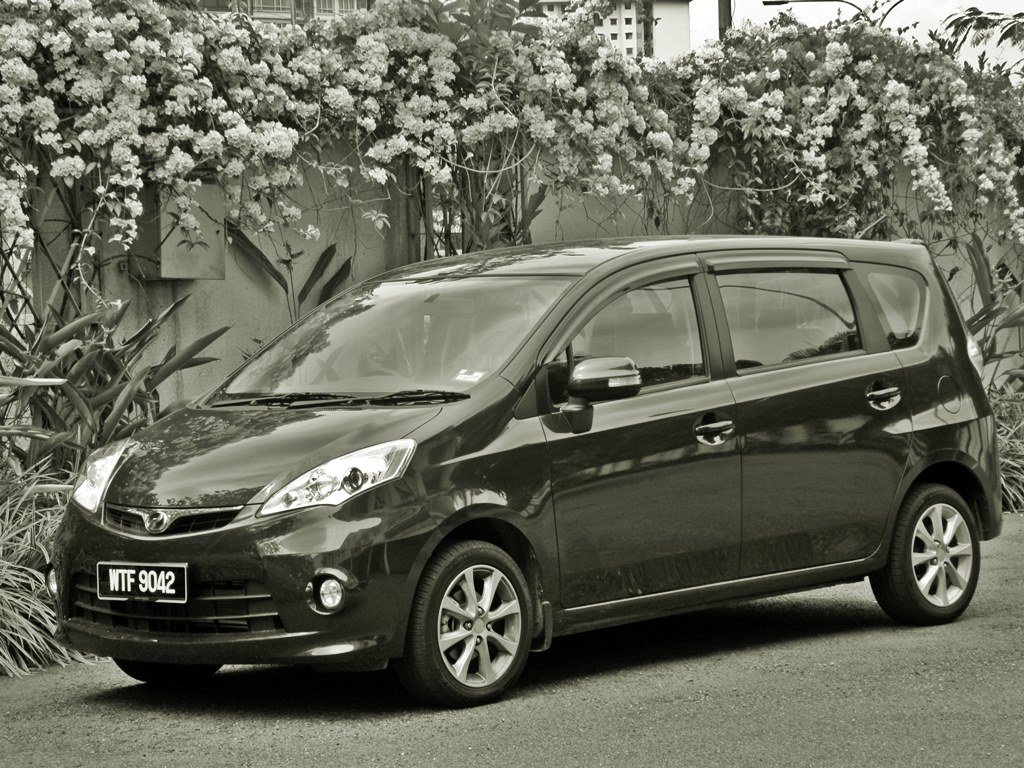
First generation of the Alza came out at the end of 2009.
Sharing development and costs
However, being in partnership with Daihatsu also has opportunities to be involved in joint development of models. This is a common practice in the industry as carmakers can share costs, and developing a new model does cost a huge amount of money. In this case, not only could Perodua share costs with Daihatsu but also Toyota for a new model that would come to be called the Xenia with a Daihatsu badge (mainly for Indonesia) and a Veloz with a Toyota badge – and an Alza when sold as a Perodua. And the total volume for the model would also be very much larger, making for good economies of scale.
While the main engineering work, architecture and drivetrains are common, each company has also done its own work on the design to have differentiation. Perodua has been growing its expertise in designing the upper body on its own since the first Myvi, and today, it can do even more. Thus while the new Alza may have similarities on paper to the Toyota and Daihatsu versions, it is also a model on its own.
RM770 million investment
To achieve the differentiation and also make the necessary investments in the factory cost Perodua RM770 million. The project, internally designated ‘D27A’ took about 4 years and in that time, the model was also prepared to have up to 95% of its parts sourced locally. This meant early and close collaboration with many suppliers around the country, including the powertrain factory which is in Negeri Sembilan.
When it comes to pricing its products, it’s always been a challenge for Perodua, being a Malaysian carmaker. Malaysians expect that because it is a ‘national’ carmaker, it should be able to offer cars at low and affordable prices. After all, that was one of the reasons for having the National Car Project and over the years, Perodua has done its best to keep prices down and enabled millions of Malaysians to own a new car.
With the Alza, the model started in 2009 with a price range from RM55,200 to RM68,000 for 3 variants. As the costs were gradually amortised, the company reduced prices in 2014 (instead of making more profit), with the top version costing RM4,500 less. By 2018, the Alza had been in the market almost 9 years and there were newer rivals so Perodua looked for ways to reduce its costs and adjusted the prices downwards slightly. The model would maintain its popularity and almost 400,000 would be sold by the end of production.
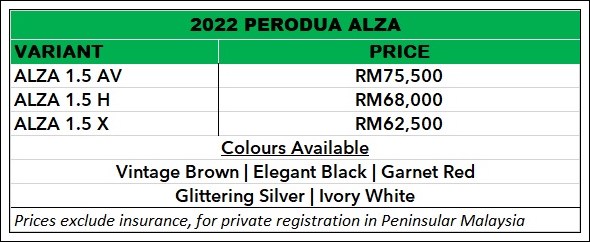
As shown on the pricelist above, the prices of the new Alza start at almost the same level (RM62,700) as the top version of the previous generation. But remember that this is 2022, and everything costs more (as any grocery shopper will tell you). The previous Alza had production costs at levels over 10 years ago and the new one starts with a new cost base – plus the fact that it also gets a lot of new technologies. Hopefully, Perodua will do the same thing over time and either maintain prices or even bring them down if possible.
Over 30,000 orders
Bookings have been accepted for the new Alza since June 23 and in 27 days, over 30,000 orders have been received nationwide – its highest ever. That’s an average of over 1,000 orders daily, although many may have quickly put their order in before the expiry of the sales tax exemption at the end of June so they could save some money. Perodua did not say how many bookings were received before June 30, but the government has allowed the sales tax exemption to be given to those customers if they can register their vehicles not later than March 31, 2023.
Perodua is known to usually build up a large volume of stocks before launch so they can quickly start deliveries. With production of the new Alza having started in June and a targeted volume of 3,000 units a month, the already large number of orders means that the waiting period could stretch to 10 months.
Will it be worth the wait? Here’s where we tell you all about the new Alza…
The Alza sits on a DNGA platform which is also used for the Ativa. It’s a platform and architecture that is standardized but also variable in some aspects so that it can be used for different types of models. In this way, many things can be shared to reduce costs while the bodyshell can be different.
A larger MPV
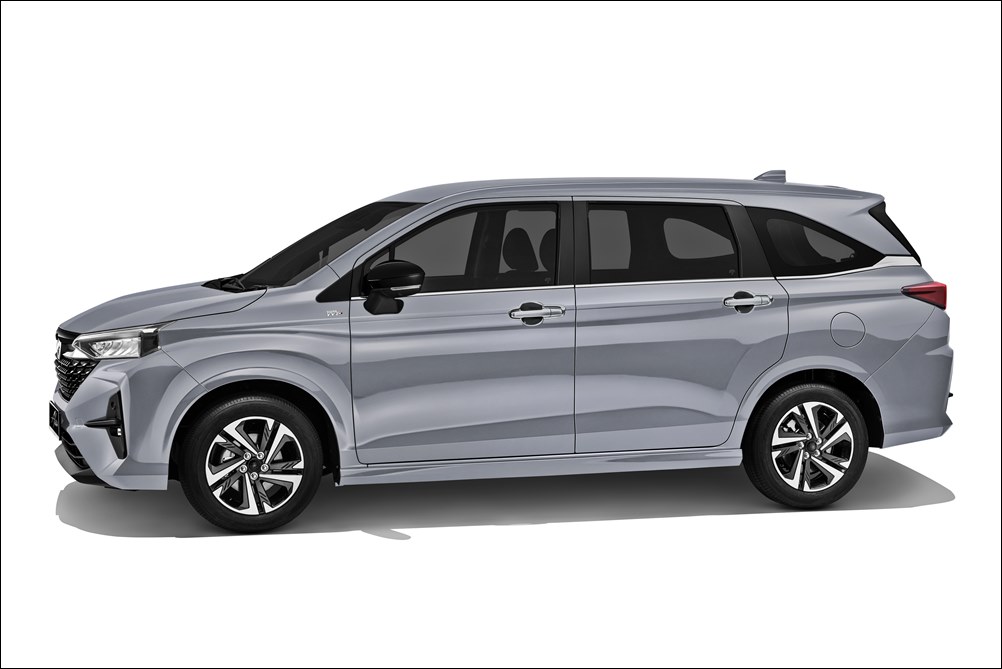
Compared to the previous Alza, the new one is much larger. With an overall length of 4425 mm (+205 mm) and width of 1660 mm (+35 mm), it covers a road area that is 3% larger. Interestingly, though, the wheelbase is still the same at 2750 mm. The larger size is also complemented by additional height and the new Alza’s roofline is 50 mm higher than before.
The ground clearance is interesting as it is more like a passenger car’s. With development of the model taking into consideration the Indonesian market where generous ground clearance is preferred, the 160 mm for the Alza is different from what is usually seen in the popular MPVs which are over 200 mm to cope better with rough roads and floods.
This shows how Perodua has been able to ‘Malaysianise’ its product according to local preferences, a contrast to the earlier years when they had to accept whatever specification was decided upon. In fact, this autonomous approach started with the current Myvi where Perodua was able to convince the Japanese side that the suspension settings need to be different for Malaysian conditions. It was a difficult pitch but proved to be the right one as the ride and handling of the car are appreciated by most drivers.
More expressive design
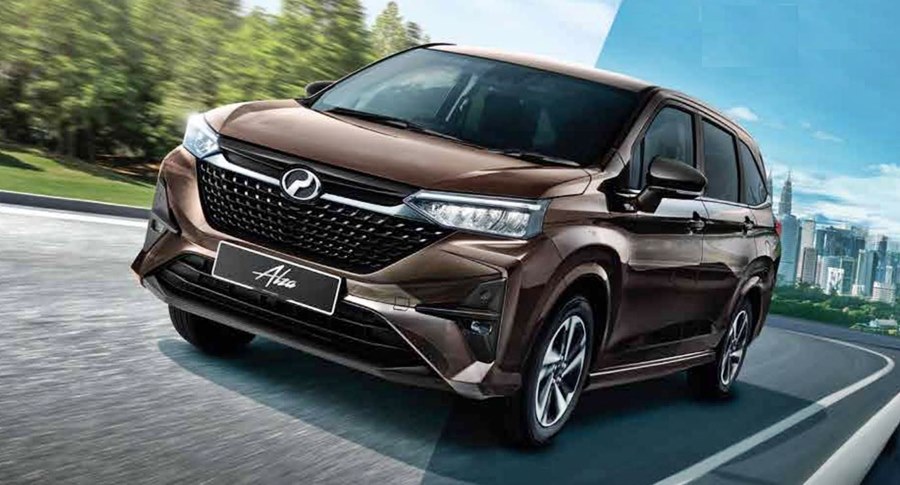
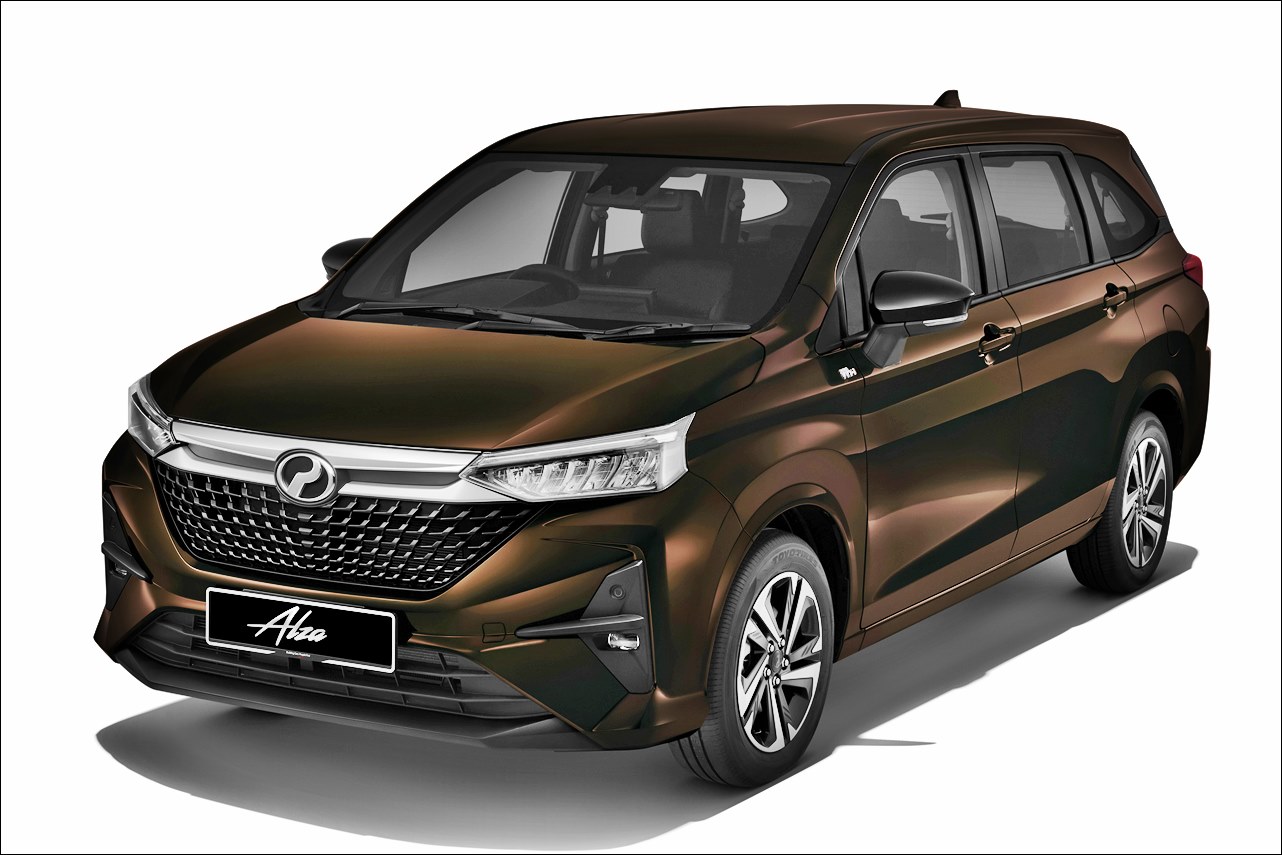
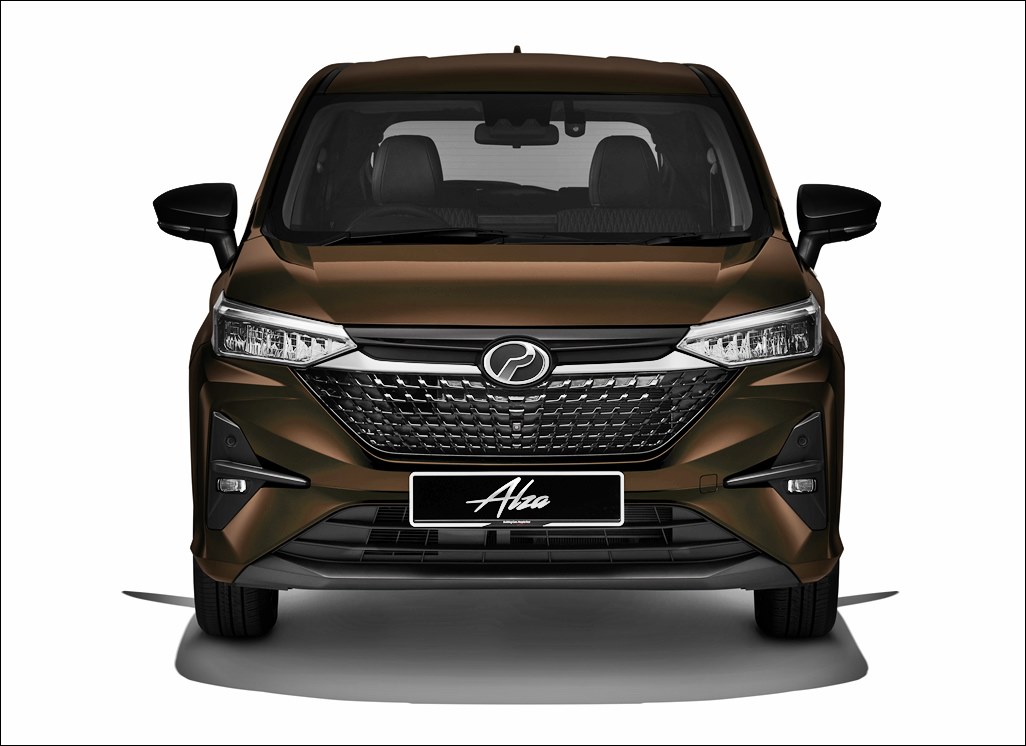
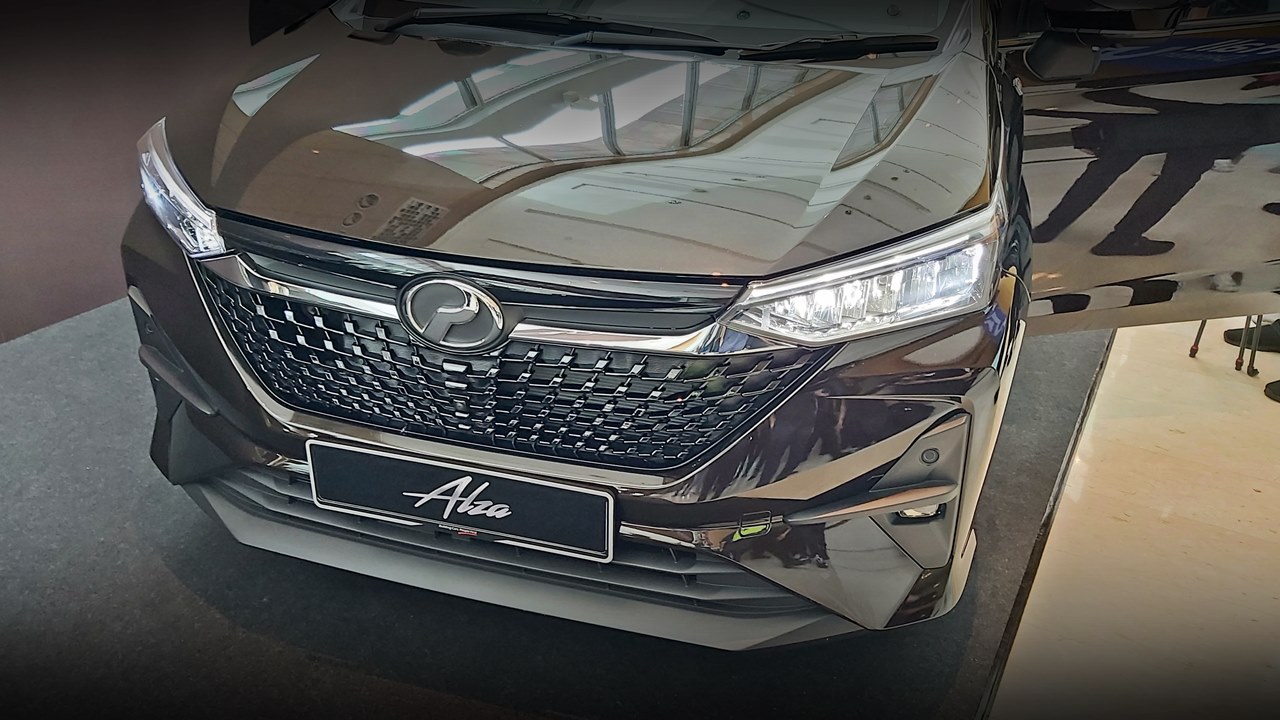
For styling, the areas which Perodua’s designers have been able to alter are basically at the ‘apertures’ – the openings for the grille, lights, etc. This is where they have given the Alza a different grille theme from the other models. But the many different angles of the surfaces make for a fussy appearance which is more apparent with light colours and less so with the dark colours. It’s probably what the designers call ‘expessiveness’.
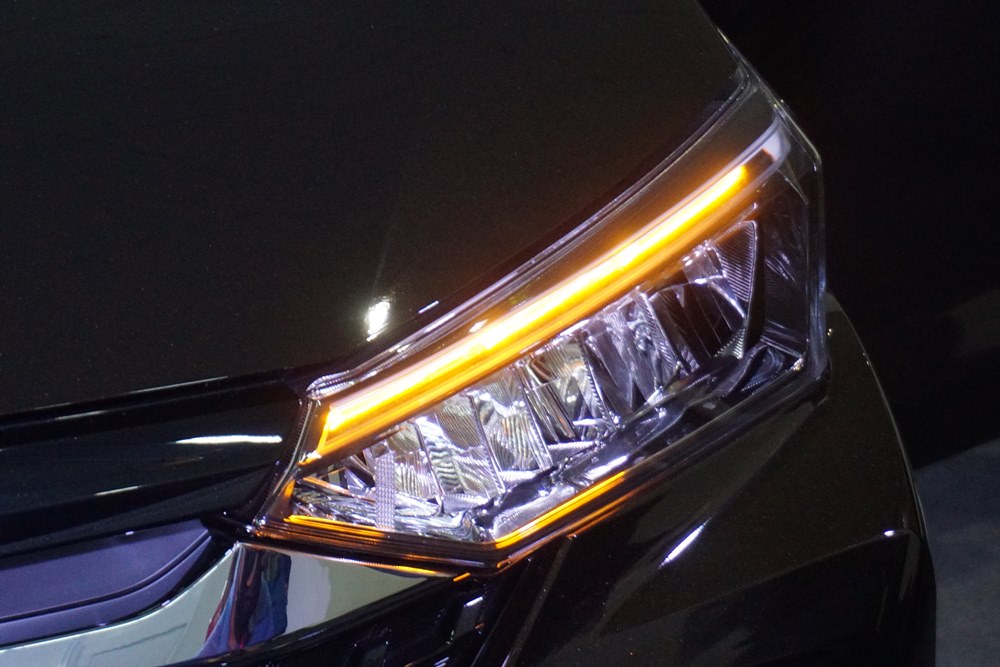
The headlights are LED units so they use less energy, last longer and light up faster. Taking the Alza a notch up in its segment are the sequential signal lights at the top of each headlight unit. While they aren’t as fancy as those on some German models, they are nevertheless eye-catching and something special for this class of cars. At the very least, they give a visual signature that will identify the Alza from afar.
New, more efficient engine
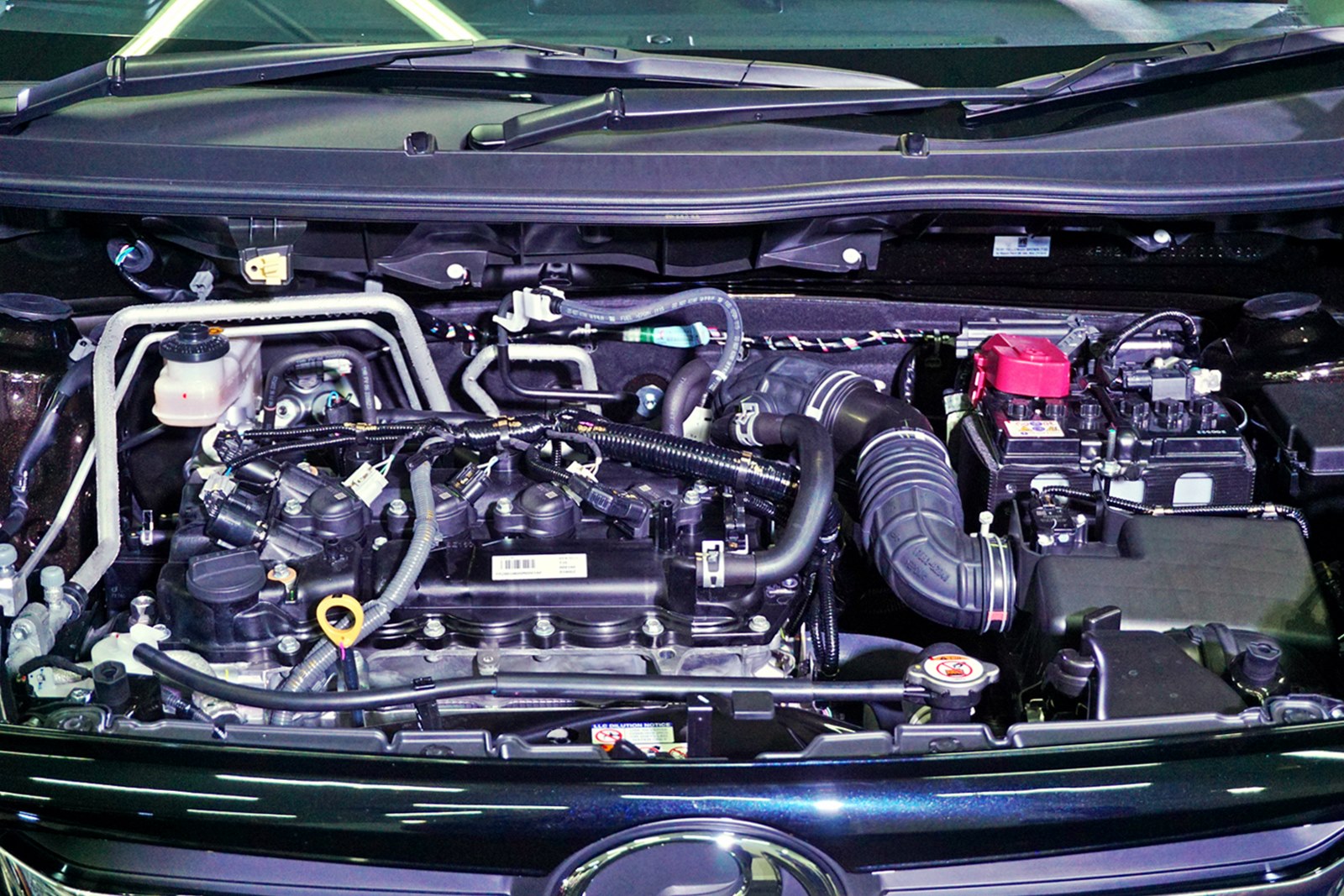
The Alza continues with a 1.5-litre powertrain but while the displacement is the same as before, the engine is completely different. The previous engine was a 3SZ-VE with DVVT (Dual Variable Valve Timing) but the one in the new Alza is a 2NR-VE which DVVTi (the ‘i’ meaning ‘intelligence’). Being a newer engine with more recent technologies, the 2NR-VE has higher output of 106 ps/138 Nm, while the previous engine produced 103 ps/137 Nm. The extra power provides better performance as, in spite of its larger size, the new Alza weighs only 10 kgs more.
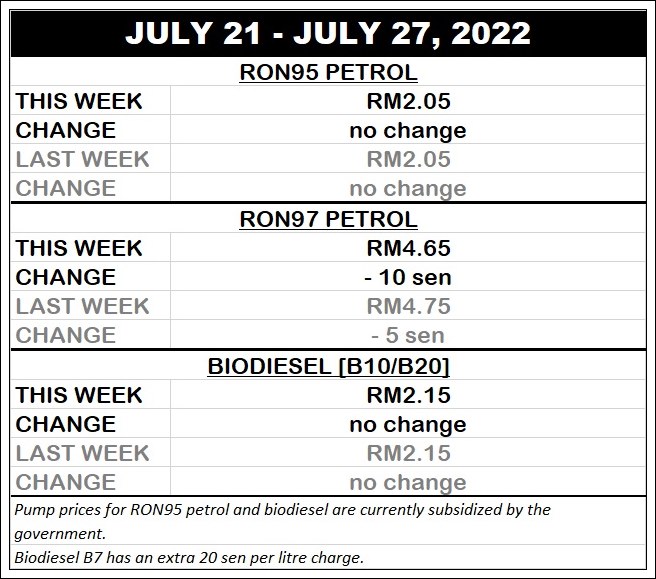
With the Dual Mode CVT (drivers can also shift manually), the Alza is claimed to be able to go up to 22 kms per litre. That‘s 65% better than before and based on the current fixed price of RON95 petrol, it should cost less than RM40 for a trip from Kuala Lumpur to Penang.
The driver now has the option of going a bit further with each litre of petrol or having a sportier drive. It’s difficult for engineers to give both so it’s up to the driver who can just press a button to select ECO or POWER mode, and the engine characteristics will be adjusted accordingly. For daily driving, the NORMAL (default) mode would be best as it gives a balance of power and economy.
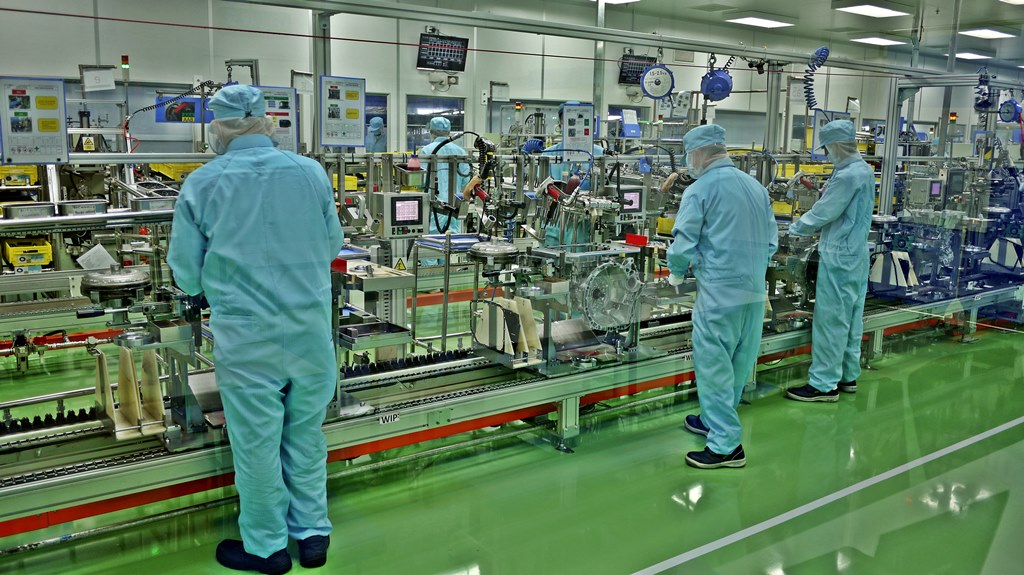
The engines and transmissions are made at factories in Negeri Sembilan,
Both the engine and the CVT are made at factories in Sendayan, Negeri Sembilan. Because of their local manufacture, they help push the amount of local content in the Alza to around 95% which is about as high as it gets. The other Perodua models also have a similarly high level of local content.
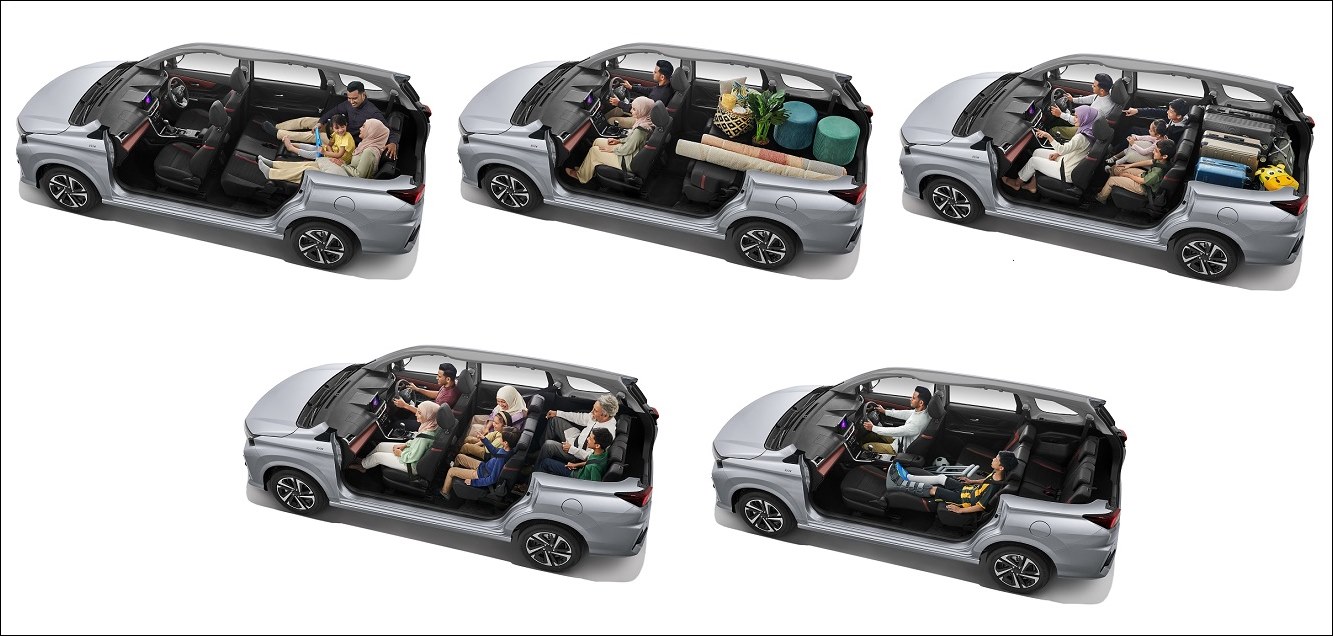
Versatile layout for up to 7 people
The interior is what a MPV is all about, with its versatility to carry more people or more cargo, or a balance of both. Perodua’s experience in MPVs goes back to the Kenari which was then referred to as a ‘MFV’ or ‘Multi Functional Vehicle’. Since then, it has gained much experience in interior packaging to the extent that when developing the first Myvi, the Perodua team was able to exert enough influence to have the cabin size made larger than what the Japanese were considering.
For the Alza, clever thinking has again gone into how the cabin is laid out as the wheelbase is unchanged from before (but the body is larger). The interior width has been extended by 35 mm while the length is 115 mm more. That means more legroom for the people in the second and third rows, with the second row seats being positioned 90 mm further away from the front seats.
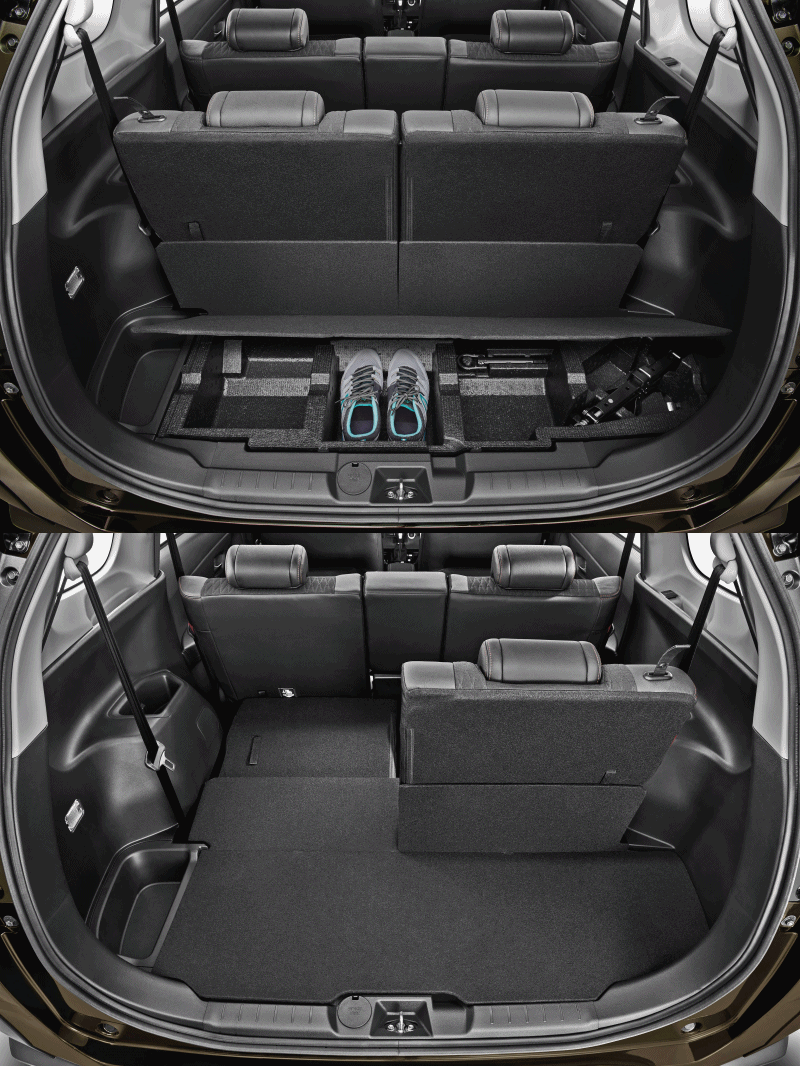
The seats can be folded in various ways individually or together. When there’s a need to carry long items, the ‘Moving Out’ layout can be used where there are just two passengers up front and a very long floor area. In the ‘Jalan Jalan Cari Makan’ layout, all three rows are used for seating and can accommodate 7 people inside. From what we experienced sitting in the third row, it’s reasonably comfortable for adults – which is not always the case in some MPVs and SUVs.
Although the ground clearance is low, the seat height is still at a level where getting in is still easy enough for older people. The doors open very wide for easy access, and a single action tumbles the second row forward for getting into the third row.
Traditional dashboard with modern looks
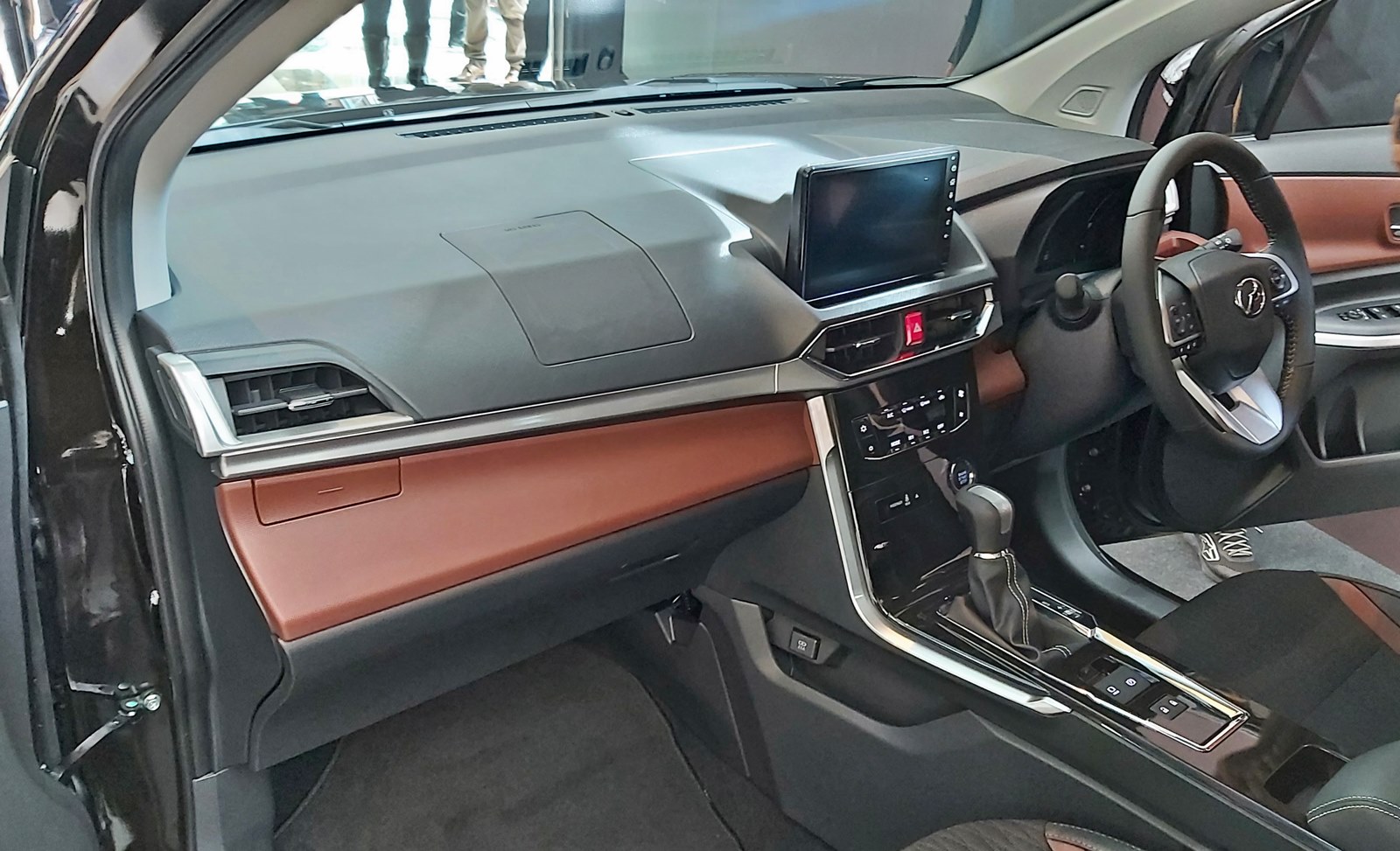
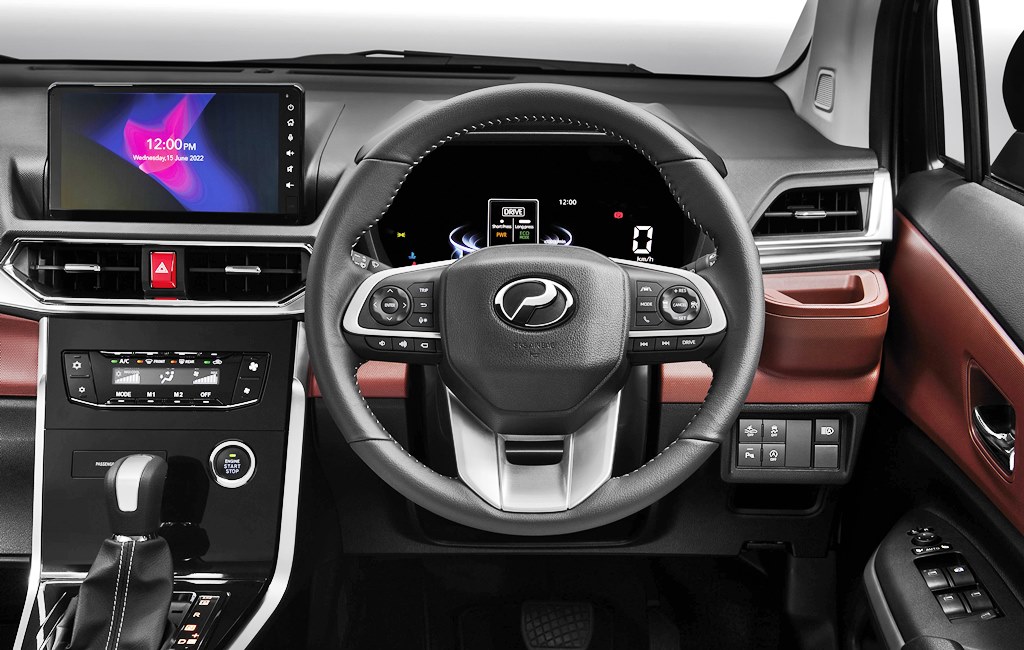
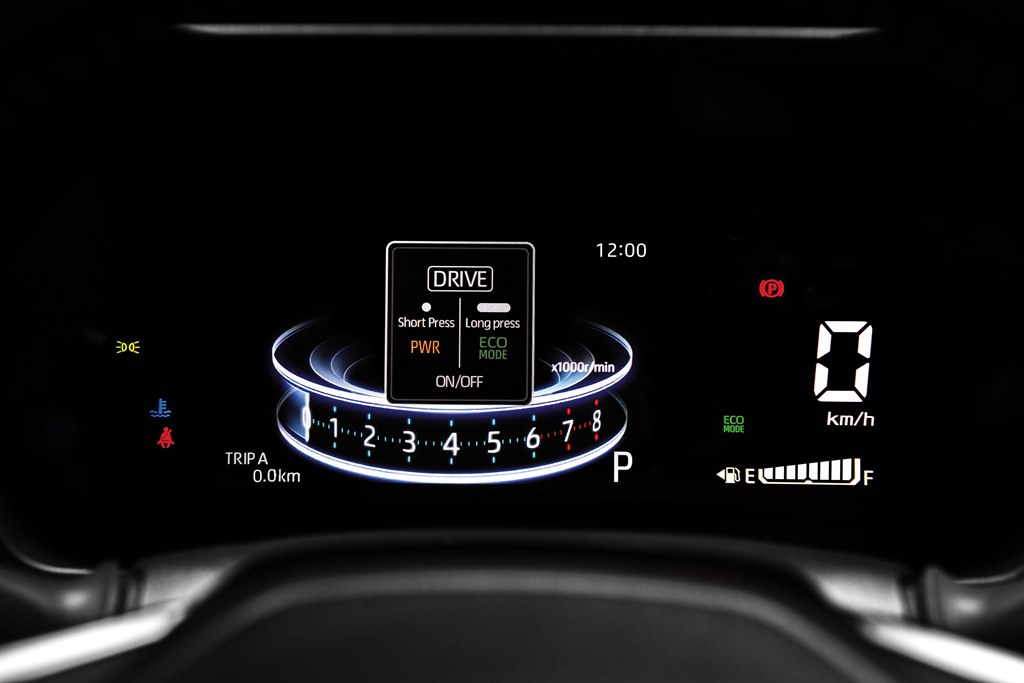
Up front, the dashboard follows the latest trends of having a large tablet-like display panel in the middle. There’s a big change in the layout where the instrument panel is back to its traditional position ahead of the driver. In the first Alza, it was at the centre, a rather unusual location which was influenced then by studies that showed the further distance of the display to be better for viewing. This goes back to the first Toyota Prius which used such a layout and for a while, some Toyota and Daihatsu models followed it.
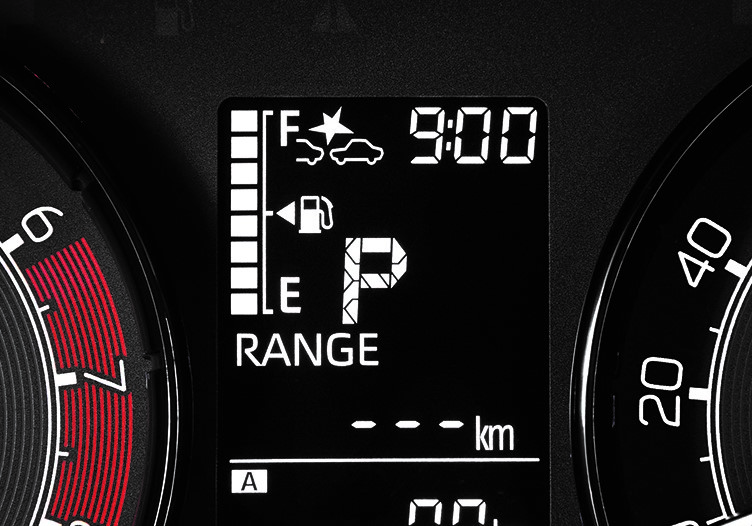
But now it seems that idea has faded away and the traditional arrangement is adopted. It certainly looks better as the absence of an instrument panel ahead of the steering wheel was rather odd! Like the Ativa, there are 4 graphic displays to choose from, each one presenting information in a different way.
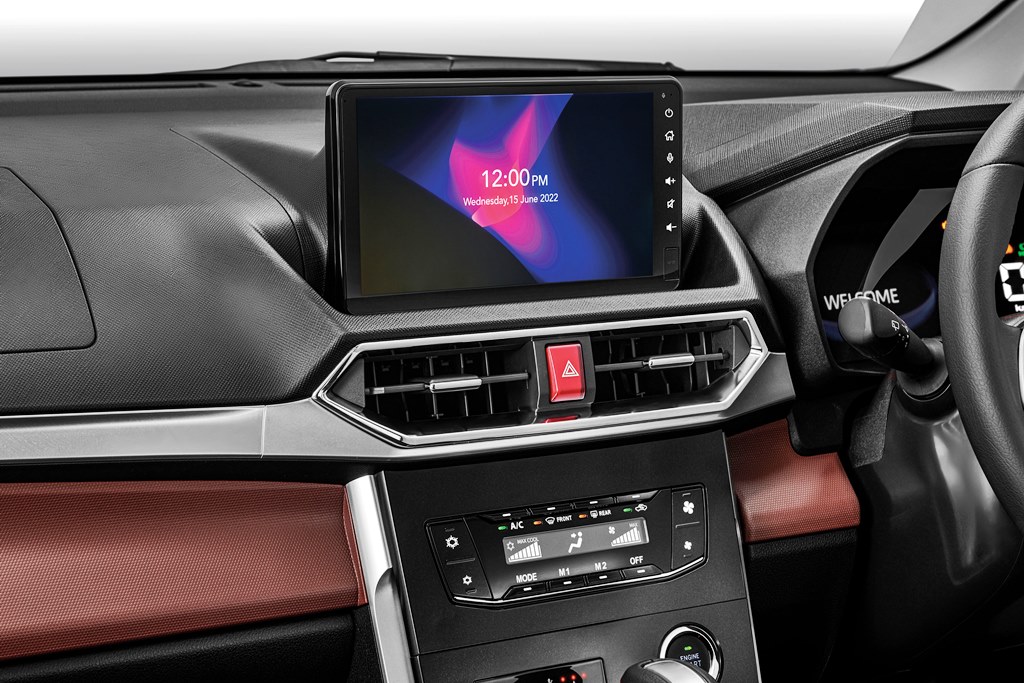
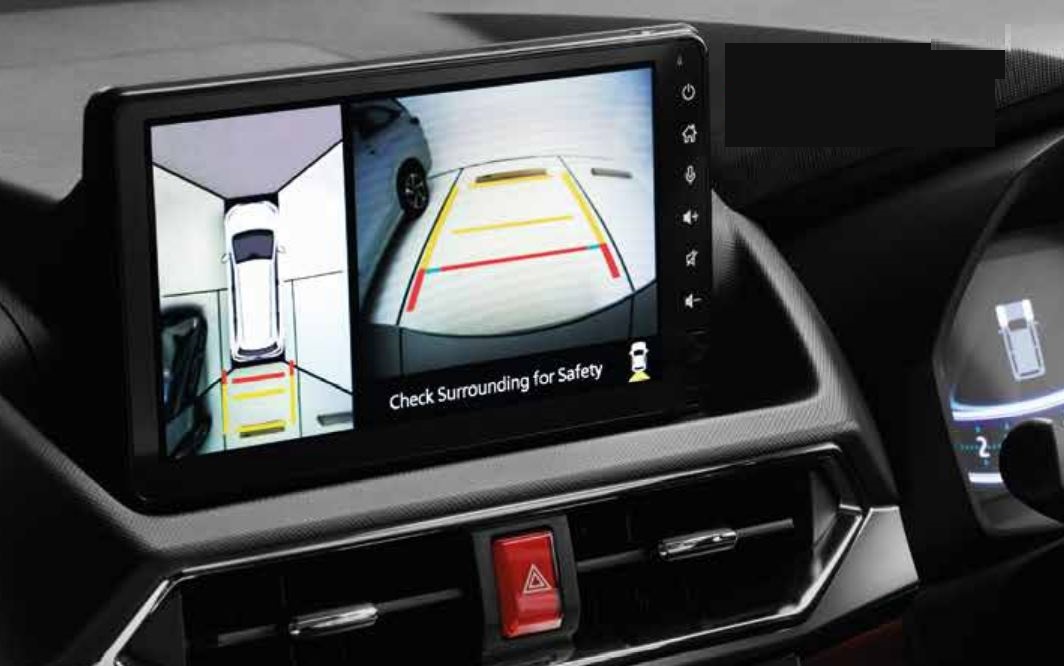
The central area is dedicated to the infotainment system with a 9-inch panel that also doubles up as a display for the rearview and panoramic cameras. Controls on the panel are touch-sensitive but those for the air-conditioner are physical buttons, which is better. There are also switches on the steering wheel, allowing the driver to make adjustments or change settings without taking the hands off the steering wheel. Incidentally, all variants come with keyless entry and a pushbutton to start/stop the engine.
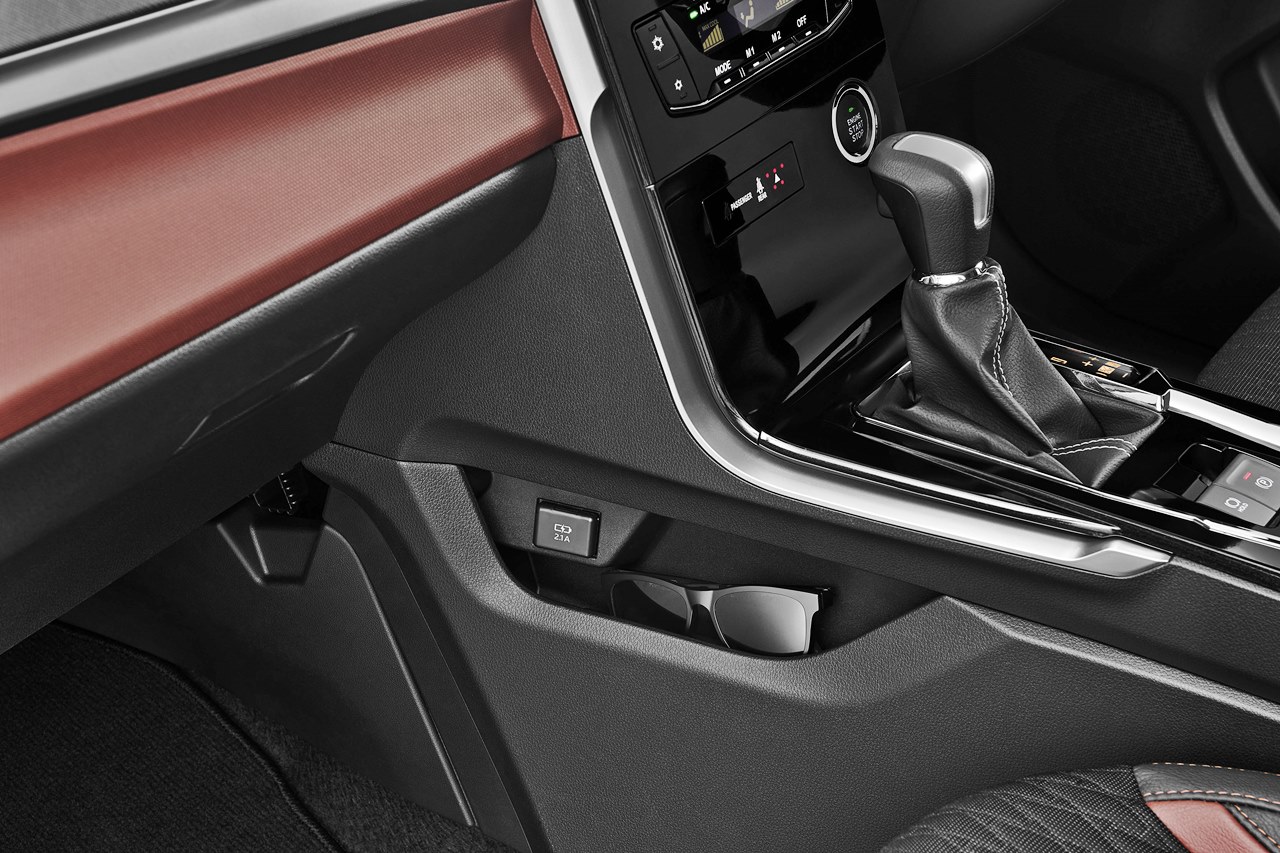
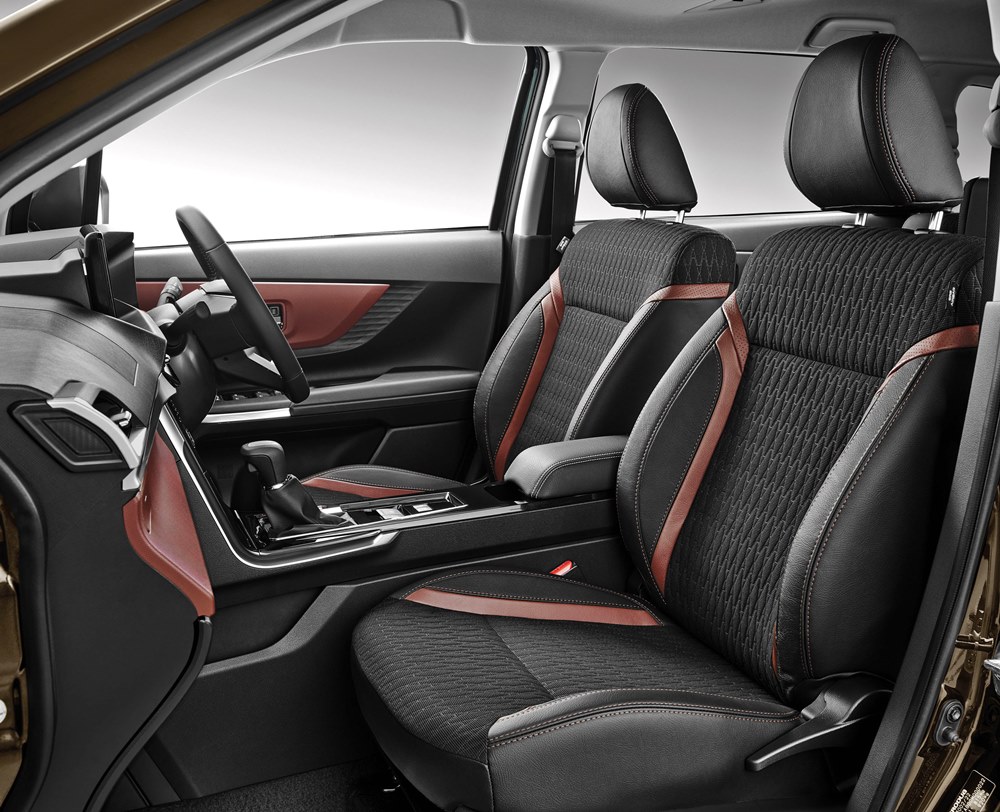
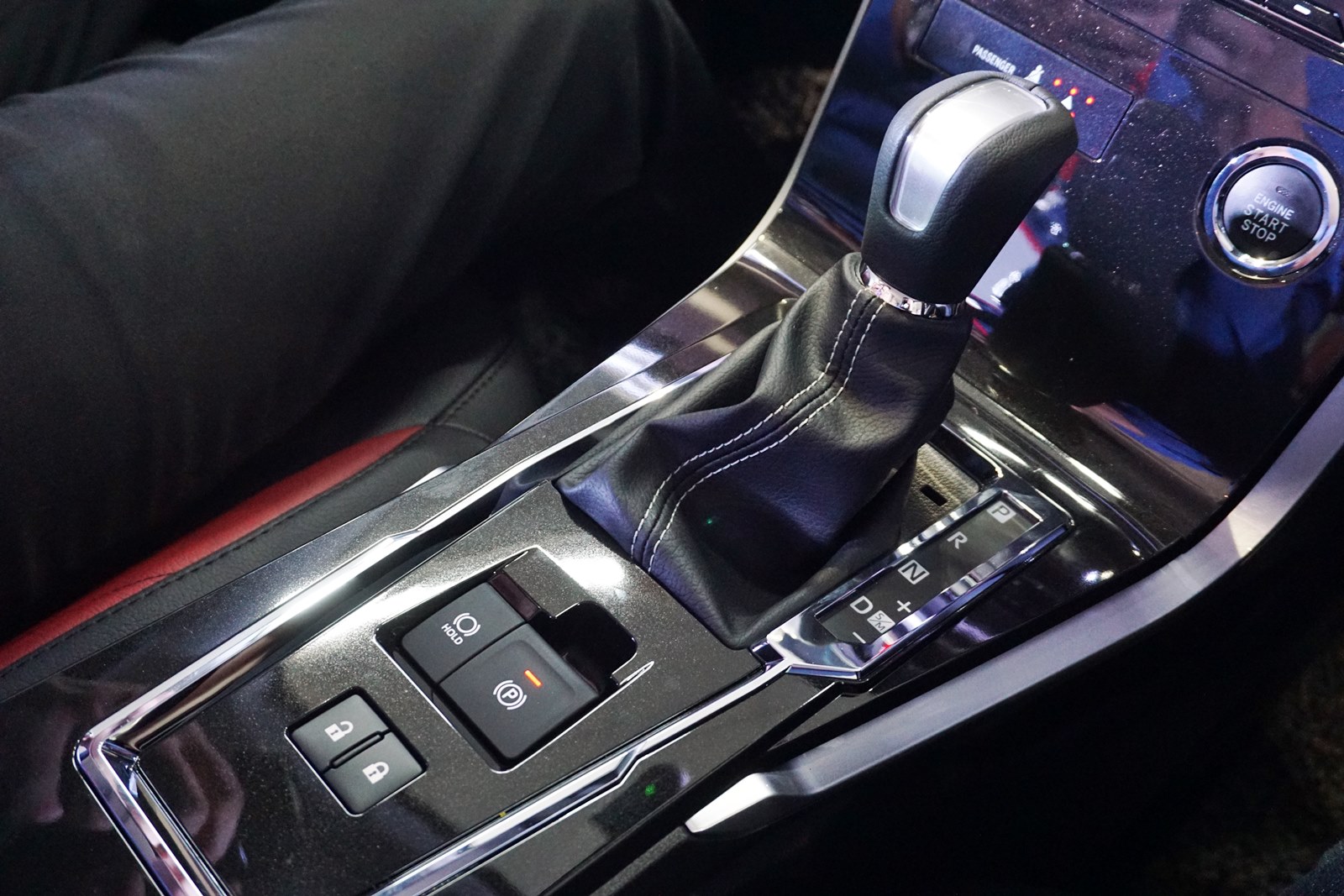
There’s also a centre console between the front seats now, which gives a more conventional appearance than the previous Alza which had an open space. It used a foot-operated parking brake which allowed space to be freed up. With the new Alza, the footbrake is gone and an electric parking brake is used. As this uses electric signals to activate the brake, there is no need for a long lever and just a small tab is enough. It’s not only space-saving but also requires almost no effort to operate and can be lifted with just a finger.
One thing we like is the location of the door lock switches (separate ones for lock and unlock) in the centre console. This makes it easier for the front passenger (or even the one in the second row) to lock the doors when necessary, instead of having to reach over to the driver’s door (as in many cars). The easier access will encourage locking the doors which will be good for security.
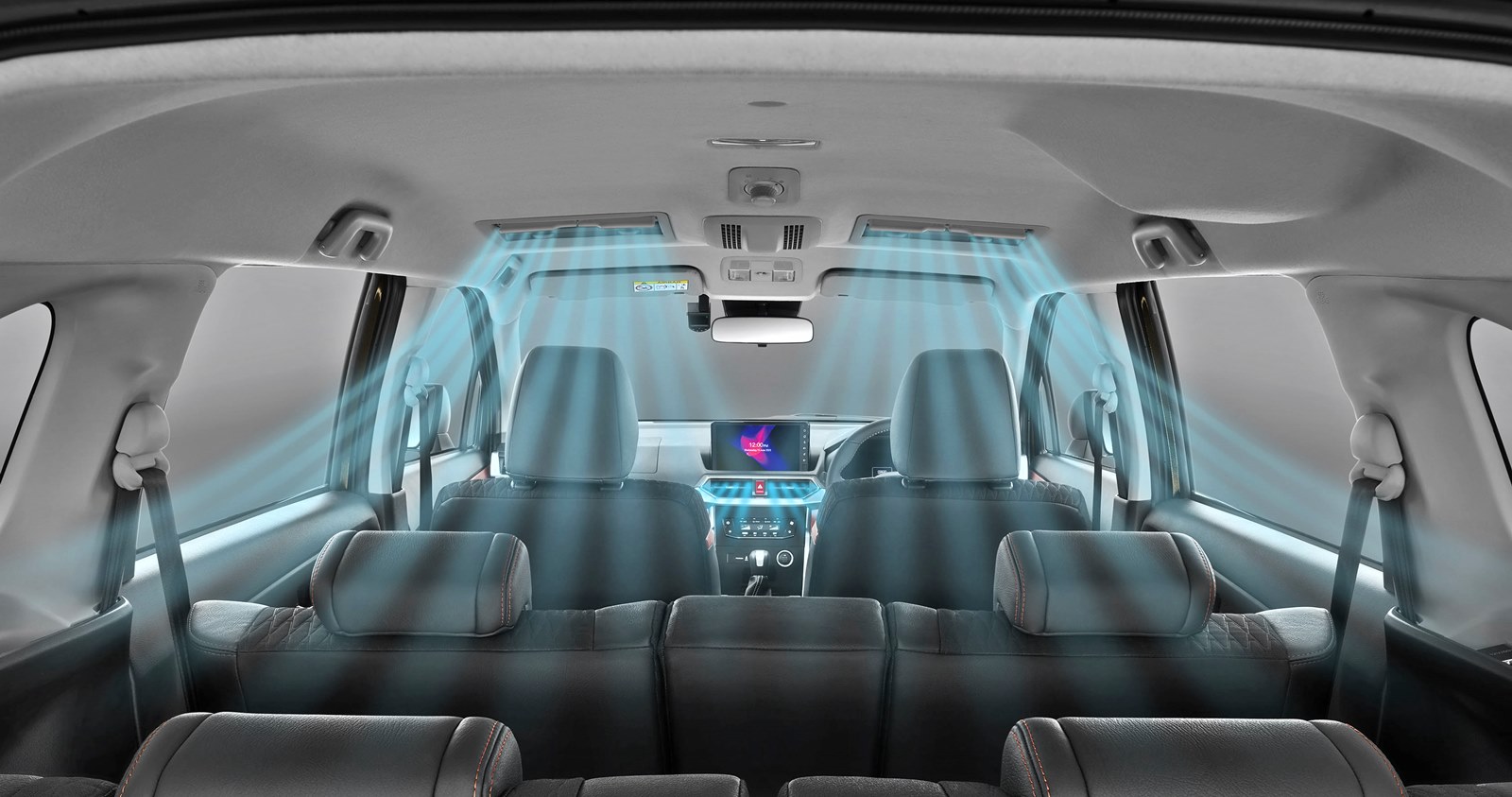
A new comfort feature is the provision of extra air-conditioner vents for the rearmost passengers. Given the length of the cabin, cool air might not reach all the way to the back. So a second blower has been installed on the ceiling, and the fan speed can be adjusted too.
Besides teh tarik hooks, what people need in cars today are recharging ports and cupholders. And the Perodua interior designers have made sure that both are provided. There are three USB ports and two power sockets, and lots of cupholders all over the place. Even if you don’t have that many drinks, they are useful for your phone or small items like coins.
The Alza can swallow up a lot of cargo but it depends on how the seats are set. For maximum volume – 498 litres (158 litres more than before) – the third row backrests have to be folded down. But even with the third row in use, there’s still 137 litres of space (54 litres more than before) and additional storage space under the floorboard.
A safer Alza
Entry-level models are usually the last to get advanced safety features that typically start at the top end with the expensive premium models. The cost of new and advanced systems is high initially, so they cannot be offered in low-priced models. Eventually, they do ‘trickle down’ as the costs drop and then become standard. Systems like ABS, airbags, laminated glass and electronic stability control are examples. 20 years ago, you would not have expected to see them as standard in Peroduas.
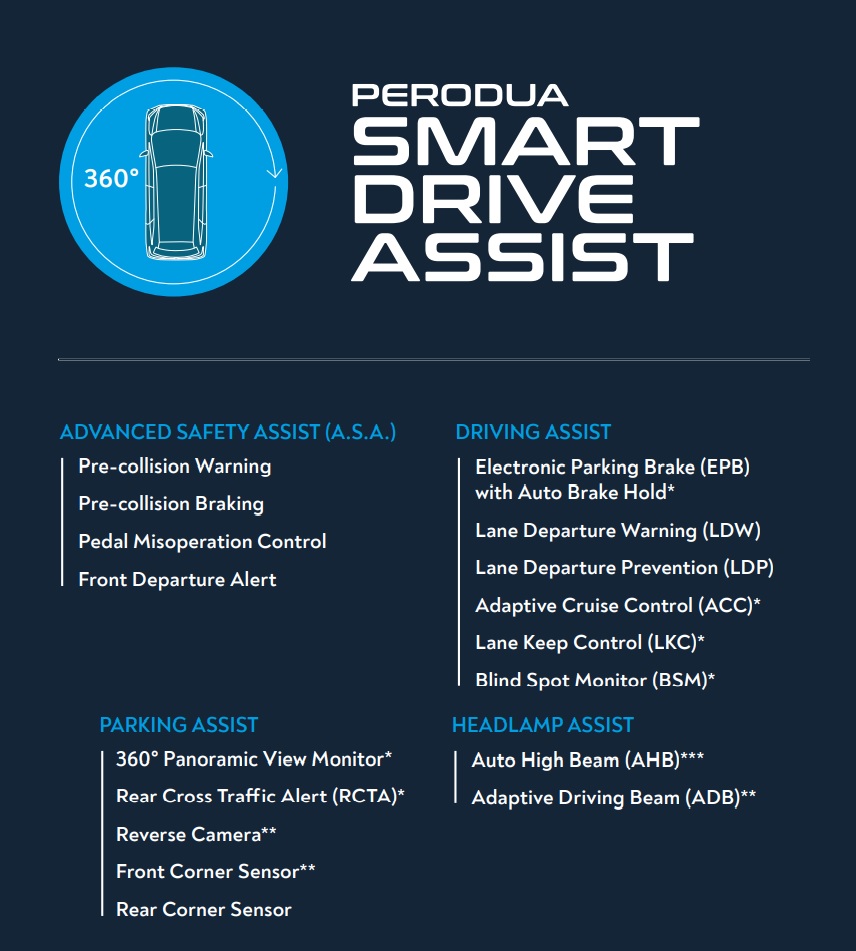
But these days, it seems that Perodua is not waiting so long as it has been introducing active safety systems which put it in a leadership position in the entry-level class. Having started with the A.S.A. (Advanced Safety Assist) system in the current Myvi which brought, among other things, autonomous braking, the carmaker has progressed to a broader safety package called Perodua Smart Drive Assist for the Alza. This has the latest version of A.S.A plus additional driver-assistance systems as well as passive safety.
The driver assistance systems include Adaptive Cruise Control which is a more advanced form of cruise control. When it detects another vehicle ahead while at a set cruising speed, it will automatically slow down (if necessary) to maintain a safe distance. On a long journey, this can reduce fatigue as the car will ‘drive itself’ and slow down when necessary. All the driver has to do is steer and watch the road ahead. And there’s even Lane Departure Prevention which will help prevent the car from wandering into another lane.
Many of the systems rely on a camera installed at the top of the windscreen. It constantly scans the road ahead and there’s a program to recognize shapes and analyse the car’s movements. The hardware and software cost must have come down significantly to enable Perodua to offer this (a benefit of being together with other carmakers to share costs).
A new feature which first appeared in a Rolls-Royce some 20 years ago is the 360-degree panoramic view display. This gives the driver a simulated overhead view of the car, the image formed by stitching together images from four small cameras on the sides and front. The driver can see all side of the car and maneuver it easily in tight spaces. With the rear view, there are also guidelines to help when maneuvering into a parking bay.
With a vehicle like the Alza, which can carry many people, safety is even more important. Apart from the active systems that help the driver avoid an accident (or recover from a dangerous situation), there are also passive safety systems like 6 airbags in every variant. That’s great progress from the days when Perodua began offering airbags (just two) in the Kembara and customers had the option of paying extra for them or choosing a version without them. Now, with the influence of ASEAN NCAP, the carmaker strives to make its cars as safe as possible and the new Alza has already been awarded the maximum of 5 stars by the safety organization.
Incidentally, apart from having ABS, Electronic Stability Control and Traction Control as standard for all variants, the new Alza also comes with a rear disc brake for the AV version. Engineers may say that a disc brake is not really necessary at the rear but extra stopping power is always good anyway.
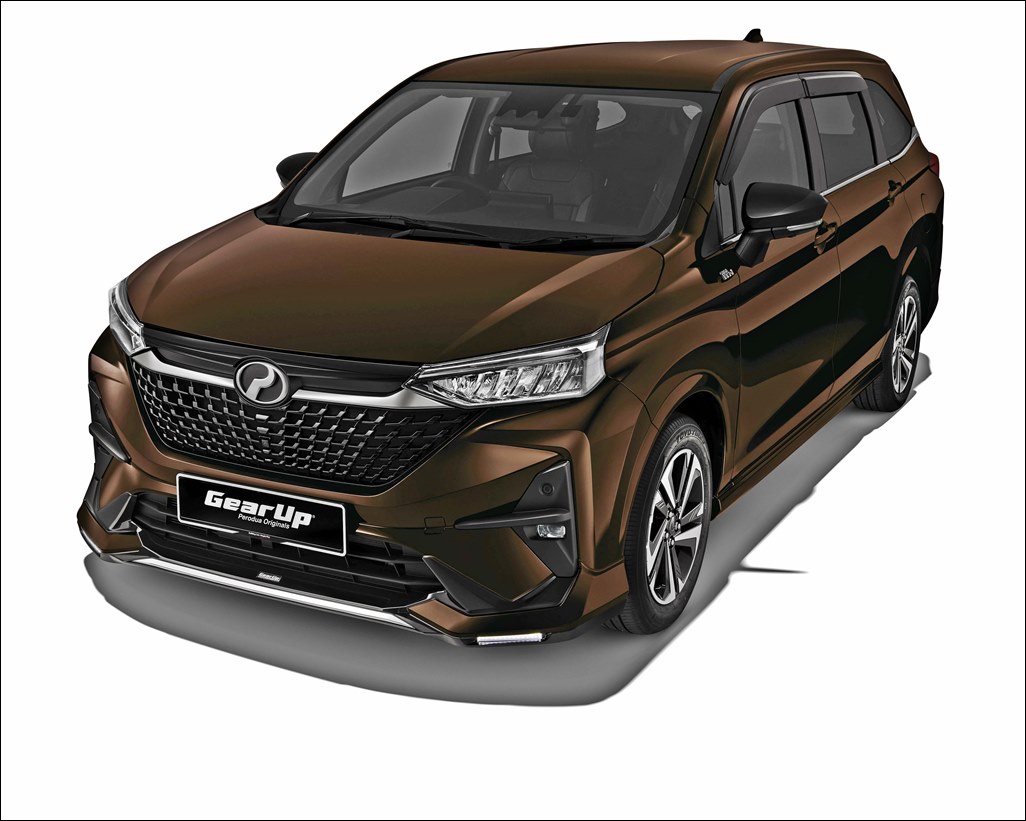
As with other Perodua models, there’s also a range of GearUp accessories which customers can add to their new Alza.
As the pace of automotive development speeds up, improvements to many areas of a car occur much faster than before. During the period of one generation of a model, there can be many technical changes which can enhance performance or efficiency. In the past, carmakers might wait for the next generation to incorporate these changes as they might involve changing hardware, which can be costly and time-consuming.
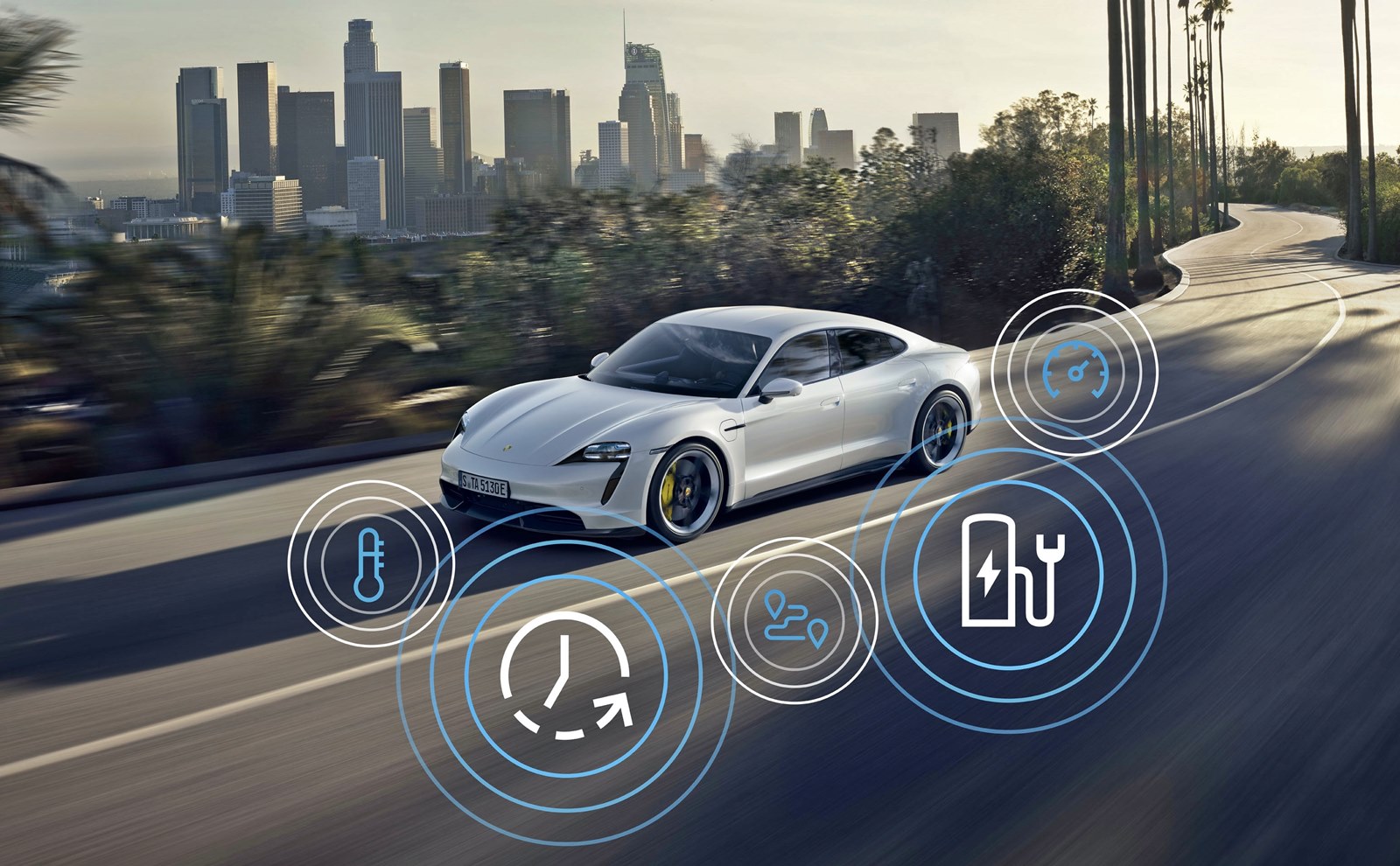
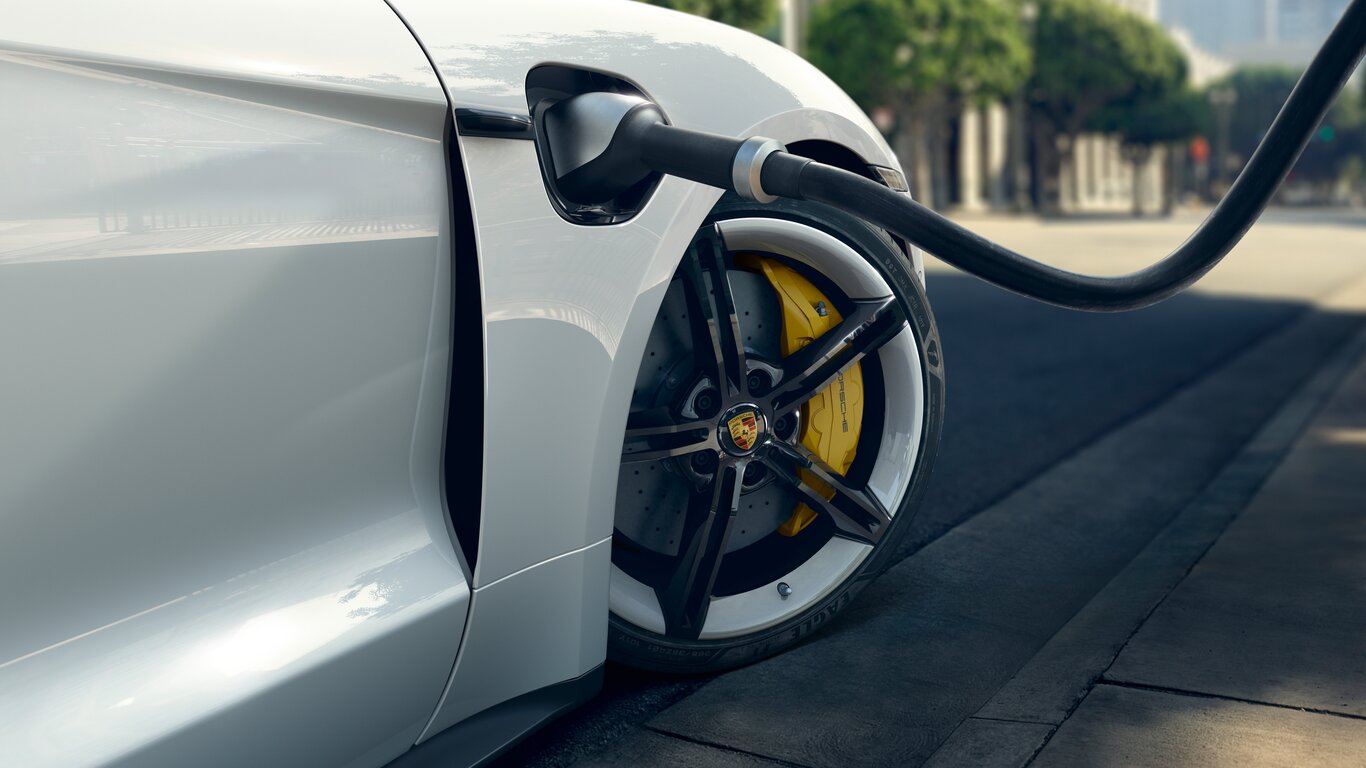
With modern cars having many more electronic systems, the process of updating doesn’t have to wait so long. New software can be loaded into the system ECUs and the car can be updated right away. That’s what Porsche will be doing with the more than 75,000 Taycan electric sportscars now in use around the world. And instead of incremental updates, it is making one comprehensive update that will make all those cars similar in software status to the 2023 model year. It’s just like the updates you get for your smartphone which sometimes introduce new or improved features.
Improvements in many areas
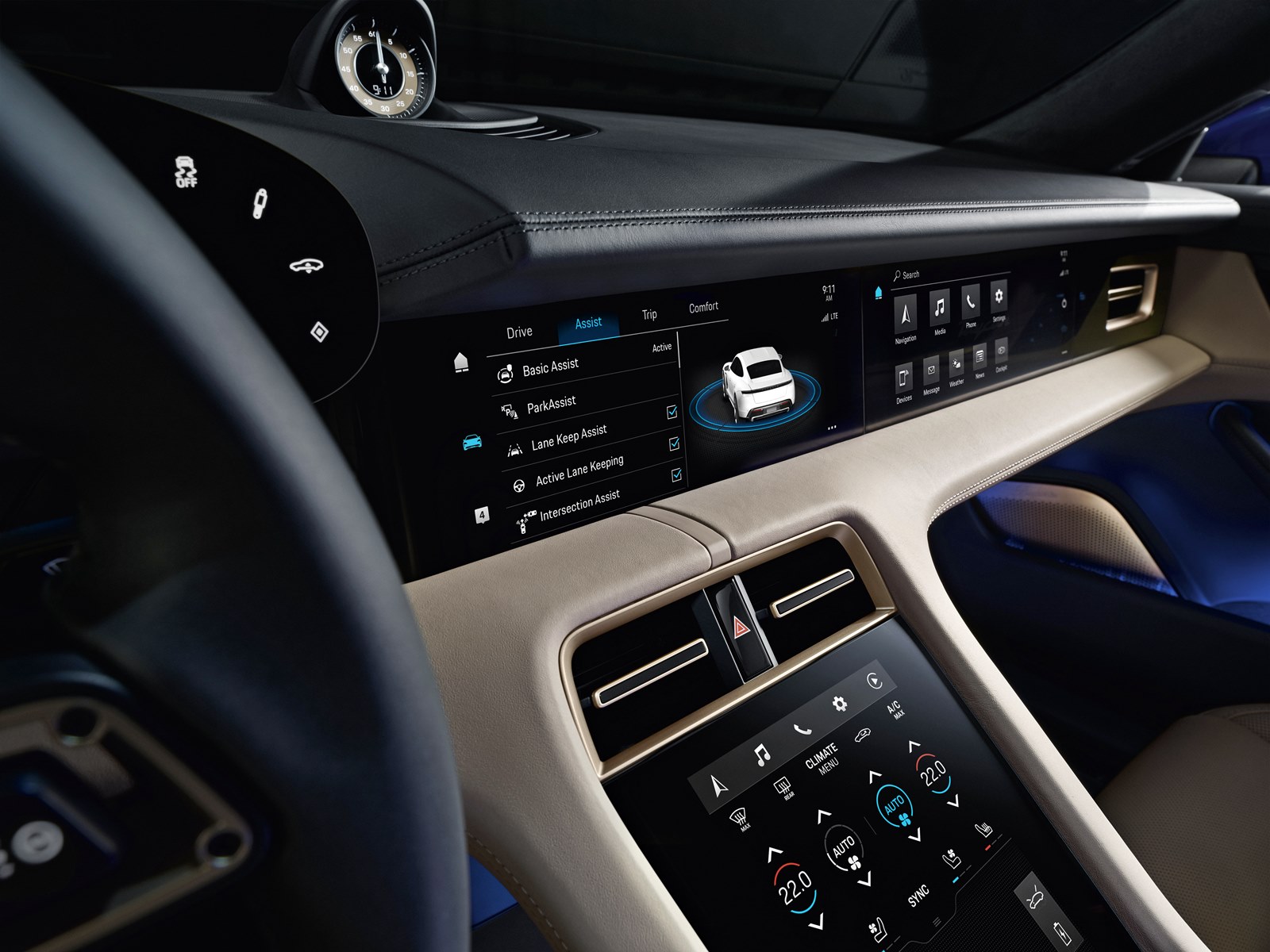
Depending on when their vehicle was delivered and the specific features, owners will benefit from an increase in powertrain efficiency as well as new functions and improvements in the Porsche Communication Management (PCM), Porsche Connect and assistance systems. The uPdate also includes the option of having additional functions and equipment unlocked after purchase (known as ‘function on demand’ or FoD), an approach now being market-tested by some carmakers.
“This campaign will allow our customers to benefit from the continuous further development of the Taycan. We have extensively optimized the model series in almost every respect since 2019,” said Kevin Giek, Vice-President Model Line Taycan, during a media briefing online two days ago. “New functions have been added and others have been revised or tweaked to further enhance the customer experience.”
The uPdate is free for owners but they have to bring their Taycan to an authorized Porsche service centre. It’s probably too extensive for an over-the-air (OTA) update which would not require the visit, but Mr. Giek said that this uPdate will enhance the OTA capability of all Taycan models. Presumably, that means that later updates can be broadcast to owners so they don’t need to go to the service centre.
The precise scope of the uPdate, and the duration of the service centre visit, will depend on the model year. Since the car was launched in 2019, many improvements have been made and for the older cars, more software may need to be updated.
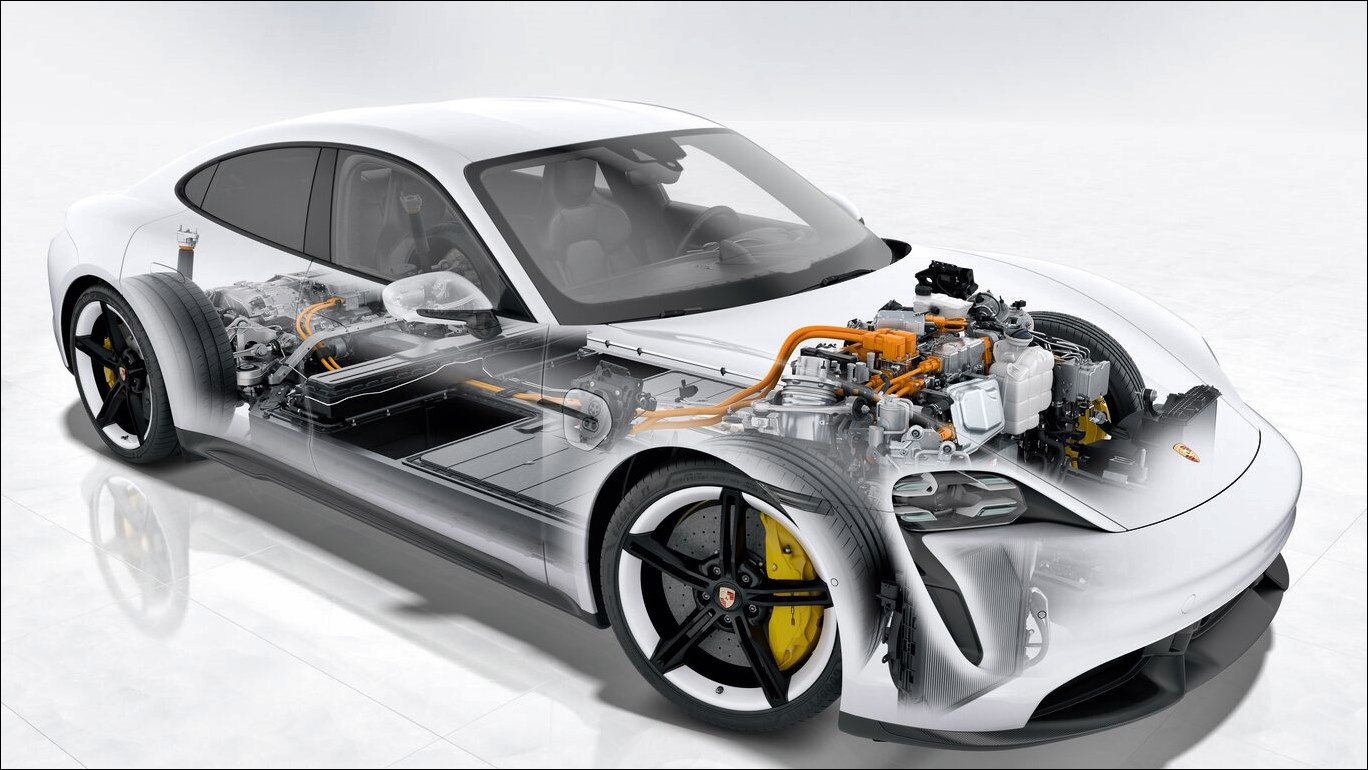
Main uPdates at a glance Powertrain: While in the ‘Normal’ and ‘Range’ driving modes in all-wheel drive models, during partial load operation, the front electric motor is almost completely disconnected and de-energised. While coasting and at a standstill, both axles are free of drive torque. The electric freewheel reduces frictional drag losses which can increase the range.
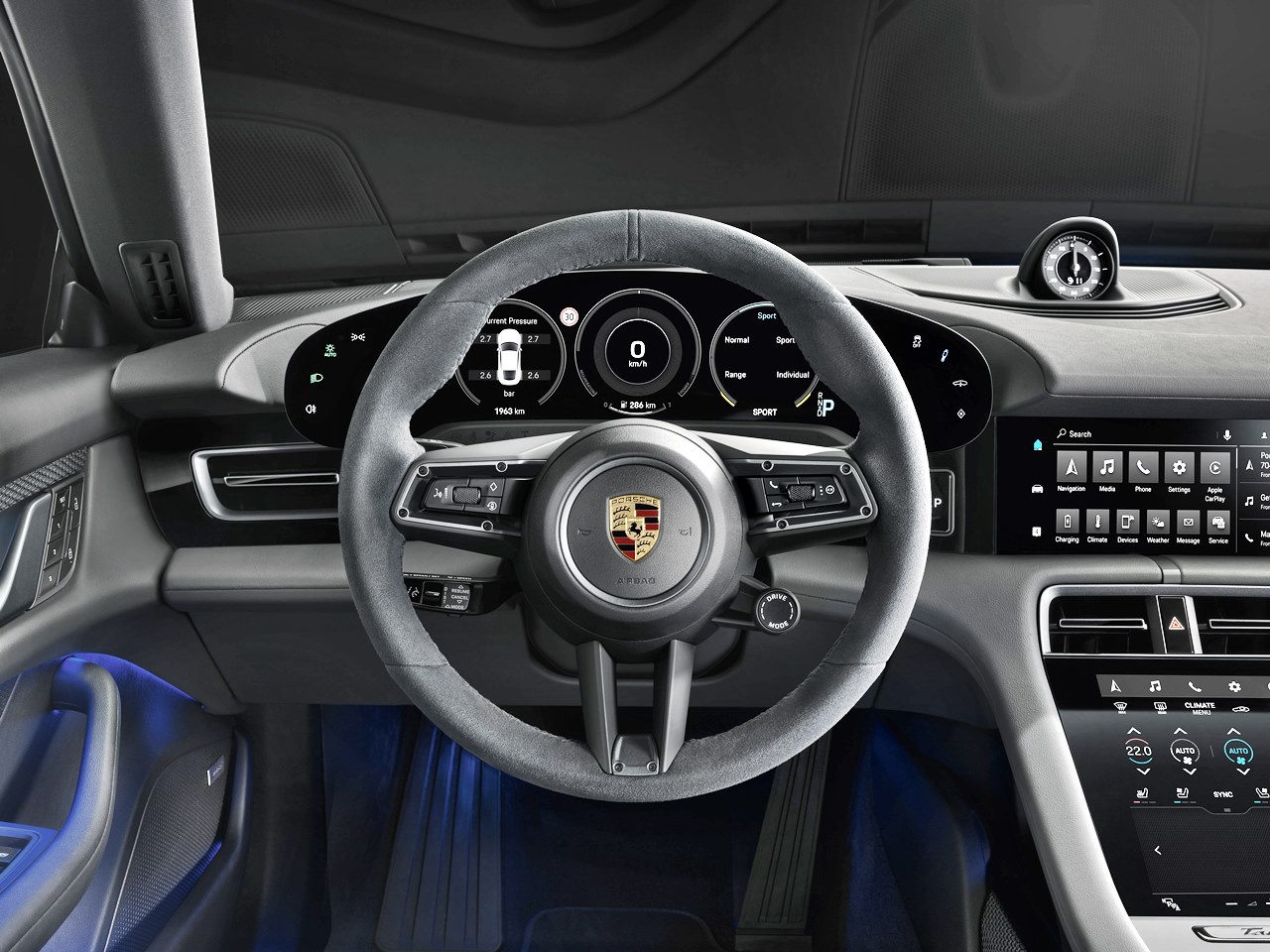
The all-wheel drive indicator is now shown as an energy-flow indicator in the central display. This makes the current operating status of the drives easier to see. The energy recuperation strategy has also been optimized. The automatic recuperation setting is retained even when the driver changes the driving programme.
Thermal management: The battery packs are sensitive to temperatures and operate at their best within a certain temperature range. The new software will enable better conditioning of the battery pack, especially at low outside temperatures. This will enable the Taycan to be rapidly charged more frequently overall and over a wider range of battery charge levels. The waste heat from the electrical components is used even more than before for this conditioning. For those Taycans of the 2020 and 2021 model years, the improvement will be in greater range and shorter charging times.
Porsche Communication Management (PCM) and Porsche Connect: These systems get new functions, a colourful tile design on the start screen, and even greater ease of use. For the 2020/2021 models and up to mid-February 2022 production, the uPdate optimizes the voice control and integrates the Spotify app. Android Auto is also available wirelessly.
Charging stations can be filtered and selected in the navigation system based on charging capacity. Drivers of 2021 Taycan with a head-up display will also have an optimized view of the navigation map, among other elements. The display contents have been expanded, presenting additional information. For all Taycan models prior to the 2023 model year, the on-board operating instructions can now also be used via voice control.
Assistance systems: The uPdate will adjust some systems to support the driver in even more situations. For example, the sensors of the ParkAssist function will work with a greater range. The search for available parking spaces has been improved as well, so that even smaller spaces are offered to the driver as an option.
Onboard charger retrofit
The 22 kW onboard charger has now become available for retrofitting as an extra-cost offering. With up to 22 kW of charging capacity, the more powerful variant charges the battery significantly faster. In Europe and North America, the retrofit also includes activation of the Plug & Charge function. This enables convenient charging and payment without a card or app. As soon as the charging cable is plugged in, the Taycan establishes encrypted communication with the Plug & Charge-compatible charging station. The charging and payment processes then start automatically.
“An exercise as big and comprehensive as this one has never been done before for any of our combustion engine models. Following this uPdate, anyone driving a Taycan from early in the car’s production run will be pleasantly surprised by how much has developed on the vehicle side since then,” said Mr. Giek, adding that, internally, Porsche refers to this as the ‘uPdate’ (with a capital ‘P’) because the 2023 model year, which started in July 2022, bears the letter ‘P’.
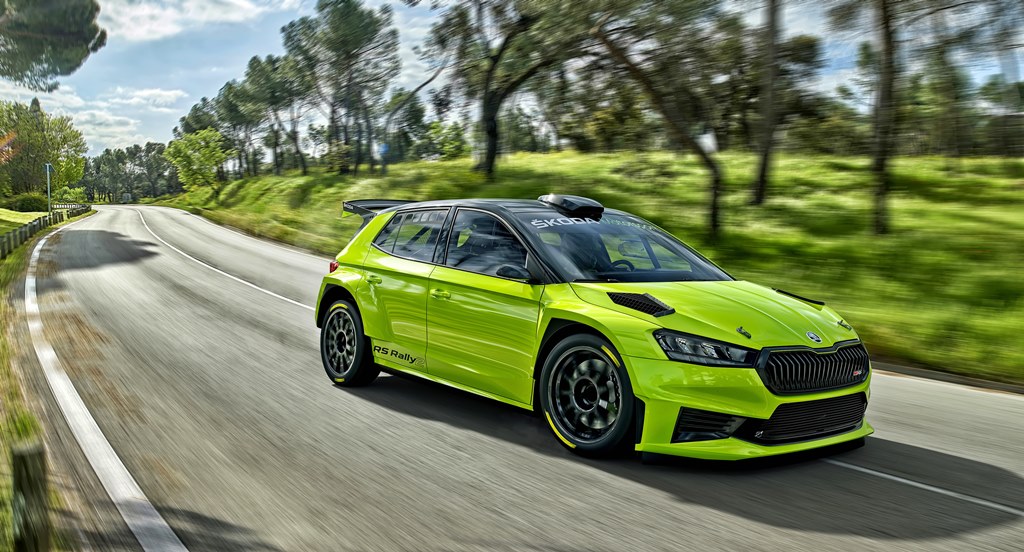
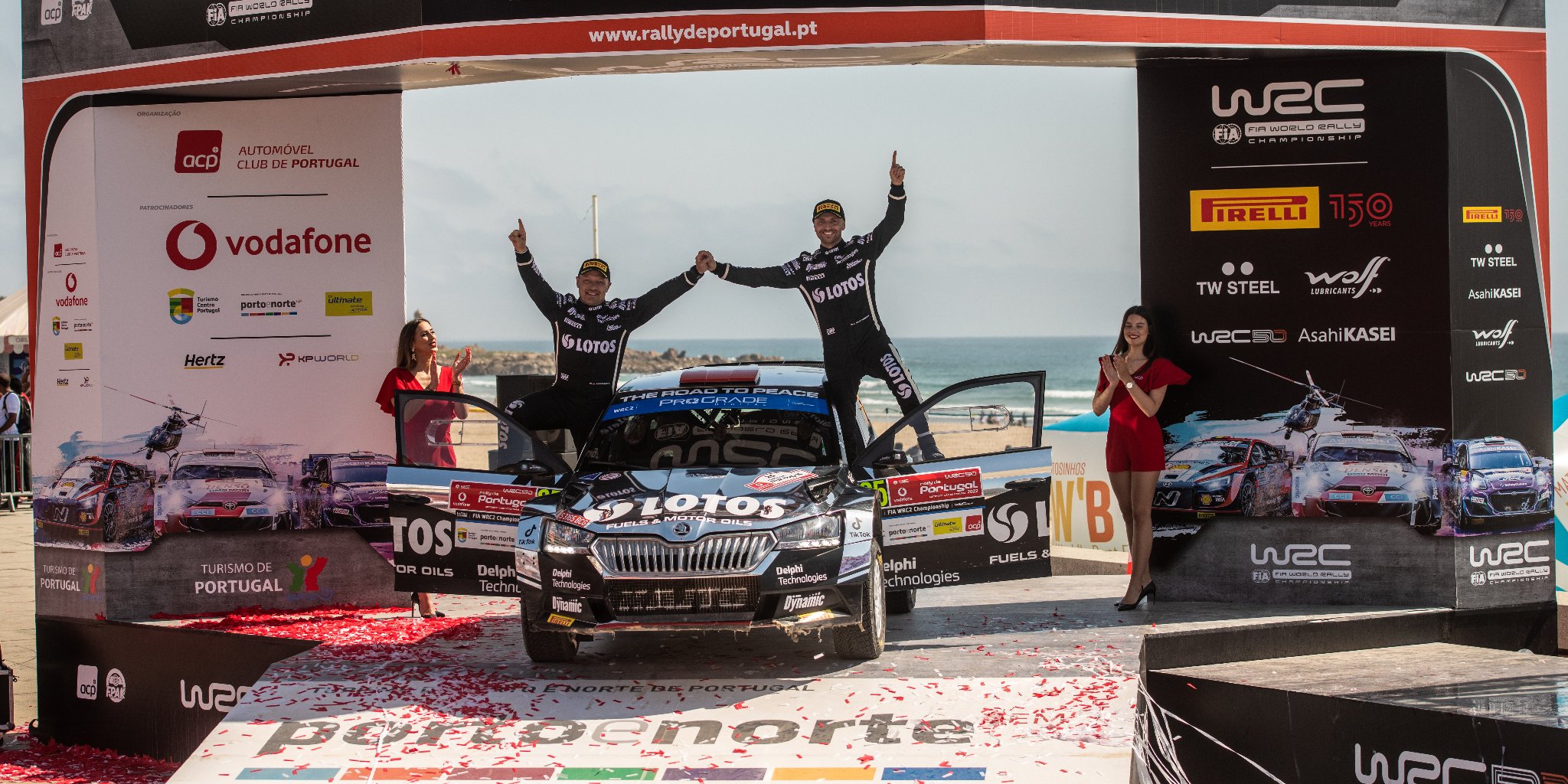
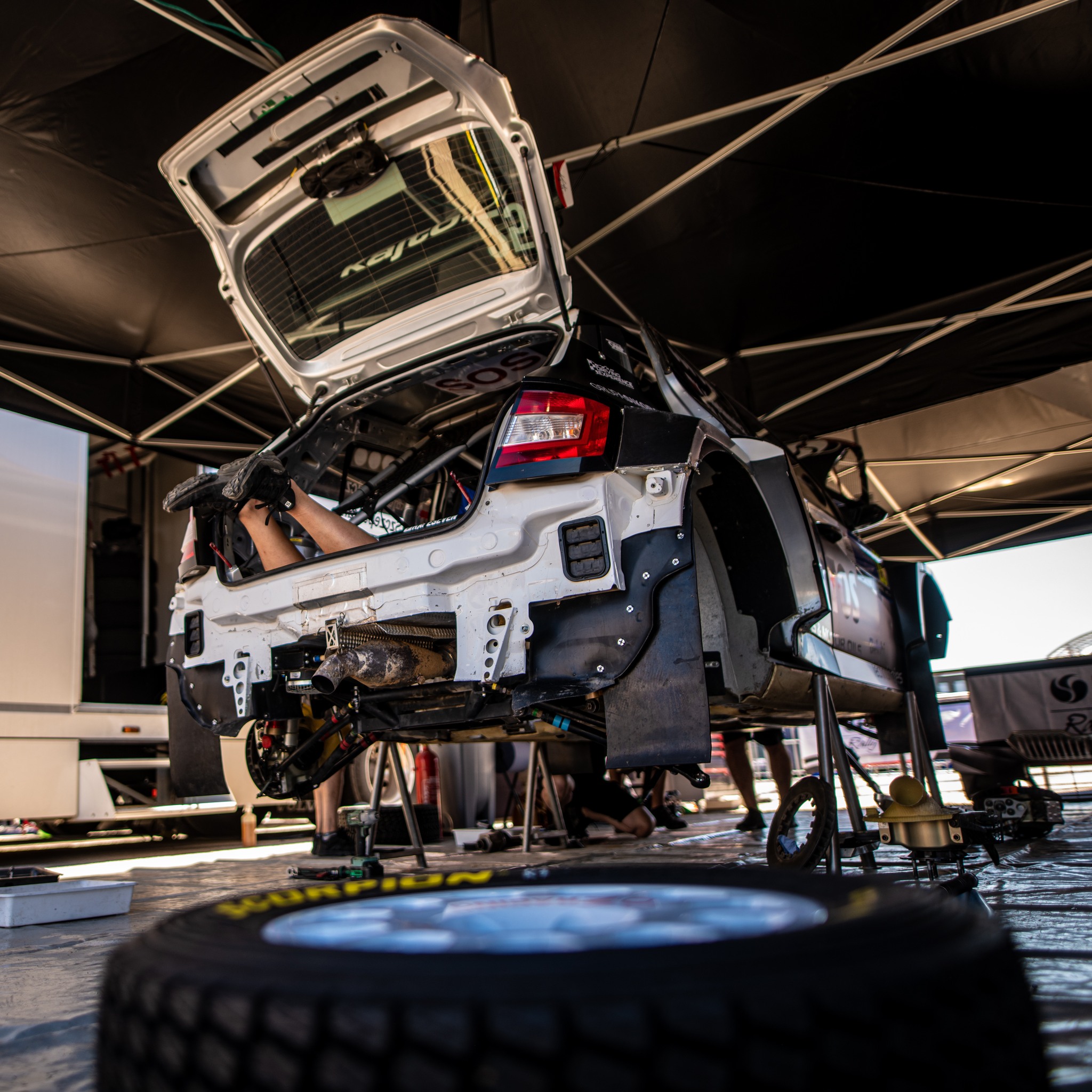
While Skoda does not compete in the top class of the World Rally Championship, it has been very successful in other segments of the Rally Pyramid, notably in the WRC2 category. Its FABIA is among the most successful rallycars in the world with the rally versions – FABIA Rally2 and FABIA Rally2 evo – having dominated the category from 2015 to 2022. The more than 450 units built by Skoda Motorsport collected 1,710 victories by April 2022, including 4 victories in the legendary Monte Carlo Rally.
Newly developed engine
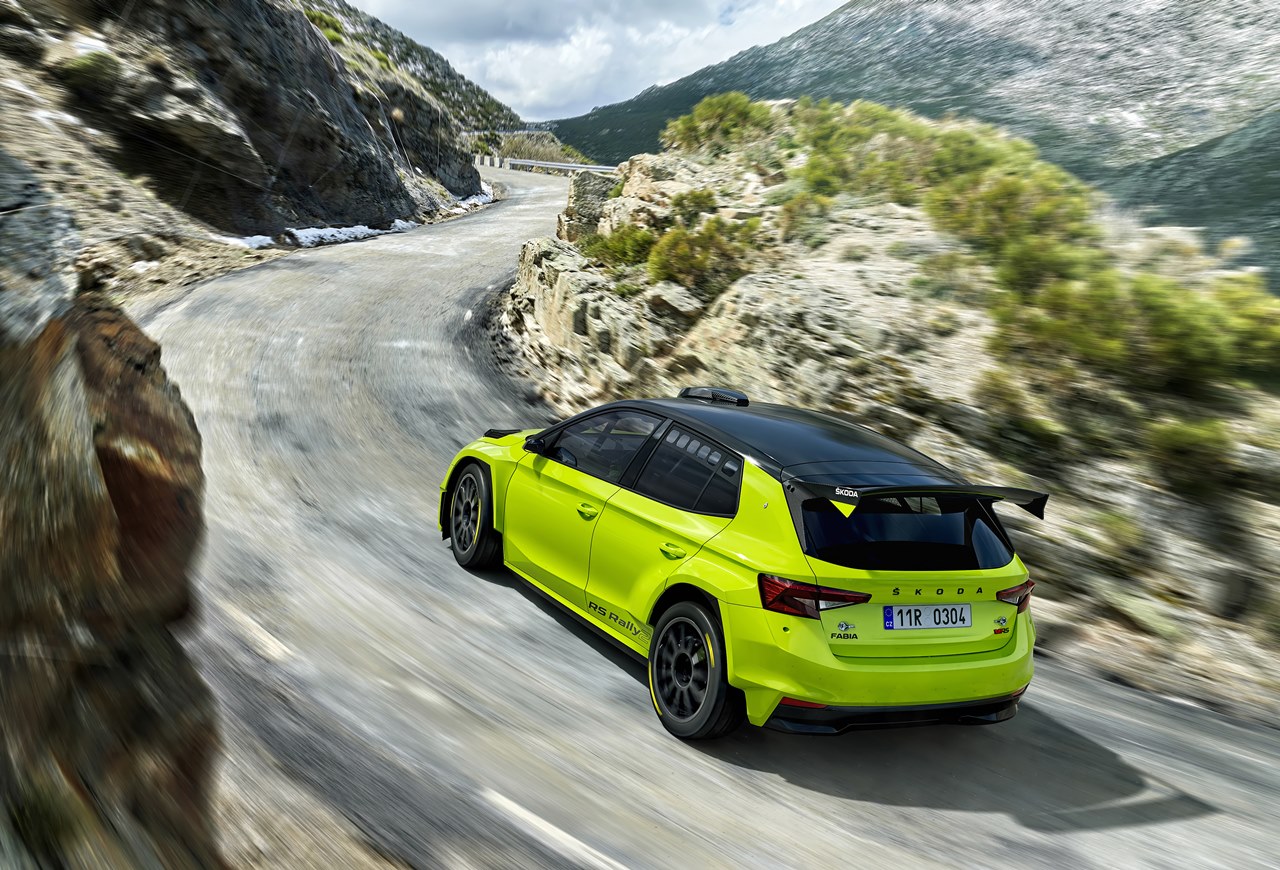
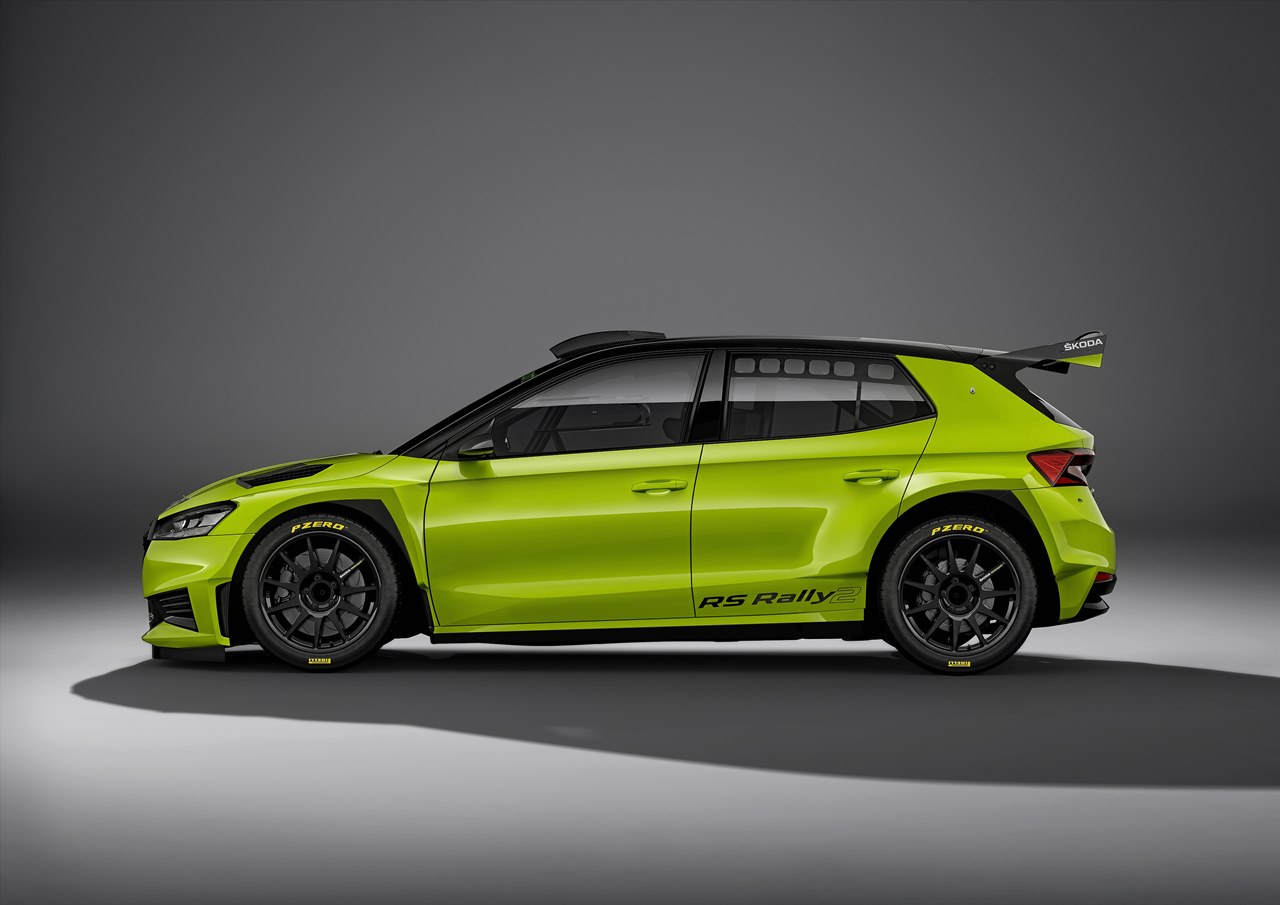
When it was time to move on to a new generation, the development team at Skoda Motorsport has much experience to draw upon. With the new FABIA RS Rally2, customer teams will have a much more competitive car with a new engine, improved handling, better electronics and enhanced safety features. The new engine is a 1.6-litre turbocharged unit based on the 2.0 TSI from the Volkswagen Group EA888 engine family (used in the RS models).
The output of 289 bhp/430 Nm goes to all four wheels via a sequential 5-speed transmission. Although there is a mechanical clutch, it is only used for starting, parking or when driving slowly. For optimum acceleration on tight, winding rally stages, the FABIA RS Rally2 has a relatively short gear ratio, offering a top speed of around 200 km/h.
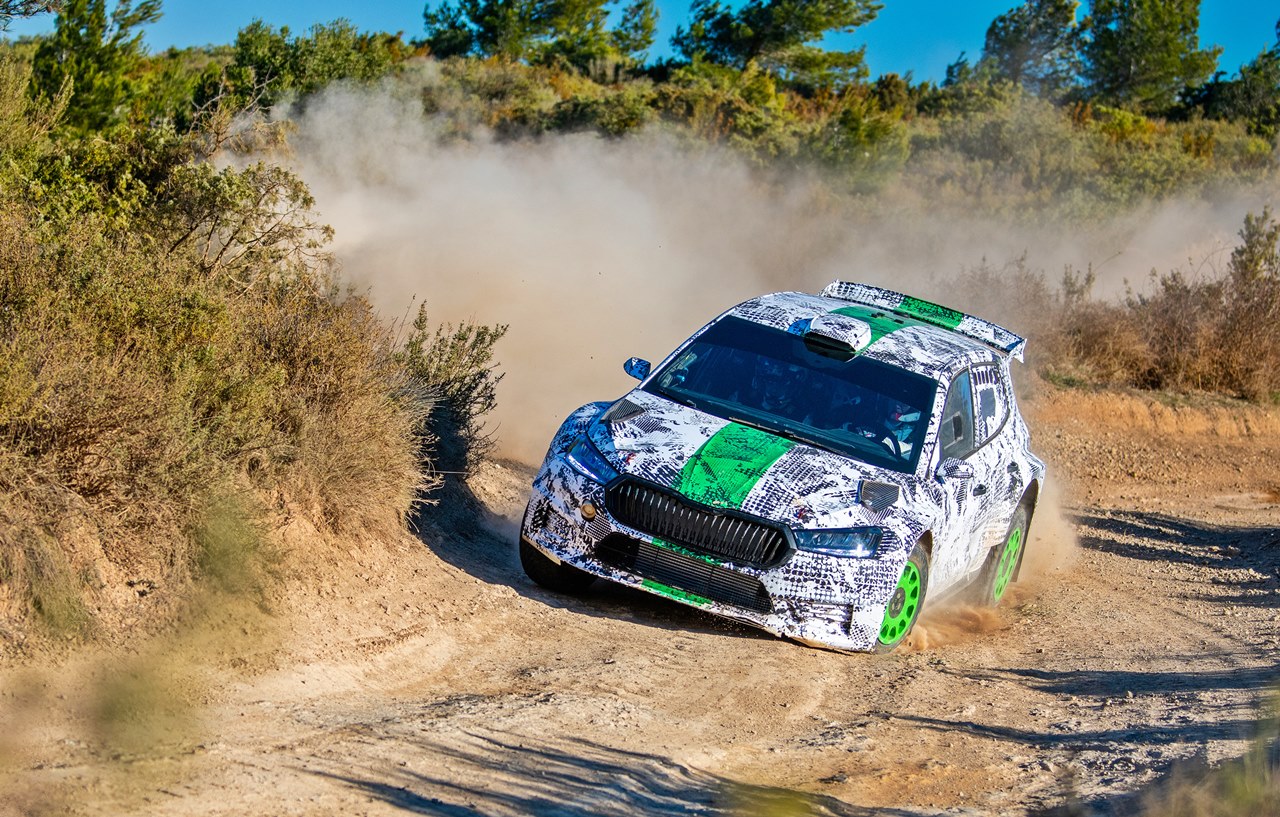
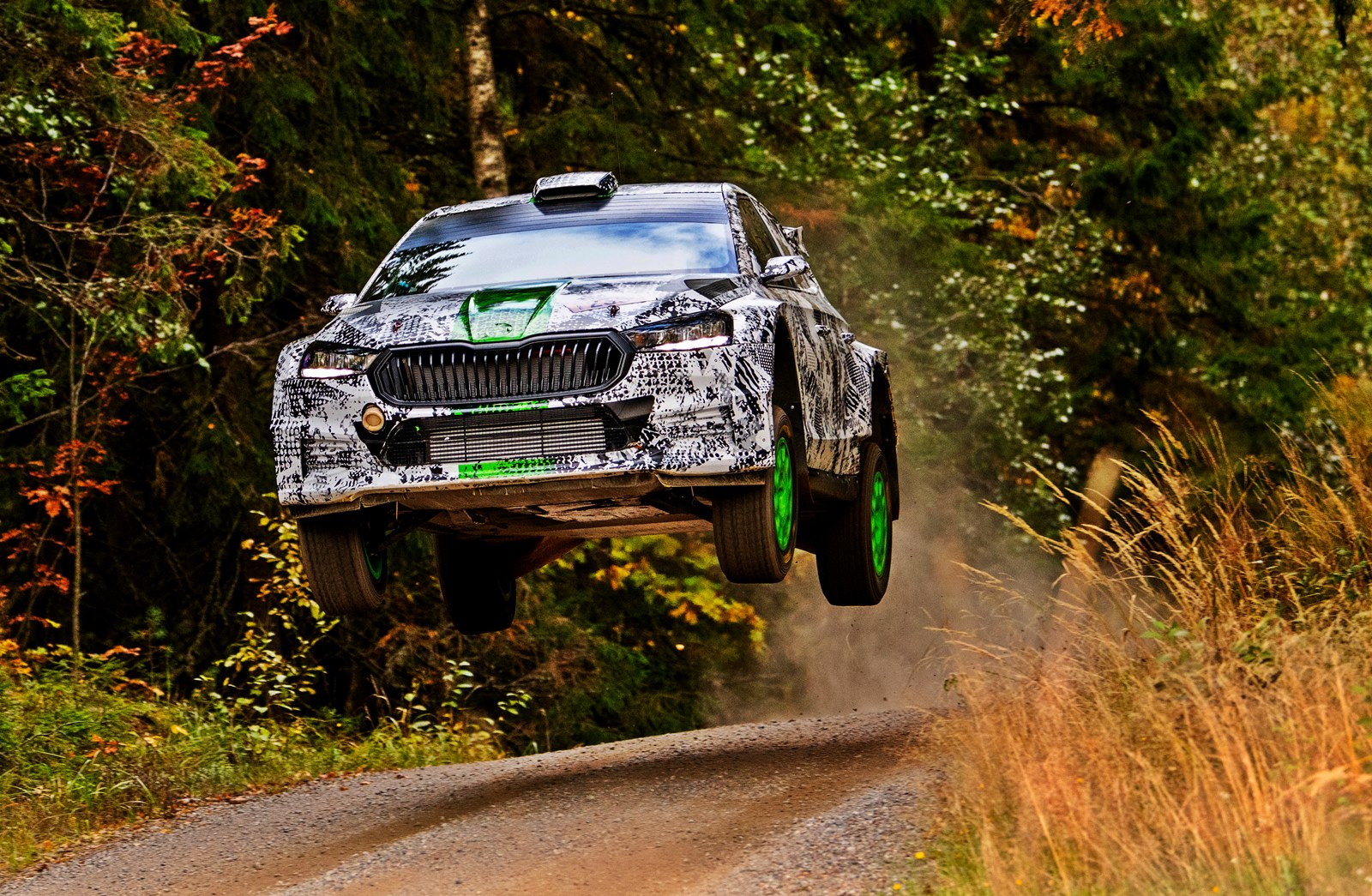
To prepare the new FABIA RS Rally2 for action on the rally track, test-drivers subjected prototypes to extensive tests on asphalt, gravel and snow for almost a year. This included trials in the Czech Republic, France, Italy, Croatia, Germany, Belgium and Spain, as well as under extreme winter conditions in northern Finland since mid-2021.
The gruelling test programme validated the special braking system and precisely balanced chassis. In addition, the electronics and controls were also tested to meet the demanding conditions during a rally. Also tested was the special 82.5-litre fuel tank and shock-resistant rubber which meets the FIA’s regulations. Additional protection is provided by a carbon/kevlar composite cover and an absorbent layer on the underside.
Sustainable fuel requirement
Throughout the 2022 season, 100% sustainable petrol will be used by competing cars in the WRC. This is based on modern raw materials and high-purity renewable components. The bio-fuels are derived from biological waste and synthetic e fuels. These are produced using renewable energies that enable electrolysis from ‘green’ hydrogen as well as CO2, which is extracted from the air and industrial processes. The 100% renewable petrol is then mixed in a laboratory without any fossil-fuel components.
Some of the components used in rally vehicles differ significantly from their counterparts in production vehicles. Instead of having up to nine airbags and numerous electronic assistance systems like those found in the production FABIA, the new FABIA RS Rally2 relies purely on mechanics in many aspects. It also features specialised components, such as a roll cage and specially protected fuel tank.
Also unlike the production version sold to the public, the rally version only uses sensors for engine management and displaying the brake pressure, steering wheel position and fuel. The sensors merely provide information; with the production model, they perform any control functions. Only the engine control unit uses sensor data to ensure that it functions optimally in all driving modes and various weather conditions.
In a rallycar, the brake system can save valuable tenths of a second in the fight against the clock. The stronger the deceleration, the later the drivers can brake into a bend. In hard braking manoeuvres, the brake discs easily reach temperatures of more than 700 degrees C. To ensure efficient cooling at all times, the FABIA RS Rally2’s brake discs are internally ventilated, and an optimised brake cooling system is also available for gravel and asphalt stages.
Protecting the crew
Skoda Motorsport engineers have developed a roll-cage which has a total of 35.8 metres of high-strength chrome-molybdenum steel tubing and is welded to the chassis during body construction. The side panels and roof are then mounted over it. This procedure allows for even greater manufacturing precision, as well as a better fit and connection to the body.
The chassis is also engineered to meet the extreme demands of rallying. Compared to the previous model, the suspension stroke of the dampers is now longer and the MacPherson struts are stiffer. In addition, friction in the dampers is reduced. The longer wheelbase also prompted the development of new suspension kinematics.
More downforce generated
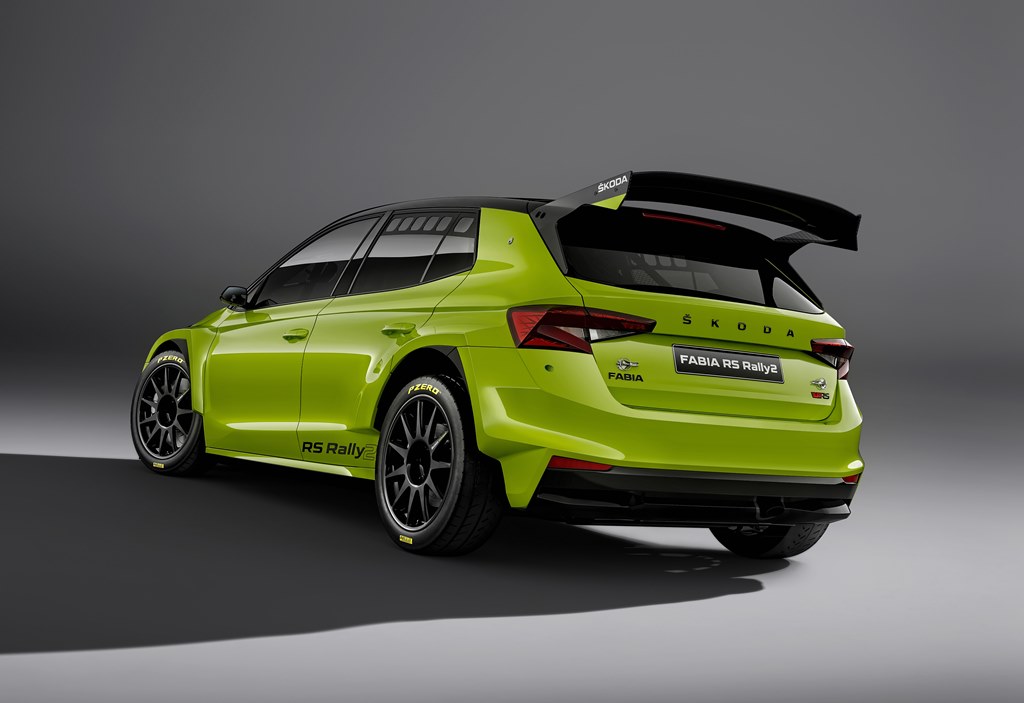
Paying attention to detail, the designers managed to almost double the downforce compared to its predecessor – an enormous advantage on the track, as greater downforce facilitates higher cornering speeds. For regulatory reasons, there are no active aerodynamic parts such as the radiator louvre from the production FABIA.
The same air curtains as in the front bumpers of the production car guide the airstream closely and aerodynamically over the body and wheels. They increase the downforce in combination with new side skirts, which prevent air from flowing underneath from the side. Incorporating a front splitter across the entire lower edge of the front bumper, they ensure optimum aerodynamic efficiency at the front.
Several aerodynamic components have been specially developed for the FABIA RS Rally2. In addition to the wider front and rear fenders, the newly developed rear wing increases the downforce. A small spoiler lip, the so-called Gurney flap, serves as a tear-off edge and also improves the downforce. The airflow over the roof is optimised thanks to a centrally positioned air scoop, which simultaneously supplies fresh air to the cockpit.
Support for customer teams
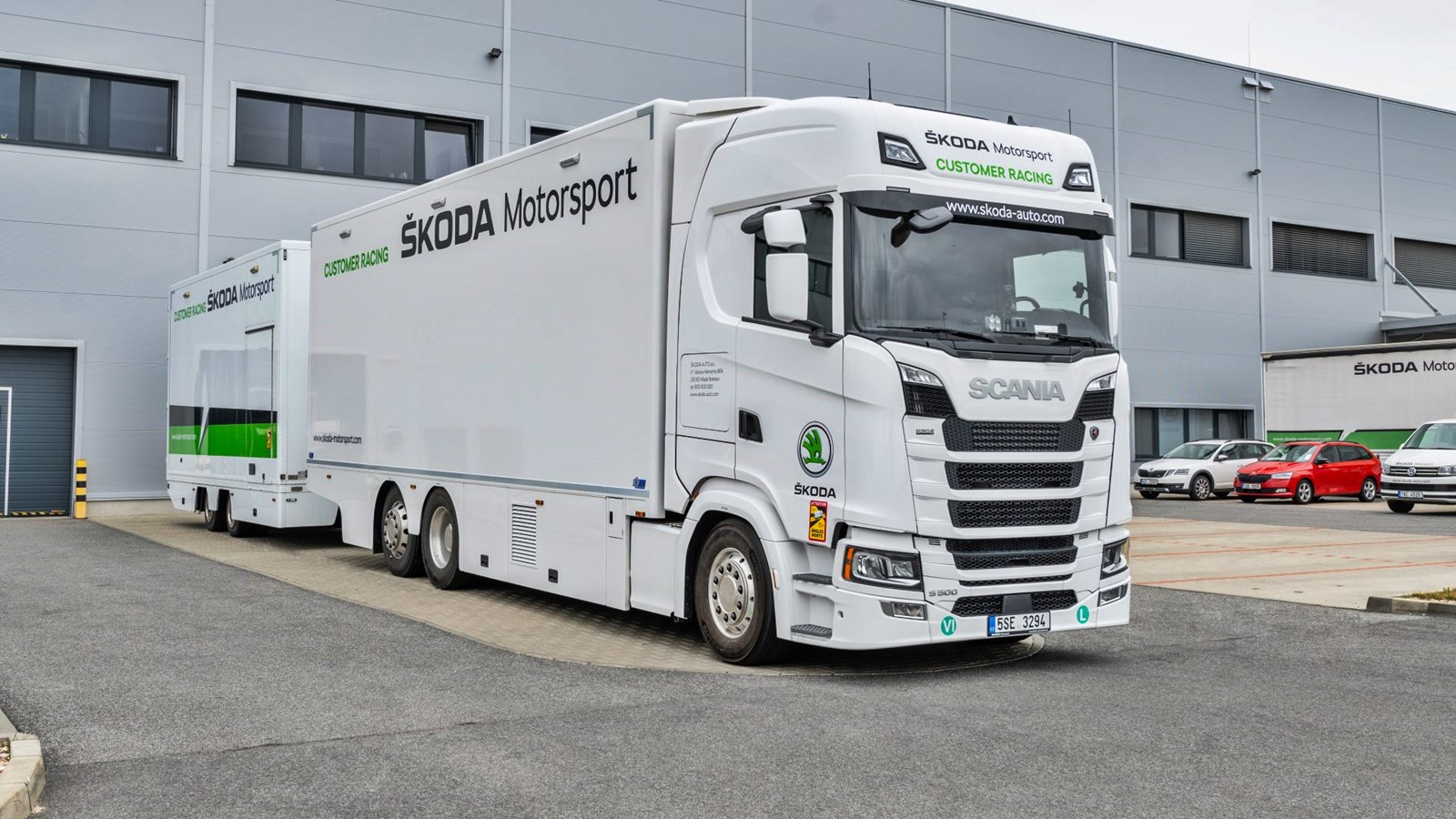
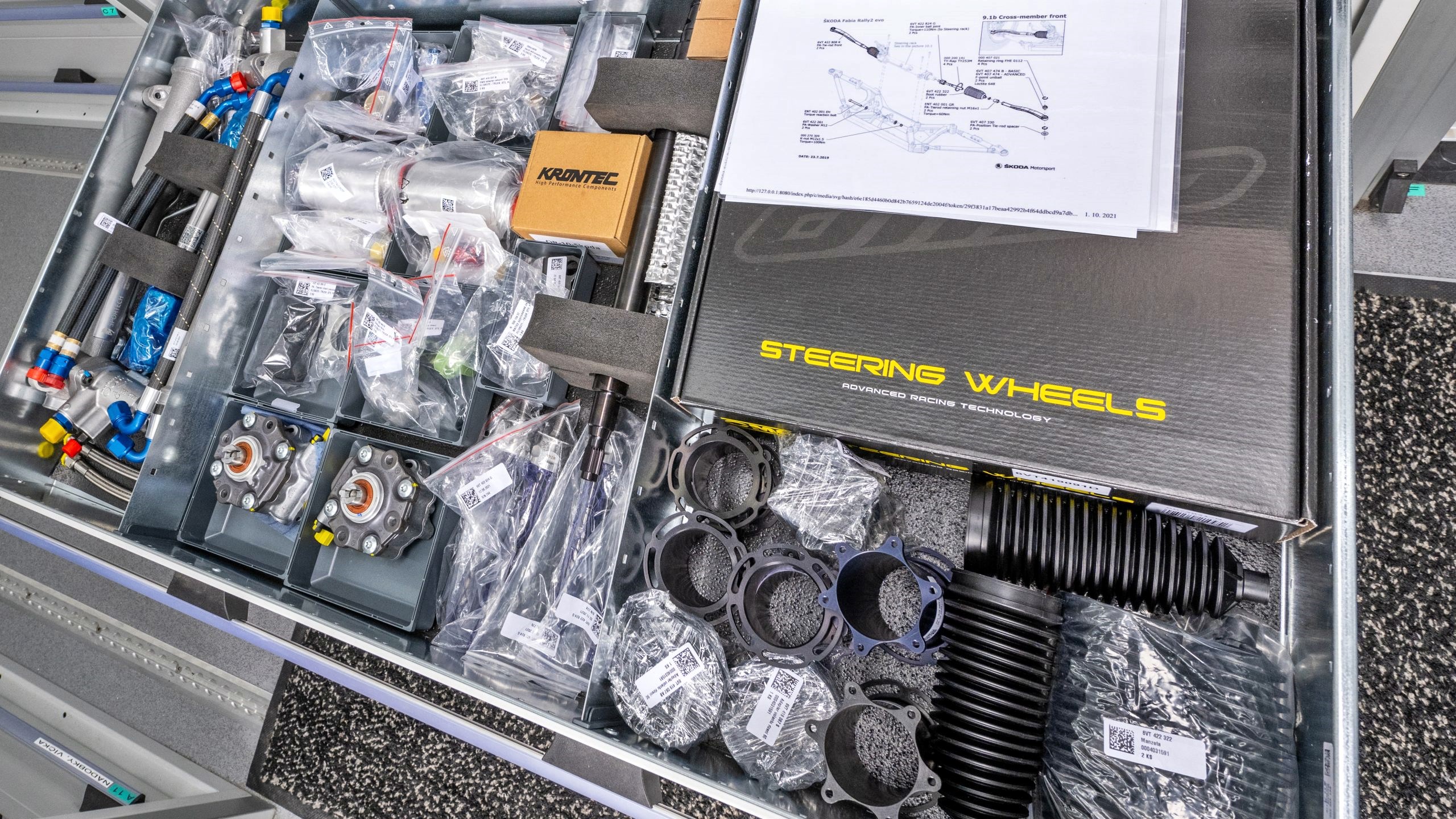
Skoda Motorsport has been supporting numerous customer teams in international rallying since 2020. The teams receive support that includes a comprehensive supply of spare parts and technical support, even at events. Additionally, Skoda Motorsports offers revision work on engines, transmissions and chassis components. Teams taking part in the WRC can also using Skoda Motorsport’s support truck equipped with an array of spare parts. It is available at selected WRC rounds and certain events in the European Rally Championship.
Although wind tunnels have been associated with aeronautical research and development, such facilities existed long before the first aircraft flew, and they were used by scientists in the 19th century to study airflow. Aircraft designers then used wind tunnels to see the effects of different shapes that would be used for aircraft bodies and wings.
Wind tunnels were also used by other industries and by the 1930s, as cars started to go at high speeds, the wind tunnel was used to study how air flowed over their bodies. It was a Prof. Dr.-Ing. Wunibald Kamm at the Technische Hochschule Stuttgart in Germany who was the first to use a wind tunnel for aerodynamic design studies which would be pioneering.
From then on, carmakers would add aerodynamic studies to the development process of a new model, using scale models in small wind tunnels and full-sized models in larger tunnels. Various types of equipment measured airflow so that it could be optimised because it was understood that smoother airflow could improve performance and also reduce noise levels. By having a wind tunnel, the engineers could also study the behaviour of the car design (eg stability) at high speeds without actually having to drive the prototype on the track.
In earlier years, carmakers didn’t yet have their own wind tunnels, so they used those in other research facilities. In time, some started to build their own so they could conduct testing with more secrecy and also without having to pay for renting facilities. Some built small tunnels and some built big ones, depending on how much they could spend.
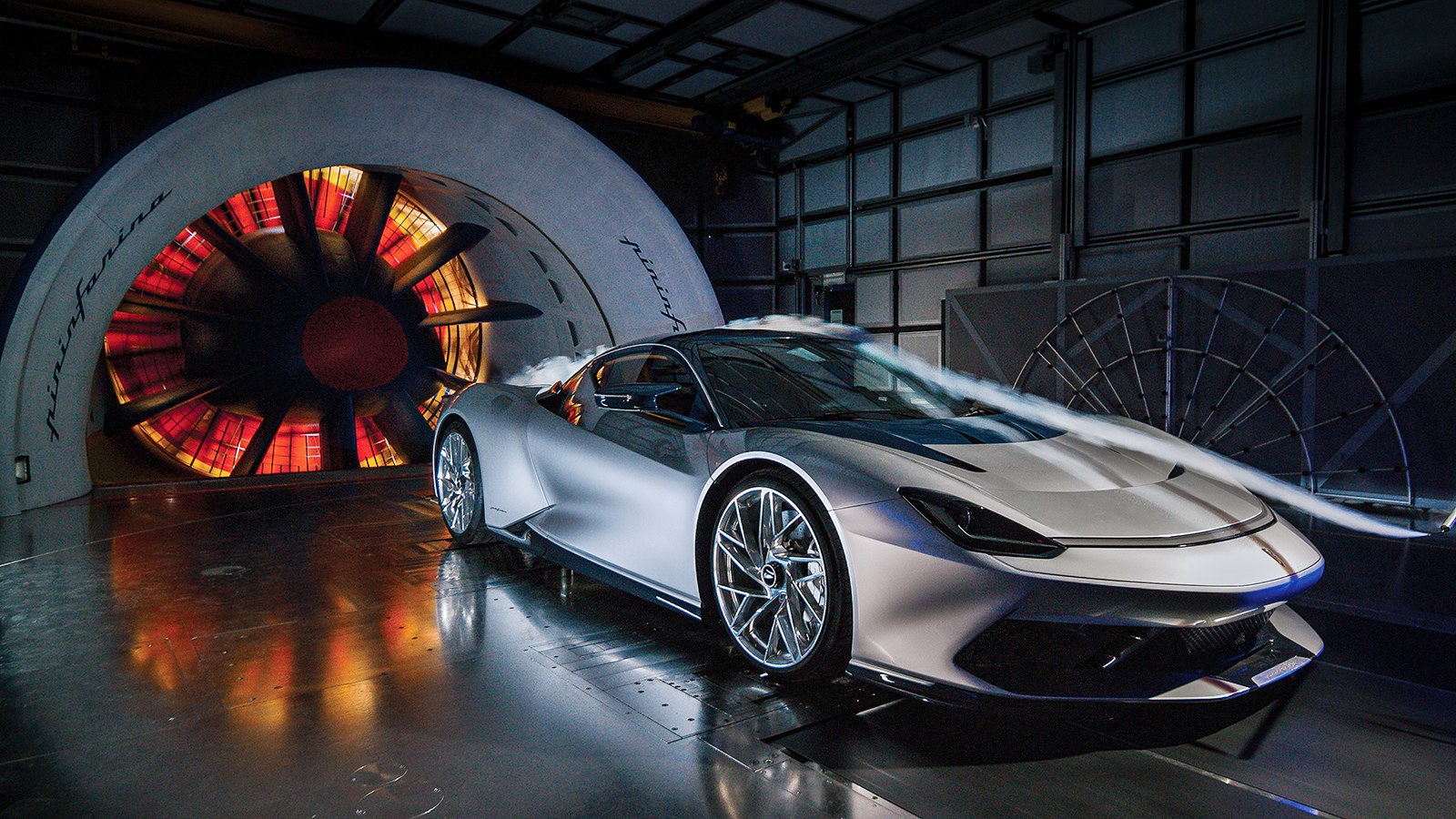
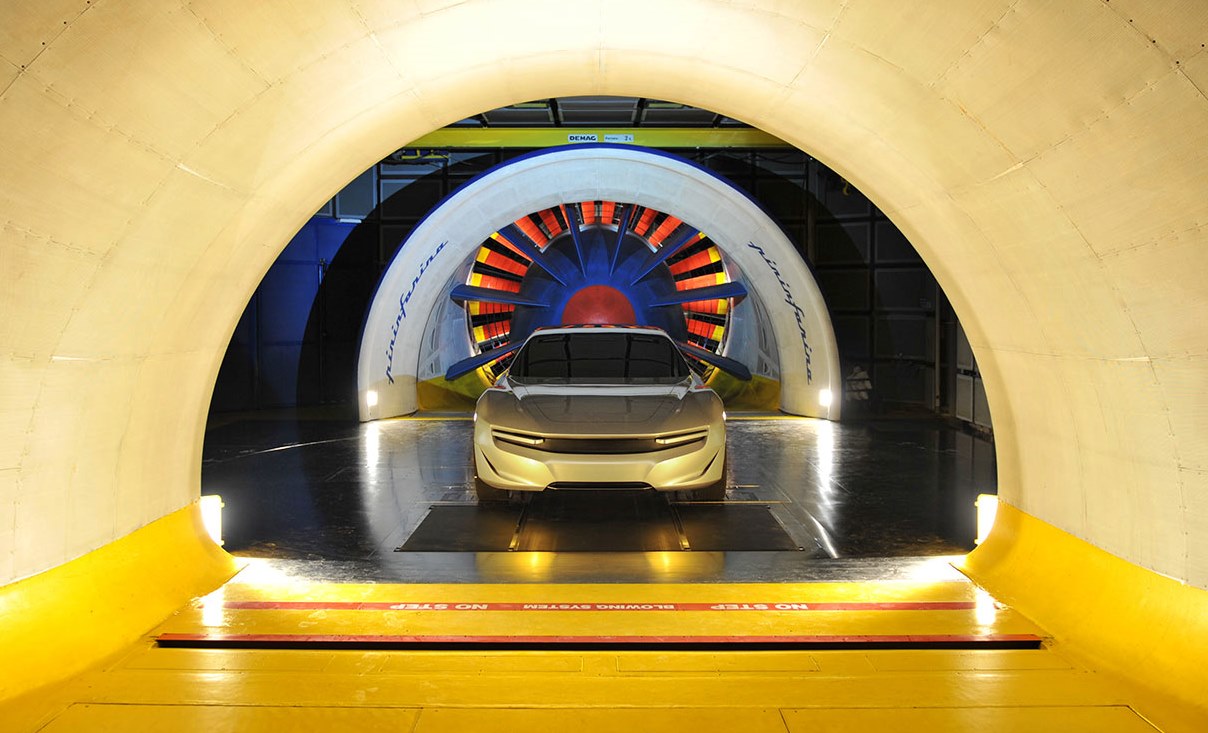
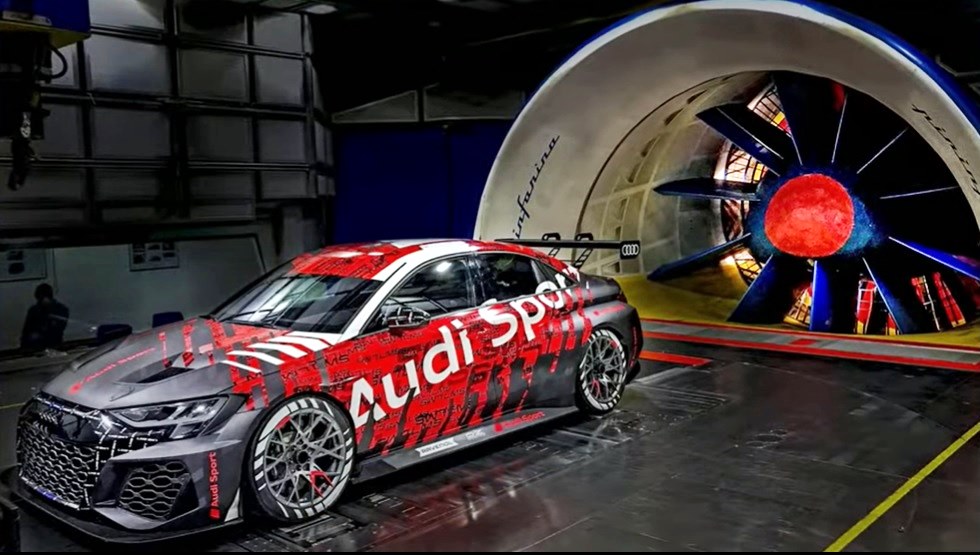
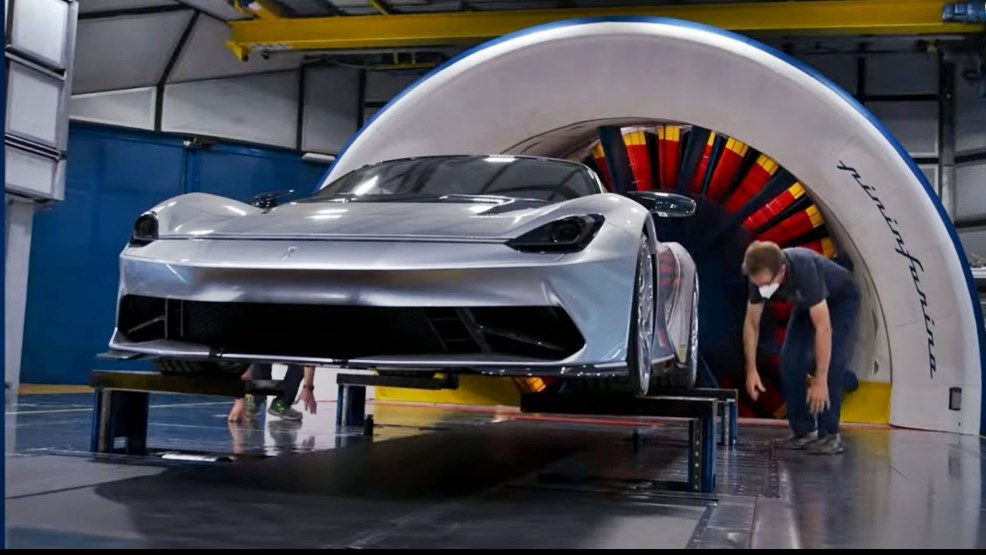
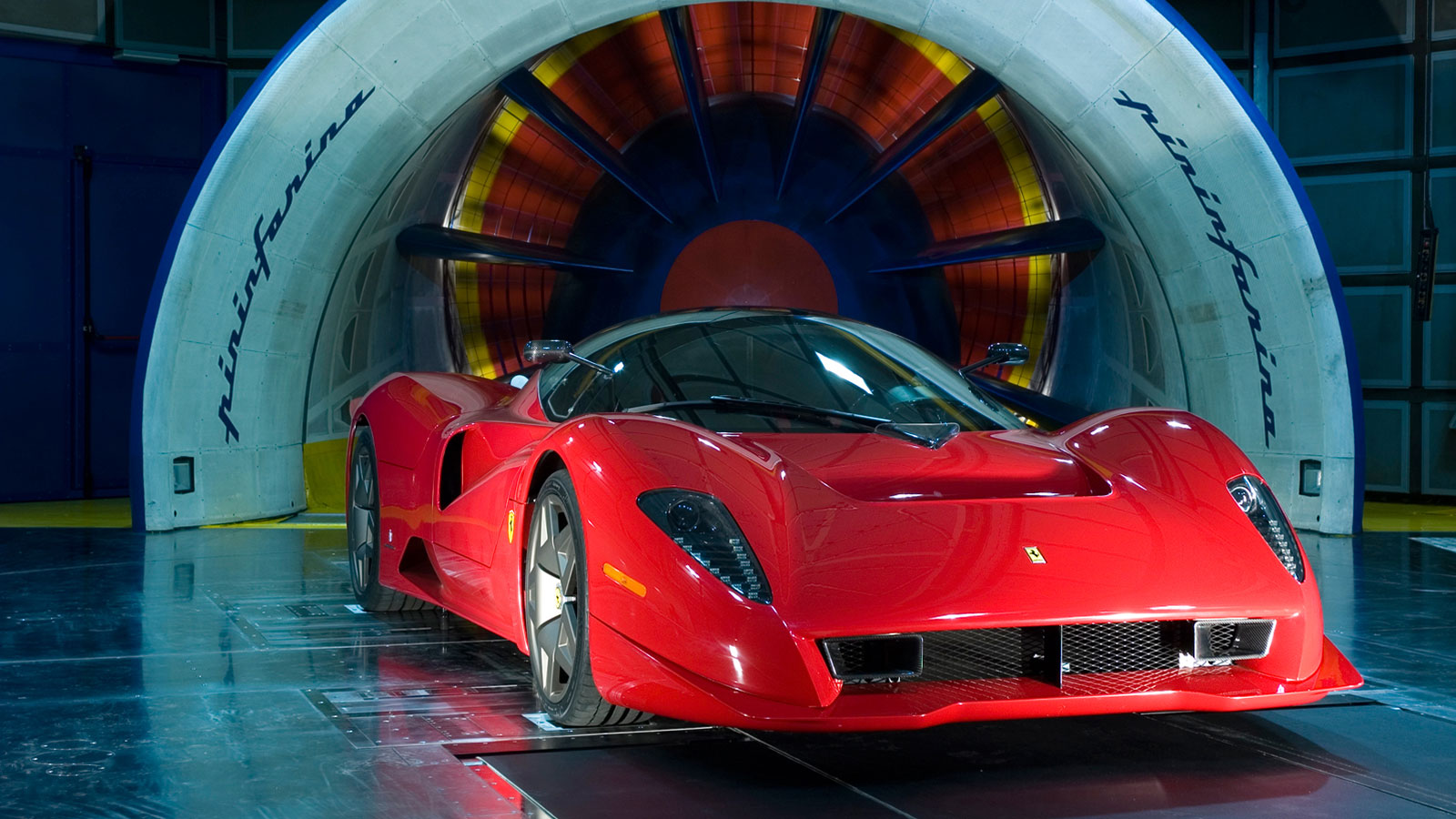
Pininfarina, the automotive design consultancy, also decided to build its own wind tunnel and it was large enough to test full-sized vehicles. At the time it began operations, it was Italy’s first wind tunnel to be built for testing full-sized cars, and one of only seven in the world. That was in the year 1972 and this year sees it celebrating its 50th anniversary.
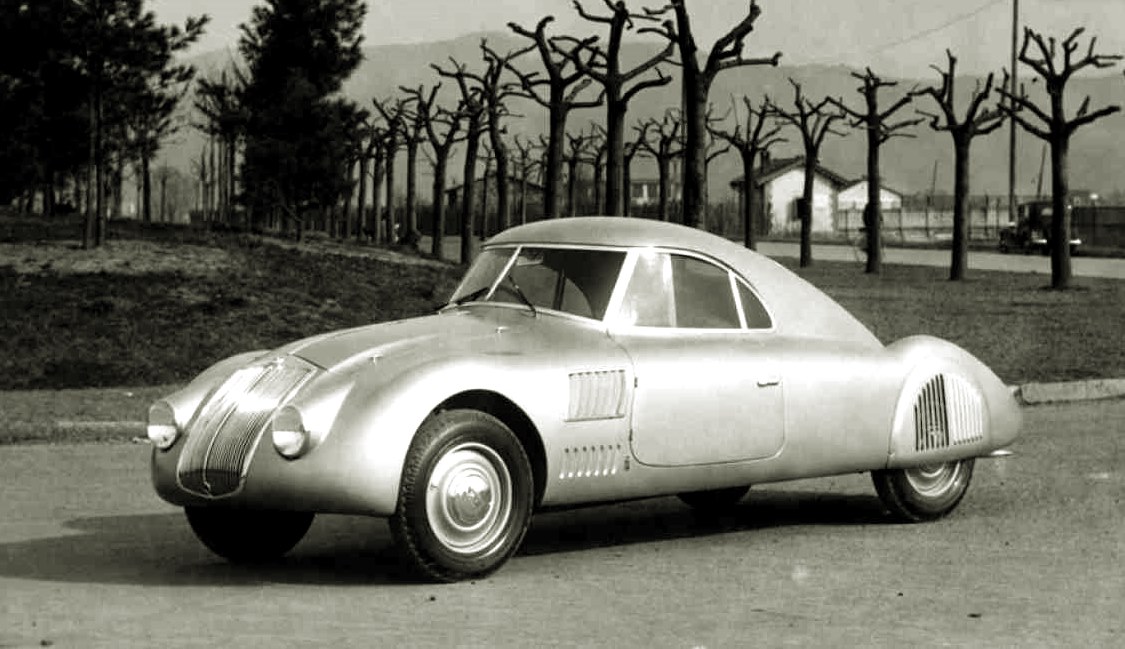
“Without a doubt, Pininfarina has a real passion for aerodynamics. And it’s a passion that has lasted more than 50 years, long before my father decided to build the structure. It all began with my grandfather Pinin, whose visionary intuition in aerodynamics is exemplified since the Lancia Aprilia Aerodinamica produced in 1936,” said Chairman Paolo Pininfarina, whose father was Sergio Pininfarina.
1937 Lancia Aprilia Aerodinamica
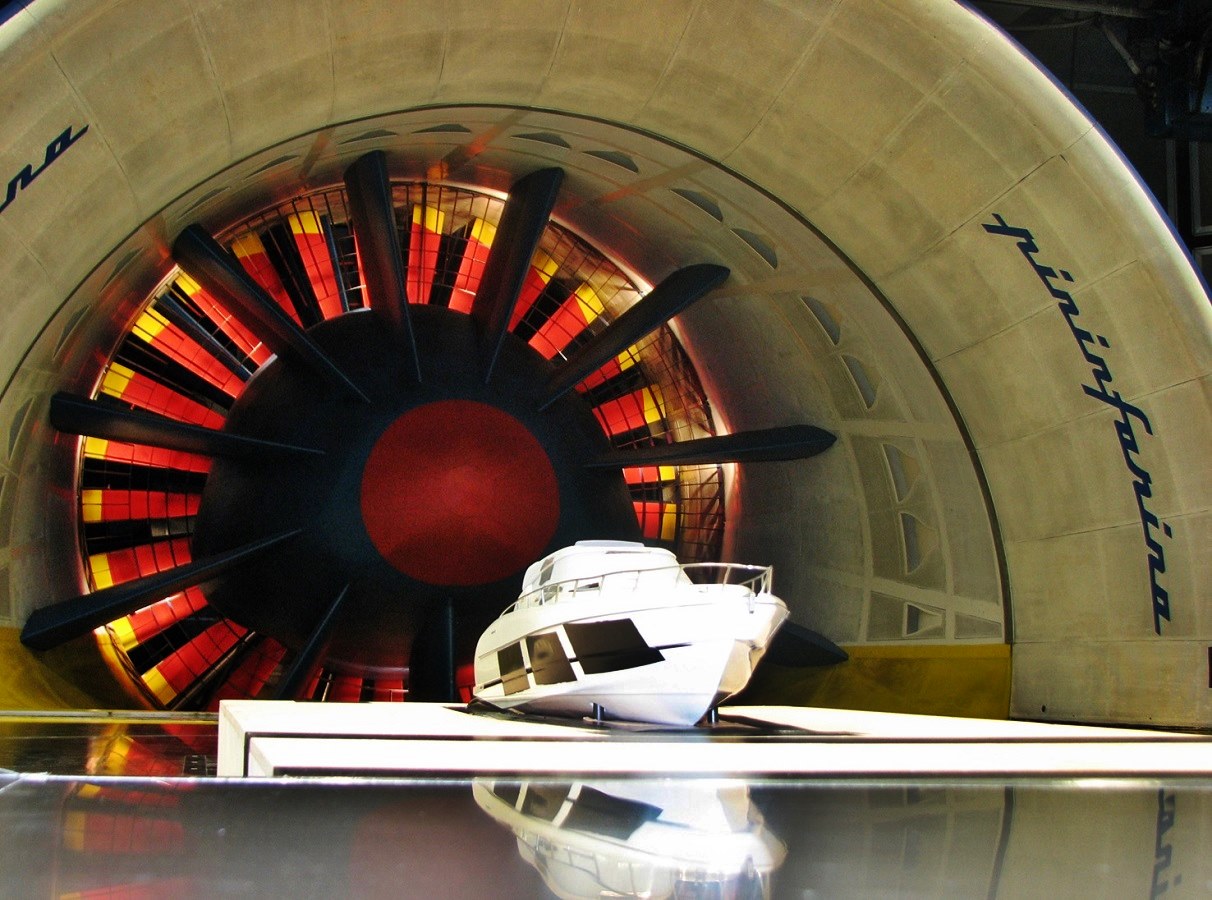
While it was initially used for motor vehicles, Pininfarina’s wind tunnel would become a powerful tool for testing and developing products across all sectors in which the company is fully involved. These include aircraft, high-speed trains, yachts, buildings, wind engineering, industrial design and even sporting goods. With the advent of electric mobility, there is even greater emphasis on aerodynamics as well as aeroacoustic development.
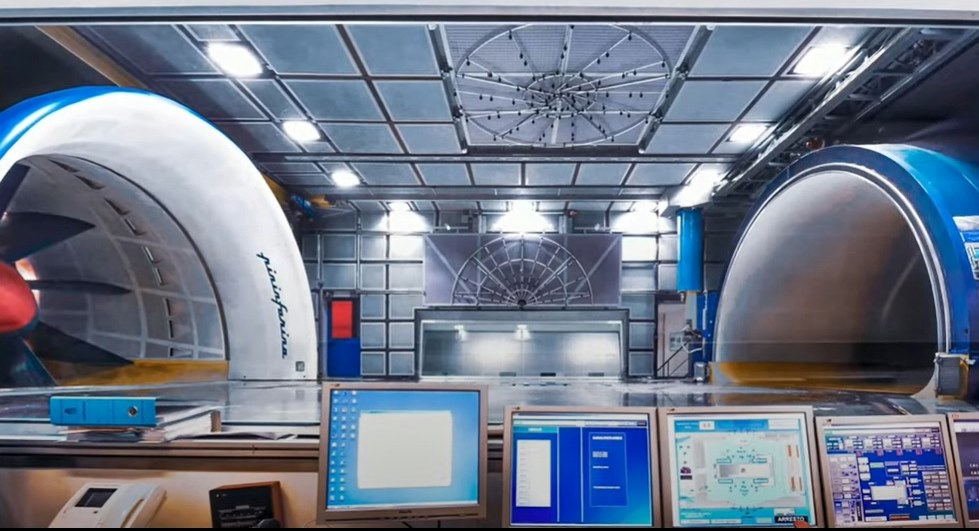
Even yachts can be tested in the wind tunnel which is 4.2 metres high and 9.6 metres wide.
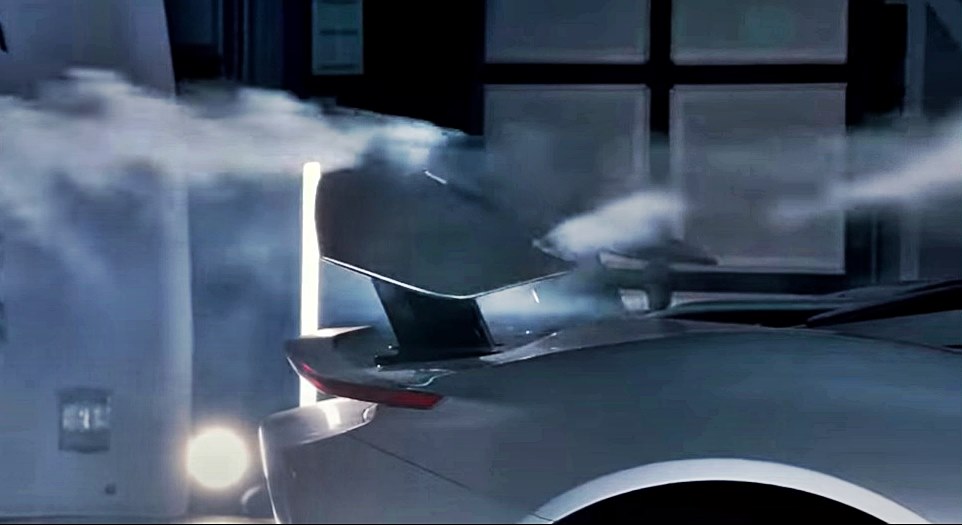
It is one of the few wind tunnels in the world to have a TGS – Turbulence Generator System – able to create various conditions of controlled turbulence associated with gusts of wind, overtaking manoeuvres, cross-winds and vortices generated by cars ahead.
There is also a Ground Effect Simulation System allows reproduction of real vehicle motion conditions. This is achieved by having 4 rollers and 3 mats to allow the wheels of the vehicle and the ground to move at the same wind speed. This system was developed to make the tunnel test conditions as faithful as possible to the road conditions, and to analyze the movement of air underneath.
While most cars have closed cabins, there are also convertibles with open tops as well as the increasingly popular fitment of sunroofs that create an opening on the roof. These all have significant implications on airflow and noise generation, as those who have been in such cars will know. In the wind tunnel, the turbulence generated can be studied and solutions developed to make things more comfortable.
When it first started operation, the wind speed inside the tunnel was less than the 250 km/h maximum of today. It was upgraded with the addition of 13 fans, with each fan able to spin at a different speed or have a different blade pitch. Noise levels were also reduced allowing better aeroacoustic studies with new noise measuring techniques. Aeroacoustic tests are becoming a fundamental element for increasing driving comfort, particularly for hybrid and battery electric vehicles.
The wind tunnel is equipped with three external microphone arrays and also cameras, helping to identify the sources of noise and consequent definition of countermeasures. Noise Vision and Beam Forming support enables visualization to aid analysis. In addition, the wind tunnel is also equipped with 4 acoustic dummies for internal acoustic comfort evaluation.
“The Wind Tunnel has given our company a considerable competitive edge, being the only design company to own one. Born as a tool with which Pininfarina developed its own projects, today it’s a strategic asset for the group, thus expanding the portfolio of services that we offer to the market: an activity that supports other sectors beyond the automotive, from transportation to architecture, from nautical to industrial design,” said CEO Silvio Pietro Angori.
Sunshine has energy which can be converted into electricity. With that energy source shining down on our planet daily for around 12 hours, it would seem that we should make use of it to power the many different types of modern equipment that we use today. And that is already happening with solar panels collecting sunshine which is converted to electricity for industrial use as well as things like water heaters in homes.
Now that there is this rush towards electrification of cars, why not use solar energy which is unlimited – and costs nothing? Manufacturers are spending billions in developing electric vehicles and surely they would have been able to come out with solar-powered cars by now. After all, they can even use hydrogen in fuel cells to generate electricity which is then used to power cars.
Why are there few solar cars?
The problem is that the technology is still not advanced enough to generate the amounts of electricity constantly to keep a car running. Maybe in the Star Trek age another 250 years in the future, a small solar panel will be enough to power a car indefinitely but at this time, an array of solar panels on a medium-sized car would need around 8 days to fully charge a battery pack of 70 kWh. So it’s a technological issue that is keeping development of solar-powered cars at a snail’s pace for now.
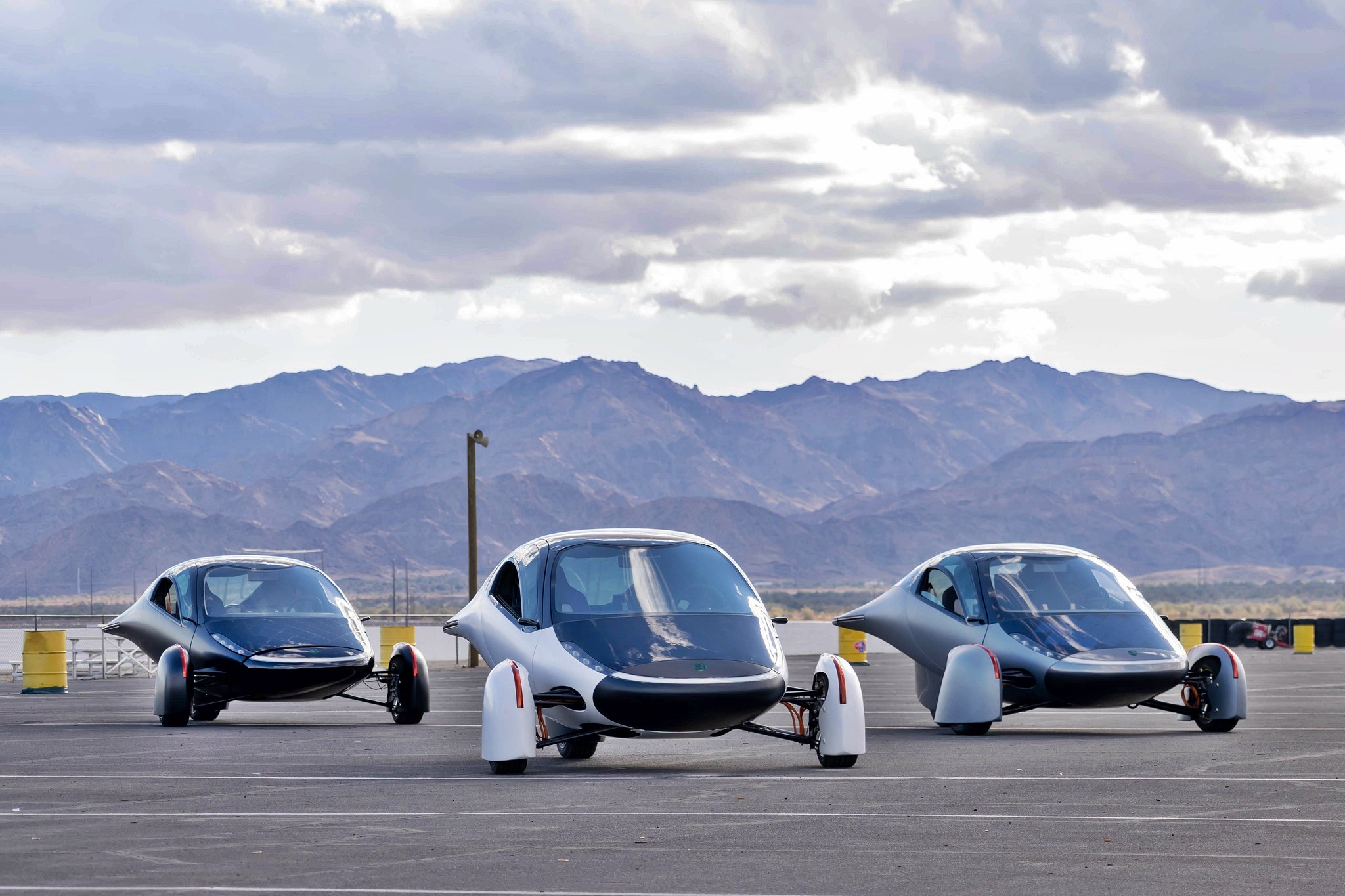
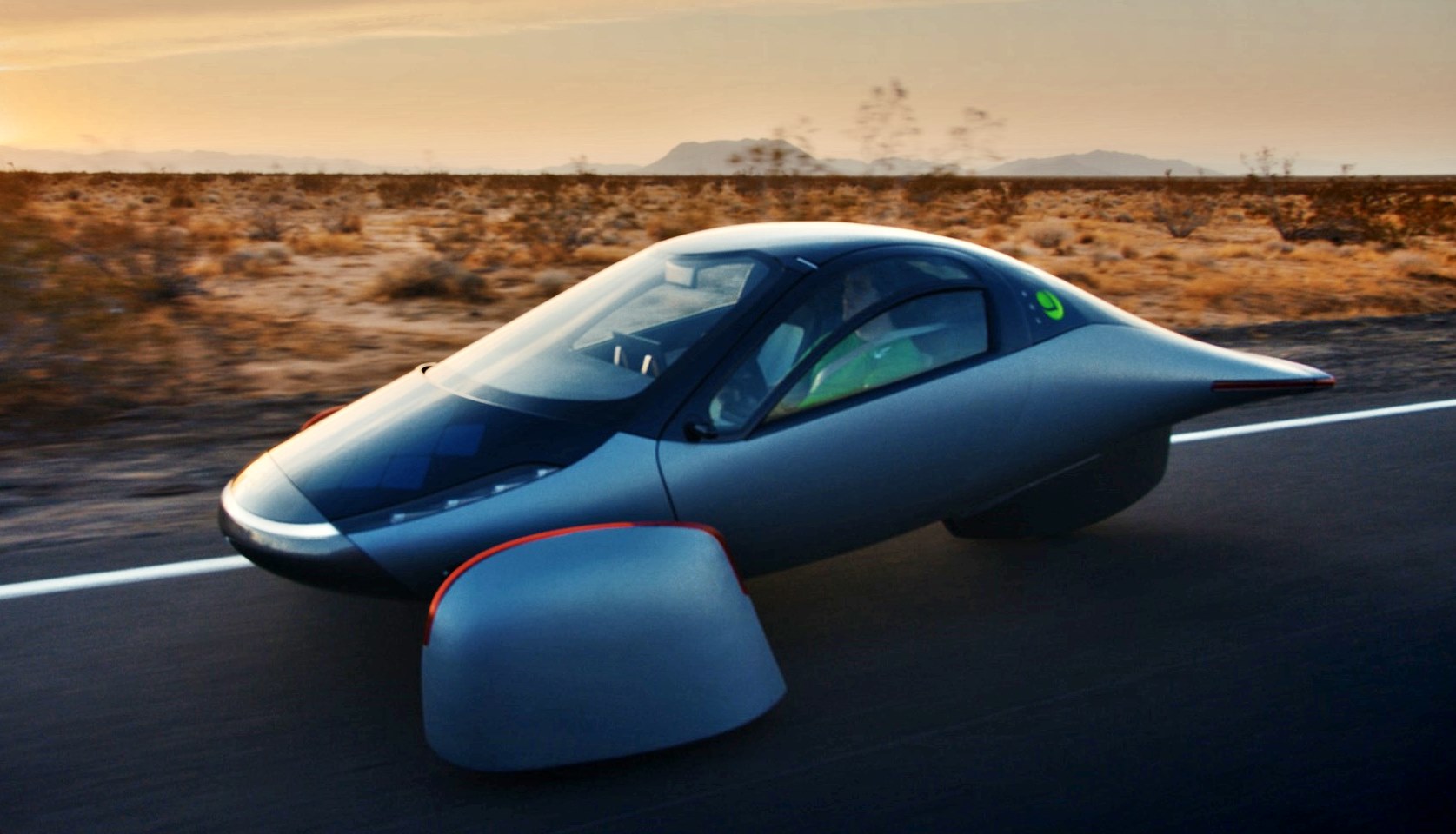
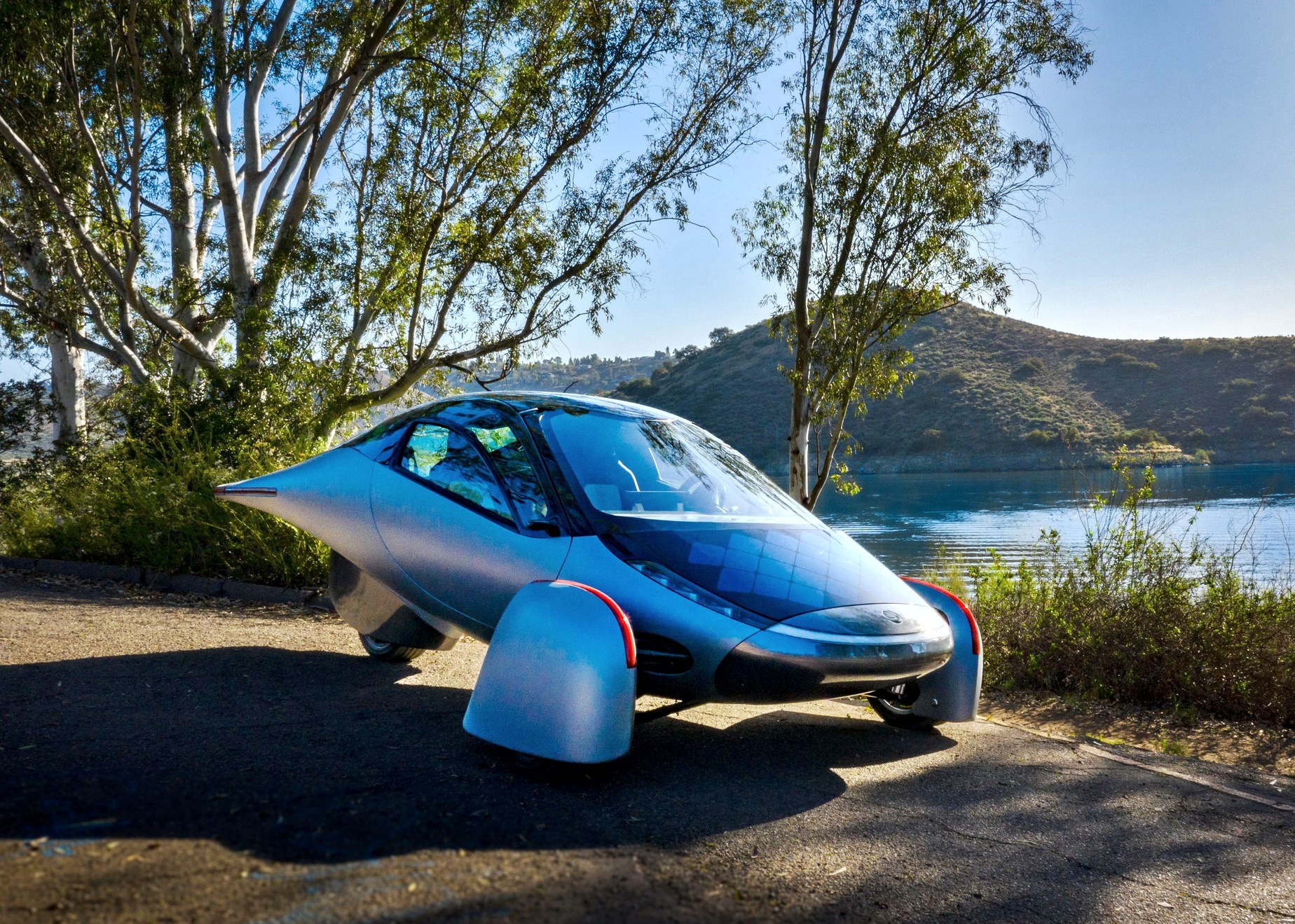
But there are many ongoing efforts and such cars are ‘just around the corner’. In fact, by early 2023, one company might be able to start delivering solar cars to people who have booked one. The company is Aptera, a car company that started in 2005 in California, closed down and was revived in 2019 with a plan to make a battery-electric vehicle (BEV) that also uses solar power primarily, and a battery pack as a range-extender.
The idea of using solar power as a supplementary energy source for cars is not new. Companies like Toyota and Hyundai have put small solar panels on the roofs of some models for additional electricity to power ancillary equipment.
Up to 1,600 kms range
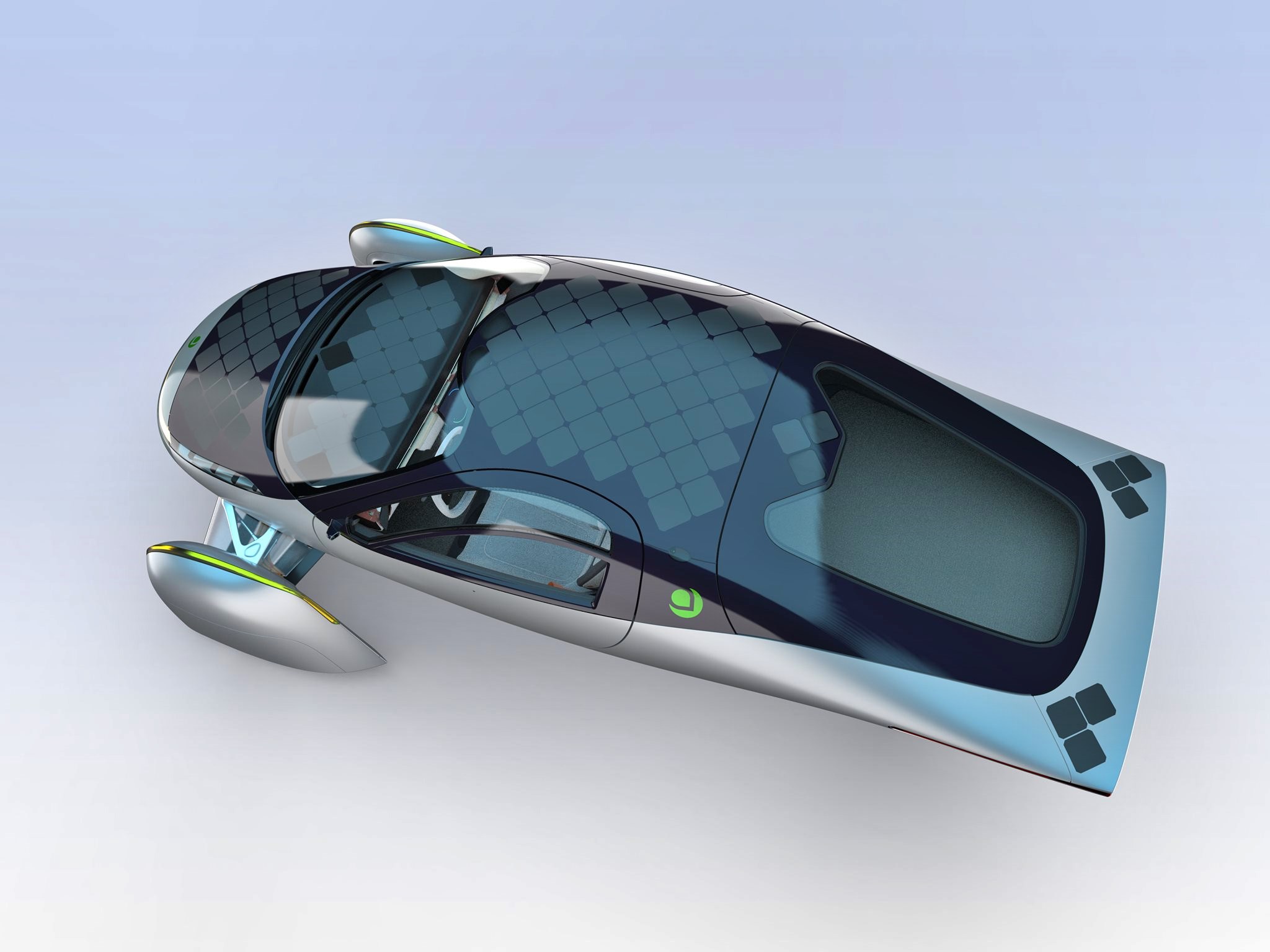
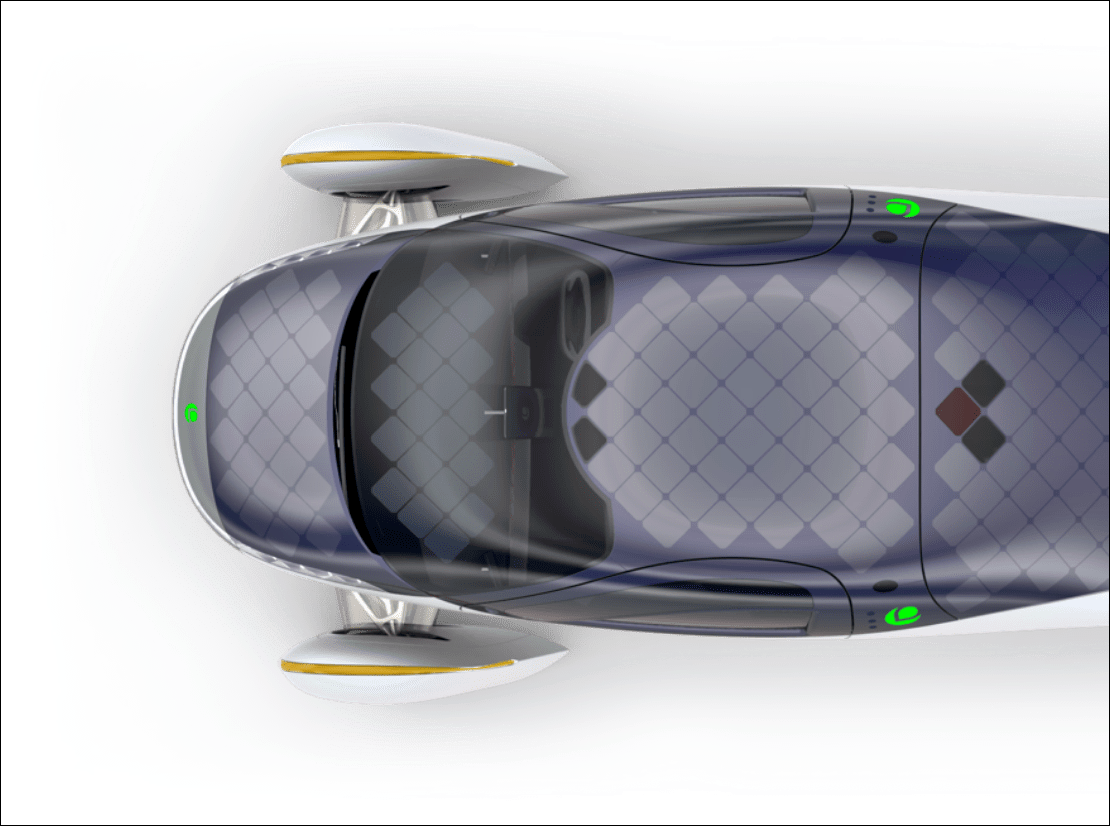
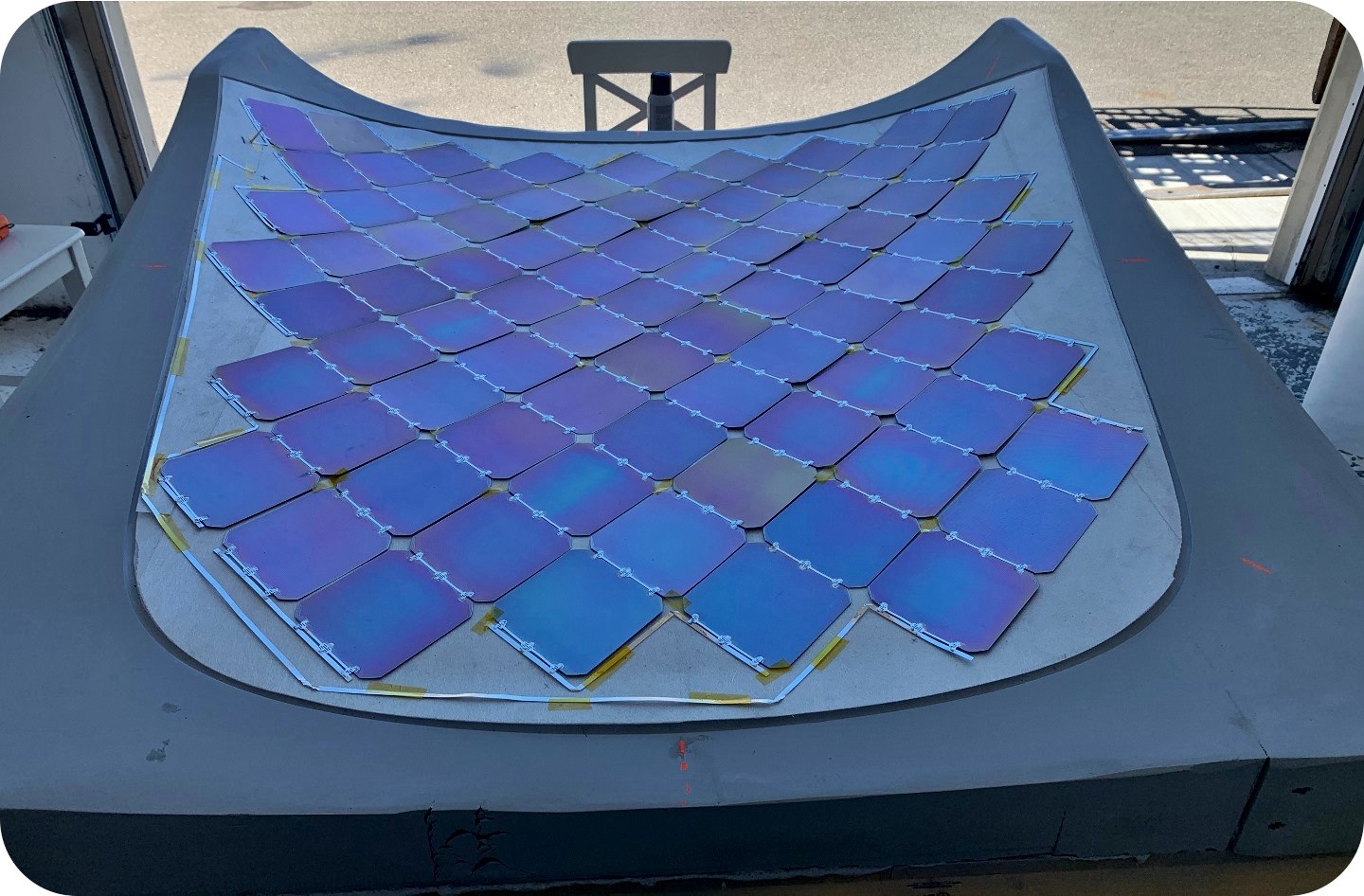
Aptera’s solar electric vehicle (sEV) will require no charging for most daily use and the company claims that it can cover up to 1,600 kms per full charge if the battery pack is used as well. This is achieved with its ‘Never Charge system which uses 180 cells on diamond-shaped solar panels covering 3 square metres of the car’s body. These can collect sunshine to convert to as much as 700W which would be good for 64 kms of driving per day. Those 64 kms of essentially free range are collected by over 3 square metres of solar panels on the bodywork.
A section of the solar cell array that covers 3 square metres of the vehicle’s bodywork.
If you’re just driving around town daily, then you really would not need to recharge. But for longer distances, then there is a battery pack which has stored electricity to provide the extra range required. And Aptera says that recharging can be done with a household power supply, though how long it will take is not mentioned.
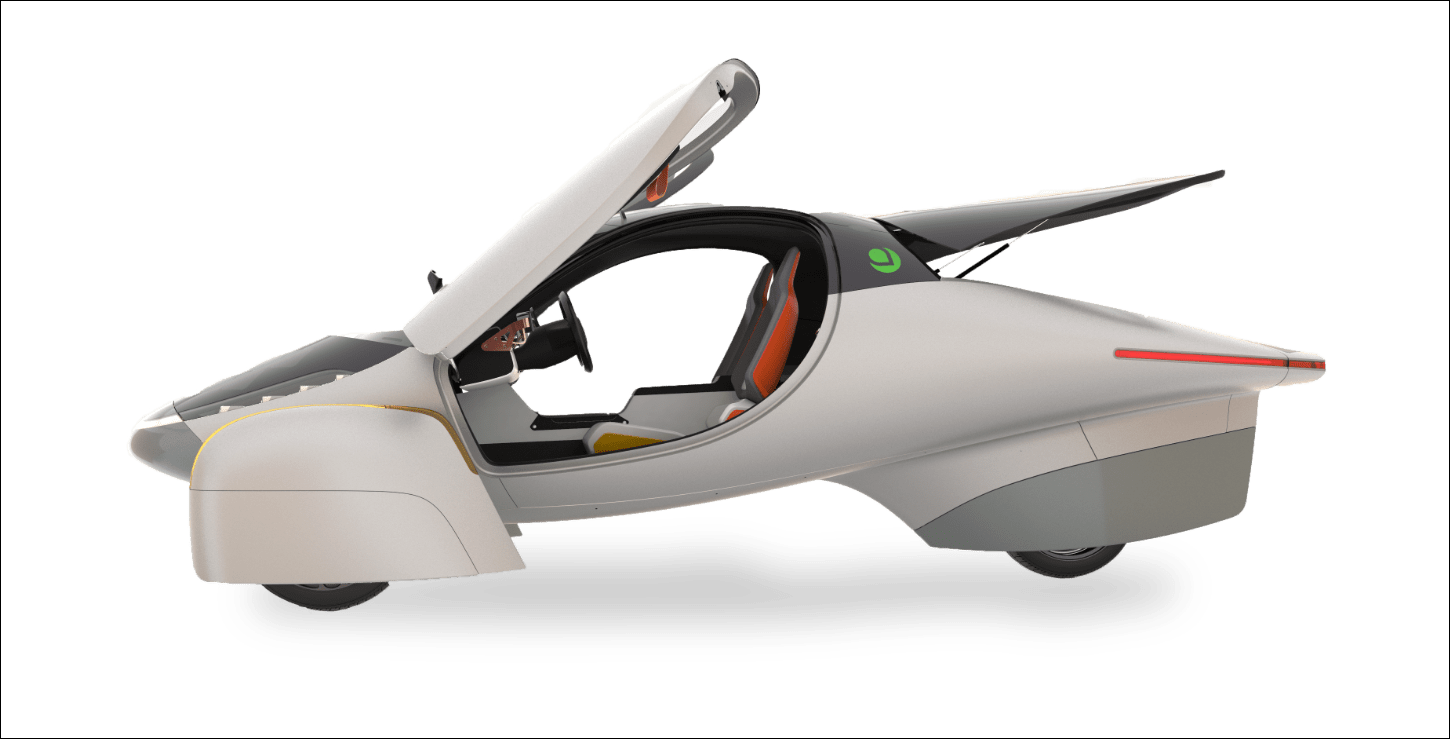
Propulsion is by 3 liquid-cooled in-wheel electric motors (two in front, one behind) that can give an acceleration time of 3.5 seconds from 0 to 96 km/h and a top speed claimed to be almost 180 km/h. For stability, there will be all-wheel drive and vectorized torque control.
Three wheels, instead of four
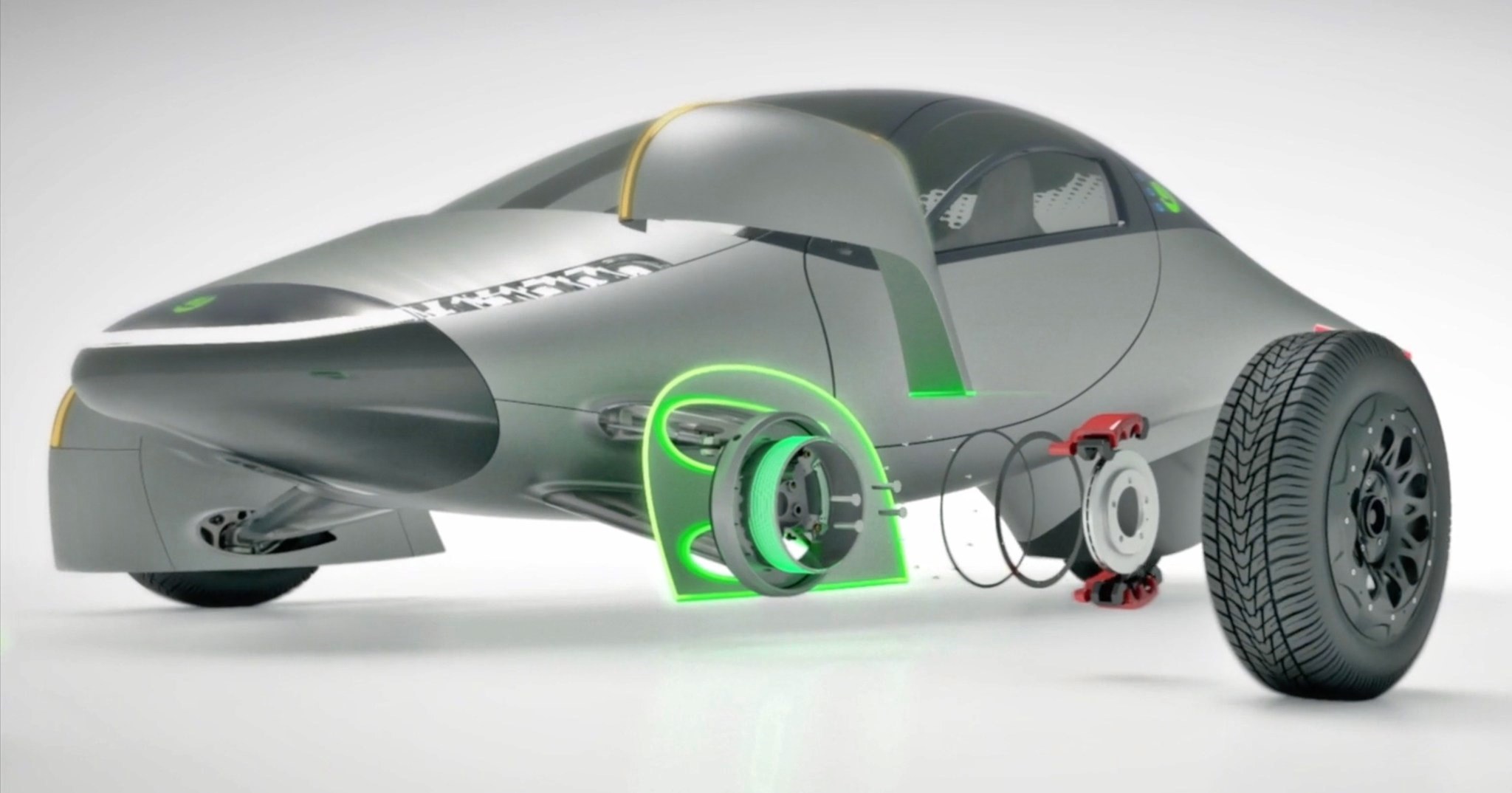
To maximize use of the electricity available, the sEV has to be as light as possible, requiring less energy to move. In fact, having three wheels instead of four is partly due to saving weight. At between 818 kgs to 1,000 kgs, the vehicle is said to weigh 65% less than other EVs on the market today. Aptera’s engineers have also used many different example to reduce energy loss, and by eliminating the fourth wheel, the contact point for friction and potential energy loss is lessened.
The body is built with ultra-lightweight composites and its arched shape mimics the physics of an eggshell to create a safety cell that is claimed to be much stronger than steel.
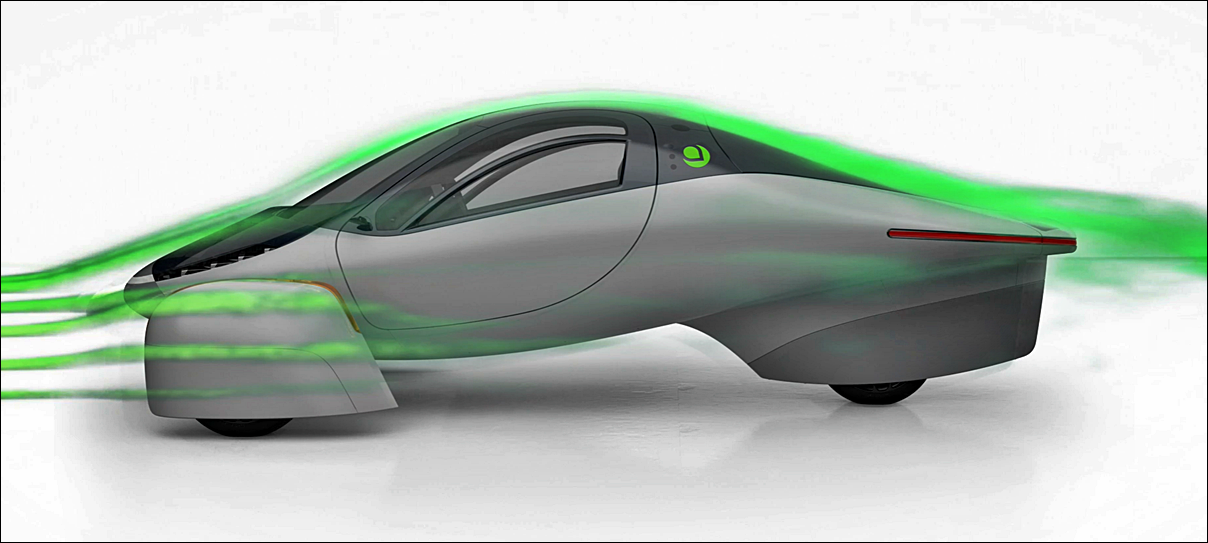
Aerodynamic efficiency of 0.13 Cd
Besides light weight, the other important factor is aerodynamic efficiency or how slippery the shape can be so that wind resistance is minimized. Less energy will be needed to overcome the wind resistance so performance will be better and at the same time, the energy saved can be used for extending range.
The aerodynamic form of the vehicle, which has a Cd of 0.13, is inspired by nature. The teardrop-shaped central body allows air to flow around it to ‘follow & copy’ that shape. This means airflow contacts the body at a certain angle around the front wheel area, as the air is being bent around the tapered nose. The wheel covers are tapered inward and the rear is tapered outward, making the overall shape more aligned with the main bodywork.
At the single rear wheel, the story is different. The wheel is positioned at the centreline of the vehicle and optimizations were applied to the bodywork in front of the wheel. Guiding the air in such a way that it avoids hitting the exposed part of the tyre, providing gains in terms of aerodynamic efficiency.
Intelligent cabin packaging
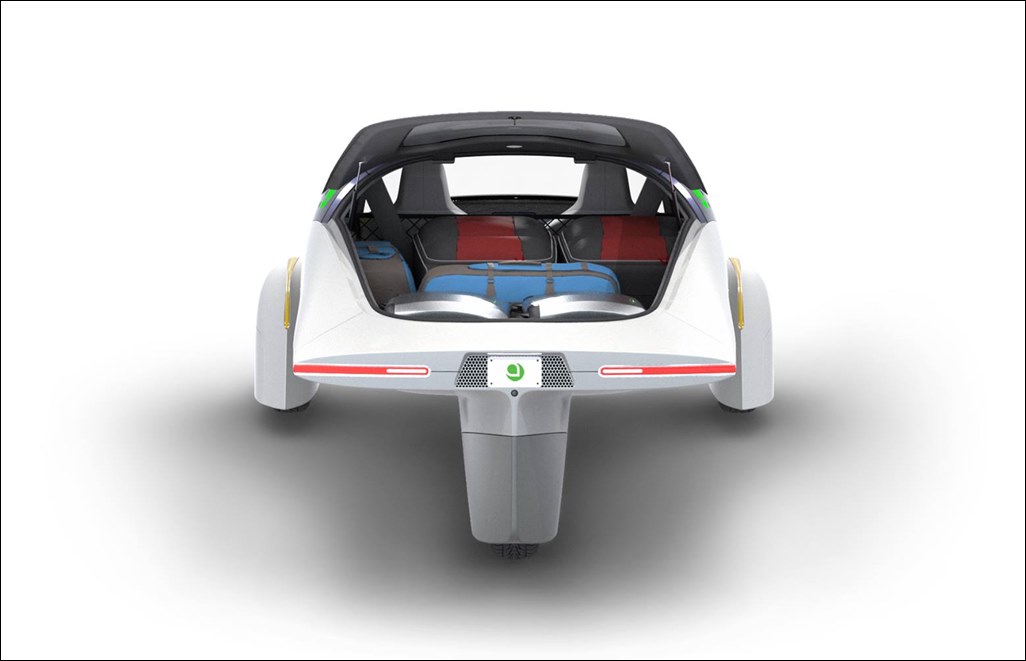
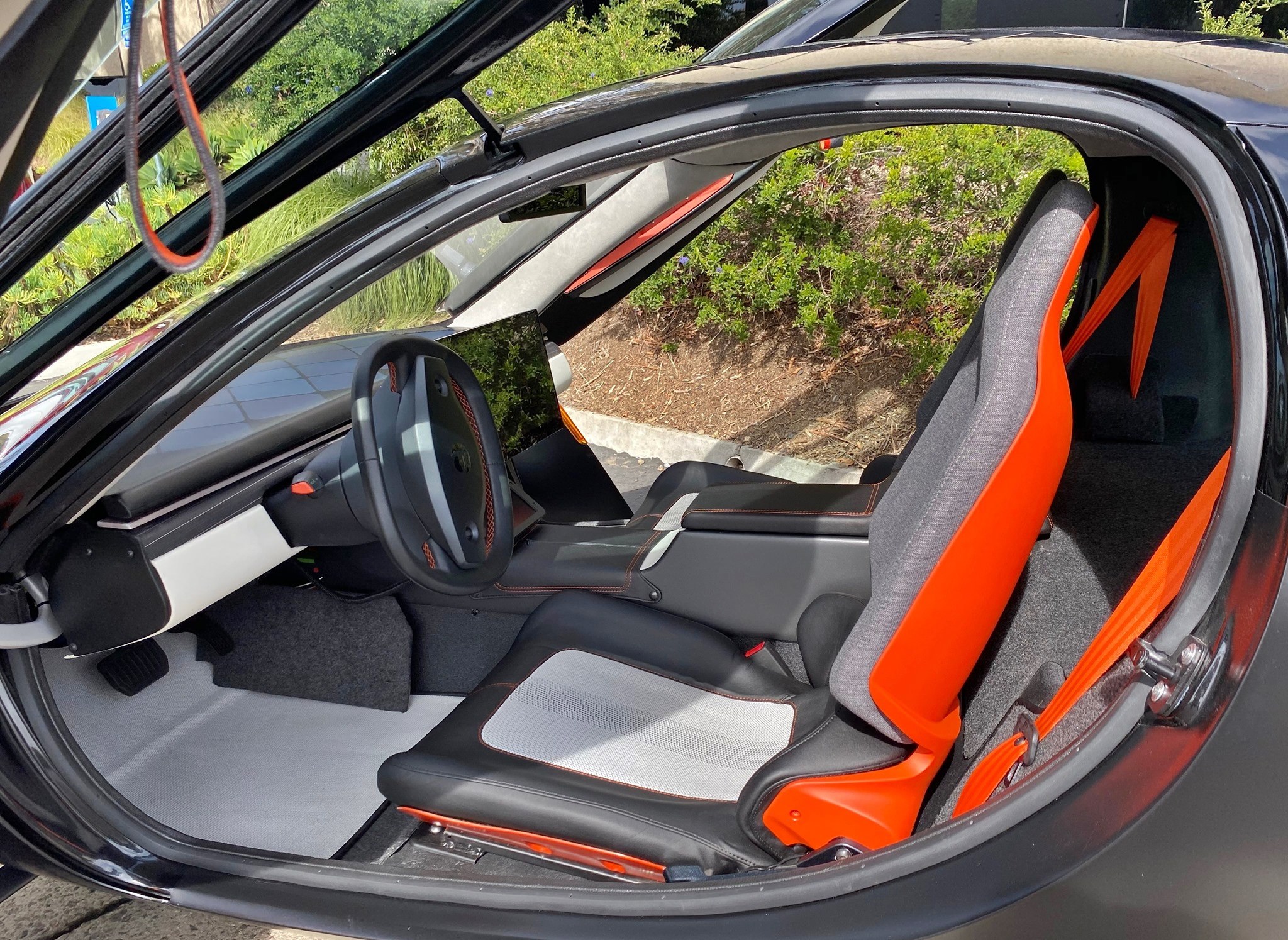
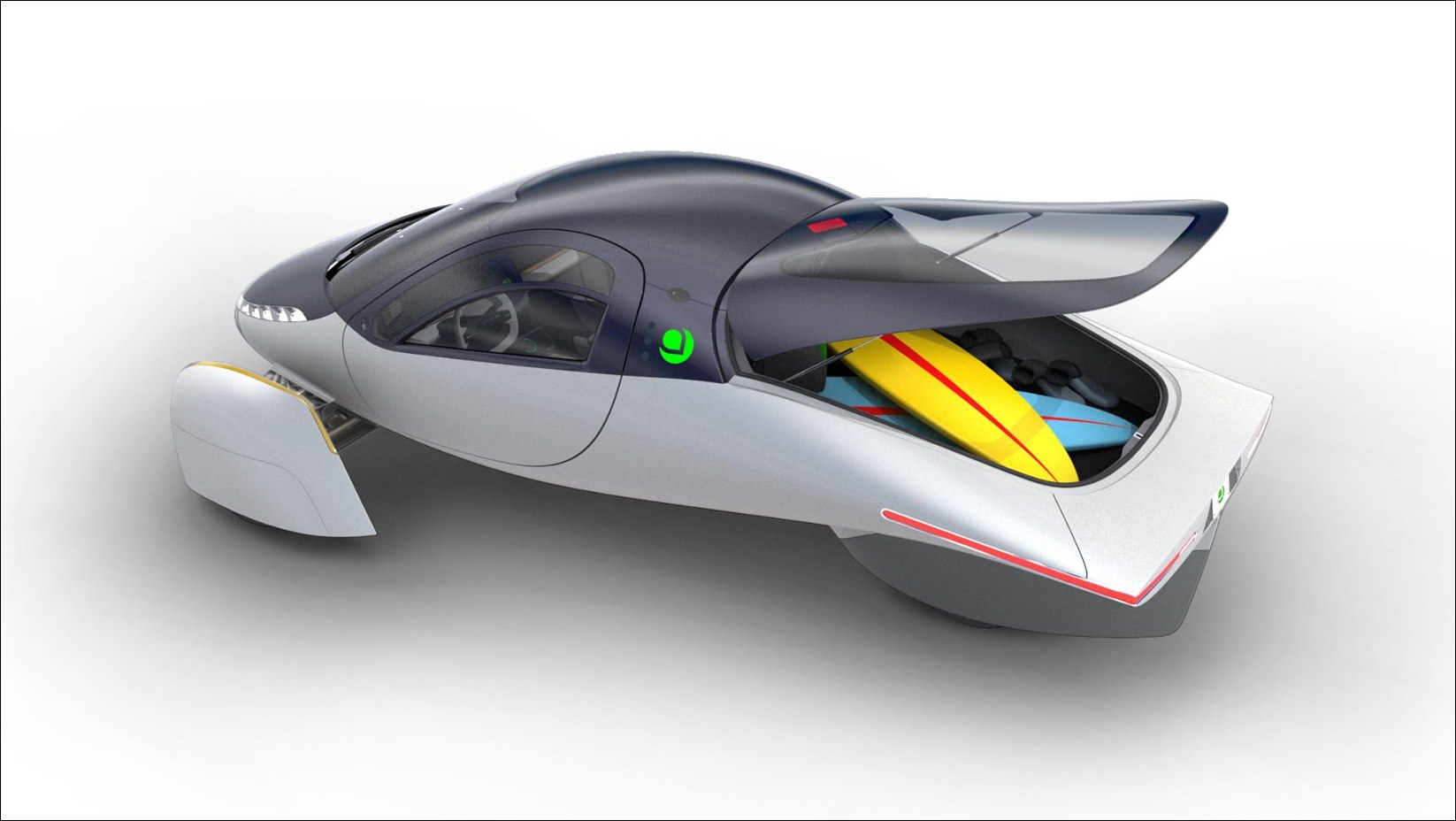
The sEV is a small vehicle and seats only two. However, intelligent packaging has ensured that those two people can carry a lot of gear or a lot of shopping from the supermarket. The layout has both occupants side by side, rather than in a tandem position like a motorcycle (as some solar vehicles have been designed). Much of the thinking behind the interior has been with manufacturing simplicity and flexibility in mind.
As would be expected, there are storage areas for the stuff we all carry these days as well as things like wireless charging pads. Environmentally-conscious materials are used, such as biodegradable and plant-based leather, recycled PET and 3D knit materials, bio-based plastic thread and recycled felt.
Pricing to be from US$29,500
Aptera is confident of moving into the production phase by the end of this year as it has received US$40 million (about RM178.3 million) in crowdfunding and commitments. It has also been accepting $100 (RM446) deposits from interested customers (it says there are already 25,000 reservations) and expects to price their first solar vehicle from US$29,500 (about RM131,500).
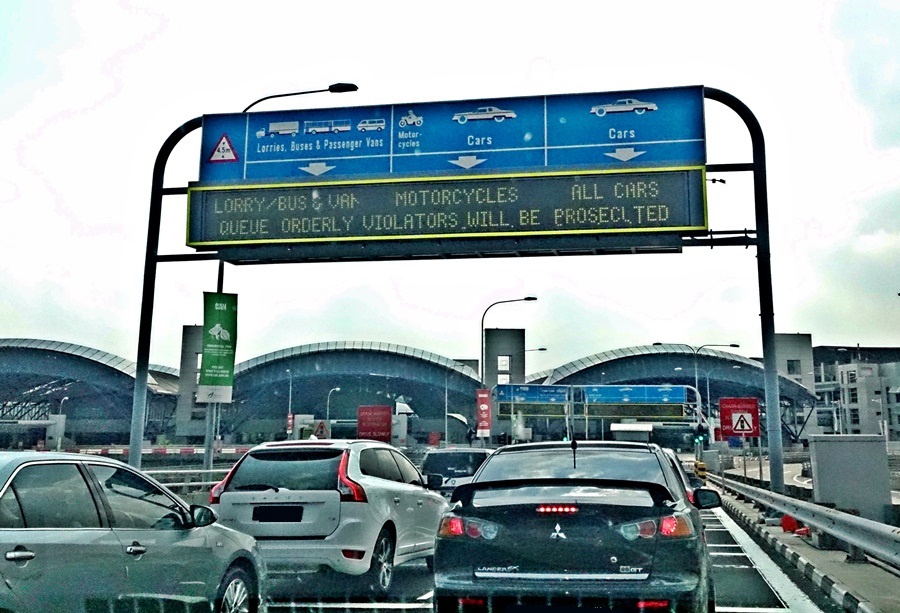
With Singapore being just a short drive across the two connections over the Straits of Johor, Malaysians have long been driving into the republic for holidays or business purposes. Daily too, thousands of Malaysians enter Singapore to work as well. As in Malaysia, possession of a valid driving licence is necessary to drive a car around Singapore and it has been fortunate that the Malaysian driving licence has been accepted and Malaysian-registered vehicles can also be driven in for short periods.
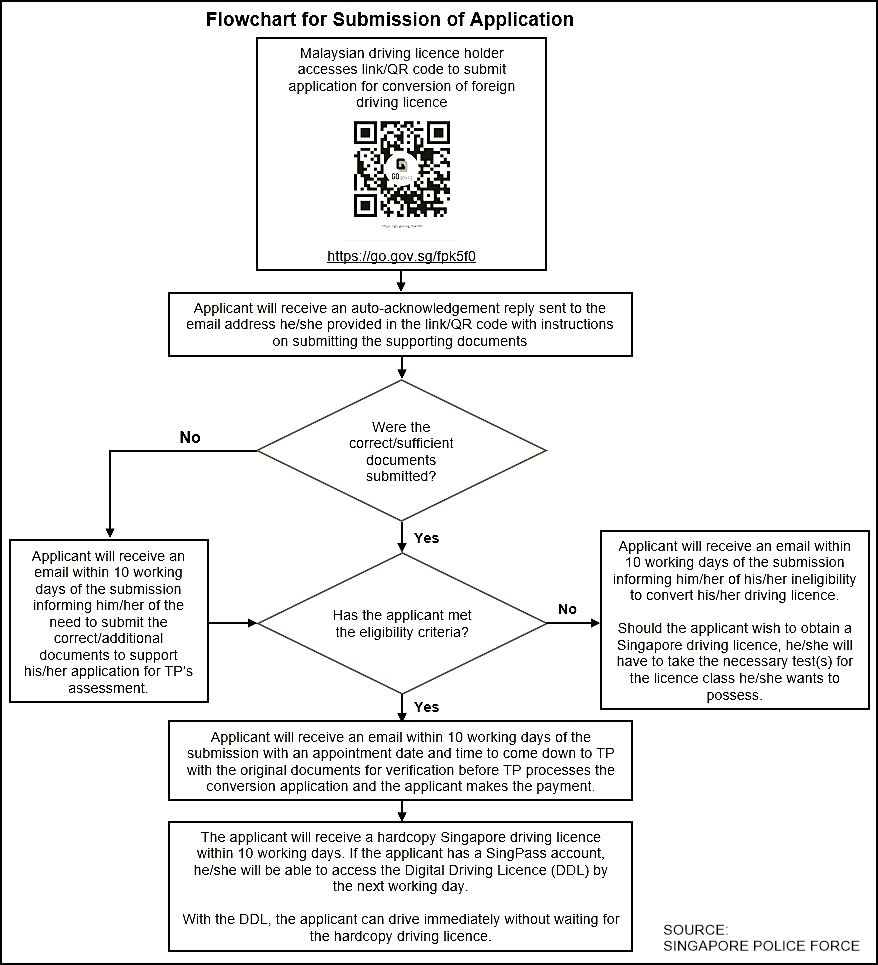
For those who are staying there for much longer periods (more than a year), it is necessary to have a Singapore driving licence. To make things a bit more convenient, the Singapore authorities now allow applications for conversion of the Malaysian licence to a Singapore one to be done online. For now, it is a trial program which is aimed at reducing the waiting and processing times at the Traffic Police headquarters in Singapore.
As with the Vehicle Entry Permit (VEP) which has applied for online, the move is also in consideration of these times where physical interaction should be minimized to avoid spreading the COVID-19 coronavirus. By moving processes online, the time that people have to spend face to face can be reduced.
The online application is only the first step in the process, but it is useful to ensure that all conditions are met before actually going to the office. Thus the applicant’s time won’t be wasted, and the police also will not waste their time. If all conditions are satisfied, then the applicant will have to personally deliver copies of relevant documents and make payments. This will only be after a period of 10 days from submitting the application and a specific time and date will be provided.
If everything goes well, successful applicants should get their Singapore driving licence within 10 days. It is also possible to obtain a Digital Driving Licence for those who have a SingPass account. This is valid as a licence for inspection so you can start driving more quickly.
Incidentally, all applicants must also have a valid International Driving Permit (IDP) which Malaysians can obtain from the JPJ. The IDP is valid for one year and can be used in almost all countries. Applicants must also sit for the Basic Theory Test (BTT) at any of the driving centres in Singapore
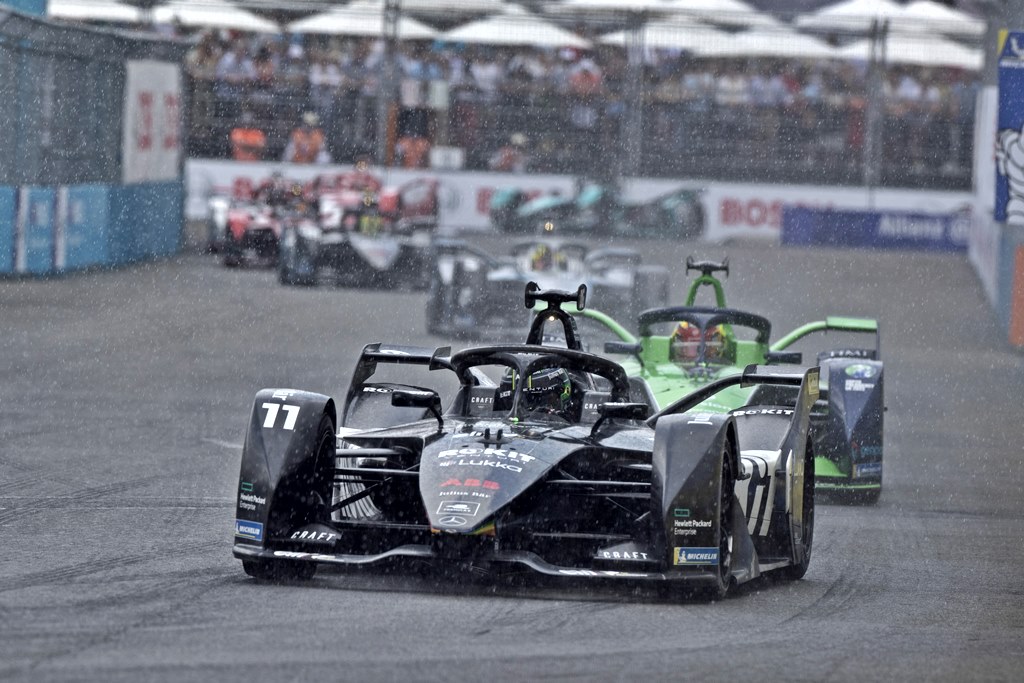
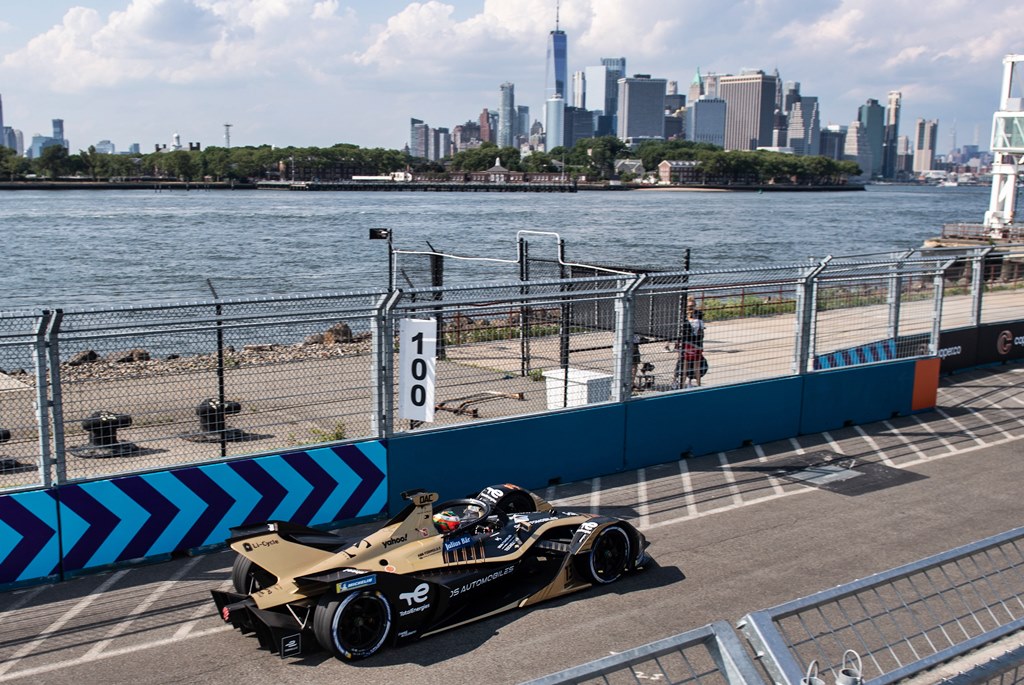
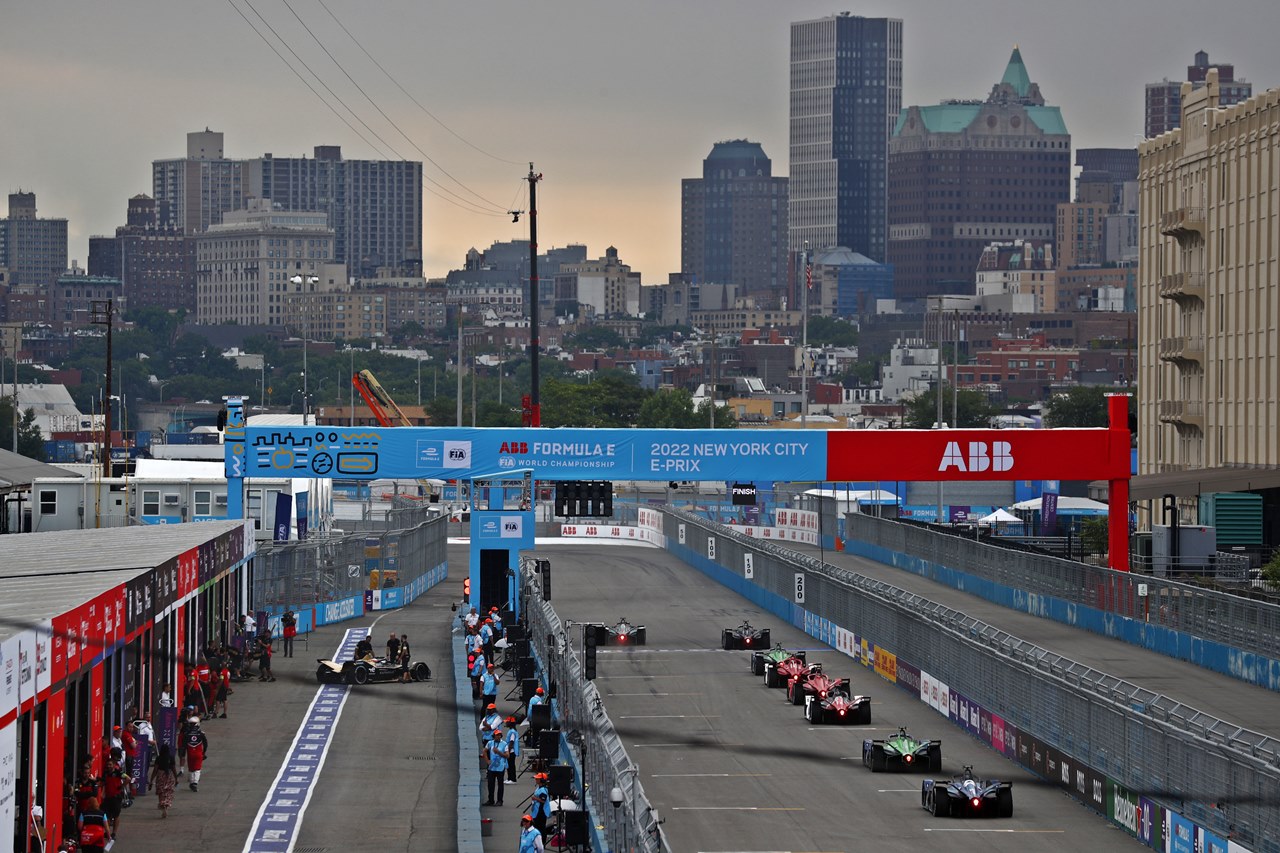
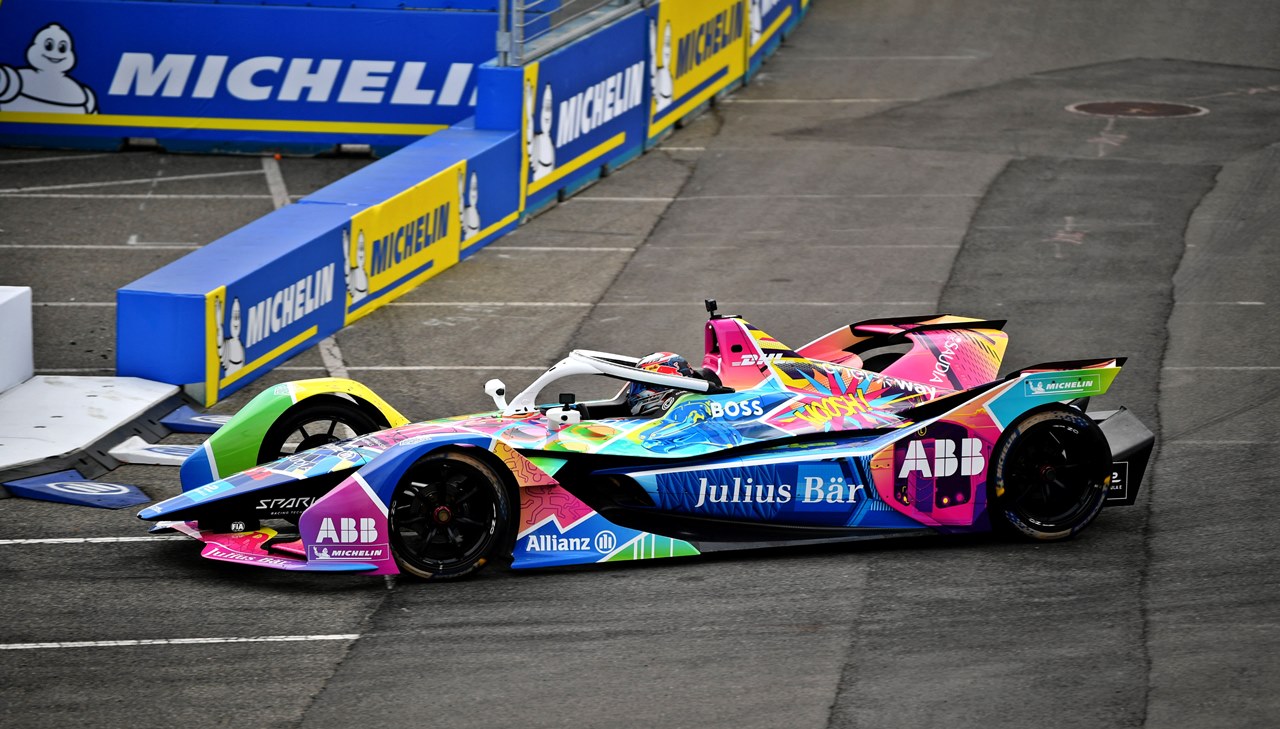
Formula E was in New York City this week for Round 12 and it was also the fifth year that the all-electric single-seater series was in the city fondly known as ‘The Big Apple’. The Brooklyn Street Circuit has served as the racetrack on 8 occasions in the past and season titles have been decided by e-Prix in the shadow of Manhattan’s skyline.
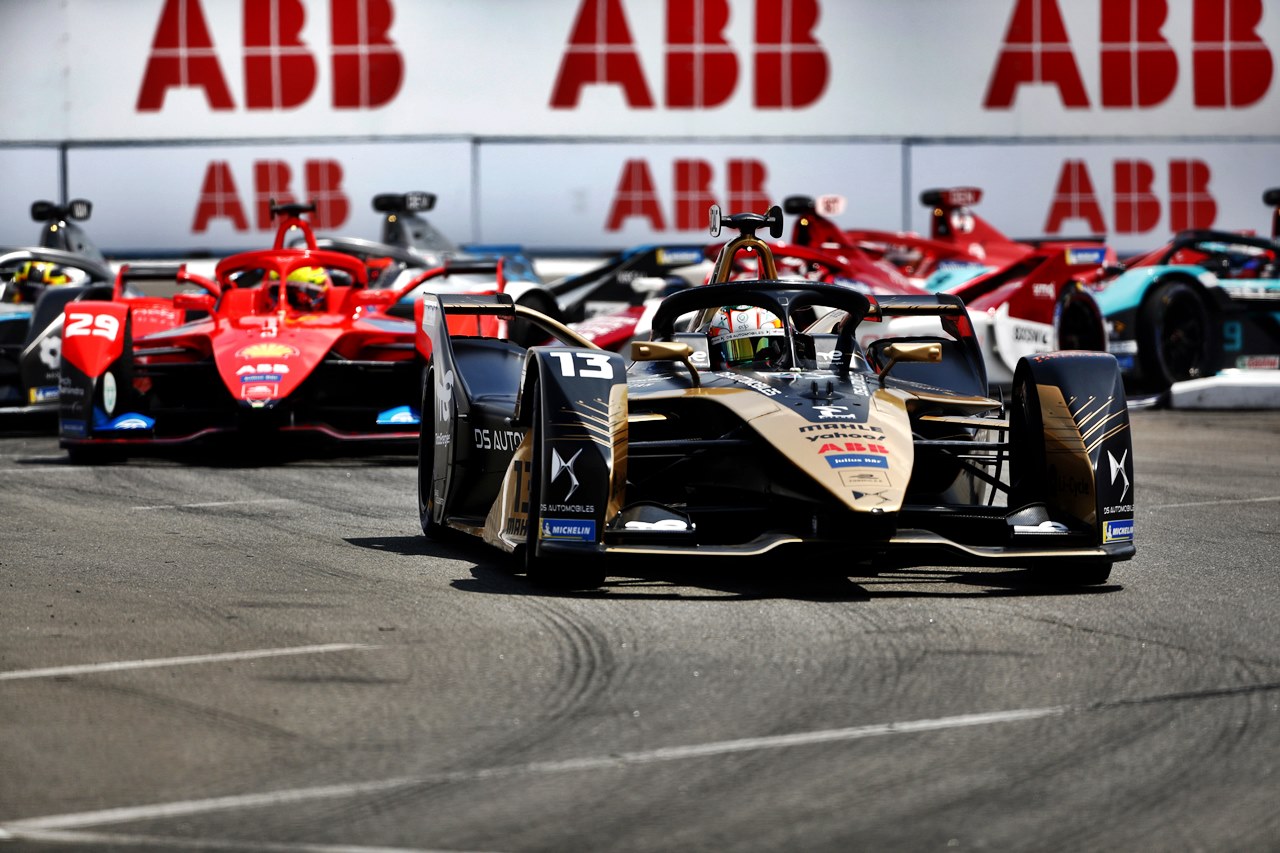
This year, for Round 12 of the ABB Formula E World Championship Season 8, it was Antonio Felix da Costa who led lights-to-flag to bring home his and DS TECHEETAH’s maiden win of the season. Chasing him across the finish line was Stoffel Vandoorne (Mercedes EQ Formula E Team), eating away at the points advantage of ROKIT Venturing Racing’s Edoardo Mortara at the top of the standings.
The Portuguese driver sprinted away from Julius Baer Pole Position and fended off the attentions of contenders early on before Vandoorne applied the pressure later in the race. However, the Mercedes-EQ driver could find no way through, to challenge da Costa and beat him to the chequered flag.
Vandoorne’s second spot was more than enough for one of Formula E’s most consistent scorers to leave the city with a smile on his face – especially with Drivers’ World Championship leader Mortara managing just a point at 10th spot, after a brake-by-wire issue in qualifying had marooned him at the back of the grid.
Jaguar TCS’s Mitch Evans wound up third, holding on to a mid-race half-spin as he tried to break into the top three by Alexander Sims (Mahindra Racing). The Jaguar TCS driver hit a bump in the Turn 6 braking zone and just managed to catch a huge sideways slide to keep it out of the wall. Fortunately, he dropped only to fifth and, by the end of the race, had fought his way back to third ahead of Sims.
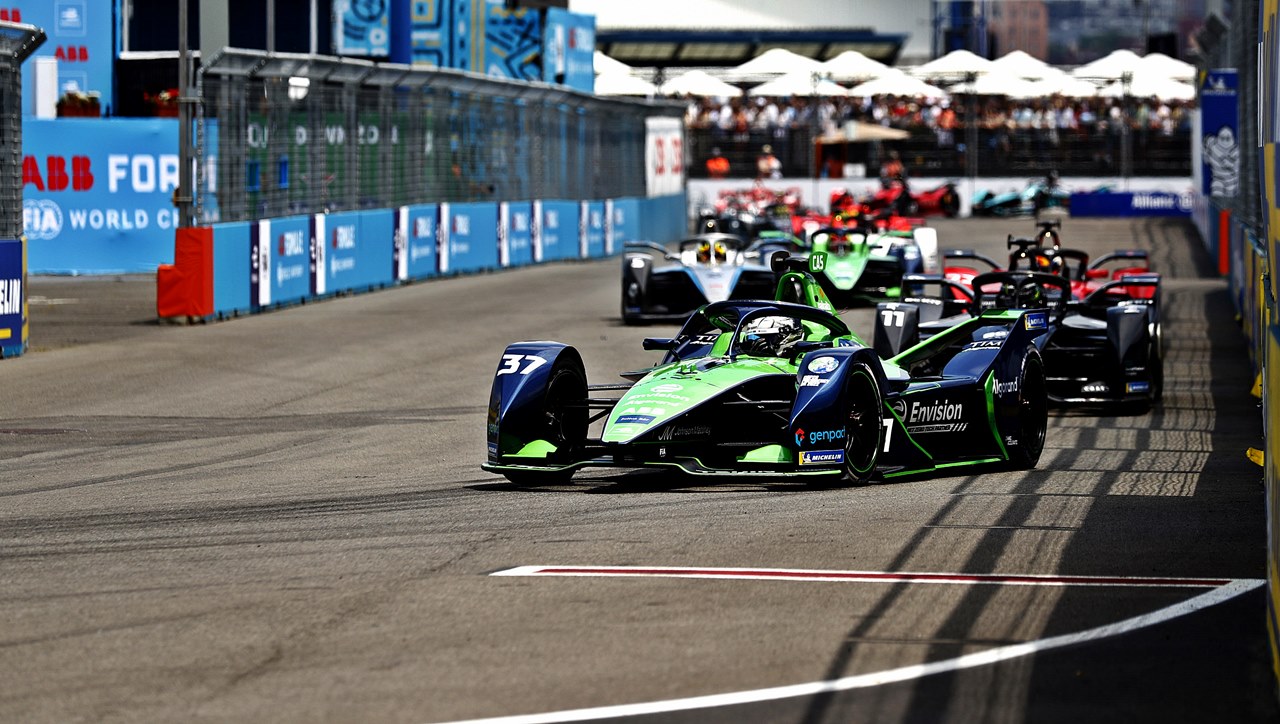
Evans’ team mater, Sam Bird was able to scrap to fifth position from 16th on the grid. His impressive drive reignited their Teams’ World Championship push. Envision Racing’s Robin Frijns rounded out the top six in the Audi-powered racing car, with Nyck de Vries, the other Mercedes EQ drive, in seventh.
With just 4 rounds left, Vandoorne is back at the top of the Drivers’ World Championship, now with an 11-point margin to prior leader Mortara. Evans is 5 points further back in third with Jean-Eric Vergne (DS RECHEETAH) unable to score again.
The race
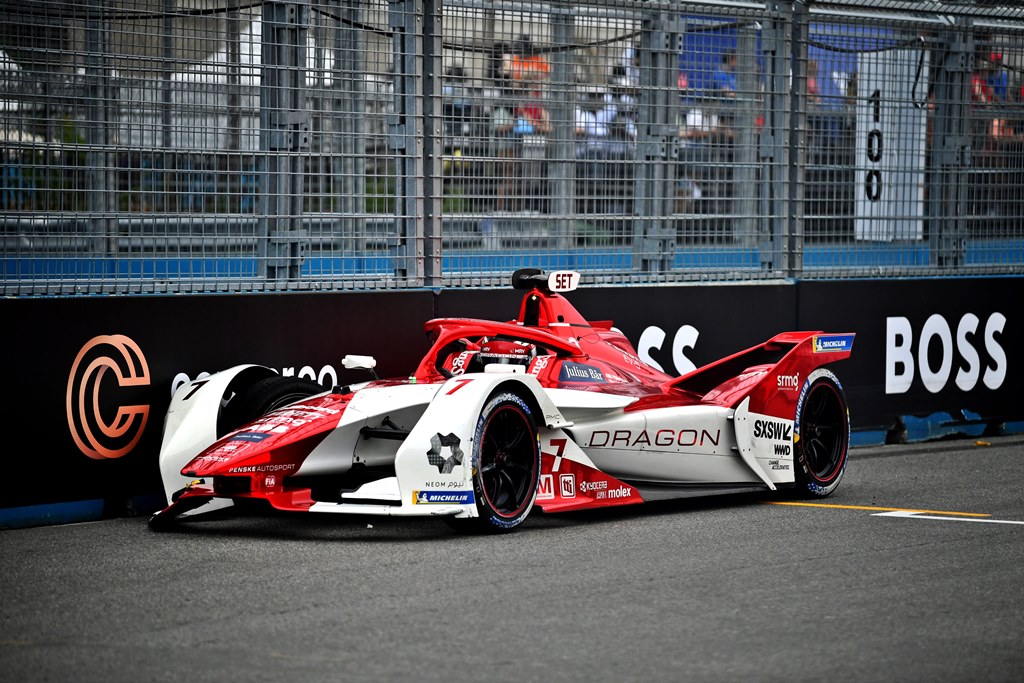
With the summer sunshine a change from the rain of the day before, da Costa fired away to an advantage of almost a second over Sims and Vandoorne. The Porsche of Andre Lotterer failed to get away at all, with the pack squeezing to avoid contact and the German sliding to 11th.
Come Lap 5, the chasing pack, led by Sims, had closed in on da Costa to within half a second while Vandoorne followed the same distance back just ahead of his teammate de Vries. Dan Ticktum in the NIO 333 Racing was the big mover in the early stages, up to 11th and a gain of 6 spots by Lap 7 with some very fast laps.
Just one mandatory ATTACK MODE activation for Round 12, and Ticktum was the first to blink. The leaders waited for one another to jump first – and it was de Vries and Sette Camara who went for it on Lap 11. The top two went through the loop a lap later and Vandoorne was able to jump them both to briefly take first.
Bird was another climber in the opening third of the race. The Jaguar driver had started from 16th position and had made it as high as eighth by Lap 13, before Dennis swept after taking his 30 kW ATTACK MODE boost.
On Lap 16, an error from de Vries saw his Silver Arrow 02 sideways and the door open for Evans behind. The Kiwi took his chance and crucially sat right behind fellow title challenger Vandoorne in fifth spot. The top five sat one behind the other with leader da Costa heading Sims, Vandoorne, Evans and de Vries, all within two seconds. Frijns was the next man back after dispatching Dennis with a regulation pass up the inside at Turn 1 on Lap 21.
Vandoorne was next to spy an opportunity, catching second-placed Sims out at Turn 6 with a rapid switch to the inside of the Mahindra on Lap 23. A lap later at the same spot, Evans tried to make it back by de Vries for fourth after the Mercedes-EQ had jumped him at the hairpin last time around. Evans almost lost his car over a bump on the brakes but produced an amazing piece of car control to hold on and, more importantly, also staying fifth.
Inside the last 10 minutes plus one lap, the field started to bunch back up again – the top 10 split by just 6 seconds. On Lap 30, de Vries got caught at the same bump as Evans had a couple of laps earlier while trying to make it beyond Sims for third and slipped wide at Turn 6 to hand fourth back to the Jaguar driver.
Unbelievably, on the very next lap, de Vries hit the same spot while defending from Bird, with the sister Jaguar able to profit and pinch fifth – an astonishing climb from fifth on the grid at lights out. Heading into the final couple of minutes, da Costa still had control and was eager to capture a first win of Season 8. Vandoorne couldn’t make FANBOOST count but behind Evans was able to dispatch Sims with a smart move at Turn 6 – after which his team said energy would now need conserving. Two positions gained after that big save.
With two laps to go, di Grassi got turned around at Turn 7 causing a bit of a traffic jam. In that mix, Vergne fell from the points to 19th position, which could prove costly in the championship battle. One point, minimum, slipping through his fingers.
From there, da Costa was able to bring it home for a first win for the Portuguese and DS TECHEETAH this season. Vandoorne followed for a strong haul and Jaguar’s third and fifth-placed finish, with Evans winding up third and Bird fifth had the British team’s mechanics jumping for joy.
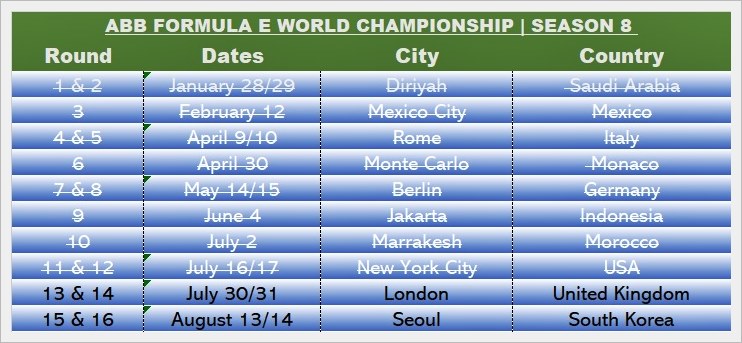
After New York City, the series goes back across the Atlantic Ocean to London for another two rounds at the end of the month. The season-closing rounds will be held in Seoul, Korea, on August 15 and 16.
We can give up waiting for the ‘Malaysian Flying Car’ which received RM20 million of government funding and after being developed under great secrecy, it was to have been launched at the end of 2019. However, that never happened and even when there was a demonstration scheduled, the Civil Aviation Authority Malaysia (CAAM) did not allow the flight. Anyway, we won’t see what the RM20 million of taxpayers’ money produced, and the minister who promoted the project is also no longer talking about it.
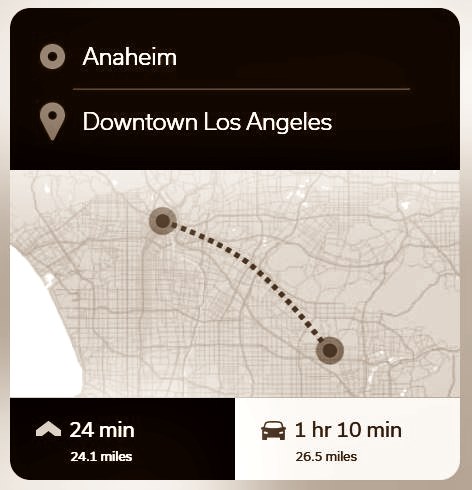
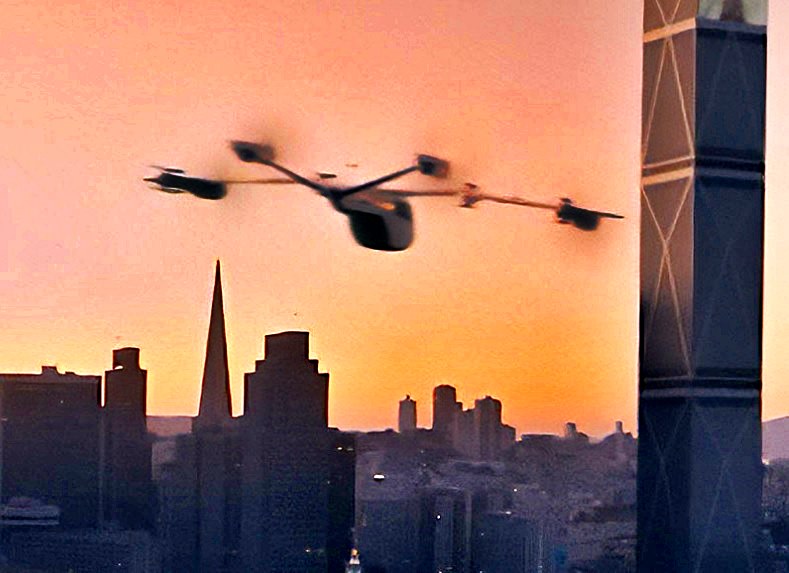
But in other countries, vehicles which can travel on the road and also take off into the air have been making much progress – and their developments are not Top Secrets either. Such vehicles are seen as alternatives for short-haul travel and even Air Asia is looking at offering them as a ‘flying taxi’ service.
Integrating automotive capabilities
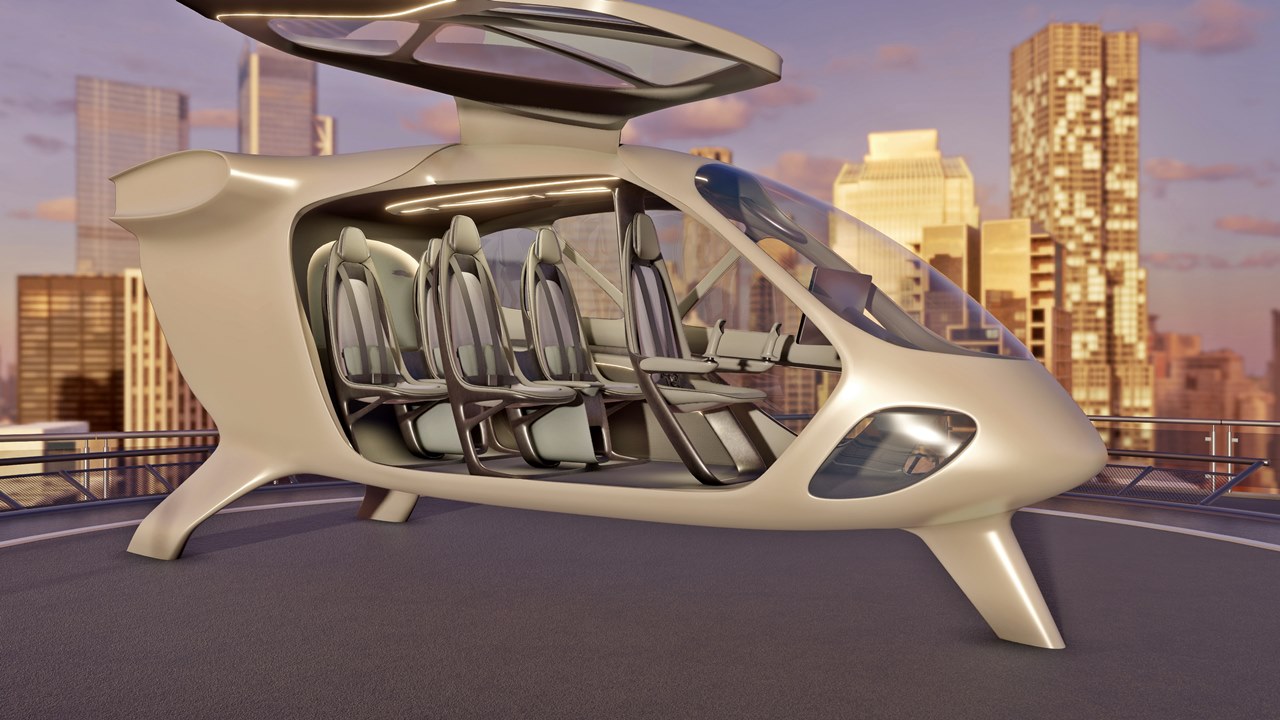
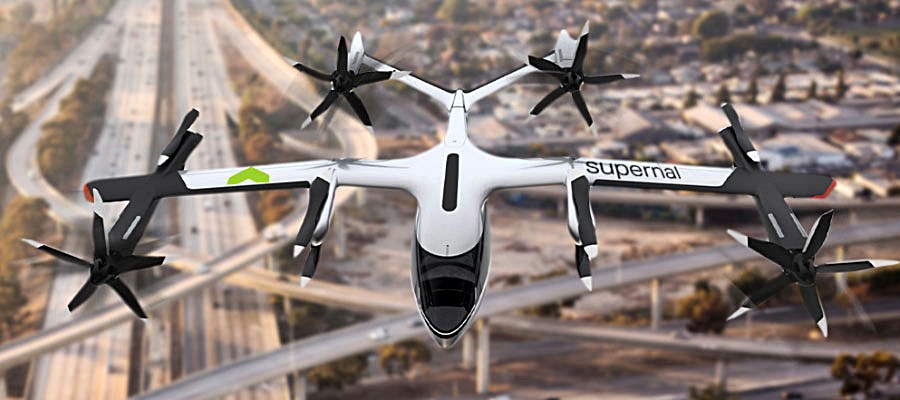
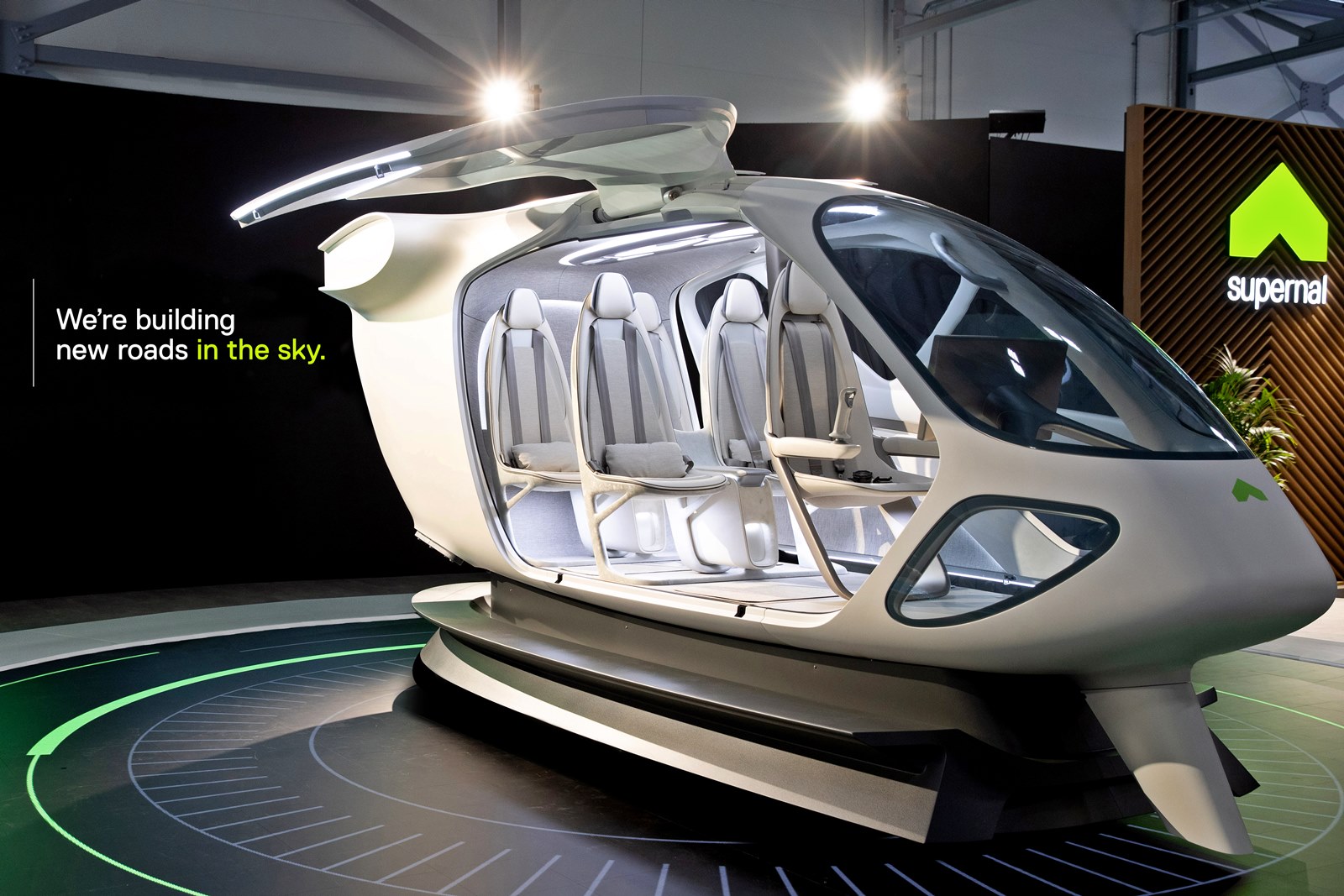
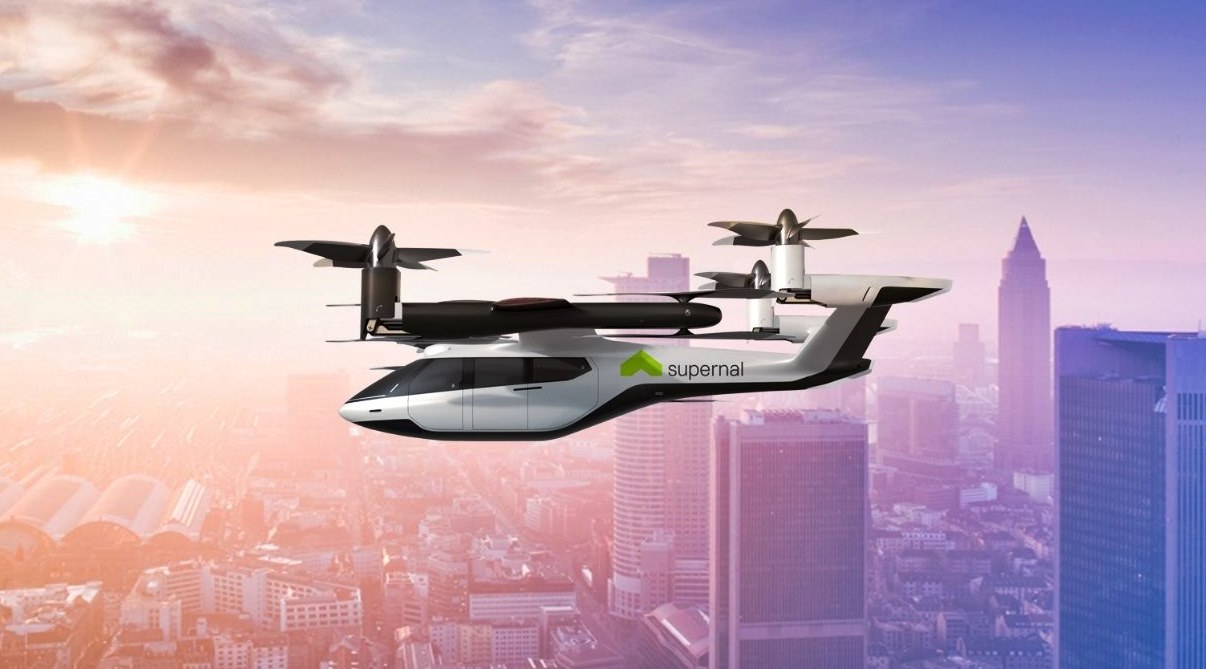
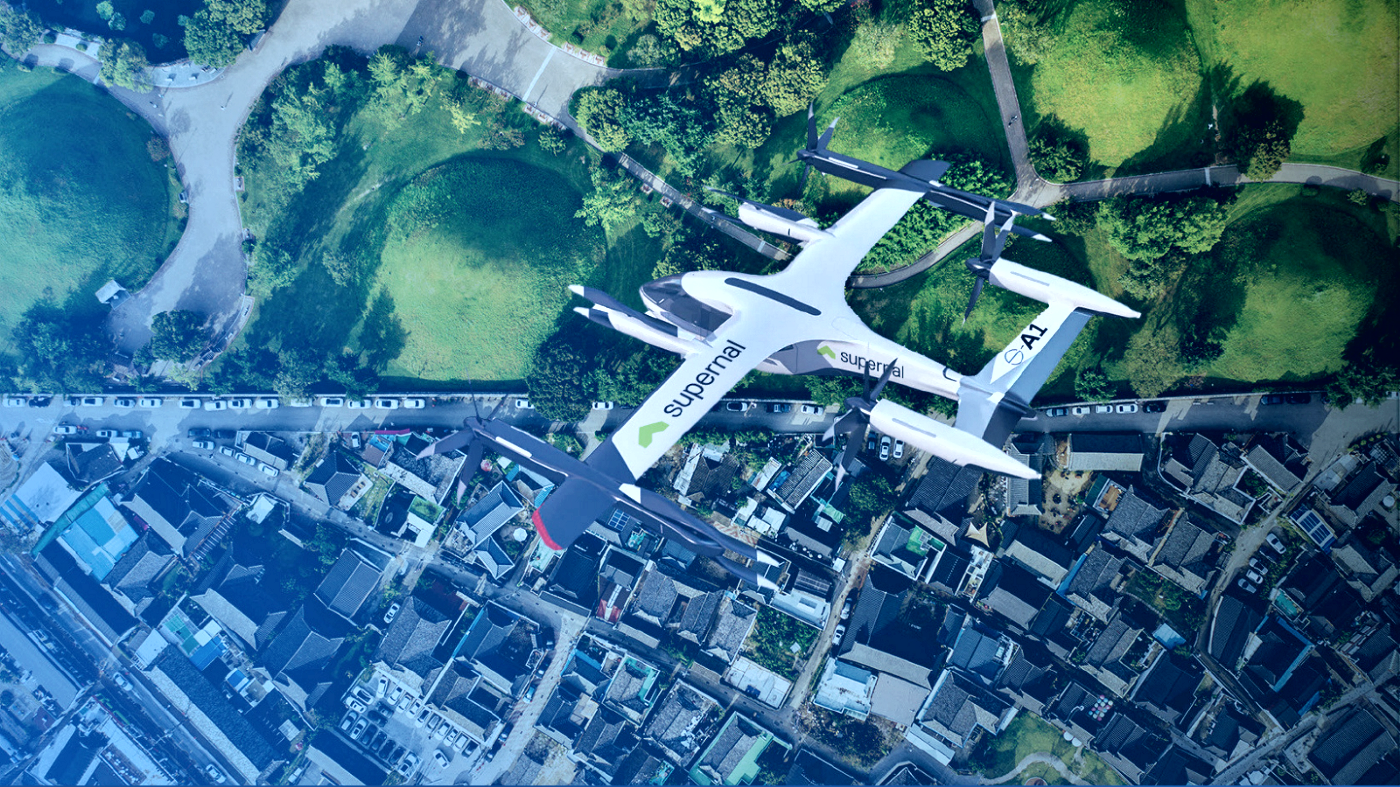
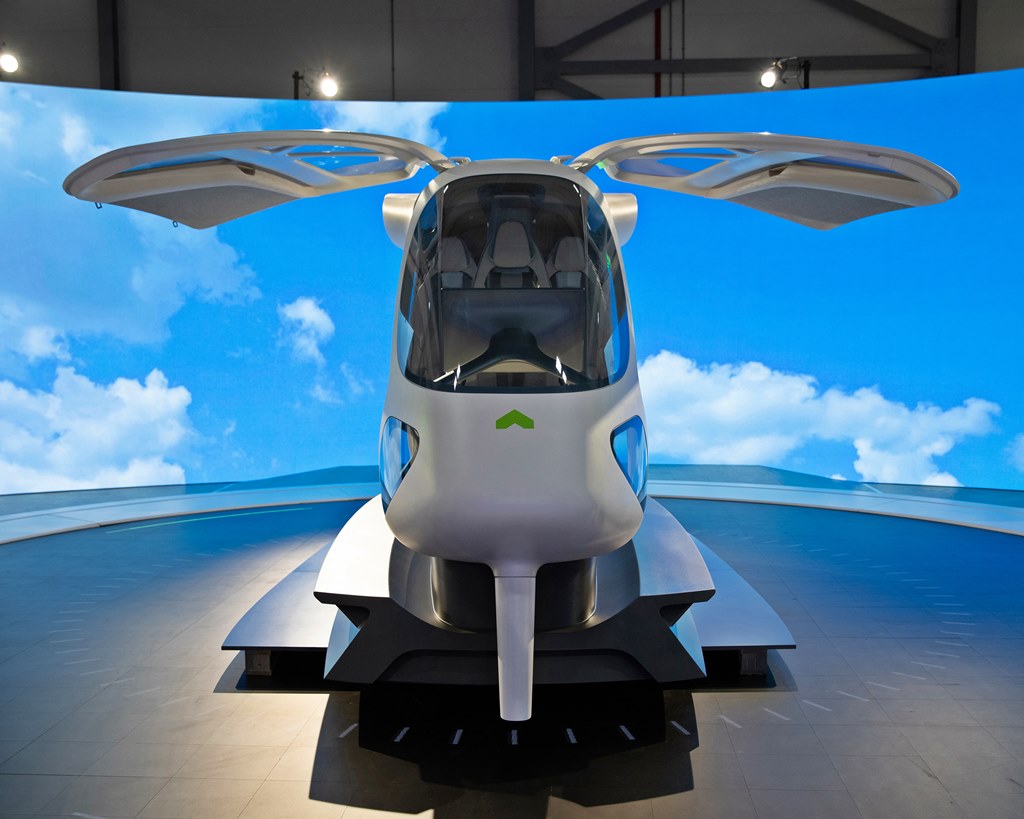
There are many companies already having prototypes and one of them is Supernal, which has just revealed its initial eVTOL (Vertical Take Off and Landing) vehicle cabin concept at the Farnborough International Airshow in England this week. The concept provides the first look at how Hyundai Motor Group (HMG) is integrating automotive capabilities for use in the Advanced Air Mobility (AAM) market.
Supernal is developing a family of electric air vehicles to connect more people to more places. Through a network of connected ground hubs called ‘vertiports’, passengers will board eVTOLs and be flown to their next destination.
Supernal partnered HMG’s design studios to create the cabin concept as the company works to certify its eVTOL vehicle for commercial use in the USA starting in 2028, and in the EU and the UK shortly after. Beyond the vehicle, Supernal is collaborating with external partners and the Group’s more than 50 affiliates – which span automobiles, automotive parts, construction, robotics and autonomous driving – to responsibly co-create the expansive AAM value chain.
Scaling up for commercialisation
“In order for Advanced Air Mobility to become a wide-spread mode of transportation, every detail – from the passenger experience to regulations and infrastructure – needs to be addressed from the start and work in lockstep with one another,” said Jaiwon Shin, President of Hyundai Motor Group and CEO of Supernal. “Leveraging Hyundai Motor Group’s mobility capabilities, Supernal is investing time and resources upfront to ensure the industry can scale to the masses in the coming decades and reach its exciting potential.”
Using automotive design
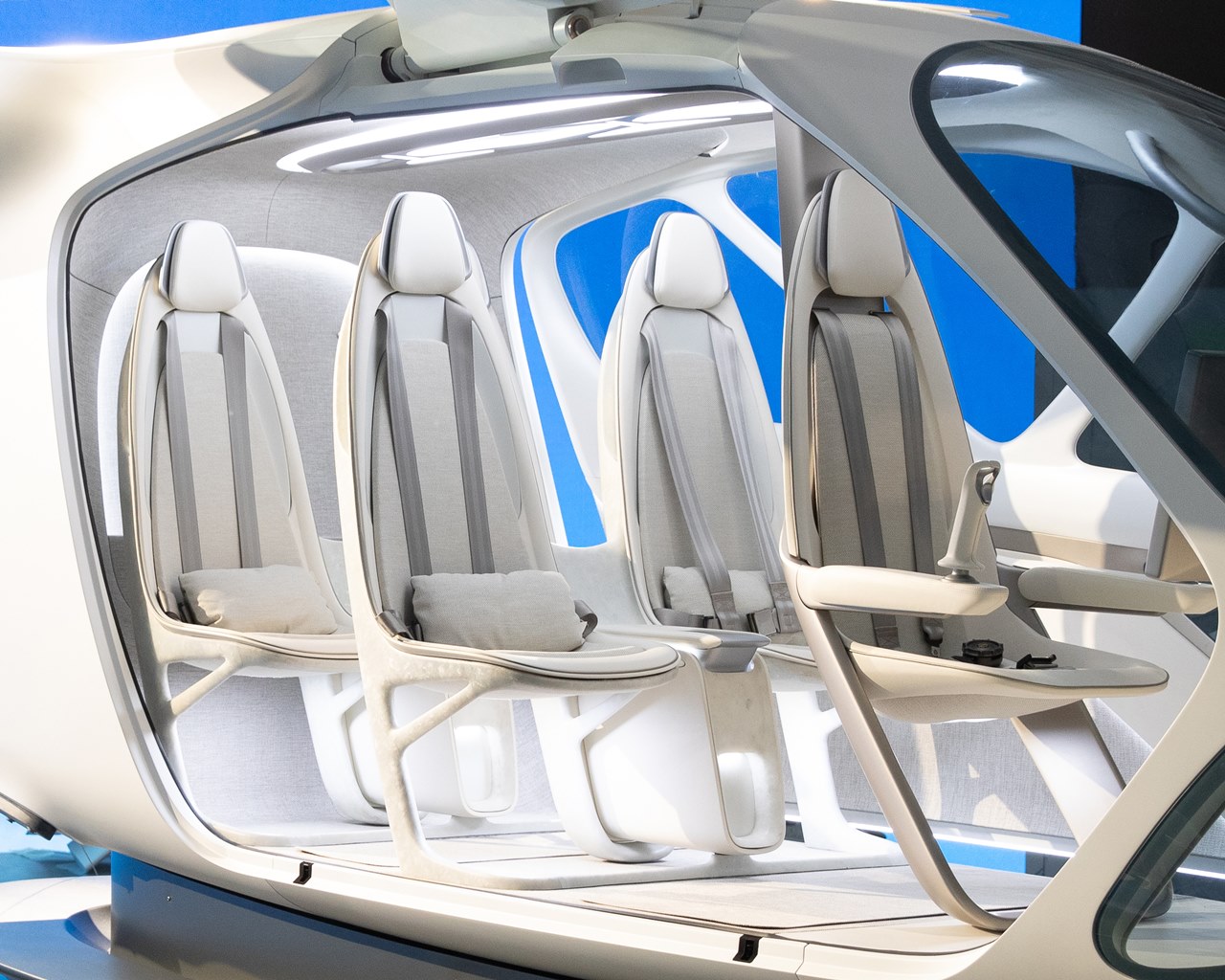
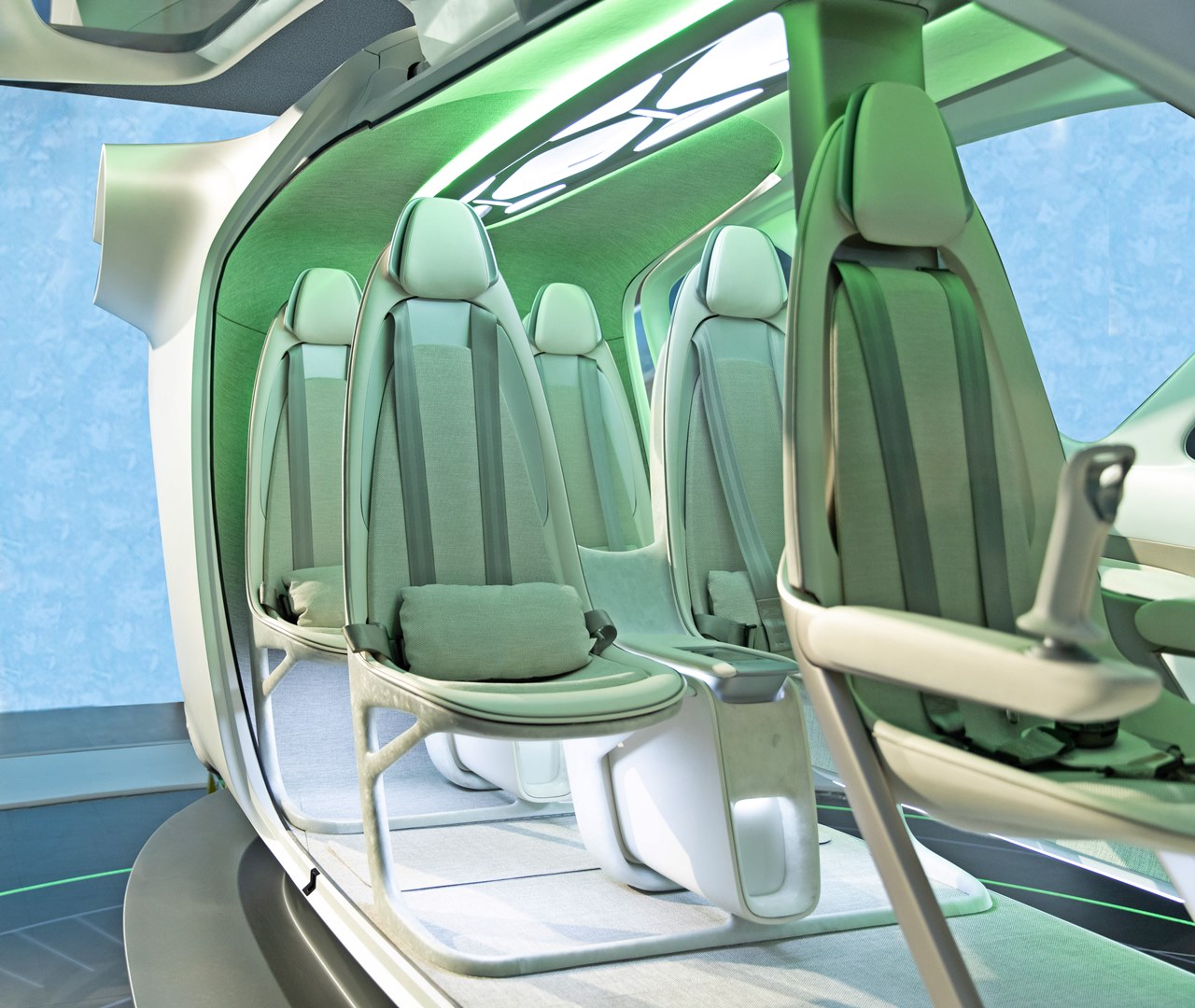
Supernal’s 5-seat cabin concept provides clues to how the company is harnessing automotive design processes and materials. At the same time, the vehicle must meet commercial aviation’s highest safety standards. The design embodies biomimicry philosophy – a butterfly in this case – and the company’s pillars of safety above all, human-centered design and environmental responsibility.
“Supernal is partnering with Hyundai Motor Group’s top automotive designers to develop our eVTOL vehicle for manufacturability and widespread public acceptance,” Shin added. “We are taking the time to create a safe, lightweight commercial eVTOL that provides our future passengers with the security and comfort they find in their own cars.”
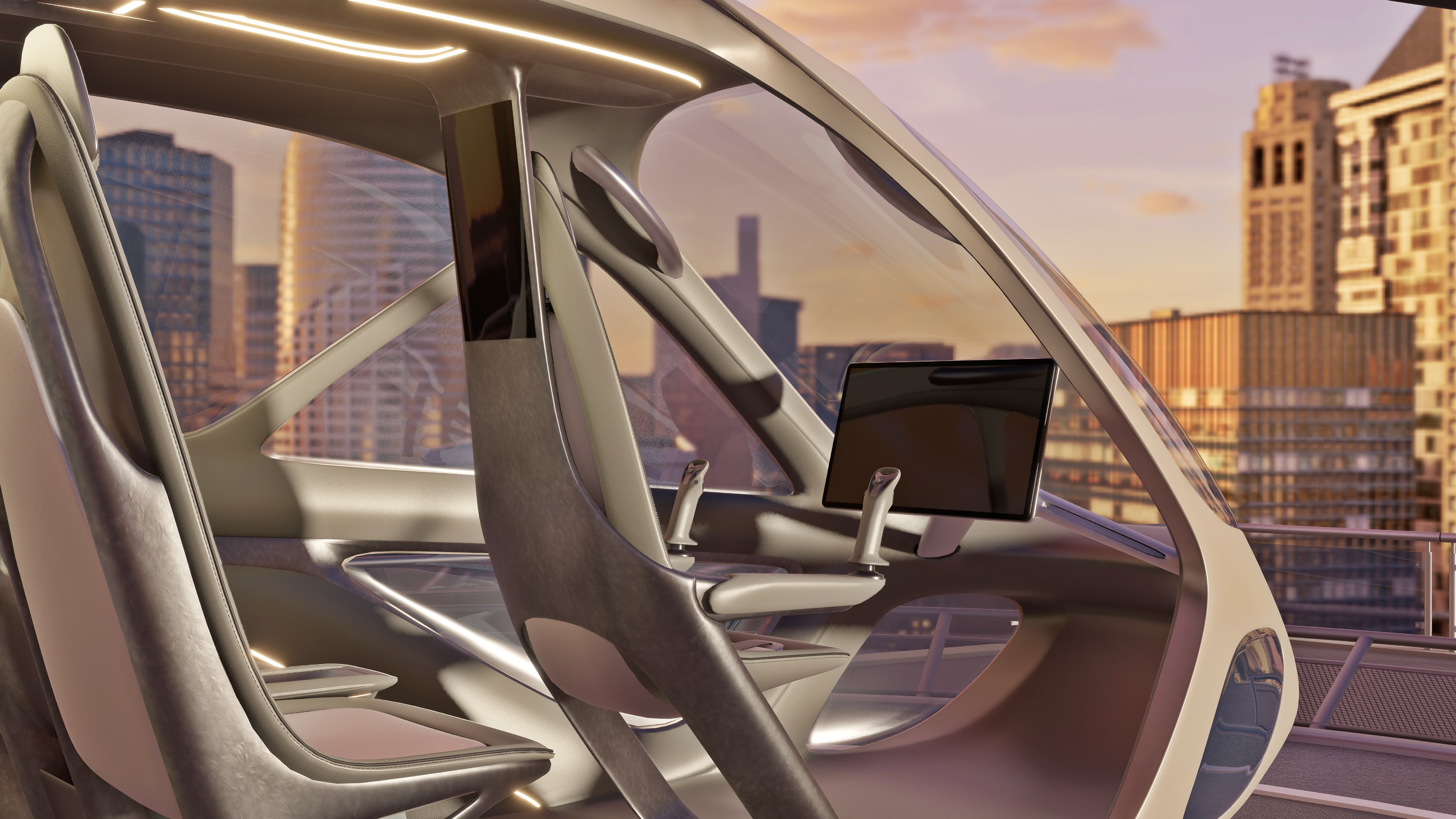
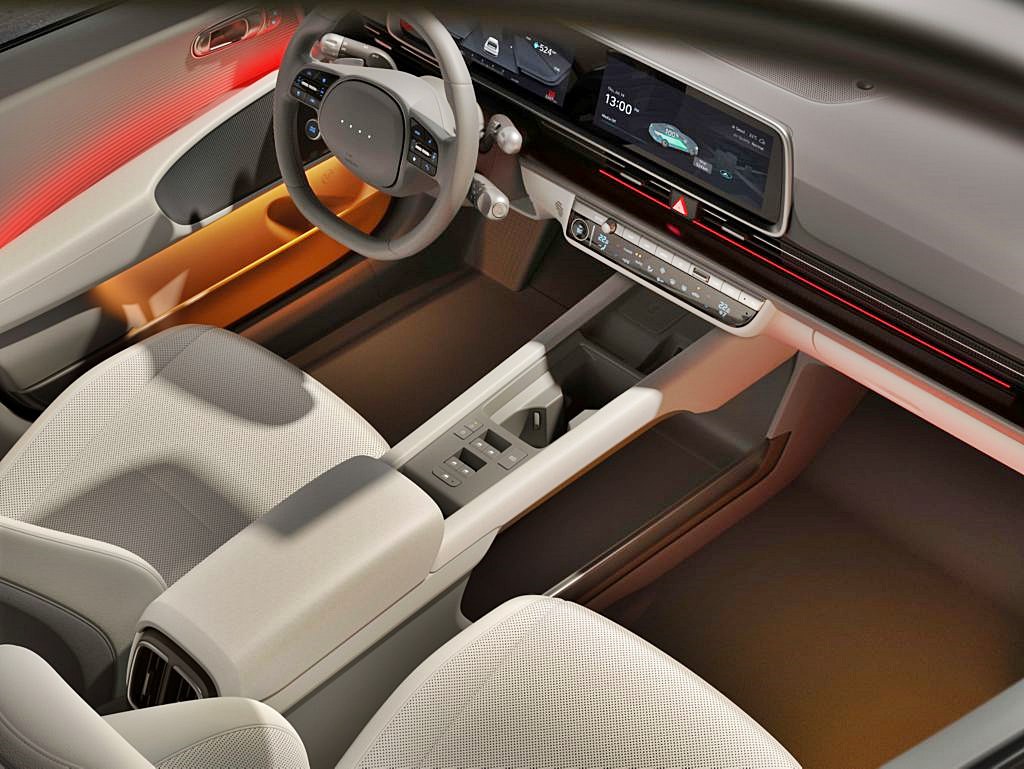
The team of engineers and designers are utilizing the automotive industry’s reductive design approach to create the lightweight interior cabin, which is made of forged carbonfibre. Ergonomically contoured seats offer a cocoon-like environment for passengers. Deployable seat consoles mimic automobile centre consoles and provide a charging station and stowage compartment for personal items.
Automotive designers in the Hyundai Motor Group are providing their expertise in the development of the Supernal eVTOL’s cabin.
Grab handles built into the cabin doors and seatbacks assist with ingress and egress. A combination of lighting – including overhead lights inspired by automobile sunroofs – adjusts with the various stages of flight to emulate a ‘light therapy’ effect. Finally, the cabin layout draws on automotive space innovation with a minimized bulkhead, which allows for generous headroom and package functionalities.
With sustainability as a priority, the cabin concept incorporates materials such as advanced recyclable carbonfibre reinforced thermoplastic, durable plant-based leather, recycled plastic fabric and responsibly sourced woods. The seat frame also utilizes excess raw material from the airframe manufacturing process.
“The Supernal eVTOL vehicle draws on the competence of the Hyundai Motor Group and the skillset of experienced automotive designers, which allowed us to develop a new air mobility concept that is not only safe and rational but also highly emotional,” said Luc Donckerwolke, Chief Creative Officer of the Hyundai Motor Group.
Air Mobility beyond urban markets
HMG is leveraging its expansive mobility and mobility-enabling capabilities to develop a family of electric air vehicles, as well as the surrounding value chain. Complementing the Supernal battery-powered eVTOL vehicle designed for intra-city passenger journeys starting in 2028, the group’s Korea-based division has been focussing on Regional Air Mobility. For this, it is developing a hydrogen-powered midsized vehicle for regional – city-to-city – cargo and passenger journeys. The division plans to launch service of its hydrogen vehicle in the 2030s.
Supernal and the division are partnering with HMG’s manufacturing innovation teams across the globe to create a robust high-rate, high-quality AAM manufacturing process that will produce electric air vehicles at scale – at an increasingly affordable price-point – over the coming decades.