
Piston.my

English

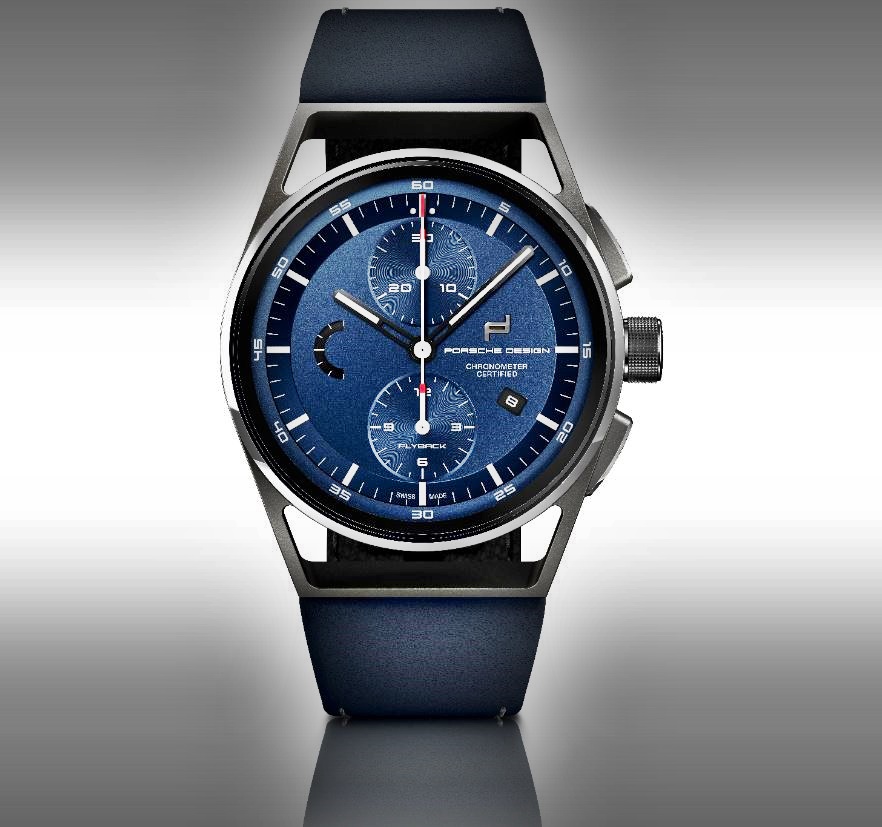
Two years ago, Porsche Design debuted the 1919 Chronotimer Flyback Brown & Leather, a genuine chronograph that set new standards in the world of luxury wristwatches. Equipped with a complex flyback function with chronometer-certified precision, the Porsche Design movement Werk 01.200 represents state of the art.

In addition to its innovative inner workings, the timepiece, like its legendary role model, the Porsche 911, unites uncompromising functionality, thoroughly designed in all details, with an expressive sporty appearance.

Now, Porsche Design launches this chronograph classic in a new edition with a bold colour combination. The dial and strap, made from Porsche interior leather, radiate a subtle blue hue.
Porsche 911

Fascinating shape
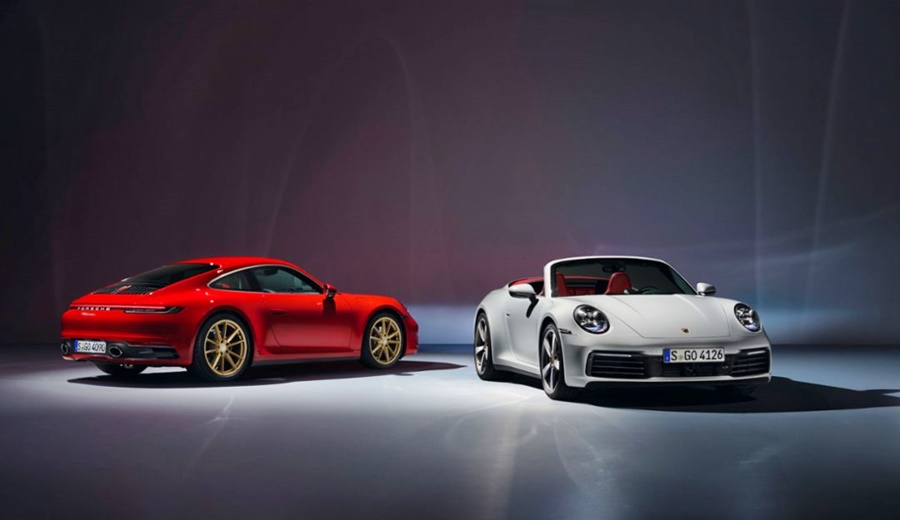
The Porsche 911 is an icon that has sparked enthusiasm for decades. Since its launch in 1963, the sportscar has been a synonym for the perfect combination of design and performance. Its secret of success is surprisingly simple: Professor Ferdinand Alexander Porsche consistently focused on form and function so that the legendary minimalist design was a natural consequence. “Design must be honest,” emphasized the founder of the Porsche Design company.

This maxim also applies to Porsche Design’s timepieces that translate the DNA code of the sports car into the design of a wristwatch. The 1919 Chronotimer Flyback Blue & Leather continues the tradition of the company’s first timepiece, the Chronograph I, which Prof. F. A. Porsche introduced in 1972. The large-scale, high-contrast dial is all about legibility, so that the attention is automatically directed to the essentials, namely the time display and the measurement functions.

Clean Arabic numerals and bold markers combined with intense use of Super-Luminova increase the readability under difficult lighting conditions and at night. Sevenfold and hard coated on both sides, the sapphire crystal prevents all light reflections, thus guaranteeing optimum readability at all times.
Porsche Design

Lightweight and powerful
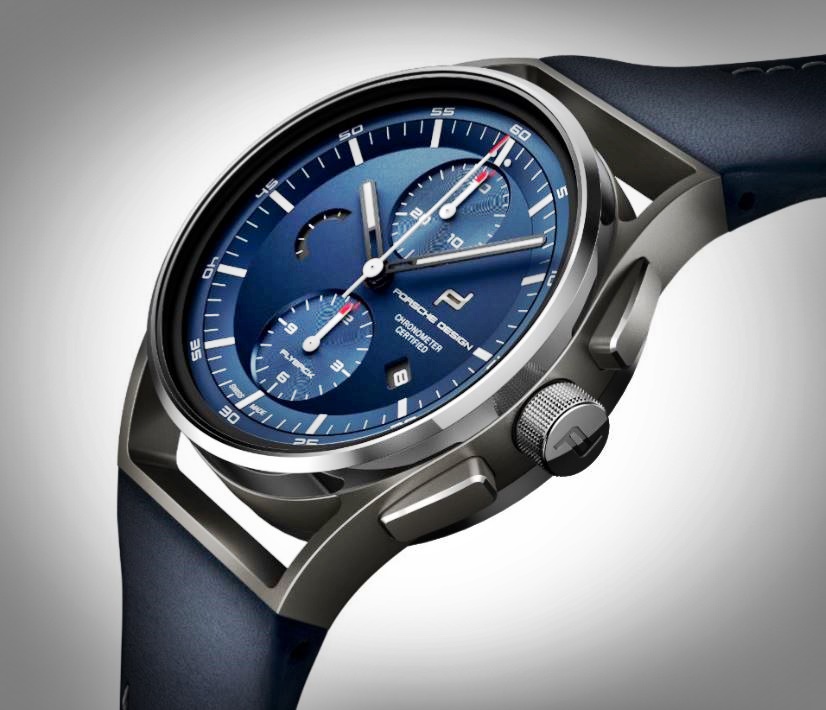
All timepieces of the 1919 Collection – including the 1919 Chronotimer Flyback collection – are entirely made of titanium. Despite its low weight, this high-tech material derived from the world of motorsport is extremely resilient and resistant. With the same volume, it is 46% lighter than stainless steel, but significantly stronger and also non-magnetic, anti-allergic as well as saltwater and heat resistant.

The signature trademark of the 1919 Collection are the characteristic openings on the lugs and their form-fitting transition into the bracelet. These features not only eliminate the design-related disadvantage of classic horns – the connection via a spring bar – but also lend a unique lightness to the collection’s puristic aesthetics. The owner can literally feel the connection to the sports car on his wrist: the strap is made of original Porsche interior calf leather.
Porsche Design

Maximum performance, like the 911
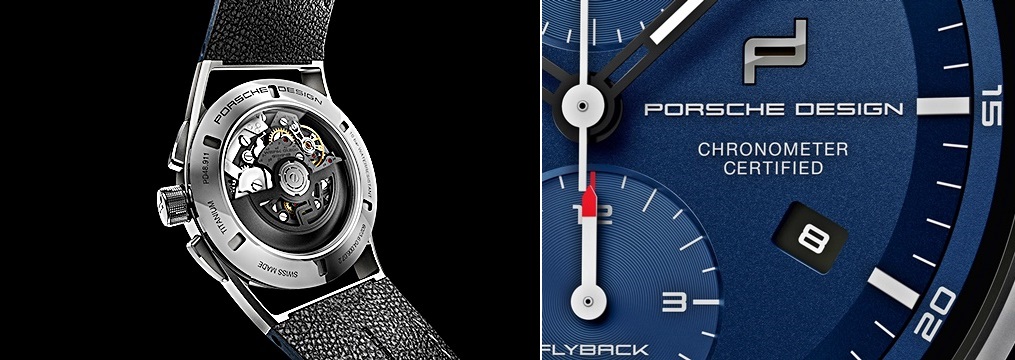
The 1919 Chronotimer Flyback Blue & Leather is powered by Werk 01.200. This chronograph calibre offers a flyback mechanism that allows the measurement of successive intervals, eg lap times on the racetrack. It uses a single process for starting, stopping and resetting. Paced at 4 hertz, the automatic movement represents the culmination of engineering and watchmaking combined with its vehicle manufacturing expertise. The bridges are load/stress optimised. The special architecture allows the unobstructed view of the fascinating mechanism of the flyback function through the sapphire crystal caseback and is a further proof of the implementation of the lightweight principle.

The 1919 Chronotimer Flyback Blue & Leather goes on sale from this month, priced in Europe from 5,950 euros (about RM28,400).

Porsche unveils the Belgian Legend Edition

PISTON.MY

BHPetrol RON95 Euro4M

With the Movement Control Order (MCO) in effect for 2 weeks, most industries are required to suspend their operations and activities unless they are designated as essential services or industries. Where the auto industry is concerned, this means not just closing the head office and branches but also showrooms, service centres and assembly plants. No new vehicles will be produced and deliveries will not be carried out. This situation will last till March 31, 2020.

Nevertheless, many car companies are maintaining support for their customers who may have problems with their vehicles. At this time, the MCO does not stop travel on public roads so the vehicles may still be used for essential journeys, ie to replenish supplies or buy medicine. You can also go to restaurants that are allowed to operate but you must take the food home, not dine on their premises which would be an offence.

PLUS
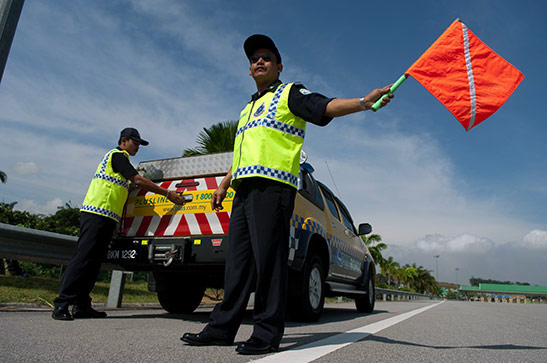
If you are travelling on PLUS expressways and have a breakdown, there are telephones every 2 kms to call for help.

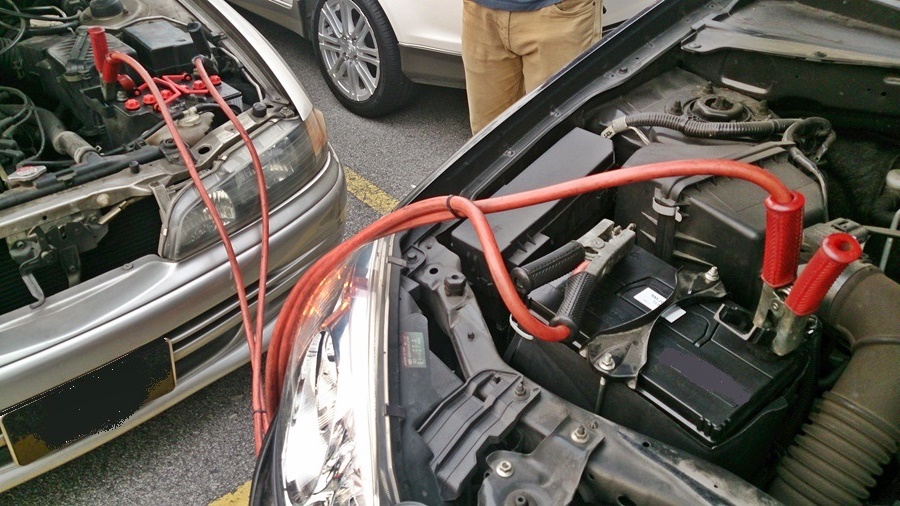
Should you have problems with your vehicle at such times, it will still be possible to get assistance. Towing services are allowed to operate and virtually all car companies and insurance companies offer such assistance if you contact their Call Centre, most of which operate 24 hours every day. The following companies have informed us of the numbers that their customers can call if help is needed:

Daihatsu: 1-300-88-3667

Ford: 1-300-38-3181

Perodua: 1-800-88-5555

Proton: 1-800-888-398

Lexus: 1-800-88-LEXUS (53987)

Mazda: 1-800-22-8080 or 1-800-18-8011

Mercedes-Benz: 1-800-88-1133

PLUS: 1-800-88-0000 (emergency telephones also available every 2 kms on PLUS expressways)

Renault: 1-800-18-8663

Toyota: 1-800-99 TOYOTA (869682)

Volkswagen: 1-800-18-8947 (Customer Care) | 1-800-88-2389 (Roadside Assistance

Vehicle repair

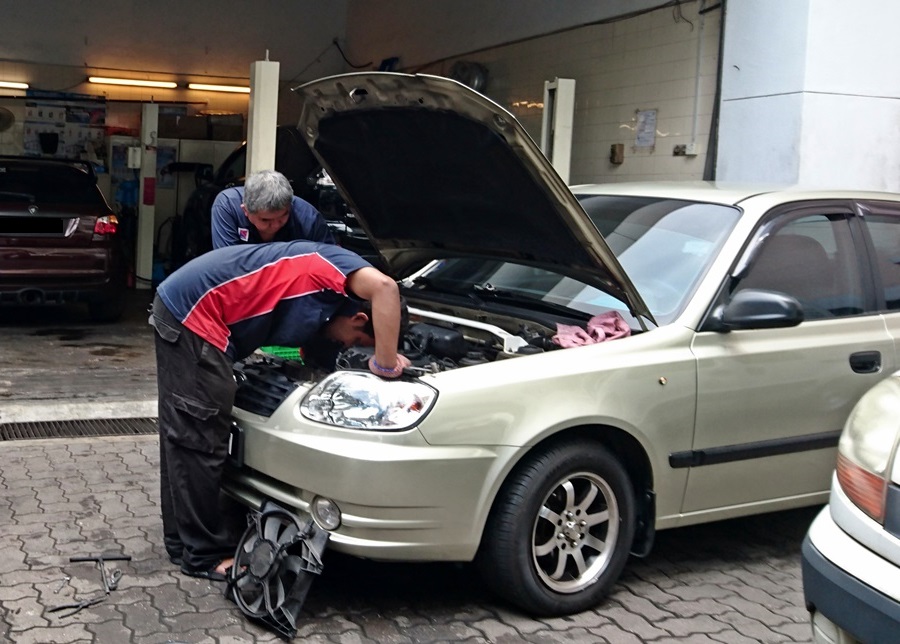
The latest information provided by the National Security Council concerning the MCO is that, besides towing services, mechanics are permitted to operate during the 2-week period and workshops may also carry out vehicle repairs (but probably not normal servicing).

PISTON.MY

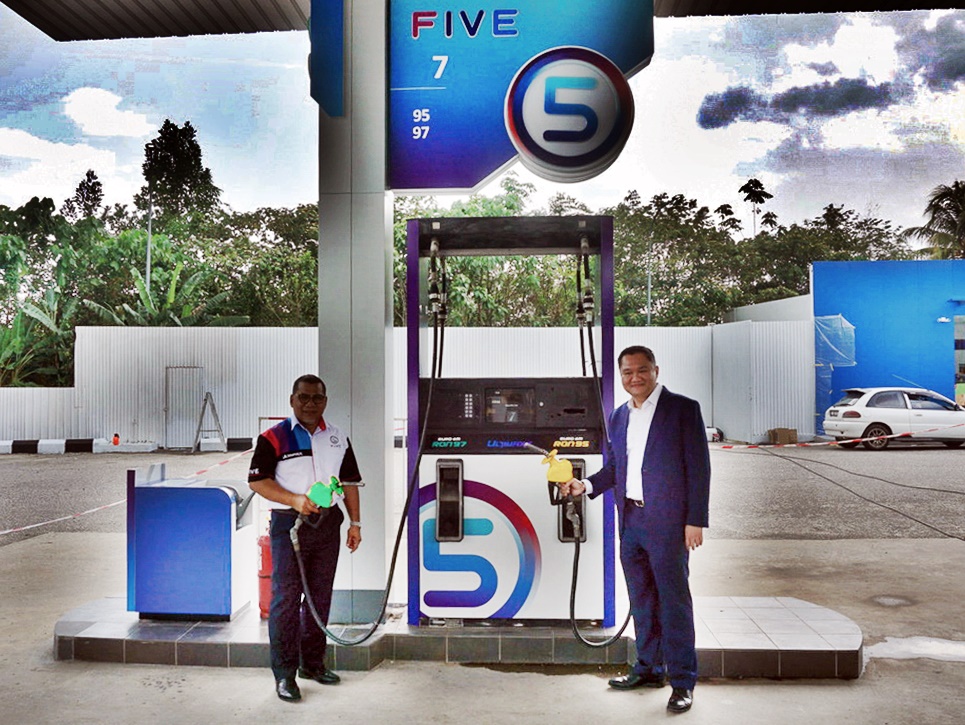
For decades, Malaysians have known only petroleum brands such as Shell, Esso, Mobil, Caltex, Mobil and BP. In more recent times, BHPetrol came on the scene, acquiring the previous BP station network while Petron took over the network of Esso and Mobil stations.

The petroleum industry is closely regulated by the government, so the entry of new players is not a frequent thing although there is also a brand known as Buraqoil in Langkawi. Recently, a new fuel company player started operations with its first station opened in Kalumpang, Selangor.

FIVE Petroleum

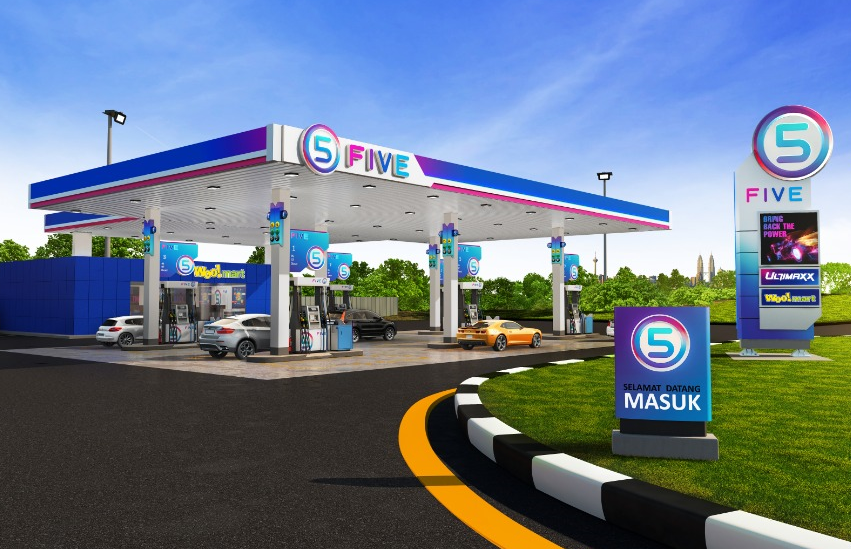
The new brand is known as FIVE and is distributed by Five Petroleum Malaysia Sdn. Bhd. Which is described as a ‘unified energy company’. FIVE brand is introducing its own fuel called Ultimaxx which is supplied by Petronas.

According to Dato’ Haji Juhari Bin Abdul Ghani, Chairman of Five Petroleum Malaysia, the company aims to meet Malaysia’s growing demand for fuel in ways that are economically, environmentally, and socially responsible. “We also want to help Malaysia reach its next milestone in development,” he added.

FIVE Petroleum

FIVE received a licence for the business from the Domestic Trade and Consumer Affairs Ministry early this year and managing the retail side is the Seng Group, which began as a Mobil station operator in Mentakab, Pahang almost 50 years ago. The experienced company aims to create new enterprise opportunities for all Malaysians by lowering the entry requirements for would-be petrol station operators. This means stations can be opened in more remote areas, bringing much-needed fuel supply to more locations around the country.

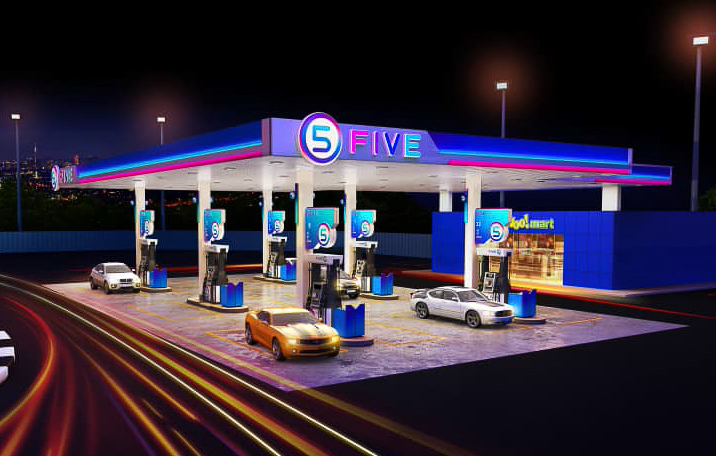
FIVE PETROL

FIVE fuel stations will incorporate next-generation technology and innovation that offers hassle-free transactions in a small scale (which also benefits those who wish to open and run their own petrol stations in the future). This includes cashless payment facilities, a consumer loyalty program, and a convenience store known as Woo! Mart.

PISTON.MY

The Movement Control Order (MCO) has come into effect today, a strong nationwide action that is necessary to slow down the spread of the COVID-19 coronavirus which has become a pandemic situation. Understandably, there has been some confusion and uncertainty about certain aspects of the MCO since this is the first time ever such an Order has been used.

We are fortunate that it is not as restrictive as Lockdown orders which have been used in China, Italy, France and some other countries which are facing rapid increase in COVID-19 infections. A Lockdown totally restricts movement and special permission is needed to even go to the supermarket to buy supplies.

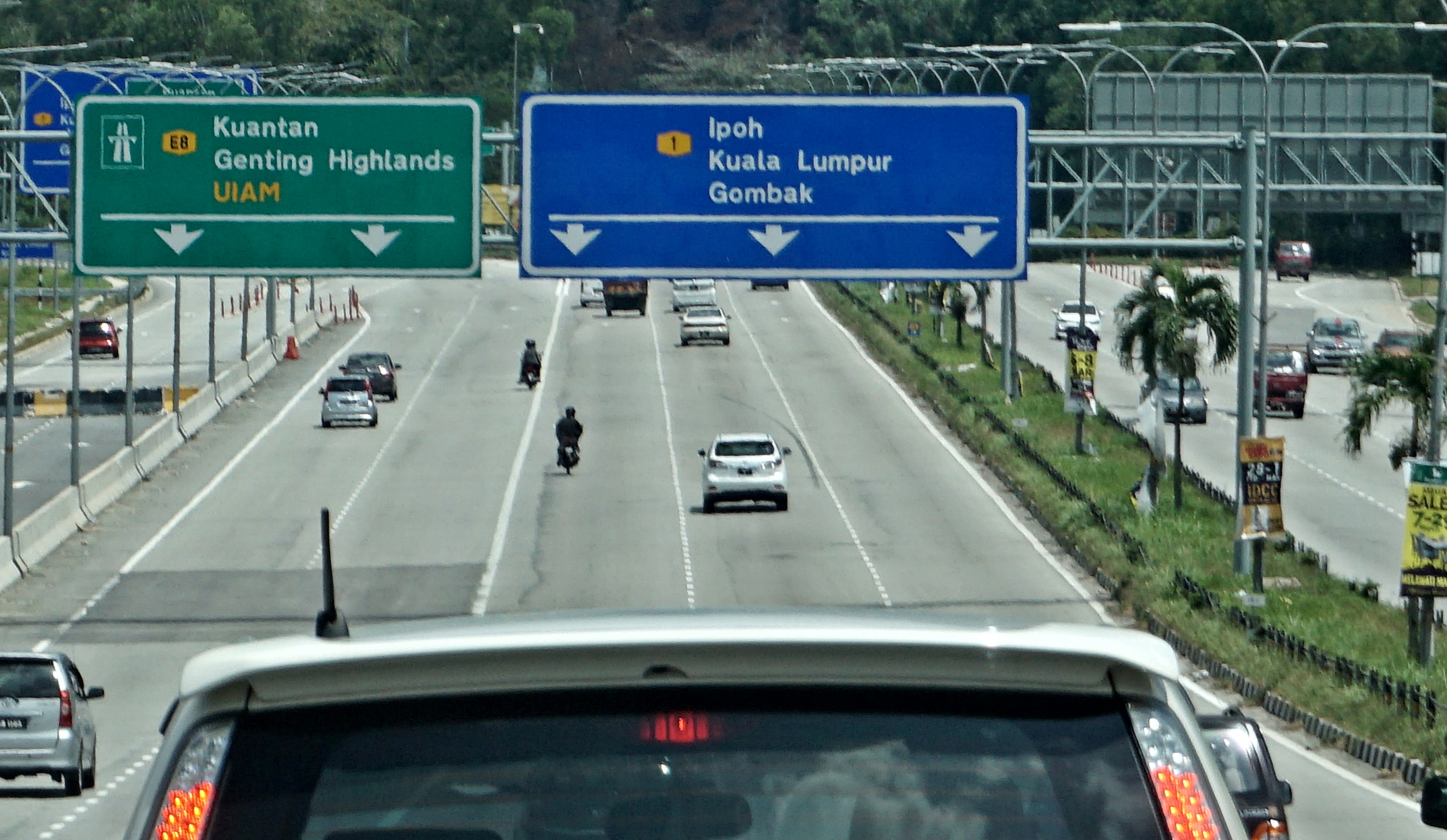
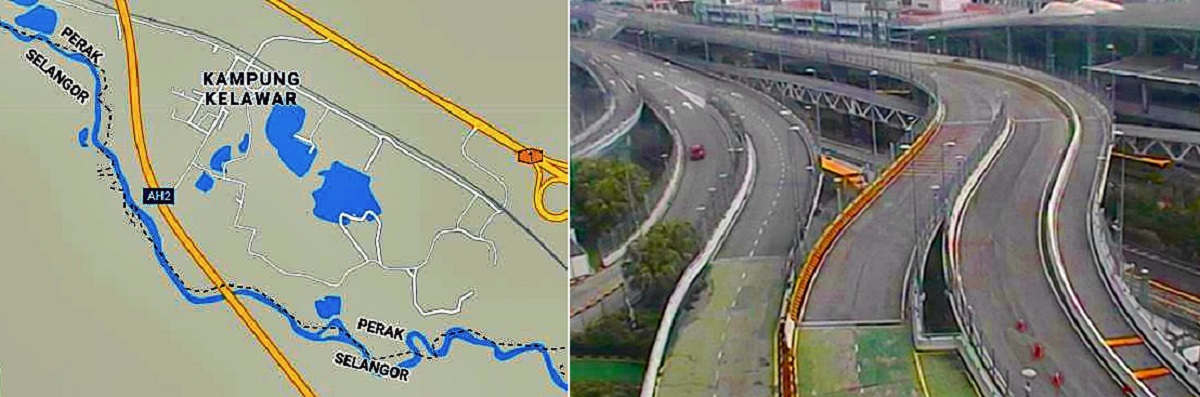
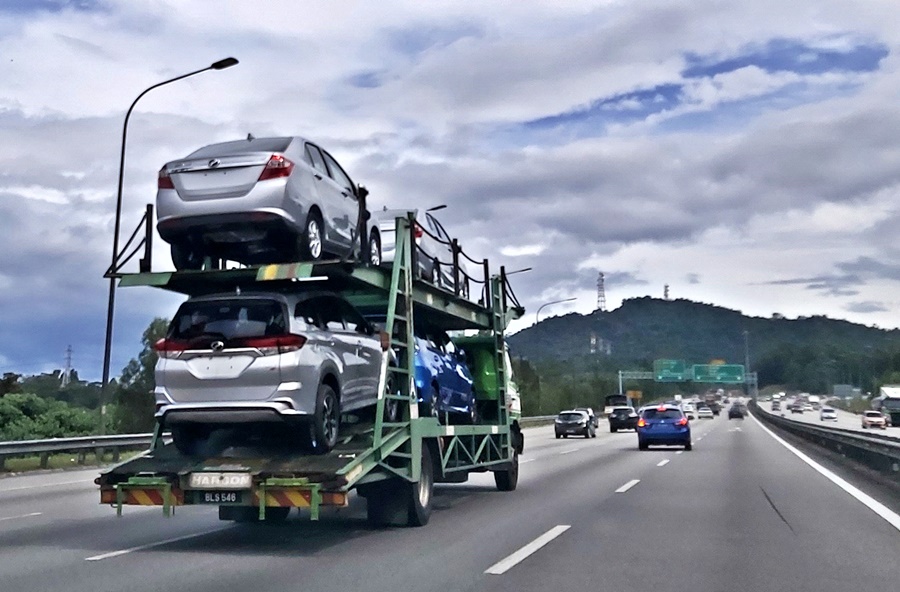
Highway

As we’re a motoring website, we’ll cover what is relevant to motorists and the main thing is that you are not supposed to be travelling ‘socially’. This means that you should remain home unless you need to go out for a reason like buying supplies or medicines, or to pick up someone from the airport. There is no curfew (and hopefully won’t be) so movement on public roads is not forbidden.

No crossing state lines, except Selangor and KL
With most offices and shopping centres closed, there is much less traffic on the roads but unfortunately, this is not the time you can enjoy it. Furthermore, the police have clarified that interstate travel is forbidden, with the exception of the Klang Valley which has Selangor and WP Kuala Lumpur.

There was confusion yesterday after the IGP said that applications must be made at police stations for a permit to travel to another state. Long queues quickly started at police stations (so much for trying to achieve social distancing) until the police withdrew the requirement just hours before the midnight deadline when the MCO would come into effect.

Borders
Travelling between states is not permitted unless there is an exemption given by the police. Furthermore, the MCO also stops Malaysians from leaving the country, leading to an unusual scene at the Causeway to Singapore where there are no jams at all (right).

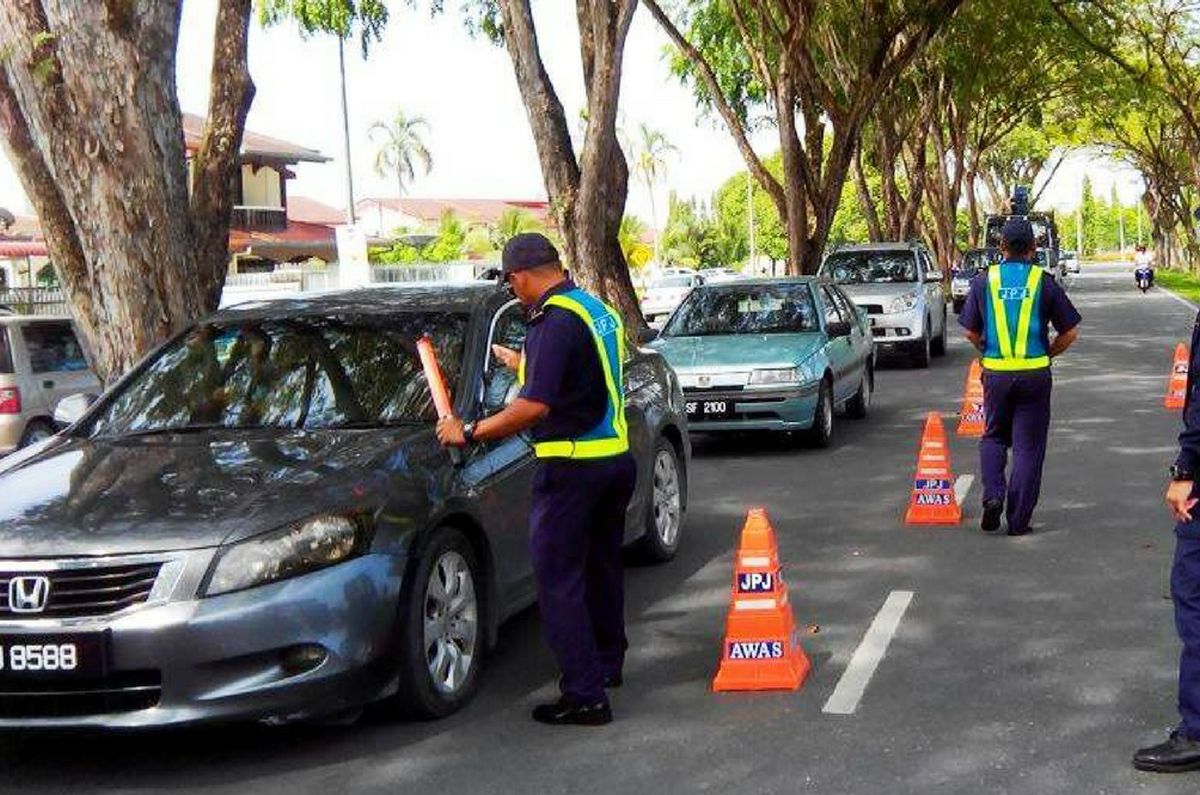
Following a meeting, another announcement came out about half an hour after midnight which again stated that there is a ban on interstate travel during the two weeks of the MCO (March 18 – 31, 2020). This time, the IGP said that permits would not be issued freely upon application; only in special cases will an exemption be given. The accepted reasons are:
  • To visit a close relative who is critically ill
  • Death of a close family member
  • Medical purposes/treatment

The police would also consider other reasons on a case-to-case basis but the IGP made it clear that invalid reasons would not get the permission to travel to another state.

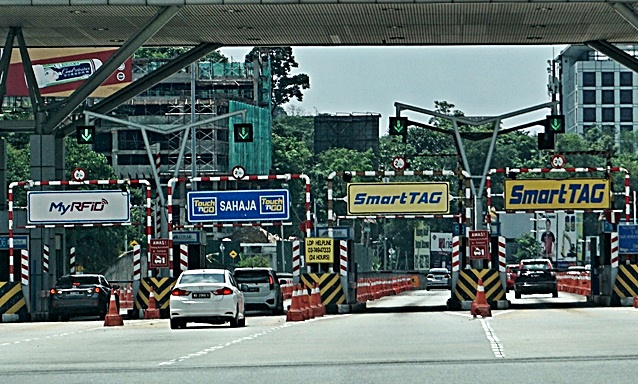
Toll plaza

New regulations gazetted to strengthen powers of  MCO
To strengthen the legal position of the MCO, the Attorney-General’s Chambers (AGC) has gazetted the regulations and actions which the MCO covers. The gazetted regulations which are new are known as the Prevention and Control of Infectious Diseases (Measures within the infected local areas) Regulations 2020. The gazette also identifies all states and federal territories in Malaysia as ‘infected areas’ and travel between infected areas is not allowed except with permission. Committing offences will result in jail terms or fines.

This sounds like a lockdown since whatever state you live in, you are in an infected area. Therefore, as per the MCO, Malaysians are not to move about. However, there is still some flexibility – hopefully not abused – where travel is permitted for official duties, special purposes and essential activities such as buying food or seeking healthcare. It is also permissible to make a journey to and from certain places where food is available for take-away or drive-through outlets.

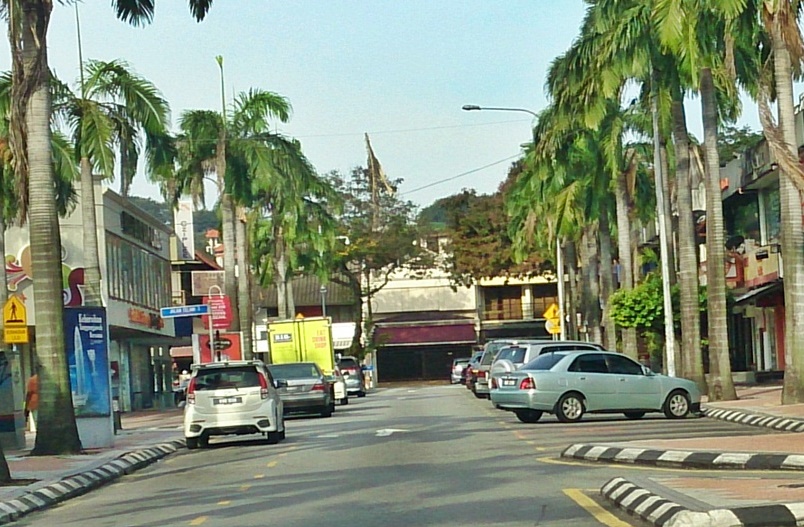
Street
The MCO is meant to restrict movement to stop or slow down the spread of the disease. However, there is some flexibility provided for travel to buy food or essential items but you should not just drive around for no reason.

Aiming to slow down spread of virus
Once you have completed your ‘mission, you should return home immediately. Other than that, you have to remain in your house and not go out to ‘makan angin’. The aim of the MCO is to prevent the further spread of the disease through human-to-human contact. Social distancing is therefore being strongly promoted, meaning that you should stand at least one metre away from another person.

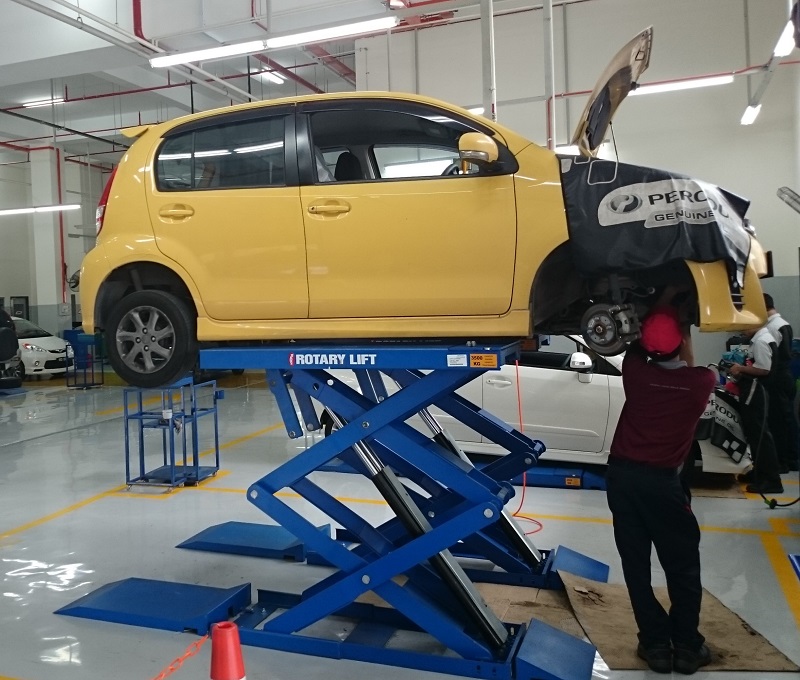
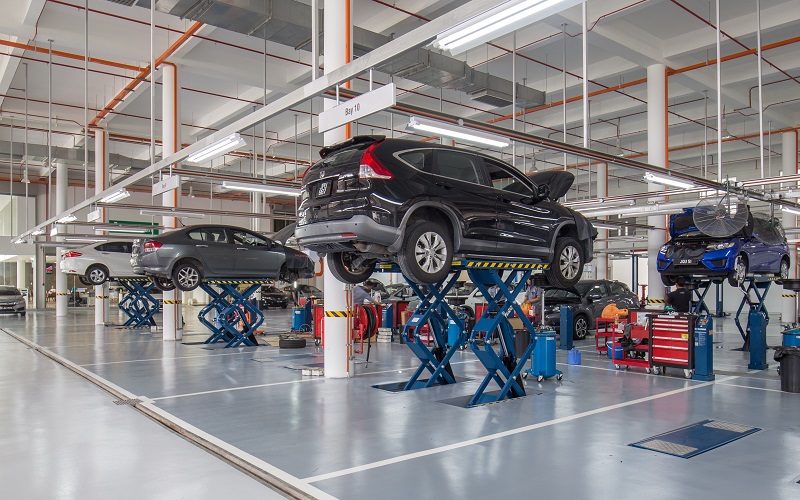
Workshop
The latest statement from the National Security Council issued this afternoon allows workshops to carry out vehicle repairs. According to the NSC’s statement, mechanics can also continue to operate at a minimal level, along with towing services.

We appeal to you to adhere to the MCO conditions so that the situation can, hopefully, not worsen. If after two weeks, the MCO does not seem to have done much to slow down the number of infected persons, then the government may be forced to introduce stricter measures which will be more unpleasant for all of us. Let’s do our best not to reach that stage.

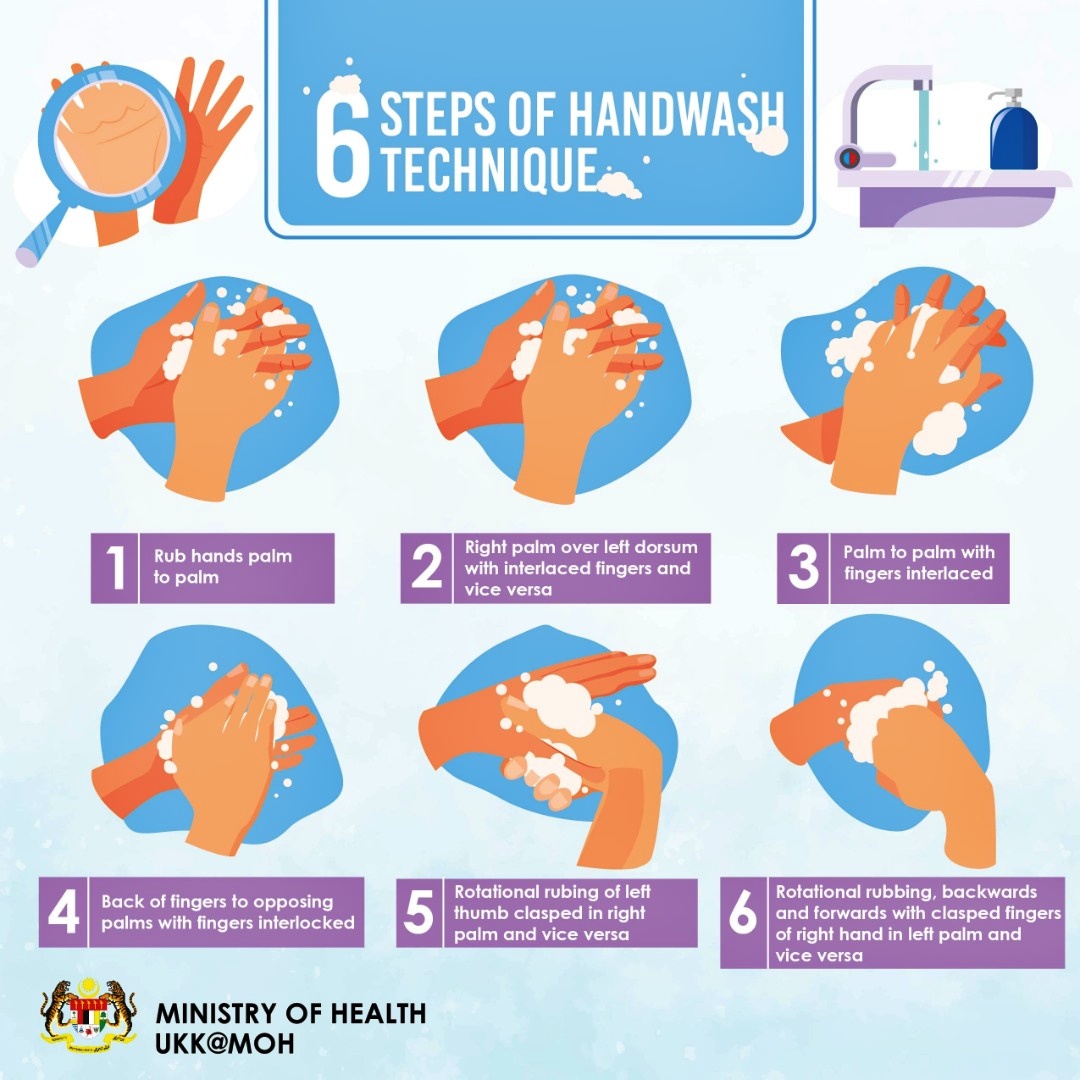
How motorists can help to prevent the spread of COVID-19

PISTON.MY

UPDATE AT 11:20 PM/March 17: The police have withdrawn the restriction on interstate travel temporarily pending a meeting tomorrow.

At times like these, it’s understandable that there will be people who want to return to their hometowns and be with loved ones. Unfortunately, from tomorrow (Wednesday March 18), you can’t just drive to another state as you always have because the Movement Control Order (MCO) comes into effect. While it doesn’t stop all vehicles from travelling along the highways, it does forbid crossing state borders and the police will be enforcing this restriction until March 31, 2020.

The IGP today made it clear that all cross-border travel will require permission from the police, and there should be a valid reason for wanting to do so. The public can go to police stations and fill out a form to apply for an exemption letter to allow them to go to another state. They must show documents to support their application.

However, the FAQ issued by the National Security Council states that travel to the airport is permitted (for a purpose, of course, and not just to go and look at the planes). The answer provided to the question ‘Can I drive to the airport to pick up someone who has returned from overseas, or that person is working in a sector which provides essential services?’ is ‘Travel to a place for a short while is allowed under the order’.
The FAQ also mentions that it is possible to go out to replenish supplies. Question: If my important supplies run out, can I leave home to buy things and return? The answer is Yes.

Highway
Interstate travel will require police permission between March 18 and 31, 2020.

Malaysians are also not permitted to leave the country during the period so the Causeway and Second Link between Malaysia and Singapore will be closed, and presumably the same restriction would apply at the northern borders of Peninsular Malaysia and the borders in East Malaysia between Brunei and Indonesia.

The MCO may not be a curfew and is not a ‘lockdown’, both of which mean absolutely no movement outside homes. However, it is just as serious and those who do not follow it are committing offences. The first offence carries a sentence of 2 years in jail and a fine or both, while a second offence can put you in jail for up to 5 years. Continued breaking of the law will incur a fine of RM200 per day.

The MCO was activated as a measure to slow the spread of the COVID-19 coronavirus pandemic. 120 new cases were added today, bringing the total number to 673 this evening. The first two deaths were also reported; both were males, one aged 34 and the other was 60 years old.

“The government is taking took this drastic action [of using the MCO] to control the outbreak by limiting the movement of the masses. It needs to take this approach to avoid more Malaysians getting infected with COVID-19 which has now entered its second phase,” Health Minister Dr. Adham Baba said at a press conference today.

How motorists can help to prevent the spread of COVID-19

PISTON.MY

BHPetrol RON95 Euro4M

As with virtually all non-essential businesses, Perodua will be suspending all its operations nationwide following the Movement Control Order imposed recently by the government. These include operations at the head office, manufacturing facilities, sales and service centres from March 18 – 31, 2020, or subject to any new announcement by the government from time to time.

Perodua
Deliveries of new vehicles will also be suspended from March 18 – 31, 2020.

“Due to this, new vehicle deliveries, servicing and Body & Paint services are expected to resume only after the Movement Control Order is lifted. Our related outlet personnel may contact customers during this period to provide explanation and clarification. We ask for your patience and understanding during this time,” said Datuk Zainal Abidin Ahmad, Perodua’s President & CEO.

“If you experience any issues with your vehicle during this time, you may call Perodua Auto Assist toll-free, 24 hours a day, 7 days a week at 1-800-88-5555,” he added.

Handwash

PISTON.MY

In accordance with the Movement Control Order by the government which will take effect from Wednesday March 18 and continue till March 31, 2020, Honda Malaysia will suspend its business operations during the period.

The business operations involved cover Honda Malaysia’s plant in Pegoh (Melaka), its sales office and also dealerships nationwide. This would mean that all authorised service centres would also remain closed during the period.

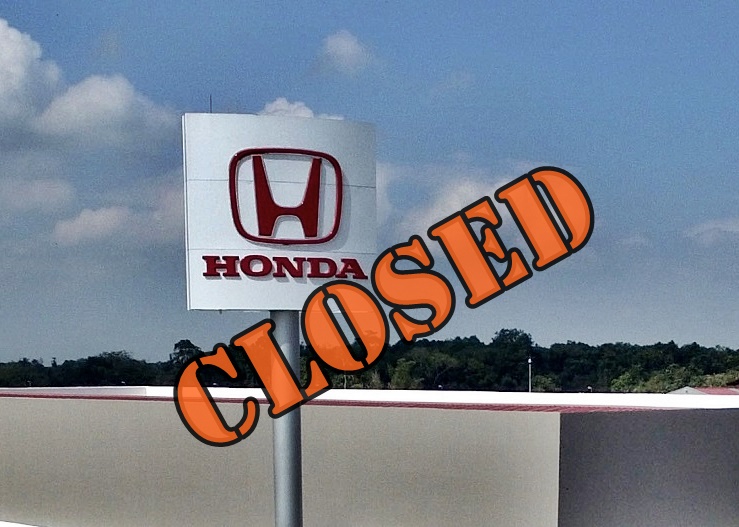
Honda service centre
All Honda dealerships, including the service centres, will be closed from March 18 – 31, 2020.

The company says that it will resume business operations, tentatively, on April 1, 2020. “Honda Malaysia will continue to monitor the situation closely and update accordingly. We would like to apologise for any inconvenience caused during this time,” a statement issued this afternoon said.

Meanwhile, it should be noted by motorists who travel on public roads that petrol stations are permitted to remain open so you can still purchase fuel if needed. However, as urged by health authorities, you should practice social distancing when you are at a petrol station. This means being at least one metre apart from another person, especially if you have to go into the convenience store.

COVID-19

PISTON.MY

Car manufacturers, like any other company, are going through a very difficult time now as the COVID-19 pandemic has created great uncertainties for consumers that have impacted sales. Understandably, there are other priorities to commit money to so a new car purchase, if planned, will have to be deferred.

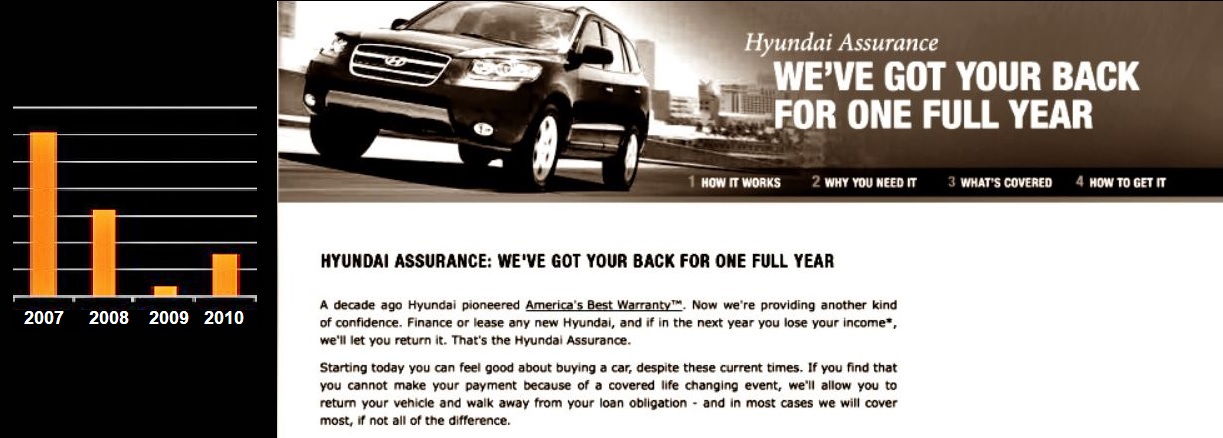
Some of the car companies do not forget their customers too and look for ways which can ease their burdens, even if it does incur costs. In 2009, Hyundai Motor offered Hyundai Assurance in America to help protect owners who lost their jobs. The 2008 financial crisis had caused the biggest economic downturn since the Great Depression. Home values dropped and many people could not service their loans.

Hyundai Motor America understood that without knowing what would happen to their jobs, people would be reluctant to buy new cars. So it offered a simple deal: If a purchaser of a new Hyundai lost his or her job within a year, the company would take it back. “If you find that you cannot make your payment because of a covered life changing event, we’ll allow you to return your vehicle and walk away from your loan obligation – and in most cases we will cover most, if not all of the difference,” the company advertised at that time.

Hyundai Assurance 2009
In 2009, when new car sales in the US market fell so severely, Hyundai Motor offered a more meaningful incentive instead of just rebates.

This meant that a customer would be less worried being stuck with a car that could not be sold off and at the same time, have to keep paying the instalments. Hyundai would accept that car, cancel the loan and pay the difference between the car’s trade-in value at the time and any remaining balance on the loan up to a maximum of US$7,500.

Hyundai Job Loss Protection 2020
In 2020, to give buyers peace of mind, the Hyundai Assurance program is brought back in response to uncertainties caused by the COVID-19 pandemic. However, it differs from the 2009 incentive as Hyundai dealers will not take back cars.

Now Hyundai is helping its American customers again but is not offering to take back vehicles. Instead, it will cover up to 6 months of payments for Hyundai owners who purchased or leased a Hyundai vehicle between March 14 and April 30, 2020 if they lose their job due to COVID-19 this year. The first payment is also deferred for 90 days for those shoppers.

In 2020, Hyundai also has a luxury brand, Genesis, which was not in existence 11 years ago. Genesis is also offering a similar program called the Genesis Cares Job Loss Protection. As with the Hyundai incentive, anyone who purchases a new Genesis vehicle between up till April 30, 2020 and then has an involuntary job loss any time this year due to COVID-19 can get their payments deferred for 90 days. However, the vehicle must have been financed of leased by Genesis Finance.

Genesis Cares

More importantly, Genesis Cares Job Loss Protection provides up to 6 months of payment relief for customers who lose their job this year after purchasing a new Genesis vehicle between March 14 and April 30, 2020.

The 2009 campaign scored points for the brand, building customer loyalty which helped to strengthen sales after the recession. “We understand the extreme uncertainty created by the coronavirus and the anxiety experienced by our customers, and wanted to tap into Hyundai’s legacy of having people’s back,” said Jose Munoz, COO, Hyundai Motor Company & President and CEO, Hyundai Motor North America. “Bringing back the job loss protection program in this unprecedented time will allow our customers to have one less thing to worry about if something unexpected happens to their employment status.”

First SUV in Genesis range targeted at North American market

PISTON.MY

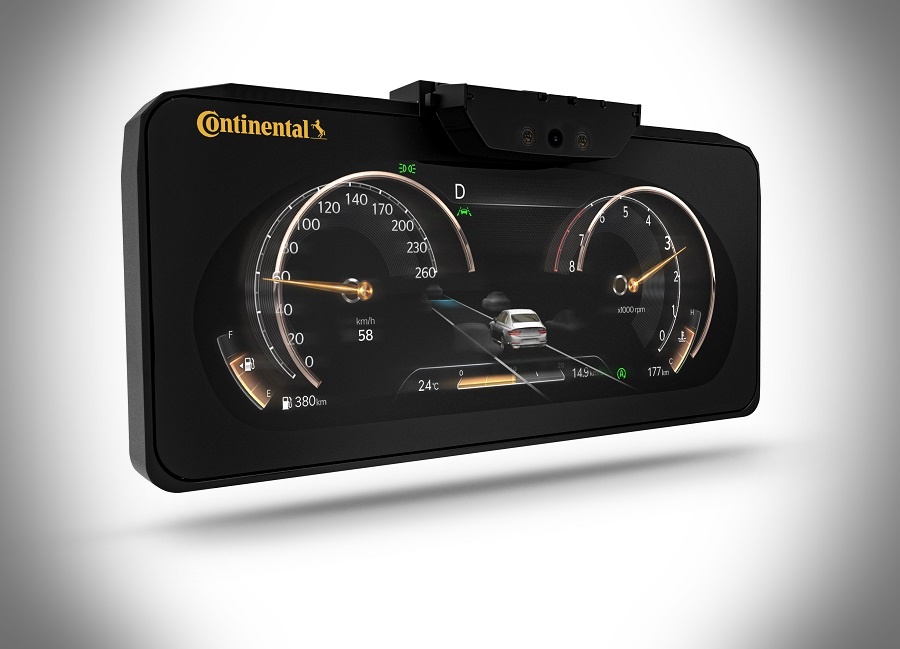
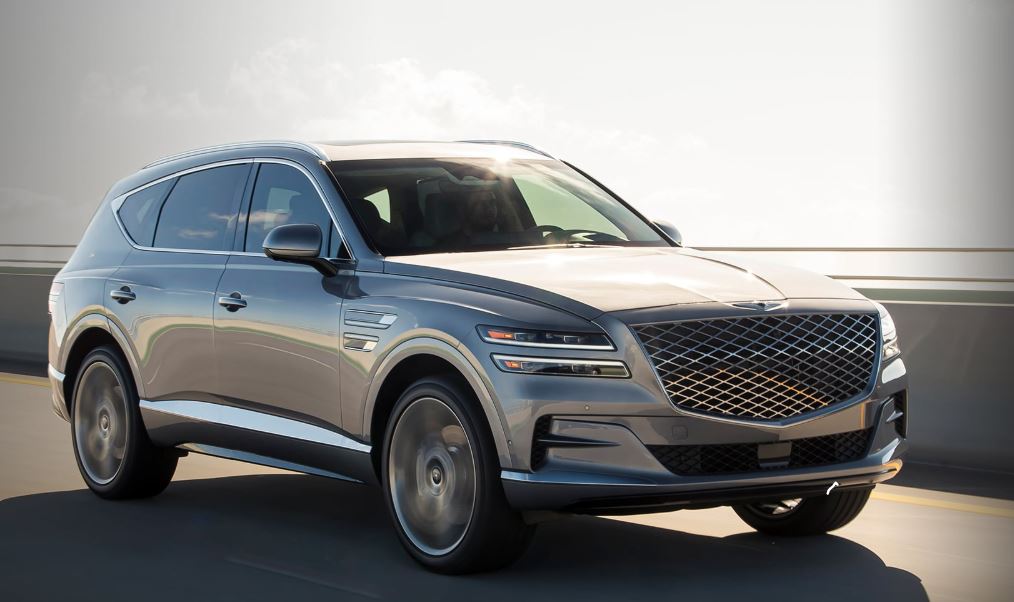
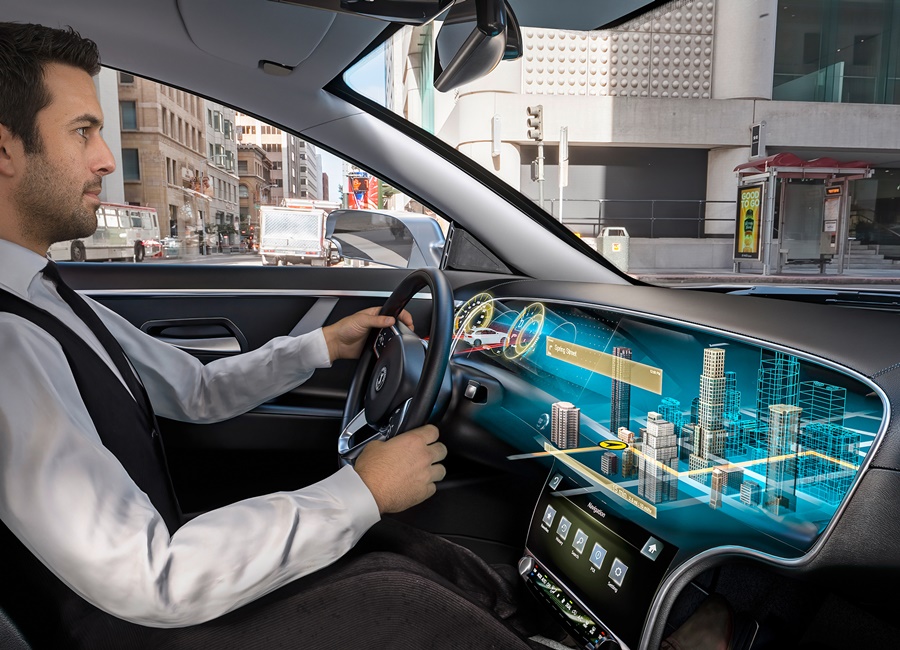
Continental is launching its volume-production display featuring autostereoscopic 3D technology on the market with the latest Genesis GV80. The new display requires no special glasses to view (obviously!)

On the screen, the technology displays three-dimensional scales, pointers and objects, for example displaying a stop sign warning in the driver’s line of sight. No special glasses are required to see the three-dimensional warning signal. Instead, Continental uses parallax barriers – slanted slats that divide the image for the viewer – as if looking at real objects, two different, slightly offset views reach the right and left eye, resulting in the 3-dimensional image.

An interior camera, which detects the driver’s line of sight and adjusts the 3D views to their precise head position, plays an essential role. To prevent drivers from focusing their attention on the 3D screen for too long, the camera also employs attention detection to identify potential moments of driver distraction or fatigue. With the 3D visualization of the instrument cluster, Continental is focused on ensuring the driver is not overloaded with information provided by advanced driver assistance systems, conventional displays, communication services and infotainment applications.

Genesis GV80
The new Genesis GV80

“With our volume-production display featuring autostereoscopic 3D technology, we are raising human-machine interaction to a whole new level and laying the foundations for intuitive communication in the connected cockpit of tomorrow,” said Dr. Frank Rabe, Head of the Human Machine Interface business unit at Continental. “To ensure that this gain in safety and comfort does not come at the expense of a lean electronics architecture, we integrated various displays in the center console or dashboard into our Cross Domain Hub.”

Continental

Cross Domain Hub
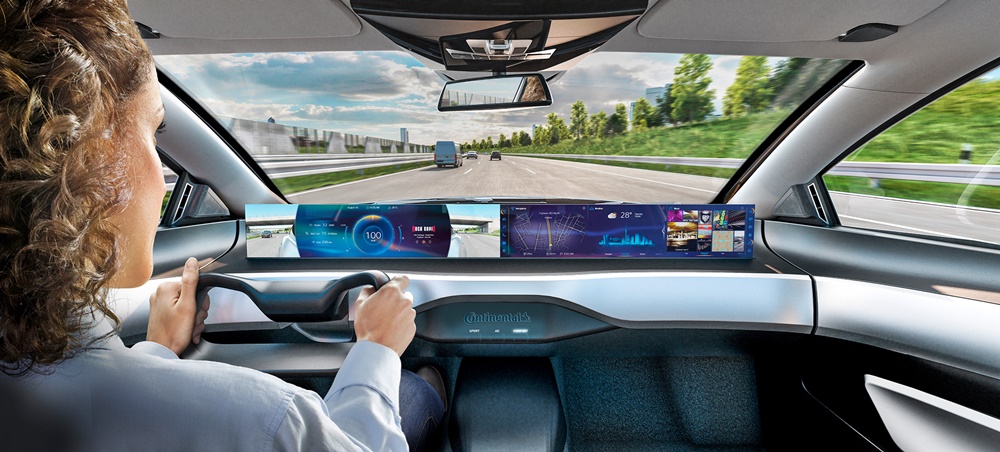
In the future, to reduce complexity and save weight and space, only a small number of control units will be required for all the in-vehicle input and output devices. The Cross Domain Hub is a high- performance computer and the basis for Continental’s 3D display being used in the Genesis. It marks a further milestone in the transformation of modern E/E architecture. The intention is to move away from numerous individual control units to a few high-performance computers.

In the next generation of Continental’s cross-domain solution, all displays are integrated into a single unit. The driver will be able to distribute content across multiple displays, for example by means of gesture control, dragging navigation maps from the front passenger’s display onto their own screen and arranging exactly where they want to place them. In automated driving mode, the displays merge across the entire width of the cockpit and offer all the services and apps that are otherwise only available on the front passenger’s side.

Continental

Lightfield Display
To ensure that the front passenger and occupants in the rear seats can also enjoy the three-dimensional experience, Continental is currently developing a new 3D display based on the natural 3D Lightfield Technology from Silicon Valley based Leia Inc.. With this technology, there is neither the need for cameras detecting head movement nor 3D glasses. As a result, the Natural 3D Display not only saves weight, space and costs, but also opens up an entire world of digital services to all the passengers in a connected car – from video conferences and online shopping to augmented reality games and 3D movies.

Instead of the parallax barriers described above, this system relies on Diffractive Lightfield Backlighting technology from Leia. An optical waveguide with diffraction grating and nanostructures beneath the display panel creating a natural 3D effect by bending the light. Continental is adapting this technology for use in vehicles. The system is planned for production by 2022.

PISTON.MY

It’s interesting that even with the push towards electrification of cars, Audi’s Head of Motorsport, Dieter Gass, says that for the foreseeable future, Audi will sell more cars with internal combustion engines than with electric drive. He made this remark by way of explaining why the company supports a racing series (DTM) with modern, efficient combustion engines in parallel with its involvement in the Formula E all-electric championship.

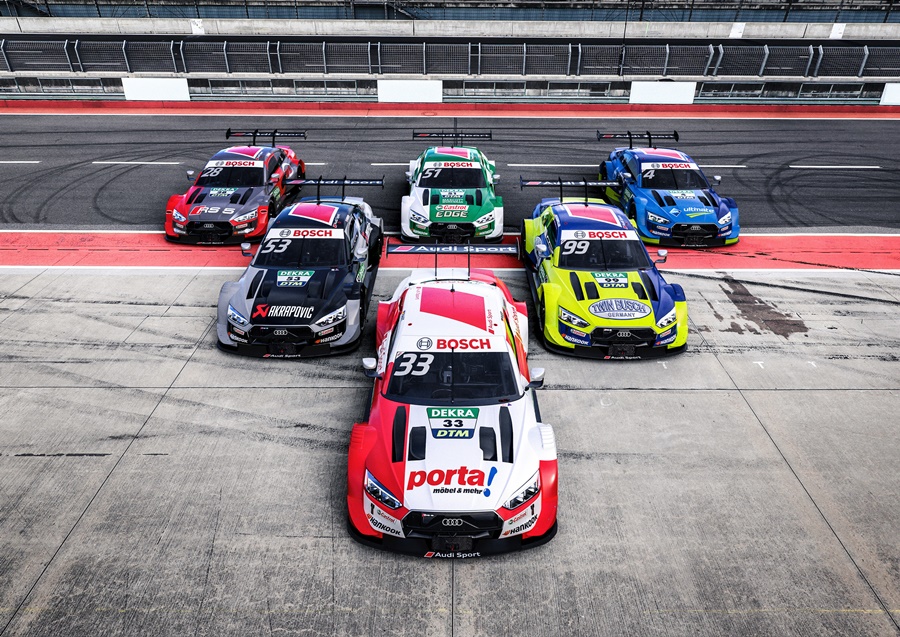
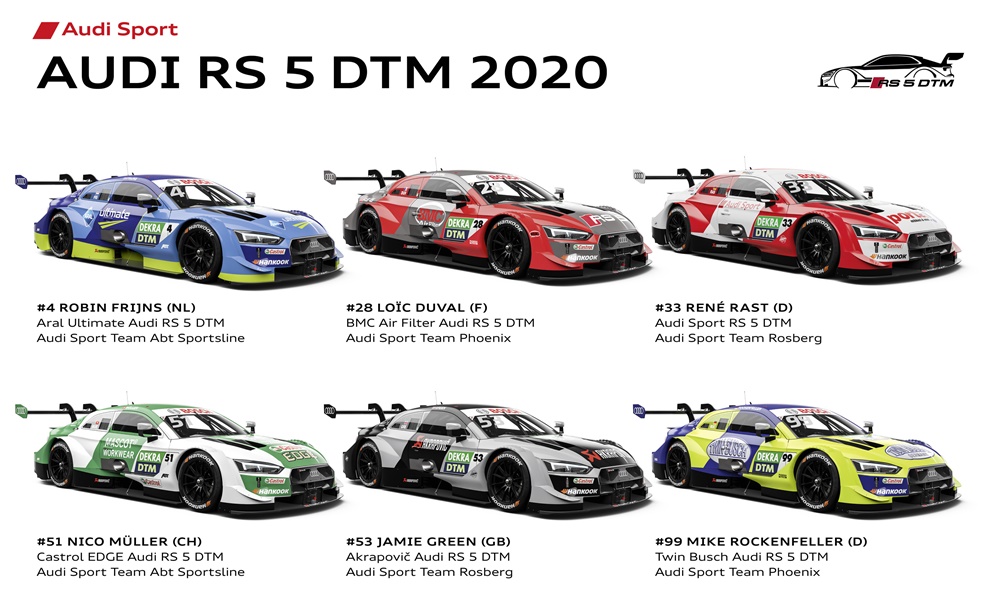
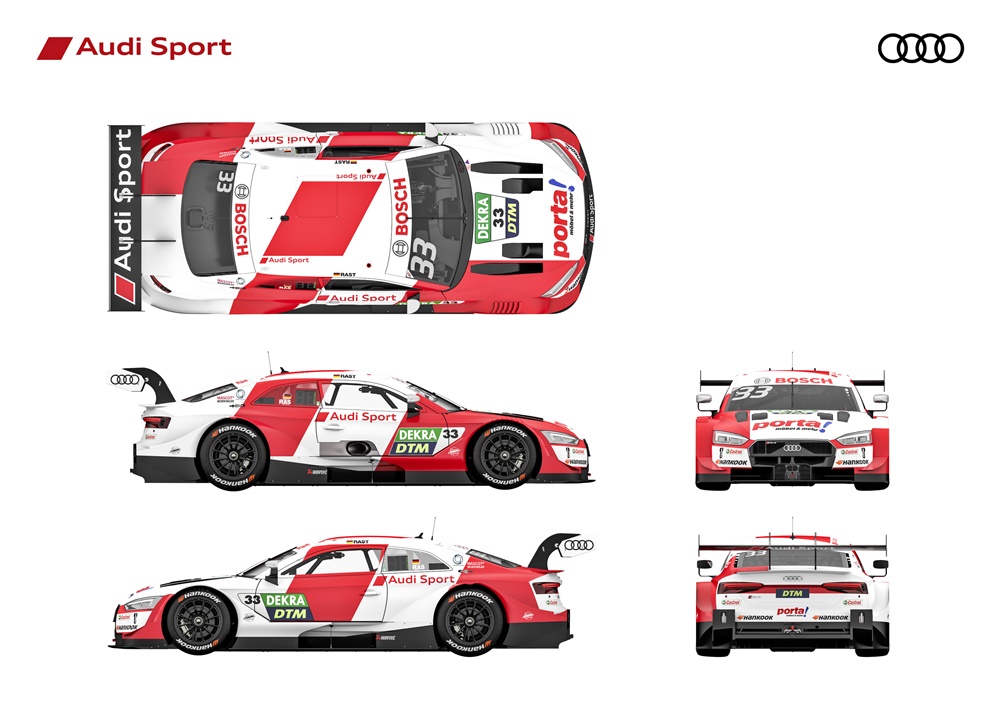
So in 2020, Audi Design has given its six factory-entered cars a fresh look, starting with the RS 5 DTM of title defender, Rene Rast. The designs of the other five RS 5 DTM cars, which will be driven by Loic Duval, Robin Frijns, Jamie Green, Nico Muller and Mike Rockenfeller are following.

Audi DTM 2020

Audi Sport has been relying on the RS 5 Coupe in the DTM since 2013. In accordance with the new regulations, last season’s championship winning car will contest the 2020 season with a number of detailed changes aimed at making the DTM even more exciting and cost-effective.

Fundamental technical changes are not allowed by the Class 1 regulations introduced for the series in 2019, which are designed for a level playing field and cost-efficiency. Therefore, the basis of the 2020 model year RS 5 DTM corresponds to the 2019 champion’s car. With the Class 1 regulations, which will also form the basis for the Japanese SUPER GT Championship from 2020, DTM last year technically started a new era.

BHPetrol RON95 Euro4M

The introduction of turbo technology has given DTM a stronger connection to road car development. The TFSI engine of the RS 5 DTM of model year 2020 has an engine output reduced by around 5% compared to the previous year. For the 2020 season, DTM has reduced the amount of fuel that may flow to the engine per hour from 95 kgs to 90 kgs. By means of the ‘Push-to-Pass’ function, the engine output can be increased to around 640 bhp in the short term, as in 2019.

Therefore, from the 2020 season onwards, DTM drivers will be able to use the ‘Push-to-Pass’ system – for overtaking, for example – twice as often during the race as before. During 24 race laps (previously 12), the additional power may be switched on for up to five seconds at a time.

This new qualifying rule also applies to the use of the DRS function (Drag Reduction System) which flattens the rear wing, reduces the car’s drag and increases top speed. From 2020, DRS may be used in races more often than before. With the combined use of DRS and ‘Push-to-Pass’, the RS 5 DTM reaches a top speed of almost 300 km/h, depending on the track.

Audi DTM 2020
New Audi Sport RS 5 DTM of Rene Rast, the title-defender.

Alongside Formula E and customer racing, the DTM forms the third pillar of Audi’s motorsport program. DTM’s spectacular Class 1 racing cars feature highly efficient 4-cylinder turbo engines with a displacement of 2 litres. This type of drive is used by Audi in many production models with various performance levels worldwide and is a pillar for increasing efficiency and reducing fleet emissions.

PISTON.MY

Archive

Follow us on Facebook

Follow us on YouTube