Piston.my

Archive

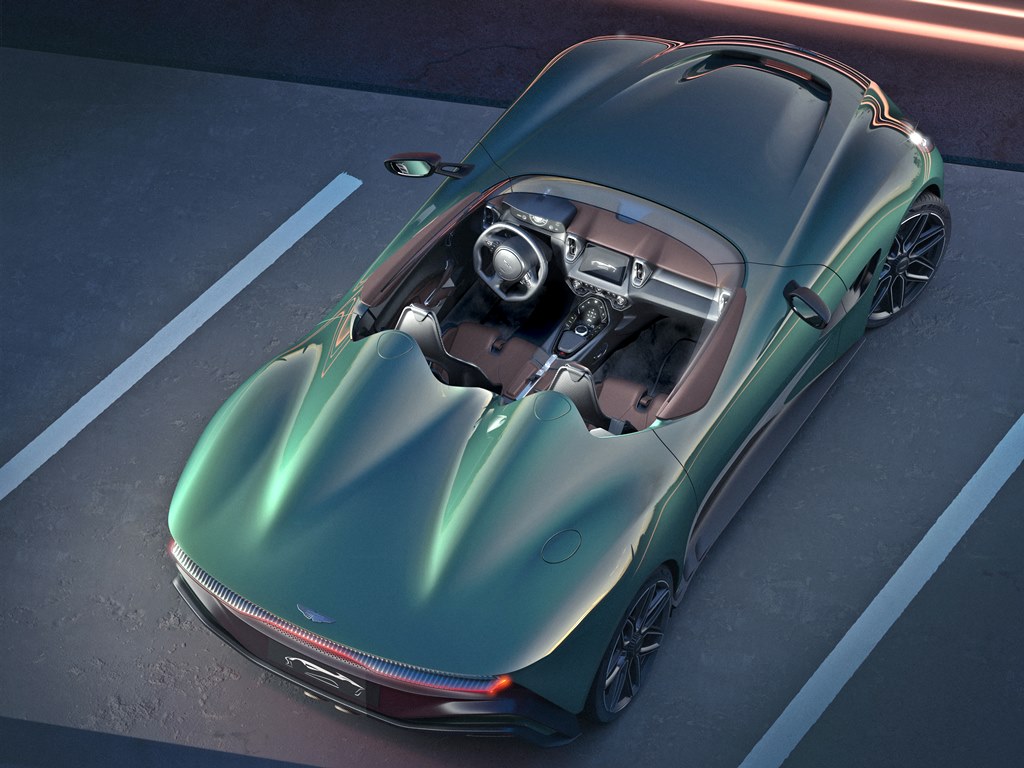
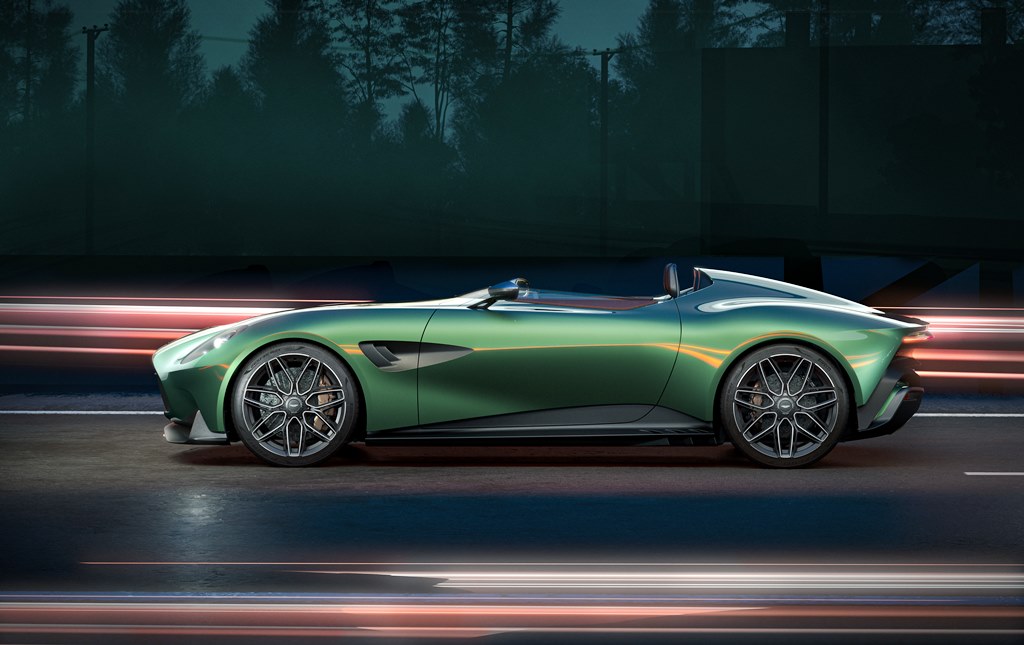
At the 2022 Monterey Car Week this weekend, Aston Martin will present the DBR22, a V12-engined 2-seater coachbuilt design concept. The creation of the DBR22, which celebrates the marque’s bloodline of open-cockpit sports racers, is the latest in a long line of projects handled by its in-house bespoke division, Q by Aston Martin.

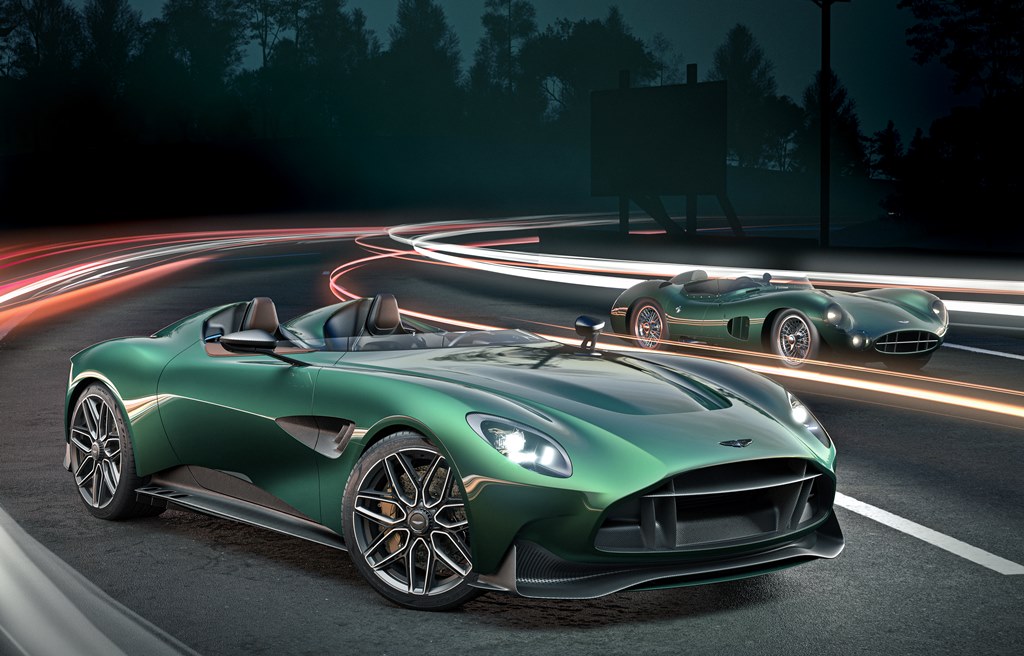
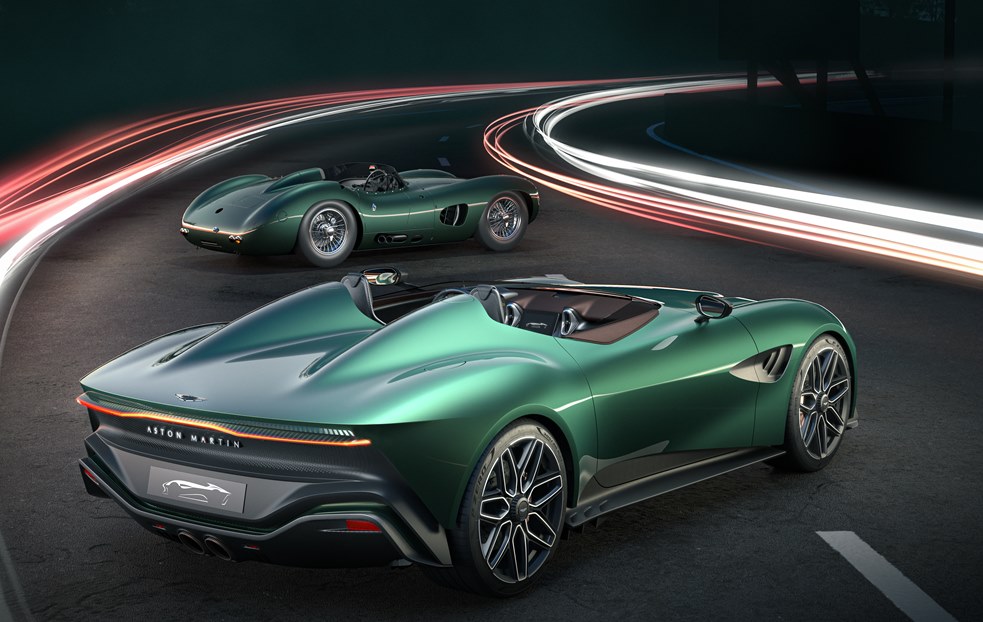
With classic proportions and immaculate, muscular curves, the DBR22 follows Aston Martin’s lifelong lineage of world-beating 2-seater open-cockpit sportscars such as the DBR1 and DB3S. And by mating the classic art of coachbuilding with advanced materials and cutting-edge manufacturing technologies, the design concept perfectly blends design purity, engineering precision, heart-pounding performance and true passion.
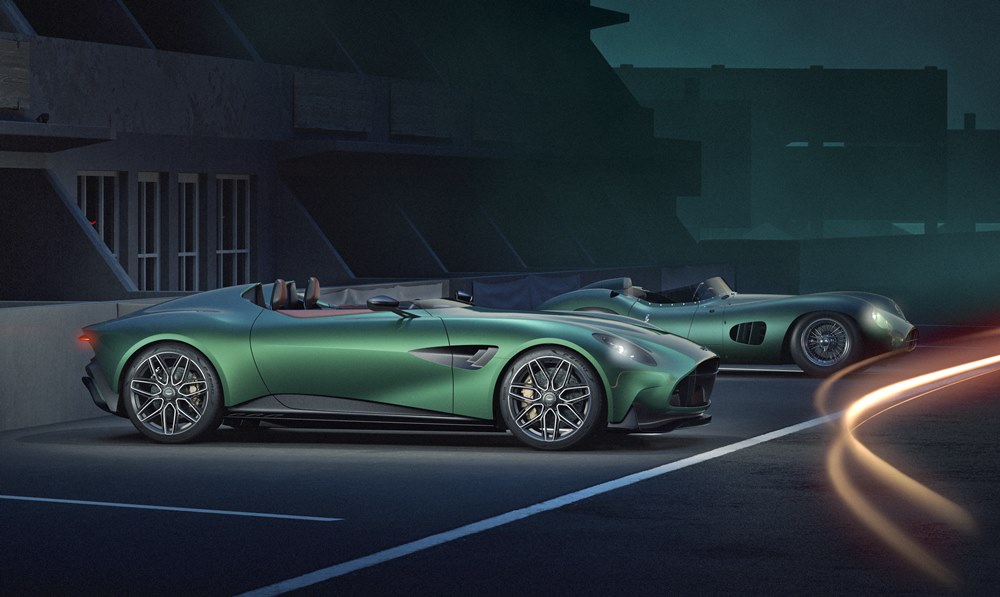
The DBR22 showcases a completely new body from Aston Martin’s designers. Its form is created from a minimal number of body panels to create a more sculpted, muscular presence. A particularly noteworthy feature is the entirely new front grille which incorporates a unique carbonfibre design in place of the usual veins seen on series production Aston Martins.

This design takes inspiration directly from the DBR1 and DB3S, giving a unique identity; one which clearly draws from Aston Martin’s heritage but uses this inspiration to create a truly contemporary design.
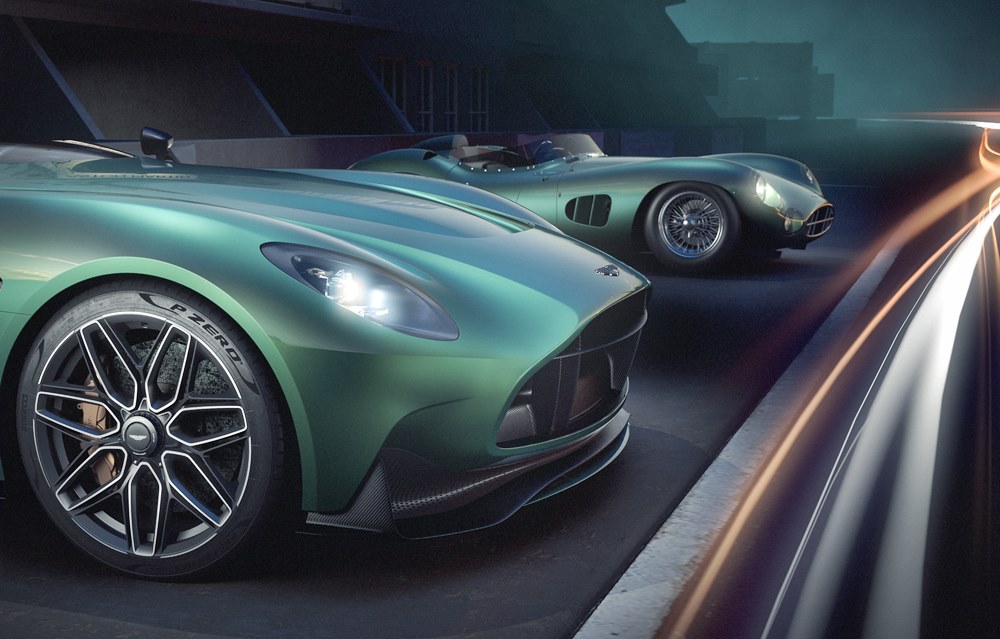
The bonnet features a dramatic horseshoe vent, recessed to aid airflow from the 5.2-litre V12 Twin-Turbo engine (715 ps/753 Nm) that sits beneath it. This long, unbroken bonnet line draws the eye back towards the cockpit, over the lowline wind deflector and delicate mirrors, which are mounted to the tops of the doors on slender, wind-cheating carbonfibre arms.

Sitting perfectly within the wheelarches is a set of all-new 21-inch alloy wheels featuring a unique 14-spoke design created especially for the car. There is a motorsport-derived centre-lock hub which is also available to spec from an extensive colour pallet.

The DBR22 also showcases an entirely bespoke paint colour, developed specifically for the occasion using ‘Paint to Sample’ – an exclusive option available through Q by Aston Martin, demonstrating again the vast design possibilities attainable through the bespoke service.

The cockpit continues the fusion of classic and contemporary approaches with many unique components and an extensive use of both leather and exposed carbonfibre. With architecture defined by the all-new dashboard and sleek infotainment displays, it sets the tone for a clean, uncluttered environment.
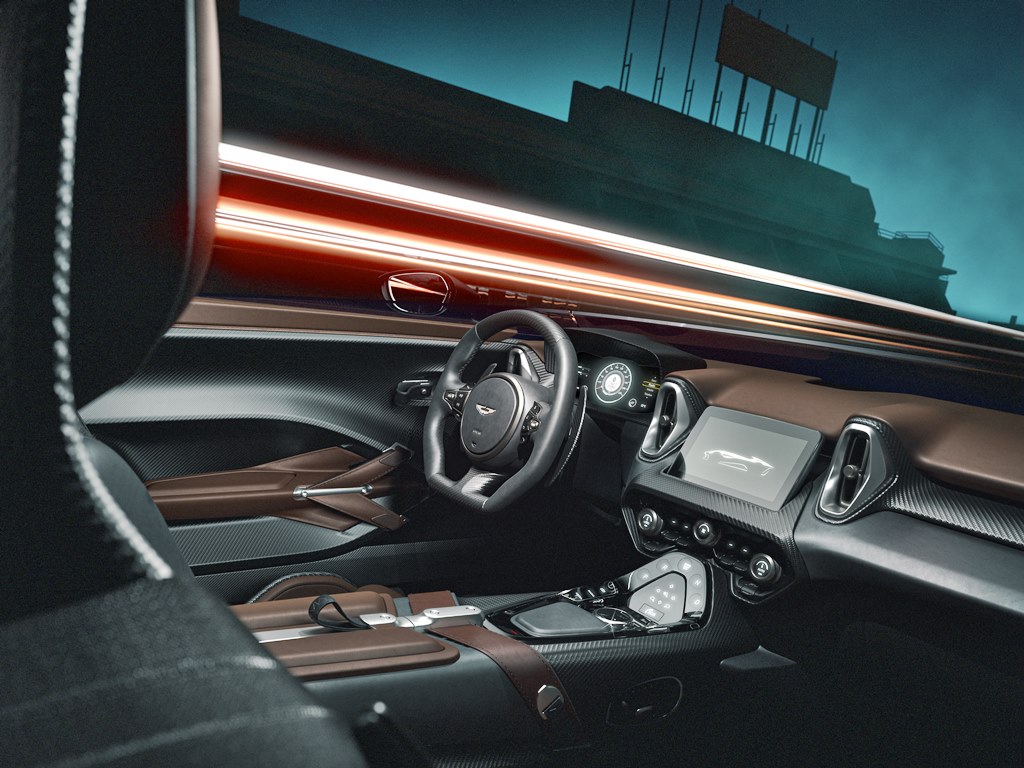
Though taking inspiration from Aston Martin’s competition cars, the DBR22 is no bare-bones racer inside. Supple aromatic hides swathe the contemporary dashboard, the carbonfibre performance seats and extend over the tops of the doors to create an inviting hint of the interior.

Rising from behind the seats are twin nacelles which smooth the airflow behind the driver and passenger’s heads. At the rear is an unmistakable horizontal light graphic courtesy of the slim, full-width light bar made specially for this application. Beneath it sits a perforated panel to allow hot air to exit the tail.

This beautifully sculptural piece is yet another unique highlight of the DBR22 intriguing design. Together with the smoothly integrated diffuser and pair of large diameter exhaust tailpipes, the DBR22 has incredible road presence, perfectly capturing the raw emotion of the driving experience.
Unique calibration of the engine and 8-speed paddle-shift automatic transmission uses torque shaping to give the DBR22 a manner and delivery said to be unlike any other model. A pinned steering column brings greater accuracy but also provides more detailed feedback so the driver can build a more accurate picture of available grip.

Attention has also been paid to the DBR22’s chassis structure. Unique front and rear shear panels further increase tortional rigidity, with a bespoke calibration for the adaptive dampers providing precision and pliancy for a blend of body control and ride.
The DBR22 also features a 3D-printed rear subframe – the first time Aston Martin has introduced such a method. The component is made from multiple 3D-printed parts printed from aluminium, which are then bonded to form the finished subframe. The advantages are clear, with a significant weight-saving and no reduction in stiffness, plus the ability to make special parts for ultra-low volume models, where required.

“We set our design systems to ‘hyper-drive’, pushing the exploration of formalism further and endeavouring to express a future in the here today. Where could we go with the surfaces, proportion and form. Combining this approach with advanced process, technology, and materials, we’ve effectively modernised our racing bloodline and created a new pedigree. DBR22 is a hot-blooded, purebred Aston Martin sportscar full of speed, agility and spirit, and a machine that we think will be the basis of many of tomorrow’s icons,” said Marek Reichman, Aston Martin’s Chief Creative Officer.
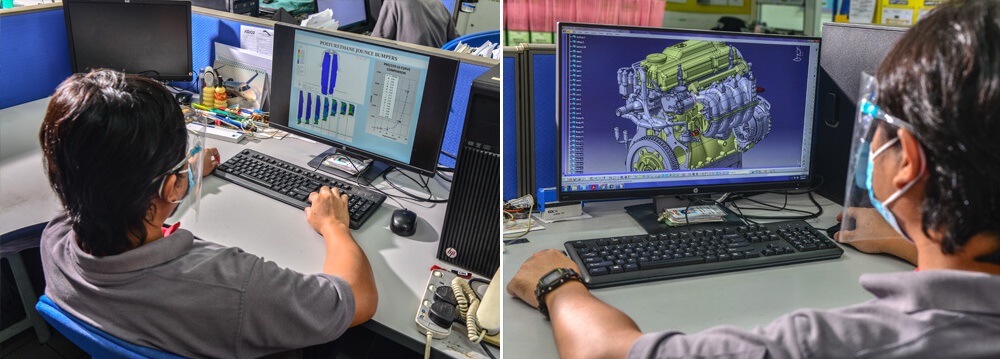
With the accelerated pace of development in industries, a revolution is taking place and where the automotive industry is concerned, this revolution will take companies to the next level with cutting-edge technologies, processes and machinery. This transformation of the automotive industry is referred to as Industry 4.0., a term inspired by Germany’s ‘Industrie 4.0’, a government initiative to promote connected manufacturing and a digital convergence between industry, businesses and other processes.

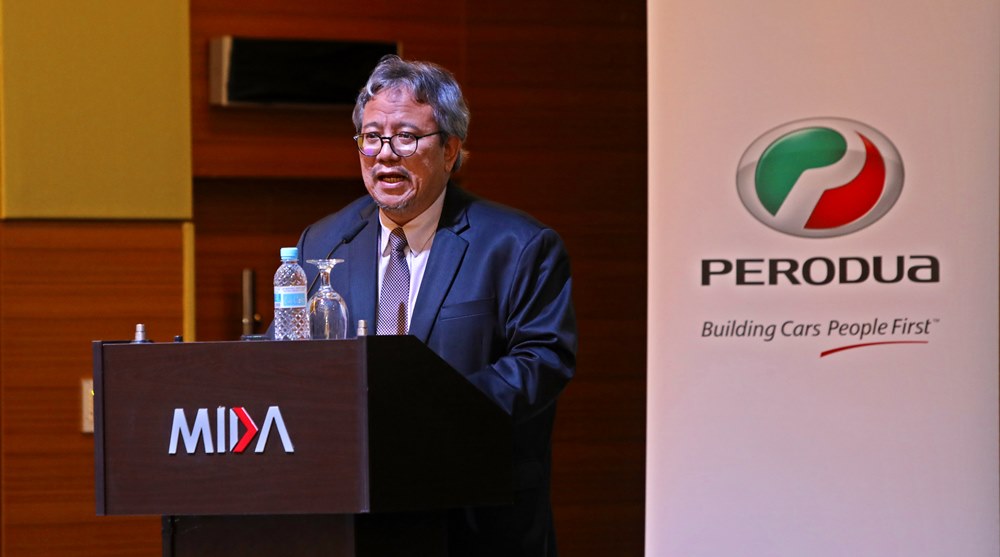
To promote the adoption of Industry 4.0, the Malaysian Investment Development Authority (MIDA) and Perodua are gearing up through a strategic partnership to introduce the MIDA-Perodua Digital Transformation Ecosystem Programme. The programme aims to upgrade local automotive suppliers and to digitalise their manufacturing processes through adoption of Industry 4.0.

Developing local players’ capabilities
“Local companies play a major role in building the nation’s industry ecosystem–geared to support large companies and MNCs. The initiation of the MIDA-Perodua collaboration in 2020 was crucial to ensure a steady development of our local player’s capabilities in the automotive industry,” said Datuk Arham Abdul Rahman, Chief Executive Officer of MIDA.

“Under MIDA’s initiative to facilitate these companies to adopt digitalisation and Industry 4.0, we have been successful to contributing immense growth in Perodua’s manufacturing volume, through the empowerment of its industry partners and service providers.” he said.

Dato’ Sri Zainal Abidin Ahmad, President & CEO of Perodua.

Local technology ecosystem development
According to Dato’ Sri Zainal Abidin Ahmad, Perodua’s President & CEO, the MIDA-Perodua Digital Transformation Ecosystem Programme is aligned with the government’s efforts to enhance local technology ecosystem development activities in terms of supply and value chains, research and development activities, and innovation and commercialisation. The programme has shown a promising sign as the first group of participants had implemented their proposed projects.

“The implementation of Industry 4.0 is not only for the automotive supplier’s benefit, but the impact of this programme will contribute greatly to the national’s digital transformation agenda. The programme also can fast-track Malaysia’s industries, from small to large, as it provides both funds and guidance,” Dato’ Sri Zainal Abidin said.

“Perodua’s role has always been to develop the automotive ecosystem and this programme is another example of our commitment towards this objective,” he added.

Eight participants in programme
The first phase of MIDA-Perodua strategic partnership has brought forth three potential Perodua-friendly partner – LSF Technology Sdn.Bhd., J.K. Wire Harness Sdn. Bhd. and Autoliv Hirotako Safety Sdn. Bhd. These companies have also been granted Domestic Investment Strategic Fund as part of the government’s initiative to assist the local companies to embark into the global supply chain.

Moving forward to Industry 4.0, MIDA and Perodua have identified five more vendors with much potential and growth opportunities. These are Armstrong Auto Parts Sdn. Bhd., Ingress Aoi Technologies Sdn. Bhd., Namicoh Suria Sdn. Bhd., P.D. Kawamura Kako Manufacturing Sdn. Bhd. and Kumpulan Jebco (M) Sdn. Bhd.

MIDA, being the pivotal principal promotional agency of Malaysia, will be extending their support services to help more companies obtain growth in terms of productivity, talent and bridging financial and technology gaps.

The agency is confident that through such facilities and empowerment measures, these automotive players will be able to increase their business offerings and expertise to innovate its products and services and climb the supply chain ecosystems.    

BHPetrol

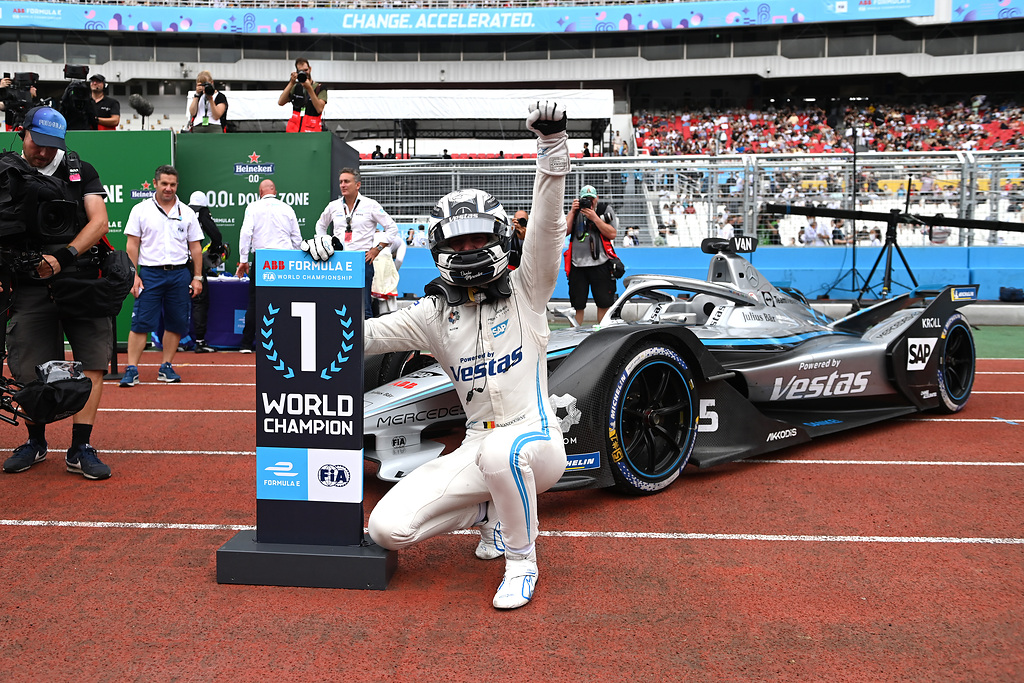
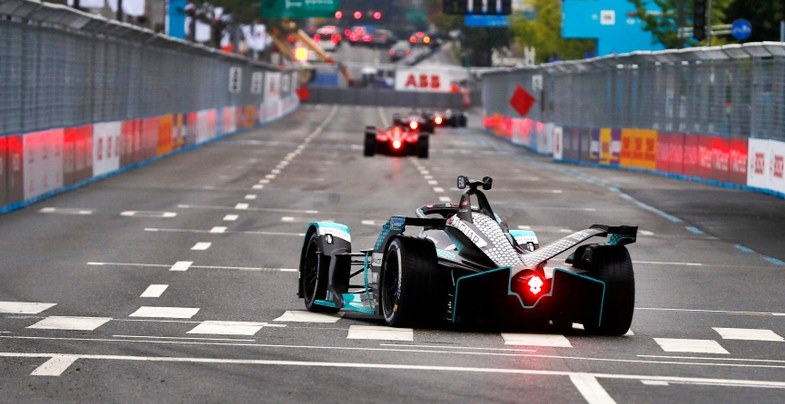
The Mercedes-EQ Formula E Team successfully defended their title in the championship, ending their participation in a high note. However, the team will not be disbanded as it will be acquired by McLaren Racing for its entry into Formula E in the next season which will be the ninth in the series.

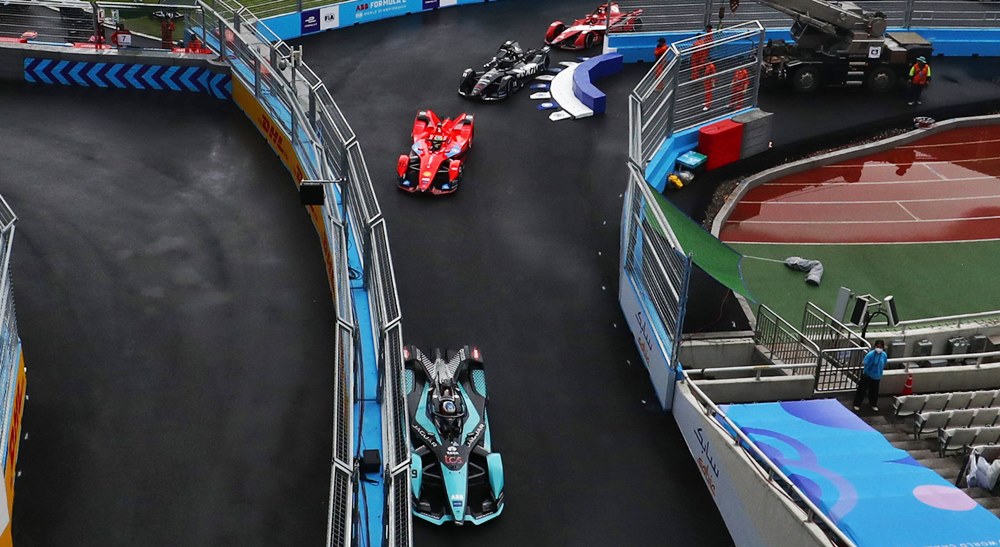
Stoffel Vandoorne, their driver, also ended his fourth season in the ABB FIA Formula E World Championship as World Champion of the all-electric single seater series. Although taking runner-up in the first Seoul E-Prix in Korea, he had a 33-point lead over Jaguar TCR Racing’s Mitch Evans and enough to secure the Drivers title.

The final race

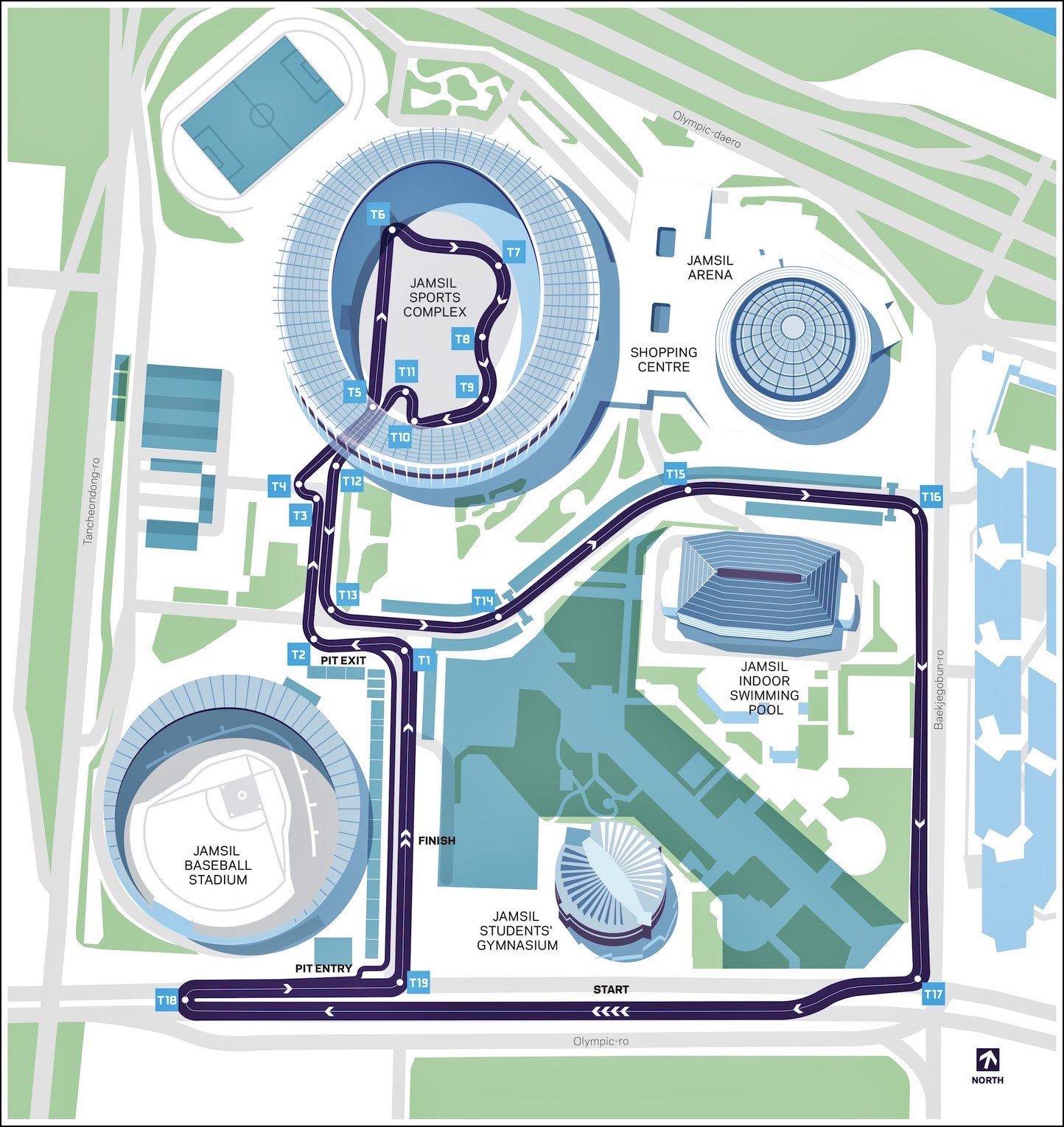
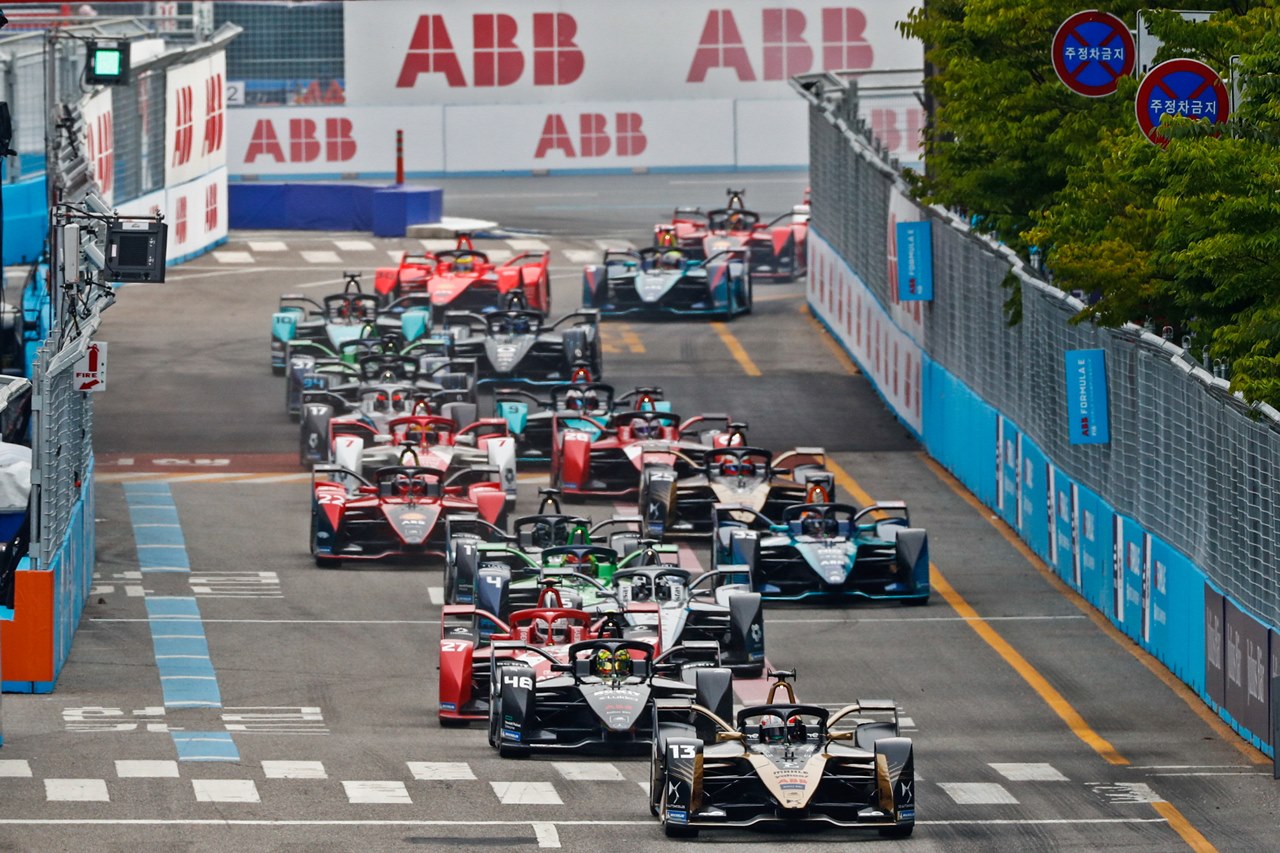
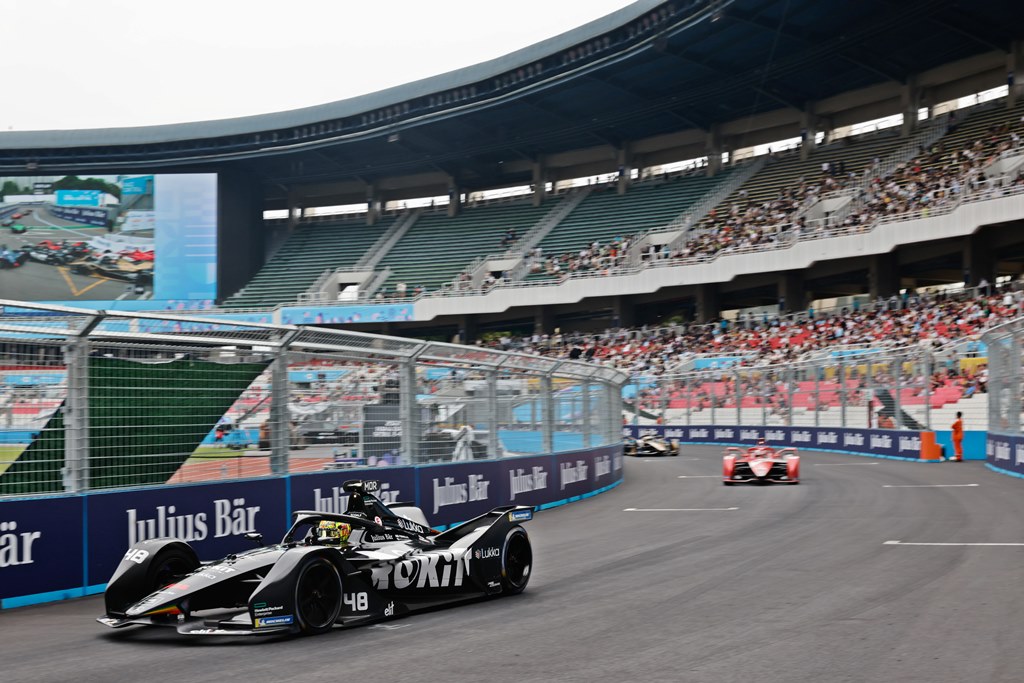
Unlike the downpour of the day before, a dry track greeted the drivers in Seoul for Round 16, the final one for Season 8. As the race got started, the frontrunners held their positions up to Turn 2 when things tightened up and Dan Ticktum (NIO 333) moved into sixth. Vandoorne picked his way through to hold fourth spot, with Evans gaining a place to go 12th after an important move on Nyck de Vries (Mercedes-EQ).

On lap 3, Edoardo Mortara (ROKiT Venturi Racing) saw a chance to jump Antonio Felix da Costa (DS TECHEETAH) for the lead with a switchback at Turn 22. The feint was bought by the Portuguese and the Venturi driver took the lead, with Jake Dennis (Avalanche Andretti) following in second spot.

Ticktum had run with the leaders through the opening laps but was forced to pit with a technical problem at the end of Lap 3. A pity for the British driver who looked to be in with a chance of sealing NIO 333’s first points since Rome.

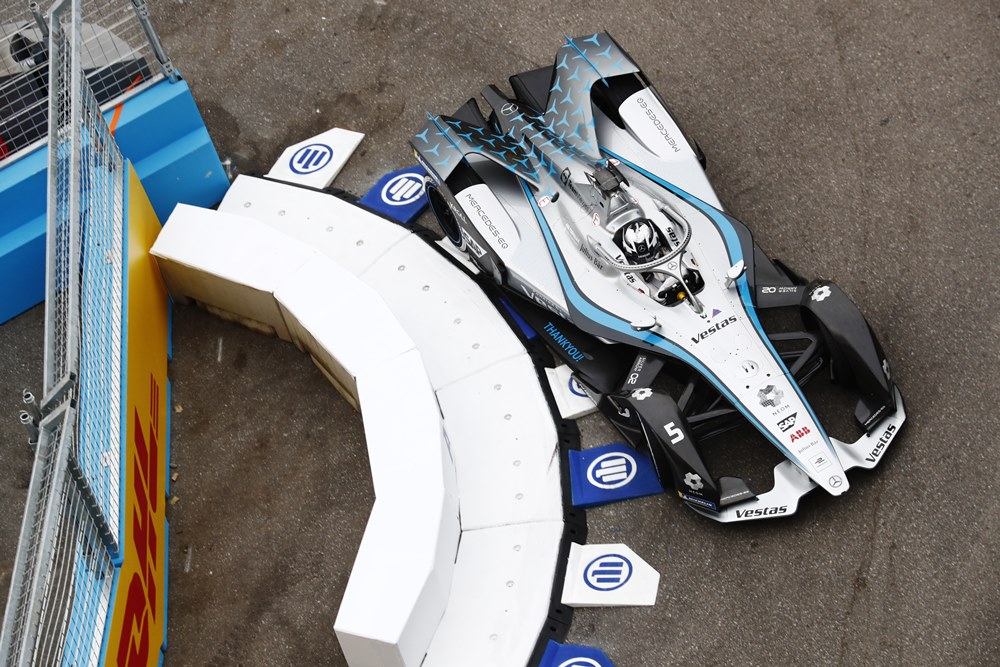
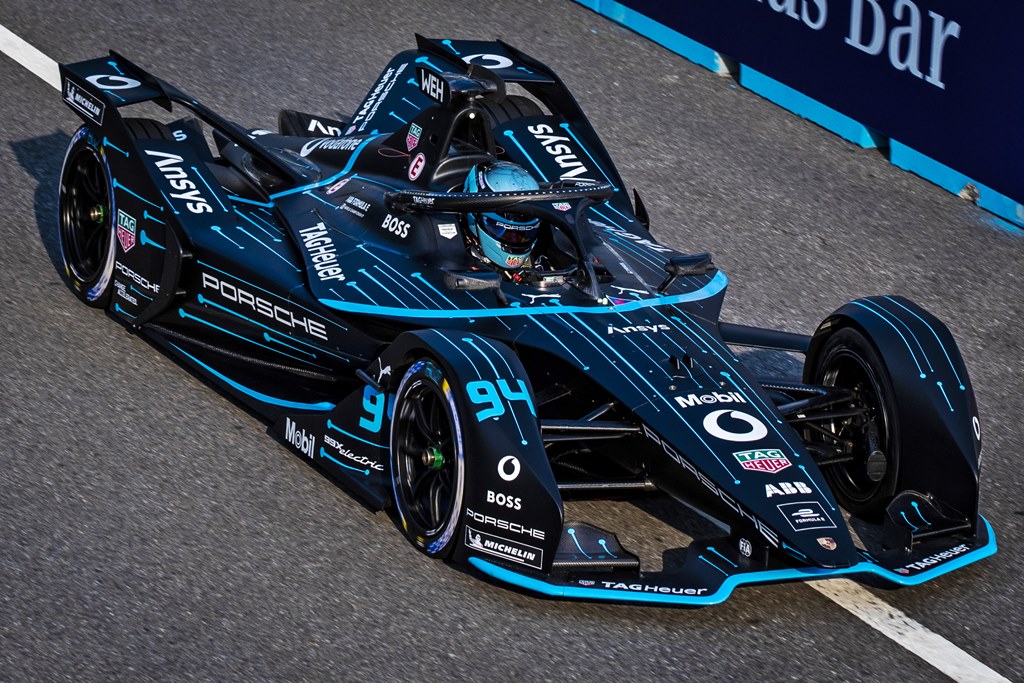
The first round of ATTACK MODE activations was kicked off by Pascal Wehrlein (Porsche), who had worked his way up five positions to 10th, before retiring at Turn 4. De Vries was fighting on Lap 7, too, with the Mercedes-EQ driver getting into Wehrlein – causing both race-ending damage; Venturi’s chances of overthrowing the German giants saw a significant boost.

With a third of the Formula E race gone and one of two mandatory 30-kW ATTACK MODE boosts down, Mortara headed Dennis and looked to be managing a cushion of just over a second. Both were 3 seconds up the road of Da Costa and Vandoorne, as Frijns, di Grassi, Askew, Vergne, Evans and Cassidy rounded out the top 10.

As it stood, Vandoorne had more than a hand on the Drivers’ World Championship trophy, with Evans needing to win. The Jaguar driver, meanwhile, was losing ground to the leader – some 10 seconds back.

There was big Teams’ World Championship drama on Lap 13 as di Grassi was forced into pitting to sort out a front-right puncture. That gave Mercedes-EQ a 16-point advantage – impossible to close without the Brazilian’s presence in the points.

With 22 minutes plus one lap to go, the Porsche Taycan Formula E Safety Car was deployed to recover Maximilian Guenther’s stricken Nissan e.dams. It seemed have something terminally broken on the front left corner. Was that to be a lifeline for Evans? The pack would be squeezed back up but Vandoorne, still fourth, held all the cards.

On the restart, leader Mortara and da Costa jumped for their second ATTACK MODE boost. At Turn 22, Dennis was on the defensive with da Costa hunting second with that extra 30 kW of power available. The Portuguese’ DS and Dennis’ Andretti came into contact and da Costa ended up nose-first in the wall and shuffled right to the back of the pack. The tense final laps saw Dennis penalised with 5 seconds added to his race time for that move – leaving him a net third at the final chequered flag of the Gen2 era and the completion of the 100th Formula E race.

Mortara had a good margin as he headed for the finish line, winning by almost 4 seconds from Vandoorne, with Dennis third, Frijns fourth, Askew fifth and Vergne rounding out the top six. Evans’ seventh was valiant but ultimately not enough.

Goodyear Malaysia’s Worry-Free Assurance (WFA) programme has been in the market almost ten years, having been introduced in 2013. It was initially offered with just one (the Assurance TripleMax) but within a short time, other tyres in the brand’s range were also included.

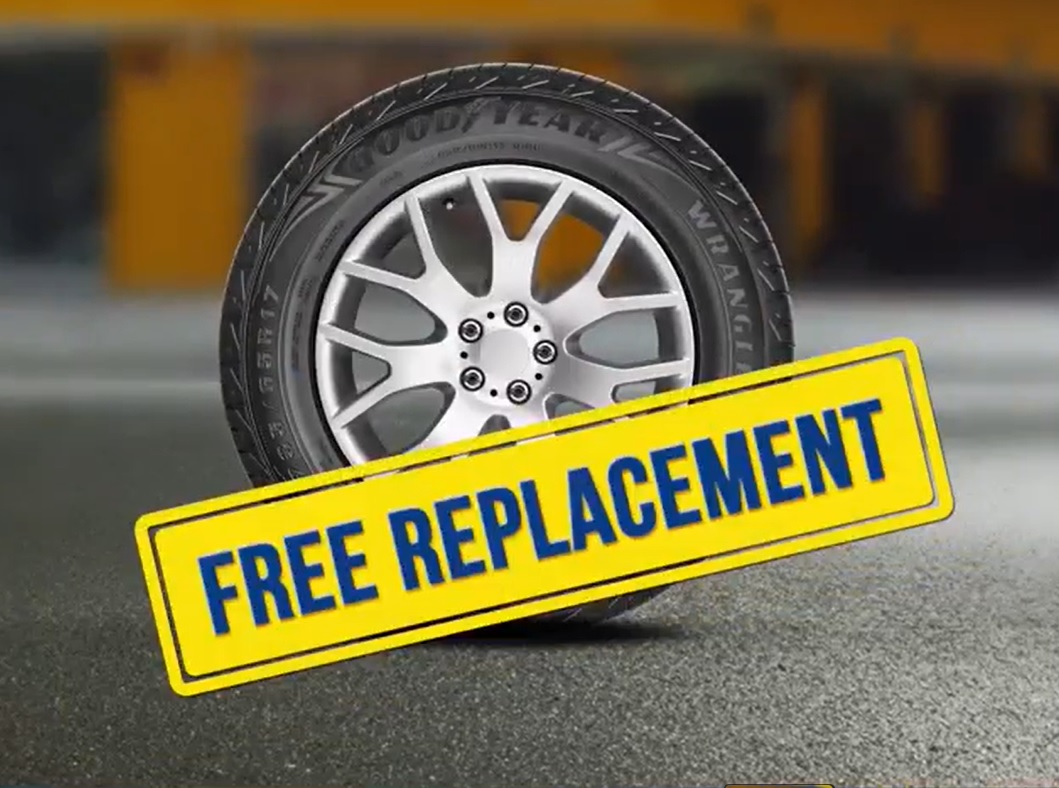
The original WFA programme had a straightforward benefit: if there were damages by road hazards, there would be free tyre replacement or partial credit for purchase of new Goodyear tyres, depending on the tread depth.

Goodyear Malaysia has now made improvements to the programme with extra benefits for motorists. “Since the Malaysian government announced the endemic phase in May, the number of cars on the road has seen an increase of two-fold compared to 2019. As such, we want to encourage our customers to be aware of their vehicle tyre’s health so they can drive with peace of mind. As an advocate of on-the-road safety, we believe the new Worry-Free Assurance programme will help our customers stay safe and have an enjoyable drive for the long run,” said Alex Ng, Managing Director of Goodyear Malaysia.

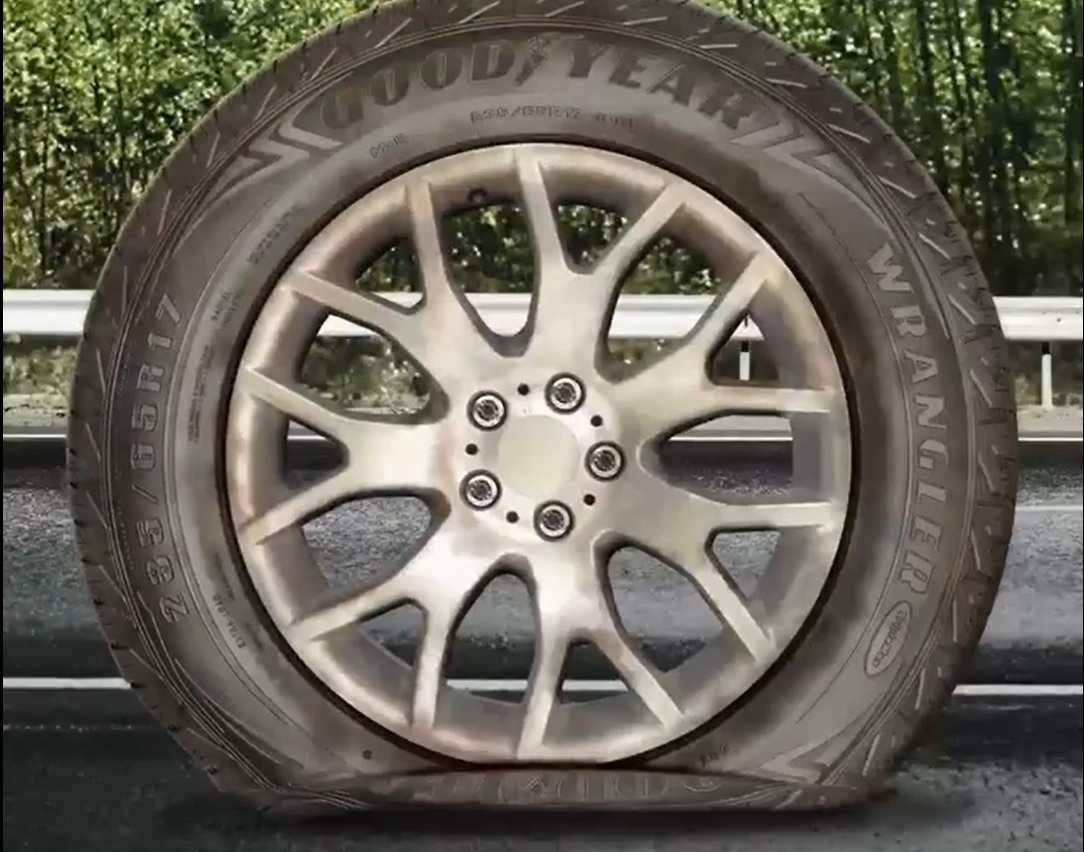
Modern tyres are tough but can still be damaged by some road hazards. If that happens with Goodyear tyres, you could get a free replacement.

Added benefits for customers
The new WFA programme is available at no extra cost for all customers who purchase any new Goodyear consumer tyres and now there is no minimum purchase as a condition. However, as before, motorists who have Goodyear tyres that come fitted as standard on their new vehicle will not have WFA coverage.

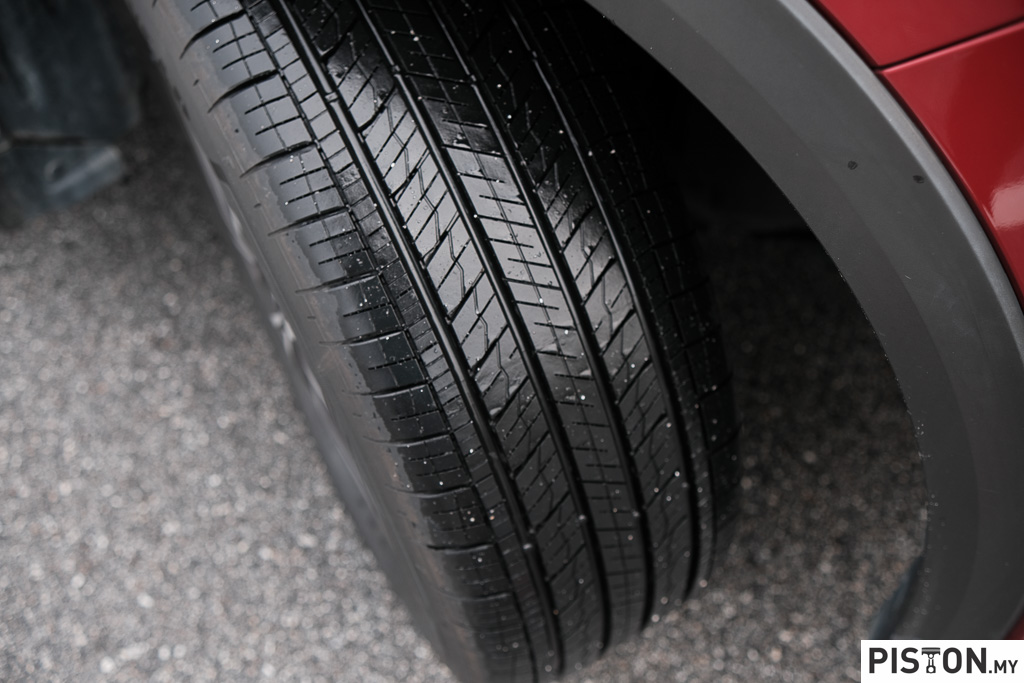
Customers who register for WFA will enjoy the security of a 1-year Road Hazard Warranty from the date of purchase. They will be eligible for a free 1-to-1 exchange if tyres are damaged beyond repair caused by road hazards such as potholes and/or sharp objects during normal driving. The tyres should have a tread depth of 5.0 mm and above to qualify for the exchange. This new feature is an extension of the previous WFA with 6-month coverage with a minimum tread depth of 6.0 mm.

Free tyre safety check
The new WFA programme ensures that the tyres are in optimal condition by providing 2 free tyre safety checks. Customers may return to the original Goodyear Autocare centre where they purchased their tyres from for these safety checks on the sixth and twelfth months after the date of purchase.

Warranty up to 5 years
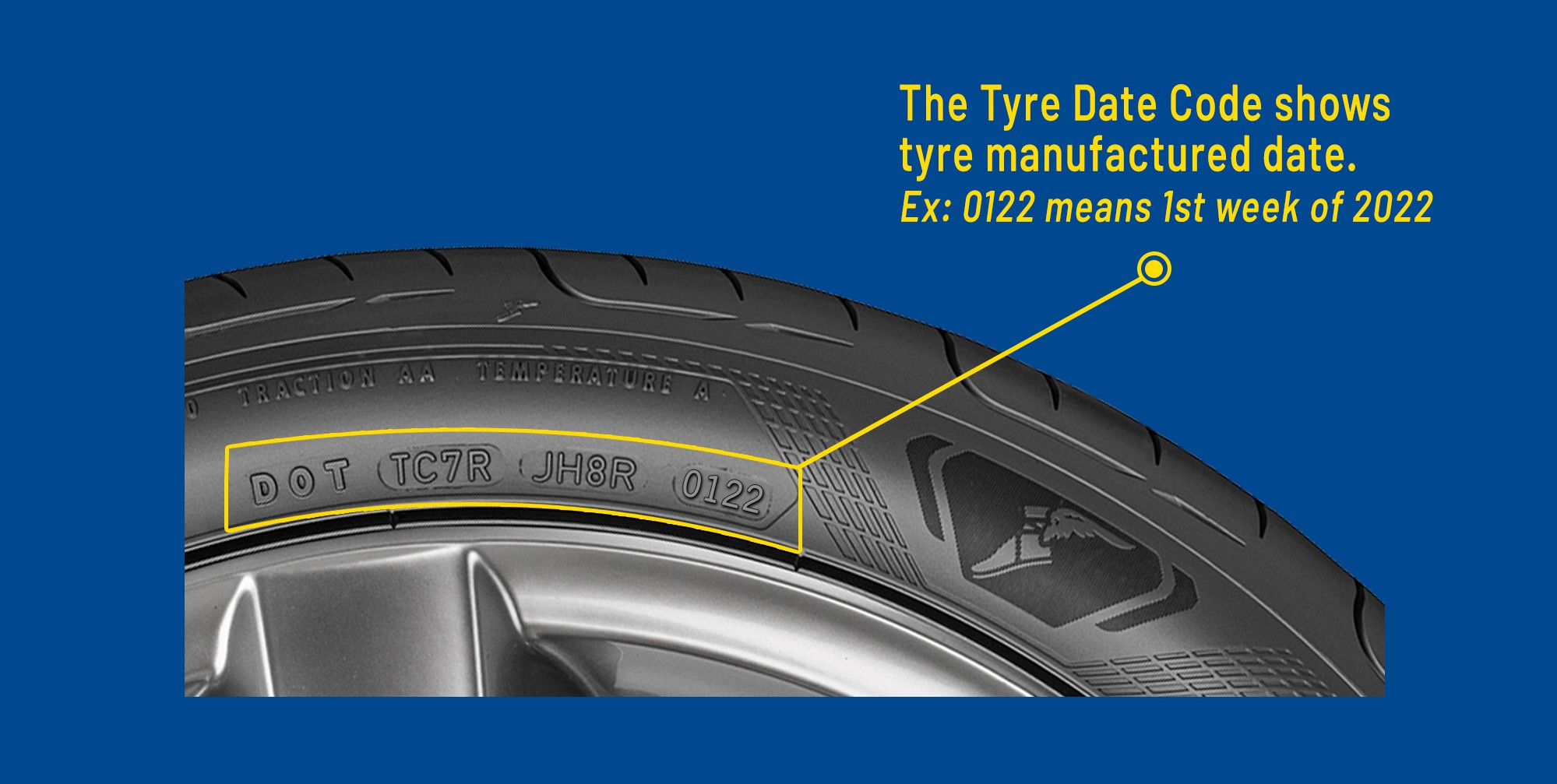
Goodyear Malaysia has updated their terms and condition where the 5-year limited warranty will cover 5 years from the date of purchase stated in the original invoice, instead of from the manufacturing date on the tyres. This is fairer to the customer since the tyres might not be sold immediately after they leave the factory.

However, in the event that the original invoice is not available, the limited warranty will cover the tyres from the date of manufacturing instead. Under this warranty, Goodyear also covers manufacturing defects in workmanship or materials used.

In the event that the original invoice is not available, the limited warranty will cover the tyres from the date of manufacturing instead. Under this warranty, Goodyear also covers manufacturing defects in workmanship or materials used.

Easy registration online
The process of registering for WFA is easy as it can be done online with submission of scans of the receipt and WFA card number. Each tyre purchase should come with a WFA card but if it is not available should a claim be made (or for the safety check), customers can print out the WFA online registration instead.
BHPetrol

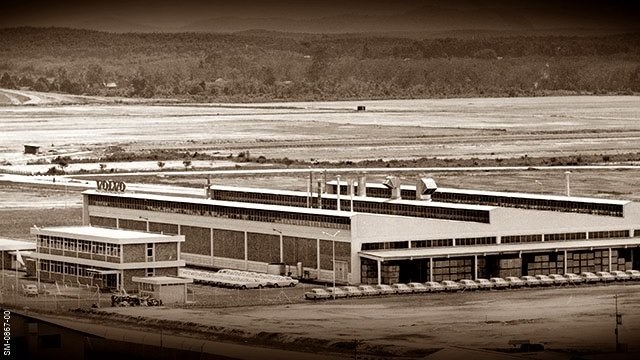
It’s now 55 years since the first new vehicle assembly plant began operations in Malaysia. Volvo, together with its local partner, Federal Auto, were the first to introduce a locally-assembled model in 1967 after the government had announced what could be considered as the first national automotive policy in the mid-1960s.

The policy was intended to attract foreign carmakers to assemble some of their models locally and if they did so, they would be given incentives in the form of lower tax rates. This would enable them to sell at lower, more attractive prices compared to the models that were imported in completely built-up (CBU) form.

The locally-assembled vehicles were assembled from CKD (completely knocked-down) packs of parts sent from bigger factories in Europe, Japan and North America. To help develop a local automotive industry – an important catalyst for industrialization – the government also listed certain parts for mandatory deletion. Assemblers had to obtain them from local companies, many of which had also been set up in tandem with the new assembly plants.

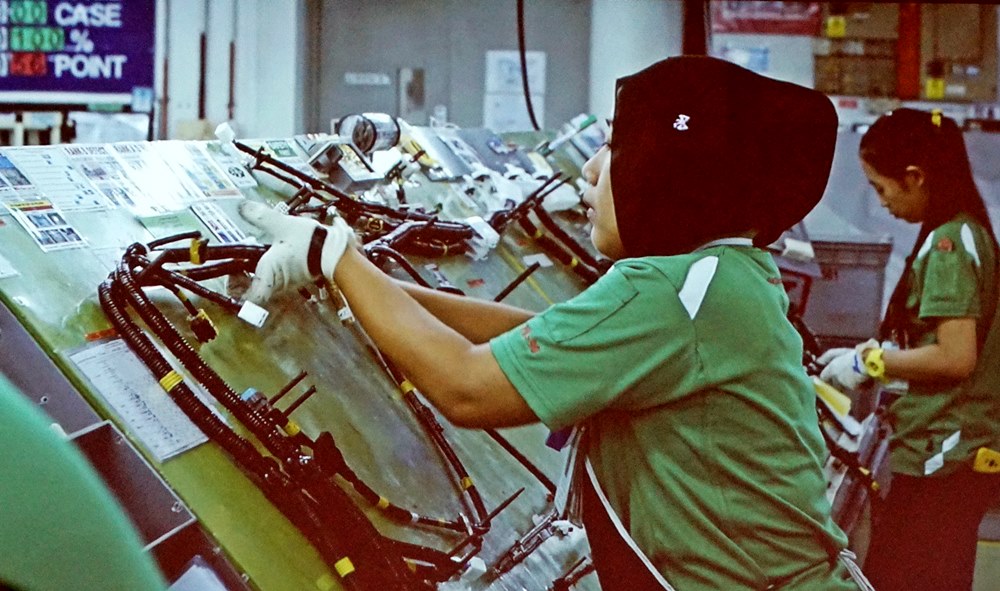
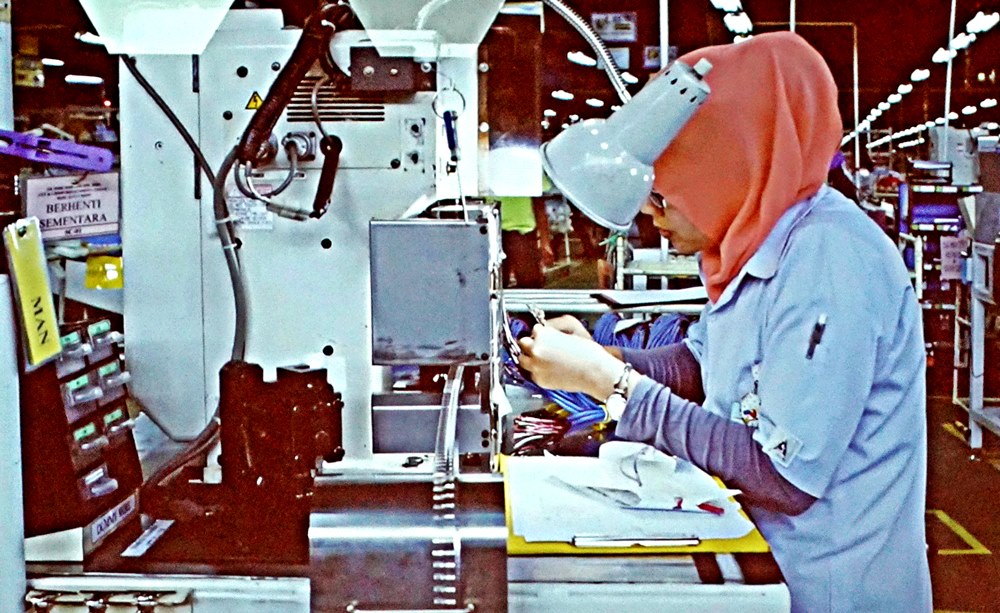
The parts were items like windscreen glass, paint, tyres, wire harnesses, etc and if the assembler chose to still import them, then there would be a penalty for doing so. Over time, revisions in policies saw an emphasis on getting assemblers to source more parts locally and targets were set for local content.

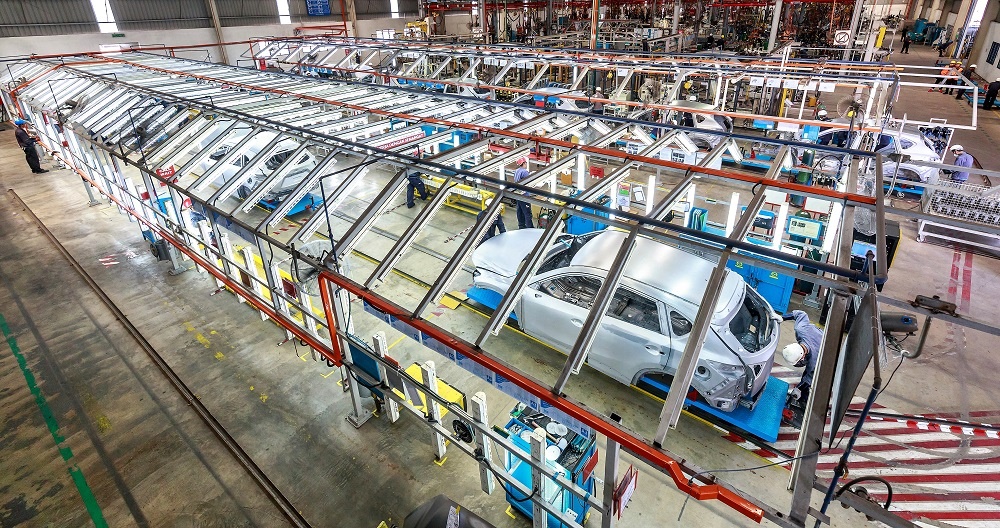
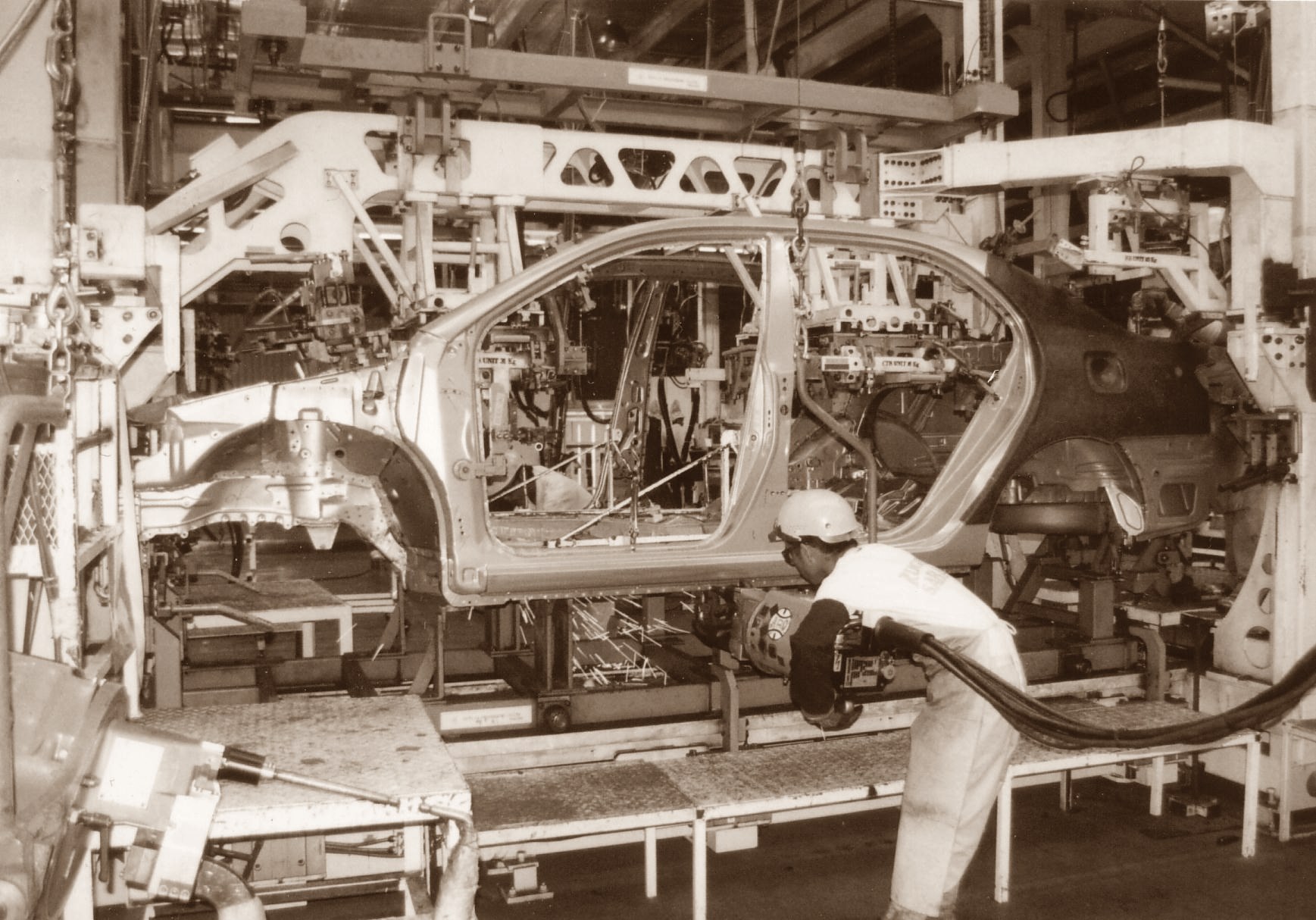
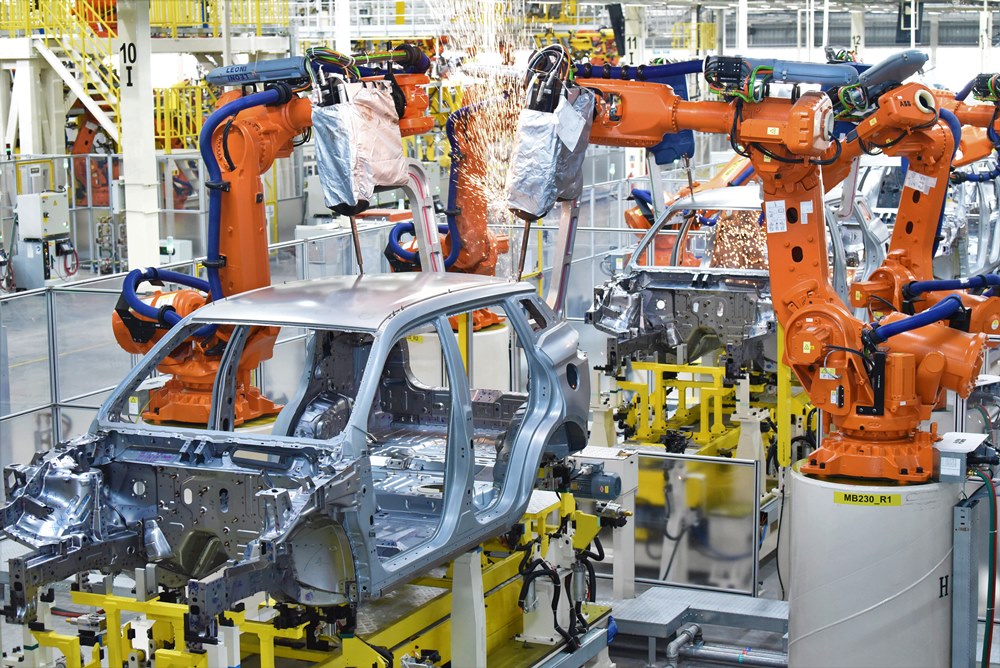
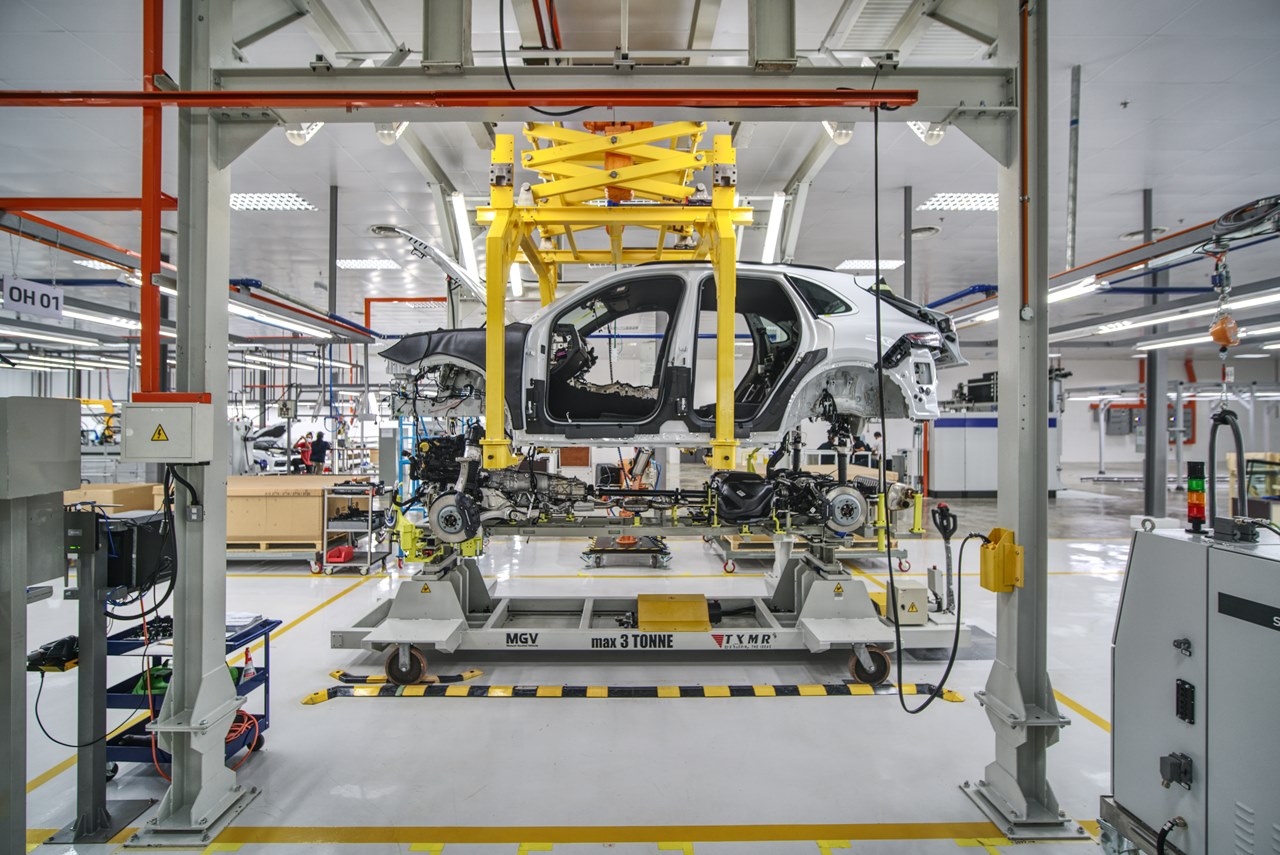
From manual welding of parts by human workers in earlier years (above), many of the plants today have automated welding processes done by robots. Shown below is the X70 body welding line at the Proton factory in Tg. Malim.

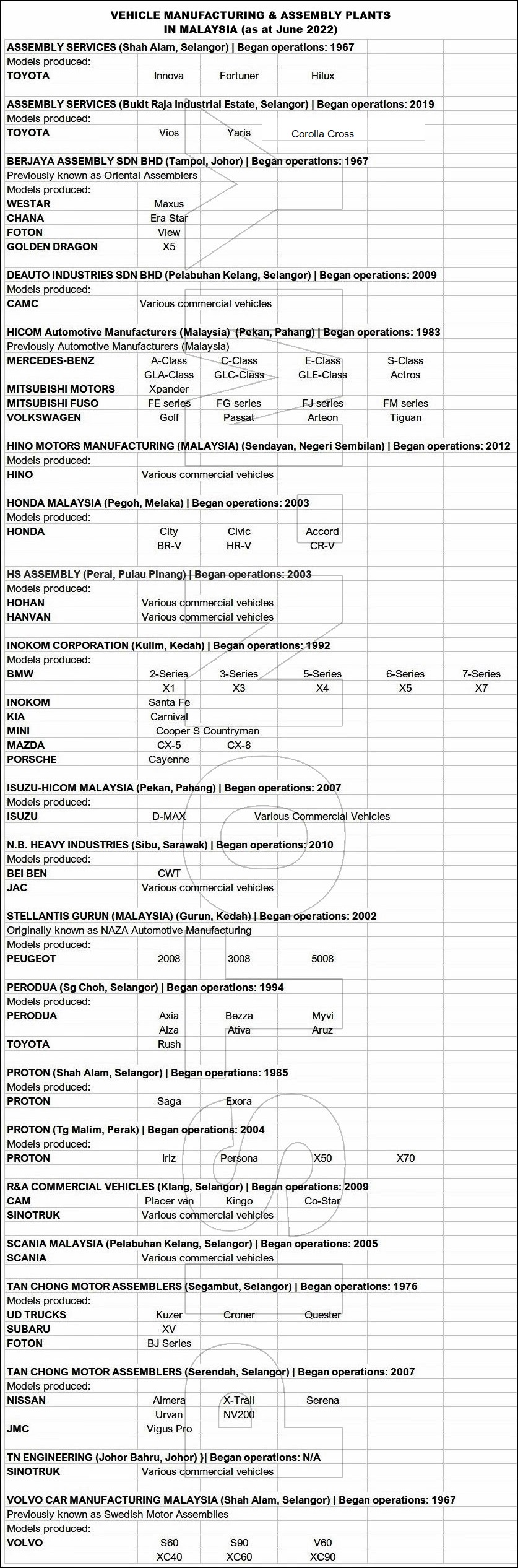
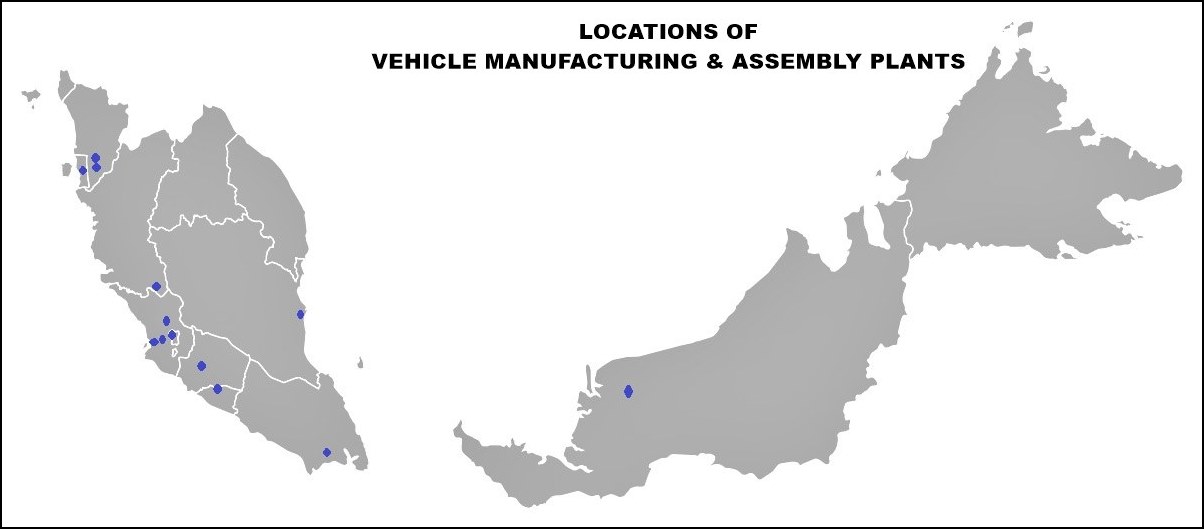
The first batch of assembly plants were opened in two areas – Tampoi in Johor and Shah Alam in Selangor. By the 1980s, other locations were also chosen in Sarawak, Sabah and Pahang. Selangor saw the most activity in the early years and the Klang Valley remains a major automotive hub today. In the 1990s, new plants were opened in Kedah and Proton and Perodua also built plants outside the Klang Valley. Honda and Hino chose sites in Melaka and Negeri Sembilan, respectively.

Source: Malaysian Automotive Association
Porsche Cayenne assembly at Inokom in Kulim, Kedah.
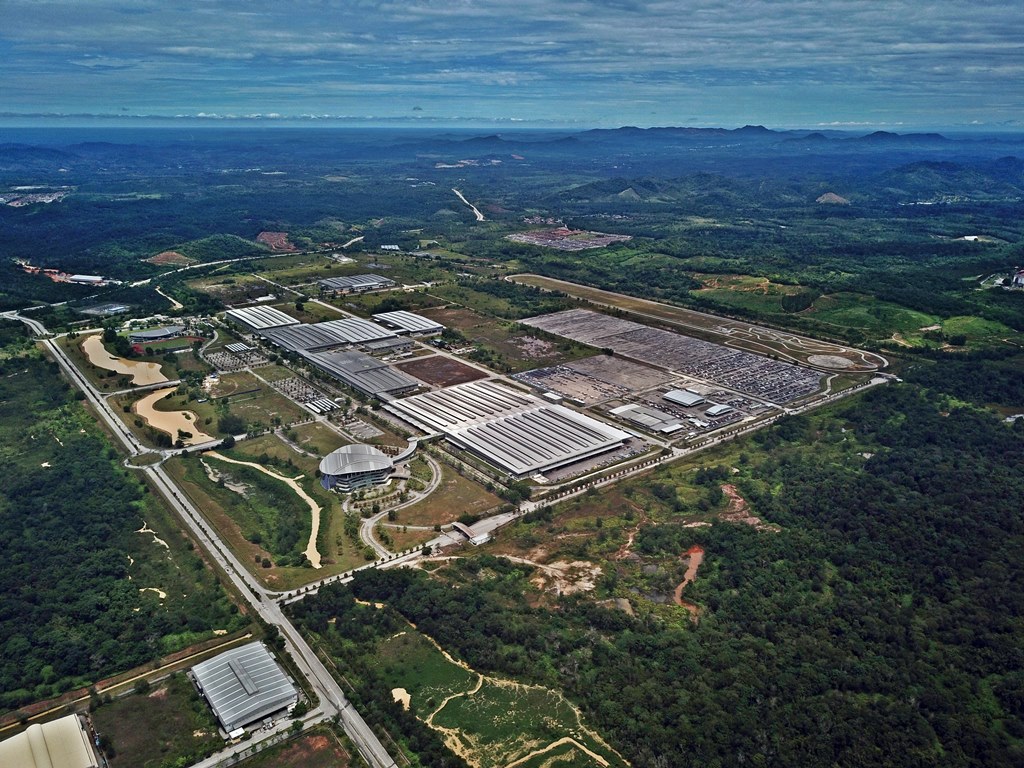
Proton factory in Tg Malim, Perak

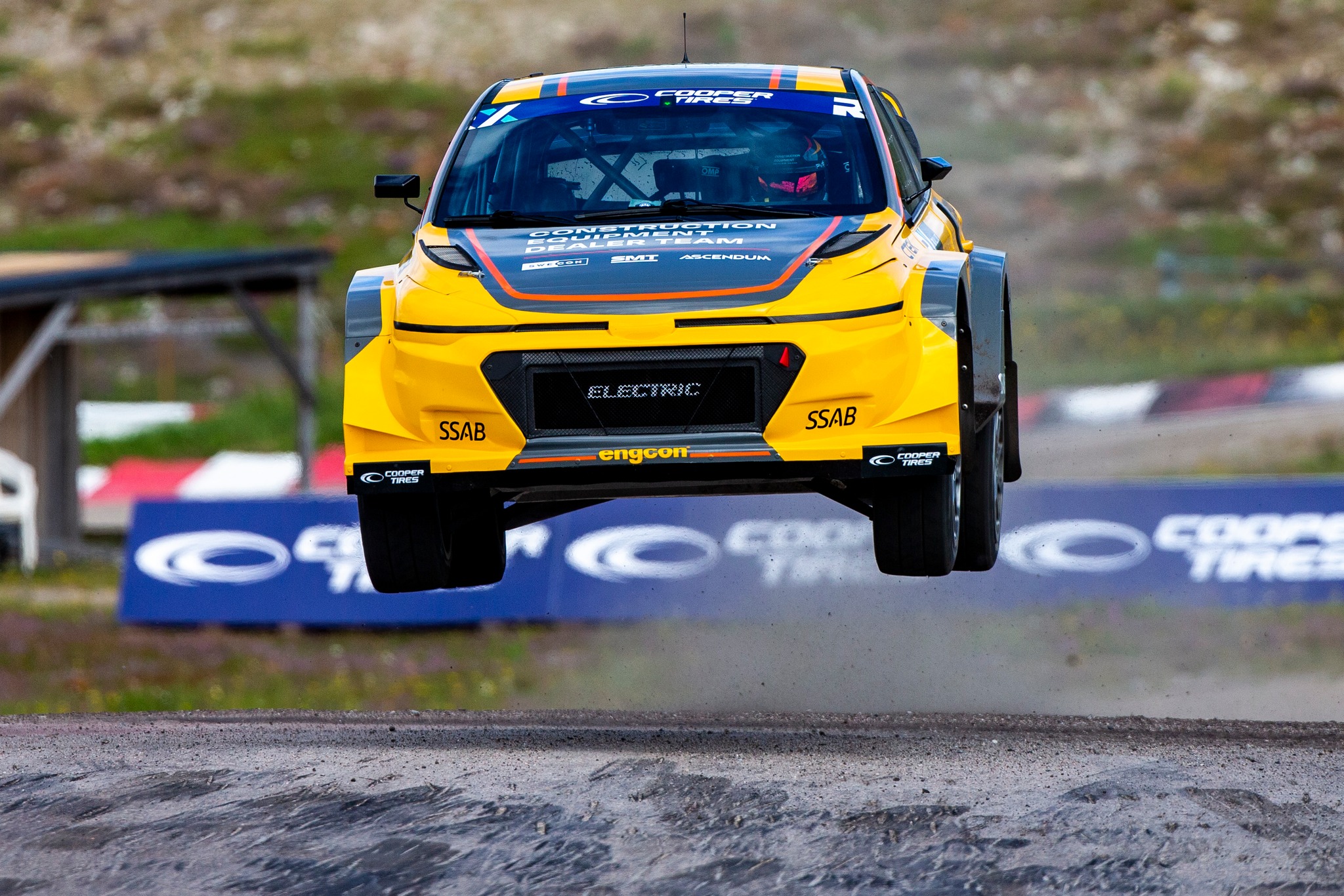
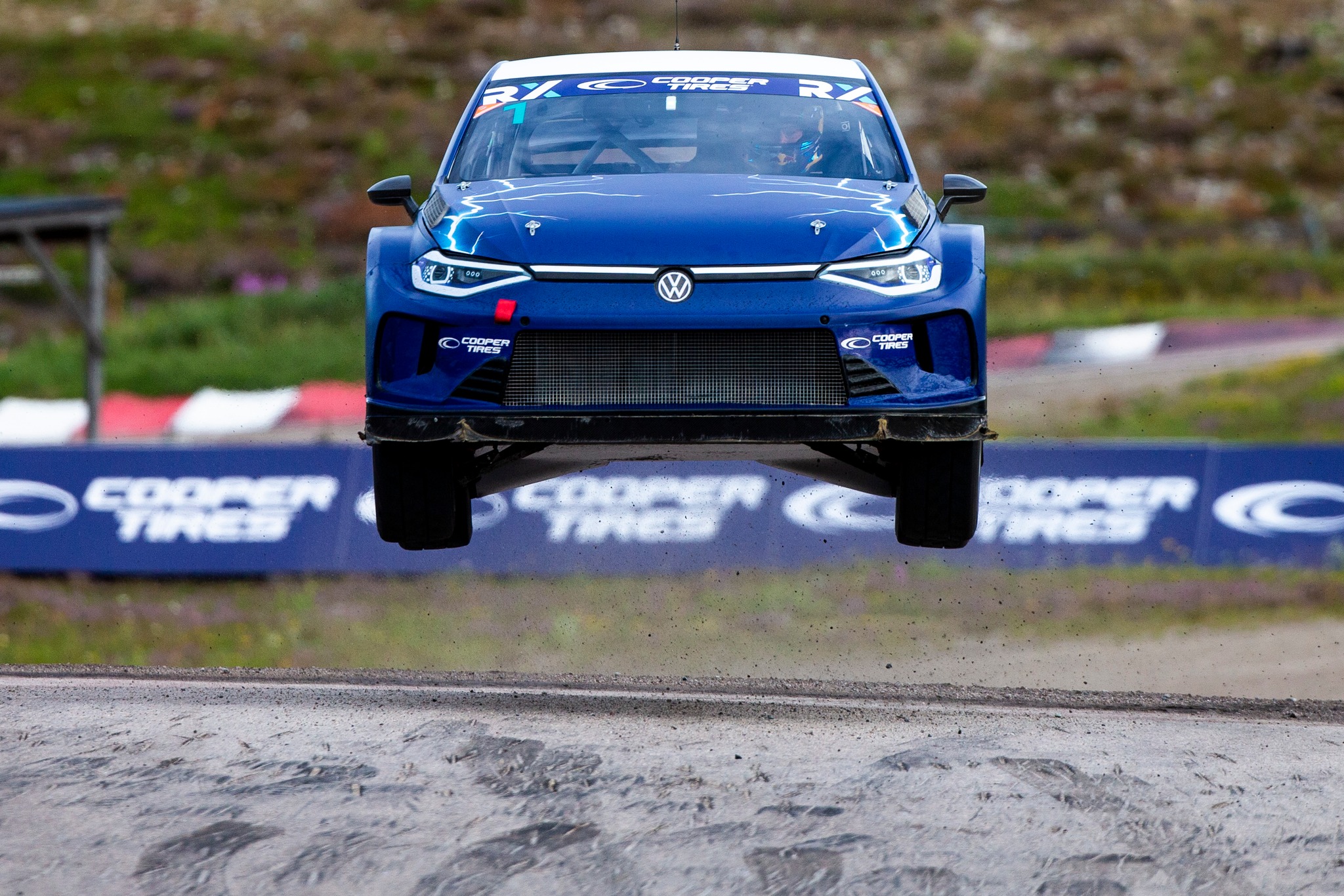
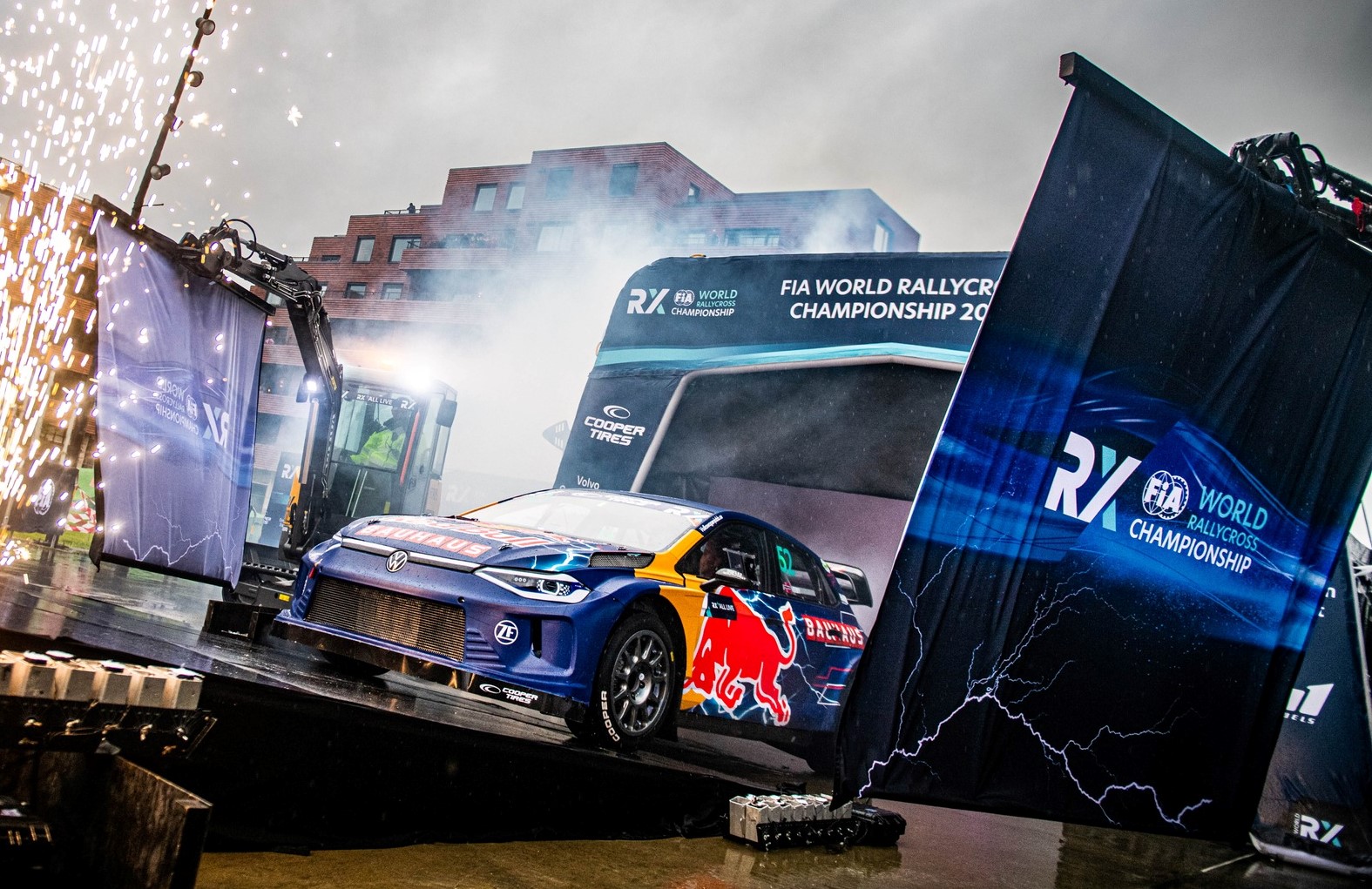
In tandem with the electrification trends in the auto industry, rallycross is also moving towards zero emissions. Even now, we have the Formula E single-seater series on street circuits, the Extreme E off-road series, with the World Rally Championship now running hybrid electric rallycars in the top category.

First ever electric rallycross championship
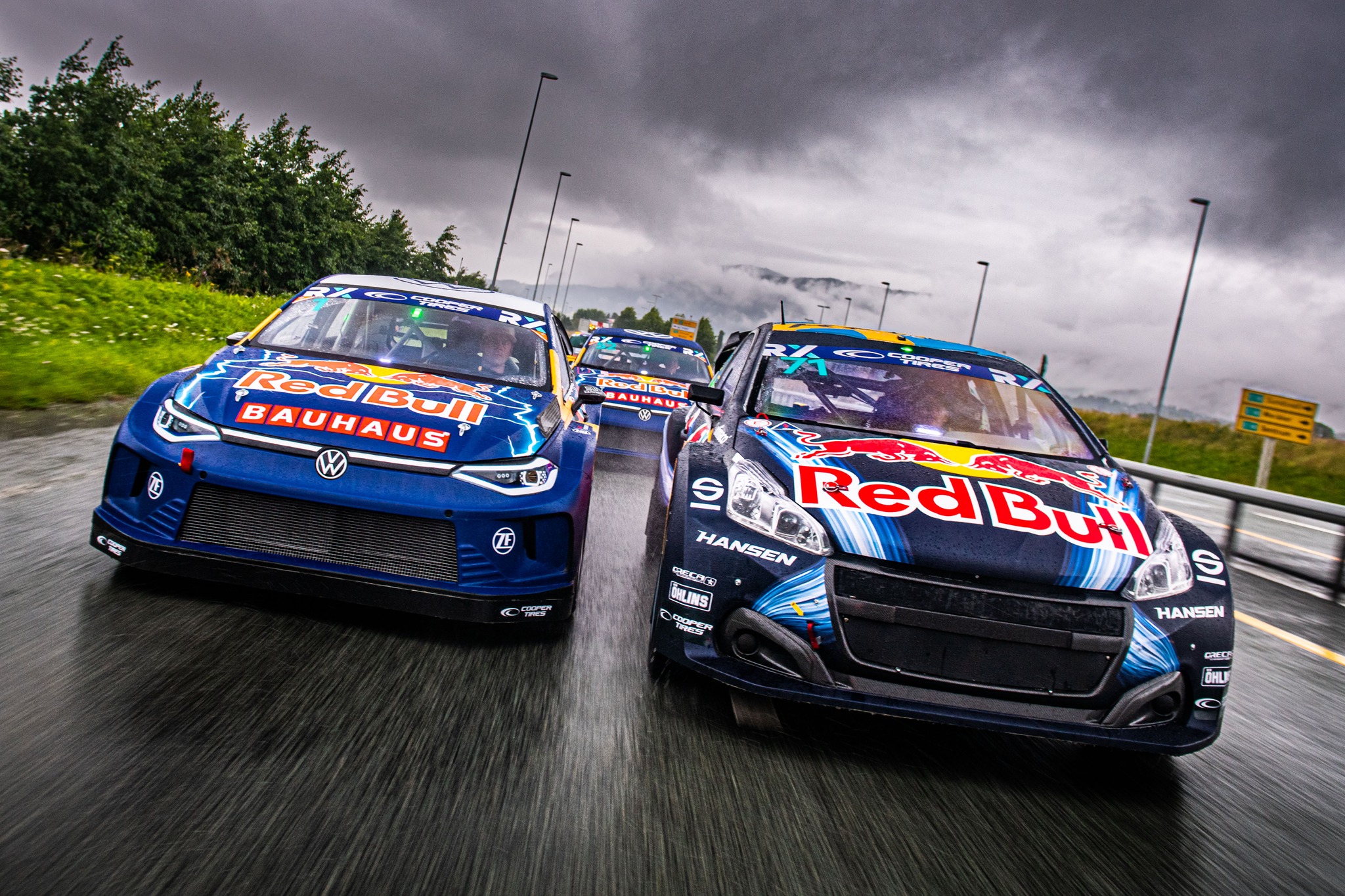
Next is the World Rallycross Championship (World RX) which was officially launched yesterday in Norway, which the highest percentage of electrified vehicle sales in the world (around 80%). The first-ever electric rallycross world championship is FIA-sanctioned as part of the organization’s ongoing commitment to sustainability.

The original intention was to introduce full-electric cars in the World Rallycross Championship in 2021. However, following a World Motor Sport Council decision, it was decided to delay the implementation until 2022 due to the challenges of the COVID-19 pandemic. “The COVID-19 pandemic has brought about a delay to introducing electrification to the FIA World Rallycross Championship,” said Gyarfas Olah, President of the FIA Off-Road Commission.

“Nonetheless, we are committed to a new, electric future which has, as guiding principles, cost control and demonstration of the huge power capabilities of full electric road car-based Supercars. Together with Kreisel, we are developing a performance package which is sustainable and enables teams to be part of a highly competitive electric racing series. The fans, who are used to very spectacular races in rallycross, will be thrilled by the acceleration power of the coming RX1e cars.”

However, the FIA RX2e Championship, the first-ever FIA electric rallycross championship, was part of the 2021 season. The RX2e car, jointly developed by Spanish electro-mobility specialist QEV Technologies and Swedish rallycross team Olsbergs MSE, was successfully run in events.

Powertrain can be retrofitted
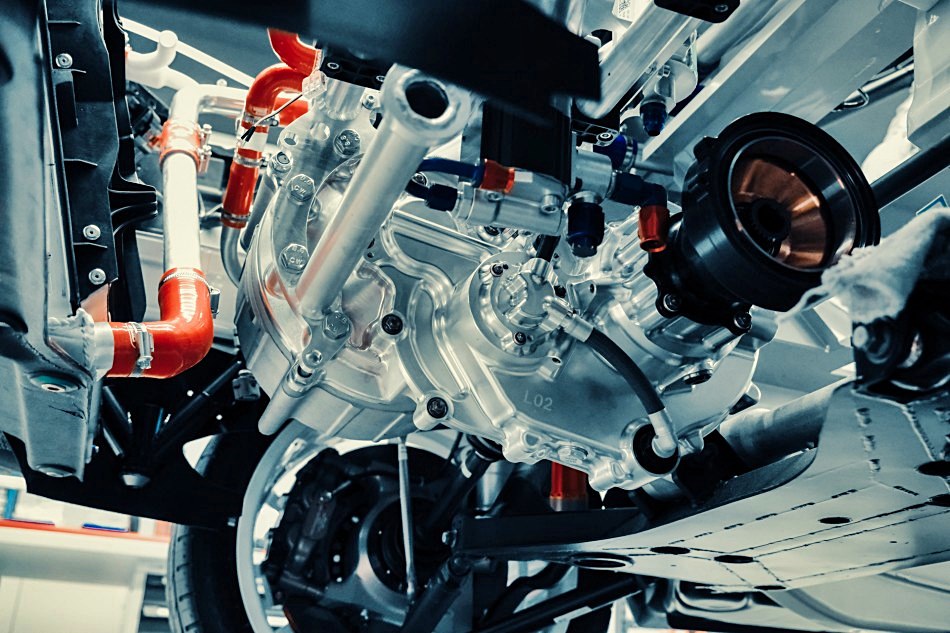
The powertrain kits are provided by Austria’s Kreisel Electric, the official supplier of the electrification kit to the championship. The kit can be retrofitted to existing internal combustion-powered World RX Supercars or built into an all-new chassis.

The kits are priced at 300,000 euros (about RM1.37 million) with an additional 100,000 euros for 4 years of technical support. The cost is said to be lower than the current Supercar power units over the same period. Performance levels of RX1e will be higher than existing ICE Supercars, with a significant power and torque increase and with a contained weight gain.

Fastest, most powerful RX cars
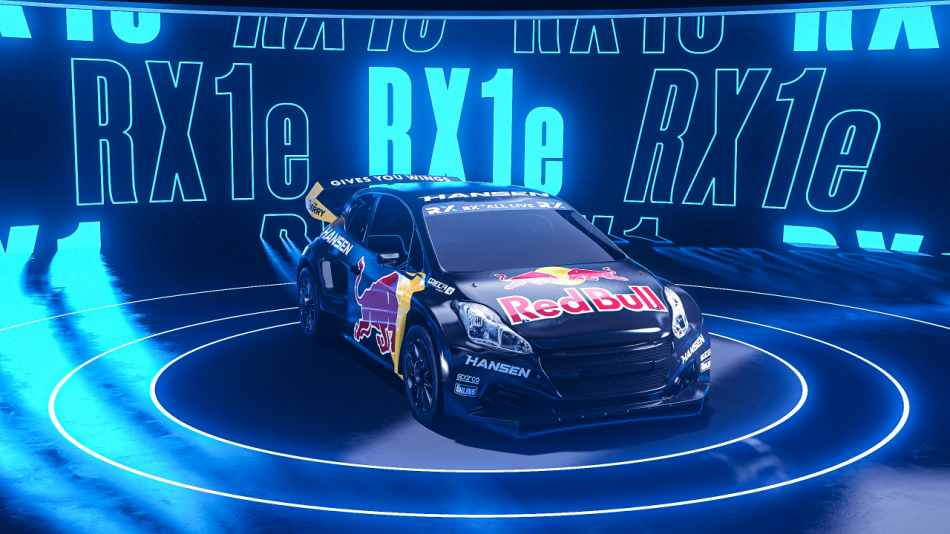
As in the WRC, the top tiers will run the new RX1e rallycross cars with twin motors, pushing out 500 kW (equivalent to 680 bhp) and 880 Nm of instant torque. They will be able to accelerate from standstill to 100 km/h faster than a Formula 1 car and are fastest and most powerful competition cars ever seen in the World RX.

With the new era in rallycross, a new convention for categories has been introduced: Supercar will become RX1; Electric Supercar will be known as RX1e; the new Junior electric series will become RX2e; and Super1600 will be known as RX3.

BHPetrol

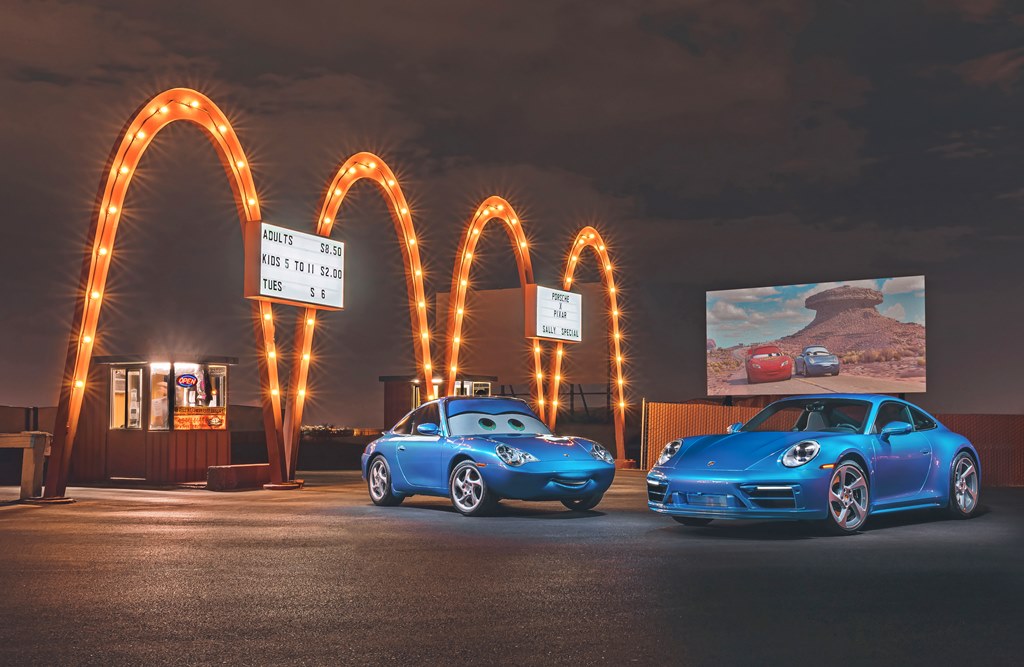
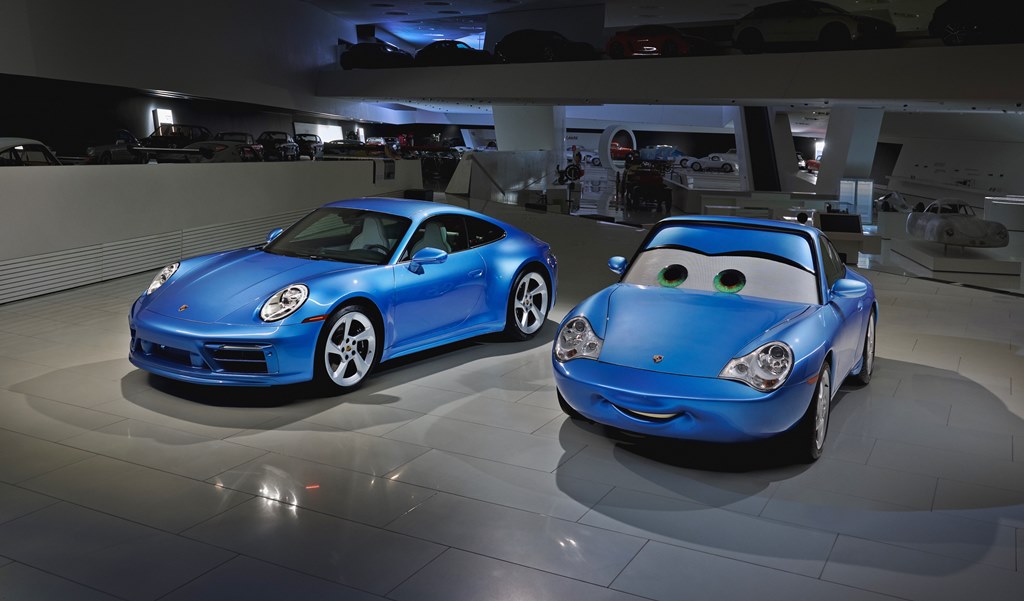
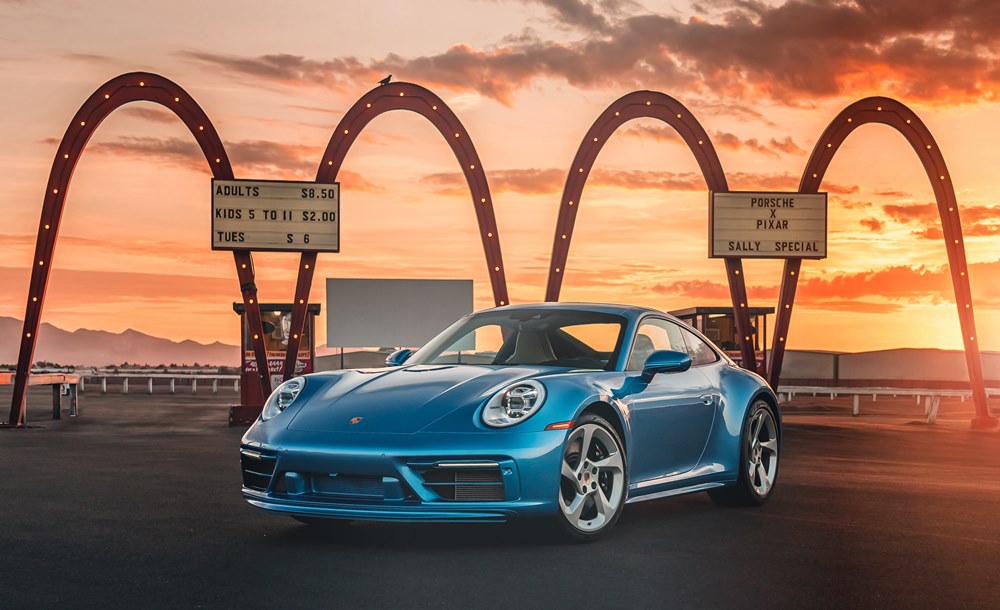
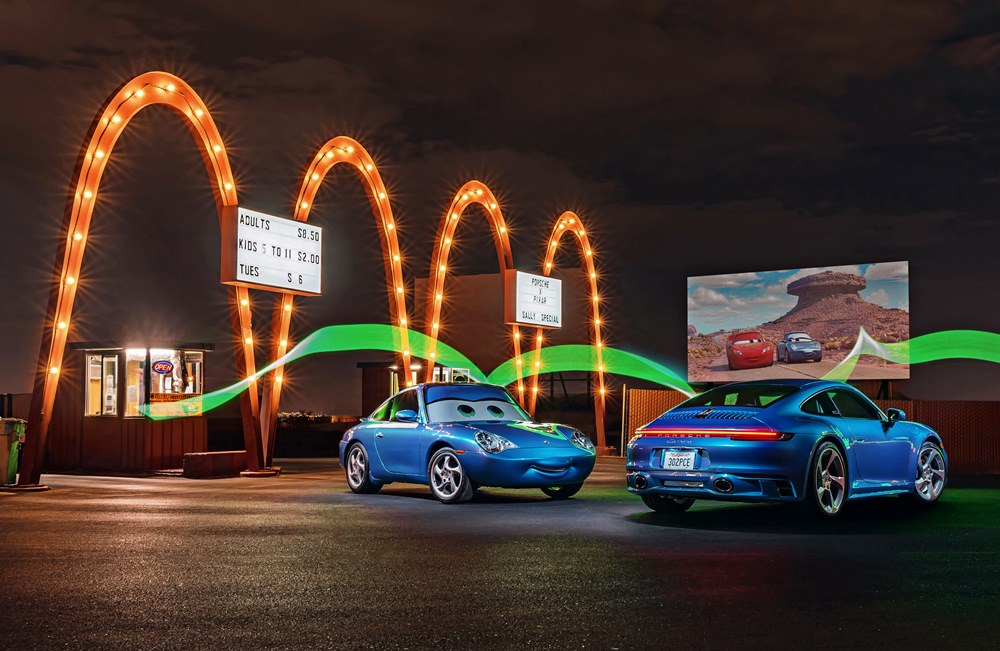
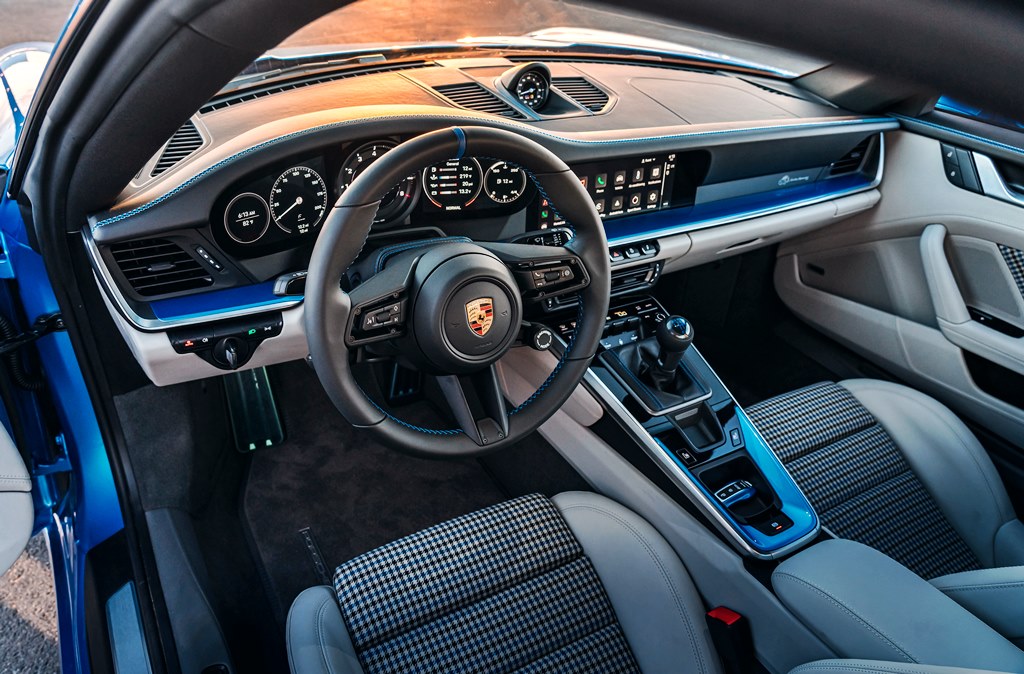
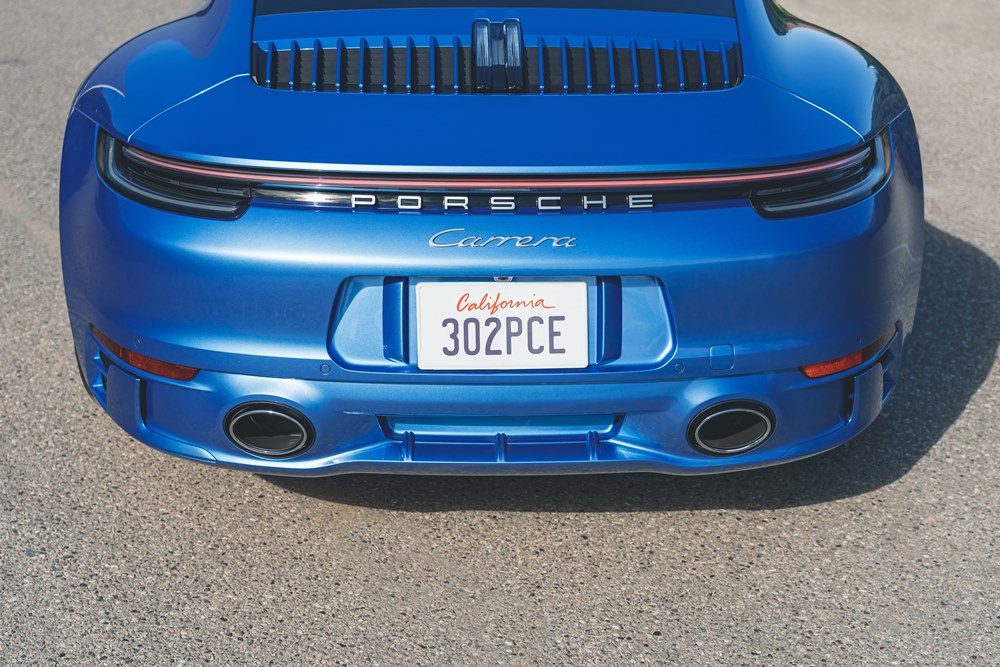
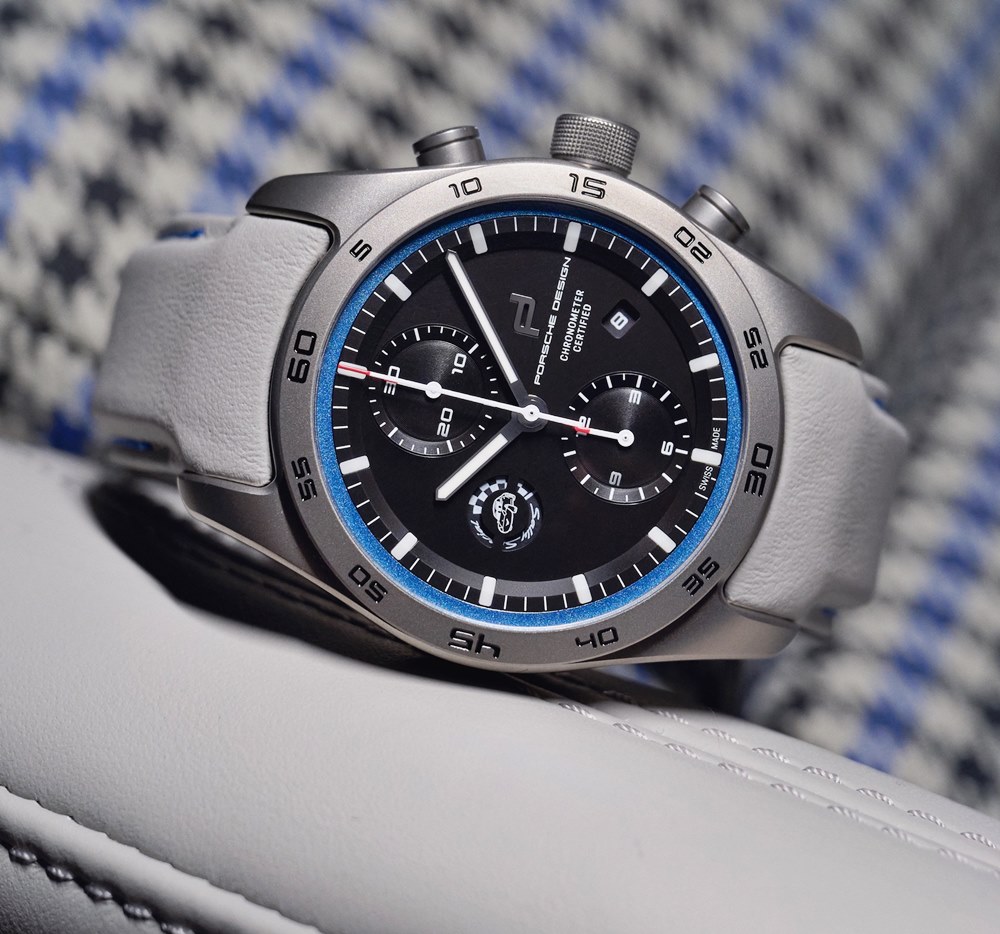
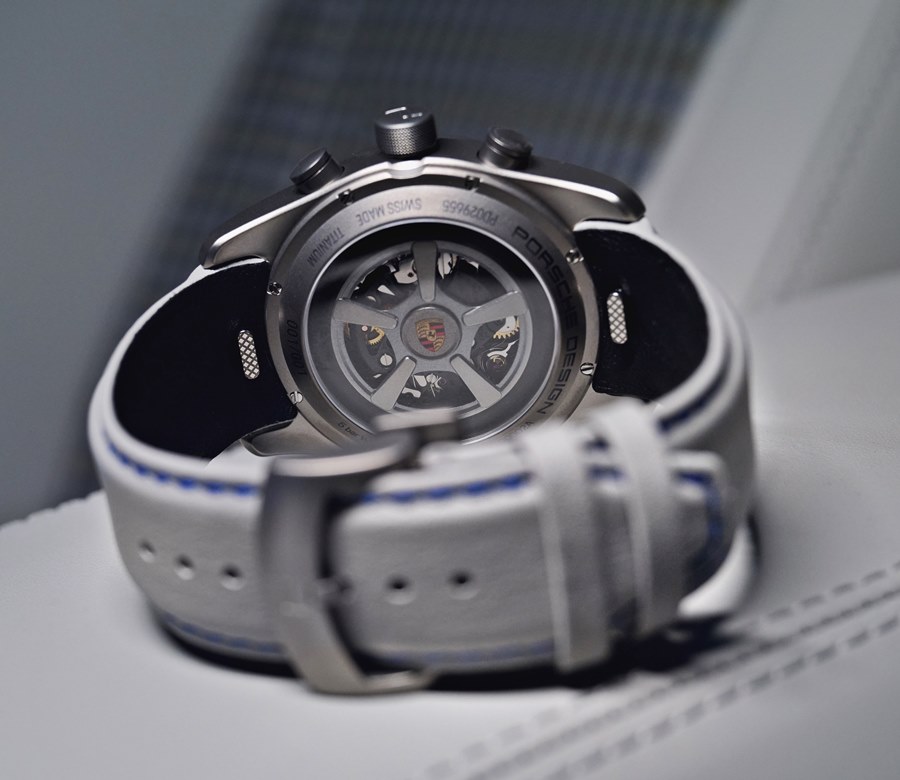
Porsche and Pixar Animation Studios have revealed a special Porsche inspired by one of the most beloved 911 models of all – Sally Carrera, from Disney and Pixar’s Cars. Named the ‘911 Sally Special’, the sportscar is like Sally Carrera herself – unique. Only one 911 Sally Special will ever be made – and its creation marks the first time Pixar has collaborated on such a project.

The project, which began in November 2021, reunited members of the original Cars team who created both the movie car and the life-size Sally Carrera based on a 2002 Porsche 911 Carrera two decades ago. They were joined by key members of Porsche Exclusive Manufaktur’s Sonderwunsch team and designers from Style Porsche in Germany, as well as from Porsche Cars North America. Over a span of 10 months, the team worked together to create just one unique car.

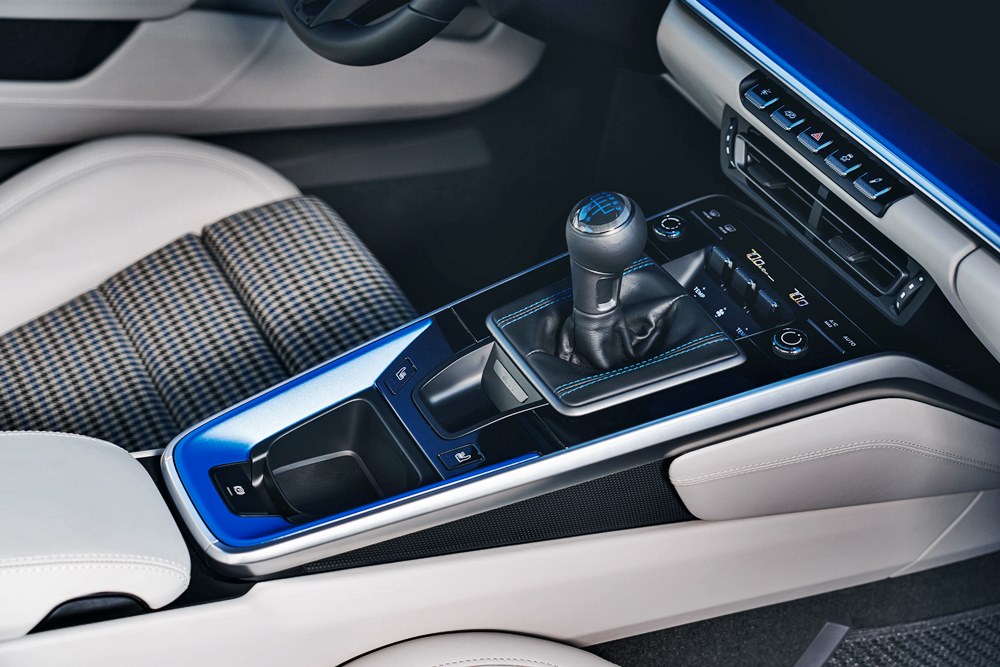
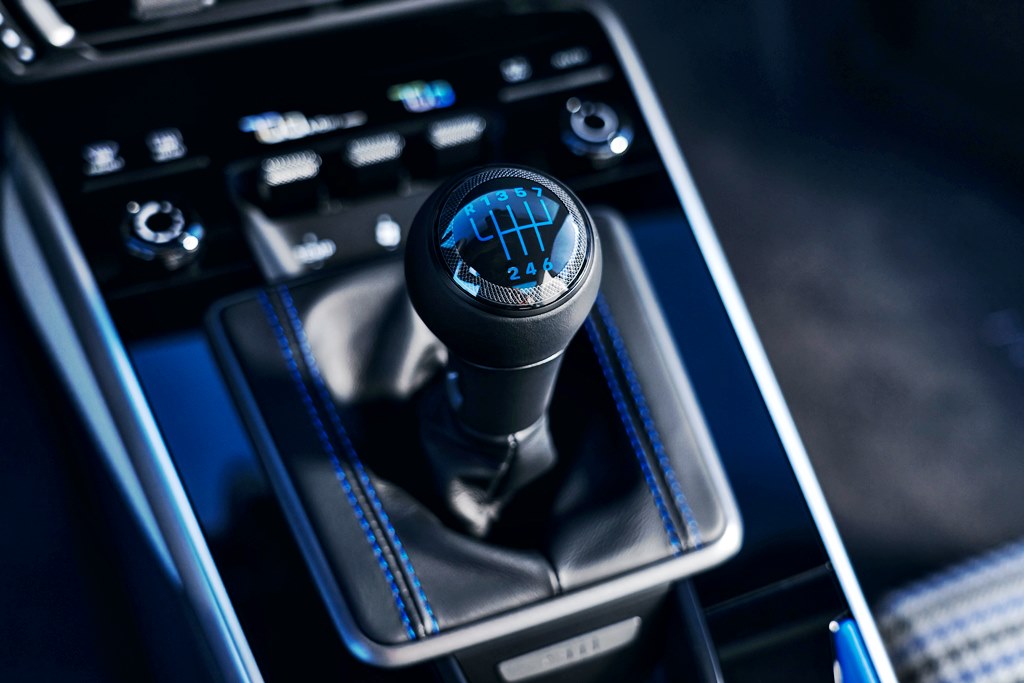
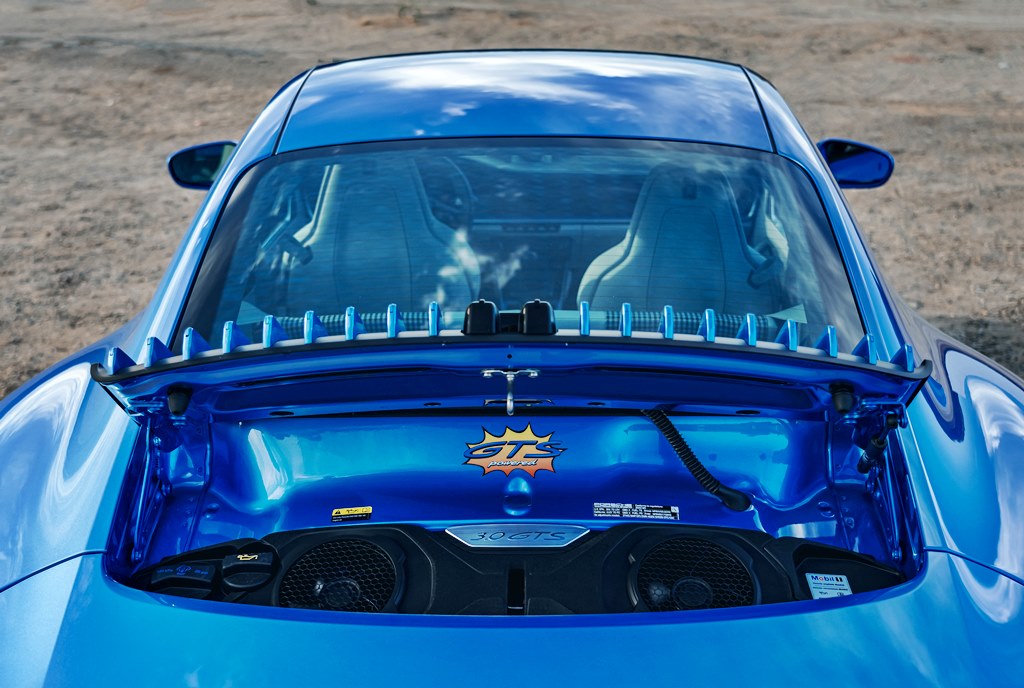
“The Sally Special is based on the fastest, most engaging and agile 911 Carrera there is – the 473 bhp 911 Carrera GTS – equipped with a manual gearbox to appeal to those who love driving, just like Sally Carrera. The changes to transform it into the ‘Sally Special’ proved to be extensive,” explained Boris Apenbrink, Director Porsche Exclusive Manufaktur Vehicles.

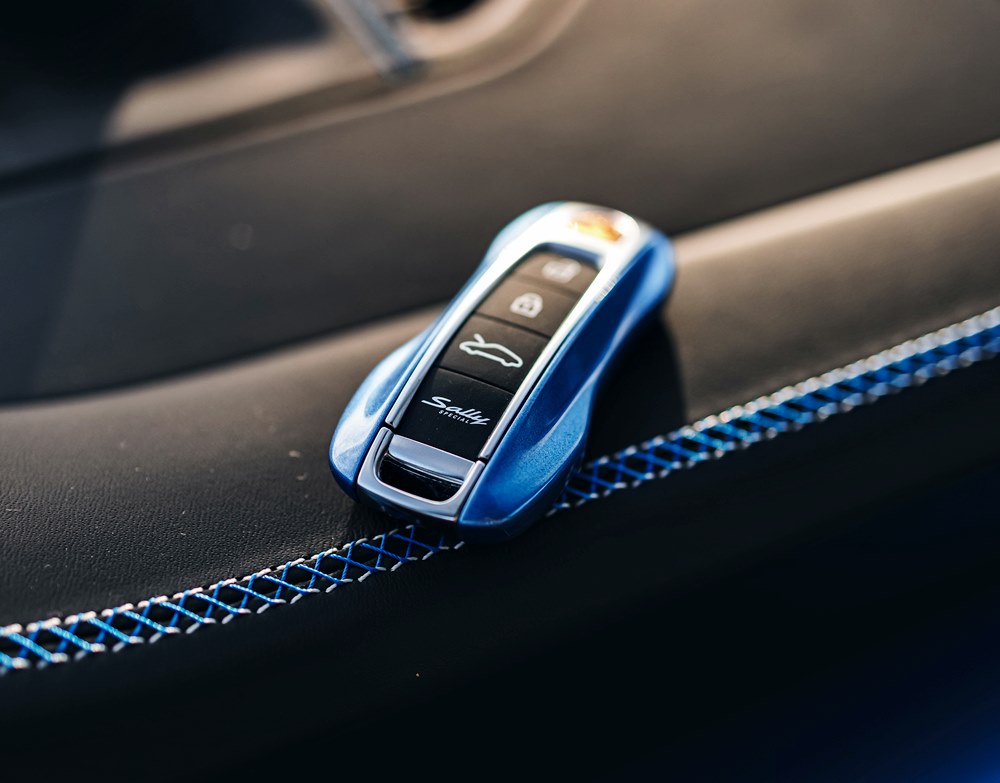
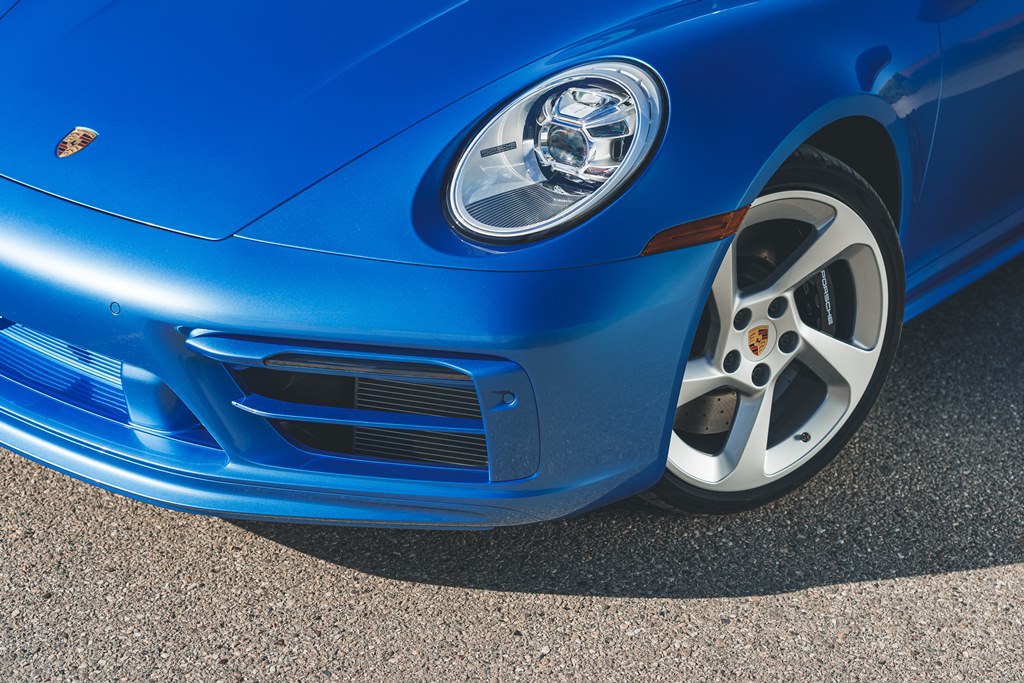
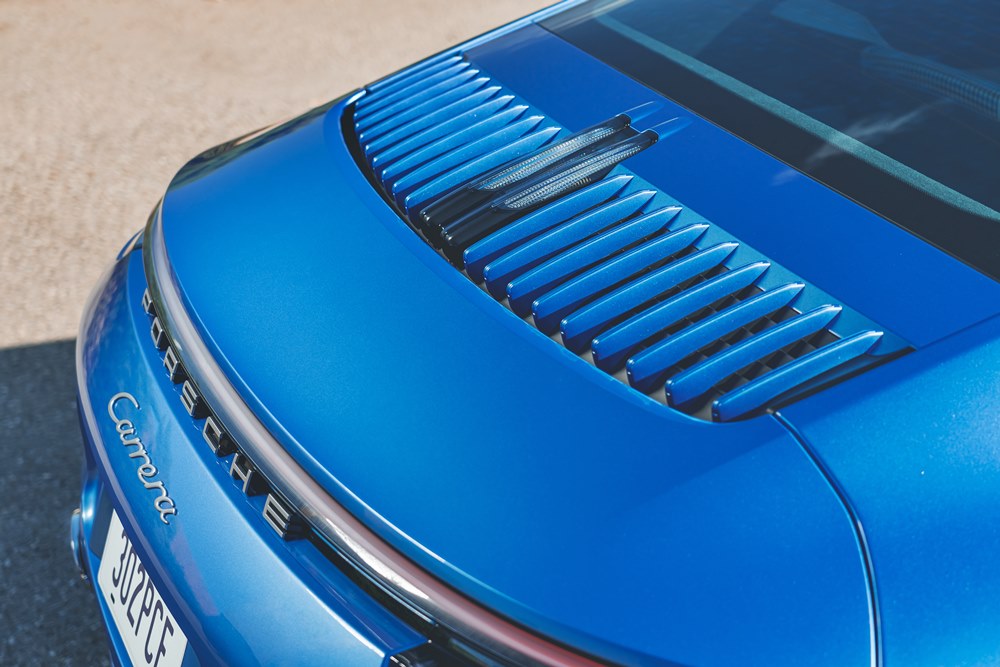
“This was one of the most intense, emotional and detailed Sonderwunsch projects our team has ever worked on. For example, the car is finished in a new and unique colour – Sally Blue Metallic – developed specifically for the 911 Sally Special. Taking our inspiration from Sally Carrera, we finished as much of the car as possible in the new colour, meaning dozens of tiny changes, many of which were carried out by hand, such were their intricacy. Of course, we didn’t forget about Sally’s pinstripe tattoo, which was an interesting challenge,” he said.

The ‘Turbo’ inspired wheels have been redesigned by Style Porsche designers in Weissach and created specifically for the 911 Sally Special. The 5-spoke design has been subtly modified to match the 20/21-inch diameter of current-generation 911 wheels, but remain true to the Type 996 Porsche.

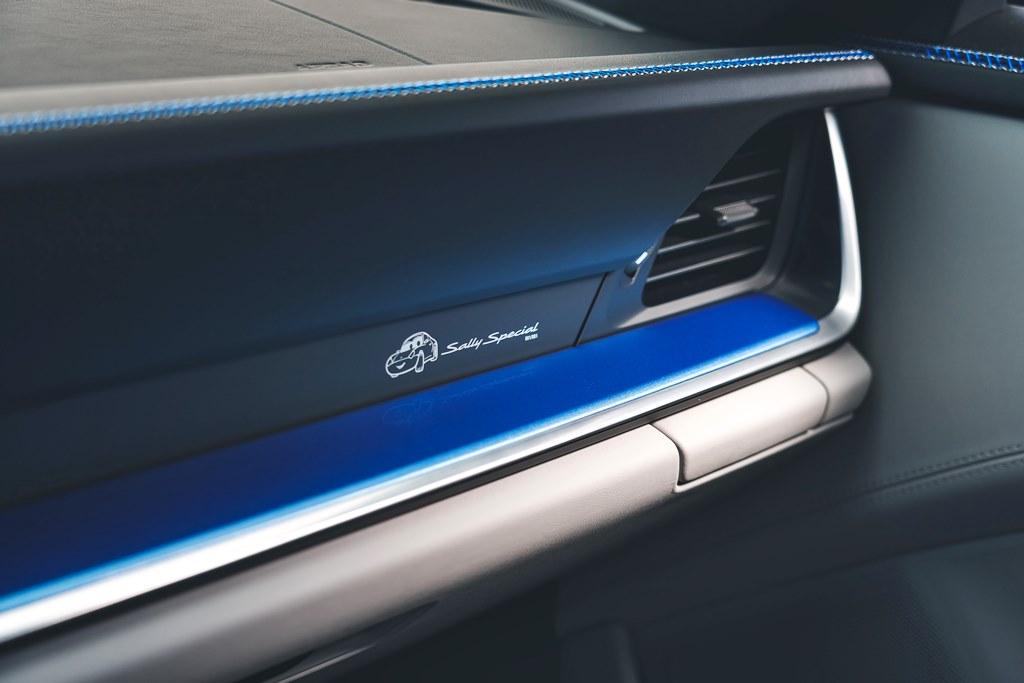
Porsche designer Daniela Milosevic led the team working with Pixar to develop not only the unique paint colour but also almost every surface inside the car. All of which was either re-trimmed or changed in some way. “We had a completely blank canvas to work from, which was great! In the movie, Sally was a former-lawyer from California who appreciated style and elegance. But she was also down to earth and had a sense of fun,” said Milosevic. “We continued the Sally Blue Metallic theme inside the car, with the obvious highlights and much more subtle elements too –many little touches that will hopefully make the winning bidder smile.”

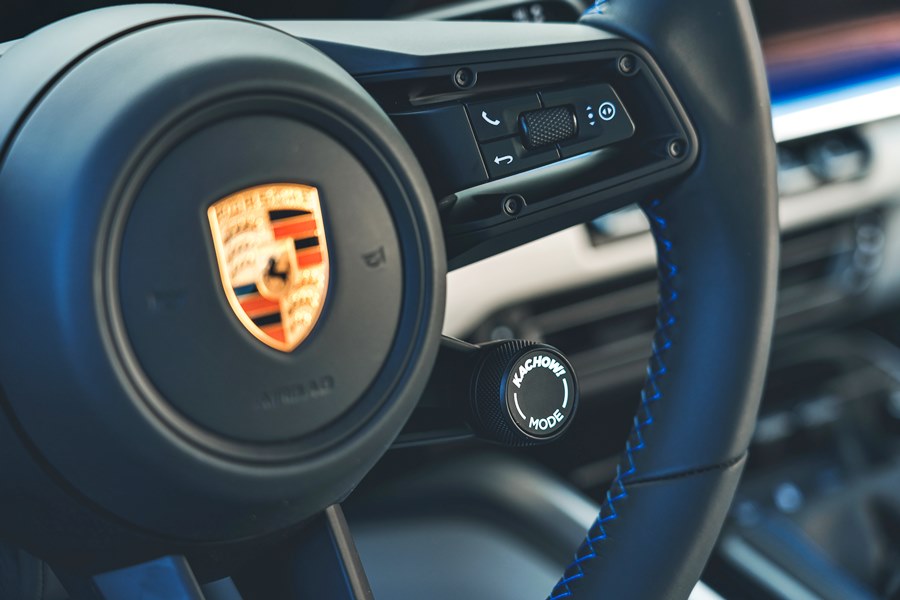
“Everything had to be usable and practical – we really want this car to be driven. We created special cloth trim for this car and wove subtle blue highlights into it. Then we matched this with Chalk leather and Speed Blue and Chalk stitching. The best part has definitely been working on the details – including many little nods to the movie Cars, and to Sally Carrera herself,” Milosevic added.

“Vehicles need a face and a story. And Pixar’s film Cars did just that, by bringing them to life on the big screen,” said Dr. Sebastian Rudolph, Vice President Communications, Sustainability and Politics at Porsche AG. “The story conveys values such as friendship, love and mutual support – and in the middle of it all is a Porsche: Sally Carrera. Together with Pixar, we have brought the spirit of Sally to life in a new way, not on the screen, but off the screen. With this one-off street legal 911, the Sally Special, which we are auctioning for charity, we want to help people who urgently need support, quite in keeping with the spirit of the film character.”

Two charities will be the beneficiaries of the sale of the 911 Sally Special, with the entirety of the sale price being donated. The project will also support USA for UNHCR, the UN Refugee Agency, which is working to provide urgent help to nearly 6.2 million refugees who have been displaced across Europe since the outbreak of war in Ukraine.

BHPetrol

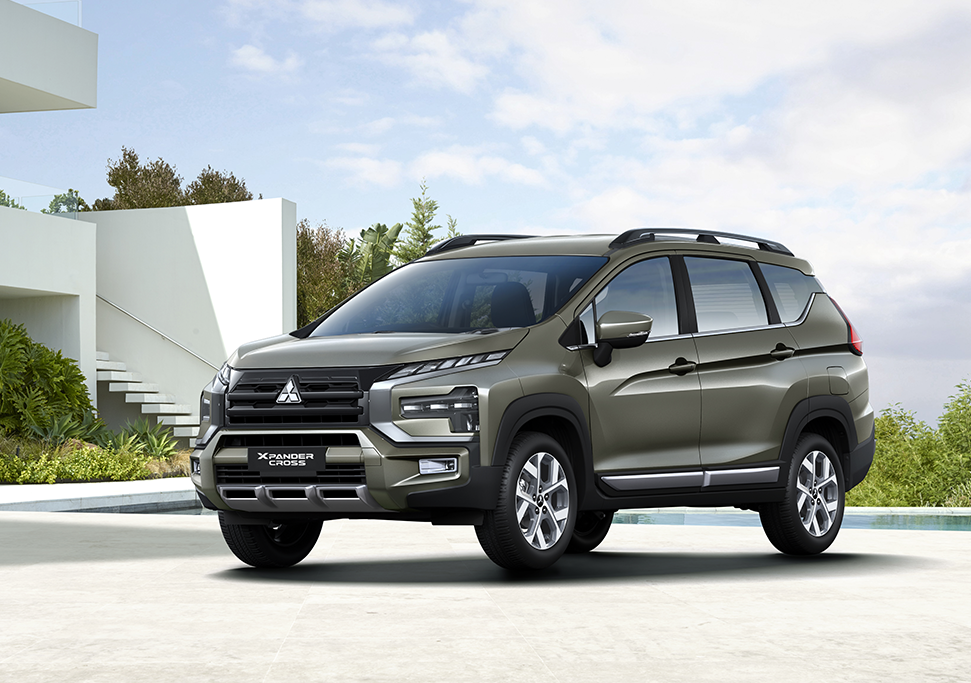
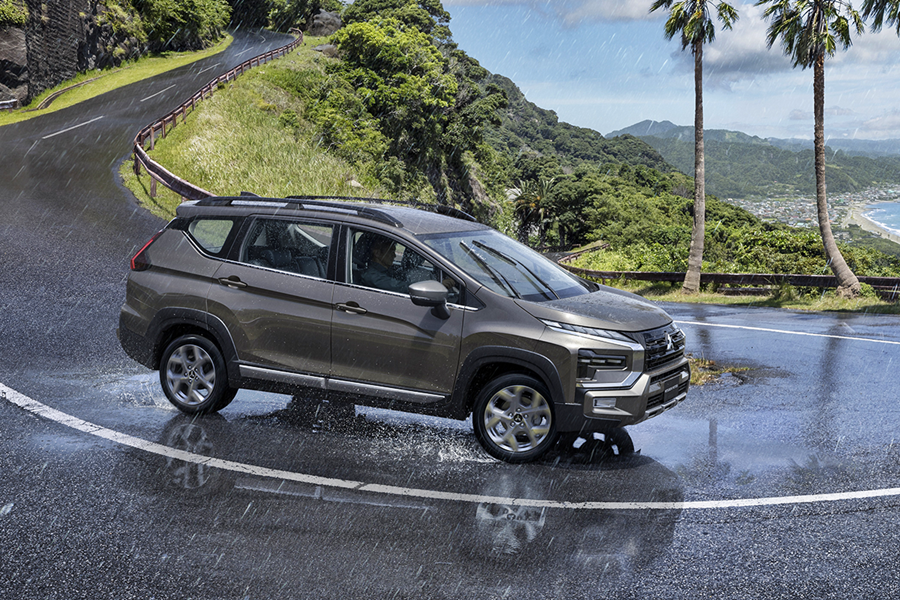
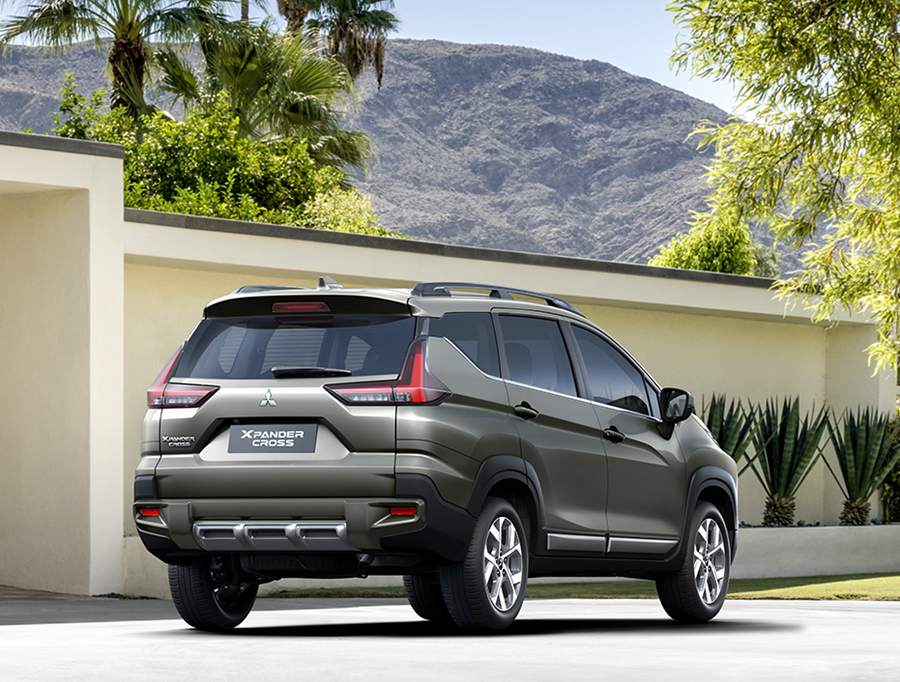
While the Mitsubishi XPANDER assembled in Malaysia is only available in the standard body version, some other markets also have an XPANDER Cross, a more SUV-themed version. It was added to the range in 2019 and at the 29th GAIKINDO Indonesia International Auto Show yesterday, an updated version of the XPANDER Cross was officially launched. Indonesia gets the new XPANDER Cross first as the 3-row crossover MPV’s production hub is located there.

2022 Mitsubishi XPANDER Cross

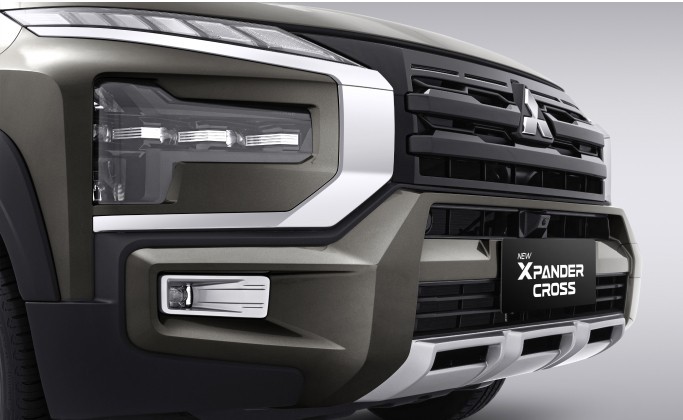
The facelifted XPANDER Cross gets a new and more aggressive frontal design which continues to have the overall Dynamic Shield design concept that is also found on the Triton pick-up. The styling is more expressive and gives a stronger SUV image.

This has been achieved by combining the large grille with a trapezoidal motif and incorporating the bumper with a guard bar shape. The headlights have gained a distinctive T-shaped design that emphasizes the width of the vehicle. The signal lights, previously placed under the headlight units, are now incorporated into the upper position lamps to improve visibility.

In addition, the front and rear overhangs have been extended by 95 mm, while the bonnet has been thickened to create proportions that increase dynamism and stability.

2022 Mitsubishi XPANDER Cross

At the rear, the tailgate has a more 3-dimensional shape, and the dividing line has been reduced to enhance the texture. The rear combination lamps have a wide design and the horizontal T-shaped tail lamp like the front. In addition to the conventional tail lamp and reversing lamp, the brake light is an LED type for better and faster illumination.

The front and rear skidplates and the gray paint on the door garnish are coordinated to create a 3-dimensional effect which gives a sense of strength, while the roof rail is finished in black. The 17-inch aluminium wheels have a medium gray 2-tone machined bright finish to provide highlighting.

2022 Mitsubishi XPANDER Cross

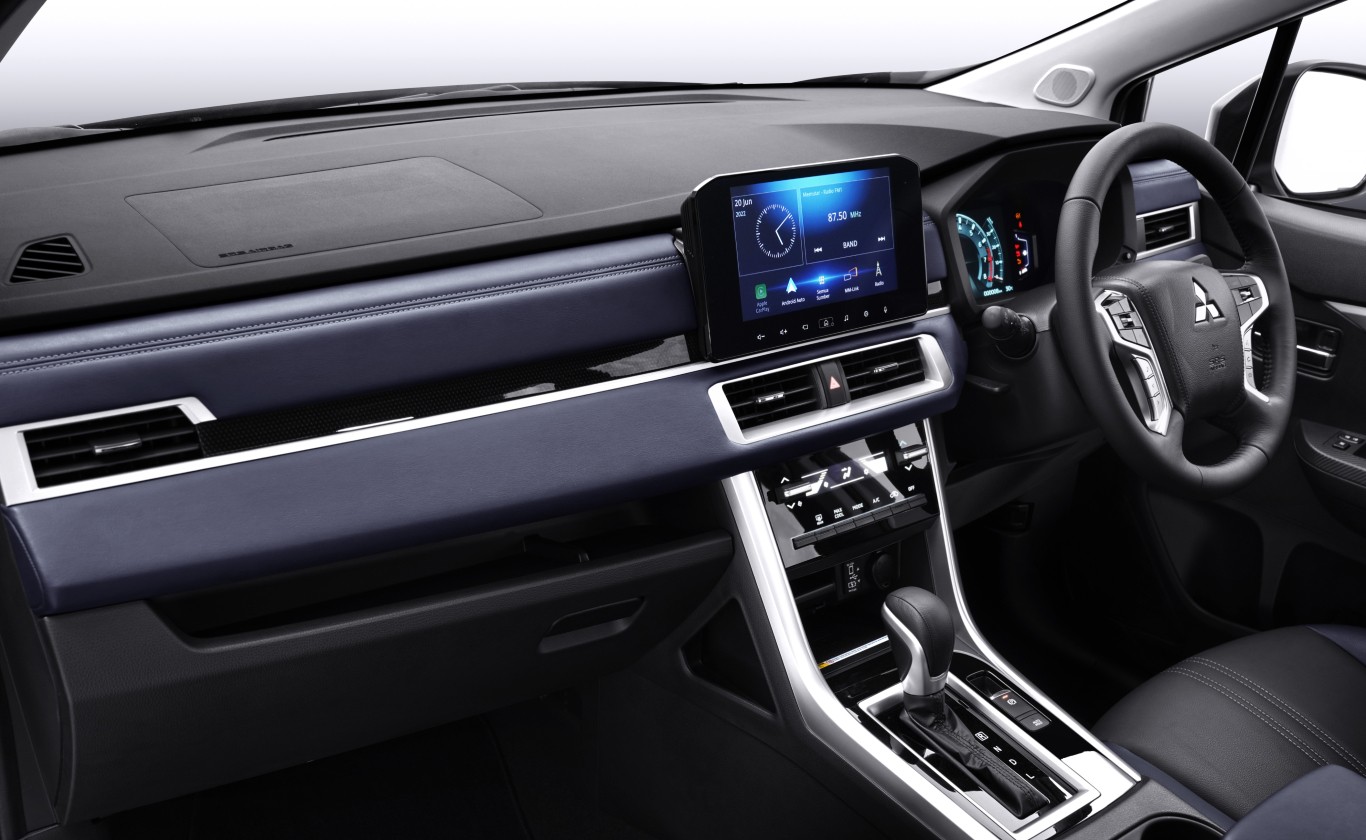
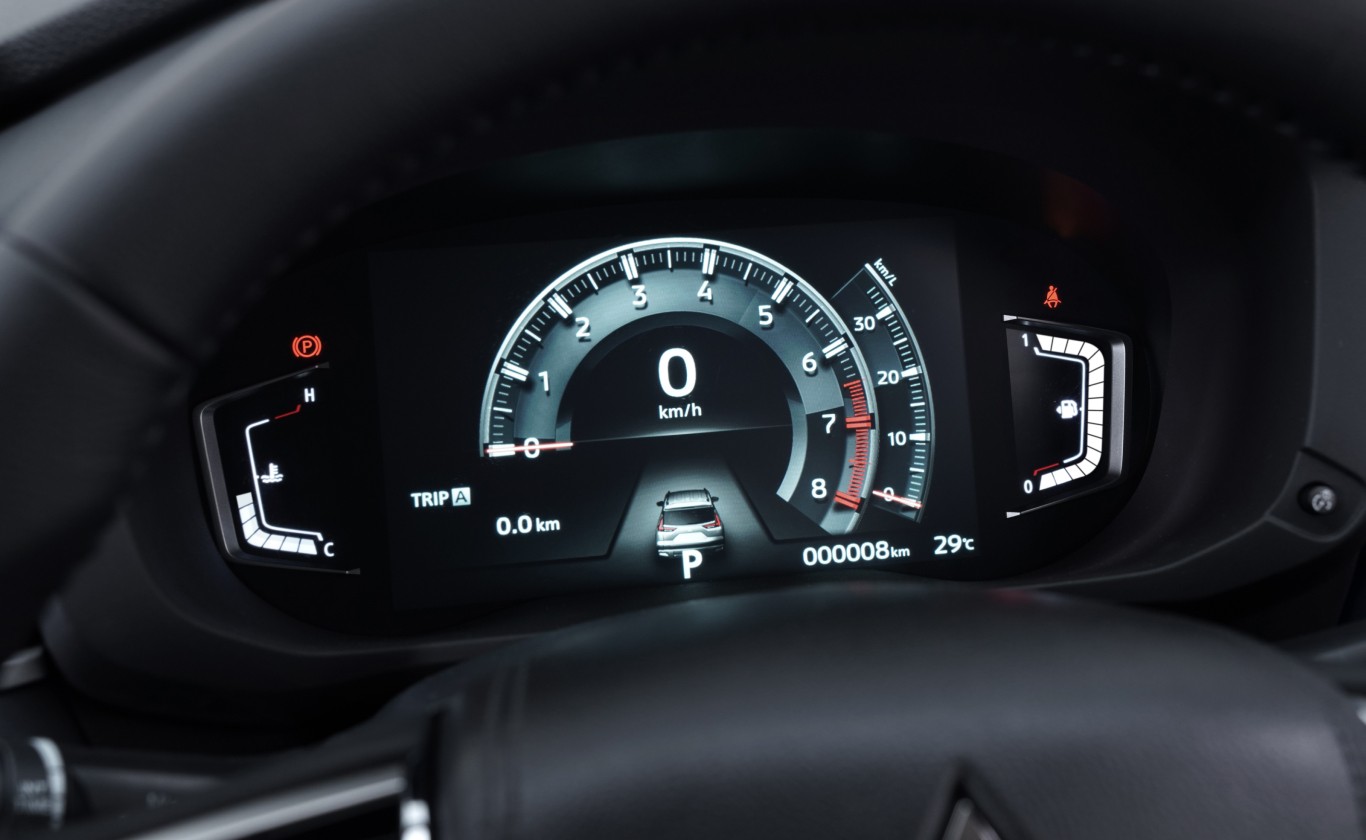
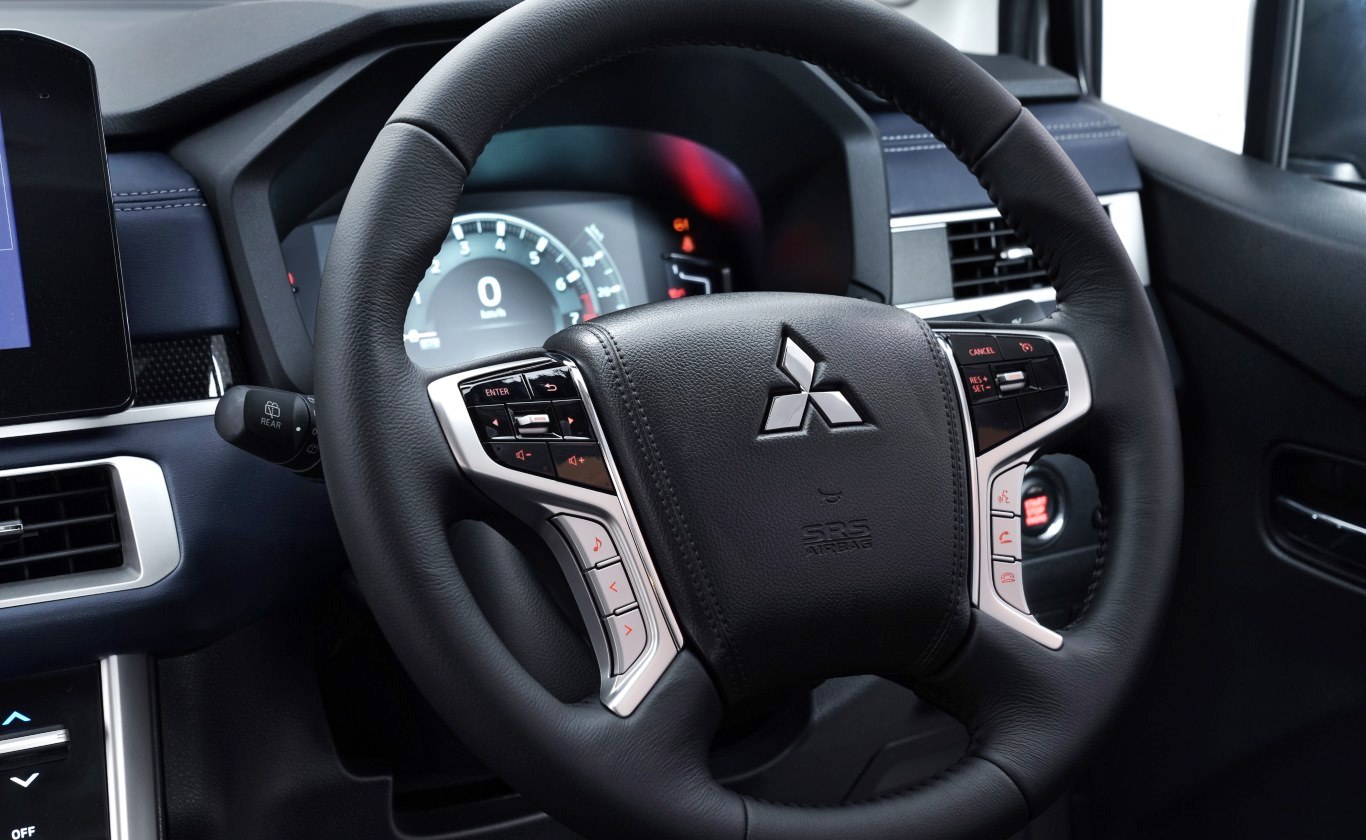
The 7-person cabin has a dashboard which was designed using a ‘HORIZONTAL AXIS’ concept. The latest XPANDER Cross has a new large-diameter 4-spoke steering wheel which makes it easier to grasp. The 8-inch colour LCD crystal meter has more intuitive and easier to use operations. To reduce taking the hands off the steering wheel, the driver can use switches on the steering wheel itself.

2022 Mitsubishi XPANDER Cross

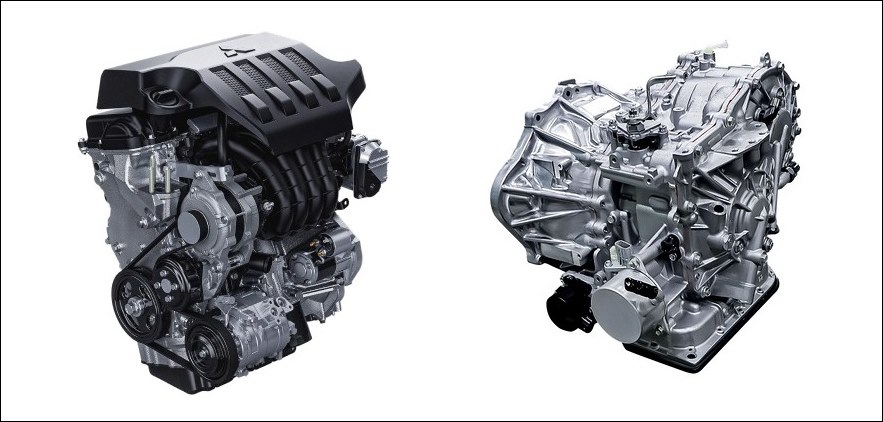
The XPANDER Cross has the same powertrain as the rest of the range, ie a 1.5-litre 4-cylinder petrol engine (Mitsubishi 4A91) with 105 ps/141 Nm. Depending on the market, transmission options are 5-speed manual or CVT, but all versions have only front-wheel drive.

Engine remains the same 1.5-litre unit but the automatic transmission is a CVT.

While there are no powertrain updates, the XPANDER Cross now has Mitsubishi Active Yaw Control (AYC) for better cornering control. The system adjusts the braking force of the front left and right wheels to improve turning performance, suppressing understeer.
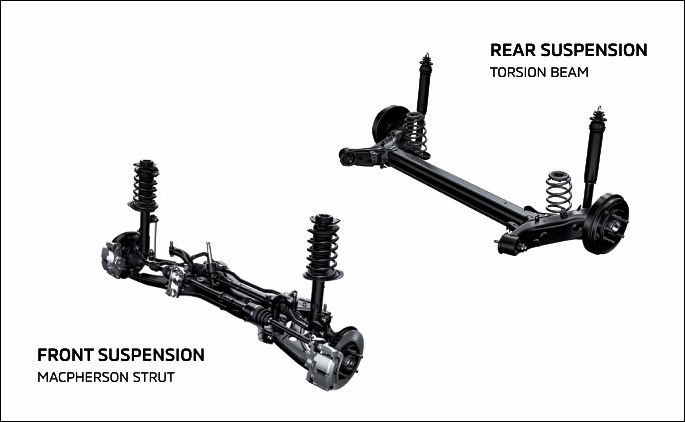
Some changes have been made to the suspension to improve ride comfort. The rigidity of the front strut mounting area has been increased while the rear shock absorber cylinder size has been expanded. High-performance front and rear valves have also been newly adopted to achieve a flat and comfortable ride even on rough road surfaces.

Up till the end of 2021, over 580,000 units of the XPANDER/XPANDER Cross have been sold in ASEAN markets as well as the Middle East South Asia, South America, Central America and Africa. In countries like Malaysia, the XPANDER has been assembled locally to have a more competitive price in the market.

2022 Mitsubishi XPANDER Cross
BHPetrol

BRABUS is well known for enhancing the looks and performance of Mercedes-Benz models. Thus far, since it began business in 1977, it has doe impressive work with cars with combustion engines. But with the electric age round the corner, the company has also to prepare for the future and it has begun doing so.

Perhaps because its extensive experience is with combustion engines, it has not yet developed comprehensive expertise with electric powertrains so it is not focusing on that area yet. Instead, it is enhancing performance by further optimizing aerodynamic efficiency, which can also have a positive effect on performance.

BRABUS in fact has a listing in the Guinness Book of World Records related to aerodynamics. In 1985, it refined the bodywork of a W124 Mercedes-Benz sedan and brought its Cd down to 0.26. That was a world record at the time and is still a value achieved by only a few, far more modern cars today.

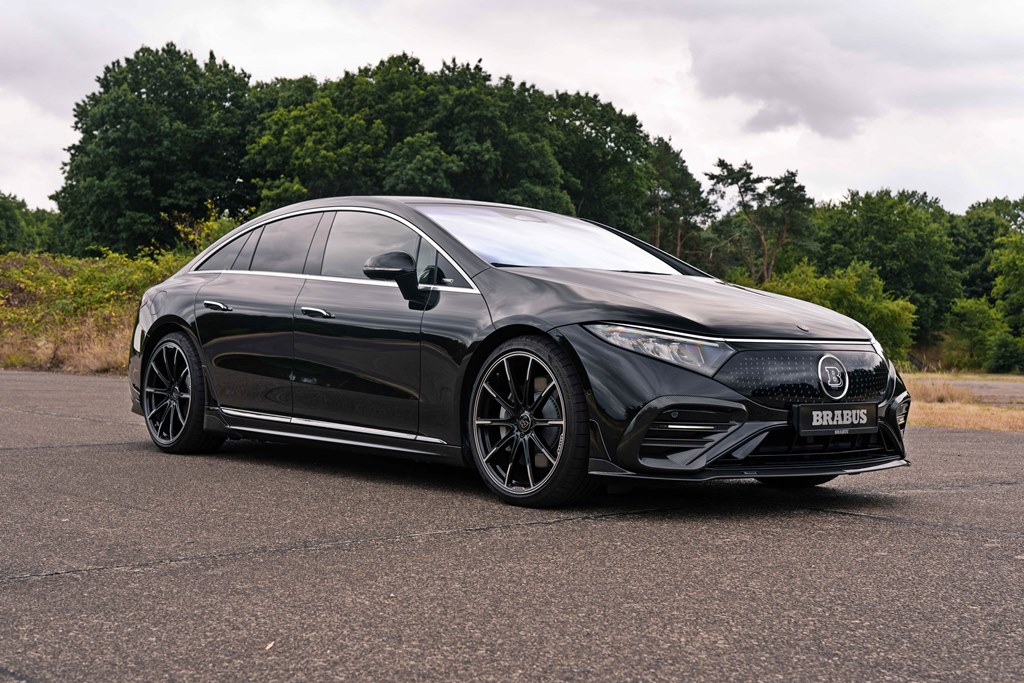
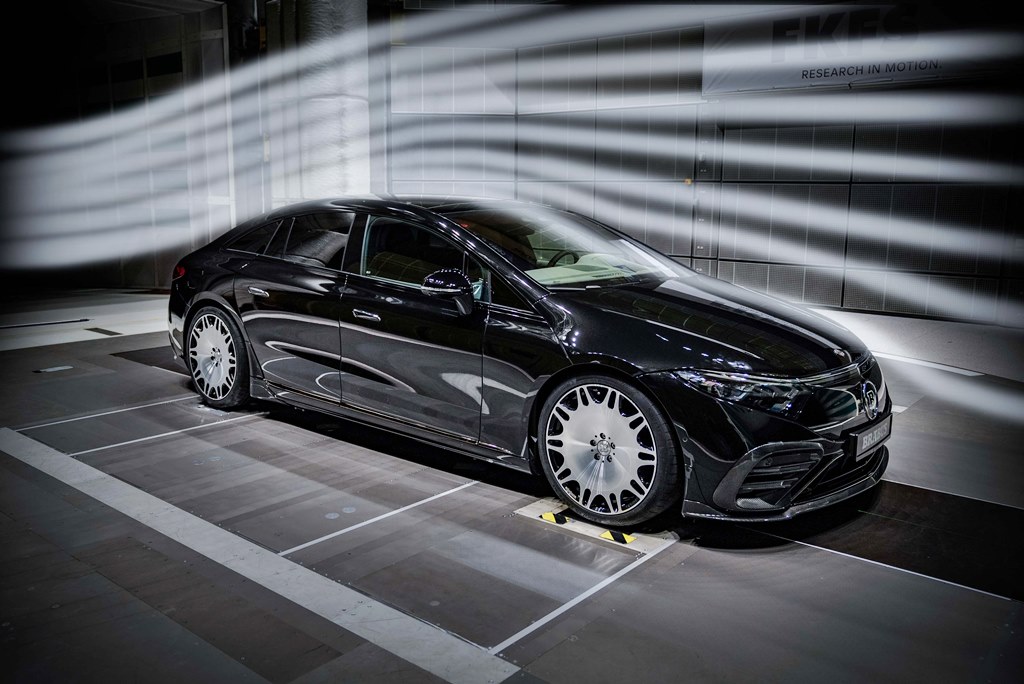
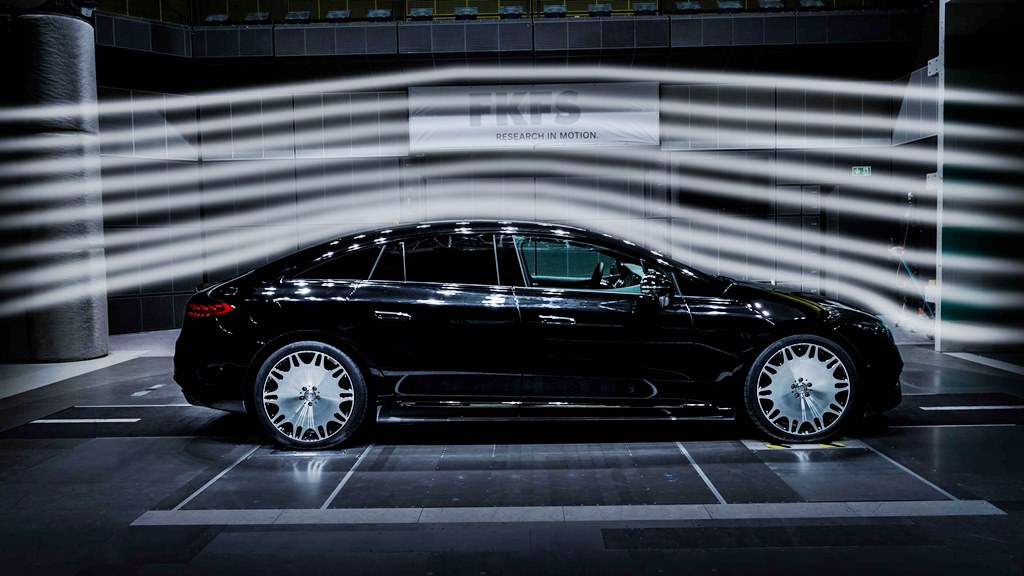
Its first effort in the 21st century is with the latest EQS from the Mercedes-EQ range. Already one of the most aerodynamic production cars in the world, BRABUS has been able to lower its Cd value (the measure of wind resistance) by 7.2%.

Confirmed in wind tunnel testing, the lower drag in turn reduces the driving resistance, which makes it possible to extend the range, which the more streamlined shape increases by 7% on average in the speed range between 100 and 140 km/h.

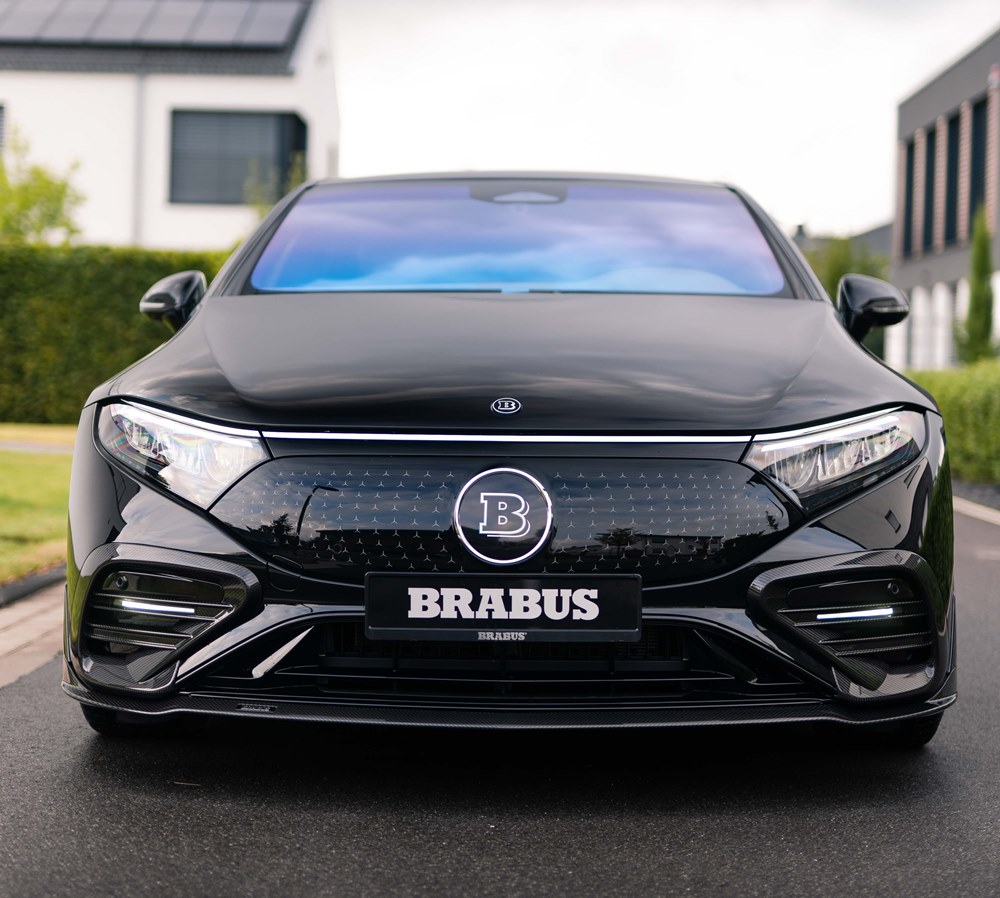
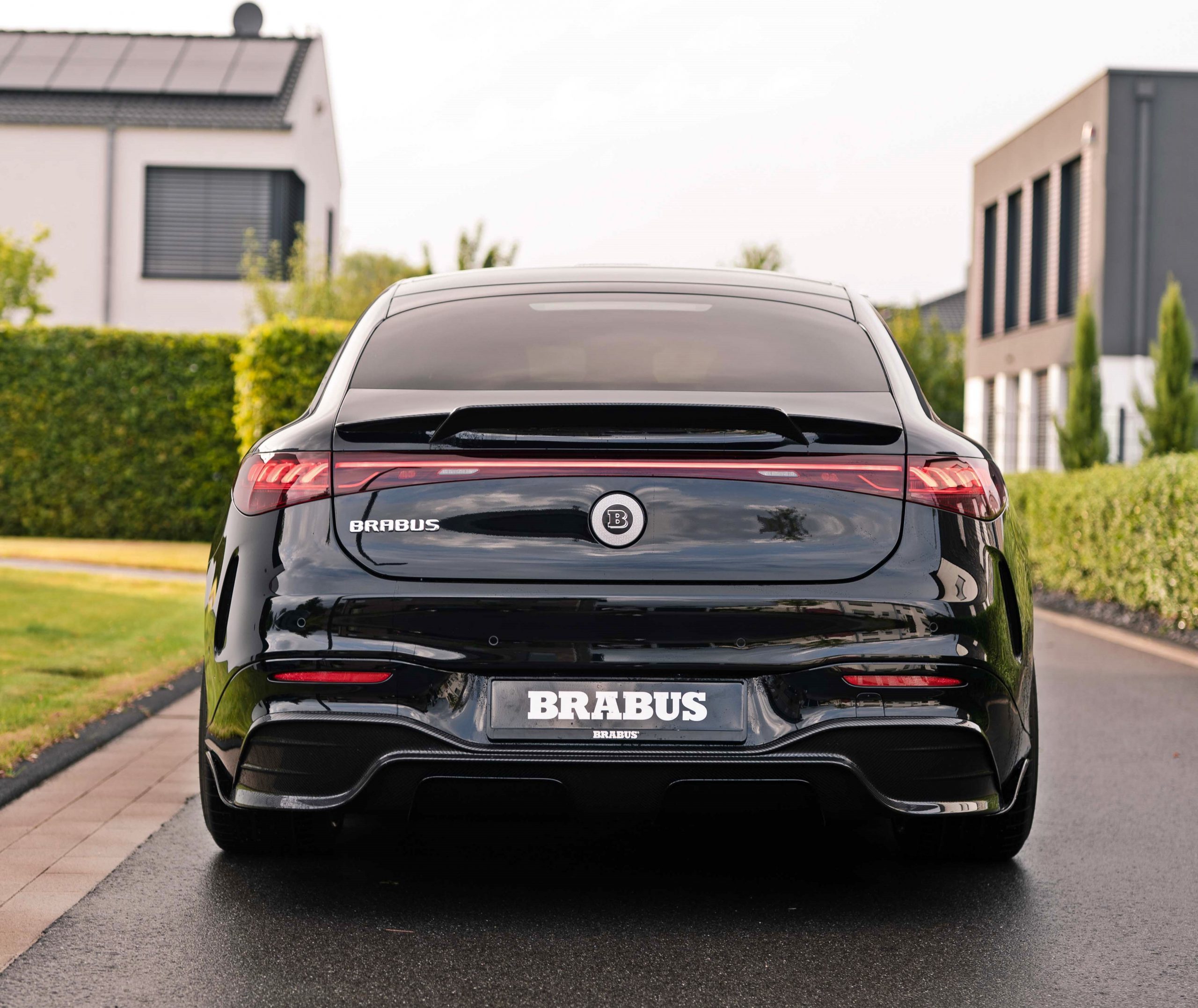
The refinement done on the EQS bodywork with components produced from carbonfibre (with exposed structure) give the sedan sporty looks that generate the ‘BRABUS 1-Second Wow Effect’. The bodywork components can have a glossy or matt sealed finish.

The BRABUS front spoiler gives the EQS an even more dynamic face. In addition, the carbonfibre lip reduces drag, and its raised outer edges also minimize front-axle lift by 100%. This naturally also improves the handling stability at high speeds.

The carbonfibre trim for the side air intakes in the front fascia also play a role in the more striking face and route the airflow even more purposefully to the radiators and front brakes. The designers also developed carbonfibre air deflection elements installed in front of the rear wheelarches. These add some sporty lines to the sides and positively influence the airflow.

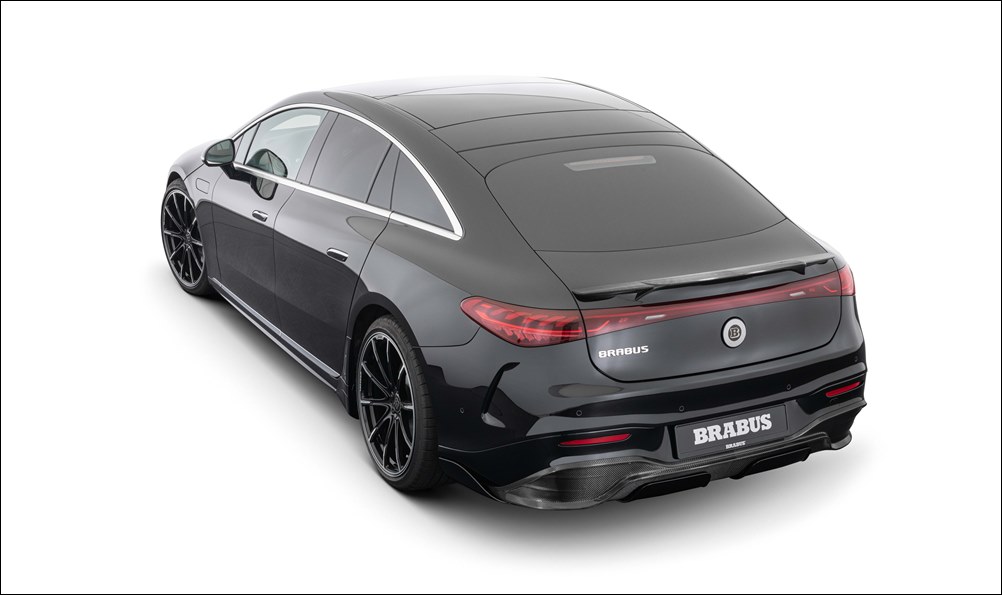
The rear end is enhanced with a diffuser and a spoiler, both made from that same hi-tech composite material. It reduces aerodynamic lift at the rear by up to 40%.

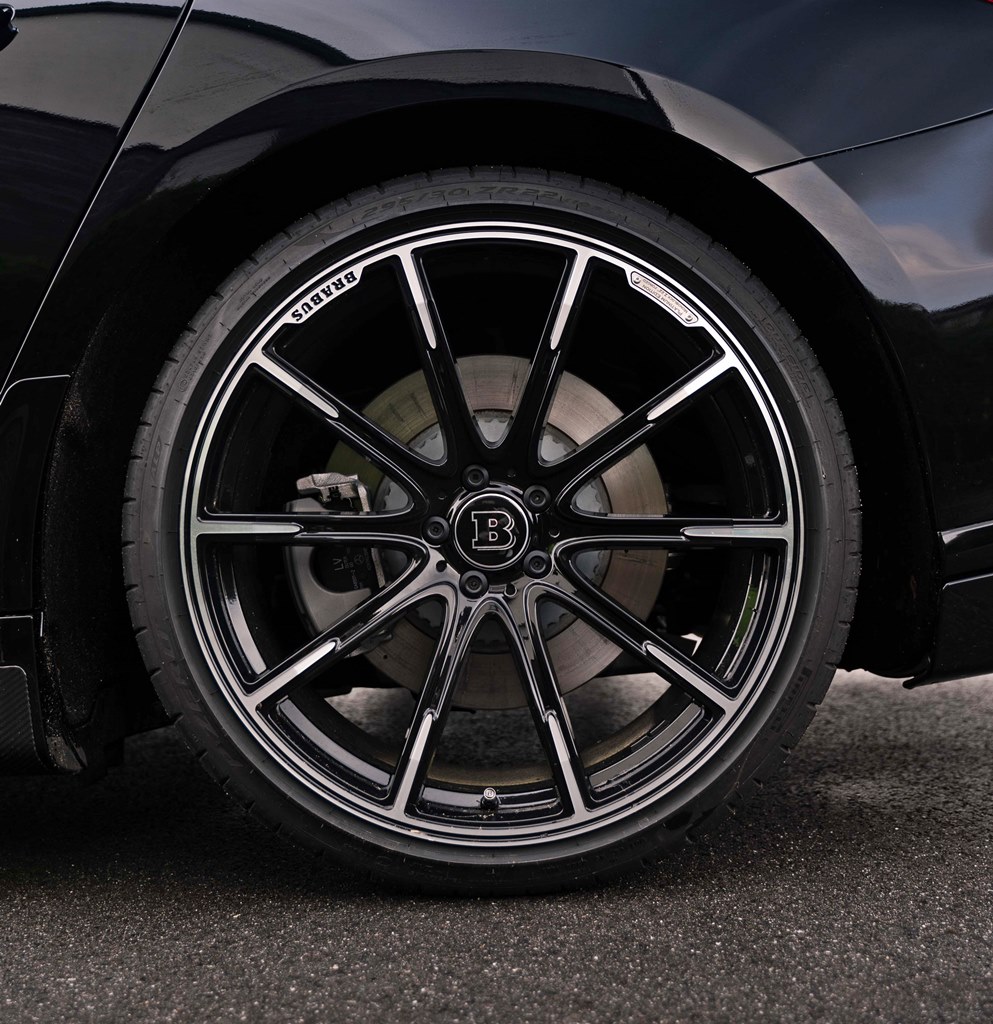
The BRABUS Monoblock wheels have been tailor-made for the wheel wells of the EQS. They are available in numerous designs and diameters from 20 to 22 inches. With the Monoblock M wheels, there is a disc design that is aerodynamically favourable.

The BRABUS wheels not only benefit the looks but also enhance handling. This improvement can be further amplified with the plug-and-play BRABUS SportXtra module which is adapted to the air suspension. It lowers the ride height of the sedan on the front by 15 mm and on the rear axle by 29 mm. This ride-height lowering also plays an important role in the reduction of the drag coefficient.

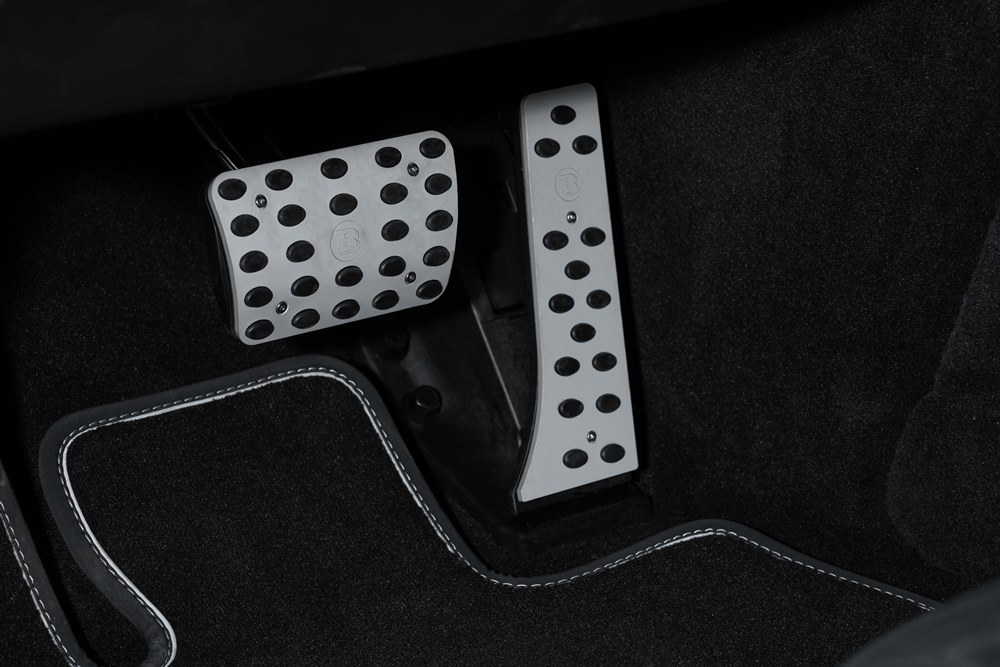
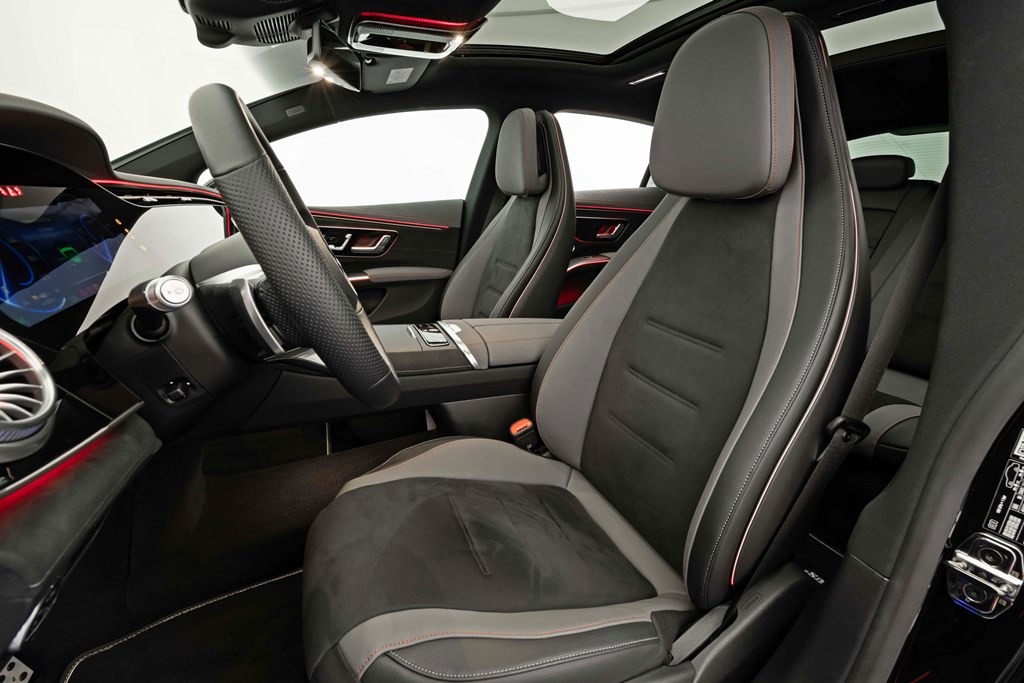
As with its other models, BRABUS offers numerous refinement options for the interior of the EQS, enabling customers to personalize extensively. The range of options includes scuff plates with backlit BRABUS logo, whose colours change in sync with the ambient lighting; BRABUS aluminium or carbonfibre pedals; high-quality floormats and a velour mat for the boot. The latter two sport the logo of the tuner and feature leather edging.

COVID-19

There are various ways of expressing luxury in a car and designers are always looking for new ideas. The design team at Genesis has come up with something unique which is a standout features in the brand’s first battery electric model – the GV60.

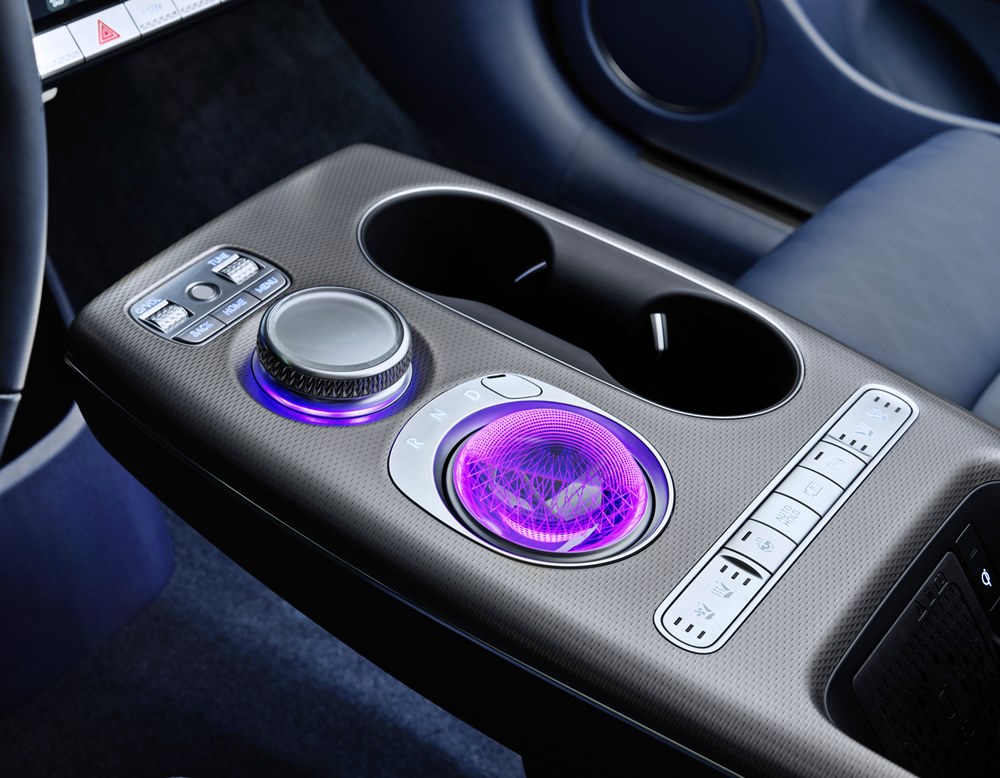
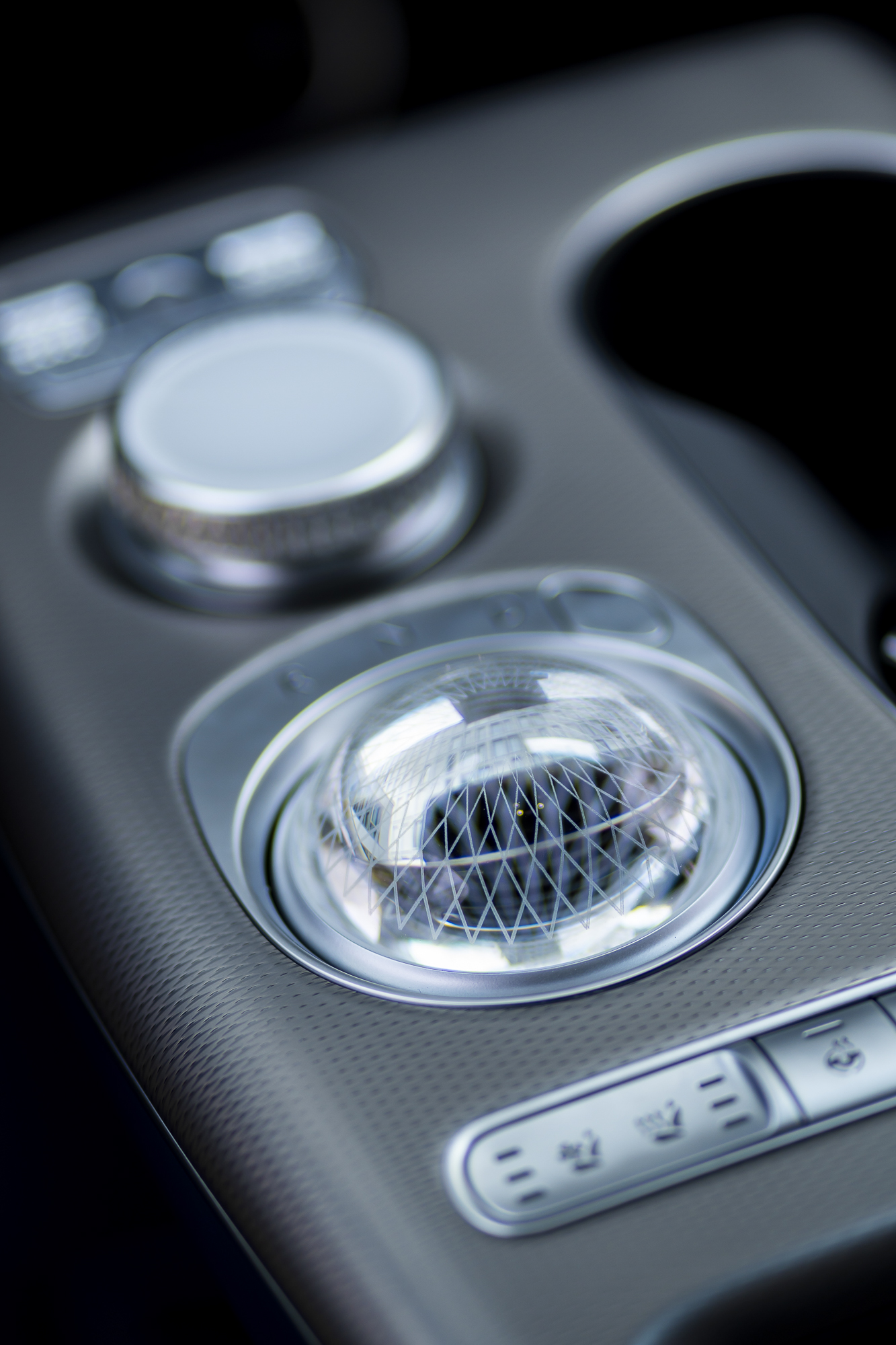
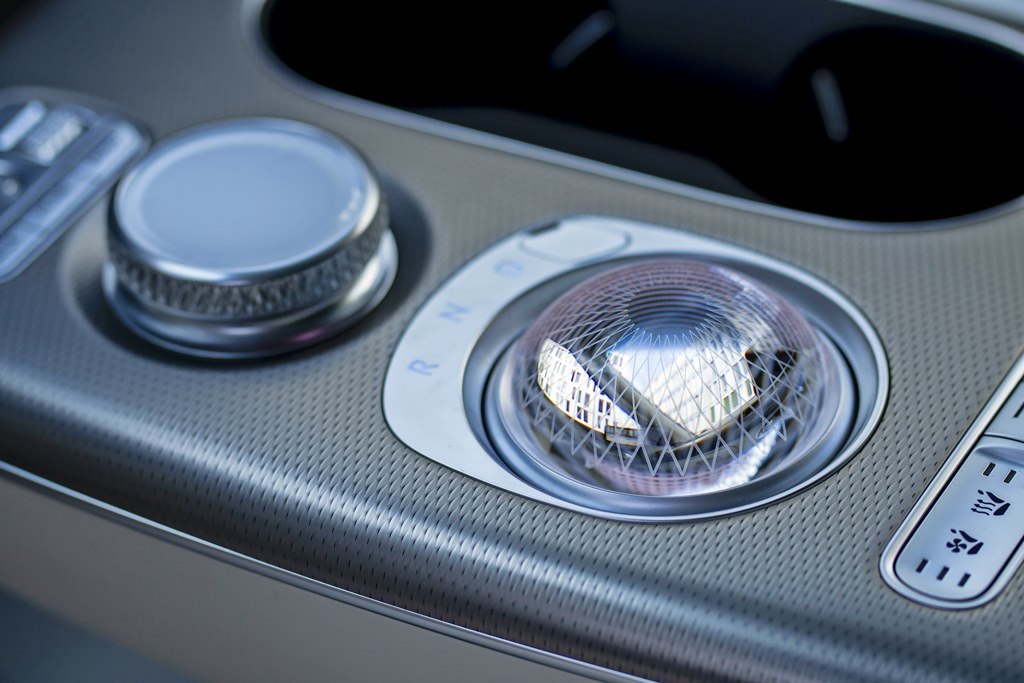
Known as the Crystal Sphere, it represents a striking interior focal point for GV60 and an emotional connection between the driver and the vehicle. Beautifully crafted, the Crystal Sphere embodies Genesis’ approach to design, luxury and ergonomics. It is adapted from a feature first seen in the Genesis X concept car.
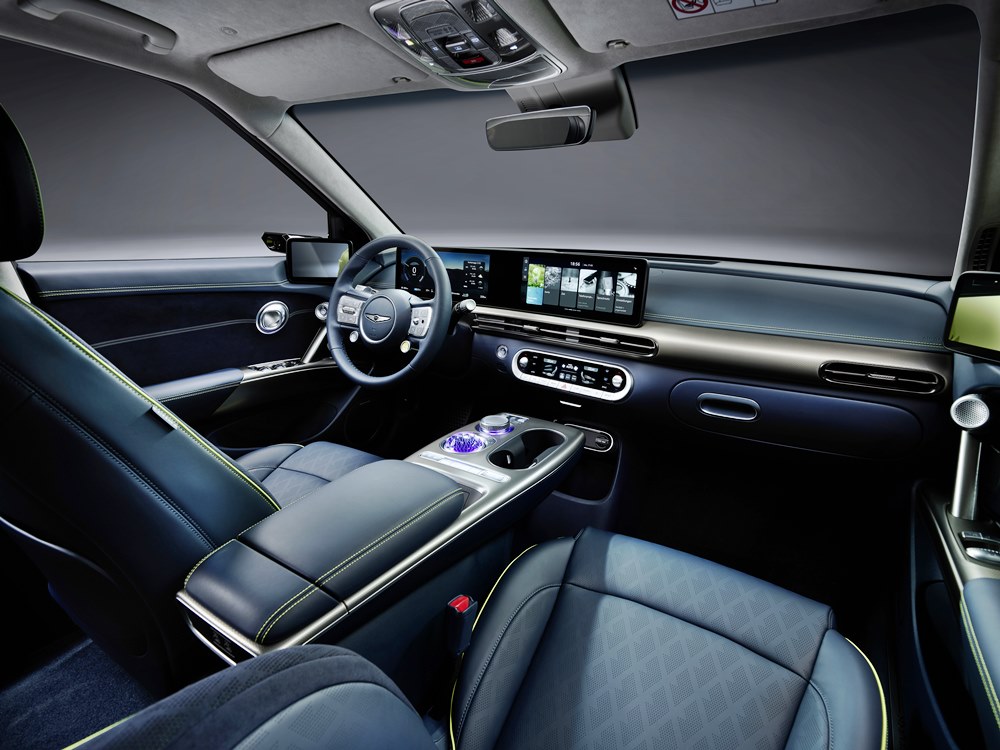
Located in the floating centre console, the sphere appears as a sparkling, jewel-like object placed within the spacious and balanced cockpit which is inspired by the ‘Beauty of White Space’ philosophy of traditional Korean architecture.
“As the GV60 is an electric vehicle, it is naturally extremely quiet, making it a challenge to alert the driver that the car is ready to drive. Our engineering and design teams collaborated closely to create this unique and captivating way for the driver to engage with the vehicle through the Crystal Sphere. Combining form with function, Crystal Sphere embodies Genesis’ commitment to offer unrivalled technology, premium design and driver appeal,” said Luc Donckerwolke, Chief Creative Officer at Genesis.

Form and function
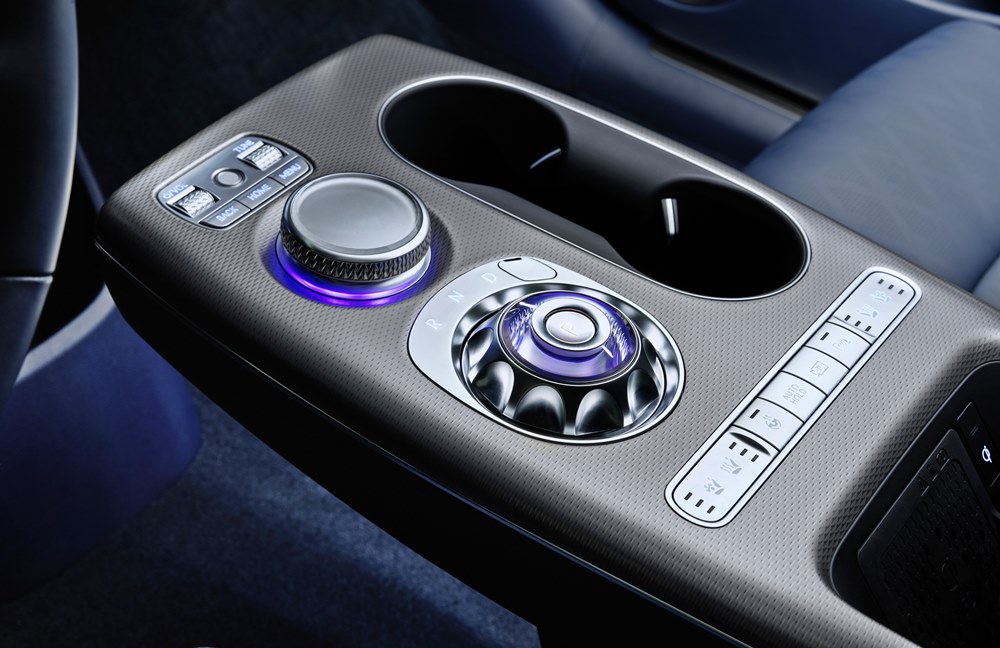
When the GV60’s electrical systems are turned off, the Crystal Sphere becomes part of the vehicle’s ambient cabin lighting, delivering a calming glow to the cabin when the car doors are opened to welcome its occupants.

When the driver pushes the engine start button, the sphere rotates through 180˚ to reveal the metal finish Shift-By-Wire controller, creating a compelling atmosphere of futuristic mobility. By turning the transmission dial that is knurled for optimum grip, the driver is able to select the desired gear, receiving haptic feedback that confirms a gear has been engaged, including a subtle vibration when requesting a direction change, such as when shifting from drive to reverse.

Practicality and safety
The Crystal Sphere also acts as a safety feature, which is important for an electric car that is very as silent. Typically, the only indication of the car’s current state are the icons on the instrument cluster. When charging, the Crystal Sphere is not able to be rotated into driving mode, while it glows red as a warning when reverse is selected.

Featuring a real glass finish, Crystal Sphere has been laser-engraved on the inside with an elegantly delicate interpretation of the Genesis G-Matrix design signature. Created after numerous sampling and modifications, this optimized pattern is further highlighted by the soft backlit illumination.

Yet with its role in controlling the transmission, the Crystal Sphere is much more than a bold decorative element. As a result, Genesis engineers have made durability and ease-of-use a priority. Everything from the motor output to the materials used and specifications of the wiring was thoroughly evaluated through cycle testing in high and low-temperature environments, as well as being engineered to withstand heavy loads.

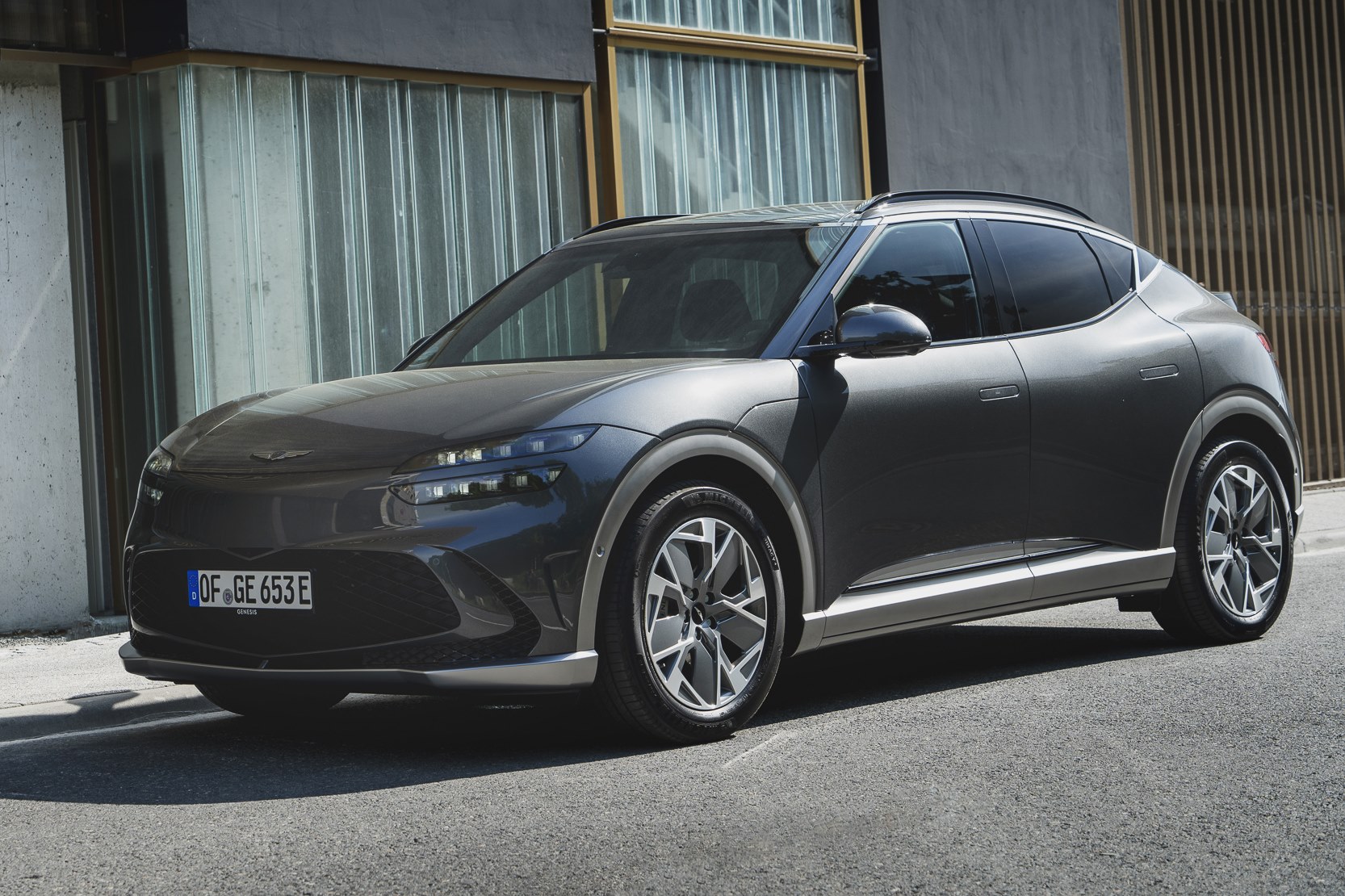
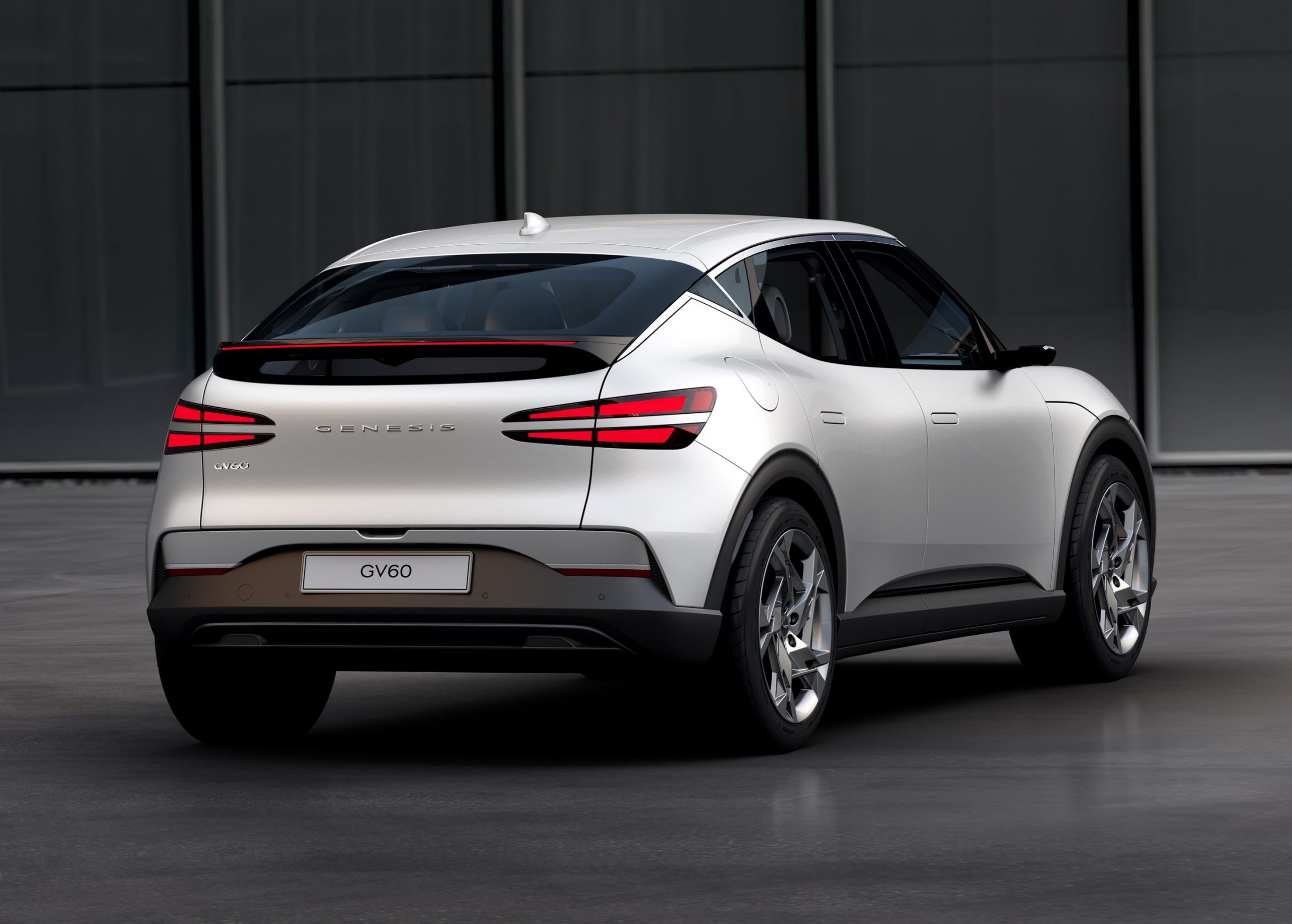
As a unique centrepiece, the Crystal Sphere will be included as standard across all versions of the GV60 range. Now on sale in Europe, the GV60 is priced from £47,005 (around RM255,000).

First Genesis BEV
The GV60 is Genesis’ first vehicle to be built on the dedicated Electric-Global Modular Platform (E-GMP) of the Hyundai Motor Group. It is available with rear-wheel drive model, all-wheel drive, and a performance model with all-wheel-drive. Each model features a 77.4-kWh battery pack, and the RWD model has a claimed maximum driving range of 451 kms per charge.

The RWD model’s motor output is 168 kW/350Nm, while the AWD model has a 160 kW motor for its rear wheels and a 74 kW motor for the front wheels, providing a total output of 234 kW with a maximum of 605 Nm.

The performance model has two 160 kW motors for the front and rear wheels, delivering a total output of 320 kW, maximum torque of 605 Nm, but the claimed maximum driving range is 368 kms on a fully charged battery pack.

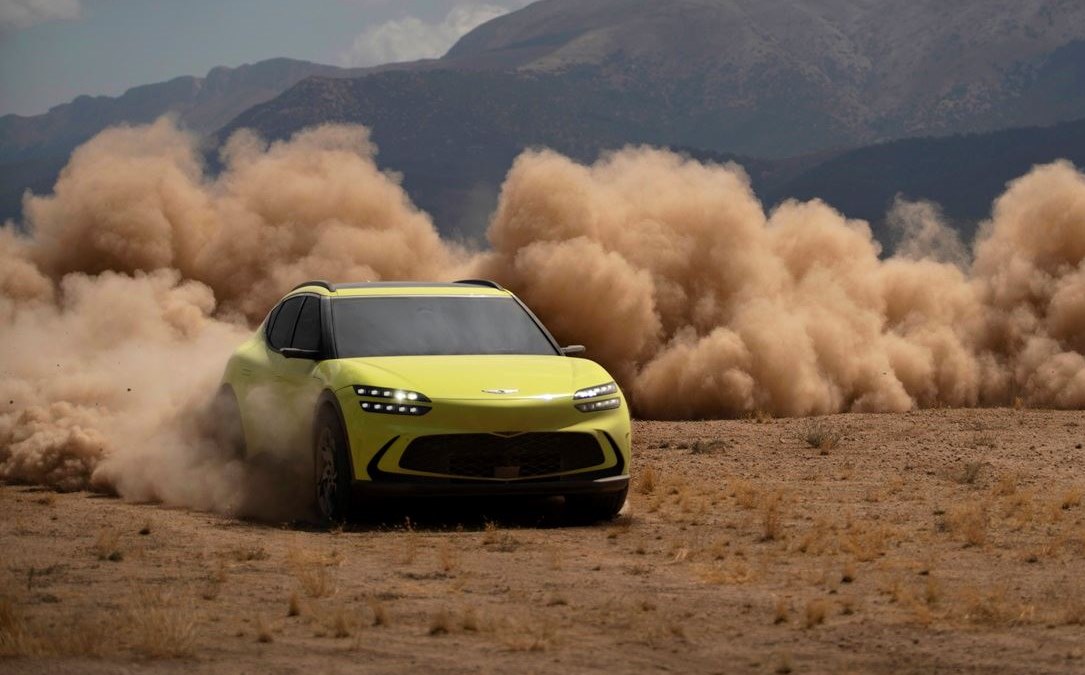
A Boost Mode, activated by a button on the steering wheel, can increase straightline performance for 10 seconds. This will enable the vehicle to go from 0 to 100 km/h in a claimed 4 seconds.

Archive

Follow us on Facebook

Follow us on YouTube