Piston.my

Archive

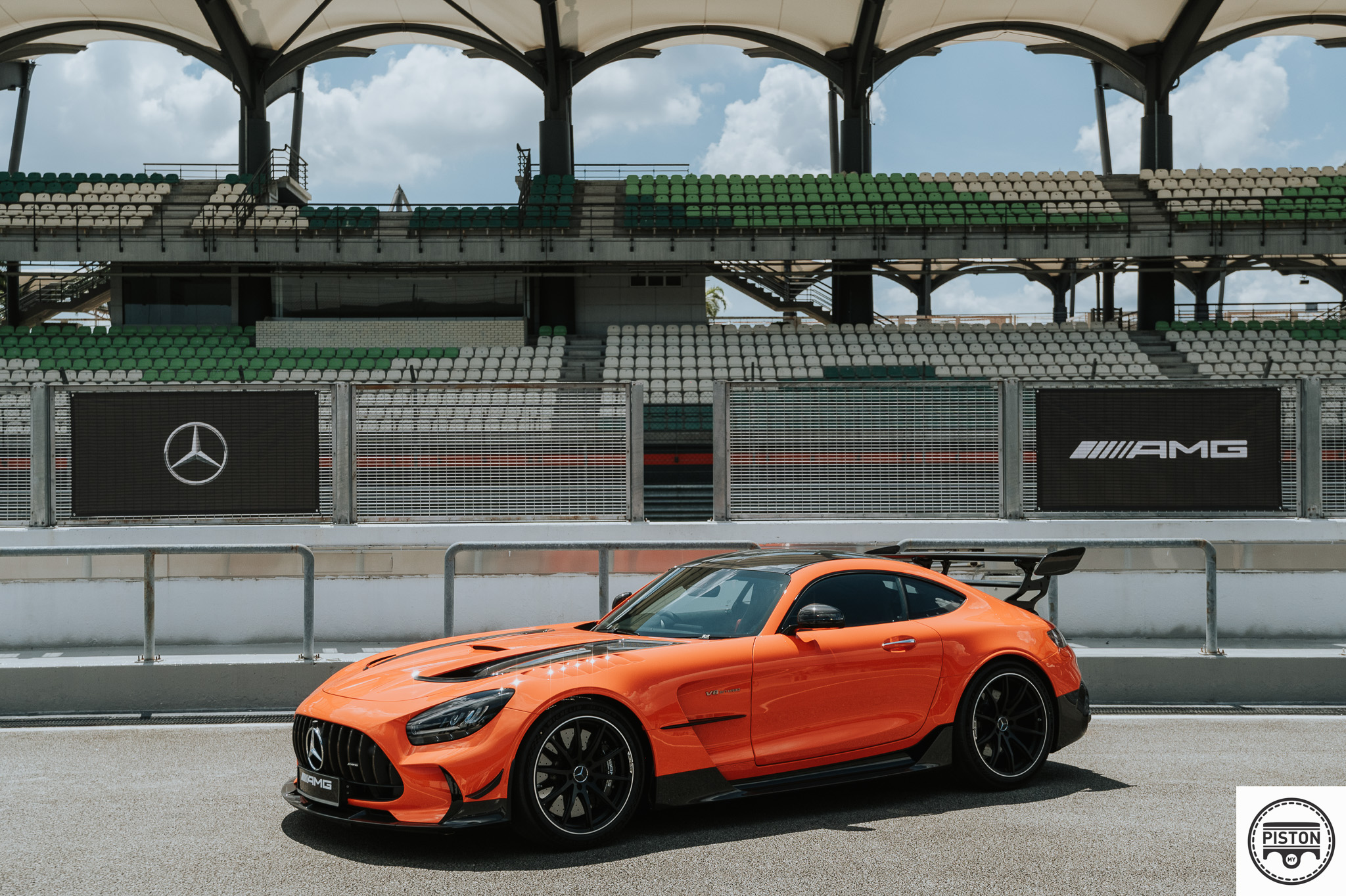
Since 2006, the Black Series High-Performance Cars from Mercedes-AMG have never failed to impress. From the puristic SLK 55 AMG Black Series to the latest GT Black Series, the exclusive range from the specialists at the carmaker’s high-performance subsidiary has been synonymous with a very special type of car.

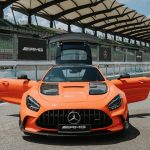
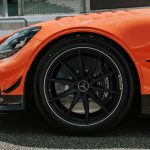
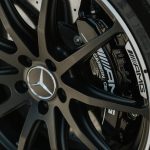
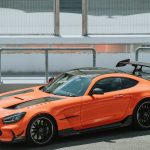
The GT Black Series launched by Mercedes-Benz Malaysia today continues with uncompromisingly sporty and expressive design, with the most consistent technology transfer from motorsport to a  production car. It is designed for the racetrack but is road-legal too.
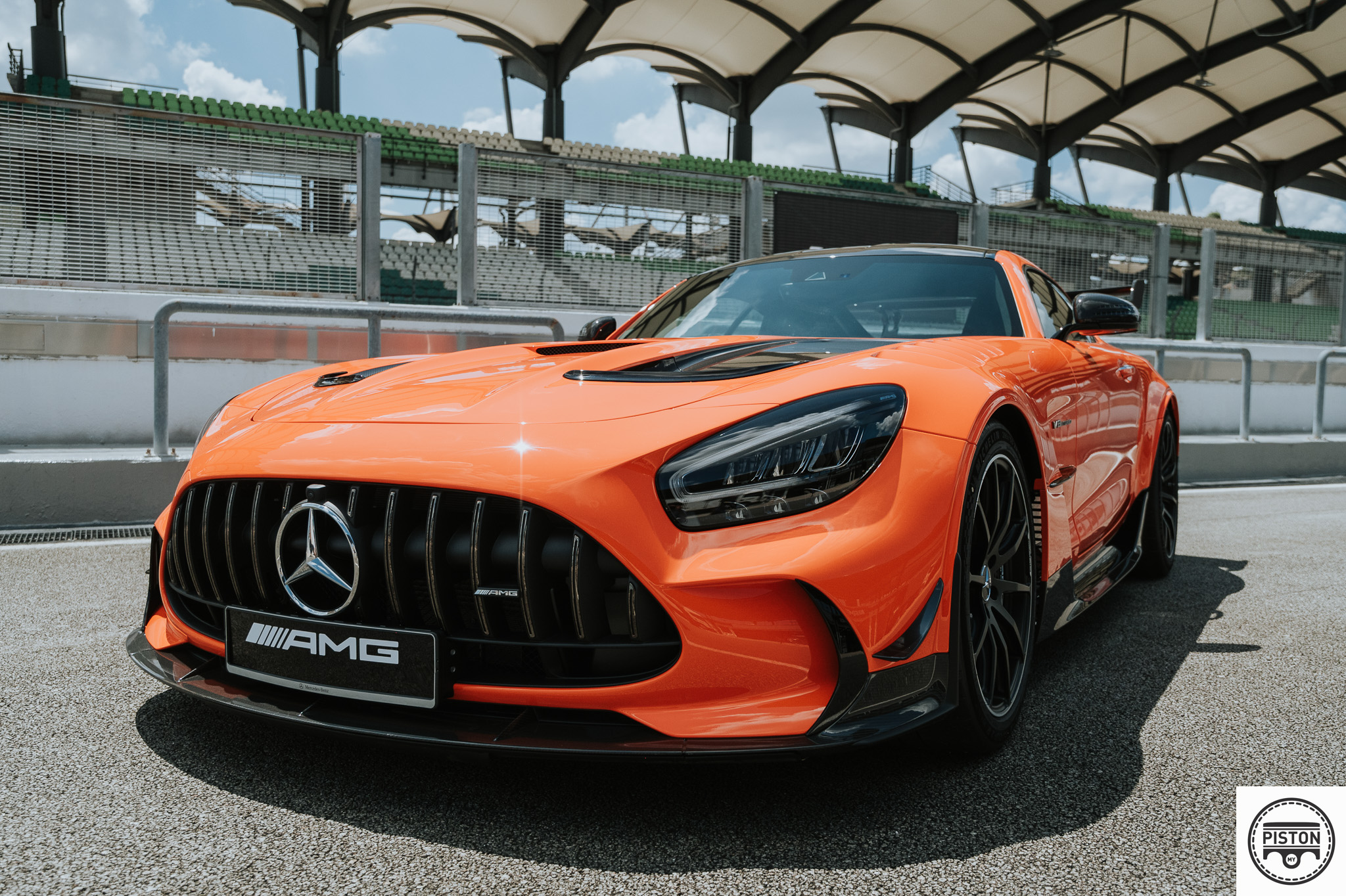
Improved V8 biturbo engine
The AMG GT Black Series represents a new highlight in this approach. It is the most powerful Mercedes-AMG with a 4-litre V8 biturbo engine, adaptable to special conditions of various racetracks.  Further development puts significantly more power (730 ps) than the previous flagship model of the AMG GT family, with even more agile throttle response, thanks to maximum torque of 800 Nm.

What does this improved engine do for performance? It enables the sportscar to go from standing still to 100 km/h in a claimed 3.2 seconds, crossing 200 km/h in less than 9 seconds, and on to a top speed of 325 km/h (only on racetracks). The superlative performance level is not only reflects in the power delivery but also with a distinctive soundtrack.
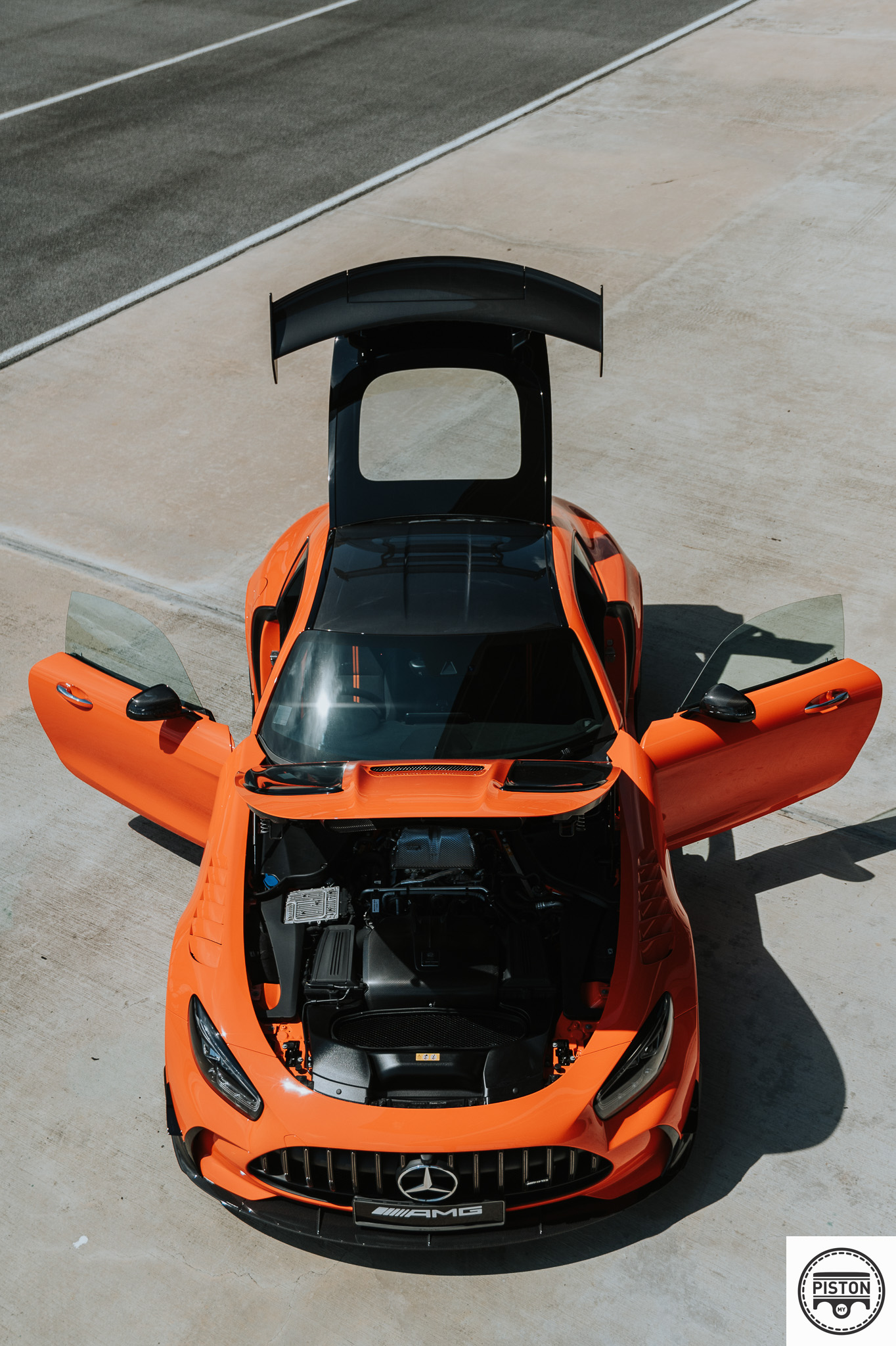
Power goes to the rear wheels through a 7-speed AMG SPEEDSHIFT DCT 7G dual-clutch transmission. The unit is located on the rear axle in a transaxle arrangement for optimal weight distribution, as is the case for all AMG GT models. It has been modified for use in the AMG GT Black Series and adapted to the increased torque of 800 Nm.

The Race Start function is now even more impressive, thanks to the increased starting revs, the more sensitive wheel slip control and the sports tyres fit for the racetrack. Furthermore, the transmission cooling has been adapted to the tougher requirements, and the transmission ratios have also been slightly modified.
Sophisticated aerodynamics
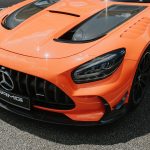
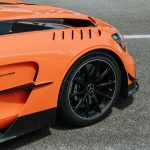
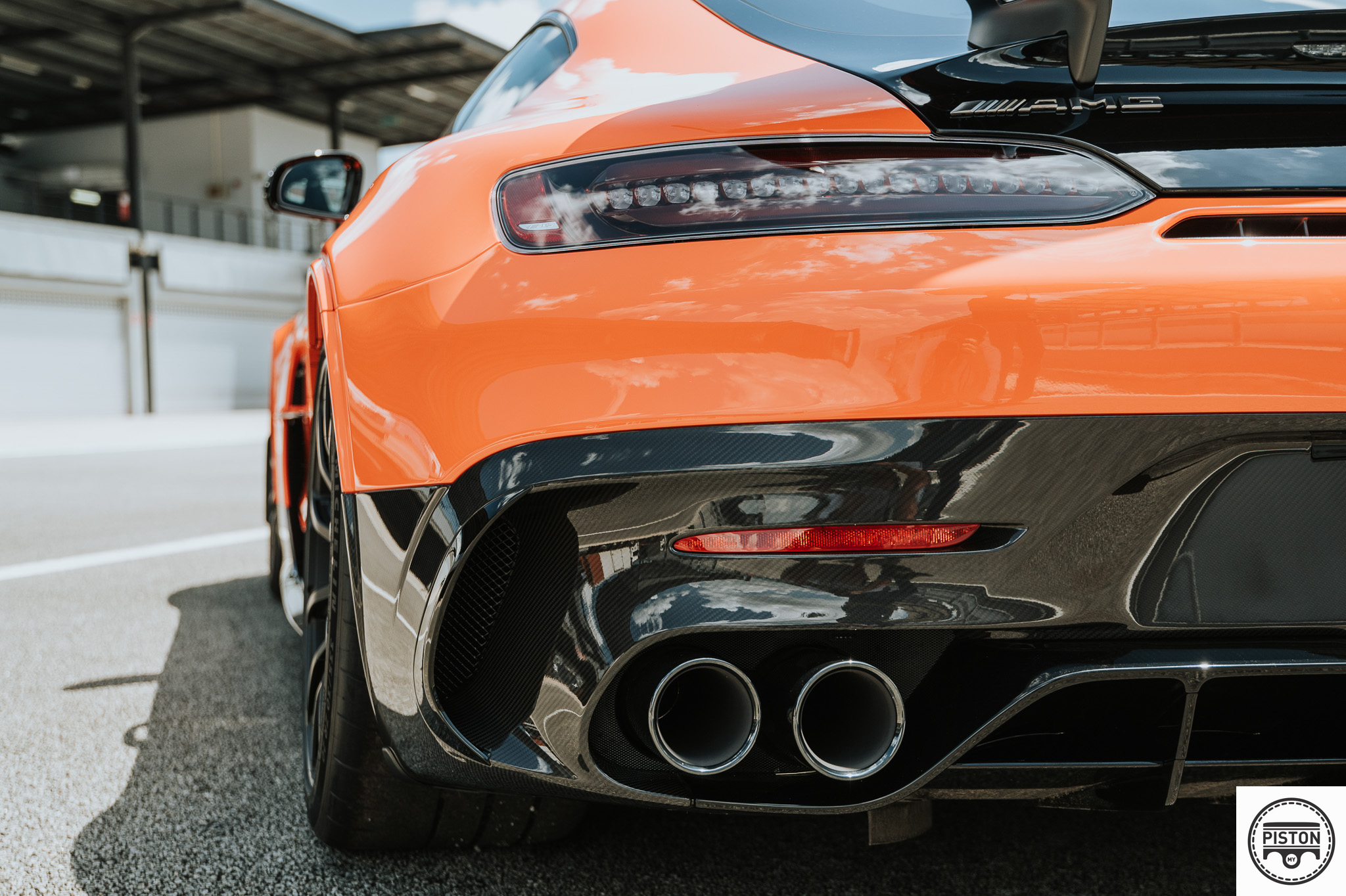
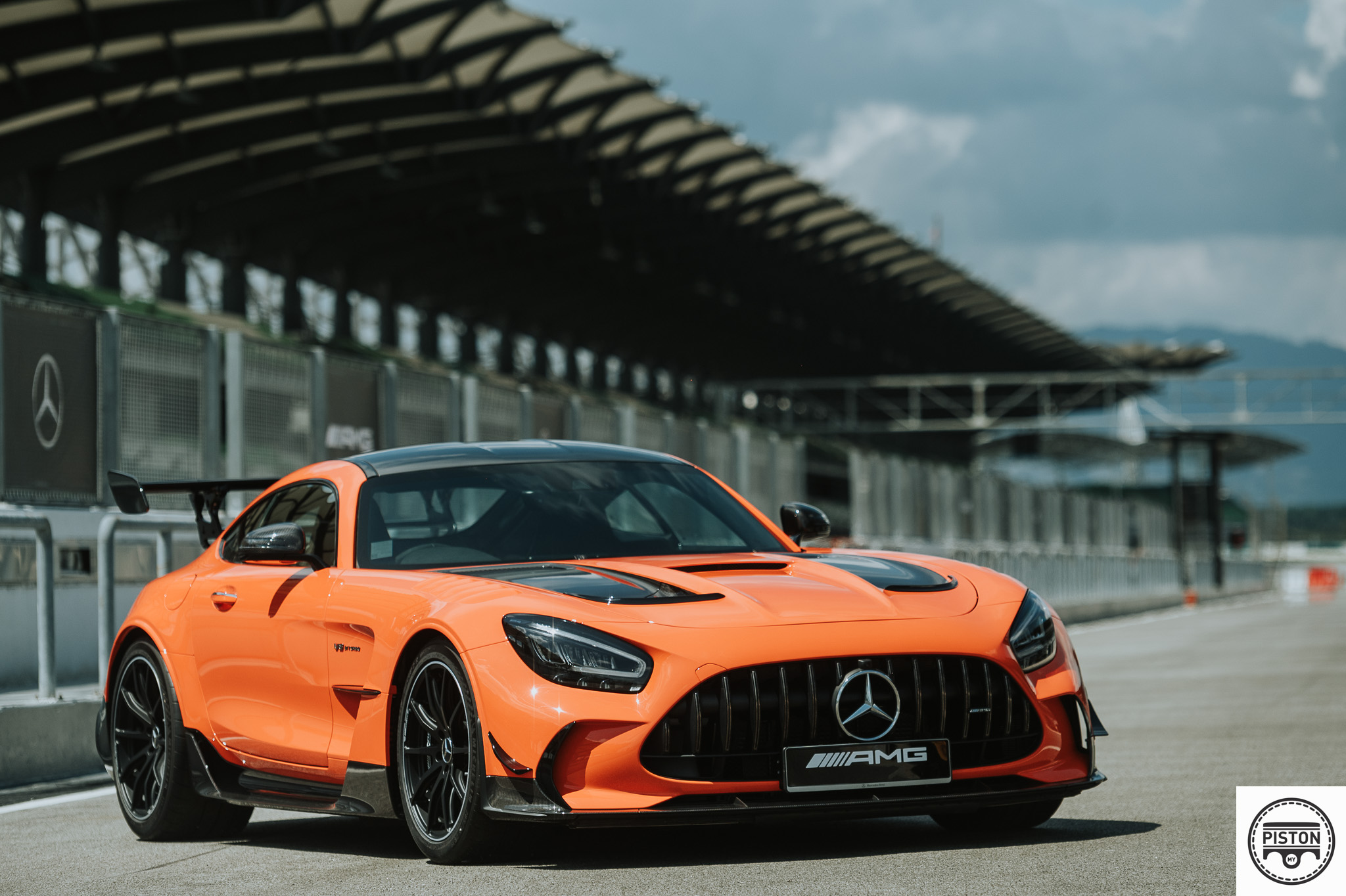
The sophisticated aerodynamics make a significant contribution to high driving dynamics and stability on fast circuits. As with the AMG GT R and AMG GT R PRO, aerodynamics experts and designers have worked closely and the similarity to the AMG GT3 and AMG GT4 racing cars is visually and technically stronger than ever before.

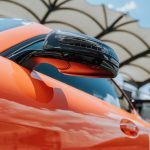
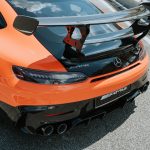
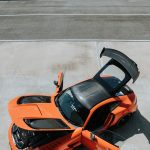
At the rear is the new apron with a large diffuser, two rounded twin tailpipe trims on the outside left and right, side wheel arch ventilation, and the innovative rear aerofoil concept. Both aerofoil blades are made from carbonfibre, can be mechanically adjusted and therefore adapted to various track conditions. The second, lower positioned blade was made particularly small and narrow because this is ideal for the air arriving from the front of the car.
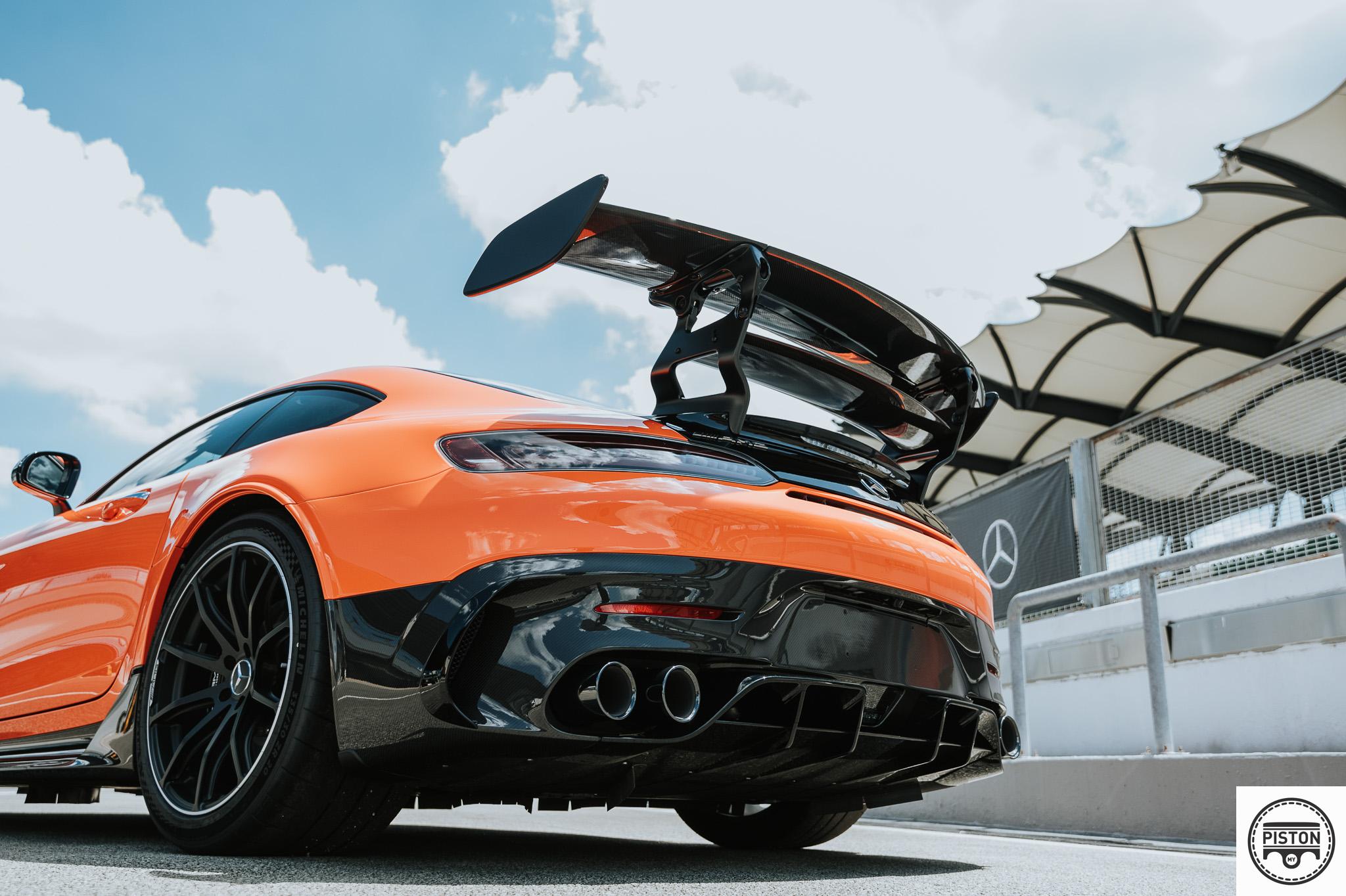
The detailed aerodynamic work also includes the now almost fully panelled underbody. This area must not only meet aerodynamic requirements but also thermal ones (for heat dissipation). The flat underbody is equipped with specially designed longitudinal fins. These air channellers have been meticulously optimised to ensure optimal airflow to the rear diffuser. The entire package accelerates air flow, significantly increasing downforce up to well over 400 kgs at 250 km/h.

The lightweight carbonfibre roof, with a sunken centre, as well as the carbonfibre tailgate with small spoiler lip and larger rear windscreen made from lightweight thin glass, are all key components of the intelligent material mix and lightweight construction. Moving to the front of the car, the glass used to make the laminated glass windscreen is likewise thin and therefore light in weight.
AMG coil-over suspension
The double wishbone concept locates the wheel with high camber and toe-in stability. This enables high cornering speeds and gives the driver optimum road feel when cornering at the extreme limits. Wishbones, steering knuckles and hub carriers on the front and rear axle are made entirely from forged aluminium in order to reduce the unsprung masses. The spherical bearings on the upper and lower wishbones of the rear axle come straight from motorsport.
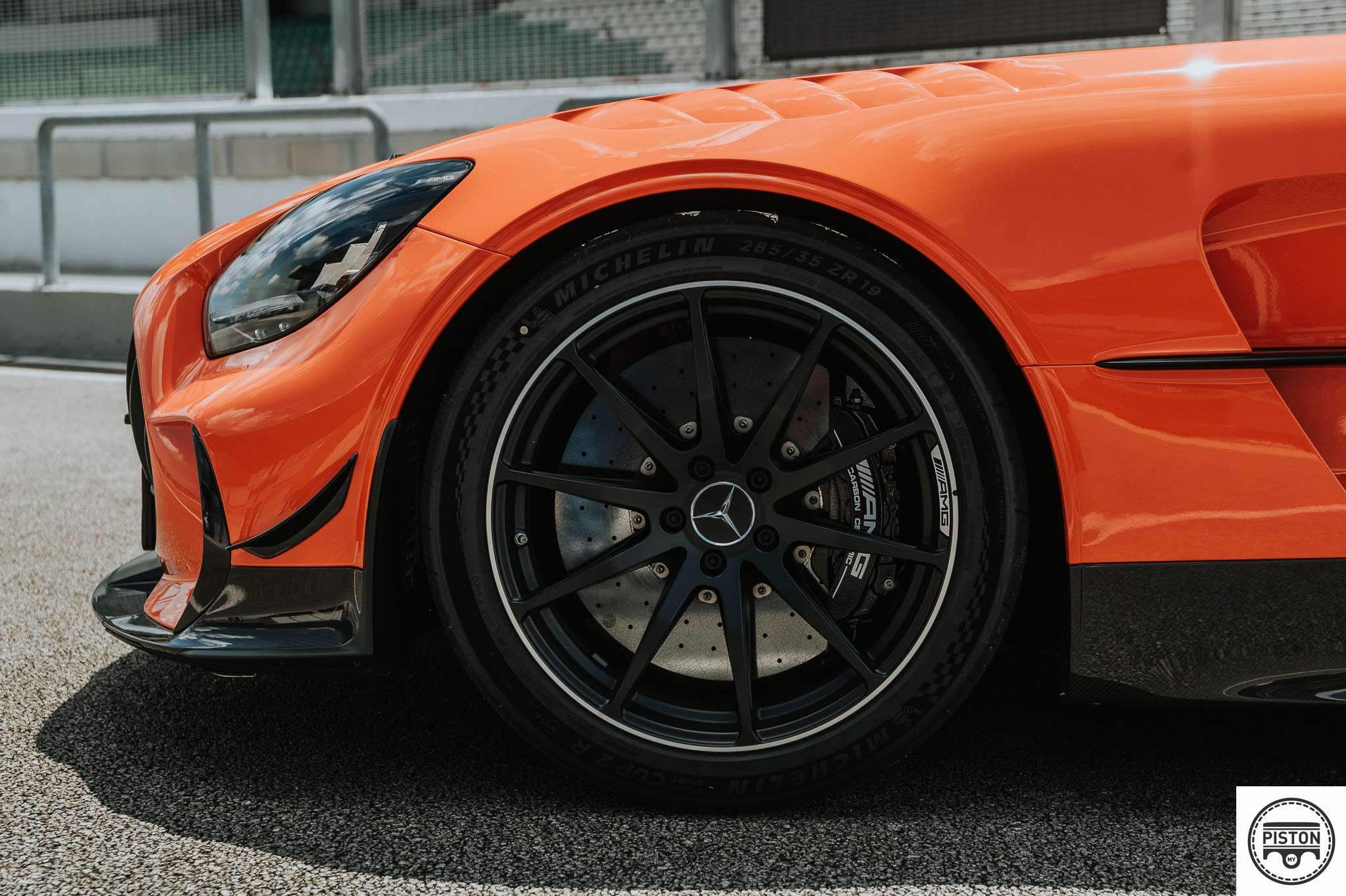
Their design means they have no play, which means toe-in and camber do not change even under high loads. The coil-over suspension offers yet another advantage which serious racing drivers value greatly: the wheel load distribution can be individually adapted for every wheel and thus optimise handling.

AMG TRACTION CONTROL
For use on closed racetracks in ESP OFF mode, the AMG TRACTION CONTROL enables the driver to get individual support for controlling the immense power of the Black Series – and without any ESP brake intervention whatsoever. The level of support can be fine-tuned, providing the ideal level of assistance for each driver and each track situation. Control is exclusively via corresponding maps in the engine electronics and without any intervention in the ESP system, as is also the case with the GT3 racing car.
The AMG development has a major advantage over conventional systems in that it anticipates situations with the help of a friction coefficient evaluator and other data processed by a control unit within a fraction of a second. The maximum permissible drive slip on the rear wheels is calculated depending on the selected AMG TRACTION CONTROL level. When the wheels reach this level of slip during acceleration, the traction control modulates the engine output so that this level is not exceeded and the vehicle continues accelerating with this specified slip.

An exclusive contrasting colour
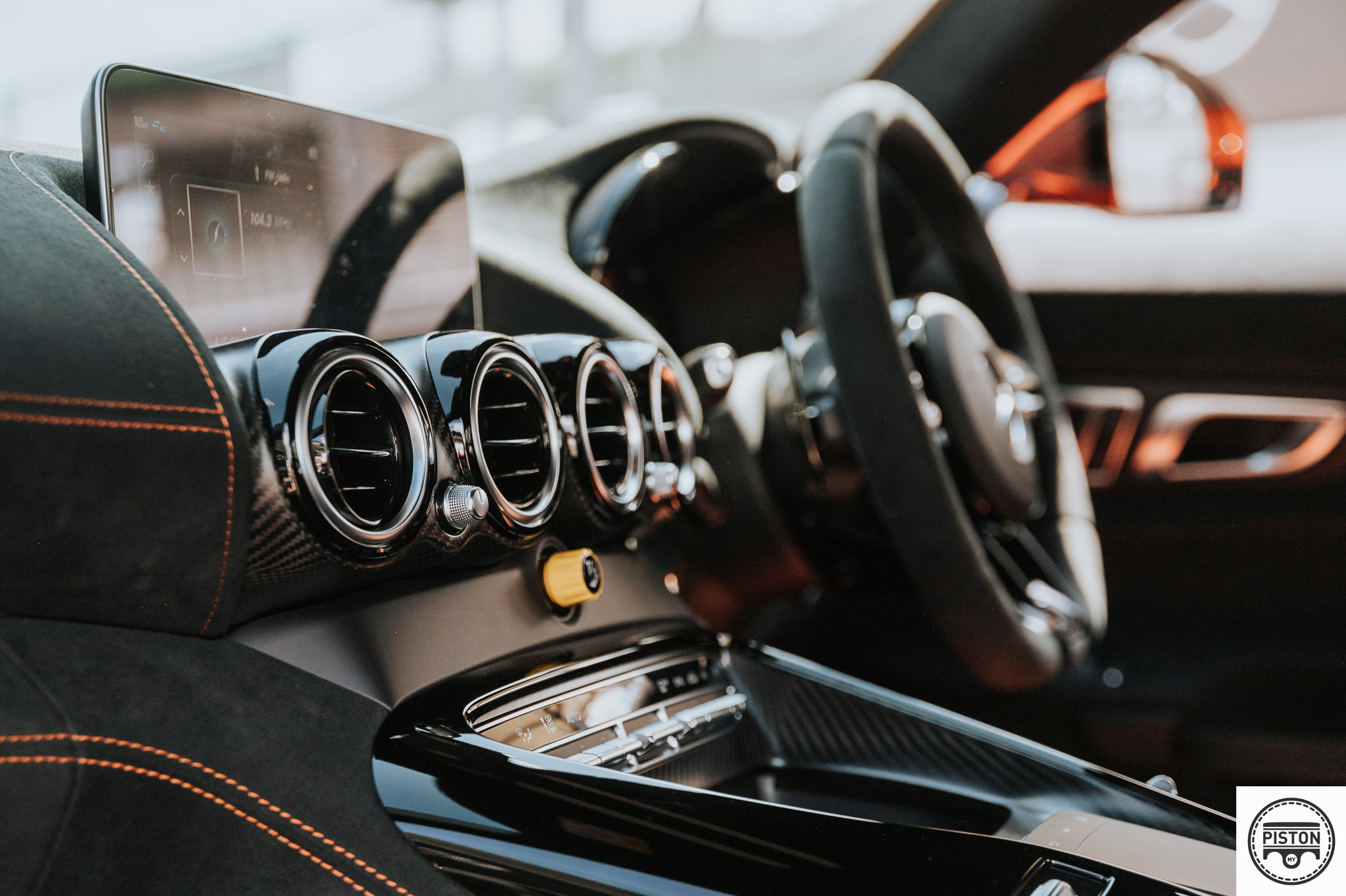
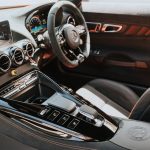
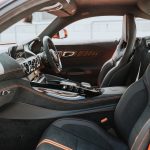
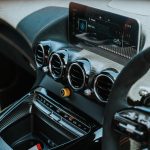
The interior design emphasises the leading position of the AMG GT Black Series. It may be for the racetrack but there’s exclusive nappa leather combined with sporty DINAMICA microfibre in black with orange contrasting topstitching. The instrument panel and the newly designed lightweight door panels, which are now equipped with loop pull handles instead of conventional handles, are trimmed in black DINAMICA microfibre.
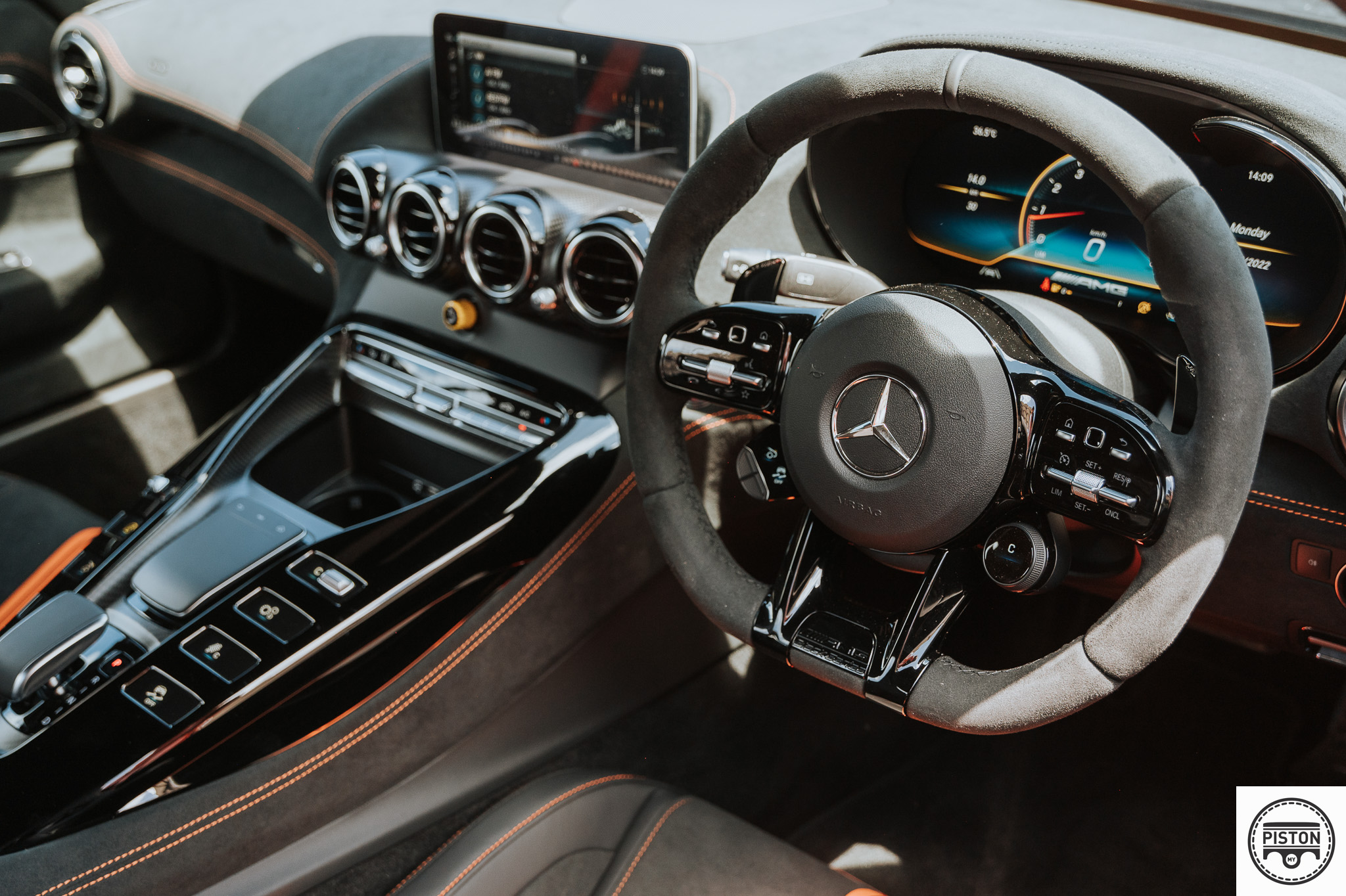
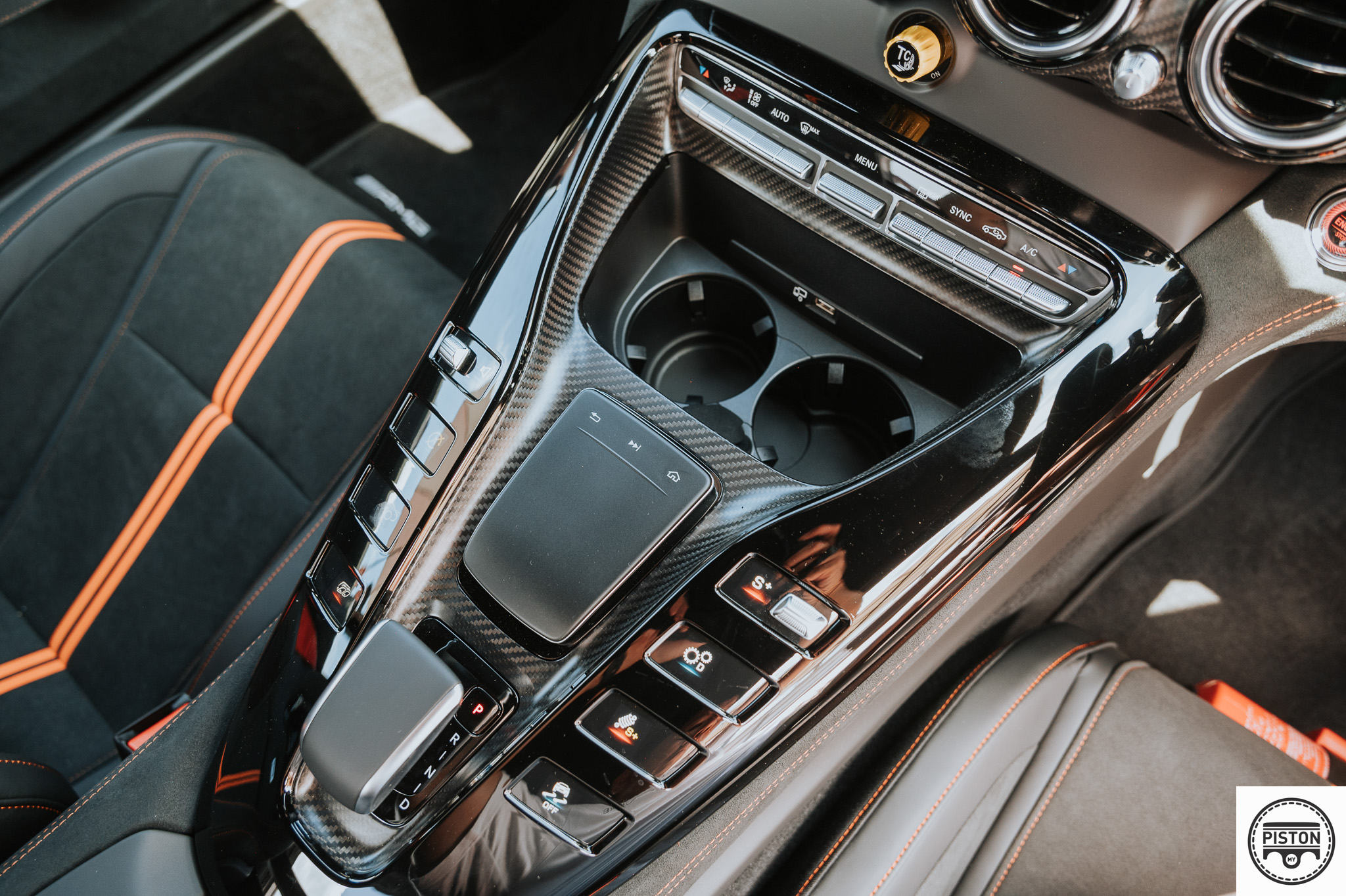
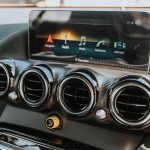
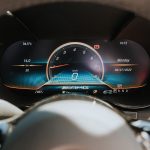
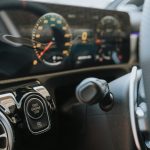
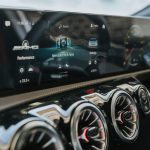
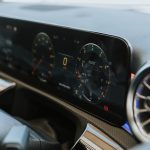
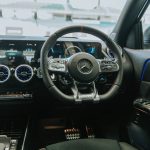
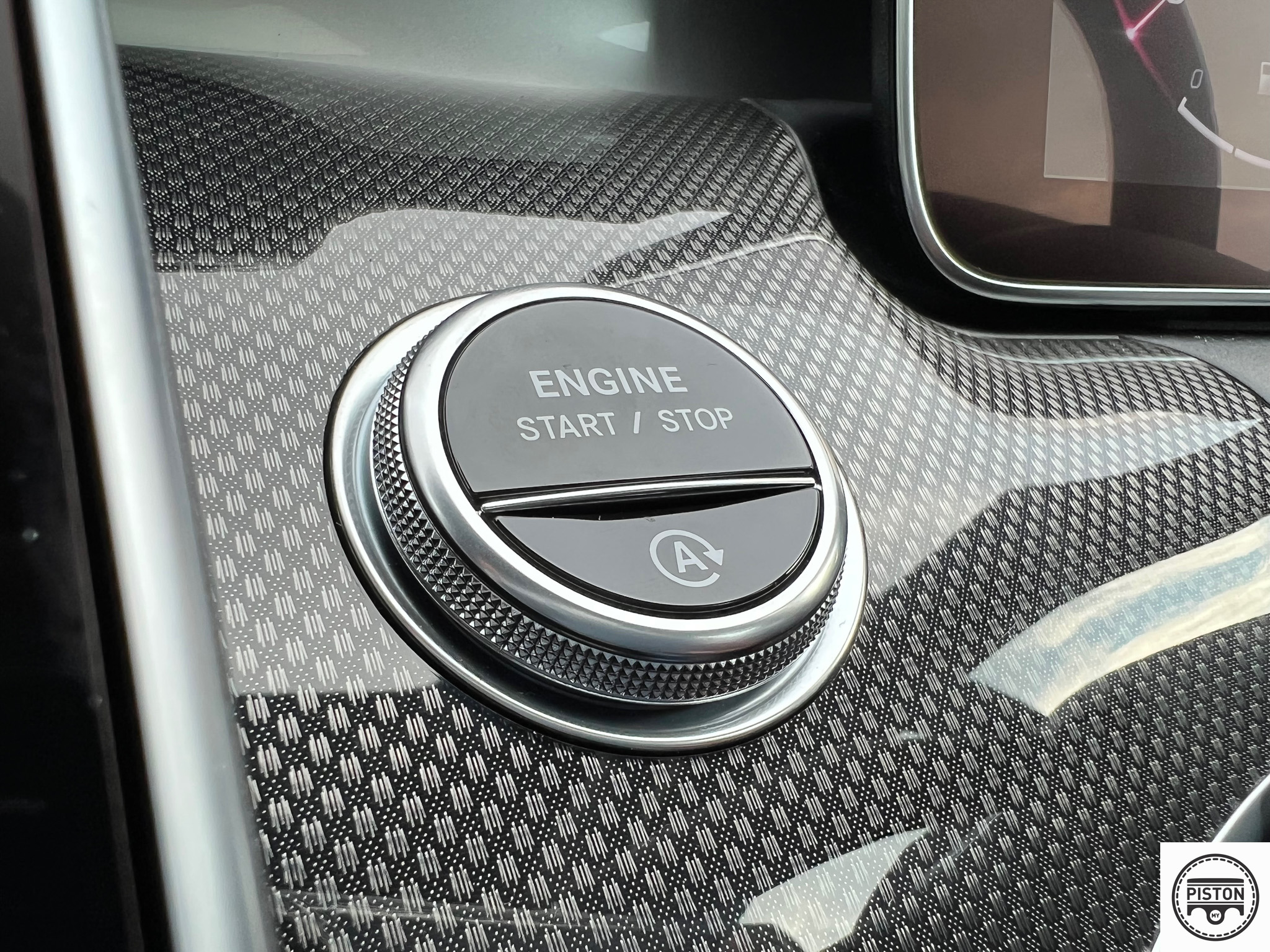
The fully digital instrument displays from the AMG GT family with an instrument cluster measuring 12.3 inches ahead of the AMG Performance steering wheel, and a 10.25-inch multimedia monitor on the centre console. The instrument cluster offers different designs with the three AMG-specific display styles to suit driver preference. Coloured display buttons in the V-shaped central console integrate the display and control of transmission logic, suspension, ESP, exhaust system, rear aerofoil flap and start/stop function. As they still have a mechanical pressure point, they can also be operated whilst wearing racing gloves.

Mercedes-Benz Malaysia has an allocation of 13 units of the AMG GT Black Series, each having a base price of RM3 million (without insurance). And at the time of writing, all of them already have an owner waiting for delivery. Whether or not these owners will use them as the engineers developed them – for the racetrack – remains to be seen, but they will certainly be a rarity on our roads.

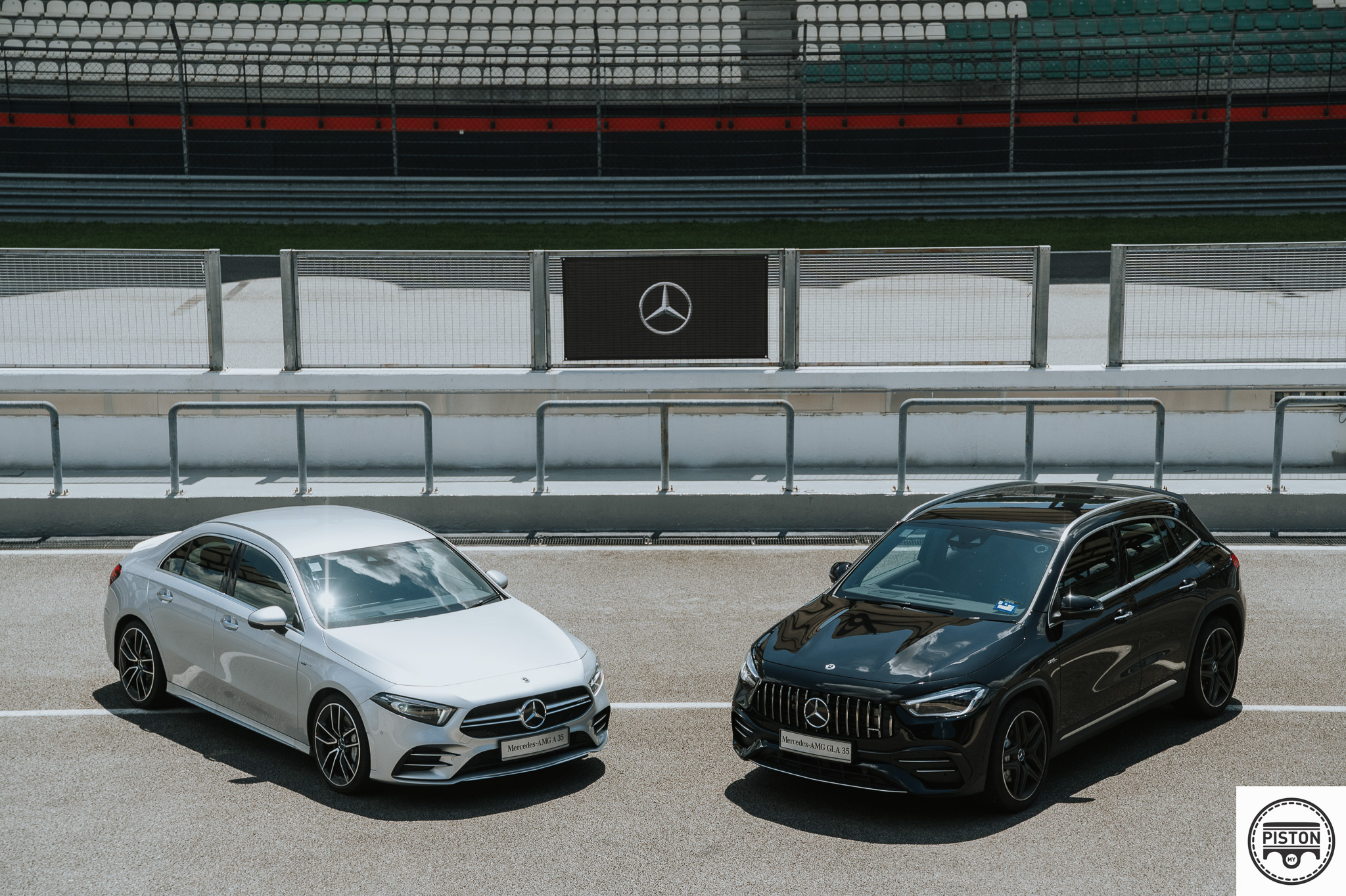
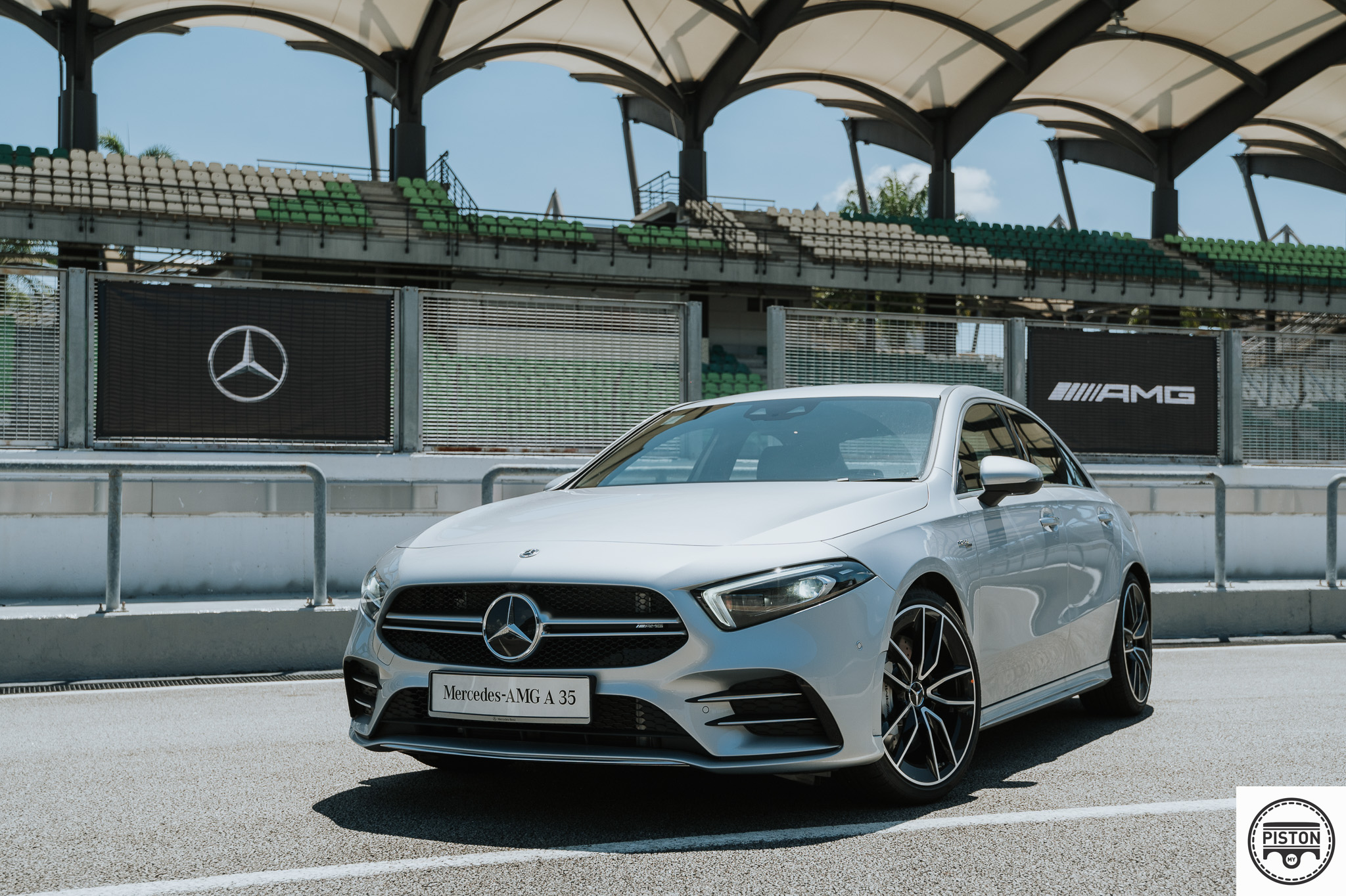
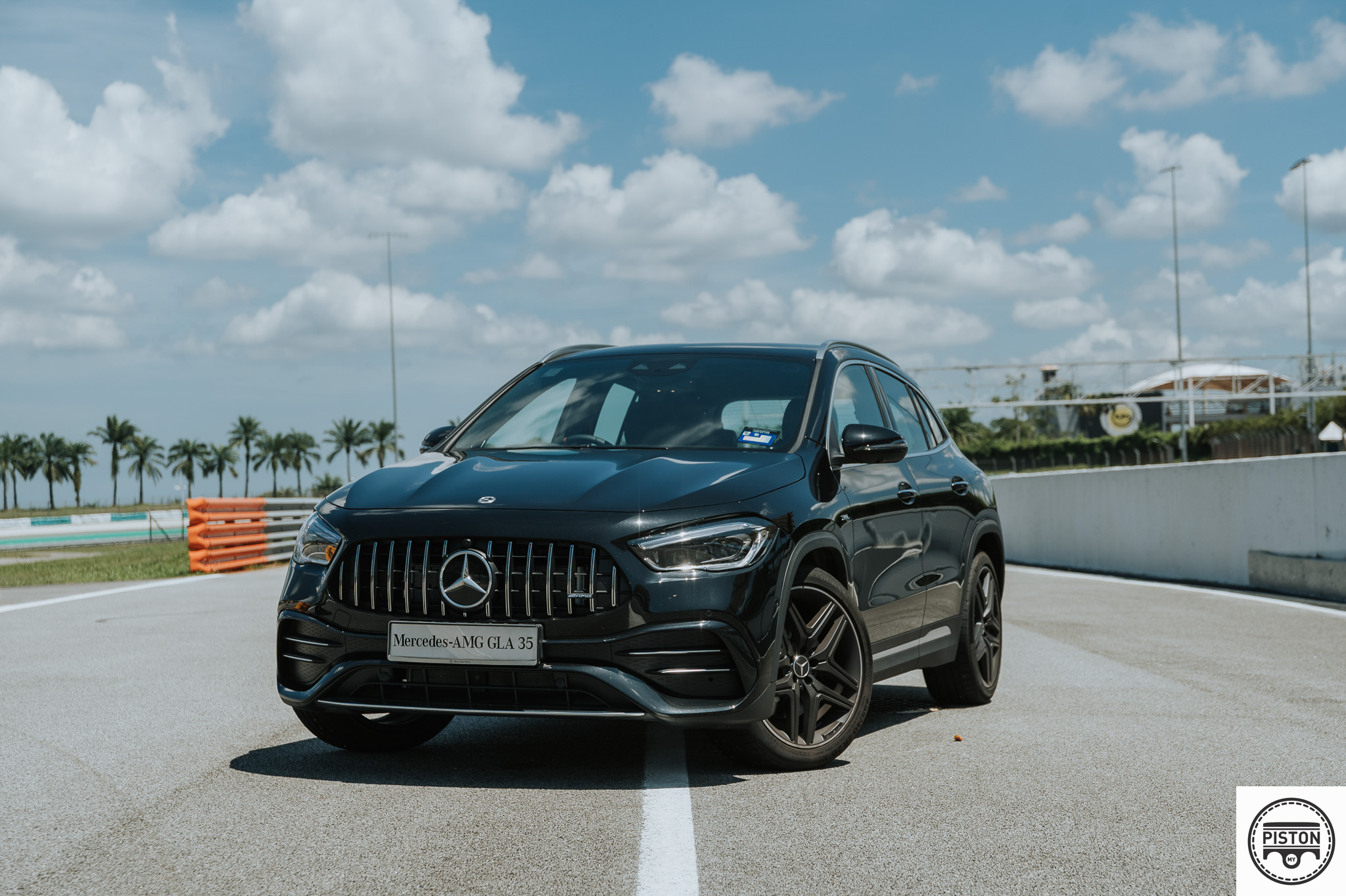
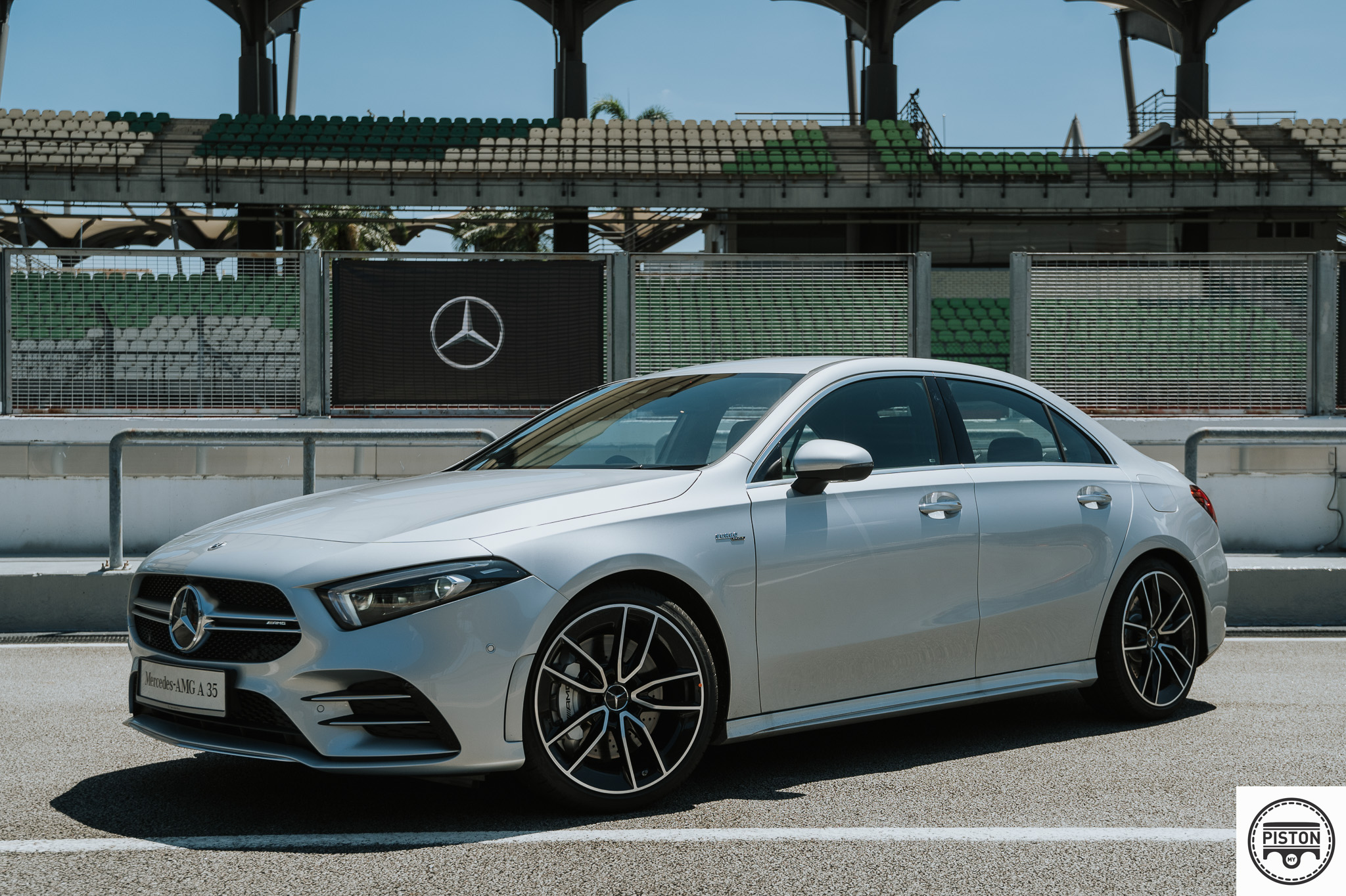
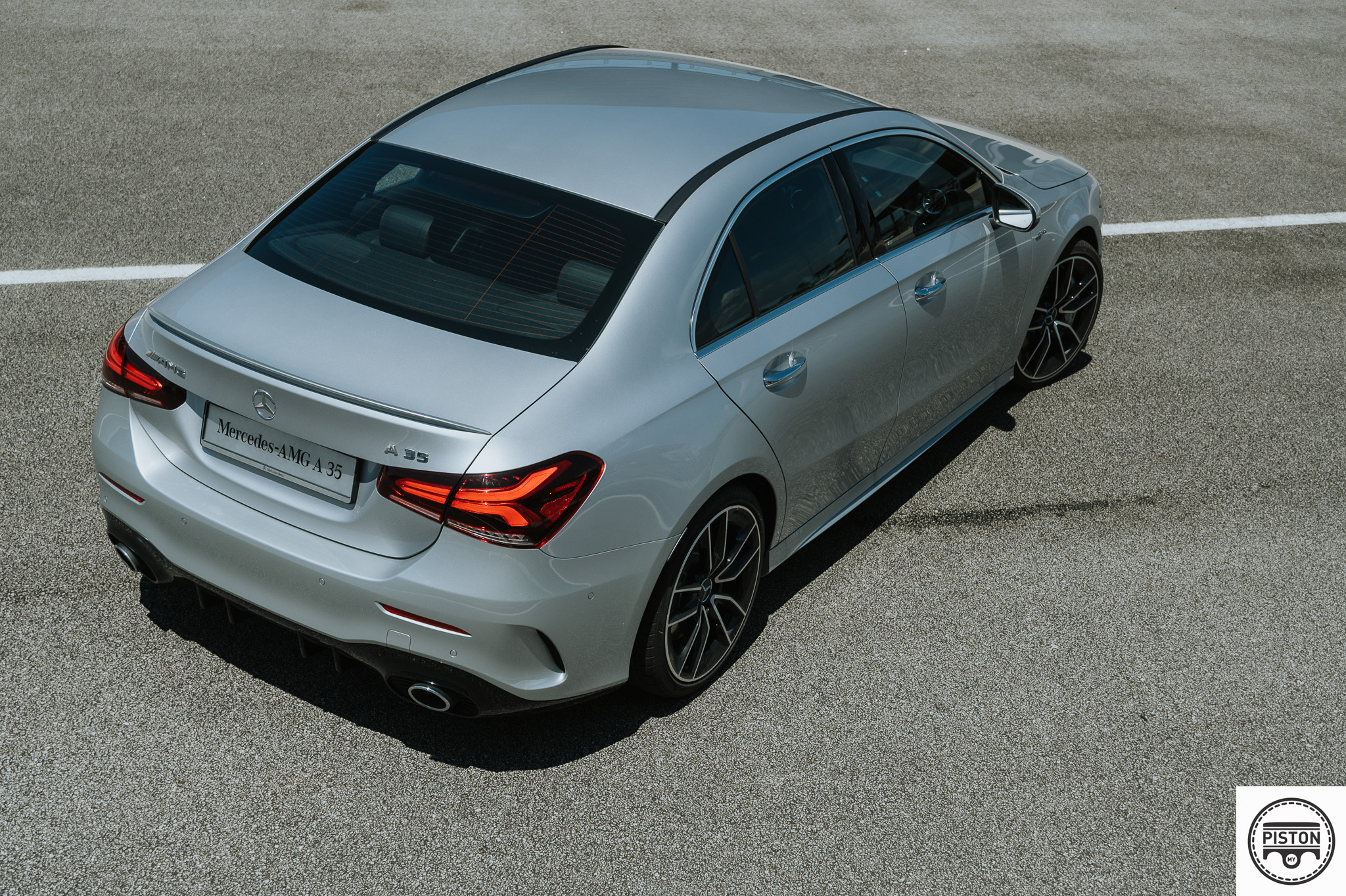
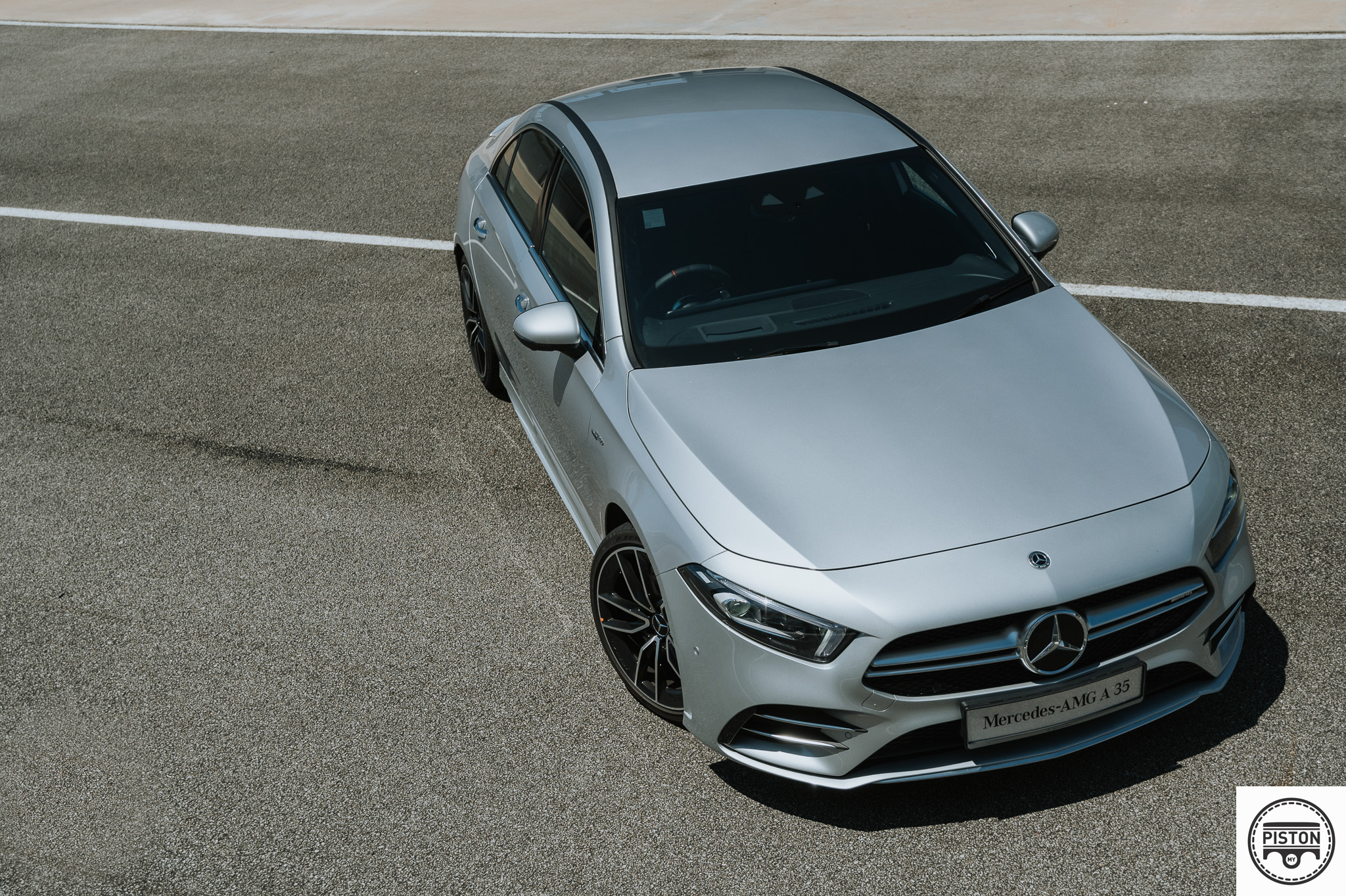
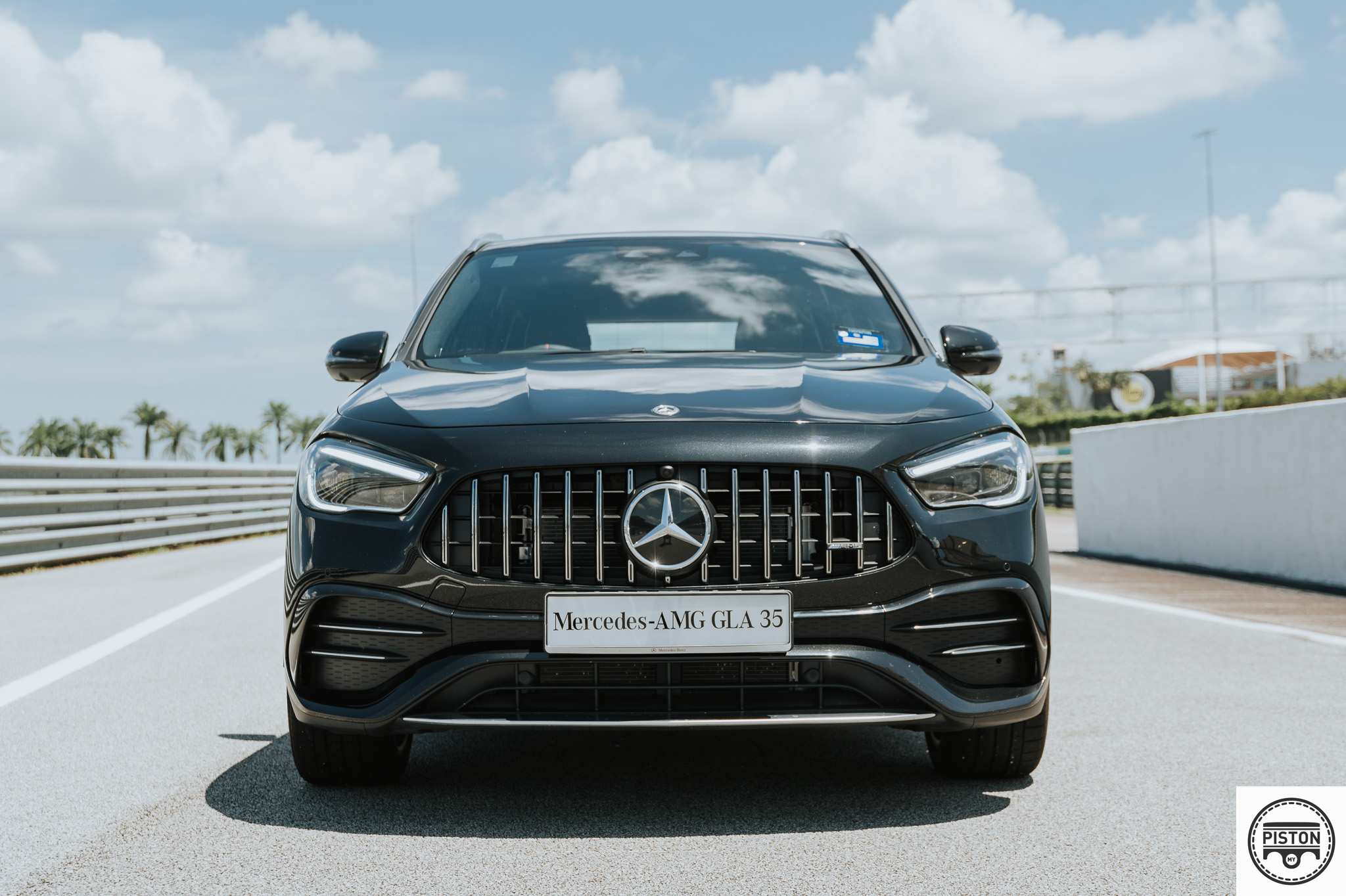
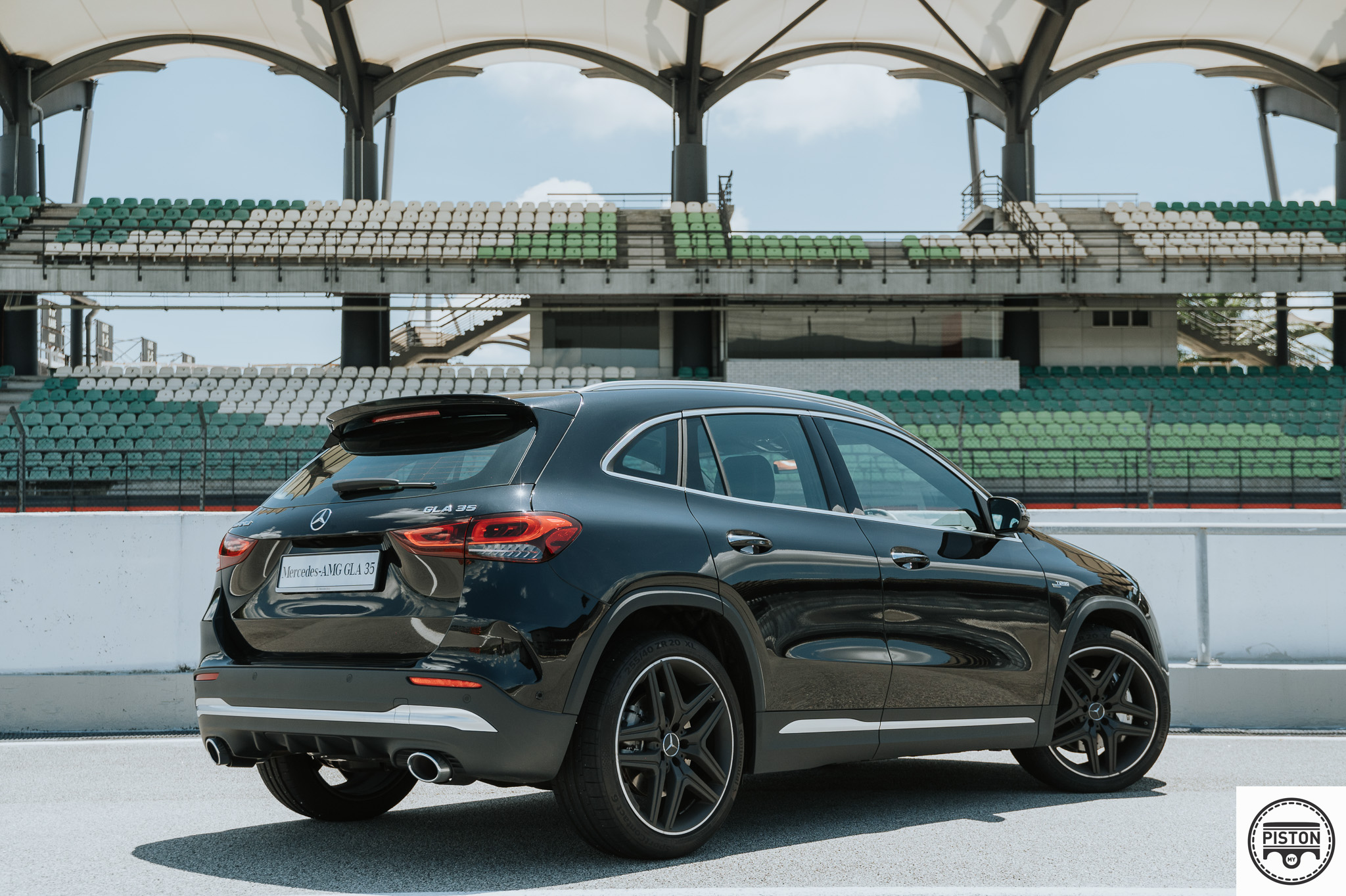
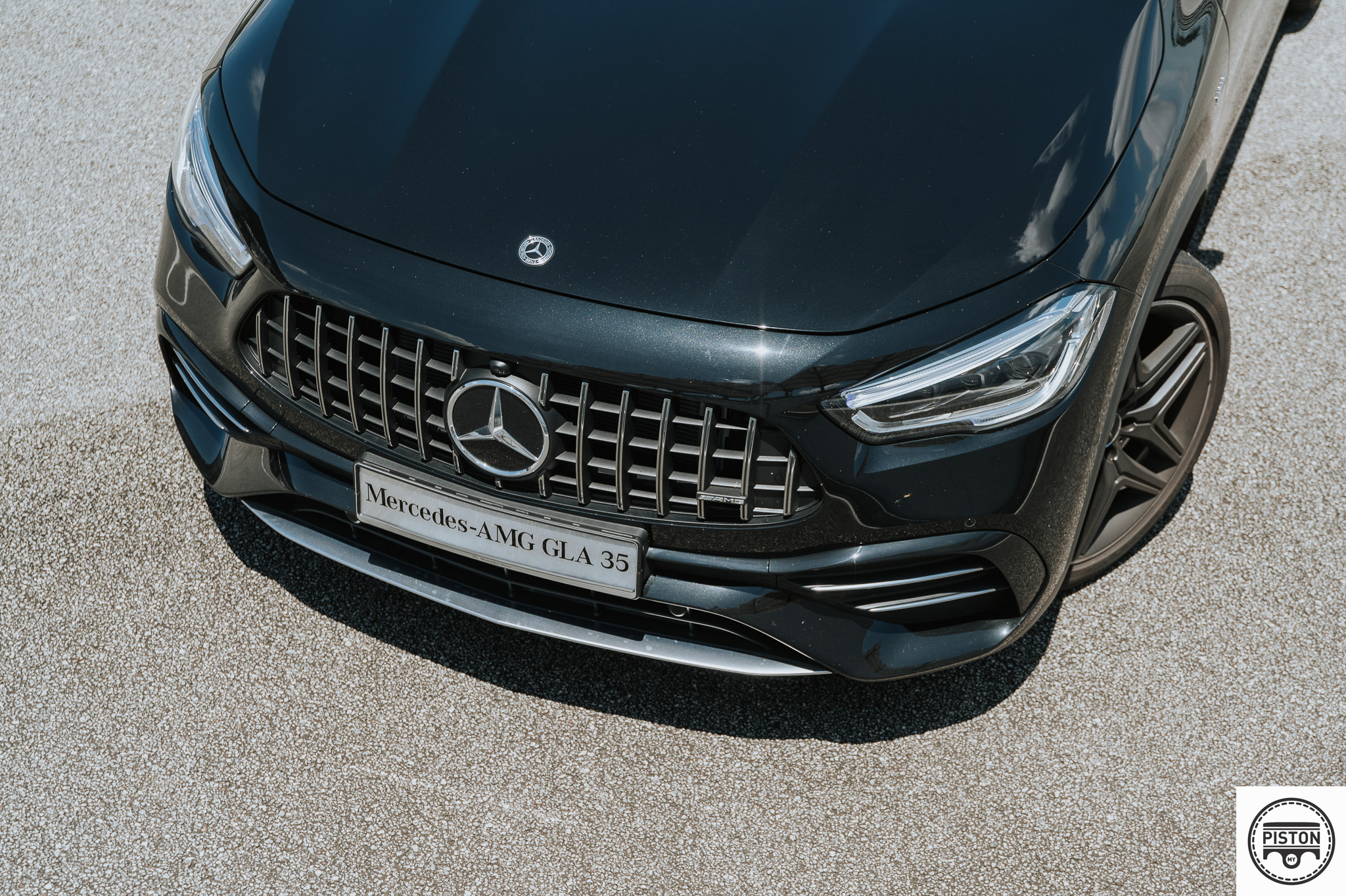
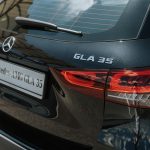
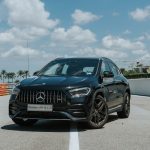
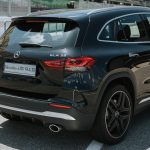
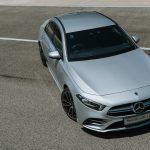
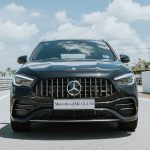
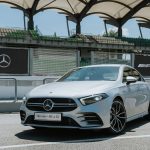
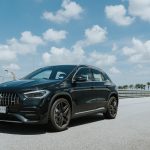
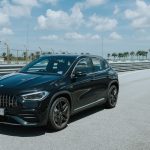
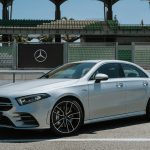
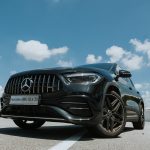
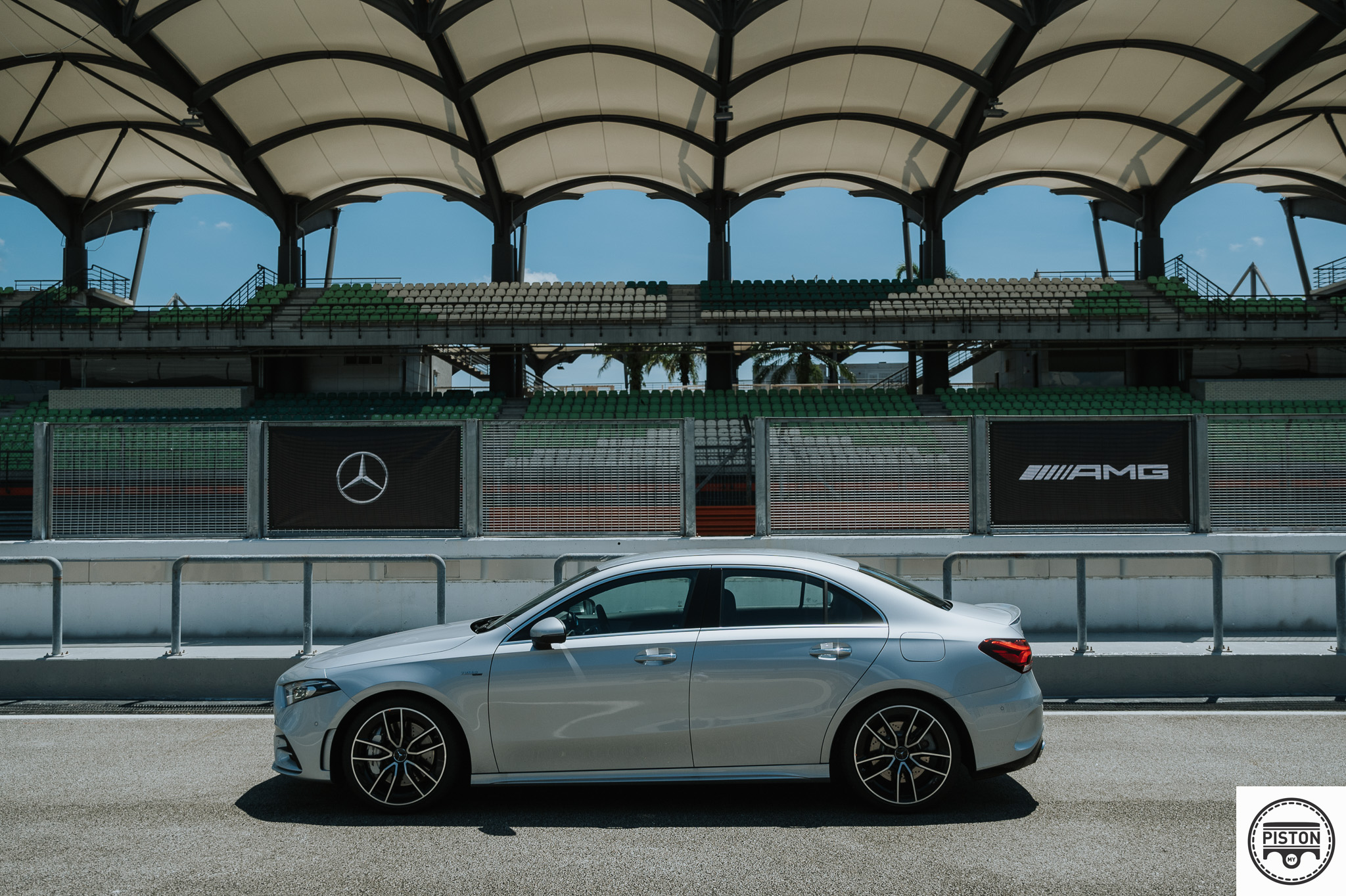
Mercedes-Benz Malaysia reached another milestone with the introduction of the locally assembled A 35 AMG and the GLA 35 AMG.

Previously, only the A 35 AMG was available in Malaysia in CBU form. The GLA 35 AMG expands the model line up and both cars are now assembled at the Mercedes-Benz plant in Pekan, Pahang.

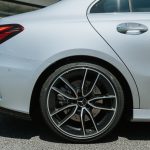
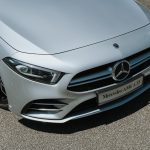
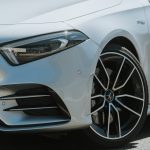
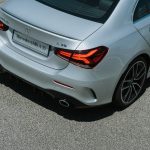
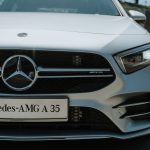
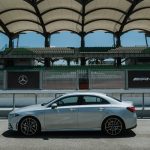
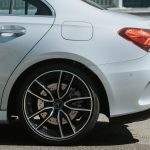
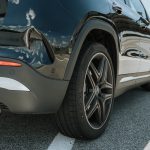
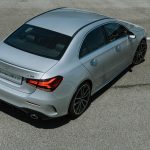
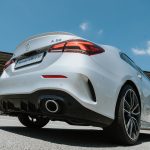
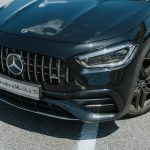
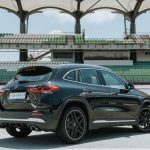
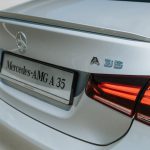
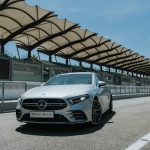
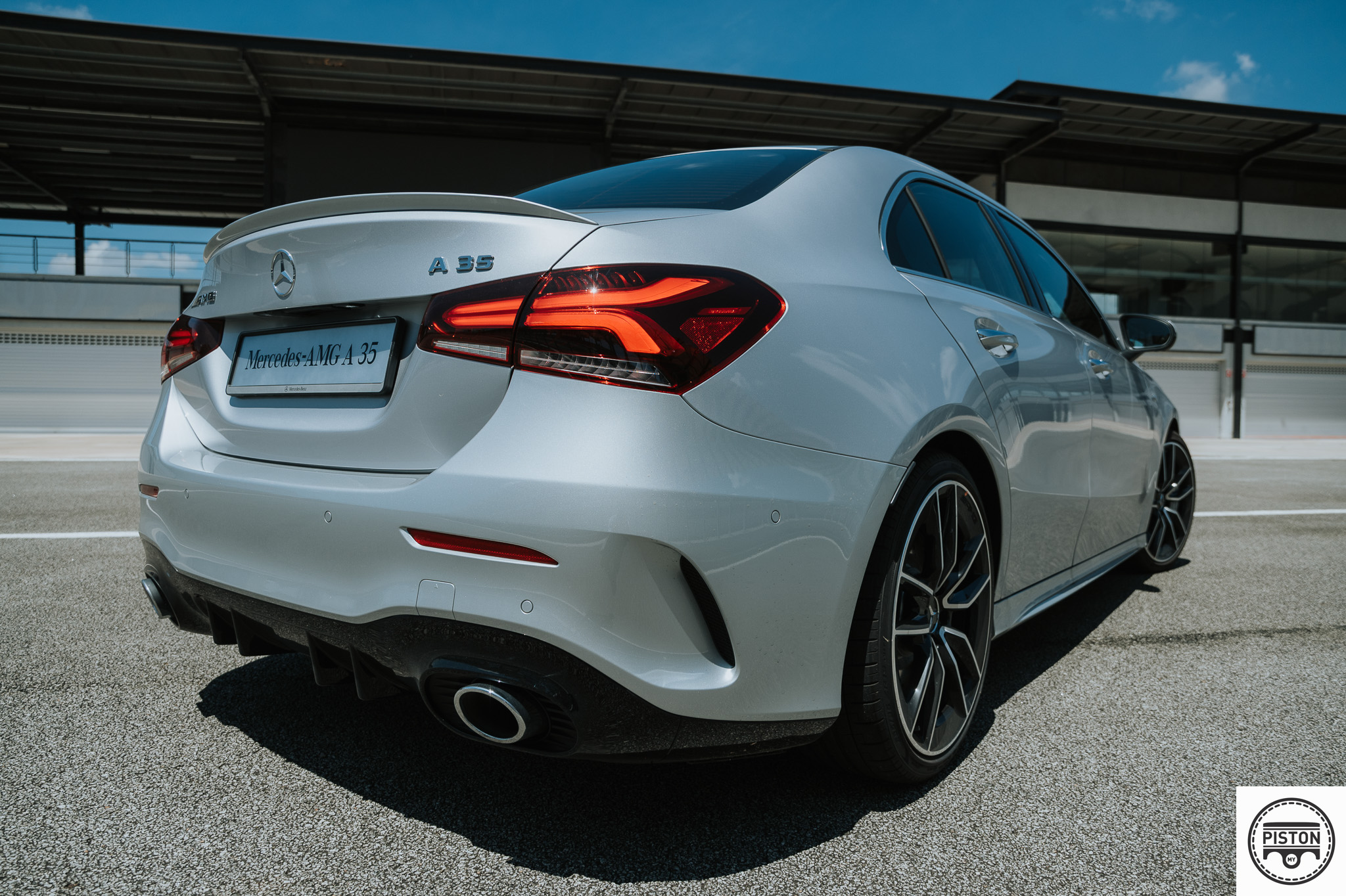
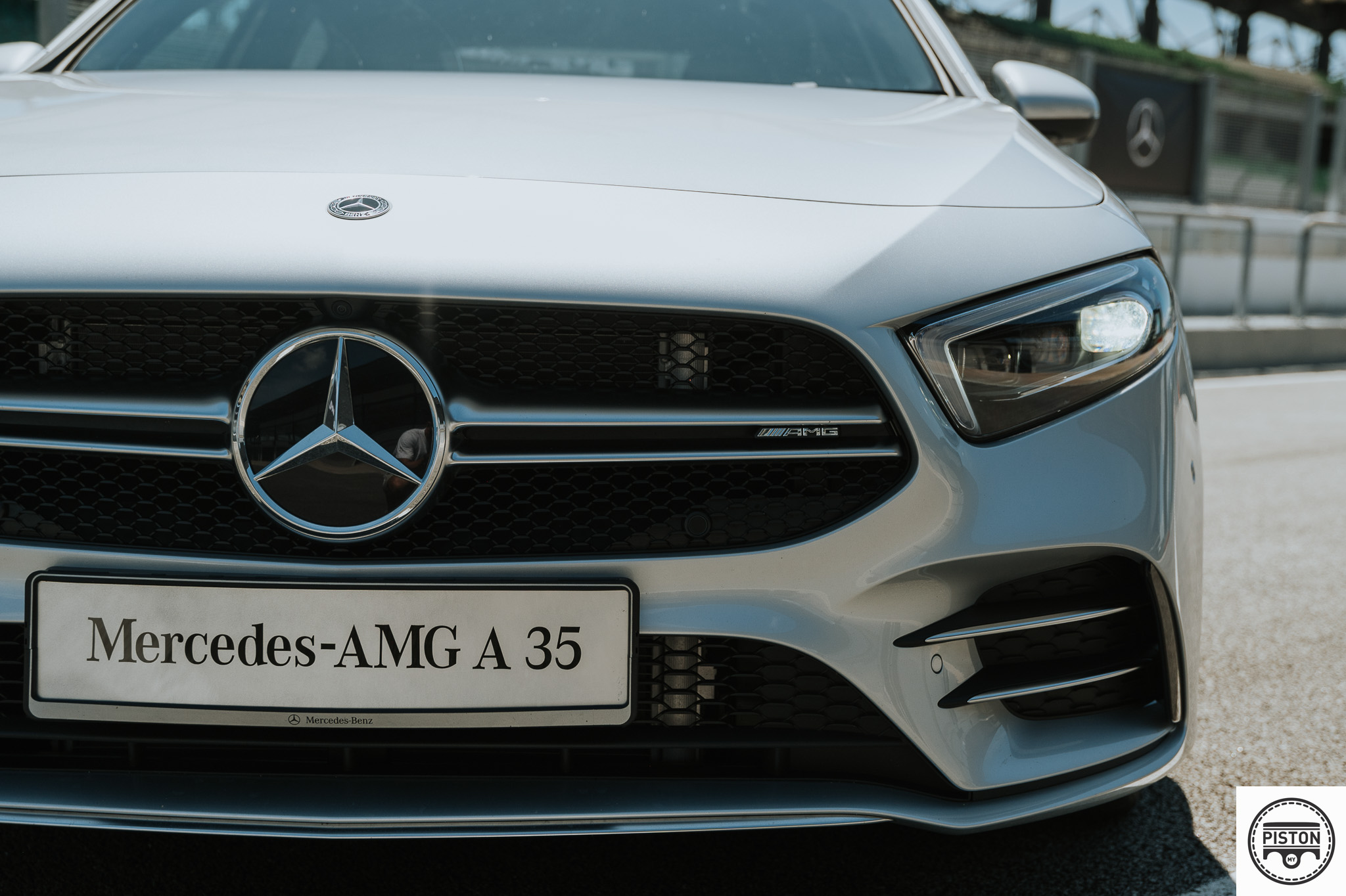
Visually the new A 35 AMG is nearly identical to the CBU model it replaces. It now runs on 19-inch AMG wheels which are nestled in wider wheel arches to accommodate the AMG wheels.

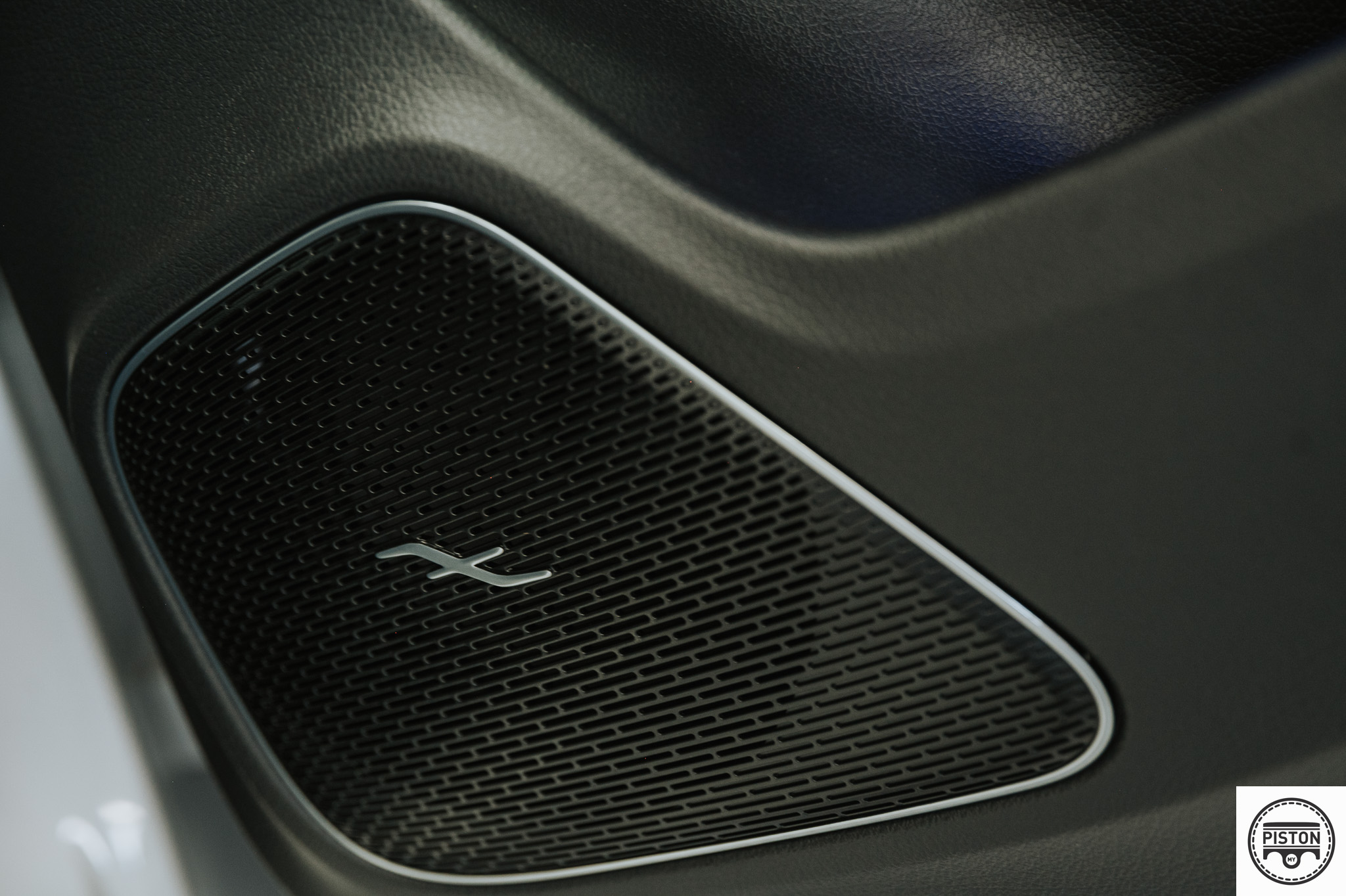
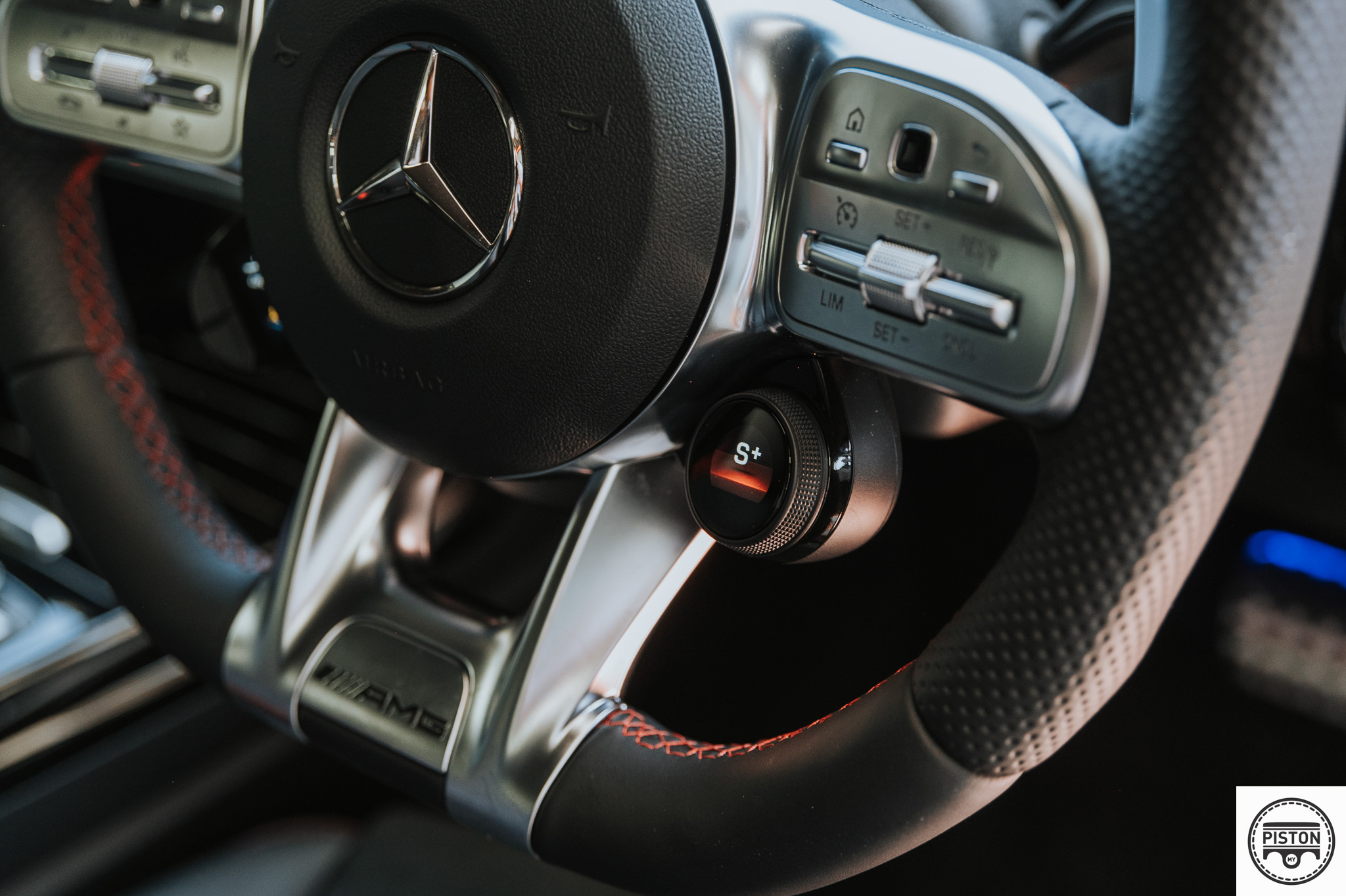
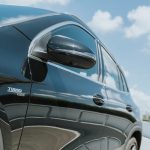
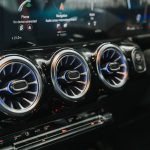
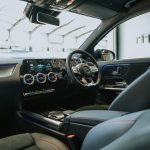
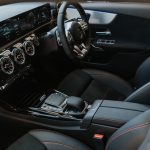
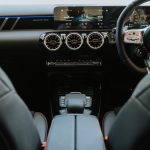
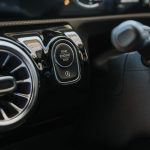
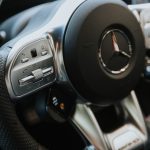
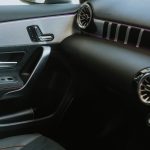
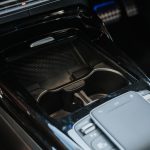
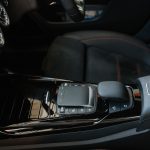
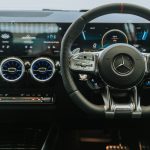
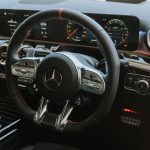
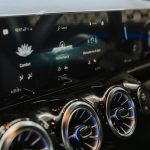
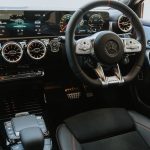
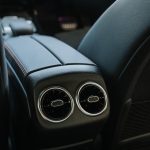
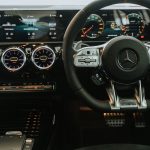
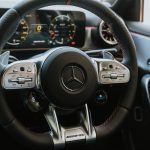
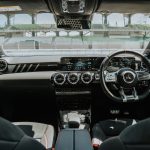
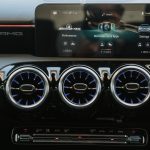
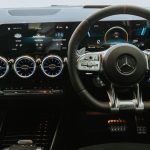
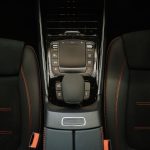
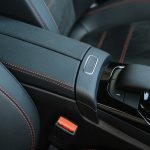
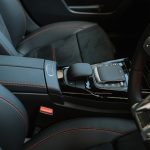
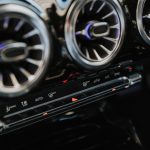
Inside, the new A 35 AMG offers an enhanced equipment range that includes a 360-degree camera, heads-up display and AMG steering buttons. There’s also a Keyless-Go comfort package, wireless charging and the MBUX interior assistant.

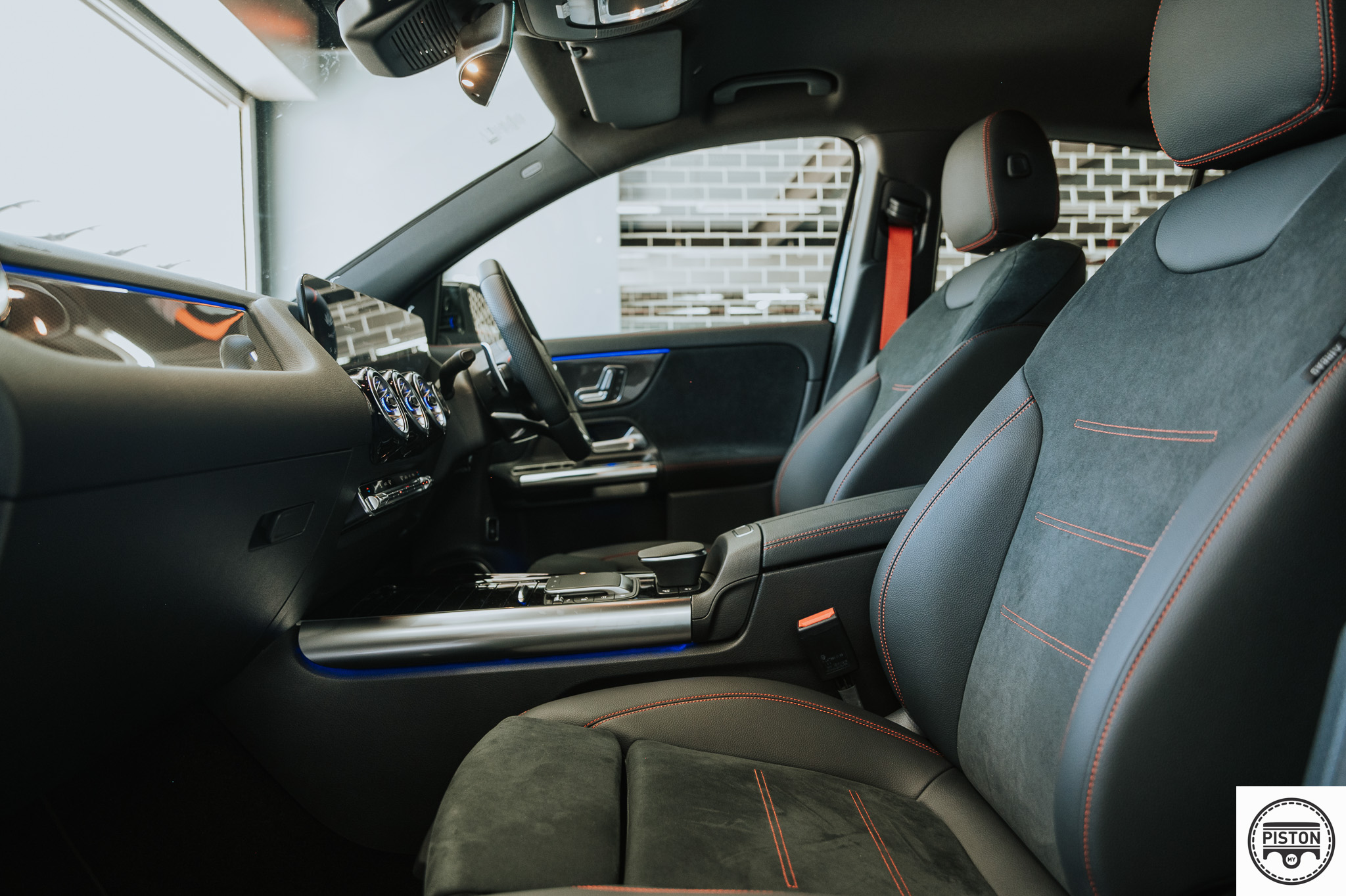
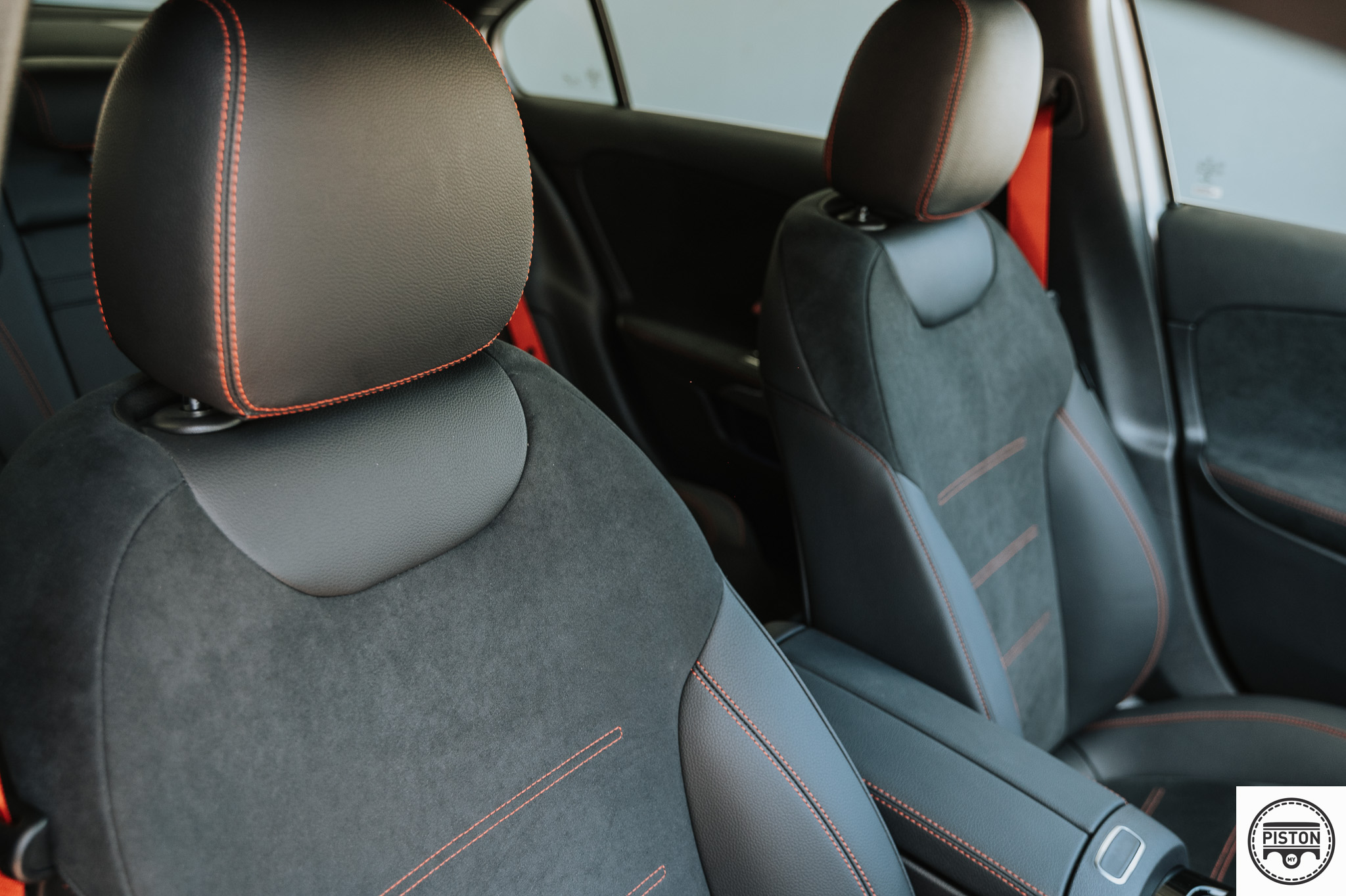
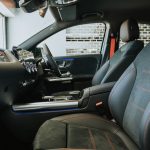
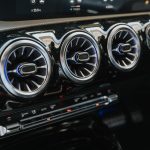
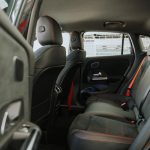
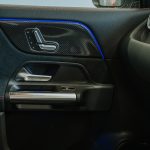
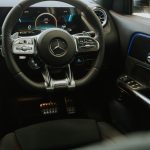
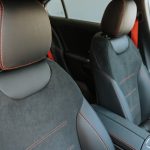
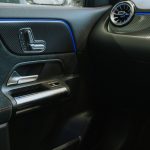
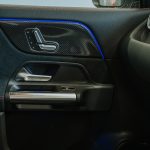
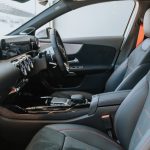
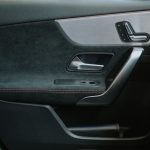
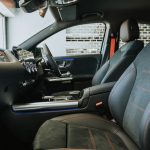
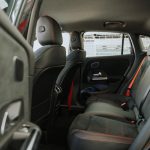
Other than that, the interior also comes with sports seats with electronic adjustment up front. The interior is available in optional ARTICO man-made leather or suede like DINAMICA microfibre black with AMG aluminium trimming in either black or silver.

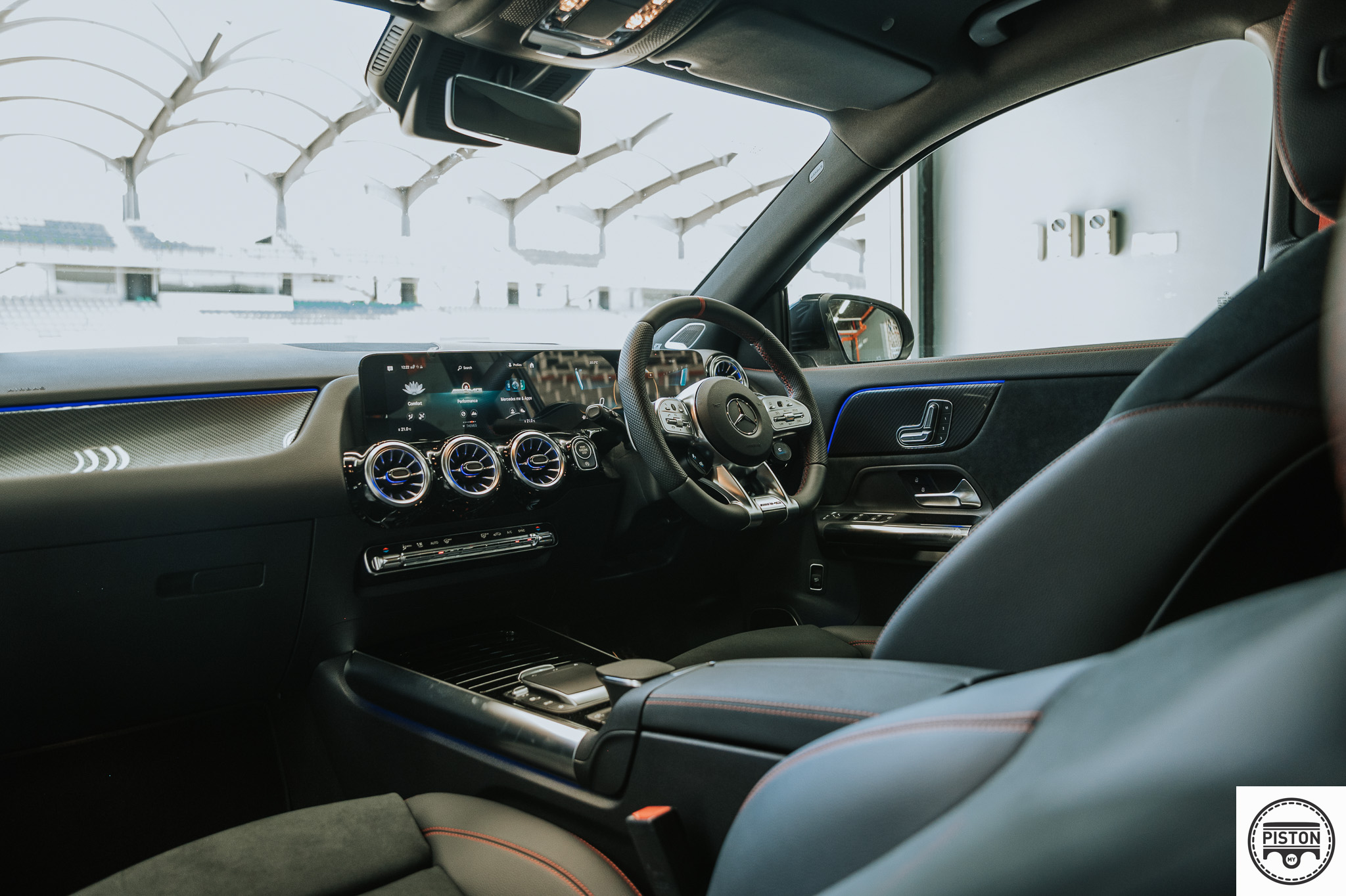
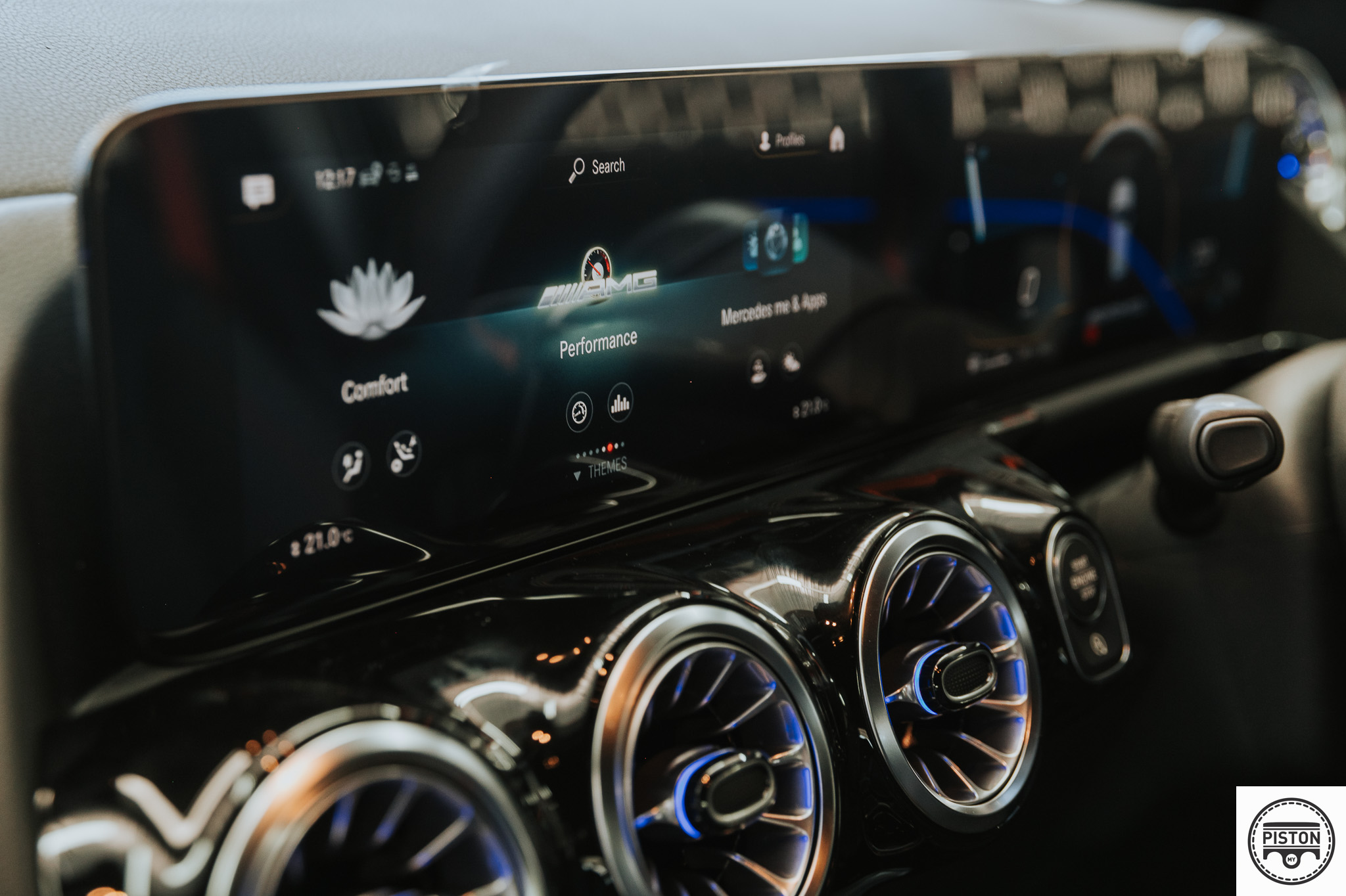
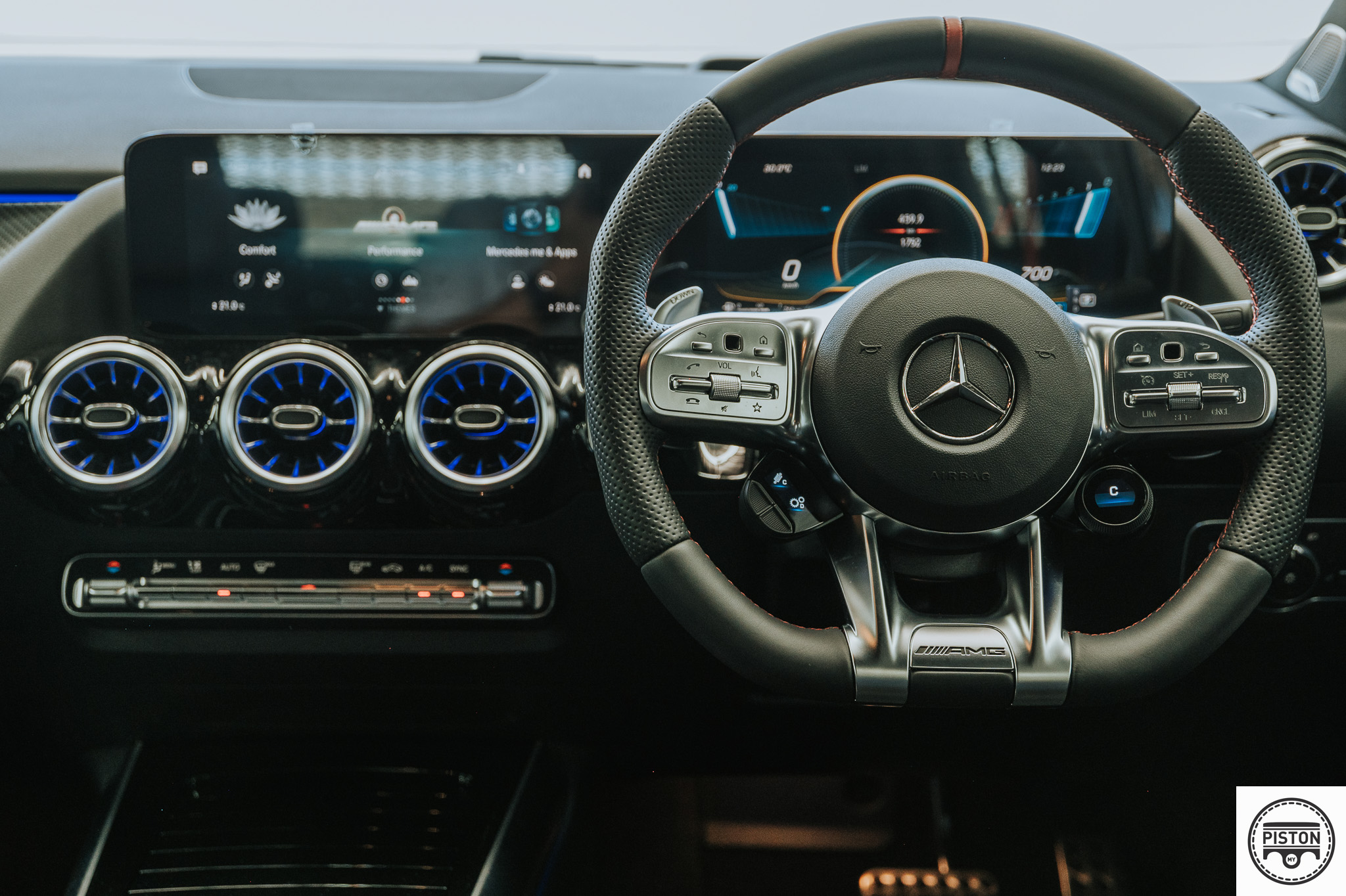
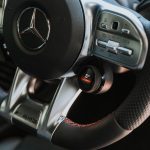
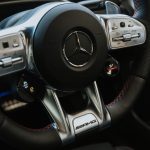
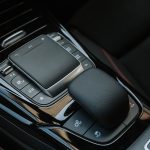
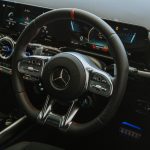
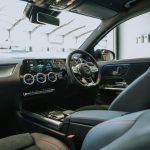
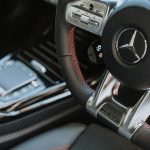
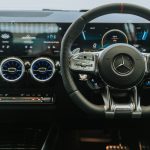
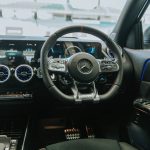
The interior of the GLA 35 AMG (shown below) is nearly identical. It features the same overall layout with the same MBUX system and offers the same leather options as the A 35 AMG but comes with carbon-fibre like trimming instead. Just like its sedan sibling, the GLA 35 AMG too offers the AMG Performance steering wheel wrapped in nappa leather.

The GLA also comes with a 360-degree camera, active park assist, blind spot assist, active lane keep assist, active brake assist and Keyless Go, among others.

But the similarities end there. The GLA 35 AMG distinguishes itself by offering the light and sight package as standard that comes with 64 ambient lighting option, an auto-dimming interior mirror and driver’s exterior mirror function.

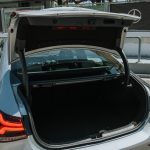
The GLA also offers the easy-pack powered tailgate and the Urban Guard vehicle protection with anti-theft alarm and interior monitoring system.

Both the A 35 and GLA 35 AMG come with the Burmester surround sound system.

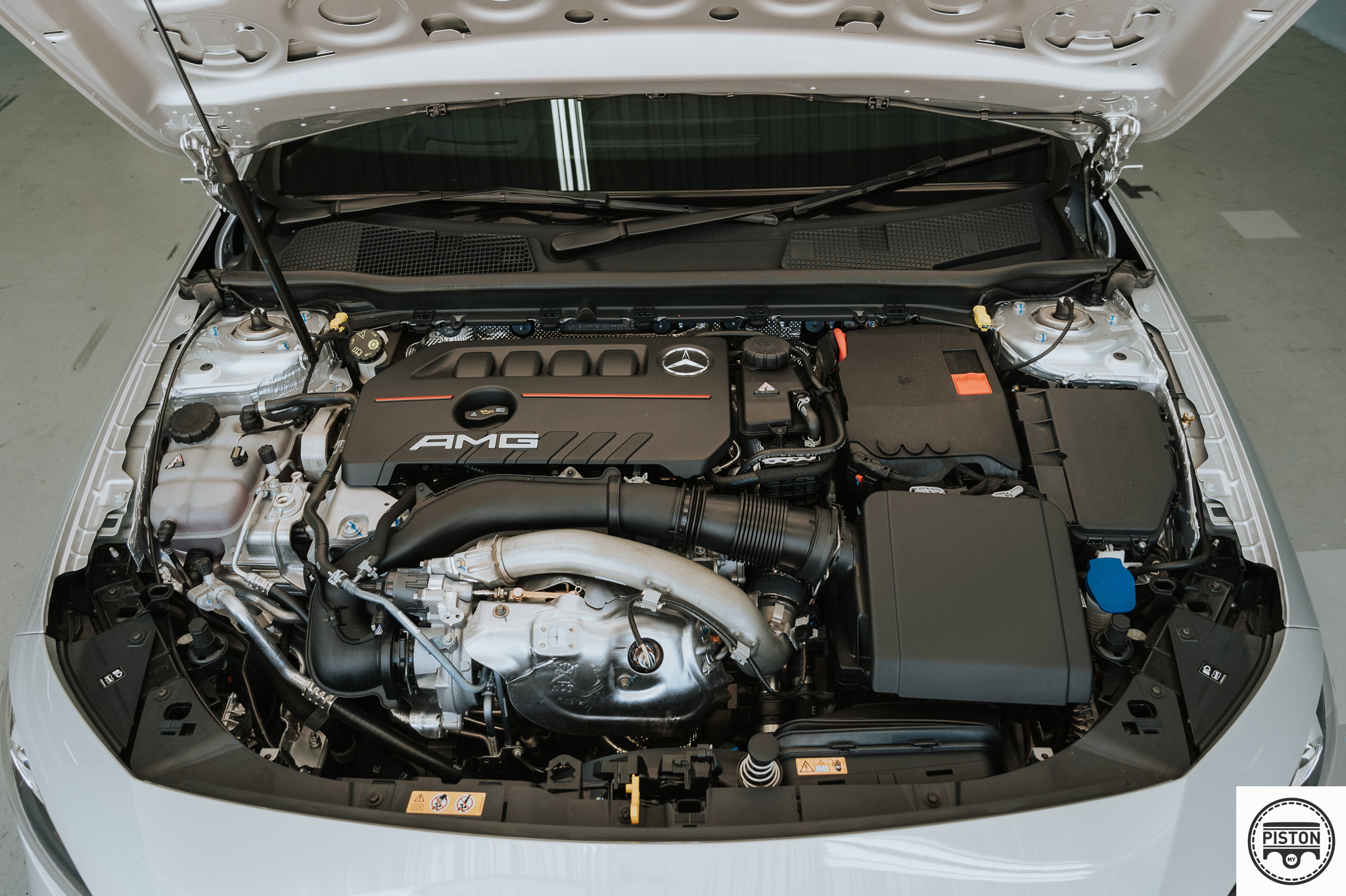
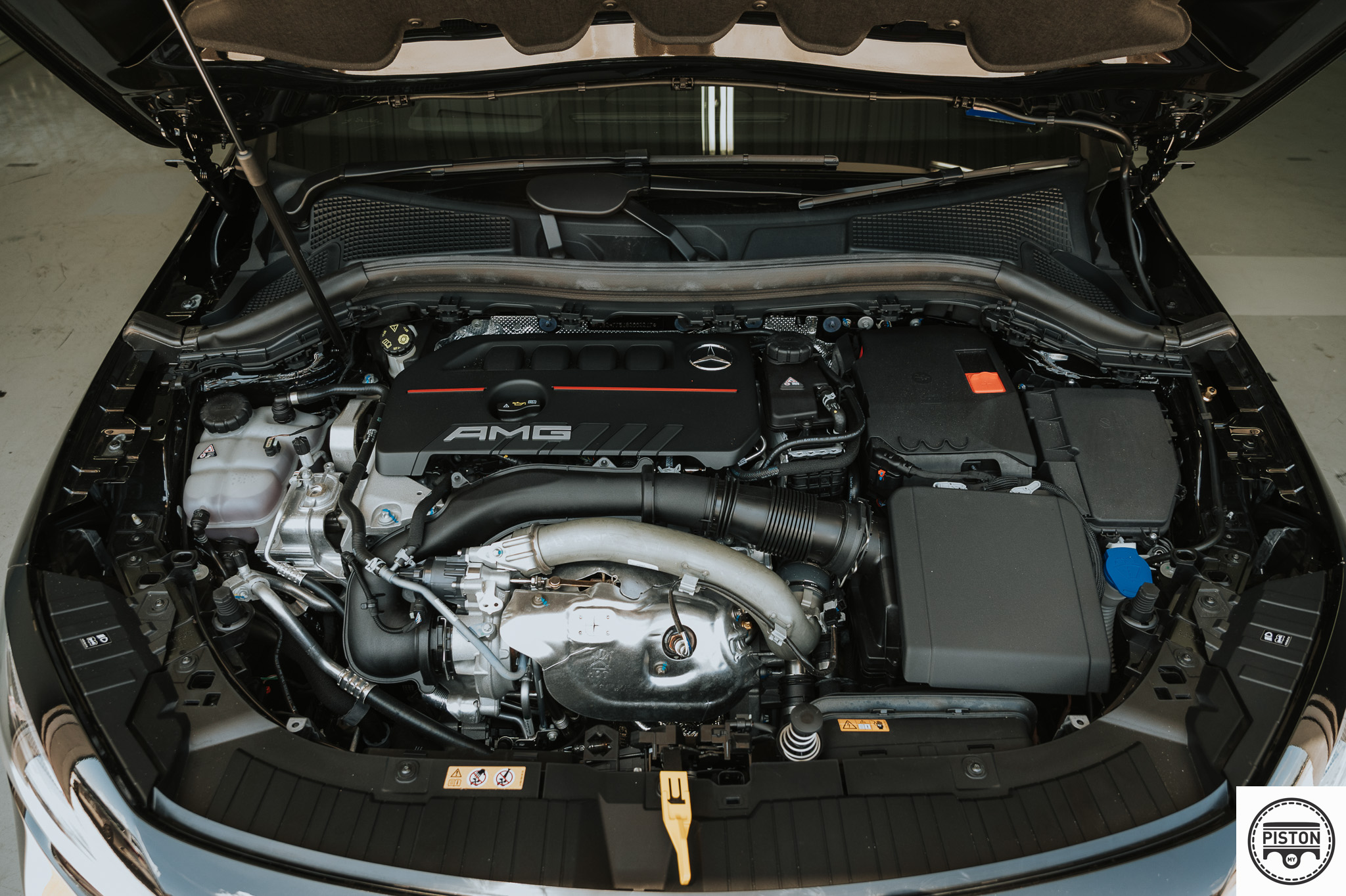
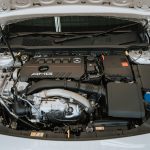
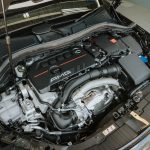
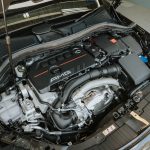
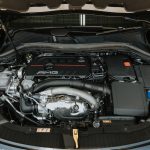
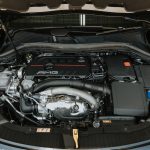
The interiors of both cars may be slightly different, but both cars are powered by the same M260 2.0-litre, four-cylinder, turbocharged engine that puts out 306hp and 400Nm of torque.

Both cars may share the same engine, but not the same gearbox. The A 35 AMG gets an AMG SpeedShift DCT 7G box while the GLA gets the AMG SpeedShift DCT 8G box.

This engine though is not new either and is carried over from the previous model and is a highly tuned version of the engine found in the A250.

Unlike the engines found in AMG models like the A 45S and above, the engine in the A 35 and GLA 35 is not put together by a single person, which is an integral part of the AMG ‘one man, one engine’ ethos.

But that is not to say that the cars are not proper AMGs.

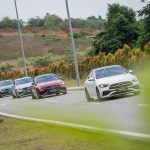
As part of the launch, we were given three laps of the north track of the Sepang Circuit in both cars.

Both cars felt eager and responded to the tiniest of throttle input, which gave it a very edgy character.

We started and ended the drive in the Sport Plus driving mode. There are four driving modes on offer with Sport Plus being the most extreme with all systems on full alert.

Despite both cars coming with AMG Ride Control suspension, the GLA had noticeable body roll around the tighter corners of Sepang.

This is quite understandable because the GLA has a taller ride height and as such will tend to roll around a lot more than the A-Class.

The A 35 AMG thought felt like the wilder sibling. The one that did not get the full parental supervision and as such grew up to be the brawler.

The A 35 feels like it truly benefited from the AMG Suspension. It felt more planted in fast corners, and body roll was non-existent in tighter ones.

It did feel like it had more understeer than the GLA, but at no point did it feel unmanaged. After all, both cars comes with the Mercedes-Benz 4MATIC system that sends power to the axle that needs it the most.

In terms of outright performance, the A 35 accelerates harder than the GLA, it does the century sprint in just 4.8 seconds while the latter does it in 5.2.

After the drive, it was clear that the GLA 35 AMG is more suited to comfort and convenience. It is a car for the family man who wants a dash of sports.

The A 35 AMG though is for the wilder ones. If you appreciate a car that rewards hard driving and corner carving, the A 35 AMG is the car for you.

Both offer well built cabins with impressive features, and there’s no louder testament that you have made it in life than a AMG badge.

The GLA 35 AMG is now available at RM345,048.74 with SST exemption while the A 35 AMG retails at RM325,090.23 before SST.

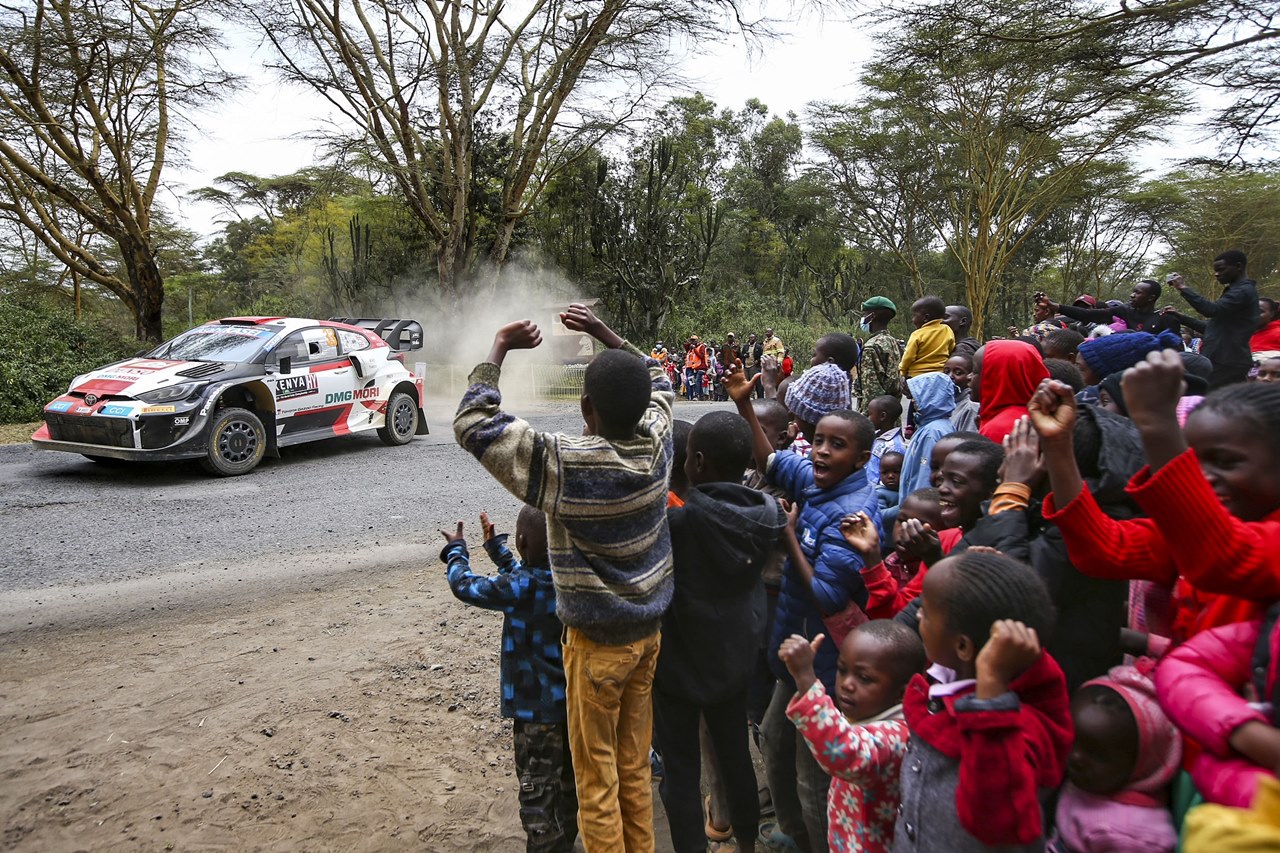
A year ago, the Toyota GAZOO RACING team won the Safari Rally Kenya, the Japanese carmaker’s  first on the gruelling African event since Yoshio Fujimoto/Arne Hertz won the 43rd Safari in 1995 in a Toyota Celica Turbo 4WD.

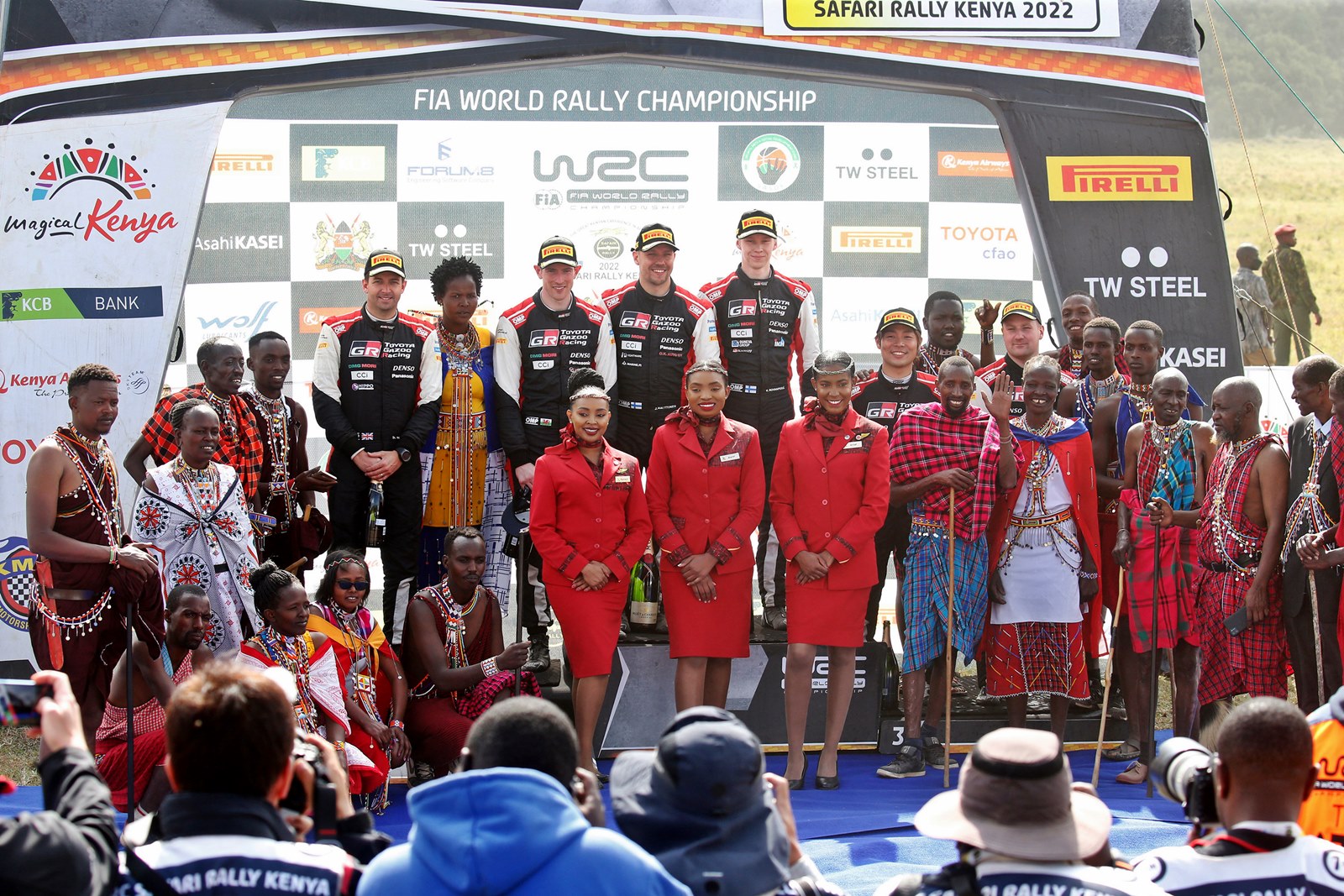
This year, doing even better than the 1-2 finish in the 2021 event, TOYOTA GAZOO Racing made a remarkable clean sweep of the top 4 positions with the GR YARIS Rally1 car. Elfyn Evans and Takamoto Katsuta joined winner Kalle Rovanpera on the podium, with Sebastien Ogier (last year‘s winner) in fourth. The next best-placed car finished 8½ minutes behind the Toyota quartet.

It was also a landmark 10th victory for Toyota on the famous African event, and the first time it has achieved a 1-2-3-4 finish in the WRC since the very same rally in 1993. Only once has any other manufacturer achieved the same feat in the championship in nearly three decades since.

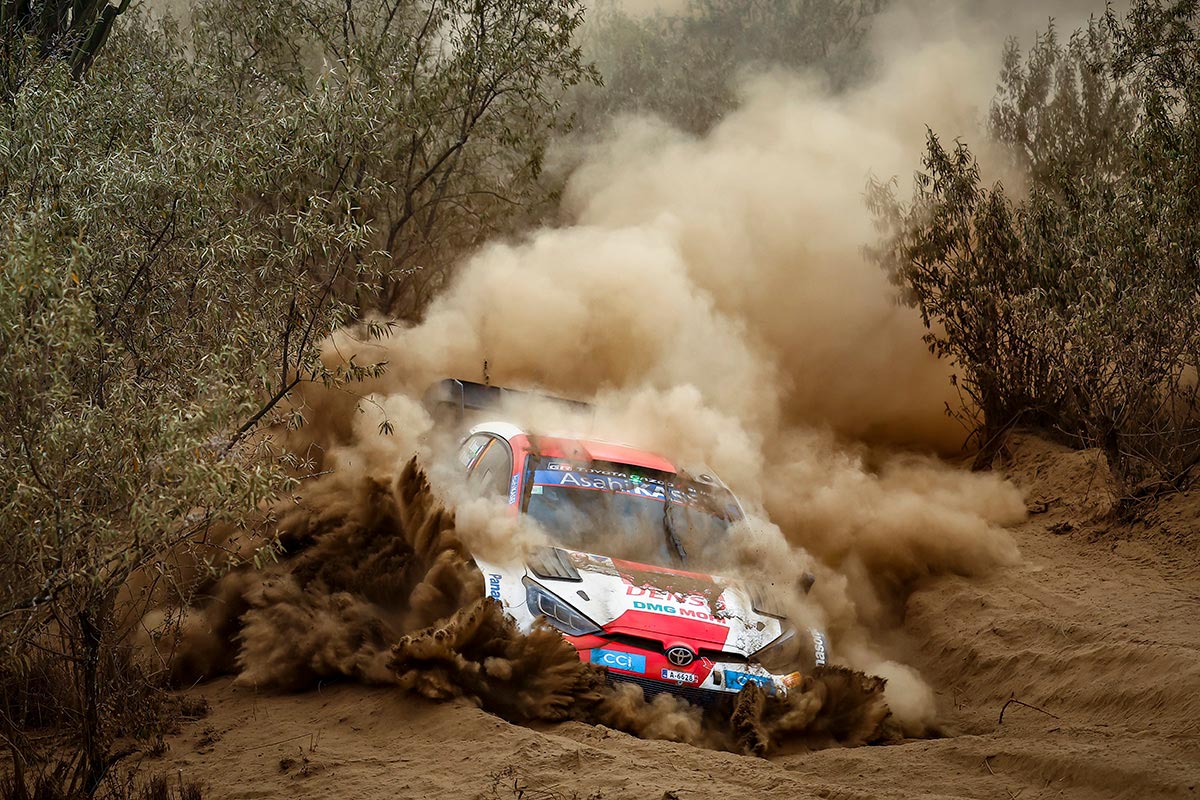
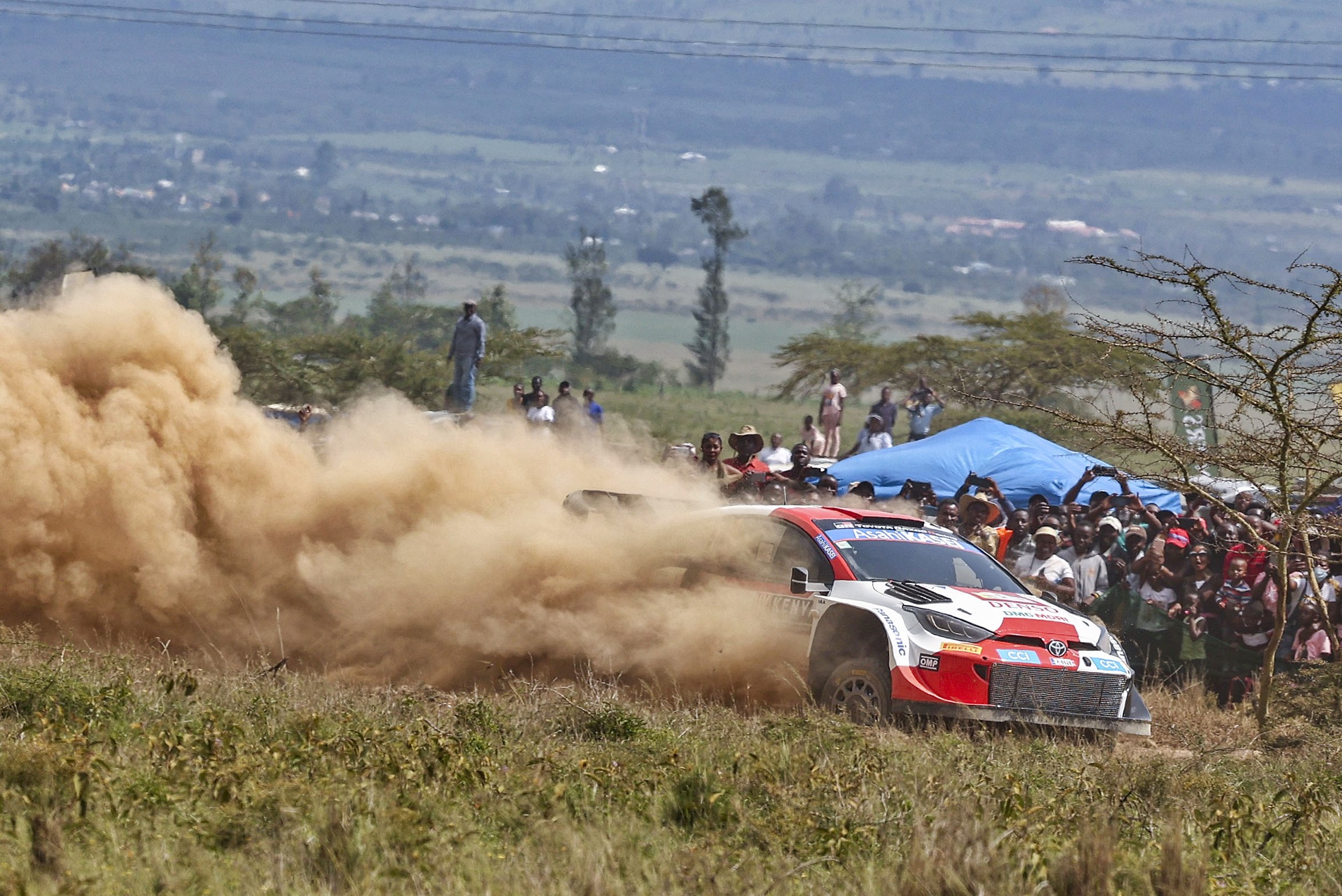
In its second running since returning to the WRC calendar last year, the Safari delivered even tougher conditions, including deep ‘fesh-fesh’ sand on Friday and wet and muddy surfaces on Saturday in addition to the ever-present rocks and stones. It was by far the hardest challenge yet for the new generation of hybrid-powered Rally1 cars.

Rovanpera had an early scare when he ran wide on the very first corner on Thursday’s opening super special in Nairobi and knocked a tyre off its rim. But he and co-driver Jonne Halttunen ran faultlessly thereafter on the way to their fourth victory in 6 rounds, increasing their championship lead to 65 points.

Rovanpera actually never expected to win this rally. He arrived in Kenya with a commanding points lead and played down his glory hopes, instead starting with the mindset that any points from the championship’s roughest encounter would be a bonus. And despite feeling unwell, he strengthened his position on Saturday and thrived in waterlogged conditions as downpours derailed many of his rivals’ hopes. The sizeable 40.3-second margin he carried into Sunday’s finale was extended further by another 2 fastest times and the youngster ended the tough 4-day event in the lead of the Yaris quartet.

Evans and his co-driver Scott Martin also performed superbly and ran their team-mates close for the victory, remaining within 20 seconds of the lead until the rain hit on Saturday afternoon. They finished up 52.8 seconds away as they scored their second podium of the season.

Ogier, the 2021 event winner, led for most of Friday in the defence of his crown until he had to stop and change a tyre on the day’s final stage, losing over 2 minutes. He and co-driver Benjamin Veillas fought back to fourth overall and, with their team-mates focused on reaching their finish, set the third-fastest time in the rally-ending Power Stage to add to the team’s points haul from the weekend. Its Manufacturers’ championship lead has increased to 62 points.

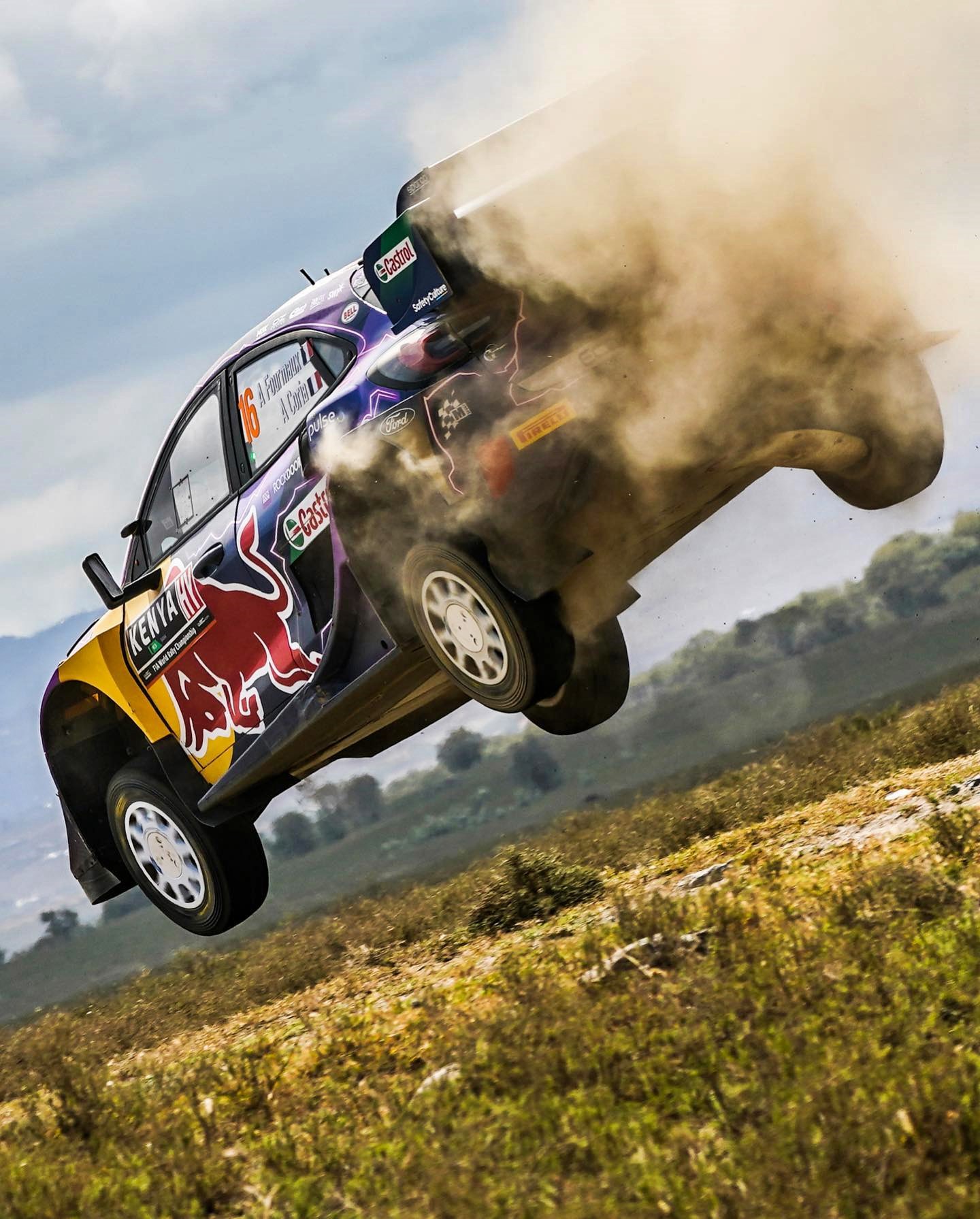
The hotly-anticipated battle with compatriot Sebastien Loeb never materialised either, as the 9-time world champion retired his M-Sport Ford Puma with engine problems on Friday. Nevertheless, Ogier was able to bring home more solid points for Toyota during his part-time campaign.

Hyundai Motorsport’s Thierry Neuville was over 10 minutes behind in fifth overall, despite incurring a 10-minute penalty when he crashed into a tree and failed to finish Saturday’s Sleeping Warrior finale. It was a weekend to forget for the Korean manufacturer, with Estonian Ott Tanak’s i20 N also sidelined by a broken propshaft on the penultimate leg and retiring for a second time with power steering failure on Sunday.

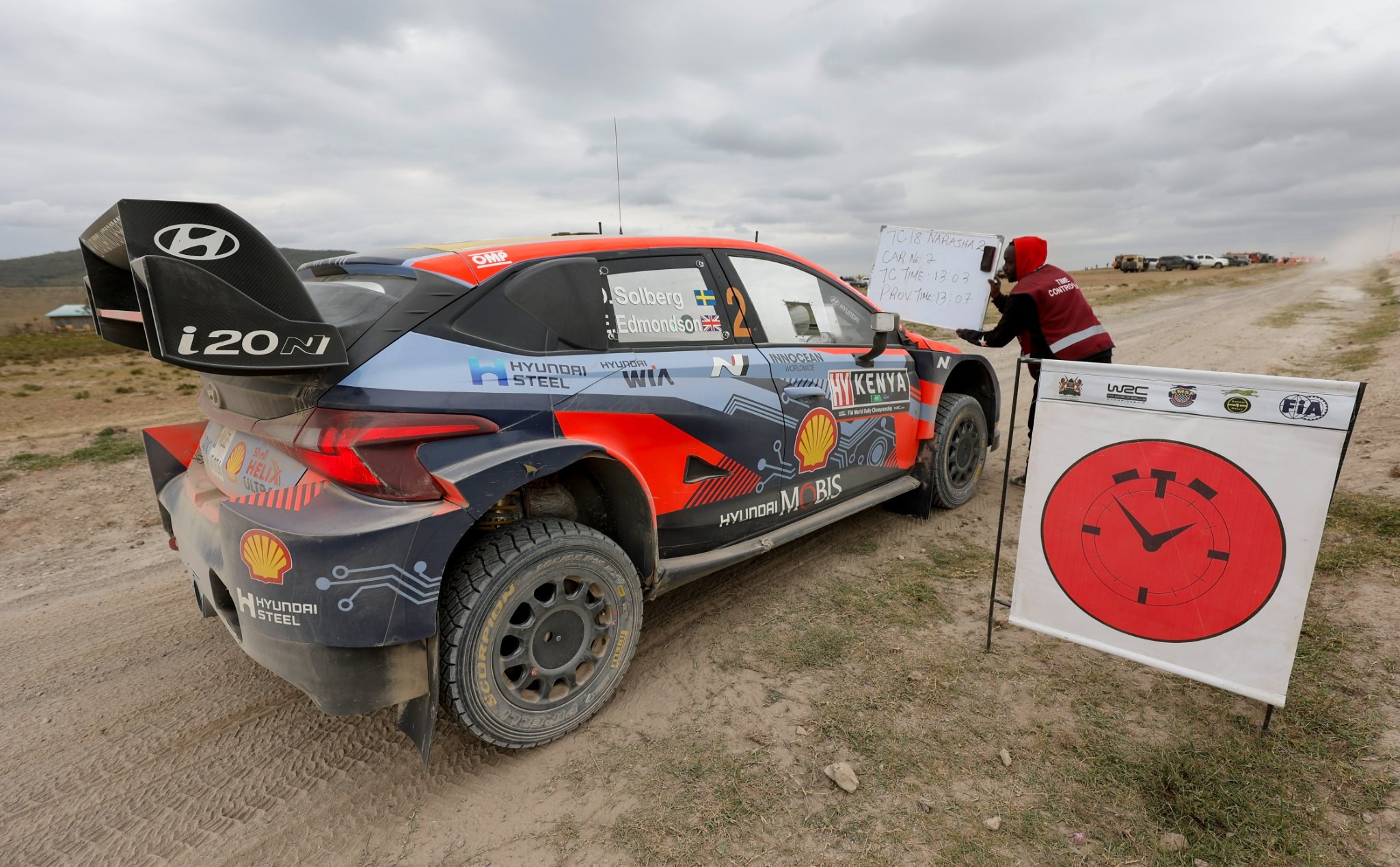
Craig Breen restarted after his early bath on Friday and ended as M-Sport Ford’s leading driver in sixth overall despite nursing suspension problems. Breen gained a position when Oliver Solberg stopped in the middle of the road with an air filter full of dust, causing the cancellation of Sunday’s opener. The young Swede eventually got going again but was plagued by a mechanical issue in the closing speed tests and dropped to 10th.

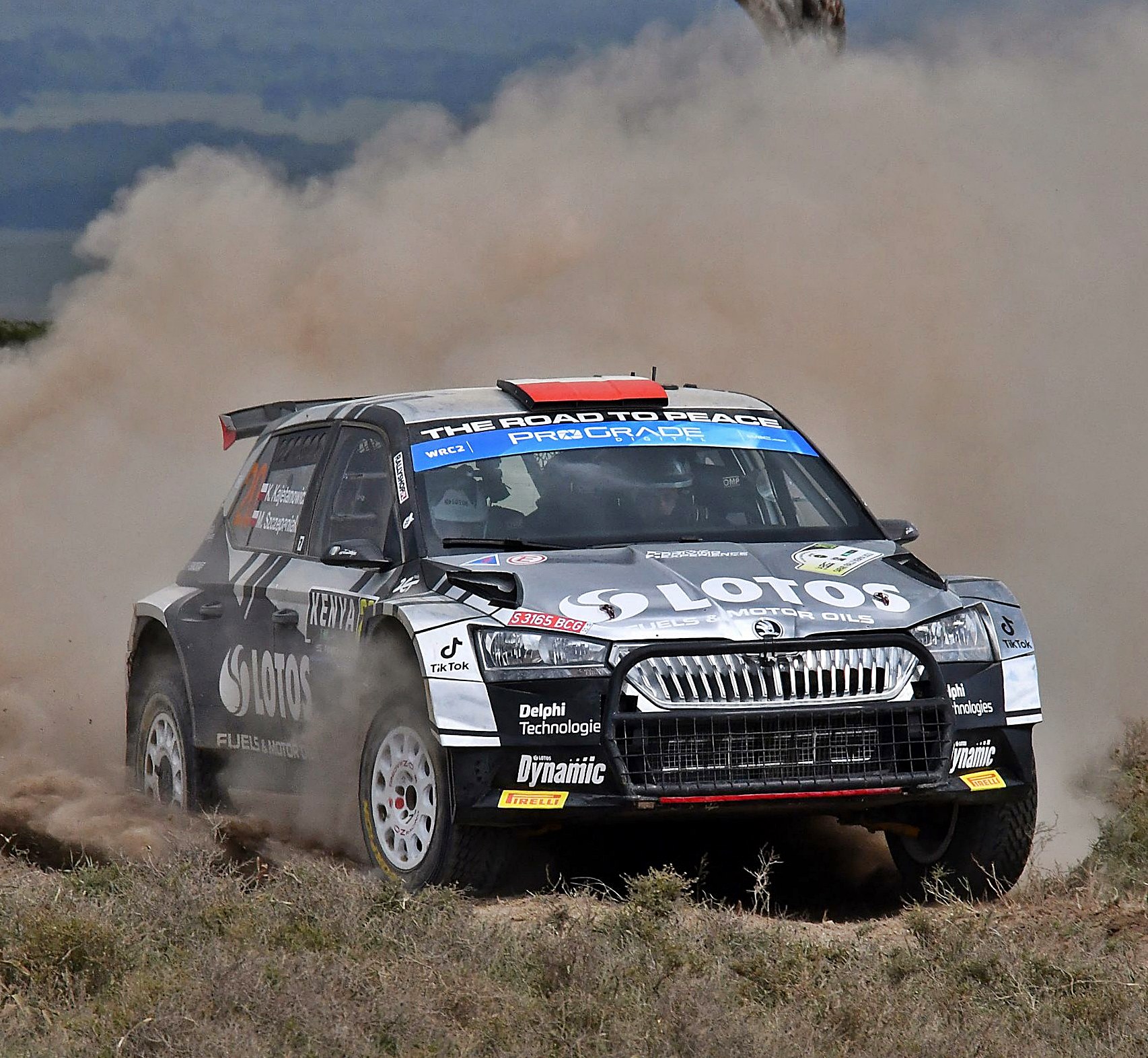
Competing in Africa for the first time, and having led from start to finish in a Skoda Fabia Rally2, Kajetan Kajetanowicz won the WRC2 class by the massive margin and topped off a perfect weekend by scoring maximum bonus points in the rally-closing Wolf Power Stage. He leapt from fifth in the standings to lead by 5 points after six of 13 rounds.
RESULTS (TOP TEN)
1. Kalle Rovanpera/Jonne Halttunen (Toyota GR YARIS Rally1) 3:40:24.9 secs
2. Elfyn Evans/Scott Martin (Toyota GR YARIS Rally1) +52.8 secs
3. Takamoto Katsuta/Aaron Johnston (Toyota GR YARIS Rally1) +1 min 42.7 secs
4. Sebastien Ogier/Benjamin Veillas (Toyota GR YARIS Rally1) +2 mins 10.3 secs
5. Thierry Neuville/Martijn Wydaeghe (Hyundai i20 N Rally1) +10 mins 40.9 secs
6. Craig Breen/Paul Nagle (Ford Puma Rally1) +23 mins 27.9 secs
7. Jourdan Serderidis/Frederic Miclotte (Ford Puma Rally1) +30 mins 16.5 secs
8. Sebastien Loeb/Isabelle Galmiche (Ford Puma Rally1) +32 mins 12.6 secs
9. Kajetan Kajetanowicz/Maciej Szczepaniak (Skoda Fabia Rally2 evo) +35 mins 37.6 secs
10. Oliver Solberg/Elliott Edmondson (Hyundai i20 N Rally1) +37 mins 36.6 secs

The story behind TOYOTA GAZOO Racing and why it was created

Ferry Porsche predicted it back in 1989: “If we build an off-road model according to our standards of quality – and it has a Porsche crest on the front – people will buy it.” He would go on to be proved right. Since 2002, the Cayenne has been one of the top selling models of the carmaker, a success globally and now, it is even being assembled in Malaysia.

The decision to develop a SUV after decades of making sportcars was influenced by the recommendation of the sales organisation in the USA – Porsche’s largest market at the time. While a people-carrier had been under consideration, the company opted for an off-road vehicle as it was increasing in popularity in North America. BMW and Mercedes-Benz had even set up new factories there to build their first SUVs in the second half of the 1990s.
A new type of Porsche that was not a sportscar joined the carmaker’s range in 2002.
Crucial decision for Porsche
The decision was a crucial one because, at the beginning of the decade, the company found itself in one of the most significant economic crises in its history. It was in the red and delivered only 23,060 cars in the 1991/92 financial year. While the Boxster (launched in 1996) helped Porsche out of its downturn, it was clear that the legendary 911 and the new mid-engined model would not be enough to ensure a secure future. A ‘third Porsche’ was therefore necessary and this would eventually be a SUV.

This saw the start of the Colorado project, a massive undertaking tackled as part of a joint project with Volkswagen and announced in June 1998. However, Porsche was not content merely to build just another SUV but aimed to give the top competitors in the off-road segment a strong rival. In fact, in early advertising, it even suggested that the Cayenne not be considered just ‘another SUV’ but rather, another Porsche.

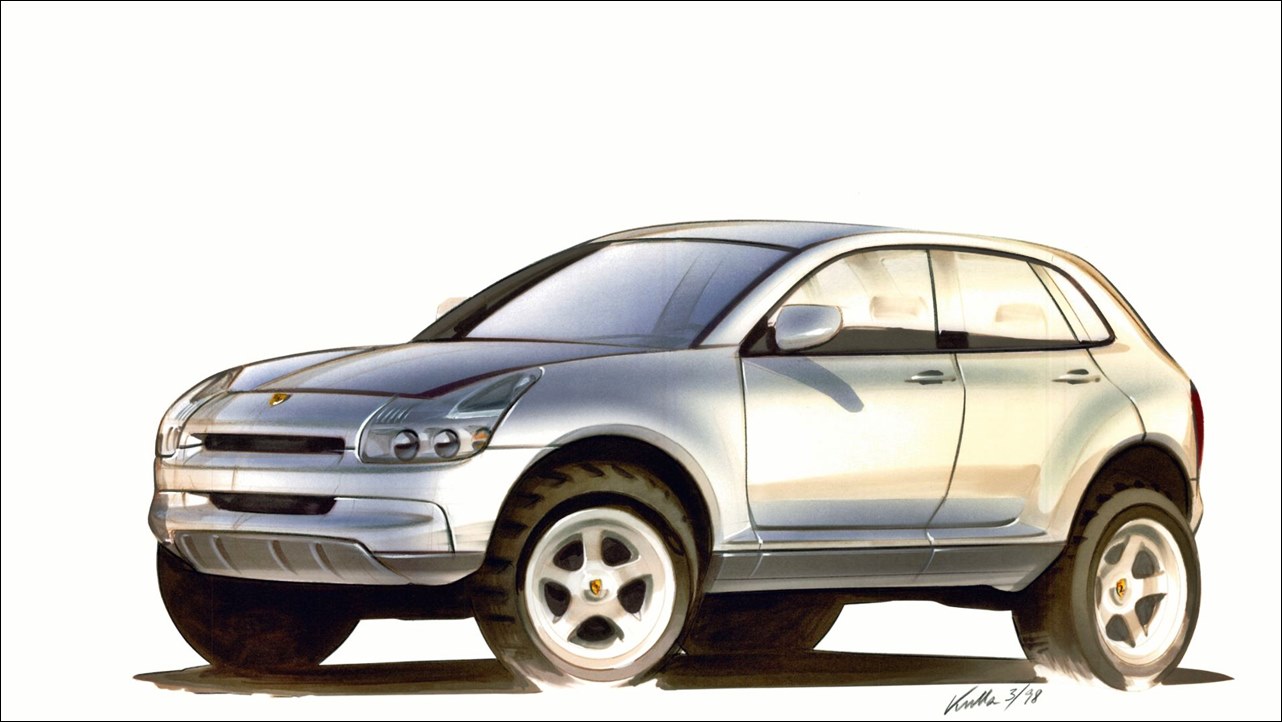
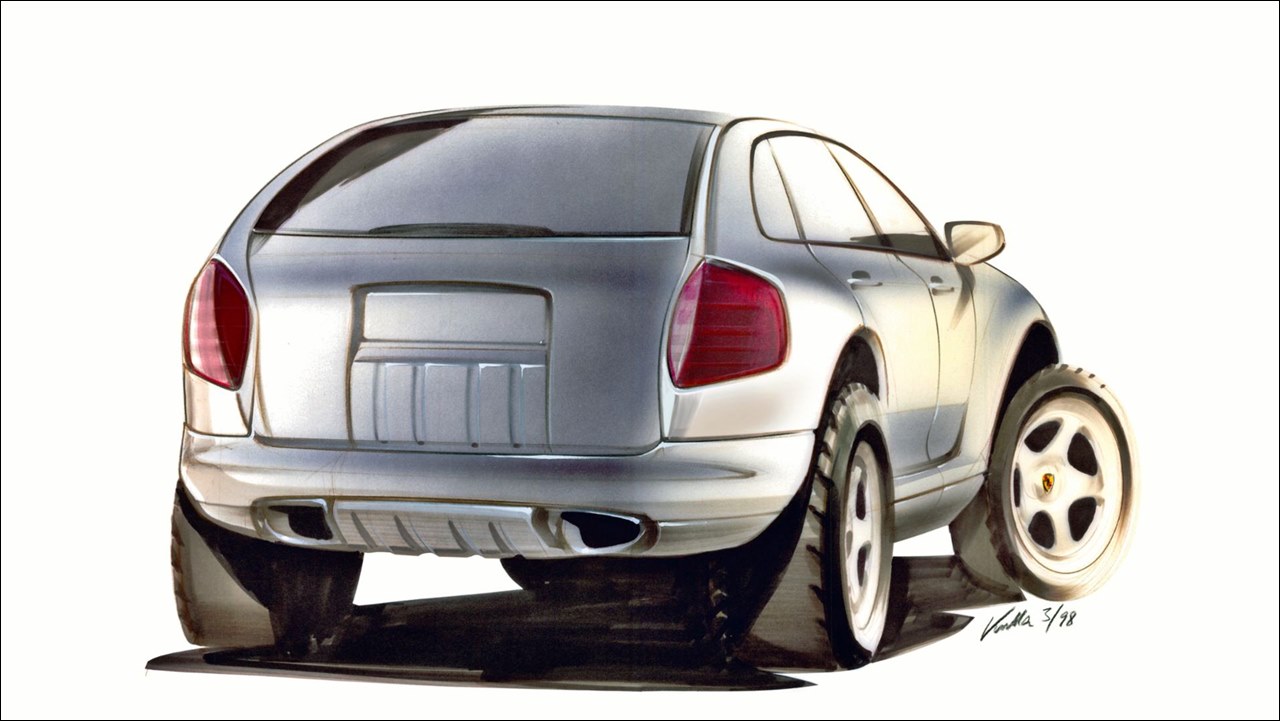
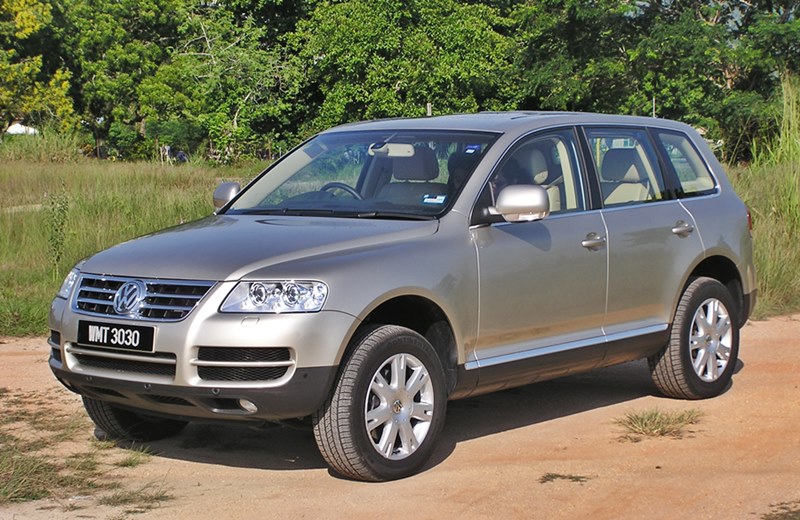
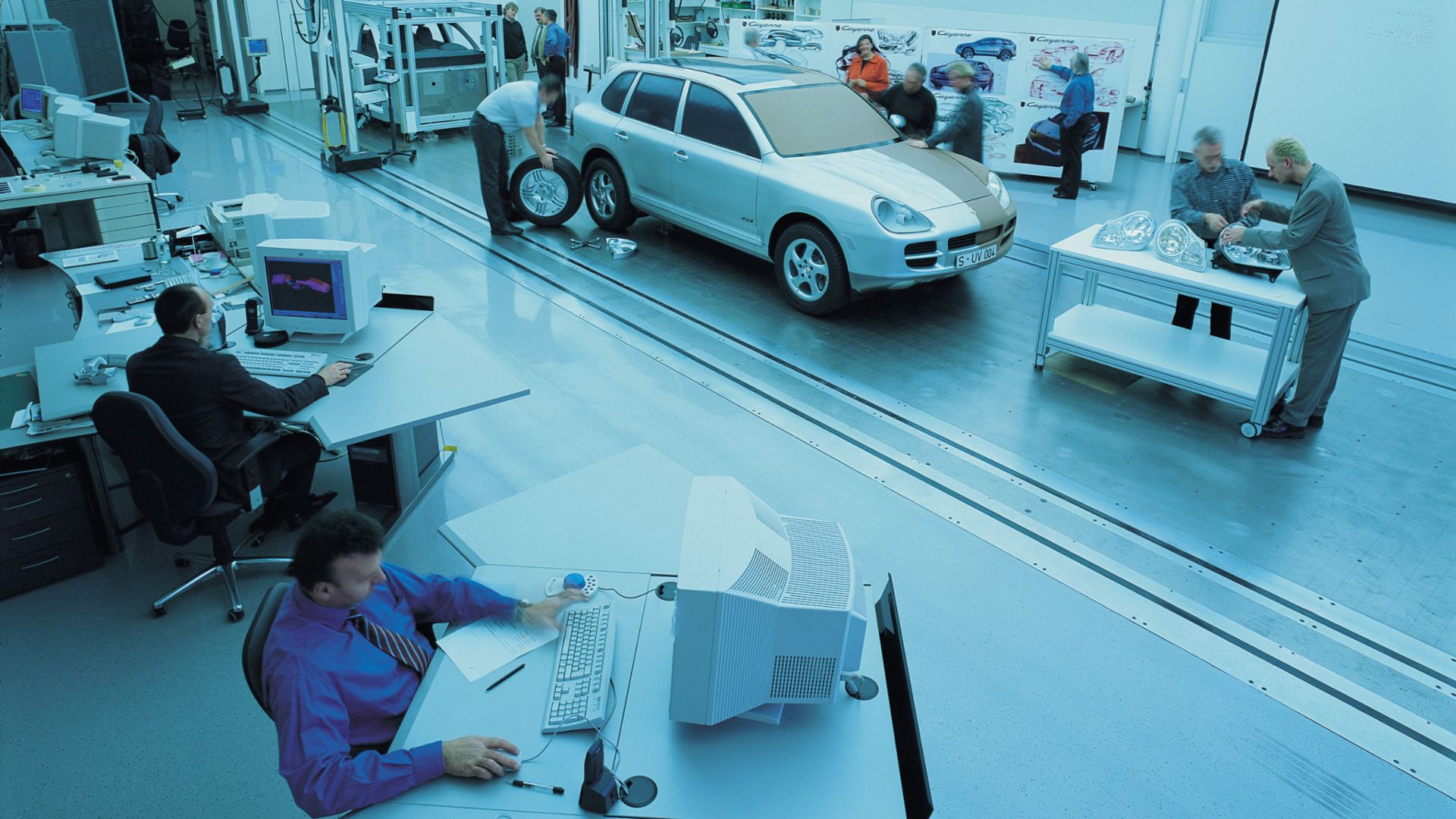
First design sketches of the Cayenne in the late 1990s. The model was developed as a joint project with Volkswagen which called its SUV the Touareg (below).
Like BMW with its X5, Porsche could not offer a product that did not also have the brand’s DNA of superior driving dynamics. Thought the platform was shared with the Volkswagen Touareg, each company initially used their own engines and developed their own chassis set-ups. Porsche was responsible for developing the joint platform, while Volkswagen contributed its production expertise for large volumes.

A very different type of Porsche
It was the first time in Porsche’s history that, instead of a sportscar, a blueprint for an SUV was required. This was, in a way, the exact opposite of a sportscar layout – a big, high-roofed car with 4  doors and room for 5 people and their luggage. Additionally, the Cayenne needed much greater ground clearance than a classic sportscar, as it was expected to count among the best when driving off-road as well.

“Of course, it wasn’t at all easy to express the identity of the Porsche brand in a car that had absolutely nothing in common with the existing models made by our company,” said Harm Lagaay, head of the design department. The designer spent a whole year on the headlights alone. It wasn’t just that they had to incorporate the low and high beams and the cornering light while preserving the clear lines of the Cayenne body – these were among the components that guaranteed the brand identity.

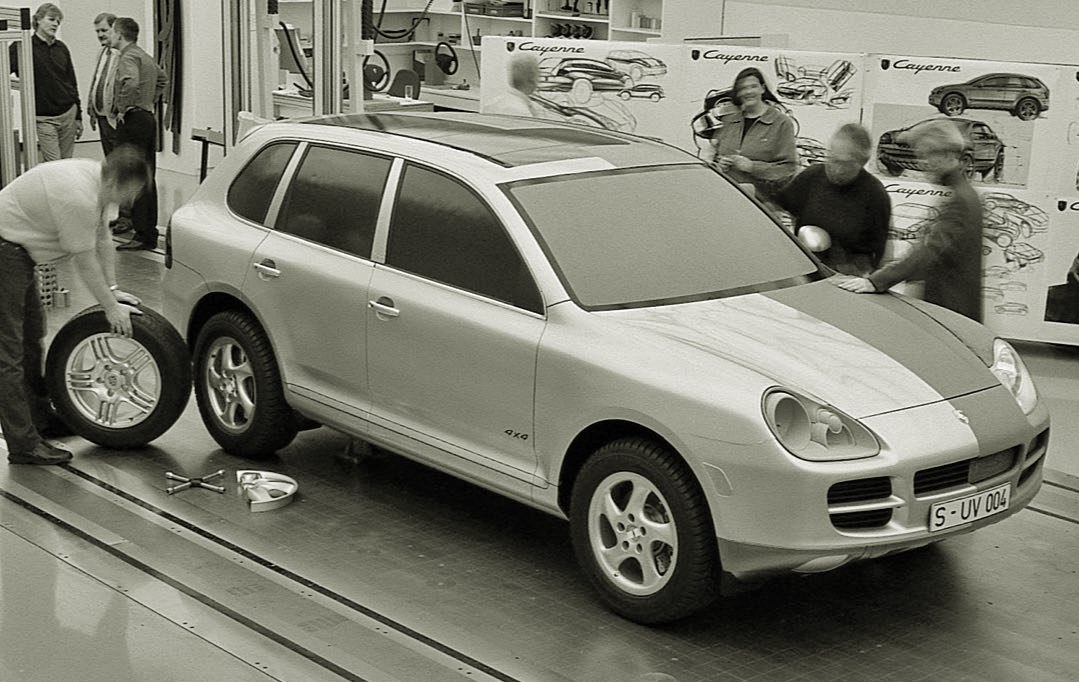
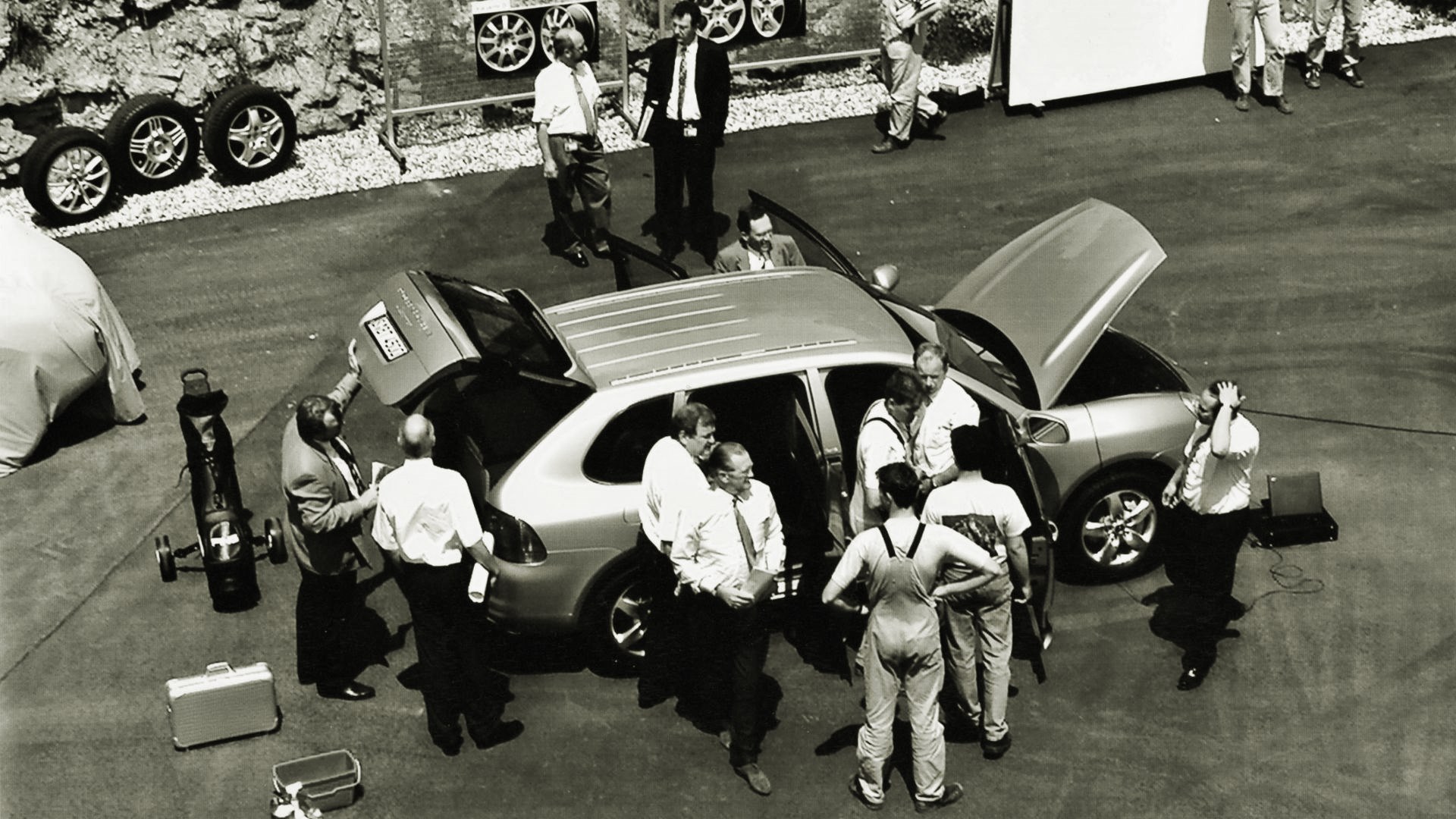
Porsche board members looking over a Cayenne prototype in 2001.

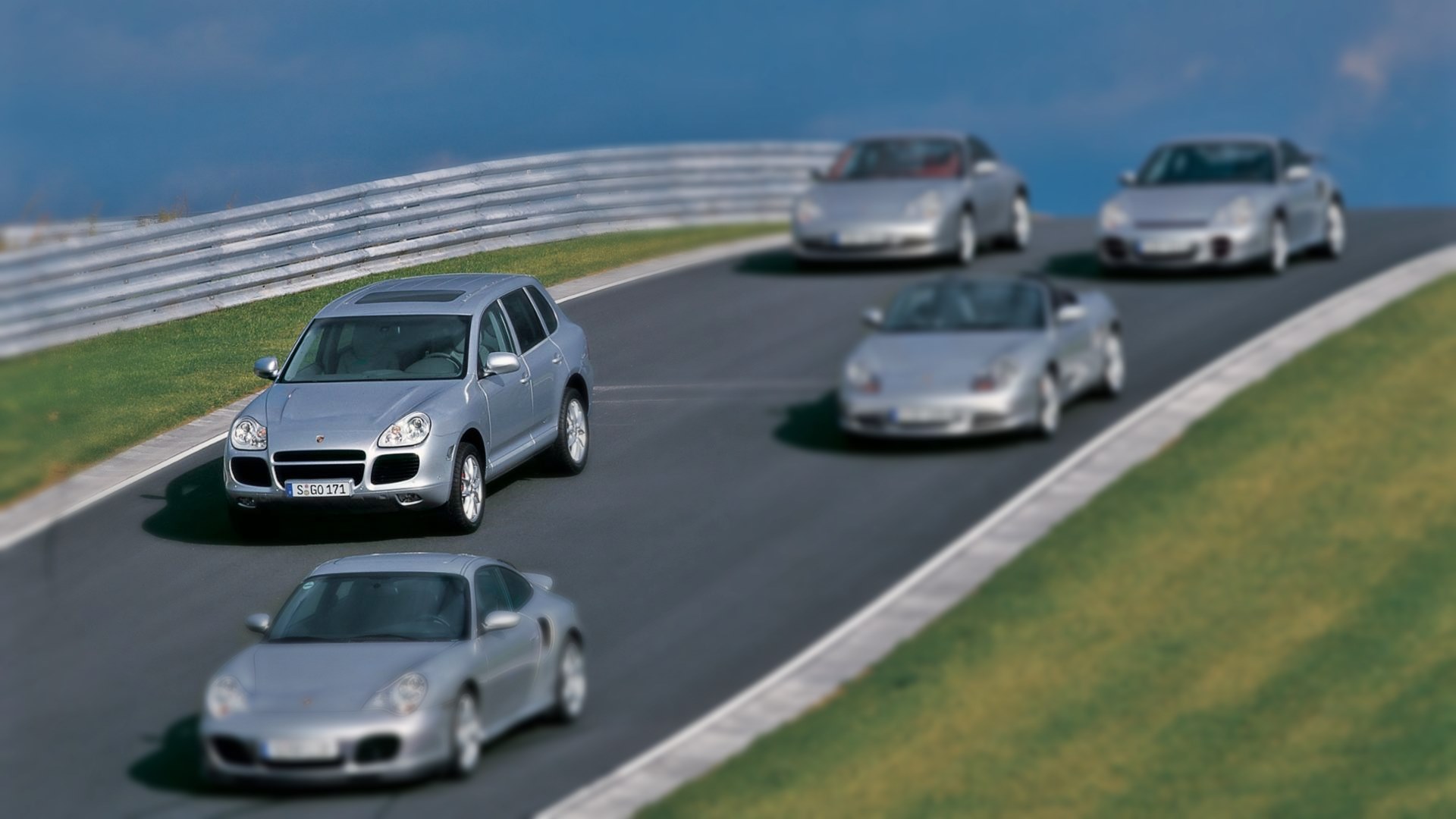
Even today, the face of the 996-generation 911 can be seen in the face of the first Cayenne. This impression was reinforced by what is referred to as the topography of the front section. The highest point of the wings and the headlights is above that of the bonnet. This is a distinguishing feature for a Porsche, because these contours are a clear visual reference to the design of the iconic 911. However, it was significantly more difficult to incorporate this specific element in the Cayenne, which would have a big V8 engine under the bonnet.

The Porsche product became a brand
Another feature of the 911-style bonnet is its noticeable taper towards the front. The designers also wanted to adopt this for the Cayenne, but the engineers initially suggested a square engine bonnet. This would make it easier to access the air filter and the headlights. The designers prevailed on this point, but they also worked with the car’s engineering team on areas that were not visible. For example, they worked together to find an optimised arrangement of the air filter.

Michael Mauer, who took over Lagaay’s position later, was also pleased that Porsche was willing to invest so much in design and construction. “For me, the Cayenne is about a fundamental question. No matter which type of vehicle concept would have been used to enhance the 911 and Boxster sportscar lines, the step to the third Porsche made a brand out of the product. And the design gave the car, the proportions of which take it as far away from the sportscar as it is possible to go, a Porsche identity that transcends the brand name,” he explained.

This remains evident today in the distinctive shoulder at the back of the original Cayenne – in which Ferdinand Alexander Porsche played a significant design role – as well as the smooth surfaces of the body and the omission of a traditional radiator grille between the headlights.

These classic Porsche characteristics also reduced the significance of the comparatively large air intakes in the front apron. A front-mounted engine requires air for combustion and cooling. And Porsche customers were already used to front air intakes from the sportscars. In this case, though, they are responsible for cooling the brakes.

The biggest design challenge
Mauer remembers the side profile of the car as the most difficult design challenge. The Cayenne was created together with the Volkswagen model, which is why the windscreens and all 4 doors of the two SUVs are identical. “It’s easy to underestimate how much the doors define the side of a car. Behind the rear door, we’ve got maybe another metre, and only a little more at the front, so there is not a lot of room to do very much,” said Mauer, who first worked on the Porsche SUV for the first generation facelift which appeared in 2007.

“With the facelift, we gave the whole car more visual sharpness and definition,” he recalled. However, the door issue was still there, along with the difficulty of designing a fastback-style rear – one that would taper diagonally to the rear like a sportscar. At Porsche, this is known as the ‘flyline’.

However, if the doors cannot be changed to prevent the roofline from dropping, there is little space left at the rear to create a flyline that the customer recognises as a characteristic feature. The options that remained to solve this were a more sloping design of the rigid side windows behind the rear doors, and the addition of a spoiler to extend the roof line.

Compromises within
Overall, even from today’s perspective, the first Cayenne with its formal clarity and emphasis on characteristic Porsche elements was a worthy and consistent member of the model range. The interior was, however, strongly influenced by Volkswagen.

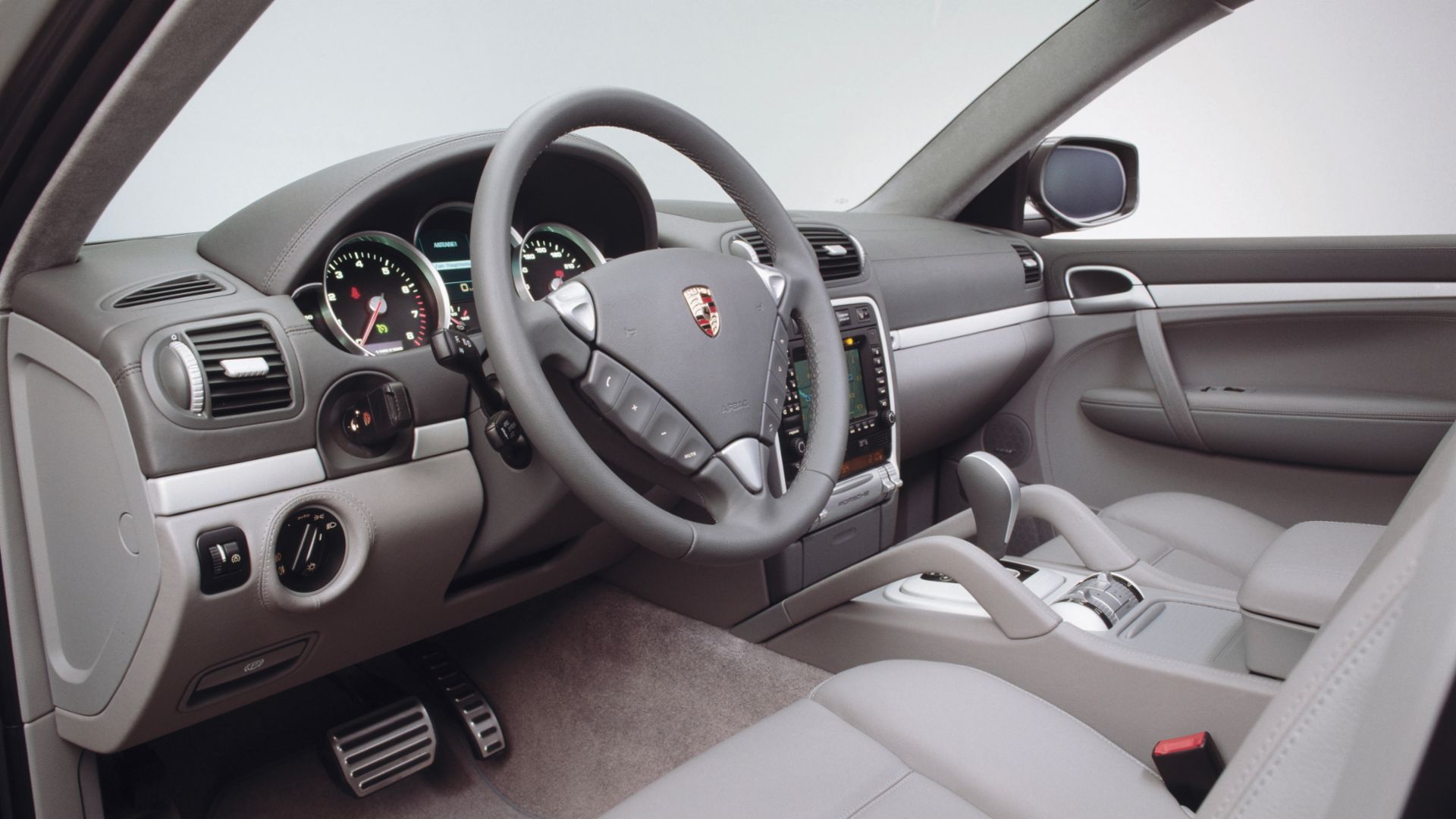
“The interior can hardly deny its kinship with the Touareg,” said Markus Auerbach, Head of Interior Design Style at Porsche. This is where Porsche had to make compromises; one example was on the brand’s customary 5-tube design for the instrument cluster. While five interlinked rings can be seen in front of the steering wheel, the tachometer is not positioned in the middle as is usual for Porsche, but on the left.

To obtain the usual Porsche arrangement, developing a new instrument cluster would have been necessary – an unplanned investment for the first Cayenne. However, Porsche was still able to include a number of characteristic elements: its own 3-spoke steering wheel, hand-grips on the centre console, and the ignition lock that can be found in the same place as in every Porsche – to the left of the steering wheel.

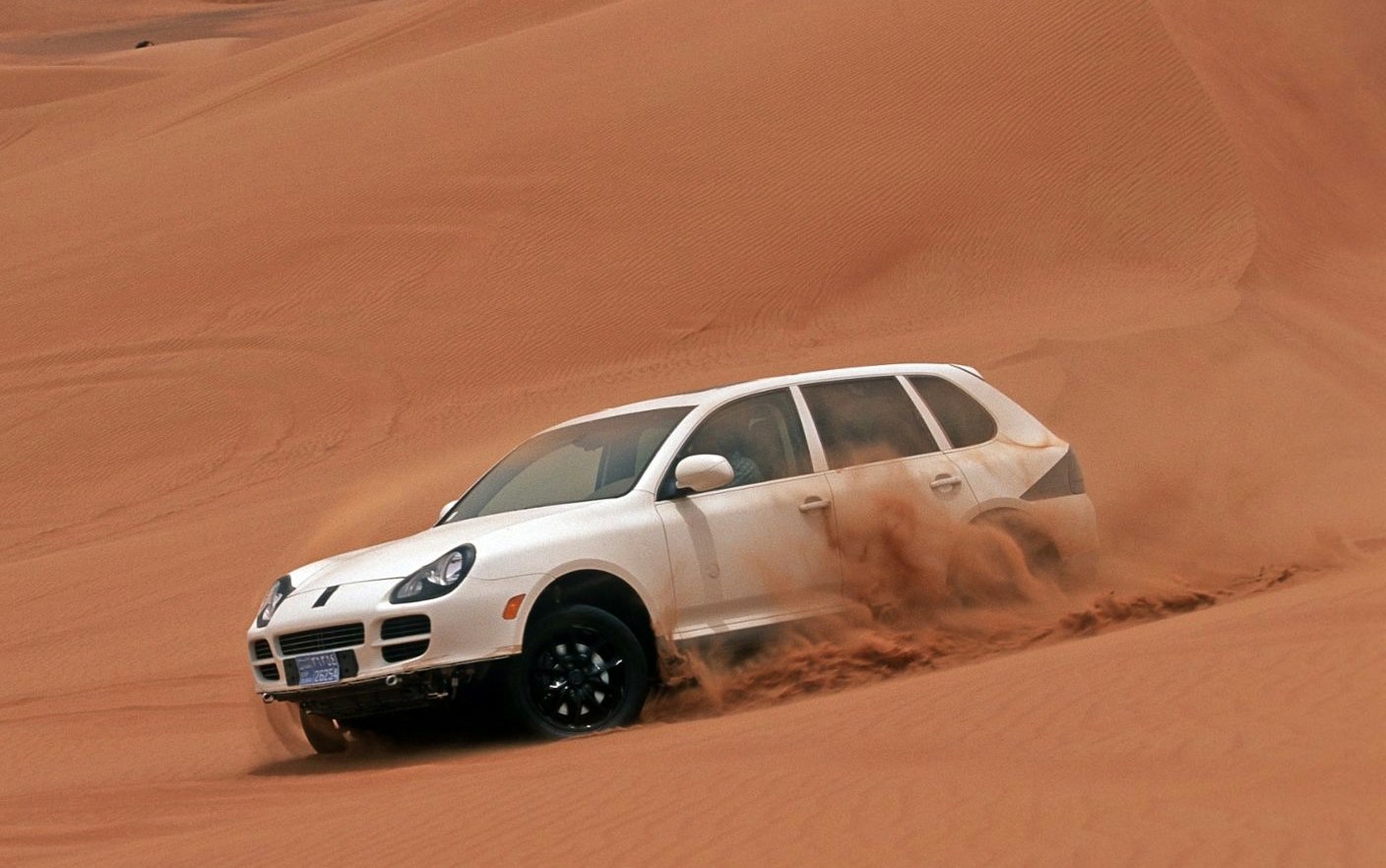
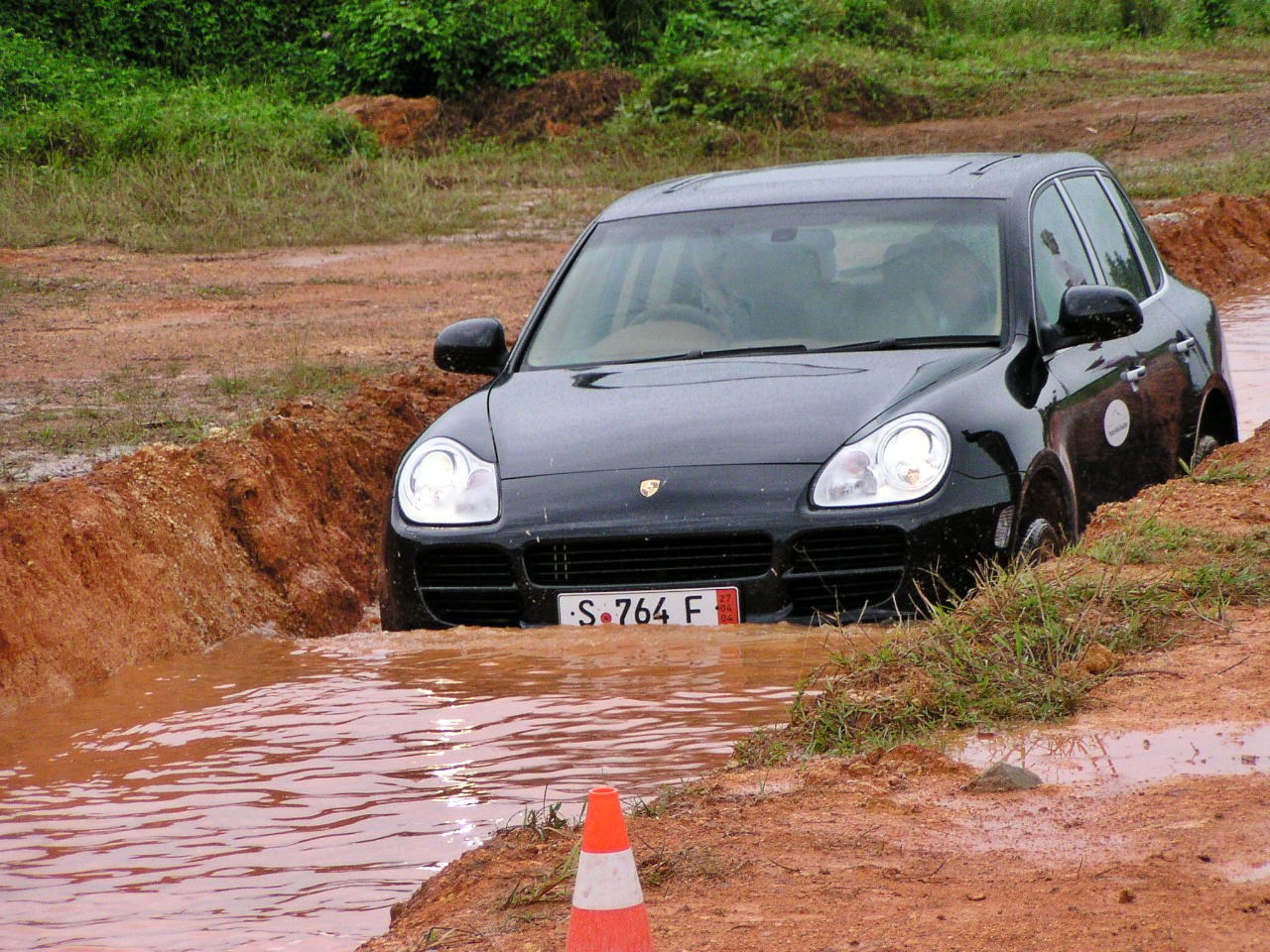
After its launch, the Cayenne was shown worldwide and in places like Malaysia, its off-road capabilities were convincingly demonstrated as this picture shows. The rough and muddy course near the Sepang Circuit was used during the Porsche Roadshow in 2003.
An early advertisement introducing Porsche’s new SUV in America.

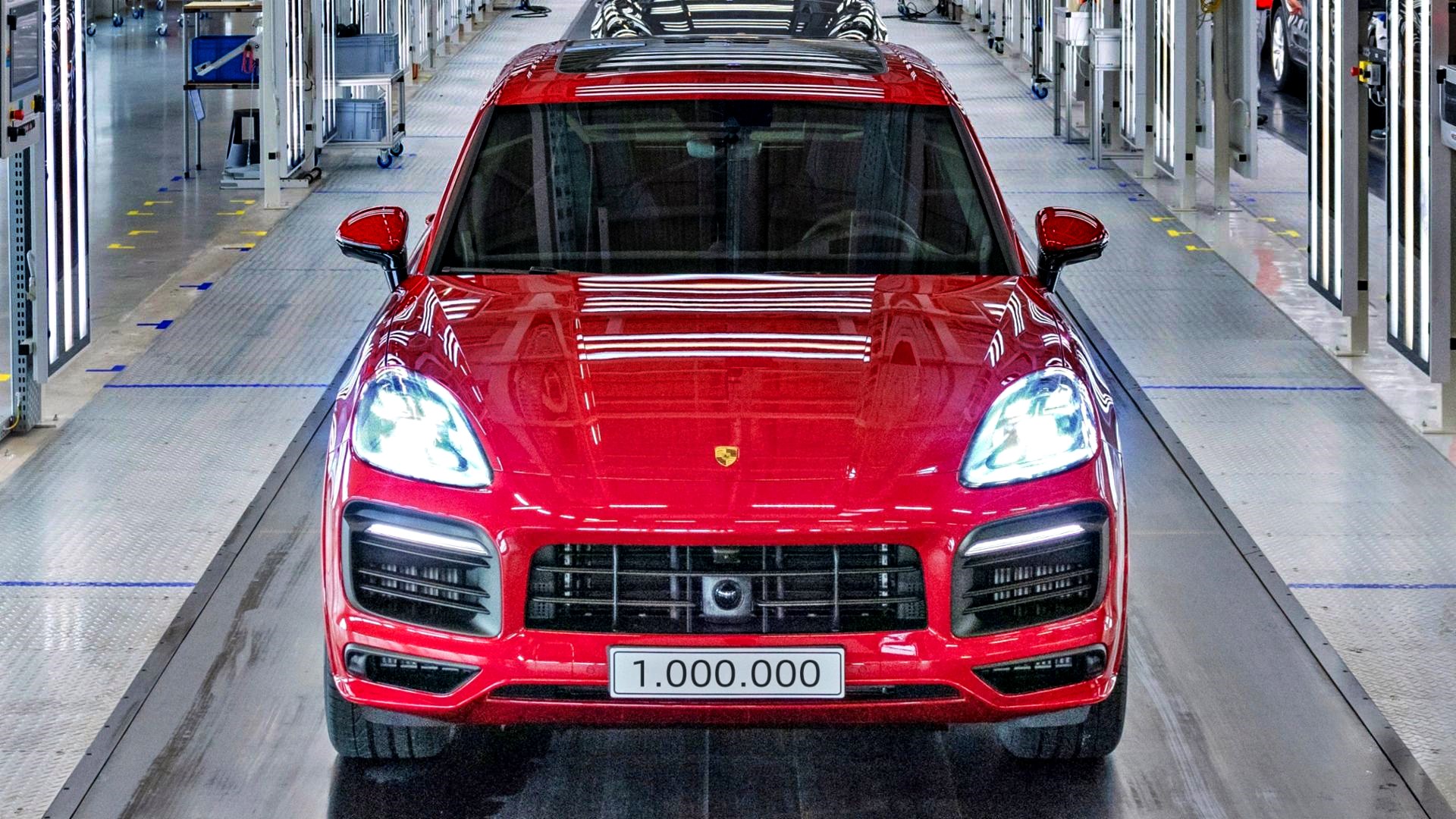
Shortly after its world premiere at the Paris Motor Show in September 2002, the Cayenne became a worldwide success, exceeding sales expectations. Originally, Porsche expected to sell 25,000 units a  year but in the 8 model years of the first generation, 276,652 SUVs were sold – just under 35,000 vehicles per year. By 2020, the one-millionth Cayenne left the factory. In 2021, just over 83,000 units were delivered worldwide, with the US market alone taking around 21,000 units.

Porsche begins vehicle assembly in Malaysia, the first time outside Germany

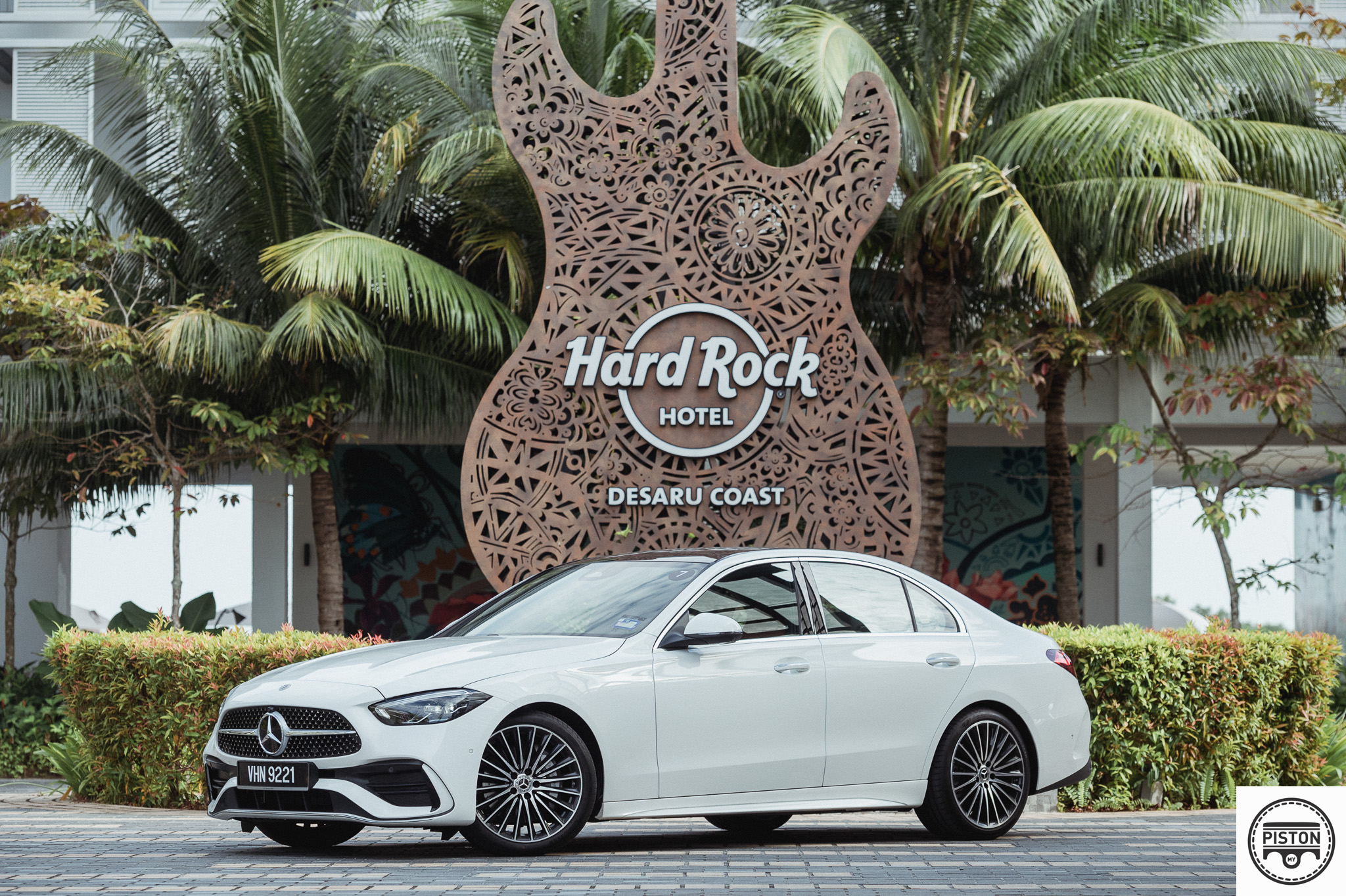
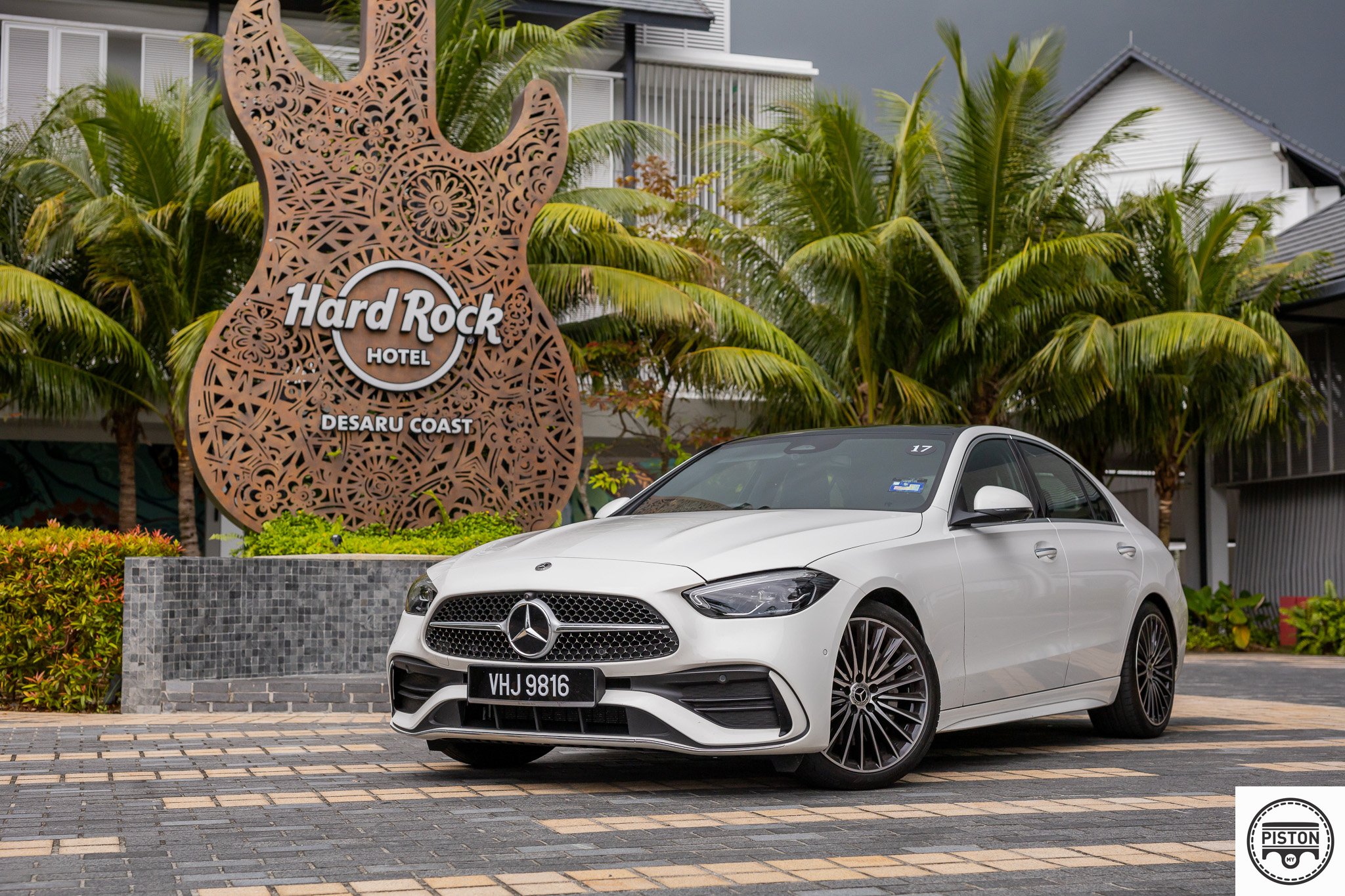
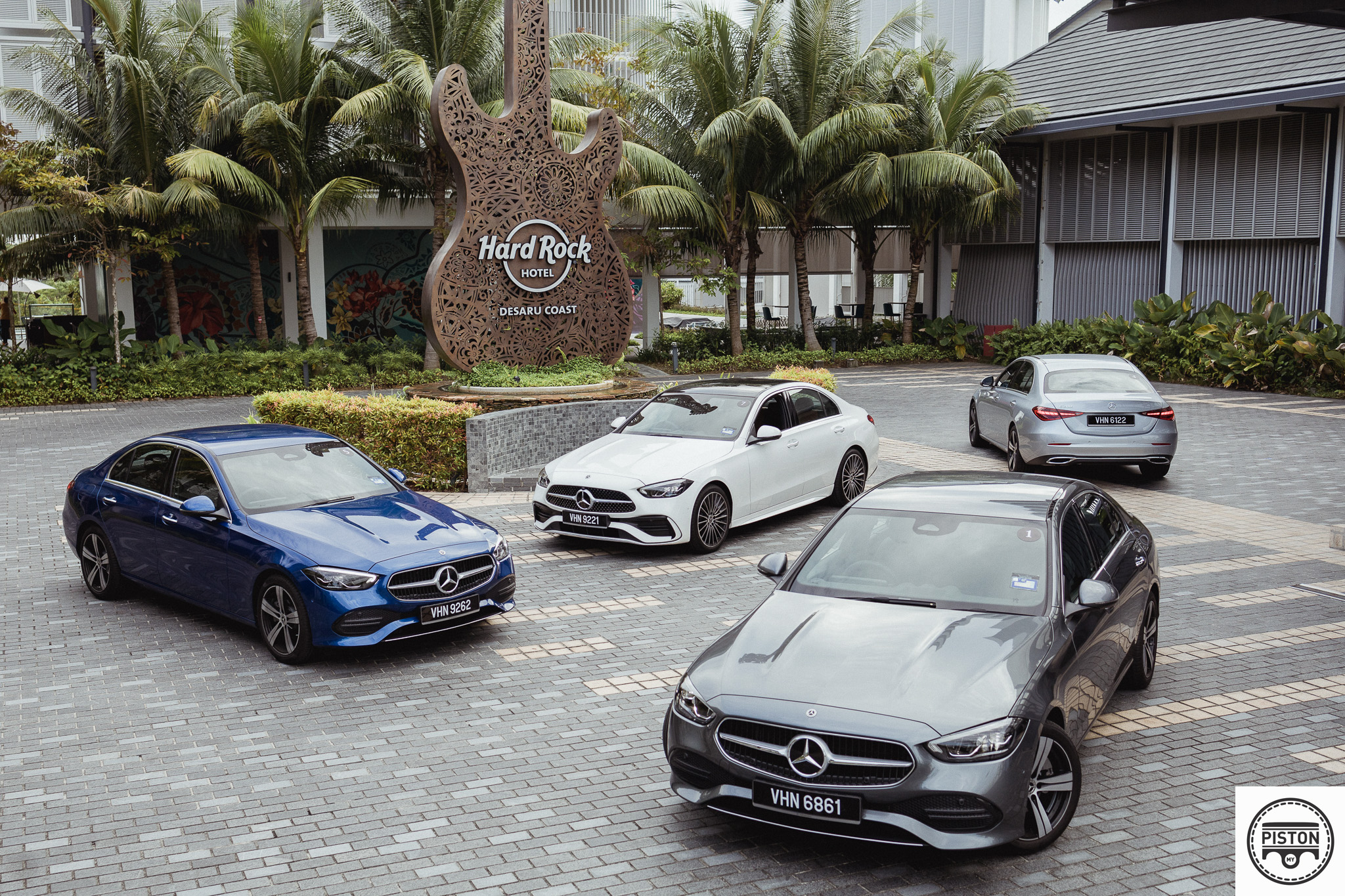
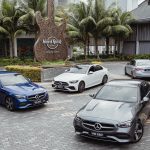
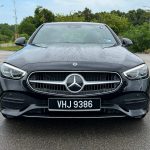
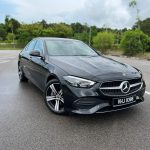
While a Mercedes-Benz S-Class is the ultimate symbol of success, the C-Class is a loud statement of intent.

Before the rise of the A-Class and CLA, it was the C-Class that was the entry level model to the wonderful world of Mercedes-Benz. It was the car to buy for young executives who had just received their first big pay day.

The C-Class took over from the iconic 190E and the new W206 is the fifth-generation model, and is arguably the best C-Class ever made.

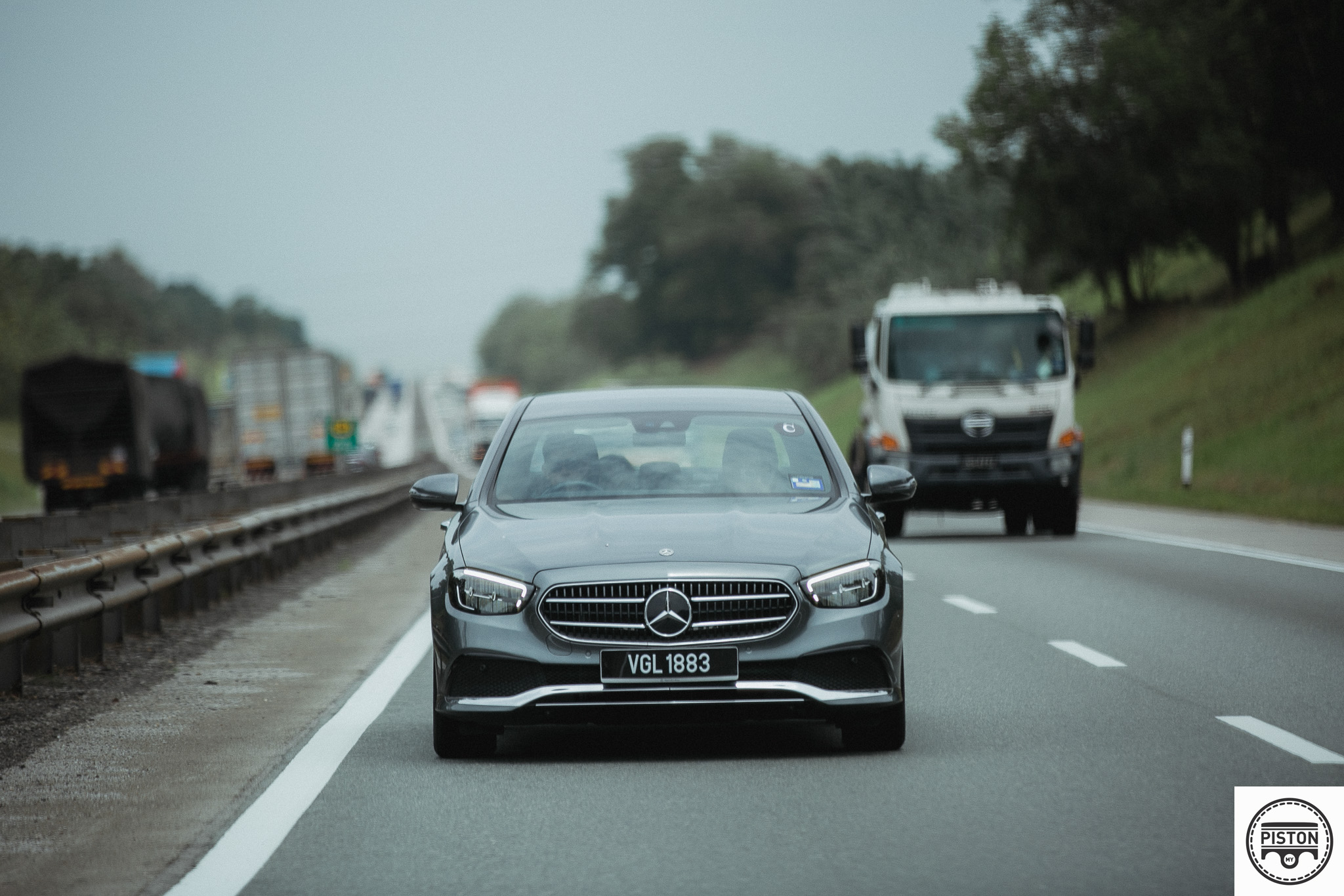
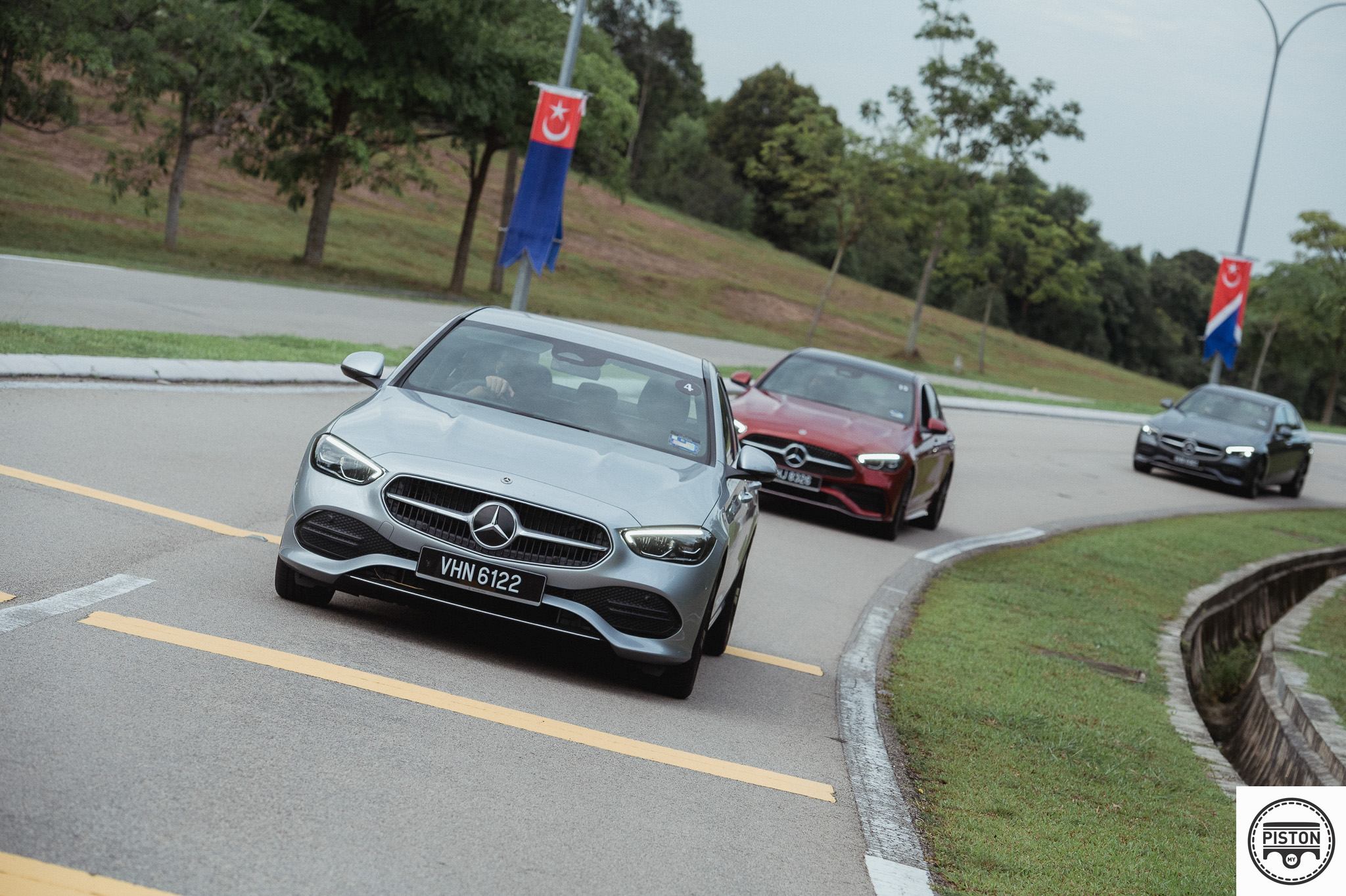
As handsome as the new design may be, Mercedes has opted for a similar design lingo across the board. It is now difficult to tell the new E-Class and C-Class apart from a distance.

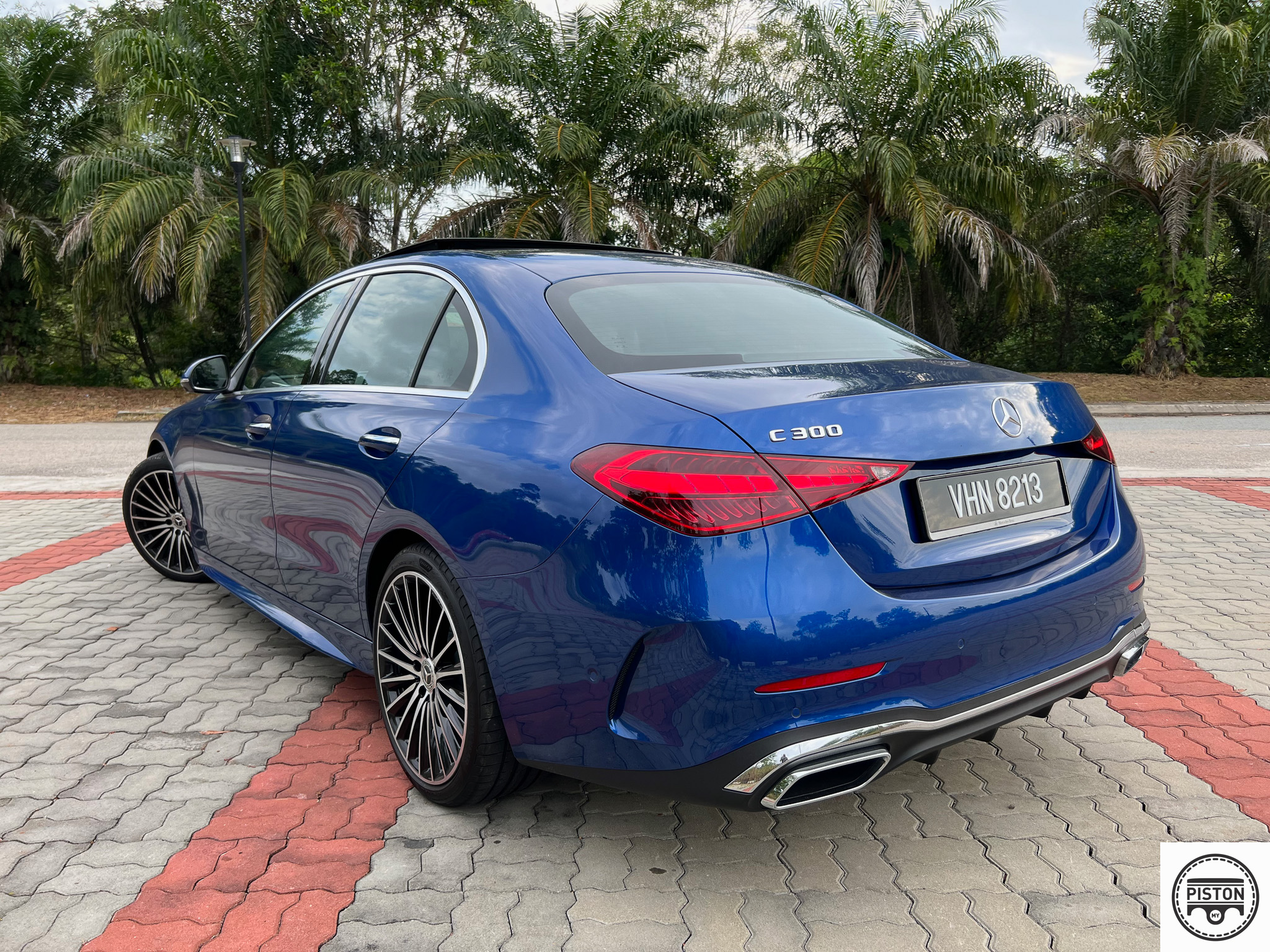
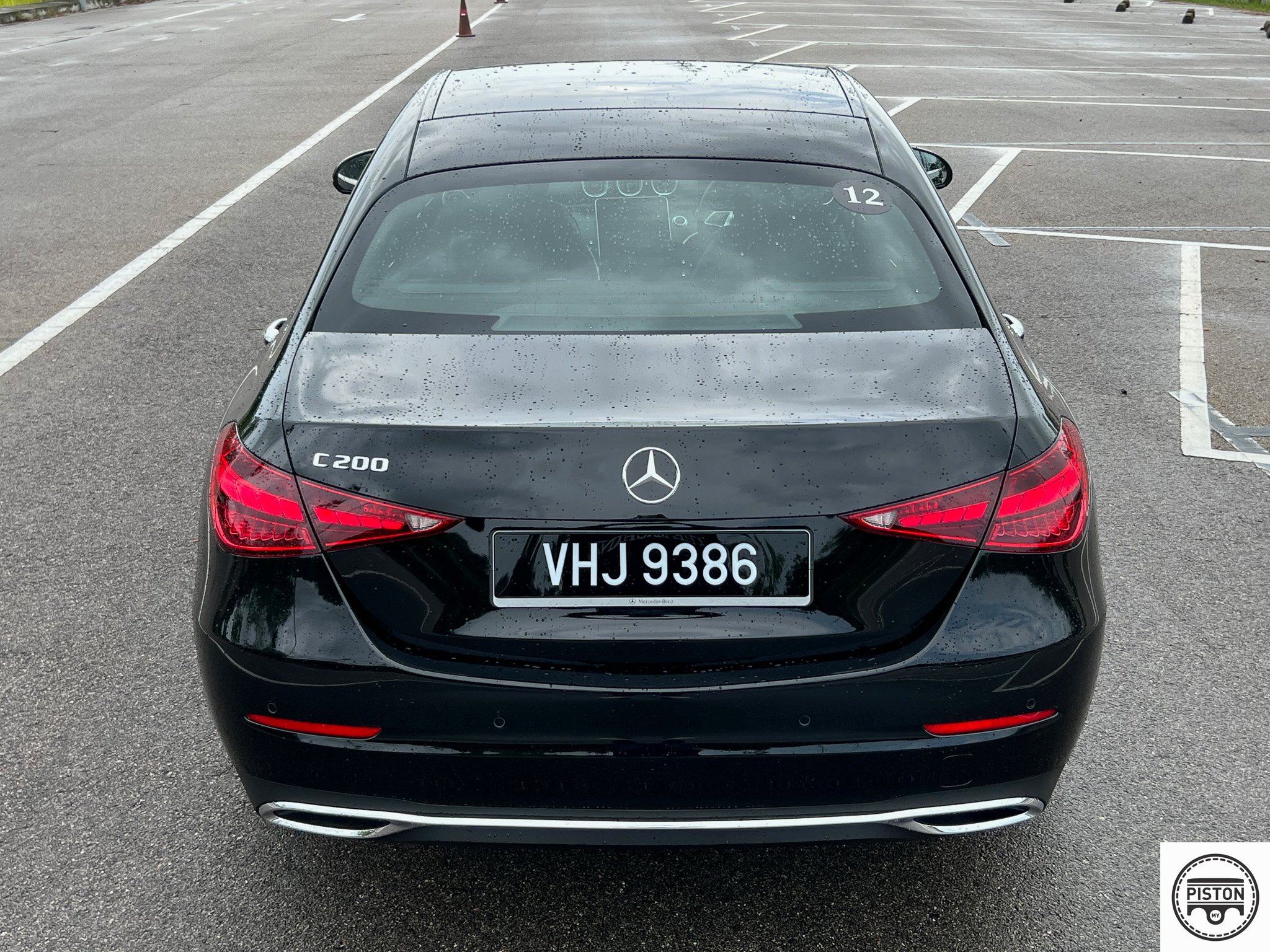
The rear is the one part where all new Mercedes-Benz models are painfully identical.

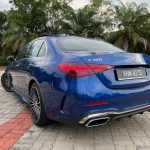
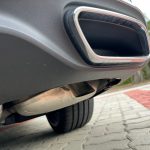
I personally can’t stand the fake exhaust tips moulded into the rear bumper, while the real exhaust are neatly tucked away behind the bumper.

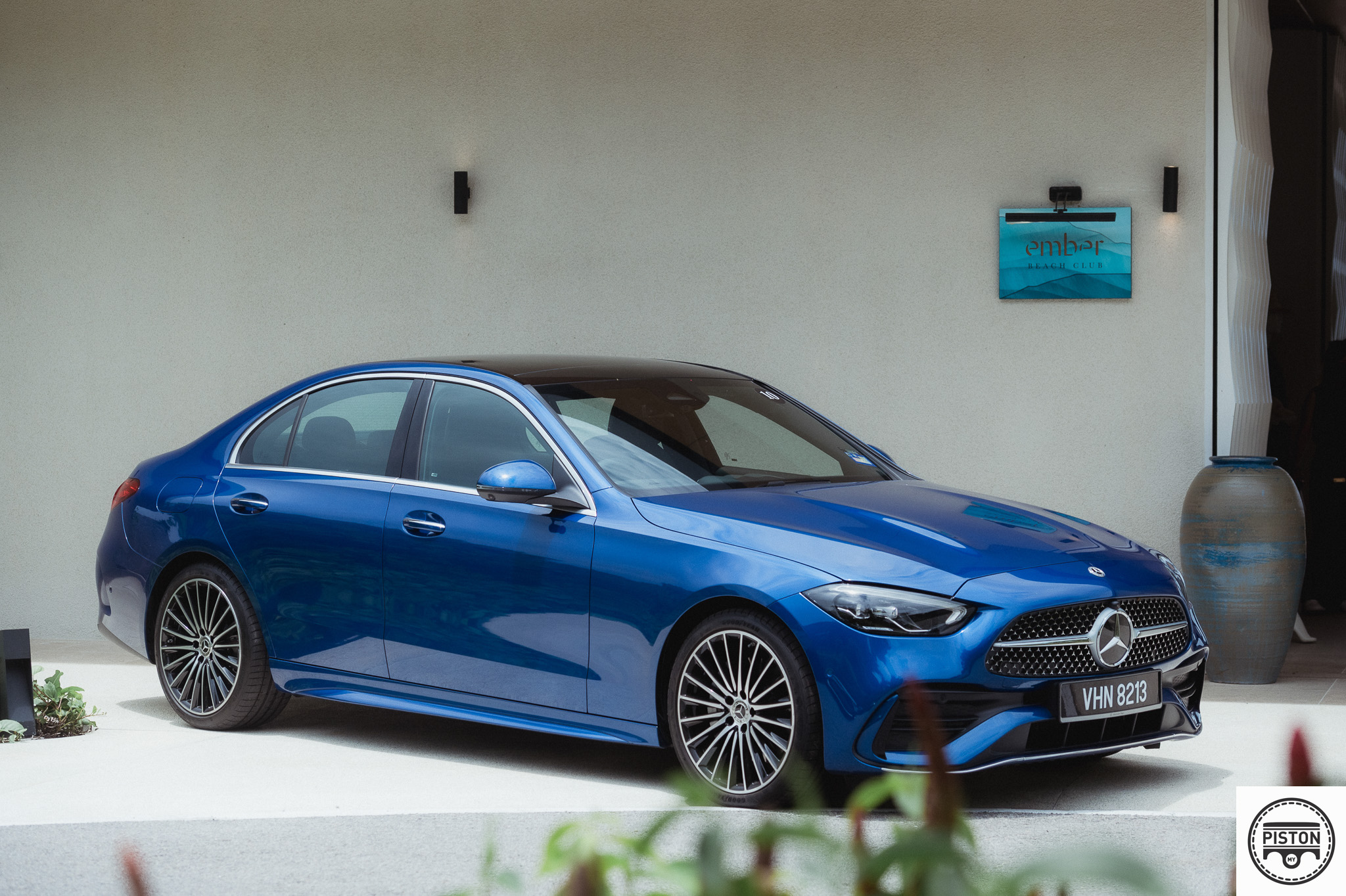
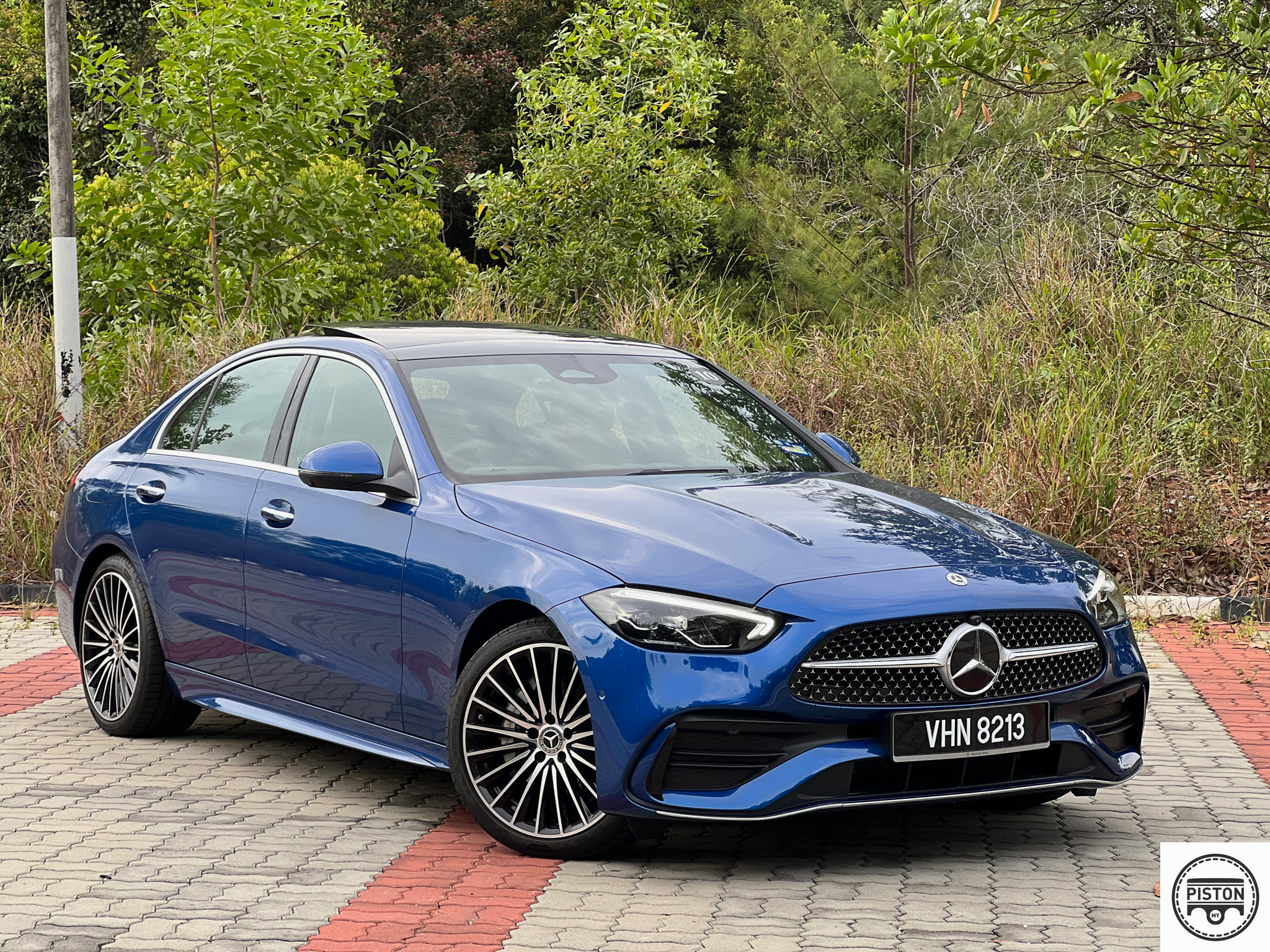
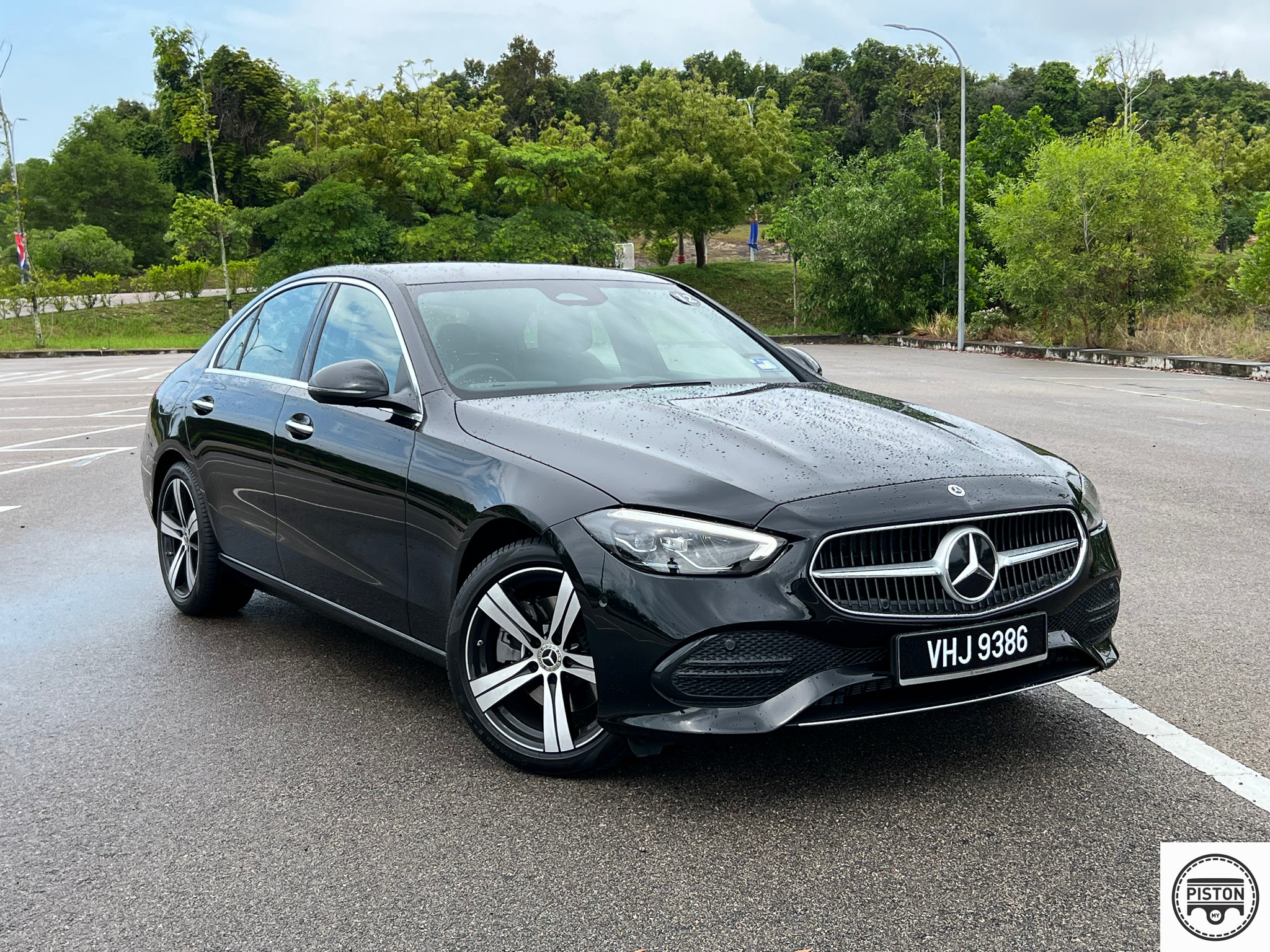
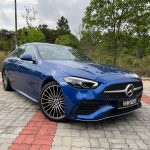
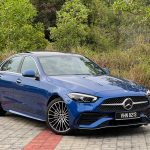
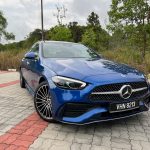
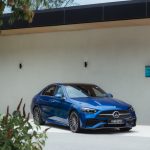
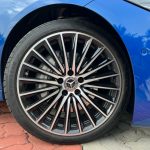
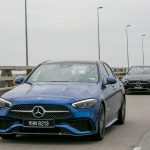
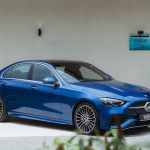
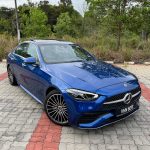
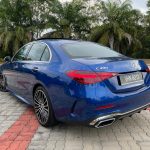
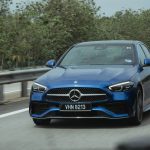
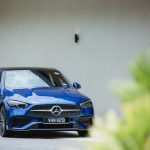
But the C300 (below) makes up for that with the sportier look and feel of the two C-Class models currently on offer. The C300 comes with an AMG body kit and sportier 19-inch wheels.

And it is most loveable in Spectral Blue. It is unfortunate though that this colour is only for the CBU models, and will not be available in the upcoming CKD models.

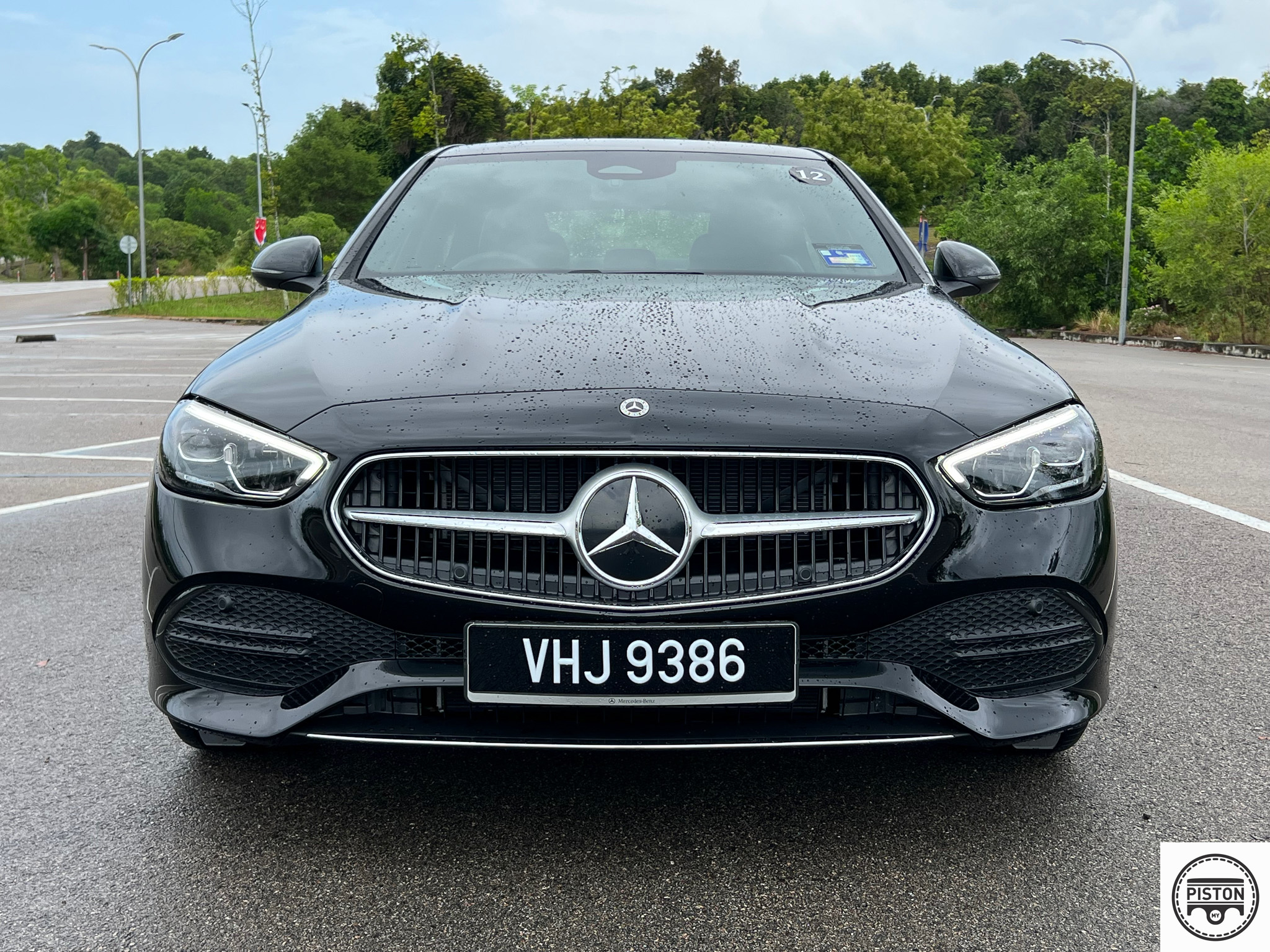
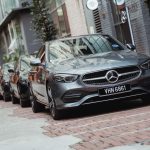
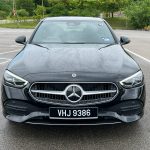
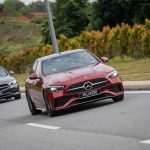
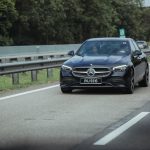
The C200 (above) on the other hand seems mundane in comparison. The Obsidian Black doesn’t do much to accentuate the design lines of the car, while the 18-inch wheels look common in comparison to the ones on the C300.

Both cars also feature the iconic power dome bulges on either side of the bonnet, a feature that was once reserved for the fire-breathing AMG models only.

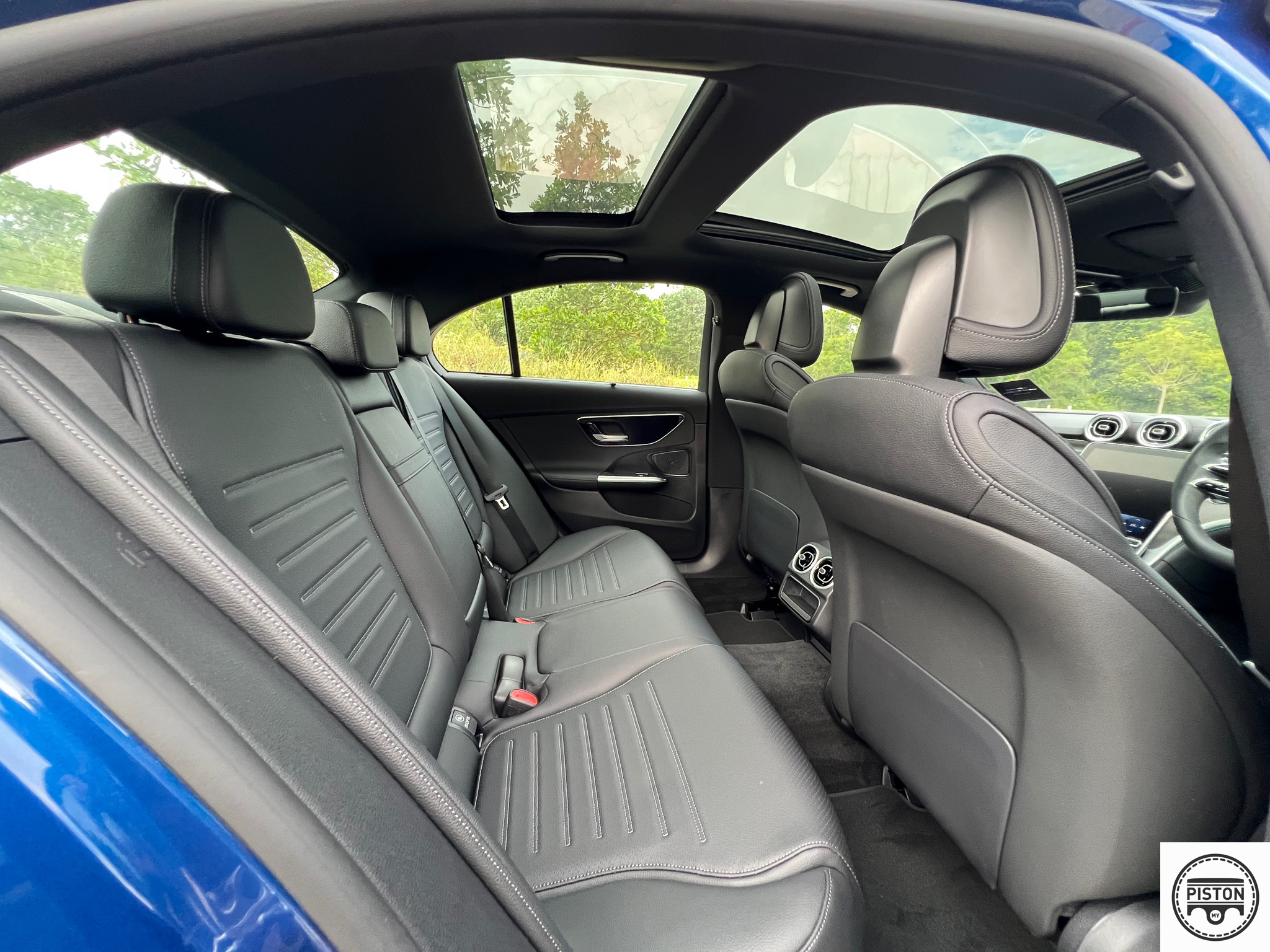
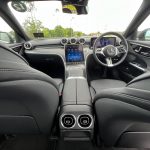
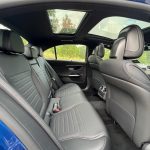
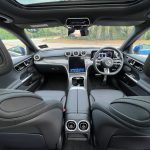
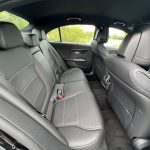
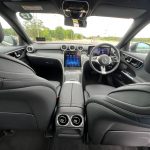
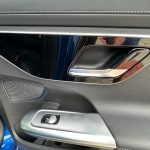
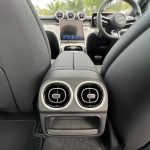
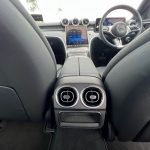
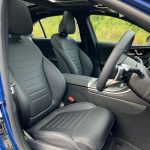
The C-Class now offers the most spacious interior ever seen in a C-Class, ever. The rear seats are especially comfortable for taller passengers while the front seats feel as spacious as the W124 E-Class.

However, tall driver and front passenger will find their knees rubbing against the sides of the centre console.

The quality of the buttons are typical of modern Mercedes-Benz’s, which means they are neither great nor lacking.

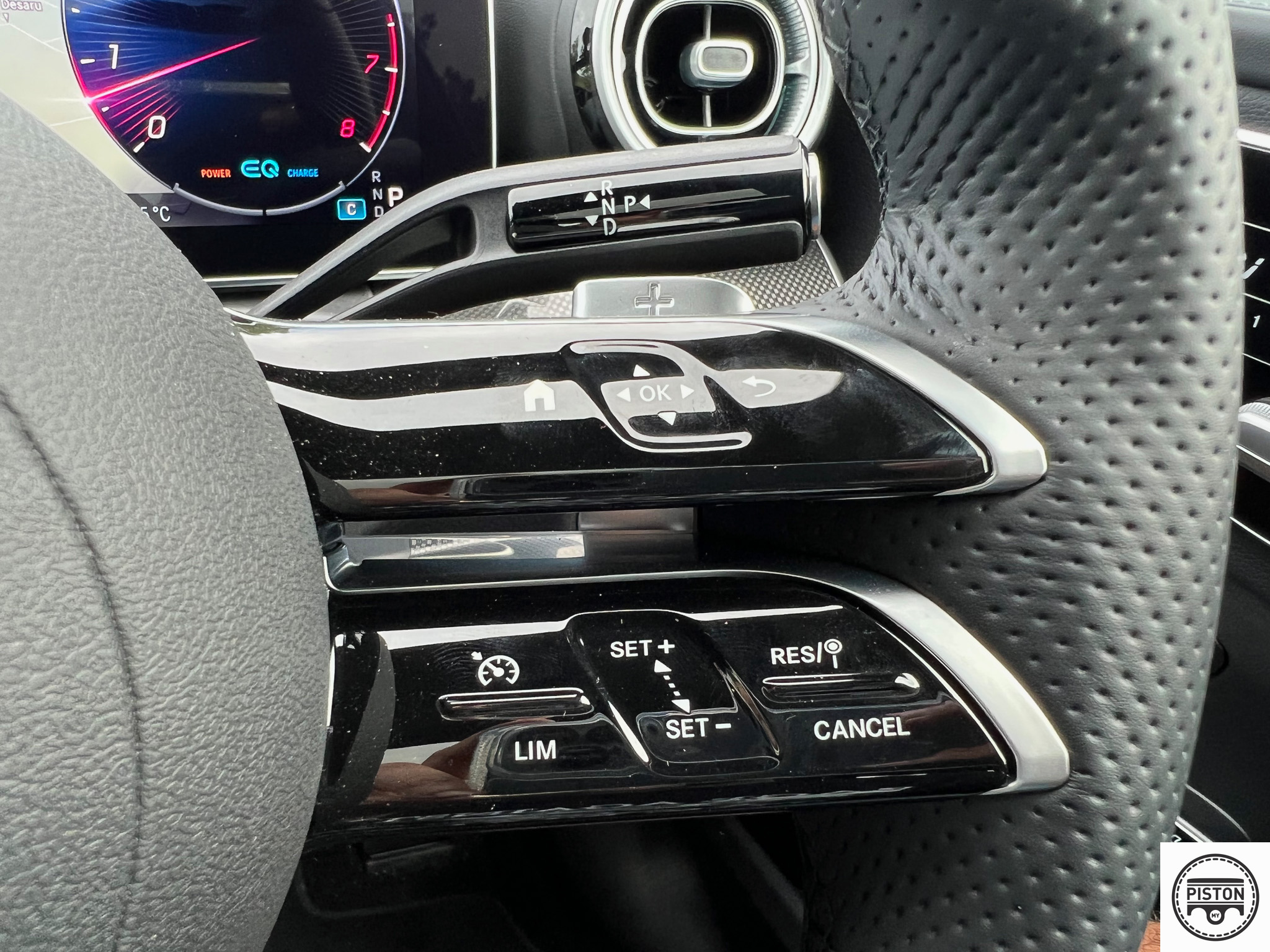
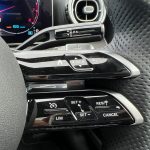
Most buttons are now of the haptic type, which means they are piano black in colour and touch operated. All of the buttons on the steering wheel for example are haptic.

Personally, haptic buttons work fine but they attract smudges and highlight dust particles like moths to a light bulb.

Perhaps Mercedes-Benz designers could take a card from Lexus designers who believe that the essential controls such as air-conditioning and volume still warrant physical buttons since the driver will be reaching out to them while driving.

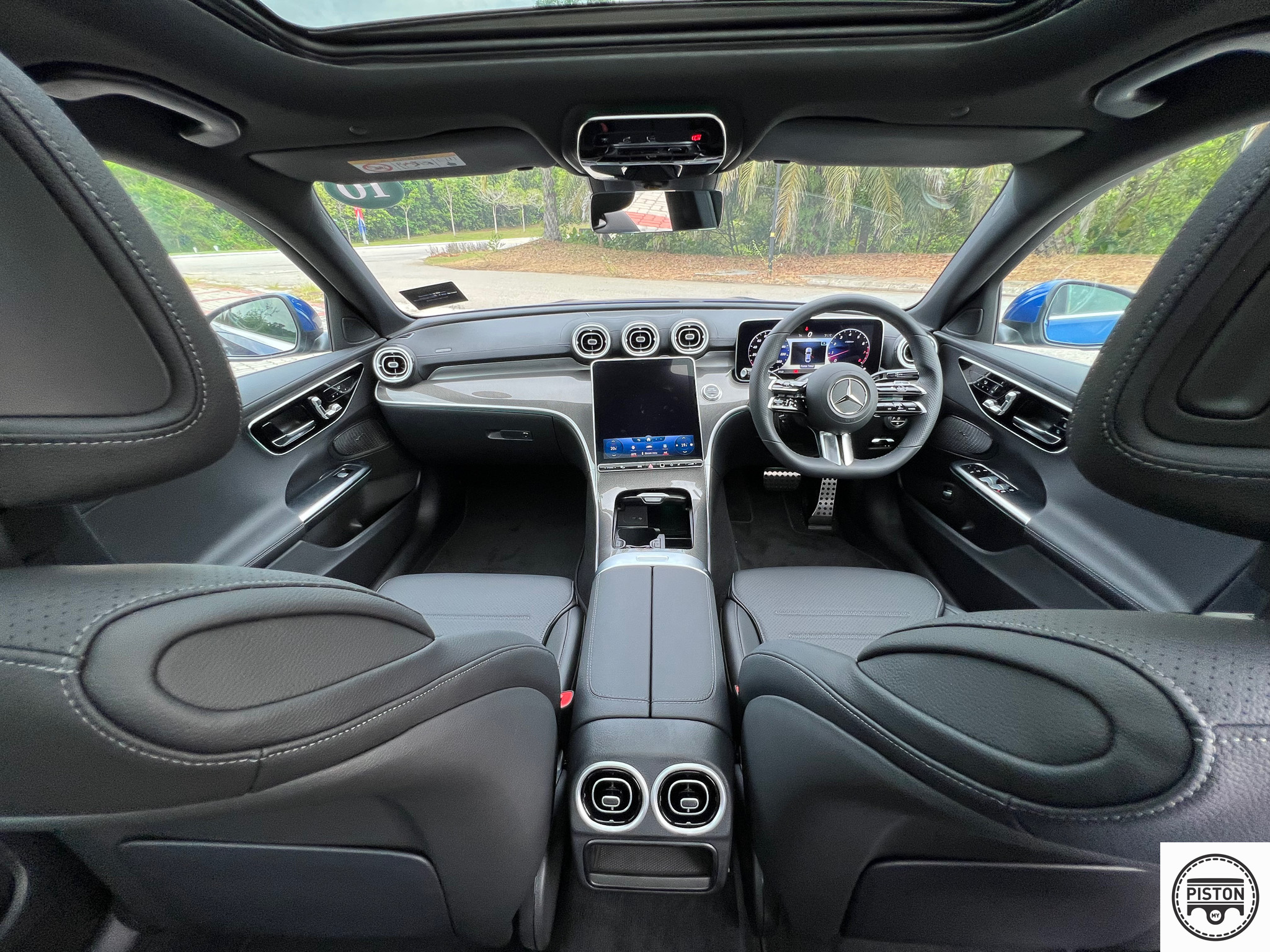
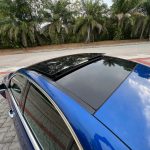
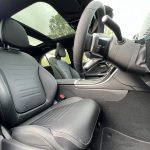
The interior differences between the two cars are also vast, such as the fact that the C300 comes with a moon and a sunroof while the C200 doesn’t.

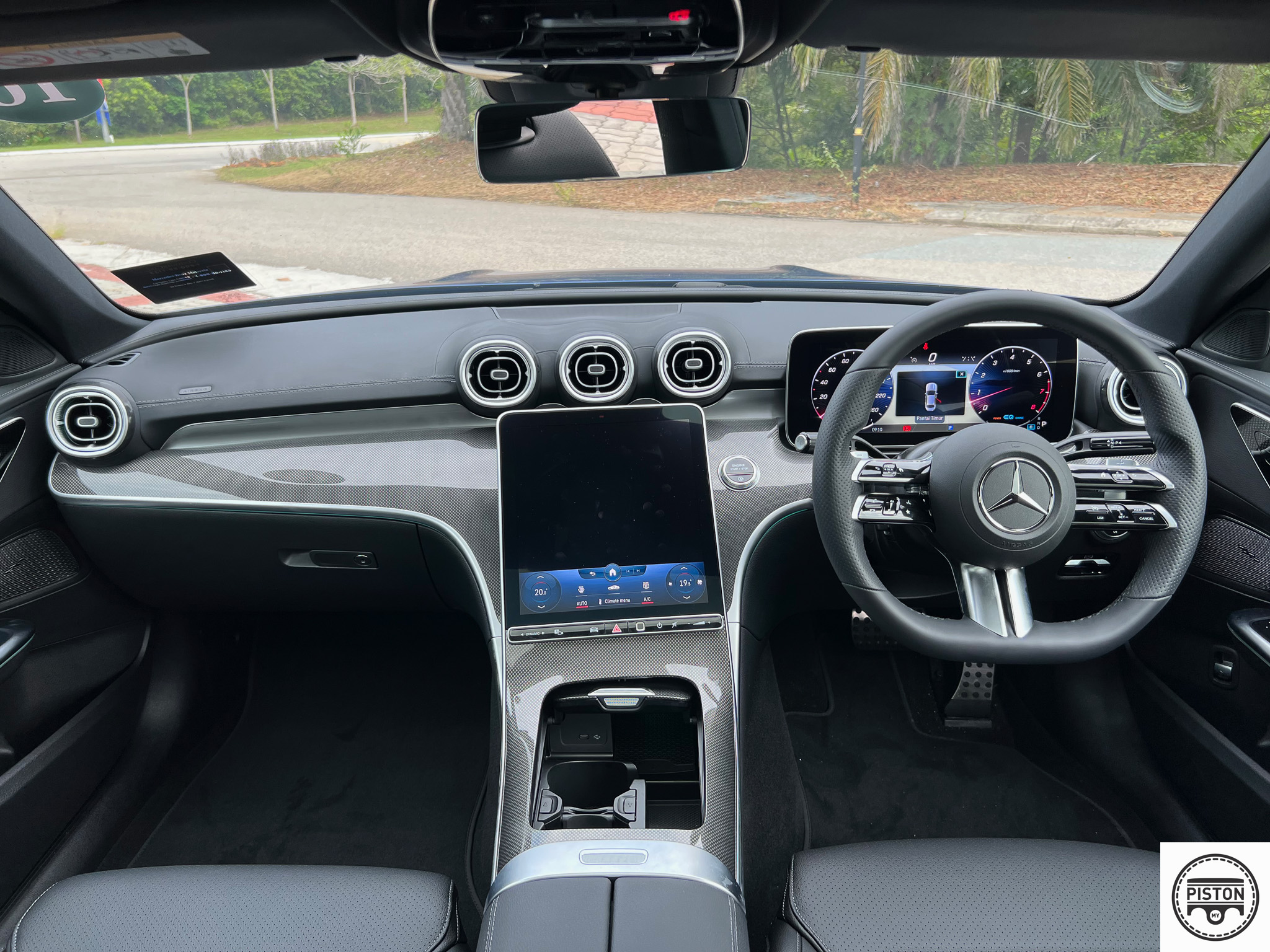
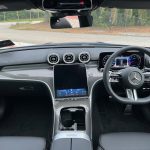
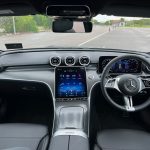
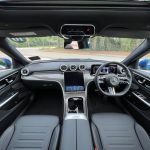
The steering wheel too is different, with the C200 (shown below) getting a leather wrapped multifunction steering wheel while the C300 (shown above) gets an AMG steering wheel wrapped in nappa leather.

It doesn’t just end there, even the trimming is different, with the C300 getting the sportier trim.

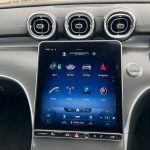
However, both models get the utterly dominating 11.9-inch portrait oriented touchscreen display. This may seem a little distracting at first, but key controls such as air-conditioning settings are on permanent display, which makes them easily accessible.

Accessing the menus takes some getting used to, but having such a large screen at the centre can definitely be distracting when driving.

There are other nitty gritty details around the interior that distinguish one from the other, but the biggest difference is of course the powertrain.

Both C-Class models share the same 9-speed gearbox, which Mercedes calls 9G-Tronic. It was specifically developed to adapt to something called the Integrated Starter Generator (ISG) which is basically an electric motor installed in both models as well.

The new gearbox is said to be 30 per cent more efficient thanks to an optimised mechanical pump. And it also comes with a new multi-core electronic processor that can manage an increased amount of computing power. This has thus reduced the amount of hefty electrical components by a staggering 30 per cent!

The engines of both cars though are totally different.

The C200 is powered by a 1.5-litre turbocharged engine that puts out a hearty 201hp and 300Nm of torque. This hike in power is achieve with the integration of the aforementioned ISG motor. This lets the C200 accelerate to 100km/h in just 7.3 seconds and a 246km/h top speed.

The C300 on the other hand gets a 2.0-litre turbocharged engine that puts out an impressive 255hp and 400Nm of torque. This is good for a six second charge to 100km/h and tops out at 250km/h.

All in all, the new W206 C-Class is undoubtedly the best C-Class ever. The C200 is the thinking man’s choice while the C300 is for those who prefer a sporting flair to their car.

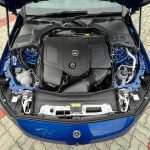
Either model offers an armada of features that includes a meter panel that can be individualised with three display styles, and you can change that according to your mood so you never get bored.

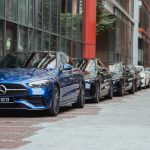
The CBU C-Class is available in eight different colours while prices stand at RM288,334 for the C200 and RM330,681 for the C300.

Caring for customers is a key – even crucial – element of any business. Customers who have a satisfying experience at dealerships and owners who have a great ownership experience will remain loyal customers, and might even be ‘ambassadors’ for the brand.

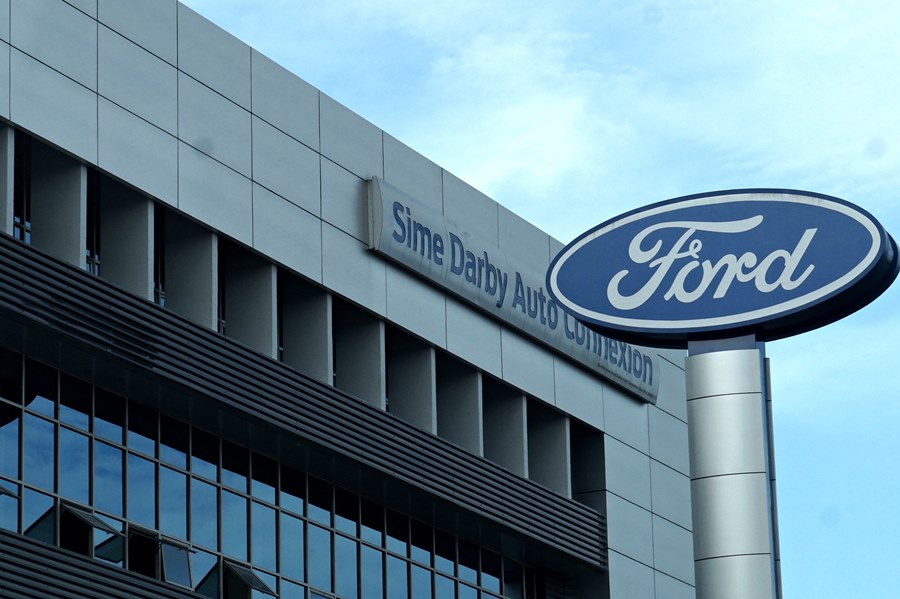
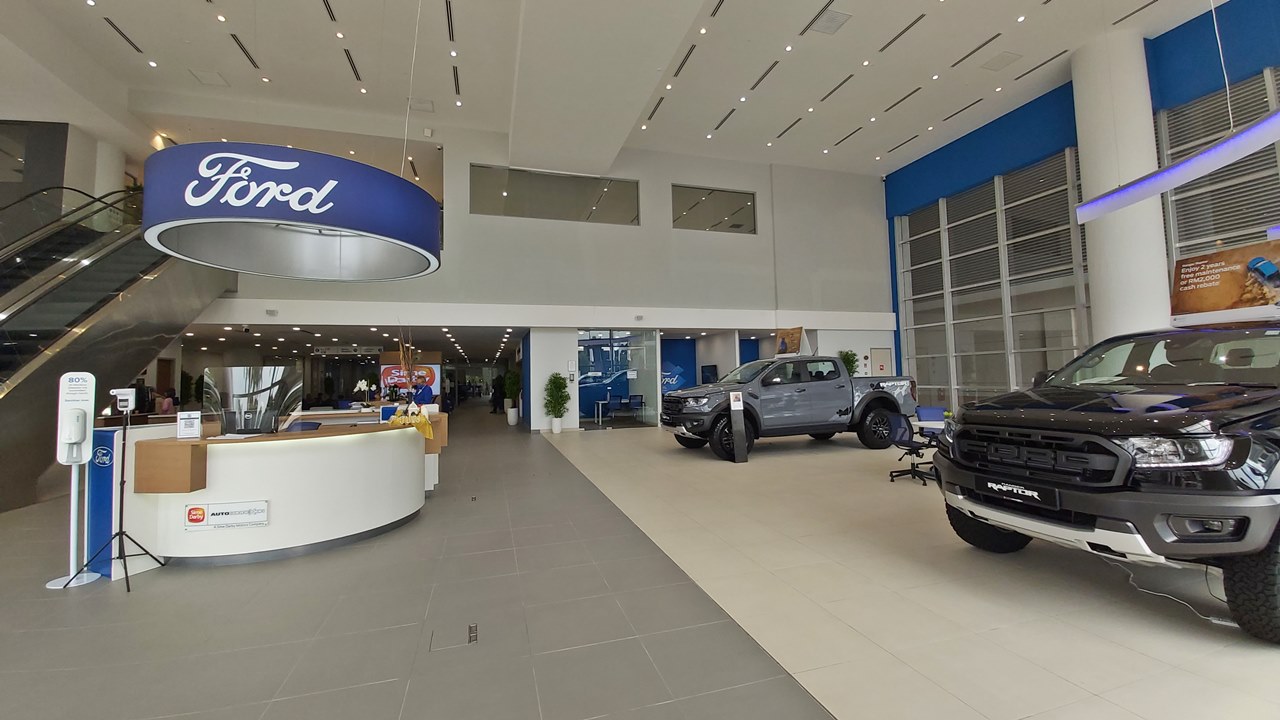
Sime Darby Auto ConneXion (SDAC), the sole distributor for Ford in Malaysia, must be doing this well as its principal, Ford Motor Company, has conferred two President’s Awards for the company’s excellence in ensuring the highest level of customer satisfaction in sales and service in 2021.

The prestigious awards are recognition of SDAC’s achievements as one of the very best Ford distributor and dealer organisations in the world. The President’s Award is the top distinction in Ford’s annual rewards and recognition programme, designed to acknowledge its distributor partners for delivering outstanding customer experience and operations.

SDAC received the 2021 President’s Awards for Sales and Service for achieving the highest customer satisfaction scores in both sales and service amongst the distributor markets across various regions. These scores are based on ratings collected from an actual customer feedback and satisfaction survey that Ford conducts with customers in each market, including Malaysia.

Introduced in 2016 regionally, the annual awards programme evaluates distributors primarily on their highest level of overall customer satisfaction and includes sales and parts performance.

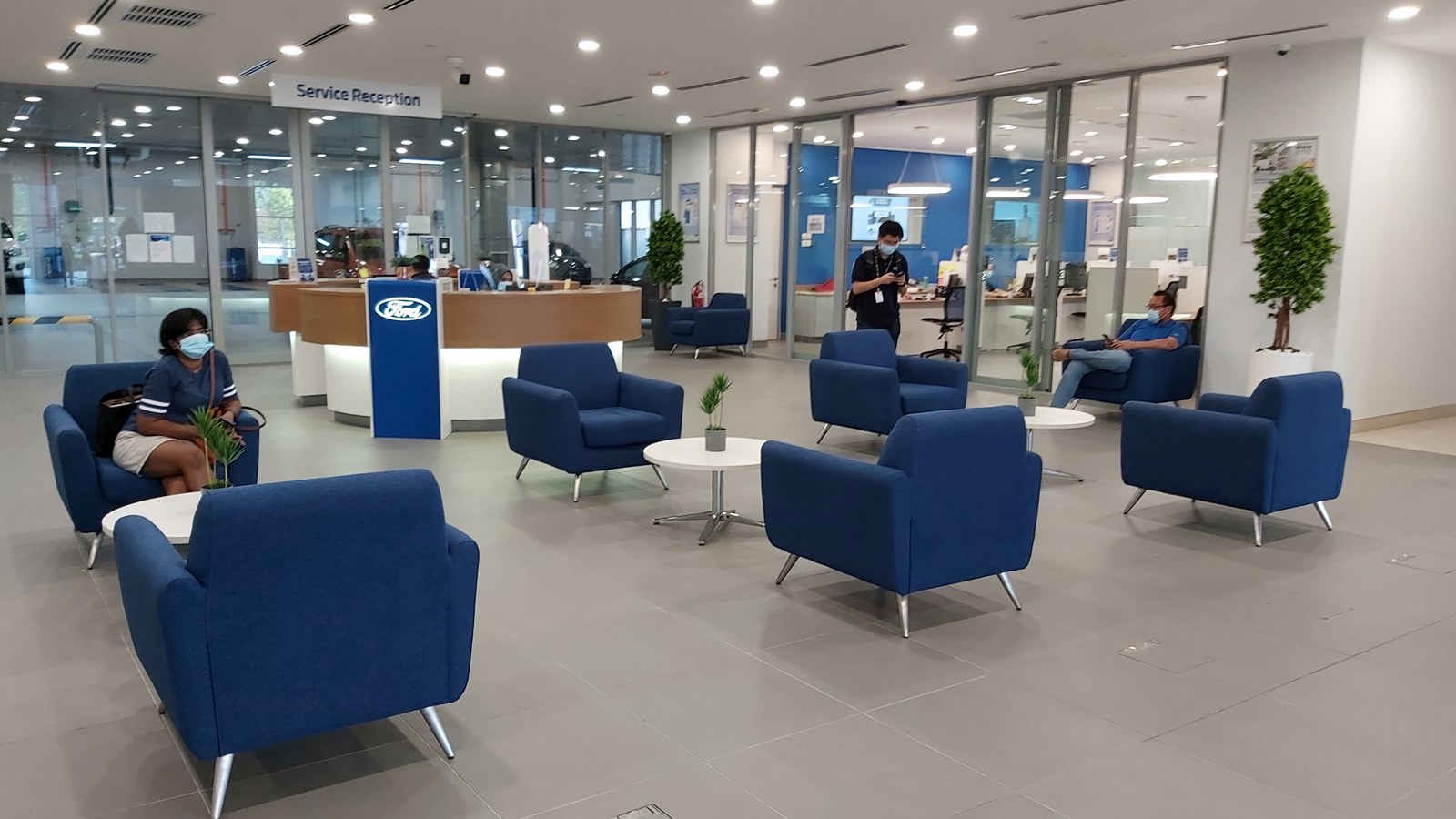
Lounge for customers at the service centre.

“We are truly honoured to receive the President’s Awards this year. Having won the Chairman’s Award in 2019 and 2020, we have continued to dedicate our efforts to innovating and finding new ways to enhance customer experiences and improve customer satisfaction. We remain committed to pursuing world-class service excellence for all our Ford customers in Malaysia,” said Turse Zuhair, Managing Director, Sime Darby Auto ConneXion-Ford.

“Despite the challenges, 2021 was a tremendously successful year for SDAC. Their dedication, resilience and perseverance have led to various key achievements. In particular, the success of ‘Ford Ranger Getaways’, which is a great example of a truly holistic programme designed to provide a richer and more immersive experience for customers, beyond just sales and service,” he added.

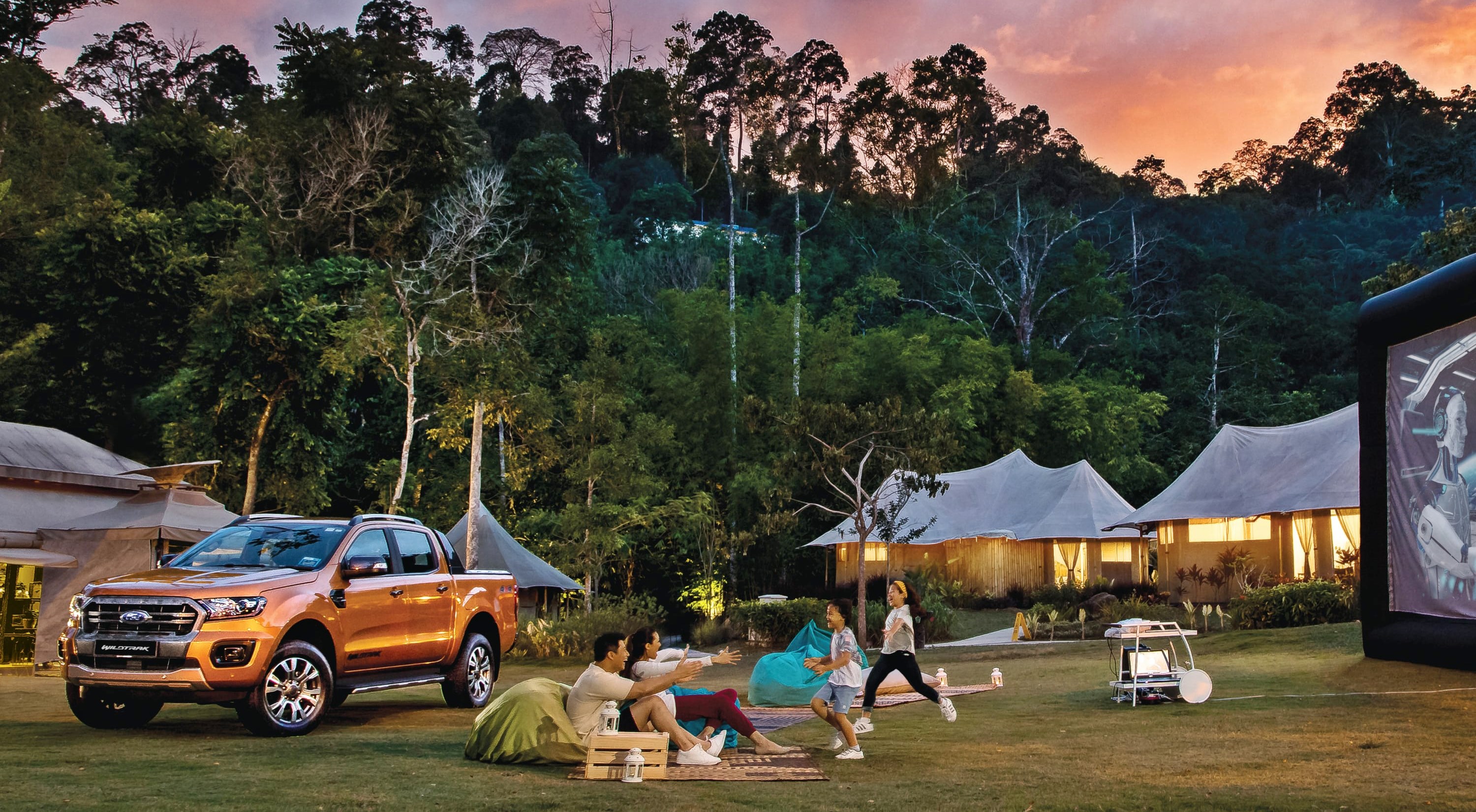
Ford Ranger Getaways provide owners with an opportunity to fully enjoy ‘The Ranger Life’.

Ford Ranger Getaways is a community-based adventure platform that brings together customers, other like-minded people and Ford enthusiasts through a series of unique local drive and adventure experiences. Customers can choose from a range of getaways, including off-roading courses to test the limits of their vehicles, becoming a pilot for a day, enjoying a leisurely day with nature or relaxing during a simple retreat with family.

To know more about Ford vehicles and services and showroom locations in Malaysia, visit www.sdacford.com.my

‘Live The Ranger Life’ celebrates Ford’s pick-up truck evolution into the modern lifestyle machine that it is today


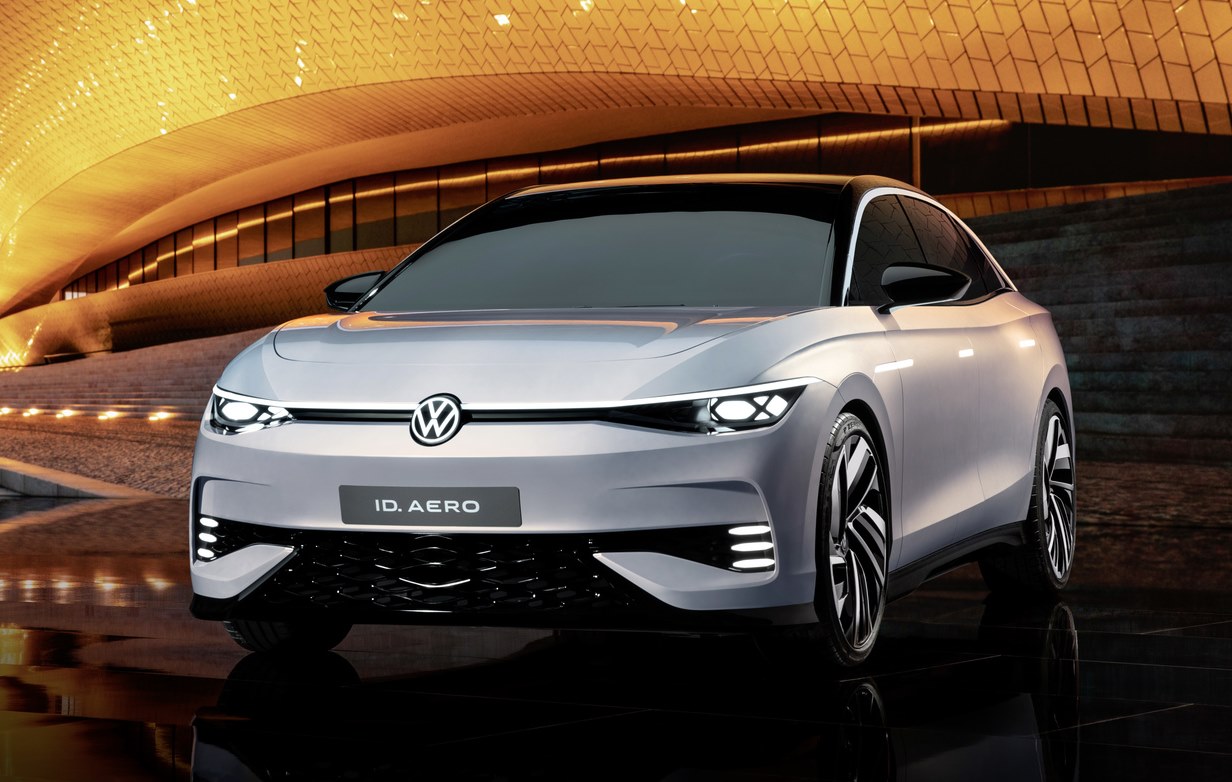
After releasing sketches of a new model in its BEV (battery electric vehicle) ID. range, Volkswagen has now issued the first pictures of the concept car that will be the basis of the flagship of the range. To be known as the ID. AERO, it will be the sixth member of the ID. family, after the ID.3, ID.4, ID.5 and ID.6 as well as the iconic ID. Buzz.

The future model will be positioned in the premium midsize sedan segment and offered worldwide as the brand’s first global BEV sedan. the production version for China, a very important market for  Volkswagen, is expected to go on sale in the second half of 2023. The European and global version will be made in Germany from 2023.

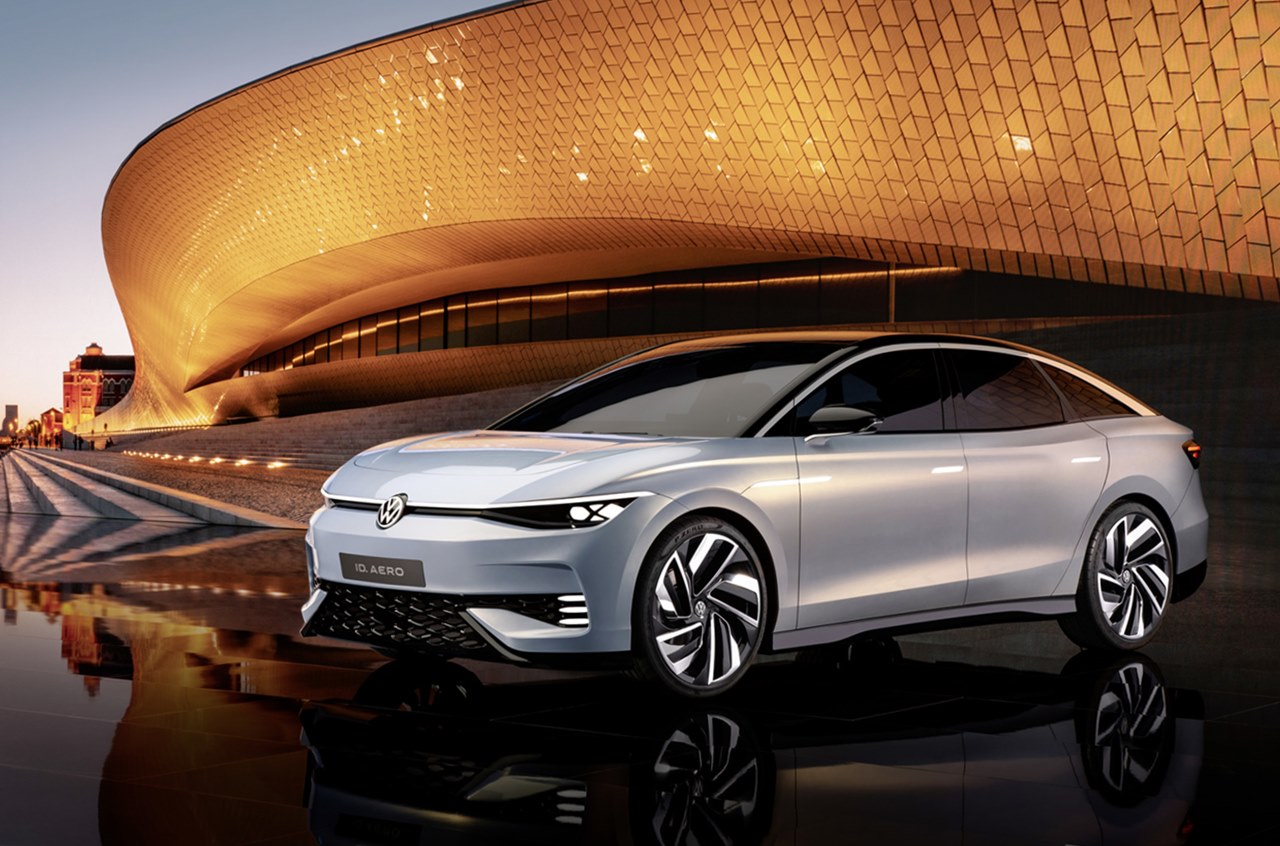
2022 Volkswagen ID.AERO concept BEV

Electric offensive in China
With the ID. AERO, Volkswagen is stepping up its electric offensive in China as part of its ACCELERATE strategy. Following the ID.3, ID.4 and ID.6, the production version of the ID. AERO will become the fourth fully-electric model series in China when it goes on sale in the second half of 2023.

Two versions are planned for the world’s largest car market – one for each Volkswagen joint venture. Based on its regional strategy, Volkswagen is aiming to become the leading supplier of sustainable vehicles in China. As early as 2030, it is planned that at least every second vehicle sold in China will be an electric vehicle.

2022 Volkswagen ID.AERO concept BEV

Elegant design characterised by aerodynamics
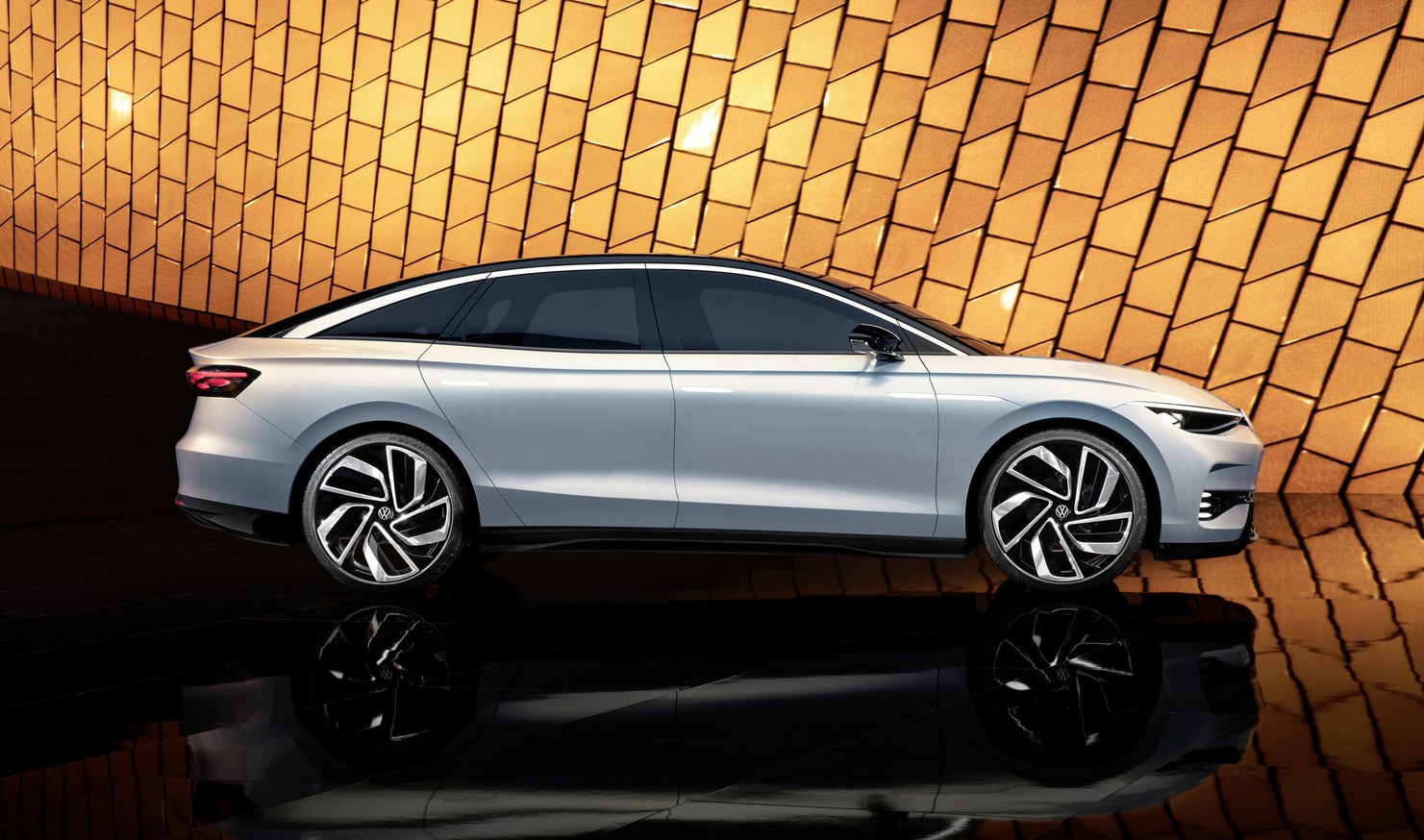
The concept car is almost 5 metres long and its design is greatly influenced by aerodynamic principles. The roof slopes elegantly to the rear in coupe style and contributes to achieving a very low drag coefficient of 0.23 Cd.

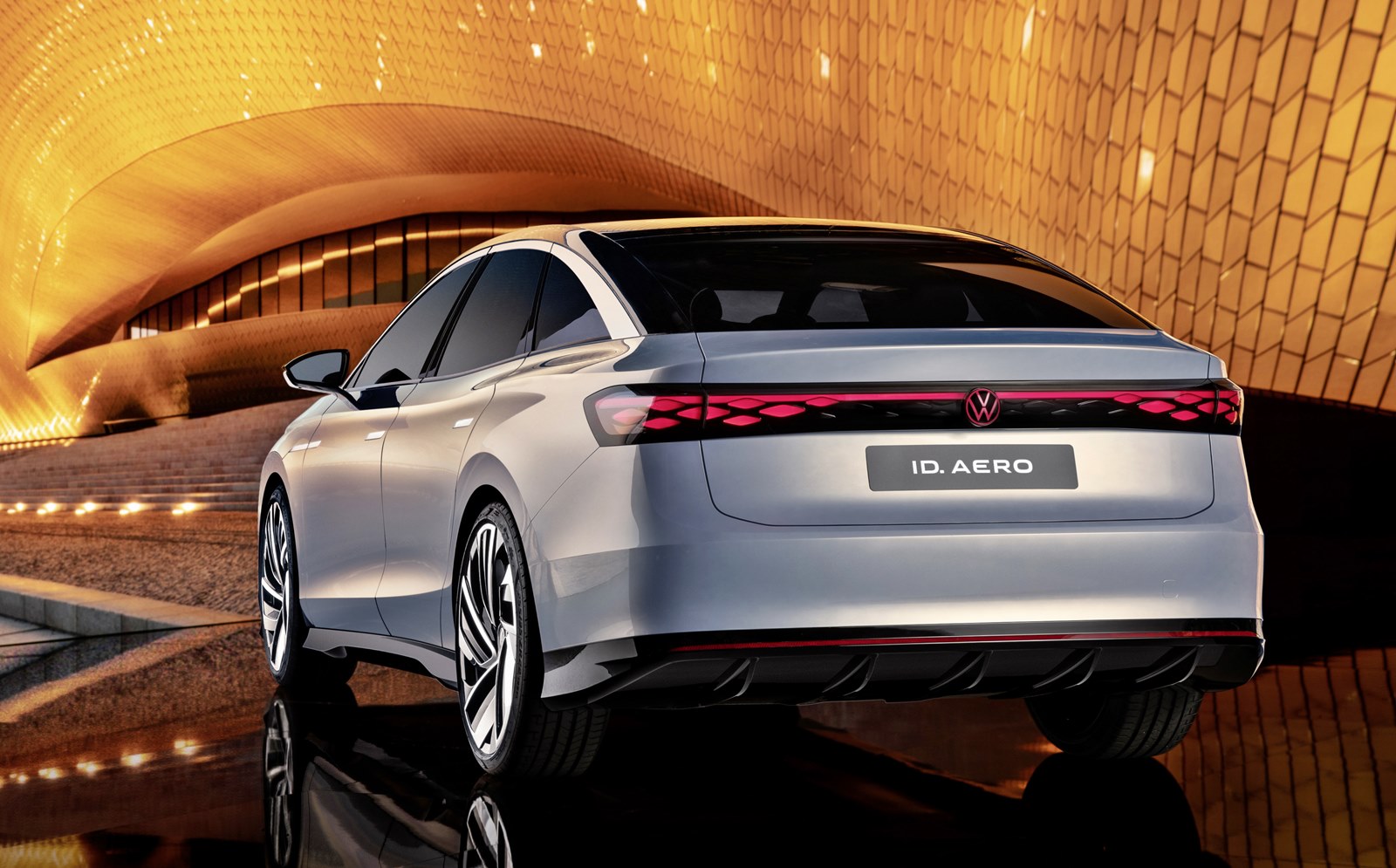
Stylistically, the ID. AERO transfers the design of the ID. family to a sedan in the premium midsize segment for the first time. The aerodynamically designed front end and roof ensure that air flows optimally over the vehicle. The airflow is calmed by the slightly drawn-in rear end with a separation edge.

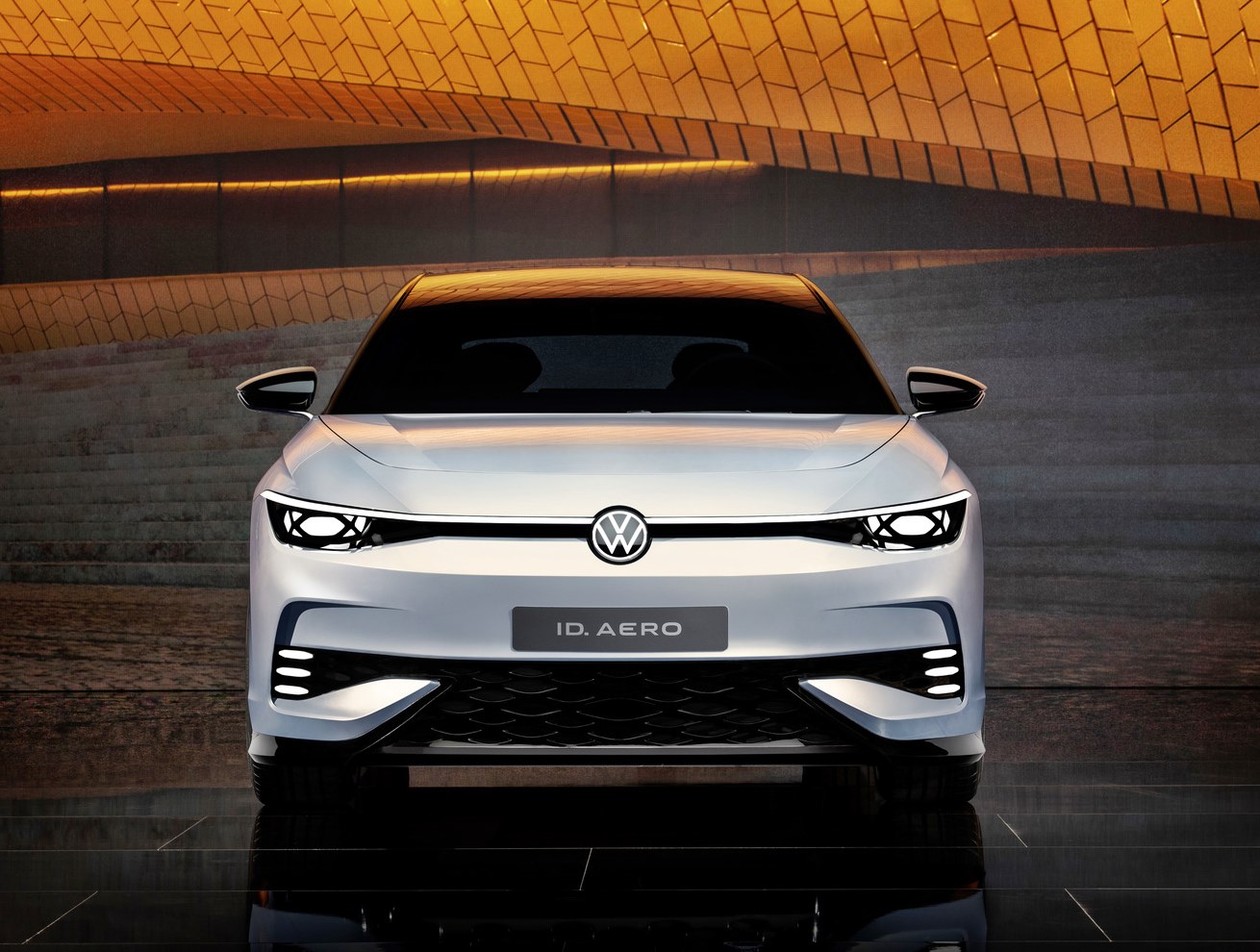
2022 Volkswagen ID.AERO concept BEV

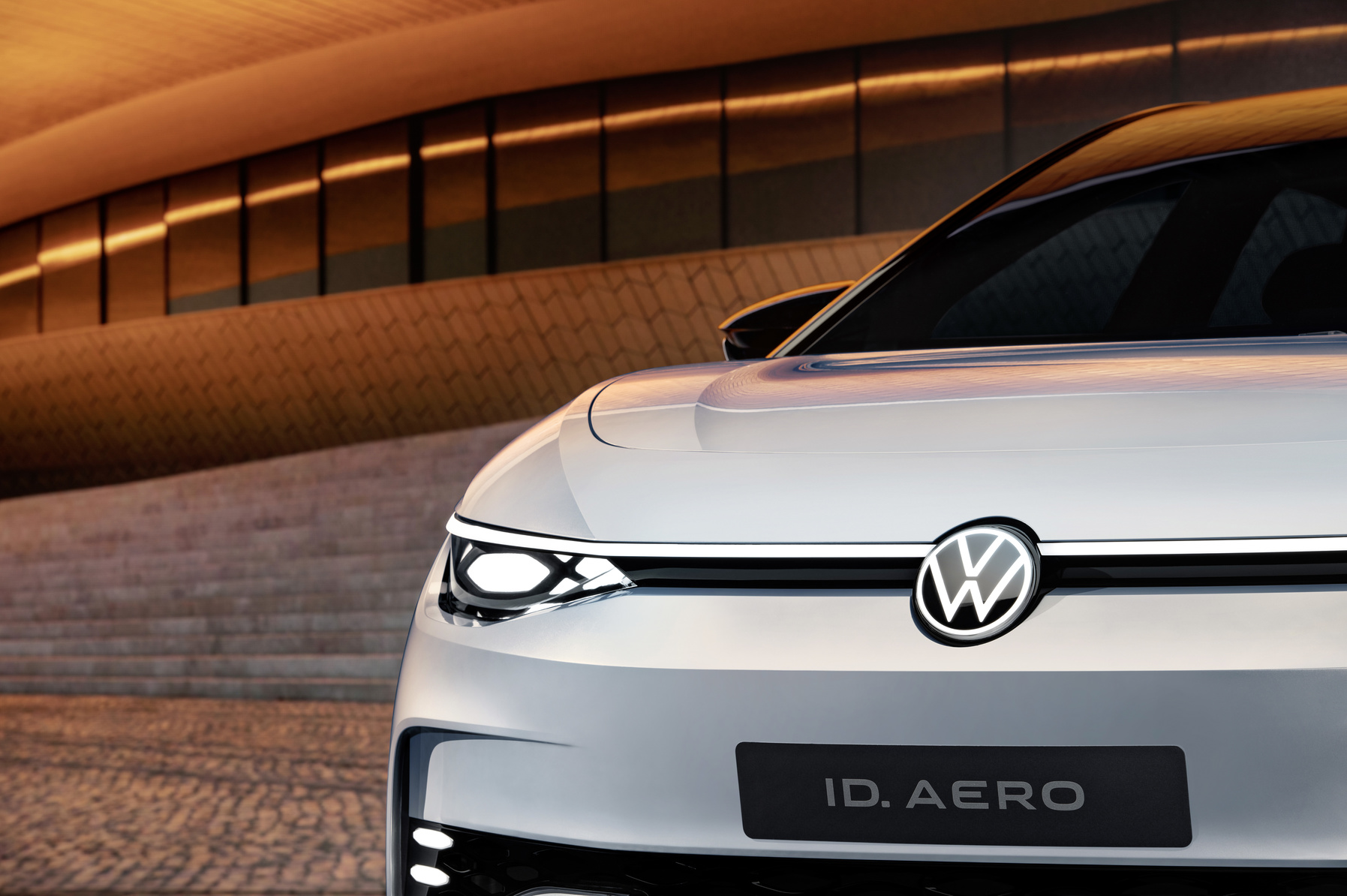
The front end is characterised by the ID. honeycombs typical for the ID. family. The front is horizontally split into two in the bumper and is a defining style element for the ID. AERO design. As another distinctive feature that makes the ID. AERO stand out in the crowd, a narrow light strip extends horizontally across the front out to the left and right of the illuminated Volkswagen badge and above the IQ.LIGHT LED matrix headlights, wrapping into the wings and side panels.

This light strip is continued visually to the rear end with a few interruptions. The dominant rear end features a striking dark light strip and LED taillight clusters with honeycomb structure that create an exclusive look.

2022 Volkswagen ID.AERO concept BEV

The sporty 22-inch two-tone wheels are designed in the style of a turbine and are integrated flush into the wheel housings. Classic door handles are replaced by illuminated touch surfaces, which reduce the drag even further.

At the top of the silhouette, the bold tornado line and downward sloping roof line shape the design. The powerful shoulder section of the ID. AERO is located above the tornado line. The contour lines make the electric sedan appear flatter and give it a dynamic look.

Modular Electric Drive Matrix (MEB)
Volkswagen’s modular electric drive matrix (MEB) permits short overhangs, a long wheelbase and an exceptionally spacious vehicle interior. The ID. AERO will have a powerful lithium-ion battery with a net energy content of 77 kWh. Thanks to the interaction of the efficient drive system and the excellent aerodynamic properties, the carmaker claims that ranges of up to 620 kms will be possible.

2022 Volkswagen ID.AERO concept BEV

“With the ID. AERO showcar, we are revealing a preview of the next member of the ID. family. A car with an emotional and at the same time extremely aerodynamic design, a range of over 600 kms, an extraordinary amount of space and a premium interior,” said Ralf Brandstatter, CEO of Volkswagen Passenger Cars. “With our ACCELERATE strategy, we are intensively driving forward the electrification of our model range. Following the ID.4, this model will be our next global car for Europe, China and the USA. ”

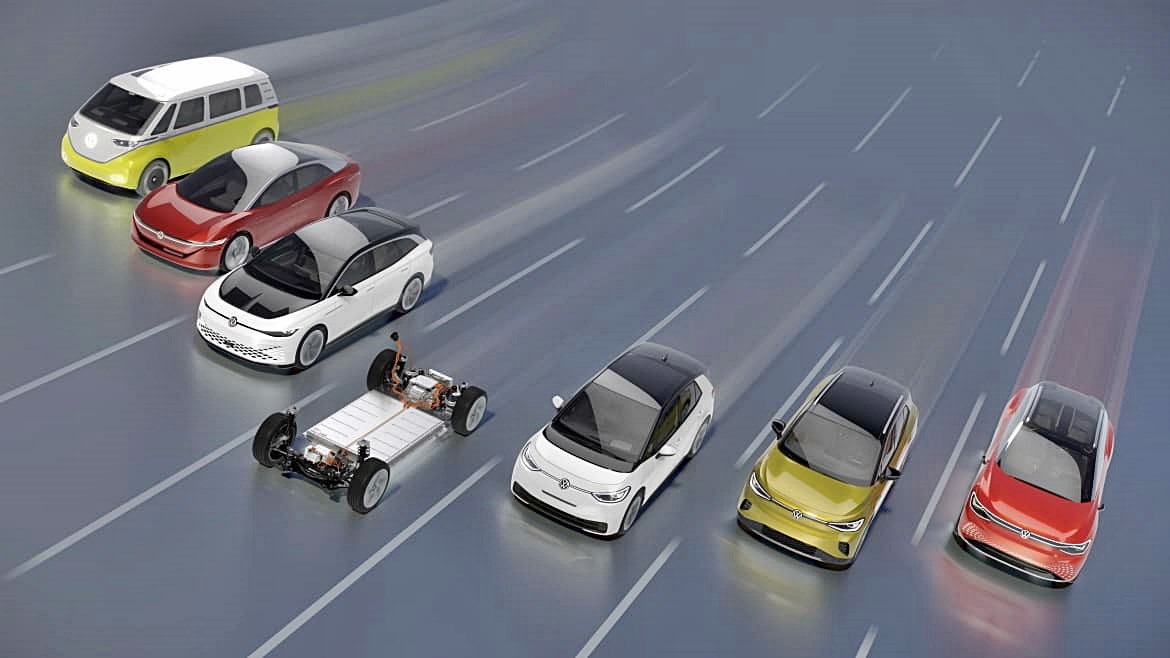
The ID. family is Volkswagen’s range of the future with all battery-electric models using the MEB platform.

VW’s ID. SPACE VIZZION shows the stationwagon will continue to exist in the electric age

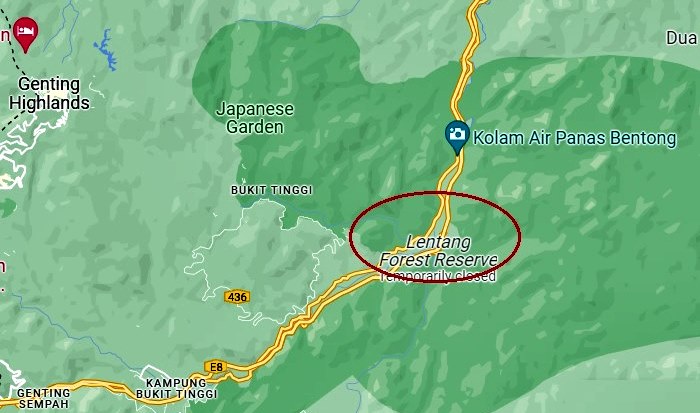
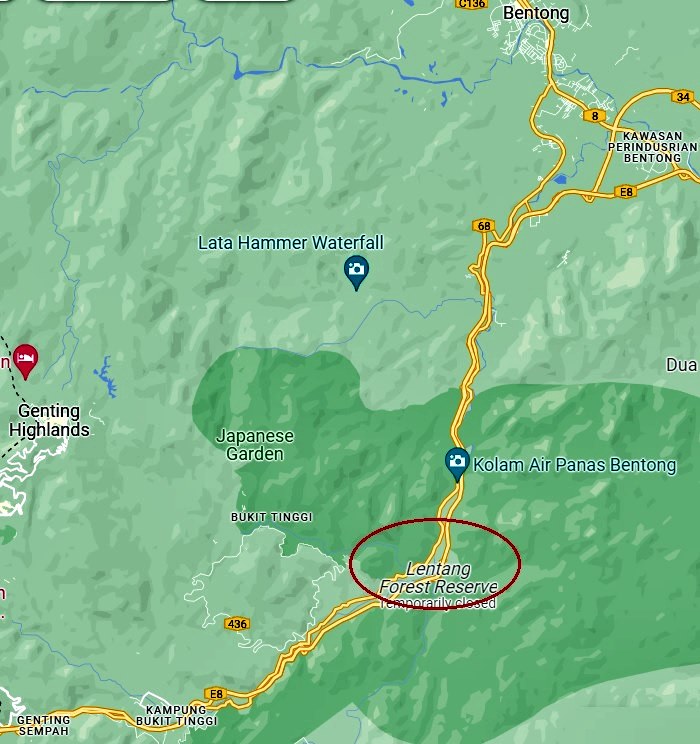
If you are travelling along the Karak Highway tonight (Monday, June 27), be advised that a section of about 500 metres of the highway will be closed. The closure for both sides of the highway will be for 30 minutes from 11 pm tonight and all lanes are expected to reopen to traffic by 5 am tomorrow (Tuesday, June 28).

According to ANIH Berhad, the operator of the Kuala Lumpur – Karak Highway (KLK) and the East Coast Expressway Phase 1 (LPT1), the closure is to facilitate works on the construction of the ECRL (East Coast Rail Link) which will connect Kota Bharu in Kelantan to Port Klang in Selangor when completed in 2027.

According to Radzimah Mohd Radzi, Senior General Manager, Head of ANIH Berhad, the closure is to give access to heavy machinery involved in the construction of the ECRL Genting tunnel. “Both bounds from KM55.35 to KM 55.85 (Lentang) will be closed entirely to traffic to ensure the safety of our users remain top priority. ANIH Berhad would also like to remind our users to plan their journey ahead of time or delay it, if possible,” Puan Radzimah said.

Only the left lanes will be accessible to traffic on both bounds after 11.30 pm tonight and ANIH Berhad is expecting to reopen all lanes by 5 am on Tuesday morning.

Puan Radzimah reminds road-users to drive responsibly and to adhere to traffic personnel on-site and also ensure their vehicles are in good condition before starting their journey.

The latest information on activities at the highways can be found at the official social media pages of the Malaysian Highway Authority/ANIH Berhad on Twitter @LLMTrafik @LPTTrafik and Facebook @Lembaga Lebuhraya Malaysia @Lebuhraya Pantai Timur. Motorists can also call the LLM Hotline at 1800-88-7752 and LPT-Line at 1-700-818-700.

Additionally, if you want to have an idea of conditions along the highways, you can view CCTV images at Jalanow.com.

Guide to buying a Digital Video Recorder (dashcam)

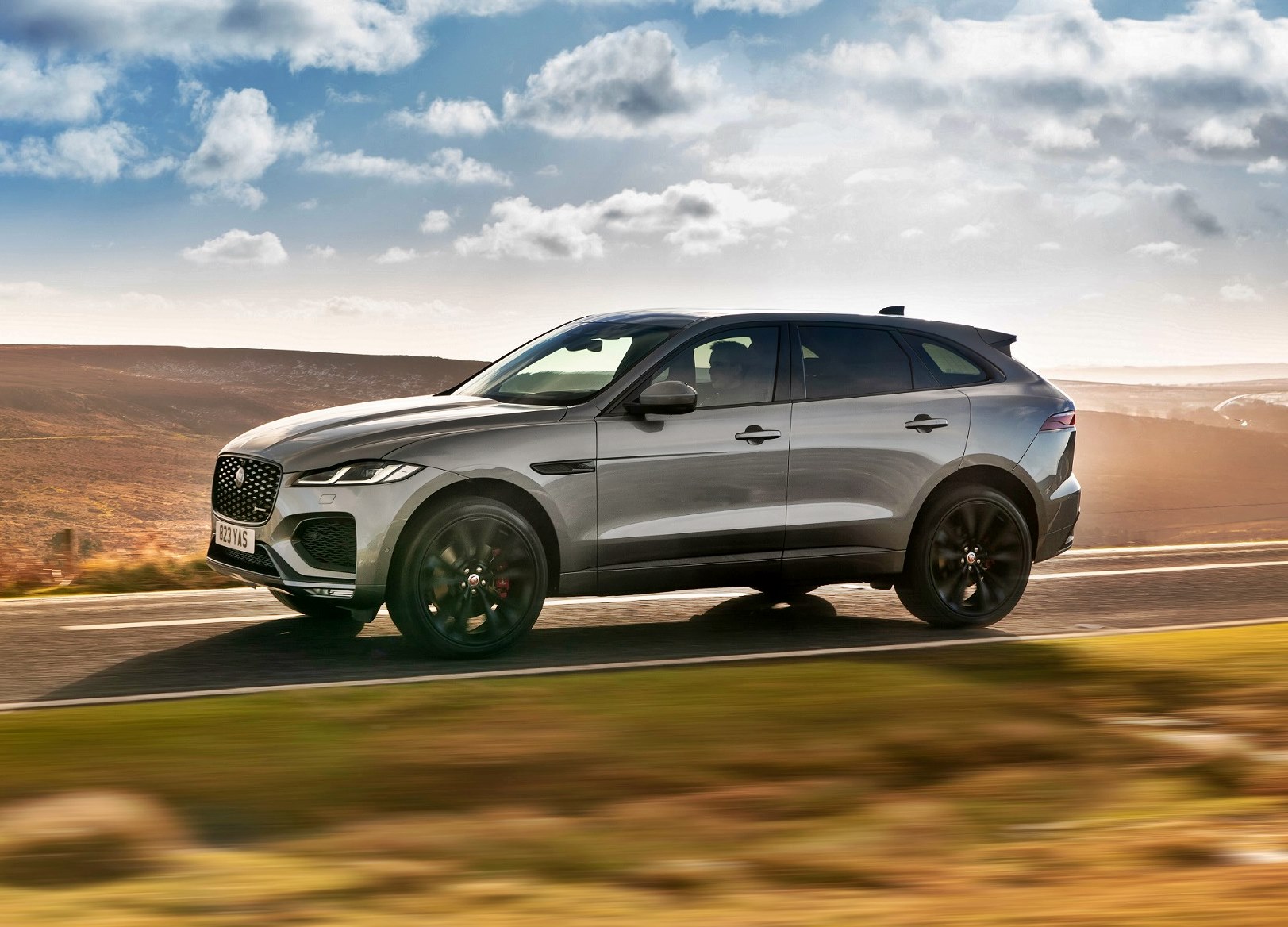
The F-PACE, Jaguar’s first SUV, has been in the global market since 2016 and over the past 6 years, it has been selling well and even winning the overall World Car of the Year award in 2017. It appeared in Malaysia in 2018 and like many SUVs in the premium luxury segment, it has not had a shortage of buyers.

With its success, it’s clear that the F-PACE ticks all the right boxes for customers and has been a well designed and engineered product from the outset. But it has been 6 years and in an industry where someone is introducing something new every month, periodic refreshing of the looks and enhancing the features list is necessary to keep the model fresh.

Jaguar Land Rover Malaysia (JLRM) has now begun selling the 2022 model of the F-PACE which has some cosmetic changes on the outside and updated features within. While the overall form and profile are unchanged, the sculpted bonnet has a wider power bulge for a stronger presence.

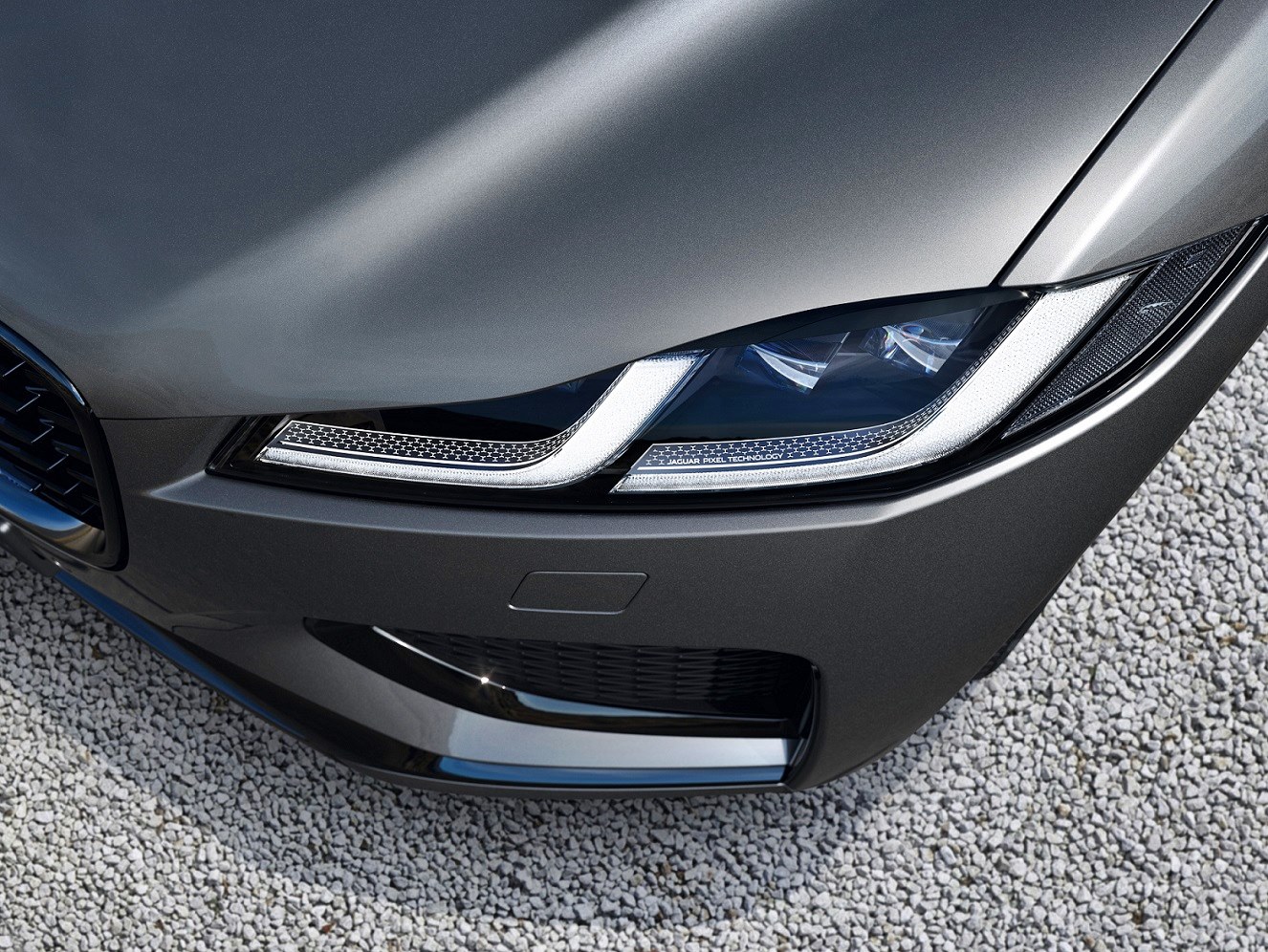
The lighting units are new and super-slim (10 mm slimmer) all-LED quad headlights that give stronger illumination. At the same time, they also create greater visual width. The lights have a ‘Double J’ signature graphic formed with the Daytime Running Lights to identify the F-PACE from a distance.

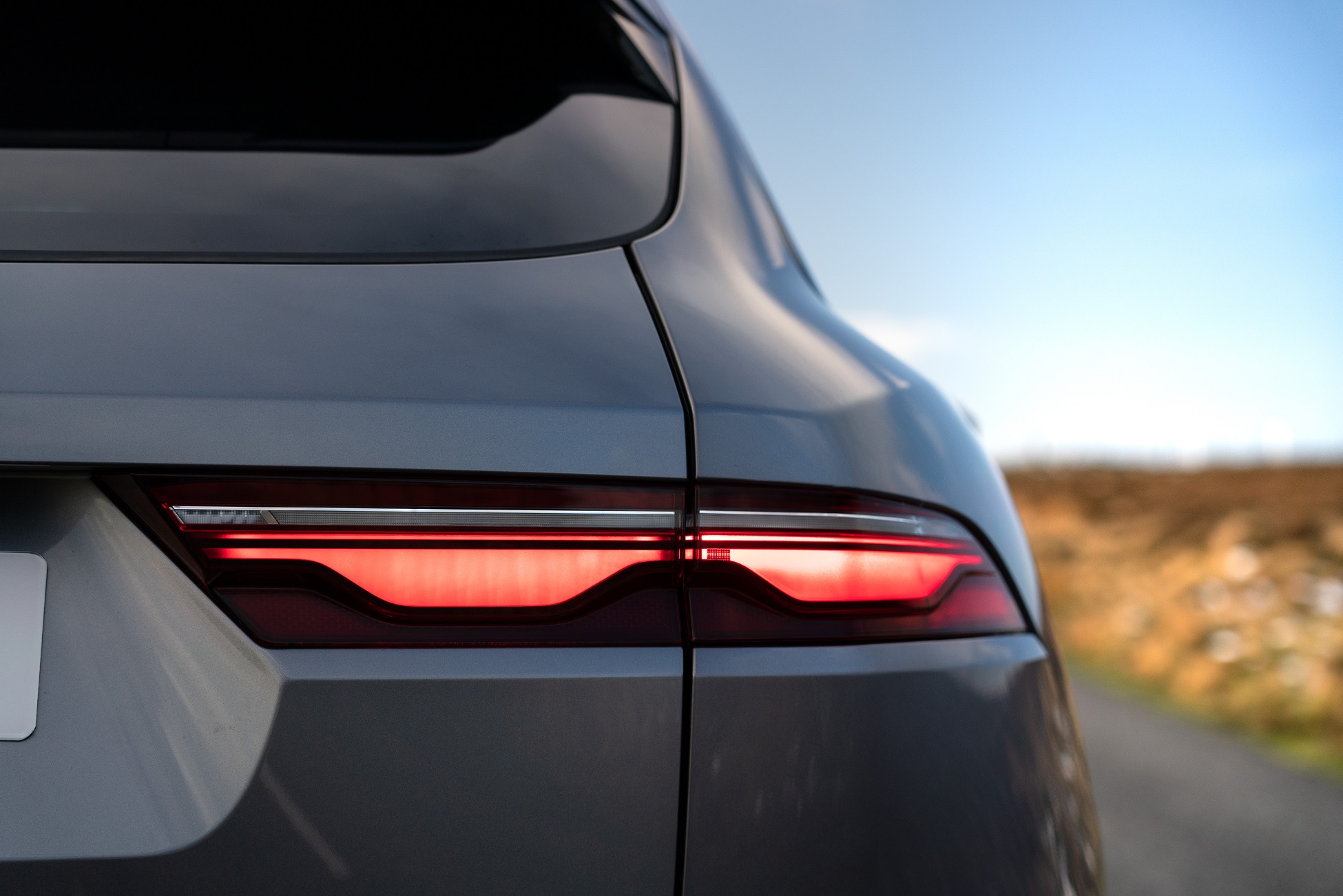
At the rear, the new tailgate accentuates the visual width of the vehicle and below it is a redesigned lower bumper. The new fully LED rear lights with sculpted lenses are inspired by the fully electric I-PACE and feature Jaguar’s chicane graphic.

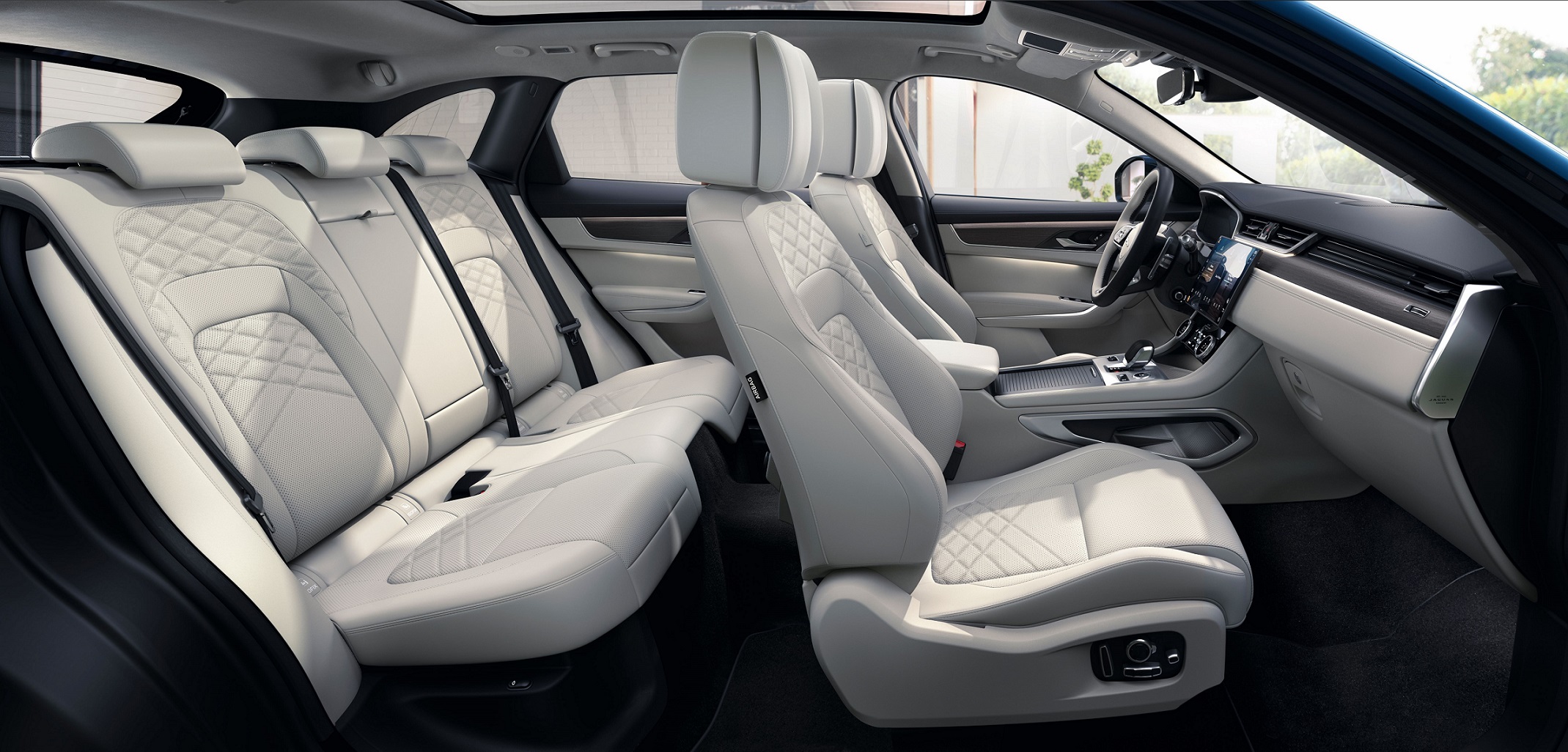
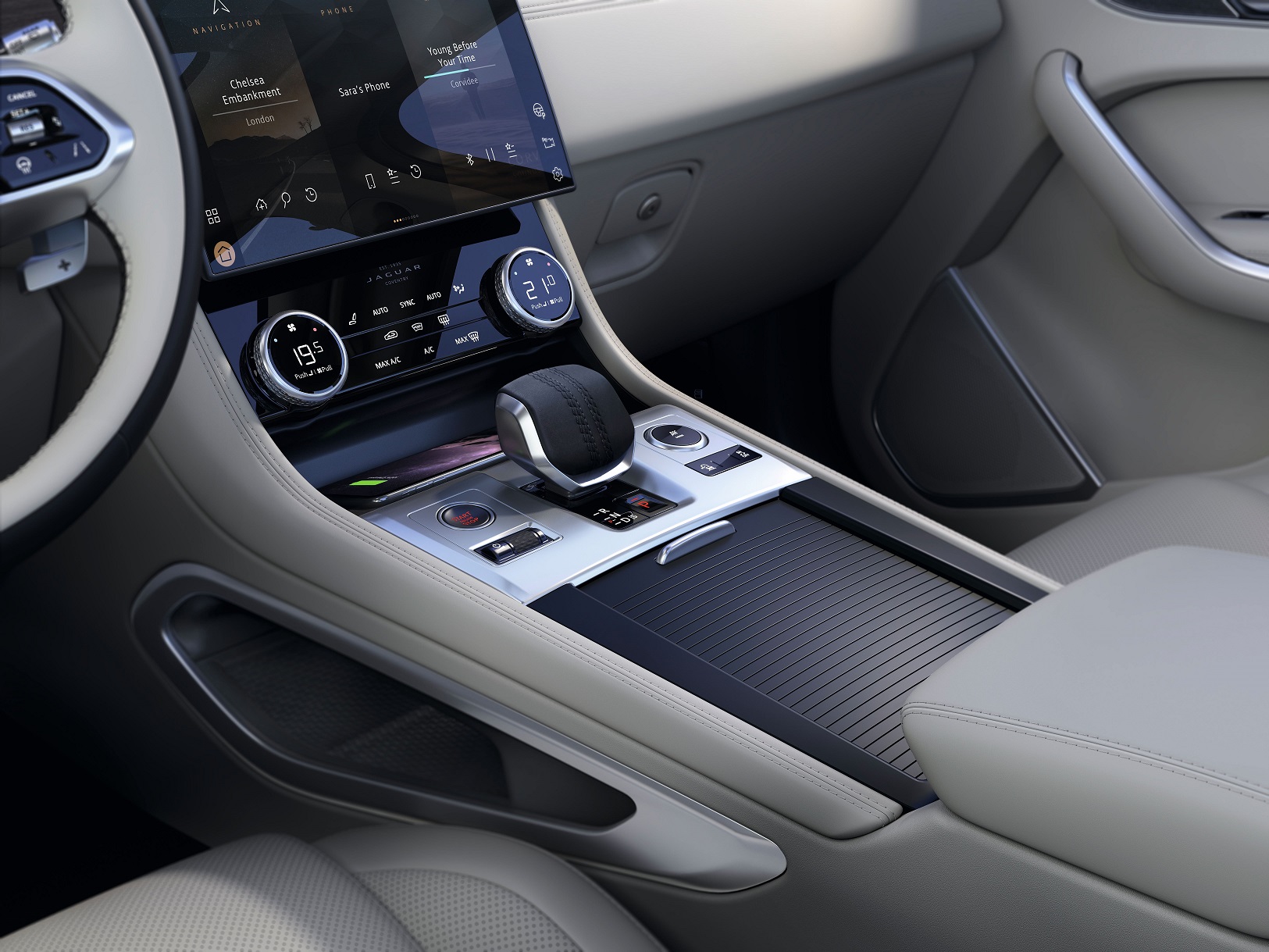
The cabin of the F-PACE has an elegant ambience merged with elements of engineering ingenuity. The revised cockpit area has a bolder, more dynamic look with greater focus on the driver. The new Drive Selector epitomises Jaguar’s approach to contemporary controls. The soft upper trim wraps round the ‘palm grip’ and proudly features a ‘cricket-ball’ stitch, inspired by iconic British craftsmanship. Below, the precision-engineered metal cradle is sculpted for added tactility and an engaging quality feel.

The centrally mounted 11.4-inch curved-glass HD touchscreen is the control centre for the new Pivo Pro infotainment system. Besides more intuitive operations, it also provides greater clarity for ease of viewing in any lighting conditions. Its simplified menu structure (mimicking a smartphone interface) allows the driver to carry out 90% of common tasks within two taps from the home screen. This reduces the time spent looking towards the display panel, which is safer when driving.

The Pivo Pro system can also connect to compatible smartphones using Apple CarPlay or Android Auto which can put favourite apps like Waze or Spotify on the display panel, and they can be operated from the touchscreen. The wireless approach extends to charging too as there is a charging pad available.

Though the cabin size is unchanged, there is a feeling of extra spaciousness with softer forms and dramatic contrasting use of colour at eye-level. One trick used by the interior designers: light-coloured finishes on lower sections of the cabin which immerse the interior in one tone, visually enhancing the sense of space.

The 5-seater cabin has exquisitely crafted leather upholstery with the rear seats having a 40:20:40 division so that there is flexibility to carry extra cargo or people. With the seats folded, there’s a long floor all the way to the back seats, ideal for bringing home furniture packs from IKEA.

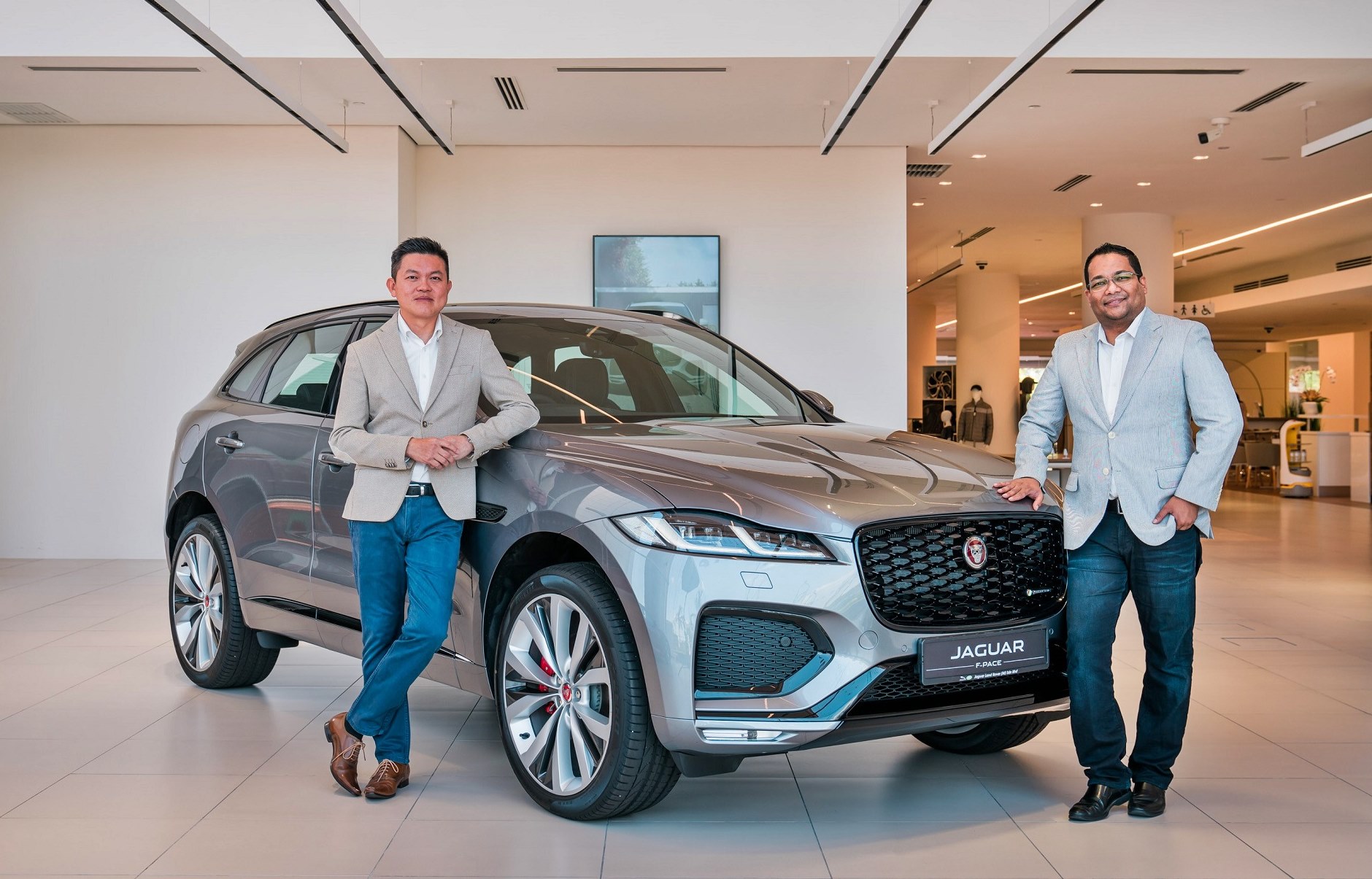
“By offering modern luxury with this latest evolution of the award-winning F-PACE, we are raising the bar even further with this best-in-class SUV, which combines practicality, performance and comfort with a distinctive look and cutting-edge technologies. Everything in the design and the specifications, from the sleeker silhouette and all-new Drive Selector to the spacious and luxe interior equipped with an intuitive infotainment system, are all geared towards ensuring an enriched driving experience,” said Syed Ahmad Muzri Syed Faiz, Managing Director of Jaguar Land Rover Malaysia.

“Tapping into the positive growth prospects for the luxury car segment as well as  the SUV segment in Malaysia, the Jaguar F-PACE bridges both worlds as a globally renowned premium SUV. This is part of Sime Darby Motor's continuous expansion of our range of vehicles through new and exciting models,” added Jeffrey Gan, Managing Director, Retail and Distribution of Sime Darby Motors Malaysia.

Priced from RM598,800 (inclusive of sales tax but without roadtax, registration fees and insurance) the latest F-PACE is available only in the R-Dynamic version. This has a 2-litre 4-cylinder 250 ps/365 Nm Ingenium petrol engine.

To know more about the new F-PACE and other Jaguar models in Malaysia, visit www.jaguar.com.my.

Jaguar Land Rover Malaysia showroom upgraded and now has Robot Assistants!

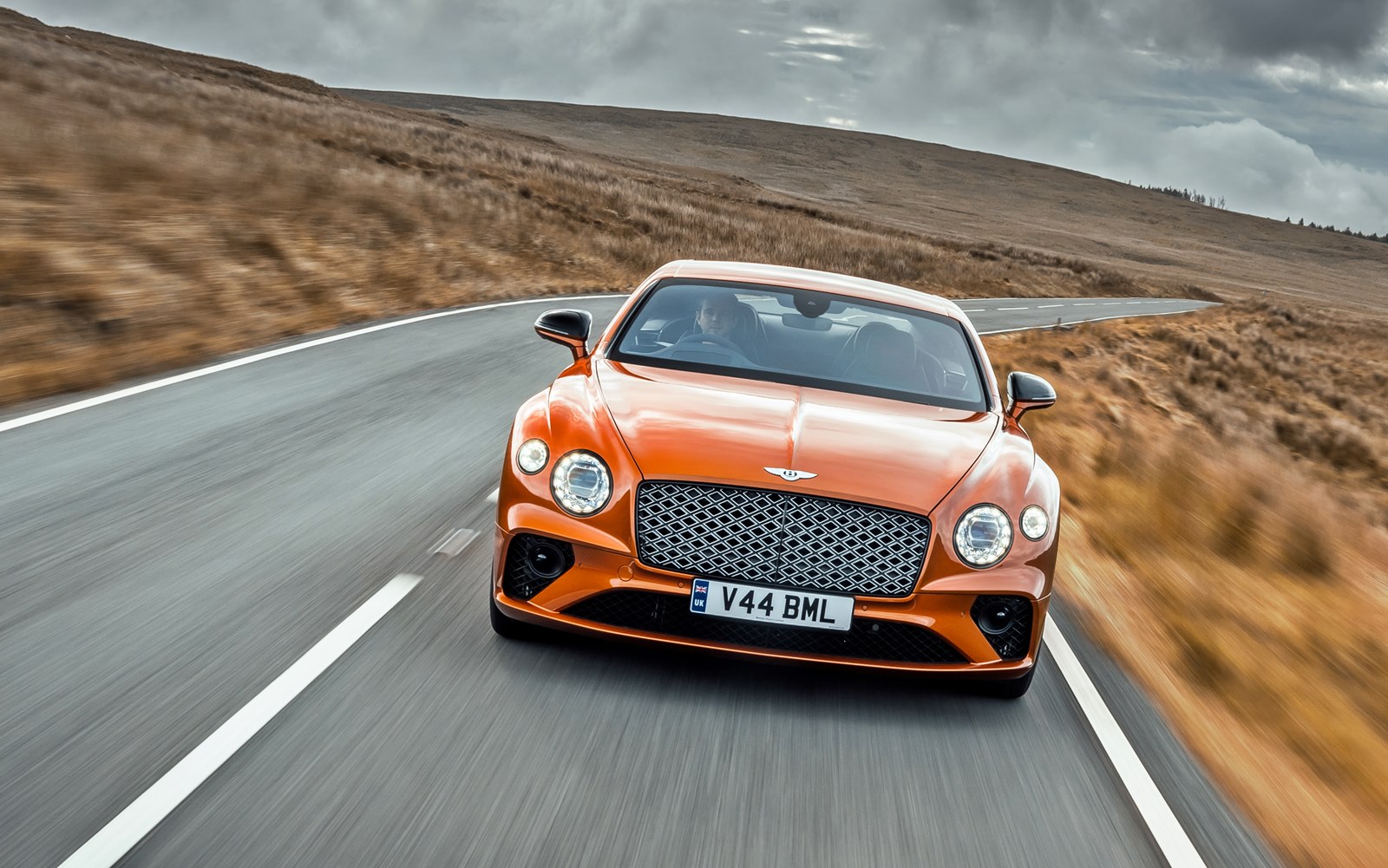
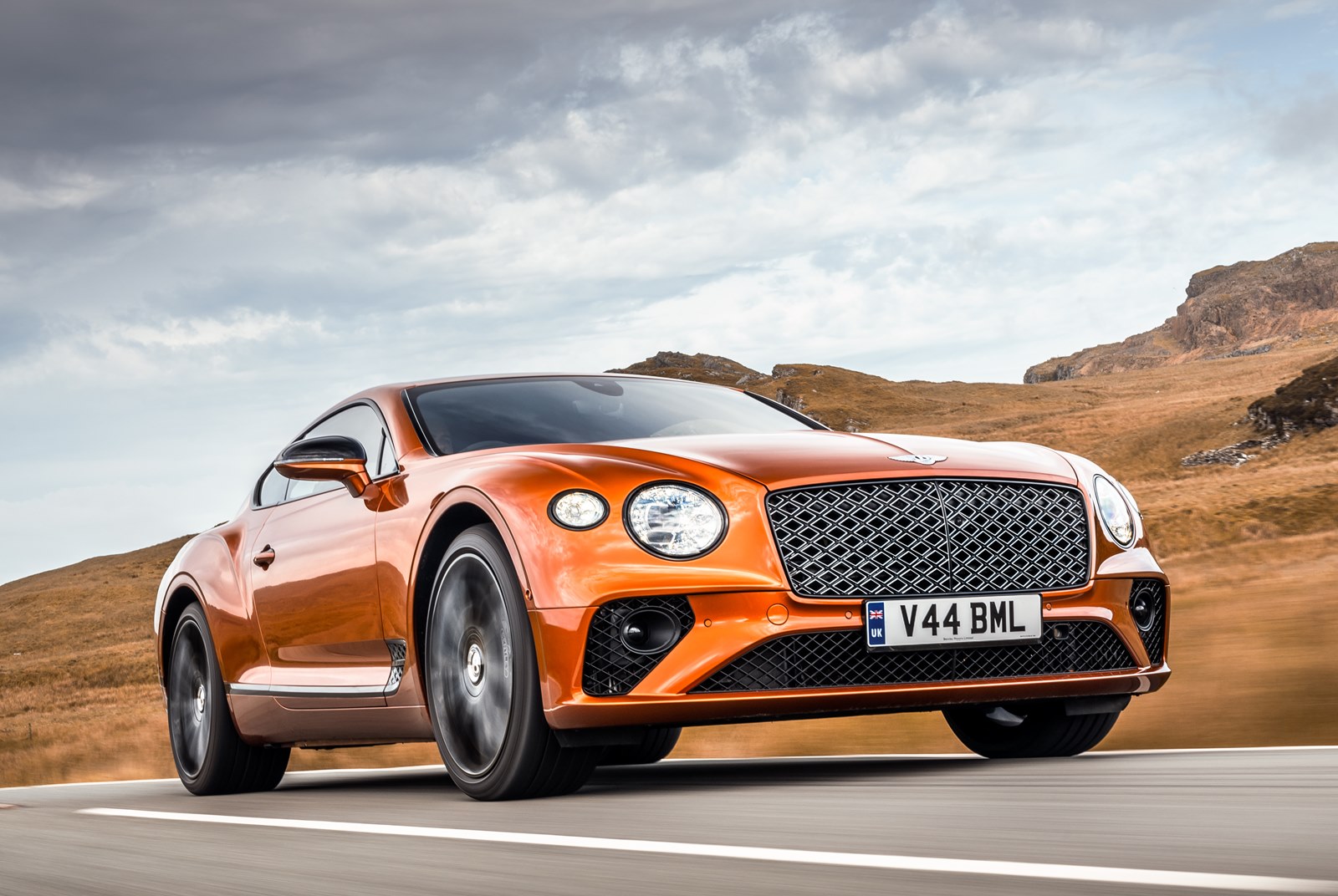
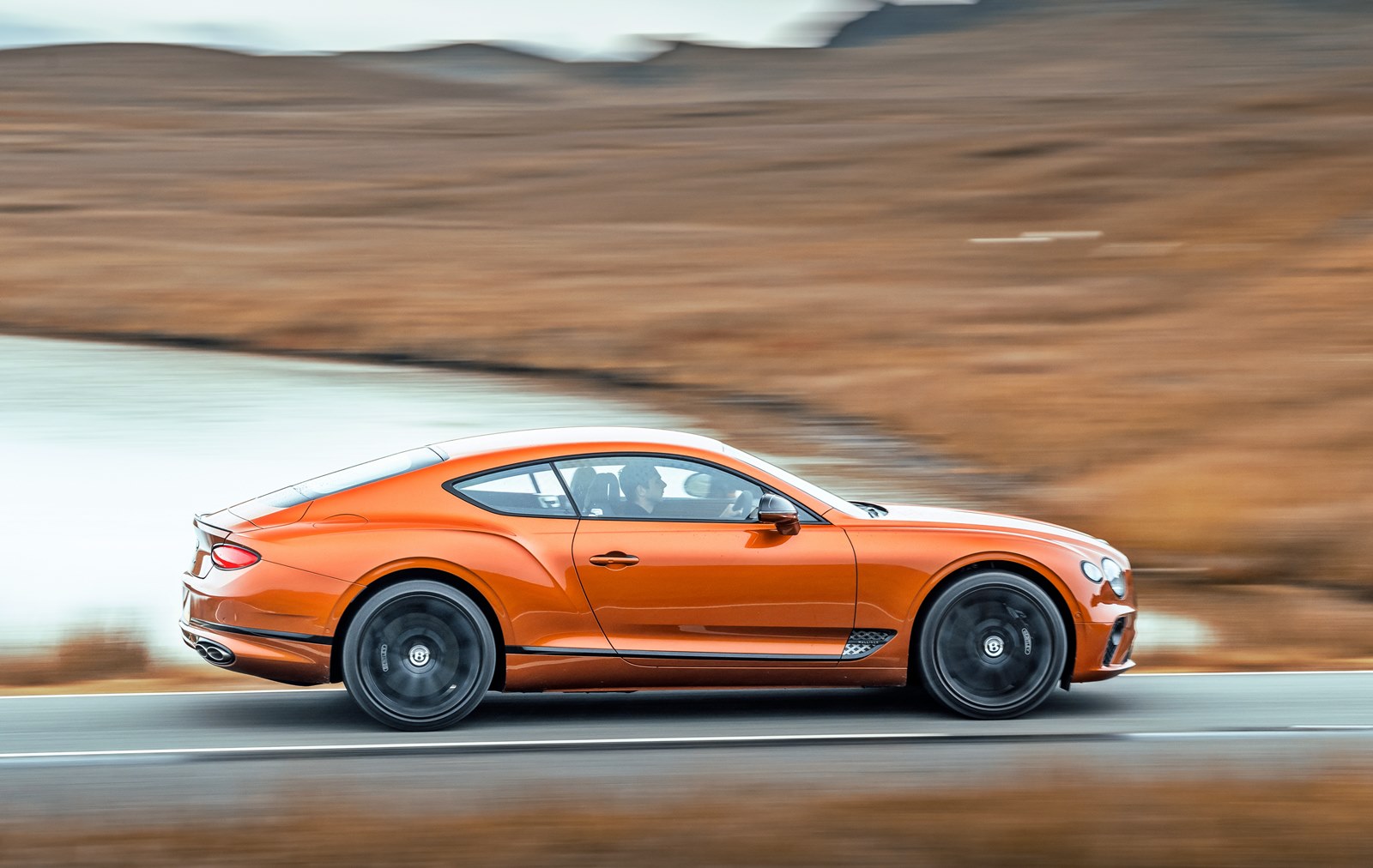
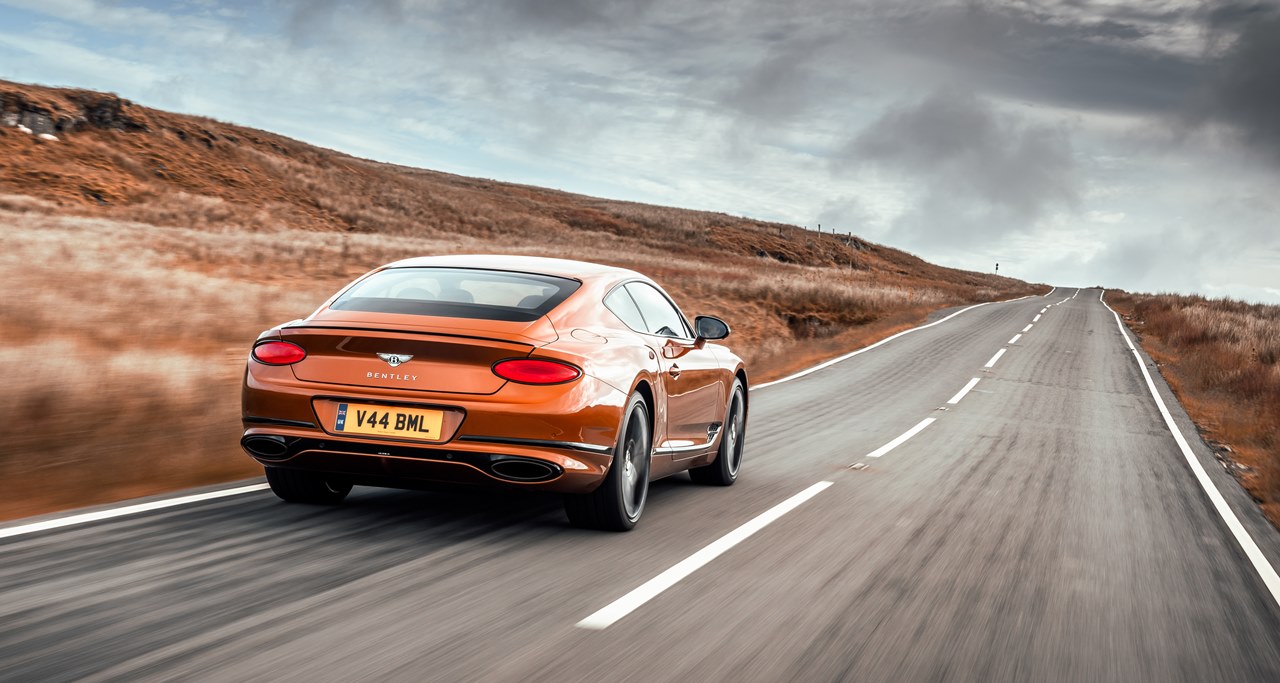
Bentley has placed a new version of its Continental GT Mulliner at the very top of the range and this is the ultimate version. It is the most powerful, fastest, most dynamic and most luxurious Continental GT yet created by the carmaker.

The new GT Mulliner W12 takes the best of all worlds to become the ultimate Continental GT. It combines the performance and dynamism of the Speed, the comfort of the recently-announced Azure, and the flair of Mulliner handcraftsmanship.

The W12 TFSI engine, handcrafted at Bentley’s carbon neutral factory in England, delivers 659 ps/900 Nm to take the grand tourer to a claimed top speed of 335 km/h after passing 100 km/h in 3.5 seconds  from take-off. The new engine is an uprated version of Bentley’s 6-litre W12 TSI engine with a 4% increase in power over the standard W12 model.

A combination of four chassis technologies give the new Mulliner model a level of agility, performance and ride quality that has been stretched to new levels. Bentley Dynamic Ride and three-chamber active air suspension with adaptive damping play a key role in the balance of the car.  The optional and newly-developed Carbon Ceramic Brakes, Variable Electronic Stability Control, All Wheel Steering, and an Electronic Limited Slip Differential bolster the agility and performance even further.

Combining the new systems delivers Bentley’s philosophy that a vehicle should feel progressive and secure, yet still be dynamic. To achieve this philosophy in BENTLEY and COMFORT mode, overall grip is balanced between the front and rear wheels while, in SPORT, this mode has been calibrated with a more rear-biased torque–split in all driving scenarios.

Bentley’s 3-chamber active air suspension with adaptive damping, and Bentley Dynamic Ride provide control and comfort. The 48V active anti-roll control system was originally pioneered on the Bentayga and third-generation Continental GT, and is now tuned even further with the knowledge and learning since the systems introduction.

This innovative system features powerful electric motors within each anti-roll bar to resist body roll. In their firmest setting, the motors can deliver 1,300 Nm in 0.3 seconds to counteract cornering forces and keep the body level.

The Electronic All-Wheel Steering enhances the dynamic nature of the Continental GT Mulliner W12 in each of the driving modes. This is even more apparent in SPORT mode, as the steering combines with Bentley Dynamic Ride and the electronic limited slip differential for a level of agility unlike any other Bentley road car, utilising up to 4° of steering lock on the rear wheels.

The eLSD allows true active torque vectoring across the rear axle, which is then fine-tuned with torque-vectoring by brake systems. Together, these technologies improve turn-in and provide exception traction on corner exit – and, of course, allow the keen driver to induce slip angles and to balance the car on the throttle.

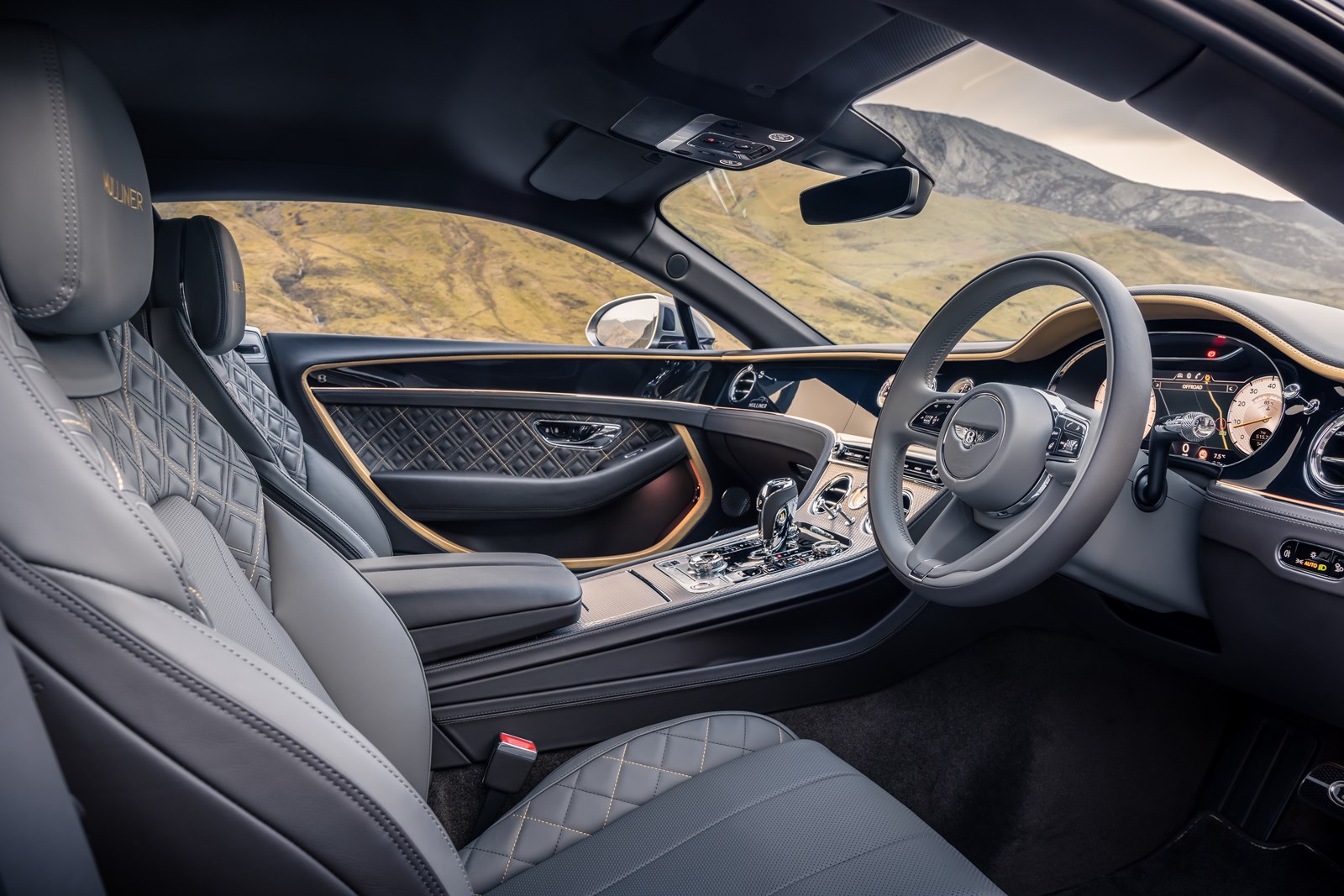
The cabin is one defined by luxury and showcases a level of choice and customisation that Mulliner is well known for. A unique colour split is exclusive to the car, with a new combination of primary and secondary hide joined by a third colour through a flowing design line. Eight different 3-colour combinations are proposed by Mulliner, using Bentley’s palette of hides and threads to create striking yet elegant contrast throughout the cabin.

“Diamond in Diamond” quilting to the seats, door trims and rear quarter panels is made up of almost 400,000 stitches with each diamond containing exactly 712 individual stitches. Naturally these are available in a spectrum of coloured threads, too.

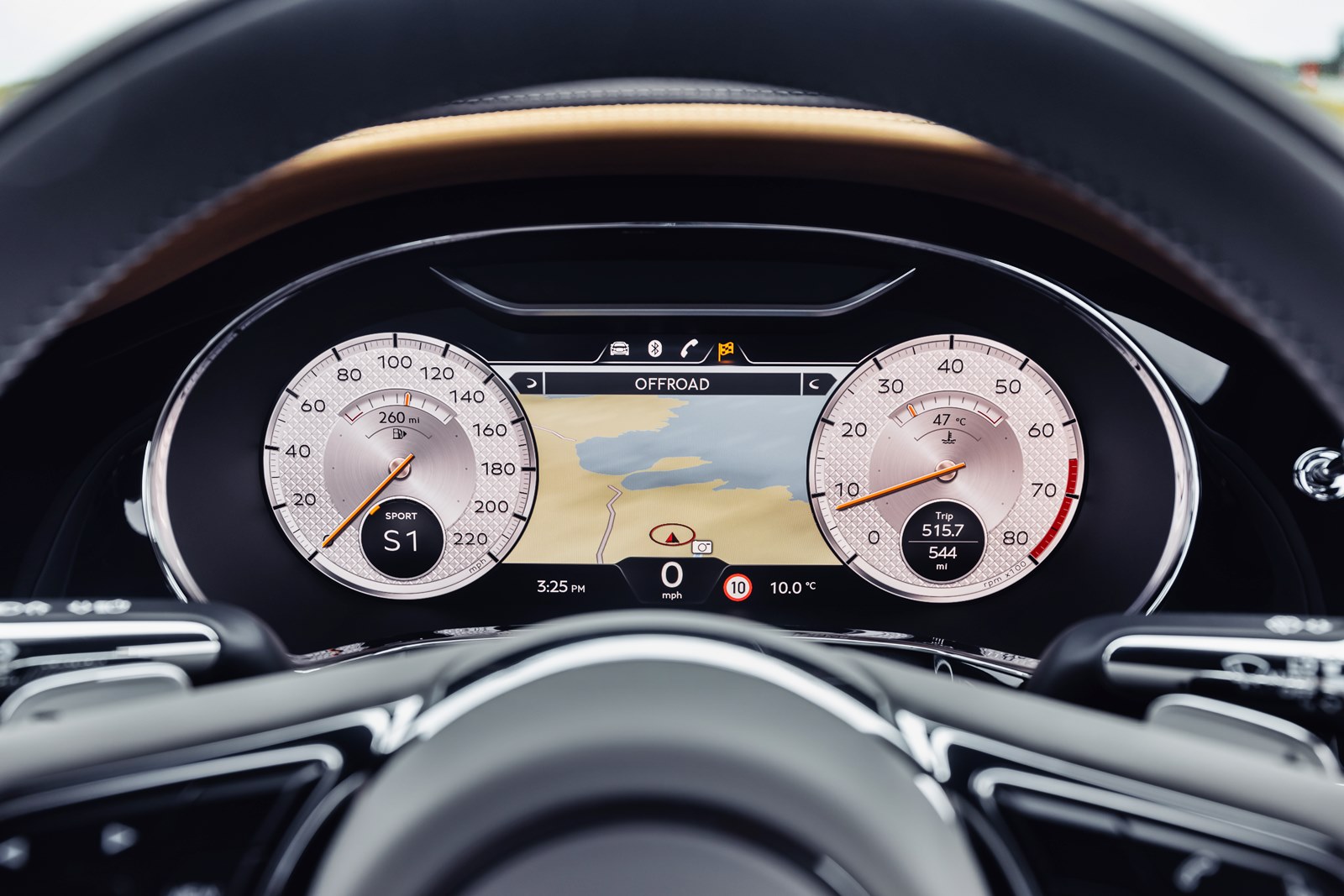
For the driver, the brushed-metal finish of the Breitling clock is carried through from the physical world to the digital, with a unique design to the main gauges of the LED main instruments cluster where careful skeuomorphic design and the application of digital textures makes the virtual dials look like real metal.

The GT family now spans a range of models each with a different emphasis, to make customer choice easier. The Azure range is for those prioritising wellbeing and on-board comfort, while those customers wishing to concentrate on driving pleasure can specify the new V8-powered GT S. Going one step further, the W12-powered Speed is the pure driver’s car. And above all these sits the Mulliner.

FEATURE – The German engine that was born on a Japanese bullet-train

Archive

Follow us on Facebook

Follow us on YouTube