Transporting new vehicles around the country has evolved greatly since the early days when they were driven by ferry-drivers to their destinations. This method had drawbacks in that the vehicle might be driven for some distance before the customer received it, so it wasn’t ‘brand new’, and there was a risk of damage along the way. In some cases, ferry drivers were known to speed too, potentially causing damage to the engine.
By the 1990s, the volume of new vehicles had grown significantly and the use of ferry-drivers was stopped except for special cases. Instead, specially built car-carriers appeared and each could carry a number of cars on it. The cars were secured properly and apart from rain and dust (and perhaps flying stones), were relatively safe from damage as they were sent from port to stockyard, or assembly plant to showrooms.
European-designed car carriers
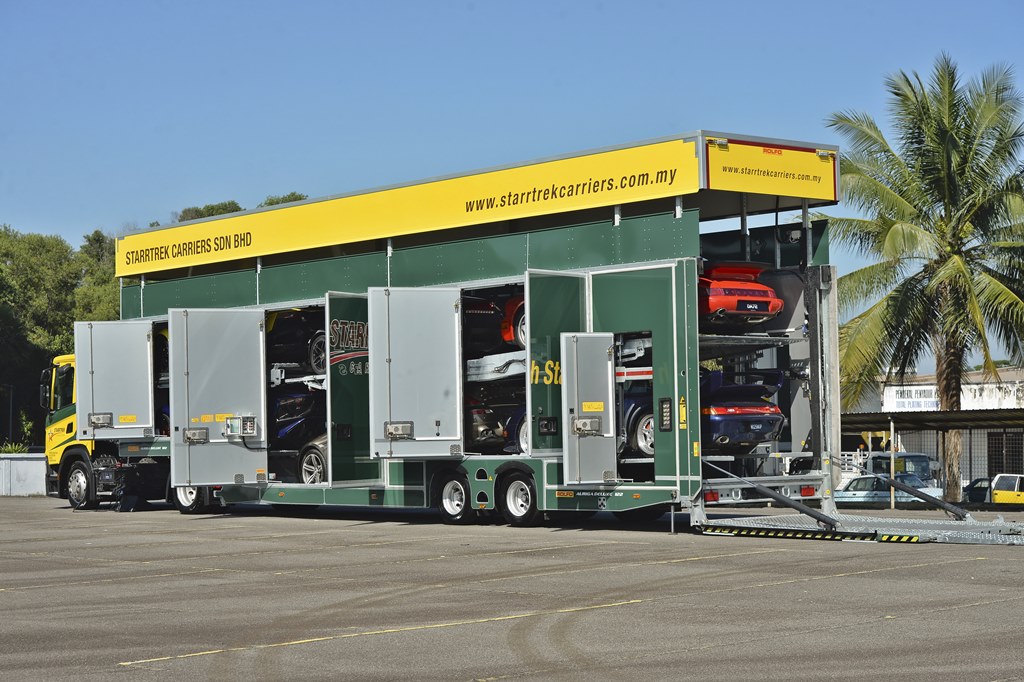
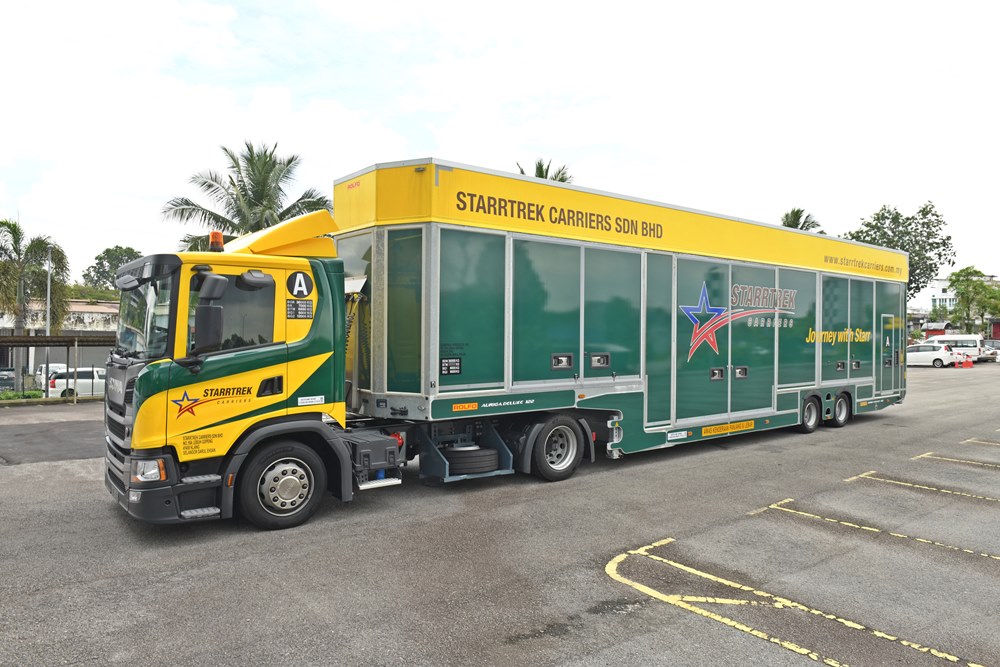
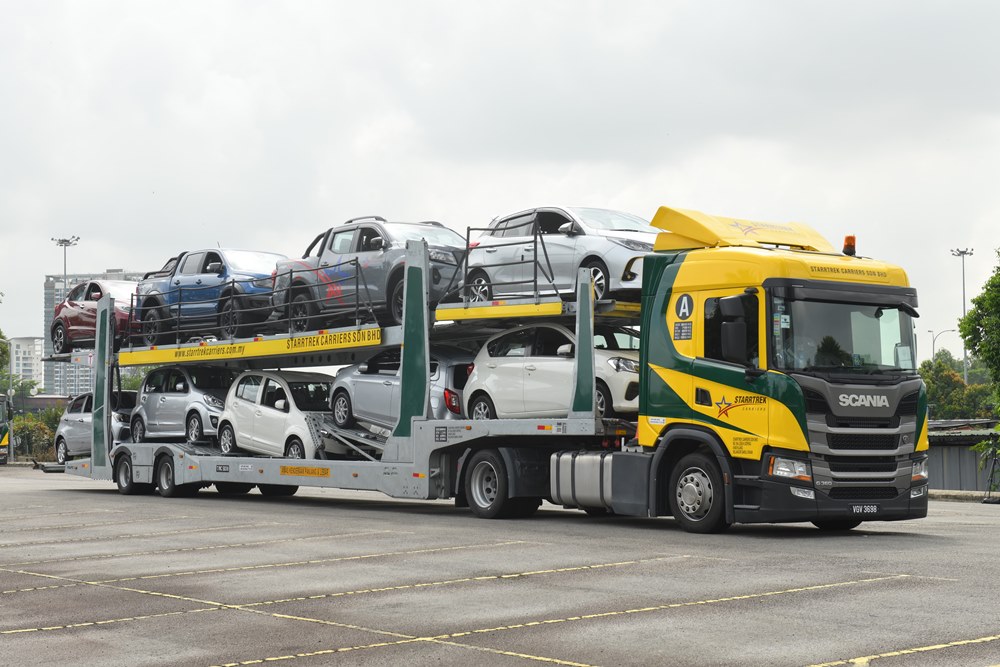
With more than 30 years of experience in the Malaysian automotive logistics industry, Datuk Kumar Prabakaran obviously knows this history well and has seen how the needs of customer have changed over the years. He now offers a brand-new state-of-the-art vehicle carrier service, Starrtrek Carriers Sdn Bhd, using the best-in-class European-designed car carriers.
The car-carriers are the Confidential Auriga Deluxe 122 and Blizzard semi-trailers which are expected to be game-changers for Malaysia’s automotive logistics market. Thanks to the combination of high-quality craftsmanship and build quality, the Auriga Deluxe will move vehicles without being subjected to the harsh Malaysian weather, road gravel and stone chips along the way. This is because the trailer is enclosed by panels on all side
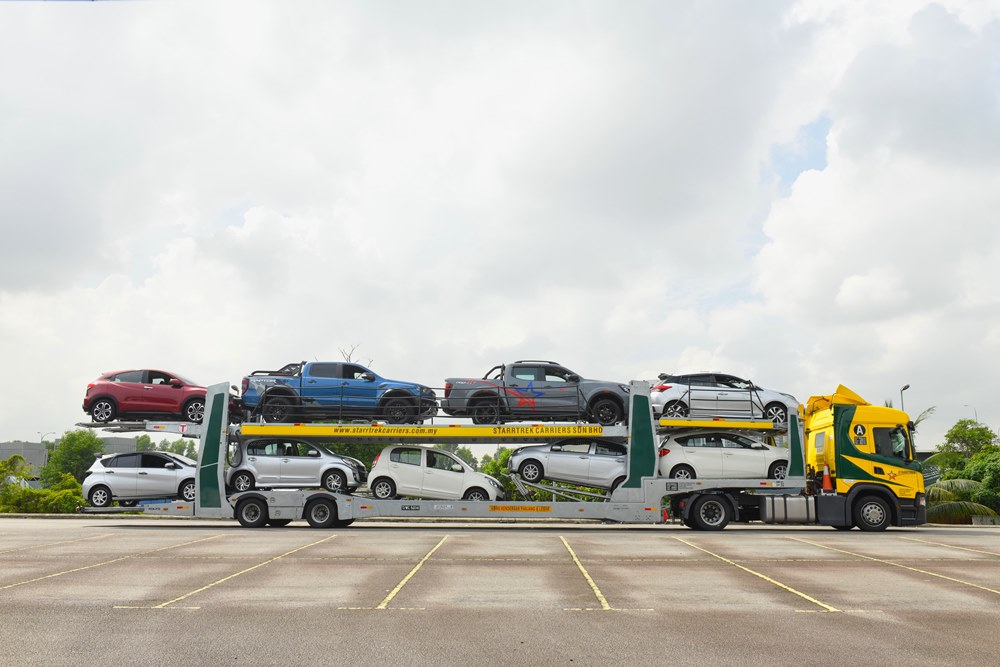
The Blizzard does not have the enclosure but is still built of high quality and can load more units per trip than the norm in Malaysia. GPS trackers and surveillance cameras are installed for safety and compliance.
Scania prime movers
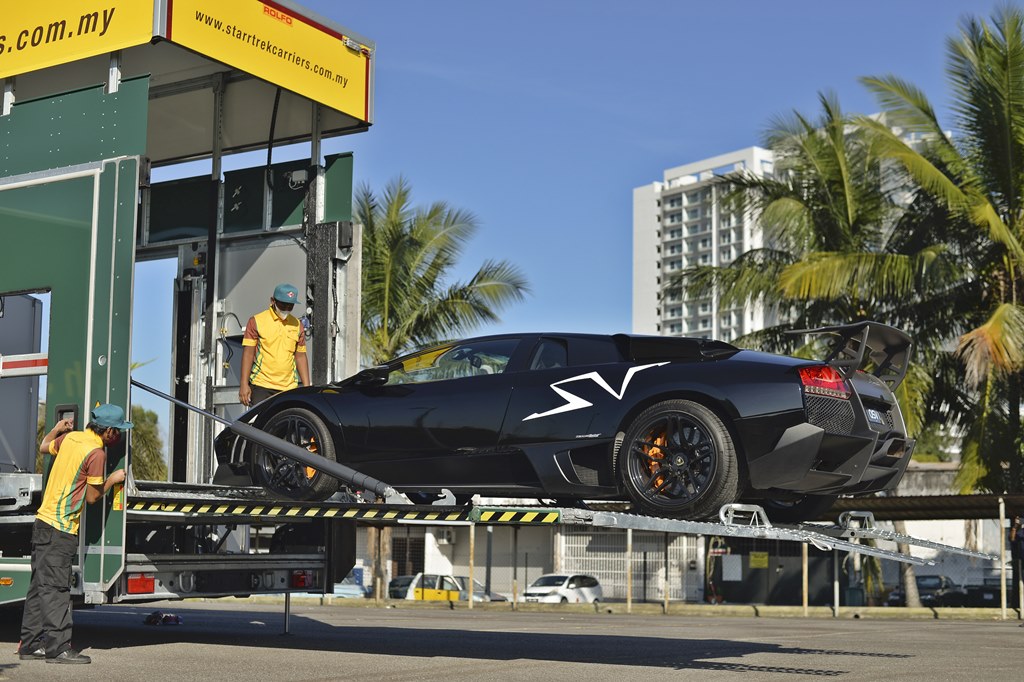
Both the car-carriers, which use Scania prime movers, are equipped with advanced hydraulic systems for safe and easy vehicle loading and unloading with minimal handling. The use of lightweight high-yield steel combined with new technology and innovation enables multiple high loading capacities.
The Confidential Auriga Deluxe can accommodate a maximum of 6 passenger vehicles or up to 4 SUVs per trip, while the Blizzard can transport a maximum of 10 units of cars (depending on the dimension and kerb weight).
“With this state-of-the-art car carrier, we are setting another benchmark for higher quality and no compromise vehicle logistics service. We are proud to be a pioneer in this field and to be able to offer our customers even higher quality door-to-door services,” said Datuk Kumar Prabakaran, who is Managing Director of Starrtrek Carriers.
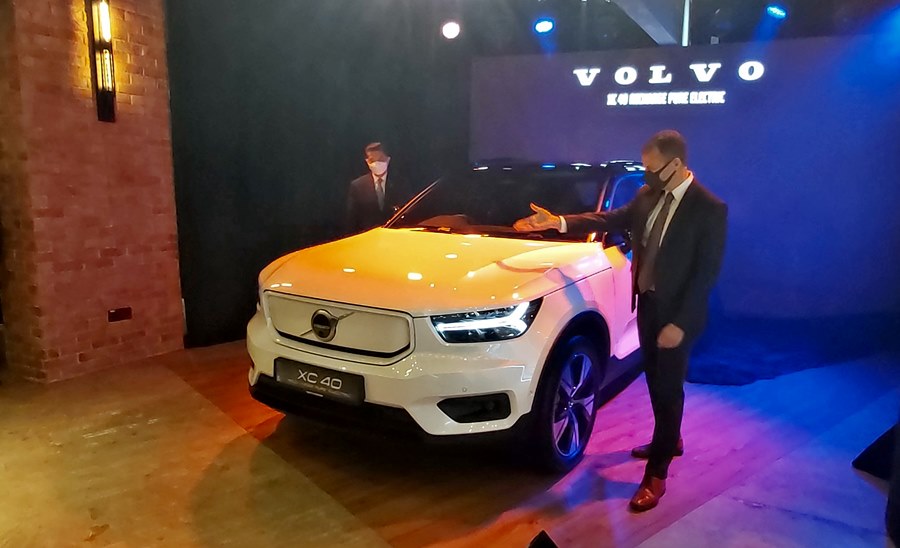
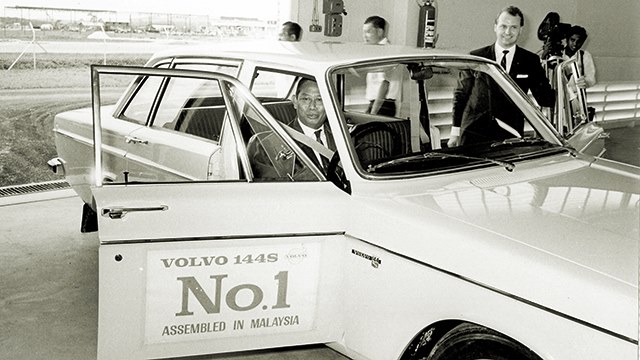
Volvo was the first company to assemble its cars in Malaysia in 1967 when the government began its localisation policy to accelerate industrialisation. 55 years later, the Swedish carmaker (part of China’s Zhejiang Geely Holding Group like Proton) is again a pioneer by being the first company to assemble a pure electric vehicle or battery electric vehicle (BEV) in Malaysia at the same plant in Shah Alam, Selangor.
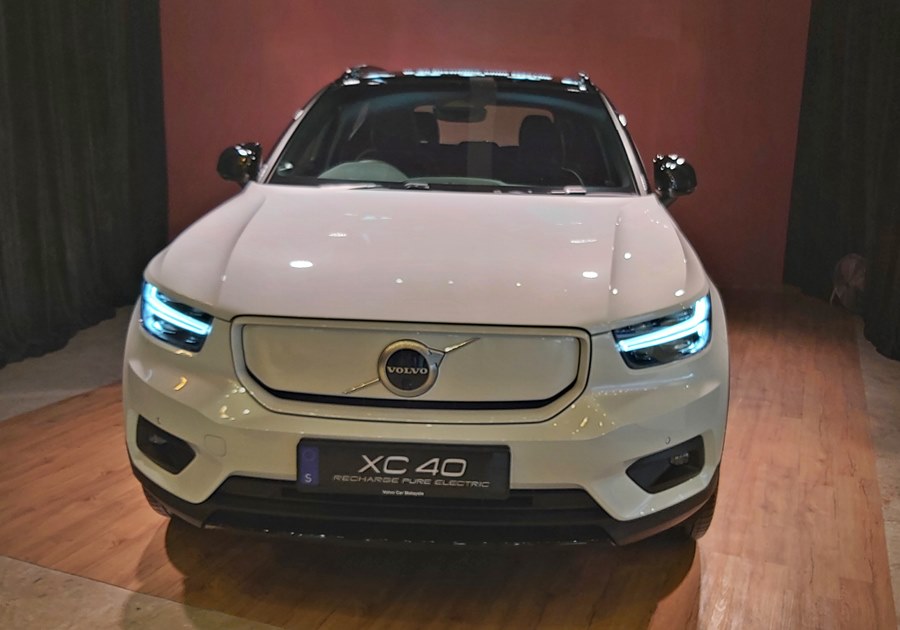
The first car assembled in Malaysia in 1967 was a Volvo (above), and 55 years later, the first electric vehicle assembled in the country is also a Volvo (below).
Although it may seem like this move has come about because the government is allowing duty-free import and sale of BEVs now (and for the next few years), it is not the case. To plan for local assembly takes many years and it’s not as if Volvo Car Malaysia could send a message to Sweden to ask for CKD (completely knocked down) kits for assembly in 2022 when they can be imported duty-free. Furthermore, the plant would also have to be set up, especially with safety measures to handle the high-voltage systems of BEVs. Of course, Volvo Cars Manufacturing Malaysia (originally known as Swedish Motor Assemblies) already has experience with electrified vehicles since it has been assembling plug-in hybrid (PHEV) models for some time.
Regional production hub
In line with Volvo’s plan to have 50% of its global sales volume to be made up of BEVs by 2025, it has been quickly switching focus to BEVs around the world. Malaysia, being its production hub in ASEAN, is naturally a part of this plan which will see the brand being fully electric by 2030. From the plant in Selangor, BEVs will be exported to other countries in the region and because they are assembled in Malaysia, they can also be imported duty-free (provided they have a minimum of 40% ASEAN-sourced content) as part of the provisions of the ASEAN Free Trade Area (AFTA) agreement.
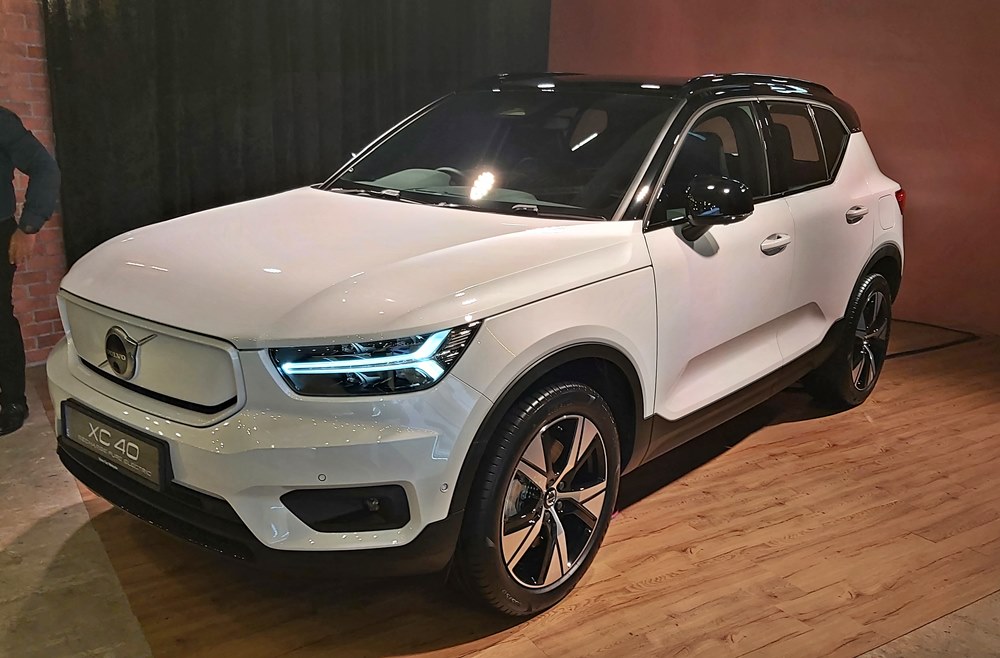
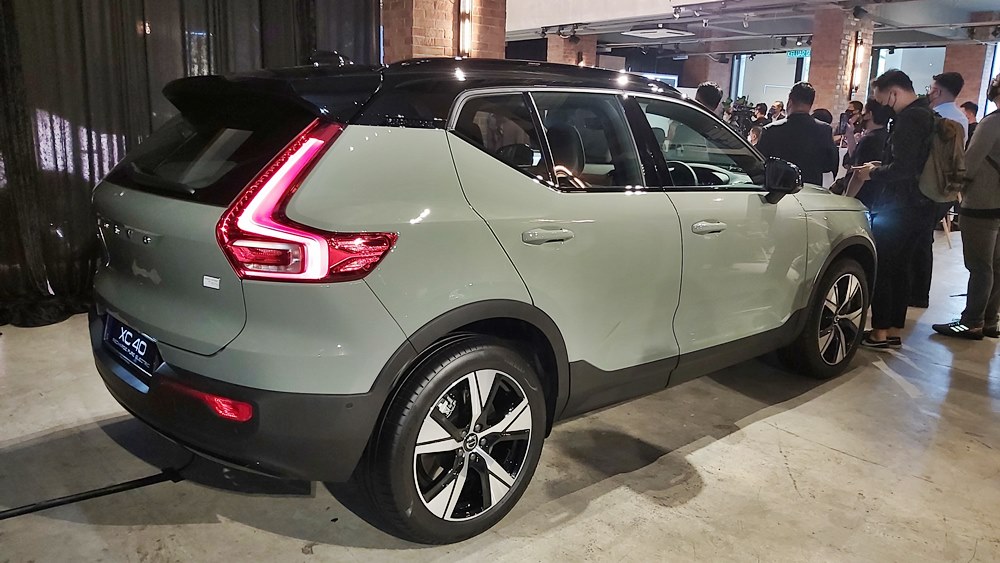
The first model, which will be officially launched on April 4, is the XC40 Recharge which was also the first Volvo BEV when it made its debut in 2019. Recharge is the umbrella name given to models which are electrified and in the coming 5 years, Volvo Car Malaysia will be launching one new BEV each year.
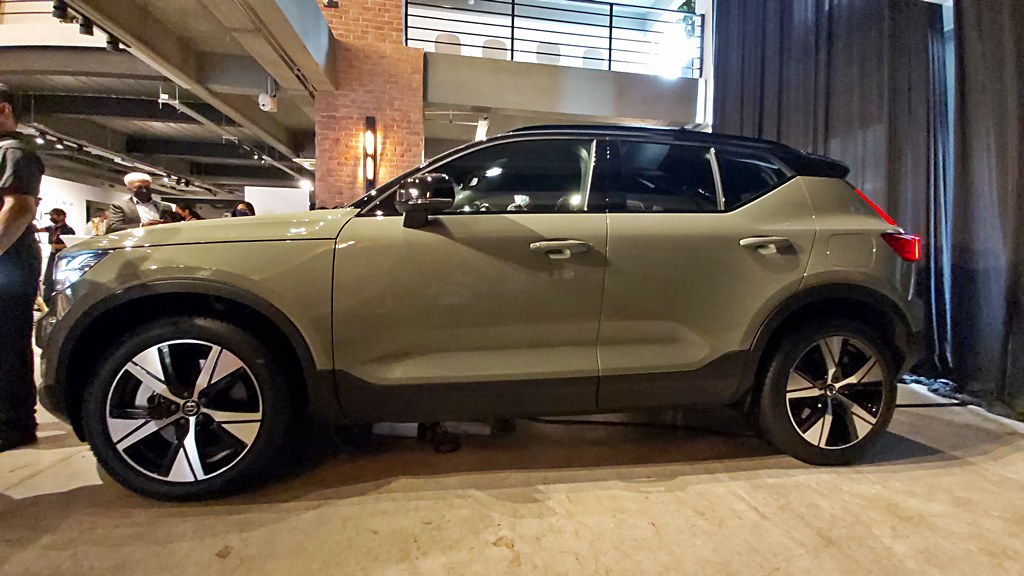
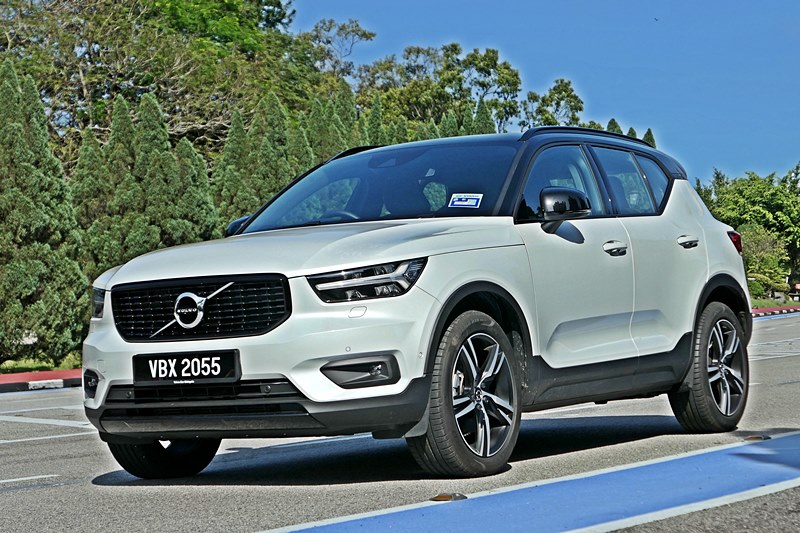
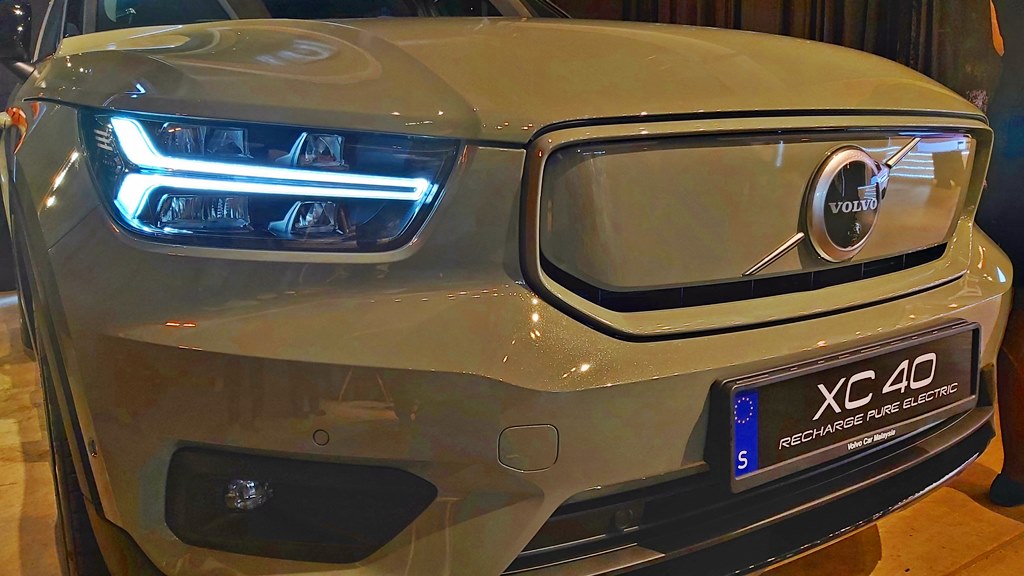
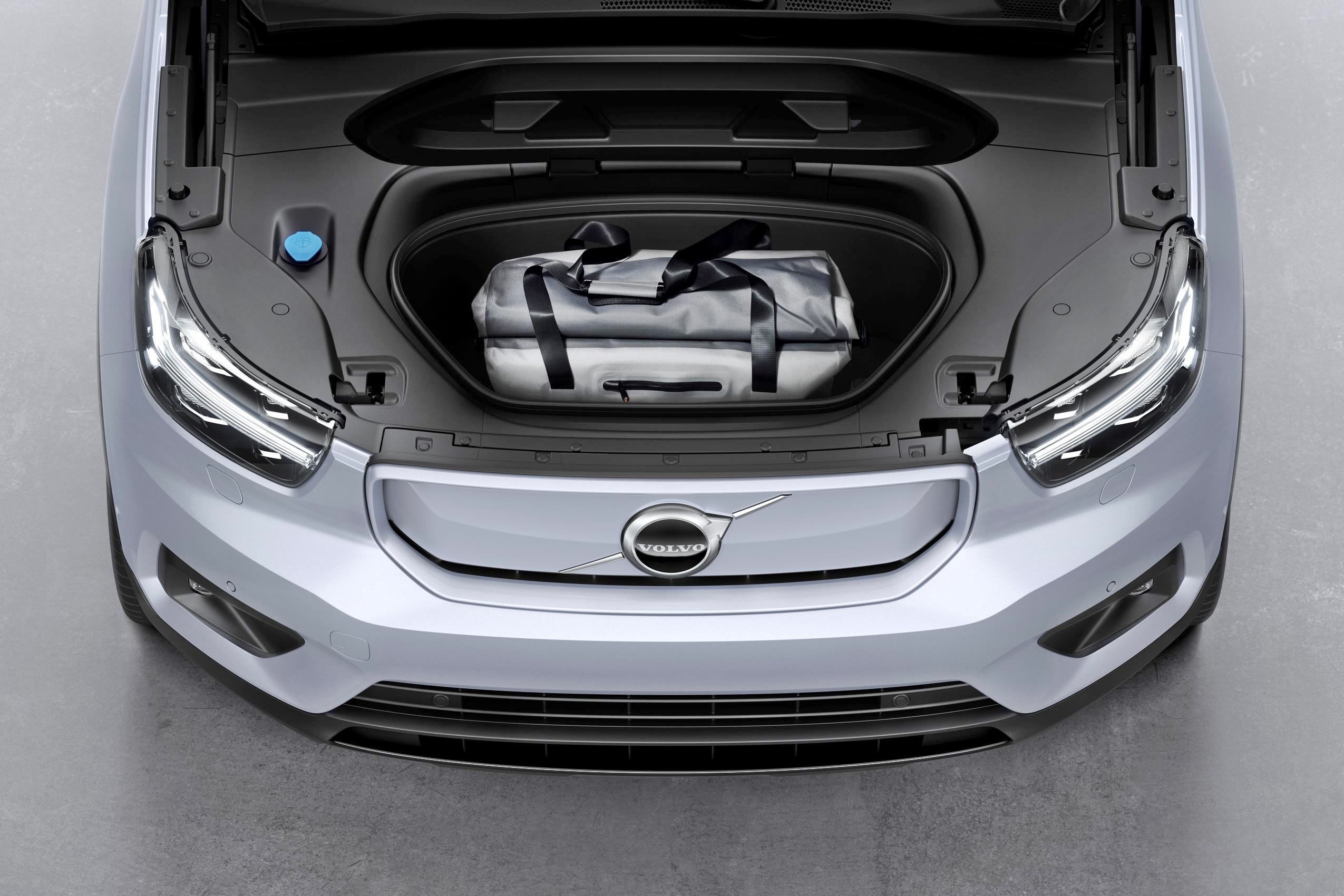
The XC40 Recharge has a similar appearance as the XC40 with a combustion engine (below) but the grille is different. With no need for radiator cooling, the space can be closed off.
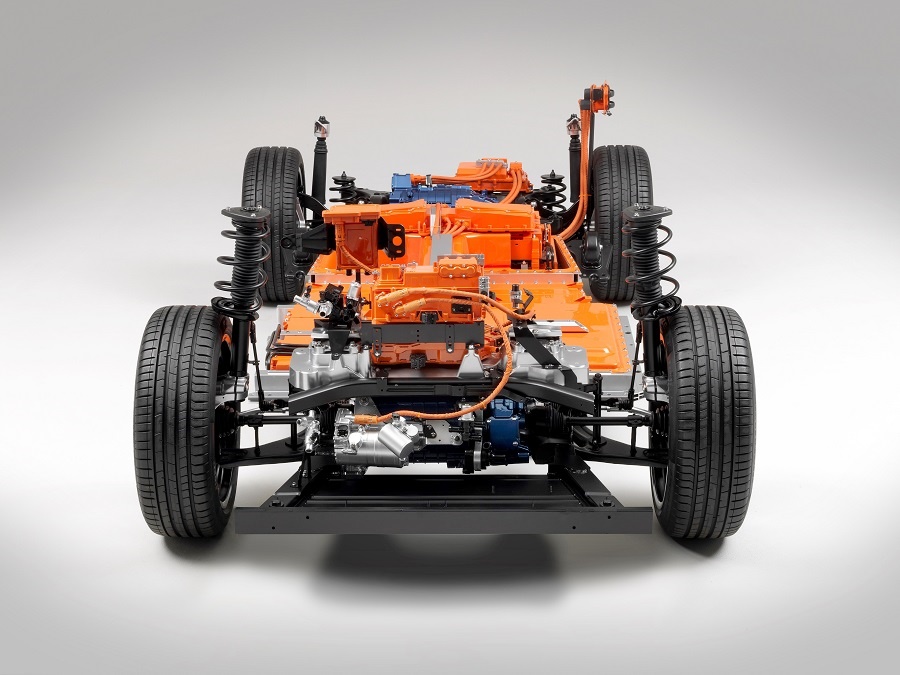
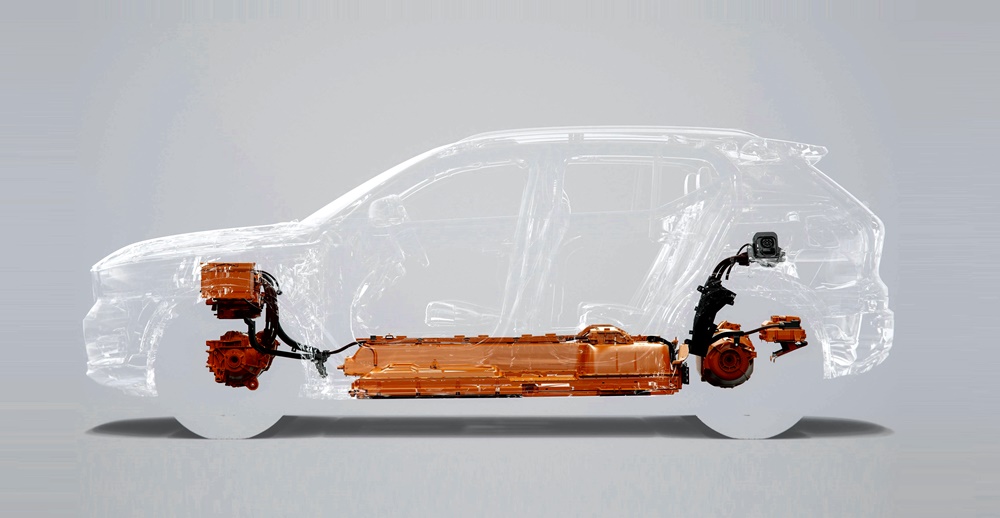
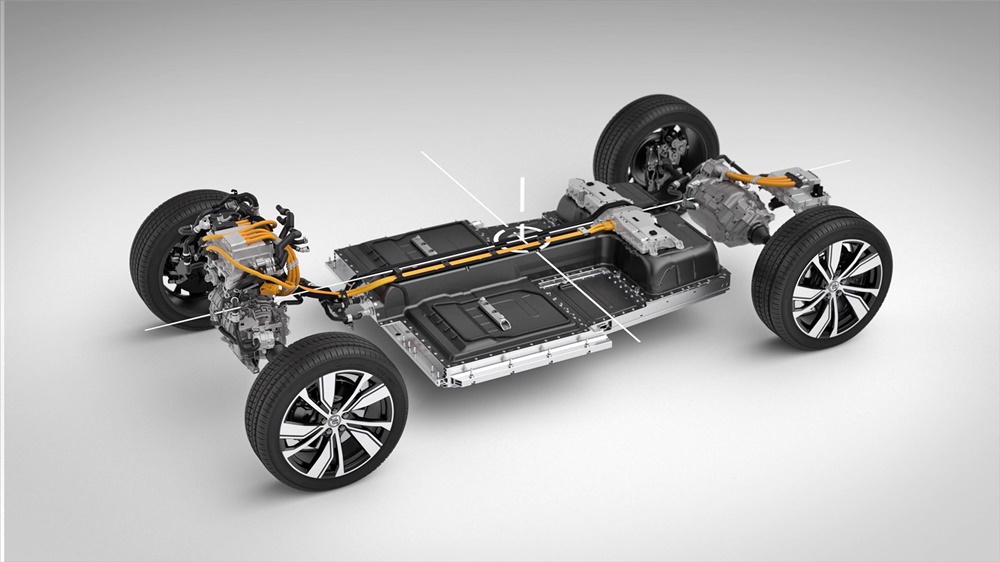
While the price has not been announced yet, the technical details are already known since it would be the same model as sold elsewhere. It has two electric motors that draw power from a 75 kWh lithium-ion battery pack positioned between the front and rear axles. The system output is 300 kW (equivalent to 408 ps) with 660 Nm of torque, which gives a claimed 0 to 100 km/h capability of 4.9 seconds and a top speed of 180 km/h. A maximum range of 418 kms is claimed for a fully charged battery pack.
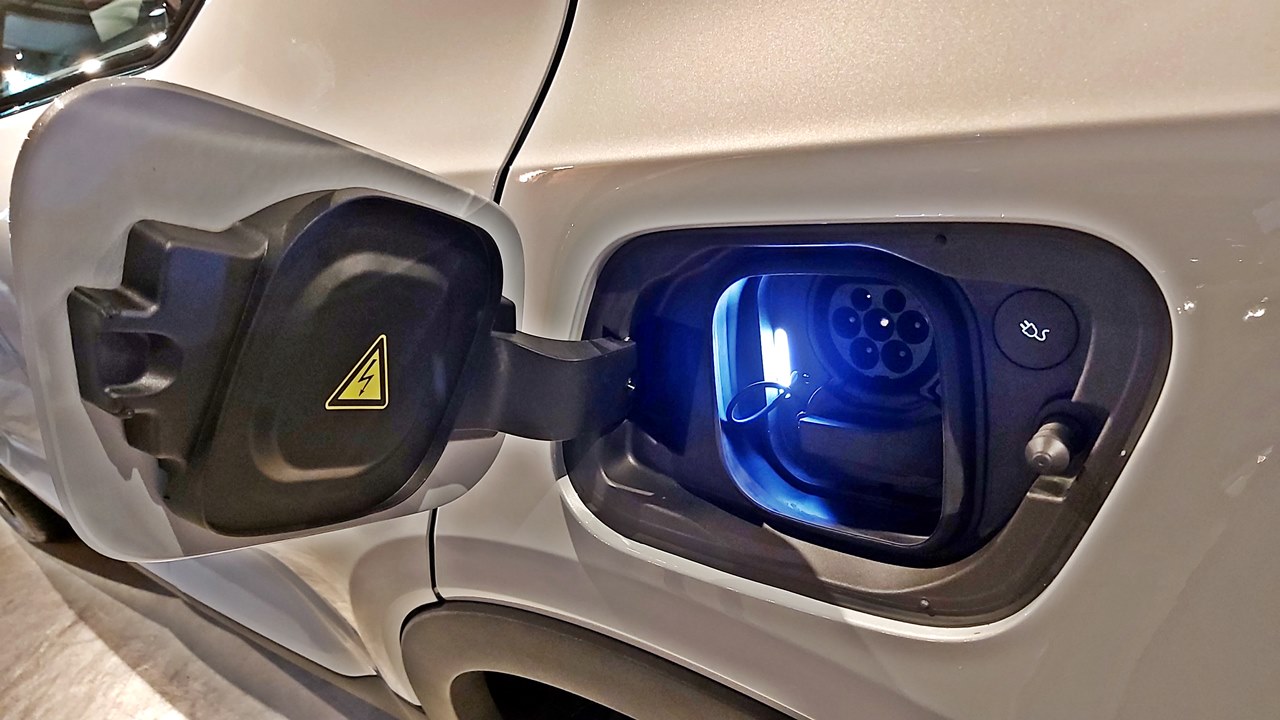
As with other BEVs, the XC40 Recharge can be recharged in various ways although DC fast-charging would have the shortest time. From one report we have read, the battery pack can be recharged to 80% of its capacity within 33 minutes when a fast-charger is used. Of course, this assumes that the level is very low and in practice, it may be that people recharge whenever they can and ‘top up’ so the time spent charging might not be as long.
Similar appearance to XC40
The external appearance of the XC40 Recharge is similar to that of the XC40 SUV but you can immediately tell that the model is the BEV version from the front end. With no need to cool a radiator, there is no real need for the traditional grille so that space is closed off. That’s better for aerodynamics too, which need to be as efficient as possible to minimise wind resistance.
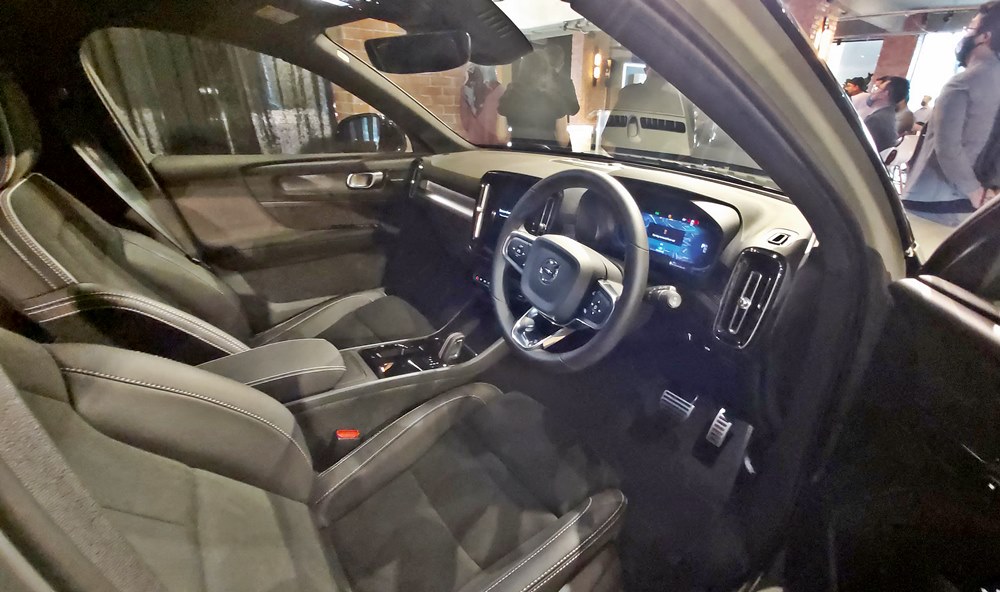
The equipment for the locally-assembled model may differ a bit from those sold in other countries but would still be high as Volvo wants to position itself as a premium luxury brand. With the emphasis on sustainability and recycling, a large percentage of materials would also be eco-friendly.
Android-powered?
The Volvo Car Group is the first company to team up with Google on integrating an infotainment system powered by Android so it is likely that this will be available. The infotainment system is fully integrated with Volvo On Call, the company’s digital connected services platform, and includes Google Assistant, Google Maps and the Google Play Store built-in. The new system also offers full integration of Android Automotive OS, Google’s open-source Android platform, with real-time updates to services and automotive apps created by the global developer community.
New Advanced Driver Assistance Systems
This being a Volvo, it does without saying that safety has a very high priority in every area. In terms of active safety systems, the XC40 Recharge has an Advanced Driver Assistance System (ADAS) platform with an array of radar, cameras and ultrasonic sensors. This gives it a broad range of capabilities to scan its surroundings and identify potential hazards, enabling a degree of autonomous motoring.
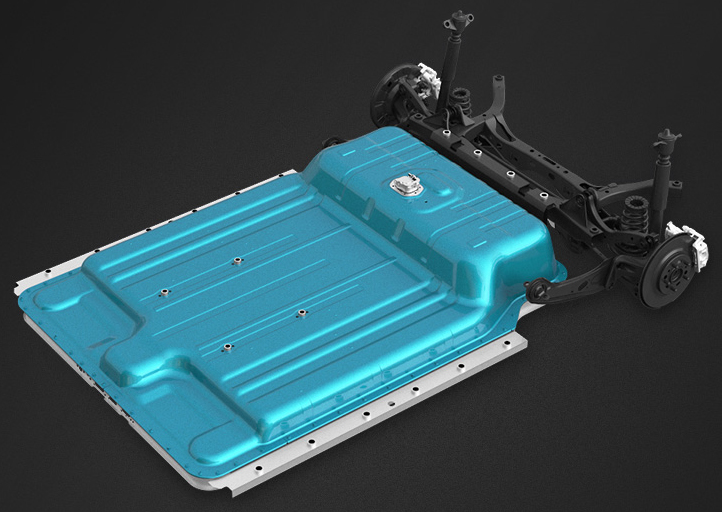
To help keep passengers safe and the battery intact in the event of a collision, there is a new and unique safety structure for passengers and battery alike in the XC40 Recharge. The battery is protected by a safety cage which consists of a frame of extruded aluminium and is embedded in the middle of the car’s body structure, creating a built-in crumple zone around the battery. The battery’s placement in the floor of the car also has the benefit of lowering the centre of gravity of the car, for better protection against roll-overs.
Additionally, the car’s body structure has not just been reinforced in the front but also at the rear. Here, the electric powertrain has been integrated in the body structure for better distribution of collision forces away from the cabin and reduce the strain on people inside the car.
First deliveries will start towards the end of April and buyers will get a charging cable, service package, 5-year/unlimited mileage vehicle warranty, 8-year battery pack warranty and 5 years of complimentary Roadside assistance.
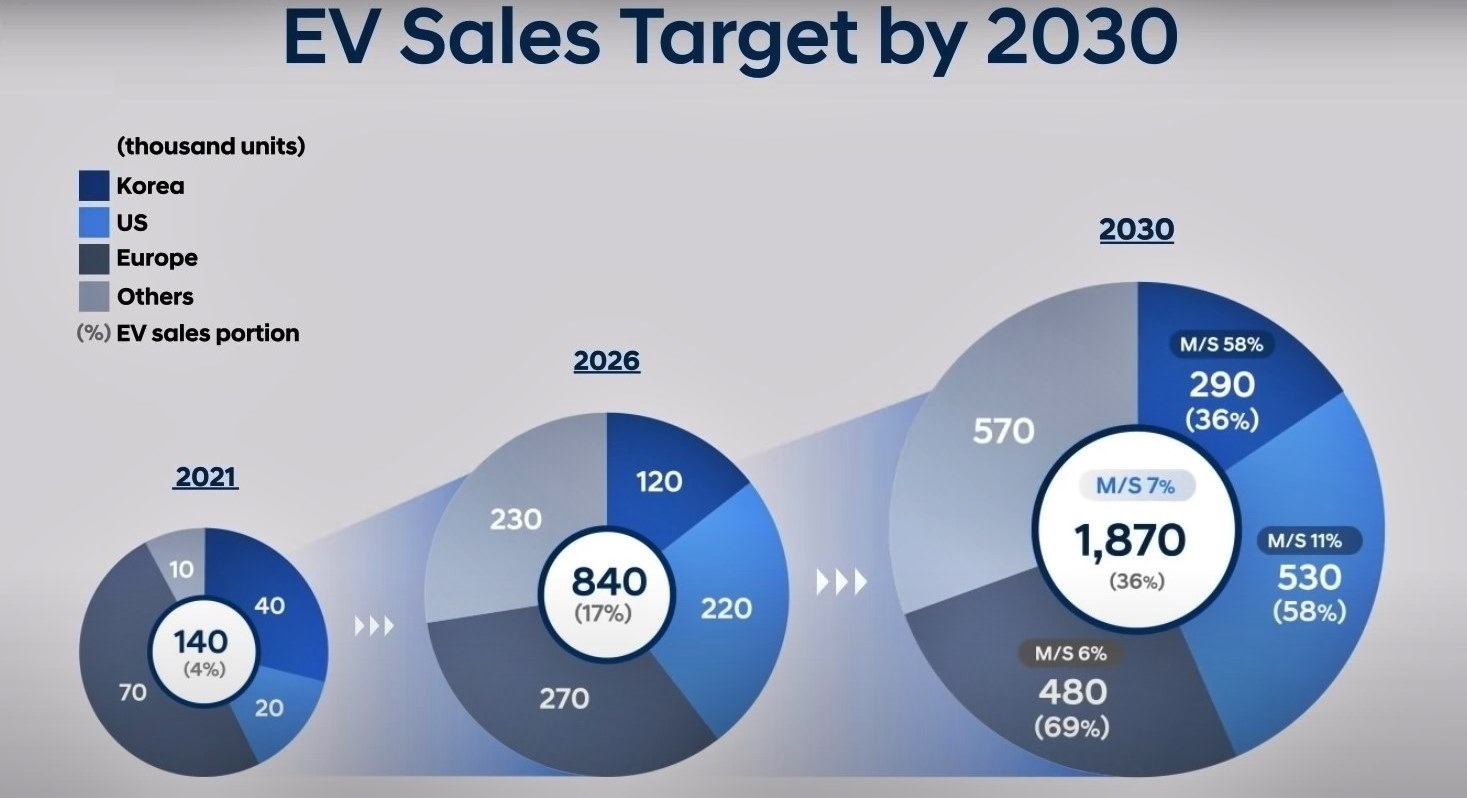
By the end of this decade, Hyundai Motor, like other major carmakers, aims to capture a sizable share of the global market for battery electric vehicles (BEVs). Of the 9.5 trillion Korean won it plans to spend during the decade, 20% will be spent on R&D in electrification of its products and related facilities.
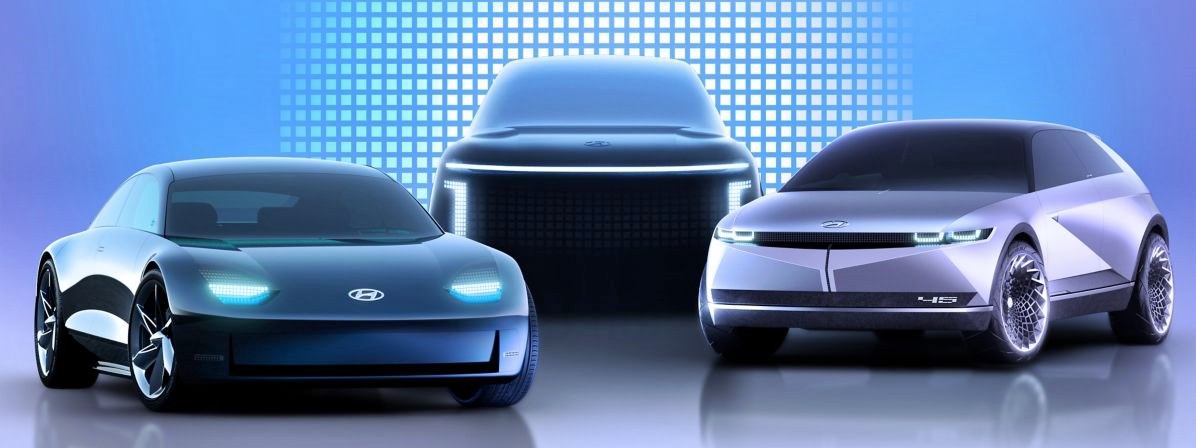
It has set a target of selling 1.87 million BEVs annually by 2030 and to do this, it will offer a broad line-up that will consist of 17 new models (11 for the Hyundai brand and 6 for the Genesis brand). The new Hyundai BEV models will include 3 sedan models, 6 SUVs, a light commercial vehicle as well as a model of a new type. Genesis, its luxury brand, will get 2 new passenger cars and 4 SUVs; from 2025, all newly launched models from Genesis will be electrified.
Integrated Modular Architecture
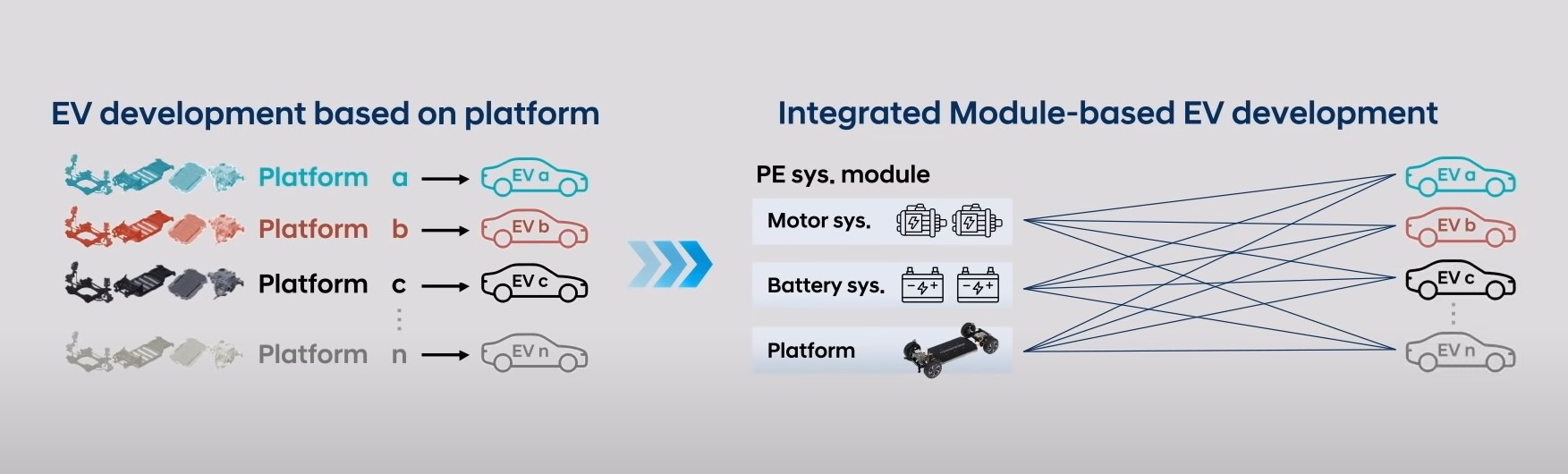
In order to achieve the sales targets, the products will have to be priced competitively, which means that production costs will have to be brought down as much as possible. Key to this will be the Integrated Modular Architecture (IMA), a new platform evolved from the electric global modular platform (E-GMP) that is currently used for models such as the IONIQ 5 and GV60.
The IMA, revealed recently, will be utilized not only to as Hyundai’s passenger BEV platform but also as its exclusive purpose-built vehicle (PBV) platform, helping to streamline production processes and reduce cost. It will standardize not only the chassis but also the battery system and motor. In this way, economies of scale can be higher with many parts being shared by a larger volume of models.
Standardisation of battery packs
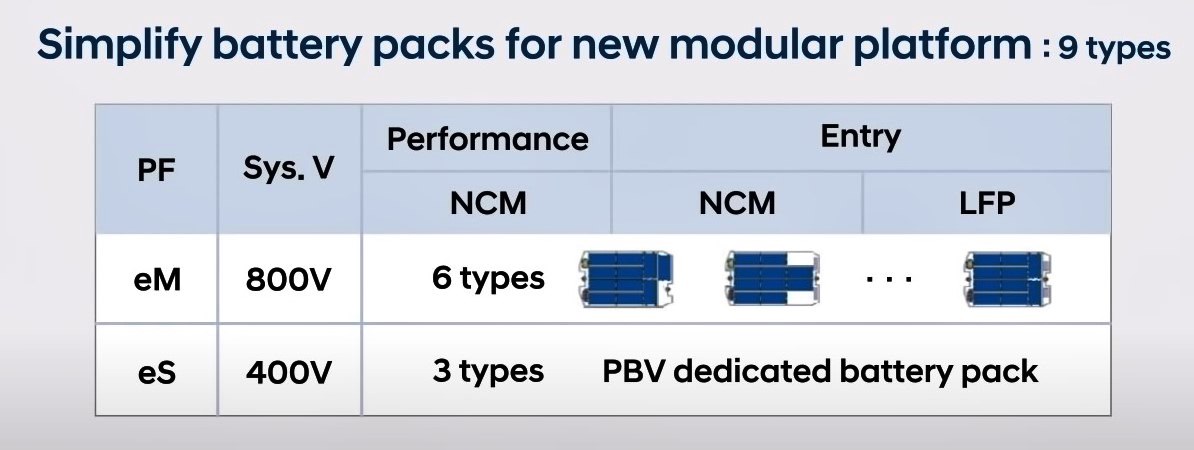
Hyundai also aims to standardize battery packs which can be attached to any models, also improving cost efficiency. This differs from the existing BEV development system which has different types of battery packs for each model. Through the cell-to-pack system, the new architecture can secure sufficient energy density and shorten charging time.
5 types of electric motors
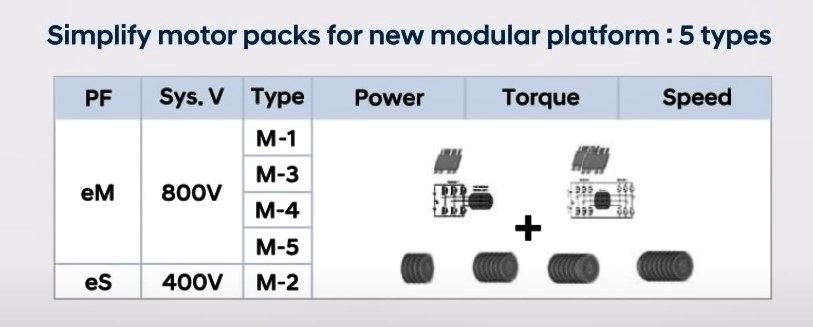
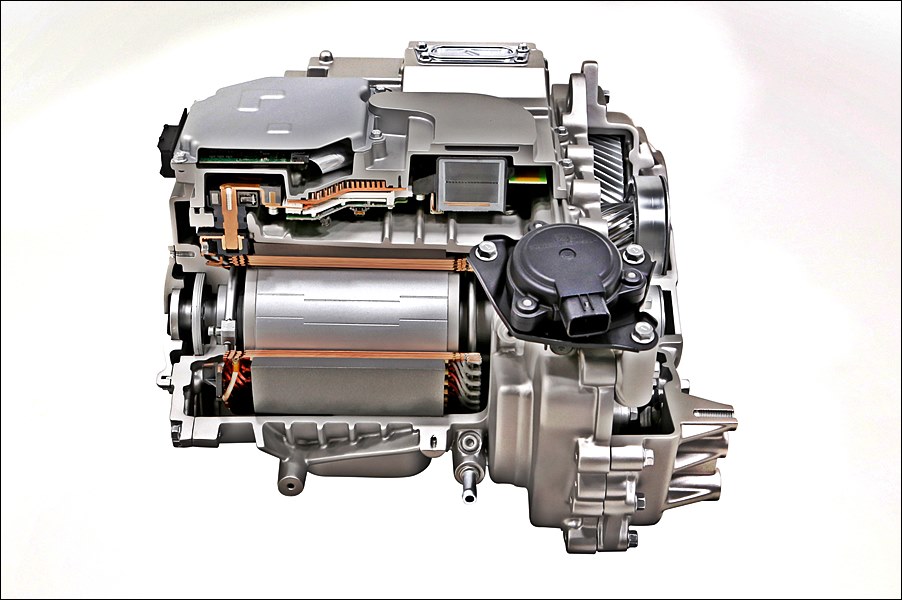
The same approach of standardisation will be applied to electric motors, with no more than 5 types being used, depending on the model. This modular motor system will help achieve competitiveness in terms of cost and weight as well as motor efficiency.
Details of the powertrains shown in a presentation indicate that four of them will have 800V systems with a fifth one having 400V system, possibly for use in more specialised vehicles operating in demanding conditions (perhaps light commercial vehicles).
Comprehensive battery strategy
Batteries are, of course, a vital part of BEVs and as more BEVs are sold, demand will increase rapidly. In anticipation of this, Hyundai is trying to increase the local procurement rate of batteries through strategic alliances with battery companies in major regions to ensure sufficient battery supply. Through these alliances, the company expects to obtain more than 50% of its next-generation lithium-ion batteries for BEVs starting in 2025.
In addition, Hyundai will also diversify battery sourcing to consolidate the competitiveness of future BEVs. The company has secured sufficient battery supply to meet its sales targets by 2023. With a comprehensive battery strategy, Hyundai plans to continue cooperation with various battery companies with an aim of securing 170 GWh of batteries for its models. For the next-generation batteries, such as solid-state types, Hyundai is cooperating with various global partners to improve energy density and cost efficiency
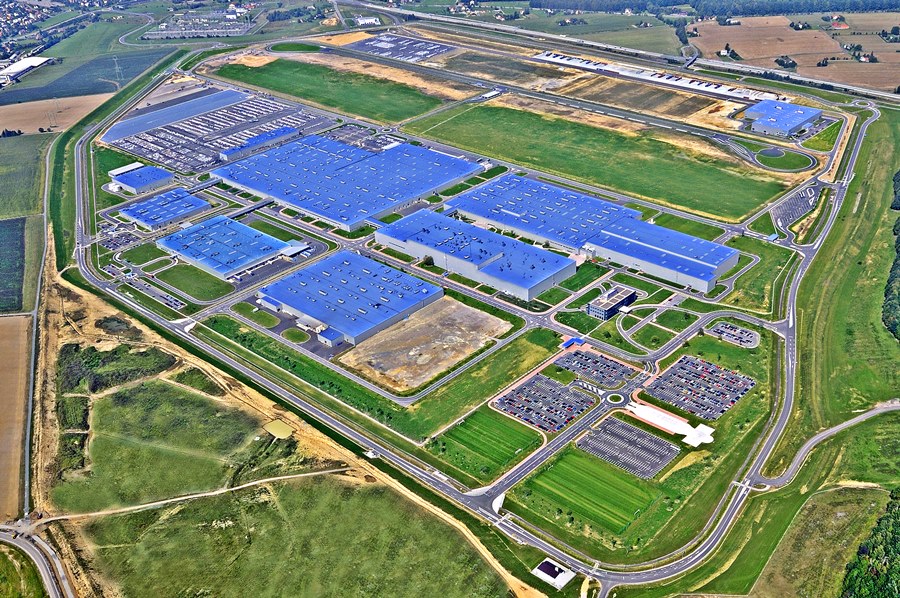
Hyundai factory in the Czech Republic.
Expanding manufacturing footprint
To meet the growing demand for BEVs, Hyundai aims to establish a high efficiency manufacturing process to accelerate its transition into electrification. A human-centered manufacturing innovation platform is expected to bring dramatic innovation in production efficiency through a flexible production system, advanced level automation and digital twin technology. The innovation will be expanded to global plants in the future.
The existing BEV production facilities in Korea and the Czech Republic will be complemented by additional factories in other locations. One of them is in Indonesia which will start BEV production and contribute to the global volume.
The electrification of Malaysian motoring is progressing as the government and private sector are taking more initiatives to facilitate the use of electric vehicles (EVs). This is necessary to meet Malaysia’s Low Carbon Mobility Development Plan 2021-2030 to reduce greenhouse gas up to 45% by 2030, and to qualify as a carbon-neutral country by 2050.
One of the issues that those thinking of buying EVs is recharging the battery packs of their vehicles. Depending on the model and how they drive, the range on a full charge can be between 250 and 400 kms. So long-distance driving will only be possible if they are assured of place to recharge along the way, if needed.
As the sale of EVs and plug-in hybrid vehicles (PHEVs) which also need recharging has only started in recent years, the network of charging stations has been small, mostly confined to urban areas. At the moment, there are only 500+ stations in the country (compared to 3,700 petrol stations) but efforts are being made to grow this number quickly.
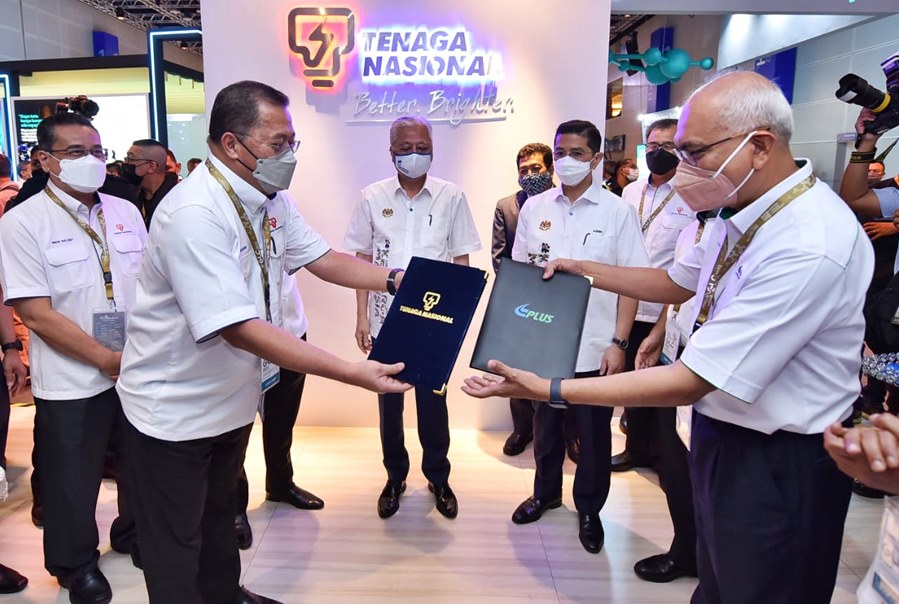
One of the private-sector initiatives in this area is a collaboration between PLUS Malaysia and Tenaga Nasional Berhad (TNB). Both parties have signed a Memorandum of Understanding (MoU) to work together to reduce carbon emissions on PLUS highways through 3 sustainability initiatives – the development of the charging station network, installation of energy efficiency monitoring, and solar photovoltaic systems at selected R&Rs along the PLUS highway network.
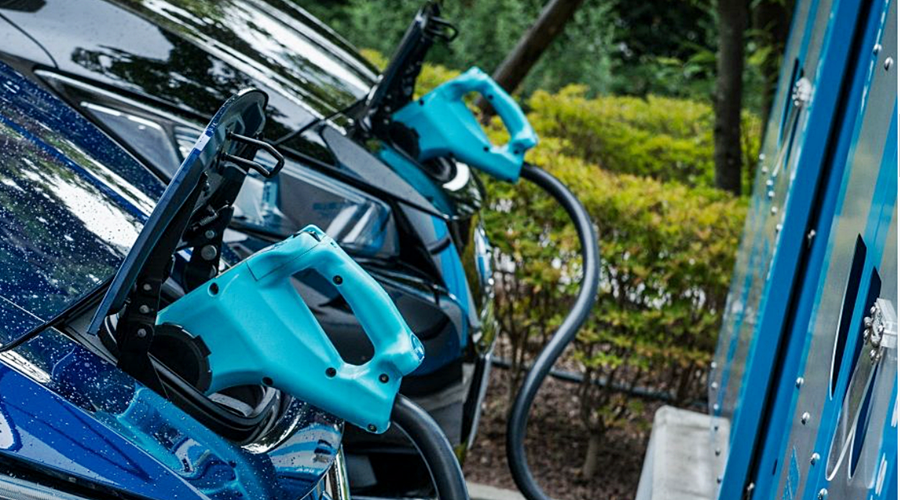
This collaboration will see EV charging stations being set up at selected strategic R&Rs along PLUS highway. Through TNB’s role as an enabler, PLUS is the first concessionaire to embark on a network of EV charging stations along its infrastructure. The availability of charging stations is expected to attract not only new users of EVs but also transport operators, especially multinational companies planning to switch their fleets from using vehicles with internal combustion engines to electrically-powered vehicles, in an effort to reduce carbon emissions while saving on operational costs.
According to PLUS Managing Director, Datuk Azman Ismail, the company’s other green initiatives include the use of green technology at its office premises, the use of recycled pavement to re-pave roads at the R&Rs, as well as applying more environmentally-friendly materials in its highway operations.
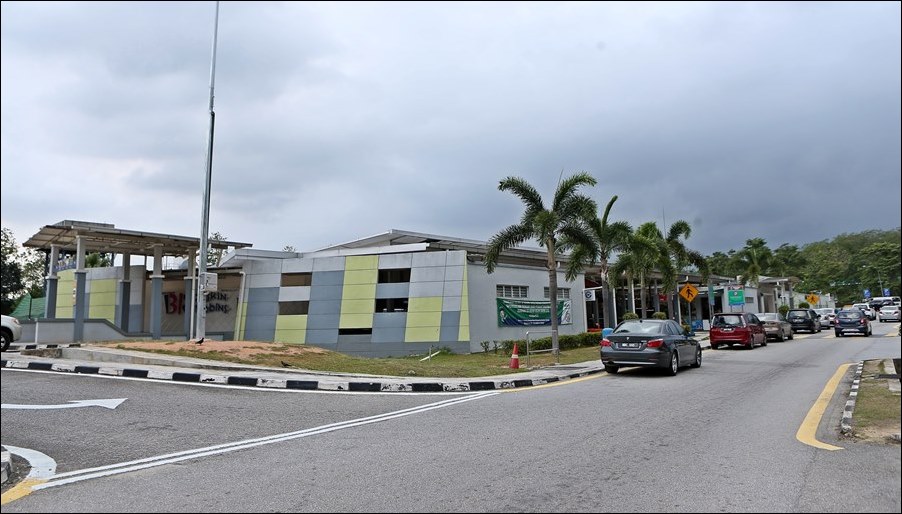
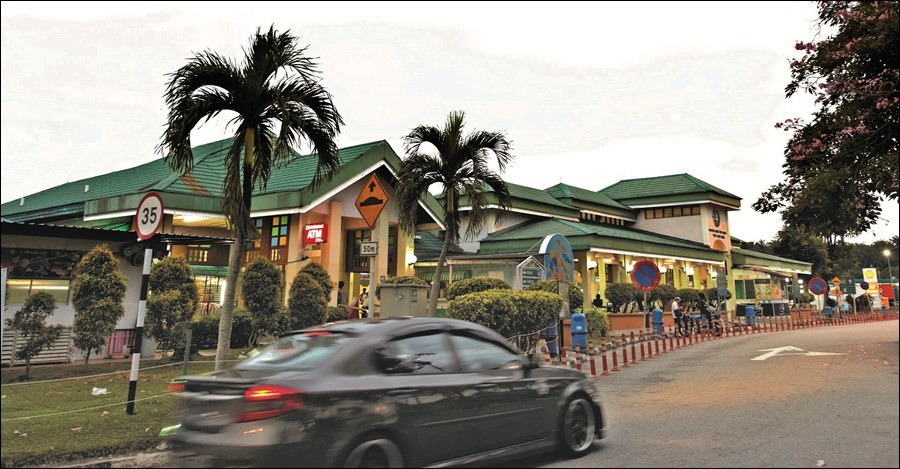
The collaboration will also see the installation of solar panels on the roofs of the Northbound Ayer Keroh (above) and Tapah (below) R&Rs which can provided over 360 kWp (kilowatt peak) of electricity from sunshine to power operations at the two locations.
“This initiative to further increase the network of charging stations will provide EV customers the convenience for a smoother, safer and more comfortable journey on PLUS highways,” he said, adding that charging stations are expected to attract not only new users of EVs but also transport operators, especially multinational companies planning to switch their fleets from using vehicles powered with internal combustion engines to electrically-powered vehicles, in an effort to reduce carbon emissions while saving on operational costs.
“TNB will provide a reliable and stable electricity supply to the EV charging ecosystem that is agreed upon by both parties. In addition, TNB also offers solutions to PLUS that can optimize electricity costs and support green and sustainable energy sources in reducing carbon emissions,” said TNB President & CEO, Datuk Ir. Baharin Din.
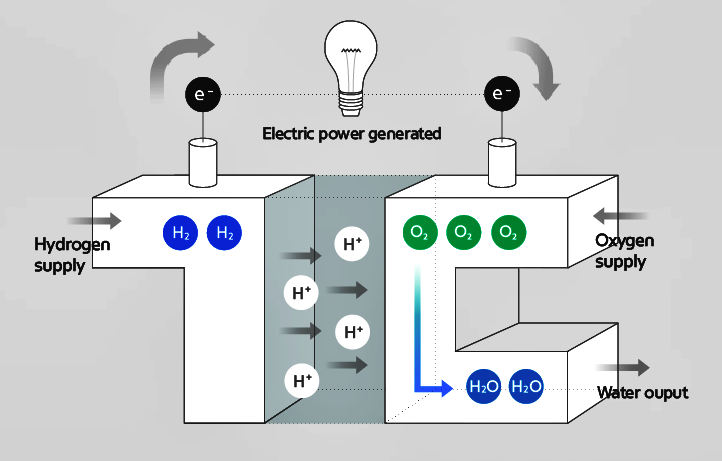
Fuel cells, originally developed for spacecraft, use hydrogen in a chemical reaction that can generate electricity that can then be sent to the battery pack. Hydrogen is chosen because it is readily available and renewable, and a Fuel Cell Electric Vehicle (FCEV), like a Battery Electric Vehicle (BEV), generates no emissions although water is formed. The FCEV approach would be more ‘green’ as it generates its own electricity rather than drawing it from power stations that themselves may generate emissions.
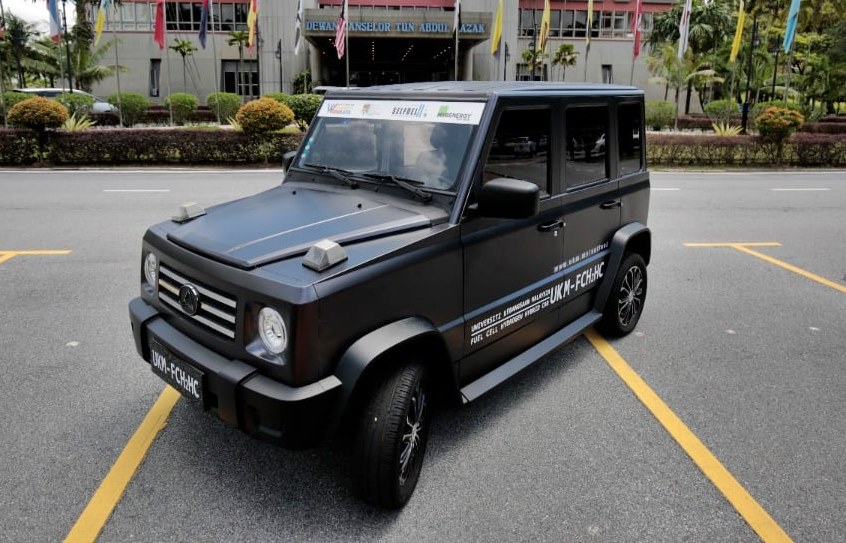
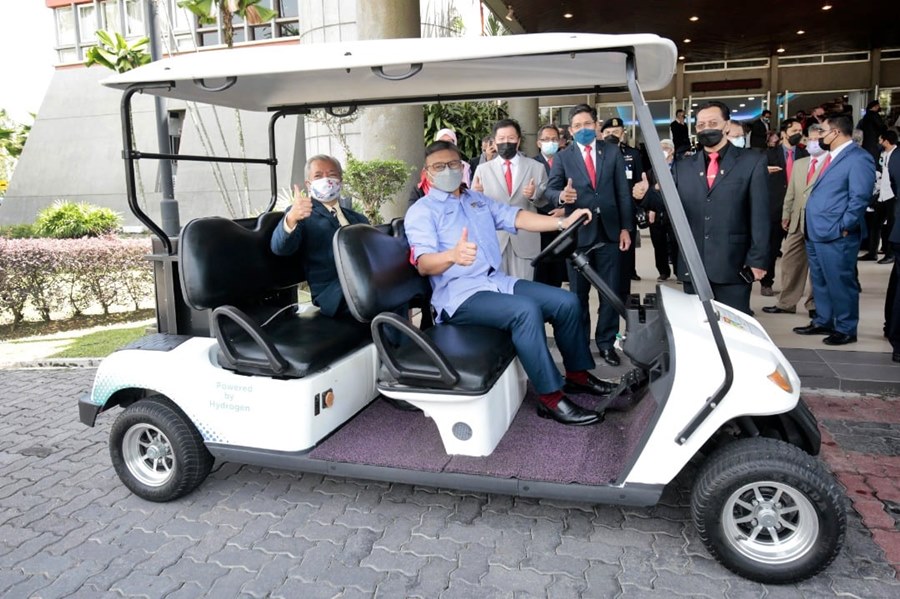
The two prototype FCEVs developed by the UKM Fuel Cell Institute (Sel Fuel) team.
The auto industry has been developing FCEVs for some years and companies like Toyota and Honda have even sold such vehicles. Now a team from the Fuel Cell Institute (Sel Fuel) at University Kebangsaan Malaysia (UKM) has also developed hydrogen FCEVs in collaboration with industry partners through the modification of electric vehicles.
Professor Ir. Dr. Siti Kartom Kamarudin and Associate Professor Dr. Mohd Shahbuddin Mastar @ Masdar from the UKM Fuel Cell Institute, who led the R&D team, developed the UKM FCH2HC, a mini version of a hybrid SUV, and the UKM-FCH2B, a buggy.
According to Siti Kartom, the UKM-FCH2B is unique as the battery has been replaced with a fuel cell system as an electrical power source to improve the buggy’s operational efficiency, as well as a 3000W stationary power generator for electrical appliances (campers will love the idea).
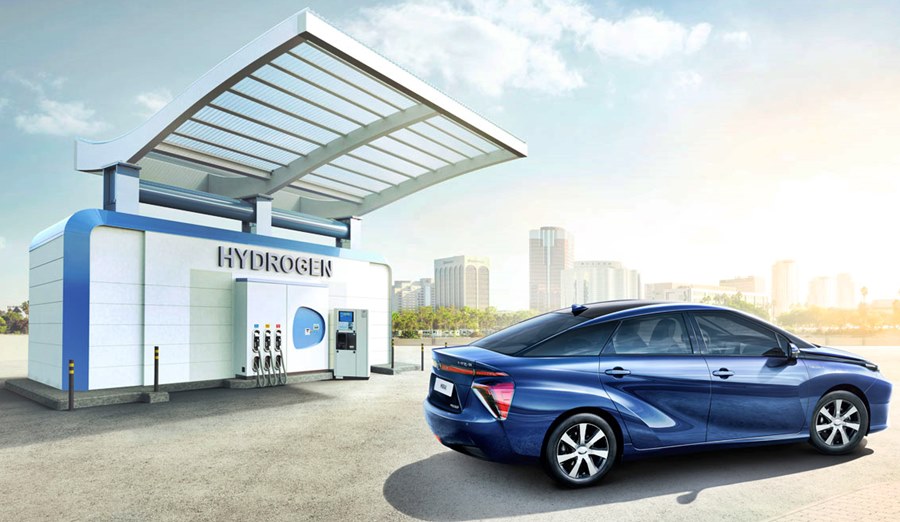
In order for FCEVs to be used, there will need to be hydrogen stations set up for them to refuel with hydrogen. Such station are only just being set up in limited numbers in more advanced countries.
“The UKM-FCH2HC is a hybrid vehicle that combines a fuel cell and a battery in a 0.5 ratio, with each power source capable of providing a capacity of up to 10 kW, allowing the vehicle to travel further. The fuel cell system is equipped with humidifiers and water coolers as supporting units to ensure optimal system performance at all times,” she said.
“During the chemical reaction, hydrogen and oxygen combine to produce electrical energy and harmless water vapour as a by-product, making hydrogen safe because it does not contaminate or harm the surrounding environment, unlike liquefied petroleum gas,” she explained.
How a fuel cell generates electricity from hydrogen.
Project began 15 years ago
“We began this project about 15 years ago with fundamental research to develop high-quality catalysts and membranes. Only in the last 3 years have we been able to bring together all of the fundamental components needed to develop the vehicle’s system,” she said. “As both the SUV and buggy will be used on campus, the speed is limited to 60 km/h. My team and I are looking forward to working on a second generation of the vehicles with increased capacity.”
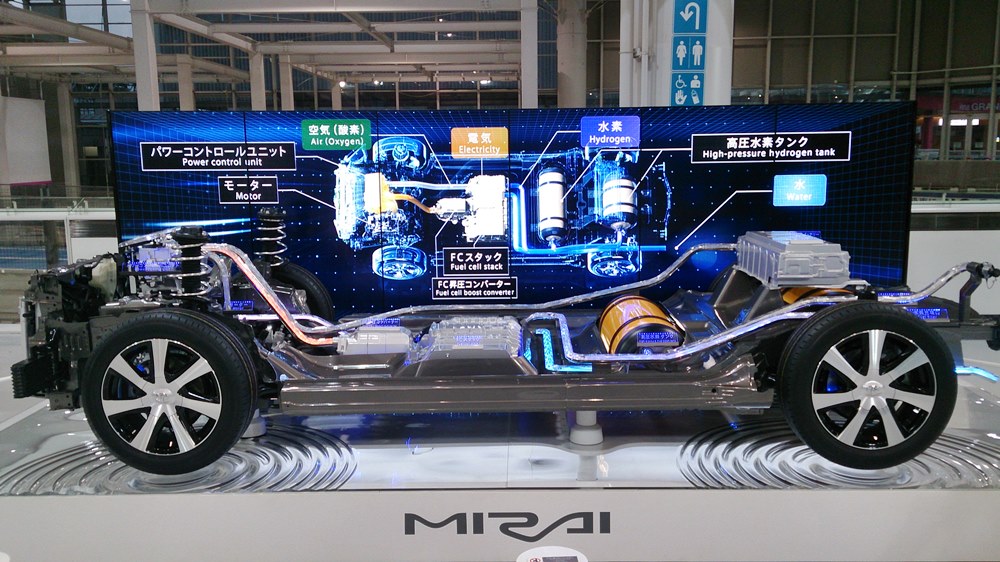
The various elements of a FCEV.
Quick refuelling time
Mohd Shabuddin added that the quick charging time of a FCEV is a significant advantage. Fully electric vehicles require 7 to 8 hours to charge, depending on the charging station and battery capacity. FCEVs, on the other hand, offer faster refuelling times that can take less than 3 minutes depending on the pressure [of the hydrogen supply],” he said.
He added that one of the most difficult aspects of developing hydrogen cell fuel vehicles is their high cost. “We believe in the country’s direction toward greener energy will result in mass production of these vehicles, lowering the cost of production. The recent 12th Malaysian Plan includes hydrogen as one of the government’s renewable energy initiatives to develop hydrogen-powered vehicles, which I believe is a good start for the future of this technology,” he said.
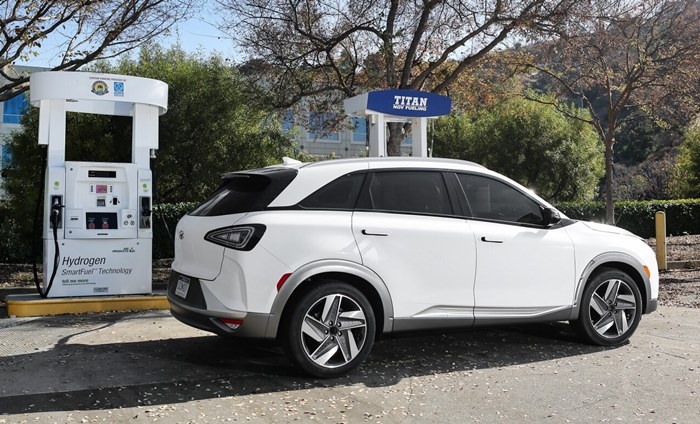
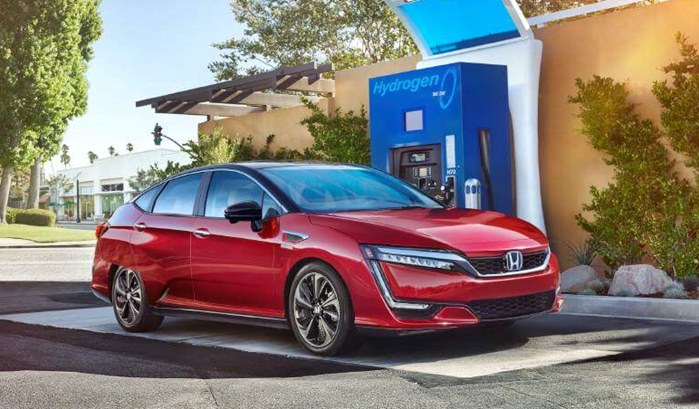
Hydrogen FCEV models have been on sale to the public from Hyundai (top), Honda (middle) and Toyota (above).
The UKM Fuel Cell Institute has also been appointed as the Head of the Research Excellence Consortium Programme in the Transportation and Mobility category by the Ministry of Higher Education. The launching of the FCEVs recently symbolises the support and commitment of UKM towards Malaysia’s Low Carbon Mobility Development Plan 2021-2030 to reduce greenhouse gas up to 45% by 2030 and to be listed as a carbon-neutral country by 2050.
The next step after BEVs
FCEVs would be the next step after BEVs but even in advanced countries like America and Japan, the hydrogen fuelling network is small. The Japanese government has a plan to expand the hydrogen network as it wants to create a ‘hydrogen society’ that can be carbon-neutral. However, the costs are still high at this time and although there are FCEVs in use, the number is relatively small to justify investment in hydrogen stations for FCEVs to refuel.
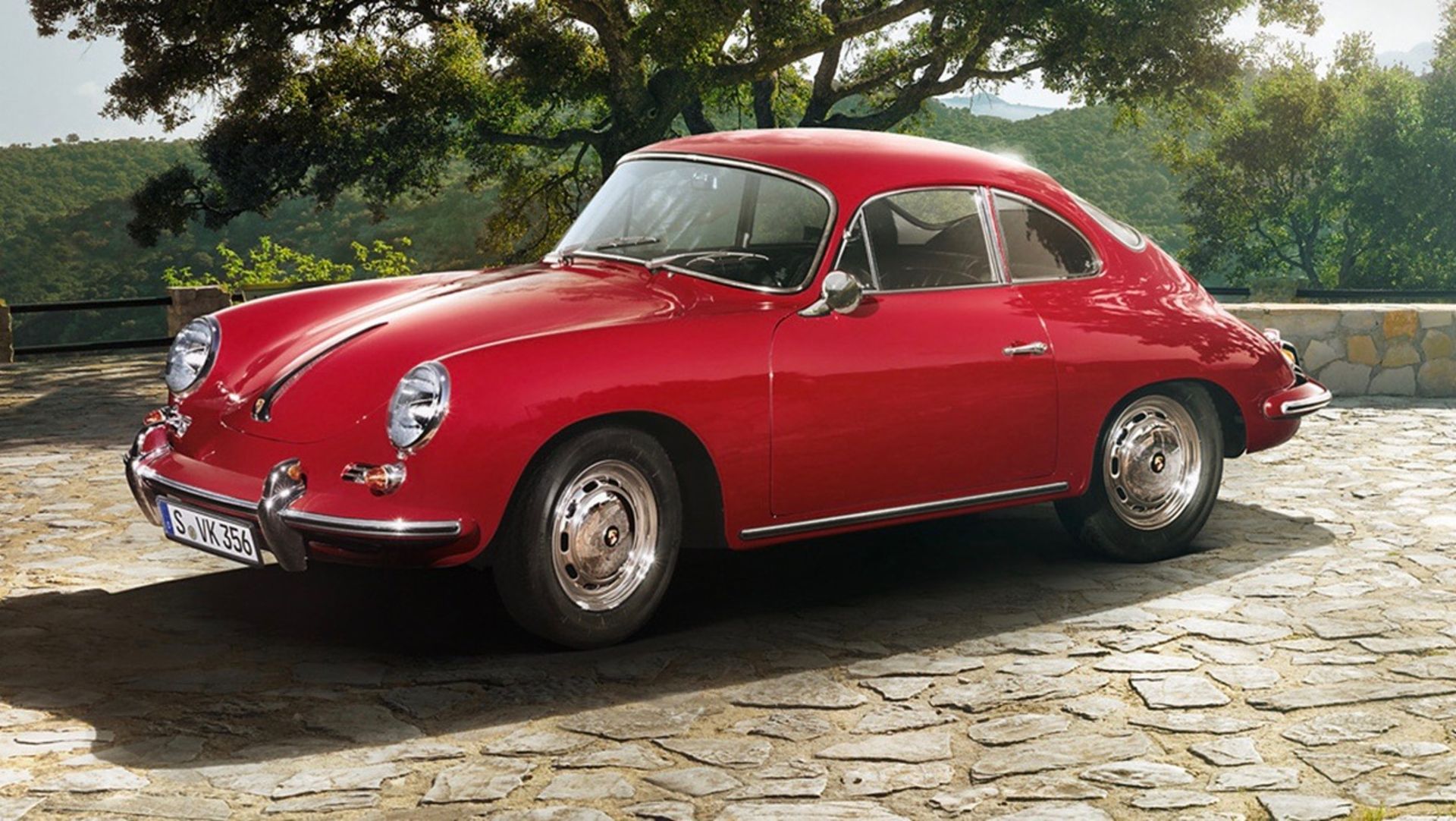
Generally, car names are easily remembered and known but those with numbers and internal model codes that are also used in the model’s ‘name’ can complicate things, especially as the years go by. Take the Porsche 356 A 1500 GS Carrera, for example. This model originated from the Porsche 356 and was part of the refined A series. It had an engine size of 1500 cc and because of its speed, it had GS (Grand Sport) and Carrera (Spanish for ‘racing’) added as well.
Those who are devoted fans of Porsche will know all this well, but the typology of Porsche can still be confusing to many. How can a car be called a 911 and a 991 at the same time? Is that a Boxster – or a 987? Or is it actually a 982? Here’s a quick overview of how Porsche’s numbering system started and has evolved.
One number for each order
In order to understand the beginnings of the in-house numbering method, it is necessary to go back to 1931. Each order (from customers) and every project of Ferdinand Porsche’s newly established engineering design office, Dr. Ing. h.c. F. Porsche GmbH, was given a consecutive number as the in-house type designation. It started with seven, which was the design of a sedan for Wanderer, a German car manufacturer. Order number 22 was for the legendary Auto Union Grand Prix racing car and the Type 60 was the Volkswagen.
The numbers therefore rose with each new order, with each engine designed, with each drawing for an axle, gearbox or tractor. On June 8, 1948, by which time the project numbers had climbed to 356, something of historical significance happened: for the first time, an automobile was to be made under the official brand name of Porsche. And it was called the Porsche 356.
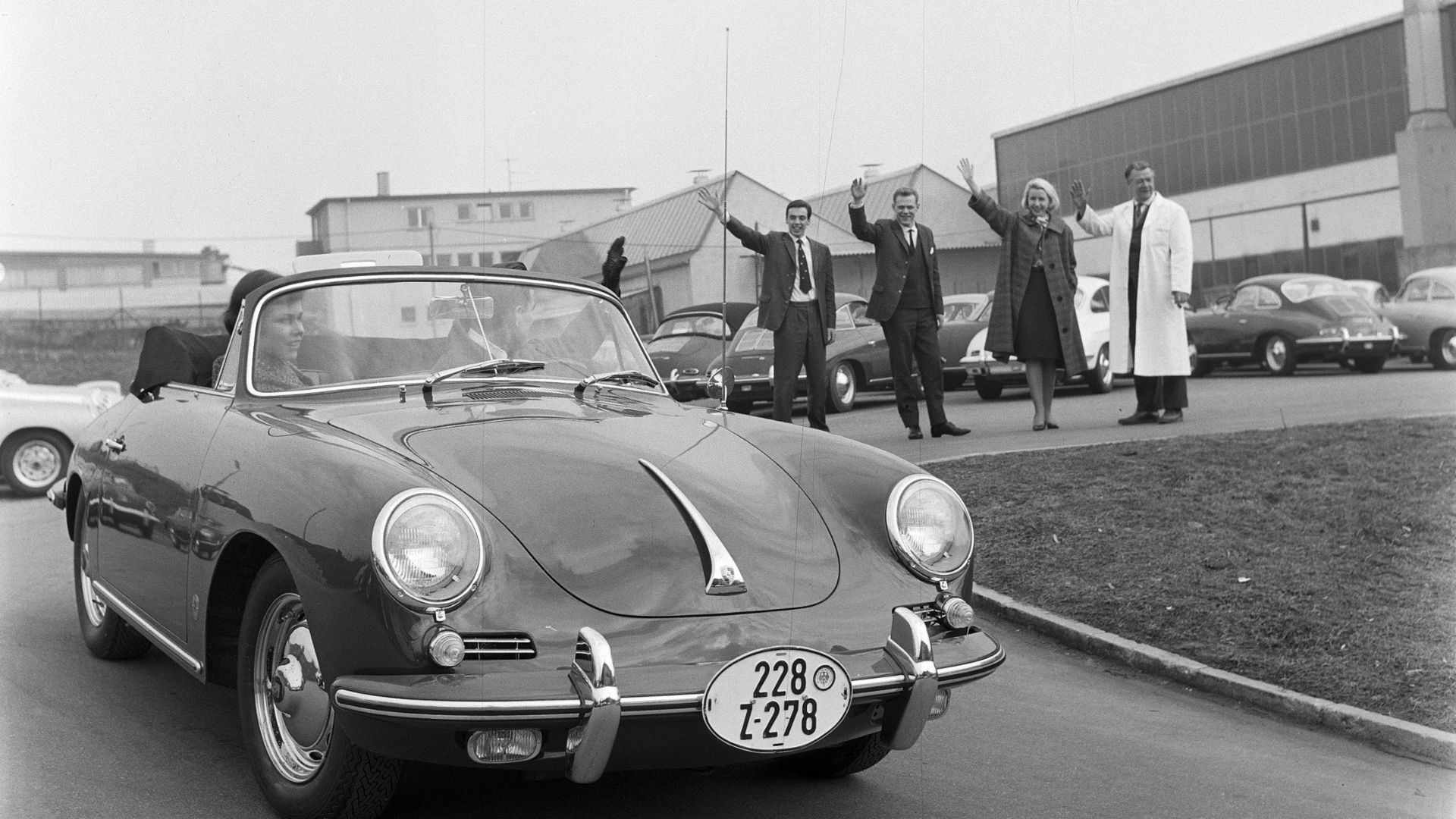
A customer collecting a 356 B from the factory in 1962.
This not only marked the birth of the legendary brand, but also an iconic model with a memorable design. The 356 underwent further development with each new model year, and substantial advances in development were indicated by adding the letters A, B and C.
901 or 911?
The engineers were fine with this system which saw internal numbers were rising faster and faster. There were orders for test engines, naturally aspirated engines, water turbines, and racing cars. For some of the new sportscar types, Porsche again used the internal plant code for the official model name, as was the case in 1953 with the mid-engined 550 Spyder.
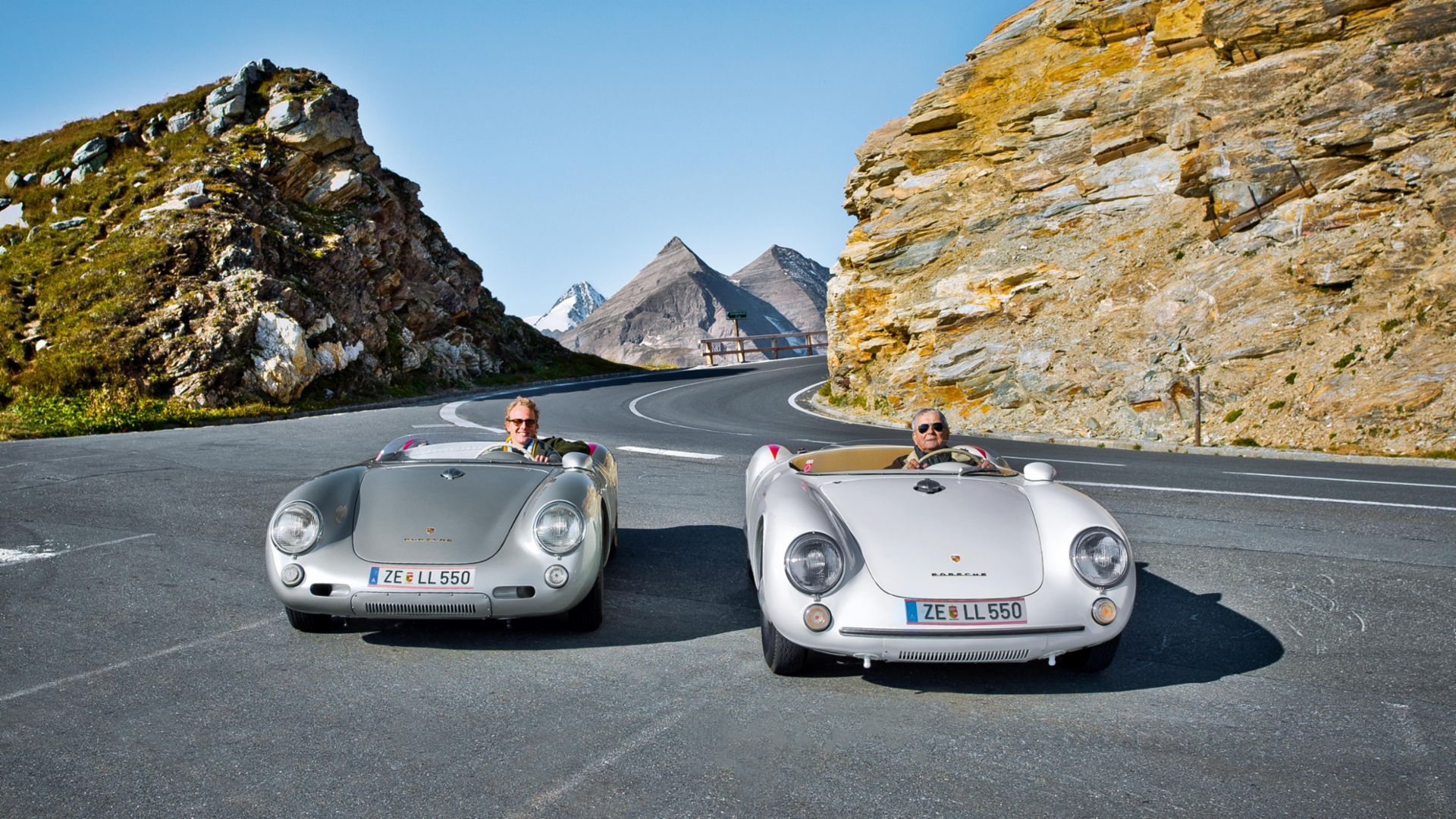
Dr. Wolfgang Porsche and his son, Ferdinand, in Porsche 550 Spyders.
Eventually, it was the successor to the 356 that led to the custom being abandoned. In view of closer collaboration with Volkswagen, future Porsche models had to be compatible with the figures used there. As the 900 numbers had not yet been allocated in Wolfsburg, the decision-makers at Porsche quickly chose 901 for the 6-cylinder version and 902 for a subsequent 4-cylinder sportscar.
When Peugeot said no to ‘0’
However, an unexpected problem arose when Peugeot declared that they had been using 3-digit numbers with a zero in the middle since 1929 and therefore owned the legal rights to all similar number sequences in France. The French carmaker was very particular about this right to having a ‘zero in the middle’ and was known to also have approached Mazda when it marketed the Familia model as an ‘808’ in the 1970s. It’s not known what the outcome of that issue was, but Mazda still sold its car as an 808 in countries like Malaysia (and by coincidence, by the same distributor that also sold Peugeots!).
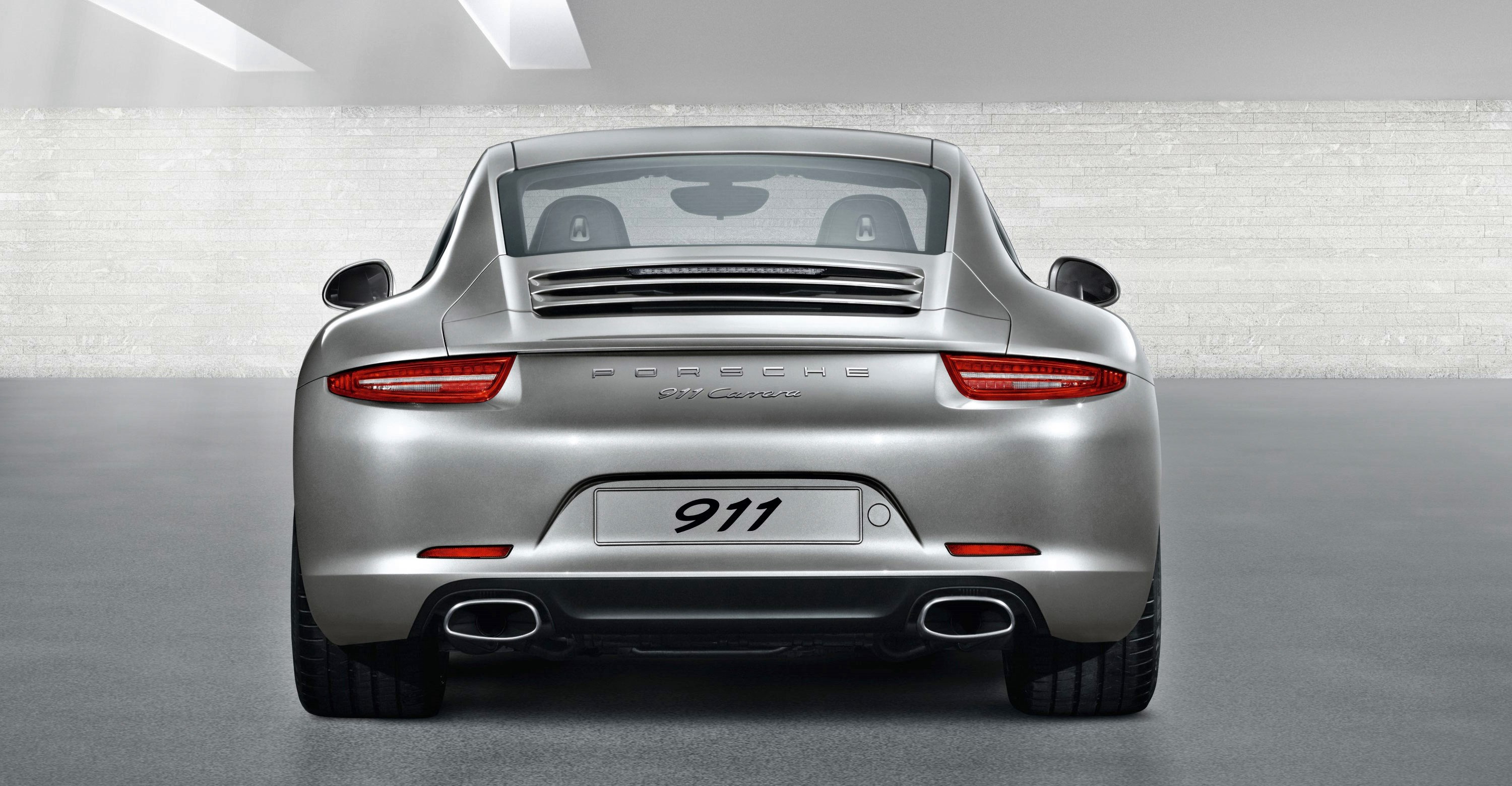
Porsche didn’t fight the matter and the zero was quickly replaced by a one, and the ‘1’ typeface, which had already been created, was simply duplicated for the brochures and type name on the rear of the car. A legend was born as the 911, which would become world-famous in the years that followed.
Expansion of the model range
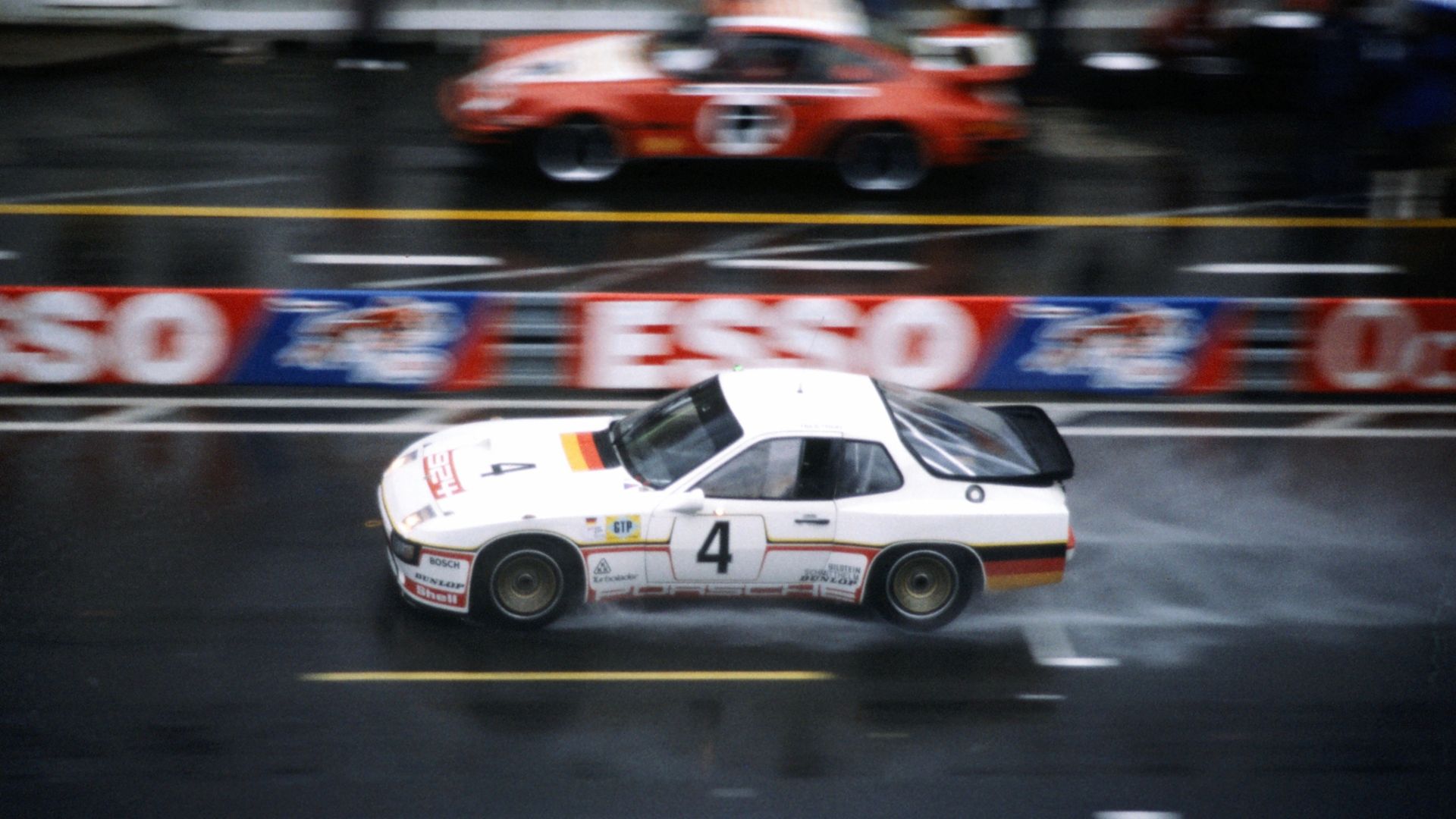
Of course, the 911 did not remain the only model line from Porsche. The 914 marked the addition of a smaller, lighter mid-engined sportscar and, over the years, models such as the 924, 928 and 944 joined their elder sibling. They also received their internal number as model names. By now, the practice of using 3 digits starting with a ‘9’ had established itself for models from Porsche.
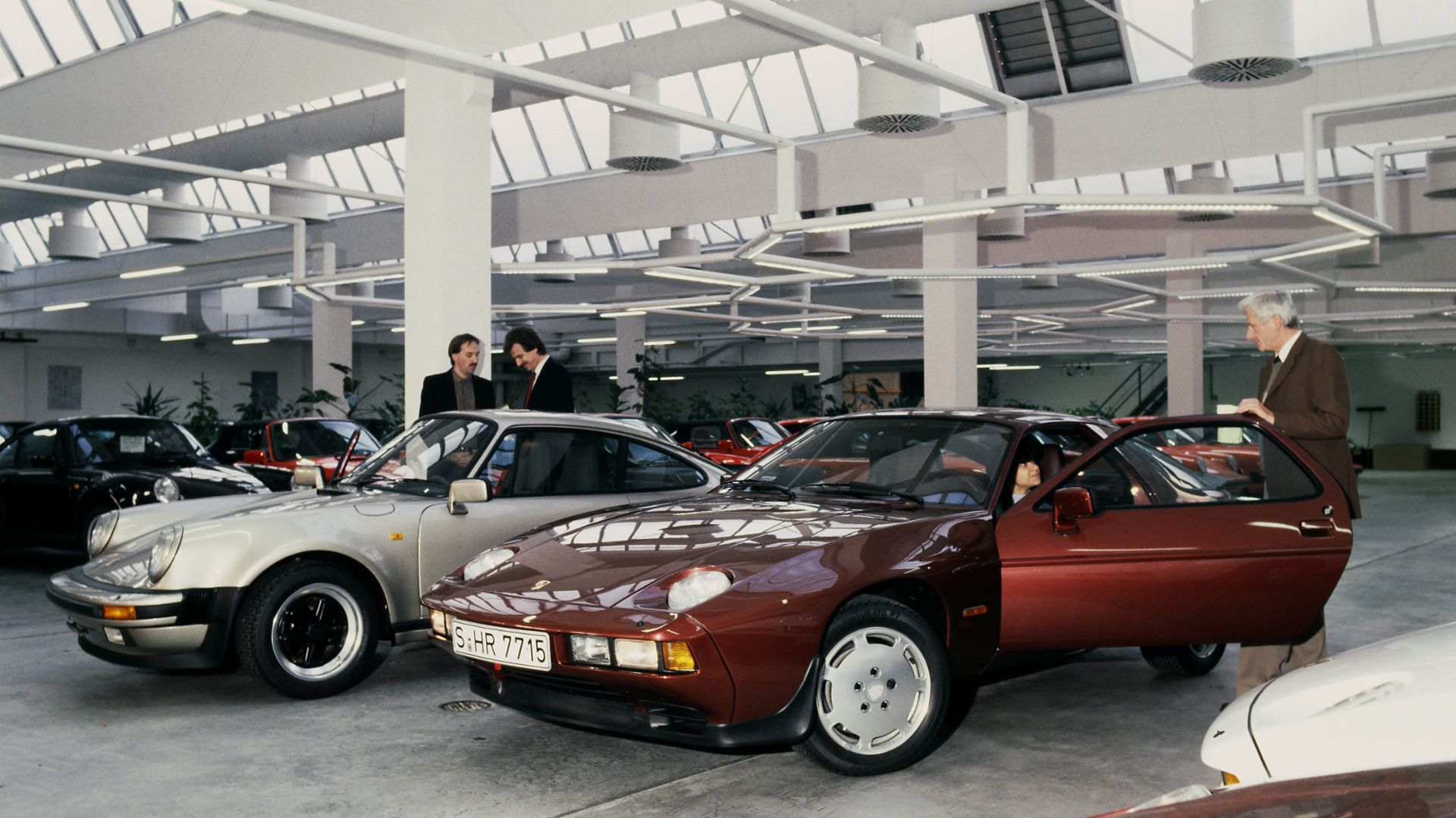
Handing over a 911 Turbo and 928 S Coupe to customers in 1981.
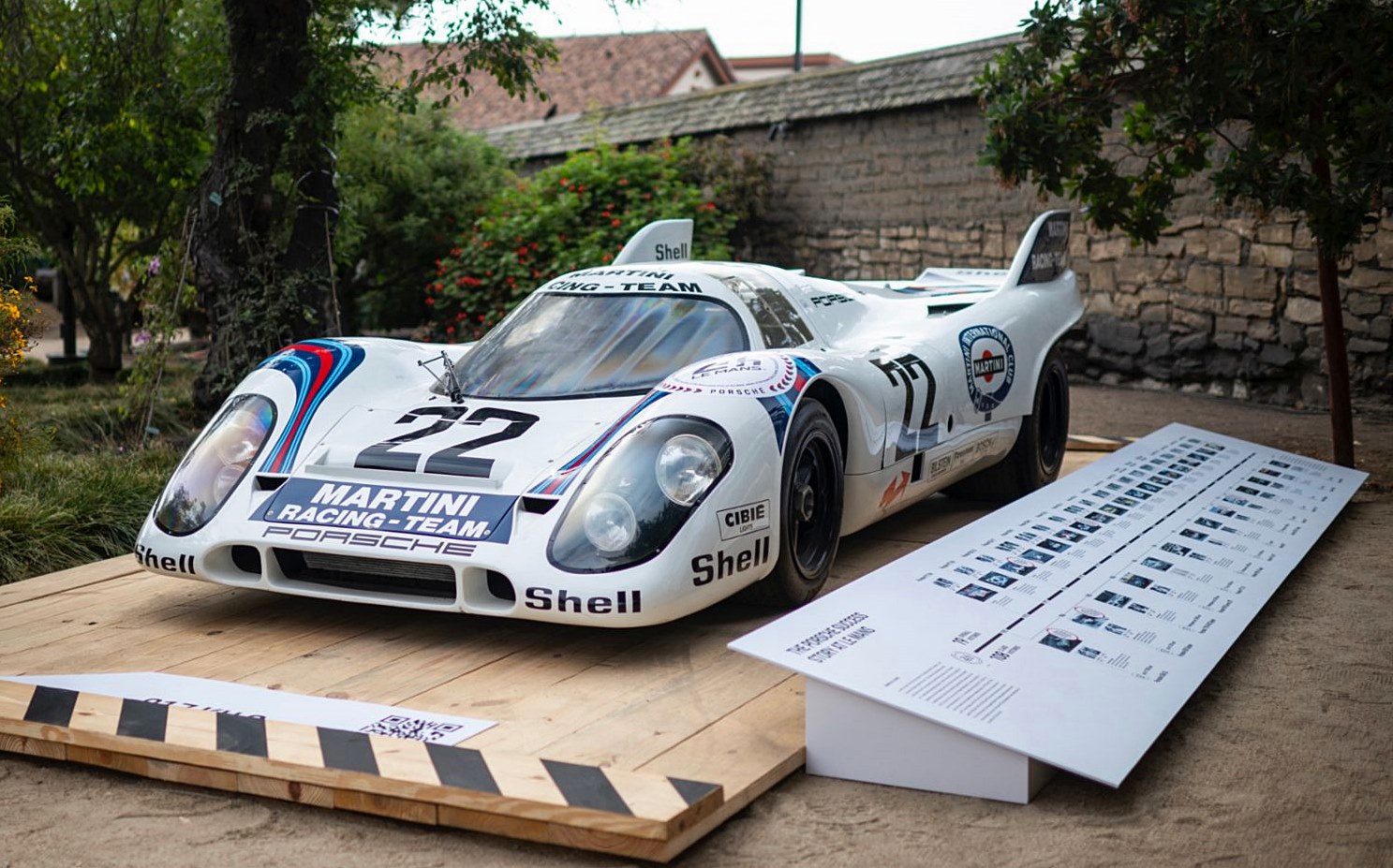
Inevitably, the 900 numbers began running out and competing with each other but the engineers stuck to their system out of tradition. In addition to the various road-legal models, pure racing cars also had to be allocated internal type numbers. One example was the legendary 917; unveiled at the Geneva International Motor Show in 1969, this racing car took overall victory at Le Mans a year later – the first of many racing successes in the first half of the 1970s under the 917 code.
Porsche 917
Flexibility in naming
Flexibility became increasingly in demand when it came to naming all the Porsche models. The 911 is a clear illustration of this when, for the 1968 model year, the series received the internal designation of ‘A Series’ for the first time. In 1969, the B Series followed, then in 1970, the C Series, up until the substantially redesigned G Series, which debuted in 1973. However, special models within the series also received their own type number from time to time, as was the case with the internal Type 930, named the 911 Turbo or the Type 954 (911 SC RS).
Porsche 924 Carrera GT on a racetrack in 1980.
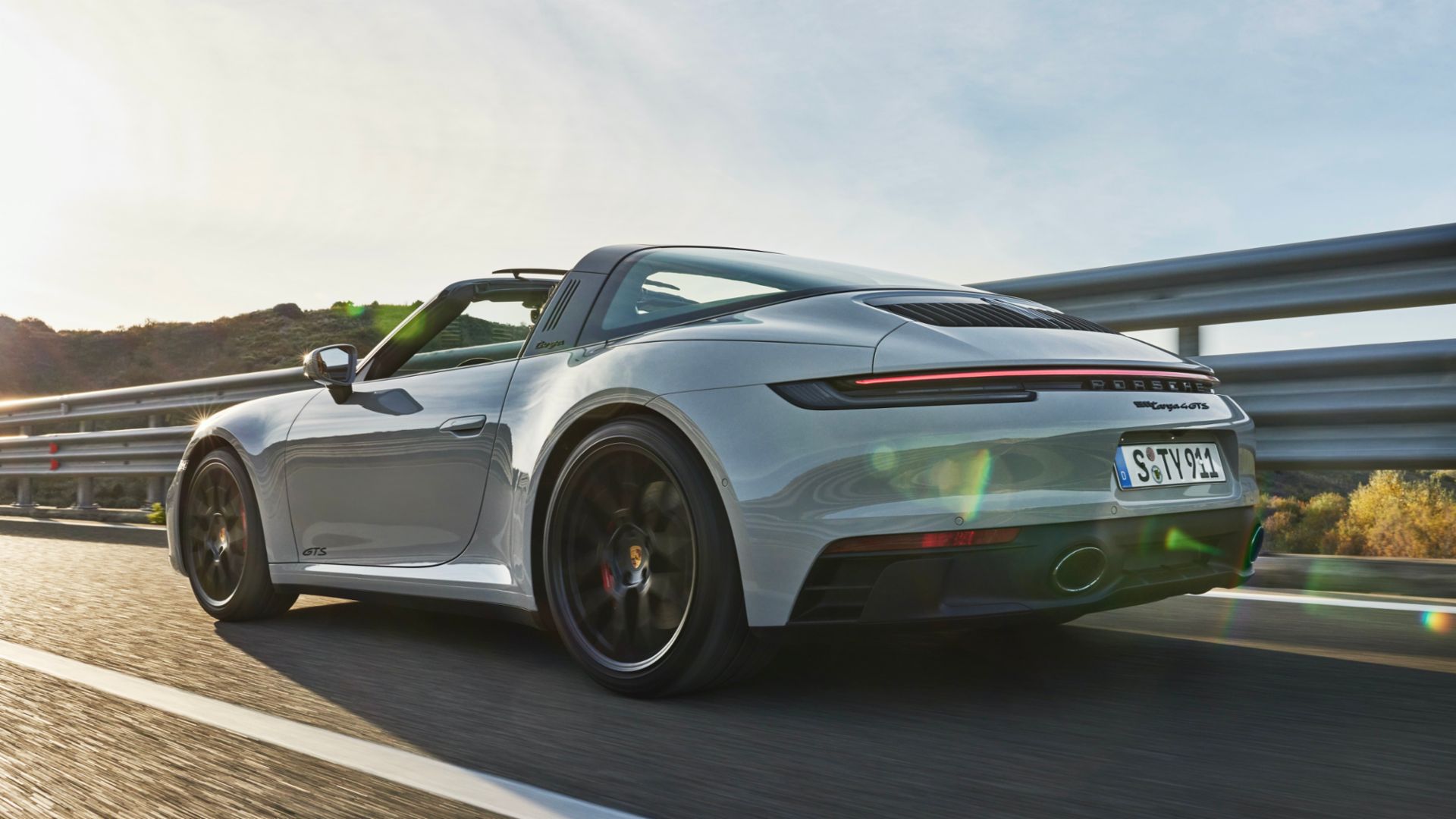
In 1988, a major break occurred in the 911 history with the introduction of the completely redesigned 964 model series. The 993 followed in 1993, then the 996, 997, a return to 991, and the current model 992. Between the internal codes of the 911, there are still further models to be found, with examples being the Carrera GT (internally known as the 980), the Boxster (the 986 being the first generation, followed by the 987 second generation, the 981 and the 982) and the Cayenne (955). The tradition of the 3-digit type codes is maintained today – albeit with a certain degree of creative freedom.
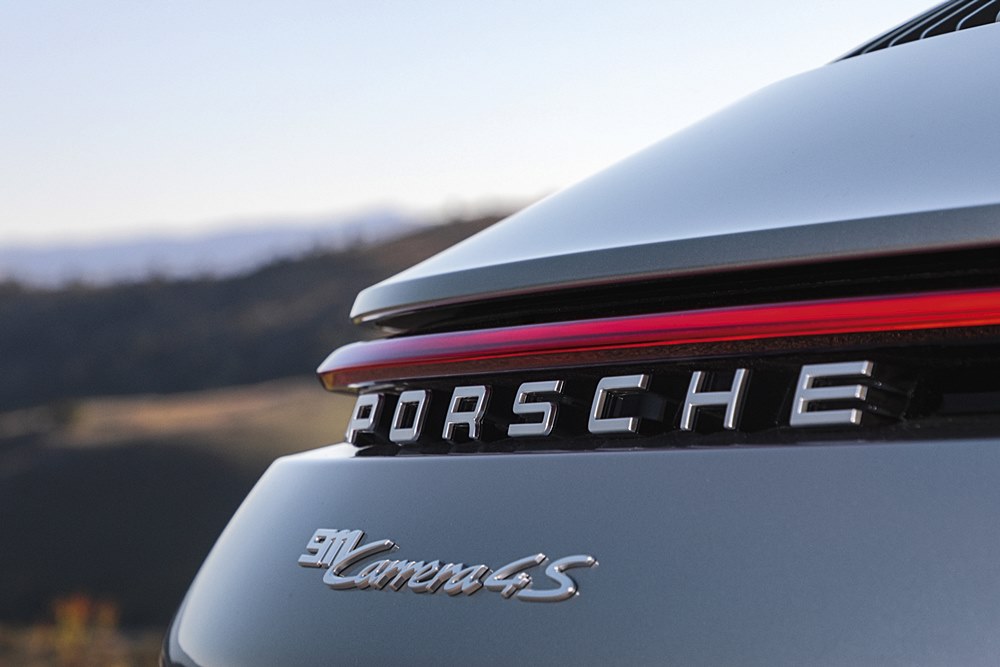
While enthusiasts refer to many of the models by their series numbers, the marketing people use names (or alphabets) to differentiate models. The current ones are Boxster (derived from boxer engine and roadster), Carrera, E-Hybrid, Executive, GTS (Gran Turismo Sport), RS (RennSport, or ‘racing sport’), RSR (RennSport Rennwagen, which translates as racing sport racing car), S (for ‘Super’ or ‘Sport’), 4 (all-wheel drive), Spyder, Targa, and of course, Turbo.
Since the introduction of a radio in the car about 100 years ago, in-car entertainment or ICE has been evolving as new technologies were developed and then miniaturised and ruggedised for use in cars. Tape-players and CD-players allowed motorists to bring their own favourite music with them, and then with connectivity to portable devices, the capability expanded.
And then came digital displays that meant movies could also be viewed, and before long, being able to connect to the internet meant that a whole new world of entertainment became available inside the car. Whatever you can enjoy in your home can now also be enjoyed while travelling.
Moving into virtual reality
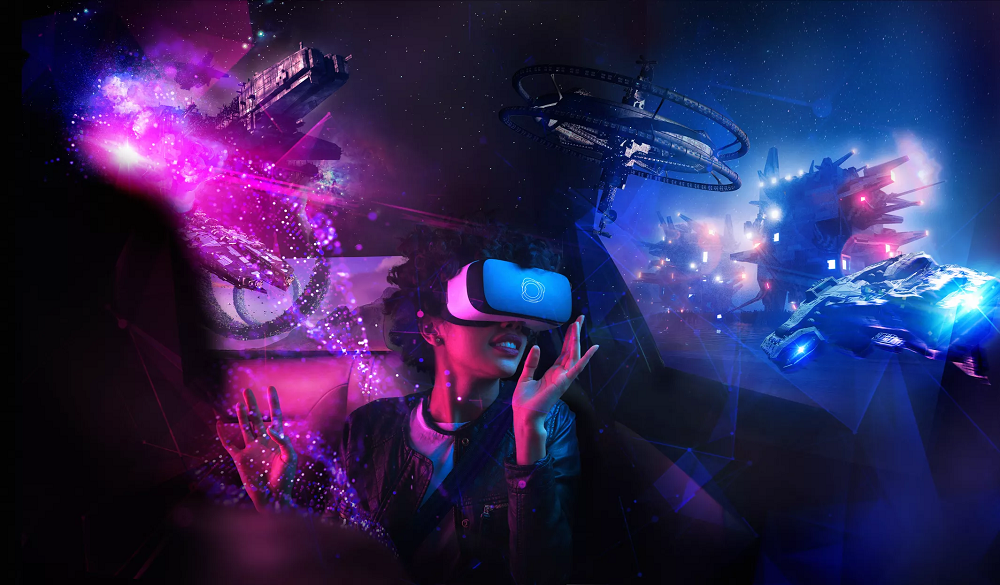
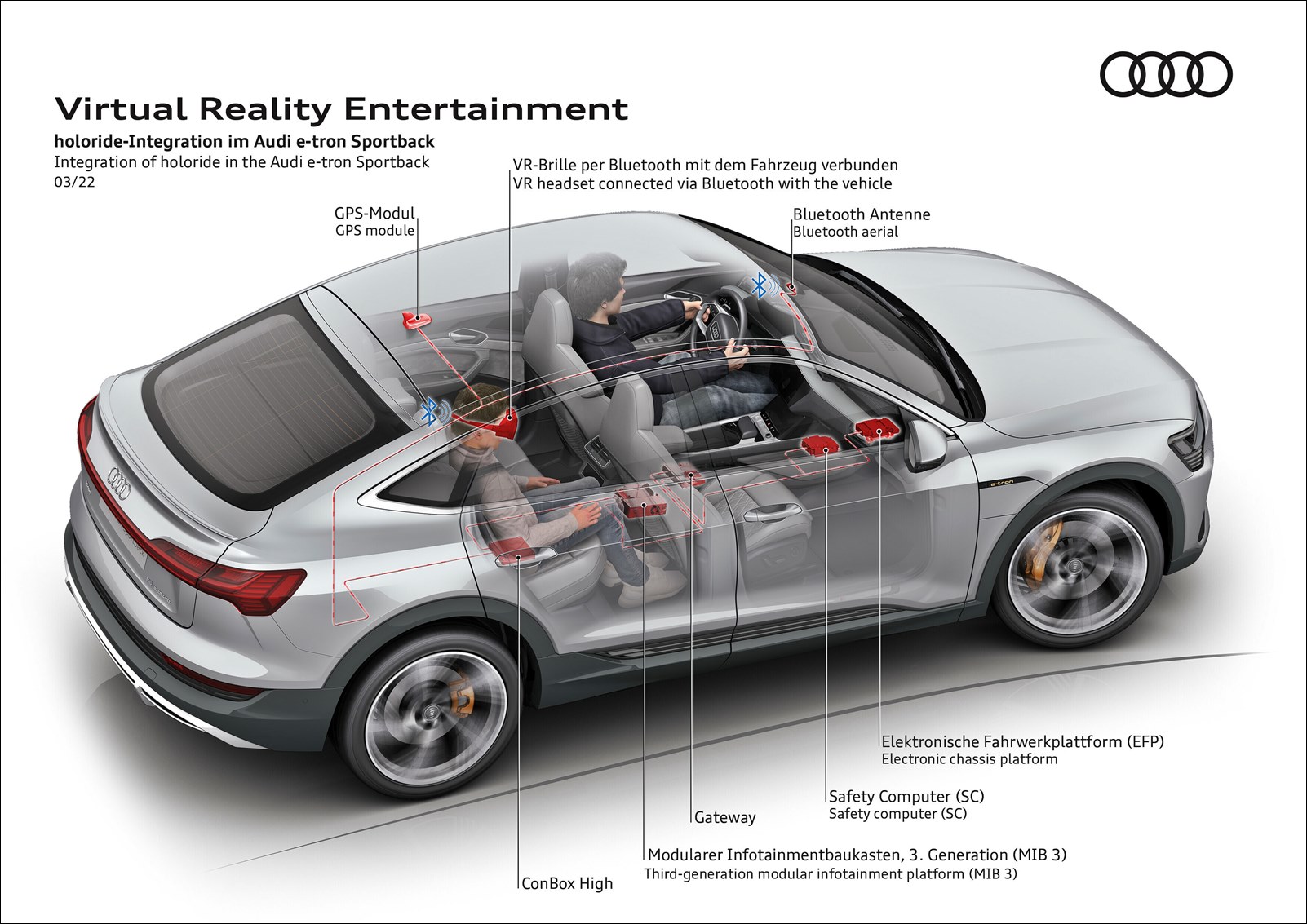
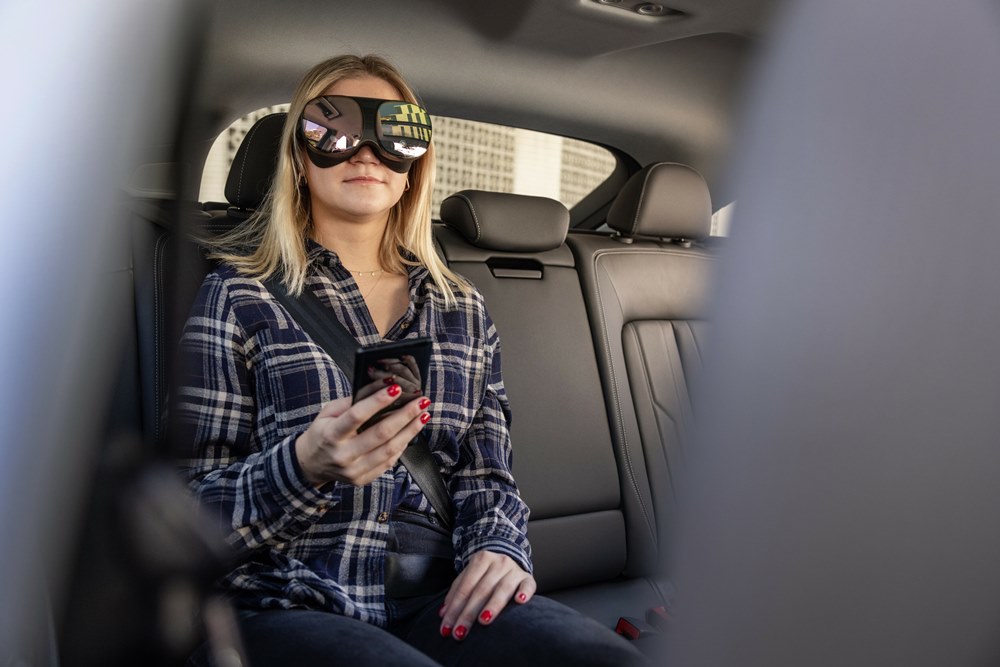
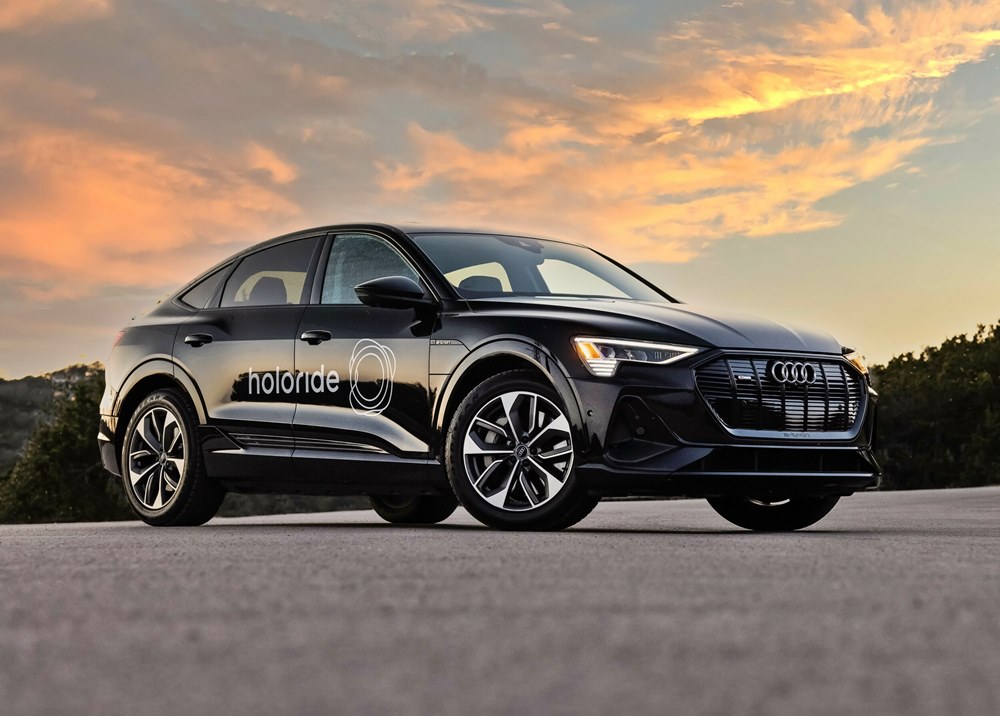
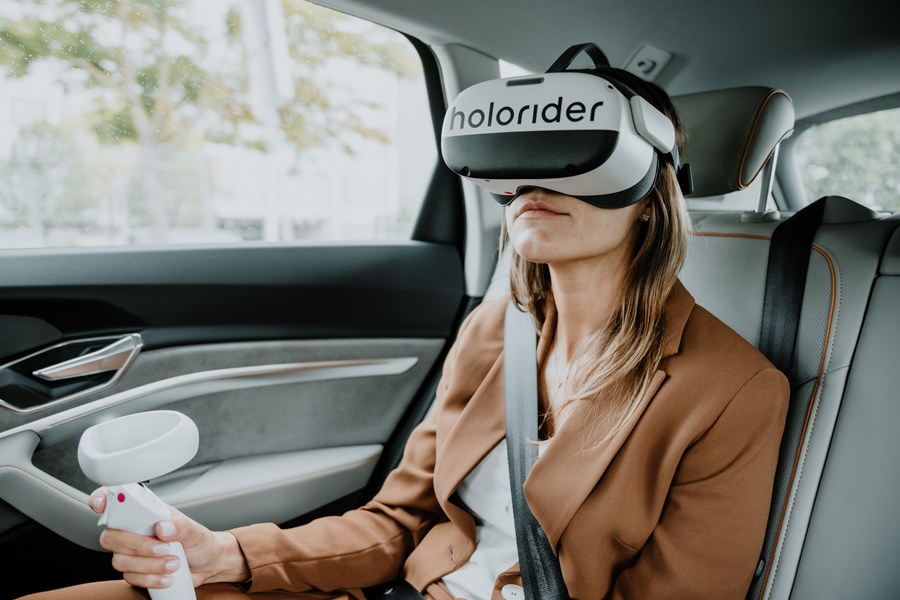
The next step in ICE is virtual-reality (VR) entertainment and Audi is the first carmaker in the world to enable passengers to immerse themselves in games, films and interactive content using holoride. They will enjoy this by using VR glasses which will make a car ride a multimodal gaming event.
The immersive experiences
The holoride technology adapts virtual content to the car’s driving movements in real-time. For example, if the car is taking a right turn, the spaceship in the imaginary world will also fly to the right. If the car accelerates, the spaceship speeds up too. Initiated by Audi, development of this innovative VR or XR (extended reality) technology is being advanced and commercialized for different manufacturers by the tech entertainment start-up.
With this approach, the 4-year old German start-up has established a completely new media category that they call ‘Elastic Content’ – content that adapts to driving movements, journey time and driving route. The result is immersive experiences with a previously unknown level of quality.
Holoride-capable Audi models
The models that will be holoride-capable with the third-generation modular infotainment toolkit (MIB 3) and the latest software cluster will be the A4, A5, A6, A7, A8, Audi Q5, Q7, Q8, e-tron and e-tron GT quattro. They will initially be available for the European and North American markets as well as Japan and China.
holoride was first presented at CES 2019 (the Consumer Electronics Show in Las Vegas), in cooperation with Disney Games and Interactive Experiences. It implemented a VR game experience from the Marvel Universe for cars. In addition to other activities and showcases, during a roadshow through California from Los Angeles to San Francisco in 2021, holoride visited other production and game studios to demonstrate the technology’s possibilities to potential partners.
In the future, the progressive automation of travel by car will not only make new forms of entertainment possible while driving but will also open up increased opportunities to learn and work on the road. When drivers also no longer have to concentrate on driving in the future, they can turn their attention to other things – work, reading, watching films, or gaming. The motion-synchronized voyage through virtual worlds with holoride also reduces the common phenomenon of motion sickness often experienced by passengers reading a book or enjoying audio-visual media on electronic devices such as tablets.
For users, the interior will become their personal free space, and for designers, it will become the new design centre. After all, the design process begins with the question: who will be sitting in a new model and what will people want to do there? In the future, designers will no longer design cars from the outside in, but from the inside out – and therefore customers will literally become the centre of attention.
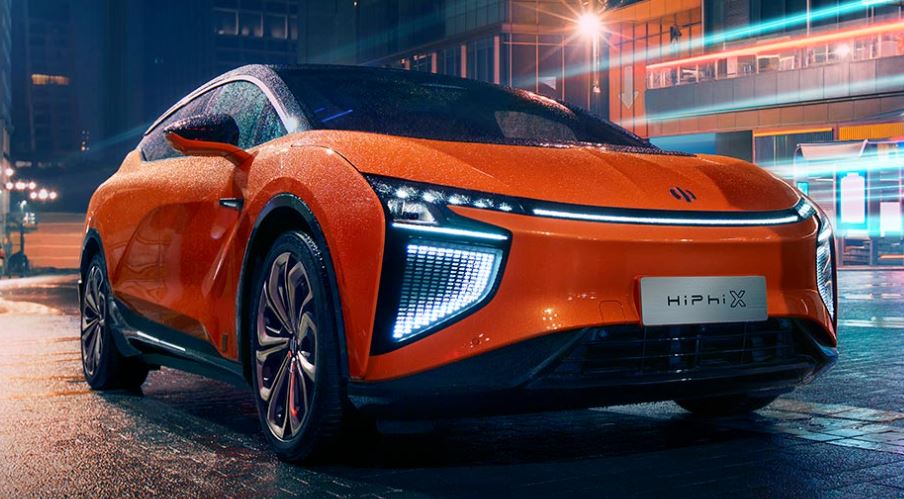
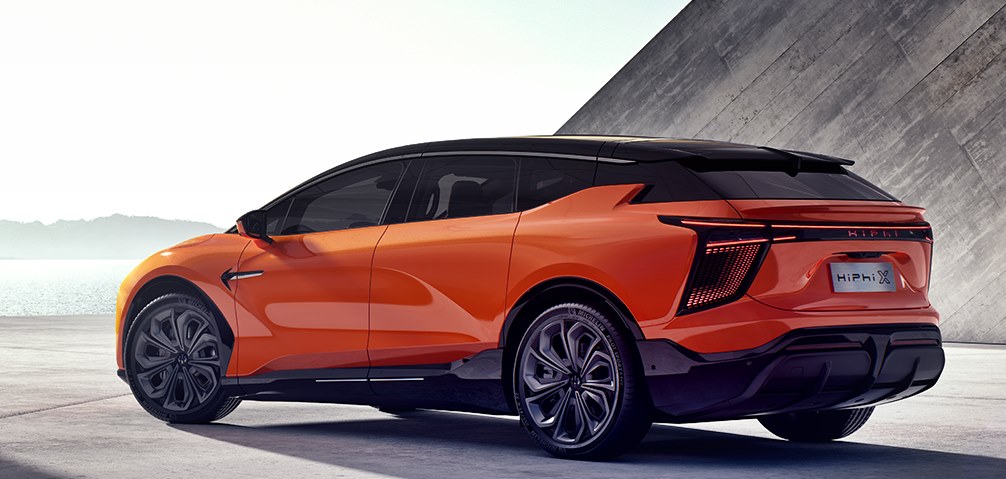
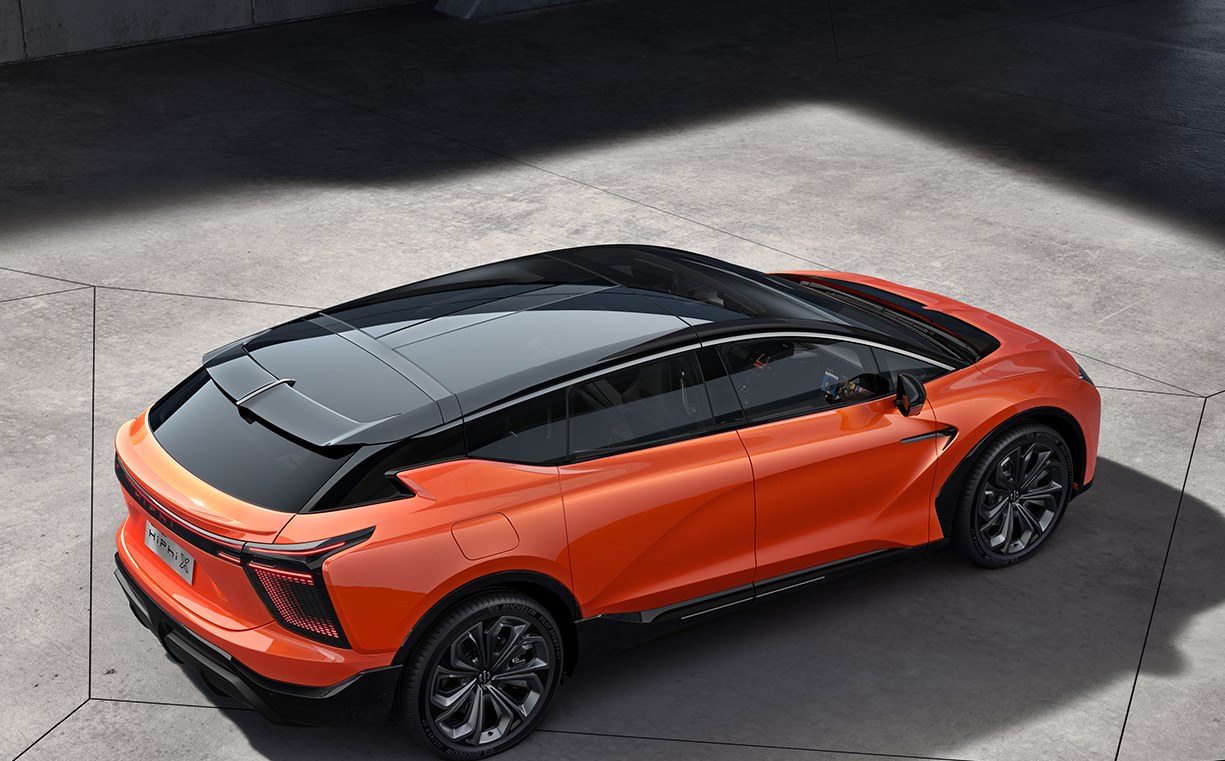
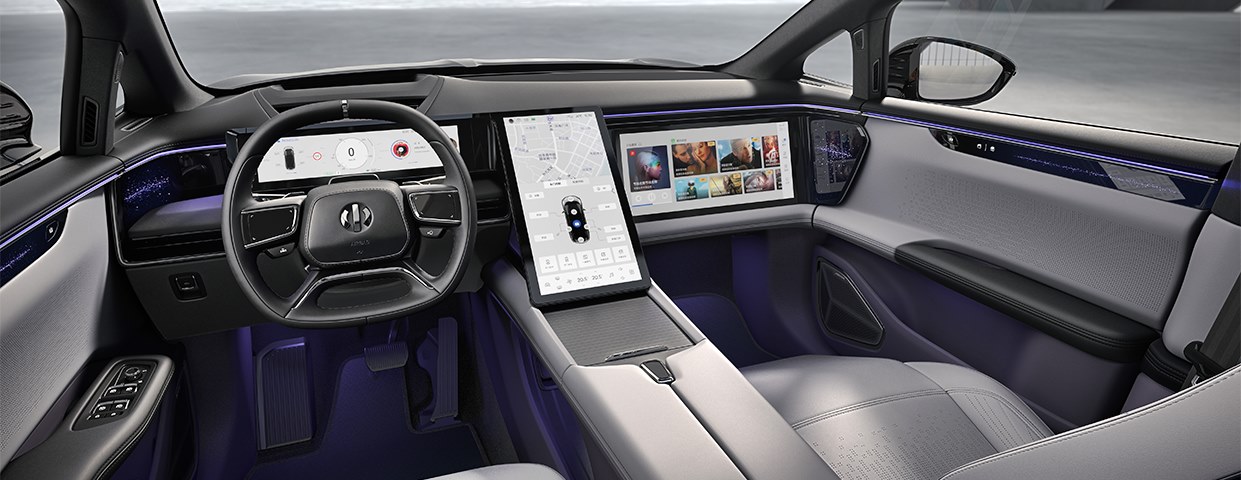
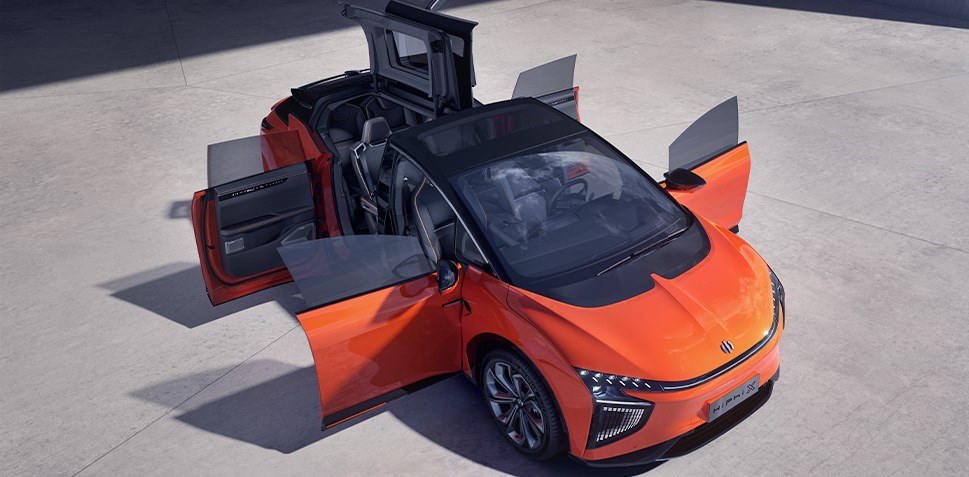
Human Horizons, the young Chinese technology company (established just 4 years ago), has released details of two more versions of its HiPhi X Super SUV range. The new versions are the 6-seater Creative Extended Range Edition and Intelligent Extended Range Edition which are said to be premium products.
Meeting more differing customer needs
Since being unveiled in mid-May 2021, the HiPhi X has been selling well across China and the development team has been looking at providing vehicles for more differing needs of consumers. Both the Creative Extended Range Edition and Intelligent Extended Range Edition are outfitted as luxury versions, with features such as a 17-speaker Meridian audio system, 19.9-inch entertainment screen for passengers, customizable smart fragrance system by Givaudan, interior light panels, a HEPA biochemical filter, and a driver physical monitoring system.
The HiPhi X has a number of world and industry firsts among mass-produced passenger vehicles, especially in the EV segment. These include smart PML programmable headlights, smart ISD interactive lamps and lighting system, and the intuitive AI-powered HiPhi Play interactive visual display.
Internet-of-Things technology
The model is also equipped with the world’s first fully-integrated open smart HiPhi service-oriented architecture (H-SOA) for use in a mass-produced vehicle. This utilizes the latest in Internet-of-Things (IoT) technology to connect, control, and monitor the operation of the vehicle. The open architecture acts as an open piece of hardware that third-party developers and regular users can program to create innovative visual displays according to their mood. For this reason, Human Horizons refers to the HiPhi X as the world’s ‘first evolvable super SUV’.
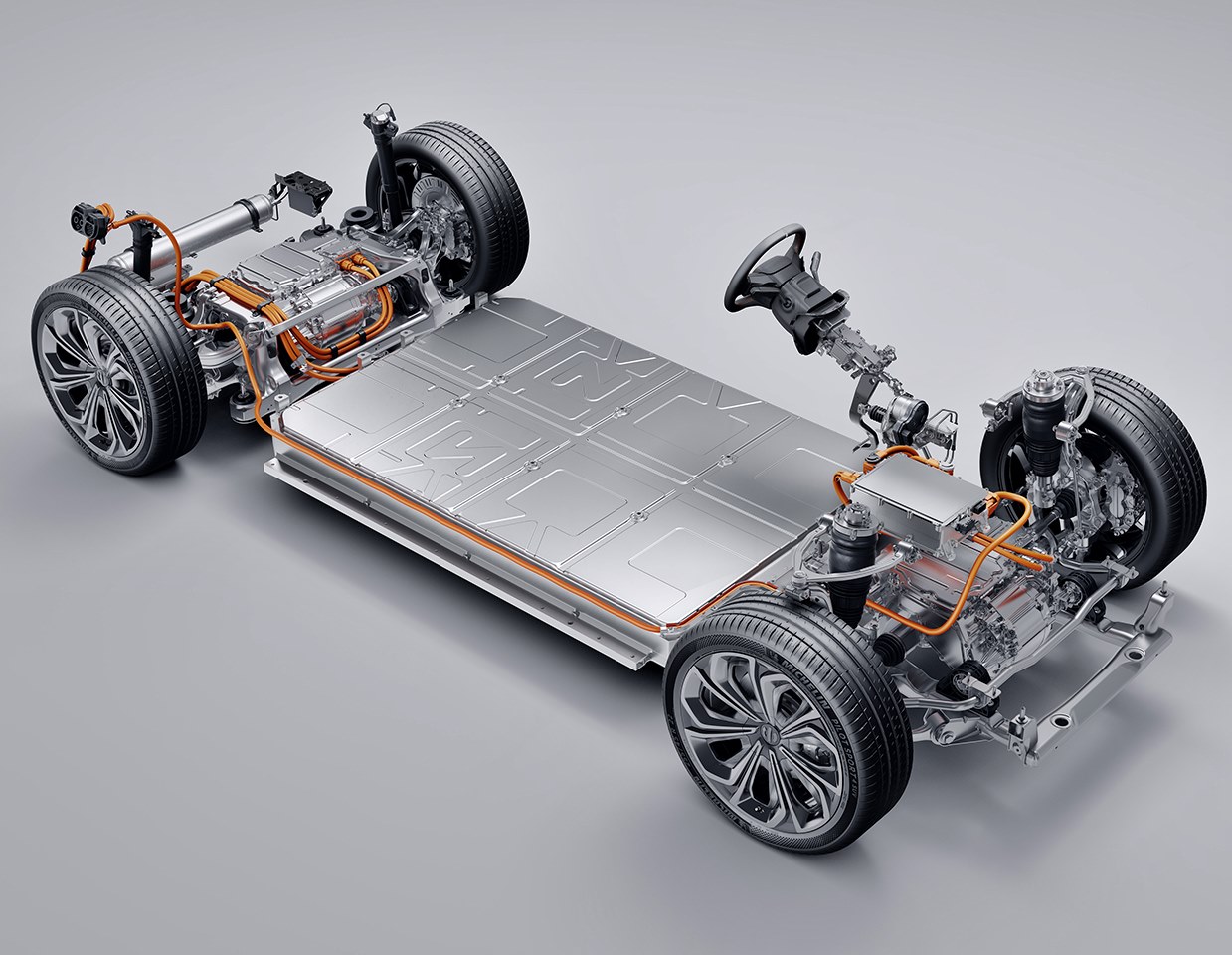
Having been conceived as an EV right from the start, the designers had no constraints as they could develop a layout fully optimised for EVs. Measuring 5.2 metres long, its lightweight hybrid aluminium construction will complement the concept of sustainability with the adoption of vegan leather and the use of recyclable materials.
There are two drivetrain versions of the HiPhi X – single motor/rear-wheel drive and dual motor/all-wheel drive. The battery pack has a 96 kWh capacity and is said to be able to provide a cruising range of up to 650 kms. It also has 4-wheel steering for easier manoeuvring, while 562 sensors feed real-time data to 4 domain controllers and 6 computing platforms to allow autonomous motoring and even parking.
Growing popularity
To date, over 5,000 HiPhi X vehicles have been delivered in China. The company claims it is the first Chinese brand to top the sales charts for premium luxury cars valued at more than 600,000 RMB (about RM398,000) for any given month. Human Horizons continues to work on expanding the charging network by supplying coverage from over 270,000 charging points across 500 cities throughout China.
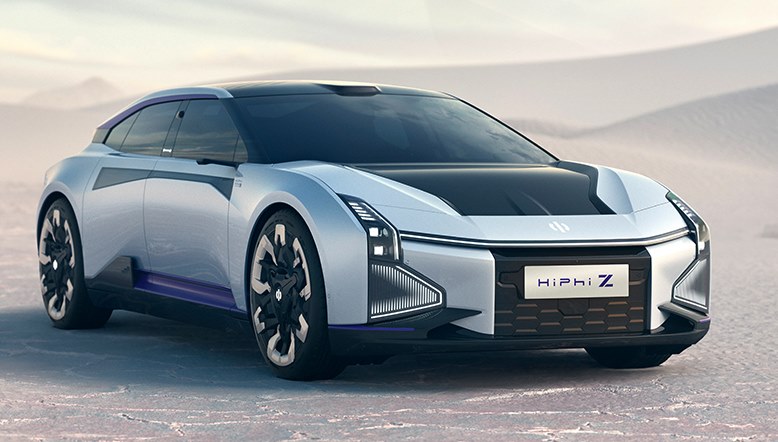
HiPhi Z, to make its debut this year, will be the second model from Human Horizons.
Since the late 1990s, hybrid powertrain systems have been developed by various manufacturers, acting as the first step in electrification of vehicles. The systems are similar in having an electric motor and a combustion engine but differ in the way they operate. The ideal operating strategy is to be able to use the electric motor as much as possible, with the engine coming in when extra power is needed.
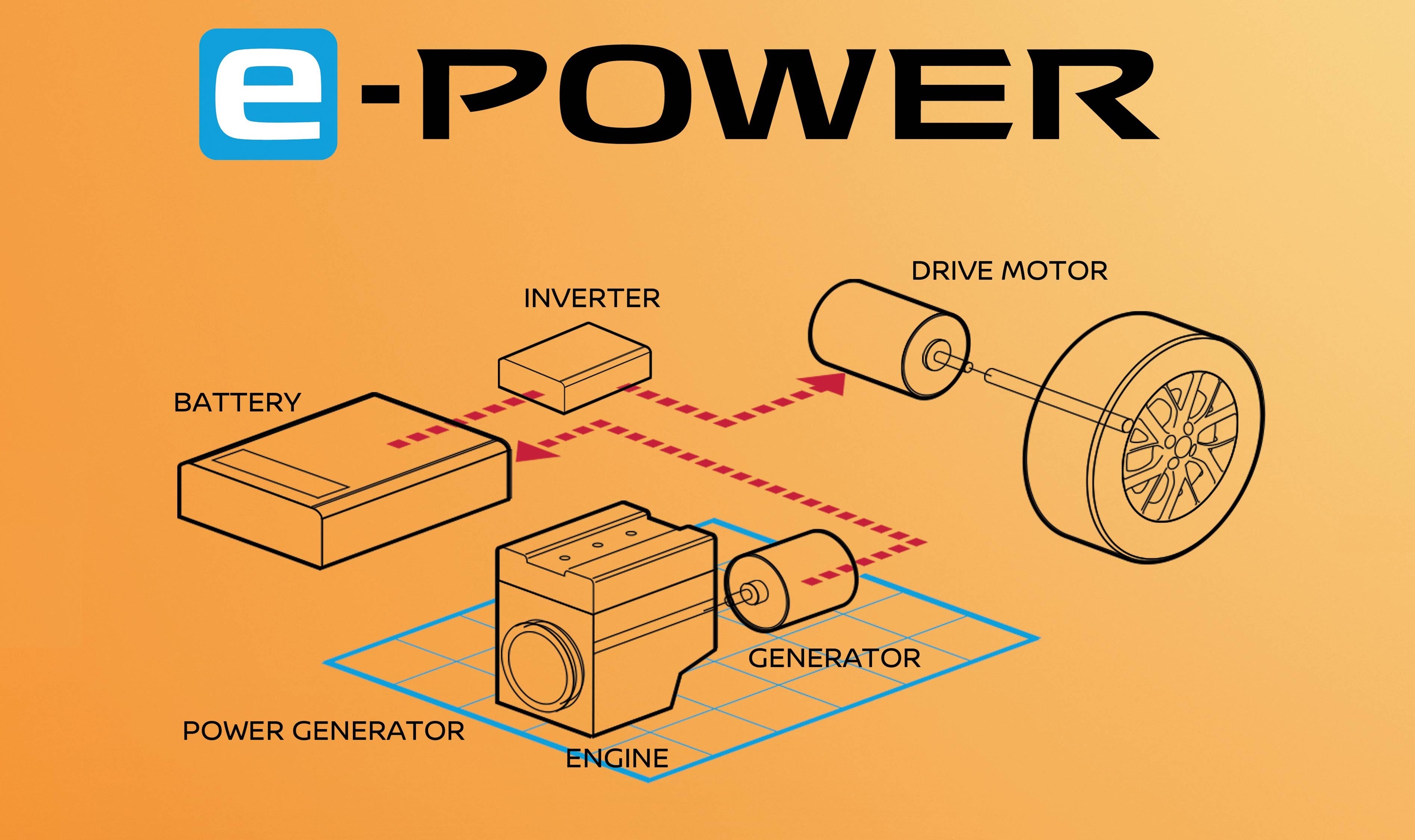
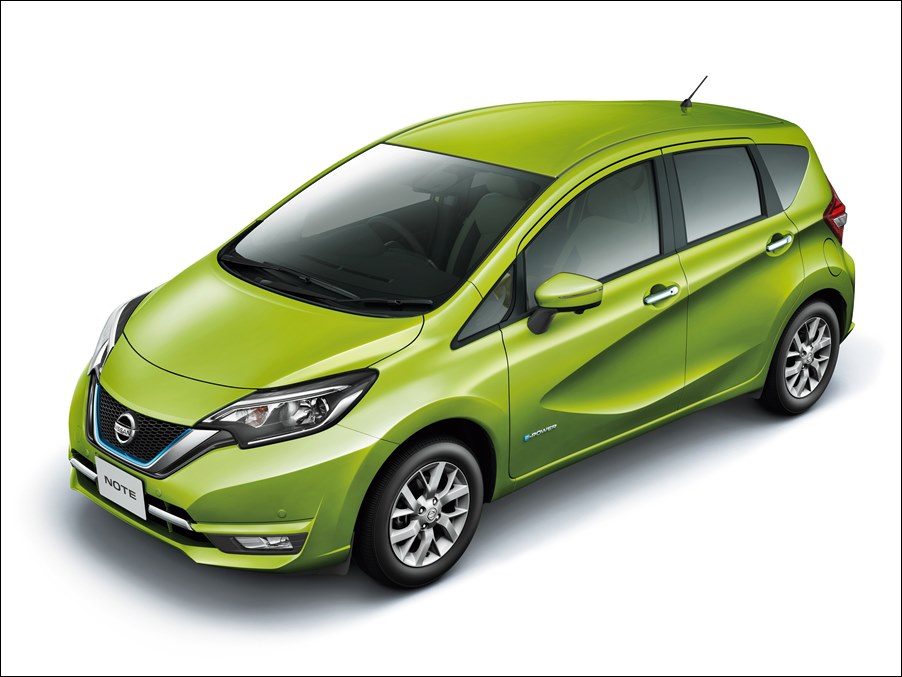
Nissan’s e-POWER system takes a slightly different approach although it has the motor and engine as well. Part of the electrification strategy under Nissan Intelligent Mobility, e-POWER borrows from the EV technology developed for the LEAF, now the best-selling fully electric car in history.
Nissan Intelligent Mobility anchors critical company decisions around how cars are powered, how cars are driven, and how cars integrate into society. In 2006, Nissan R&D was able to achieve a breakthrough in its energy management technology by reducing the battery capacity to match its competitors’ hybrid vehicles while still delivering desirable EV qualities, such as quietness and efficient energy use. In addition, application of Nissan’s technologies, such as the integration of a power-generating engine, electric motor drive for compact car use, strengthening of the powertrain’s rigidity and improvements in NVH levels, became the foundation of e-POWER and its implementation in the compact-car segment.
Where the LEAF requires regular recharging of its battery pack, an e-POWER system does not need that as a small petrol engine is used to charge the high-output battery pack when necessary. This means that the driver will have no need to look for a charging station (or set one up in his home) and no ‘range anxiety’ (the fear of running of out electricity and being unable to recharge).
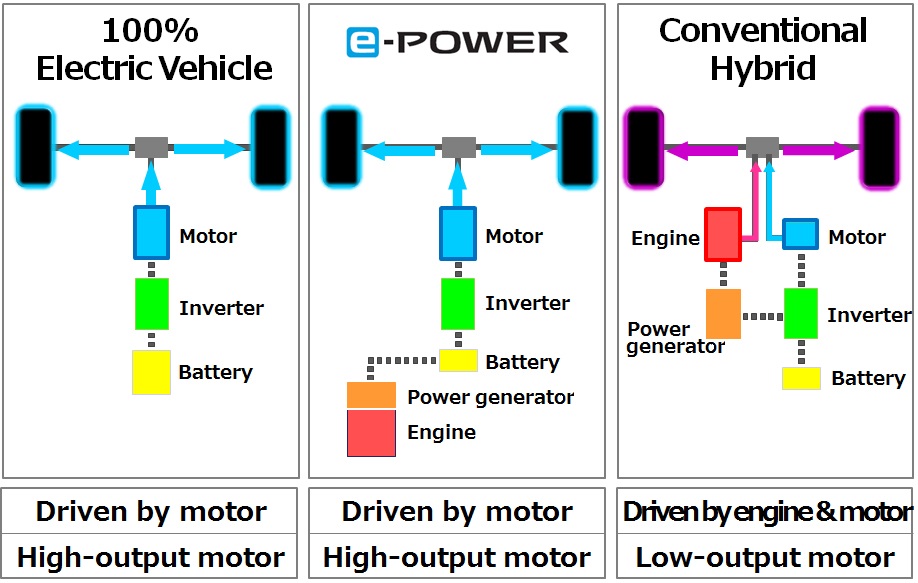
A significant difference between the e-POWER system and other hybrid systems is that the wheels are driven only by the electric motor. With other hybrid systems, the motor and engine are used to propel the vehicle, varying their amount of contribution according to driving conditions.
The e-POWER’s compact powertrain consists of a petrol engine, power generator, inverter, and electric motor. In conventional hybrid systems, a low-output electric motor is mated to a petrol engine to drive the wheels when the battery is low (or when traveling at higher speeds). However, in the e-POWER system, the engine is not connected to the wheels; its function is to charge the battery. Thus, the car has its own ‘charging station’ wherever it goes, recharging the battery whenever it is low.
This system structure generally requires a bigger motor and battery because the motor is the only power source to drive wheels. This has made it hard for the automotive industry to mount the system in compact cars. However, Nissan found a way to minimize and reduce weight, develop more responsive motor control methods and optimize energy management. As a result, the e-POWER system can use a smaller battery than the LEAF but delivers EV performance.
This means that there is maximum torque almost instantly – a characteristic of electric motors – , which enhances acceleration. Because the system relies on the engine less frequently, fuel efficiency is comparable to that of leading conventional hybrids, especially during daily town driving.
The Note sold in Japan was the first model to use the e-POWER system.
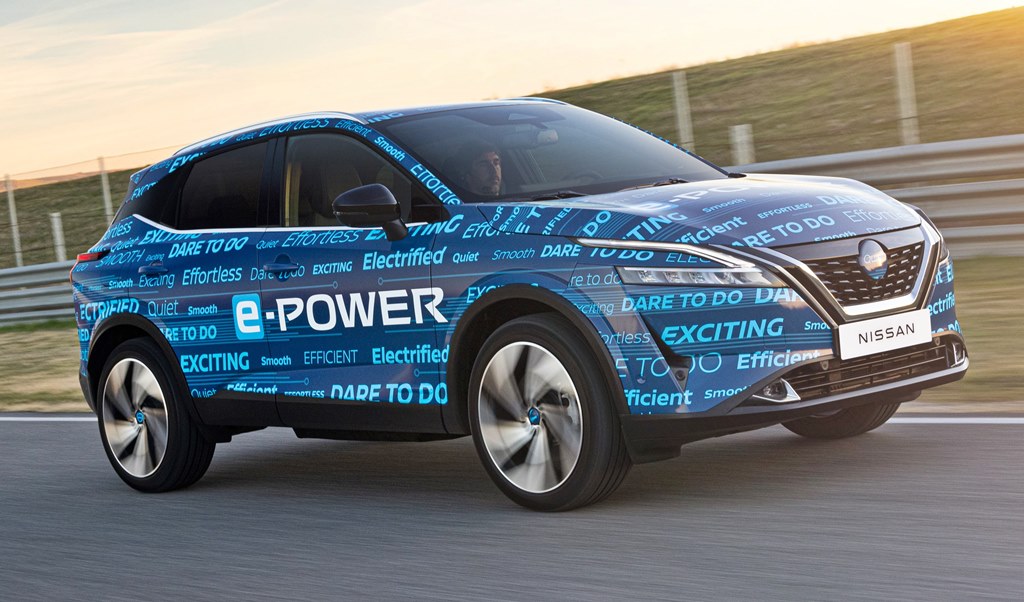
Over the years, Nissan has been improving and refining the e-POWER system while also offering it in selected models for the Japanese market. It has been progressively offered in other markets since 2020 and this year, the new Qashqai SUV will be the first model in Europe to be equipped with the system. The system was also introduced in China last year in the new Sylphy model.
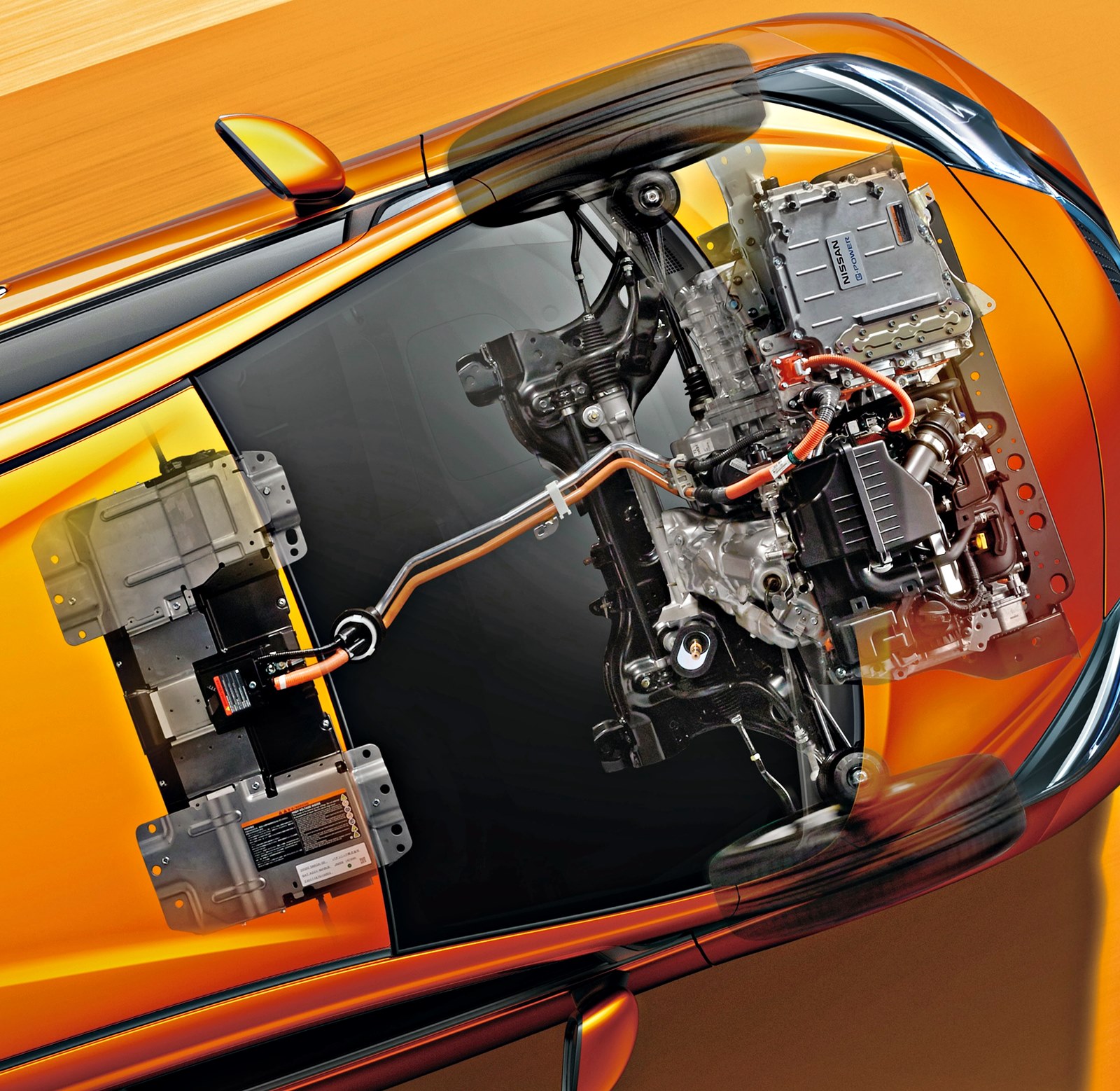
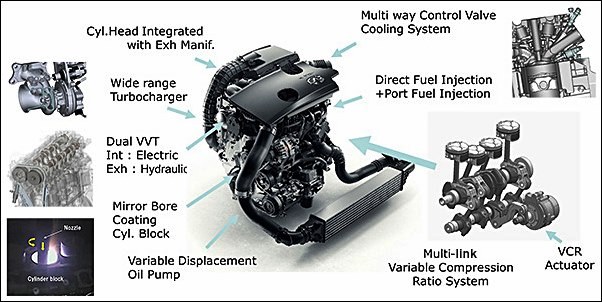
At the heart of the latest e-POWER system is a 1.5-litre 3-cylinder turbocharged variable compression 156 bhp petrol engine (pictured below) which has been developed specifically for this application. First used by Infiniti, the engine’s variable compression capability (between 8.1 and 14.1:1) is a unique feature in an internal combustion engine and allows it to adjust compression ratio, giving both optimum performance and economy depending on the engine load. The 140 kW electric motor is of a similar size and power output as found in Nissan’s EV models.
With the variable compression ratio, the engine runs within its optimal range and best compression ratio, leading to superior fuel efficiency and lower CO2 emissions compared with a traditional internal combustion engine, as well as a refined drive thanks to reduced engine noise.
To maximise performance, in high acceleration or high-speed situations, the energy management control unit within the e-POWER system can send the power generated by the engine directly to the electric motor, via the inverter, to bolster the electricity supply which is coming from the battery. Under deceleration and braking, the kinetic energy is recaptured and channelled back to the battery to optimise efficiency.
Key to the development of the e-POWER system for the Qashqai was the need to ensure the driving experience gave a ‘connected’ sensation, where the petrol engine speed remains relative to the vehicle’s road speed. Engineers at Nissan Technical Centre Europe collaborated in developing a system called ‘Linear Tune’. This feature governs the petrol engine and progressively increases the speed of the 1.5-litre engine to meet the motor’s energy demands as the car accelerates, ensuring there is no ‘disconnect’ between what the occupants experience in terms of performance and sound.
New Qashqai is first Nissan model in Europe with e-POWER.
The disparity between engine speed and road speed is a phenomenon that drivers and passengers find unsettling. For example, a sudden rise in engine revs without a commensurate increase in speed is perceived as frustrating and ‘disconnected’ by occupants – which Linear Tune addresses.
Although sales of EVs are growing rapidly, especially in Europe, Nissan understands that not everyone is ready to make the switch for various reasons. The e-POWER system therefore provides a transitional phase where the benefits of using an EV can be experienced without the present concerns that many may have regarding recharging and range.
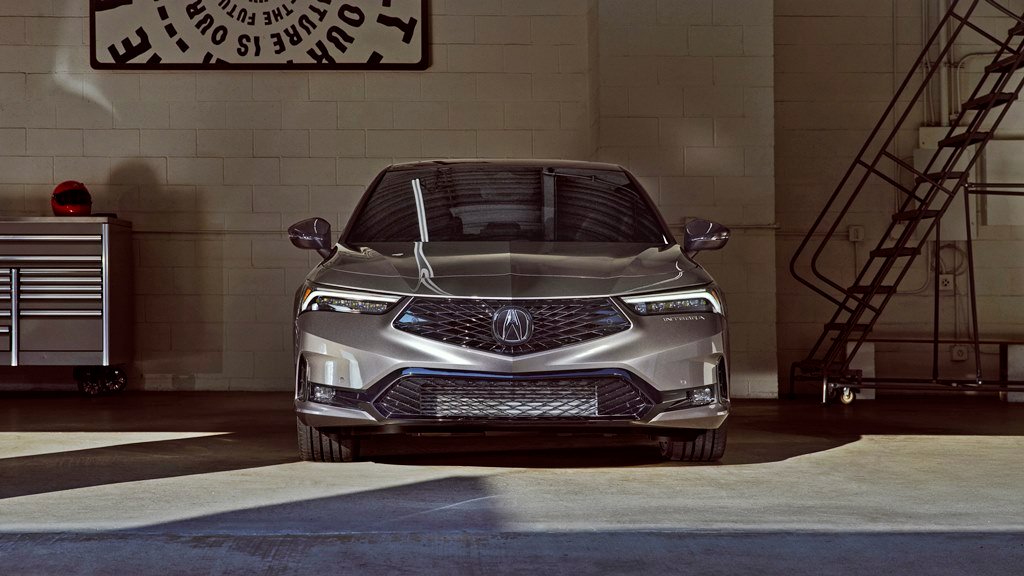
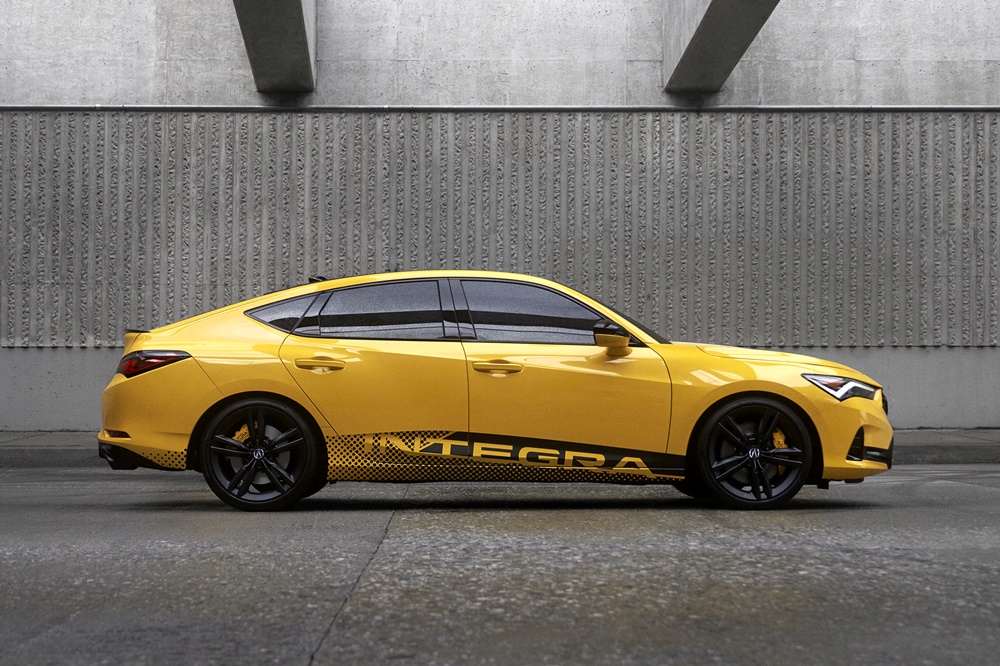
The Integra was the model that helped launch the Acura brand in America in 1986 and became a much respected model among enthusiasts. It was retired in 2001 (in America) and was thought to be destined to stay in history books and memories. But last year, Acura showed off an Integra Prototype and said that the model would be back, and it would be built in America for the first time.
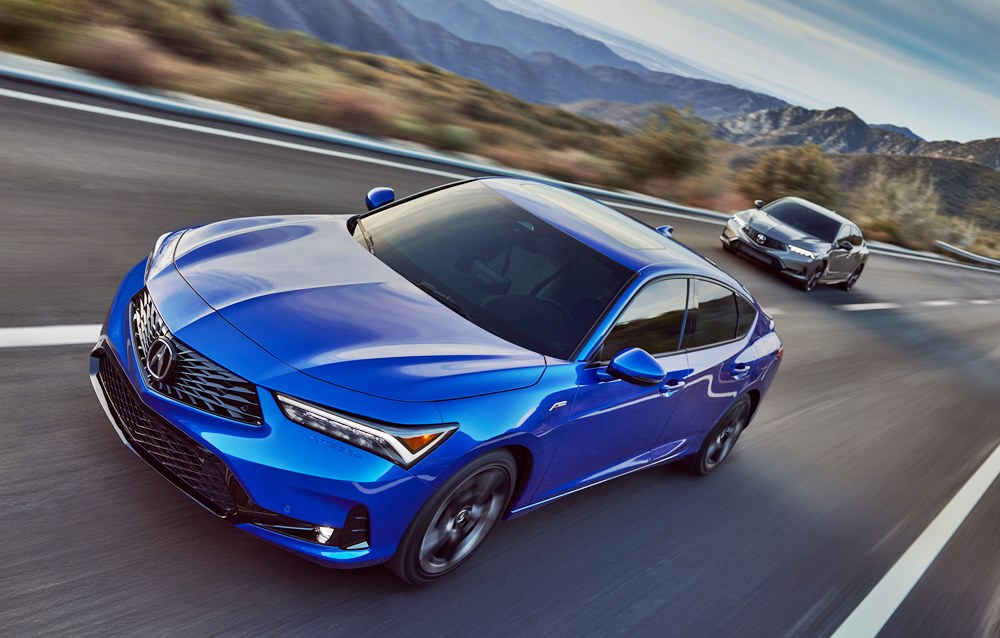
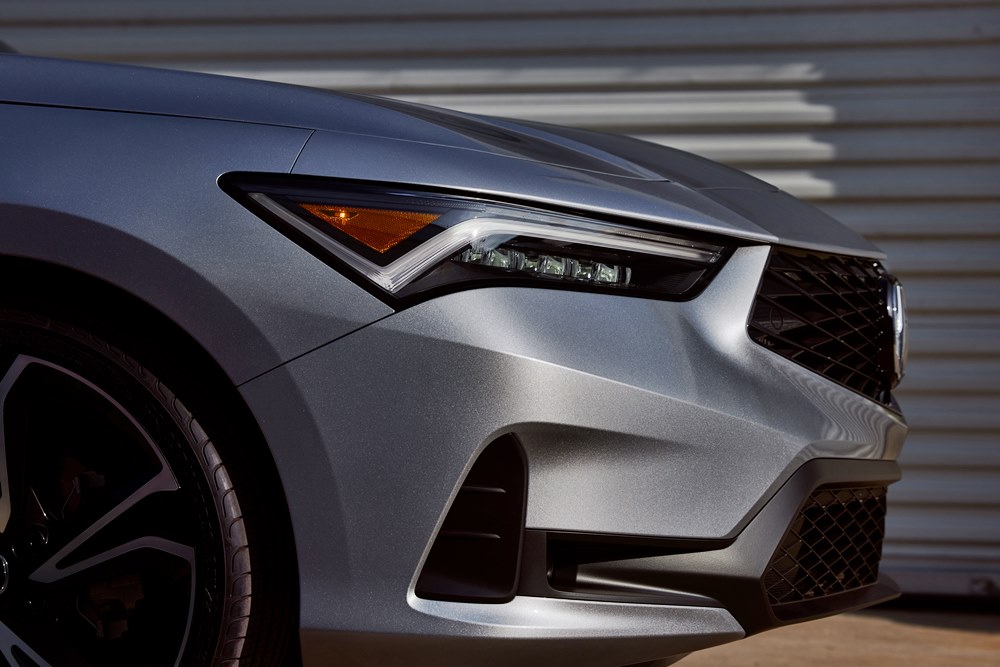
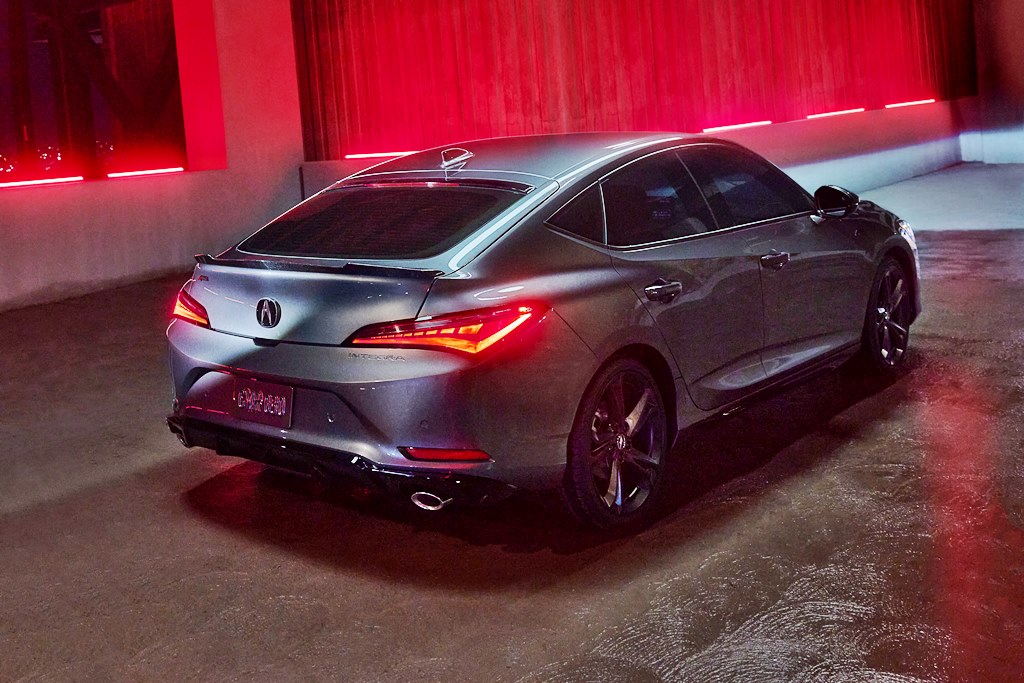
And here it is, looking very much like the prototype but without the bright yellow colour and graphics. It returns with a fresh new sporty design, coupe-like and having 4 doors plus a tailgate. The Integra uses Acura’s contrast design language, first seen on the latest RDX and features a frameless version of Acura’s Diamond Pentagon grille, framed by four JewelEye LED headlight elements and ‘Chicane’ LED daytime running lights.
Integra Prototype shown last year.
The rear end has dual exhaust finishers below and wide, single piece LED taillights above which are reminiscent of previous models. Embossed Integra logos in the front and rear fascia recall the 3rd generation car.
Customers can also select appearance packages and with the A-Spec sport-appearance package, there are gloss-black window surrounds and front and rear fascia trim, as well as a sporty lip spoiler. The package includes 18-inch alloy wheels fitted with larger 235/40R18 performance tyres.
Familiar 1.5-litre turbo engine
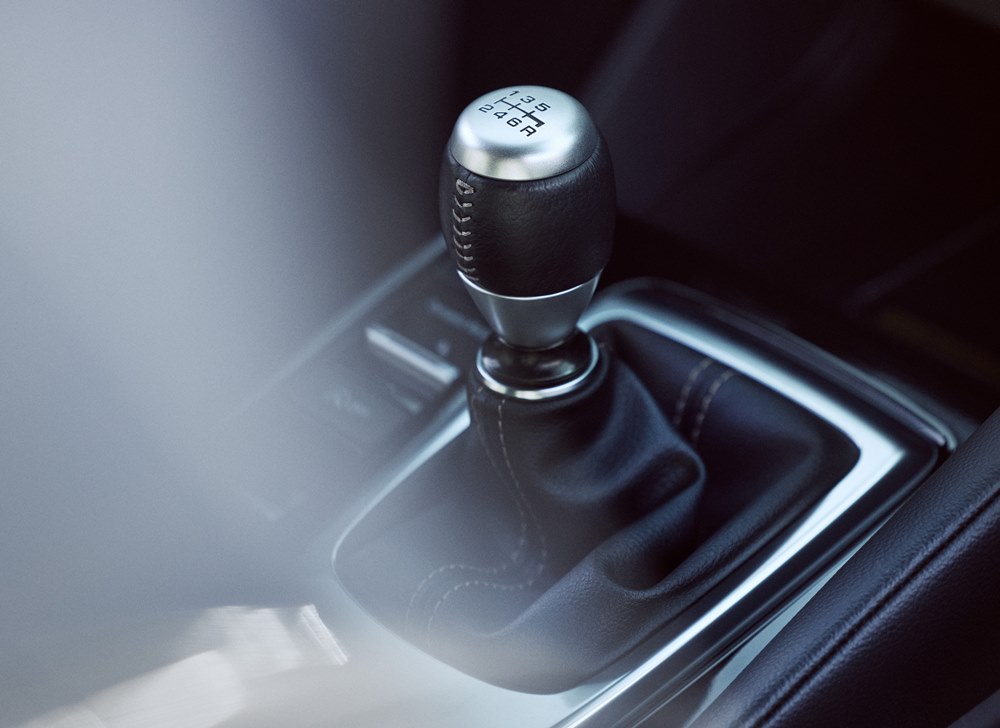
Under the aluminium bonnet is a VTEC-enhanced DOHC 1.5-litre turbocharged 4-cylinder engine producing 200 bhp/260 Nm. A new coil type exhaust system adds an emotional exhaust sound. The engine comes with a CVT but customers can also opt for a 6-speed manual transmission (with LSD included), which should please enthusiasts.
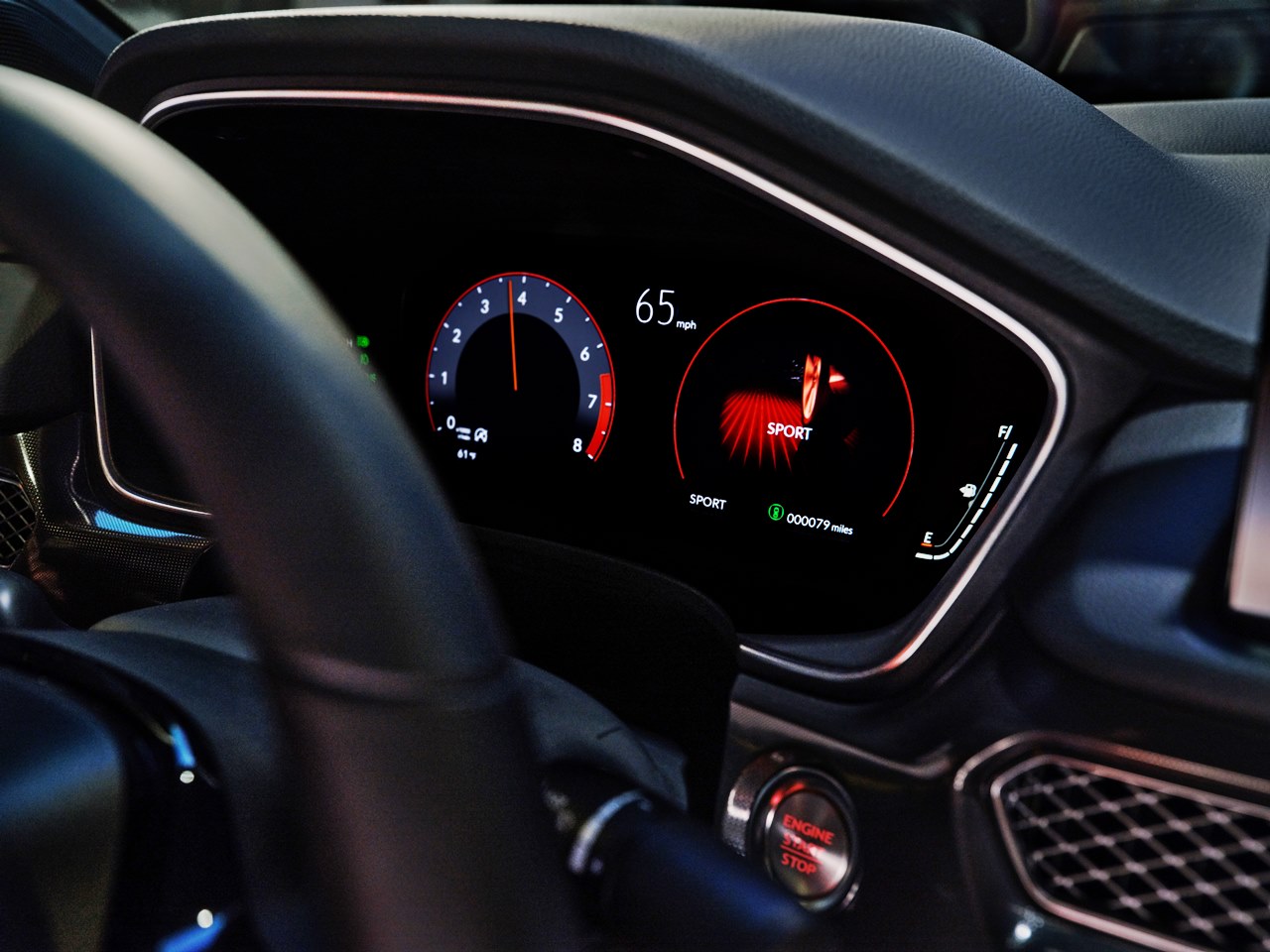
A standard Integrated Dynamics System provides3 driving modes (Comfort, Normal and Sport) that the driver can choose. Each mode has its own throttle response, automatic transmission mapping, steering feel and even gauge colouration.
Adaptive Damper System
Much is shared with the latest Civic but the engineers have also tuned the chassis of the new Integra to provide class-leading driving dynamics and engaging performance. The fully independent suspension can be upgraded with an optional Adaptive Damper System for drivers to have more precise control of the ride and handling. An Individual mode allows independent selection of steering, engine response, and suspension firmness for a more personalise driving experience at the touch of a button.
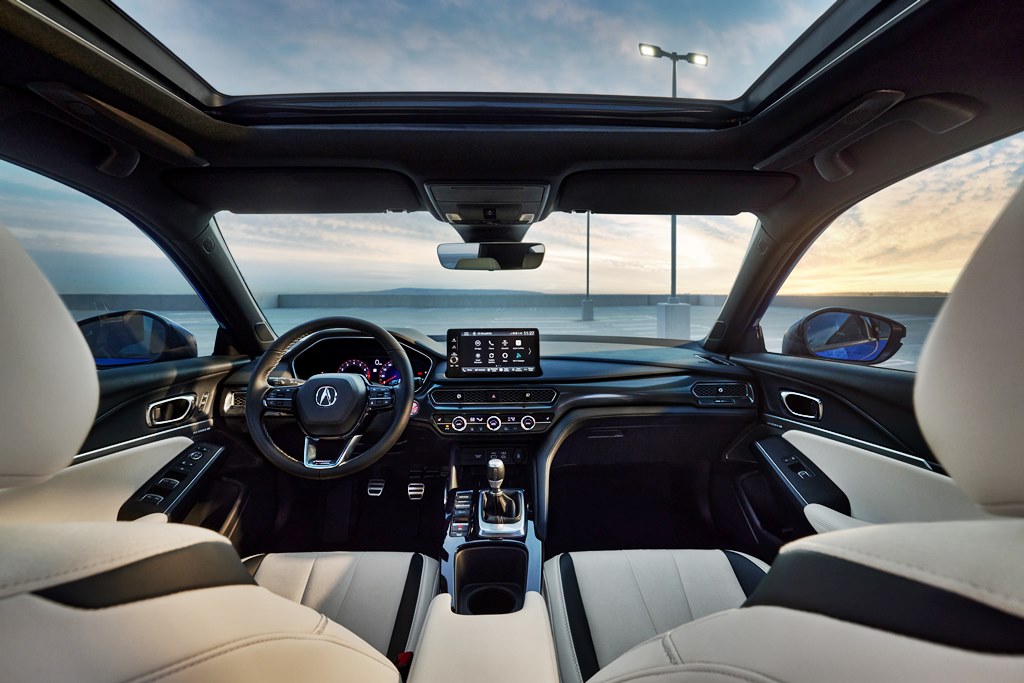
Inside, the Integra’s cabin has a low dashboard cowl, thin pillars and door-mounted mirrors which give a better field of view. Sporty cars don’t always have good rear legroom but the Integra is said to give rear passengers generous legroom and plenty of space for recreational gear.
Standard are new body-stabilizing front seats wrapped in synthetic leather. They come with 8-way power adjustment for the driver which can be upgraded to 12 ways at extra cost. When equipped with the A-Spec package, the standard items are replaced by stainless steel pedals, red gauge needles, and contrast stitching on the steering wheel, seats, shifter and shift boot.
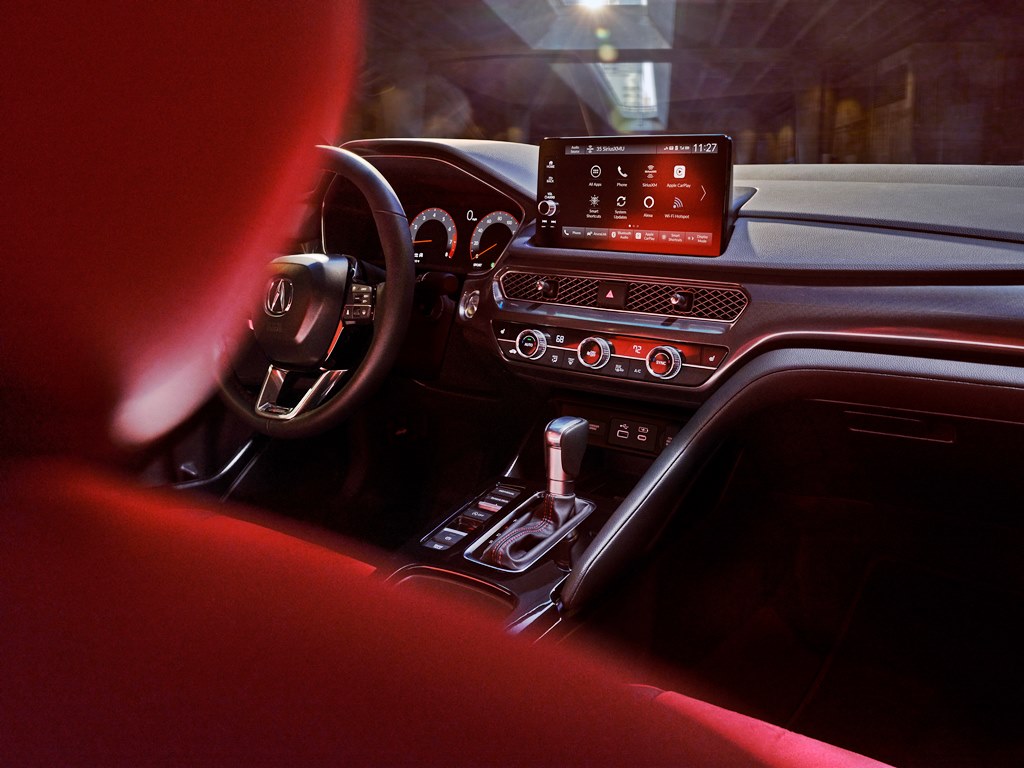
Acura Precision Cockpit
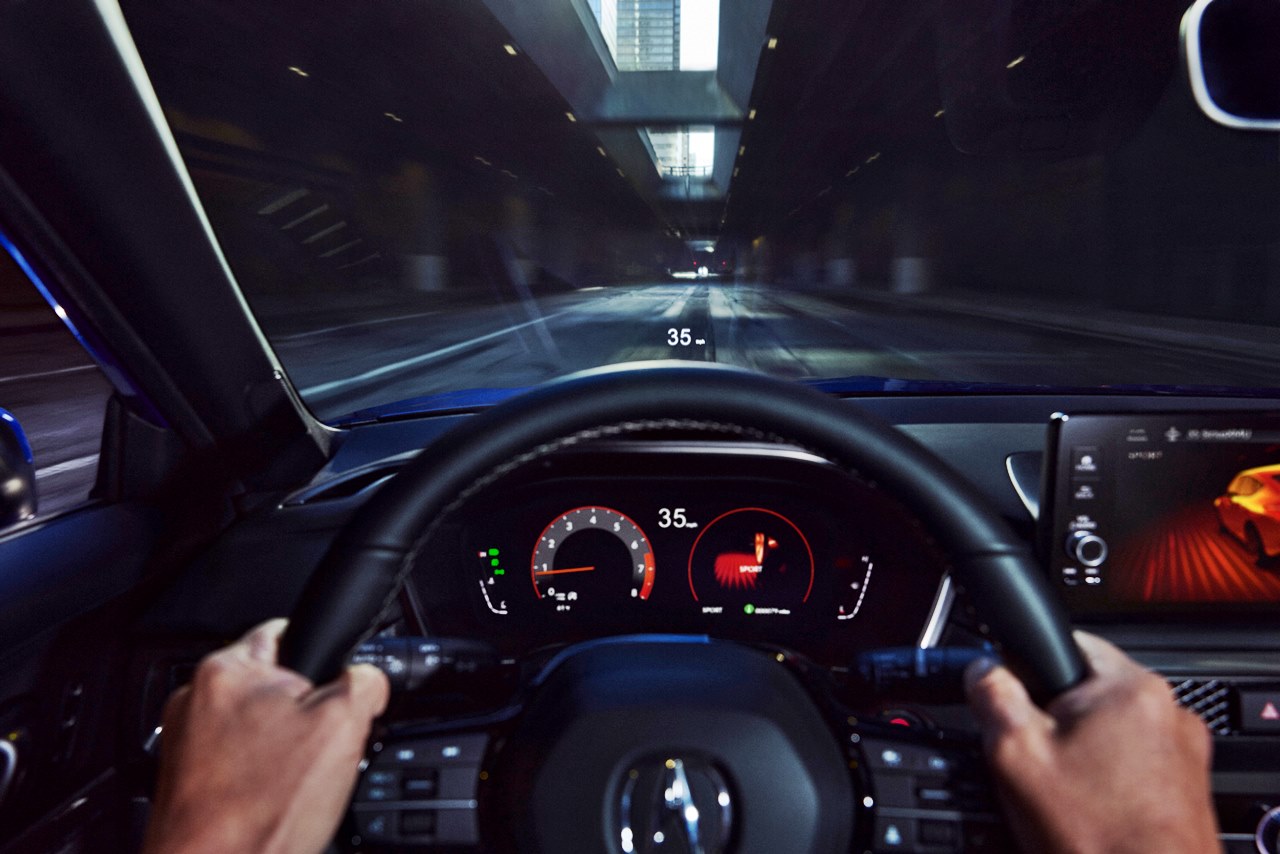
The 10.2-inch Acura Precision Cockpit digital gauge cluster with multiple display modes is complemented by a 7-inch or 9-inch digital touchscreen. Those who add the Technology Package can also get Qi-compatible wireless charging and a 5.3-inch Head-Up Display. All USB charging ports are the newer Type C ones. For music on the move, there’s an 8-speaker system with the option of a 16-speaker ELS STUDIO 3D premium audio system.
Being a sportscar with high performance, safety is naturally even more important. The Integra has many active safety systems including the integrated AcuraWatch suite of driver assistive and safety technologies that use a single camera system. It also has a segment-first new generation of driver and passenger front airbags, specifically designed to cradle the head and reduce the risk of brain injuries, especially in offset collisions. The aluminium bonnet is made with an embossed inner structure that will distribute the force of an impact with a pedestrian’s head in the event of a collision to reduce the likelihood of injury.