Piston.my

English

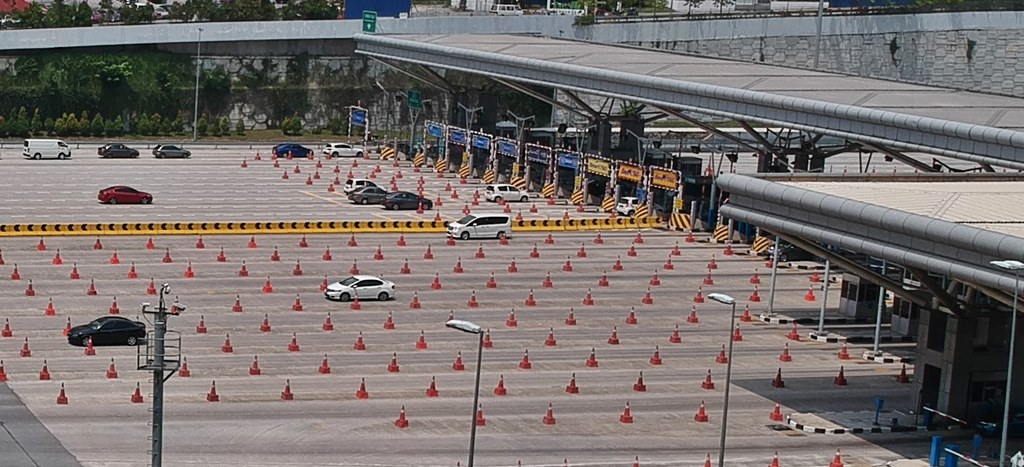
Without the barriers at toll plazas, traffic flow can be faster and smoother. However, toll concessionaires have to put the barriers to make sure that motorists do not just drive through without paying toll. Won’t they be committing an offence, you may ask? Well, apparently, there is actually no law concerning non-payment of toll and whenever someone does not pay, the toll concessionaire has to go after them and if necessary, take legal action to recover the money.
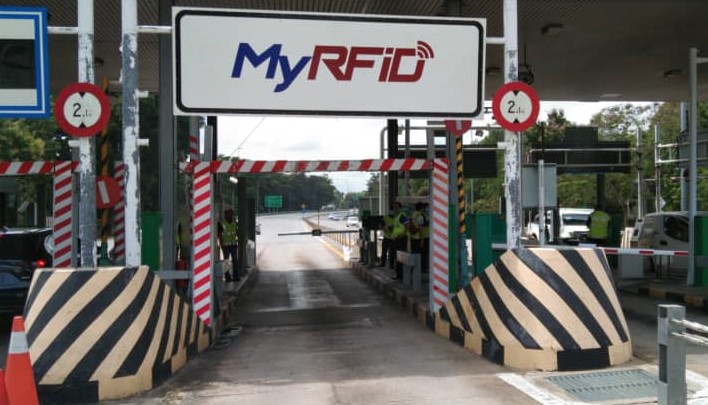
The barrier at the end of each lane at toll plazas is there to ensure motorists pay their toll as there is no legal framework at this time making non-payment an offence.

In one publicised case, PLUS had filed a suit against a logistic company named Berjasa Logistics Sdn Bhd (formerly known as Sin Kung Logistics (KL) Sdn Bhd) to recover unpaid toll fares involving 19 vehicles found to be  registered to the company and driven by its employees for a number of years. The unpaid amounts totalled RM518,369.27 and in July 2017, the logistic company was considered by the High Court as well as Court of Appeal to be liable for its employees’ failure to pay toll charges. An additional RM100,000 in costs was also included in the judgement.

But it’s a tedious process and due to certain limitations and data privacy laws, getting information on motorists is not easy. In some cases now, it is possible to get the information which is recorded by toll payment companies like Touch’nGo when motorists register their details for an e-wallet account.
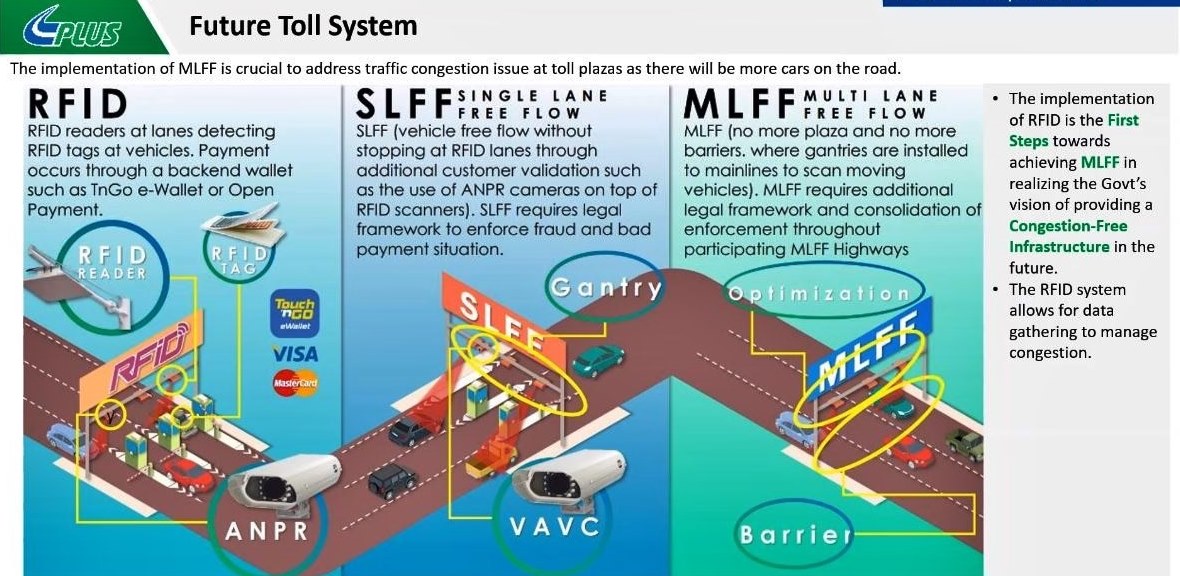
So before the dream of having Multi Lane Free Flow (MLFF) at toll plazas can be realised in future, something needs to be done to protect the interests of the toll concessionaires otherwise motorists will just drive through. This is understood by the Ministry of Works which is looking into the matter and will explore ways to enact laws or amend existing ones to make non-payment of toll an offence.

This means that with the Automatic Number Plate Recognition (ANPR) cameras that will be installed at every toll plaza, the toll concessionaire can have a record of the vehicle which did not pay toll, and notify the relevant authorities to take action, just like a speeding offence.
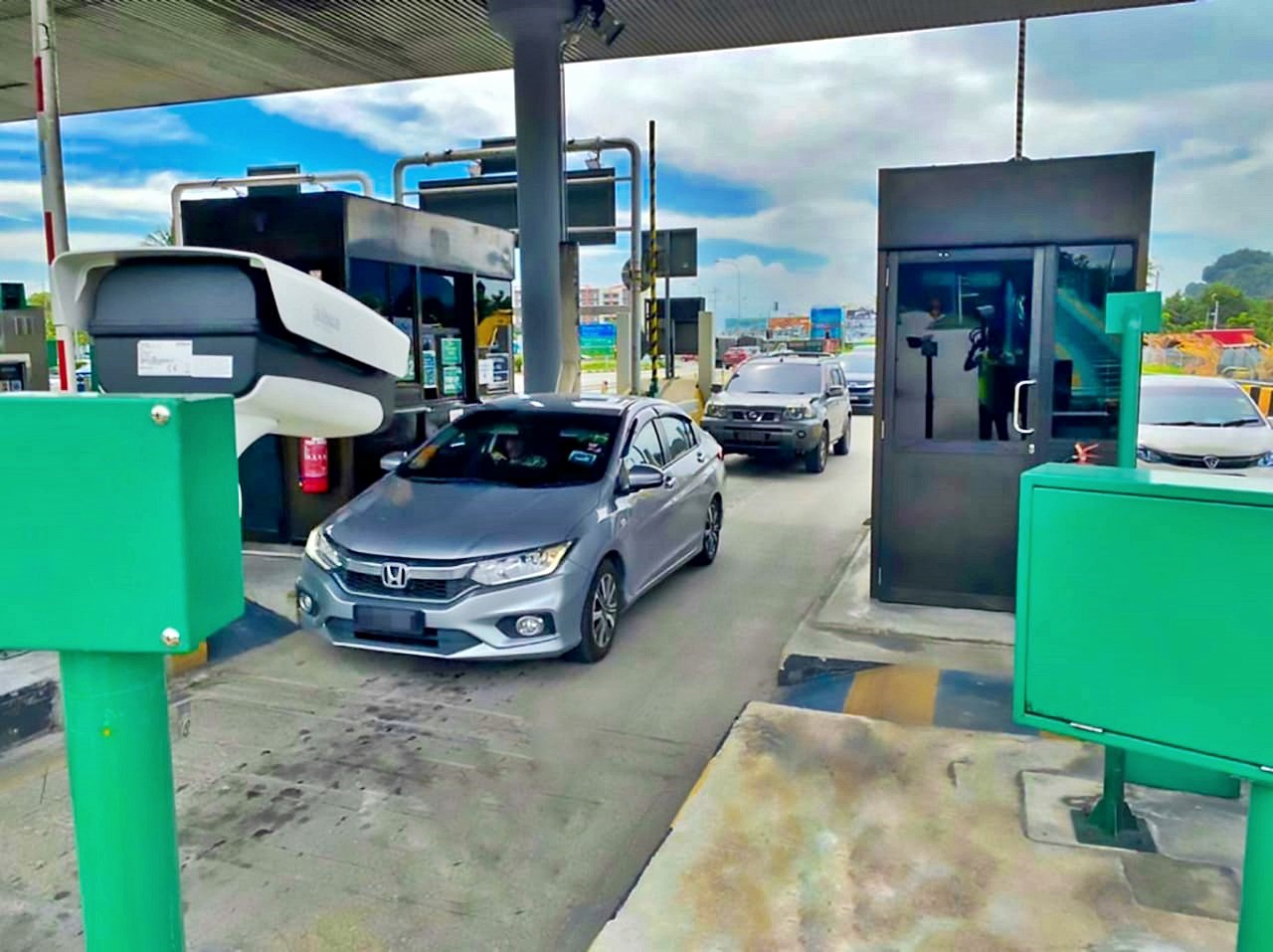
Cameras with Automatic Number Plate Recognition software will record every vehicle passing through so that those who don’t pay toll can be identified.

It’s strange that after so many years of having tolled highways (the very first was at Slim River in 1966), there has never been a law covering this matter. In other countries, it is certainly an offence so people make sure they pay their toll.

In fact, it is so strict in Singapore (where they have had MLFF for years) that there was one case where the owner of a car on top of a trailer received a summons for not paying the road-pricing charge when it passed under the gantry into a zone with Electronic Road Pricing. The car had problems and was being sent to the workshop and the owner had removed the tollcard from the unit (like our SmartTAG). So as the trailer passed underneath, it was detected that the car did not ‘pay’ toll and so an offence was committed!

But here’s something which should also be considered: how will it be determined that the motorist was deliberately not paying toll? What if the system is faulty – and we have seen how flawed it can be over the past month – and the car goes through but the RFID signal is not detected? Is the motorist expected to check that toll has been paid – which can be dangerous while driving – and if that is the case, then there is no point removing the barrier.

The authorities will therefore also have to make provisions in the law for such situations otherwise innocent motorists will be charged for offences they did not deliberately commit. Given the inconsistency of the RFID system in detecting the tags on vehicles (at least the SmartTAG is not as problematic any longer), the toll concessionaires will have to ensure that they can have 100% functionality. If there is a failure, it is their loss (of toll) so they would need to work hard to keep their system operating properly.
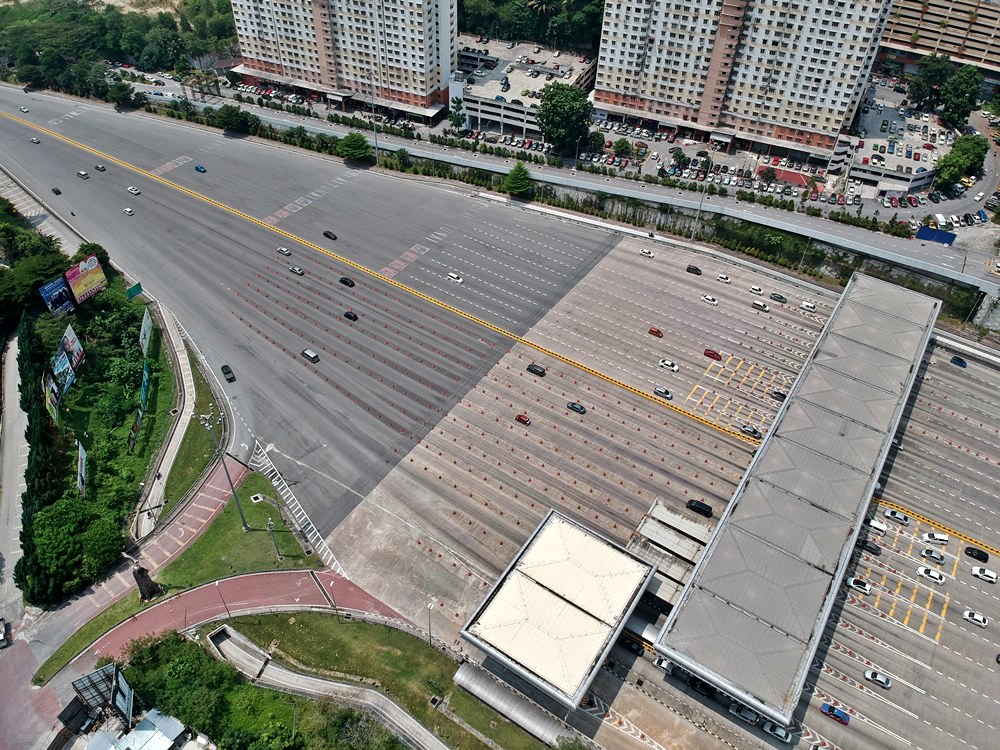
MLFF is targeted to be introduced in 2025, by which time the government expects that RFID will fully replace the current manual Touch’nGo card and SmartTAG systems. The Works Ministry has also told toll concessionaires that there needs to be various payment options available to highway users although the focus would be on linking e-wallets to RFID tags.

However, we feel that there should remain at least one lane for cash payments for ‘emergencies’ where motorists who are not regular highway users may not have RFID tags on their vehicles. With only one lane, there might be a long queue but so be it; those who do not want to wait a long time will then have to get a RFID tag for the convenience of zooming through to continue their journey.

Government directs toll concessionaires not to force motorists to use only RFID

Today, Volvo has six SUV models in its range (including electrified variants), all of which are selling well around the world. However, the company was actually late into this segment which began its rapid growth in the 1980s. Mitsubishi Motors and Isuzu had made 4×4 workhorse vehicles into more comfortable dual-purpose vehicles that could be used as alternatives to cars, and then Toyota and Honda lit the ‘SUV mania’ in the mid-1980s with their small SUVs.

Very quickly, other manufacturers began to come out with SUVs, with even the German premium brands including Porsche offering at least one model. But Volvo seemed slow to have a SUV in its range and on occasions when the Swedish executives would be asked, their response would be that they were working on a model but it had to meet the high safety standards of Volvo before they could offer it to the public.

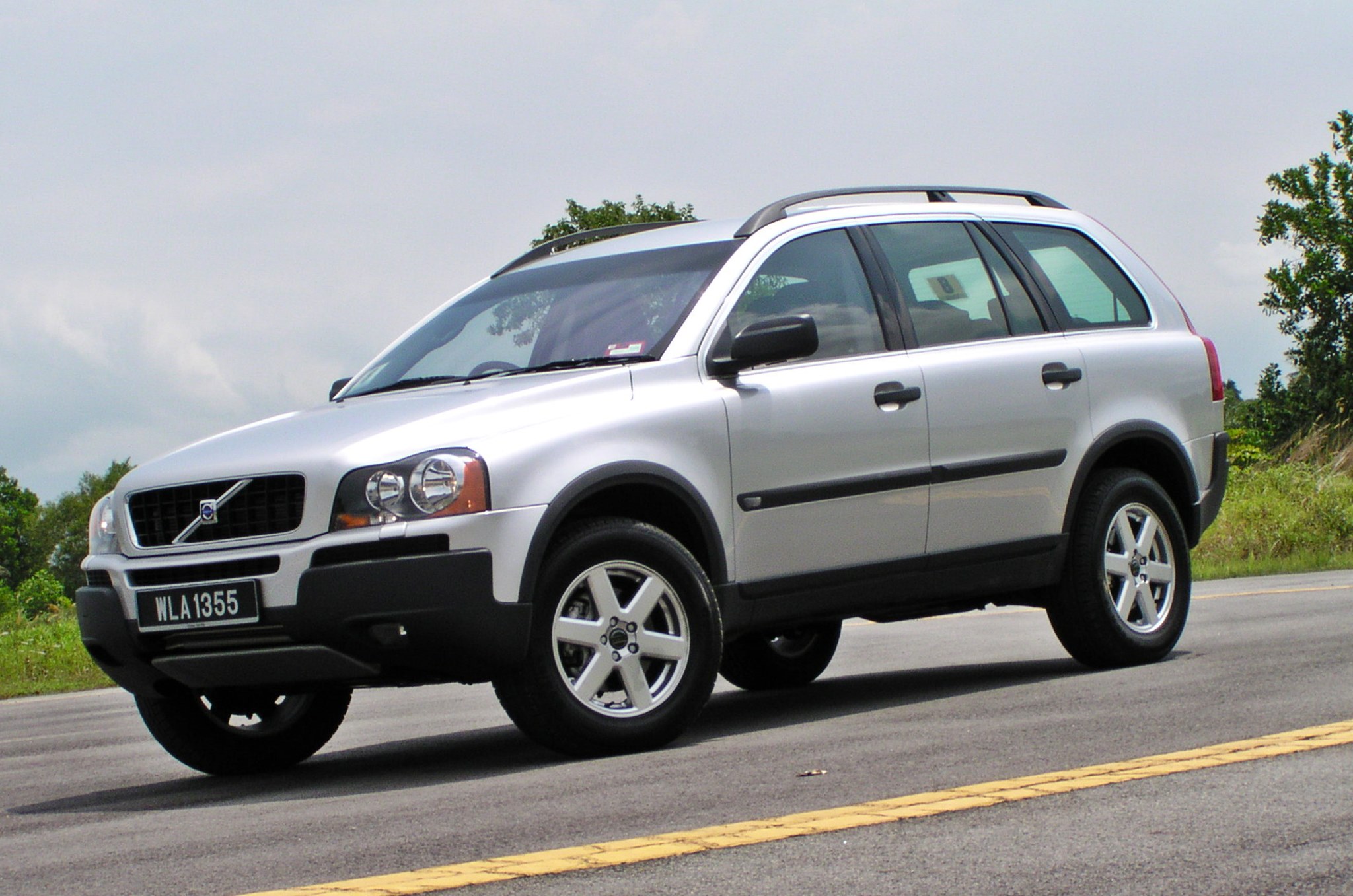
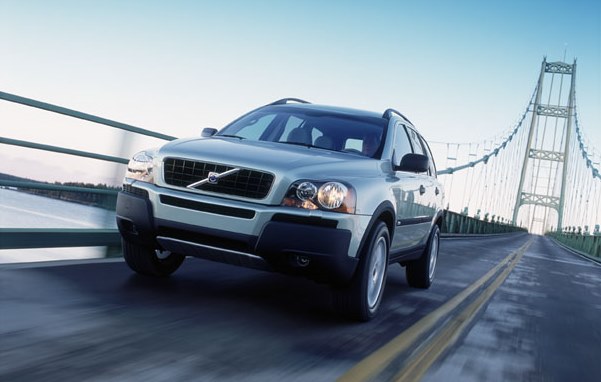
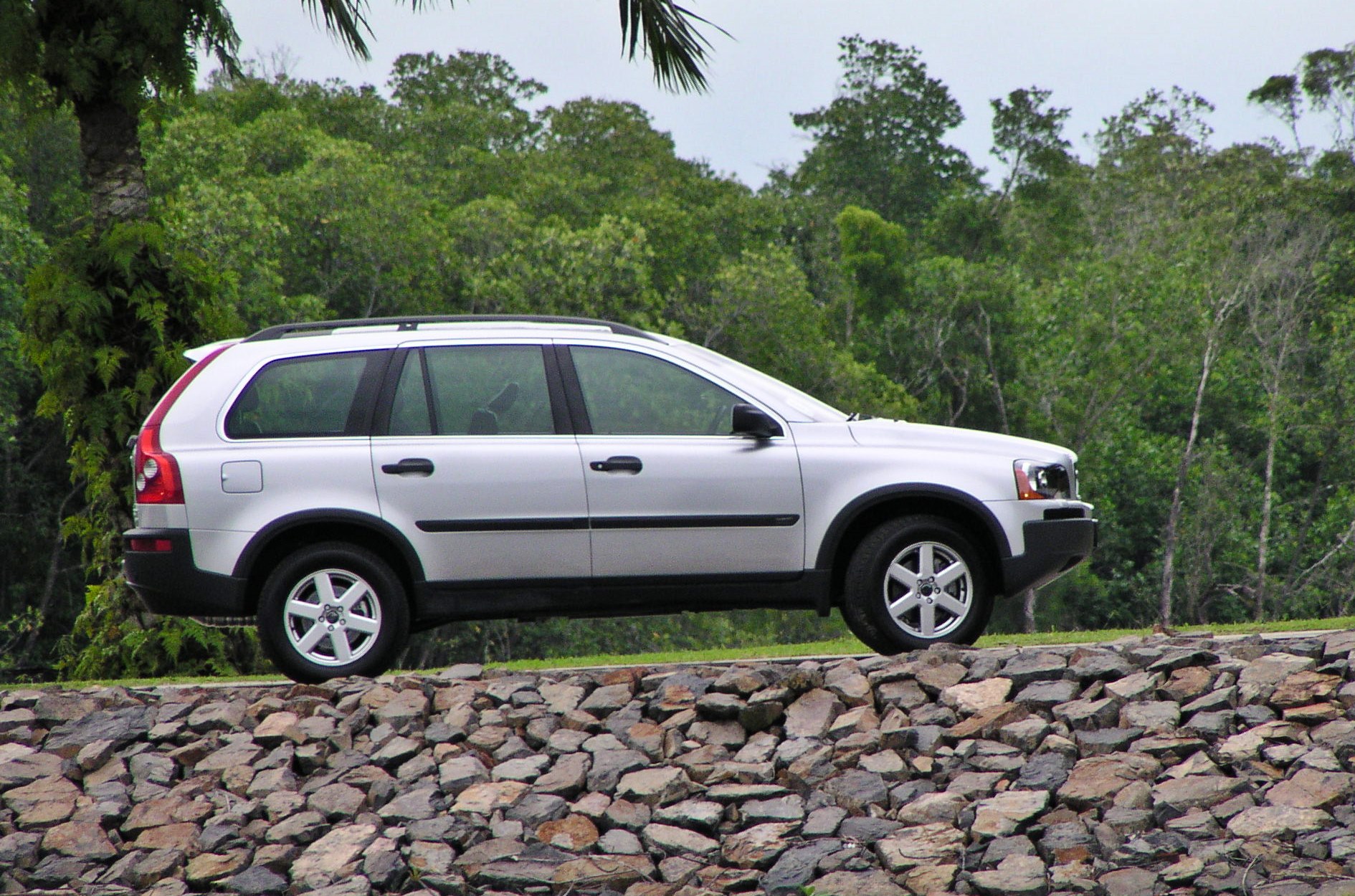
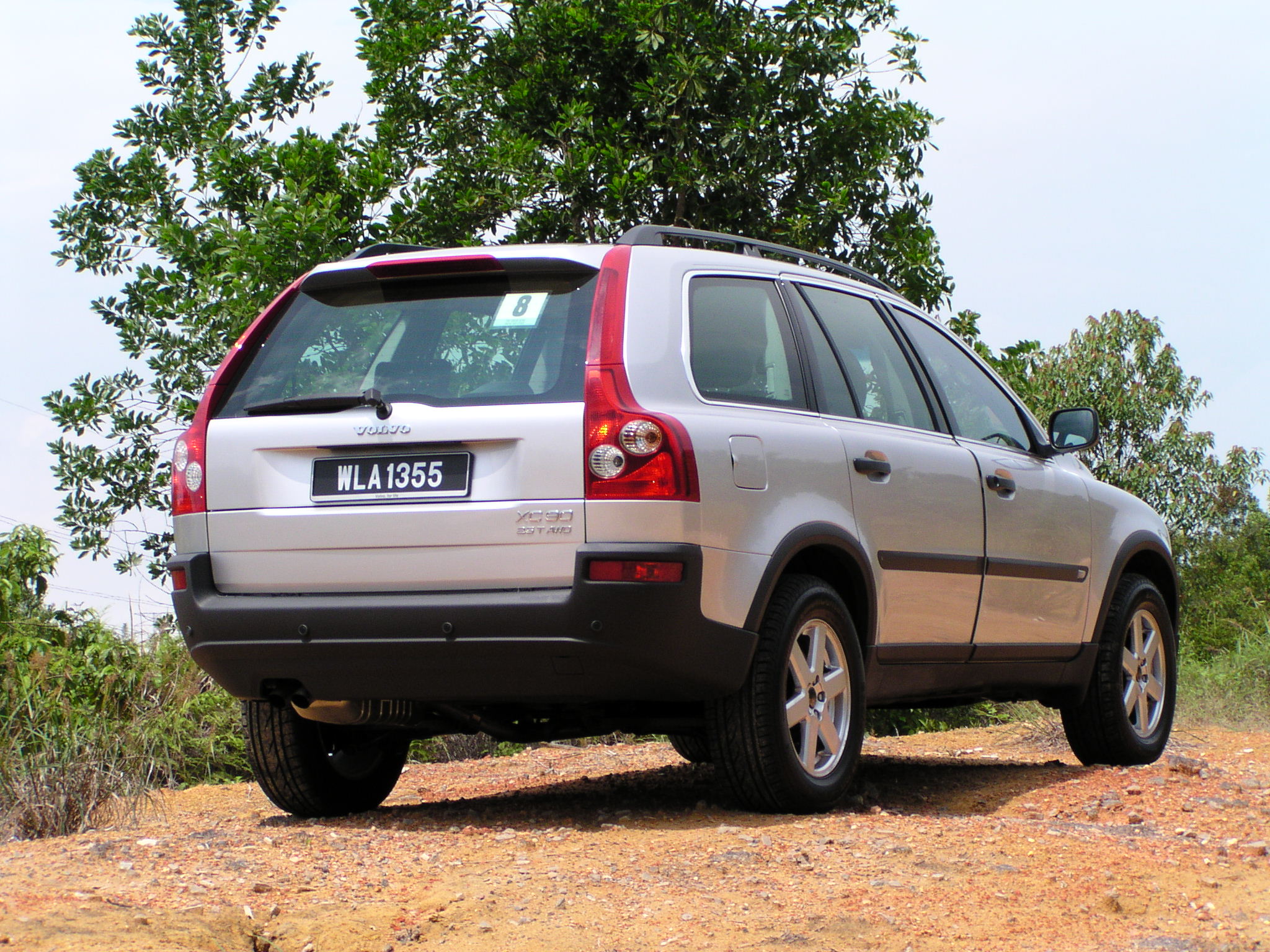
Finally, in January 2002, at the North American International Auto Show, Volvo finally introduced its first SUV – the XC90. Some thought that the carmaker had joined the SUV segment too late although it was true that Volvo was preoccupied with the safety aspects of SUVs, which delayed its new model.

Volvo’s concerns were in part related to the truck-like driving properties which contributed to making them significant roll-over accident statistics. Such vehicles, with extra ground clearance, are taller than passenger cars and so the centre of gravity is higher up, making it easier for the vehicle to tip over in certain cornering situations.

Hans Wikman, Project Director of the XC90, recalls his feelings when the management team inspected the three design alternatives under the burning desert sun at the Arizona Proving Ground in America in May 1999. “We in the project team were a bit tense. The SUV program had been canned twice before. Now we kept our fingers crossed that our favorite design was so good that the executives would approve it without hesitation. And that’s exactly what happened,” he said.

Solving inherent safety issues
But they had to solve the safety issues and were determined to do so when the XC90 was cleared to proceed towards production by Volvo’s top management. And Wikman and his team were able to come up with ingenious approaches to addressing the known issues of SUVs. At that time, Volvo was part of Ford so there resources were shared in doing research on the issues. Ford too wanted active systems that could make its SUVs safer.

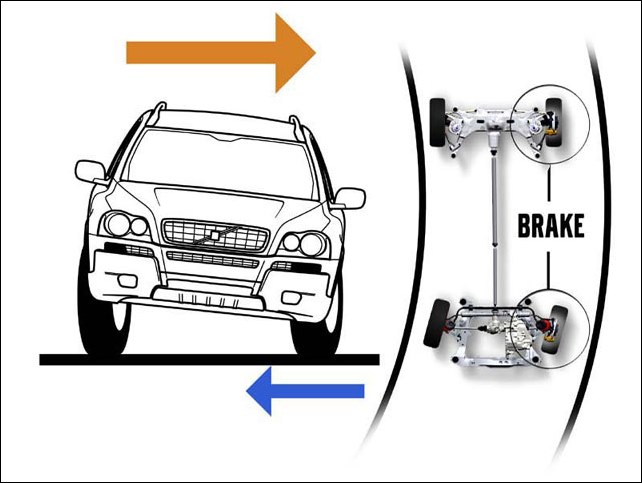
The solution was a system called Roll Stability Control (RSC), which was an automotive world-first when it was introduced in the XC90. Using a gyro-sensor, RSC measures the degree and rate at which the vehicle’s body is leaning and if it senses a rollover is about to occur, the system is activated. The electronic stability control system engages, engine torque is reduced and one or more wheels are braked until the car has regained its stability.

How Roll Stability Control in the XC90 worked.

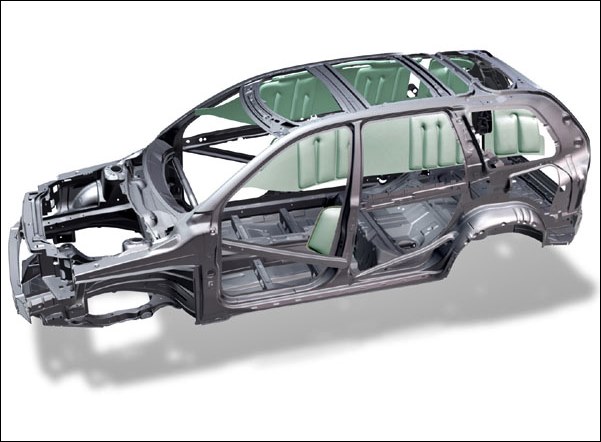
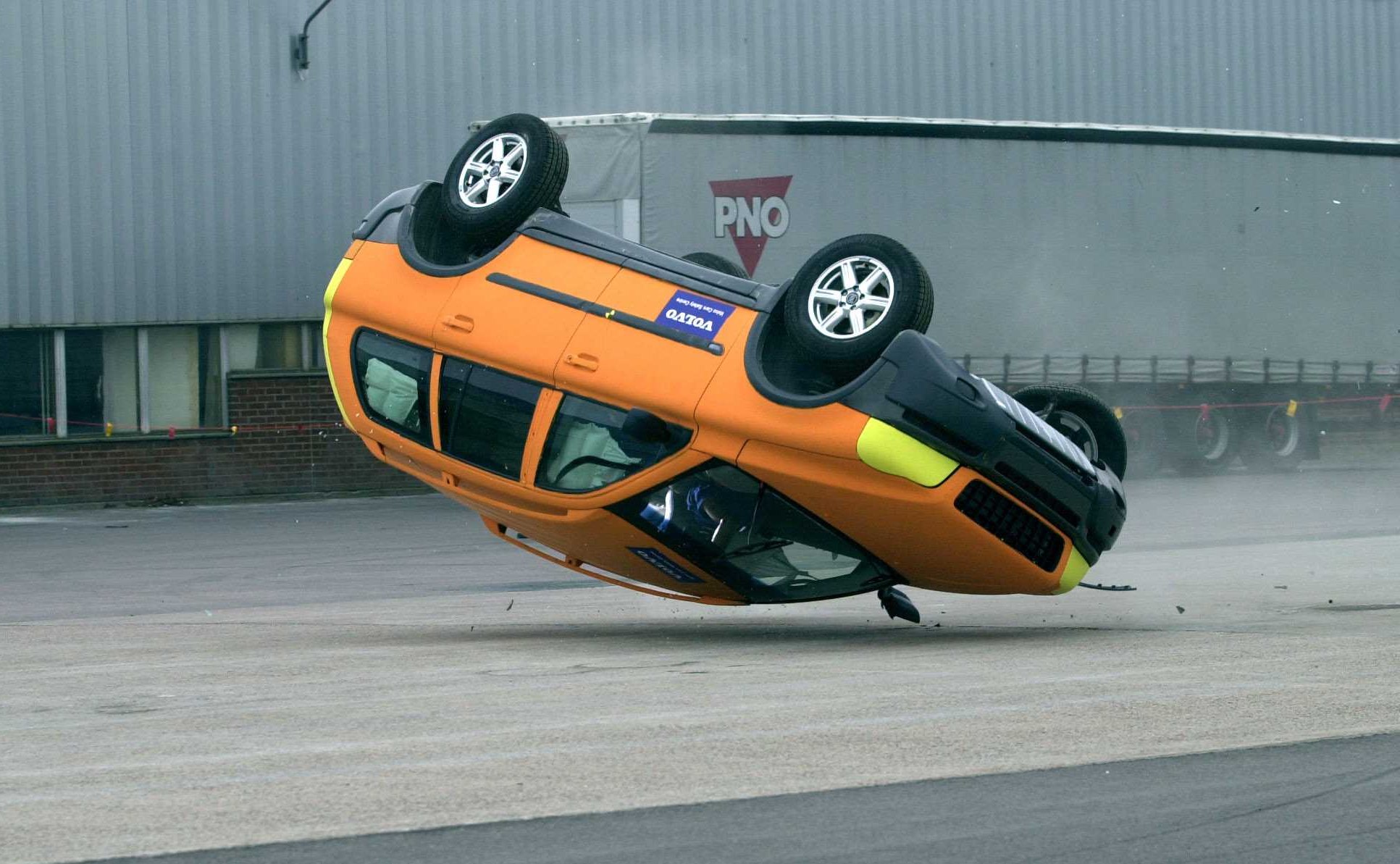
Cooperation between the reinforced roof structure, seat belt pre-tensioners and inflatable side curtains helped create superb roll-over protection for all 7 occupants. This world-class safety level was demonstrated in an unusually tangible way when the Volvo invited the world press to watch a violent roll-over test with the XC90 outside the state-of-the-art Safety Centre in Gothenburg, Sweden.

Demonstration in front of media
The video from the 2002 event, still available on YouTube, shows how the XC90 rolls over three times before ending up on its right side. “The roof structure was more or less intact after the car finished rolling. The spontaneous applause from the media representatives confirms that we made a real impression with this unique demonstration,” said Wikman.

The strength of the XC90’s structure was demonstrated in front of international media when the SUV was rolled sideways a few times, and the cabin area remained intact.

The safety level is also emphasized in the Volvo Car Corporation’s research. The accident investigation files include remarkably few accidents where XC90 occupants have been killed or sustained severe injuries.

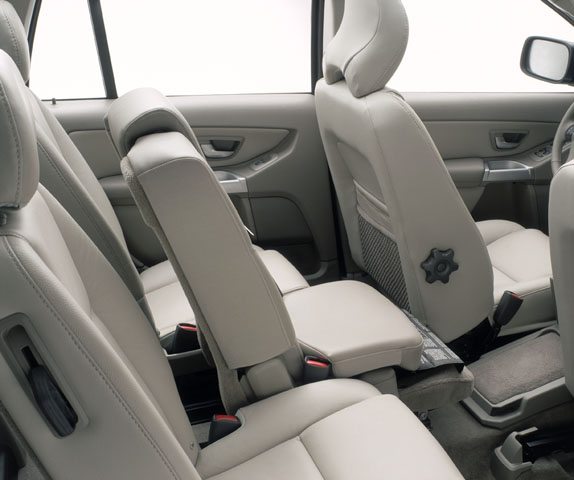
Besides the RSC system, the other world-firsts in the new SUV were inflatable side curtains for all three rows of seats, an integrated sliding centre booster seat for children in the second row and seatbelts with pre-tensioners for all seats. The pre-tensioners, now common in cars, remove slack from the seatbelt when there is a collision and the airbags are about to deploy. By doing so, the restraint is more effective and can help to reduce injuries in some cases.

Female feedback for the design
Doug Frasher, working at the Volvo Cars Monitoring and Concept Center (VMCC) in California, was the proud father of the winning design that became the production XC90. And just like the first Ford Escape, the model benefitted from having a female group provide feedback on the design and features. The multi-background reference group, including Swedish Hollywood actress Maud Adams, inspired the shape of the XC90 by asking for masculinity instead of the traditional ‘macho look’ of most SUV’s,

“The model we showed to the management was almost identical to the production XC90 we revealed in Detroit. We had done our homework well, much thanks to our female reference group. A majority of SUVs were driven by women and our ladies gave us great input,” said Frasher.

“I remember one of the ladies making a sweeping gesture that almost sketched the sleek shape of the bonnet flowing up on the A-pillar. We put a lot of effort into creating a design that felt strong and protective without the impression of sheer size. The XC90 was muscular, but not aggressive,” he recalled.

A success story for Volvo
Volvo’s original target for the first XC90 was 50,000 units per year worldwide. However, the model became so popular that the figures grew rapidly until they peaked at 86,000 units in 2005. The US market imported up to 38,800 units in one year. That made it Sweden’s most valuable export product, with total yearly export value over US$6.2 billion in the peak years.

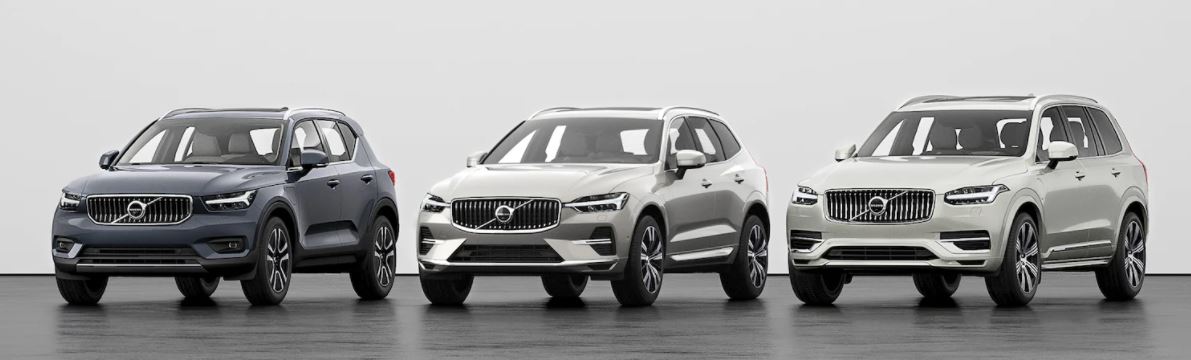
Volvo’s SUVs range 20 years after the first SUV model was introduced. The three models are also available with electrified powertrains.

When Volvo drove a car off a building for a crash test (w/VIDEO)

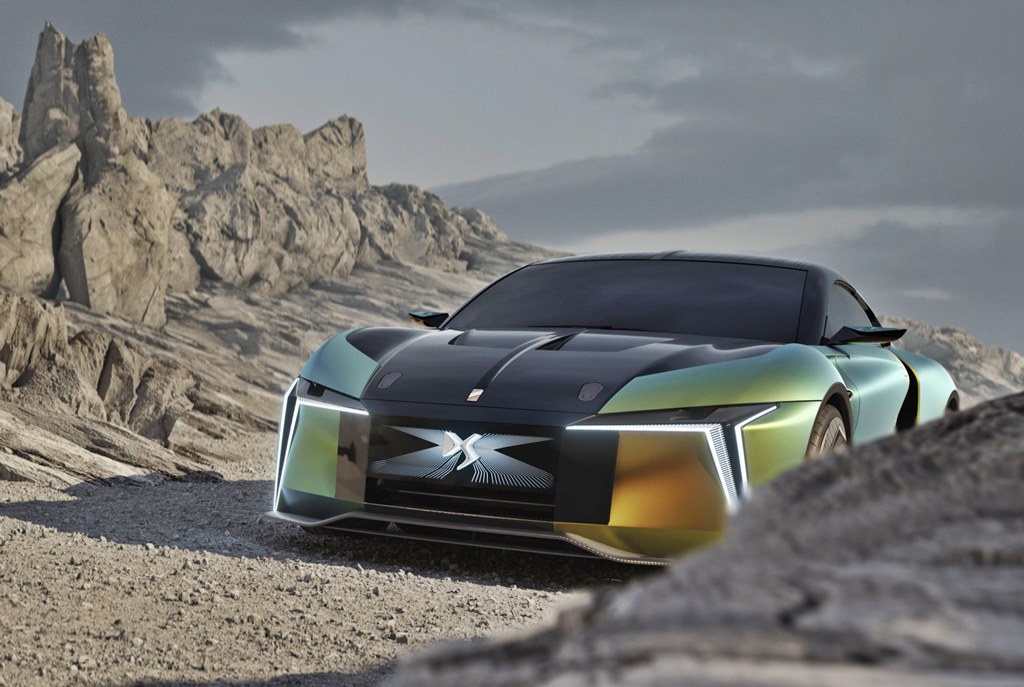
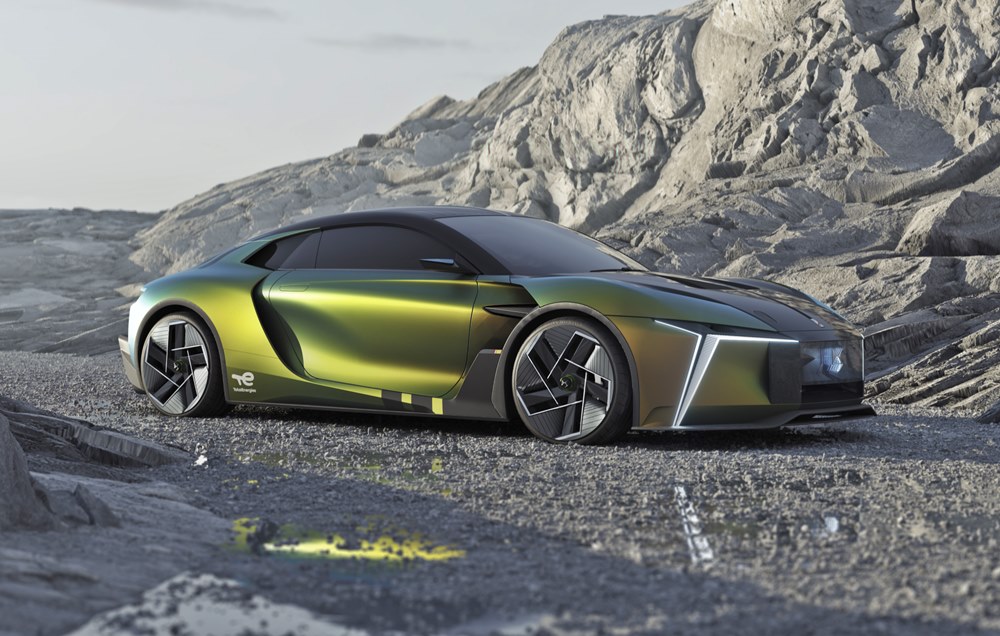
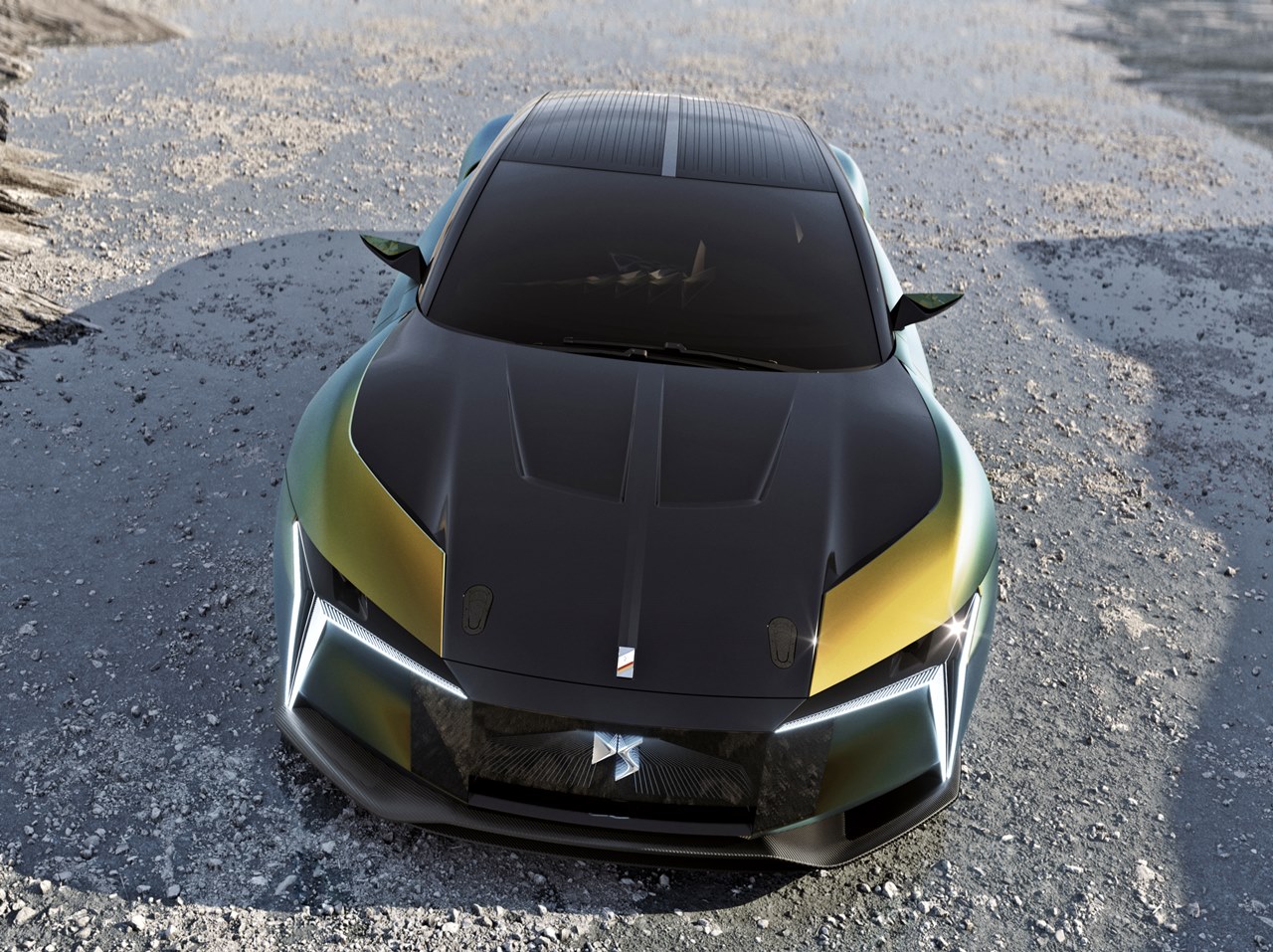
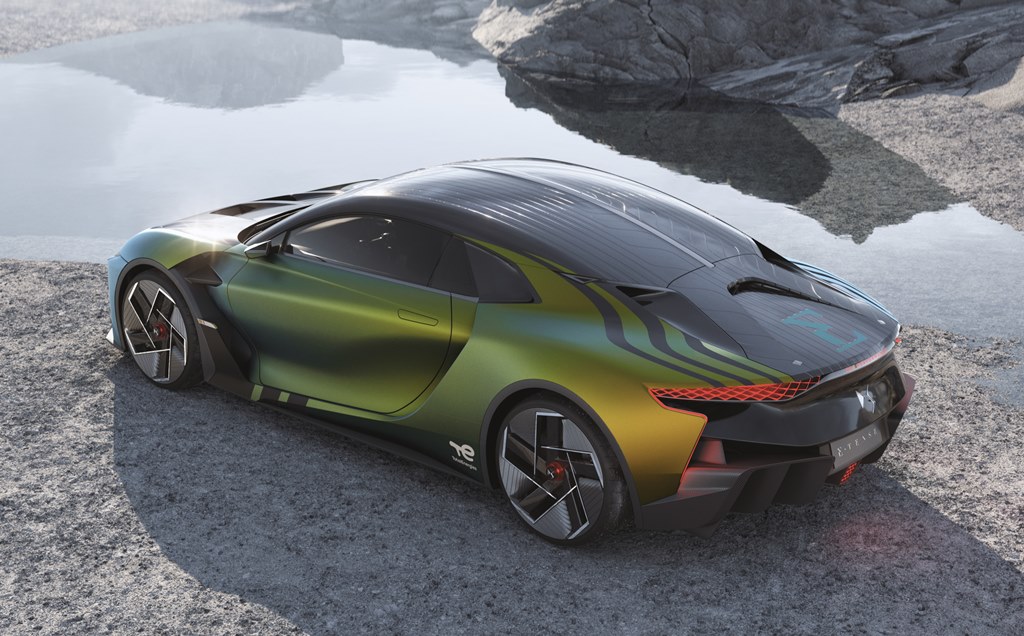
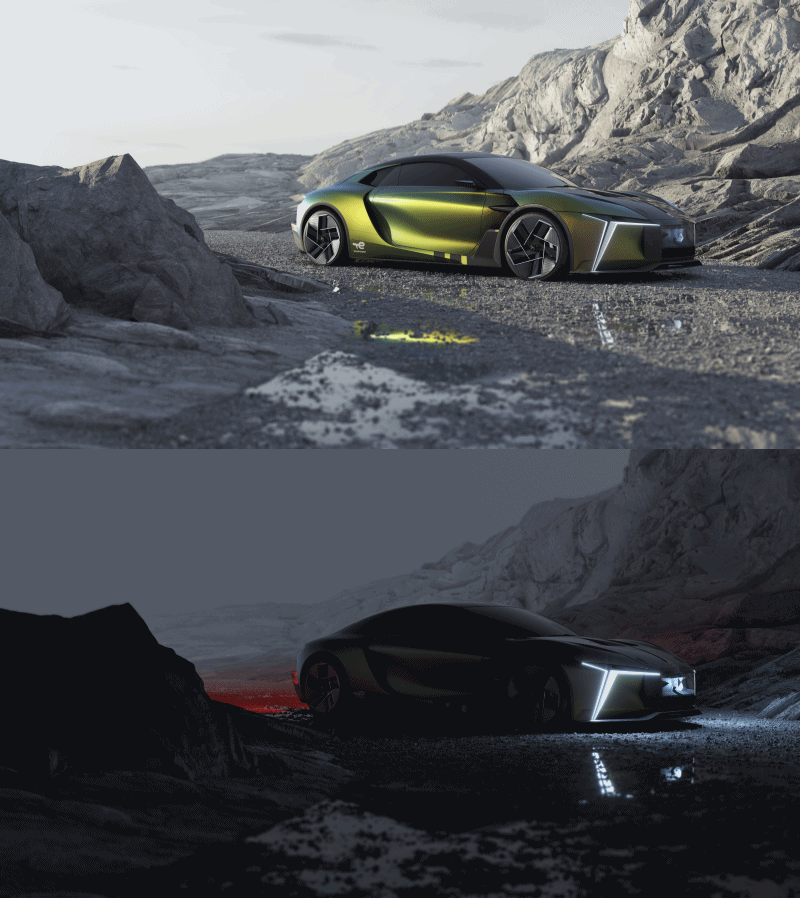
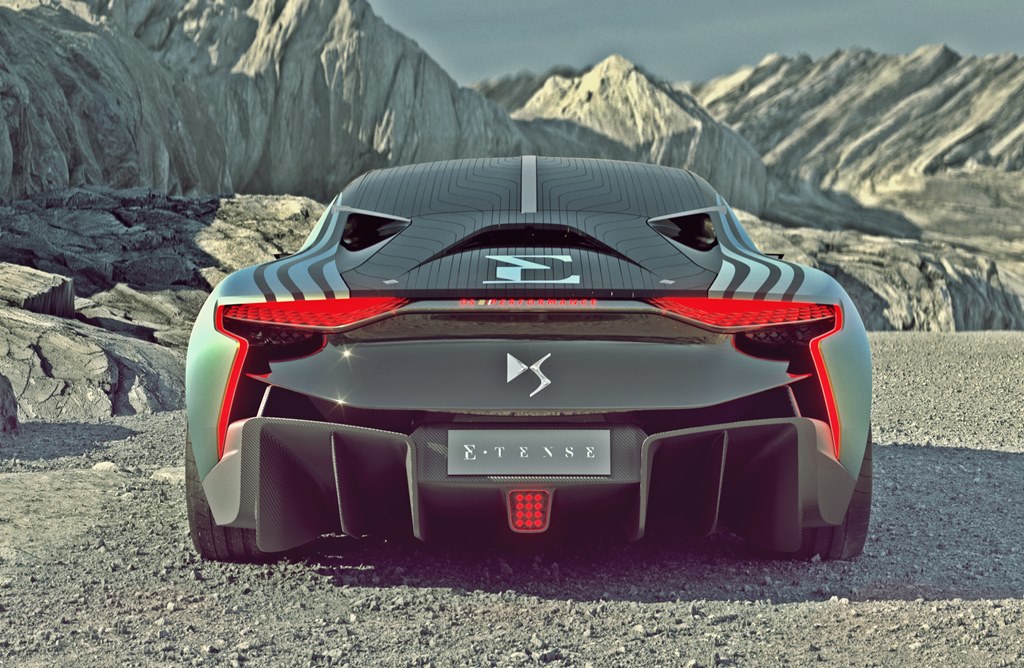
While the extreme design of the E-TENSE PERFORMANCE may make it seem like just a showcar, it is actually intended for use as a high-performance laboratory by DS Automobiles, the spin-off brand from Citroen which became a standalone brand.

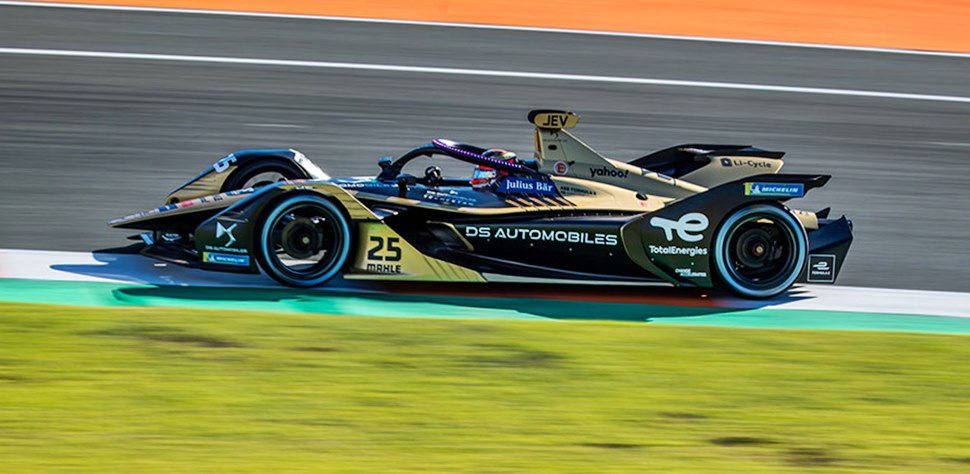
The prototype has been conceived to accelerate the development of technology for the future of DS Automobiles design. It has been devised, developed and created by DS Performance, which has been successfully participating in the single-seater electric Formula E series.

DS Automobiles E-TENSE PERFORMANCE

DS Performance has been participating in single-seater electric Formula E series with the French-Chinese TECHEETAH team since 2016.

“Our objective is to apply the experience acquired in Formula E and the expertise that we’ve taken from our international titles to a project which predicts the high-performance electric car of tomorrow. It is a laboratory that we will use to analyse the behaviour of components and to develop them with a view to future manufacturing. The idea is also to find solutions to lower costs, make them easier to manufacture and explore implementations in production models. The next generations of the E-TENSE range will benefit from these developments,” said Thomas Chevaucher, Director of DS PERFORMANCE, the brand’s motorsports division.

DS Automobiles E-TENSE PERFORMANCE

Up to 8,000 Nm
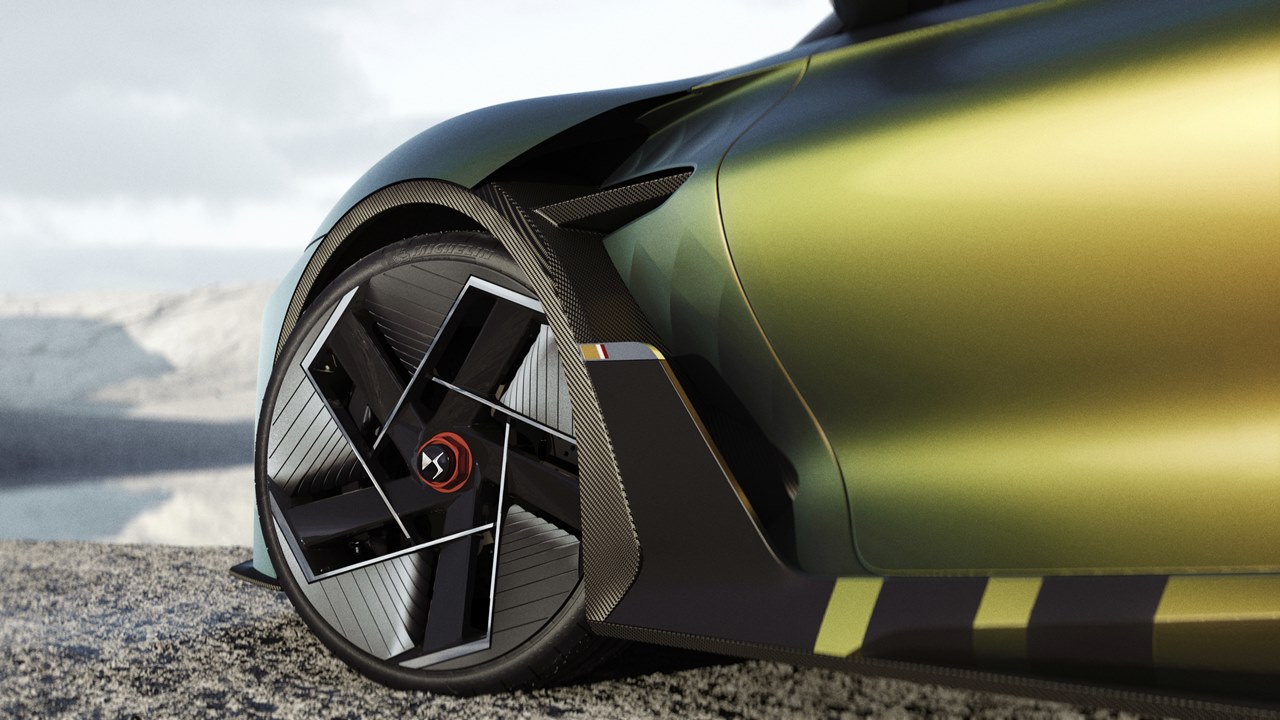
The powertrain is made up of two electric motors giving a combined power of 600 kW (250 kW at the front, 350 kW at the back) corresponding to 815 hp and torque of 8,000 Nm at the wheels. Taken straight from DS PERFORMANCE developments for Formula E, these two electric motors prioritise the use of energy in the most effective way. If, physically, the DS E-TENSE PERFORMANCE keeps a braking system with discs and pads for safety, only the regeneration system is used for braking.

DS Automobiles E-TENSE PERFORMANCE

The battery pack is one of the fundamental parts of the very high-performance mobile laboratory. It is compact and housed in a carbonfibre-aluminium composite envelope. This is situated in a central rear position for optimum weight distribution. The battery pack, using experience from  electric car racing, is developed jointly with TotalEnergies and its subsidiary Saft. It uses innovative chemistry and an immersive cooling system for cells – at odds with current technology – thanks to a bespoke design of Quartz EV Fluid solution. This battery permits phases of acceleration and regeneration of up to 600 kW, enabling the exploration of new avenues for future generations of production vehicles.

The design language
The DS Design Studio Paris was responsible for the extreme form with a frontal appearance that has a new surface for expression in place of the grille. Already suggested by the DS AERO SPORT LOUNGE, this treatment combines the DS Automobiles logo with a 3-dimensional effect that displays a special welcome sequence.

On either side, new daytime lights combine technology and design with unprecedented thinness to give a wide span of light (made up of 800 LEDs). Two cameras are used instead of headlamps, providing a visual identity while enabling useful data to be collected while on the move.

To go with the aerodynamic lines, the bodywork introduces a ‘beetle-effect’ interference colour. Depending on exterior conditions and the viewing angle, the perception of the colour changes and gives a striking contrast against the gloss black surfaces stretching to the bonnet.

DS Automobiles E-TENSE PERFORMANCE

The cockpit has been conceived to gather data. Bucket seats and a Formula E steering wheel create an ambience devoted to high performance but there is also comfort and attention to detail. An in-car FOCAL Utopia sound system with a pair of exclusive Scala Utopia Evo speakers give a unique signature sound.

DS Automobiles E-TENSE PERFORMANCE

Formula E’s Gen2 EVO racing cars will run for the last time in Season 8 in 2022, with Gen3 being used in 2023

Pick-up trucks are big business in the US market and have been top-sellers for decades. Their popularity made the Ford F-Series the bestselling vehicles on the planet (though almost entirely sold in North America). While the Big Three – GM, Ford and Chrysler – have long dominated this segment of the market, newcomers from foreign brands like Toyota and Nissan have also made inroads but the American trucks are still firmly entrenched.

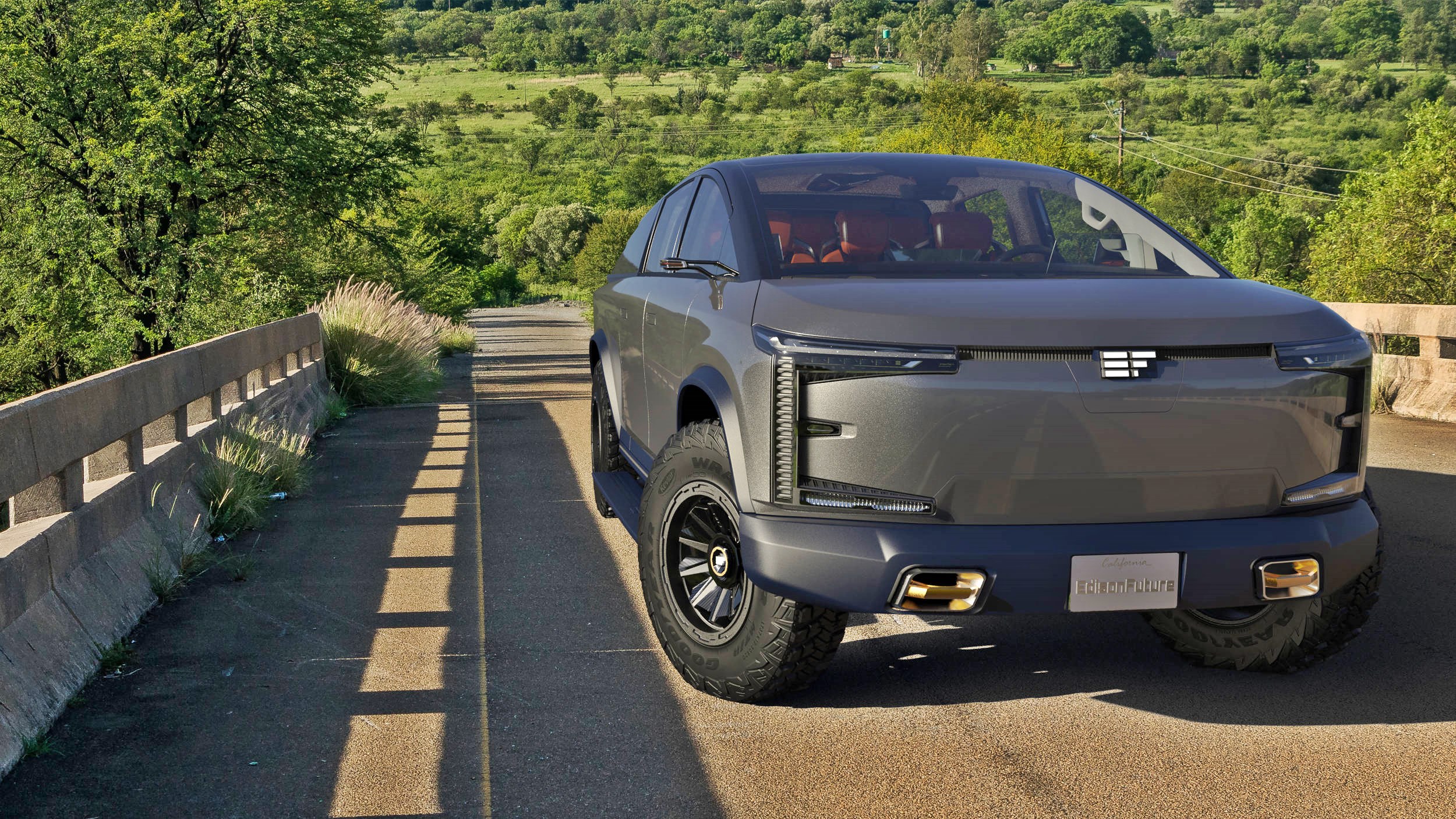
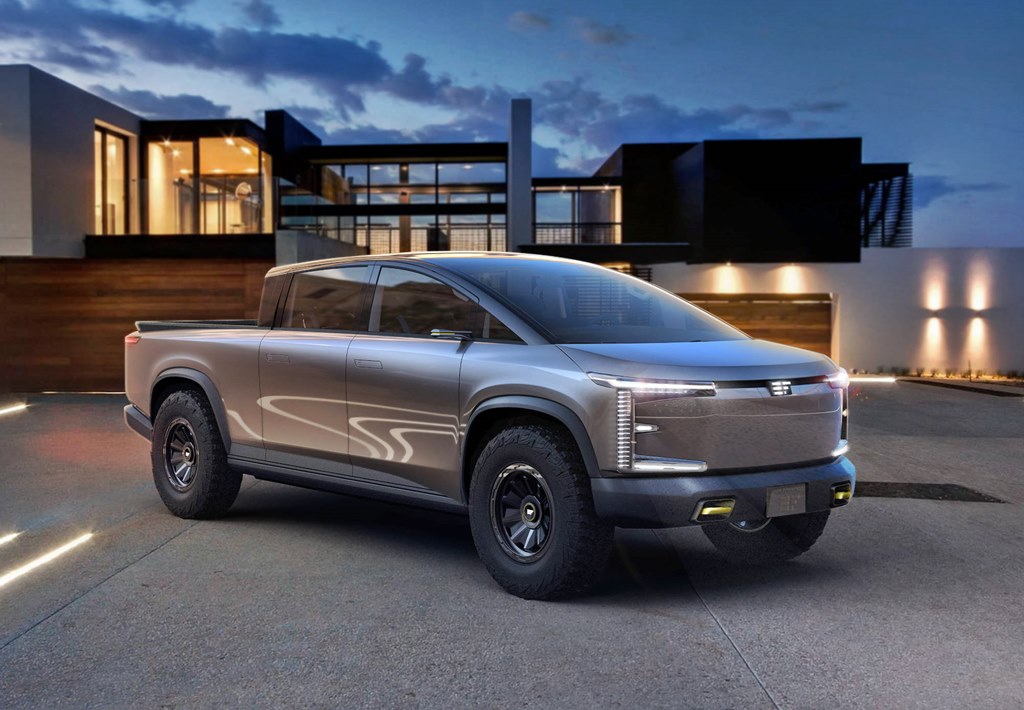
Now comes the next wave of competitors in the segment and they are not only entirely new players like Tesla, EdisonFuture, Canoo and Rivian but they are also starting off with electrically-powered trucks so they are positioning themselves for the future. Ford and GM are already on the starting line as well with their own fully electric pick-ups that have seen soaring orders – to the extent that Ford had to stop taking orders for its new F-150 Lightning.

Most of the products of the new players are not in the market yet but have been shown at motorshows and drawn tremendous response. Orders are flooding in for vehicles that will begin to reach customers later this year and in coming years. Clearly, American buyers are receptive to the idea of electrically powered trucks even though, traditionally, such vehicles have had huge engines to give them their workhorse capabilities.

EdisonFuture 2025

As EV technology is still developing and evolving, there are many approaches being taken and some are innovations too. One of the innovative new trucks is from a start-up called EdisonFuture. It’s a 2-year old company established and based in California but if you follow the ownership trail, it will lead back across the Pacific to China’s SPI Energy.

The Chinese company also owns Phoenix Motorcars, which has specialised in developing medium-duty electric vehicles for commercial markets over the past two decades. So EdisonFuture is already starting off with access to substantial technological resources for developing its products which are trucks.

EdisonFuture 2025

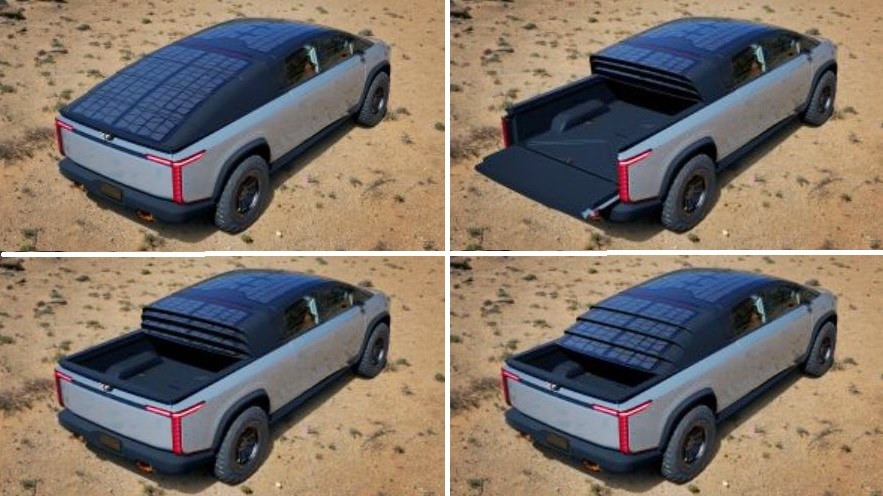
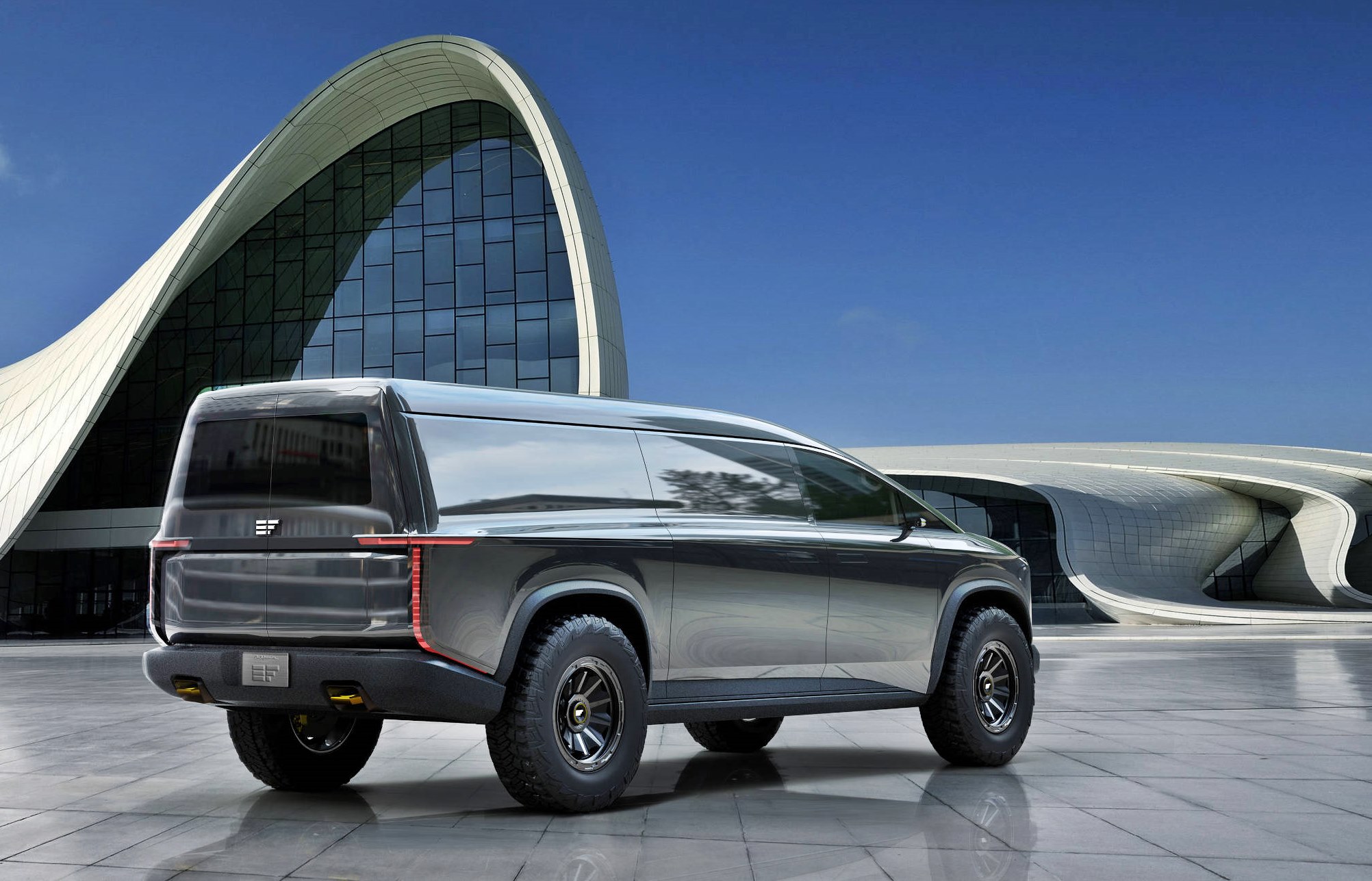
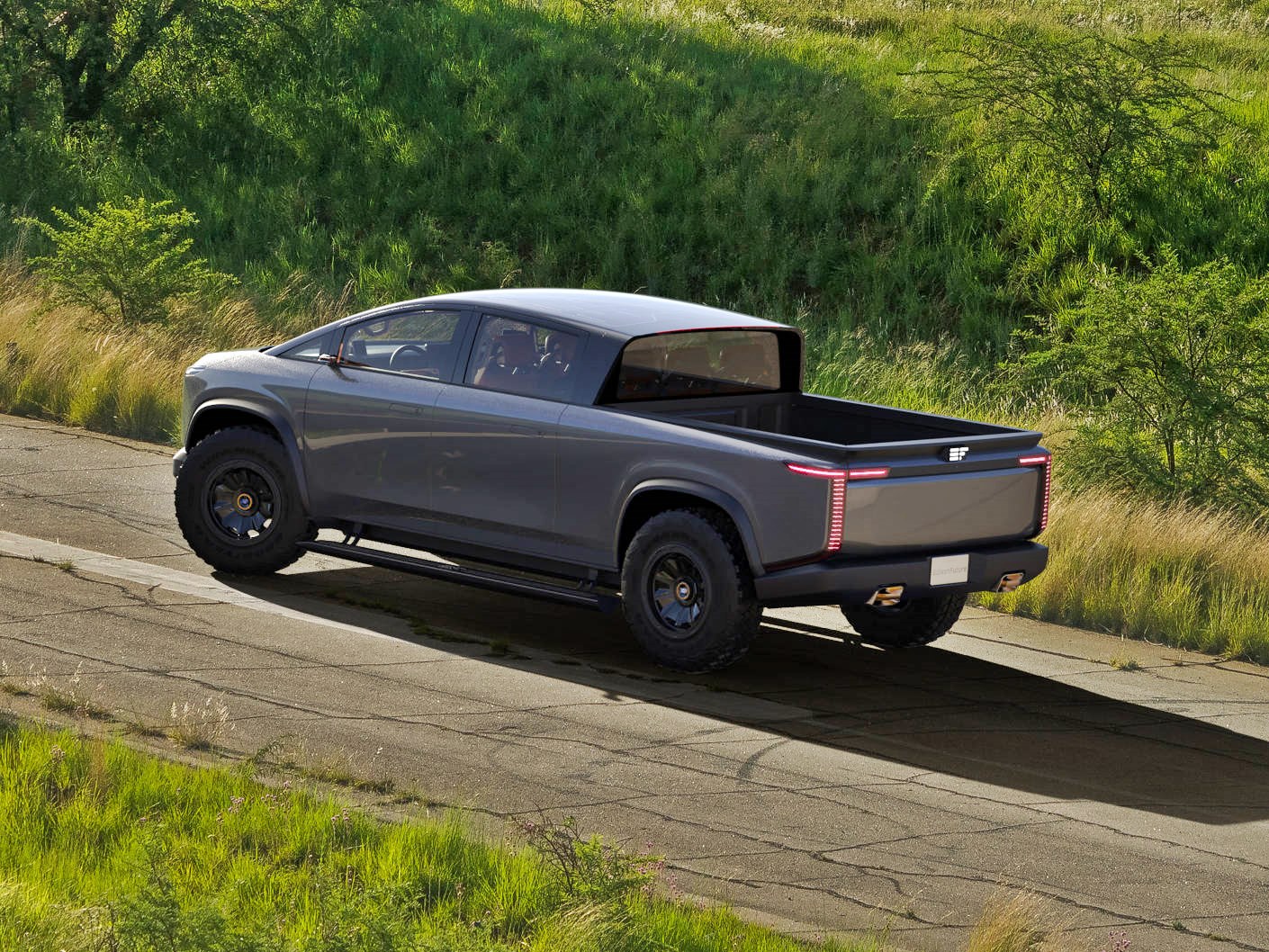
EdisonFuture is working on at least two models, both of which have been shown in concept form. The first is the EF1-T which has a solar charging capability which will provide up to 55 kms of range per day. The integrated solar panel over the vehicle can be pulled out over the rear bed and locked into place to protect the contents. The unique panel is called ‘Armadillo Armour’ and presumably has a tough construction.

EdisonFuture 2025

EdisonFuture 2025

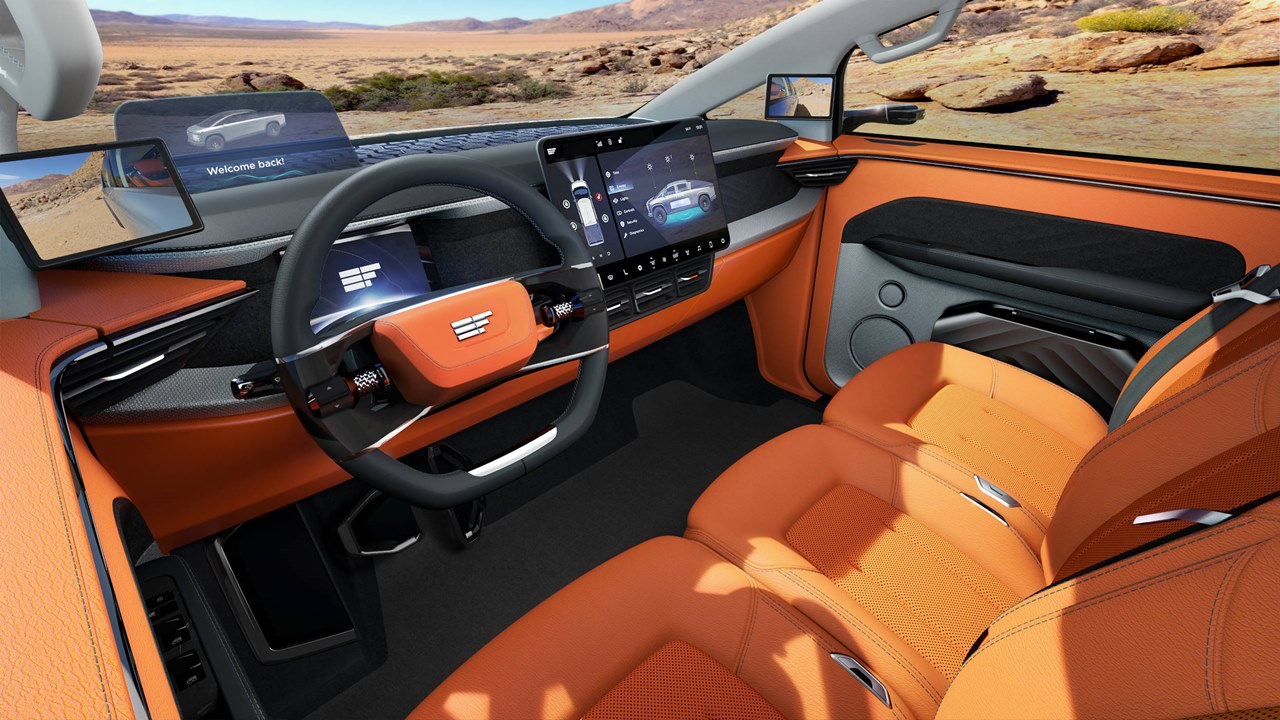
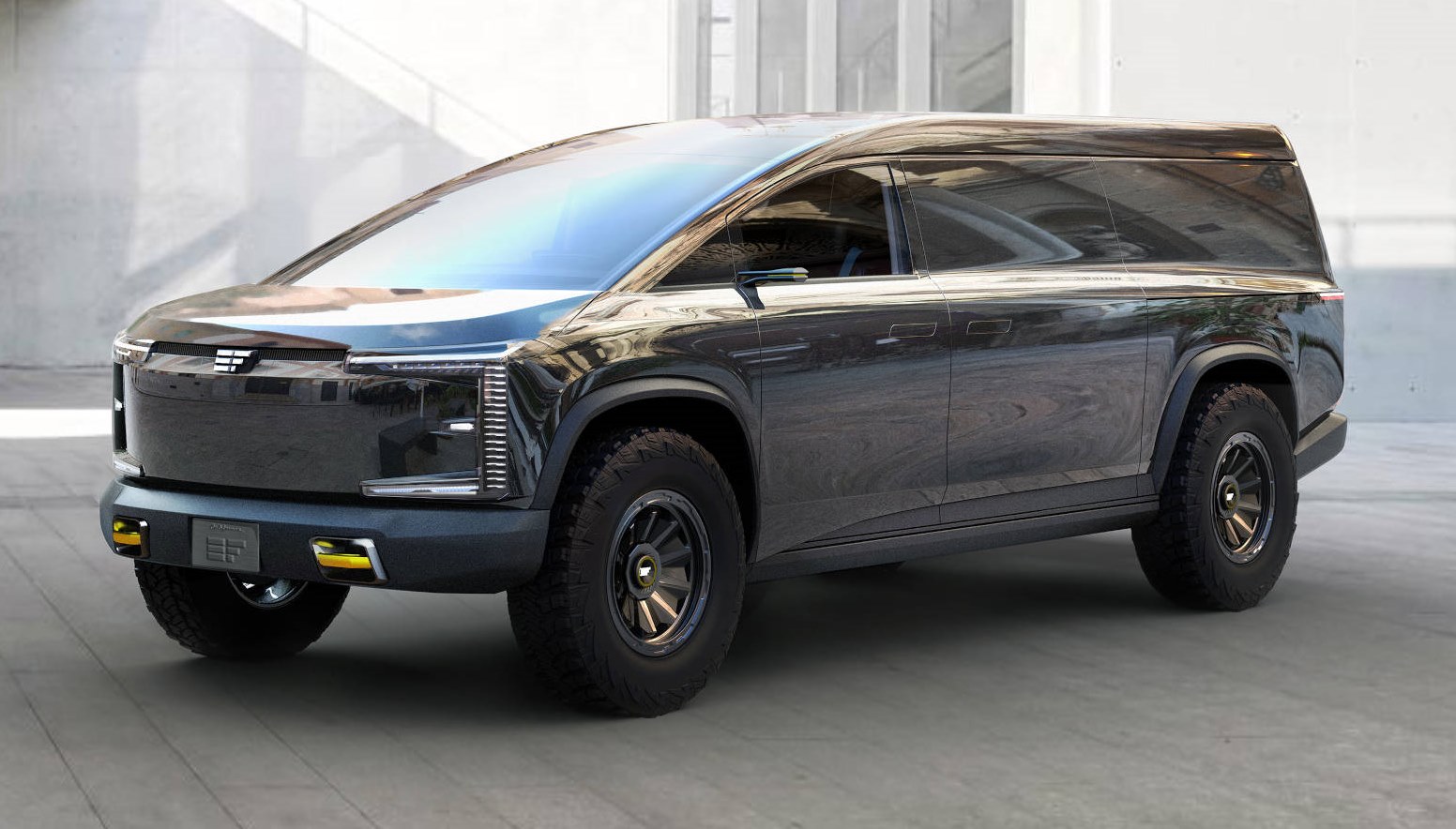
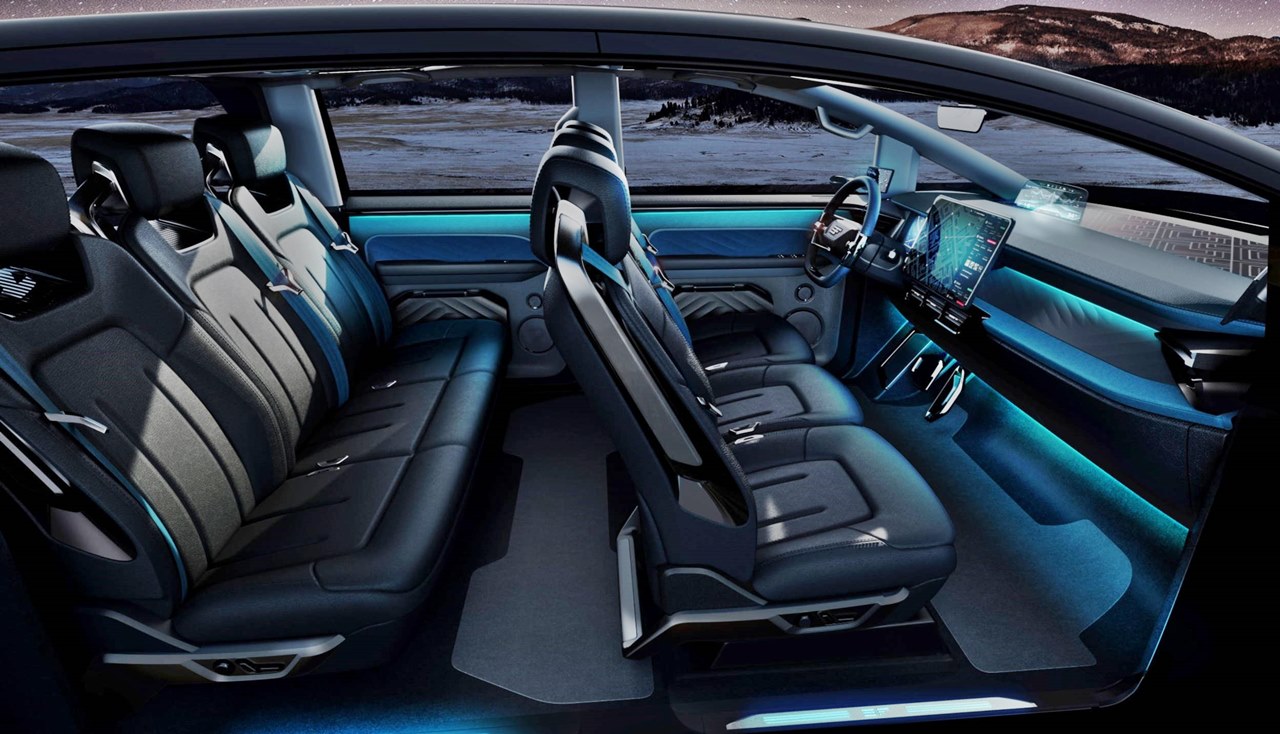
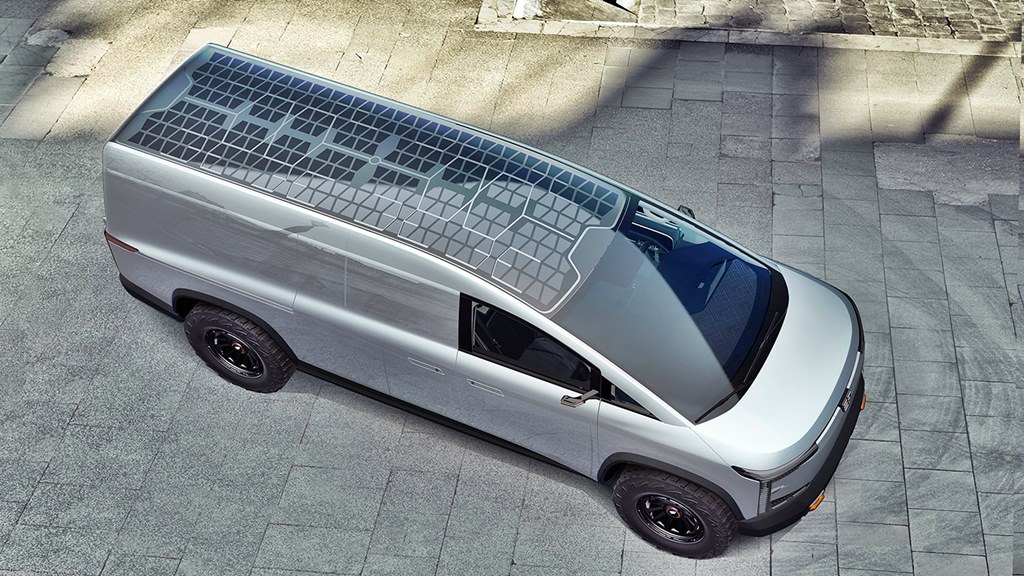
Utilizing the same chassis and platform of EF1-T, the EF1-V Delivery Van is a robust and modern multi-purpose van. It can be used for work as well as travel or personal use in varying road and environment conditions from city streets to off-road.

As it functions as a delivery van, the EF1-V is given an enclosed body with sliding side doors and varying cargo volumes within a space-efficient container that is almost 2 metres long. The entire top of the cargo box is covered with solar panels so the battery pack can be recharged while parked.

EdisonFuture will offer three different powertrains to suit different requirements with either one, two or three motors. Power and torque outputs have not been revealed yet but there is a claim of up to 725 kms on a fully charged battery pack for the tri-motor version. There will also be a choice of battery packs up to 180 kWh.

EdisonFuture 2025

EdisonFuture 2025

Since appearing at the Los Angeles Auto Show late last year, EdisonFuture has seen encouraging response though most of it has been for the pick-up rather than the delivery van. Perhaps there are also proven and cost-effective electric vans already in the market and fleet operators are satisfied with them, and expect to keep them in use for a while longer.

The designs that were shown are still conceptual and works in progress. Icona Design, an Italian group, has been brought on board to collaborate on the exterior design of the two vehicles. As the production models won’t be on sale till 2025, there will still be time to get feedback at motorshows and from fleet operators to get the design right.

“Our vision for EdisonFuture and Phoenix Motorcars is to be leaders in sustainable transportation with focus on energy efficiency and innovative design,” said Xiaofeng Peng, Chairman & CEO of SPI Energy earlier this year.

EdisonFuture 2025

EdisonFuture 2025

Canoo unveils fully electric pick-up truck with production to start in 2023

After ending 2021 with its highest annual sales figure since 2014, new deliveries for Proton in the first month of the new year dropped to 4,453 units (domestic + export) from 14,147 units the month before. Besides the drop of over 60% was higher, the total volume was also 25.3% lower than what was reported for January 2021. According to Proton, lack of available stock was the main factor as parts supply issues affected production of all models.

This was also the crystallisation of the knock-on effect of the severe flooding in Selangor at the end of last year. While Proton’s production facilities in Shah Alam and Tanjung Malim were unaffected by the floods in December, its vendors were not as lucky. Many have production facilities in Shah Alam (having set up to be near the original factory) and were thus affected by flood waters.

This had a direct effect on the output in January, leading to a shortage of units to fulfil orders. The situation was further compounded by minimal carry-over stock from the previous month as the company worked to close the gap between supply and market demand.

Persona was the bestselling Proton passenger car for the month, although this was largely dependent on stock available for deliveries to customers. Parts shortages prevented the two factories from being able to assemble more vehicles.

“After a successful end to 2021, January was a very tough month for Proton. Our short supply situation  became magnified by the lack of units being produced, creating a severe shortage for our dealers. Thankfully,  production for all our models resumed in January, though some required more time than others. We are, however, confident of meeting our targets for 2022 based on market projections as well as our sales and marketing plans  for the rest of the year,” said Roslan Abdullah, Deputy CEO of Proton.

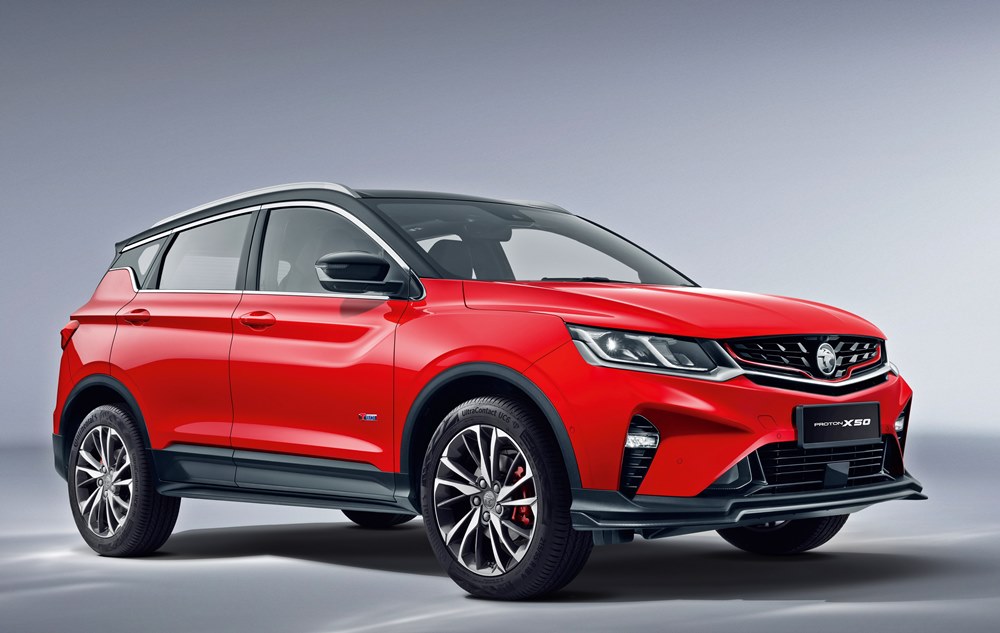
Proton X50 – bestselling model of the brand in January

Among all models, the X50 and X70 SUVs were the first to resume production and this was reflected in  their sales volume for the first month of 2022. 2,601 units of the X50 and 799 units of the X70 were delivered during the month. Although the individual totals were modest compared to the previous month, when combined, they helped  to position Proton as the number one SUV brand in Malaysia.

Flood relief efforts
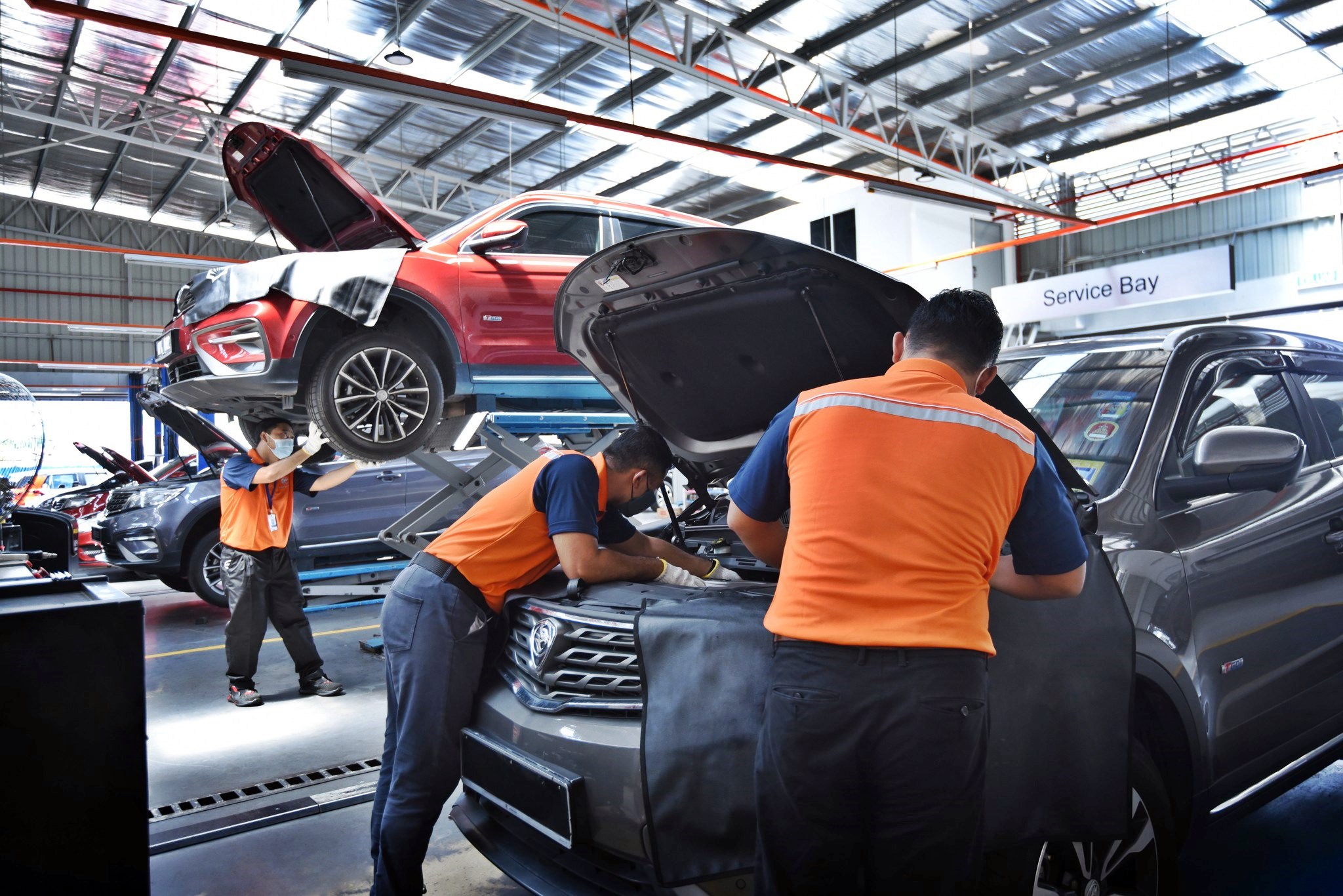
One and a half months after the December floods took the nation by surprise, over 1,200 flood-affected Proton vehicles have been received at authorised service centres around the country. They are divided into 4 categories, depending  on the severity of the damage suffered, before assessments are made and repairs get underway.

“Proton would like to remind all customers with flood damaged cars to send their vehicles to our network of authorised service centres to enjoy benefits such as free towing and car wash services as well as discounted parts and labour charges. We are also thankful to the government for the RM1,000 assistance voucher, which  has proven to be invaluable for many of our customers,” added Encik Roslan.

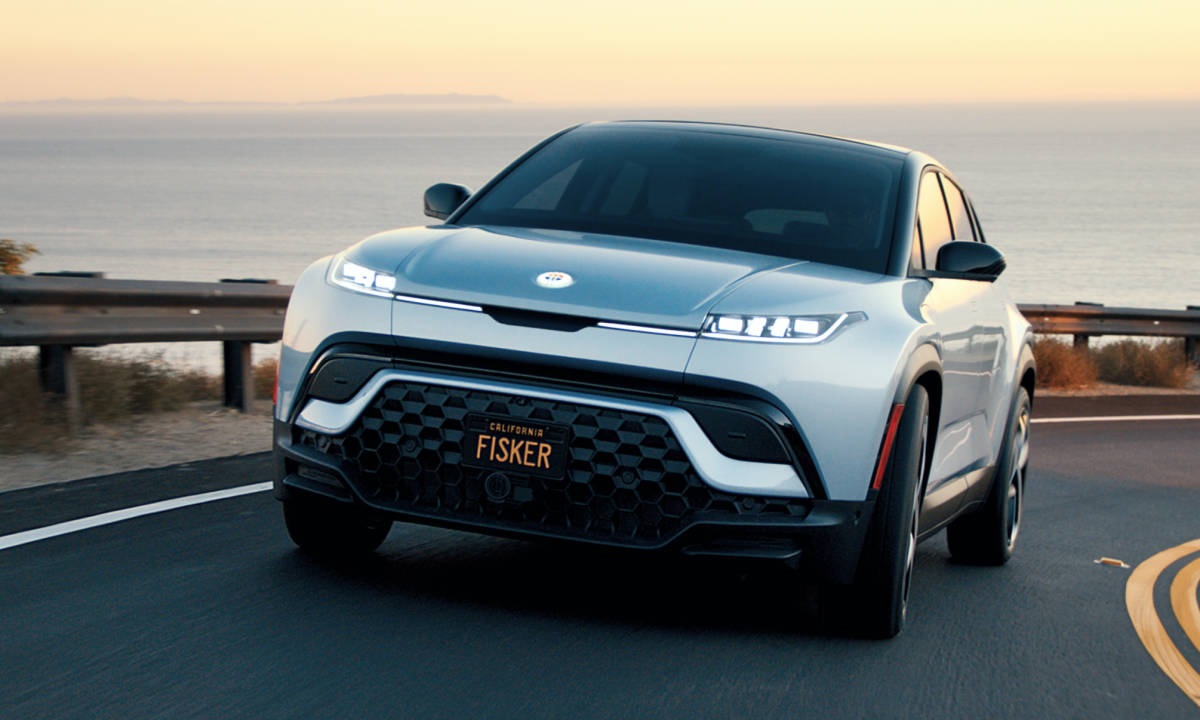
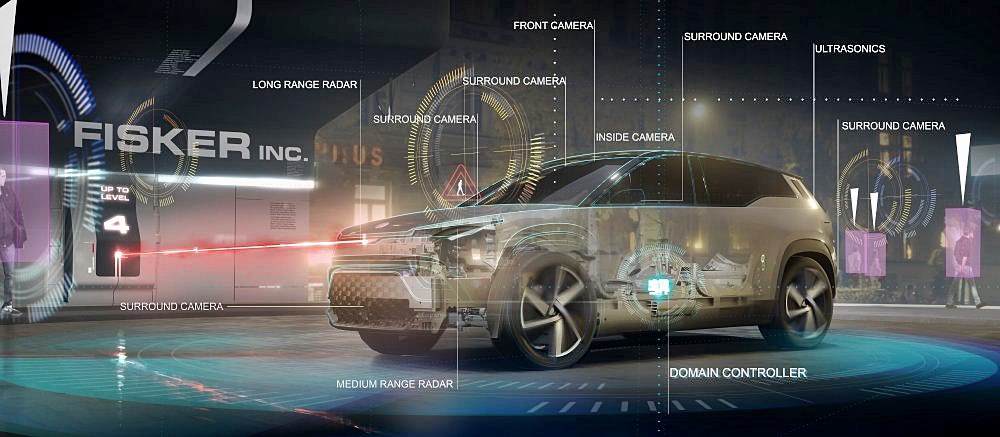
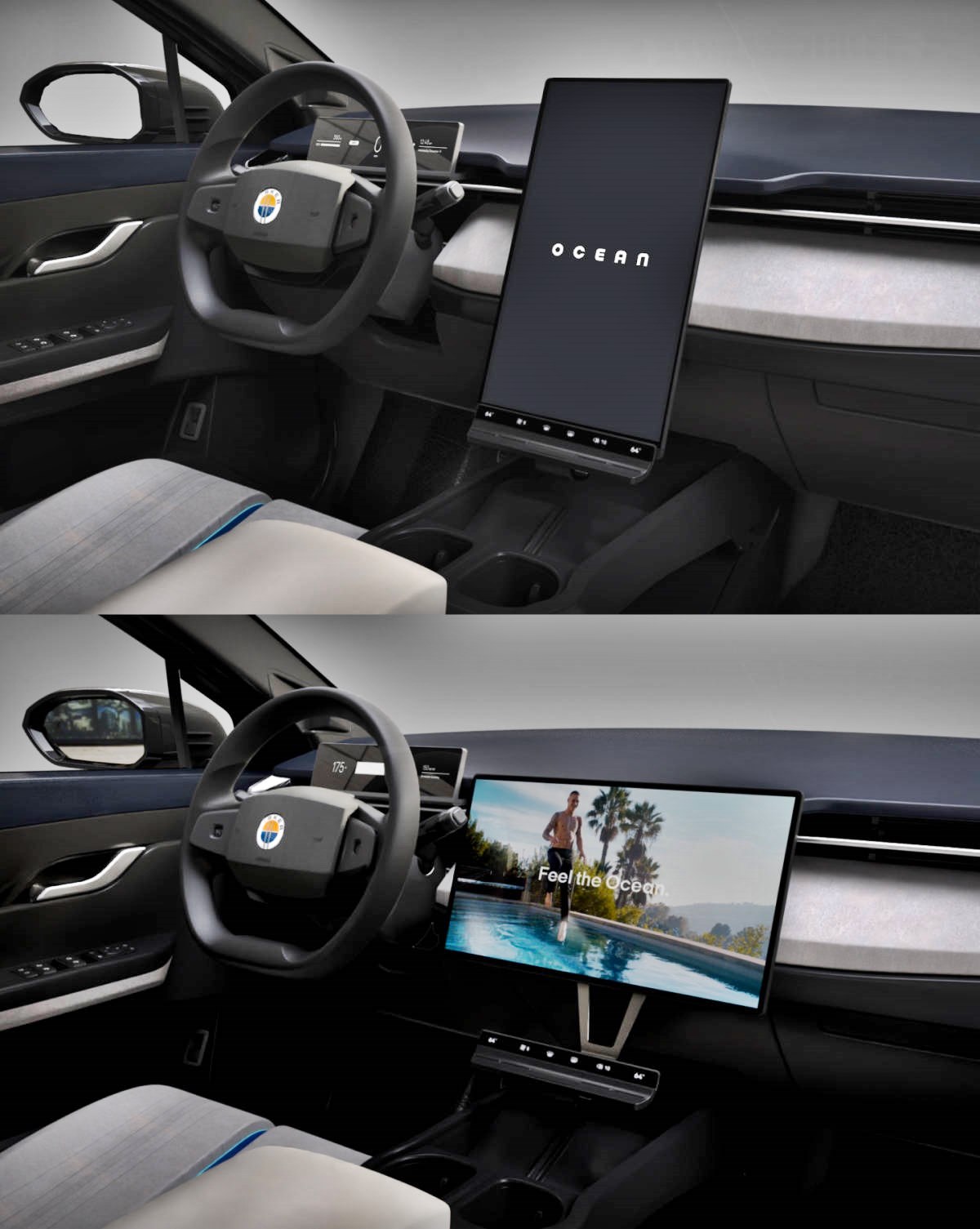
Though radar is already commonly used in advanced driver assistance systems (ADAS) today, most systems only use a single forward-facing type to detect vehicles ahead. Fisker will advance this technology with a state-of-the-art ADAS platform called the Fisker Intelligent Pilot. This integrates 4 types of sensors: an industry-leading surround-view camera suite; a camera-based driver-monitoring system, ultrasonic technology, and a Digital-Imaging Radar System that Fisker expects will be first to market when the fully electric Ocean SUV begins production in November 2022.

While complete details have not been revealed, it is known that the ADAS features and a suite of software packages powered by a scalable domain controller architecture are developed together with Magna, a global supplier.

The cameras provide latest-generation vision capability, with a front-facing 8-megapixel camera delivering the highest resolution currently available in a vehicle. The 360-degree camera system enables base-level object detection from proven technology used on tens of millions of vehicles globally.

Fisker’s industry-first Digital Code Modulation-based radar system uses 5 units positioned around the Ocean body to confirm and enhance what the cameras see. The system has performance superior to analog radar systems as it provides an additional degree of perception in conditions of bad weather and excessive sun glare which can obscure the imagery.

The system can also better distinguish its surroundings in environments of high light-dark contrast, such as in tunnels and on bridges, and differentiate objects of varying sizes and speeds on highways, such as cars, trucks, and motorcycles. Additionally, Fisker the radar can separate objects from backgrounds and detect low-lying roadway obstructions.

With its features working together, Fisker Intelligent Pilot’s perception stack with camera and radar sensor fusion makes better decisions at highway speeds, in city traffic, and in poor weather. The radar can locate vehicles at 200 metres and pedestrians at 80 metres.

“Fisker Intelligent Pilot and Fisker Digital-Imaging combine reliable ADAS cameras with first-to-market 4D digital radars, giving owners industry-leading safety to go along with a US$37,499 price for the Fisker Ocean Sport and over 350 miles (560 kms) of range.
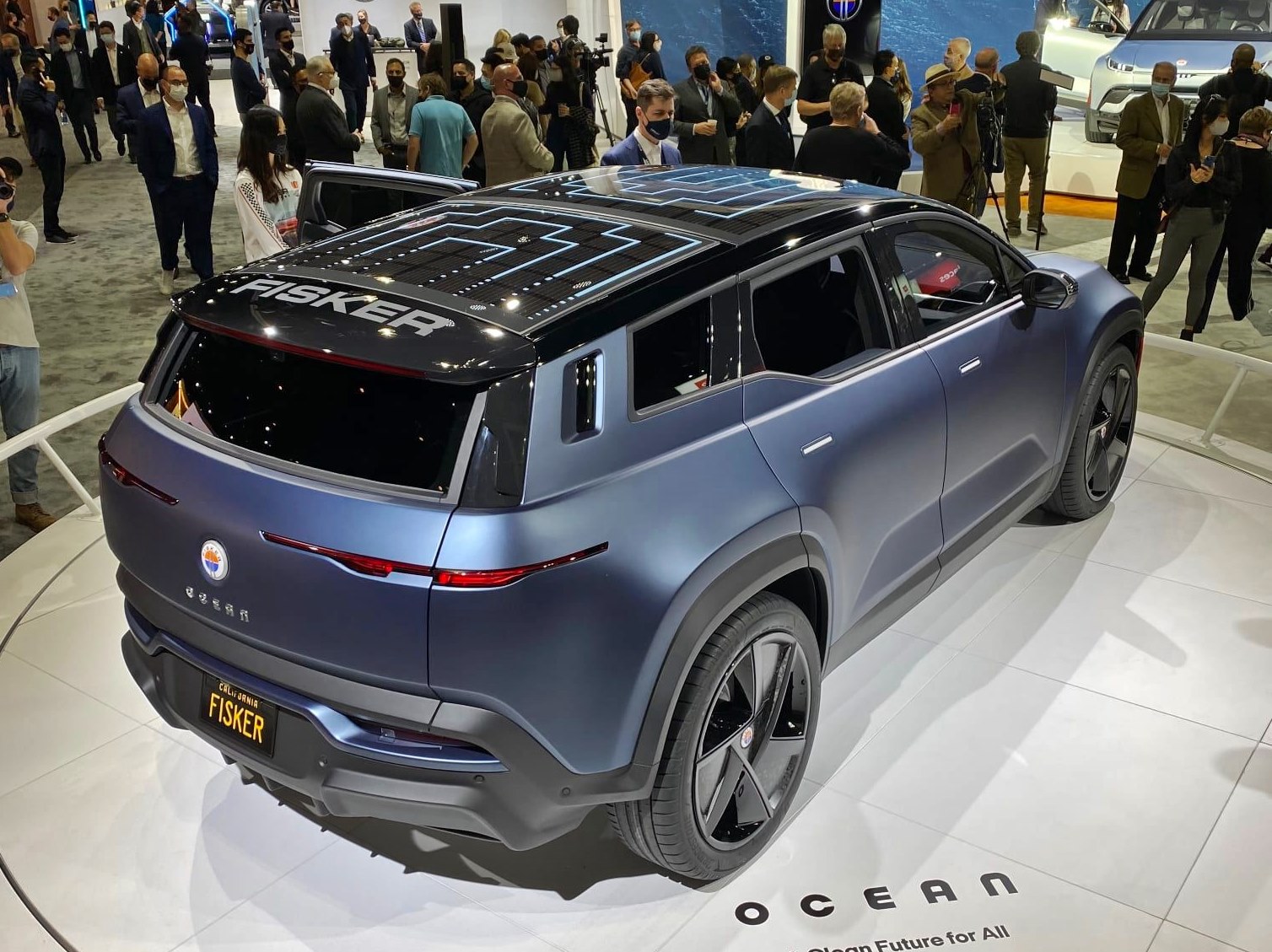
With semi-autonomous systems like adaptive cruise control, there is a risk of the driver being less attentive or even getting drowsy. To ensure that the driver is attentive when the system is engaged, the Fisker Intelligent Pilot uses an A-pillar-mounted interior camera that monitors for drowsiness and concentration and alerts the driver when necessary.

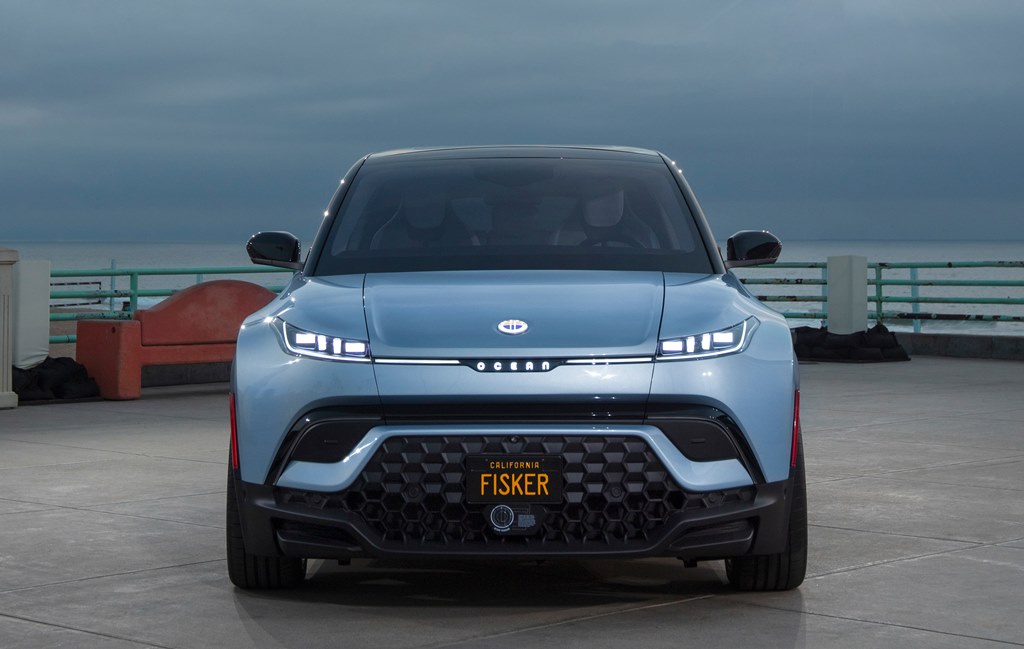
The Ocean, a 5-passenger SUV, will be introduced to the European market at Mobile World Congress later this month in Barcelona, Spain. Promoted as ‘the world’s most sustainable vehicle’, Fisker expects to sell up to 60,000 units a year in that region. Fisker Magic Works, opened in England last year, will develop special editions of the company’s vehicles alongside new, high-performance projects combining sustainability with Henrik Fisker’s commitment to beautiful, emotional design.

DENSO’s Third Generation Global Safety Package offers increased active safety

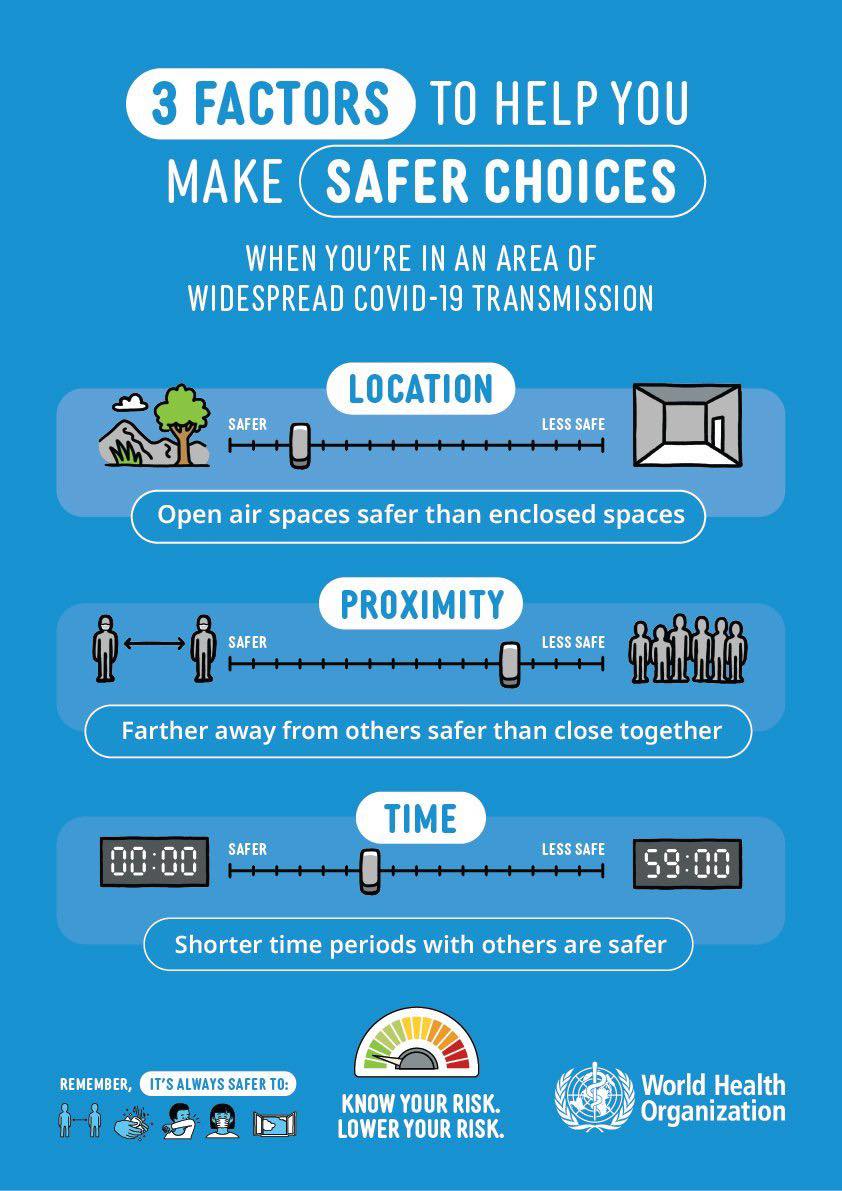
Vaccination does not make you immune to COVID-19 infection. You can still get infected and although you may not show symptoms, you could still spread the coronavirus. Do not stop taking protective measures such as wearing a facemask, washing hands frequently and social distancing.

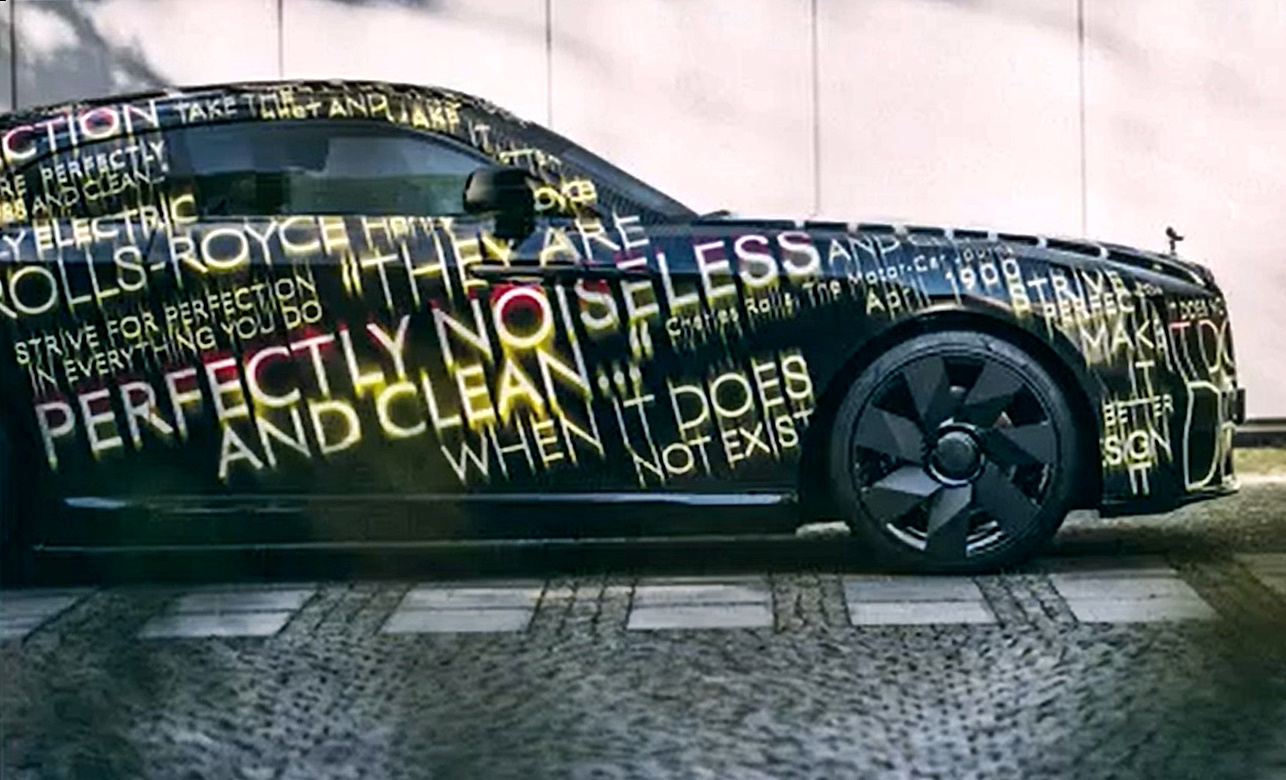
Next year, Rolls-Royce will unveil Spectre, its fully electric limousine that will go on sale in 2024. The final form that the car will have would have been approved so much work would have been done in the wind tunnel to make it as aerodynamically efficient as possible. For electric cars, this is vital to minimise the power used to overcome wind resistance and achieve high performance.

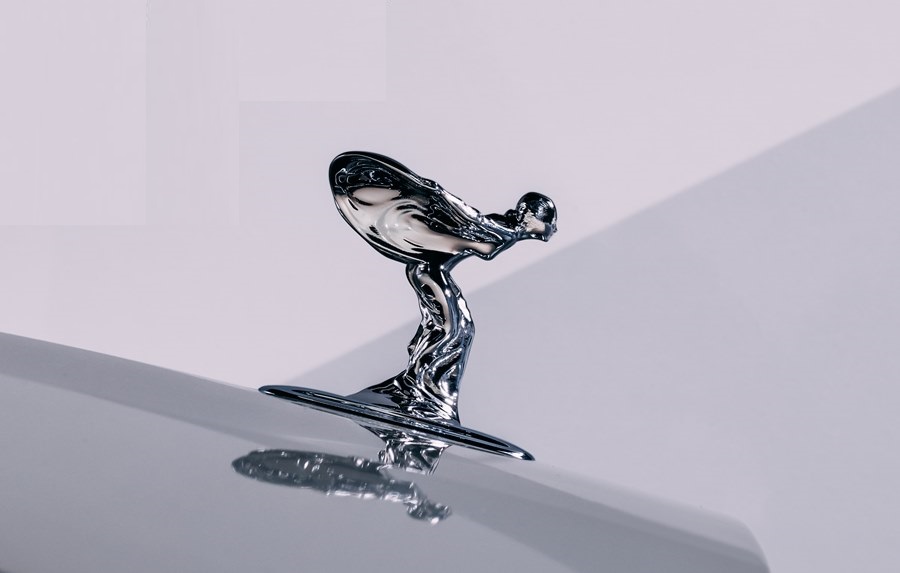
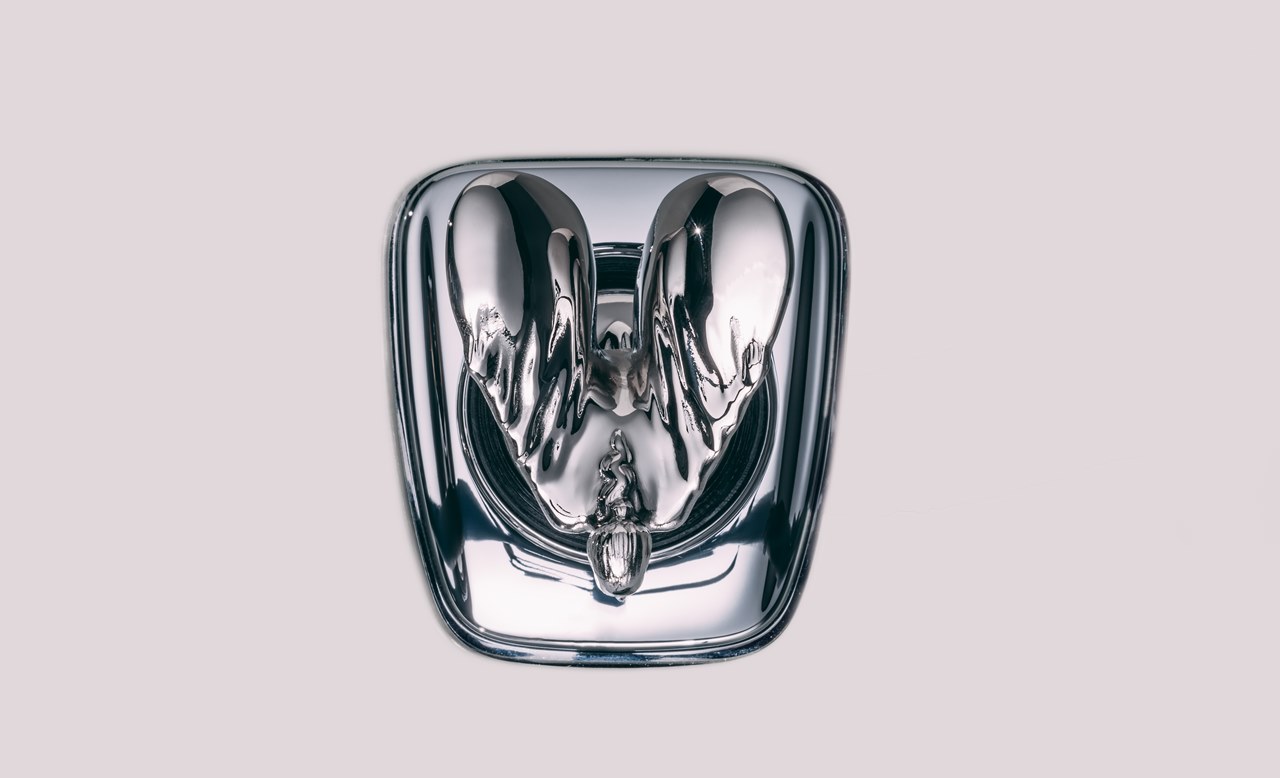
Wind tunnel studies cover every centimetre of the bodywork and even the tiniest details need to be shaped correctly for minimum wind resistance. This includes the iconic Spirit of Ecstasy figurine that stands on the edge of the bonnet. She will also grace the bonnet of the Spectre and after 111 years since being registered as intellectual property of Rolls-Royce, the Spirit of Ecstasy is being remodelled again.

The figurine has been remodelled with a lower, more dynamic stance that brings her much closer to the drawings made by her original creator, the illustrator and sculptor Charles Sykes, in the early years of the 20th century. It also sees her physical form represent ‘The Expression’, a visual device that forms part of the marque’s new visual language.

The new Spirit of Ecstasy stands 82.73 mm tall, compared to her predecessor’s 100.01 mm. Her robes, which flow behind her in the slipstream (often but incorrectly characterised as ‘wings’) have been subtly reshaped to make them more aerodynamic and realistic.

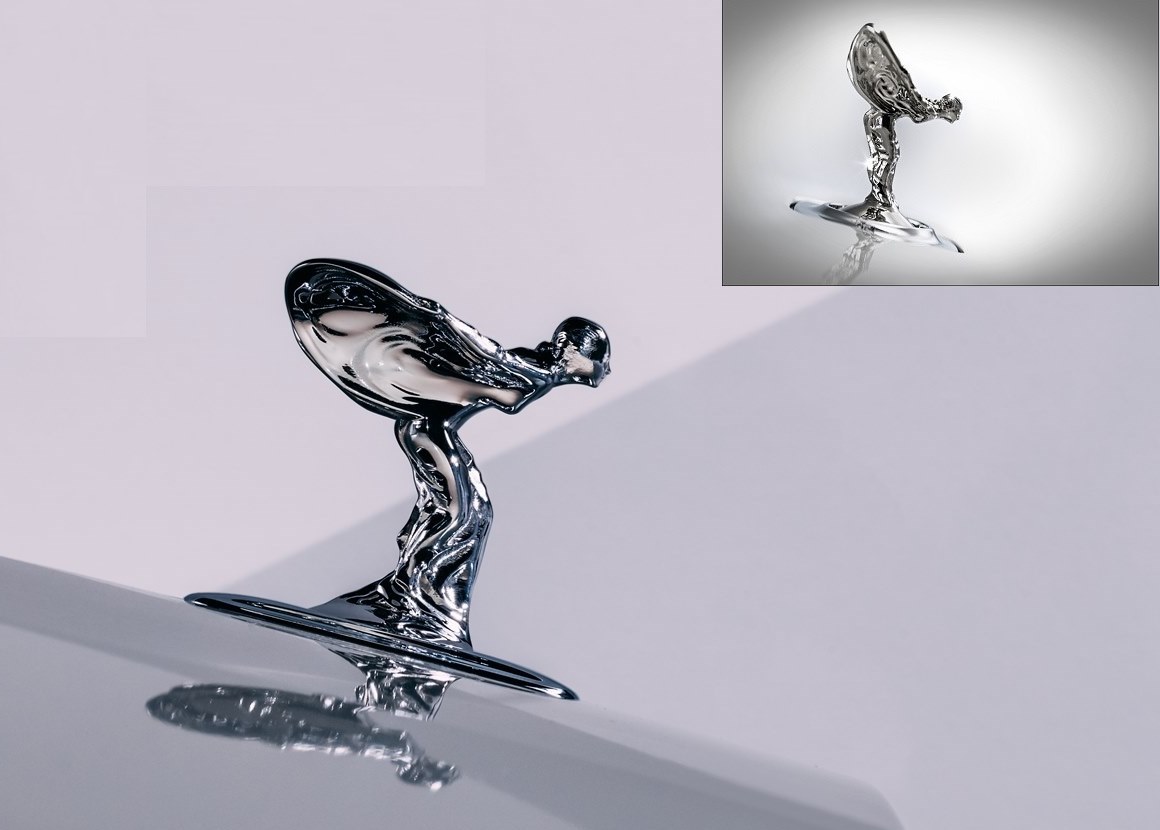
The most visible change is her stance. Previously, she has stood with her feet together, legs straight and tilting at the waist. Now, she is a true goddess of speed, braced for the wind, one leg forward, body tucked low, her eyes focused eagerly ahead.

The new stance of the Spirit of Ecstasy and the one (inset) seen on current Rolls-Royce models.

These changes have both practical and stylistic benefits, contributing to the Spectre’s aerodynamic properties which Rolls-Royce says will be remarkable. The earliest Spectre prototypes have already shown a drag coefficient of just 0.26 Cd, making it the most aerodynamic Rolls-Royce ever created. The figure is expected to improve during the product’s exhaustive testing protocols undertaken in the course of this year.

This new expression captures the essence of Charles Sykes’ original drawings, but rather than simply being ‘redrawn’ or ‘redesigned’, her new shape has been digitally sculpted by a computer modeller working at the Rolls-Royce, who has a passion for life drawing and sculpture. Their experience in this field was invaluable in developing the figurine’s elegant lifelike facial features as well as her expression, which deftly combines focus and serenity.

The designers also consulted stylists at Roll-Royce for their perspective on her hair, clothes, posture, and expression, adding an authentically contemporary aura to her dynamism and commanding presence.

While all figurines are made using one of the oldest known casting techniques, named ‘lost wax casting’ or ‘cire-perdue’, each is individually finished by hand, so will be minutely different from figurine to figurine. As well as continuing a long Rolls-Royce tradition – until 1939, the mascots were made and polished by Charles Sykes himself – this subtle, ephemeral human element creates an intriguing contrast to the precise, highly engineered motor car she sits atop.

Though relatively rare in the modern era, changes to the Spirit of Ecstasy have been made throughout her 111-year lifespan. She has been rendered in various sizes and materials and, briefly, in a kneeling position. The new version created for the Spectre will appear on all future models. The current design will still be used on Phantom, Ghost, Wraith, Dawn and Cullinan and their Black Badge alter egos where applicable.

The fully electric Spectre will make its debut in 2023 and it will be the most aerodynamic Roll-Royce ever designed for sale.

“The Spirit of Ecstasy is the most famous and desirable automotive mascot in the world. More than just a symbol, she is the embodiment of our brand, and a constant source of inspiration and pride for the marque and its clients. Like our brand, she has always moved with the times while staying true to her nature and character. In her new form she is more streamlined and graceful than ever before – the perfect emblem for the most aerodynamic Rolls-Royce ever created, and for gracing the prow of our bold electric future,” said Torsten Muller-Otvos, CEO of Rolls-Royce Motor Cars.

Leading every Rolls-Royce for 110 years – the Spirit of Ecstasy


At one time, a ‘connected’ vehicle was one which could receive radio broadcasts and that was about all. Today, the term refers to many more ways that the vehicle and its occupants are connected which we are taking for granted. Even the cheapest models come with simple handsfree telephony capabilities, and connecting to the internet has been possible for many years.

Yet, in the early 1990s, connectivity like this was still considered as just ideas in concept cars. People were just starting to enjoy the convenience of mobilephones and being able to make calls from cars (which would lead to new laws that made them offences as they affected safety). Voice command was still regarded as science fiction, let alone handsfree telephony.

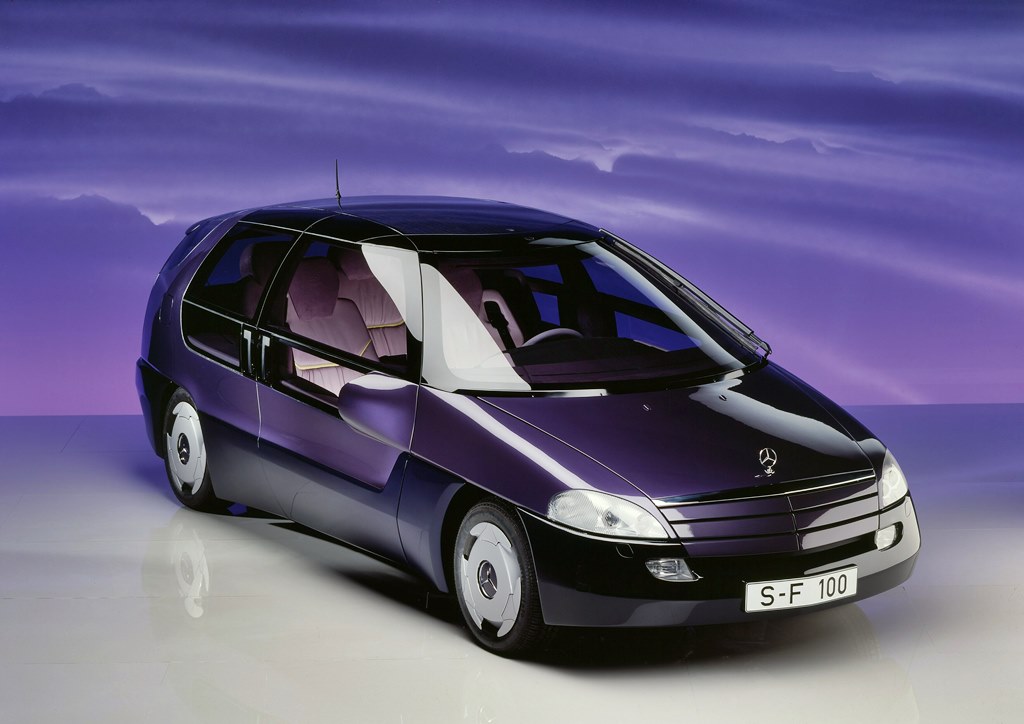
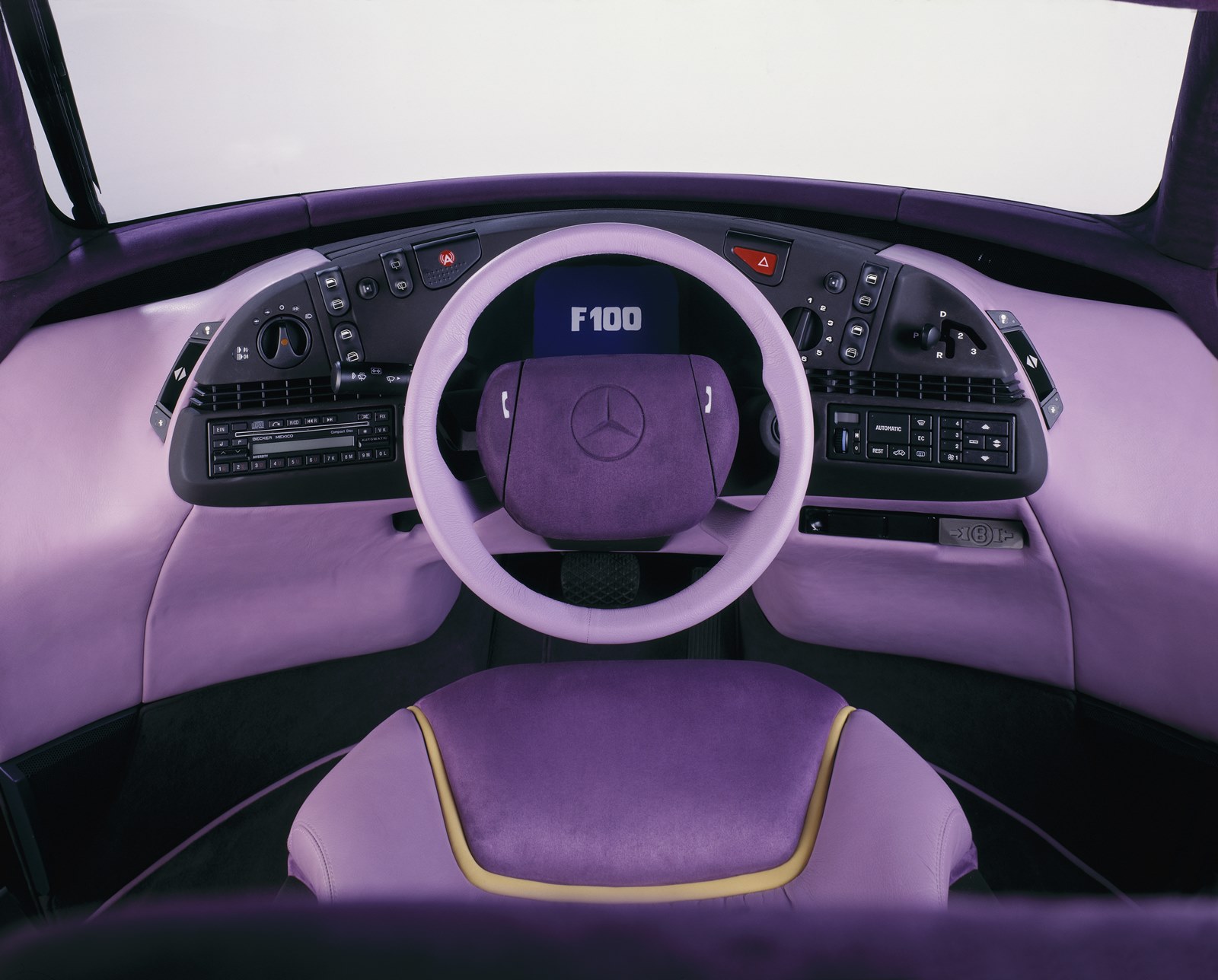
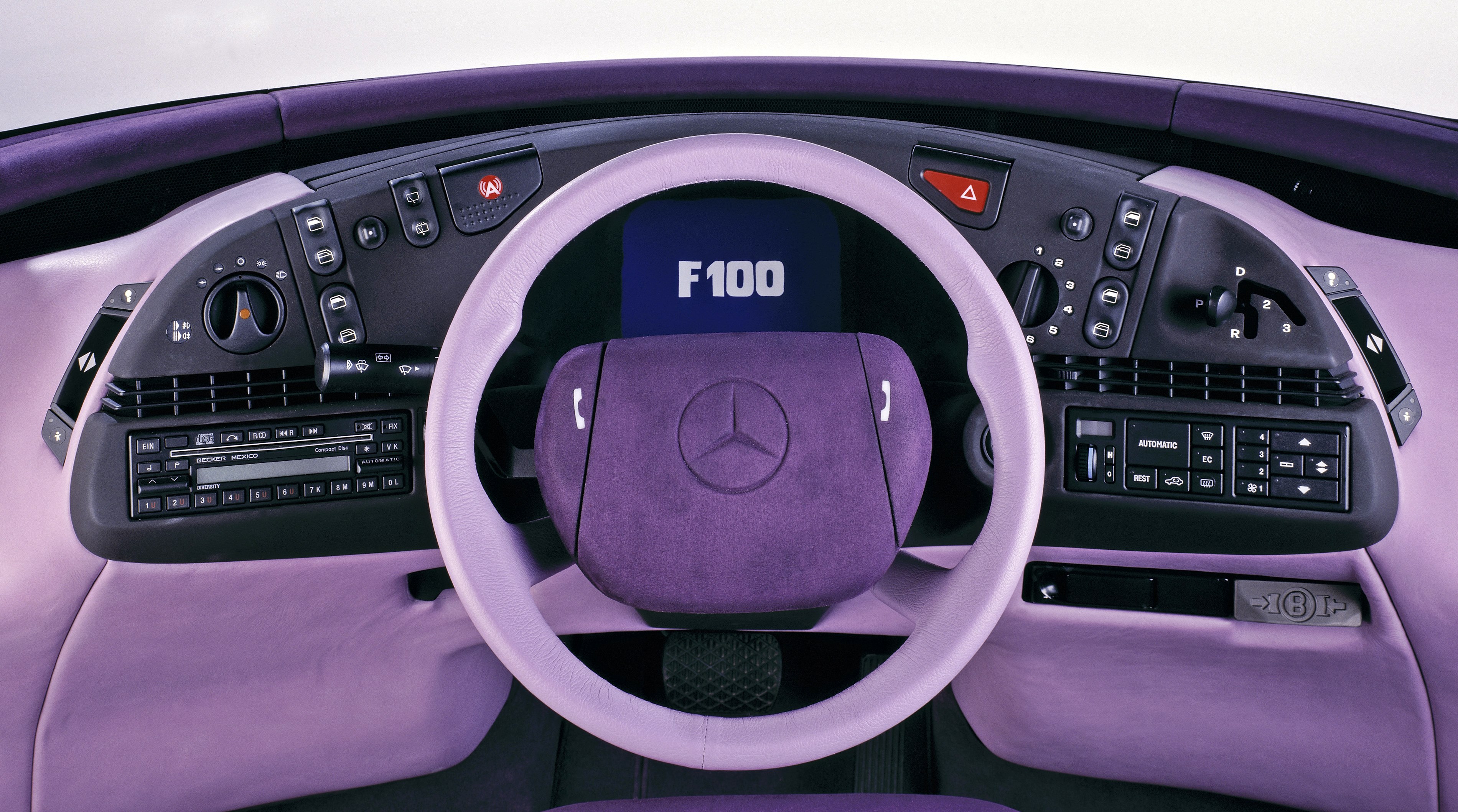
1991 Mercedes-Benz F 100 research vehicle concept car

Thinking ahead in 1991
But many of the connectivity features that are common in today’s vehicles were already in the minds of Mercedes-Benz researchers and designers back in 1991. They showed their ideas in the F 100 research vehicle which was first displayed at the North American International Auto Show.

The F 100 was significant in many ways as never before had so many new ideas and innovative solutions been incorporated in a single vehicle. With all its technology, the vehicle was a forerunner of today’s connected car, which was typical of the German carmaker that has a long tradition of demonstrating pioneering technology in visionary and fully functional vehicles.

The F research vehicles
The F 100 was the first Mercedes-Benz research vehicle to feature an ‘F’ in its name. After the F 100 would come models such as the F 200 Imagination (1996), F 300 Life Jet (1997), F 400 Carving (2002), F 500 Mind (2003), F 600 HYGENIUS (2005), F 700 (2007), F 800 Style (2010), F 125! (2011) and F 015 Luxury in Motion (2015).

1991 Mercedes-Benz F 100 research vehicle concept car

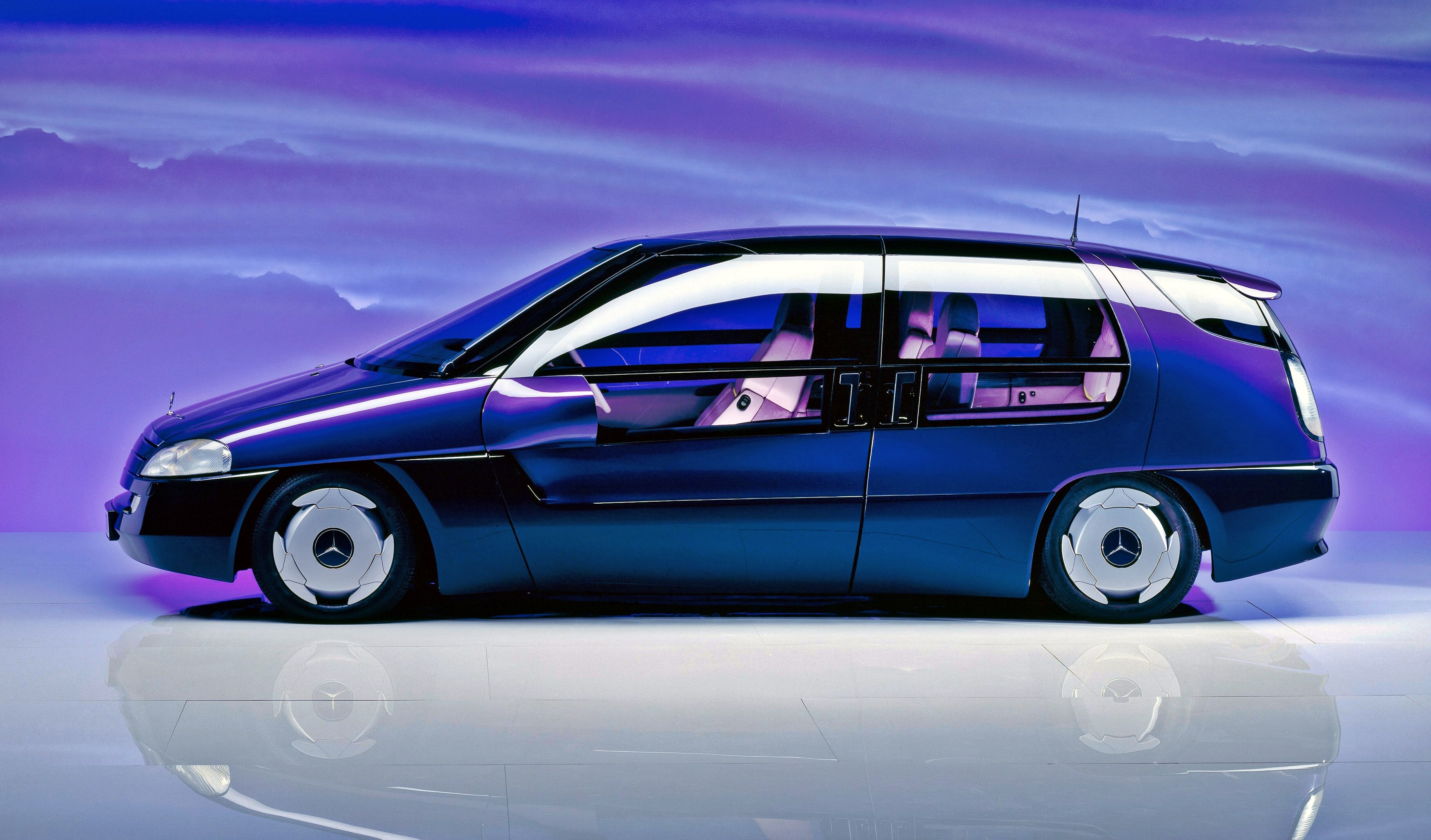
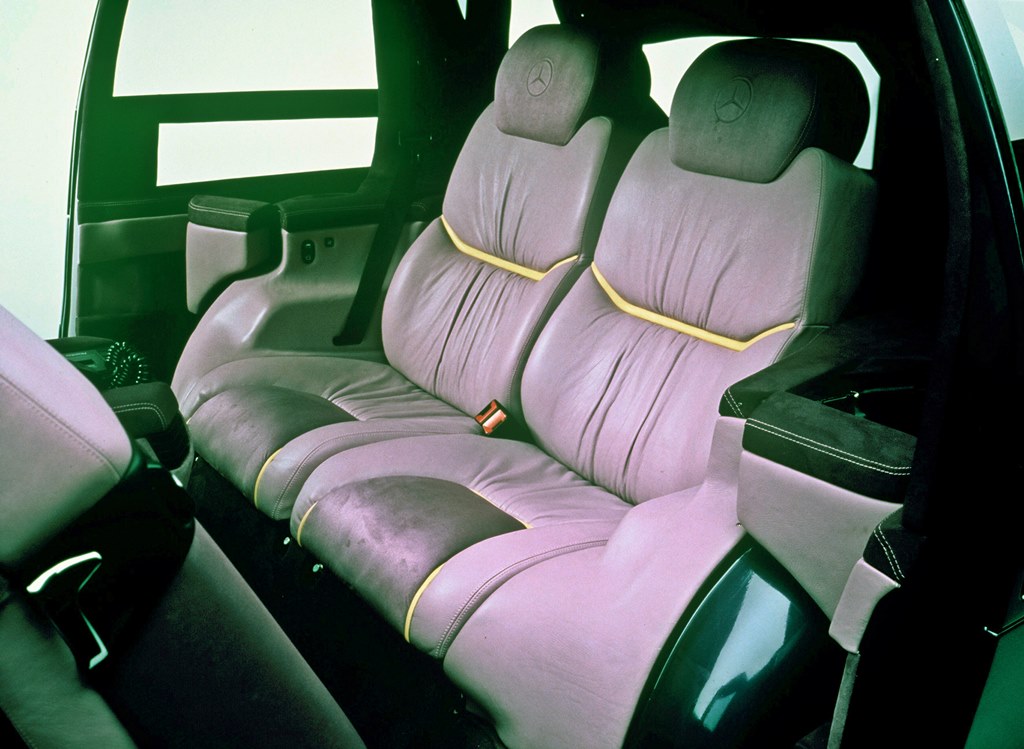
The F 100 was clearly a visionary research vehicle and it was employed by the engineers and designers to implement key findings in relation to future demands on vehicle technology. Among other things, the research vehicle incorporated findings from accident/social research: as a typical passenger car carries an average of between 1.2 and 1.7 people in everyday use, the developers positioned the driver in the centre of the passenger cell – the safest place inside the vehicle. This made the innovations in terms of crash safety for the driver even more effective.

1991 Mercedes-Benz F 100 research vehicle concept car

1991 Mercedes-Benz F 100 research vehicle concept car

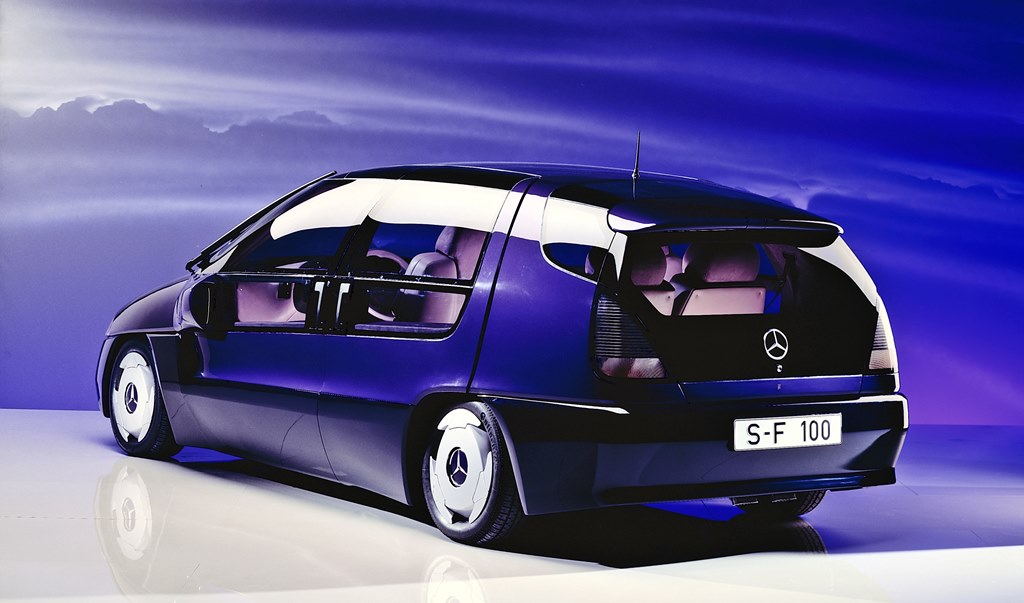
The occupants in the second row were seated to the left and right behind the driver. Two further passengers were given seats towards the centre between the sturdy rear wheelhouses. The body of the F 100 with its steeply raked rear end anticipated the trend of future years, in which there was an increasing demand for spacious estate cars and other vehicles. It did not, however, take into consideration the SUV with its higher ground clearance…

Complex door operation
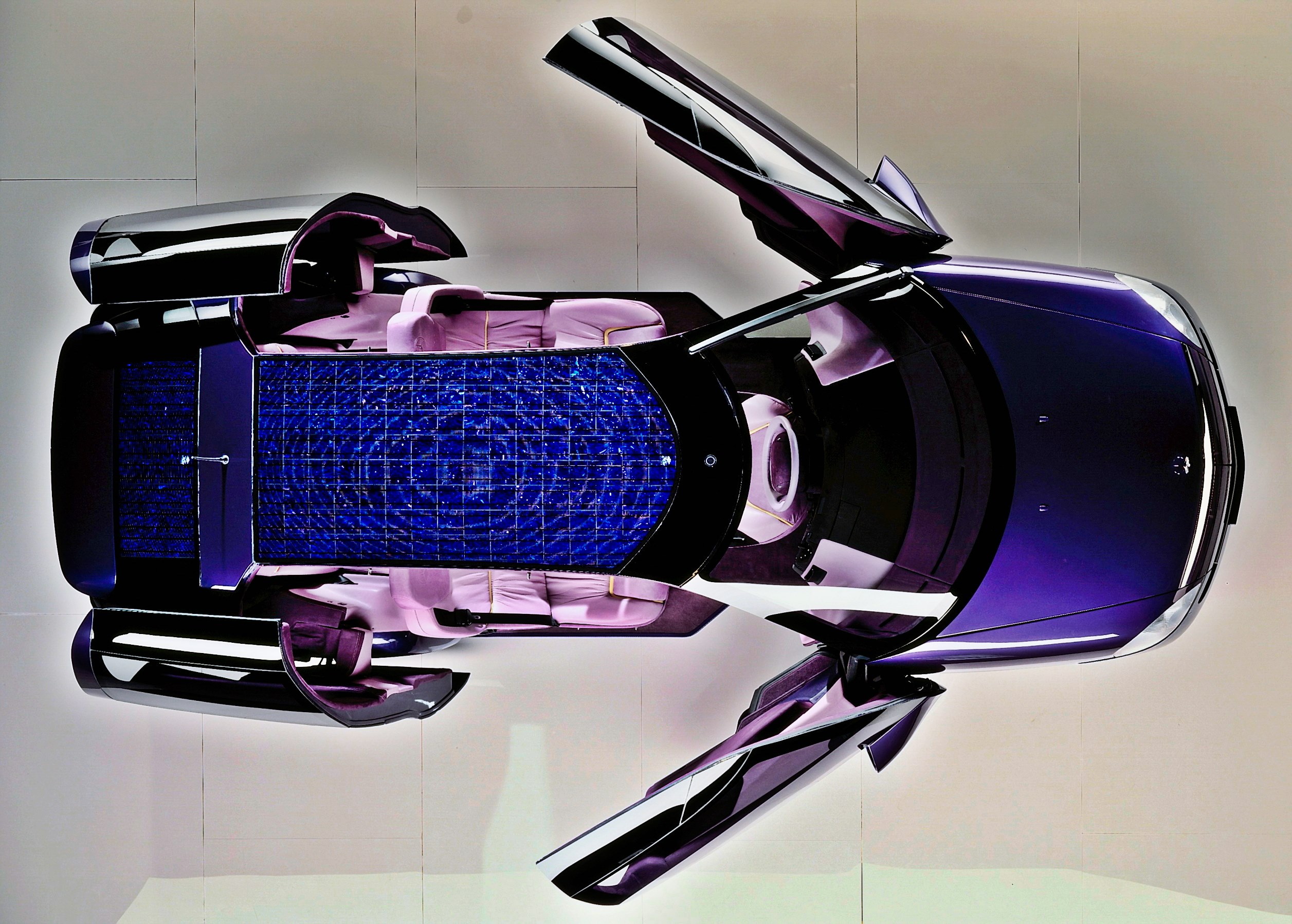
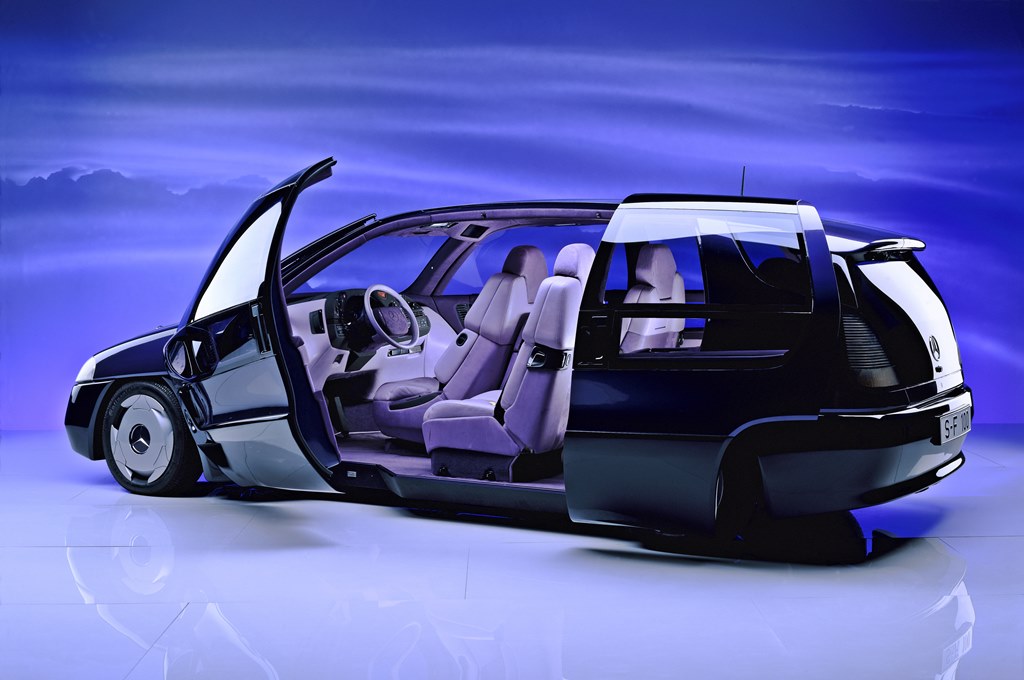
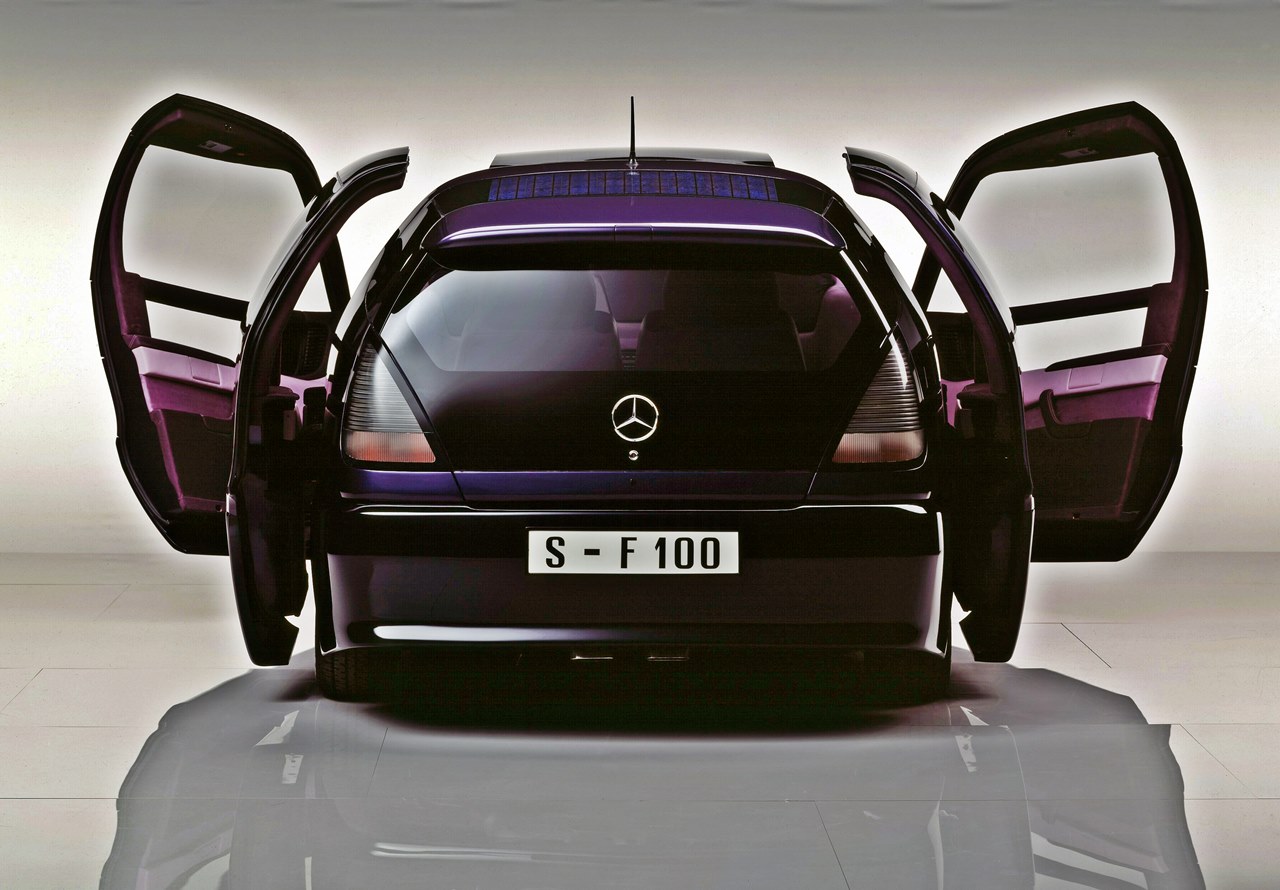
The innovative spatial concept of the interior was matched by a new type of door operation. Access to the driver’s seat was by means of rotating-swivelling doors, which took parts of the vehicle floor and roof with them when opened. When they were closed, mechanical locking mechanisms in 3 places ensured firm, reliable closing.

1991 Mercedes-Benz F 100 research vehicle concept car

1991 Mercedes-Benz F 100 research vehicle concept car

In this way, the F 100 made up for the slender waistline in the vehicle floor and the design with no B-pillar between the front doors and the space-saving, rear pivot-and-slide doors. Of course, the complex idea would be expensive and would not appear in production cars, although sliding side doors are common in MPVs.

The connected car
With many of its systems, the F 100 anticipated solutions that would in future years give rise to the ‘connected car’. These included a voice-controlled telephone system and a central display, on which the vehicle system automatically showed the key information in every situation – such as the current speed or warnings about traffic in the area around the vehicle.

1991 Mercedes-Benz F 100 research vehicle concept car

Such information was delivered by a camera activated when reversing, while a distance-warning radar and another radar system monitored traffic ahead and behind the F 100. Sensors also detected other vehicles in the blind spot if the driver indicated to change lane and automatic lane-keeping was also possible.

Other electronic assistance systems included access to the car by chip card instead of a conventional key, electric motors to control the adjustment of seat and steering wheel, mobile fax and a permanently installed personal computer that was becoming widespread. The power supply was assisted by solar cells in the roof with an area of almost 2 square metres and an output of up to 100 watts.

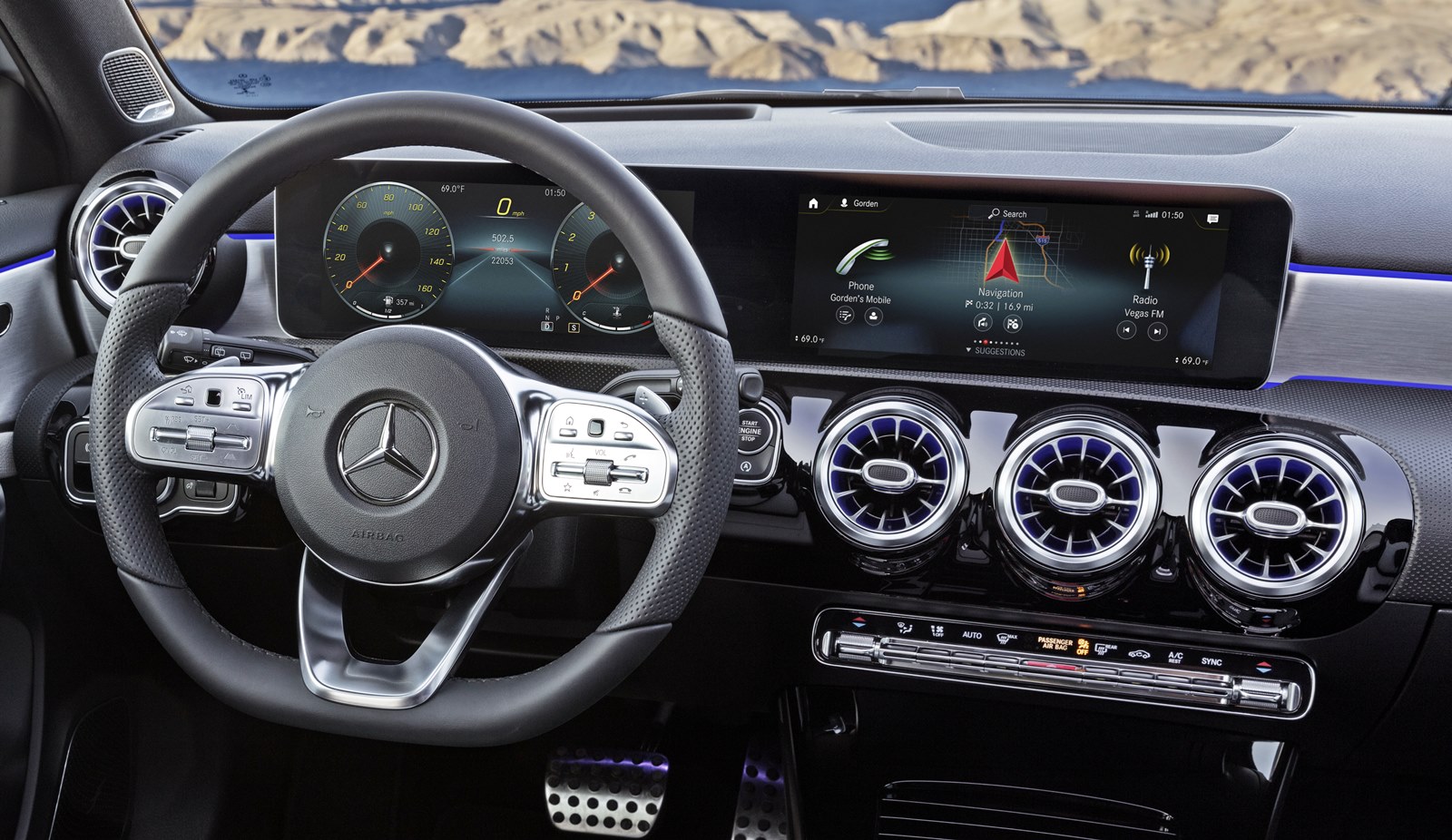
The driver of a Mercedes-Benz A-Class today has a dashboard that provides all kinds of information, and the car has features that were just ideas in 1991.

They all sound common today, along with other systems that were considered very advanced in 1991: autonomous intelligent cruise control, xenon headlamps and a chip card as the vehicle key. Those who saw the F 100 and learnt of these systems may have found it hard to believe would be available in cars just a decade later – and not just in the flagship models like the S-Class.

Better lighting too
it was a vehicle that gave a fascinating promise of the future of automotive technology. This included safety systems and one of them showed a new approach to lighting technology. The F 100’s highly compact headlamps were the first from Mercedes-Benz to use gas-discharge lamps. This technology was later to become known under the name of xenon headlamps. The tail lamps were of transparent prism rods that served as light conductors and were activated from a central light source in the appropriate colour depending on the required function.

1991 Mercedes-Benz F 100 research vehicle concept car

Different vehicles, different purposes
In addition to its research vehicles, Mercedes-Benz also develops technology vehicles, test vehicles, concept vehicles and one-off vehicles in advance of new standard-production models. Technology vehicles are standard-production vehicles that are equipped with new technology – such as alternative drives – in order to test that technology under everyday conditions. Related to research vehicles, the test vehicles are used to take new technologies out of the research lab and onto the test track.

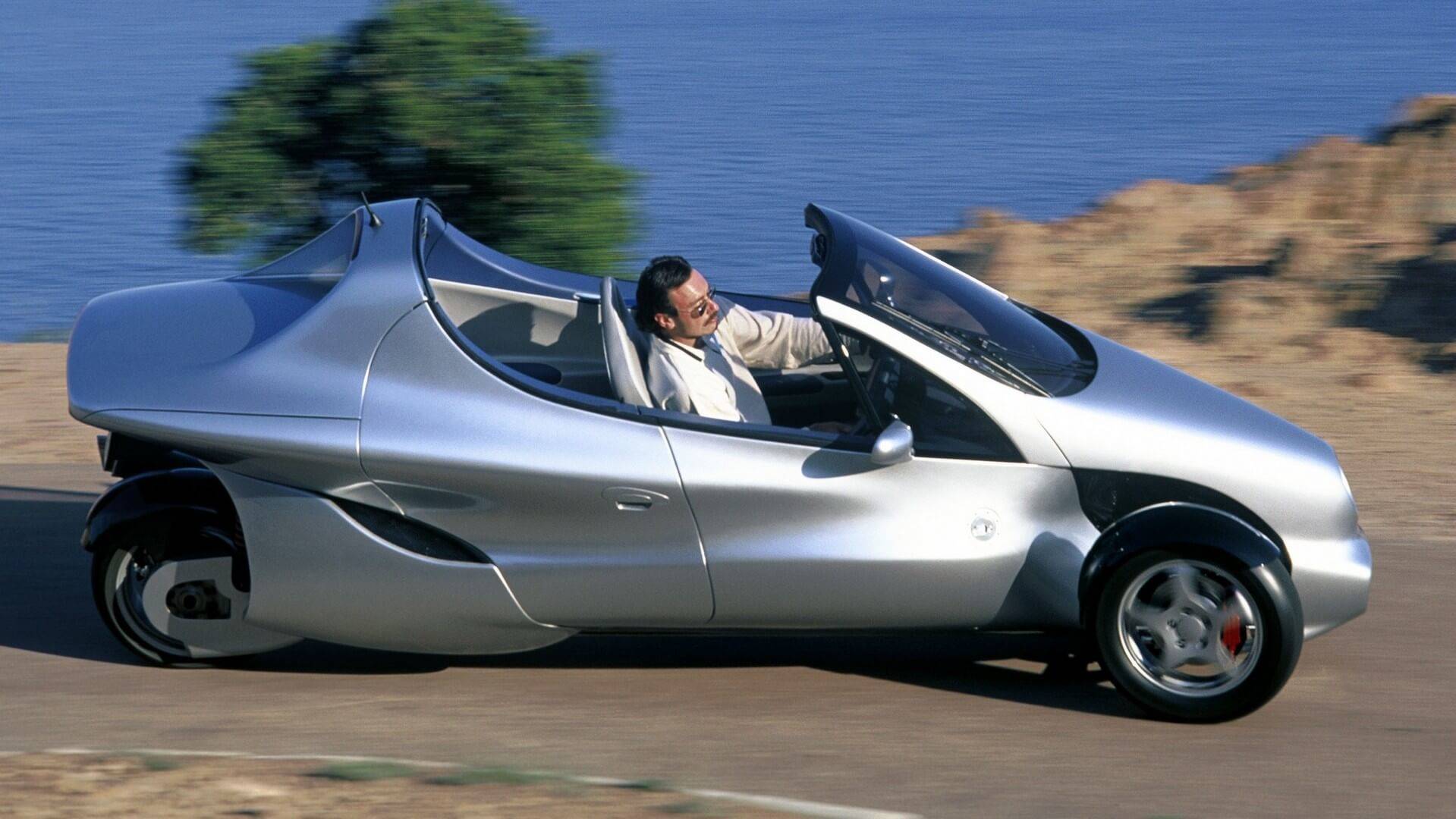
The F 300 Life-Jet displayed in 1997 was a new vehicle concept which combined the cornering dynamics of a motorcycle with the safety of a passenger car.

Concept vehicles, on the other hand, are near-production, ready-to-drive vehicles that position a future vehicle model on the market. They are usually equipped with new technology just short of readiness for use in use in production models that customers can buy.

The most efficient Mercedes-Benz ever built – the Vision EQXX

The engineers who have to test prototypes go all over the world to places with extreme environments. Their job is to see how the future model will perform in the toughest conditions on the planet and collect data that will help them ensure reliability and durability. Much of the time, the work can be monotonous as it’s not a joy-ride and the vehicles must be driven in specific ways… and not always at high speeds.

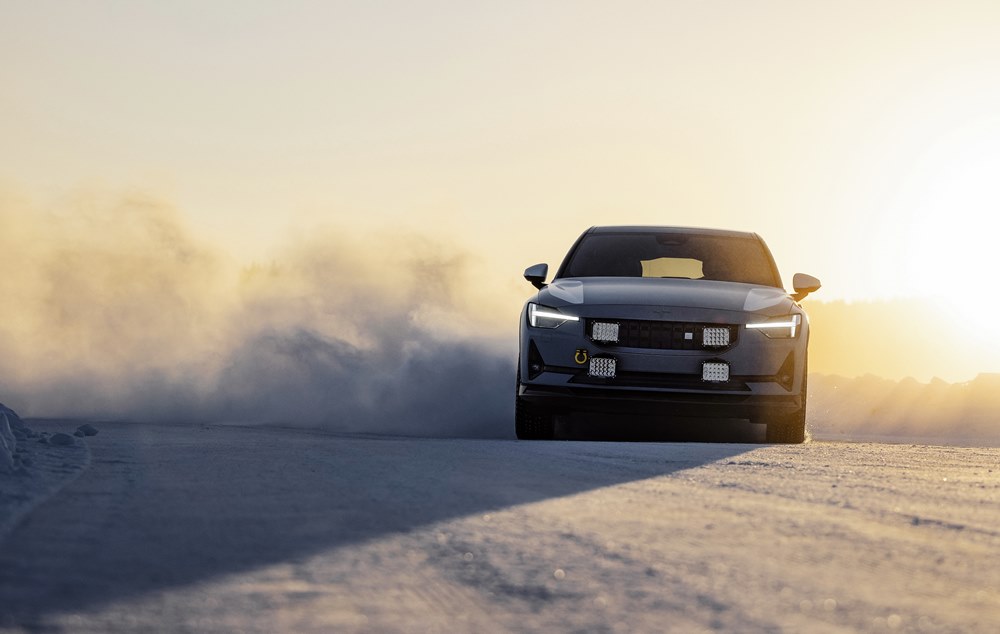
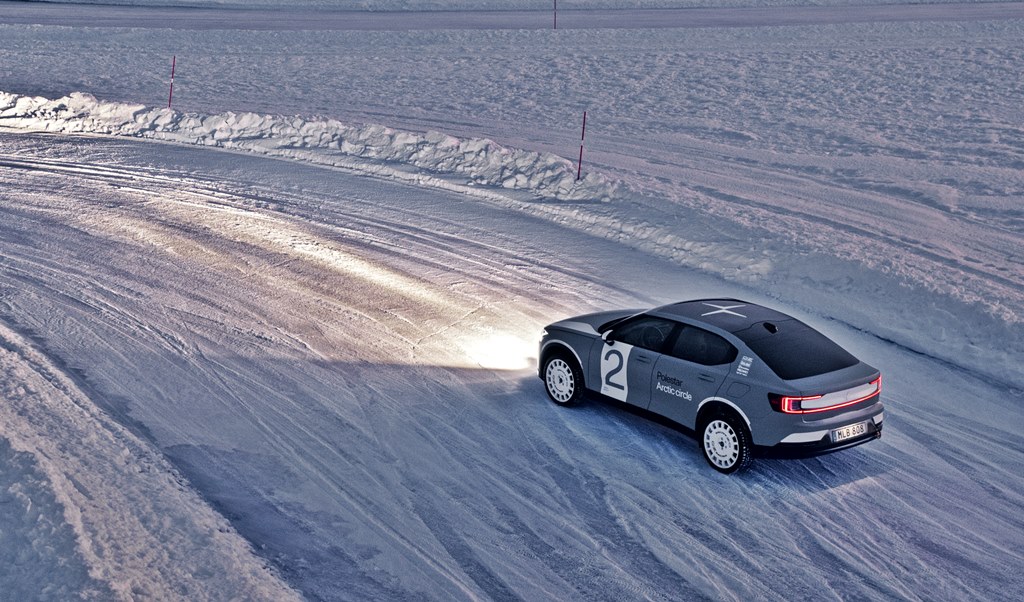
For Polestar’s engineers, there are occasions when they must enjoy their work, especially when within the Arctic Circle where the company’s intense winter testing programme runs for 15 weeks from December to March every year. Teams of engineers pushing prototypes to the limits in harsh conditions that can be as low as -35 degrees C.

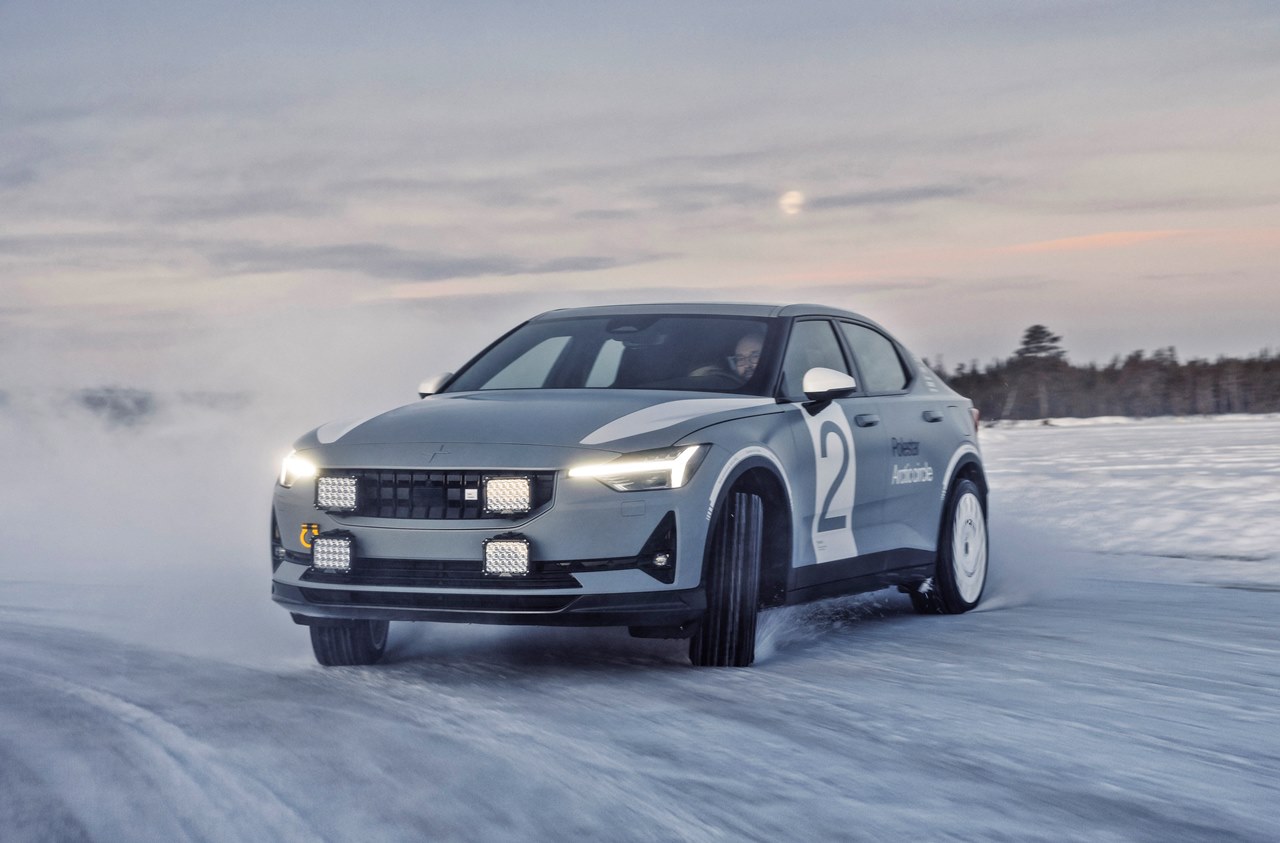
Polestar 2 Arctic Circle

It’s not just components that are tested but also the prototype’s driving dynamics. “Tuning a chassis on snow and ice allows us to develop our cars in what feels like slow motion and with better accuracy,” said Joakim Rydholm, Polestar’s chief chassis engineer who has led the dynamic development of Polestar vehicles for over a decade and advocates tuning in this extreme environment.

“With such low levels of grip, we can feel and analyse the dynamics at a much slower pace than on tarmac, which means we can really fine-tune the way our cars behave, down to the smallest details. This is my absolute favourite place to develop cars,” he revealed.

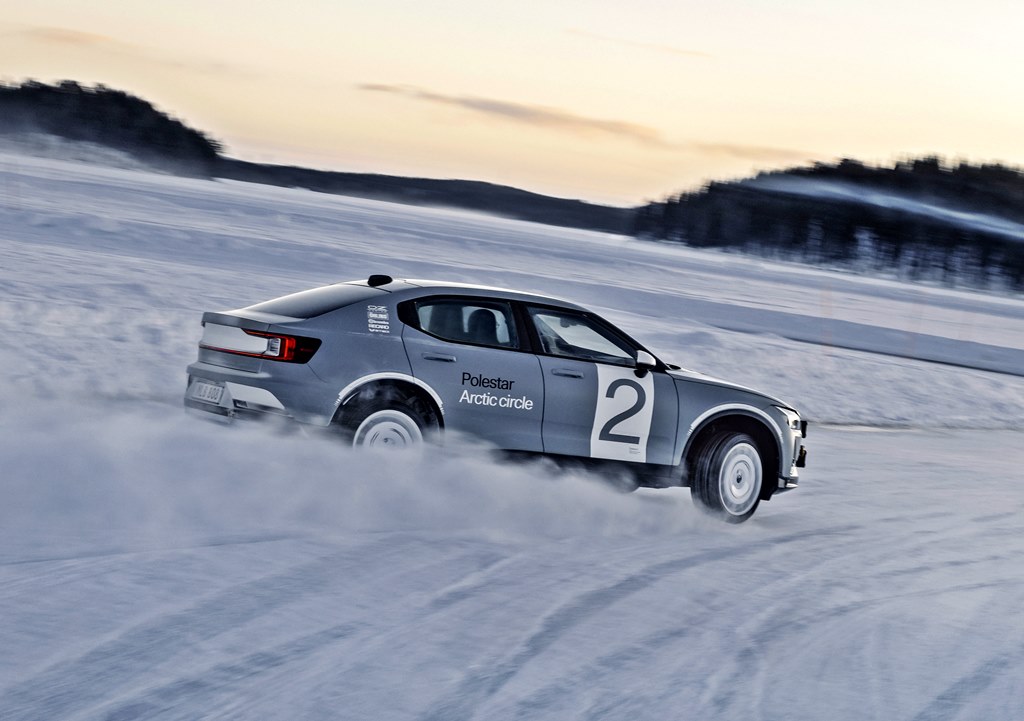
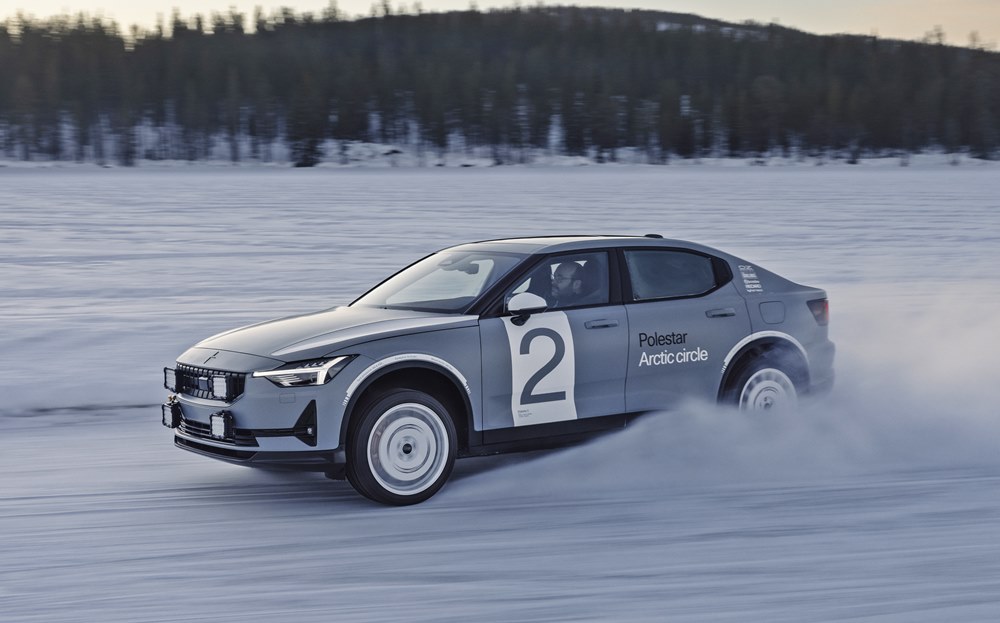
To exhibit this expertise, and being a rally driver in his spare time with numerous trophies to his name, Rydholm created the unique Polestar 2 ‘Arctic Circle’ as a one-off special version that brings winter rally inspiration to a Polestar for the first time.

Polestar 2 Arctic Circle

Polestar 2 Arctic Circle

The base car, a Polestar 2 Long-range Dual motor with Performance Pack, has several specific modifications. The ride height is higher (+30 mm), with increased power and torque output (350 kW and 680 Nm) and custom-made 19-inch studded winter tyres, each having 4 mm metal studs (490 per tyre). These give the Polestar 2 Arctic Circle the mechanical credentials to be quick and agile on snow and ice.

In combination with springs that are 30% softer, the 3-way performance Ohlin’s dampers, specially designed and tuned for this car together with Ohlins, are set to 9 clicks front and rear and feature auxiliary adjustment chambers. The standard 4-piston Brembo front brakes are good enough, so they are retained without changes.

Polestar 2 Arctic Circle

The front bumper has a carbonfibre skid plate for additional under-body protection. The front and rear strut braces have been fitted to increase torsional rigidity and steering responsiveness. A new prototype launch control system has also been integrated via steering wheel-mounted paddles. And just in case the drivers get stuck in snow far away, a carbonfibre snow shovel and a recovery strap are mounted in the rear of the car as well.

Visually, rally inspiration has seen the fitment of 19-inch OZ Racing rally wheels, four Stedi Quad Pro LED front lights and a unique exterior livery in matte grey and white. Inside, there are custom-upholstered Recaro front bucket seats in charcoal with Swedish gold branding.

Polestar 2 Arctic Circle

“I wanted to have more fun than usual with this car – really being able to push it in terms of performance and handling in a winter environment like a frozen lake. The balance and predictability we have achieved with the raised ride height and specialised tyres are particularly noticeable when you enter a bend completely sideways, with a bigger-than-usual smile on your face, and in total control,” said a happy Rydholm, adding that the Polestar 2 Arctic Circle is a one-time-only showpiece there are no production plans.

Polestar 2 Arctic Circle

Experimental Polestar 2 with higher output shown at Goodwood Festival of Speed

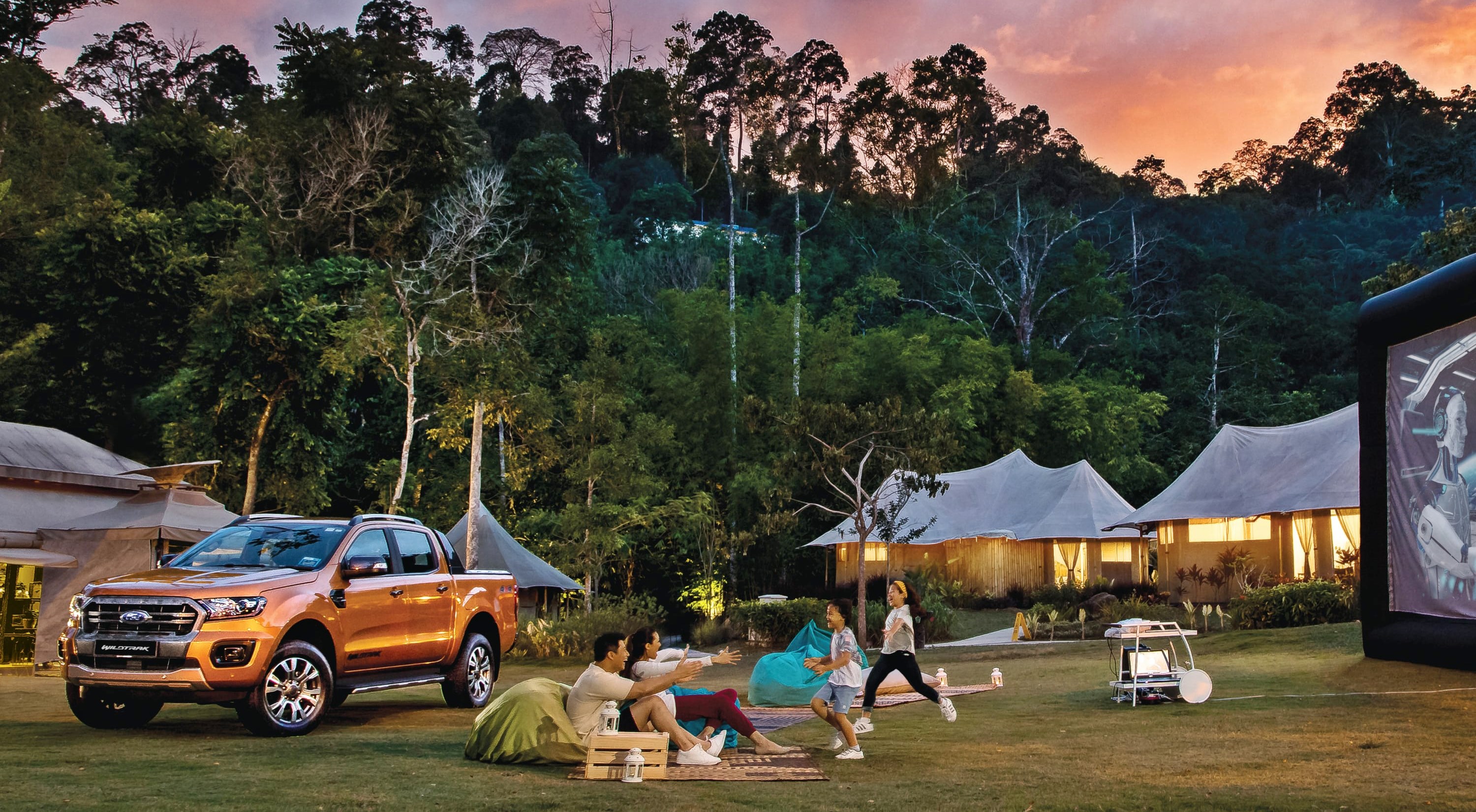
Most people who buy a pick-up truck are the active types who enjoy going out into the countryside and exploring our beautiful country. For those who own a Ford Ranger, there’s now an even better way to enjoy their truck with the ‘Ford Ranger Getaways’. This is new brand experiential programme offered by Sime Darby Auto ConneXion-Ford (SDAC-Ford) for enthusiasts to experience the Ranger Life with other owners. The program also allows them to discover the potential of the Ranger themselves through specially designed excursions.

An industry first, the programme has been crafted based on customer feedback, which underlined their desire for wanting to network with like-minded individuals, expanding their lifestyle activities to enhance work-life balance, and spending more quality time with family and friends.

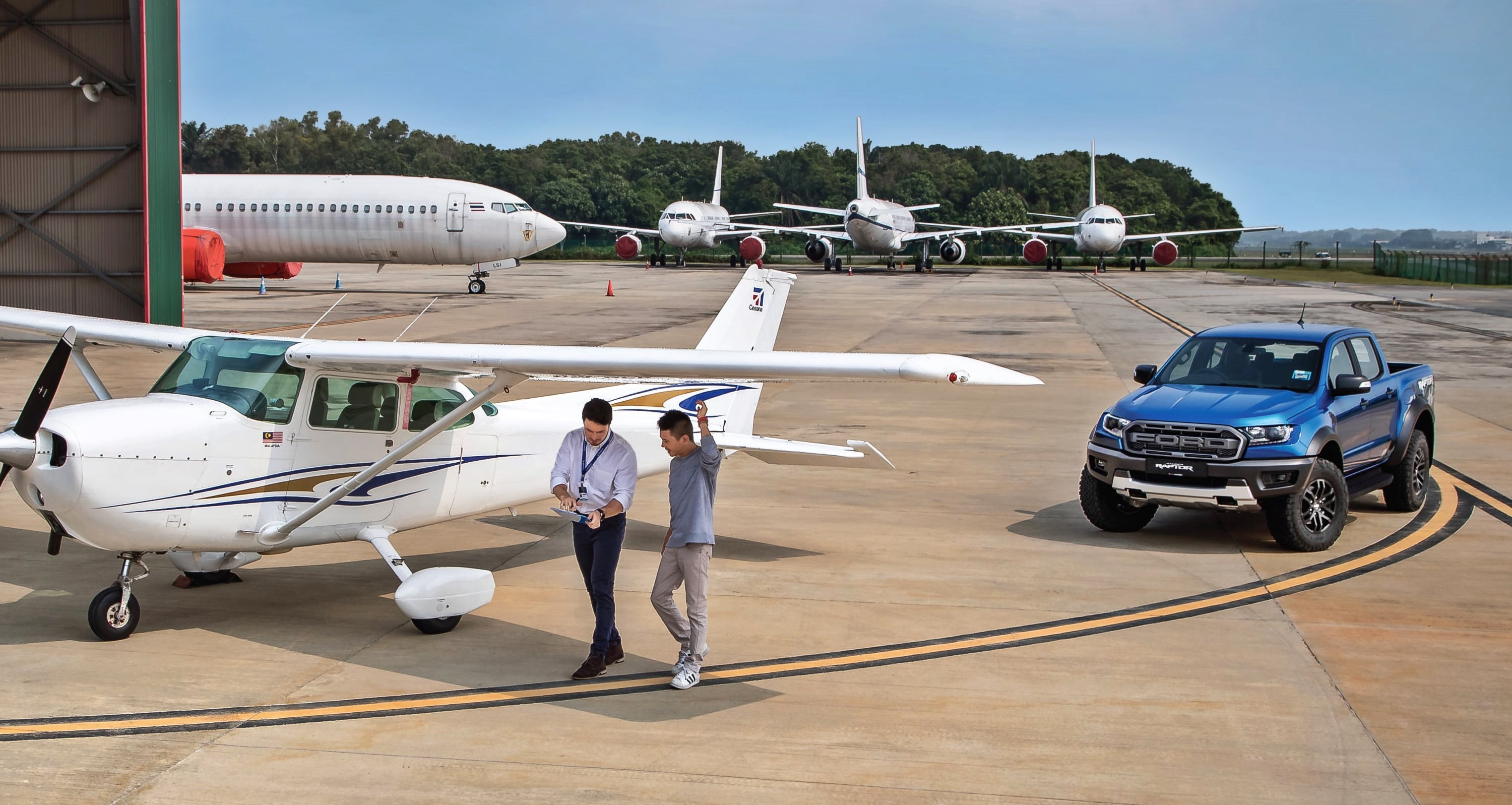
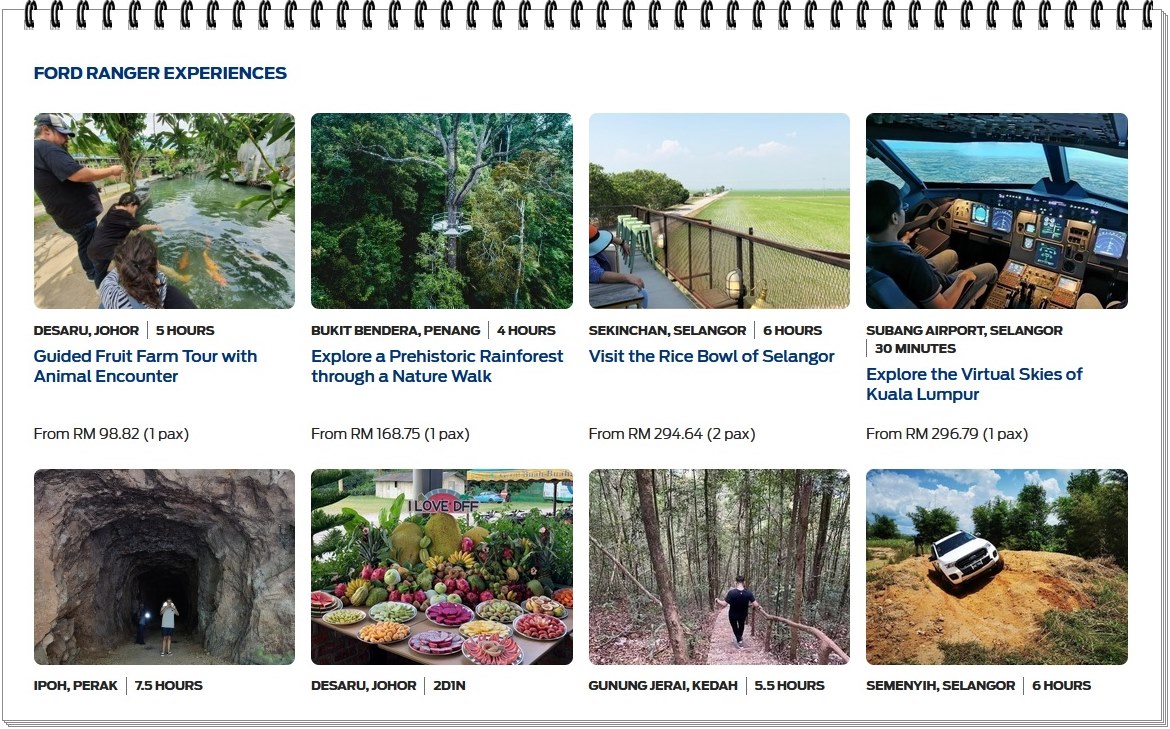
There are 15 getaways and each one has been thoughtfully curated to showcase the multiformity of the Ranger lifestyle. These encompass fun city outings and outdoor or off-road excursions to foodie trails, and even flying a plane through Kuala Lumpur City Centre (KLCC)!

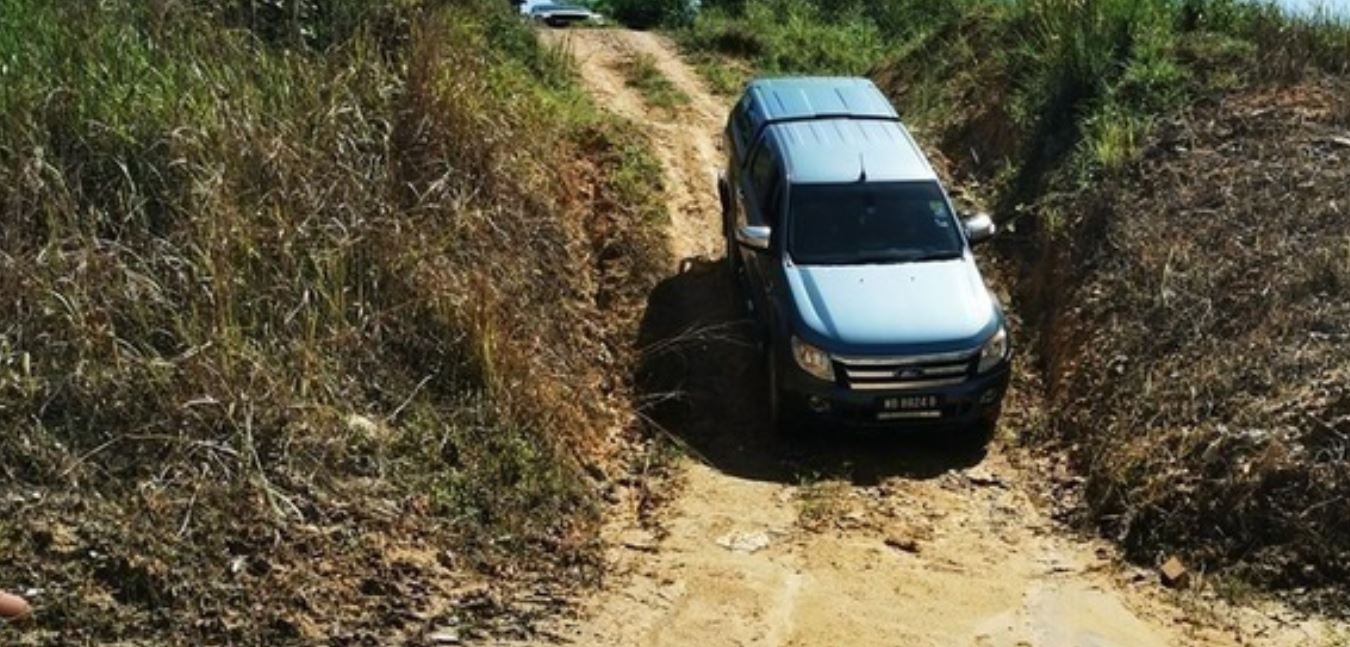
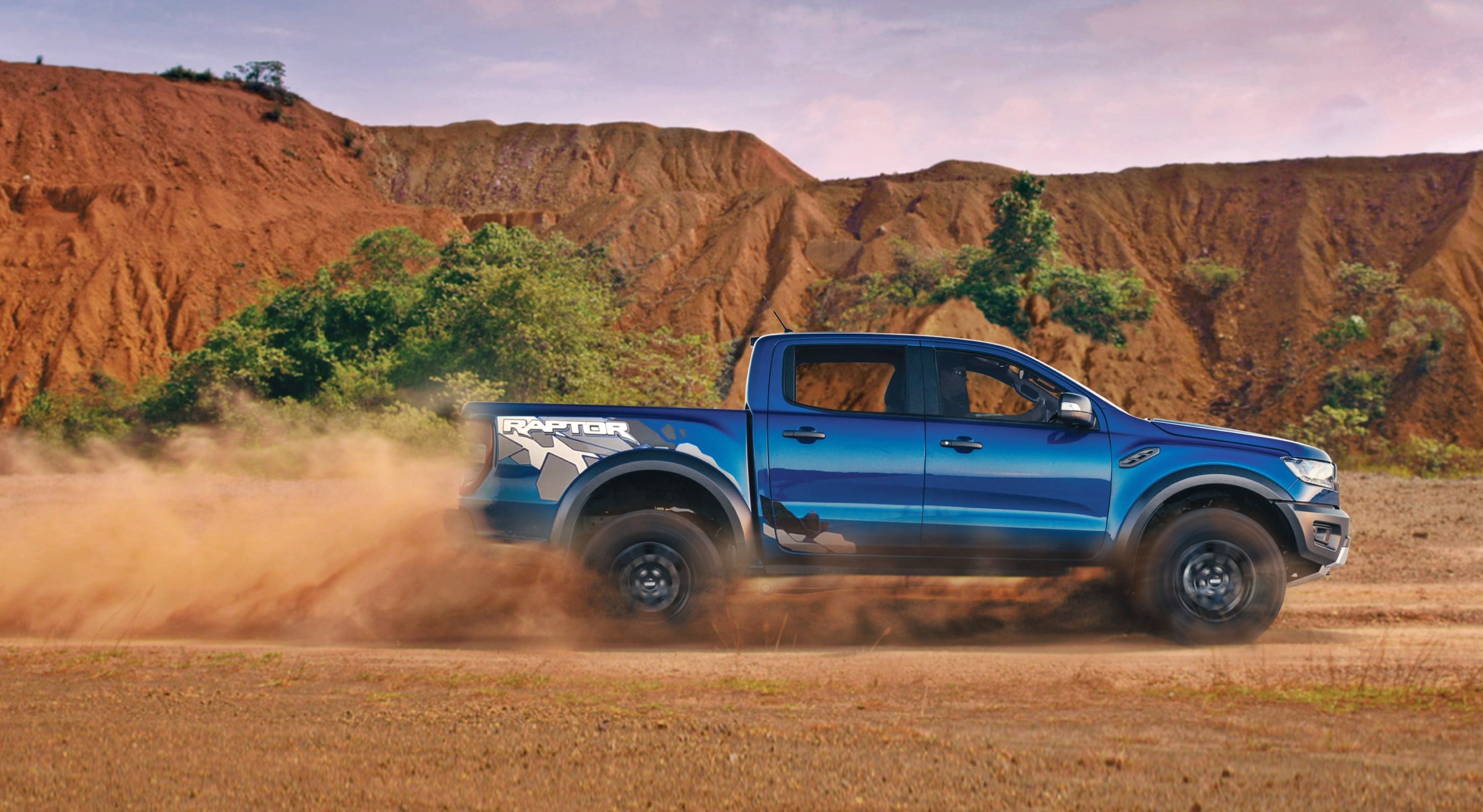
There is also a one-of-a-kind on and off-road experience within the vicinity of Sepang which will be held on February 26 for owners of the high-performance Ranger Raptor. Owners of other Ranger variants can also participate on a similar type of event the next day at the same venue.

The programme is also a way for SDAC-Ford to help boost domestic tourism which have been hard-hit by the COVID-19 pandemic and to support as many local businesses as possible. These businesses have been selected for their activities that are aligned with the Ranger Life core values.

The Ford Ranger Getaways will be refreshed from time to time to ensure that they remain interesting. The current getaways on offer are half-day, full-day or overnight trips and prices range from RM98 to RM2,133 per person, depending on the package chosen.

The various Ford Ranger Getaway packages available.

In conjunction with the launch of the Ford Ranger Getaways, owners can enjoy 50% savings for the on and off-road experience which will be held on February 26 and 27. Each participant can also bring along a companion for free. As there are limited slots, acceptance of bookings will be on a first-come, first-served basis.

“Over the years, the Ranger has transformed from a purely utilitarian workhorse and is now leading the pack as a versatile and premium truck that is sought after for work, family and play, whilst maintaining its ‘Built Ford Tough’ DNA. In line with the 5 guiding principles under our new ‘Live the Ranger Life’ brand essence, the Ford Ranger Getaways aims to offer experiences that push the boundaries of what people perceive a pickup truck to be. We also believe that this attracts new customers to our Ford Ranger brand,” said Turse Zuhair, Managing Director of Sime Darby Auto ConneXion-Ford.

Ranger owners can make their bookings from February 5, 2022 onwards by going to SDAC-Ford’s new e-commerce platform at www.sdacford.com.my/shop. Using the online platform, they can select their desired adventure and travel date as well as complete the payment transaction, all from the comfort of their home or office. Confirmation will be sent via email from the time the booking is processed.

‘Live The Ranger Life’ celebrates Ford’s pick-up truck evolution into the modern lifestyle machine that it is today

Archive

Follow us on Facebook

Follow us on YouTube