Piston.my

English

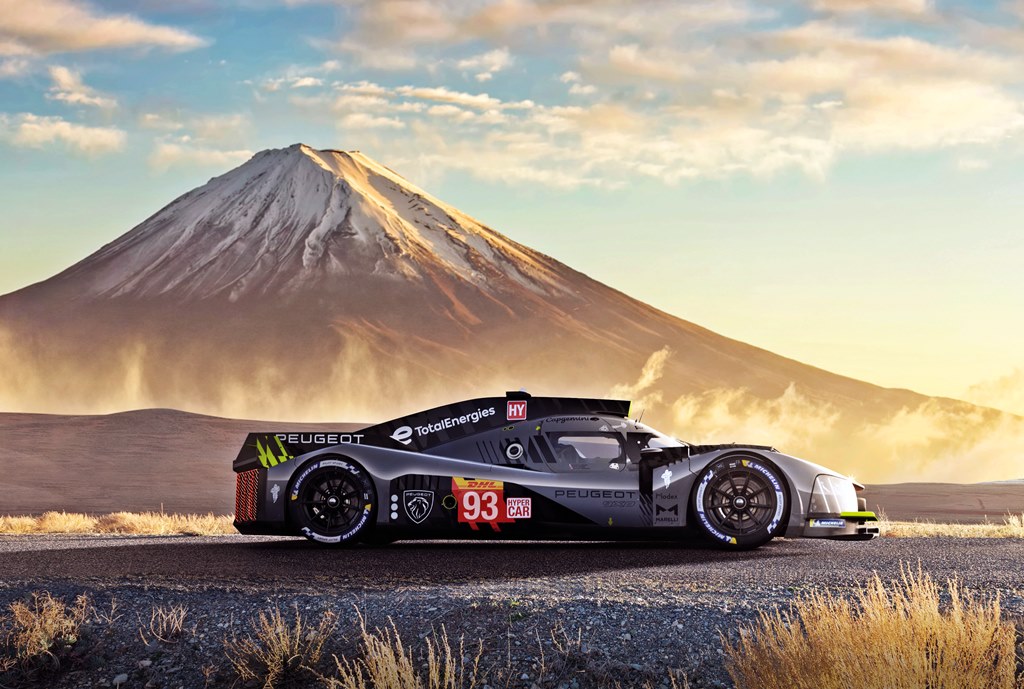
After making its competitive debut in the World Endurance Championship (WEC) with the new Peugeot 9X8 at the Monza round in Italy two months ago, the Team Peugeot TotalEnergies is in Japan this week for a second 6-hour showdown. Two units of the new Le Mans Hypercar (LMH) will race at the Fuji Speedway this weekend to collect more information in racing conditions.

Commenting on the first race in Italy, Peugeot Sport Technical Director Olivier Jansonnie, said: “We needed that first race. We had achieved as much as we could in testing so, in order to ramp up our preparations and development, it was time to pitch ourselves directly against our opposition in a true race-weekend environment.”
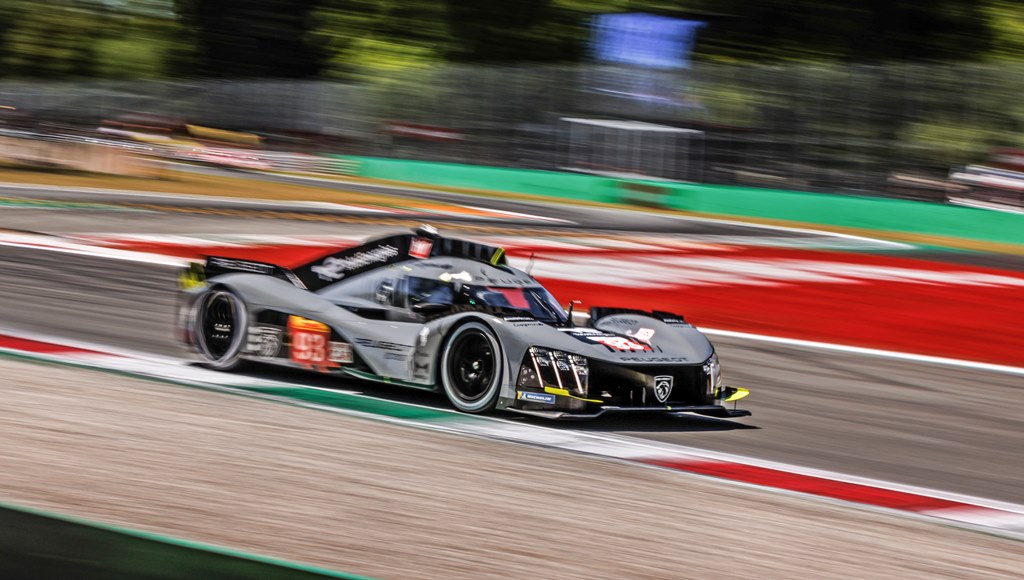
Encouraged by the potential of a car whose homologation is now fixed (meaning that any further modifications will be strictly limited and regulated), the two driving crews were able to acclimatise to racing in traffic and compare the 9X8 to the championship’s other hypercars.

“We collected a great deal of information about the car and team. We also ran into a few problems that we hadn’t previously encountered in testing, some of which we were able to rectify on-site, others that we have been continuing to work on since Monza. This is a tried-and-tested process in motorsport,” Jansonnie explained.

“At this early stage, it should be noted that we are concentrating more on reliability and performance than on refining race strategies. That is perfectly normal for such a new project, up against rivals with – in some cases – more than 10 years of experience in the sport. We are all fiercely competitive here at Team Peugeot TotalEnergies and we recognise that both the car and team have scope for significant improvement, but we have yet to come across any issues that we cannot resolve, so that’s very positive,” he said.
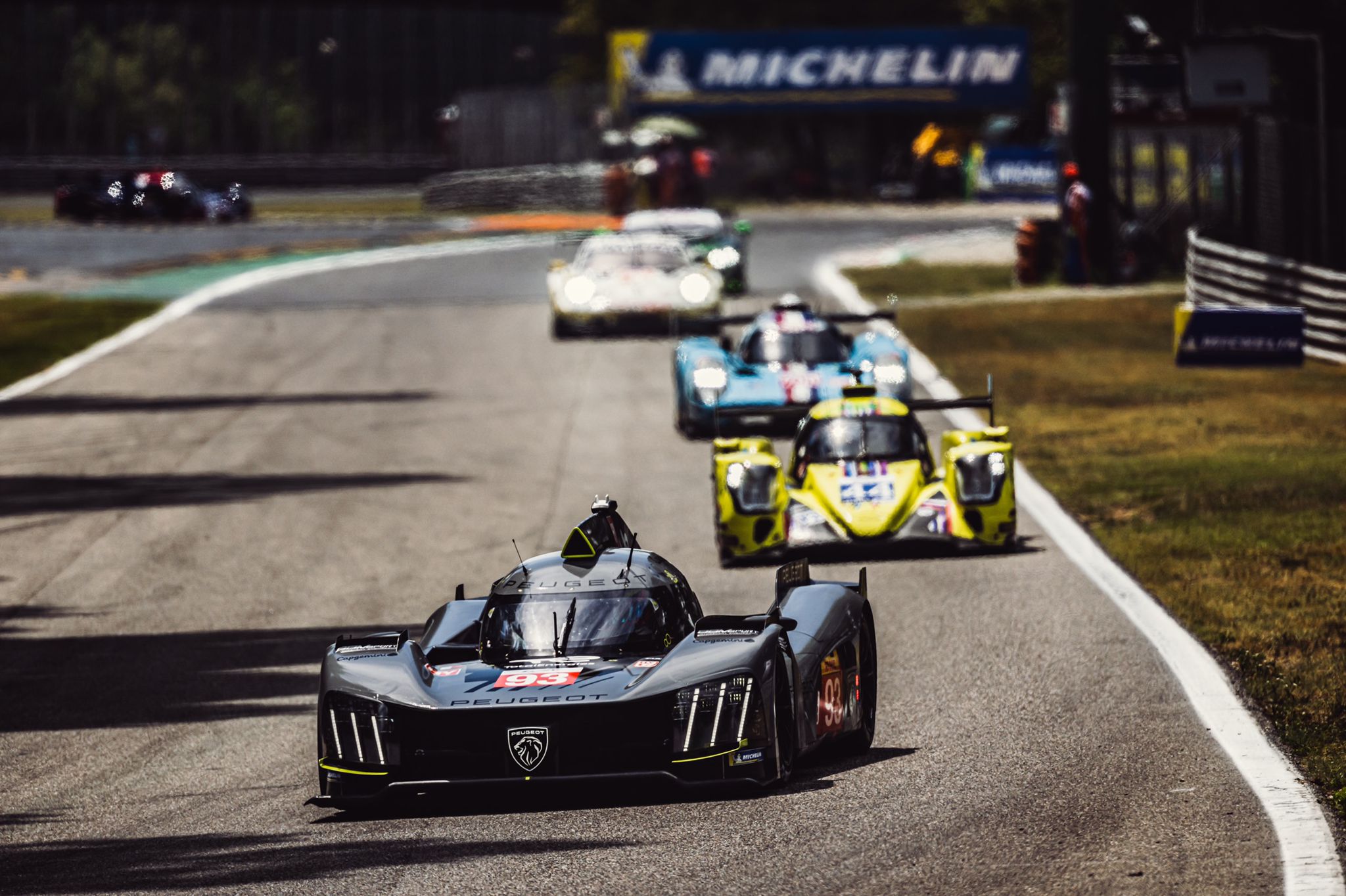
Disappointed that the team was not able to take full advantage of the 10-minute qualifying session in Italy to properly demonstrate the 9X8’s potential, Jansonnie has since gone into even greater detail with his team in order to optimise its work on the car with the clock ticking down. It focused particularly hard on this aspect during two private tests carried out between Monza and Fuji.

“In Japan, we will be discovering the circuit for the first time, so we need to make sure we maximise every on-track session from Friday morning through to Sunday afternoon,” he stressed.

Preparing for Fuji’s challenges
The 6 Hours of Fuji – Round 5 of the 2022 WEC – poses an altogether different challenge to Monza in a number of ways. Jansonnie and his team realise this, particularly as it is held halfway around the world. “For long-haul events like this, we need to adapt our procedures because we do not have the same regular facilities at our disposal – like motorhomes and trucks – as we do when we race in Europe,” he said.
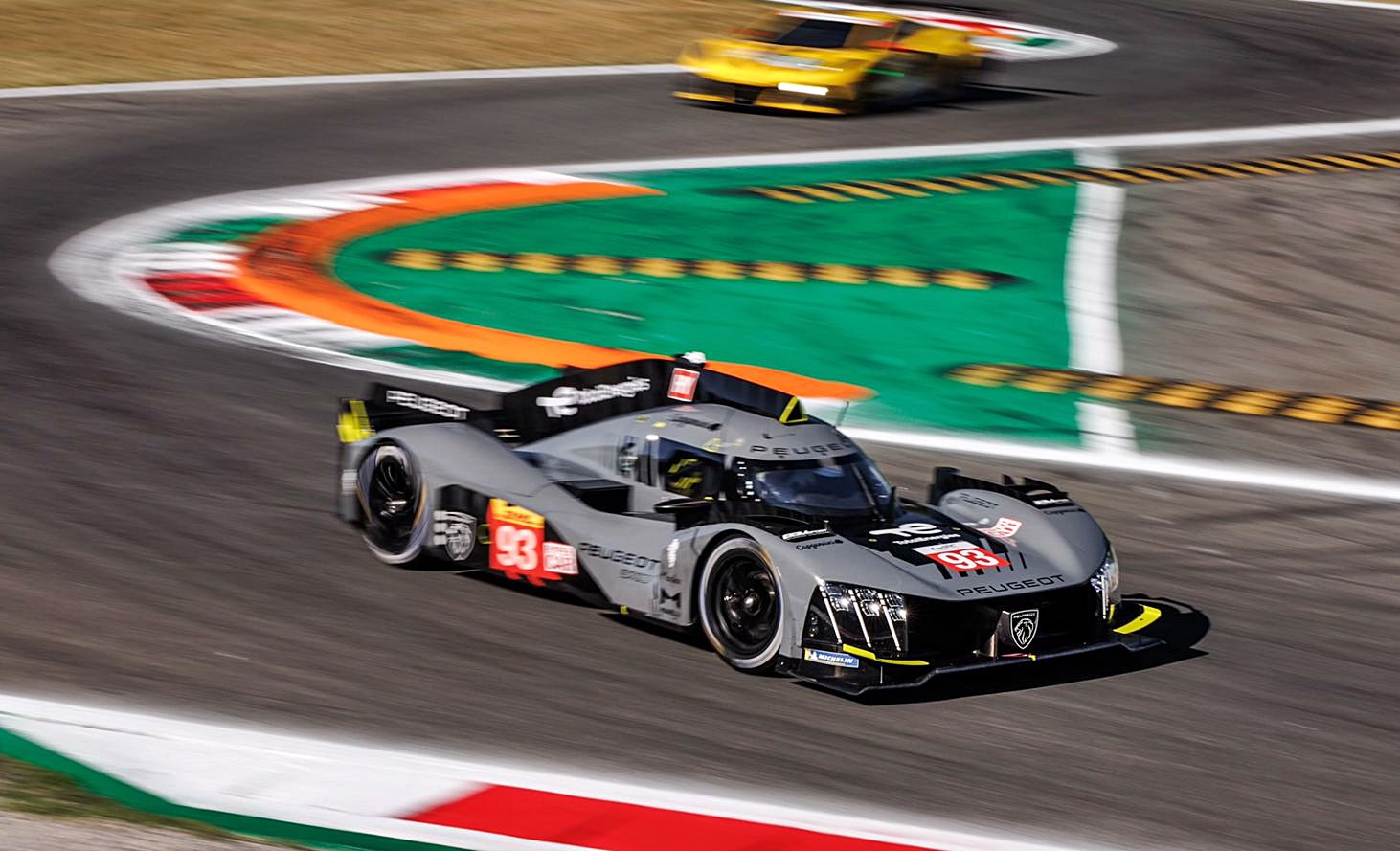
The circuit and region’s unpredictable weather – with heavy and prolonged downpours likely – represent further unknowns for the team, although not for the whole team. Its drivers like Jean-Eric Vergne and Gustavo Menezes have raced at Fuji in the past, while Loic Duval and James Rossiter spent a part of their career based in Japan. The benefits of that experience will complement the data already acquired by the crews and their engineers from their work in the 9X8 simulator as they endeavour to prepare as well as possible for the unique demands of this iconic Japanese track.
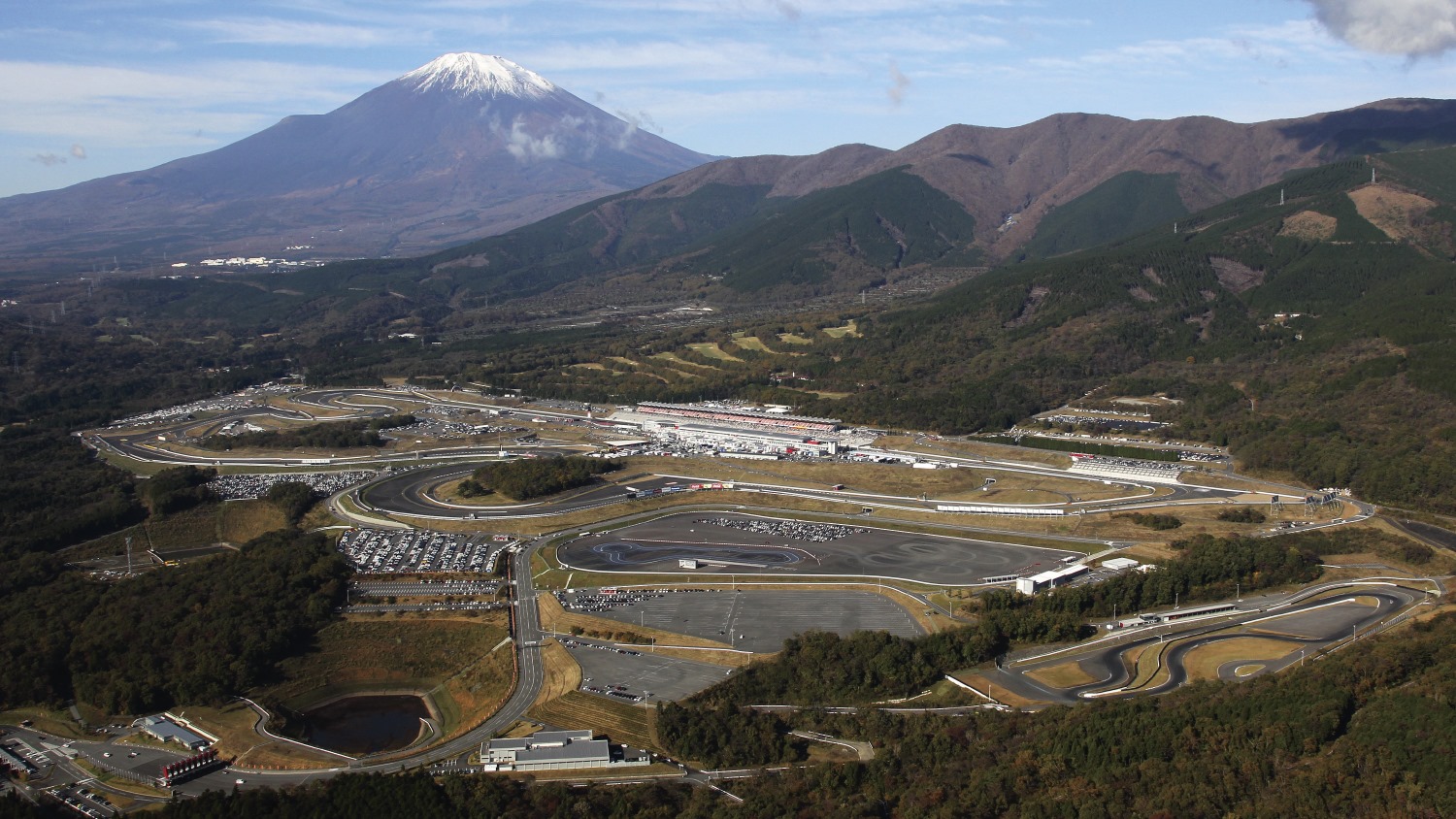
The 4.563-km Fuji Speedway where the fifth round of the 2022 World Endurance Championship will be held. It was opened in December 1965 and has been owned by Toyota Motor Corporation since 2000.

“Monza could have gone better for us, but that was entirely to be expected at such an early stage of an ambitious project like this. Our car [#93] ran into problems in the race that led to our retirement. During the run that I completed in free practice, though, we were close to the Toyota in terms of pure pace, which proves that we are in the right ballpark with this non-conventional car. I’m completely convinced about that. Our first race was another significant milestone on this exciting journey and now, for Fuji, the goalposts shift again. But that’s what keeps the adrenalin flowing!” said Vergne who will share the racing car with Paul di Resta and Mikkel Jensen.

New era in endurance racing
The 9X8 starts a new era for Peugeot in endurance racing, the motorsport category where it was previously victorious with the 905 and 908 in the 1990s and in 2009. Conforming to the regulations that govern the ACO and FIA’s new Le Mans Hypercar (LMH) category, the 4 wheel-drive racing prototype has a 2.6-litre bi-turbo V6 engine powering the rear wheels and a 200 kW electric motor driving the front wheels.
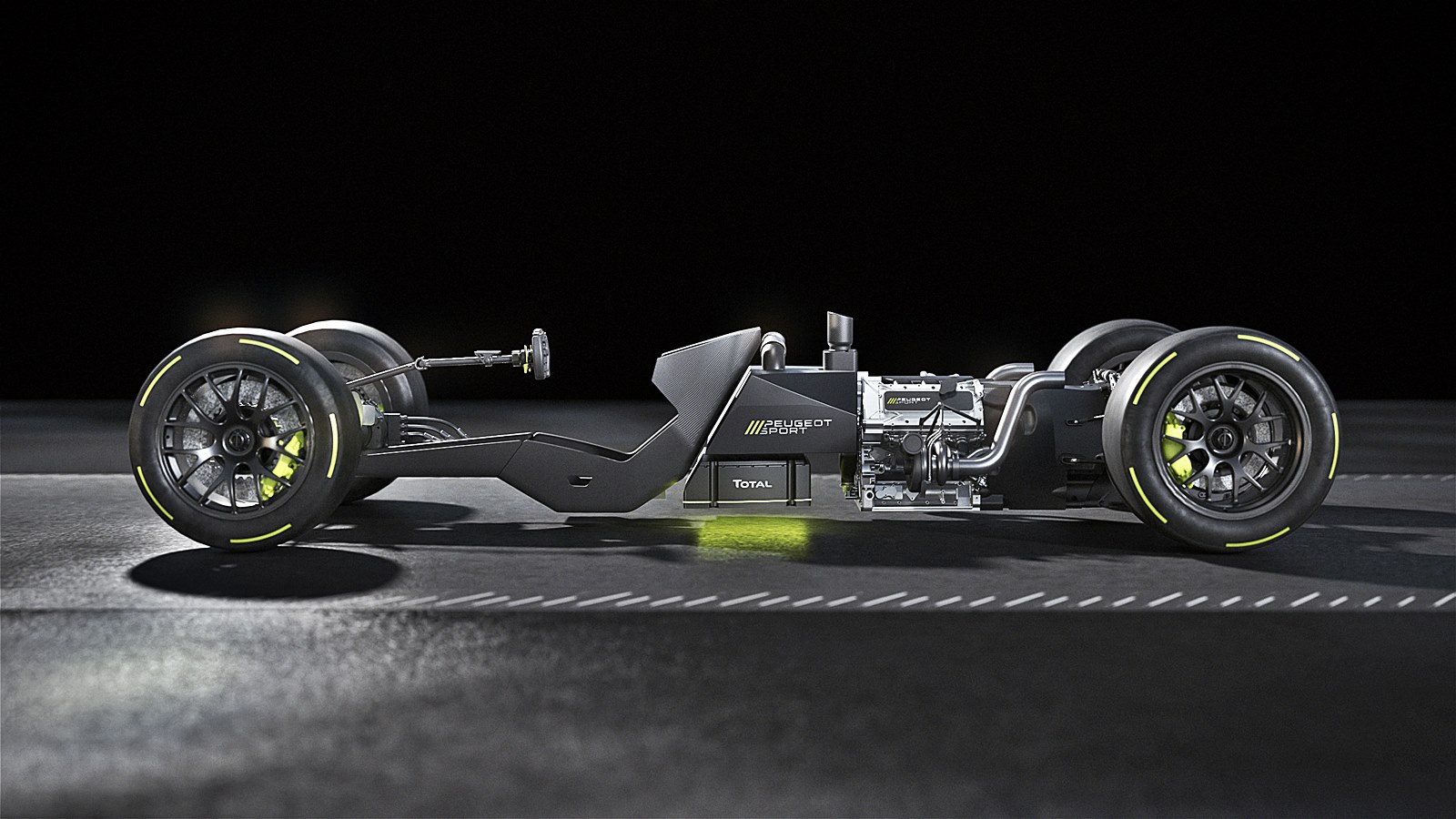
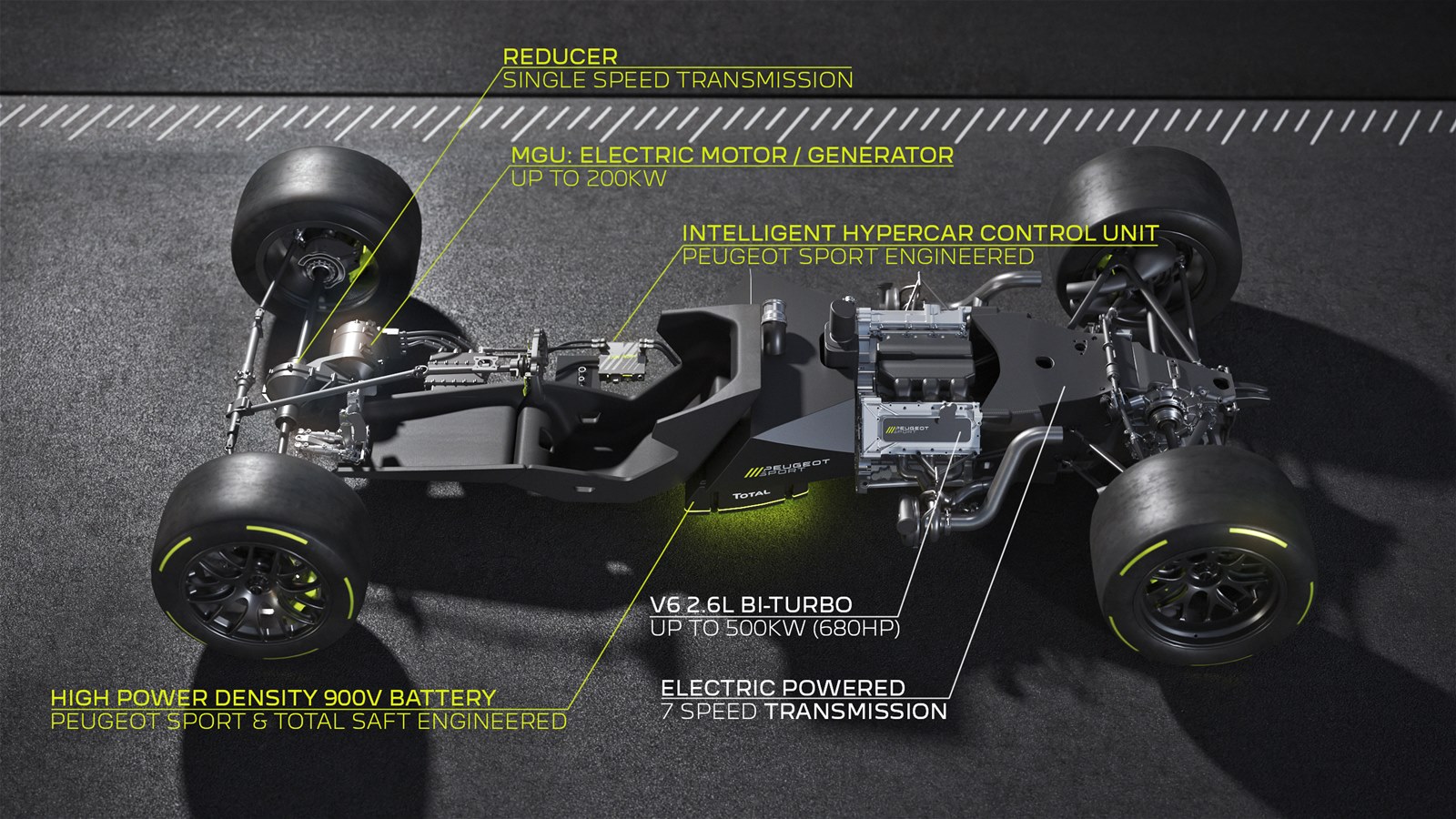
Inside the Peugeot 9X8.

The racing car, without a rear wing, measures 4.995 metres in length, has a width of 2 metres and is just 1.145 metres tall. With lots of lightweight materials in its bodywork, it weighs 1,030 kgs and its tank holds up to 90 litres of TotalEnergies’ 100% renewable Excellium Racing 100 fuel.

The completion of vital development and testing phases, necessary to achieving reliability and performance for the 9X8, led to its competitive debut being delayed until after the 2022 Le Mans 24 Hours. Its first entry in the WEC was thus at the 6 Hours of Monza on July 10 and this weekend, it will be at the Fuji Speedway.
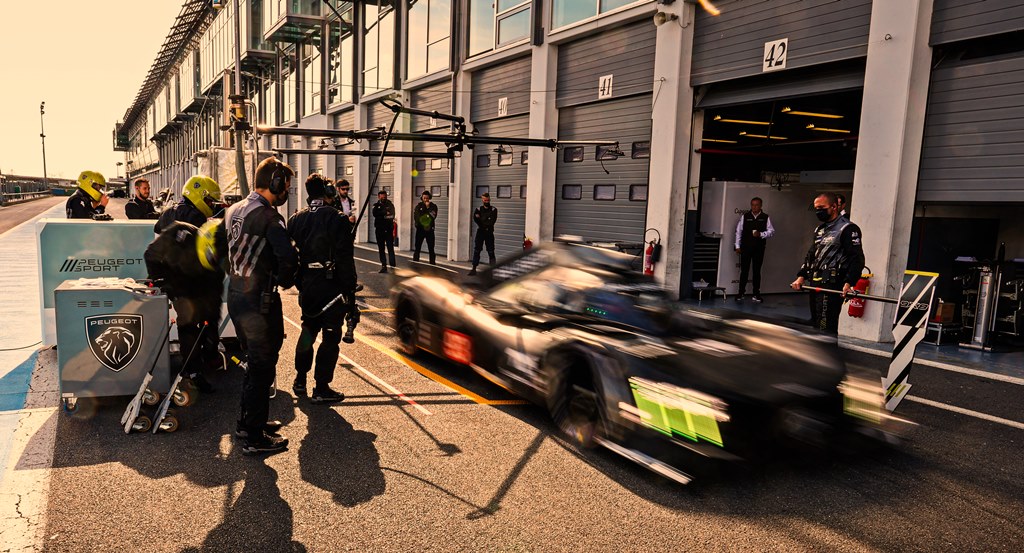
2022 Peugeot 9X8 Le Mans hypercar

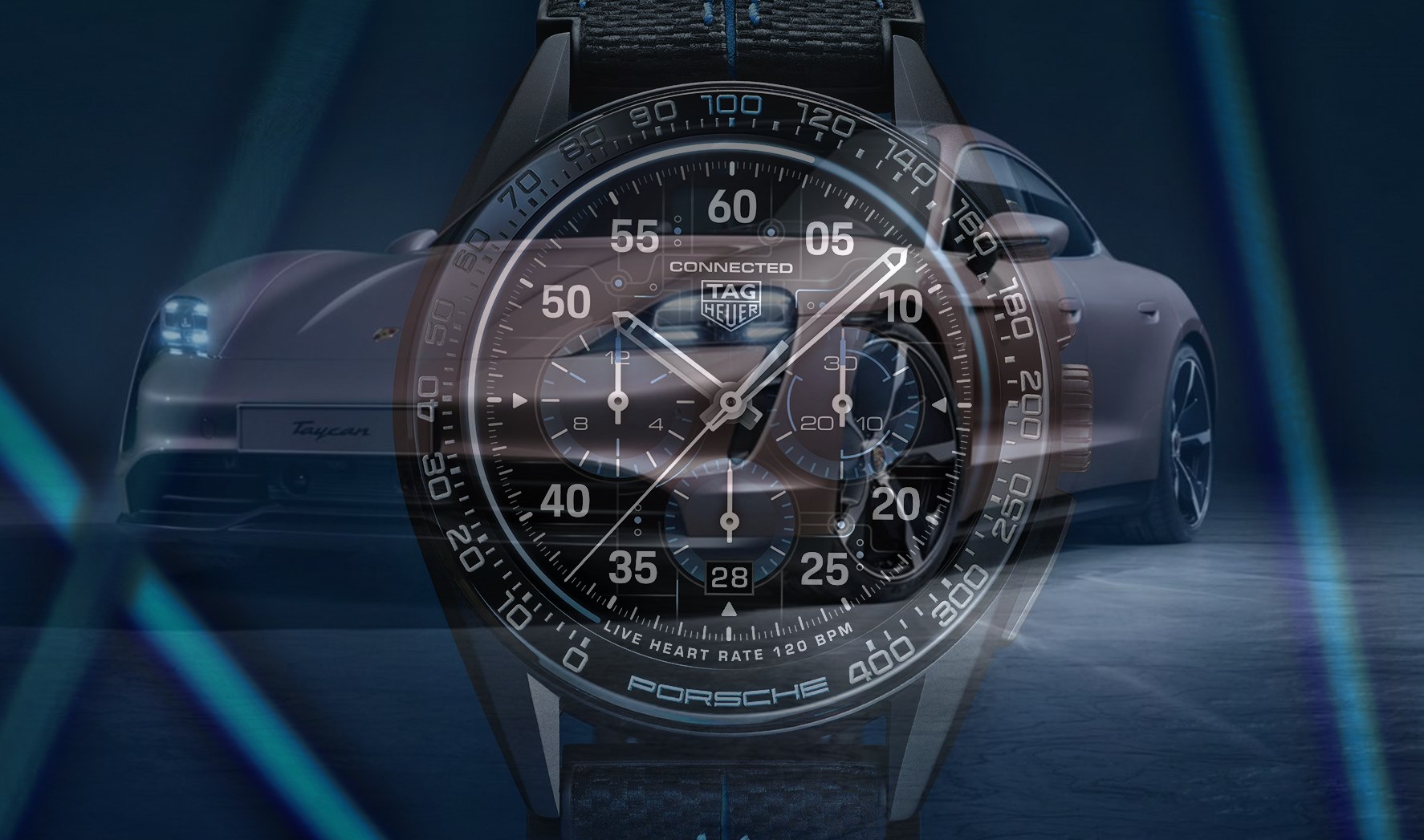
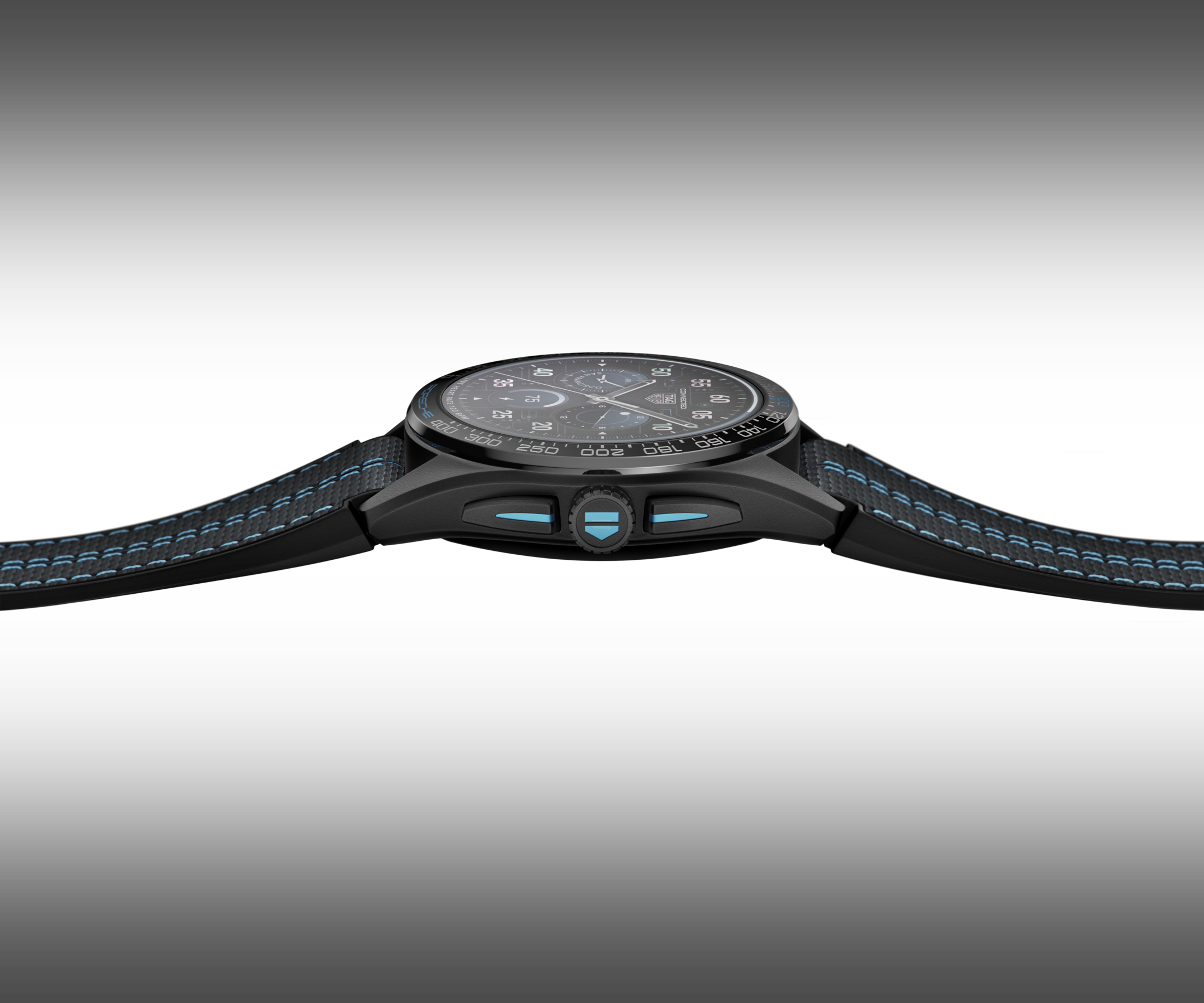
Most people have their smartphones with them all the time, and as these devices show the time and date, the watch may seem unnecessary. Nevertheless, it still has a place in our lives and sales still continue. Now Porsche owners will also find more reason to wear watch – specifically the new TAG Heuer Connected Calibre E4 – Porsche Edition.
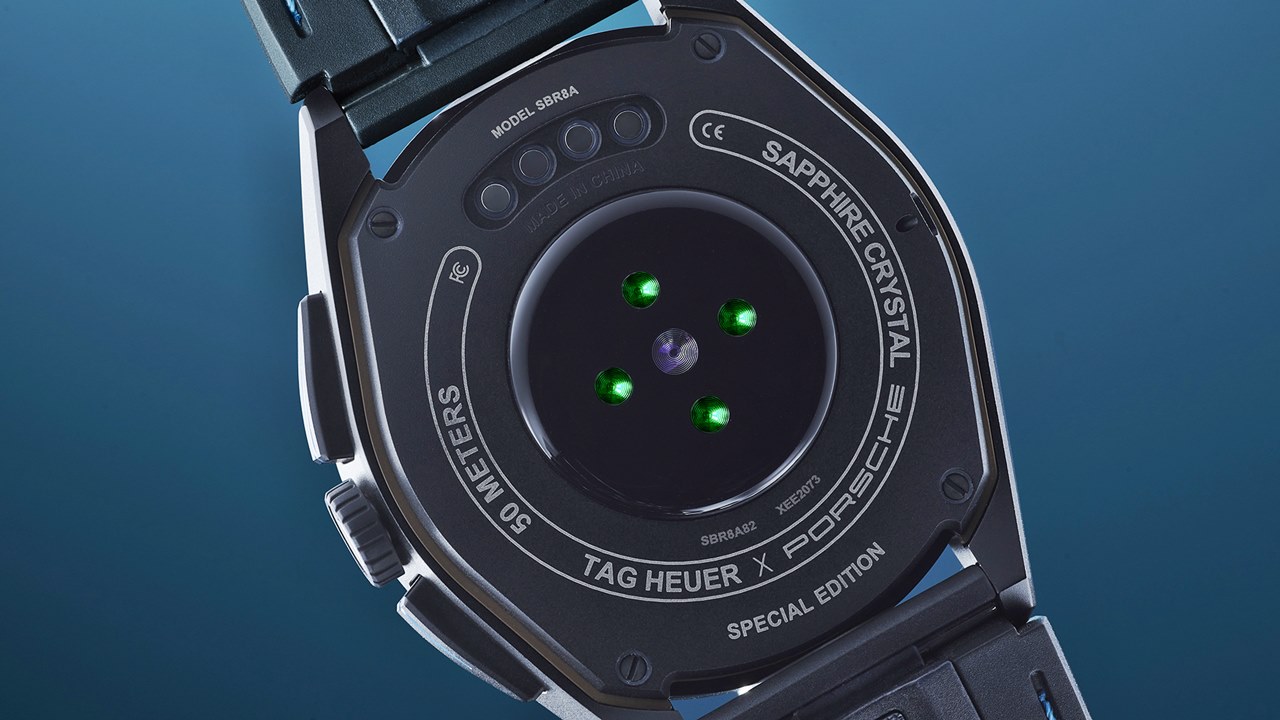
This is a new luxury connected timepiece that does more than just show the time and other information usually found on the more sophisticated (and expensive) watches. It has Wear OS which can show information from Porsche vehicles on its face, turning it into a more useful accessory.

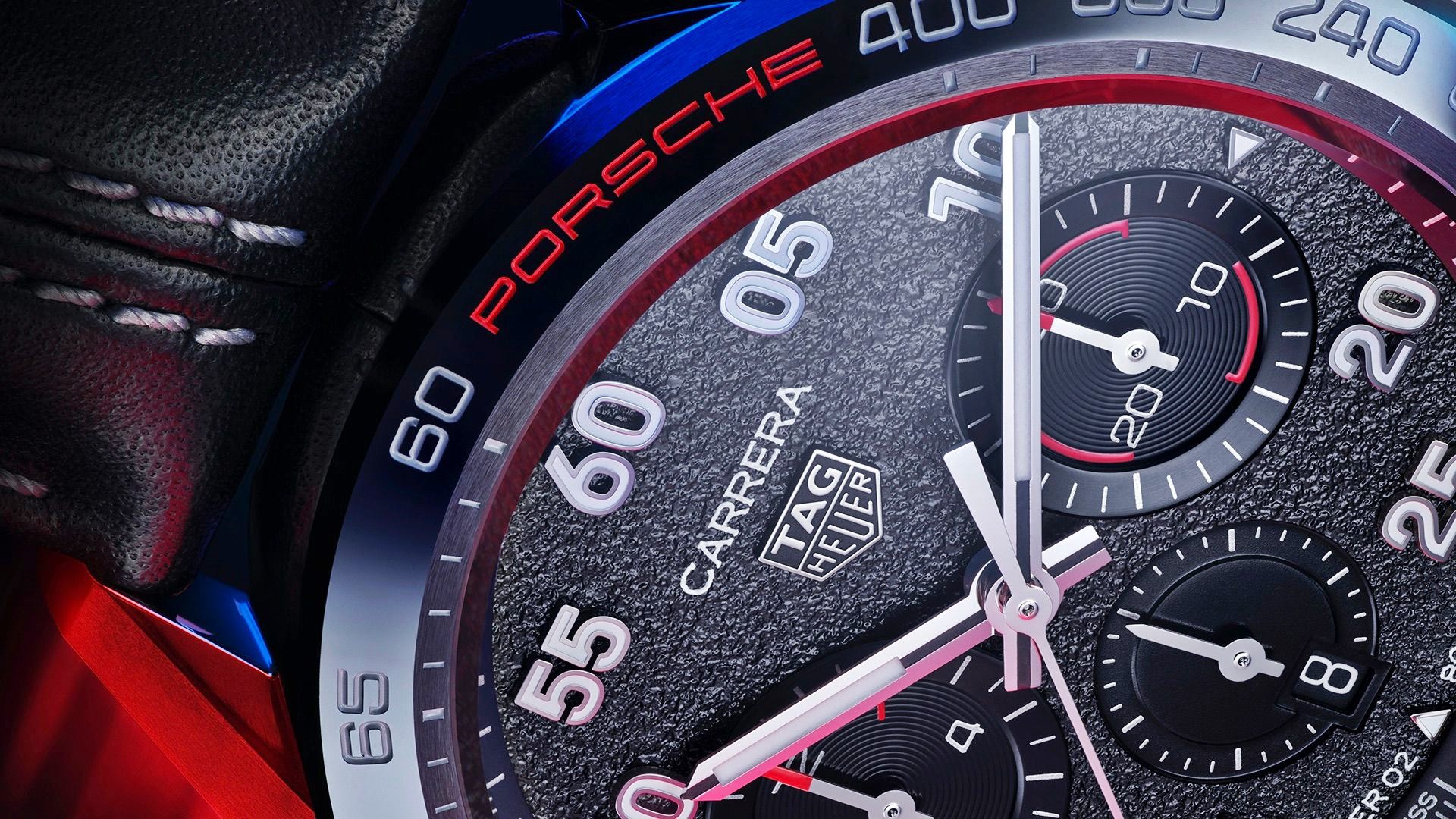
The watch follows the launch of the TAG Heuer x Porsche Carrera Chronograph, which celebrated the two companies’ rich history of motor racing heritage and the launch of their global partnership in 2021.

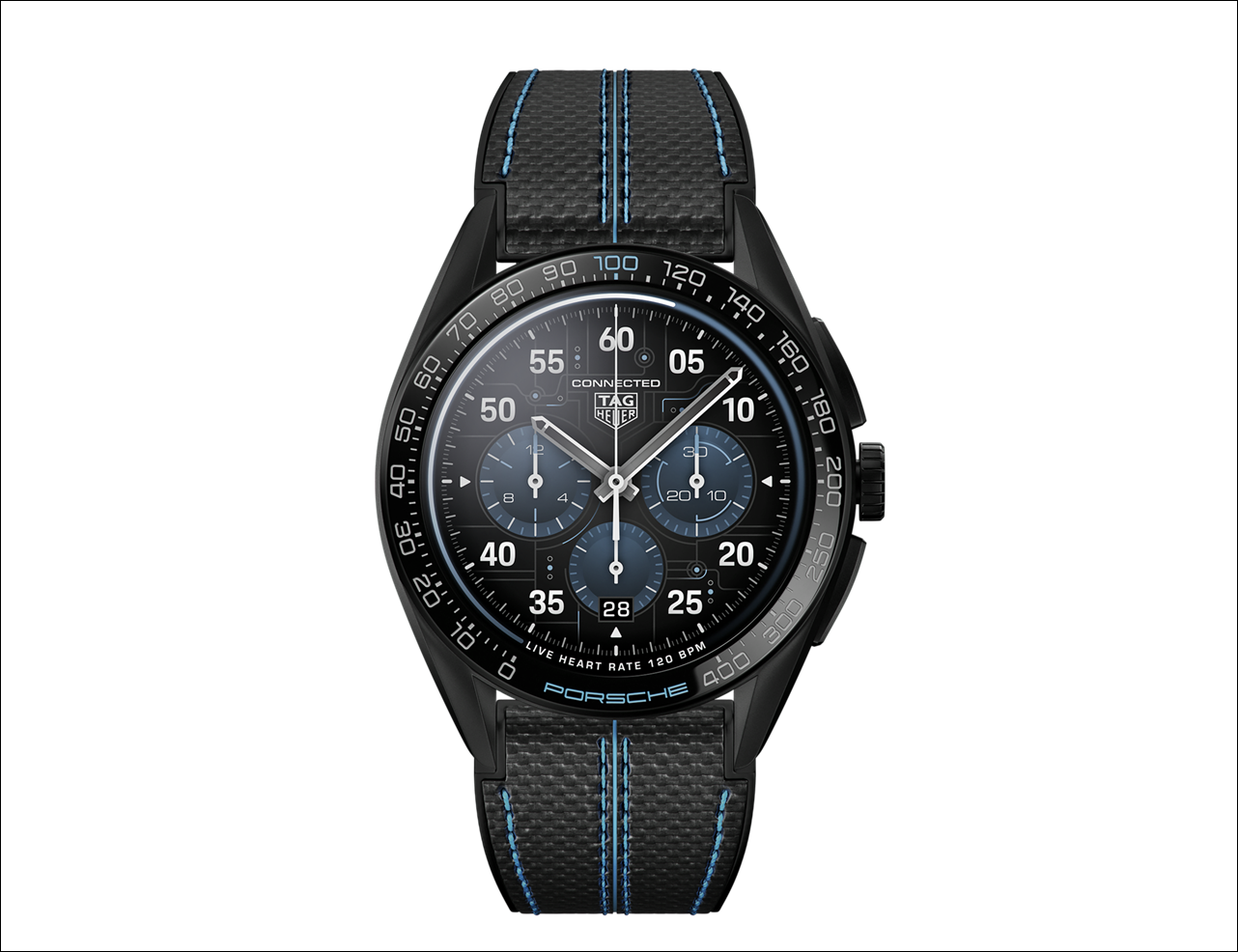
Both the physical watch and the software have design features used in the all-electric Taycan, which evokes the car’s exterior. The watch face was inspired by printed circuit boards and racing circuits, offering an animated visual effect which connects Porsche’s models and TAG Heuer watches with a feeling of technology and speed.

Car-related design
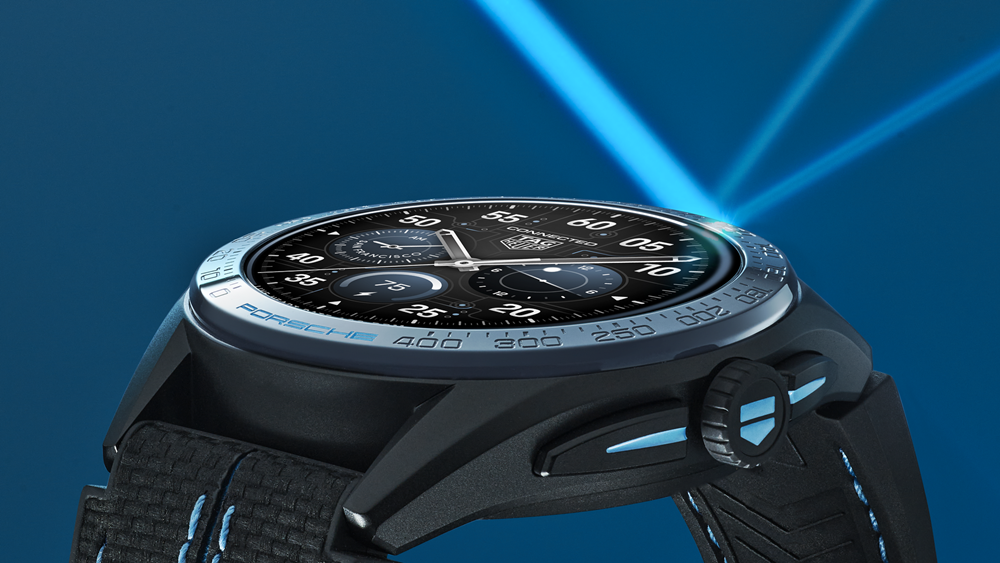
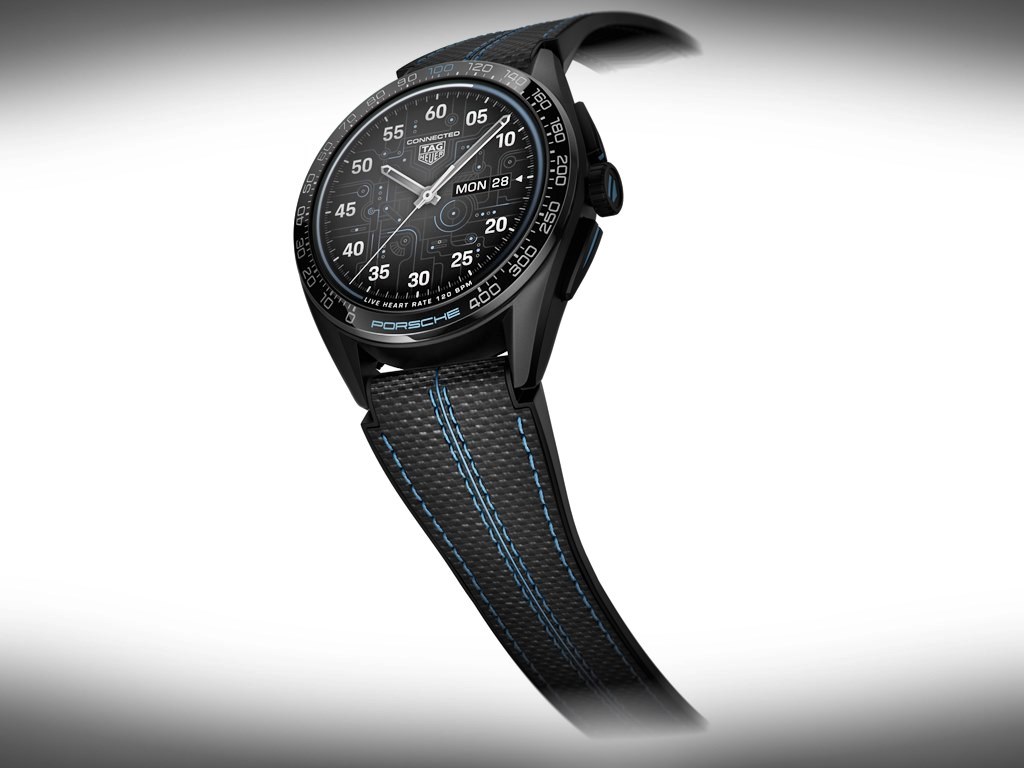
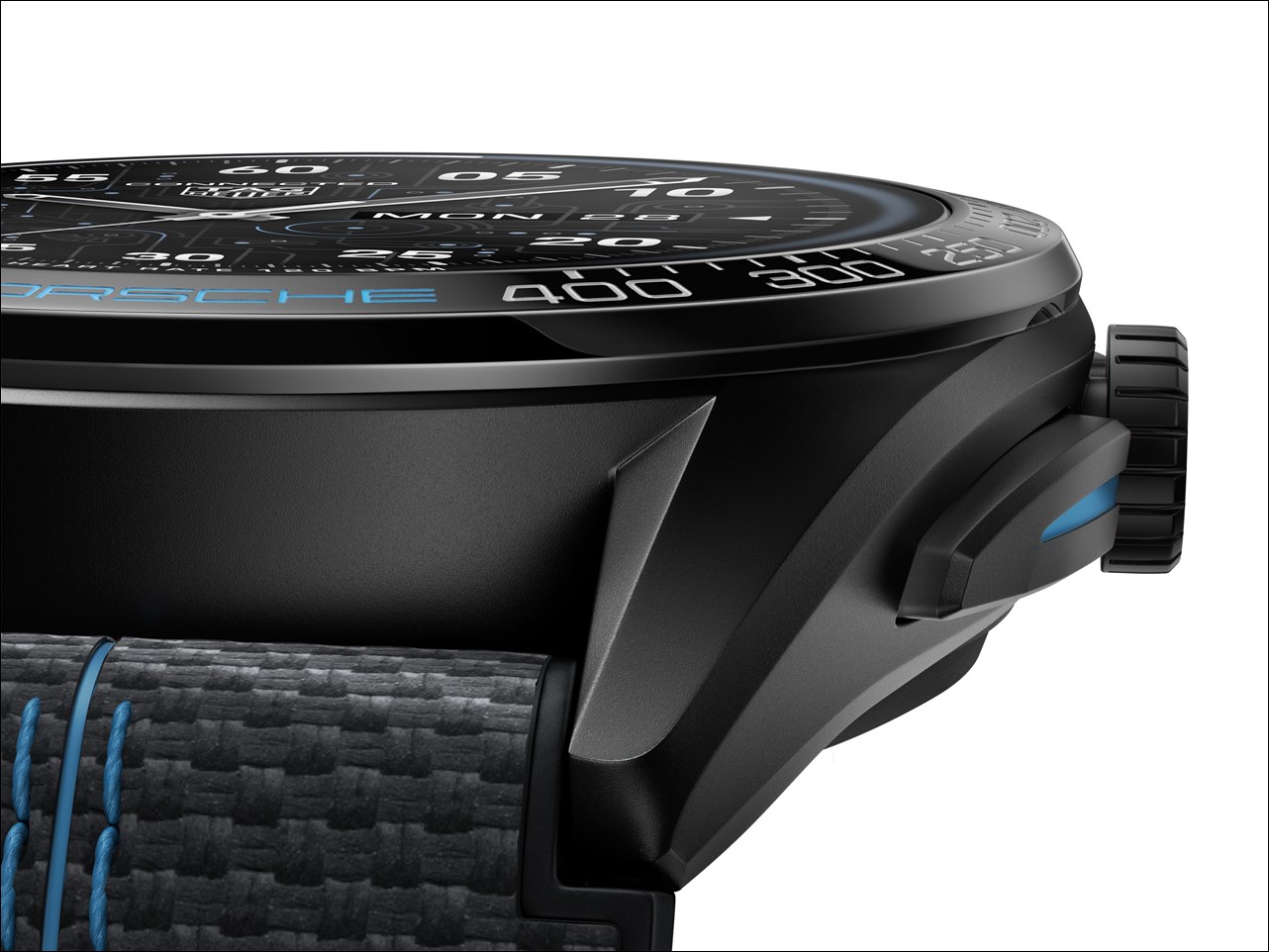
The design of the TAG Heuer Connected Calibre E4 – Porsche Edition has numerous features inspired by the frozen blue lacquered Taycan electric sportscar. For example, the large 45 mm case in black titanium is highlighted with details in the distinctive metallic shade seen on the car. The case is sandblasted black titanium, giving the watch a light, sporty feel and the black ceramic polished bezel has a dedicated scale going from zero to 400, referencing a Porsche car’s speed, which can be used to read functions relating to the car or to display metrics like heart rate.

The ceramic bezel of the watch gives it the feel of a traditional high-end timepiece. The crown has a large diameter, and stands out from the watch, so there’s lots of room for a finger to access the crown, making it easy to access apps on the go.

The pushers have a mechanical feel, highlighting TAG Heuer’s 162 years of heritage in making high-end mechanical watches. Running a customised version of Google’s Wear OS system, the watch offers a range of exclusive timers and sport and wellness apps which highlight TAG Heuer’s expertise in sports timing, including motorsports.

Connection to the car
Owners of specific Porsche models will be able to connect their watch to their vehicle. When connected, they will see information displayed in ‘complications’ on the watch face. At the time of launch this week, there are four complications available.

The first shows how much energy is left in the car’s battery pack and works with both fully electric as well as hybrid models. The second shows ‘car autonomy’ information, displaying how many kilometres remain before the battery pack or fuel tank are empty.

The third is a shortcut to the Wear OS My Porsche app which enables users to control their vehicle heating and air conditioning. The last complication shows the total mileage driven. To activate these features, users need to have Porsche ID, Porsche Connect Subscription and the My Porsche app on the watch and phone.

The Taycan electric sportscar is one of the models that can be connected to the TAG Heuer Connected Calibre E4 – Porsche Edition.

Porsche and TAG Heuer
Although Porsche and TAG Heuer a strategic partnership in February last year, the two companies have been associated various times for over 50 years. Similarities of heritage can be traced all the way back to the entrepreneurs of the companies whose visions changed their chosen fields forever. Edouard Heuer was responsible for the first manufactured chronograph and Ferdinand Porsche constructed a new electric wheel hub motor. Both these accomplishments earned medals at World Fairs held in Paris 11 years apart.

The true cornerstones of today’s partnership, however, are descendants of the brands’ founders. In 1963, the first Heuer Carrera chronograph was introduced, designed to let drivers tell the time at a glance in the heat of action. Jack Heuer, the great-grandson of the founder, was also responsible for the Heuer Monaco, the first square-faced, water-resistant automatic chronograph watch. Its name evoked the Monaco Grand Prix as well as the renowned Monte Carlo Rally which Porsche won in from 1968 to 1970 with its 911 model.

With its sale to the TAG Group, Heuer became TAG Heuer in the mid-1980s. At this time, Porsche and TAG Heuer jointly developed and produced the TAG Turbo Engine that enabled the McLaren team to win three consecutive F1 world titles.

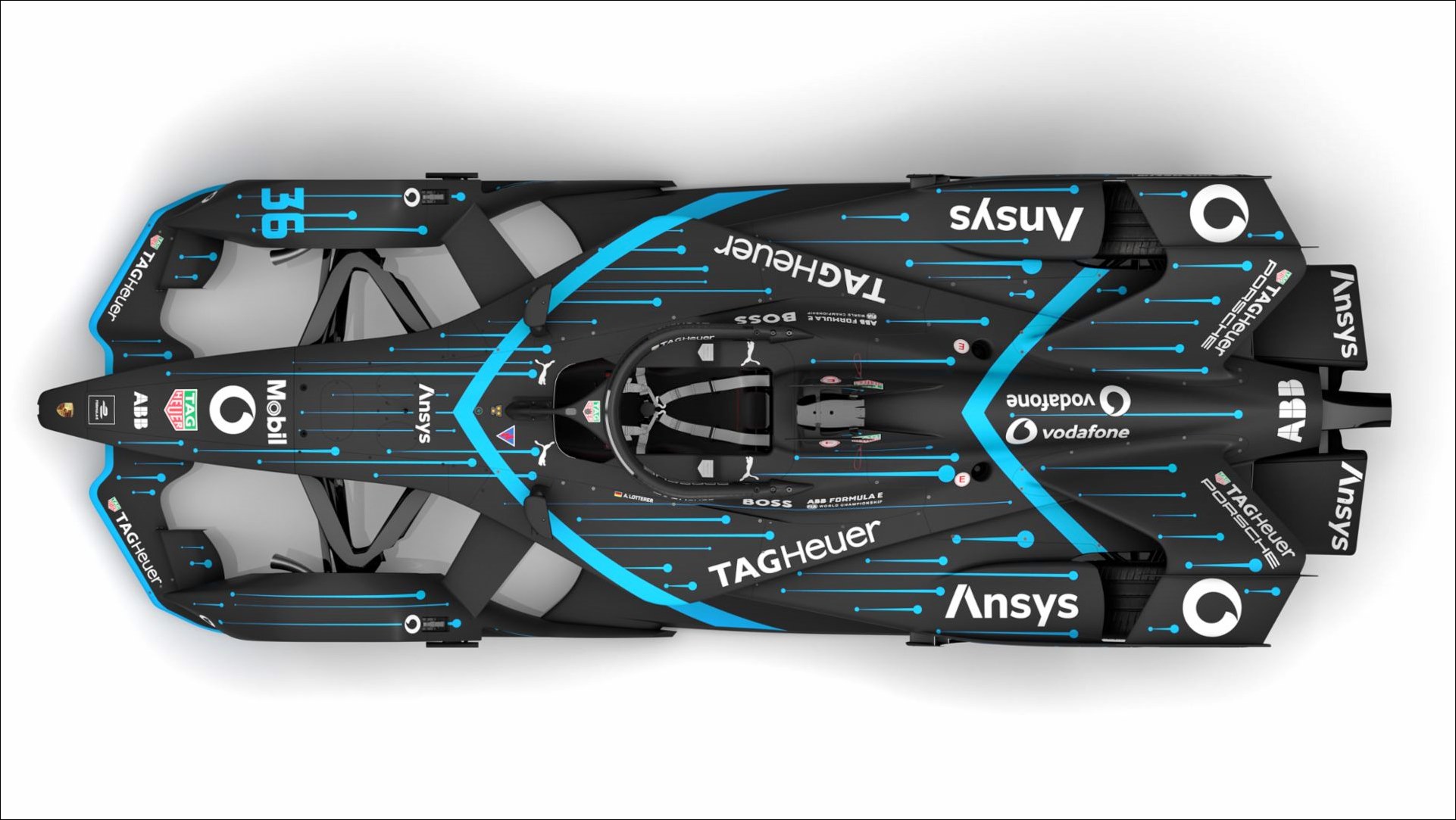
The Porsche 99X used in the all-electric single-seater Formula E World Championship.

In 1999, the relationship between Porsche and TAG Heuer grew even stronger – from the Porsche Carrera Cup and Supercup competitions, followed by the Endurance World Championship and more was yet to come. Porsche created its own Formula E team with TAG Heuer as title and timing partner in 2019.

Porsche has long distinguished itself in endurance events and together with TAG Heuer, its GT Team has competed in the World Endurance Championship. In addition to physical competitions, TAG Heuer also engages in virtual racing by supporting the Porsche TAG Heuer Esports Supercup. More recently, both companies have partnered in Formula E, the all-electric  single-seater world championship.

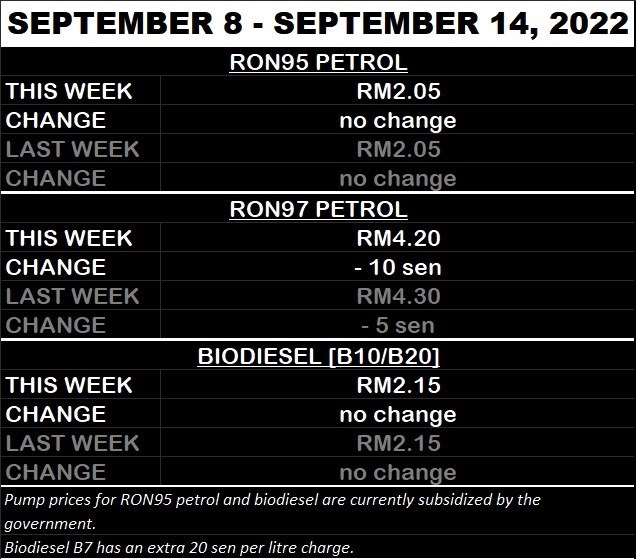
Fuel prices after midnight today will see RON97 petrol reduced by 10 a litre to RM4.20, with other grades remaining unchanged.

FUEL-SAVING TIPS

Slow and steady: You don’t have to drive at a crawl to save fuel but if you just drive more frequently at 80/90 km/h instead of 100/110 km/h, you could save 10 to 15% in fuel. Keeping a steady speed rather than ‘pumping‘ the pedal will also save on fuel.

Right tyre pressures: Under-inflated tyres will cause more rolling resistance (not to mention faster wear) which will worsen fuel consumption. Be sure they are inflated to the minimum recommended by the manufacturer and a bit more might also be better.

Service the engine regularly: Engine parts wear out or get dirty over time and reduce the operating efficiency of the engine. Regular servicing ensures that adjustments are set correctly and periodically, parts like filters or sparkplugs need to be replaced.

Plan trips: If you have different places to go on a single journey, spend a few minutes to think about the route so that you avoid congested areas. You may have to travel a few extra kilometres using a less congested route but you will actually use less fuel because the car won’t be stuck in a jam burning fuel going nowhere. Plus you will probably be less stressed out when you reach your destination.

Switch off the engine more: Many motorists do not fully realize that the engine is burning fuel every second it is running. They will keep the engine running for long periods while waiting for someone to buy things or waiting for their children to come out from school. This is very wasteful and running the air-conditioner at the same time wastes more fuel. Switch off the engine when you are going to be stationary for more than 5 minutes and you’ll find your fuel consumption improving.

Don’t carry unnecessary weight: The less weight your car has to move, the less hard the engine has to work. So whatever you do not need to keep in the boot should be taken out. This includes those golfbags.

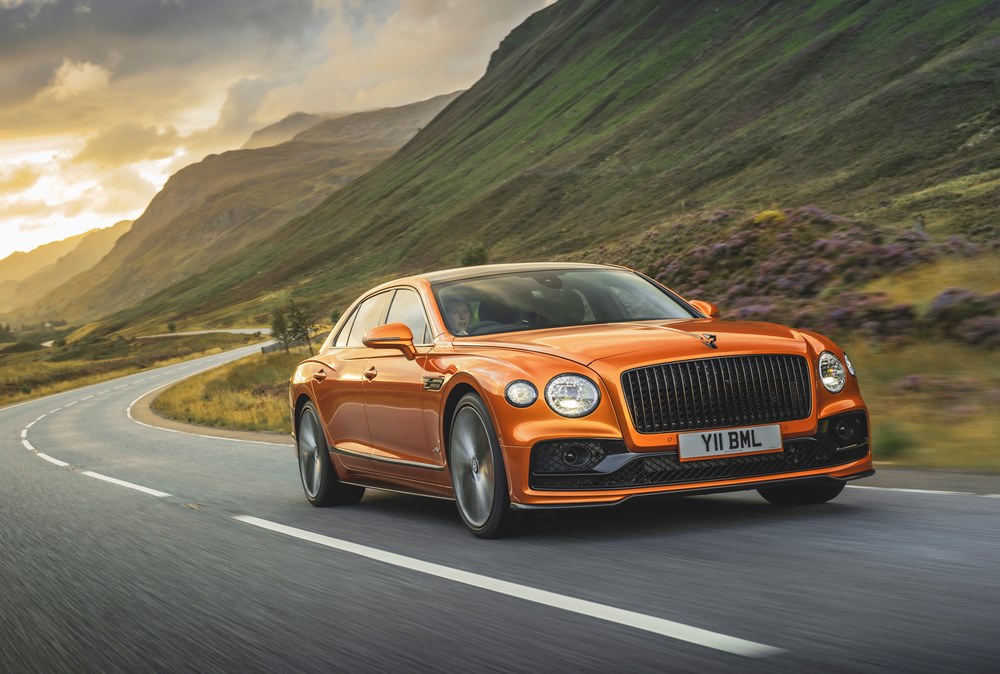
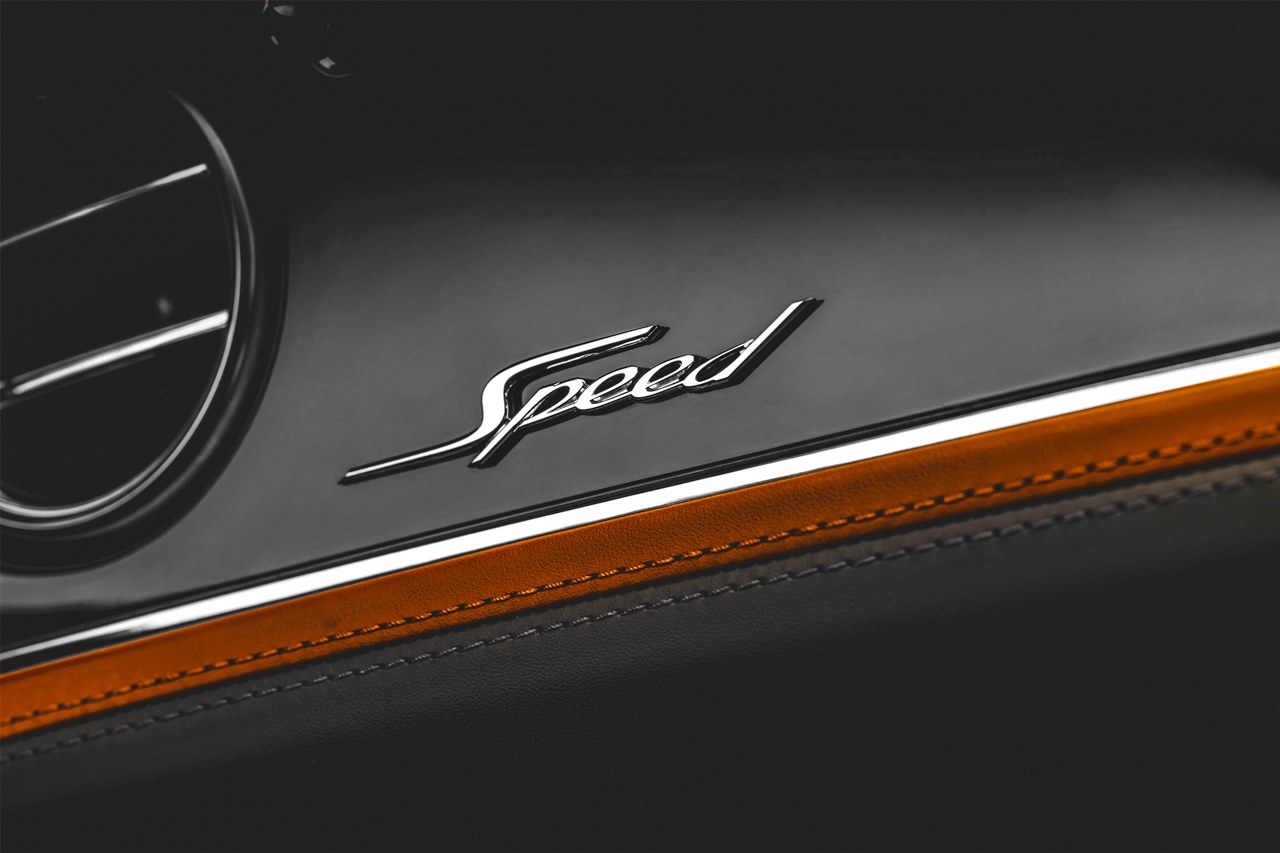
The Speed badge on Bentley models, which goes back to the 1930s, signifies versions with an extra measure of performance. Typically, Speed versions have been at the top of their respective ranges and today, there are Speed versions for the Bentayga and the Continental. They are now joined by the new Flying Spur Speed, completing Bentley’s portfolio of Grand Tourers.

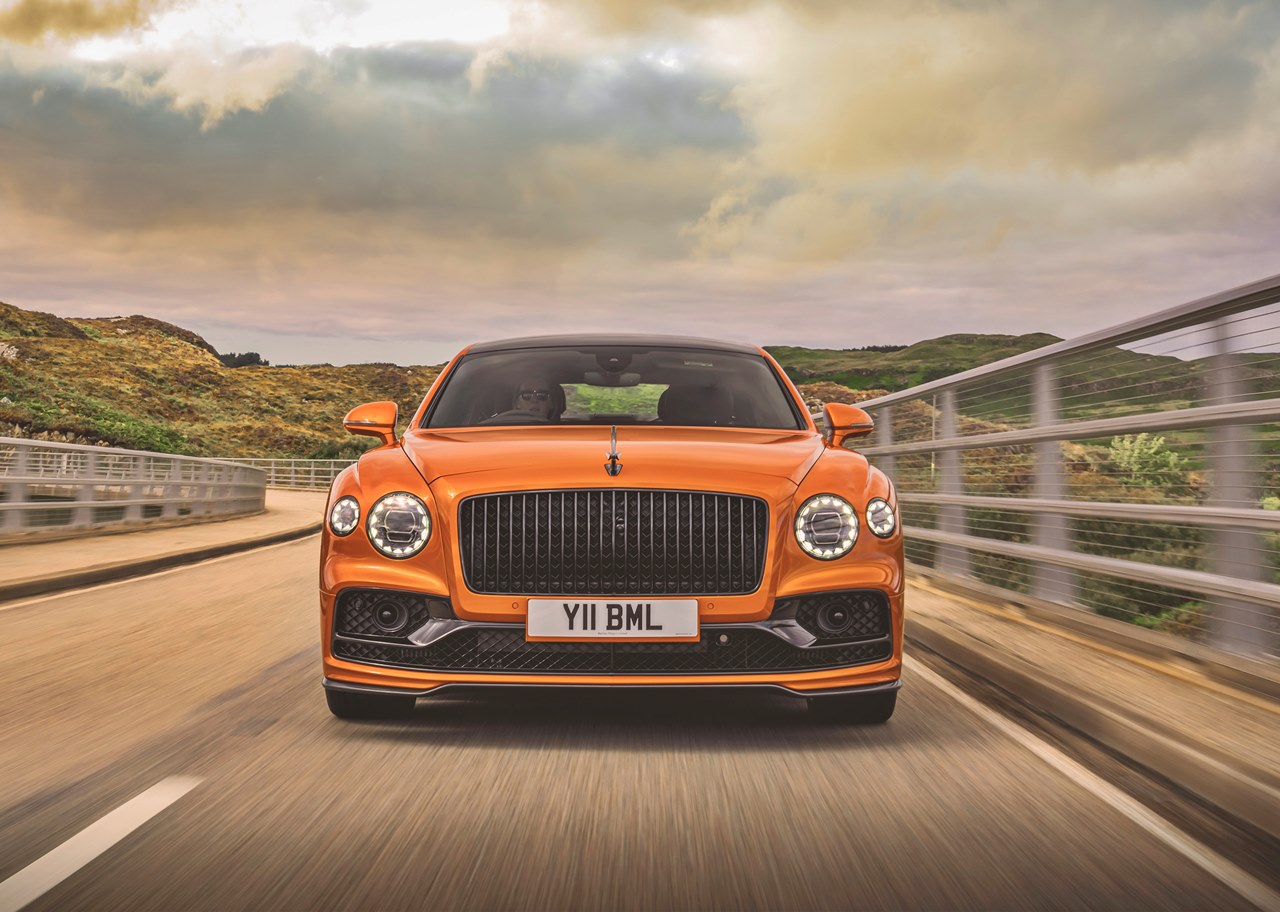
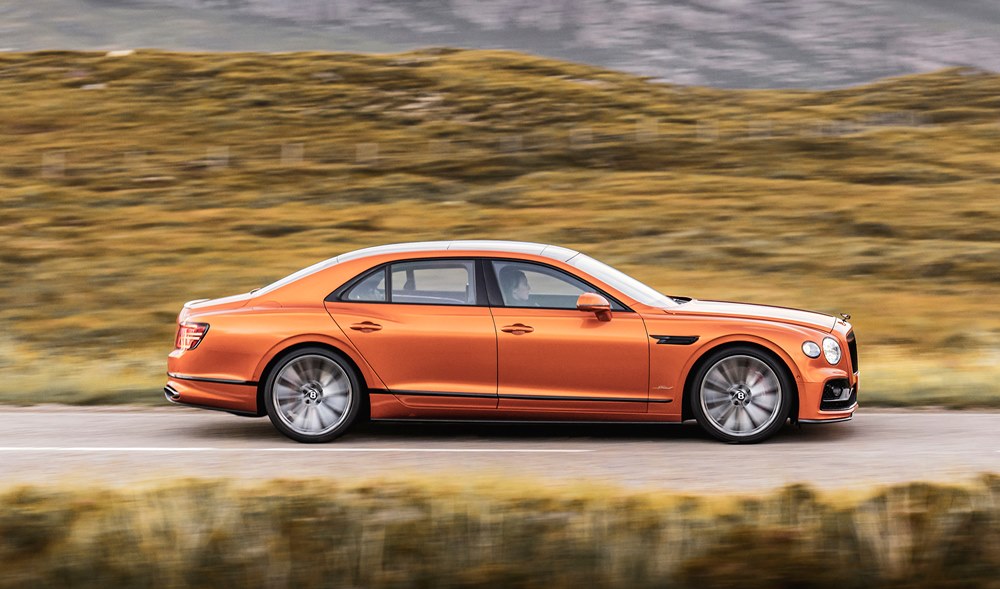
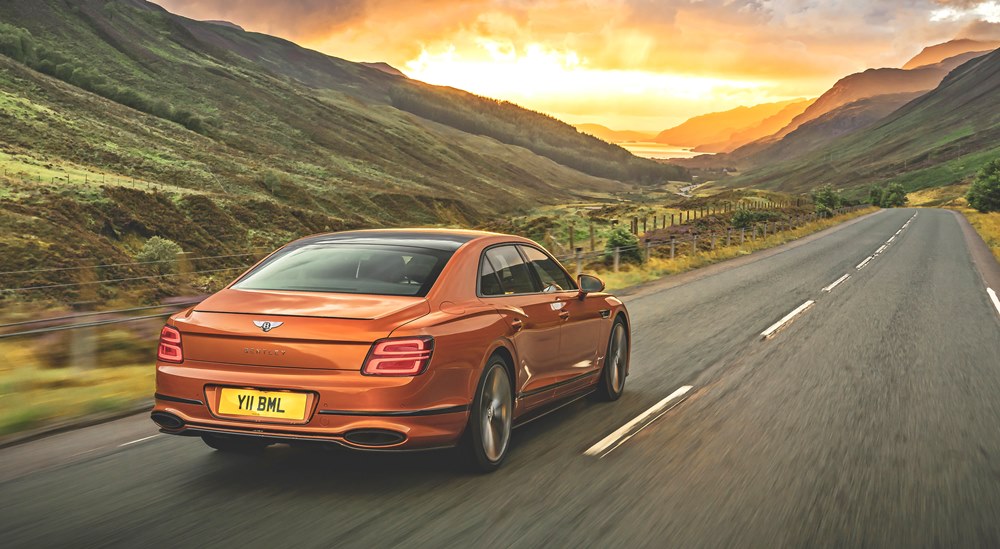
The Flying Spur Speed, which sits above the S model, has the familiar exterior Speed styling cues like  dark tint finishes to the front grilles, headlamps and tail lamps, and of course, Speed badges on the lower wing. Also standard are jewelled fuel and oil filler caps, with the unique 22-inch Speed wheel as standard (a second optional 22-inch sports design is also available).

For customers who want to increase the performance-focused image even further, Bentley also offers its Styling Specification (carbonfibre front splitter, side skirts, rear diffuser and subtle bootlid spoiler) and Blackline Specification which can be included at the time of purchase.

Crafted by hand in high gloss carbonfibre to exact tolerances following an extensive development programme, the Blackline Specification provides a contemporary alternative where most of the brightwork on the exterior of the car is replaced with Blackware.

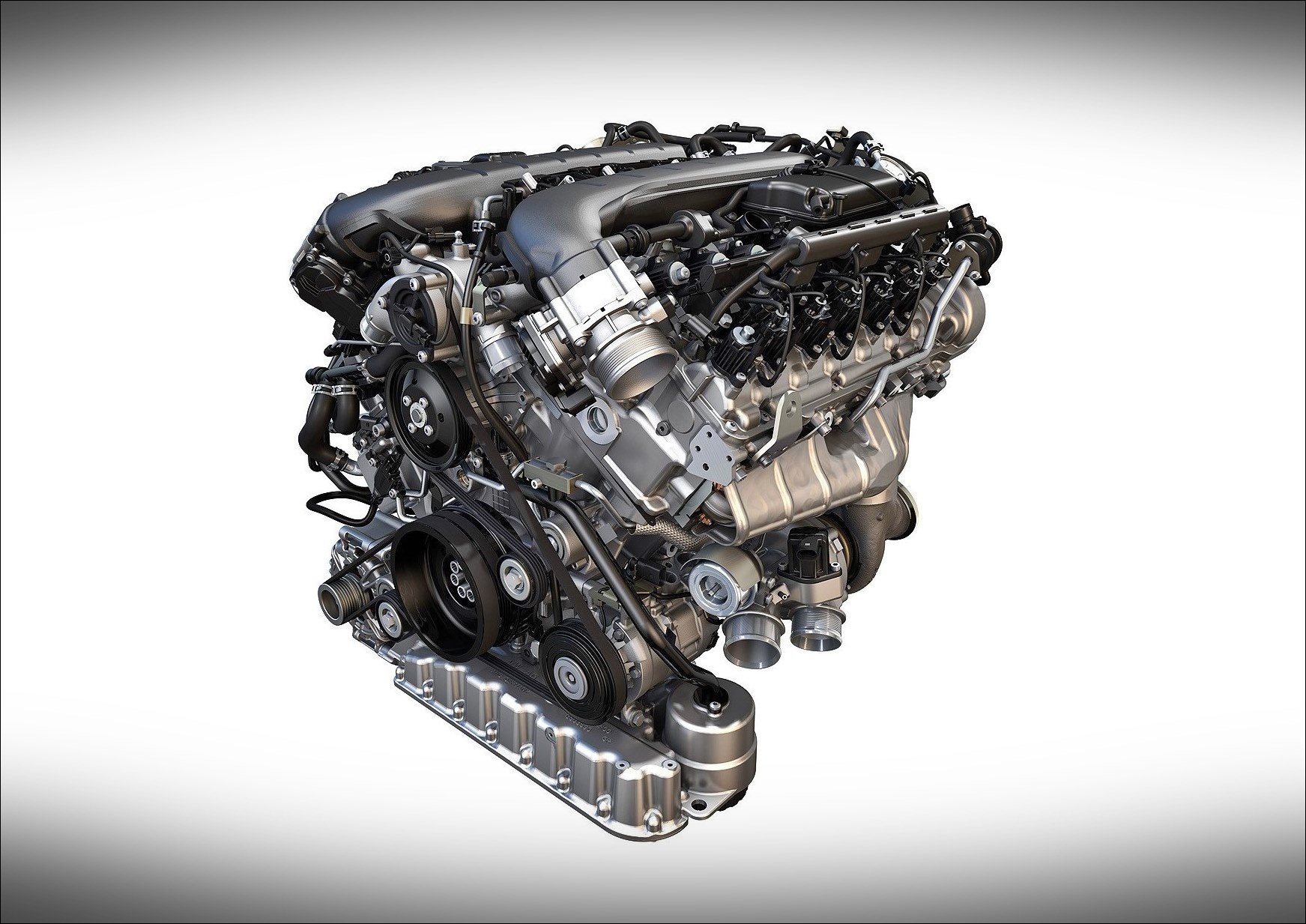
The Flying Spur Speed’s 6-litre W12 powertrain produces an extra 85 ps/130 Nm for a total output of 635 ps/900 Nm. The improved output enables the car to go from 0 to 100 km/h in a claimed 3.8 seconds, and on to a top speed of 333 km/h. Maximum speed is reached in sixth gear with the same 8-speed ZF dual-clutch transmission as the Continental GT, the overdrive gears (seventh and eighth) being used  to reduce fuel consumption when cruising.

The mighty Bentley W12 engine will be retired after 2026.

The clutched system delivers drive to the rear axle and depending on the road conditions and wheel slip, it will then automatically send drive to the front axle as required, as an active all-wheel drive system. With turn-in response also improved, the understeer effect experienced with fixed all-wheel drive is virtually eliminated, making the car feel more balanced overall.

Torque distribution varies according to the selected Drive Dynamics Mode. In Comfort and Bentley modes, the system will send up to 480 Nm of torque to the front axle to offer greater grip and driveability. In Sport, the system limits the available torque to the front axle to 280 Nm, maintaining a higher torque level at the rear for a more dynamic feel.

Electronic All-Wheel Steering is standard, and during low-speed manoeuvres, the system steers the rear wheels in the opposite direction to the front wheels. This has the effect of shortening the wheelbase, reducing the turning circle, increasing agility and making parking noticeably easier too. During high-speed manoeuvres, the system steers the rear wheels in the same direction as the front wheels, increasing stability and making overtaking and lane-changes more assured.

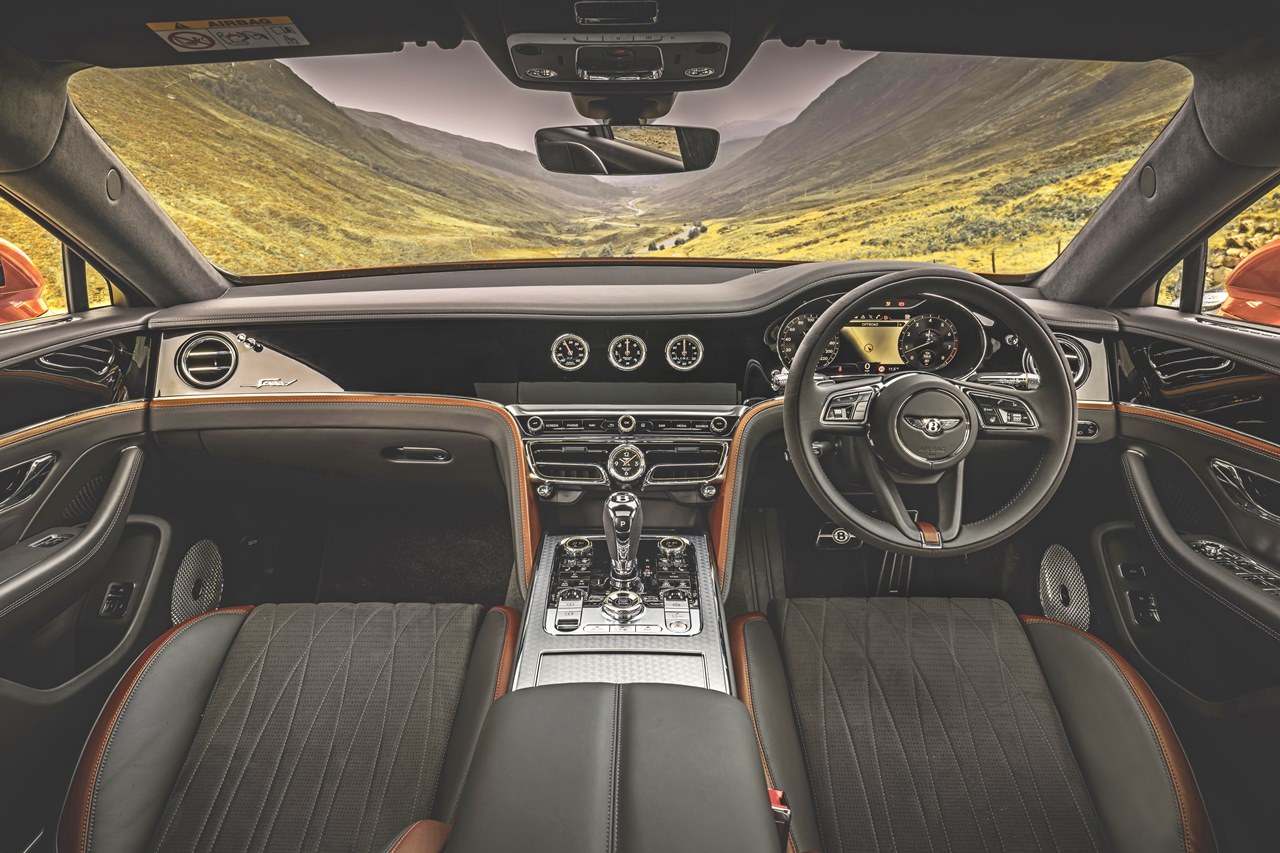
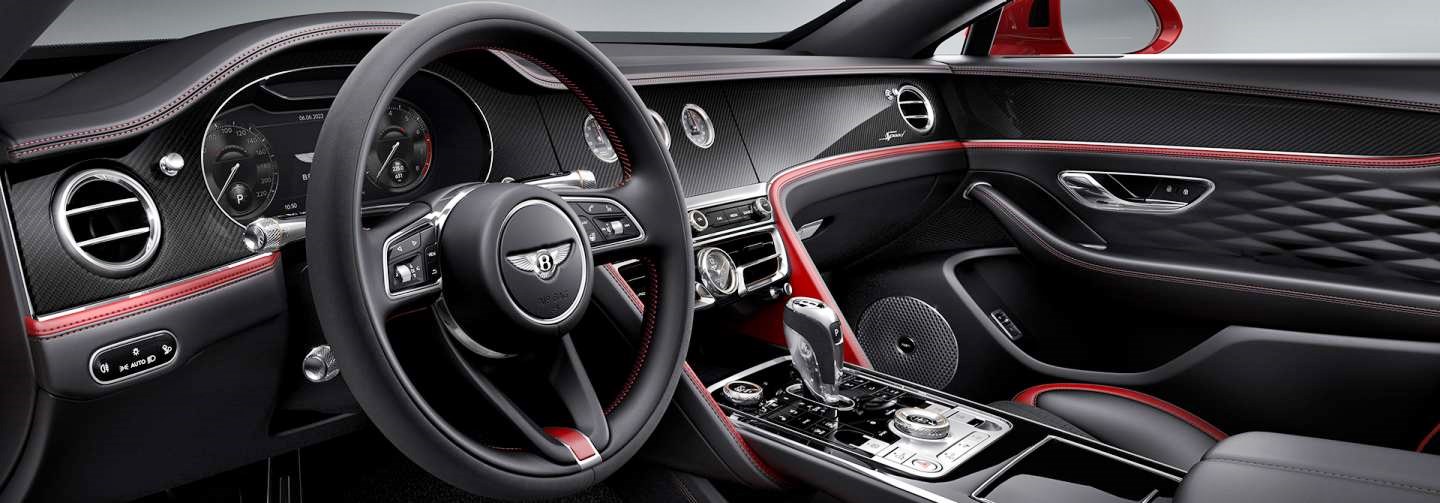
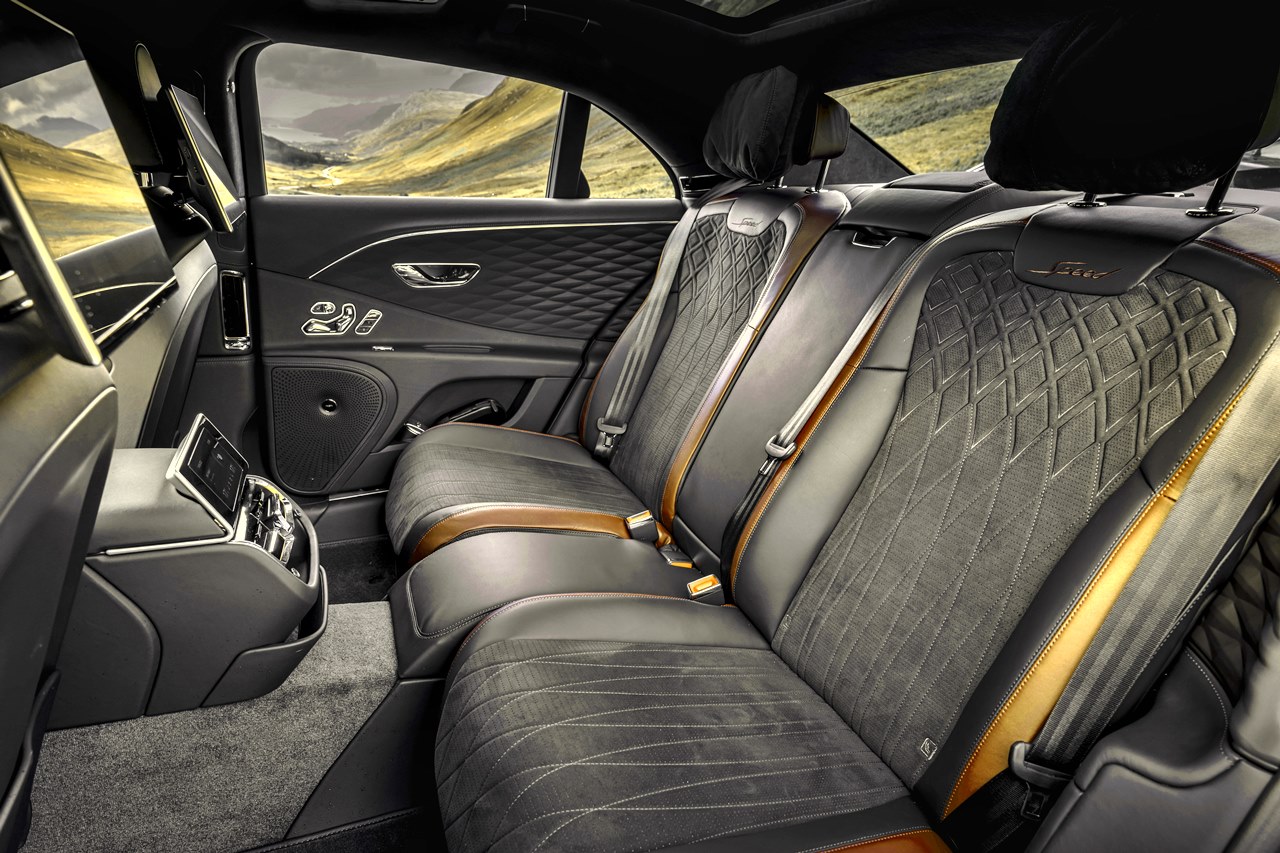
Needless to say, a Bentley cabin has a luxurious environment and for the Flying Spur Speed, there is a new unique colour way including the use of Dinamica to all of the occupant touch points. Bentley uses Dinamica Pure which, compared to regular Dinamica, is made from 73% recycled polyester. There are more Interior colour choices as well.

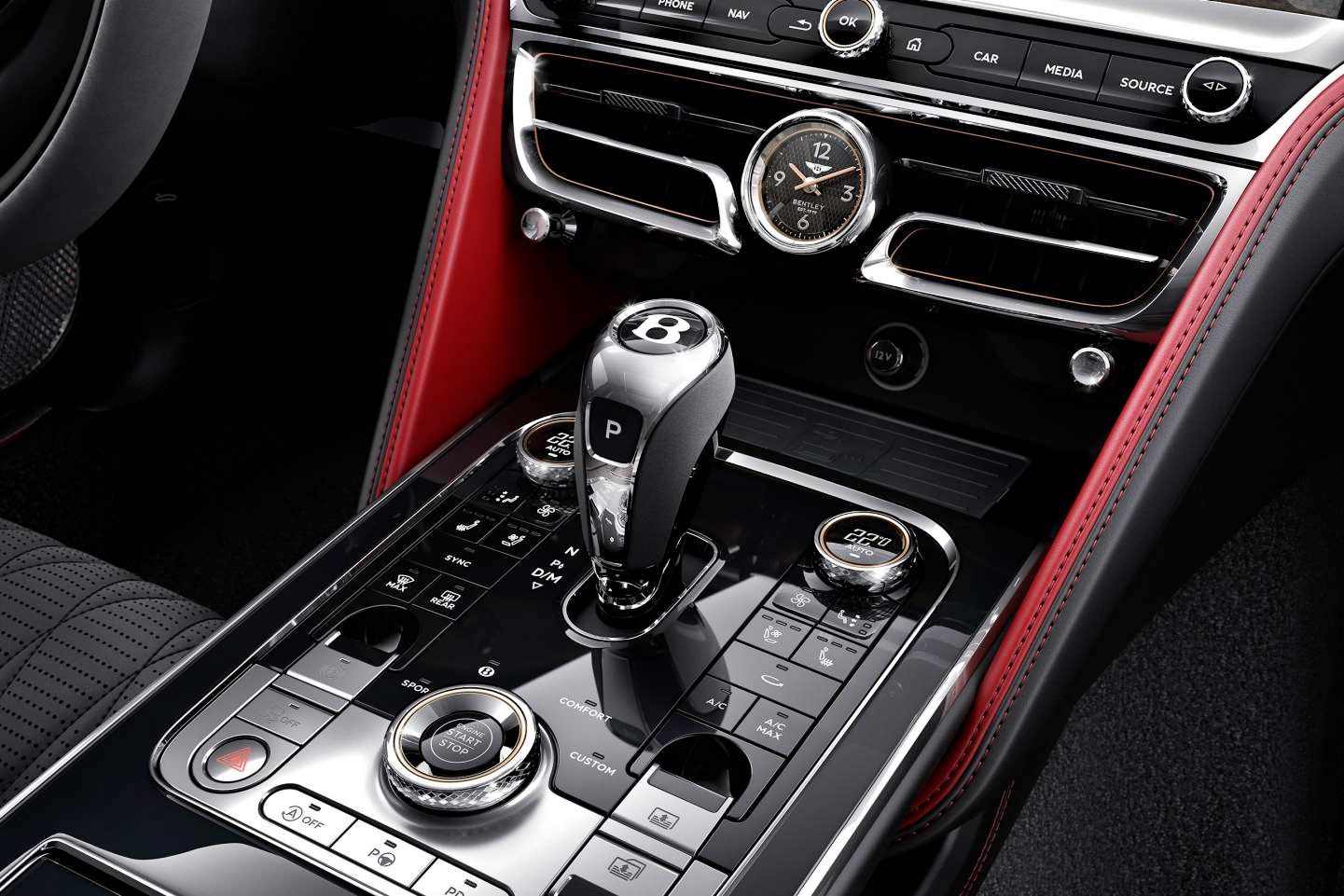
The dashboard is the same as the other Flying Speed versions but in the driver’s information panel, new performance infotainment graphics can be seen. These take inspiration from luxury chronographs. The luxury theme continues with front and rear seat comfort specification as standard.

Ford has always urged drivers to keep ‘eyes forward and hands on the wheel’. It’s obvious that maintaining attention on the road ahead is important to immediately spot any danger. At the same time, both hands should be on the steering wheel to always be able to take avoiding action in an emergency. That’s why using a mobilephone when driving is dangerous and in many countries, an offence.

Over the years, various technologies have been introduced to help drivers stay focussed ahead. Head-up Displays (HUDs) are one of them, the technology having been taken from fighter aircraft. By projecting important information on the windscreen, the driver can be informed while still looking ahead.

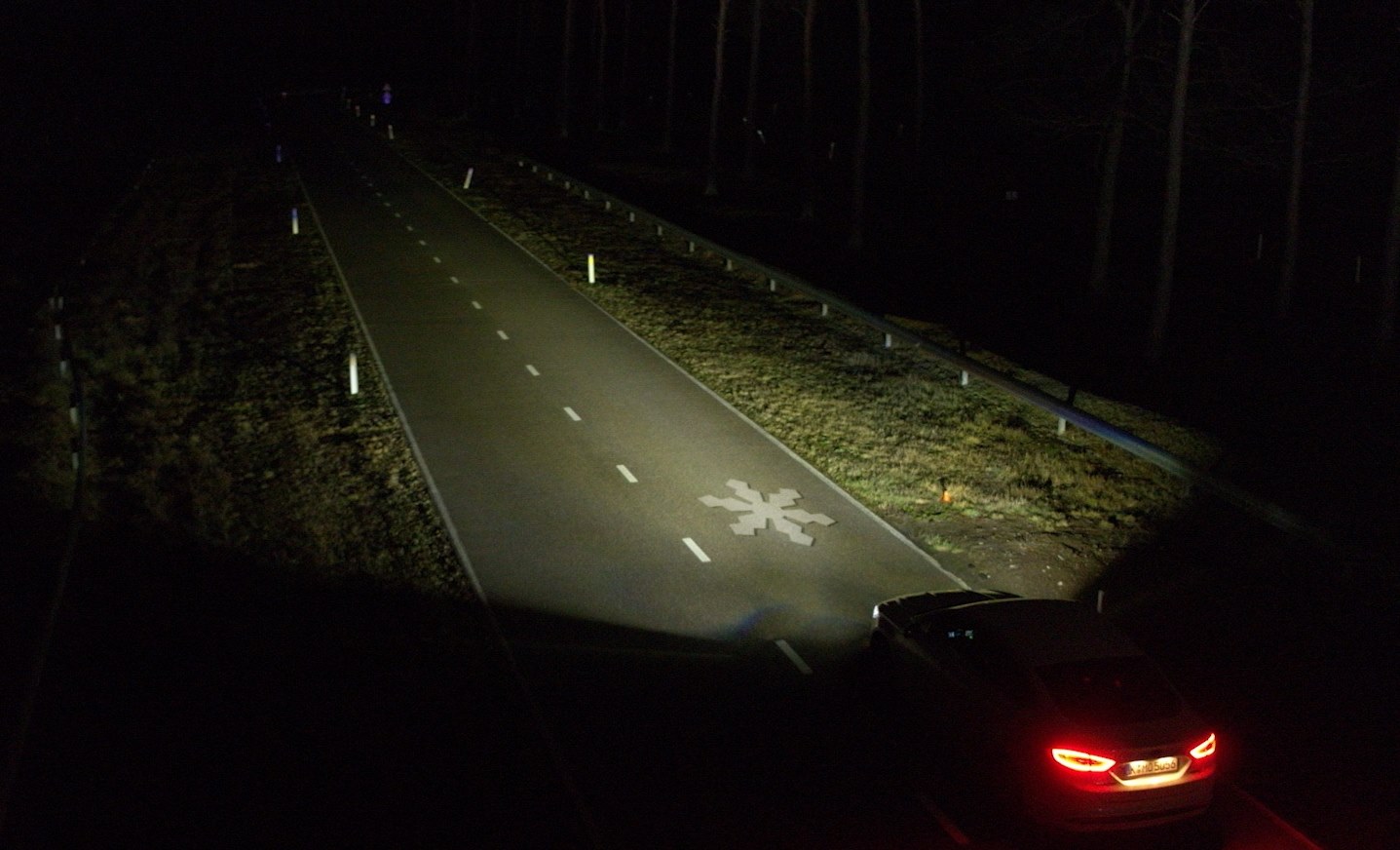
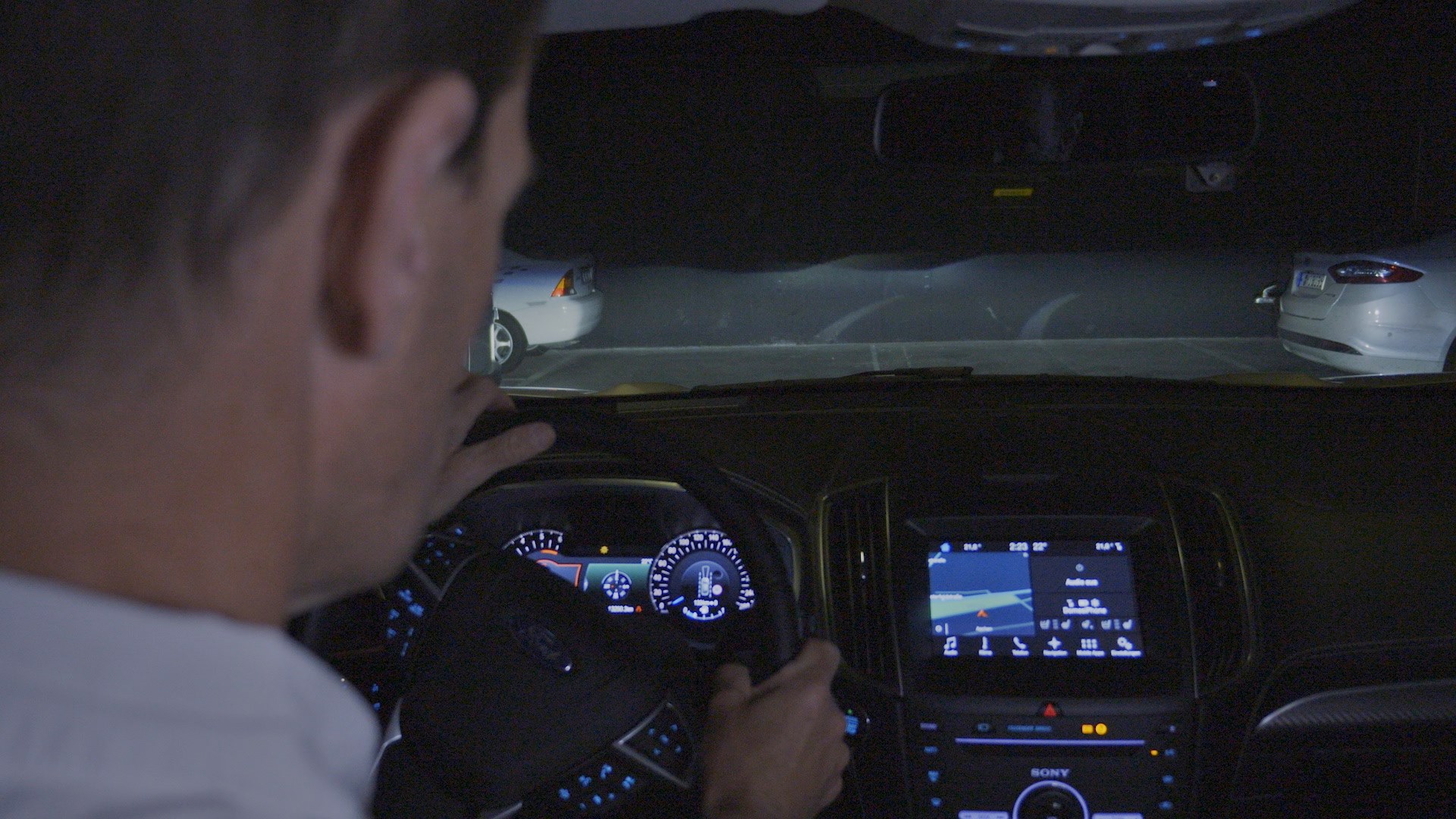
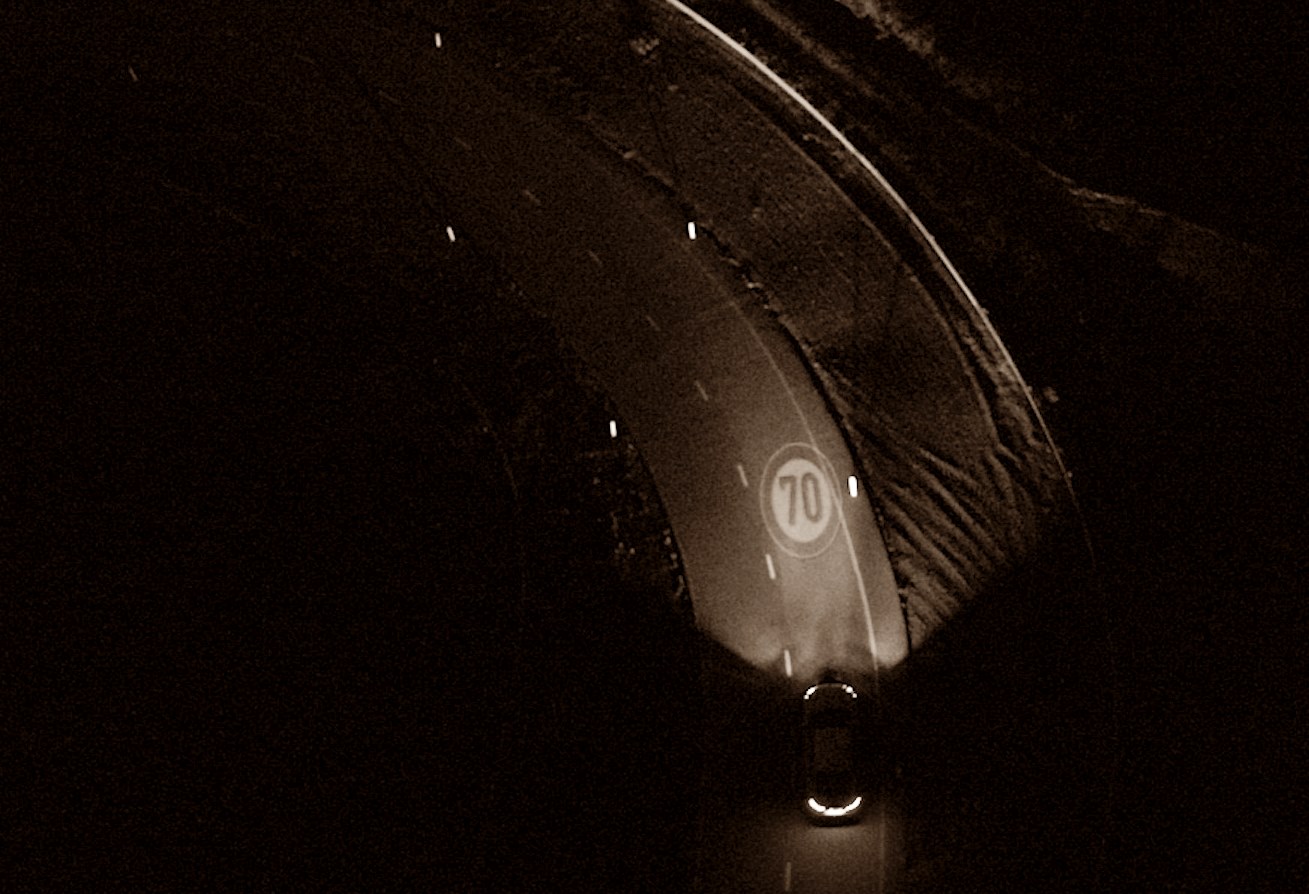
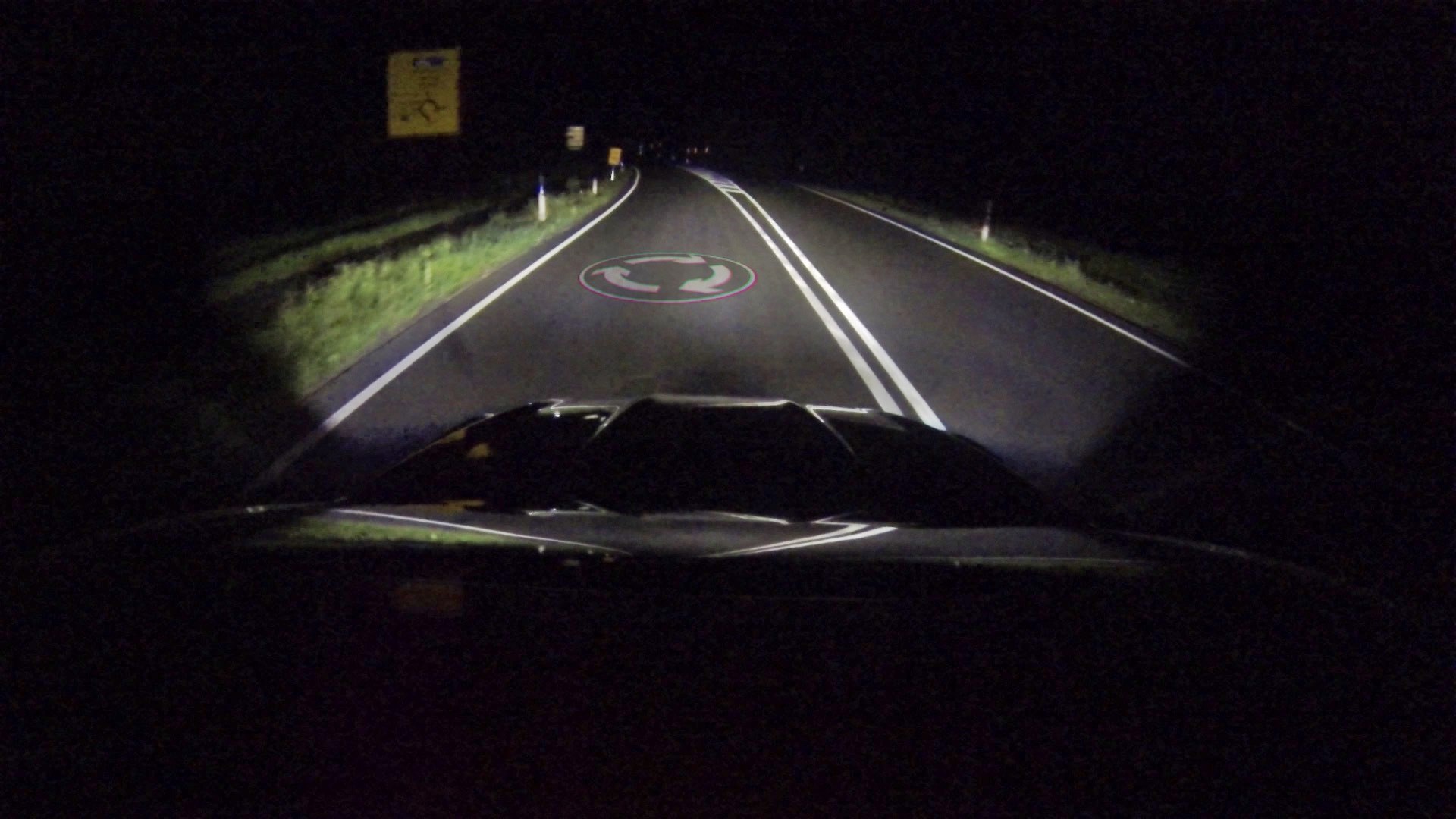
Now Ford researchers have developed a new headlight technology that could help ensure those behind the wheel literally keep their eyes on the road. The new technology can project directions, speed limits or weather information onto the road so the driver keeps looking ahead.

The technology is intended for use at night, of course, as that is when driving can be riskier. Statistics in the UK show that 40% of collisions happen during the hours of darkness, even though there are far fewer people driving than in the daytime.

This risk is increased whenever a driver takes their eyes off the road. A vehicle travelling at 90 km/h covers 25 metres per second, meaning even a short glance at the navigation screen on the dashboard can result in ‘driving blind’ for 10 metres or more. On an unlit road, this could potentially mean missing an important sign or a bend in the road.

BHPetrol

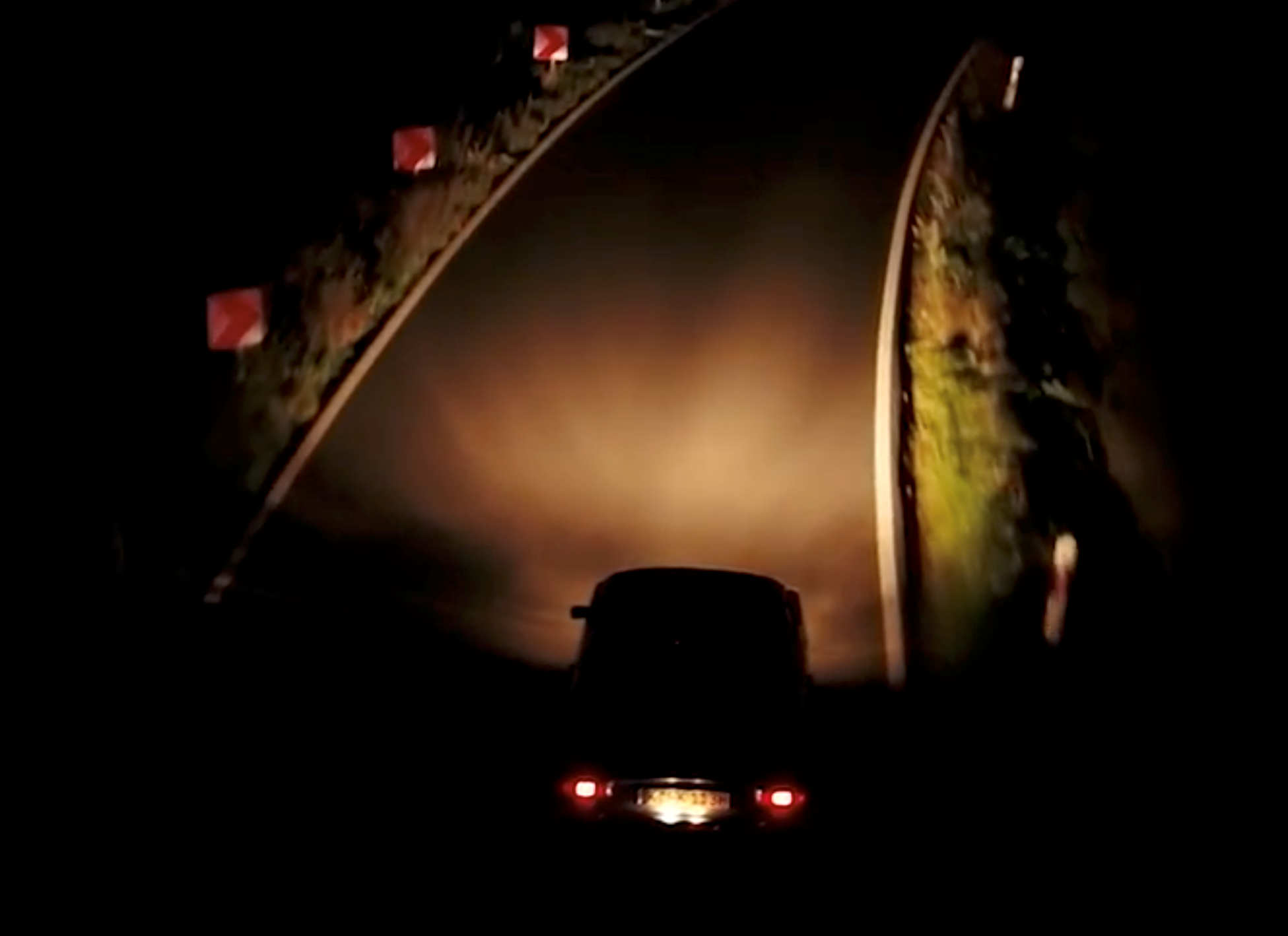
Ford’s researchers have therefore come up with a system that projects important information onto the road using high-resolution headlights. The technology could even provide the driver with information about changes in weather, such as rain falling, fog, slippery conditions, or a slippery road ahead.

Connecting the headlight to the navigation system could display upcoming turns, while the width of the vehicle could be projected onto the road, helping the driver to judge whether the vehicle will fit through a gap or into a parking space.

The technology  could benefit other road users too. For example, a pedestrian crossing could be projected onto the road, both for the view of the driver and the pedestrian, in situations where the existing road markings are faded or unclear. Other possibilities include showing a path for the driver to follow to ensure cyclists are passed at a safe distance.

“What started as playing around with a projector light and a blank wall could take lighting technologies to a whole new level. There’s the potential now to do so much more than simply illuminate the road ahead, to help reduce the stress involved in driving at night. The driver could get essential information without ever needing to take their eyes off the road,” said Lars Junker, Features and Software, Advanced Driver Assistance Systems, Ford of Europe.

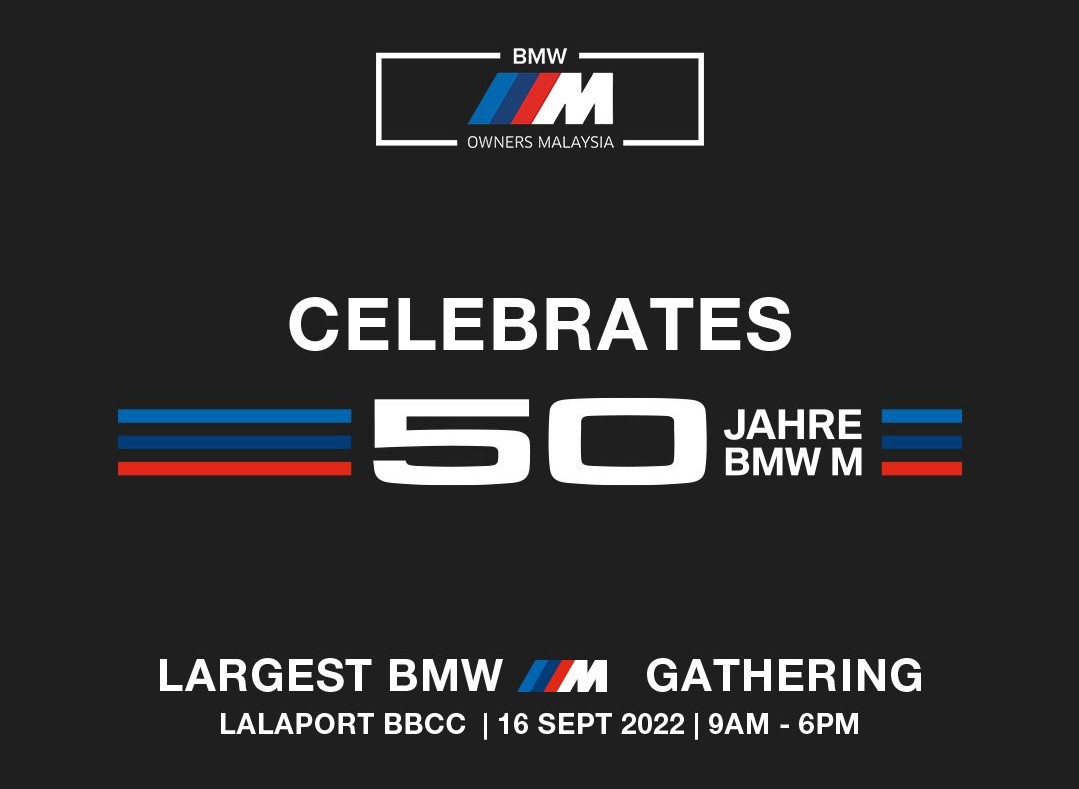
September 16 has long been a special day for Malaysians as it is the day, in 1963, when the East Malaysian states of Sabah and Sarawak and Singapore united with the Federation of Malaya to form Malaysia. And this year, on the 59th anniversary of Malaysia Day, BMW Group Malaysia will also have a special event to celebrate the day as it is also the 50th anniversary year of BMW M, its performance division.

At this joint celebration of Malaysia Day and 50 Jahre M (50 Years of M), BMW M owners and enthusiasts will gather on September 16 to create the largest gathering of BMW M performance vehicles in the country.

Over 150 M vehicles
This gathering will be made up of over 150 vehicles from five generations of M models which will make their way into the city centre on the morning of September 16. They will gather at 10 am at the Lalaport Bukit Bintang City Centre along Jalan Hang Tuah in Kuala Lumpur.

Open to the public, the event will also feature a special display of some of the oldest BMW M models in the country. These models have been found after a search by BMW Group Malaysia since May this year.

Other activities at the event will include music performances and engagements with the public who can win exclusive merchandise.

BHPetrol

About BMW M
50 years ago, in May 1972, a small business unit with 35 employees was created and initially known as BMW Motorsport GmbH. It was only in 1993 that the present name was established, by which time its role was a fundamental part of the BMW Group, broadening its scope to more than just competition cars. It exemplified the engineers’ expertise in combining authentic motorsport functionality with exclusive and sporty aesthetics, while producing its own memorable models.

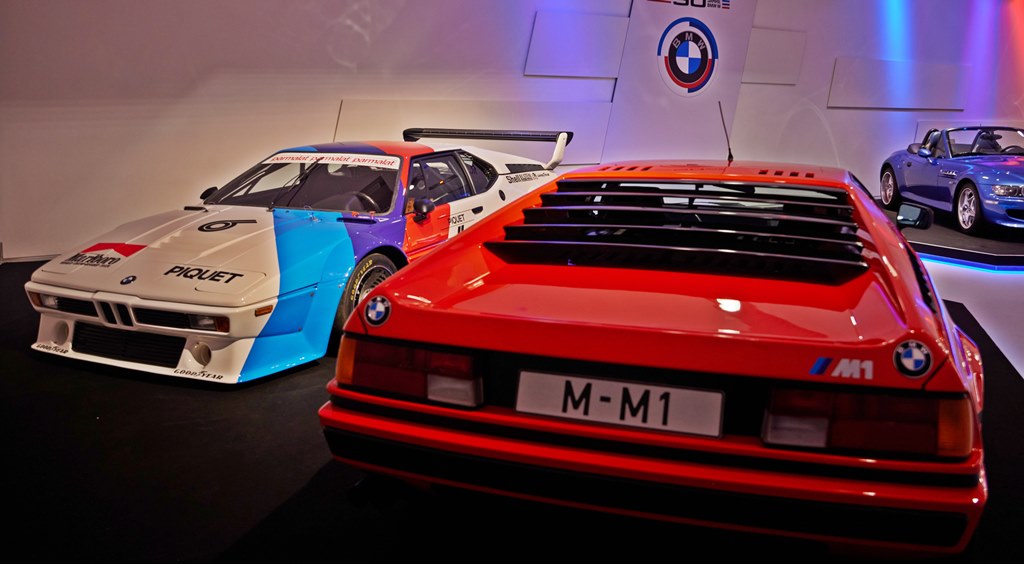
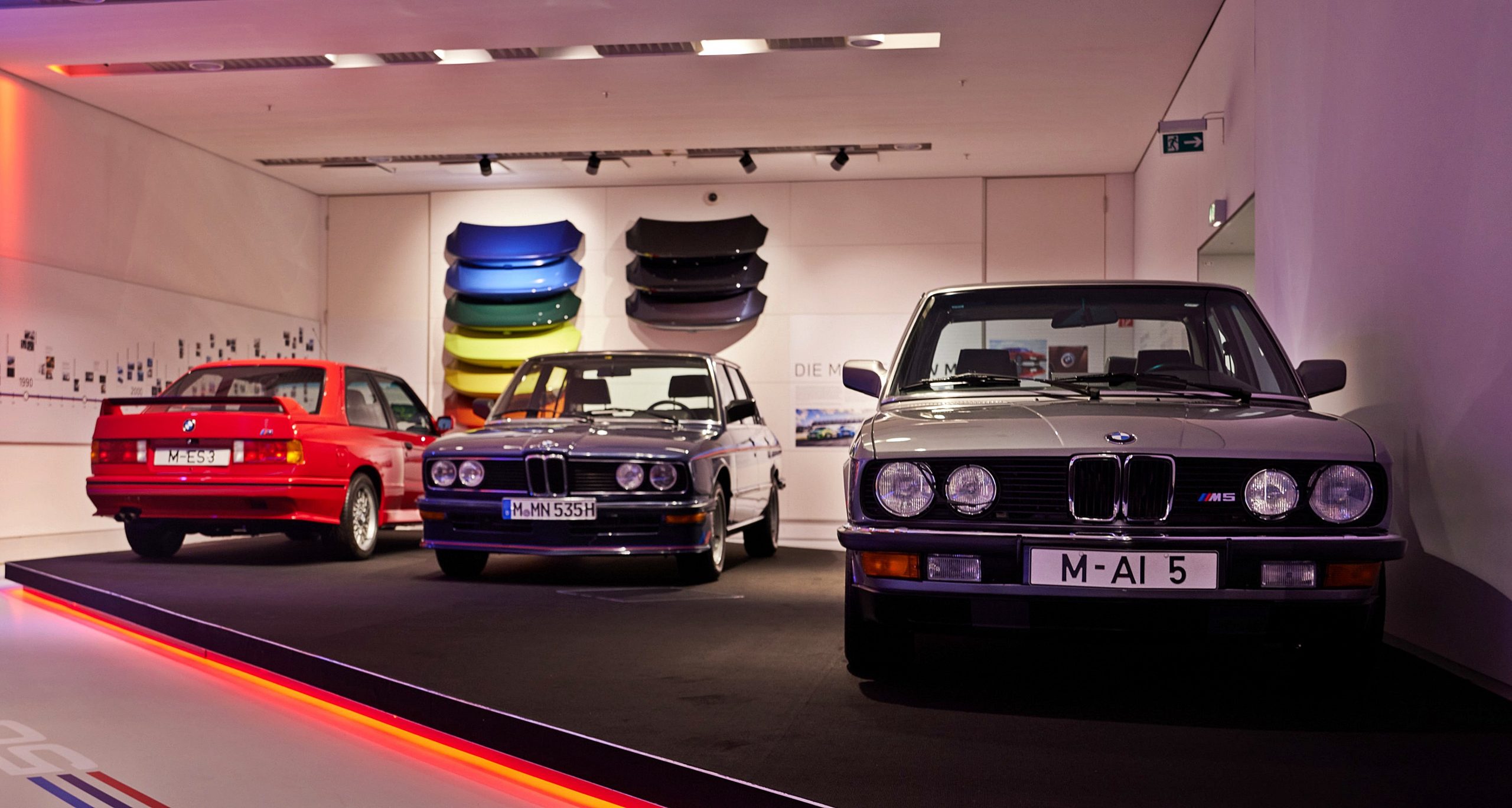
Over the past 50 years, BMW M has given the motoring world many iconic performance cars –  models like the legendary M1, M3, M5 and M635CSi. Although BMW M focused almost exclusively on the producing performance and racing cars, many BMW enthusiasts were also looking for the BMW M power and badging on road cars.

The M5, followed by the M3, were developed for these enthusiasts and quickly became the most iconic BMW M vehicles in the line-up. They not only won numerous championship victories in touring car racing but also performed impressively on the road.

Some of the BMW M models that have become historical icons of the brand.

BMW M has followed market trends and as enthusiasts came to appreciate SUVs, it developed the X5 M and X6 M, the first M models with 4-wheel drive and turbocharged engines. Today, the BMW X family members with M badges include the X3 M Competition and X4 M Competition.

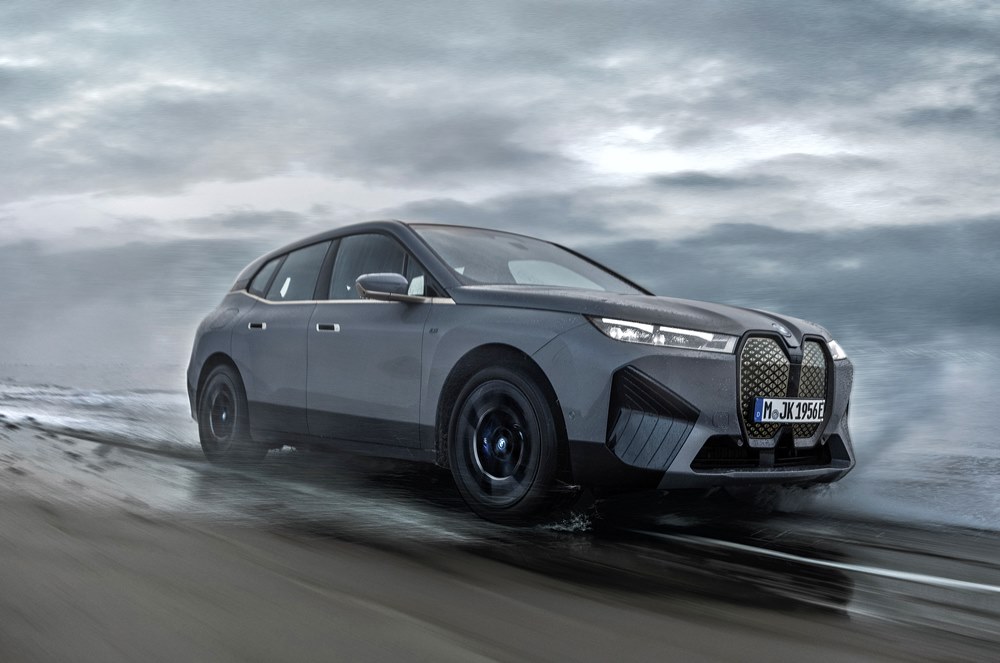
With the iX M60, the brand is also headed into the electric era. For a company like BMW M, which has built up a reputation producing cars with superlative performance means that the same kind of performance cab be expected – even with electric models.

2022 BMW iX M60
The iX M60 leads BMW M into the electric era.

“At the BMW Group, M remains the most powerful letter in the world, as it represents our high-performance vehicles born out of pure passion for motorsports. This fascination for power, speed and dynamics has put M on the map since 1972. Fifty years on, we are thrilled to be celebrating the legacy of the BMW Motorsport GmbH with a great community of owners and enthusiasts alike. This milestone is not one we could have achieved without their loyal support throughout these years,” said Hans de Visser, Managing Director of BMW Group Malaysia.

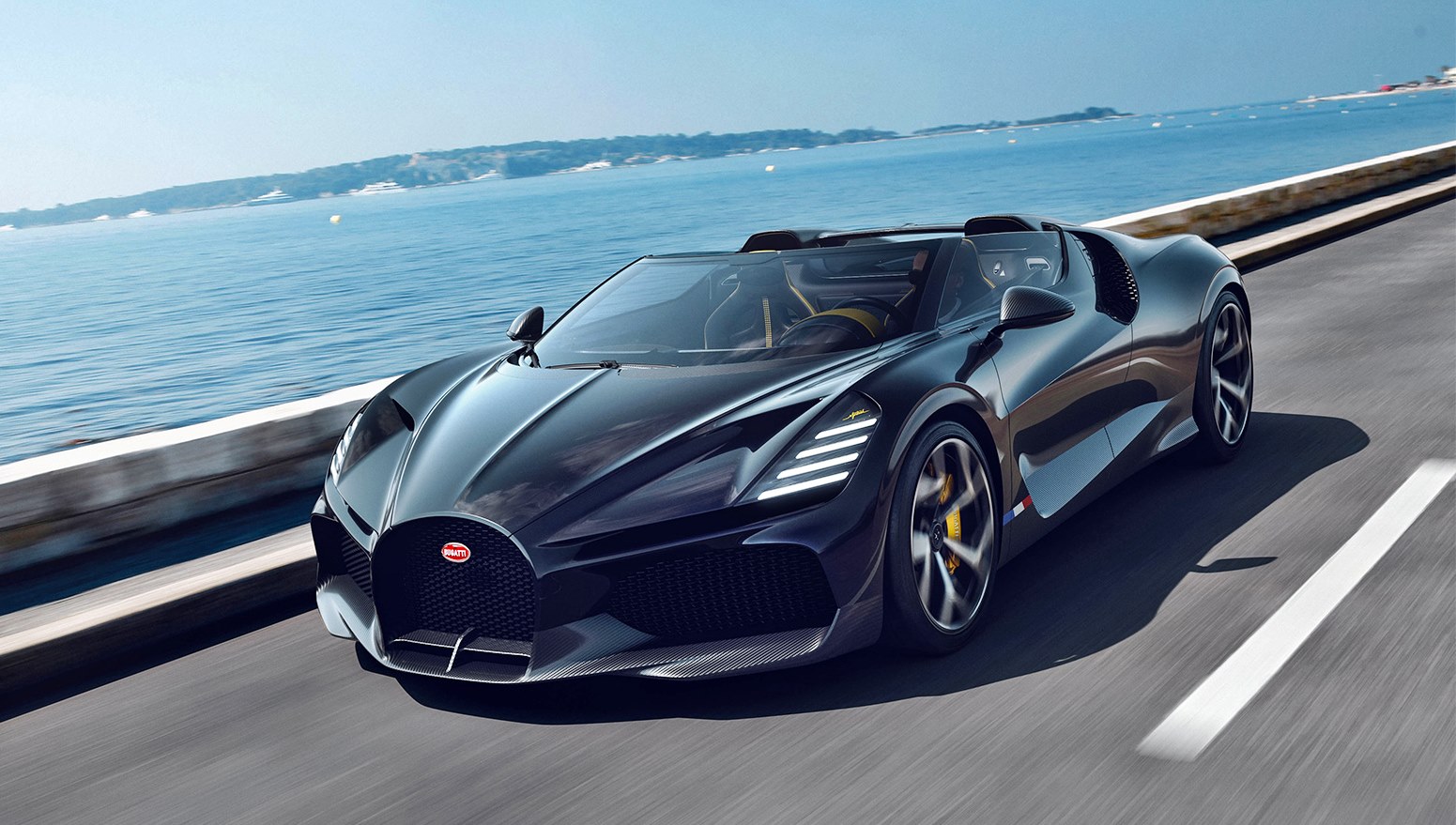
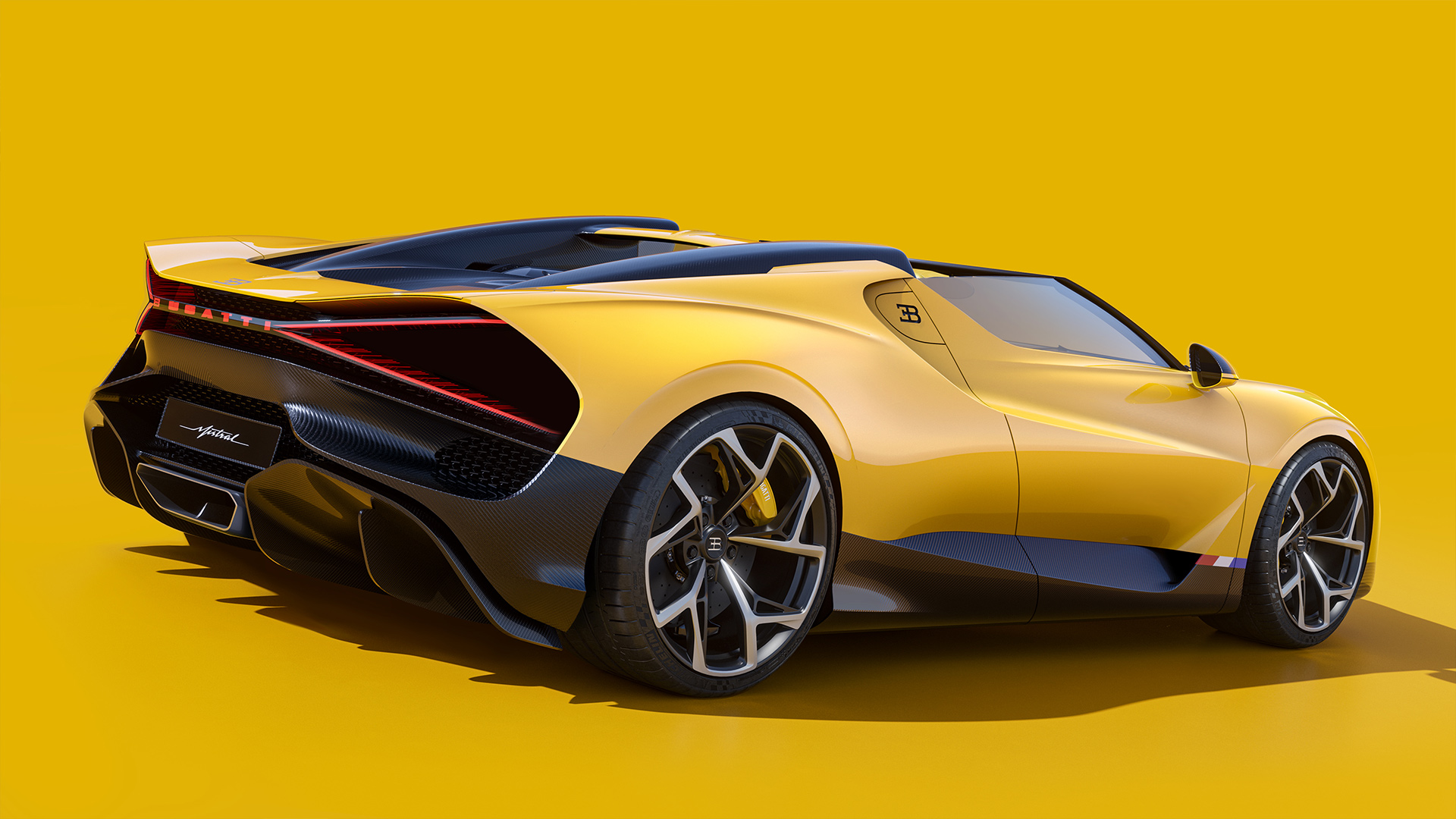
Well over 40% of all Bugatti vehicles ever created have been open-top in design but in the Chiron era, a roadster was never offered. Therefore, as a farewell to the legendary W16 powerplant, Bugatti decided to create a roadster which it has named the W16 Mistral.

“The introduction of the W16 Mistral continues the legacy, and also opens the next chapter in the Bugatti roadster story, inspired by over a century of open-top legends,” said Mate Rimac, CEO of Bugatti Rimac.

Being a very special Chiron, much consideration went into the name it should have. Inspiration came from the mistral, a powerful wind that blows from the Rhone River valley, through the chic towns of the Cote d’Azur in southern France and into the Mediterranean.

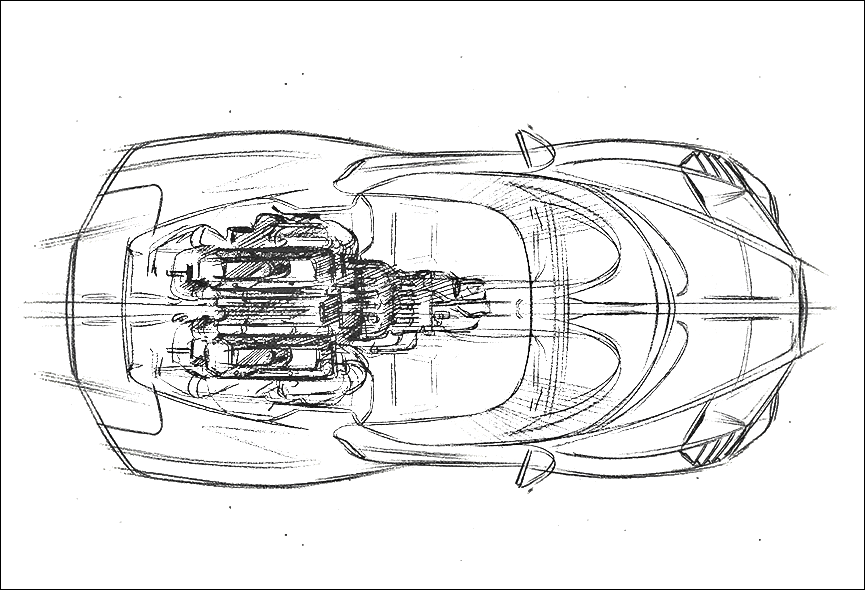
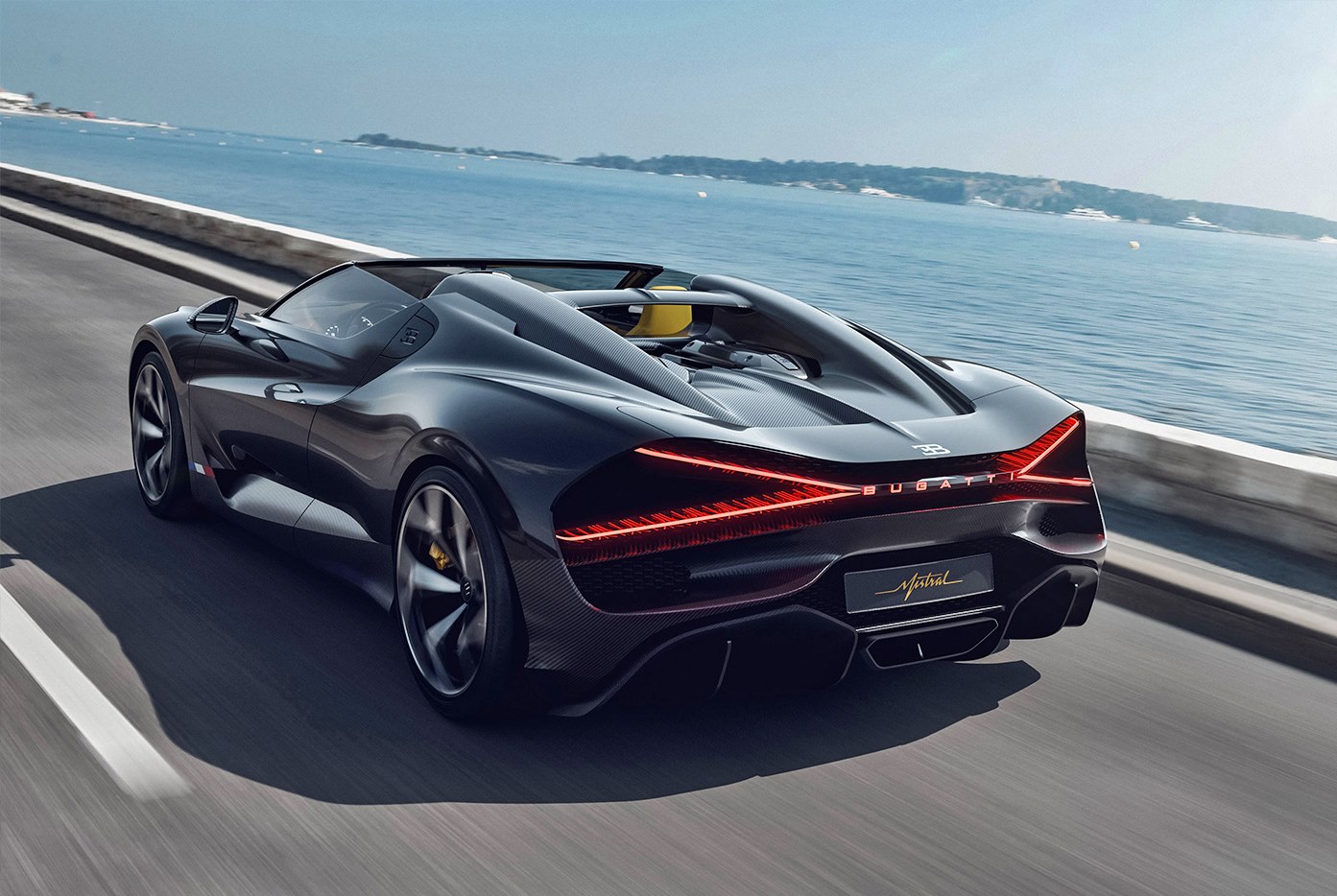
Built around the 1,600 ps W16 engine, first used in the Chiron Super Sport 300+, the W16 Mistral offers superlative performance unlike any open-top car. Its design and engineering is completely bespoke. The existing monocoque is not simply cut off above the A-pillars to make way for the new open-top design but has been reengineered and reshaped to create a more rounded silhouette without compromising performance.

“We know the W16 Mistral will always have significance in the story of Bugatti, marking the last time that perhaps the greatest ever automotive powertrain is used in a roadgoing production car. We, as a design team, felt enormous pressure to deliver styling that immediately conveyed this landmark moment, drawing inspiration from some of the most beautiful roadsters in Bugatti history,” said Achim Anscheidt, Bugatti’s Design Director.

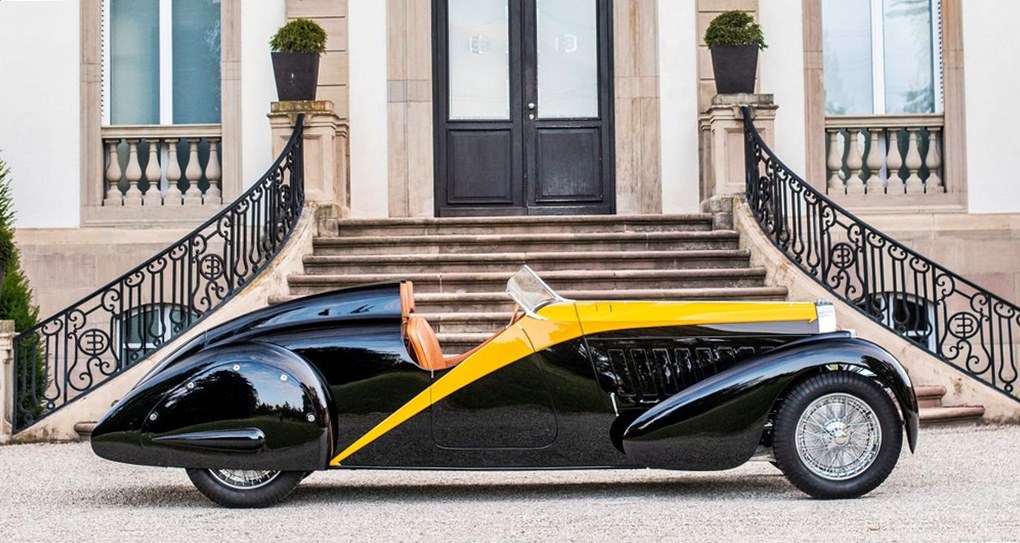
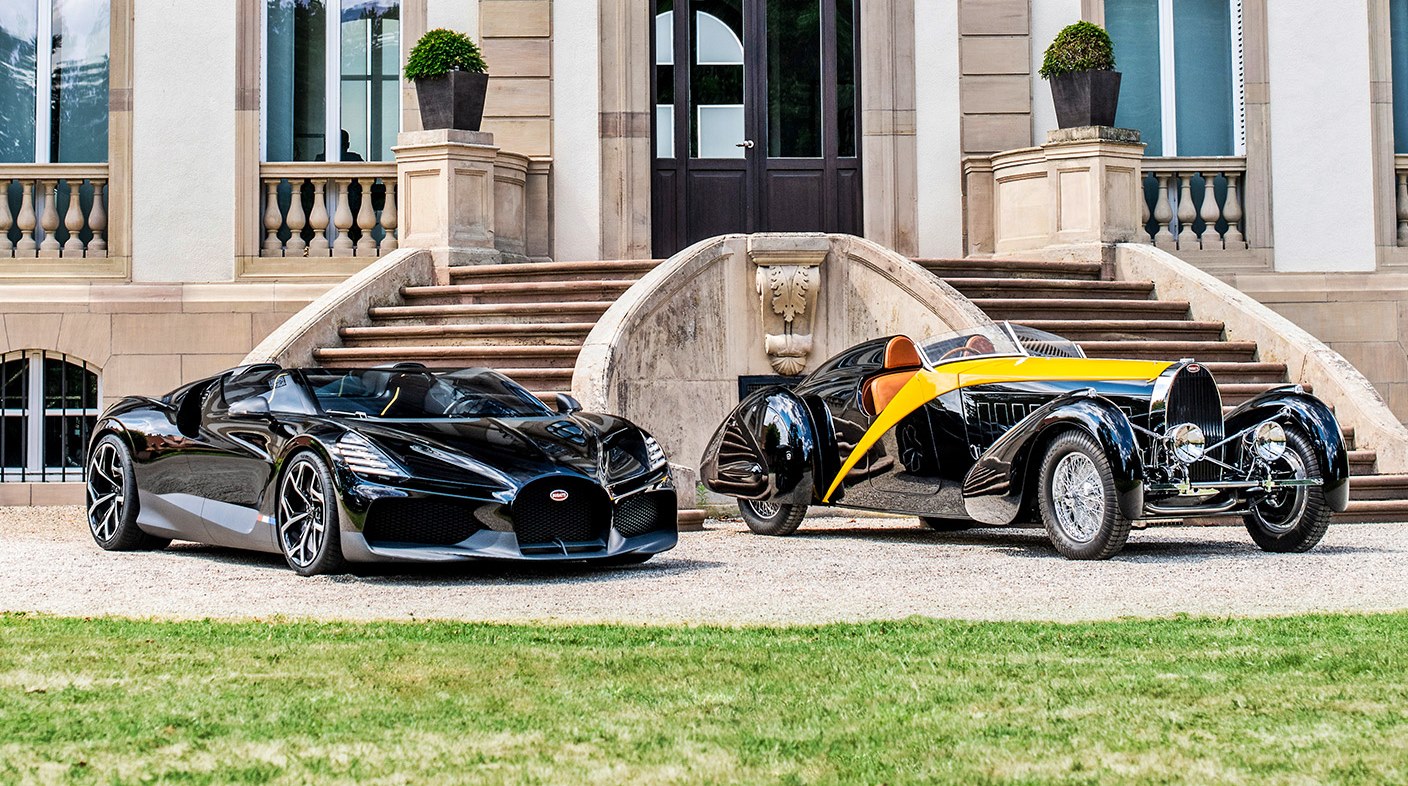
As they considered the project, they looked at the 1934 Bugatti Type 57 Roadster Grand Raid (pictured above), a sporting roadster that represented the pinnacle of elegant design. Marked out by its dual aerodynamic headrests, flowing backwards into the bodywork, and a cut down V-shaped windscreen, this particular Grand Raid was effortlessly sophisticated with an understated sportiness. Finished in a duo-tone black and yellow livery, it would provide the perfect inspiration for this watershed moment in the Bugatti story.

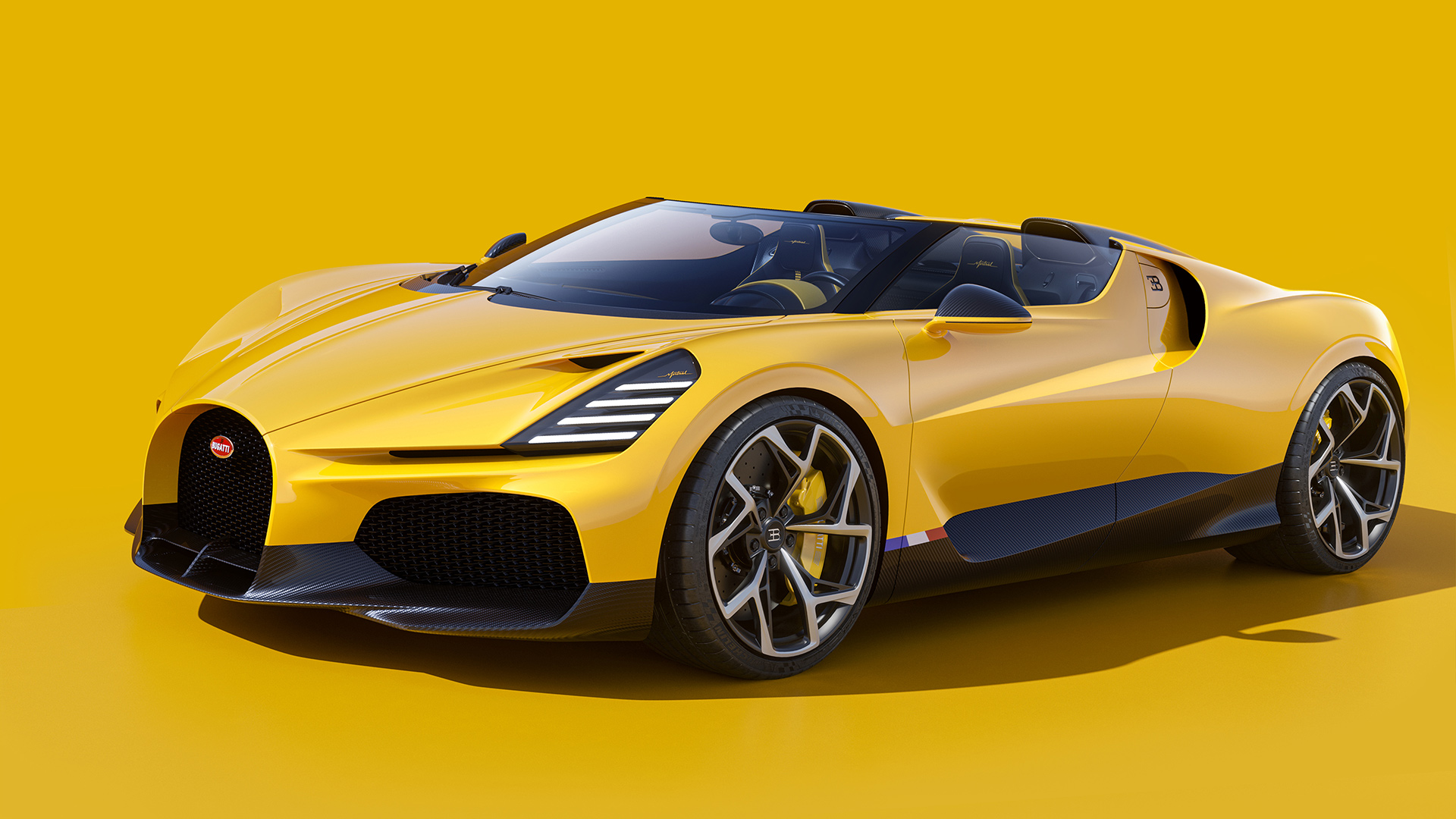
The W16 Mistral has colours inspired by the Type 57 Roadster Grand Raid. A warm black with hints of truffle brown and subtle yellow accents can be seen throughout. Not only is it homage to the iconic coachbuilt body, but also to Ettore Bugatti, who chose the black and yellow combination for many of his personal cars.

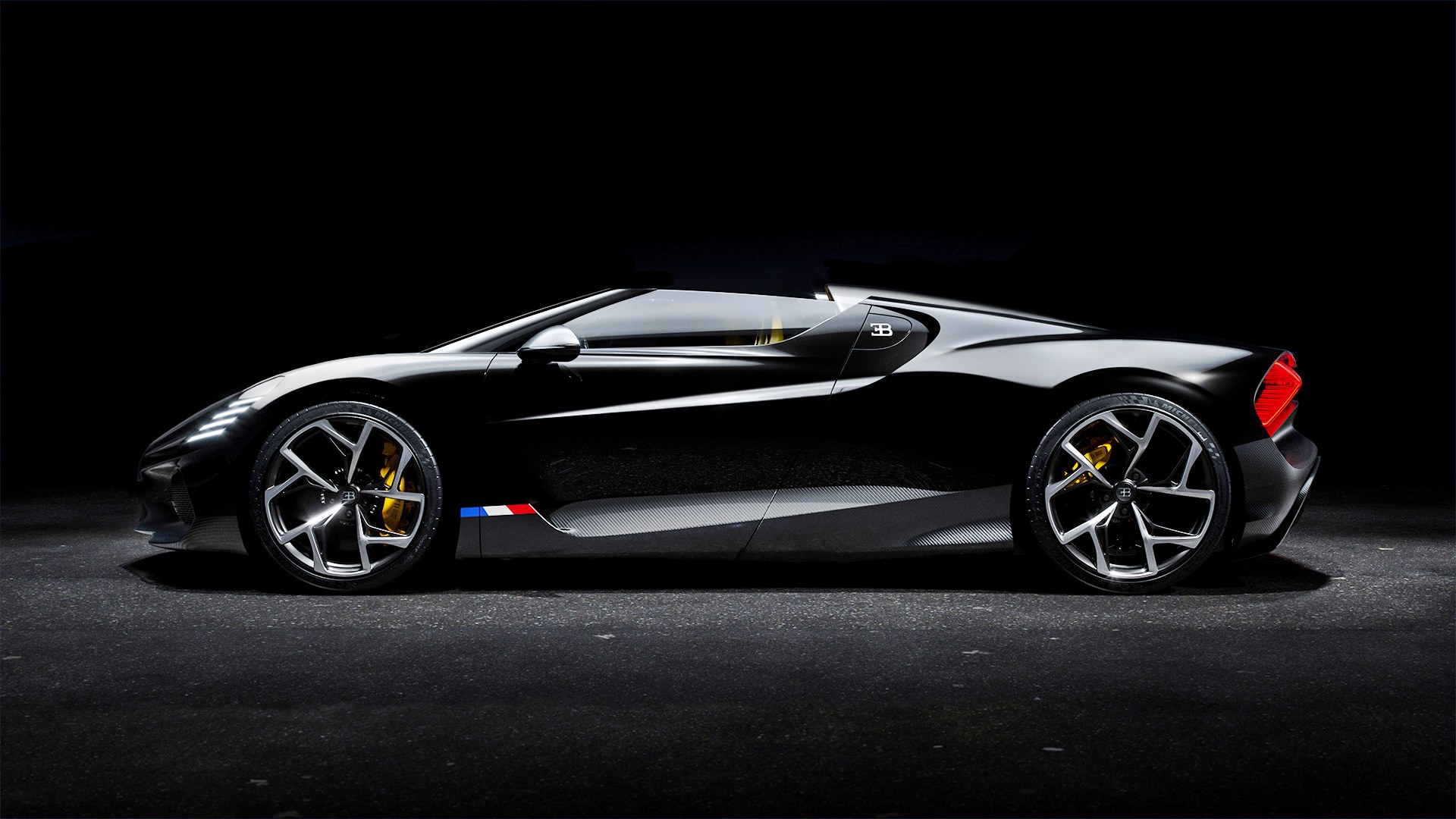
The open-top hypercar also captures the essence of the Grand Raid’s V-shaped windscreen and evolves it into a modern-day work of art. A curving windscreen that seemingly wraps around the A-pillars, blending seamlessly into the side windows and creating a ‘visor’ effect that hints at the motorsport levels of performance available. The windscreen itself is a marvel of engineering, curved just enough to create the rounded visor design, without distorting the driver’s vision.

The top line of the windscreen and side windows flows purposefully around the side air intakes. This character line then flows back underneath the side glass to shoot through all the way to the front horseshoe grill creating a new three-dimensional character for the famous Bugatti C-line introduced on Chiron.

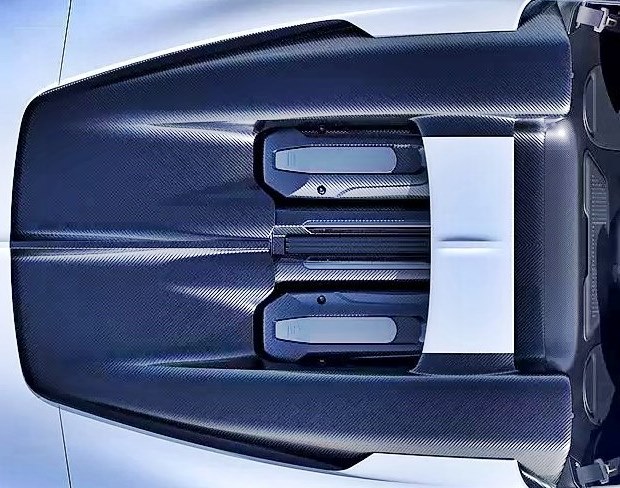
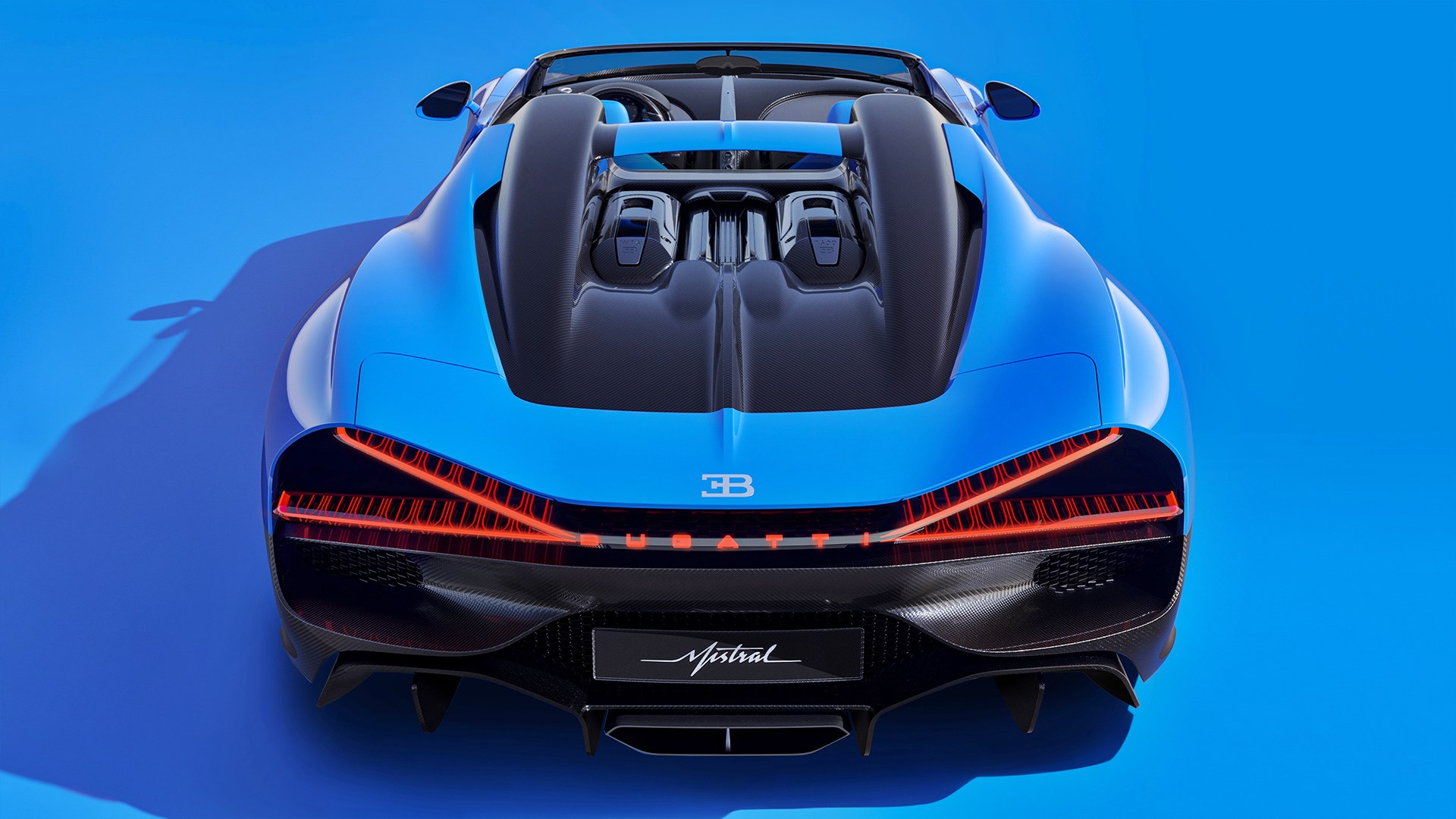
To keep the body side section slim, but also allow for optimum airflow to the W16, the oil cooler intakes on the side were deliberately separated from the engine air intakes, which now sit on the roof, just behind the occupants.

The two-new roof-mounted engine air scoops also reference the Type 57 Roadster Grand Raid, as well as the first open top Bugatti of the modern era: the Veyron 16.4 Grand Sport. Tighter, more powerful and appearing to leap forwards, the W16 Mistral exhibits an entirely different character.

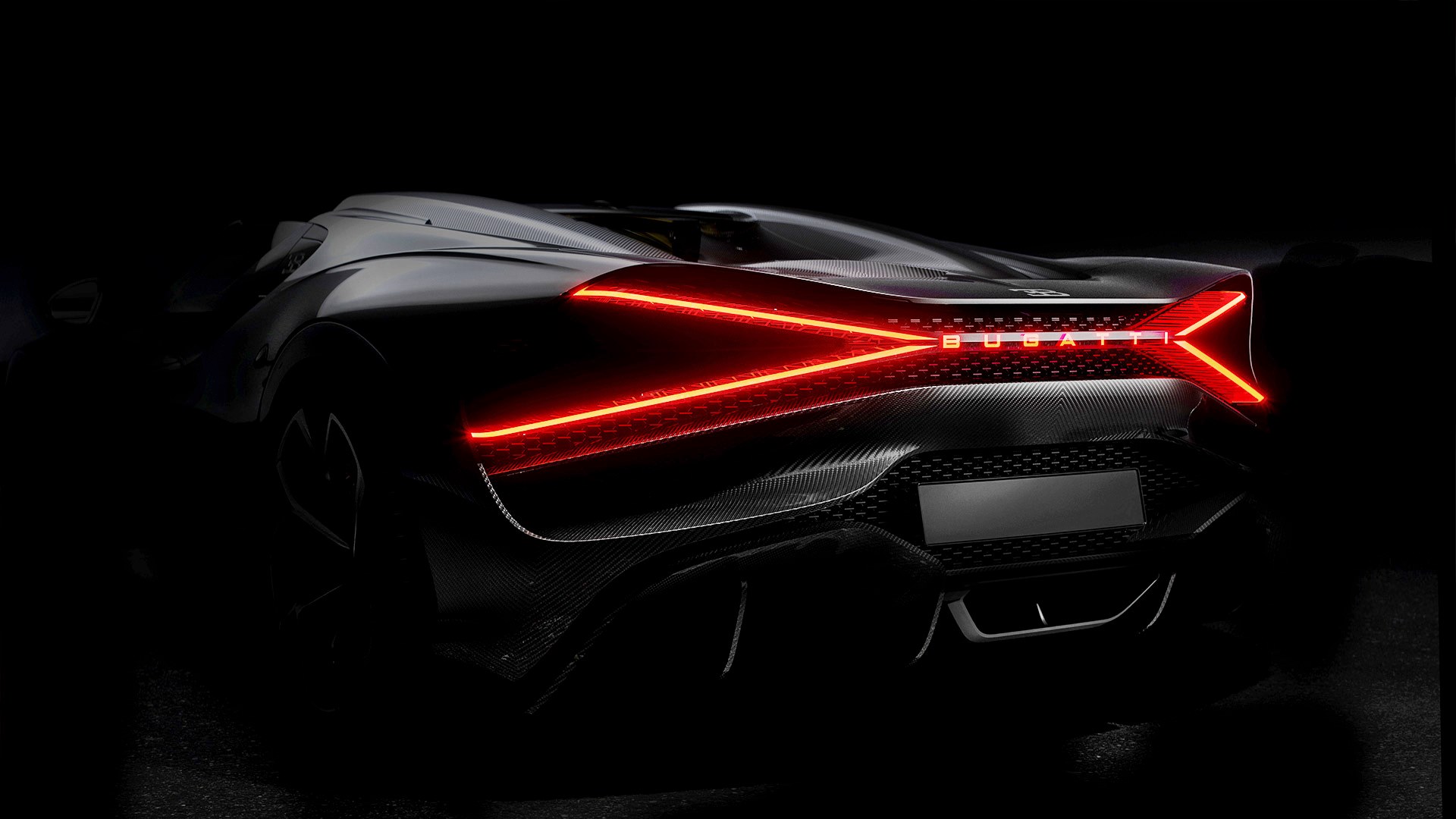
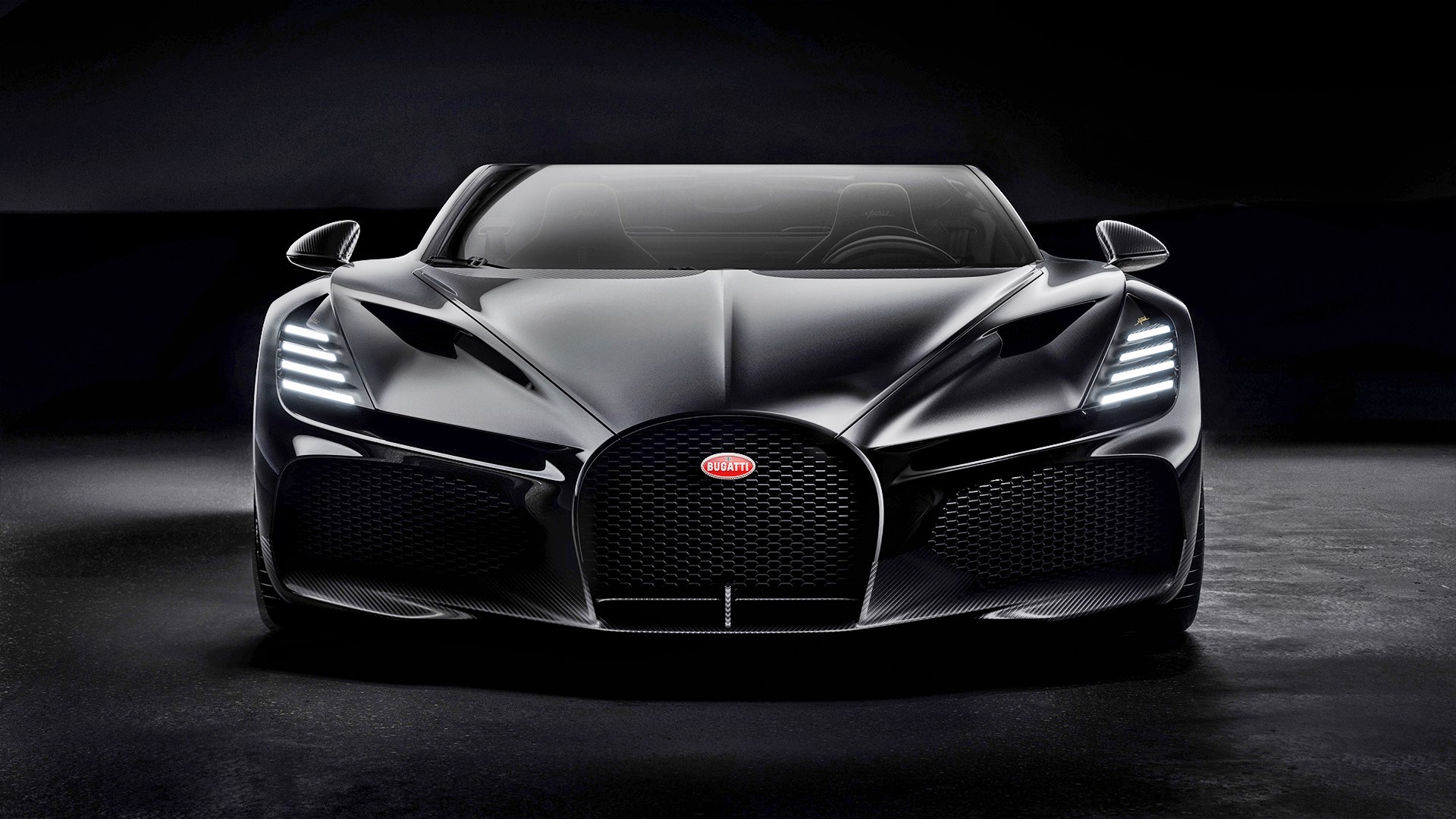
“To reflect the W16 Mistral’s new character, we also totally reinvented its frontal appearance, in line with the vertical layout of our unique or few-off models like Divo and La Voiture Noire. It’s immediately imbued with a sense of exclusivity; the vertically stacked headlights are completely bespoke and the famous horseshoe grille is reimagined to be much more three-dimensional; both deeper and wider. At the rear, we challenged ourselves to create a striking but also more elegant iteration of Bolide’s X-theme taillight motif, which forever left its mark on the world of automotive design,” Anscheidt explained.

The headlights themselves are intricately shaped, incorporating a 4-light signature that subtly nods to the W16 Mistral’s 4-wheel-drive and 4 turbochargers. But their 3-dimensional surface also functions as an aerodynamic aid that funnels air through the light and out through the wheelarch to improve aerodynamic drag. The wider horseshoe grille allows the high temperature engine radiator to be fully fed purely from one intake, leaving the two side intakes to focus only on providing air to the intercoolers.

The X-taillight, meanwhile, serves the function of venting the side oil coolers through ducts connecting the triangular negative space in between the X beams to the side radiators. Therefore, a pressure drop is created between the side intakes and the outlets at the back, which helps to manage the mid-temperature cooling circuit of the engine most effectively.

Other engineering innovations can be seen in Bugatti’s advanced composite materials are paired with cutting-edge titanium and aluminium 3D-printing for the striking design. A detailed analysis of the W16 Mistral’s dynamic stiffness allowed engineers to develop lightweight solutions that would ensure optimum handling and performance under the most extreme conditions.

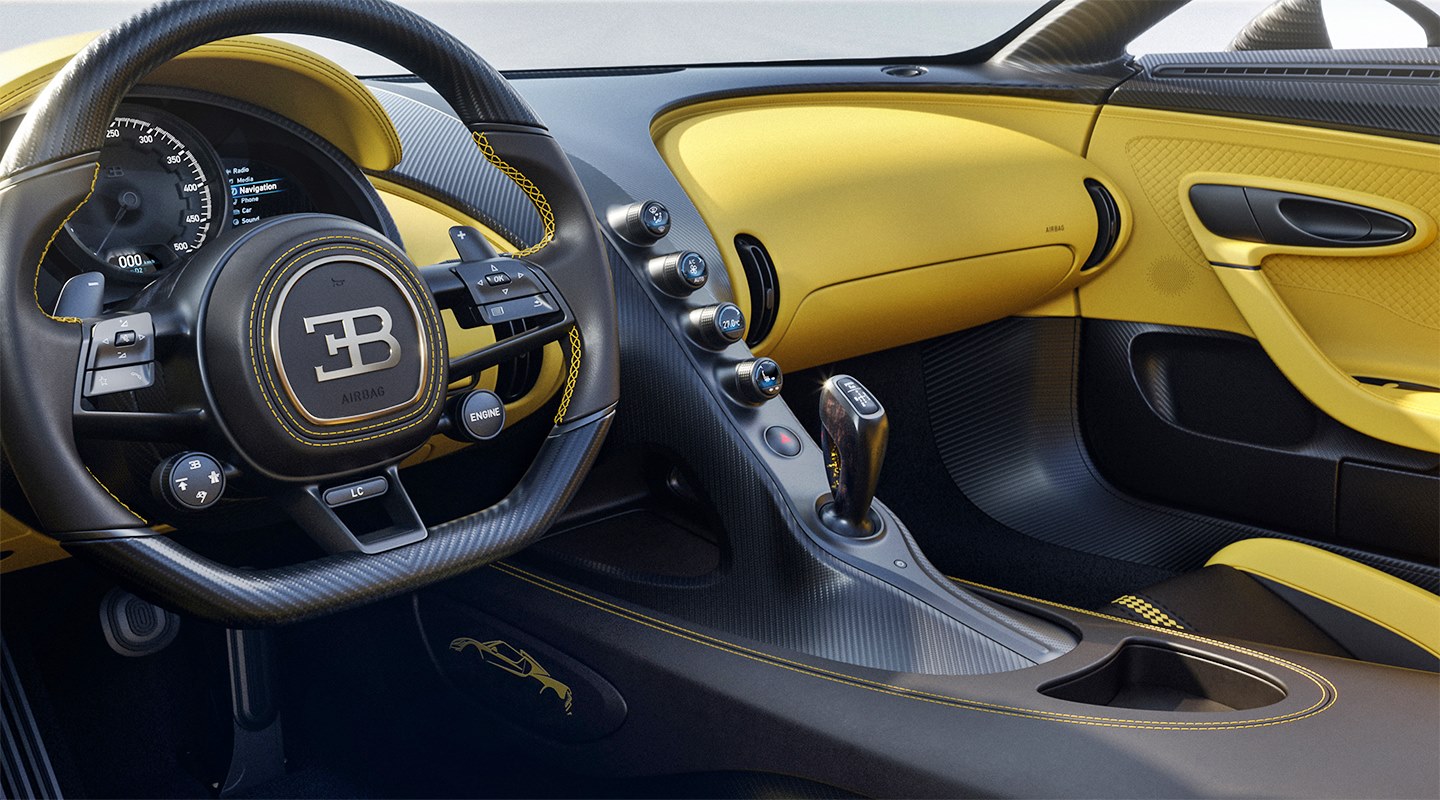
The interior follows that in the Chiron, providing an experience that’s both elegant and luxurious, but also functional enough to ensure all information is easily visible at up to 420 km/h. The dedication to material quality remains a hallmark of Bugatti design, with advanced, lightweight titanium, aluminium components milled from a solid block and soft, blemish-free leathers.

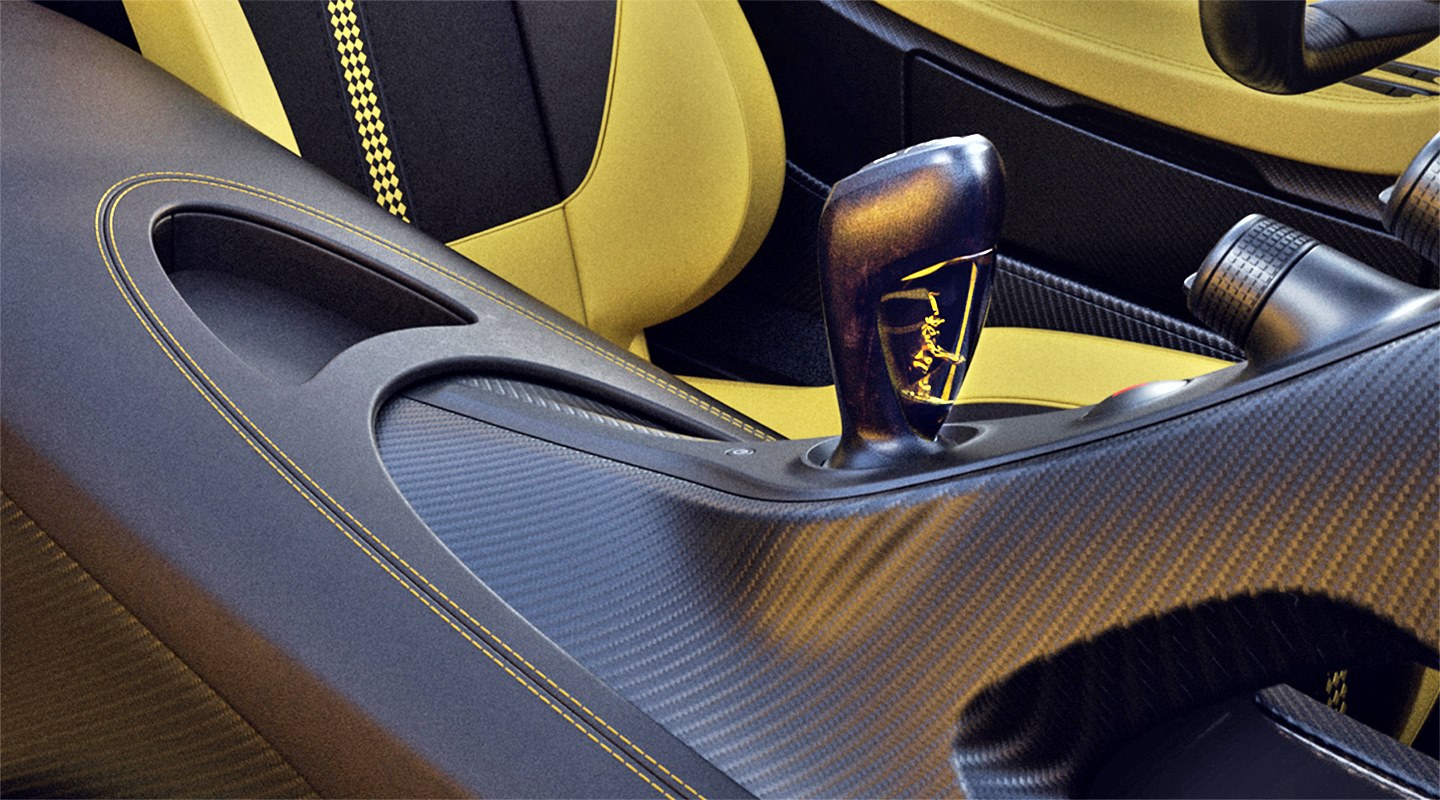
An intricate woven leather is used on newly designed door panels, meticulously tested and produced to Bugatti quality standards that envision regular use for over a hundred years into the future. The gear shifter – machined from a solid block of aluminium – features a touch of wood and an amber insert with Rembrandt Bugatti’s famous ‘dancing elephant’ sculpture locked within.

When Bugatti’s last roadster, the Veyron 16.4 Grand Sport Vitesse, set a world speed record of 408.84 km/h in 2013, its 8-litre quad-turbo W16 had 1,200 ps. The W16 Mistral has 1,600ps, making use of the same power unit that propelled the Chiron Super Sport 300+ to a world-record-breaking speed of 490.7 km/h in 2019.

“The union of a roadster format and our W16 powertrain is absolute perfection. With the roof removed, and a pair of large air intakes directly behind your head feeding around 70,000 litres of air through the engine every minute at full bore, driving the W16 Mistral connects you to the intricate workings of this revolutionary powertrain like no other Bugatti to date,” declared Rimac.

Only 99 units of the W16 Mistral will be built, each with an ex-factory pricetag of 5 million euros (about RM22.4 million). Orders are no longer accepted as the entire production run has already been taken, with first deliveries due to being in 2024.

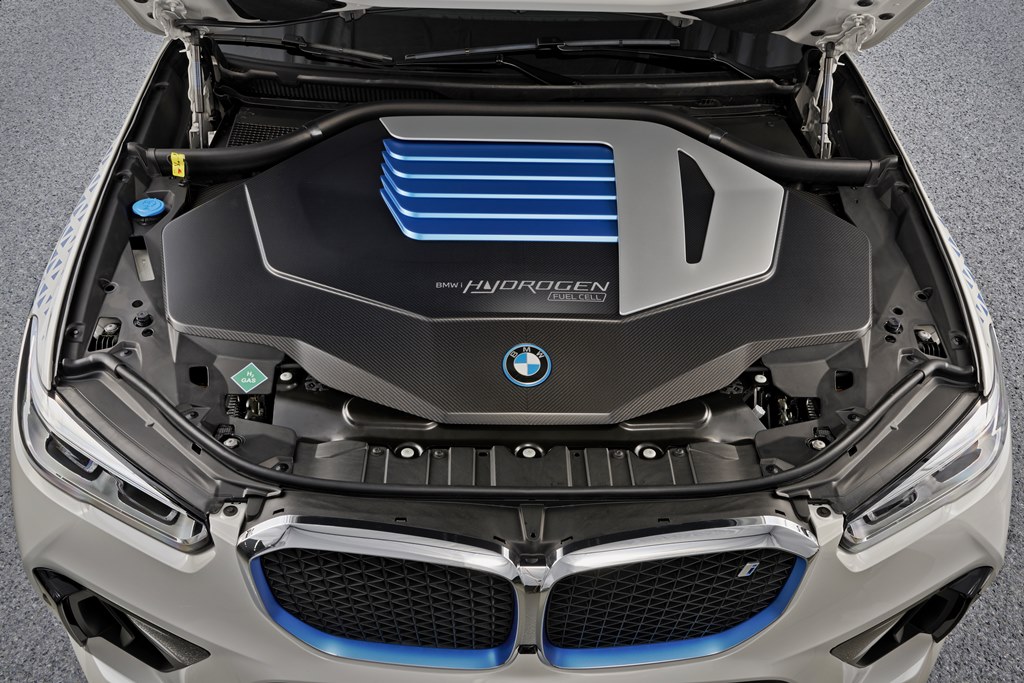
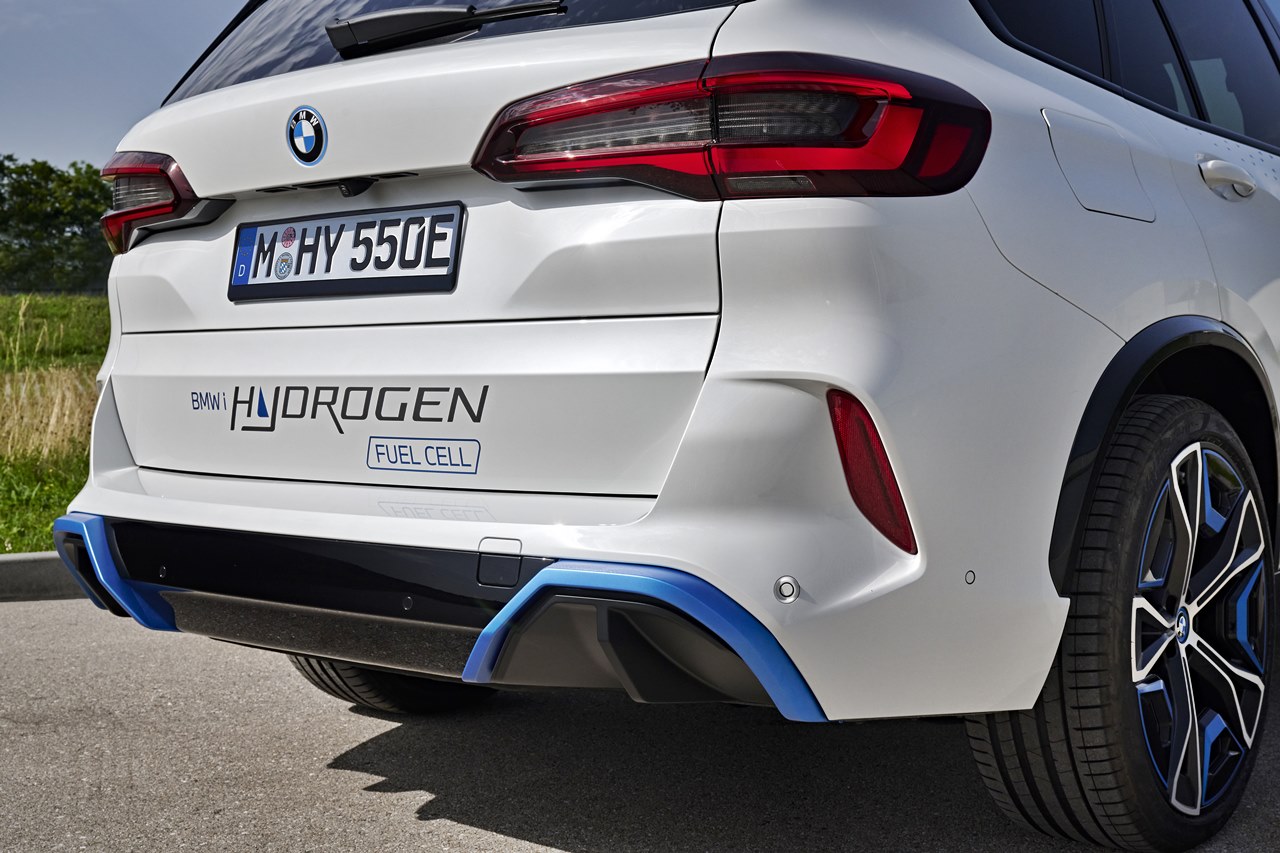
One year ago, at IAA Mobility in Munich, Germany, the BMW Group displayed a special X5 which runs on hydrogen. Known as the iX5 Hydrogen, it uses the X5 bodywork but has a hydrogen fuel-cell electric drivetrain.

The iX5 Hydrogen is under development because BMW sees hydrogen fuel-cell technology as having the potential to become a further pillar in the BMW Group’s drivetrain portfolio for local mobility without CO2 emissions. Provided the gas is produced using renewable energy and the necessary infrastructure is available, this technology can complement the BMW Group’s electrified drivetrain portfolio in future.

Fuel-cell + BMW eDrive technology
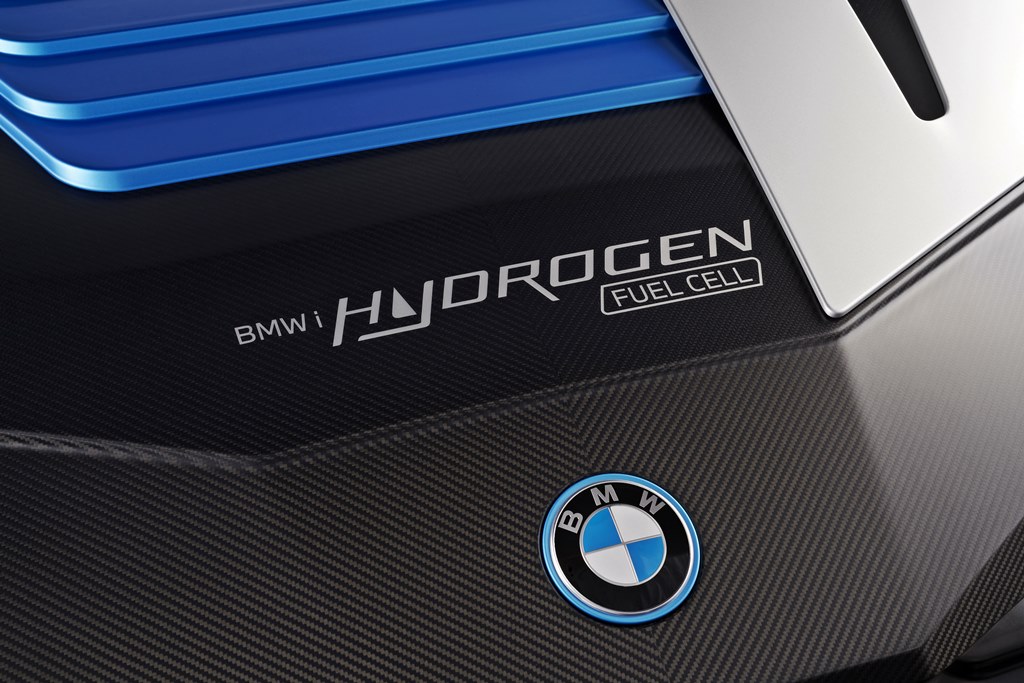
The iX5 Hydrogen combines fuel-cell technology with a fifth-generation BMW eDrive. The drive system uses hydrogen as fuel by converting it into electricity in a fuel-cell. The electric output can be up to 125 kW/170 bhp, with water vapour as the only emission.

The electric motor was developed from BMW eDrive technology also used in the BMW iX. In coasting overrun and braking phases, it serves as a generator, feeding energy into a power battery. The energy stored in this power battery can deliver a system output of 275 kW/374 bhp to provide the driving experience that the brand has been known for.

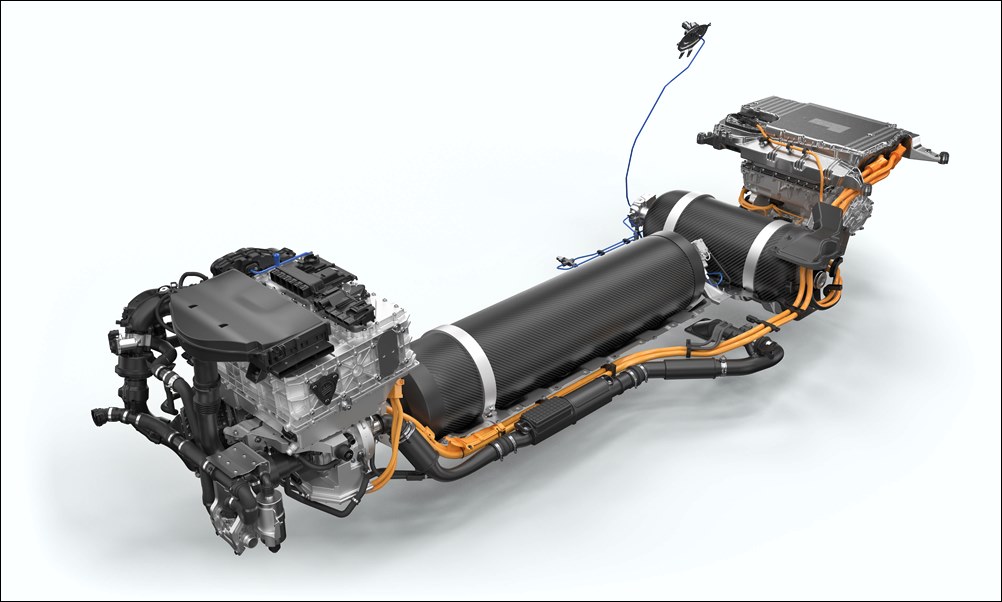
The hydrogen needed to supply the fuel cell is stored in two 700-bar tanks (the two cylinders in the picture above) made of carbonfibre reinforced plastic (CFRP), which together hold almost 6 kgs of hydrogen. “Filling up the tanks only takes three to four minutes – so there are no limits on using the BMW iX5 Hydrogen for long distances, with just a few, short stops in-between,” said Juergen Guldner, Head of BMW Group Hydrogen Fuel Cell Technology and Vehicle Projects.

Built in-house
The carmaker recently commenced fuel-cell system production at its competence centre in Munich. By the end of this year, it will have a small fleet iX5 Hydrogen SAVs that will be run around the world for test and demonstration purposes

“As a versatile energy source, hydrogen has a key role to play on the road to climate neutrality. And it will also gain substantially in importance as far as personal mobility is concerned. We think hydrogen-powered vehicles are ideally placed technologically to fit alongside battery-electric vehicles and complete the electric mobility picture,” said Oliver Zipse, Chairman of the Board of Management of BMW AG. “By commencing small-scale production of fuel cells today, we are demonstrating the technical maturity of this type of drive system and underscoring its potential for the future.”

“Our many years of research and development work have enabled us to get the very most out of hydrogen technology,” added Frank Weber, Member of the Board of Management of BMW AG, Development. “We have managed to more than double the fuel cell’s continuous output in the second-generation fuel-cell in the BMW iX5 Hydrogen, while weight and size have both decreased drastically.”

So far, the iX Hydrogen prototype has already successfully demonstrated its excellent everyday usability, even at very low temperatures, during the final round of winter testing in Sweden at the start of this year.

BHPetrol

Technological expertise, high efficiency standards
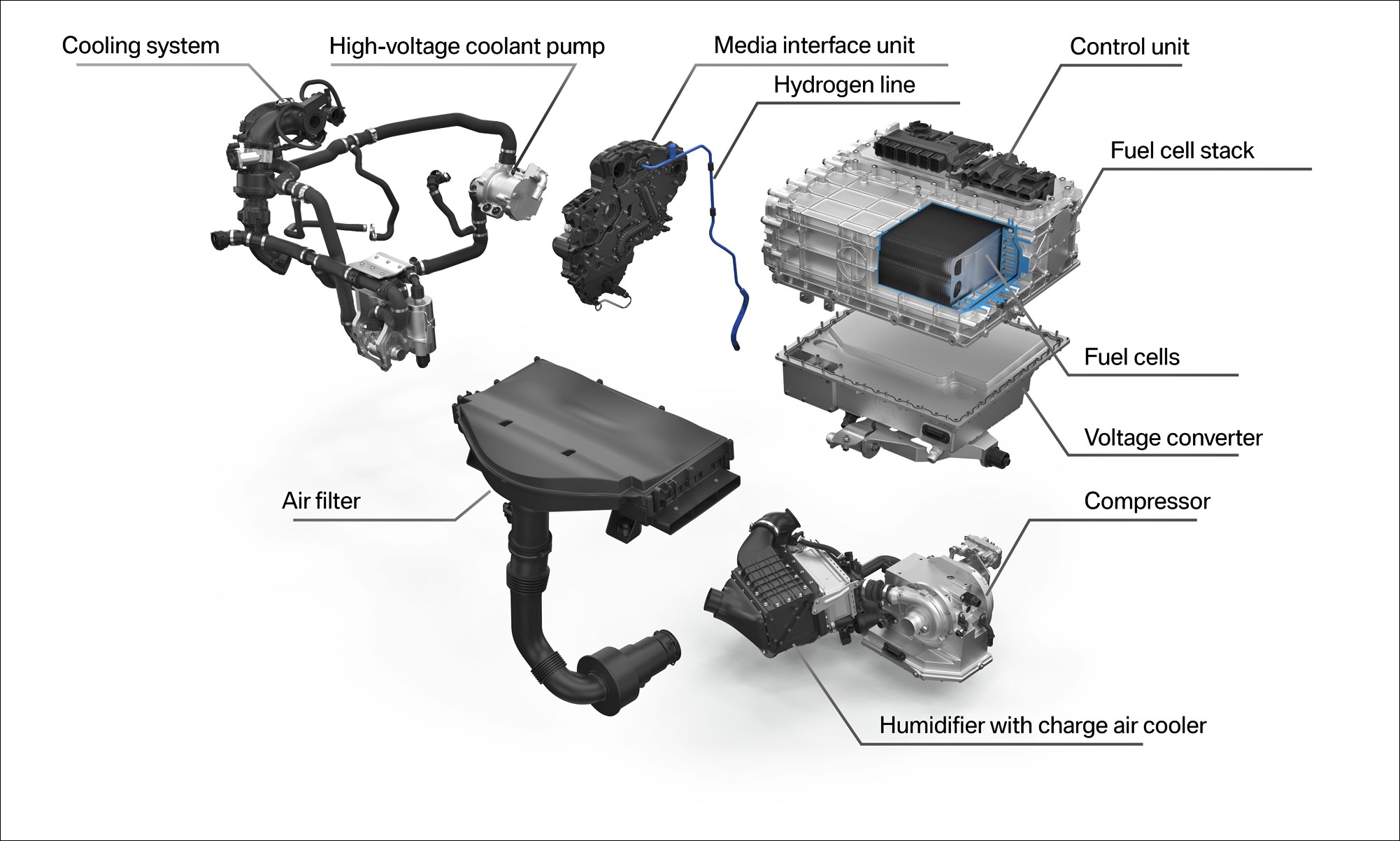
A chemical reaction takes place in the fuel cell between hydrogen from the tanks and oxygen from the air. Maintaining a steady supply of both elements to the fuel cell’s membrane is of crucial importance for the drive system’s efficiency. In addition to the technological equivalents of features found on combustion engines, such as charge air coolers, air filters, control units and sensors, the BMW Group also developed special hydrogen components for its new fuel cell system. These include the high-speed compressor with turbine and high-voltage coolant pump.

The individual fuel cells required for manufacturing the iX5 Hydrogen are supplied by  from the Toyota Motor Corporation, which has been selling a hydrogen fuel-cell electric vehicle (the Mirai) since 2014. The two companies have been collaborating on fuel-cell drive systems since 2013.

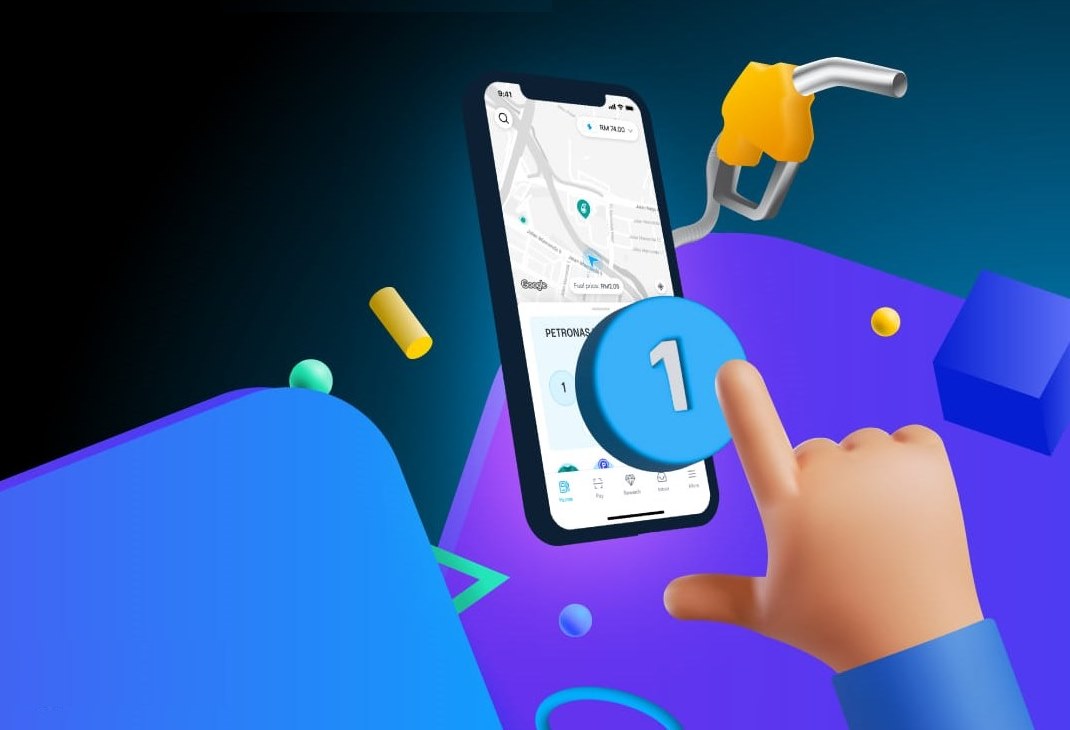
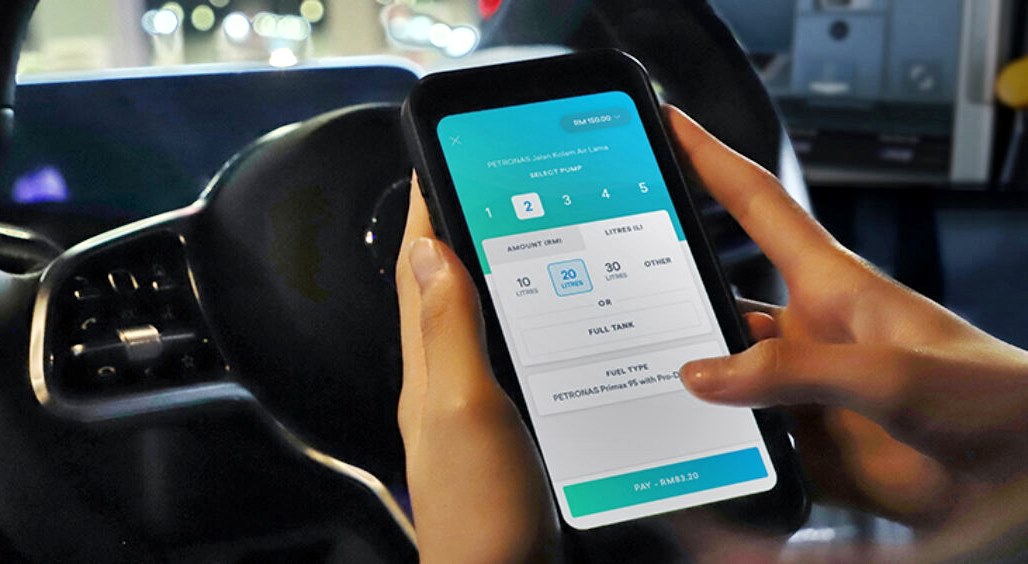
Setel users now have a more convenient option of starting refuelling with the ‘One-Tap Fuelling’ feature. This allows them to activate the pump with just one tap upon arrival at all PETRONAS stations nationwide. The new solution is available to the first 1,000 registered Setel users around Malaysia, with a staggered rollout in the next 2 months.

Current Setel users who are interested to receive early bird access can opt-in by posting an Instagram Story or Tweet of their Dah Setel So Far page with the caption: “I want One-Tap Fuelling now”, tag @setel and include the #SetelOneTapFuelling hashtag.

From now until October 4, 2022, they also have a chance to win limited edition Setel gift boxes when they upload their most creative video on Instagram or Twitter showing their experience using the ‘One-Tap Fuelling’ feature’

In the upcoming enhancements, motorists will be able to pre-set their preferred fuelling amount – either by litres or a full tank, in the Preferences page when setting up the new feature. Motorists can also pre-set their preferred payment method, which includes CardTerus for direct payments via a debit or credit card, as well as Setel Share, which allows users to share their Setel Wallet or CardTerus with two others to pay whilst jointly earning Mesra points.

“We are constantly innovating and developing solutions that meet our users’ ever-evolving needs, especially in this endemic period where Malaysians are travelling more frequently than before. Over the past 4 years, our loyal users have continuously raved about their refuelling experience at PETRONAS stations. With this new enhancement that brings about a refuelling journey from the usual 5 clicks to just one tap through a one-time setup, Setel offers a more personalised and faster refuelling journey for its users. Gone are the days of rummaging through wallets for cash or cards to refuel and earn loyalty points,” said Mazlin Erawati Ab Manan, Chief Executive Officer of Setel.

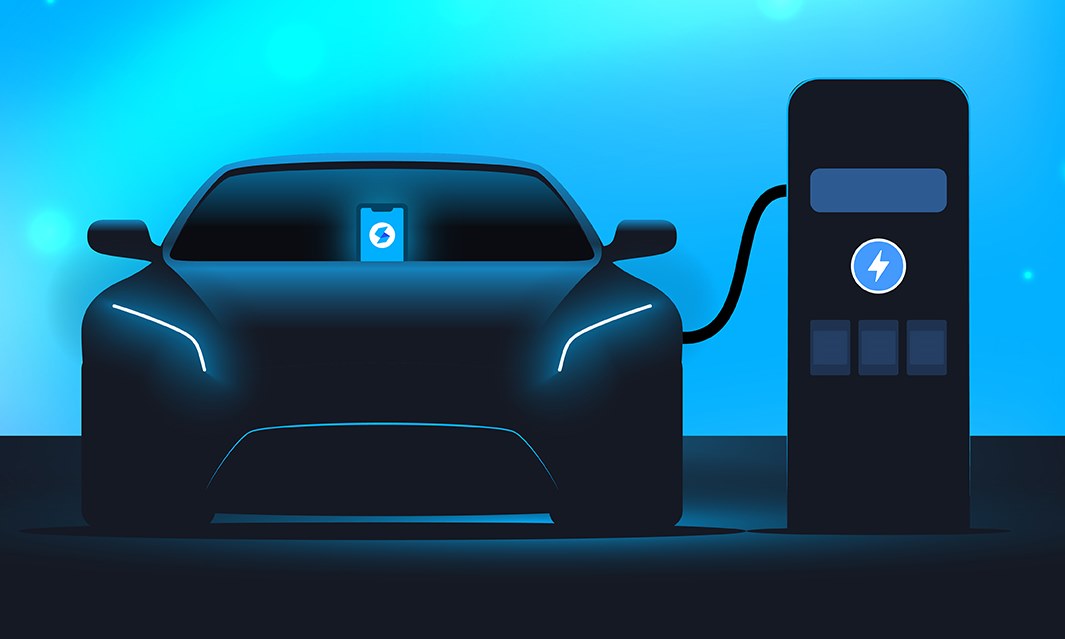
Setel’s contactless service can be used at EV charging stations as well.

Setel has been in the market since July 2018, offering a mobile platform for motorists patronising PETRONAS stations. In recent times, it has also added EV charging for use by those owning electric vehicles. Its services include Setel Express, an in-app service for Setel customers to track their e-commerce deliveries and pick up/drop off parcels at selected PETRONAS stations.

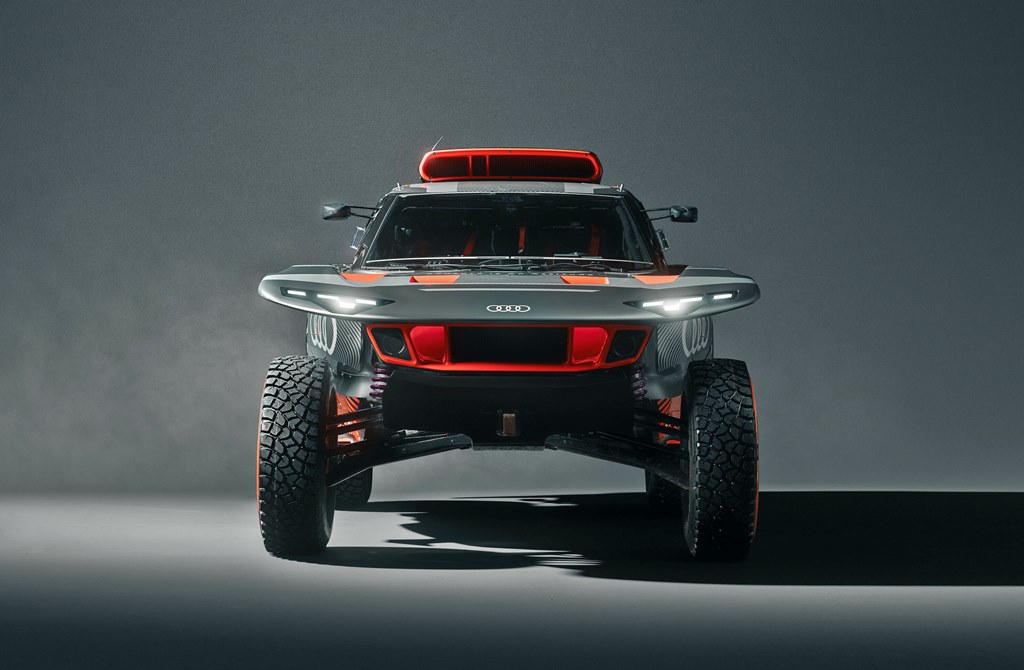
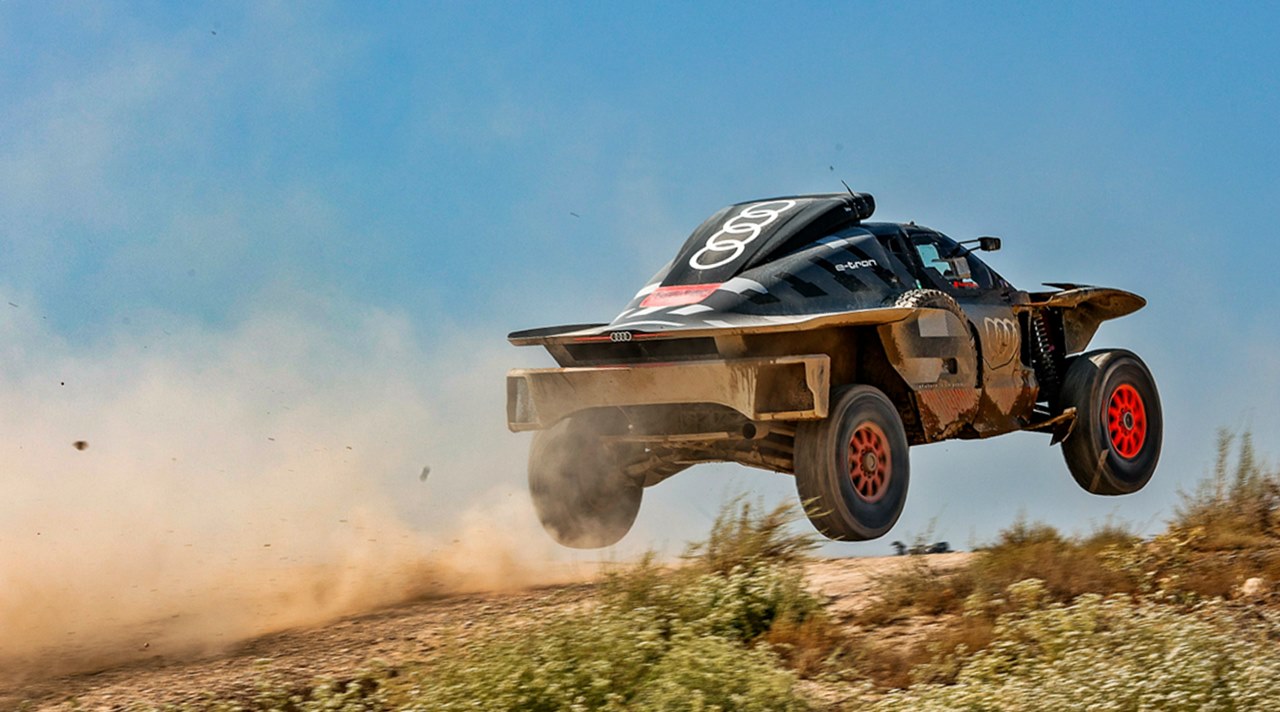
In March 2022, the Audi RS Q e-tron won its first desert rally in Abu Dhabi, an important achievement for an electrically-powered vehicle. Audi was the first carmaker that committed to develop a viable alternative drive concept for the gruelling event, making it a pioneer in motorsport.

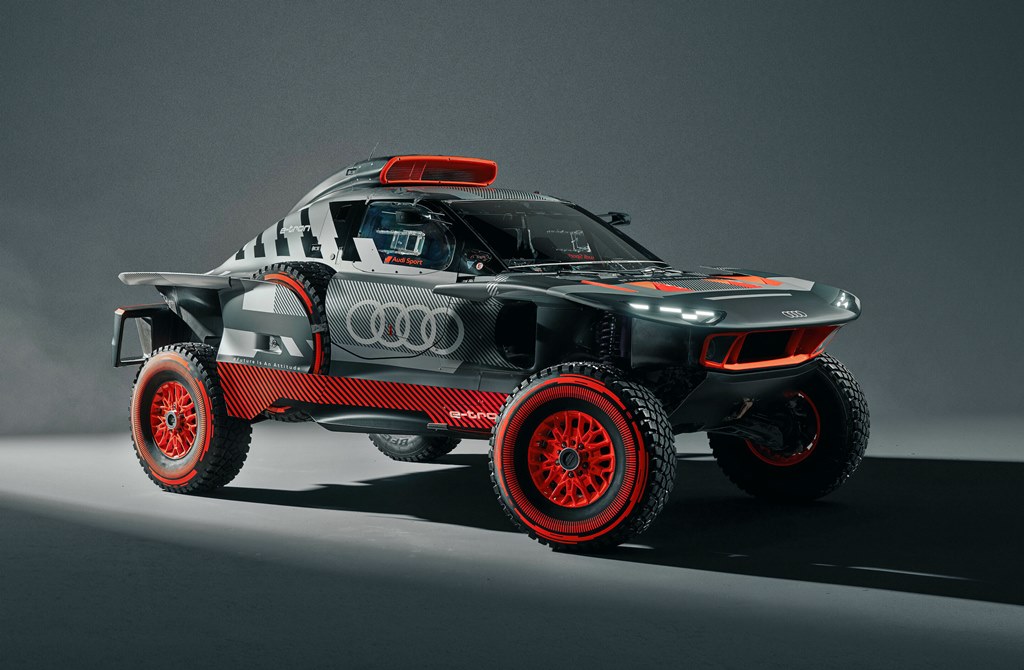
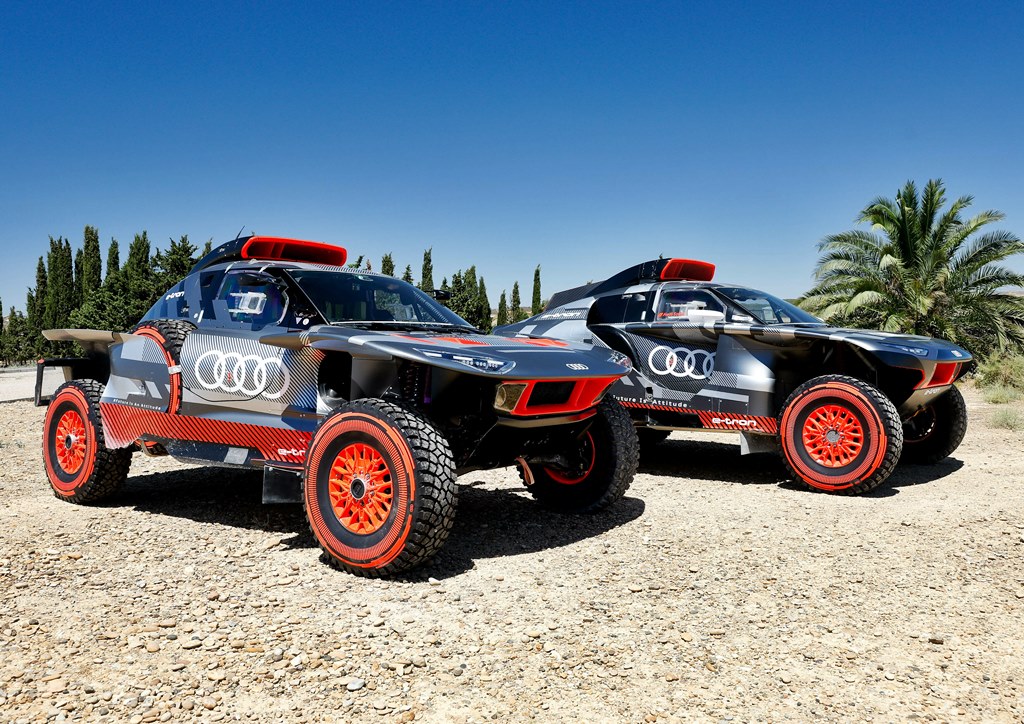
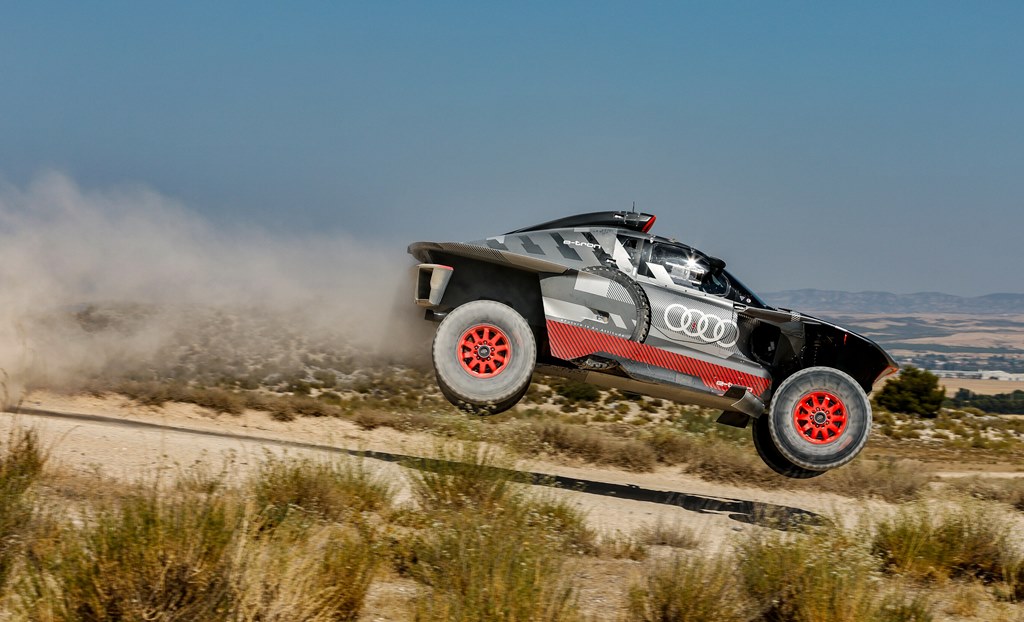
The original RS Q e-tron development had been rushed as it had to be done during the difficult period of the coronavirus pandemic in 2021 and limited testing opportunities. However, with the experience and learnings from that tough first event, Audi Sport’s engineers have developed a new and significantly improved prototype which will be entered in the 2022 Morocco Rally and the 2023 Dakar Rally.

“We’ve managed a good debut at the Dakar with the Audi RS Q e-tron and even our first stage victories in a motorsport discipline that is new to us,” said Rolf Michl, Managing Director of Audi Sport GmbH and responsible for motorsport at Audi. “The entire team is working excellently together and pulling in the same direction. As is usual at such an early stage, the drivers, co-drivers and technicians quickly agreed on the next development targets. We have summarized the result in a new evolution package – the RS Q e-tron E2.”

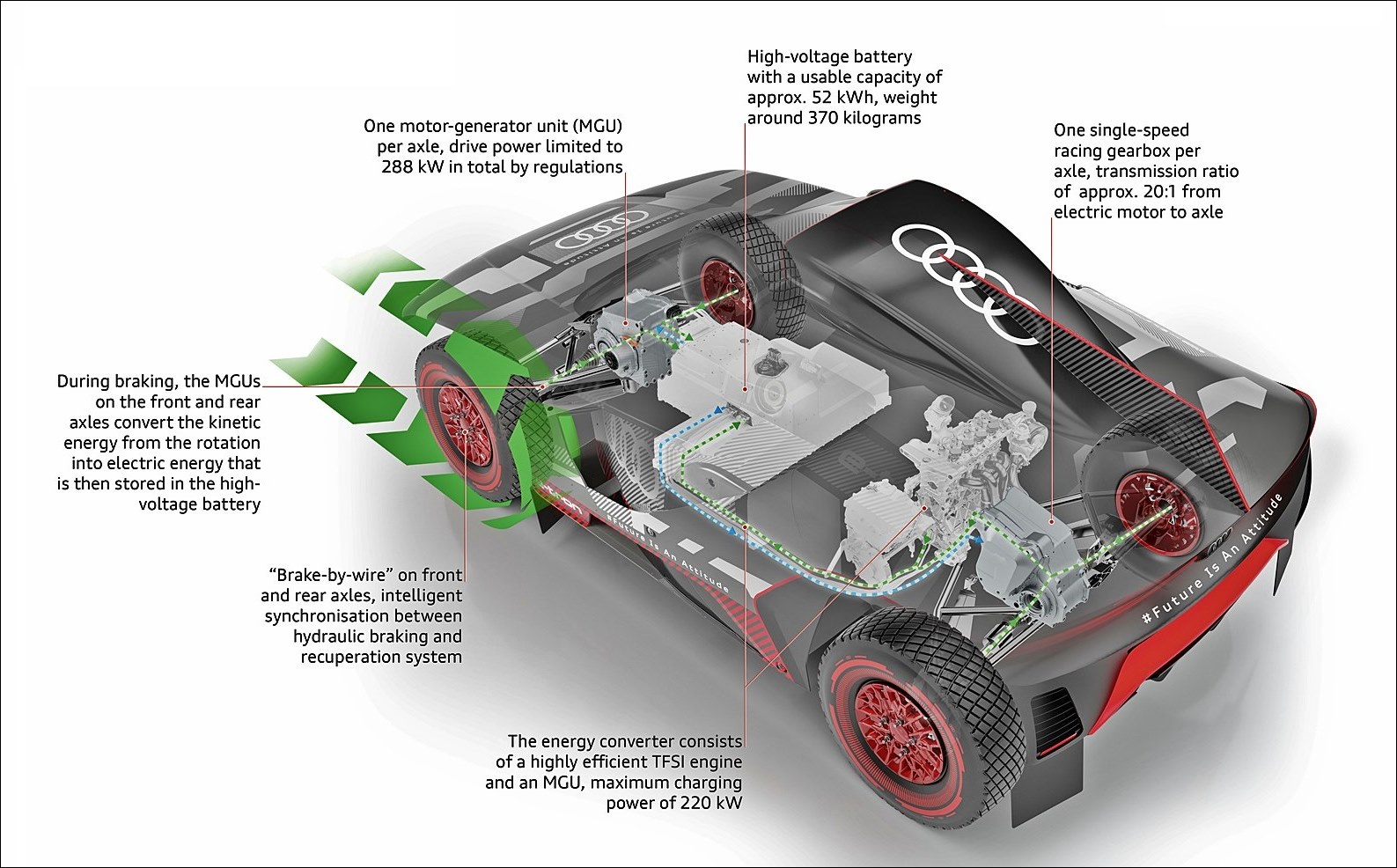
Main components of the first RS Q e-tron

Second phase of development program
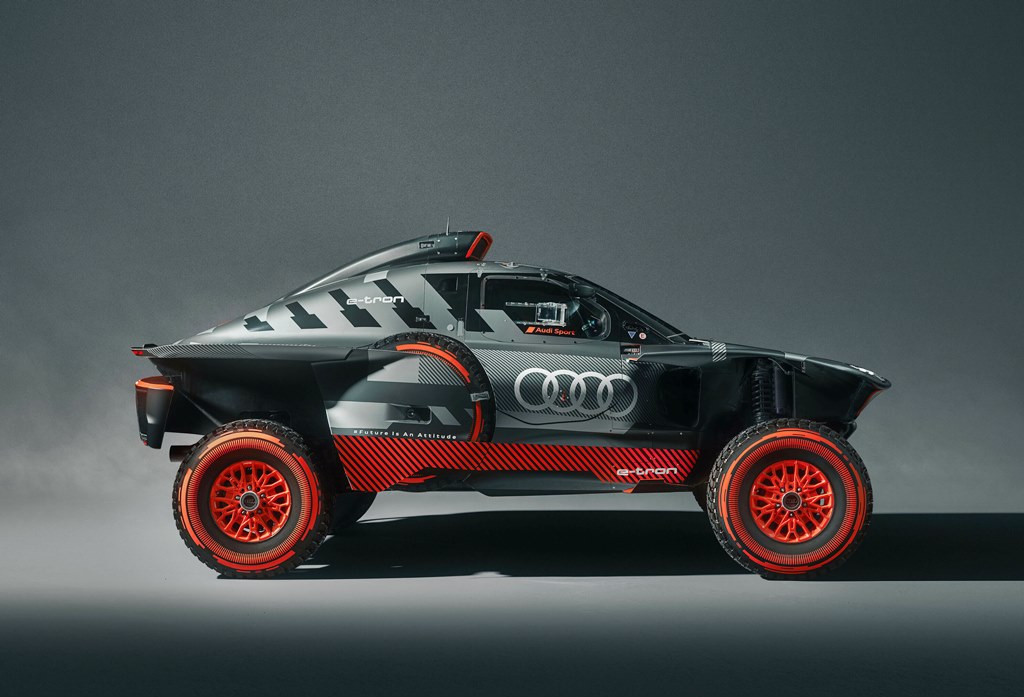
Reminiscent of the legendary Audi Sport quattro in its final development stage for Group B rallying in the 1980s, the body is completely new and features significantly enhanced aerodynamics. It also has a lower weight and centre of gravity.

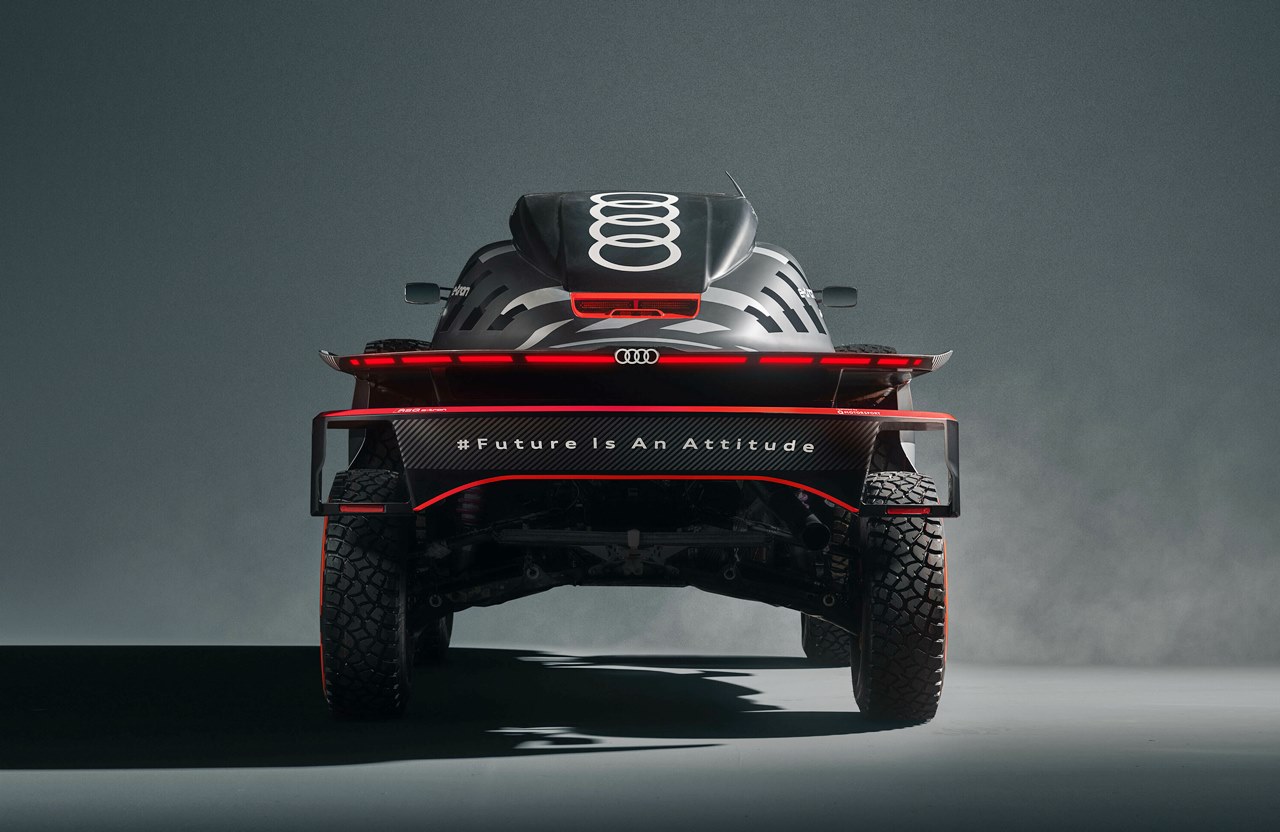
“The Audi RS Q e-tron E2 does not adopt a single body part from its predecessor,” said Axel Loffler, Chief Designer of the RS Q e-tron. In order to comply with the prescribed interior dimensions, the cockpit, which was previously narrowly recessed towards the roof, is now significantly wider. The front and rear hoods have also been redesigned.

“We are now doing away with the underflow of the rear hood to the left and right of the B-pillars. In conjunction with modified lay-ups – optimized fabric layers of the composite materials – this solution reduces weight,” said Loffler.

The T1U prototypes will have to weigh 2,100 instead of 2,000 kgs in the future. Given that the first generation of the RS Q e-tron was overweight, it was still necessary to save several dozen kilograms. This is accompanied by the lowering of the vehicle’s centre of gravity.

New aerodynamic concept
The aerodynamic concept in the area of the body below the hoods is completely new. This section is somewhat like the shape of a boat’s hull: its widest point is at the height of the cockpit, while the body tapers significantly towards the front and rear.

The designers dispensed with the part of the fenders that was behind the front wheels and formed the transition to the door. Internally, this structure was called the ‘elephant foot’ and as a result, it  saved more weight and optimized the airflow.

“The aerodynamic aspect should not be underestimated in desert rallying either,” said Axel Loffler, Chief Designer of the RS Q e-tron. “Admittedly, the new cockpit dimensions mean that the body has a larger and therefore less favourable cross-section. Nevertheless, it was possible to reduce the overall aerodynamic drag by around 15%. But this does not change the top speed, which remains limited to 170 km/h in the regulations.”

Nevertheless, the improved airflow offers one major advantage. “It further reduces the energy requirements of the electrically powered car,” explained Loffler. “We implemented the aerodynamic calculations entirely using computational fluid dynamics. These computer simulations replace the time-consuming work in the wind tunnel and still deliver highly precise results.”

BHPetrol

Simplified operation in the cockpit
The drivers can look forward to their new workplaces. The displays are still in the driver’s field of view and located in the centre console in the usual style, and the central switch panel with its 24 fields has also been retained. However, the engineers have restructured the displays and controls.

They can also work much more easily when there is a puncture, which is not uncommon in off-road events. Simple, flat and easily removable body components replace the previous bulky covers for the spare wheels in the flanks. The new 10-spoke rims are much easier to handle, making the change of wheels safe and quick.

New operating strategies further improve the efficiency of the electric drivetrain. The drivetrain of the RS Q e-tron E2 comprises an energy converter consisting of an internal combustion engine and a generator, as well as a high-voltage battery pack. Two electric motors are used to power the front and rear axles.

Better energy management
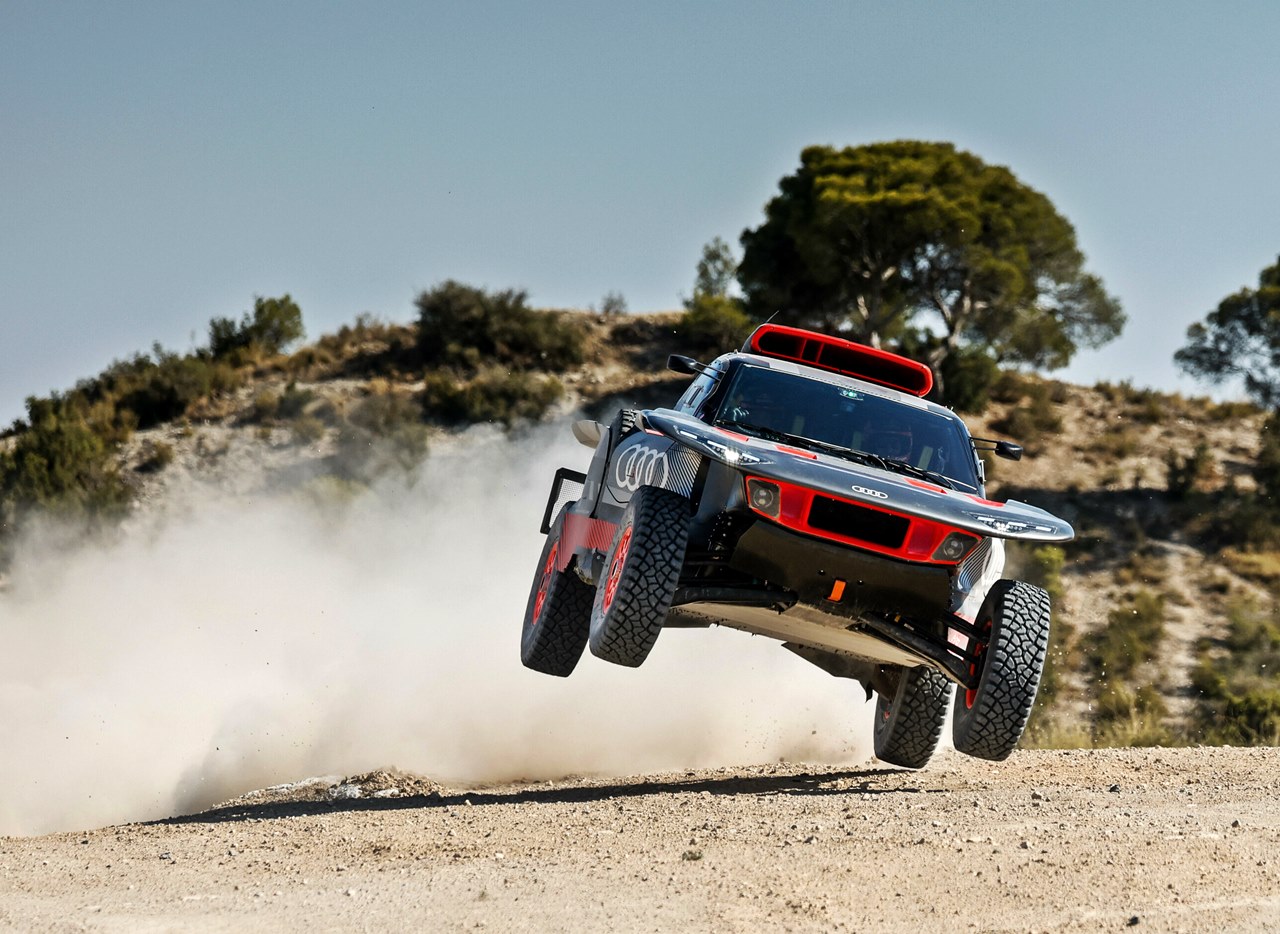
Energy management plays a crucial role here. The electronic control system of the complex electric drivetrain proved its worth in the first rally events and issues only occurred in extreme cases. At the Dakar Rally, for example, it was noted that there were short-term surpluses of power in situations where the wheels made less contact with the ground while jumping or on uneven terrain.

The so-called auxiliary consumers also benefit from optimized control. The servo pump, the air-conditioning cooling pump and the fans have a measurable impact on the energy balance. In the course of the debut season this year, the Audi and Q Motorsport rally team gained valuable experience that enables better assessment.

The air-conditioning system, for example, works so aggressively that it could cause the coolant to freeze when constantly running at its maximum output. In the future, the system will run in an intermittent mode. This saves energy, yet the interior temperatures only fluctuate slightly, even over longer periods.

“We have combined all the important lessons in a very short time. The result of our ideas is the E2 evolution,” says Uwe Breuling, Head of Vehicle Operations Audi Sport. “Our development team’s determined and cost-efficient work has prepared us perfectly for our second Dakar Rally.”

Archive

Follow us on Facebook

Follow us on YouTube