Piston.my

English

With electric vehicles (EVs) constantly in the news these days, you will by now be familiar with the main selling points: zero emissions and lower maintenance costs. Apart from governmental pressures, the industry is doing its best to persuade motorists to switch from vehicles with internal combustion engines (ICE) to EVs as quickly as possible to build up the numbers and reach economies of scale that can bring production costs down.

Understanding that driving range and price are key factors in consumers’ minds when considering an EV, they are working hard on those factors which will require greater manufacturing innovation and efficiencies across the sector. But the angle of zero emissions from EVs being able to address climate change and preserve the environment is not applicable everywhere. In the more economically advanced countries, ‘saving the planet’ may be something people can also think about (and do something about) but for much of the world, saving themselves first is a higher priority than changing to a more expensive EV in place of their still-functioning ICE vehicle.

“The reality is that, despite EVs eliminating tailpipe emissions, they also produce a ‘long tailpipe’ of increased demand for electricity and energy-intensive materials,” notes a report by global technology company Hexagon. The report, based on original research conducted by Wards Intelligence, says that many of today’s EVs have been designed for short-term well-to-wheel benefits without considering their ‘whole-lifecycle’ environmental footprint.

For motorists, the perspective is only from tank (the fuel tank or battery pack) to wheel whereas a true examination of the benefits of EVs must consider the much bigger picture. While EVs can certainly give the benefits which we are being told about, the cost of making them and running them is a side of the story which consumers don’t ask or know about. But it is one which is generating debate and which suggests that EVs are not necessarily the best solution to addressing climate change.

Bigger picture than just well-to-wheel
An EV can certainly beat an ICE vehicle on emissions while in use but what about over its entire life-cycle – starting with making it and also the resources to give it power? While the ‘well-to-wheel’ analysis typically looks at all emissions related to fuel production, processing, distribution, and use when comparing EVs to ICE vehicles, it is also necessary to cover an even wider scope which includes manufacturing of EVs and end of life.

This is where things start to look different and while studies have found that the amount of carbon dioxide (CO2) in the production and distribution of ICE vehicles and EVs is not significantly different, the battery packs needed in EVs tip the scales.

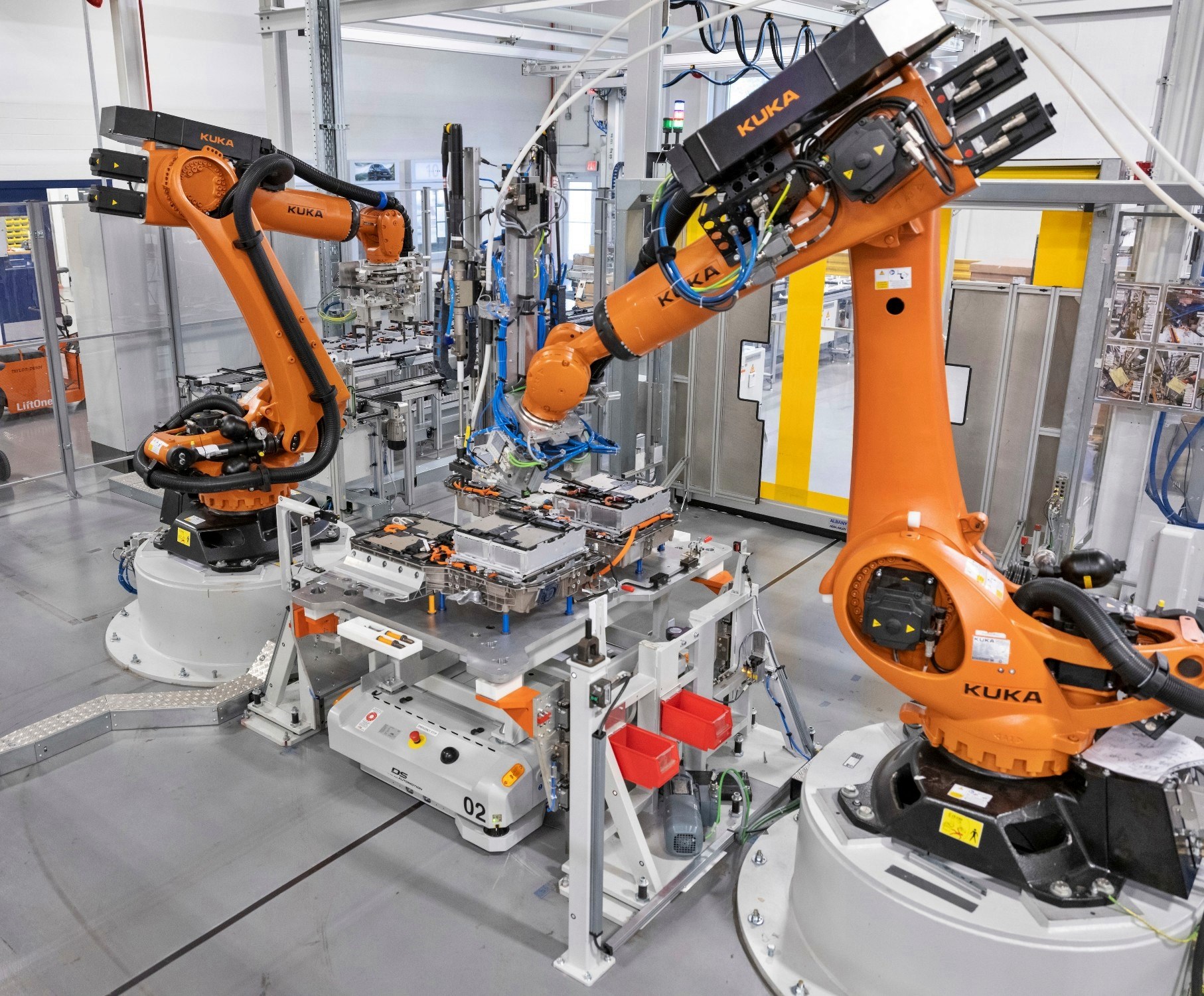
EVs may have less parts than ICE vehicles but the numerous electronic systems are made from rare earth elements. Making each battery pack (below) also generates a lot of carbon dioxide.

Apart from requiring depletable rare metals, it is estimated that up to 150 kgs of CO2 are released for every 1 kiloWatt hour (kWh) of battery capacity. To provide an EV with 500 kms of range would require a battery that currently has at least 60 kWh of storage capacity. To make such a battery pack would mean that another 9 tonnes of CO2 would be added to manufacturing the vehicle and this is a negative impact from the perspective of environment-friendliness (compared to making an ICE vehicle).

‘Sustainability’ is also touted as another selling point of EVs but if so many of the electricity-generating plants are coal-powered, would it not then be a case of shifting demand of one depleting fossil fuel (oil) to another (coal)? After all, both fuels are the product of dead plants and dinosaurs and other organic stuff that was buried up to a billion years ago. According to a group at Stanford University, the world’s coal reserves will last only till 2090, oil reserves will run out by 2052, and  natural gas by 2060. And this is based on current consumption; if demand for electricity starts to rise rapidly with more EVS in use, then the depletion will naturally accelerate.

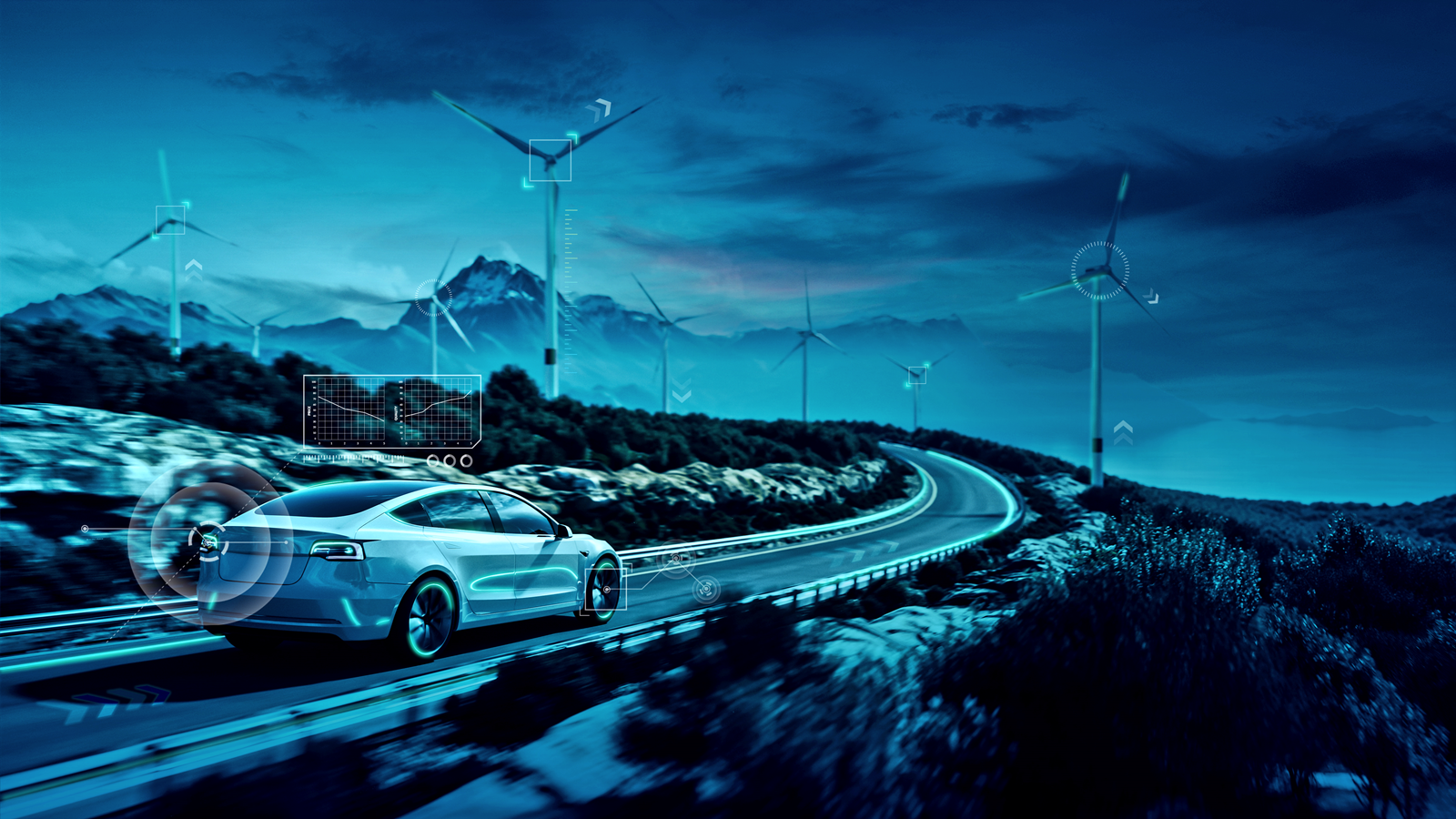
Half of the planet’s coal-powered electricity plants are in China but in other countries, there are also other types of environment-friendly power generators like wind turbines (below).

Of course, not all sources of electricity use coal or oil. Studies show that 36.7% of global electricity production comes from nuclear or renewable energy (solar, wind, hydropower, wind and tidal and some biomass), with the remaining two-thirds from fossil fuels. But of these two-thirds, 54% of the electricity generators are in China alone where the world’s biggest car market is.

Less parts, less complexity but…
EVs are also described as being ‘less complex’ as they have less parts than ICE vehicles. They are essentially computers with electric motors and wheels. But a closer examination will show that all those electronic parts – which are in greater numbers than in ICE vehicles – are composed of more ‘high-end’ materials – lithium, cobalt and rare earth elements which need to be mined. The rare earth elements have to be extracted and waste from the processing methods can be radioactive water, toxic fluorine, and acids.

Estimates of lifetime emissions from EVs depend not just on mileage travelled in the vehicle’s lifetime but must also take into account whether the battery pack will last equally long. Current lithium-ion technology for battery packs has degradation over time, and after hundreds of charge/use cycles, become less effective. Like the battery in mobilephones, the lifespan will vary but studies have found that it takes at least 1,000 full cycles before the battery pack starts to show any degradation.

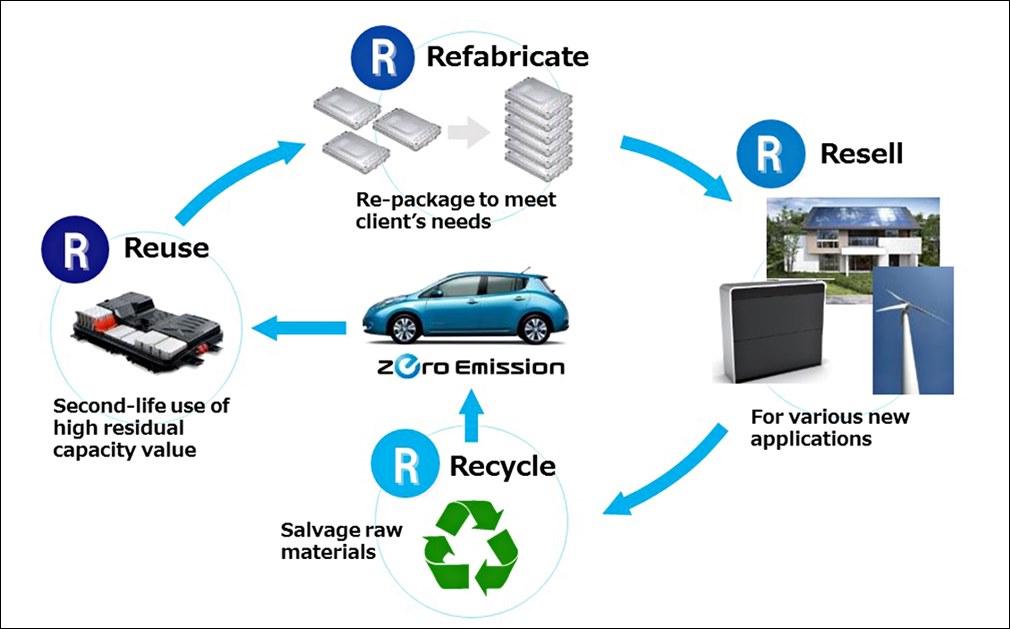
Nissan is one of the carmakers that has started a project to recycle end-of-life battery packs which can still serve as energy storage units in other applications.

Eventually, it will probably be that entire EVs – including their battery packs – will have a specific lifecycle so a new battery pack is unnecessary. Everything can be recycled and the batteries might even serve a further purpose for other equipment. The latter process already exists in some places through projects initiated by manufacturers.

The true test of success for electric vehicles is therefore to deliver on their broader promise and create a commercially successful automotive industry that can also be environmentally sustainable. The Hexagon survey demonstrates that manufacturers are aware of the need to go beyond eliminating end-user emissions and improve the ‘whole-lifecycle’ sustainability of EVs. Carmakers and suppliers also increasingly recognize the need to think beyond the vehicles and instead build car parts for a second life and a circular economy.

This will require the industry to compress and connect manufacturing processes together so that sustainability is ‘baked in’ to a vehicle’s DNA at design stage and every part is conceived and created to support both a sustainable car and economy.

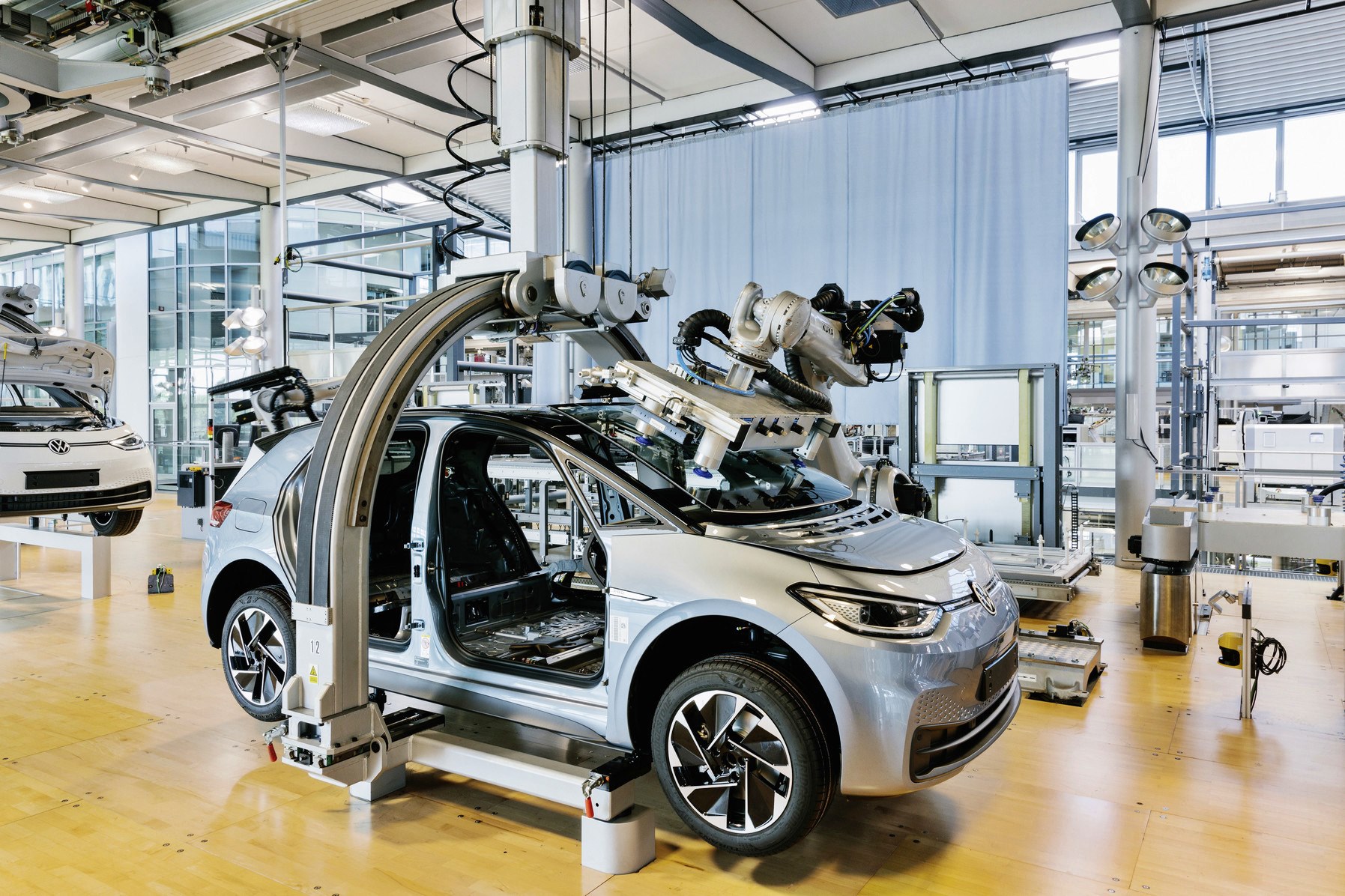
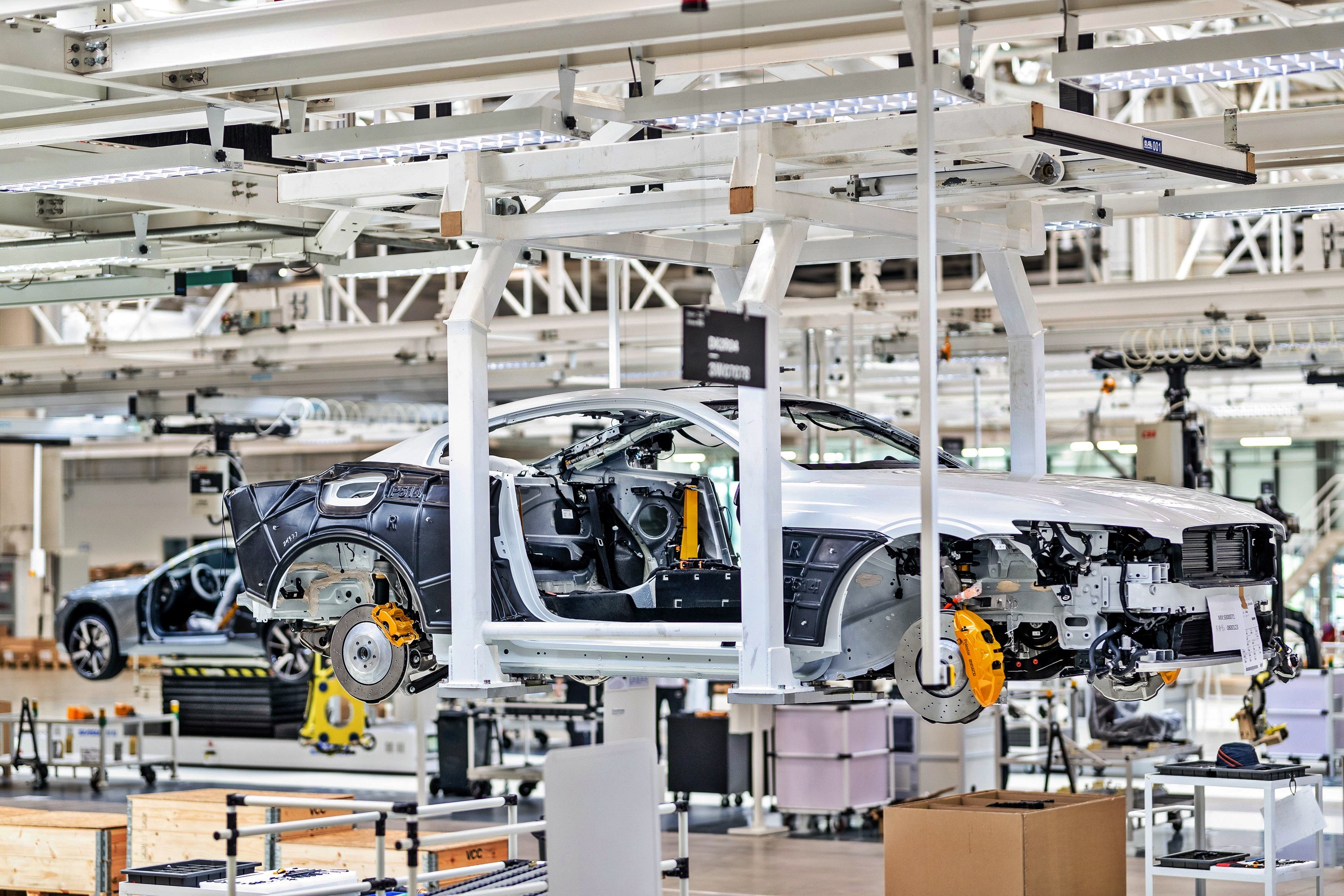
EV assembly at the Polestar factory in China.

The automotive industry is therefore caught between bottom-up consumer expectations and top-down political pressure for more sustainable EVs. “Living up to the lofty vision of an ethical and environmentally-friendly automotive industry means moving beyond simply eliminating tailpipe emissions to creating lighter, more sustainable materials and manufacturing methods. Emerging smart manufacturing approaches are vital to bring these innovations to market within demanding deadlines, while remaining profitable,” said Paolo Guglielmini, President of Hexagon’s Manufacturing Intelligence division.

So should you buy an EV?
The ‘dark side’ of EVs aside, the change will come about and even if you presently have the choice of staying with an ICE vehicle, your children probably won’t. EVs are the future and ICE vehicles will either be banned from use in some countries or their sale will be stopped so that they eventually diminish in numbers (which could take decades in places like Malaysia). Right now, for Malaysians, it would be a good time to buy an EV if you can afford one because of the duty-exemption. This exemption won’t be around forever although there may be other incentives in future though not as great as this one.

There are definitely advantages to owning and using an EV compared to an ICE vehicle. Running and maintenance costs are less but you will incur an extra initial expenditure setting up a charging point at home (if you can do so). The earlier disincentives like limited range are steadily being erased as battery technology improves and the same goes for recharging facilities. The network is steadily growing and with increasing numbers of EVs on the roads, there will be more justification to invest in expanding the network.

Like computers and mobilephones, the technology keeps advancing each year. As we said earlier, there is a race on by the industry to improve range and reduce costs and so performance will get better and as volumes rise, production costs can go down so EVs will become cheaper. In this case then, perhaps it may be a better idea to consider the subscription approach instead of the outright purchase and ownership model that has been the norm for decades. This will help you to remain current with the latest technologies by changing cars regularly without concerns about depreciation and disposal.

Malaysians understand merits of EVs but misconceptions remain, BMW survey finds

Toyota GAZOO Racing has done a lot of upgrades to the GR Supra since it returned in 2019. But the one thing which fans wanted that this Supra has not come with is a manual transmission. The shared development with BMW made it more convenient to use the same type of transmission – an 8-speed automatic – rather than separately engineer for a manual transmission. Although people may think that it’s a simple matter, everything involves time and cost and there must be a good business case too.

Toyota’s Executive Chief Engineer (involved in the high-performance products) Tetsuya Tada had explained that the automatic transmission for the GR Supra is an ‘excellent transmission’ and it also handles lots of torque well. So that’s helpful when it comes to tuners bumping up the output as they are less likely to destroy the transmission.

But he never ruled out the possibility of having a manual transmission too and now, three years down the road, the GR Supra will soon be available with a manual transmission. An official communication from Toyota Europe says that ‘all-new, tailor-made manual transmission is coming soon’. It ends with a hashtag #savethemanual which is probably a sentiment supported by Tada-san’s boss, the President of Toyota, Akio Toyoda.

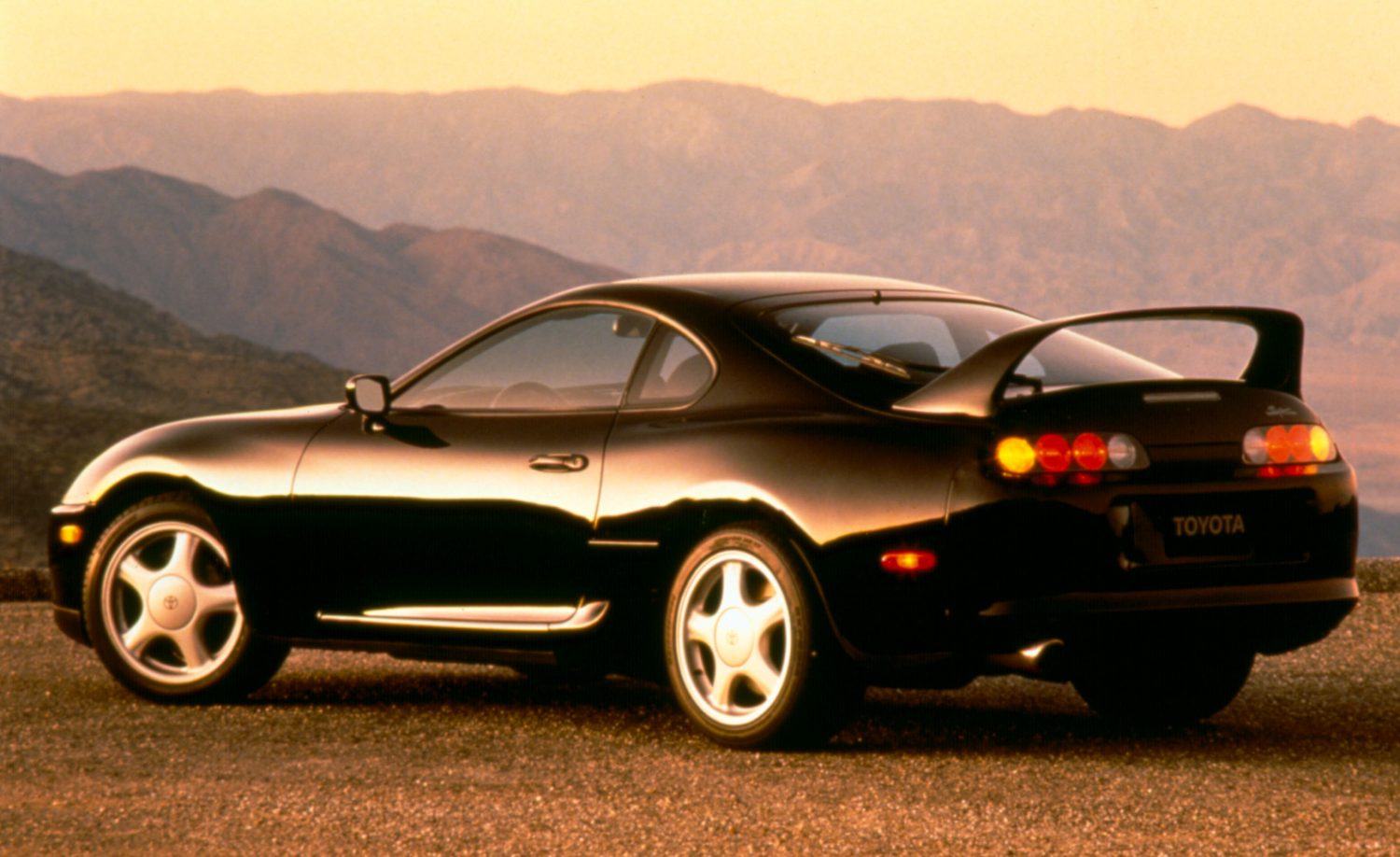
All previous Supras have had manual gearboxes (besides automatics) with the last generation also having a Getrag unit in some markets.

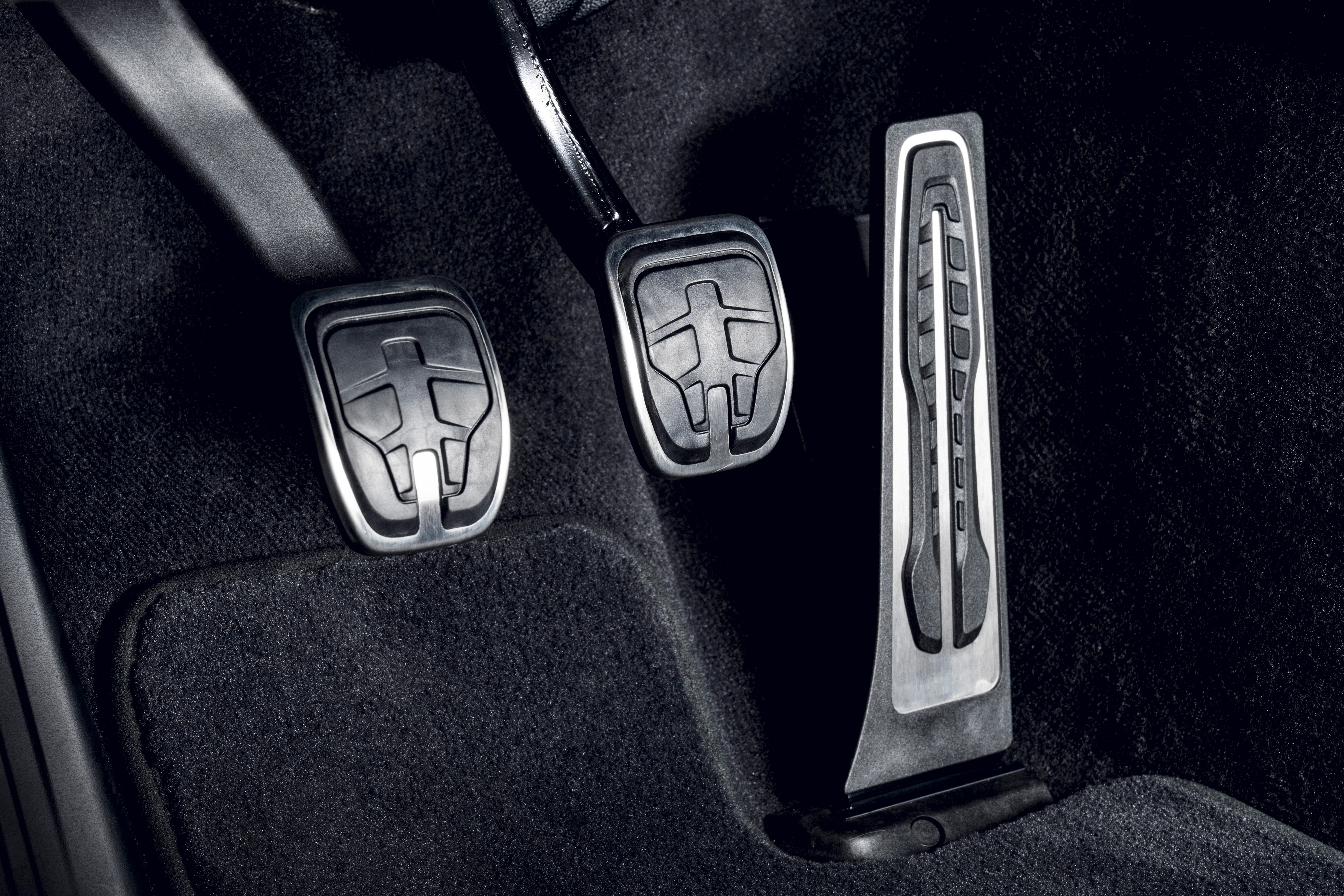
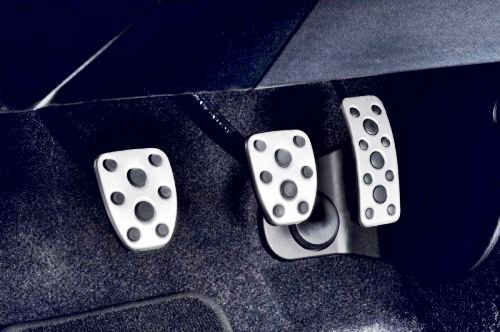
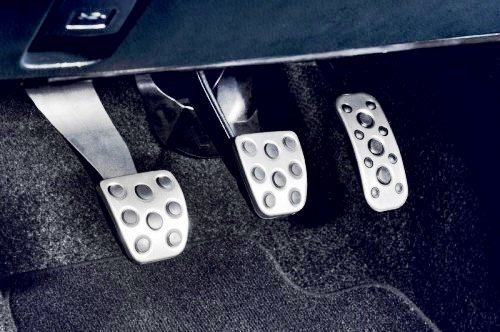
Details of the transmission are not revealed, and the only images shown are the pedals. Toyota Europe also offers pictures of the three pedals in the GR 86 and GR Yaris, with the GR Supra having a throttle pedal that is floor-hinged whereas the other two cars have it top-hinged.

The last generation of the Supra had two types of manual transmissions – a 5-speed Aisin W58 unit and in some markets, a 6-speed V161 (Getrag 233) transmission. The Getrag unit was well known to be a robust unit and praised for its ability to handle very high outputs. If there were transmission failures, it was mainly due to missed shifts.

Throttle pedals in the GR 86 (above) and GR Yaris (below) are top-hinged whereas the one for the manual Supra will be bottom-hinged.

Perhaps Toyota GR will use this proven Getrag gearbox again. From the words ‘all-new’, it is likely that this is an independent development by the Toyota GR team and so they can choose their own hardware. Or it could also be the gearbox from the M3.

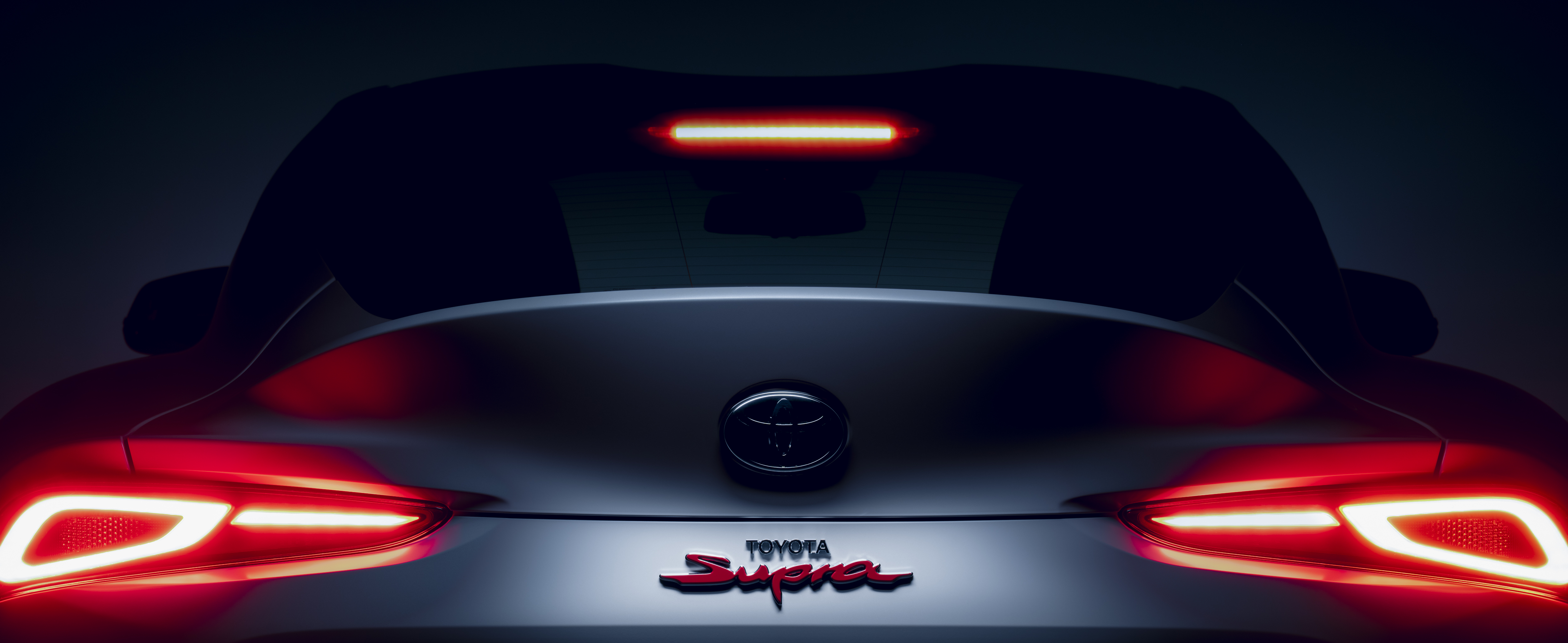
The current powertrain line-up has two BMW-sourced turbocharged engines – a 3-litre in-line six and 2-litre in-line four – and it is likely that the bigger, more powerful engine will get the manual shifter. Whether it will be a limited edition or an addition to the line-up is uncertain. Toyota GR has done some limited editions and one more hint about the new variant is that it will be identified by a new red-coloured ‘Supra’ badge.

During the 1950s, as the world recovered from the dark period of World War II, the auto industry went through a revival charged with enthusiasm that had been suppressed for many years. In Europe, the spark of innovation was ignited again and a new generation of sportscars emerged. Among them was the Jaguar XK 120 which made its debut at the 1948 London Motor Show.

The unit displayed was actually more a showcar, a prototype for a new engine, but response from the public to the design was so encouraging and positive that Jaguar founder and Chairman William Lyons decided that it should be used for a production model.

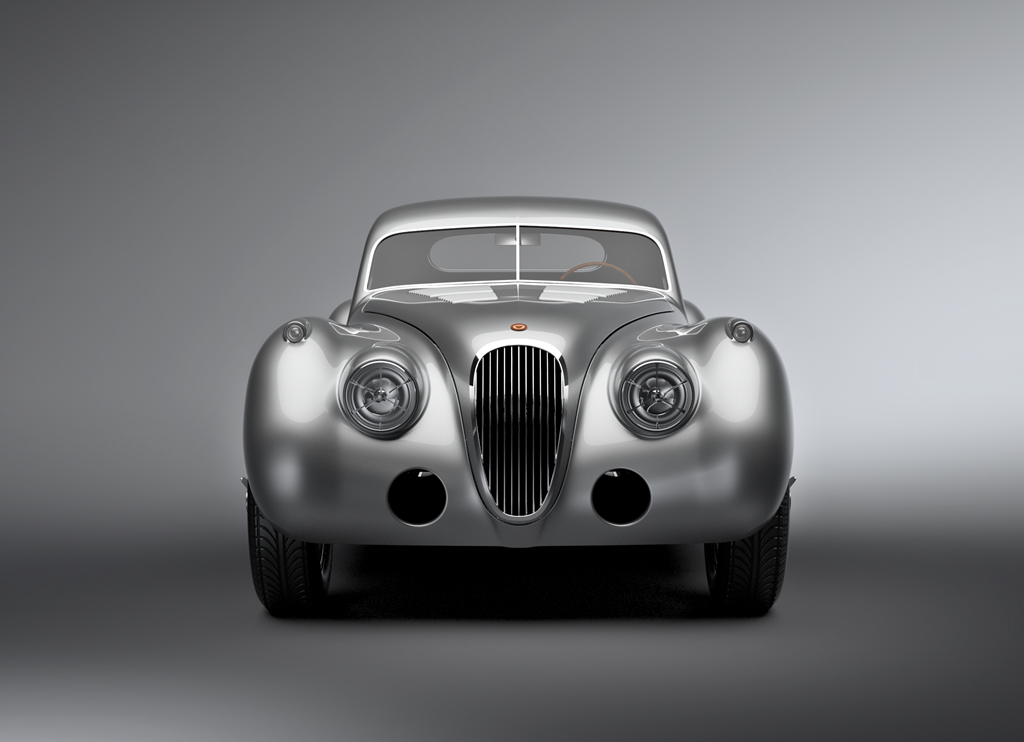
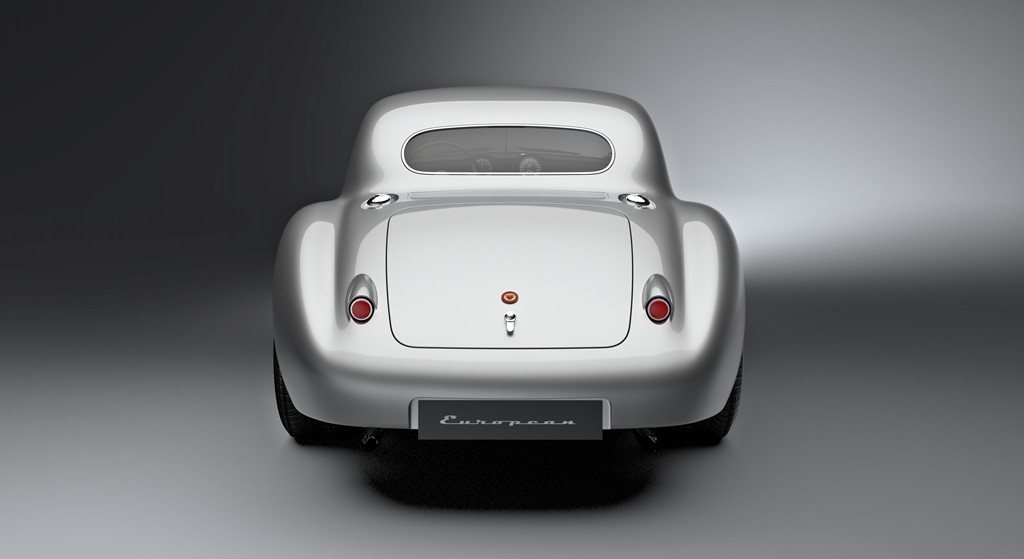
Jaguar XK European by Thornley Kelham

World’s fastest production car in 1948
The aluminium-bodied car was designated ‘120’ which referred to its 120 mph (193 km/h) top speed and which made it the world’s fastest production car at the time it was launched. Just over 12,000 XK 120s were produced between 1948 and 1954, and those that remain today are highly prized possession of collectors and fetch high prices whenever they are put on the market for sale.

Thornley Kelham, a specialist in concours restoration, maintenance, servicing, rally preparation and support of iconic vintage and classic cars, is now reimagining the XK as the first entirely new project in its ‘European’ range of reimagined automotive legends.

Reimagined by McLaren P1 designer
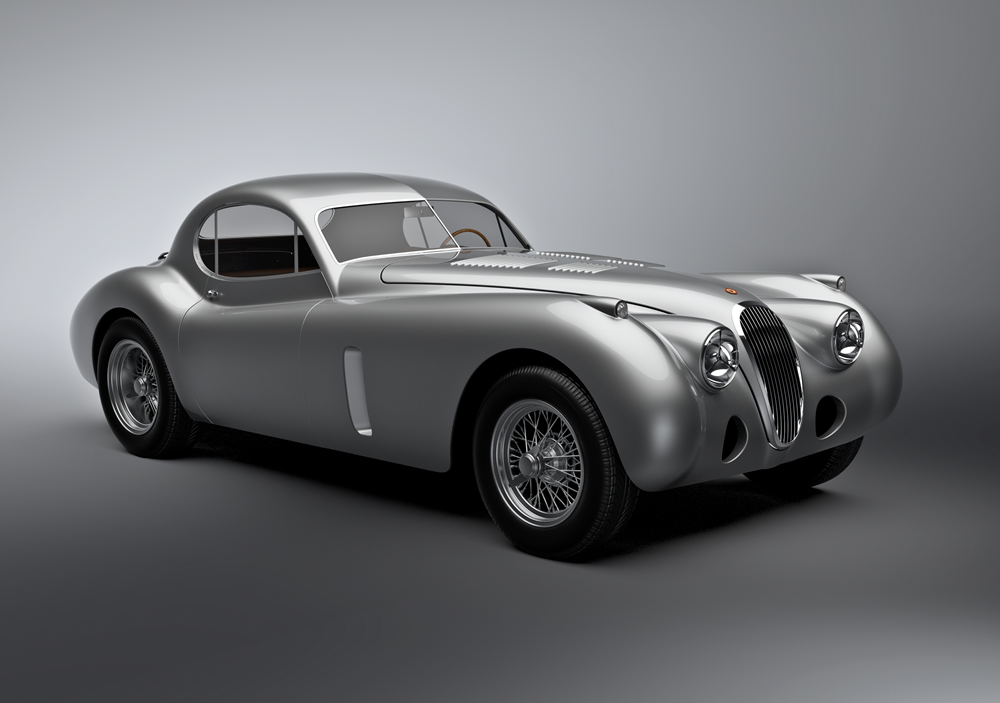
The Jaguar XK European, which builds on the success of their Lancia Aurelia Outlaw, starts with a derelict donor XK as its base. The bespoke programme then transforms the car into ‘European’ specification, featuring an all-alloy lightweight body penned by McLaren P1 designer, Paul Howse, and a full range of performance and comfort upgrades and enhancements.

Jaguar XK European by Thornley Kelham

Most of the work is carried out in-house, together with a small number of trusted and talented partners. The original beautifully aerodynamic lines remain true to the car’s original intentions, echoing the kind of work applied to the E-Type Lightweight.

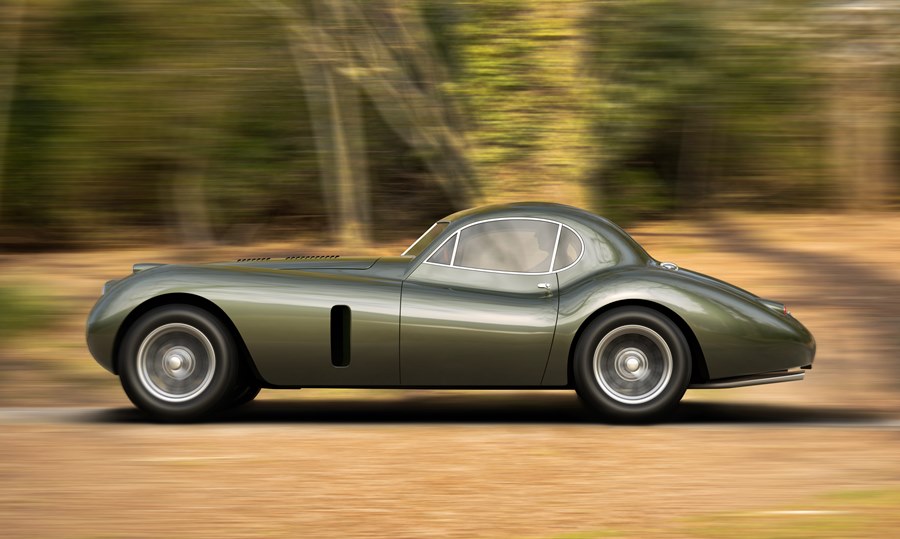
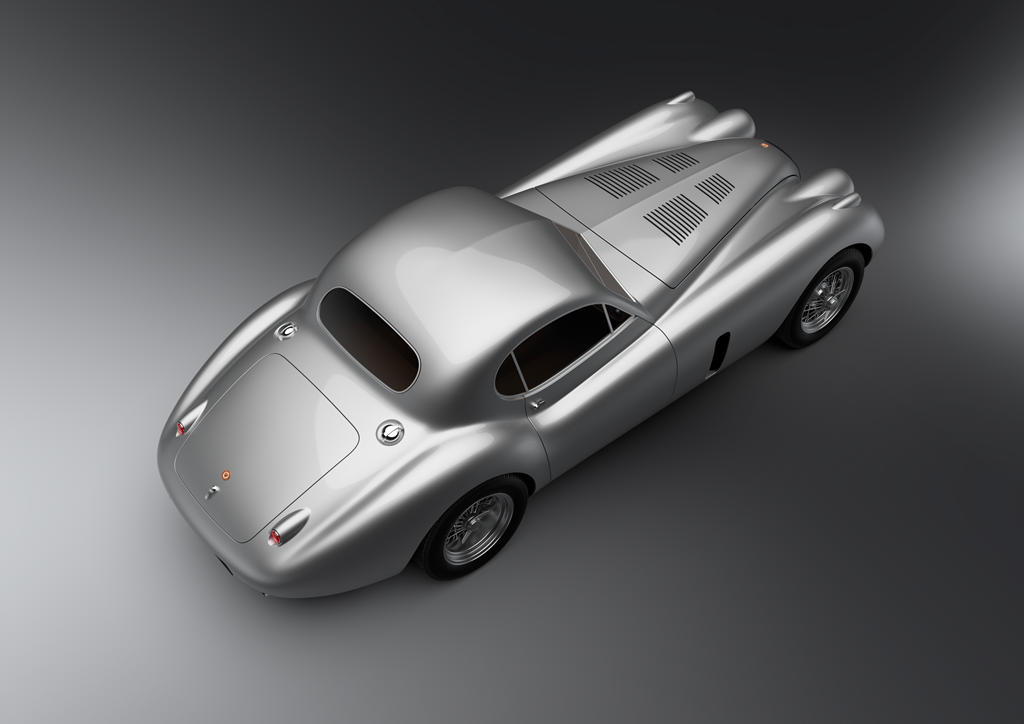
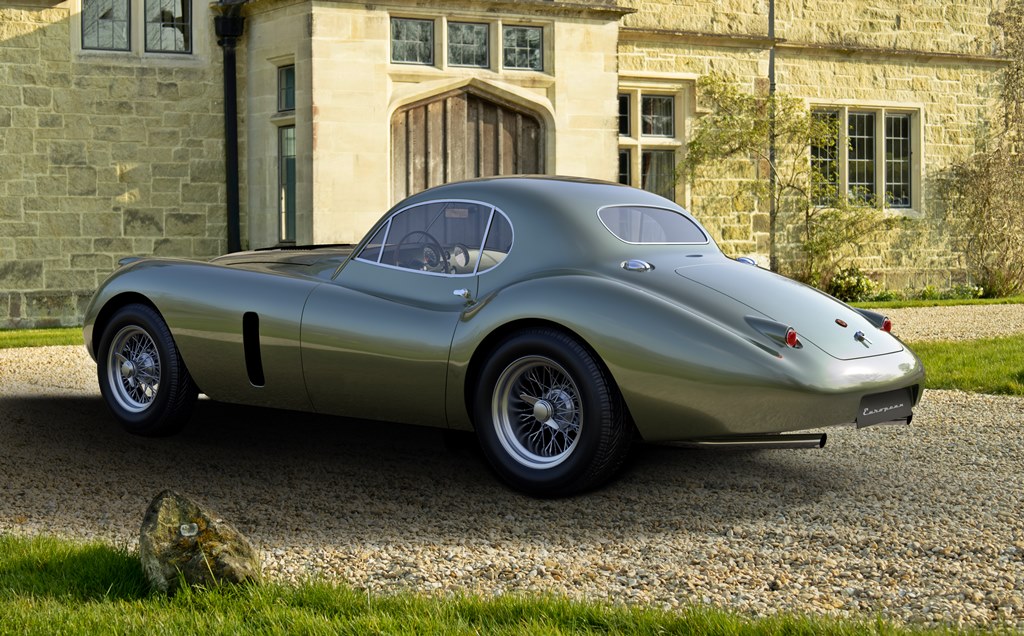
The first major task was to lower the roofline so that the proportions become more elegant and purposeful. The next was to add some curvature to the sides; all the body sections now have an ‘acceleration’ to them which adds sculpture and muscle but also lightness. The arches are wider both at the front and more significantly at the rear with wider alloy wire wheels filling them out nicely, giving that ‘road racer ‘stance.

Jaguar XK European by Thornley Kelham

The brightwork was also removed and instead a subtle crease was introduced down the bonnet which follows the split screen into the roof and washes out over the roof, which is more smoothly integrated into the overall form, as are the rear arches. At the rear, the tail now sweeps up to create a more teardrop form. The rear lamps are nestled into the bodywork and the headlights have had the chrome bezels removed, cleaning up the appearance.

Original but modernised interior
Inside, a completely redesigned dashboard and interior echo the original but with a dedication to modernizing and improving wherever possible. The dials are kept in a similar layout but are surrounded by a body colour aluminium dashboard rather than a flat slab of walnut. This is enveloped in the finest leather hugging the dials, now positioned slightly higher.

The seating position is a vast improvement over the original, dropping the H-point significantly so that you sit in the car rather than on it and ensuring that the lowered roof doesn’t affect the headroom. The seats themselves, whilst classic in design, offer more support than the original items (bearing in mind that today’s drivers are generally taller). The door design is also more sophisticated and sporting in design, with a slim storage pocket and a completely new door release to not only improve the ergonomics but also the knee clearance for taller drivers.

Purists may be unhappy with the presence of anything electronic, but many customers are likely to want the convenience of power windows and the clarity of electronic gauges. Other modern features are air-conditioning, power steering, Bluetooth connectivity and a number of in-car entertainment options, plus a discreet rollcage.

Improved mechanicals
The Jaguar XK 3.8-litre straight-six engine – which produced between 160 and 220 bhp originally – is thoroughly reengineered, instilling the ‘European’ specification with performance akin to a modern sportscar. The all-alloy engine, with a 5-speed manual transmission, is equipped with direct injection, a bespoke camshaft and rebored cylinders can develop either 300 bhp or 340 bhp, depending on the customer’s requirement.

In its day, the XK 120 was successful on the racetrack and in rallies so it has performance in its DNA. For the 21st century version, the handling has been enhanced with reconfigured suspension all-round, employing double wishbones at the front, coilovers, tuned Bilstein shock absorbers and Eibach springs. It’s a far more modern package than the original car, which featured basic leaf springs on the rear axle. In fact, the rear axle set-up has been completely redesigned, and now incorporates a limited slip differential. Four-piston vented disc brakes provide stopping power for each wheel.

Jaguar XK European by Thornley Kelham

The process of turning an XK into European-specification will take over 5,000 hours, with paintwork alone requiring 800 hours. Development of the first Jaguar XK built to ‘European’ specification is already underway, with the first commission secured. Numbers will be strictly limited, with prices from £550,000 (about RM3.04 million) plus a donor car.

“The Jaguar XK European is, to our eyes, the most beautiful car yet in the restomod sector, backed up with expertise and experience in developing cars that aren’t just perfect in their finish, but thrilling to own and drive,” said Simon Thornley, co-founder of Thornley Kelham. “With our concours-winning restoration heritage and our years of experience in perfecting our bespoke Lancia Aurelia ‘Outlaw’ project, we have developed a team perfectly placed to design and engineer a car that reimagines automotive icons authentically, in intricate detail and with a fastidious attention to quality.”

Jaguar XK European by Thornley Kelham


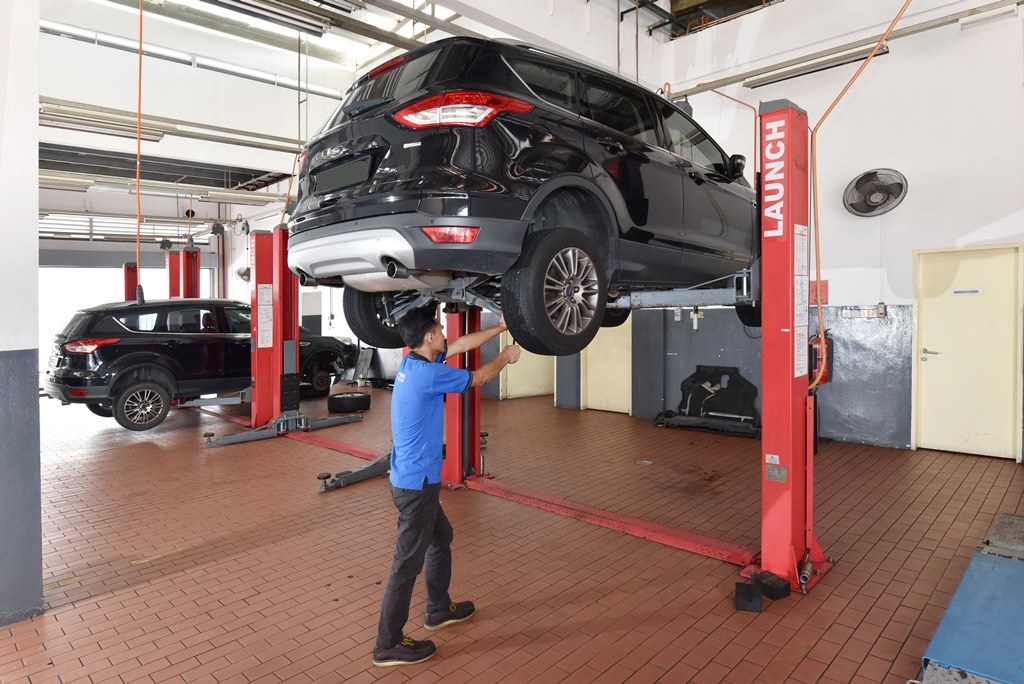
Although your vehicle may have clocked much less mileage in the past two years due to restrictions on interstate travel and general limitations of movements, it still needs to be regularly serviced. Even though the mileage may be low and not reach the usual 5,000 or 10,000-km that many service intervals are set at, manufacturers also have a schedule based on months for low-mileage motorists. This is because although the vehicle is not used much, the oil may deteriorate after some time and need to be changed.

Therefore, regardless of the mileage, you would have to send in your vehicle at intervals of 6 months or a year, depending on the brand and model. This will also allow the service centre to carry out checks to ensure that everything is in good working order as well.

Although there are prescribed mileage intervals for servicing, low-mileage owners should follow the time-based intervals instead.

With the Hari Raya festivities coming up and now that interstate travel is not forbidden, many will be planning to take ‘balik kampung’ to celebrate with loved ones and friends. This makes it even more important to have the vehicle inspected and serviced, if that is due.

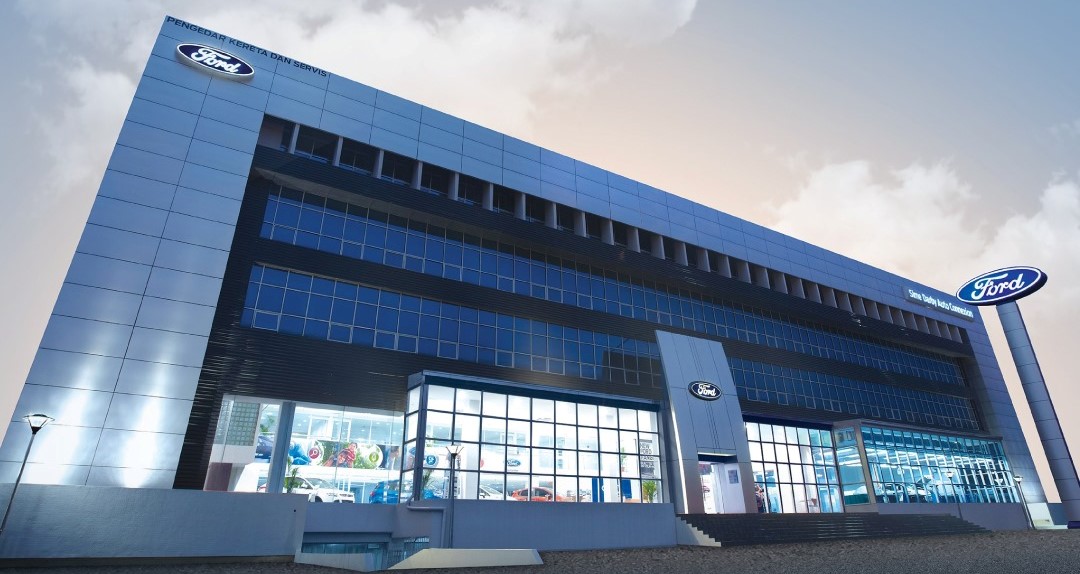
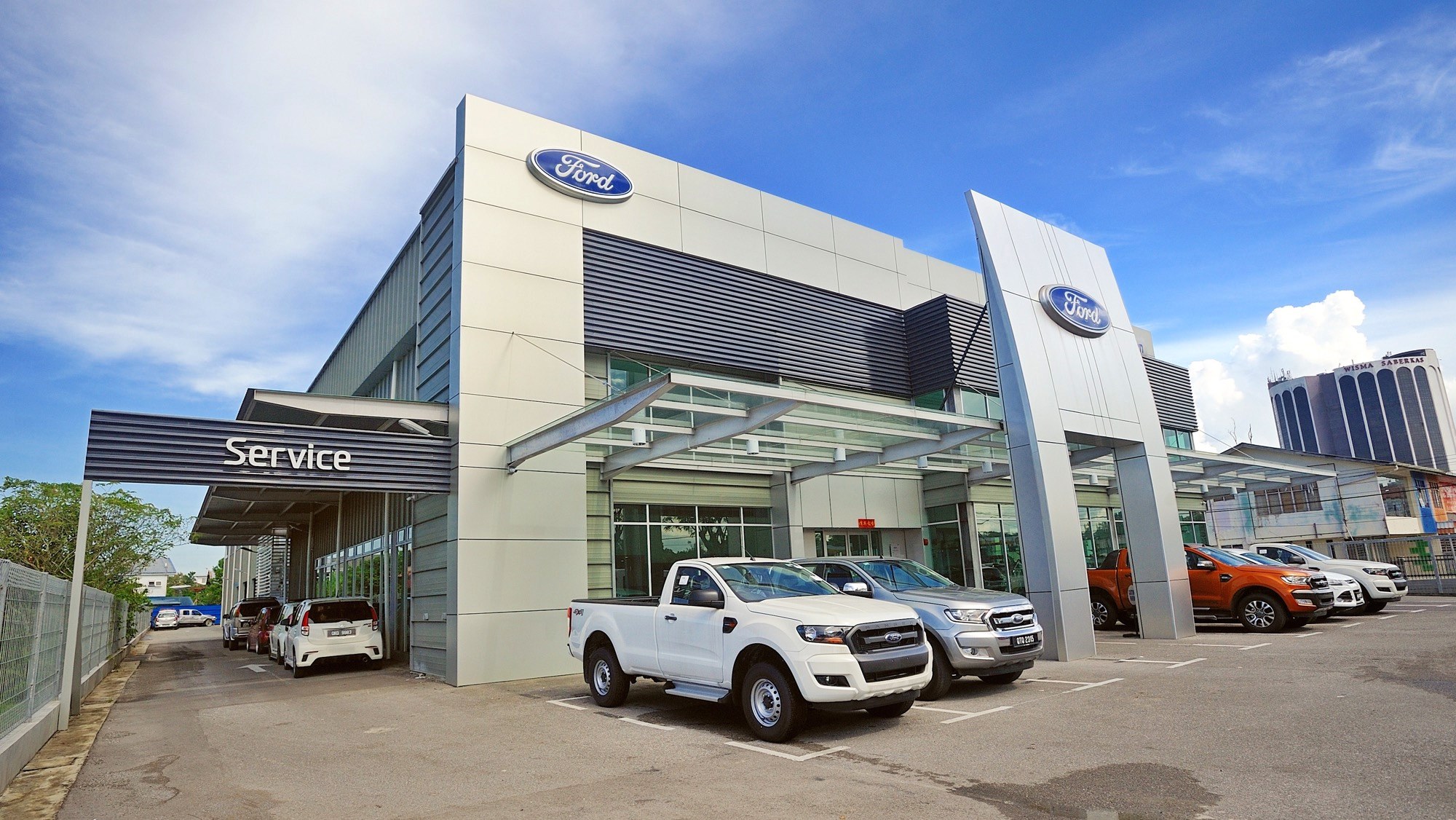
In connection with this, Sime Darby Auto ConneXion (SDAC) has a Raya Aftersales promotion which will be on until May 31, 2022. During the promotion period, Ford vehicle owners can save money on genuine parts as well as services.

“As we settle into a new way of living with COVID-19 in the endemic phase, we must all continue to take precautions to stay safe. With our Ford customers planning to ‘balik kampung’ and travel for the upcoming Raya holidays, we hope this service promotion will help them stay safe on the roads while enjoying more savings,” said Turse Zuhair, Managing Director, Sime Darby Auto ConneXion-Ford.

Save up to 20%
Owners who send their vehicle in for service during the campaign period will enjoy savings of up to 20% on lubricants as well as timing and brake packages. There’s also a 20% discount on selected parts and 10% discount on labour charges for the packages.

Other offers include add-on services such as wheel alignment and balancing which are important not only for tyre life but also safety. Improperly aligned wheels could affect the steering while unbalanced tyres may get worn out irregularly and grip may be affected. Additionally, air conditioning service is also available – which is important to ensure a comfortable journey. SDAC service centres can also provide polishing as well as sanitisation services.

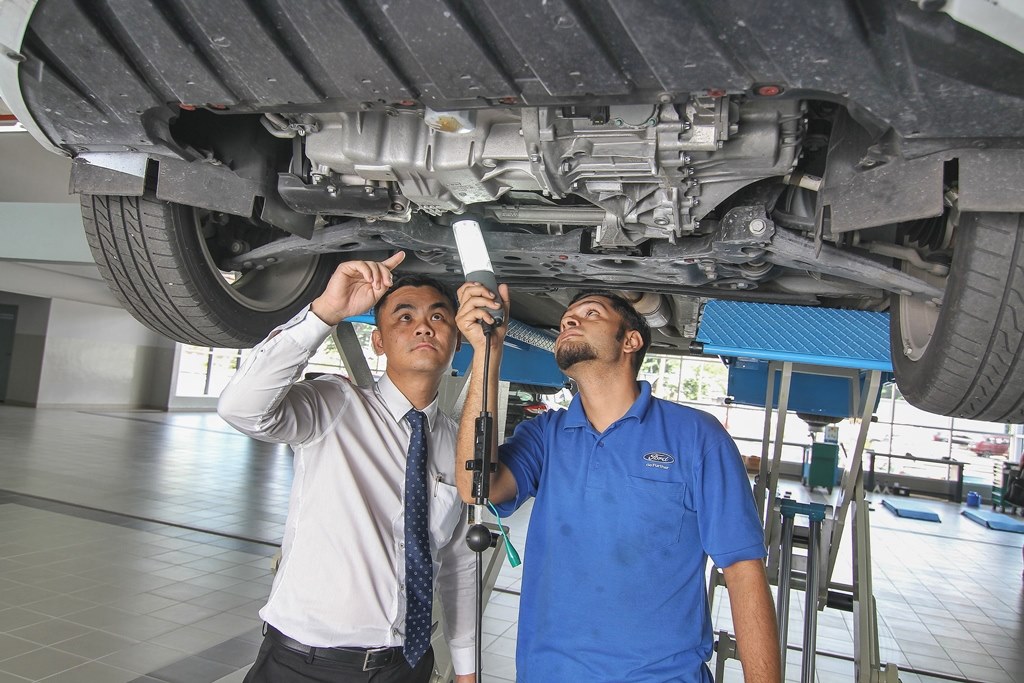
For peace of mind, all vehicles will be given a free 27-point inspection conducted by Ford-certified technicians to ensure their vehicles are in tip-top condition.

Customers who spend a total of RM1,000 and above on any Raya campaign offer and other selected services will receive a free exclusive sports bag. Fee Ford Raya packets will also be available (while stocks last).

Genuine Ford Parts with Warranty
Customers are assured that only genuine original Ford parts (or parts approved by Ford) are used at all Ford Authorised Service Centres nationwide. With genuine parts, customers can be certain of the highest standards of quality, fit and finish as the parts are specifically designed for Ford vehicles to ensure superior performance. They also come with a warranty of 12 months or 20,000 kms, whichever occurs first, excluding wear and tear parts.

More protection and personalisation
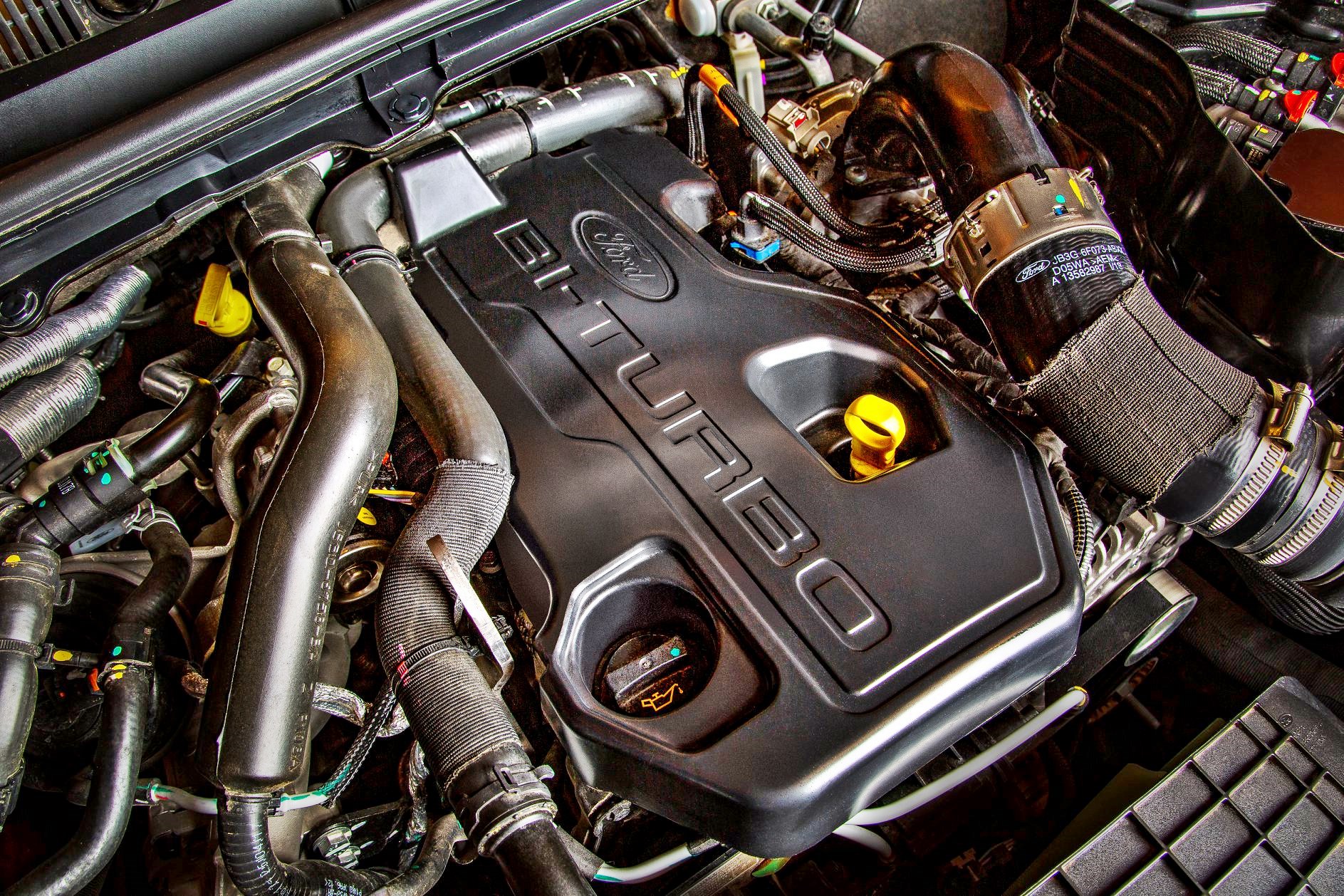
For more worry-free adventures and road trips, Ranger owners can also take up the Ford Extended Warranty PremiumCare Plan to get 2 additional years of coverage against unexpected repair costs after the standard 5-year warranty expires.

Additionally, Ranger (XL, XLT & XLT Plus) owners can also consider a 4-in-1 accessories package deal priced at RM1,628 or, if they prefer, the accessories can be purchased individually.

Book appointments online
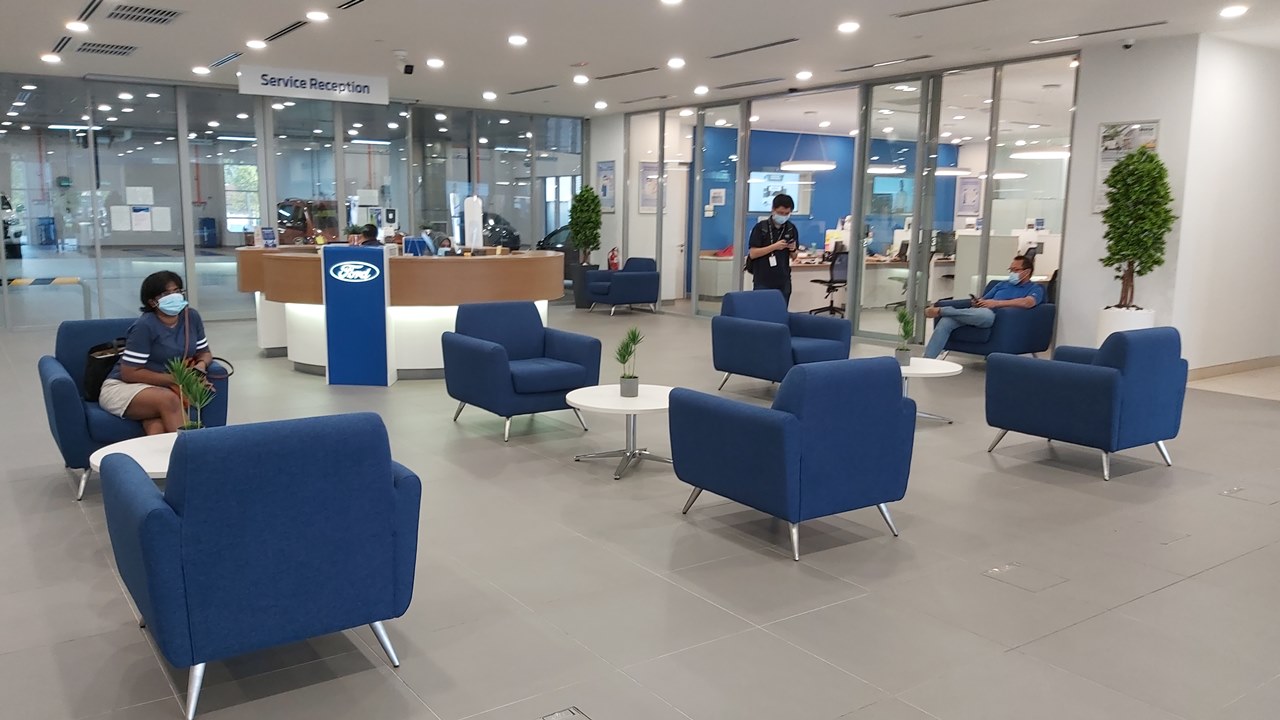
Owners can easily book a service appointment online via the Ford website anytime and from anywhere for their preferred Ford Authorised Service Centre. There are 5 authorised service centres nationwide around the country and it is possible to book an appointment up to 1 month in advance. Click here to make a service appointment online

For more information regarding the promotion or on Ford products and services, visit www.sdacford.com.my.

Find out how to unleash the full capabilities of your Ford Ranger/Ranger Raptor

Competition in the auto industry has existed from the time the second carmaker was established, and competing has been in not just business but also in the performance of the products. Carmakers have challenged each other on the streets and on racetracks, with supremacy putting a shine on their brand’s image.

3-company partnership
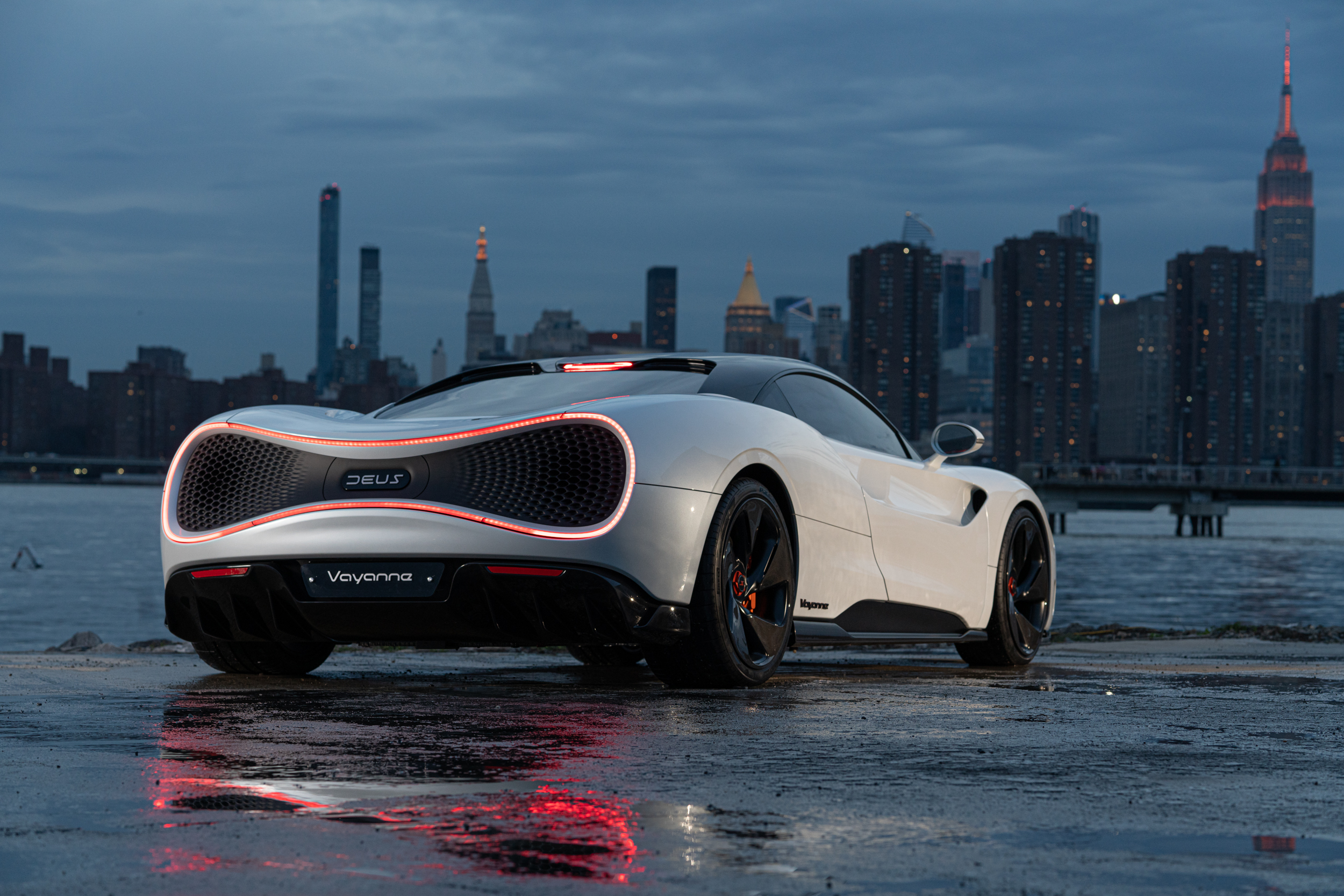
DEUS Automobiles, a new company born two years ago in Austria, is teaming up with Italdesign and Williams Advanced Engineering to make a statement of superiority in luxury electric hypercars. The partnership aims to design and create the most powerful electric hypercar in history with ground-breaking electrification technologies.

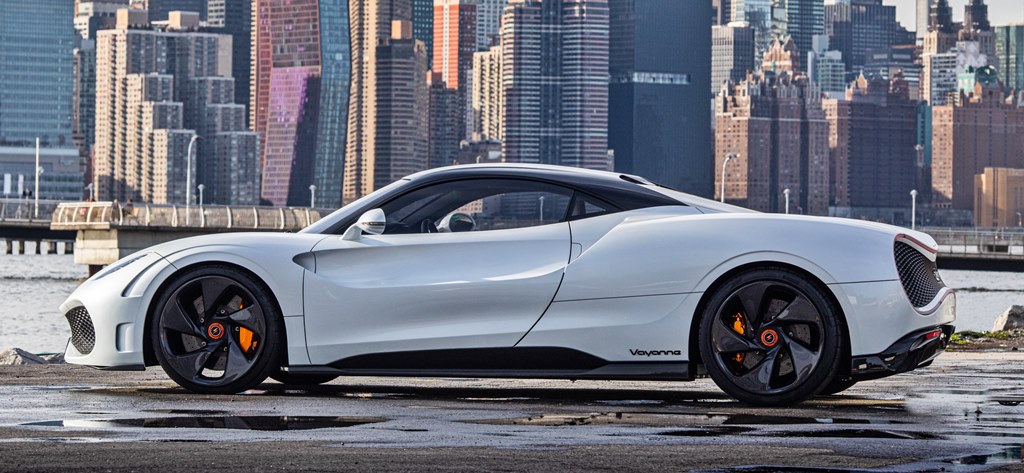
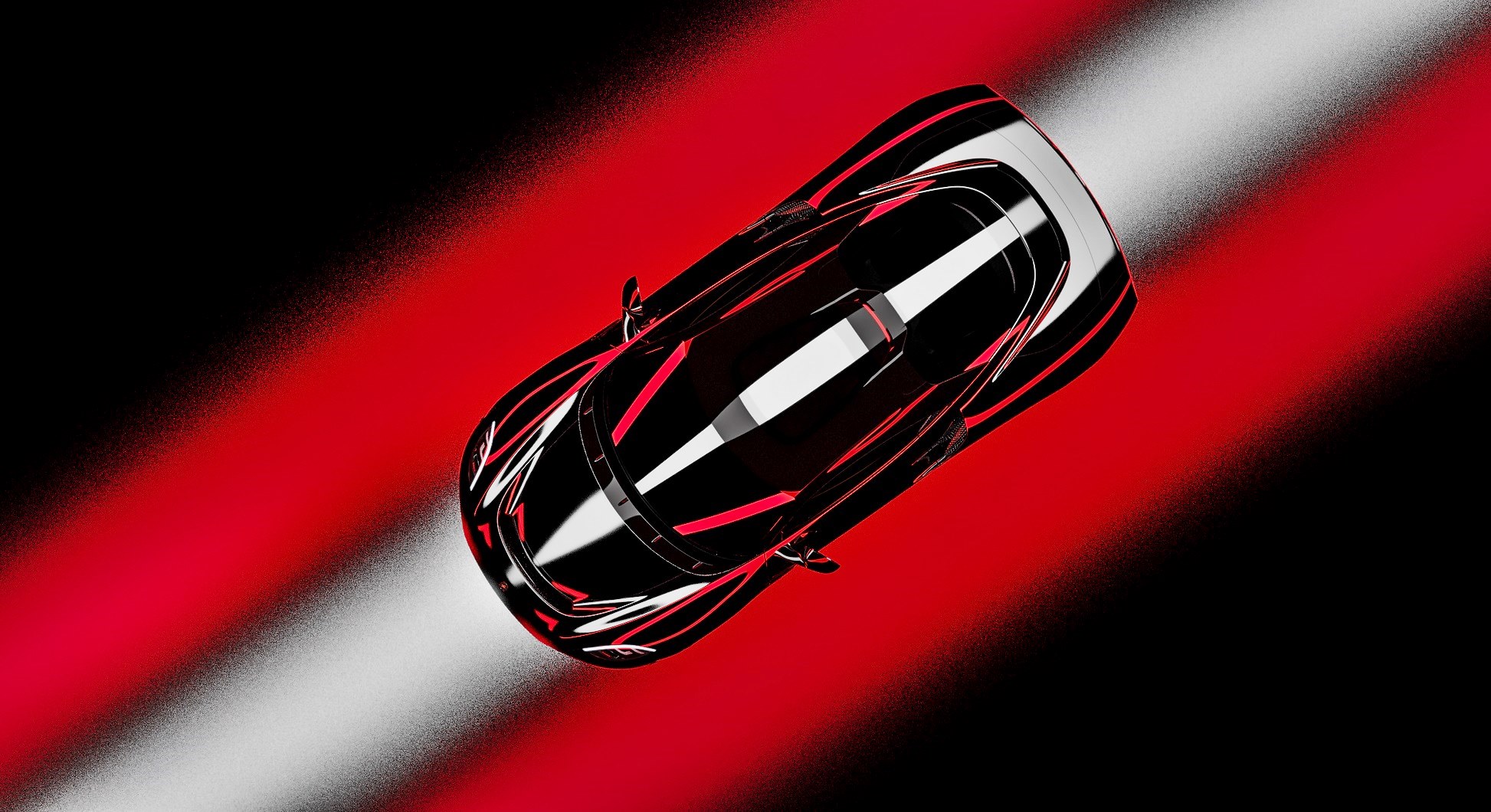
2025 DEUS Vayanne EV

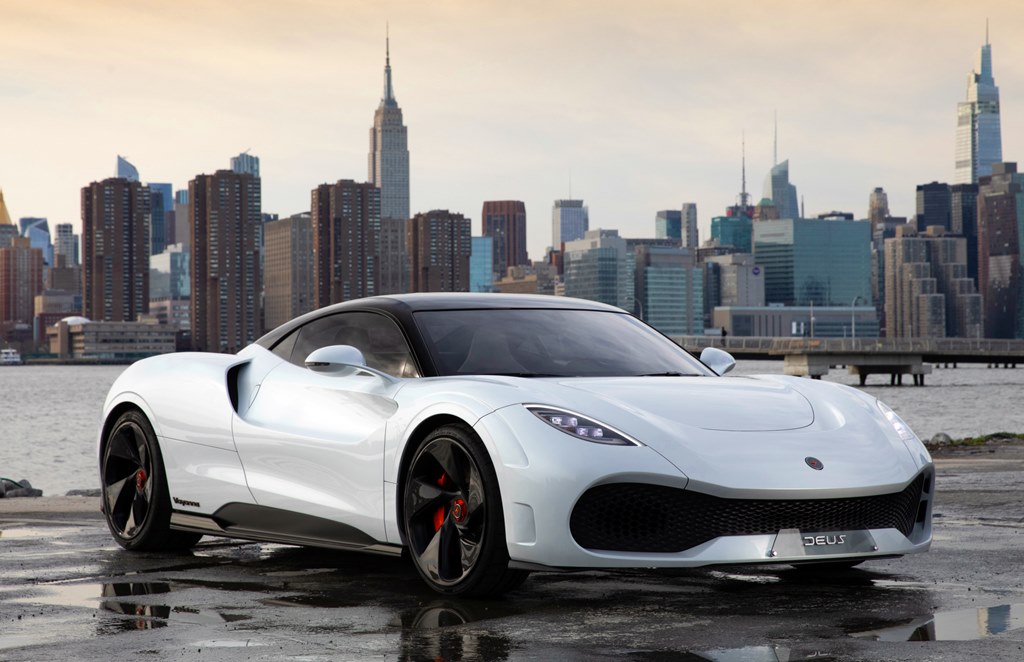
The Vayanne, as their hypercar is to be known, will go beyond today’s output levels and cross the 2,200 horsepower (1,640 kW) mark, generate over 2,000 Nm of torque, and be able to run beyond  400 km/h after passing 100 km/h in under 1.99 seconds.

Just how that amount of power will be produced and the nature of the powertrain is not explained at this time but will largely be the job of Williams Advanced Engineering. The British company and Italdesign are no strangers to collaboration; in April 2021, they announced a unique partnership for a high performance, flexible EV platform; EVX, supporting a long-term vision for EV architecture. This rolling chassis utilises Williams Advanced Engineering’s expertise in electrification, light-weighting, innovative chassis structures and vehicle and system integration.

2025 DEUS Vayanne EV

2025 DEUS Vayanne EV

Symmetry and geometric alignment
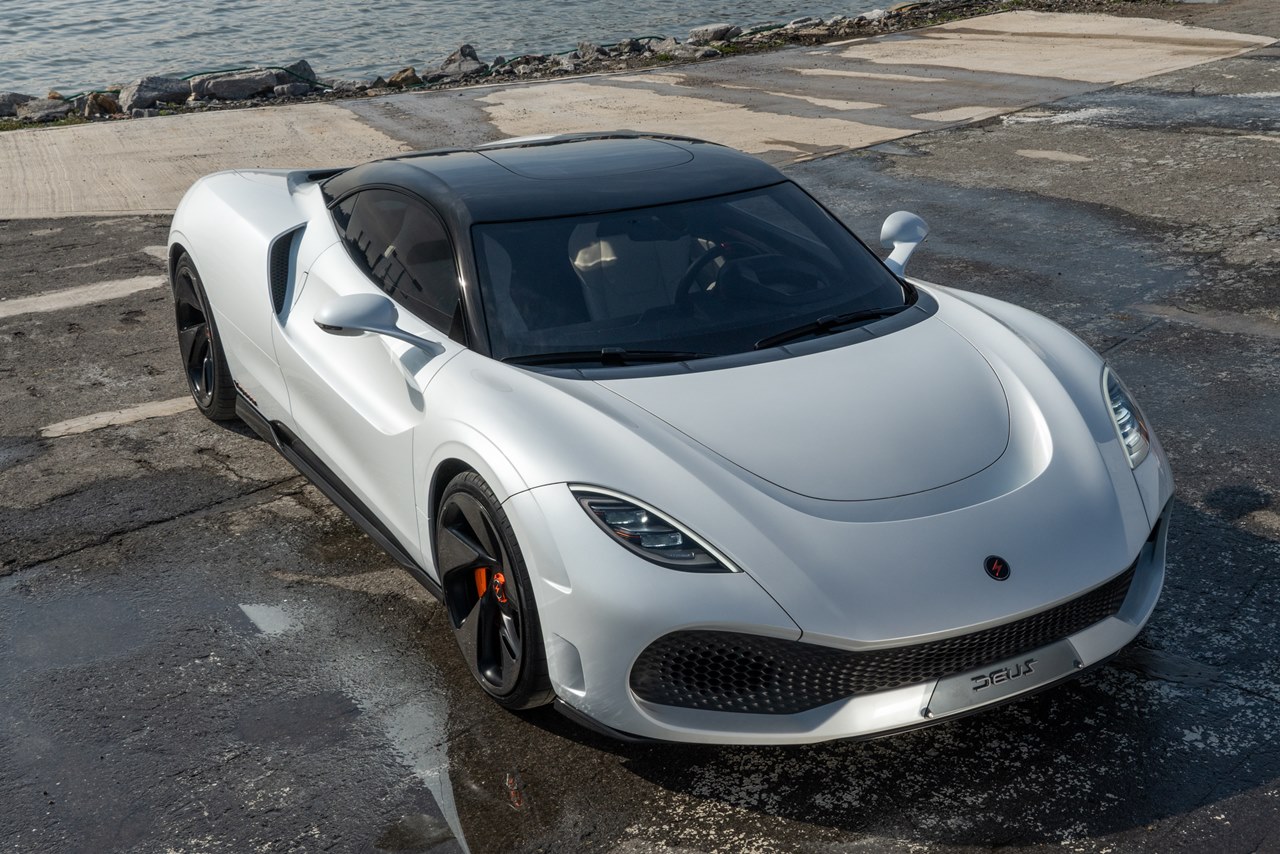
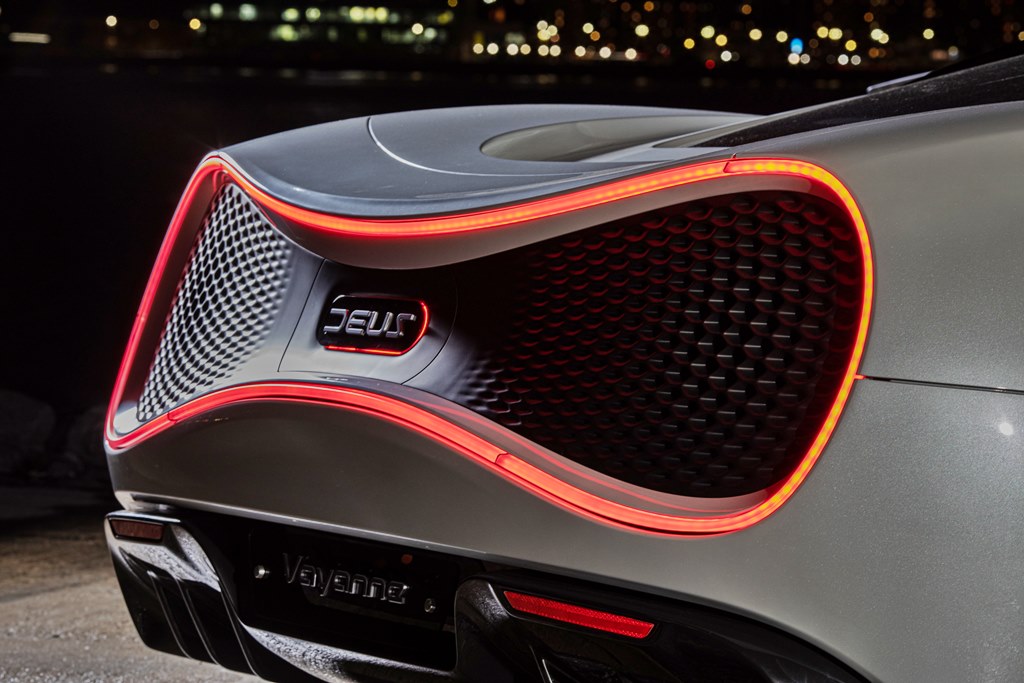
For now, DEUS is focussed on the design concept and a full-sized prototype is on display this week at the 2022 New York International Auto Show. To showcase the harmony of design, functionality and cutting-edge technology, the Vayanne is stylised around the idea of symmetry and geometric alignment of its lines and design features. In this regard, the shape of the front and rear grilles is made to represent the infinity loop.

The parametric grilles convey even more of a holistic approach through the meticulously aligned pattern that gradually increases in fade intensity. The pattern of the parametric grilles is represented by hexagonal shapes that continuously flow into each other to create the desired effect of angel wings being enclosed by the uninterrupted taillight strip in the rear and to further increase the premium feeling of the car’s stance in the front.

2025 DEUS Vayanne EV

For every air duct, there is another matching vent to keep the styling in line with the symmetry while ensuring the angles of those ducts are geometrically aligned. This is the result of DEUS and Italdesign styling and engineering departments working hand-in-hand to make no compromises between design and feasibility and to achieve maximum performance.

Sustainable production process
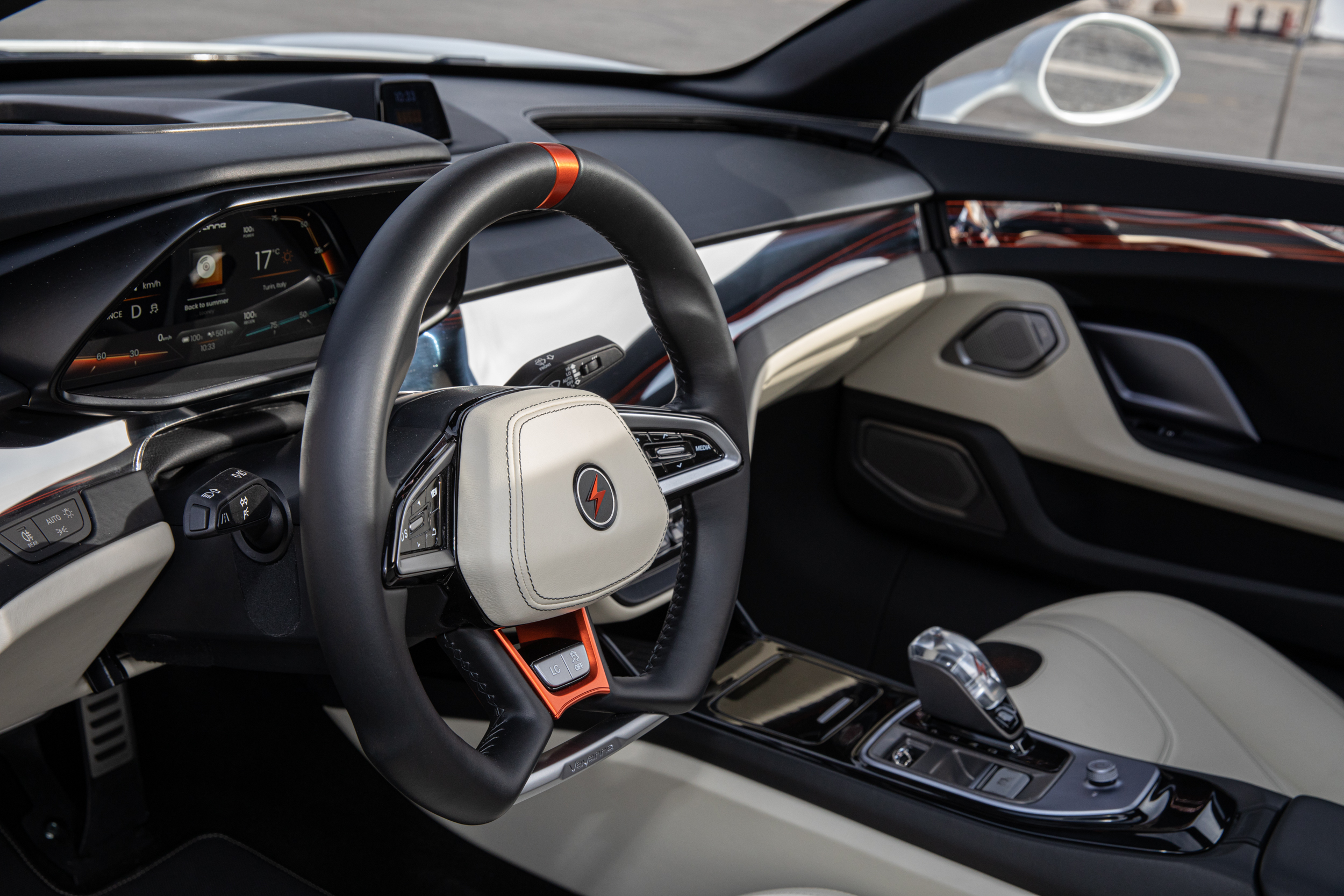
The interior, themed in a green colour, of the Vayanne has smooth yet dominant curves combined with refined geometry. The natural leather selected for the upholstery was treated and produced combining sustainable, technologically advanced solutions throughout the production process, with strong commitment to zero waste for a circular economy model.

2025 DEUS Vayanne EV

2025 DEUS Vayanne EV

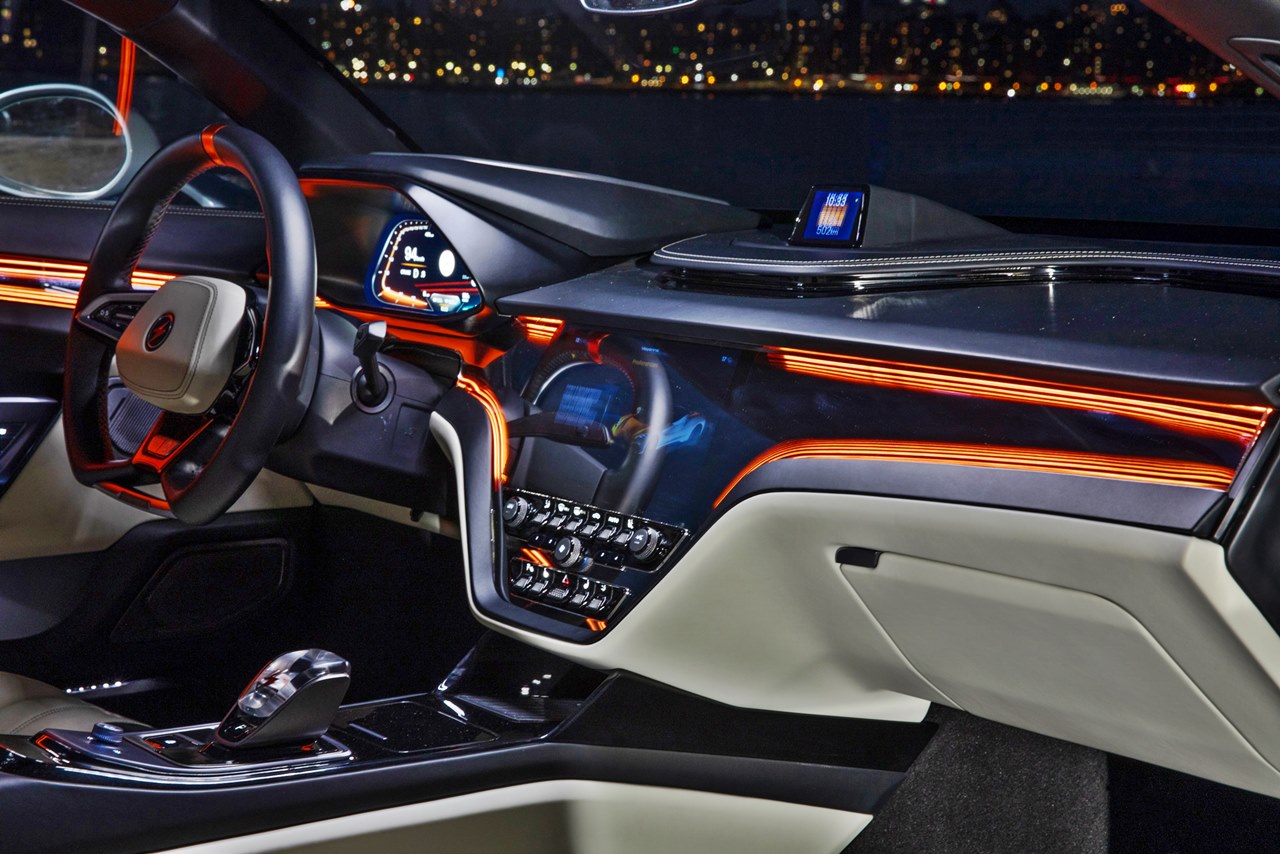
DEUS is the first in the automotive industry to implement the Halo Infinity mirror throughout a vehicle’s interior. This innovative design feature as applied in the Vayanne is vital to carrying over the infinity theme from the hypercar concept’s exterior to its interior. It embraces the whole interior from the doors throughout the dashboard. The effect changes in regard to the viewing angle, a trait incorporated to suggest that everyone’s view is unique.

99 units to be built
Following its debut in New York, the Vayanne will continue to be refined taking into consideration feedback from the public and potential customers. The company plans to make only 99 units for sale, with the first delivery in 2025.

2025 DEUS Vayanne EV

Bugatti to build 40 units of Bolide experimental hypercar for sale


UPDATE: Police have arrested a person believed to be the one in the video.


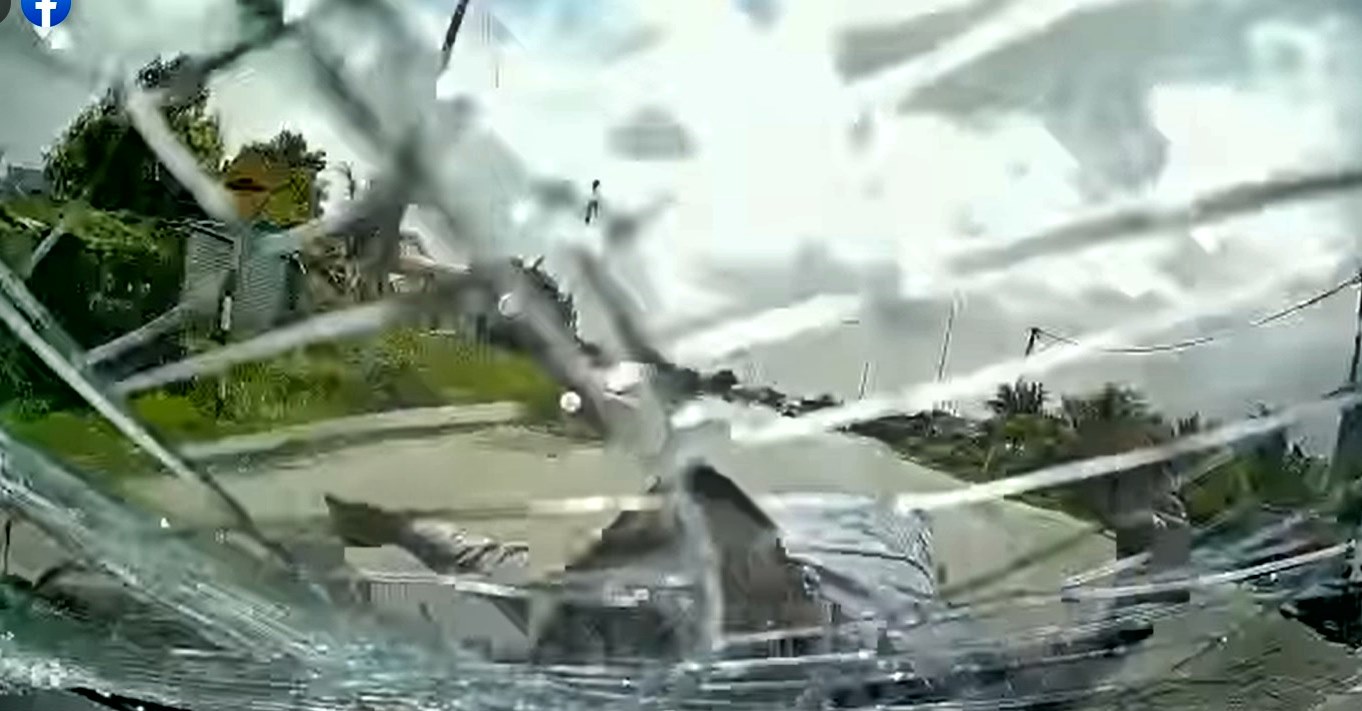
It looks like a stunt in a movie but this is in real life, and it took place in Kapar, Selangor. For the motorist who must have been shocked, it is very fortunate that he has installed a dashcam in his car which showed exactly what happened – the ‘victim’ jumped against his car smashing the windscreen.

Had there not been the camera, then it would be difficult to prove that this was a deliberate act (unless the guy was trying to commit suicide), which is how this scam works. The guy had pretended to cross the road and can be seen running towards the car. But before the car could hit him and cause real injury, he jumped up to land on the bonnet which would have cushioned the impact. Then he slid off the bonnet and must have been lying on the road pretending to be in pain.

And then came the ‘witnesses’, according to the driver, who would have accused him of causing the accident and not seeing the man crossing the road. They would be hoping that the driver would be in shock and so intimidated that they could demand compensation from him. Of course, in such cases, whatever the circumstances, a police report will be needed and then if there is compensation to be made, it would be either the driver or his insurance company paying at a later time. However, such scammers count on fear and confusion letting them collect the money on the spot.

Fortunately for the motorist, he had the dashcam running and he said that when he wanted to wait for the police to come and he pointed to his dashcam, they ran off! Presumably even the injured guy was able to get up and run away.

The police are aware of the video now circulating on social media, and they are investigating this case under Section 336 of the Penal Code for causing endangerment. They also say that there have been other similar cases in the area. The trick could have had serious consequences too – had the driver tried to avoid the man, he might have crashed into another vehicle or even someone else.

Such a scam is not new and happens in other countries too. There are also cases of cars deliberately ramming into other cars or creating a situation where they can accuse the innocent motorist of having caused the accident.

Invest in a dashcam
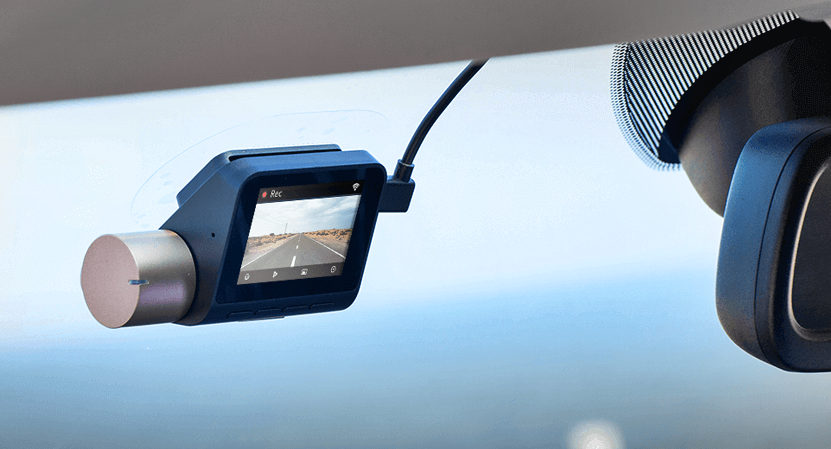
So it’s a good idea to have a dashcam in your vehicle these days. Many companies now offer dashcams (even rear ones) installed in the new vehicle and for those who want to buy one, the prices range from RM100 upwards. You don’t have to invest in a very expensive unit but do check the video quality because what is important is to be able to make out the numberplate on other vehicles. It should also be able to record with sufficient clarity at night.

Most motorists won’t need all the features available and have standard features such as automatically or manually locking the specific file right after an accident occurs so that it cannot be tampered with. The time and date are always visible but be sure to set them correctly otherwise a wrong time shown may render the recording invalid as evidence!

Most dashcams install easily with a mount that is attached to the windscreen either with a sucker pad or a strong adhesive sheet. The adhesive sheet is usually a better idea as the suction pad can sometimes deteriorate, especially if it is exposed to heat from sunshine for a long time.

A cable is usually provided with the package and while some units still use the cigarette lighter socket for power, newer ones can use a USB cable which can draw power from a USB port. Depending on the model, some units will switch off automatically when the engine is shut down but some power sockets remain ‘live’ as well so the dashcam may have to be manually switched off.

Still considered guilty even after two acquittals in ‘basikal lajak’ case?

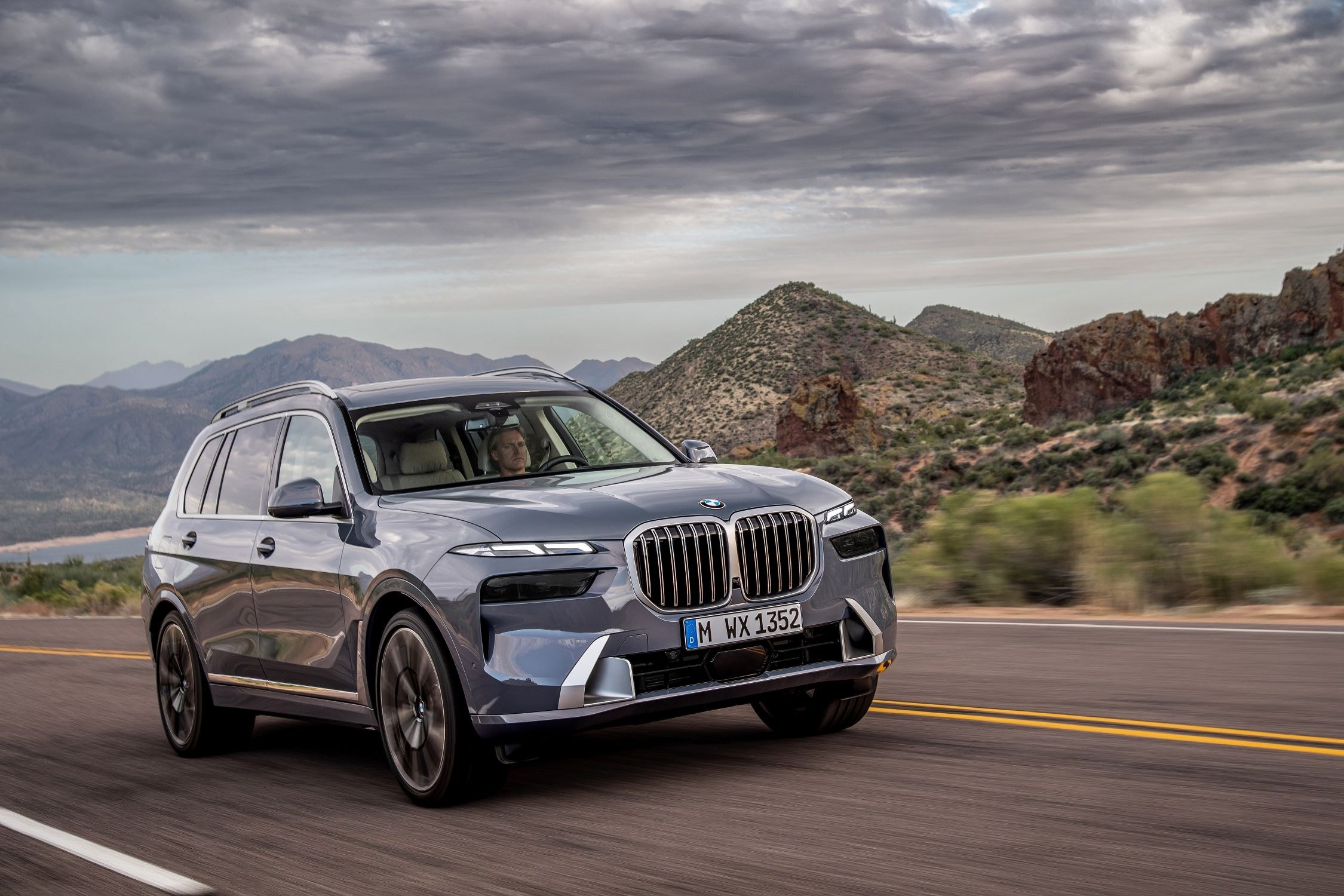
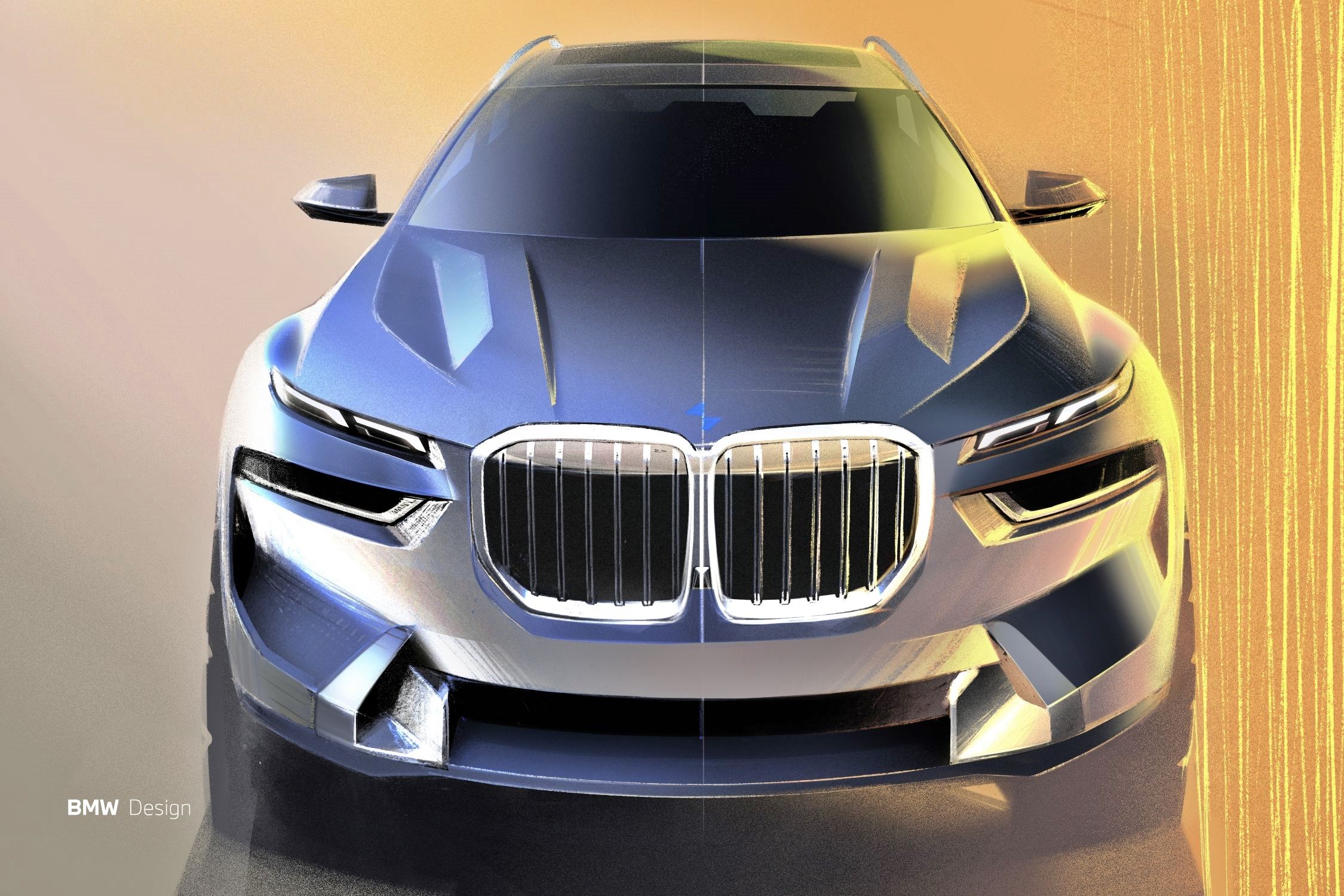
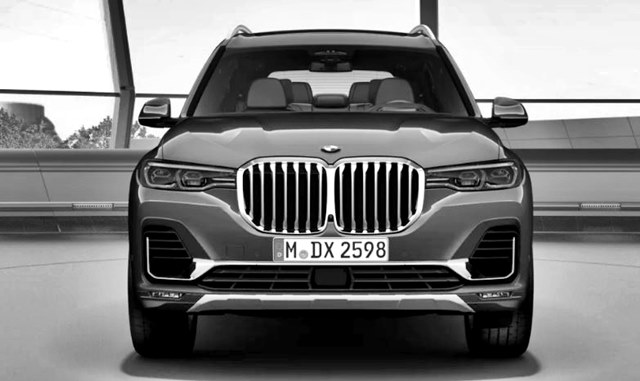
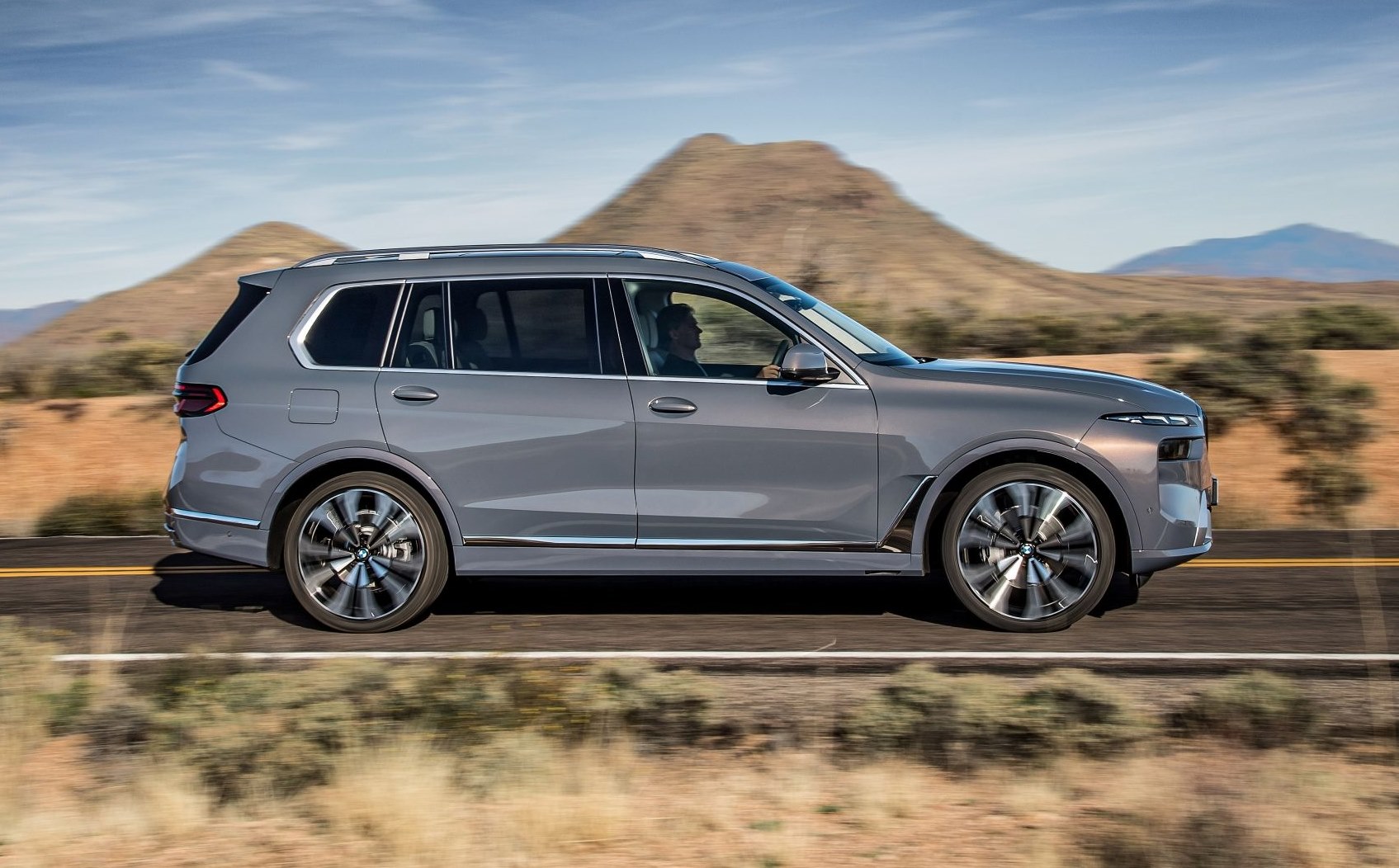
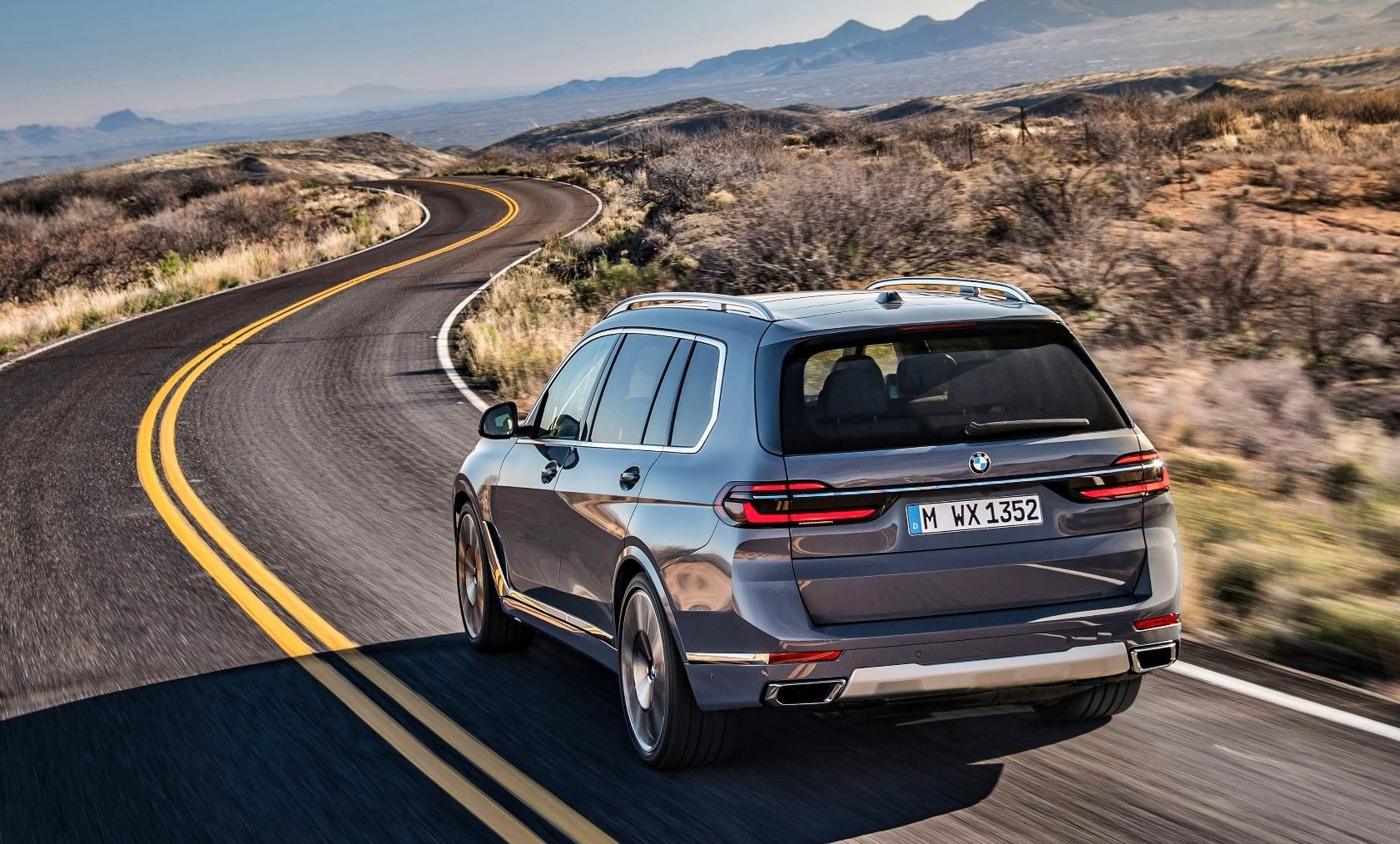
BMW’s largest SUV, the X7 (G07), has received an update after 4 years in the market (3 years in Malaysia) and it comes with a new frontal appearance that we should be seeing on the next generation of the 7-Series which will make its debut very soon.

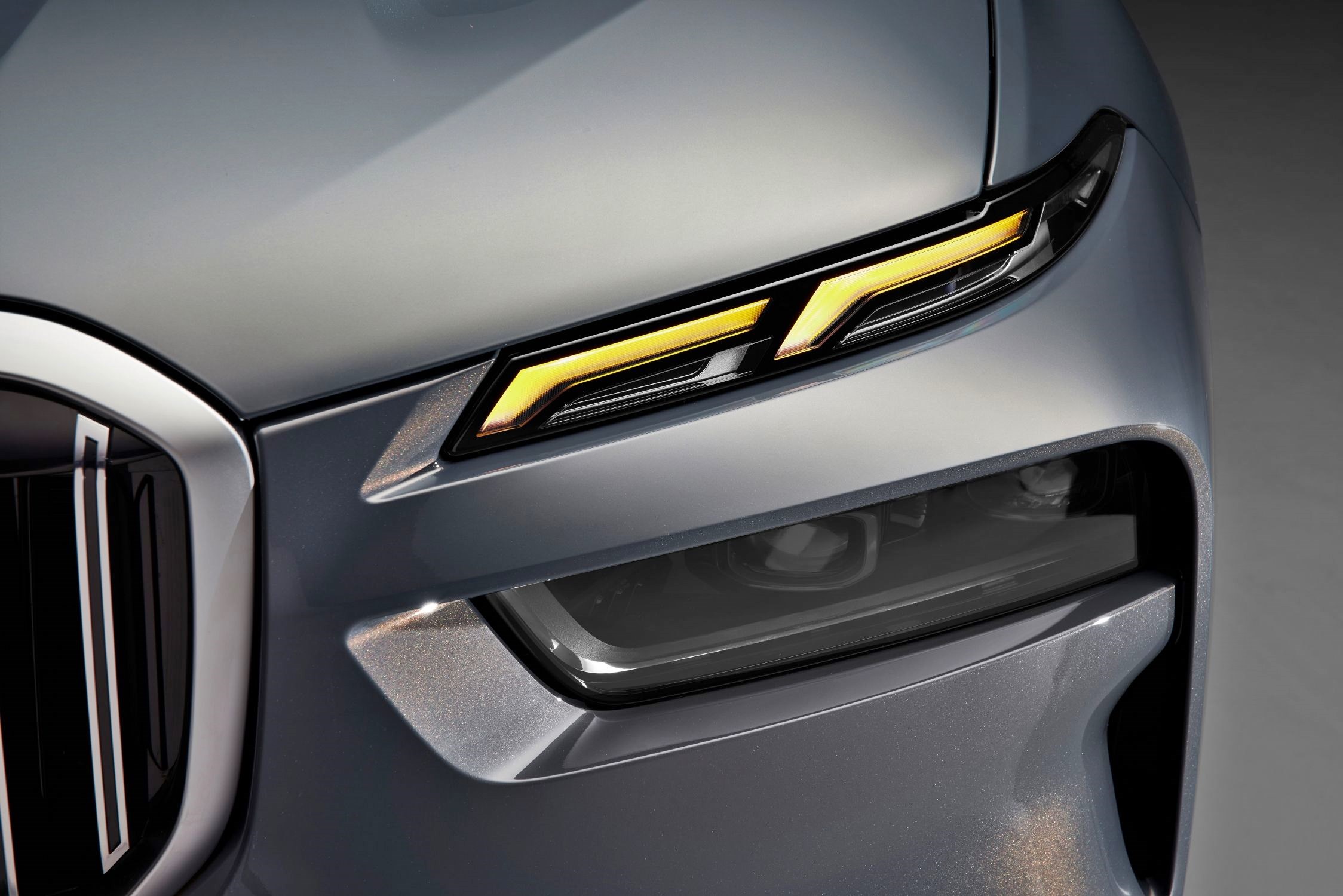
The main feature of the new look is the split headlight design that is a key element in BMW’s new design language. This is the first time that split headlight units have been employed for DRLs (which also function as turn indicators) as well  as main beams. The low-beam/high-beam headlights are separate LED units below the DRLs. The headlights have adaptive matrix capability to customise the spread of light for maximum illumination without dazzling oncoming drivers.

2022 BMW X7

Current BMW X7.

2022 BMW X7

2022 BMW X7

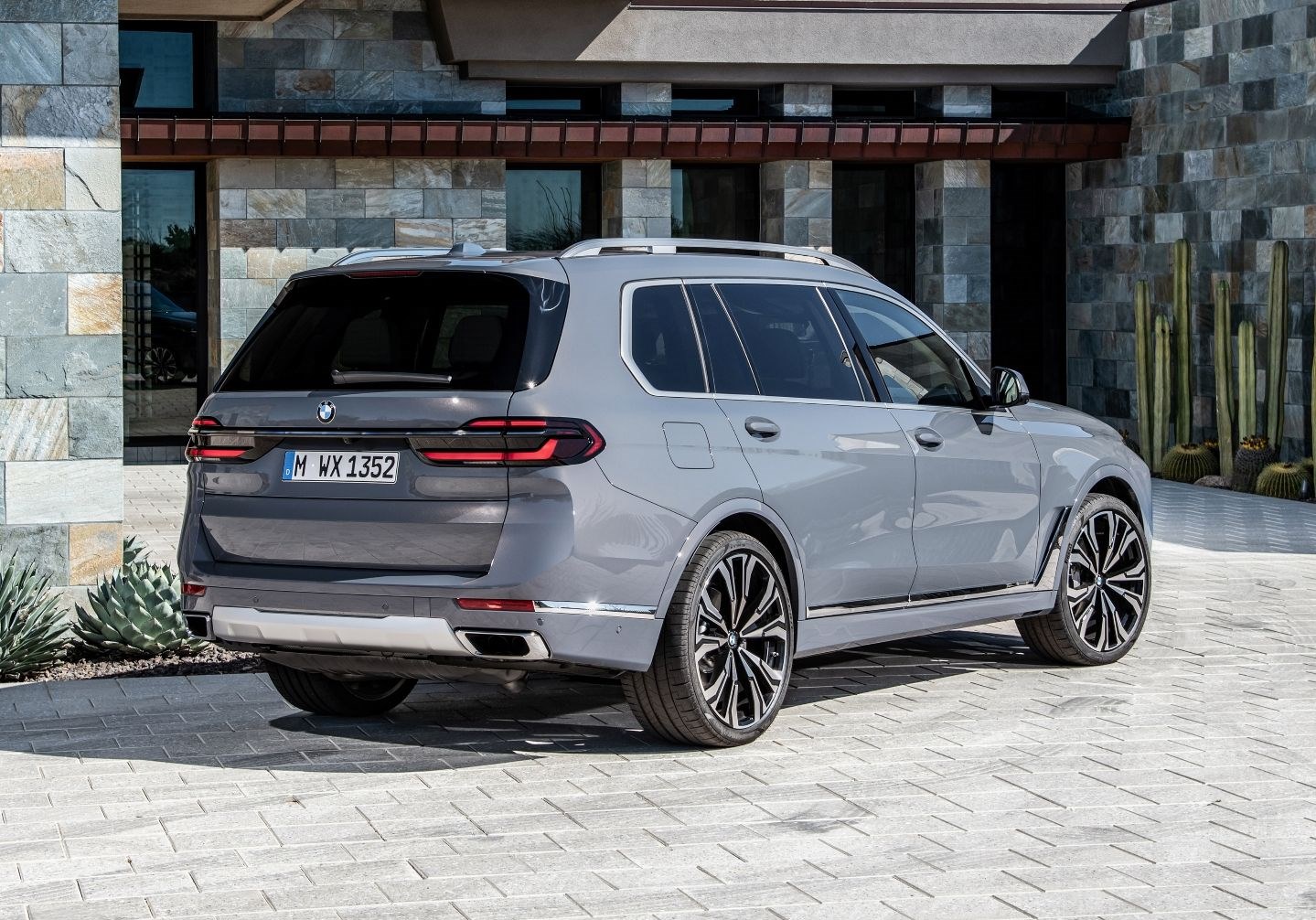
The updated front-end also has an ‘Iconic Glow’ kidney grille with understated cascade lighting for the two grille elements. The illumination is activated when one of the doors is opened and while on the move (but it be switched off if not desired). At the rear, the L-shaped light strips are said to generate significantly greater intensity so they can double up as brake lights and the light units can therefore be kept extremely slim.

2022 BMW X7

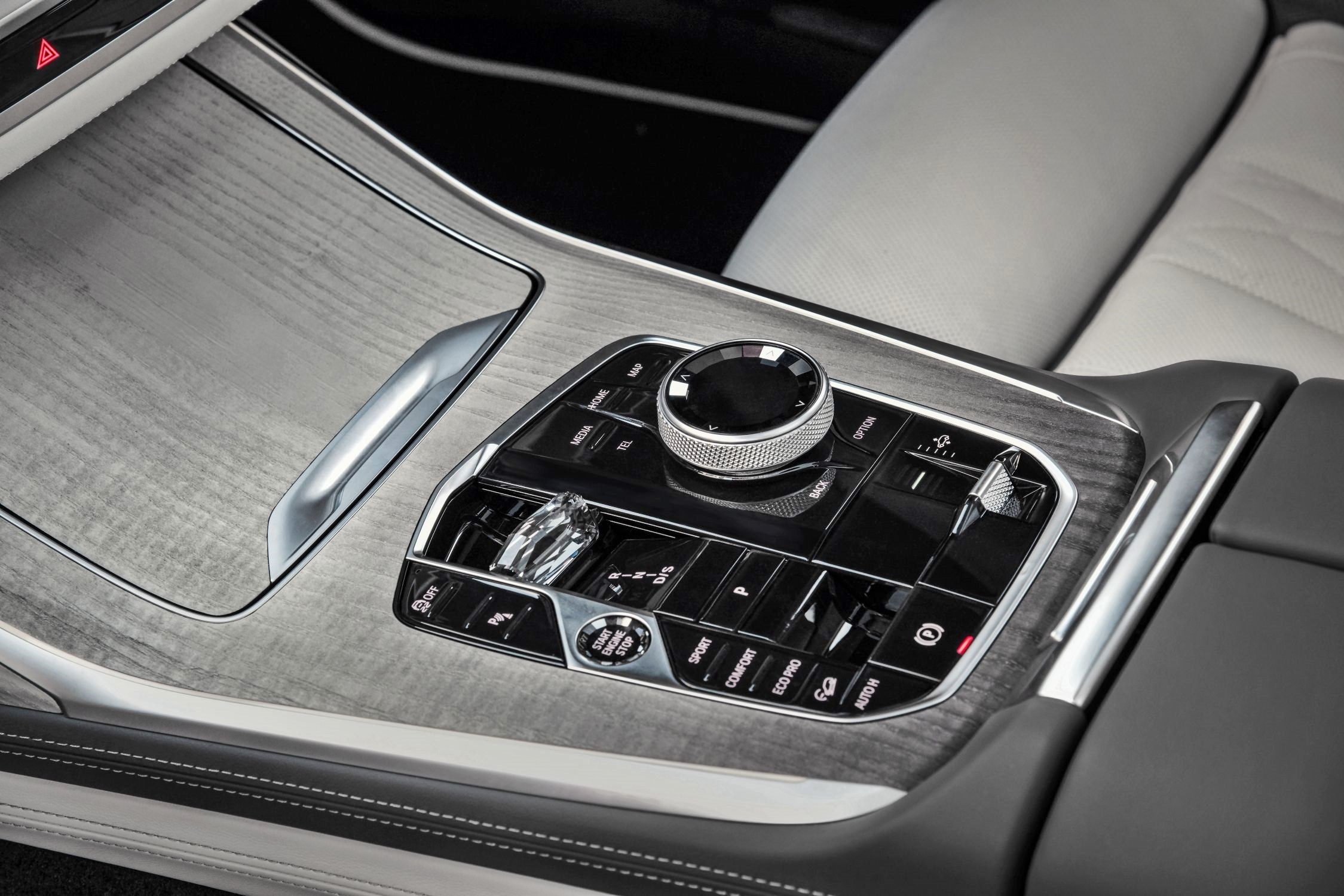
Within the huge bodyshell of the X7, the three rows of seats have new seat surfacing and bolder  colour combinations. For most variants, there is a sport leather steering wheel with shifter paddles, 4-zone automatic climate control, ambient lighting, panoramic glass sunroof, Harman/Kardon audio, heated comfort seats for the driver and front passenger and Comfort Access.
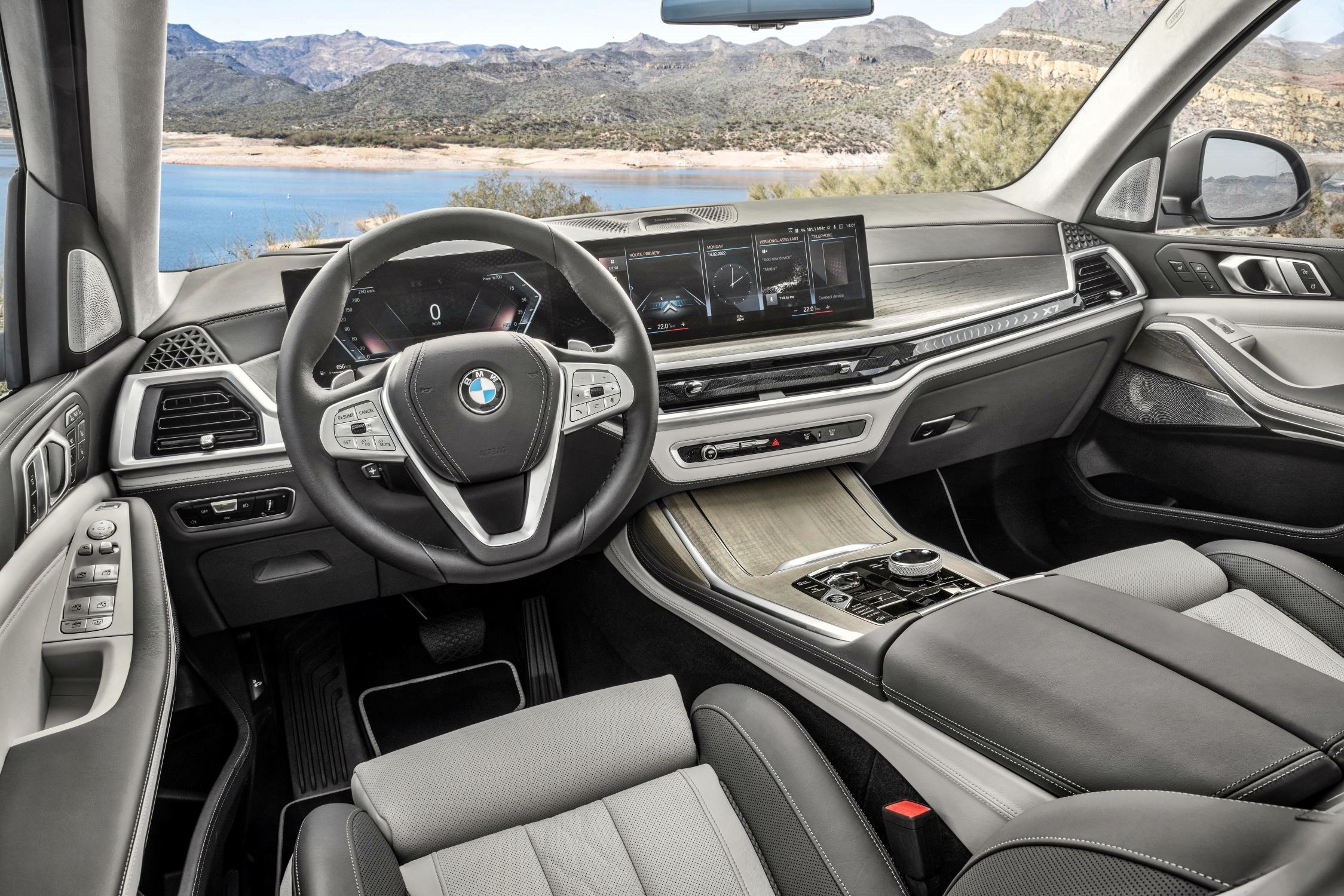
As with some other models in this class, the dashboard is dominated by displays. In the case of the X7, the BMW Curved Display is made up of a 12.3-inch information display behind the steering wheel and a control display with a 14.9-inch screen. The two screens, which extend to two-thirds of the width. merge into one high-resolution display unit behind a single glass surface. While the panel orientation is curved towards the driver, the front passenger can also view the screen and operate the iDrive 8 system.
2022 BMW X7

The dashboard surface is now made from Sensafin, a high-quality, vegan surface material with leather-like properties has exclusive three-dimensional quilting and surface perforation.

The instrument panel has an extremely slim form, its horizontal structure emphasising the width of the interior. A new ambient light bar makes its debut below the interior trim strip in the front passenger area. It has a crystalline surface structure and effective backlighting with the use of LED units. The light distribution, brightness and colour for the interior illumination can be configured with a choice of 15 colours.

With all seats in use, there’s 326 litres of cargo volume and depending on whether the second and third row are folded down, the capacity can be expanded to a maximum 2,120 litres. To simplify loading, the standard air suspension can be lowered at the touch of a button. The tailgate is split, with both sections opening and closing automatically. The advantage of this 2-section tailgate is that you don’t need to always raise a large door just to put in smaller items.

The Sky Lounge sunroof is made up of 3 glass section spanning the length of the roof. All the roof elements have an electrically sliding headliner and its 15,000 graphic patterns can generate a display reminiscent of a starlit sky. This is a Starlight Headliner which first appeared in Rolls-Royce models many years ago.

2022 BMW X7

The X7 continues to use a range of engines from the new modular generation of the BMW Group Efficient Dynamics family. However, it remains as a hybrid rather than plug-in hybrid powertrain. The range is headed by a new 4.4-litre petrol V8 for the X7 M60i xDrive. Joining it are newly-developed 3-litre, 6-cylinder in-line units in the petrol X7 xDrive40i and diesel X7 xDrive40d. The current X7 assembled in Malaysia is the xDrive40i variant and it is likely that this will remain the case with the updated version.

The new 3-litre petrol engine of the xDrive40i has been improve in many areas and maximum output has been increased by 47 bhp to 380 bhp, while peak torque rises by 70 Nm to 520 Nm and can be boosted to as much 540 Nm by the 48V mild hybrid system.

2022 BMW X7

2022 BMW X7

The 8-speed Steptronic transmission is a new unit, used for the first time in the X7. Gear transitions are quicker and there’s a Launch Control function as well as a new Sprint function when a quick burst of speed is required. With the Sprint function, the transmission automatically shifts into the lowest usable gear and the powertrain and chassis systems switch to their sportiest settings. For maximum performance, the hybrid system’s electric boost is also activated.

Power goes to all 4 wheels via the efficient and intelligent xDrive system with rear-wheel-drive bias. It uses an electronically controlled multi-plate clutch in the transfer case interlinked with the powertrain and chassis systems to distribute power between the front and rear wheels as required.

2022 BMW X7

The X7 now comes with adaptive two-axle air suspension with electronically controlled dampers as standard. The dampers respond adaptively both to road surface conditions as well as driving style. The various Driving Experience Control modes also give a more sporty or a more comfortable basic damper setting.

Thanks to the link-up with the Dynamic Stability Control (DSC) system, the vehicle load registered by the air suspension sensors can be factored into braking modulation. When the X7 exceeds 140 km/h, or the Driving Experience Control mode is set to Sport, the body is automatically lowered, increasing stability and reducing aerodynamic drag. Ride height can be lowered in 2 stages and by up to 20 mm.

2022 BMW X7

New variants for locally-assembled BMW X3 and X4

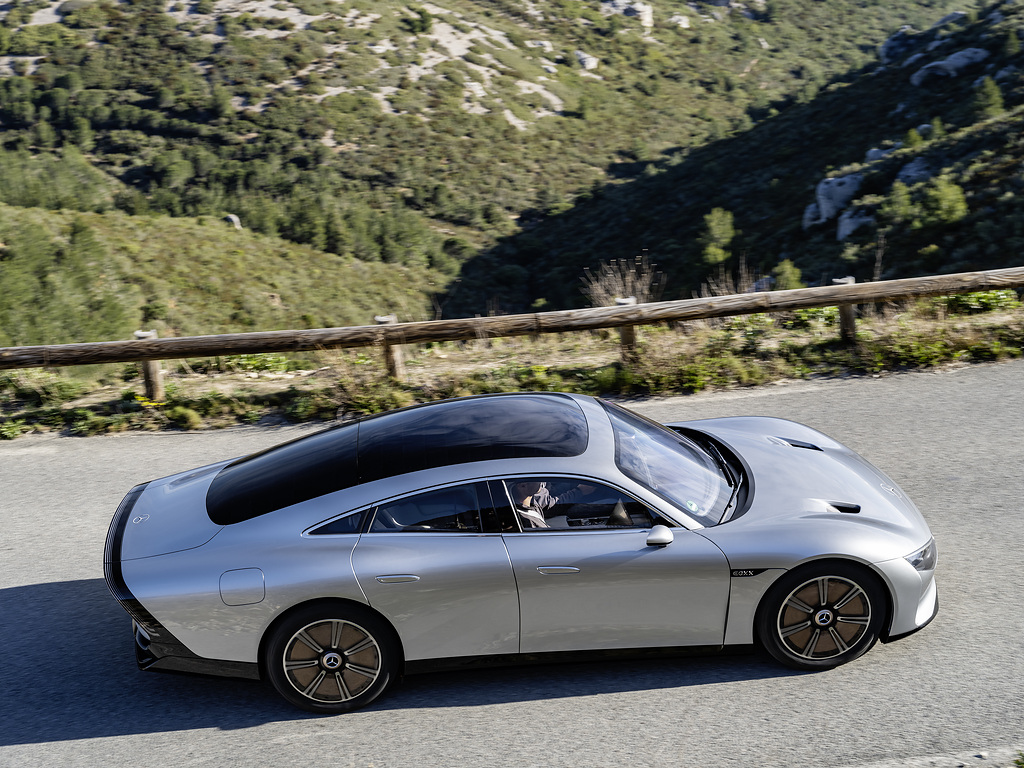
‘Range anxiety’ was something which concerned many who were considering a battery electric vehicle (BEV). The earlier models could go just a 100+ kms on a fully charged battery pack but the distance gradually increased as battery technology advanced. As battery packs were made more energy-dense to store more electricity, the vehicle could go further and further before recharging was needed. Today, the average is around 350 kms but just as with the consumption of fuel by combustion engines, range is affected by driving conditions and driving style.

Mercedes-Benz VISION EQXX

But range anxiety is now less concerning not only as cruising distances increase but the network of recharging stations is also growing. So it is possible to ‘refill’ along the way on a long journey and now, it is more a matter of how long that takes – and manufacturers are also reducing the time.

Battery technology has come a long way in the past decade and if we take the Nissan LEAF as an example, the range with the first generation launched in 2010 was under 200 kms; today, the latest generation is claimed to be able to go up to 385 kms.

Mercedes-Benz VISION EQXX

Breaking through technological barriers
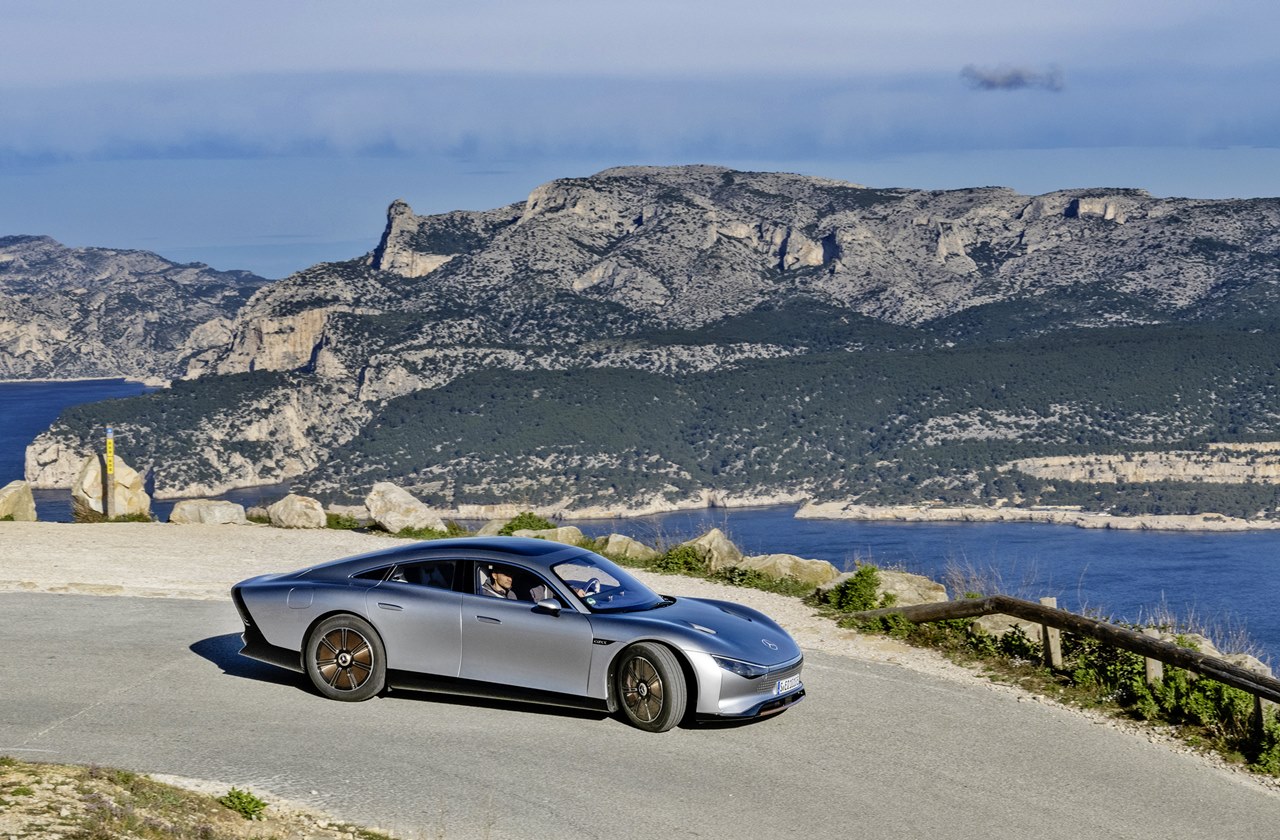
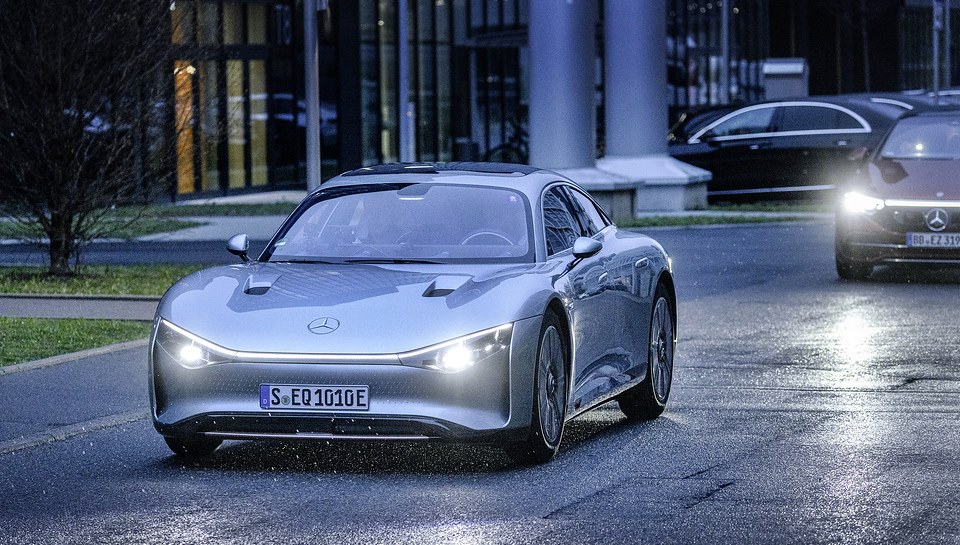
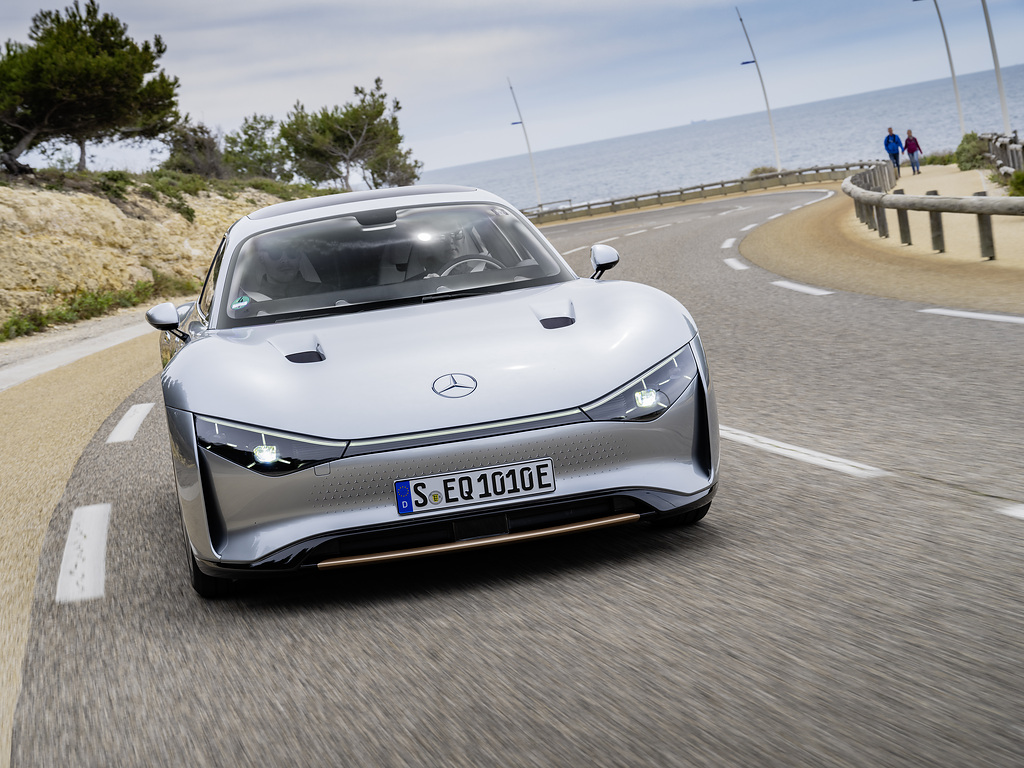
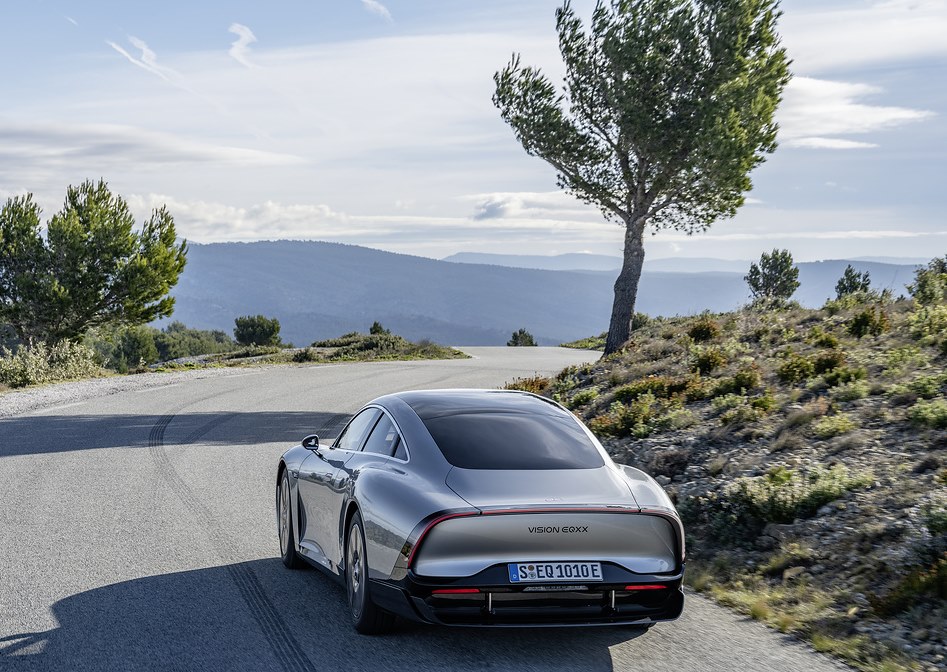
In future, the distance will be even greater and Mercedes-Benz has proven that it is possible to go up to 1,000 kms on a single charge. This was achieved with the VISION EQXX technology demonstrator which the company is using to test technologies under development. This software-defined research prototype is part of a far-reaching technology programme that combines the latest digital technology with the brand’s pioneering spirit, the agility of a start-up and the speed of Formula 1. The mission in developing the VISION EQXX was to break through technological barriers across the board.

“The VISION EQXX is the result of a comprehensive programme that provides a blueprint for the future of automotive engineering. Many of the innovative developments are already being integrated into production, some of them in the next generation of modular architecture for compact and midsize Mercedes‑Benz vehicles. And the journey continues. With the VISION EQXX, we will keep testing the limits of what’s possible,” said Markus Schafer, Member of the Board of Management of Mercedes-Benz Group AG, Chief Technology Officer responsible for Development and Purchasing.

Mercedes-Benz VISION EQXX

From Germany to the south of France
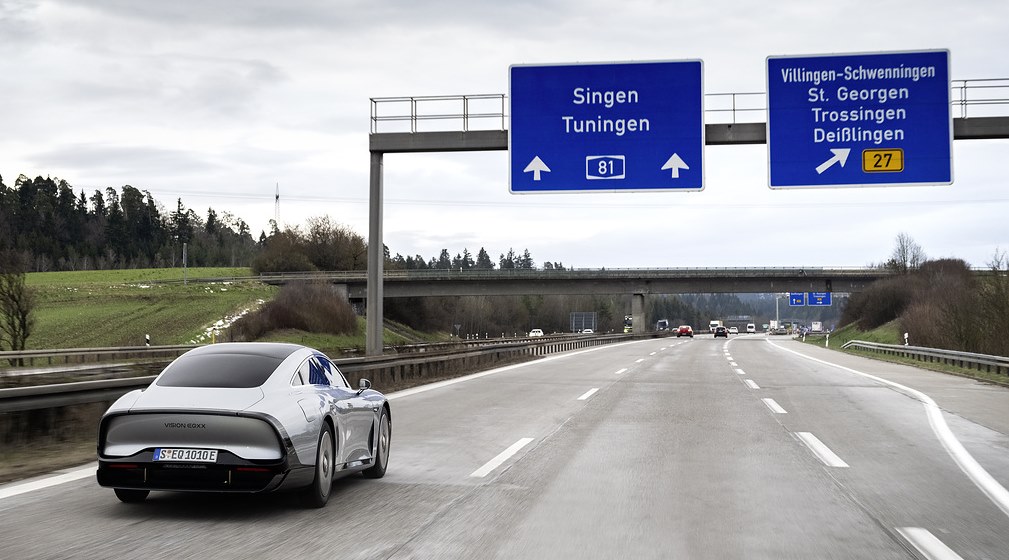
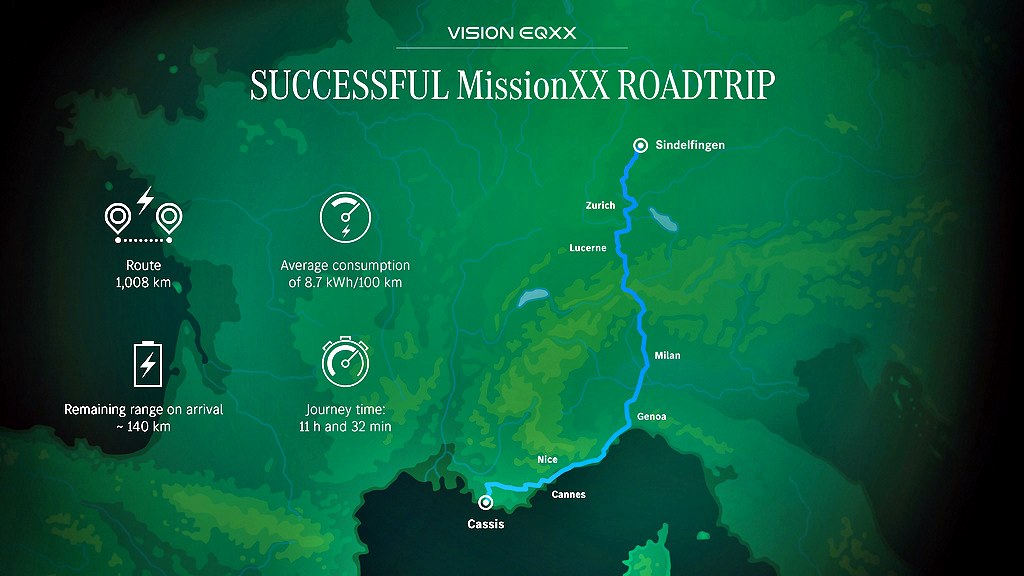
To show what is electrically ‘feasible’, the research vehicle completed a 1-day road trip across several European borders: from Germany across the Swiss Alps to Switzerland, on to Italy, past Milan and finally to its destination, the port town of Cassis in the south of France. The journey started in cold and rainy conditions and proceeded at regular road speeds, including prolonged fast-lane cruising at up to 140 km/h on the German autobahn and near the speed limits elsewhere.

The route profile set and the weather conditions presented the VISION EQXX with a wide variety of challenges. Different various sections of the route helped document the effect of the many efficiency measures. These measures include tyres specially developed by Bridgestone with extremely low rolling-resistance.

Mercedes-Benz VISION EQXX

Throughout the journey of 11 hours and 32 minutes, it was not recharged and covered 1,008 kms in everyday traffic – with the battery’s state of charge on arrival shown as being around 15%. That was estimated to be good for another 140 kms or so, and the average consumption was a record-breaking low of 8.7 kWh per 100 kms.

Power from sunshine
However, Mercedes-Benz reveals that although it did not receive conventional recharging, it still received electricity from an external source – the sun. On its roof are 117 solar cells to collect sunshine which is converted to electricity and fed to the 12V battery. This battery does not power the electric motors but supplies power to auxiliary areas such as the navigation system. This this removes the demand from the high-voltage battery pack. The solar panel feature is said to increase  the range by more than 2%, which adds up to 25 kms on a journey of over 1,000 kms.

Mercedes-Benz VISION EQXX

Like most other BEVs, the VISION EQXX also uses recuperation – the recovery of braking energy – to provide some energy to the battery pack while on the move. The recuperation effect occurs on any type of gradient and during every braking manoeuvre.

The VISION EQXX was driven in real-life conditions and to have independent proof, the charging socket was sealed, and the car accompanied by a representative from TUV Sud, the independent German certification body.

Mercedes-Benz VISION EQXX

Technological advancements accelerating
In the early era of the PC (personal computer) in the 1980s, the processing power doubled every two years, but this has accelerated as time passed. It might be the same for battery and EV technology which is continuously advancing each year so from the 500 kms possible in some models today, the increases might be greater and who knows, by the next decade, the 1000-km range which is amazing today might be possible in BEVs for sale to the public.

Mercedes-Benz VISION EQXX

The most efficient Mercedes-Benz ever built – the Vision EQXX

The police are now looking for the driver of the Toyota CH-R which was shown in recordings to have been involved in a hit-and-run case involving motorcycles in two different locations in Johor. The two video recordings show the collision with a motorcyclist and the Toyota not stopping as it was chases by others nearby.

The matter, which is being investigated by the Iskandar Puteri District Police, is being investigated under Section 42 (1) of the Road Transport Act 1987 which relates to reckless and dangerous driving. Two reports have been received by the police in connection with the accidents.

According to the police, the first accident occurred at Km16 along the Jalan Johor Bahru – Air Hitam road, while the second occurred at Persiaran Ledang in Iskandar Puteri at 9:30 pm on April 11.

Still considered guilty even after two acquittals in ‘basikal lajak’ case?

While the Hyundai IONIQ 5 was in the spotlight being announced as the 2022 World Car of the Year award at the New York International Motor Show, Genesis – the third brand in the Hyundai Motor Group – unveiled the X Speedium Coupe to give a preview of what the luxury brand’s next wave of electric vehicles will be liked.

The concept car reflects Genesis’ principle of reductive design with Genesis’ wings and Two Lines prominent, while an hourglass silhouette gives the car its muscular presence. It was born out of a ‘freestyle’ design exercise based on the Genesis X Concept  and inherits the brand’s design philosophy of ‘Athletic Elegance’.

2022 Genesis X Speedium Coupe Concept

Inspired by passion for motorsports
The name ‘Speedium’ was inspired by the passion for motorsports which Genesis designers felt at the Korean racetrack. It also encapsulates the brand’s belief that the emotional value of driving will remain strong in the era of electrification, while the addition of the ‘coupe’ further accentuates the enjoyment of driving through aesthetic designs.

On the front, Genesis’ signature Two Lines lamps have evolved into a full-width element that encompasses the shape of the crest resembling the Genesis Crest Grille. It is designed to carry the brand signature of the wing face for the electrification era by integrating the daytime running lamps with the low beam and high beam together. It carries an EV face that symbolizes Genesis’ transformation towards becoming an all-electric car brand with a 6-model line-up by 2030.

2022 Genesis X Speedium Coupe Concept

From an overhead perspective, the hourglass silhouette is evident, while the curvaceous and sensuous form accentuates the wheelarches creating muscular presence. Viewed from the side, the Parabolic Line extending from the front to the rear of the car maintains a certain tension in the design as a classic car would.

The concept car’s metallic emerald green shade is referred to as ‘Inje Green’. The reference to a Korean racetrack is seen in the colour which encompasses the mountainous landscape where the track is located.

According to Luc Donckerwolke, Chief Creative Officer of the Hyundai Motor Group, the X Speedium Coupe challenges the status quo of a defined car type. This car is an open-door moment in Genesis’ journey towards our future EV design. This is not a showcar… it’s a look into our design processes as we explore ideas for the next wave of EVs, one that incorporates Genesis’ DNA,” he said but clarified that it is also not a conventional concept car that previews plans for the production line-up.

Genesis House in New York
The X Speedium Coupe was unveiled at Genesis House in New York, a cultural space which opened in 2021as the brand’s home in the USA. Measuring 4,340 square metres and consisting of 3 floors, it has been a venue for numerous events held in collaboration with various artists and the local community. The environment at Genesis House also allows guests to enjoy a Korean cultural experience with a restaurant and Tea Pavilion.

Genesis House in New York

Genesis House in New York

Genesis House in New York

Besides a library, there is also an exhibition space displaying the Genesis line-up of existing models and concept cars. Tessellated mirrors set off the design of the cars on display, and a curator is on hand to provide detailed explanations in various languages.

Design of new generation of Genesis G90 flagship revealed

Archive

Follow us on Facebook

Follow us on YouTube