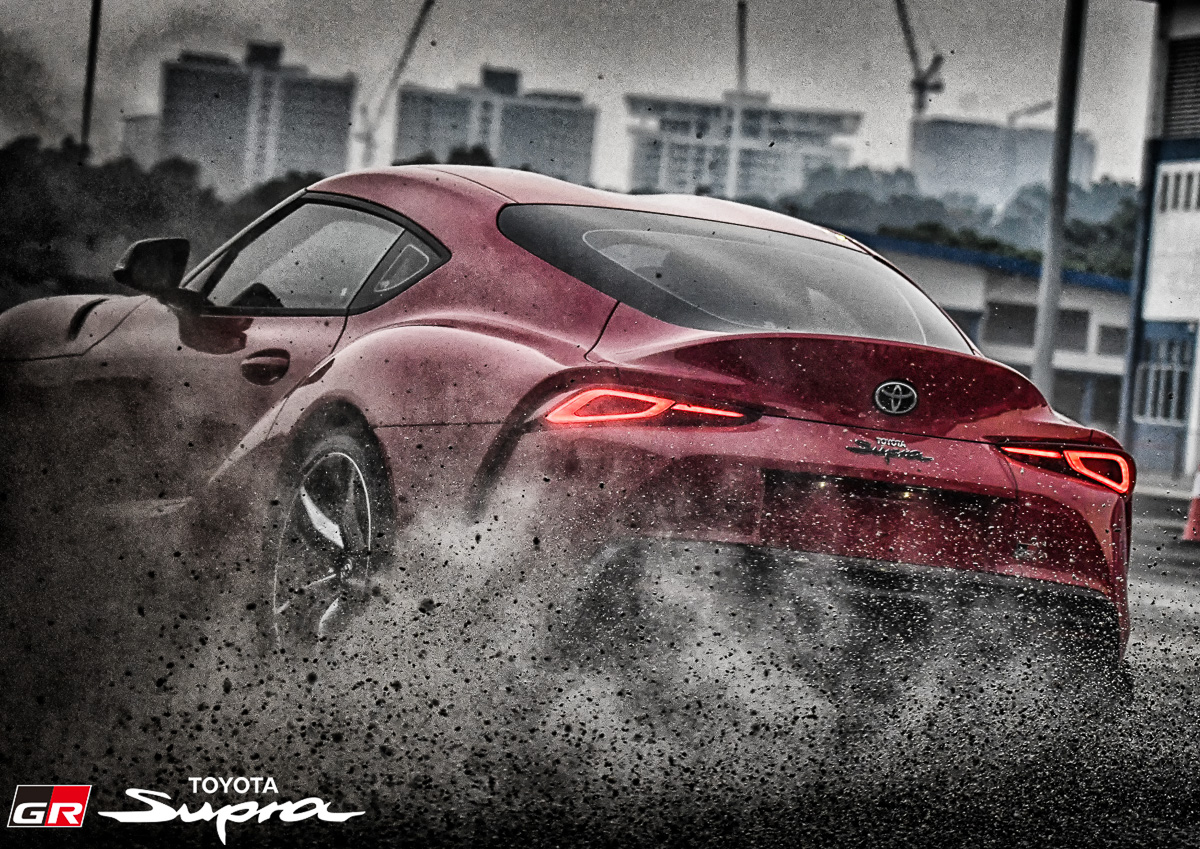
The folks from Mutiara Motors aka Toyota Plentong will be launching the all-new Toyota GR Supra for the Southern region of Johor this Saturday (28 September 2019). To all Supra fans and enthusiasts currently residing in the state, you can catch it live from 10am to 4pm. Trust us, you will not want to miss it! (more…)
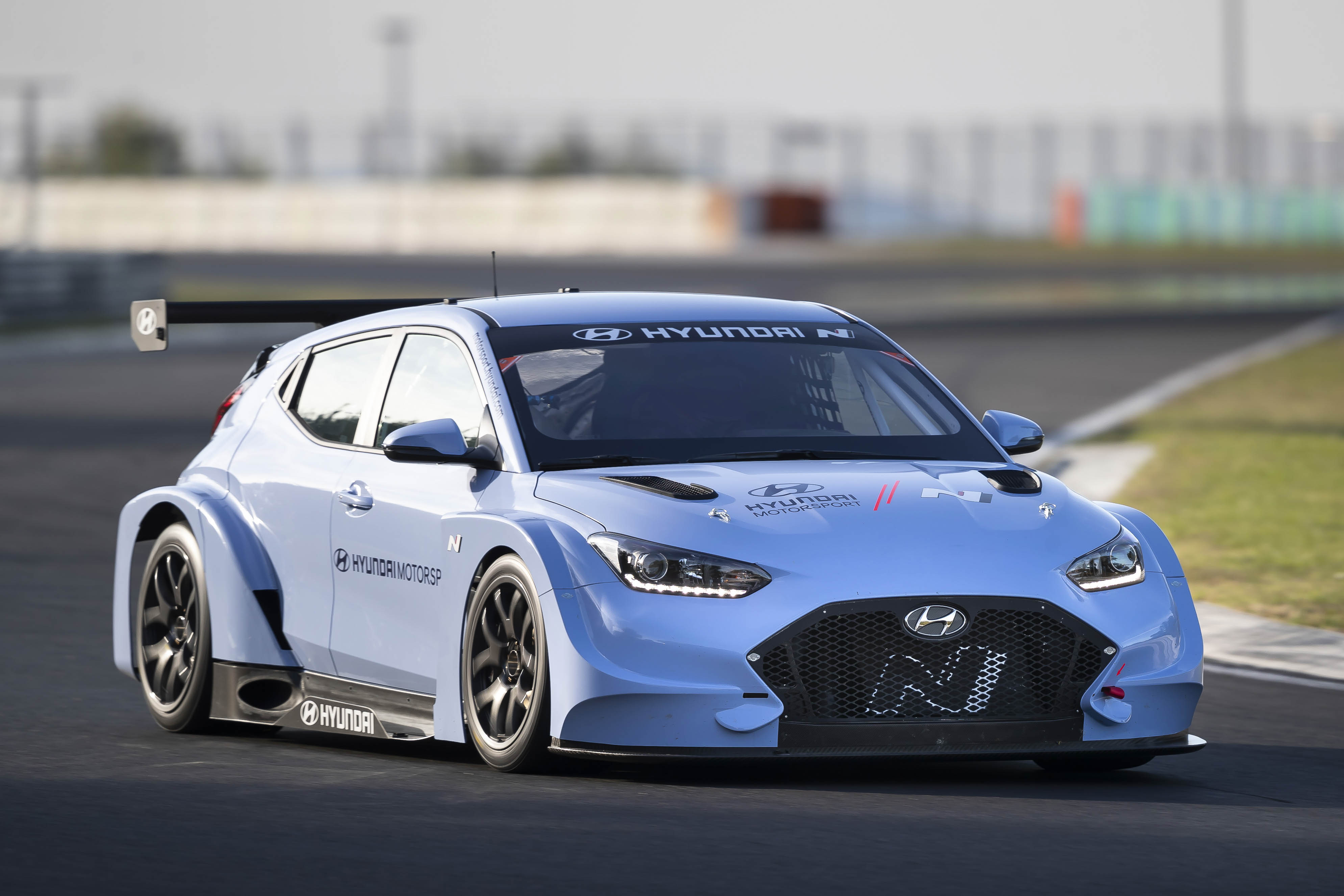
Hyundai Motorsport is well on its way in the testing phase for their first electric race car project, the Hyundai Veloster N ETCR. The company spent two long days in Budapest last week testing out the all-electric race-spec Veloster at Hungaroring without any issues or hiccups. (more…)
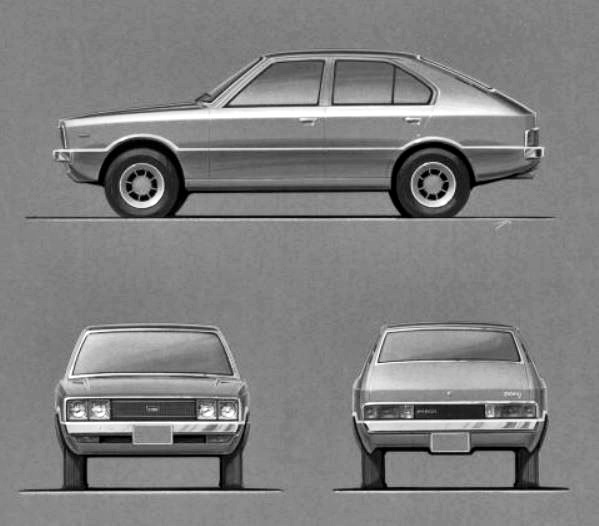
In 1974, Hyundai Motor launched a model called the Pony which was South Korea’s first mass-produced model. Regarded as a ‘national car’ in its domestic market, the Pony also spearheaded exports of Korean vehicles to many countries.
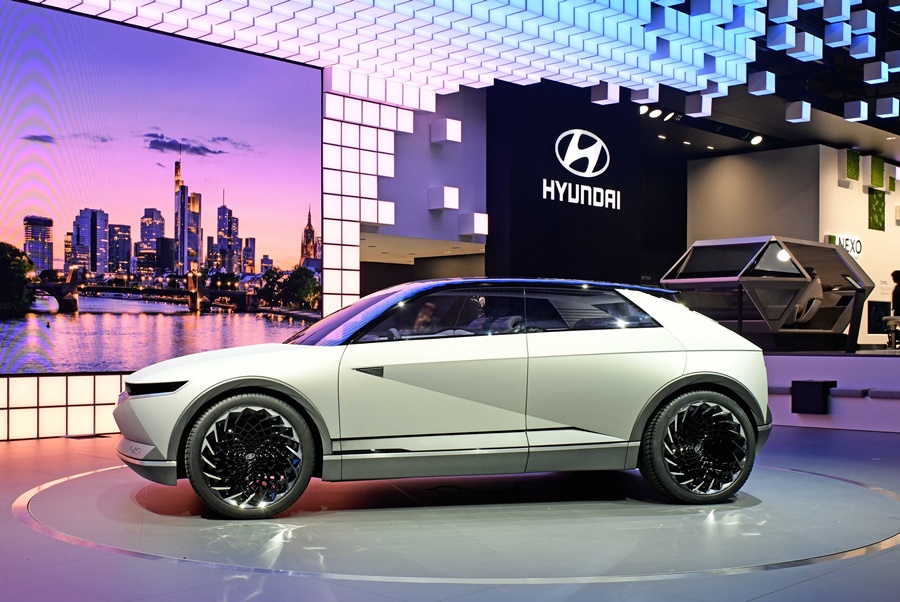
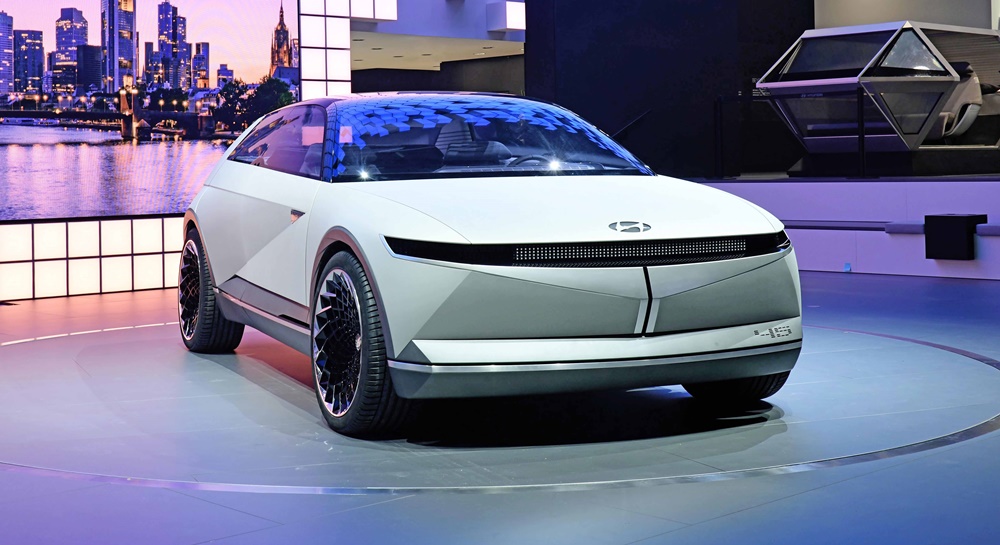
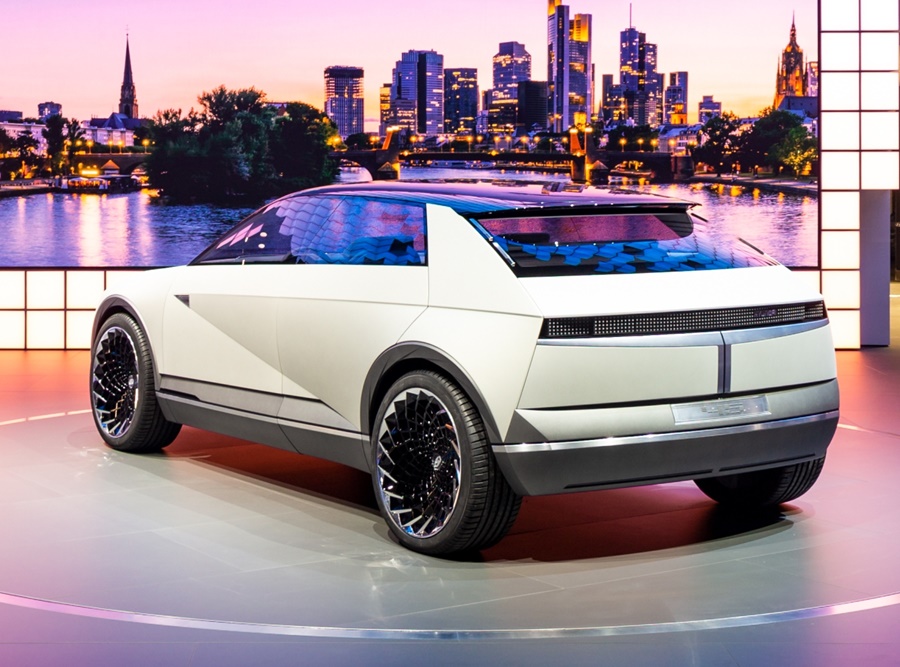
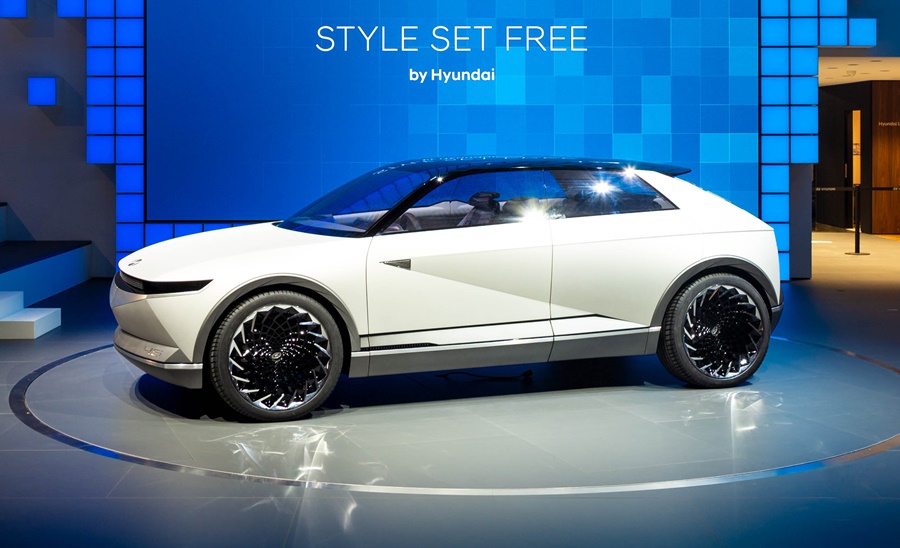
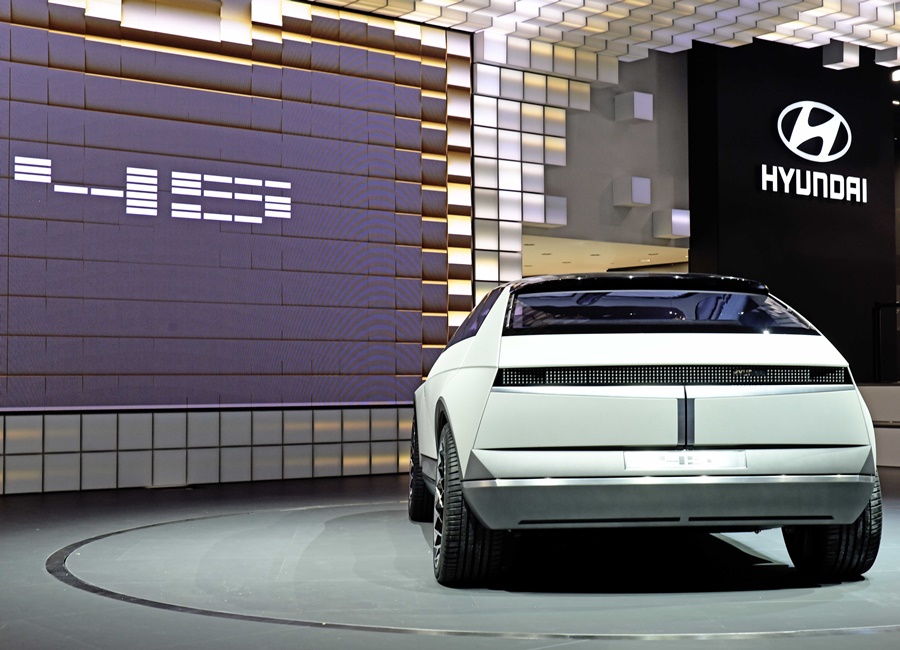
As homage to its heritage and reimagined for the future, the carmaker’s designers have come up with a study called the ‘45 EV Concept’. The progressive 45 puts a twist on the 45-year old icon to introduce an entirely new in-car experience for self-driving vehicles of tomorrow. It foreshadows a new era of Hyundai’s automotive design focused on electrification, autonomous technologies and intelligent design.
Inspired by a 1974 concept car
Taking a look to the past is essential for moving forward, and the dramatic exterior styling of the 45 draws inspiration from the car that first established Hyundai’s design DNA – the 1974 Pony Coupe Concept. The iconic character of 45 is defined by its monocoque-style body, aerodynamic and lightweight design inspired by aircraft from the 1920s.
The styling of the Pony was done by ItalDesign.
The car’s name also comes, in part, from the 45-degree angles at the front and rear, forming a diamond-shaped silhouette that previews the design direction of future EV models. The new concept strips away complexity, celebrating the clean lines and minimalistic structure of the original coupe concept.
“As an icon of Hyundai, the 45 clearly reveals how Hyundai heads towards the future through heritage,” said SangYup Lee, Senior Vice President and the Head of Hyundai Design Centre. “Through the 45 that is built upon our design language ‘Sensuous Sportiness‘, Hyundai wants to present our vision on how we want to reshape people’s in-car lifestyle in the era of electrification and autonomous driving.”
Style reimagined
The 45 reinterprets the concept’s distinctive lattice radiator grille with a ‘kinetic cube lamp’ design. The iconic front-end presence with the kinetic cube lamps evokes analogue emotions, while at the same time applying cutting-edge technologies. It also takes Hyundai’s lighting architecture to the next level, allowing people to instantly recognize the car at a distance.
By exhibiting a modernized fastback profile, the 45 epitomizes stability and dynamism, characteristics accentuated by the vehicle’s significant width and forward-oriented posture. The precise, yet energetic factors of the exterior are delivered throughout the cabin, which is structured by a dynamic daylight opening (DLO). The DLO terminates in the fast angle of the C-pillar, which generates a feeling of dynamic forward motion, even when standing still.
As a progressive EV, new technology is visible in the 45’s design. At the bottom of the door, a special garnish highlights its long-distance capability and, through active LED lights, drivers can intuitively know how much longer they can drive even before they get in the car. These thoughtful elements are designed for a user who is experiencing an EV for the first time.
Future tech previewed
The 45 also highlights future technological developments that may influence forthcoming Hyundai models, such as a hidden Camera Monitoring System, leaving room for self-driving system applications, and other upcoming technologies to emphasize Hyundai’s open architecture for the future. The system utilizes side cameras instead of traditional door mirrors to overcome visibility challenges caused by dirt gathering on the mirror offering progressively less visibility. The 45 overcomes this challenge by using an embedded turntable module, which rotates the lens past a brush to ensure perfect visibility at all times.
The 45 embodies Hyundai’s ‘STYLE SET FREE’ strategy for future mobility that emphasizes personalization of design and function. As the new era of future mobility opens, Hyundai reimagines the in-car experience in a self-driven vehicle. The interior becomes a unique living space capable of transforming to accommodate a range of passenger lifestyle demands.
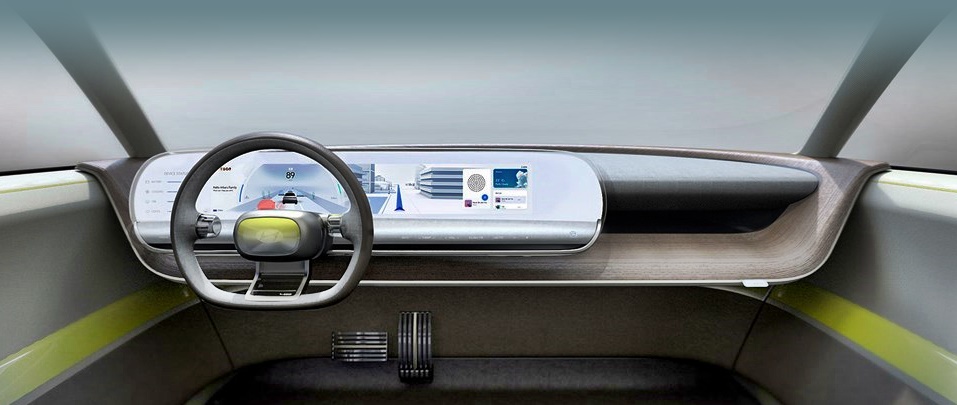
Inside, Hyundai’s design team takes the space beyond driving to focus on the car’s evolution into a living space. Inspired by furniture designs, the minimalist cabin is fitted with an inviting fusion of wood, fabric and leather, creating a warm atmosphere that is both relaxing and spacious. Daylight was also considered as a design element for the headlining to bring analogue emotions in a natural way.
For the occupants, the car delivers a comfortable and communal environment, with lounge chair-style rear seats and front seats that can rotate to face other passengers. Pushing design and technology further ahead, front-seat passengers can interact with the infotainment system via a projection-beam interface. This replaces a single central touchscreen with a series of displays and functions integrated into the dashboard itself.
Clean lines, ergonomic placement of controls and a ‘high-end electronics’ feel for the interior fixtures further enhance the feeling of space while reinforcing the simplistic modernity of the 45’s design. The car reimagines storage space in a range of novel ways, including refining the concept of door-mounted device pockets by introducing a horizontally elongated shape that allows books or tablet PCs to be stored. Furthermore, the storage space uses a transparent material, so it is easy to see the contents.
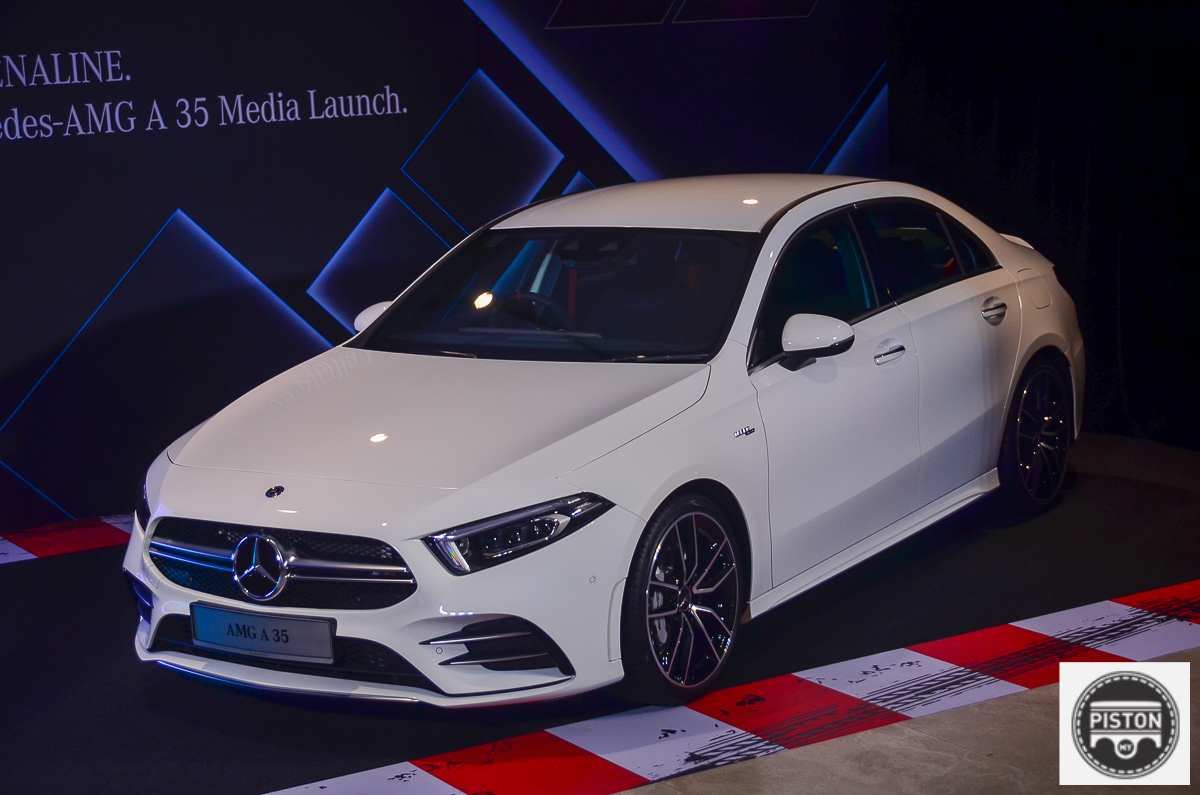
The folks from Mercedes-Benz Malaysia has unveiled their latest AMG model for the Malaysian market in the form of the 2019 Mercedes-AMG A 35 4MATIC Sedan. This entry-level AMG model targets a specific group of folks who want a dynamic balance between high performance and overall comfort. (more…)
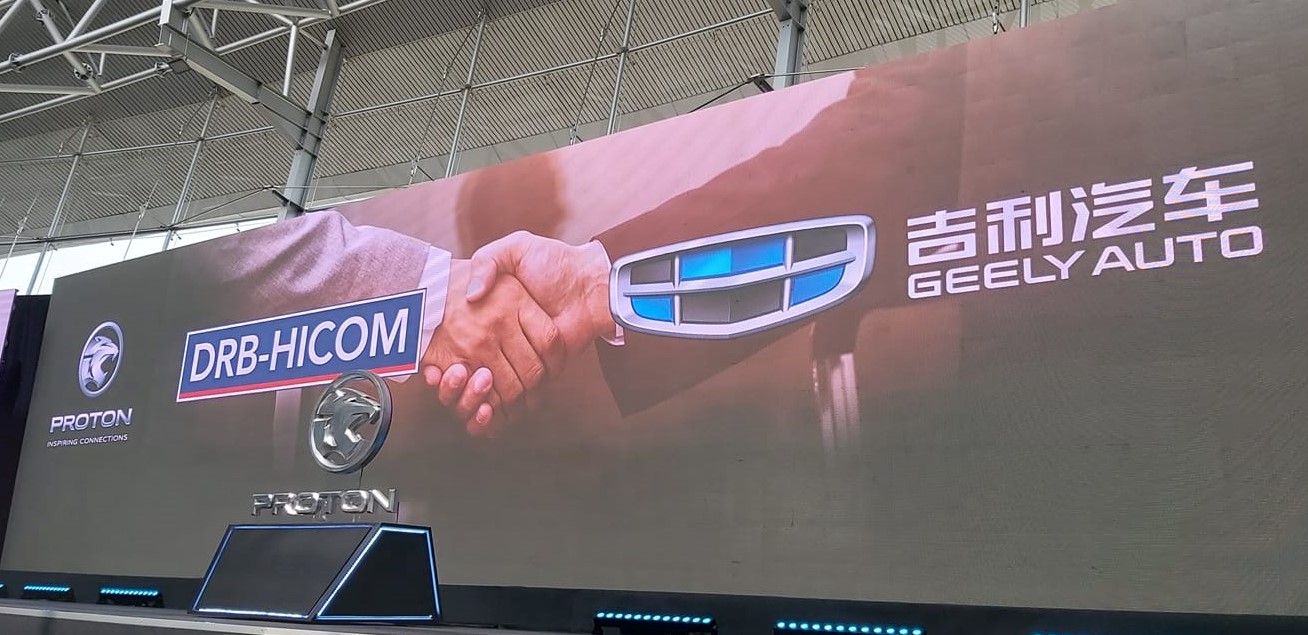
Ever since Proton formed its partnership with the Zhejiang Geely Holding Group (more commonly referred to as Geely) in 2017, it has been on an upward trajectory in all aspects of the business. Given the troubled years of the late 2000s and early 2010s, perhaps Proton should have embarked on such a partnership earlier because the auto industry was already changing. In the late 1990s, globalization led the bigger players to realise that consolidation was going to be vital for survival as competition intensified.
Daimler AG’s Jurgen Schrempp created a ‘mega car company’ by ‘merging’ Daimler and Chrysler and thereafter, other companies formed alliances or merged as well. But at that time in the late 1990s, Proton felt it was about to ‘graduate’; it had learnt all there was about being a carmaker and by 2000, the CEO confidently told Malaysians and the world that it was a full-fledged carmaker ready to take its place in the global arena as a credible brand. It did not need to rely on other carmakers any longer; on the contrary, the CEO said: “Other carmakers are knocking on our doors for our technology.”
However, various domestic and internal issues prevented Proton from moving ahead and worse, it slipped from leadership in its own market where it had been able to hold the biggest share. Various parties with different interests either supported moves to find partners or simply rejected the idea on the grounds that Proton would lose its Malaysian identity.
By 2016, it was clear that having a foreign partner was the only way for Proton and DRB-HICOM picked Geely because it was the ‘best fit’. The partnership has since worked well and facts and figures suggest that it won’t be long before Proton is up at the top. It’s already No.2 in overall sales; registering a 36% growth in a market that saw a 5% decrease in sales; and it is the only major brand to have double-digit growth in 2019.
This has come about with assistance and guidance from Geely in many areas, especially quality. The Chairman of Proton Holdings, Dato’ Seri Syed Faisal Albar, added that much serious effort had gone into ‘improving and correcting the fundamentals’ of the business. And while the dealerships have all been upgraded significantly to enhance and improve the customer experience, attention has also been given to changing the mindset of those who work for the brand. It is no longer like the early years when it was a seller’s market and customers had limited choices as competition today means that they can consider many alternatives.
So, 2 years after starting a new chapter in its history, Proton’s progress is back on track and it is winning back the trust of customers in its most important market. “Our ambition is to become a truly modern, global automotive brand. Our new ethos comprises our core values of always using innovative technology, our commitment to reliability and adopting an international point of view,” said Dr. Li Chunrong, CEO of Proton.“
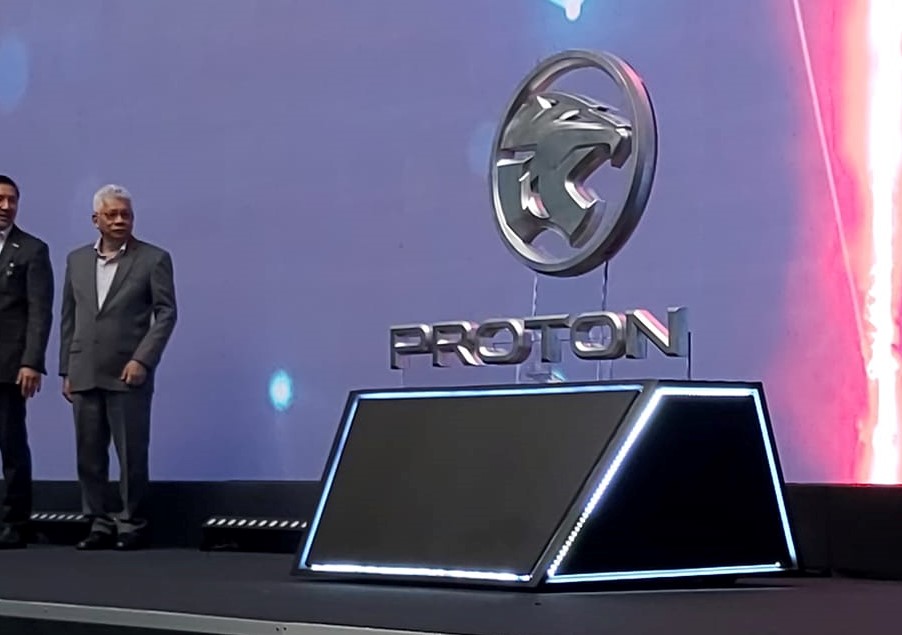
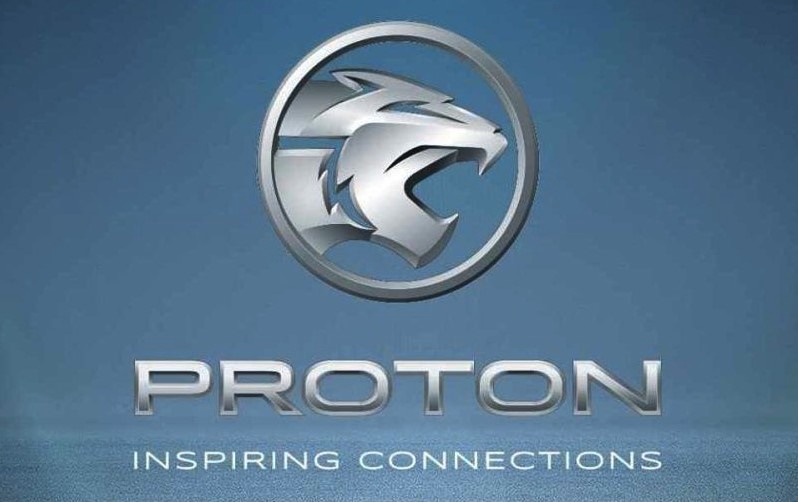
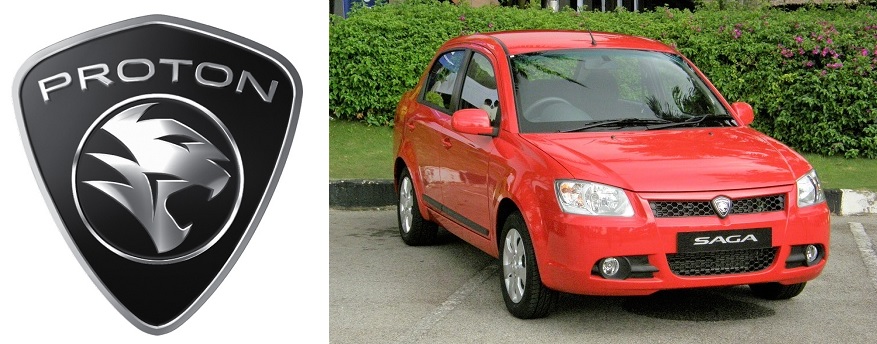
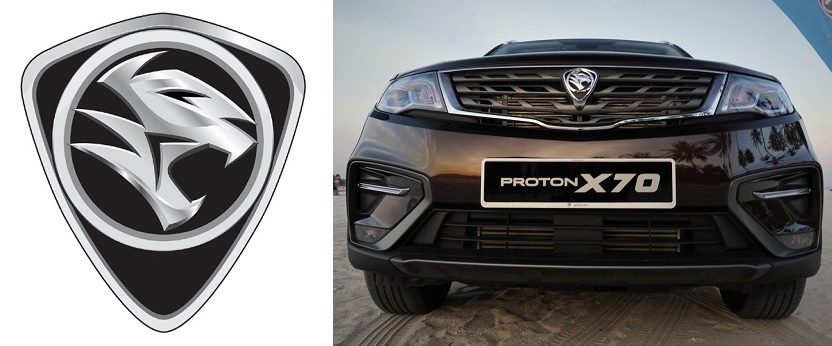
Having completed one chapter, Proton is now about to embark on the next one and to signify this, the brand logo has been given a subtle makeover. It is a more stylized representation of the tiger head, rendered in silver, with a stronger finish. The new design ‘uncages’ the figure (with more geometric lines) which has its head held high to show a determination to move forward to success.
Accompanying the new logo is Proton’s new tagline which will now be ‘Inspiring Connections’. It is said to encapsulate the brand’s aspiration of ‘utilizing technology and mobility to help make human connections that inspire a successful life’.
EVOLUTION OF THE PROTON LOGO
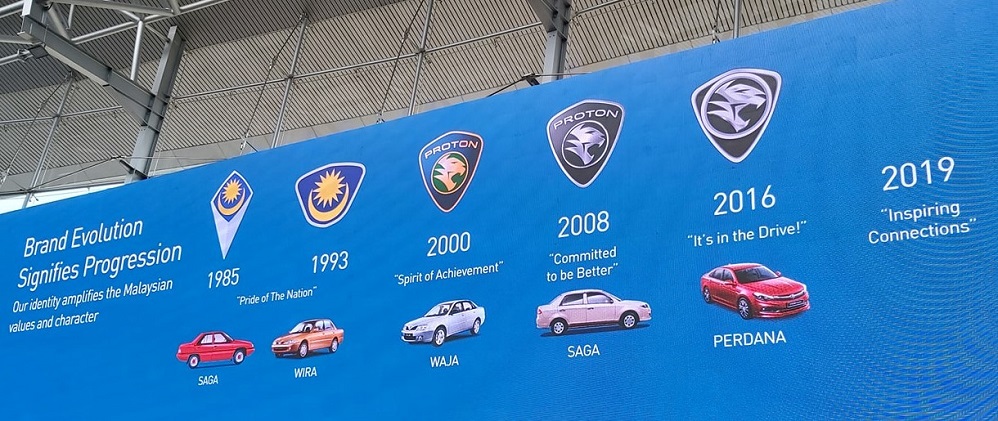
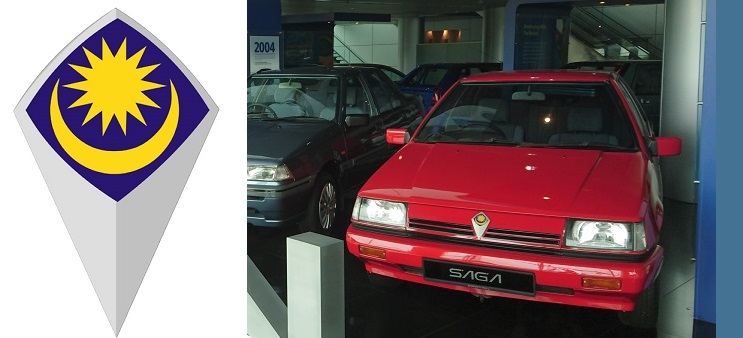
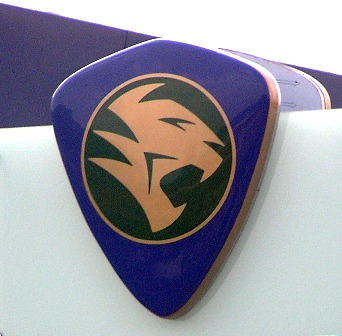
Proton’s first logo appeared with the Saga, its first model. To strengthen its identity as a Malaysian National Car, the logo incorporated the Malaysian flag with the star and crescent on a dark blue background. The combined elements were inserted at the top of what resembled a shield with a grey finish. This badge was used only on the Saga up till 1993.
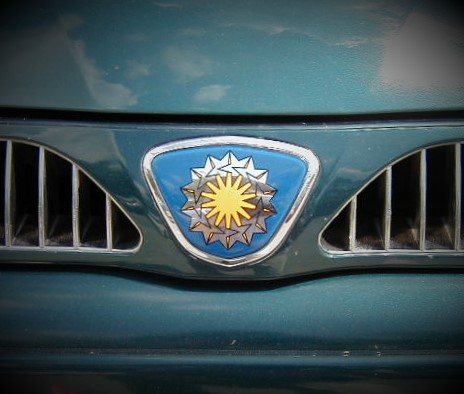
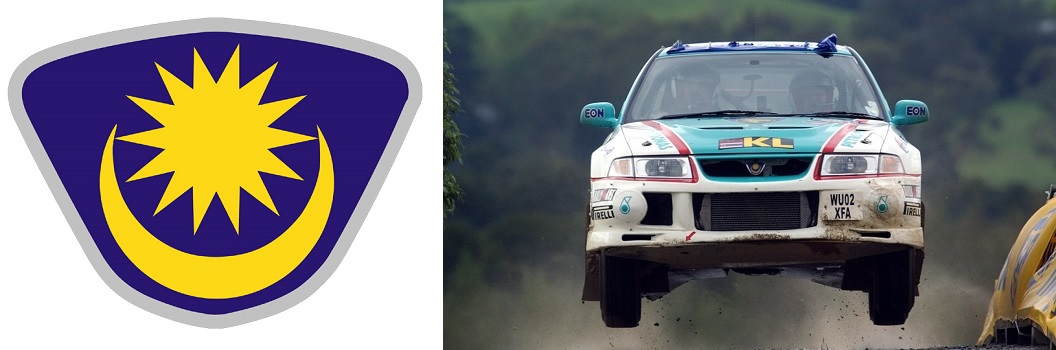
During the late 1980s when the first exports of Proton cars began, there was actually an alternate logo used for some markets. This was an entirely different design which did not use the Malaysian flag although a yellow ‘star’ with 14 points in the middle alluded to its identity. Surrounding the central elements was a circle of silver stars set on a blue background. According to a former Proton executive who was involved in the export business, the alternative logo was used to ‘play it safe’. “We were a young company, just getting into the car-making business and we felt we had to take into consideration the sensitivities of some of the markets we entered. Our new dealer partners in some of those markets suggested that a less ‘Muslim-looking’ logo would be better and so we followed their advice and came up with something neutral,” he recalled. However, the alternate logo was used only for a small number of markets in Europe. It was eventually dropped as Proton’s confidence grew and the brand got established and accepted. Some units appeared on Malaysian roads but these were cars that were brought back from overseas by some owners or the badge was changed.The next time the logo was restyled was in 1993 when the Wira was introduced as the third Proton model after the Saga and Saga Aeroback. This logo continued with the theme of the Malaysian flag and retained the colours but the larger part of the grey shield was omitted. The logo became more compact within a triangular shape which could still be regarded as a ‘shield’.
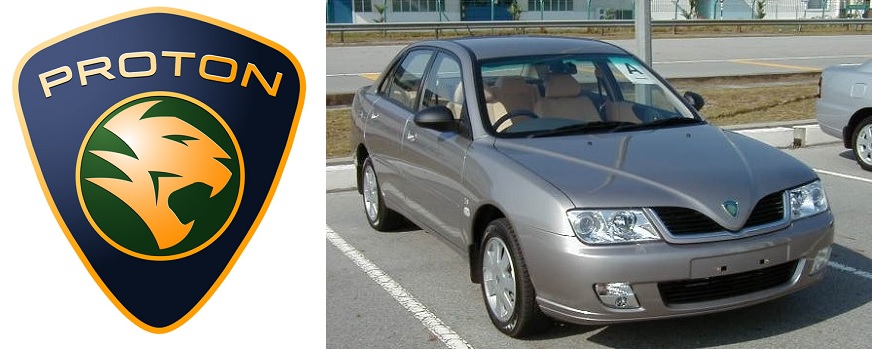
With the launch of the Waja in 2000, a new logo appeared on the grille that reflected a bolder and more confident Proton. It was a major change as the star and crescent were no longer used and instead, the head of a tiger was used. The triangular shield was maintained and the PROTON name appeared at the top, over the tiger’s head which was within a circle. The new logo was greeted with different views and the young generation made comparisons to the ‘Thundercats’, characters from an animated TV series in the 1980s. But by and large, the new logo was accepted over time and served as a brand logo as well as corporate logo.In 2008, coinciding with the launch of a new Saga generation, the logo underwent a subtle change. Its overall appearance was similar to that which was used from 2000 but it became monochrome and metallic-like with silver and black only. An engineer suggested that the change was a cost-saving moving but the monochrome badge was used only on the cars, while the corporate logo (below) appeared to become more ‘robust’ and retained the original colours.
2016 saw a more substantial change to the logo and the PROTON name was no longer present. The stylistic elements were retained with the tiger head still ‘caged’ inside a circle and the triangular shield serving as a background. The monochrome theme was also retained although the overall size of the logo was slightly larger. This badge continued to be used in the Proton-Geely era with the PROTON name gaining more prominence on its own along the back of the cars.
The latest range of Petronas Syntium with CoolTech lubricants has been launched earlier today by Petronas Lubricant Marketing Malaysia (PLMM). The new range of lubricants were formulated to fight against excessive engine heat for ‘better engine performance and efficiency.’ To make things even more special, the new range was unveiled together with Mercedes-AMG Petronas F1 driver, Lewis Hamilton. (more…)
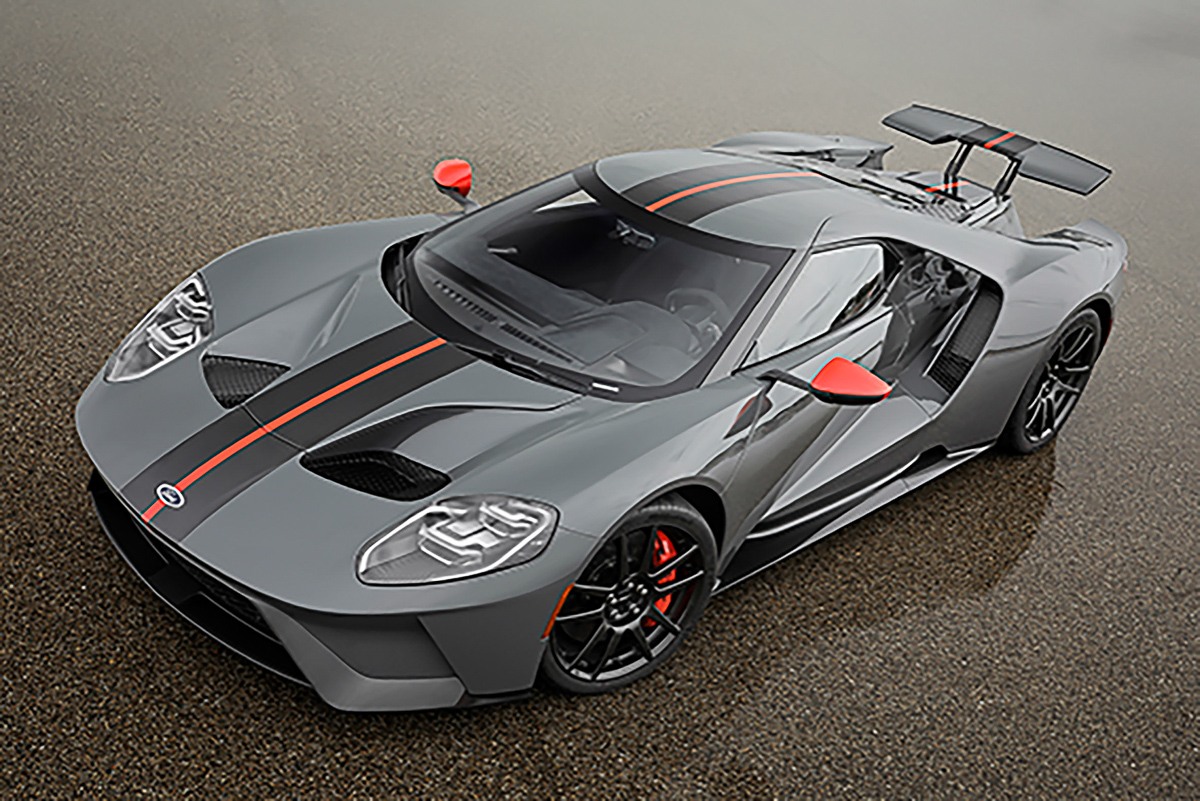
The folks from the Petersen Automotive Museum will be auctioning off the last public allocations for the new Ford GT in the name of charity. This is indeed a once-in-a-lifetime opportunity as the winning bidder gets to choose any available specification or trim which also includes the rear Heritage Edition and Carbon Series! (more…)
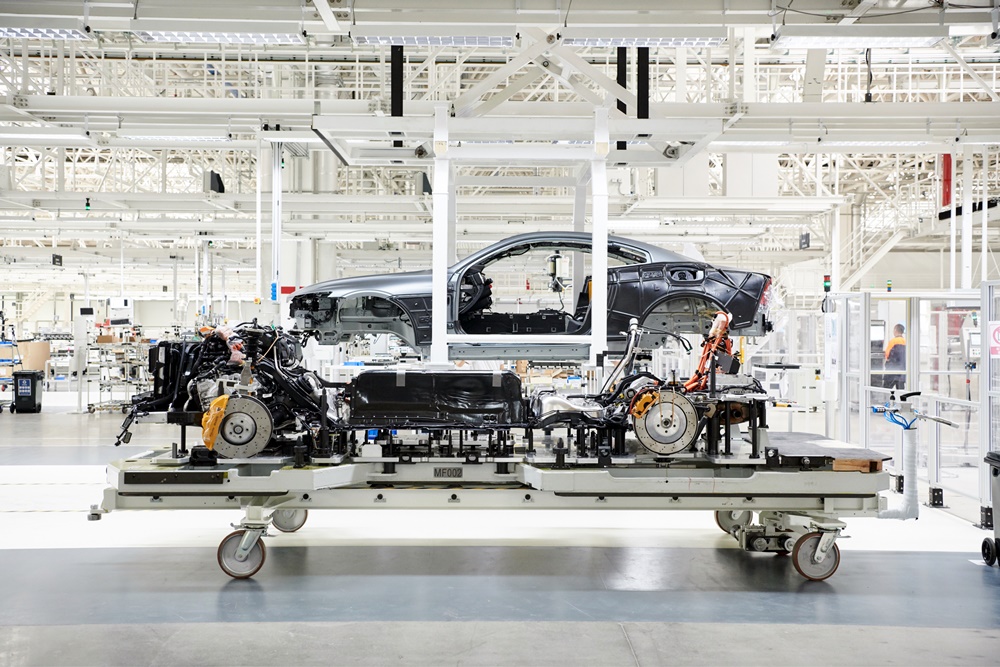
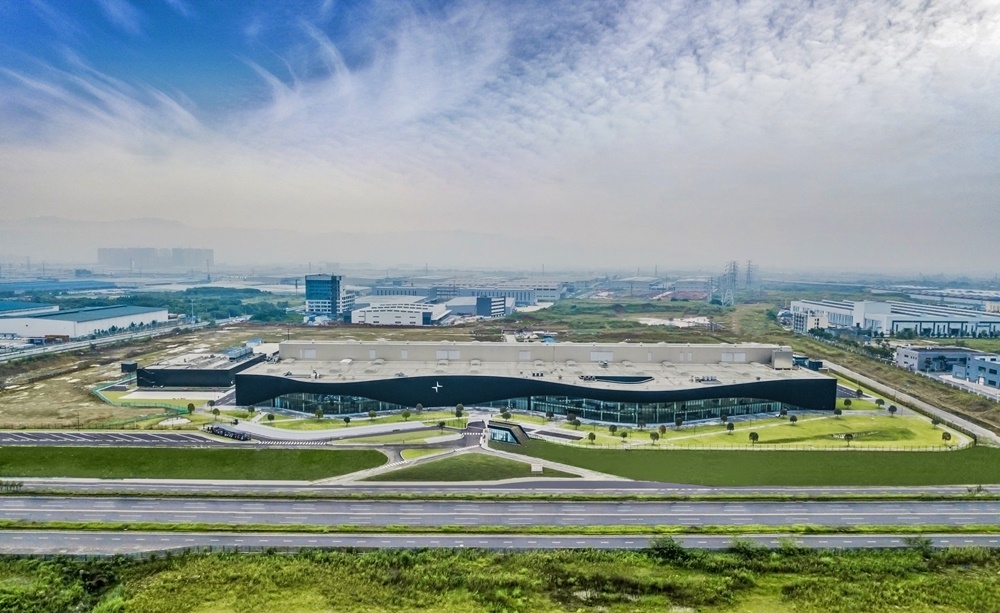
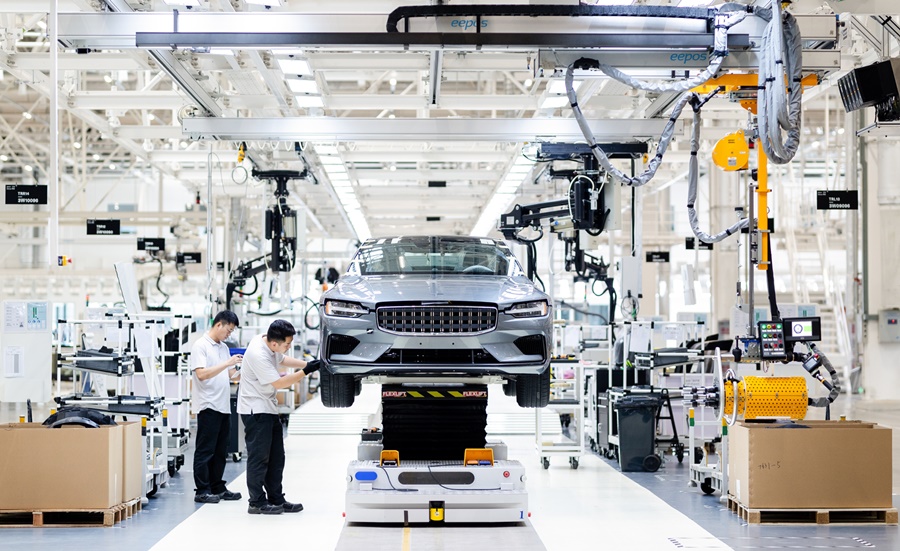
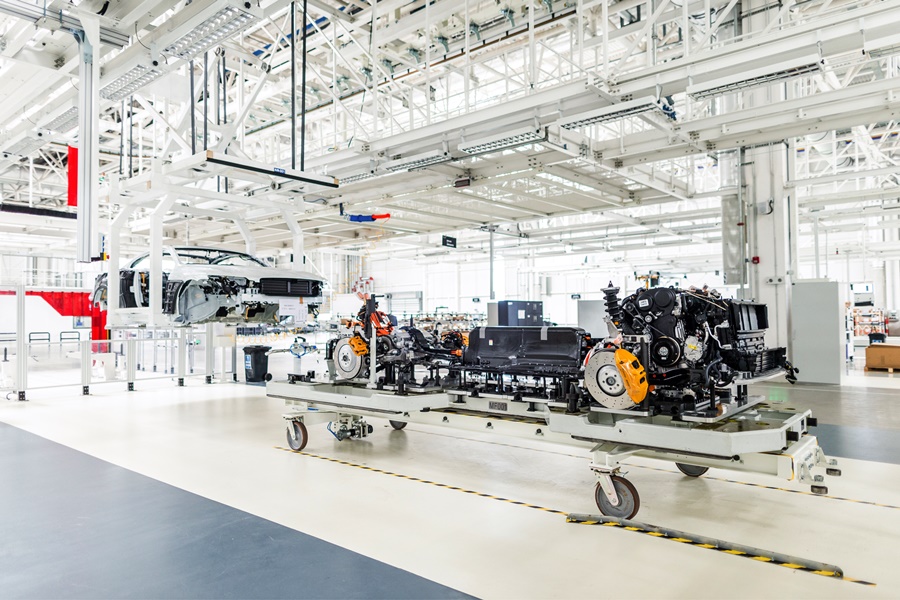
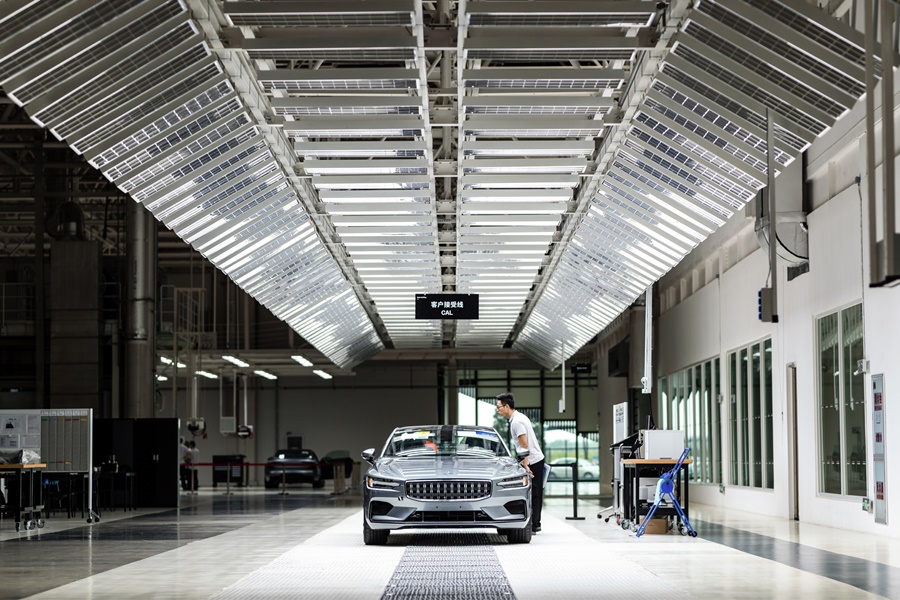
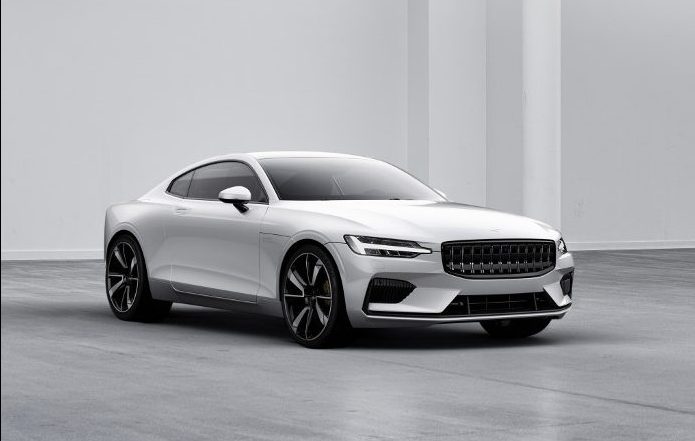
Having received its World Manufacturer Identifier (WMI) that makes it a recognised vehicle manufacturer, Polestar is set to accelerate ahead at its first production facility located in Chengdu, China. This new Polestar Production Centre sets a new industry benchmark in electric vehicle manufacture and will produce the Polestar 1 – an exclusive, carbonfibre-bodied Electric Performance Hybrid.
500 Polestar 1 cars are to be built per year, with a total of 1,500 planned over a 3-year production cycle. Construction of Polestar 1 in Chengdu will be followed by production of the fully electric Polestar 2 in Luqiao, China, in early 2020.
Most premium new energy vehicle
The new facility, which was completed on schedule, will produce cars for both China and global export markets with first customer deliveries expected before the end of 2019. The company presents the Polestar 1 as ‘the most premium new energy vehicle to be manufactured in China’. Included in the manufacturing process is a team of highly trained quality control auditors whom, with a minimum of 10 years of experience, apply some of the strictest monitoring and assessment procedures in the industry.
The Polestar Production Centre aims to be one of the most environmentally responsible car factories in China. Designed by internationally renowned architecture and design company, Snøhetta, the new production facility incorporates a customer experience centre including a test track and a glazed atrium offering a panoramic view over the factory floor.
New standards in manufacturing
“Designing Polestar’s first production facility has been a challenging and extremely rewarding project for us,” said Snøhetta’s co-founder, Kjetil Trædal Thorsen. “The innovative design of the interaction scheme aligns creative visionary processes with technical production requirements, setting a new standard for inclusive fabrication facilities.”
“We promised we would have our first production facility built in 2019; we promised cars would be delivered to customers this year, and we promised we would do things differently – once again, we are delivering on our promises. This is a hugely proud moment for the whole team at Polestar,” said Thomas Ingenlath, CEO of Polestar.
New car assessment programs (NCAPs) in most countries focus mainly on safety which is a high priority to consumers these days. Since the 1970s, these NCAPs – which typically include crash tests that provide data for analysis and evaluation – have constantly evolved and set tougher demands. Although passing them is not required by government agencies, most carmakers strive to achieve the best results (5 stars) as this can influence a purchase decision. As such, the organizations managing the NCAPs have contributed to pushing safety standards upwards and making motoring safer.
Assessing ecological design
China, which only began active automobile development from the mid-1980s, also has its own NCAP (C-NCAP) which has also focused on safety since being formulated in 2006. Now, a new type of NCAP has been added – the China Eco-Car Assessment Program (C-ECAP) which is considered the most stringent vehicle assessment test in China to date. Unlike the C-NCAP, it evaluates a vehicle’s ecological design.
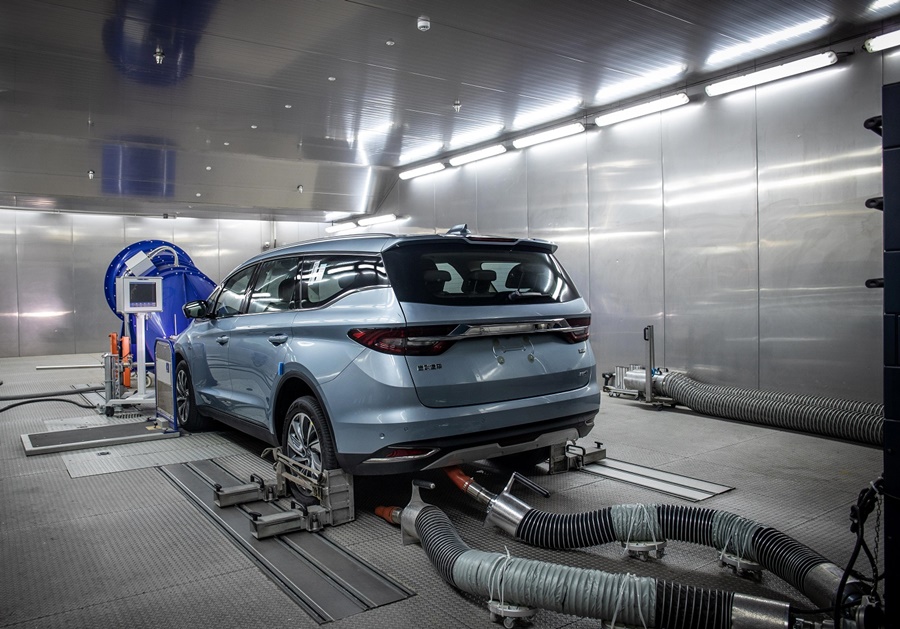
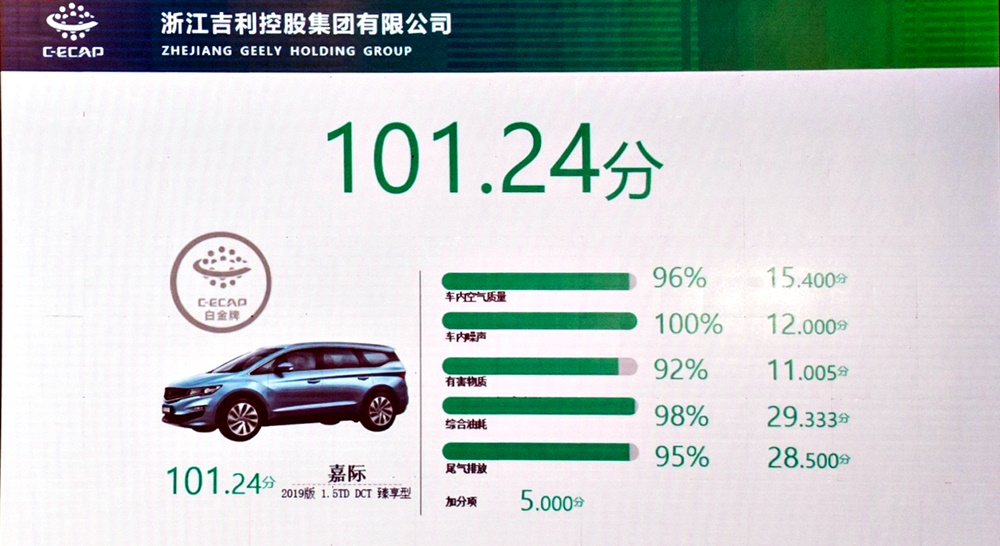
The program studies in-vehicle air quality, noise, materials used, combined fuel consumption, exhaust emissions, end of life recyclability, whole lifecycle greenhouse emissions, and component life cycle. Only 1% of vehicles put forward so far have received a high passing score. In a recent test, Geely’s first MPV, the Jia Ji, scored 101.24 out of 105 points, including a perfect score for interior noise quality.
The Jia Ji MPV is currently the highest scoring model in the 2019 C-ECAP and only one to receive a platinum certification for eco-friendliness.
Bringing NVH down
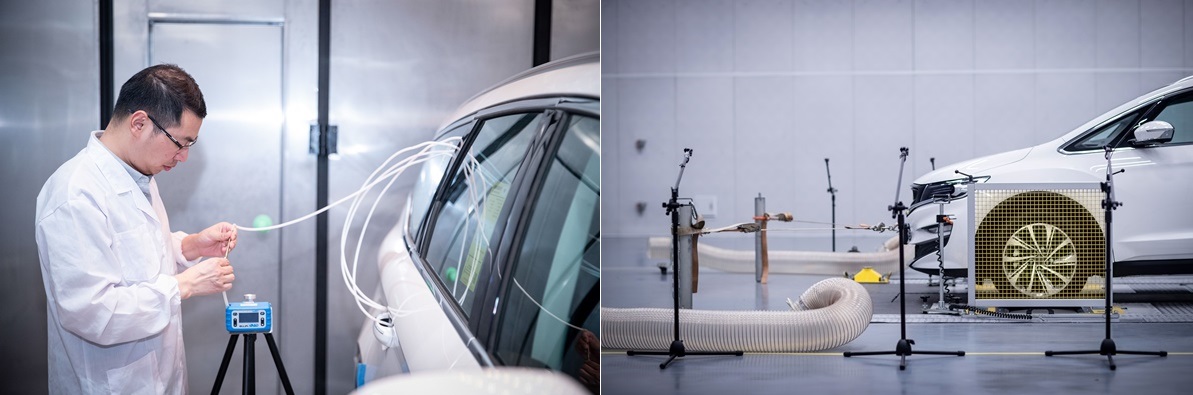
When developing the Jia Ji, Geely engineers paid meticulous attention to the levels of NVH (Noise, Vibration, and Harshness) and aimed to limit external noises to a maximum of 38.1 decibels at idle. To do so, 150 noise-reduction elements were installed throughout the vehicle and Active Noise Reduction (ANC) technology was used.
NVH characteristics define a manufacturer’s capability, an indicator of quality in automotive manufacturing and a reflection of the car’s overall quality. As recently as 6 years ago, knowledge of NVH and how to address it was still lacking within the Chinese automotive industry. This was why there was a big gap in quality between cars of the Chinese brands and those of established global players. Foreign models had much development in sound insulation aspects, leading to a higher perception of quality.
Measuring NVH is extremely difficult because it’s subjective to each user’s feelings. This ‘metaphysical’ nature of NVH performance also makes R&D extremely difficult. The first stage is reducing the noise and vibration of the whole vehicle to a minimum. Then comes sound quality because lowering NVH is not just about eliminating all sounds as certain characteristics are desirable. For example, enthusiasts want the louder and more assertive engine sound for sportscars while those in luxury models want quietness at even high speeds. The third stage builds upon the second and aims to integrate specific NVH qualities into the DNA of different vehicles customized according to the models positioning and desired user experience.
To reach the third stage of integrating desirable NVH qualities into the vehicle’s DNA, Geely has been developing a whole new generation of advanced vehicle architectures with NVH in mind from the very beginning. The CMA Compact Modular Architecture is one example of this.
Only NVH lab of its kind in China
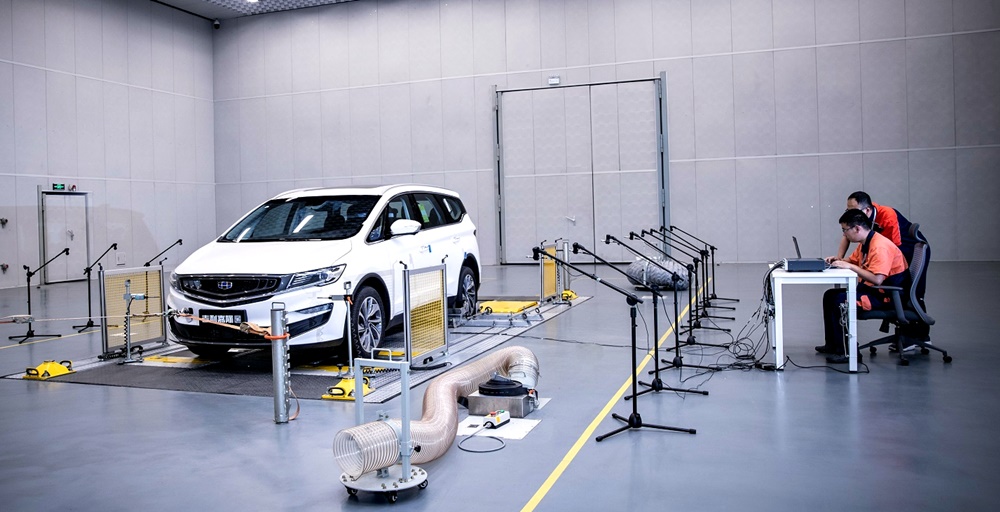
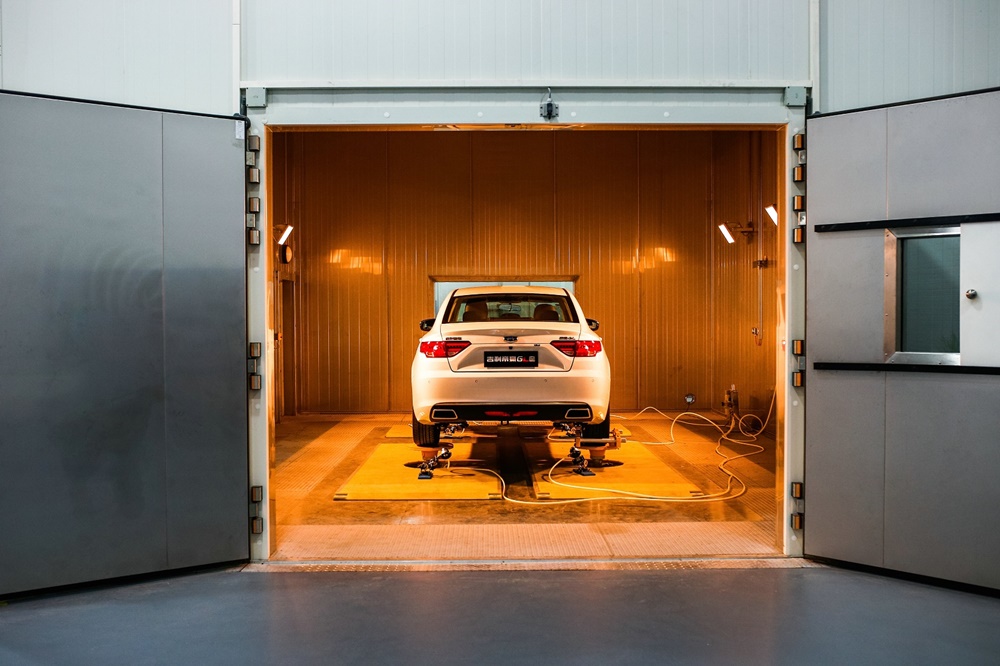
The importance of NVH to Geely can be seen in their investment of a NVH laboratory at the Geely Research Institute. The NVH lab is the only one in China with a dedicated abnormal noise and vibration testing room with sound isolation and environmental controls. The lab can conduct road simulation tests in various simulated environments, evaluate the structural durability of the whole vehicle, and accurately identify abnormal noise from anywhere in the vehicle.
For NVH testing, road simulation in closed room is preferred to outdoor road testing because results can easily be replicated in a controlled environment; however, the technical and space requirements are immense, making this kind of lab uncommon in the industry.
In 2018, the Geely Auto Group released their iNTEC suite of technologies which includes G-Blue, Geely’s focus on eco-friendly technologies. The Group has obtained quite a number of patents for new technologies in the field of environment friendly materials, ecological designs, odour management systems, and intelligent air quality management systems. No doubt, many of these technologies will also be shared with Proton and provide Malaysians with even better vehicles.
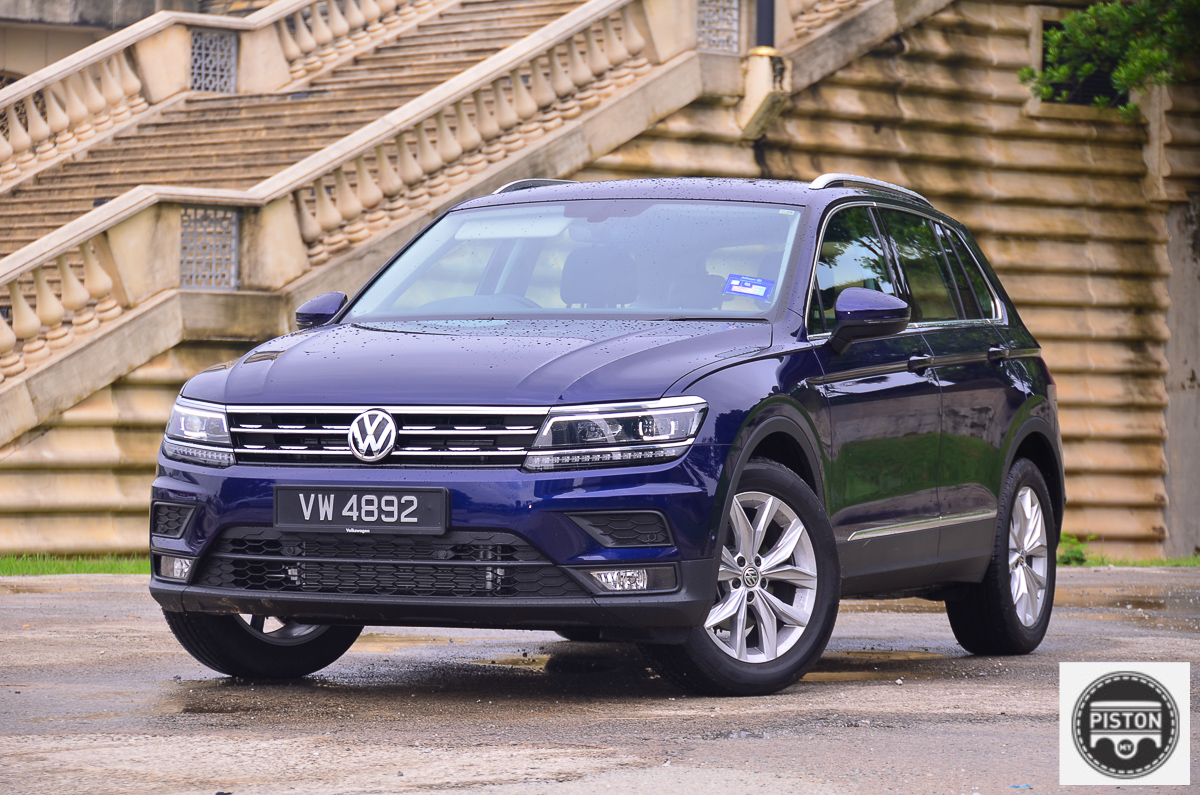
The current premium SUV market here in Malaysia is currently higher than ever with many offerings from different manufacturers. With so many Malaysians looking into upgrading their present lifestyles, SUVs seem to be the popular go-to option and Volkswagen Passenger Cars Malaysia (VPCM) has its feet deep within this game thanks to their popular 2019 Volkswagen Tiguan 1.4TSI Highline. (more…)