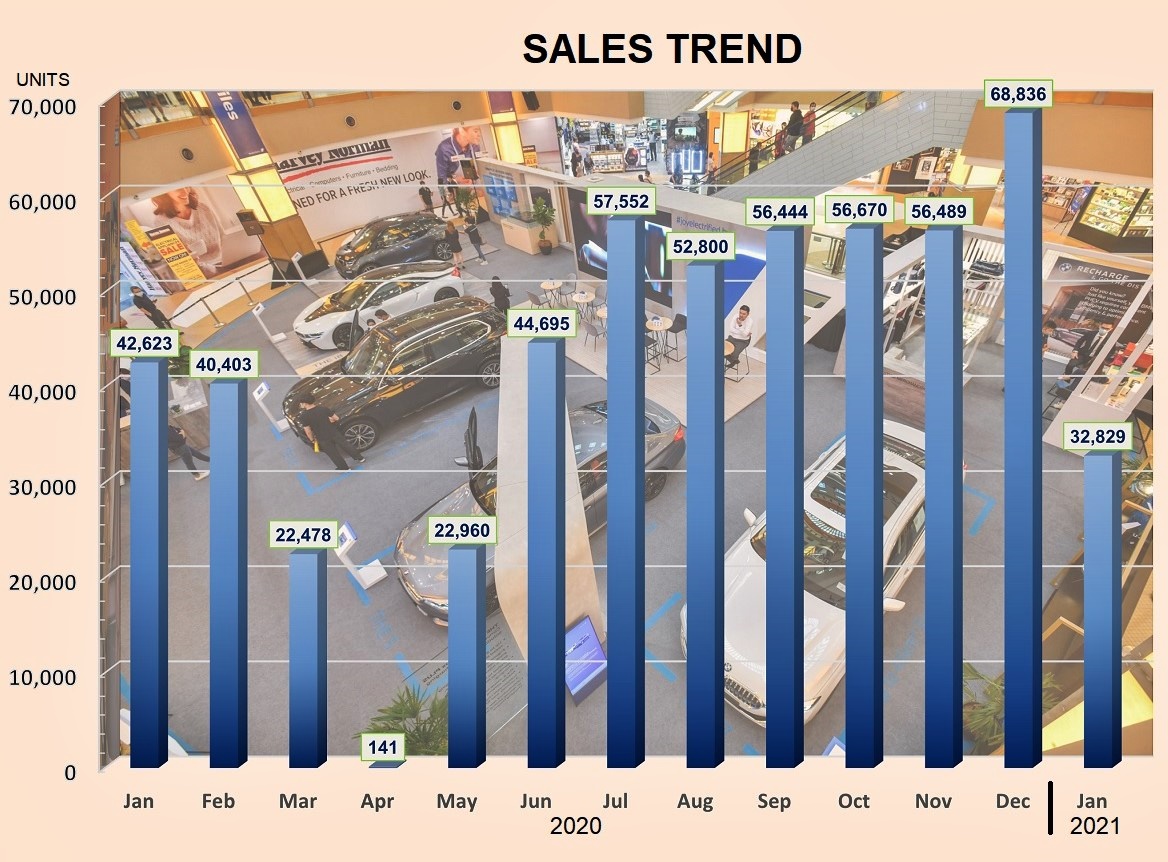
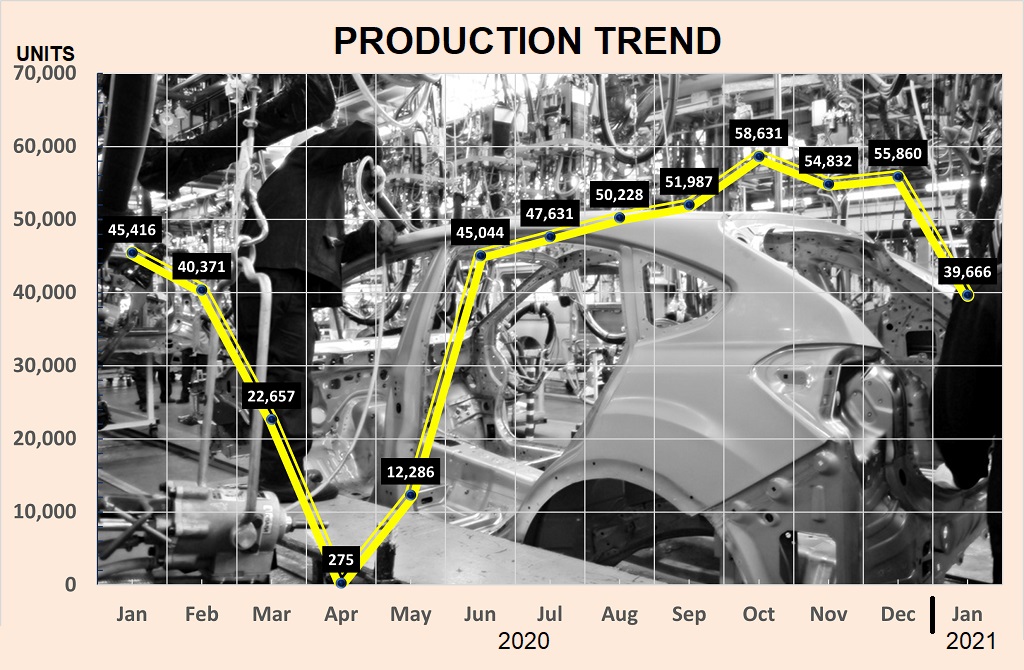
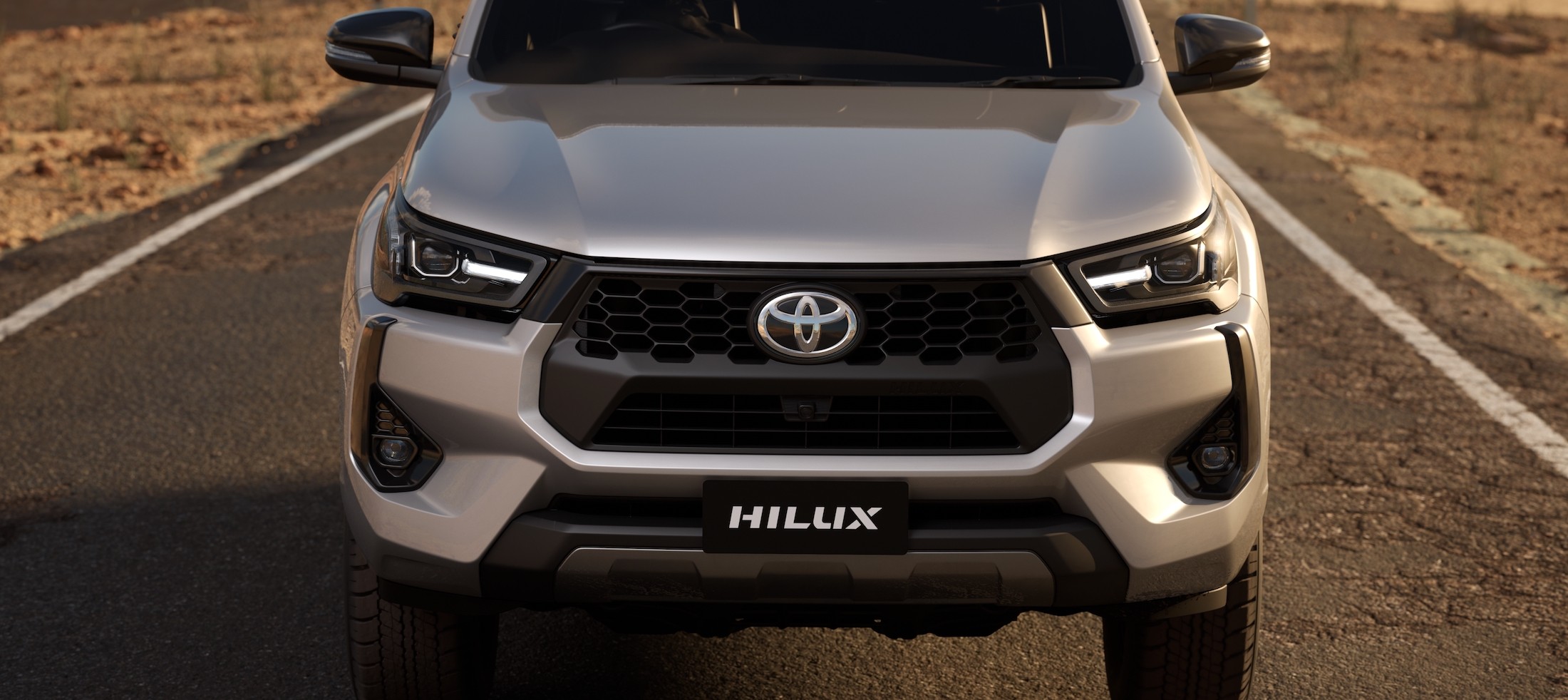
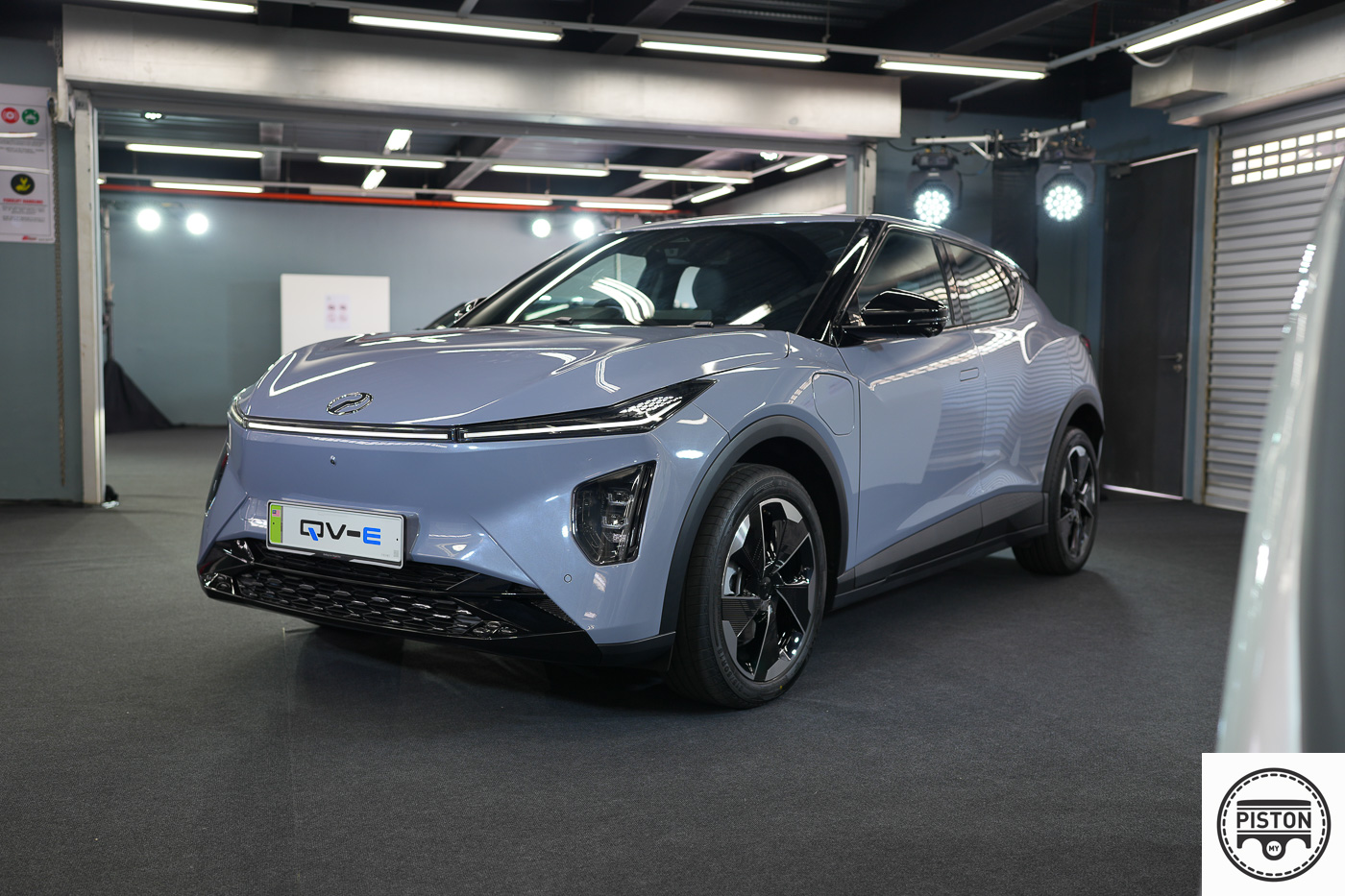
Source: Monthly sales reports compiled by the Malaysian Automotive Association (MAA). The Total Industry Volumes shown for the month may be incomplete as some companies are unwilling to provide their sales data.
♦ New vehicle sales in the first month of the year were 32,829 units, 51% lower than for December 2020, and 24% lower than the same month in 2020.
♦ The decline was due to a few factors, among them the surge in purchases in December by those who did not want to miss out on the sales tax exemption. It was originally set to expire on December 31, 2020 but at the last moment, the government decided to allow an extension until June 30, 2021.
♦ The large number of sales in December would have exhausted the order bank for the following month on the one hand, and companies also ran low on stocks due to the high demand at the end of the year. For a change, some customers did not choose to defer their delivery date to the new year.
♦ Difficulties in deliveries due to dealers being unable to get stocks also kept the Total Industry Volume (TIV) down. The disruption caused by the ongoing MCO affected some suppliers of parts or systems and without just one item, a car cannot be completed at the assembly plant.
♦ January sales were also impacted by the restrictions of the MCO which limited travel distance to 10 kms from home. However, many companies have established and publicised their ‘online showrooms’ which can at least enable buyers to start the purchase process. Some companies also offer to bring vehicle over for test-drives and even deliver newly registered vehicles to the doorstep using a dedicated transport service.
♦ Sales of new commercial vehicles were higher in January 2021 compared to a year earlier. Almost 4,000 vehicles (including pick-up trucks) were delivered whereas, in January 2020, 3,532 units were delivered.
♦ The MAA expects February sales to be even lower, given the short month and the ongoing MCO which affects businesses in various ways.
Visit www.bhpetrol.com.myto find out more about other promotions at BHPetromart.
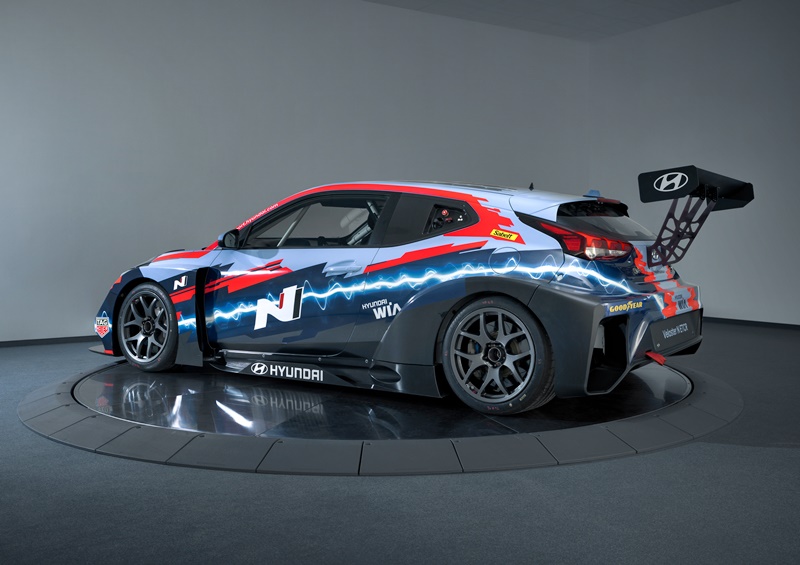
Hyundai Motorsport is electrifying its activities in 2021 by entering the inaugural all-electric touring car championship PURE ETCR which will commence later this year. PURE ETCR will set the benchmark for electric racing around the world and for Hyundai, being involved marks the latest step in the company’s quest to make motorsport greener.
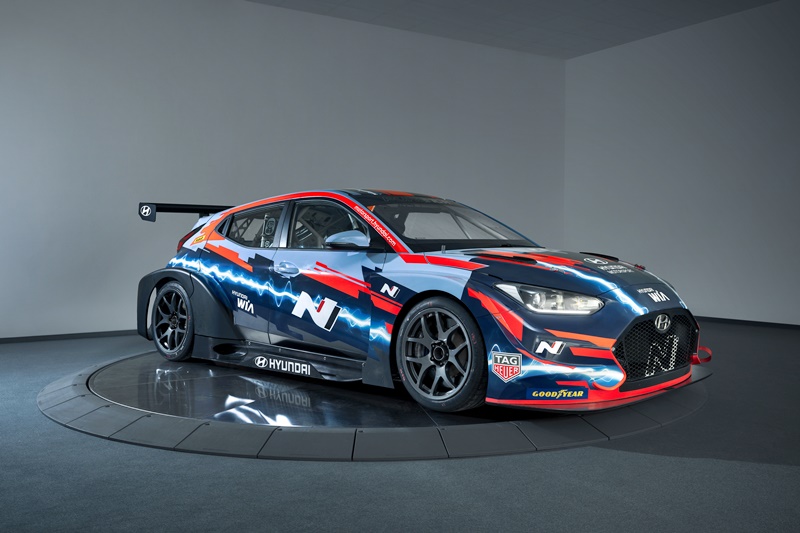
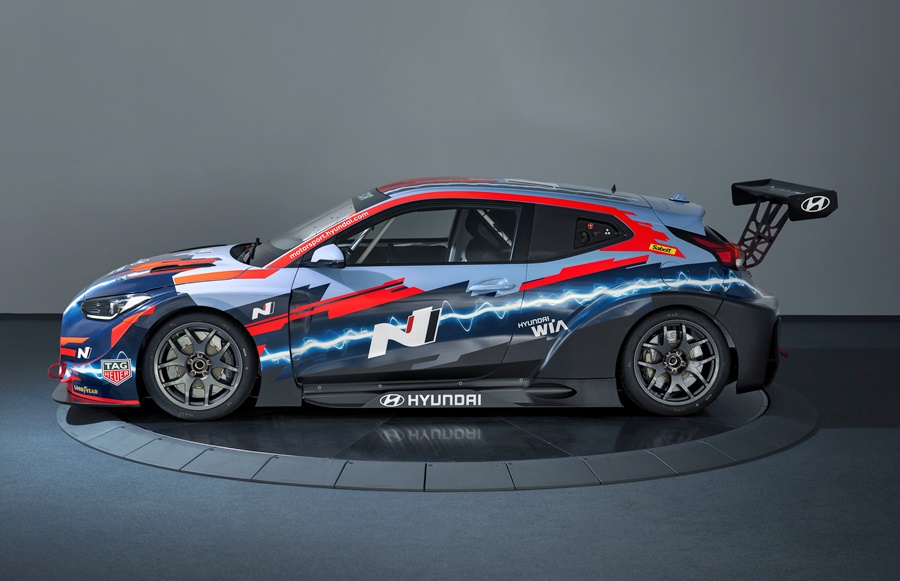
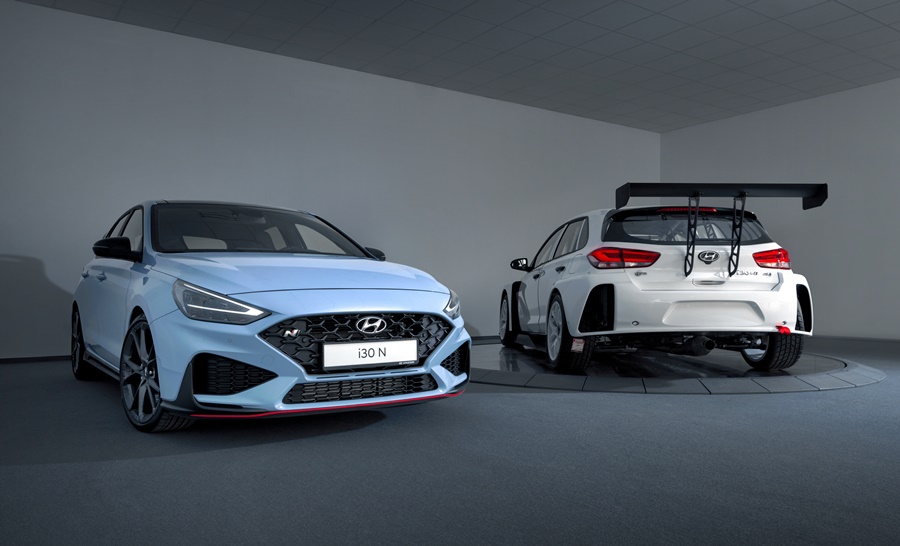
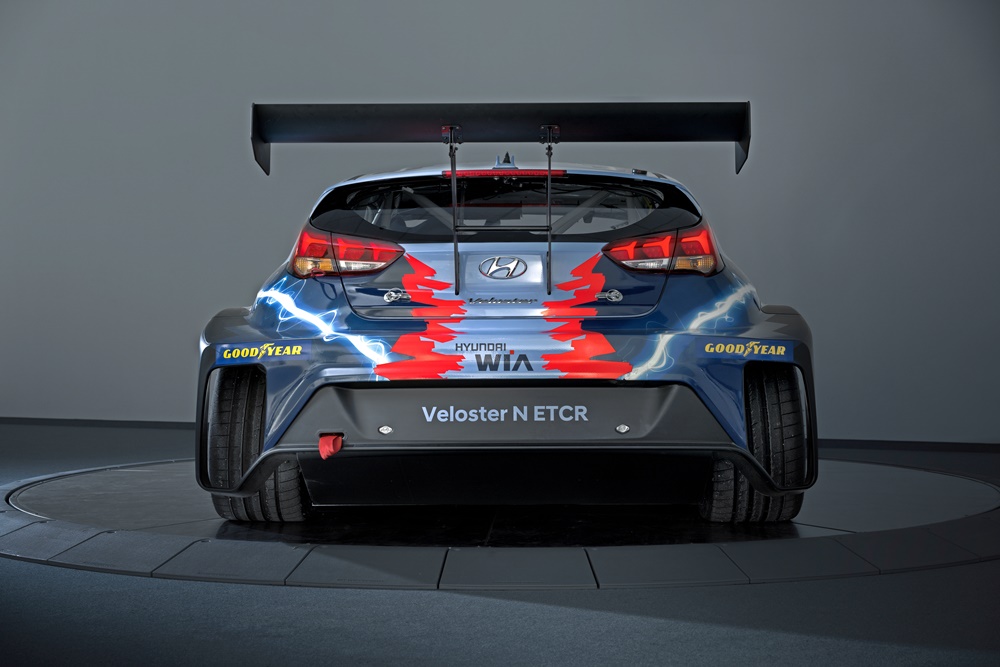
Hyundai Motorsport’s entry in PURE ETCR will be its new all-electric high-performance touring car, the Veloster N ETCR. The racing car has been developed at its headquarters in Germany. Like the i30 N TCR and i20 N Rally2, it is based on a highly-modified version of another Hyundai N car, the North American Veloster N model.
Development program since 2019
Testing on the Veloster N ETCR began with a prototype design as far back as September 2019. Although 2020 saw restrictions in movements and activities due to the COVID-19 pandemic, the Hyundai Motorsport team continued its work throughout the year.
The zero-emission, rear-wheel drive touring car with mid-mounted motors is designed specifically for ETCR regulations. Equipped with a 798V battery pack from Williams Advanced Engineering located in the floor of the car and a double-wishbone rear suspension, the chassis is radically different from any previous Hyundai Motorsport project.
The Veloster N ETCR’s powertrain uses 4 motors – two per wheel – which are connected to a single gear ratio gearbox. Total peak power output is 500 kW (equivalent to 680 ps) with a continuous power flow of up to 300 kW available during racing.
Hyundai’s motorsport heritage
Despite being a relatively fresh player in motorsports, Hyundai has been steadily increasing its presence after 8 years. Its initial focus was on the World Rally Championship (WRC), which it developed the i20 WRC for. After 5 successful seasons, the team won the WRC the first time in 2019. This feat was successfully repeated last year, as Hyundai strengthened its reputation in global motorsport. After a successful foray into WRC, Hyundai Motorsport entered the world of circuit racing in 2018 with the i30 N TCR.
While competing in the WRC and TCR with models based on road-going cars, Hyundai constantly tests new technologies on the track, in the extreme conditions of racing. This approach has a direct impact on the company’s future N production models through knowledge transfer. For example, the company’s latest racetrack-capable hot hatch, the all-new i20 N, is directly influenced by the i20 WRC car.
Hydrogen generator for recharging cars
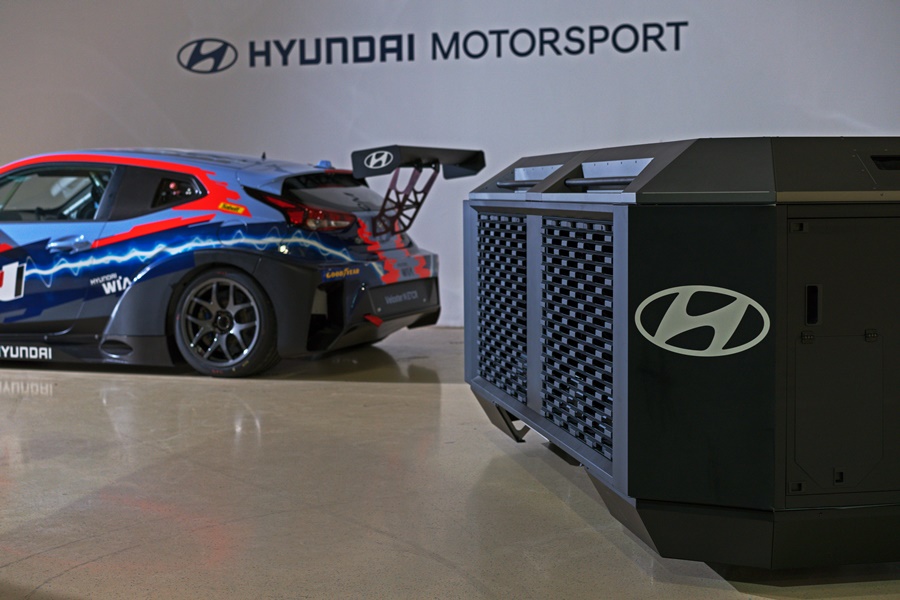
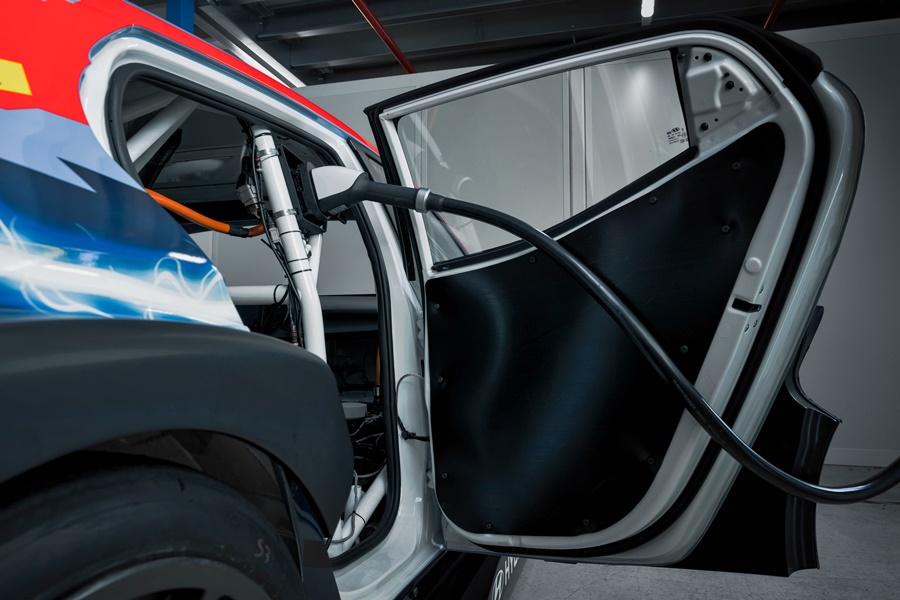
Alongside its electrification strategy, Hyundai has also used its leadership in fuel cell technology to develop its hydrogen generator. This generator will be able to charge electric cars through converting green hydrogen into charging power.
Hyundai Hydrogen Generator (right) will supply electricity for racing car.
For Hyundai, motorsport is a field in which the company can experiment with new technologies, which can then inform the development of its production cars. Knowledge transfer between Hyundai Motorsport and the Hyundai N brand has proved fruitful so far, with success in both the WRC and TCR championships as well as well-received road cars like the all-new i20 N.
“Hyundai is undertaking huge efforts to develop sustainable mobility for a better world, and motorsport is not exempt from this goal. That’s why we are very excited to have the opportunity to build on our WRC and TCR success as part of the upcoming PURE ETCR,” said Andrea Adamo, Hyundai Motorsport Team Principal. “With our holistic approach, we are able to significantly reduce emissions in motorsport while ensuring the spectacular sport we know and love remains fun, for drivers and fans alike.”
He added that electric racing represents the perfect opportunity for Hyundai to combine both environmental sustainability and motorsport. “In the future, electric racing is set to become one of the core pillars of Hyundai Motorsport. ETCR showcases how future-oriented technologies and cleaner racing can be combined,” Adamao said.
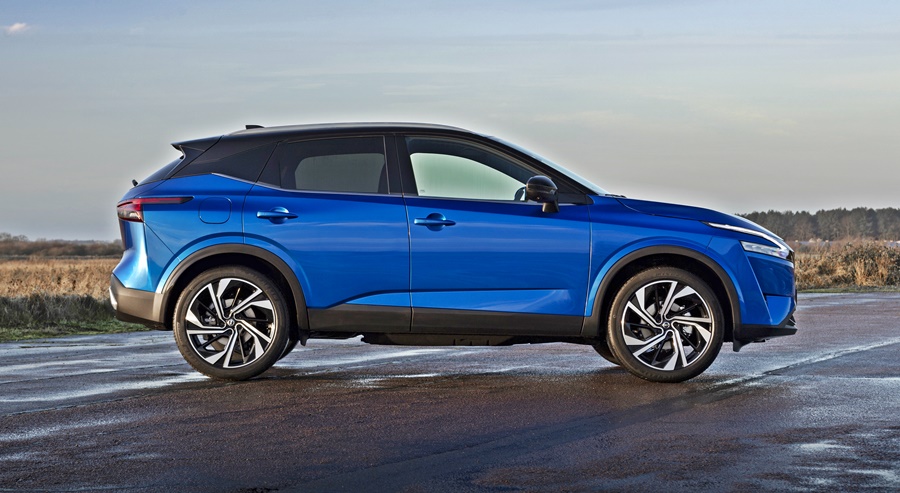
The Nissan Qashqai (the name is derived from that of a community in Iran) has a history going back to 2006 and has been sold under a few names in different parts of the world. It has however been largely associated with the European market and is made in Nissan’s UK plant, so it’s not surprising that the new third generation has its debut in Europe.
As a top-selling vehicle for Nissan in the European market, the Qashqai is the latest to be introduced under the Nissan NEXT transformation plan, which prioritizes sustainable growth and profitability across the company’s global operations. It will go on sale in a number of markets from mid-2021
Striking, elegant exterior design
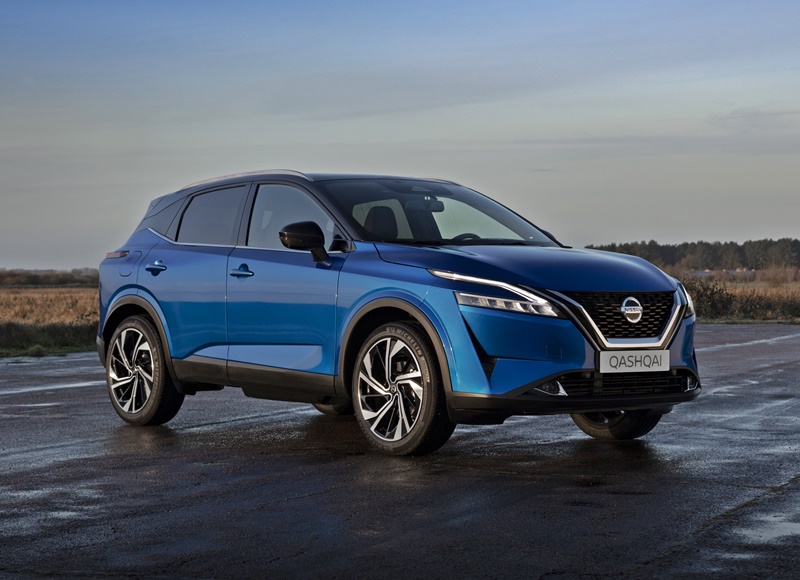
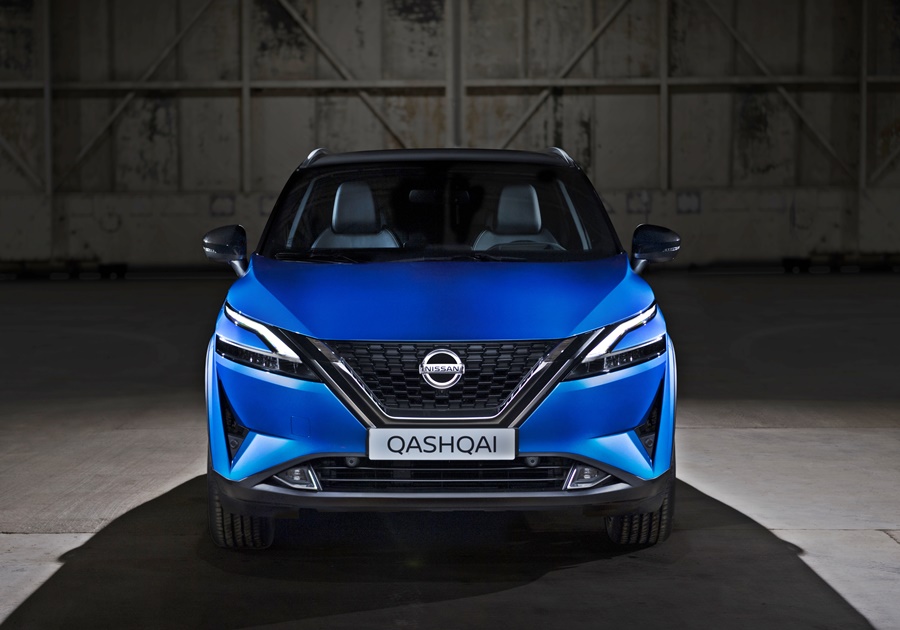
As with just about every Nissan model since 2015, the new Qashqai has the V-Motion grille which was introduced in the Sport Sedan Concept of 2014. It has become part of the global design language of the brand and integrates well in the latest style of the Qashqai.
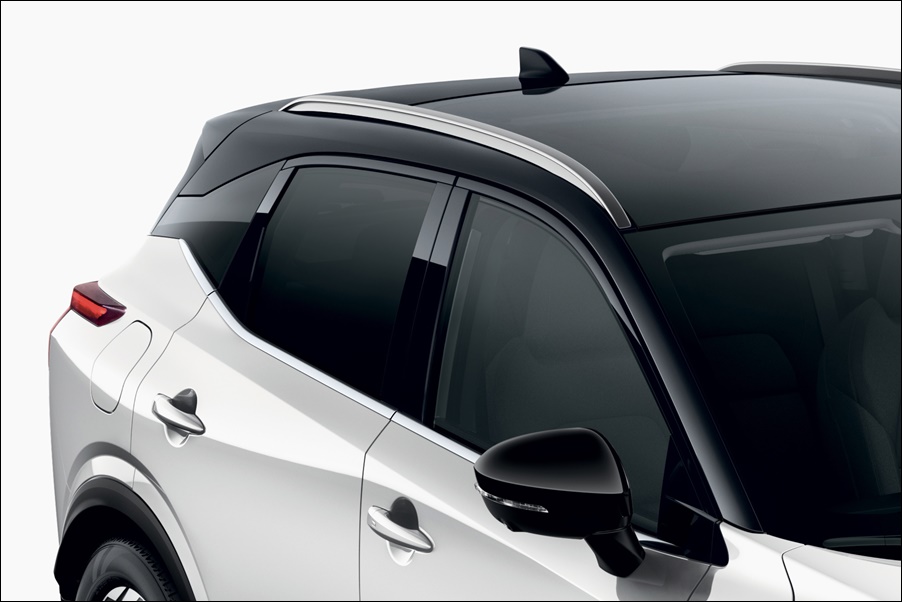
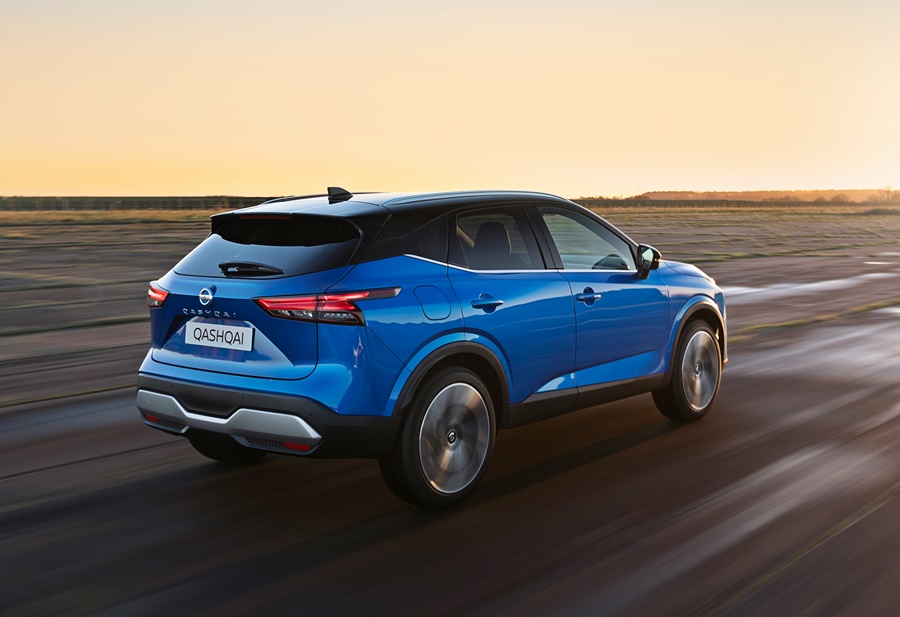
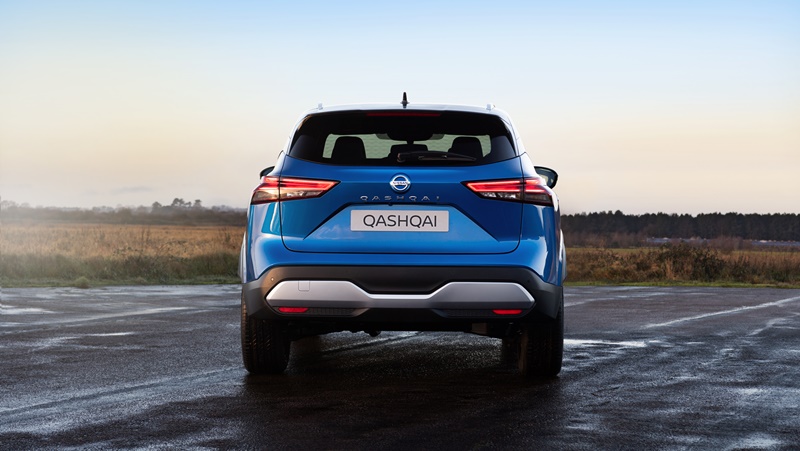
The body. With a ‘floating roof’ has a more purposeful stance, with prominent shoulder lines, while the wheelbase has been extended by 20 mm. The LED headlamps are slimmer and sharper, and employ technology that adapts the shape of the beam according to the road conditions and the presence of other road-users. The design of the rear lights creates a 3-D effect, generating a unique visual signature for the model.
The Qashqai is the first model in Europe to use the Alliance CMF-C platform with an entirely new automotive structure and technology architecture. In terms of construction, the body-in-white makes use of more lightweight material, advanced stamping processes and welding techniques to increase strength and reduce weight. For the first time, the rear hatchback door is now made of a composite material, which saves 2.6 kgs. Other advanced manufacturing techniques result in weight savings of 60 kgs while raising structural rigidity by 41%.
With the new CMF-C platform, the Qashqai gets an updated Macpherson strut set-up at the front and rear. The rear suspension features a torsion beam equipped for 2-wheel drive models and a multi-link configuration for all-wheel drive models with 20-inch wheels.
Elevated interior ambience
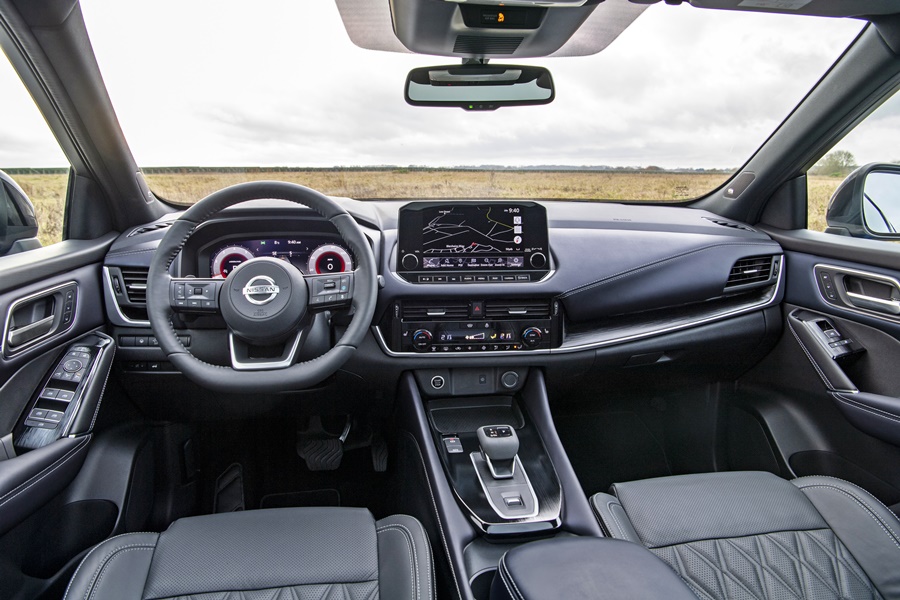
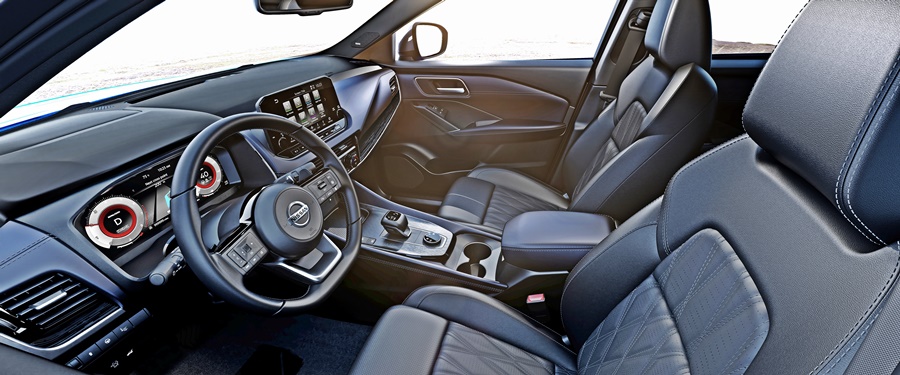
Connected, comfortable and commanding are the strong features of the cabin and Nissan claims that the Qashqai sets ‘a new segment standard for an elevated feel and enhanced usability’. It has new premium materials and new white ambient lighting which creates a premium and harmonious experience inside the vehicle.
Smart features to make motoring easier include an advanced infotainment system with connected services, in-car wifi for up to 7 devices and NissanConnect Services, which is a dedicated app to control and monitor the vehicle.
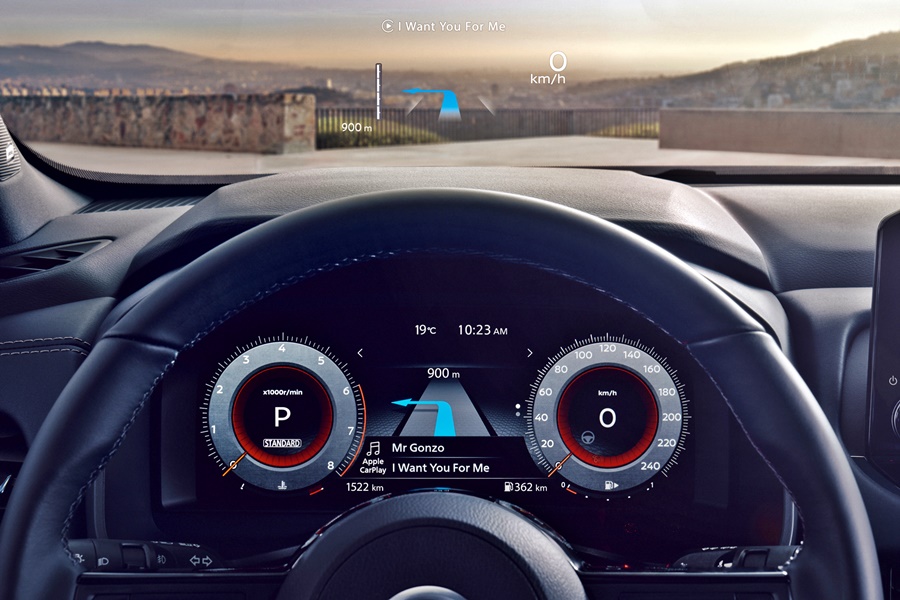
A new high-definition, fully electronic 12.3-inch TFT multi-information screen offers a choice of configurable layouts to display navigation, entertainment, traffic or vehicle information, controlled from a new tactile dial switch on the steering wheel. The TFT’s digital background has a Japanese Kiriko cut glass motif that references Nissan’s Japanese DNA.
A new 10.8-inch Head-Up Display (HUD) projects key navigation, driver assistance and road information onto the windscreen within the driver’s line of vision, allowing drivers to maintain their focus on the road for more comfort and confidence at the wheel.
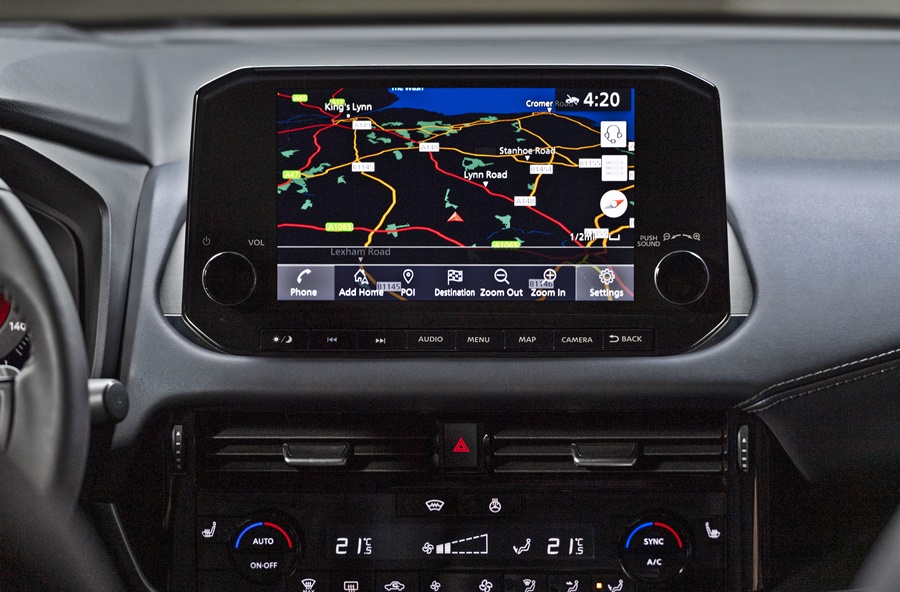
There’s also a high resolution 9-inch NissanConnect display screen for navigation, entertainment and viewing vehicle settings. This can be interfaced using Android Auto and Apple CarPlay. Google Assistant and Amazon Alexa home-to-car compatibility are also available.
e-POWER comes to Europe
The Qashqai will be offered with a 12-volt mild hybrid system comprising a 1.3-litre turbocharged engine and a lithium-ion battery pack. The system enables energy regenerated during deceleration to be used while driving to contribute to both fuel economy and CO2 emissions reduction.
The new model also introduces Nissan’s e‑POWER drive system to Europe in a second variant. To meet the typical needs of European consumers and their daily drive, the e-POWER system has been significantly upgraded for the new Qashqai with the adoption of Nissan’s world-first variable compression ratio petrol engine as the dedicated electricity generating unit. The result is a compact, high-output electrified system that, thanks also to the high combustion efficiency of the engine, delivers more efficiency.
PROPilot driver assist system
Besides the array of safety features and tech that offer driver support in a wider array of circumstances, the Qashqai also has ProPILOT with Navi-link to help reduce fatigue and stress. The system, which has the same intuitive controls as ProPILOT, uses navigation data to smoothly assist with driving, especially with sharp cornering and off-ramp exiting. It can provide assistance with acceleration and braking within a single lane on a highway.
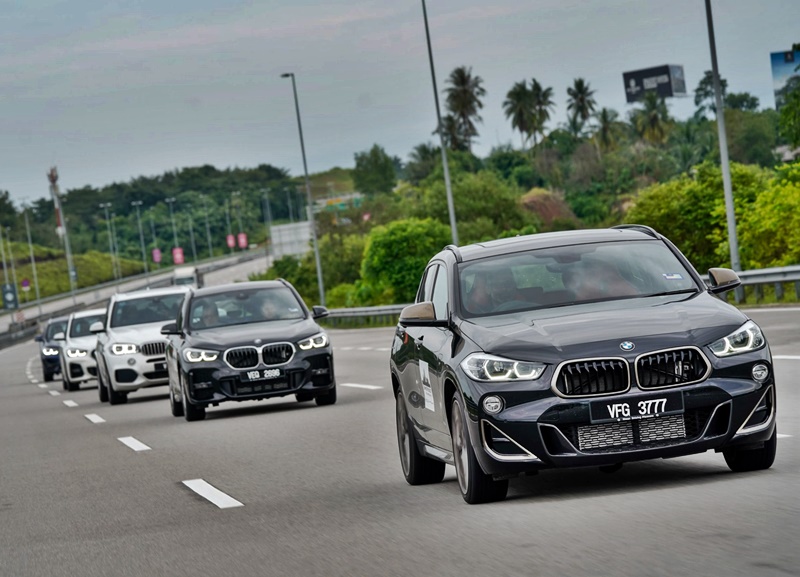
While Mercedes-Benz Malaysia declined to release their total sales numbers (for 2020), BMW Group Malaysia has done so, announcing that they delivered 11,016 vehicles from across the BMW, MINI and BMW Motorrad ranges. With this number, BMW Group Malaysia lays claim to leadership in the premium automotive segment nationwide as their products accounted for over 52% of the segment.
2020 was a challenging year for every industry and it was not just local but global. During the year, BMW Group Malaysia kept up its activities and introduced no less than 25 model variants from the BMW, MINI and BMW Motorrad brands. Over 87% of the vehicles sold were assembled locally at the plant in Kedah.
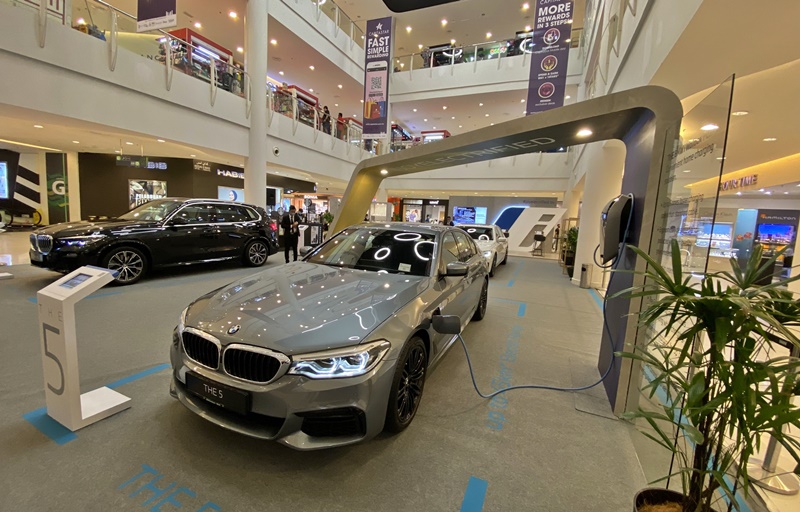
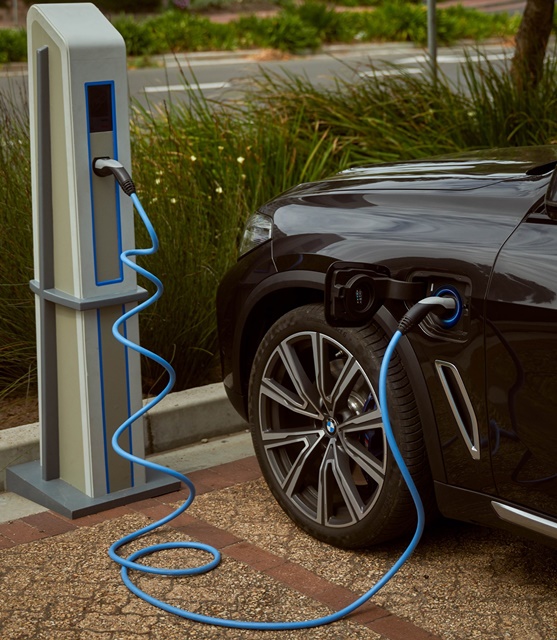
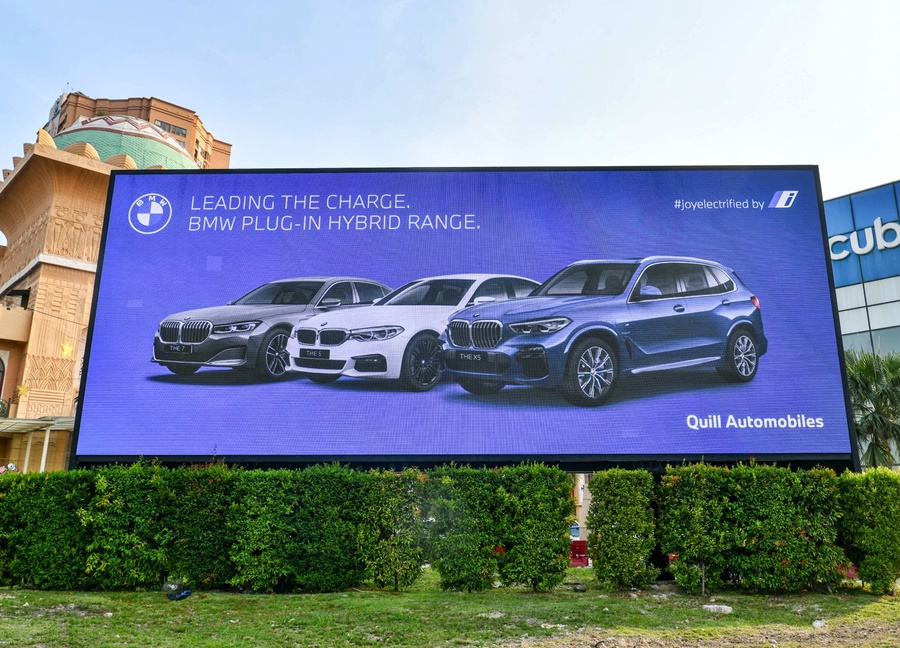
Four of those models were electrified, an area that the company claims leadership in. Over 2,200 units of electrified vehicles nationwide, mainly the hybrid variants of the BMW 5-Series and BMW 7-Series models.
Local and global success
The success of the company in Malaysia mirrored BMW Group’s performance globally with over 2,300,000 units delivered during the year. Over 190,000 were electrified vehicles from the BMW and MINI brands, an increase of over 30% in deliveries of such vehicles from the year before.
In Malaysia, the BMW brand gained 8,903 new owners in 2020, leading the overall premium segment in Malaysia by over 47%. The best-performing model was the 3-Series with over 2,500 units delivered, followed by the 5-Series with over 1,600 units delivered.
The BMW X Family of Sports Activity Vehicles contributed to over 39% of total deliveries, which numbered over 3,200 units. The X1 proved to be very popular with over 1,000 SAVs being registered.
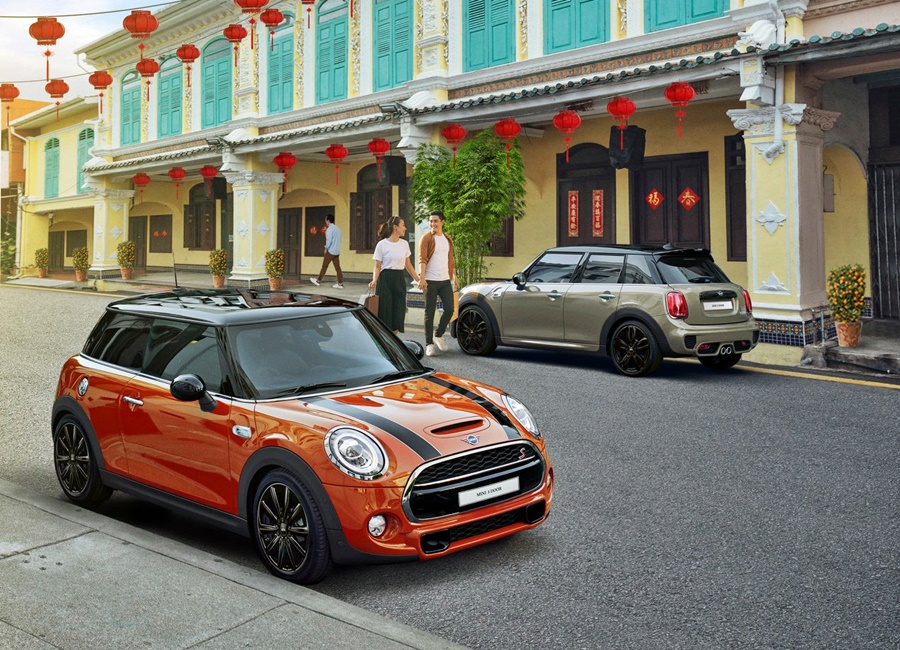
MINI Malaysia recorded almost 1,000 sales, taking more than 5% segment share of the Malaysian premium segment. The 987 units delivered were led by the MINI Countryman model, with over 47% of the total number being the Cooper S Countryman version.
Towards greater electrification
Malaysia has a fast-evolving mindset towards electrified vehicles and BMW is in a dominat position to drive this change. In 2020, it recorded over 2,200 deliveries of electrified BMW and MINI vehicles which included the locally-assembled BMW 330e M Sport as well as the All-Electric MINI.
BMW Group Malaysia also worked with NGOs during the year to deliver food and basic essential grocery to needy families, refugees, and migrant communities in the Klang Valley during the period when movements were restricted.
In light of the travel restrictions and social distancing measures implemented in March last year (and which continue in 2021), BMW Group Malaysia quickly adapted to the changing times by also digitalising many existing touchpoints and services to enhance the premium ownership experience for customers in Malaysia. This was underlined by the introduction of the BMW Shop Online and the MINI eShop, alongside BMW Engage and BMW i-Renewal – expediting essential parts of the premium mobility experience to keep the process as seamless as possible.
Visit www.bhpetrol.com.my to find out more about other promotions at BHPetromart.
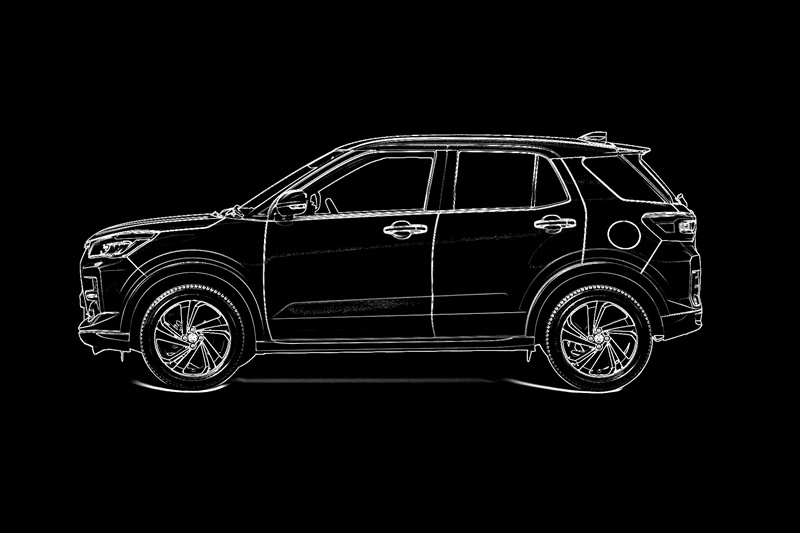
The Perodua D55L SUV (likely to be just the codename for now) was ready for launch earlier but due to the COVID-19 pandemic, the Malaysian carmaker delayed its launch. Now the time is right for it to enter the market and bookings are accepted from today at all authorised Perodua showrooms nationwide.
Spiritual successor of Kembara
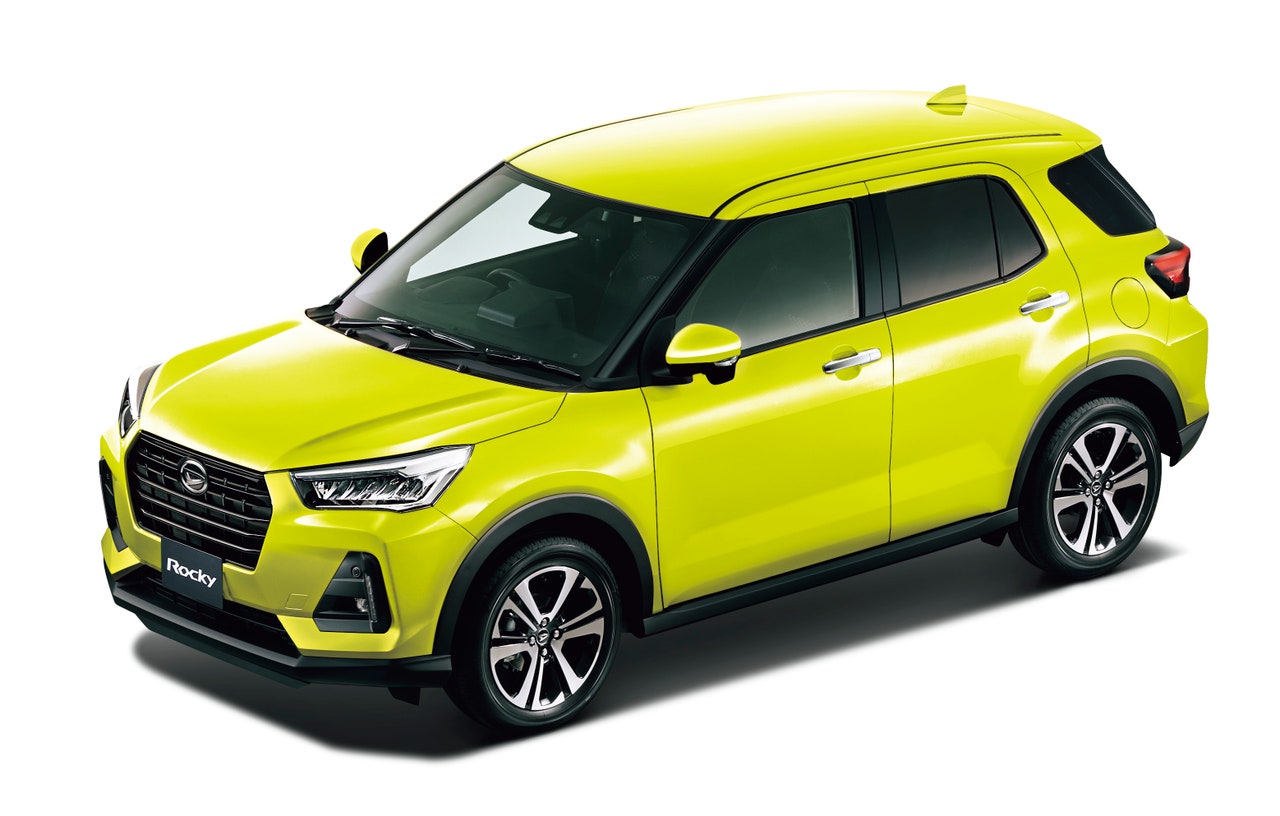
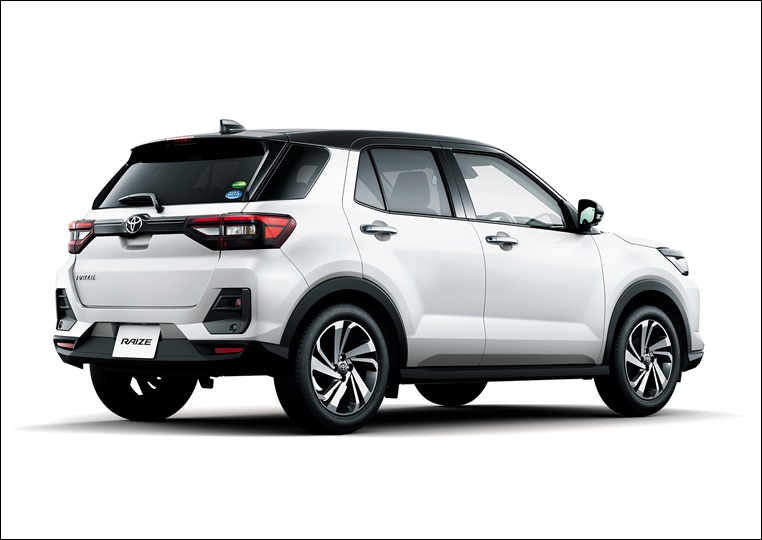
Adapted from the latest Daihatsu Rocky/Toyota Raize, the spiritual successor of the Kembara is said to be the most advanced Perodua yet. It will be available in three variants – X, H and AV – at prices estimated to range from RM62,500 and RM73,400 (excluding insurance). As the model should be in the market before June 30, 2021 when the sales tax exemption is set to expire, customers will also get the money-saving benefit.
“The Perodua D55L is the first model under the Perodua Smart Build blueprint, spearheading breakthroughs for Perodua in style, safety, technology, equipment levels and value,” Perodua’s President & CEO, Dato’ Zainal Abidin Ahmad said.
The new Perodua D55L is known to be adapted from the latest Daihatsu Rocky/Toyota Raize.
Autonomous motoring for all variants
The claim of being the most advanced Perodua comes from being the model of the brand’s model to offer Level 2 Autonomous motoring. The second of 5 levels in the industry-accepted standards established by the SAE (the American Society of Automotive Engineers), Level 2 allows automatic operation of certain driving functions. These can be related to cruising, steering and braking, but the driver must still monitor the road ahead and take action if necessary.
In the D55L, Perodua’s Advanced Safety Assist (ASA) – standard in all variants – will allow higher operating speeds than the current version and is capable of detecting 2-wheeled vehicles. Also available will be Lane Departure Warning and Prevention, while the top AV variant has Lane Keep Control, Blind Spot Monitor, Rear Cross Traffic Alert and Adaptive Cruise Control.
That’s certainly a lot of advanced technology which would never have been expected from an entry-level brand like Perodua. “True to our aim to continually bring more and more advanced technology to the masses, the Perodua D55L AV is Malaysia’s most affordable Level 2 Autonomous vehicle, bringing state-of-the-art safety and convenience to a wider audience,” said Dato’ Zainal.
First Perodua with turbo engine and CVT
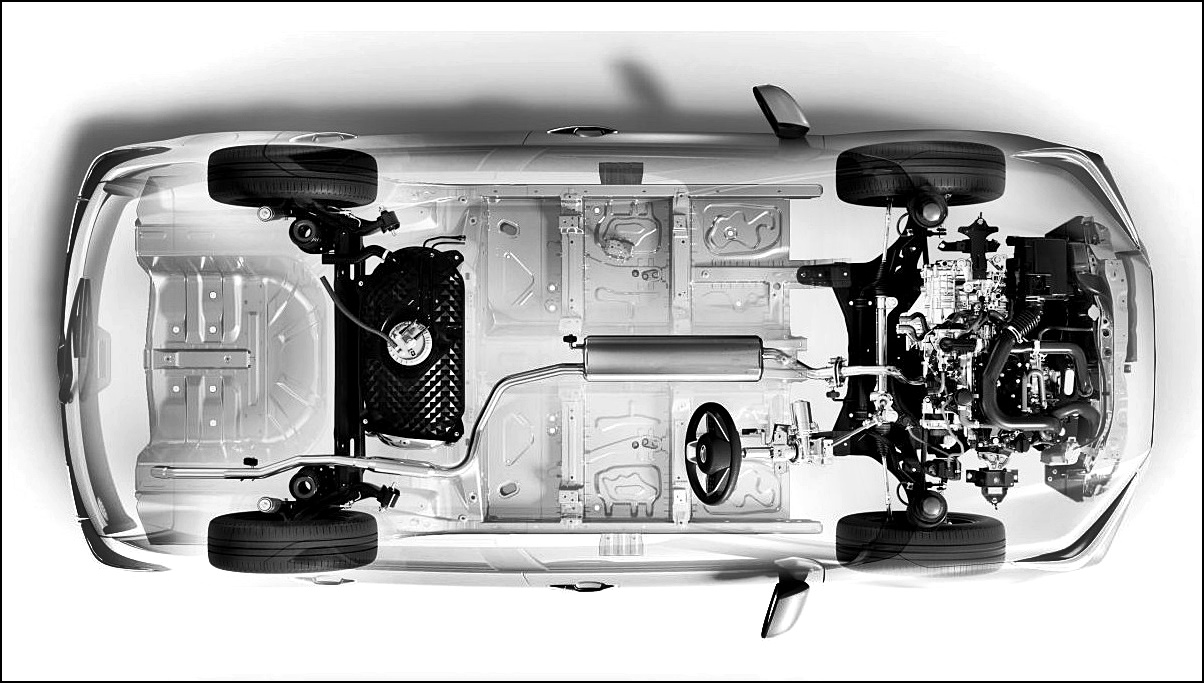
The D55L will also be Perodua’s first turbocharged vehicle, in line with the global trend of using forced induction while downsizing engine displacements. Perodua has not mentioned the engine size although it is likely to be a 1-litre 3-cylinder unit similar to that of the latest Rocky. Additionally, it will be the first Perodua to use a Continuously Variable Transmission (CVT) which will help it achieve fuel consumption claimed to be up to 18.9 kms/litre.
Other features include LED headlamps (standard across the range), while H and AV variants get Adaptive Driving Beams, a 7-inch TFT multi-info display and a 9-inch touchscreen infotainment system with voice command capability.
Built and painted at Perodua’s factory, the X and H variants are available in Glittering Silver, Granite Grey and Cobalt Blue, with the H variant also available in Pearl Diamond White and Pearl Delima Red. The last three colours are new for Perodua. The top AV can be had in Glittering Silver, Granite Grey, Pearl Diamond White, Pearl Delima Red, or the last two colours with a black roof. A 5-year or maximum of 150,000 kms warranty is offered with every new vehicle.