Piston.my

Latest News

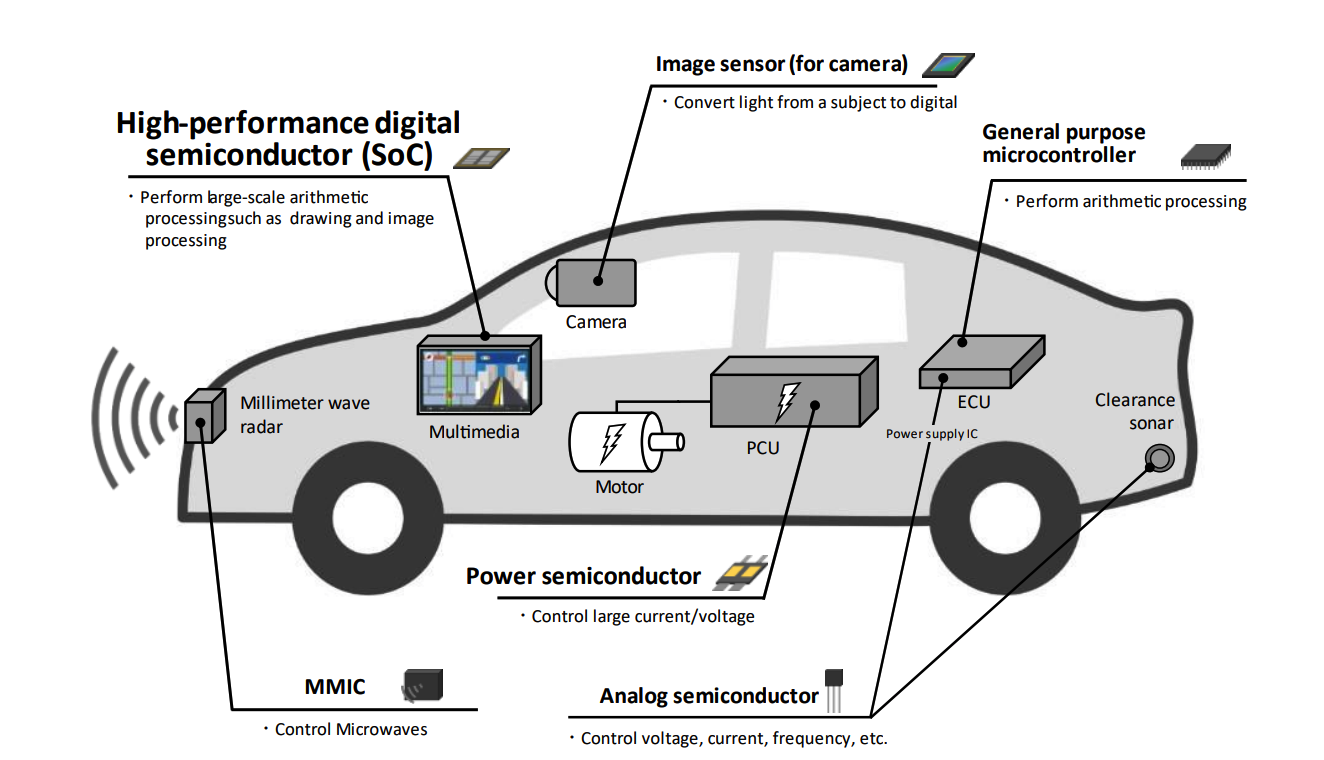
In a significant collaborative effort, twelve leading companies from the automotive, electrical component, and semiconductor sectors joined hands to establish the “Advanced SoC Research for Automotive” (ASRA) on December 1st. The primary goal of ASRA is to conduct research and development for high-performance digital semiconductors, specifically System on Chip (SoC), intended for use in automobiles.
Participating Companies:

  • Automotive Manufacturers: Honda Motor Co., Ltd., Mazda Motor Corporation, Nissan Motor Corporation, SUBARU Corporation, Toyota Motor Corporation
  • Electrical Component Manufacturers: Denso Corporation, Panasonic Automotive Systems Co., Ltd.
  • Semiconductor Companies: Cadence Design Systems, Japan, MIRISE Technologies Corporation, Renesas Electronics Corporation, Socionext Inc., Synopsys Japan

Given that modern automobiles utilise approximately 1,000 semiconductors, with varied applications, SoCs are particularly crucial for autonomous driving technology and multimedia systems. These applications demand cutting-edge semiconductor technology to achieve advanced computing power.
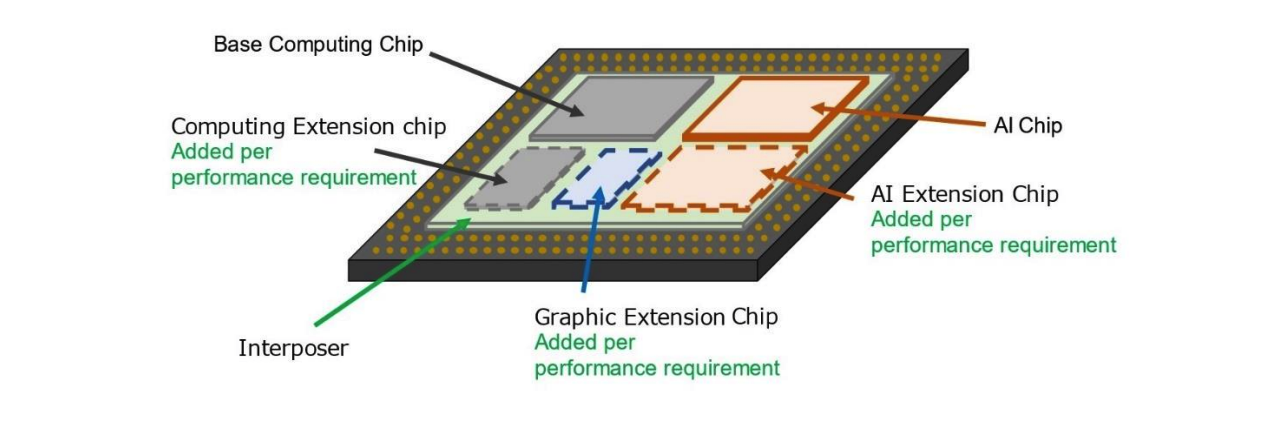
ASRA, with a focus on achieving high levels of safety and reliability required for automotive applications, will be spearheaded by automakers. The collaboration aims to leverage the combined technological and experiential knowledge of electrical components and semiconductor companies. The consortium plans to explore chiplet technology for SoCs, combining different semiconductor types.

Advantages of Chiplet Technology Include:

  1. Higher performance and multifunctionality
  2. Higher yield chips
  3. Timely commercialisation of SoCs tailored to end-user (automotive companies) requirements
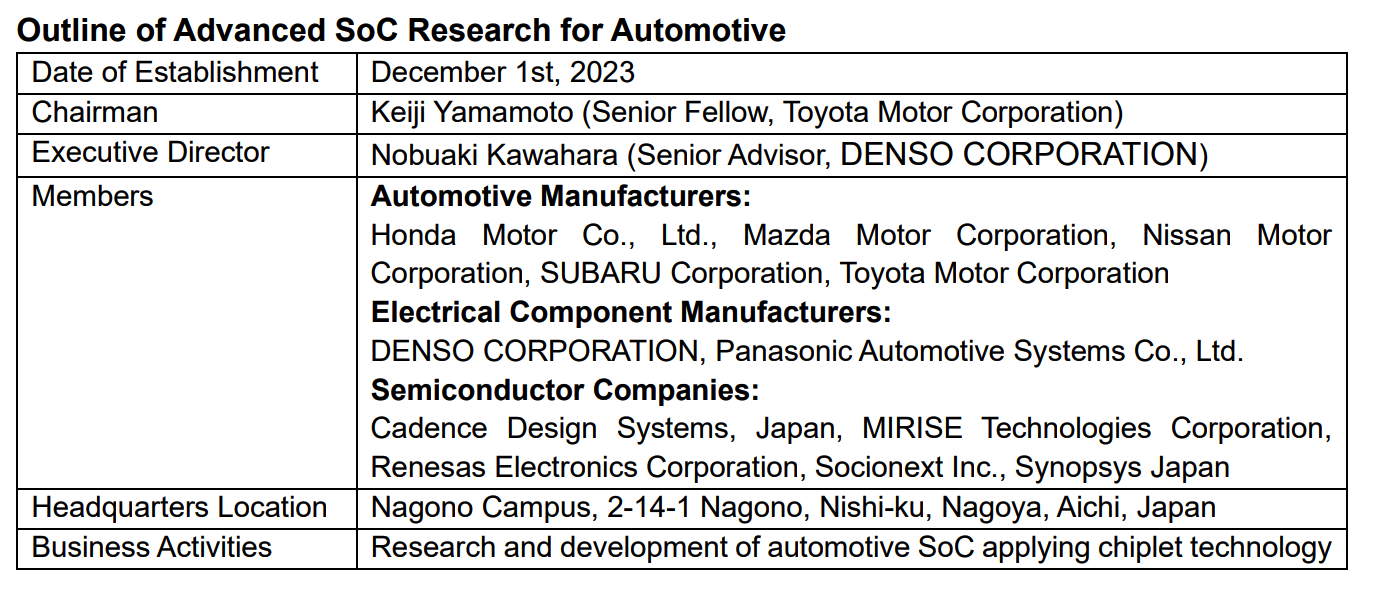
 

ASRA has set ambitious goals, aiming to establish in-vehicle chiplet technology by 2028 and intends to install SoCs in mass-produced vehicles from 2030 onward. By capitalising on Japan’s technological capabilities and extensive experience in automotive, electrical components, and semiconductors, ASRA plans to collaborate with industry, government, and academia to position itself as a world-leading technology research group.
(more…)

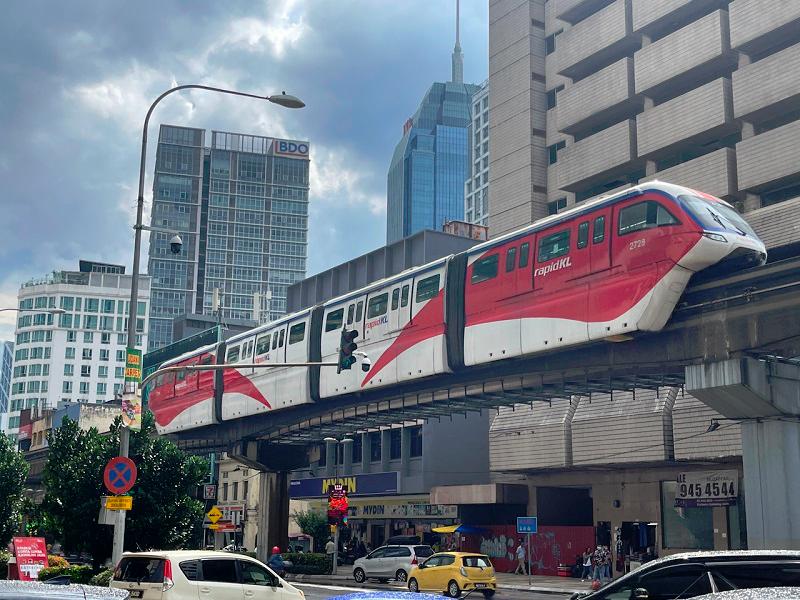
In anticipation of New Year’s Eve celebrations, Rapid KL has announced the extension of operating hours for selected rail transit and bus services until 1:30 am on January 1. This initiative aims to accommodate individuals planning to celebrate the arrival of the new year.

As reported by FMT, Prasarana Malaysia Bhd, the operator of Rapid KL, shared that the service extension will cover 12 LRT and MRT lines, monorail stations in Kuala Lumpur, three BRT stations, and 21 Rapid KL and MRT feeder bus routes. Notable rail transit routes included in the service extension are the Kelana Jaya LRT line (KLCC and Masjid Jamek stations), Ampang LRT line to Sri Petaling (Masjid Jamek, Bandaraya, IOI Puchong Jaya, and Maluri), KL monorail line (Bukit Bintang), Kajang MRT line (Bukit Bintang, TRX, Cochrane, and Maluri), Putrajaya MRT line (TRX), and Sunway BRT line (Sunway Lagoon, SunMed, and Sun U-Monash).

While some stations will conclude their operations as usual, passengers will have the option to exit from these stations to continue their journeys. Prasarana emphasised the use of Touch ‘n Go cards for a smoother experience and encouraged the purchase of return tokens to reduce queues during the return journey.

To ensure operational efficiency, Rapid KL plans to increase the number of staff and enhance train frequencies. Train frequencies for all services will be increased to eight minutes from 1 pm and further reduced to four minutes from 8 pm until the end of the extended operating hours. Commuters are urged to plan their journeys in advance, utilise electronic payment options, and cooperate with the additional measures implemented for a safe and enjoyable New Year’s celebration.

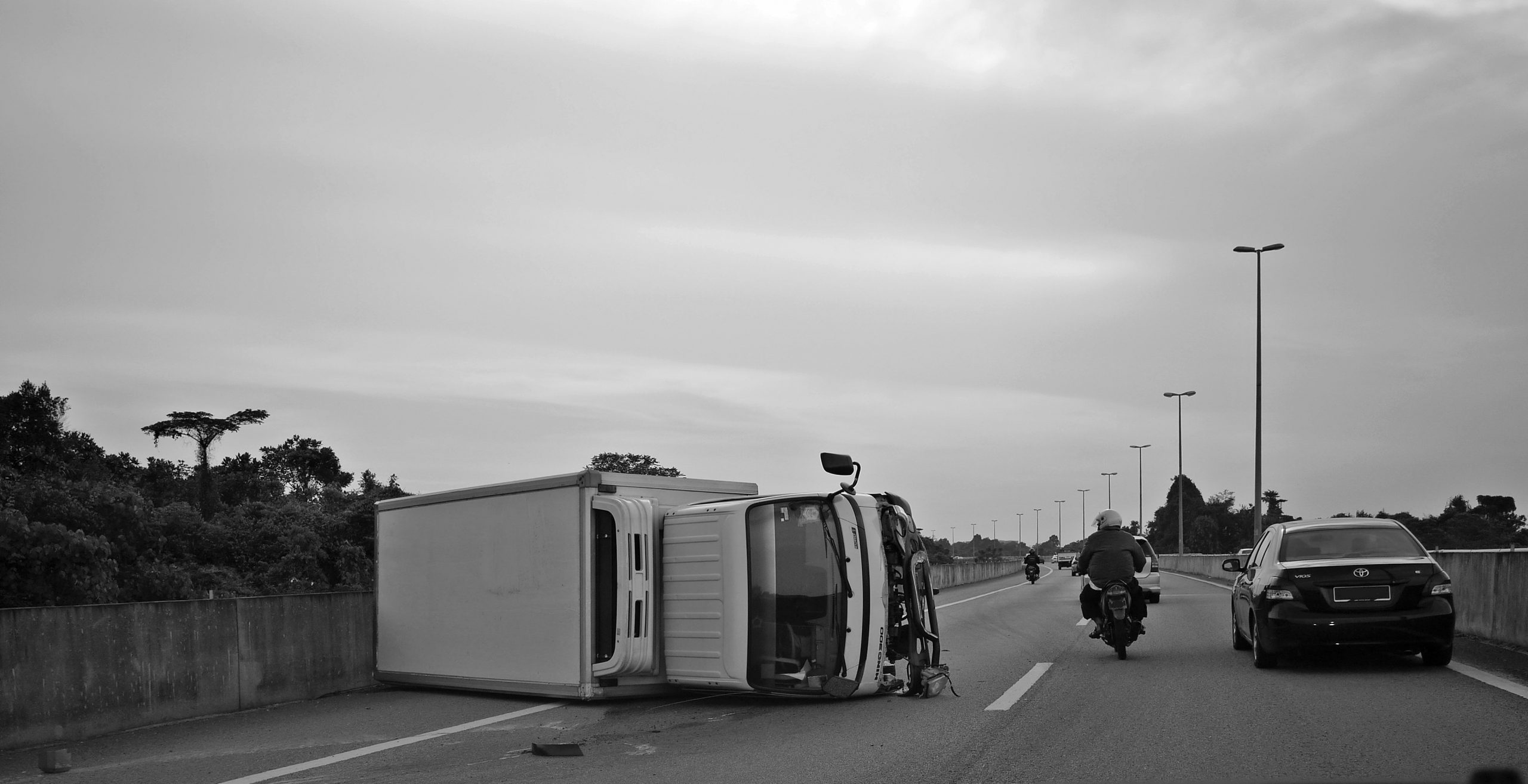
In the aftermath of the recent balik kampung journey in conjunction with Christmas, Malaysian authorities have reported a total of 8,028 accidents, including 75 fatal incidents. The recorded accidents occurred during the period from December 22 to December 26, marking a challenging time for road safety.

According to The Star, Bukit Aman Traffic Investigation and Enforcement Department director, Comm Datuk Mohd Azman Ahmad Sapri, provided details on the accidents, revealing that 29 cases involved serious injuries, while 303 incidents resulted in minor injuries. The majority of the accidents were attributed to vehicle breakdowns, accounting for 7,621 cases, while the rest were categorised as minor collisions.

To manage the surge in traffic during the holiday season, the police launched Ops Lancar nationwide, strategically covering congestion hotspots. Comm Mohd Azman highlighted the deployment of personnel on highways, expressways, and various road networks to monitor, assist, and control traffic flow. A total of 77 officers and 731 rank-and-file personnel were involved in these efforts.

Despite the organised measures, the road congestion during the holiday escape was substantial. More than 9.8 million vehicles traversed major highways and expressways during the five-day period, which included the toll-free days announced by the government. The PLUS highway, in particular, witnessed significant traffic, with daily vehicle counts ranging from 1.72 million to 2.03 million.

The Karak expressway and East Coast expressway (LPT1) collectively experienced a total of 1.2 million vehicles during the same period. The data underscores the challenges faced by authorities in managing increased travel during festive seasons, emphasising the need for continued efforts to enhance road safety and manage traffic efficiently.

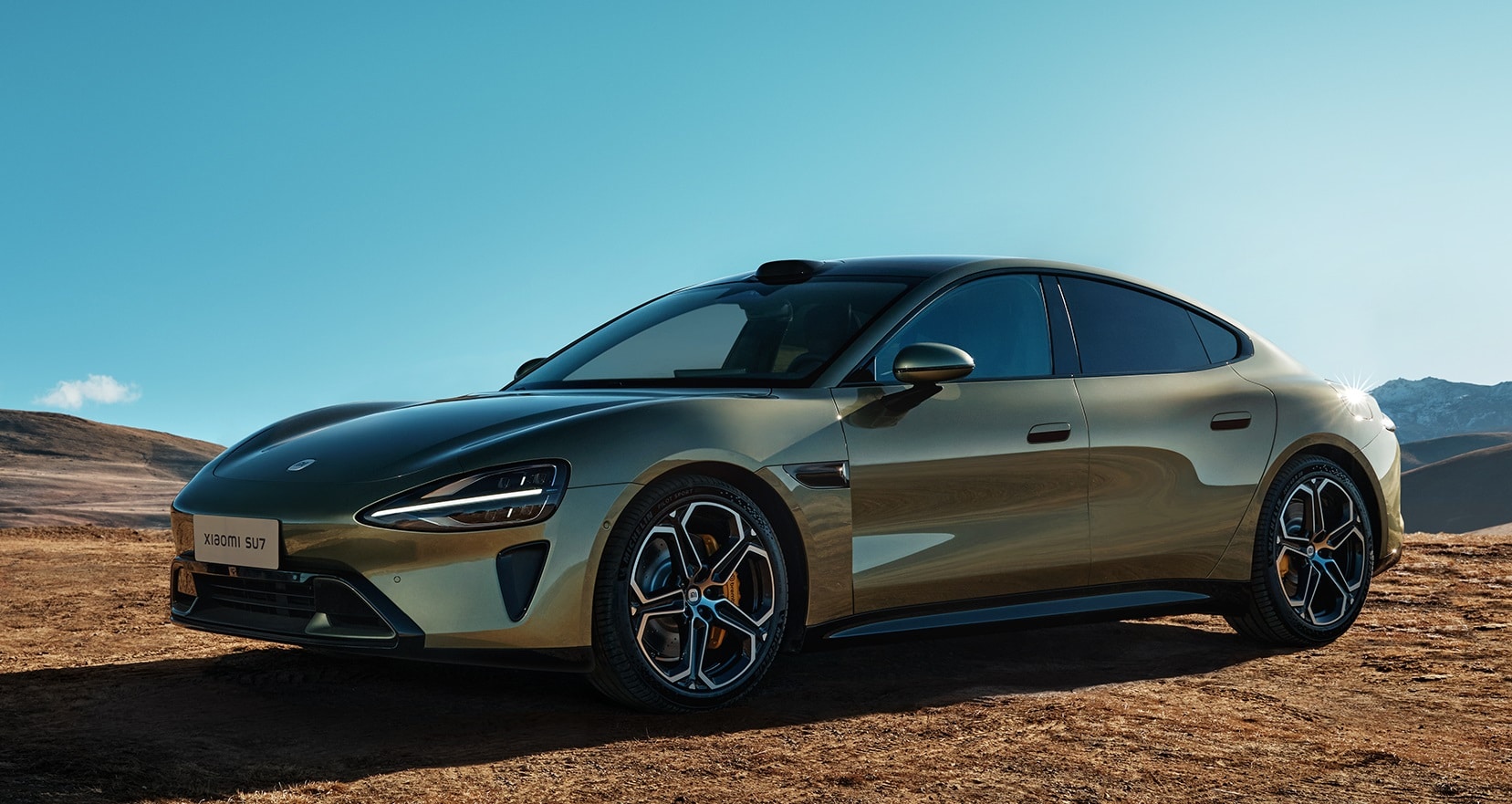
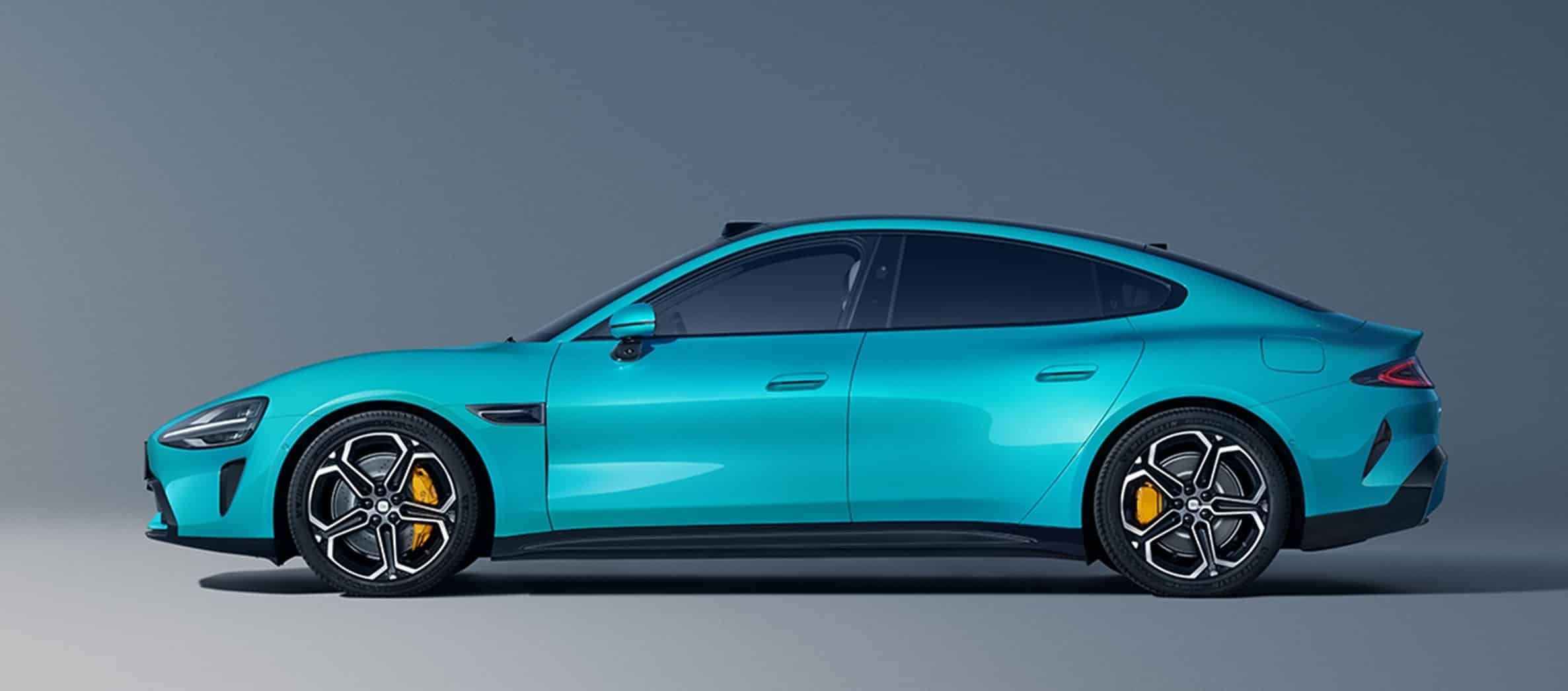
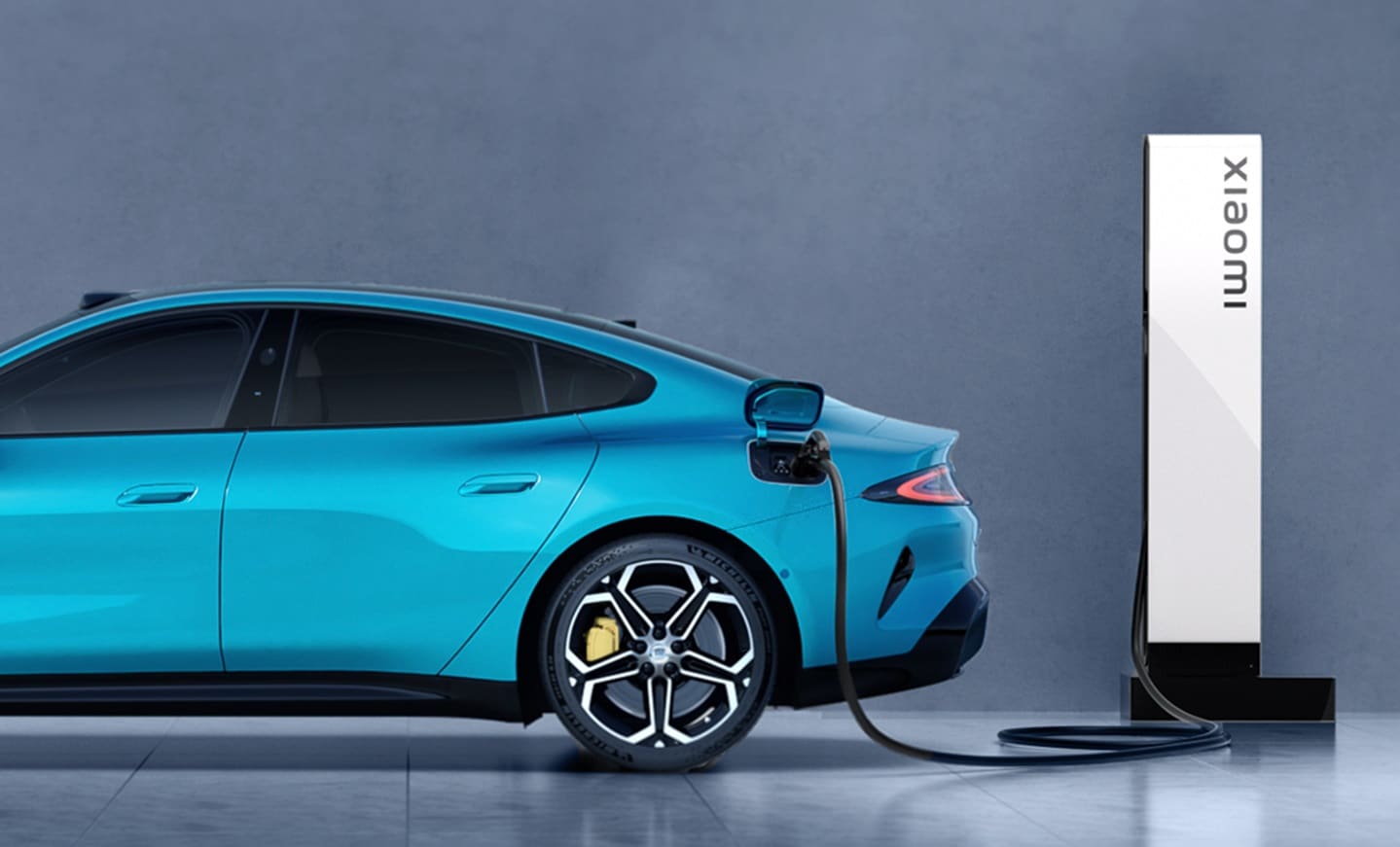
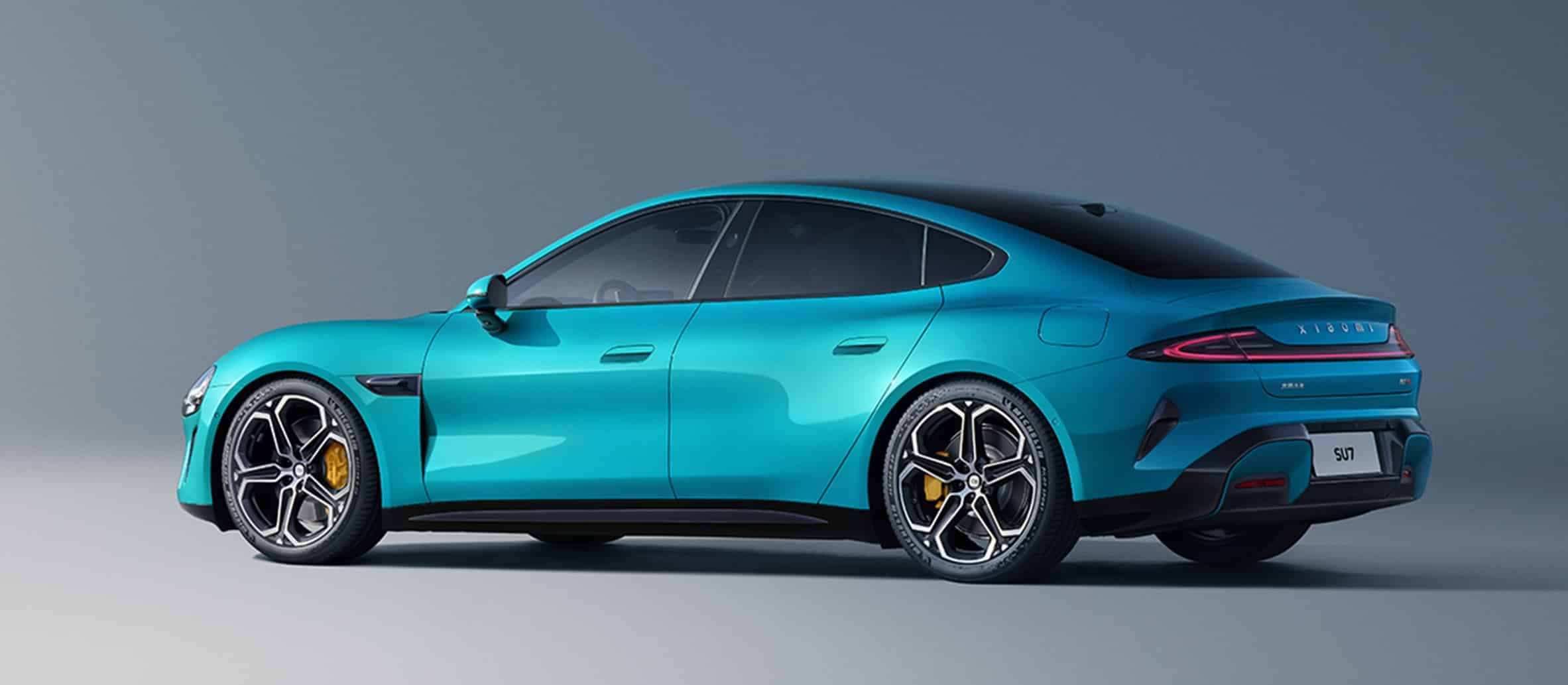
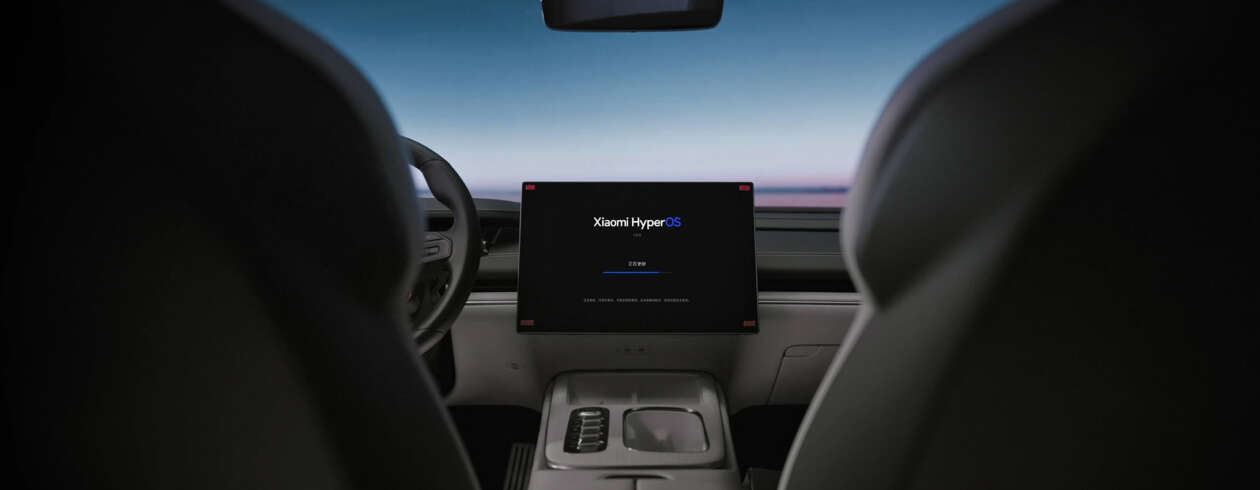
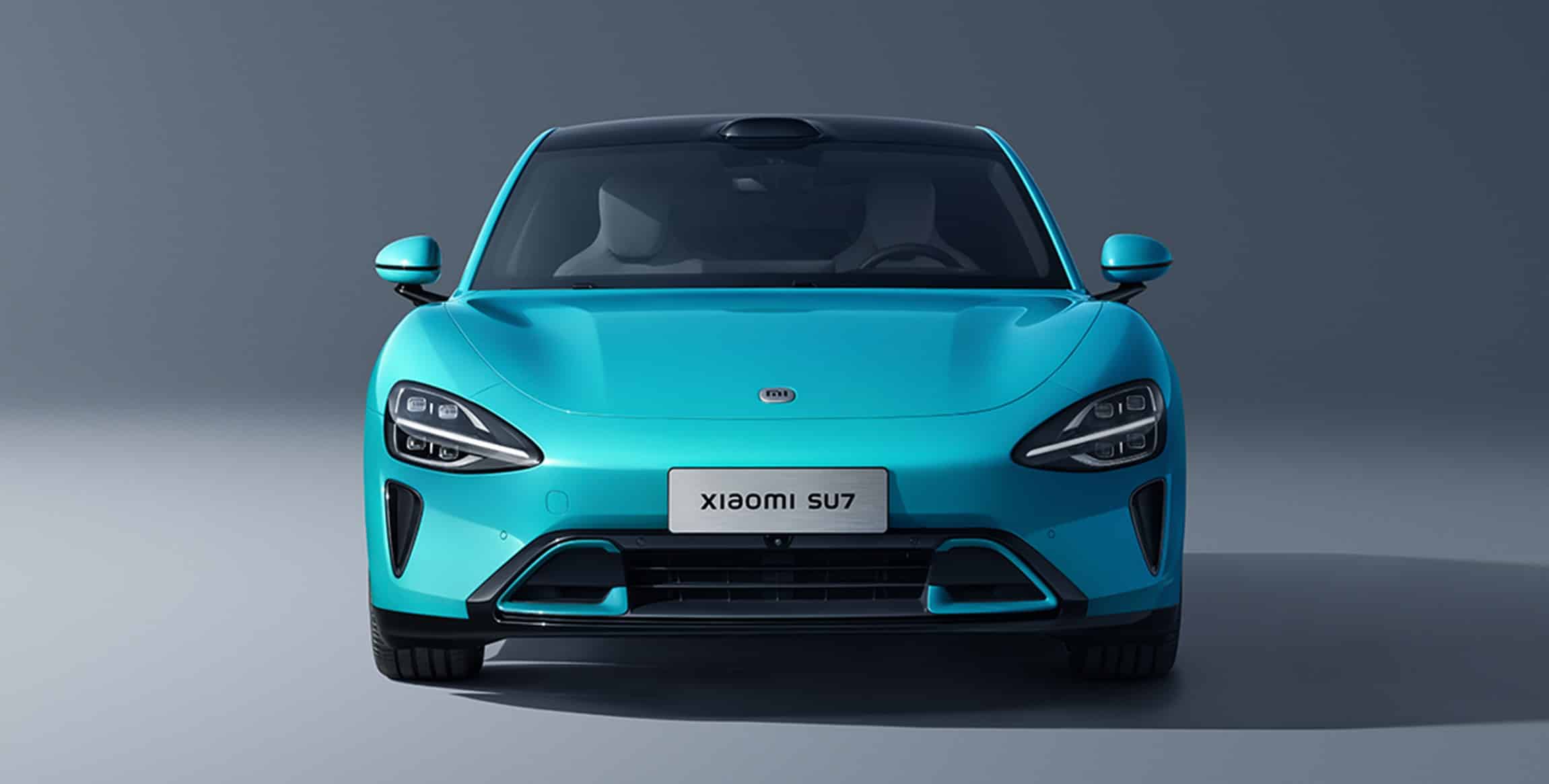
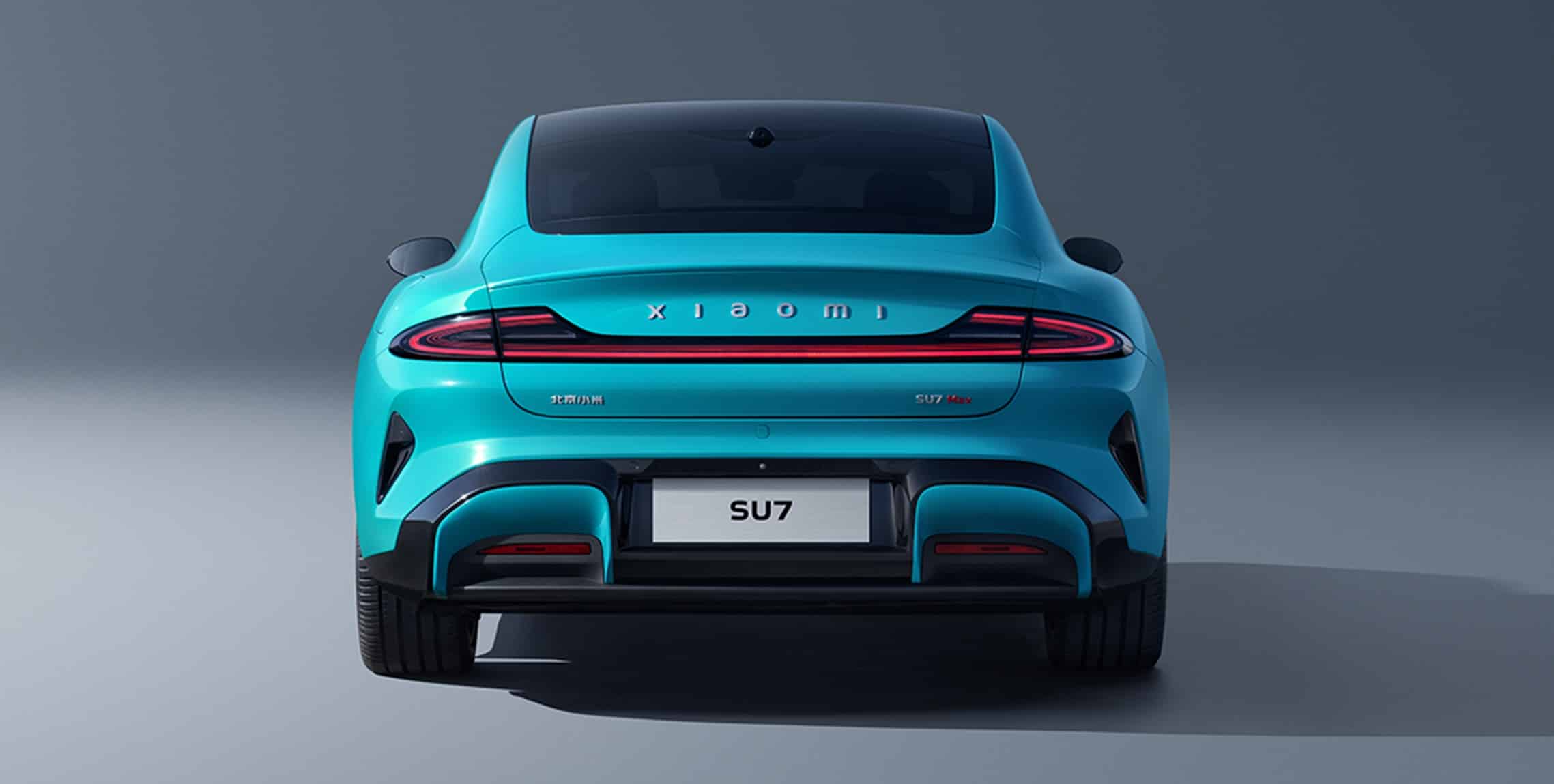
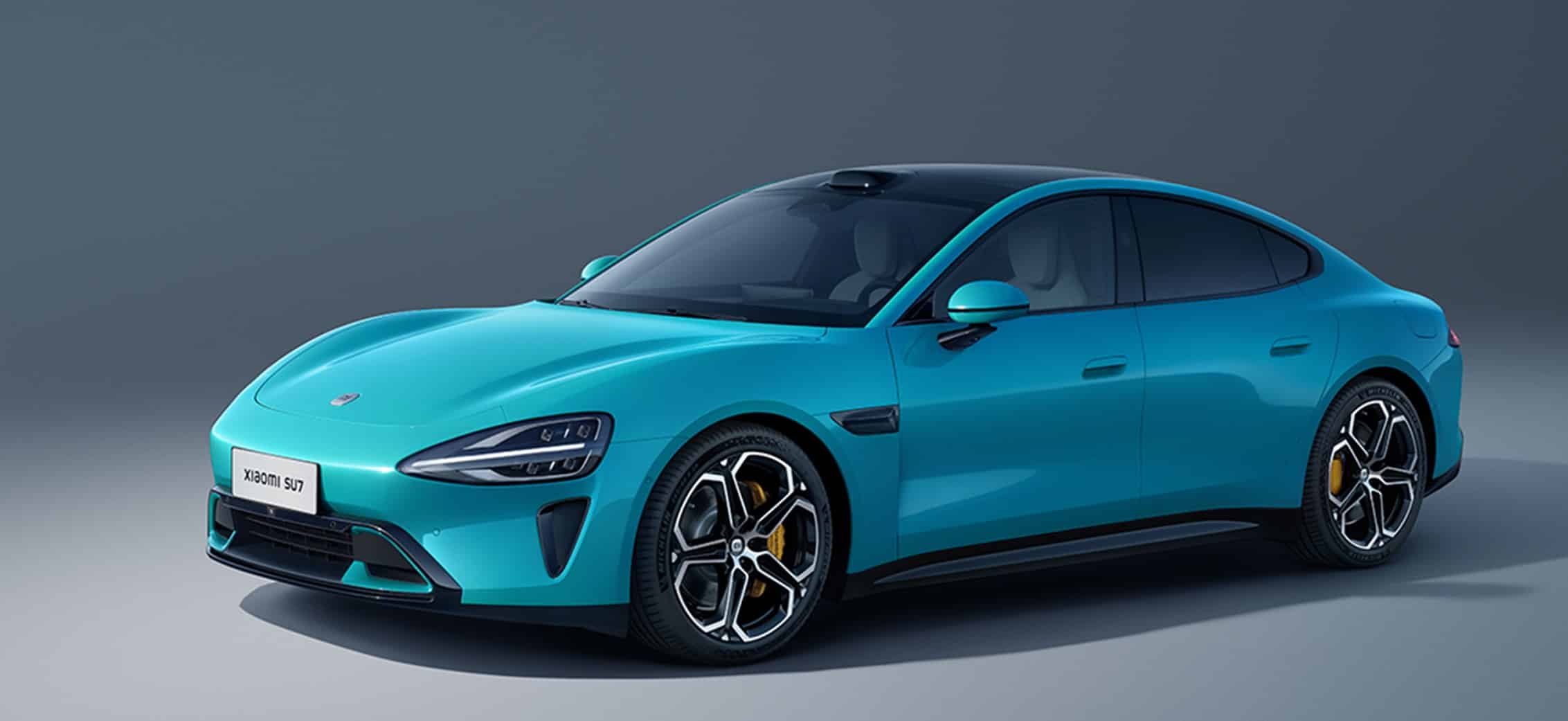
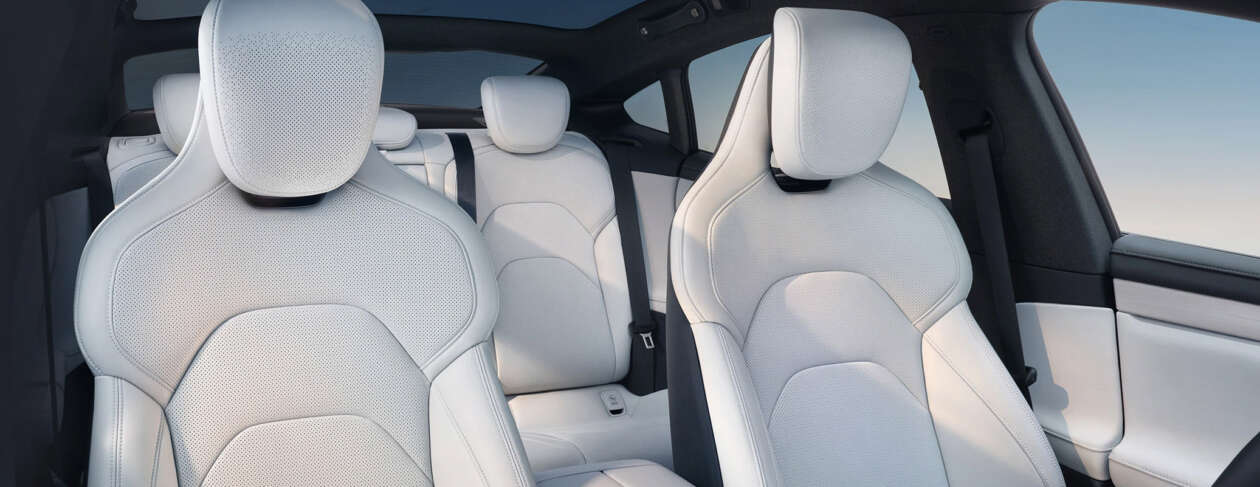
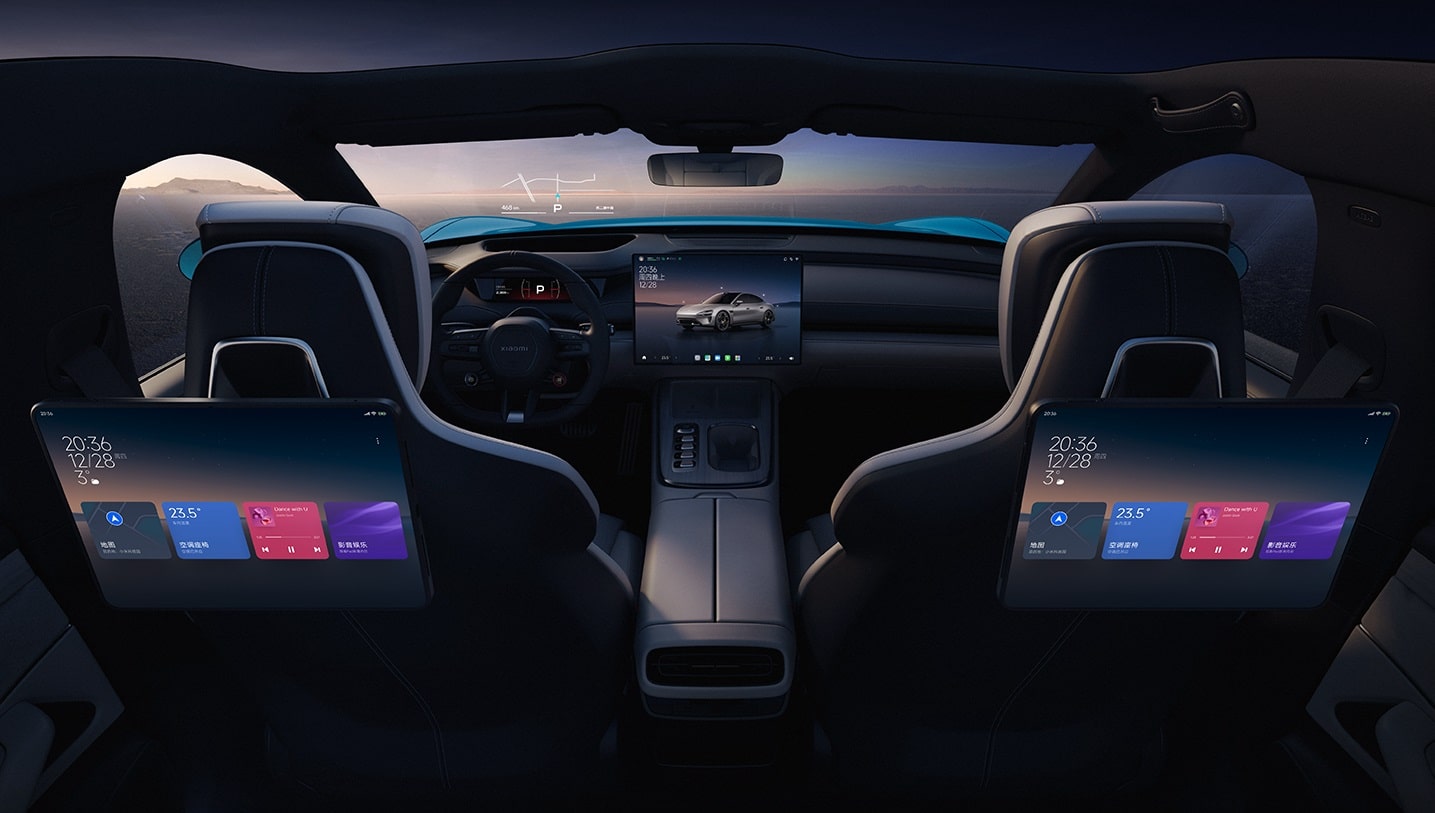
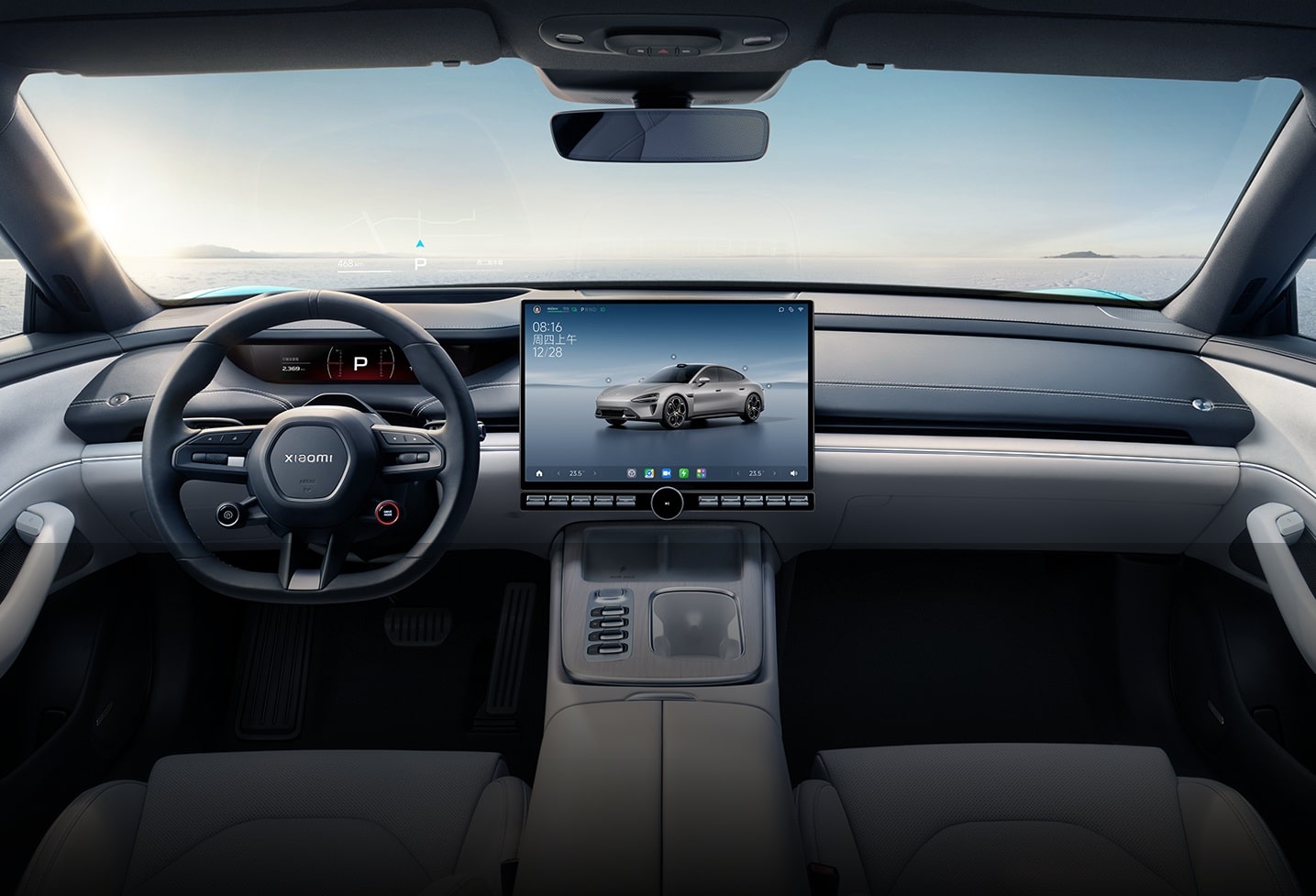
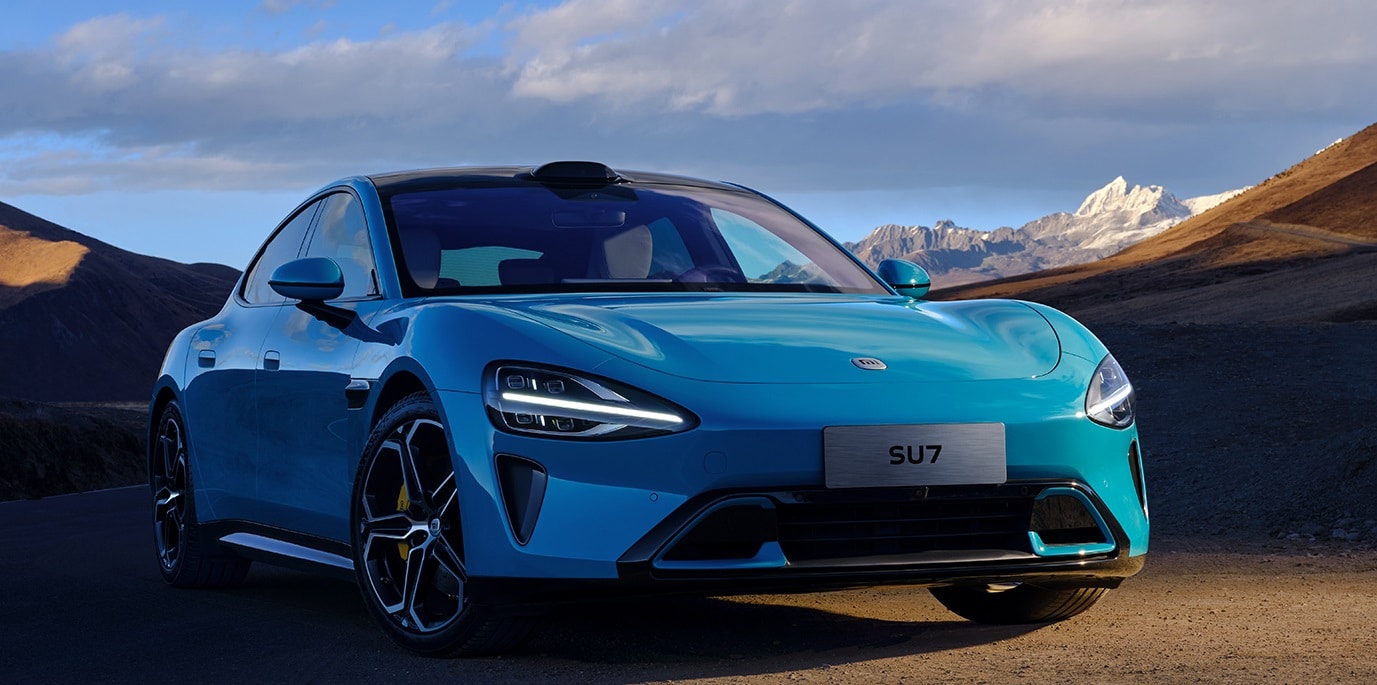
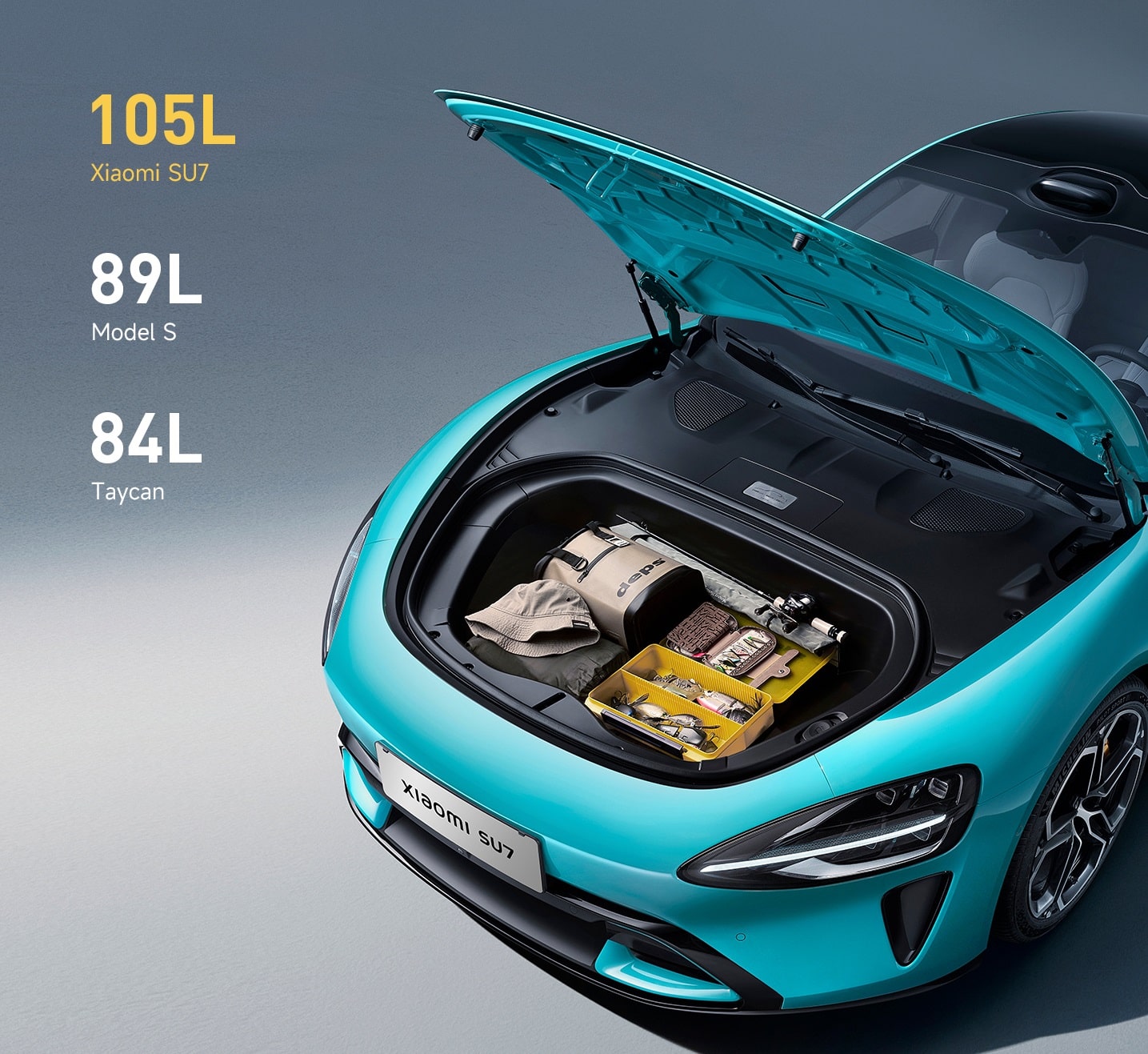
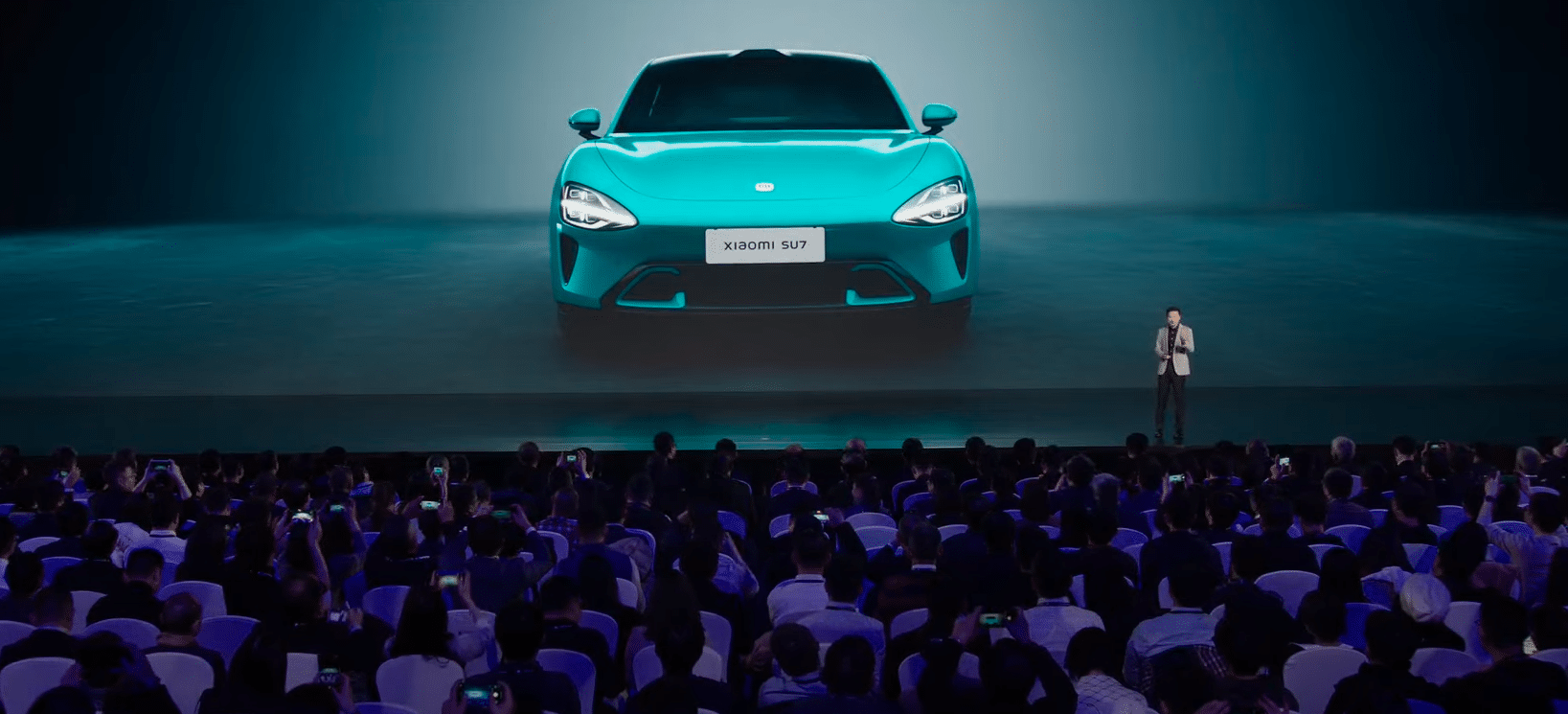
Chinese tech giant Xiaomi has officially stepped into the electric vehicle (EV) market with the launch of its highly anticipated SU7 sedan. It is positioned as a high-performance electric vehicle, boasting features that could potentially challenge competitors like Tesla and Porsche.

The SU7, short for “Speed Ultra 7,” is available in two variants: a standard rear-wheel-drive model and a Max version equipped with dual-motor all-wheel drive. Xiaomi claims that the vehicle offers acceleration speeds surpassing those of rival EVs. Let’s delve into the key specifications of each version:

Standard Version:

  • Acceleration (0-100km/h): 5.28 seconds
  • Top Speed: 210km/h
  • Horsepower: 200ps
  • Torque: 400Nm
  • Recharge Range: 668km

Max Version:

  • Acceleration (0-100km/h): 2.78 seconds
  • Top Speed: 265km/h
  • Horsepower: 673ps
  • Torque: 838Nm
  • Recharge Range: 800km

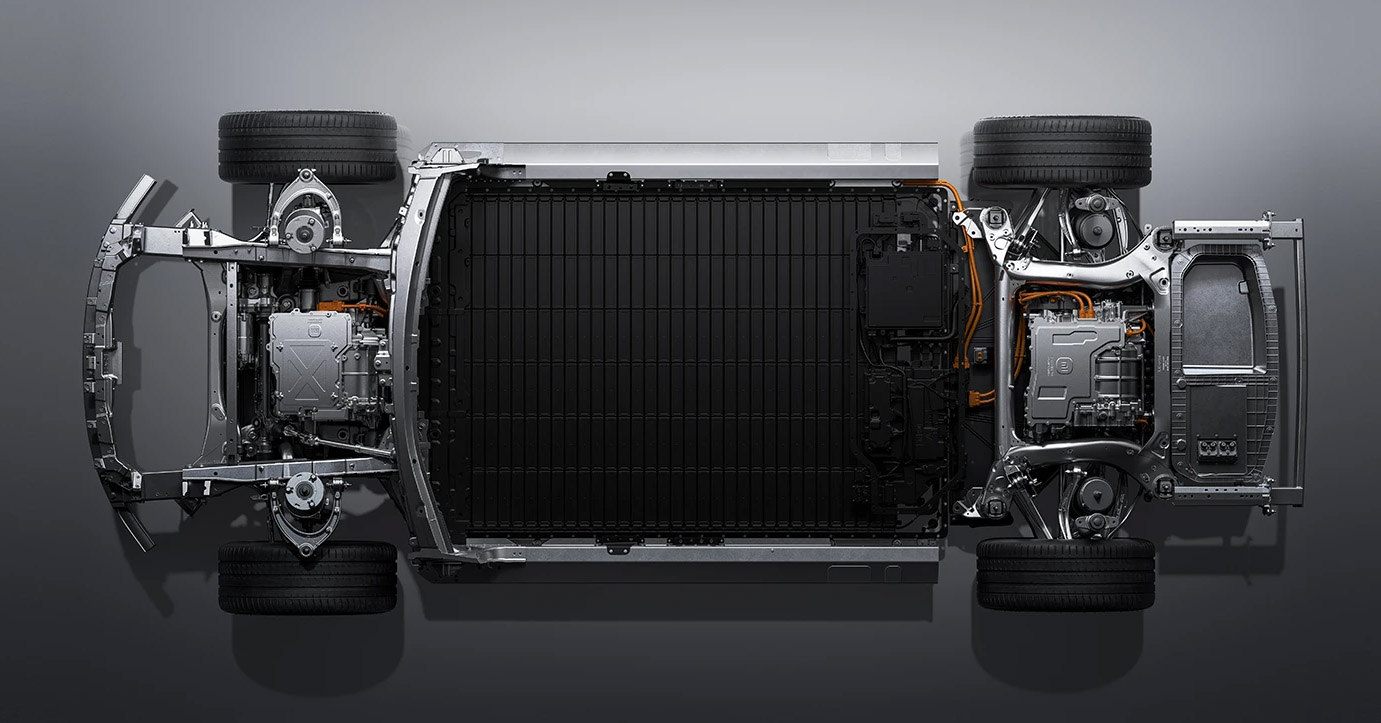
One standout feature of the SU7 is its massive CATL battery, utilising Xiaomi’s proprietary Cell-To-Body (CTB) technology. The battery is integrated into the floor of the car, providing structural rigidity and optimising interior cabin space.

The company claims to have developed advanced technology, including fast-charging capabilities, to mitigate the impact of extreme cold weather on the battery, ensuring sustained performance.

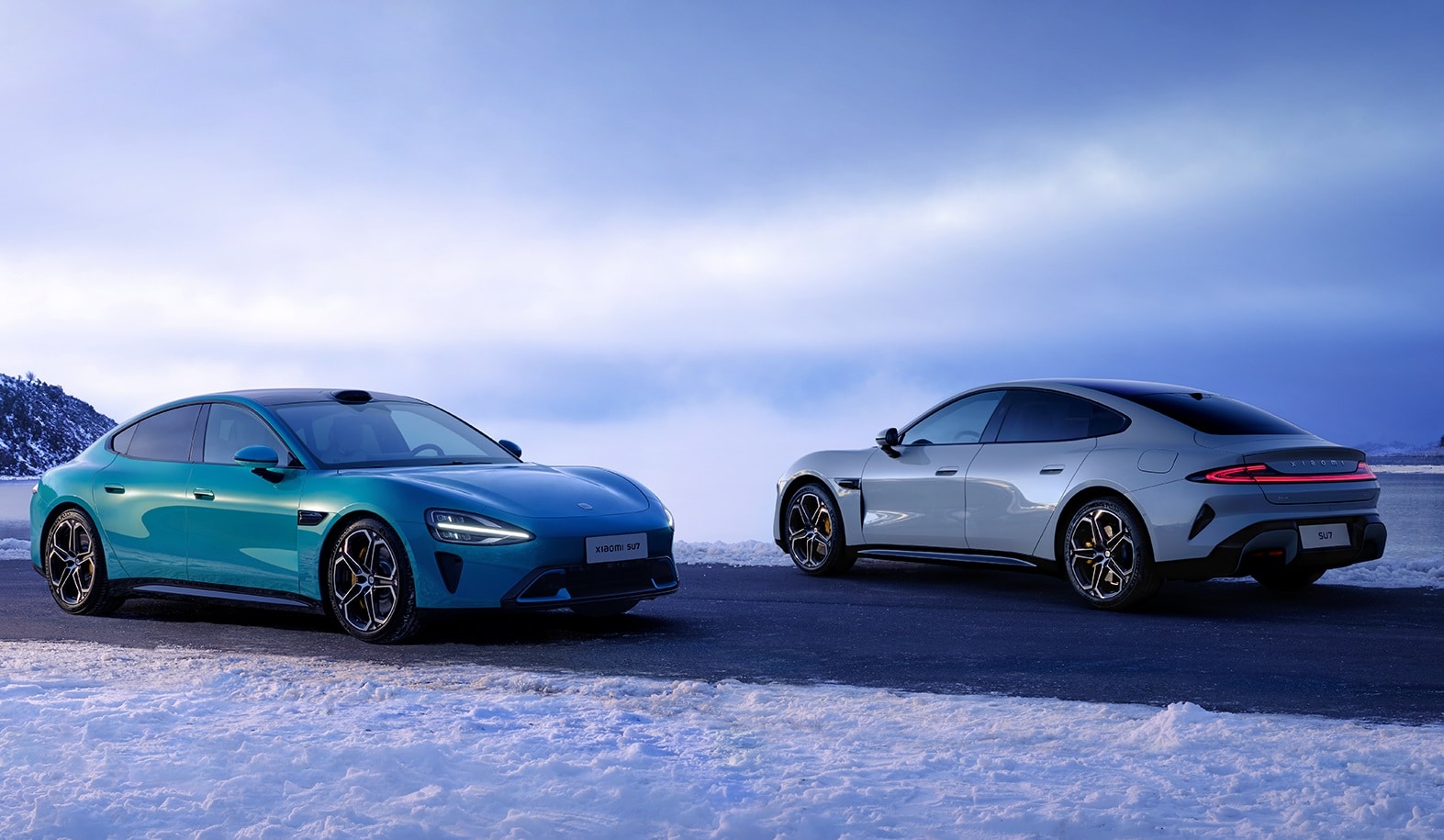
The Xiaomi SU7 is expected to be available for purchase in early 2024, primarily in the Chinese market. The car will be offered in three distinctive colors: Aqua Blue, Mineral Gray, and Verdant Green. Despite the comprehensive unveiling, Xiaomi has not disclosed specific pricing details or detailed plans for international distribution at this time.

The introduction of the SU7 marks Xiaomi’s entry into the highly competitive electric vehicle landscape, joining the ranks of tech companies venturing into the future of sustainable transportation. As EV adoption continues to grow globally, Xiaomi aims to carve its niche with a high-performance and technologically advanced offering.

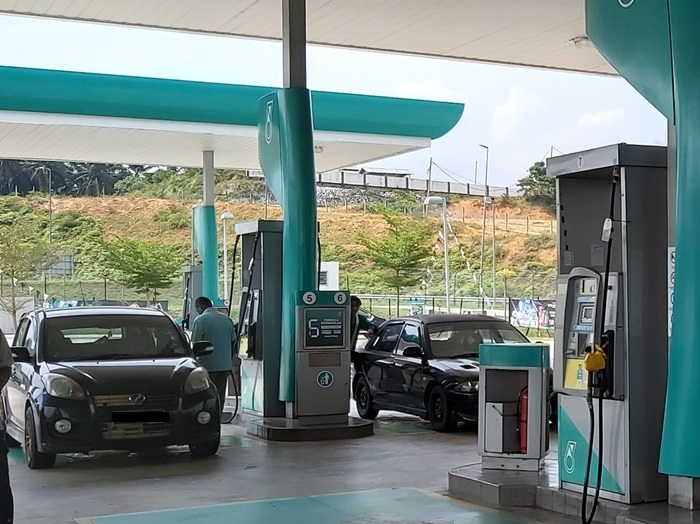
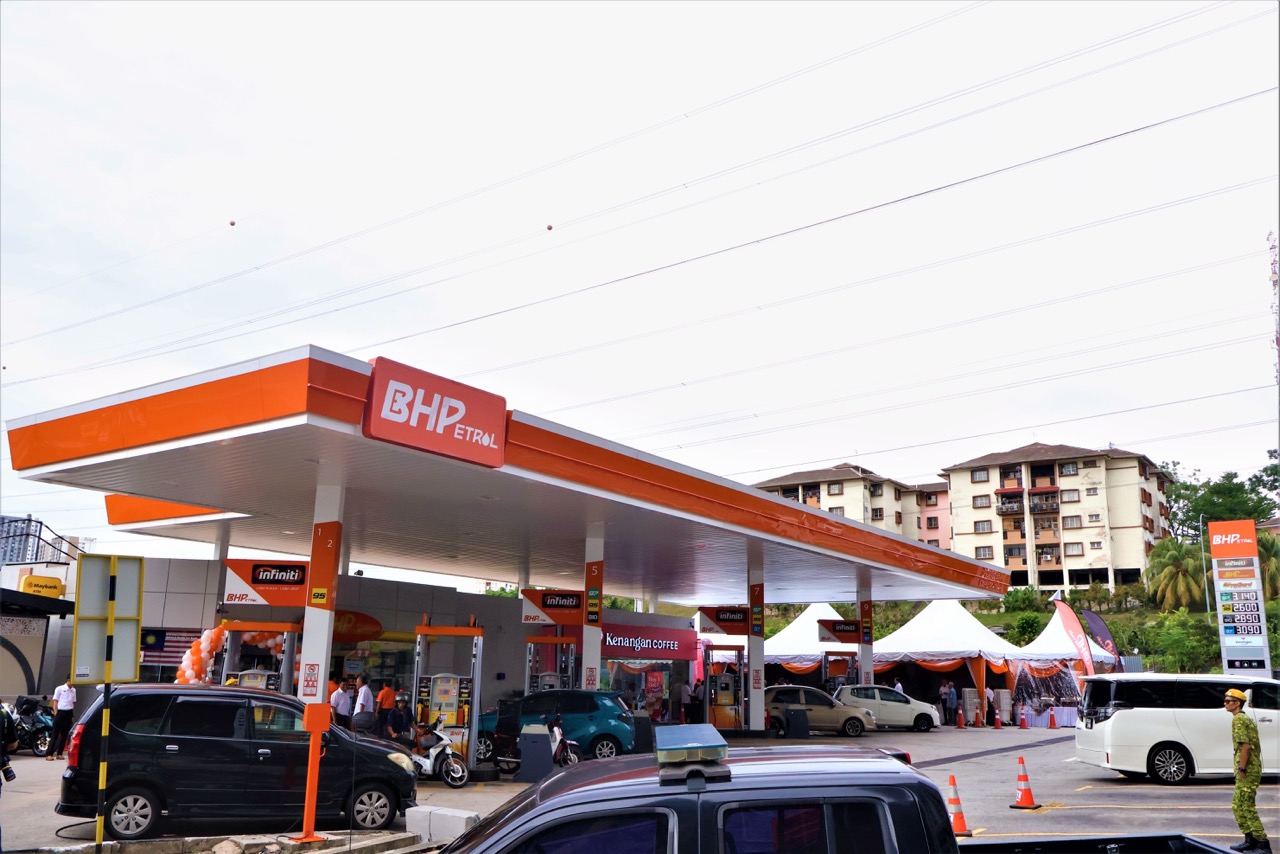
Petronas Dagangan Bhd has announced the full restoration of diesel supply at its stations nationwide within the next two days. The company had earlier disclosed a diesel shortage issue affecting several Petronas stations, with the problem expected to persist until December 31, 2023.

Petronas Dagangan expressed appreciation for customers’ patience and cooperation throughout the disruption, reiterating its commitment to providing uninterrupted service.

The Ministry of Domestic Trade and Consumer Affairs (KPDN) Sarawak reported that it had not received information from Petronas regarding the supply disruption affecting stations in Sarawak and Sabah.

KPDN Sarawak stated that its Enforcement Division is actively conducting inspections and continuous monitoring at all petrol stations.

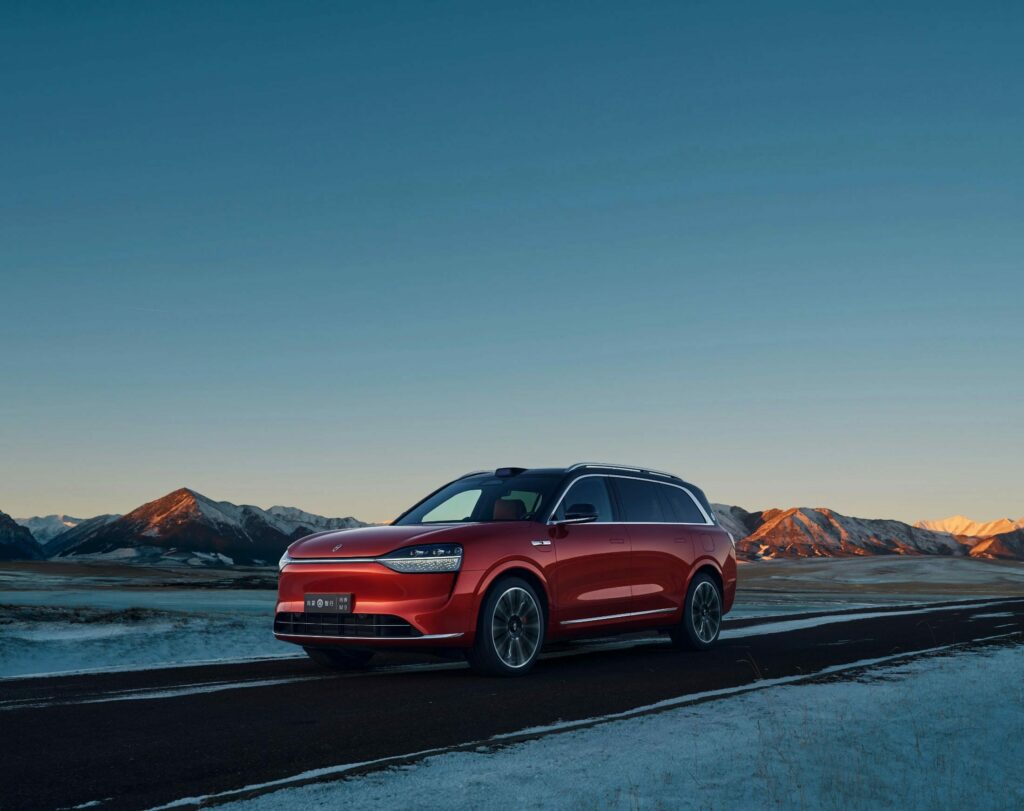
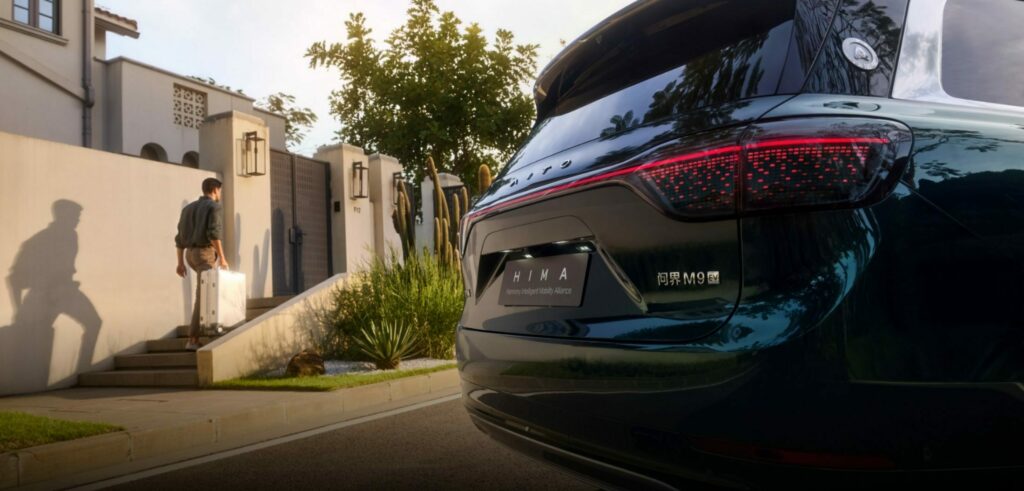
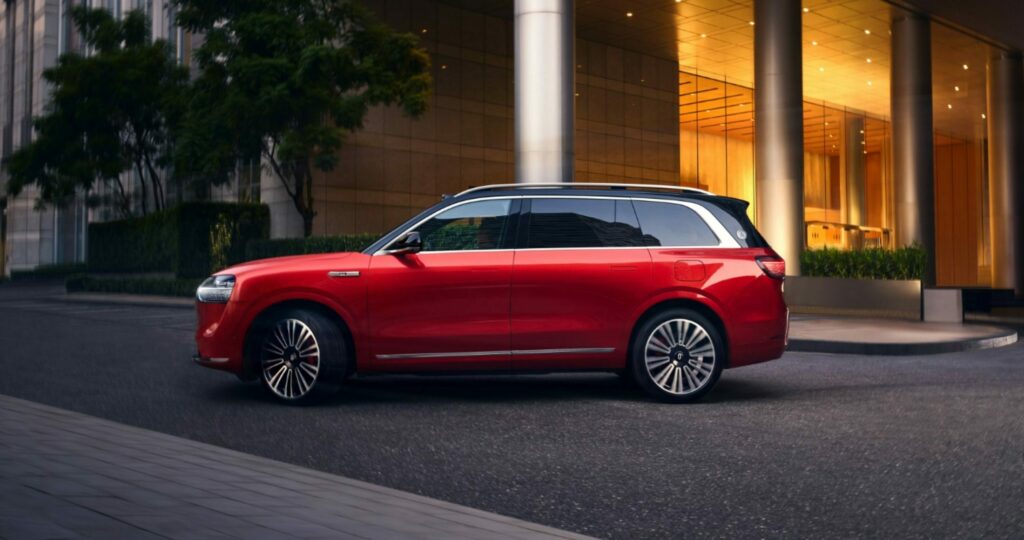
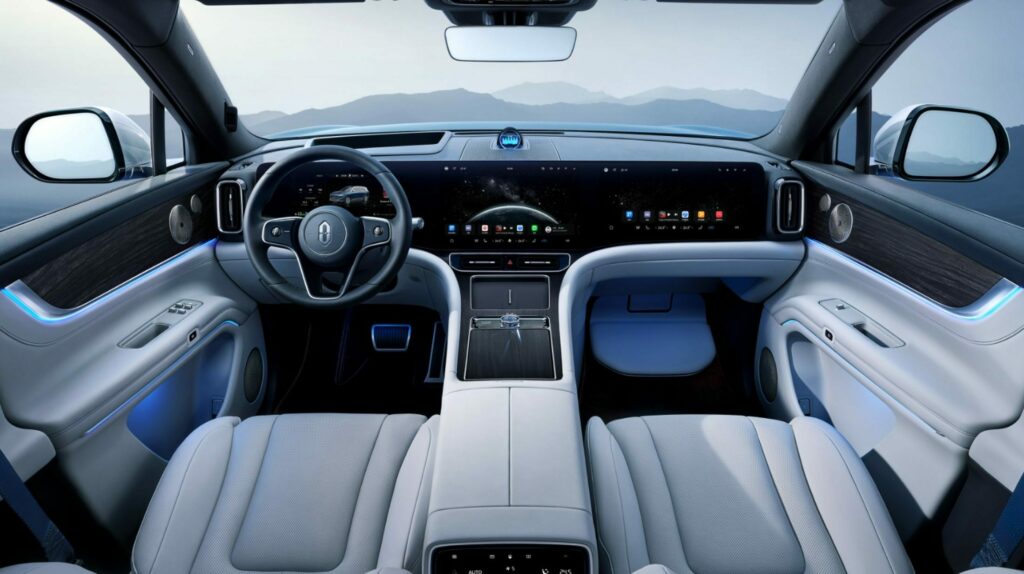
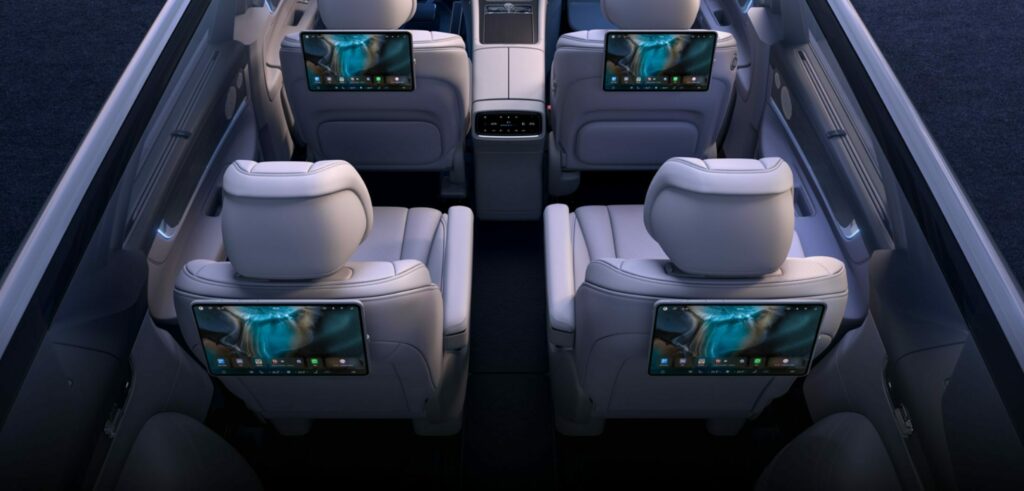
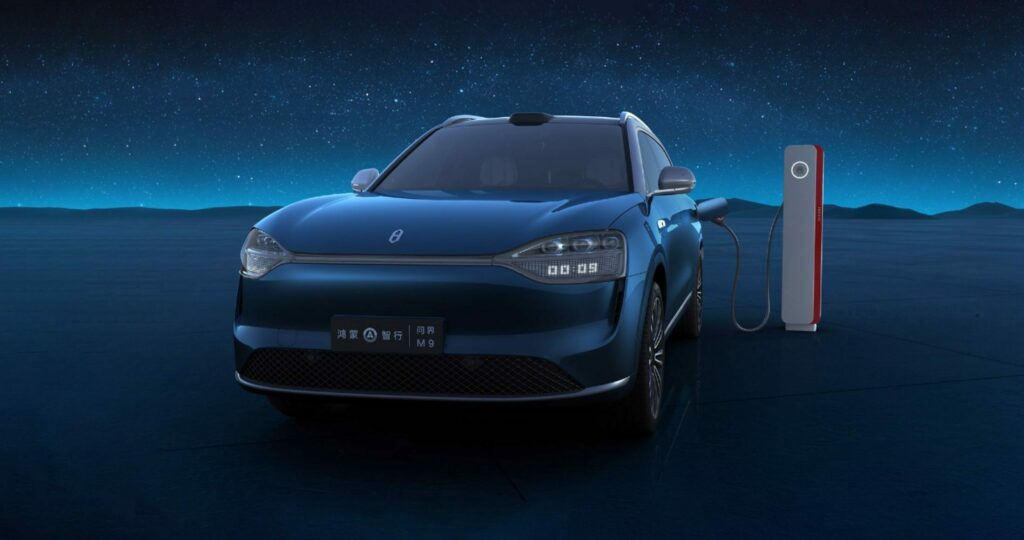
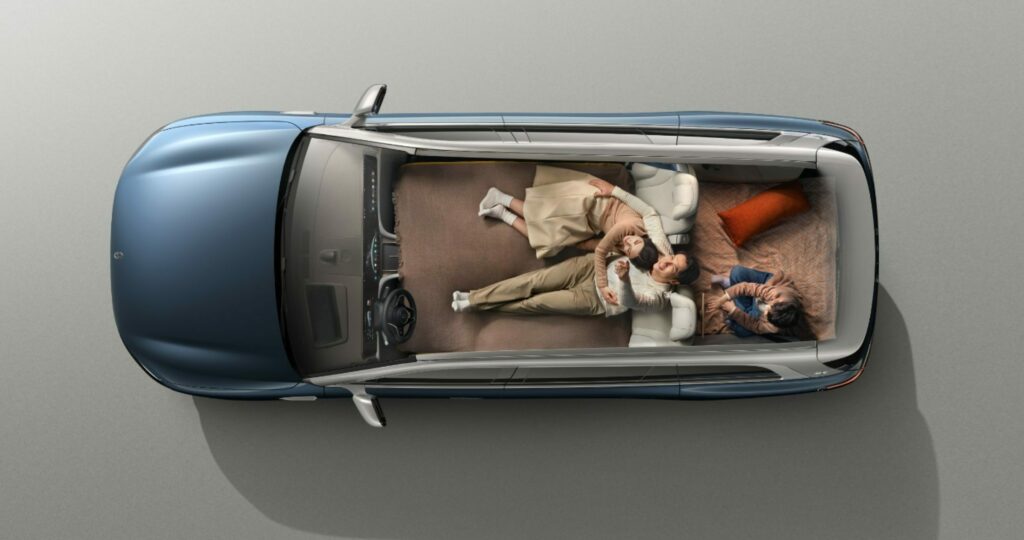
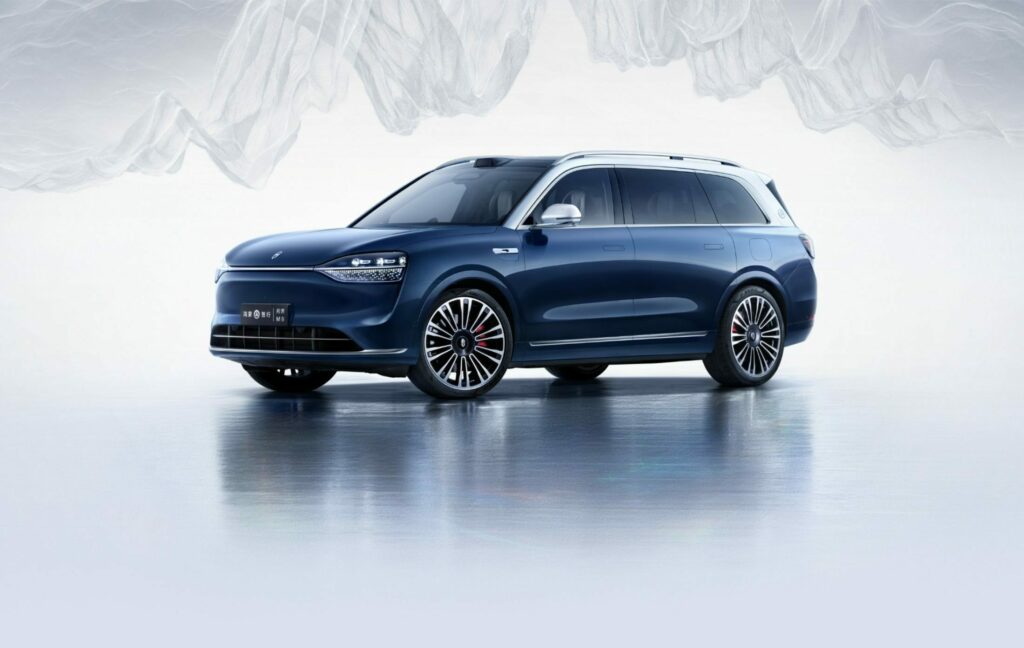
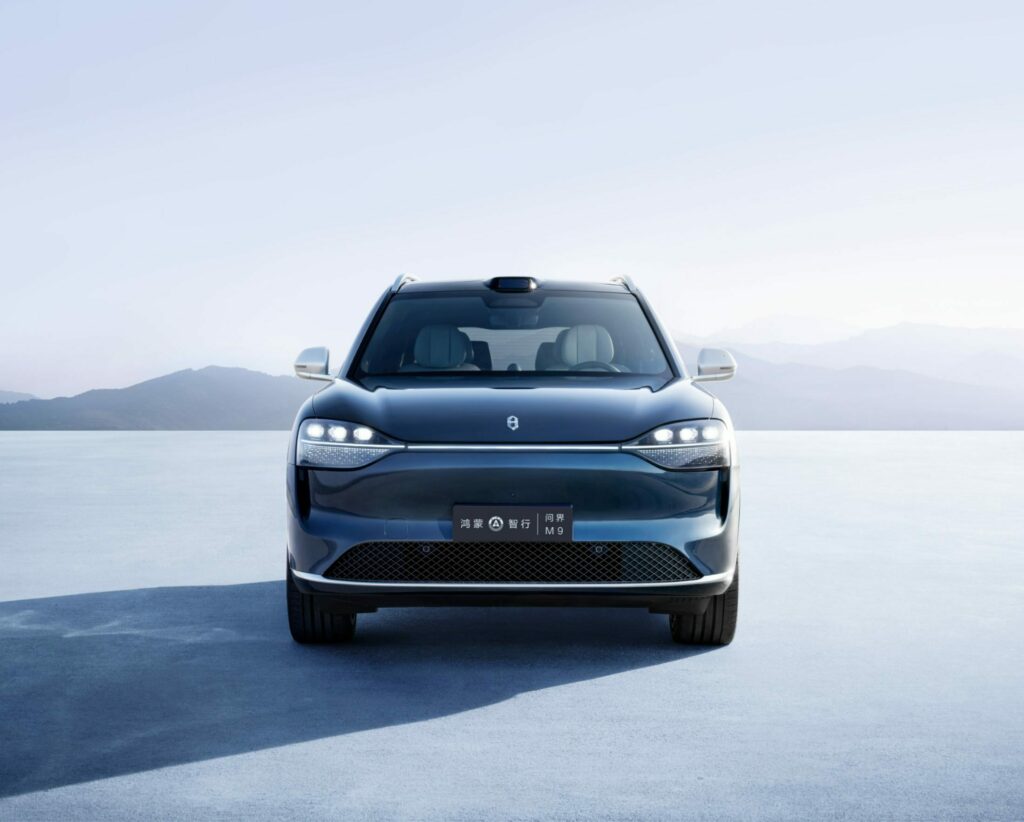
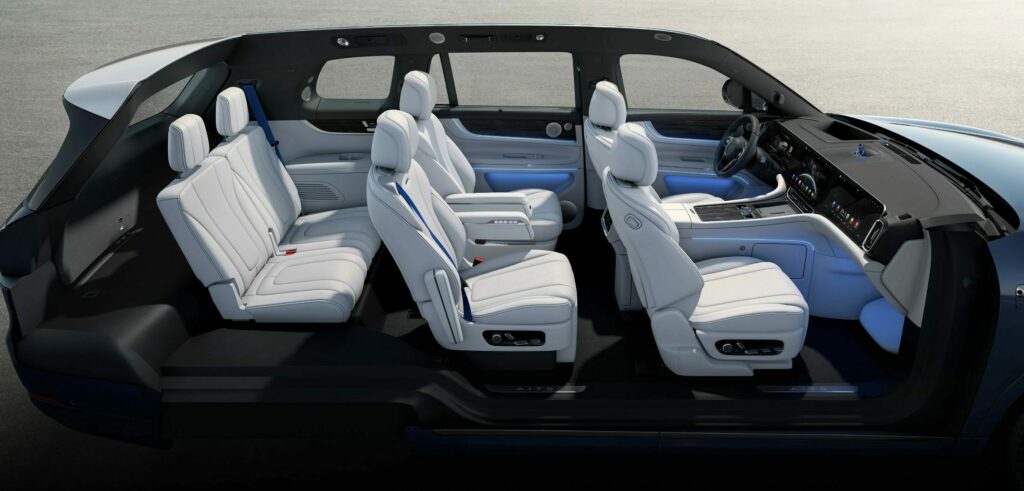
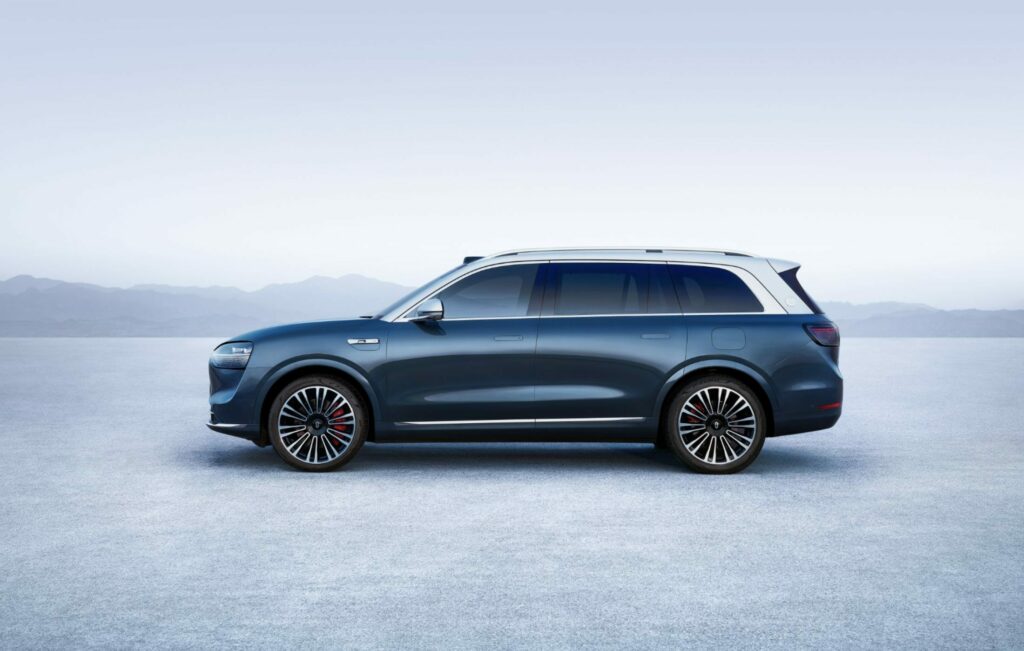
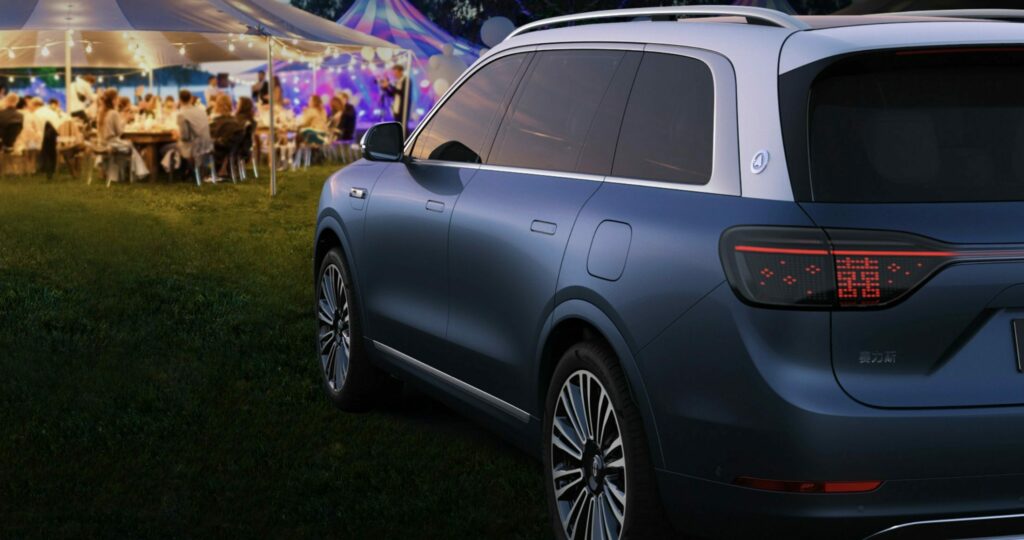
Aito, a joint venture between Huawei and Seres in China, has introduced its flagship SUV, the Aito M9. The large six-seater SUV features modern styling, advanced technology, and entertainment options, showcasing Huawei’s influence.

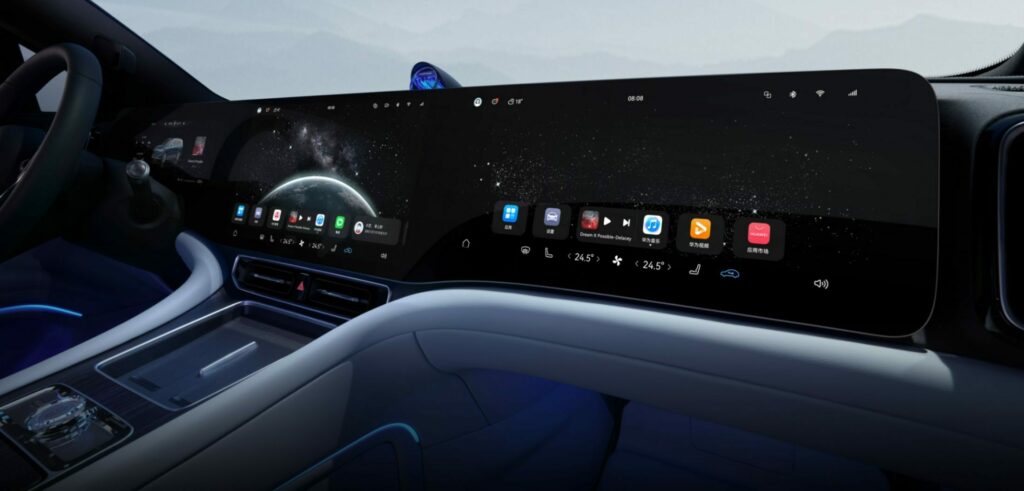
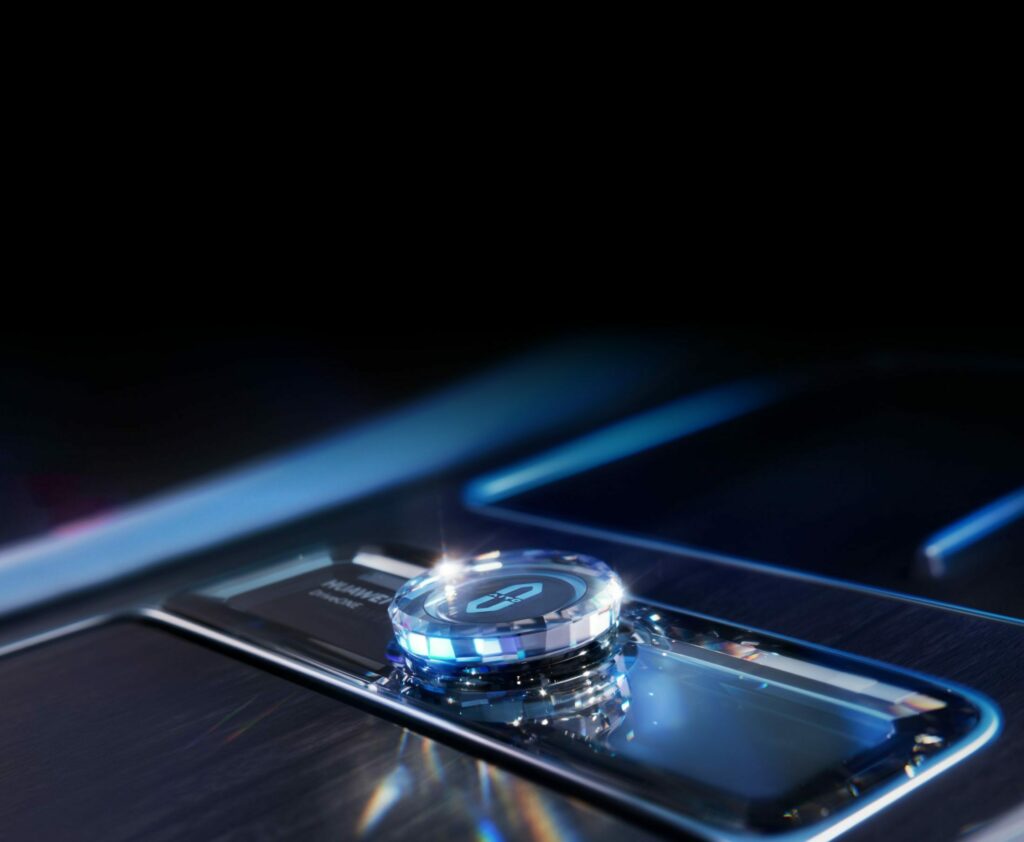
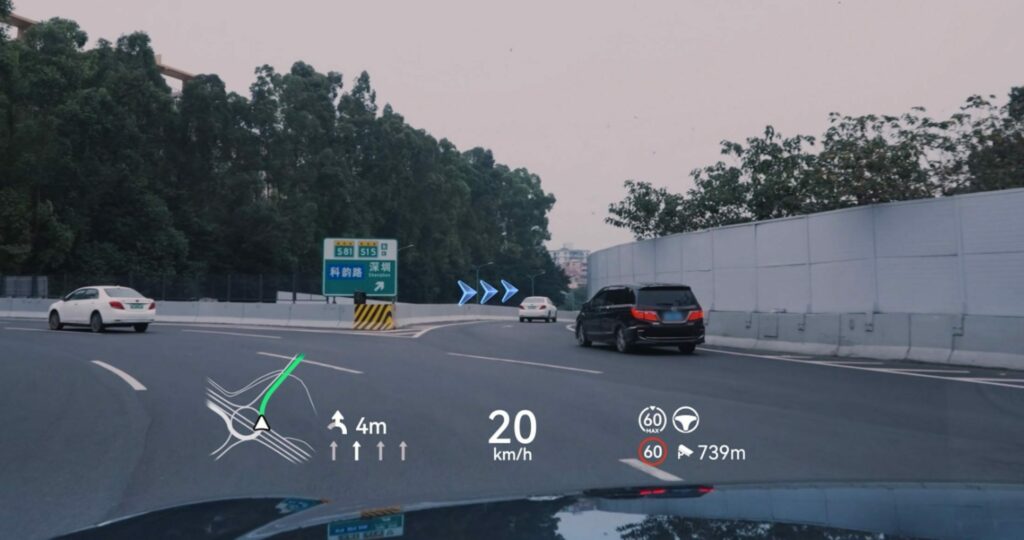
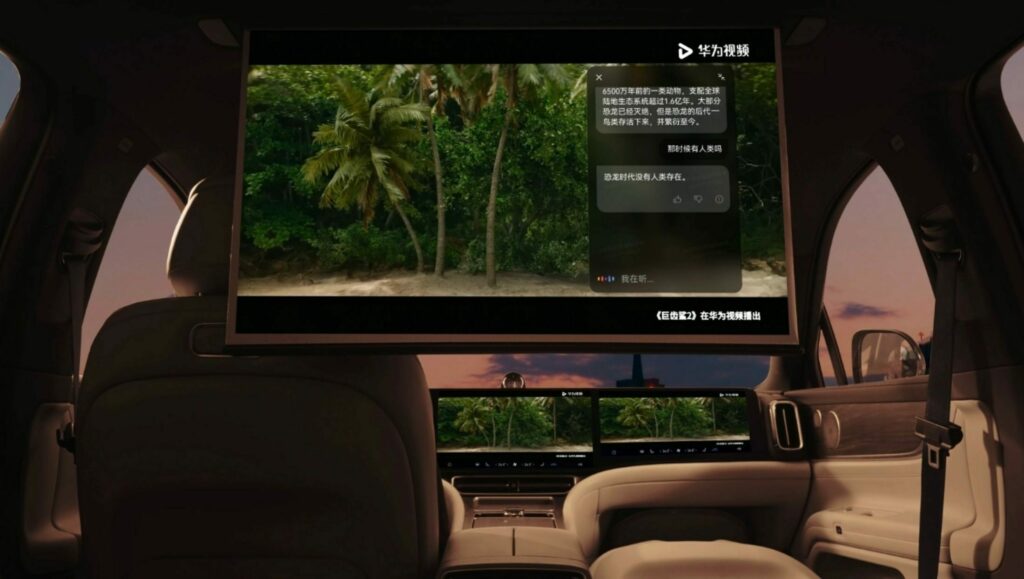
The M9 includes adaptive matrix LED headlights with projectors for cinema experiences both inside and outside the vehicle. Inside, the dashboard houses a 12.3-inch digital instrument cluster, a 15.6-inch central infotainment screen, and a 16-inch front passenger screen, all running on Huawei’s HarmonyOS 4 system. The SUV also features a laser projector and retractable 32-inch panel for rear passengers, providing entertainment options.

The Aito M9’s interior offers a unique configuration, with seats that are electrically operated, providing 14-way adjustment, heating, and ventilating functions. The SUV includes safety features with 27 sensors and the latest Huawei ADS 2.0 system.

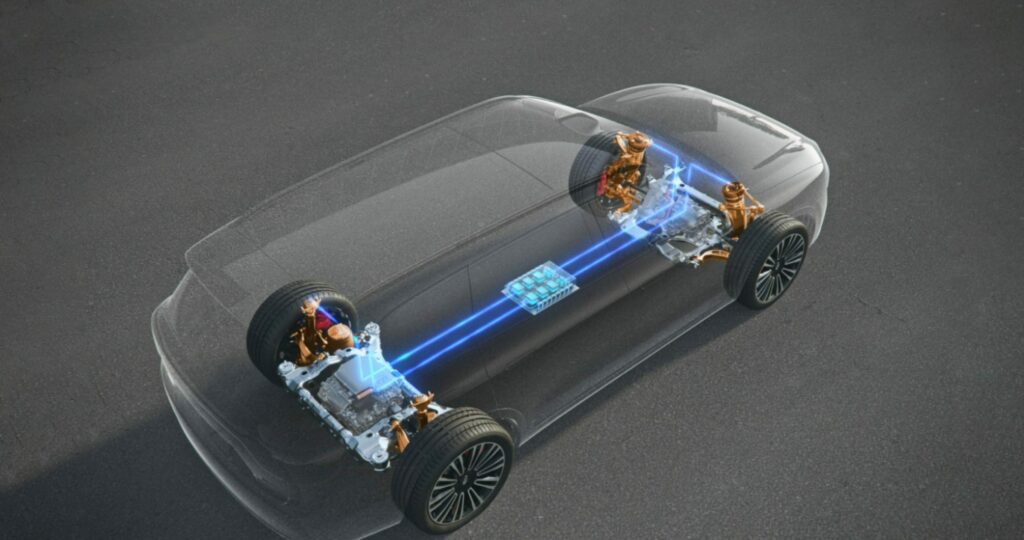
Aito offers two powertrain options for the M9: a fully electric version with dual electric motors, 523hp, and a 97.7 kWh battery pack, providing a claimed range of 630km. The range-extender version combines a turbocharged 1.5-litre engine/generator with dual electric motors and a 42 kWh or 52 kWh battery, offering 490hp a combined range between 1,362-1,402 km.

The Aito M9 is positioned above the existing M5 and M7 SUVs, competing with similarly sized models in the Chinese market, including Li Auto L9, Nio ES8, HiPhi X, and others. The SUV is available for order in China, with deliveries expected in early 2024, priced between 469,800 yuan (RM303,737) and 569,800 yuan (RM368,389).

Archive

Follow us on Facebook

Follow us on YouTube