
Piston.my

Latest News

Hari Raya Aidilfitri is here again but for this year, the celebrations will be somewhat different due to the continuation of the Movement Control Order (MCO). UMW Toyota Motor understands that many will be disappointed that they are unable to celebrate together with their loved ones in their hometowns.

To lift the spirits of Malaysians, the company prepared three videos, each with its own unique approach and theme, which was shared on its various social media channels.

“Drawing on Toyota’s own past experiences of difficult and challenging times, I believe that the human spirit is resilient and we will come out stronger.  In the short term, things may be tough but at the end, there will be greater strength and confidence from having endured the challenges,” said Akio Takeyama, Deputy Chairman of UMW Toyota Motor.

In the first video posted, Malaysians were invited by the company to submit captures of themselves, observing Ramadan in their own way, while adhering to the MCO requirements to stay at home. These homemade videos were then strung together into a more complete film depicting real-life scenarios and experiences of Ramadan being observed under the unique circumstances.

For the Raya videos, there are two different themes. The first one shows a family coming to terms with the current situation, and accepting that it is a necessary sacrifice to make. For the second Raya video, which was shared on May 25, Toyota GAZOO Racing’s celebrity racers sing a Raya classic, “Senandung Hari Raya Untukmu”, to add sparkle to the celebratory mood, even while observing the MCO.

The first Raya video was produced by working with a real family who actually shot the scenes themselves. The father operated the camera and lighting with the family members as the talent, and their house as the main location.

Toyota Hari Raya video

Adhering to the MCO Standard Operating Procedures, production of all three videos had minimal crew present and even the director gave guidance via video calls. Social distancing was observed during filming with the exception of the family scenes since they depicted people living in the same house.

“The ultimate message of the videos is to stay strong and to continue our journey in the face of hardship. Similarly, Toyota is staying resilient by adapting to the current situation. With its e-showroom, virtual test drives, augmented reality app, and more, Toyota is making sure the public can still get its products and services while caring for the public’s safety,” said Ravindran K. President of UMW Toyota Motor.

“We realise this year’s festival will be different and while many are unable to be together, we hope that Malaysians will still be able to celebrate in a meaningful way at home. On behalf of UMW Toyota Motor, we wish all our Toyota owners, customers and business associates Selamat Hari Raya Aidilfitri!” he said. “And to all Malaysians, Selamat Hari Raya Aidilfitri and may you find peace and happiness.”

Click here for other news and articles about Toyota.
Social distancePISTON.MY

All types of sounds can be heard around us. Even if they are not man-made (like from cars or parties), there is still the sound of the wind or the rustle of leaves. For almost total quietness, you need to go to Chile’s Atacama Desert or Ushuaia on the southern tip of Argentina where the only sounds you can hear are the flapping of penguins’ wings and the ice sheets cracking.

Total quietness is hard to achieve in urban environments and it is only inside specially-designed facilities called anechoic chambers that extreme silence is possible. In the Guinness records list, an anechoic chamber owned by Microsoft in America has sound measurements down to s -20.16 decibels. The sound made by air molecules bumping off each other measures -24 decibels.

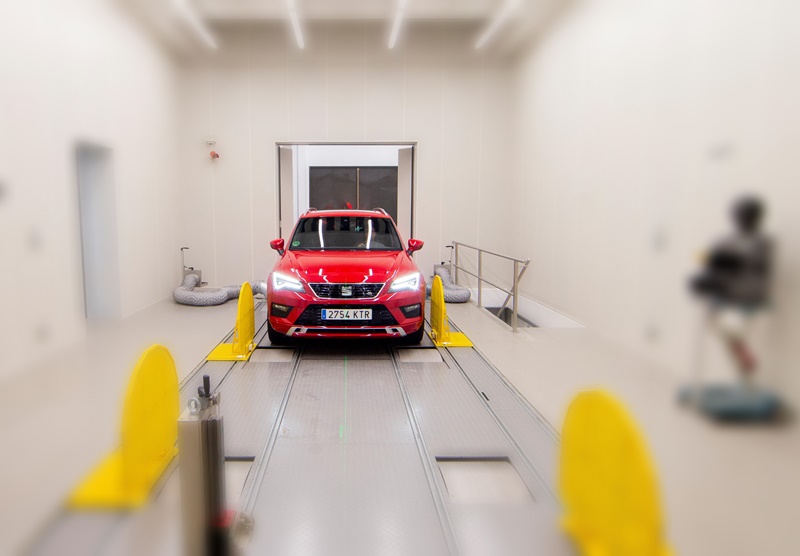
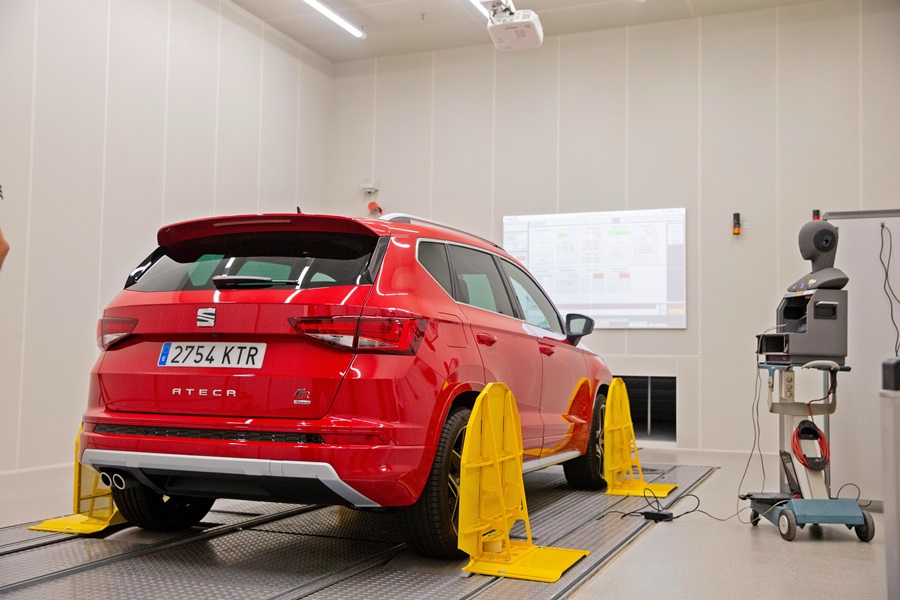
Car manufacturers also have anechoic chambers as they need the quietness to make their vehicles quieter. The SEAT Technical Centre in Martorell, Spain has such a facility, specifically designed to measure the sounds and noises made by a car with the utmost precision and without any interference.

The ‘temple of silence’
An anechoic chamber is designed with a system called ‘Box in box’ and as the name indicates, it features several layers of concrete and steel that isolate it from the exterior. The inside has cladding material that absorbs 95% of sound waves to prevent echoes and reverberations. People who have been in such chambers say they can sometimes hear the blood flowing through their veins or the air circulating in their lungs.

Anechoic chamber
It is so quiet inside an anechoic chamber that you can sometimes hear blood flowing in your veins!

From the engine or the turning wheels to the door closing, the ventilation system and when a seat reclines, noises will emanate. The list of noises made by a car is endless, and they are all analysed in the chamber.

Creating harmony in noises
“On one hand, we measure the level of unpleasantness of the noises and check that they are reduced to a minimum; on the other, we make sure that the noises we do want to hear, the ones that refer to the operation of the vehicle, are perfectly defined. Finally, we work on making them harmonious,” explained Ignacio Zabala, Head of the Acoustics department at SEAT.

Anechoic chamber

Engineers and technicians pay close attention to the engine and the exhaust system, as they give a car its ‘voice’. Many of the sounds made by a car convey information – like the unmistakeable clicking of the turn signal indicators, which let us know without checking that they are blinking. But not only do the engine and exhaust noises inform us of when to shift gears or the speed of acceleration, they also give an insight into the character of a model.

“We all know what the roar of a sporty engine sounds like, and that’s why we verify that it conveys what we want it to in the anechoic chamber” said Zabala.
Hertz, decibels and psychoacoustics
Inside the room, specialists perform recordings with different highly sensitive microphones. One is binaural and features a torso with ear-level microphones to obtain representative recordings of what occupants hear. They place it in different positions to verify that each sound analysed is heard as it should be from any angle.

Anechoic chamber

Several analysis tools are used and the most basic include volume or spectral distribution, to other more technical parameters such as the field of psychoacoustics, or the subjective perception of sound.

“It’s no use having a car that is fully insulated from the exterior if the ventilation system sounds too loud. That’s why it’s important to reduce noise and define sounds to achieve a harmonious balance among them,” he explained further. He added that that the goal is that the vehicle occupants feel as comfortable as possible, because ‘acoustics have a direct impact on comfort and are determining factors in the perception of vehicle quality’.

Social distancePISTON.MY

Since 1997, the European New Car Assessment Programme – better known as Euro NCAP – has conducted independent assessments of new vehicles sold in Europe for consumers’ information. The assessments include crash tests (but are not the only aspect) as well as other active systems influencing safety performance.

While several European governments, motoring, consumer and insurance organizations support the work of Euro NCAP, their star ratings – summaries of the results from assessments – are not specified in vehicle safety regulations. However, Euro NCAP has, over the years, been influential in pushing manufacturers to incorporate new and better safety systems as they have become available and affordable.

Consumers refer to the star ratings and other information in the reports to help them in deciding which model to buy. Naturally, a maximum 5-star rating is ideal but sometimes, this means a higher cost so the consumer can make an informed choice to settle for 4 stars instead. In some cases, very poor scores will affect sales as consumers understand that they will not be sufficiently protected in the event of an accident.

Every 2 years, Euro NCAP updates and toughens its testing processes, adding new requirements in order to score maximum points. This year, new tests are introduced to address some longstanding needs in occupant protection, improve post-crash protection and promote the latest advanced driver assistance technology.

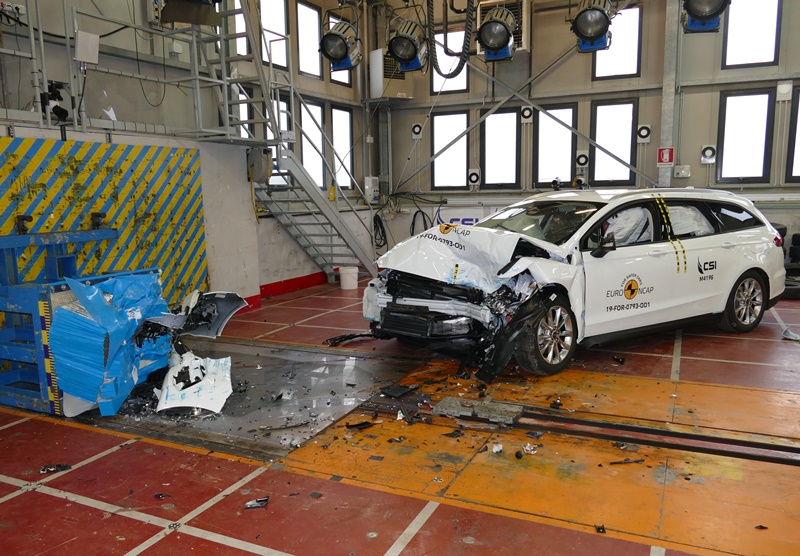
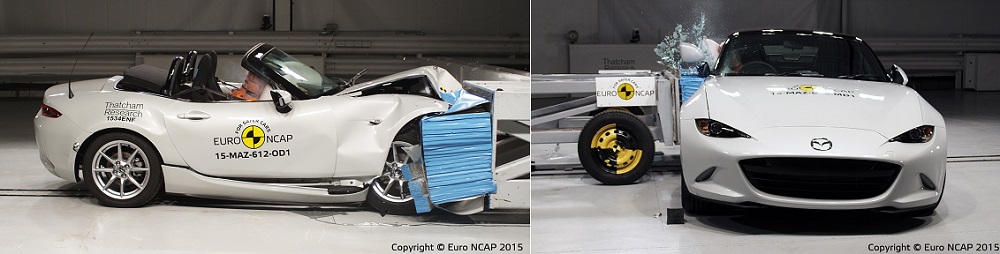
A key change is the implementation of a new moving barrier to the moving car frontal crash test, replacing the regulation-based moderate offset-deformable barrier test, used by Euro NCAP for the last 23 years. This new crash test not only evaluates the protection of occupants inside the car, but also assesses how the cars’ front-end structures contribute to injuries in the collision partner.

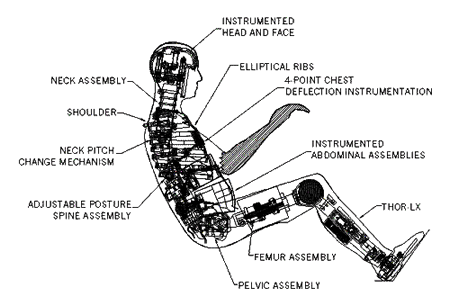
Important innovations are the Mobile Progressive Deformable Barrier and the unique method to rate vehicle compatibility, as well as the first adoption of the world’s most advanced ‘THOR’ mid-sized male crash test dummy.

THOR crash dummy
Inside the advanced THOR dummy used for recording effects on the human body during a crash.
Euro NCAP
To the public, Euro NCAP’s assessments may seem to be all about crash tests but the organisation also evaluates other safety systems.

Side impacts account for the second highest frequency of death or serious injuries. The latest updates to this area of the safety assessment include adjustments to the near-side barrier test speed and mass, increasing the severity of the test. More significantly, Euro NCAP will for the first time evaluate far-side impact protection, focussing on driver protection and the potential interaction between driver and front seat passenger. With the latter test, the protection offered by new-to-market countermeasures such as centre airbags can be adequately verified.

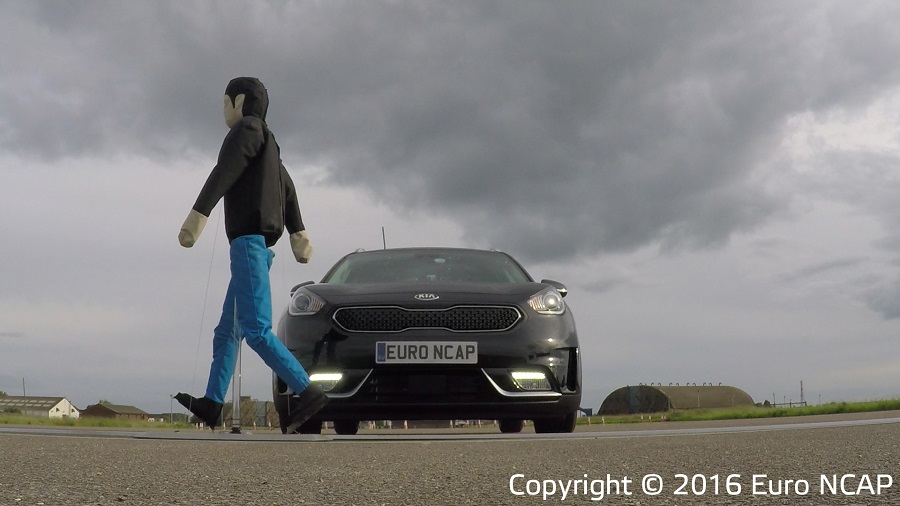
Euro NCAP continues to test the latest generation of crash prevention and driver assistance systems. New, challenging test scenarios are added to rate AEB technology for cars and vulnerable road-users. In addition, the first step is taken to evaluate Driver Status Monitoring systems, designed to detect driver fatigue and distraction, as part of the Safety Assist assessment.

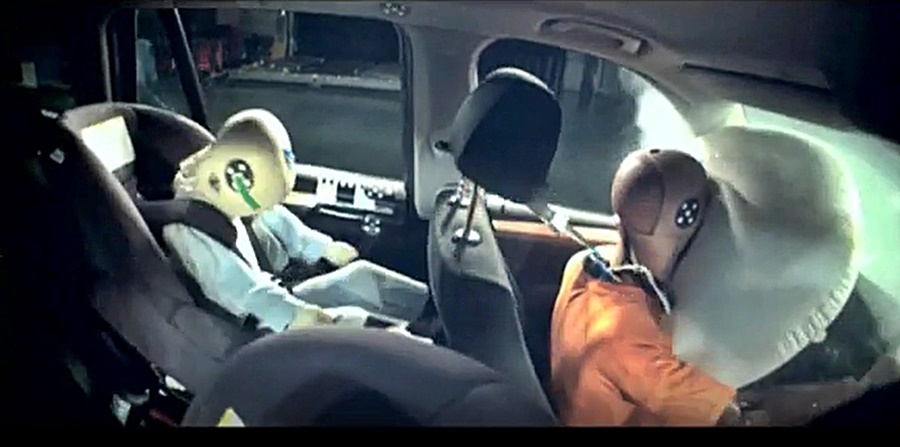
Euro NCAP Child safety
Child restraint systems and provisions for protecting children are also evaluated.
AEB Euro NCAP
Since 2013, Euro NCAP has also been assessing Autonomous Emergency Braking (AEB), influencing more and more manufacturers to offer the system which automatically brakes the car.

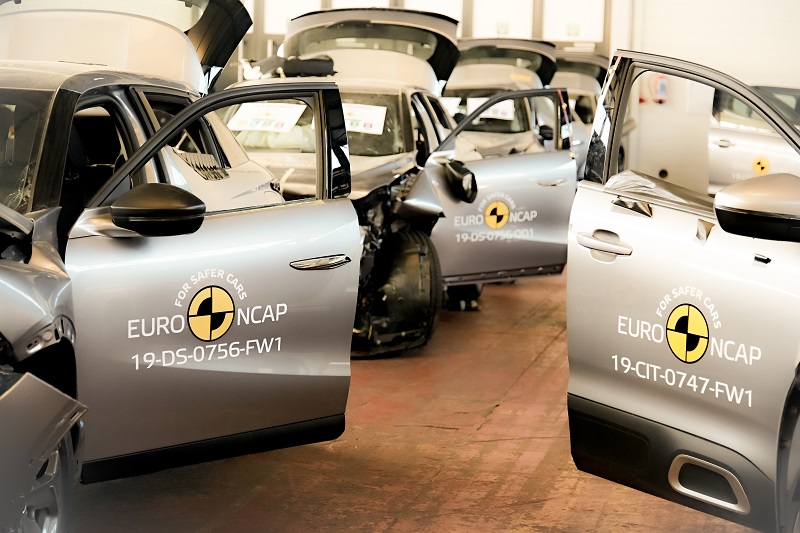
Improving your car’s safety isn’t just about more airbags or better driver assistance systems. Post-crash safety too plays a vital role in crash survival. In partnership with the International Association of Fire & Rescue Services, Euro NCAP has developed new rating rules to promote better post-crash safety. Manufacturers will be rewarded when rescue information is accurate and easily available. Euro NCAP also checks ease of extrication, electric door handles, etc. and endorses advanced eCall functions.

Euro NCAP

The organisation believes the impact of these updates, as well some other minor changes, will be significant. Therefore, consumers must be careful when directly comparing the latest results with ratings from previous years. What stays the same is that only vehicles that perform excellently in crash protection, post-crash and crash avoidance – and the ones that car buyers should look out for – will achieve the top 5-Star rating.

The success of Euro NCAP has inspired the establishment of similar organisations in other regions, including Southeast Asia where there is the ASEAN NCAP.

Mazda CX-30 is the safest model tested by Euro NCAP to date

Covid-19
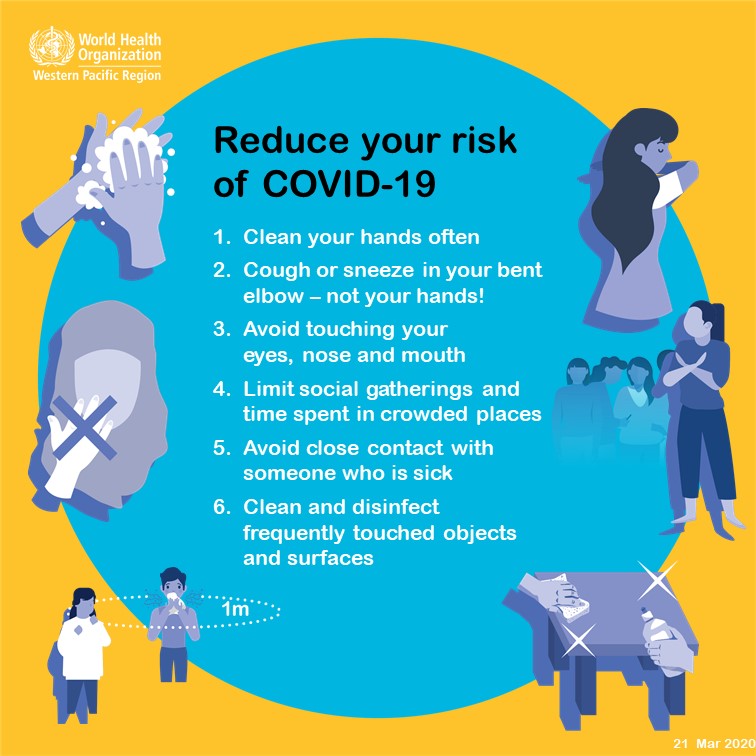
Fighting COVID-19 is our joint responsibility. Protect yourself and others: make these 6 simple precautions your new habits.

PISTON.MY

Until the mid-1990s, mention of ‘ESP’ would have had people thinking about Extra Sensory Perception, which is what those letters usually referred to. ESP was related to psychic abilities where some people could sense something that others could not, especially events that might happen. After 1995, though. ESP came to mean something else and interestingly, it also referred to a new innovation that could ‘sense’ something about the happen.

ESP

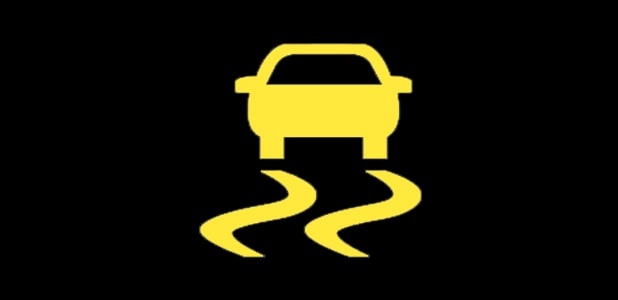
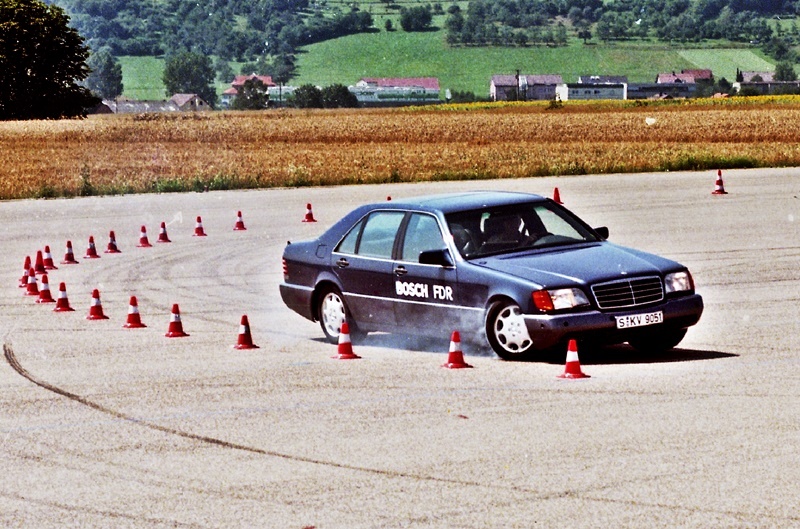
The modern ESP is Electronic Stability Program (also known as Electronic Stability Control, Vehicle Stability Assist or Vehicle Stability Control by some manufacturers) and it is a computerised system which can help prevent a car from skidding out of control, especially when taking a corner. Developed by Bosch and Daimler-Benz, it was first introduced almost 25 years ago in the Mercedes-Benz S-Class.

Since then, ESP has been keeping vehicles safely on track, especially on slippery surfaces, and Bosch accident researchers estimate that in the EU alone, the system has saved some 15,000 lives over the past 25 years.  Together with the seatbelt and airbag, ESP is one of the most important life-savers in a vehicle.

“The development of ESP was a milestone on the path to our ‘vision zero’ of no more road deaths,” says the Bosch board of management member Harald Kroeger. “ESP is an outstanding example of what we mean by ‘Invented for life.”

ESP

The innovation may be 25 years old but Bosch has continuously improved it to function more effectively and respond to potential accidents more quickly. Over 250 million ESP systems have been produced and most modern cars have it. According to Bosch, 82% of all new vehicles are equipped with ESP today, with even lower-priced models getting it.

Preventing up to 80% of all skidding accidents
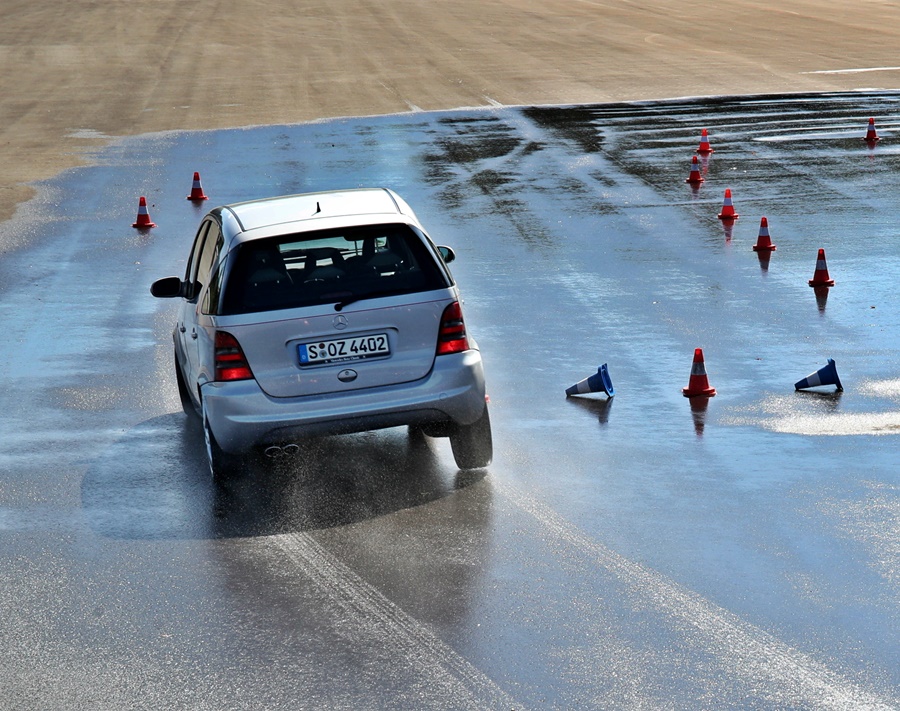
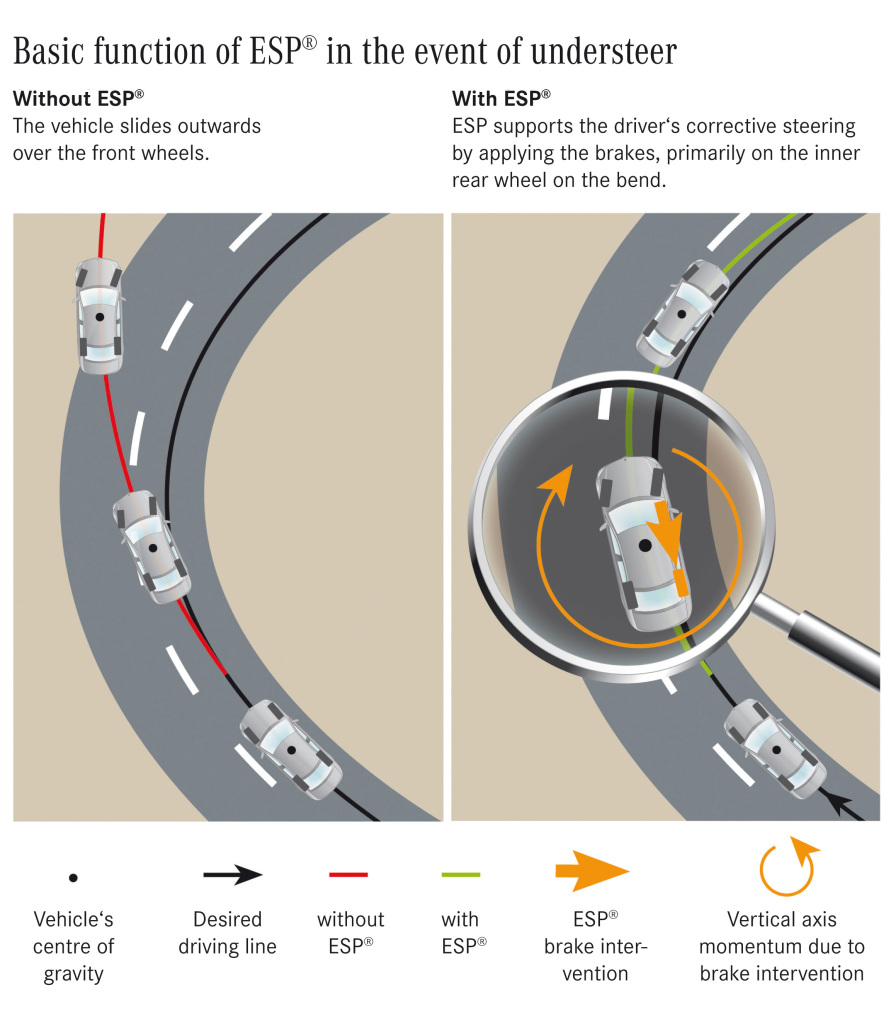
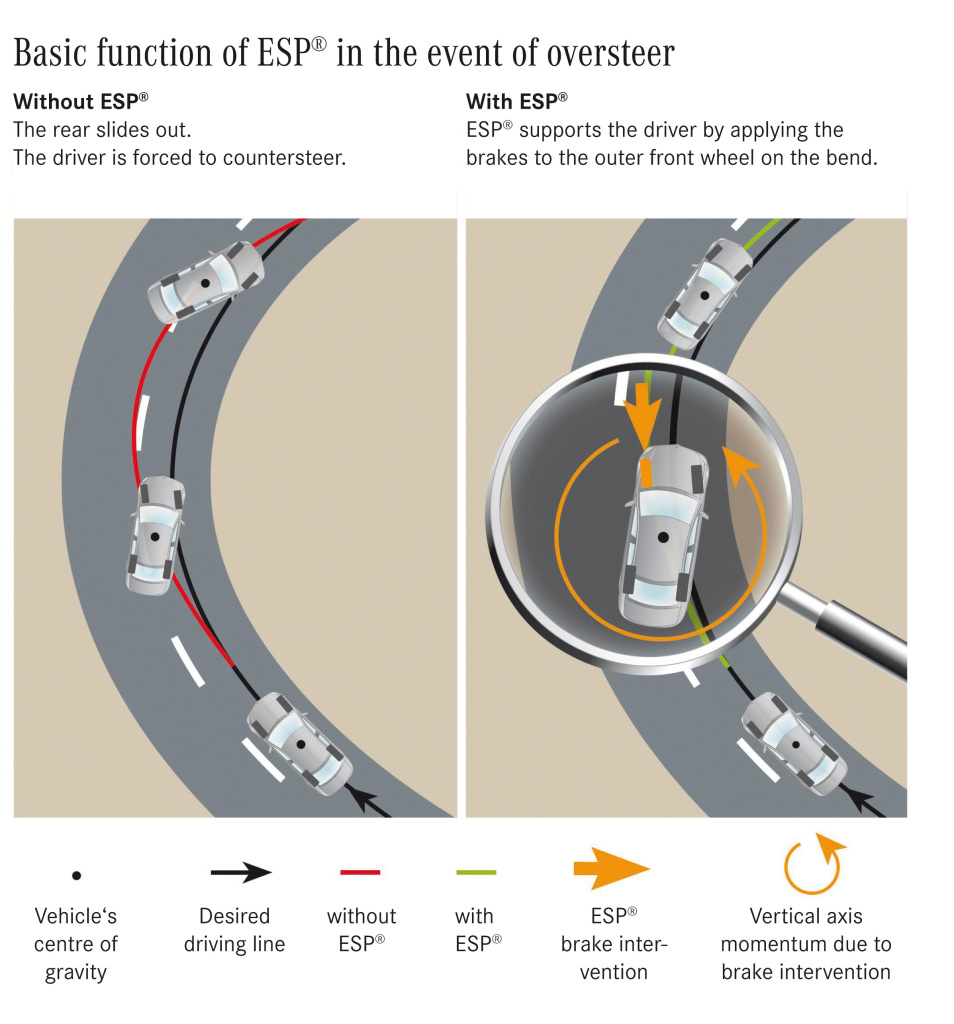
Especially when roads are wet and slippery, when evading unexpected obstacles such as animals on the road, and also when driving into a bend too fast, ESP gores into action automatically. It combines the functions of the ABS system and the traction control system with additional inputs to stabilize the car as it is about to go out of control. Various sensors can detect vehicle skidding movements and actively counteracts them.

ESP

Up to 80% of all potential accidents due to skidding can be prevented although it must still be kept in mind that the laws of physics still apply. There are limits where the system will not be able to help if speeds are too high, overwhelming even the grip of the tyres.

The system uses information about vehicle dynamics to detect whether the car is heading in the direction the driver is steering. If there is a discrepancy between these two factors, ESP intervenes. This may sound simple but it is in fact a complex process.

ESP

Smart sensors help compare steering angle and vehicle trajectory 25 times a second. If the two diverge, ESP reduces engine torque and brakes individual wheels. In this way, the system helps the driver prevent the vehicle from breaking away or skidding – effectively avoiding loss of control that can lead to an accident.

Breakthrough following the elk test
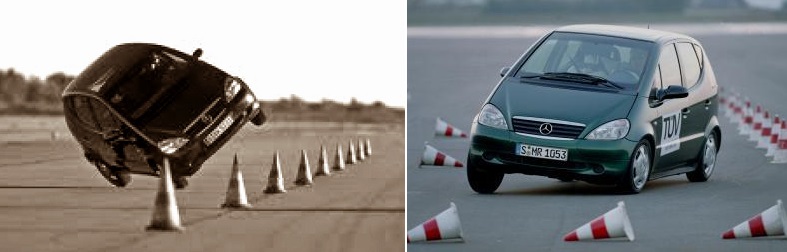
The story behind this innovation is a long one. It started in the 1980s with initially independent efforts by Bosch and Daimler-Benz to achieve more vehicle stability. The legendary ‘elk test’ of 1997 helped the system achieve a breakthrough: during tests for a Swedish automotive magazine, a Mercedes Benz A-class tipped over when making an abrupt evasive manoeuvre. Mercedes-Benz responded by quickly making ESP standard equipment.

Mercedes-Benz A-Class elk test
The extreme instability of the A-Class (left) in what was known as the ‘elk test’ –  basically a high-speed evasive  manoevre – led Mercedes-Benz to install ESP in all its models.
ESP
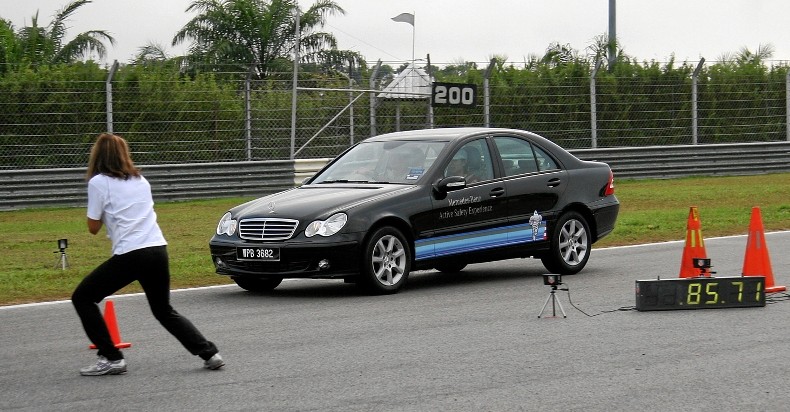
Mercedes-Benz driving courses for owners often given them the chance to experience the benefits of ESP in high-speed lane-change exercises.

Safety authorities have also recognized the benefits of ESP and made it a mandatory feature of vehicles in some parts of the world. As the volume of systems has continuously risen, the cost has dropped to make it possible to offer even in low-priced models. Data from Europe shows that if the proportion of vehicles featuring the system rises, accident numbers fall.

Democratizing safety to achieve zero traffic accidents

Stay in your state

PISTON.MY

BHPetrol RON95 Euro4M

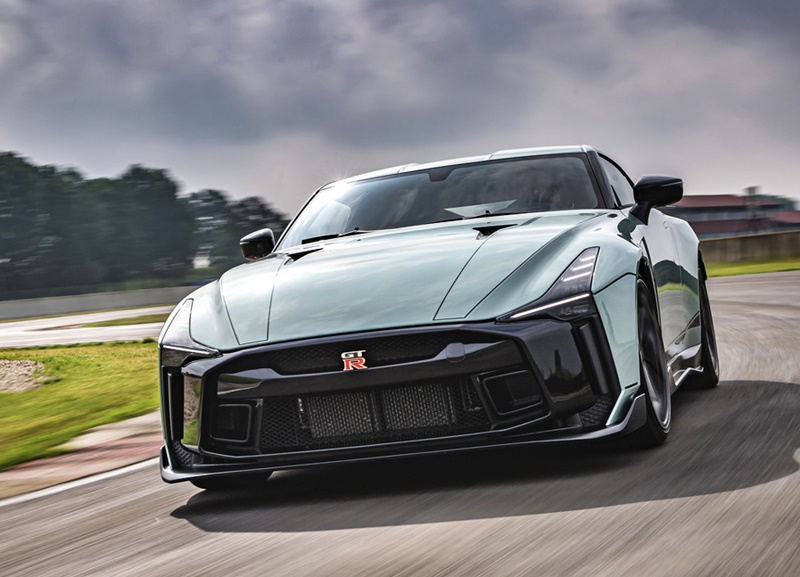
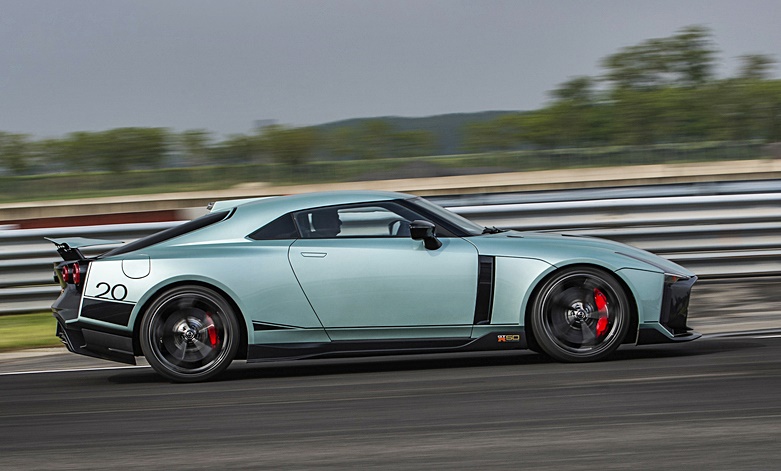
For the 50th anniversary of the legendary Nissan GT-R, the company commissioned ItalDesign to design a special version of the sixth generation of the model. Until now, renderings and pictures of a prototype have been shown and now we get to see the first production-ready version that is known as the GT-R50 by Italdesign.

Unveiled at the Tazio Nuvolari Circuit in Italy recently, it is the first of 50 units that will be built, each priced from €990,000 (about RM4.71 million). Nissan says most are already taken up and the first customers will start getting their cars from the end of this year.

2020 Nissan GT-R50 by ItalDesign

Powering each GT-R50 by Italdesign is a NISMO-tuned 720 ps/780 Nm hand-built 3.8-litre twin-turbocharged V6 (VR38DETT). The engine draws on Nissan’s extensive GT3 competition experience and knowledge.

The E-TS ATTESA all-wheel drive system delivers power to all four 21-inch wheels. The suspension has been revised with a Bilstein DampTronic system and an upgraded Brembo braking system replaces the standard on for stronger stopping power.

2020 Nissan GT-R50 by ItalDesign

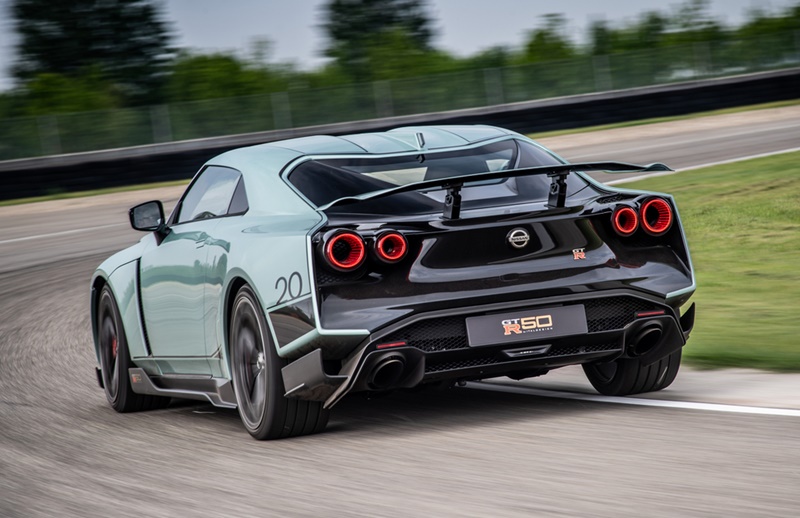
The exclusive design involved a number of cosmetic changes, with the roofline being lowered and a restyled rear wing and rear diffuser. There’s also a distinct and large power bulge on the bonnet.

2020 Nissan GT-R50 by ItalDesign

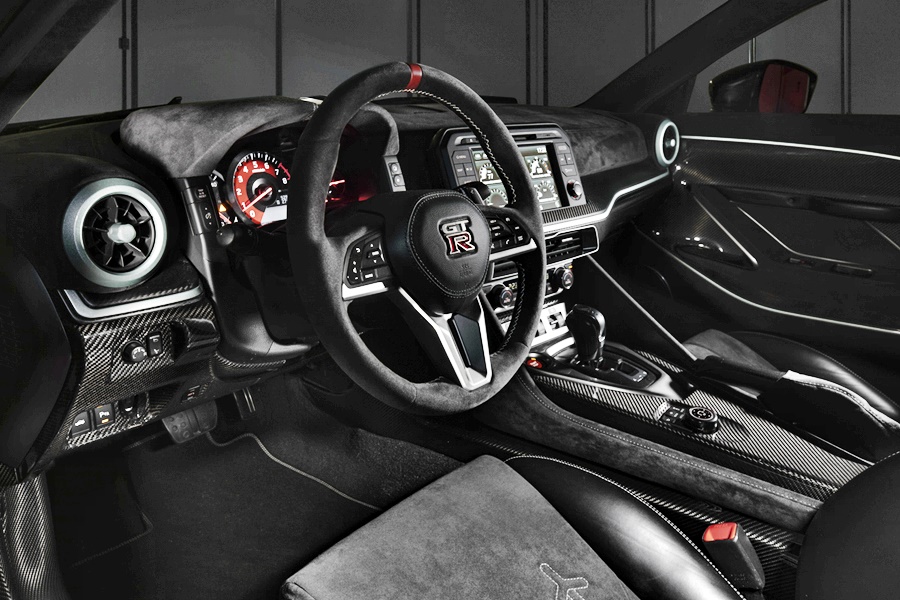
The cabin of the GT-R50 follows that of the standard model but customers can specify personalisation. As standard, the GT-R50 comes with exclusive sports seats, dashboard and centre console of carbonfibre, and an Alcantara-wrapped steering wheel.

2020 Nissan GT-R NISMO
The 2020 Nissan GT-R NISMO

This Lego Nissan GT-R Nismo is what you’ll want in 2020

Stay in your state

PISTON.MY

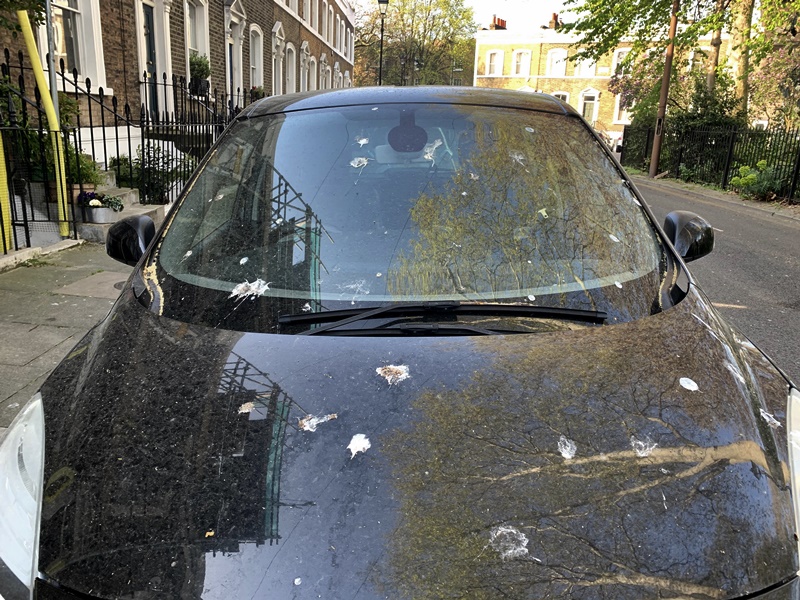
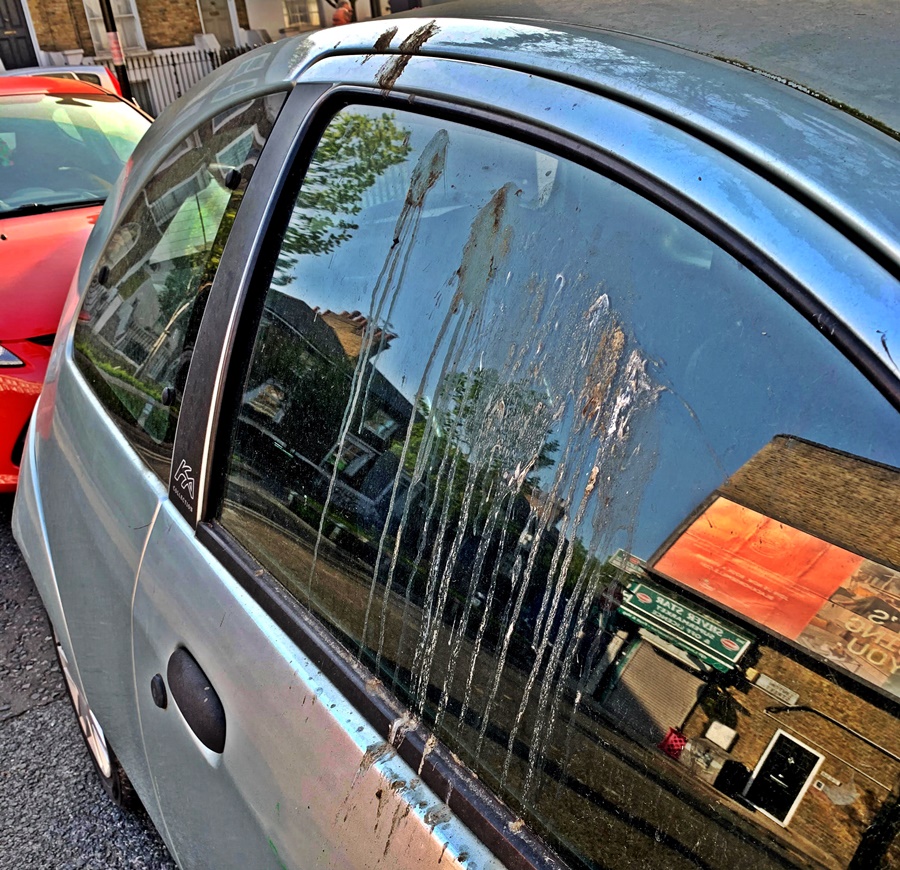
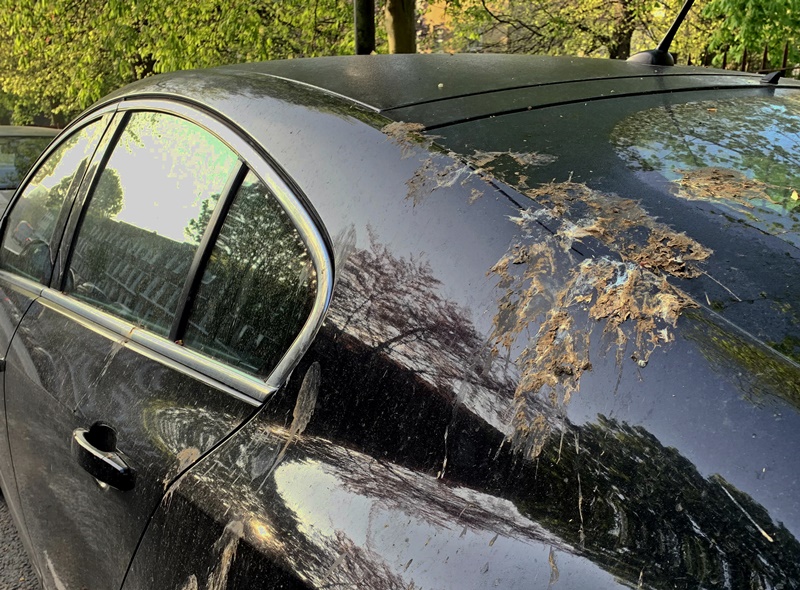
Some people believe that if you are struck by bird poop, it may be a sign of good luck. After all, of all the humans around you, why would you be the one to get it? For motorists, good luck or not, it’s definitely not good for the car’s paintwork.

Most of us have probably had this problem at one time or another and even when you avoid parking under trees, a blob of poop may fall from the skies as you are driving. It’s unsightly and if not washed off quickly, can cause damage.

Ford

How Ford is helping
Fortunately, Ford vehicles are tested for just this eventuality – with the help of artificial bird poop.  The laboratory-developed synthetic droppings are so realistic that they can accurately reflect the differing diets – and subsequent different acidity of droppings – of most of the birdlife in Europe, where testing is done.

Applied to test panels as a spray, sample pieces are aged at 40° C, 50° C and 60° C in an oven to replicate customer use in extreme heats, pushing the paint corrosion protection to its limits.

The ‘bird poop test’ is just one of the ordeals paint samples are put through. They also spray phosphoric acid mixed with soap detergent, and synthetic pollen on panels before aging them in ovens at 60° C and 80° C for 30 minutes. The test guards against airborne particulates such as pollen and sticky tree sap.

Ford

Extreme sunshine is bad
Intense sunlight can be particularly dangerous for paint as the paint can also soften and expand. And that’s something we certainly have a lot of in Malaysia.  When the paint cools, it contracts and any grime, including bird droppings, attaches itself to the surface. If left on the vehicle for some time, it can leave a permanent mark that requires specialist treatment to remove.

By fine-tuning the pigments, resins and additives that go into making a car’s shiny protective paintwork, specialists can ensure the coating Ford applies to its vehicles has the optimum make-up to resist the impact of these types of pollutants, no matter what the weather.

The science of bird poop
Bird poop is often white and black, but it’s not all poop. The white part is uric acid and is the bird equivalent to urine, formed in the urinary tract. Poop is made in the digestive system and while both can be secreted at the same time, it happens with such speed that the two don’t have time to mix.

Additional paint tests
Other tests for paint samples include being bombarded non-stop with ultraviolet (UV) light for up to 6,000 hours (250 days) in a light lab – simulating 5 years in the brightest place on earth – to evaluate outdoor weathering; getting frozen in sub-zero temperatures; being exposed to harsh winter road grime in a high humidity salt chamber and subjection to simulated fuel staining from vehicle service station over-fuelling.

How to clean bird poop
Leaving bird poop on any car is therefore never a good idea. The advice for any car owner is simply to regularly wash your vehicle with a sponge and lukewarm water containing neutral pH shampoo, and gently remove harmless looking substances from the paintwork immediately. Waxing painted surfaces once or twice a year helps ensure new paint finishes can better resist harshest attacks, while staying shiny for longer.

“With so many cars parked and not moved from their usual spots for long periods in recent times as people stay at home, it’s likely birds are leaving their mark more than usual. It’s wise to remove it before it gets too baked on. But our customers can at least take some consolation in the work we do to help keep their paint protected,” said Andre Thierig, Manager, Core Engineering Paint at Ford of Europe.

Visit www.sdacford.com.my to know more about Ford models available in Malaysia.

New Ford technology can prevent ‘car dooring’ by cyclists (w/VIDEO)

Stay in your state

PISTON.MY

Archive

Follow us on Facebook

Follow us on YouTube