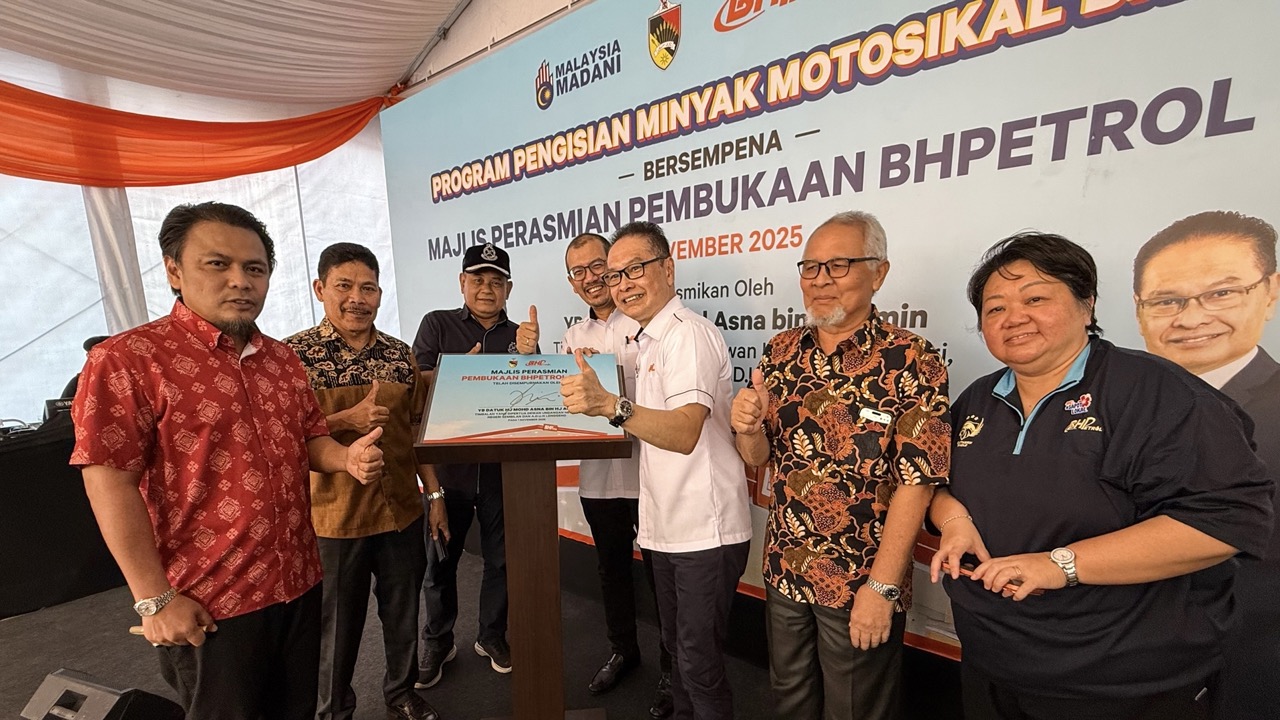
Visit www.bhpetrol.com.my to find out more about other promotions at BHPetromart.
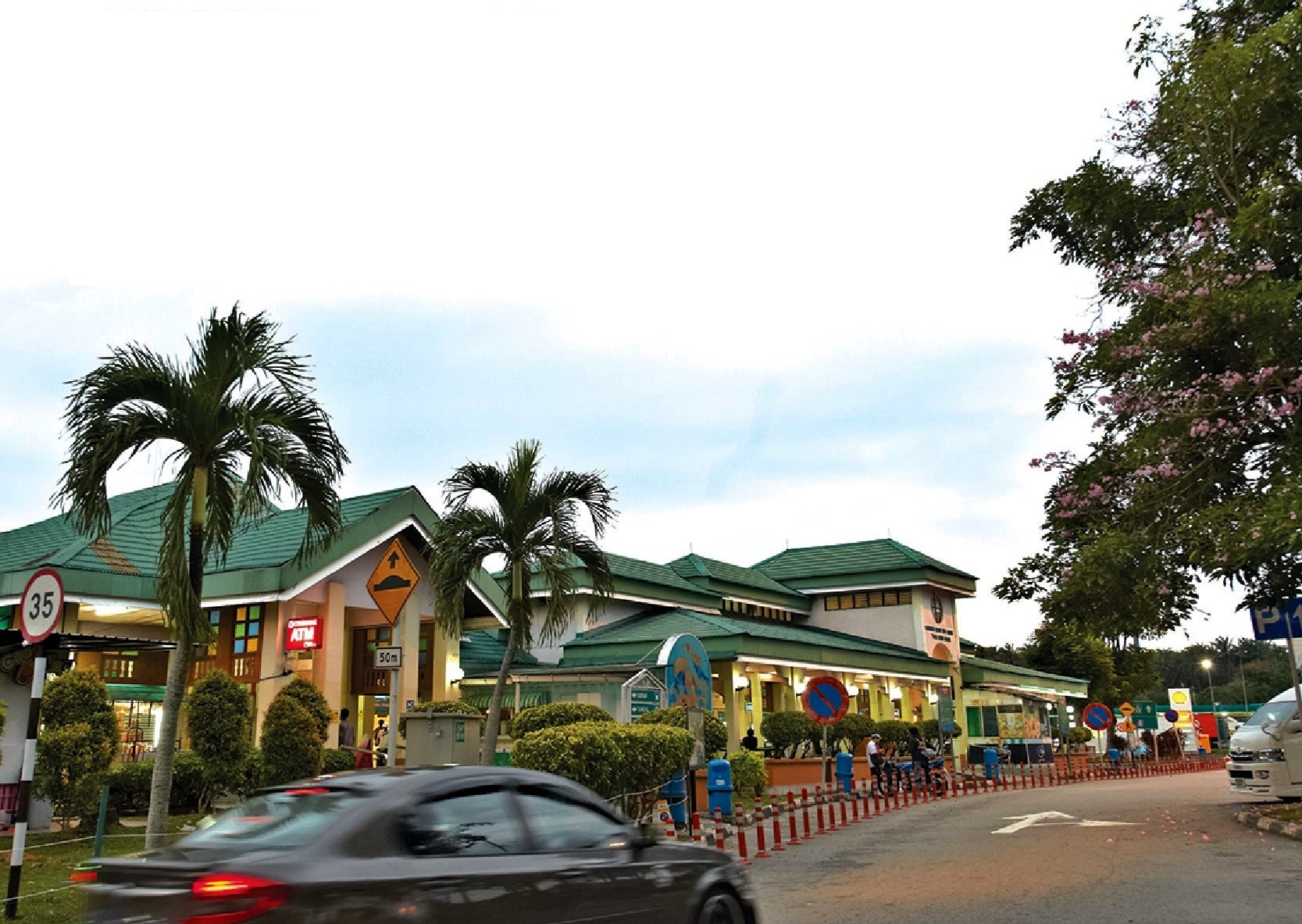
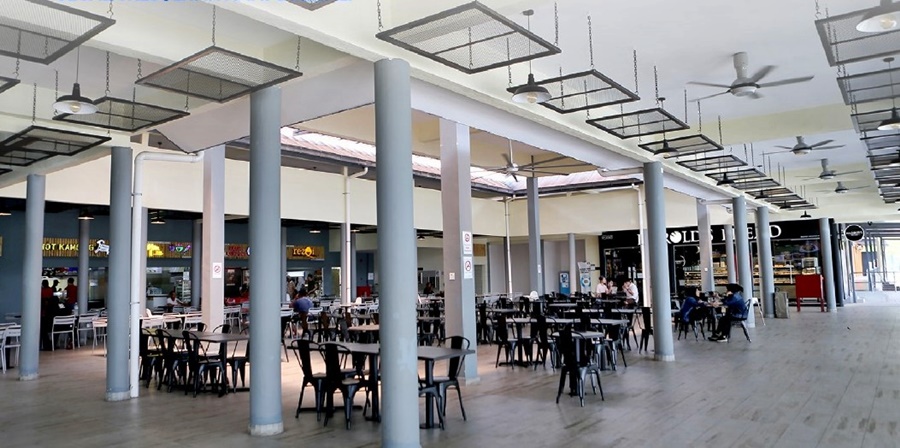
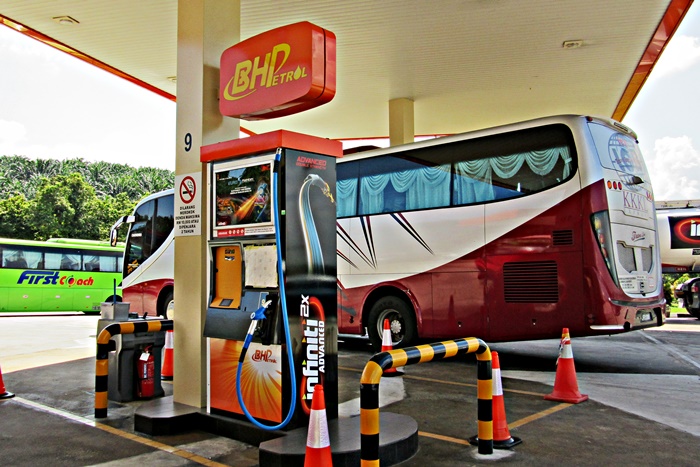
PLUS Malaysia Berhad has reopened its food court dining areas at all its rest and service areas (R&Rs), including the two overhead bridge restaurants and lay-bys along PLUS-operated highways as well as the Lebuhraya Pantai Timur 2 (LPT2). This follows the government’s announcement effective February 10, 2021.
While interstate travel is not permitted and inter-district travel is controlled, there are still motorists who will be using the highways to go to work, and they will be able to stop at the R&Rs to get food or drinks.
However, PLUS advises all customers to comply with the Standard Operations Procedure (SOP) which allows 2 persons per dining table with one-metre physical distancing when stopping over to have their meals at the respective areas. The highway concessionaire also advises all highway customers to adhere to the standard safety SOPs of wearing a facemask, registering on the MySejahtera App, checking temperatures at the designated points and keeping a safe distance of one-metre apart when lining up for food or using the facilities at the R&Rs and other public places during this period.
During the Movement Control Order (MCO) period, all facilities at the R&Rs and lay-bys such as public restrooms and suraus are open 24-hours. Meanwhile, restaurants, stalls and mobile food trucks including convenience stores are operating from 6 am to 10 pm.
Additionally, many of the stalls at the R&Rs can accept orders via a pre-order function in the PLUS App. The app can be downloaded for free through the Google Play Store for android devices or the App Store for iPhone users.
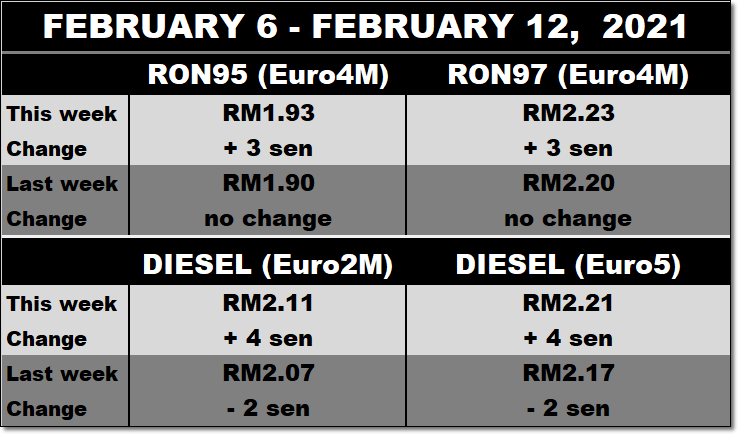
In 2019, under the Pakatan Harapan government, the ceiling price of RON95 petrol and diesel (Euro2M) were set at RN2.08 and RM2.18 per litre, respectively. The move was to shield the economy from the effects of high fuel prices which could cause inflation. The capping of fuel prices meant that when oil prices rose and retail prices should have been higher, the government subsidised the different to keep them at the promised levels. That cost hundreds of millions of ringgit a week at times.
After a new government took over without any general elections, the prices of oil fell quickly due to the global pandemic. So there was no need for any subsidies from the government as pump prices kept falling to very low levels.
Lower levels than before
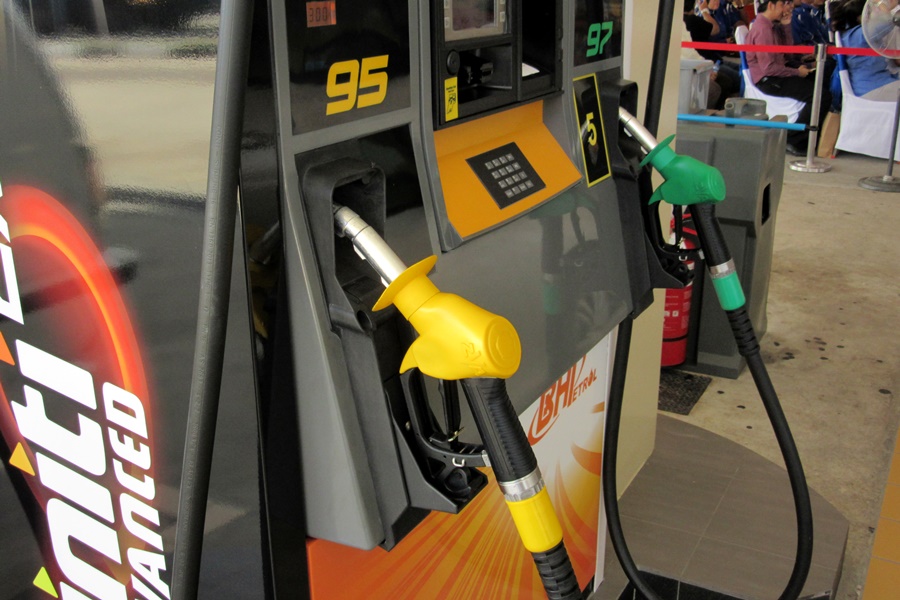
But oil prices are now creeping up again, and pump prices are likewise increasing a few sen each week. Nevertheless, the government will still provide subsidies to maintain a ceiling price for RON95 petrol and diesel as before. However, the ceiling price per litre has been revised to a lower level – RM2.05 for RON95 petrol, RM2.15 for diesel.This was announced by the Minister of Finance this evening. He said the government remains committed to reducing the cost of living of the people and will always monitor the impact of changes in world crude oil prices.
“The government will also take appropriate measures to balance the government’s subsidy burden with the need to continue to preserve the welfare and well-being of the people,” he said, adding that the decision was taken based on the rising market price of petroleum products following the increase in world crude oil demand.
“It was also influenced by the reopening of various economic sectors around the world. Furthermore, the global oil price trend is also influenced by the COVID-19 vaccination plan which is starting to be rolled out gradually around the world,” he added.
Based on Automatic Pricing Mechanism
The prices each week are based on the Automatic Pricing Mechanism (APM) which takes into account various factors and is adopted by the government and industry. RON97 and RON100 petrol are not subsidized and generally follow global oil price trends while for Euro5 biodiesel, a 10 sen charge per litre is permitted at the pumps for the significantly cleaner fuel.
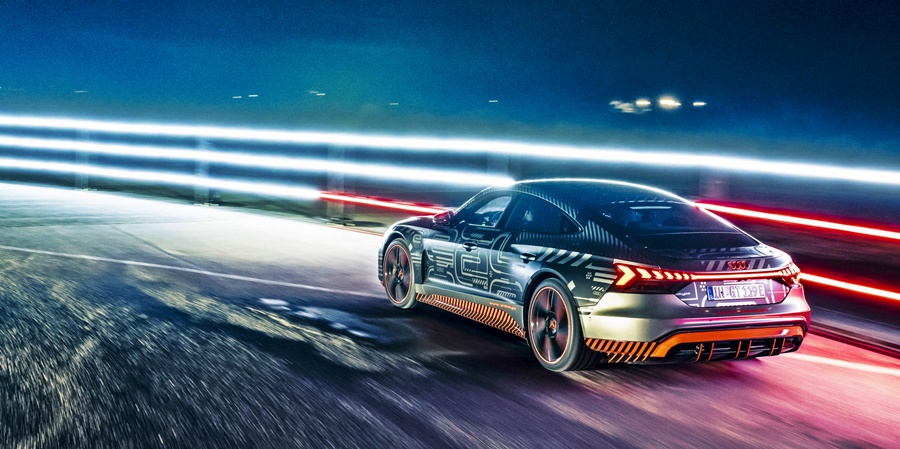
The performance game is starting again; from the time the car was born, rivalry between carmakers saw performance levels rising as internal combustion powerplants grew more powerful with new technologies. Now, in the 21st century, there is again the same competition in the industry – but with a zero emissions electric powertrain. It’s not just the traditional performance measures that are the challenge but also how far an electric car can go.
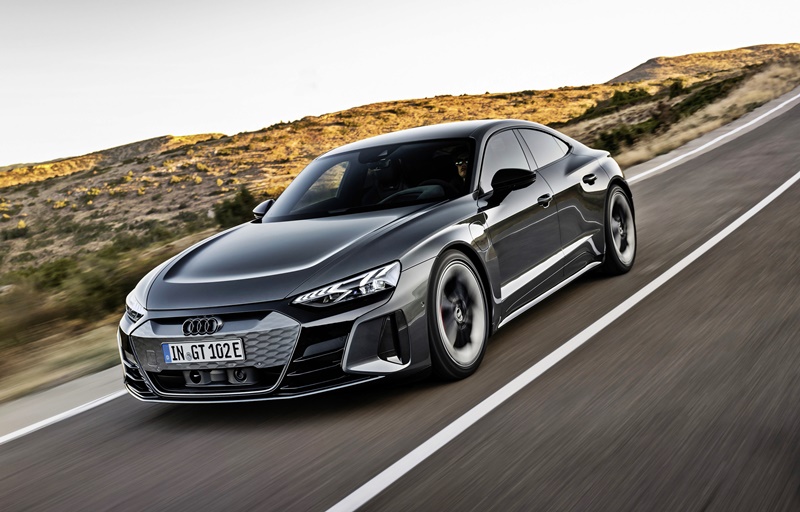
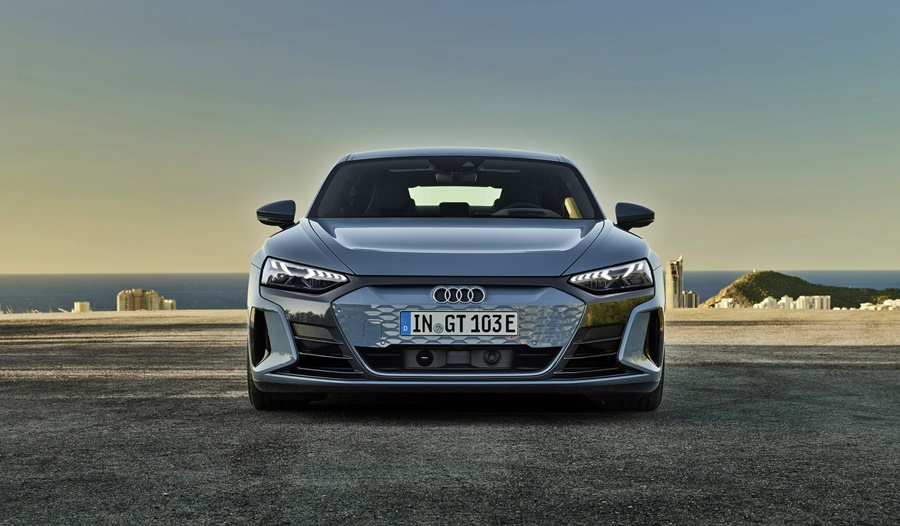
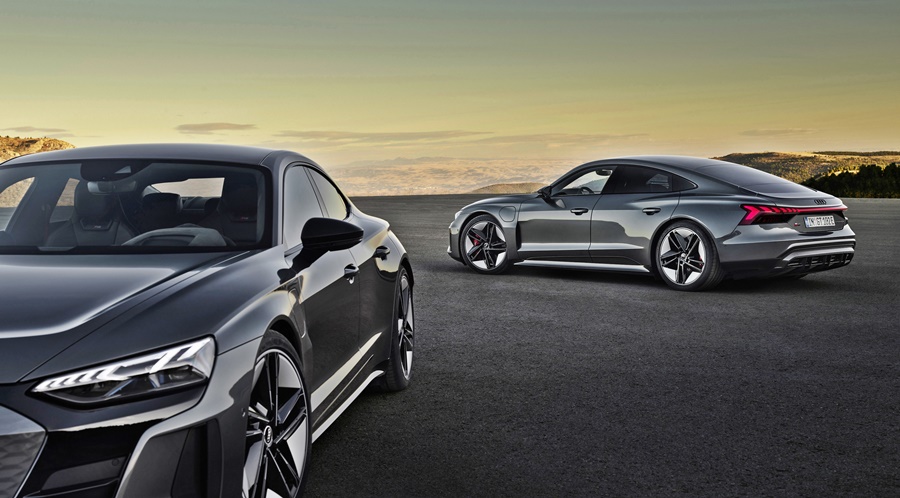
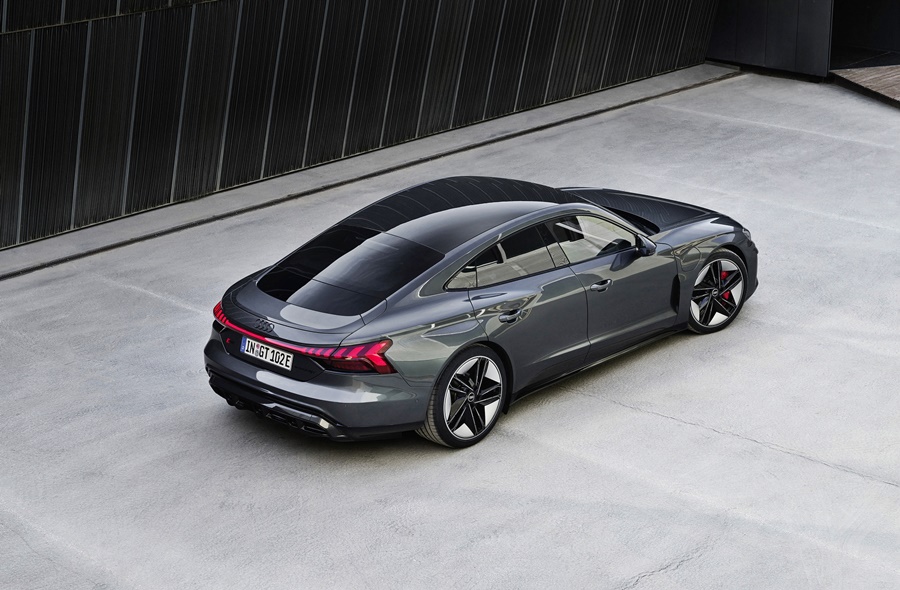
Audi’s latest representative in this race is the new e-tron GT, which mark its entry into a different segment of the electric range. With the e-tron GT, Audi is demonstrating that electric mobility can still offer exhilarating motoring in complete contrast to the perception 30 years ago that electrically-powered cars would be dull machines.
Third and fourth all-electric models
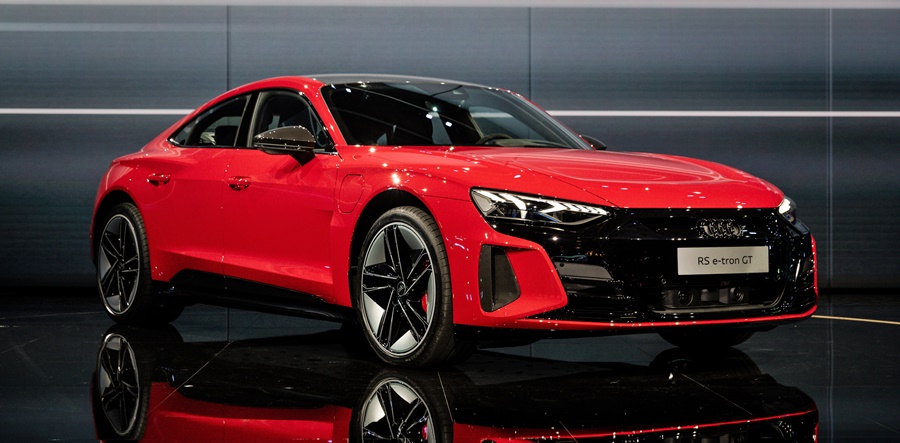
The e-tron GT and RS e-tron GT join the e-tron SUV and e-tron Sportback that debuted in 2018 and 2019, respectively. They are part of the electrified model offensive Audi has planned up till 2025 which will see more than 30 electric and hybrid models being introduced into markets around the world.
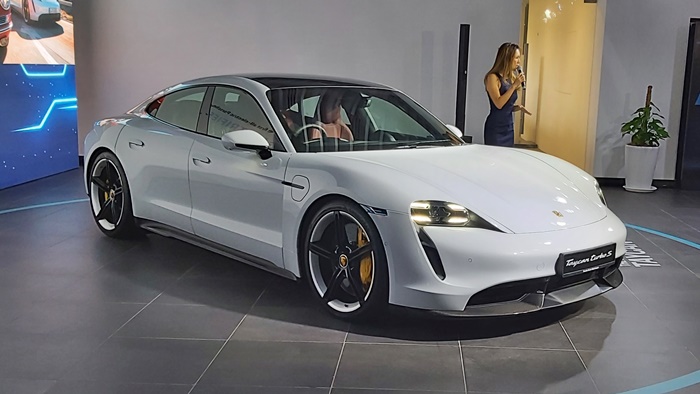
Porsche Taycan
Relative of Porsche Taycan
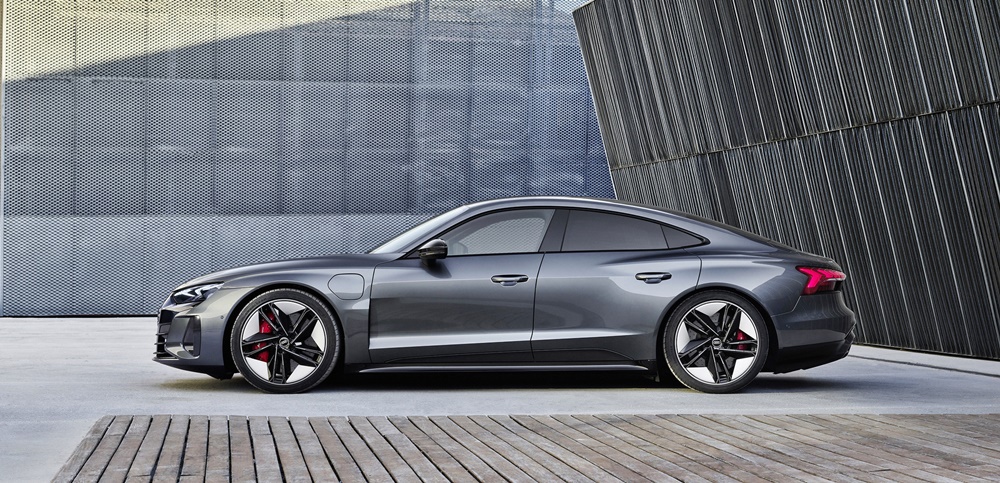
The exterior of the e-tron GT is a dynamic work of art. A relative of the Porsche Taycan, Audi’s new 4-door coupe offers a new, very progressive interpretation of the classic Gran Turismo. It has the proportions like a sportscar, with the usability of a 4-seater. Each surface and each line is harmonious, from the headlights, which are available with Audi laser light, to the large diffuser at the rear.
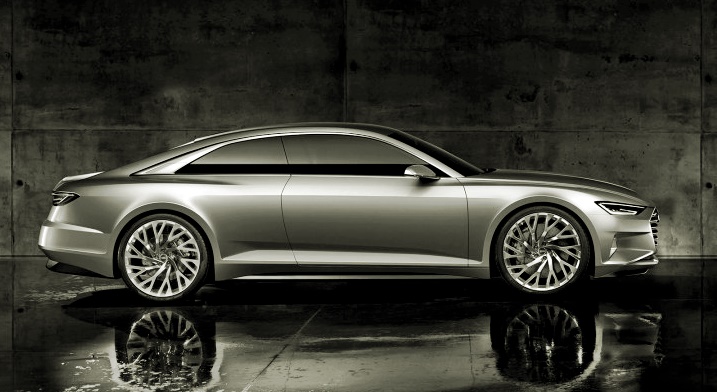
Following the Audi Prologue design study, which offered a preview of the design language of the subsequent full-size class models as a showcar in 2014, the e-tron GT constitutes the next evolutionary stage of the Audi design language. In combination, the details create a sculpture that looks like it was shaped by the wind. The body line is extremely aerodynamic, and the drag coefficient is just 0.24 Cd.
2014 Audi Prologue Concept
Classic gran turismo interior
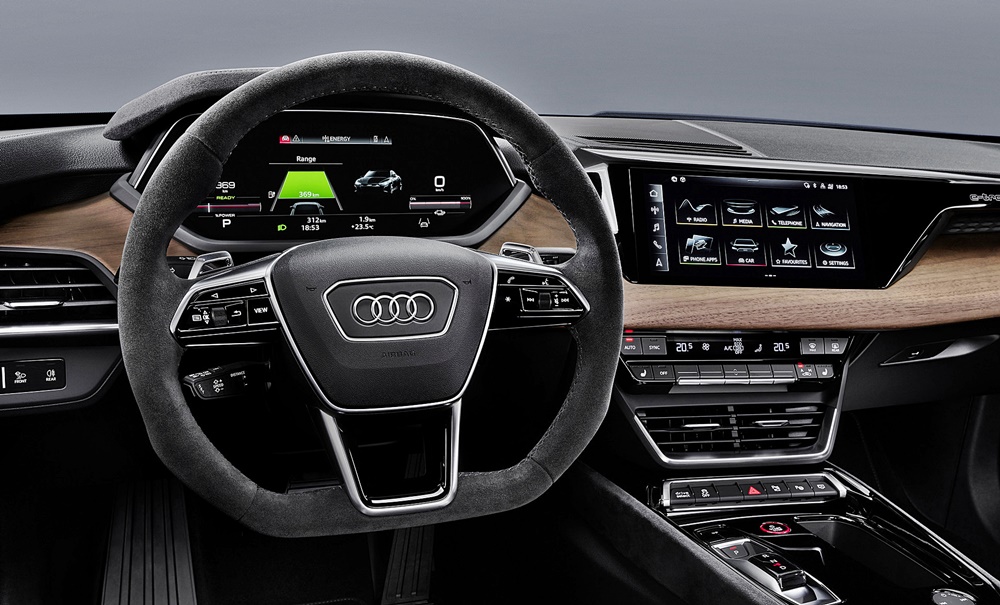
The interior also corresponds to that of a classic gran turismo. The strong focus of the interior on the driver, inspired by the monoposto idea, is a characteristic of sporty Audi models and the e-tron GT in particular. The driver and front passenger seats are installed in a sporty low position and separated by a wide centre console, and the rear seats provide sufficient space even for adults.
The central dashboard is tilted slightly to the left, and the pronounced three-dimensional instrument panel looks light and lean. Its upper section is drawn away from the driver in a large, elegant arc. The display of the Audi virtual cockpit plus stands freely in this space, while the MMI touch monitor is surrounded by a black piano finish bezel that seems to float above the instrument panel.
Like all Audi models, the e-tron GT is connected extensively. The infotainment, the online services from Audi connect, and the assist systems are state-of-the-art. And since the dynamic work of art must also sound good, Audi has composed a unique sound – powerful and progressive – for the e-tron GT.
Range of up to 487 kms
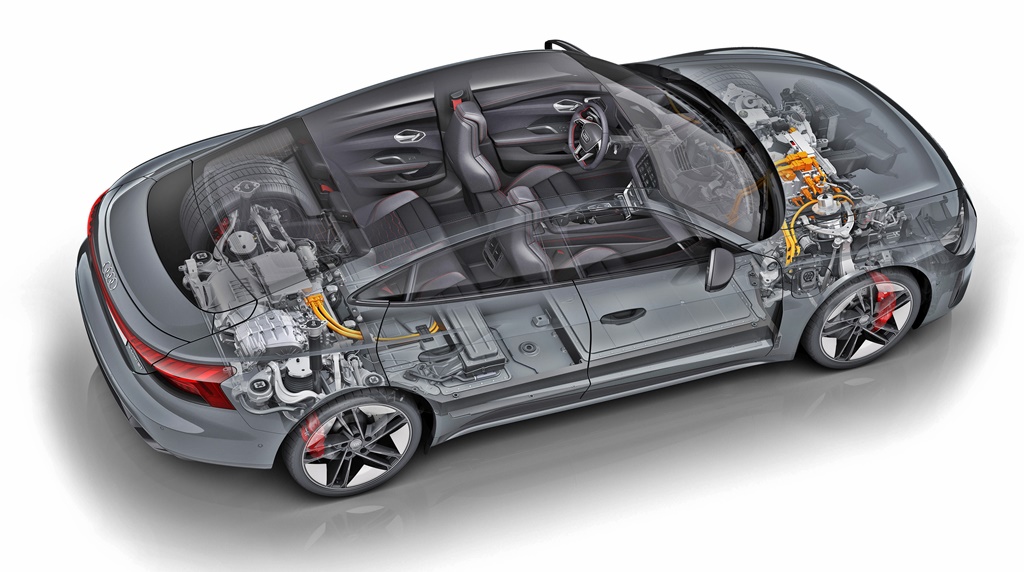
Depending on the version, the electric motors can generate 350 kW (476 ps) or 440 kW (598 ps). The stated range of up to 487 kms which is made possible by the battery and its net capacity of 85 kWh, is equally important. Its 800V technology enables fast DC charging with an output of up to 270 kW.
The suspension is also based in the balance of dynamism and comfort, thanks to technologies such as Audi drive select, all-wheel steering, controlled damping, three-chamber air suspension, electric all-wheel drive, and the rear-axle differential lock. The brake discs – which are available in carbonfibre ceramic as an option – have a diameter of up to 420 mm.
Presales of the two models start this month with the e-Tron GT priced in Germany from €99,800 (about RM490,000), rising to €138,200 (about RM677,235) for the RS e-tron GT.
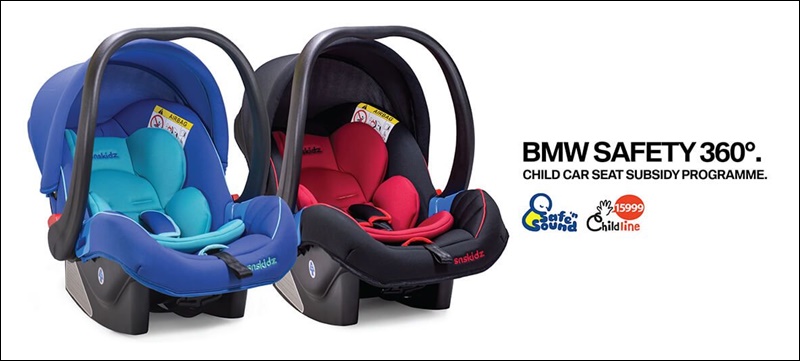
In October last year, BMW Group Financial Services Malaysia pledged, on behalf of their customers, to donate RM100 to the BMW Safety 360° subsidy programme for every contract funded via its online financing platform (BMW Engage). The total amount raised was over RM20,000, which the company, a subsidiary of BMW Group Malaysia, contributed to the subsidy programme
“We are pleased to announce that we will be able to subsidize over 300 more child car seats for families in need, from donations raised on our platform in the last three months. We are especially grateful to our customers who have played a key role in contributing to this fundraising initiative. Although there is less travel during this period, we want to continue accelerating the adoption of child safety seats to ensure children are safe on the road when travelling is allowed again,” said Tobias Eismann, MD of BMW Group Financial Services Malaysia.
First introduced in December 2019, the BMW Safety 360° subsidy programme received over 25,000 applications from parents in the B40 income group – signalling an urgency for such seats to be available in Malaysia, more so in view of the imposition of mandatory usage.
One of the recipients of the subsidised child seats being advised on the proper installation and placing of the child.
In the first phase, recipients were selected based on their qualification for the B40 income group. This is mainly determined with a monthly household income of below RM3,000. The second phase serves to work with the remaining list of registrants from the first phase, to equip as many of the eligible registrants as possible with child safety seats.
Other supporters of the programme
The programme also gained support from Shopee who came on-board as the Exclusive E-Commerce Partner; baby and children goods brands, KU.KU Duckbill and Otomo; educational toys and games distributor, Mideer; food storage sealing solutions provider, Ankou as well as car performance parts and accessories provider, Kakimotor.
Each child car seat is made available with a RM50 subsidy and a RM13 delivery subsidy, in addition to a discounted price from Safe ‘n Sound that is exclusive for recipients of the subsidy programme. As such, recipients of the subsidy programme will receive a unique Shopee voucher worth RM113 which can be applied upon checkout at its dedicated microsite.
Visit www.bhpetrol.com.my to find out more about other promotions at BHPetromart.
A shared responsibility
“Despite the delay on the ruling for child car seat enforcement, BMW Group Malaysia continues in our effort to promote the adoption of child car seats via the BMW Safety 360° Programme. We believe this is a shared responsibility not just amongst our partners, but the parents and the community around them as well, that can help ensure the highest level of safety on the road – even if travelling is restricted in the current climate,” said Sashi Ambi, Head of Corporate Communications at BMW Group Malaysia, adding that registrations for the subsidy programme closed in December 2019.
“We hope more individuals, partners and companies will reach out to us to make more contributions to the programme. Only then will we be able to open registrations for a new batch of families in the B40 income group,” he said.
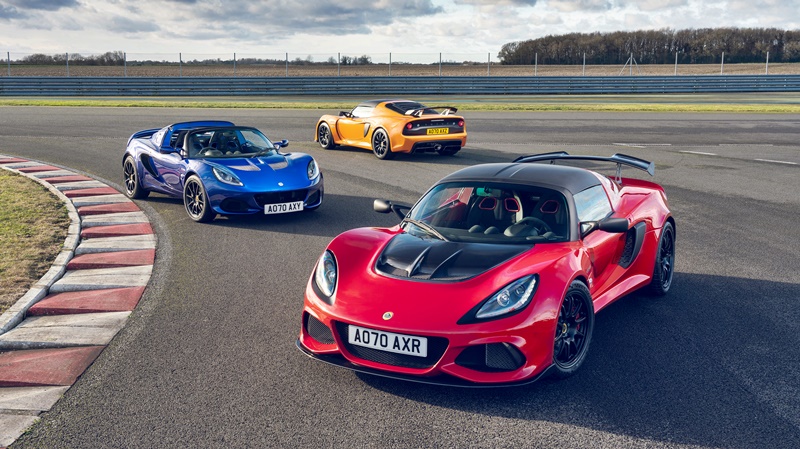
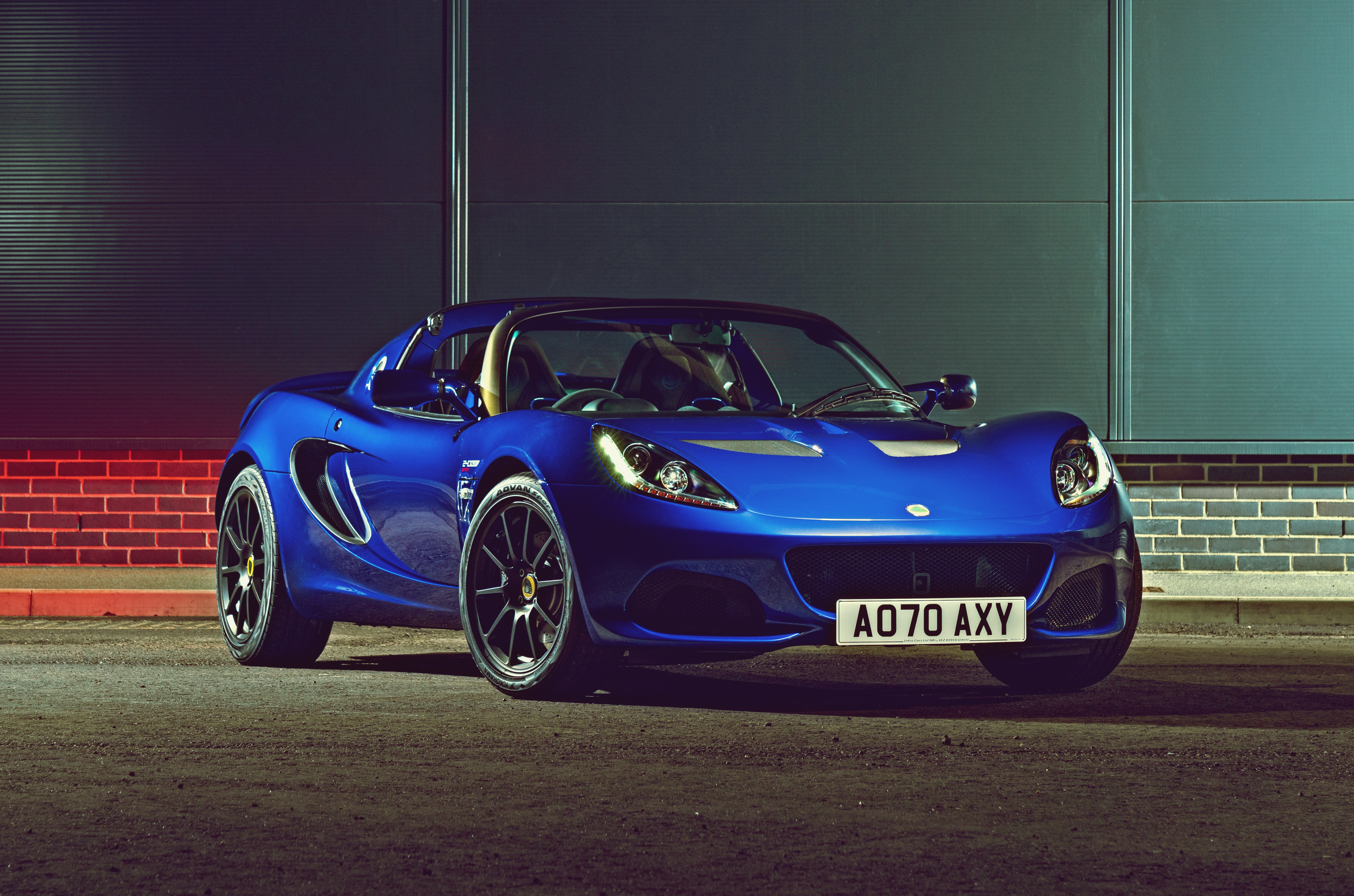
2021 marks the end of an era for Lotus Cars, with production of the iconic Elise and the genre-creating Exige ending after 25 and 21 years, respectively. In honour of these two legendary models, the British carmaker has announced a range of five Final Edition models with enhanced performance, greater standard specification and – in true Lotus style – light weight.
To be built in limited numbers, these cars are the ultimate versions of the Elise and Exige, the pinnacle of technical development to showcase more than two decades of engineering excellence.
A slice of history with 5 variants
Five new variants – two Elise and three Exige – have been created and Lotus is anticipating high demand from global markets as customers rush to buy a slice of history. They are available with unique paint colours, new exterior decals, new wheel finishes, new trim and Final Edition badging.
The improvements continue under the skin, a fact reflected in new names which reveal higher power outputs on three of the five – the Elise Sport 240, Elise Cup 250, Exige Sport 390, Exige Sport 420 and Exige Cup 430.
Lotus Elise Final Edition
The Elise is a truly iconic Lotus and 2021 would be its 25th year of production. The Final Edition cars retain all the core values and features that have made the Elise such an iconic car – a small, light and agile two-seater powered by a supercharged and chargecooled 1.8-litre, 4-cylinder mid-mounted engine.
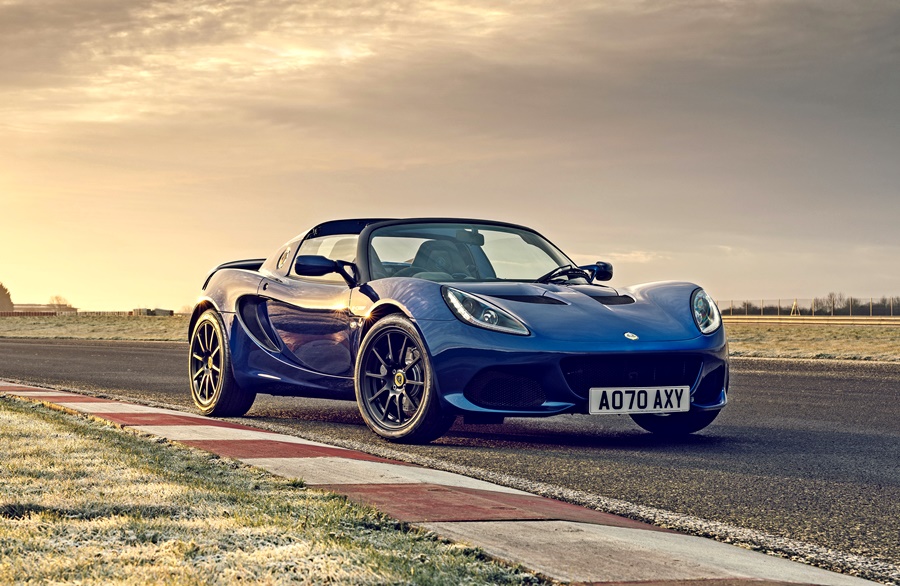
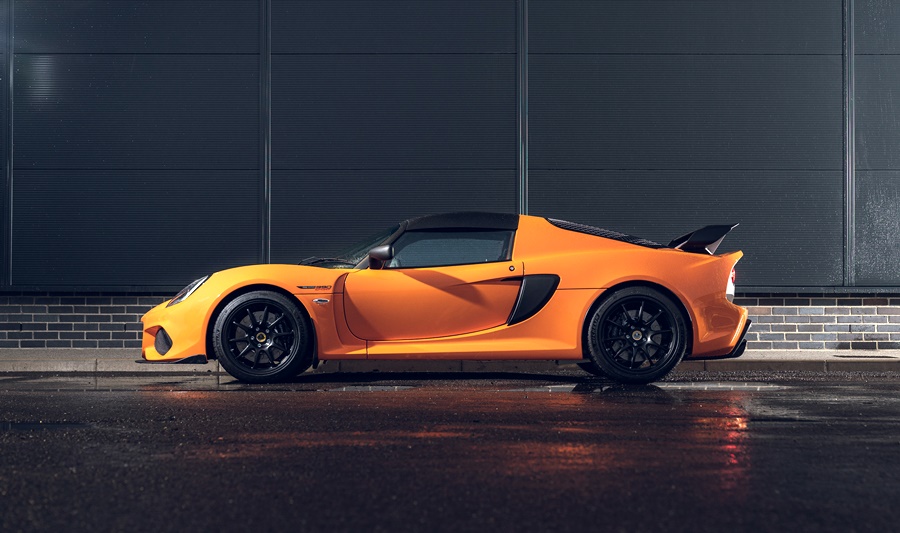
Elise Sport 240 Final Edition
As standard, both cars receive the most extensive list of interior and exterior features ever. The biggest change is the all-new TFT digital dashboard with the choice of two screens, one with a conventional set of dials and the other a race car-style with digital speed read-out and an engine speed bar.
The Elise Sport 240 Final Edition gains an extra 23 bhp from a revised calibration and so replaces the Sport 220. Delivering 240 bhp/244 Nm, the engine has been tuned to provide stunning real-world performance and class-leading efficiency.
Elise Sport 240 Final Edition
The car comes with 10-spoke Anthracite lightweight forged alloy wheels as standard (6J x 16 front and 8J x 17 rear). They’re 0.5 kg lighter than the wheels on the Elise Sport 220 and shod with Yokohama V105 tyres.
Further weight savings can be achieved with an extensive range of optional carbonfibre panels, including sill covers and engine cover, lithium-ion battery plus a lightweight polycarbonate rear window. With all the lightweight options chosen, the mass of the Elise Sport 240 reduces further from 922 kgs to 898 kgs.
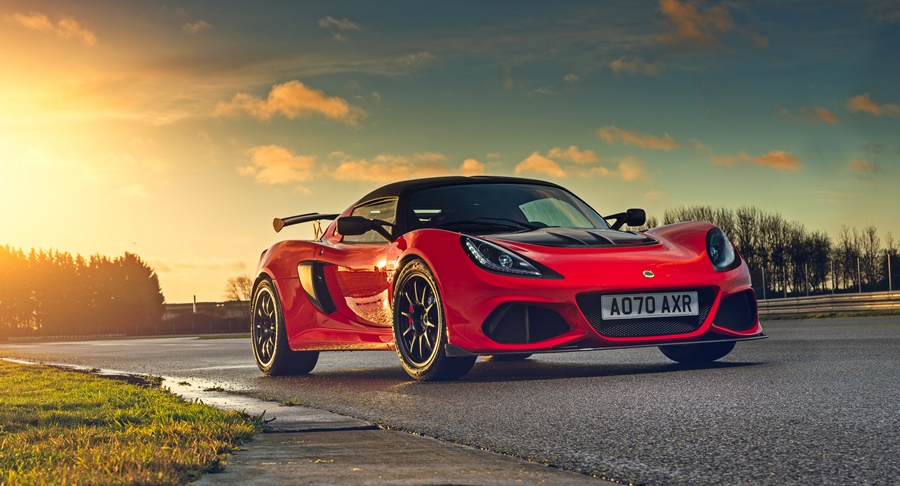
Key to the Elise Cup 250’s performance are its aerodynamics and downforce linked to its power and light weight. With aerodynamically optimised components such as the front splitter, rear wing, rear diffuser and side floor extension, this Final Edition car produces 66 kgs of downforce at 160 km/h.
The extensive list of standard equipment includes Bilstein sport dampers and adjustable anti-roll bars, to help maximise the aerodynamic downforce available and boost grip whilst maintaining the legendary Elise handling. Also fitted as standard is a lightweight lithium-ion battery and polycarbonate rear window.
Lotus Exige Final Edition
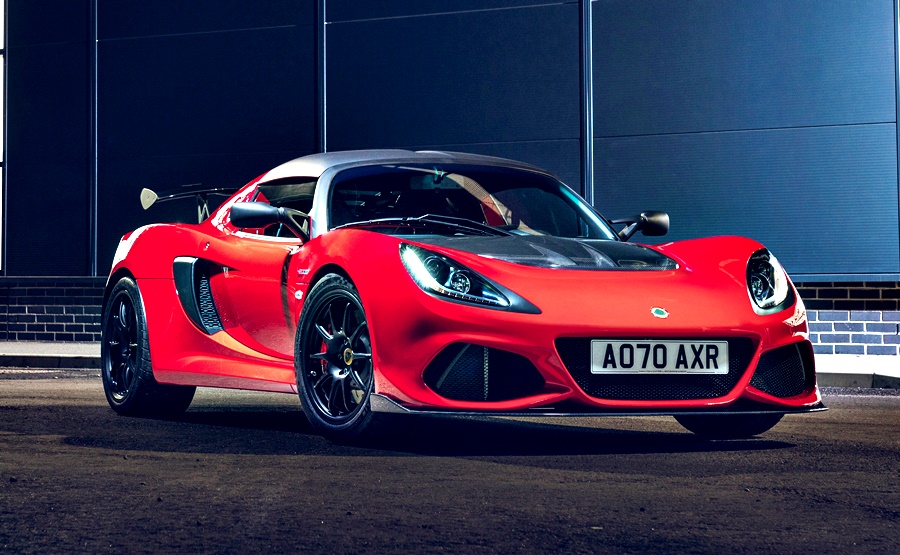
The Exige range is celebrated in its final year of production with three models – the Exige Sport 390, Exige Sport 420 and Exige Cup 430. Like the Elise, new equipment for this final year of production includes unique paint choices, new decals and two new wheel finishes. All versions of the Exige also come with the TFT digital dashboard, Final Edition build plaque, new steering wheel, plus new seat trim and stitch patterns.
All models are powered by a 3.5-litre supercharged V6 with a baffled sump, mounted in a lightweight and rigid chassis that provides thrilling acceleration and instant response. Pure unassisted steering offers exquisite feedback and vivid communication at all speeds.
Exige Sport 390 Final Edition
The Exige benefits from a bespoke version of Lotus’ pioneering bonded aluminium chassis, a unique rear subframe and forged aluminium double wishbone suspension at the rear.
The Exige Sport 420 Final Edition gains an extra 10 bhp, with 420 bhp/427 Nm output. With its light weight of 1,110 kgs, the supercharged and chargecooled V6 engine coupled with a flat torque curve and maximum power available to maximum revs, the Exige is regarded as the most complete driving car of its class.
Exige Sport 420 Final Edition
When production of the Elise, Exige and Evora end later this year, the final combined production total will be in the region of 55,000 cars. Together, they account for more than half of Lotus’ total road car production since the first Lotus in 1948.
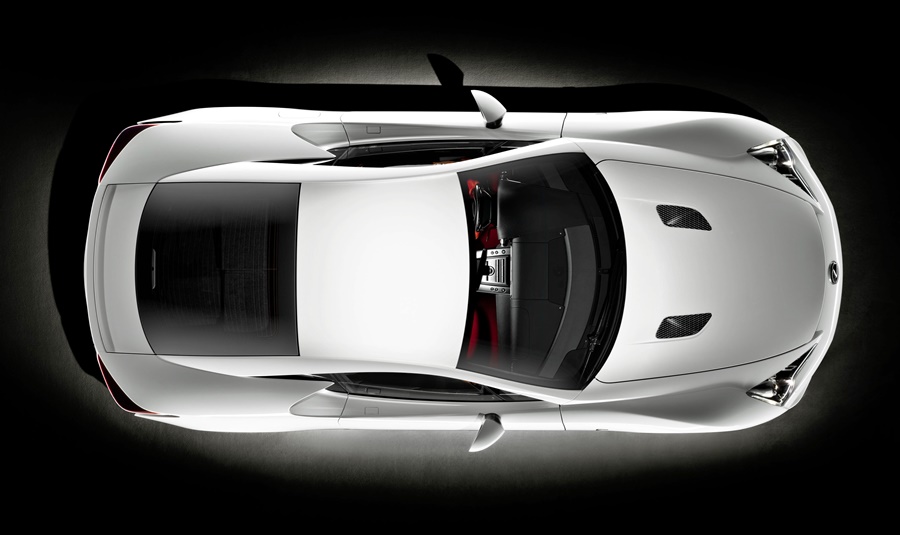
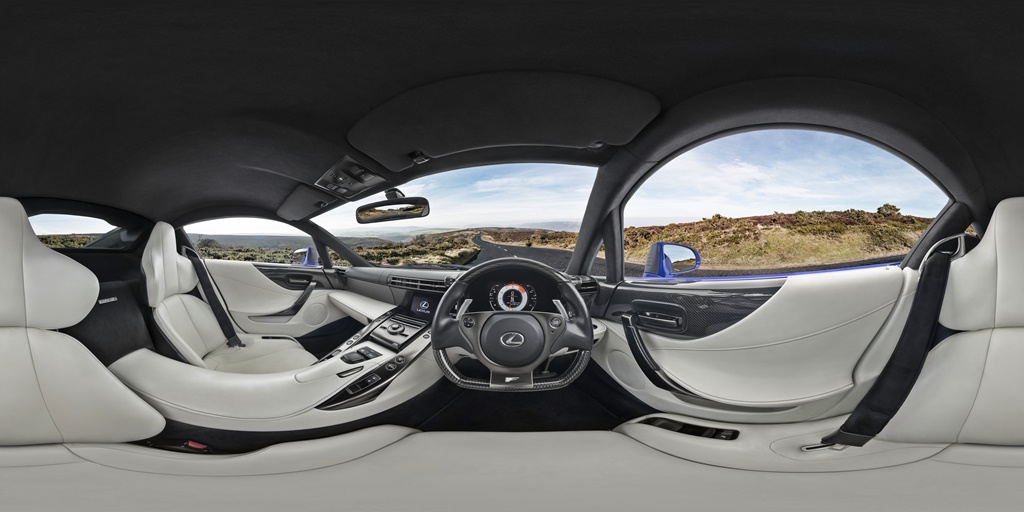
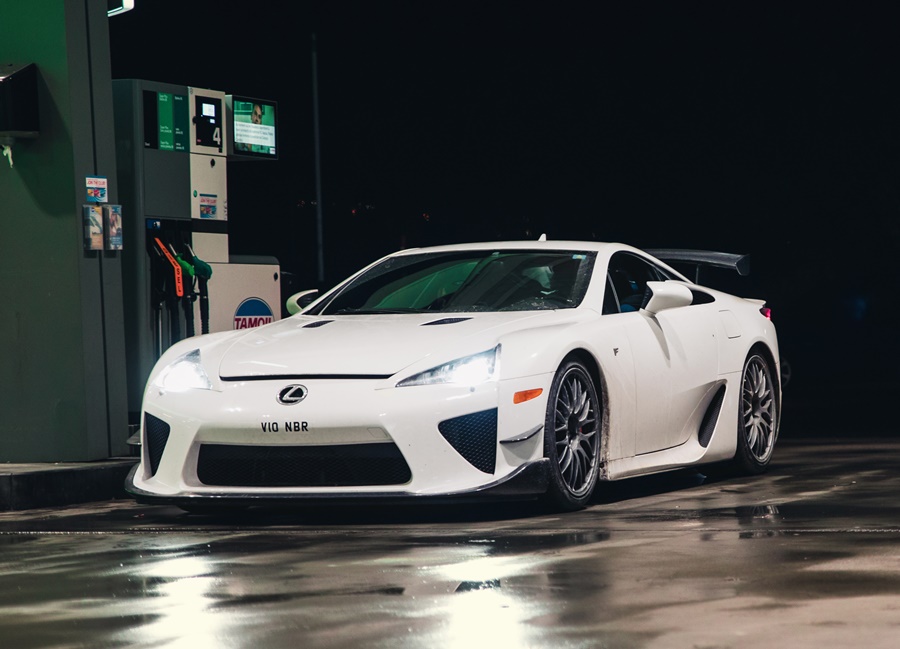
It was 10 years ago that production the Lexus LFA was born. Like the Toyota 2000 GT many years before it, the LFA was an authentic supercar from Toyota’s luxury brand. For all its exclusivity and rarity – production was to be limited to just 500 units (only 351 units of the 2000 GT were built) – the LFA left a legacy that has influenced every car Lexus has built since.
The story of the LFA actually began 10 years earlier, in early 2000, as a research and development project to produce a thoroughbred supercar. A Lexus Chief Engineer, Harahiko Tanahashi, was given free rein and the chance to work with new materials and processes. This ‘clean sheet’ approach echoed the way Lexus rewrote the luxury car rulebook with the flagship LS sedan that launched the marque 10 years before.
In 2001, Master Driver Hiromi Naruse joined the team and his skills would prove key to the LFA achieving its handling and performance goals. In the early stages, 500 key assets were identified, from the suspension design to the shape of the steering wheel; every detail had to be perfect.
The first prototype was completed in 2003 and a year later, it began running its first laps of the Nurburgring Nordschleife, the legendary racetrack that would be the cradle of the LFA’s development. The supercar pioneered new powertrain and materials technologies and exemplified the takumi hand-crafted approach to manufacturing and design that has become a brand-defining quality for Lexus.
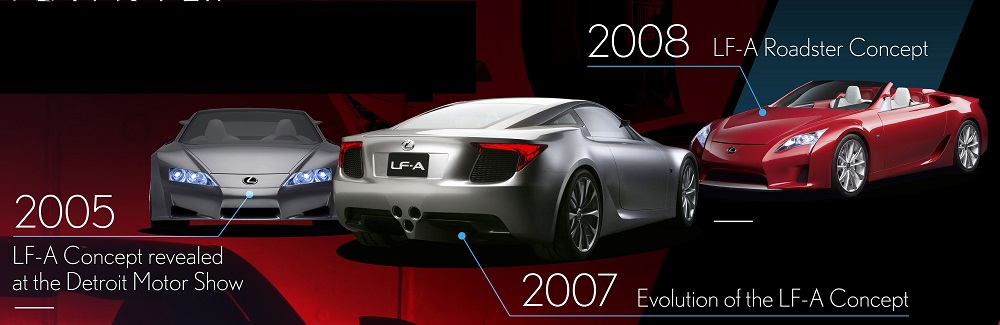
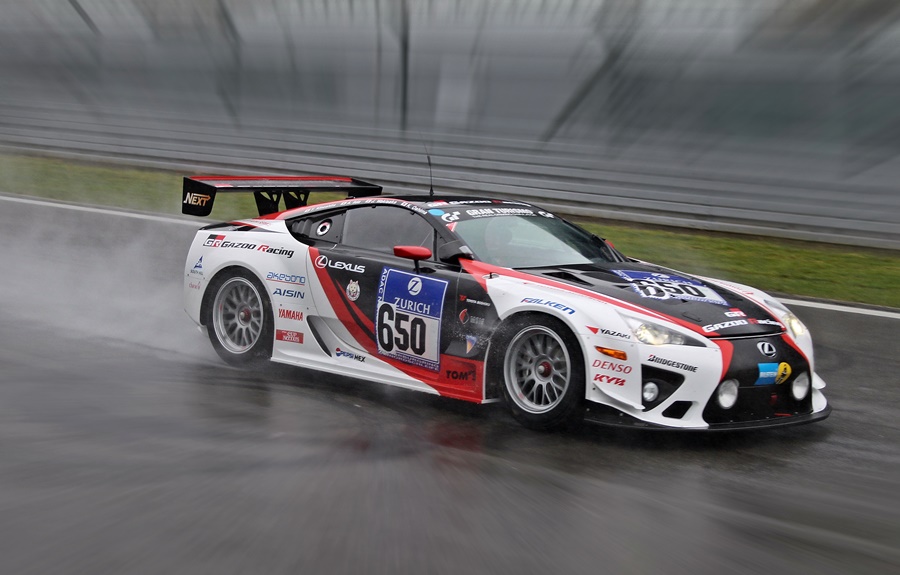
The world had its first glimpse of what Lexus was planning with the reveal of a design study at the 2005 North American International Auto Show, followed by a closer-to-production concept car two years later. In 2008, the LFA – still a work-in-progress – made the first of 4 annual appearances in the gruelling 24 Hours of Nurburgring. This was the toughest possible test of the car’s performance and quality, prior Lexus confirming its production at the 2009 Tokyo Motor Show.
Manufacturing began at Lexus’ state-of-the-art Motomachi plant at the end of 2010. Such was the dedication to precision engineering, production was at a rate of just one car per day with each engine assembled and signed off by a single technician, complete with an engraved plate bearing the car’s production number.
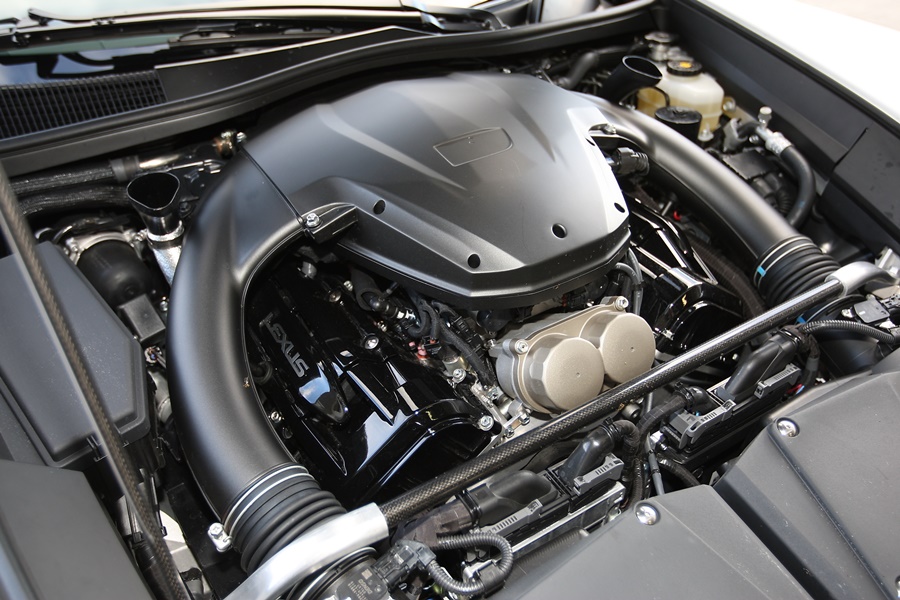
The LFA was rich in revolutionary features. At its heart was an all-new, naturally aspirated 4.8-litre V10 engine, produced in a joint venture with specialists Yamaha. The company, well known for its motorcycles, had also been involved with Toyota with the 2000 GT as well as various high-performance engines.
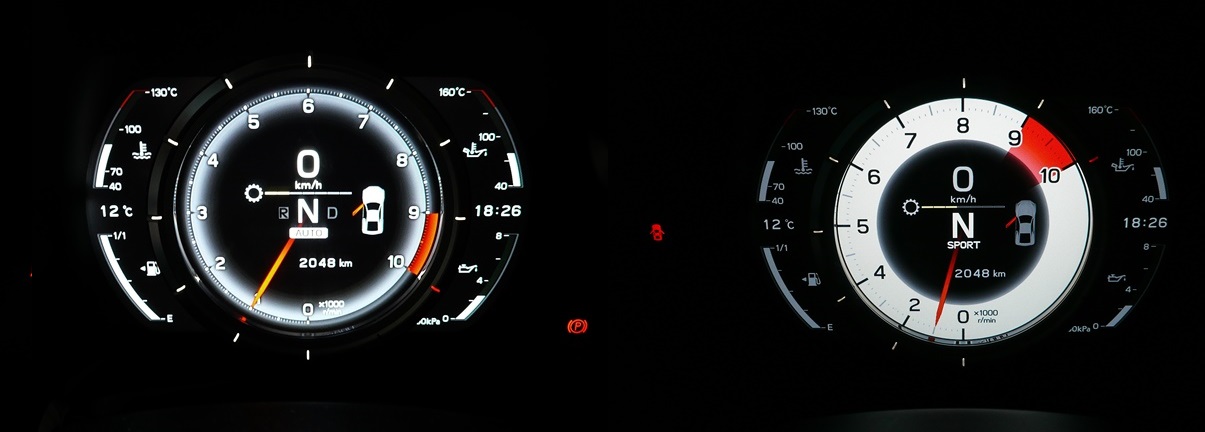
Even though it was smaller and had fewer cylinders than some supercar rivals, its performance was exceptional, delivering a maximum 560 bhp at 8,700 rpm. Front-mounted, the engine power went to the rear wheels through a 6-speed automated sequential gearbox positioned on the rear axle. The LFA could rocket from 0 to 100 km/h in just 3.7 seconds and on to a 325 km/h top speed, as those who tested it confirmed.
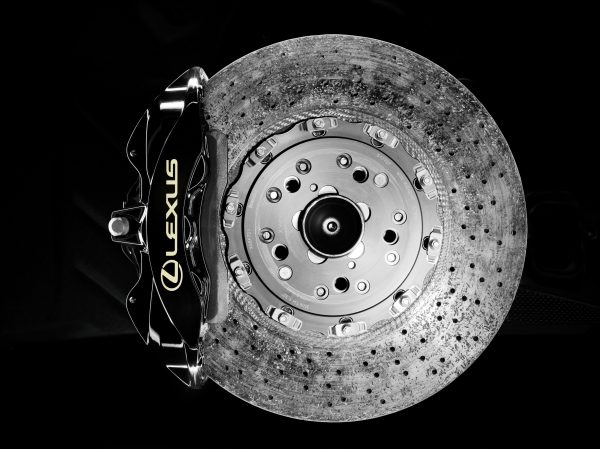
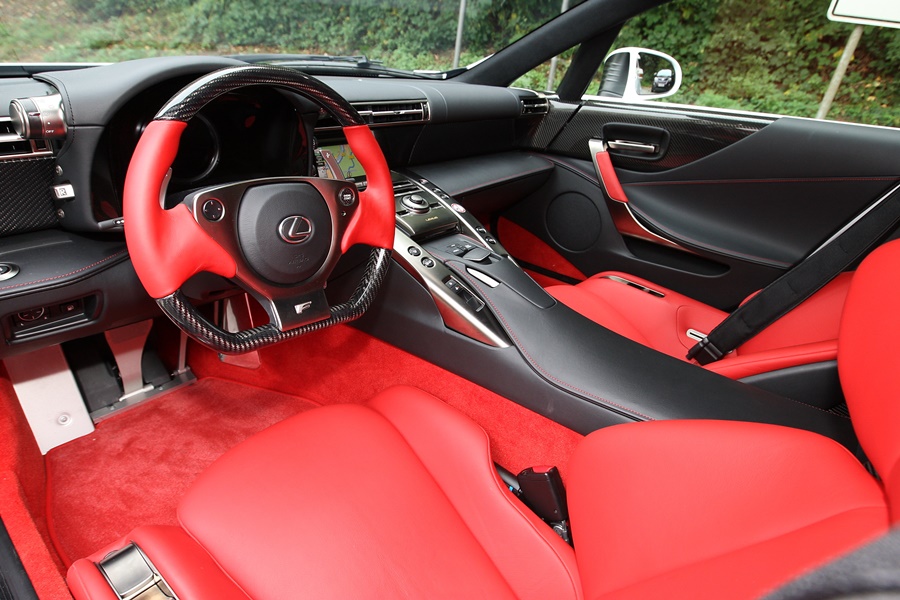
Keeping the car’s weight down was essential to its performance, achieved by switching from the aluminium used for the original concepts to carbonfibre reinforced plastic (CFRP). This strong but lightweight advanced woven composite material was used for most of the bodywork, the passenger cell and the transmission tunnel and has since been used in other Lexus models (such as the GS F and RC F, members of Lexus’ exclusive F-performance car stable). Stopping power had to be as effective as the drive, hence the use of high-performance ceramic brake discs.
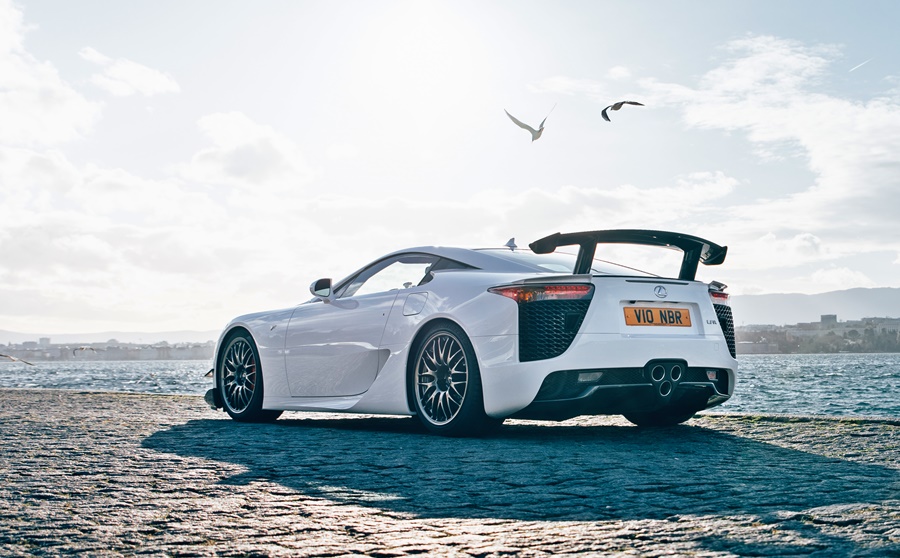
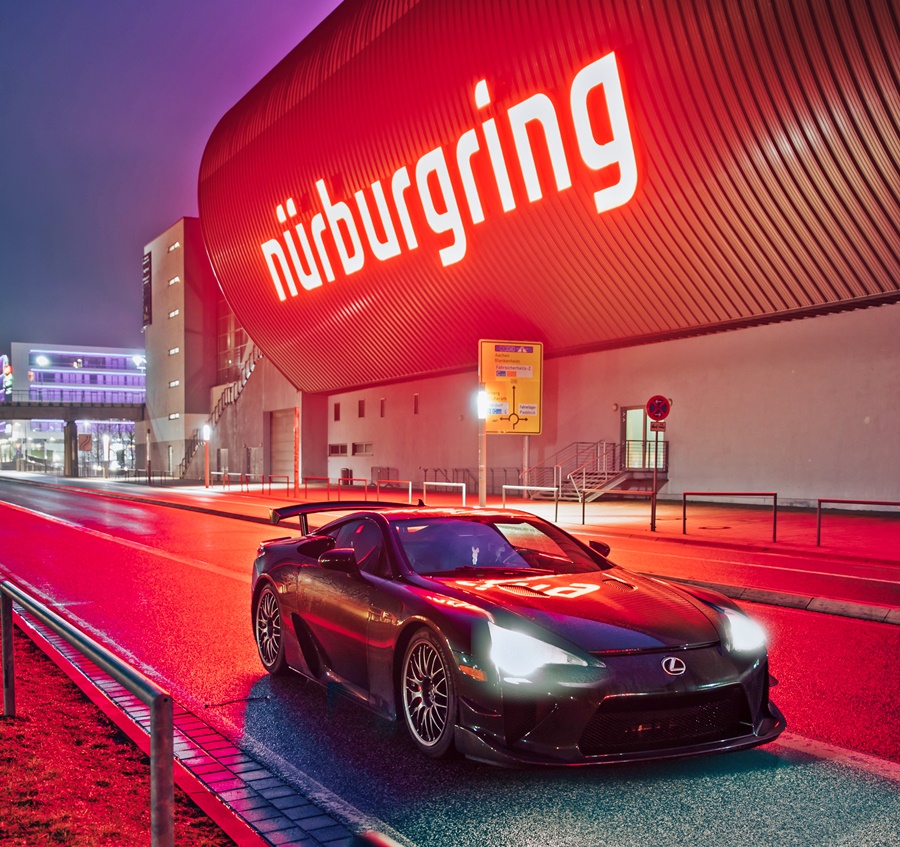
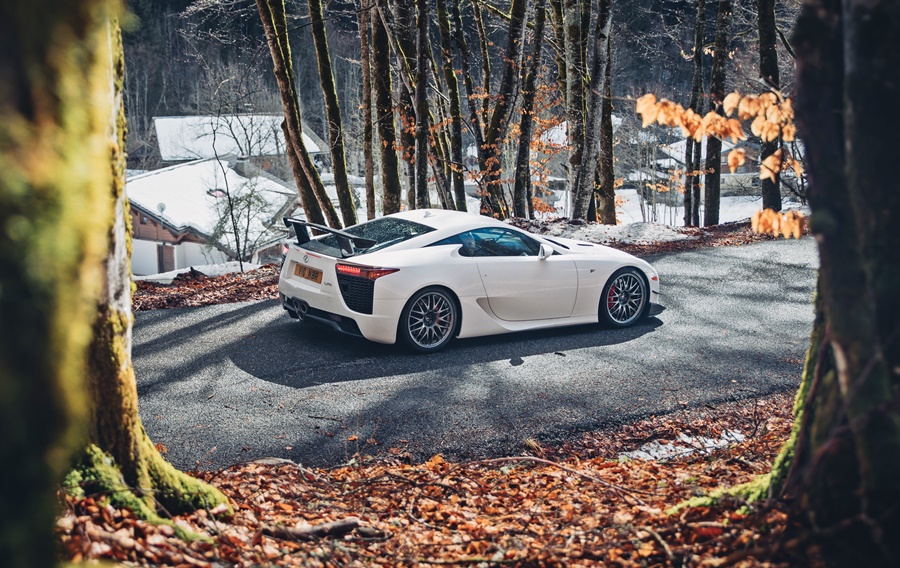
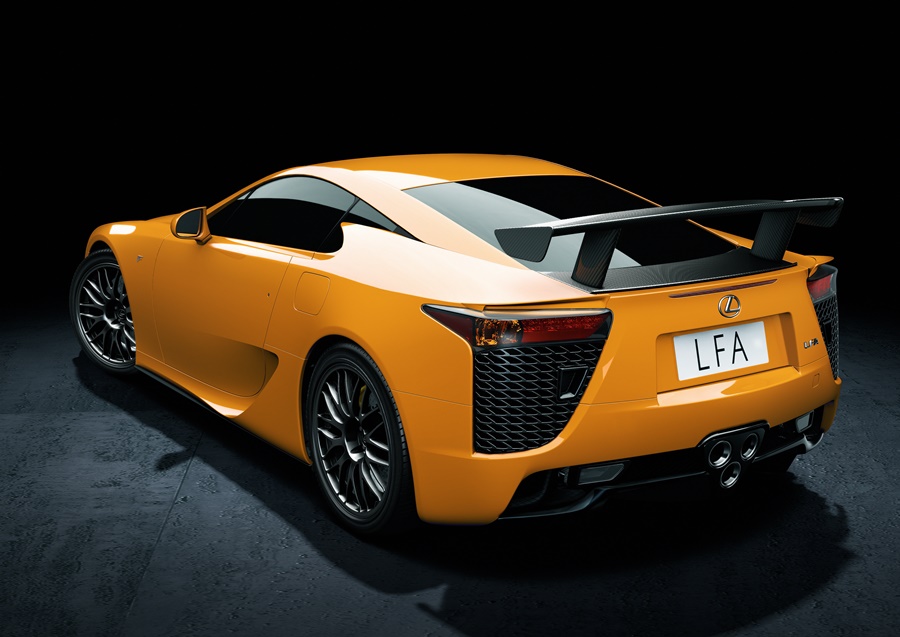
Lexus also developed an ultra-exclusive Nurburgring Package, a version re-engineered to maximise the car’s track potential. Drawing directly from the car’s racing experience, it gained stiffer suspension, lighter forged alloy wheels with performance tyres and extra aerodynamic features, including a new front lip spoiler, front winglets and a fixed GT-style high rear wing to maximise downforce. With ride height reduced by 10 mm, the car also hugged the ground more closely. To compensate for the extra drag, engine power was increased to 570 bhp.
LFA Nurburgring Edition
Production of this very special edition was to be just 50 cars, with each owner given professional instruction and a year’s driving pass to the Nurburgring. Its superlative performance was confirmed in 2011 when it set a new lap record at the track for a production car. Although the LFA never won the Nurburgring 24-Hour outright, in 2012 and 2014, LFAs claimed much-deserved class wins.
LFA ownership was the privilege of just a very people and because of the limited number, many units were sold or auctioned for charity. On December 14, 2012, LFA production came to an end and all 500 cars had been completed in two years – a production rate of one per day.
Another LFA in future?
There is always a desire within Lexus to build ‘another LFA’ but President Akio Toyoda was circumspect in commenting on this matter. “In Japan there is the Ise Shrine,” he said in 2019. “It is rebuilt every 20 years as part of the Shinto belief in the renewal of nature. The purpose of its rebuilding is to pass on skills to a new generation.”
“In the 1960s, we built the 2000GT sportscar; in the 1980s, we had the Supra. In 2000, the 20-year cycle should have continued but too many people at the time were interested in volume and sales, not in a special car. So we missed the turnover and now it has been 30 years. We will never catch up but in 20 years’ time, we will come up with another new supercar. It will serve as a challenge for the next generation.”