Piston.my

Latest News

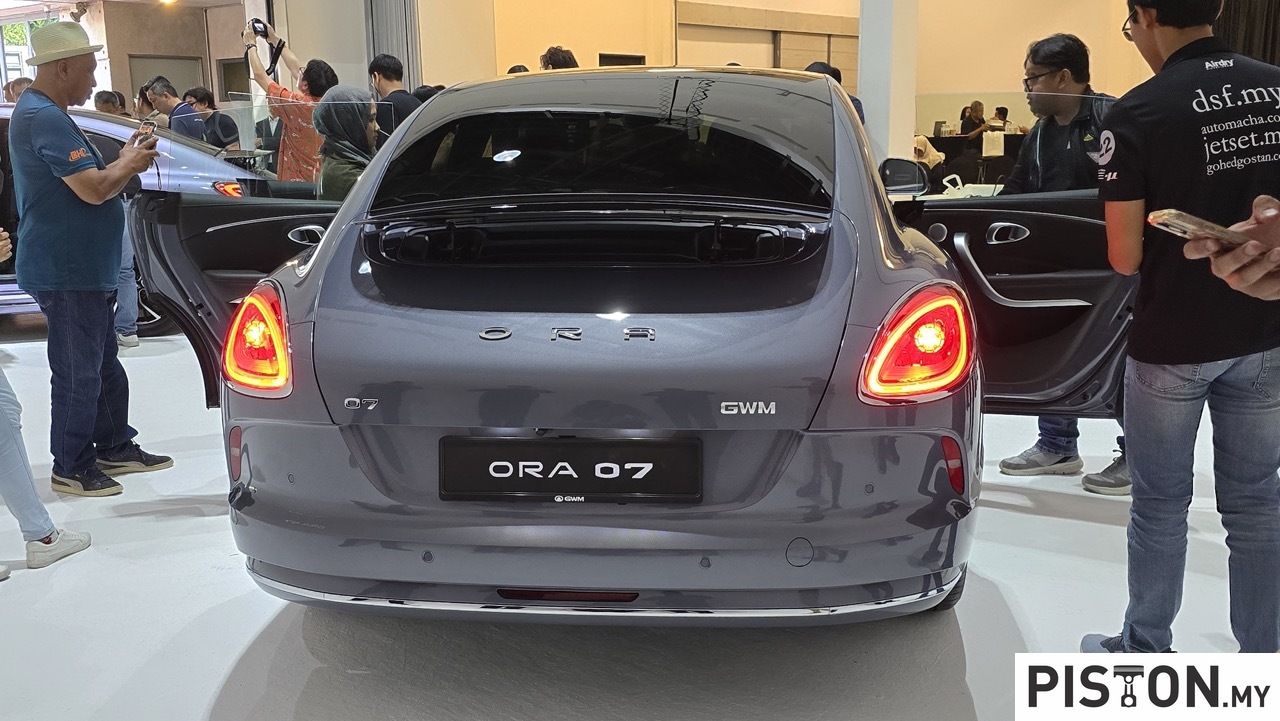
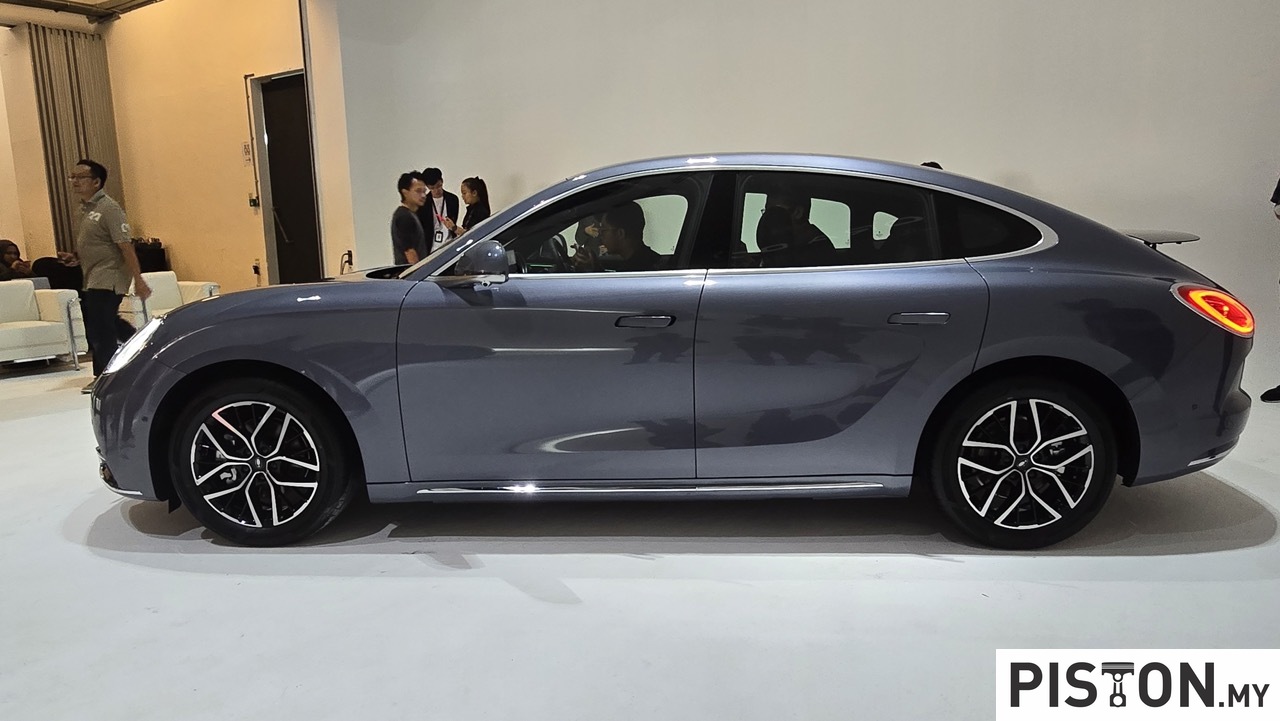
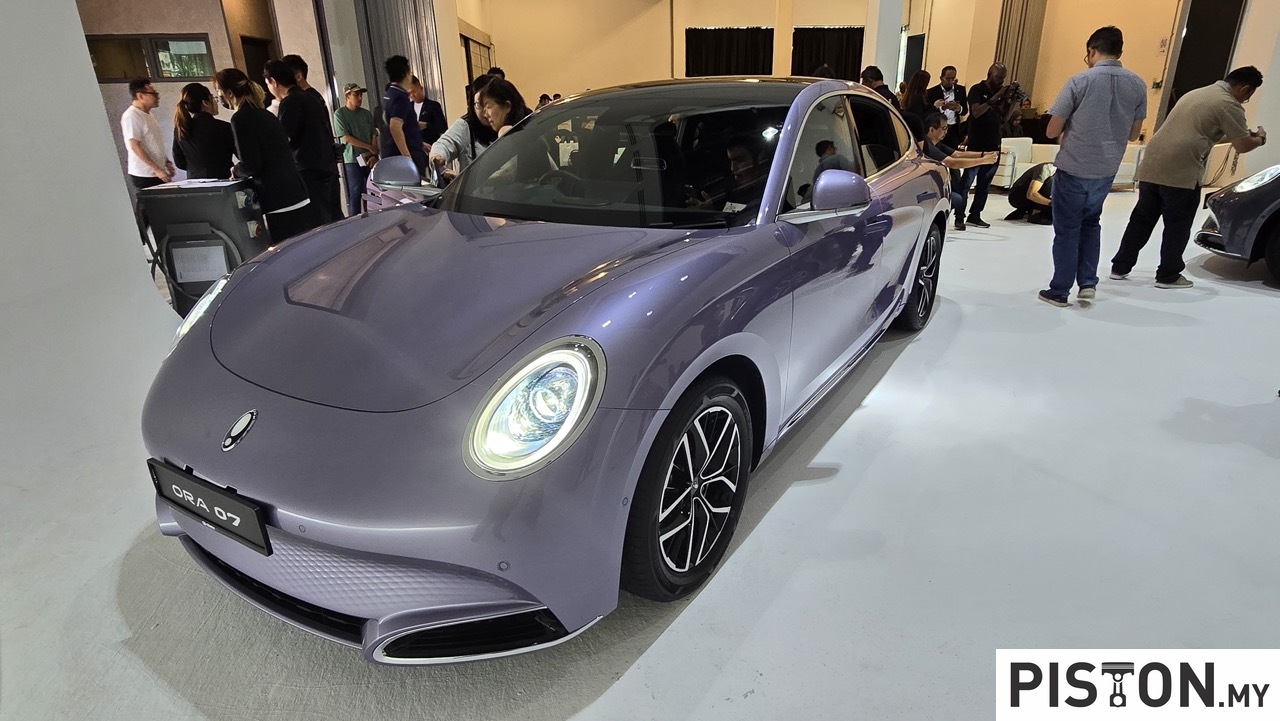
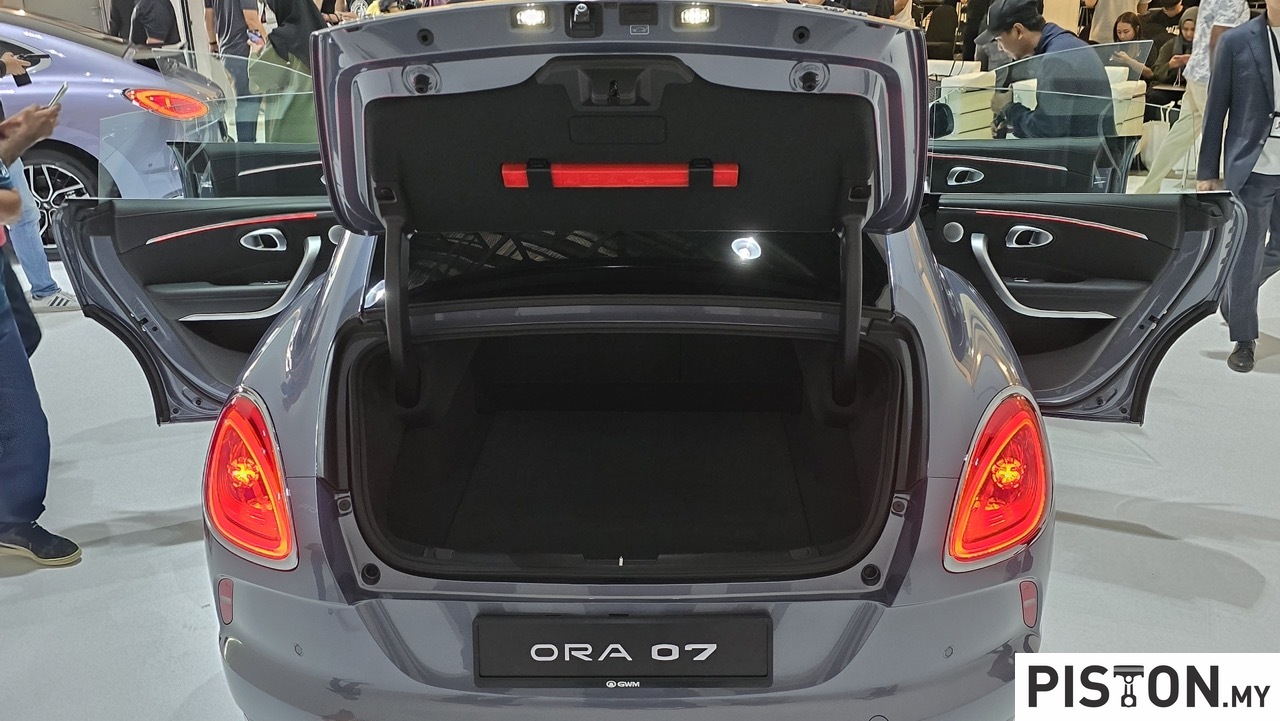
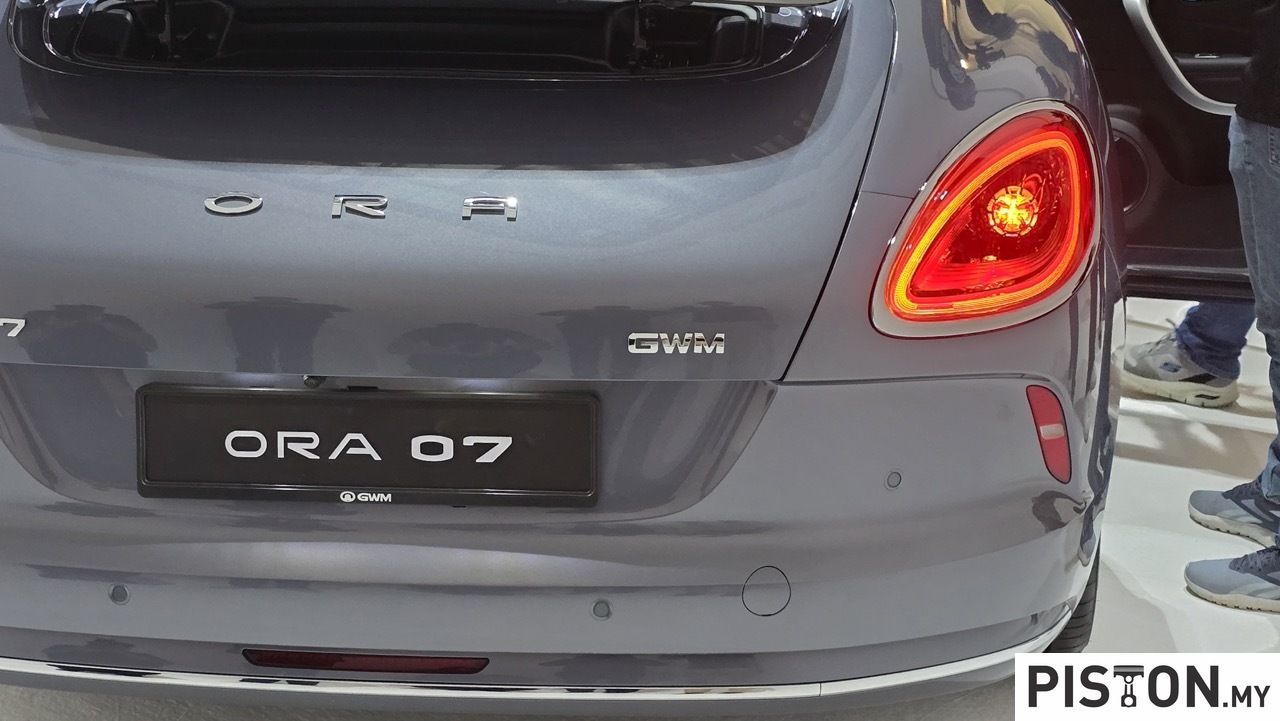
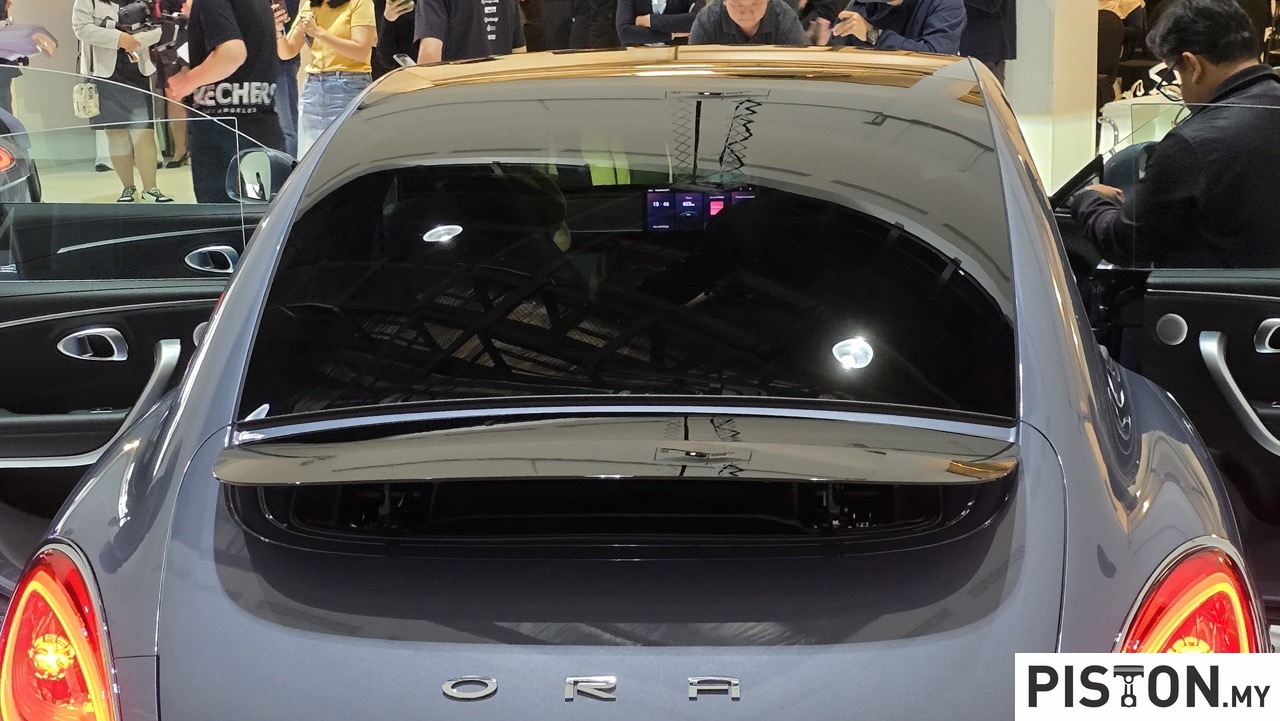
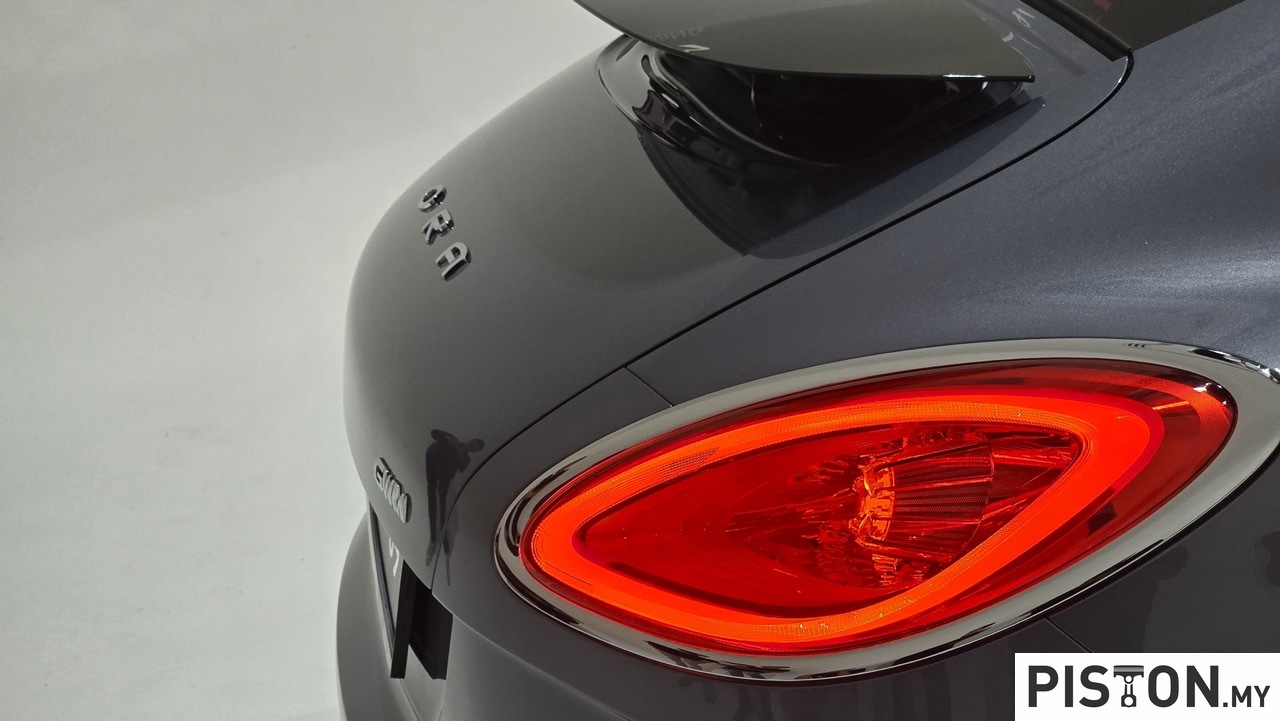
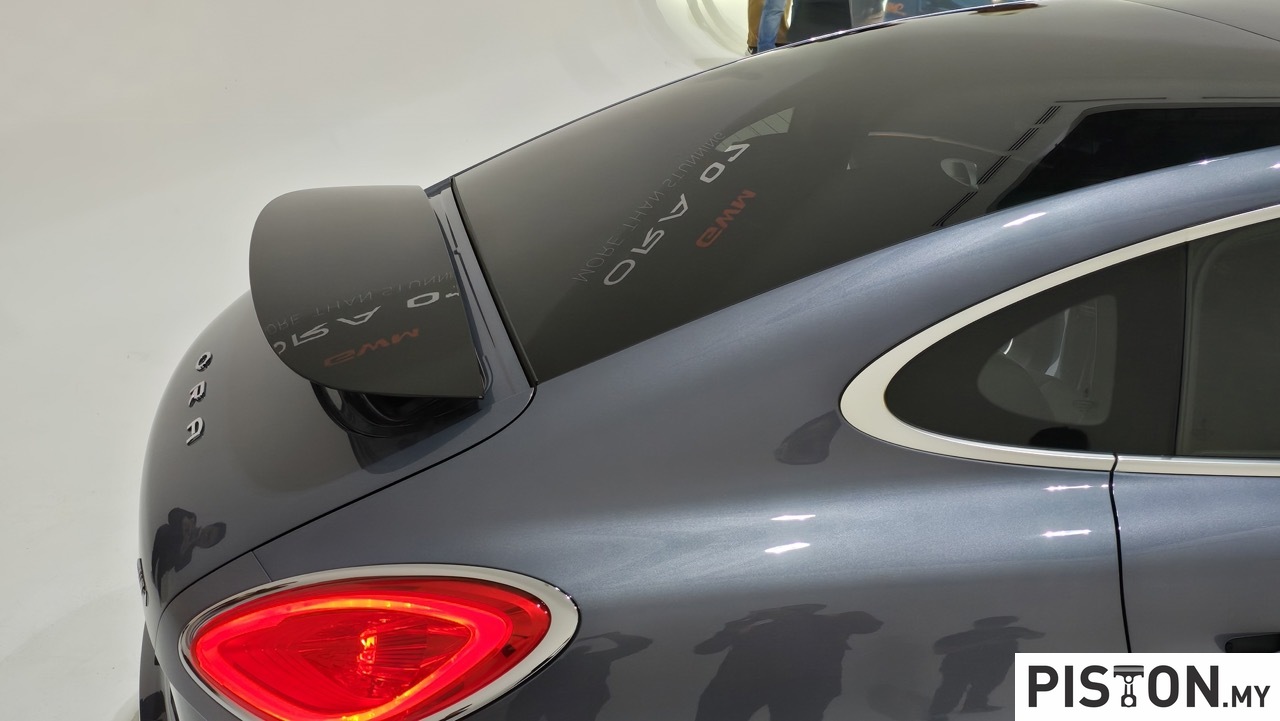
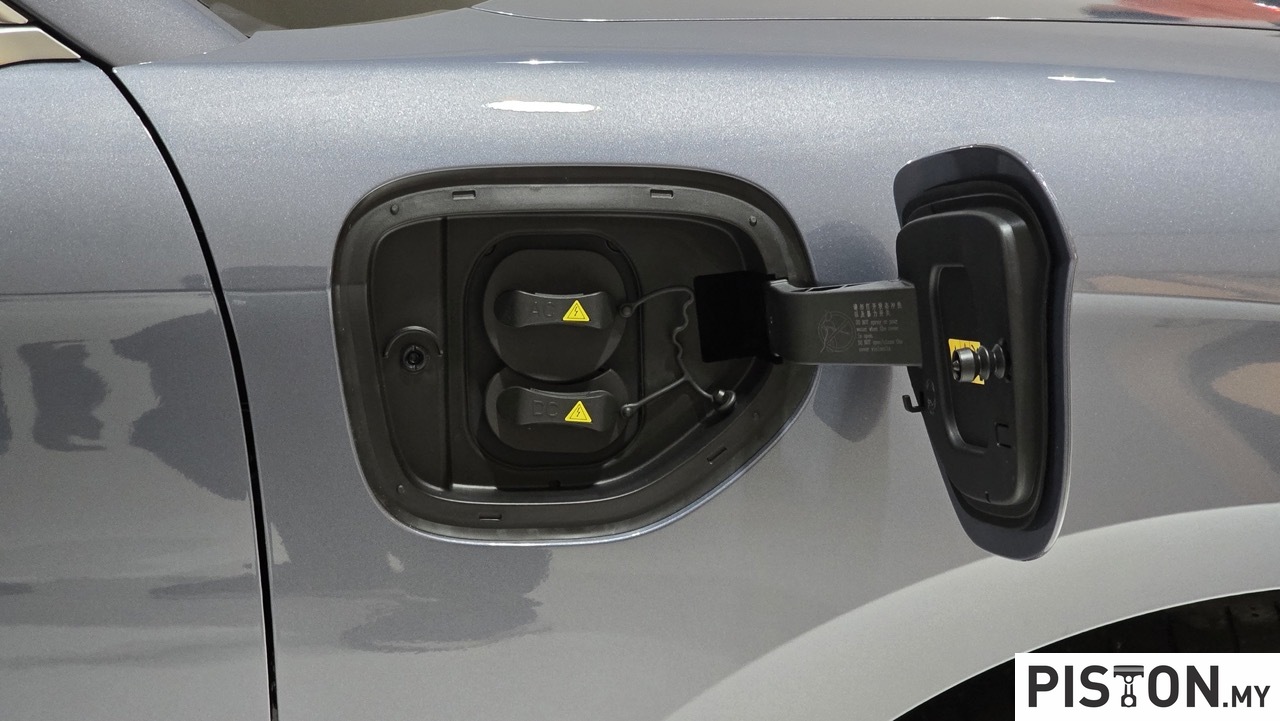
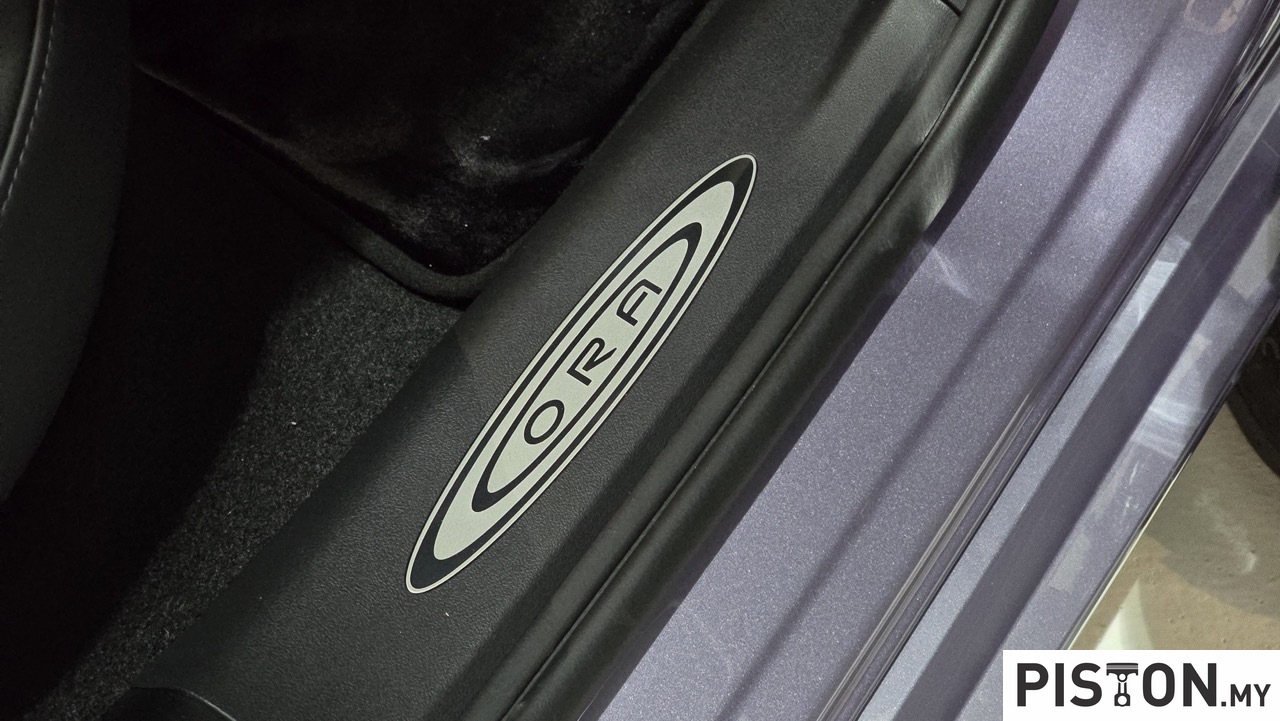
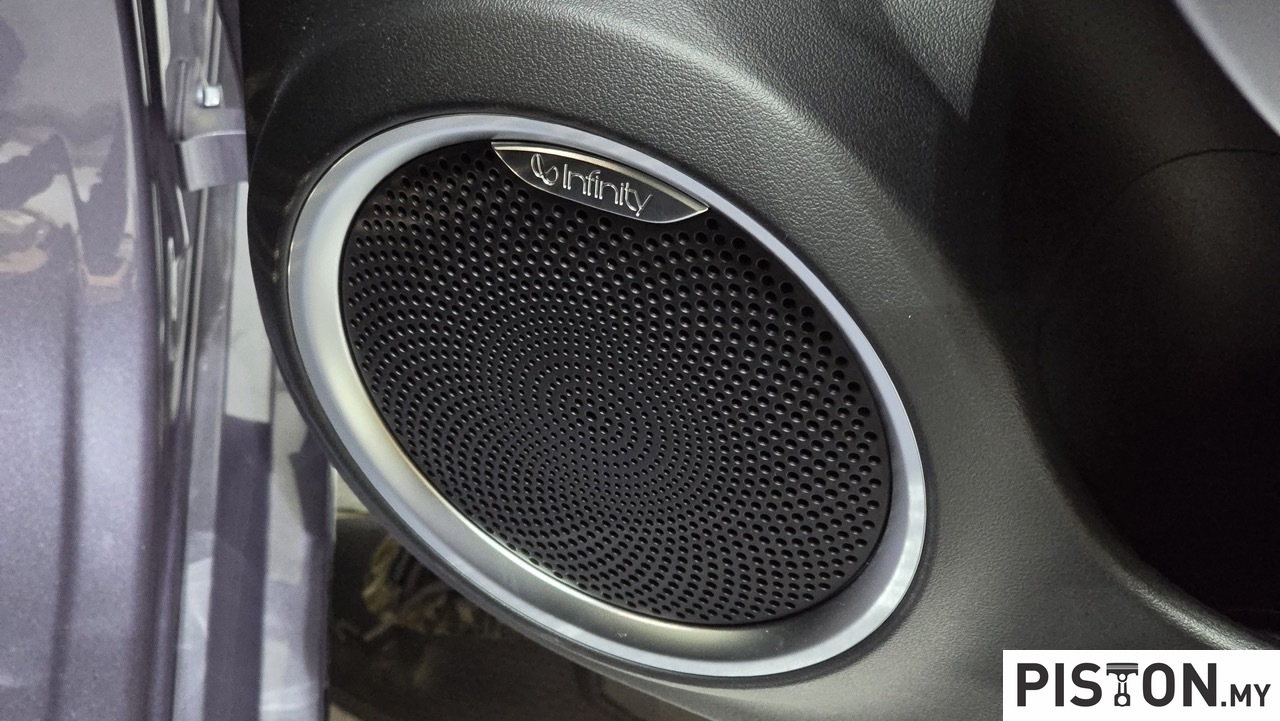
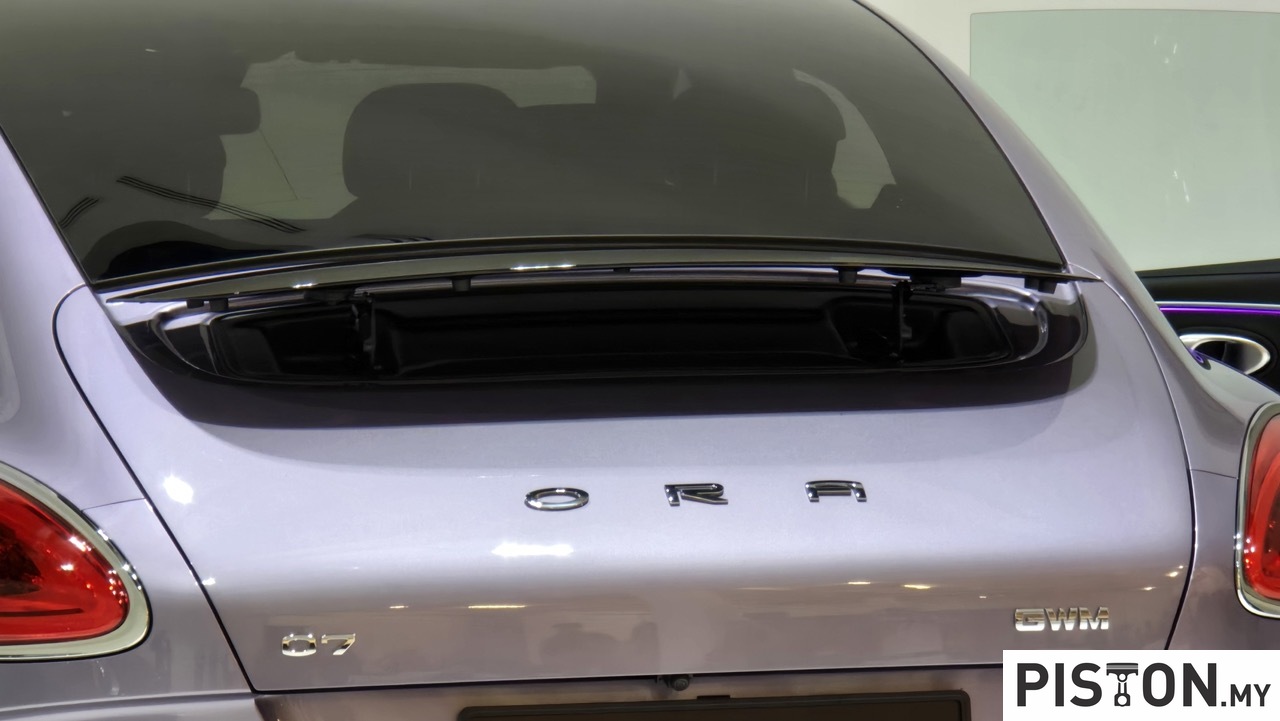
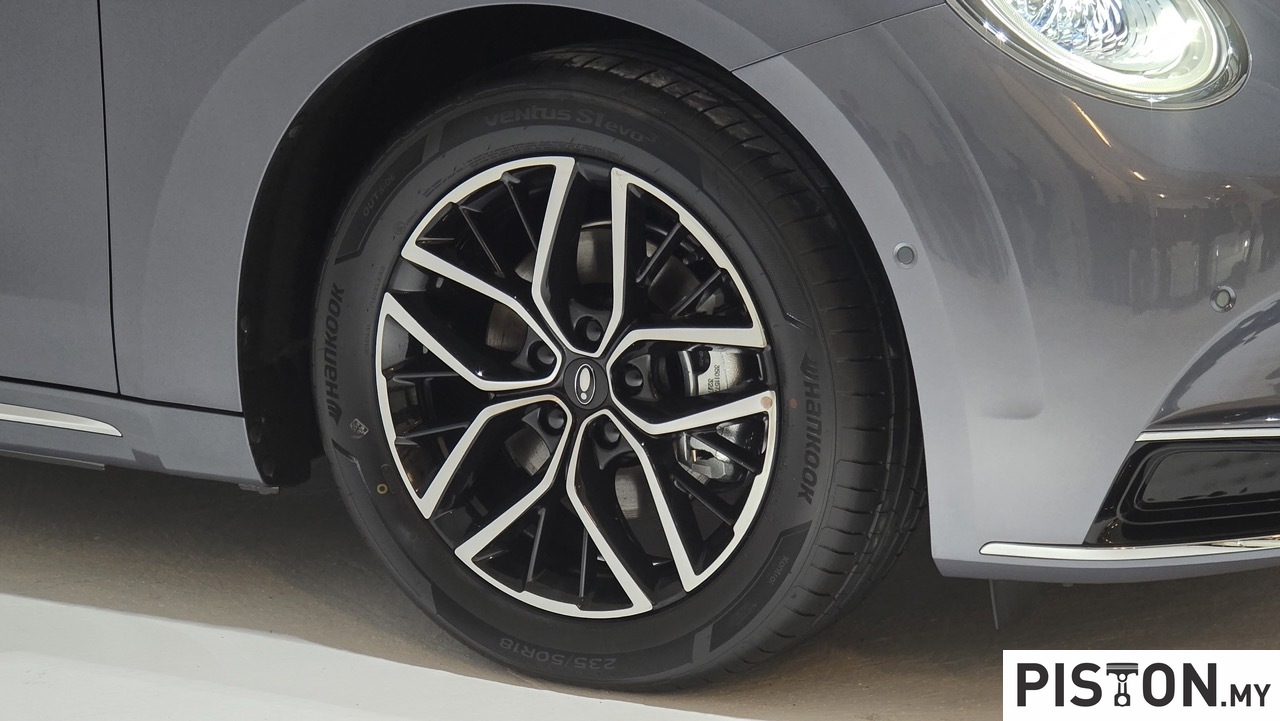
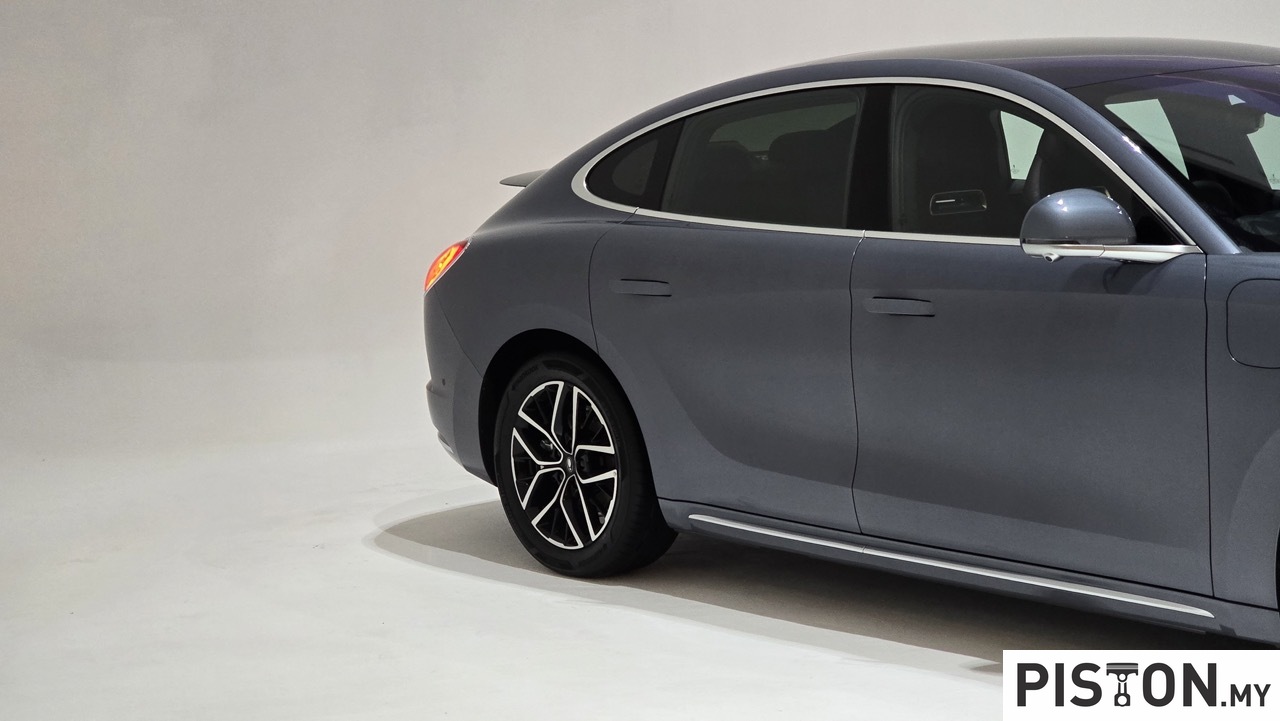
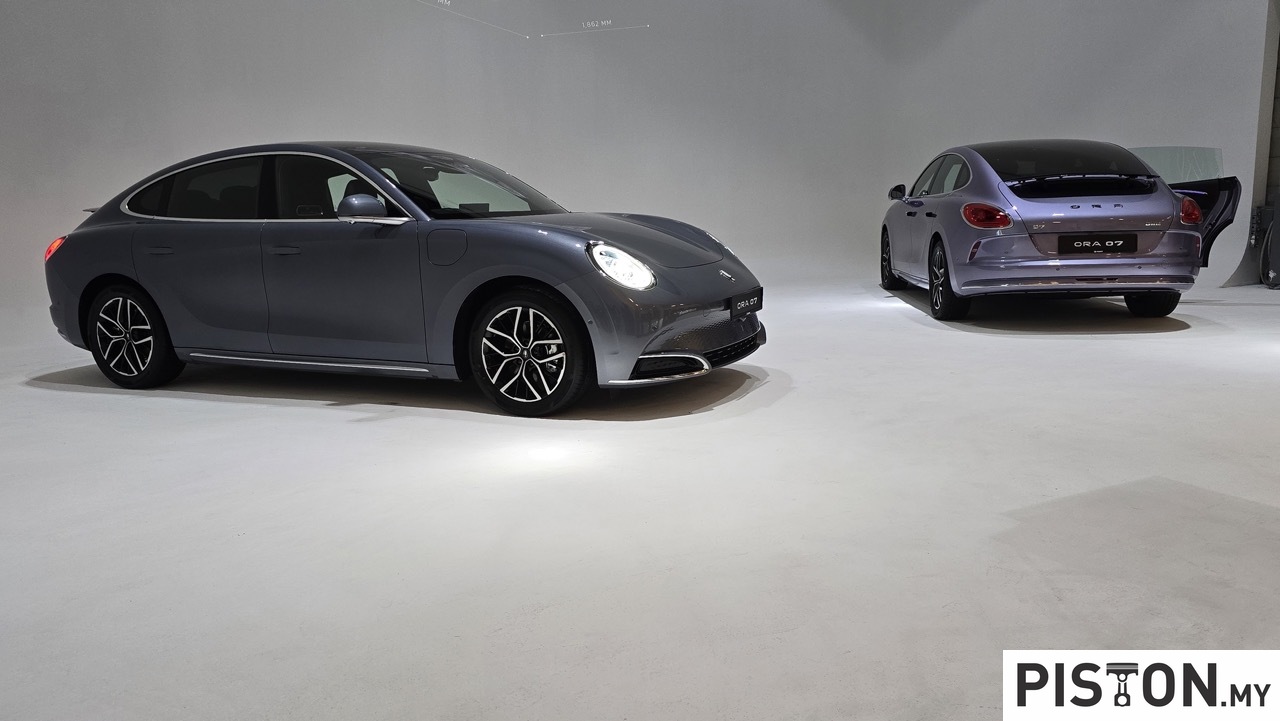
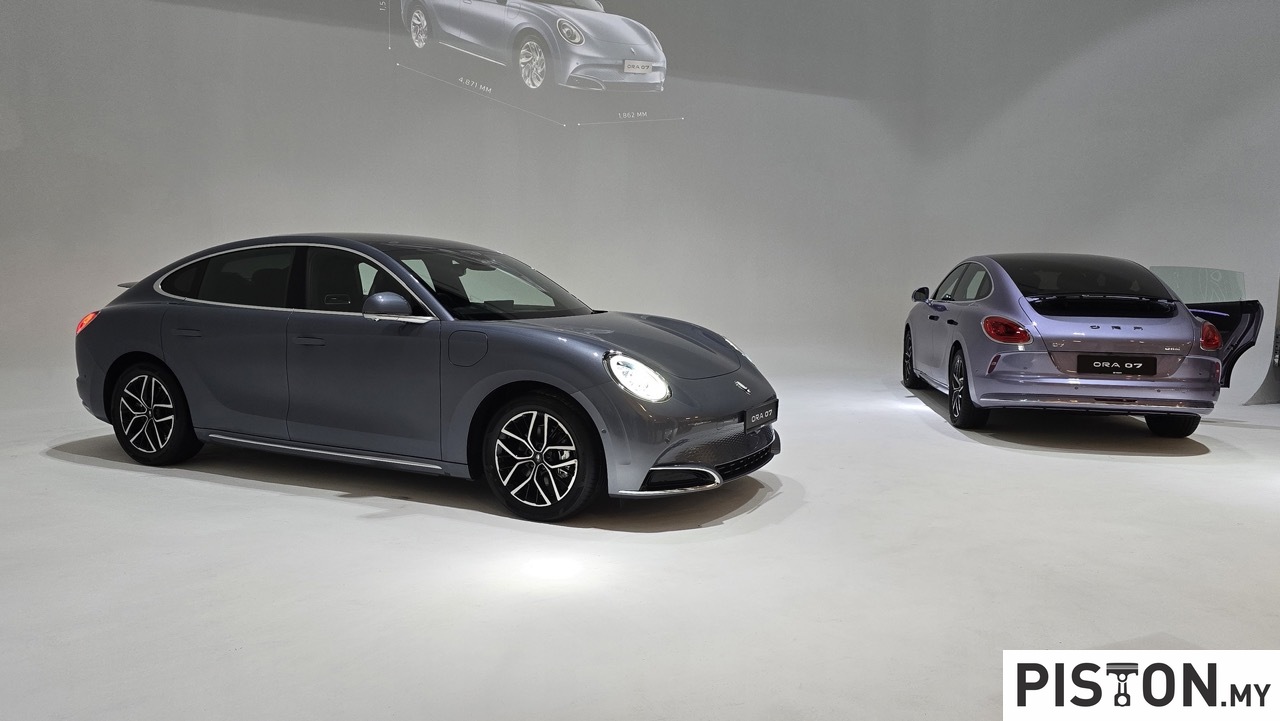
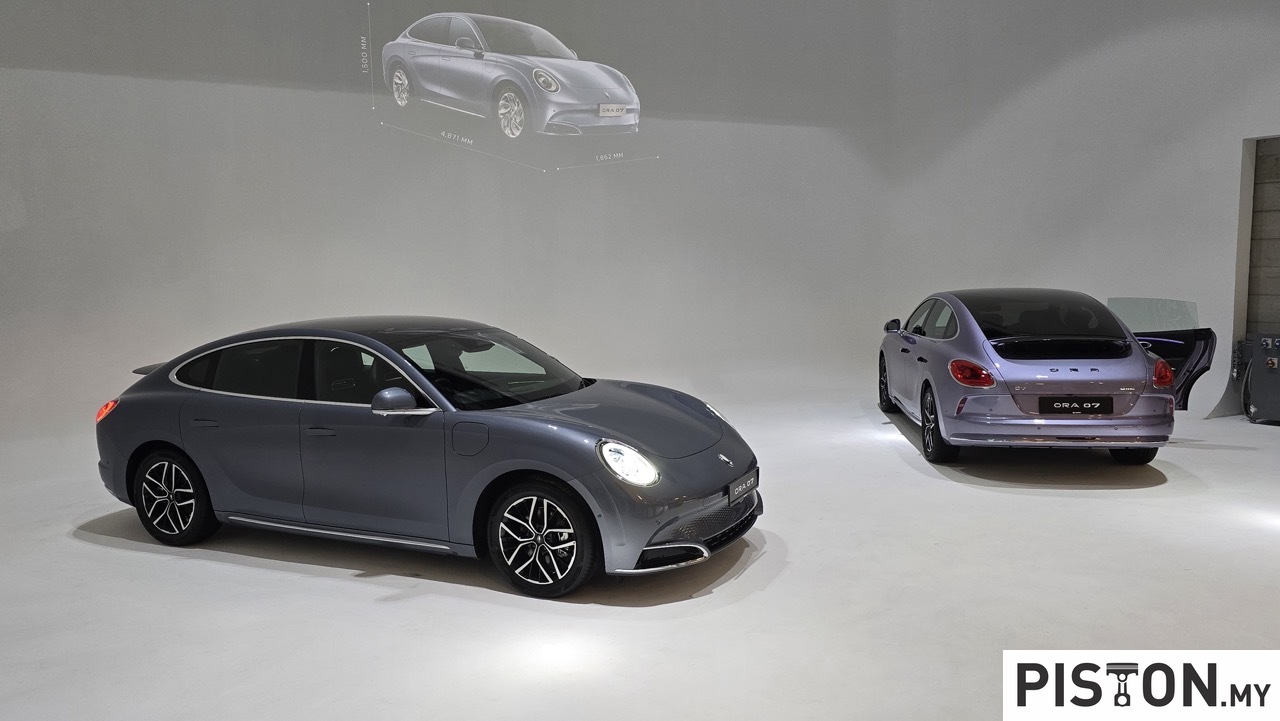
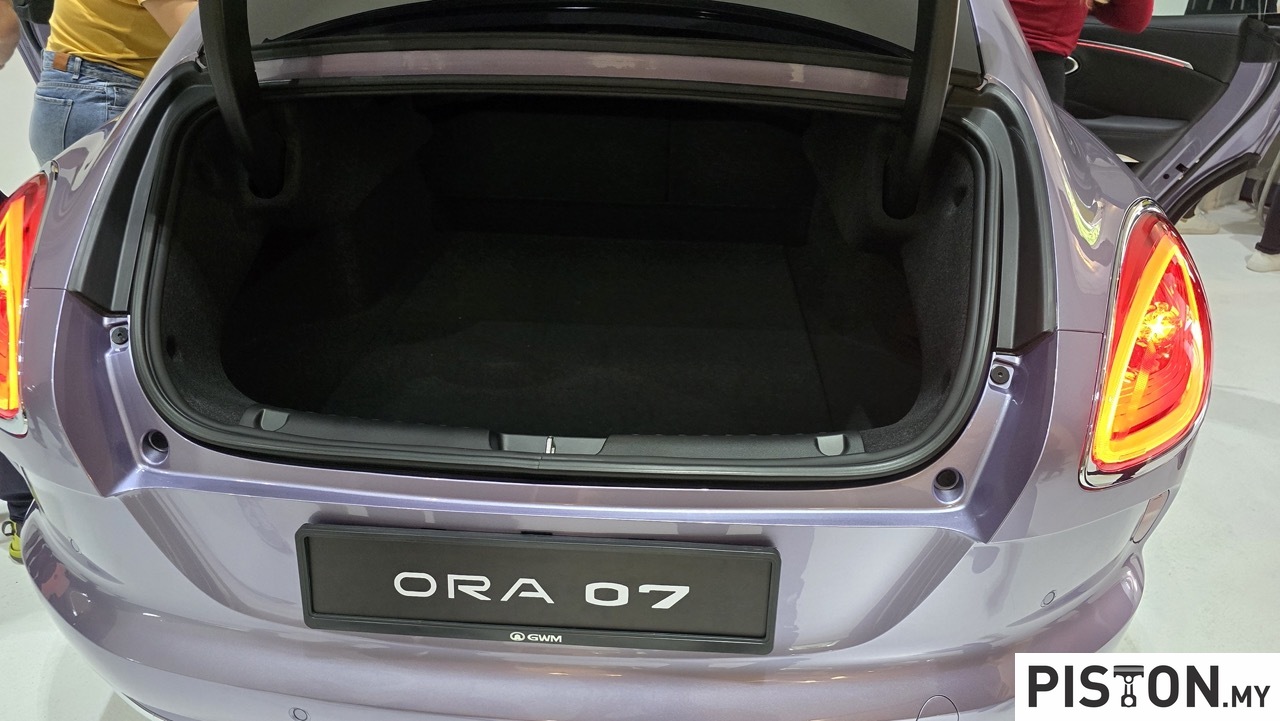
Great Wall Motor Malaysia (GWM) introduced the GWM Ora 07, a groundbreaking electric vehicle (EV) that sets new standards in mobility, during its Media Preview event. The GWM Ora 07 leads GWM’s ambitious 2024 lineup, paving the way for subsequent releases like the GWM Haval H6 HEV in Q2 and the GWM Tank 300 in Q3 of 2024.

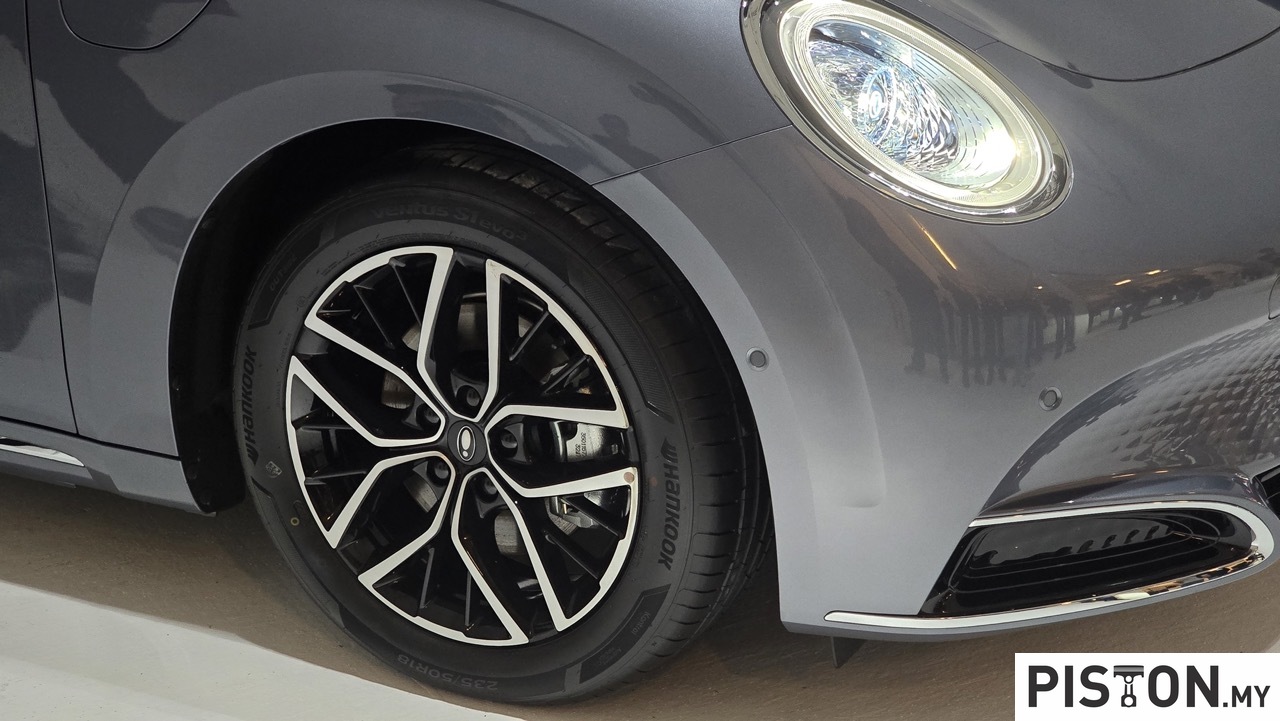
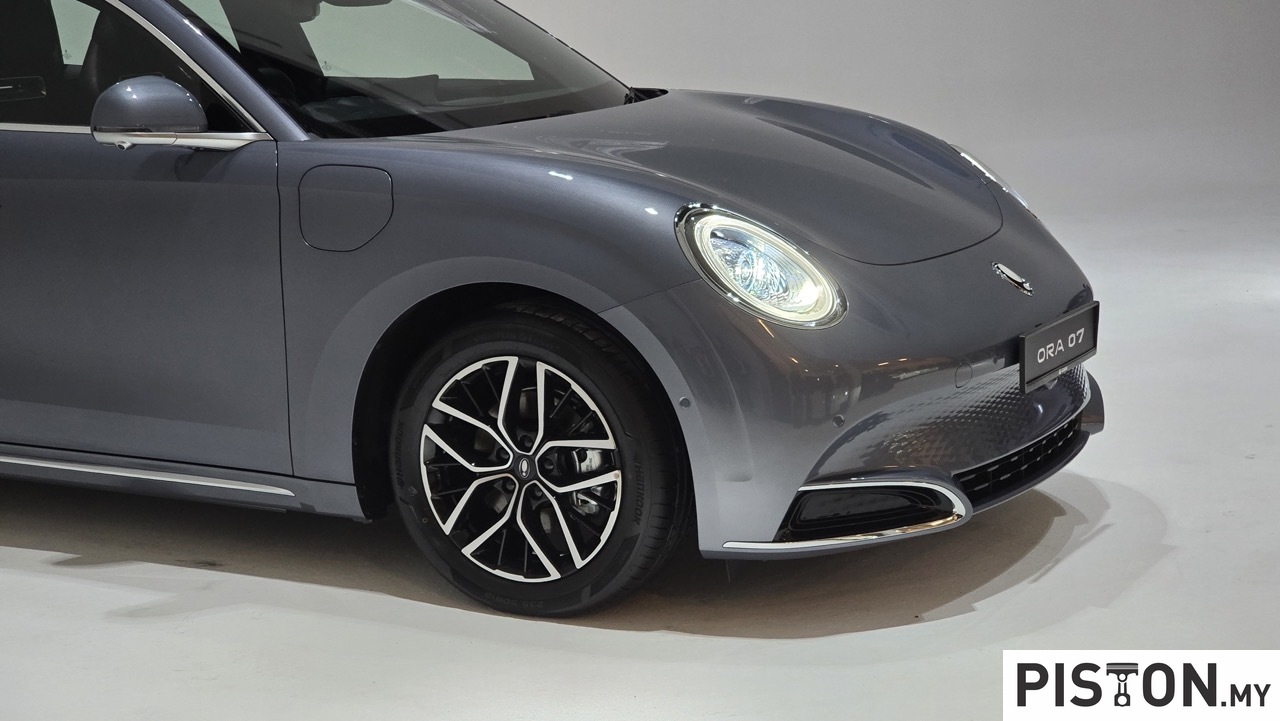
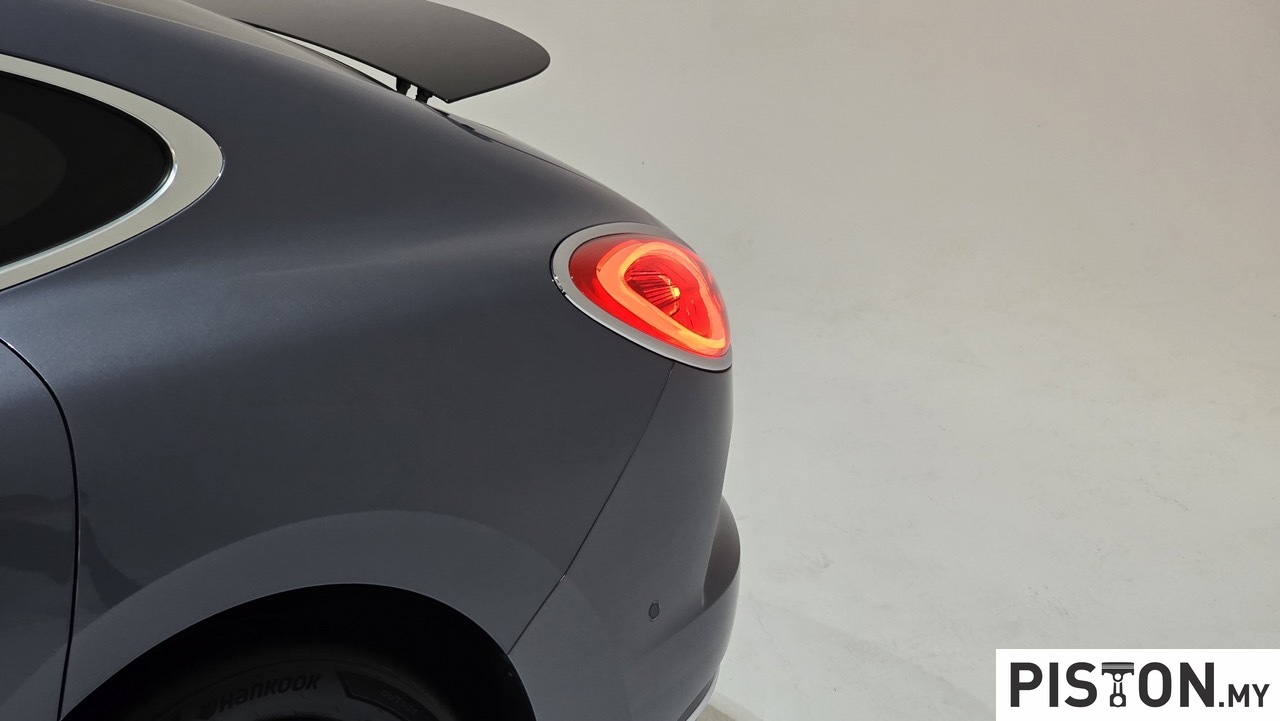
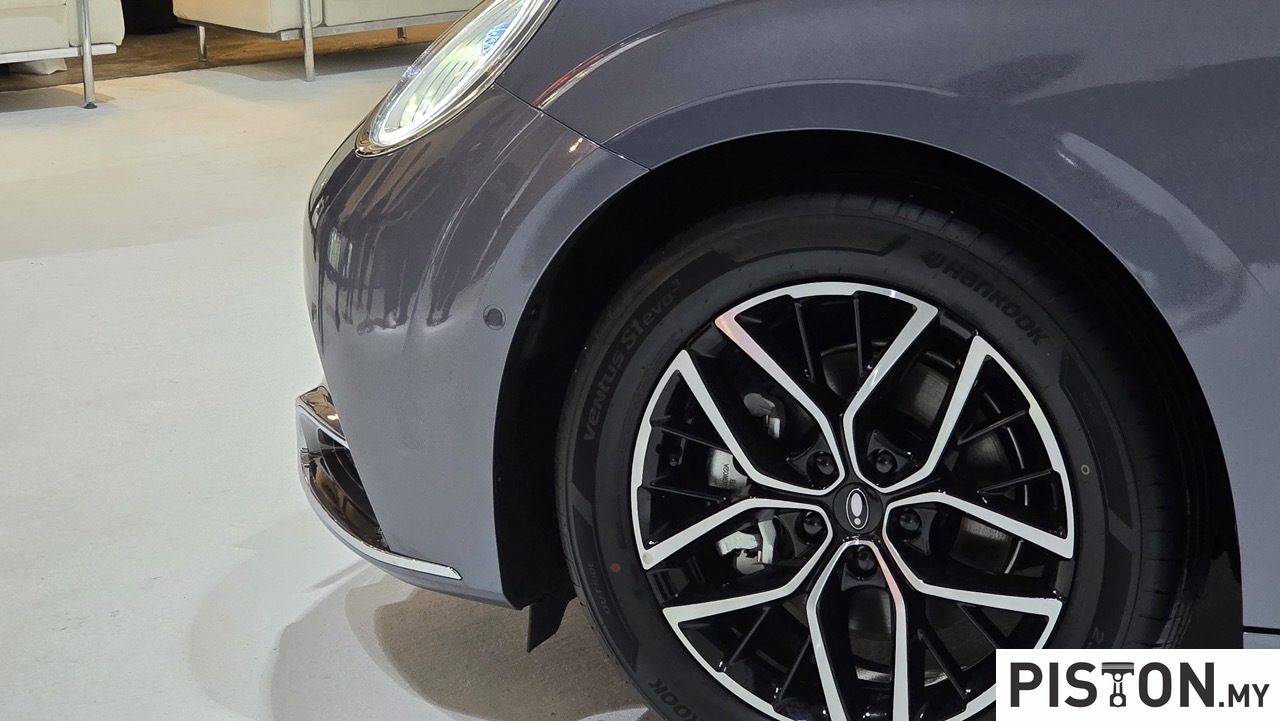
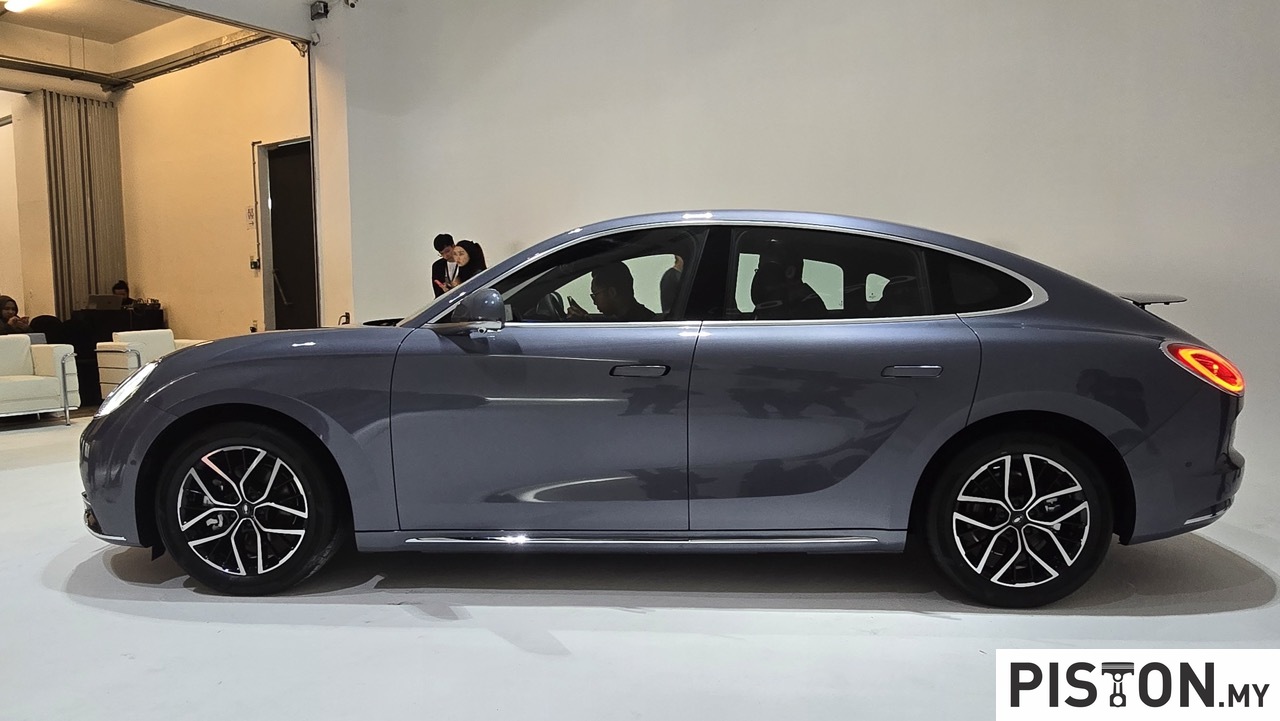
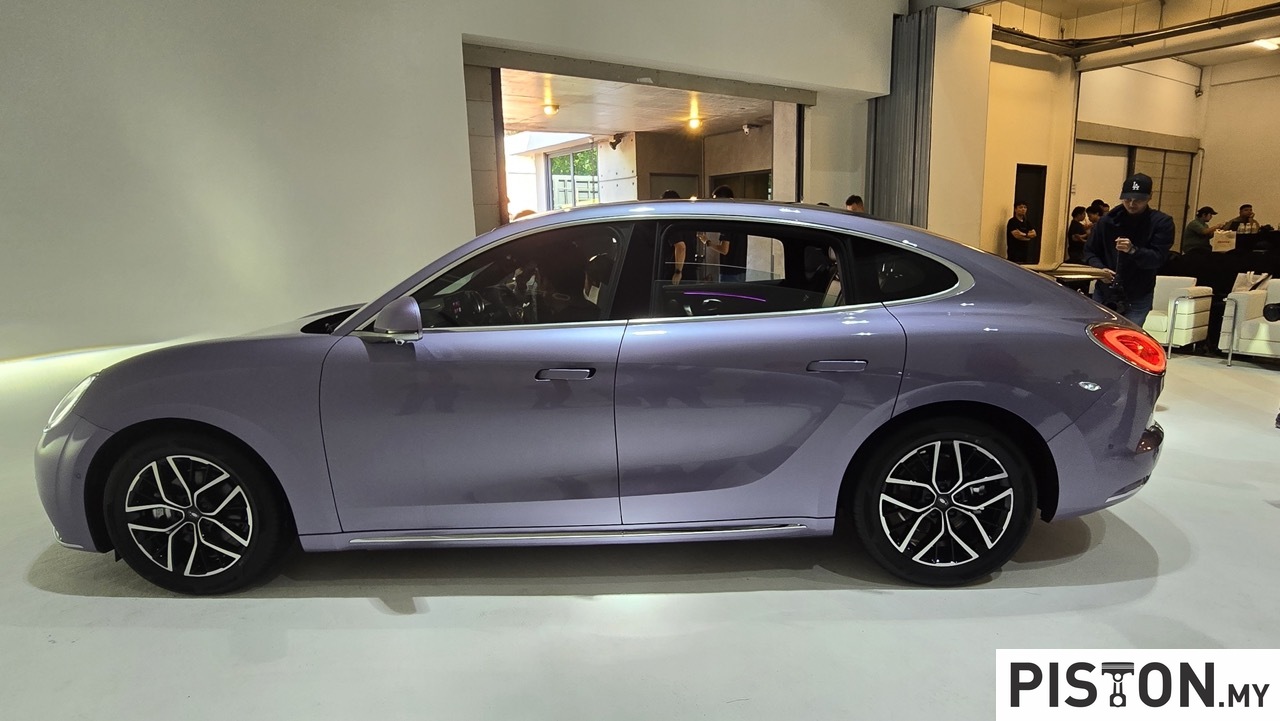
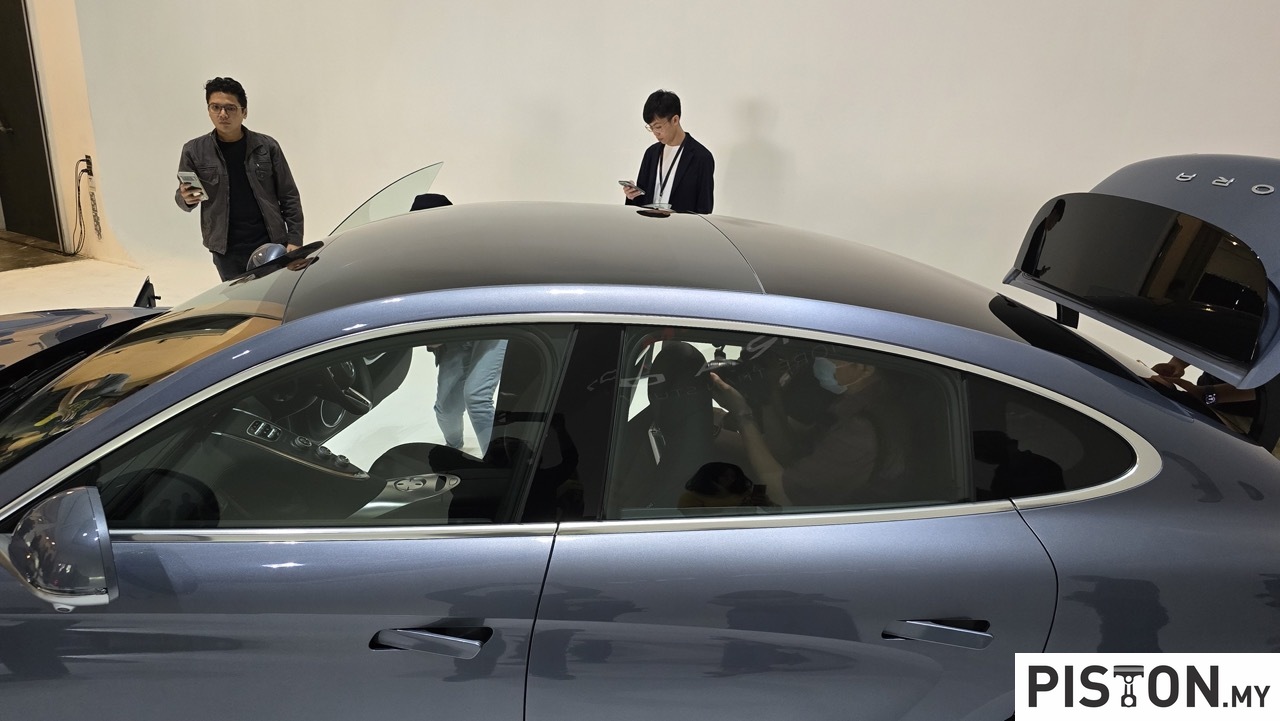
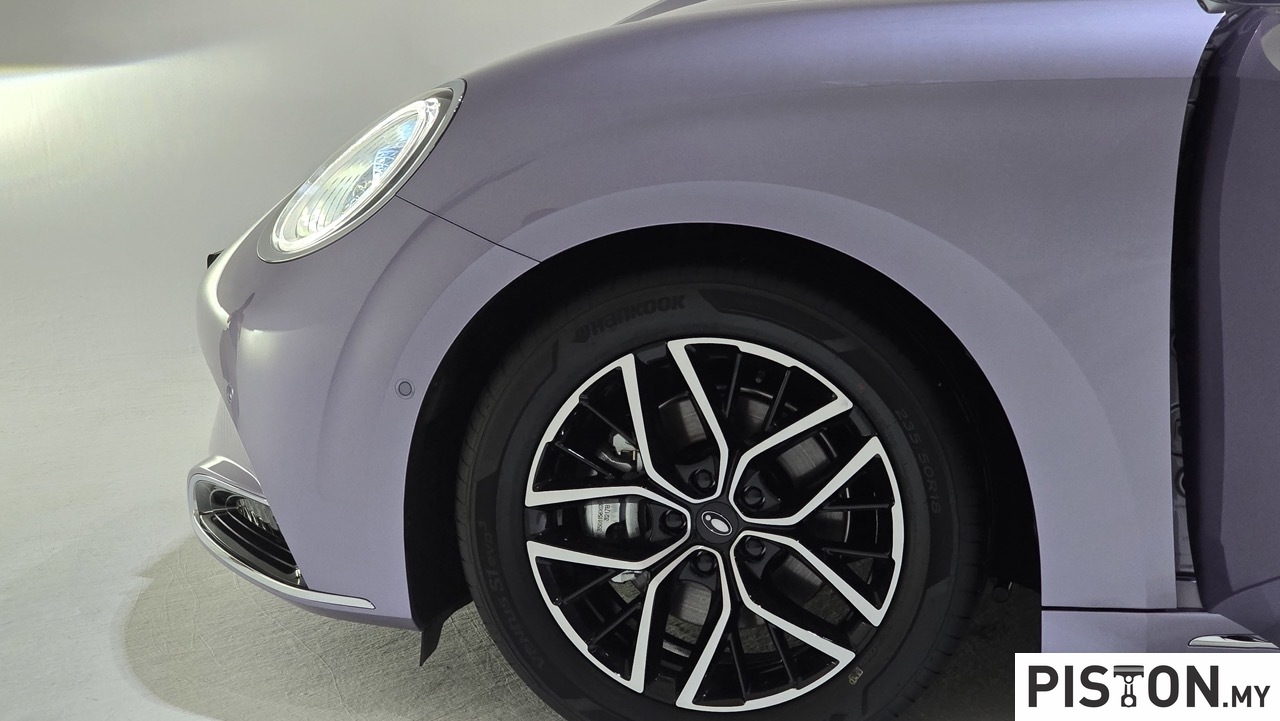
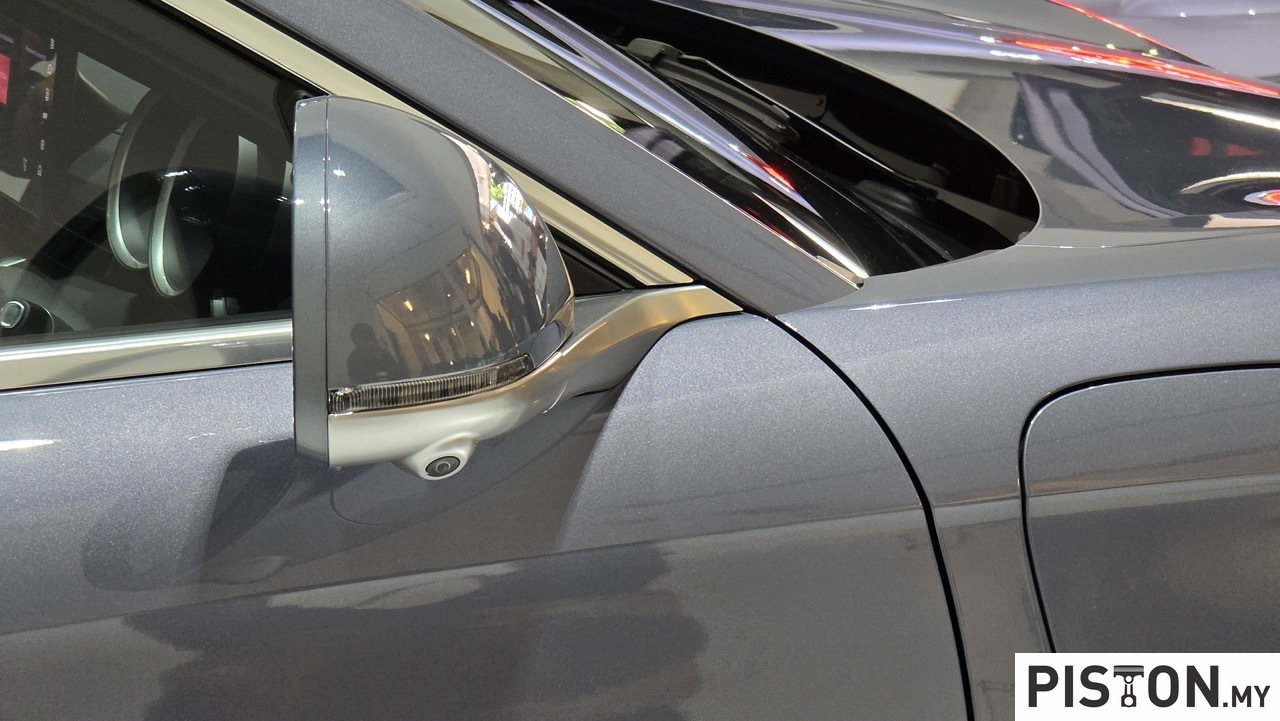
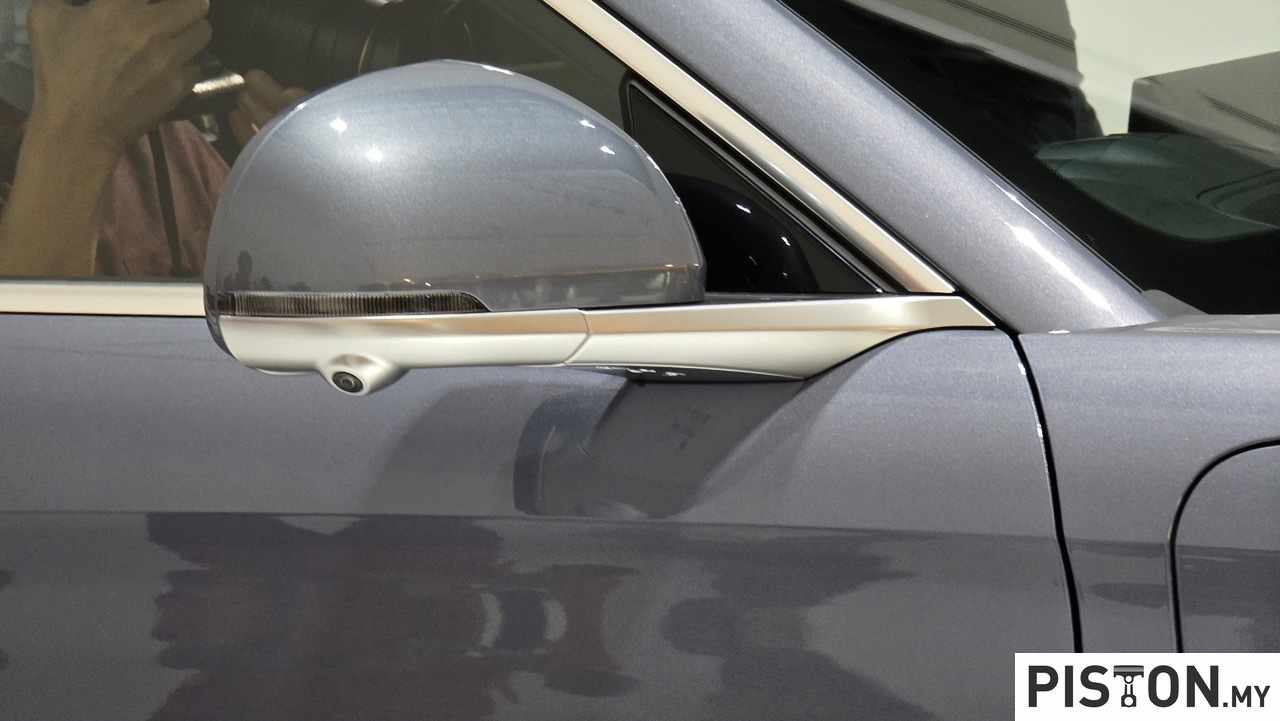
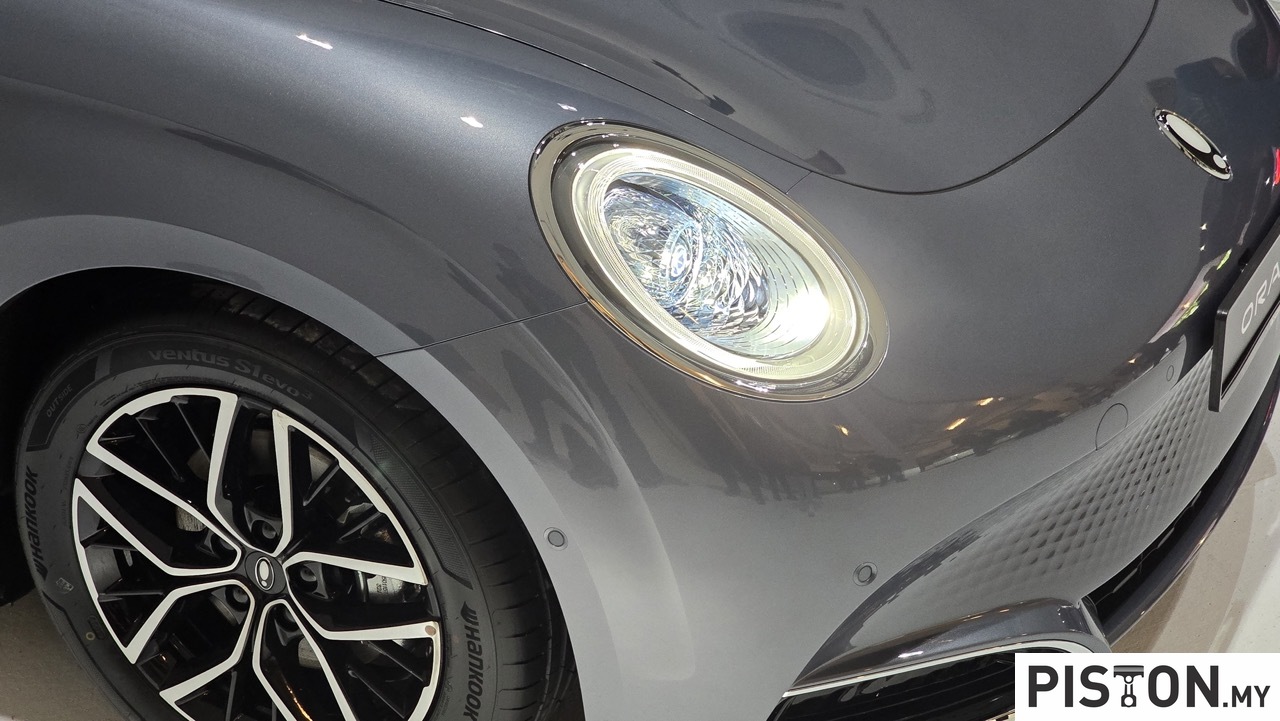
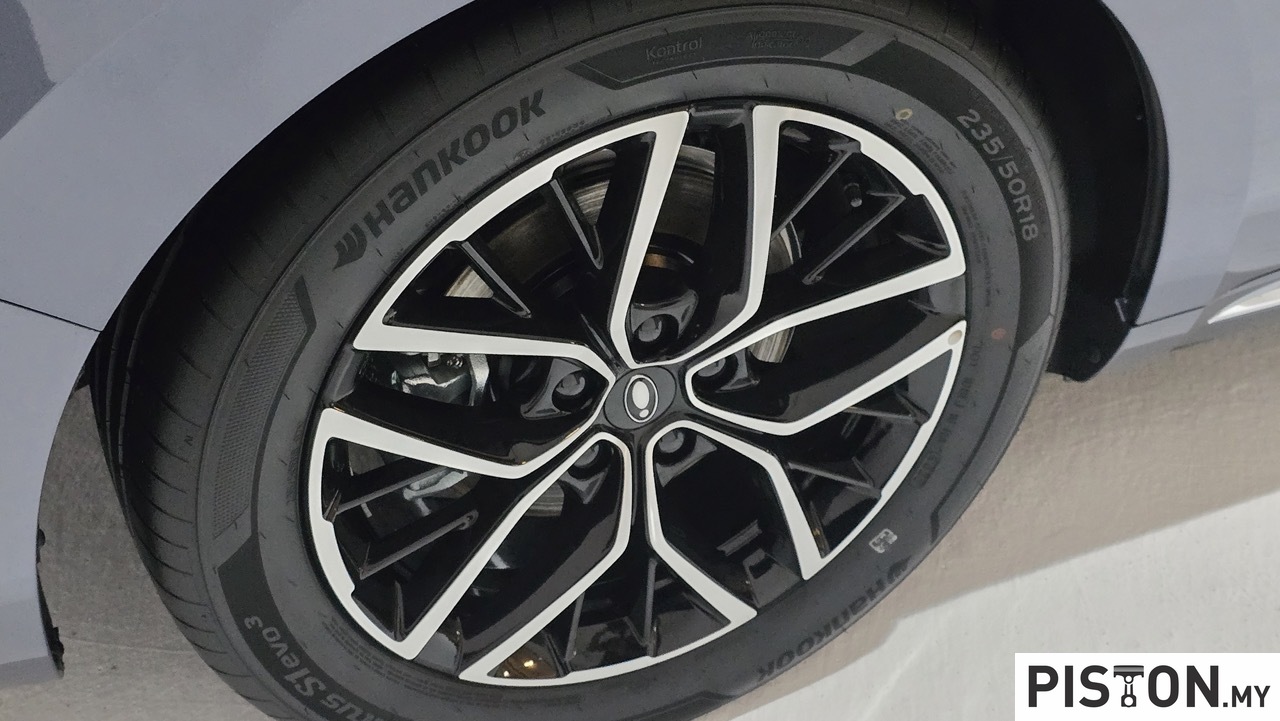
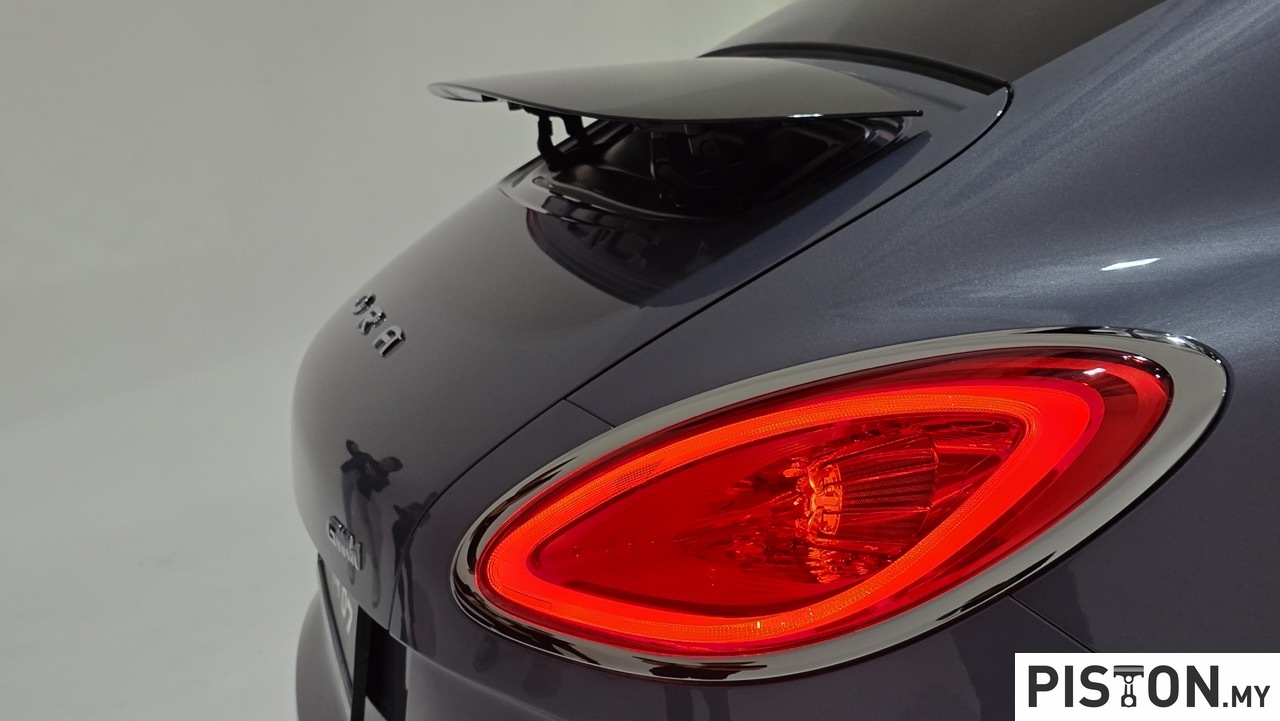
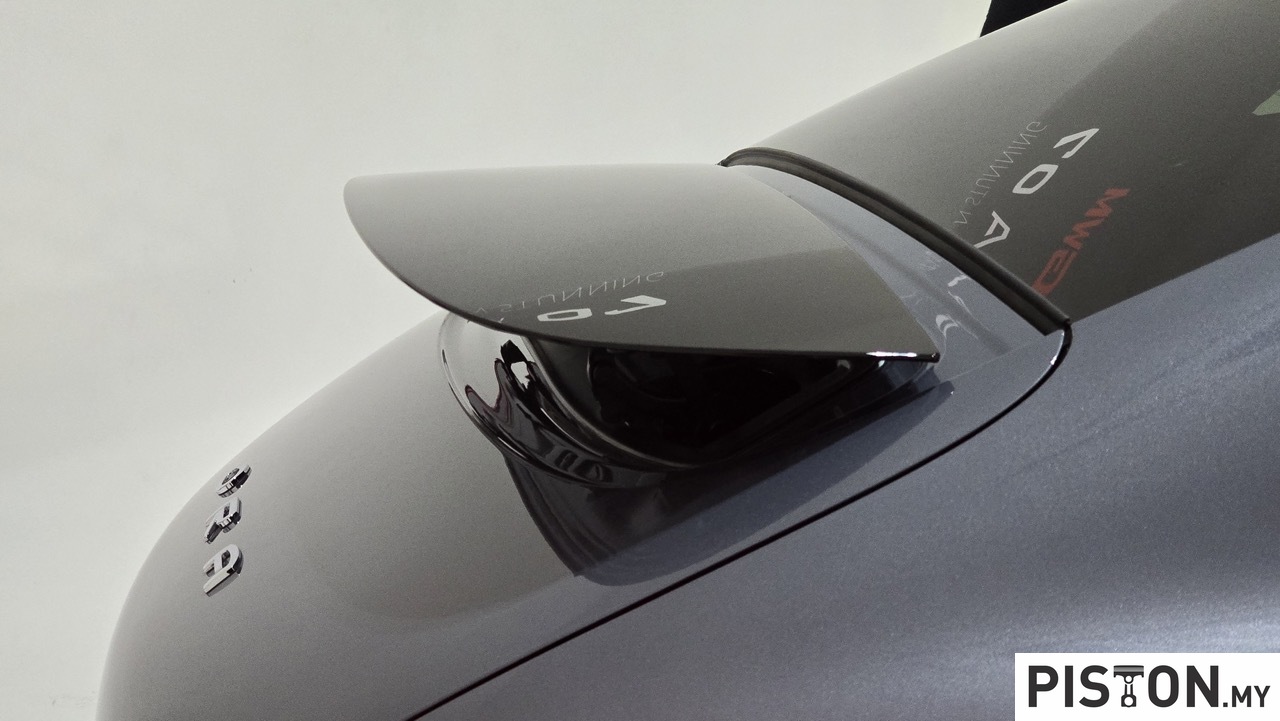
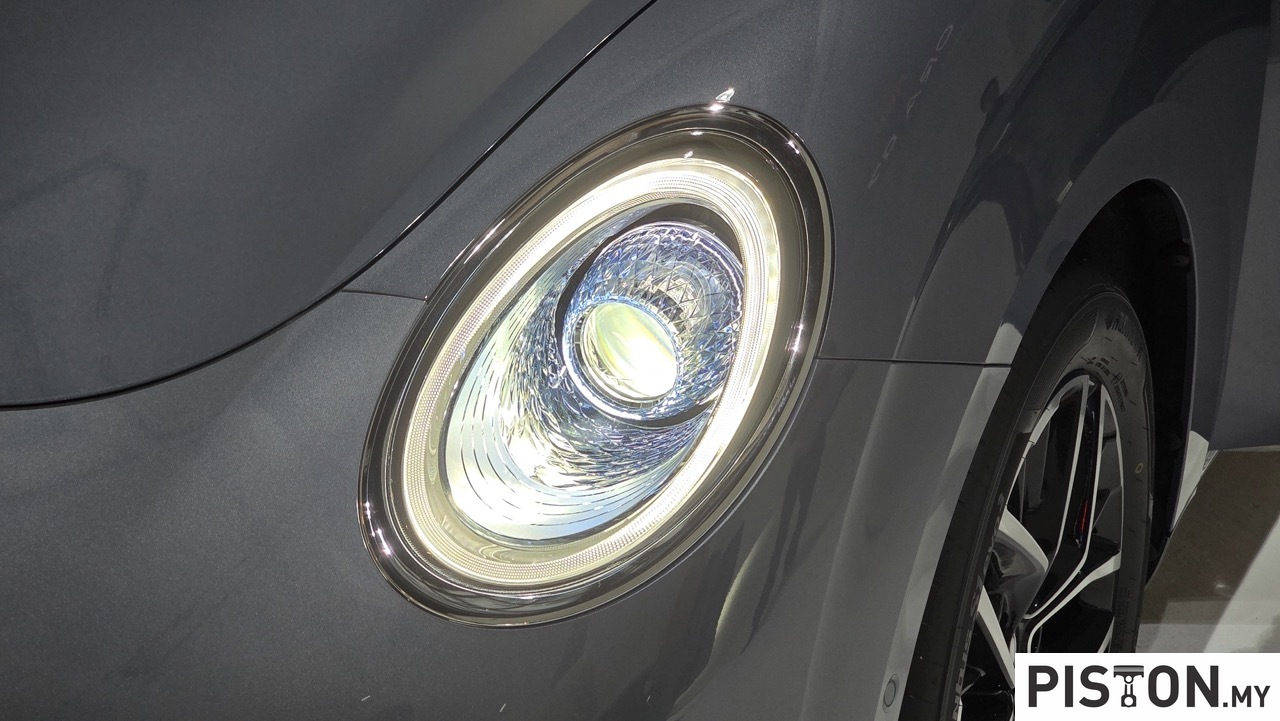
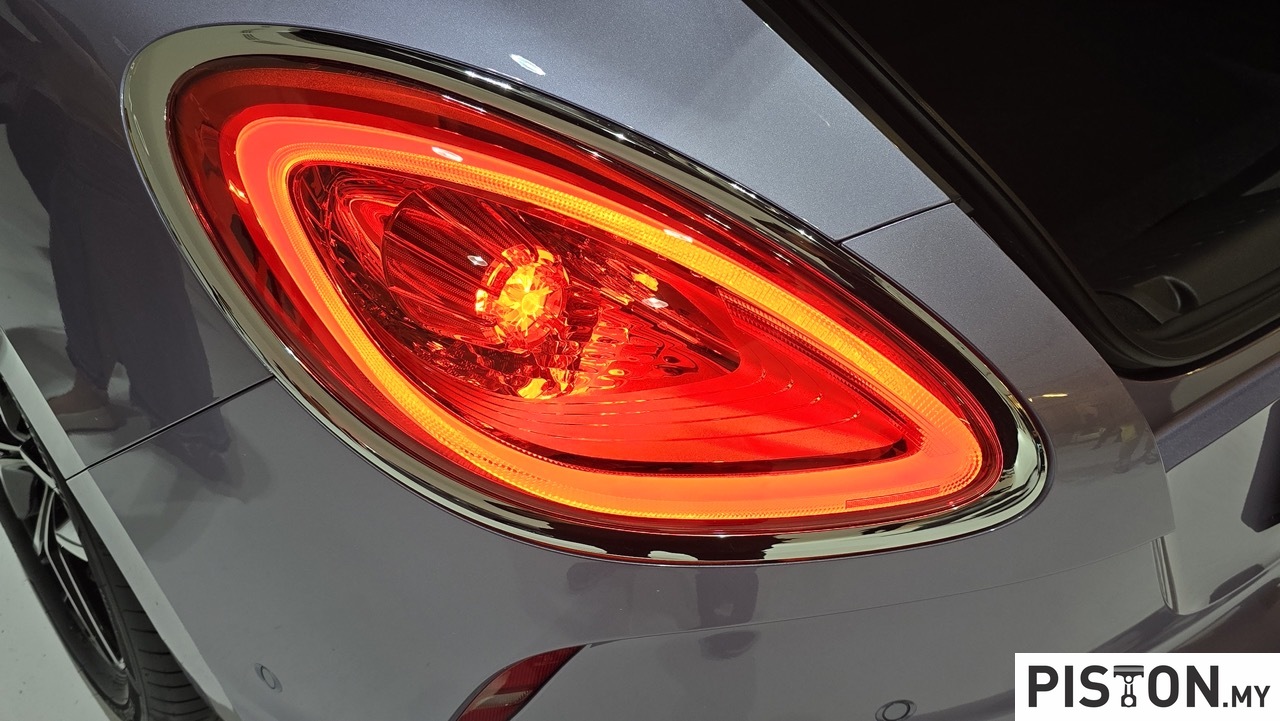
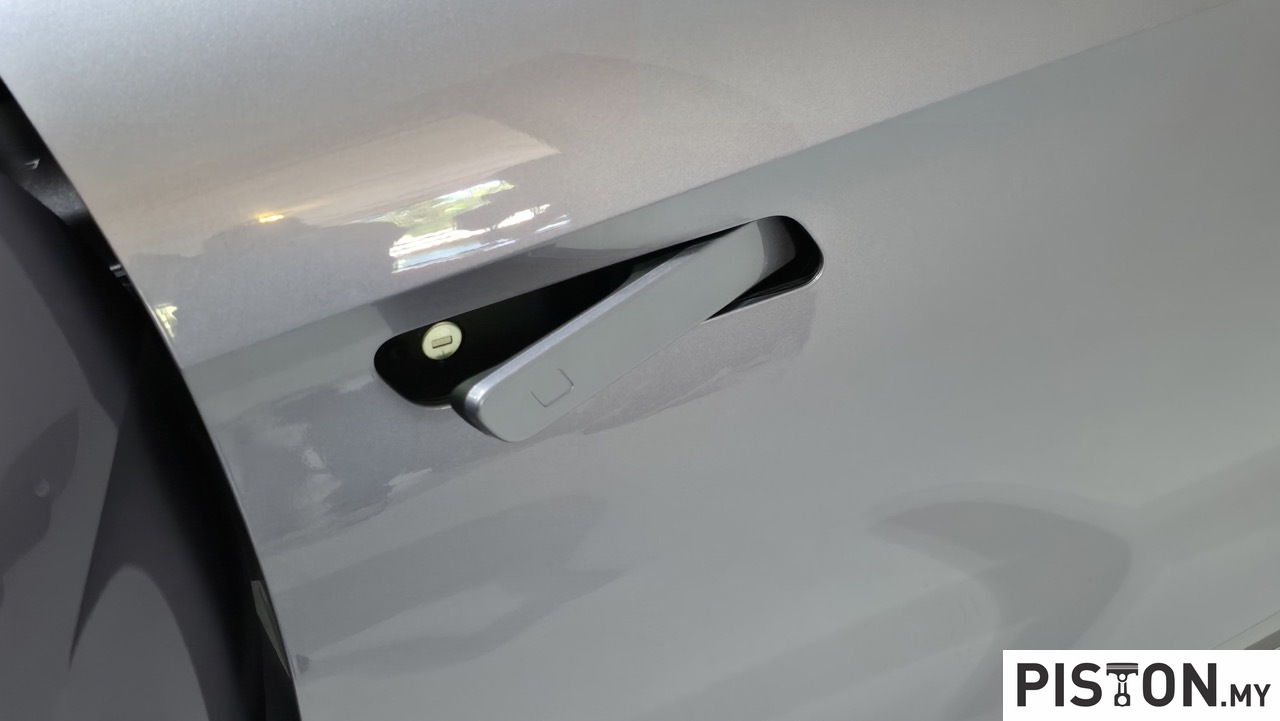
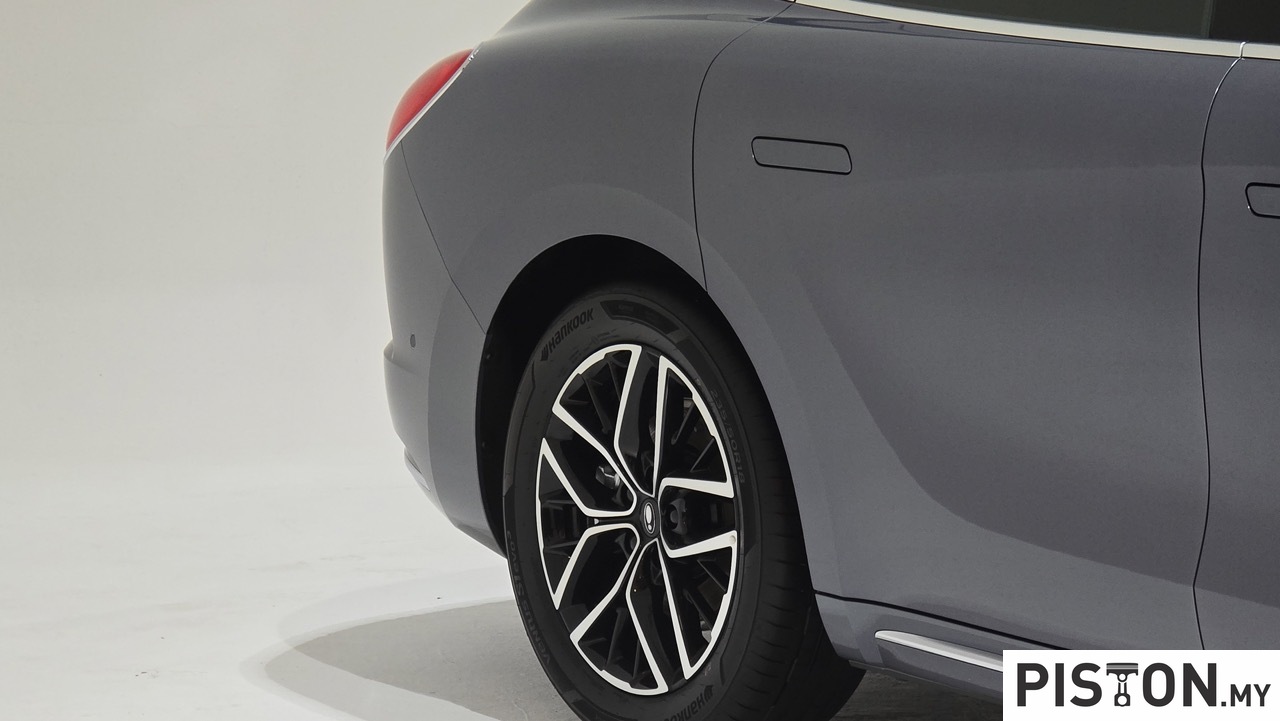
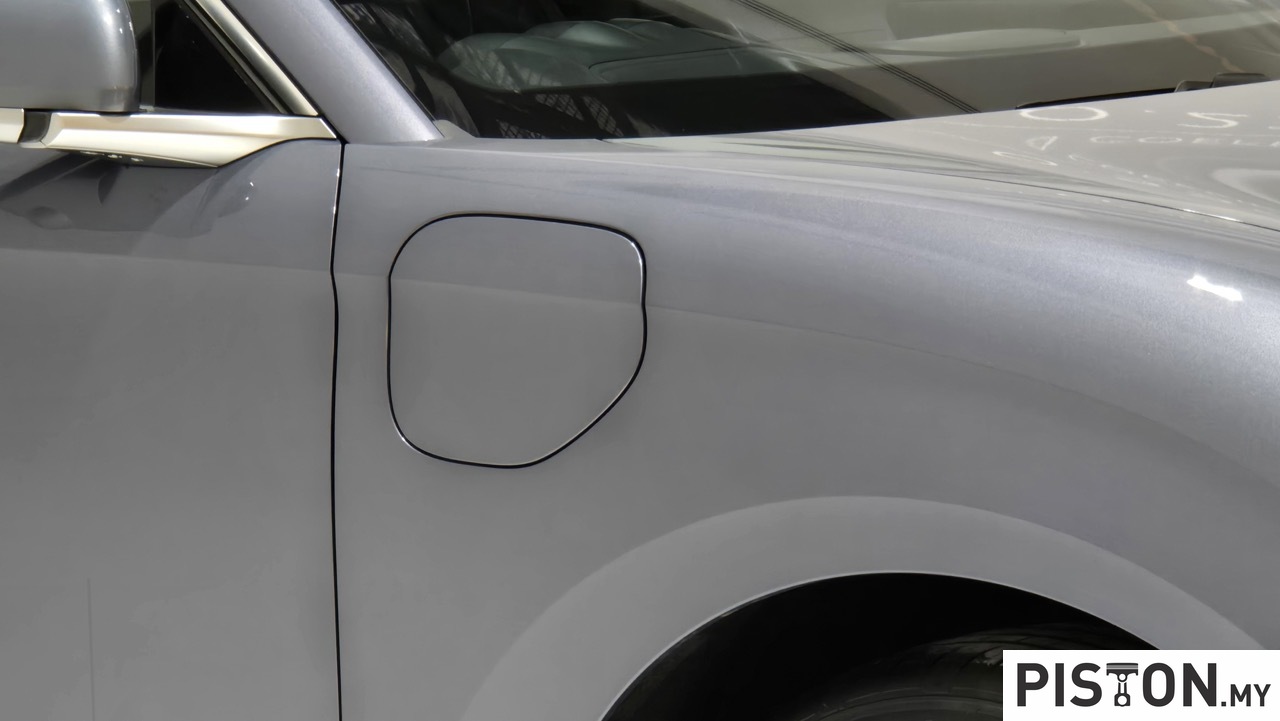
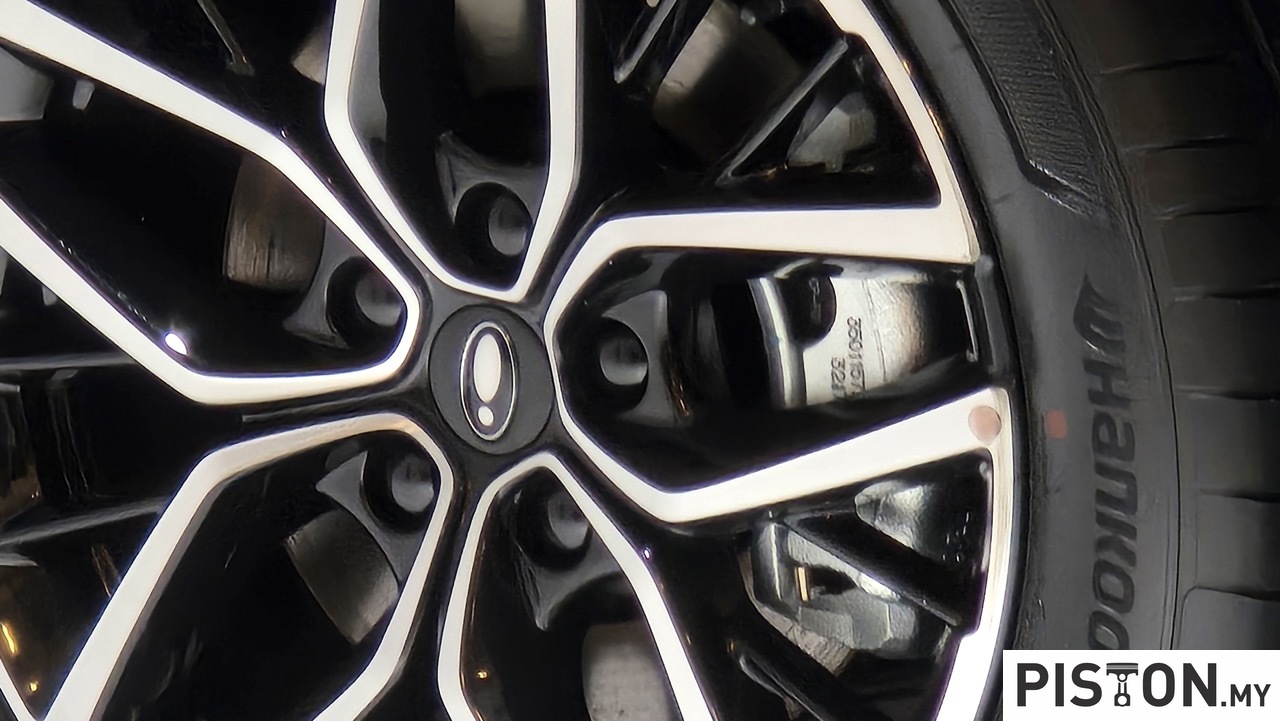
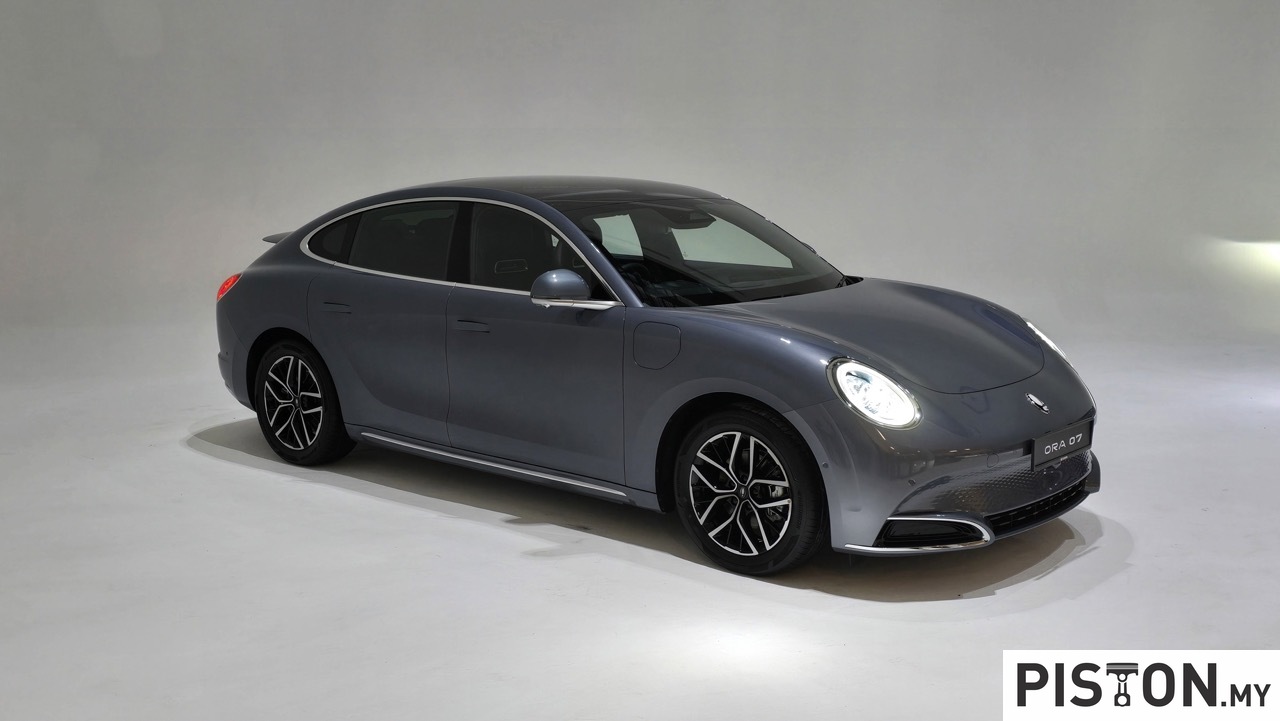
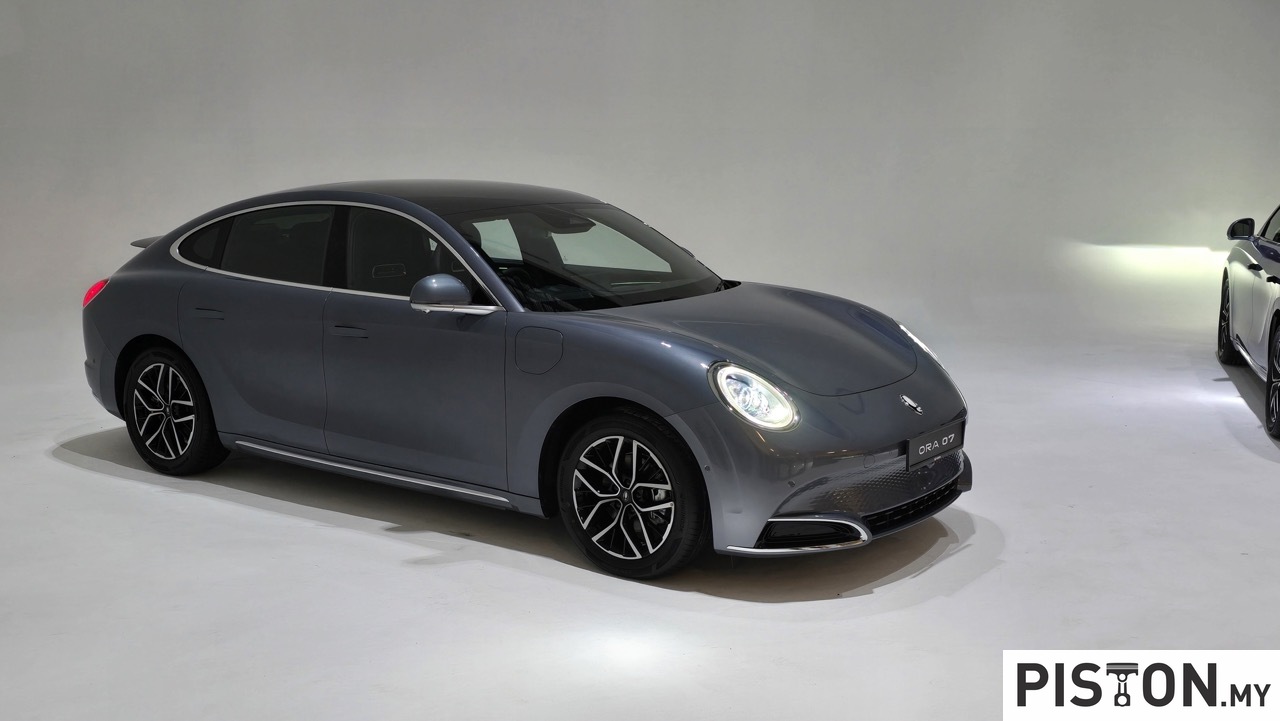
The Ora 07, a sleek electric coupe, has a dynamic and sophisticated design but slightly resembles a Porsche Panamera. A fusion of retro and modern elements, including a closed grille and oval-shaped headlights, positions the car firmly in the future while evoking a sense of nostalgia.

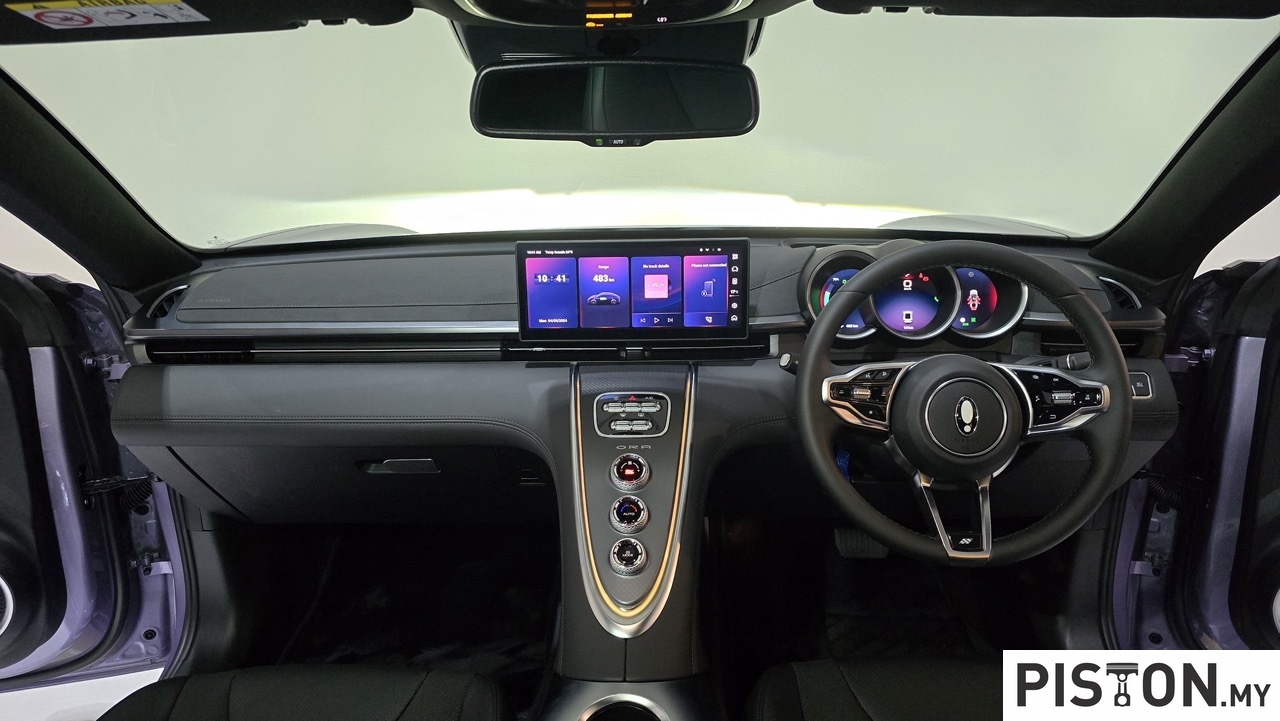
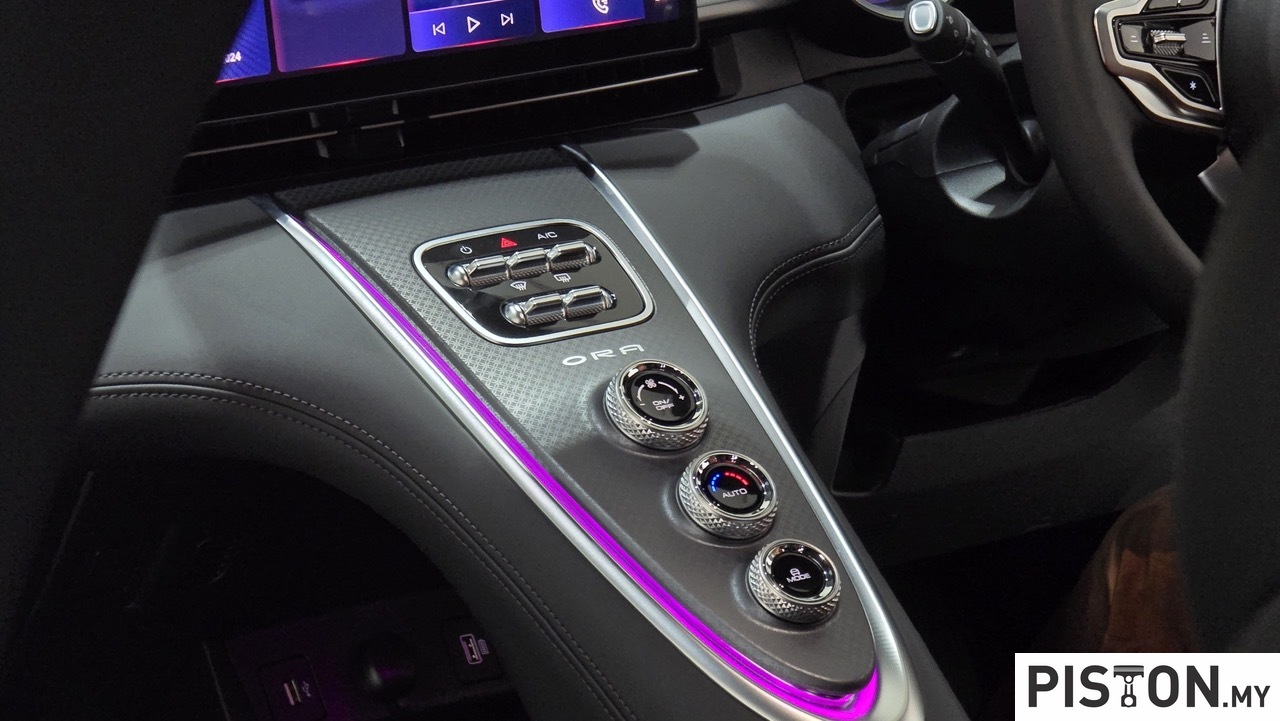
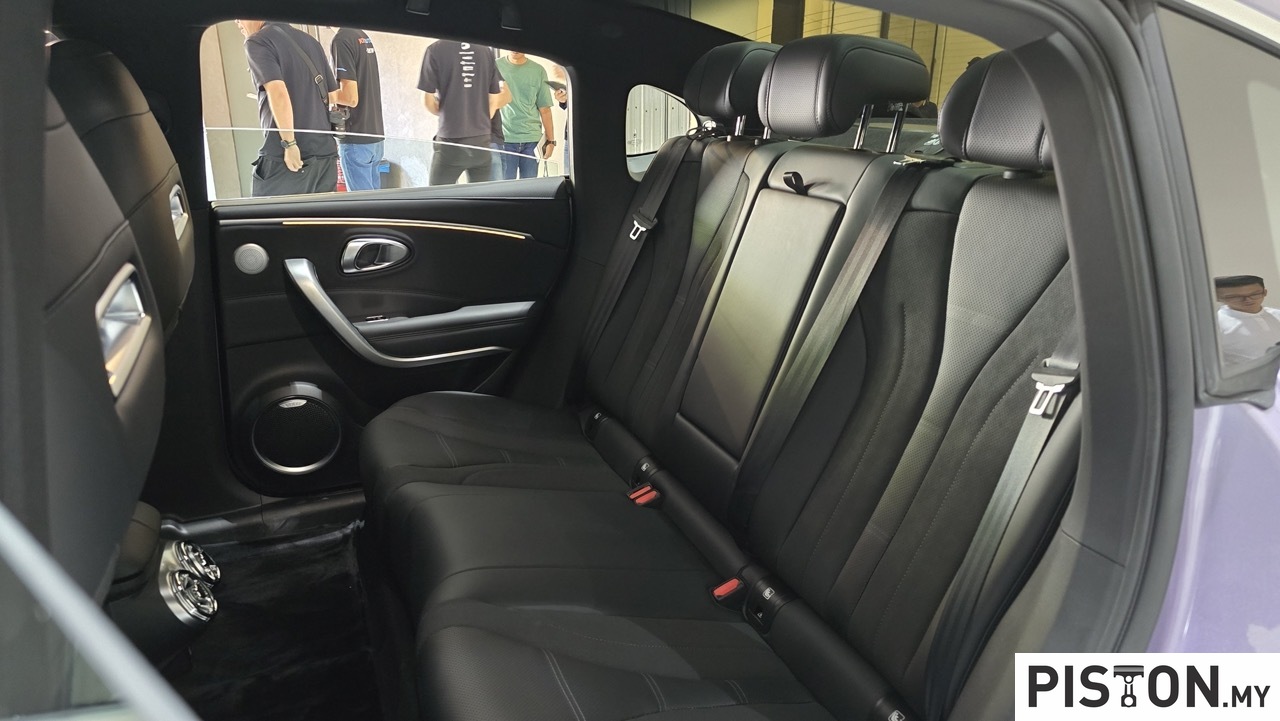
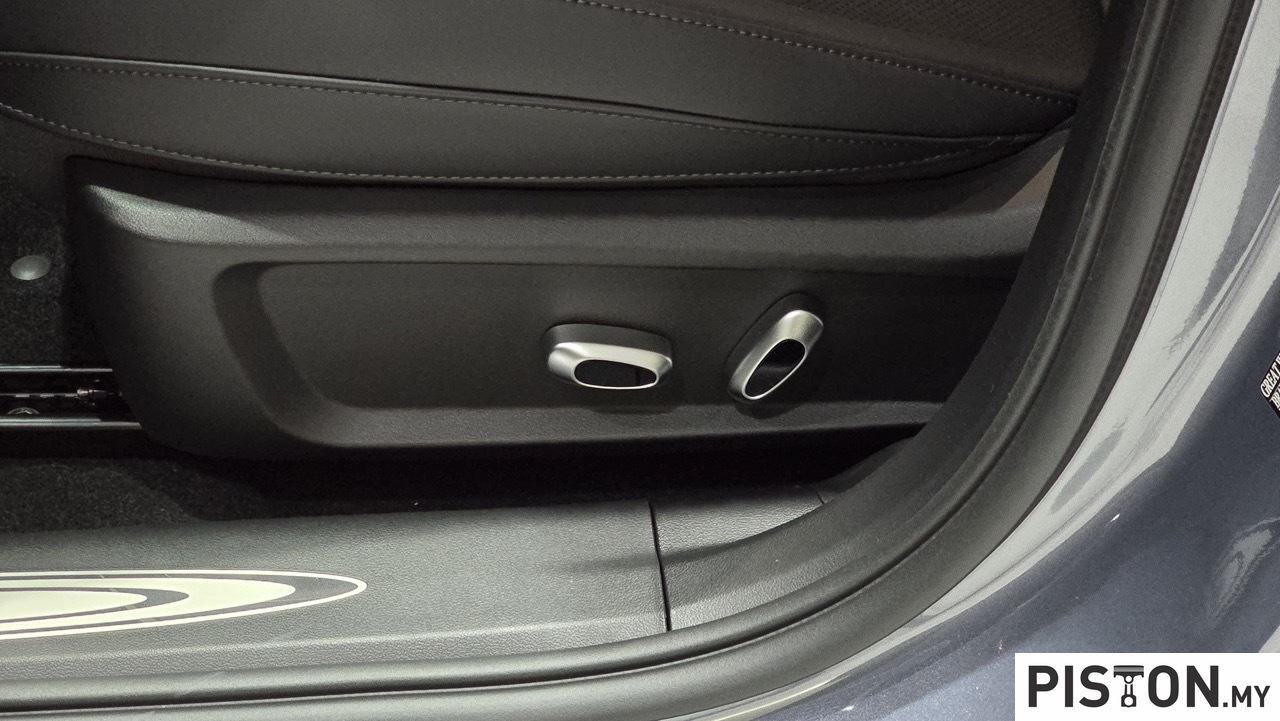
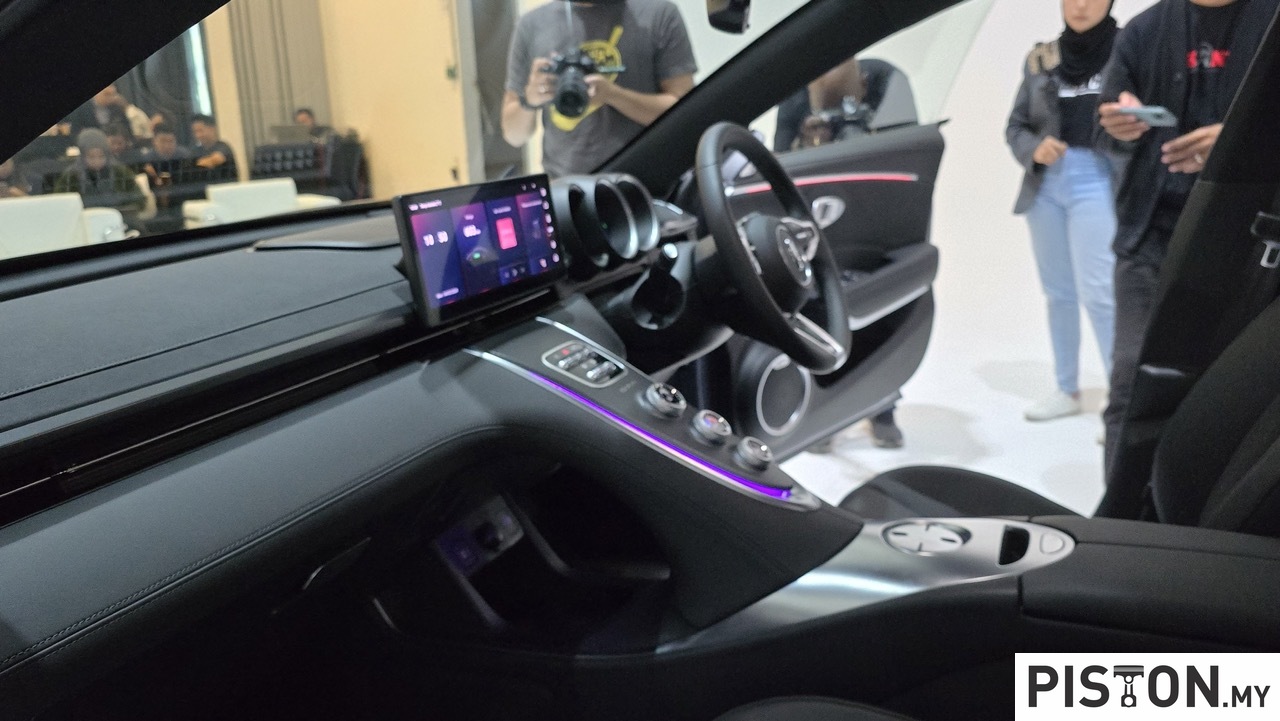
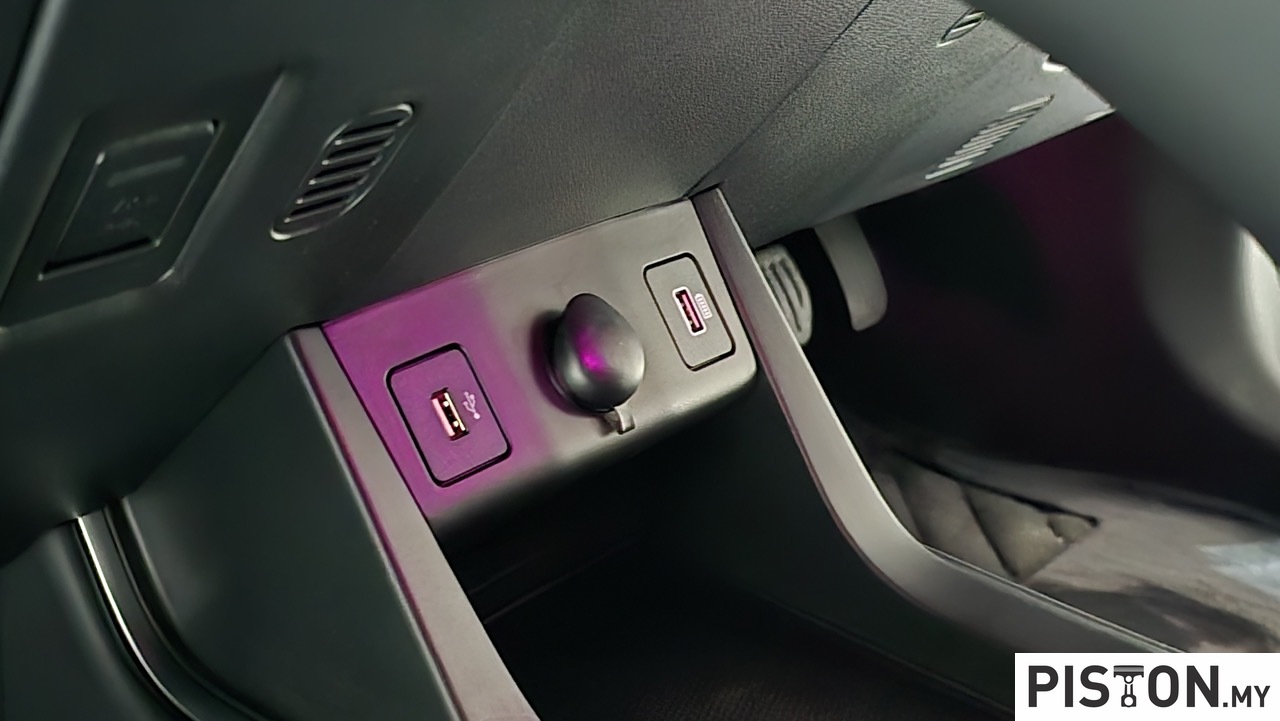
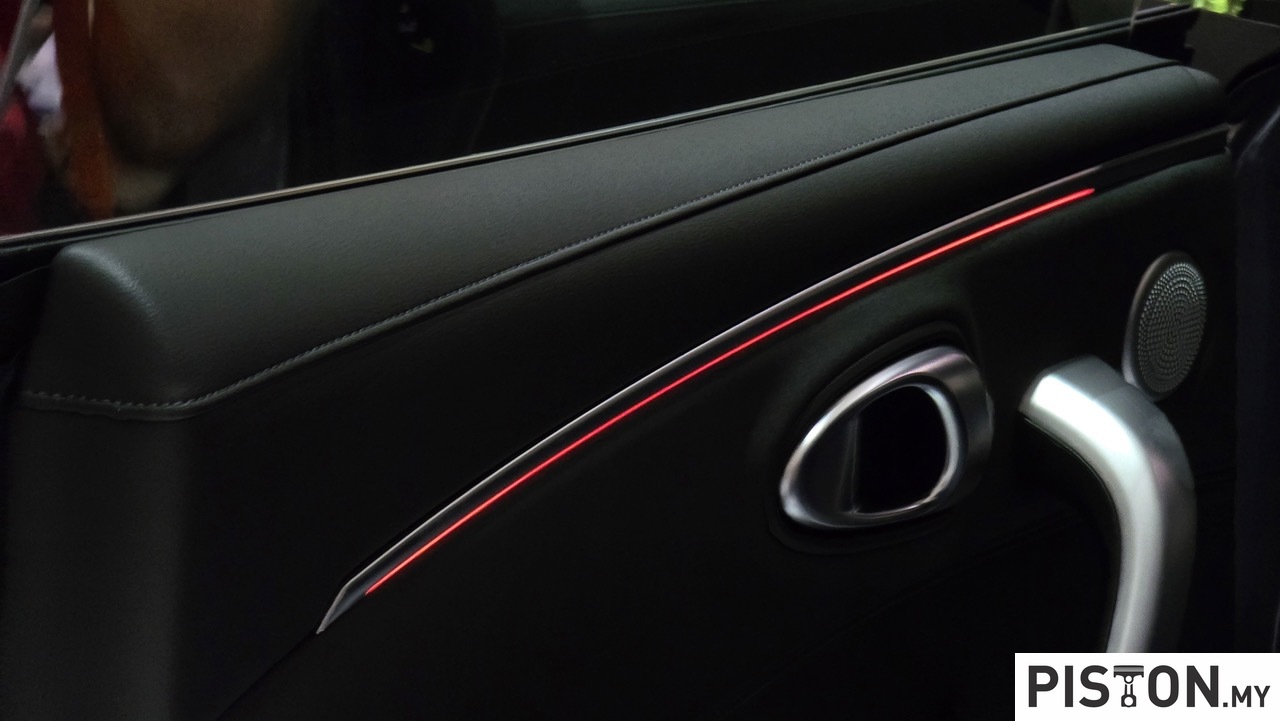
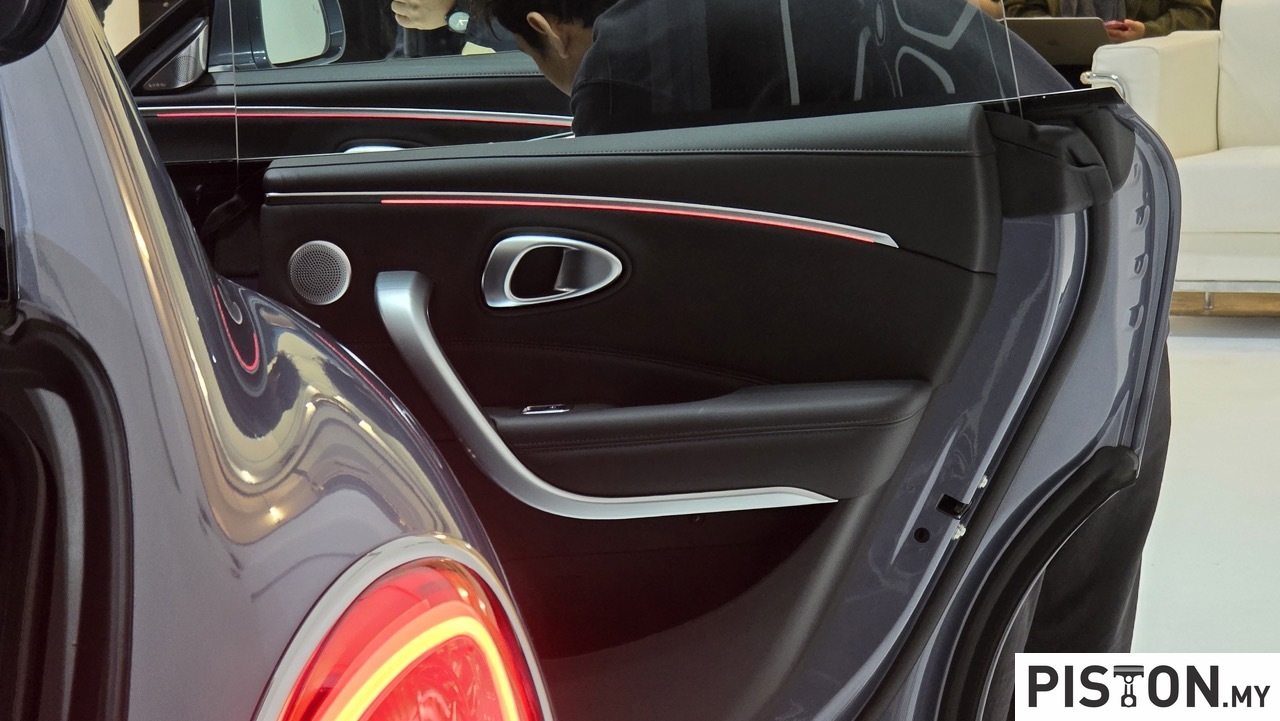
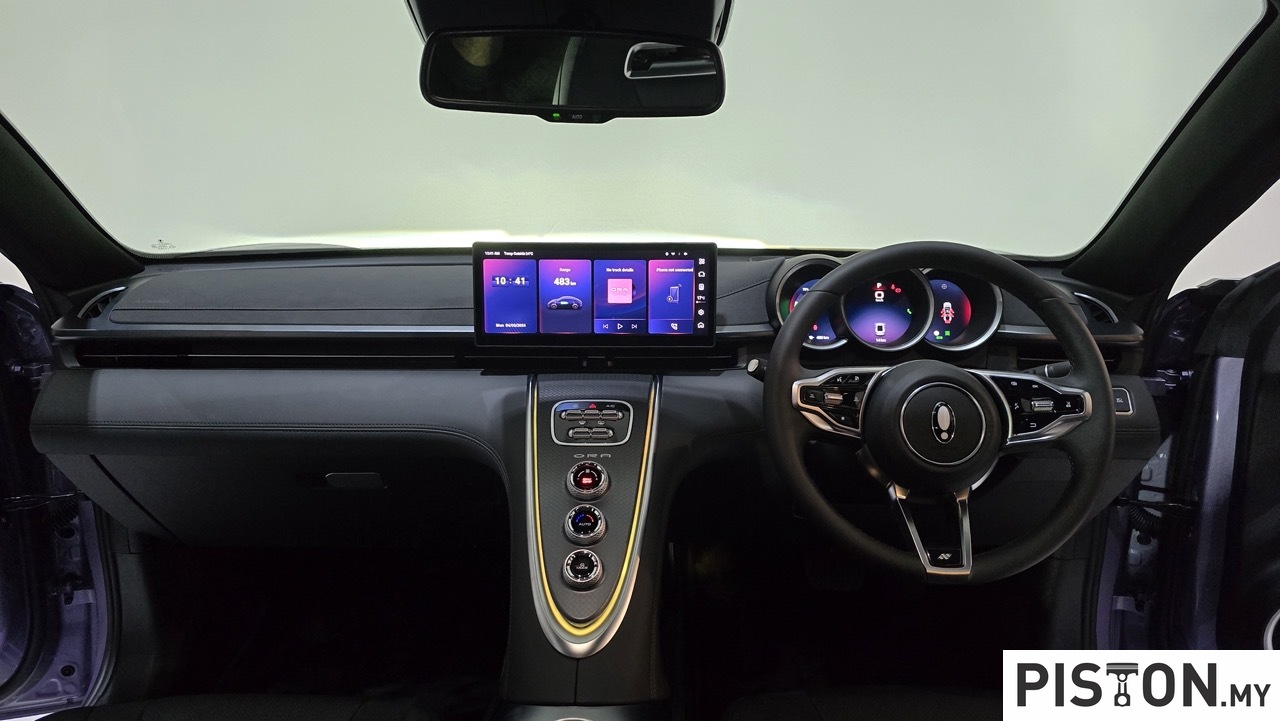
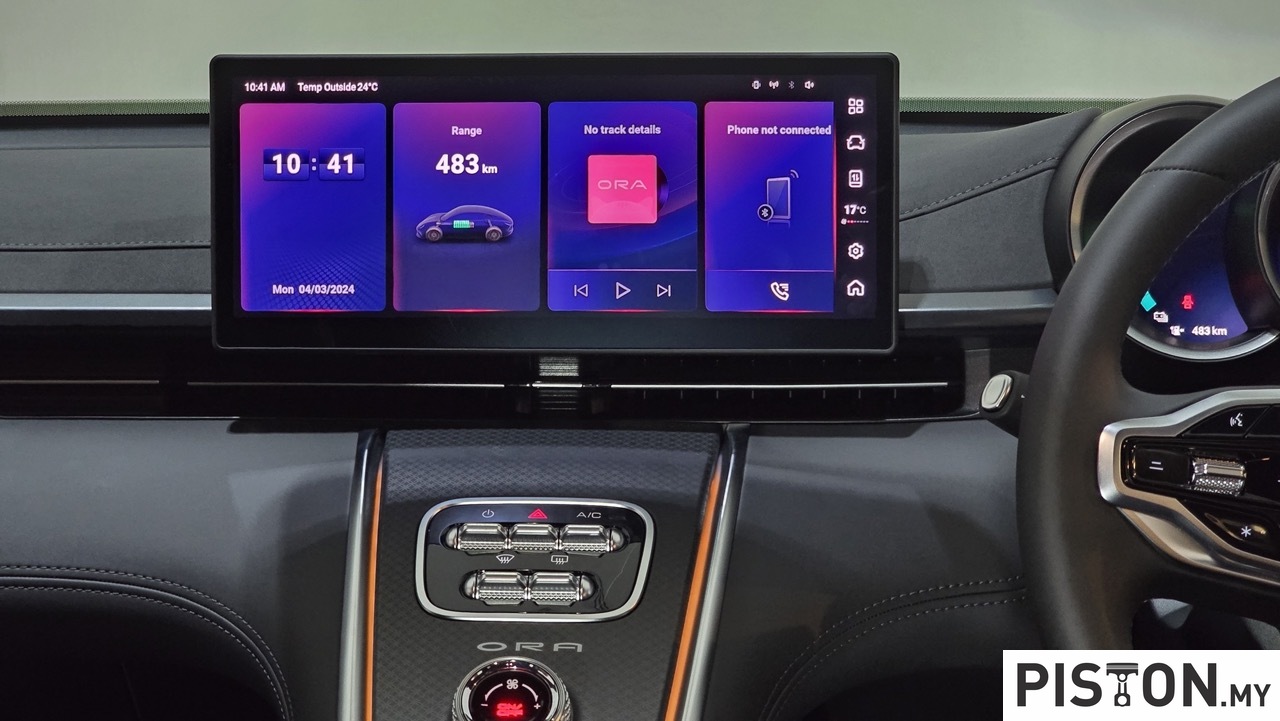
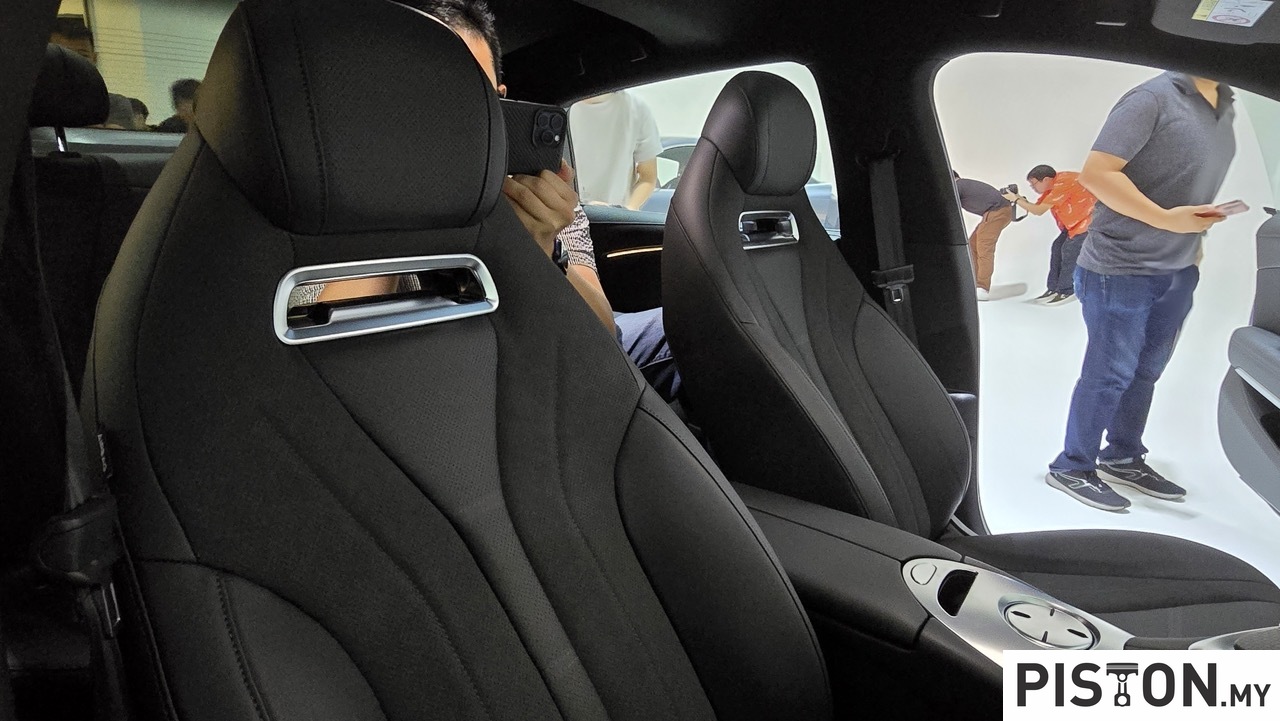
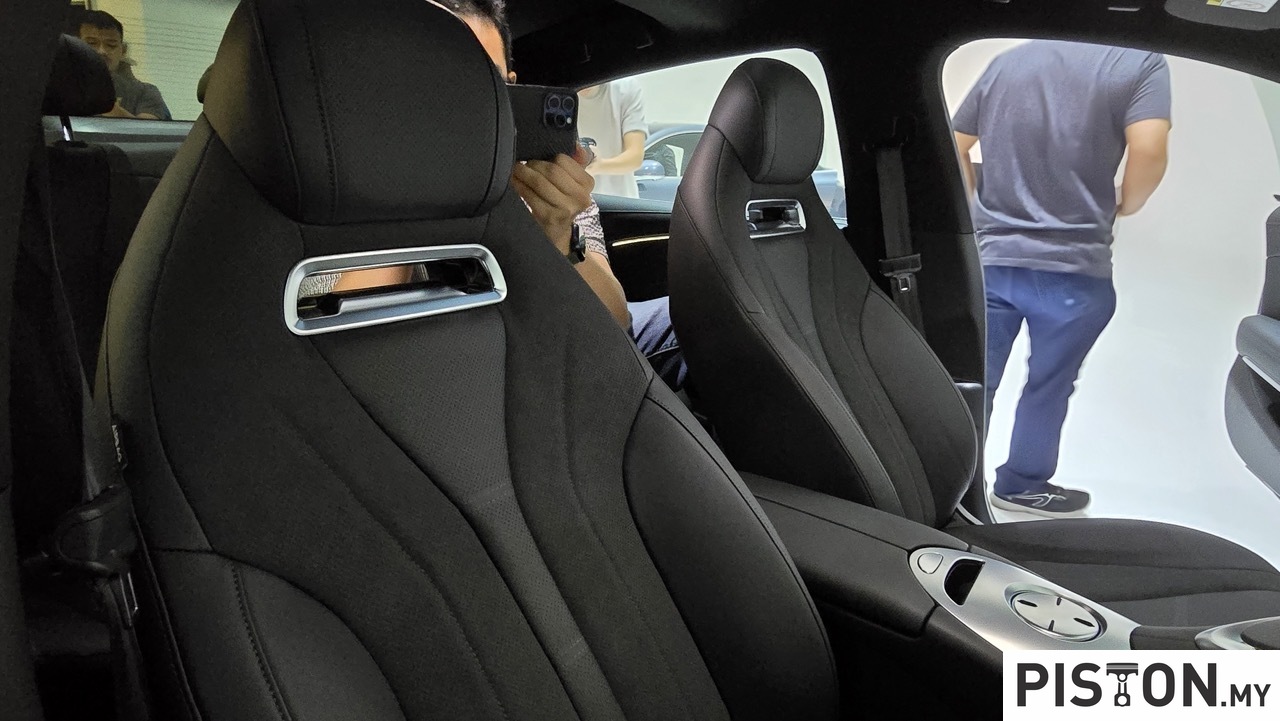
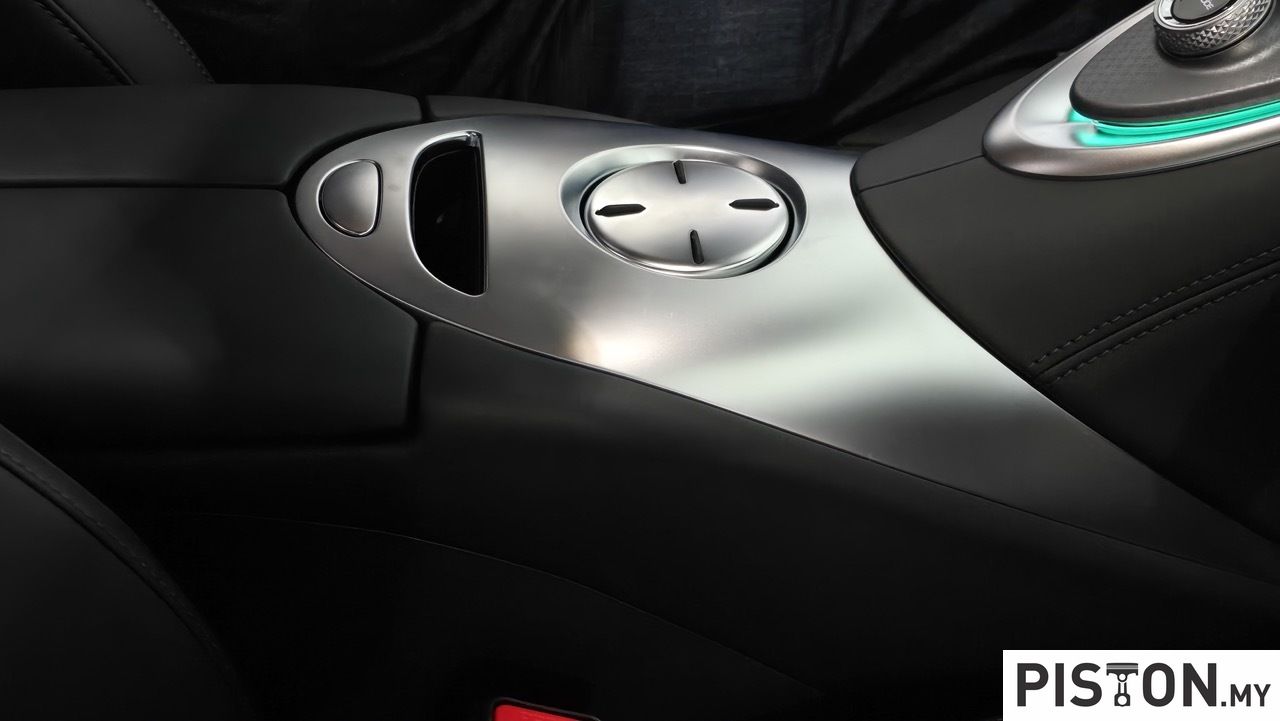
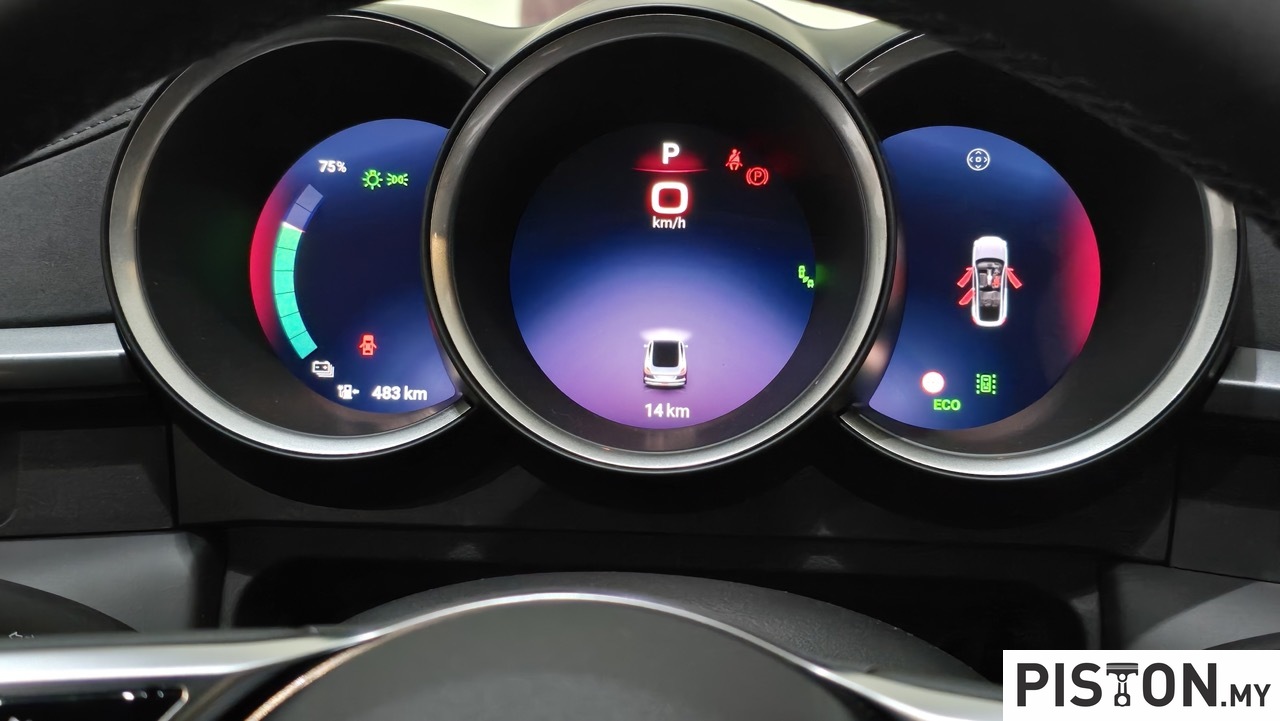
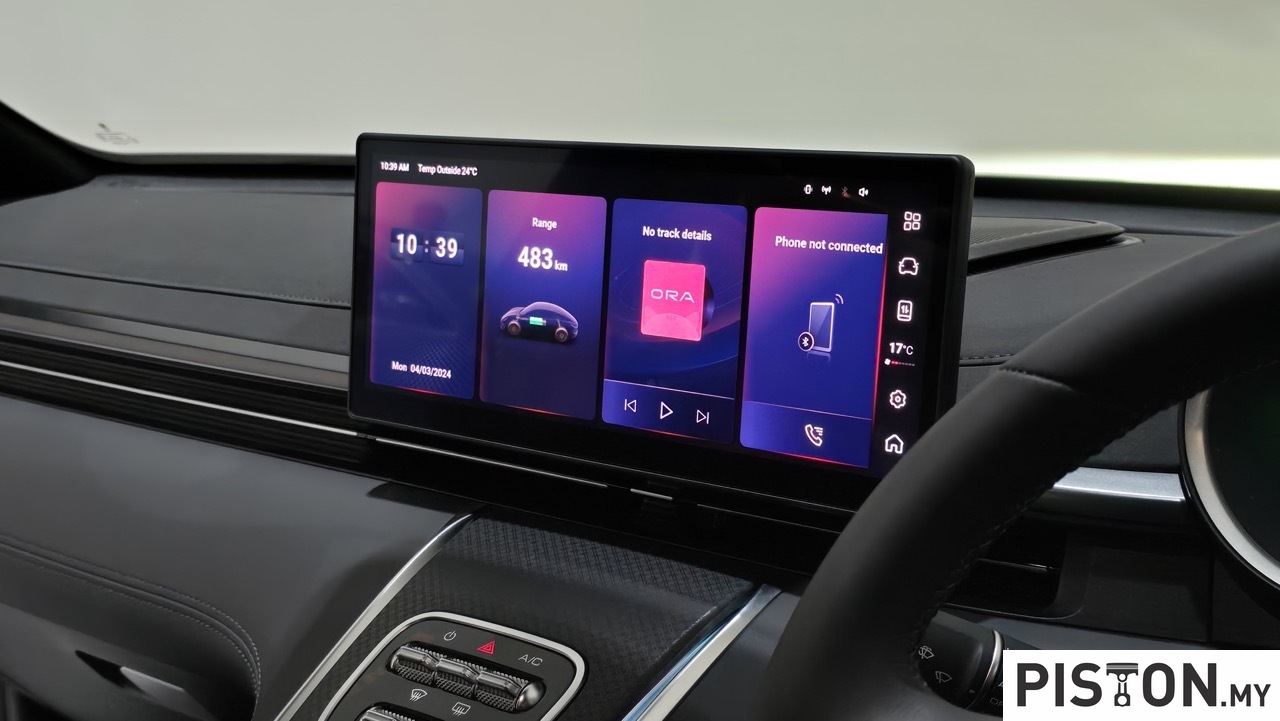
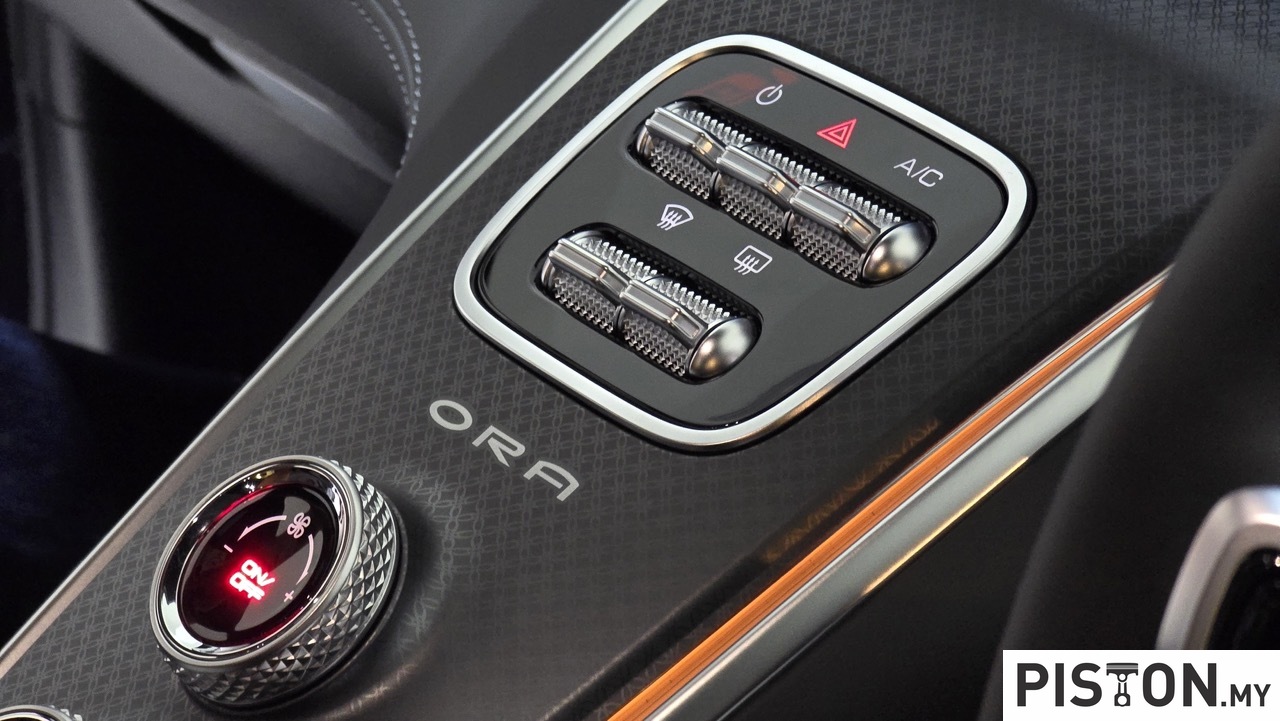
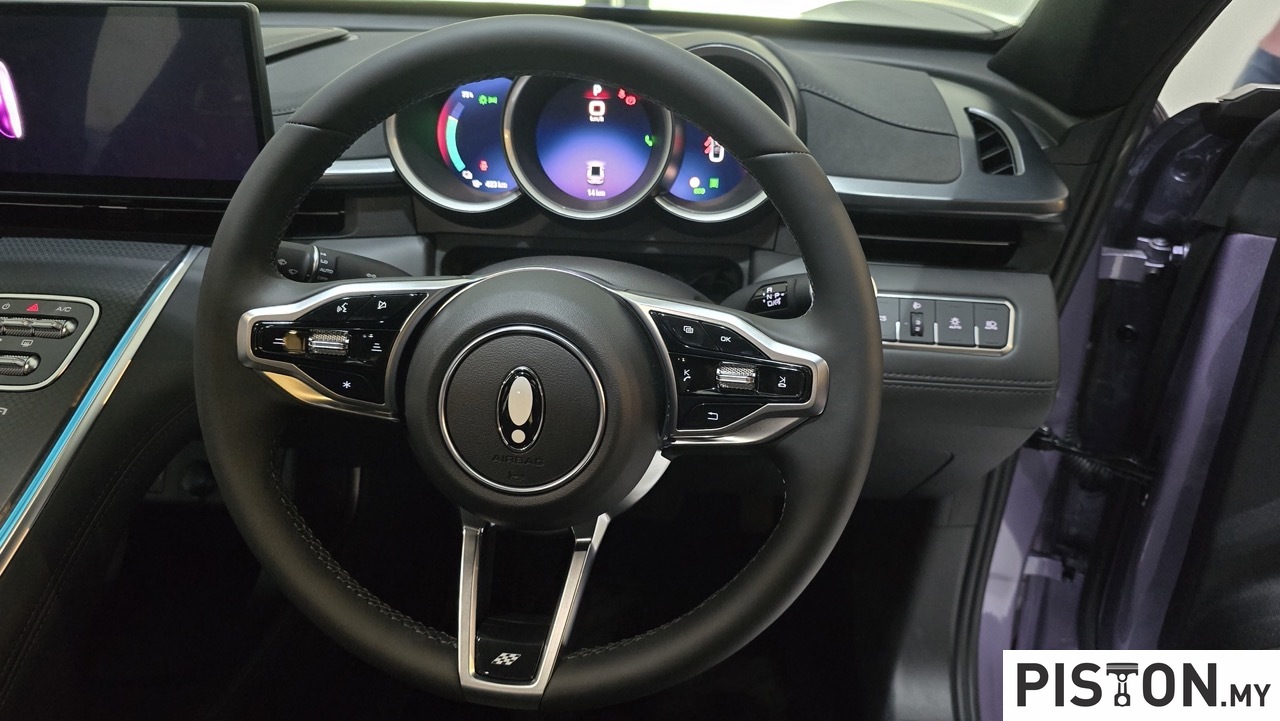
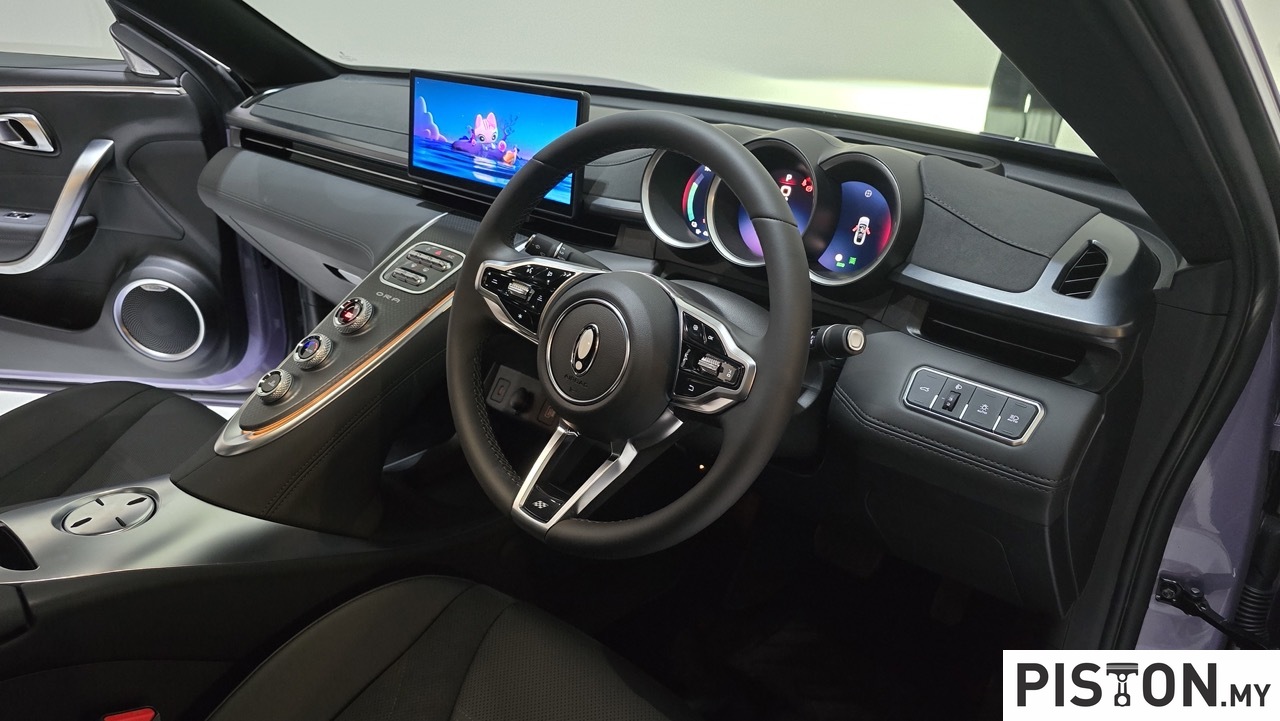
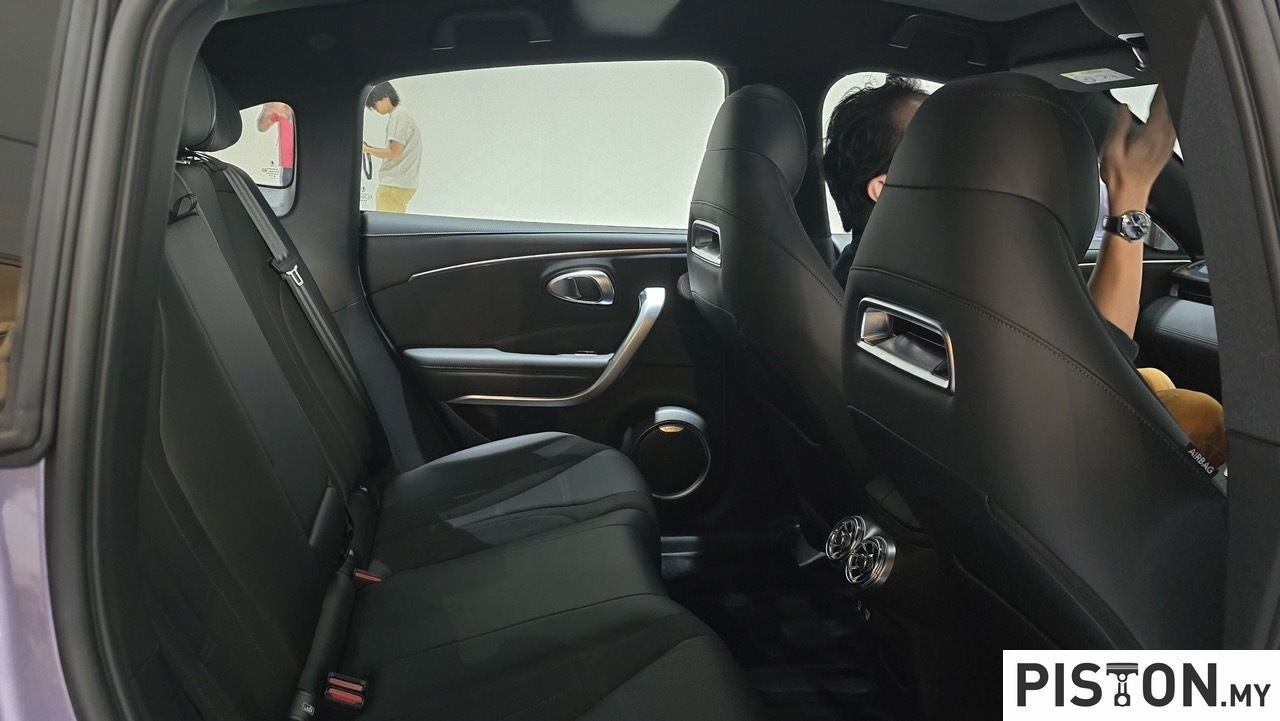
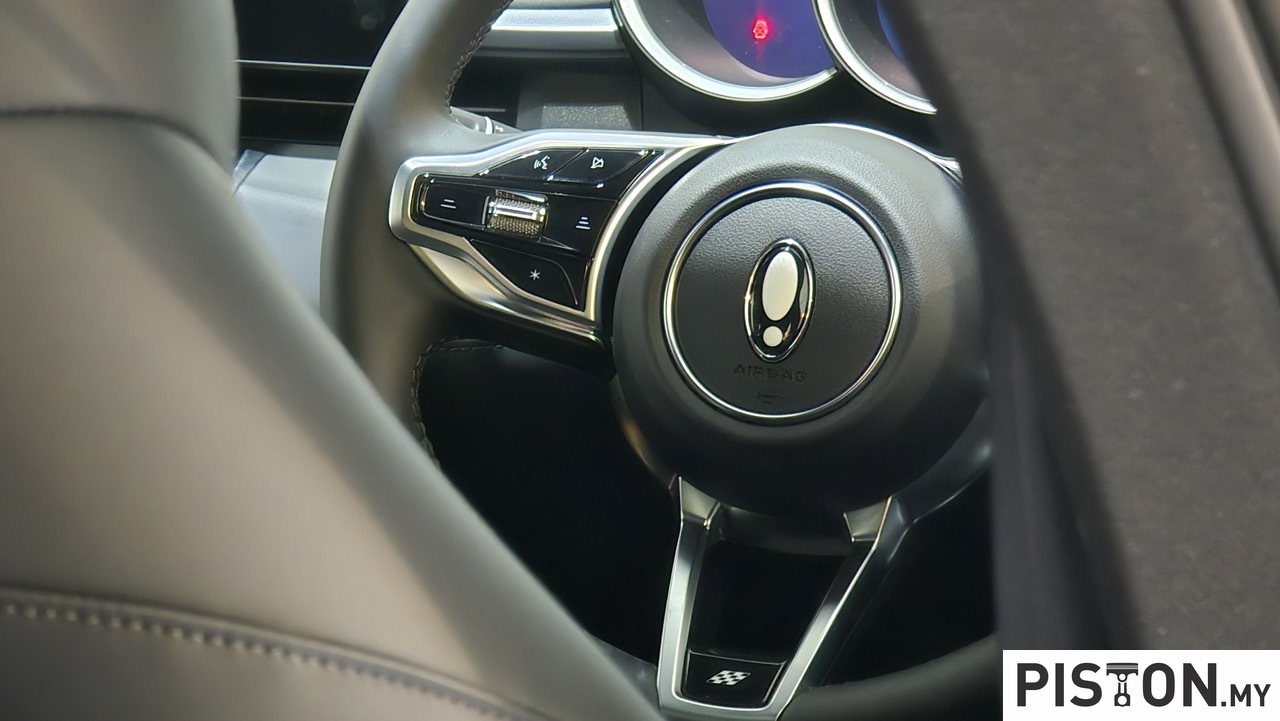
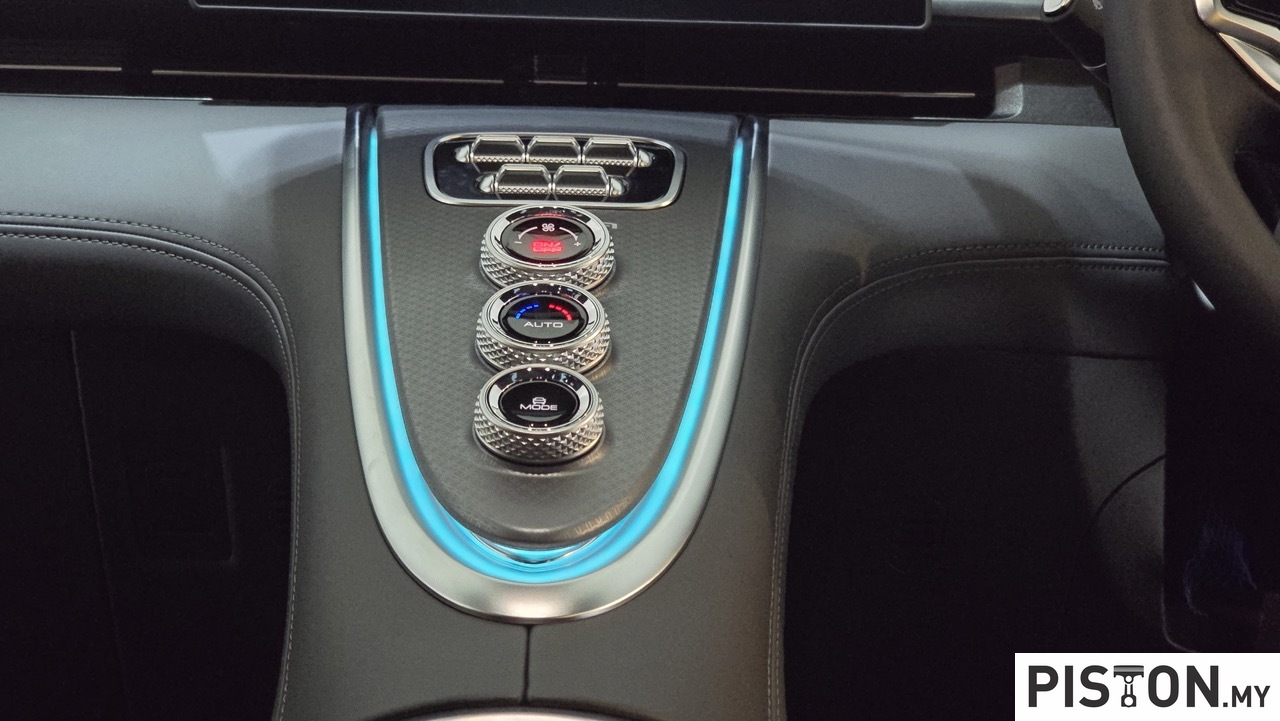
Inside, the 07 boasts a supercar-inspired cockpit with premium leather, a T-shaped hollow centre console with rotating panels, and ergonomic seats with massage features for the driver and front passenger. A sporty tri-dashboard complements the multifunctional steering wheel. A 1.7m2 dome-style panoramic sunroof and a smart air conditioning system that delivers a three-dimensional flow enhance the luxurious interior ambience.

Available in sophisticated grey, purple, and white, the Ora 07 offers both Long Range and Performance variants, highlighting superior performance and versatility. Powered by an advanced 83.499 kWh ternary lithium battery, the Long Range variant delivers 204PS of power, 340Nm of torque, and a range of 640km. The Performance model offers 408PS and 680Nm of torque, with a range of up to 550km.

The Ora 07  also prioritises safety with innovative technology and intelligent systems. Rigorous testing, including China’s EV Rollover Challenge and Intersection Collision Challenge, ensures robustness against real-life scenarios. Advanced sensors, surround cameras, and a cage-style high-strength body set the standard in safety, offering top-notch security for every journey.

The introduction of the GWM Ora 07 marks the beginning of GWM’s journey in 2024. With upcoming launches like the GWM Haval H6 and GWM Tank 300, GWM reaffirms its commitment to enriching the Malaysian automotive landscape with inspiring, high-performing, and safe vehicles.

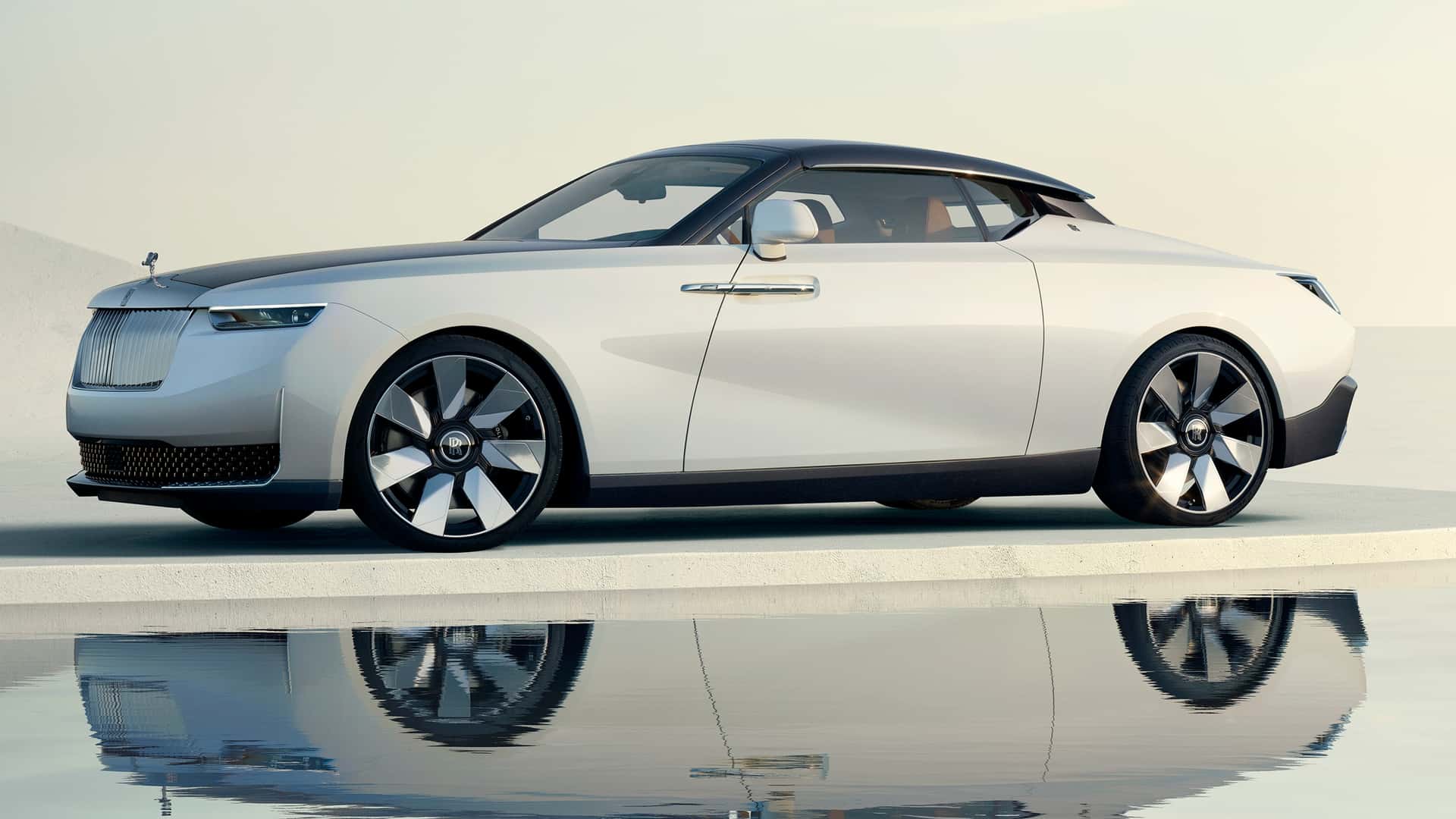
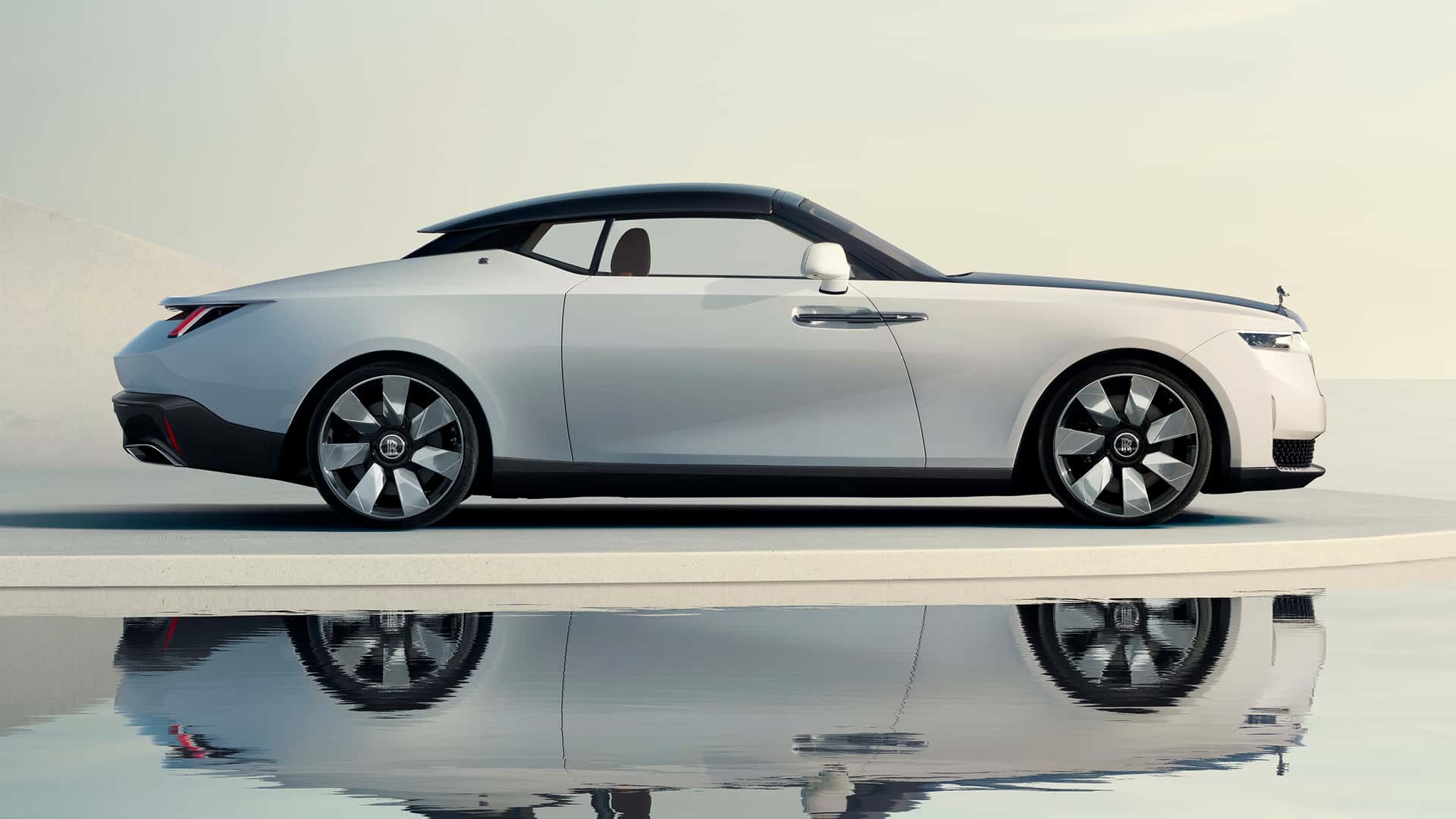
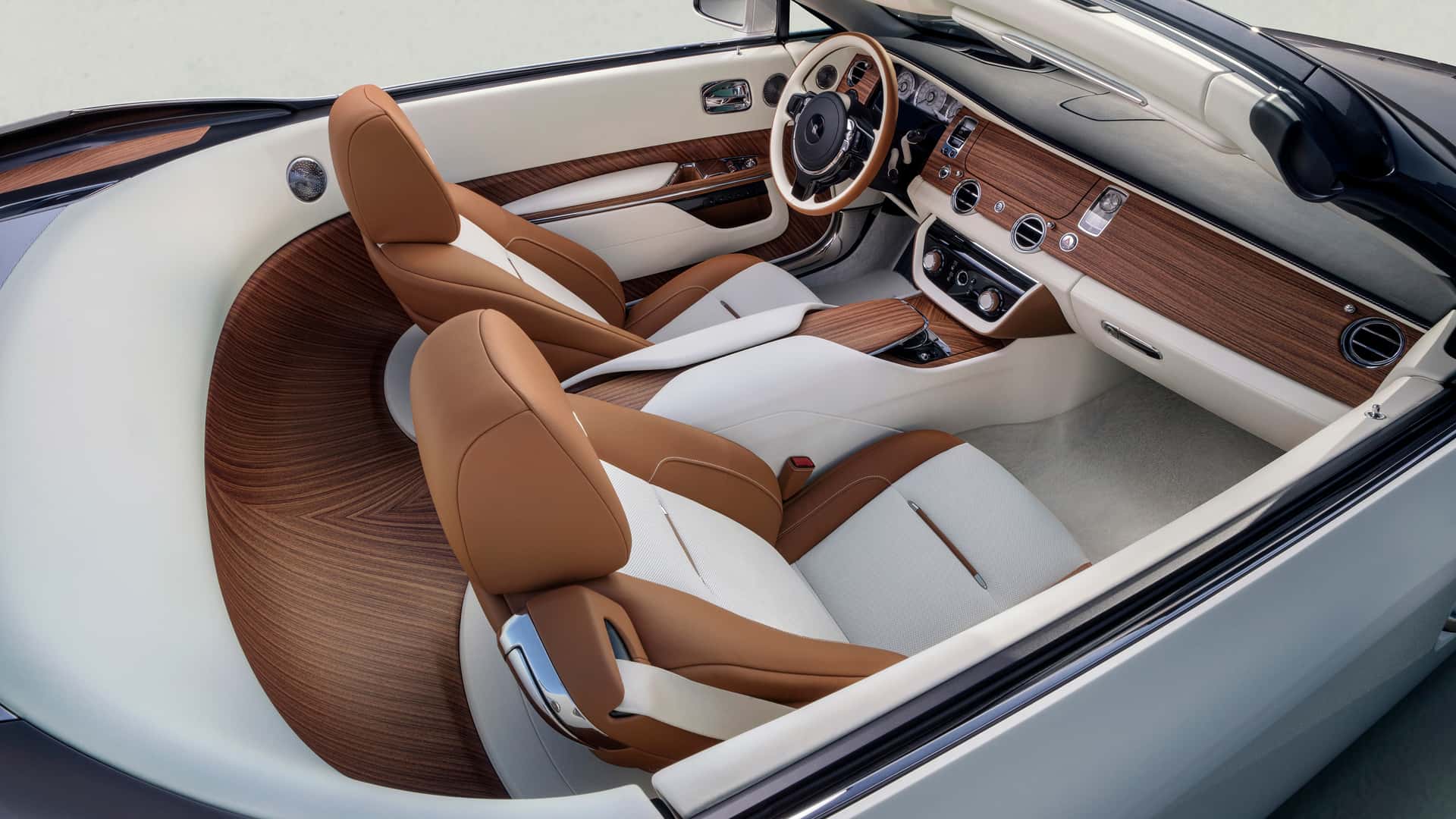
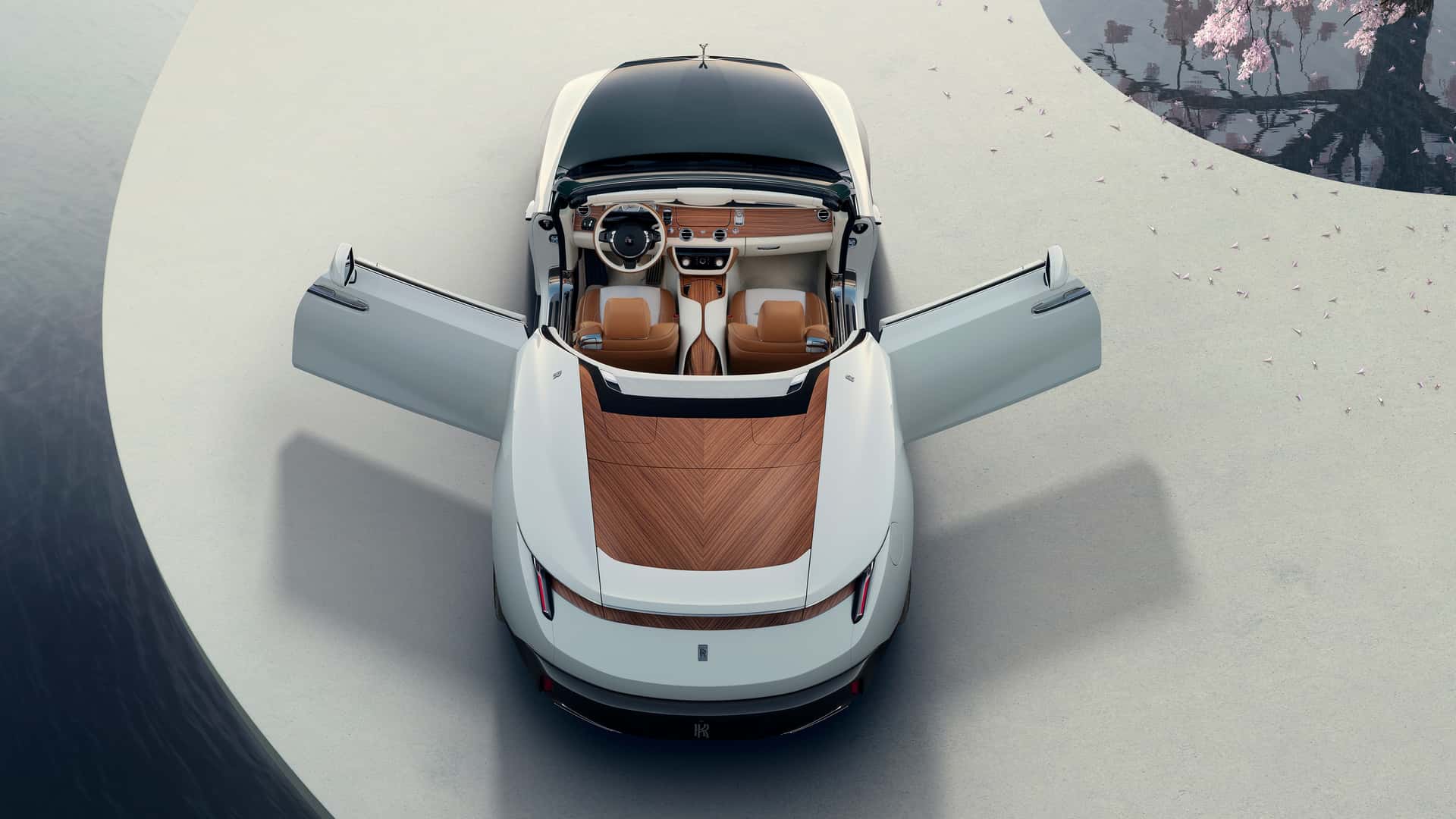
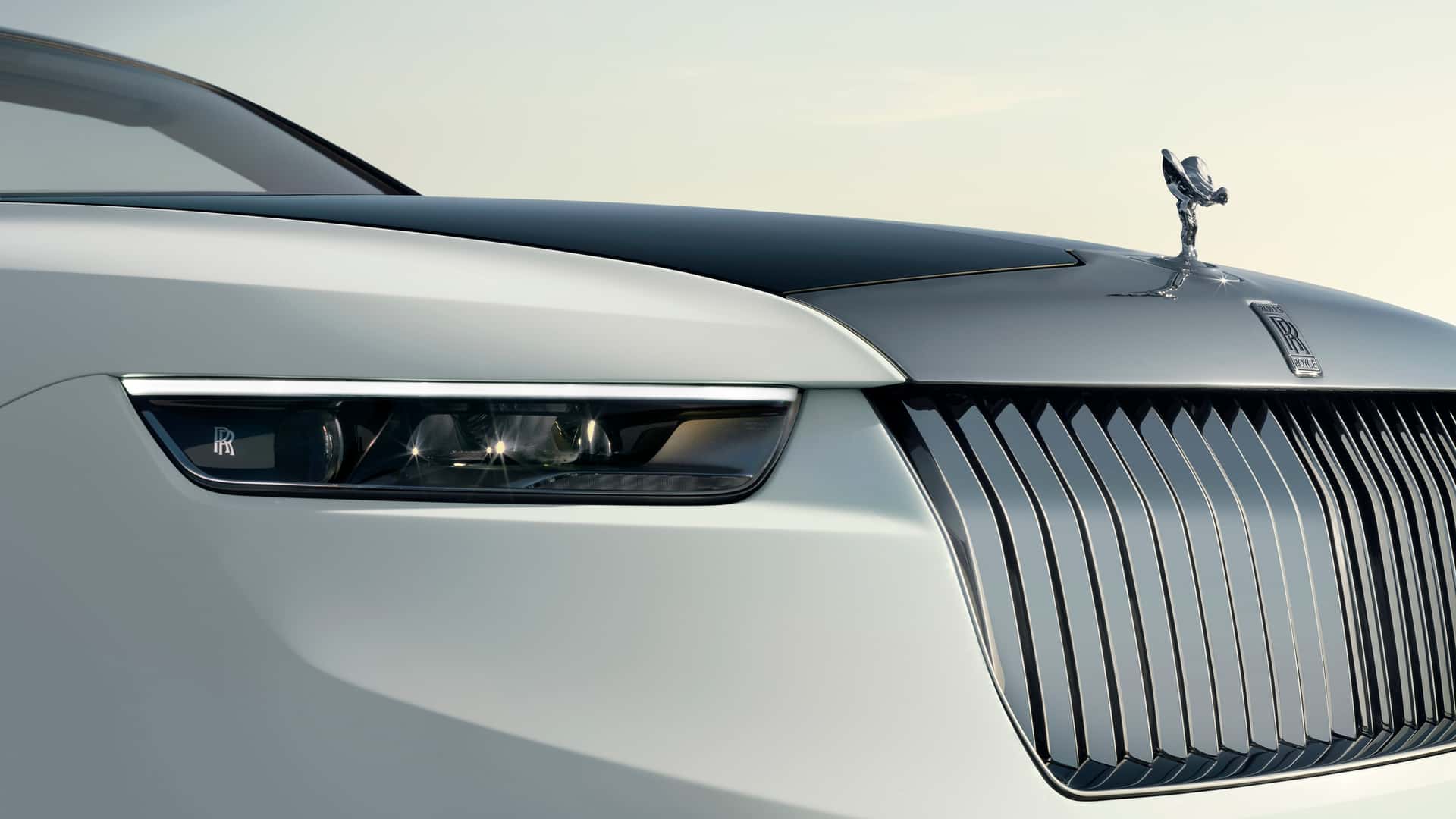
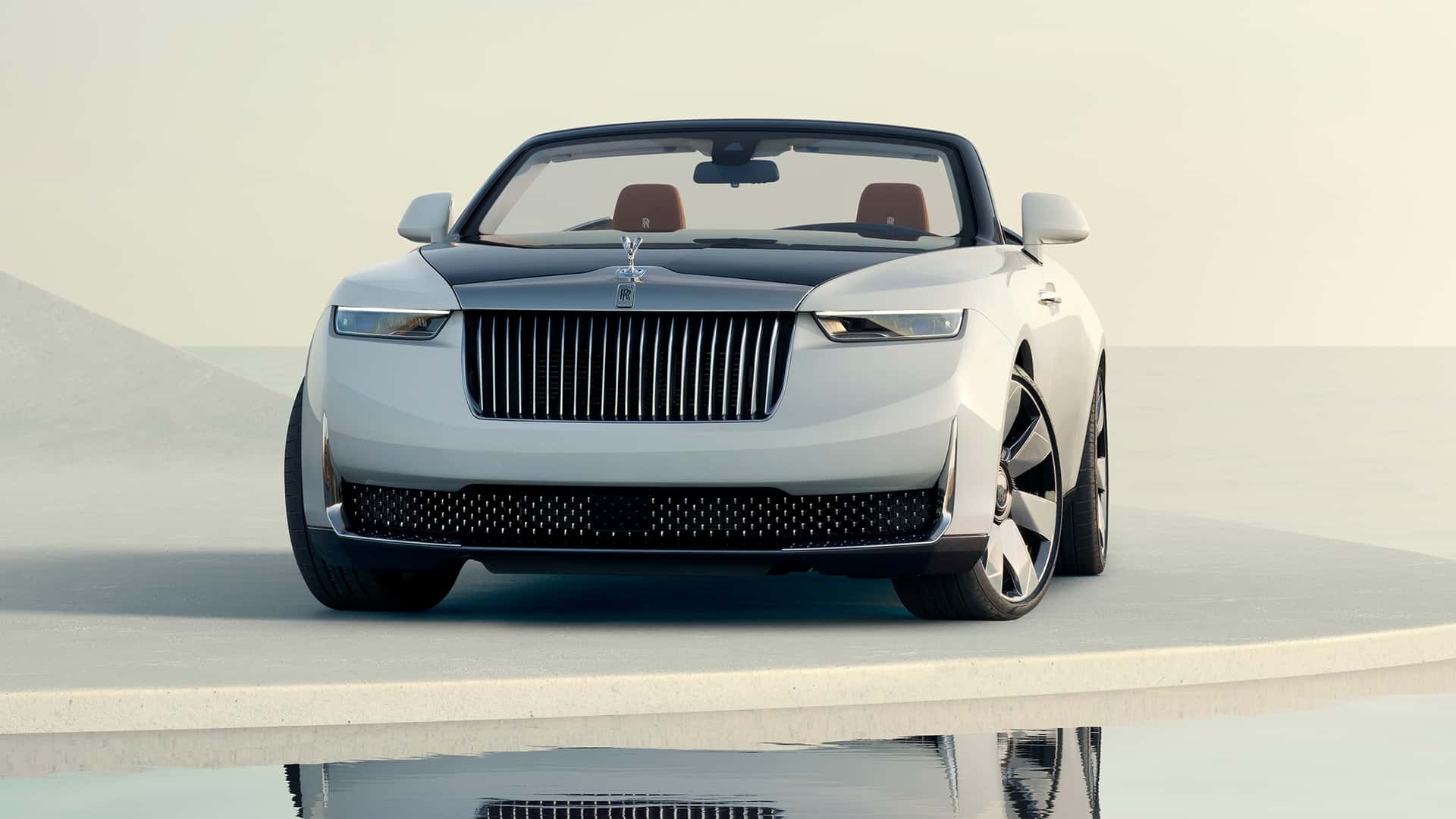
Introducing the Rolls-Royce Droptail Arcadia, the latest addition to the esteemed lineage of bespoke roadsters. Crafted with meticulous attention to detail, this extraordinary car represents the pinnacle of luxury and exclusivity, reserved for only the most discerning clientele.

Named after the idyllic paradise of Greek mythology, the Droptail Arcadia embodies the essence of heavenly luxury. Commissioned as a serene retreat for its owner, this opulent roadster offers a sanctuary of relaxation amidst the hustle and bustle of daily life.

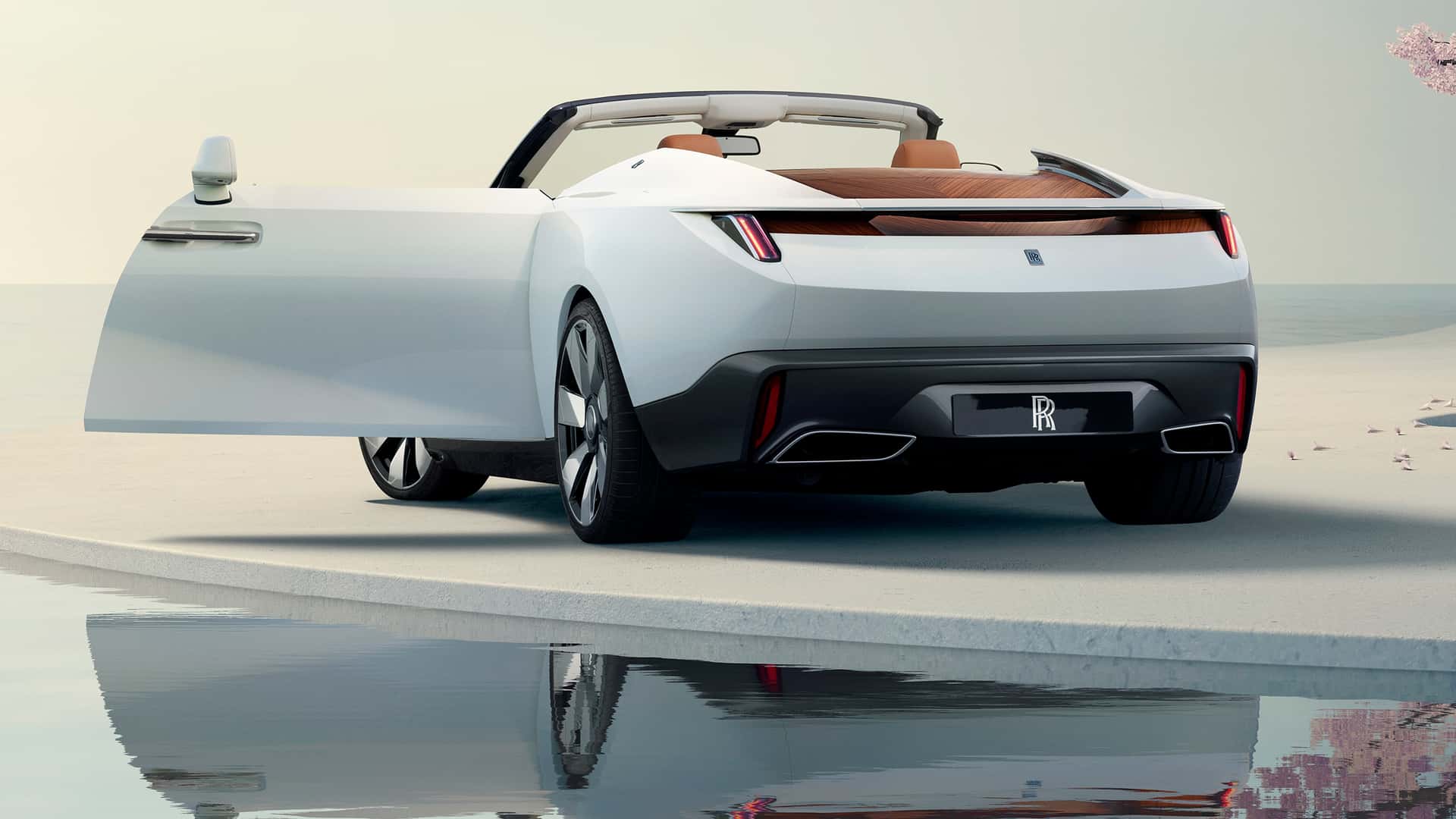
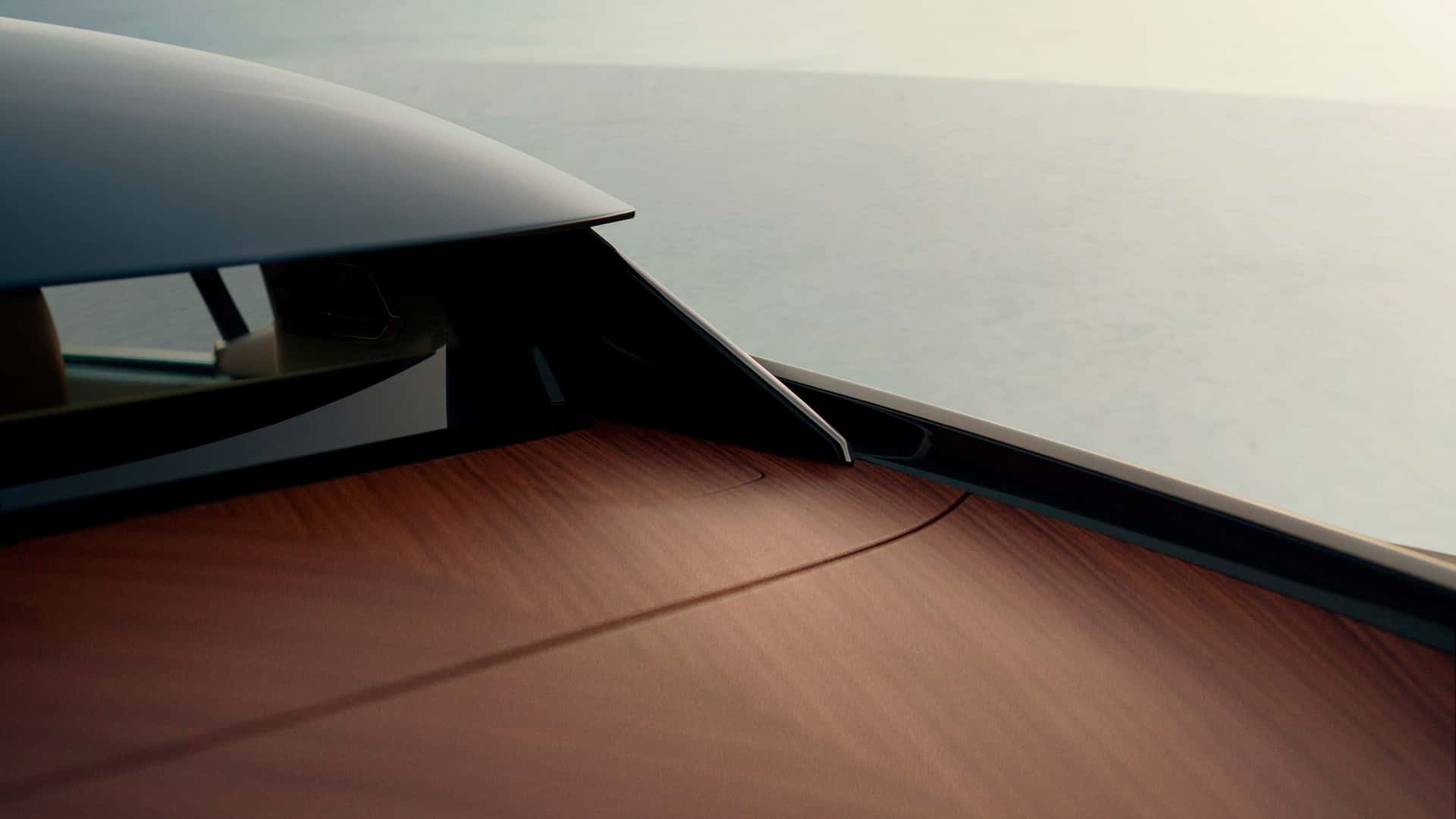
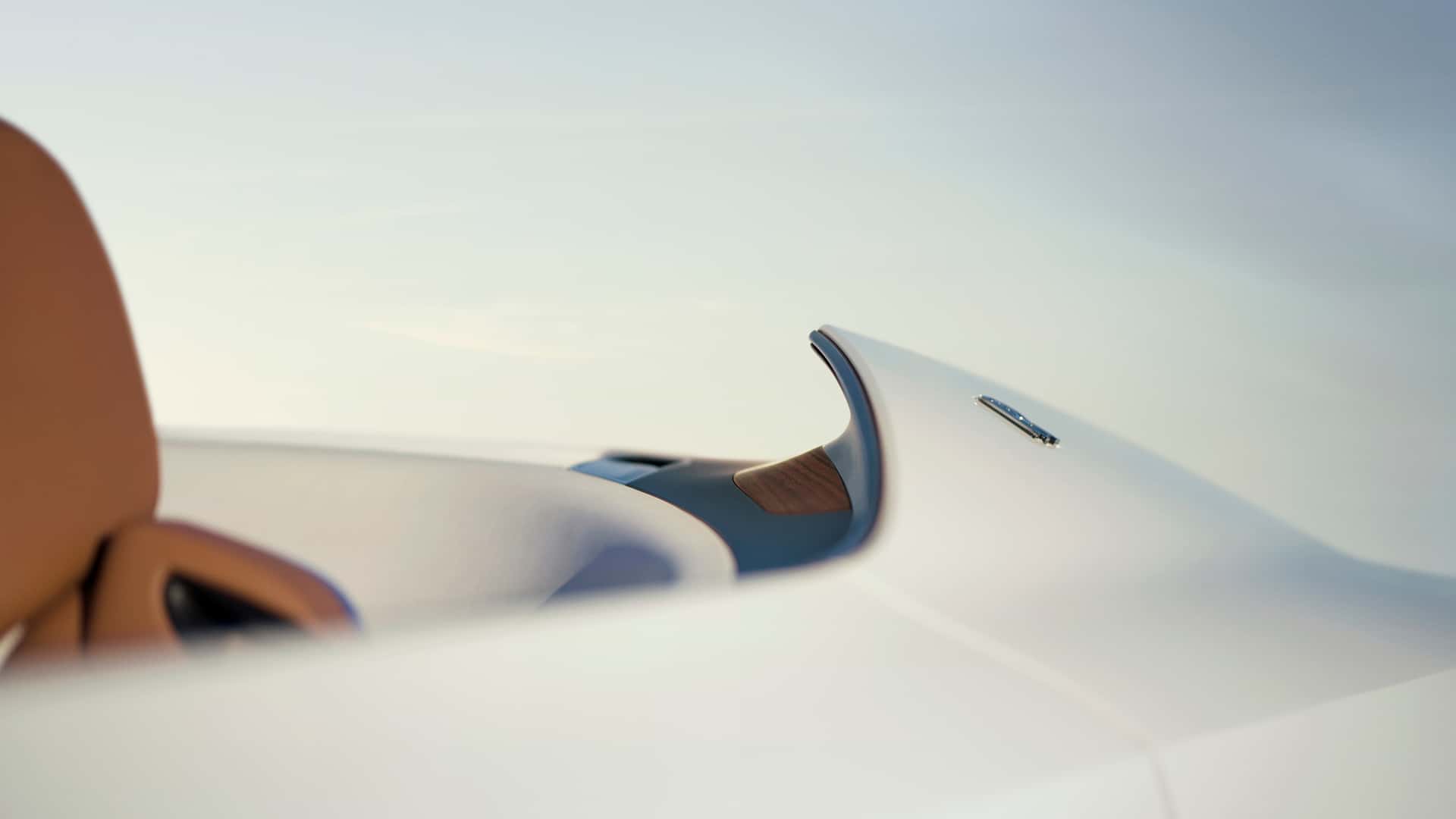
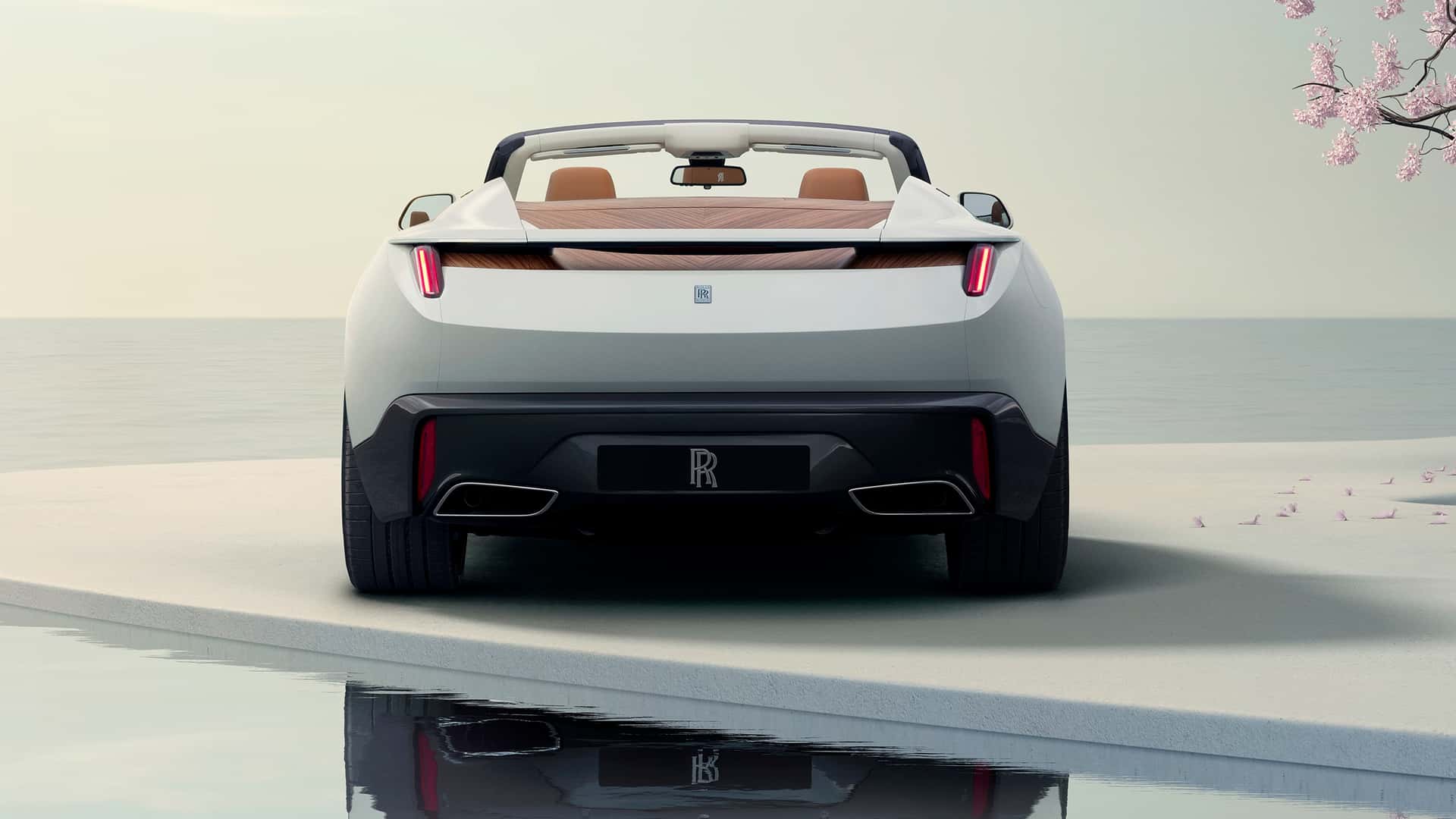
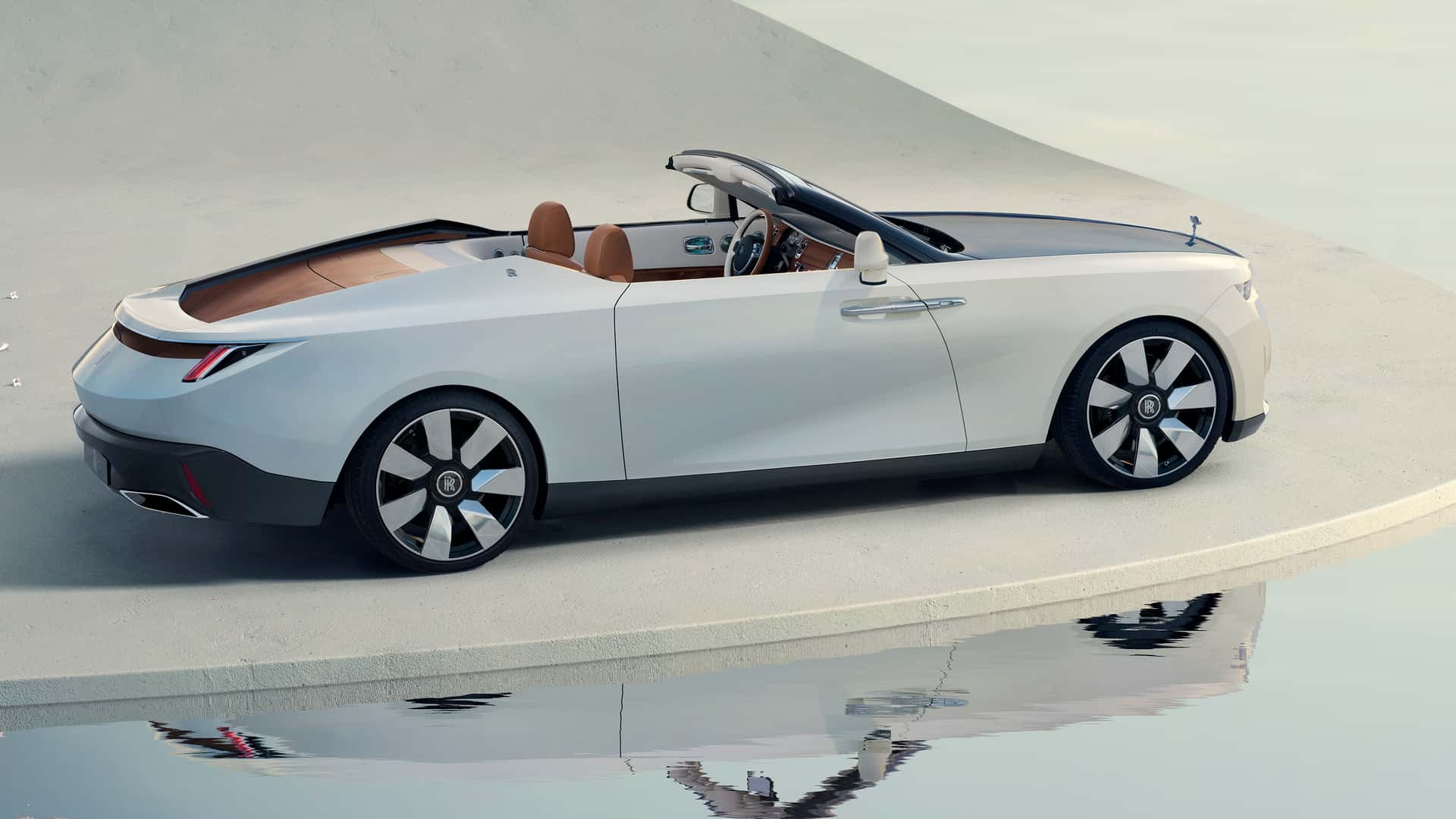
Distinguished by its unique white exterior, the Droptail Arcadia features a special paint formulation that incorporates aluminium and glass particles, lending a mesmerising shimmer to the body under the light. Unlike its predecessors, this bespoke commission sees the exposed carbon-fibre elements elegantly finished in a custom silver hue, adding to its allure. The rear decklid, adorned with a curved, wood-covered panel, adds a touch of timeless elegance to the exterior aesthetic.

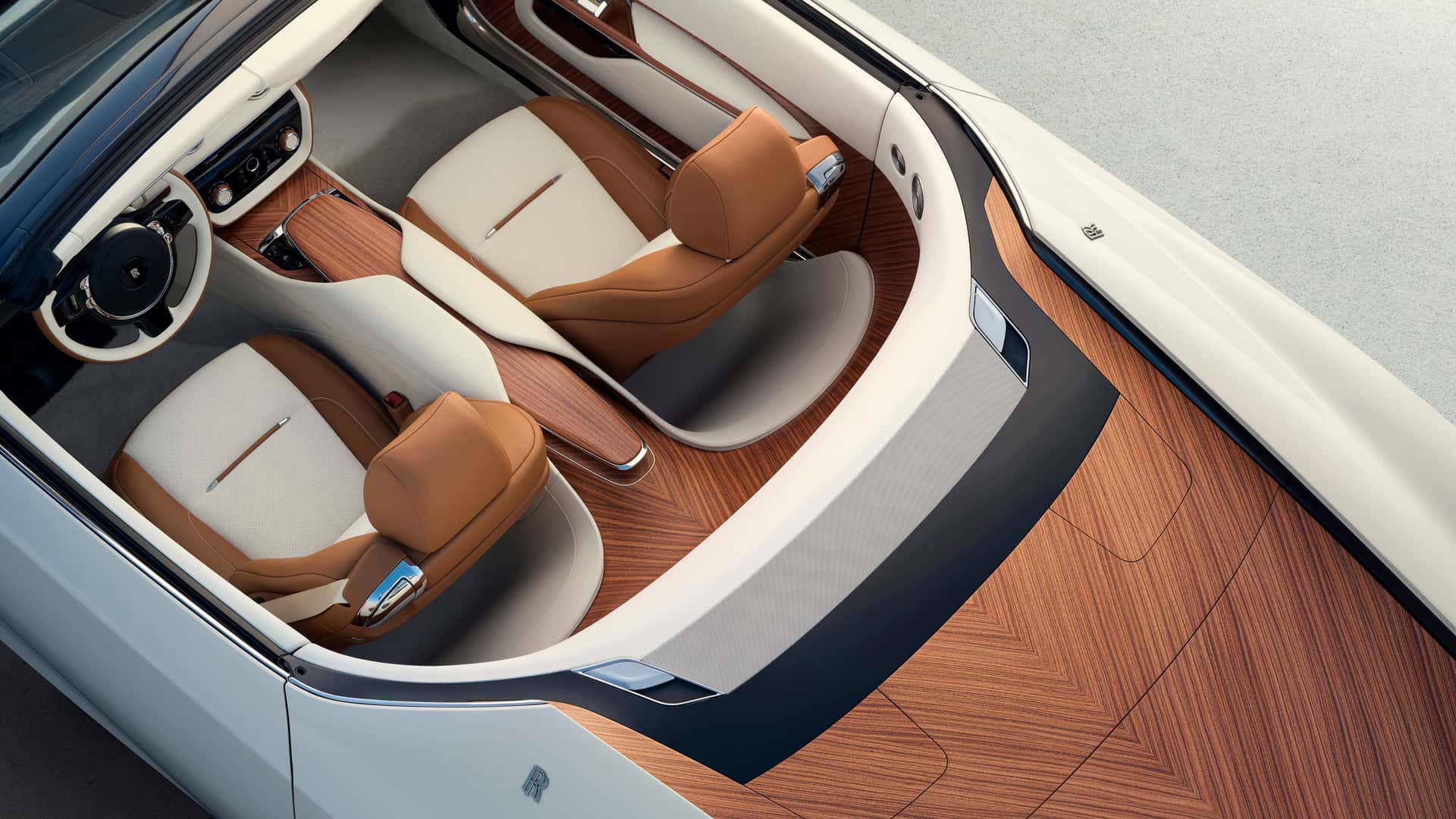
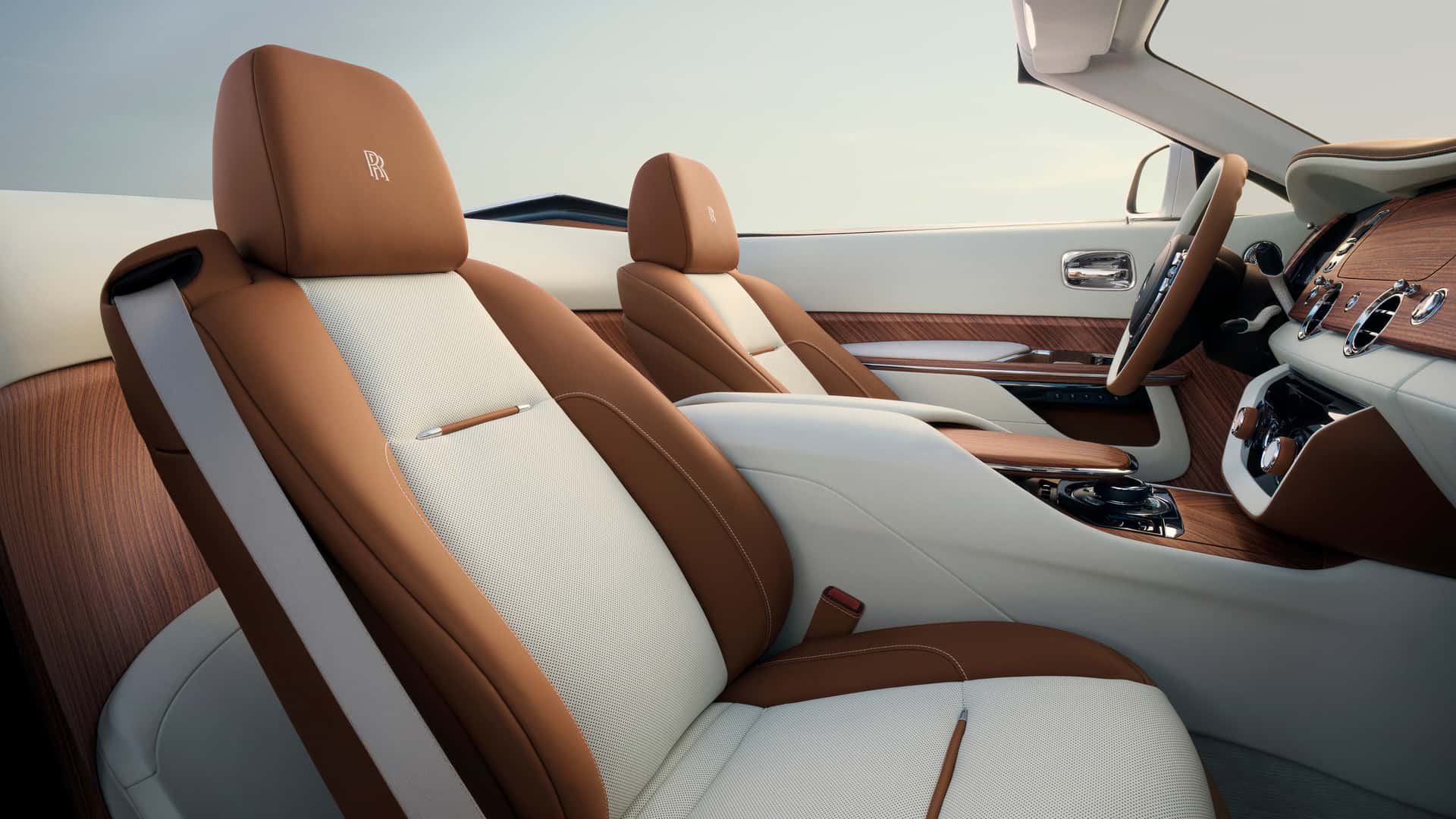
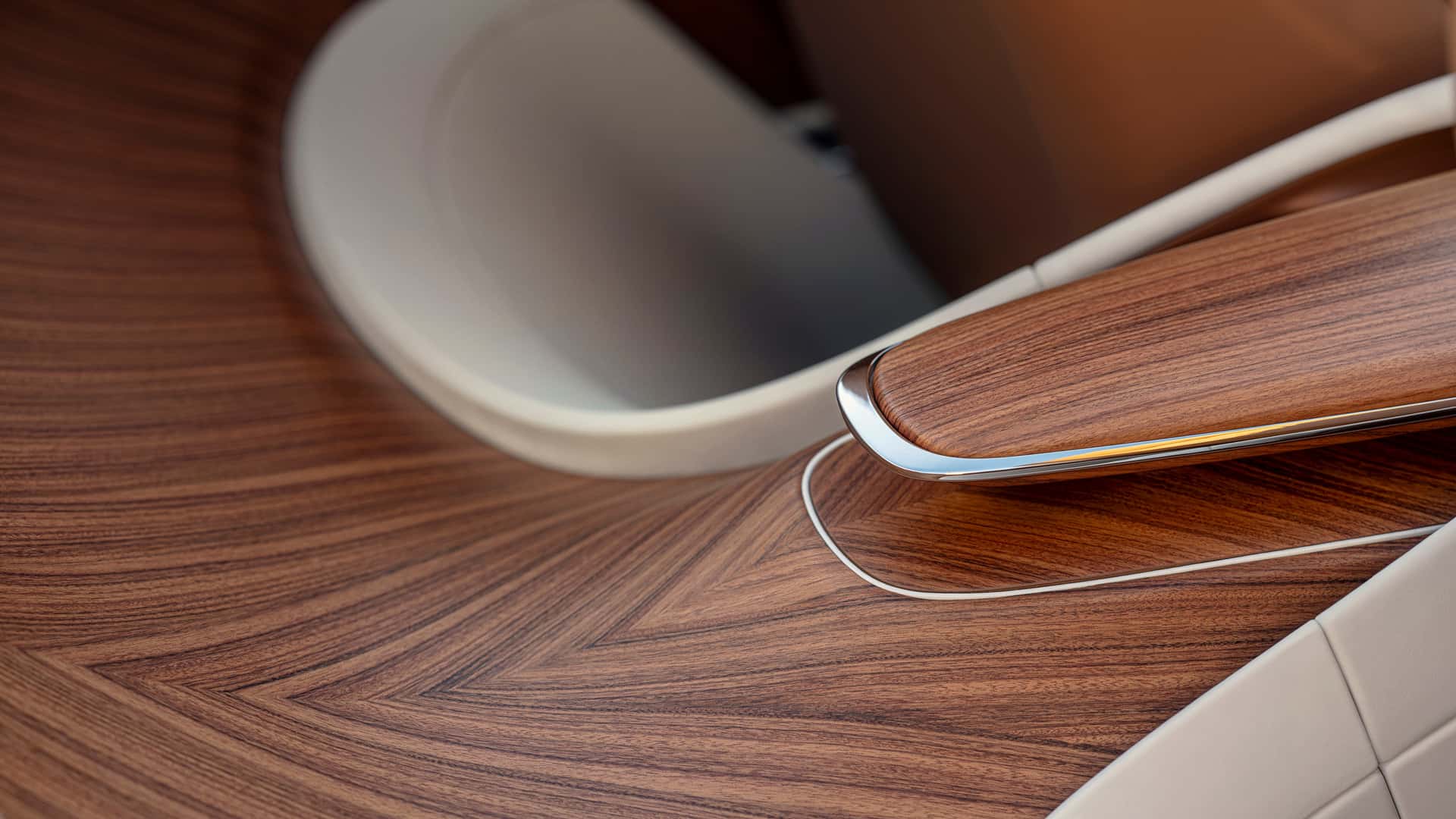
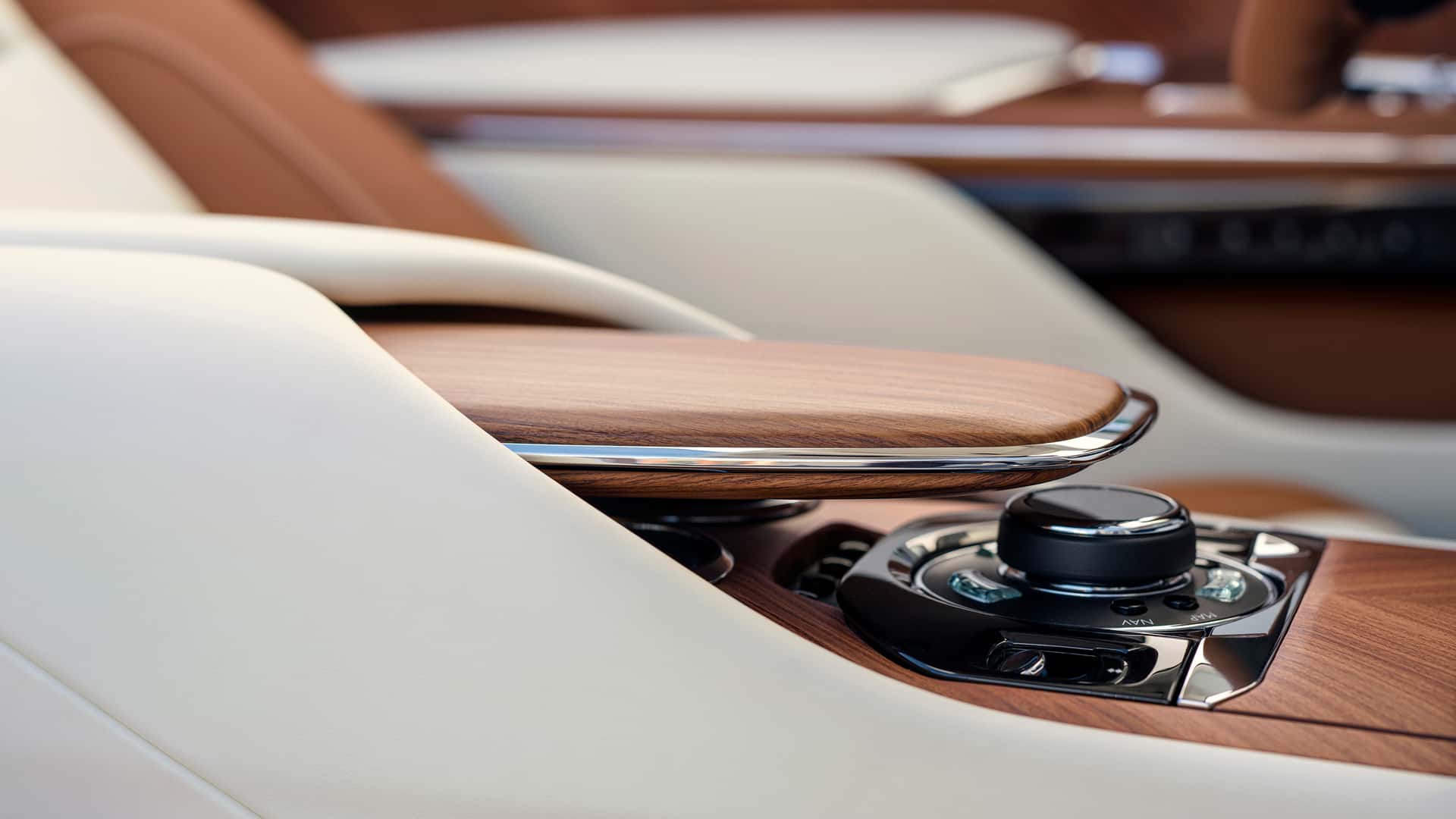
Inside the cabin, the Droptail Arcadia exudes luxury and sophistication at every turn. The predominant white theme, inspired by the exterior colour, creates an atmosphere of purity and refinement. Contrasting tan accents adorn the seats’ outer portions and headrests, adding warmth to the pristine interior. Exquisite wood trim envelops the cabin, adorning the dashboard, door panels, and curved section behind the seats, showcasing the masterful craftsmanship of Rolls-Royce artisans. Remarkably, over 8,000 hours were dedicated to crafting the various wooden elements, attesting to the brand’s unwavering commitment to perfection.

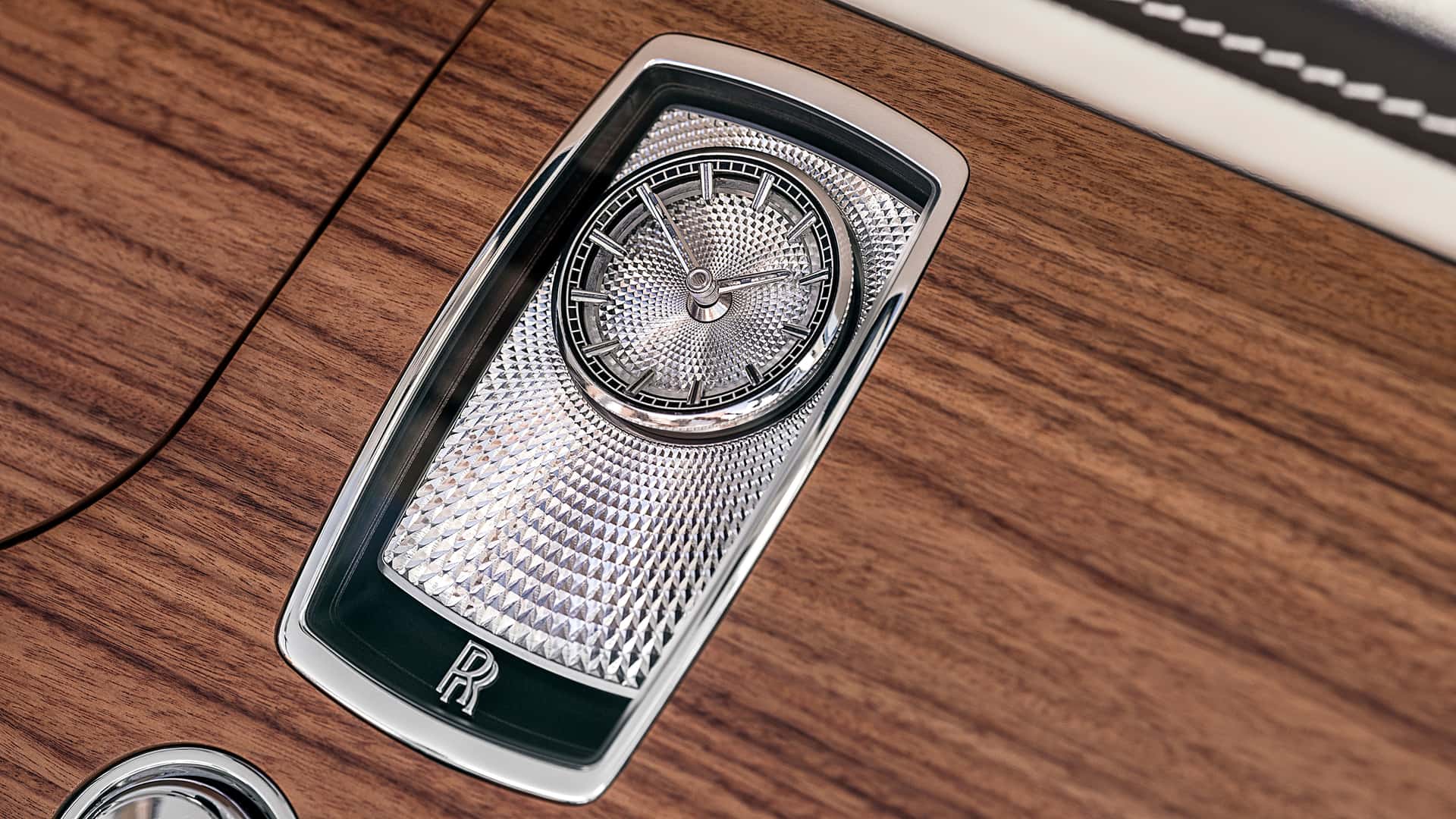
One of the most captivating features of the Droptail Arcadia is the intricately designed dashboard clock, which took over two years to develop and five months to assemble. With 119 facets on its machined face and a double R logo crafted from billet stainless steel, this exquisite timepiece is a testament to Rolls-Royce’s dedication to luxury craftsmanship. Each hour marker is meticulously hand-painted, requiring the precision of a magnifying camera for application.

The Droptail Arcadia is propelled by the brand’s renowned twin-turbocharged 6.6-litre V12 engine, delivering effortless performance with 593hp and 840Nm of torque.

Recently delivered to its fortunate owner in Singapore, the Droptail Arcadia is a testament to Rolls-Royce’s bespoke excellence. Configured with left-hand drive for global usability, this exceptional roadster exemplifies the brand’s unwavering dedication to fulfilling the unique desires of its discerning clientele, wherever they may roam.

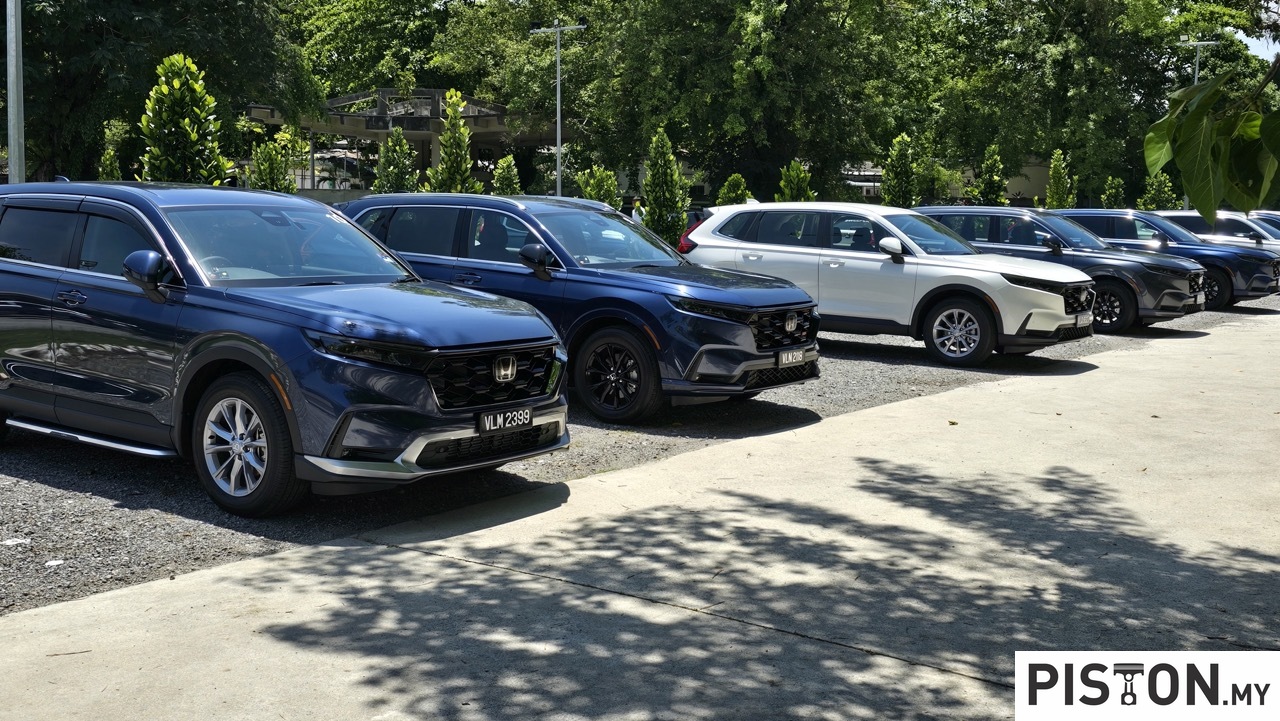
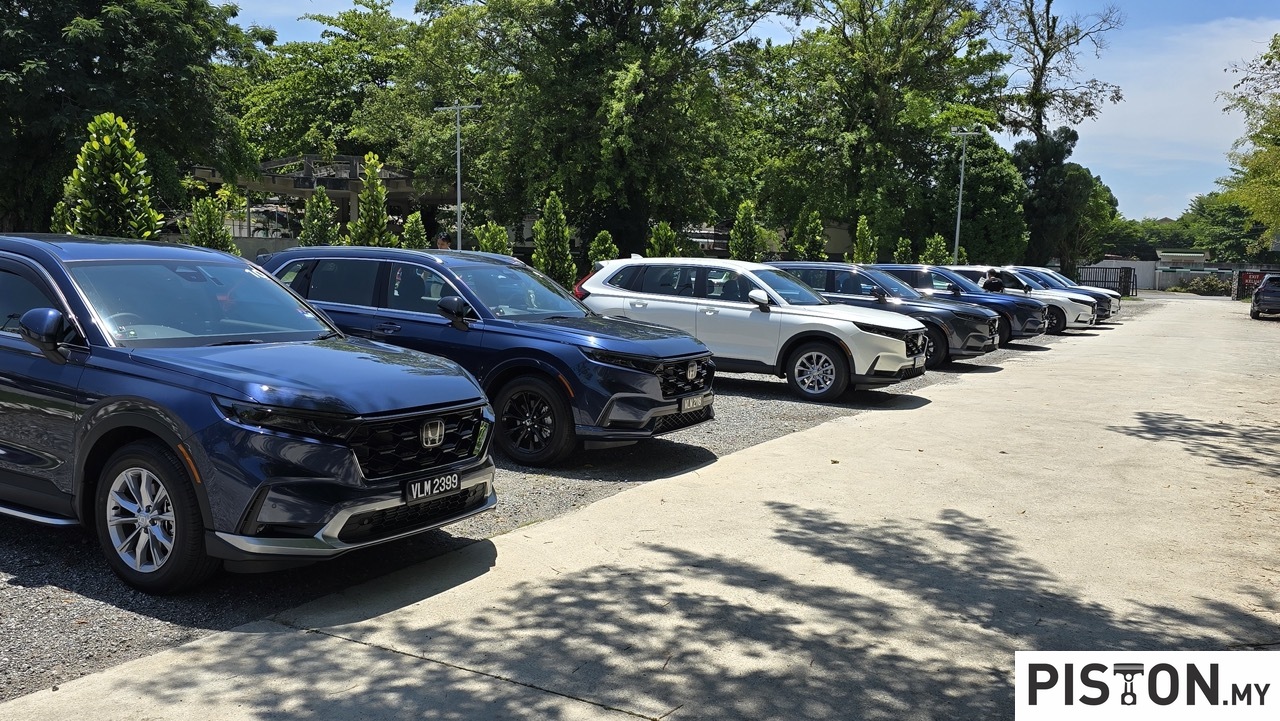
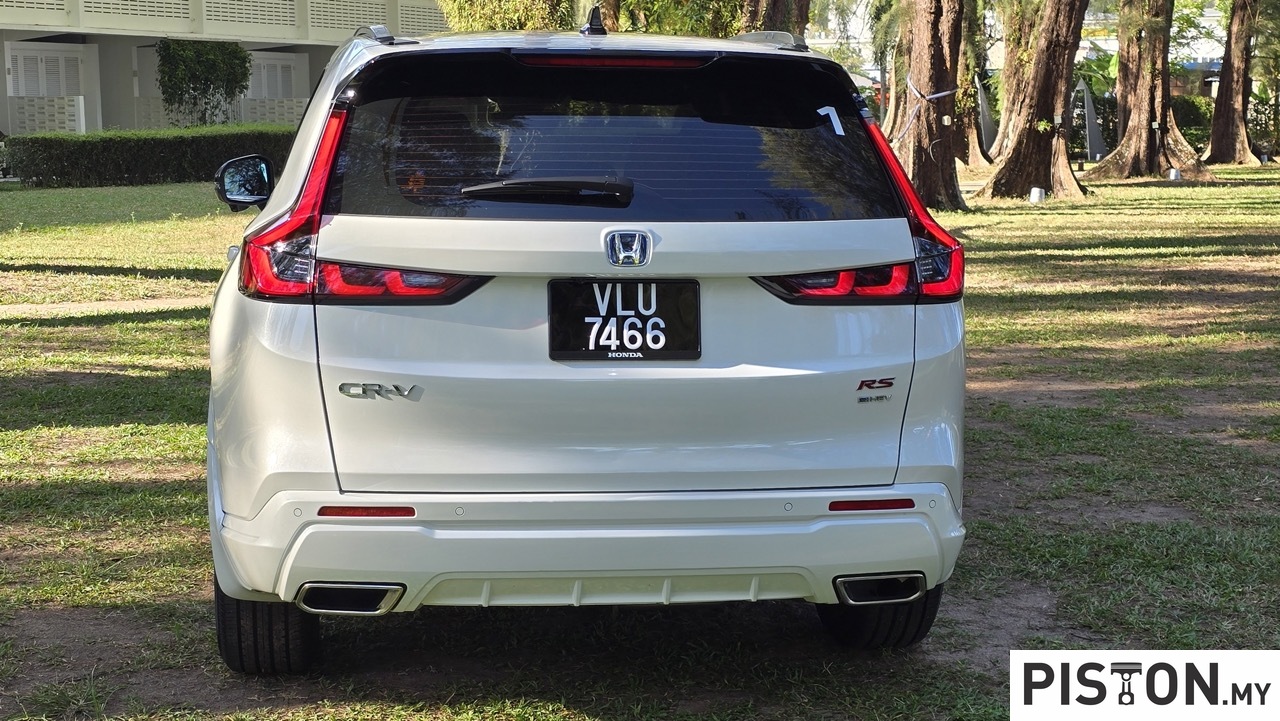
Honda has been a prominent player in the SUV segment since 1995, which is when the first-generation CR-V was introduced. In 2002, the second generation debuted, 2007 the third, 2012 the fourth, 2017 the fifth and now, we have the sixth-generation CR-V.

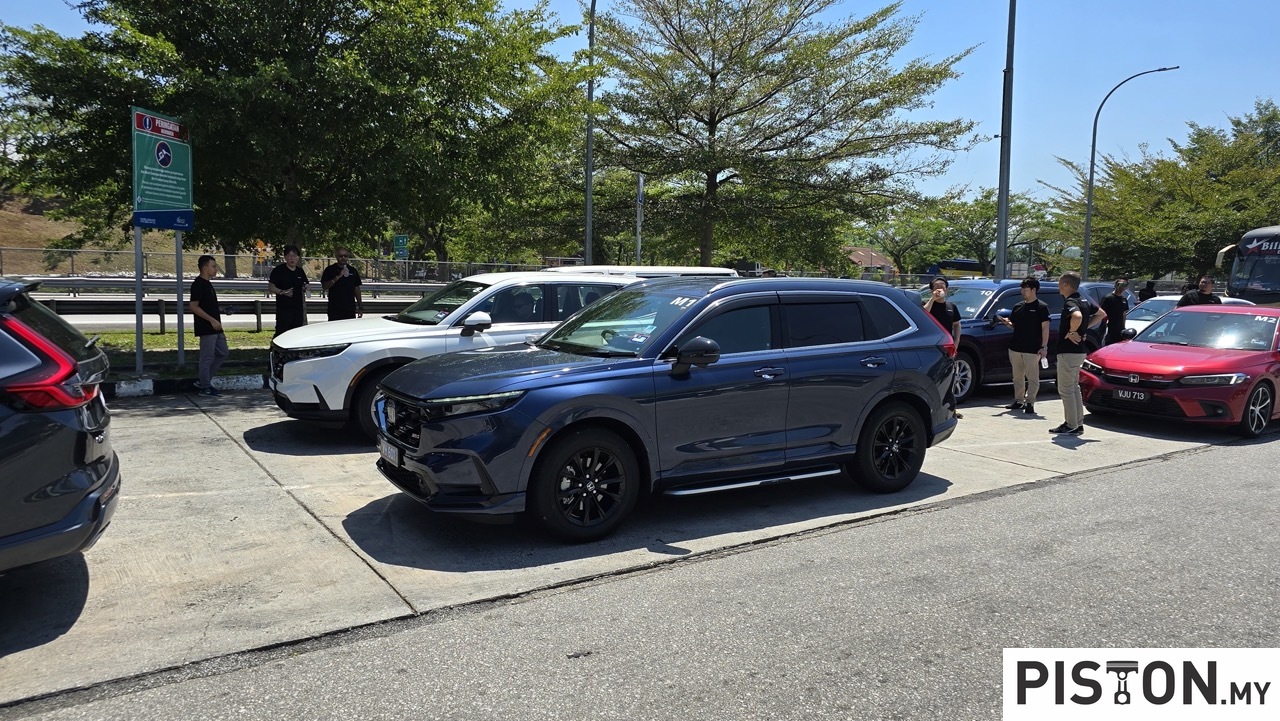
We drove the sixth-generation CR-V in Thailand back in November 2023 before it was introduced here in Malaysia in December and were immediately blown away by its refinement and features. 
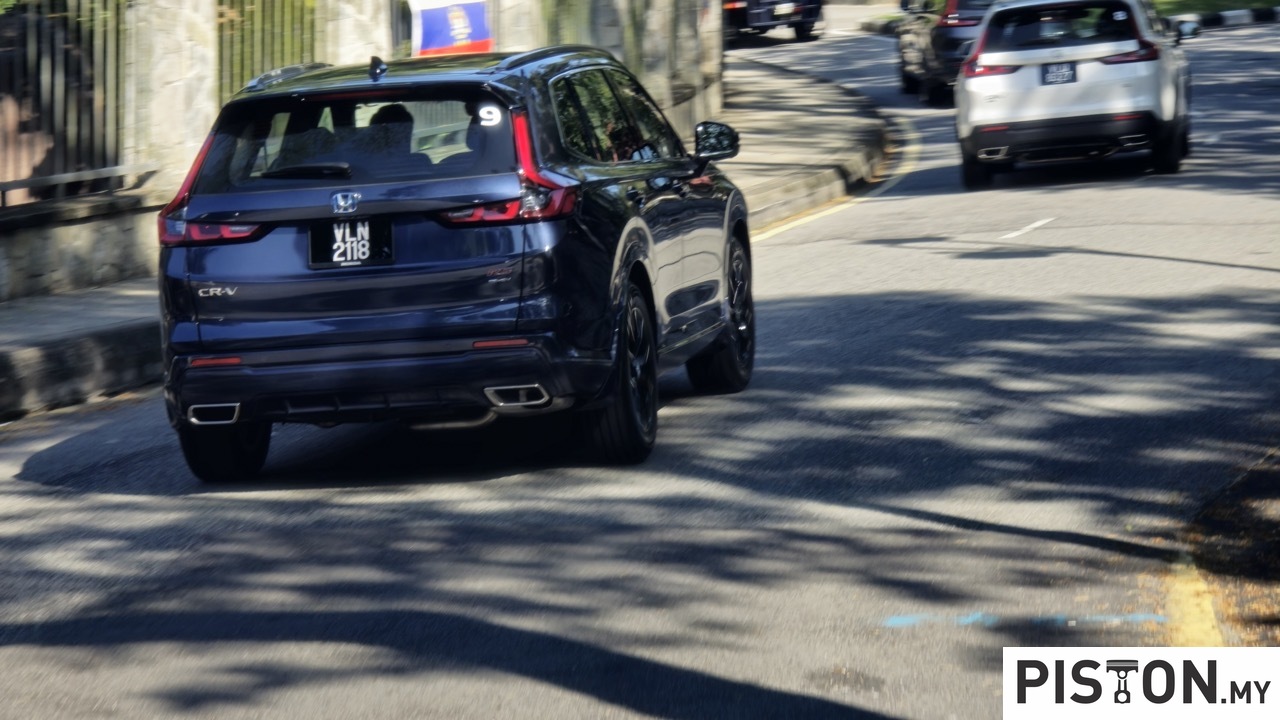
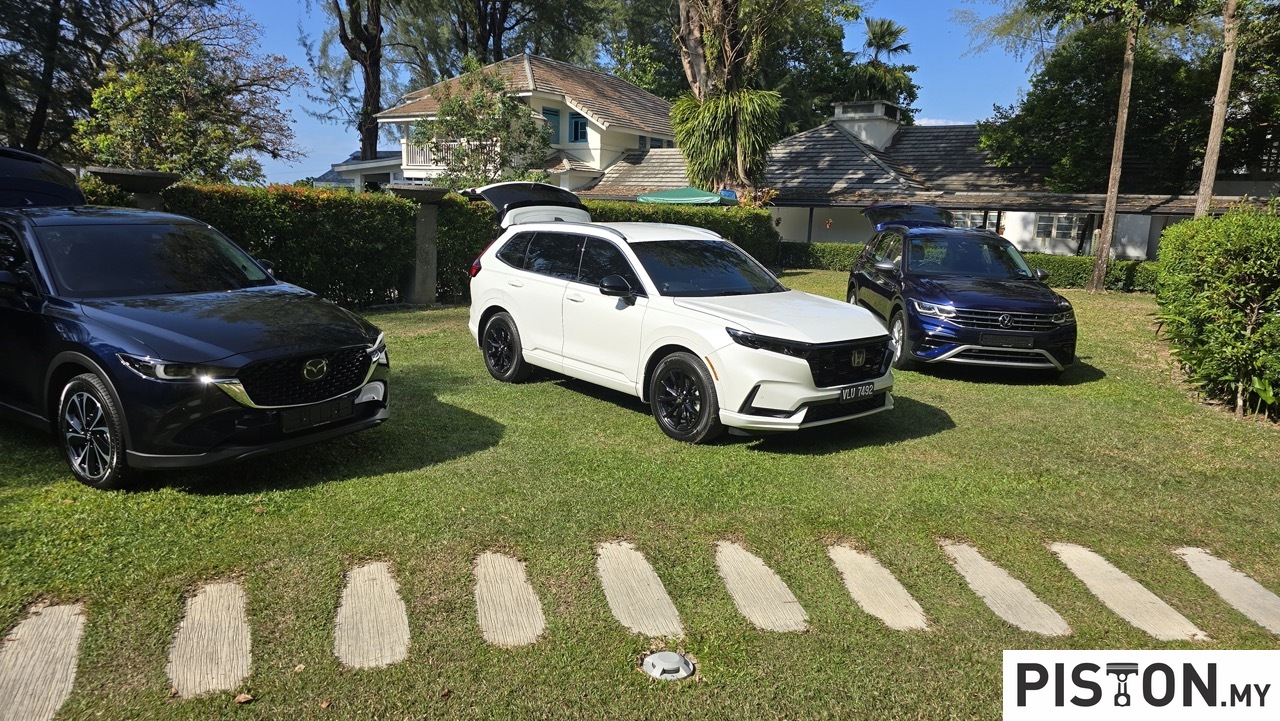
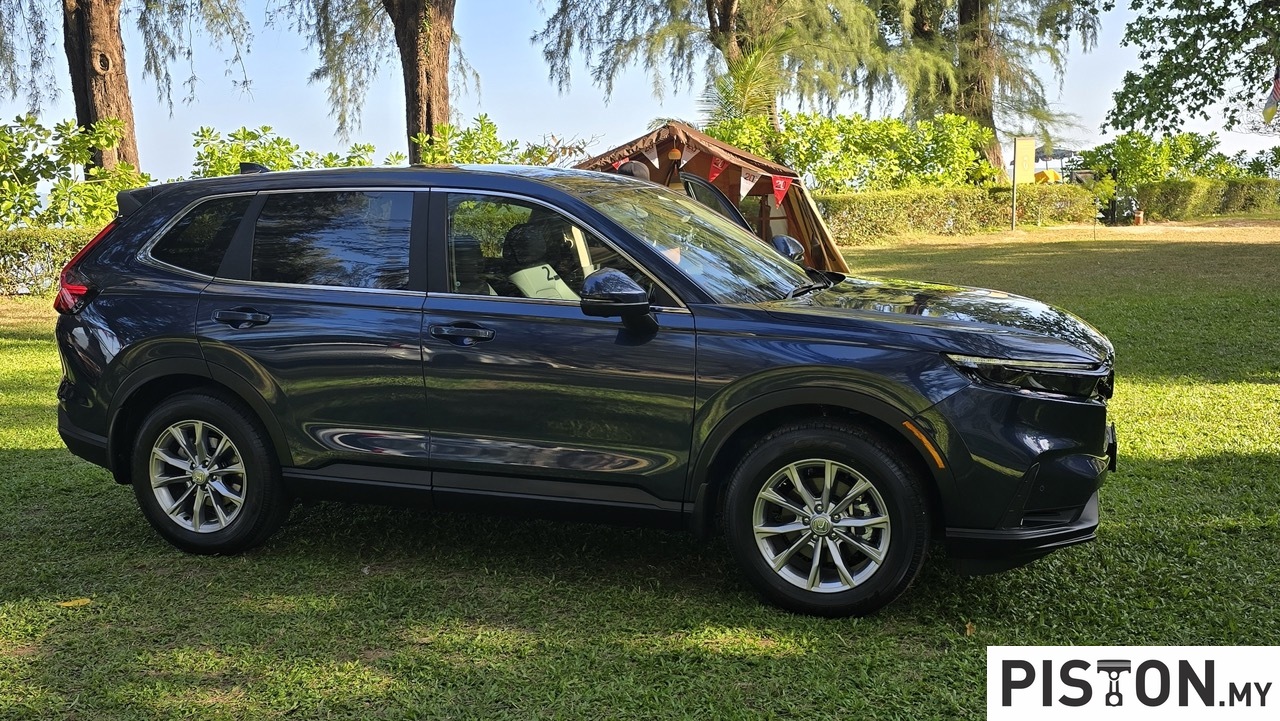
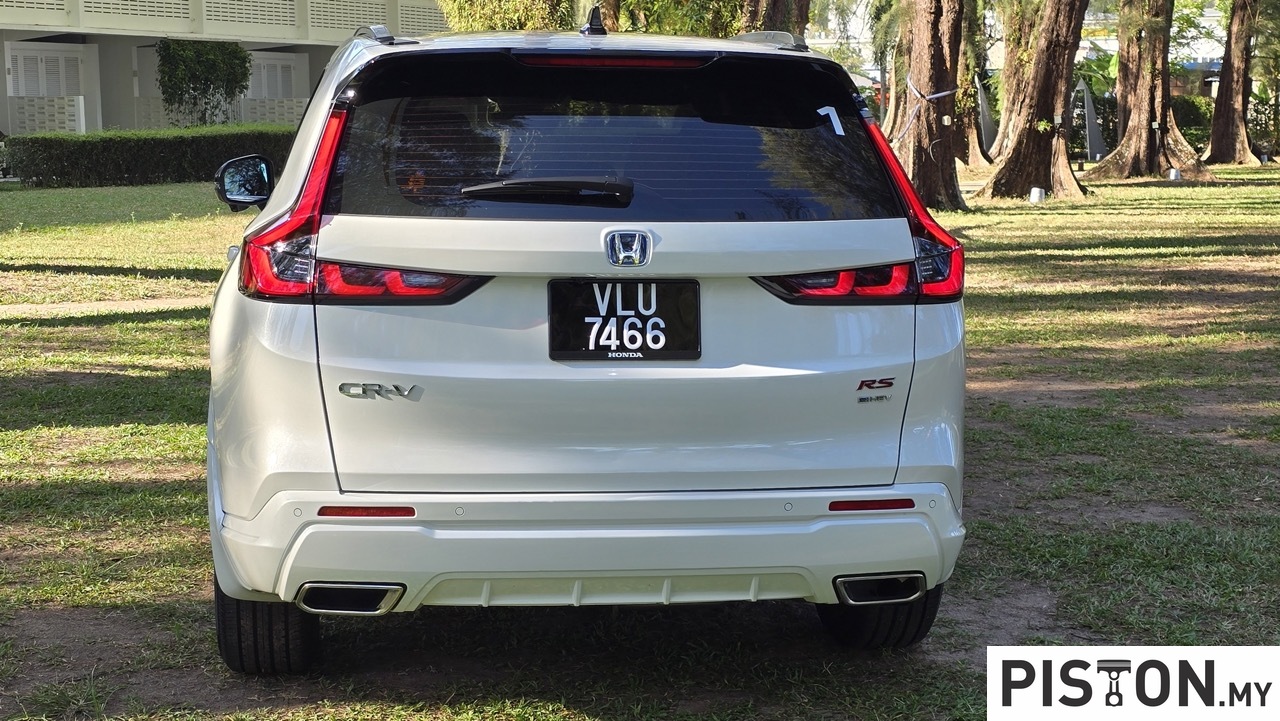
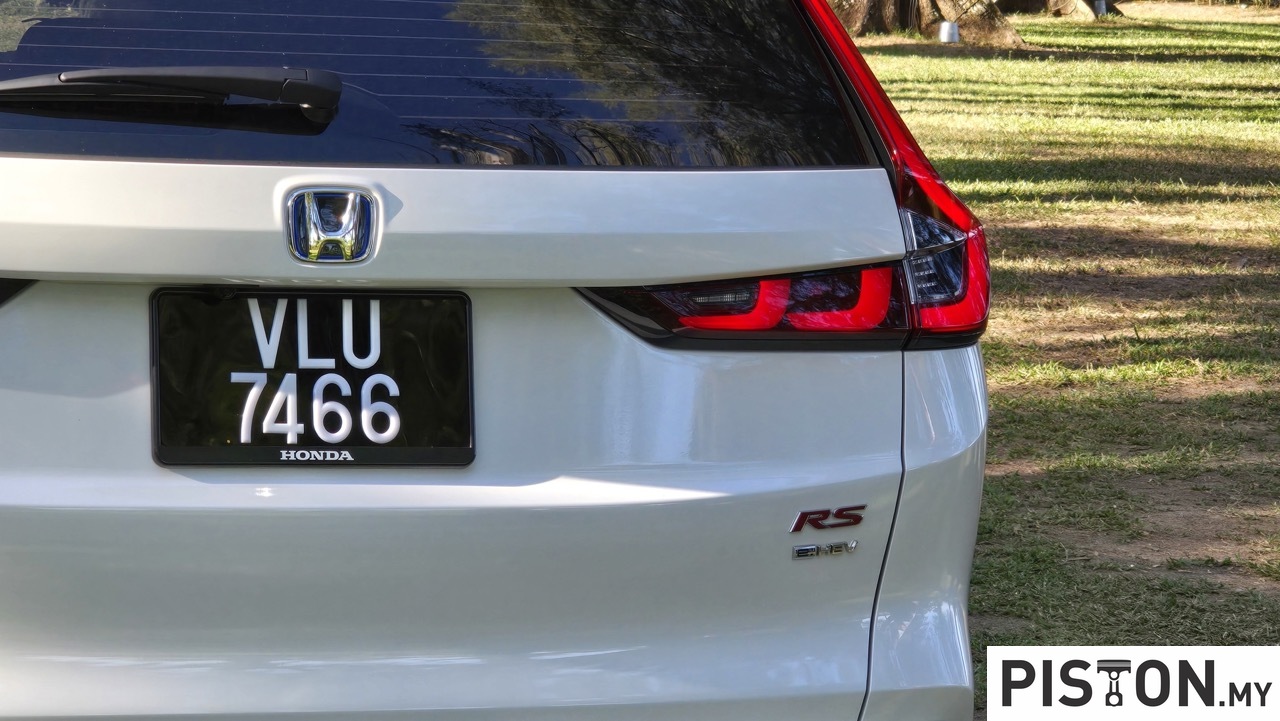
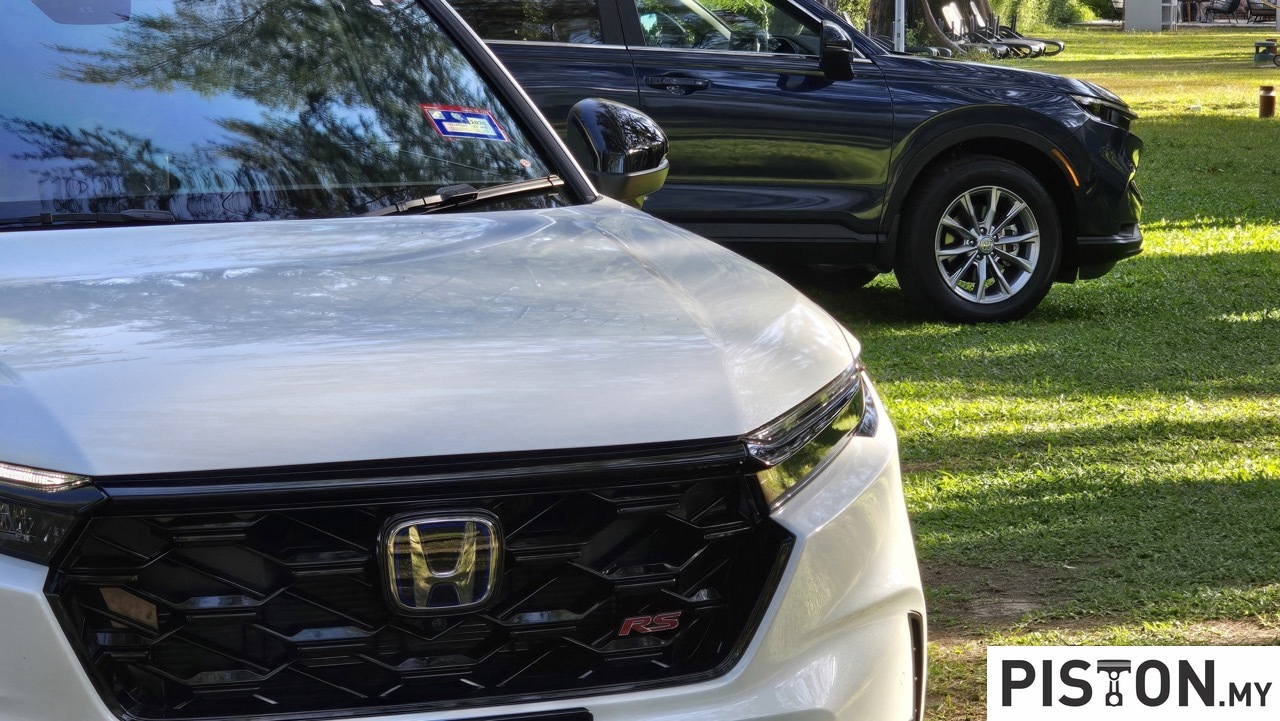
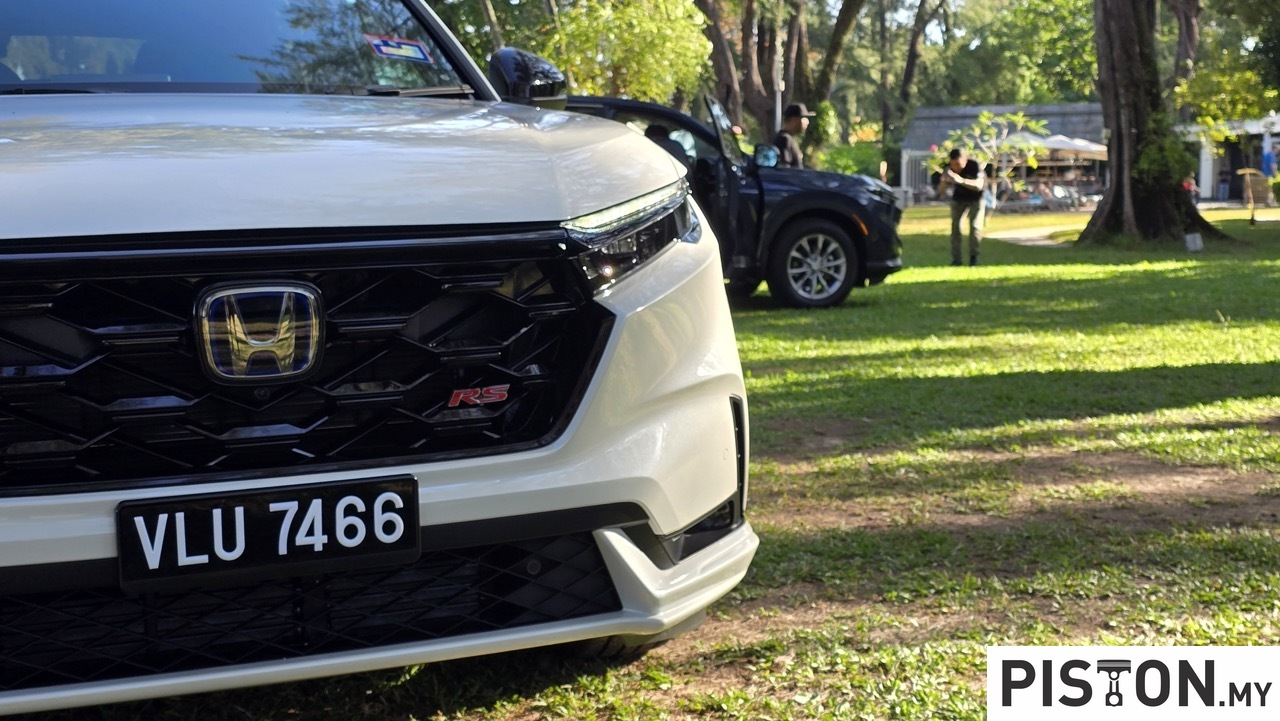
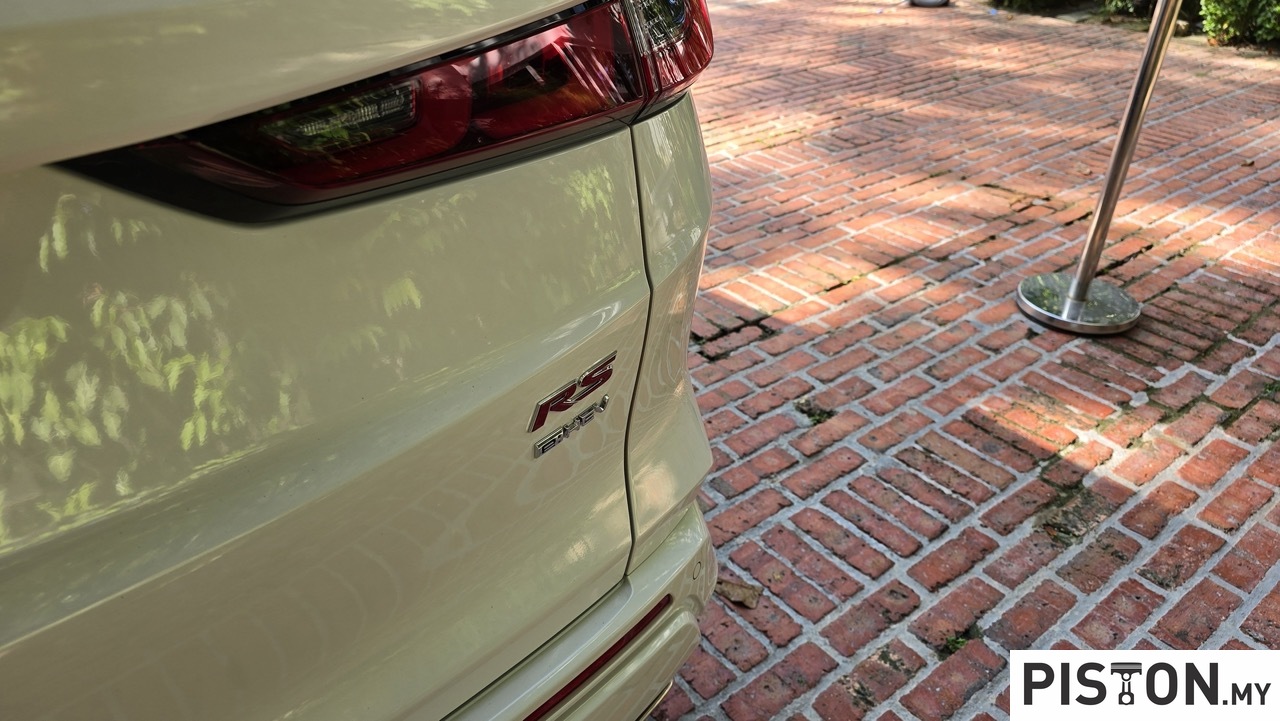
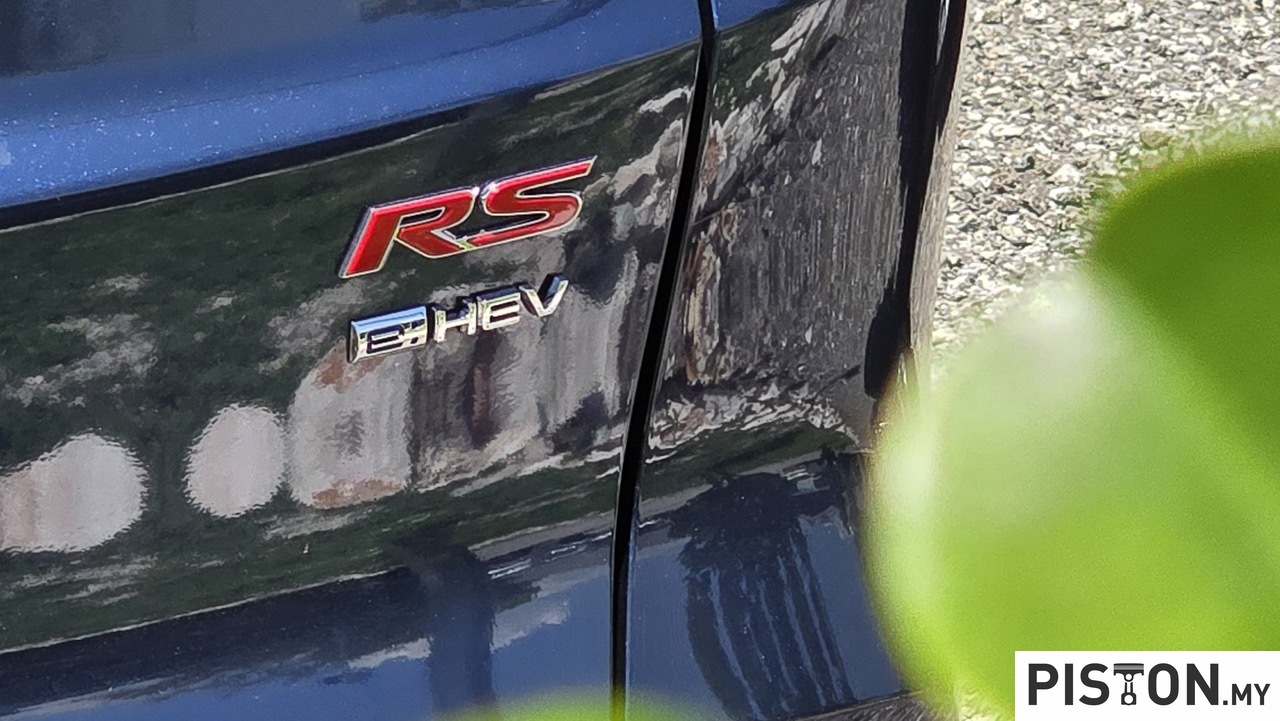
In Malaysia, the CR-V comes in four variants, the S, E, V and the top of the line e:HEV RS. It truly stands out in the C-segment of SUVs, rivalling models like the Volkswagen Tiguan and Mazda CX-5.

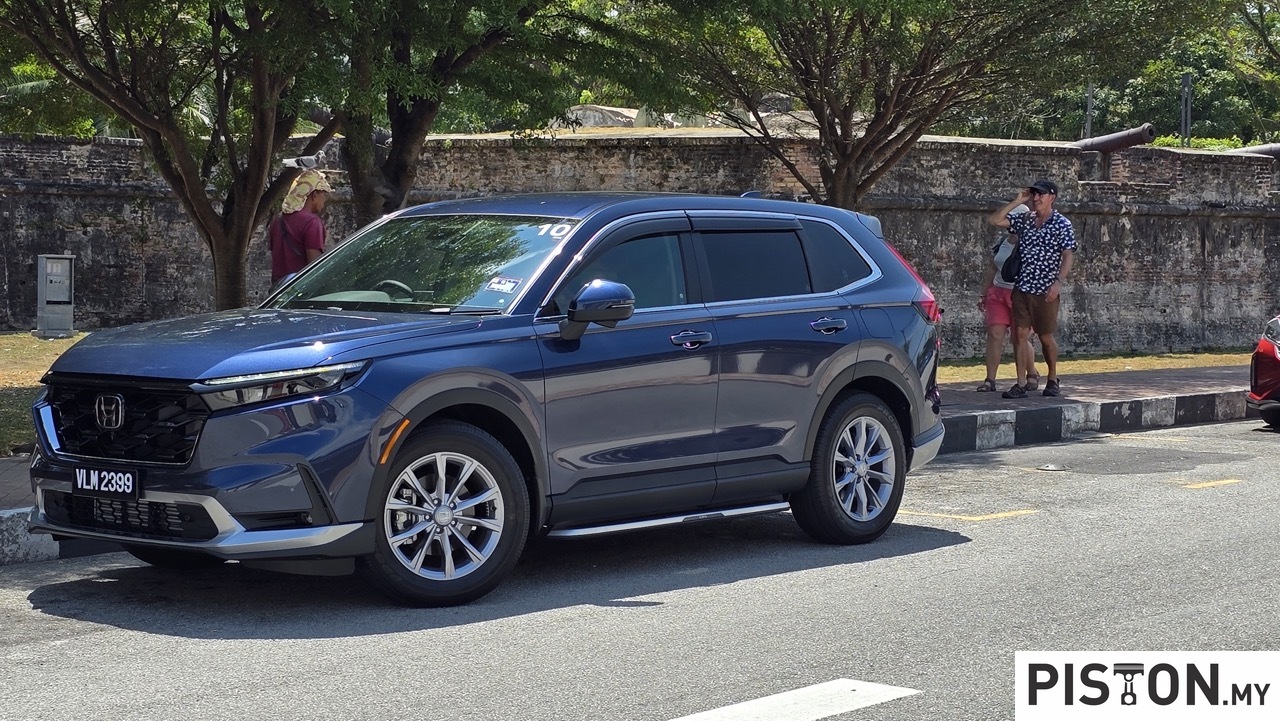
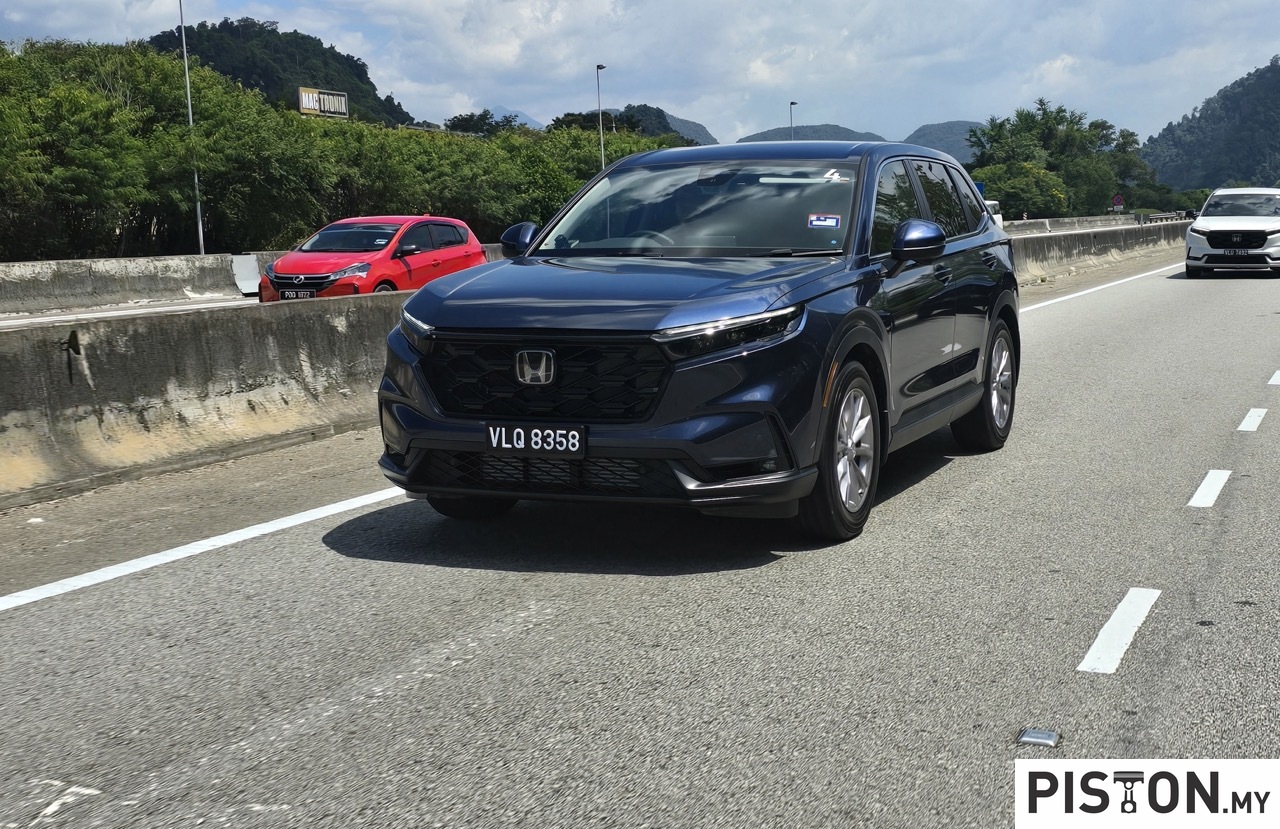
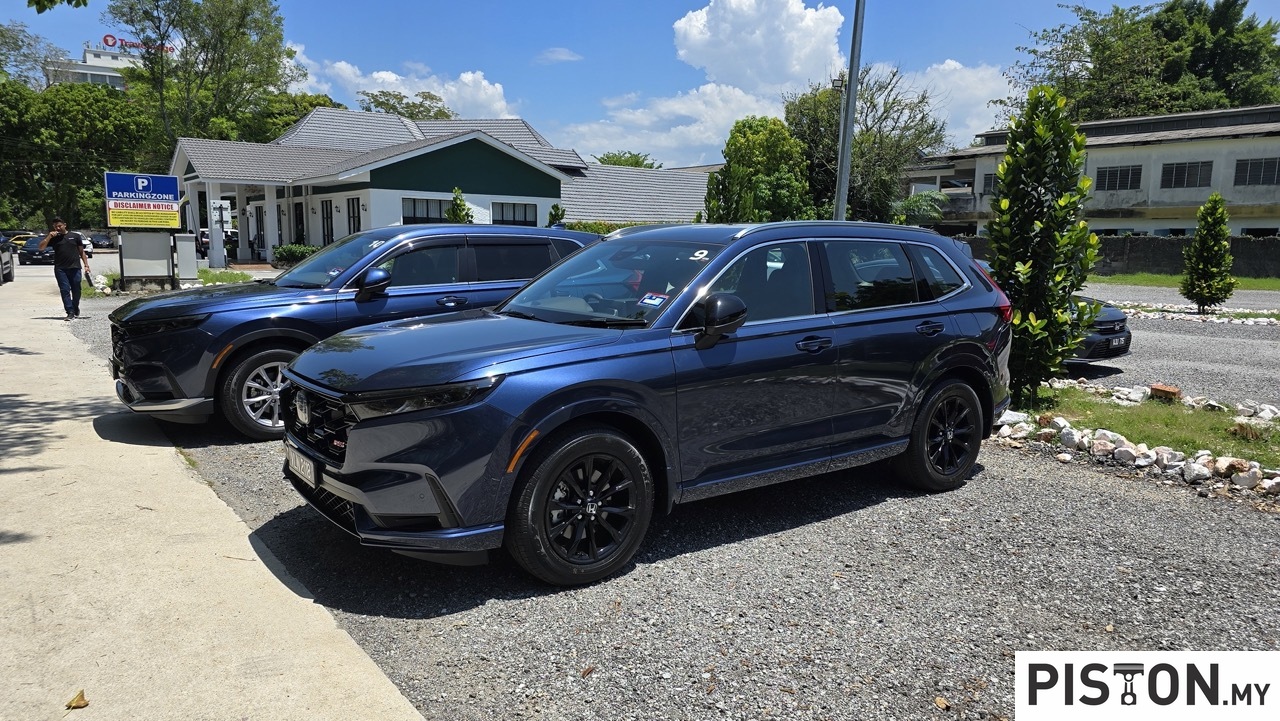
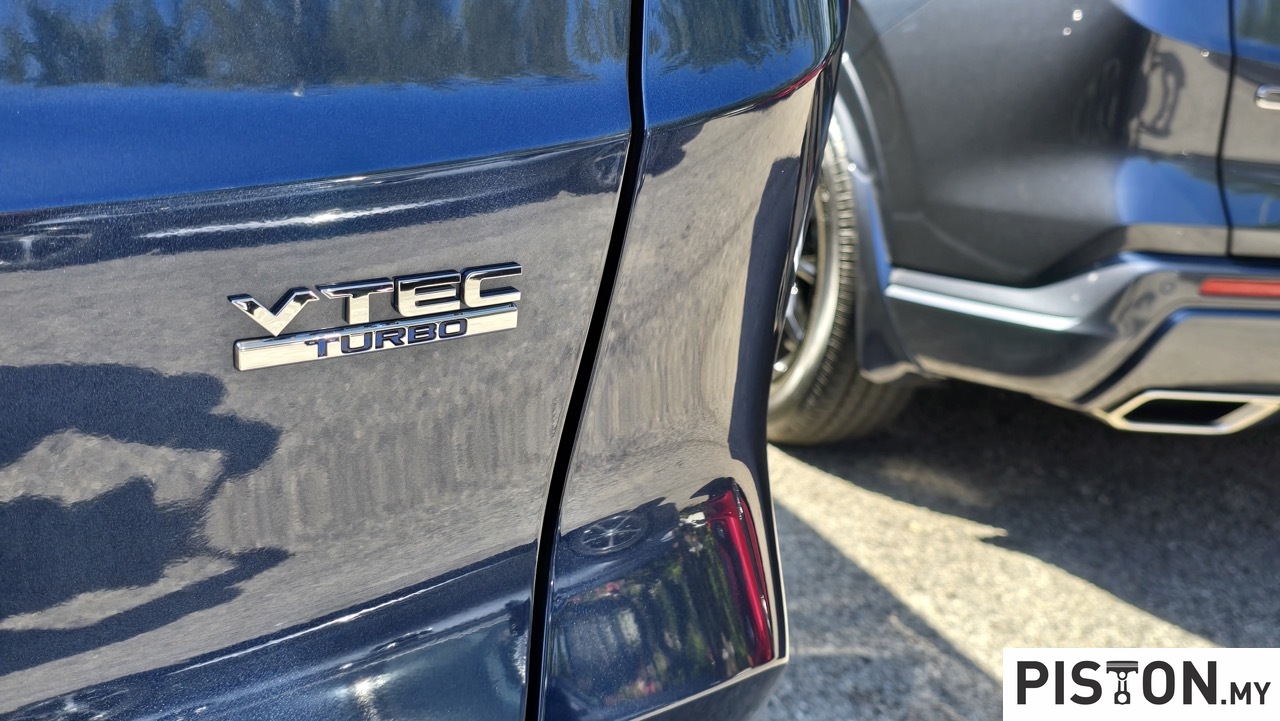
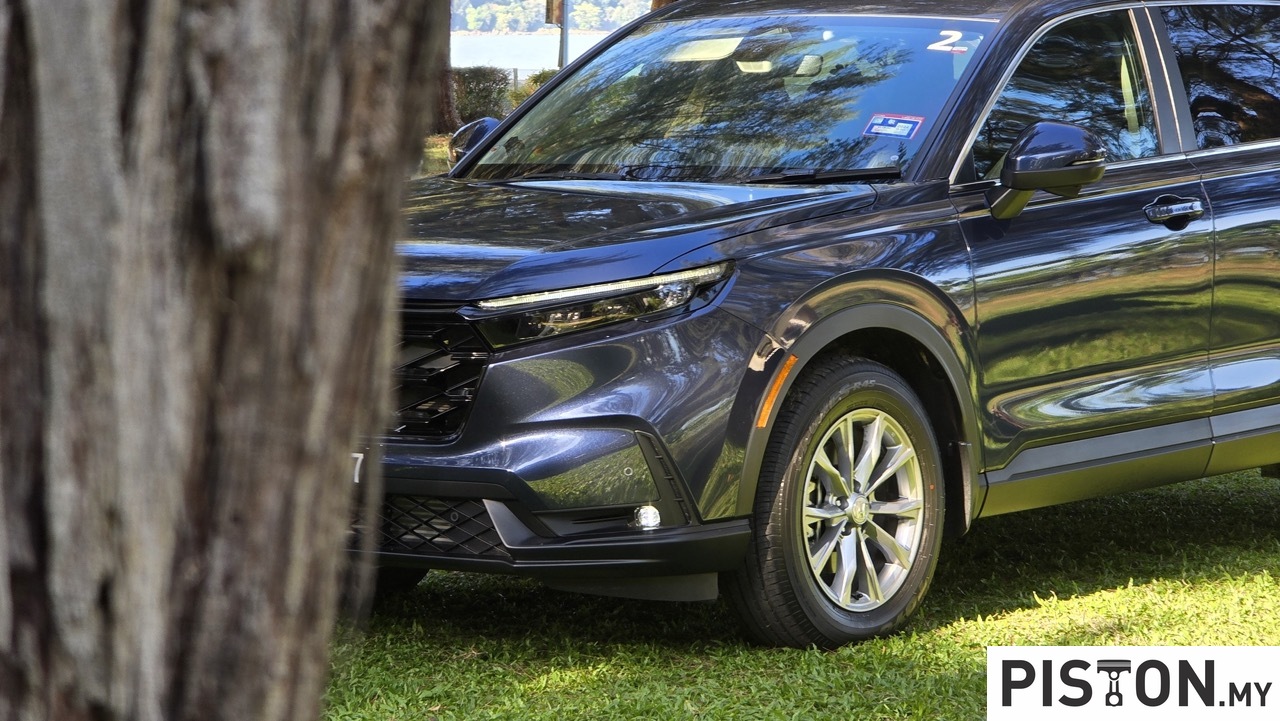
During a recent test drive to Penang, we got to drive the V variant and the e:HEV RS variant. The V variant, priced at RM181,900, features a 1.5 litre turbocharged inline-four petrol with direct injection that produces 193PS and 243Nm of torque. 
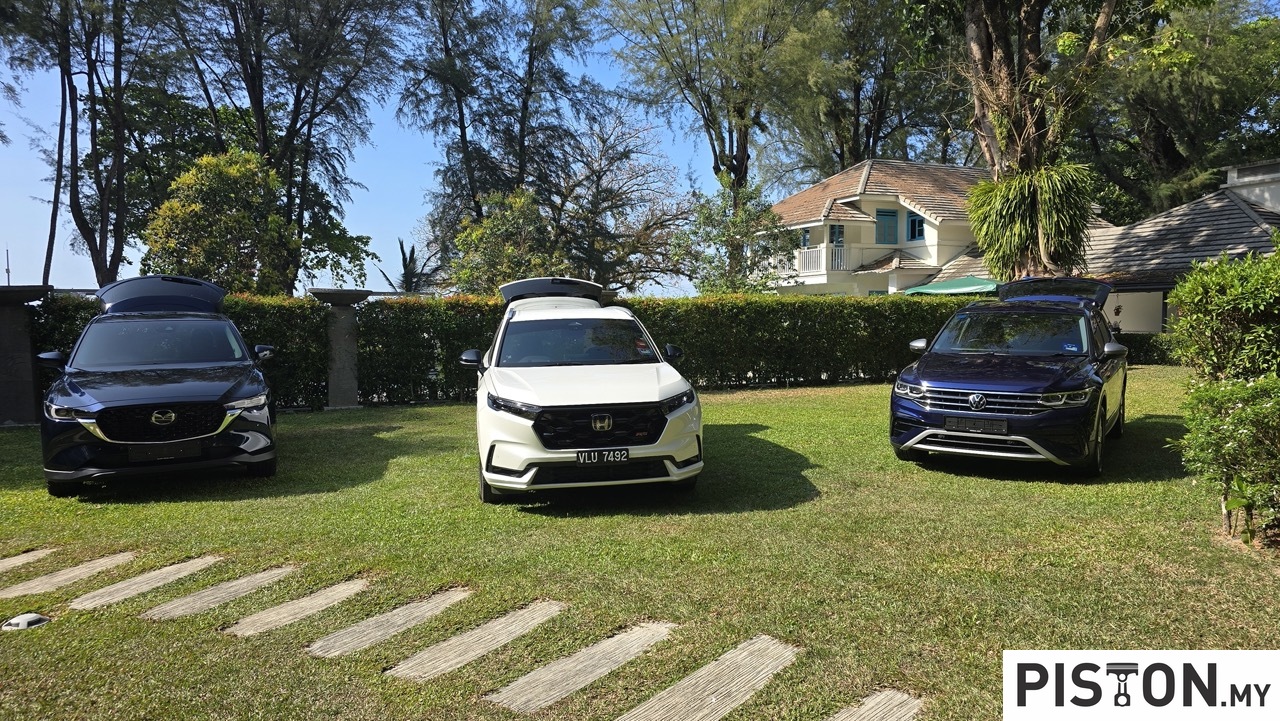
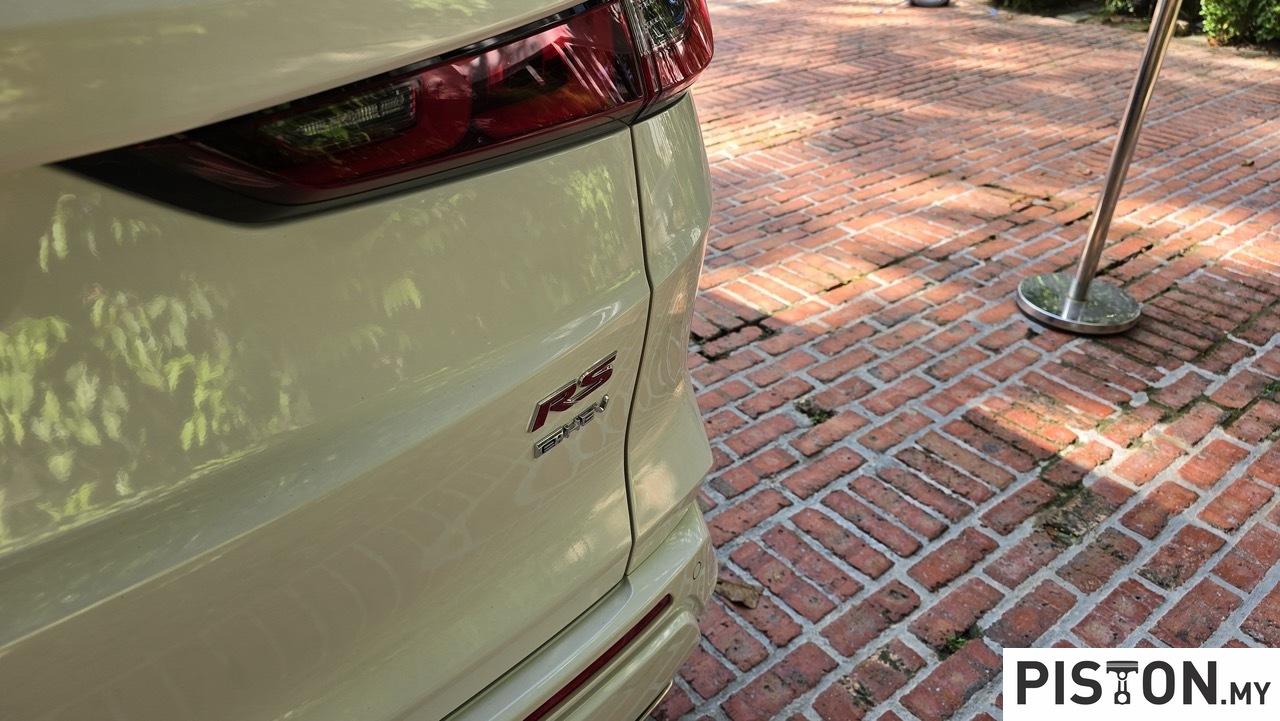
The e:HEV RS on the other hand is priced at RM195,900, and features a 2.0 litre naturally-aspirated Atkinson-cycle inline-four petrol with direct injection that has an output of 148PS and 190Nm of torque. Why is it so low? Well, because it has an electric motor which has an output of 184PS and 335Nm of torque. No, this is not a combined output. The engine simply acts as a generator that charges up the battery which sends power to the front-mounted electric motor. Through a lock-up clutch, the engine can drive the front wheels directly at higher speeds whenever it is more efficient to do so. So, efficiency is what the e:HEV model does best.

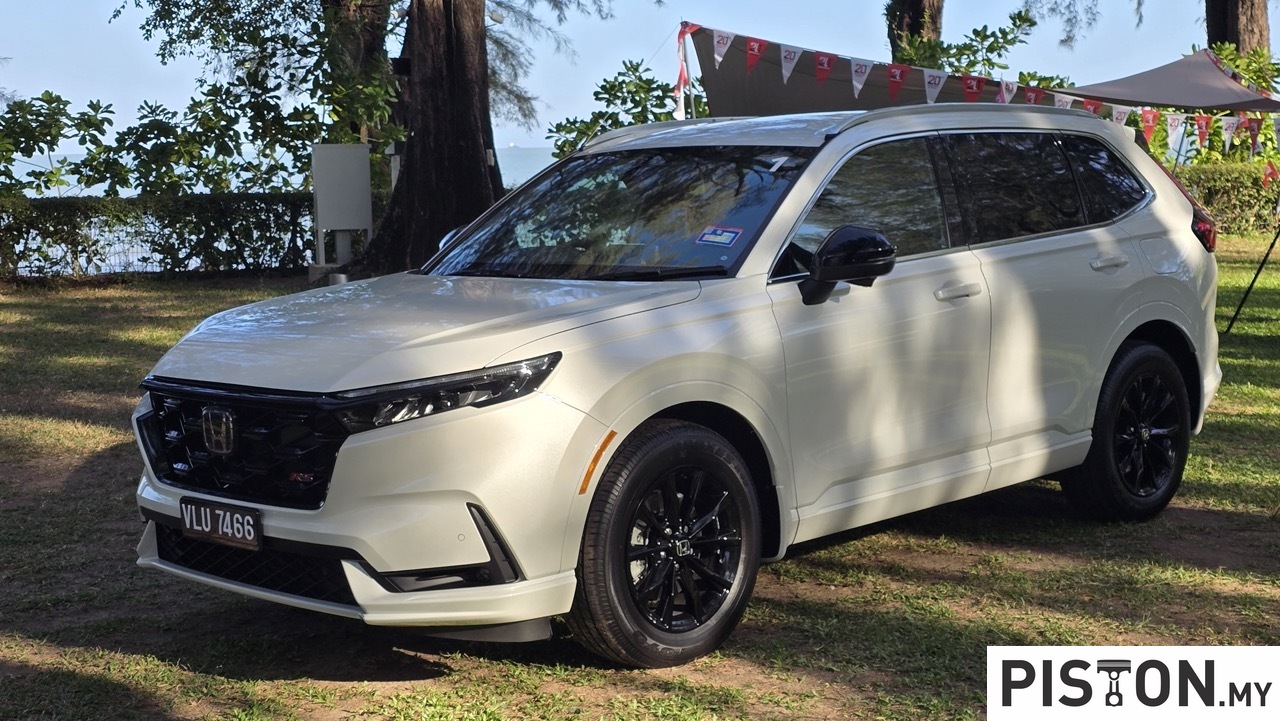
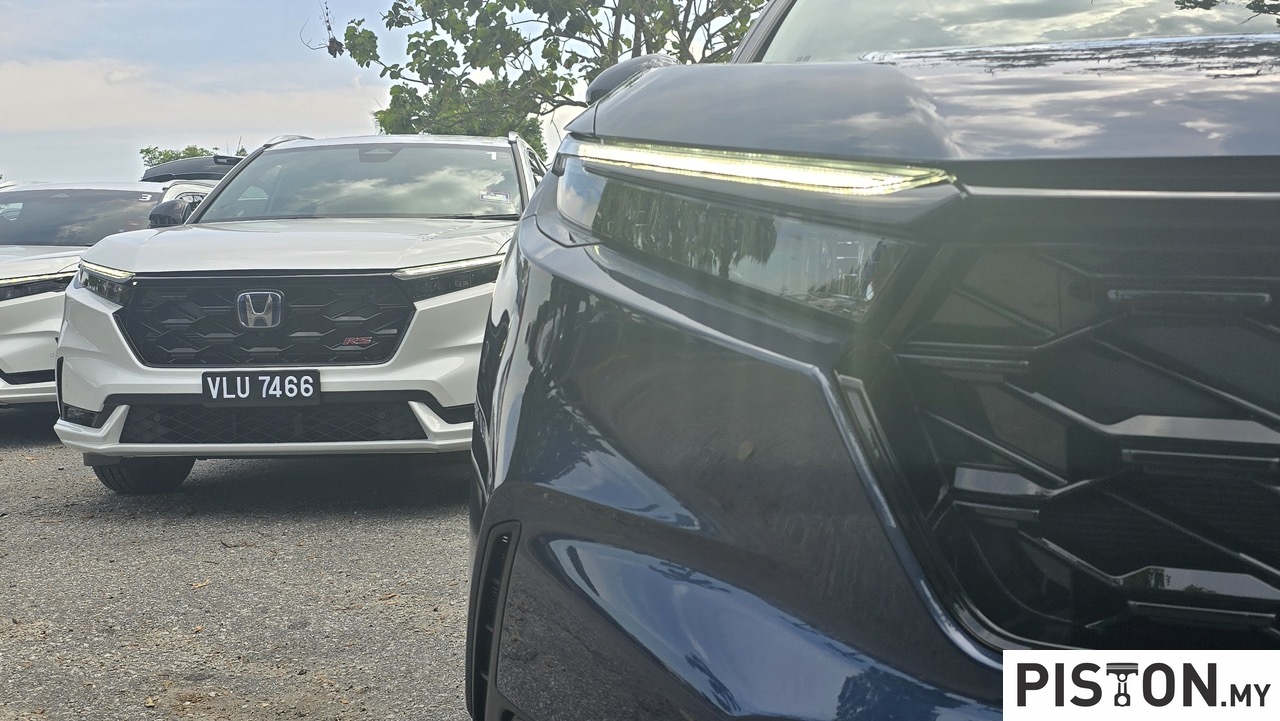
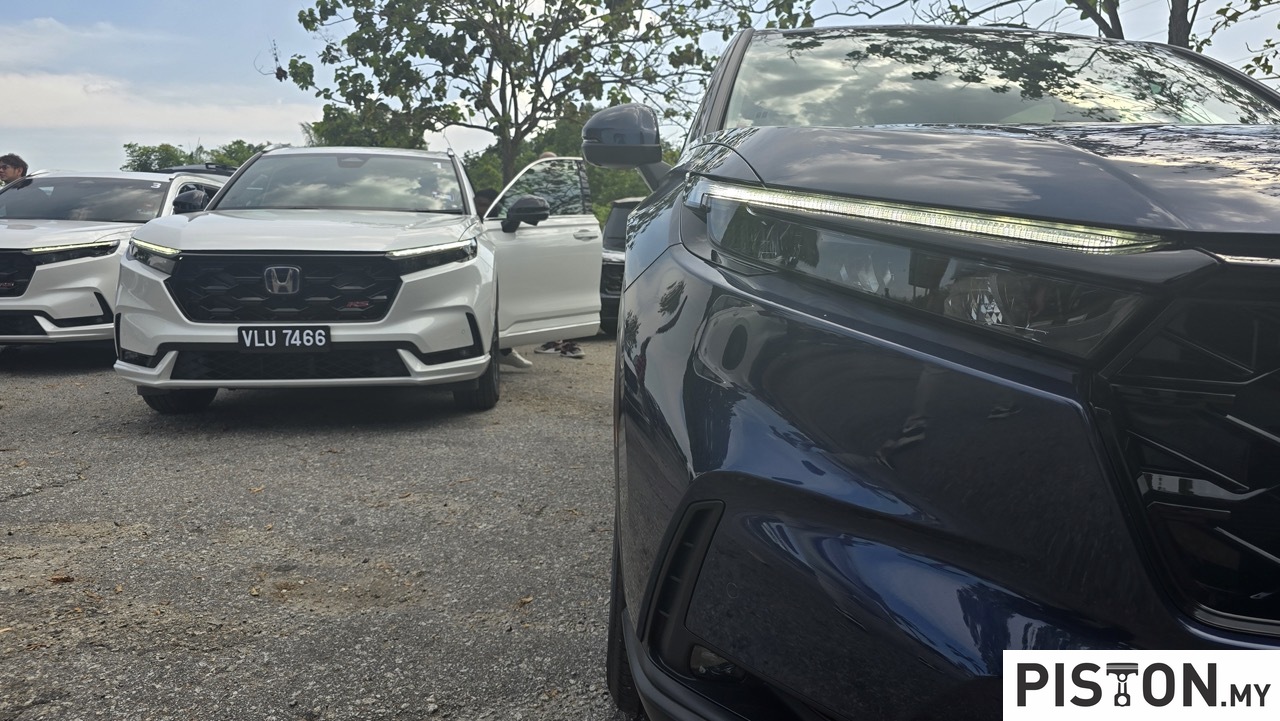
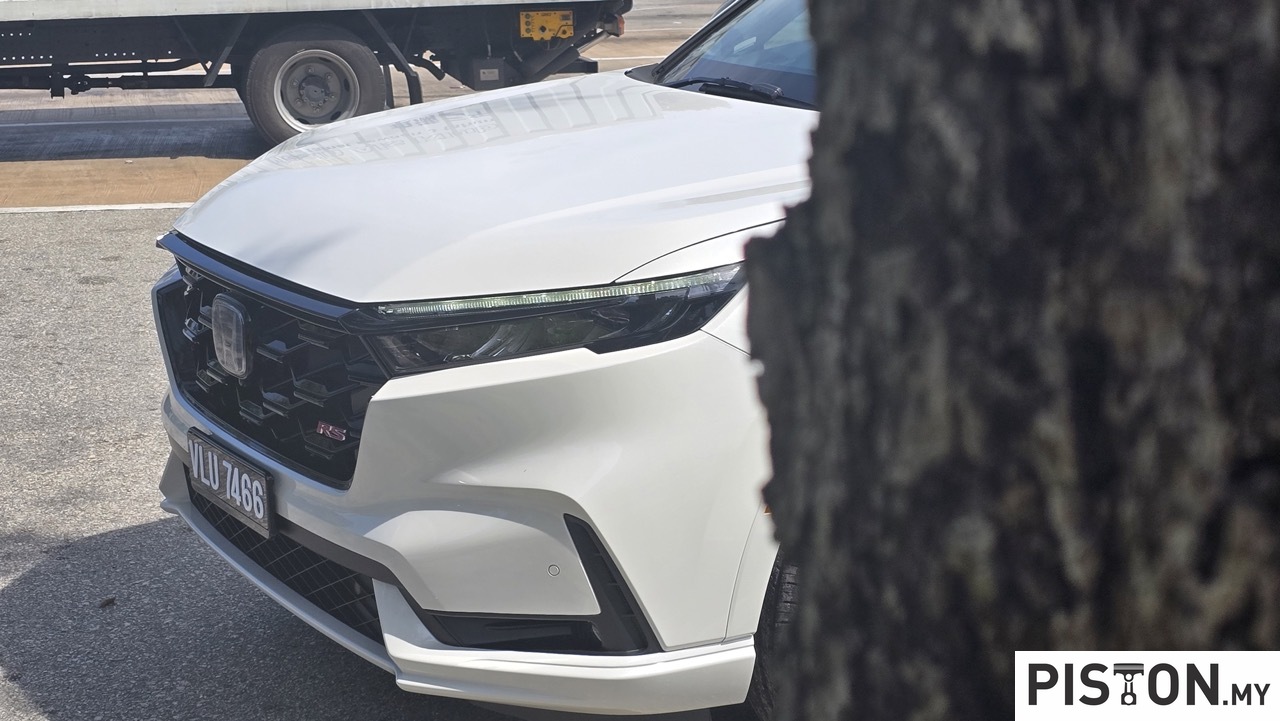
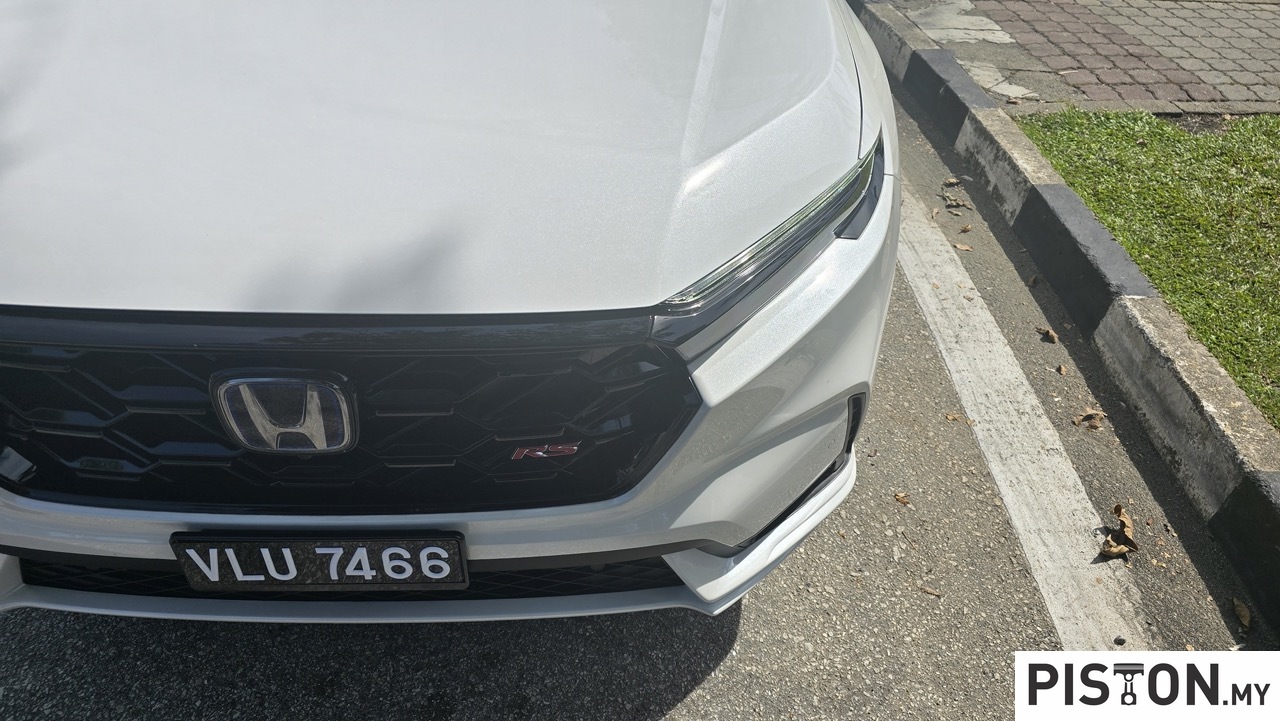
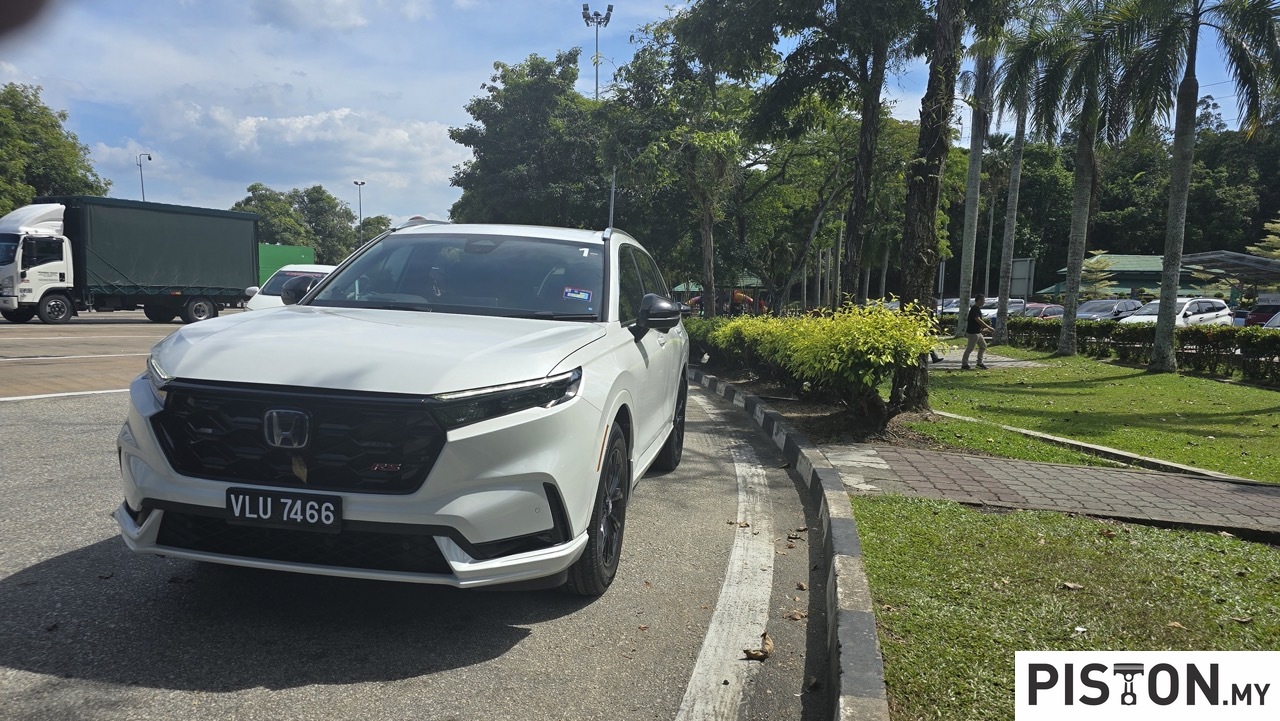
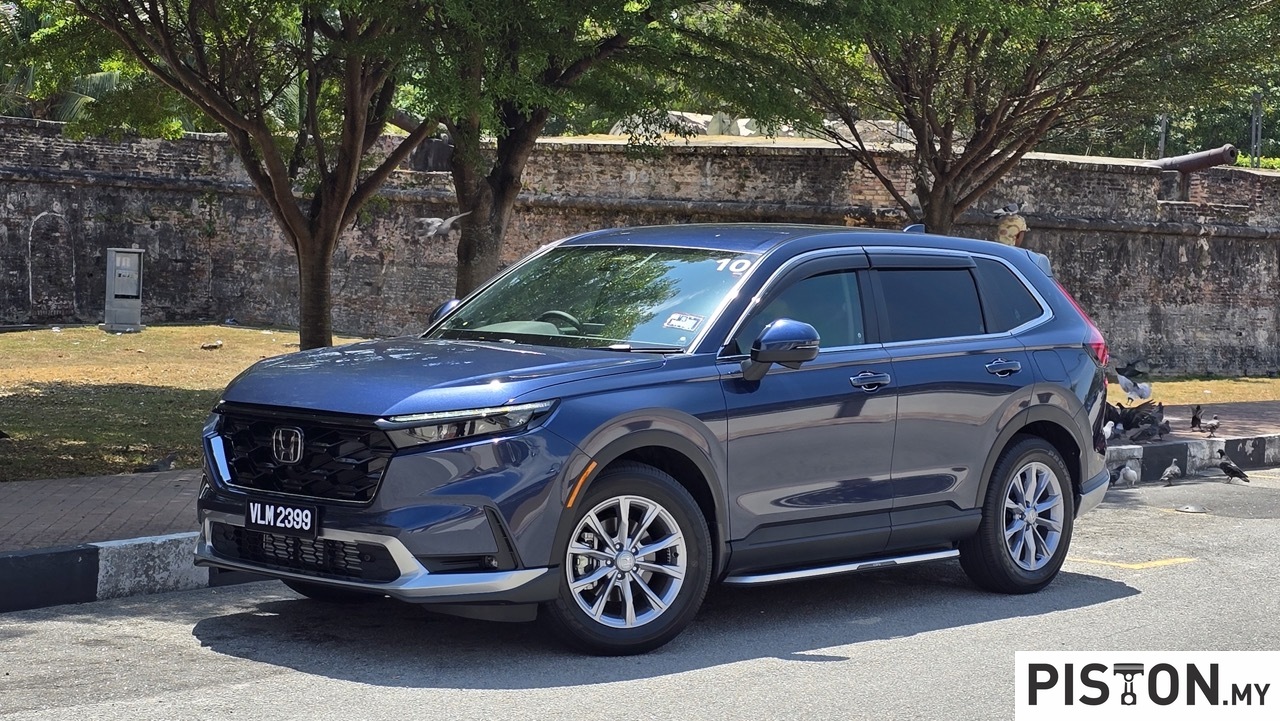
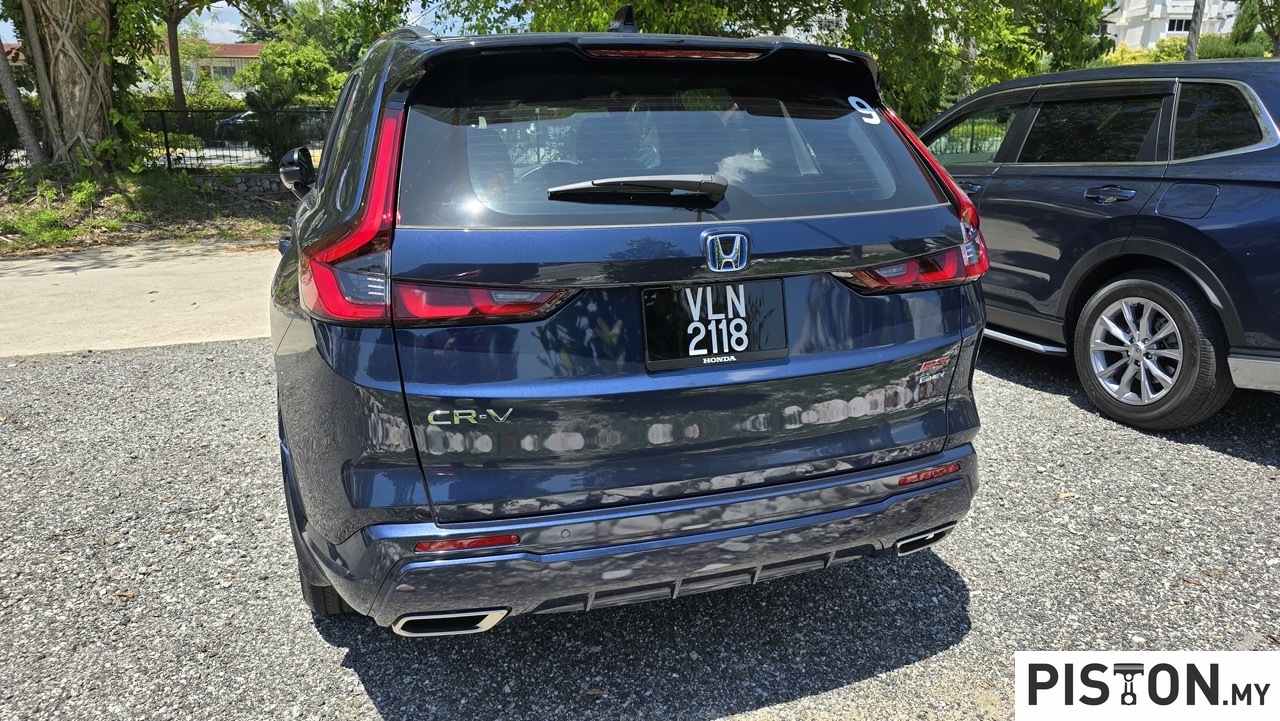
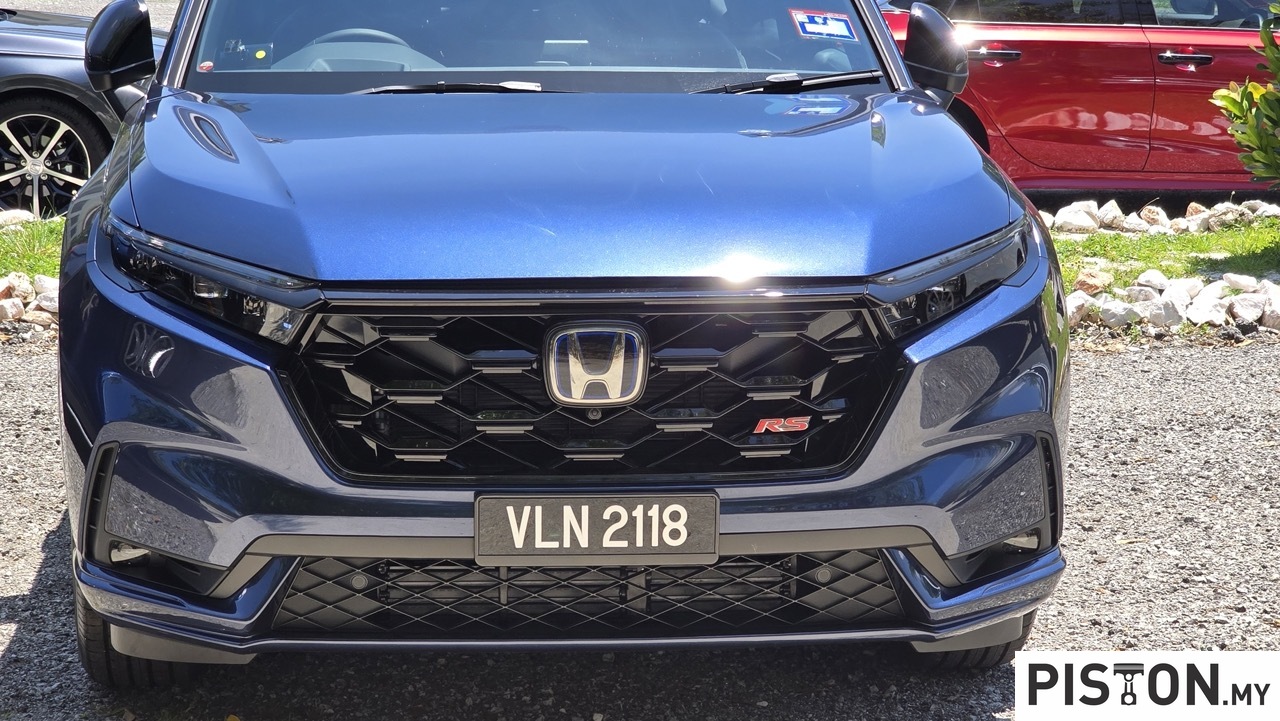
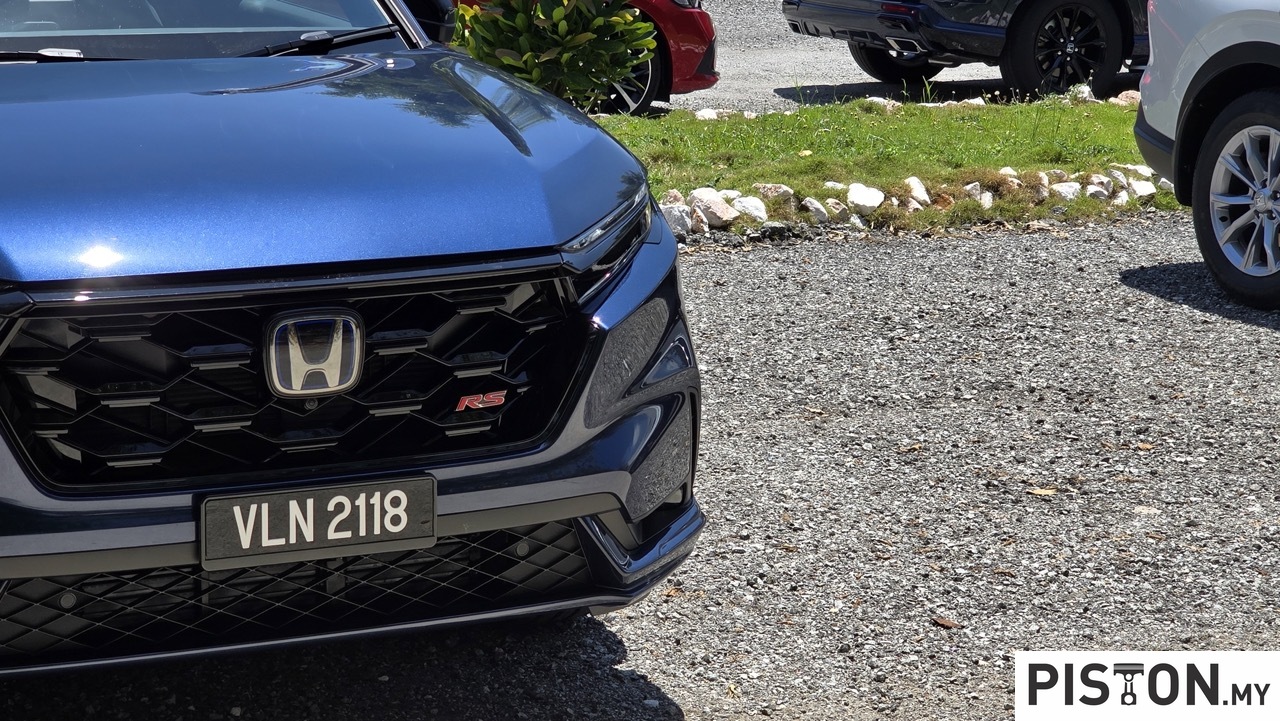
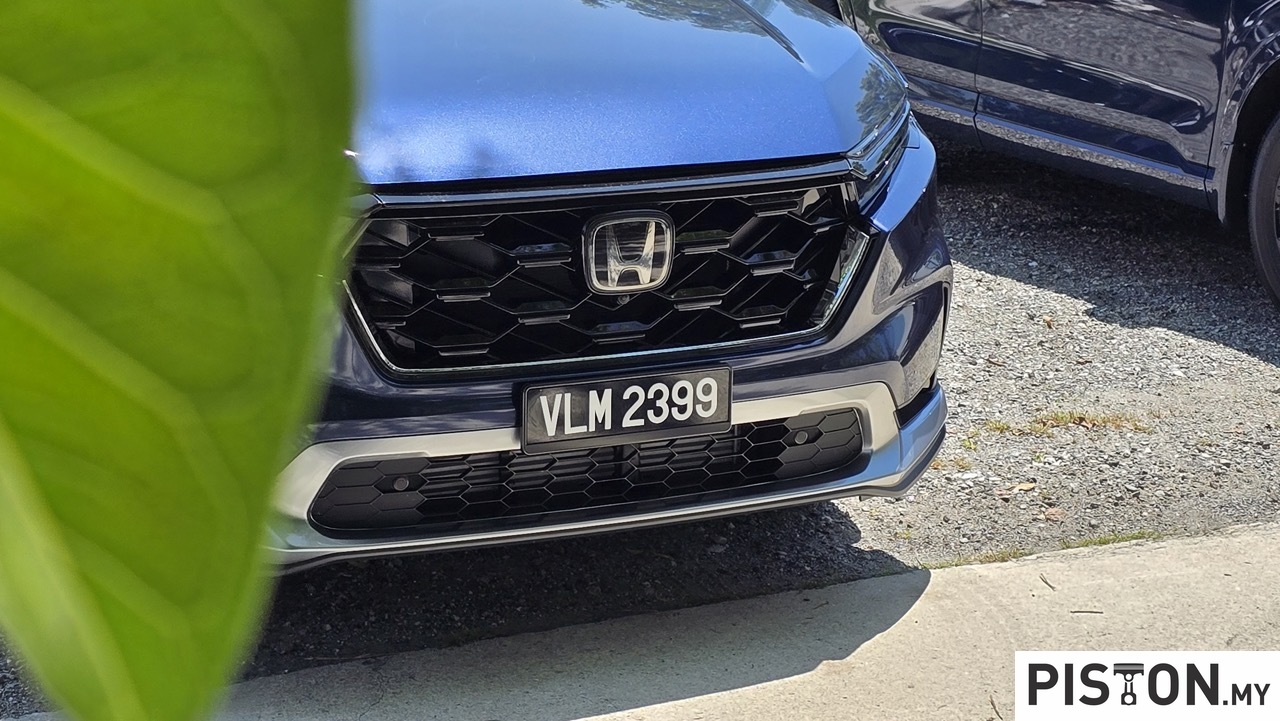
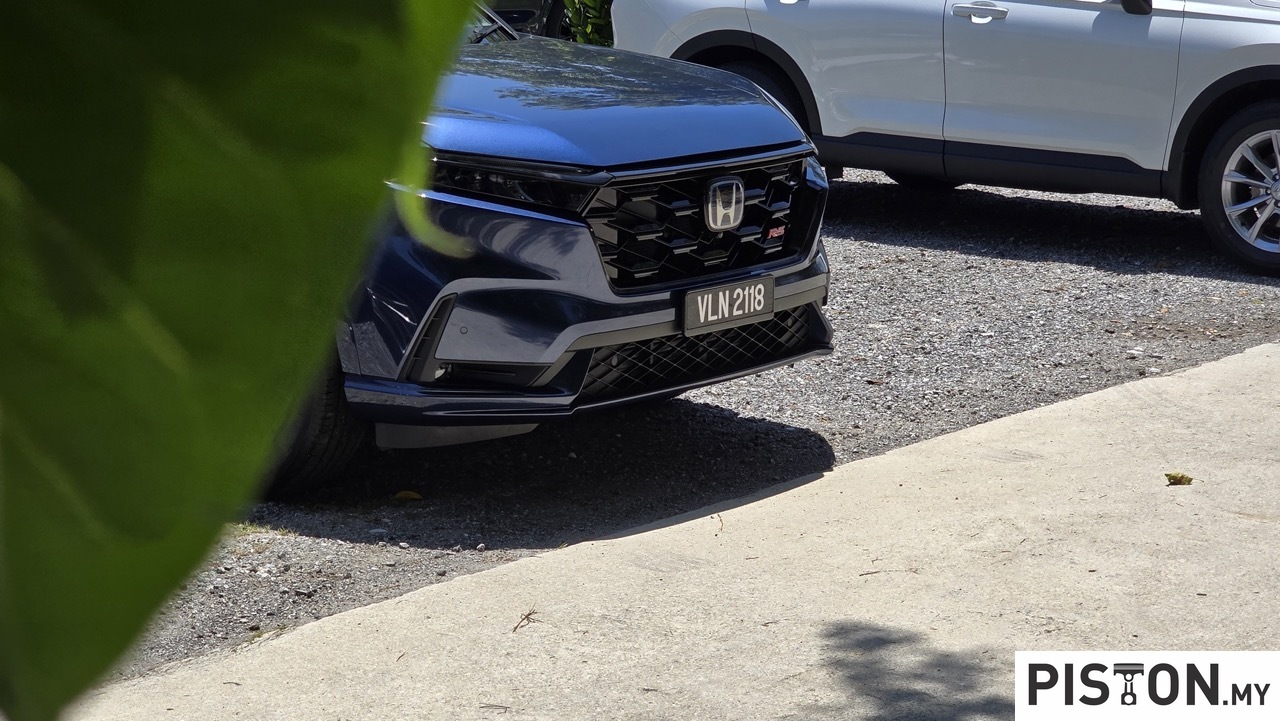
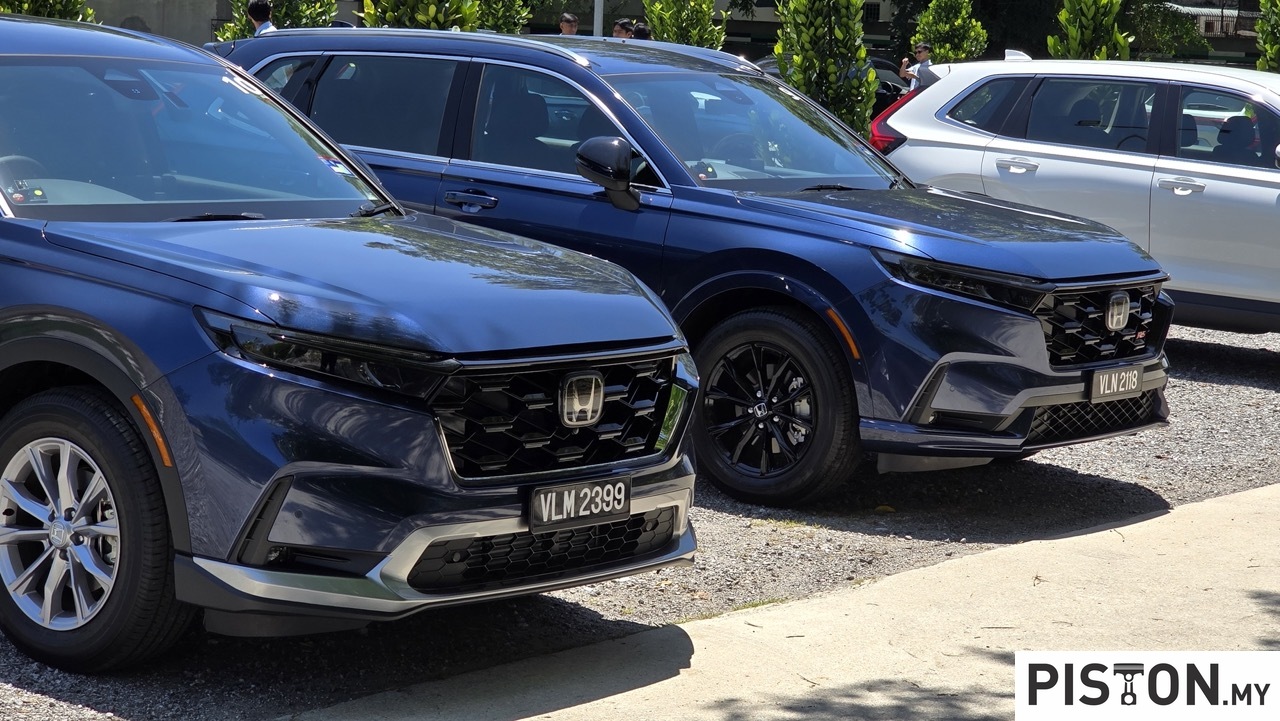
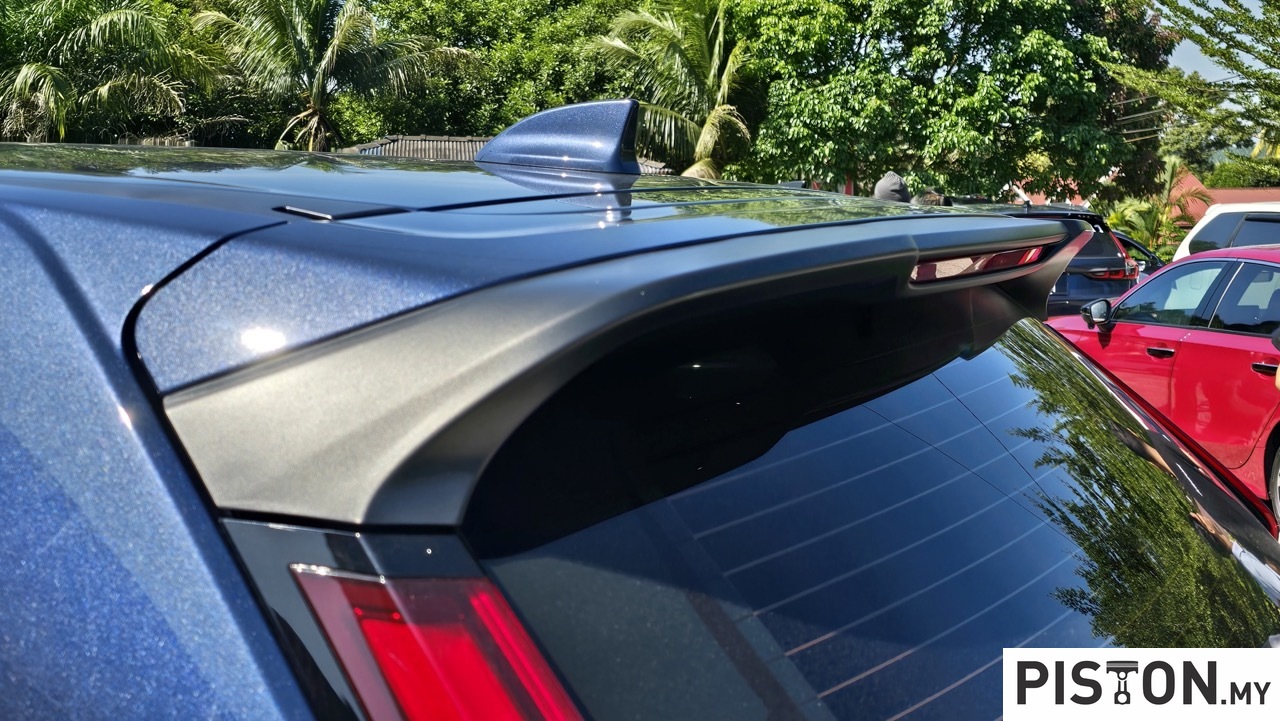
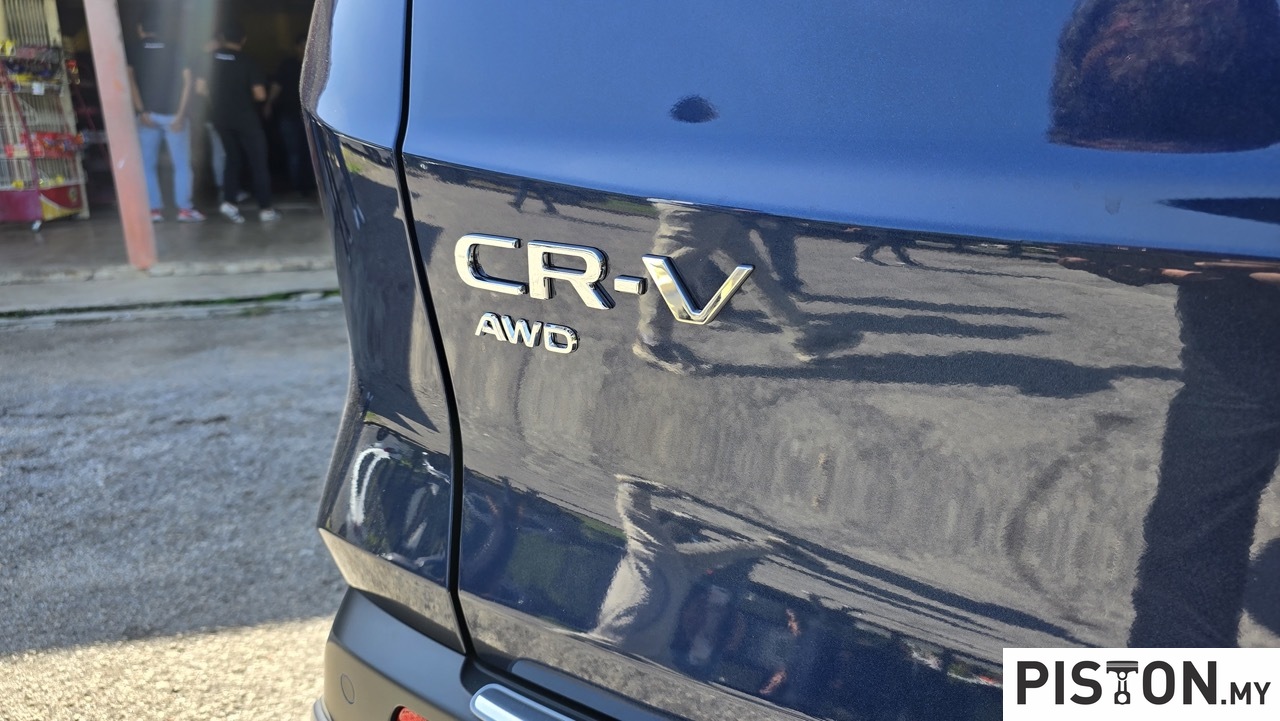
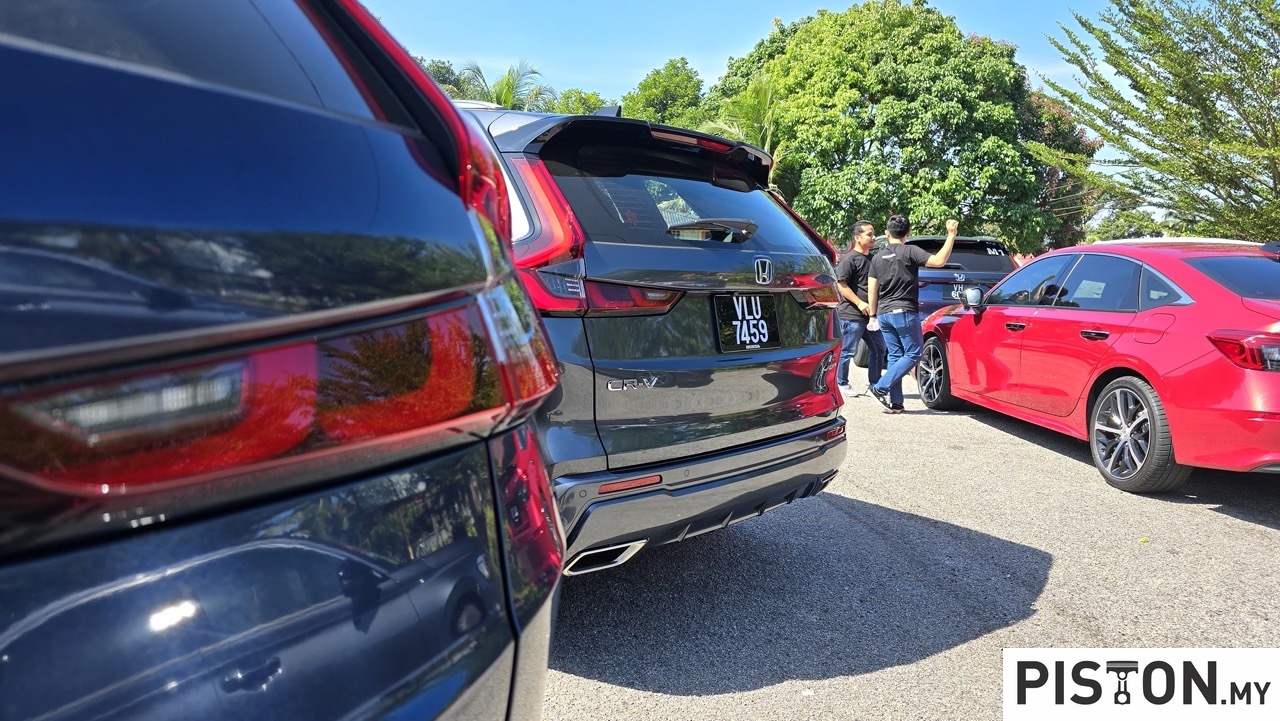
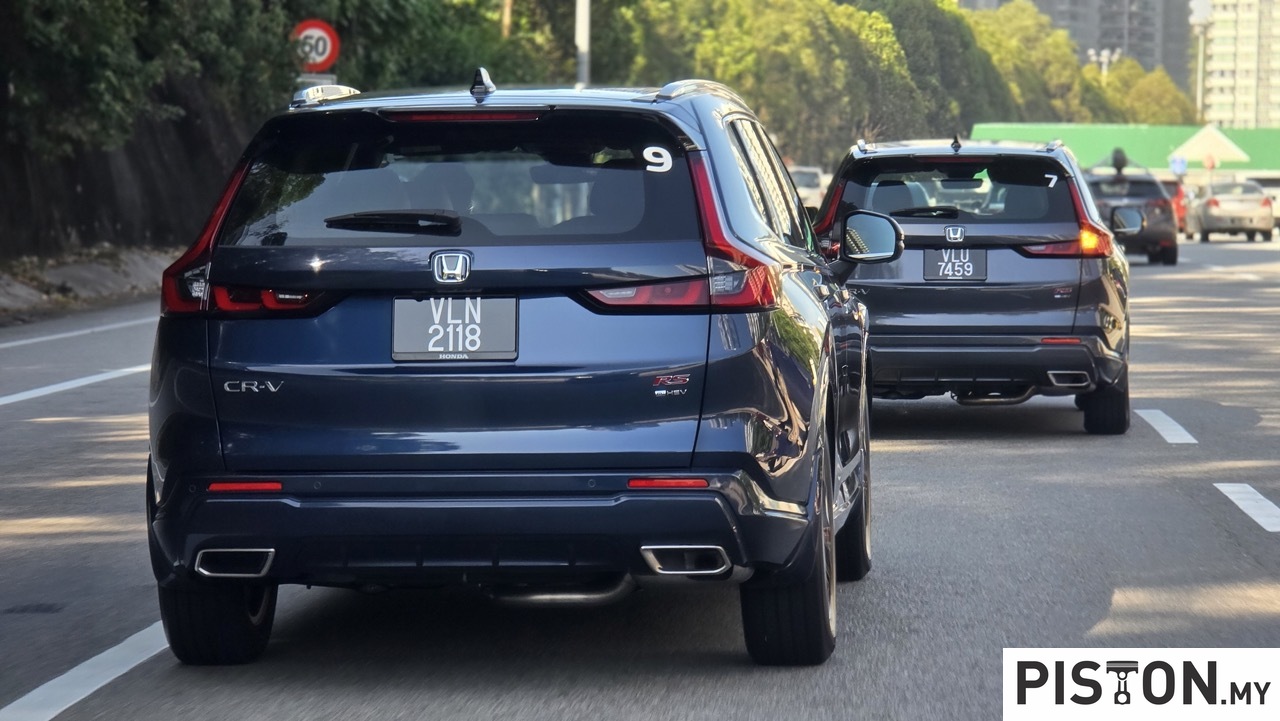
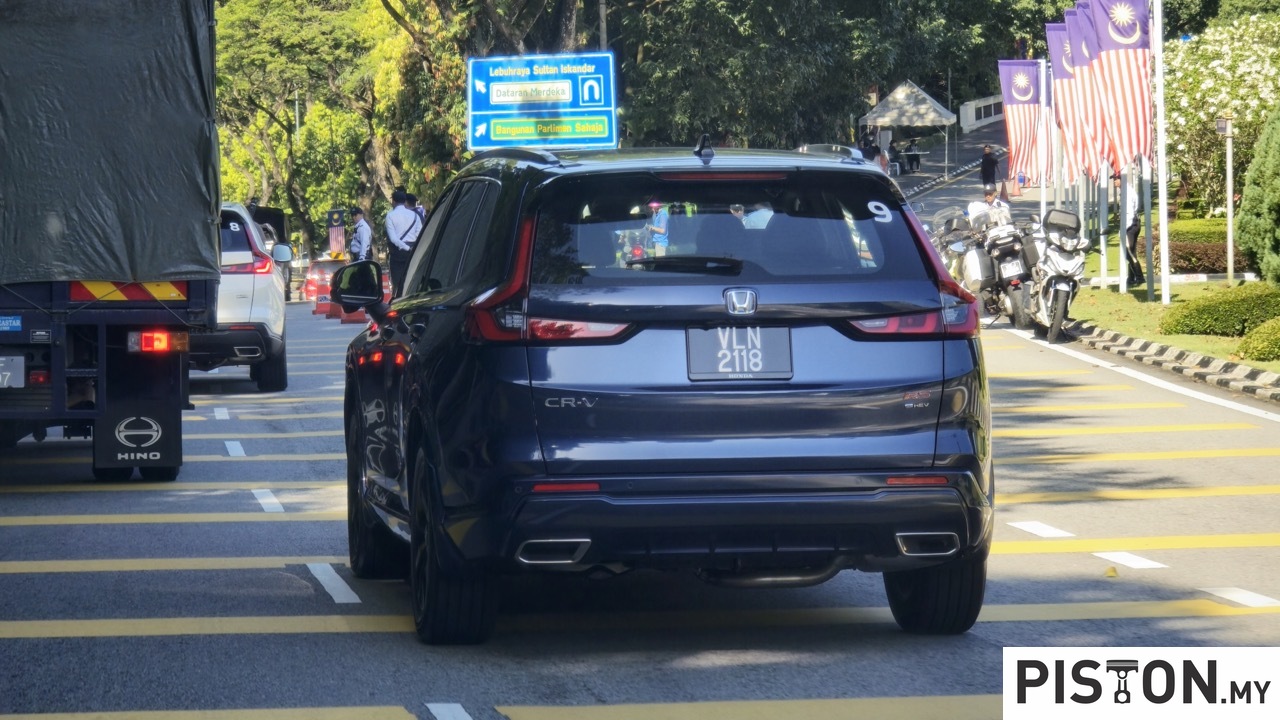
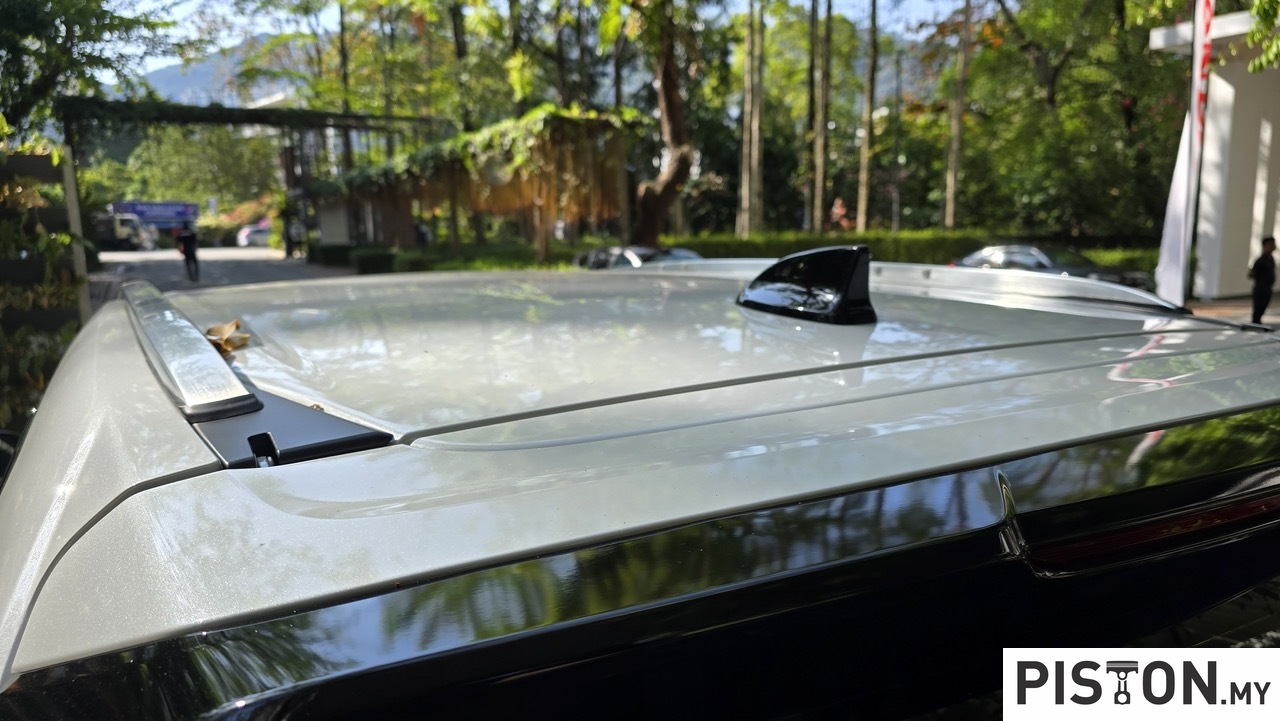
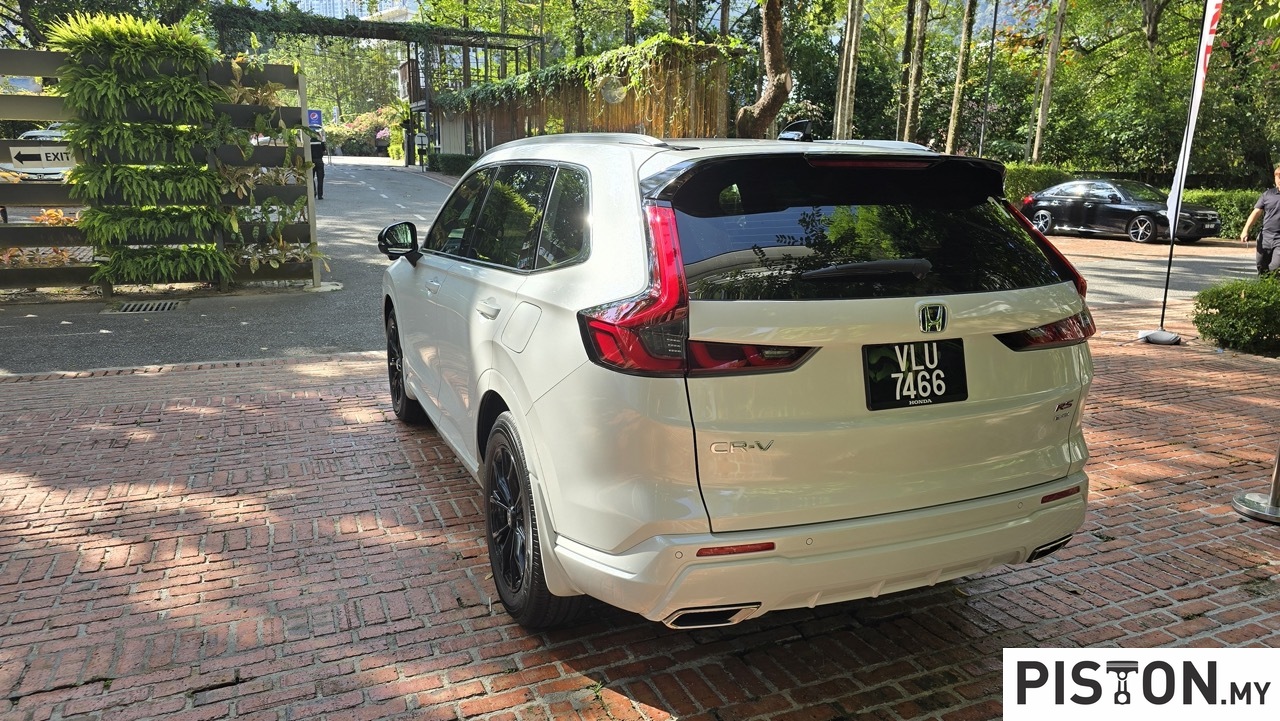
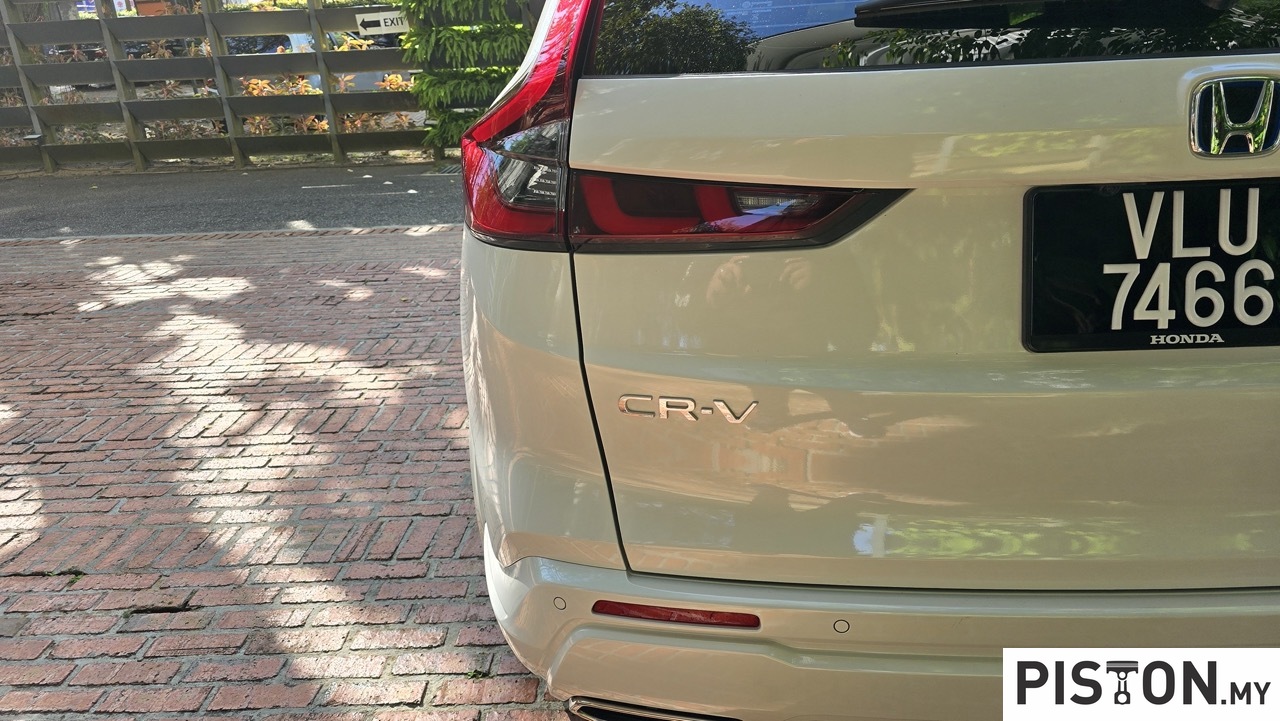
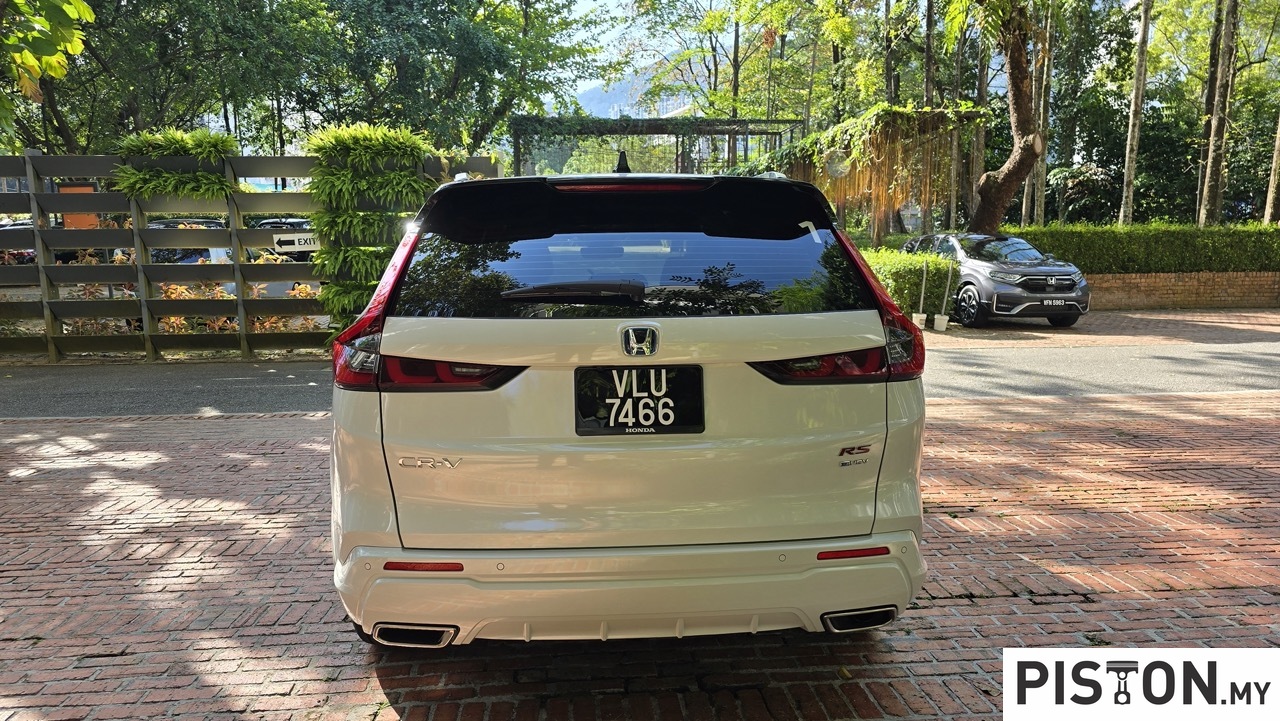
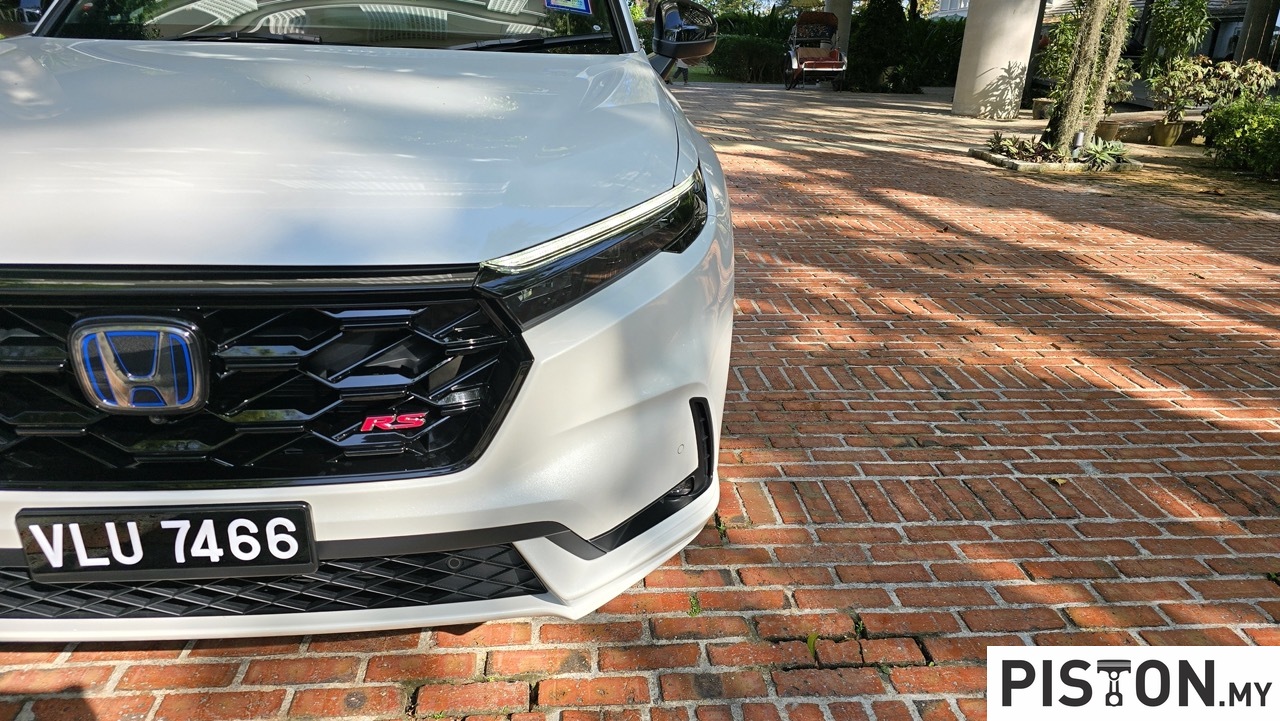
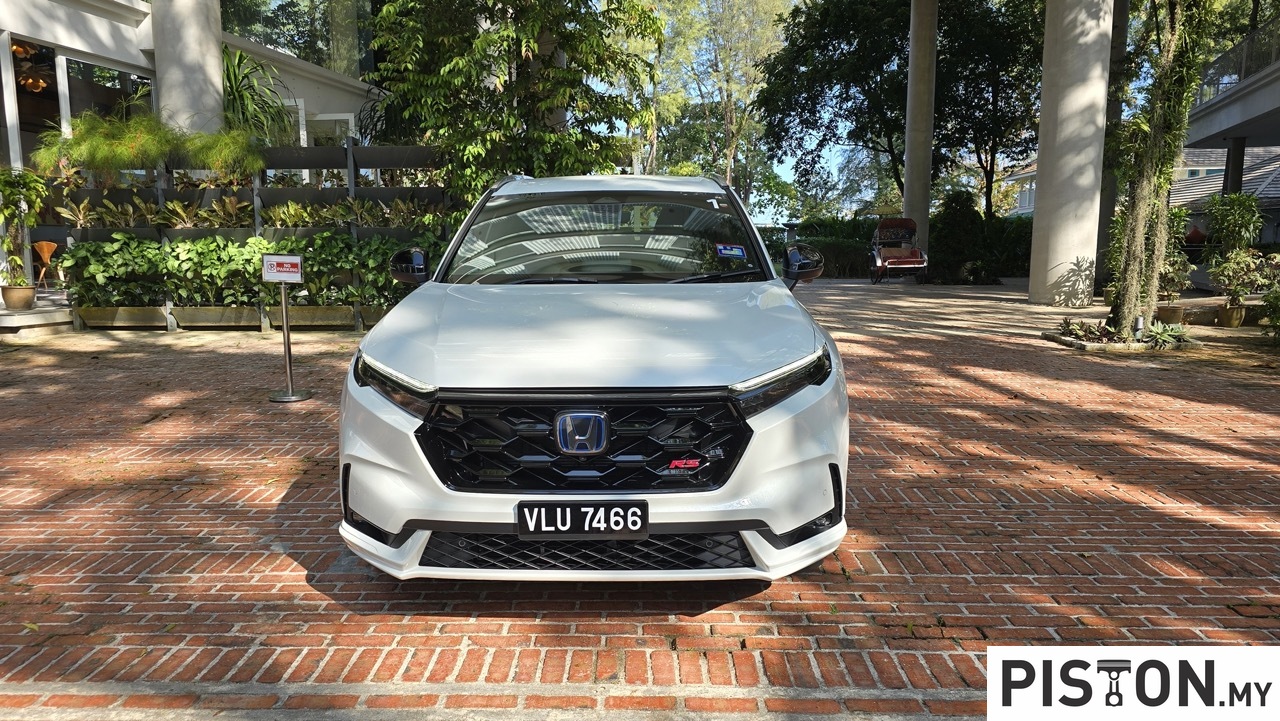
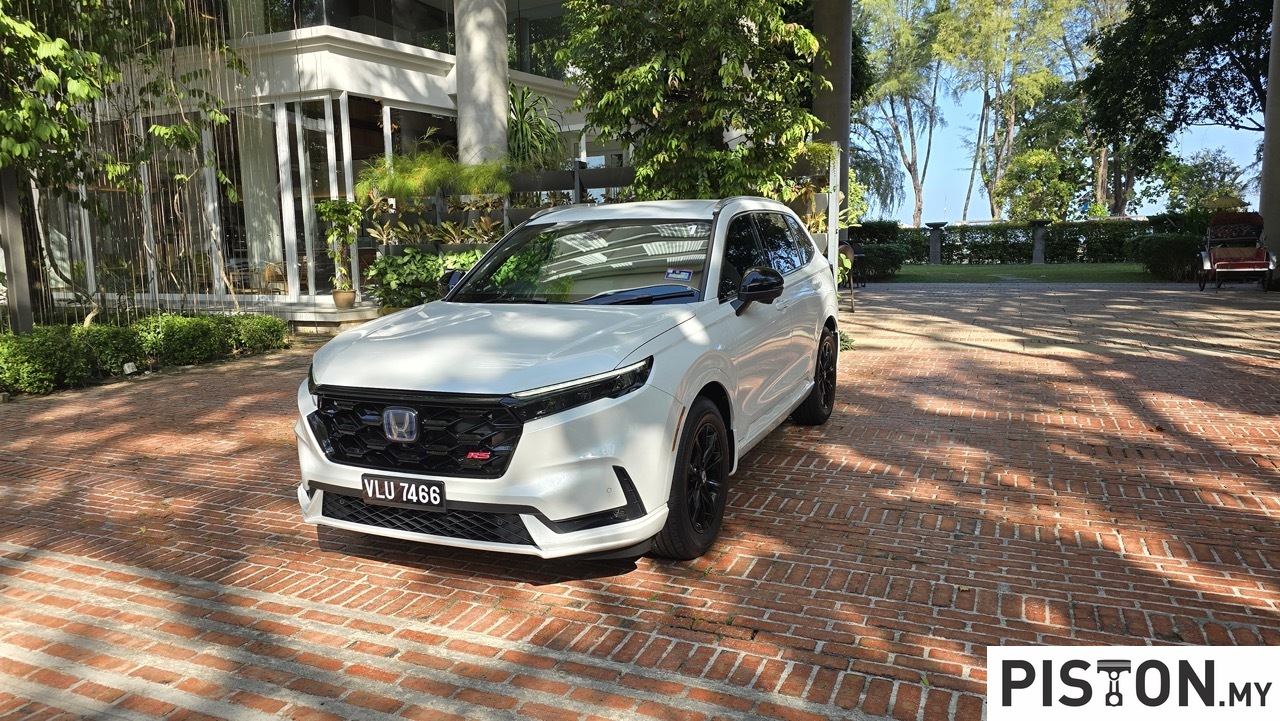
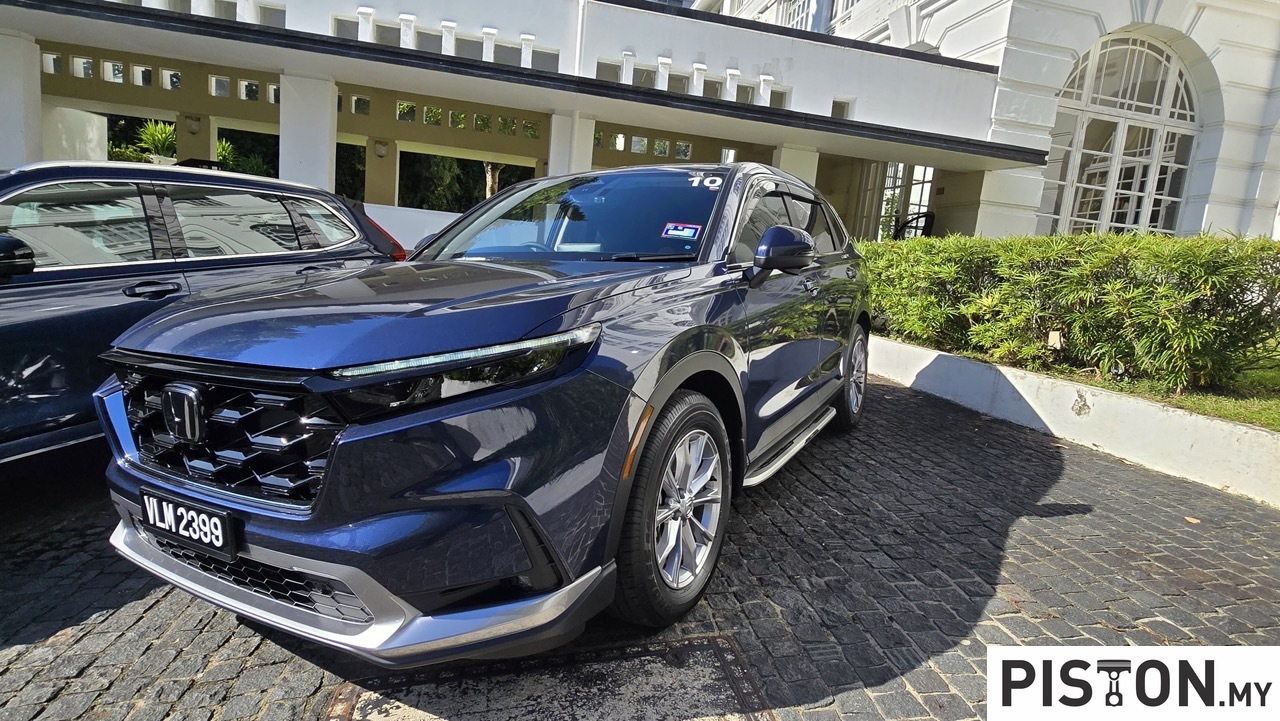
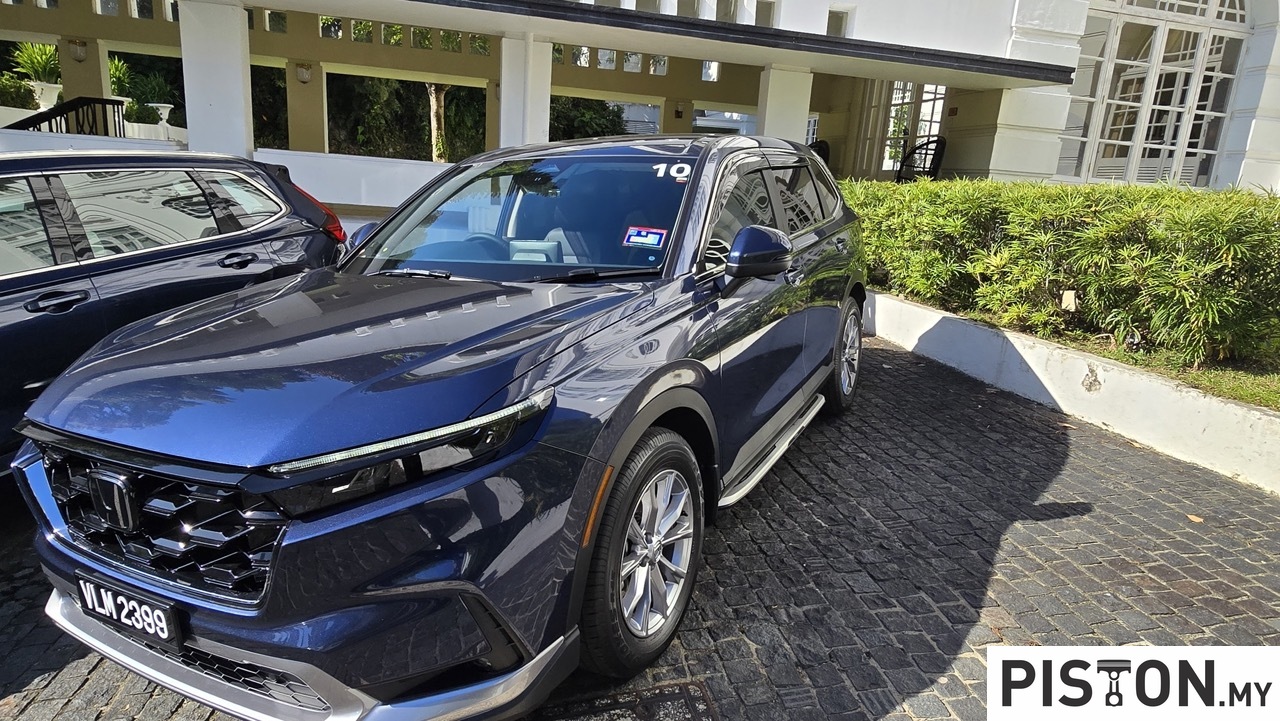
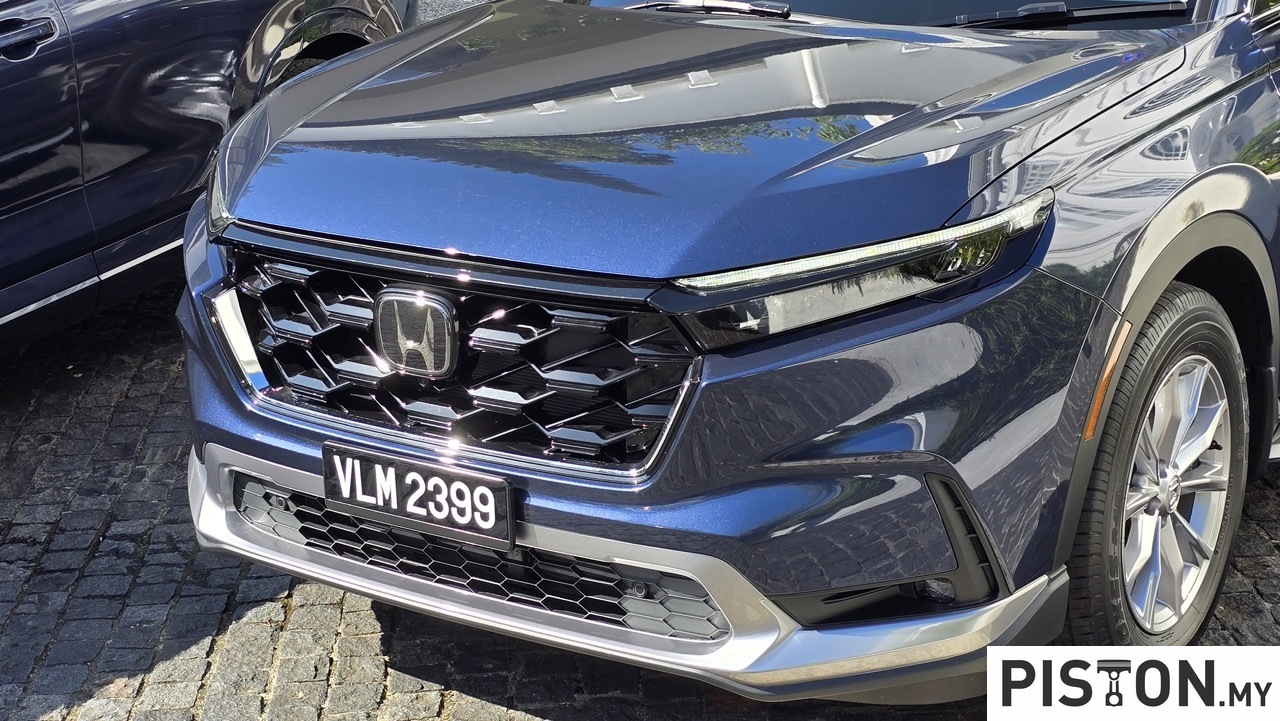
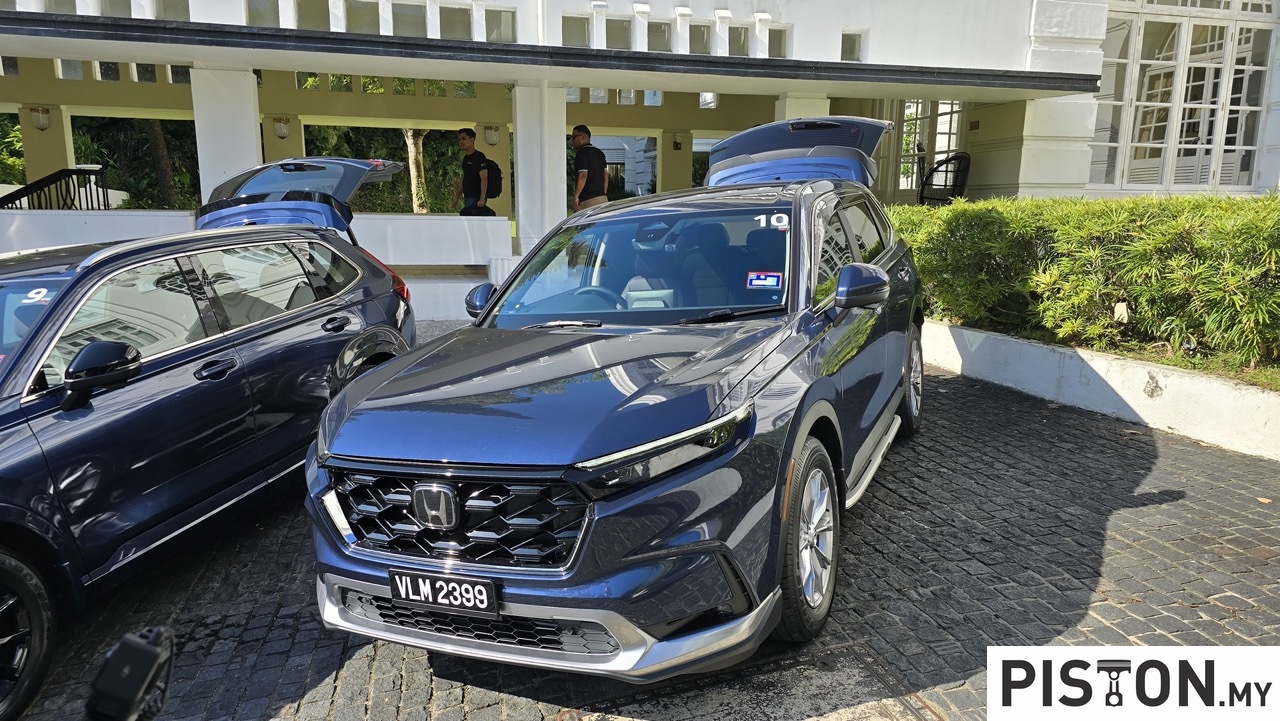
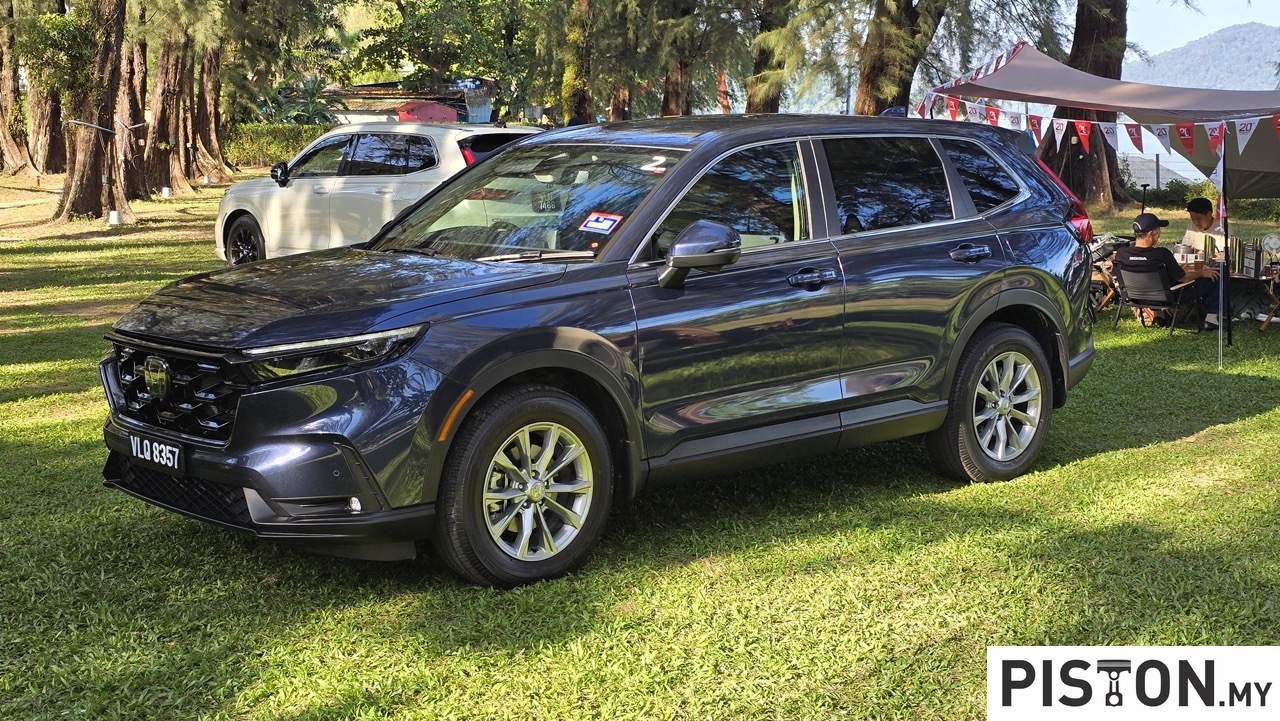
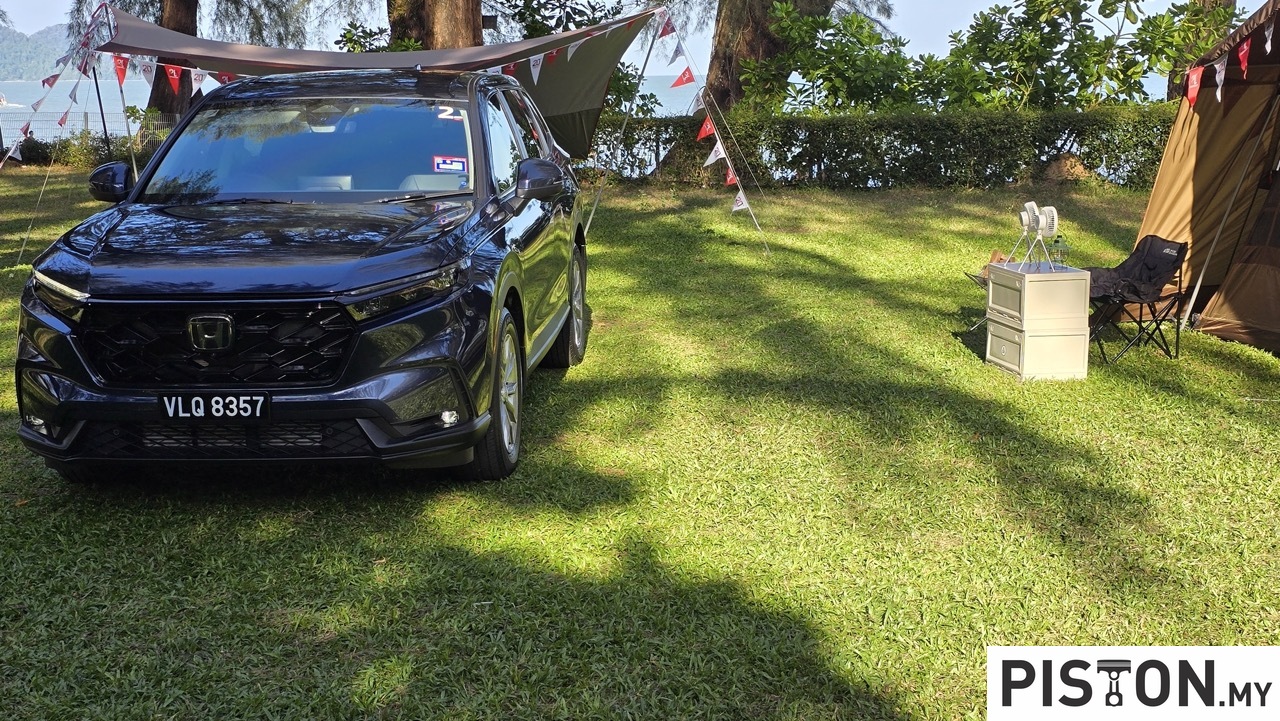
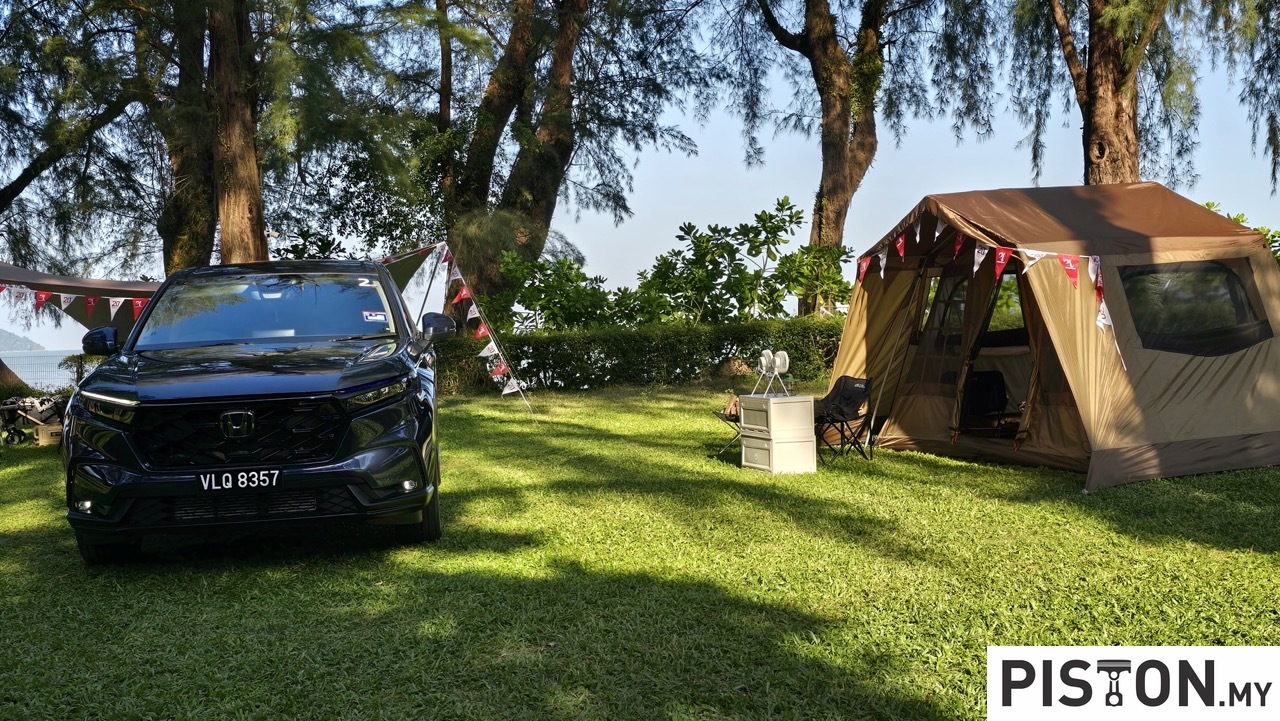
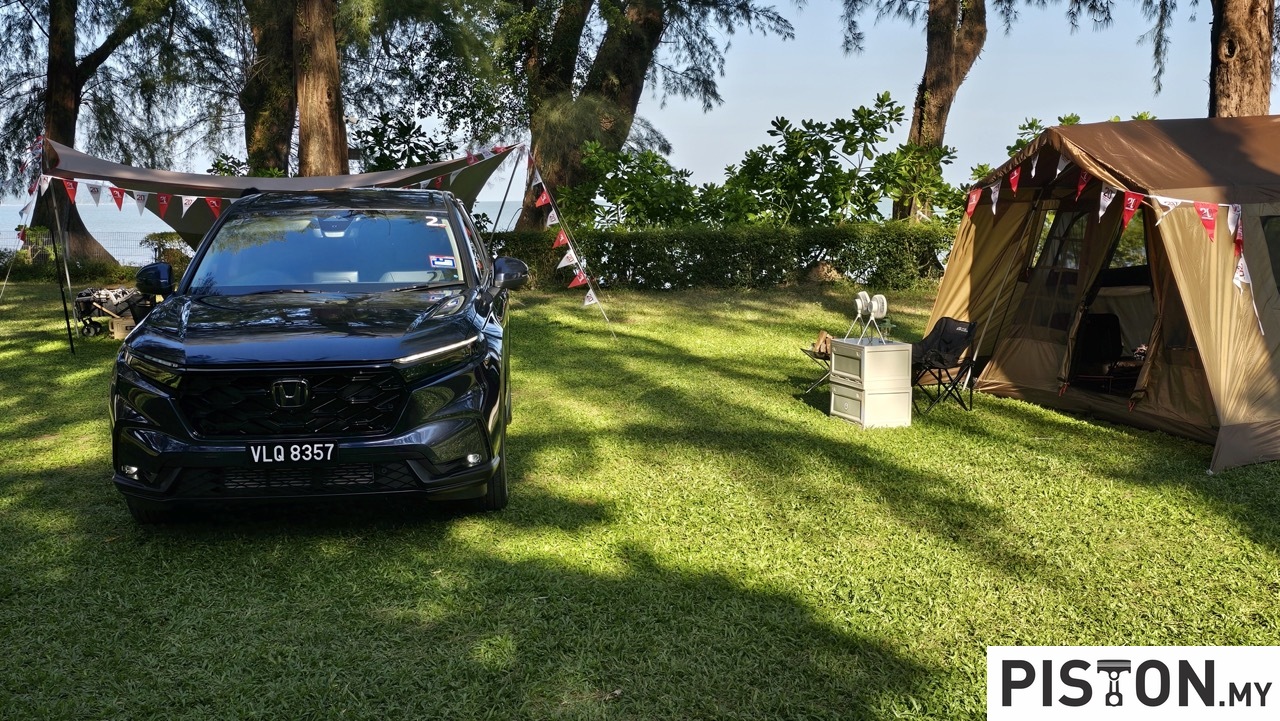
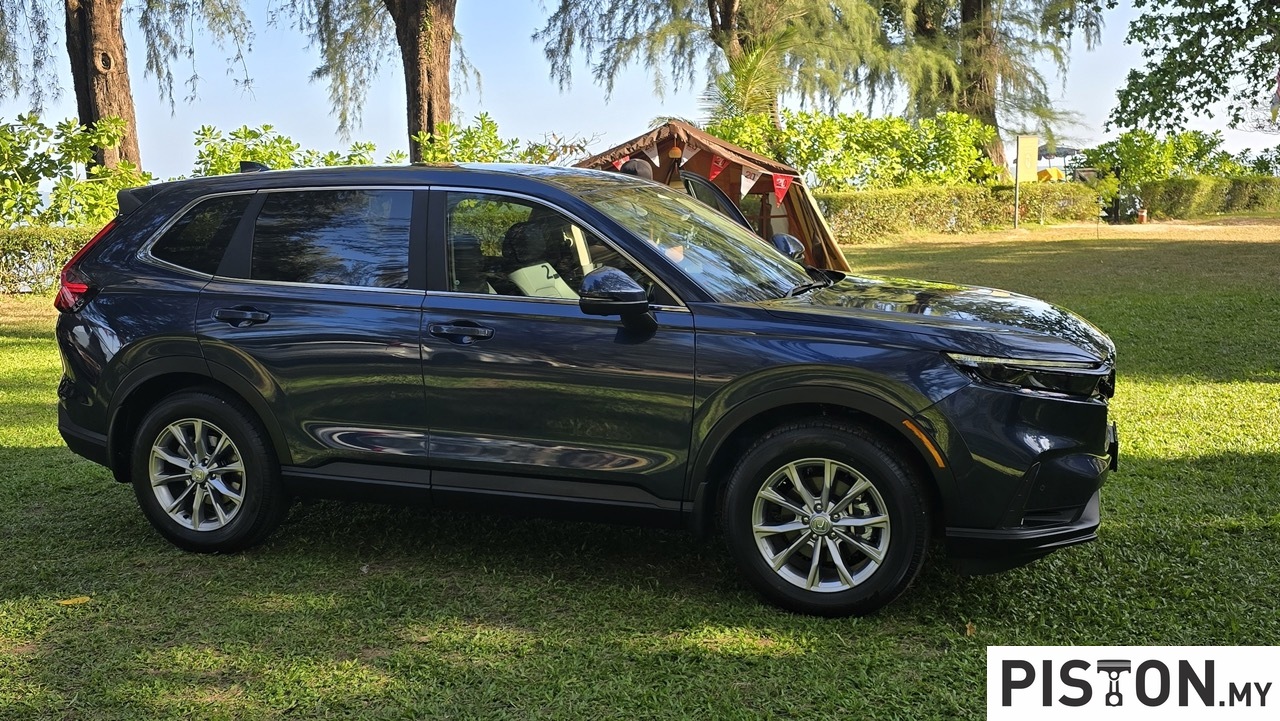
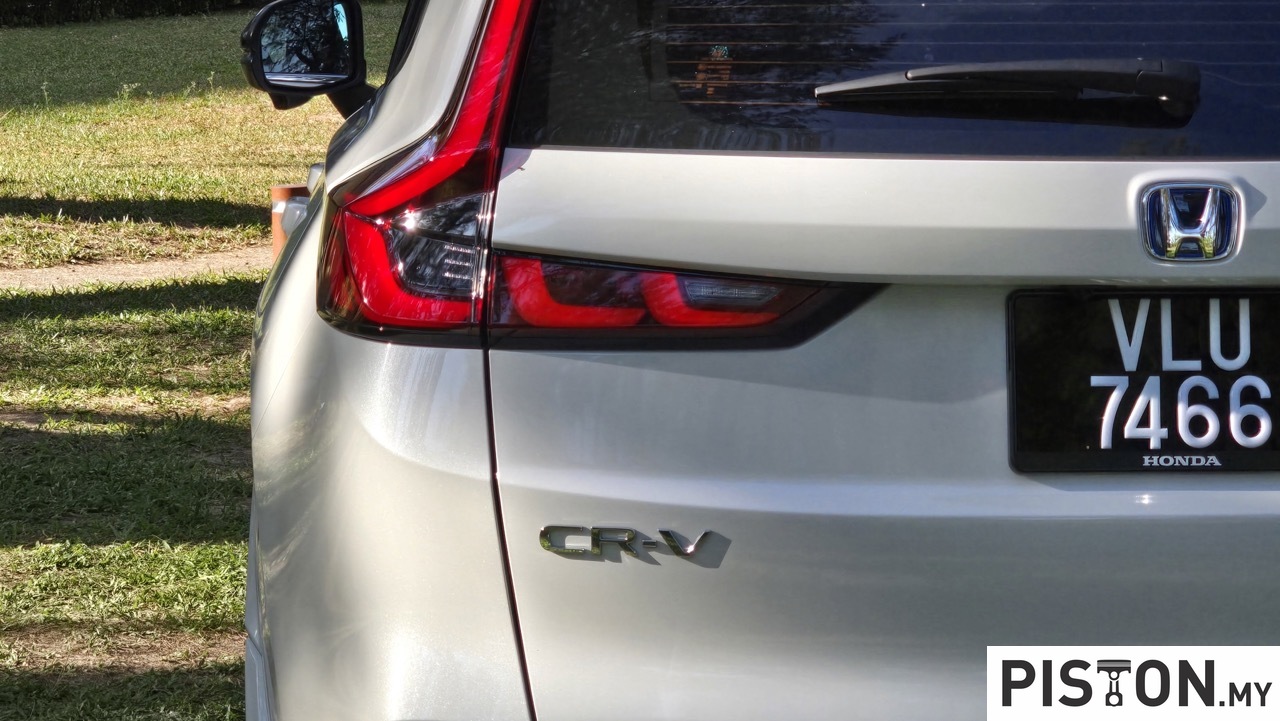
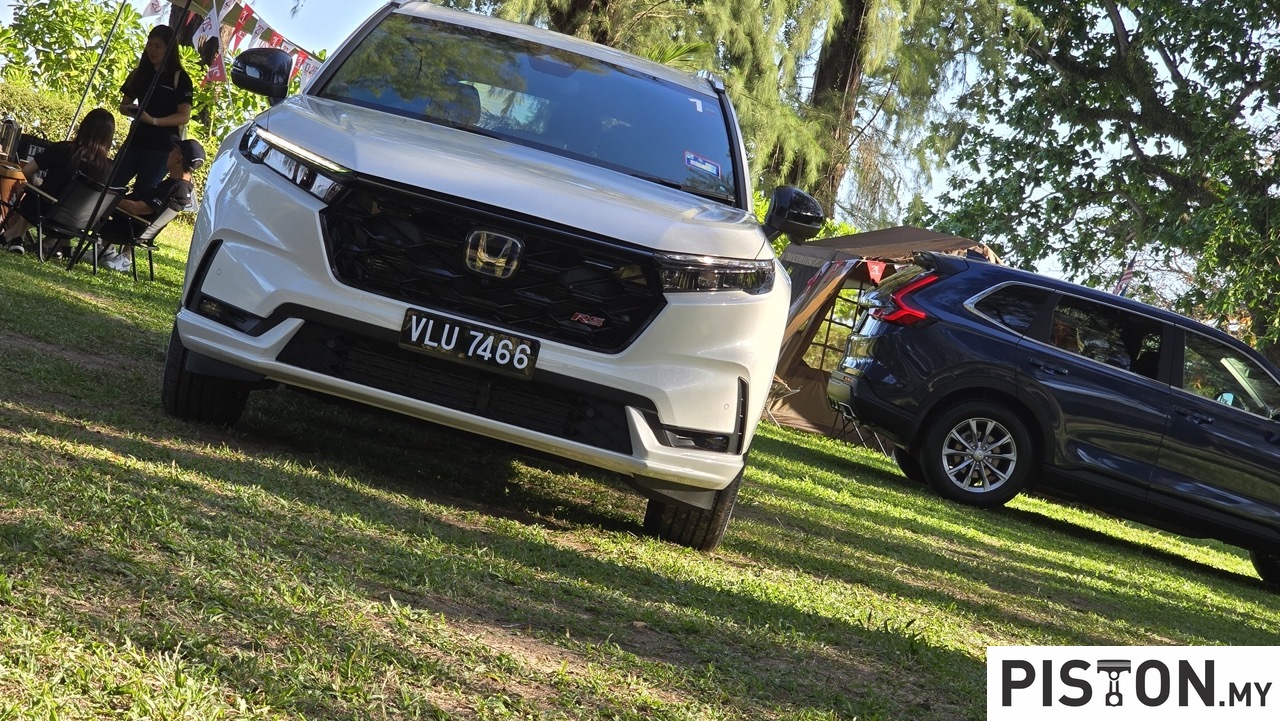
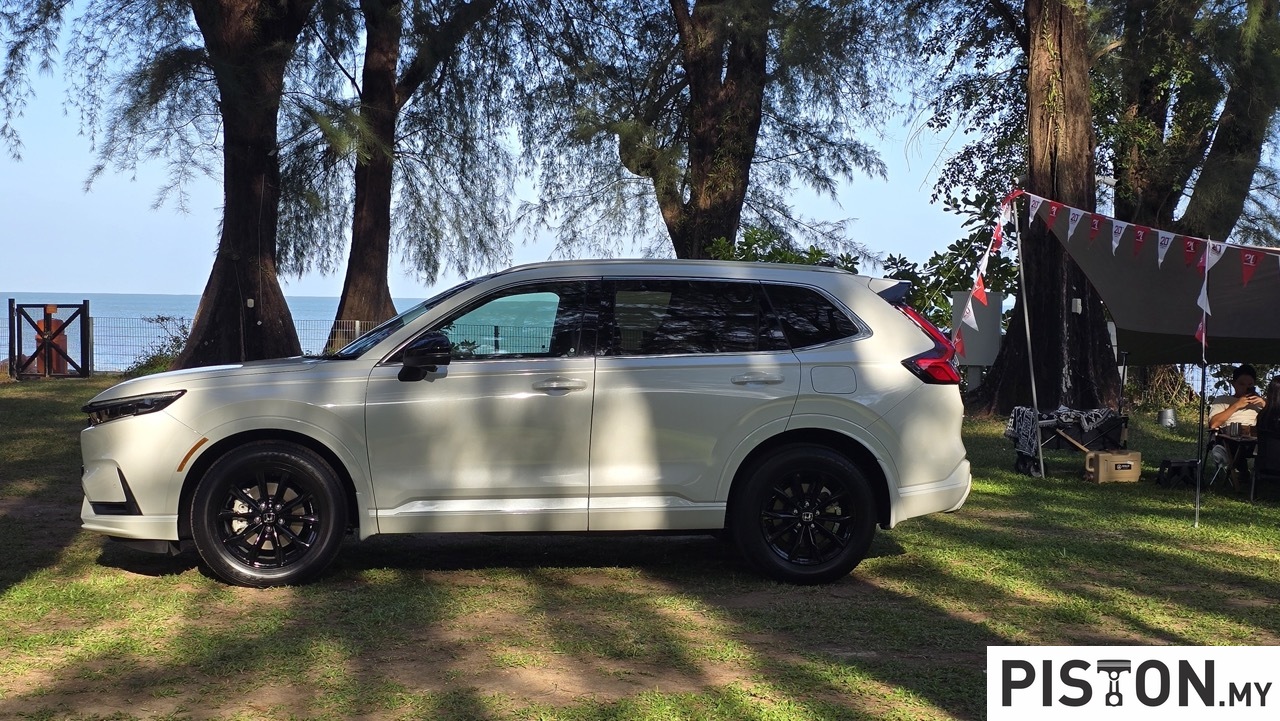
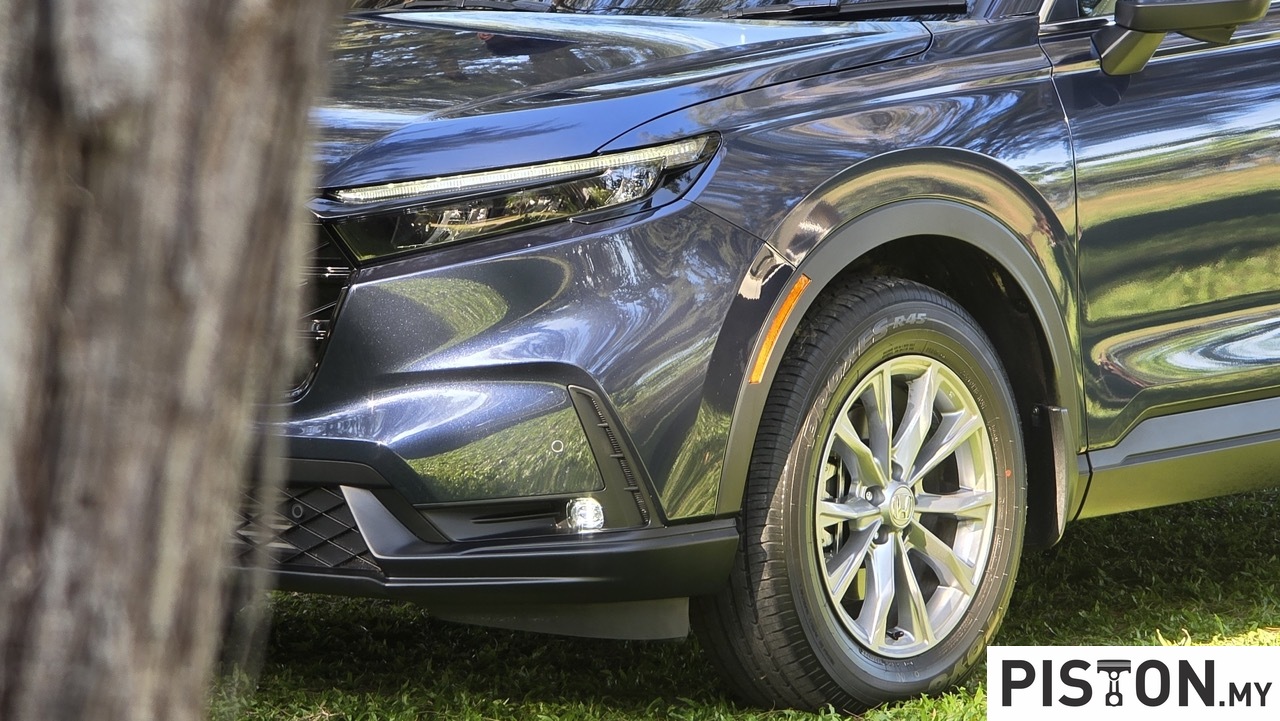
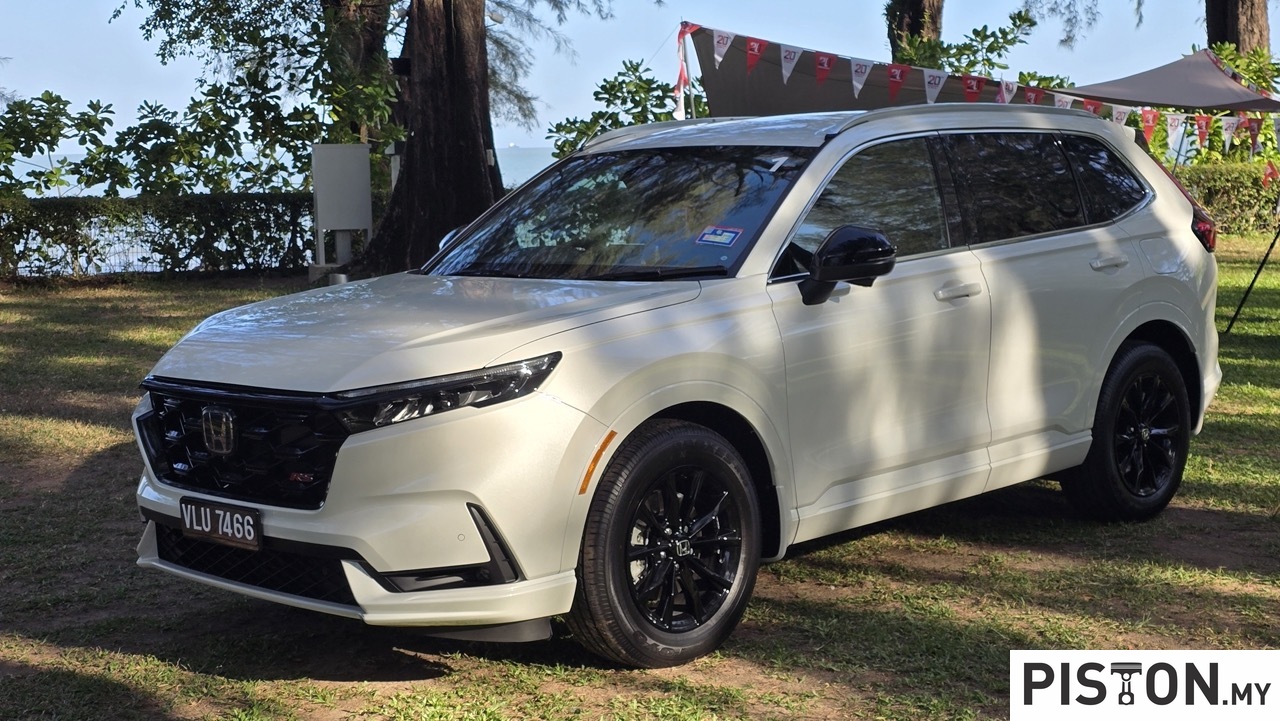
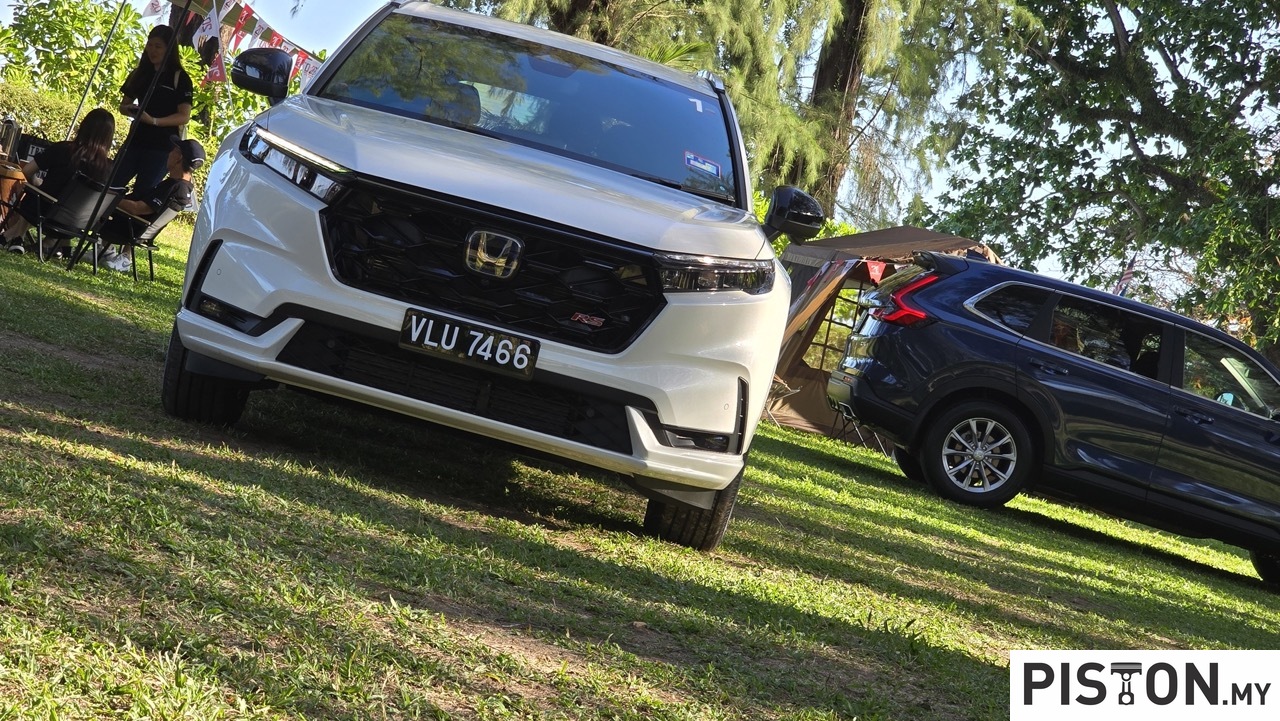
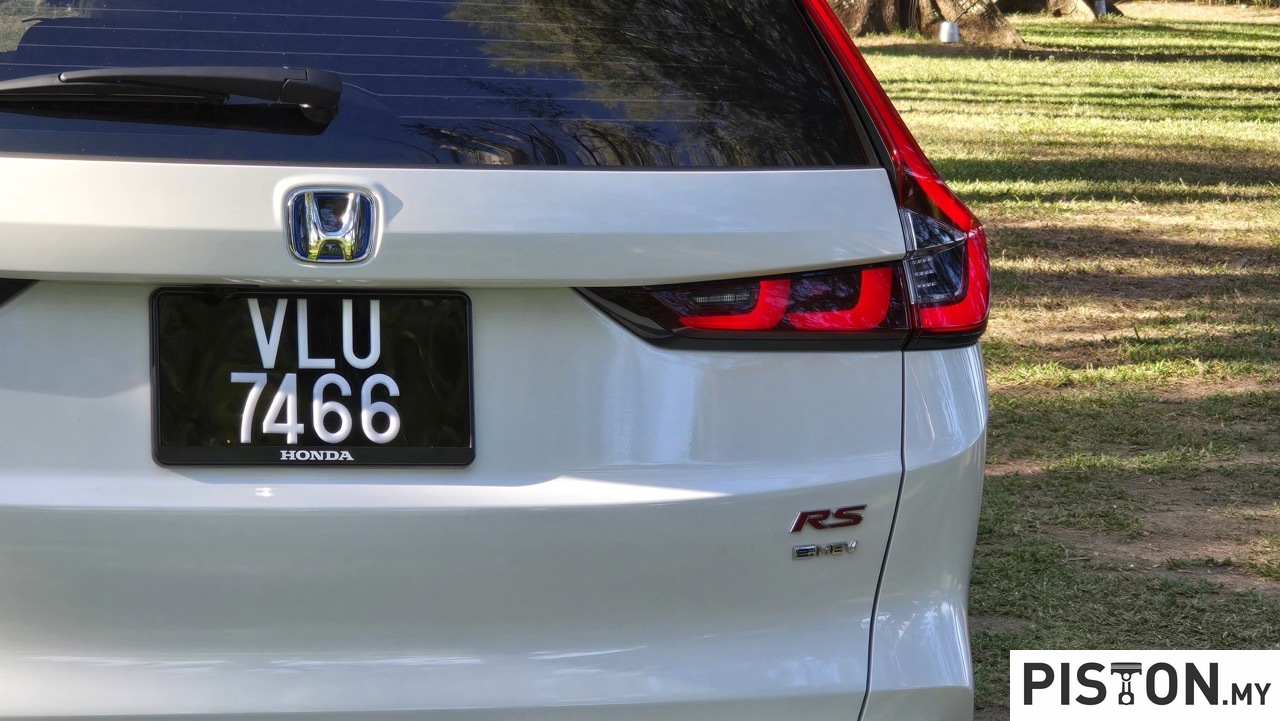
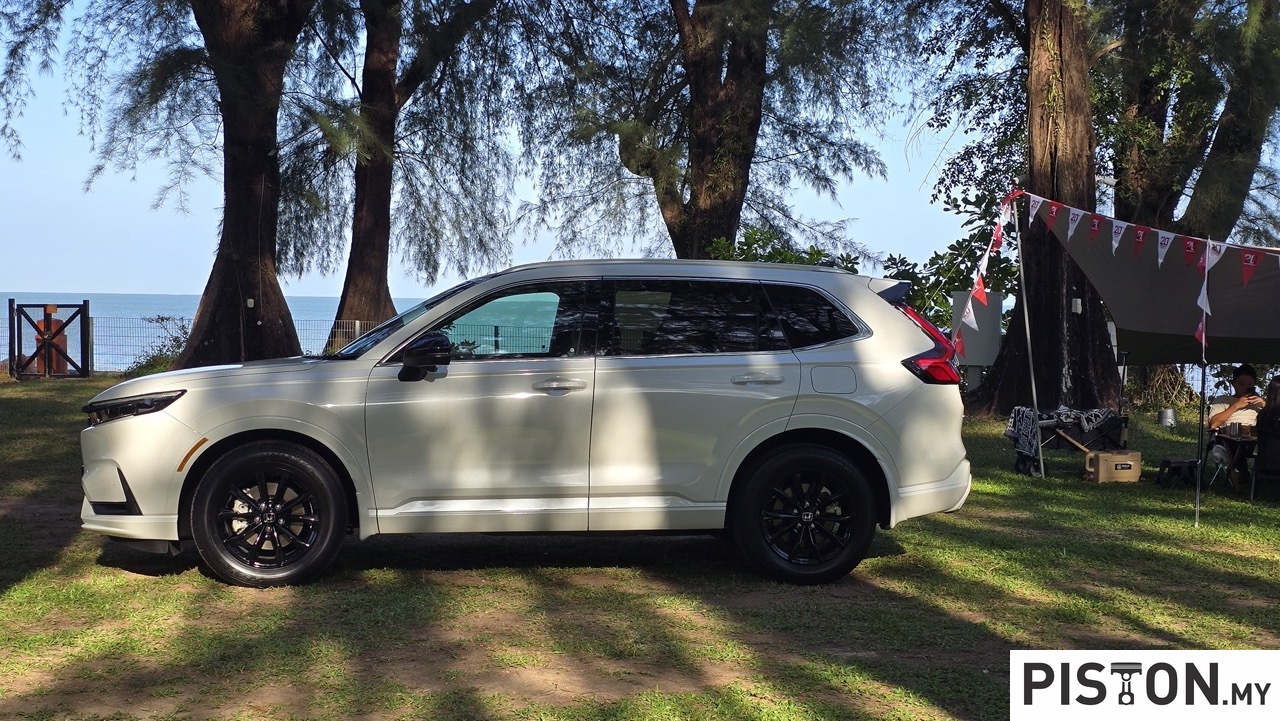
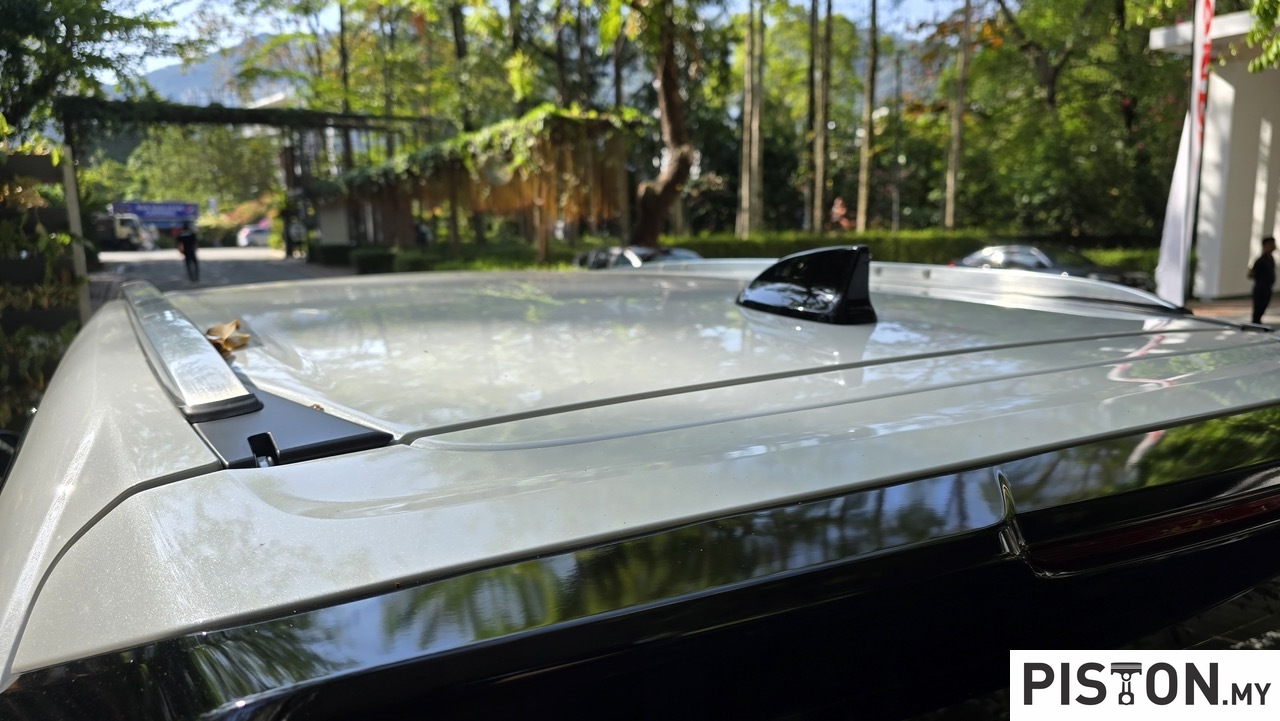
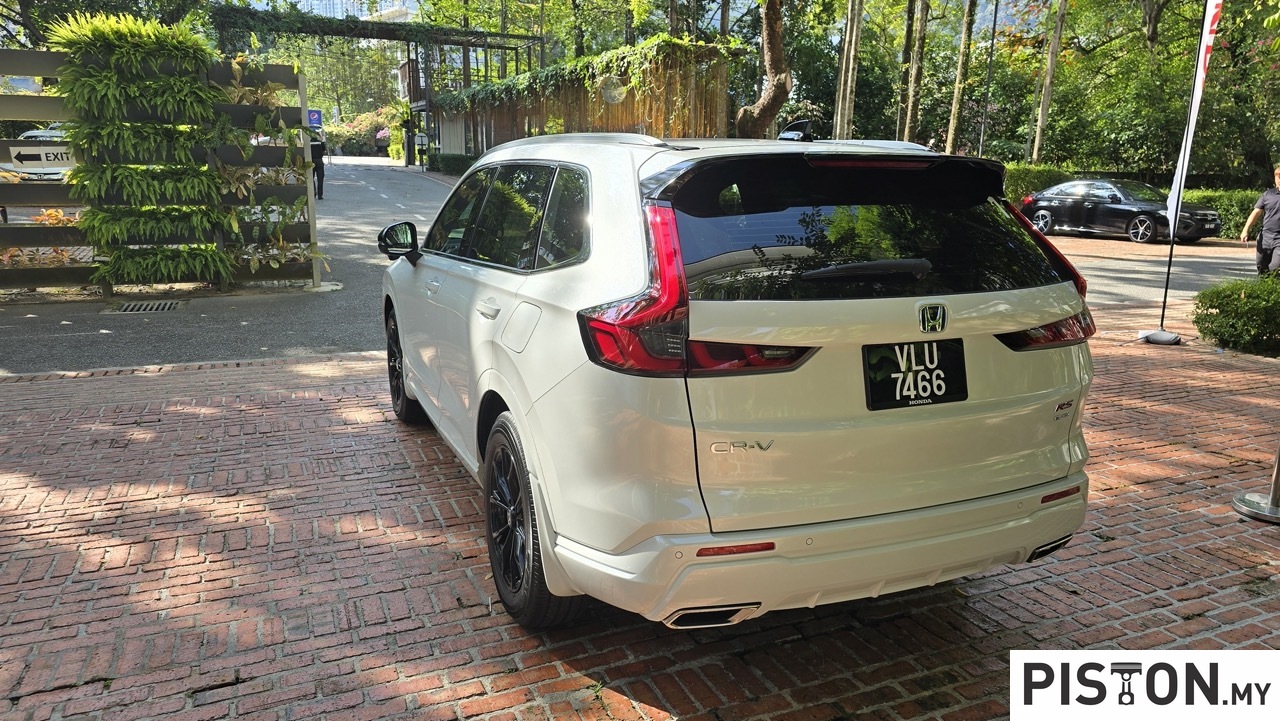
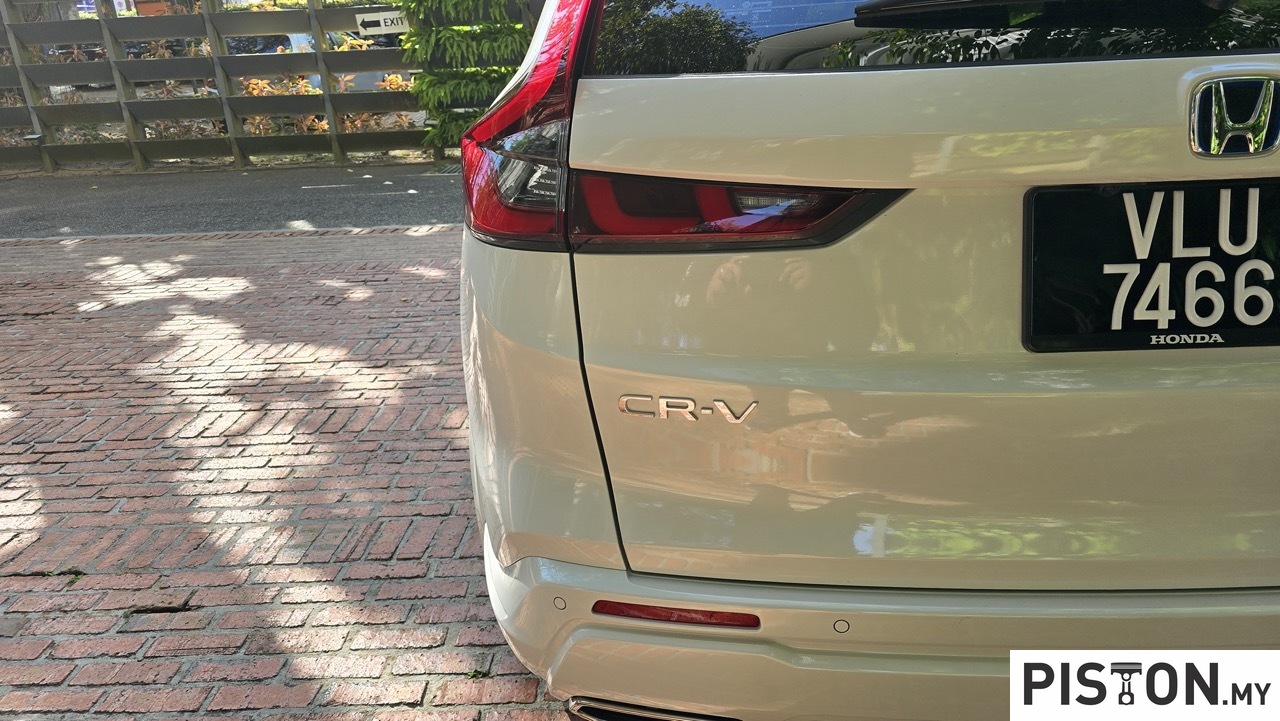
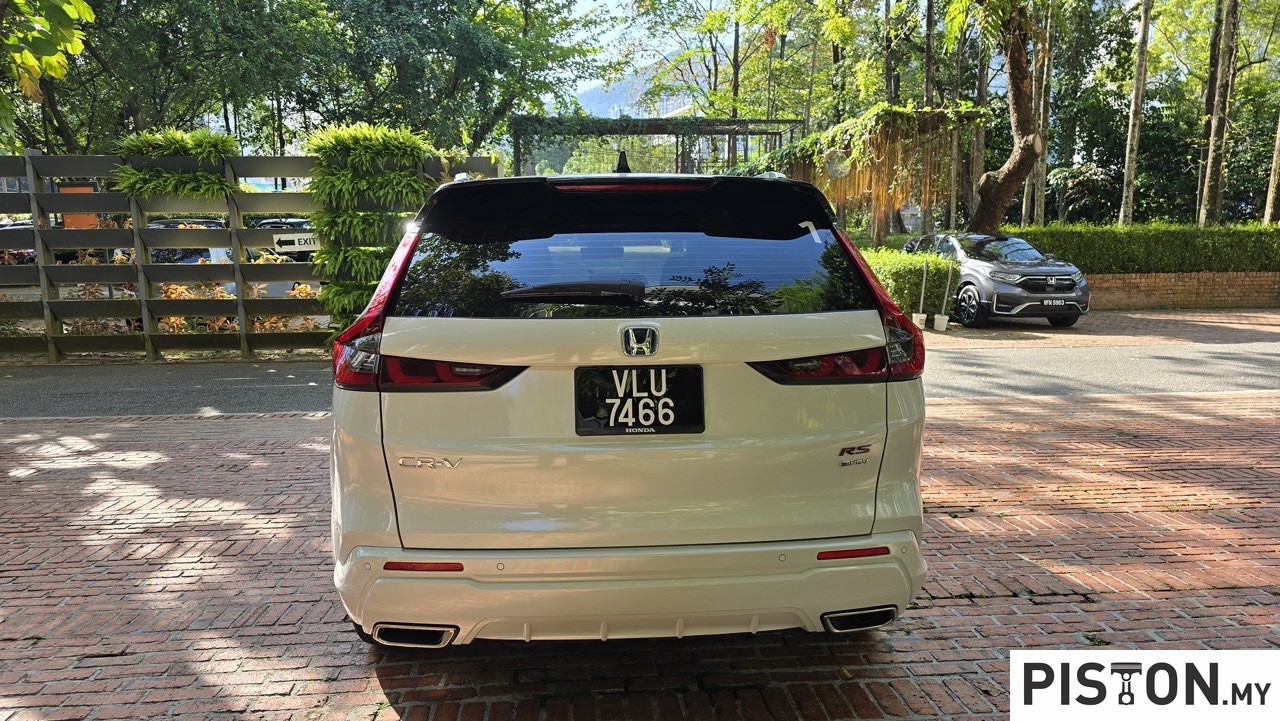
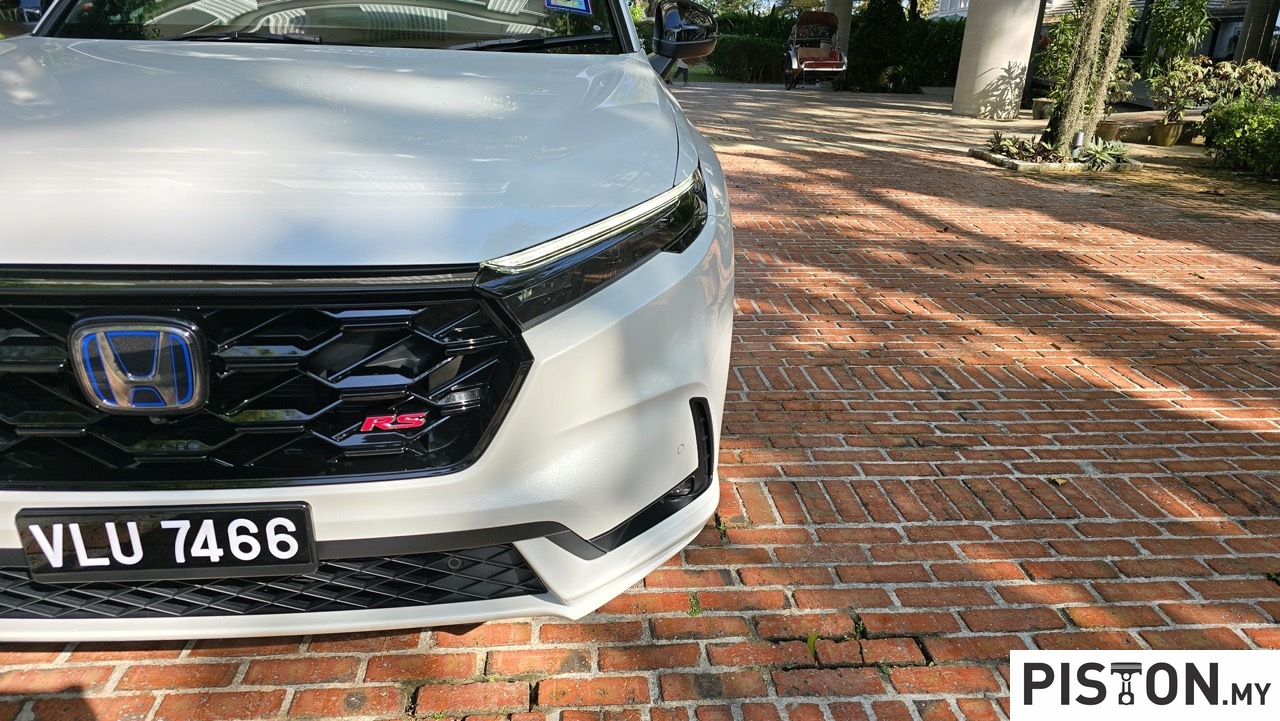
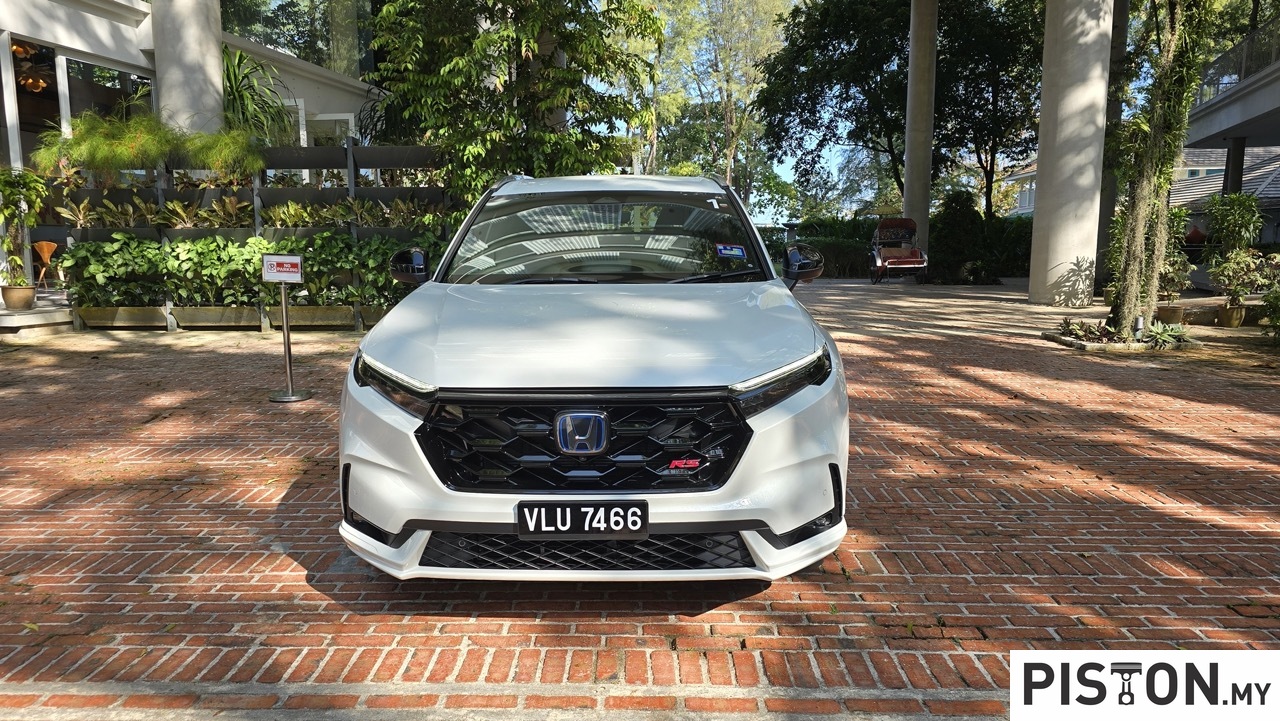
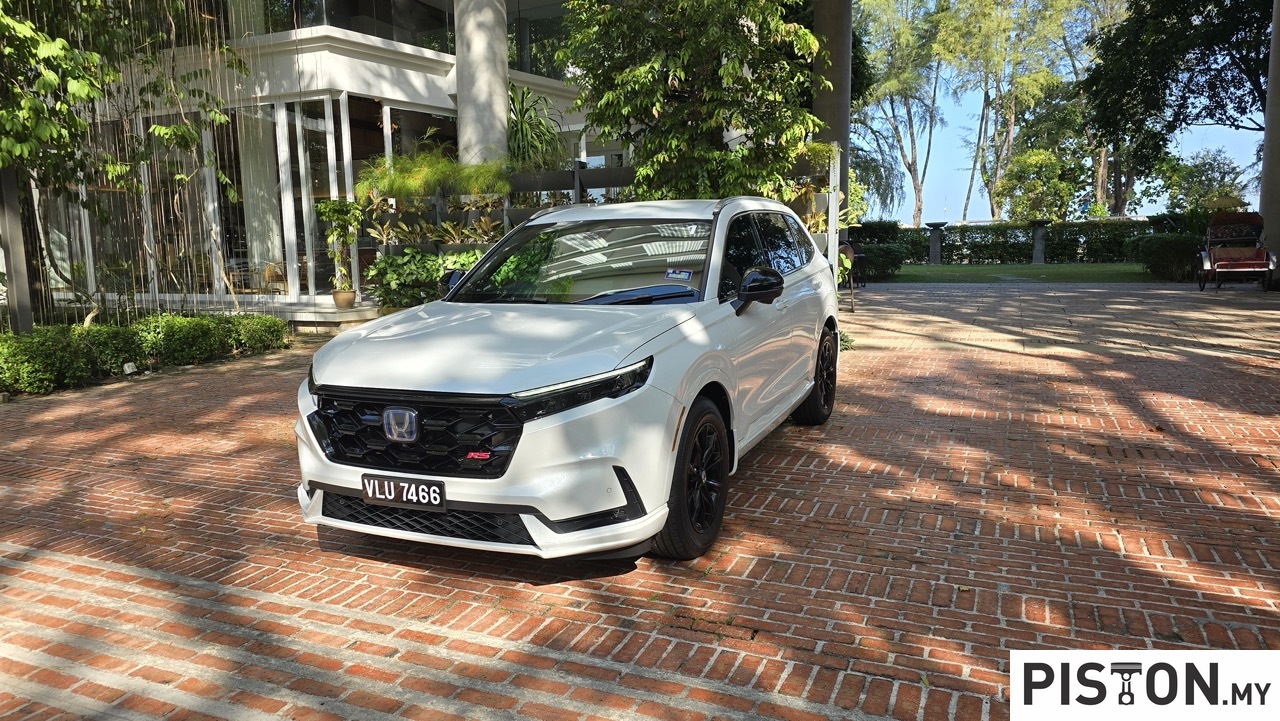
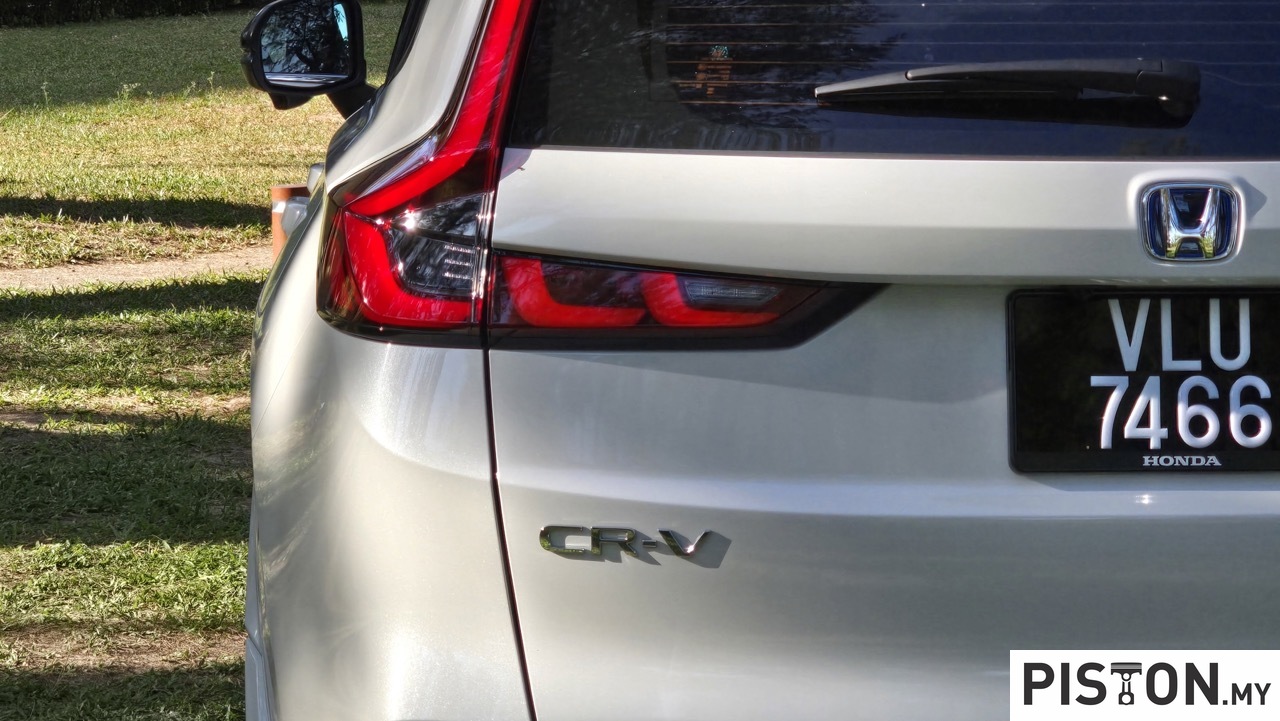
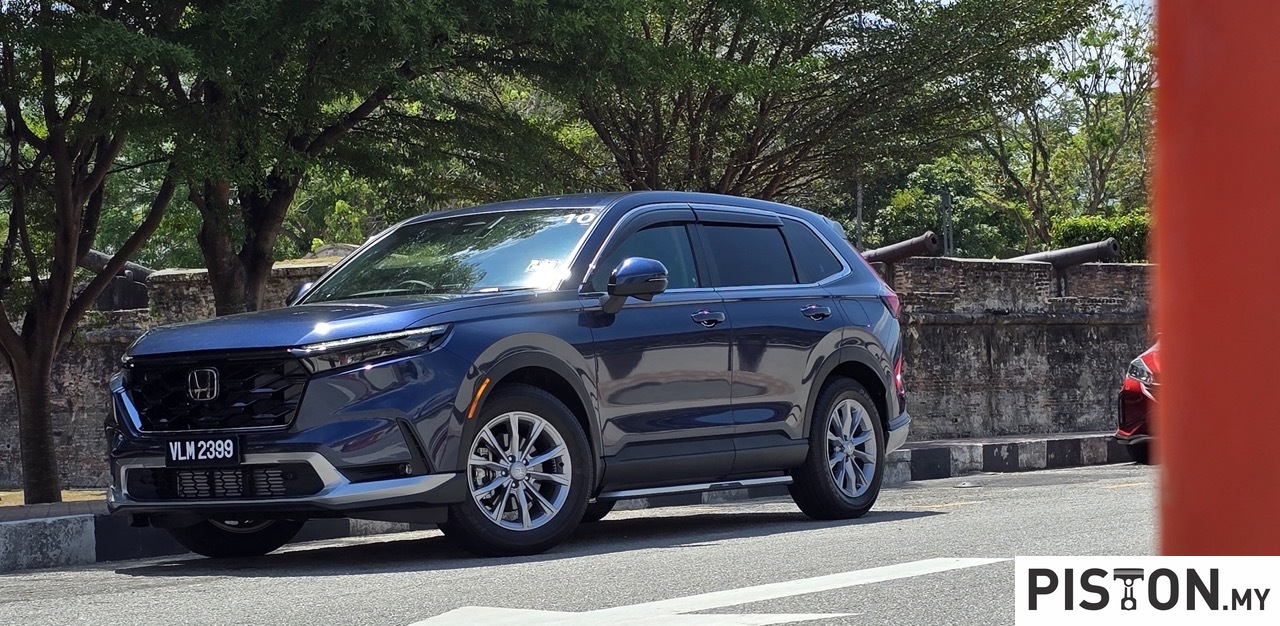
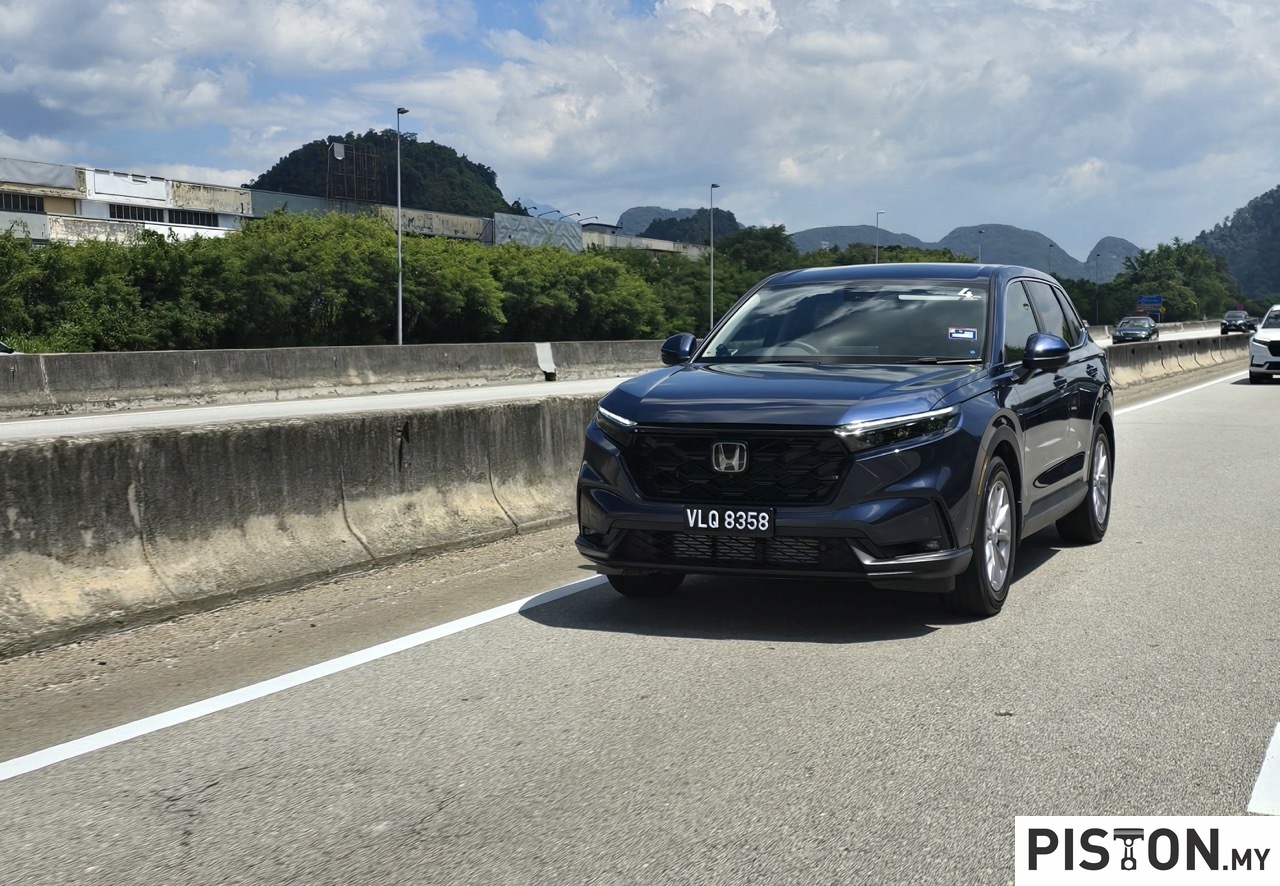
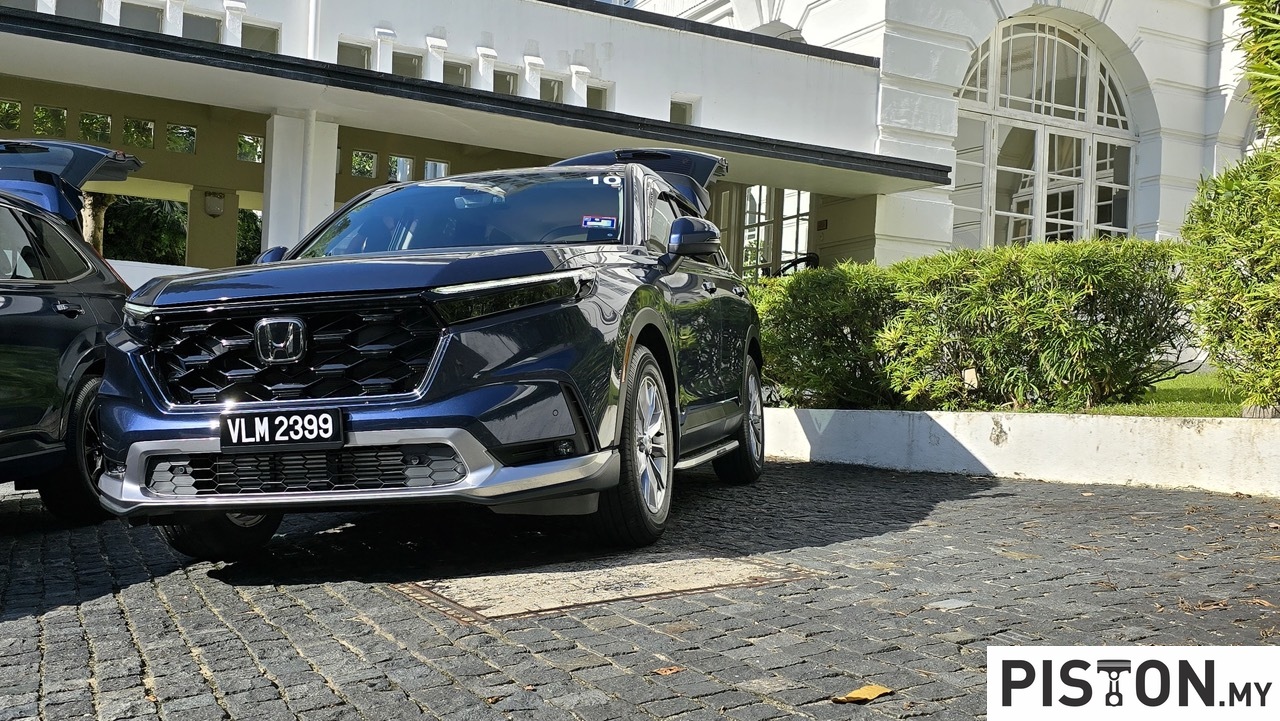
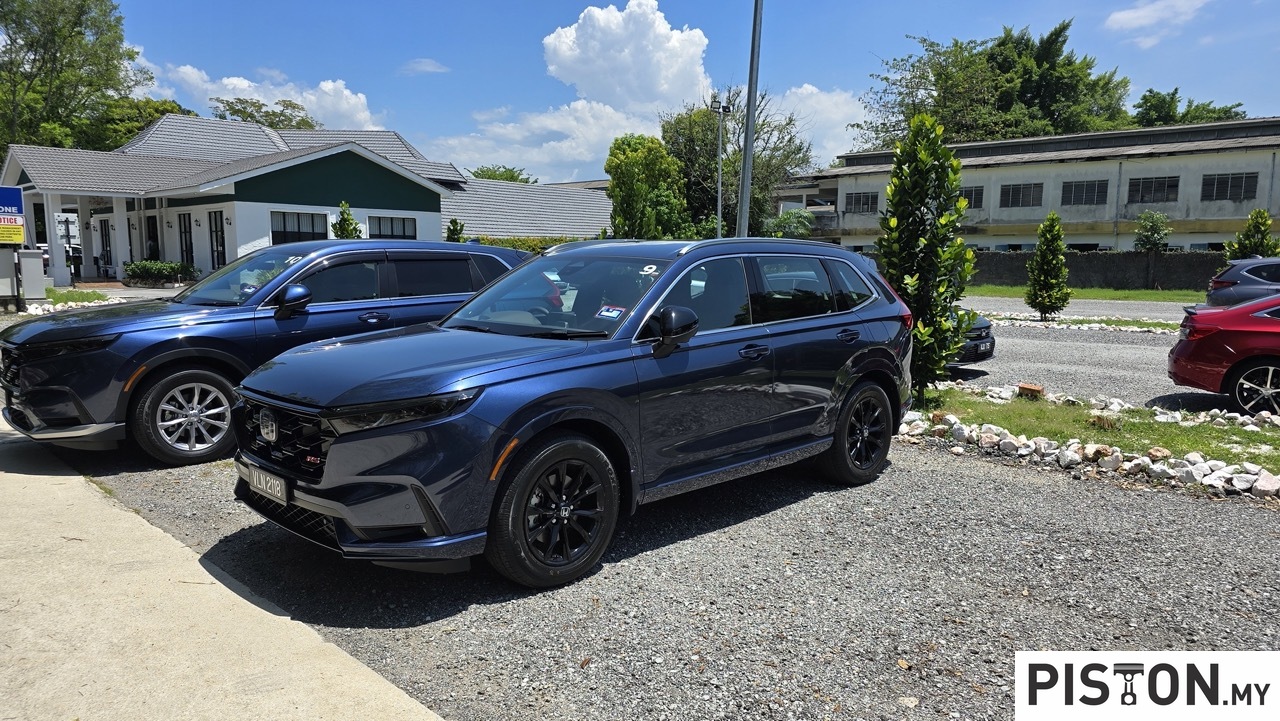
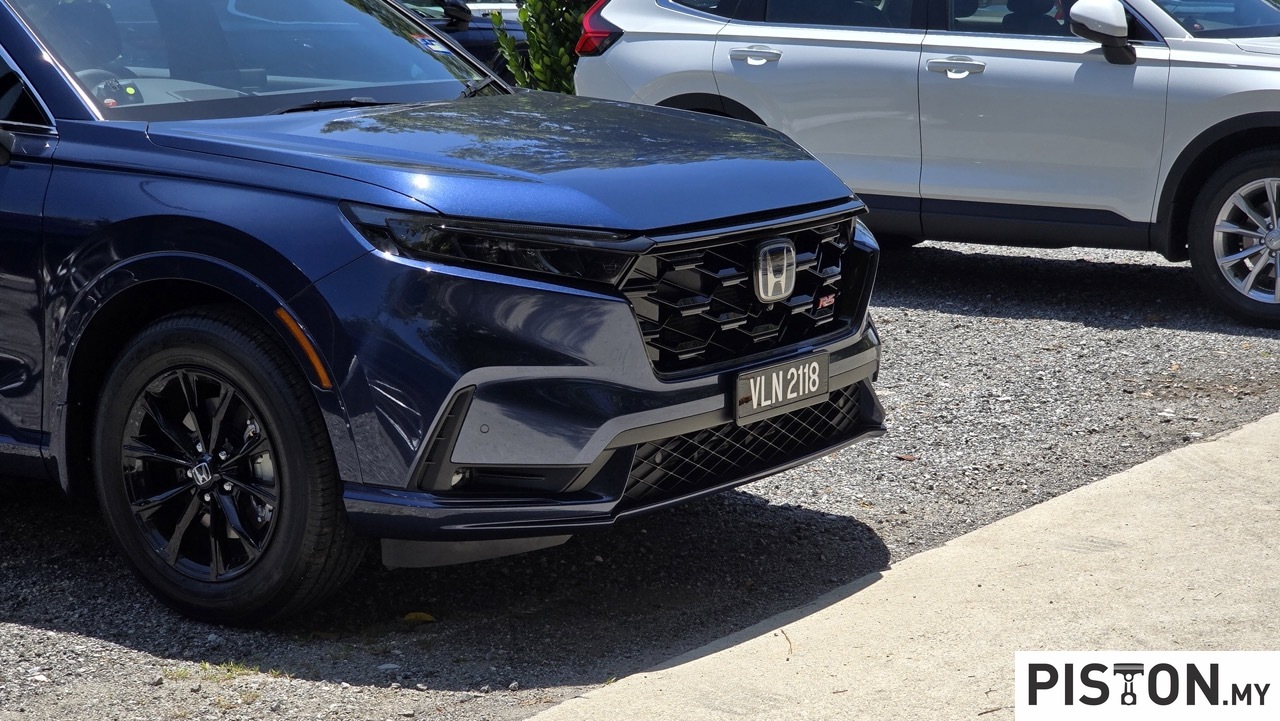
Visually, we find the CR-V to be stunning, especially with the new Canyon River Blue Metallic colour option. The hybrid variant even has an active grille shutter, which has been around since 2017 on models like the Odyssey. But the most eye-catching feature are the taillights. Yes, some might say it looks similar to the Volvo and so on, but that’s a debate for another day. On the CR-V however, it’s a nice finish to the ‘elegant’, yet sporty look. 
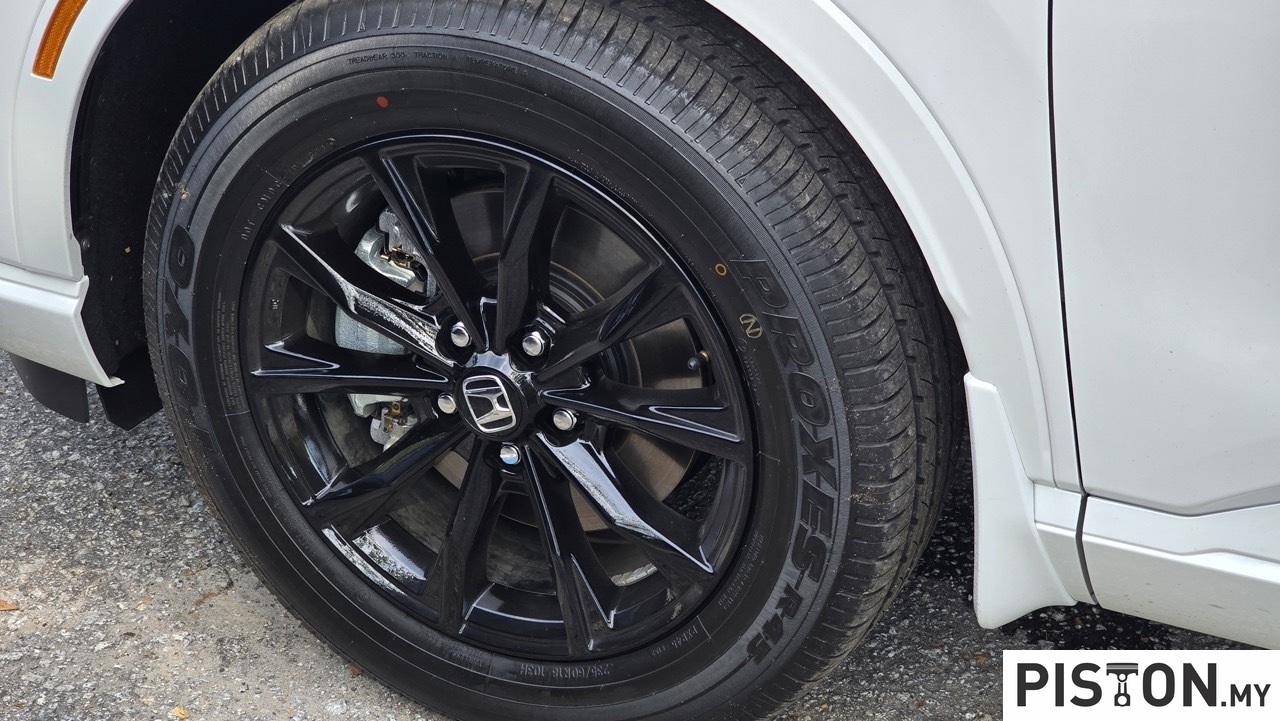
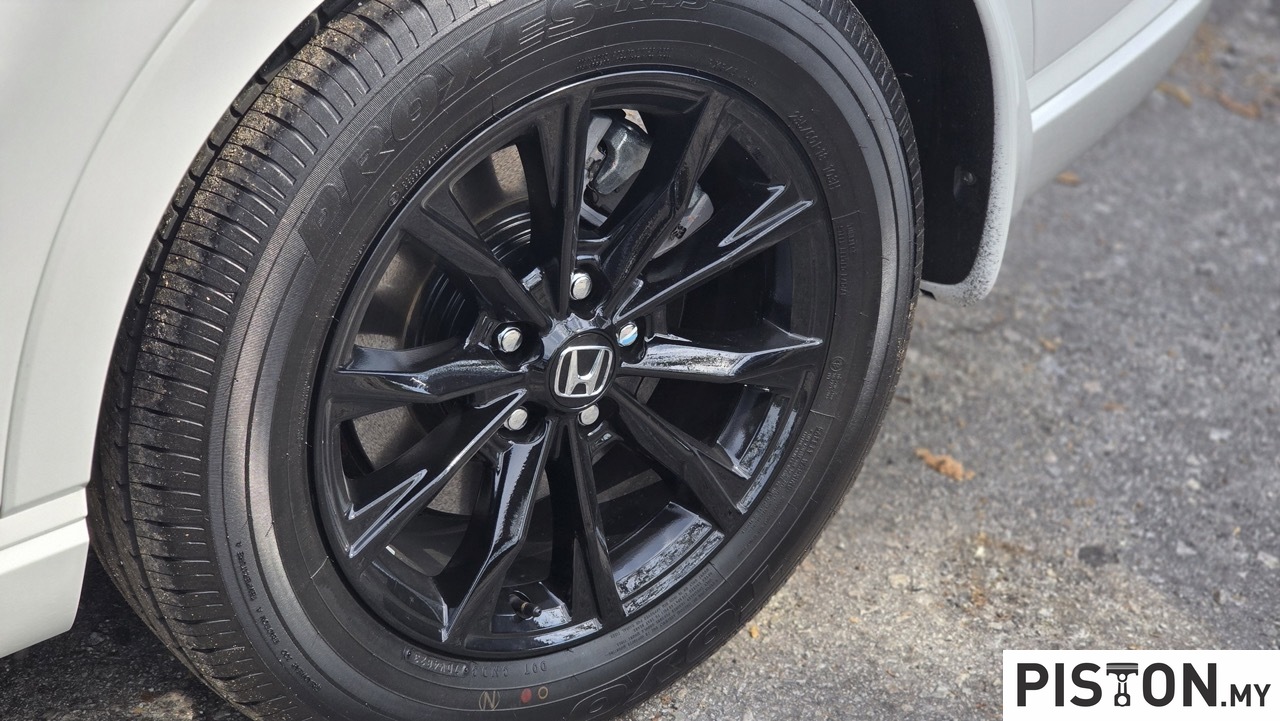
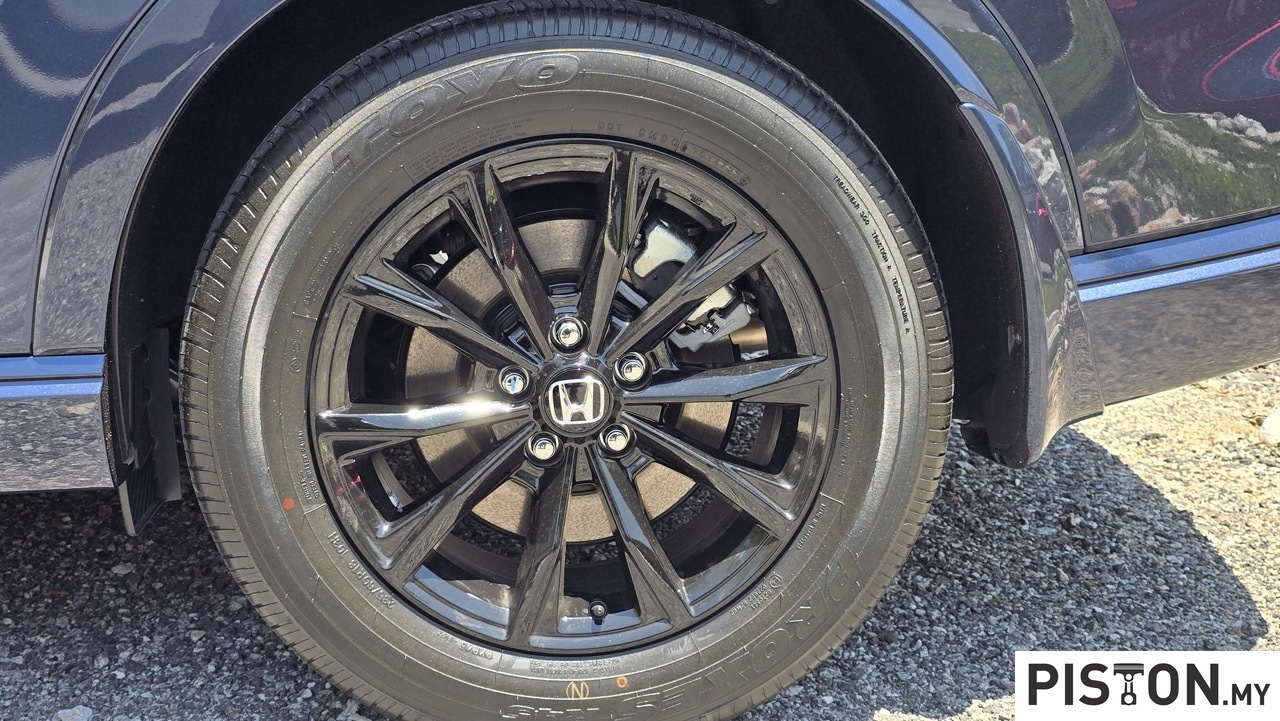
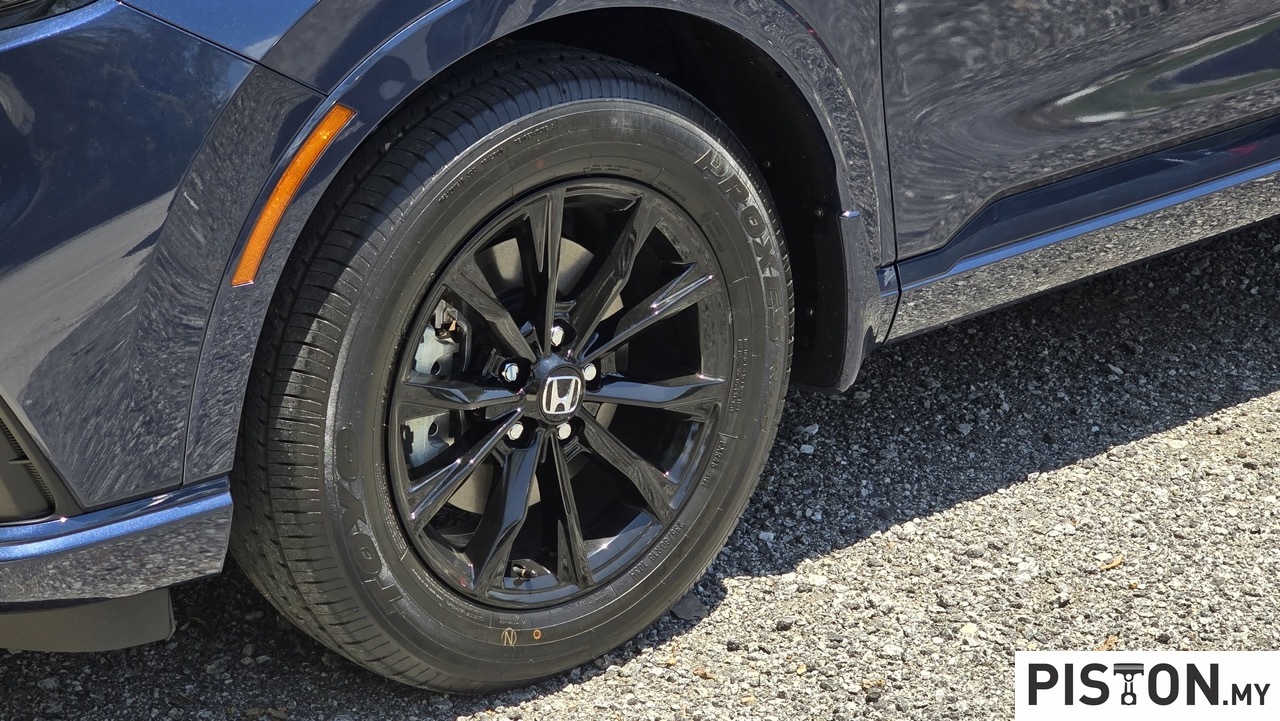
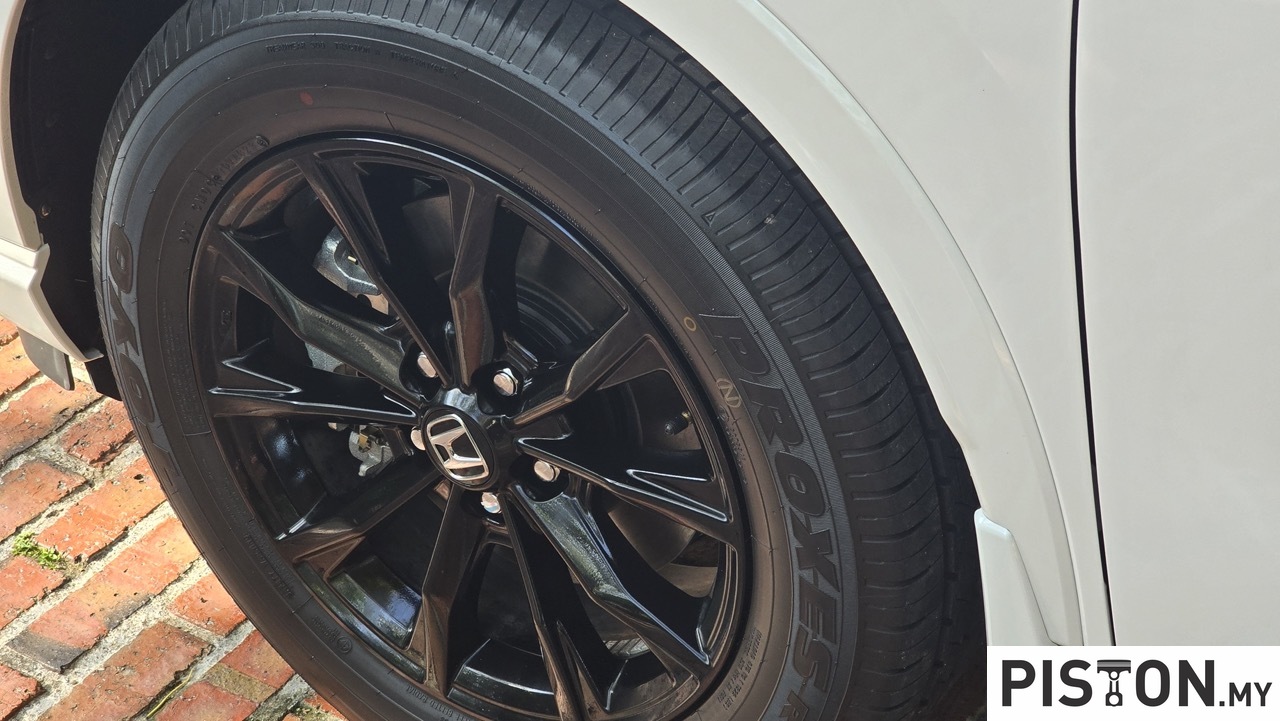
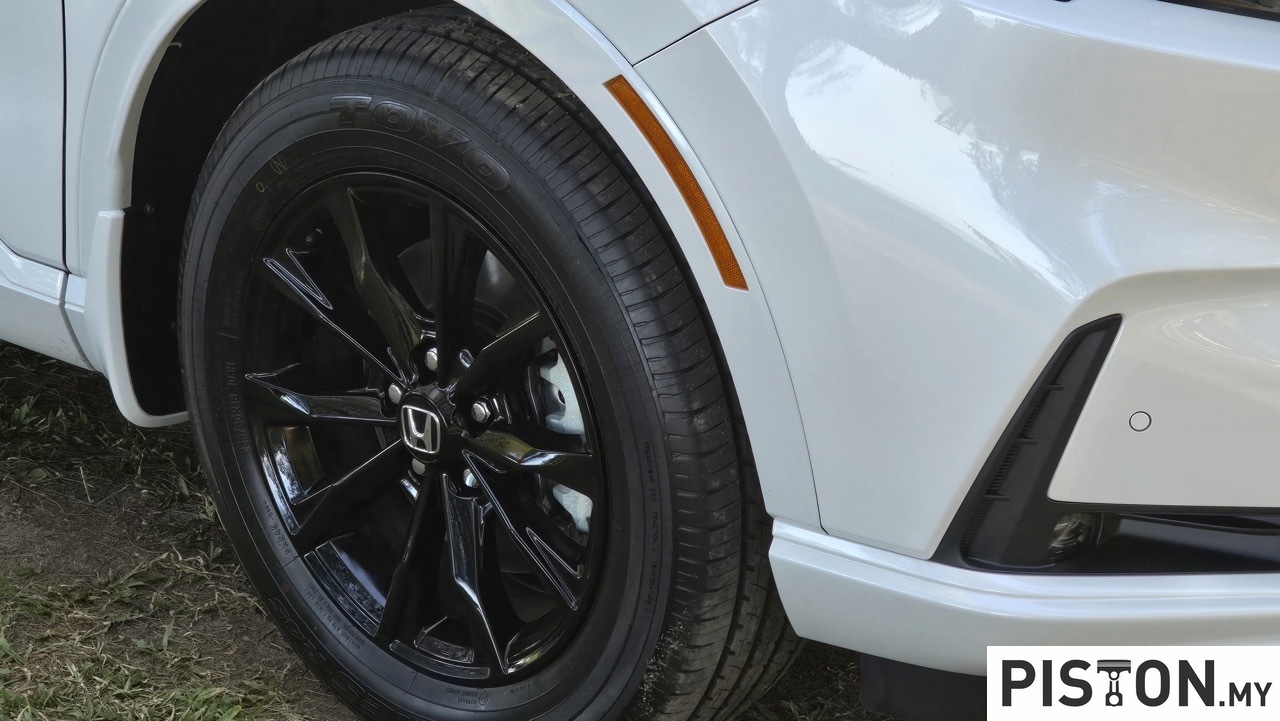
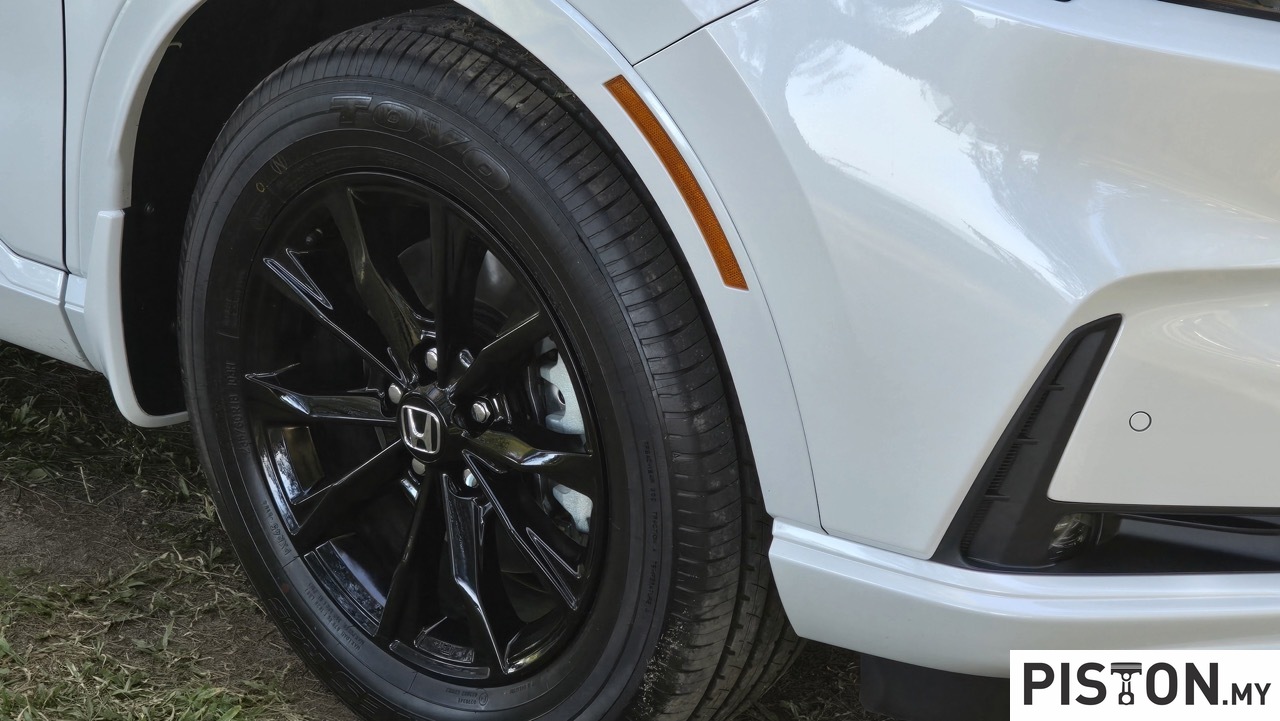
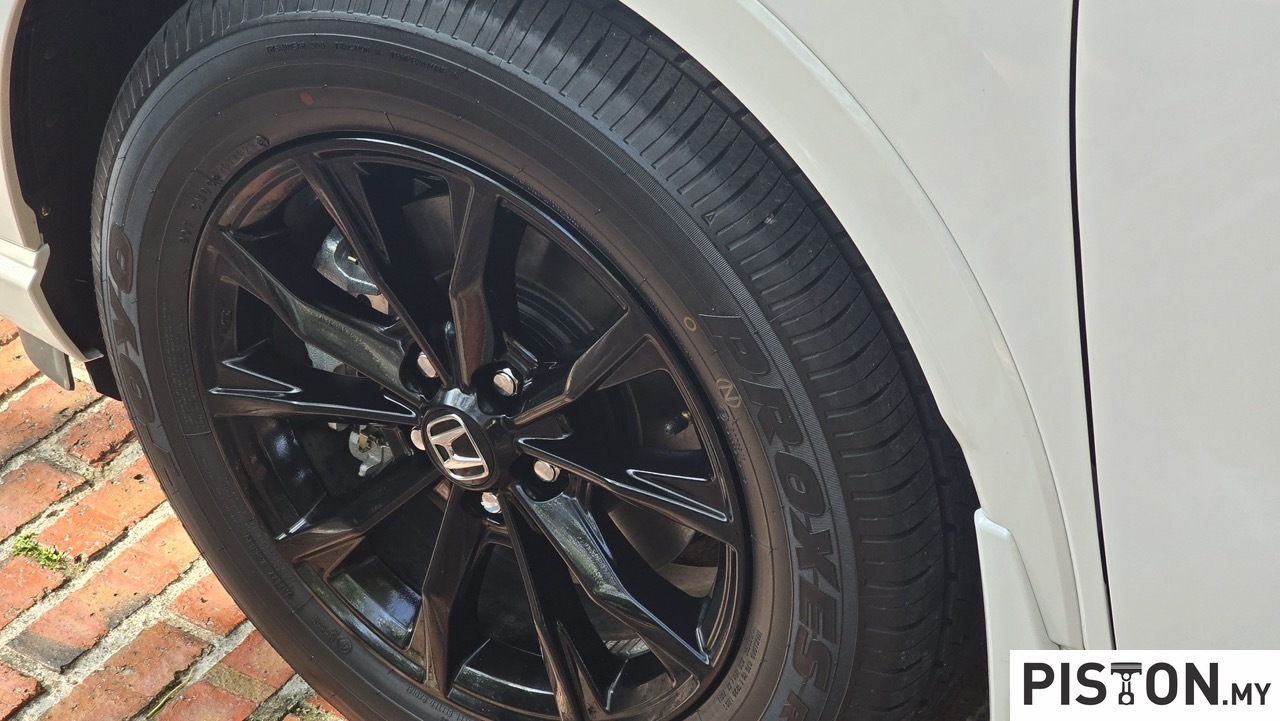
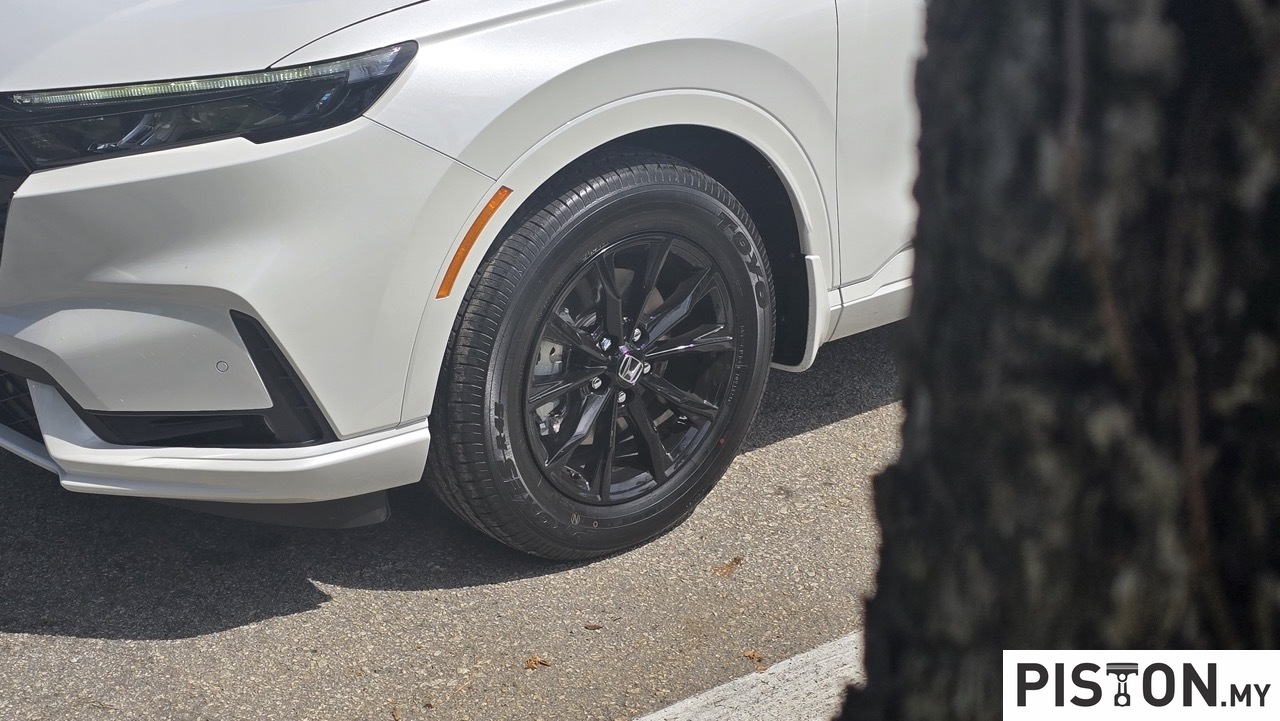
The standard rims look good, especially the black trim ones that are found on the e:HEV RS. So there is no need to do a rim change. Even if you wanted to, especially for the hybrid variant, you would be making a huge mistake. The hybrid variant comes with wheel resonators which we have actually talked about previously. To simplify it, the resonators assist with noise reduction in the cabin, suppressing annoying road noises, especially on long drives. 

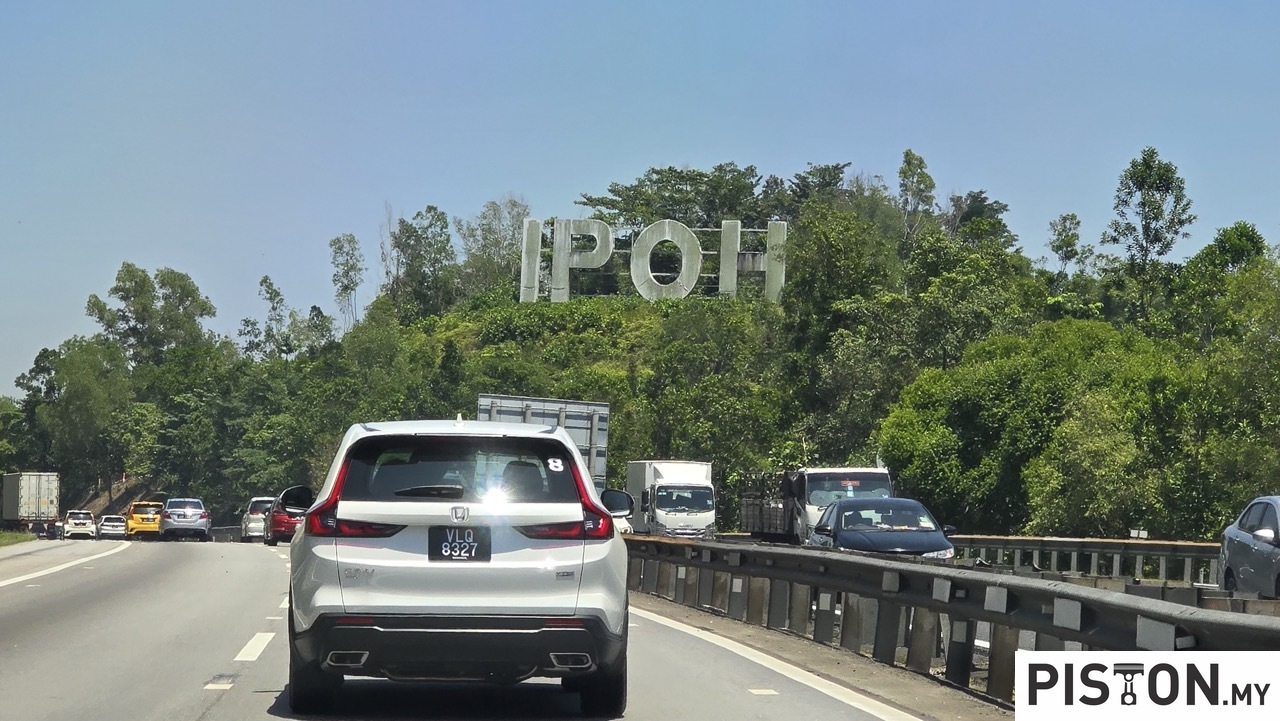
Speaking of long drives, we drove the V variant from Kuala Lumpur to Penang and the hybrid variant from Penang back home. Immediately we noticed what a prominent role those resonators play. The road noise that we were hearing in the cabin from the V spec was very obvious but tolerable and in the hybrid variant, that noise was noticeably suppressed. So, kudos to Honda for taking these into consideration. 
We asked Honda Malaysia why the resonators were not fitted into the lower variants and Honda stated “The resonators were designed specifically for the hybrid variant for higher noise, vibration, and harshness (NVH) performance, which is why the other variants do not have it.”

On the topic of noise in the cabin, the V spec has a screaming CVT gearbox that may annoy you, especially once you reach higher engine speeds. To some, that may not be an issue, or maybe it’s just us.. 
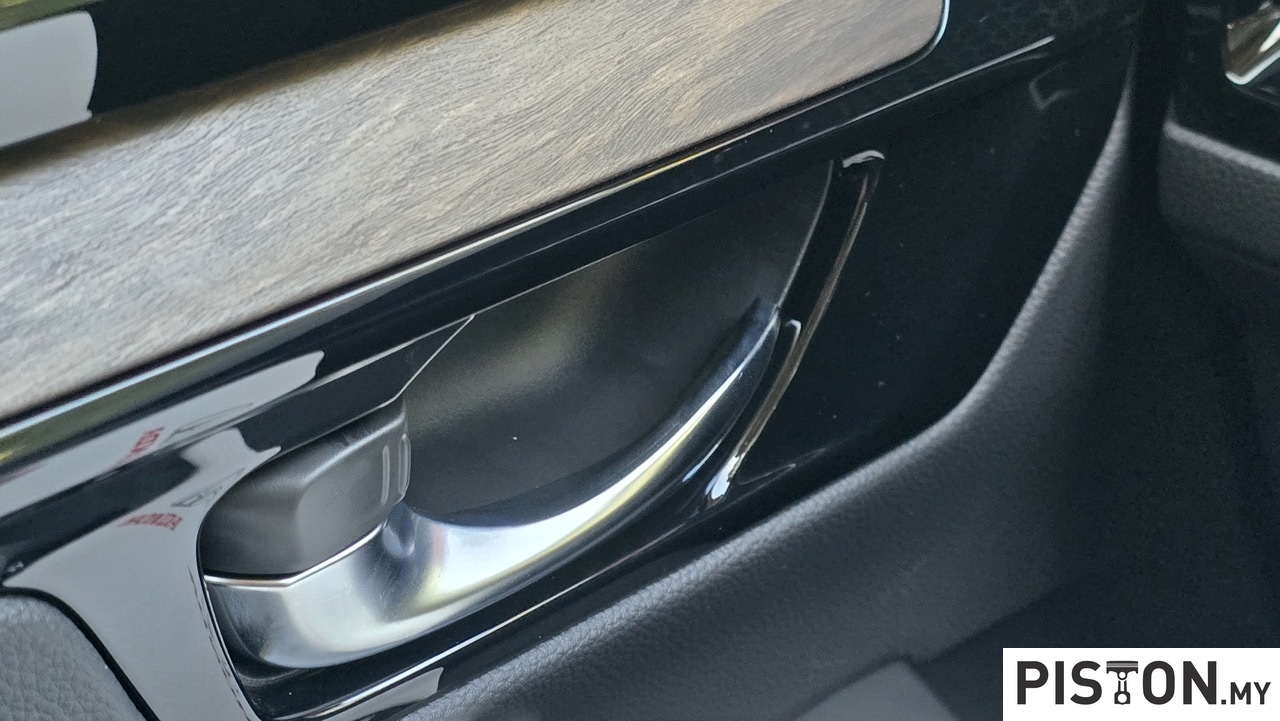
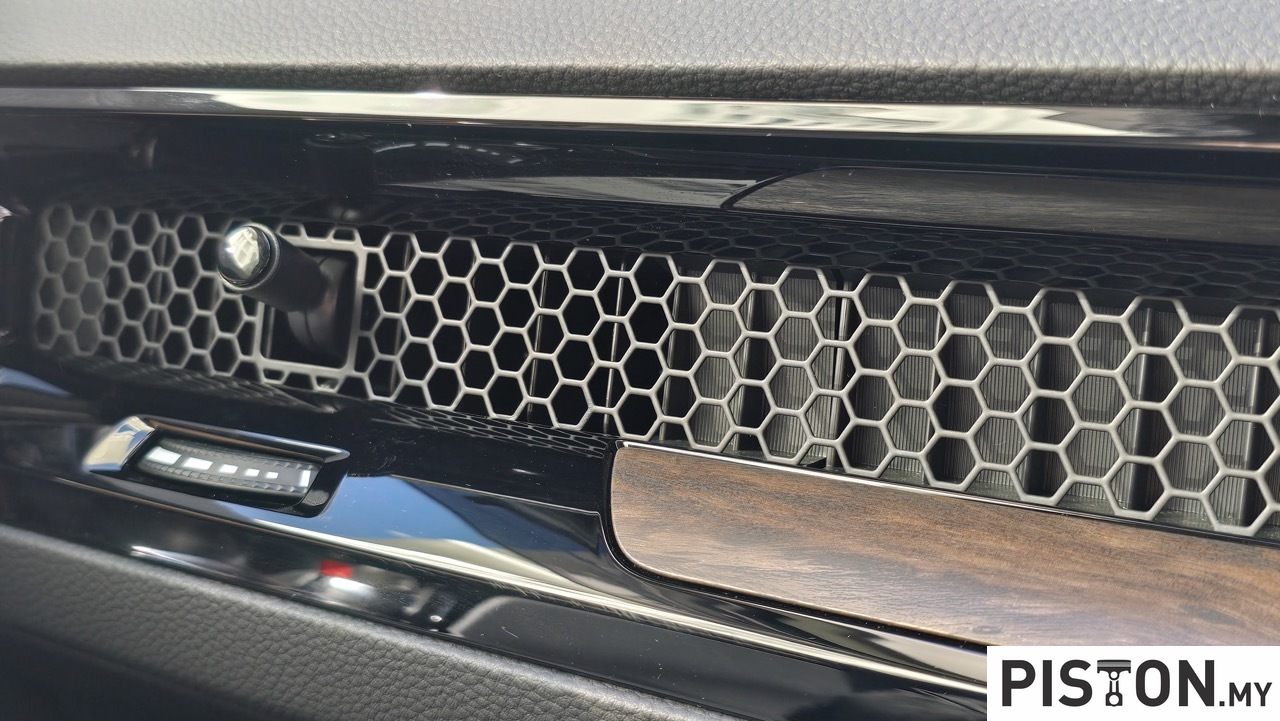
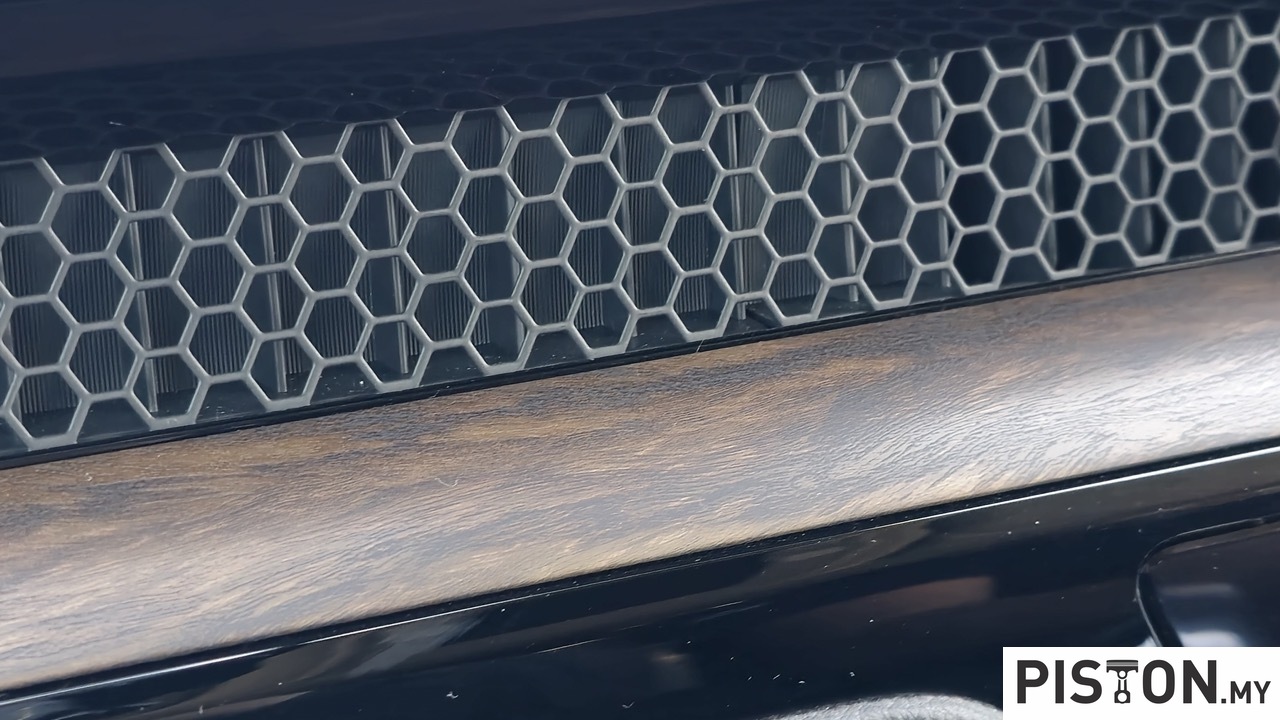
However, there is one feature that the V spec has on the inside that we wish the e:HEV had; the wood trim that can be found on the dashboard and door panels. 

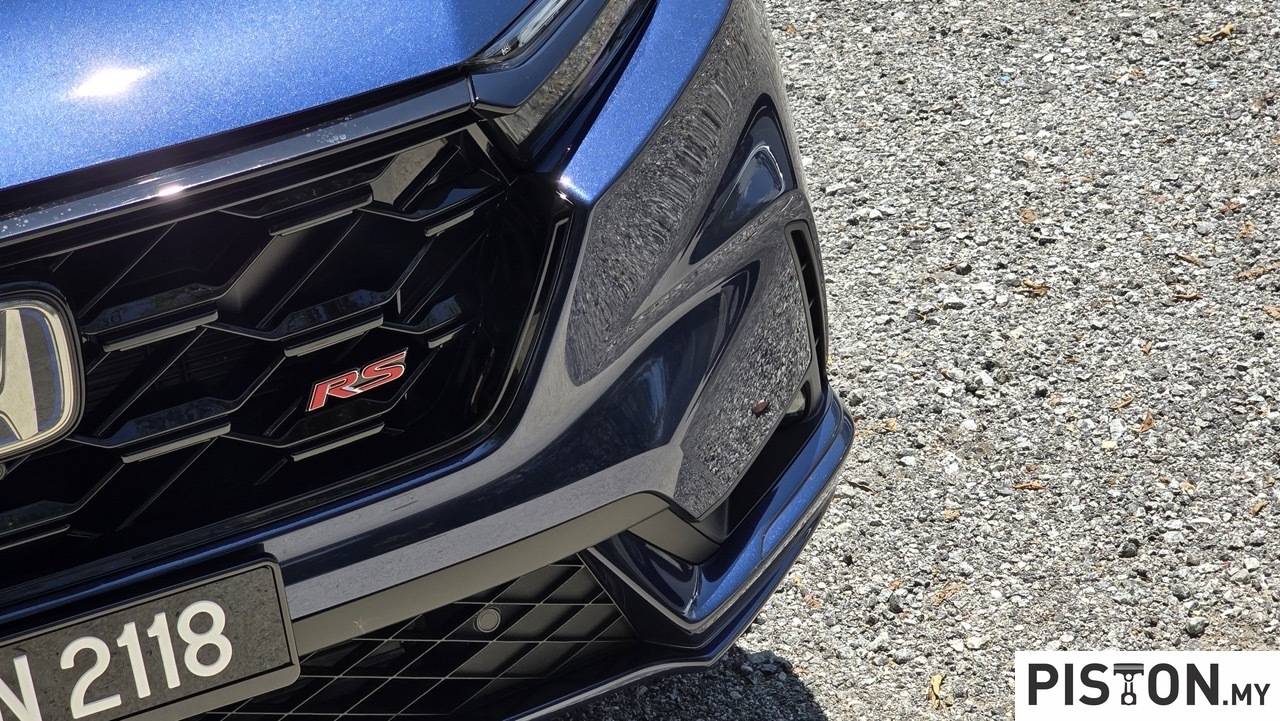
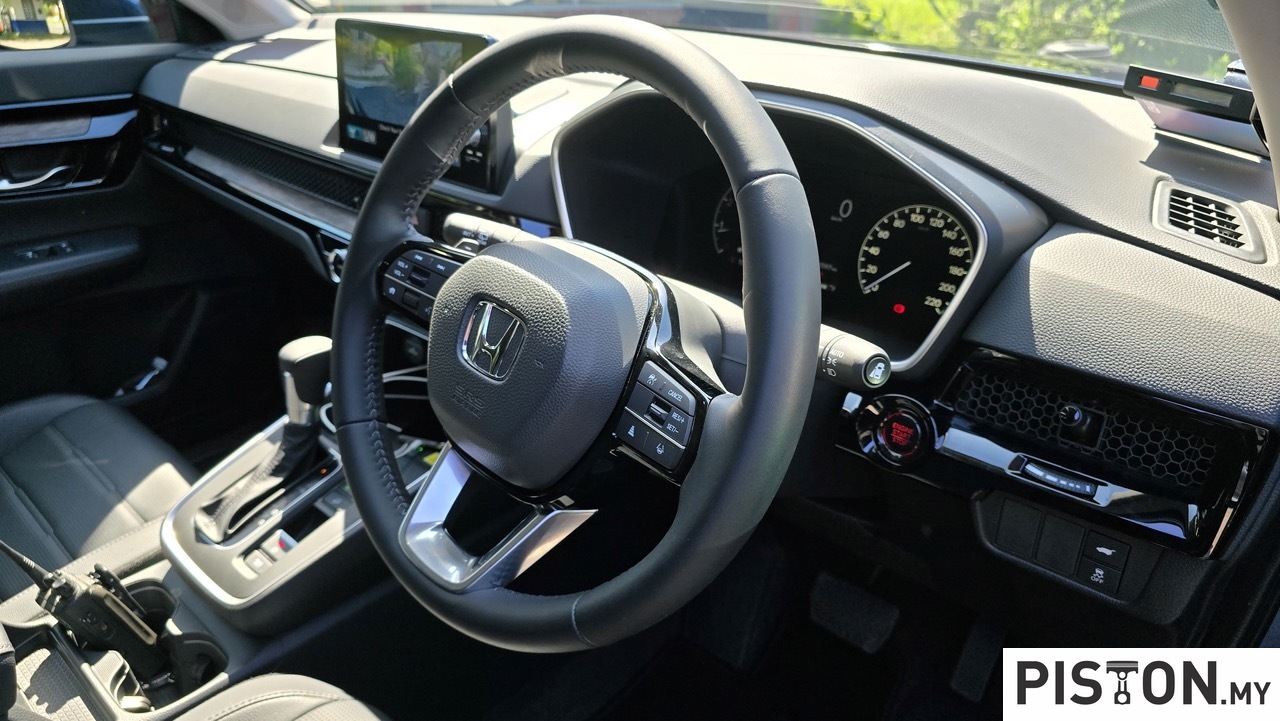
The e:HEV comes with a silver metallic film trim that is not too bad but lacks the elegant finish that the V spec has. Maybe Honda was going with a more sporty feel that is portrayed by the ‘RS’ trim which features red stitching on the inside. 
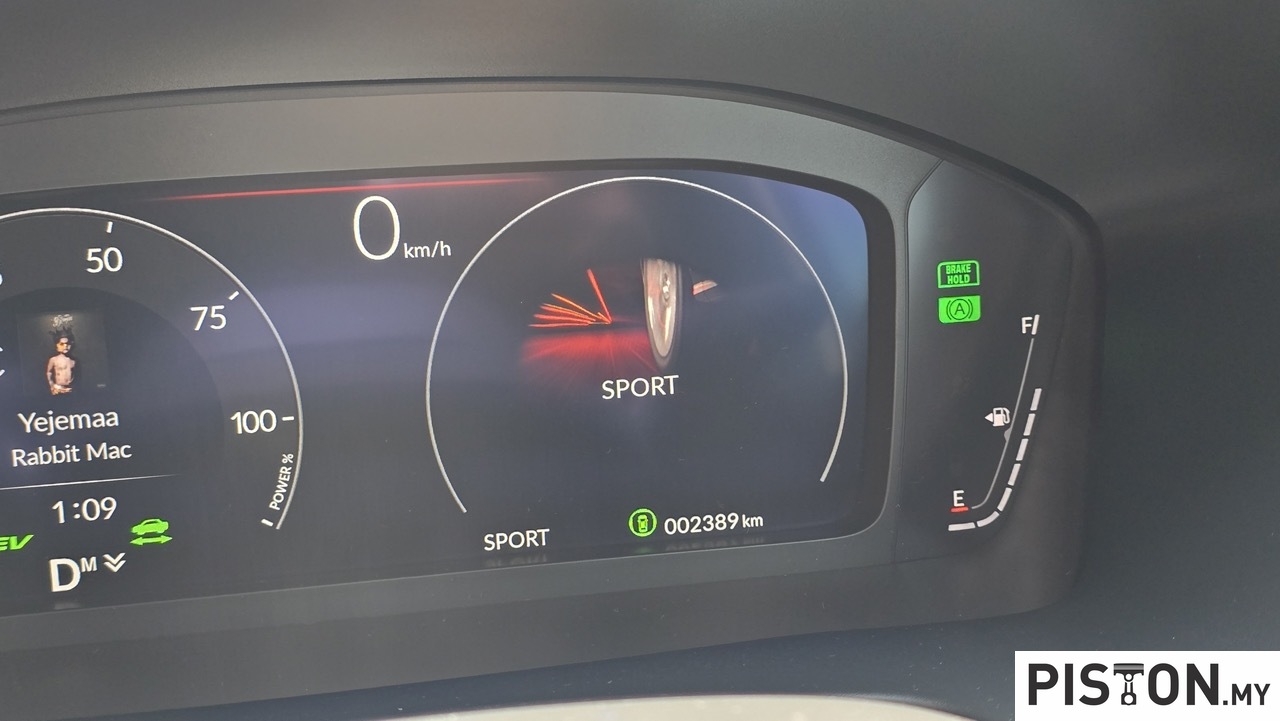
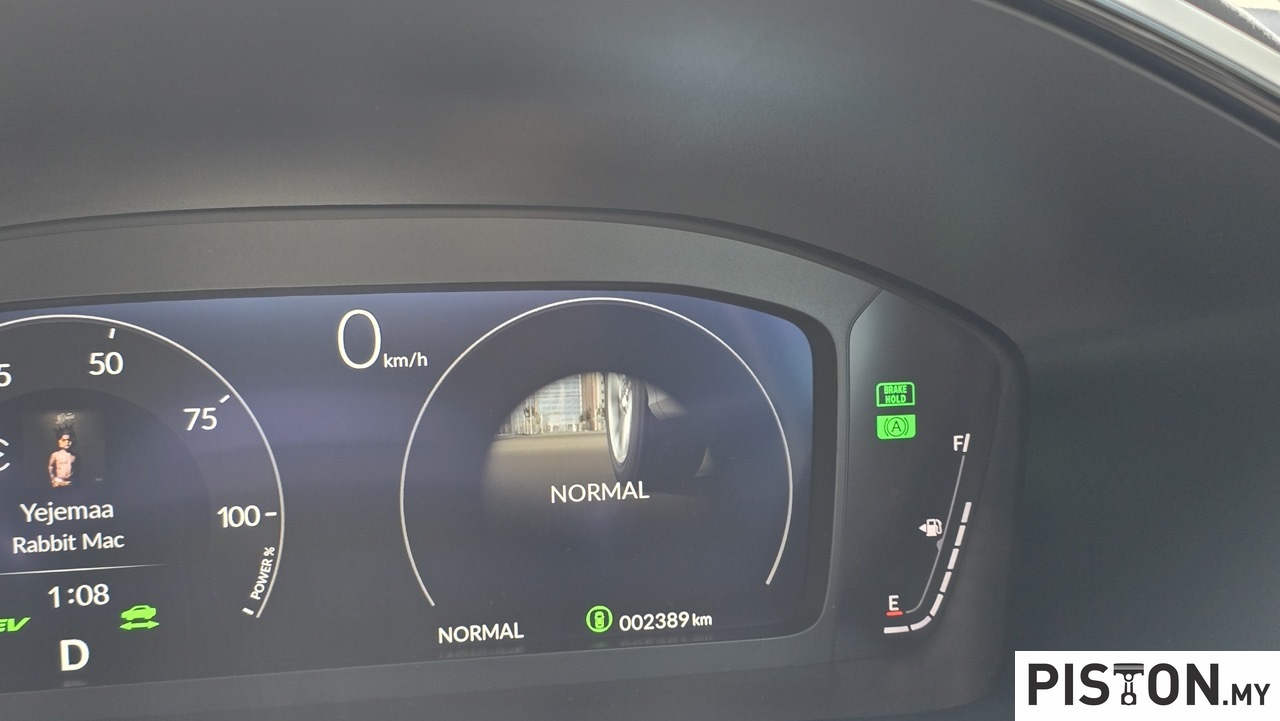
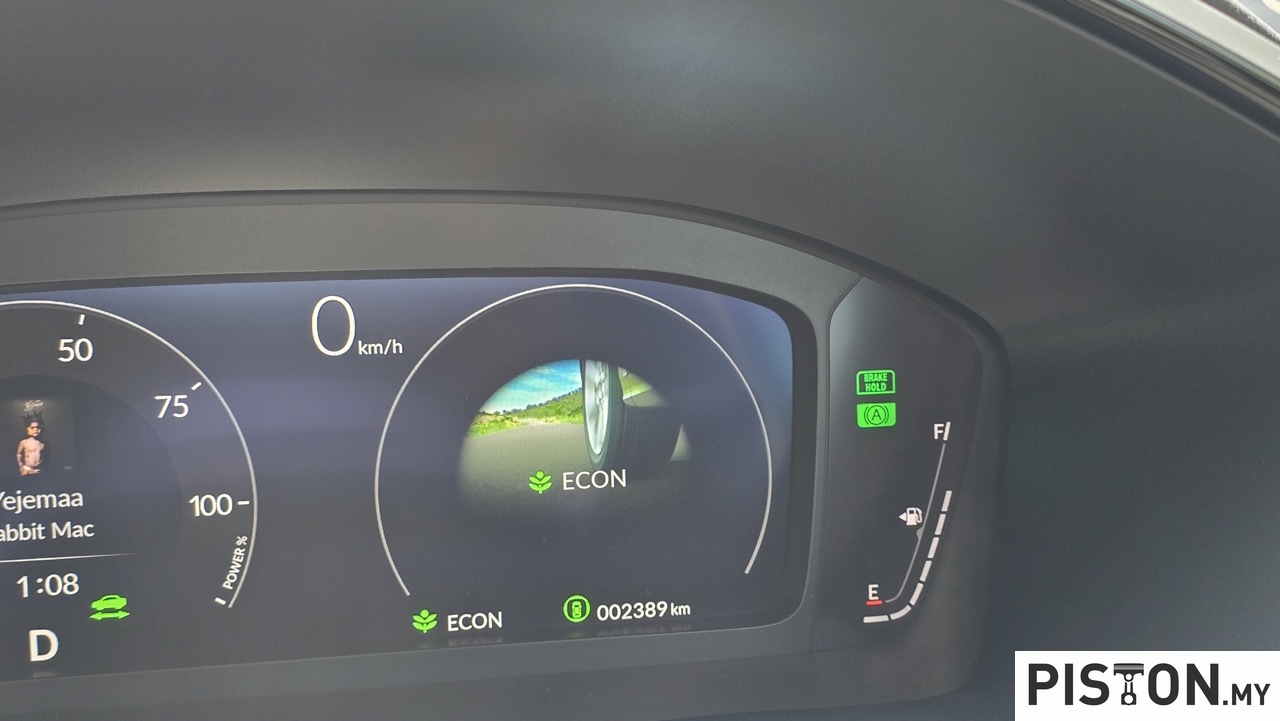
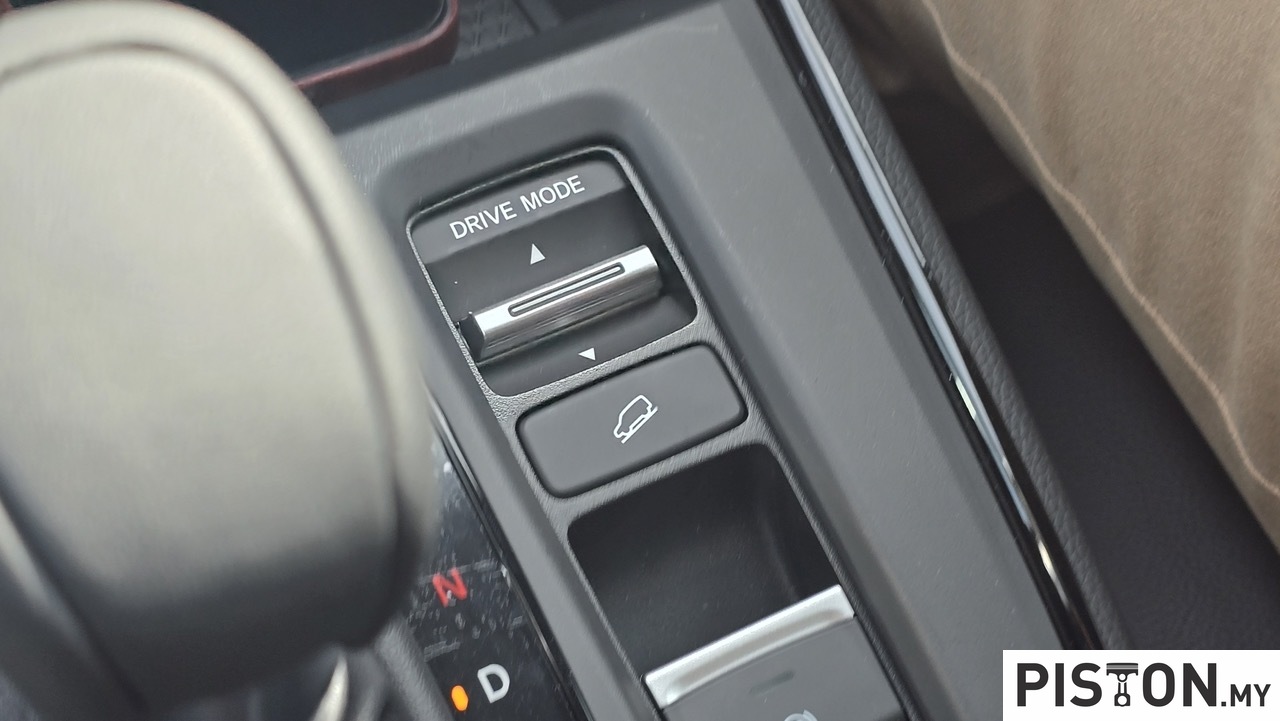
The term ‘sporty’ is not only applied to the looks of the e:HEV RS, but also to the whole driving experience. There are three driving modes to choose from, which consists of Econ, Normal and Sport mode. It basically enhances the throttle feel and response, and in Sports mode, it is more eager to respond to any demand.

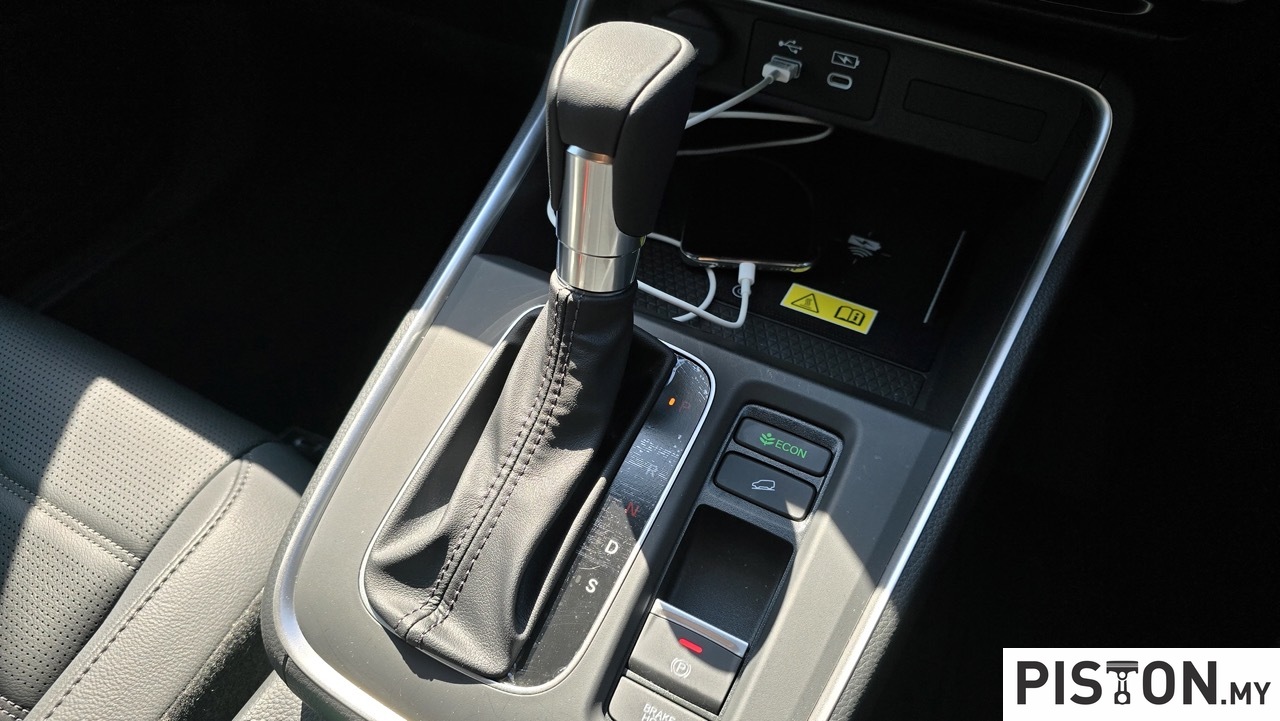
Besides that, the e:HEV RS also does not have a gearbox per say besides for a simpler box for reverse and forward drives. It just does not have ratios in the traditional sense. Honda calls this an e-CVT, perhaps because it would be too complicated to explain to its customers how it works. 
To add to the driving pleasure, Honda also included a neat little feature called Active Sound Control (ASC). What this does is that it provides amplified engine sounds and gear-shifting sounds piped back to the cabin through the audio system. 

According to Honda, this sound was built from scratch and was not based on the sound created by any internal combustion engine. It was built around what many may consider “sporty” and we were not disappointed at all. It sounds believable and does not have an annoying droning sound like some cars do. So we enjoyed hitting the throttle, adhering to speed limits, of course. 
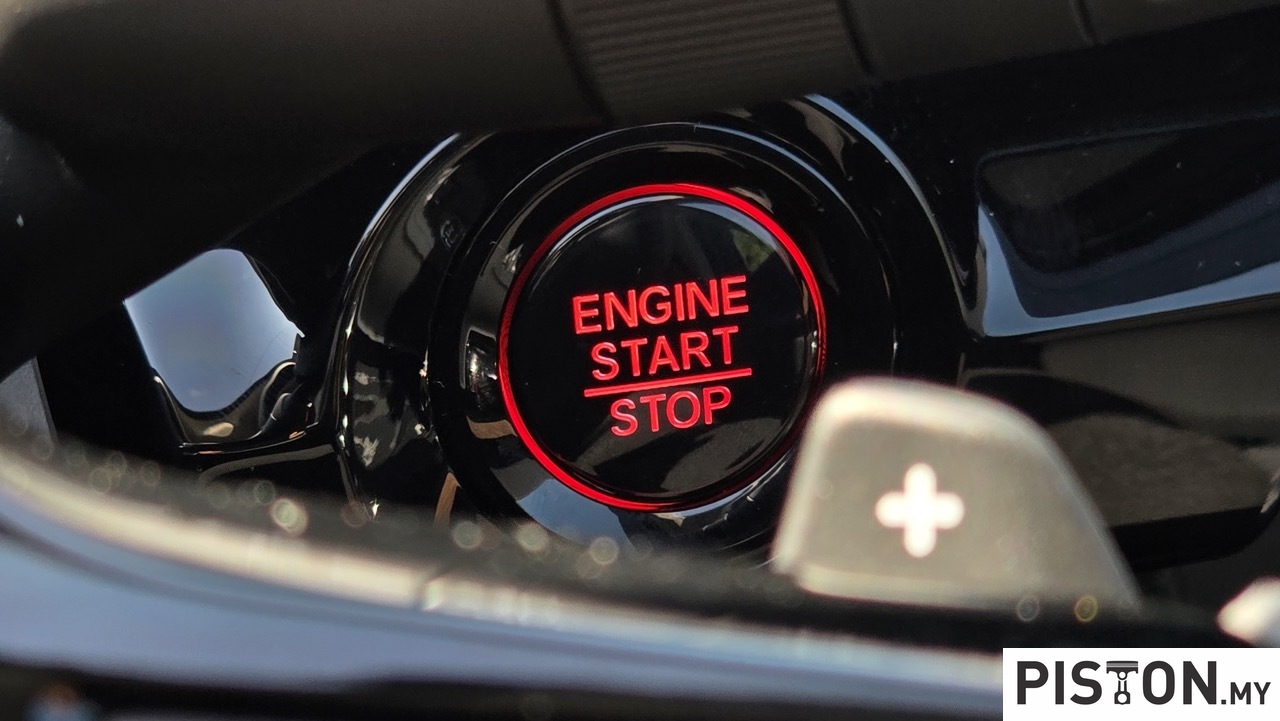
This was a four-hour drive. So was it comfortable? Yes. We took turns driving and, bear in mind that we aren’t exactly the smallest of people, length and width. As mentioned earlier, Honda takes these small things into consideration because the CR-V features body-stabilising seats for front passengers. 

The enhanced structure in the back of the seat increases lumbar and pelvic support to create a body-stabilising effect. This helps to prevent fatigue, particularly in the hip and waist area of occupants on longer journeys.
On the way back to KL, we did not do a driver swap so we only had one driver, which is this writer and I drove all the way without making any stops. Not even to empty my tank or fill up the car’s tank. So yes, I can confirm that it is most definitely comfortable.

We even tested the stability of both variants and how they handled the winding roads of Batu Ferringhi. With the hybrid variant, it was smooth and easy, had enough power to shoot out of corners and felt a little bit more stable. The V spec, however, had a more heavier feel on the steering wheel which did not make the turns feel as smooth. But both variants kept the front passengers in place because of the seats. 
If you’re a family man with kids at the back, this will not matter because you aren’t supposed to be shooting out of corners anyway.

If you do have kids, the CR-V comes with rear ISOFIX child seat anchors and you will not have to worry about baggage space as it comes with 589-litre of boot space.
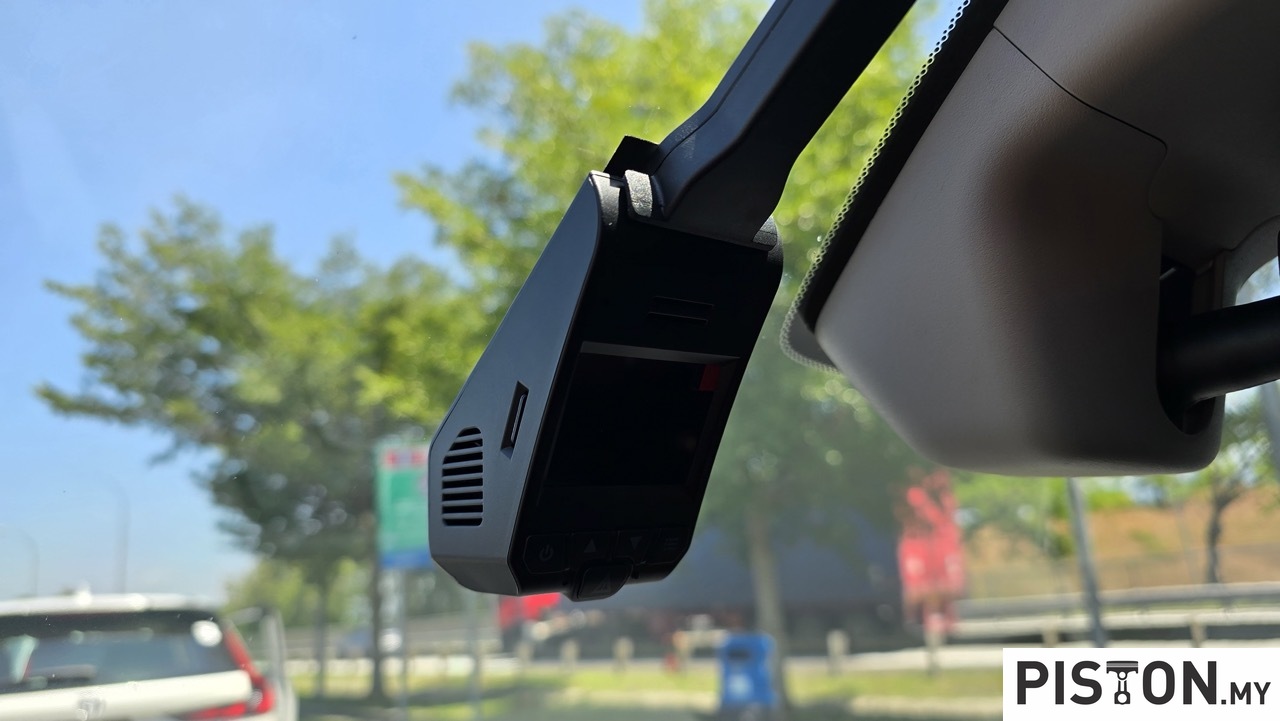
When it comes to prioritising the safety of both you and your family, the CR-V ensures peace of mind with an array of advanced safety features. These include eight airbags strategically positioned throughout the vehicle, encompassing front, side, side curtain, and knee protection. 

Additionally, the CR-V is equipped with enhanced stability provided by the Vehicle Stability Assist (VSA) system, complemented by Anti-lock Braking System (ABS) with Electronic Brakeforce Distribution (EBD) and Brake Assist for optimal braking performance. 
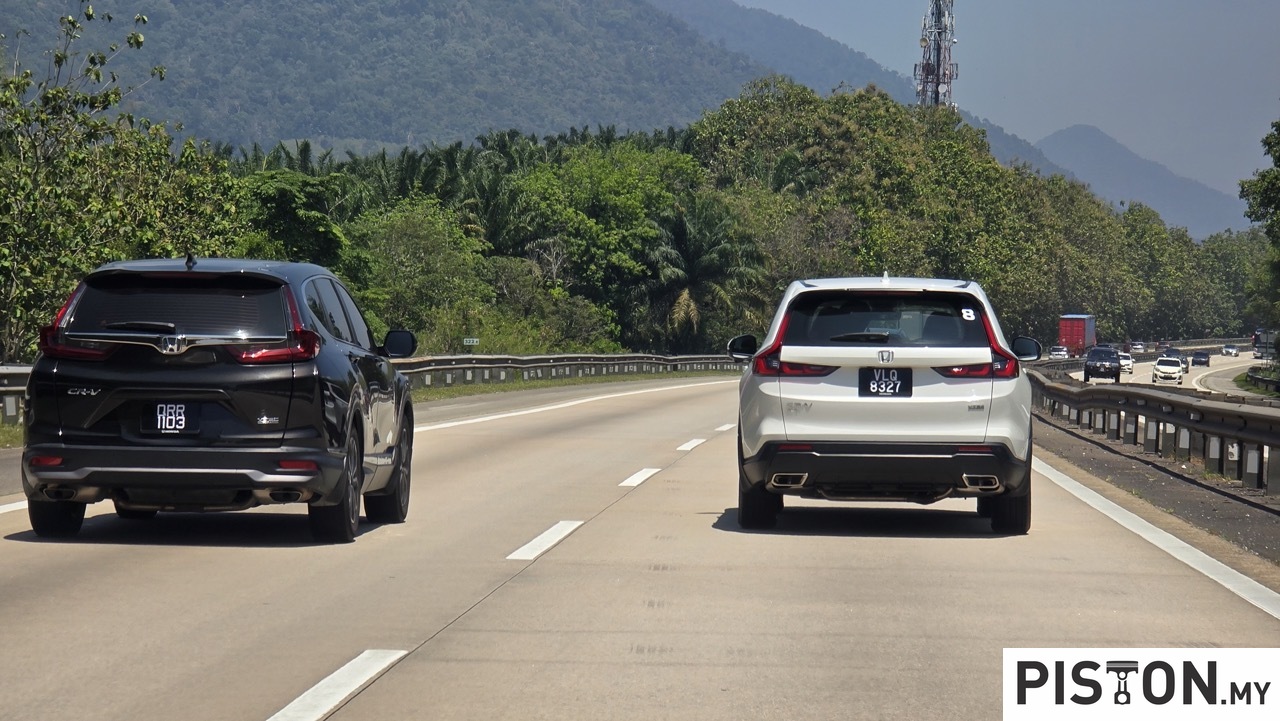
The Auto Brake Hold feature offers convenience in traffic, while Hill Start Assist and Hill Descent Control bolster confidence in challenging terrain. Agile Handle Assist (AHA) contributes to responsive handling, and the Emergency Stop Signal alerts surrounding vehicles in sudden braking situations. 

Seat belt reminders for all seats ensure occupants’ restraint, while Auto Door Lock adds an extra layer of security. Active Noise Control fosters a serene cabin environment, while the Honda Connect telematics system keeps you connected on the go. 
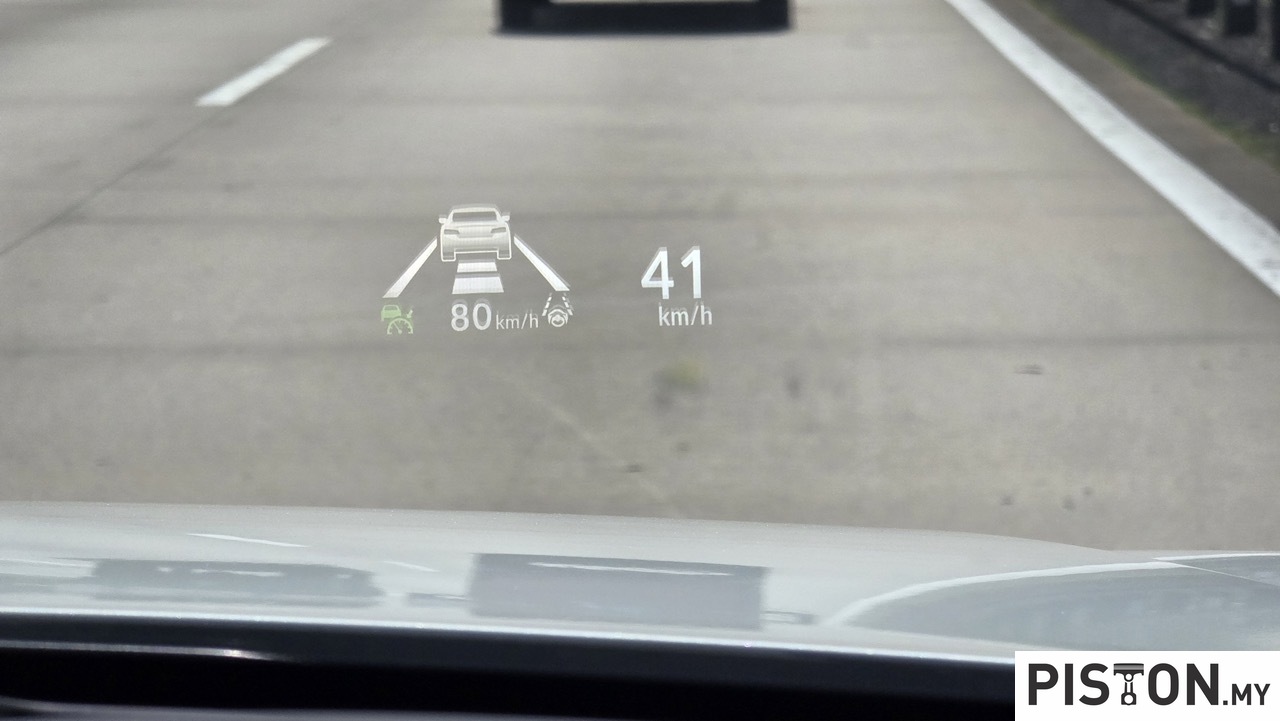
The Honda Sensing driver assistance suite encompasses advanced features such as Forward Collision Warning (FCW), Autonomous Emergency Braking (CMBS), Adaptive Cruise Control (ACC) with Low-Speed Follow (LSF), Road Departure Mitigation (RDM), Lane Departure Warning (LDW), Lane Keeping Assist (LKAS), and Automatic High Beams (AHD). Furthermore, the Lead Car Departure Notification feature enhances driving awareness, collectively ensuring a safer and more confident driving experience.

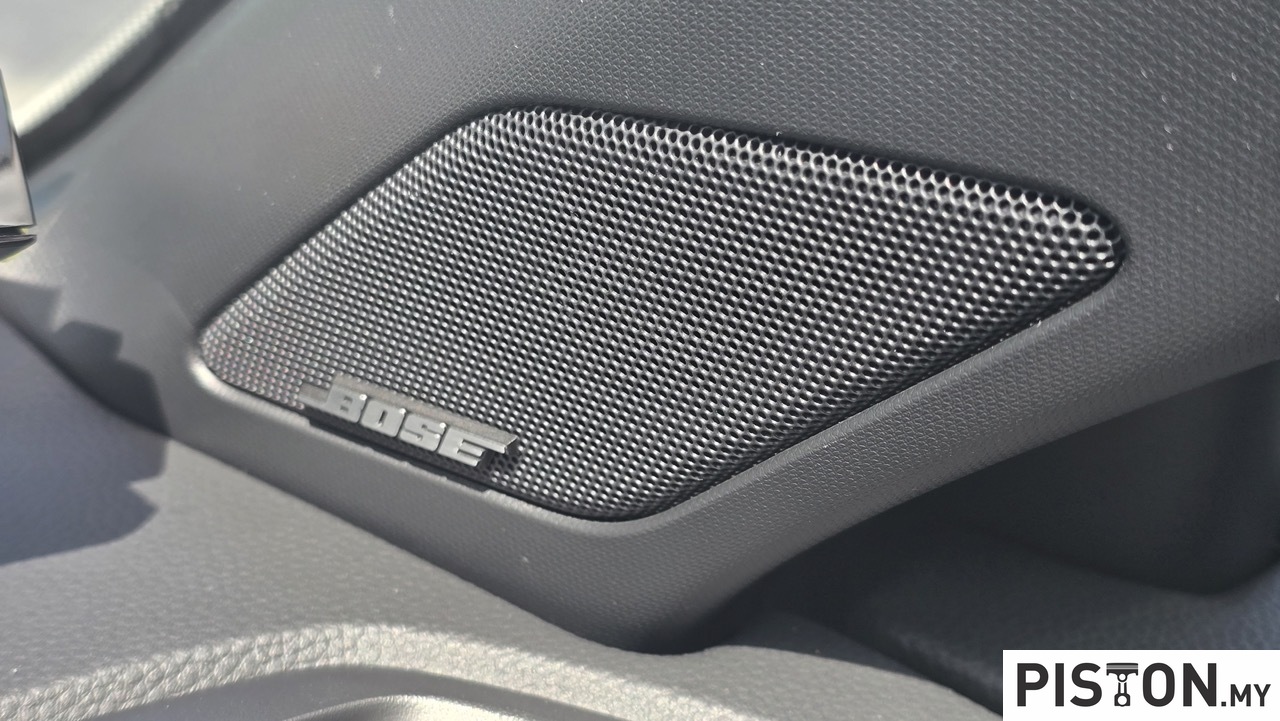
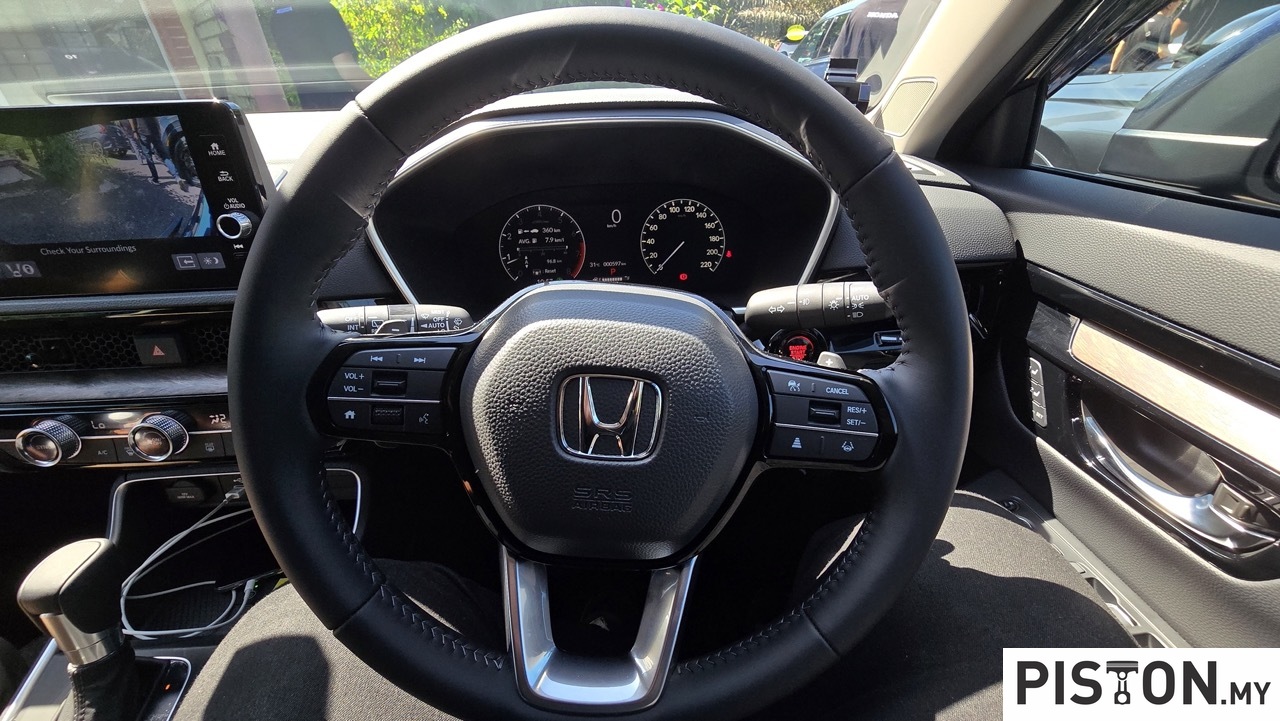
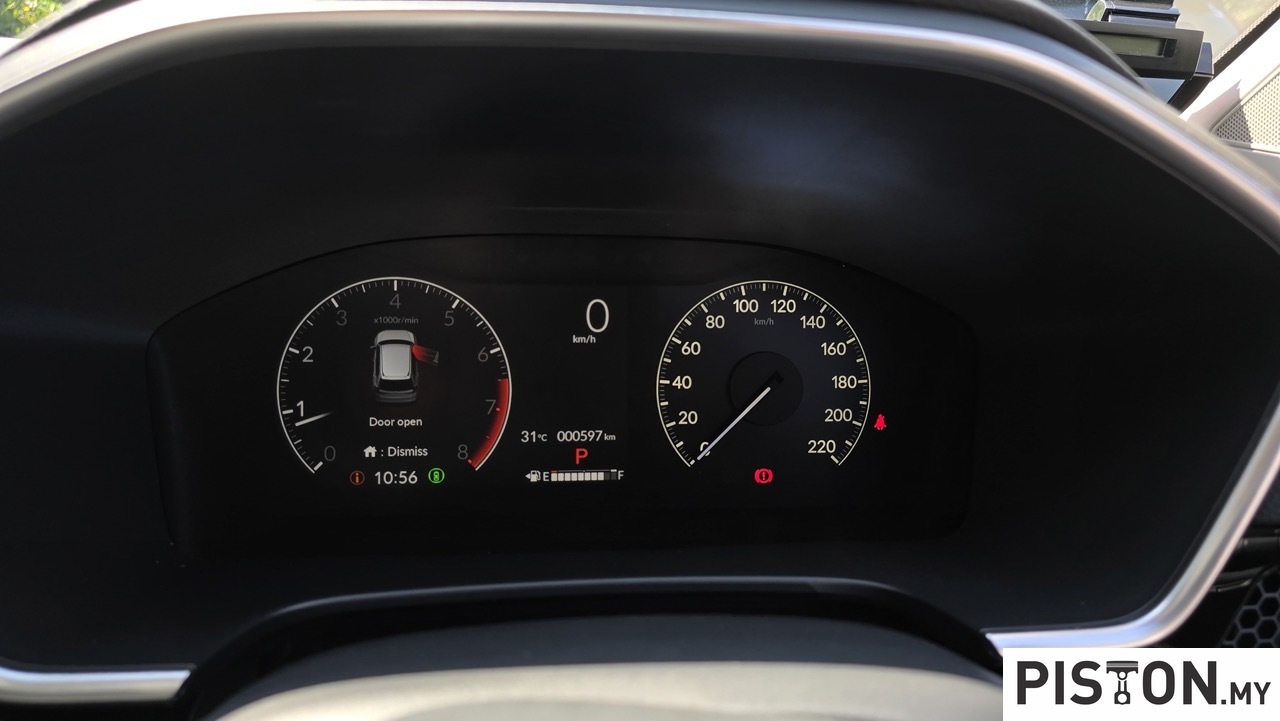
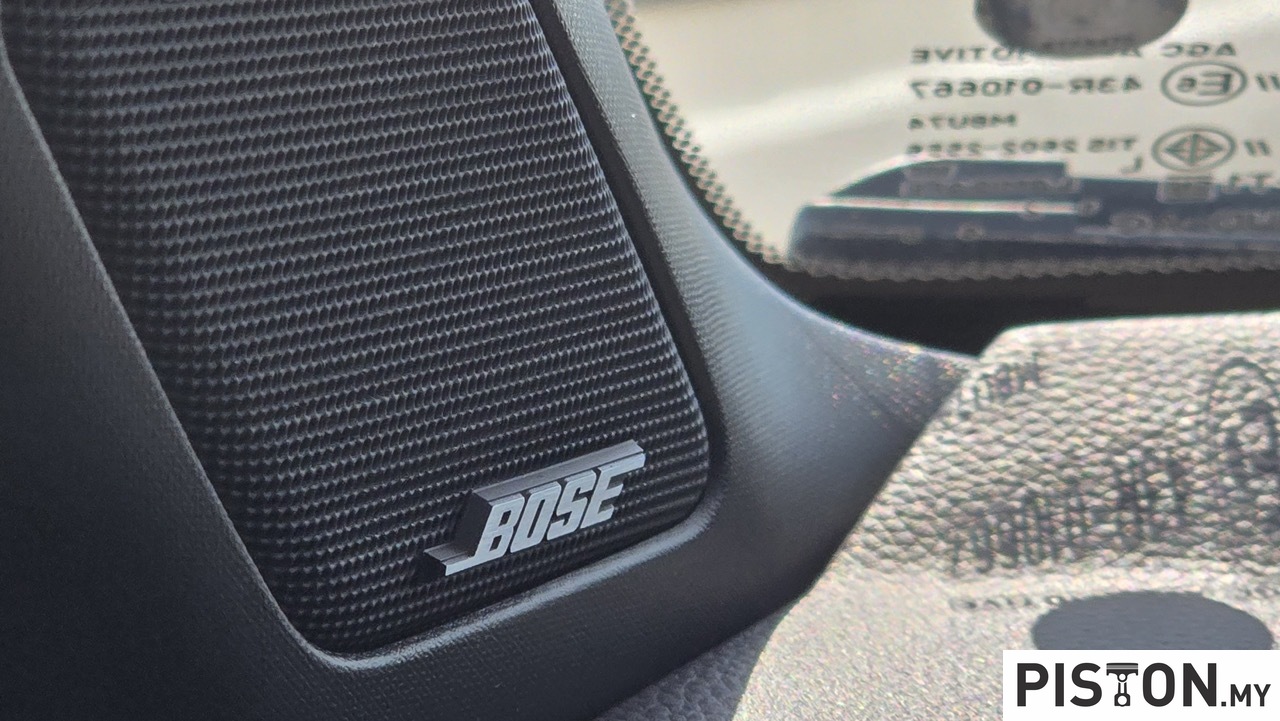
As for entertainment, the e:HEV RS features a 10.2-inch TFT fully digital instrument panel and a 12-speaker Bose Premium audio system which is the first time that Honda Malaysia is offering a premium sound system for its locally-assembled model.
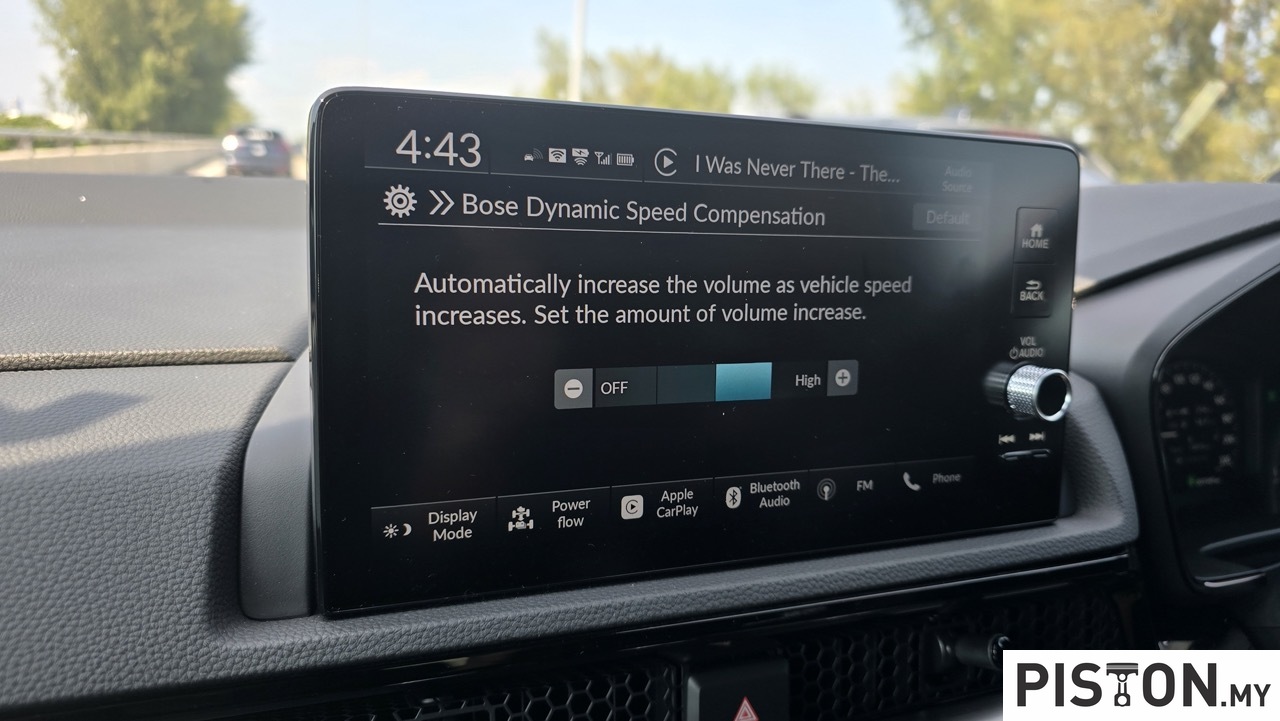
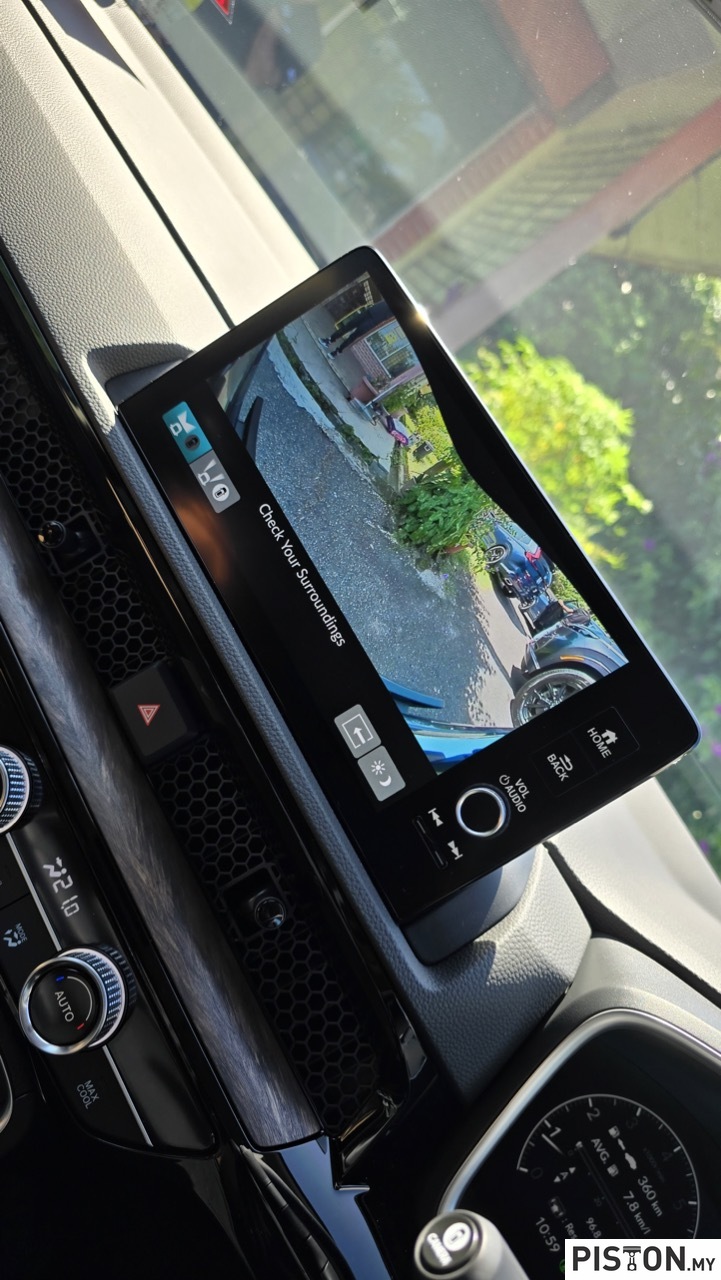
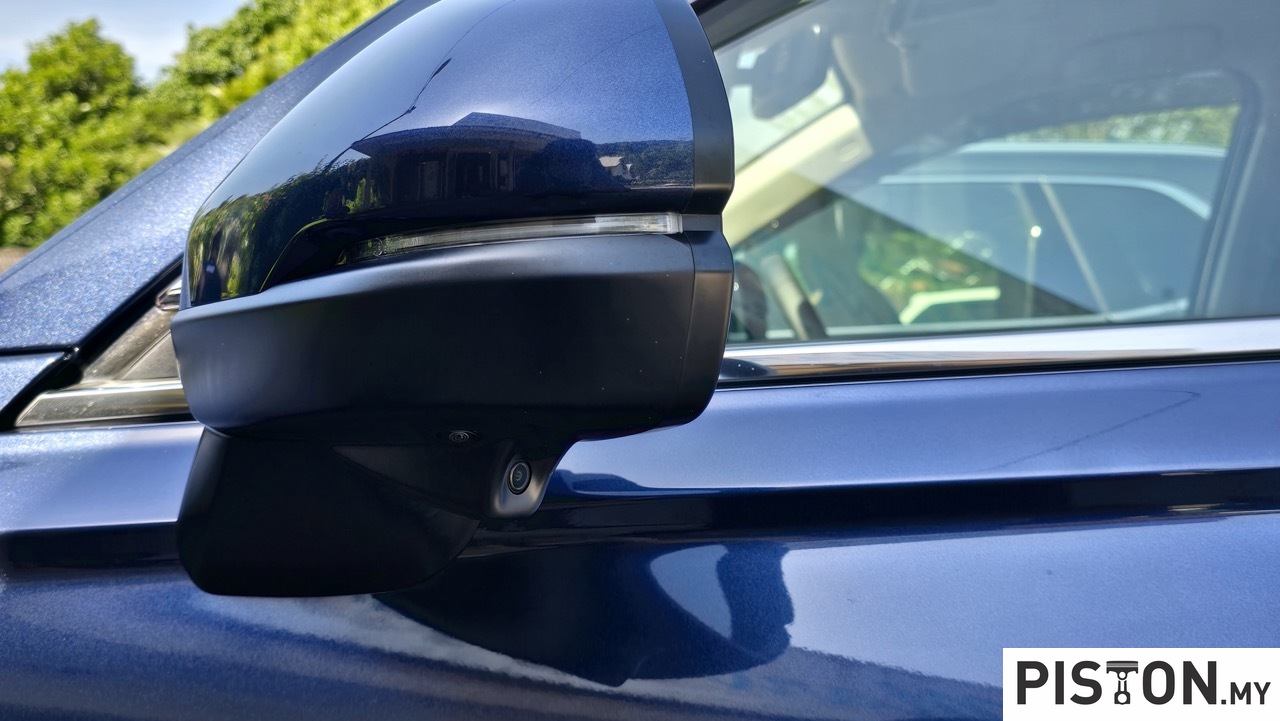
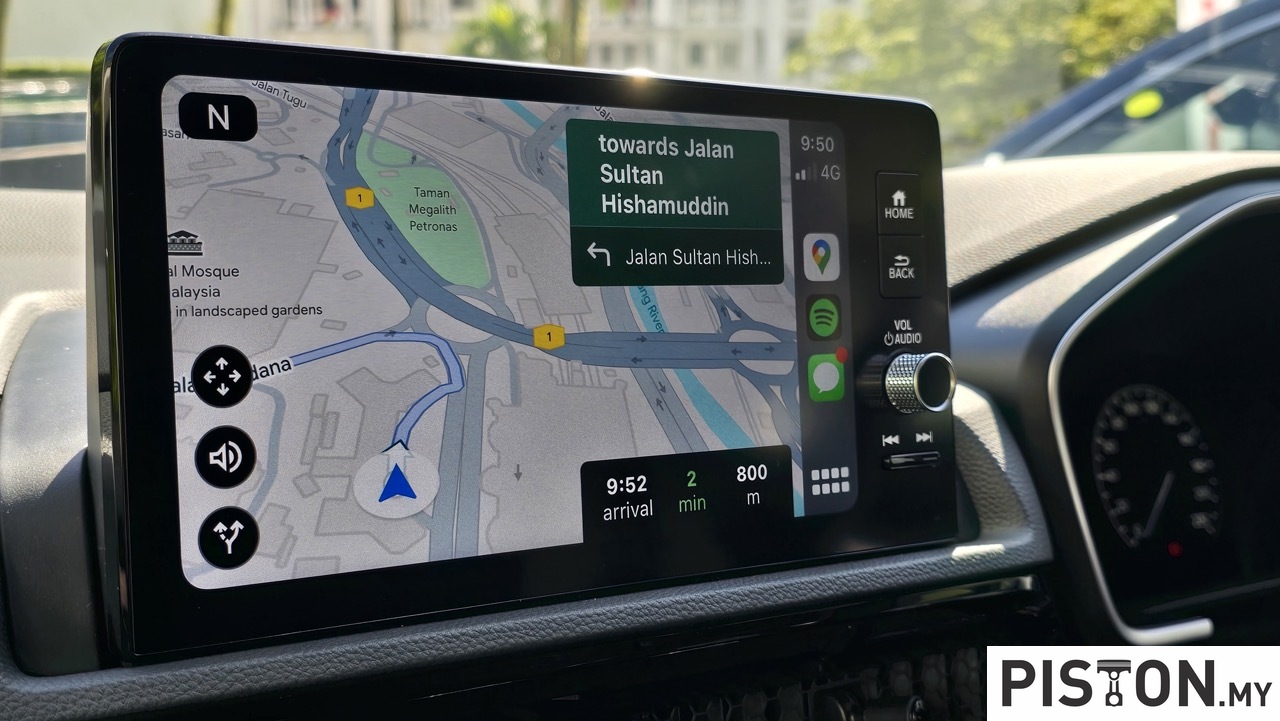
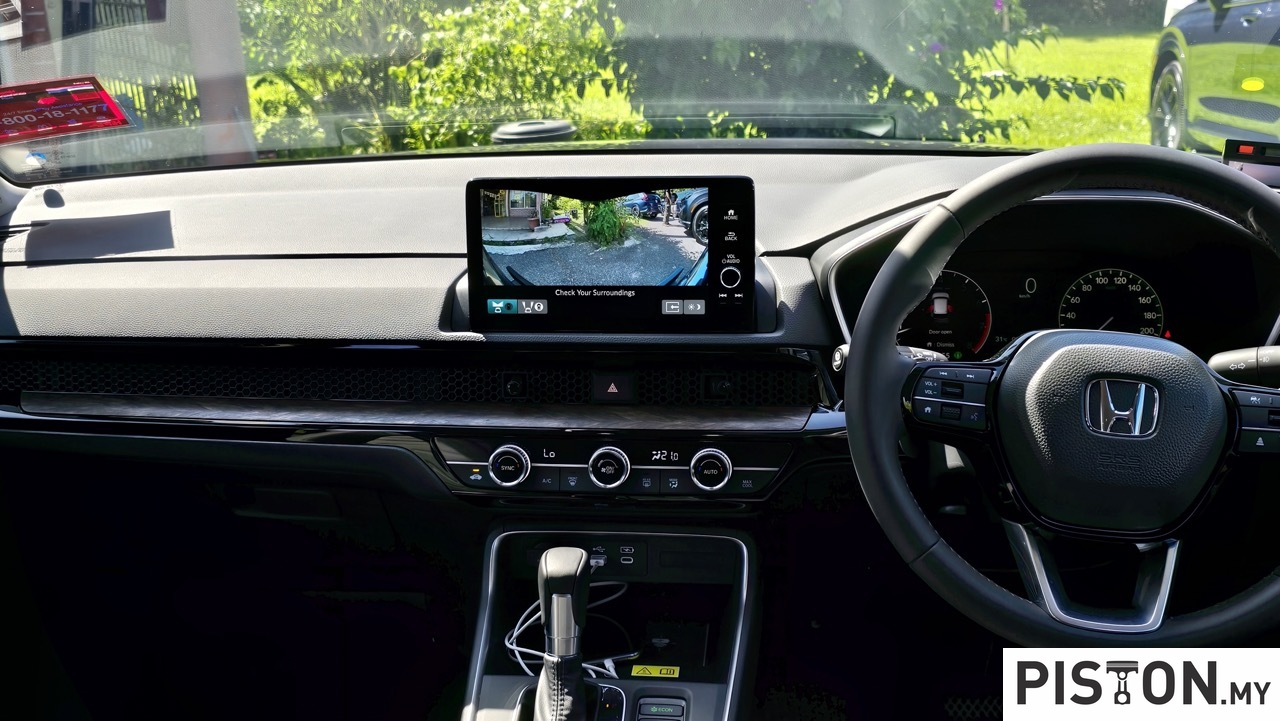
However, there is one thing that we wish Honda would fix. The LaneWatch system. We get that it is helpful to watch out for vehicles nearby, but when you turn on the left indicator, the LaneWatch system just overrides the entire infotainment system which means, you won’t be able to see your GPS screen until you turn off the indicator. And this can be particularly annoying when you need to watch out for where to turn next.

Thankfully, we managed to drive this SUV around Penang without bumping into anything or anyone. We say this because the new body, compared to the previous generation, has an 80mm increase in length, 10mm in width, and a 40mm greater wheelbase. The enormity of the new CRV is hard to describe, but as soon as you see it, you will realise how big it is. 
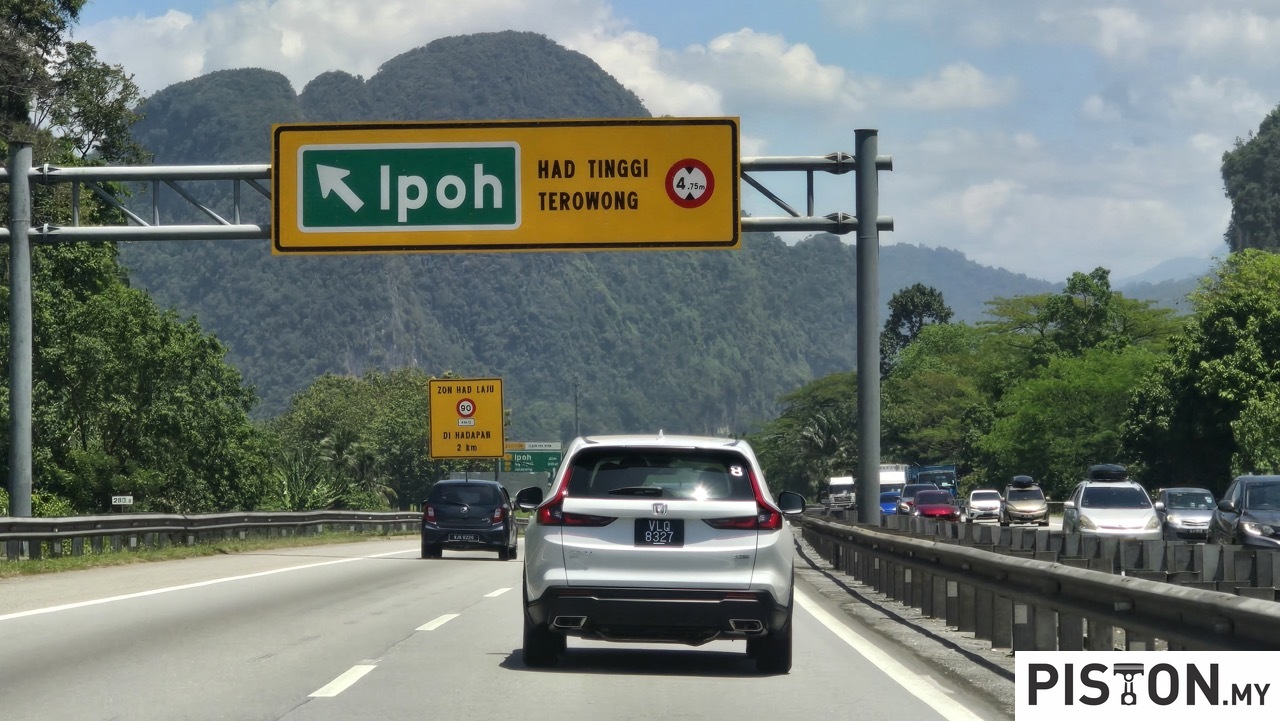
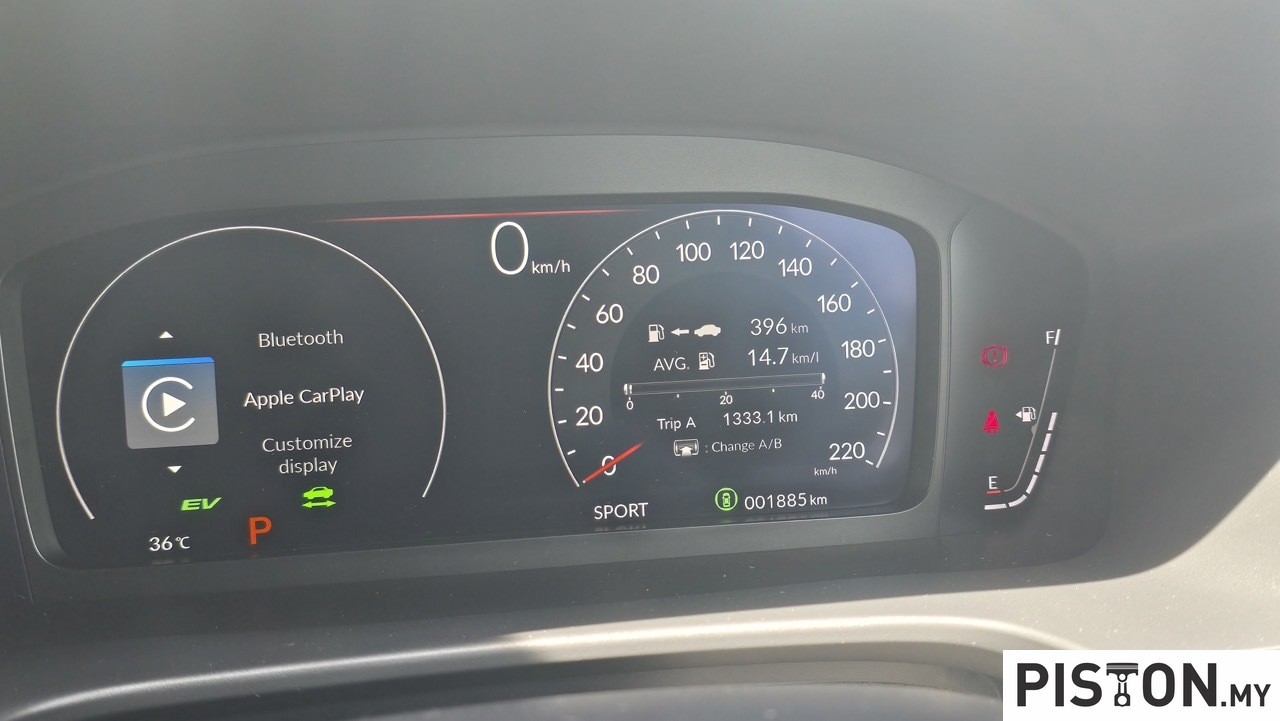
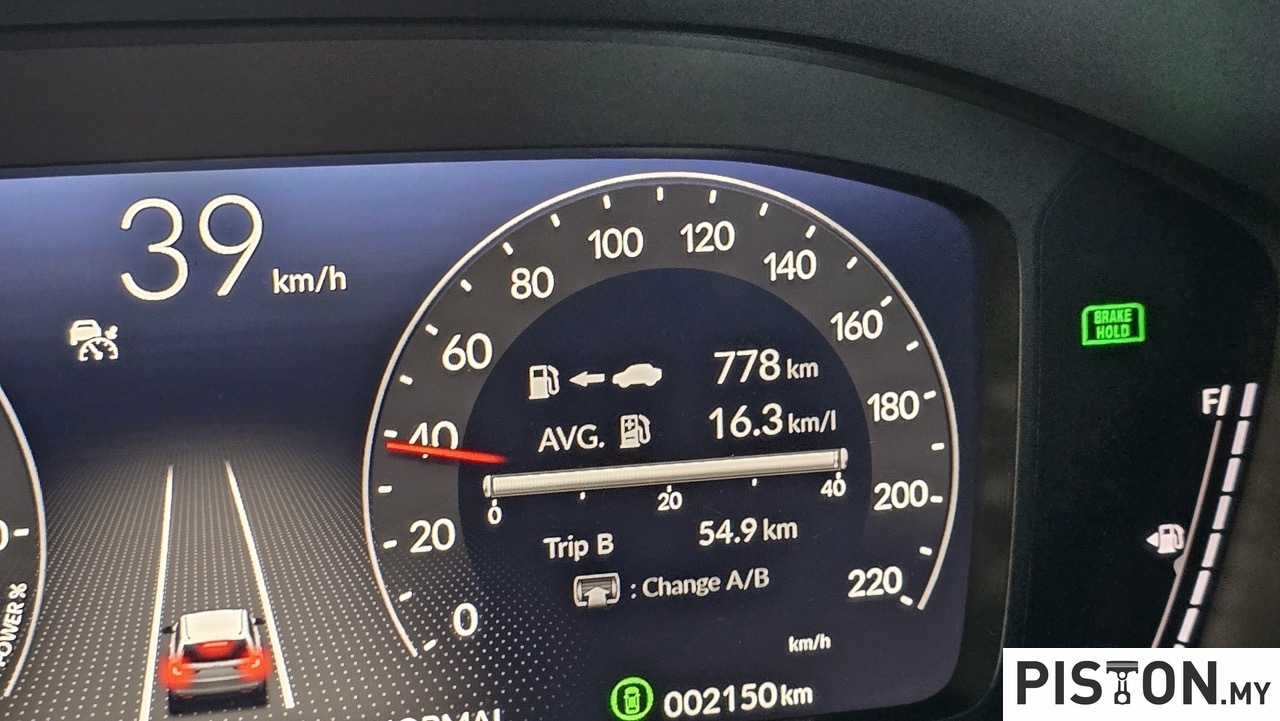
Despite being bigger and heavier, which we thought might result in higher fuel consumption, we saw the opposite of that. After fuelling up in Penang, we had a total range of 778km in the hybrid variant. Upon arrival in KL, we had a total of 280km left. The V spec does not lack in this department too as we did not have to fuel up on the way to Penang. 

Overall, the CR-V presents itself as the ultimate SUV for the price, excelling in comfort, space, and driving experience. It is no surprise then that Honda Malaysia has already sold over 6000 units in just three months.
Specifications:

1.5 V AWD:

Engine: 1.5 litre DOHC VTEC Turbo engine

Power: 193PS @ 6000rpm

Torque: 243Nm from 1,700 to 5,000rpm

Gearbox: CVT

0-100km/h: 10.4 seconds

Top speed: 200km/h

Price: RM181,900


2.0 e:HEV RS:

 Engine: 2.0-litre, 4-cylinder, DOHC

Power: 184PS @ 5,000rpm

Torque: 335Nm @ 2000rpm

Gearbox: e-CVT

0-100km/h: 9.0 seconds

Top speed: 187km/h

Price: RM195,900

We like: Comfort, space and augmented sound

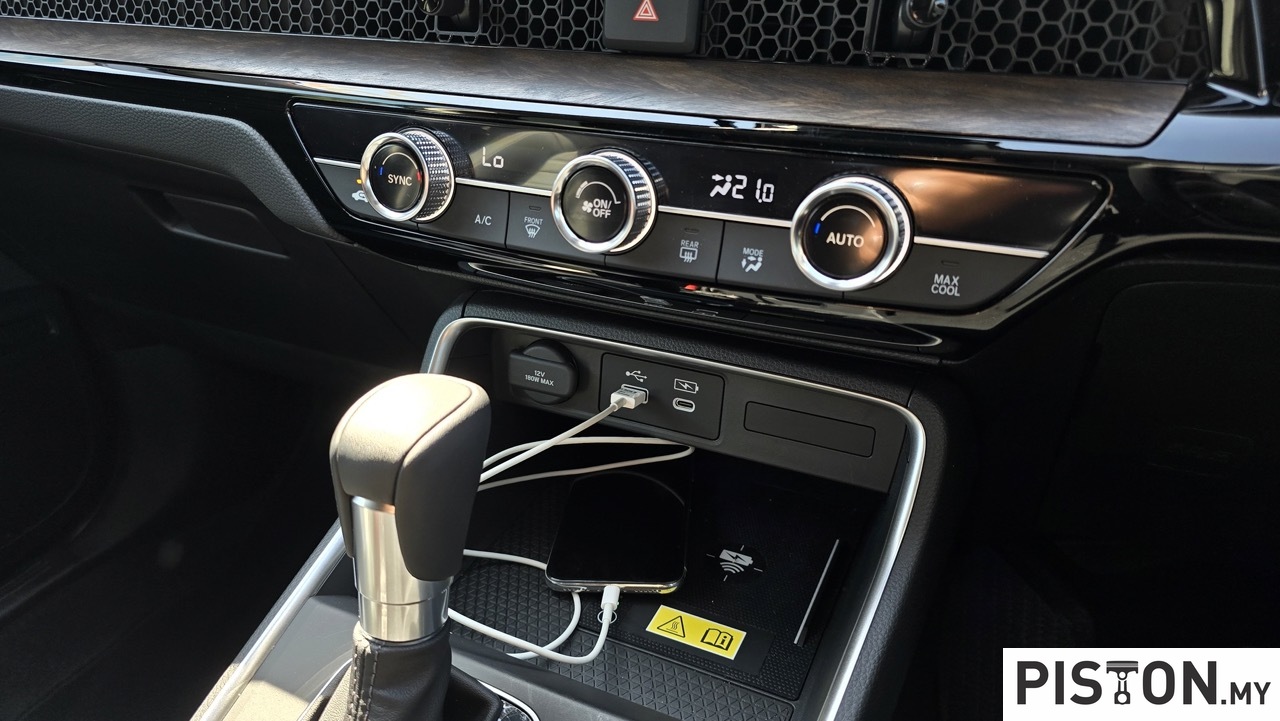
We don’t like: LaneWatch and its slow wireless charging

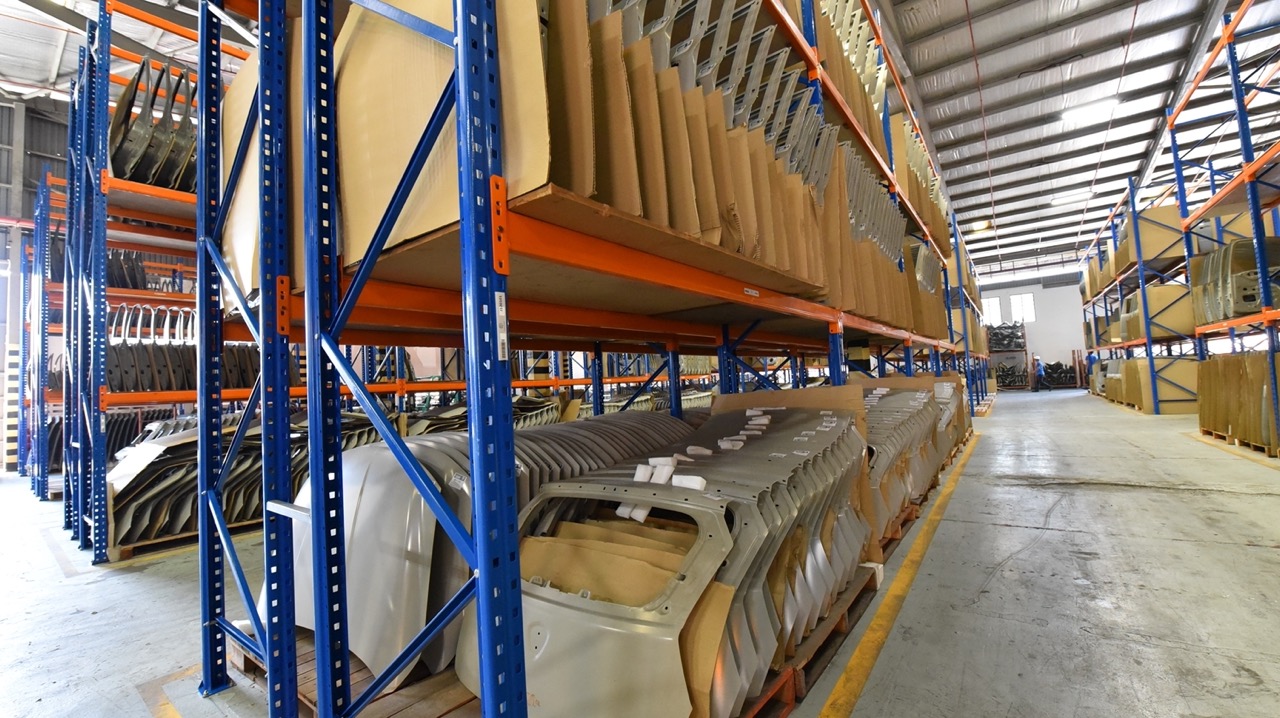
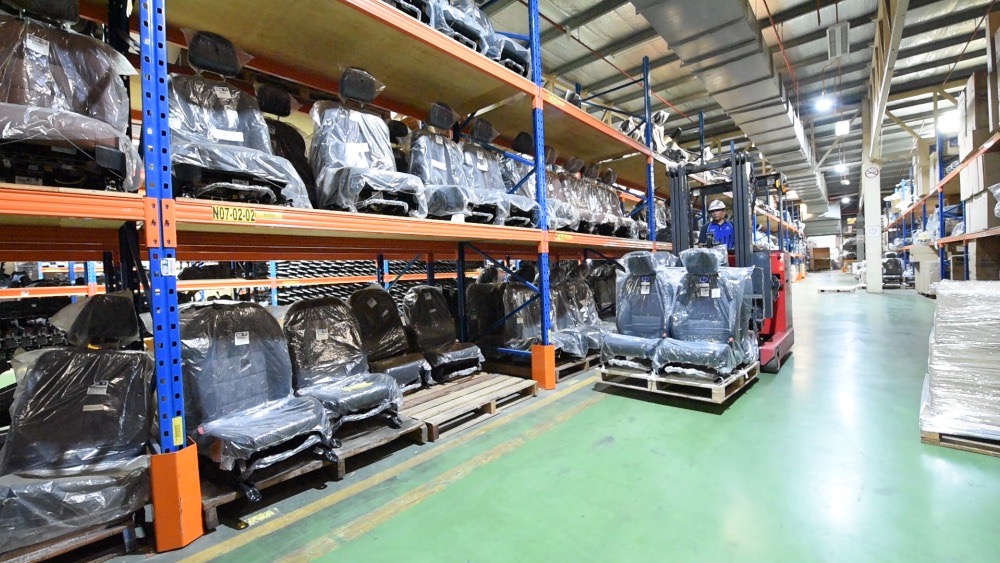
The media visit to Proton Parts Centre Sdn Bhd (PPCSB) provided insight into the company’s robust warehousing ecosystem and outlined the latest developments in Proton’s parts supply chain warehousing improvement plan for 2024. Located in the Hicom-Glenmarie Industrial Park, Shah Alam, Selangor, PPCSB has been a key player in the worldwide trading of motor vehicle components, spare parts, and accessories since its inception in 1992.

Facts and figures presented during the visit shed light on PPCSB’s extensive customer base, which includes 354 Body & Paint, Stockist, and Authorised Service Dealers, along with 26 overseas distributors. Notably, PPCSB has significantly expanded its warehouse space by over 35% in the past two years, reflecting a strategic investment to enhance stock holdings and ensure timely market supply across all regions.

(more…)

Most car enthusiasts love modifying their brand-new cars, knowing that doing so may affect the warranty. One common modification is a rim change to give their rides a more “sporty” look. However, with the new Honda CR-V e:HEV RS, doing so may take away one important feature that the SUV has: the wheel resonators, also known as noise-reducing wheels.

Continuous noise emitted by tyres while driving on highways can become a source of irritation for drivers. This noise results from resonance occurring within the hollow spaces of the tyres when encountering uneven surfaces on the road. For automobile manufacturers aiming to offer a smooth and quiet driving experience, this has posed a significant challenge. To address this issue, noise-reducing wheels have been developed, employing hollow resonators to dampen unwanted resonance and ensure a serene and comfortable ride.

The noise produced within the tyre resembles the resonant sound of bouncing a basketball or volleyball on a hard surface. In cars, this pipe resonance, along with accompanying vibrations, travels from the wheels through the suspension and into the cabin, creating undesirable and bothersome noise.

Honda embarked on a mission to mitigate this noise problem. Recognising that the frequency of pipe resonance varies based on the shape and volume of the air enclosure—similar to the differing sounds produced when bouncing different types of balls—led to the realisation that tyre size determines pipe resonance frequency. Armed with this understanding, Honda devised a method to counteract pipe resonance by generating sound waves that neutralise this specific frequency.

To achieve this, Honda explored the concept of Helmholtz resonance, where sound is produced when air is blown across the opening of a container, such as an empty bottle, with the container’s shape and air volume dictating the resulting frequency. Leveraging this principle, Honda devised a resonator encircling the wheel, capable of emitting sound waves matching the frequency of pipe resonance generated by the tire. This innovative design effectively suppresses unwanted noise, enhancing the overall driving experience.
Now, you may have the idea that you can purchase the wheel resonators separately and apply them to your new rims, but during a recent press conference, Honda stated that it is not possible to do so. Mr. Sarly Adle Sarkum, President and Chief Operating Officer of Honda, stated, “Someone had tried to purchase the resonators and apply them on the lower variant CR-Vs, and that’s just not possible because it would not fit.”
When Piston Malaysia asked Mr. Yujiro Sugino, Executive Coordinator, and Mr. Eisuke Sato, Large Project Leader (CR-V), about the wheel resonators, as well as the Bose sound system being introduced into the lower variants, they stated, “There is a possibility of doing so, but we would need to consider the model positioning and what is required for those models.” Sugino also stated that “The resonators were designed specifically for the hybrid variant for higher noise, vibration, and harshness (NVH) performance, which is why the other variants do not have it.”

On another note, since the Honda City now comes in five variants rather than the previous four since the petrol versions now also have their own RS model, we asked if the same concept would be applied to the new CR-V, and Sugino replied with a simple “As of now, no.” It would be a nice touch if Honda did so.

When asked about the introduction of the AWD hybrid variant, similar to the one offered in Thailand, Sugino said that “If we were to do so, we would be adding another option of variant, which would give customers more choices but at the same time it would not be optimal for efficiency in production, which is why we decided it was best to go with the 2WD option.”

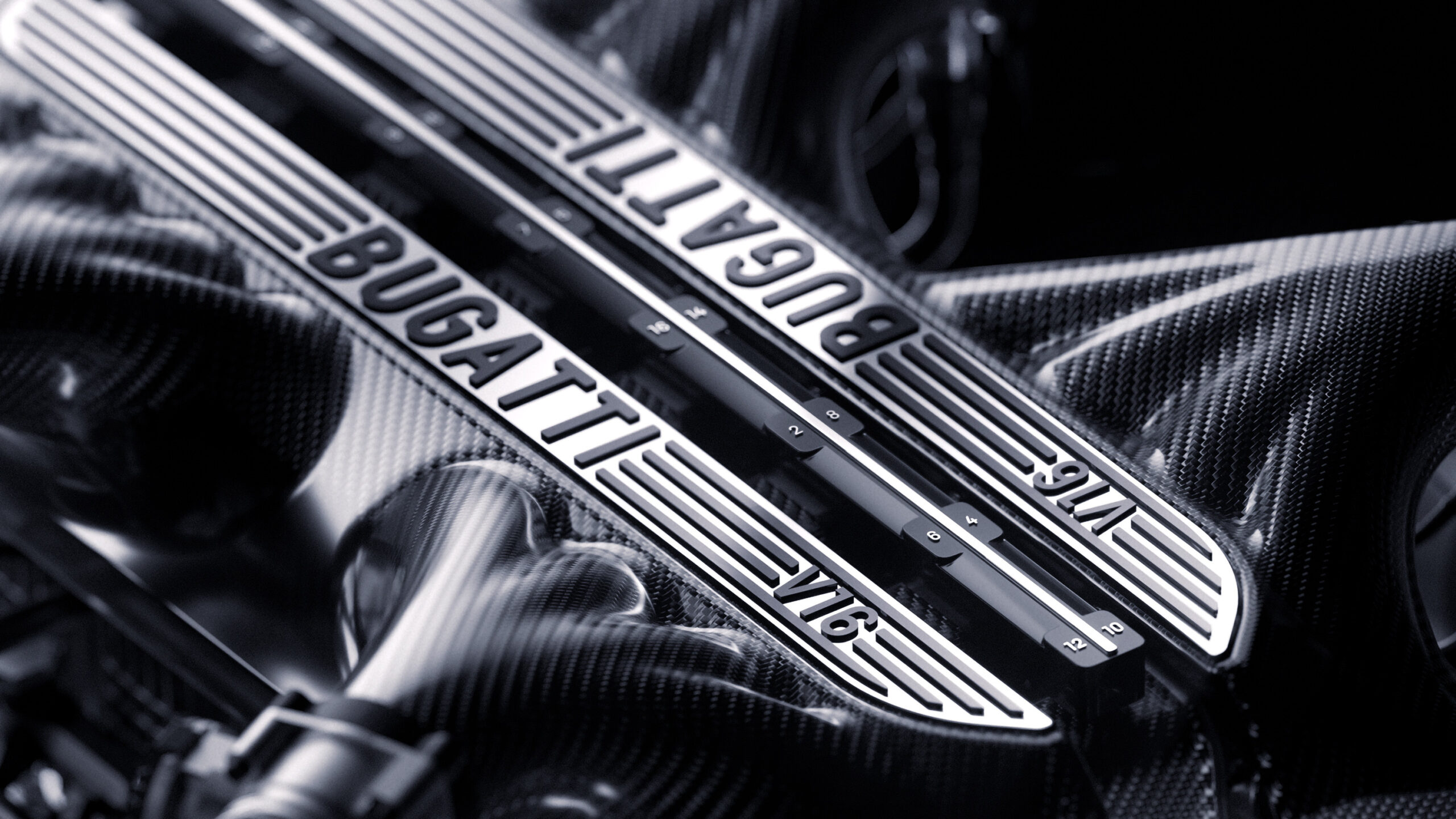
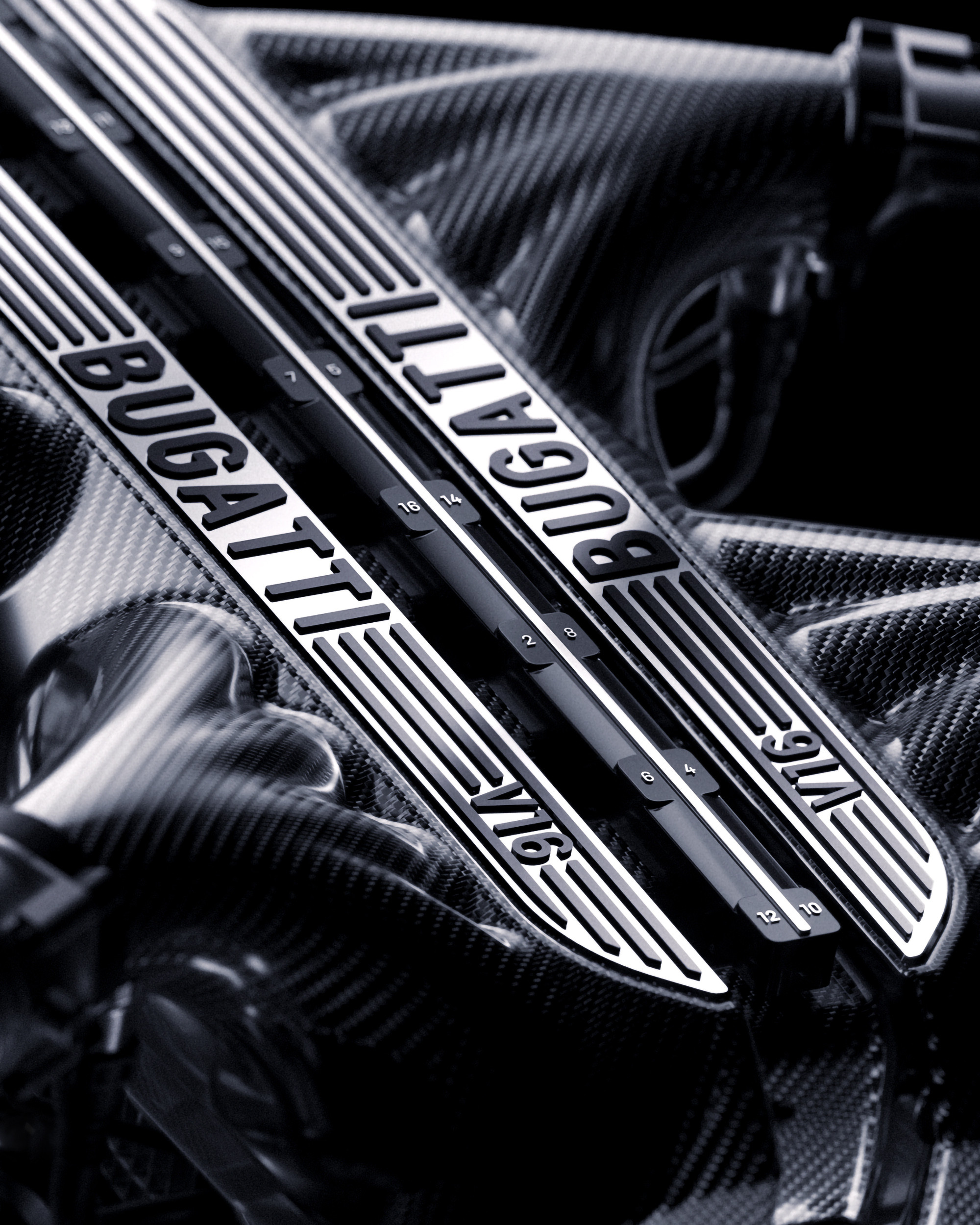
Bugatti is gearing up to unveil its next hypercar, slated to replace the iconic Chiron, in June this year. To whet the appetite of enthusiasts, the company has released a tantalising video featuring the unmistakable sound of its upcoming V16 engine, set to be housed within a carbon fibre-laden chassis. As hinted previously by Bugatti officials, this combustion engine will be part of a hybrid powertrain, marking a significant technological leap for the brand.

While Bugatti remains tight-lipped about specific details, previous reports suggest that the new engine, developed in collaboration with Cosworth, boasts a massive 8.3-litre displacement. Speculation also surrounds the engine’s configuration, with rumours suggesting it might be naturally aspirated and capable of revving up to a spine-tingling 9,000 rpm. Coupled with three electric motors, the powertrain is rumoured to deliver a staggering combined output of 1,800 horsepower. However, Bugatti has confirmed only that the powertrain is a hybrid V16, leaving other details subject to speculation until official disclosures in the coming months.

Interestingly, Bugatti’s exploration of a V16 engine is not entirely novel. The marque previously teased the idea with the 18/3 Chiron concept in 1999, featuring a colossal 6.3-litre W18 engine. The automotive world has seen other attempts at V16-powered vehicles, including the Cadillac V-16 from 1930 and modern concepts like the Rolls-Royce 100EX and the Devel Sixteen, though production versions remain elusive.

Beyond its powertrain, Bugatti’s upcoming hypercar is anticipated to be an all-new model, departing from the evolutionary path of its predecessors. Designed under the guidance of Bugatti Director of Design Achim Anscheidt, it marks the culmination of an era before future models are overseen by a new design team led by Frank Heyl.

Despite the excitement surrounding its imminent debut, prospective buyers will need to exercise patience. Production and deliveries are not slated to commence until 2026, as Bugatti prioritises existing projects like the Mistral roadster and the track-focused Bolide. Nevertheless, Bugatti promises that its next hypercar will be “incomparable in every detail,” embodying the marque’s DNA for eternity.

Archive

Follow us on Facebook

Follow us on YouTube