Piston.my

Latest News

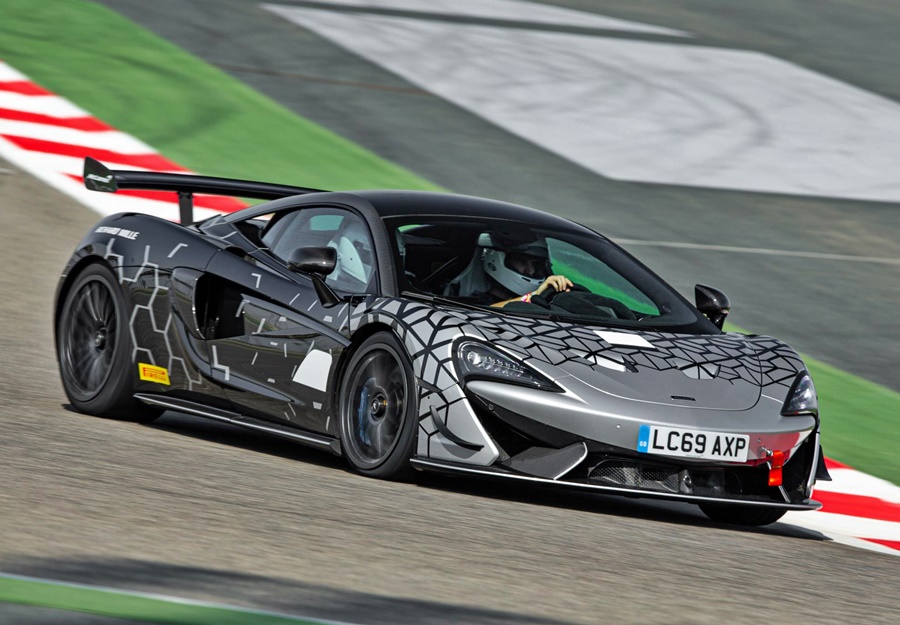
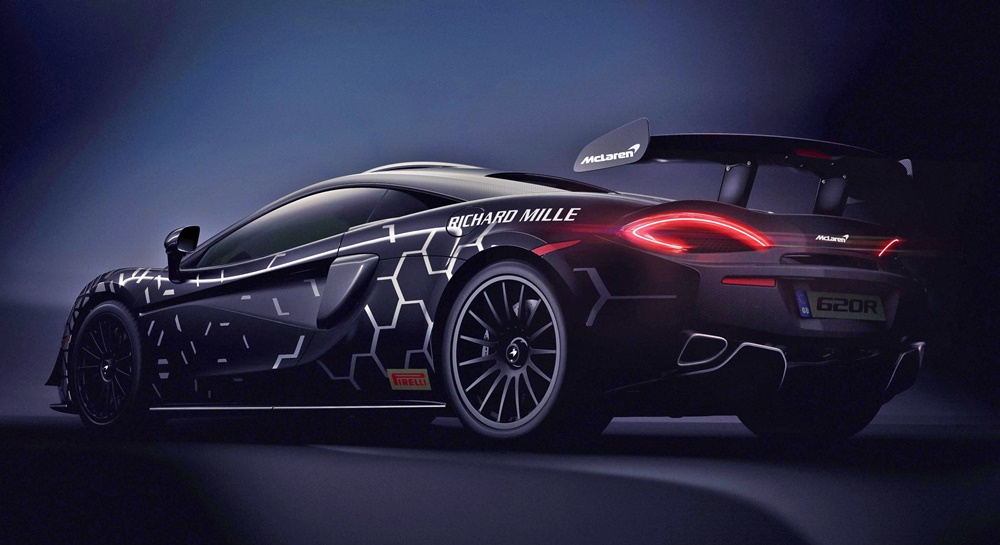
With the new 620R, McLaren now offers a car with ‘true motorsport credentials’ in a fully road-legal package. An evolution of the competition specification of the 570S GT4, only 350 units of the limited-edition coupe will be available worldwide. In the UK, the car will be priced from £250,000 (equivalent to RM1.37 million) and production will start next month.

“The McLaren 570S GT4 is a first-class GT race car, having won races in every championship it has competed in since its first appearance in 2017 and it is attracting an increasing number of customer racing teams. Now, in response to repeated customer requests, we have homologated that class-leading package for the road in the new McLaren 620R, a limited-edition, 620PS superlight coupe that is the perfect choice for an enthusiast wanting an authentic motorsport driving sensation – and performance to match – on both track and road,” said Mike Flewitt, CEO of McLaren Automotive.
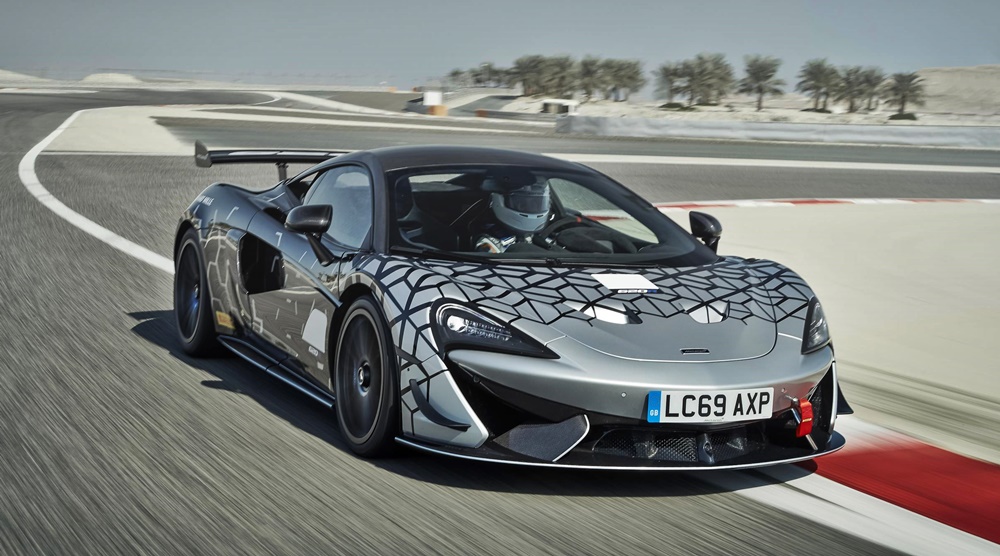
2020 McLaren 620R

Seamless transition from race track to road
As the ultimate track-focused, track-ready but roadgoing McLaren Sports Series model, the 620R is destined to be both rare and collectable, thanks to its strictly limited production run. It is a unique proposition, delivering a pure motorsport experience in a road car with authenticity. It looks like a race car, handles like a race car, performs like a race car and feels like a race car.
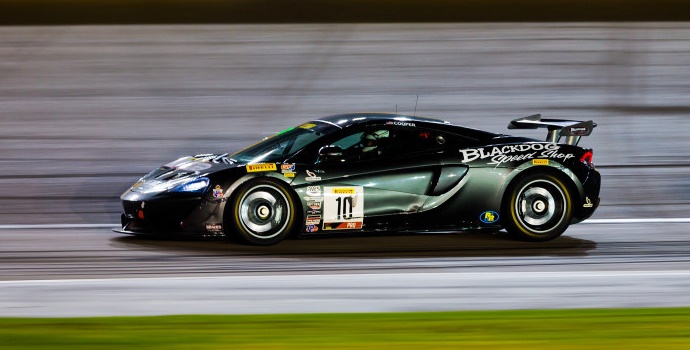
McLaren GT4
McLaren GT4

The overall result is a seamless transition from race track to road – and vice versa. Exclusive and extreme in equal measure, the 620R retains the DNA of a fully homologated track car yet is free from the restrictions that race regulations apply.

A high level of commonality with a 570S GT4 has been integral to the development of the 620R from the very outset. They have the same, single-piece carbonfibre Monocell II chassis providing the foundations for the strength and light weight of the car, with a targeted lightest dry weight of 1,282 kgs. This carbonfibre core – a McLaren signature that in different guises features in every car in the company’s range – also underpins the dynamic precision and composure for which McLarens are renowned.
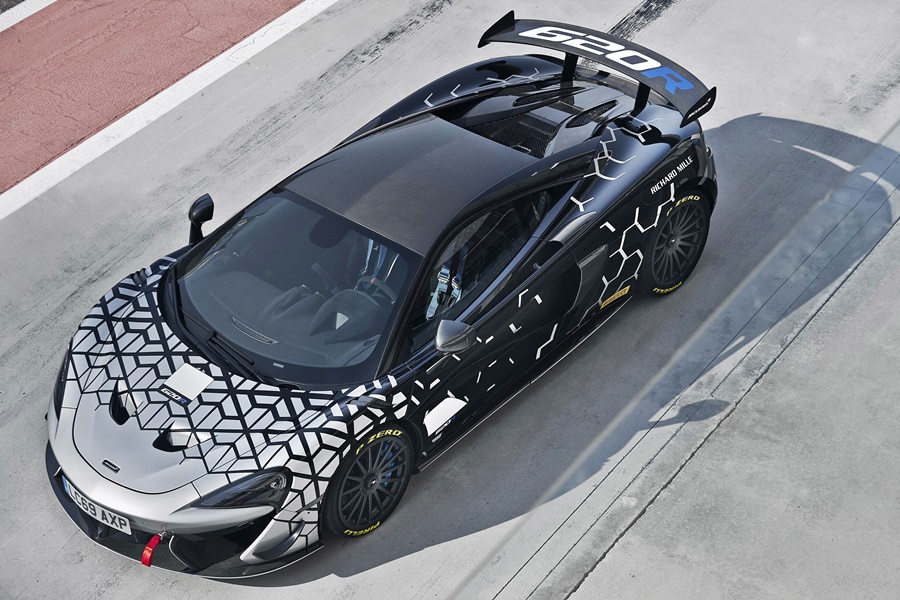
These characteristics have been enhanced in the 620R by the inclusion of the GT4’s adjustable aerodynamic elements, race-derived suspension components and powertrain recalibration to increase power and performance.

Same powerplant as GT4
The 620R has the same M838TE 3.8-litre twin-turbocharged V8 engine used in the GT4 but with a significant difference in power output. Not constrained by stringent racing regulations has allowed the engine ECU and turbocharger management to be reconfigured to generate 620 ps, making this the most powerful Sports Series car yet.
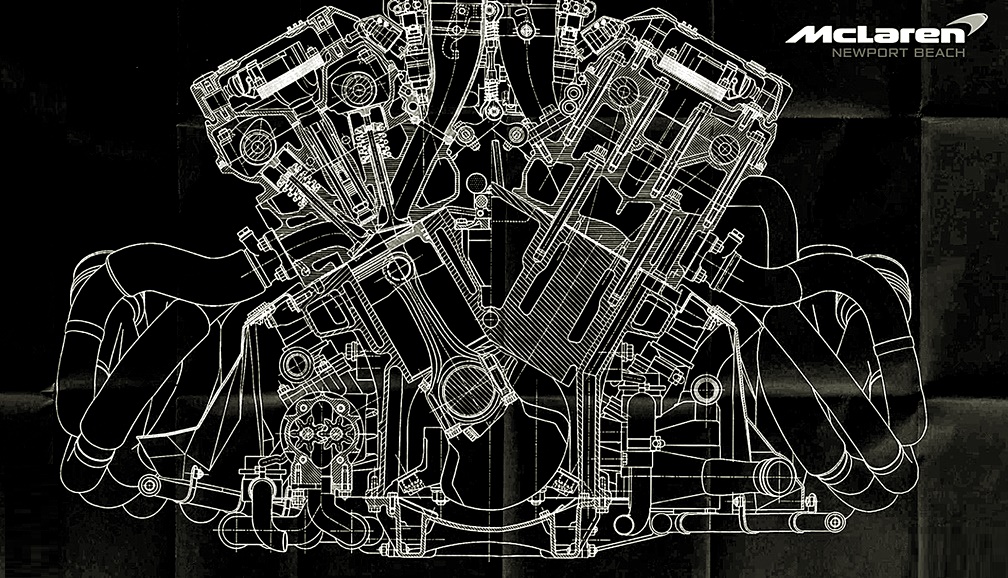
McLaren M838T

The engine also develops maximum torque of 620 Nm and even with lap times more important than sheer top speed, the combined outputs helps to deliver benchmark performance figures of 0 – 100 km/h claimed to be 2.9 seconds and 0 – 200 km/h in 8.1 seconds. Maximum speed is said to be 322 km/h and we don’t doubt it being possible.
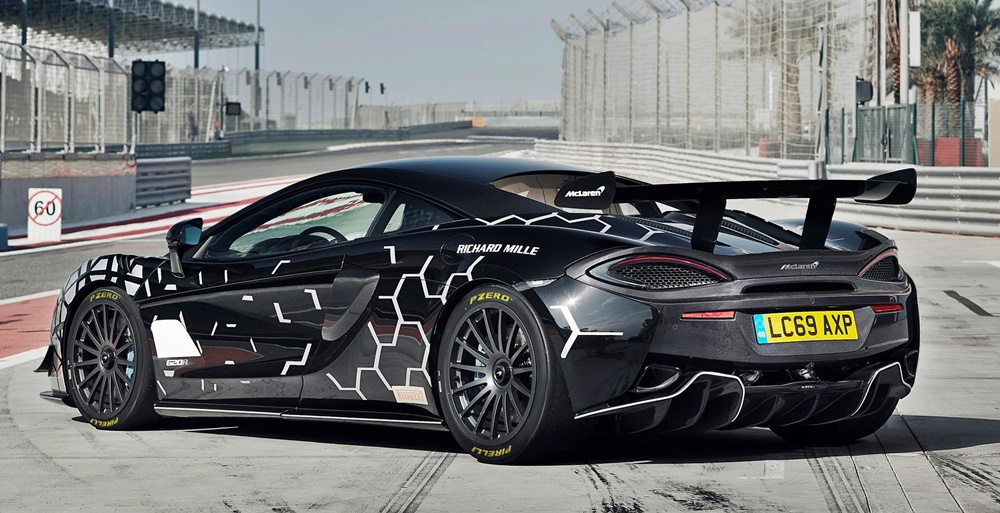
2020 McLaren 620R

The 620R has the GT4’s two-way manually adjustable coil-over motorsport dampers which feature 32 clicks of adjustment per corner to allow a driver to tailor compression and rebound rates to suit their driving style and track conditions. The dampers also help to bring weight down overall, being more than 6 kgs lighter than the regular Sports Series units.

Stopping power comes from McLaren’s latest lightweight braking system which, in the track-focused set-up on the new 620R, comprises carbon ceramic discs and forged aluminium brake calipers all round, with improved pedal response, modularity and resistance to fade even after repeated hard-driven circuit laps.

Option to use slick tyres
The 620R runs with standard Pirelli P Zero Trofeo R semi-slick tyres, but drivers who swap to the optional, full-slick motorsport tyres when they arrive on circuit will experience a whole new level of braking. Specially developed for McLaren by Pirelli’s Motorsport team, the slick tyres are optimised to complement the motorsport brakes and race-derived suspension of the 620R. They unlock a contact patch 8% larger than that of the road tyre, increasing lateral G-forces and enabling quicker lap times.
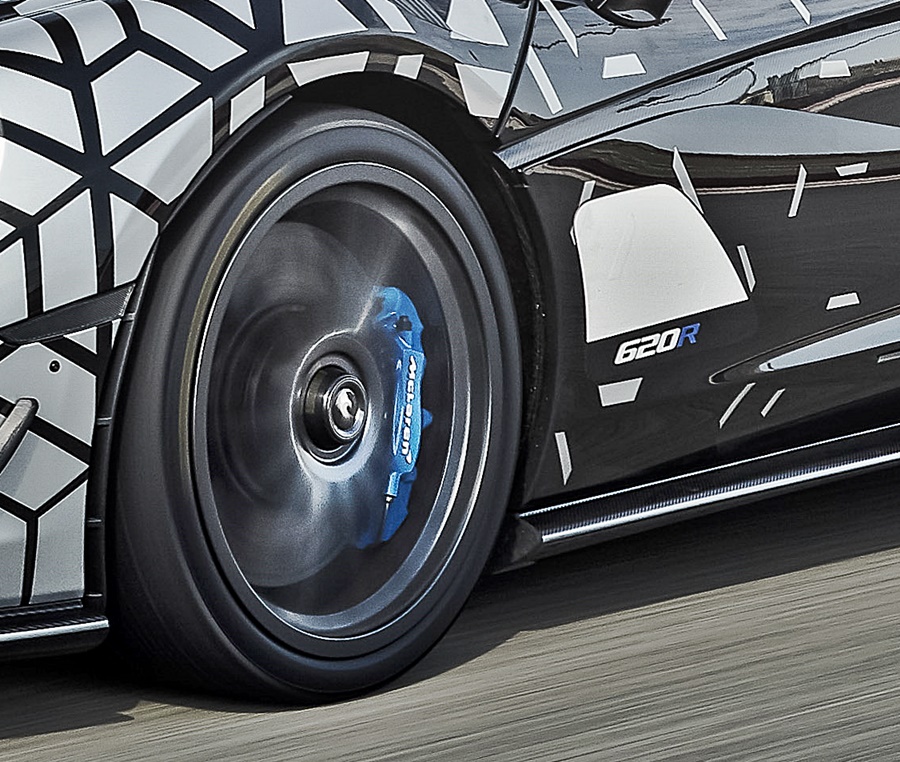
2020 McLaren 620R

This is the first time that a road-legal car with 19-inch front wheels and 20-inch rear wheels has been engineered to be able to run on slick tyres without the need for additional mechanical adjustment. This means that if weather conditions allow, owners can on arrival at a circuit either fit a second set of wheels or change tyres and go straight out on track without further delay.
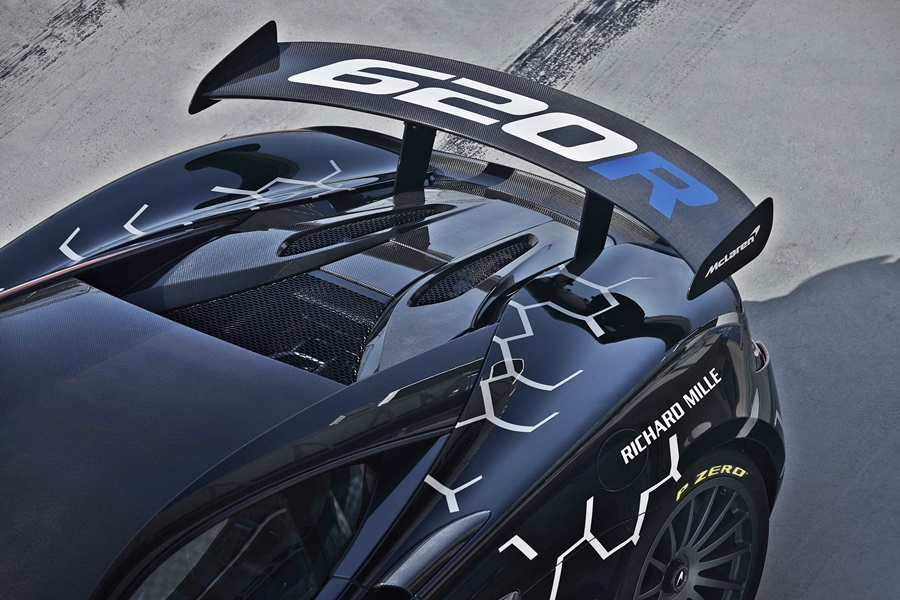
2020 McLaren 620R

While the rear wing quite literally stands out as an obvious distinguishing feature on the 620R, it is not the only component adapted from the GT4’s aggressive track specification to meet road homologation standards. The front bumper, splitter and bonnet have been redesigned – the splitter retaining pronounced aero blades and cut-out – while the carbonfibre bonnet has twin nostrils to aid downforce and clean up the airflow over the top of the car.

Track-inspired cabin
The interior clearly and immediately stands out as track-inspired – any GT4 race driver will feel instantly at home. As with any serious circuit car, it is as much about what has been stripped out as what has been included:  the 620R does not have a floor carpet or a glovebox. Air-conditioning, IRIS Navigation and an audio system are also missing from the standard specification although all can be selected at no additional cost.

Driver and passenger are secured in super-lightweight carbonfibre racing seats by 6-point racing harnesses, fitted as standard. Key ‘track touchpoints’ include the red 12 o’clock mark on the steering wheel. Structural carbonfibre elements such as extended shift paddles, steering wheel spokes and centre console enhance the sense of being in the cabin of a race car.

2020 McLaren 620R

PISTON.MY

Over the past decade, the car market has become more fragmented with new segments appearing and then sub-segments within those segments. The premium luxury sector has started to sell SUVs while lower segments are trying to become more premium. And then there’s the gradual entry of electric vehicles that will accelerate during the next decade.

For tyremakers, this diverse landscape presents many new challenges in developing tyres. SUVs, for example, are not like what they were 30 years ago when they required tyres that were more for off-road use; today’s SUVs like the latest Aston Martin DBX are as quick as sportscars and driven on highways more than jungle tracks. The same can be said of tyres for pick-up trucks – many owners buy such vehicles for daily commutes rather than as workhorses, so comfort is more important than durability.

Goodyear
High performance is still expected of tyres even as demands in other aspects increase.

But one thing which has not gone out of fashion is high-performance tyres and while there are specific expectations of comfort, quality, safety and longevity, many motorists still want their tyres to deliver high performance in terms of grip and handling.

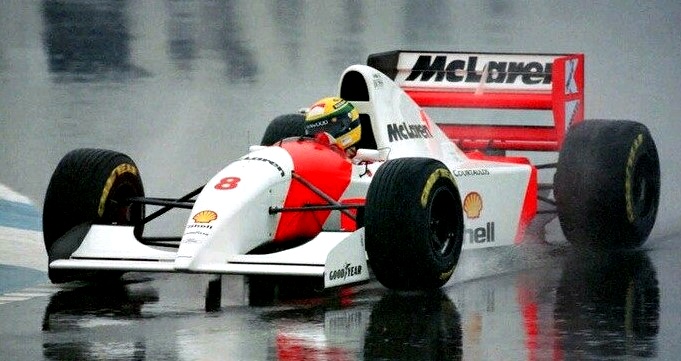
For Goodyear, with a long history of leadership in the industry, high-performance tyres are something that it knows all about. After all, Goodyear tyres were used in Formula 1 for over 30 years and the 361 wins – plus 25 drivers’ titles and 26 manufacturers’ titles – won by cars running on Goodyear tyres is something which can’t be beaten.

Goodyear
Goodyear was involved in F1 as a tyre supplier up till 1997.

Although the company stopped being a tyre-supplier for Formula 1 after 1998, it has been active in motorsports, especially in North America. More recently, it announced a return to international motorsport by becoming involved in endurance racing.

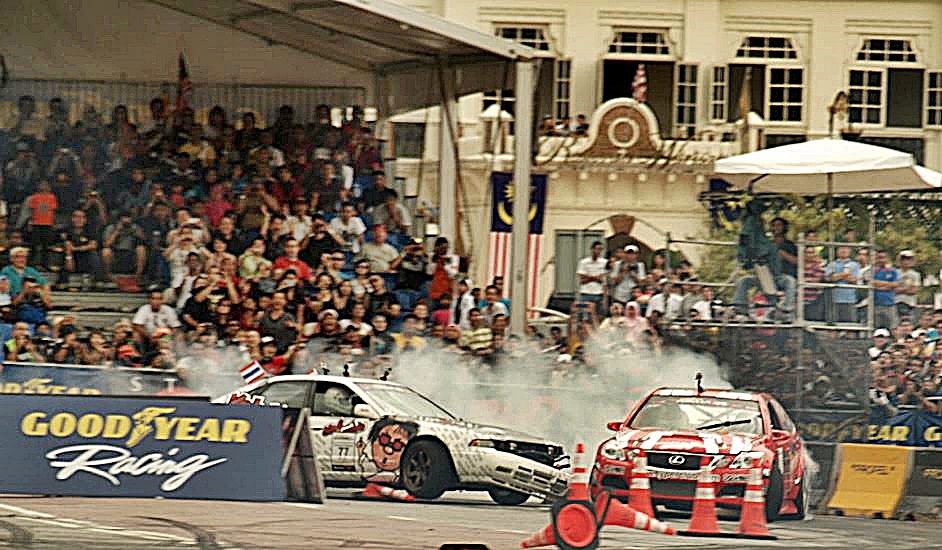
In Malaysia, Goodyear has also been associated with motorsports and Goodyear Malaysia was among the local companies that gave strong support to the Batu Tiga Racing Circuit to help promote motorsports in the country. In more recent times, the company has helped promote drift events and also interacted with owners’ clubs as a way of engaging consumers and understanding their needs.

Goodyear
Goodyear Malaysia has also supported Malaysian motorsports and even sponsored a drift event in the middle of Kuala Lumpur.

“Racing is in our DNA. Throughout the years, Goodyear has been involved in many races such as NASCAR, Le Mans and the British Touring Car Championship. Therefore, it is inevitable that we will once again align ourselves with high-speed motorsports. We continue to innovate to bring cutting-edge technology and differentiated features to our tyres. The most important aspect is that motorsports allows us to test our capabilities and push our limits so that we can eventually achieve excellent technology transfer and utilise development experience from the tracks to the road,“ said Alex Ng, MD of Goodyear Malaysia.

Goodyear

Expansion of the Eagle F1 family
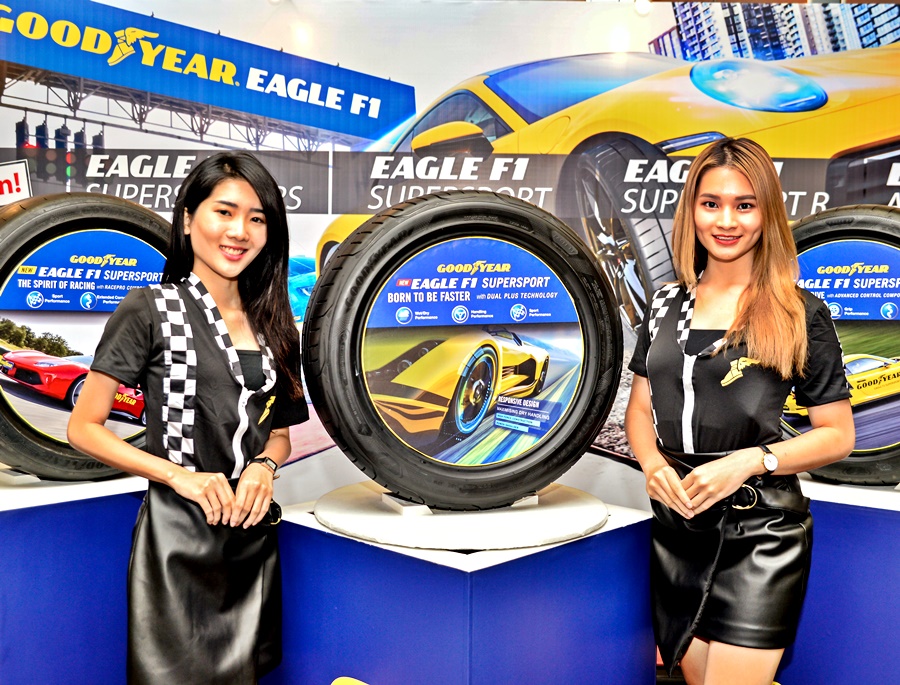
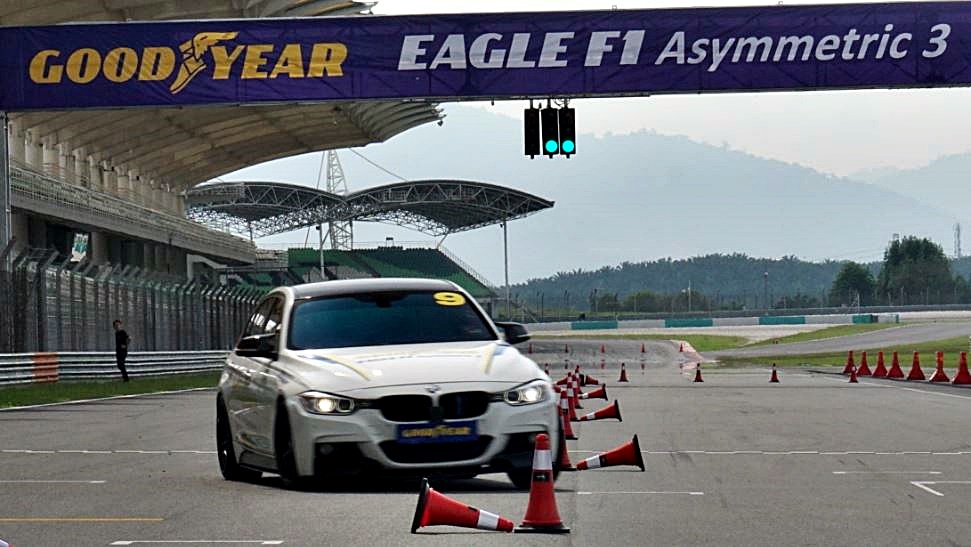
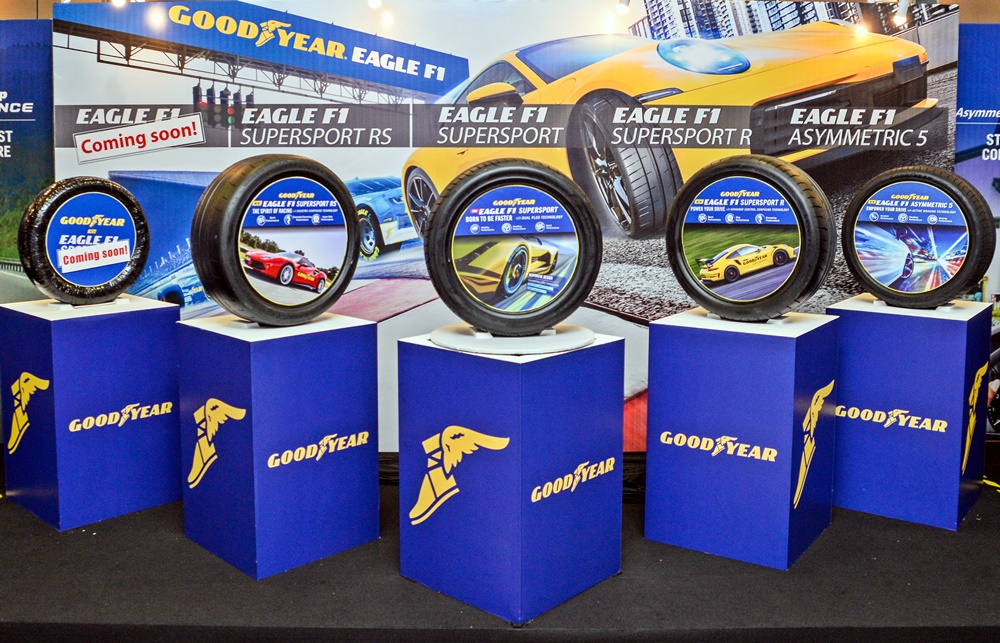
To cater to those who want ultra high-performance (UHP) tyres, the company has been offering the Eagle F1 family which has found a strong following among enthusiasts. The family of tyres consists of the SuperSport RS, SuperSport R, SuperSport and is now joined by the new Asymmetric 5 and the Asymmetric 3 SUV. Besides the addition of the two new tyres, the company will also add one more new tyre during the second quarter of 2020.

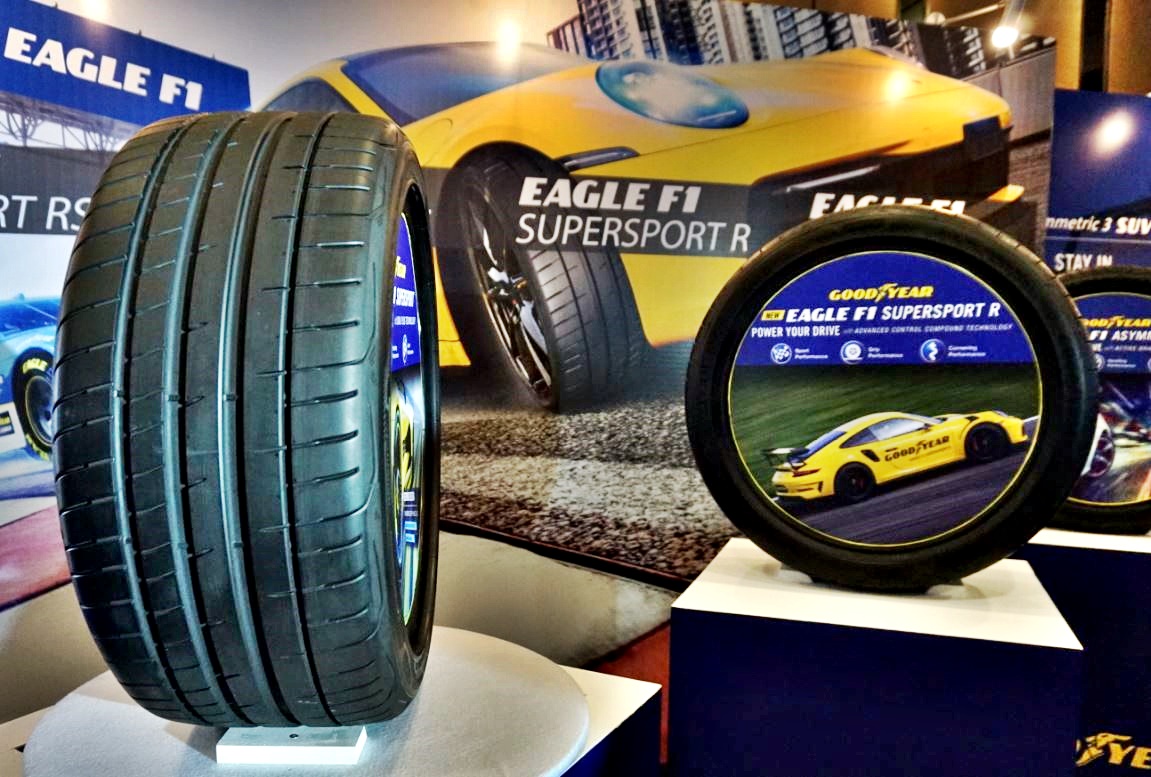
The Eagle F1 SuperSport was developed for better grip and handling on the road. Within the innovative U-shaped compound, there are specialised ‘power zones‘ which create pockets of control for superior wet and dry handling.

The tyre also has a tread deformation protector which helps in maintaining its shape, allowing better footprint preservation for high-speed stability, especially during hard cornering. To increase grip during cornering, there is a closed outside pattern while a stiffer sidewall design improves handling and stability.

Goodyear Eagle F1 Supersport R

Wet grip vital
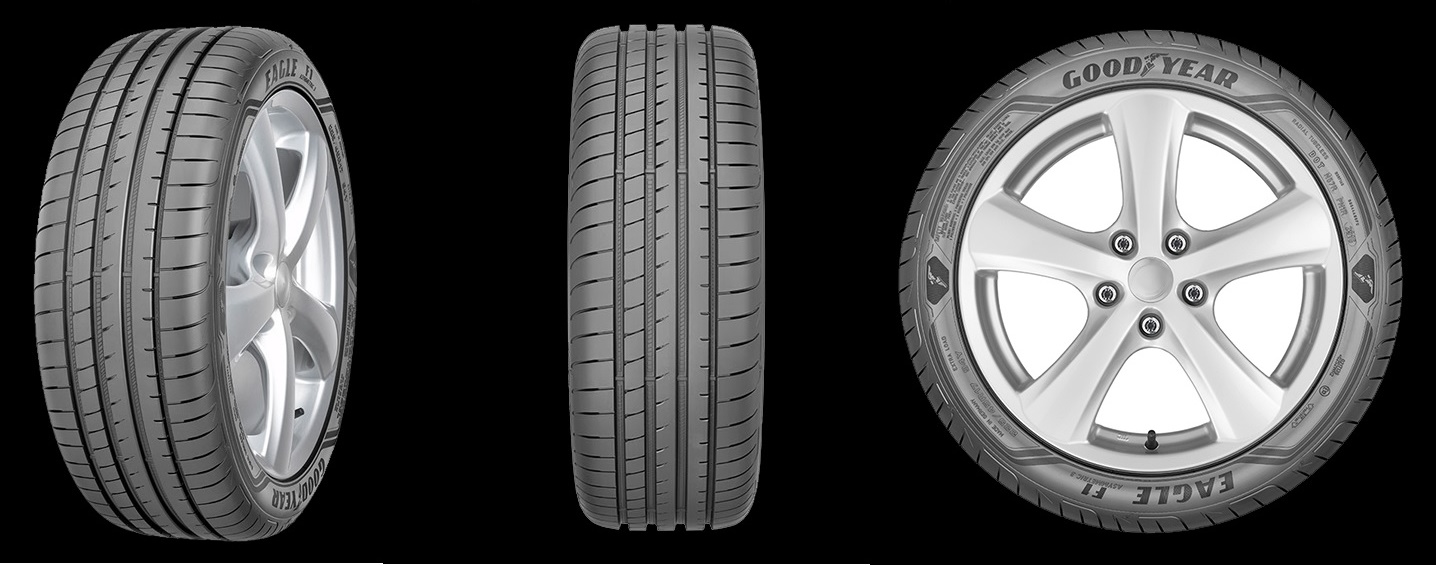
Malaysian motorists obviously have high expectations when it comes to wet grip since our roads are often drenched with water from heavy rainfall. With the Eagle F1 Asymmetric 5, much attention has been given to giving the best braking performance on wet roads.

The specialised tread design and Impulse Control Compound Technology (which uses a highly refined silica compound), allow the tyre to endure the force of high-speed braking, shortening the braking distance. This compound also allows a patch extension through Goodyear’s ActiveBraking Technology, which allows the tyre to slightly expand when braking to create more grip using its walls.

But even in dry conditions, the tyre is said to excel in performance. Its Power Cushion Technology (stiff coupling of carcass and pattern) generates full transmission of power to the road. This is particularly important as many of today’s high-performance cars generate great amounts of torque from low speeds, putting a lot of demand on grip right from the moment the car takes off.

Goodyear Eagle F1 Asymmetric 3 SUV
Eagle F1 Asymmetric 3 SUV

High performance for SUV tyres too
For SUVs, the Eagle F1 Asymmetric 3 SUV is designed to offer the important requirements for highway driving with the addition of extra strength for those occasions when driving off-road. In the past, SUV tyres were heavy and didn’t do fuel consumption any good but the Asymmetric 3 SUV has lower rolling resistance to reduce consumption. Its specialised Grip Booster compound increases the tyre’s stickiness with the road surface, allowing it to be comfortable while maintaining handling when travelling at higher speeds.

Goodyear makes return to global motorsport at Silverstone WEC opening round

Goodyear makes return to global motorsport at Silverstone WEC opening round

PISTON.MY

Modern engines with more advanced engineering and technology run more efficiently, developing higher power outputs while more advanced manufacturing processes have reduced tolerances, improving efficiency and durability.

However, regardless of all the advancements in technology, the internal combustion process that has been used since the motorcar was invented still creates a by-product that affects operating efficiency. This is the formation of carbon deposits that build up inside the engine, especially the areas where fuel and air come in.

The companies that formulate fuels have tried their best to address this issue with additives that control deposits. Disassembling the engine to do a decarbonizing job is another solution but it is time-consuming. So over time, the deposits accumulate and performance starts to drop with fuel consumption increasing and motoring costs start to go up. As most engines now use fuel injectors, the deposits can also prevent maximum fuel injection and with fuel flow interrupted, idling will be rough.

Volkswagen Passenger Cars Malaysia offers a solution that can remove those carbon deposits quickly, safely and without weakening the metal parts. It’s called Walnut Granulate Blasting and is a method that is approved by Volkswagen AG.

Effective and environment-friendly
As the name suggests, walnuts are involved – yes, the same walnuts that have health benefits can also help keep your engine in good health. As they are blasted against the metal parts in the fuel intake areas of the engine (eg the valves and ports), the carbon deposits are removed. It’s far more effective than solutions that use fluids which take some time as the chemicals have to dissolve the deposits. Furthermore, since chemicals are not used, the process is environment-friendly and when the walnuts are disposed, they are biodegradeable.

Walnut Granulate Blasting actually began in the 1960s when it was developed for the US Navy to remove old paint without stripping the protective coating underneath. In later years, it was found to have other applications where deposit removal was required but without causing damage to metal parts.

Walnut Granulate Blasting

Valves
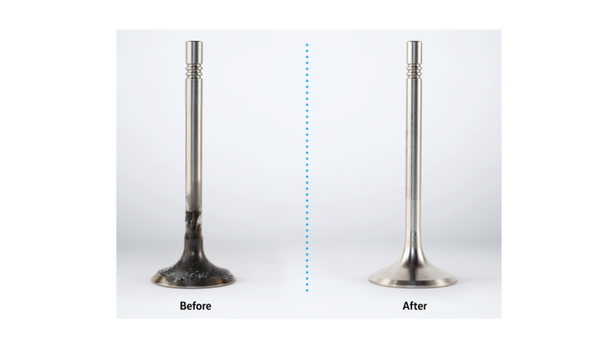
Over time, carbon deposits collect on the valves, affecting their movement and reducing efficient operation. Performance drops and consumption rises. After Walnut Granulate Blasting, they are smooth and clean (right) and the engine can run efficiently again.

Walnuts are a good media because they have a certain abrasive quality but at the same time will not cause damage to the metal parts since they are softer than metal. They remove the deposits like sandpaper would but do not scratch or scrape away any metal as they are organic in nature.

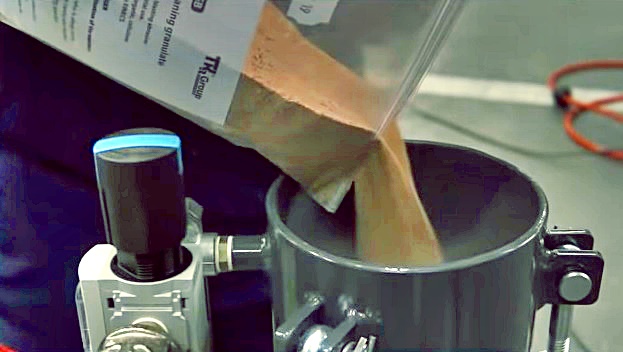
Walnut Granulate Blasting is done with a machine that blasts the walnuts into the intake areas of the engine. The pressure is very high but controlled to ensure that damage is not caused. There is no necessity to change the engine oil or oil filter (unless required at the time) as there is no dust or other residue that is generated during the blasting.

Available from RM515
The Walnut Granulate Blasting service is available at all authorized Volkswagen service centres in Malaysia from RM515 (depending on the engine size and type). It is recommended to be done every 45,000 kms and as it is fully approved by Volkswagen AG, there will be no effect on the factory warranty if it is still in effect.

Additionally, to complement the Walnut Granulate Blasting service, VPCM recommends a dose of Volkswagen Genuine Fuel Additives. These additives enhance the efficiency and quality of fuels used. The VW Fuel Additive also helps clean other areas of the fuel delivery system and provides protection against corrosion and pre-mature wearing. This allows the engine can perform at an optimum level.

VW Offer
For a limited period, Volkswagen dealers are offering a Liquid Power Kit at a special price of RM169. This kit consists of 1 litre of Engine Oil, 200ml of Fuel Additive and a complimentary 1 litre bottle Windscreen Washer Fluid, plus a 2020 Volkswagen Calendar.

Volkswagen Cares
“We are continuously looking for ways to improve our services and offerings to our customers under the Volkswagen Cares brand promise to provide value-added and quality services. Walnut Granulate Blasting is a cost-effective service which we have introduced that we believe will help to maintain the driving pleasure of our Volkswagen vehicles as well as reduce motoring costs,” says Erik Winter, Managing Director of Volkswagen Passenger Cars Malaysia.

To know more about the Walnut Granulate Blasting service, please click here. Information on Volkswagen products and services in Malaysia can also be found at www.volkswagen.com.my.

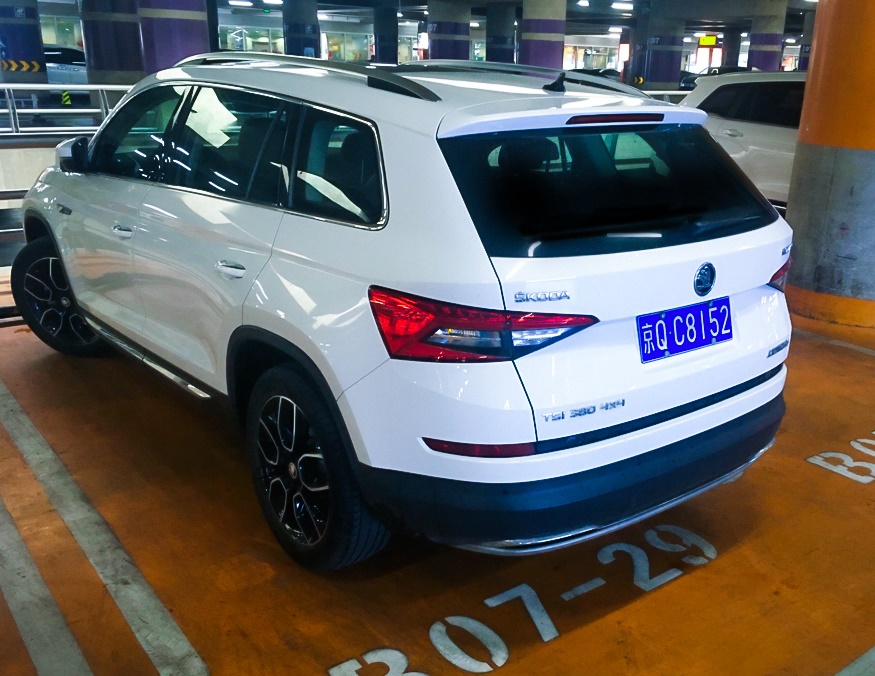
The United Nations estimates that China currently has a population of 1.42 billion. As the economy grows and living standards improve, demand for cars is also ballooning. Even so, the Chinese registration-number system manages with just 7 characters, the same number, for instance, as the Czech Republic. How that’s possible? This is a little misleading because the first character is Chinese and may take any of more than 30 different forms. The main reason, however, lies elsewhere: the limit on the number of registration plates issued in the largest cities.

In 2004, approximately two million cars were registered in both Beijing and Shanghai. Yet by 2010, there were 4.8 million cars in Beijing and ‘just’ 3.1 million in Shanghai. This is because, ever since 1994, Shanghai – along the lines of Singapore – has been restricting the number of plates available and issues them through a bidding system.

Auction price averages RM58,000
With demand outstripping supply many times over, plate prices are spiralling. To give you some idea, at the beginning of 2018, the 11,000 plates on offer attracted more than 220,000 bids and the auction price averaged almost US$14,000 (about RM58,000), which is more than what some locally-made cars cost!

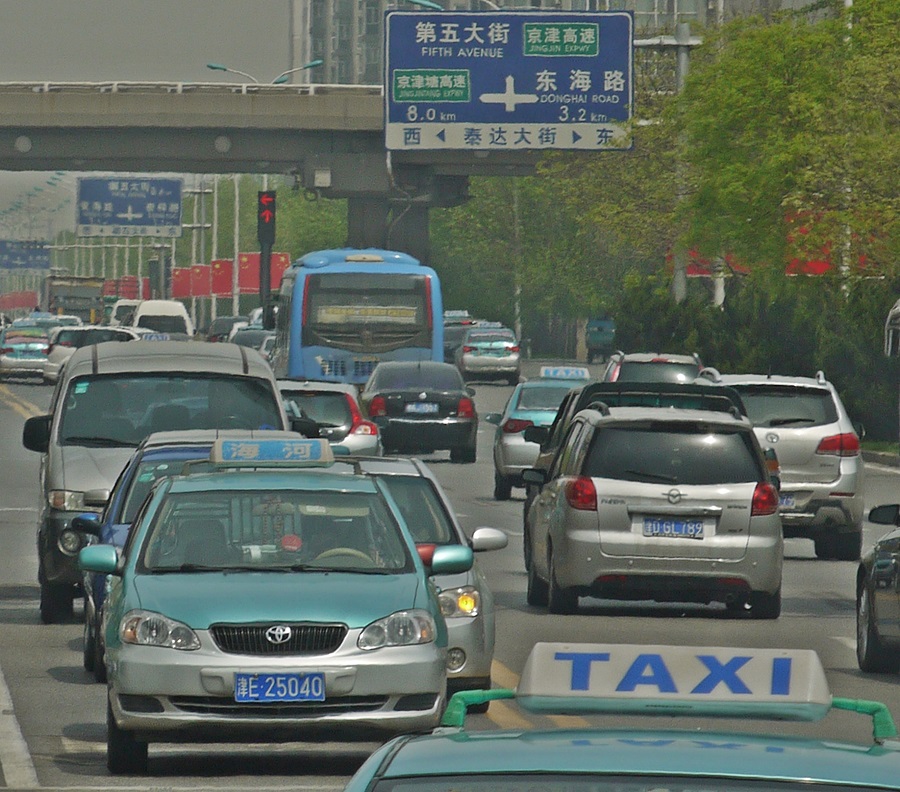
Numberplates in China

Beijing also caps the number of plates issued, but waited until 2011 to launch this policy. This restriction was primarily introduced in response to the overcrowded roads and the suffocating smog that, as late as 2013, was seriously affecting the city for more than half the days of the year. Unlike Shanghai, however, Beijing has opted to hold a public lottery every 2 months. Under this system, plates in Beijing are more affordable than in Shanghai. However, the likelihood of obtaining one is decreasing every year because rocketing numbers of applicants are chasing an available pool of plates that is diminishing as each year goes by.

While different sources cite different numbers, The Economist drew directly on government statistics to discover that, at the beginning of 2018, any private individual wanting to own a car with an internal combustion engine had a 0.2% probability of winning the numberplate lottery (in February, 6,460 plates were made available to approximately 2.8 million applicants, averaging one plate per almost 450 hopefuls).

Slightly better for electrified vehicles
The situation is slightly better for electrified cars (referred to as NEVs or new energy vehicles) which primarily include plug-in hybrids, battery electric vehicles and hydrogen fuel cell electric vehicles. Special plates are issued for NEVs, with 54,000 being made available for distribution among approximately 390,000 private applicants in 2019 (businesses are a separate group and have been allotted 6,000 plates).

Unlike the situation with ICE vehicles, these plates are issued on a first-come, first-served basis. There is currently a waiting time of about 8 years for those wanting a numberplate for an electrified car.
Some cities have gone down a third route that combines a lottery with an auction. In practice, this means that some plates are auctioned and the rest are put in a draw. Guangzhou pioneered this method, which has since spread to other cities.

In all of these cities, anyone wishing to buy a car must first be in possession of the plates. Since numberplates are transferable (and lifelong), this has combined with the circumstances above to create a black market in numberplates. Some people rent out their plates (illegally). Sham for-cash marriages are another phenomenon, as married couples are permitted to transfer numberplates between them.

Format of China numberplate

Format of the numberplate
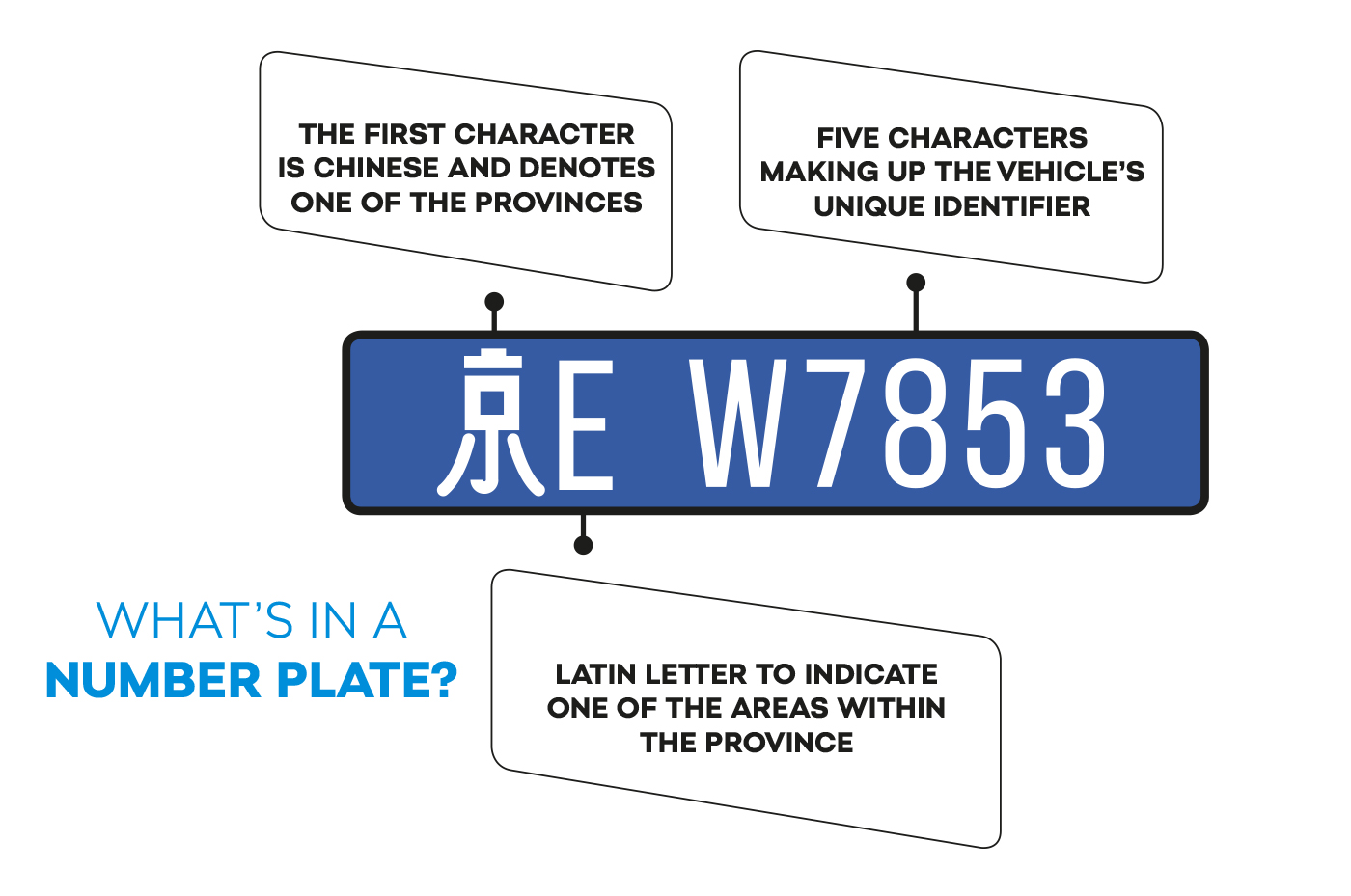
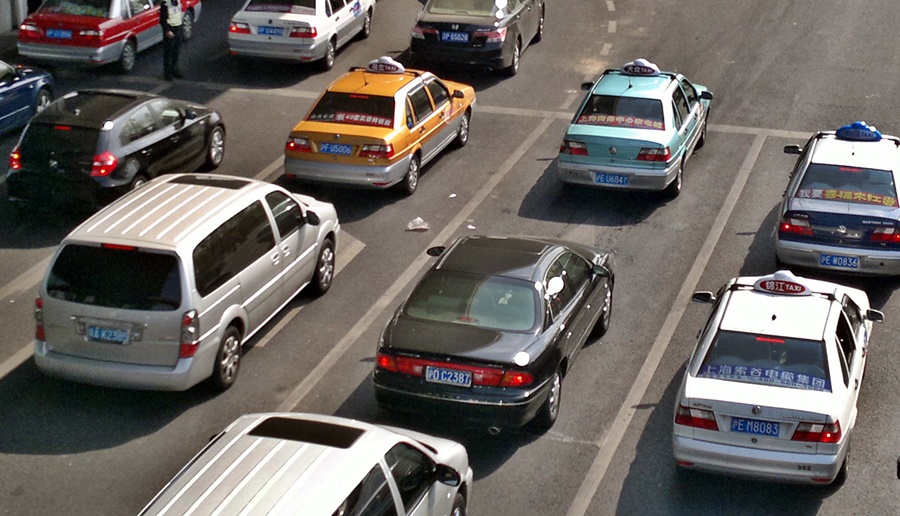
And what do Chinese plates actually look like? The current format was first introduced back in 1992 and was updated in 2007. Passenger-car plates comprise white lettering – usually 7 characters – on a light-blue background. As already noted, the first character is Chinese and denotes one of the provinces. It is followed by a Latin letter to indicate one of the areas within the province. Alternatively, some provinces (such as Beijing) use a special letter here to single out, for example, taxis, police cars, and the employees of certain state institutions.

There are then 5 characters making up the vehicle’s unique identifier. Initially, only numbers were used, but in some provinces, all of the numeric combinations were used up, so letters were introduced alongside numbers. The combination of characters is randomly generated by computer.
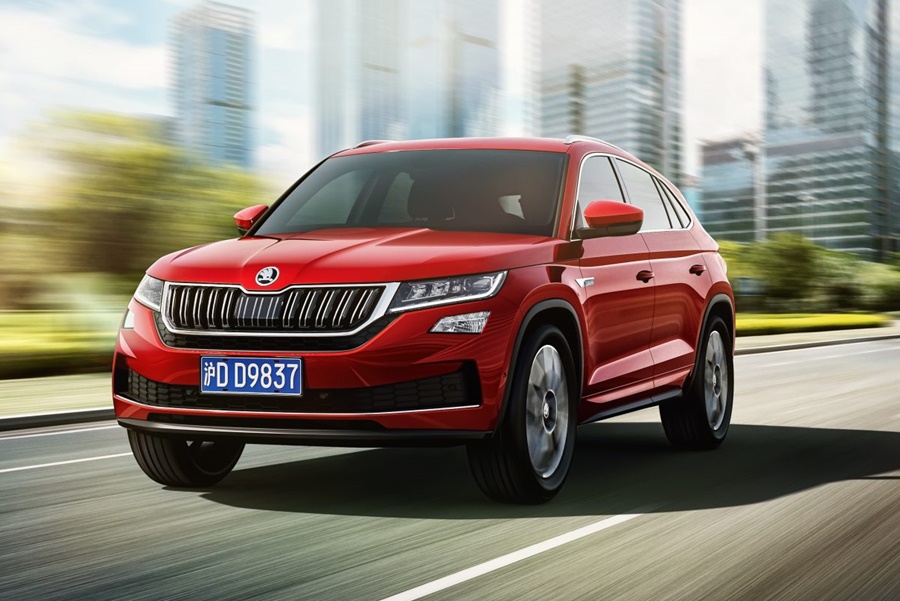
Numberplates in China

‘SEX’ was once allowed
In 2002, a new plate personalisation system was trialled in some cities, but it was very short-lived. Customised plates could have one of three forms for their unique vehicle identifier (the character for the province and the letter for the sub-region could not be changed): DDD-DDD, DDD-LLL or LLL-DDD (with D and L standing for digit and letter, respectively). Though some combinations were banned (e.g. “CHN” for China), many others – such as PRC, USA and, surprisingly, SEX – were permitted. Indeed, such combinations made their way on to the streets and some of them caused uproar among the authorities (for example, USA-911, which may well betray a love of America and the iconic Porsche model – but could just as well refer to the events of September 2001). This system was soon abolished and replaced by the original one from 1992.

As already mentioned, NEVs use a specially formatted numberplate featuring black lettering on a green background. The vehicle identifier is either D or F – the letter D denotes a battery electric vehicle, while the F symbolises other NEVs, especially plug-in hybrids and FCEVs.

China

Hong Kong and Macao, as special administrative regions, stand apart in the Chinese numberplate system. Both have their own system, reflecting their colonial past. The citizens of these regions who wish to drive their car to mainland China must apply for a Chinese plate. Likewise, when citizens of the Chinese mainland want to visit Hong Kong or Macao, they must apply for a local plate. The Chinese numberplates of cars from Hong Kong and Macao also have their own specific format – white lettering on a black background.

Information for this feature article was provided by SKODA.

PISTON.MY

With increasing emphasis on electrification of vehicles in the industry, demand for battery packs has also been accelerating. It is crucial that higher volumes be achieved in order to get economies of scale and push production costs down. Different manufacturers have different strategies to address this demand and for Mercedes-Benz, the approach taken is to establish a global battery production network.

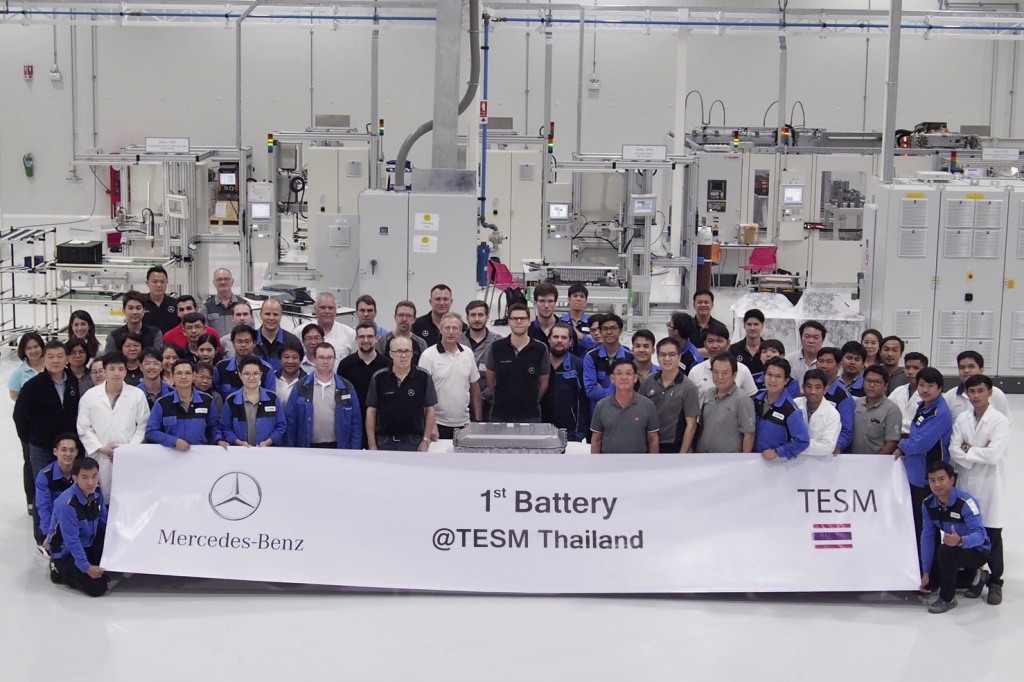
Daimler is investing more than one billion euros in this global battery production network which will consist of 9 factories at 7 locations on 3 continents. Four factories have already started operations, with the most recent one being in Thailand.

100 million euros invested
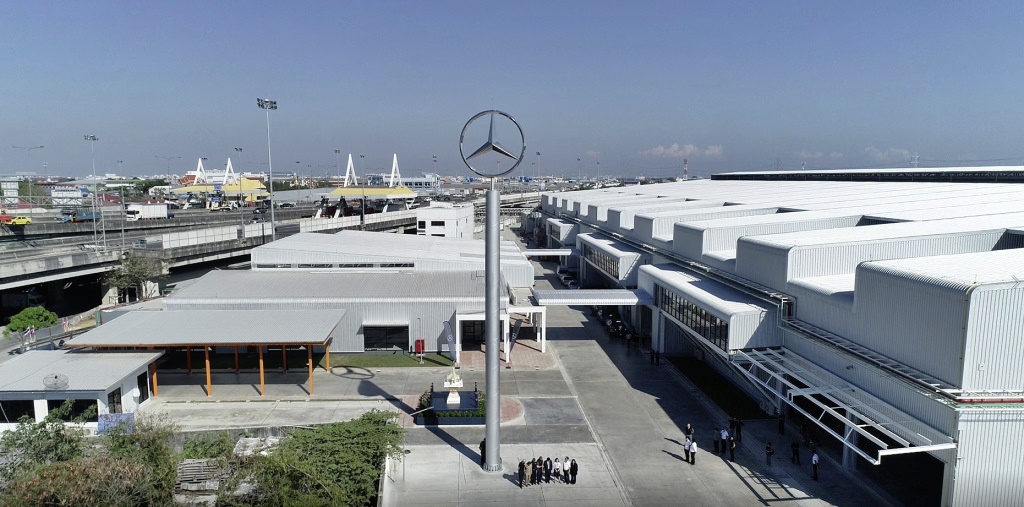
The Thai production facility in the Bangkok region is a joint effort with local partners Thonburi Automotive Assembly Plant (TAAP) and Thonburi Energy Storage Systems (TESM). Mercedes-Benz AG has invested a total of more than 100 million euros in the battery production and a plant expansion of the existing vehicle production plant. In doing so, the partners are responding to the high demand for electric mobility and, in particular, for plug-in hybrid vehicles in Thailand. At the same time, they are driving the shift towards sustainable mobility as well as a carbon neutral and resource-efficient production.

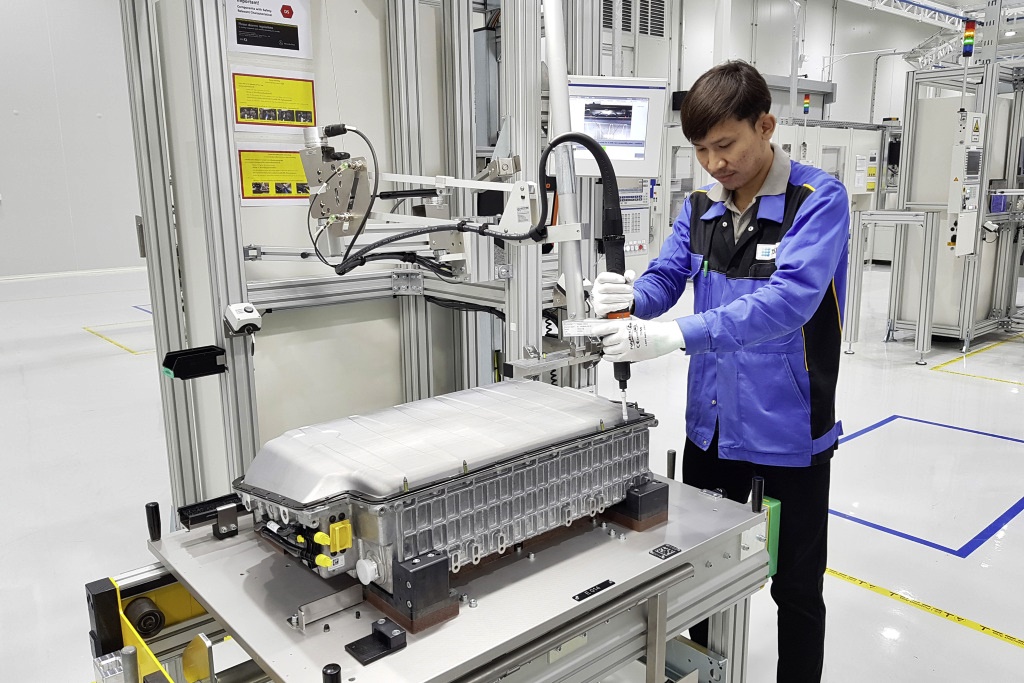
Mercedes-Benz battery pack production in Thailand

The production facilities for plug-in hybrid battery packs are highly standardised and flexible. As a result, they can be adapted to local market conditions in a short time. “We have been successfully producing Mercedes-Benz vehicles for the local market at our Thai plant for more than 40 years. With the start of production of our battery factory in Bangkok, we are taking another important step in the expansion of our global battery production network at Mercedes-Benz Cars with nine factories worldwide. The local production of batteries enables us to make the best possible use of the potential for e-mobility in Thailand. As in the case of vehicle manufacturing, we have optimized all processes in terms of efficiency, flexibility and sustainability in the battery factory. We show how sustainable products can be produced sustainably,” said Jorg Burzer, Member of the Board of Management of Mercedes-Benz AG, Production and Supply Chain Management.

The battery packs are used for plug-in hybrid variants for the current Mercedes-Benz C-Class, E-Class, S-Class as well as for the Mercedes-Benz GLC and GLC Coupe. The high variety of product variants of the local market require very flexible and efficient production and facility concepts. Central assembly stations were set up in the same way as in the battery factory in Germany and were further developed for site-specific requirements. In this way, all battery types can be manufactured in the new line for all current and future plug-in hybrids.

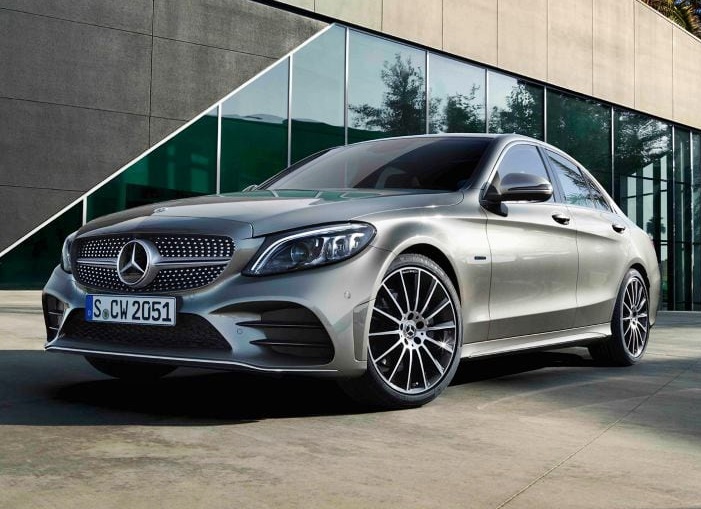
Mercedes-Benz C300e
Mercedes-Benz C300e – one of the models which will use Thai-made battery packs

Decision to locate in Thailand
The decision for a local battery production in Thailand supports Mercedes-Benz’s overall sustainability goals under the heading ‘Ambition2039’ as well. The aim is a carbon neutral new car fleet until 2039. By 2030, at least every second vehicle sold should have an electric drive – this includes full-electric vehicles and Plug-In hybrids.

Mercedes-Benz battery pack production in Thailand

On the way to sustainable mobility, apart from products production plays a central role: All European Mercedes-Benz plants are to produce completely carbon neutral from 2022. The battery factory in Bangkok will meet this requirement by using large solar systems on the roofs of the production buildings. Excess solar power, for example, is temporarily stored in so-called 2nd-life battery storage systems from recycled electric vehicle batteries. The plant works closely with the Mercedes-Benz Energy GmbH. The stationary storage systems, which can compensate for local energy fluctuations and contribute significantly to grid stabilization, enable economical and resource-saving reuse for disused batteries of electric and hybrid vehicles. This is an important contribution to the economic efficiency and environmental balance of electric vehicles.

Besides Mercedes-Benz, the BMW Group has also chosen Thailand to produce battery packs. Its facility is a joint investment with the DRAXLMAIER Group worth 500 million baht (about RM69 million).

Mercedes-Benz is the world’s most valuable luxury car brand of 2019

PISTON.MY

In 2014, Porsche introduced ‘Porsche Drive’ a premium car rental service concept in Germany which offers the rental of Porsche models for short periods. The concept has to date been introduced in France, Switzerland and North America as well.

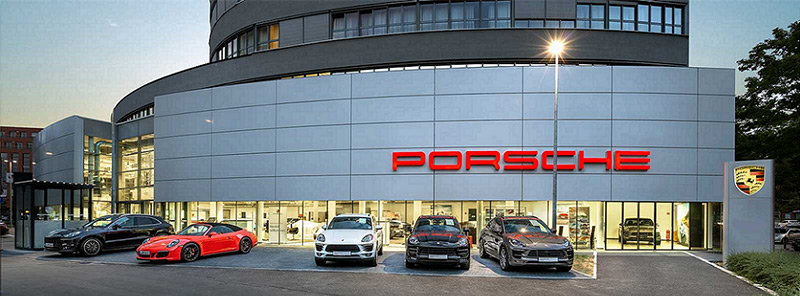
This month, Porsche Drive is launched in the first Asian location – Tokyo, Japan. The service in Japan will be located in Toranomon Hills in Minato, which is in the southern centre of the city. It will provide a casual way to drive a Porsche for people who work and live in the Toranomon Hills and Atago Green Hills areas, and for inbound tourists at Andaz Tokyo.

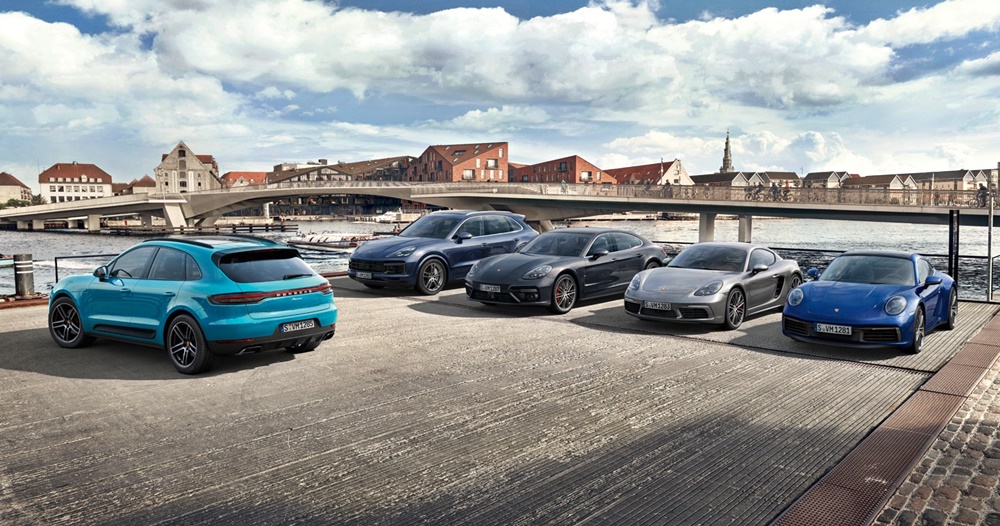
Porsche models

The unique package pricing includes a minimum of 4 hours rental time and a maximum of 2 nights and 2 days. Porsche believes it meets the needs of those who would like to casually experience its cars in a flexible way.

Mobility services increasingly popular
By expanding its worldwide range of mobility services, Porsche is responding to changing customer preferences and the trend towards digital, flexible and individual choice. This includes the sportscar manufacturer making vehicles available for shorter periods of time.

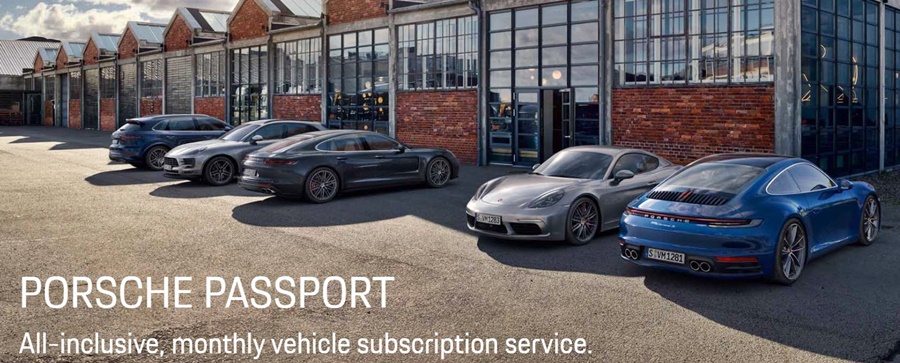
Porsche Passport

In the US, for example, Porsche is offering ‘Porsche Passport’ (a subscription model) where customers pay a monthly fee for access to a vehicle pool and can replace the vehicles as often as they like. In addition, Porsche has launched ‘Porsche Host’ in the US market together with car-sharing platform provider Turo. In Germany, ‘Porsche InFlow’ is an offering allowing short-term and flexible use of used vehicles.

Star Wars theme for Porsche Taycan debut in Asia-Pacific region

PISTON.MY

Archive

Follow us on Facebook

Follow us on YouTube