Piston.my

Latest News

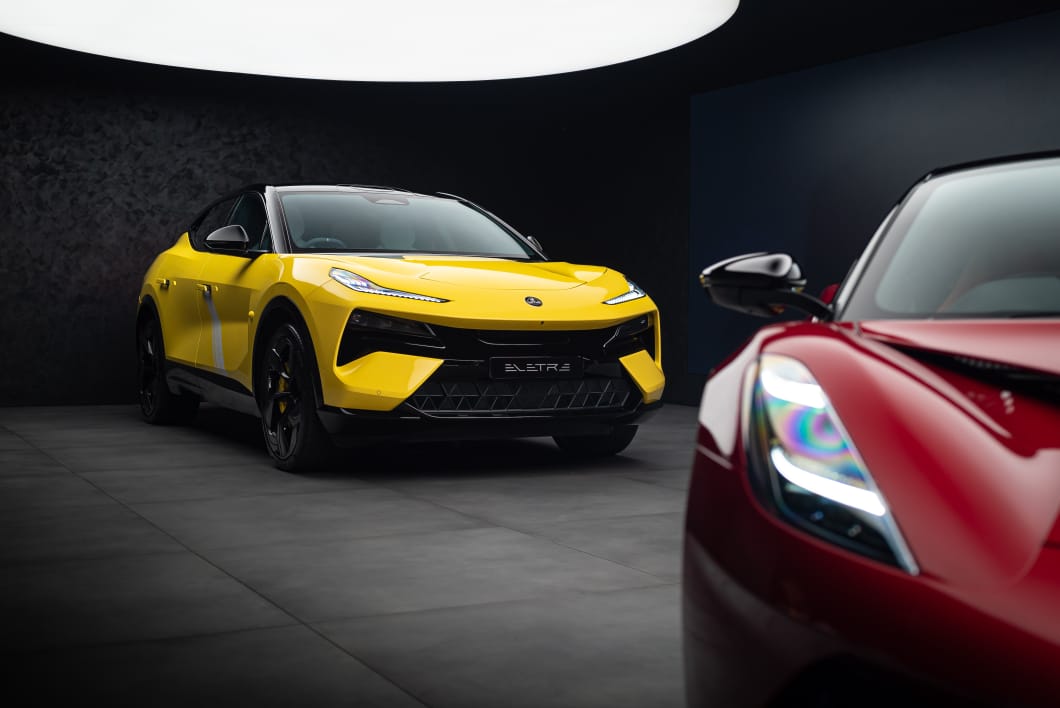
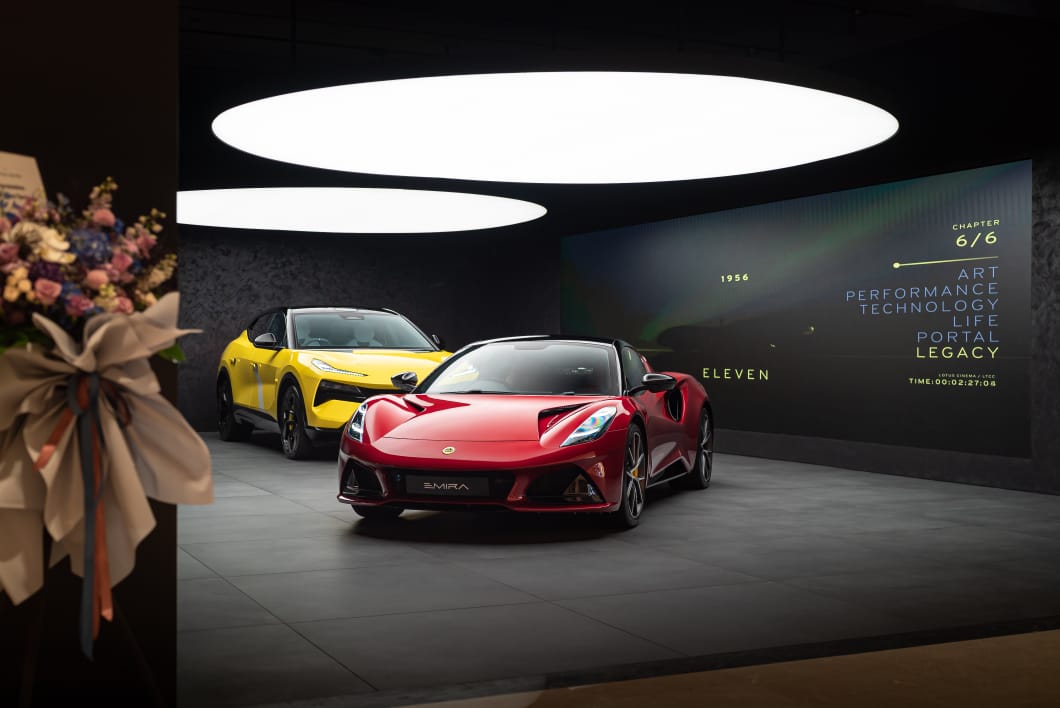
Lotus Cars is strengthening its presence in Malaysia with the inauguration of its first Lotus Store at Pavilion Damansara Heights, reinforcing the marque’s commitment to the Malaysian market.

Spanning 173.58 m², the Lotus Store in Kuala Lumpur opened its doors 10 months after the launch of the first all-electric Hyper-SUV Lotus Eletre in April last year. The Lotus Eletre has been well-received in Malaysia, with 50 cars already delivered as of this month and another 200 cars on their way.

Designed to reflect Lotus’s new international corporate identity, the Lotus Store showcases two of the brand’s latest offerings in Malaysia – the Eletre and the Emira sports car. It also features a configurator room where customers can personalise and accessorise their vehicles, a dedicated wing for exclusive Lotus merchandise and apparel, and a well-appointed lounge area.

(more…)

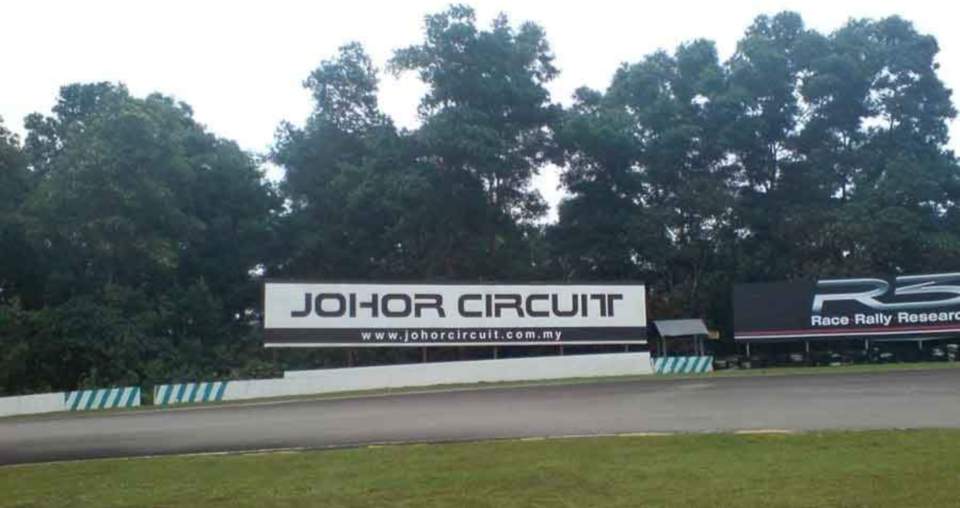
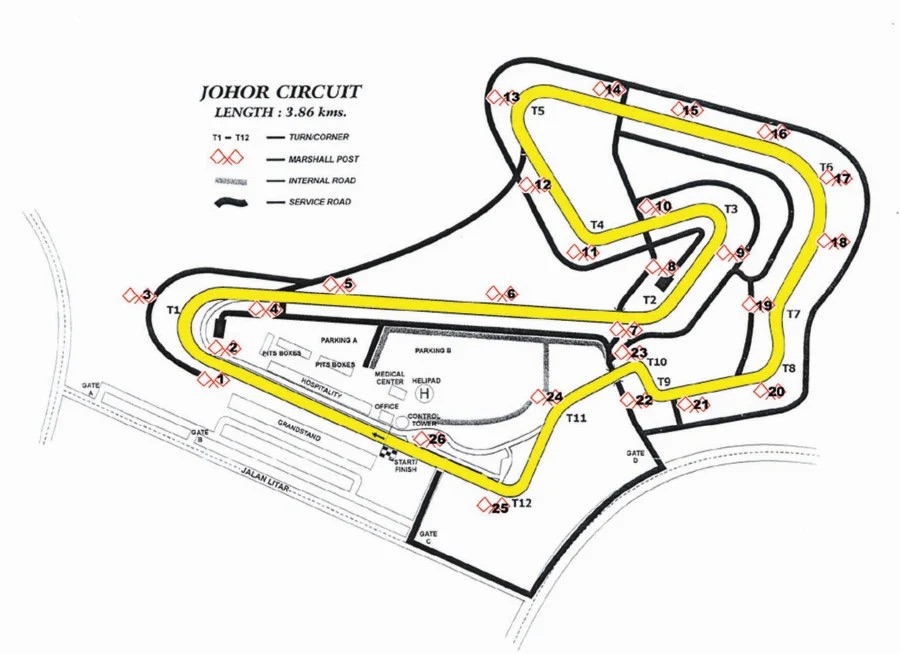
The Pasir Gudang International Racing Circuit, once a thriving hub for motorsport enthusiasts, now stands in disrepair, a shadow of its former glory. Despite its prestigious history of hosting international motorsport events, the circuit has faced significant challenges leading to its decline. However, there is renewed hope for its revival as efforts are underway to address its issues and restore its prominence in the motorsport world.

Established in 1986, the Pasir Gudang circuit enjoyed a prestigious status, hosting renowned events like the Malaysia Grand Prix and the Formula Three Motorcar Championship. However, its decline began in 1997 following a tragic accident that led to concerns about safety and track conditions, deterring motorsports organisations from participating in events.

Financial constraints and disputes over land ownership rights hindered efforts to revive the circuit. Despite attempts to attract investors and organise innovative events like night racing, the circuit continued to deteriorate, with structures falling into disrepair and vandalism.

(more…)

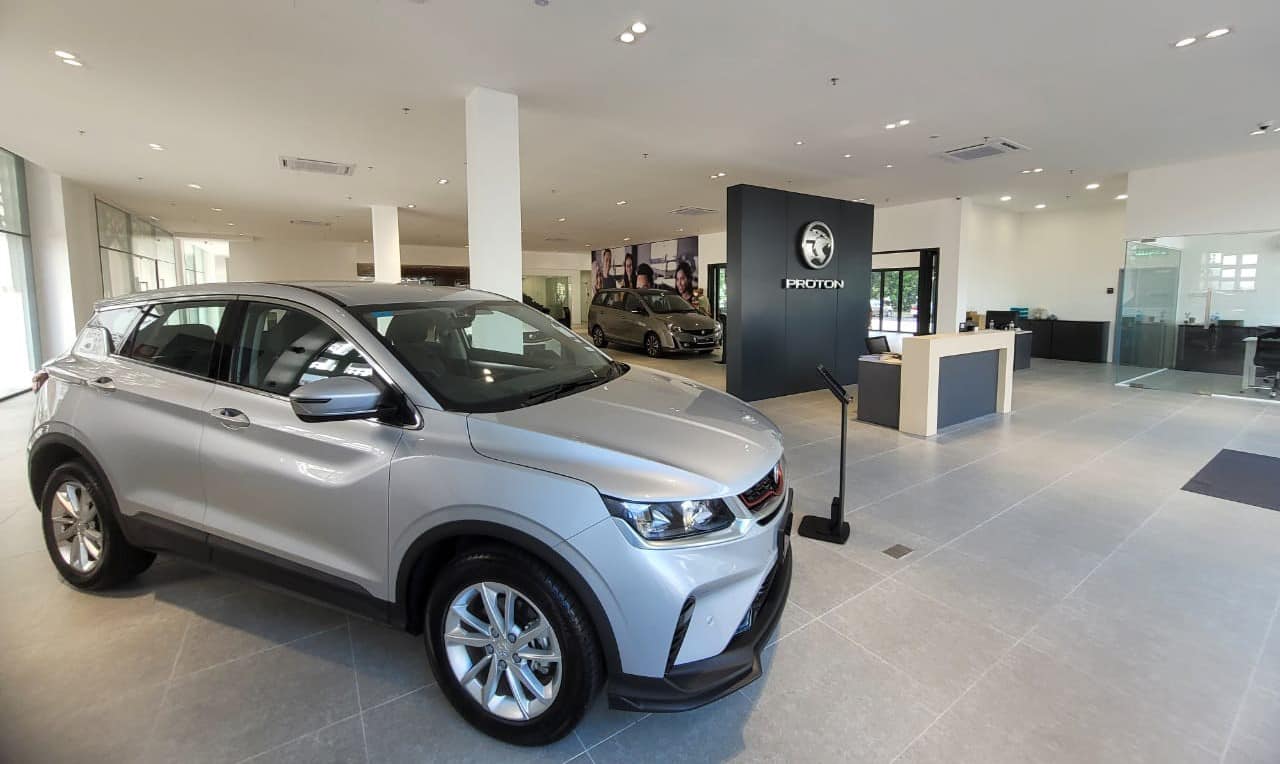
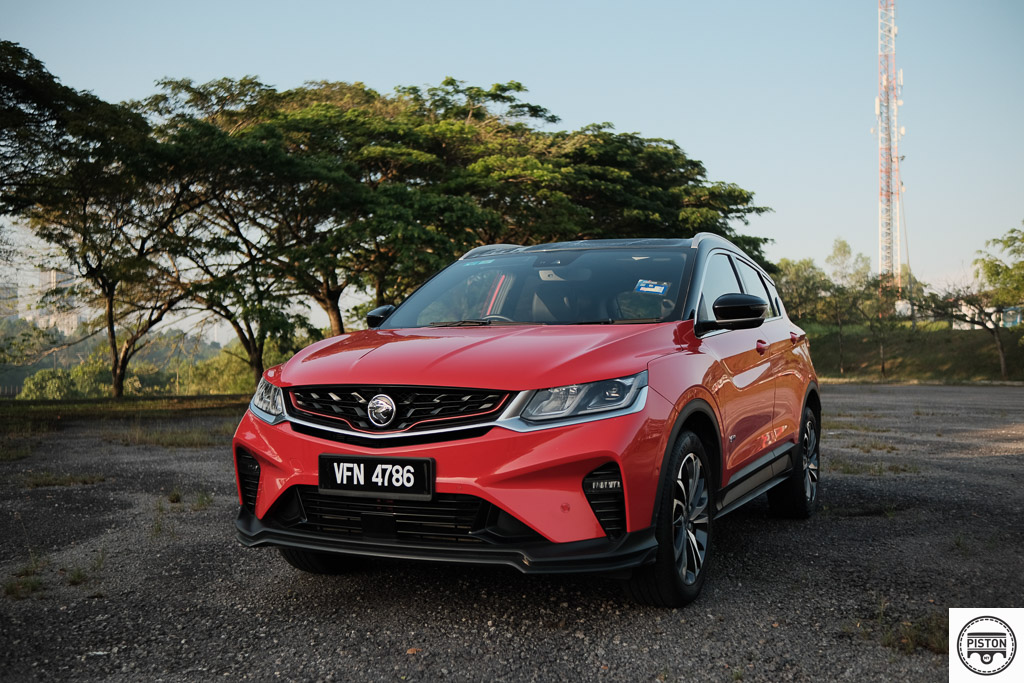
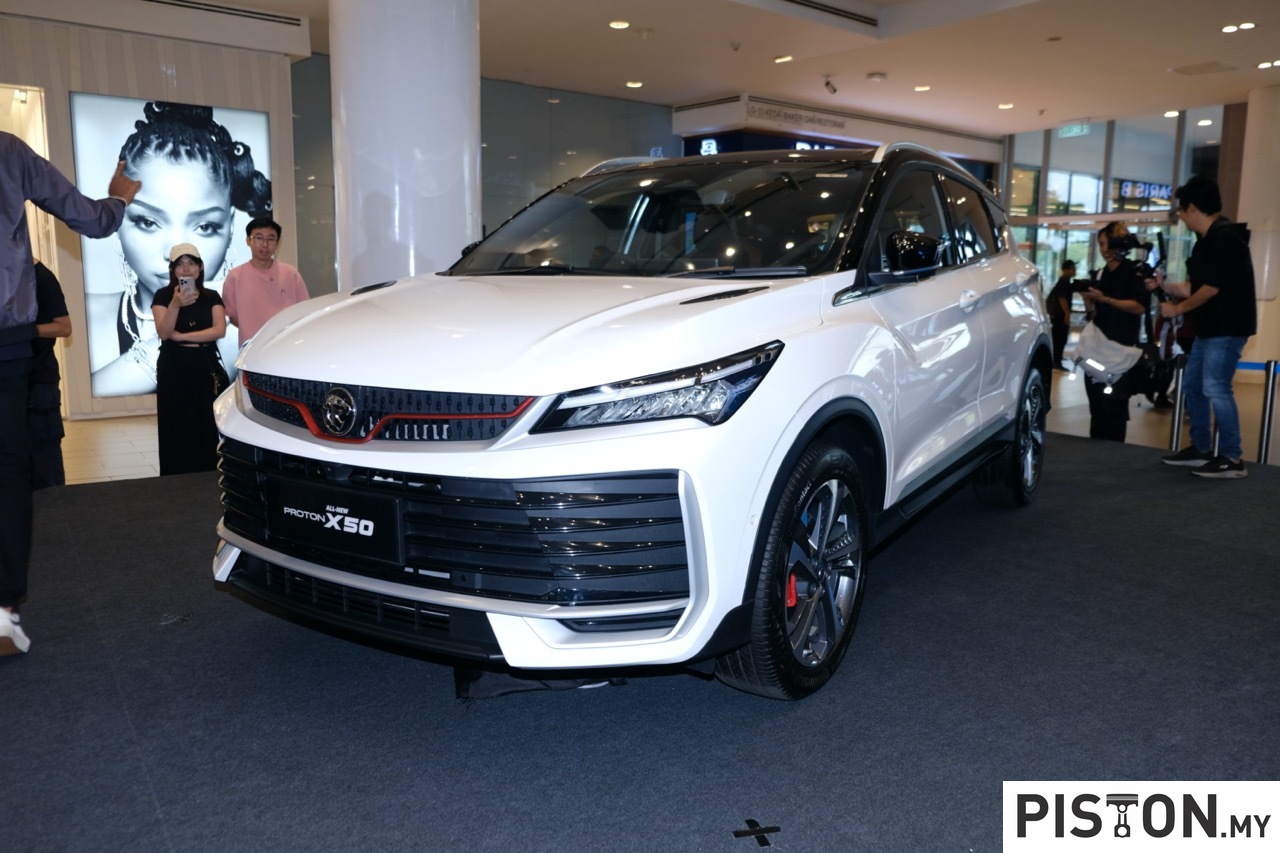
More than a hundred parts suppliers and vendors associated with Proton Holdings Bhd are facing severe financial strain due to escalating operational costs. Despite efforts by the Proton Vendors Association (PVA) to engage with the national carmaker regarding their challenges, appeals have gone unanswered, leading to a precarious business environment for suppliers.

According to NST,  Datuk Liu Guoquan, president of the Malaysian Fujian General Chamber of Commerce, suppliers are grappling with decreased orders, resulting in financial instability. Proton’s failure to meet promised quantities of parts orders for its models, including the X50, X70, and X90, has led to a production output reduction of 30% to 50%, exacerbating the situation for suppliers.

The financial strain faced by suppliers poses a significant threat to the automotive industry chain, potentially affecting approximately 50,000 employees. Many vendors are experiencing financial losses and some are forced to cease operations altogether, raising concerns about the industry’s sustainability.

(more…)

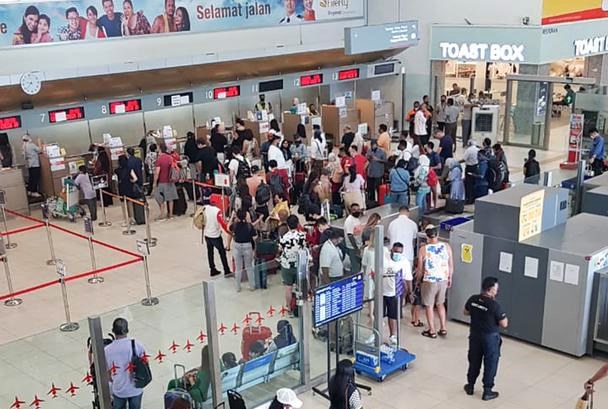
The Malaysian Aviation Commission (Mavcom) has unveiled revisions to the passenger service charges (PSC) for the First Regulatory Period (RP1), effective from June 1, 2024, to December 31, 2026. The updated rates aim to balance consumer welfare, promote sustainable recovery, and ensure financial stability in the aviation sector amid evolving market conditions.

Mavcom’s statement outlines the revised PSC rates, which vary based on departure and transfer locations within Malaysia. The rates range from RM7 to RM73 and include a security charge for airport security services.

The domestic departure PSC remains unchanged at RM11 for all airports except Senai International Airport, which operates under a separate rate structure.

(more…)

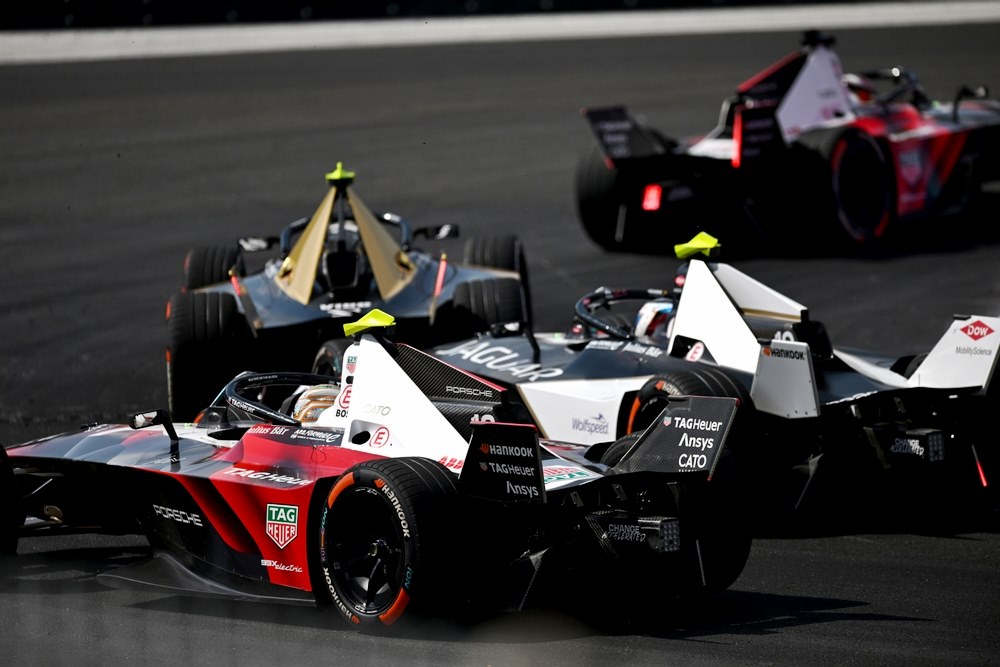
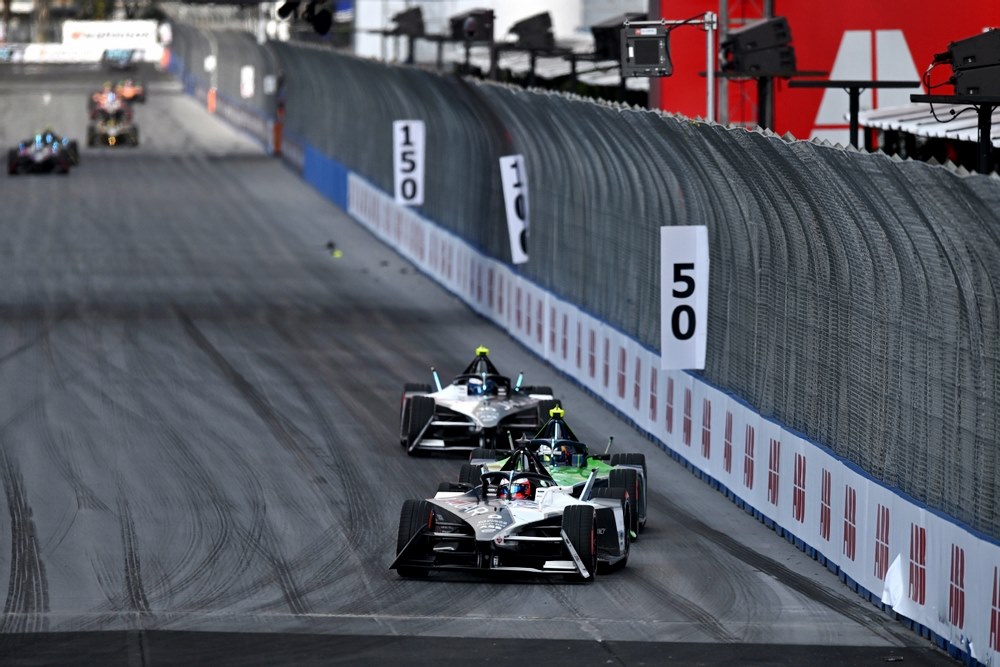
Malaysia’s chance to host the Formula E-Prix final next year appears to be slipping away, with Thailand emerging as a likely contender despite initial favour towards Kuala Lumpur. The delay in response from the Malaysian government has led to uncertainty, potentially costing the nation an opportunity to showcase its potential on the global stage.

According to FMT, Formula E extended an invitation to Kuala Lumpur to host the final race annually until 2030, but the Malaysian government has yet to respond. Formula E CEO James Dodd sought an audience with Prime Minister Anwar Ibrahim to discuss the event’s benefits, but the lack of a decisive response has put Malaysia’s bid in jeopardy.

While the cost of hosting the event remains undisclosed, there are concerns about the financial burden it may impose, especially in light of other costly initiatives like the attempted bid for the 2026 Commonwealth Games. However, economic projections suggest significant potential benefits, including injecting millions into the local economy and creating thousands of jobs over the next decade.

(more…)

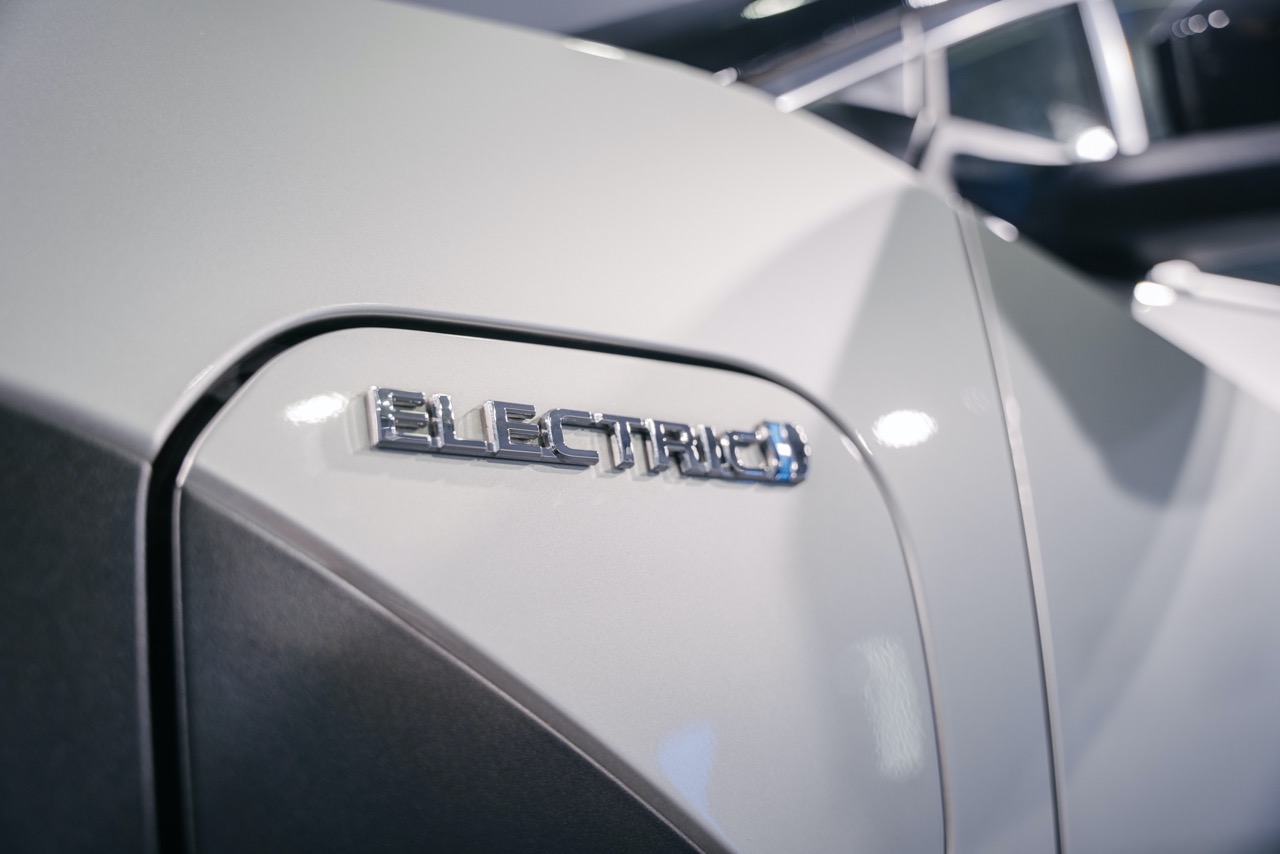
Toyota’s CEO, Ted Ogawa, has expressed a conservative outlook regarding the penetration of electric vehicles (EVs) in the US market by 2030. Despite targets set by the EPA, Toyota aims to leverage its position as a hybrid advocate rather than heavily investing in battery electric vehicles (BEVs).

Ogawa emphasised Toyota’s commitment to aligning with customer demand, which currently leans towards various forms of electrification, predominantly hybrids with internal combustion engines. Toyota’s strategy revolves around meeting this demand while maintaining its hybrid-centric approach.
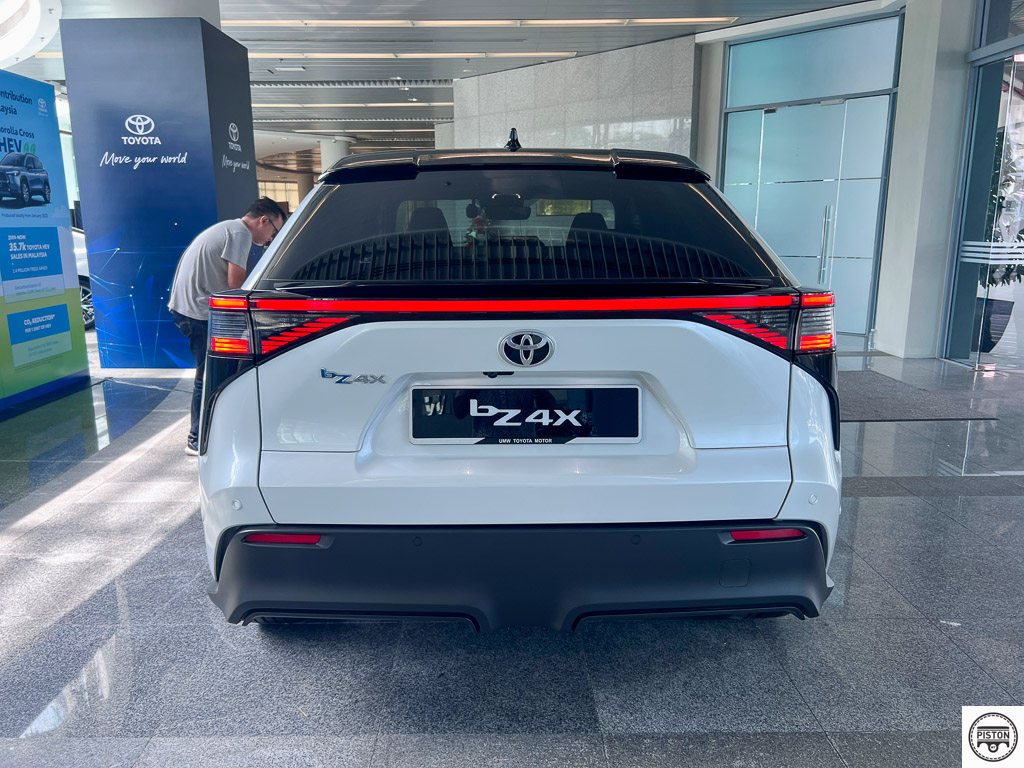
Toyota’s investment in a $13.9 million battery complex in North Carolina underscores its commitment to hybrid and EV production in North America. The company has poured approximately $17 billion into its US manufacturing operations since 2021, with a particular focus on hybrid production.

While the EPA’s 2030 regulations push for over half of new cars to be BEVs, Toyota’s plan targets only 30%. Ogawa acknowledges the regulatory gap and hints at potential credit purchases to meet compliance while prioritizing customer demand over regulatory pressures.
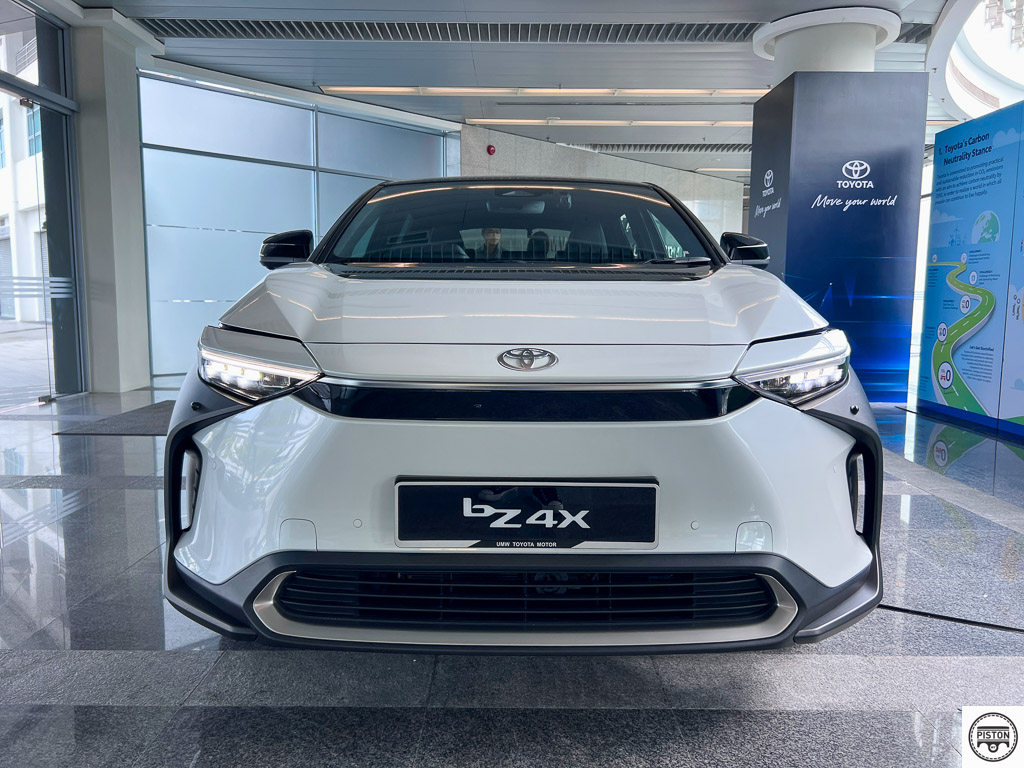
Despite being a top-selling automaker, Toyota’s EV sales lag behind competitors like Tesla. Ogawa admits the company’s technological gap in battery technology but asserts active efforts to catch up, emphasising not only product development but also creating a supportive ecosystem for BEVs, including charging infrastructure and energy management solutions.

Toyota’s strategy in the evolving EV market reflects a cautious yet adaptive approach, prioritising customer demand and leveraging its expertise in hybrid technology. While the company faces challenges in meeting regulatory targets and competing with established EV manufacturers, its investments and commitment to innovation signal a proactive stance in navigating the transition towards electrification.

Archive

Follow us on Facebook

Follow us on YouTube