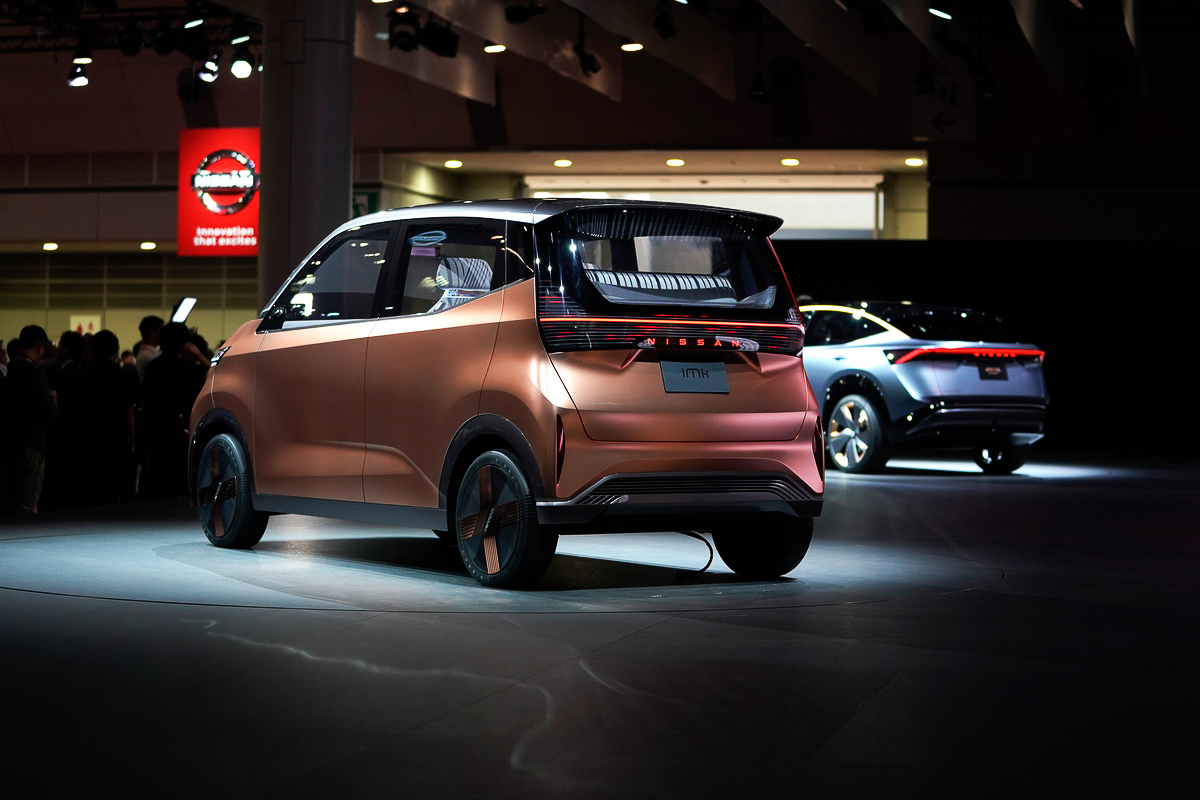
The Tokyo Motor Show 2019 saw not only one Nissan EV concept, but two beautiful specimens. The Nissan Ariya Concept was showcased side by side with another EV concept that’s meant for chic urban commuters in the form of the Nissan IMk. Just like the Ariya, the IMk concept brings all the elements of high-tech and high-performance EV into a very modern and stylish package. (more…)
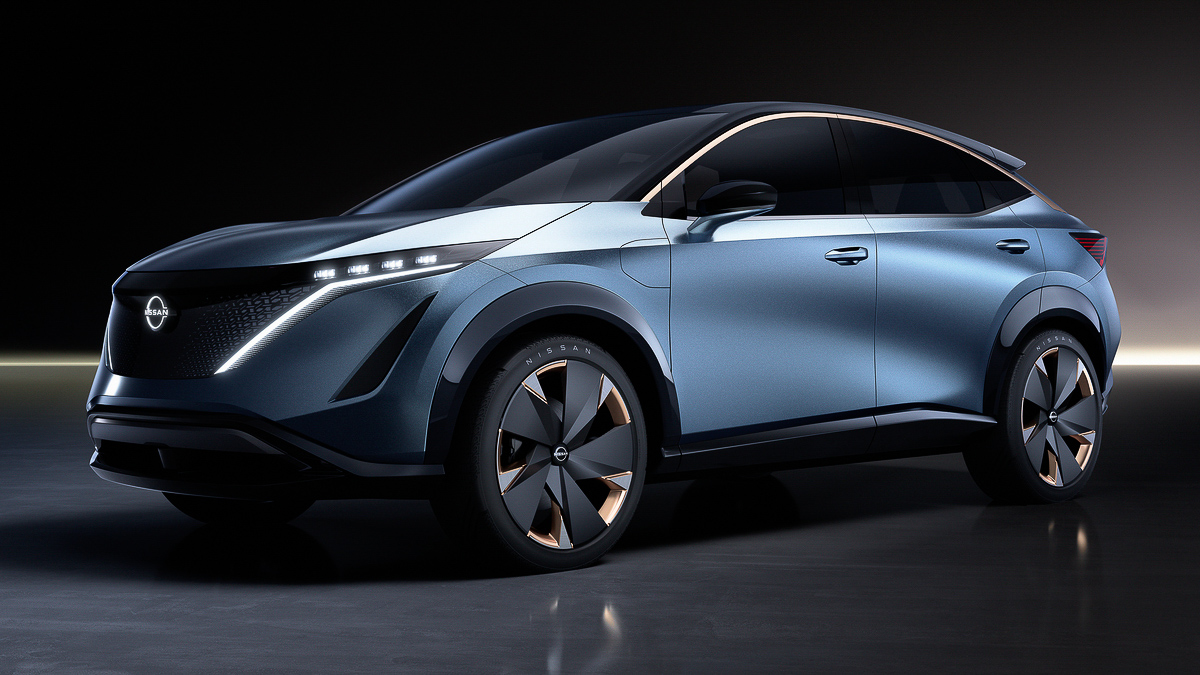
The Tokyo Motor Show 2019 is going on at full swing at the moment and all of the major Japanese manufacturers are showcasing their possible future in the automotive industry. Nissan is bringing their heat to the show with not one, but two concept vehicles and one of them is the Nissan Ariya Concept. (more…)
November 11 seems to be one of the days in the year when Lazada likes to have a special offering relating to cars. Last year, for its ‘11.11 Shopping Festival’, it teamed up with Volkswagen Passenger Cars Malaysia to offer 11 units of a special edition of the Volkswagen Polo Black & White – only for purchase online.
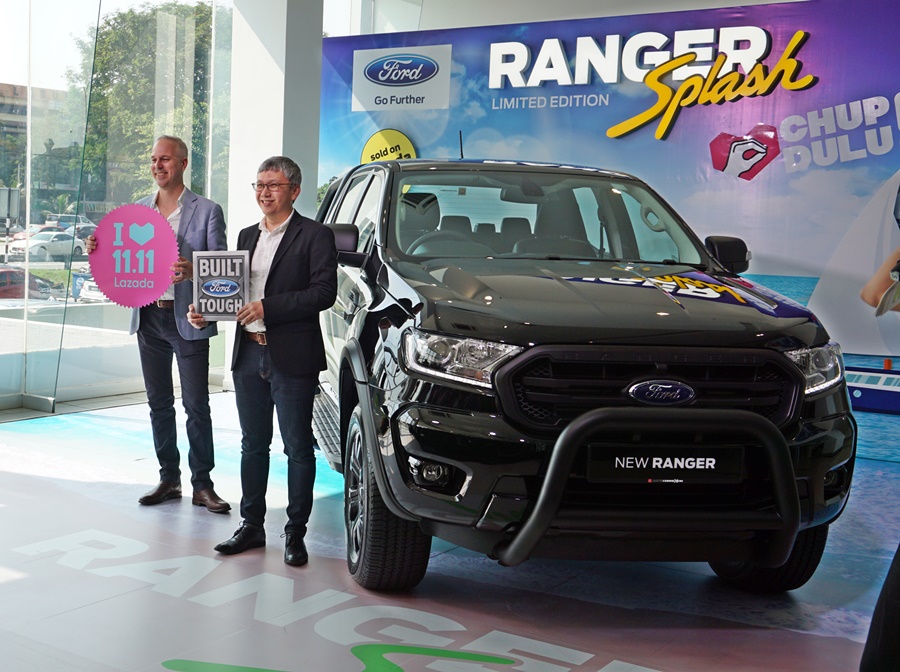
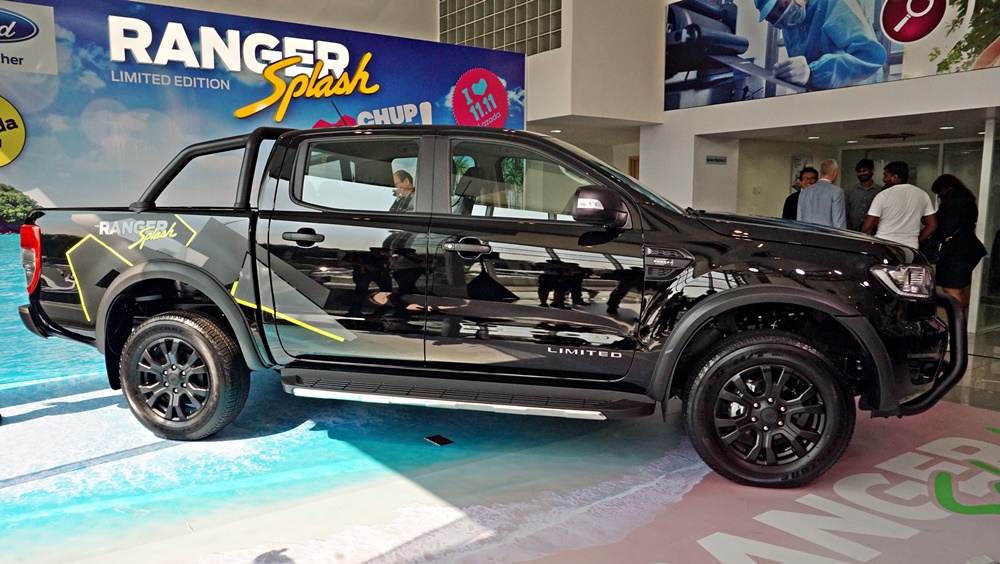
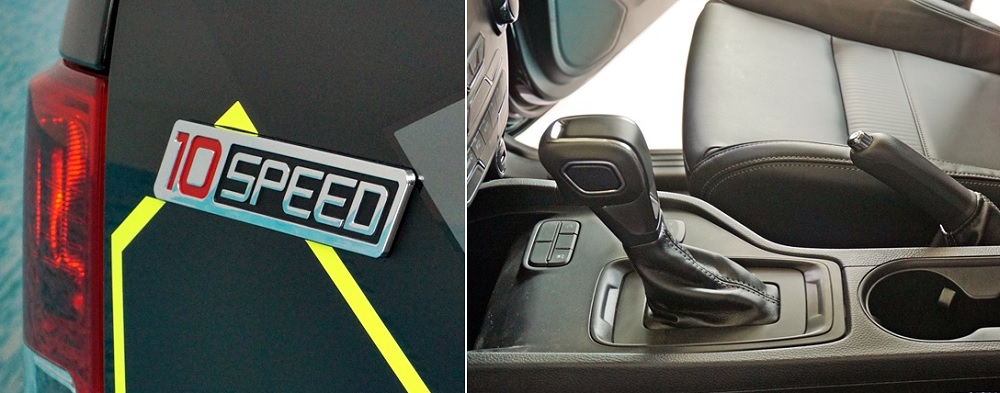
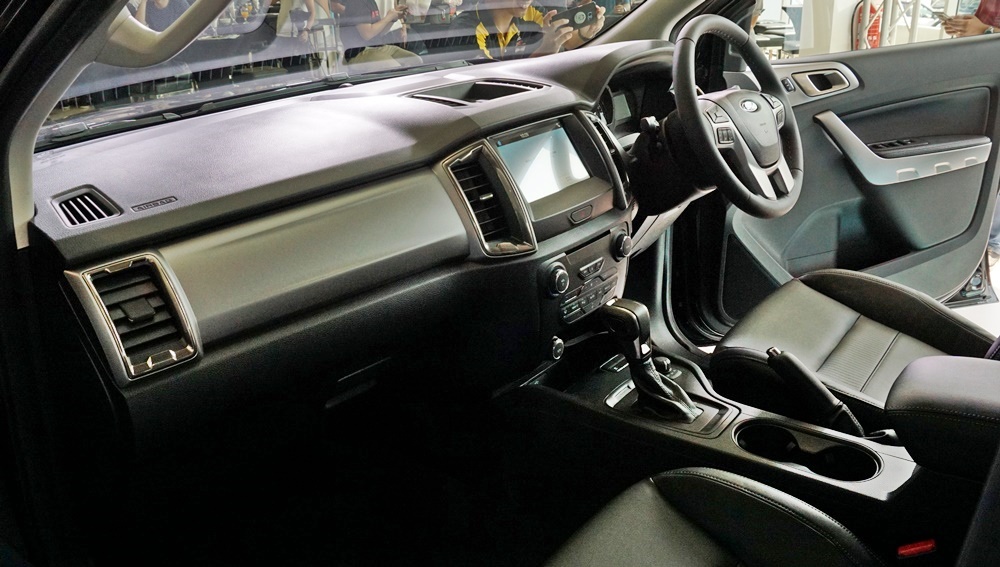
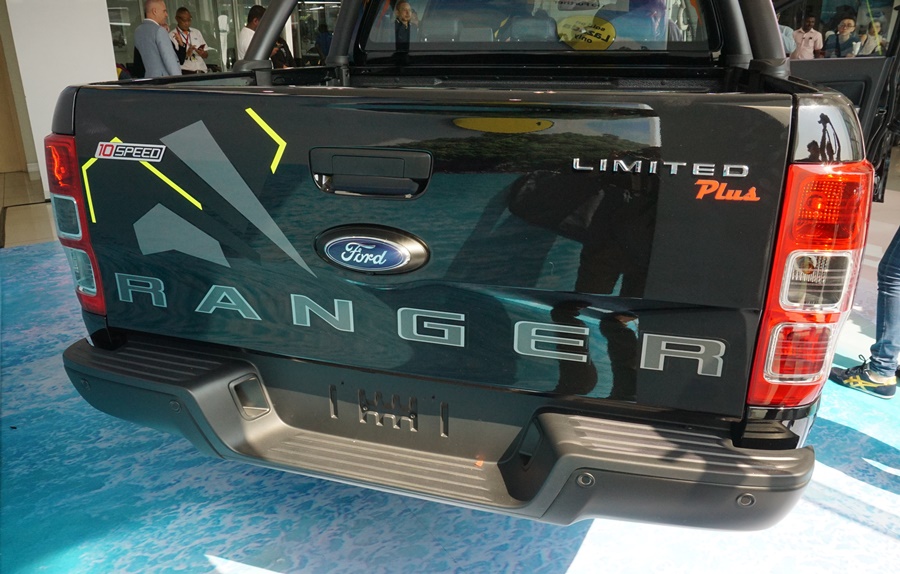
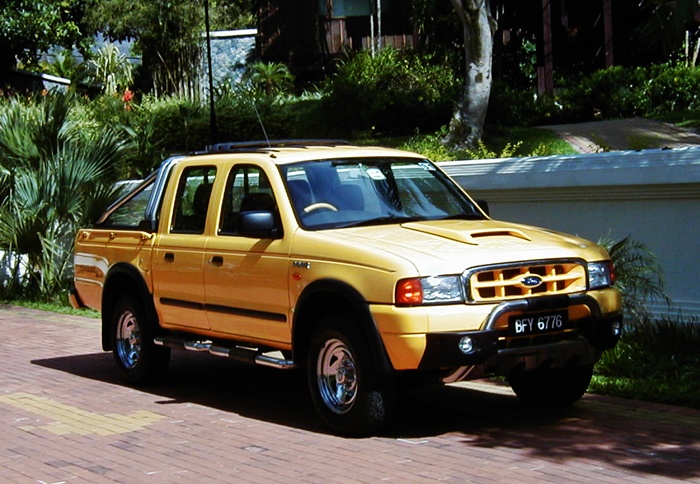
For this year’s 11.11 Shopping Festival, they are partnering Sime Darby Auto ConneXion (SDAC), the Ford people, to offer a Limited Edition Ford Ranger Splash. Because it’s 2019, there are only 19 units available and they can be purchased only via the Lazada website. For those who remember the original Ranger Splash, it was a bright yellow (with blue available later on) but this 2019 Splash is available only in black.
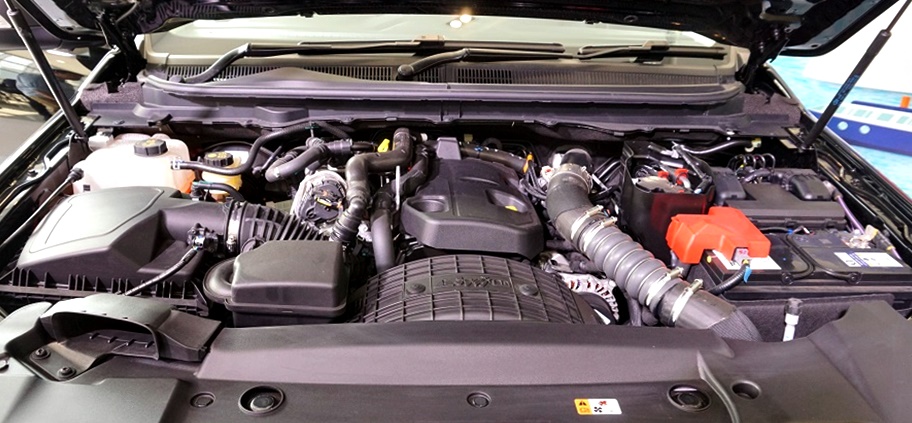
The latest Ranger Splash, which is powered by a 2-litre 180 ps/420 Nm turbodiesel, is priced at RM138,888 (without insurance, Peninsular Malaysia private registration). For the money, you get a special front grille and black-themed items such as the sport bar, alloy wheels door mirror housings, kangaroo bar and fender flares. Value-added features include a built-in tollcard reader and a 360-degree camera display.
Although sales officially start on November 11, Lazada is accepting pre-orders through its Chup Dulu function. If you really want one, you should use this function as the 11 units of the Polo were booked within one minute of sales officially starting last year!
The Ranger Splash can be booked for a total of RM1,389 (1% of the price) and here’s how it works. From October 28 to November 10, customers must first pay the 10% deposit on the booking fee which is RM139 using the Lazada app. Then they check out and pay the balance of RM1,250 on November 11 to secure the booking. Once the final booking fee payment is made, the full amount of the booking is still refundable.
Because the process of buying a vehicle in Malaysia still involves a lot of documents that need to be signed and loan applications must be approved, it’s unlike buying other items online where you just pay and the goods are delivered to your house. So a representative from a Ford dealership will contact the customers to finalise the process.
The first 11 buyers who complete their booking process during Chup Dulu will also receive a RM500 PETRONAS gift card with their vehicle when it is delivered to them. Each unit comes with a warranty of 3 years or maximum of 100,000 kms as well as free scheduled maintenance for the first 5 years or maximum of 100,000 kms.
Commenting on the partnership with Lazada, SDAC’s Managing Director, Syed Ahmad Muzri Syed Faiz, said: “Consumers’ purchasing patterns have altered dramatically in recent years. With eCommerce entrenched in our daily lives and they have embraced purchasing items – including cars – online. This collaboration to offer the Limited Edition Ford Ranger Splash on Lazada’s online shopping platform gives us more opportunities to connect with a new generation of drivers through digitalization.”
“We always look at new ways of reaching out to our customers by forging ahead and transforming and providing unique shopping experiences, with more things to come in the spirit of ‘Go Further’,” he added.
Older readers and truck enthusiasts will remember the original Ranger Splash which was introduced in 2000. Conceived by Ford Malaysia, it was unique to this market and the yellow colour was inspired by the trucks of the ‘Baywatch’ TV series of the late 1980s. The Splash made an impact on the truck scene in Malaysia as it changed the perception of pick-up trucks as being just workhorses. The Ranger, of course, had started that change but it was also helped greatly by a change in regulations which allowed such vehicles to be registered for private use.
Visit www.sdacford.com.my to know more about the Ranger Splash and other variants of the model.
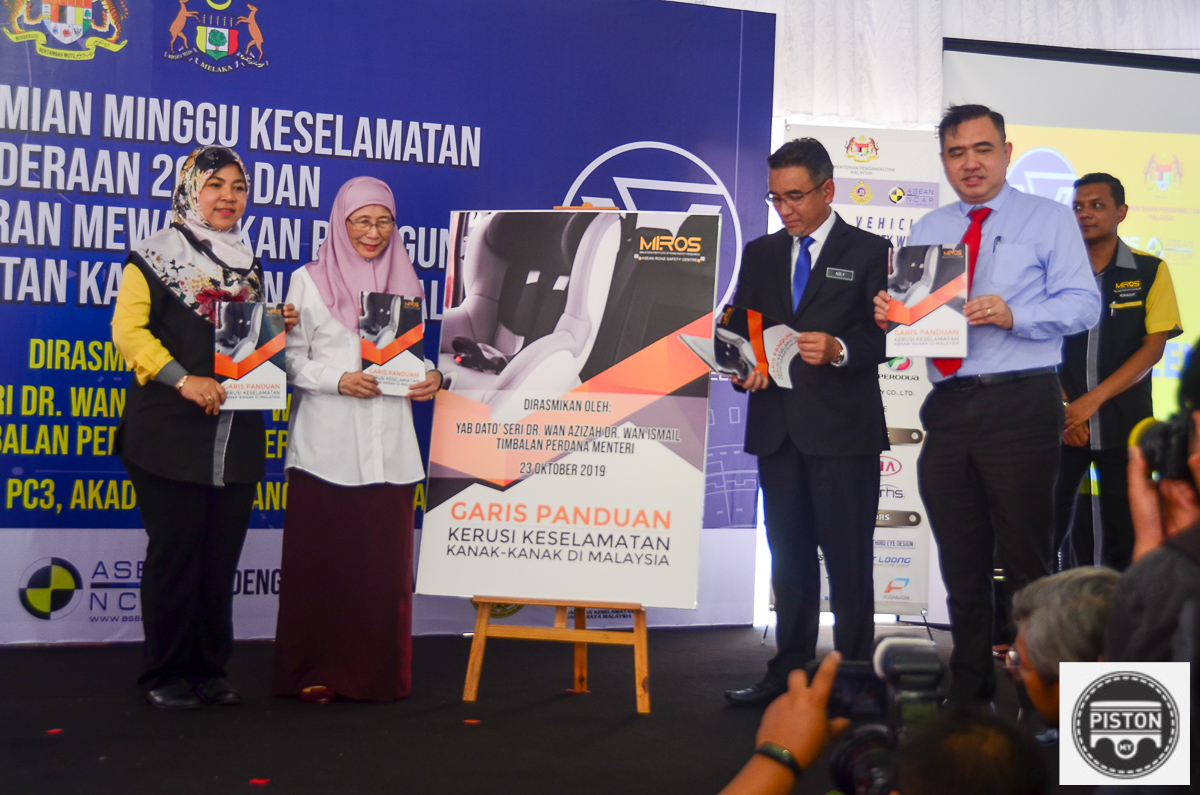
Yesterday marked the official launch of Vehicle Safety Week 2019 which is currently taking place at the Malaysian Institute of Road Safety Research (MIROS) PC3 crash testing centre in Melaka. To mark this momentous occasion, our very own deputy prime minister, Datuk Seri Wan Azizah Wan Ismail, was also there to unveil the official child restraint system guidelines called ‘Buku Garis Panduan Kerusi Keselamatan Kanak-kanak di Malaysia’. (more…)
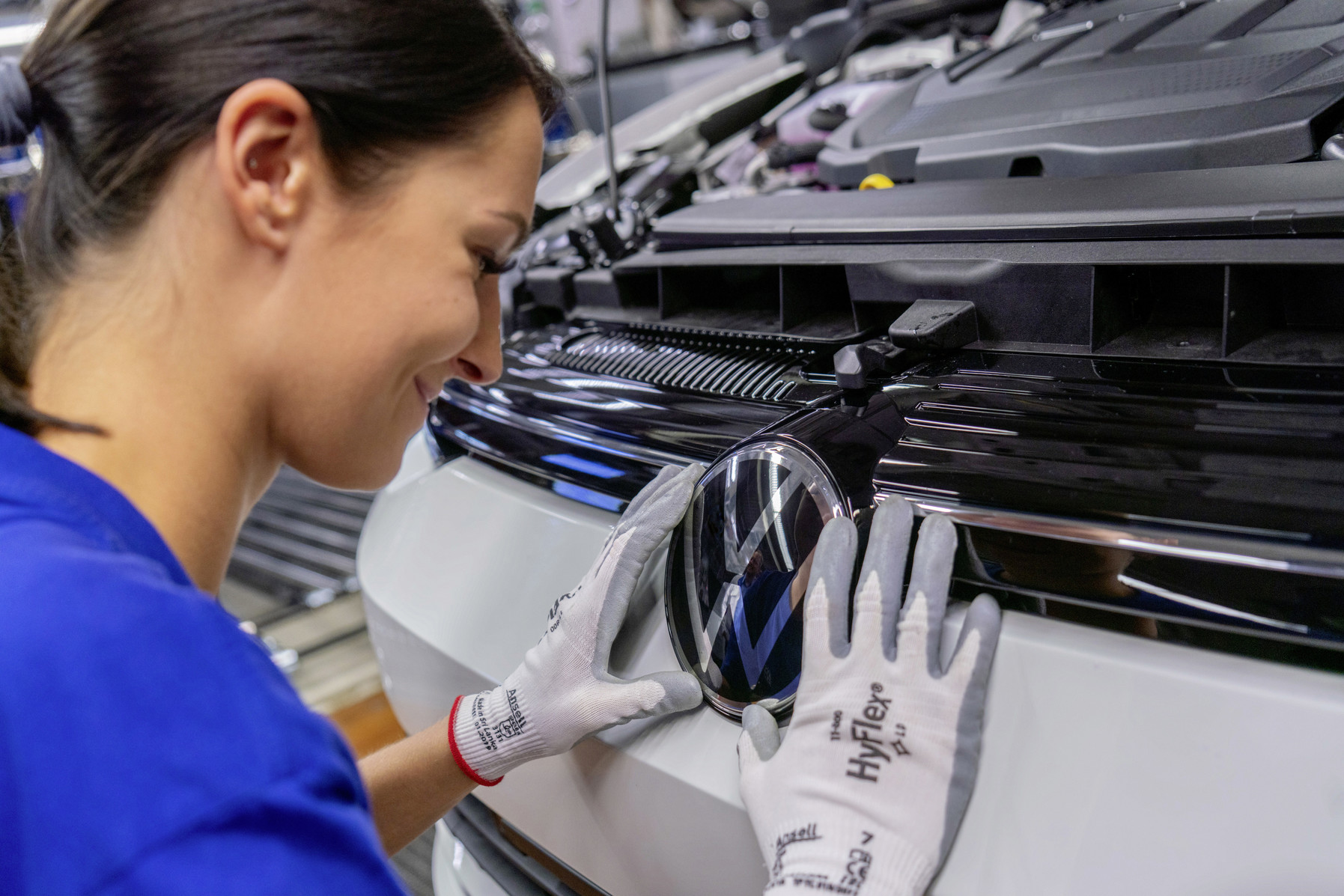
Over 35 million Golfs in various versions have been produced worldwide since the first generation, 26 million of them at Volkswagen’s Wolfsburg plant in Germany. Now, the new generation –referred to as Golf 8 – is on the lines and the first cars will be in the showrooms in Germany and Austria in early December. The model will be launched on October 24.
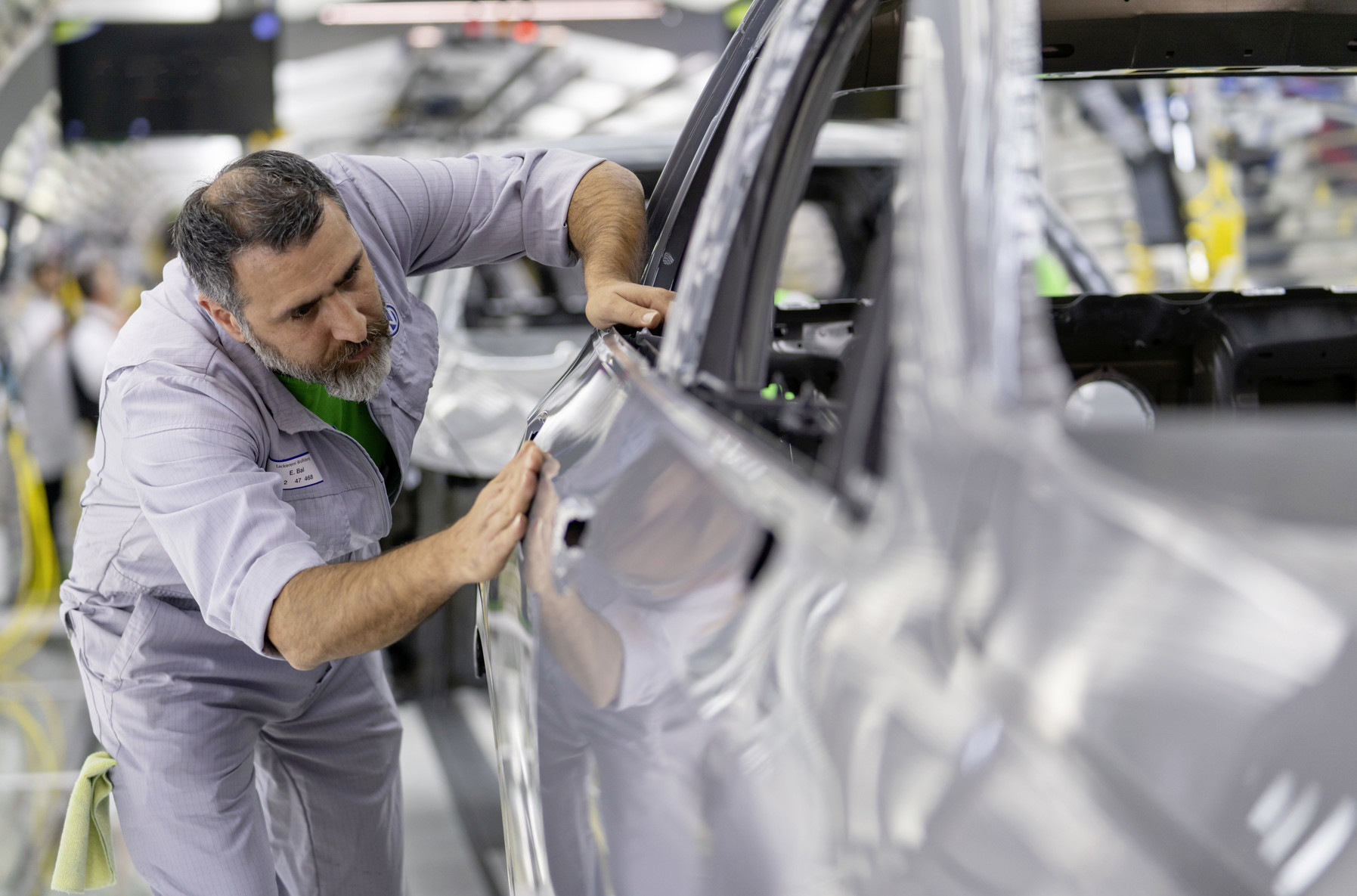
To prepare for production, approximately 700 work steps were analyzed at over 400 workshops to leverage existing efficiency reserves. Numerous process improvements have been implemented to make sure the eighth generation of the bestseller can be built more efficiently than its predecessor.
The Golf 8 has over 2,700 individual parts and components with 962 wiring systems and 1,340 metres of cable. That is 31 wiring systems and just under 100 metres of cable more than in the Golf 7.
One hour cut in production time
“The Golf 8 is much more complex than its predecessor. Nevertheless, we have cut average manufacturing time by about one hour. Because the Golf 8 belongs to the second-generation of MQB products, we achieved a significant reduction in production investments. Our platform strategy is delivering. The team in Wolfsburg have given their all for the Golf 8. Production processes have become more efficient overall. That is a great achievement and I would like to say a big thank you to all employees,” said Dr. Andreas Tostmann, Volkswagen Brand Board Member for Production.
Due to greater standardization of plant and processes for the Golf 8, ramp-up investments for a successful start of production have been cut by more than half compared with the model’s predecessor. Total investments for the new Golf are in the mid three-digit million euro range. Given the current platform strategy, 80% of existing body shop plant and equipment can be used. New equipment has been installed for the side panels of the Golf 8 with their striking tornado line. This new plant is not only much more flexible but it is also 40% more productive.
Autonomous logistics in the Wolfburg factory
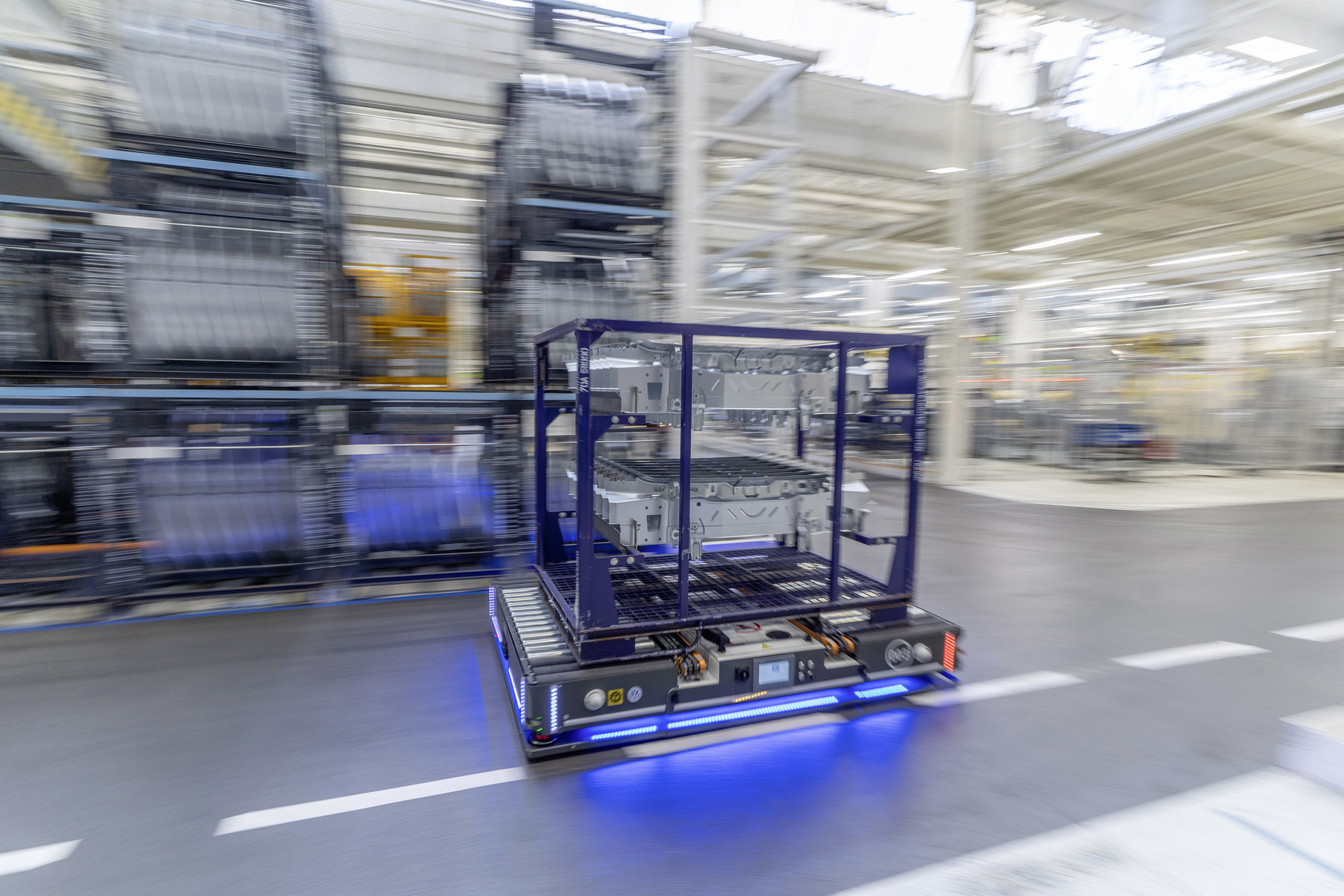
Commissioning the Golf 8, i.e. installing all data, is fully automated and carried out via a fast WLAN network while the vehicle is still on the production line. As a result, manufacturing time for this process step remains unchanged even though the volume of data is higher. From next year, a new fully-automated generation of driverless transport systems will ensure the faster supply of material, a key factor in efficient factory processes. Body shop logistics will see a 7% improvement in productivity through the use of 23 transport robots. Incidentally, starting with delivery of the steel sheet, the Golf travels 69 kms on production lines until the finished car leaves the factory.
To know more about Volkswagen models available in Malaysia, visit www.volkswagen.com.my.
The history of Mazda has some dark periods, times when the company was on the brink of bankruptcy. Of course, nothing can ever compare to that dark period in 1945 when an atomic bomb destroyed its home city of Hiroshima and an estimated 140,000 people lost their lives. At that time, Mazda was already making motorized vehicles although it had started 25 years earlier in the cork business before moving on to machine tools.
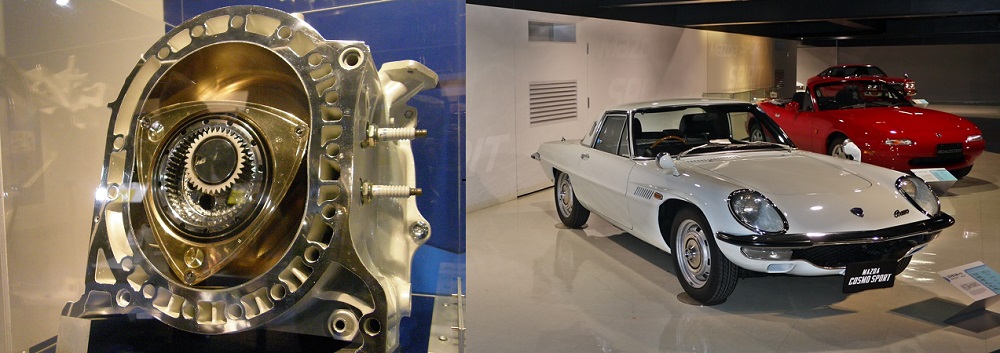
Mazda recovered after the war and began to focus on making cars. It had talented engineers but it was a small company. To differentiate itself, Mazda decided to invest in commercializing the Wankel rotary engine. While a few other companies also showed interest in the engine, none took it as far as Mazda which used it in a range of models from 1967. The unique characteristics of the rotary engine enabled it to produce high output without having a large displacement. A 1.2-litre rotary engine in the Mazda RE was powerful enough to challenge the 2-litre Alfa Romeos at the Batu Tiga track in the 1970s.
In the 1960s, Mazda stood out by being the only carmaker to sucessfully commercialise the rotary engine, with its first model being the Cosmo Sport.
By the early 1970s, Mazda achieved its differentiation and stood out, especially in North America where the rotary models sold well. But then came the first oil crisis in 1973 and a second one in 1979, during which time prices of fuel shot up as supply was limited. The major drawback of the rotary engine was its consumption (and later emissions) and sales slowed down as consumers turned to more economical models. Mazda had also relied a lot on sales in North America and it was in big trouble.
Fortunately, it didn’t have to close down and was able to continue its business after restructuring and reorganization with banks. Its engineering talent was still there and it came out with some well engineered models like the first front-wheel drive Mazda 323/Familia in 1980. Thereafter, it continued to grow and while affiliated with Ford until 2015, it also improved its production processes.
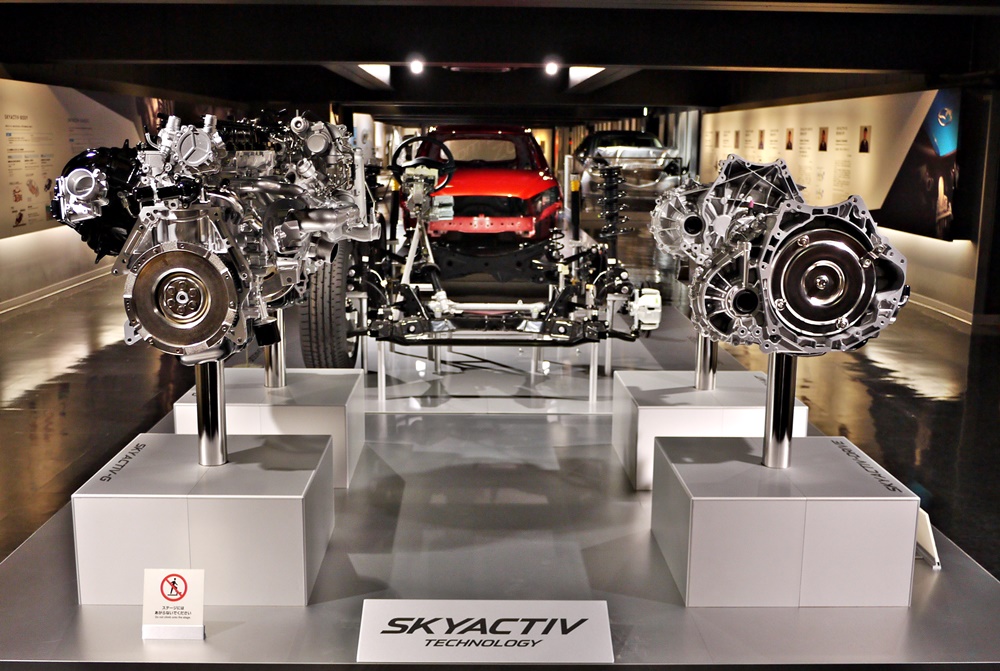
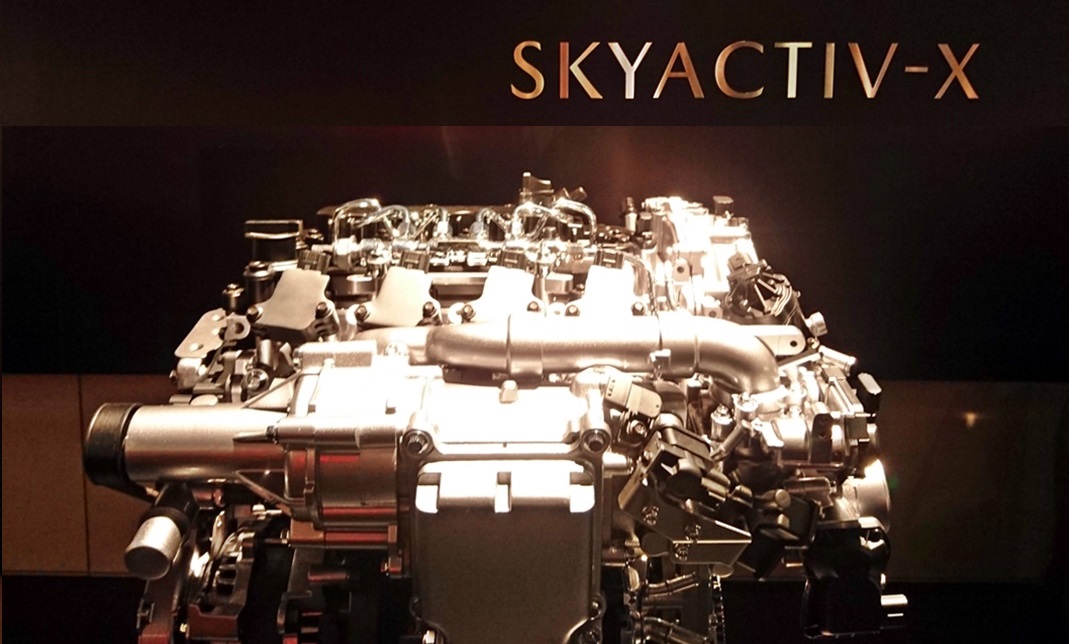
That dark period when sales collapsed in North America and took the company to the brink of closing down must be embedded in the Mazda’s corporate memory. It showed that reliance on a single powerplant without taking into account social and industrial changes was risky. Thus far, Mazda has been focused on the internal combustion engine (ICE), pushing development much further than anyone else and still able to keep the powerplant viable. It didn’t go into hybrids because it believed its SKYACTIV engines could do just as well and only develop a Mazda3 Hybrid for the domestic market to meet demands by some customers.
SKYACTIV-X is probably the peak of ICE development for Mazda and it must be realizing that loyalty to the engine can be dangerous. Even Honda, which was an ‘ICE loyalist’, has gone into electrification of its model lines, especially for Europe. If Mazda does not ‘go electric’, it can be the 1970s all over again and they certainly do not want to allow another dark episode to happen.
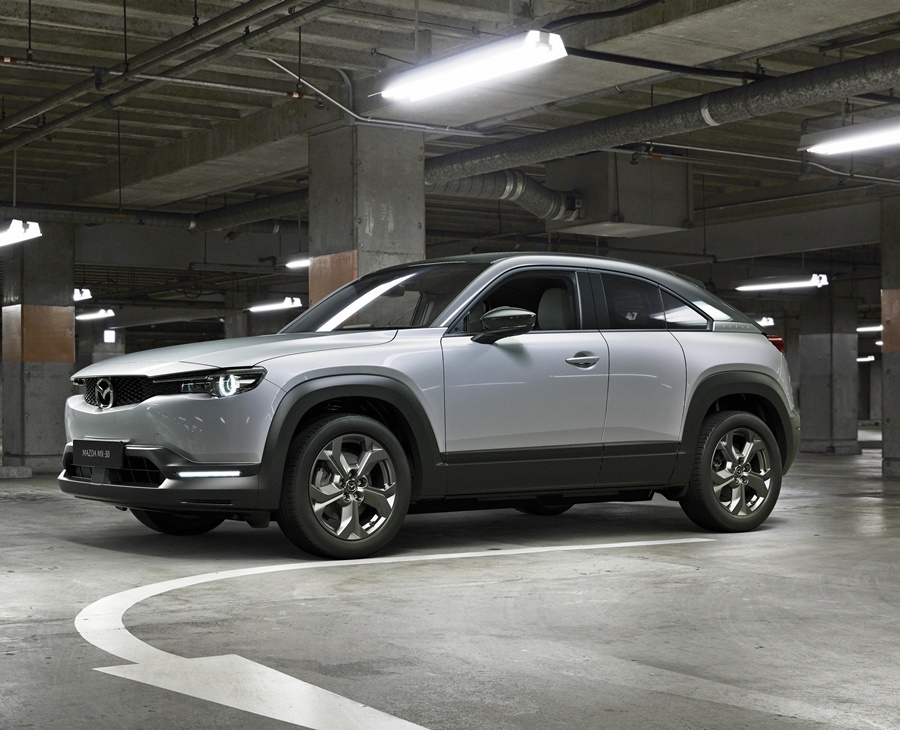
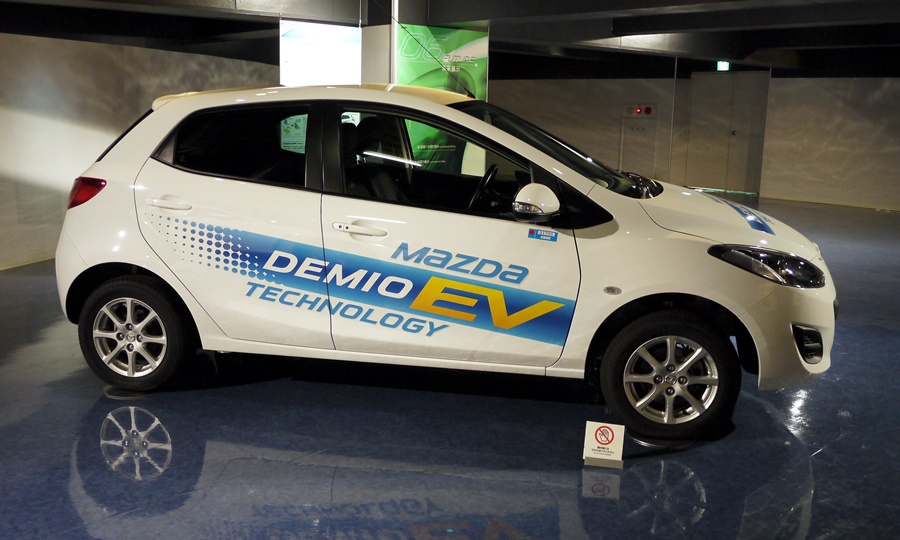
Which is probably why the unveiling of its first all-electric model – the MX-30 – today at the 2019 Tokyo Motor Show is quite a surprise. All these years, the company has never talked much about EV development although it was looking at a range-extender with a rotary engine. Of course, there would have been some R&D in the field but it seemed that everything was about SKYACTIV engines.
An early generation Mazda2 prototype with an electric powertrain.
Why ‘MX’?
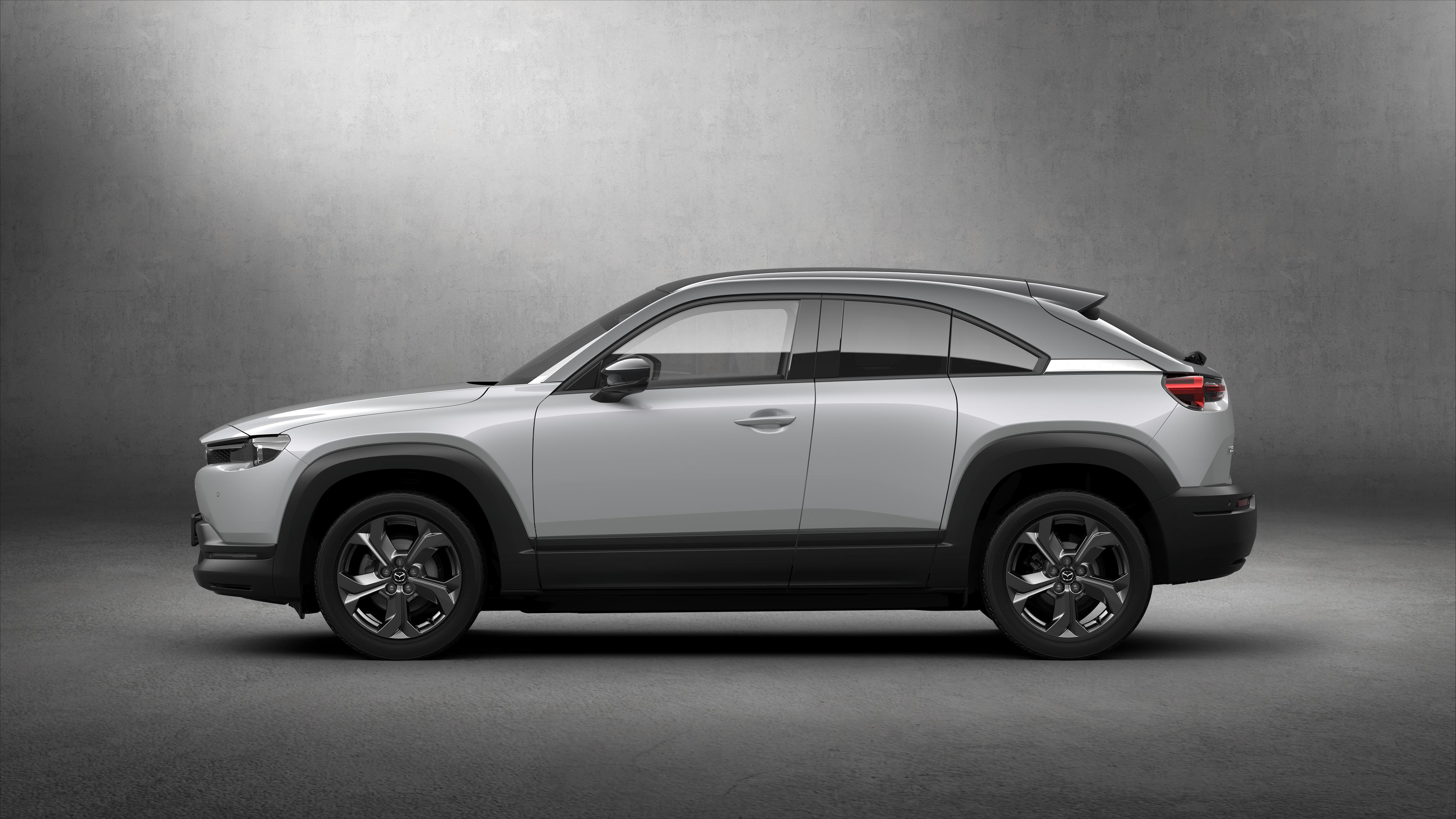
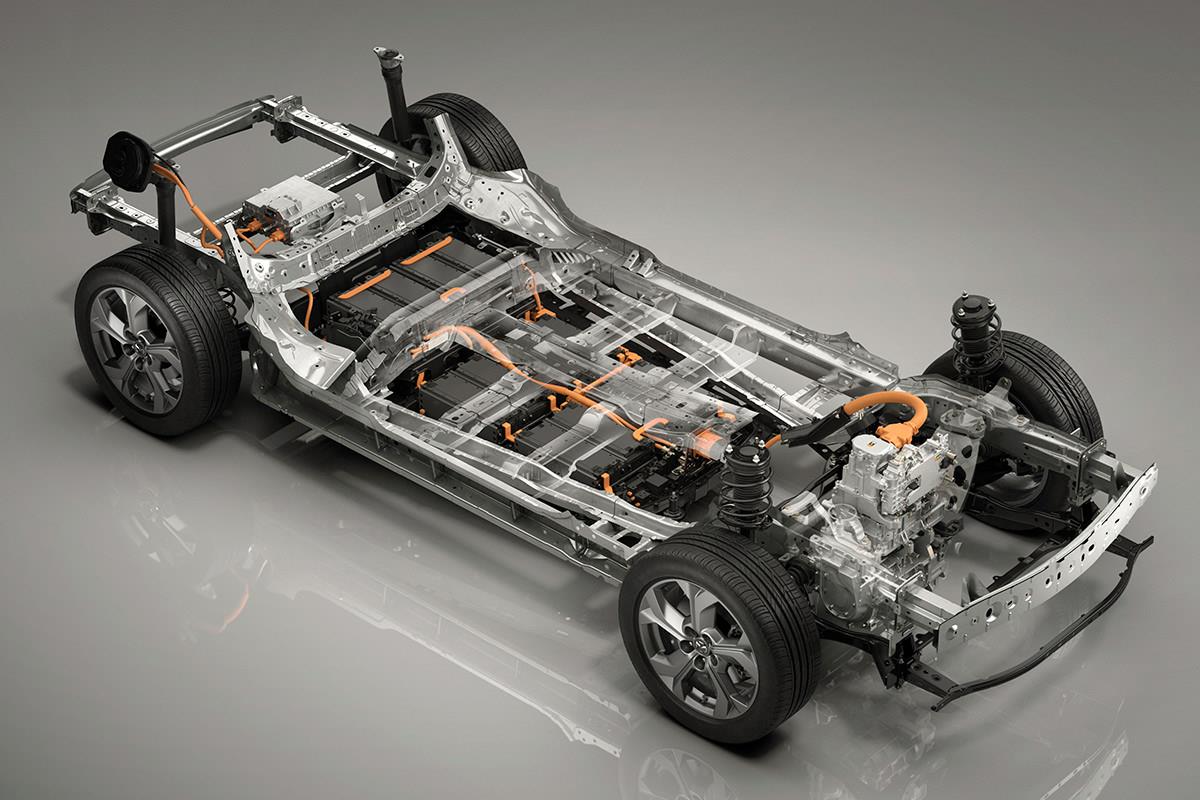
Badging it with ‘MX’ has caused puzzlement since it’s a very different type of car from the MX-5. Or are we seeing the start of a new product categorization strategy with ‘MX’ representing sport variants since there is also the new CX-30 that is similarly sized. In fact, the structure is similar to the SKYACTIV-Vehicle Architecture used for the latest Mazda3 and now, the CX-30 as well, but adapted to take a battery pack.
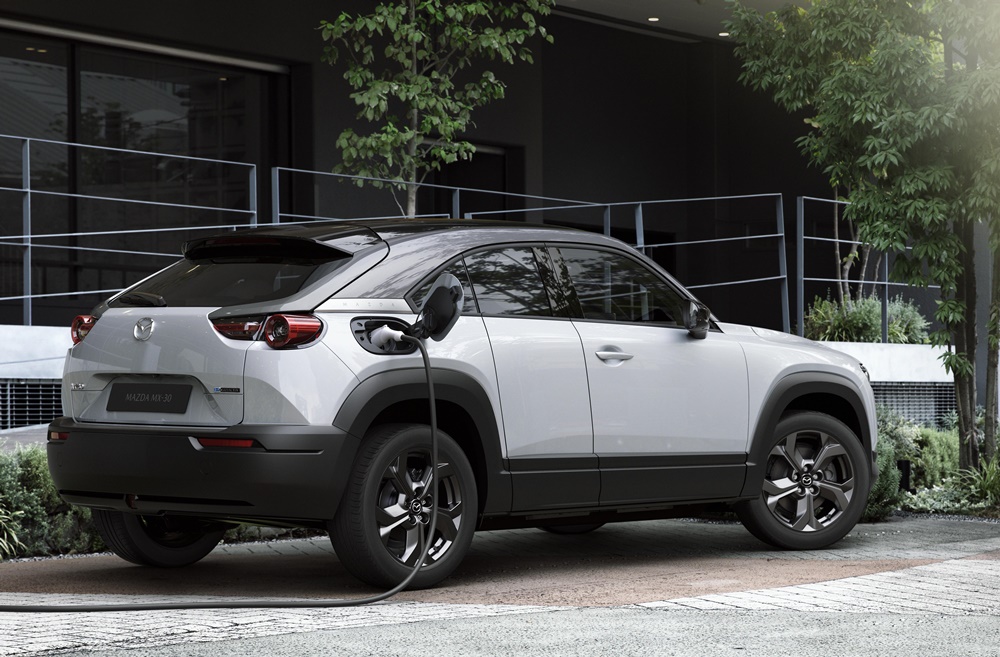
The MX-30 is therefore a relatively small car – 4395 mm long, 1795 mm wide, 1570 mm tall, with a wheelbase of 2655 mm. But this is probably advantageous for an EV that needs to keep weight down. Ring structures around the battery pack and in the floorpan are also necessary for extra rigidity which is enhanced by having the battery pack joined to the body.
e-SKYACTIV electric-drive technology
Mazda continues to use the SKYACTIV branding with the MX-30 having e-SKYACTIV electric-drive technology. For now, technical details are limited and the spec sheet shows the lithium-ion battery pack to have total voltage of 355V and a capacity of 35.5kWh. Recharging can be by AC or DC with the former able to go up to 6.6kW. DC charging can be up to 50kW with either the CHAdeMO or CCS standard. The powertrain has a 105 kW (142 ps) output with 264 Nm of torque. The range for the European model is stated as 210 kms.
We’ve found that whatever type of model Mazda makes, it will always ensure that the jinba-ittai and Zoom-Zoom elements are present. So we can expect that the MX-30 will also be tuned (or programmed) to offer the zesty experience that has won many customers for the brand.
The MX-30 also has a more advanced G-Vectoring Control system known as e-GVC Plus which has been programmed to work more effectively with an electric powertrain. It varies engine torque to optimize the weight transfer front and rear for smoother cornering.
KODO design with a difference
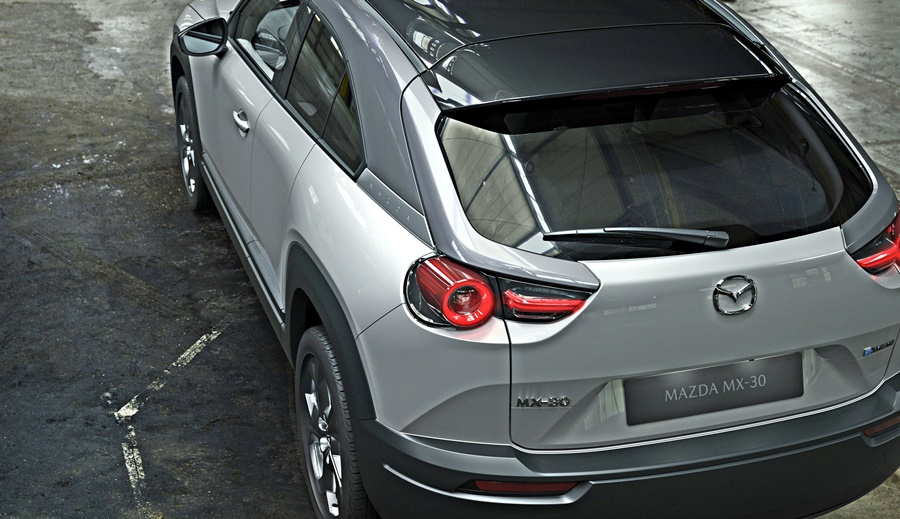
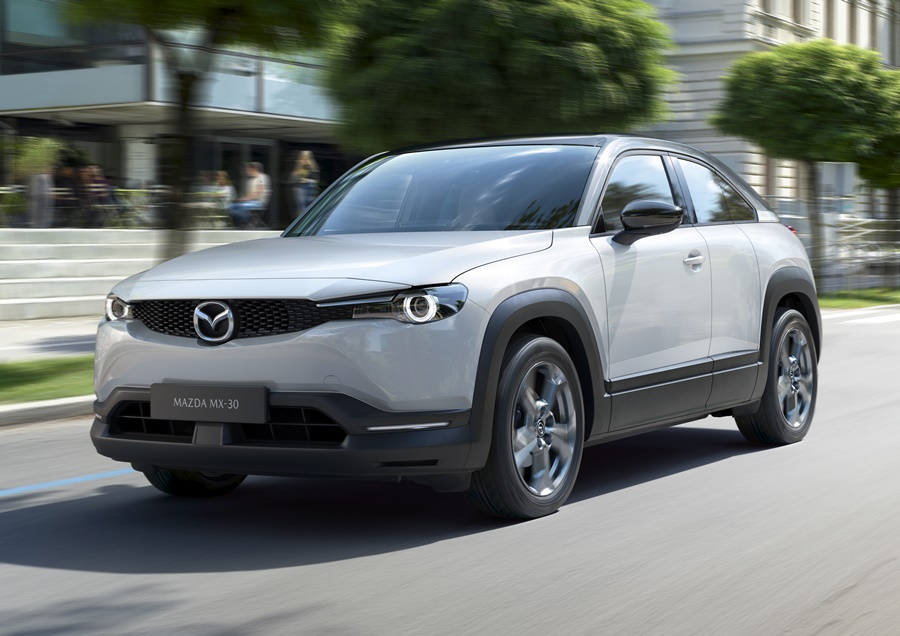
We’ve been exposed to the KODO Design language for many years now and 2 years ago, Mazda’s design chief, Ikuo Maeda, said that KODO Design will continue for some time. The MX-30 is said to adopt KODO Design although it is somewhat different from the other current models. There is a hint of the pentagon-shaped grille which flows into the headlights.
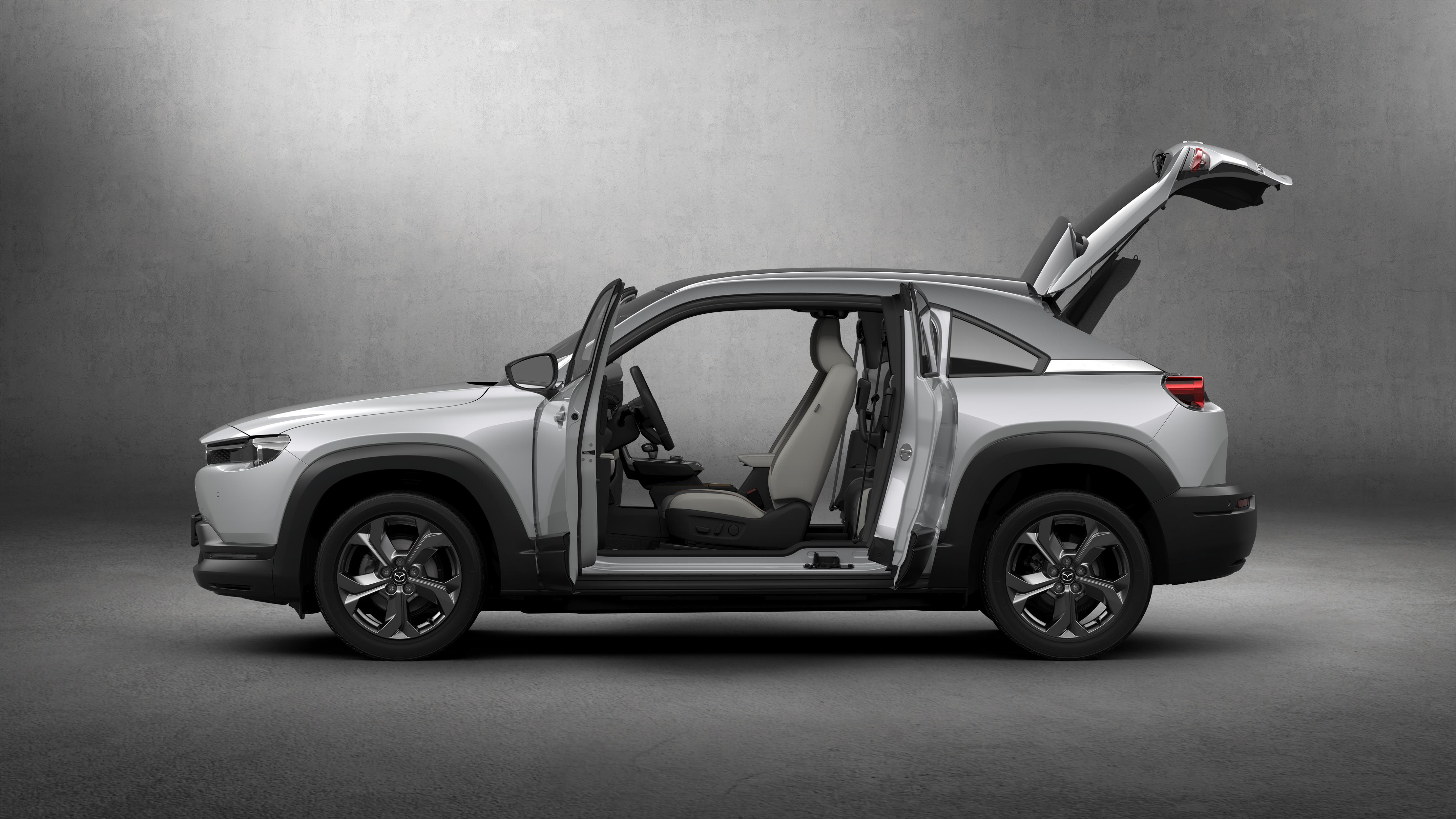
It’s a crossover coupe with the sportiness that justifies having a ‘MX’ badge in a small way. For some reason, Mazda designers have a fondness for what are referred to as ‘suicide doors’ – which are hinged at the back rather than at the centre pillar. They put these on the RX-8 and on the MX-30, they’re known as ‘Freestyle Doors’.
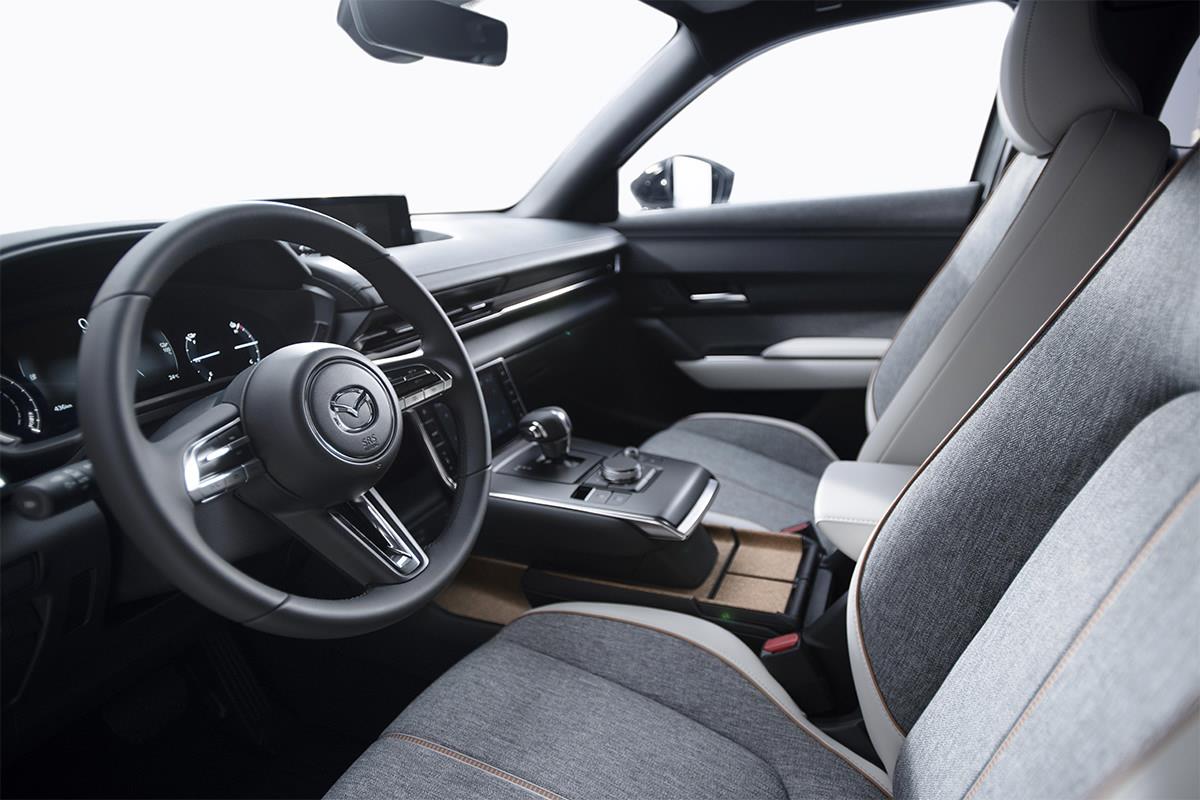
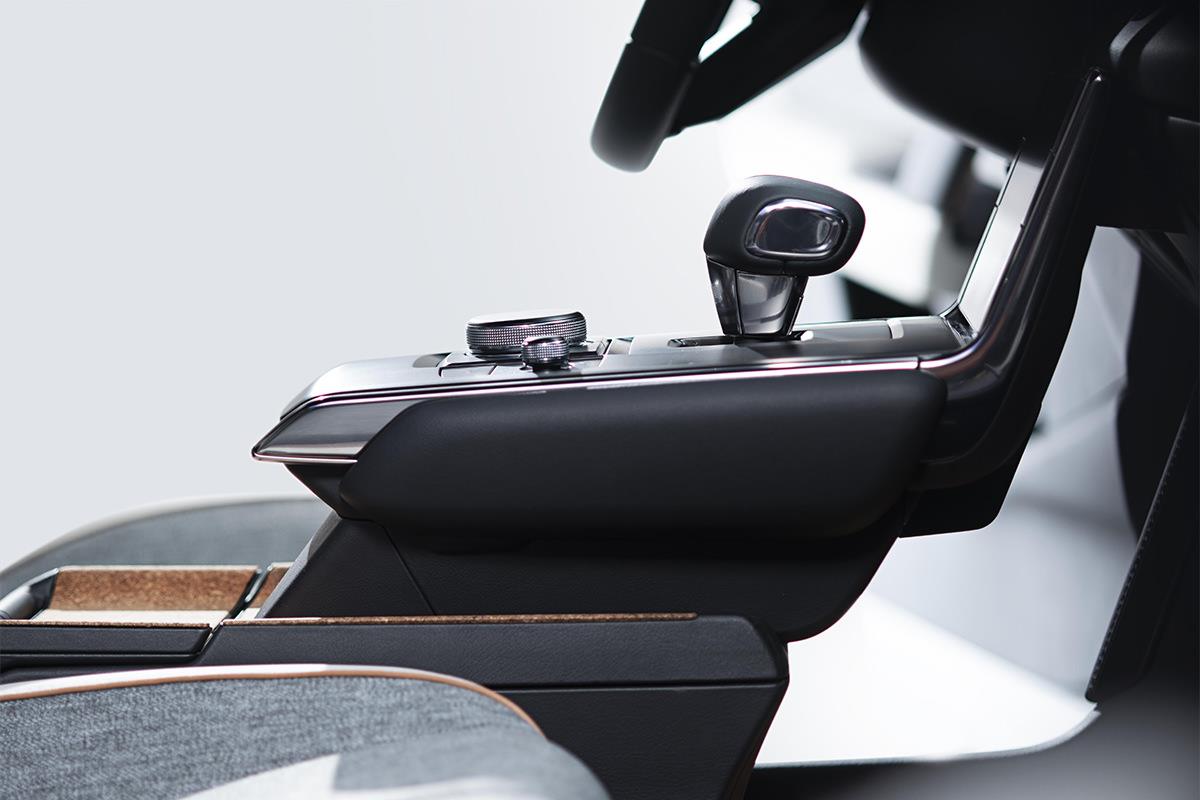
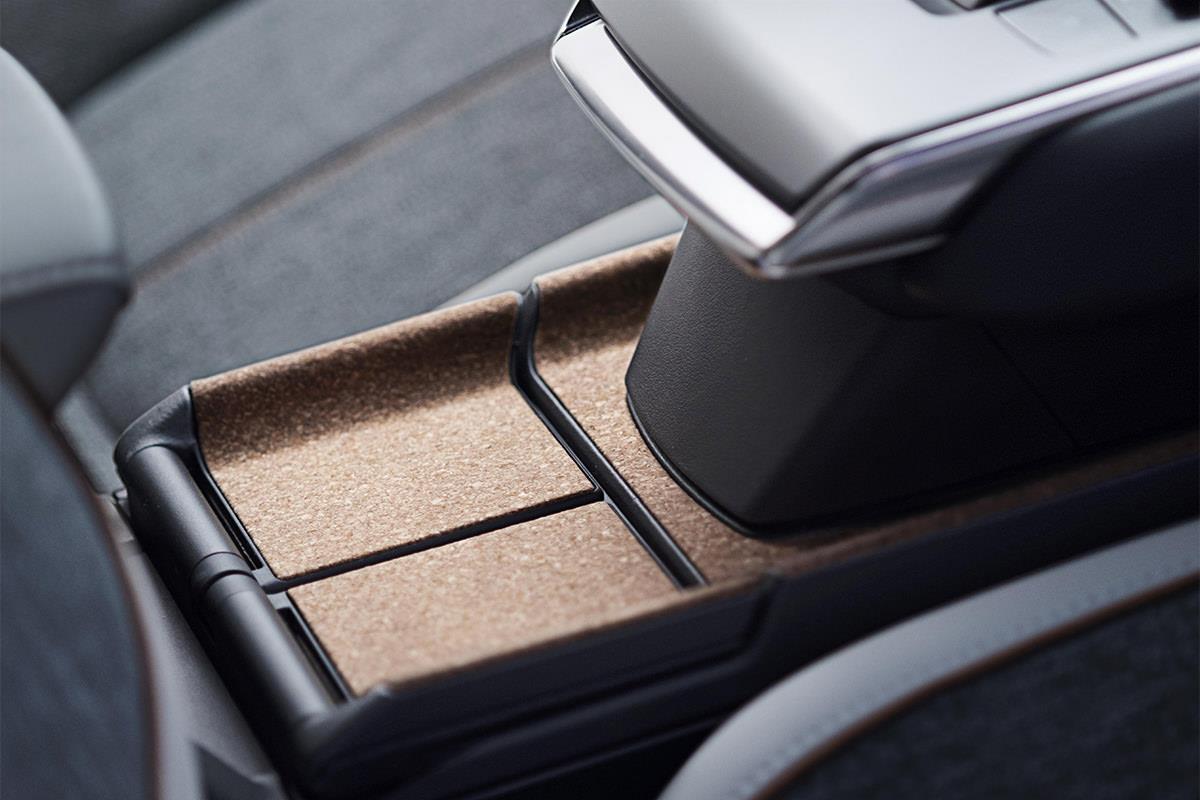
For the interior, openness was a strong objective. The interior space with a floating theme gives a sense of unity, and the design team created an open-feeling cabin interior and paid particular attention to the selecting the right materials and showing them in ways that bring out their best. Heritage Cork used in the console tray is designed to emphasize the texture and visual warmth of the material – and cork is historically associated with the company.
The door trim features a fibrous material with a texture that seems to contain air, creating a material-based sense of openness within the cabin. Both of these materials are designed to be low-impact and sustainable. The door trim uses fibres made from recycled plastic bottles and the cork is harvested from the bark of trees without felling.
So far, marketing plans for the MX-30 are sketchy. The first units will roll out early next year and the domestic market will certainly get them. Orders from European importers and distributors are also accepted from today but for other markets, no information is available yet. But the MX-30 is just the start for Mazda’s electrification and a senior executive has said that every model line will have an electrified variant by the 2030. As for the Malaysian market, ot is unlikely that we’ll have the MX-30 or any other EV Mazda introduces for a while unless there is a major shift in government policies which must be accompanied by a recharging infrastructure.