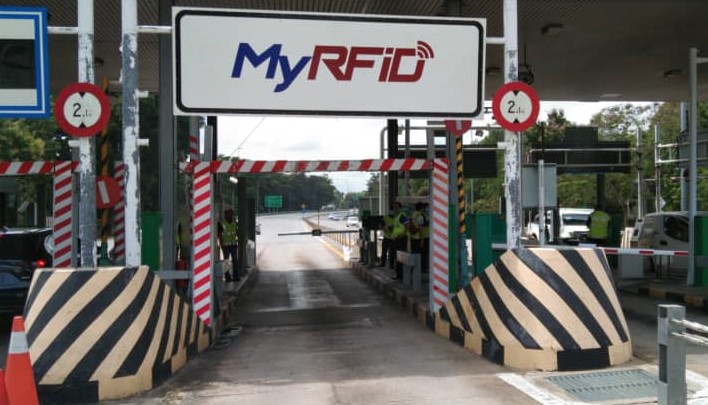
Touch ‘n Go, a key player in RFID technology in Malaysia, is addressing a recent misconception about RFID tags having an expiry date. While debunking this misconception, the company emphasised a different aspect—RFID tags, unlike traditional smart tags, may experience wear and tear over time.
Contrary to the false information suggesting an expiry date, Touch ‘n Go clarified that RFID tags issued by the company do not have a predetermined expiration. Instead, the focus was on a recent campaign aimed at pilot users, participants in the initial RFID pilot program launched in 2018. This campaign offered these users the opportunity to refresh their RFID tags, particularly if wear and tear had occurred, through a special promotion.
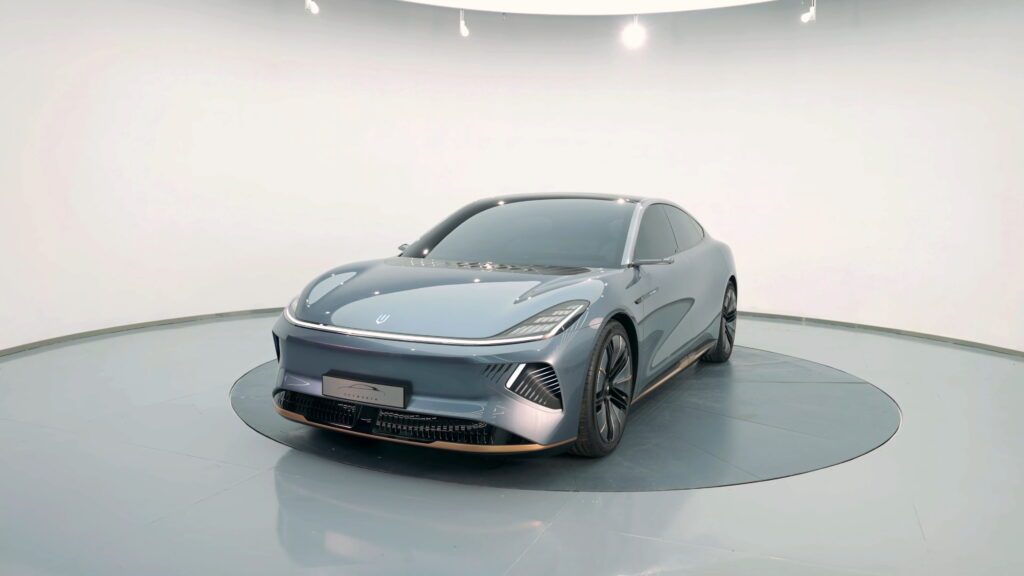
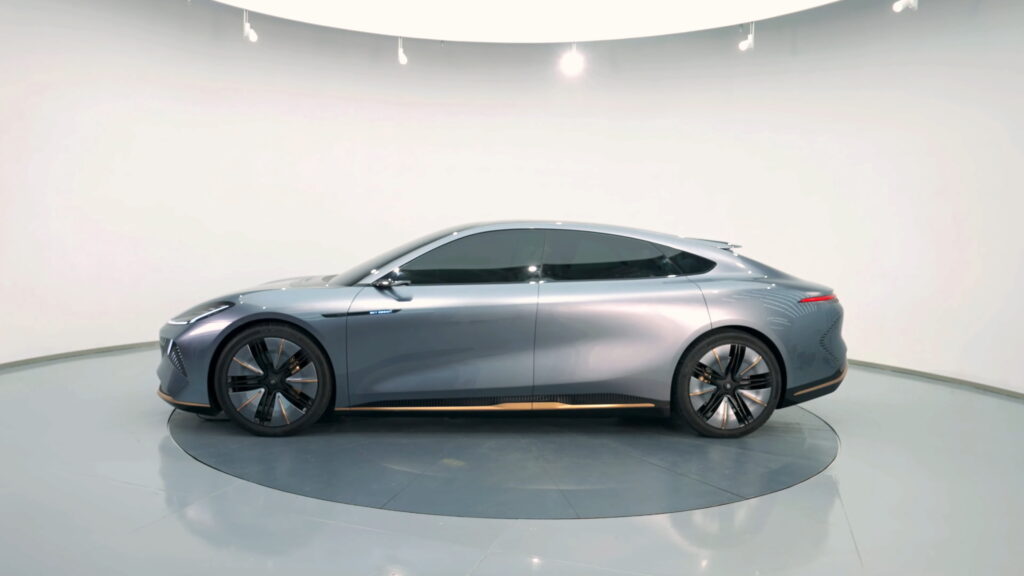
Chinese electronics giant Skywell has lifted the curtain on its revolutionary electric sedan, the Skyhome, set to hit production lines next year. Amidst the growing influx of electric vehicles from China, Skywell’s creation stands out with innovative features, promising a blend of sleek design and cutting-edge technology.
The Skyhome, produced under Skywell’s automotive division Skyworth, boasts a remarkably curvy exterior, breaking away from the sharp edges dominating modern car design. With a flowing front fascia, LED headlights, a panoramic glass roof, and digital wing mirrors, the car exudes a sleek and distinctive aesthetic. Notably, the cabin features a massive curved screen on the dashboard, housing the gauge cluster, infotainment display, and a passenger-centric screen. The yoke-style steering wheel, ambient lighting, and a variety of materials contribute to the futuristic interior.
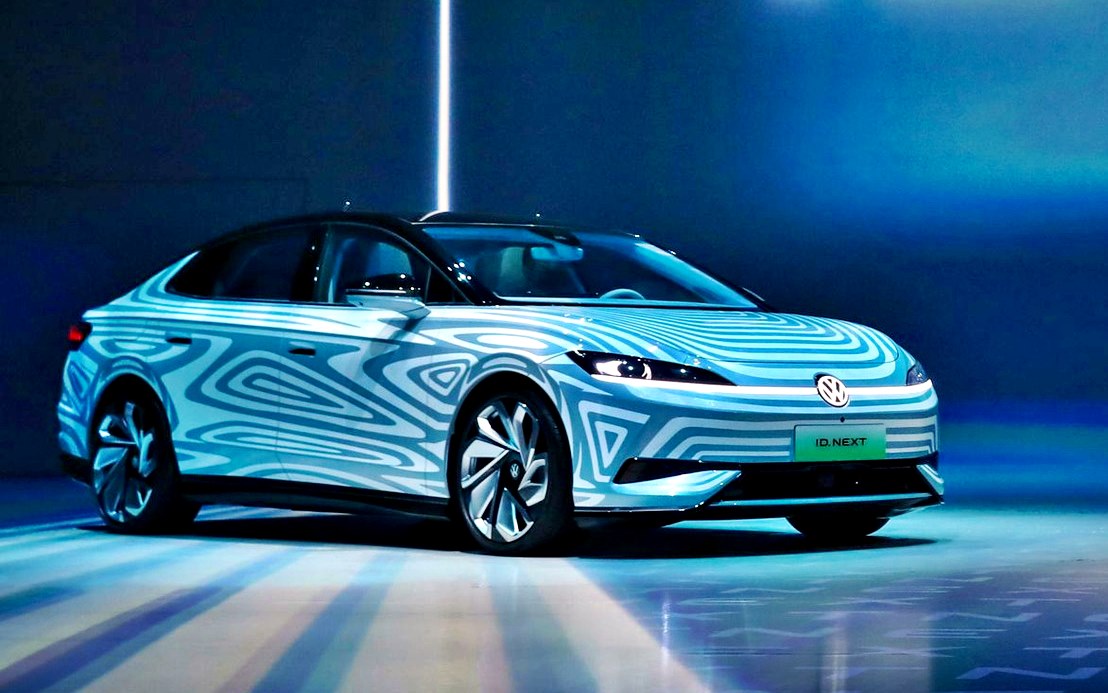
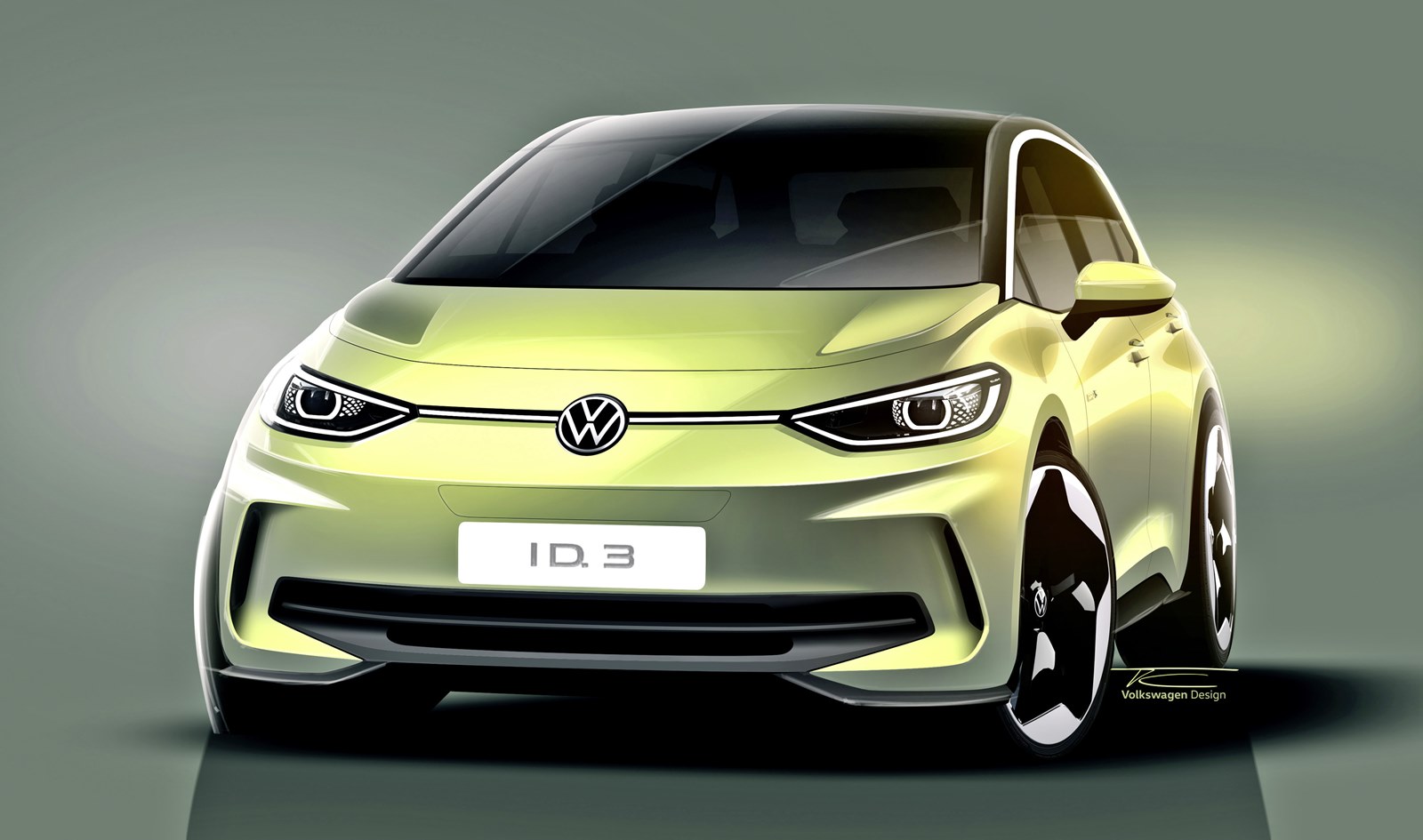
In a strategic move to solidify its presence in the rapidly growing Chinese electric vehicle (EV) market, Volkswagen has unveiled plans for a new platform tailored for affordable electric cars. The announcement was made by Ralf Brandstaetter, Chief of Volkswagen China, during the inauguration of the Volkswagen Group China Technology Company (VCTC) in Hefei, where an investment of approximately $1.1 billion is set to generate over 2,000 jobs.
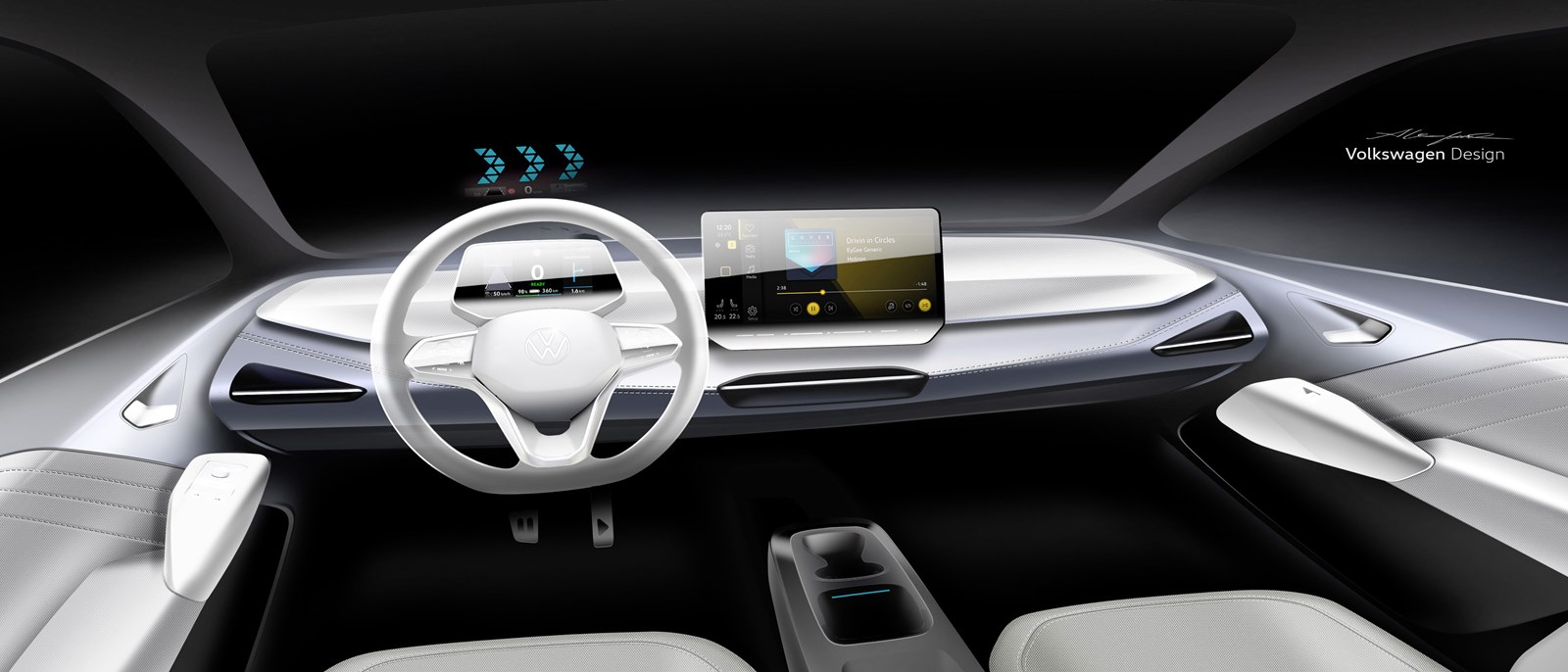
The newly revealed platform, tentatively named the “A Main Platform,” is designed specifically for the Chinese market. Volkswagen aims to enhance cost efficiency by incorporating a higher percentage of locally sourced components compared to their existing Modular Electric Drive Toolkit (MEB)-based models in China, such as the ID.3, ID.4, ID.6, and ID.7.
The platform, derived from the MEB, is anticipated to be operational by 2026—around a third earlier than initially projected—thanks to the capabilities of the VCTC.
Brandstaetter highlighted the “price-sensitive” nature of the Chinese electric vehicle market, necessitating a focus on cost optimisation. The move comes as Volkswagen faces increased competition, with BYD surpassing the brand in sales in 2022. The decline in gasoline car sales further emphasizes the importance of affordability, and Volkswagen’s ID.3 model experienced a surge in sales after price cuts.
The new platform targets the entry-level segment, with a price range of 140,000 CNY (RM92,483) to 170,000 CNY (RM112,301). Volkswagen plans to introduce four models based on this platform, collaborating with existing joint ventures with SAIC and FAW, the manufacturers of the MEB-based models.
Additionally, Volkswagen aims to launch two all-electric models, in collaboration with Chinese EV manufacturer XPeng, starting in 2026. This aligns with the automaker’s broader goal of introducing a total of 10 new all-electric cars globally by 2026, marking a significant acceleration in their electrification strategy.
Volkswagen’s commitment to the Chinese market involves not only addressing the immediate demand for affordable electric vehicles but also fostering partnerships and expanding its electric vehicle lineup, contributing to the global shift towards sustainable mobility.
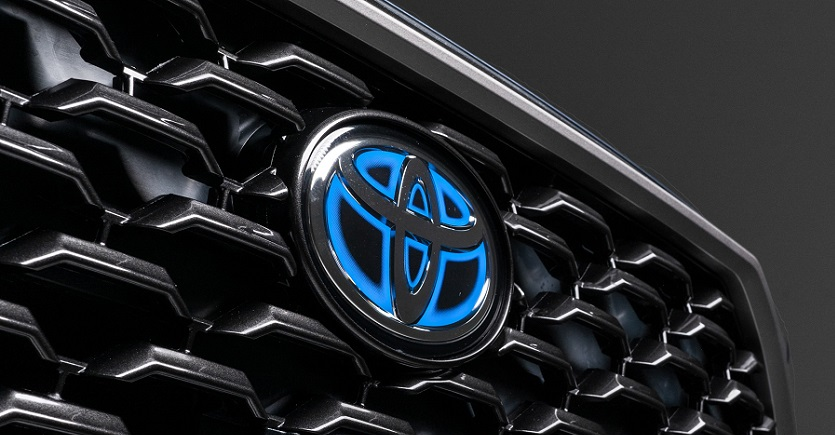
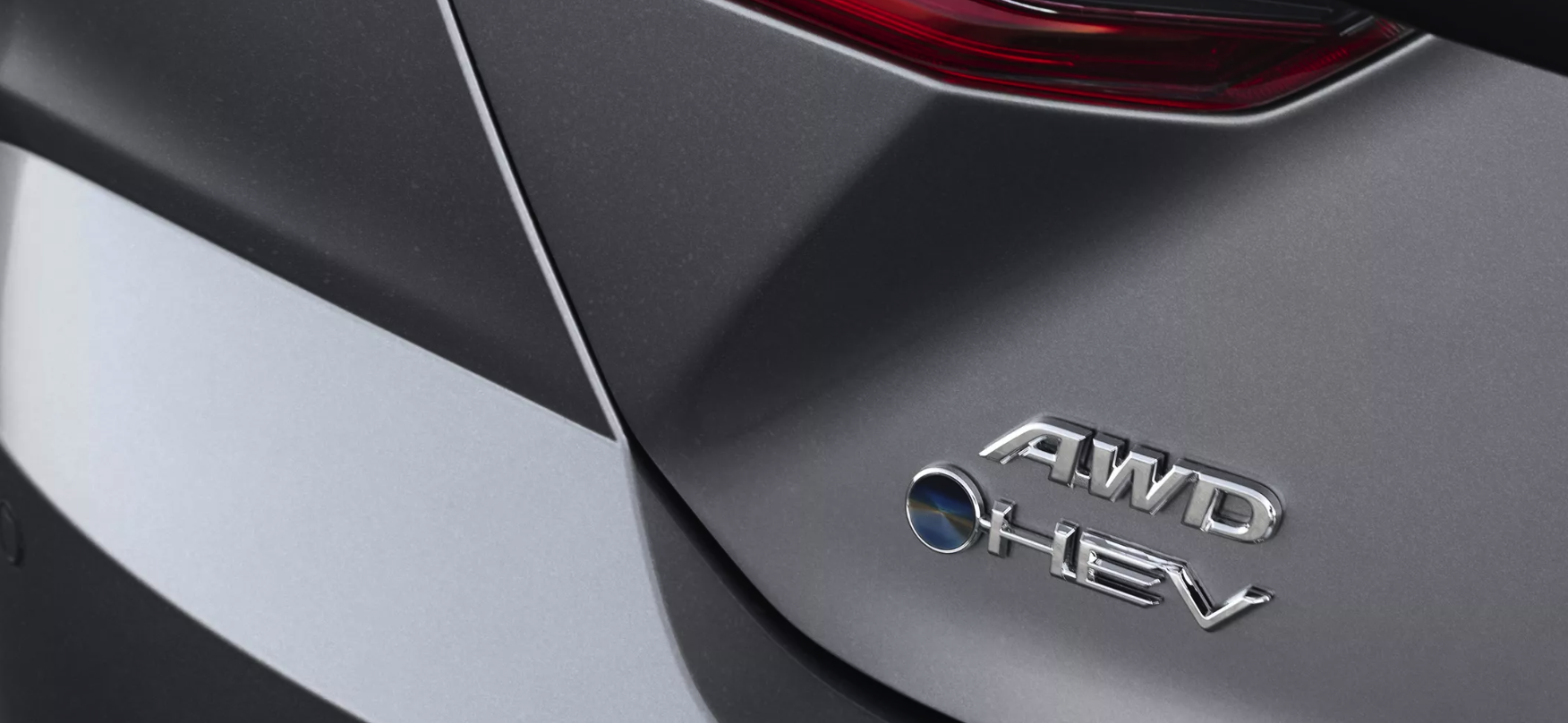
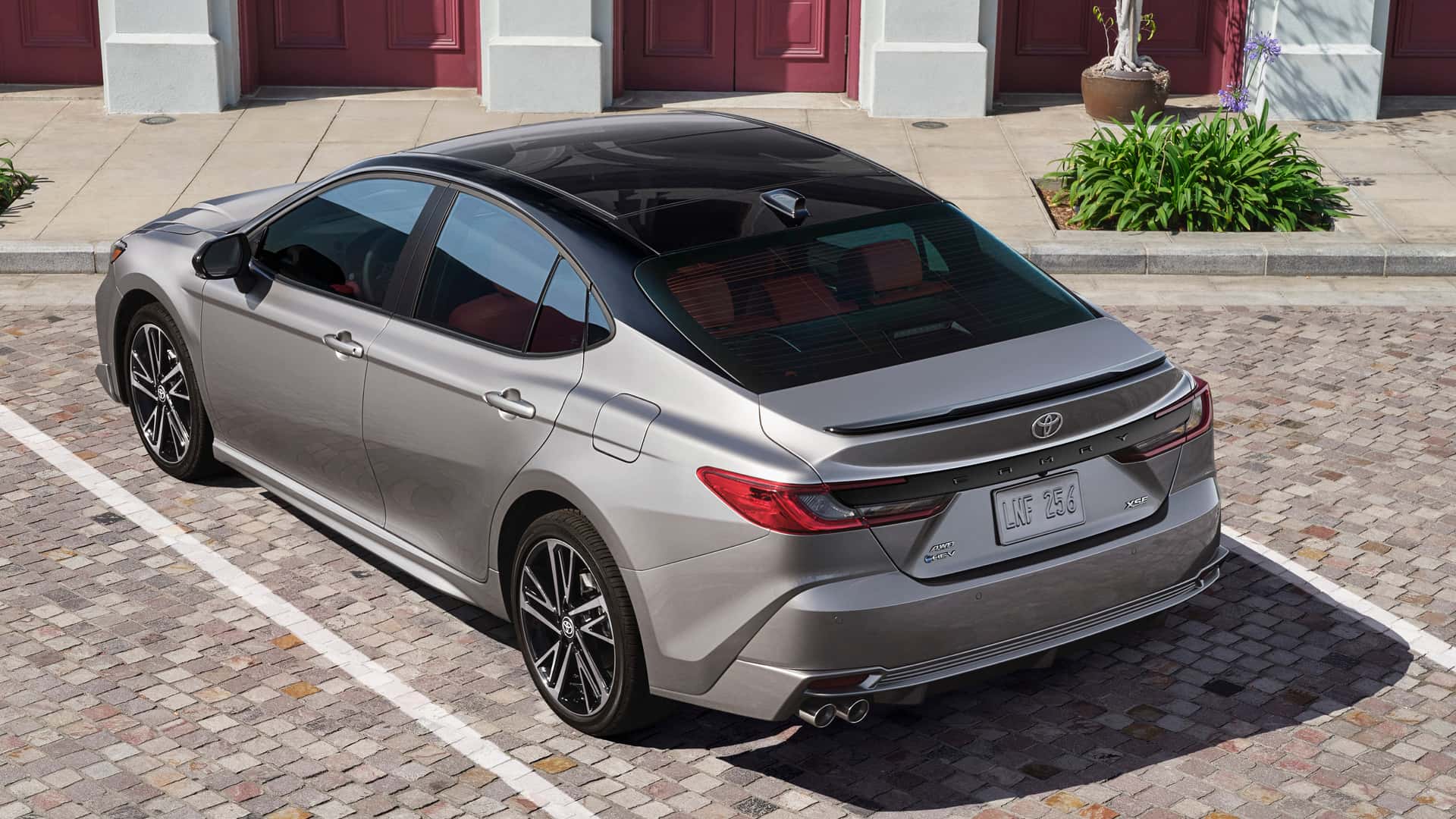
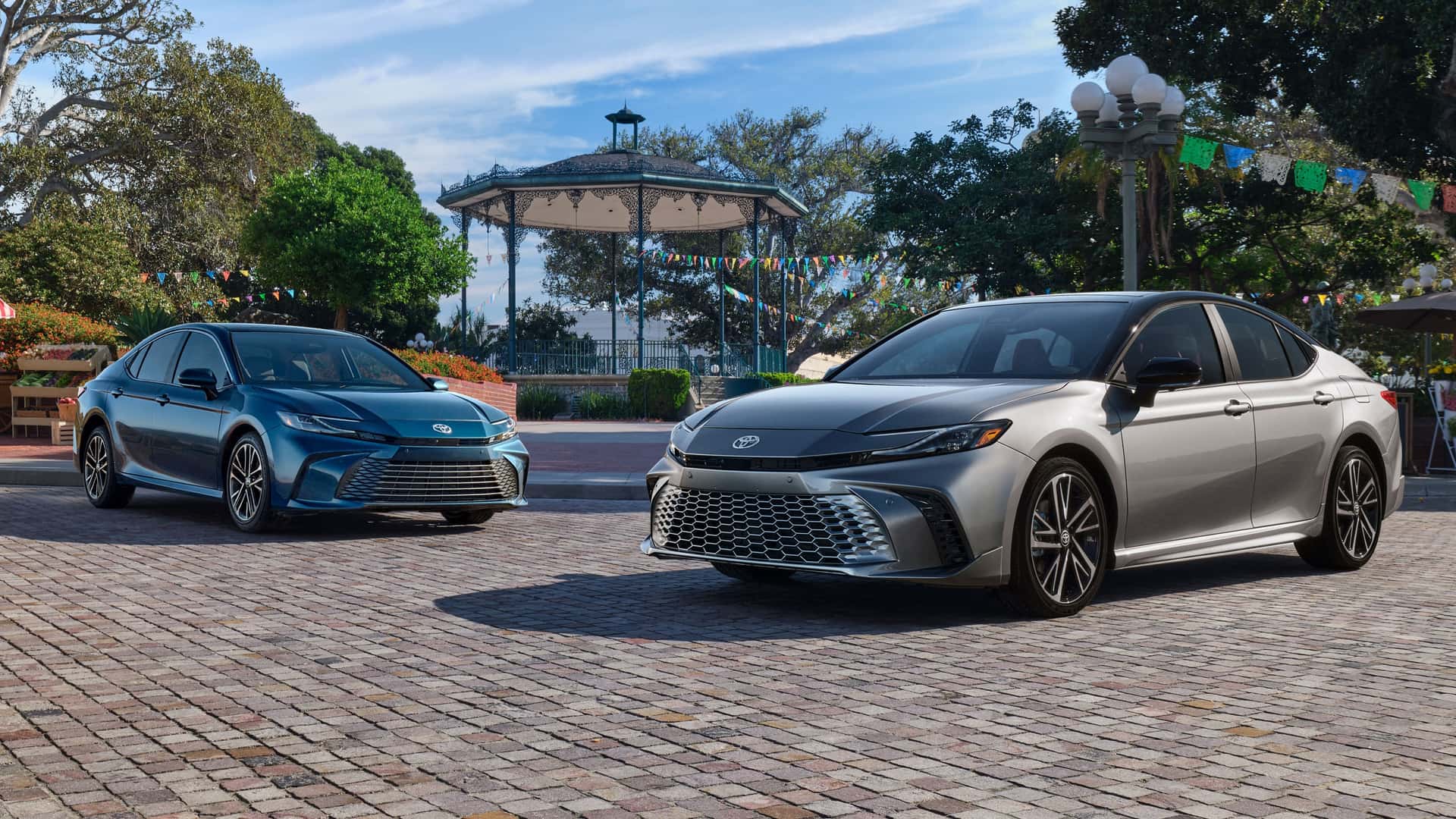
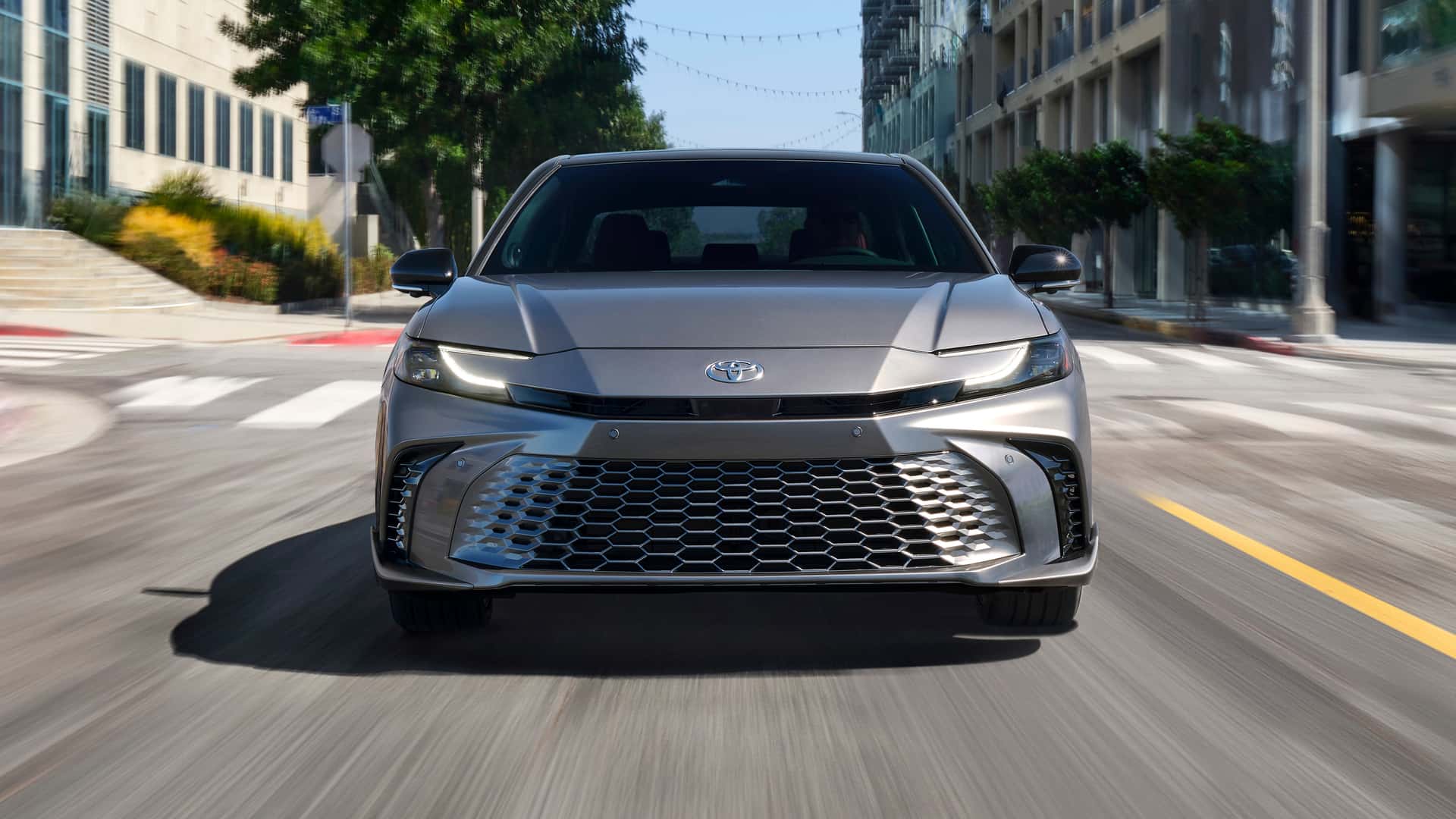
In a departure from its iconic blue halo within the T badge, Toyota has unveiled a symbolic blue dot on the trunk of its latest Camry hybrid, signaling a shift in its visual representation of electrified vehicles. Since 2009, the blue halo had been a distinctive feature on Toyota’s hybrid powertrain-equipped vehicles, but the new Camry takes a different approach to convey the brand’s commitment to sustainability.
The Shift to Symbolic Significance
The absence of the familiar blue halo on the new Camry is deliberate, as Toyota aims to emphasize its dedication to environmental stewardship with a fresh visual element. Instead of incorporating blue highlights within the Toyota badge, the Camry now proudly displays a blue dot next to the letters ‘HEV’ on the trunk, denoting its status as a hybrid electric vehicle.
A Symbol of Commitment to Sustainability
In a social media post from September, Toyota shared that the blue circle represents the company’s commitment to “the happiness of people living on earth and [its desire] to pass it on to the next generation.” This emblematic change extends beyond the Camry, with upcoming models like the Crown and the renowned Prius adopting the new visual cue.
Comprehensive Electrification Strategy
This symbolic shift isn’t exclusive to hybrids; Toyota plans to implement the blue dot on its new hybrids, plug-in hybrids, battery electric vehicles (BEVs), and fuel-cell electric vehicles (FCEVs). While models like the RAV4, Venza, and Corolla still bear the traditional blue Ts, the impending updates to these vehicles will incorporate the blue dot, aligning with Toyota’s overarching electrification strategy.
Beyond Zero Campaign: A Vision for a Greener Future
The introduction of the blue dot aligns with Toyota’s “Beyond Zero” marketing campaign, signaling a commitment to reach beyond carbon neutrality and make a positive impact on the planet and society. The company emphasises a diverse range of new energy vehicles, not limited to electric vehicles (EVs), and aims to underscore this strategy by incorporating the symbolic blue dot across multiple electrified models.
bZ3X
Future Teasers and Beyond
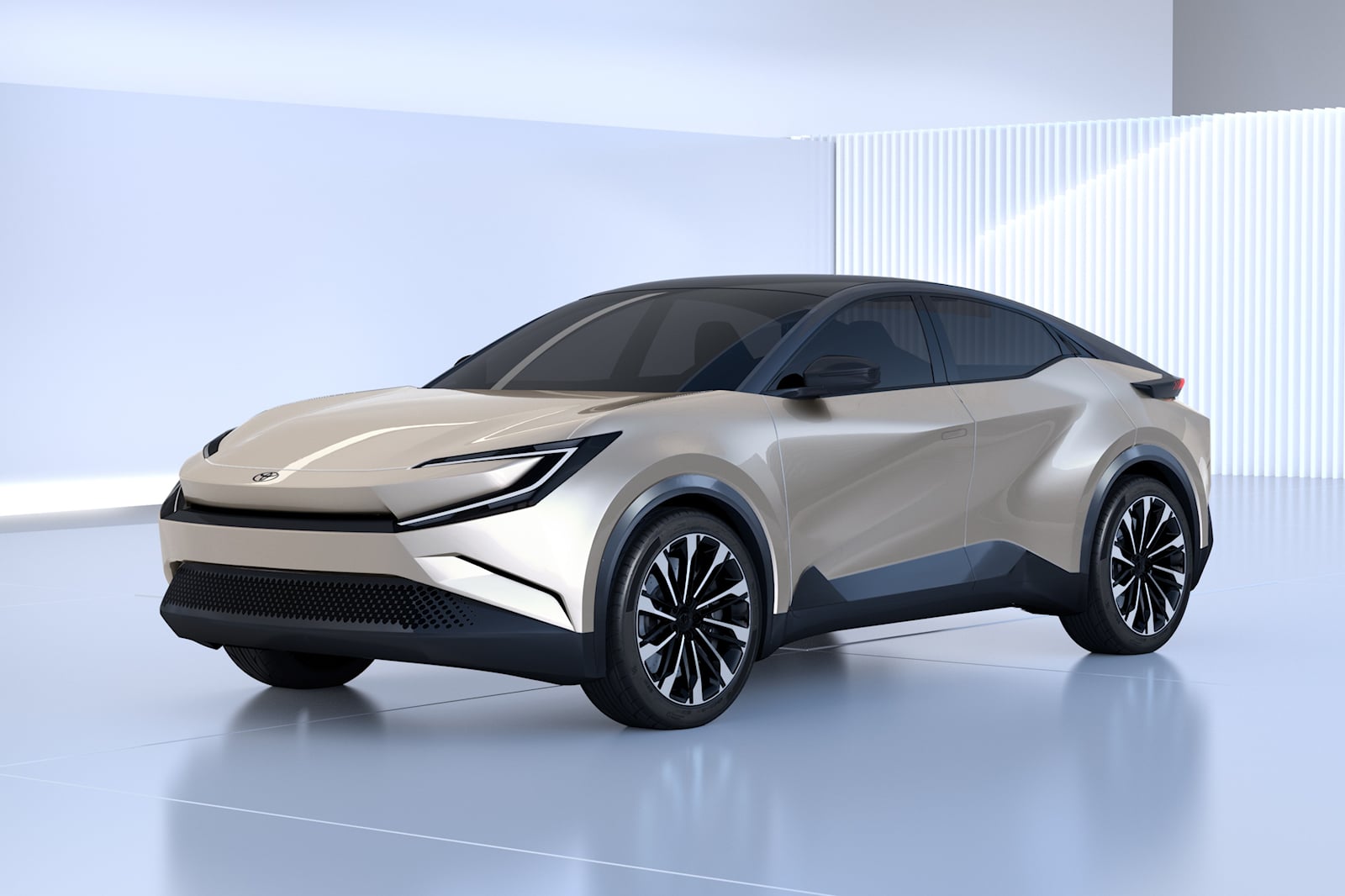
Teaser shots of the upcoming bZ3X, a battery electric vehicle, already showcase the blue circle alongside the letters “BEV” on the rear end. This sneak peek gives enthusiasts a glimpse into Toyota’s vision for a greener automotive future.
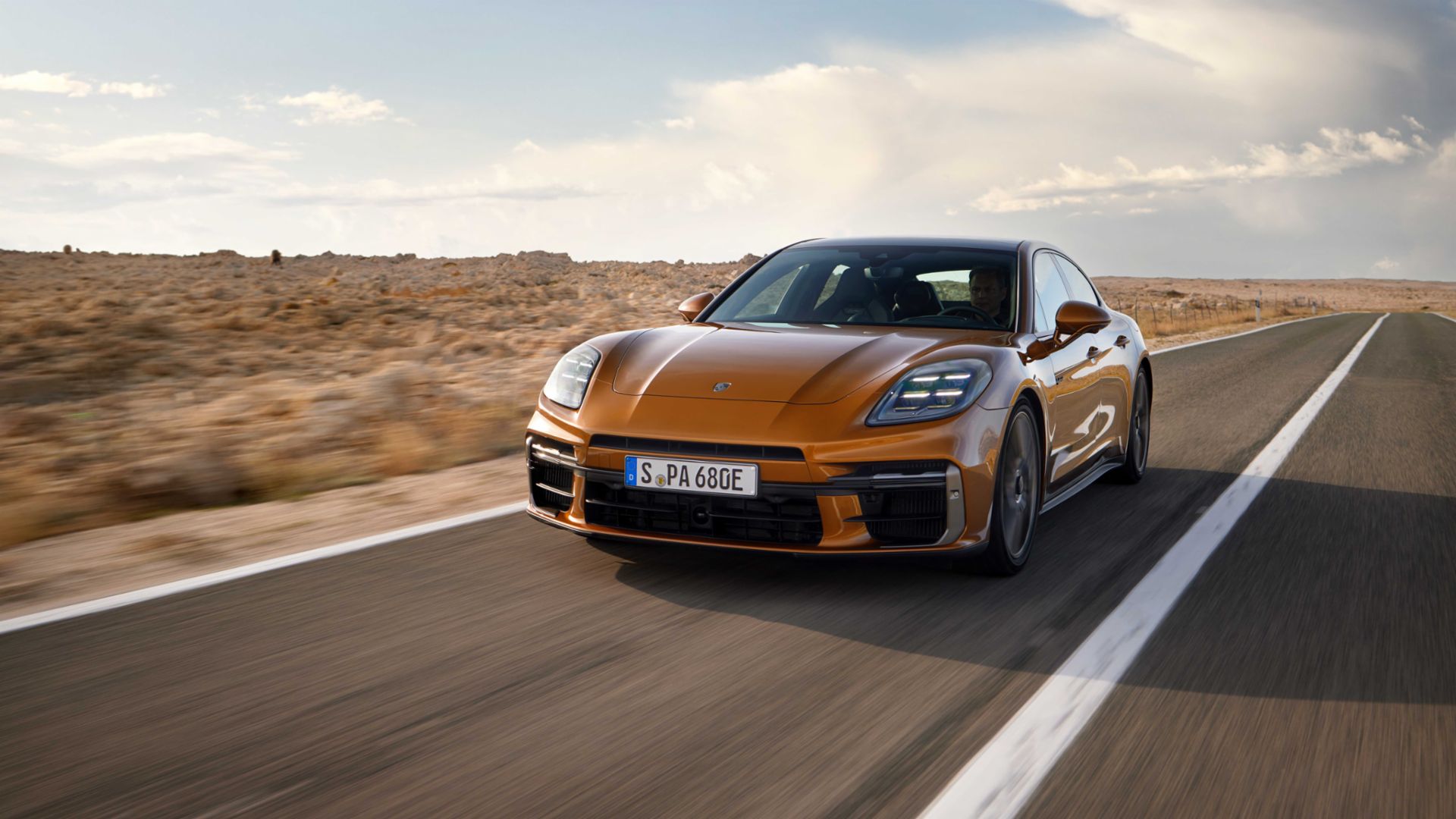
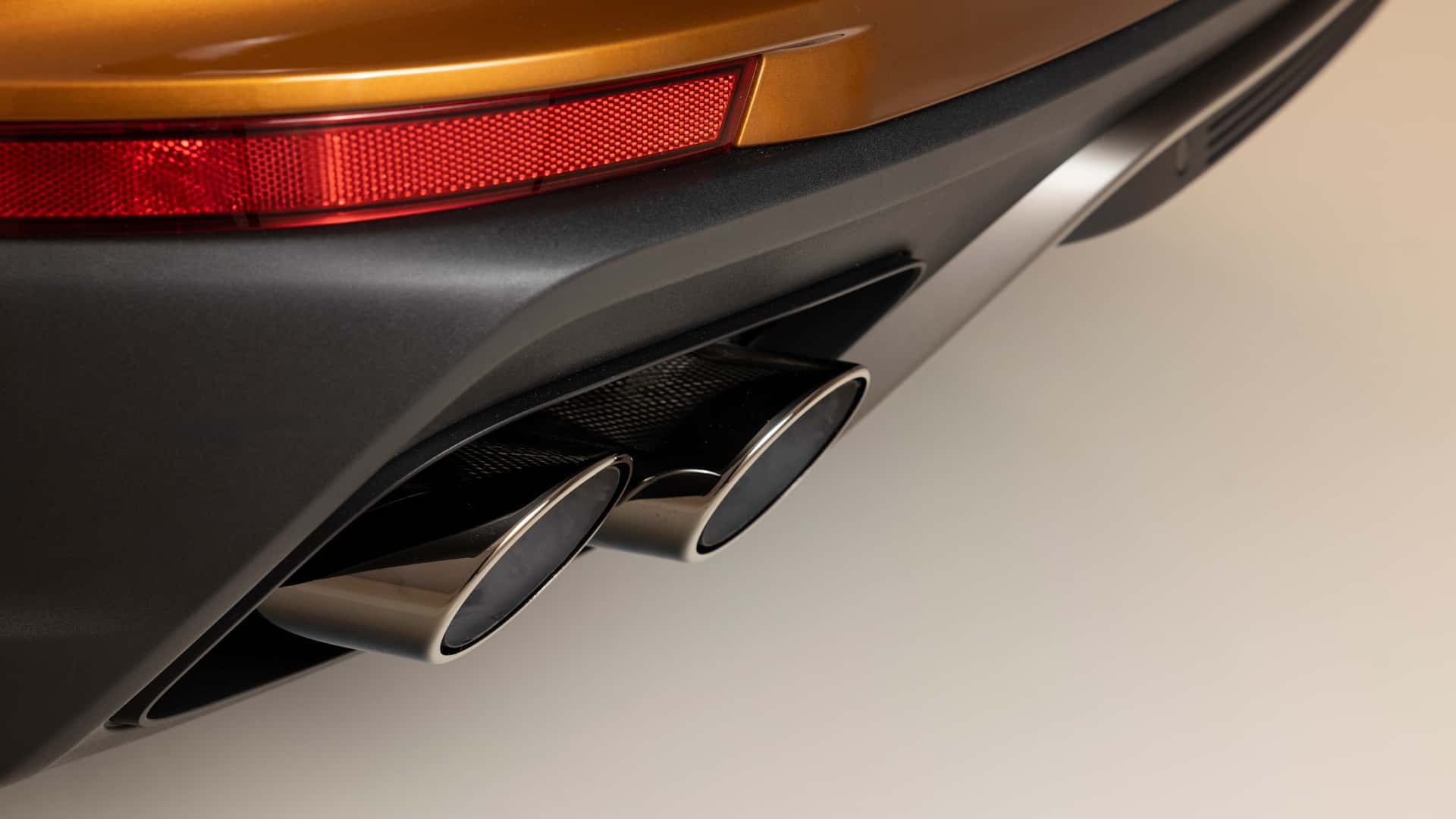
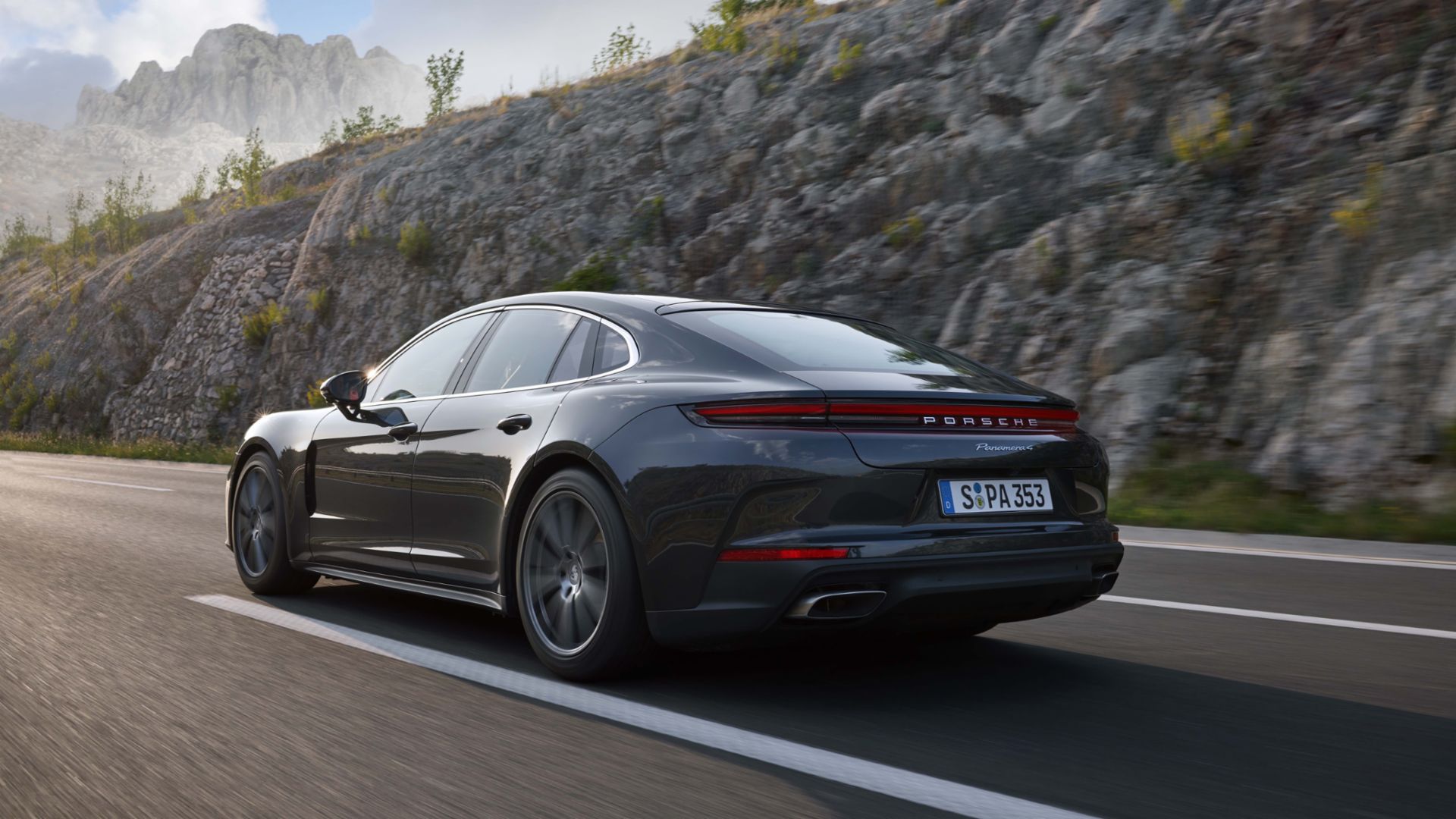
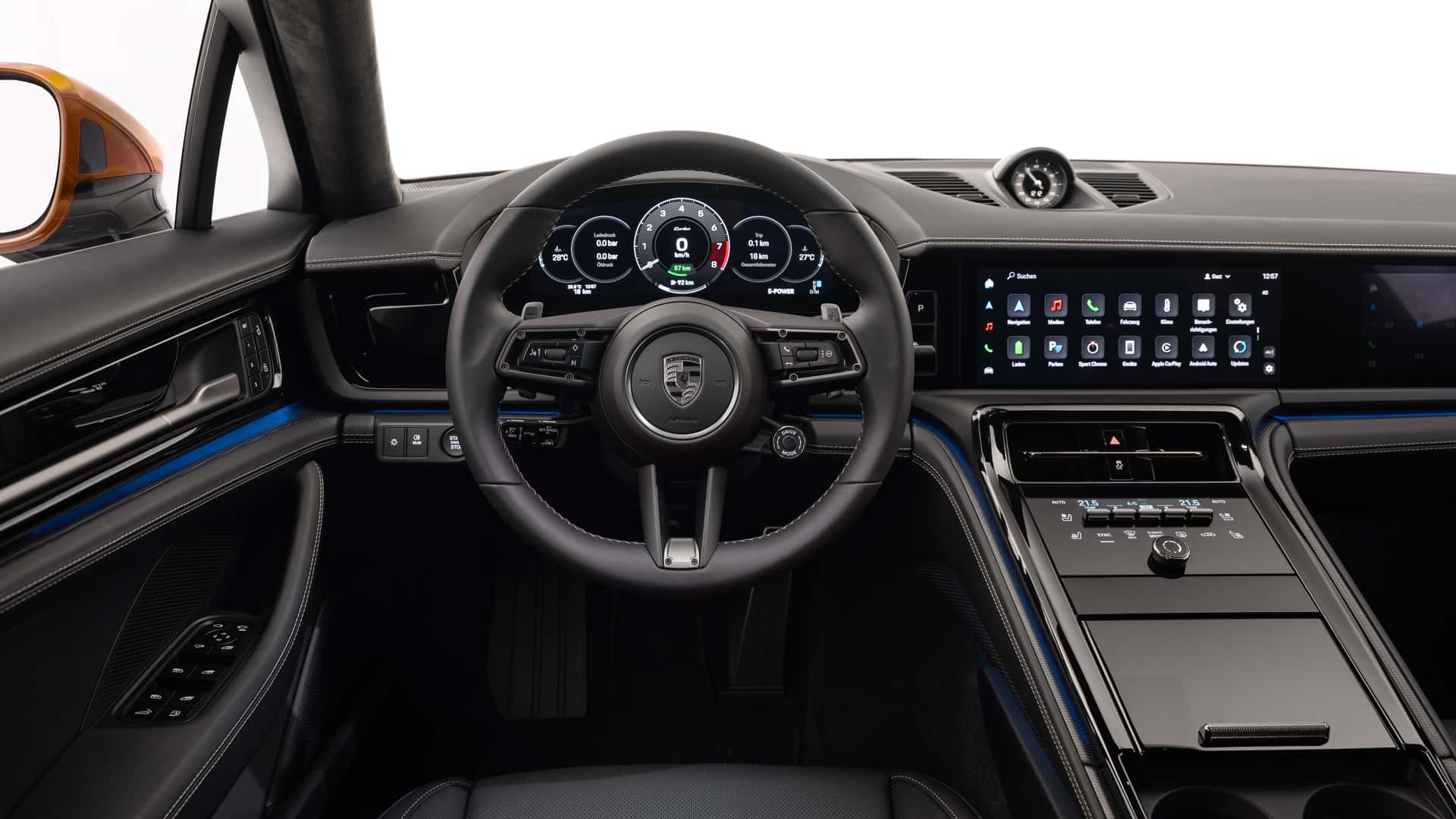
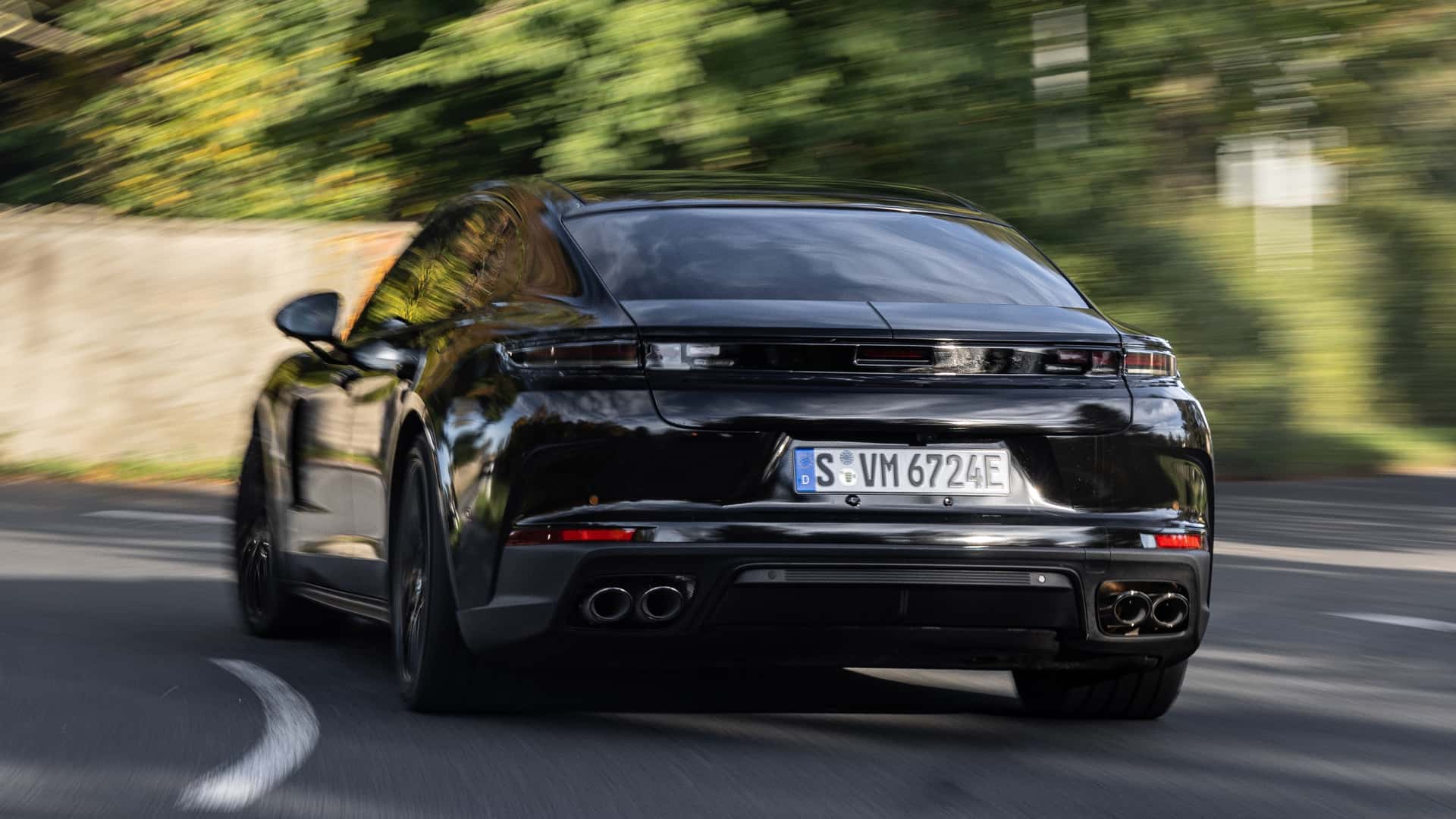
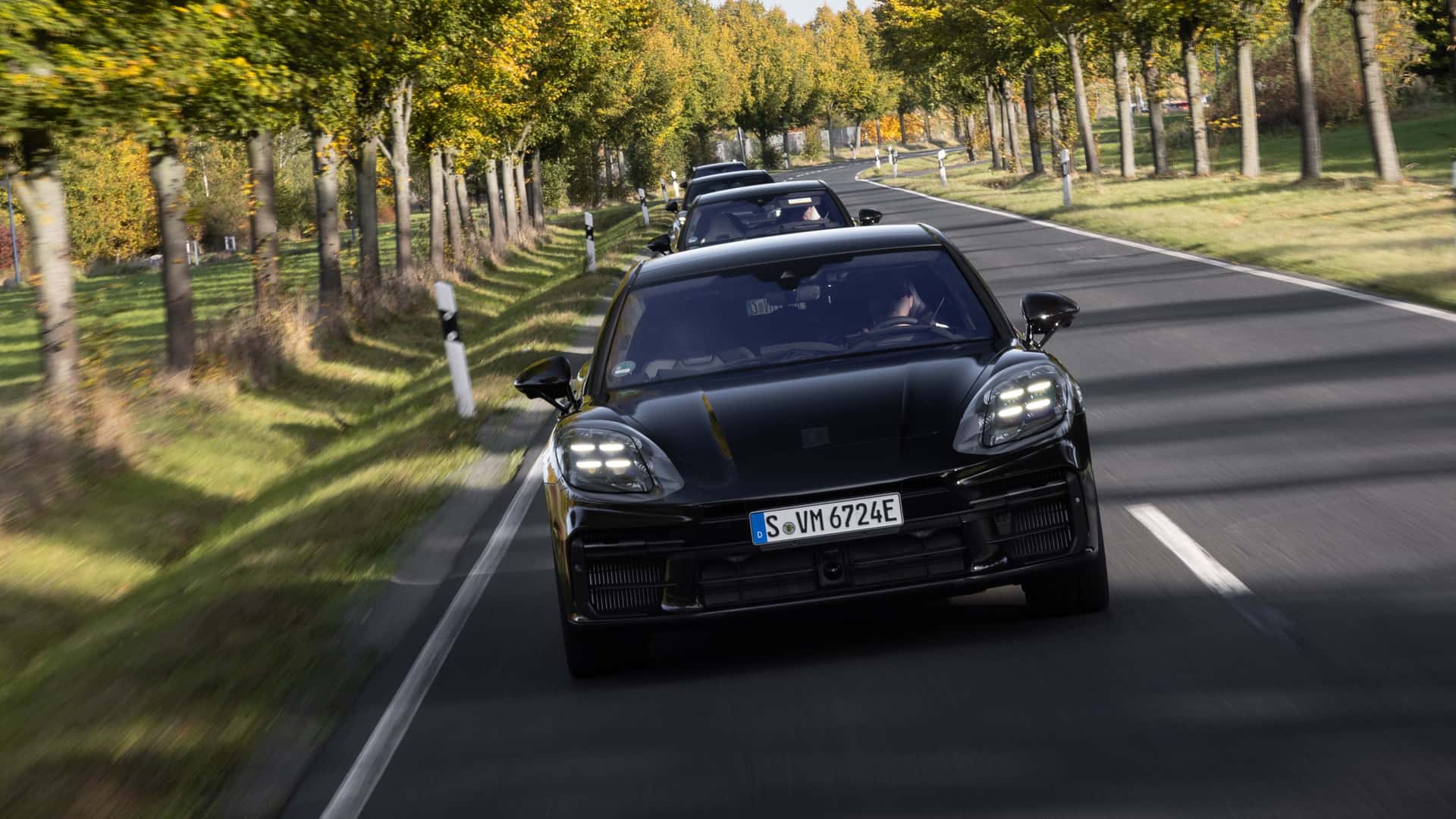
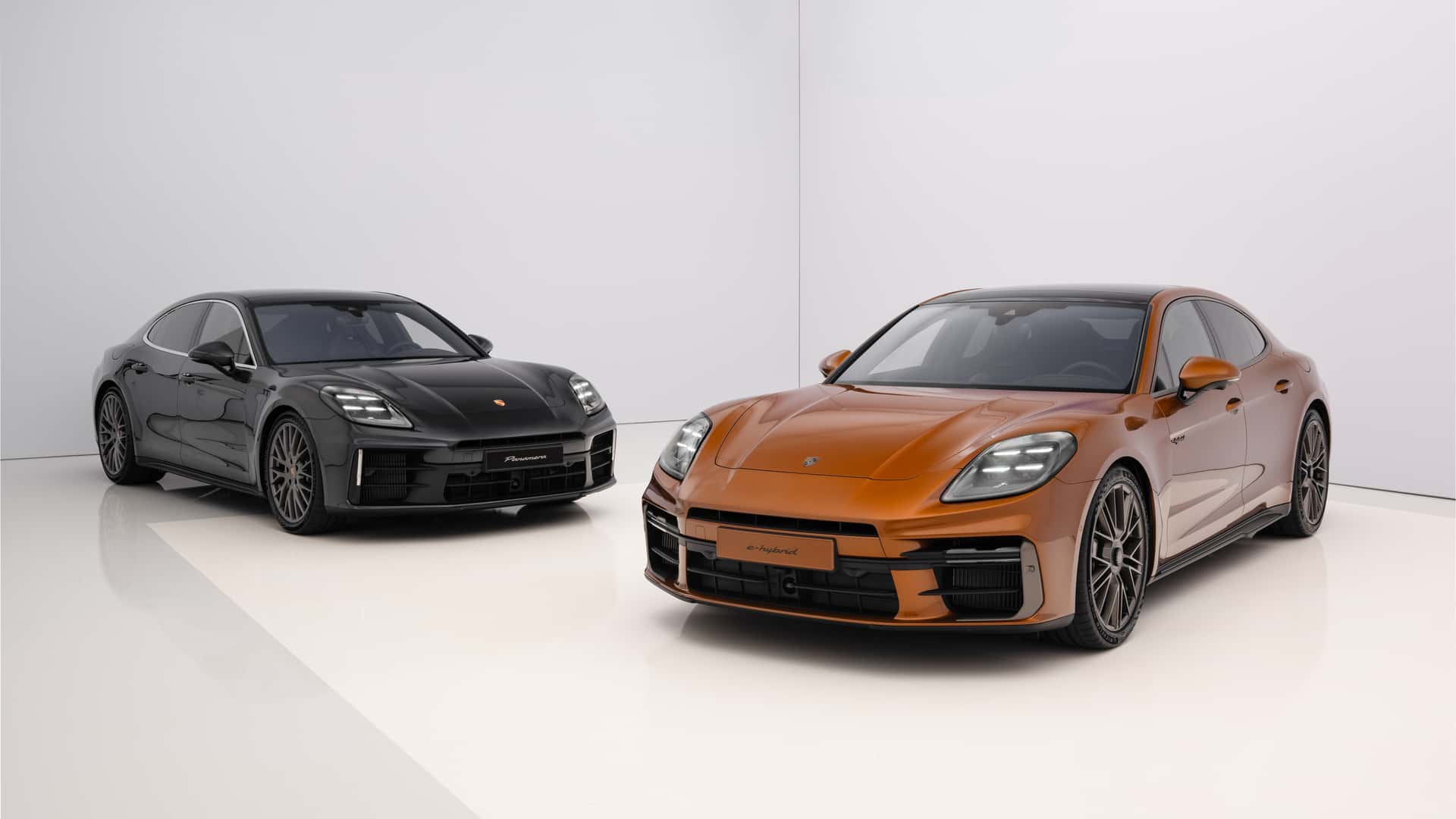
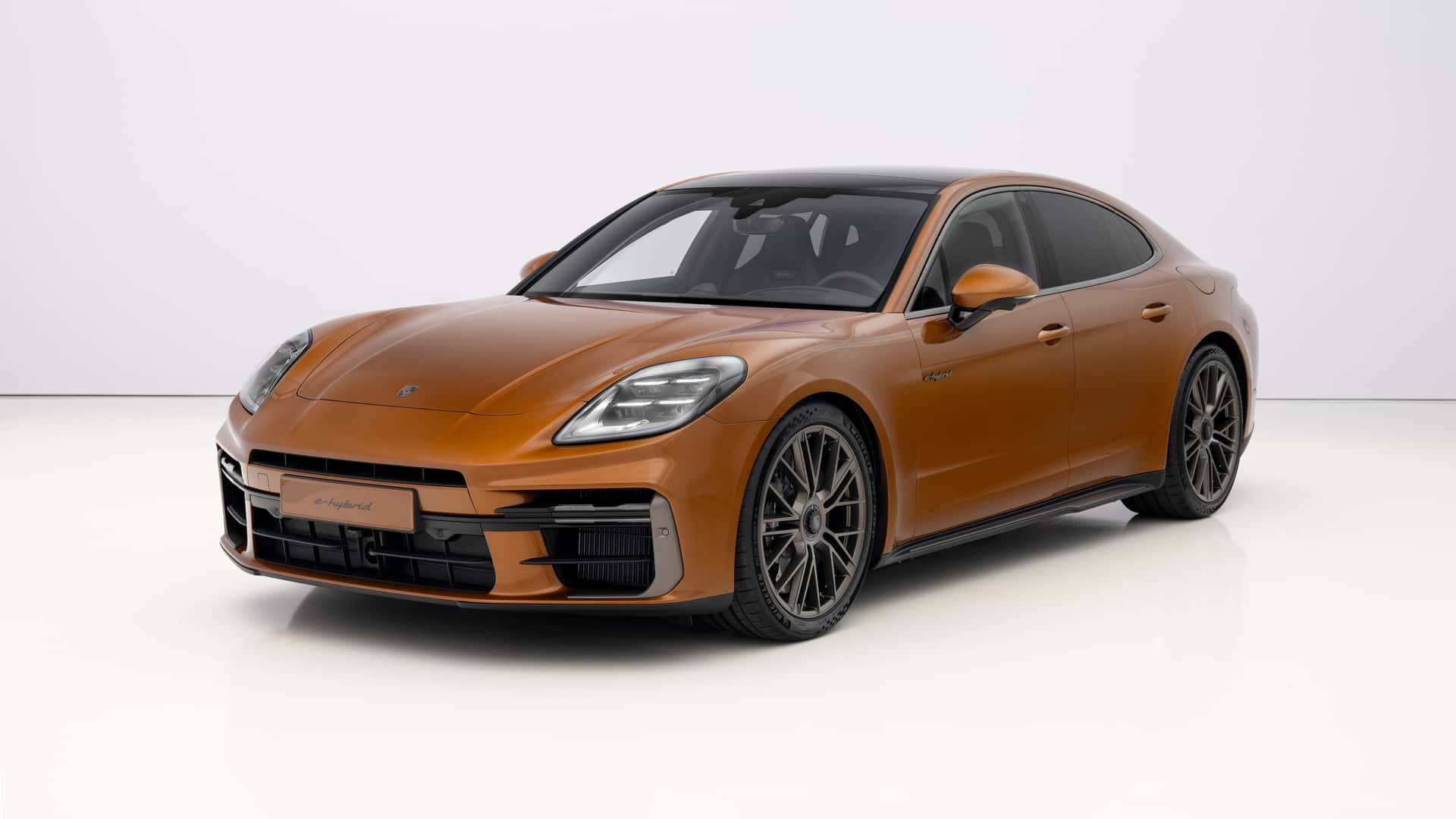
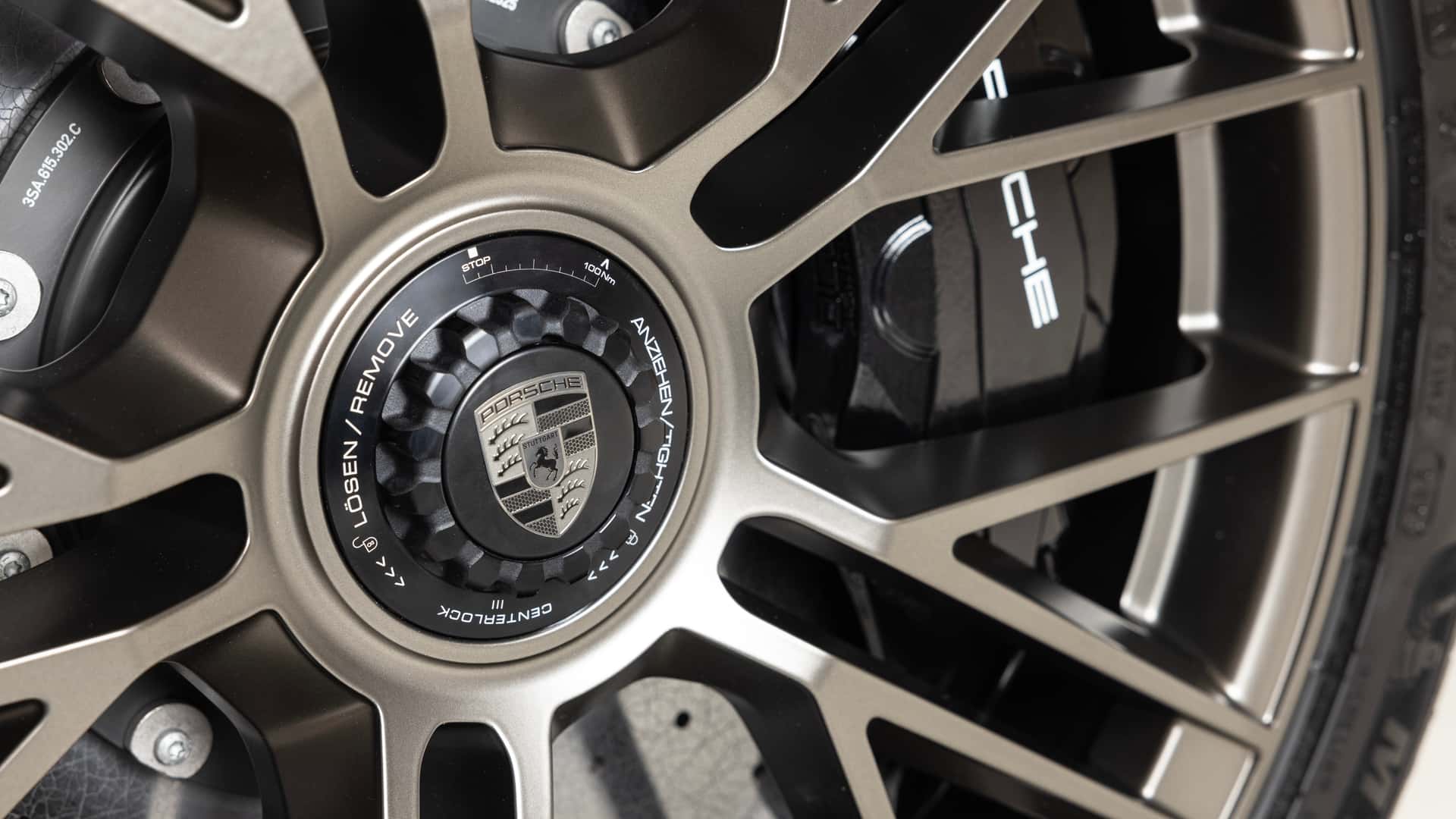
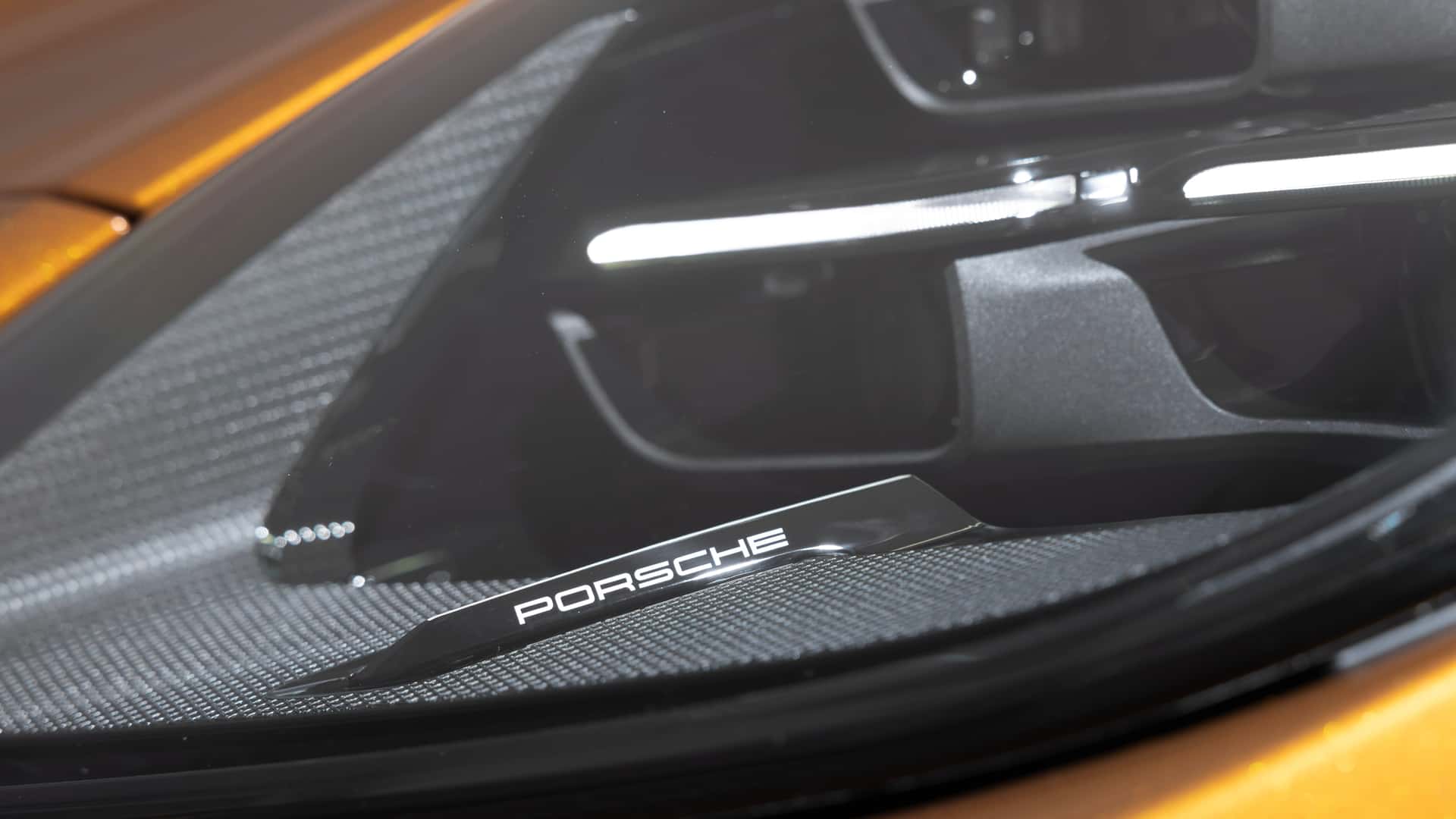
Porsche has rolled out the third iteration of its iconic Panamera luxury sedan. This latest model is not just a visual revamp but a technological leap forward, featuring an array of digital enhancements, a contemporary design overhaul, and an expanded spectrum of dynamic performance and driving comfort.
The Panamera enters the digital age with a bang, boasting an enriched suite of digital features that redefine the luxury sedan experience. The Porsche Communication Management (PCM) takes centre stage, seamlessly integrating the user’s digital ecosystem for an unprecedented level of interaction with the car. The introduction of the Porsche Active Ride suspension system sets a new benchmark, harmonising heightened comfort with the sporty DNA Porsche is renowned for.
The Panamera doesn’t just look good; it promises an unparalleled driving experience with its standard dual-chamber two-valve air suspension. For those seeking an extra layer of performance, the optional Porsche Active Ride active suspension system, available for E-Hybrid models, introduces active shock absorbers, ensuring an unparalleled balance between driving comfort and dynamics.
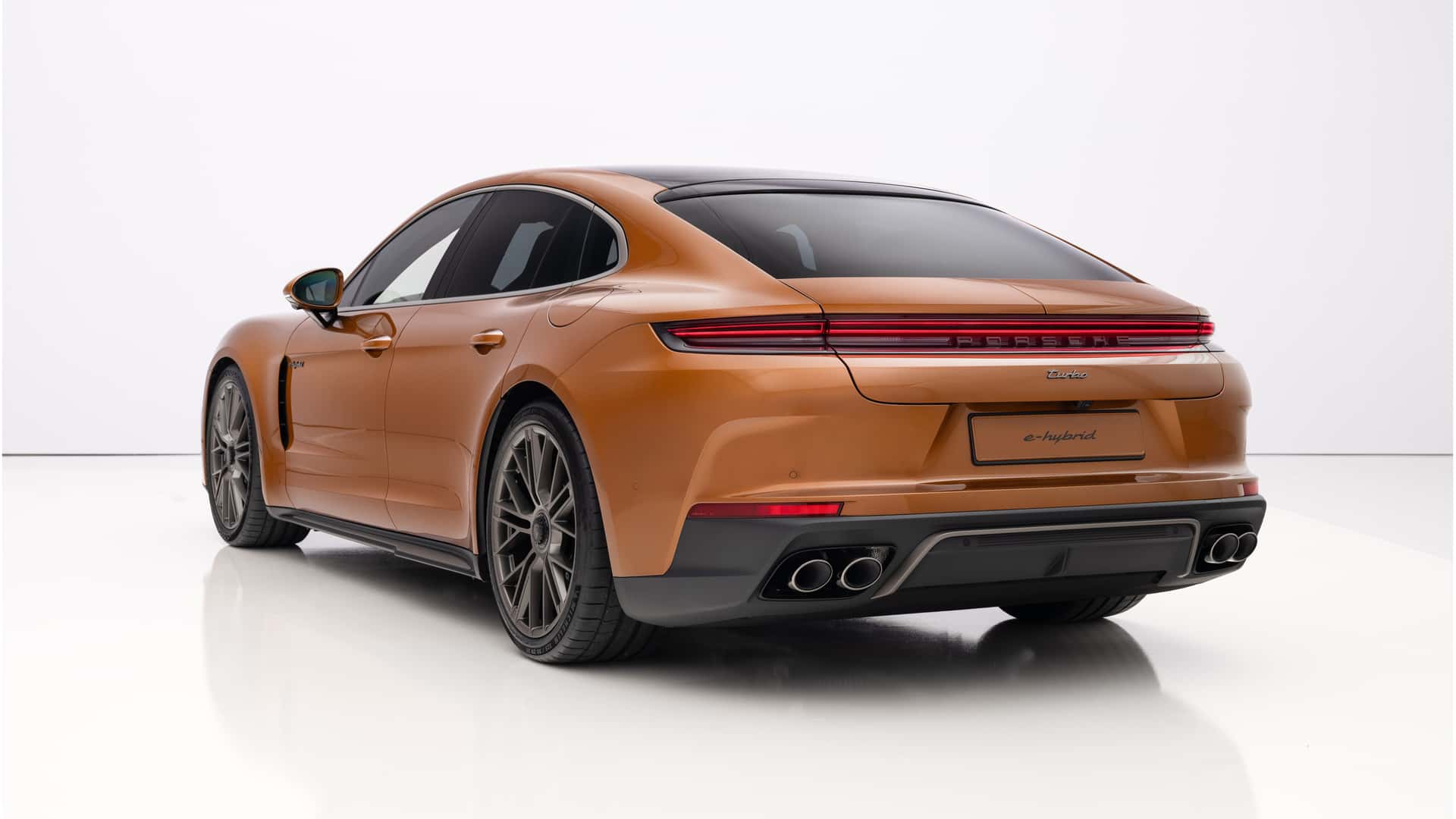
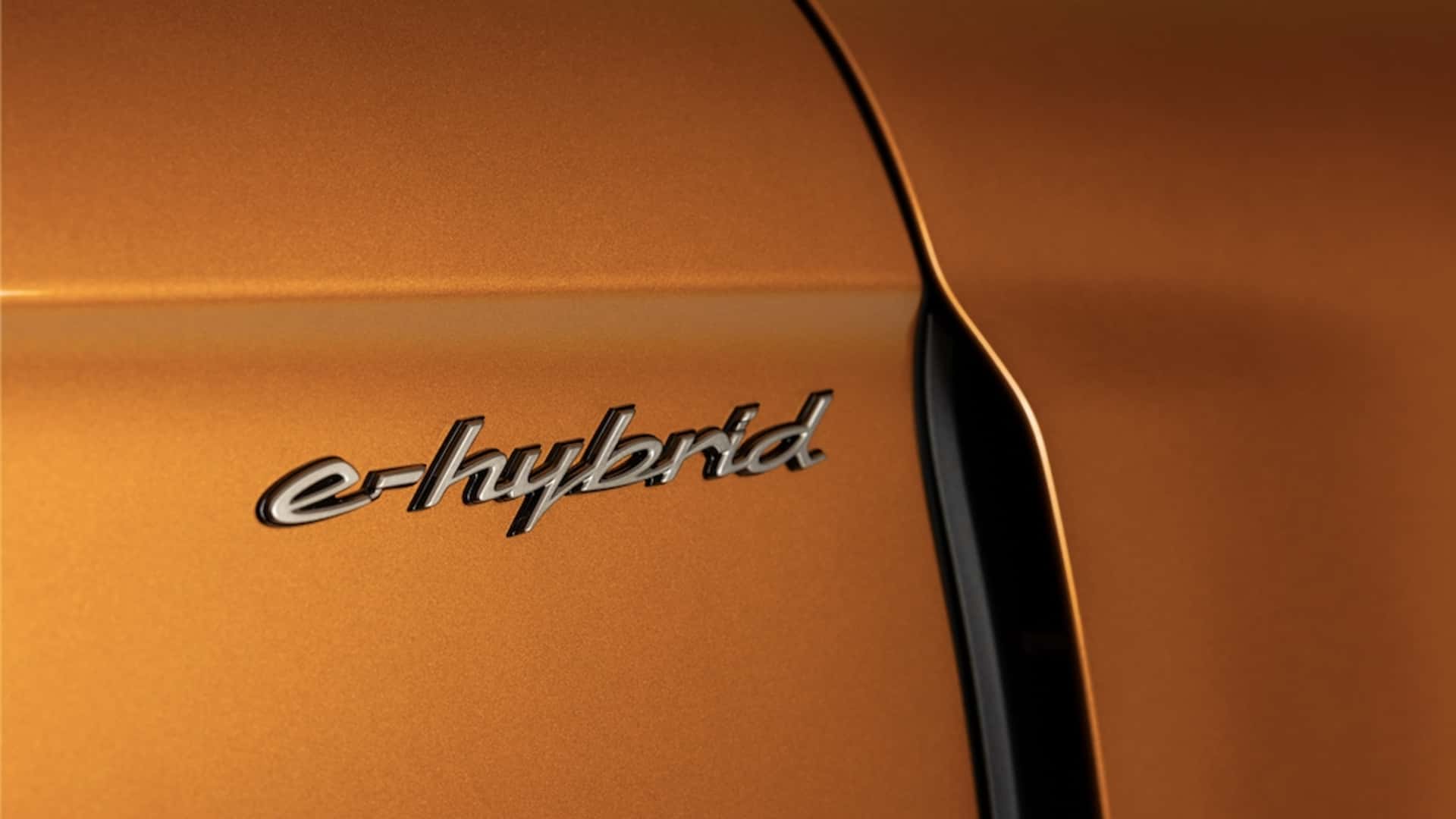
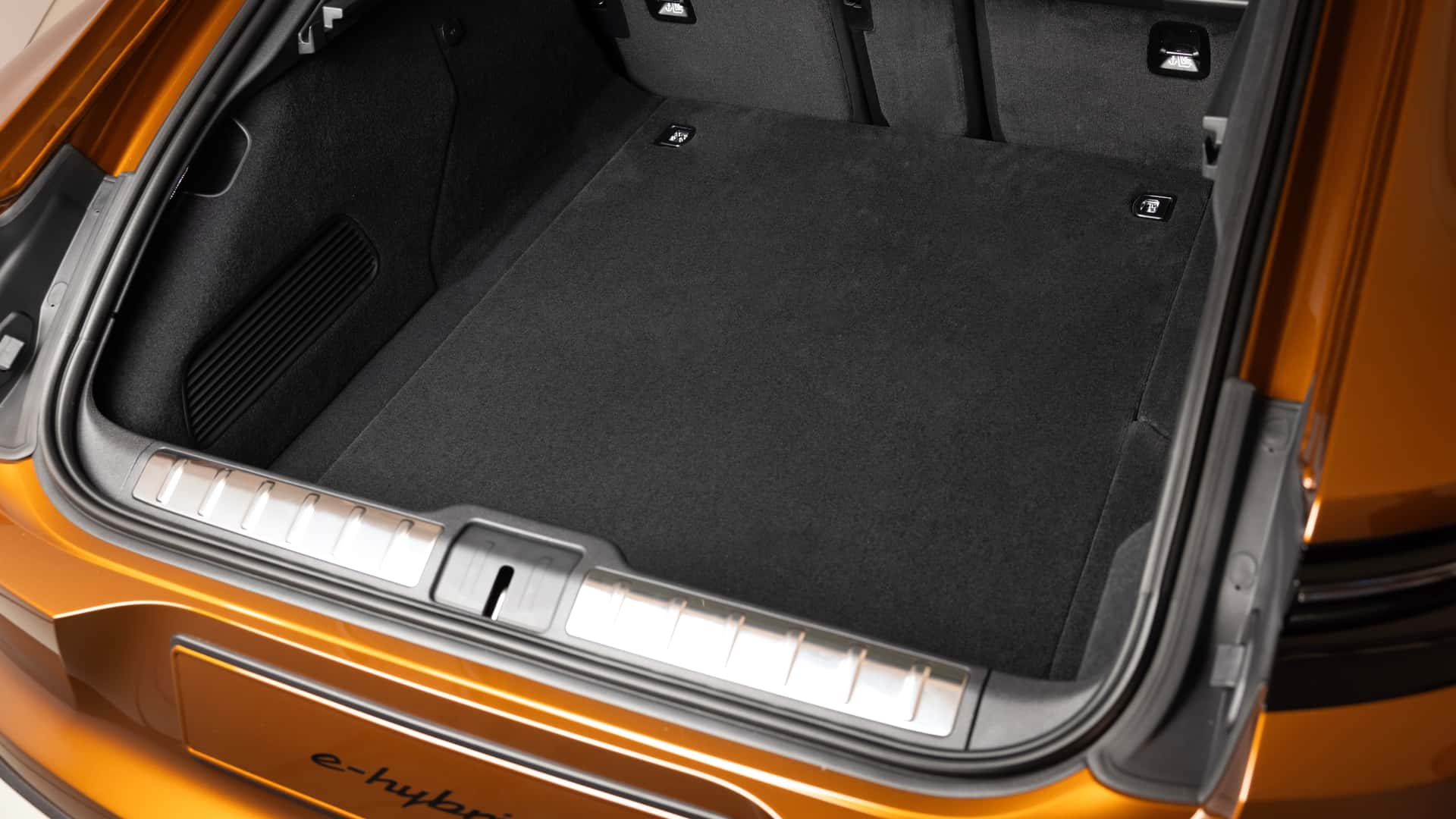
Porsche offers a total of four efficient E-Hybrid powertrains for the new Panamera, in response to the high demand for this type of drive system. All E-Hybrid variants benefit from greater performance, range and efficiency. The Panamera Turbo E-Hybrid is ready at market launch. The heart of its powertrain is a fundamentally revised four-litre V8 turbo engine. The output of the newly developed electric motor is 190PS. Together, they create a system output of 680PS. The system torque reaches an impressive 930Nm.
Porsche integrates the electric motor into the housing of the comprehensively redesigned eight-speed PDK dual-clutch transmission. Dispensing with a separate E-motor housing saves around five kilograms. The integration of the unit into the oil circuit of the transmission also optimises the heat balance of the electric drive unit and allows higher continuous output from the electric motor.
The Panamera Turbo E-Hybrid sprints to 100km/h in 3.2 seconds and boasts a top speed of 315km/h. Its battery capacity is now 25.9 kWh. This enables an equivalent electric range of up to 91km in the combined WLTP cycle or 83–93km in the city cycle. A new 11 kW on-board AC charger shortens the charging time at suitable charging points to two hours and 39 minutes.
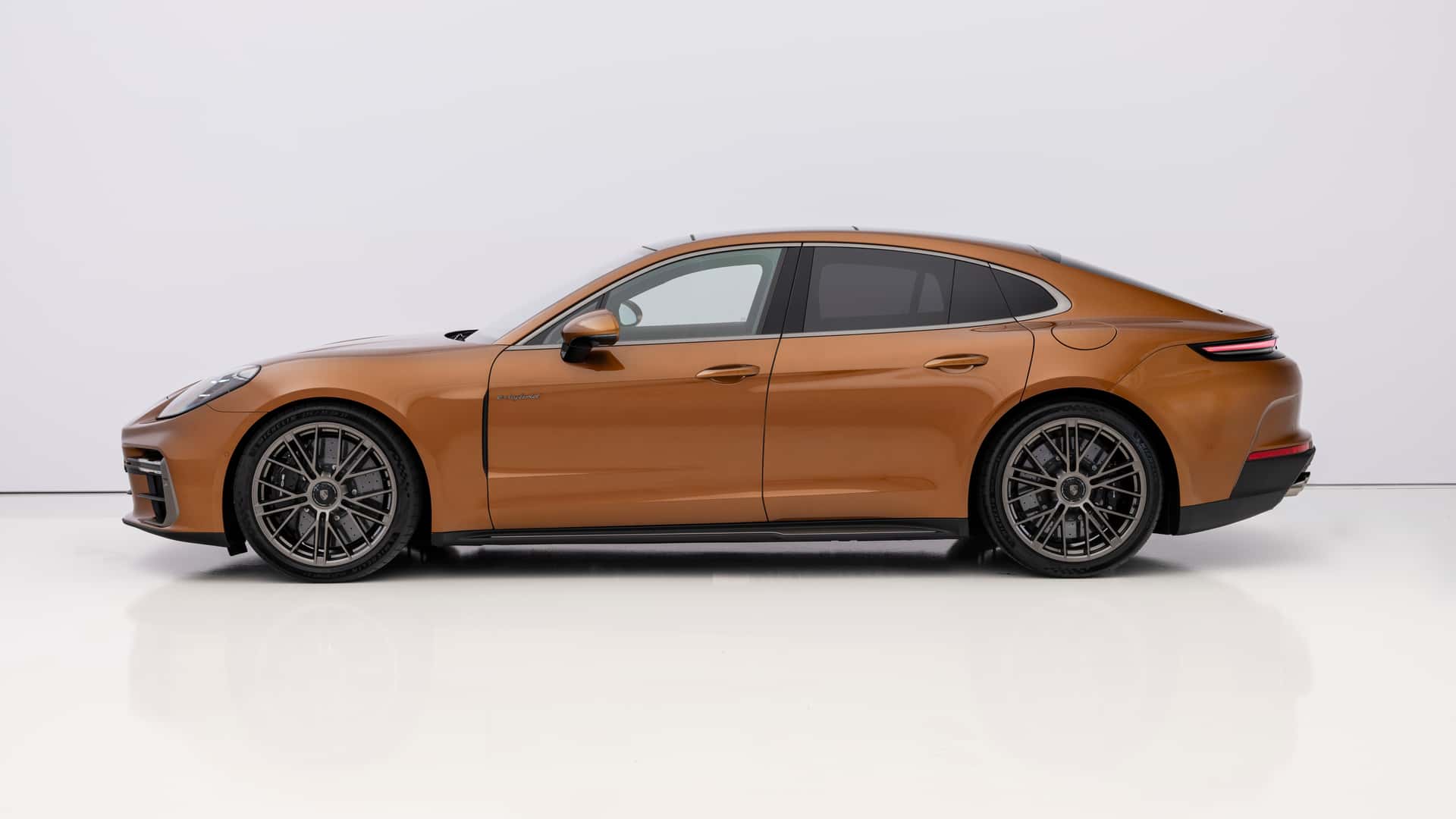
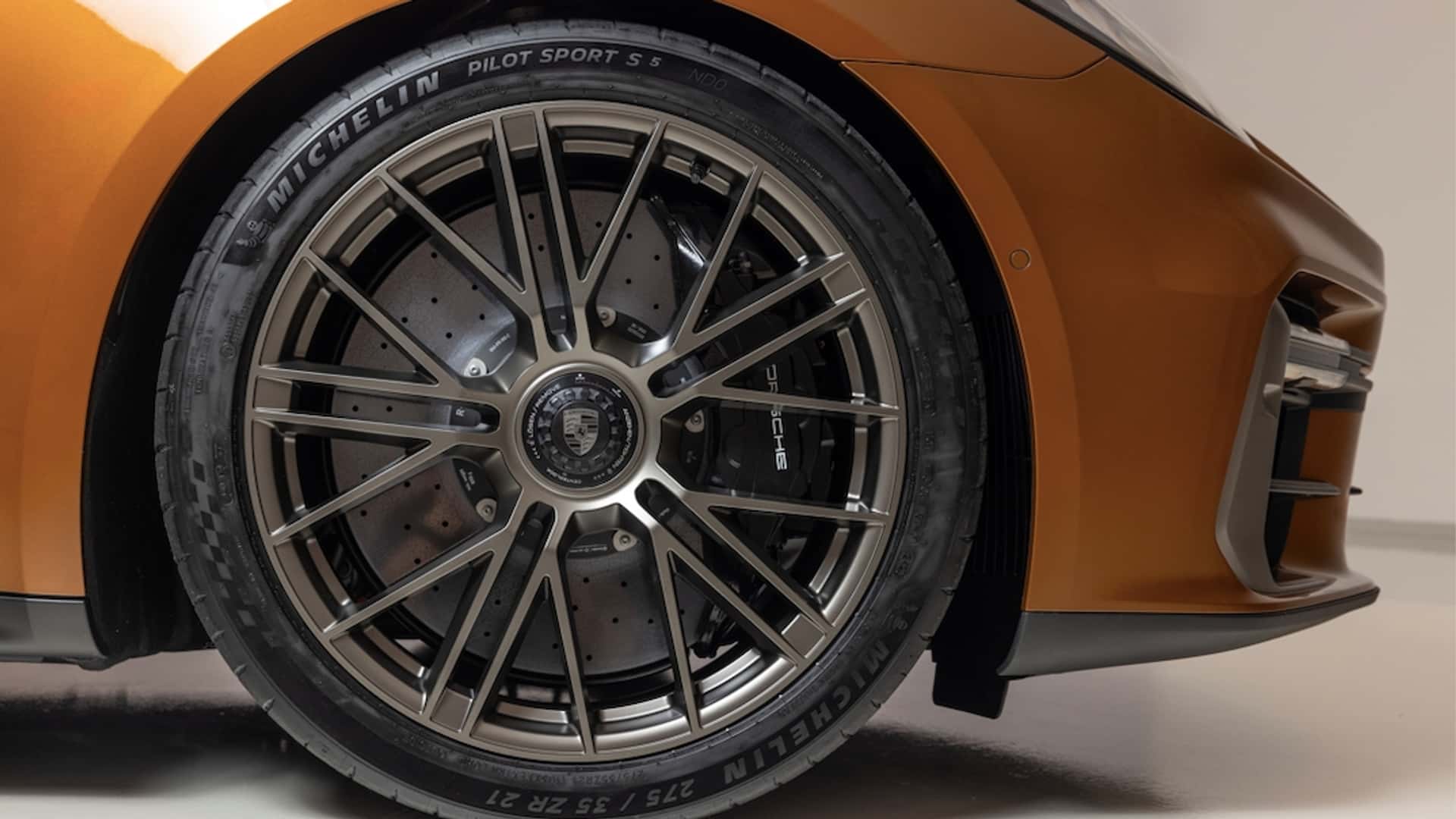
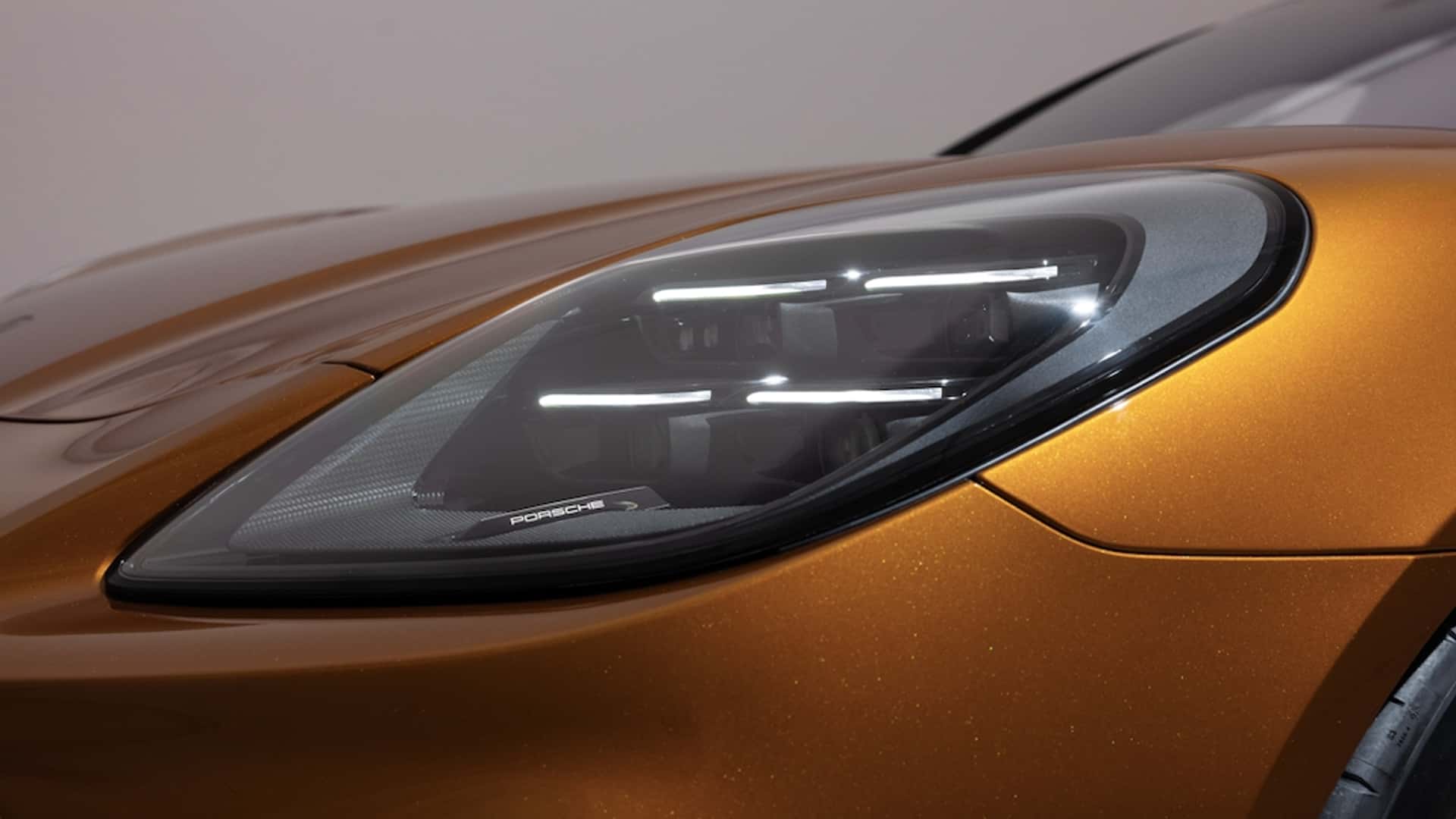
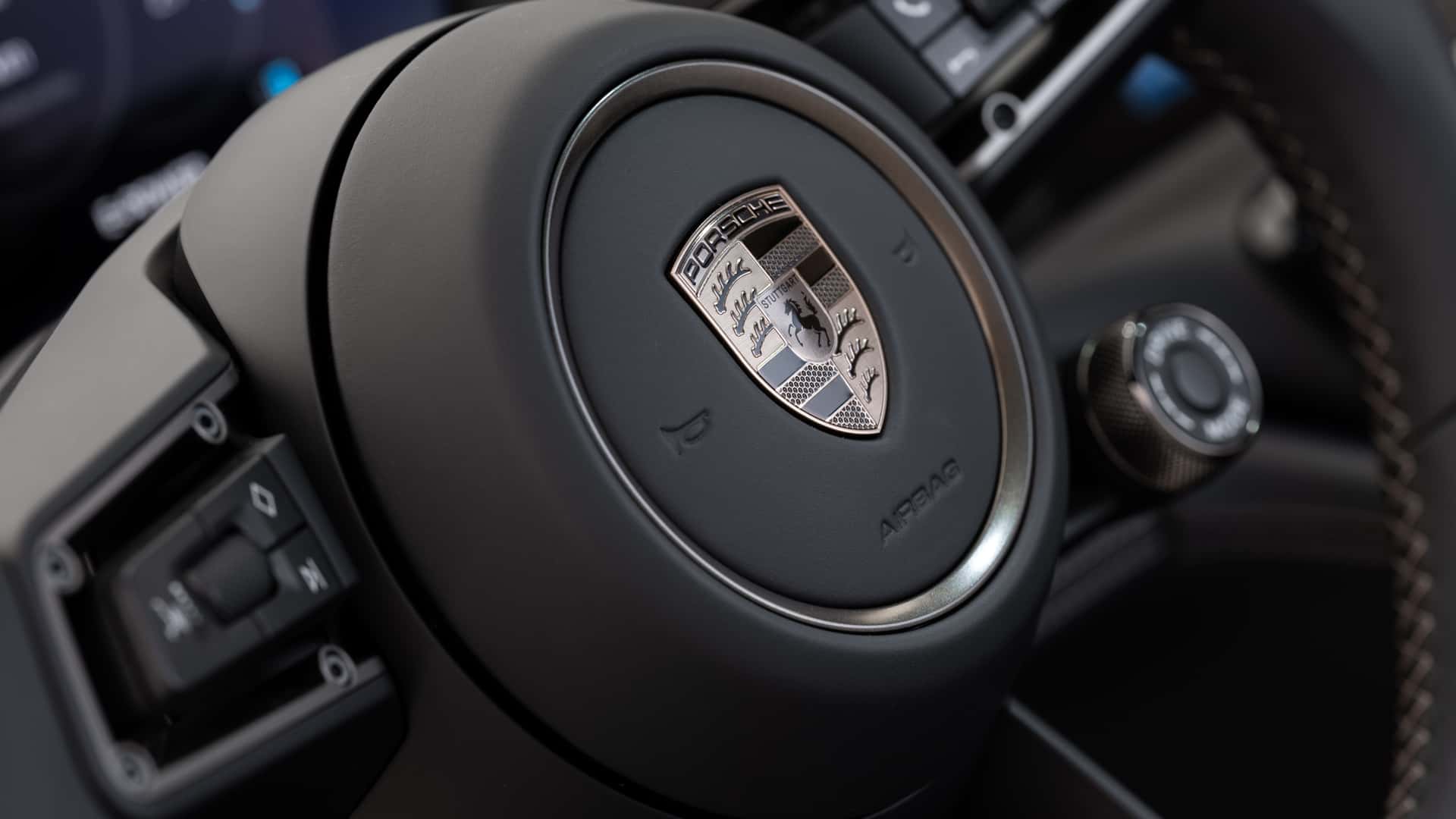
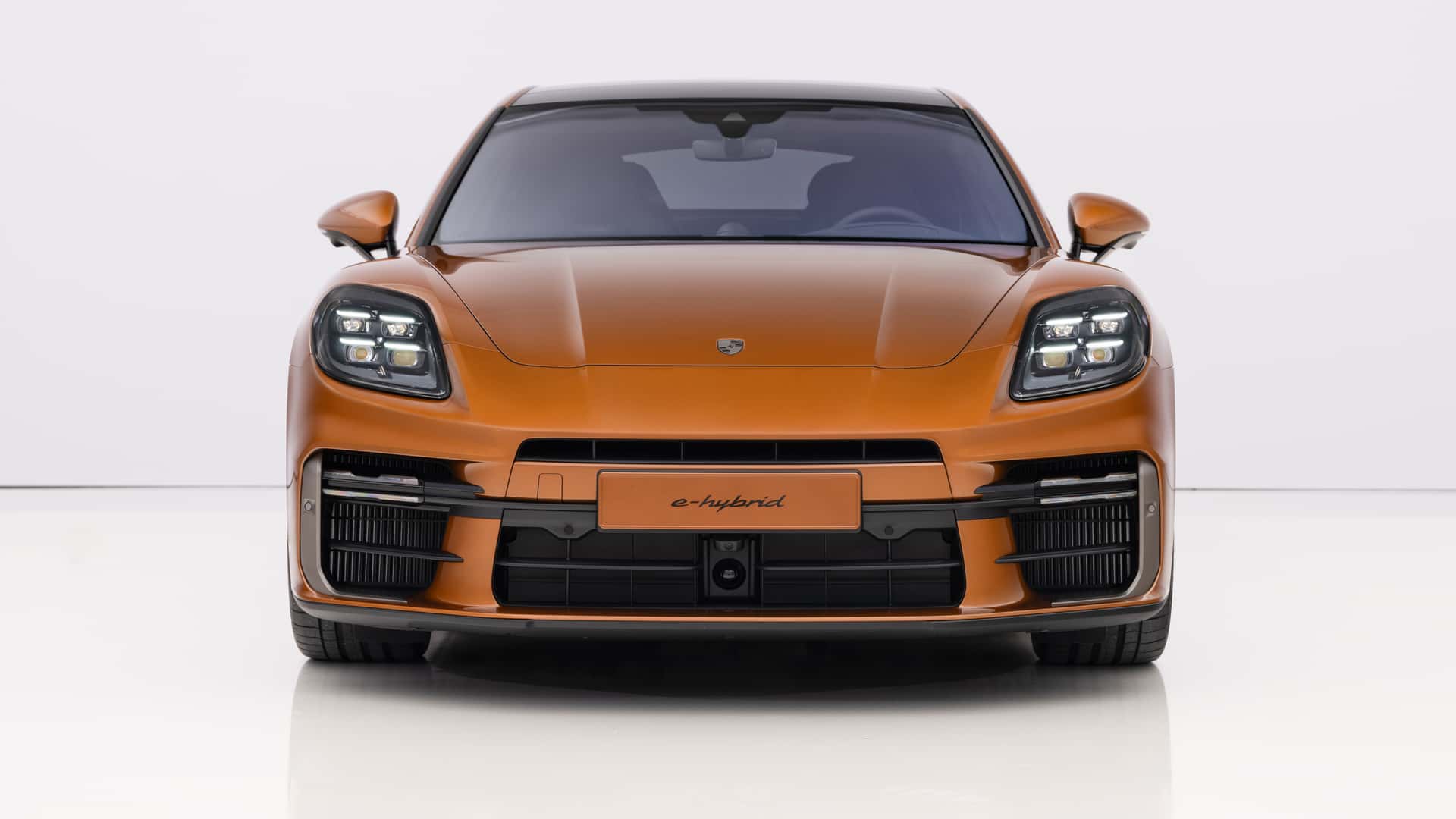
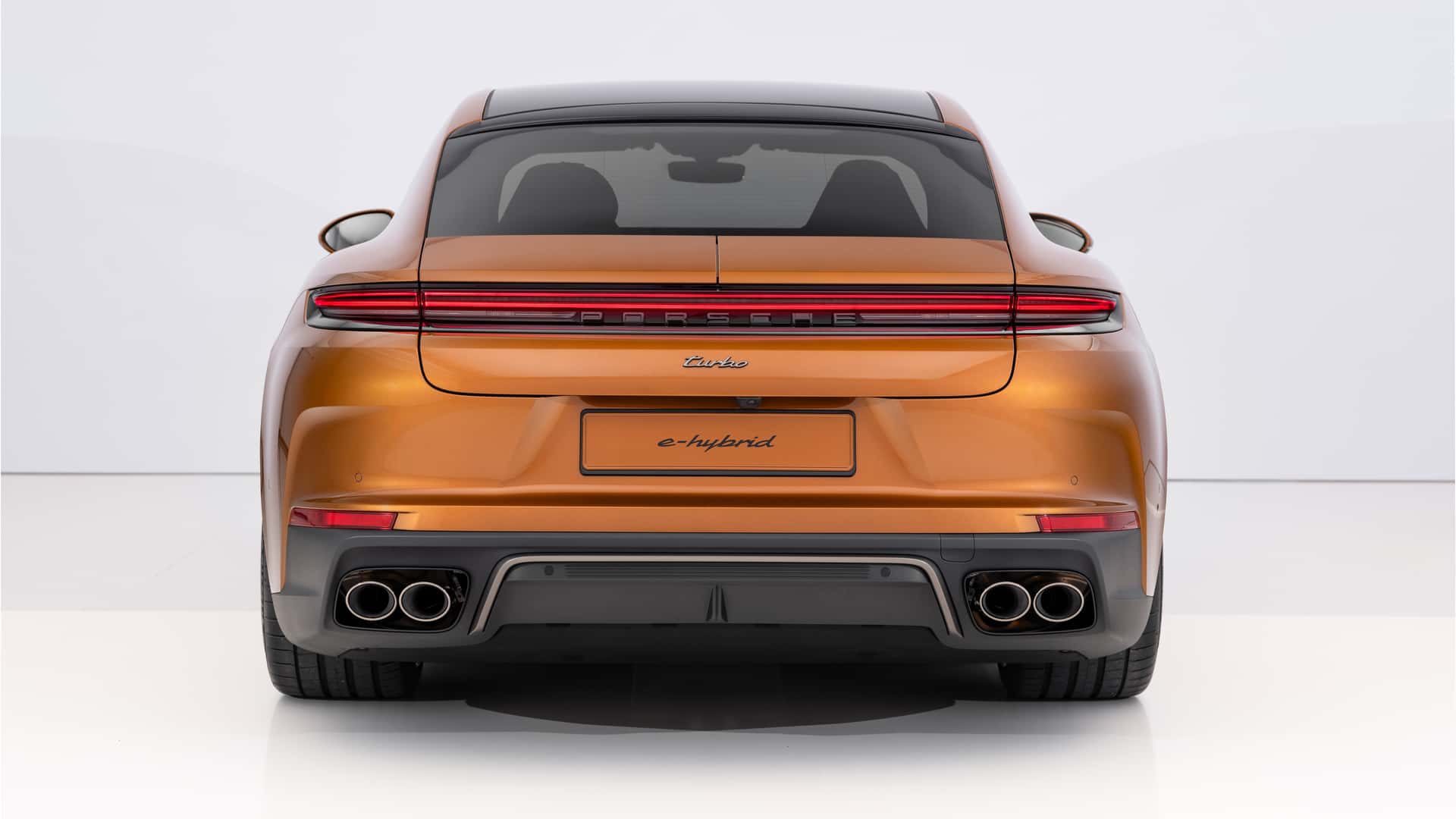
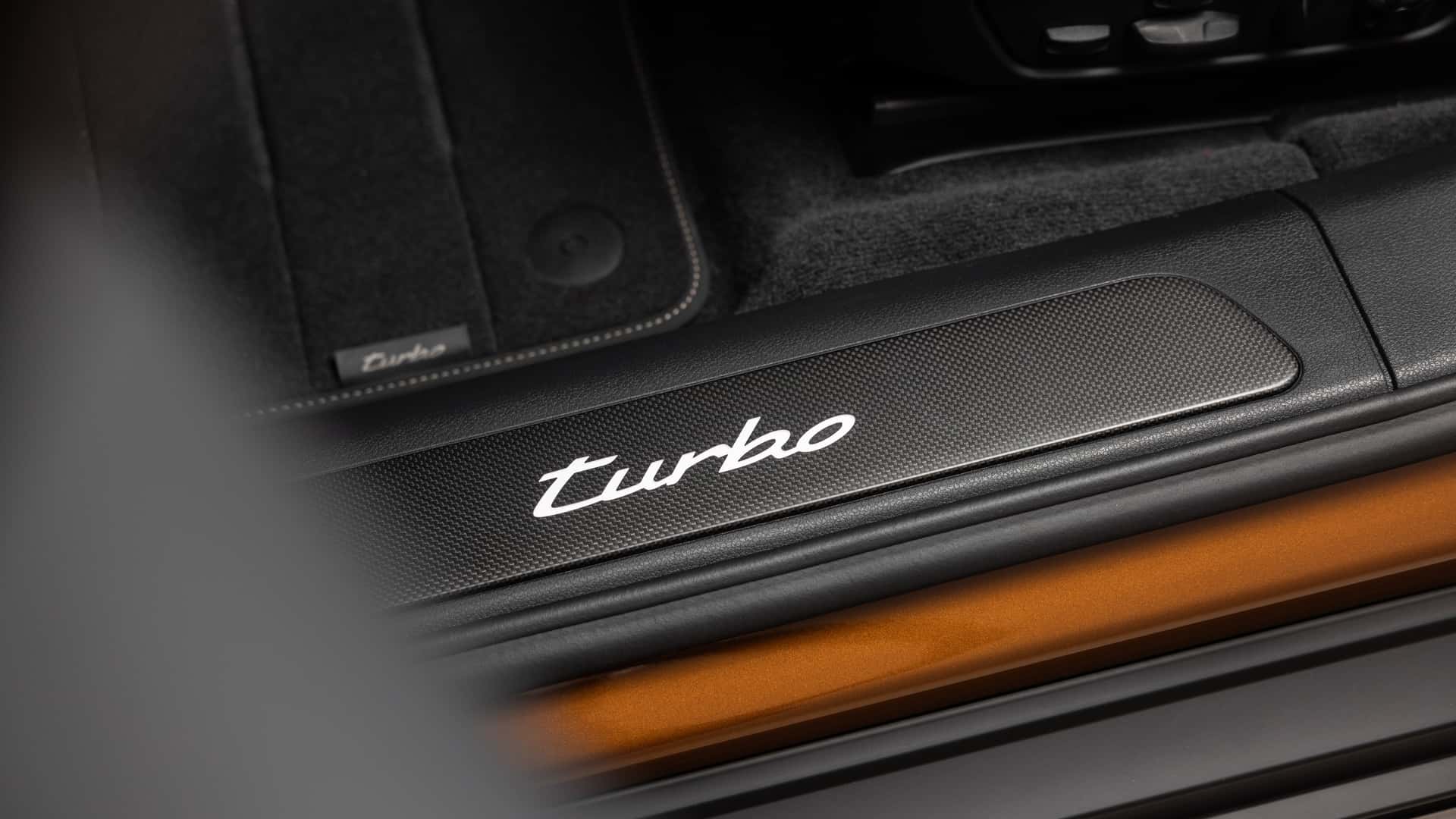
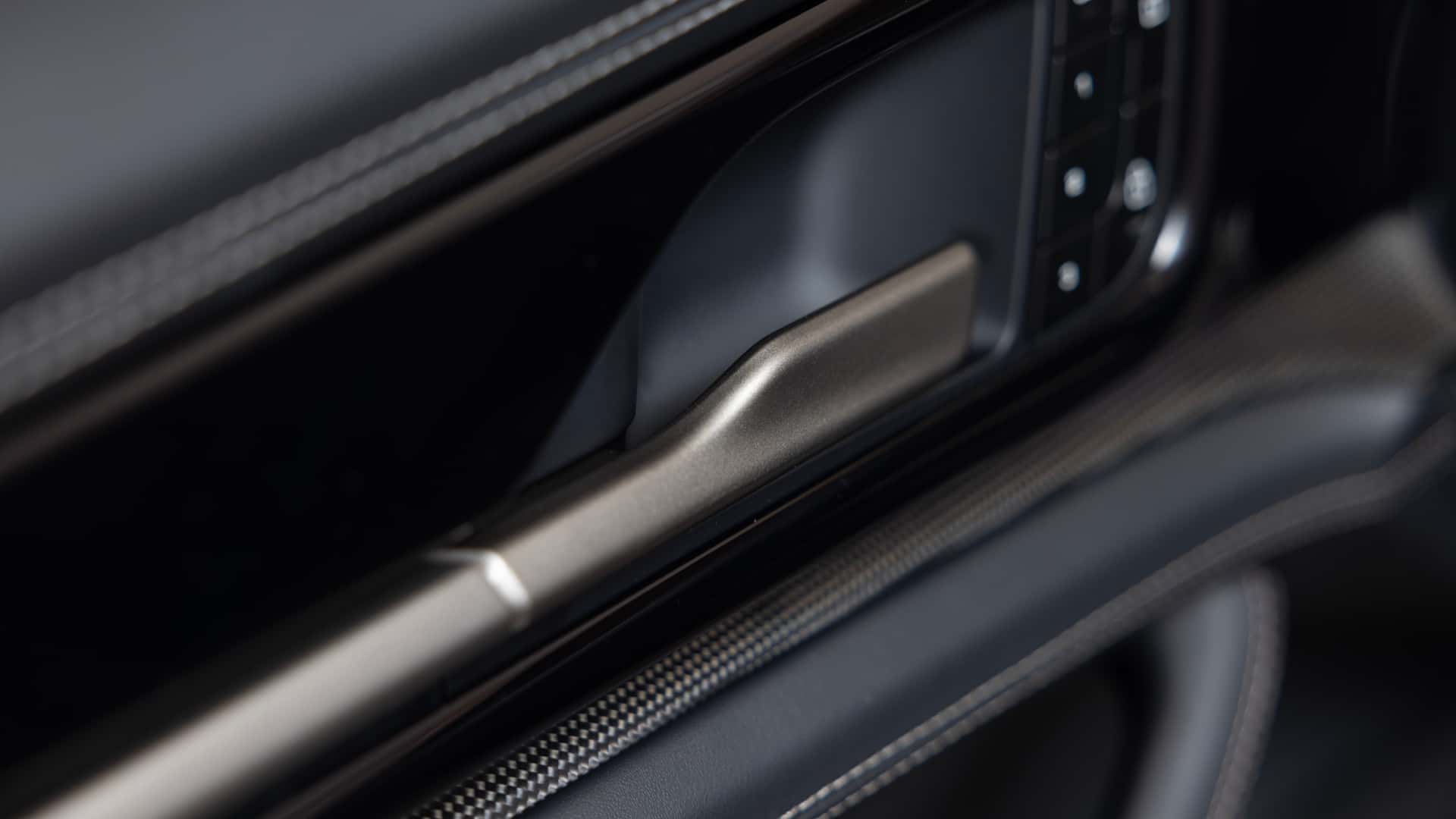
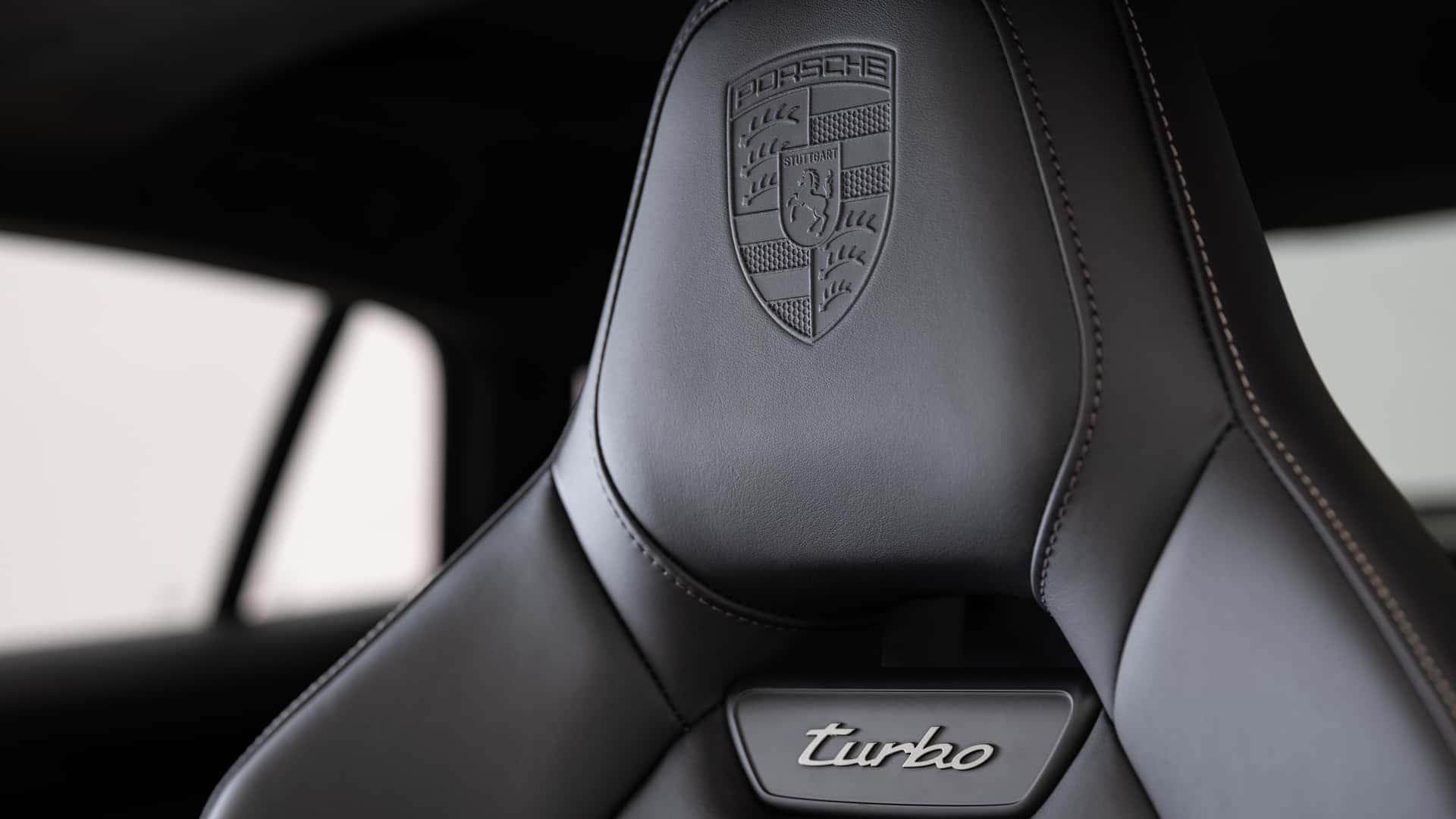
The Panamera’s exterior retains its iconic lines but receives a comprehensive facelift, exuding a more expressive and sporty aura. The interior, a driver-centric haven, introduces the Porsche Driver Experience cockpit concept, skillfully balancing digital and analog controls. The Turbo E-Hybrid model takes luxury up a notch with exclusive design elements, both inside and out.
Standard Matrix LED headlights and a suite of advanced assistance systems, including traffic sign recognition and a swerve assistant, contribute to a safer and more connected driving experience.
Keeping pace with the digital era, the Panamera integrates into the driver’s digital life, supporting both Apple CarPlay and Android Auto. An optional passenger display closely integrates the passenger into the driving experience. The 10.9-inch screen displays vehicle performance data on request. It also allows operation of the infotainment system and supports video streaming while the car is in motion. In order to avoid distracting whomever is behind the wheel, the passenger display cannot be seen from the driver’s seat.
Enthusiasts can now place their orders for the new Panamera, with European deliveries set to kick off in March 2024. The starting price in Germany is a competitive €107,800 (RM551,218), inclusive of VAT and country-specific equipment. The Panamera Turbo E-Hybrid starts from €192,500 (RM984,318).
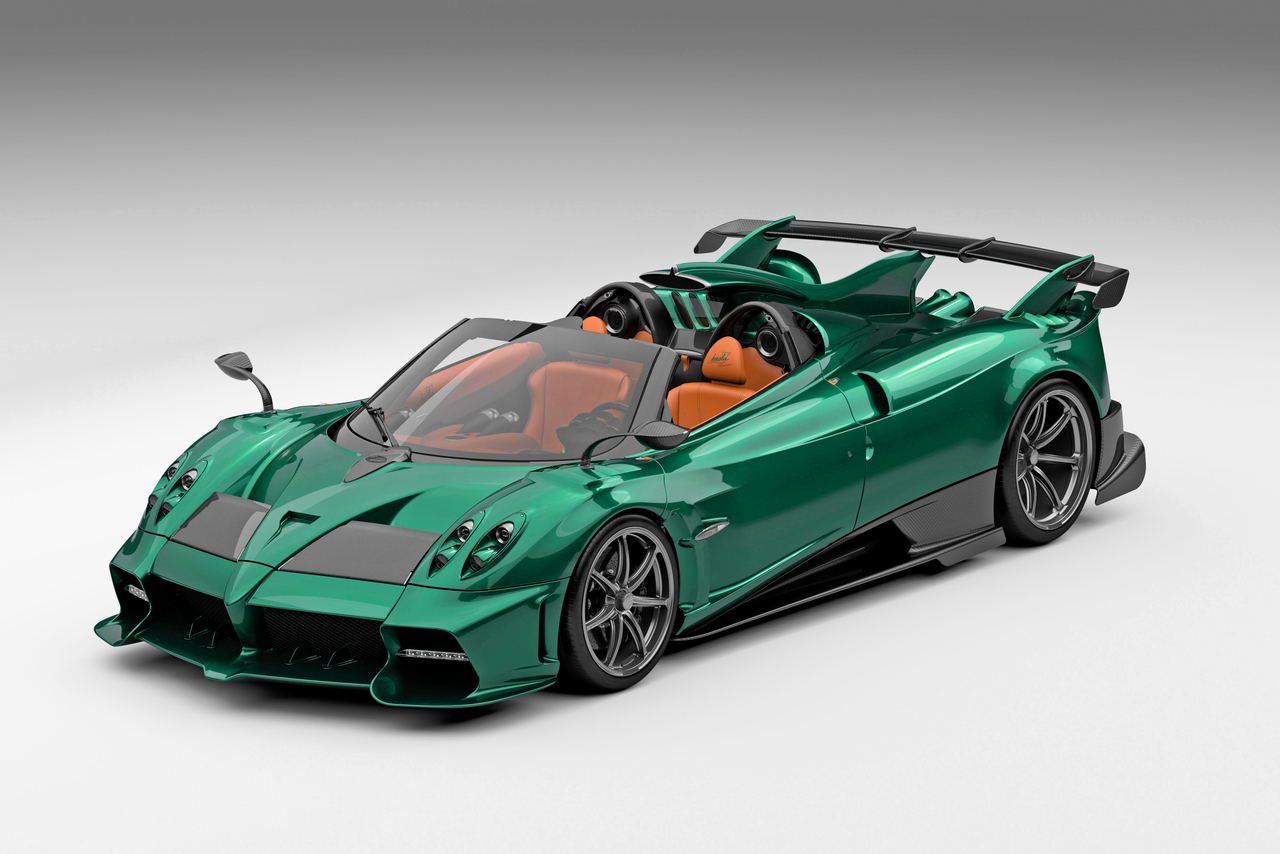
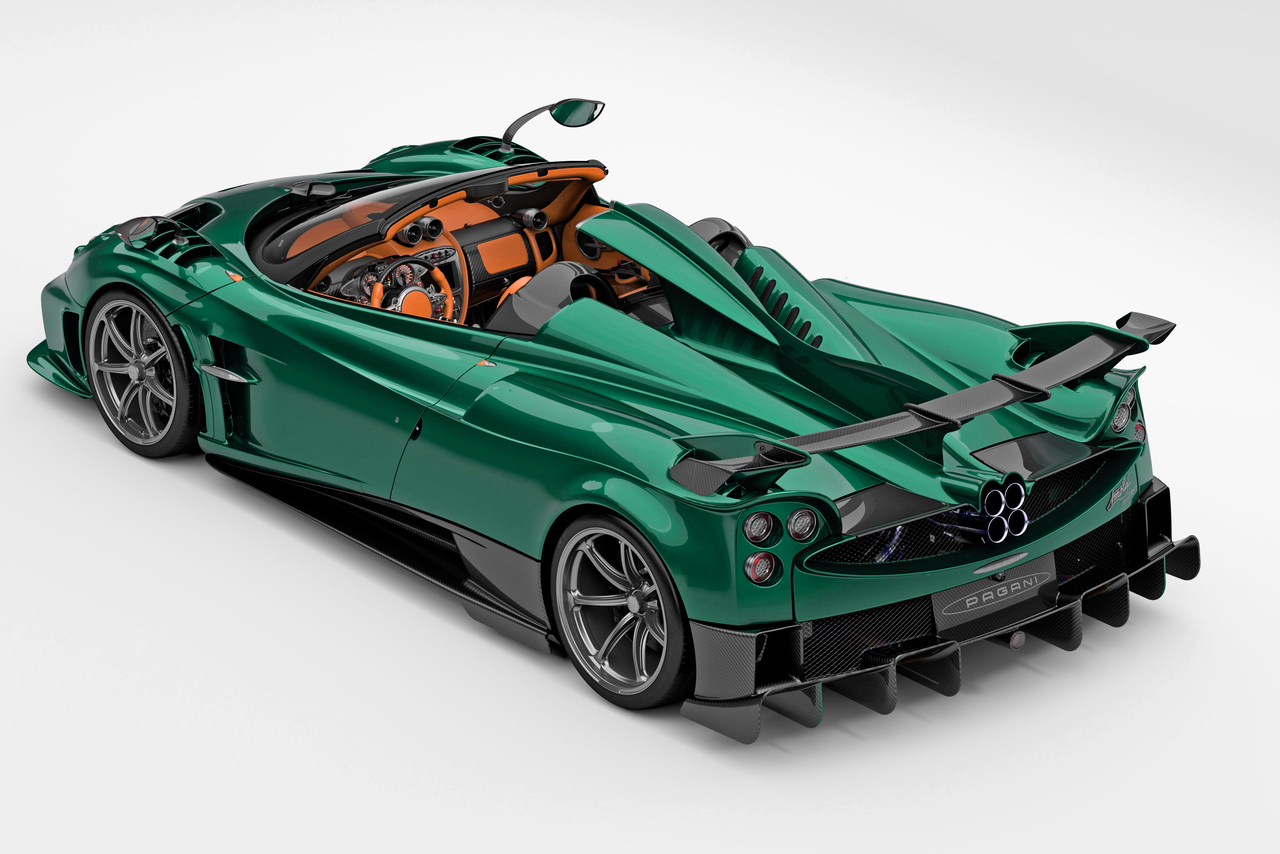
Pagani has revealed its latest creation, the Imola Roadster, a convertible version of the Imola hypercar, and it’s set to be an exclusive production with only eight units. Building upon the track performance of the Imola coupe and incorporating the open-air experience and advanced technology of the Huayra Roadster BC, this roadster is poised to be a show-stopper.
Under the hood, the Imola Roadster boasts a potent 6.0-litre V12 engine sourced from Mercedes-AMG. This powerplant has been tuned to deliver an impressive 838hp and 1099Nm of torque. Paired with a Pagani-tuned 7-speed Xtrac sequential transmission, the roadster can achieve a top speed of 350km/h.