Dacia, the Romanian carmaker that is part of the Renault Group, may not have a high profile in the global auto industry but it’s been pretty good at drawing from the technical pool of the group and the Renault Nissan Mitsubishi Alliance. As a result, it has produced competitive products which enjoy a following in 44 markets.
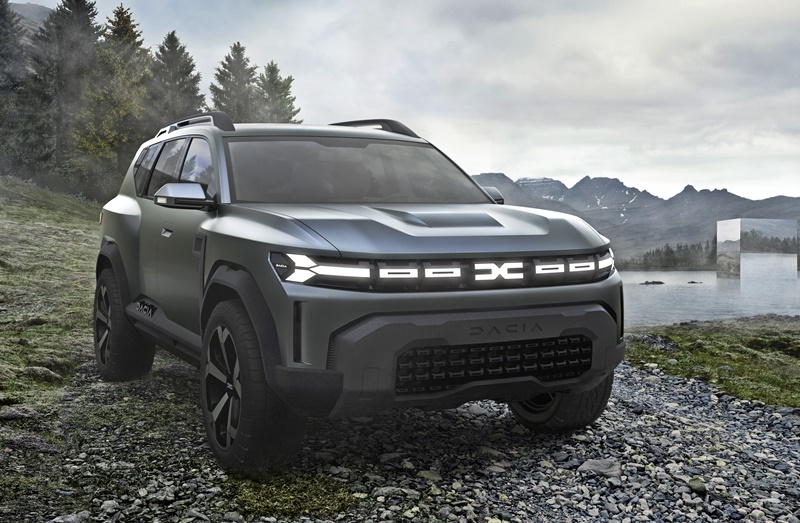
The company is now looking at new horizons in the C-segment and has developed a concept model to gauge response. It is likely that this will be positioned as a range-topper when it goes into production by 2025.
C-segment SUV, B-segment price
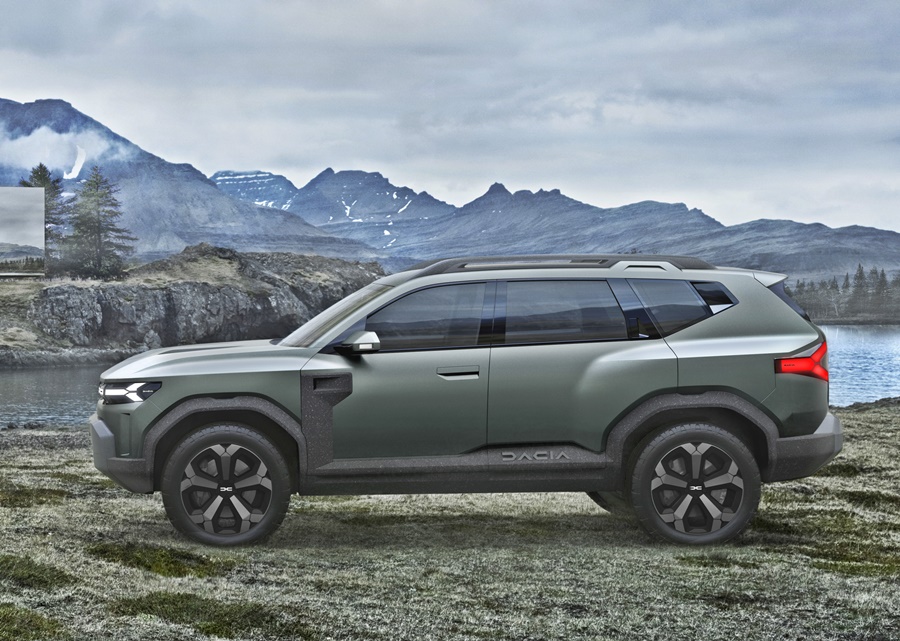
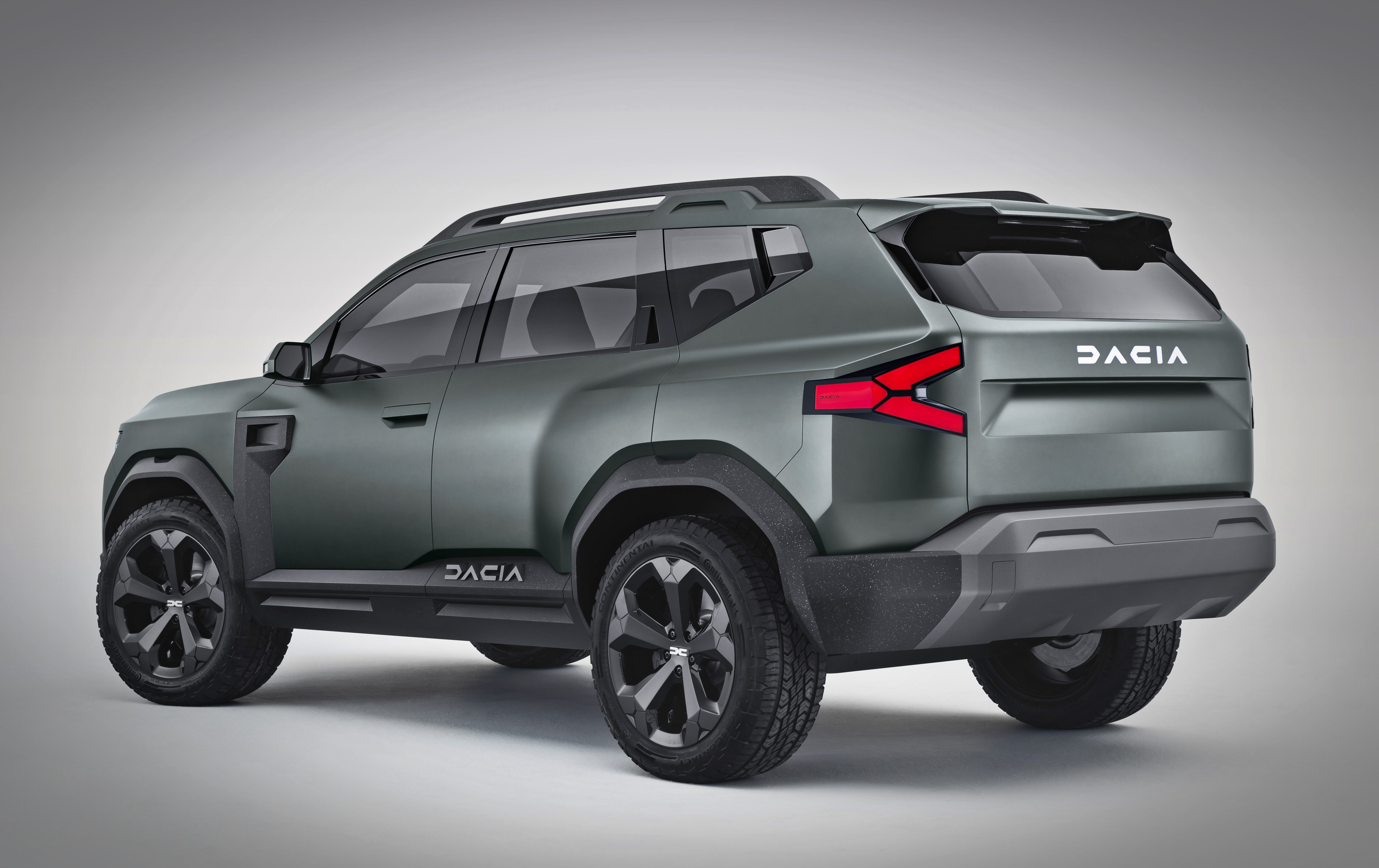
Known as the Bigster, the 4.5 metre SUV proposal is a roomy and robust vehicle with a target cost of the B-segment. It will use the modular CMF-B platform which was unveiled to the public at the 2019 Geneva International Motor Show. The platform is designed to be used for a wide range of models and embodies the Drive the Future plan, featuring electric engines, advanced driving aids approaching self-driving technology and advanced connectivity technologies.
The CMF-B platform (already used for the new Sandero) will replace the three platforms previously used by Renault and Nissan (including the Micra and Clio IV platforms) and 85% of its components are new (compared with the Clio IV platform).
New design language
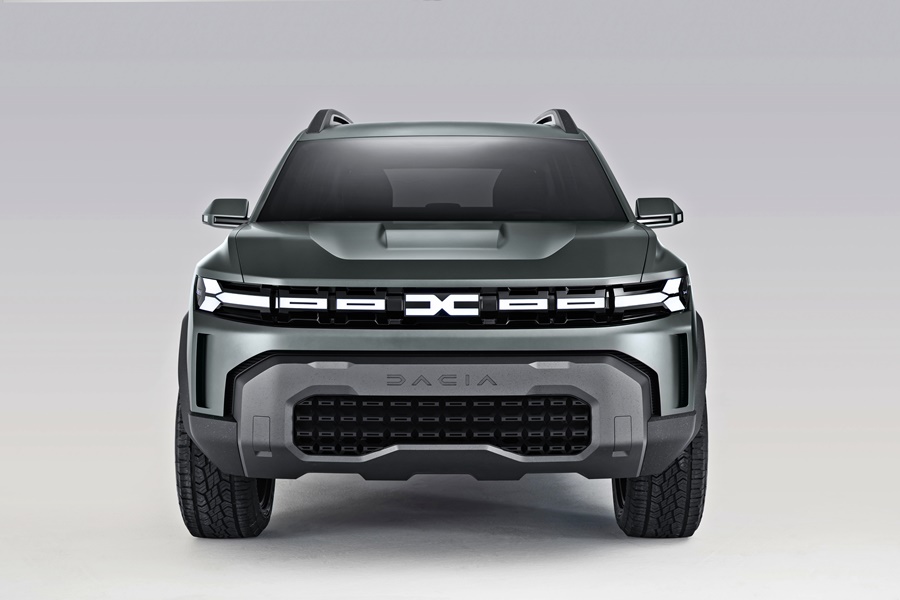
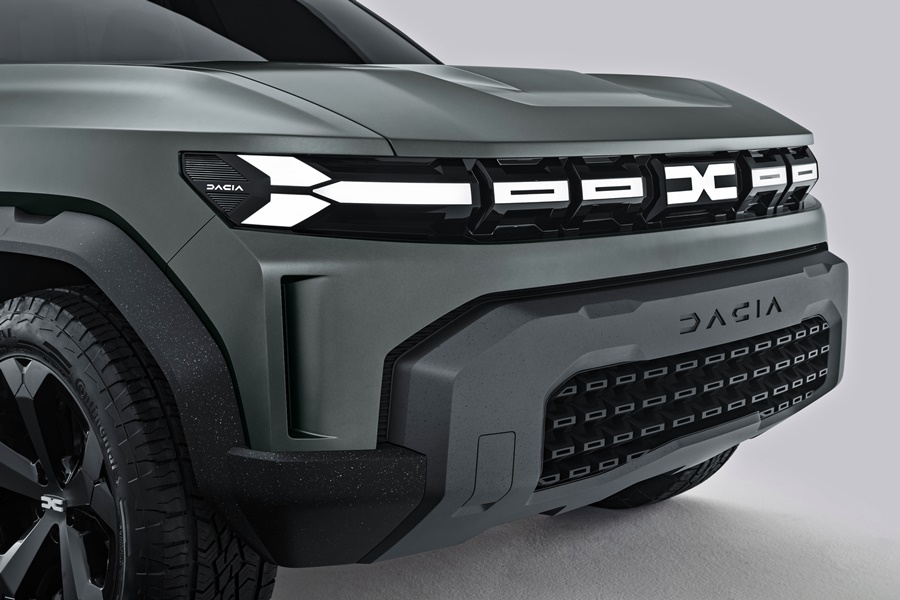
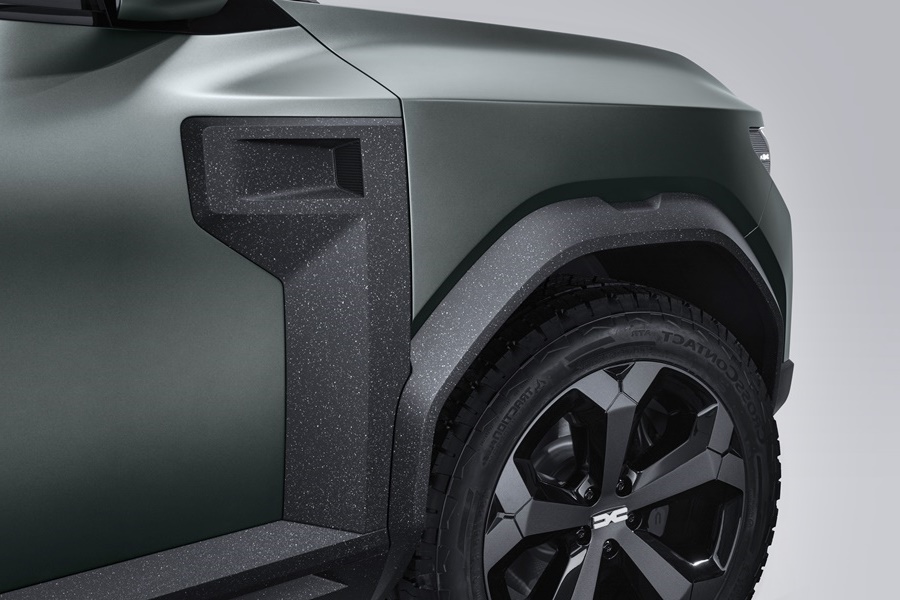
The Y-shaped lighting signature highlights the SUV’s bold and assertive style. This is an element in the brand’s new design language which appears to still be evolving. There is no chrome trim or imitation-aluminium, and the Bigster Concept uses only raw recycled plastics for all exterior protective panels.
The generous outside dimensions suggest a very spacious interior. The dark green coat underpins ‘the adventurous explorer’ within.
Powertrains for the Bigster concept will be advanced and electrified, with hybrids and what the company refers to as ‘alternative energy’ (probably pure EV).
Although inter-state and inter-district travel has been stopped with the new Movement Control Order(MCO) in selected states (from January 13 until January 26 2021), PLUS Malaysia Berhad is maintaining its services and facilities as before, while adhering to Standard Operating Procedures (SOPs).
“The PLUS highways are critical linkages of the nation and PLUS is highly cognizant of its preparedness to serve and provide the highest level of safety to all who urgently have to use our highways either to transport essential goods or for business during these times,” said the Managing Director of PLUS, Datuk Azman Ismail.
According to Datuk Azman, PLUS is also assisting the police in setting up roadblocks at major toll plazas in MCO affected states as inter-district travel is currently restricted to curb the spread of the COVID-19 virus.
Facilities open but no dine-in
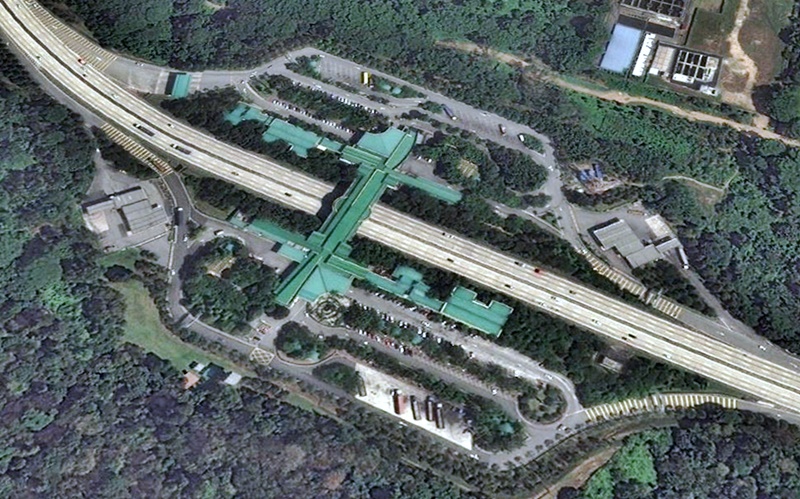
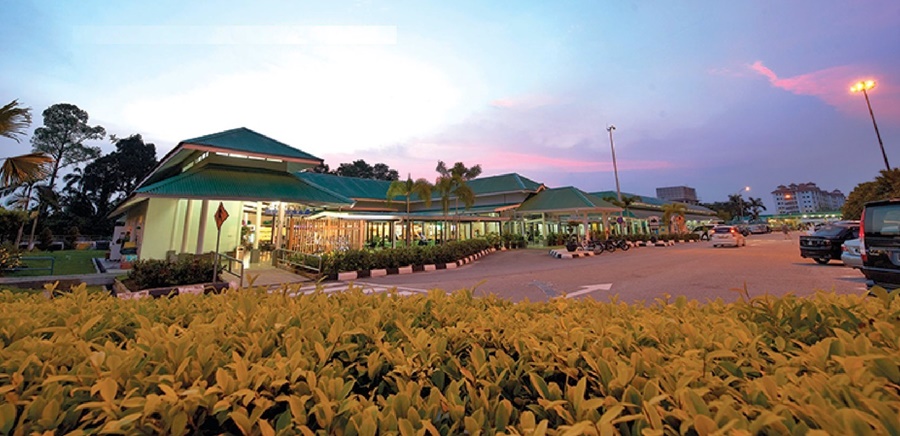
During the first MCO last March, facilities at the Rest & Service (R&R) areas were shut down, except for petrol stations, but this time round, they will remain open. Those which are located under MCO states (Penang, Selangor, Kuala Lumpur, Putrajaya, Melaka and Johor) will be open from 6 am to 8 pm daily but sitting down for meals is not permitted. Customers will have to take their food away and consume them in the car or elsewhere. It is advisable to use the pre-order function in the PLUS App, which enables ordering of meals from selected R&Rs for takeaways.
The operating hours for R&Rs and lay-bys in CMCO states (Perak, Negeri Sembilan, Kedah and Terengganu) will be from 6 am to 12 midnight and dine-in is allowed. However, strict physical distancing and other SOPs must be observed.
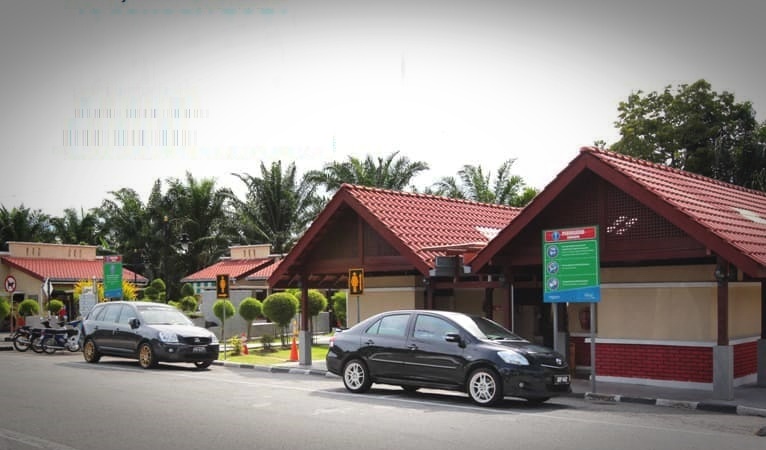
Suraus at all PLUS R&Rs, lay-bys and toll plaza lay-bys will be open. However, the surau operation is subject to further direction by the Islamic Religion Department under the respective states or districts.
Have enough balance for toll
“We urge highway users who have to travel on urgent matters to plan their journey properly and ensure that their Touch ‘n Go card and e-Wallets are sufficiently reloaded to minimize disruptions and need for physical interactions at the toll plazas,” said Datuk Azman. Those who have insufficient card balance at the toll lane are advised to press the intercom button for assistance.
Under the new normal practised by many organisations that manages premises which are open to public, customers are denied entry or transactions if face masks are not worn. As such, PLUS asks the same of its customers to wear a face mask and comply with the SOPs when interacting with its frontliners who serve them.
“This will ensure the safety of both our customers and our frontliners in line with the #KitaJagaKita objective,” he said.
ggf
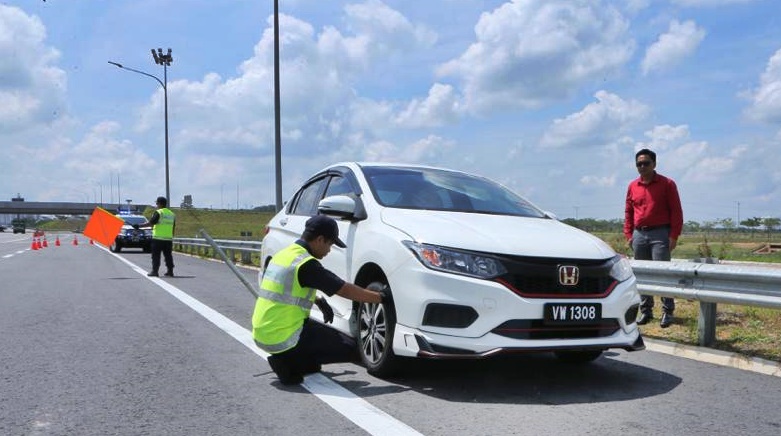
If there is a breakdown along the highway, PLUSRonda patrol units will come and help at any time of the day or night. To contact PLUS, call 1800-88-0000.
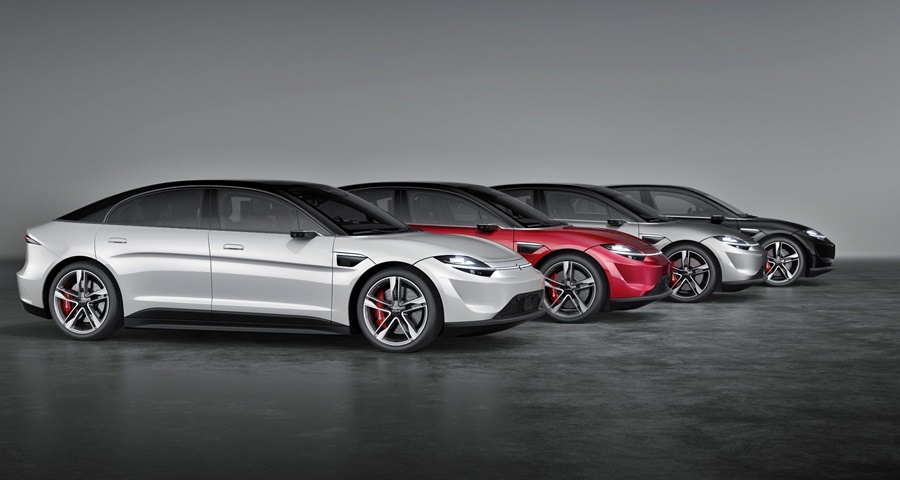
Over the past 15 years, a number of new companies have announced intentions to make cars, mainly electric vehicles. The notion was that cars of the future are largely packages of electronics so it was more like putting a computer package on wheels with people inside. Obviously, it’s not that simple as there are quality and safety issues to consider but there have been many companies which have already started up and begun making hybrid or electric cars.
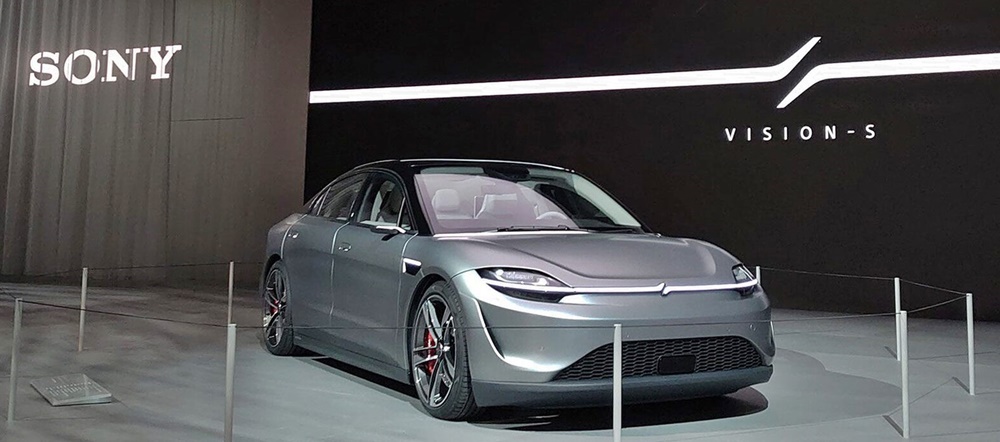
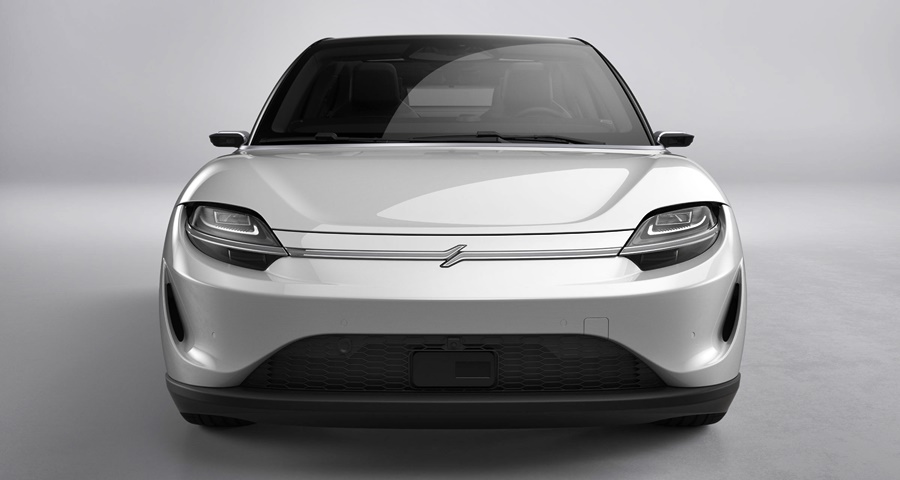
Joining them could be Sony – yes, the Sony we all know from the consumer electronics sector – which actually indicated its intentions a year ago at the 2020 Consumer Electronics Show (CES) in America. At that time, it displayed what seemed to be a concept car to show off various technologies, which is also done by other electronics companies.
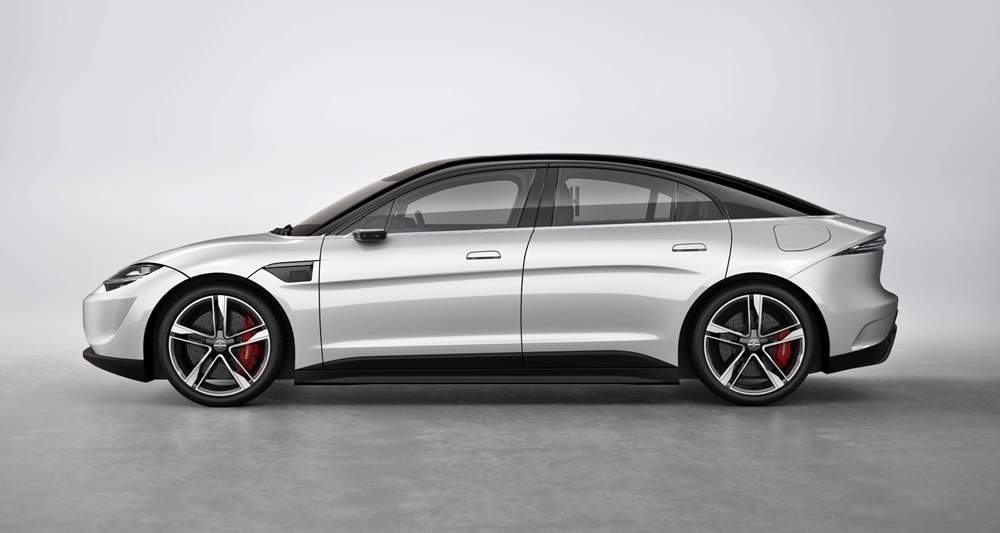
Vision-S concept first shown at CES in 2020.
From concept to running prototype
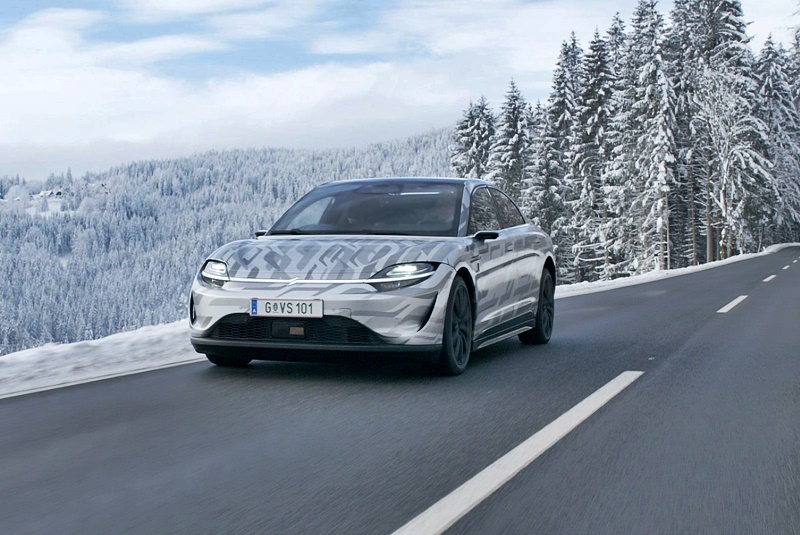
However, it appears that the company has decided to go further with the concept car and has been quietly developing it into a running prototype. In fact, for the CES this year, Sony even showed a short video showing the car – known as Vision-S – being tested on public roads and on a test track in Austria.
“We made a fairly grand announcement [at CES 2020], so I often get asked why Sony moved into car development. As a matter of fact, the move wasn’t triggered by any dramatic decision. Rather, it was more like the time had finally come. At the time, the 2010s—the decade of smartphones—were drawing to a close, and we knew the next decade would belong to mobility” said Izumi Kawanishi, a senior Vice-President in the company.
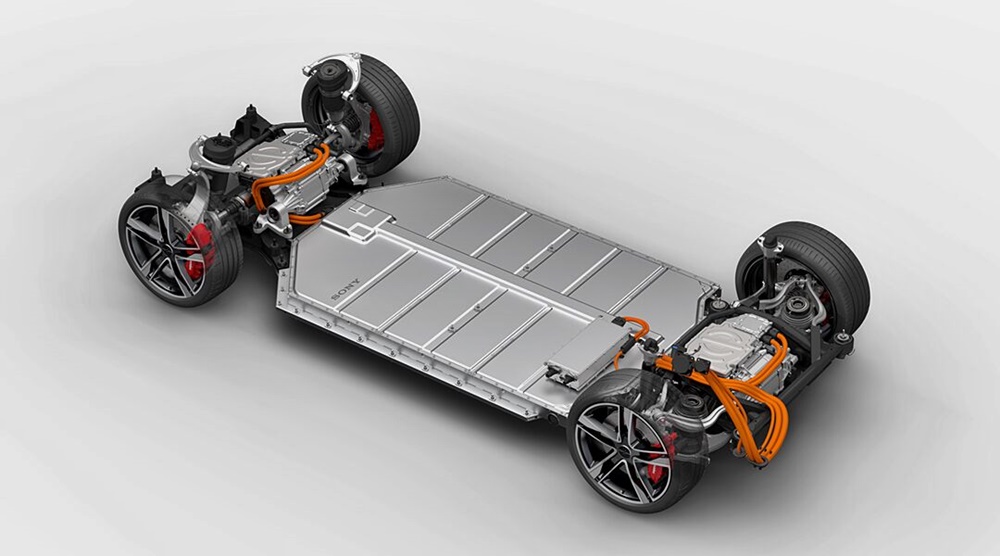
Full technical details are still not revealed but it has a fully electric powertrain. It obviously has much experience in electronics, even in automotive-related areas, but as it has not made cars before, it has commissioned Magna Steyr to provide engineering services for chassis development.
Other partners include familiar names such as Bosch, Continental, ZF, Vodafone Nvidia and Qualcomm as well as other companies which may not be as readily known to the public. Just as specialist suppliers work with carmakers on specific systems, Sony would be getting its own group of specialists although they may not be in traditional automotive fields.
In-house design
The design was developed in-house by Sony’s own team. Commenting on the appearance of the Vision-S, Daisuke Ishii, Creative Director at the Sony’s Creative Centre, said they aimed for a style that would be clearly distinct from the bold, aggressive designs with a focus on on-road performance that are common these days.
“At the same time, a nondescript or impersonal design wouldn’t work either, so it was a tough process. One of the things we tried to realize with this car was the concept of ‘wrapping’ people. So you could say the design was the stylistic embodiment of the idea of mobility that protects people through sensing. A blacked-out glass cabin wrapped in a sensor-packed case that gleams with a metallic light. The interior was also designed to encircle the rider, almost like a capsule holding people,” he explained.
Camera-based rearview mirrors
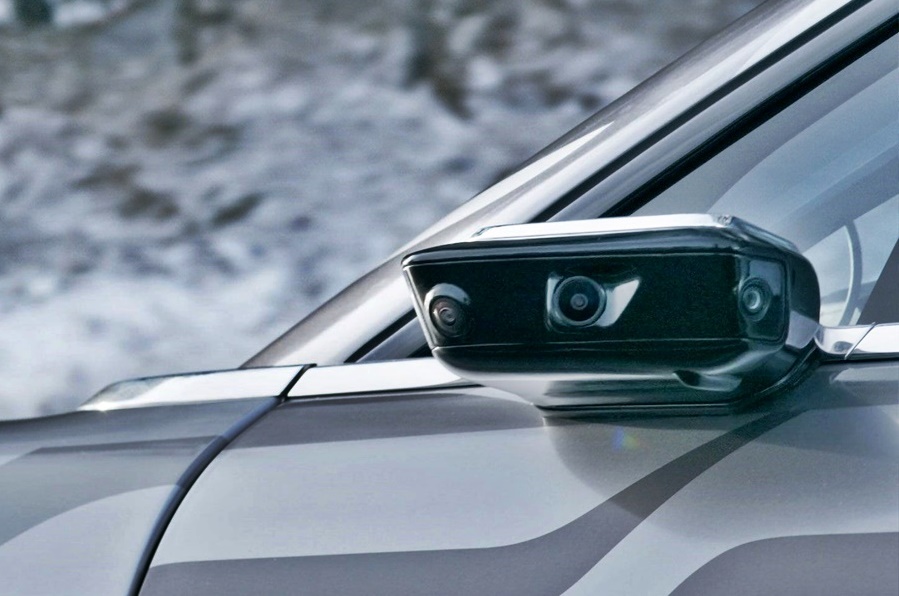
The prototype has some of the technologies which were showcased last year such as camera-based rearview ‘mirrors’ – which carmakers like Lexus and Audi have already begun offering as options in countries where their use is permitted. Of course, Honda has also been offering this idea for a few years now in its LaneWatch system for blinsspot monitoring.
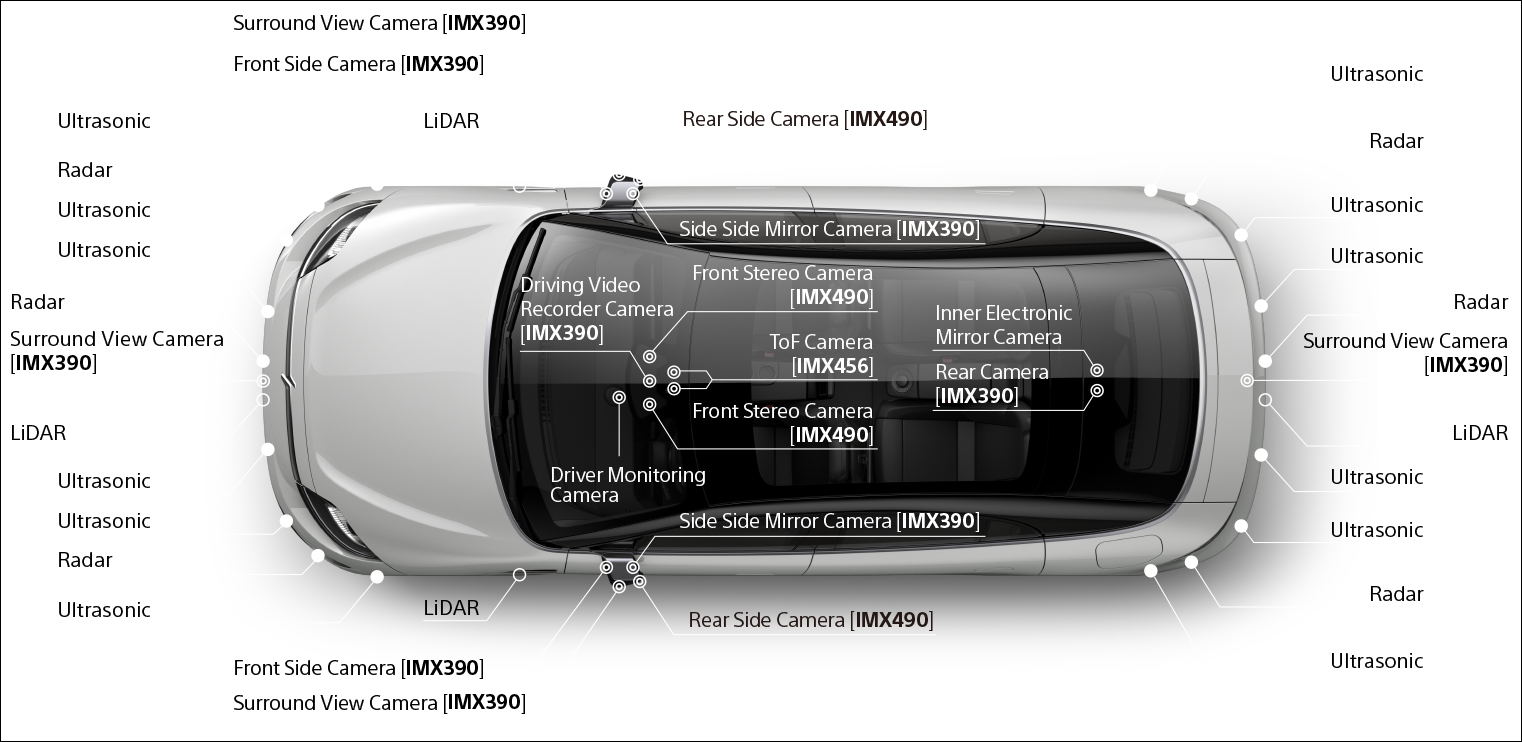
Autonomous capability would certainly be available as the car, if it goes into production, would be entering the market when autonomous cars become available. Up to 40 sensors are installed on the car to fully cover 360 degrees and collect data and imagery to be processed by the computer.
Occupant recognition
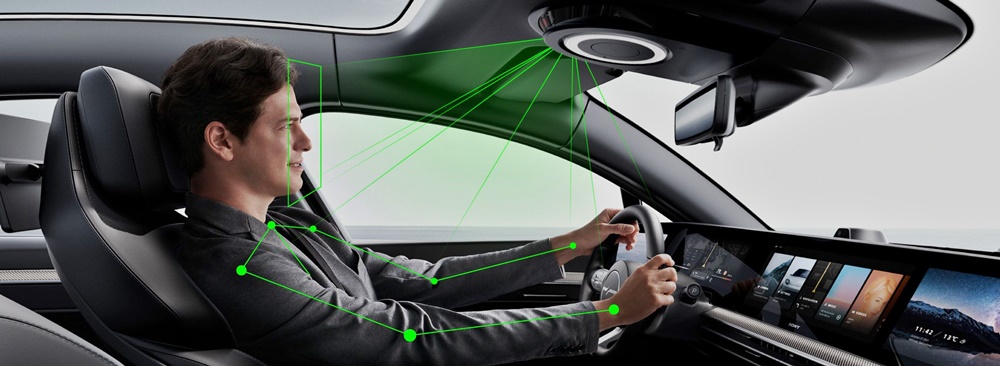
Sony interior designers also propose the use of camera imagery of occupants in the car for managing things like air-conditioning and other personal preferences. Facial recognition could identify the occupant and from data input, preferences relating to temperature or even music can be applied automatically.
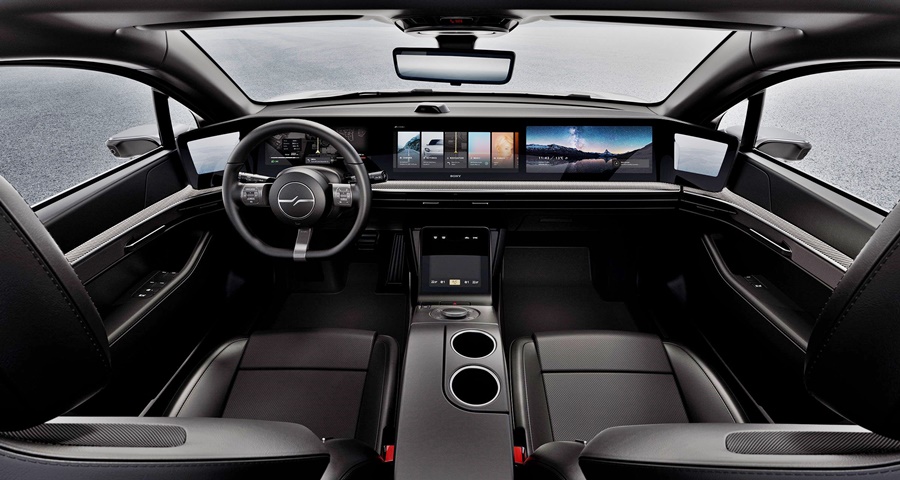
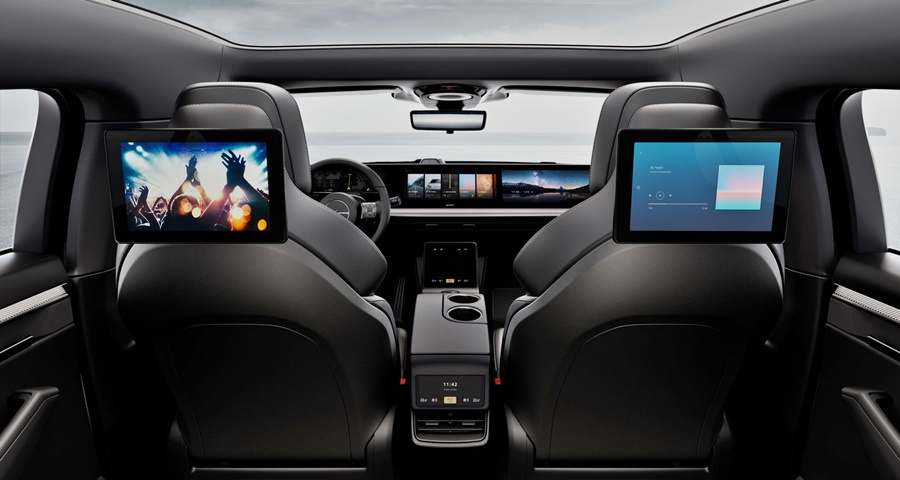
From the video, the dashboard layout can be seen to be fully occupied by digital panel displays. This is only to be expected and given Sony’s expertise in displays, we will probably see high-definition images and advanced interfaces for audio-visual systems and navigation.
No production schedule has been mentioned yet so Sony is probably not in a hurry to launch is first car. It will certainly be interesting to see which of the ‘big names’ in the electronics industry will be the first to do so, signalling the beginning of a change in the auto industry’s status quo.
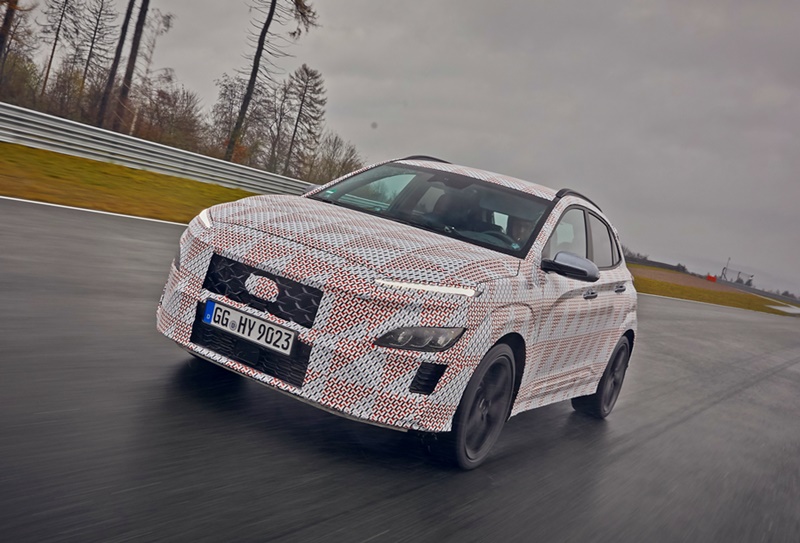
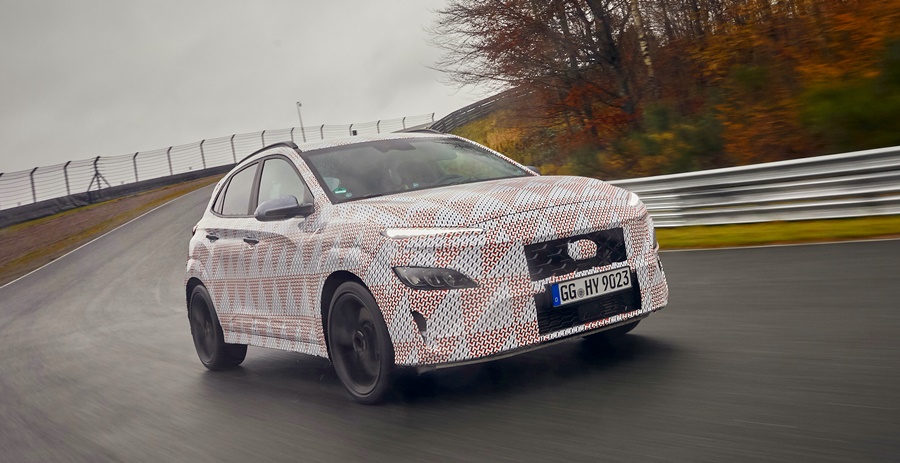
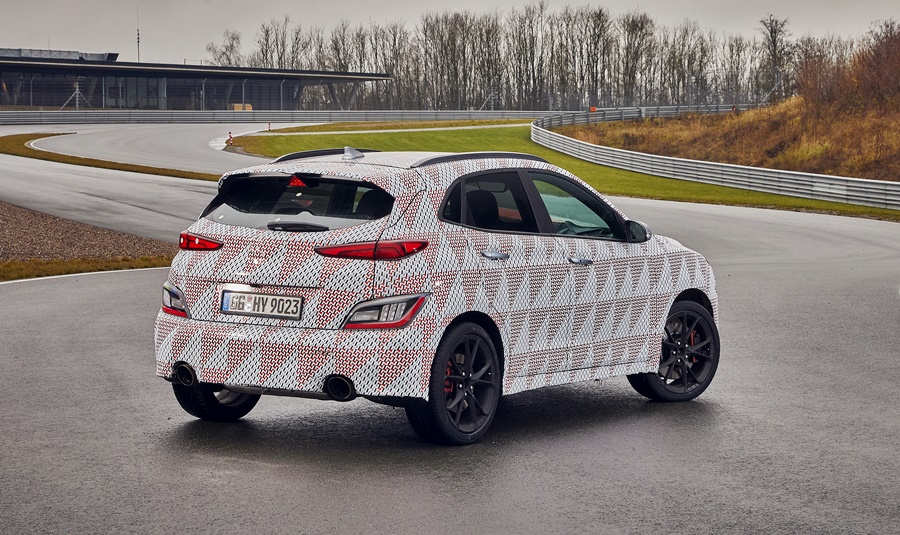
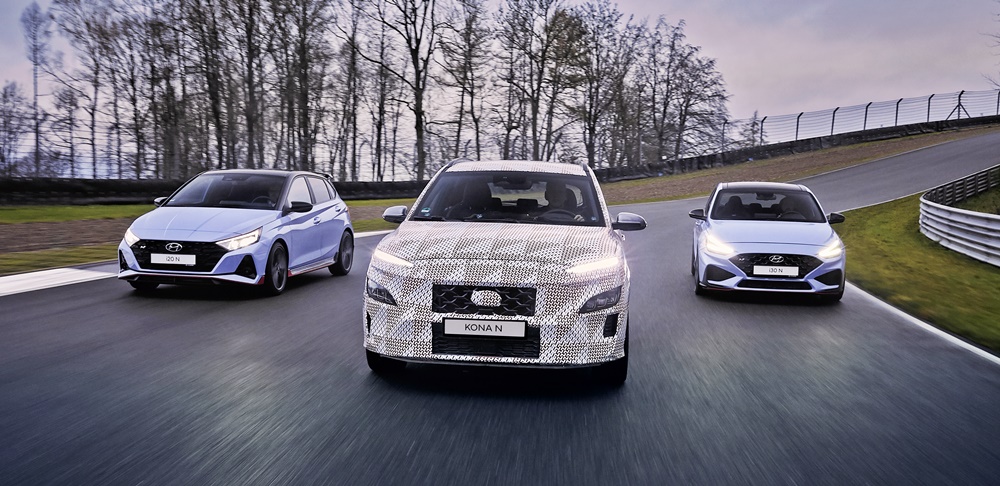
Hyundai Motor has confirmed that the next model to have the high-performance N badge will be from its Kona range. The compact model will be the first high-performance SUV from the Korean carmaker.
2-litre turbo engine, 8-speed N DCT
The Kona N will be available with an 8-speed wet dual-clutch transmission, known as N DCT. Combined with its 2-litre turbocharged engine, it can be expected to deliver impressive performance. Besides an ‘emotional sound experience’, there will be Launch Control to enable the driver to exploit the high output.
“The all-new Kona N is the first ‘hot SUV’ from the N brand,” said Till Wartenberg, Vice-President and Head of N Brand Management and Motorsport Sub-division at Hyundai Motor Company. “As a ‘hot SUV’, it will have plenty of versatility as well as the driving pleasure like any other N vehicle. Enthusiasts will enjoy taking this car anywhere; from road to the track.”
Hyundai’s high-performance brand N, which ventured into the high-performance field with its i30 N, is planning to expand its line-up in 2021. Especially with more diversified segments in its line-up, like the i20 N and the upcoming Kona N, the brand will provide enthusiasts with fun-to-drive vehicles.
How Hyundai N started
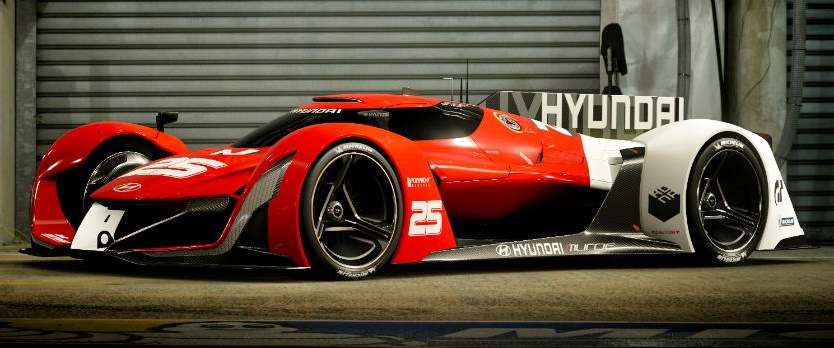
The first association of ‘N’ with Hyundai was when the carmaker presented its N 2025 Vision Gran Turismo concept car for PlayStation’s Gran Turismo videogame series in 2015. In that same year, Hyundai brought in Albert Biermann, the former head of BMW’s M division, to spearhead the development of the N sub-brand and create a line of high-performance production cars.
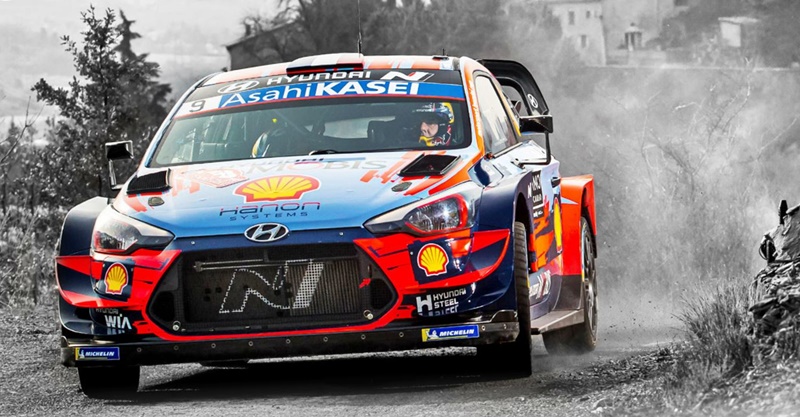
The N 2025 Vision Gran Turismo concept carThe N brand has gained prominence with the many successes of the Hyundai N team in the World Rally Championship.
The ‘N’ in Hyundai N stands for Namyang, home to Hyundai Motor’s global R&D Centre in Korea since 1995, and also for Nurburgring, where N models are tested and developed further. The close connection between Namyang and the Nurburgring created the foundation for N, aiming to build on the company’s motorsport experience to bring winding road fun to customers who love cars. The ‘N’ logo itself embodies this idea, as it symbolises a chicane.
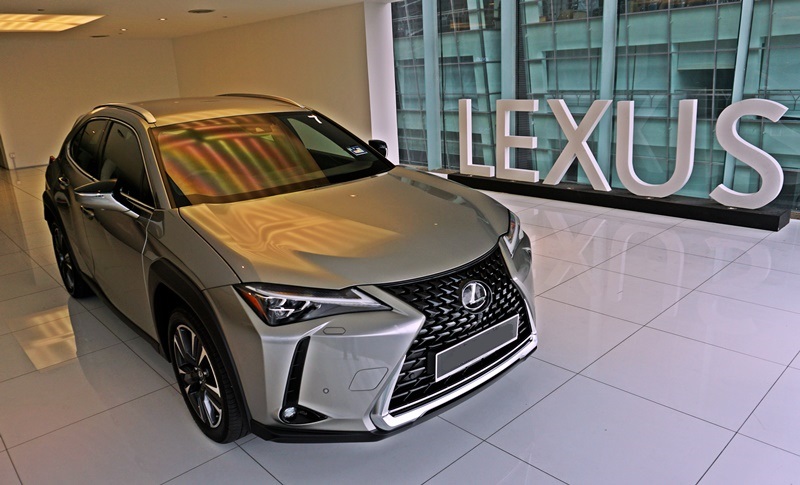
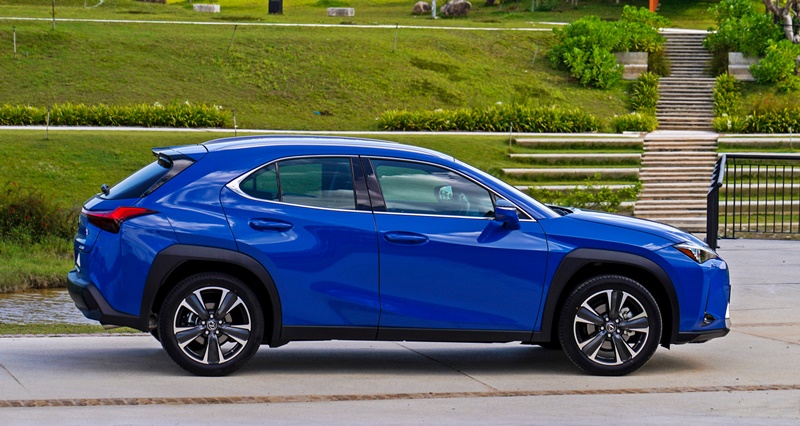
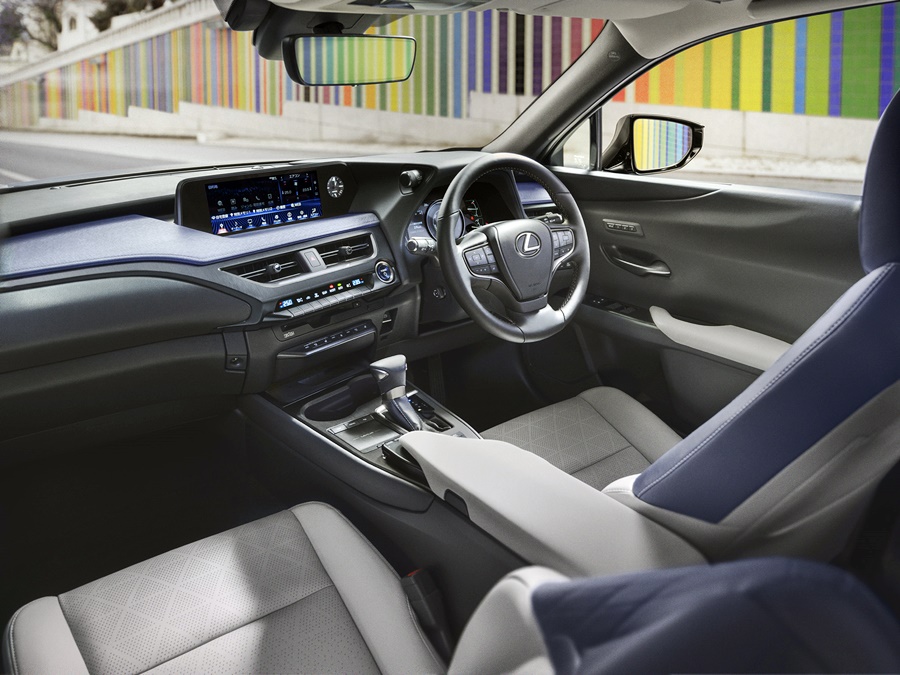
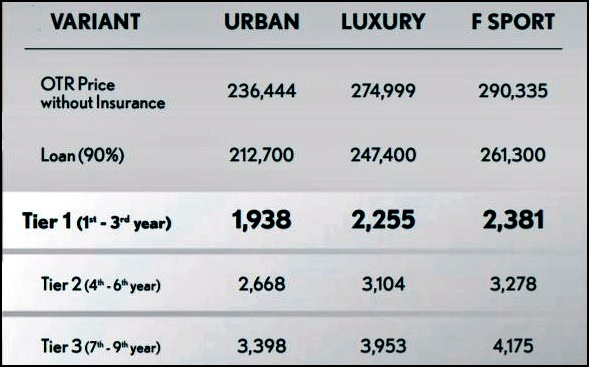
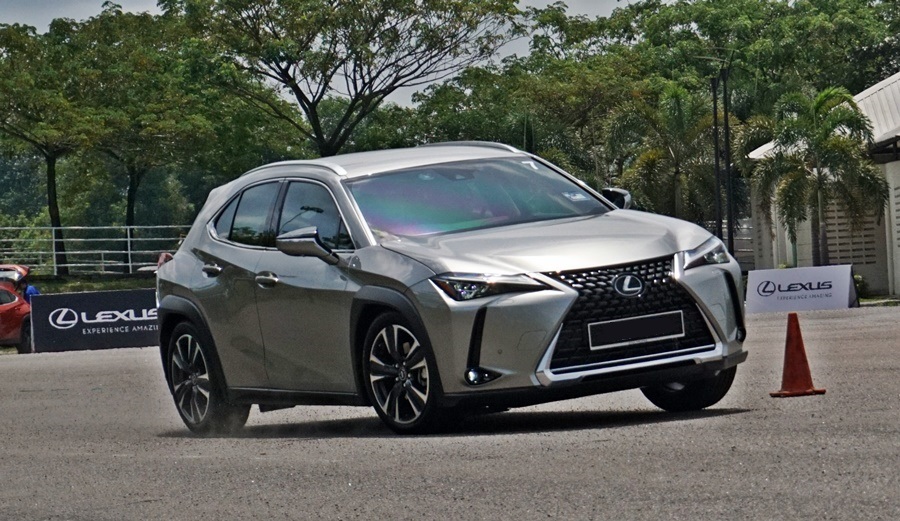
Lexus Malaysia’s range consists of 9 models from sedan to SUV to MPV, with the lowest-priced model being the UX. This compact SUV is available in 3 variants – Urban, Luxury and F SPORT – with prices starting from RM236,444 (excluding insurance and sales tax exemption of 5%).
For those who have had their eye on owning a UX, Lexus Capital Services (a division of Toyota Capital Malaysia Sdn. Bhd) offers a financing scheme that starts off with a much lower monthly instalment rate. It’s called Lexus Next Step Financing and can provide up to 90% financing for the purchase.
Lexus Next Step Financing is a simple 3-tier scheme spread over a 9-year period. During the first 3 years, the owner would pay RM1,938 a month for the UX Urban variant, or up to RM2,381 for the sharper-looking F-SPORT version.
From the fourth year until the sixth year, the instalment amount will be 37.6% higher, and then from the seventh year to the end of the term, the instalment will be 27.4% higher.
Based on 9-year repayment term. Terms & conditions apply.
Besides a warranty of 5 years (unlimited mileage), the UX will come with all the benefits of Lexus ownership and the well known hospitality of the brand. Buying from an authorised Lexus dealership also means having the full range of aftersales support available at 6 locations nationwide as well as availability of replacement parts.
Additionally, all owners can have peace of mind with Lexus Assist, which is available 24 hours a day, every day. Whether it’s a flat tyre or an empty tank, a call to the nearest Lexus Centre will bring assistance anywhere in Malaysia and up to 25 kms from the borders with Thailand, Brunei and Singapore.
To know more about Lexus Next Step Financing and Lexus products in Malaysia, visit www.lexus.com.my.
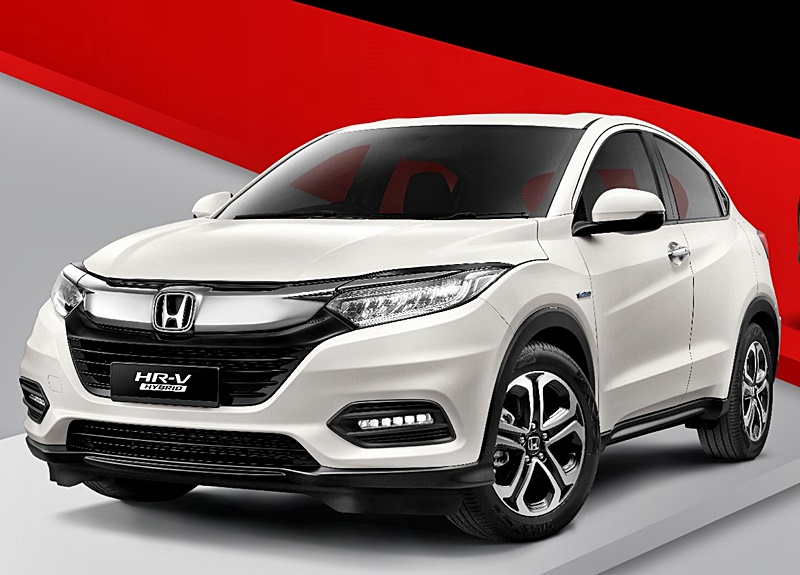
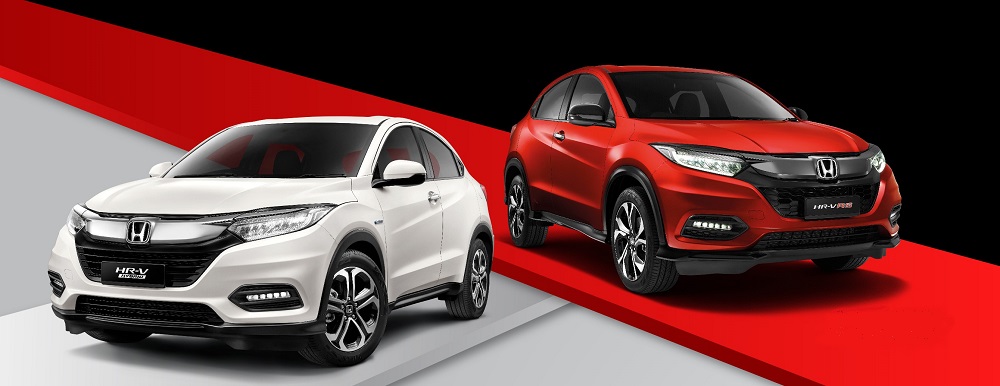
The Honda HR-V Sport Hybrid i-DCD is being enhanced for 2021 with a new feature and exterior upgrades. While not announcing the price, Honda Malaysia said that customers can make a pre-booking at any authorised Honda dealership or by using the online pre-booking platform.
The refreshed appearance encompasses the LED Headlights, LED Guide Taillights and LED Front foglights, with new chrome door handles and a 3-spoke leather-wrapped steering wheel. A new Platinum White Pearl colour replaces the existing White Orchid Pearl finish.
Petrol engine or hybrid choices
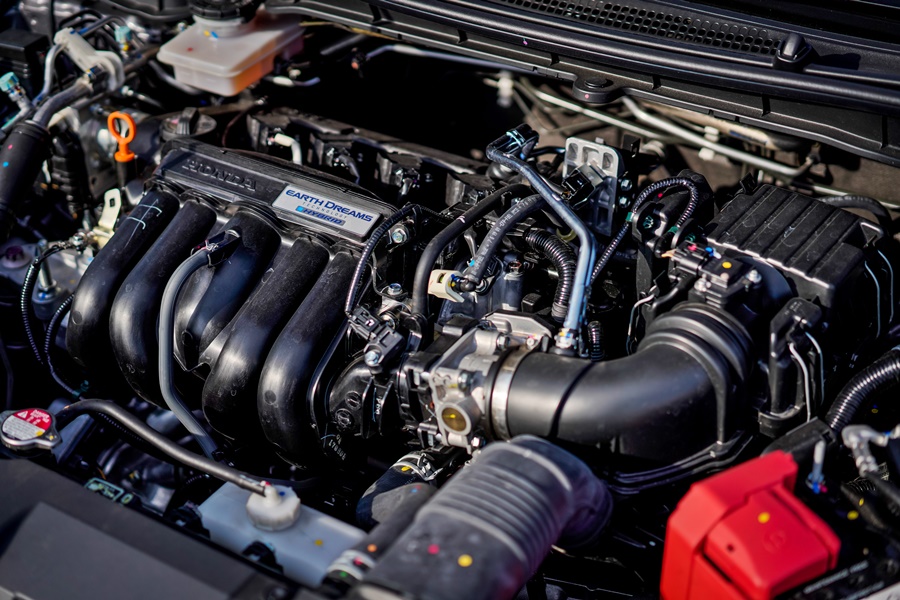
The HR-V Sport Hybrid is one of four variants in the HR-V range, the others being the RS, V and E (priced from RM104,000.21). While the other variants have a 1.8-litre SOHC i-VTEC engine and CVT, the HR-V Sport Hybrid uses a powertrain consisting of a 1.5-litre DOHC i-VTEC engine (with direct fuel injection) and Integrated high-power electric motor. Coupled to a 7-speed dual-clutch transmission, its output is comparable to that of a conventional 2-litre engine.
i-DCD Sport Hybrid powertrain
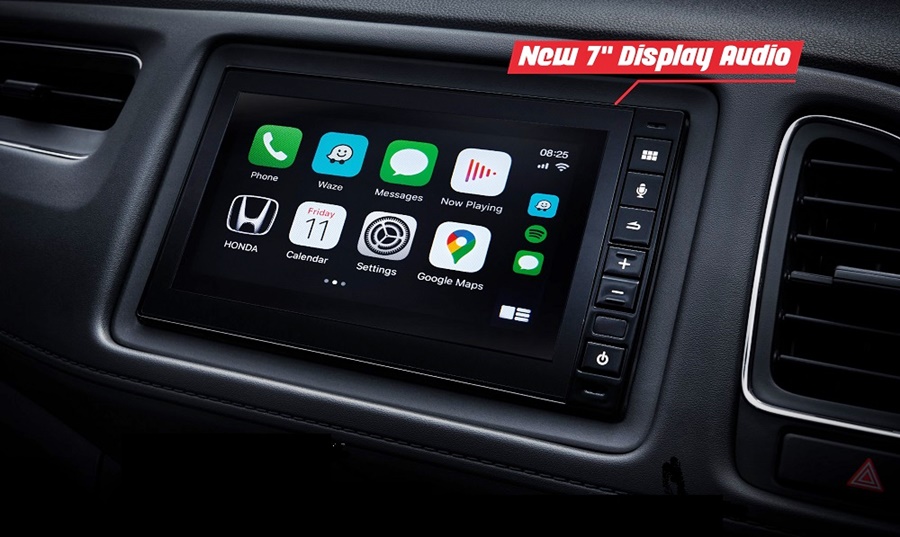
Besides the exterior changes, all variants also come with Apple CarPlay and Android Auto connectivity as well as 2 new USB ports. There is also a new 7-inch display panel for the infotainment system in the dashboard.
Other standard features of the enhanced HR-V include (depending on variant) a multi-angle rearview camera, cruise control, paddle shifters, 8-way powered driver’s seat, leather upholstery.
Comprehensive safety systems
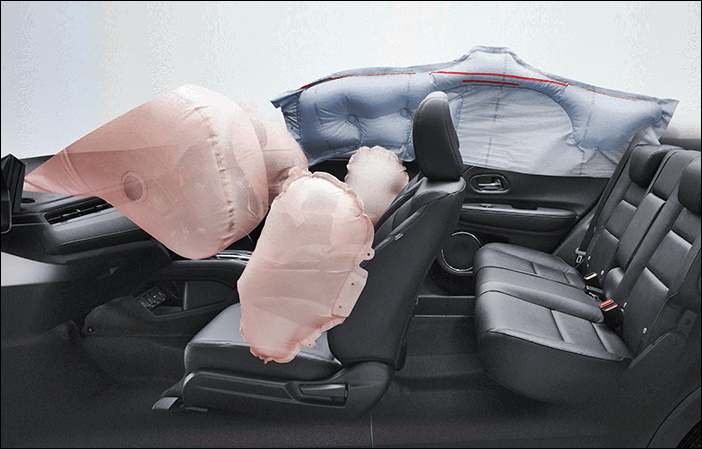
The occupants are well protected with Passive Safety systems such as 6 SRS airbags and a computer-engineered ACE (Advanced Compatibility Engineering) structural design by Honda which effectively dissipates collision forces.
Active Safety systems to help the driver avoid accidents include Honda LaneWatch to monitor blind spots, Emergency Stop Signal, Automatic Brake Hold, Vehicle Stability Assist (VSA) and Hill Start Assist.
“Honda Malaysia is excited to introduce the enhanced HR-V to Malaysians. Being one of the top three best-selling Honda models, the HR-V has contributed greatly to our achievement as No.1 in the Non-National segment in 2020. This enhanced model is a result of customers’ feedback as we continuously strive to introduce products that meet the needs of customers,” said Honda Malaysia’s Managing Director and CEO, Toichi Ishiyama.
Third bestselling Honda model in Malaysia
The HR-V was first introduced in Malaysia in 2015 and there are currently over 98,600 units on Malaysian roads. The facelifted model was launched in January 2019 and was expanded with the RS and Sport Hybrid variants. Last year, the HR-V was Honda Malaysia’s third bestselling model, contributing 17% to its total sales volume.
For more information or to locate an authorised dealership in Malaysia, visit www.honda.com.my.