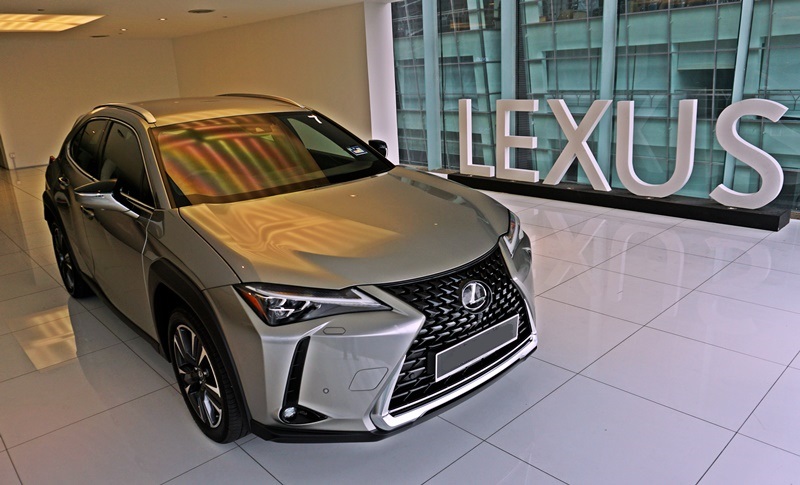
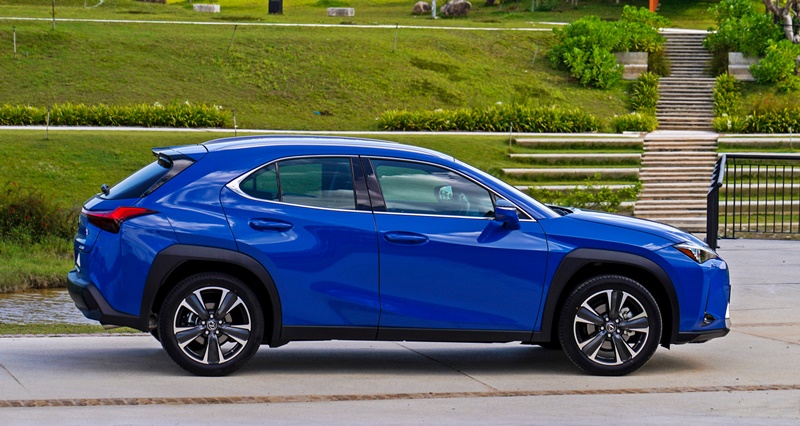
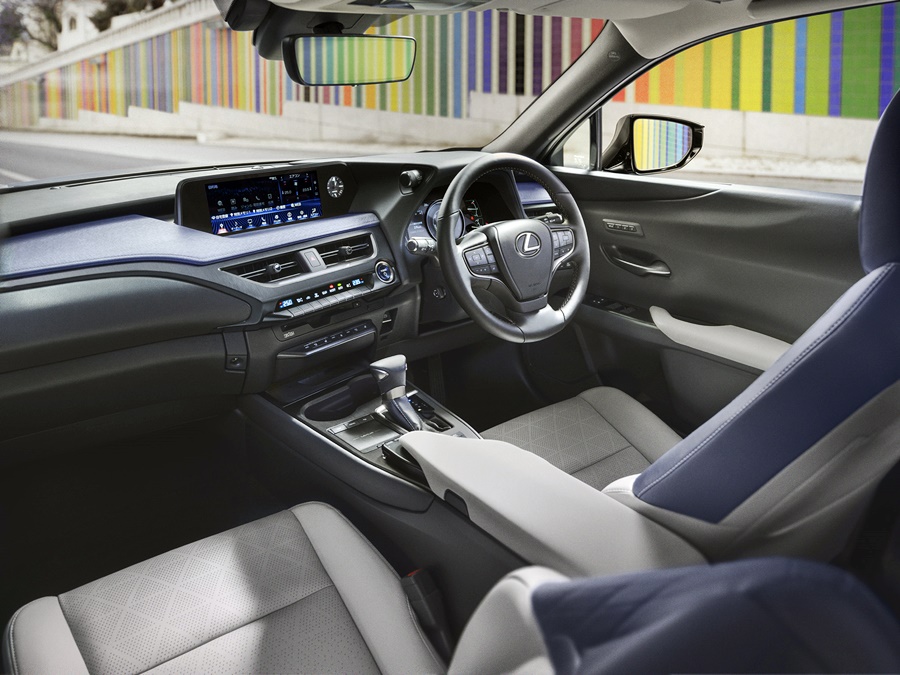
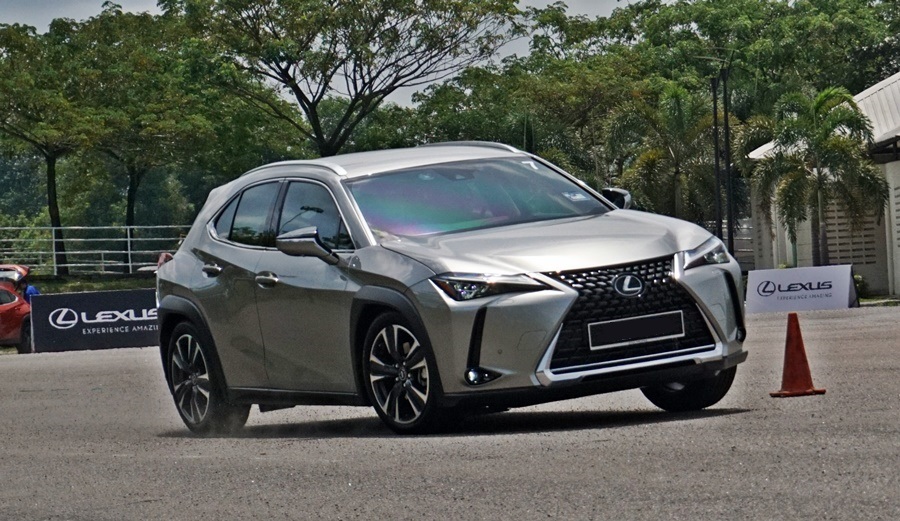
Lexus Malaysia’s range consists of 9 models from sedan to SUV to MPV, with the lowest-priced model being the UX. This compact SUV is available in 3 variants – Urban, Luxury and F SPORT – with prices starting from RM236,444 (excluding insurance and sales tax exemption of 5%).
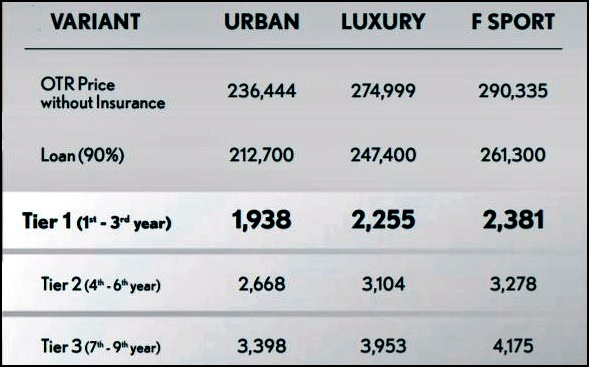
For those who have had their eye on owning a UX, Lexus Capital Services (a division of Toyota Capital Malaysia Sdn. Bhd) offers a financing scheme that starts off with a much lower monthly instalment rate. It’s called Lexus Next Step Financing and can provide up to 90% financing for the purchase.
Lexus Next Step Financing is a simple 3-tier scheme spread over a 9-year period. During the first 3 years, the owner would pay RM1,938 a month for the UX Urban variant, or up to RM2,381 for the sharper-looking F-SPORT version.
From the fourth year until the sixth year, the instalment amount will be 37.6% higher, and then from the seventh year to the end of the term, the instalment will be 27.4% higher.
Based on 9-year repayment term. Terms & conditions apply.
Besides a warranty of 5 years (unlimited mileage), the UX will come with all the benefits of Lexus ownership and the well known hospitality of the brand. Buying from an authorised Lexus dealership also means having the full range of aftersales support available at 6 locations nationwide as well as availability of replacement parts.
Additionally, all owners can have peace of mind with Lexus Assist, which is available 24 hours a day, every day. Whether it’s a flat tyre or an empty tank, a call to the nearest Lexus Centre will bring assistance anywhere in Malaysia and up to 25 kms from the borders with Thailand, Brunei and Singapore.
To know more about Lexus Next Step Financing and Lexus products in Malaysia, visit www.lexus.com.my.
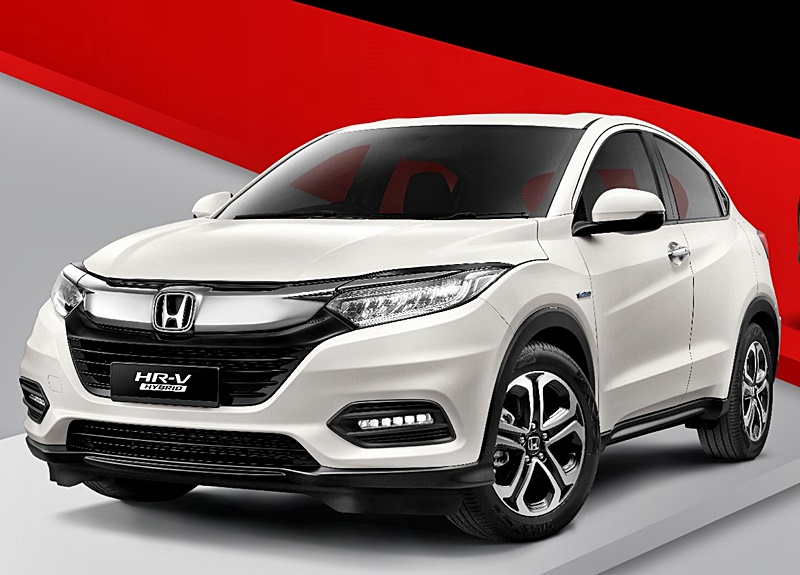
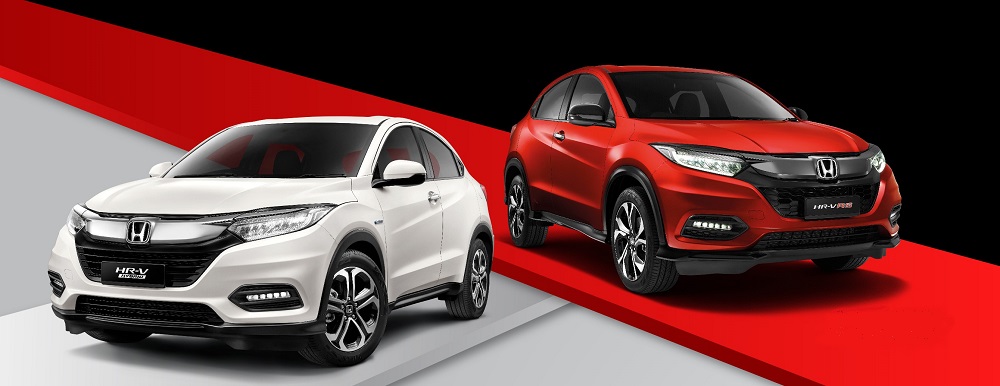
The Honda HR-V Sport Hybrid i-DCD is being enhanced for 2021 with a new feature and exterior upgrades. While not announcing the price, Honda Malaysia said that customers can make a pre-booking at any authorised Honda dealership or by using the online pre-booking platform.
The refreshed appearance encompasses the LED Headlights, LED Guide Taillights and LED Front foglights, with new chrome door handles and a 3-spoke leather-wrapped steering wheel. A new Platinum White Pearl colour replaces the existing White Orchid Pearl finish.
Petrol engine or hybrid choices
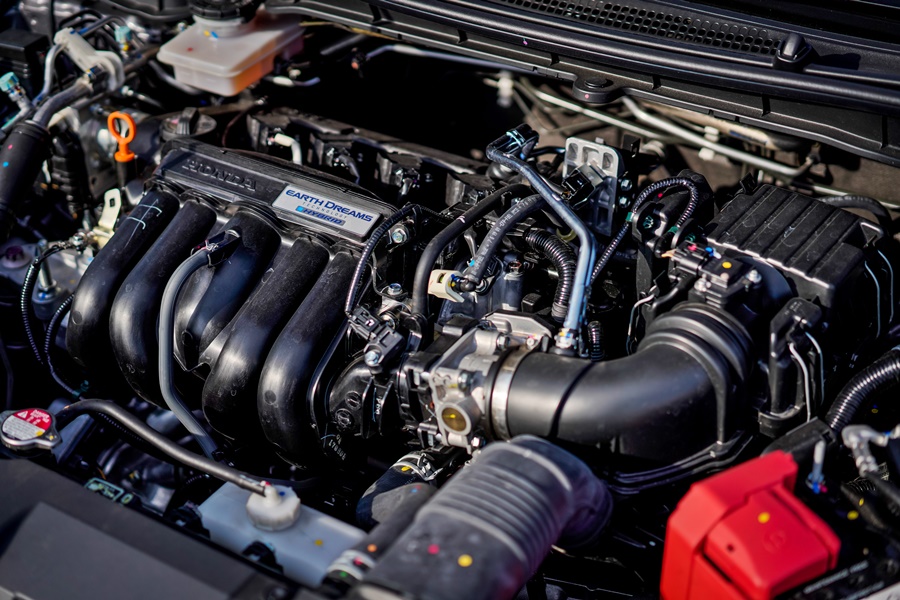
The HR-V Sport Hybrid is one of four variants in the HR-V range, the others being the RS, V and E (priced from RM104,000.21). While the other variants have a 1.8-litre SOHC i-VTEC engine and CVT, the HR-V Sport Hybrid uses a powertrain consisting of a 1.5-litre DOHC i-VTEC engine (with direct fuel injection) and Integrated high-power electric motor. Coupled to a 7-speed dual-clutch transmission, its output is comparable to that of a conventional 2-litre engine.
i-DCD Sport Hybrid powertrain
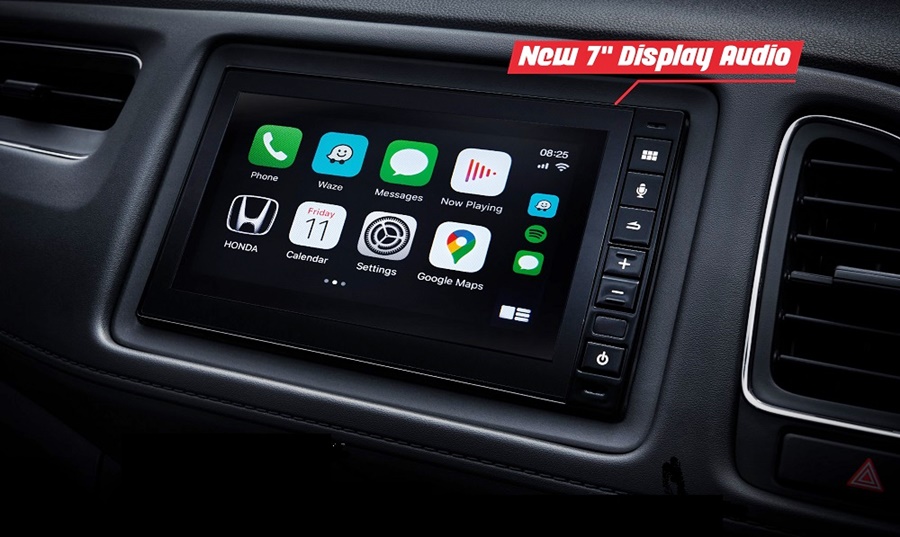
Besides the exterior changes, all variants also come with Apple CarPlay and Android Auto connectivity as well as 2 new USB ports. There is also a new 7-inch display panel for the infotainment system in the dashboard.
Other standard features of the enhanced HR-V include (depending on variant) a multi-angle rearview camera, cruise control, paddle shifters, 8-way powered driver’s seat, leather upholstery.
Comprehensive safety systems
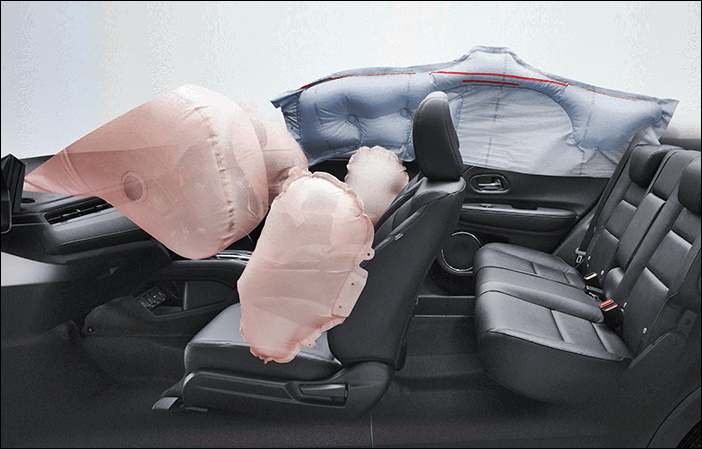
The occupants are well protected with Passive Safety systems such as 6 SRS airbags and a computer-engineered ACE (Advanced Compatibility Engineering) structural design by Honda which effectively dissipates collision forces.
Active Safety systems to help the driver avoid accidents include Honda LaneWatch to monitor blind spots, Emergency Stop Signal, Automatic Brake Hold, Vehicle Stability Assist (VSA) and Hill Start Assist.
“Honda Malaysia is excited to introduce the enhanced HR-V to Malaysians. Being one of the top three best-selling Honda models, the HR-V has contributed greatly to our achievement as No.1 in the Non-National segment in 2020. This enhanced model is a result of customers’ feedback as we continuously strive to introduce products that meet the needs of customers,” said Honda Malaysia’s Managing Director and CEO, Toichi Ishiyama.
Third bestselling Honda model in Malaysia
The HR-V was first introduced in Malaysia in 2015 and there are currently over 98,600 units on Malaysian roads. The facelifted model was launched in January 2019 and was expanded with the RS and Sport Hybrid variants. Last year, the HR-V was Honda Malaysia’s third bestselling model, contributing 17% to its total sales volume.
For more information or to locate an authorised dealership in Malaysia, visit www.honda.com.my.
Last year, just as the 2020 Formula 1 World Championship season opening round was to start, the state government in Australia forced it to be cancelled as the COVID-19 pandemic worsened. The cancellation triggered off postponements and then cancellations that would see the championship stalled until the middle of the year. It was then compressed to 17 rounds which ended just last month.
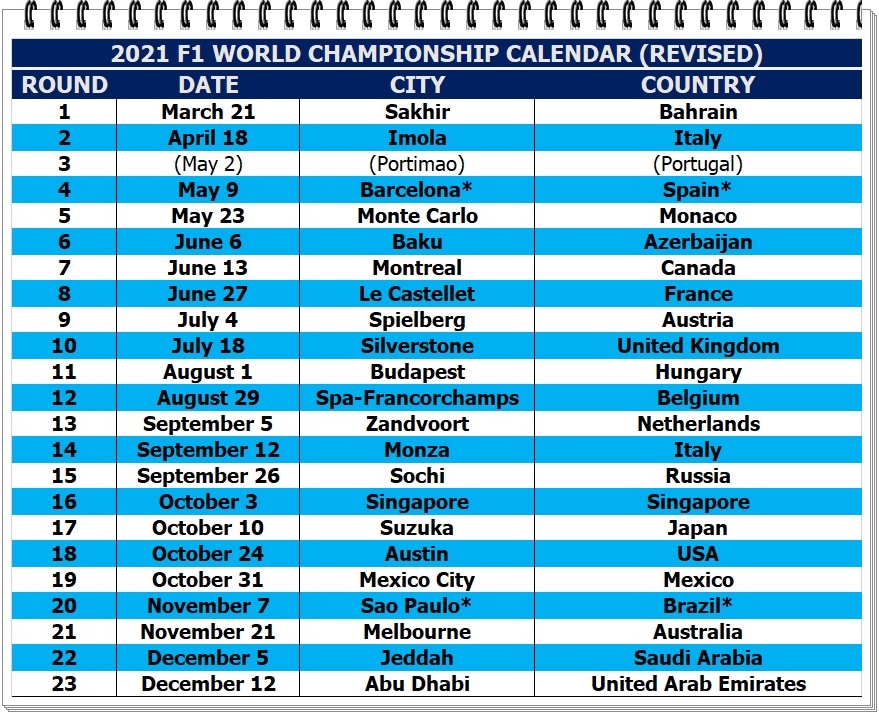
The calendar for 2021 again placed Australia as the venue for the first round of the championship, and it seemed that things were going well and the record number of 23 events for this year could have its traditional start Down Under.
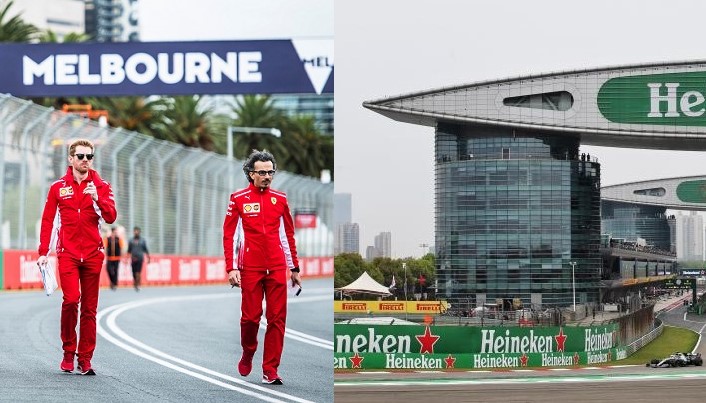
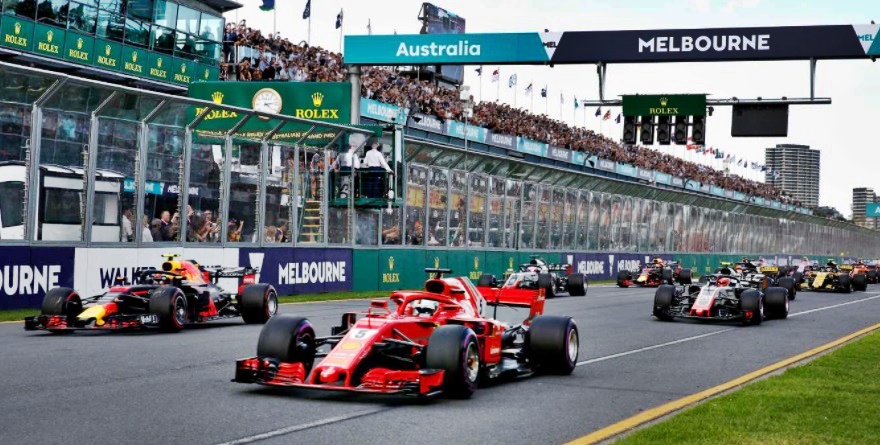
The Formula 1 World Championship has traditionally started in Melbourne, Australia. Last year, it was cancelled at the last moment due to growing concerns about the COVID-19 pandemic, and this year, there are still strict entry conditions so it will be difficult for teams to enter the country.
However, it has been announced today that the Australian round is postponed because the government maintains strict entry conditions, which make it difficult for teams to enter. But the round is not being cancelled altogether like last year and is changed to November 21 from the original March 21.
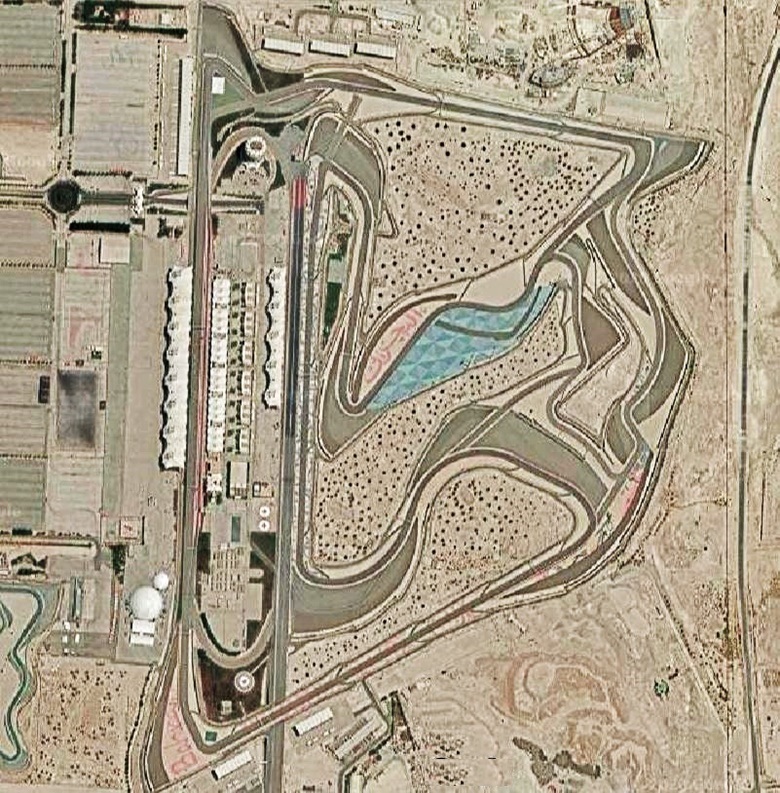
The opening round will instead be in the Middle East, where the final three rounds of 2020 were run. The Bahrain Grand Prix, which was to have been the second round, will become the opening round on March 28. The teams were there for two back-to-back rounds at the end of November and early December last year.
Sakhir Circuit in Bahrain will be the new venue for the opening round of the 2021 championship.
The organizers of the Chinese Grand Prix have also asked for a change of date due to what appears to be a new outbreak of COVID-19 infections which could become severe. As a precaution therefore, they don’t think it’s a good idea to run the event, which was to be round 3, on April 11. A new date has not been decided yet.
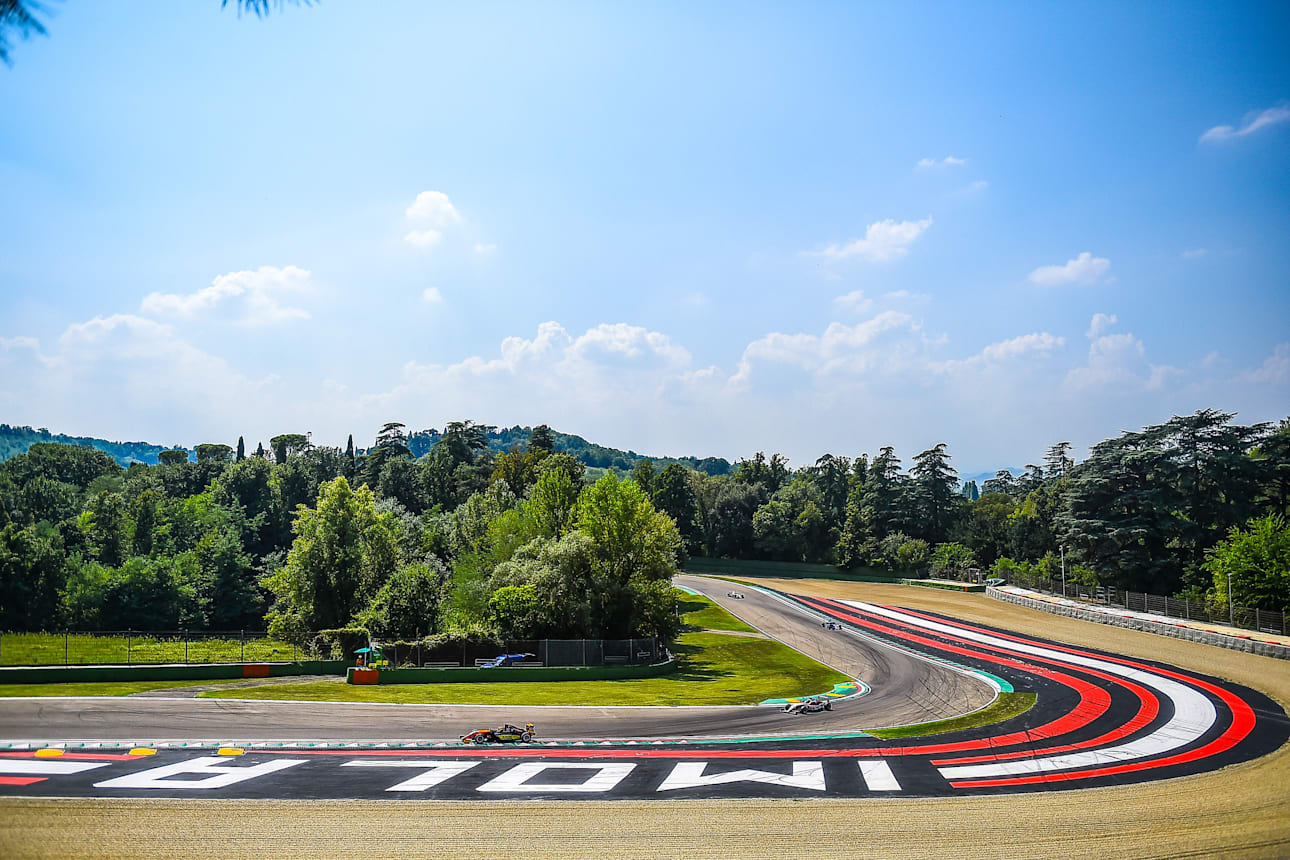
In the revised calendar, the Imola Circuit in Italy will again be used for the second round which will be on April 18. It was one of the three circuits in Italy that hosted a round of the 2020 championship.
Imola Circuit in Italy
The third round is not confirmed yet but the Portimao Circuit in Portugal could be selected for May 2. It was round 12 in the 2020 championship and was a new circuit to the drivers.
The rest of the calendar remains unchanged for now, but the dates for the rounds in Brazil, Saudi Arabia and Abu Dhabi have been adjusted to fit in the Australian round. This will result in the championship ending on December 12, just one day earlier than it ended in 2020.
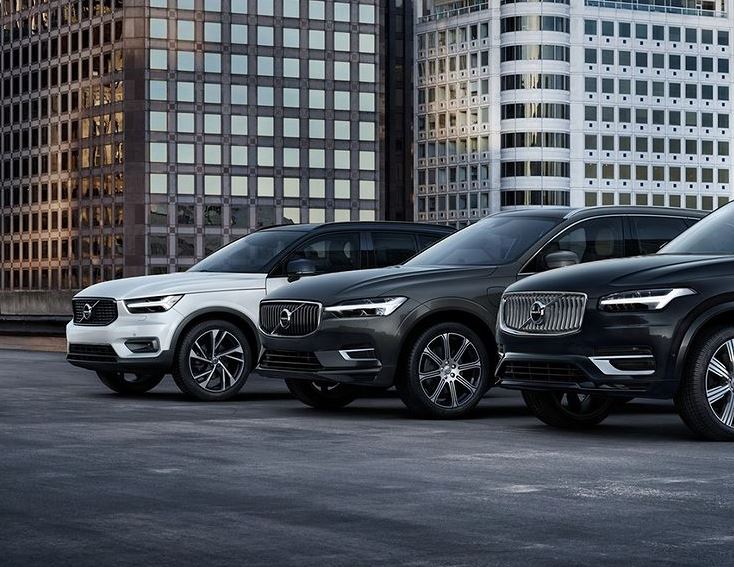
Volvo, once the leading European brand in the Malaysian market, saw its position change after the 1980s. While the products always delivered on the promise of safety, quality and reliability, a pricing strategy that raised prices didn’t work out well and it took a decade to recover. At the time, a senior Volvo executive acknowledged that the idea that it costs Volvo as much to make a car as Mercedes-Benz or BMW meant it could charge almost the same was not necessarily the case.
Nevertheless, the brand slowly rebuilt itself and with a progressive line of products replacing dated models, it has found a niche on which it can grow. Like all companies, Volvo Car Malaysia (VCM) was hit by the effects of the pandemic on the economy and recorded a 56.1% decrease in sales compared to the previous year.
However, things rapidly changed in the second half of 2020 as the numbers surged, thanks to the incentive offered by the government in the form of exemption of sales tax. With Volvo models being assembled locally in Selangor, the exemption was 100%, meaning that customers saved on the 10% sales tax normally imposed.
Highest volume since 1999
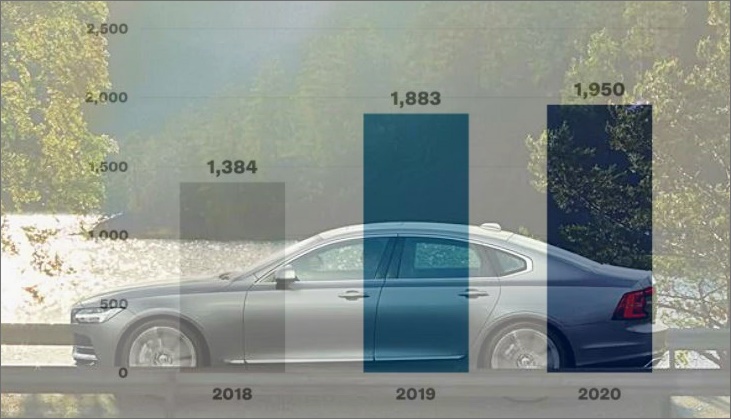
This allowed pricing to be attractive and along with other companies, VCM saw a boost in sales to finish the year with 1,950 units delivered nationwide. This was a 3.6% increase in volume, surpassing the previous year’s sales figure of 1,883 units and it was also the highest number since the establishment of VCM in 1999.
“We are very proud of what Volvo Car Malaysia has achieved despite this turbulent time and challenges that we faced. Through the collective efforts of our dealers and staff, as well as the opportune timing of the government’s sales tax holiday, we were able to finish a challenging year strongly. For us, seeing the results of our efforts has further recharged our drive to bring more premium, safe and sustainable cars to Malaysians,” said Nalin Jain, MD of Volvo Car Malaysia.
High demand for luxury cars
During 2020, VCM recorded its second-highest sales of the year in July, after the tax exemption incentive under the PENJANA program began (it will continue until the end of June 2021). Mr. Nalin said this was an indication that the demand for luxury cars remains high as the car market began to normalise and the country headed towards recovery.
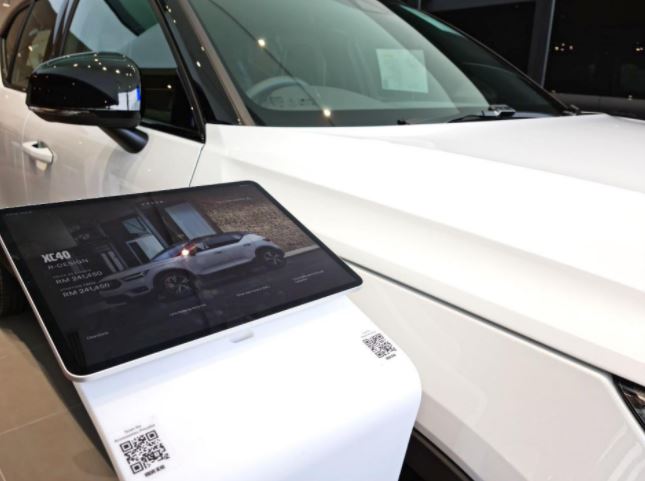
With the renewed interest, VCM reinforced its customer service channels and adopted new digital practices. It introduced a new Online Ordering System for customers to make bookings from their homes or offices, and implemented the Digital Silent Salesman 2.0. This is a platform that digitally displays all necessary details about the cars available in Malaysia.
The new digital practices are part of the company’s push for digital transformation across the entire value chain of its business and reflect its commitment towards its sustainability goals by eliminating printed brochures.
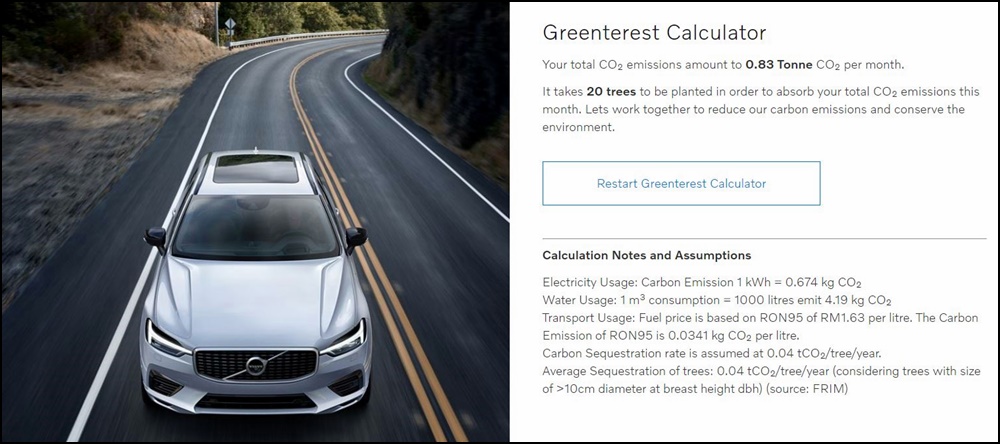
Greenterest Calculator
With sustainability as the forefront of its goals in the coming years, VCM kicked off the ‘Volvo Green Planet’ in the third quarter of 2020. This campaign is aimed at driving awareness about the impact of high carbon footprint, which can be calculated via a Greenterest Calculator. It will bring the conversation to its customers with fully-electric test drives of their cars in a program known as ‘Green Drive’ and dispensing Green Seeds as a token to champion cleaner air.
Recharged 2021 ahead
Based on the past year’s performance, VCM aims to ride on the momentum from 2020, entering 2021 with renewed purpose and recharging all areas of its business. “2021 will be a big year for Volvo Car Malaysia as we look to switch all aspects of our business to incorporate more sustainable solutions and also bring in more products offerings to suit the different needs of Malaysians while helping them make more sustainable choices,” said Mr. Nalin.
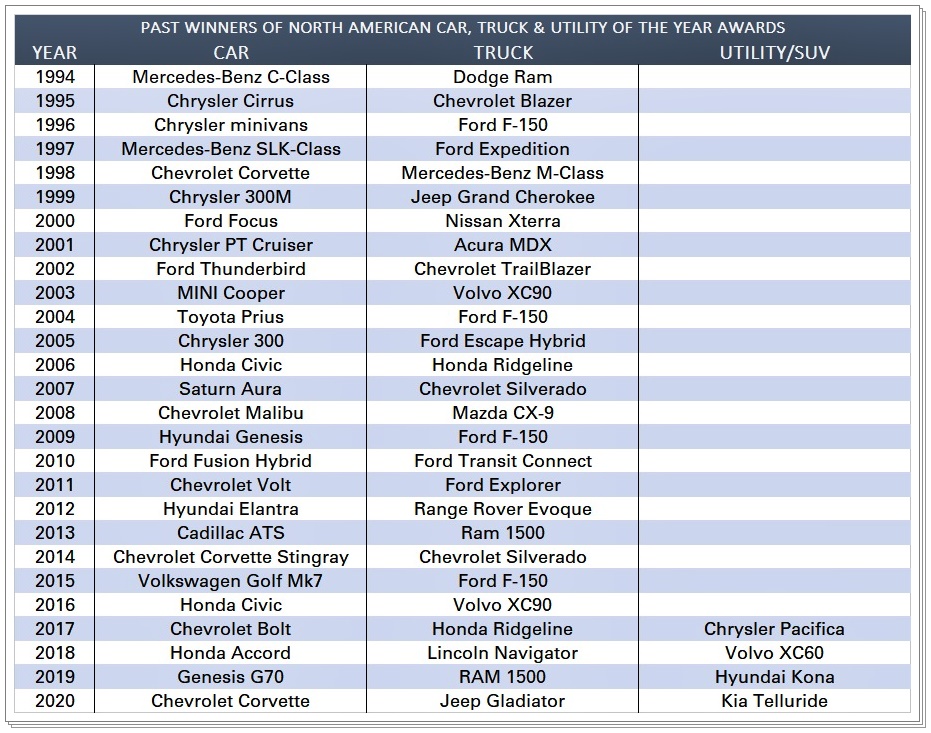
The diverse nature of the huge North American car market means it has many brands present and when it comes to picking winners for the annual North American Car & Truck of the Year awards, the domestic American brands certainly have a lot of challengers from foreign makes. Running since 1994, these awards are the longest-running new-vehicle awards not associated with a single publication, website, radio or television station.
As trucks are an important segment of the North American market, there are three separate awards: North American Car of the Year, North American Truck of the Year, and North American Utility of the Year which was introduced in 2017 for the growing SUV segment.
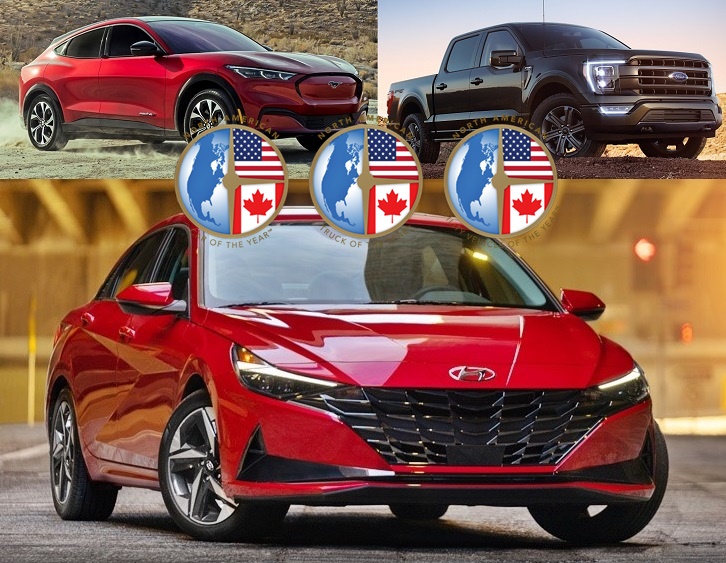
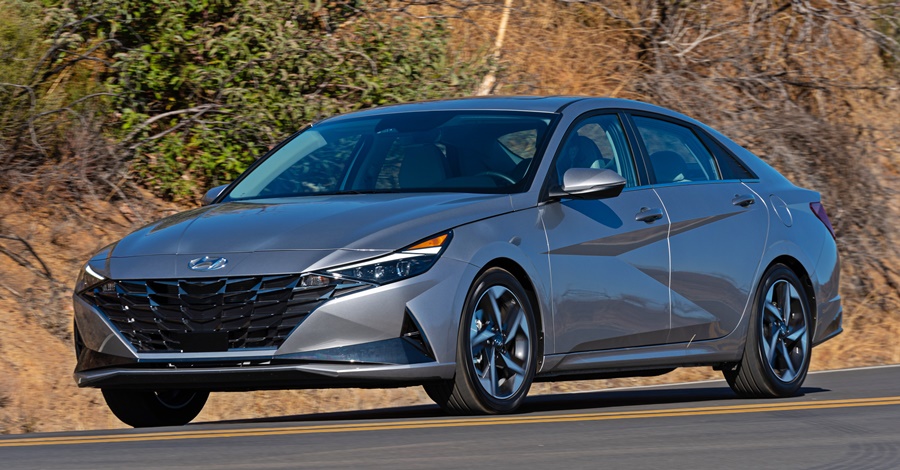
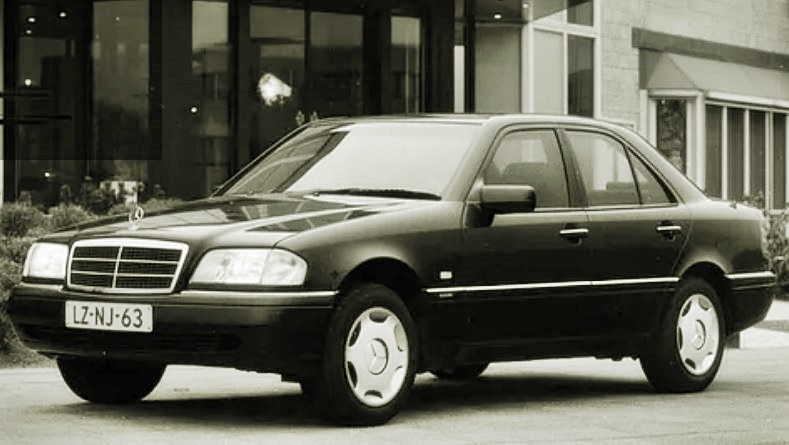
In fact, even in the first year of the awards, it was a German make – Mercedes-Benz which won the title with its C-Class. Foreign makes have won the North American Car of the Year awards 11 times in 27 years, and in the 28th year, Korean carmaker Hyundai (including the Genesis brand) collects the title for the fourth time with its latest Elantra.
Second time for Hyundai Elantra in North American Car of the Year awards.
This is the second time the Hyundai model has won Car of the Year, the first being in 2012. Only two cars have won the award more than once (the Chevrolet Corvette and Honda Civic). Hyundai also won an overall award for North American Utility of the Year with its Kona SUV in 2019.
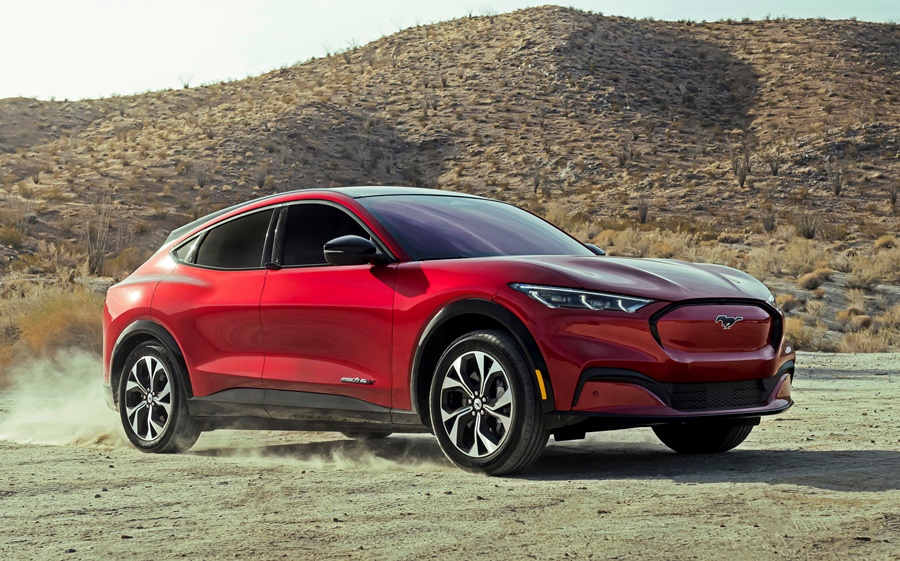
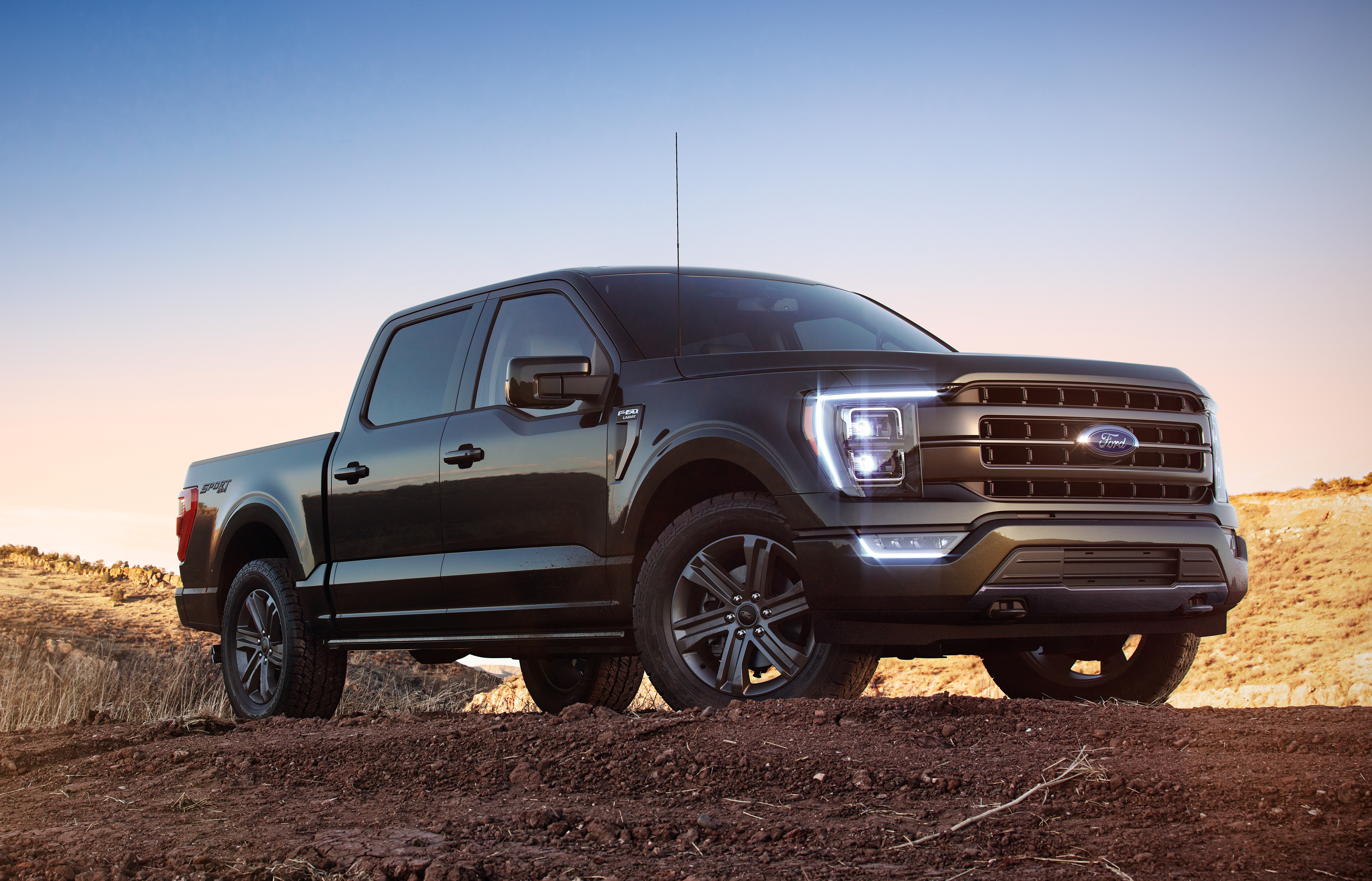
For the 2021 North American Utility and Truck of the Year, Ford has two winners – the all-electric Mustang Mach-E and the new F-150. It seems a bit odd that the Mustang is positioned and presented as a Utility Vehicle as, historically, it has been a sportscar – and a legendary one too. Nevertheless, Ford has not left out the performance for which the model has been known and admired, with a high-performance electric powertrain.
Ford Mustang Mach-EFord F-150
“This recognition for Mustang Mach-E and F-150 is validation not only for our brand, but also for our Ford team, which continues to innovate and deliver on its commitment to creating must-have products and services,” said Kumar Galhotra, President, Ford Americas and IMG. “The North American Car, Utility and Truck of the Year awards are among the most prestigious in the industry and such an honour serves as a capstone achievement for years of hard work for the Mustang Mach-E and F-150 teams.”
To know more about Ford models available in Malaysia, visit www.sdacford.com.my.
For the 2021 event, the jurors tested and evaluated more than 40 new vehicles before voting the top three models of each category to be finalists. The jury is made up of automotive journalists from numerous outlets in the USA and Canada. They evaluate the finalists based on segment leadership, innovation, design, safety, handling, driver satisfaction and value for the dollar.
Mercedes-Benz C-Class was the first North American Car of the Year when it started in 1994.
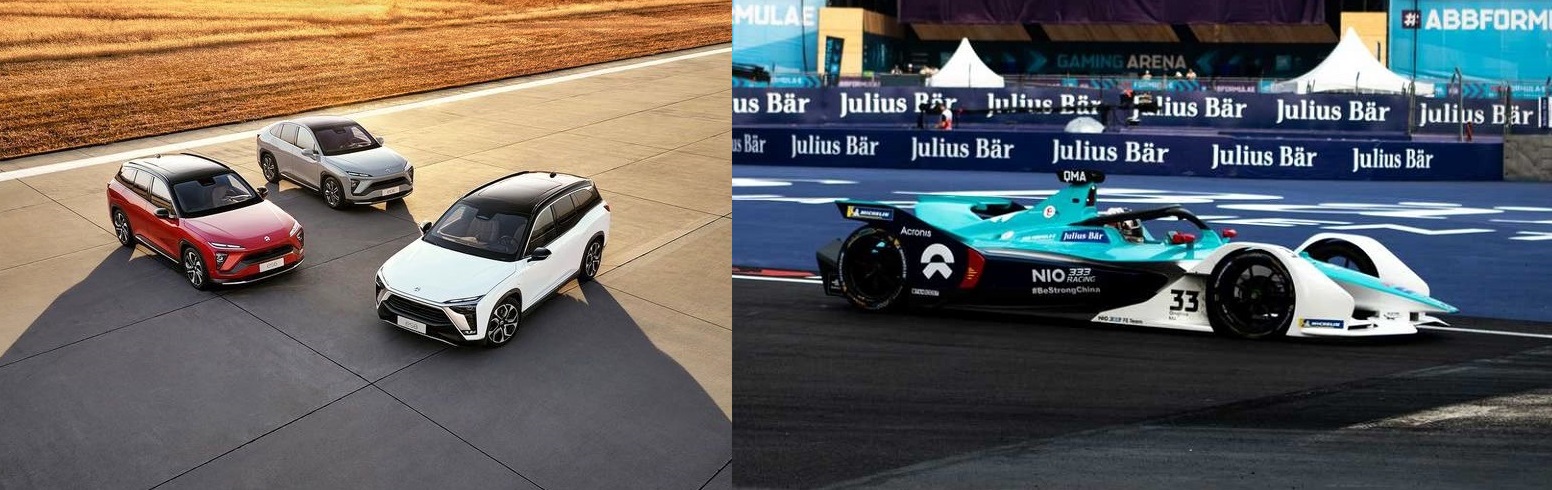
NIO Inc., a global smart electric vehicle company founded in November 2014, is still pretty much unknown although it has generated some news for itself in various way. In 2015, the NIO Formula E team won the inaugural Formula E Drivers’ Championship and in 2016, it launched the EP9, one of the world’s fastest electric vehicles. The EP9 broke lap records and the world’s autonomous driving records at Nurburgring Nordschleife.
In 2017, NIO unveiled a concept car called EVE and a year later, it began deliveries of the ES8, a 7-seater high-performance electric flagship SUV, in China. Since then, it has also added the ES6, a 5-seater electric SUV to its range as well as the EC6 electric Coupe SUV and ES8 premium electric SUV.
Autonomous driving capability
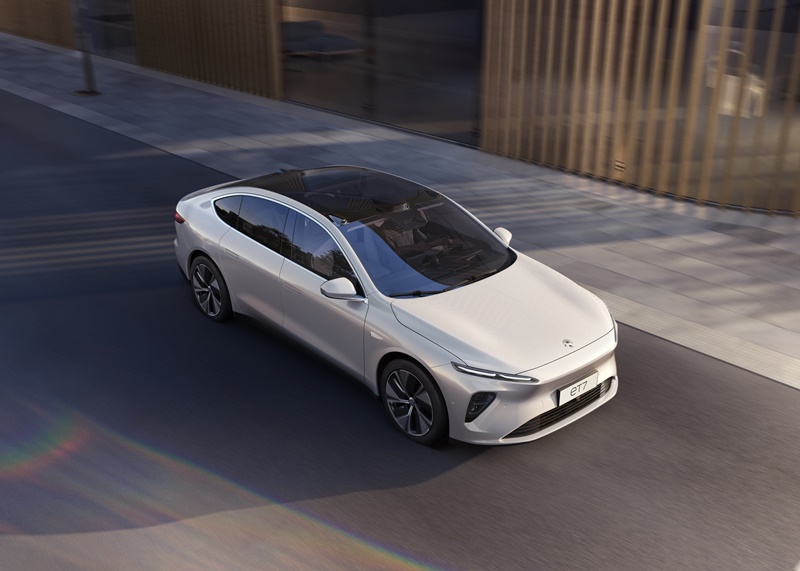
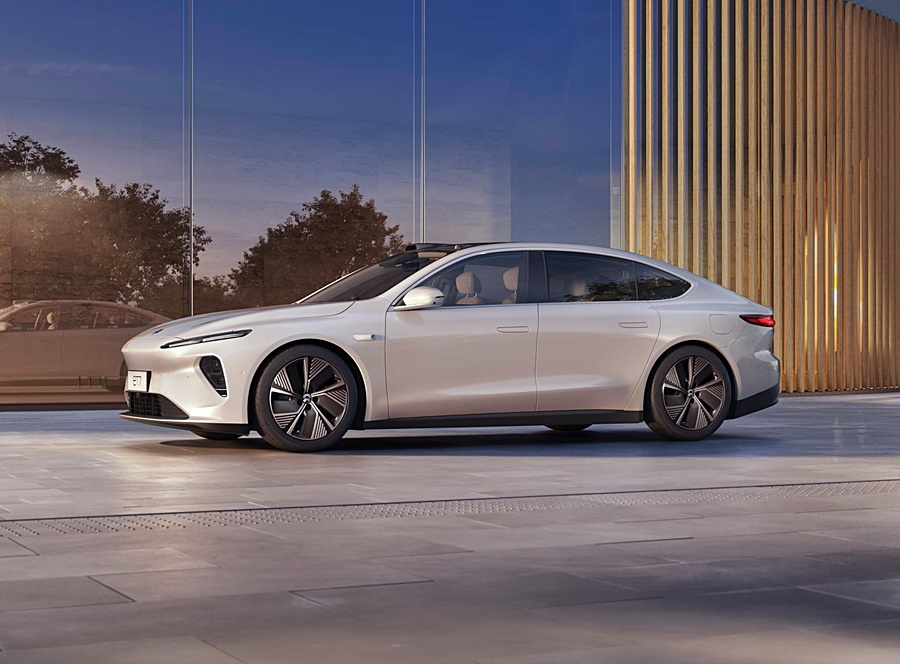
This year, it has started off with the launch of the ET7, an electric flagship sedan, its first model with autonomous driving capability. The ET7 features NIO’s latest NAD (NIO Autonomous Driving) technology based on NIO Aquila Super Sensing and NIO Adam Super Computer. NAD is said to provide safer and more relaxing autonomous driving.
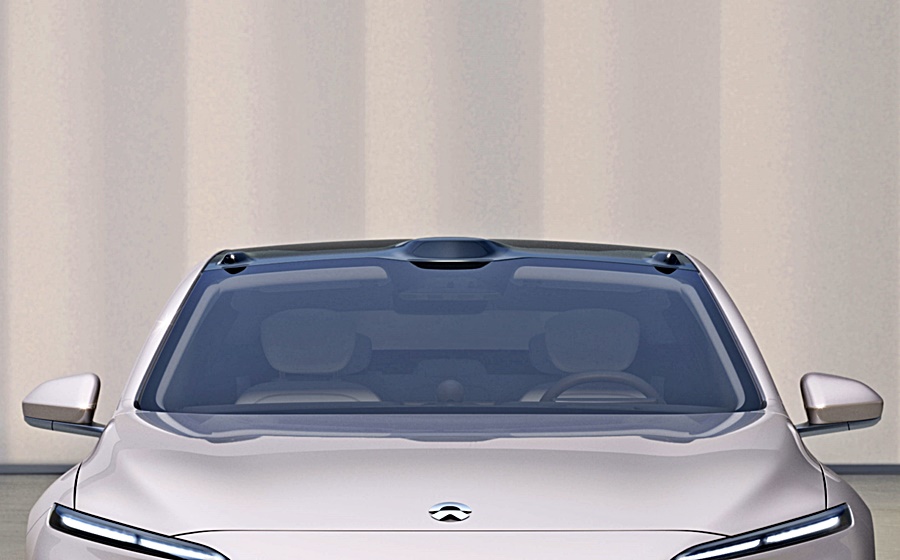
The NAD full stack autonomous driving capability includes perception algorithms, localisation, control strategy and platform software. NIO Aquila Super Sensing features 33 high-performance sensing units, including 11 8MP high-resolution cameras, one ultralong-range high-resolution LiDAR, 5-millimetre wave radars, 12 ultrasonic sensors, two high-precision positioning units, V2X and ADMS.
Aquila can generate 8GB data per second, while NIO Adam features 4 Nvidia Orin SoCs with a total computing power of 1,016 TOPS. All these elements and computing capabilities are necessary for autonomous motoring.
Sensors are integrated with the bodywork of the ET7.
Integrated sensors
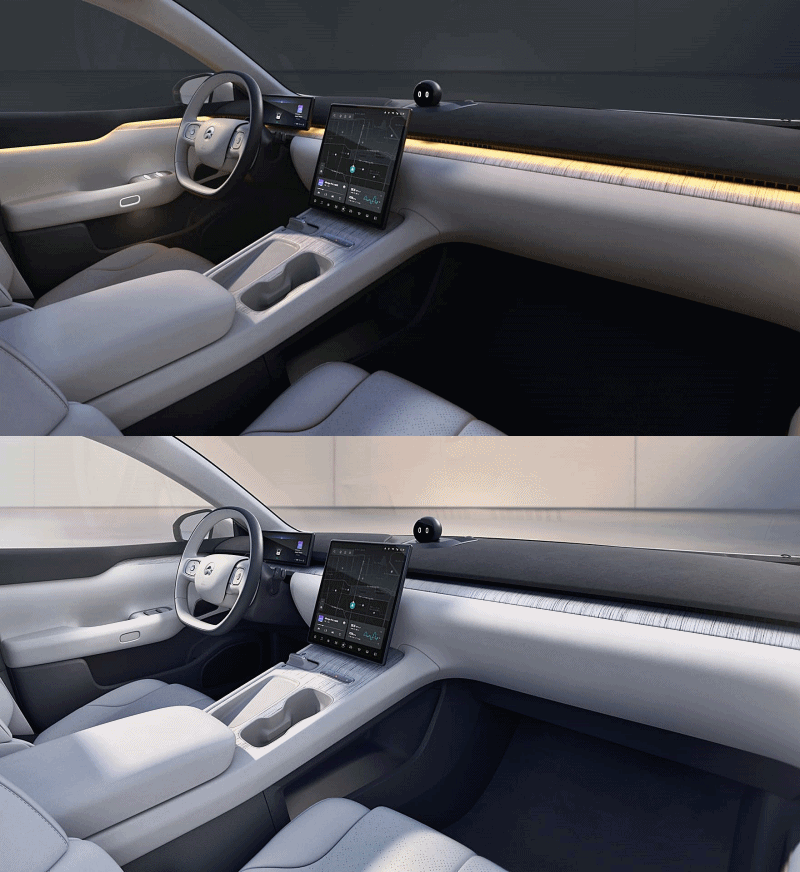
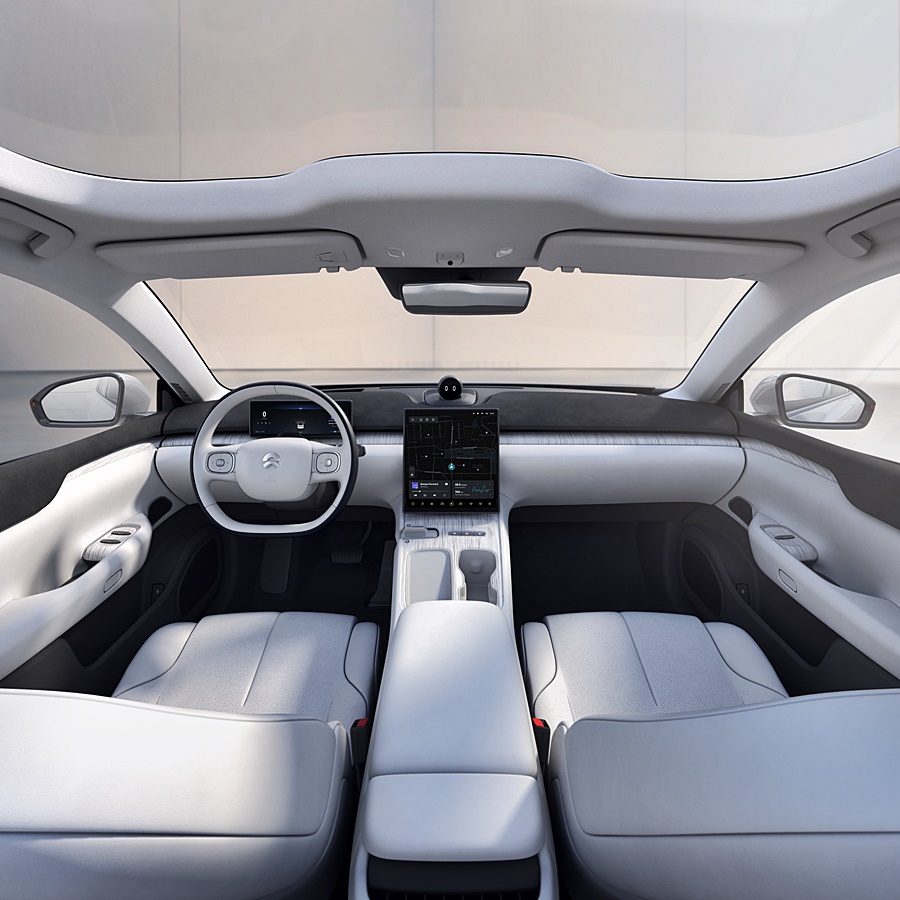
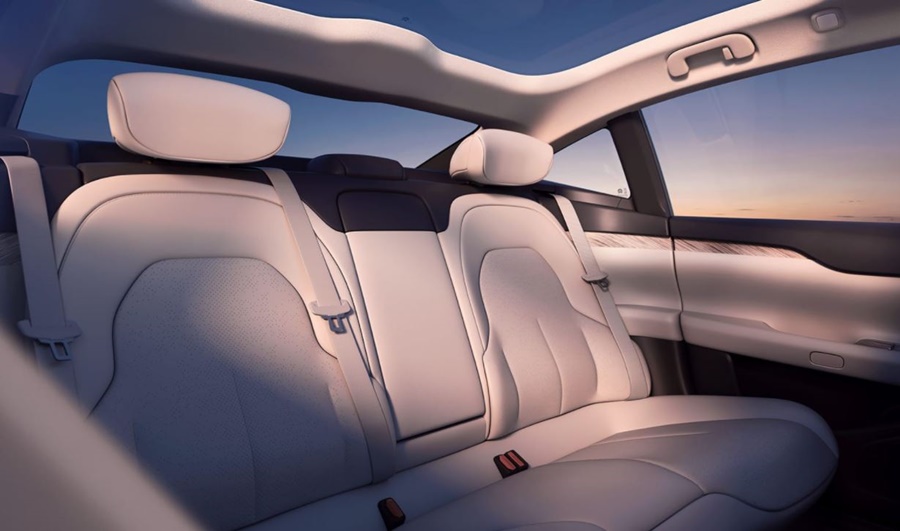
The 5098 mm long ET7 breaks the norm by integrating high-performance sensors naturally into the body. Inside, it has an interpretation of the ‘second living room’ concept. This provides a refined and cozy mobile living space. Frameless soft-closing doors make for easy and quite entry and exit.
First application of renewable rattan
The ET7 also marks the first application of Karuun renewable rattan on a production model for a green and natural experience. The standard massage seats with heating and ventilation offer a reassuring and comfortable experience for every passenger.
NIO’s interior designers have already moved to a second-generation smart cockpit for the ET7. This has enhanced mobile connectivity and communication capability enabled by the third Generation Qualcomm Snapdragon Automotive Cockpit Platform.
The new 12.8-inch AMOLED centre display has greatly improved resolution and contrast, while NOMI, the world’s first in-car AI system, continues to evolve. The 7.1.4 immersive sound system has no less than 23 speakers and 1,000W total output.
0 to 100 km/h in 3.9 seconds
Powering the ET7 is a 180-kW electric motor in the front and a 300-kW induction motor at the rear. The combined output is rated at 480 kW with peak torque at 850 Nm. This gives a claimed 0 to 100 km/h time of 3.9 seconds while braking from 100 km/h is claimed to be within 33.5 metres.
With a drag coefficient of 0.23 Cd and the application of the second-generation high efficiency electric drive platform with silicon carbide power module, the energy efficiency is further improved. The 70-kWh battery pack has enough energy for a claimed range of over 500 kms; customers can also opt for a 100-kWh battery pack to extend this range to over 700 kms. Additionally, NIO will offer a new 150-kWh battery pack which will stretch the range to over 1,000 kms.
The ET7 is designed to be able to achieve 5 stars in both China and Euro NCAP assessments. Its body structure, featuring an ultra high strength steel aluminium hybrid body, has high torsional stiffness.
In China, the ET7 has a pre-subsidy price starting from RMB 448,000 (about RM280,000). Deliveries are expected to start during the first quarter of 2022.
NIO already sells a range of electric vehicles and has been participating in the Formula E championship.To know more, visit www.bhpetrol.com.my.