After going through the COVID-19 pandemic (which has not ended yet), the road ahead for businesses is going to be a challenging one. Virtually all companies have been impacted in various ways, some even having to cease operations. Those that are continuing their business have to optimise financial resources and review their expenses.
For companies which require a fleet of vehicles, there are issues of not just the long-term loan or lease but also maintenance and repair costs. The aim would be to minimise impact on cashflow and also reduce operating costs.

All-inclusive subscription fee
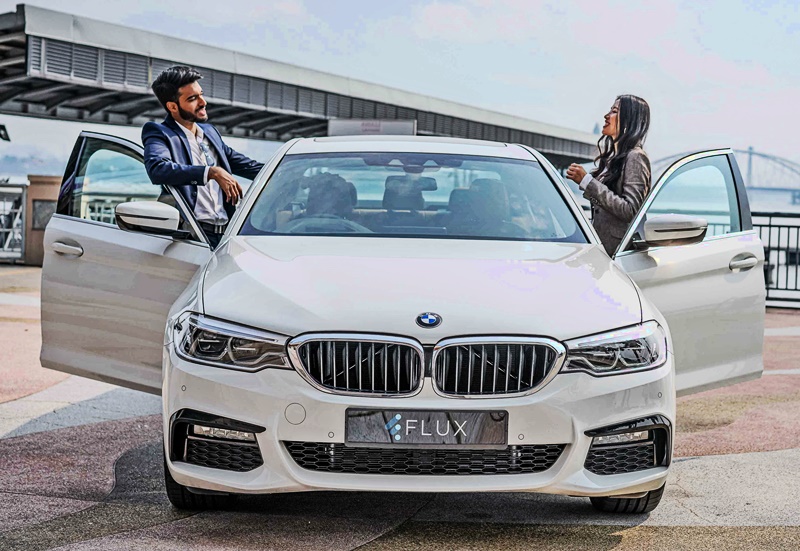
Flux, a 2-year old mobility provider, offers a solution it calls the ‘Flux Business Class’. This is an all-inclusive monthly car subscription service, with the added benefit of being able to enjoy additional tax savings on Flux expenses.
Companies can subscribe to a fleet of cars for just a year or up to three years, so if things don’t go so well, they are not tied to a long-term loan to be repaid or a lease of a few years. Insurance premiums, roadtax, maintenance and wear and tear parts replacement are included in a single monthly price.
Besides not having interest fees, no downpayment is required either. So all the company really has to pay for in monthly operating expenses are fuel purchases, parking charges – and traffic offence fines, of course.
Approved tax deduction
Being an off-balance sheet expense, it is possible to claim a greater amount back as an approved tax deduction compared with capitalising cars as assets. Flux will refresh the fleet so tax deductibility can be enjoyed throughout the subscription tenure.
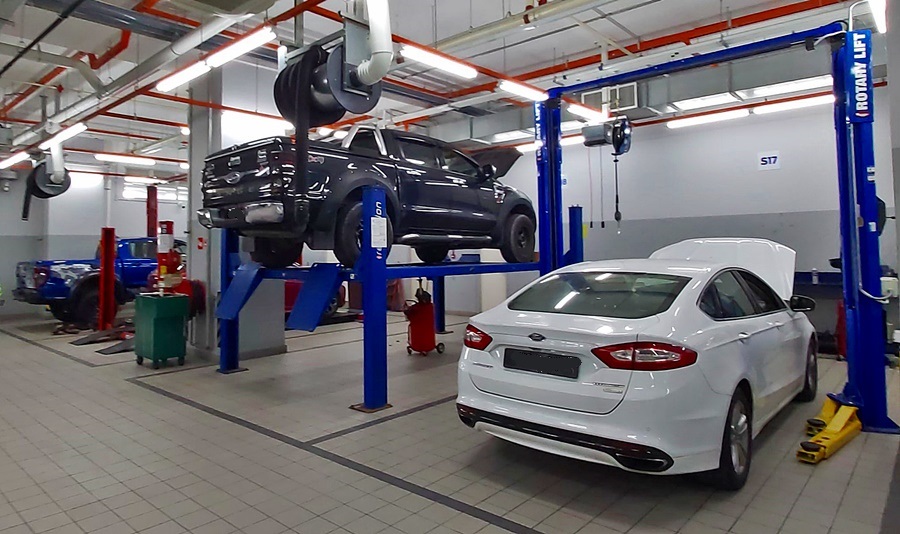
The company will never be without a car even when it is being serviced or repaired for a longer period than expected. Flux Business Class benefits include a courtesy car so customers stay mobile.
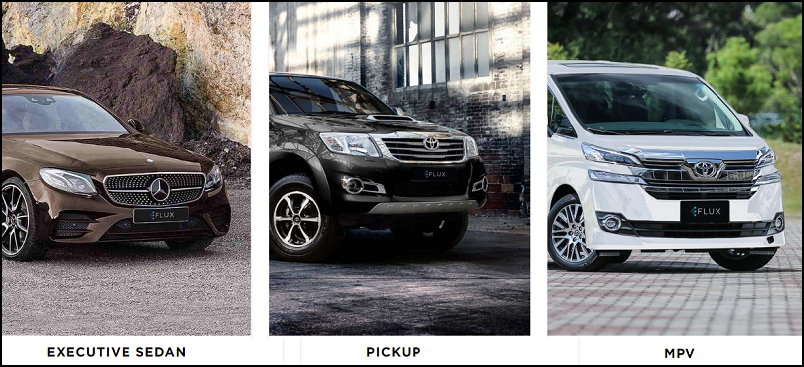
Customers can choose from a wide range of new and pre-owned models from Japanese, European, Korean and Malaysian brands. SUVs, MPVs and pick-up trucks are also available, and subscriptions start from RM1,805.


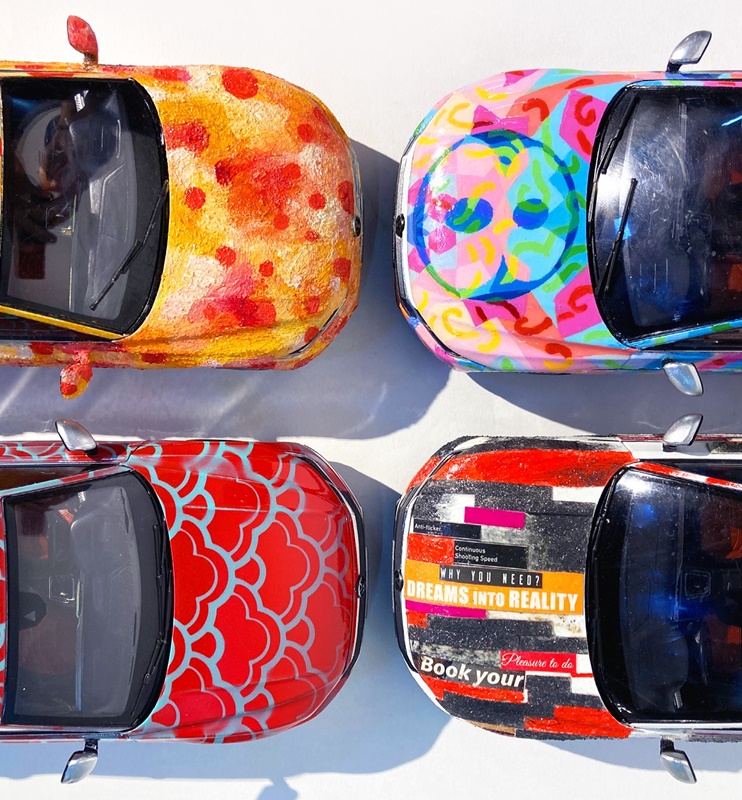
In conjunction with the recent launch of the new Volkswagen Arteon R-Line, Volkswagen Passenger Cars Malaysia (VPCM) is collaborating with Wei-Ling Gallery to feature the talents of 13 Malaysian artists. The collaboration offers collectors and art enthusiasts the unique opportunity to own scale models of the Arteon that have been transformed by the artists into unique sculptures.
13 Arteon sculptures to be auctioned
The art pieces will be sold via auction, and proceeds from the auction will be channelled to the Breast Cancer Welfare Association (BCWA). All 13 Arteon sculptures will be available for online viewing and bidding at www.arteonartcar.com or at Wei-Ling Contemporary at The Gardens Mall via appointment by calling 03-2282 8323. Bidding closes on October 1, 2020 at 5 pm.
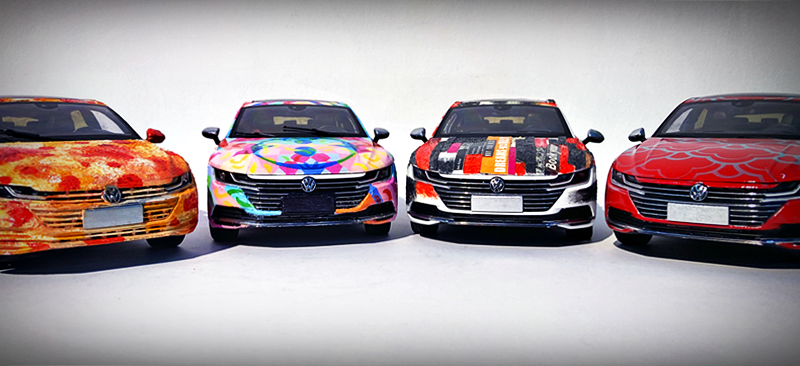
The Arteon project is an extension of the recent ‘18@8 Turning Points’ exhibition by Wei-Ling Gallery. The exhibition was curated with this idea in mind and explores the 13 artists’ pasts through different philosophical, technical and aesthetic approaches, in the form of thought-provoking art pieces that reflected on this ideology.
Prominent Malaysian artists who participated in this project includes Anurendra Jegadeva and Ivan Lam who recently represented Malaysia at the 58th Venice Art Biennale, Hamidi Hadi, Yau Bee Ling and Choy Chun Wei.
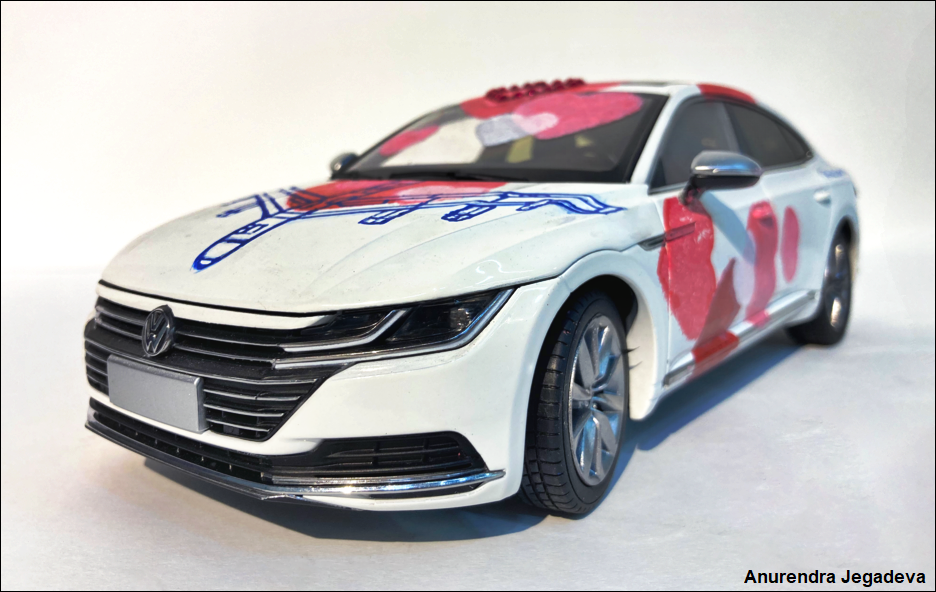
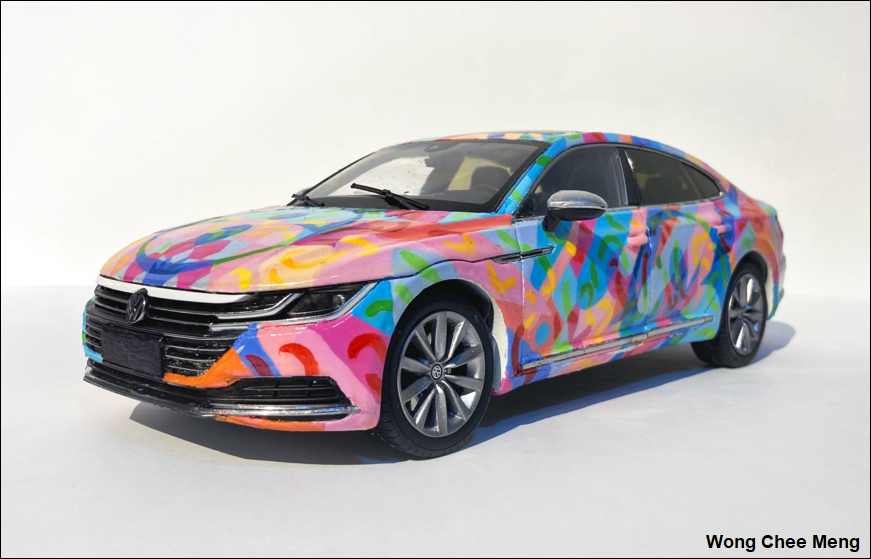
Jegadeva’s Arteon was inspired by ‘A Garland for My Father’, presented as a portrait of his father surrounded by light boxes, featuring archival photos of family members and their Volkswagen Beetle. Wong Chee Meng’s ‘The Yearning Realm’, with a unique painting approach in which layers of images are juxtaposed to form an illusion, reflected onto an Arteon through the same use of red and blue lenses.
Promoting arts and culture
“As a group, Volkswagen continues to promote worldwide support for arts and culture, and we have had collaborations in the past with local talents. Wei-Ling is a household name in the art fraternity here and abroad, and we are thrilled not only to be supporting this effort to deepen people’s understanding to the influence of art in our lives with our latest product, but to also be doing our part for a good cause in conjunction with Breast Cancer Awareness Month,” said Erik Winter, the Managing Director of VPCM, adding that the all-new Arteon R-Line and the collaboration presented the opportunity for the brand to engage with art fans.
The Arteon
The name of Volkswagen’s flagship model is derived from ‘Art’ – which describes the fastback’s harmonious lines and emotionality – and ‘eon’ which identifies’ it as a premium Volkswagen model.
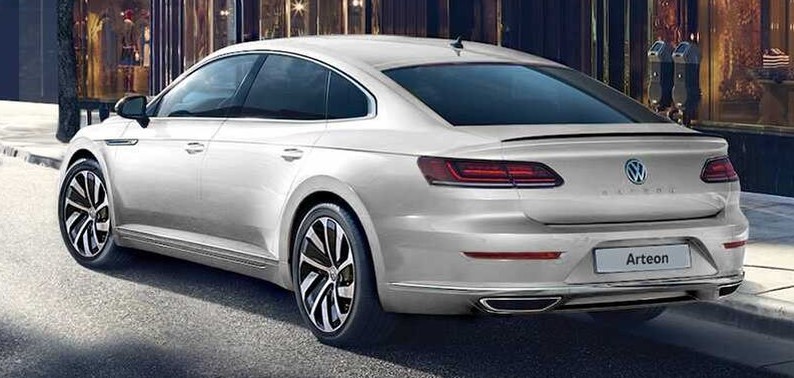
The Arteon is considered a turning point for the brand as the first of a new generation of Volkswagen models that are more evocative in design and emotionally appealing. The regular retail price is from RM225,490 but with the sales tax exemption, the price is lowered to RM220,043.28 (until December 31, 2020).
Each new Arteon R-Line, powered by a 2.0 TSI 190 ps turbocharged engine, comes with 3 years of free scheduled maintenance, a 5-year unlimited mileage warranty and 5 years of complimentary roadside assistance. Visit www.volkswagen.com.my to locate an authorised dealership for viewing and test-drives.
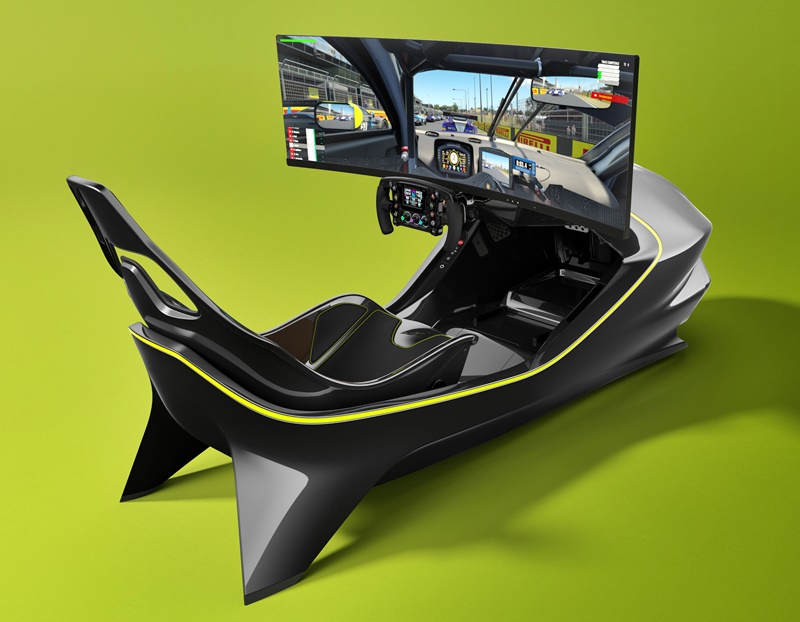
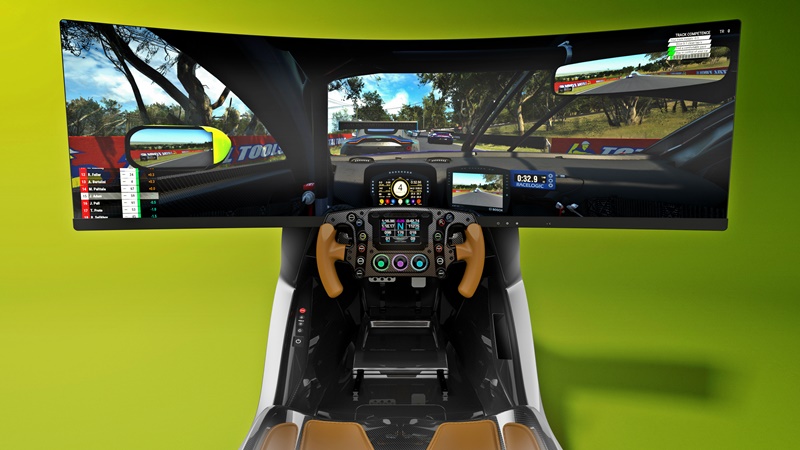
Simulator racing has been growing over the years, both in terms of technological advances that increase realism as well as popularity globally. Companies making the hardware and software for simulators are pushing the envelope further and further, and with the AMR-C01 Racing Simulator, those who want to compete in the virtual or the real world can have the ultimate luxury home simulator.
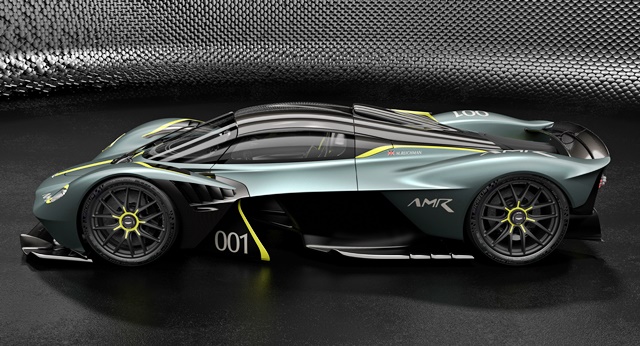
Designed by Aston Martin and engineered by Curv, the AMR-C01 has a lightweight carbonfibre monocoque structure and utilises the latest technology to provide a fully immersive driving experience for the home user. The seating position mirrors that of the Aston Martin Valkyrie, adding a futuristic hypercar feel to the simulator.
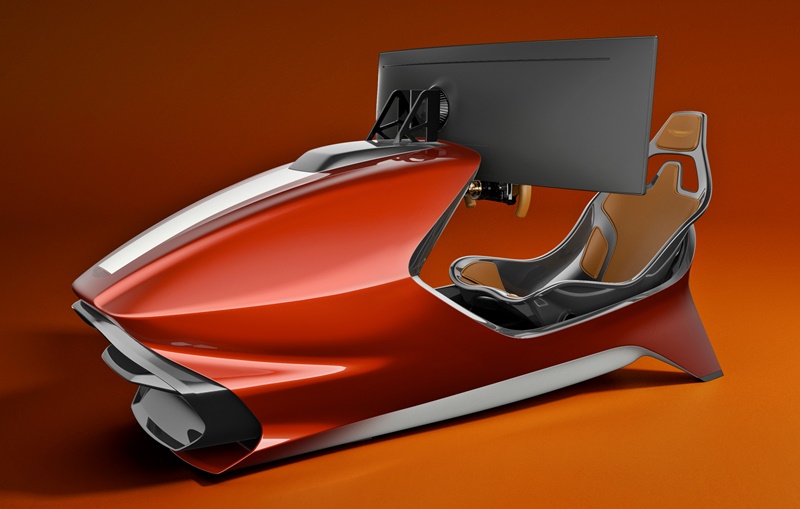
Carbonfibre bodywork
Hand-assembled by Curv Racing Simulators, using the highest quality components and latest Assetto Corsa software, the AMR-C01 has a unique look, thanks to the work of the Aston Martin Design team. Crafted in carbonfibre, the front of bodywork is shaped to invoke the signature Aston Martin Racing grille.
The all-carbonfibre monocoque provides a rigid structure, the design of which also adds to the sporting look of the simulator. As what customers would expect of any Aston Martin car, there is a high level of refinement and surface quality as well as finish.
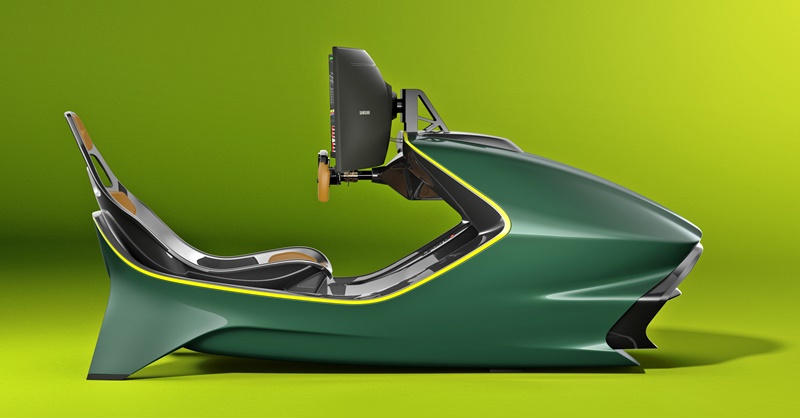
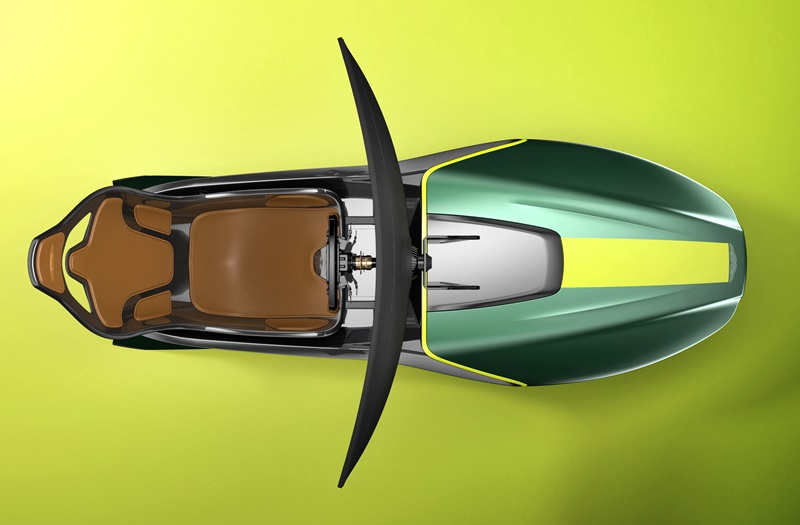
“This was a challenge for the design team as, although the simulator isn’t a car, it is inspired by our racing cars. It needed to exude the same elegance, boasting the same dynamic lines and balance of proportions as any Aston Martin with a racing lineage. I can picture the AMR-C01 in the most beautiful of residences as a sculptural work of art in its own right,” said Aston Martin’s Chief Creative Officer, Marek Reichman.
For the love of racing
Curv Racing Simulators is led by Aston Martin works driver, Darren Turner, who is a simulator specialist with over 20 years’ experience in cutting edge Formula 1 simulation. “The AMR-C01 is all about the love of racing. We’ve created a home simulator with incredible immersion that offers users the opportunity to have a great time racing in the virtual world, from the comfort of their own home,” said Turner.
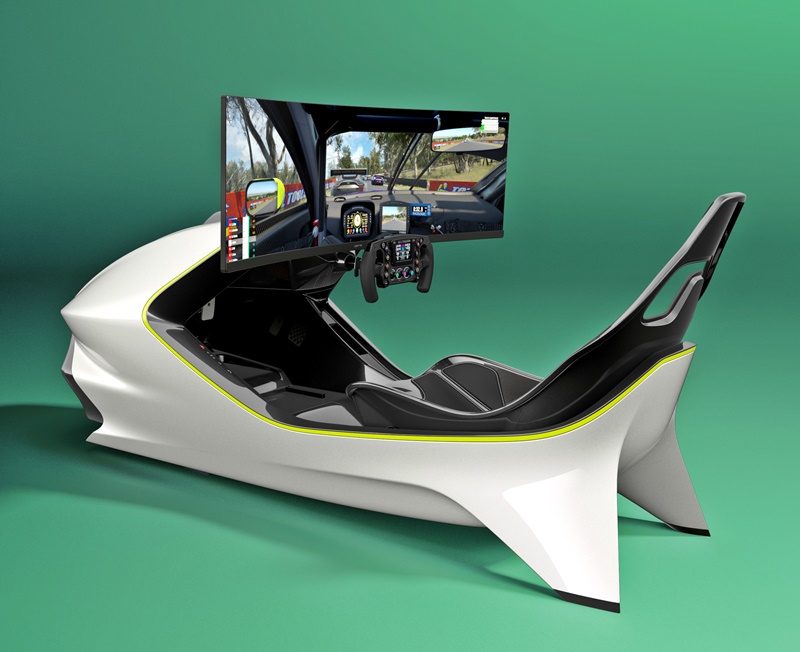
Hypercar experience
“We modelled the driving position on the Aston Martin Valkyrie so users of AMR-C01 can get the full hypercar experience. I’m very proud of what we’ve been able to achieve, with design and engineering creating what I believe to be the most beautiful home simulator available,” he added.
Only 150 of these state-of-the-art simulators will be available, each priced from £57,500 (about RM304,000) in the UK. The first units can be delivered during the fourth quarter of this year.
James Bond’s Aston Martin DB5 in ‘Goldfinger’ reborn – complete with the gadgets!

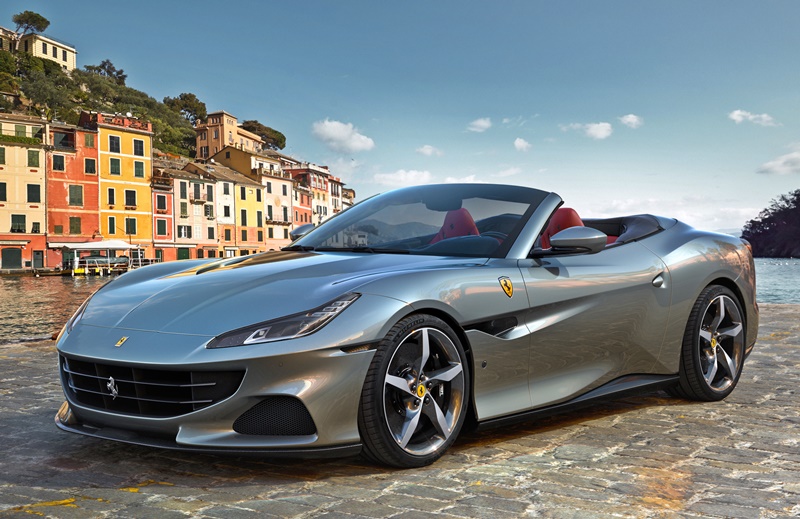
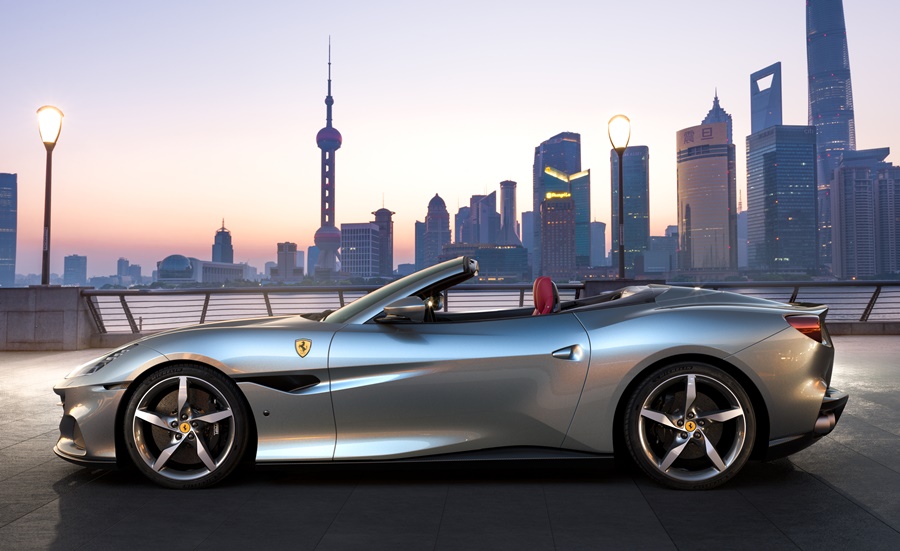
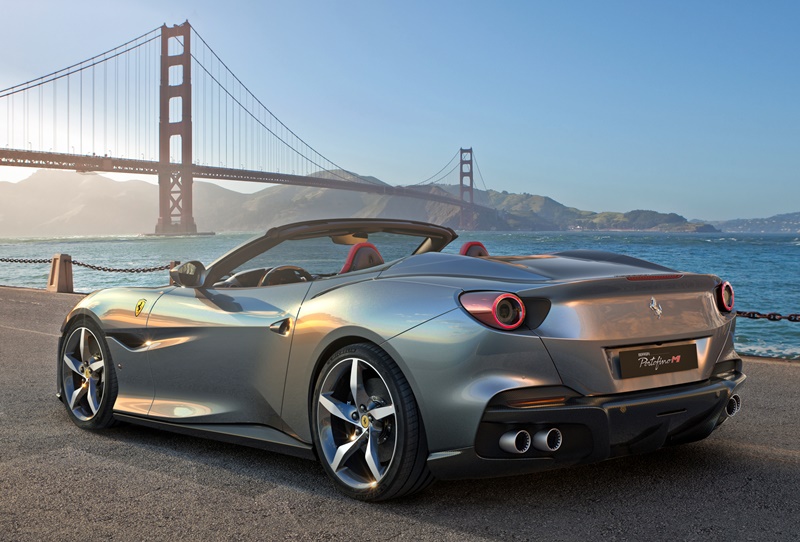
Ferrari’s evolved 2+ GT spider model, the Portofino M, is the first Ferrari to be presented in the wake of the company’s temporary closure due to the COVID-19 pandemic. It is therefore a symbol of a ‘voyage of rediscovery’ in a way, in constant pursuit of innovation.
The ‘M’ in its designation refers to ‘Modificata’, which at Ferrari refers to cars that have undergone an evolution that has significantly boosted their performance. In the case of the Portofino M, the most notable aspect is its redesigned powertrain with a brand-new 8-speed gearbox. There is also the 5-position Manettino that includes a Race mode, an absolute first for a Maranello GT spider.
Uprated engine with new gearbox
The Portofino M’s 3855 cc engine belongs to the V8 turbo family voted ‘International Engine of the Year’ on 4 consecutive occasions (2016-2019). The power unit can generate up to about 620 ps at 7,500 rpm, 20 ps more than the Portofino. To achieve these higher performance levels, the engineers developed new cam profiles that increase valve lift and optimise combustion chamber filling.
A speed sensor was also added to the turbocharger assembly to measure the turbine speed. This in turn allowed the maximum rpm of the turbine to be increased by 5,000 rpm.
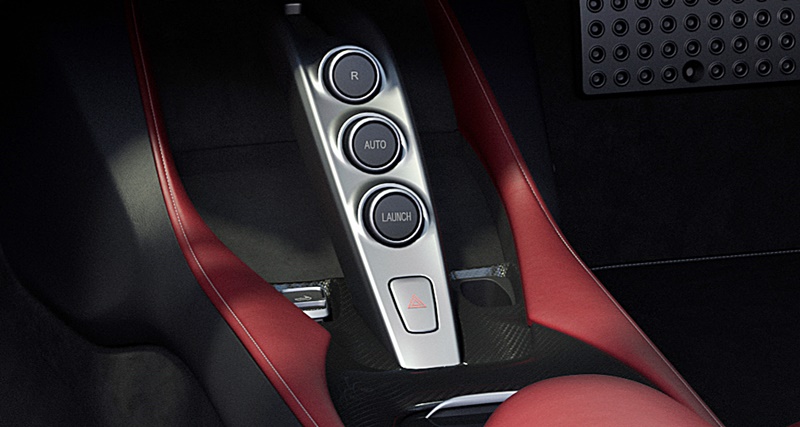
The 8-speed gearbox is completely new compared to the previous 7-speed version and has a dual-clutch oil bath architecture. It also differs from the SF90 Stradale’s 8-speed transmission in its longer gear ratios and the introduction of a mechanical reverse gear. The new layout and integration of its components have also optimised the gearbox’s size and its installation in the car.
Like all the other turbo cars in the range and in line with the ‘zero turbo lag’ concept, the Portofino M delivers instantaneous throttle response throughout the rev range. Variable Boost Management, a control software developed by Ferrari, adjusts torque delivery to suit the gear selected. The result is increasingly powerful pick-up as revs rise, whilst optimising fuel consumption. The amount of torque delivered progressively increases all the way up to 760 Nm in 7th and 8th gears.
This has allowed the use of longer gear ratios in the higher gears, which helps keep fuel consumption and emissions down. On the other, adopting a steeper torque curve through the rev range in the lower gears makes for a feeling of smooth and powerful pick-up.
By tradition, every single Ferrari engine has its own particular soundtrack that makes it unique, and the Portofino M is no exception. The two rear silencers have been eliminated (which in addition to boosting sound also significantly reduces back-pressure in the tailpipes) and the by-pass valves are now oval in shape to enhance the exhaust sound.
Advanced and integrated control systems
The vehicle dynamics control system known as Side Slip Control (SSC) incorporates an algorithm that delivers an estimate in real-time of the side slip angle to all the various on-board control systems. The SSC coordinates all the vehicle dynamics interventions as the systems are all integrated using shared data.
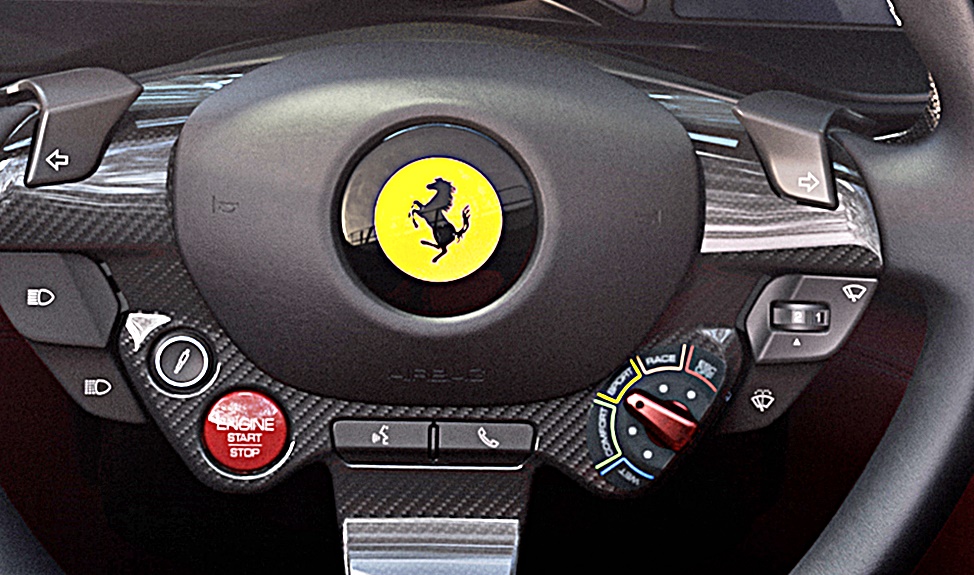
Now in its sixth generation, the SSC integrates the E-Diff, F1-TCS, SCM-E Frs and the Ferrari Dynamic Enhancer (FDE) control systems. The FDE is a lateral dynamics control system that uses Ferrari software to adjust the hydraulic brake pressure at the calipers on all four wheels. On the Portofino M, it is available only when the Manettino is in Race mode.
When the top is down
With the top down, the Portofino M reveals a multi-level dashboard structure comprising an upper half and then an intermediate gap designed to lighten the perceived mass of the lower half. This approach allowed the designers to organise the technical elements and in-car devices to very rational effect while simultaneously defining a signature full-width architecture.
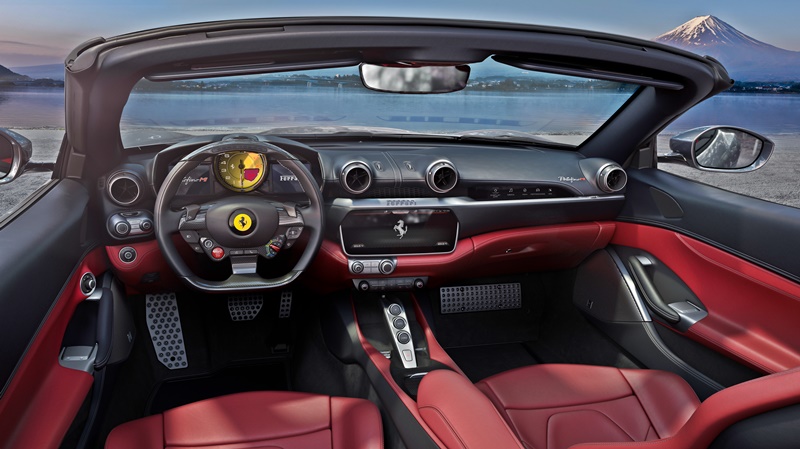
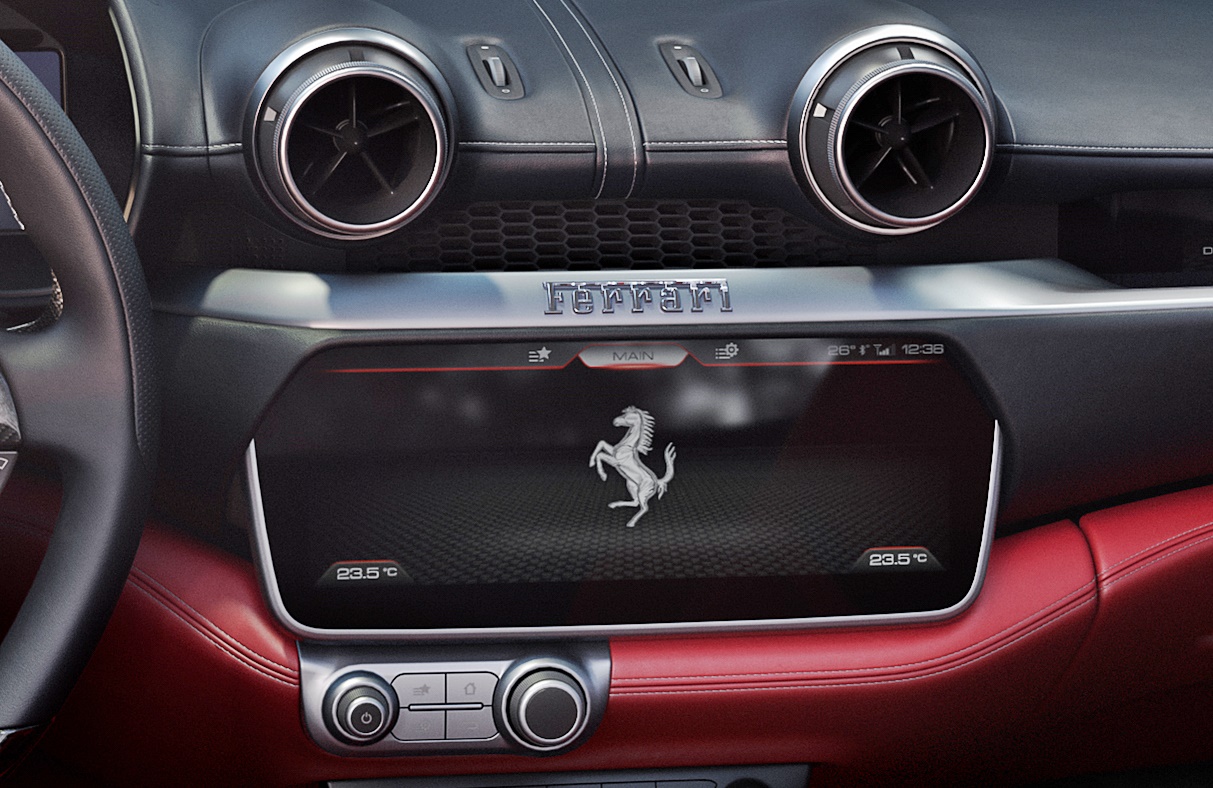
A central horizontal aluminium blade divides the instrument panel, air conditioning vents and passenger display into separate areas in the upper section. The other control functions are located in the scooped section below, with a large 10.25-inch touchscreen at the centre.
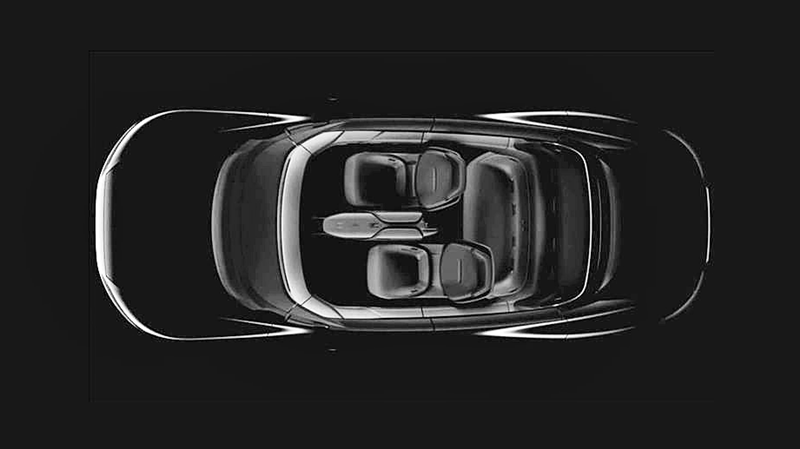
Seen in plan view, the cockpit’s symmetrical arrangement and the ample rear seat space are clear. From a construction perspective, the interior – and the dashboard architecture, in particular – feature two shells incorporating all of the technical components and a bridge that visually connects the instrument panel area with the central tunnel.
The seats are the product of a special research project and have an innovative magnesium structure. Different density padding and an ultra-compact seatback profile have freed up space for rear occupants too.
The passenger participates too
The Portofino M’s HMI (Human-Machine Interface) centres on a digital cluster with dual TFT displays arranged around the analogue tachometer in a generous circular, anti-glare binnacle. Located on exactly the same axis as the multifunctional steering wheel, this cluster allows the driver to interact more easily and intuitively, both visually and physically, with the car by delivering optimal driving feedback.
The passenger has an optional dedicated capacitive display on the dashboard too. It is directly linked to the main screen providing all information relating to car speed, rpm and gear engaged. This 7-inch colour full HD and Full Touch display also allows the passenger to interact with the car’s on-board systems. It is thus possible for the passenger to becomes a participative co-driver.
Click here for other news and articles about Ferrari