Car dealerships used to start off just as small showrooms selling just new cars, while the aftersales aspect was elsewhere or left to another party also involved in the same brand which had a service centre. However, as the profit from just selling cars alone is not significant, dealerships have expanded their scope of services to include aftersales service, preferably at one location for customer convenience.
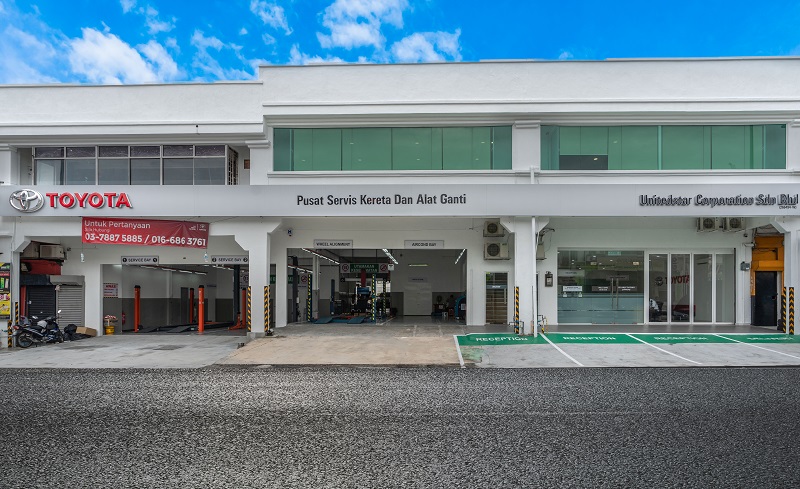
Unitedstar Corporation Sdn Bhd, an authorised Toyota dealership located in Petaling Jaya, Selangor, has evolved in such a manner since beginning its business with the brand 15 years ago. Today, its outlet in the Taman Mayang area has been upgraded and offers both sales and aftersales services.
Toyota dealer for 15 years
“Unitedstar Corporation has been an authorised Toyota dealership since 2005, with just a showroom for sales at Aman Suria, Damansara followed by new 3S centre at Taman Nilai Perdana, Seremban in 2019. UMW Toyota Motor is pleased to see that the success and growth of the business has led to this upgrading. Broadening their scope of services to customers is in line with our “Customer First” philosophy,” said Ravindran K., President of UMW Toyota Motor.
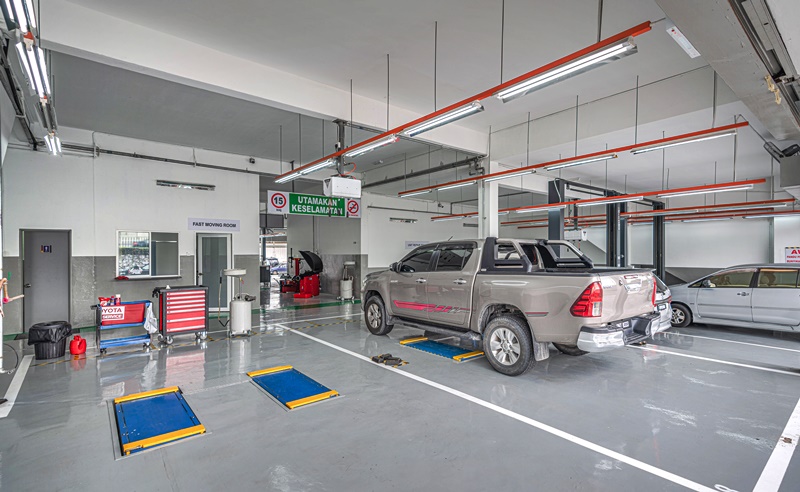
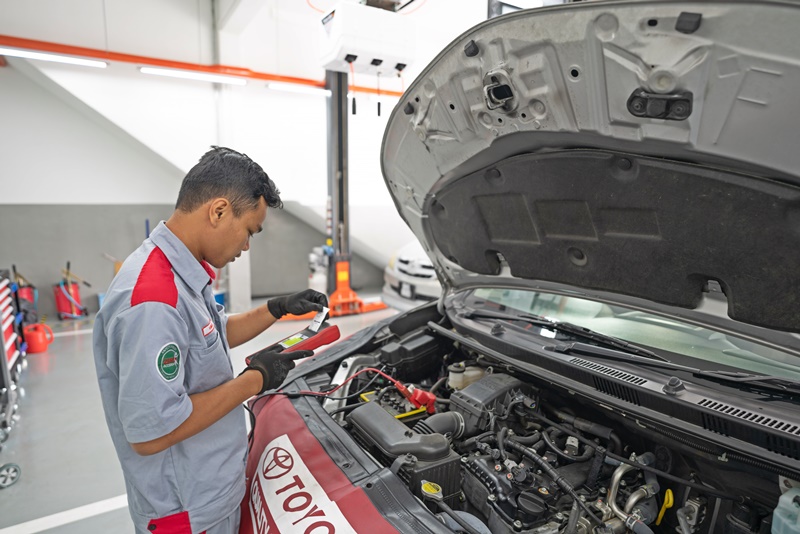
The upgraded outlet is located in close proximity to large local communities and commercial growth areas. Its fully equipped service centre has 10 bays to provide efficient and speedy servicing daily. There are around 20 personnel who have received specific training to maintain Toyota vehicles and keep them in tip-top condition.
“This modern and inviting dealership reflects Toyota’s high standards in customer care. Throughout the world, Toyota dealers give priority to providing the best possible experience, including the highest standard of aftersales services,” said Akio Takeyama, Deputy Chairman, UMW Toyota Motor.
To locate Toyota showrooms or service centre in Malaysia, visit toyota.com.my.
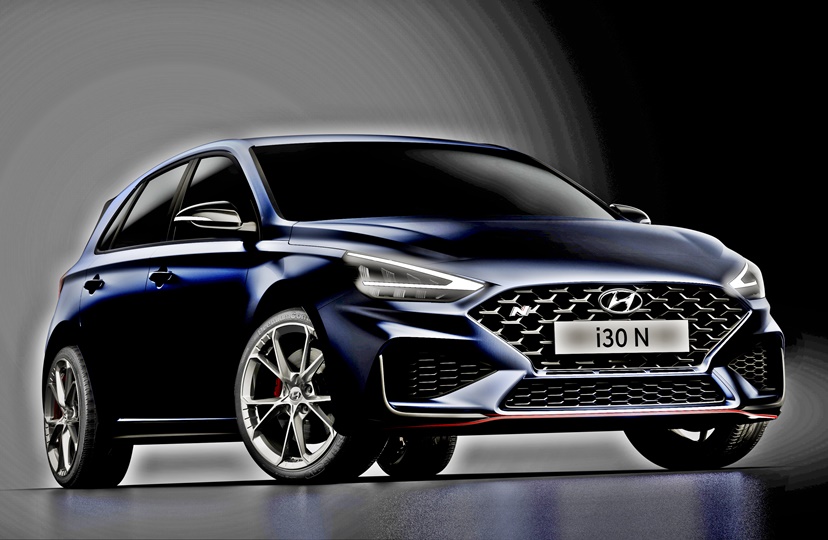
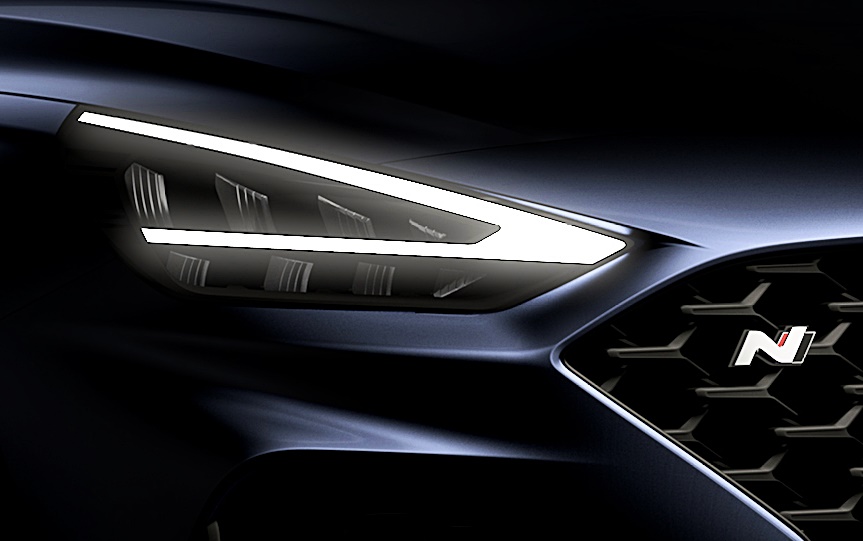
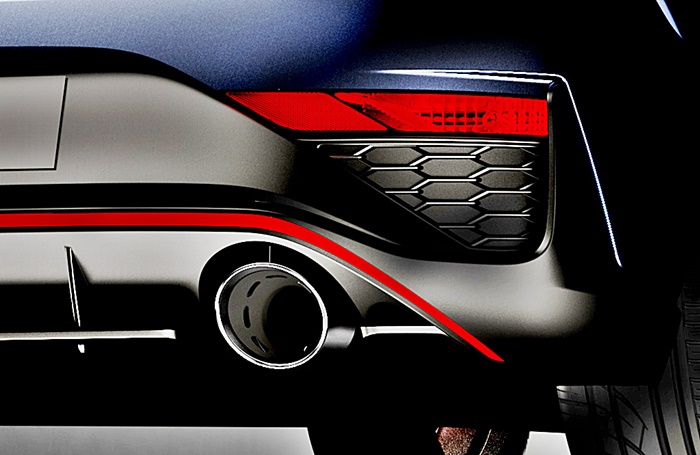
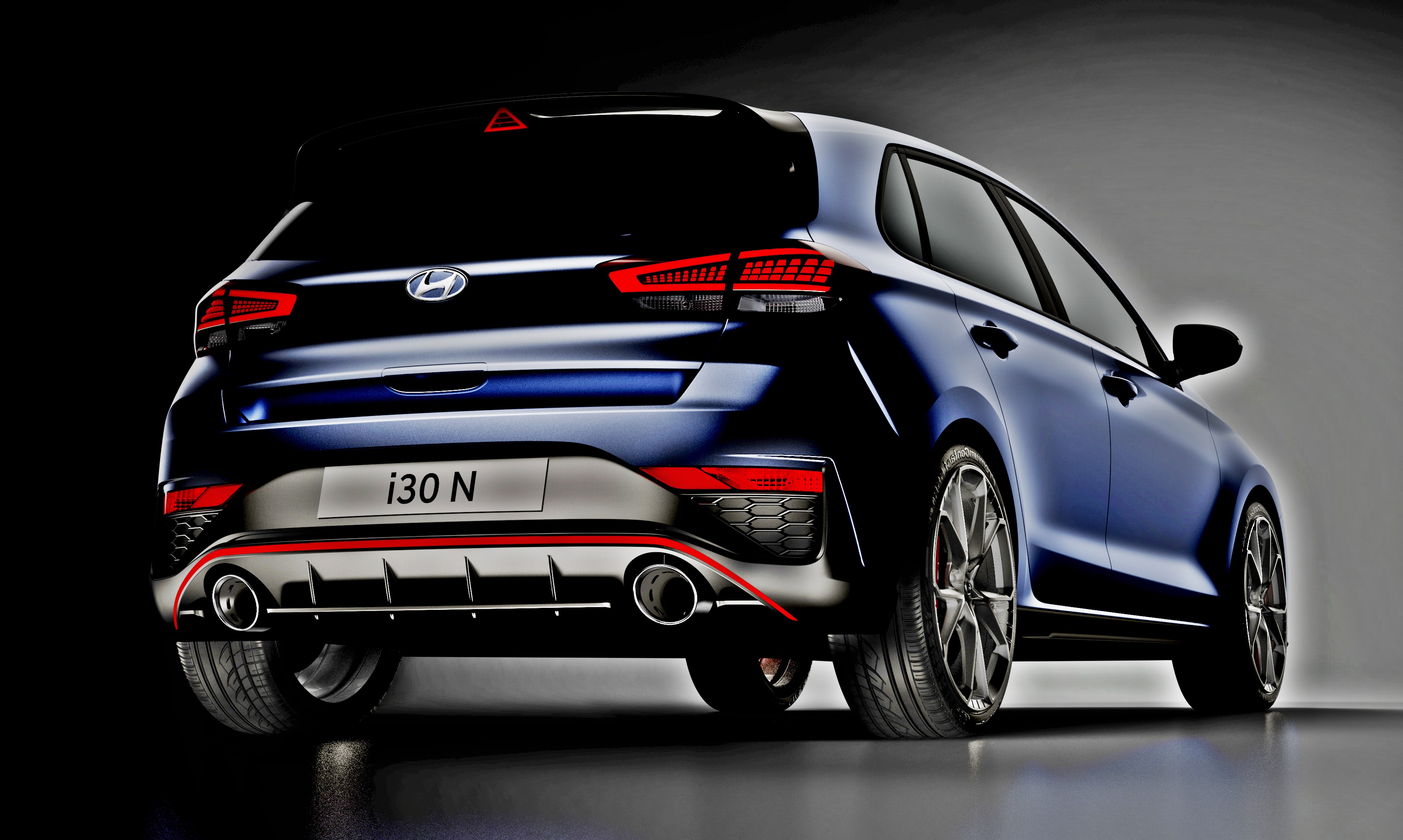
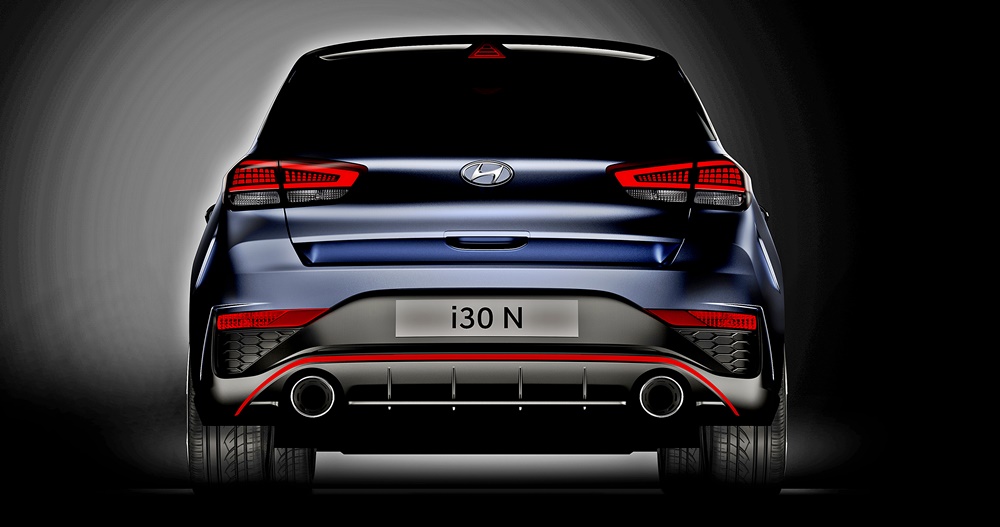
After releasing the facelifted i30 model at the beginning of this year, Hyundai is now ready to follow up with an updated i30N, the high-performance version described as being ‘focused on dynamic performance, emotion and statement’.
In a series of official images being distributed worldwide, the refreshed looks show a new front end with aggressive-looking front and rear bumpers. The wide centre grille is flanked by new LED headlamps with DRLs having v-shaped light signatures.
The wheels on the car are said to be newly-developed and 19 inches in diameter. Of forged alloy, they are lighter than those of the previous i30 N, contributing to weight reduction in the car.
8-speed N-DCT
While the car will continue to use a 2-litre turbocharged 4-cylinder engine, possibly tuned to generate additional output, the transmission will be available the company’s 8-speed dual clutch unit (N DCT). This will be Hyundai’s first car model in Europe to have the 8-speed DCT and for the i30N, it will have dedicated N performance shifting functions.
N DCT, which was installed in the Veloster N in April, is equipped with electronic actuators that operate the double clutch. Unlike a dry double-clutch transmission, the wet N DCT uses oil to significantly improve lubrication and cooling performance, which is typical of higher torque applications, while avoiding reliability issues.
Adding more fun to driving
The N DCT comes with video game-like features that add fun to driving. N Grin Shift increases torque by 7% by allowing turbocharger overboost and maximizes transmission response for 20 seconds – performance that Hyundai N engineers are certain will induce ‘driver grin’.
Additionally, N Power Shift engages when the car accelerates with more than 90% of throttle, thereby mitigating any reduction in torque by using upshifts to deliver maximum power to the wheels. This gives the driver a responsive feeling of dynamic acceleration when shifting.
The N DCT also comes with N Track Sense Shift that discerns when road conditions are optimal for dynamic driving and activates automatically, selecting the right gear and shift timing just like a professional racing car driver to provide optimal performance.
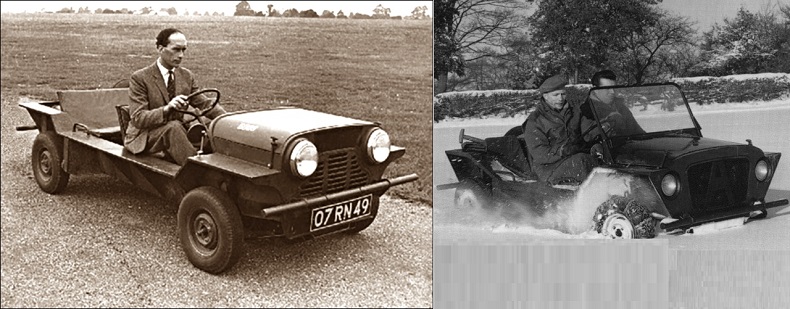
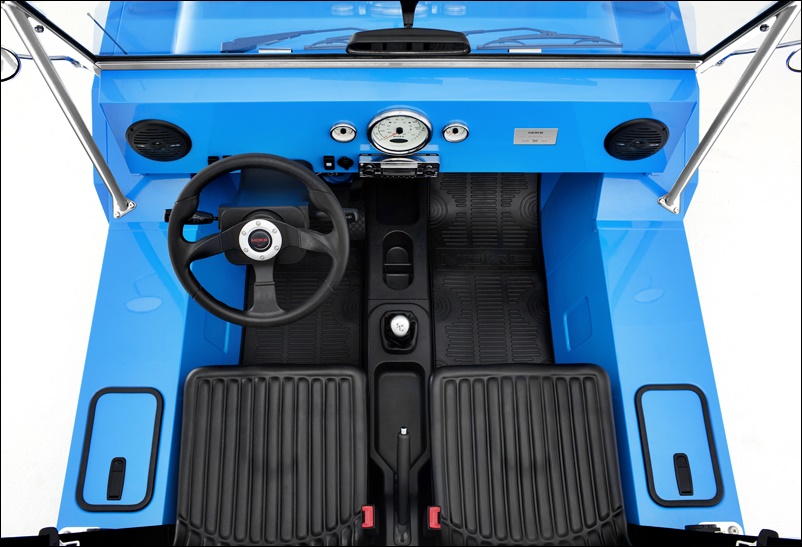
In its time, many variations of the Mini were created, providing simple and affordable transport. One variation, though not promoted as part of the Mini range, was the MOKE. Designed in the 1960s by Sir Alec Issigonis, the father of the original Mini, it shared components (suspension and chassis) with the Mini.
Perhaps it was not promoted commercially initially because it was first intended for military use. So it was engineered to be robust enough for deployment behind enemy lines after being transported by aeroplane. However, the armed forces found the small wheels and low ground clearance to be unsuitable in the sort of terrain they would operate in. Although its exceptionally light weight may have been advantageous on soft ground, it didn’t even have 4×4 to help it in more difficult areas.
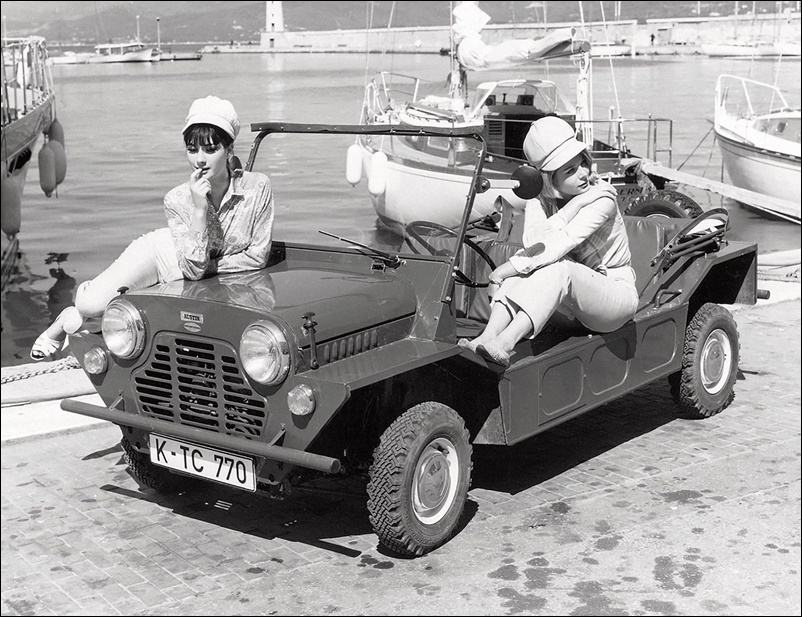
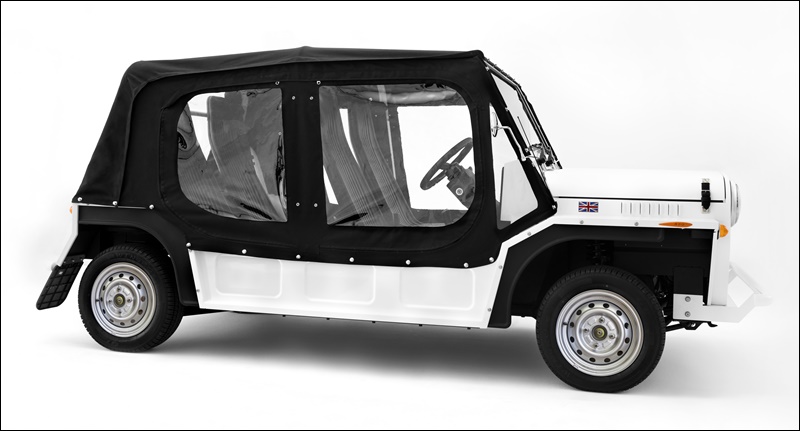
The original Mini Moke was intended for military use but its small wheels and low clearance made it unsuitable.Instead of military use by soldiers, the Moke found popularity in resort areas and became a cult car like the dune buggy of the 1960s, used by the rich and beautiful.
A cult car of the 1960s
Instead, the MOKE, as it came to be known, was then promoted as a civilian vehicle and it became a cult car like the dune buggy of the 1960s. It was popular transport for the inhabitants of the most exclusive coastal resorts in Europe, the Caribbean, USA and Asia. Many are still in use up till today at seaside resort and recreational facilities.
Some 50,000 units were produced at factories in the UK (1964 – 1968), Australia (1966 – 1981) and Portugal (1980 – 1993). The final production in Portugal was done by Cagiva, the Italian motorcycle manufacturer, which had acquired the ‘MOKE’ name.
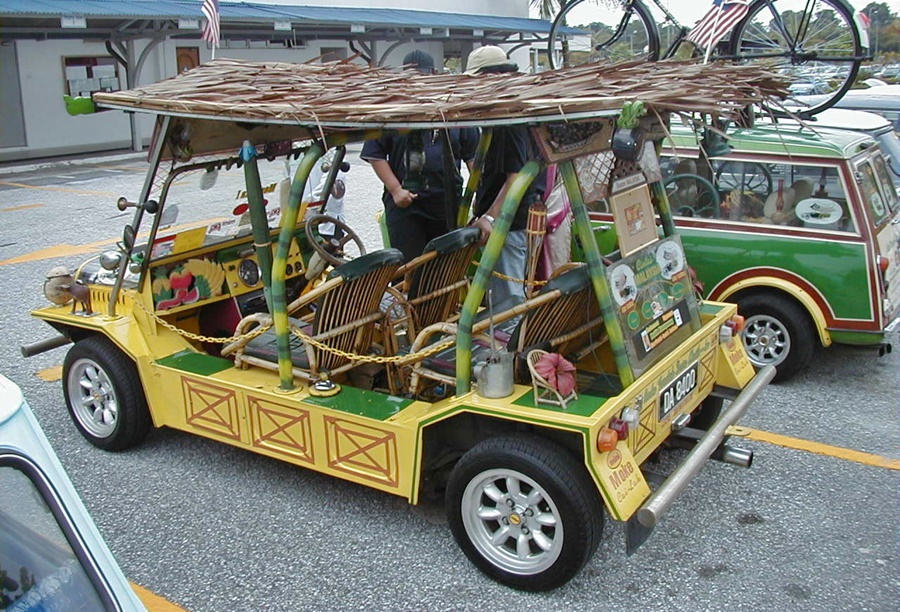
The Moke has been sold all over the world, even in Malaysia, where this owner customised it with the ‘local look’.
Bringing back the MOKE
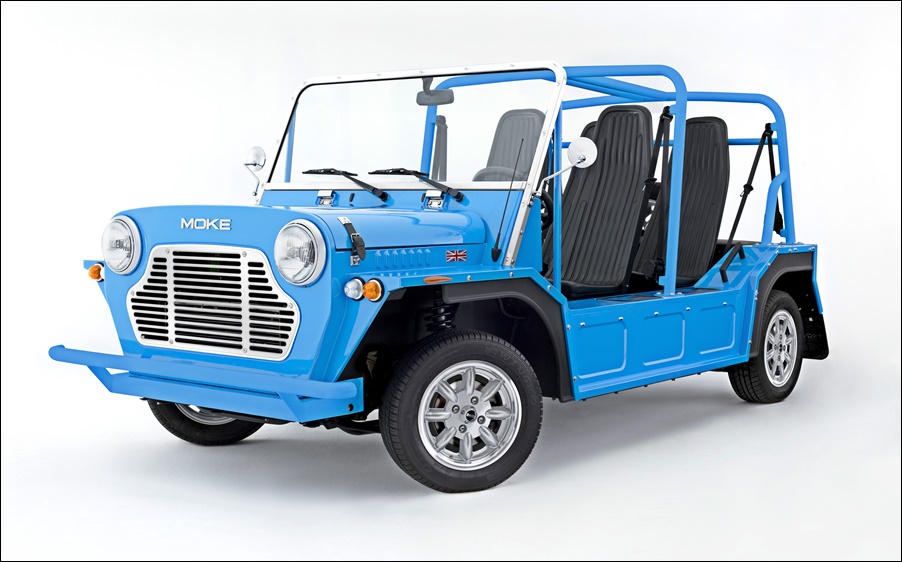
Now a company known as MOKE International Limited, which has owned the original ‘MOKE’ trademark since 2015, is offering – only to the UK market – a strictly limited run of 56 cars. The number has significance: it refers to the number of years since the original Mini MOKE was launched.
Customers have a choice of 14 body colours and the Limited Edition ‘MOKE 56’ comes with the front grille and windscreen rails in chrome, a discrete Union Jack badge on the front wings, and a numbered plaque on the bonnet. Indicative ex-factory pricing starts at £20,000 (about RM107,000) and the company says that interest is high from resorts and private buyers.
Modernised version
MOKE International will also be making the vehicles for the Caribbean market and will launch additional models across Europe, the USA and other markets in 2021. All MOKE bodies will be engineered and sub-assembled in Britain and then shipped to a factory in France for final assembly.
Naturally, the engineering has been updated to meet regulations that never existed in the 1960s. Besides a new 4-cylinder, EFI DOHC 1083 cc engine, there is uprated suspension, an updated brake system and the option for either automatic or manual transmission.
The modern MOKE is also slightly larger to provide more cabin space. Features previously viewed as a luxury like power steering and heated windscreen will come as standard.
Although there have been signs of the COVID-19 pandemic easing, the authorities warn that we are still not safe yet and precautions must still be taken to prevent the spread of the coronavirus. For that reason, the RMCO will continue till the end of the year.
Perodua has been doing its part to help in providing protection to the public, especially schoolchildren, and it has earlier been distributing thousands of face shields. It has also donated other much-needed items for use by frontliners.
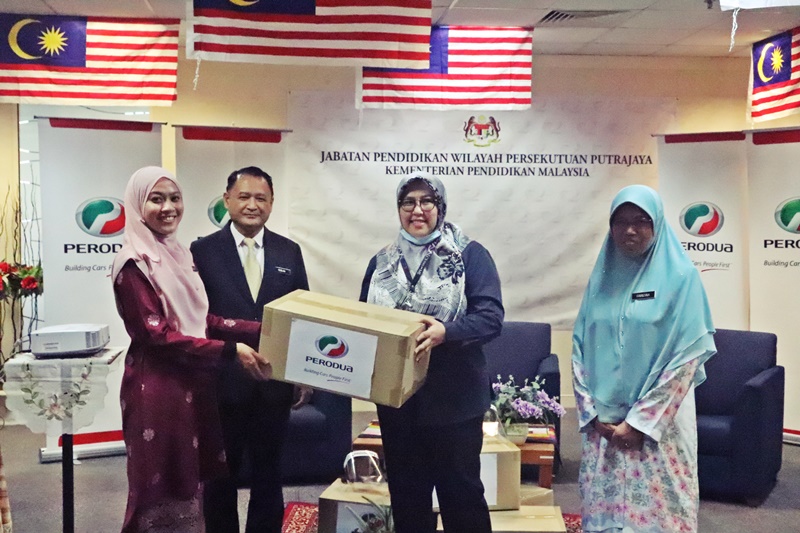
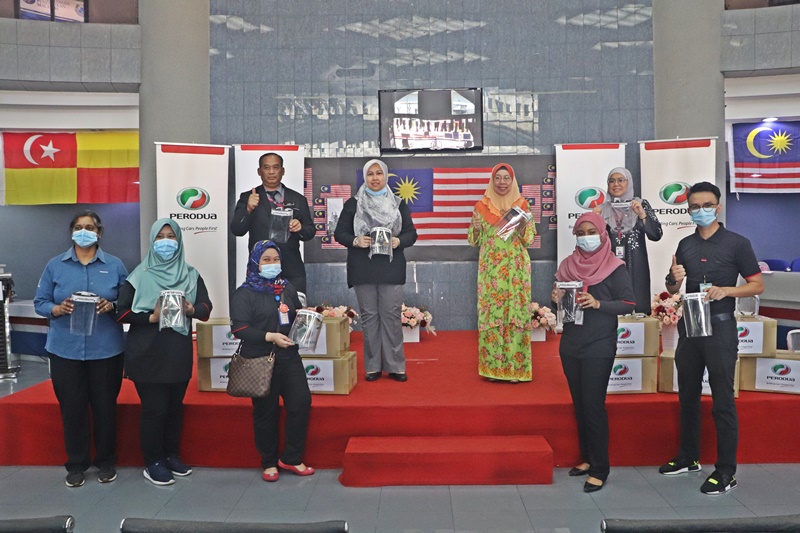
The Malaysian carmaker is continuing with its public protection initiative and recently contributed over 7,700 face shields to 66 primary schools in the Putrajaya and Hulu Selangor vicinities lately. These are for the use of academic and support staff.
Extending goodwill to primary schools
“Having contributed some 11,000 face shields to secondary schools in Putrajaya and Hulu Selangor in June, Perodua now extends the same goodwill to primary schools in those areas,” said Perodua President & CEO, Dato’ Zainal Abidin Ahmad.
“We do this firstly for the protection, health and well-being of our beloved schoolchildren, teachers and support staff; secondly, as a token of appreciation to the Federal government for all their efforts in dealing with COVID-19; and thirdly, to give back to the local community we have called home for the past 27 years.”
Over 30,000 face shields distributed
Perodua has to date distributed over 30,000 face shields in total. Recipients have included the Putrajaya Federal Territory Education Department, the Hulu Selangor District Council, District Education Office and clinics, the Selayang Municipal Council and various morning and night market hawkers in Hulu Selangor and Selayang.
The face shields, manufactured by an associate of Perodua’s, feature a fog-resistant visor made of polyethylene terephthalate for optimal visibility, sponge cushioning that hugs the forehead to act as a barrier against airborne droplets, and an adjustable elastic band for a snug and comfortable fit.
“This Malaysia Day, Perodua, as a caring and responsible People First company, asks all Malaysians not to let their guard down. Please continue to be cautious and comply with all government health and safety guidelines, and we will defeat COVID-19 together as one nation,” Dato’ Zainal urged.
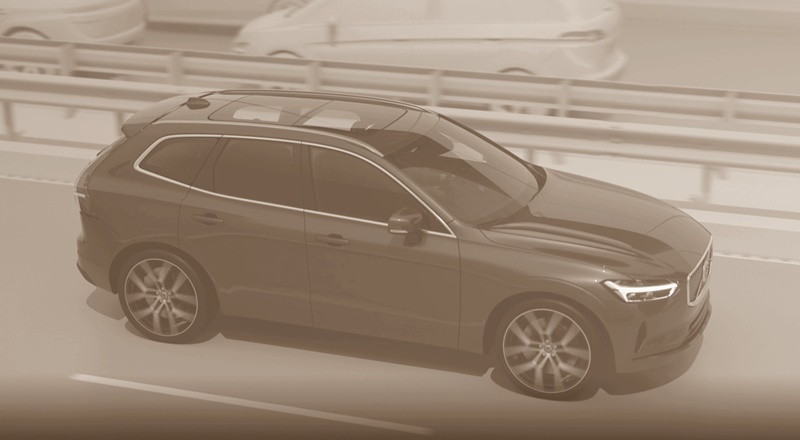
For those who want premium air quality in the premium cars they travel in, Volvo’s new Advanced Air Cleaner technology can satisfy that expectation. The technology is a world-first premium to provide Volvo drivers with clean and healthy air inside their cars and also clean the air of their cabin ahead of their journey.
While it may seem like the Swedish company is focusing on air cleanliness in view of global concerns brought on by the COVID-19 pandemic, Volvo has given attention to air quality in the cabin for decades. It was among the early carmakers to provide pollen filters and of course, it has continuously developed technologies to ensure that its exhaust emissions from its engines are as clean as possible.
Volvo can’t do much about outside air quality (although it helps by ensuring its engine exhaust emissions are clean), but it can offer very clean air inside the car.
Measuring and cleaning
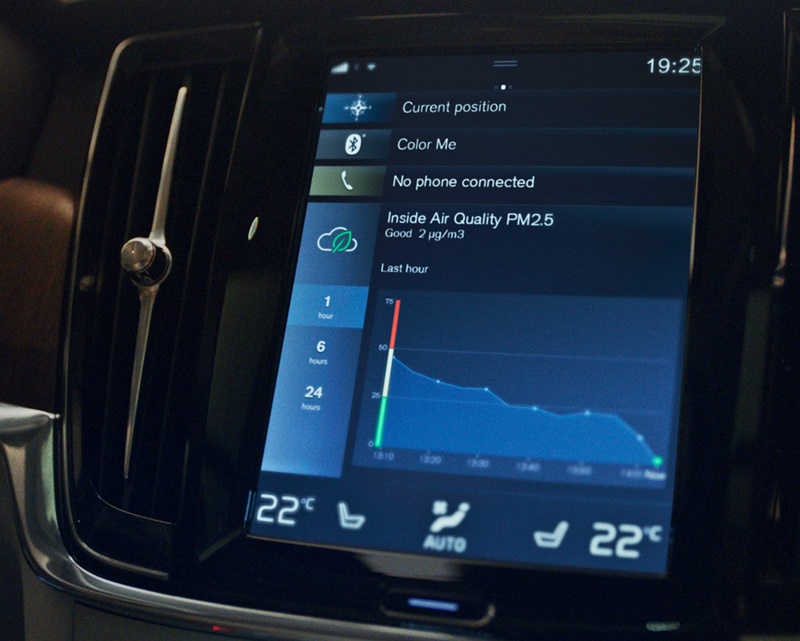
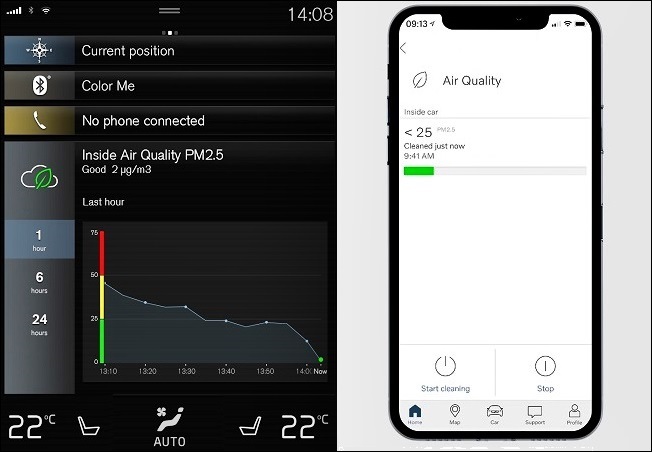
The system has a sensor that measures PM 2.5 levels inside the cabin, creating a feature not available in any other car currently on the market. Indicating the amount of fine particulate matter in the air, PM 2.5 is a widely used measure for air quality. Globally, many urban areas suffer from PM 2.5 values that exceed recommended levels by the World Health Organisation, underlining the need to minimize their impact.
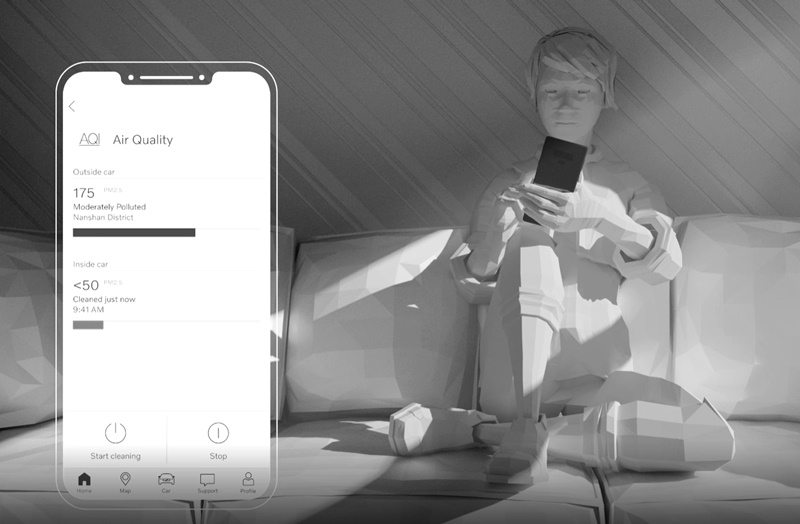
In China, where PM 2.5 measurements and related information services are well established, Volvo drivers can also compare air quality inside the cabin to that outside the car.
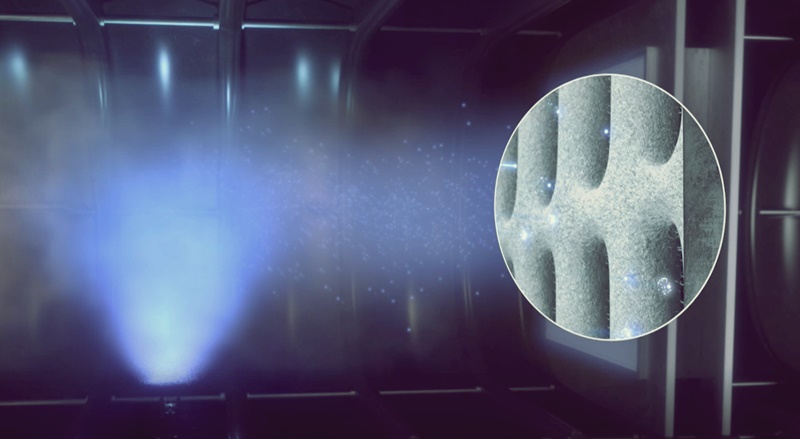
Available on all 60-series and 90-series Volvo models based on the Scalable Product Architecture (SPA) since early this year, the Advanced Air Cleaner uses a synthetic fibre-based filter and ionization to clean the air. Up to 95% of all PM 2.5 particles can be removed with these two methods.
Volvo’s Advanced Air Cleaner can remove up to 95% of all PM 2.5 particles using a synthetic fibre-based filter and ionization.
Healthier air means safer driving
With the greater air filtration, air quality inside the car is much healthier, limiting the adverse health effects that are associated with air pollution and fine particulates. Cleaner air inside the car also helps make driving safer as healthy and fresh air can help boost driver concentration.
Stale air tends to make a driver sleepy too, which is why the air inside needs to be refreshed periodically by opening the windows or switching to fresh air mode for the ventilation system. However, as external air quality is not clean, this is where Volvo’s Advanced Air Cleaner technology is very useful to clean it as it enters the cabin.
Drivers of certain Volvo models can also use the Volvo On Call smartphone app (where available) to easily schedule an extra cleaning of the cabin air ahead of their journey. The app then tells drivers about the actual PM 2.5 levels inside the cabin after cleaning.
Volvo owners can also check on air quality in the cabin and then activate the cleaning process from their home or office.
“With our Advanced Air Cleaner technology, you can rest assured that the air you breathe inside your Volvo is cleaner and healthier,” said Anders Lofvendahl, Senior Technical Expert on Cabin Air Quality at Volvo Cars. “We believe that clean air is good for you, both from a health and from a safety perspective, and we will continue to push the envelope in this area.”
Apart from the Advanced Air Cleaner technology, Volvo Cars also works on creating a healthy environment inside its cars in other ways. Its engineers have a long-standing focus on removing emissions from organic substances in the car. They also aim to minimize the amount of allergy-causing materials from its interiors as well as generation and emission of odours from parts and materials used inside the cabin.
The epitome of what driving pleasure is all about – the sportscar – will never go away. In spite of periods when the numbers declined and many carmakers decided that they could not afford the luxury of making such cars, the voices of the enthusiasts around the world (and also within the company) have brought back sportscars.
The Nissan Z is one such example. An icon among sportscars, it was among the first from a Japanese brand and it made a tremendous impact, especially in America where the biggest number has been sold in its 50-year existence.
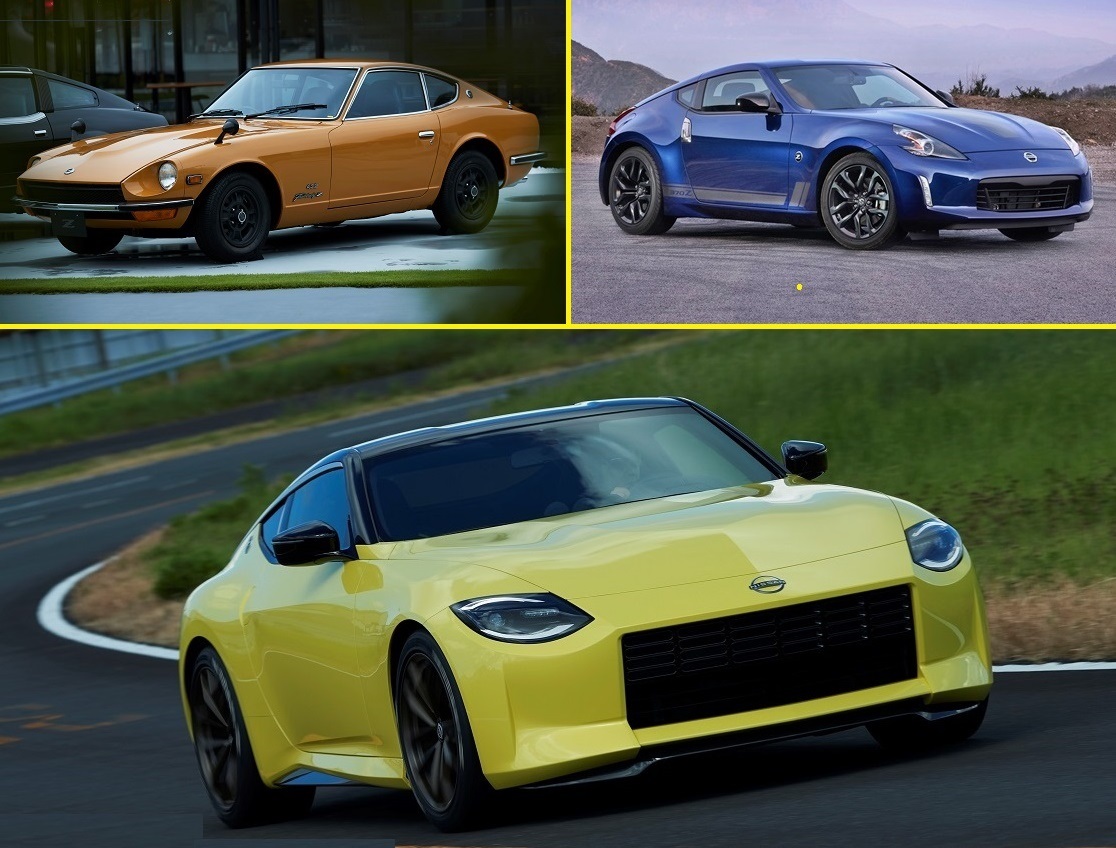
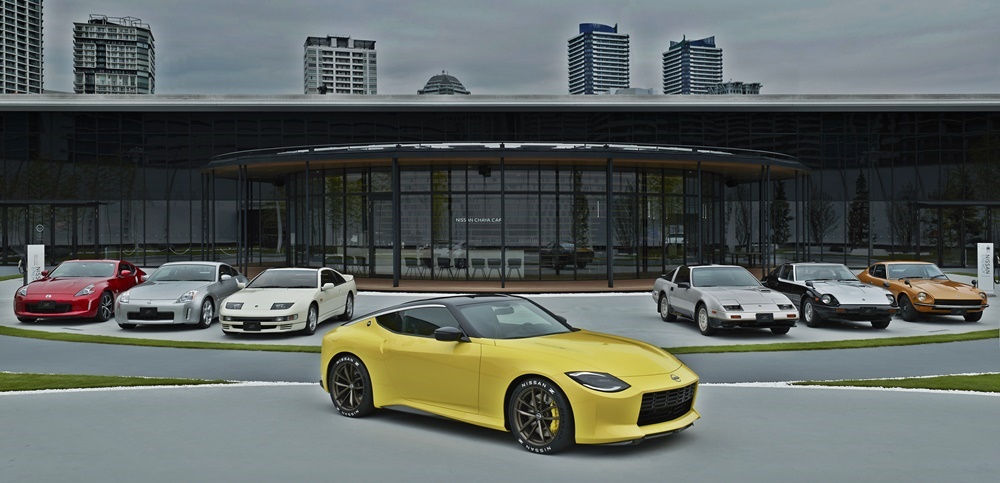
The Z Car – past and present (top), and the future.
Other than a short break in the early 2000s when Nissan was recovering from financial difficulties, the Z has had a presence in the Nissan range with the generation on sale since 2009 being the sixth one.
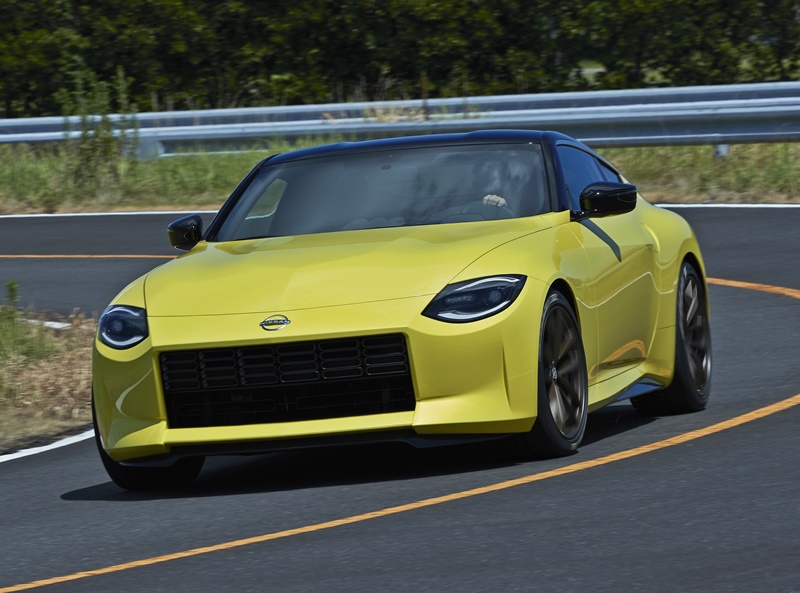
Soon a seventh generation will be launched and it will be a totally new design with new technologies, as would be expected after a lapse of some 10 years. Nissan gave an online preview of the model – referred to as the ‘Z Proto’ for now – today from its base in Yokohama, Japan, with a clear promise that ‘the new Z is on its way’.
It wasn’t difficult to understand the excitement and passion of the original Z and earlier generations as many people involved in the project had memories of the sportscar and even owned it, including Nissan CEO Makoto Uchida, who introduced the Z Proto.
Past meets future
The design of the Z Proto was done largely in Japan and while feedback was considered from many markets, Hiroshi Tamura, Chief Product Specialist of the Z Proto, admitted that the comments of the Z community in America were influential simply because it is where the most Zs have been sold.
Given the heritage of the car, it’s only expected that the designers would constantly look back at past generations, especially the very first one, for inspiration and guidance. The long-nose silhouette, in particular, is a must for the Z but the retro theme is also combined with projected futurism.
“Our designers made countless studies and sketches as we researched each generation and what made them a success,” said Alfonso Albaisa, Head of Design at Nissan. “Ultimately, we decided the Z Proto should travel between the decades, including the future.”
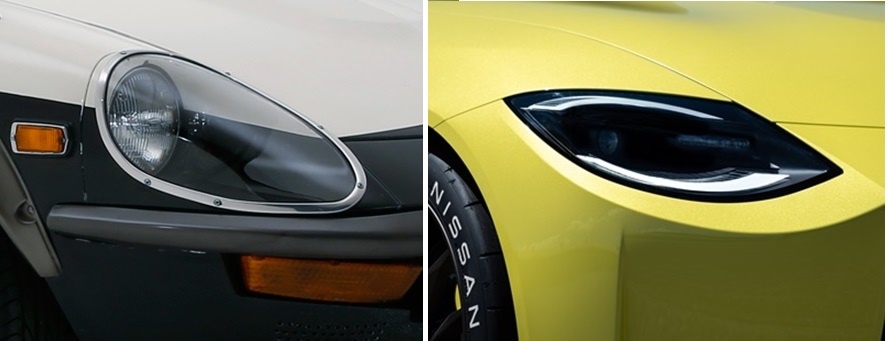
Headlight with cover on the original Z (left) and the PROTO Z headlight (right) which mimics the reflections.
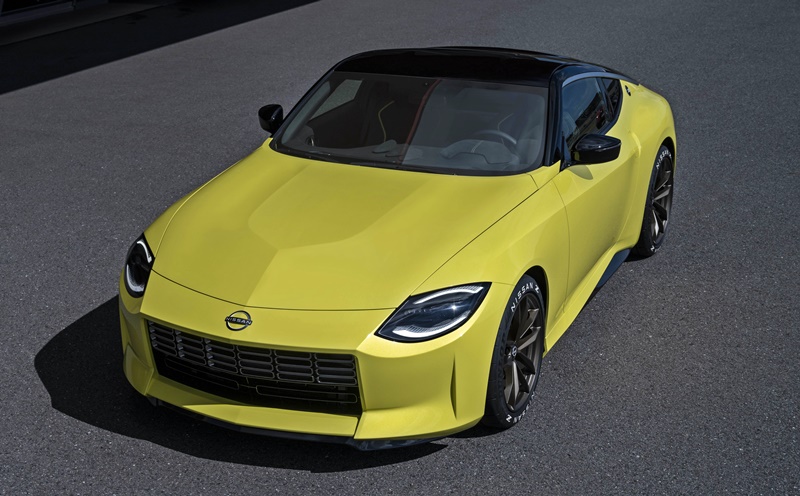
The shape of the bonnet and the canted, teardrop-shaped LED headlights are both unmistakable reminders of the original Z. “The LED headlights have two half-circles that hark back to the Japan market-only 240ZG of the 70s,” Albaisa explained. “The ZG had clear dome lenses over the headlight buckets, which under light give off two circular reflections over each headlight. We liked that unique characteristic and discovered that it naturally fit with the Z’s identity.”
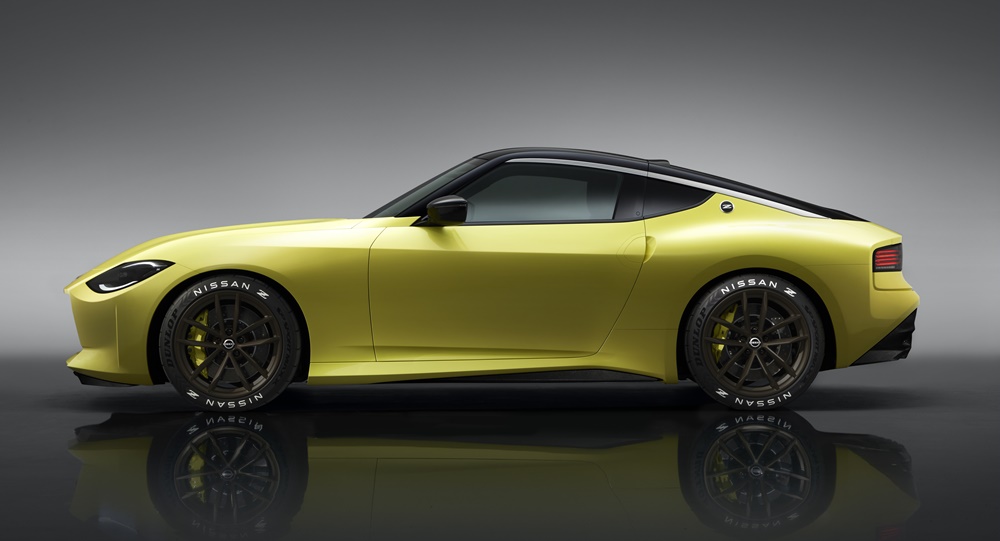
The rectangular grille’s dimensions are similar to the current model with the addition of oval grille fins to offer an updated modern look. However, the link to the original Z is most striking when viewing the Z Proto from the side. The roofline flows from the nose to the squared-off rear to create a distinctive first-generation Z profile whose rear edge was slightly lower than the front fender height giving the Z its unique posture. The signature transition from the rear quarter glass to the low-slung position of the rear tail adds to the effect.
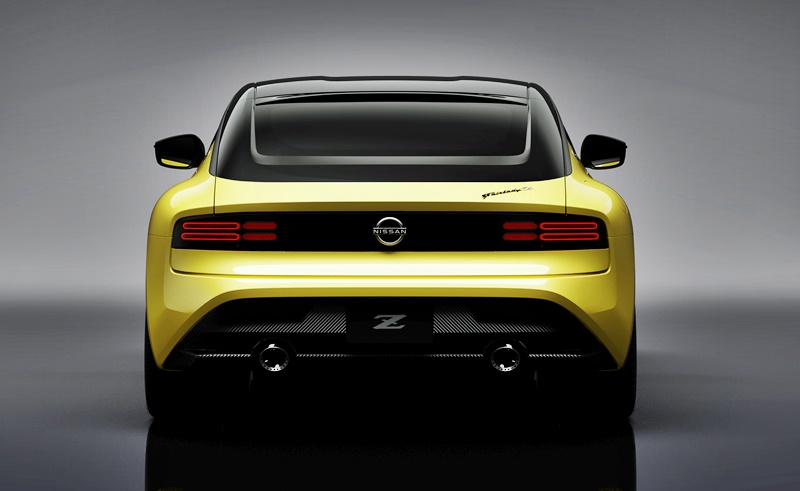
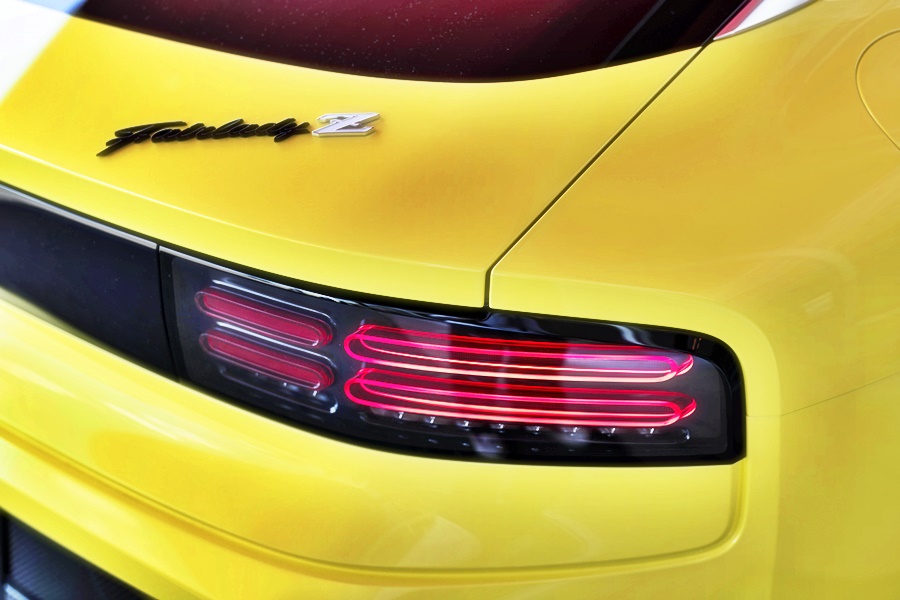
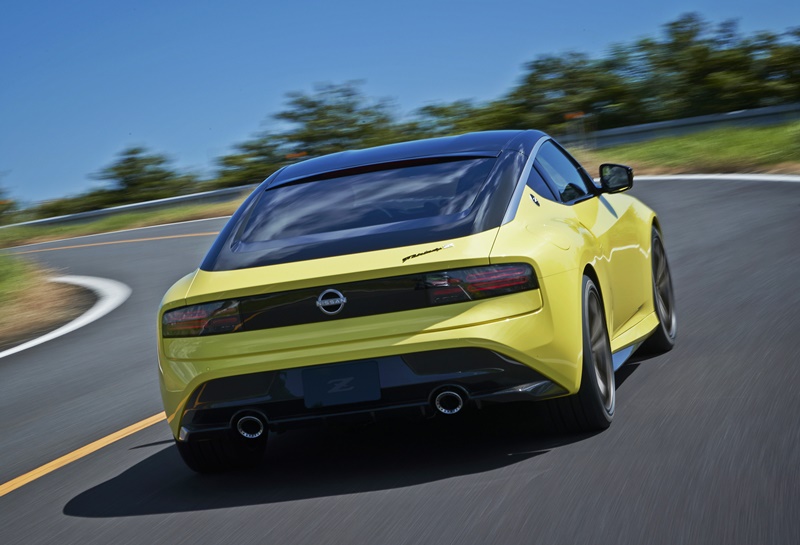
The rear takes inspiration from the 300ZX (Z32) taillights, reinterpreted for the modern world. Set within a rectangular black section that runs across the rear and wraps around the outer edges, the LED taillights convey a sharp glow.
Sharp-eyed readers may notice that the badge on the rear says ‘Fairlady Z’ and this could be a bow to the original legendary car. It might also be used for the future domestic model since the name does have a historical connection to the Japanese fans and owners.
Vintage touch, modern feel
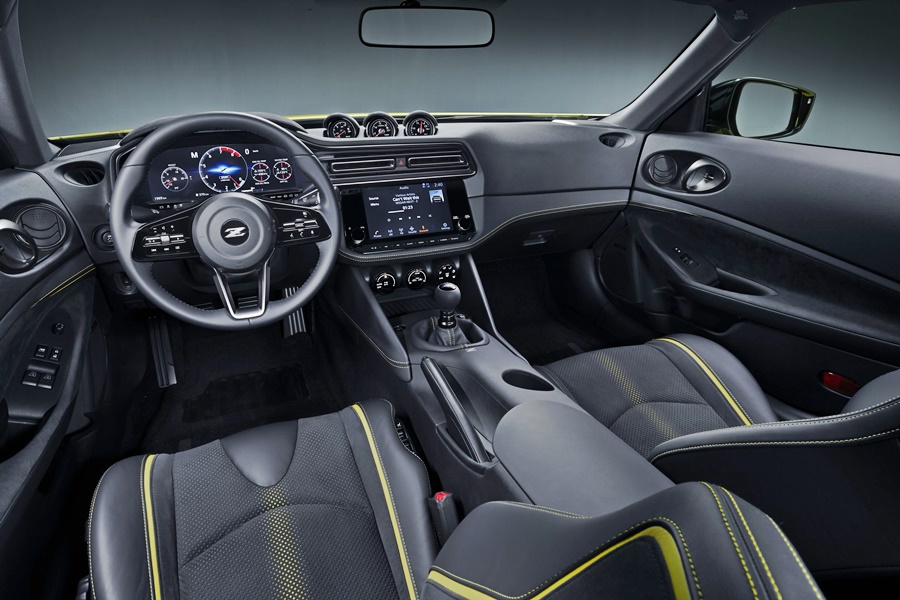
The Z Proto’s cabin blends modern technology with vintage Z touches. The interior design team sought advice from professional motorsports legends to create an ideal sportscar cabin, both for road and track.
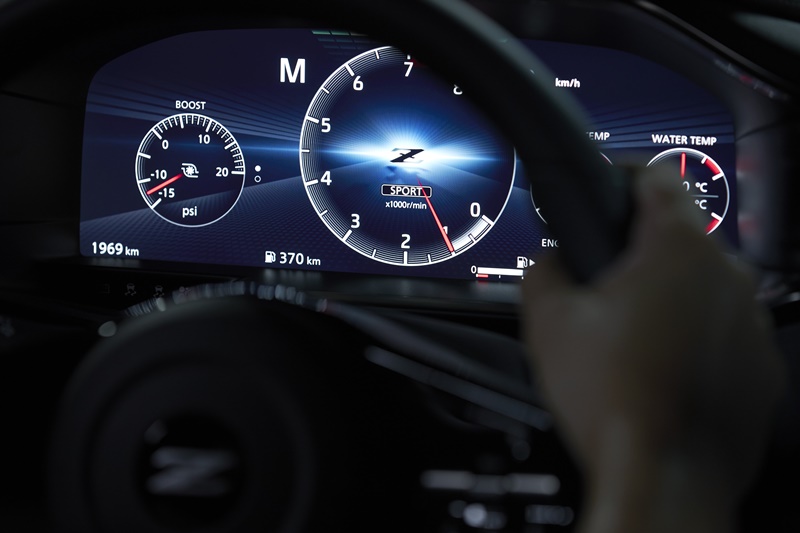
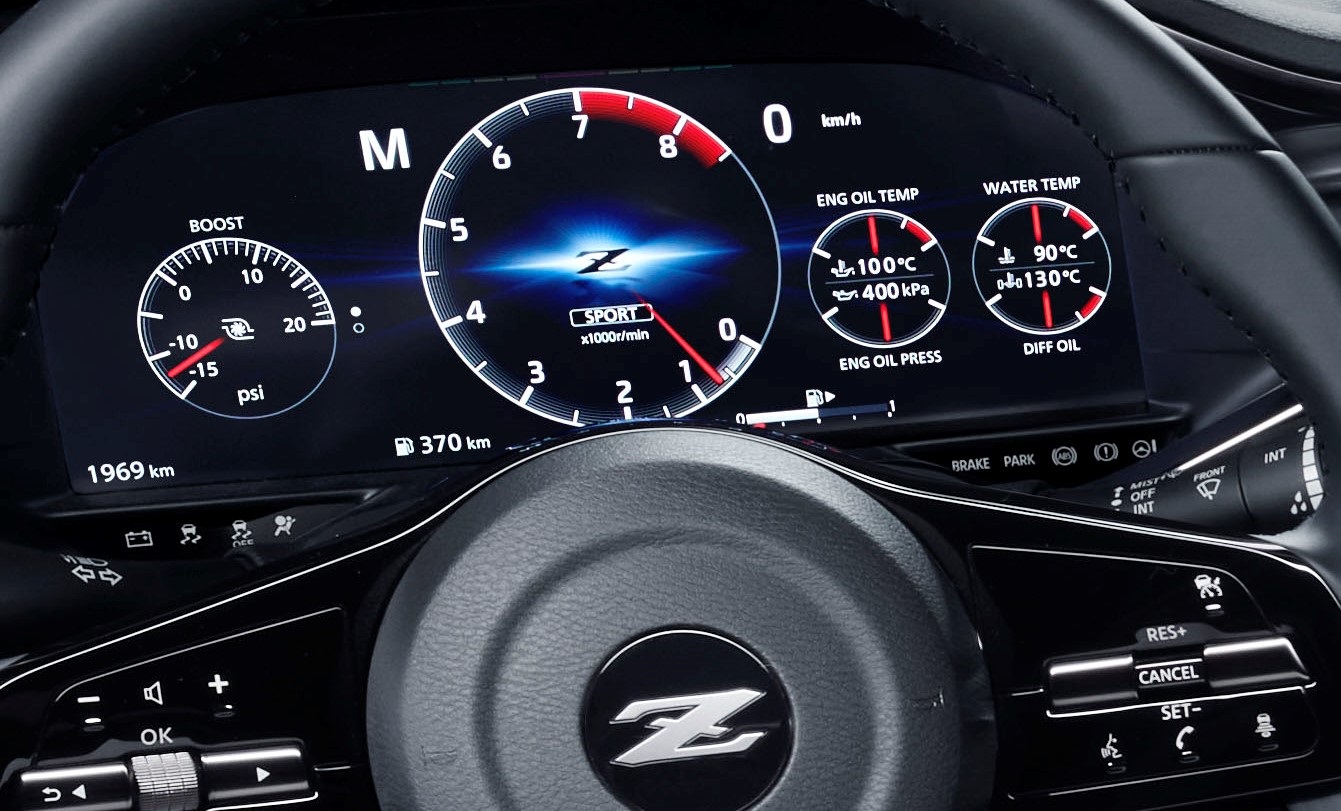
This can be seen in the Z’s instrumentation, a 12.3-inch digital display with all the information the driver needs to have. The tachometer is the dominant item with a digital speedometer and vital information is arranged to help the driver grasp it at a glance, such as the redline shift point at the 12 o’clock position.
It’s difficult to replicate the original steering wheel of the Z due to safety requirements but the designers have still tried to keep some vintage aesthetic. It is deeply dished and the driver has quick access to controls with switches on the left and right spokes.
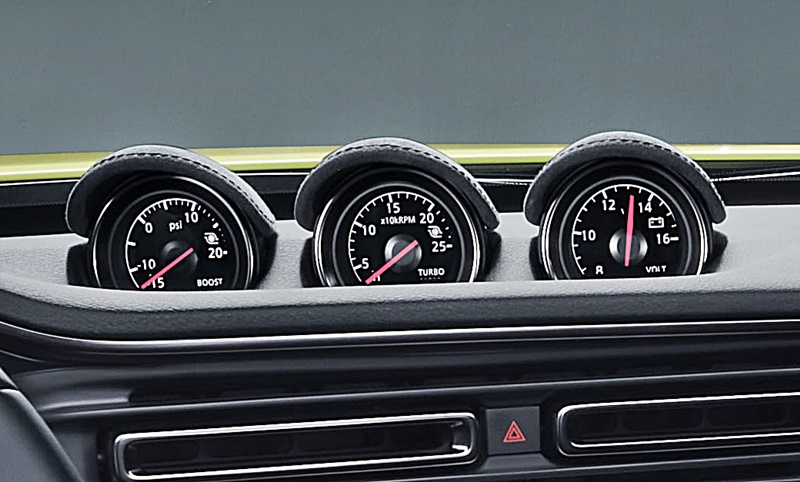
Although digital display screens can be designed to provide the driver with all kinds of information and free up space on the dashboard, the designers have still retained that old-school sportscar look with three small round meters placed on top of the dashboard. In the Z Proto, these show boost pressure, turbocharger rpm and voltage although the ones in the production car might show other information.
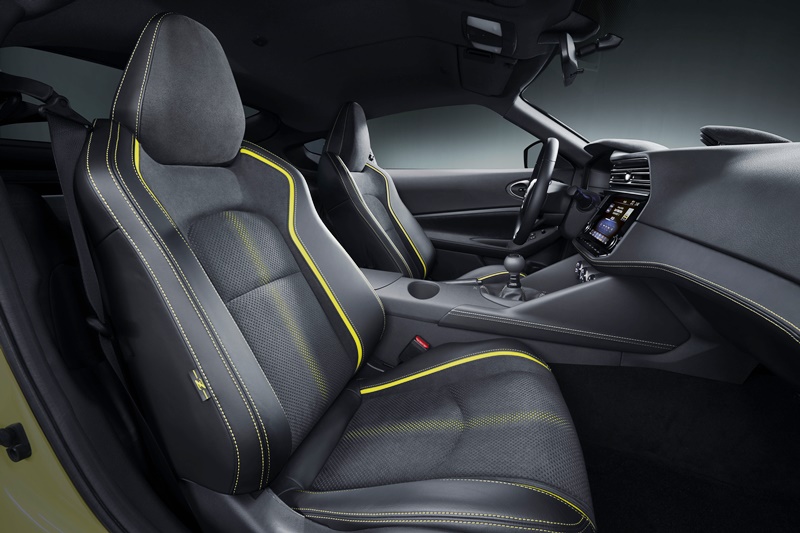
Yellow accents are found throughout the cabin, including stitching on the instrument panel. The seats feature special yellow accenting and a layered gradation stripe in the centre of the seats to create depth. Incidentally, the bright yellow pearlescent paint of the exterior is a tribute to a popular paint scheme on both the first generation Z and the 300ZX (Z32).
6-speed manual gearbox lives on
Although the Z is about more than power increases, each new generation has nevertheless had a more powerful engine and the new Z can be expected to continue to provide punchy performance. “Z is a balance of power and agility,” said Tamura. “It is a vehicle that creates a connection with the driver not just on the physical level, but emotionally, and responds to the driver’s impulses.”
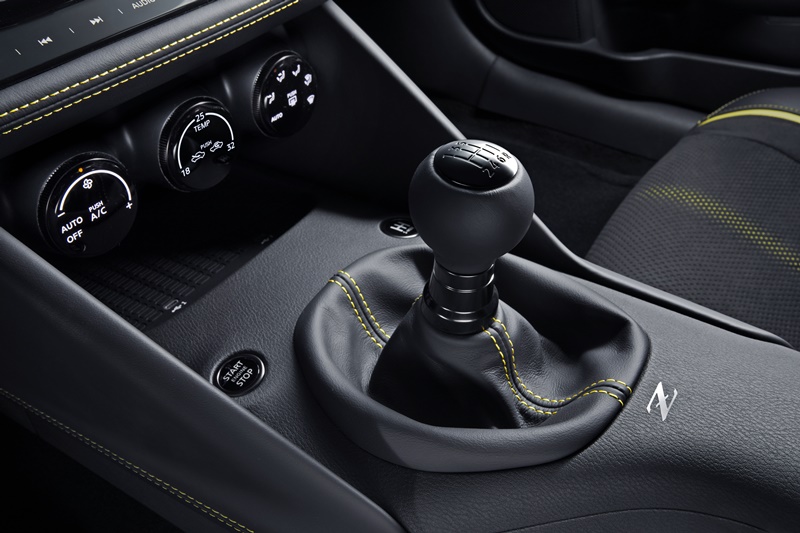
For this reason, Nissan will continue to offer a 6-speed manual gearbox. There’s usually not much to say about a manual transmission, unlike automatic transmissions which have constantly improved with advancements in electronic control technologies.
However, 12 years ago, Nissan did draw a lot of attention to its manual transmission in the new 370Z which had the world’s first synchronized downshift rev-matching system. Known as SynchroRev Match, the system blips the throttle just prior to downshifts and upshifts to match engine speed to the next gear. The result is a smoother transition which used to be only possible by drivers who knew about ‘heel-and-toe’. This feature should still appear in the new Z.
Will it be called ‘400Z’?
50 years ago, Yutaka Katayama – regarded as the ‘father of the Datsun Z’ – bravely removed the ‘Fairlady’ badges on the cars that arrived in America. The man in charge of Nissan’s subsidiary in America understood that ‘Fairlady’ (which was the chosen by Nissan’s President after he saw ‘My Fair Lady’, the play) was just not right for such a sportscar. So he chose something from the internal coding (Z432) and used just ‘Z’ to designate the new car. Which worked superbly and started a legendary line of sportscars.
The new Z will have the model code ‘Z35’ to follow the sequence that began in 1984 with the 300ZX. Rumours are that it will be badged ‘400Z’. Nissan does have a version of the VQ engine with a 4-litre displacement but this is designed for SUV applications so the ‘400Z’ would likely have an updated 3.7-litre unit as Nissan confirms it will be an ‘enhanced V6 twin-turbocharged engine’. Production is set to start next year so it would probably be in showrooms sometime in the second half of 2021.