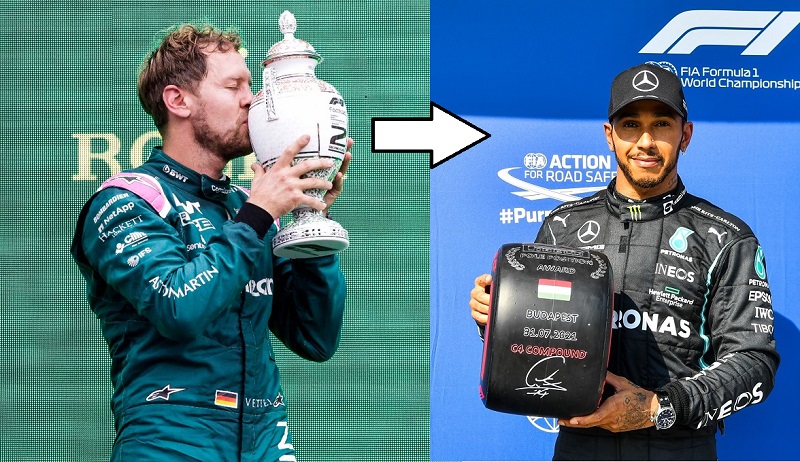
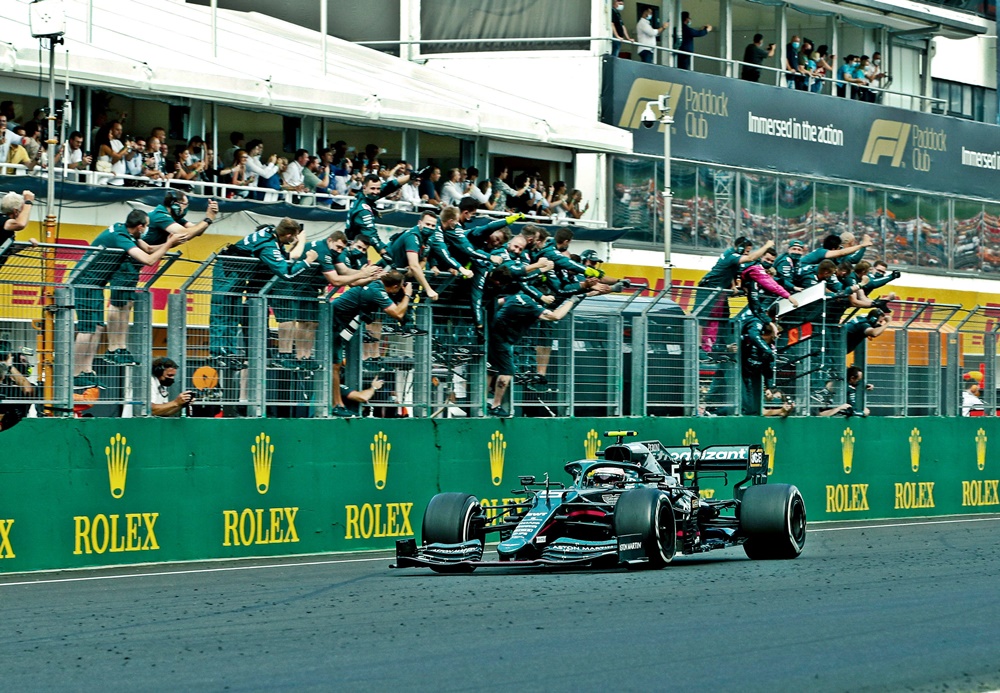
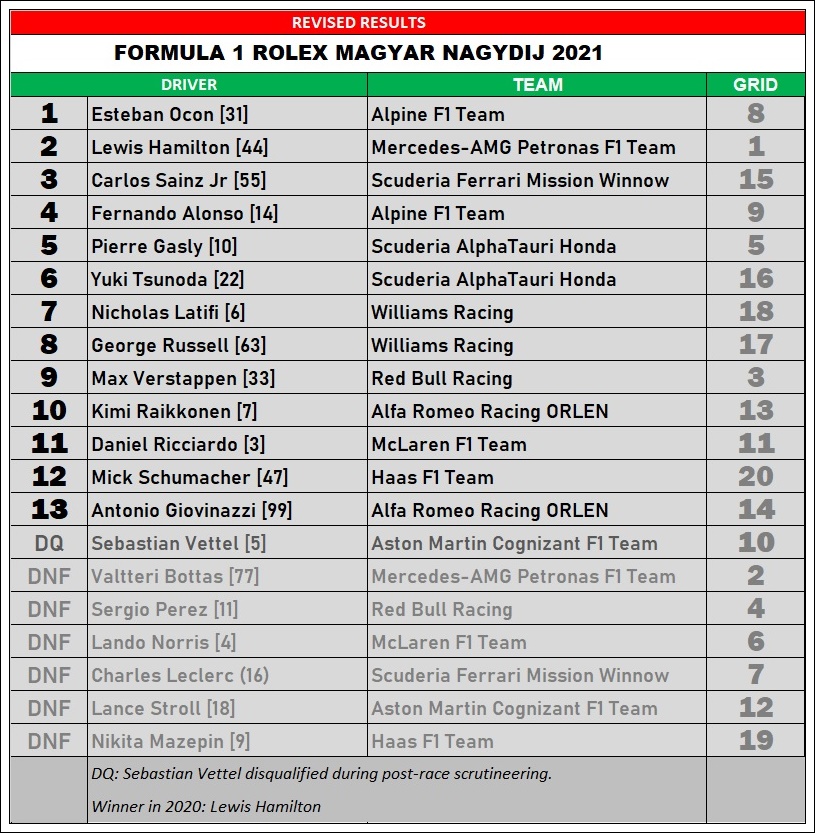
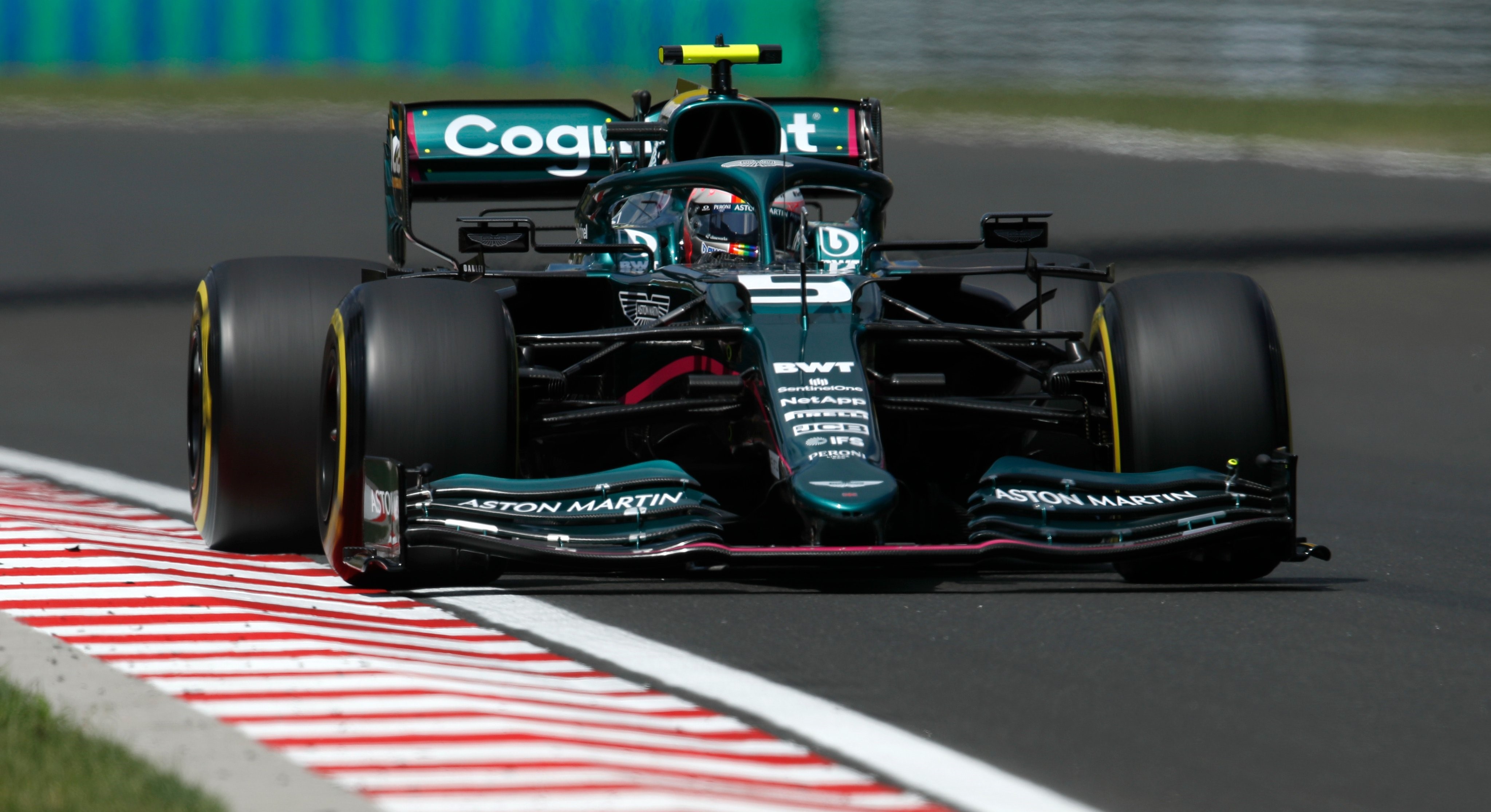
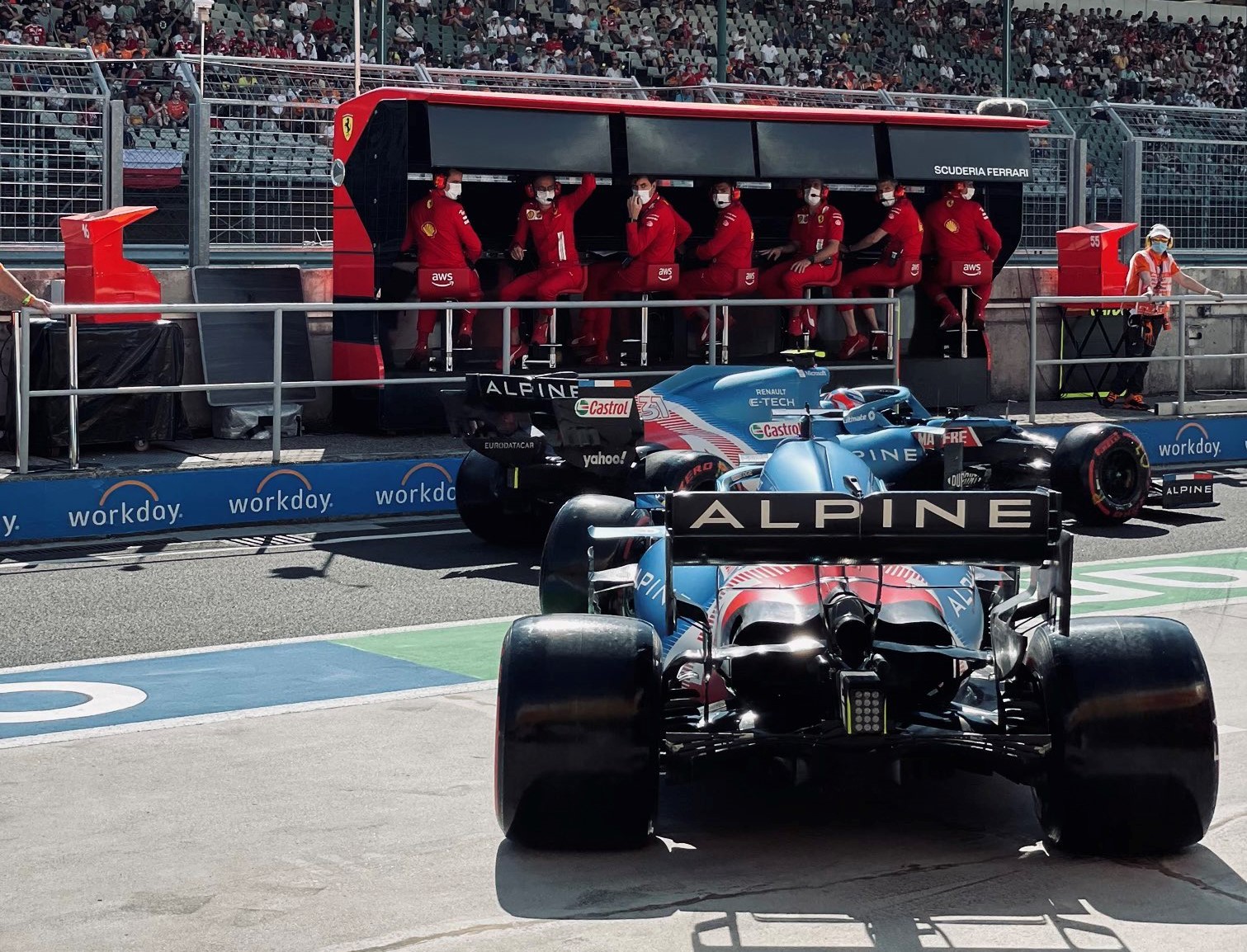
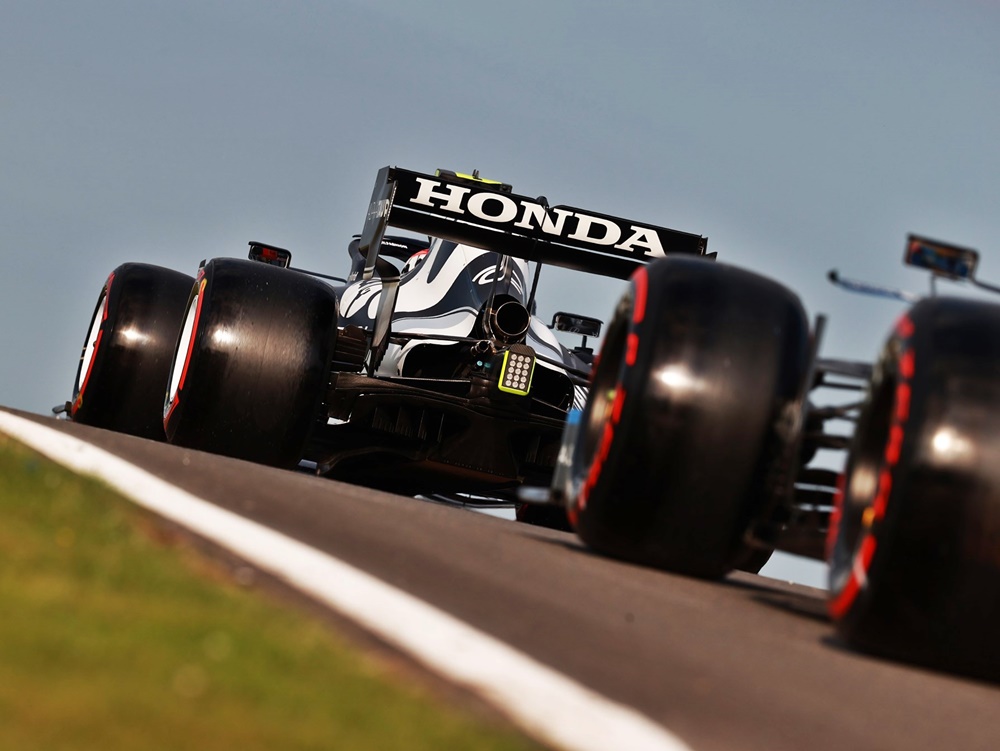
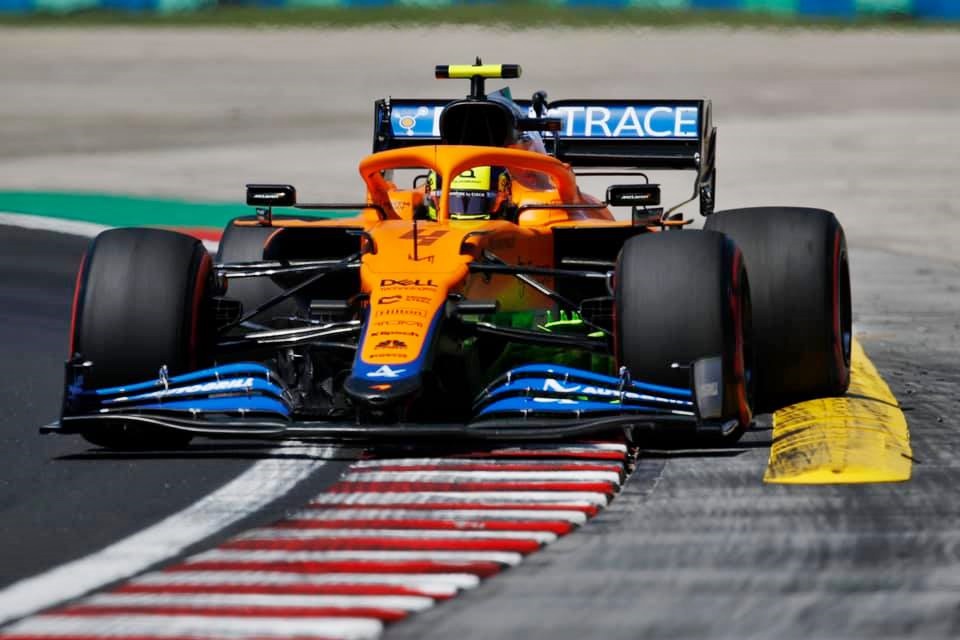
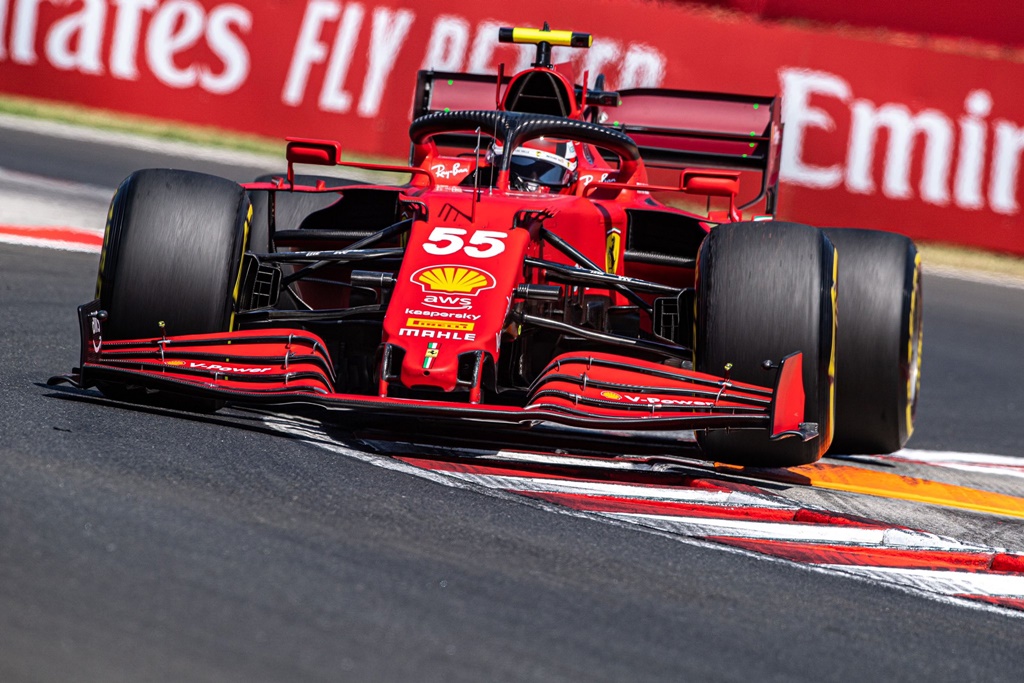
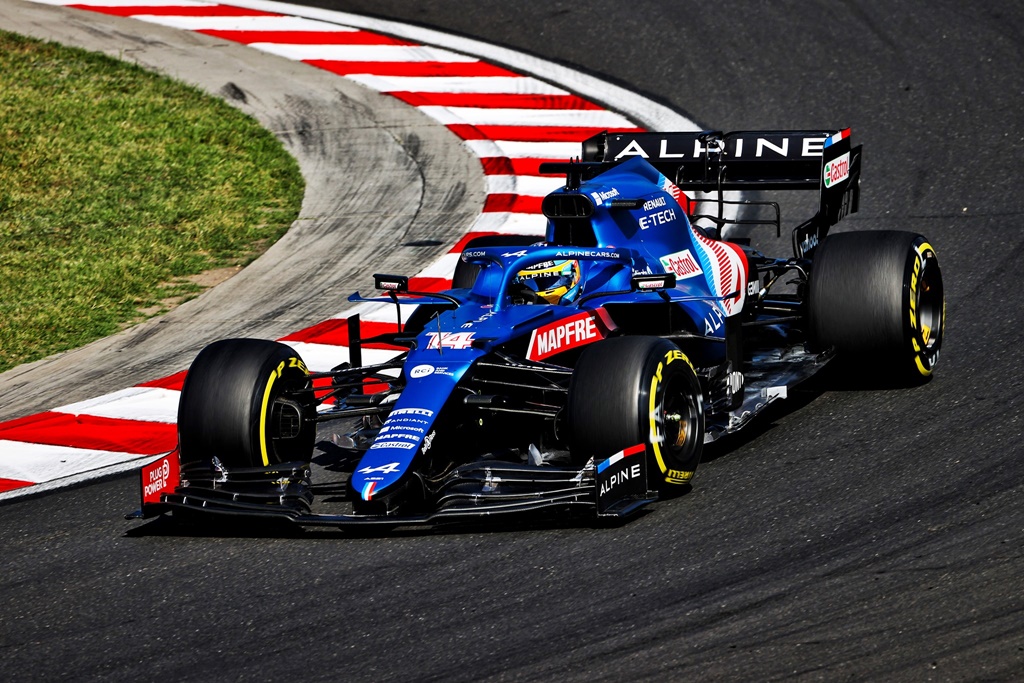
The celebrations for the Aston Martin COGNIZANT F1 team were cut short after the Hungarian Grand Prix yesterday when Sebastian Vettel lost his second placing due to disqualification. The team had been unable to provide a full sample of 1 litre of fuel from the AMR21 racing car for inspection, as required by FIA regulations.
Cars are inspected before as well as after each race to ensure that they fully comply with the regulations and even the drivers are weighed. In Vettel’s case, the team could only provide 0.3 litres although it said that it was sure there was more in the fuel tank but could not be extracted. They were given some time to resolve the matter but after 5 hours, the Stewards made the decision to disqualify Vettel. The Aston Martin team will review the matter and may make an appeal.
A short-lived celebration for the Aston Martin COGNIZANT team.
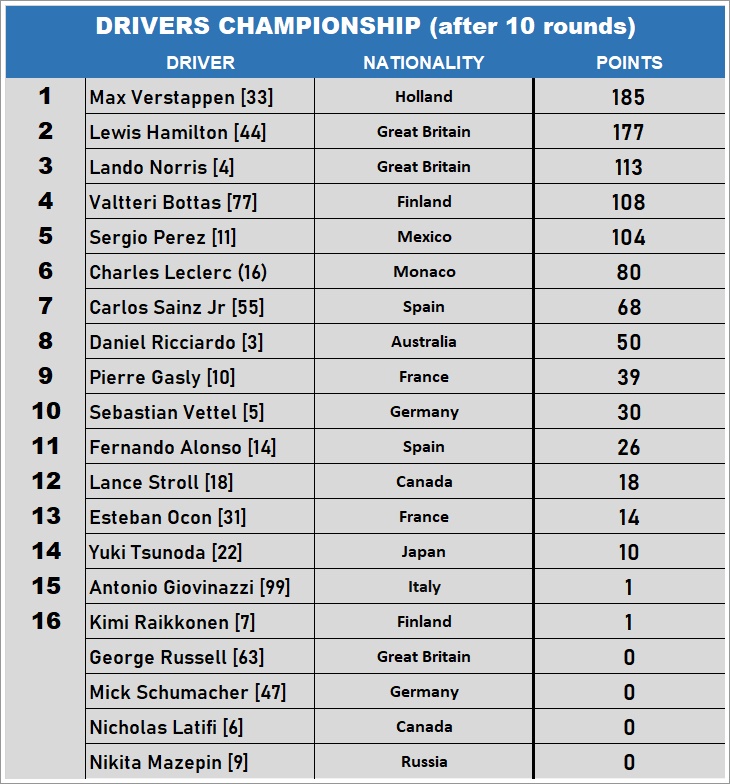
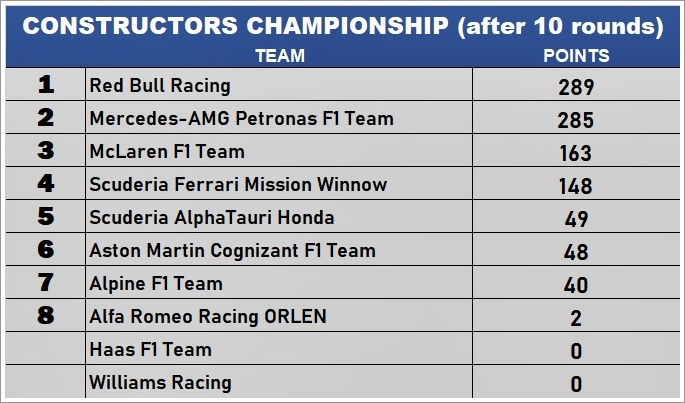
His disqualification moved Lewis Hamilton to runner-up position, while Ferrari’s Carlos Sainz gained third place. This puts the Mercedes-AMG driver back on top of the championship race with 8 points ahead of Red Bull Racing’s Max Verstappen who finished tenth but moved up to ninth with Vettel’s disqualification. The Mercedes-AMG driver gets enough points to take him past Verstappen and lead the championship.
Hamilton suffering from ‘long COVID’?
Hamilton was seen to be unwell at the trophy presentation ceremony and when asked about his condition later, he revealed that he has been facing a challenge in training after a COVID-19 infection last year. He could be suffering from what is known as ‘long COVID’ which refers to the continued effects a person experiences after recovering. These effects could go on for many weeks and there are some people who still suffer after a year. Hamilton said that he felt a lot of fatigue but was not sure if it was due to dehydration at the track as temperatures were high and he had a strenuous race, having had to fight from 14th place to finish 3rd overall.
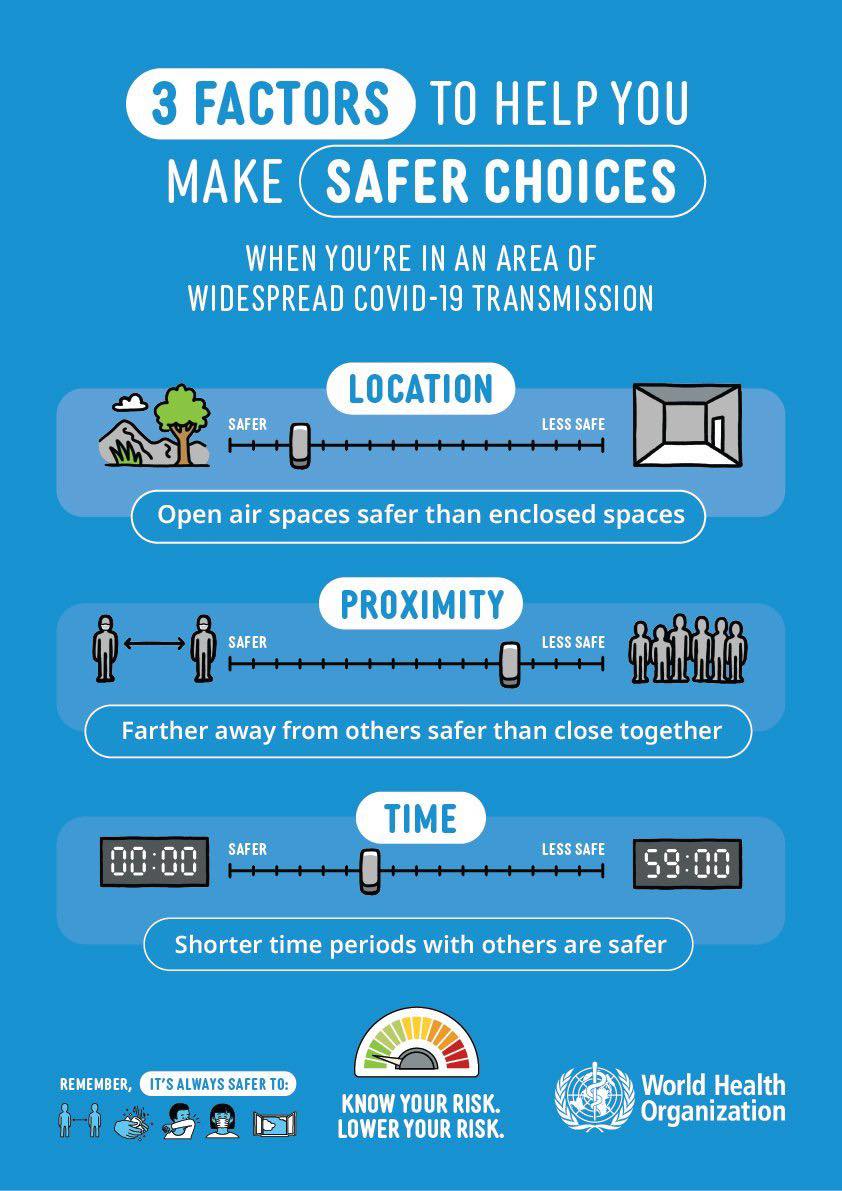
Even after you recover from COVID-19 infection, your quality of life may be affected and you may suffer for a long period after that. So do your best to avoid being infected by taking the necessary measures to protect yourself as well as others – and get vaccinated.
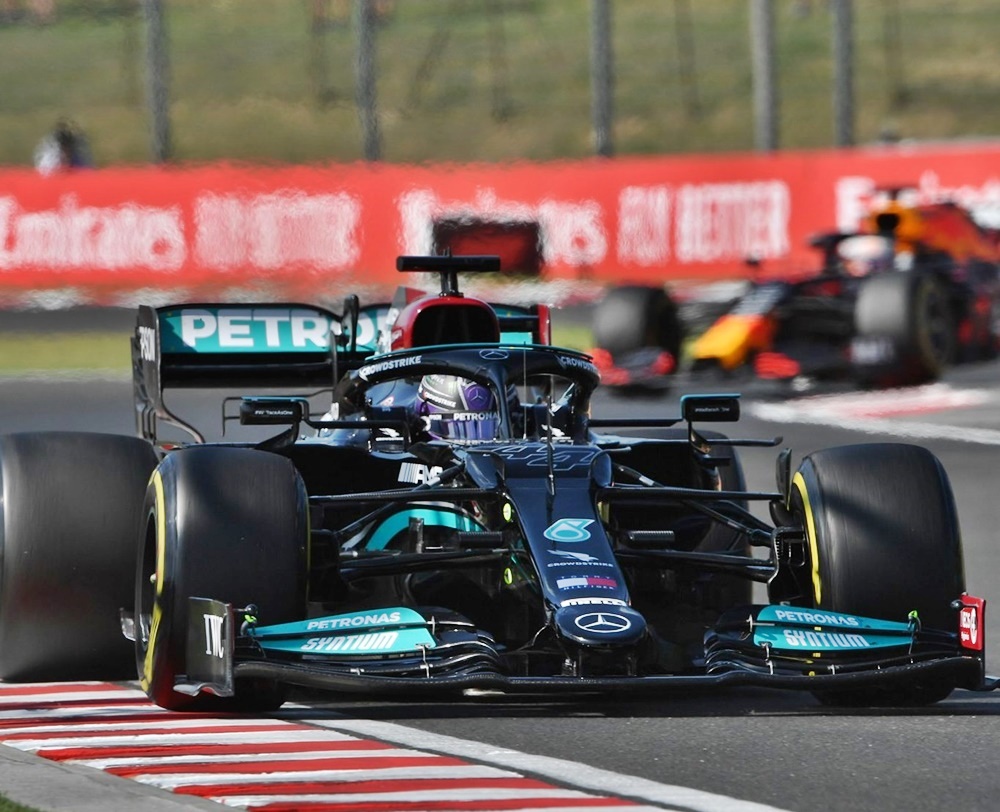
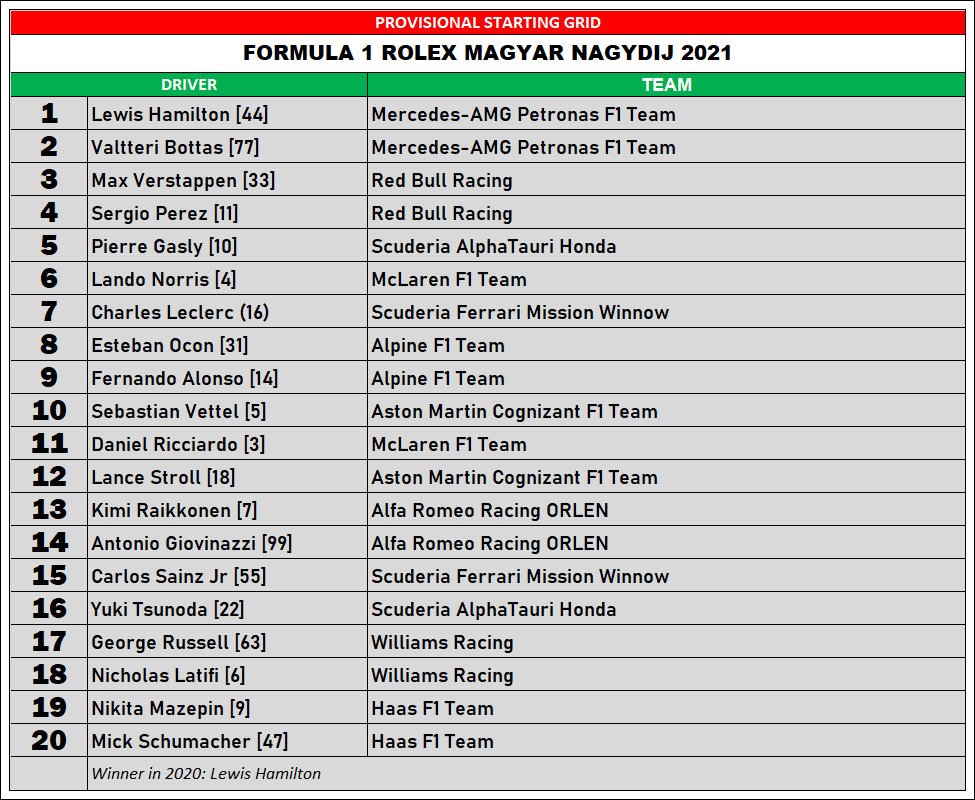
Rain had already started to come down before the cars began to get into position, with Lewis Hamilton and Valtteri Bottas at the front of two Red Bulls. The weather forecast was for up to 30 minutes of rain, which suited the two title rivals fine as they like such conditions.
Hamilton got a good start and as his team mate was slow to get off, Max Verstappen shot past him into second. But then came another incident as Lando Norris (McLaren) got bumped by Bottas who must have been too eager to get going, and Norris hit Verstappen before the first corner. The other Red Bull driver, Sergio Perez also went off as Bottas slid into him.
Ferrari’s Charles Leclerc got bumped by Aston Martin’s Lance Stroll, which ended his race, while Daniel Ricciardo was a helpless victim of the collision. Meanwhile, Alfa Romeo ORLEN’s Antonio Giovinazzi had slipped into the pits as the race started to take a gamble on different tyres. However, he was at the back of the pack when he joined the race and 25 seconds behind the leader as the Safety Car zoomed to the front.
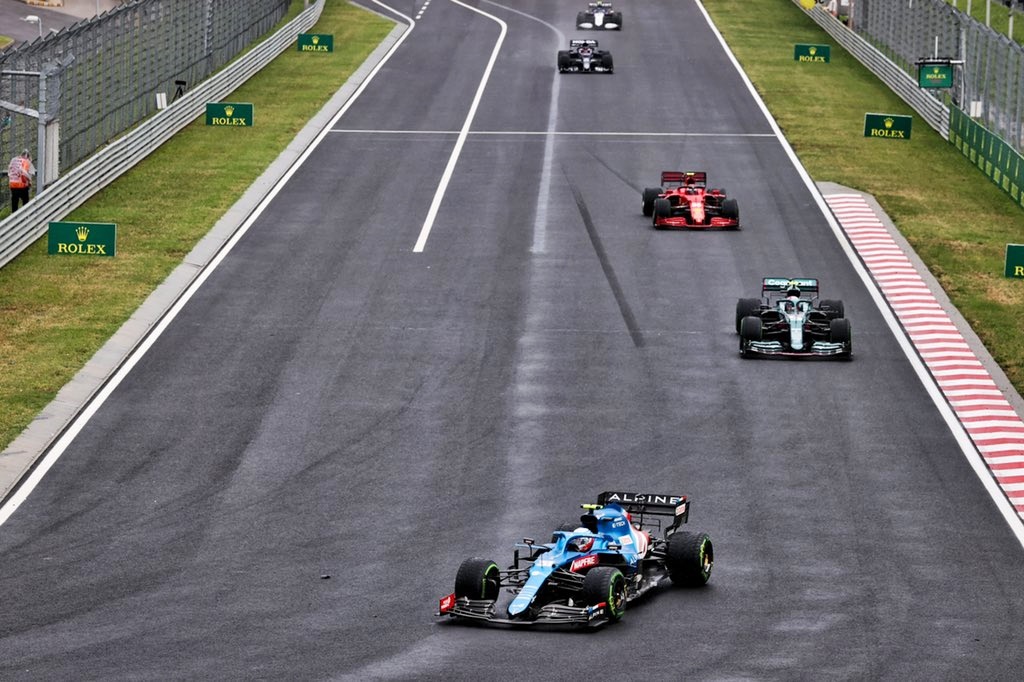
When the situation became clearer, at least 4 cars were potentially out of the race as the red flags came out by the third lap, and the race had to be stopped. The Safety Car was in motion while the debris was cleared and the immobile cars removed. Hamilton had managed to escape the collisions, along with Alpine’s Esteban Ocon and Aston Martin’s Sebastian Vettel.
The Red Bull team was obviously very unhappy – after Silverstone, another incident again, this time with Bottas and Perez (who suggested the Finn had made a ‘big mistake’). Verstappen’s car was fixed in time but he had a lot of work ahead of him as he was in 13th place when the race was stopped.
The race resumed after 15 minutes but only Hamilton seemed to start off as the rest of the cars were in the pits. He returned to change the tyres and when he rejoined on lap 5, he was at the back and Ocon was at the front – a rare instance of an Alpine leading the rest. The early drama had continued in the pits as well, with Nikita Mazepin (Haas) colliding with Kimi Raikkonen’s Alfa Romeo as the Finn suddenly came out of his box. The Russian driver was the sixth retirement of the Hungarian GP. Raikkonen’s team mate, Giovinazzi, got a 10-second penalty for speeding in the pitlane and it was likely that Raikkonen would also get a penalty.
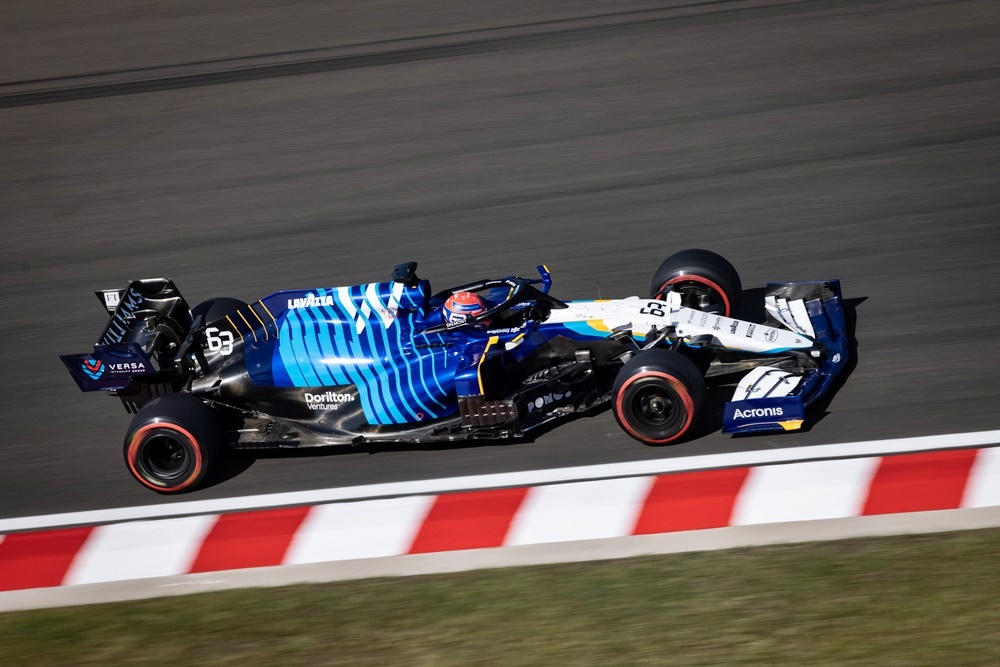
Williams’ George Russell, holding seventh on lap 11, impressed with his spirit of teamwork as he told his team that if his own position had to be compromised, they should go ahead as it was more important for his team mate, Nicholas Latifi, to maintain his third position behind Vettel and Ocon.
Verstappen’s progress through the field was not easy and even to get past Haas’ Mick Schumacher was tricky and the two cars were seen to touch. Hamilton was just two places behind on the 15th lap but experiencing brake problems. It was an unusual race this time with drivers usually further back being up front and battling for the best positions with points.
Hamilton came in again on lap 19 to get onto hard tyres, a strategic move as the track was drying out by then. He only lost one position but was still some 50 seconds behind the leader and had at least 10 cars – including Verstappen’s – to pass before he reached Ocon. Verstappen came in on the next lap and dropped 2 places behind his arch-rival. Ocon had come in before Vettel and was able to do his tyre-change in 2.3 seconds and kept his lead.
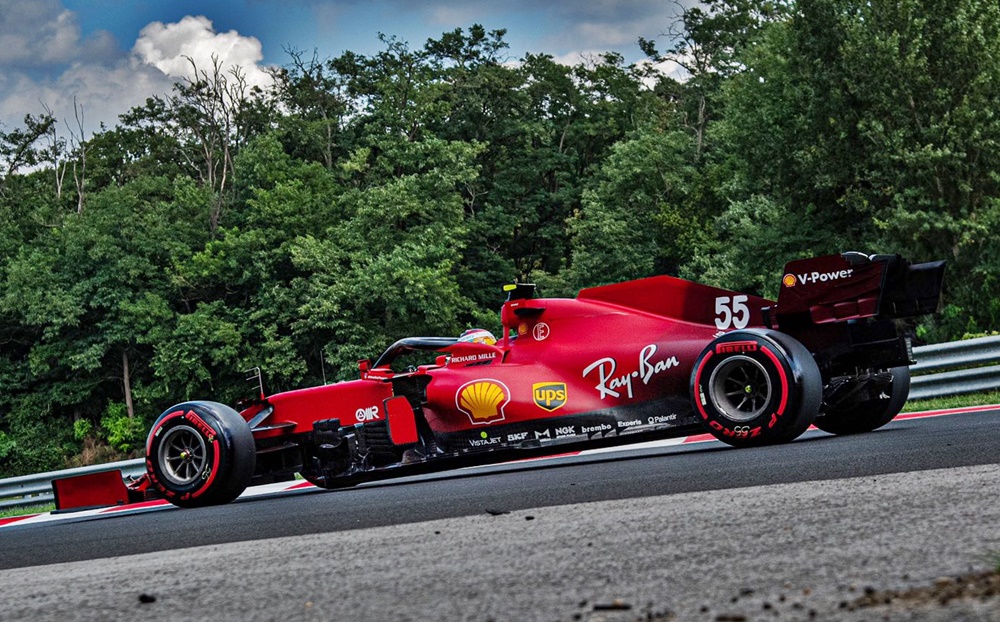
The battles up front were between Ocon and Vettel, and about 16 seconds behind, between Latifi and Ferrari’s Carlos Sainz. Latifi and Sainz came into the pits on the same lap and the Ferrari raced back out to grab third place, as Latifi lost 4 places. Now it was Sainz who had to defend his position from another Alpine driven by Fernando Alonso.
Halfway through the 70-lap race, Ocon and Vettel were still up front, separated by a second or two. Alonso had passed Sainz and was in a fairly secure position with generous gaps in front and behind. Hamilton had moved up to fifth and was pushing harder than ever.
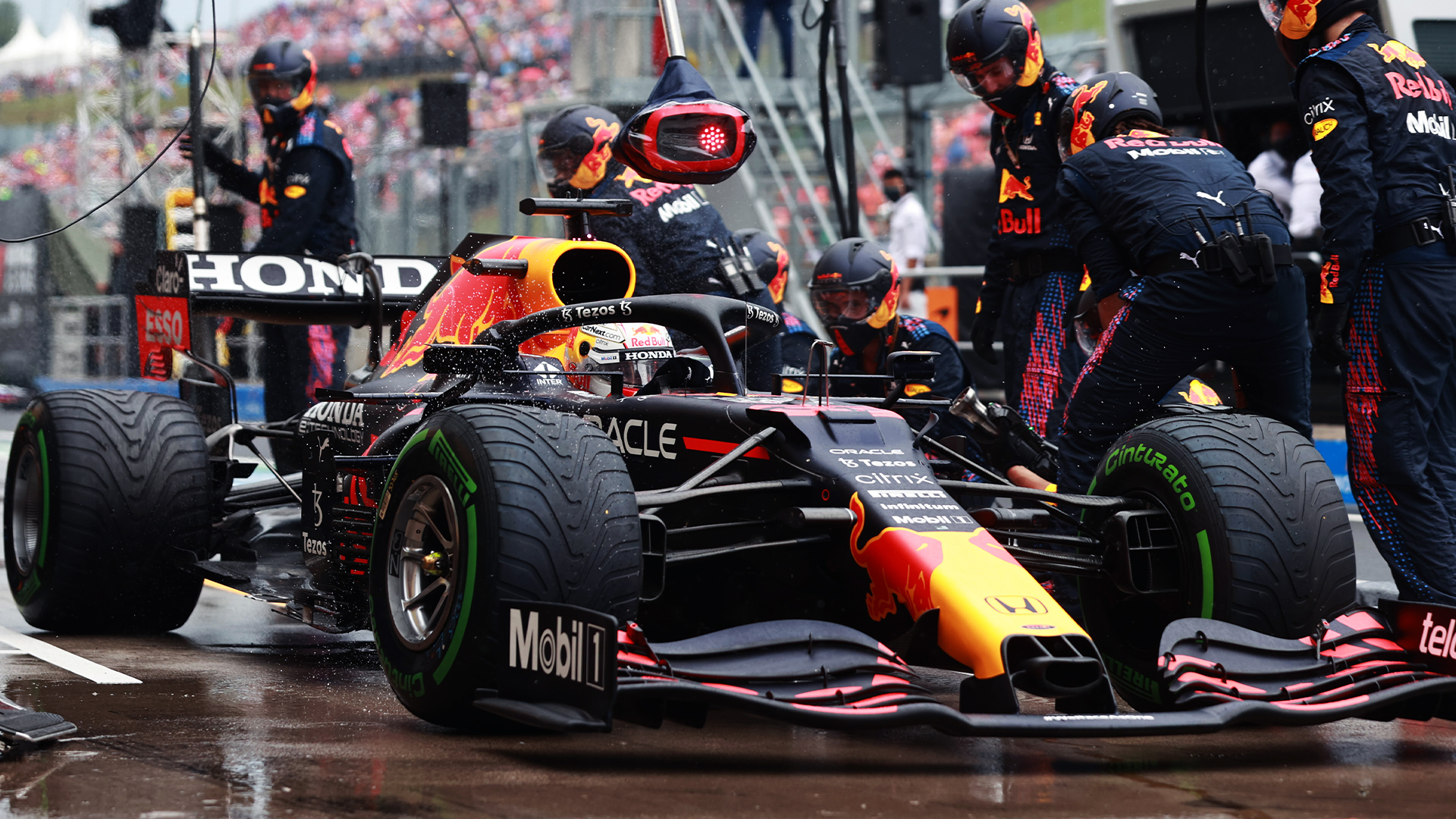
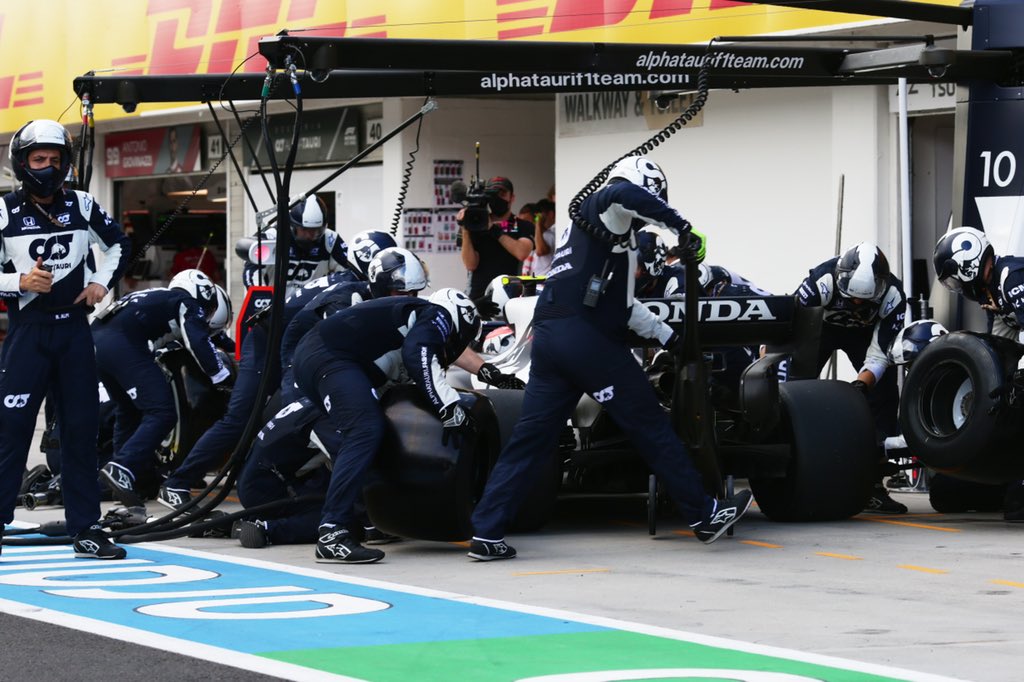
Vettel came in on lap 37 and lost just one position, giving Alonso the second place. Hamilton was still busy duelling with Sainz to get within range of Alonso. Verstappen, down in twelfth and over a minute from the leader was still unable to move into a points position. On lap 43, he made his fifth visit of the race to the Red Bull pits to switch to medium tyres. His stop took an incredible 1.8 seconds – the fastest pit stop this season.
On lap 45, Sainz was still under attack from Hamilton and thought that the Mercedes-AMG driver would go back into the pits again. However, Hamilton decided his tyres were still good enough and did not allow the Ferrari driver to get any relief.
As 10 laps remained, an announcement was made concerning the Stewards’ findings on the first lap incidents and Bottas was deemed to have been responsible for “causing an avoidable collision in Turn 1”. The penalty for him was a drop of 5 positions on the starting grid for the next race in Belgium as well as 2 penalty points.
While Alonso was trying hard to prevent Hamilton from getting past, Verstappen had managed to finally overtake McLaren’s Daniel Ricciardo and get back into a points position at tenth. Less than 10 laps remained so he would only be able to improve his position another one or two places, the only Red Bull driver to bring home some points this time.
As the lap counter got closer to the 70th lap, Hamilton got more desperate to pass Alonso, with at least one instance of contact between cars. Vettel was not under threat from Sainz who was 7 seconds behind so he was focussed on trying to get his first win with Aston Martin.
Despite being a 2-time world champion, Alonso must have let the pressure get to him as he locked up and Hamilton immediately slotted into fourth place on lap 65. The Spaniard had also been having a tough time with his older tyres.
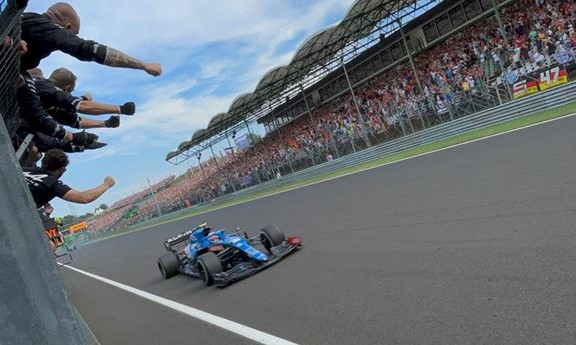
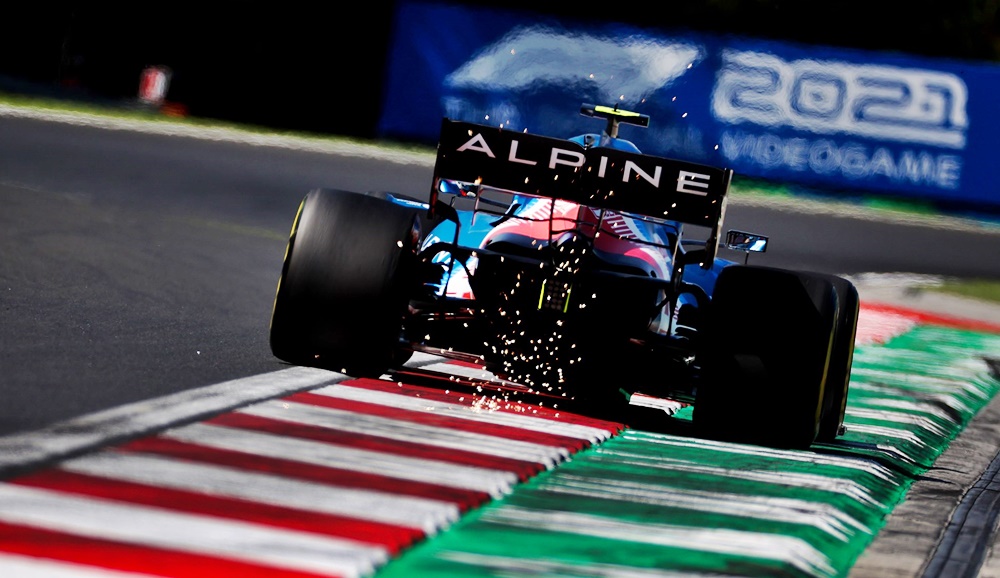
And it was Esteban Ocon’s day as he won the Hungarian Grand Prix, his first ever F1 win too. Vettel also had reason for a celebration in the Aston Martin camp as he finished second, and Hamilton coming in third. However, in spite of the speed of the Mercedes-AMG, it was Pierre Gasly of AlphaTauri’s Honda who got a bonus point for the fastest lap of the day. In the Williams camp too, there was jubilation as both Latifi and Russell finished within the top ten to give the team their first points of the season.
Even after you recover from COVID-19 infection, your quality of life may be affected and you could suffer for a long period after that. So do your best to avoid being infected by taking the necessary measures to protect yourself as well as others – and get vaccinated as well.
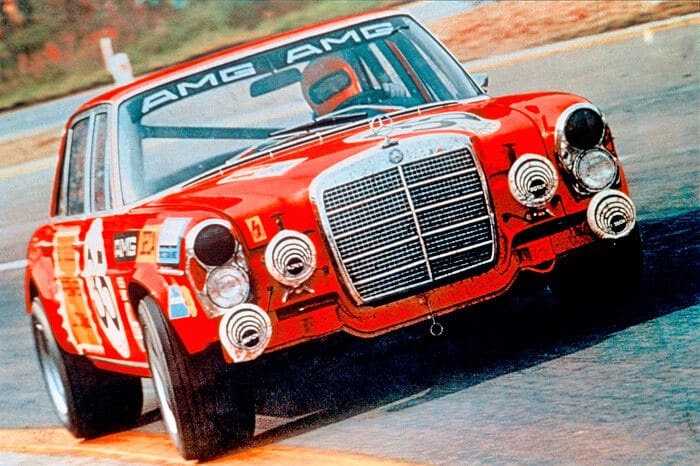
The TotalEnergies 24 Hours of Spa this weekend is special for Mercedes-AMG. It was 50 years ago that the classic endurance race in Belgium saw the still young AMG brand scoring its first major success. Hans Heyer and Clemens Schickentanz won their class and finished second overall with the AMG 300 SEL 6.8, a victory that brought AMG to the attention of the motorsports world. It was not a works racing car entered by Mercedes-Benz but a car developed by the engineering firm which was founded in 1967, hence the car’s entry as an ‘AMG’.
The ‘Red Pig’
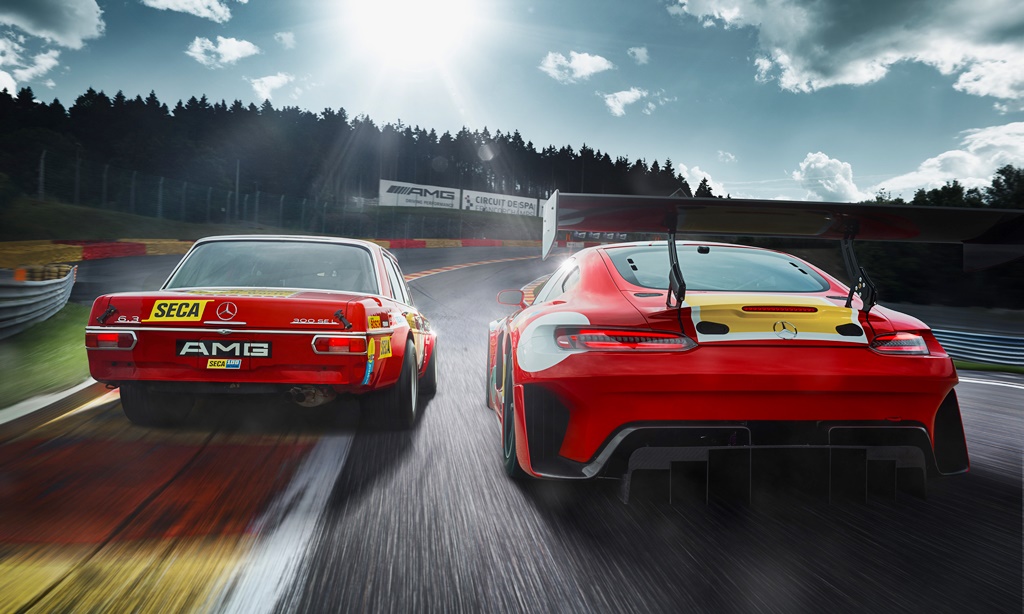
The big W109 Mercedes-Benz sedan, painted in red and nicknamed ‘Red Pig’, weighed 1,635 kgs. AMG engineers got its 6835 cc engine to generate up to 428 ps and 620 Nm, giving a 0 to 100 km/h capability of 6.1 seconds and a top speed of more than 265 km/h. It suited the old course of Spa-Francorchamps – 14.863 kms long, with many straights that could be driven at full throttle.
3 ready-to-race cars
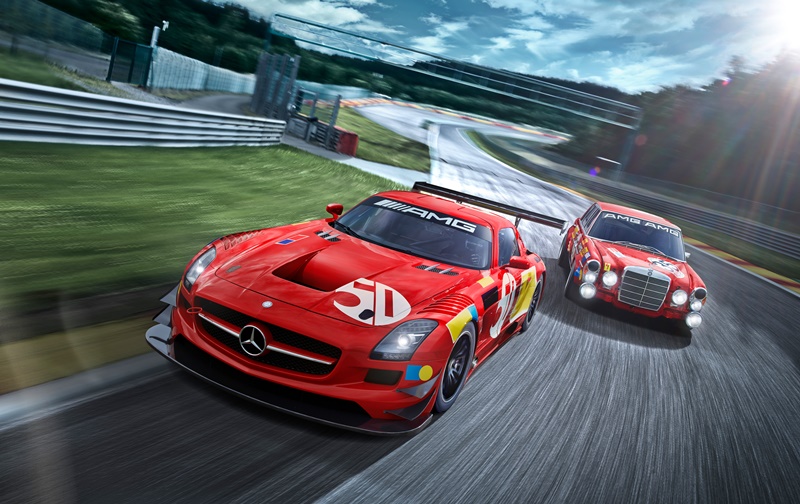
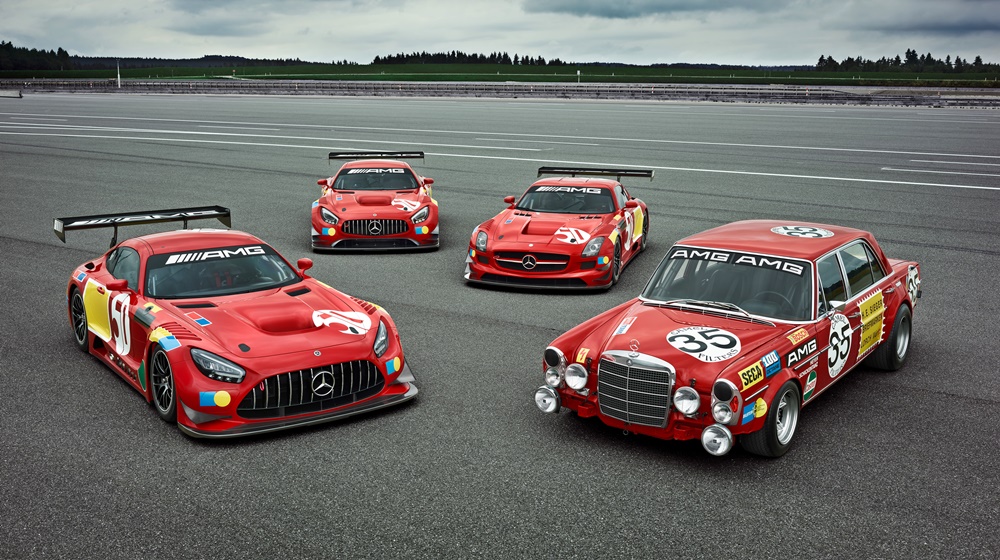
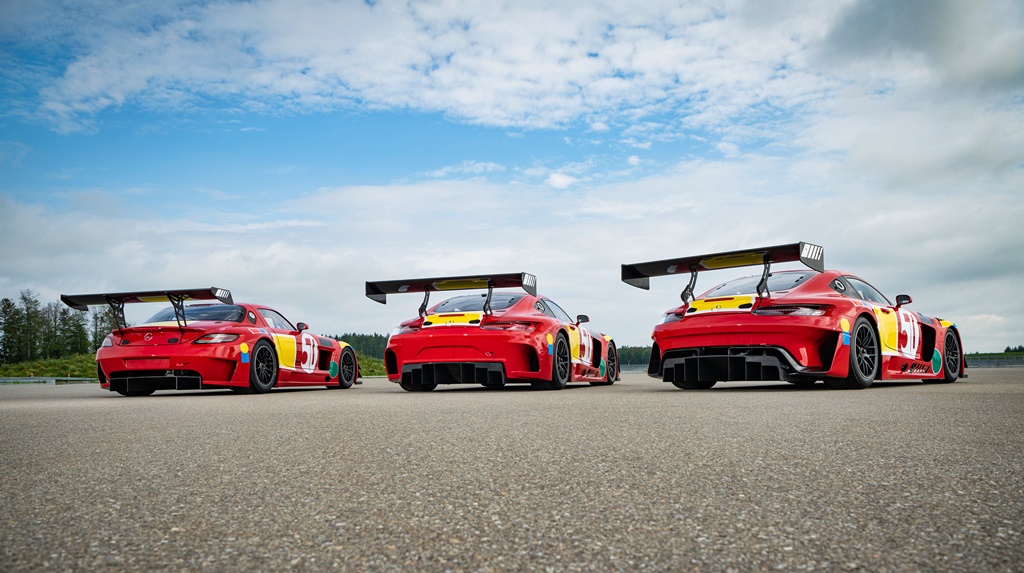
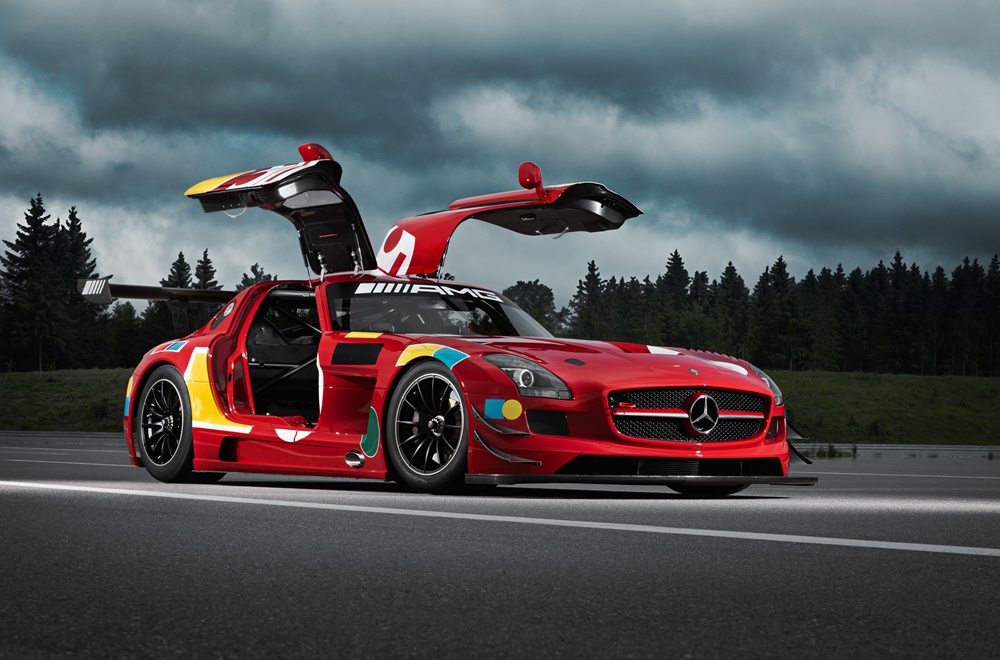
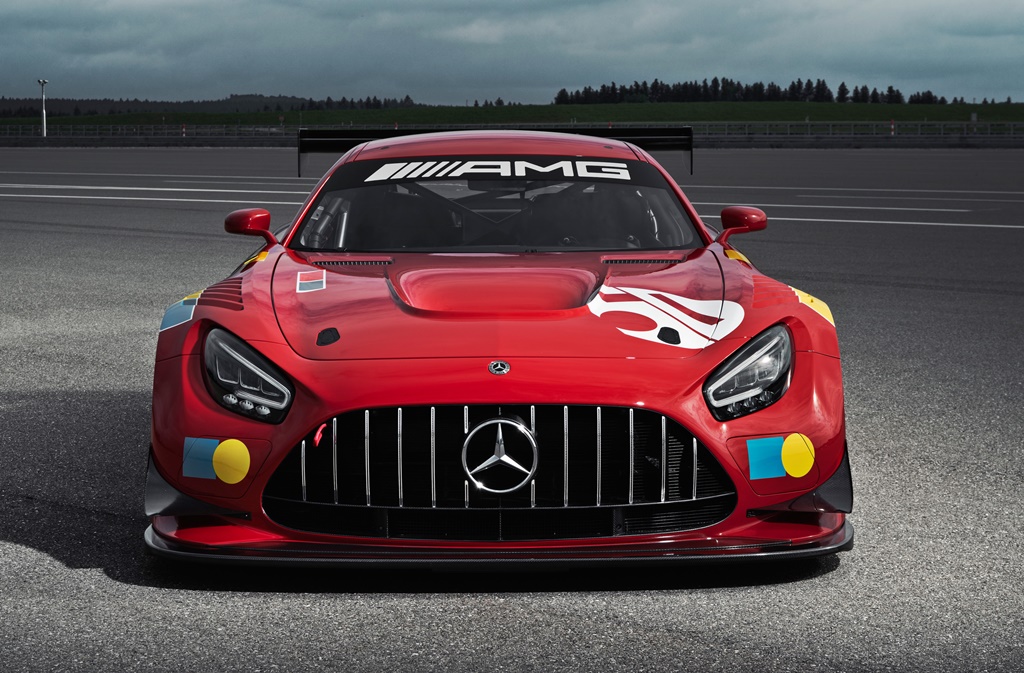
As homage to the legendary red car, Mercedes-AMG (the company became part of the Daimler Group in 2005) has developed a trio of cars in limited edition with the theme of ‘50 Years Legend of Spa’. For maximum exclusivity, the number has been limited to one of each. Next to the iconic red livery, the three unique pieces incorporate further exclusive characteristics and specifications. The limited edition consists of one SLS AMG GT3, one GT3 (2016 model year) and the current evolution version of the GT3.
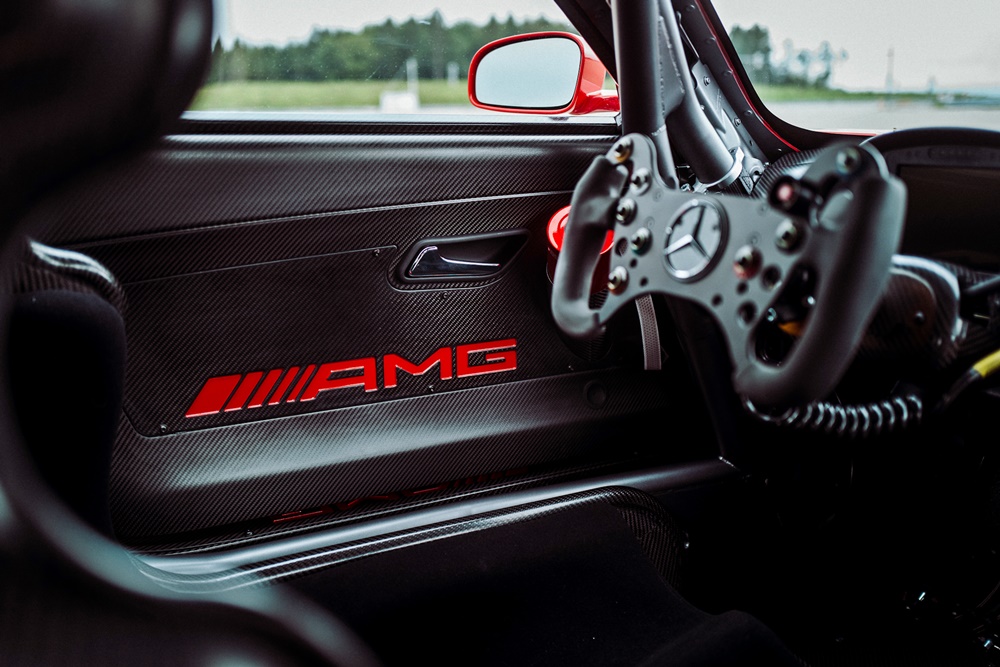
All three racing cars are ready-to-race. Their livery recalls the iconic looks of the 300 SEL 6.8 AMG from 50 years ago. Next to the red basic colour, the surfaces for starting numbers and sponsors have been inspired by the race participation at Spa at the time.
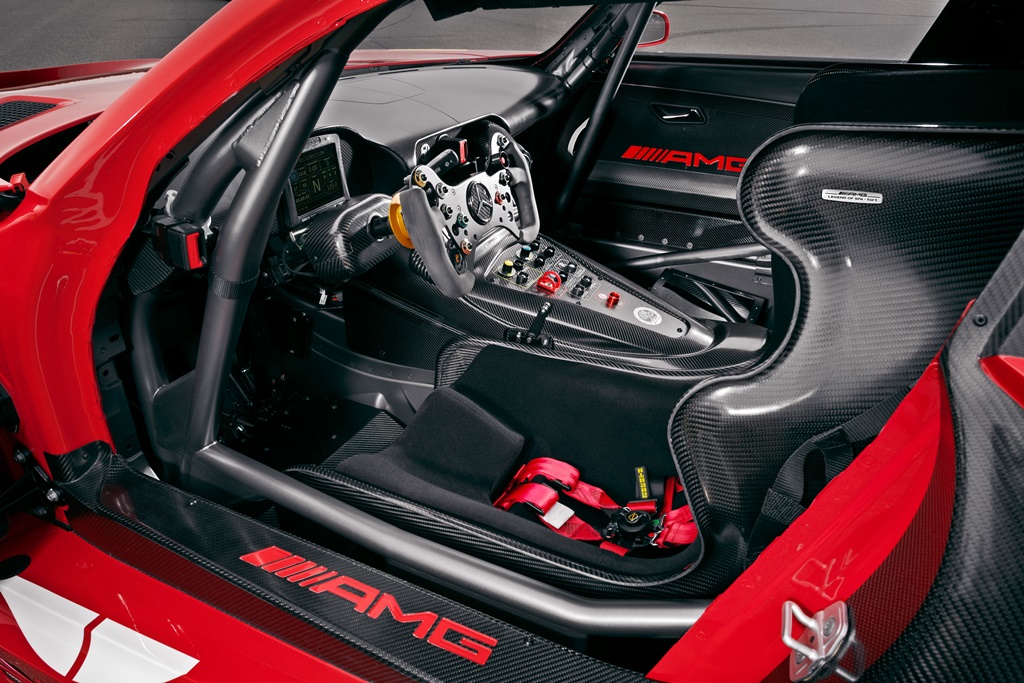
The extras in the interior include a finish in Graphite Metallic Matt and a dashboard fascia in carbonfibre. On the dashboard, there is an anniversary plaque with the original signature of AMG founder Hans Werner Aufrecht.
Without FIA homologation
Technically, the special editions have a bit of differentiation too. The AMG 6.3 litre V8 engine, with a performance exhaust system, can develop its full power level without an air restrictor but as supplied ex-factory, it does not have FIA homologation.
The SLS AMG GT3 ‘50 Years Legend of Spa’ is a brand-new competition gullwing car classified as a 2021 model. Officially, production of this model ended in 2015 but for the anniversary edition, Mercedes-AMG took the final and only available bodyshell of the model from its warehouse to build the special version. Together with the other characteristics and specifications of the special version, the result is a car that can’t be exceeded in terms of uniqueness.
The 2016 anniversary car has been a fascinating model from the first model generation. Next to the typical special colour schemes for the interior and the exterior as well as the numerous special features, the race car has another feature that makes it special: its chassis number. The spaceframe, made from aluminium, has the number 100.
The 2020 car, in special edition form, is the latest GT3. Apart from the exhaust system that enhances performance, its technology is identical to that of the Mercedes-AMG GT3 cars that have been racing around the track in this year’s 24-hour race.
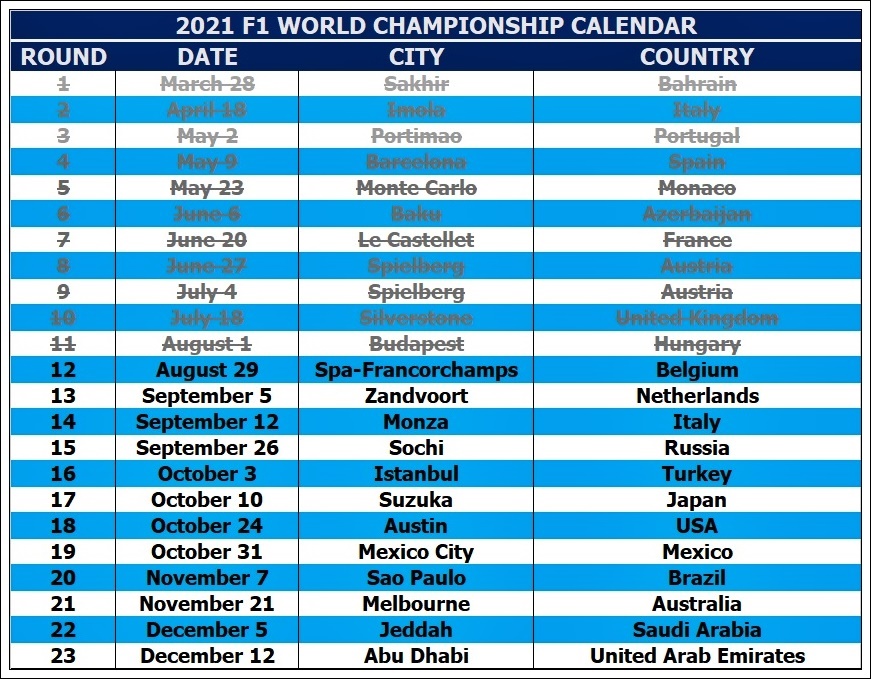
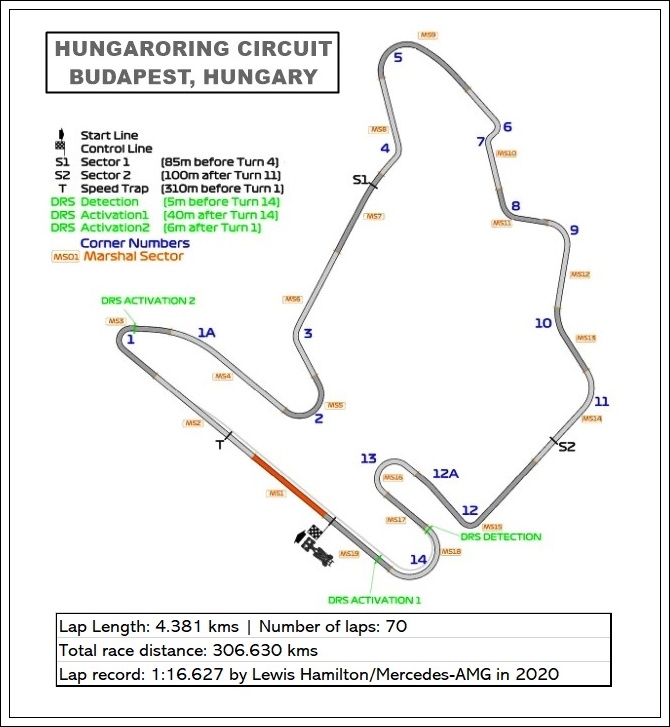
Round 11 of the 2021 Formula 1 World Championship at Hungaroring in Budapest, Hungary, will be the last round in the first half of the championship. It is a familiar circuit to the teams as it has been part of the calendar since 1986, so there’s a lot of data to refer to from 35 races with different weather conditions.
After the high speeds and flat expanses of Silverstone, the twists and turns of Hungaroring present the drivers with a different challenge. Featuring flowing sections of closely linked corners, the tight 4.4-km layout provides a good test of car balance. With aerodynamic stability accented, the engineers will set downforce levels similar to those applied at Monaco.
In contrast to the sweeping and fast corners of Silverstone, Hungaroring feels almost like a kart circuit: the track is narrow, old-school, and has a non-stop series of corners. Overtaking is tricky, and this is an important factor when planning the race strategy, as track position is key.
Past races here have seen a number of different strategies. Last year, the wet and intermediate tyres were run at the start of the race because of rain but before then, in 2019, both one-stop and two-stop strategies were used, with a two-stopper from Lewis Hamilton winning the race in a thrilling finale.
There are tight corners in quick succession, with no long straights to cool down the tyres, and hot weather. This makes the Hungaroring actually more demanding on tyres than it initially seems, so some degree of management is likely to be needed on the soft compound in particular.
“As a result, the best strategy is not always obvious – with different approaches often yielding a similar overall race time, depending on the individual circumstances. That’s why we’ve often seen some tactically intriguing races at the Hungaroring, keeping the final result in doubt right up to the end and providing an interesting challenge for the engineers,” said Mario Isola, Pirelli’s Head of F1 and Car Racing.
The summer temperatures are also high, plus the fact that the circuit is situated within a natural amphitheatre, so there’s very little airflow. This makes the Hungarian Grand Prix hard work for both the cars and the drivers.
Pirelli’s Isola said that this week some of the hottest track temperatures ever, causing thermal degradation. “However, it’s far from certain that the weather will remain the same, with a forecast of rain at some point adding yet another unpredictable element to what is always a strategically complex race,” he said.
The controversial clash on the opening lap at Silverstone between championship leader Max Verstappen and reigning world champion Lewis Hamilton saw the latter’s eventual victory. This closed the gap that had been widening between the two drivers and as they start this round, 8 points separate them. Lando Norris, also from Britain, lies in third but 64 points behind.
Besides damage to the racing car that was said to cost 1.5 million euros (about RM7.512 million) to repair, Red Bull Racing took home just 3 points after the last round, while Mercedes-AMG collected 43 points. This means that the defending champions cut the difference from 44 points before Round 10. to just 4 points before the start of this Sunday’s race.
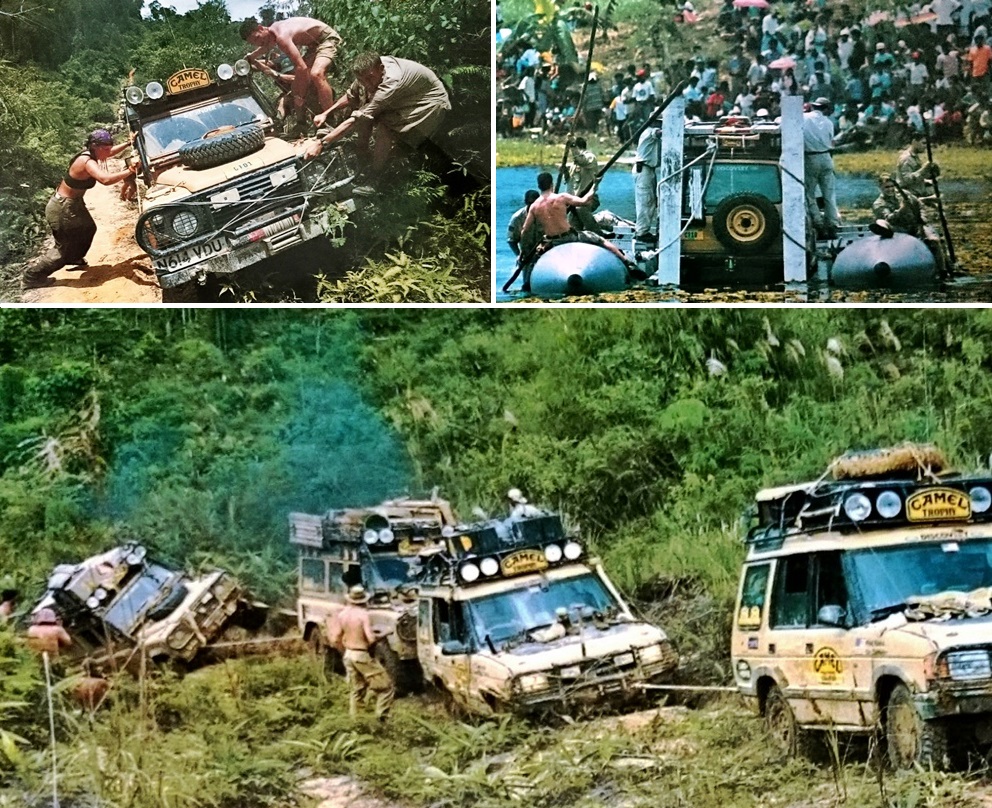
The last of the Camel Trophy events was held in 2000 but to this day, the legendary off-road challenge held annually remains in the mind of many. Land Rovers were used in 18 of the events which served to demonstrate the superior capabilities of the British 4×4 vehicles (the ‘SUV’ term was not used then).
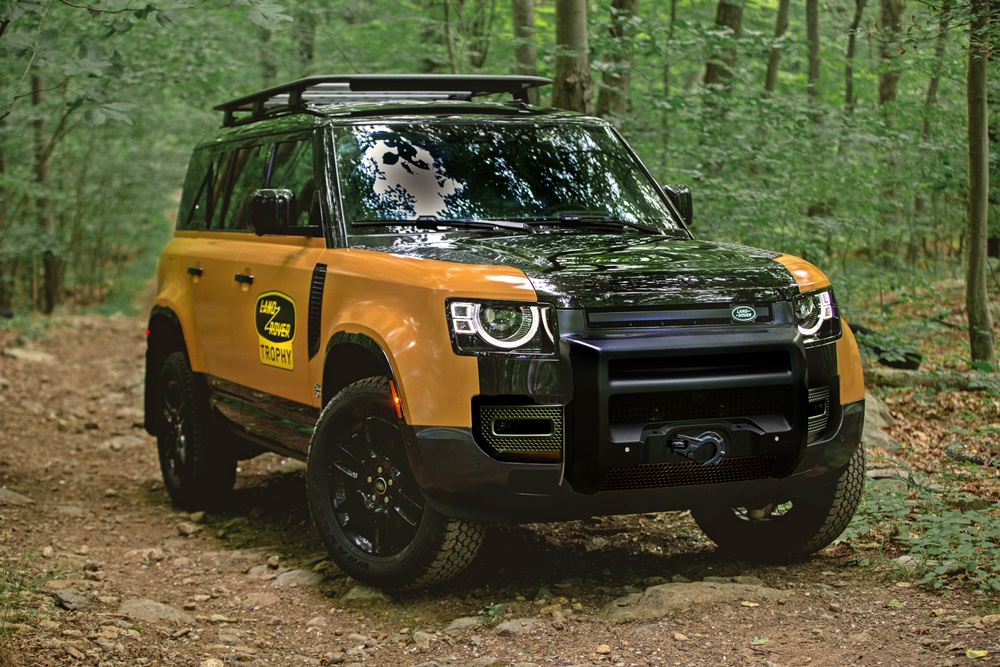
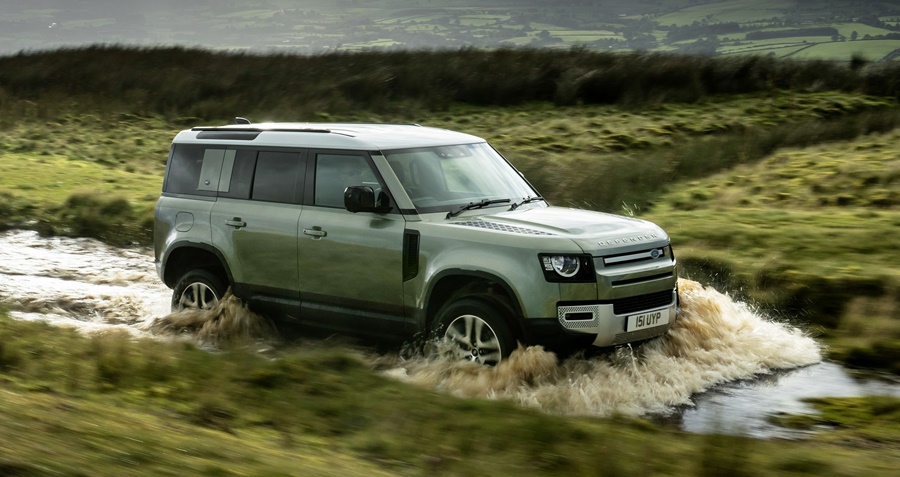
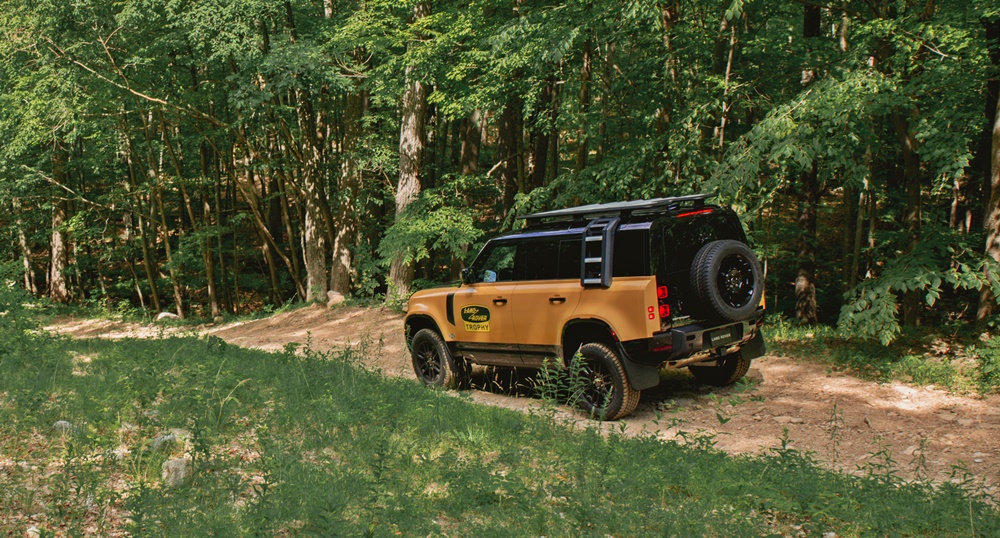
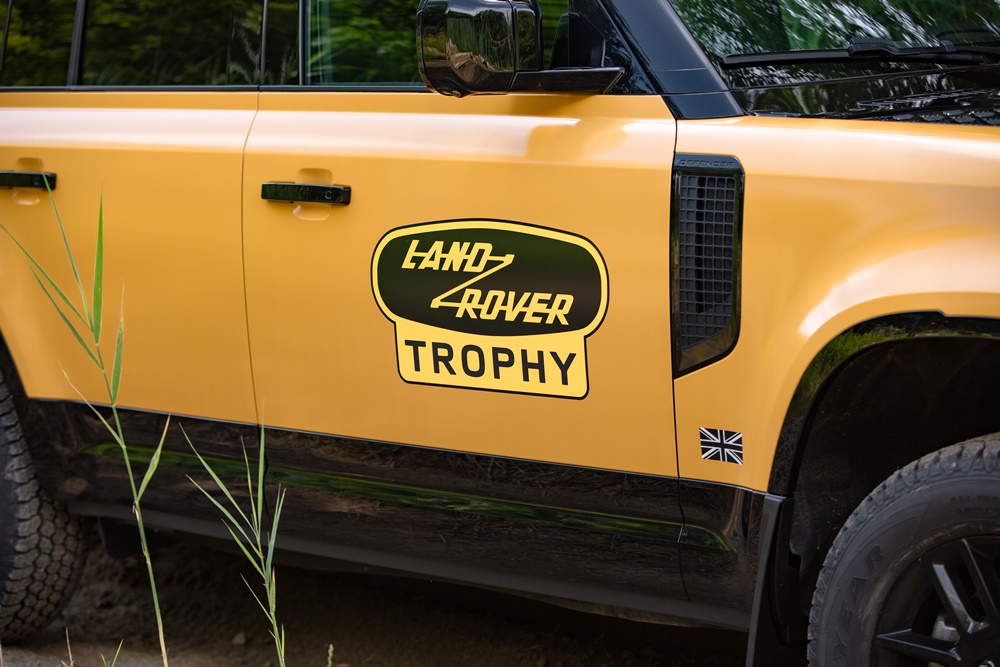
This month, Land Rover North America continue the expedition legacy of the brand with a limited production Defender Trophy Edition that will be only for the US market. Limited to 220 units, each priced at US$90,000 (about RM380,000), the vehicle is inspired by the Classic Defender Works V8 Trophy, of which just 25 units were produced (and sold out within 3 days). The special edition uses the latest Defender 110 P400 X-Dynamic SE version with a special wrap that mirrors the colour on the Defender Works V8 Trophy.
A standard version of the latest Defender 110.
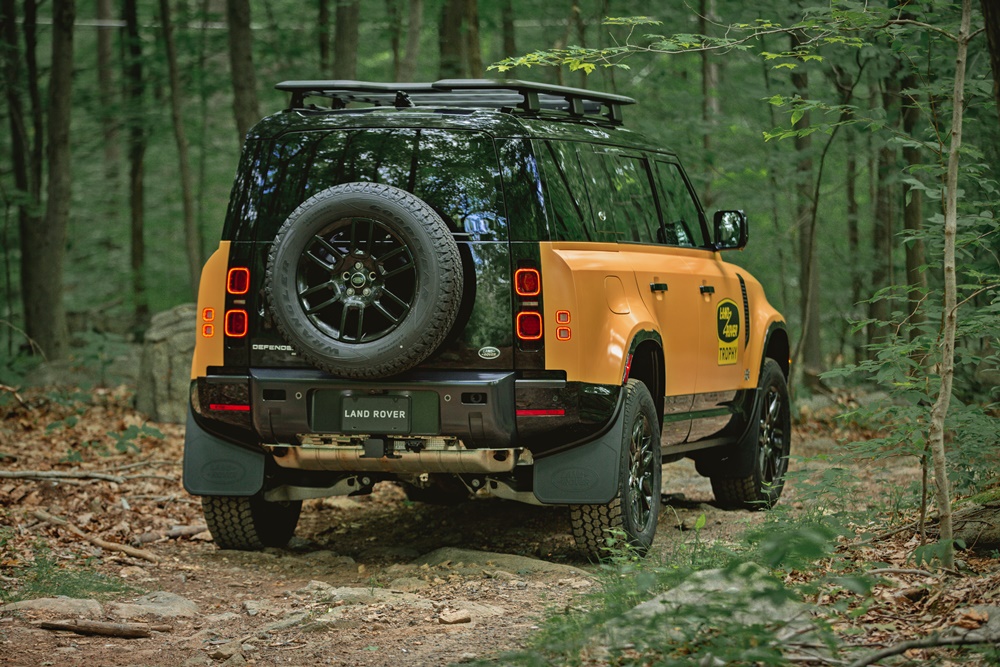
The Defender Trophy Edition also has an Extended Black Exterior Pack, Off-road Pack, Cold Climate Pack, Advanced Off-road Capability Pack, tow hitch receiver and modern technologies such as ClearSight RearView, Air Suspension Pack, and an 11.4-inch Touchscreen.
Like every Land Rover past and present, the Defender Trophy Edition can tackle on any type of terrain and endurance challenge. Additional all-terrain equipment includes an expedition roof rack, front undershield, deployable ladder, winch installation kit, integrated air compressor, and loadspace rubber mats.
Customers who buy a vehicle will have an opportunity to attend (with a partner) a one-day off-road adventure in the Land Rover US Trophy Competition. Up to 90 teams will compete at the Biltmore Estate in Asheville, North Carolina in October this year. The estate is a historic 32 square km property which has a history covering 132 years.
Competitors will face a number of on and off-road challenges, including physical and team building obstacles, using their Defenders. They will also receive expert one-on-one coaching as part of the adventure, enabling them to learn driving techniques and skills to make maximum use of their vehicles.
The overall winning team, as determined by a judging panel, will go on to compete at The Land Rover Trophy Competition at Eastnor Castle in the UK, the spiritual home of Land Rover testing and development, to take place early 2022.
The Camel Trophy events were held between 1980 and 2000, and various Land Rover models were used by participants in 18 of the events. The locations each year were in different parts of the world, including Sabah in 1996. Half a dozen Malaysians were also among the international group of participants. SAfter the events, the vehicles – Range Rovers, Defenders and Discoverys – were sold off to become collectors items.
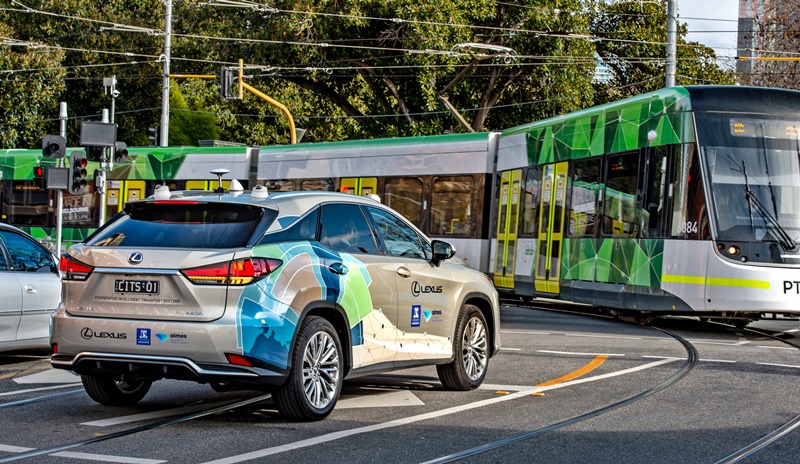
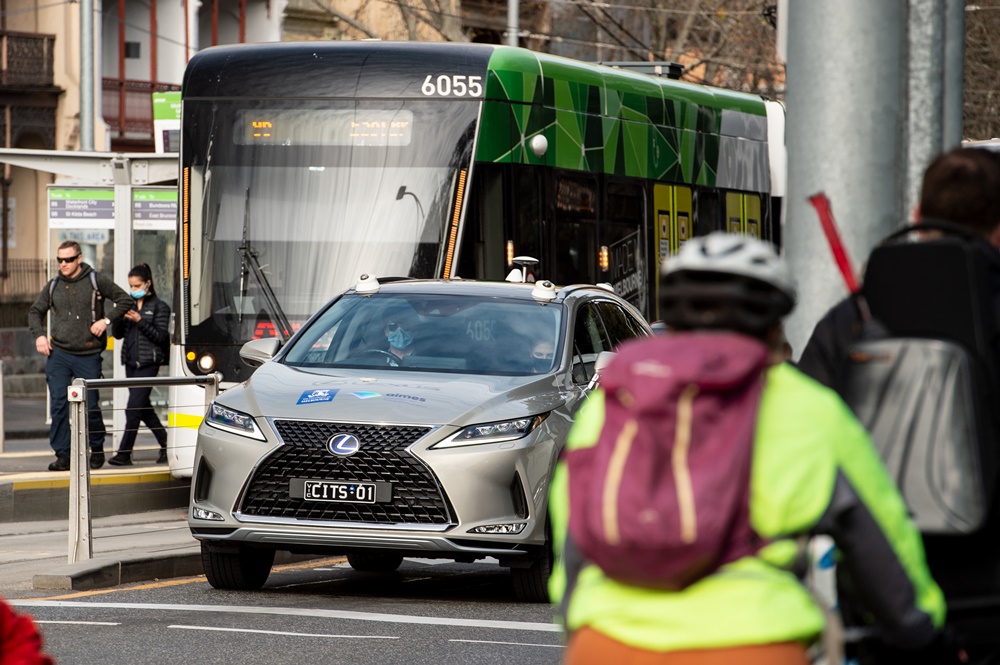
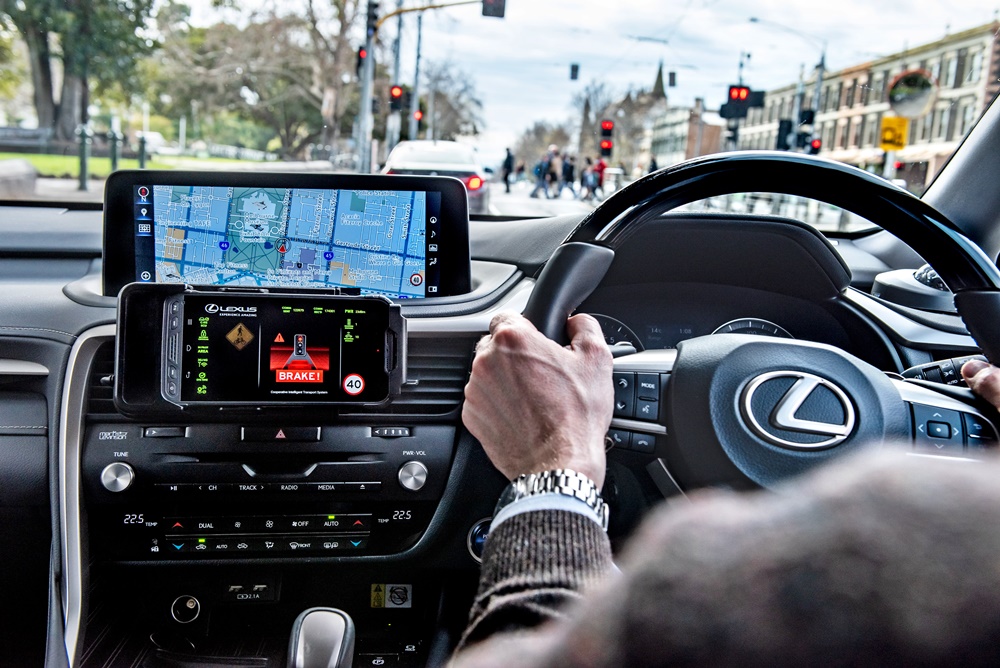
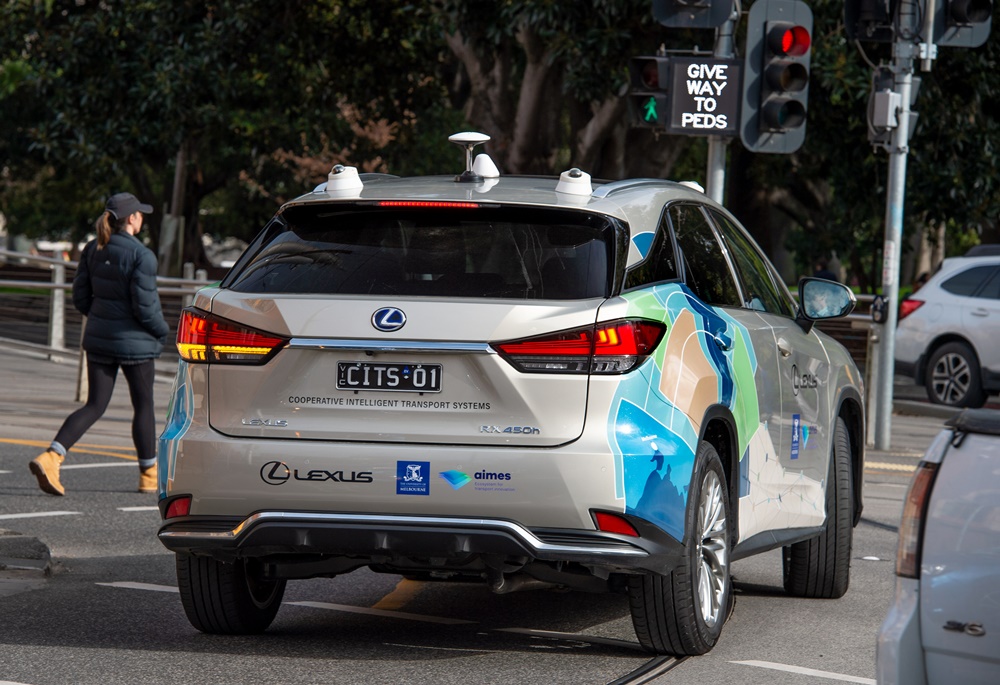
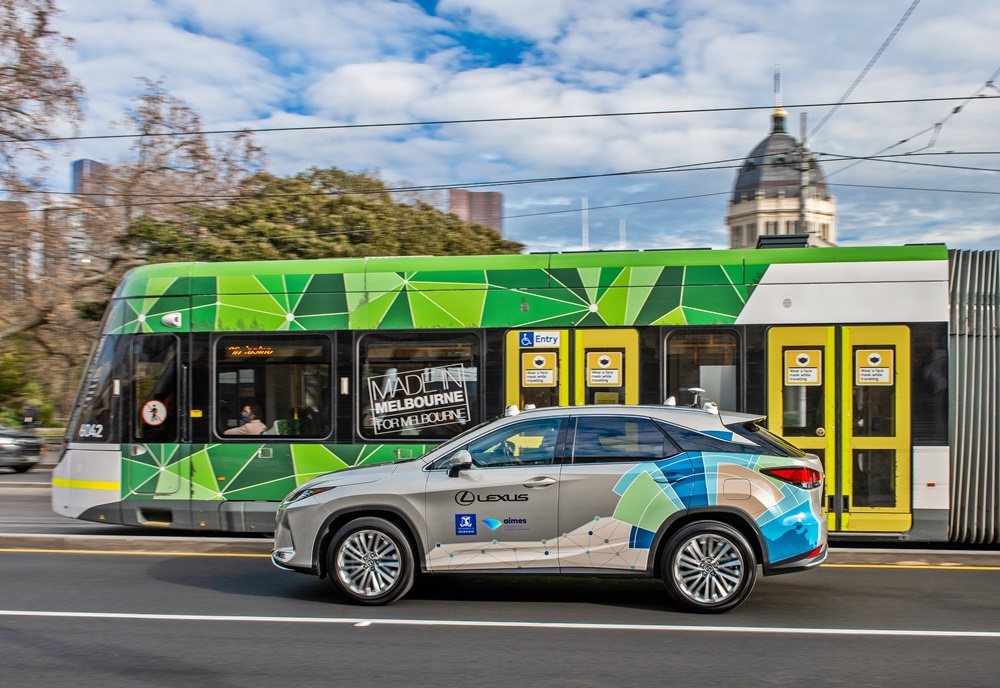
Two units of the Lexus RX450h are now cruising around an area of Melbourne in Australia and they are ‘talking’ to each other as well as the traffic infrastructure. The two hybrid SUVs are provided by Lexus Australia which is the first automotive partner to join the groundbreaking Australian Integrated Multimodal EcoSystem (AIMES). This is a real-world testing environment for vehicle-to-vehicle and vehicle-to-infrastructure communications technology.
AIMES is a collaboration of 50 government, transport and technology partners led by the University of Melbourne, and this real-world trial of advanced Co-operative Intelligent Transport Systems (C-ITS) technology will deliver crucial research to provide next-generation road safety solutions.
Lexus Australia’s partnership with AIMES builds upon previous C-ITS trials in partnership with the Victorian and Queensland governments that concluded in 2020. In Victoria, Lexus Australia participated in the Advanced Connected Vehicles for Victoria project. In Queensland, the company worked with the Department of Transport and Main Roads (Queensland) Cooperative and Automated Vehicle Initiative (CAVI) in Brisbane.
Those trials enabled Lexus to develop applications such as warning drivers of red lights ahead, pedestrians about to cross the road at traffic lights, and alerting drivers to the presence of slow or stopped vehicles, road works or road hazards such as water or debris – elements that will continue to be tested in this trial.
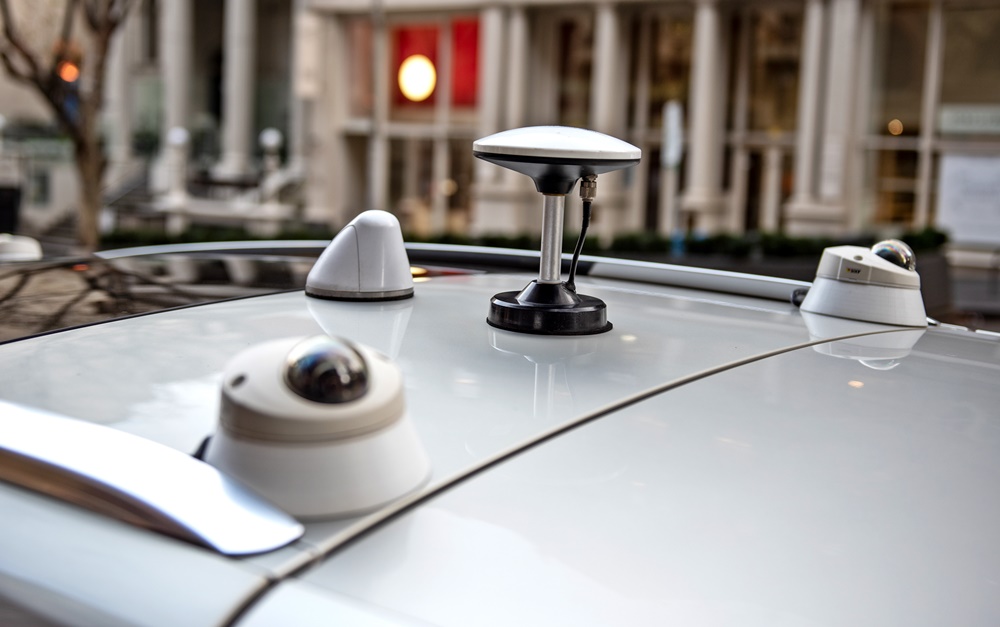
Various sensors and antennas on the roof of the SUV for communication.
Lexus has already successfully demonstrated Dedicated Short Range Communication (DSRC) technology for vehicle to vehicle (V2V) and vehicle to infrastructure (V2I) communications in Japan since 2015. This enabled it to prepare the two units with DSRC and cellular network technologies.
The two Lexus RX 450h SUVs can communicate with traffic lights, trams and emergency service vehicles to proactively deliver warnings and alerts of potential danger to the driver of the vehicle before they come into a driver’s line of sight. Lexus aims to use the trial to develop applications such as warning the driver when turning in front of a tram, or warning the driver when a cyclist or pedestrian has pushed the button on traffic lights to cross the road – including at challenging ‘hook-turn’ intersections.
Further applications to be developed include alerts when a driver attempts to enter a one-way street or freeway entry/exit the wrong way, when an emergency vehicle is approaching – or when it might not be safe to enter an intersection.
Trialing this technology targets a reduced risk of vehicles driving through red lights, turning into trams, or being unable to see pedestrians obstructed by traffic lights and other infrastructure before they step onto the road.
In addition to the connected vehicles, the AIMES trial area incorporates a network of smart sensors connecting public transport, pedestrians and cyclists, intersections, and streets into a fully integrated ecosystem.