Piston.my

Latest News

This is a serious and challenging time and many must be getting increasingly stressed with lockdowns and fear of getting infected by the COVID-19 coronavirus. That’s understandable but hopefully, being able to laugh is not lost yet because it can be therapeutic and provide some relief, if just for a while.

April Fool’s Day, an annual date on the calendar when people and companies have a bit of fun playing pranks, passed rather quietly this year. Perhaps few were in the mood for pranks. So MINI USA decided to compile some of the brand’s most memorable and humorous past April Fools’ moments over the past 18 years the modern MINI has been sold in America.

MINI had fun on April Fools’ Day with unique models, concepts and accessories that were never intended to make it to reality. While most were simply ideas to celebrate a day dedicated to jokes and pranks that dates back to the 1500s, MINI did go as far to create one and launch it at a major international autoshow in 2012.

“MINI has always had the ability to make people smile, whether through our humorous advertising and guerrilla marketing stunts, or simply by the appearance of the familiar, smiling face that people see in the front grille of a MINI.” said Andrew Cutler, Head of Corporate Communications, MINI USA. “We hope that during these difficult times, reminiscing about some of our past April Fools’ Day moments will make people smile. It’s an important part of helping us all get through this together.”

MINI Centrelite
2002: MINI introduces the revolutionary third headlight called CENTRELITE. It was a groundbreaking idea specifically for foggy English weather. The press release also revealed that “this revolutionary new technology emits a super-heated beam that dries out fog up to 30 metres ahead of the car and dramatically improves visibility.”
Remote Control Steering System
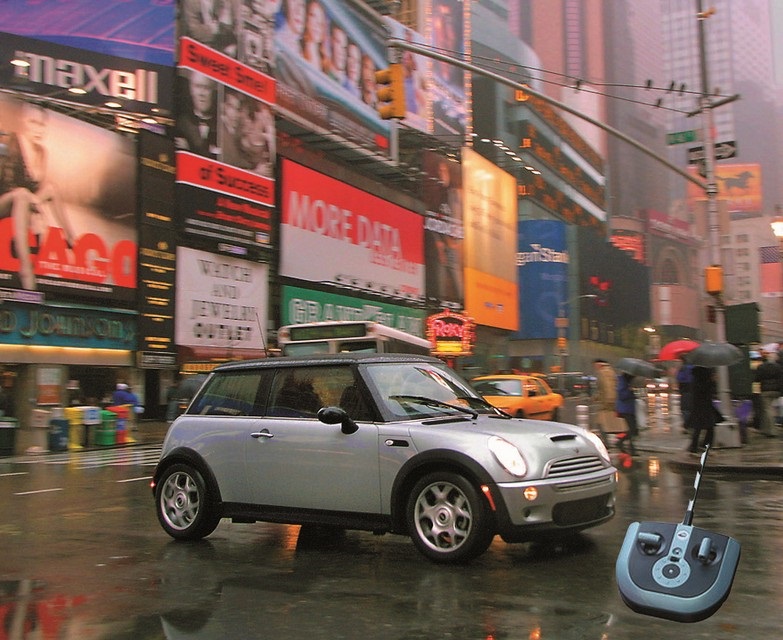
2003: Remote control steering system sets new standards in convenience. MINI produced the world’s first commercially-available full-sized remote control car. Based on the proven ‘Tamiy-ah-hah’ model racing technology, the new system allowed owners to remotely operate their cars up to 50 metres.

2004: 8-speed gearbox introduced. MINI’s forward thinking added more fun with 2 speeds in reverse. Remember it was 2004 so 8 speeds was still unique and MINI engineers felt that 2 extra speeds in reverse would give owners ‘more fun going backwards’.


2005: The flexible transportation initiative. MINI cars, already known for cornering as if they were on rails, offered a special edition that will actually corner on rails. Considering the growing problem of gridlock and rush-hour traffic, this special model was adapted to ride on all rail lines throughout North America.


BHPetrol RON95 Euro4M


2006:  Build your own MINI program. Virtual reality for consumers was still many years away but MINI USA was already able to offer customers a program that gave them hands-on experience to build their own car. All of the car’s components could be ordered online and the parts, including the chassis and engine, would delivered in instalments. It was to take about 6 weeks to complete the car and customers would also receive a can of spraypaint each week.


2009: Perpetual motion magnetic propulsion system. Announced on April 1, MINI USA looked set to take a world lead in fuel efficiency with the announcement of a revolutionary magnetic propulsion system that will allow its cars to drive to several hundred, possibly even thousands of kilometres with little charge and no need for fuel. Professor Lirpa Loof, who led the development team, explained that a series of magnets in the wheel hubs would both pull and push the wheels in the desired direction, exploiting the magnets’ natural tendency to attract and repel.


2010: A new level of automobile personalisation. A revolutionary paint system for the Clubman allowed owners to change the exterior colour of their car as often as they changed their mood. With the new, innovative range of MINIMagic paint finishes, all a customer has to do to activate an on-demand colour change was quick wipe over the painted surfaces with the patented MINIMagic paint polish. In minutes, the transformation – from Light Coffee to Cosmic Blue, for example – would be completed.
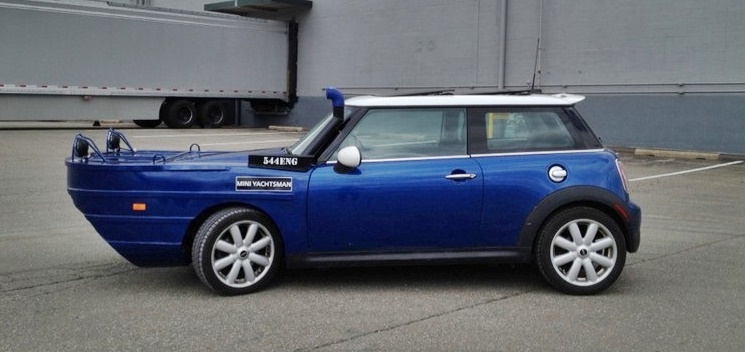

MINI Yachtsman
2012: Amphibious MINI Yachtsman launched. MINI customers could boldly go where no motorer has gone before and travel on the 70% of the earth’s surface covered by water. The new model, the company said in its release, “comes with a fully incomprehensible warranty that includes 3-year no-cost moorage, annual dry-docking and free barnacle removal, for the original captain.”
MINI Hipster
2016: The Hipster Hatch. Featuring Instagram filtered windows, twin-deck cassette player and a fixed-gear drivetrain, the MINI Hipster Hatch was avant-garde and upcycled. It was ‘effortlessly stylish’ and the perfect companion for a spot of vintage clothes shopping. It was inspired by the kind of innovative thinking only found when you ignore the script and ask what those who refuse to be categorized want from a car,” explained MINI USA.
John Cooker Works
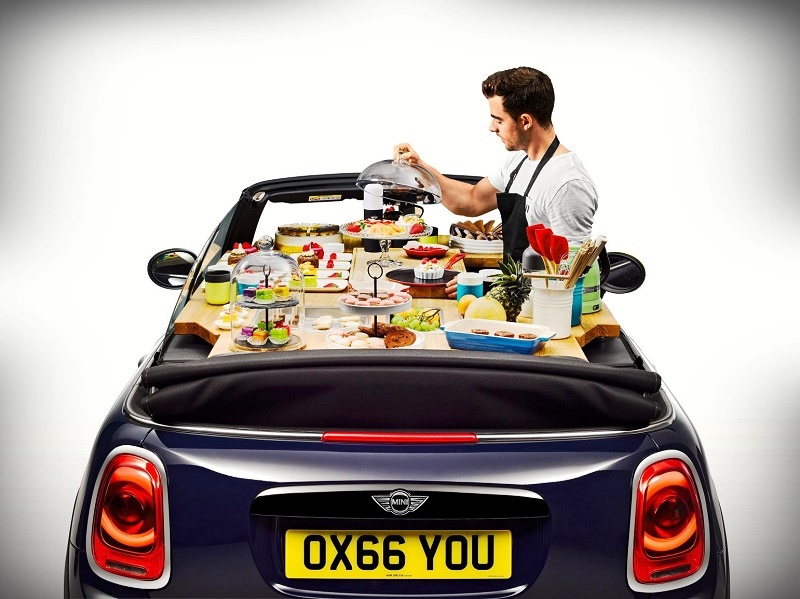
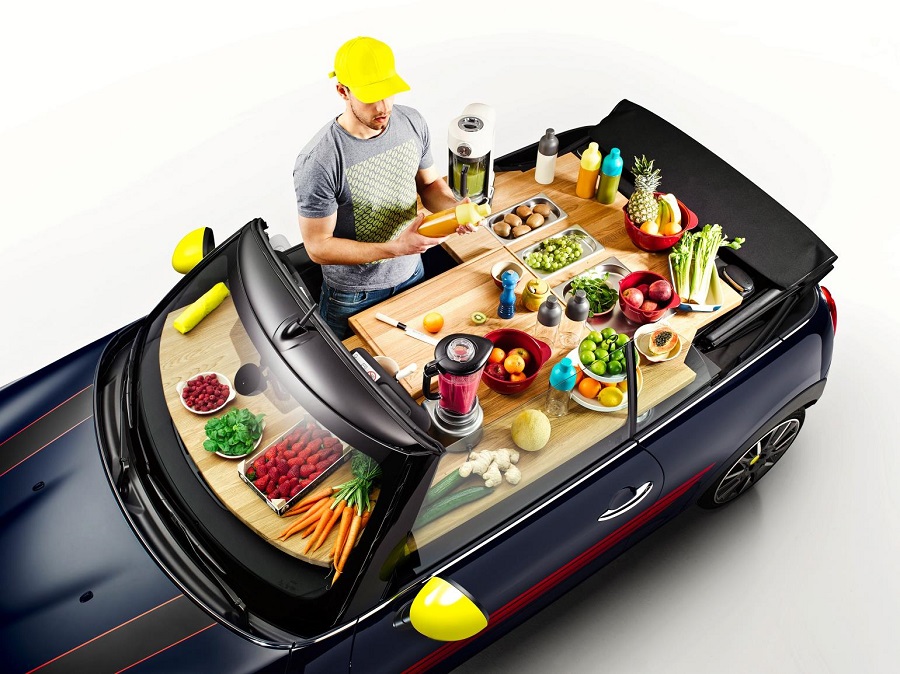
2017: The John Cooker Works Package. This was aimed at the culinary entrepreneur who could turn his MINI Convertible into a mobile street vendor stall. Should the rain come down suddenly, the convertible roof could be closed in just 18 seconds without having to remove the food preparation surface. Be it on the streets of Shanghai, in front of Barcelona’s office blocks or whipping around tourist hotspots in London, the MINI Convertible with John Cooker Works Package would be an eye-catcher as the world’s smallest multifunctional food truck.

Click here for other new and articles about MINI on PISTON.MY.
StayAtHomeTHIS IS SERIOUS
BHPetrol RON95 Euro4M

One thing is for sure – things will not be the same again when this COVID-19 pandemic comes to an end (hopefully that will not take too long). With the restrictions imposed by the Movement Control Order (MCO) and the need for better hygiene and social distancing, our lifestyle will have to change. Likewise for businesses, big and small, which will have to be mindful of protecting both their employees as well as their customers and the public.

While seeking to ensure its daily operations continue to run smoothly, Proton has adhered to the requirements of the MCO in order to help break the COVID-19 chain of infection in Malaysia. At the same time, the company has also obtained approval from the relevant agencies for essential operations to be carried out by essential employees.

Proton

Main priority – safety of employees
The health and safety of Proton’s employees is of utmost importance. With a workforce of close to 10,000 people, monitoring the health status of everybody is a daily task requiring cooperation from all levels. During the MCO, the health status of every employee is monitored twice daily with plans in place to isolate and treat those suspected of being infected with the virus. This includes weekends and takes into account where the staff are based during the MCO as well as their active work status.

Proton

Prior to the MCO, all staff movement outside the company was limited from the beginning of February 2020. Furthermore, those who travelled were required to undergo a 14-day self-quarantine upon their return including being screened for the virus before and after the quarantine period.

“When the news of the COVID-19 virus made headlines, Proton put into effect an action plan to mitigate against infection. We have been diligent in our efforts and even before the MCO was announced, we cancelled all overseas business travel and enforced work from home operations for a few departments with staff who were quarantined for possible infections. Our main priority is the health and safety of our staff and we are hopeful of emerging from this situation unscathed,” said Dr Li Chunrong, CEO of Proton.

Proton

Essential company operations to continue
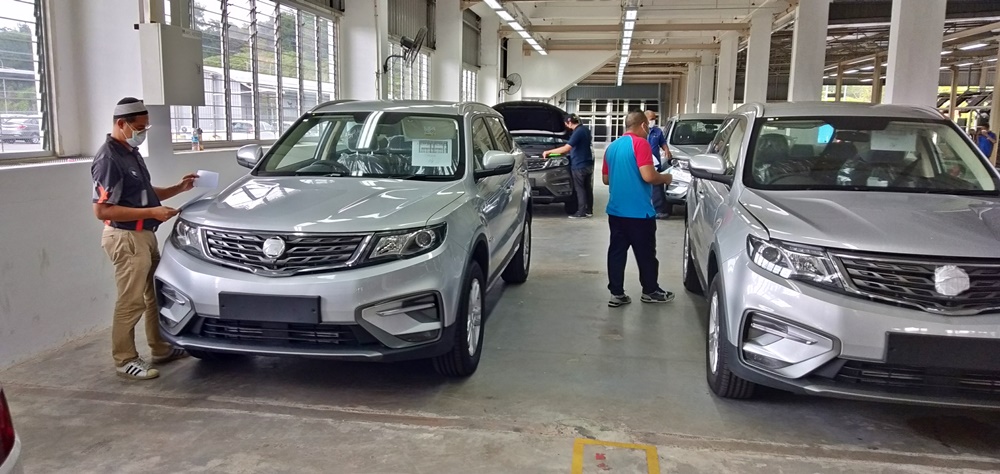
Adhering to the strict conditions of the MCO means all Proton facilities have been shut down from March 18. However, certain job functions have still to be performed on-site. For instance, maintenance of Proton’s production facilities needs to be kept going while a few service centres designated to service the fleet of Proton vehicles used by government agencies remain operational.

In accordance with the requirements of the MCO, Proton has obtained approvals to issue letters for specific people who are performing limited company operations.

Proton staff

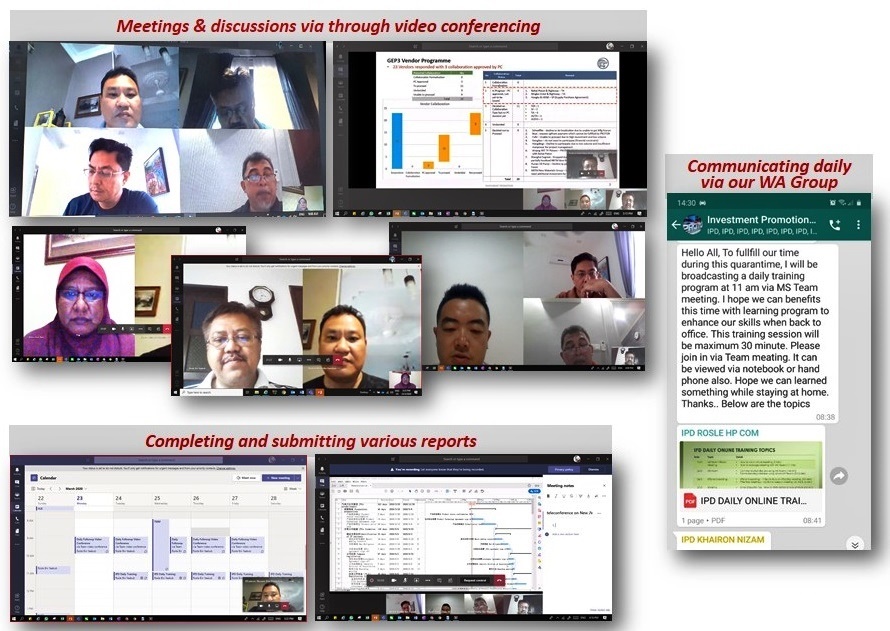
Operations for other areas within the company continue and individual departments are required to have daily meetings with department heads updating their team members on management decisions and apportioning work with daily deliverables.

“While we are cognisant of the need to adhere to the MCO, Proton has obtained approval from the authorities for a small number of its staff to continue working at specific locations to perform essential services. As for our other staff members, we have asked them to adapt their work practices to the MCO rules. Thanks to video-conferencing and messaging technology, meetings and discussions can be held from anywhere with an Internet connection so we are hopeful of keeping disruptions to our business operations to a minimum level,” said Dato’ Radzaif Mohamed, Deputy CEO of Proton.


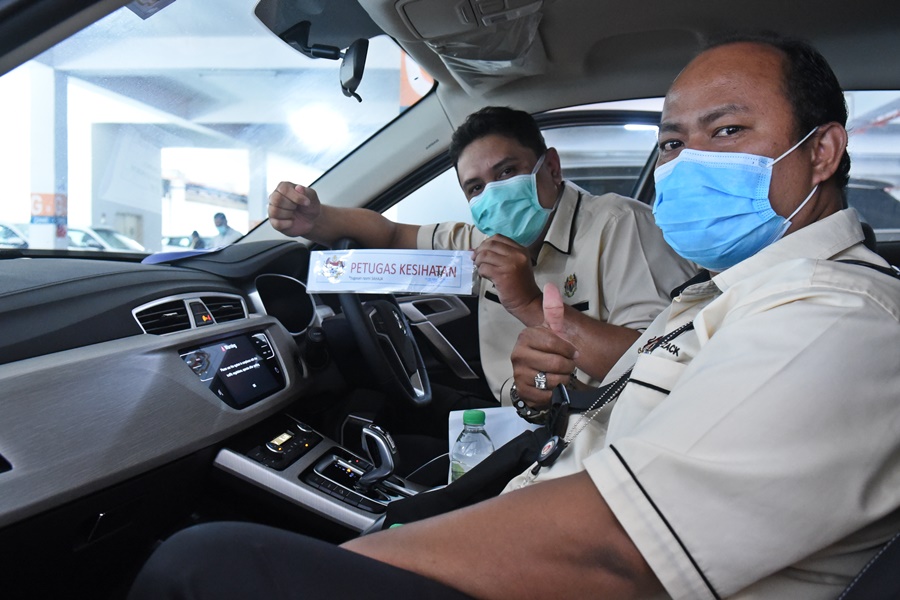
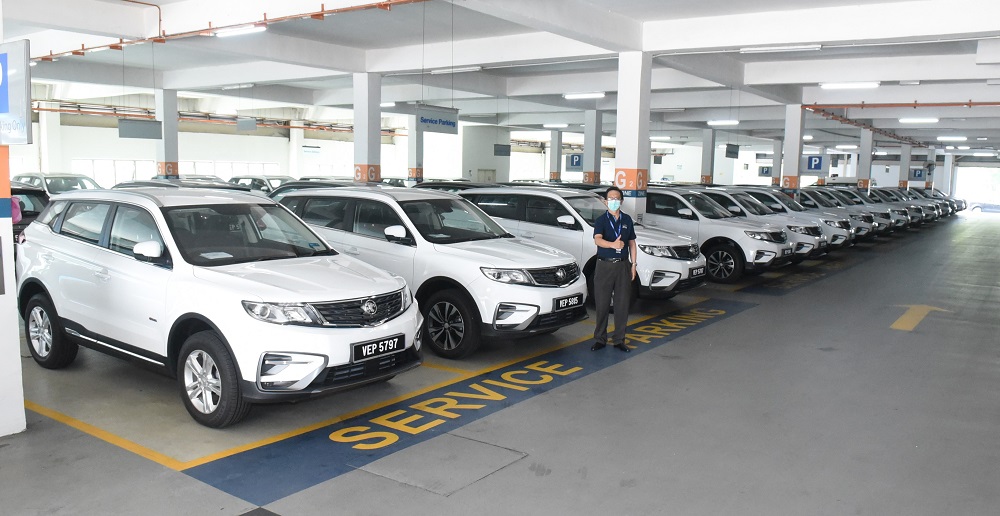
Related story: Proton provides 50 units of X70 to Ministry of Health


The company, while acknowledging the scale of the crisis, is confident the country will be able to navigate itself to a safe outcome. “These are trying times but we are certain that if we pull together, Malaysia will come out of this strong. Proton will be standing shoulder-to-shoulder with all Malaysians as we see this through,” added Dr. Li.

StayAtHome

PISTON.MY

The ‘Red Dot’ Award, which originated in Germany, has become established internationally as one of the most sought-after seals of quality for good design. Initiated in 1955, it is one of the world’s largest design competitions.

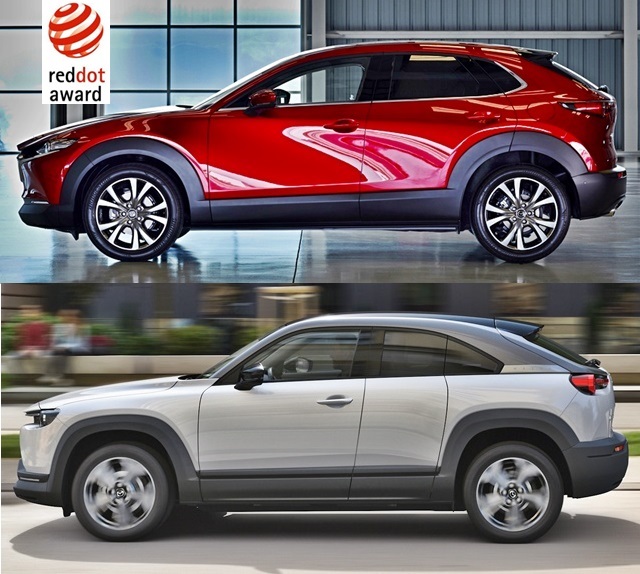
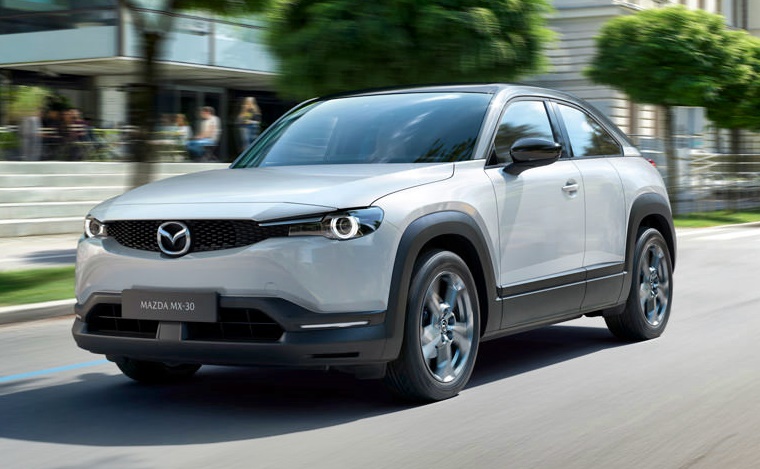
This year, two Mazda models received Red Dot: Product Design 2020 awards – the CX-30 and MX-30. Reflecting Mazda’s excellence in vehicle design, these are the eighth and ninth Red Dot awards won by Mazda’s models incorporating KODO design to date. Prior to this were the Mazda3 (2019), MX-5 RF (2017), MX-5 soft top, CX-3 and Mazda2 (all 2015), Mazda3 (2014) and Mazda6 (2013).

Mazdea CX-30

Mazda CX-30
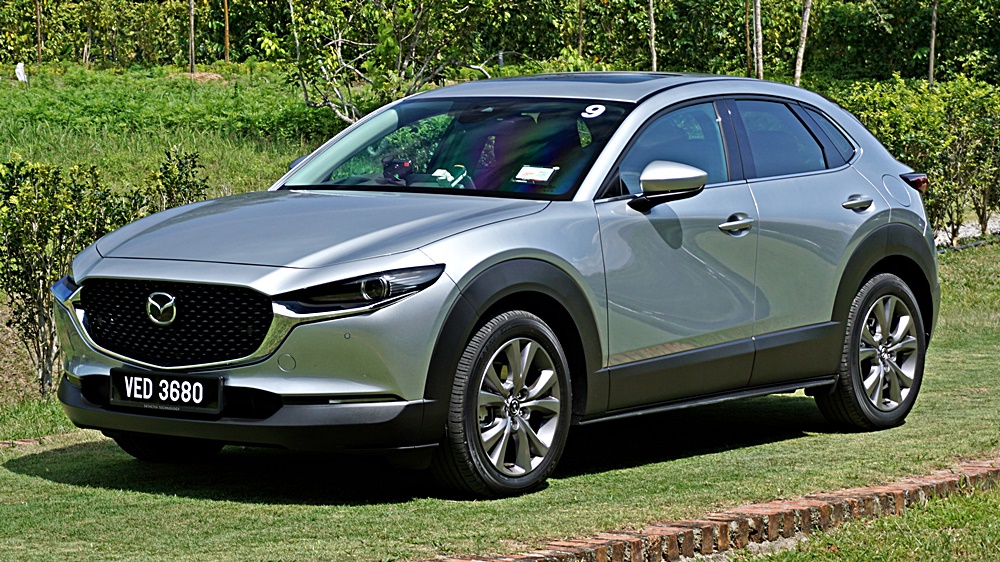
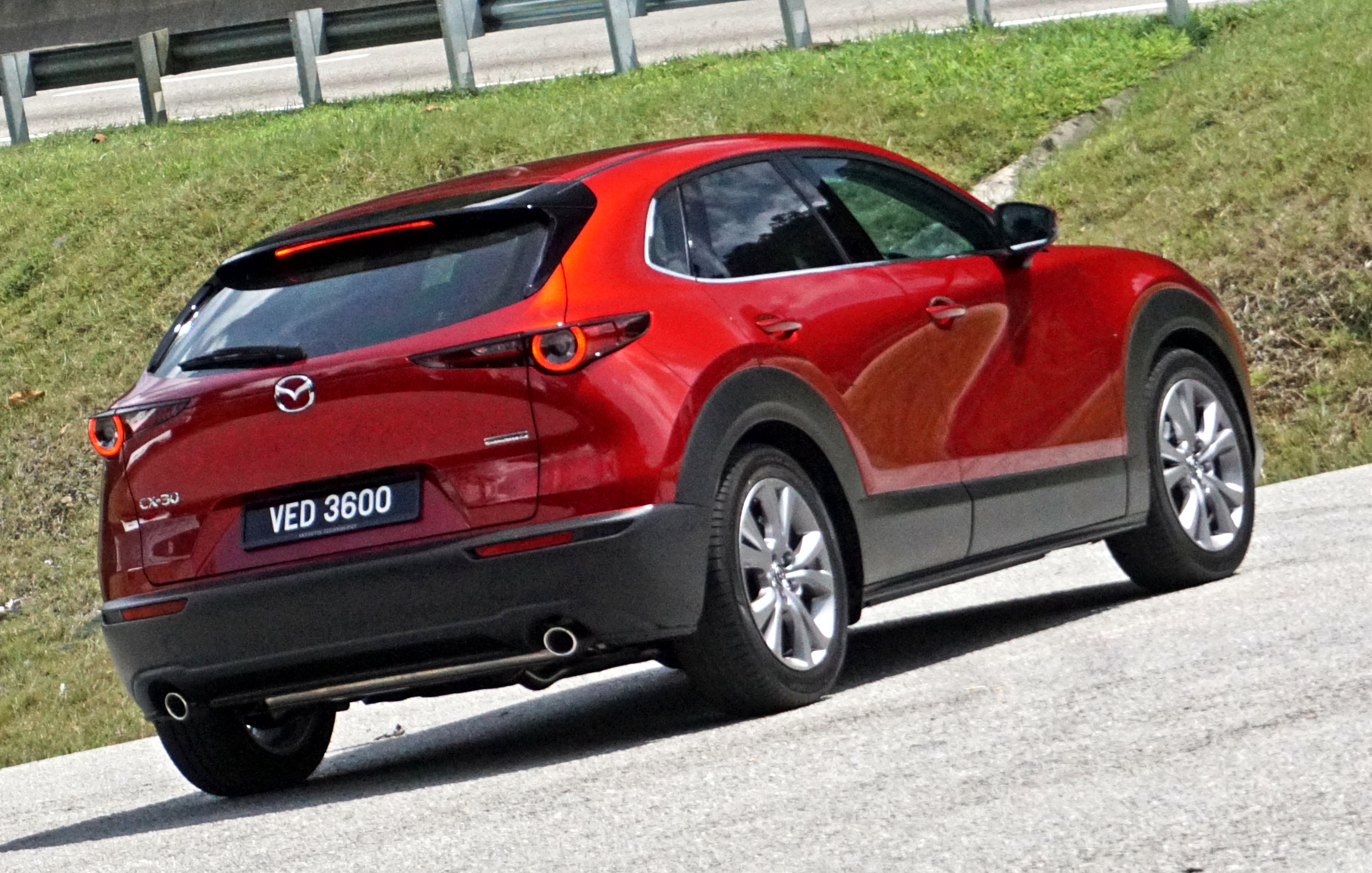
The CX-30 is the second production model created with the latest evolution of the KODO design philosophy – artful design, rooted in traditional Japanese aesthetics. The honing of every element according to the ‘less is more’ principle has resulted in clean, beautiful surfaces on the CX-30 and brought an entirely original look to the compact crossover SUV segment.

“The Japanese master craftsmen have always prized simplicity of form, of being beautifully pure,” said Jo Stenuit, Mazda’s European Design Director. “This inspired our designers to trim back elements and create something dynamic yet elegant, restrained yet vital. This is how we perceive Japanese aesthetics – a sensibility that has created emotionally moving cars.”

Mazda CX-30

BHPetrol RON95 Euro4M

Mazda MX-30

Mazda MX-30
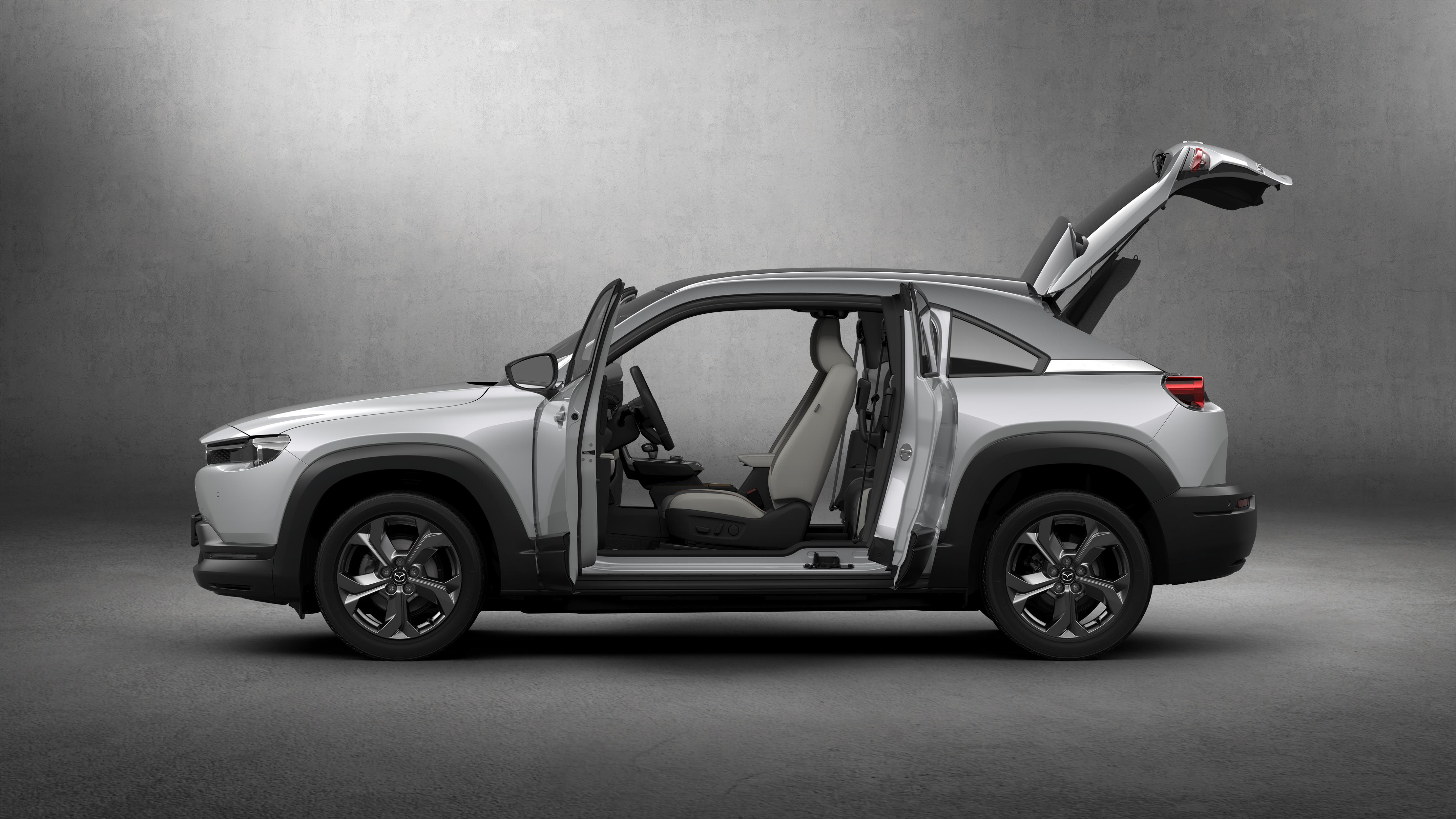
Though retaining the beautiful, handcrafted forms of KODO design, the styling of the Mazda MX-30 represents an exploration of a more modern aesthetic which focuses on the futuristic values and lifestyles that are beginning to emerge.

“This new approach has resulted in an original design that embodies the expansion of KODO’s expressive range,” explained MX-30 Chief Designer, Youichi Matsuda. “The exterior is uncompromisingly simple to emphasise its beauty as a solid mass, and the cabin design – with its framed top and freestyle doors – embodies an image of lightness while proactively incorporating sustainability as an element for the interior materials. As we begin an era of great change, we want the Mazda MX-30 to show people that our cars can still deliver pure joy of driving.”


Related article: Mazda’s first all-electric model – the MX-30


MAZDA MX-30

The MX-30 is currently only available for the European market. It is equipped with e-SKACTIV, Mazda’s new electric drive technology, which uses a 35.5 kWh lithium-ion battery pack that gives a claimed range of approximately 200 kms. The driving range far exceeds the 48-km average daily drive of European customers, Mazda believes.

The Mazda CX-30 is available in Malaysia and to find out more about it, visit www.mazda.com.my.

First driving impressions: All-New Mazda CX-30

PISTON.MY

StayAtHome

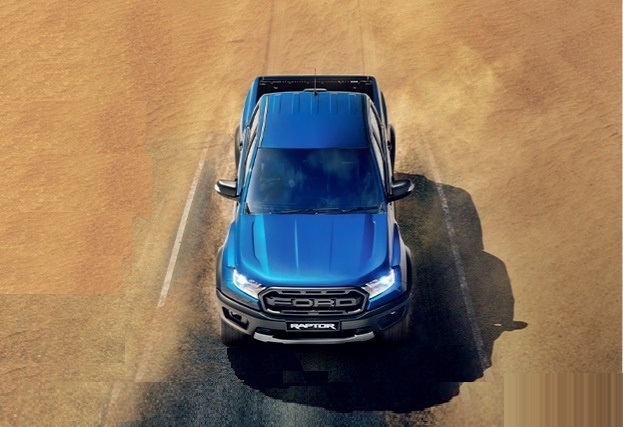
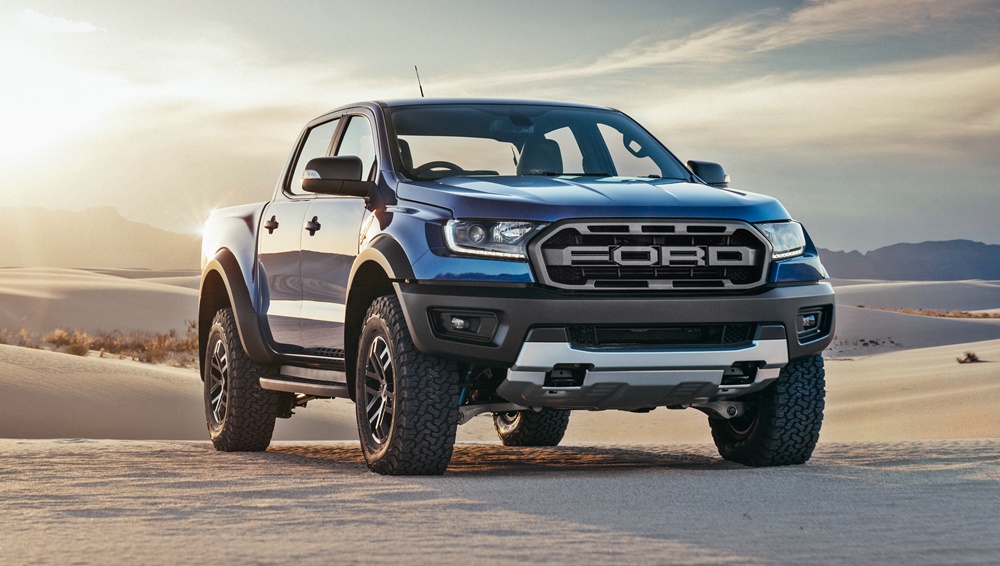
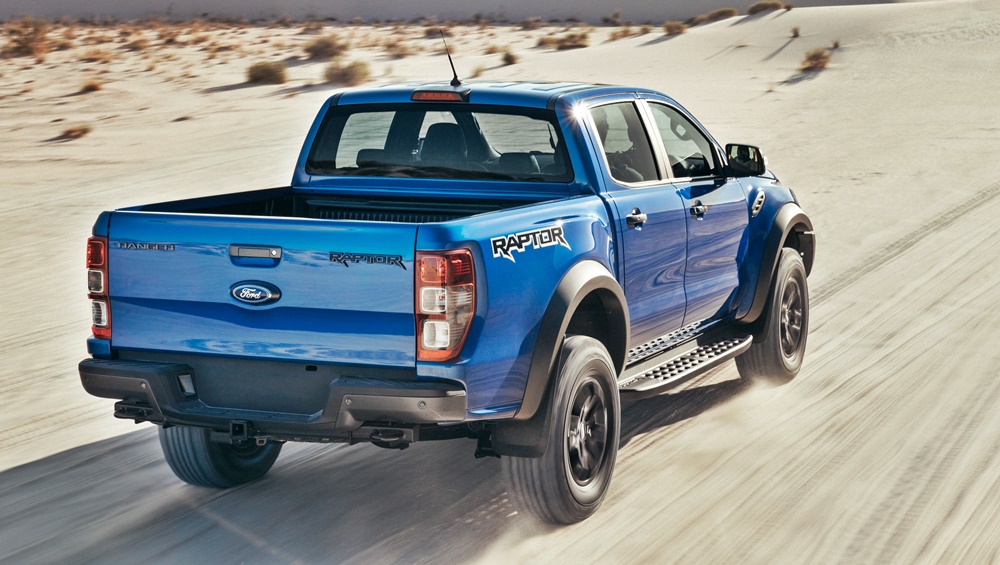
The Ford Ranger Raptor, imported by Sime Darby Auto Connexion (SDAC), has been updated for 2020 with an added safety pack and additional features. Additional upgrades to the include an additional USB charging port on the rearview mirror and LED projector headlamps for greater visibility while driving at night.

In the area of safety, which Ford trucks are highly noted for, the latest Ranger Raptor is now equipped with additional intelligent advanced driver-assist features. They are Autonomous Emergency Braking (AEB) with Vehicle and Pedestrian Detection, Forward Collision Warning, and Lane Departure Warning and Assist.

These advanced technologies are first-in-class and complement other smart technologies that can be found in the rest of the Ranger line-up.

Ford Ranger Raptor

“With the new enhancements to the Ford Ranger Raptor, this ultimate off-road truck is now perfected to conquer the streets, making it ideal for everyday use in addition to commanding the harshest terrains at thrilling speeds. We are confident that the Ranger Raptor will continue revolutionising the market for pick-up truck enthusiasts in Malaysia,” said Syed Ahmad Muzri Syed Faiz, MD of Sime Darby Auto ConneXion.

With Ford’s Performance DNA infused into the ‘Built Ford Tough’ Ranger line, the Raptor has set a new benchmark as the only factory-built performance truck for high-speed off-roading.

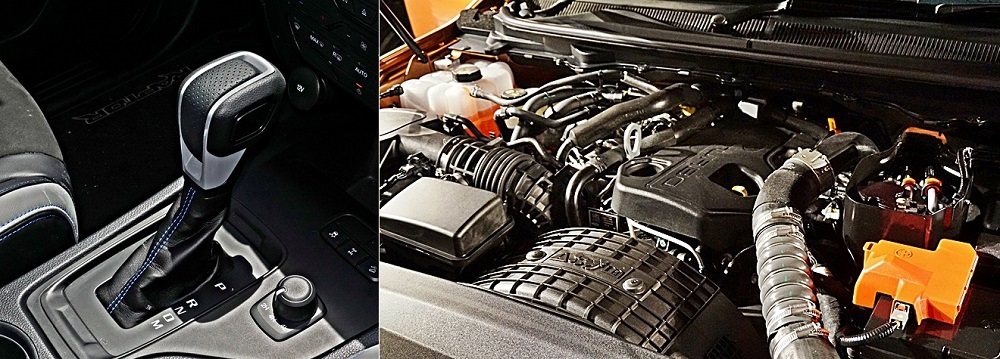
Its powerful 2-litre Bi-Turbo diesel engine produces 213 ps/500 Nm which goes to the rear or all four wheels through a 10-speed automatic transmission.

Ford Ranger Raptor engine

Ford Ranger Raptor

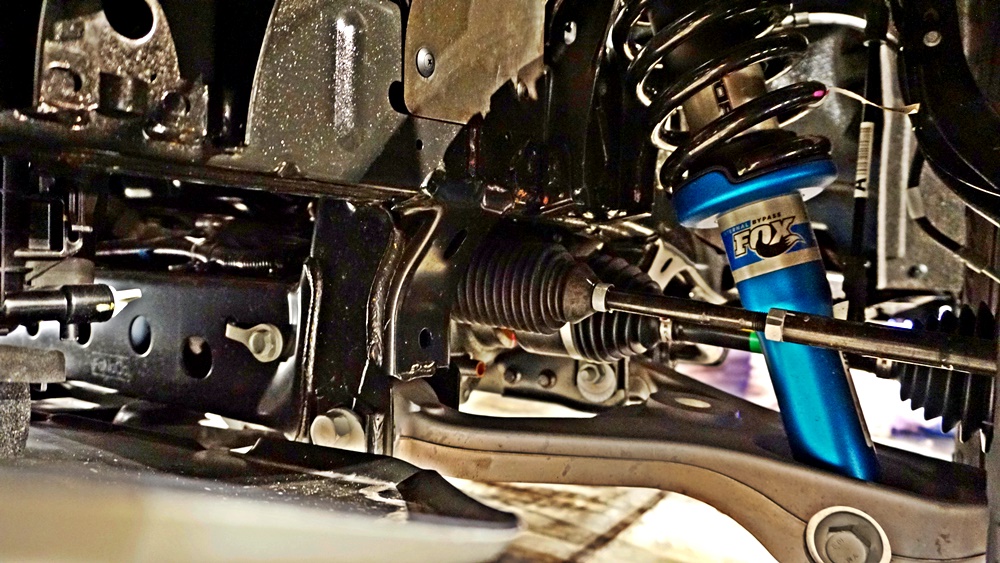
Extra ground clearance gives it class-leading water wading up to 850 mm while the long-travel FOX Racing Shox dampers can take on the roughest terrain. A Terrain Management System offers six modes, including a Baja Mode, which customise the engine and performance characteristics to the terrain for optimum grip and stability.

The Ranger Raptor is priced from RM208,888 (on-the-road, without insurance) and though it is more expensive that other pick-up trucks, demand for it has been surprisingly high. This could be because it’s not a ‘limited edition’ with just ‘look rugged and sporty’ bodykits but has genuine high-performance parts as well – and a factory warranty to go with it.

Ford Ranger Raptor

“During the Movement Control Order period, customers who have purchase enquiries on the New Ford Ranger Raptor may converse with us digitally via our newly launched Digital Salesperson, a WhatsApp Live Chat,” said Tuan Syed Muzri.


Related story:

SDAC’s Ford ‘Digital Salesperson’ at your service


For enquiries on the latest Ranger Raptor and other Ford models, contact the ‘Digital Salesperson’ from 9 am – 4 pm, Monday – Friday. Customers simply need to enter WhatsApp +6019-204 1200 to start chatting and queries will be attended to within 24 hours. Information can also be found at the SDAC Ford website.

StayAtHome

PISTON.MY

BHPetrol RON95 Euro4M

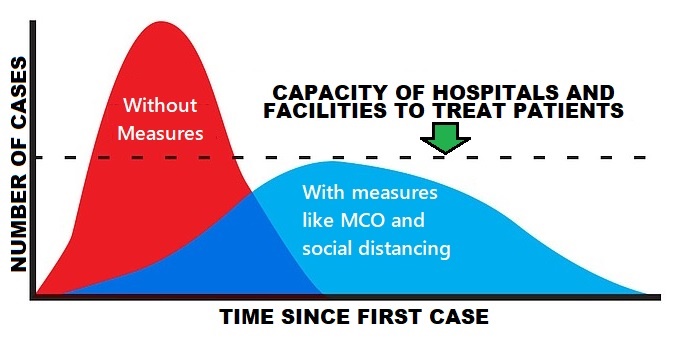
There was a tiny bit of good news today during the daily briefing by the Health Ministry. According to the Director-General, there are signs of reduced cases which suggests that the curve is flattening. It’s too early to celebrate but if this sign can become a sustained trend, then we will be winning the war against the COVID-19 coronavirus.

Flattening the curve
If we can flatten the curve, the number of cases will become lower and the hospitals will be able to help more infected people and save more lives.

The reduced cases can be attributed to the Movement Control Order being initiated 2 weeks ago. Though it has restricted movements of the general population nationwide and requires people to stay in their homes, it has been necessary to reduce, if not prevent, the spread of the virus. However, there is some flexibility which allows people to travel out of their homes to get essential items and they must immediately return after that.

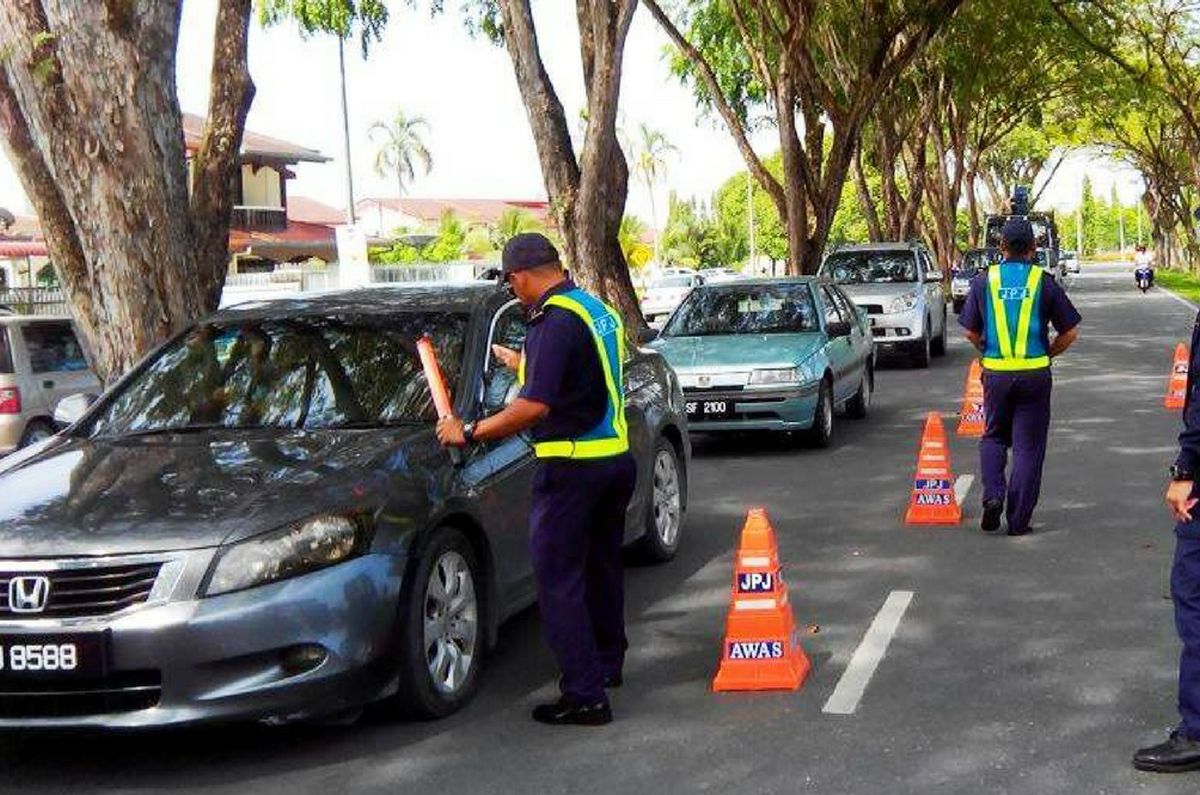
Because there are people (about 3% of road-users) who don’t appreciate such flexibility and take advantage of it, the police have had to be more strict in enforcing the MCO. Roadblocks have been set up in many areas, some roads are closed off, and only one person can be in the vehicle – and must have valid reasons for being away from the home. Those who do not obey orders to return home if their reason is unacceptable can be arrested.

PDRM roadblock

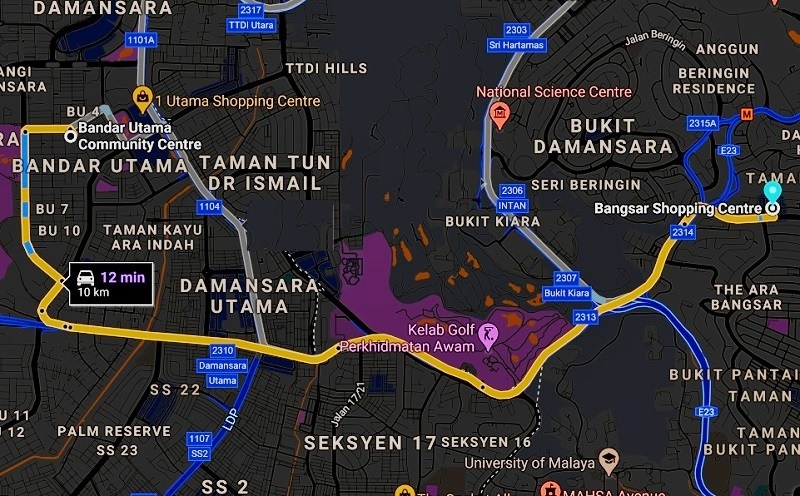
Now, with the second phase of the MCO starting which will last until April 14, there is an additional restriction. You can only travel up to 10 kms from your residence to purchase the essential items. This new condition has been introduced since it was found that there were people who were using the journey as a chance to drive around, perhaps to enjoy the empty roads.

In Penang, for example, there were people who insisted on crossing to the mainland to buy their things. The police did not allow that and ordered them to turn around and buy from stores on the island. This is what happens when a few people are stubborn and disobedient and the rest of us also suffer.

Of course, the authorities are not considerate and if there is a valid reason to travel further, eg to a hospital or to visit sick parents at a different home, then permission can be given for travel to be undertaken.

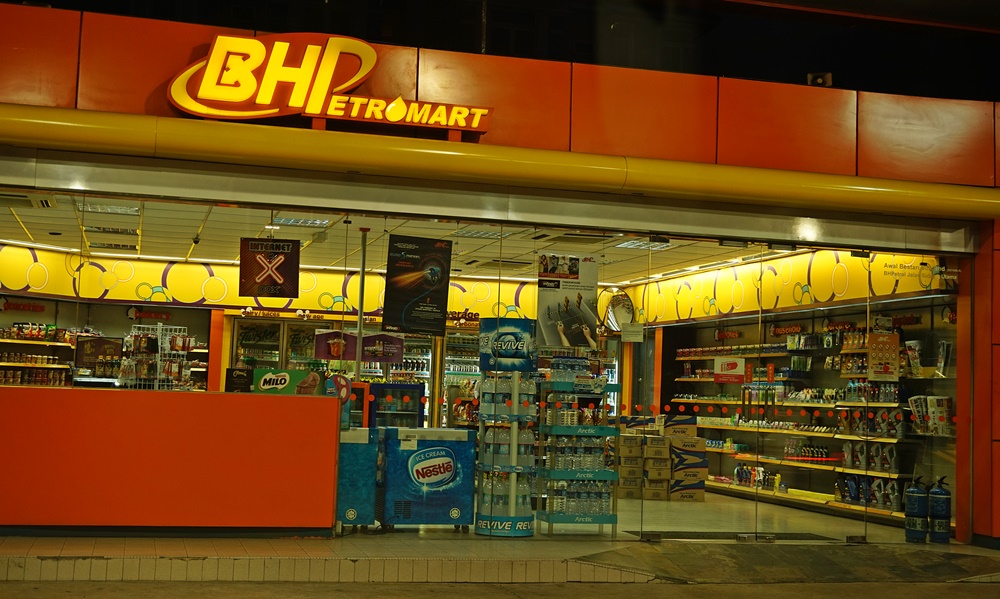
Petrol station
During the MCO period, petrol stations must remain closed between 8 pm and 8 am and that includes their convenience stores.

Meanwhile, supermarkets, grocery and convenience stores as well as petrol stations will be limited to operating hours between 8 am and 8 pm. The same hours apply to places selling food which have not been permitted to allow customers to eat on their premises; they can only offer takeaways or cater to orders sent by food delivery services. So if you are ordering food, be sure to do so by 7 pm.

Therefore, other than an emergency, you should not be on the road after 8 pm. If you miss going out to the mamak stall with your friends at night, it’s too bad that we can’t do it now. But what you can do is help to keep the number of infected people from going up and that means…

StayAtHome

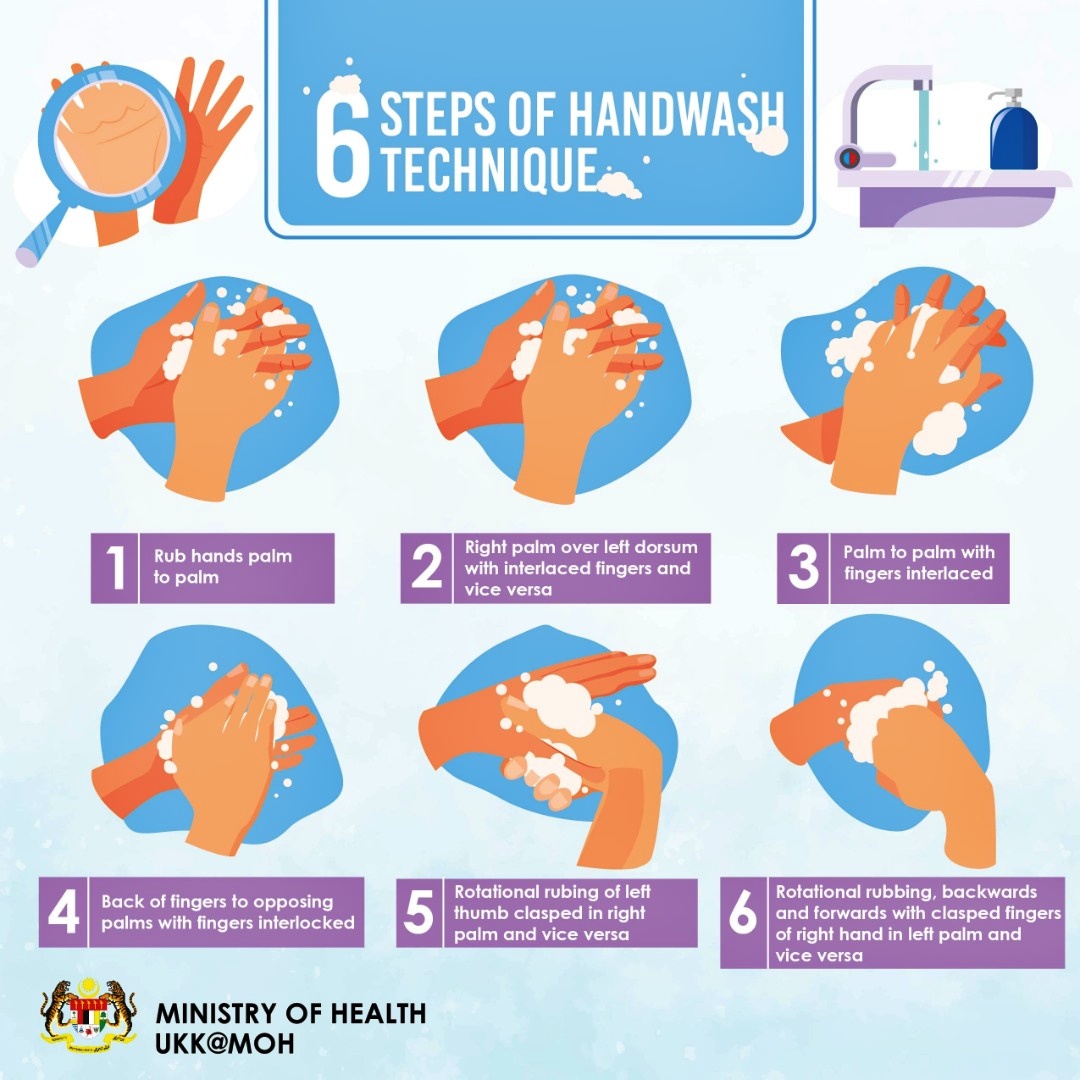
Handwash

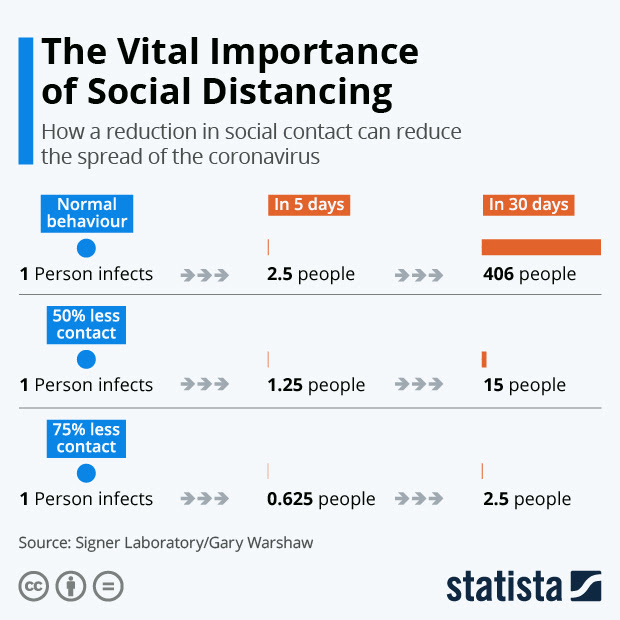
If you follow news (and who does not?) about the COVID-19 coronavirus pandemic that has swept the planet, you will read about the urgent need by hospitals in every country for medical equipment. The number of cases has been growing very, very fast – in some countries, it doubles every 3 days. Thousands of patients now require intensive care as their condition has become worse. No country was prepared for a crisis of such a scale and so the equipment and facilities were not more than what was thought to be sufficient for the population.

Ventilators are one of the items that are crucial as the patients suffering from COVID-19 have breathing difficulties. The virus attacks their lungs and they need assisted air intake otherwise they will not have enough air for their body. Ventilators can provide such assistance and companies around the world with the capability have been racing to develop and then make ventilators.

SEAT uses its engineering expertise
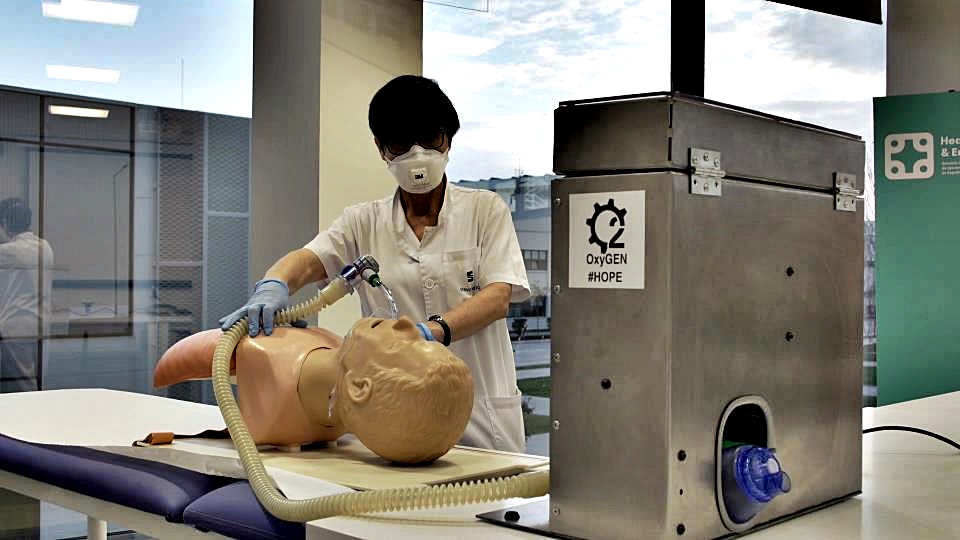
SEAT, the Spanish carmaker, is one of the companies that has developed automated ventilators with its expertise. Its engineers developed a total of 13 different prototypes were tested before the final design was agreed upon. The team is now testing the ventilators in collaboration with the local healthcare authority to get approval for mass production.

SEAT ventilators

SEAT ventilators
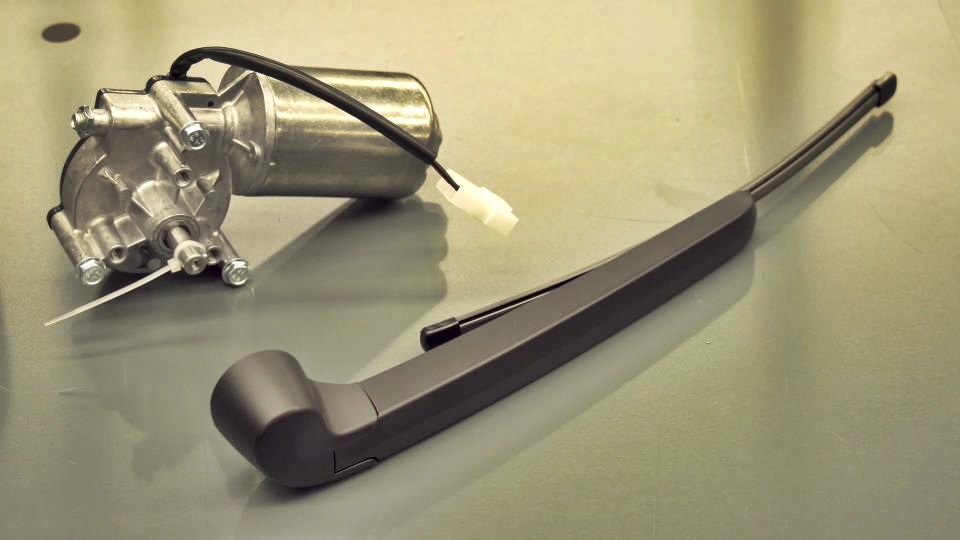
Parts from SEAT cars have been adapted for use in the ventilators.

The ventilators – made up of 80 electronic and mechanical components – utilize adapted windscreen wiper motors, gearbox shafts and printed gears. Each ventilator will undergo a thorough quality control check with ultraviolet light sterilization before being shipped out.

The facility where the ventilators will be made produces the new Leon model. 150 employees from different areas will work on modified workstations. “Taking an assembly line that manufactures subframes, a car part, and adapting it to make ventilators has been a lengthy, difficult job involving many areas of the company, and we managed to do it in the record time of one week,” said Sergio Arreciado, a member of SEAT’s Process Engineering team.


Related stories

F1 Community Provides Expertise To Develop Life-Saving Breathing Aids

Ford uses manufacturing and engineering expertise to help in war against COVID-19


Lamborghini makes masks and face shields
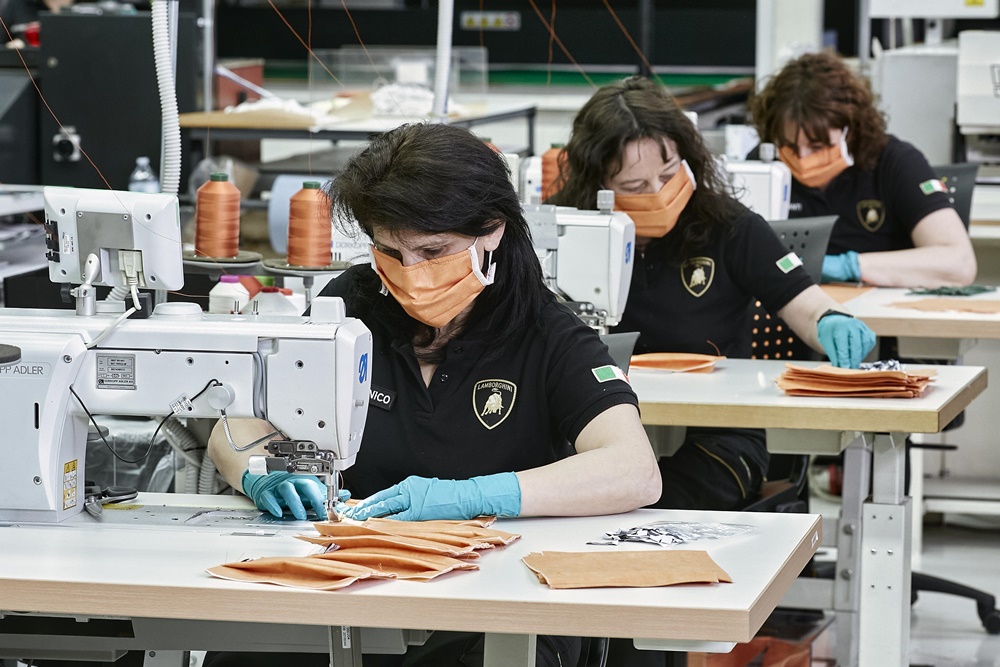
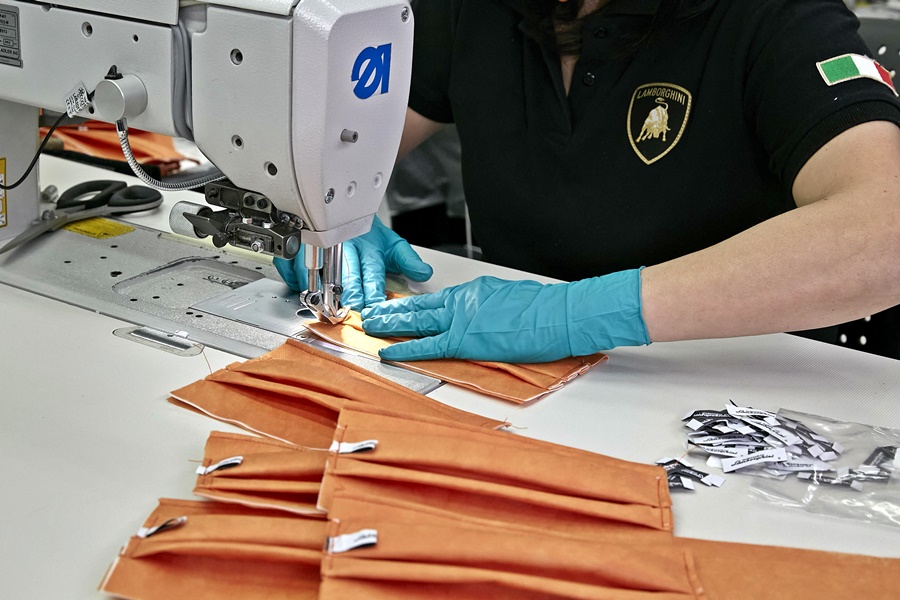
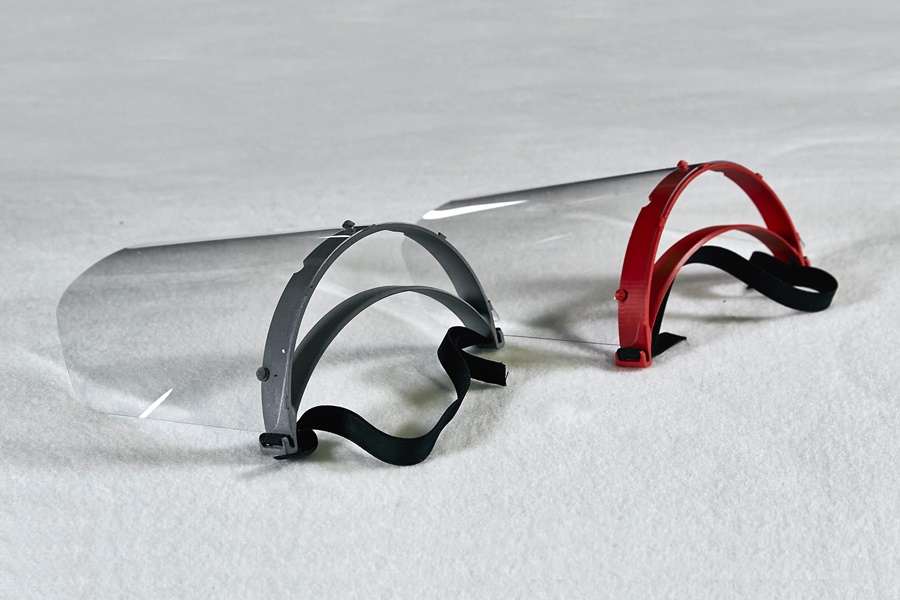
Meanwhile, Lamborghini has converted its super sportscar production plant to produce surgical masks and protective plexiglass shields. The masks will be donated to a hospital in Bologna, Italy for the use of healthcare personnel.

Lamborghini

Lamborghini

Work is carried out by personnel of the saddlery that produce the interiors and specialty customization for Lamborghini cars, producing 1,000 masks a day. The medical shields will be produced as a rate of 200 units a day, using 3D printers within the carbonfibre production plant and the R&D department.

“During this emergency, we feel the need to make a concrete contribution. The S. Orsola-Malpighi Hospital is an institution with which we have had a collaborative relationship for years, through both professional consultancy in promoting programs to protect our workers’ health, and in research projects. We will win this battle together by working in union, supporting those who are at the forefront of fighting this pandemic every day,” said Stefano Domenicali, Chairman & CEO of Automobili Lamborghini.

StayAtHome

Social distancing

Archive

Follow us on Facebook

Follow us on YouTube