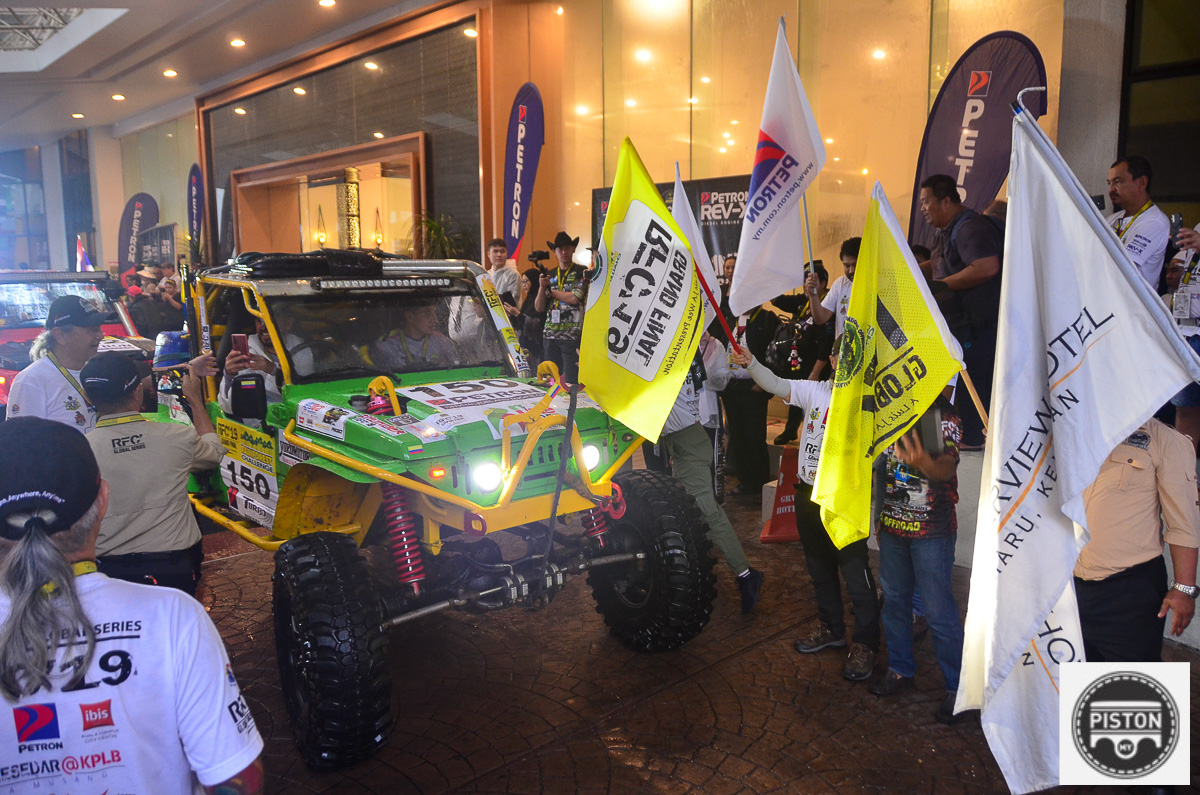
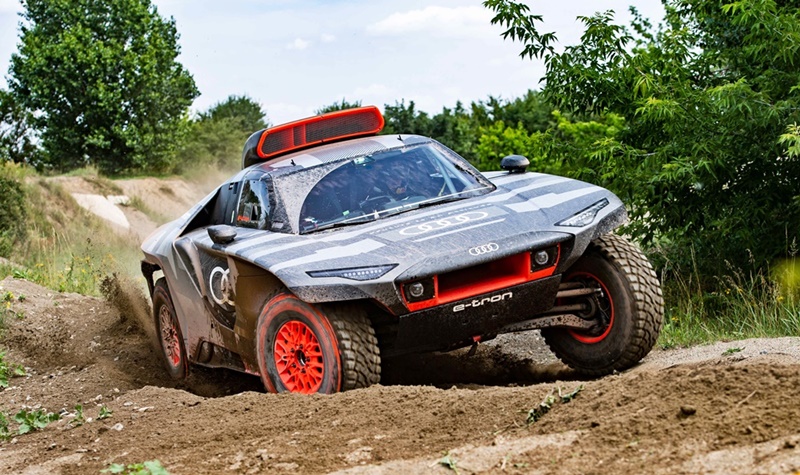
In conjunction with the Rainforest Challenge 2019 which is currently happening in the state of Kelantan, Petron Malaysia decided to organise the Petron TriAction Advantage Performance Run Media Road Trip for media members to experience one of the world’s top 10 toughest motor races. (more…)
Each year, NISMO, Nissan’s motorsports and high-performance division, holds the NISMO Festival which gives fans an opportunity to get up close with their favourite Nissan racing cars and drivers. Tomorrow (December 8) will see the 22nd edition of the event at Japan’s Fuji Speedway.
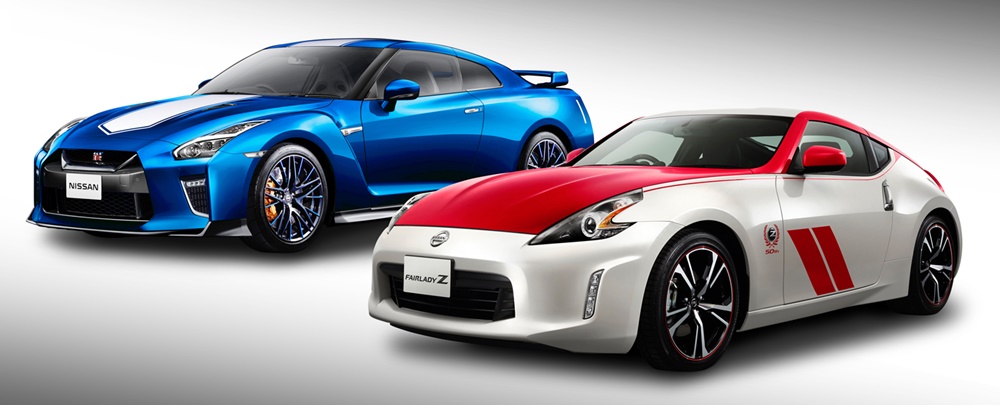
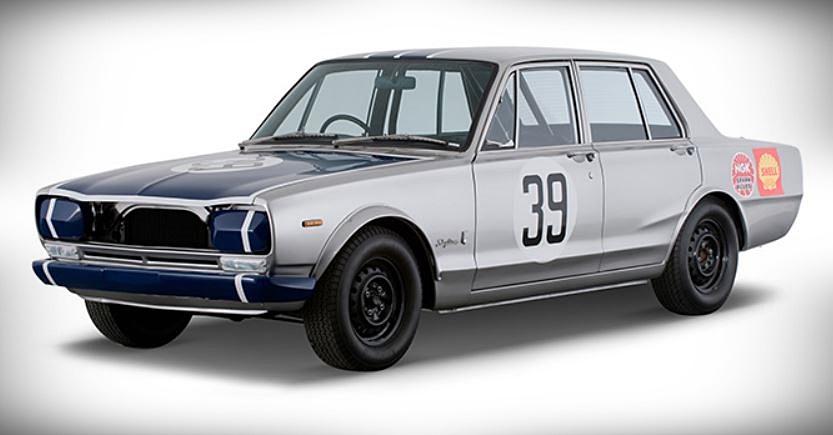
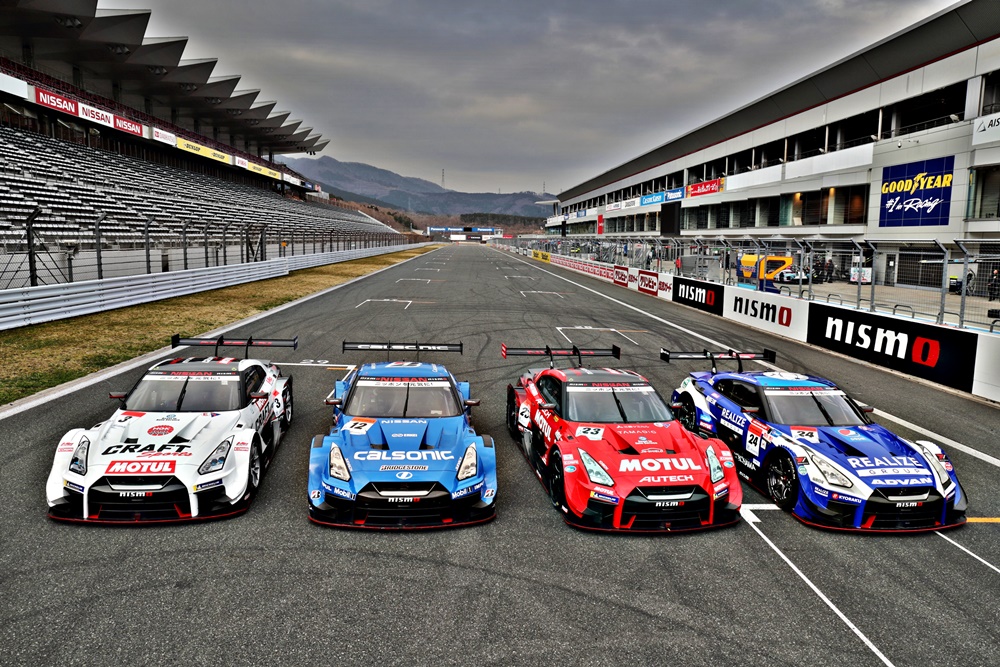
This year’s event, which coincides with the 35th anniversary of NISMO’s establishment, is also a special one as it will highlight the 50th anniversary of Nissan’s legendary GT-R and Z models. To represent the GT-R, the festival will feature the KPGC10 ‘Hakosuka’ Skyline 2000 GT-R which won the JAF GP (Japan Automobile Federation Grand Prix) in 1969; the legendary Group A BNR32 Skyline GT-R; and the 2019 Super GT GT-R racing cars.
The 1969 Skyline 2000 GT-R (KPGC10) was a high-performance sedan for touring car races with the world’s first 4-valve DOHC engine for production cars. It made its race debut at the JAF Grand Prix at the Fuji International Speedway in May 1969.
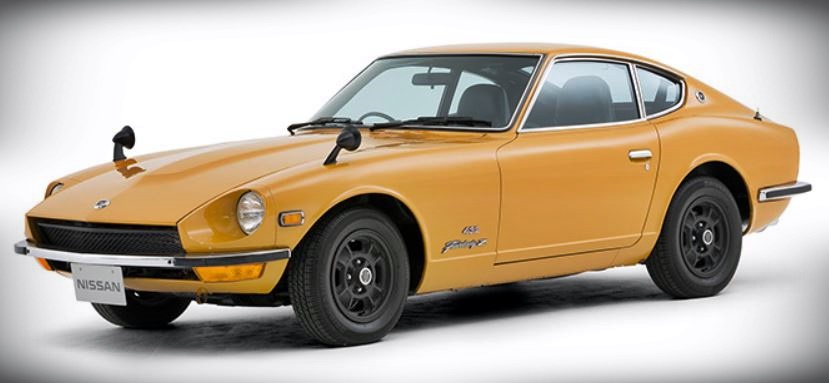
The festivities will also highlight the Fairlady Z – which began with the 240Z as it was known outside Japan – there will be several well-preserved examples ranging from road cruisers to fully bespoke racing machines representing NISMO’s rich history and association with the legendary sportscar. Along with a few other models, the ‘Z’ made a strong impression in the American market in the 1970s, strengthening the Datsun brand which was later changed to ‘Nissan’.
The first generation Fairlady Z (S30), also known as Datsun 240Z or Z-car outside Japan, was launched in December 1969. This model was manufactured for 9 years and its global sales exceeded 520,000 units. This car was powered by a S20 inline DOHC 24-valve 6-cylinder engine which produced 160 ps.
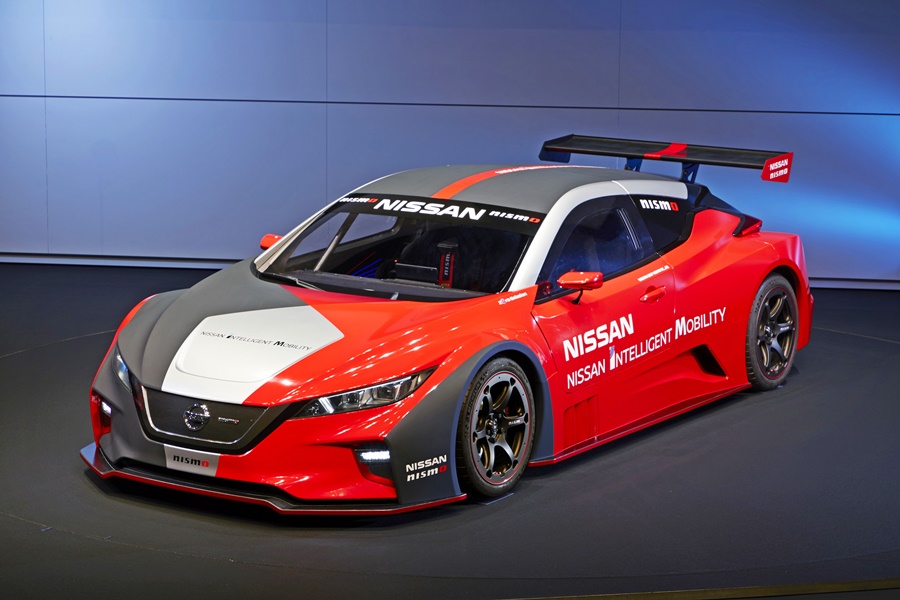
Current Nissan and NISMO cars that embody the Nissan Intelligent Mobility vision, the company’s approach to changing how cars are powered, driven and integrated with society, will also be on display, as well as the new, all-electric Formula E race car and the LEAF NISMO RC – both sporting a new kimono-inspired livery.
LEAF NISMO RC sporting a new kimono-inspired livery.
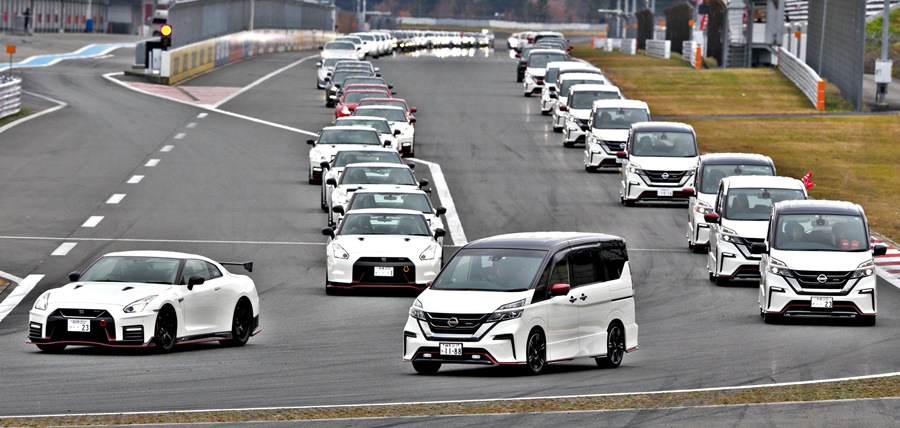
NISMO Festival-goers will have a chance to experience an exhilarating Time Attack event with specially tuned GT-Rs and walk around the first ‘owner’s parking’ area, made exclusive for owners to park their prized GT-R or Z and share their passion with each other.
“The NISMO Festival is an event we have nurtured with great care,” said NISMO President Takao Katagiri, who oversees Nissan’s NISMO road car business. “I hope many of our fans, drivers, team directors, team staff and NISMO employees will join us in creating a fun day again this year.”
s
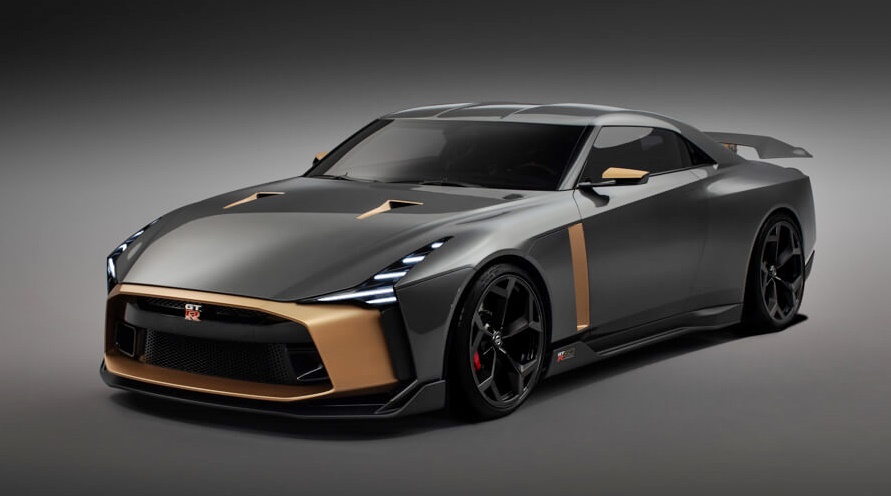
The prototype Nissan GT-R50 by Italdesign will also be on display at the event. 50 unis are being made to celebrate the model’s 50th anniversary.
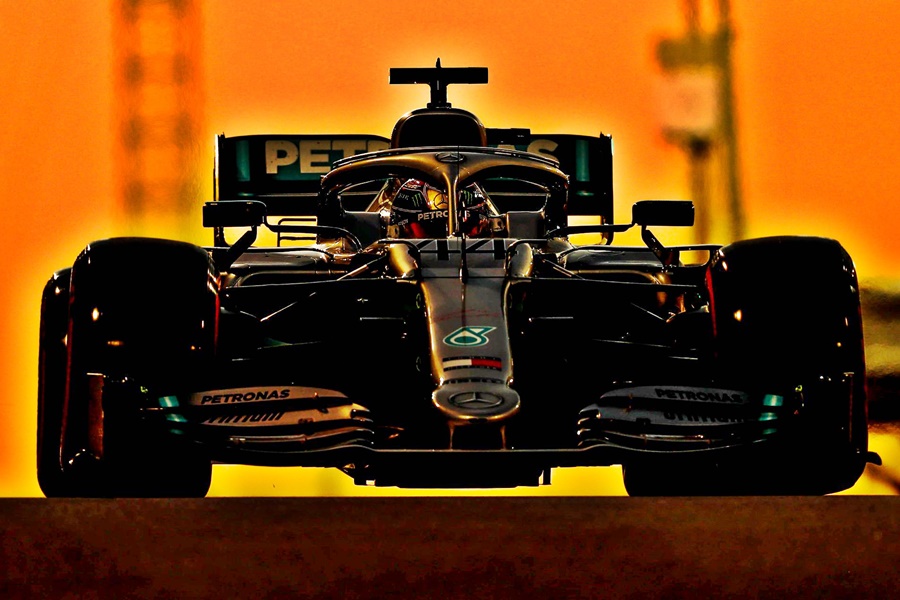
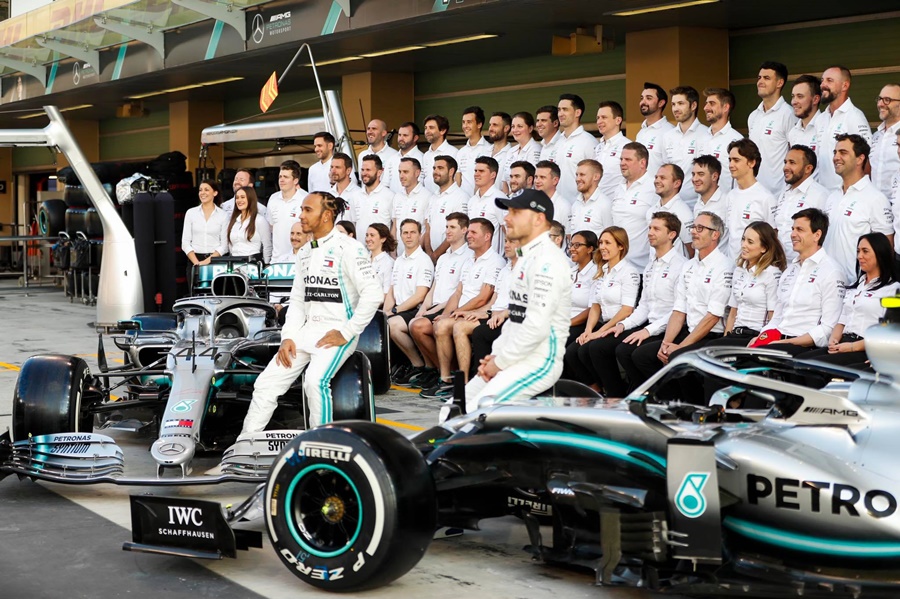
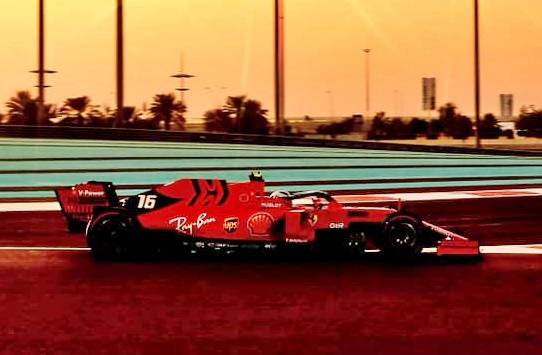
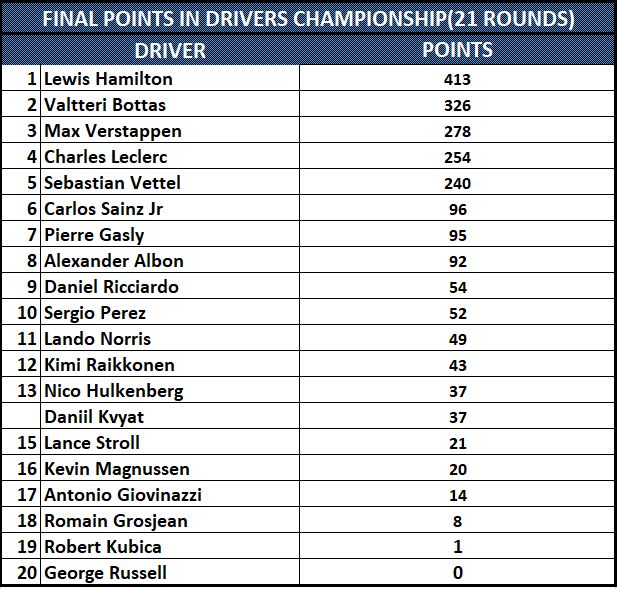
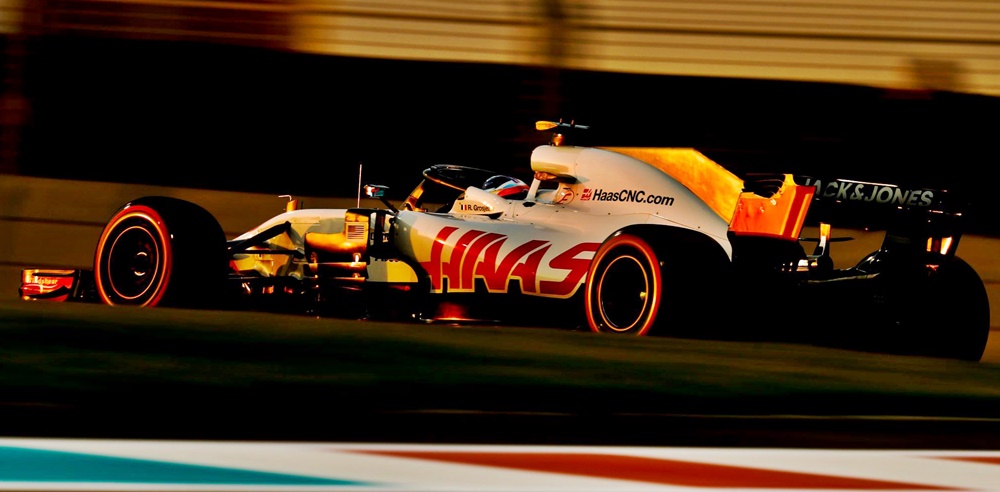
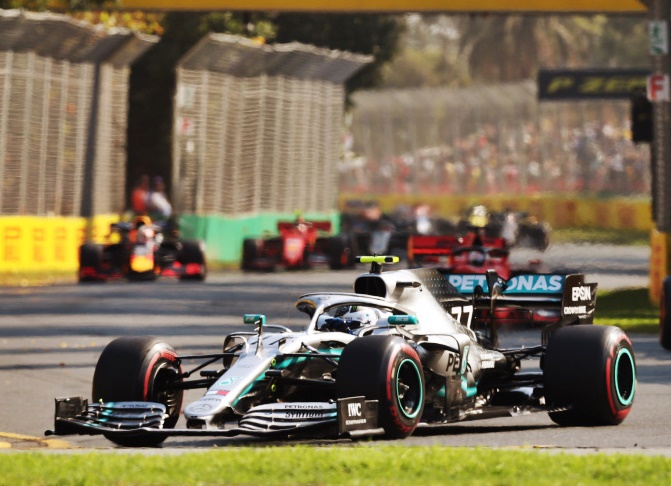
♦ Lewis Hamilton, already the 2019 World Champion Driver, finished off the season with another win at Yas Marina. It is his fifth victory at the event.
♦ Although Charles Leclerc finished third overall, his position is not confirmed as there is an investigation into the amount of fuel that was actually in the Ferrari.
♦ Valtteri Bottas finished finished the race in 4th after having started from the back of the grid.
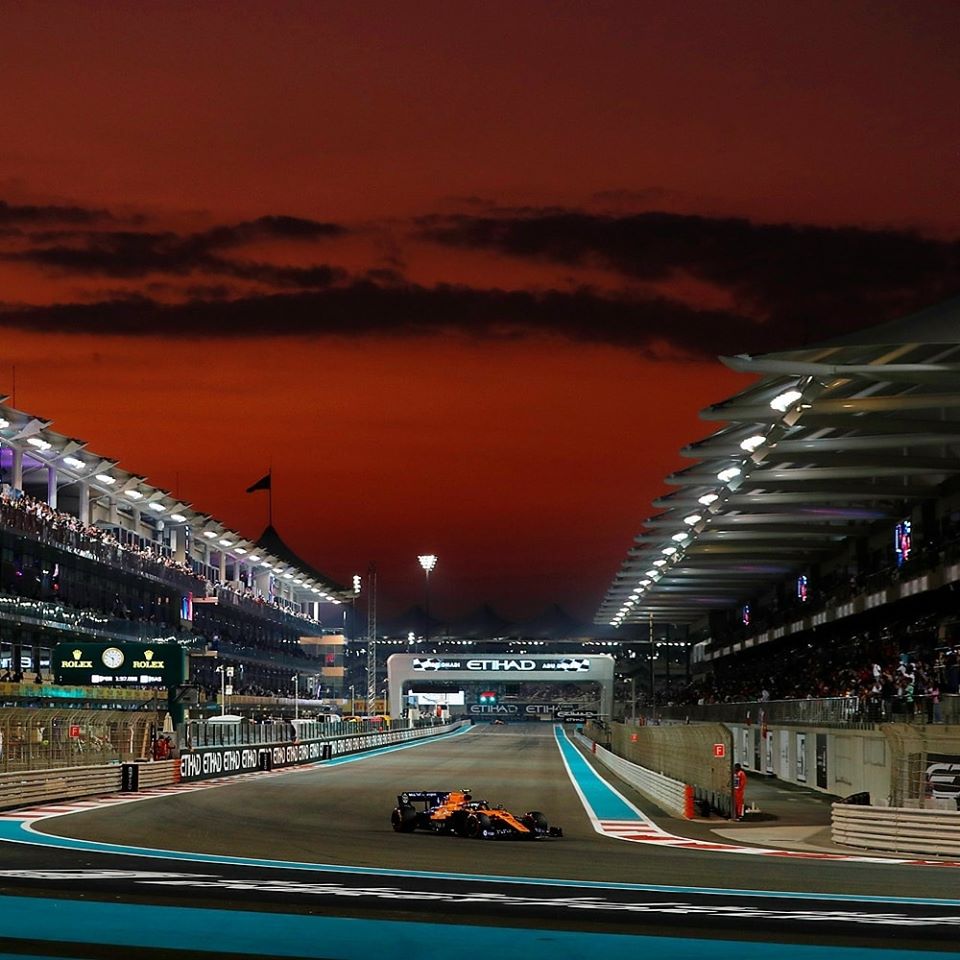
♦ In the closing stages of the race, McLaren’s Carlos Sainz, Jr. gave one last push and moved into 10th place to finish 6th overall in the Driver’s Championship.
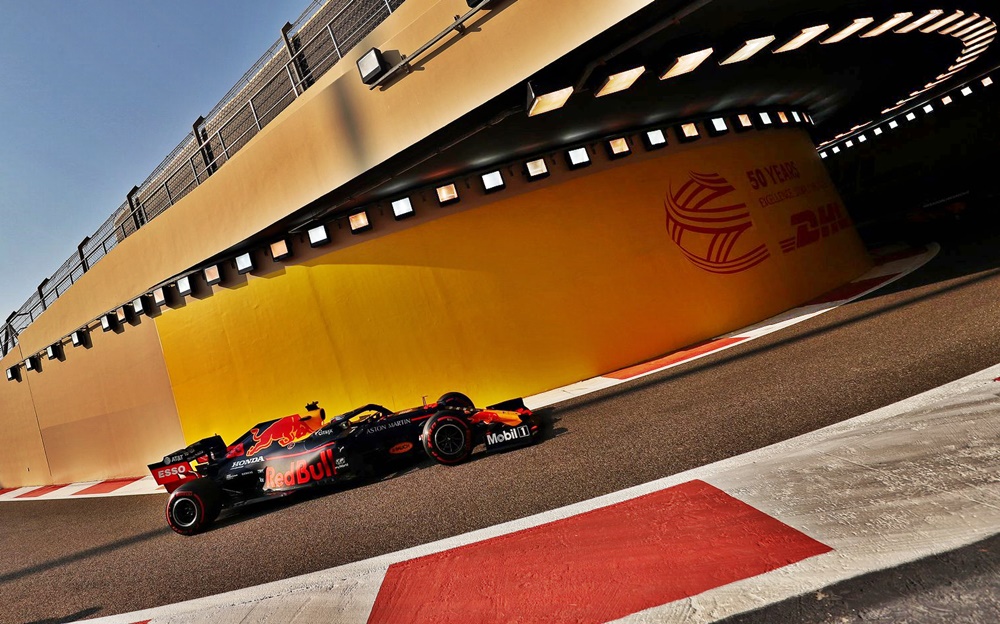
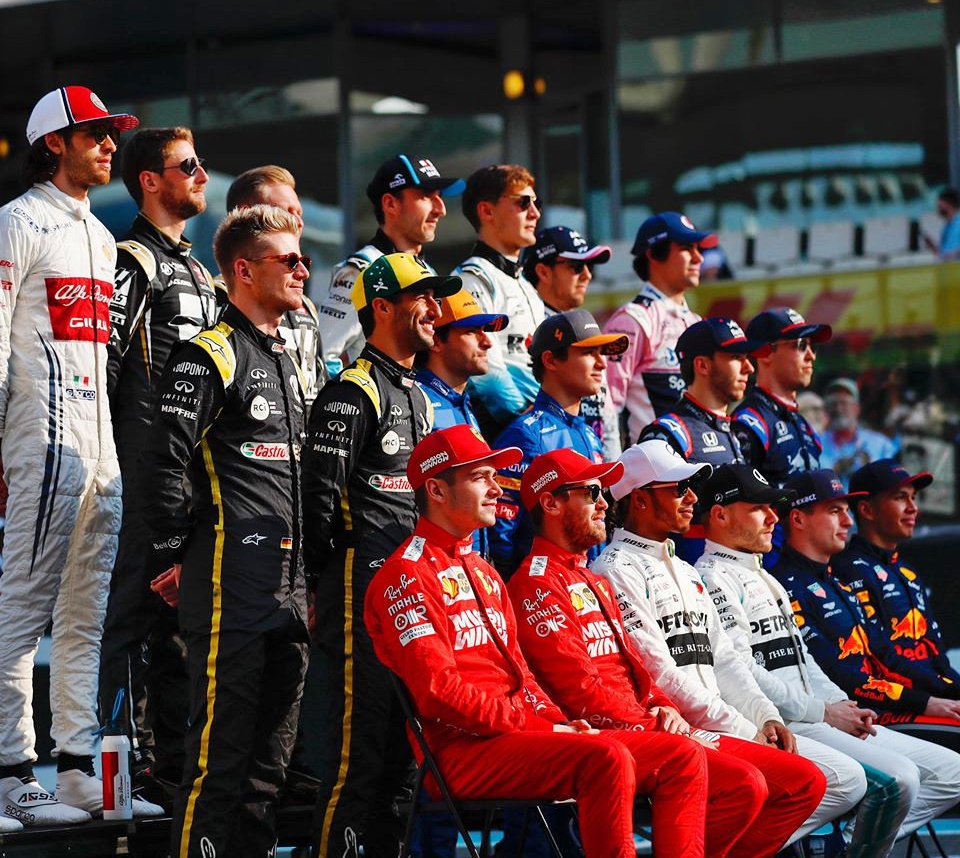
♦ Alex Albon is the only one of the four rookies this year who had not driven an F1 car at Yas Marina (although he is familiar with it, having raced in GP3 and F2 events there).
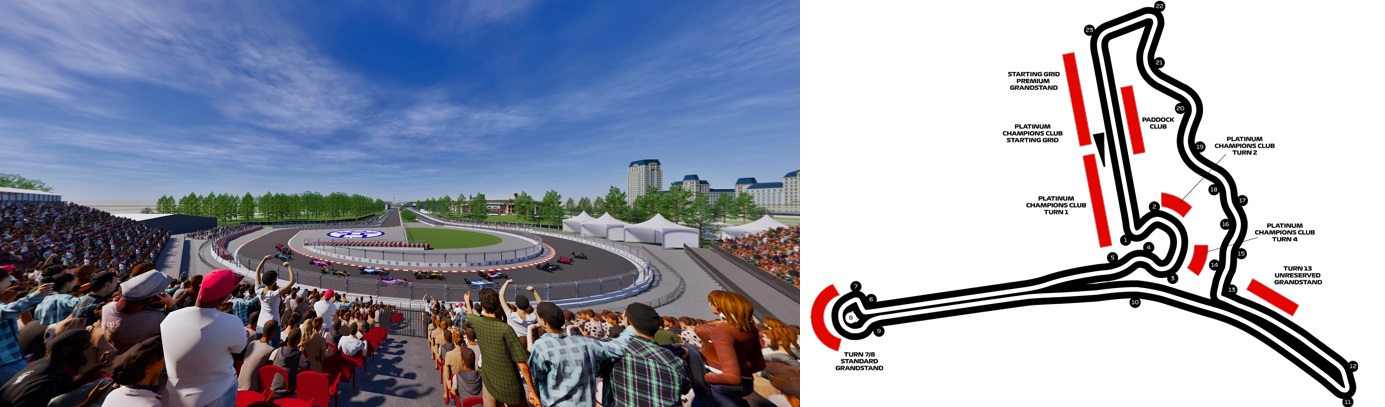
Vietnam will host a round in 2020 and is creating a street circuit in Hanoi for the race which will be held at the beginning of April
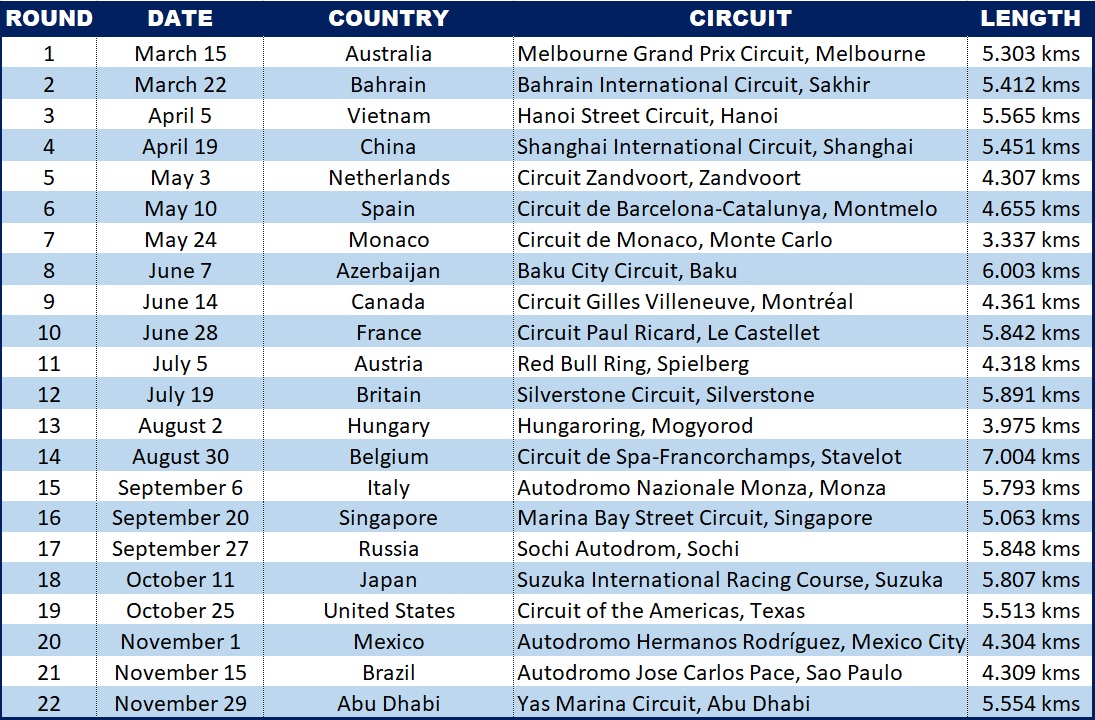
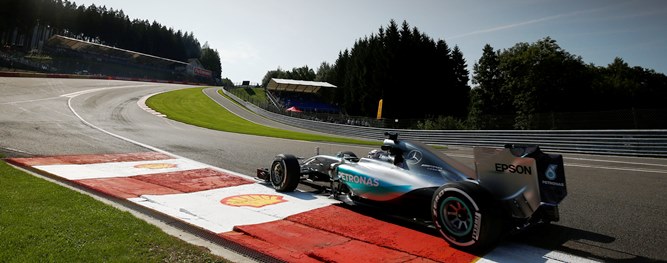
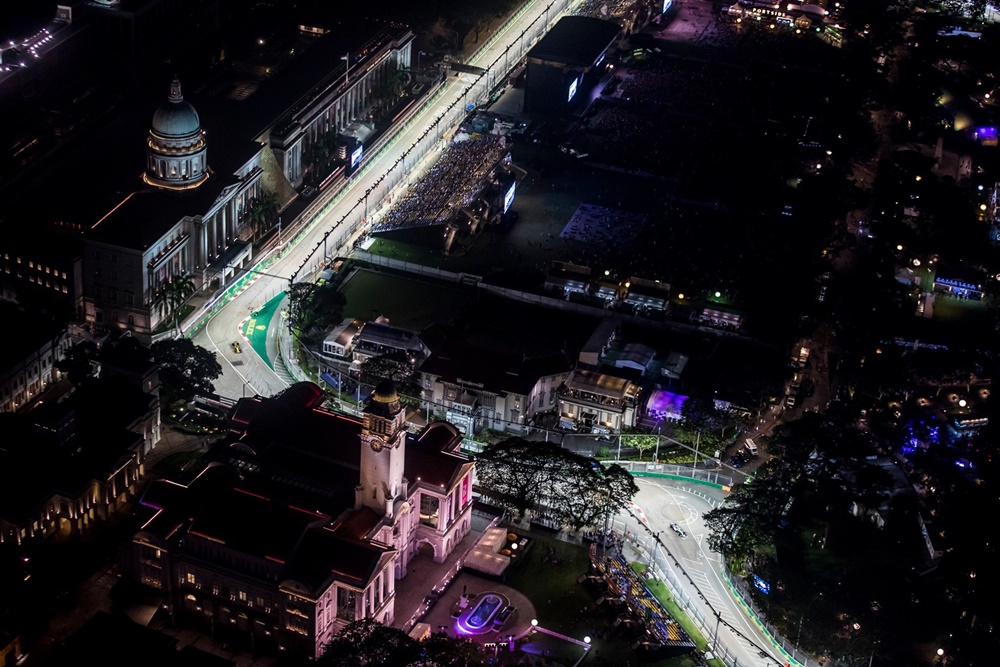
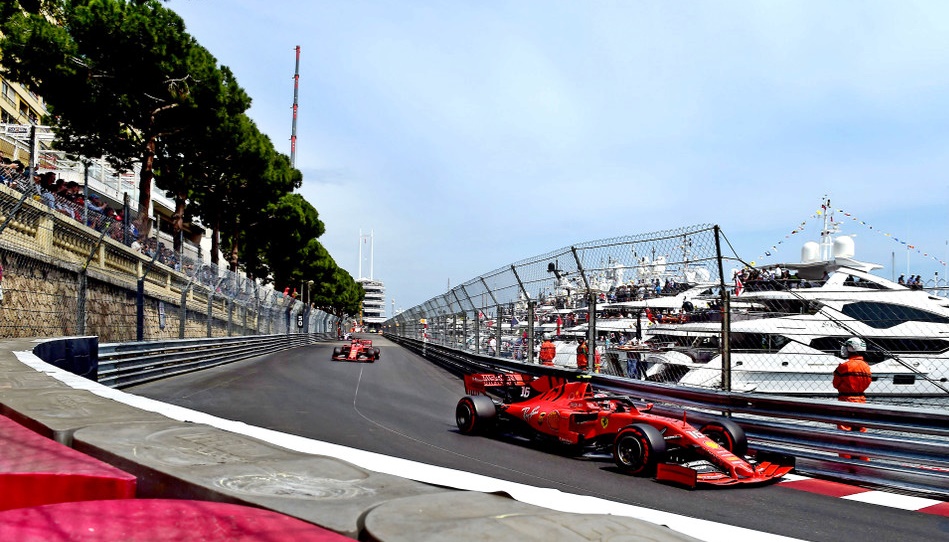
The Belgium GP, held at Spa-Francorchamps, will again have the longest circuit in the calendarSingapore, which has hosted a night race every year since 2008, will continue to do so for another 4 years.The Monaco street circuit has been a regular venue for decades and has the shortest length of all circuits in the calendar.
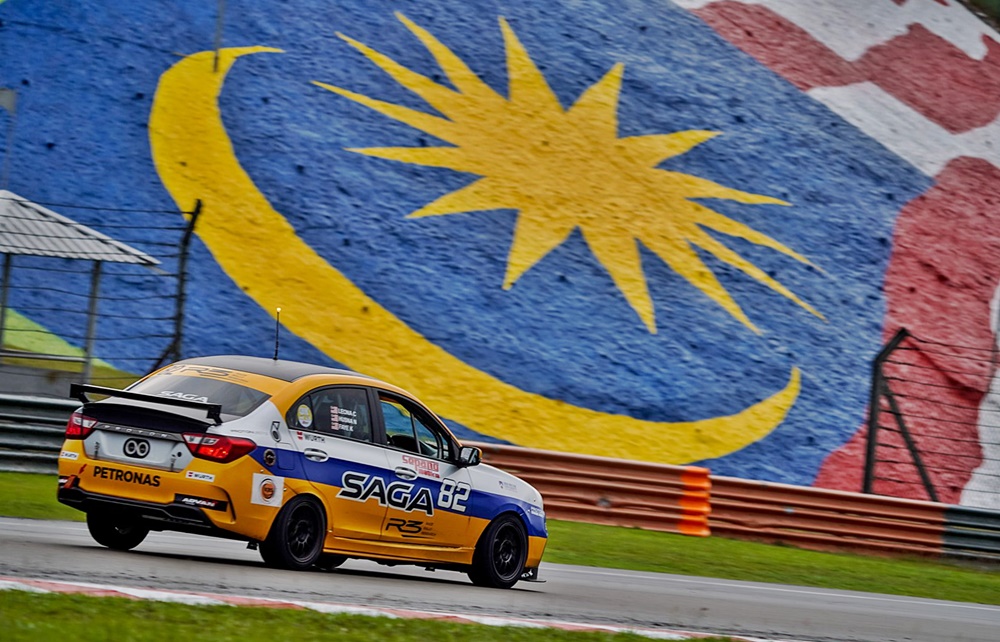
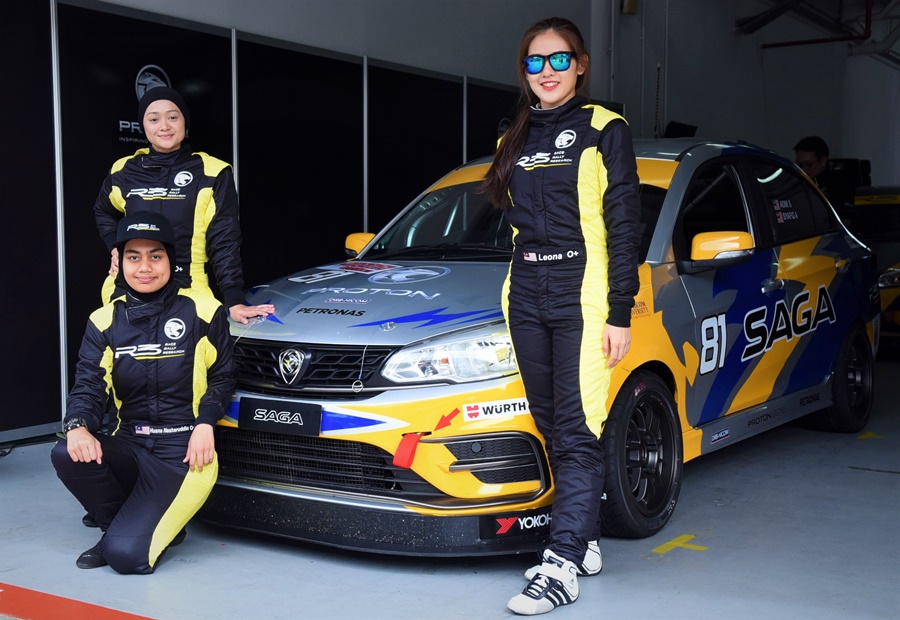
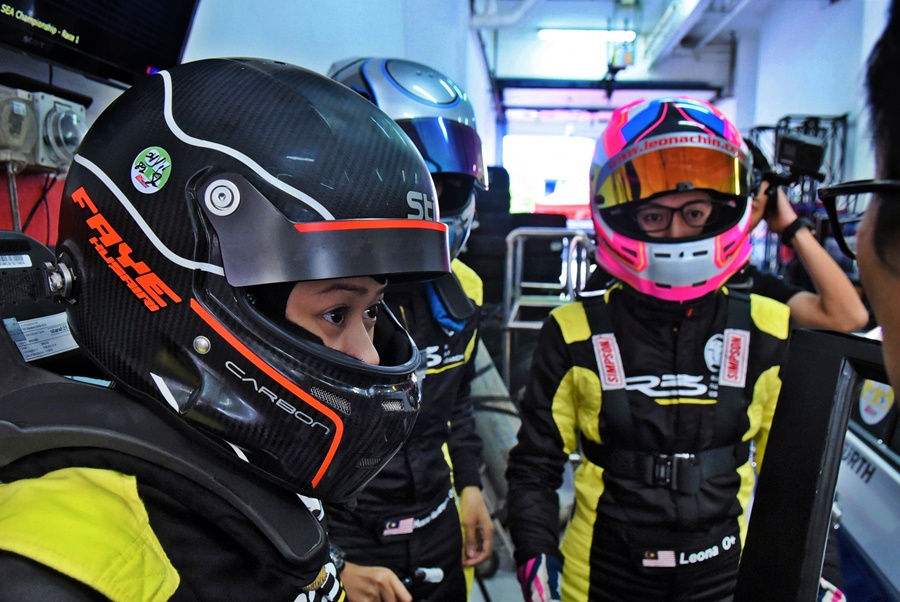
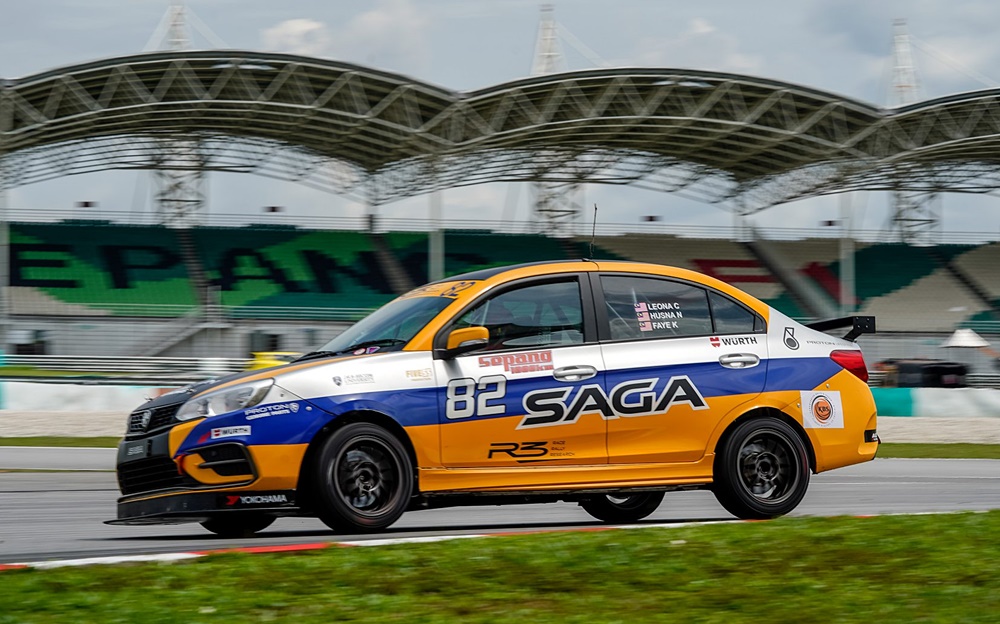
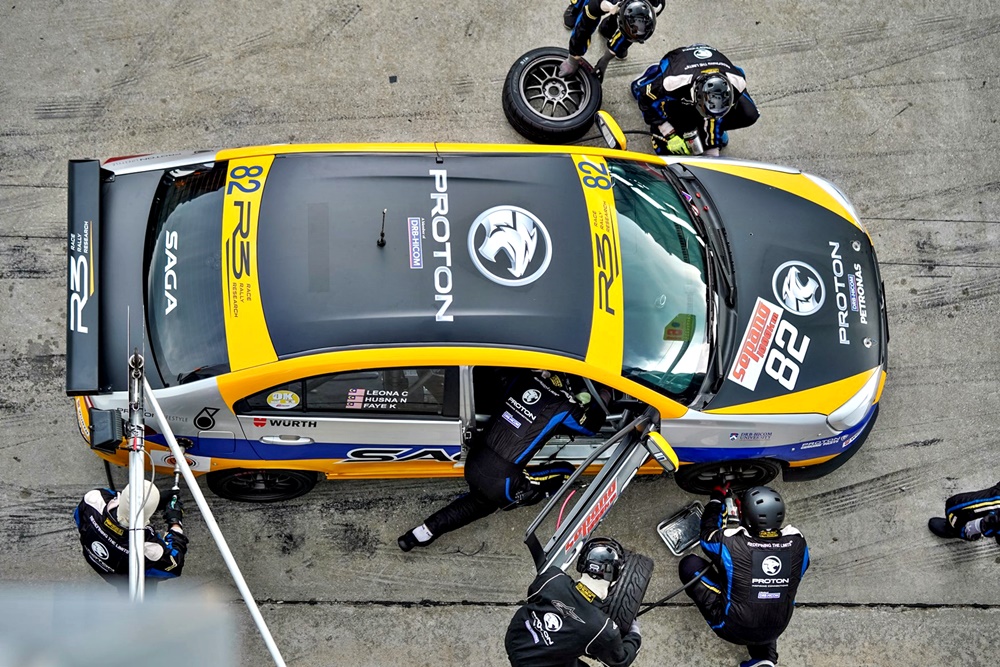
Team Proton R3’s third consecutive win in the recent Sepang 1000km (S1K) race certainly grabbed headlines but also deserving praise was the was the impressive result for the team’s third car. This was a Saga with an all-ladies crew comprising Faye Kusairi, Nurul Husna and Leona Chin.
Unlike the other R3 drivers, Faye and Nurul did not have prior experience of competing in the Malaysia Championship Series (MCS). They were selected via the team’s lady drivers search initiative. Leona, however, is a professional racer who has been competing in the MCS.
From 26th to 7th
In the tough 9-hour race, the trio put in a fine effort after starting from 26th position to finish a respectable seventh. A demonstration of team spirit and skill, the 2019 S1K was in fact the first time all three shared the same car.
Ready to battle in the 2019 S1K!
Despite their unfamiliarity with each other, the inherent speed of all three was evident during practice sessions for the race. They were consistently setting times that put them in the top eight. Their qualifying session however was compromised by a small technical issue, consigning them to start from the back of the M-Production class grid. Nevertheless starting 26th did not dampen their spirit and during the race, they drove with great skill and patience, methodically working their way up through the field.
“The S1K was extremely memorable and surreal for me. I am amazed we finished seventh from 26th on the grid but it proves how quick the Proton Saga and our trio of drivers really is. To be honest, I really feel that if we were given another chance, I think we can make it up on to the podium,” said Faye.
“Our lady race drivers performed admirably and drove really well to mount a great comeback from their low grid position. To finish seventh in what is one of the toughest S1K races in recent memory is a great achievement and the best finish ever achieved at the race for an all-ladies driving crew,” said a delighted Gary Lee, Head of Team Proton R3.
Proton Saga proves racing prowess
Despite being R3’s newest car, the 2019 Proton Saga has already proven its ability to be a quick track car. The short development cycle (the model was launched in August this year) meant the team faced a tremendous challenge to get it ready on time, but the results have proven how suitable the Saga is for motorsports.
“The Proton Saga is a model synonymous with Proton and was the very first model the company used for motorsports. In more recent times, we favoured other models but last year we started using it again for the MCS and S1K in 2018. This year’s car is brand new and despite the very short timelines, the results have been very impressive. This therefore proves the Proton Saga is capable of performing in a variety of environments, from daily commuting to family outings and competing in Malaysia’s biggest race, making it truly a Malaysian favourite,” said Dr Li Chunrong, CEO Of Proton.
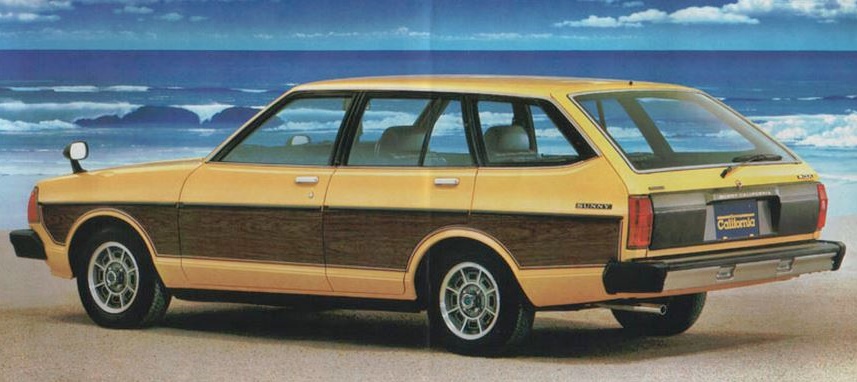
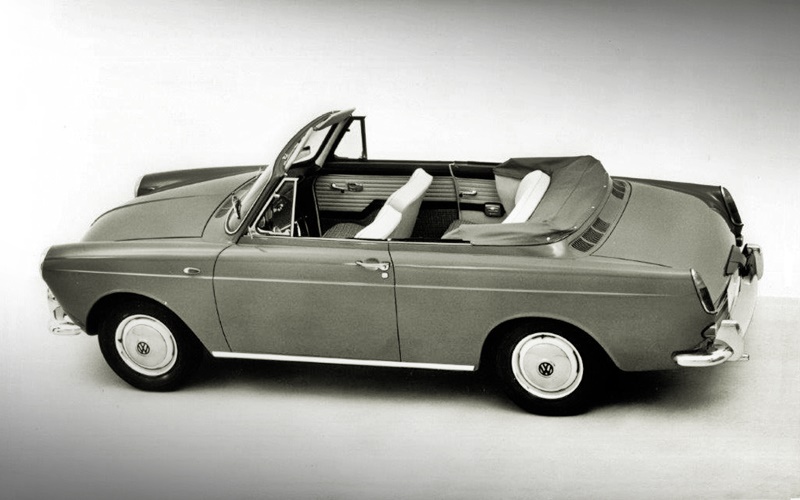
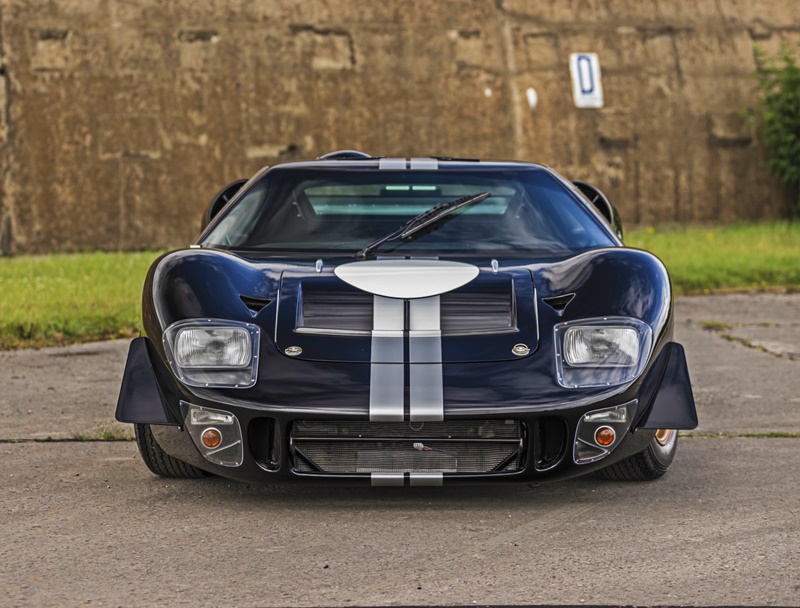
For nearly as long as there have been cars, people have been collecting and customizing them. Until recently, however, if owners of classic cars wanted to replace a damaged bonnet or fender on an out-of-production model, they had to search through junkyards or hire a craftsman to make a one-off replacement (which might be costly).
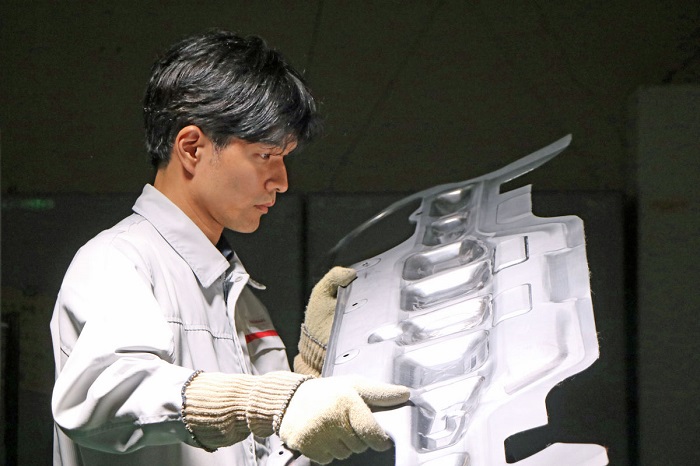
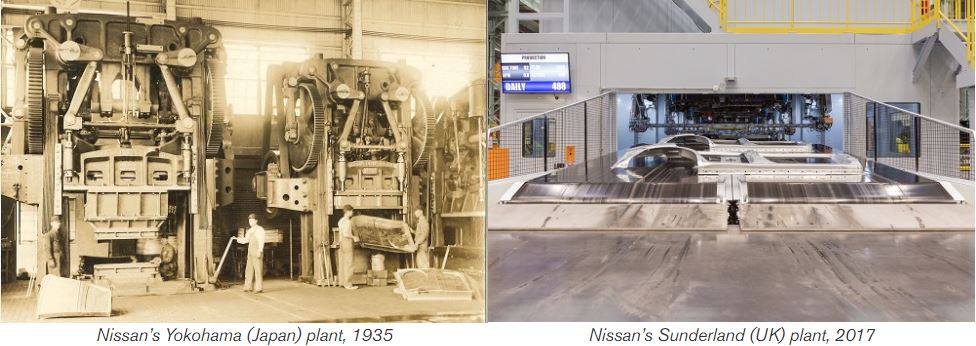
Now, thanks to a new technology called dual-sided die-less forming, Nissan plans to offer original specification pieces at mass-production prices. Automakers traditionally form body parts by pressing sheet metal against specially created dies. Designing and building multiple dies for each part is expensive and only pays off after stamping a large volume of parts. This is why, for locally-assembled models, many body parts are imported from a bigger plant elsewhere as the volume locally is too small to justify the investment in huge stamping machines.
This basic process has remained largely unchanged since the early days of mass production of motor vehicles. It remains a stumbling block that prevents production of low-volume parts unless costs are raised.
Nissan’s new dual-sided die-less forming technology presents a compelling alternative to the investment-intensive industry norm. It does away with dies and stamping machines altogether, removing one of the most costly and time-consuming steps in auto body manufacturing.
Owners of old models which Nissan no longer makes usually have to search at junkyards for parts. Nissan’s new technology could make it easier for them to get the parts in future.
Two robots better than one
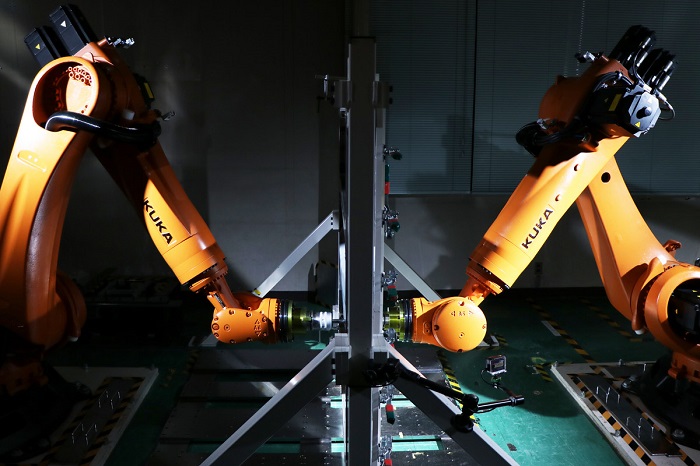
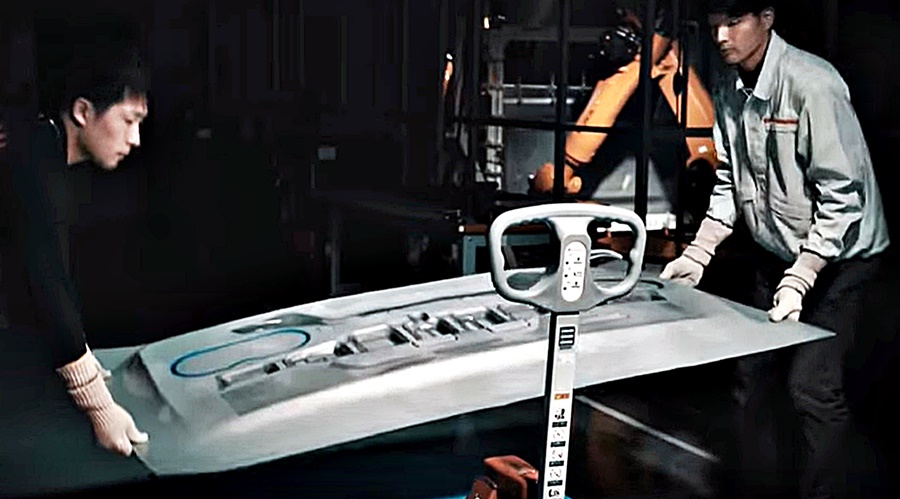
The process involves two robots working on opposite sides of a flat sheet of metal. By syncing their movements precisely and using diamond-tipped tools developed by Nissan, the robots can shape the metal to a high degree of accuracy and detail. Working in tandem, two robots can produce intricate concave and convex shapes that could not be created if one robot were working from a single side of the sheet.
The new technique was made possible, thanks to the production engineering expertise at Nissan’s Production Engineering Research and Development Centre, along with advancements in materials technology by Nissan’s Research Division.
“About five years ago, we started thinking about ways of forming sheet metal without relying on dies,” said Keigo Oyamada, an assistant manager in Nissan’s vehicle manufacturing element engineering department, who oversaw the project. “Our goal was to solve the cost issues related to creating dies for small-volume production. We want to put this technology to use to create spare parts for old models whose dies have already been thrown away, or potentially even to let people order custom parts from Nissan.”
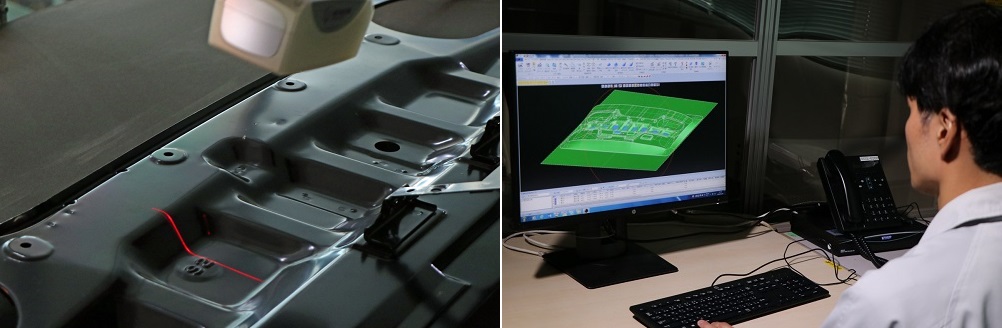
Performing a 3D scan of an existing part creates data that can be used to ‘teach’ the robots to build the scanned part — although some human guidance is still required. This approach will allow Nissan to produce parts that haven’t been made in decades, simply by scanning existing examples of those parts.
Custom parts – in just one week
Dual-sided die-less forming can be used to create custom body parts in less than a week, instead of waiting as long as a year for dies to be designed and manufactured. The process is also inherently adaptable; it can be used to produce small and large parts alike, as well as car parts other than body panels.
For now, Nissan plans to use dual-sided die-less forming to produce replacement parts for cars the company no longer sells. Looking further ahead, the company sees potential for creating customized parts for those who are looking to add a little uniqueness to their future rides.
For assistance in obtaining Nissan Genuine Parts in Malaysia, visit www.tceas.com.my.