Piston.my

Latest News

In May this year, Marc Philipp Gemballa – the son of the man who founded the Gemballa tuning company 30 years ago – announced that he was developing a new car of his own, codenamed ‘Project Sandbox’. It had nothing to do with the Gemballa company and is a venture by his own company.

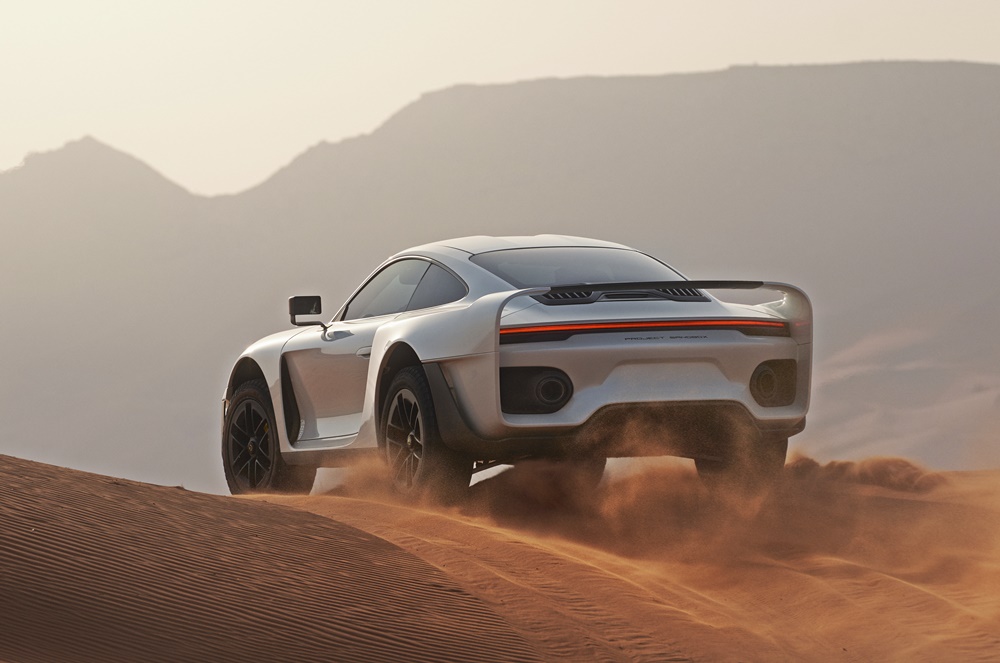
Based on the all-new Porsche 992 Turbo S, the sportscar is off-road capable and inspired by the legendary Porsche 959 rally era. Only 40 units will be produced and most of them already have customers waiting. The price for conversion starts at 495,000 euros (about RM2.455 million) ex-factory plus the cost of a 992 Turbo S.
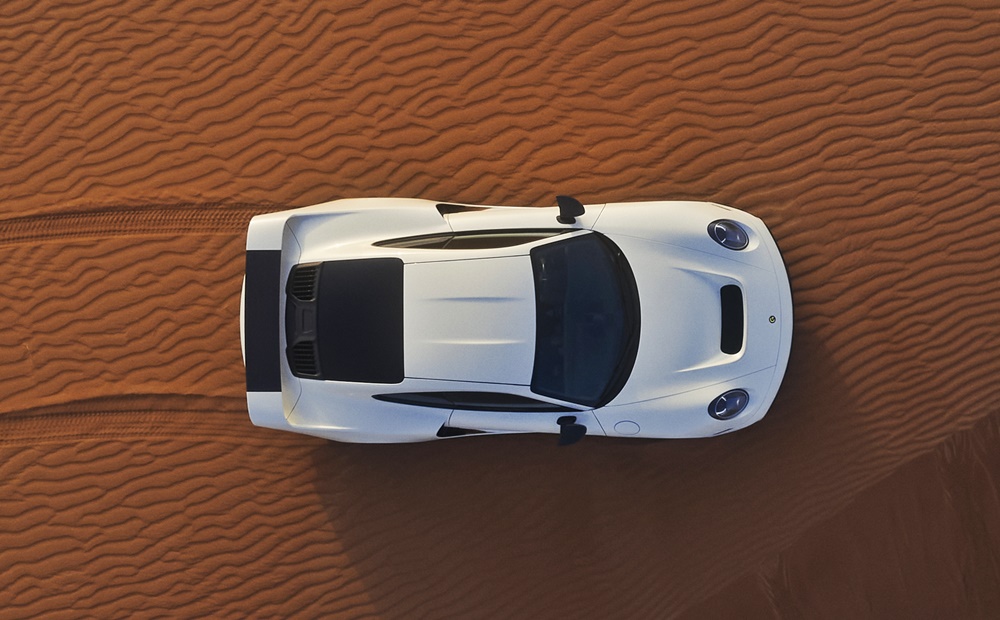
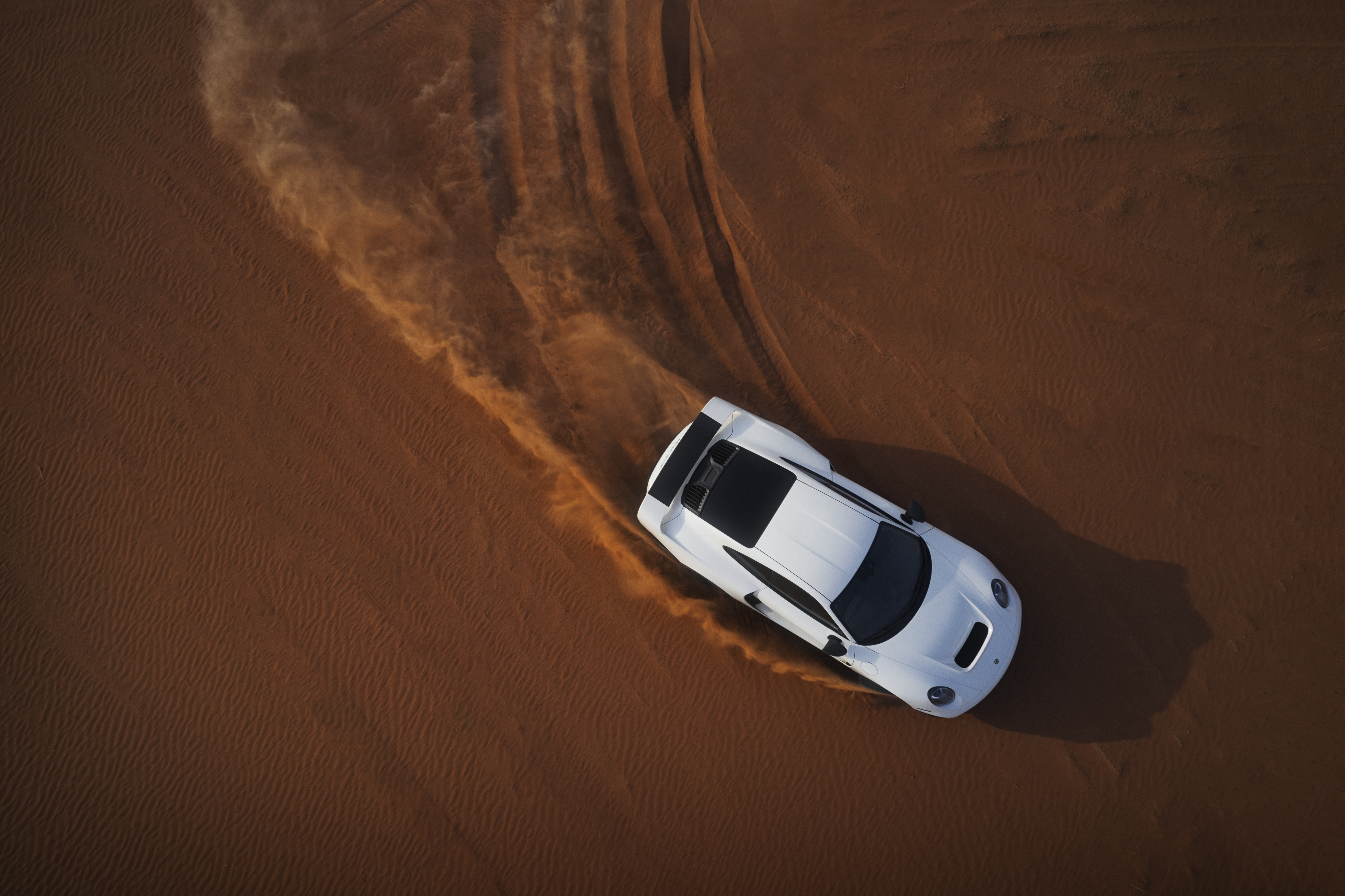
‘Project Sandbox’ now has a name – MARSIEN – which is derived from the French word ‘Martian’ or ‘from Mars’. The choice of this name came about during the intense test phase in the Al Faya desert in the United Arab Emirates. The stunning red desert sand with sharp fossil rocks and mountain backdrops gave the 27-year old Gemballa and his team the feeling as if they were in an entirely different universe.

“Since it looked and felt like we were on Mars paired with the futuristic design and the vehicle’s off-road capabilities, we couldn’t think of a more fitting name for our first project,” he explained, and so the name was born.

A more unique supercar
Although he grew up in an environment where building the fastest and most powerful production car on the planet and setting the next world record on the Nurburgring was key, Gemballa believes the horsepower game is over. He observes that tuning is done by the carmakers themselves and that the market is constantly being flooded with an influx of new supercars.

The young entrepreneur realised, when aiming to build a successful company for the future, he could not offer just ‘another supercar’, and he needed to come up with something very special for his clients.
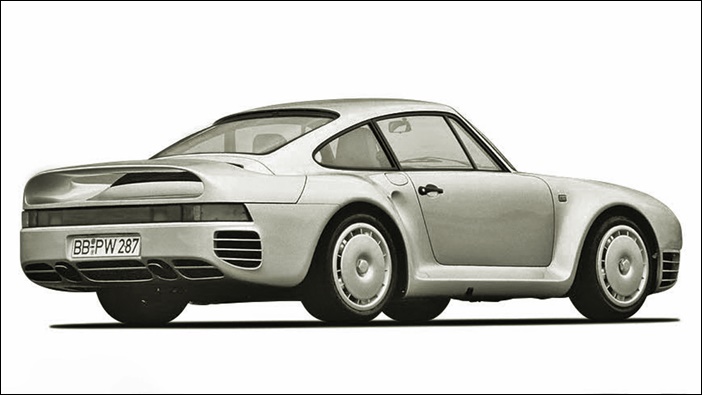
The legendary Porsche 959 from the original Paris-Dakar era.

Entirely new concept
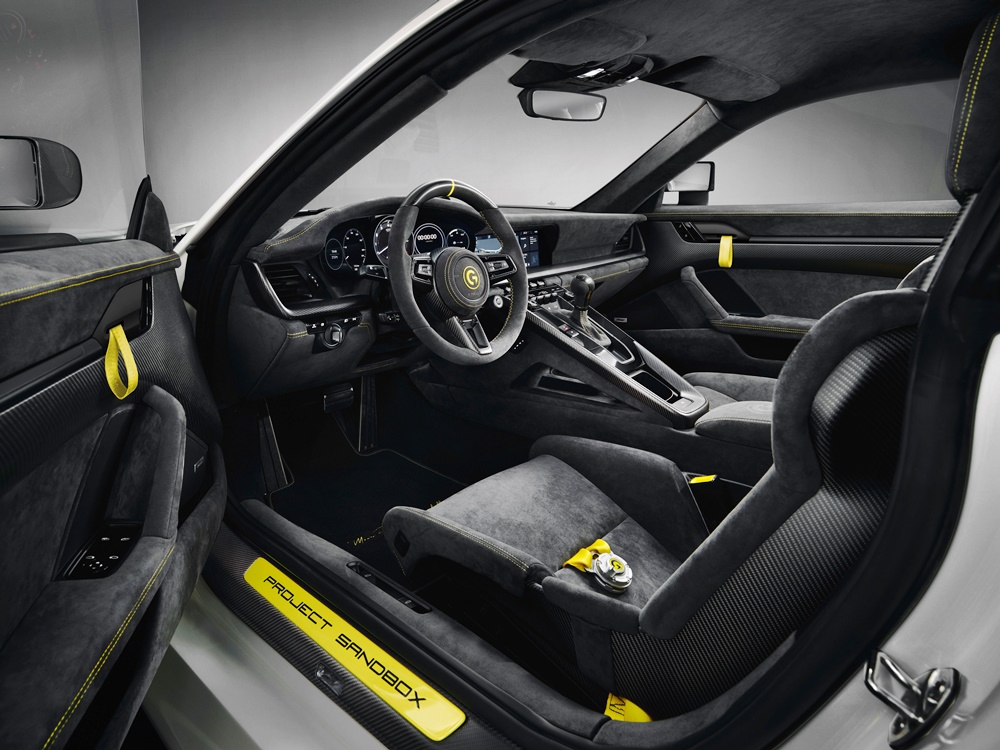
Drawing inspiration from the legendary Paris-Dakar rally era and more than two years of intense design and engineering development, Gemballa has come up with an ultra-modern, timeless looking supercar. It is a hybrid between a modern-day supercar with all its comfort and day-to-day practicality combined with off-road capabilities using the latest technologies.

The all-new Porsche 992 Turbo S provided the perfect base to realise the young entrepreneur’s vision. With that model as the starting point, the MARSIEN features a full carbonfibre bodyshell. All exterior components are produced in pure carbonfibre, exclusively designed for performance, light weight and cooling. Each body panel is manufactured by a leading German carbonfibre specialist which also supplies leading supercar manufacturers as well as several leading Formula 1 teams.
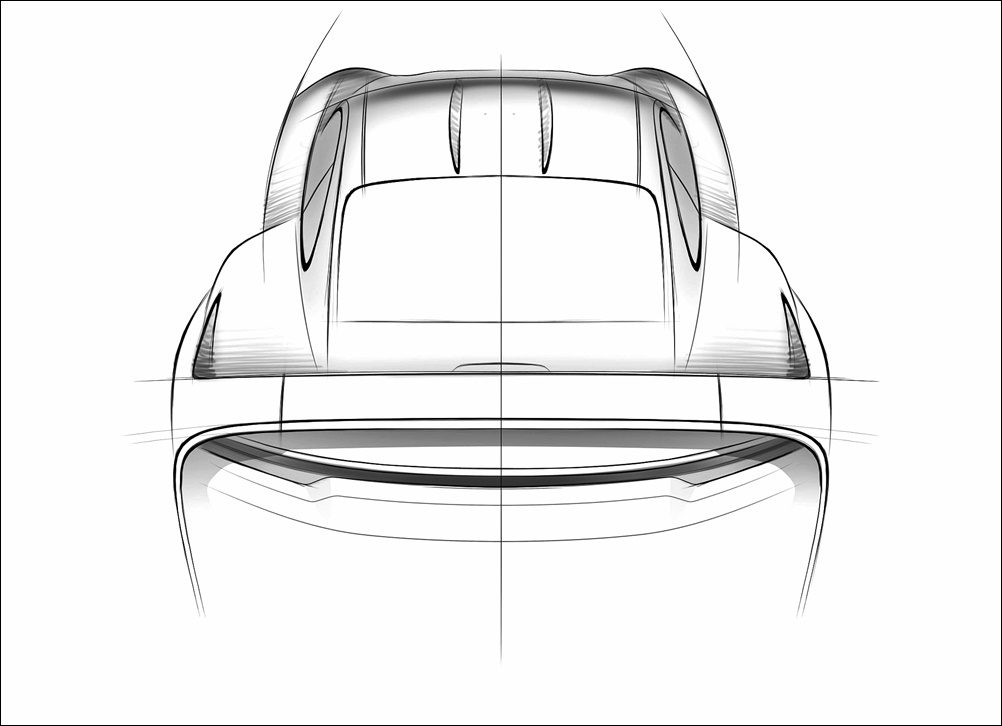
The exterior paint is applied by a state-of-the-art and certified paint shop which will meet the most ‘daring’ customer colour requests. For the launch vehicle, there is an elaborate triple layer pearl white with special metallic flakes, along with additional protection through a ceramic coating. Customers also have the request for a fully exposed carbonfibre body.

Besides the full carbonfibre body, the exterior of the bodywork has functional design upgrades such as a completely bespoke taillight. Adopting the latest LED technology, the rear light has been developed together with light specialist GERG Lighthouse, enabling a completely holistic design appearance for the MARSIEN.
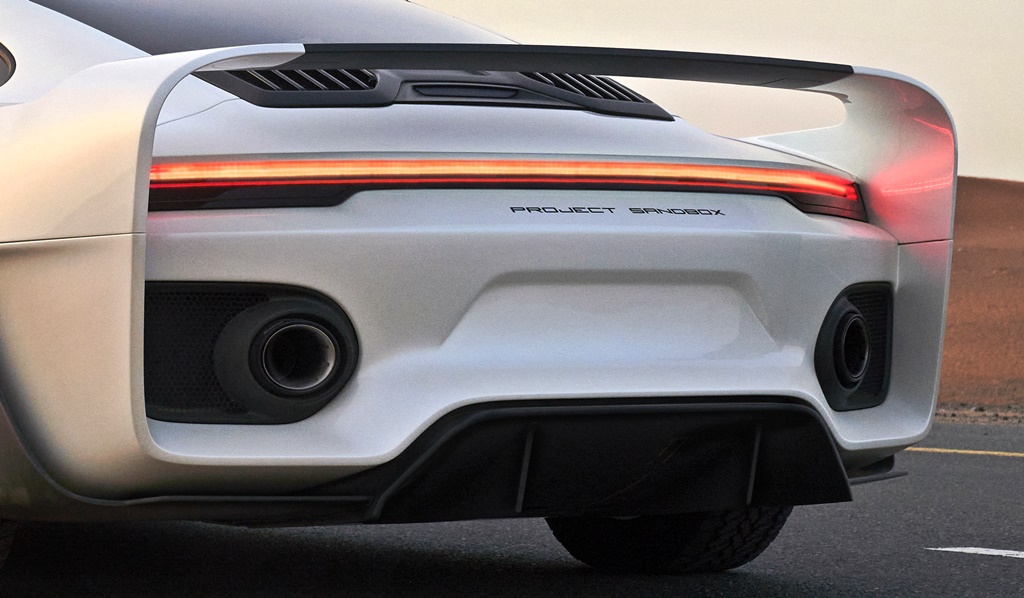
The shape has been the subject of intensive Computational Fluid Dynamics analysis in order to achieve the best possible aerodynamic efficiency. This area was the responsibility of engineering partner KLK, which has gained expertise in working with LMP1, Formula E, and Formula One racing teams for over 20 years.
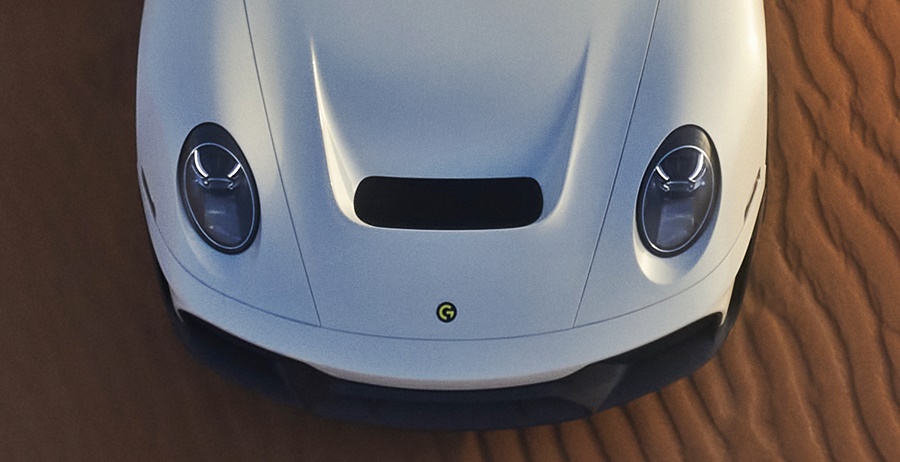
Power by RUF
To offer a top-notch powertrain, Gemballa has teamed up with legendary Porsche engine specialist RUF Automobile for the engine development of the MARSIEN. Founded in 1981, RUF Automobile is known for its Porsche engine expertise, having already worked with Marc’s father to produce powerful powertrains for various cars in the 1980s. The engine upgrade ‘POWERED BY RUF’ enables the 6-cylinder boxer engine to deliver over 750 ps  and 930 Nm.

For those who need more power, there is second stage power upgrade by RUF Automobile taking the engine up to 830 ps with enhanced VTG turbochargers and a revised ECU mapping and transmission setting.

The Porsche PDK transmission is also used, and it has been revised and adapted to the new conditions so that the enormous power reserves arrive at all 4 wheels without loss. Extended driveshafts have been developed with reinforced Porsche Cayenne joints to reliably enable the enormous spring deflection and the engine’s high torque.
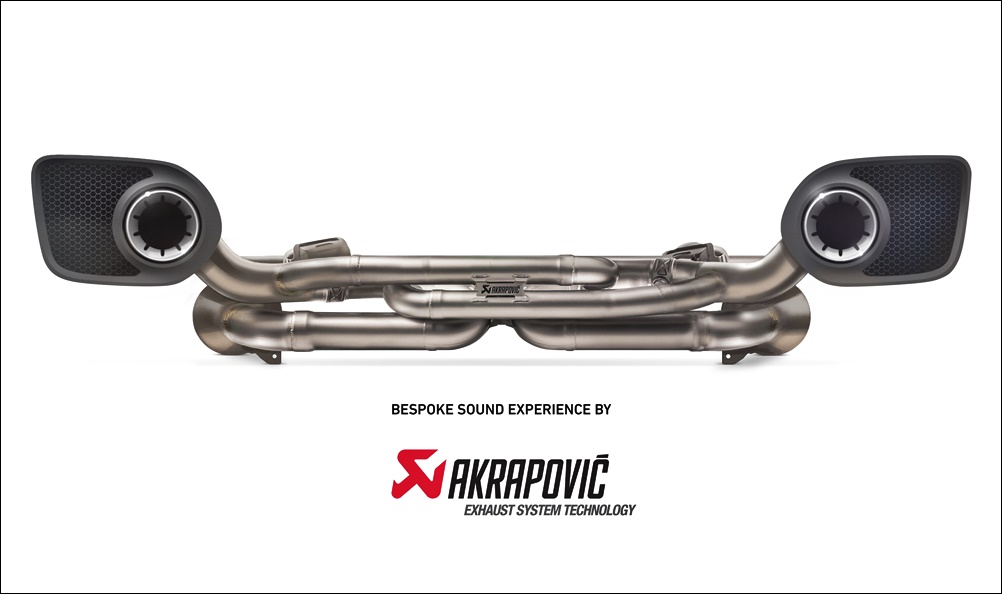
Akrapovic, the well known exhaust system manufacturer, has also developed an entirely new titanium system exclusively for the MARSIEN. This lightweight system focusses on a bespoke sound experience while also helping to enhance power output.

Cutting-edge chassis technology
The suspension and chassis have been developed by KW Automotive to be a bespoke system. Being also intended for off-road motoring, extensive changes to the chassis of the base vehicle have been required. These include a completely new double wishbone front suspension set-up equipped with KW Automotive’s solid piston damper technology. This has an intelligent active damper control as well as an adjustable ride height system that can create overall ground clearance of up to 250 mm at the touch of a button.
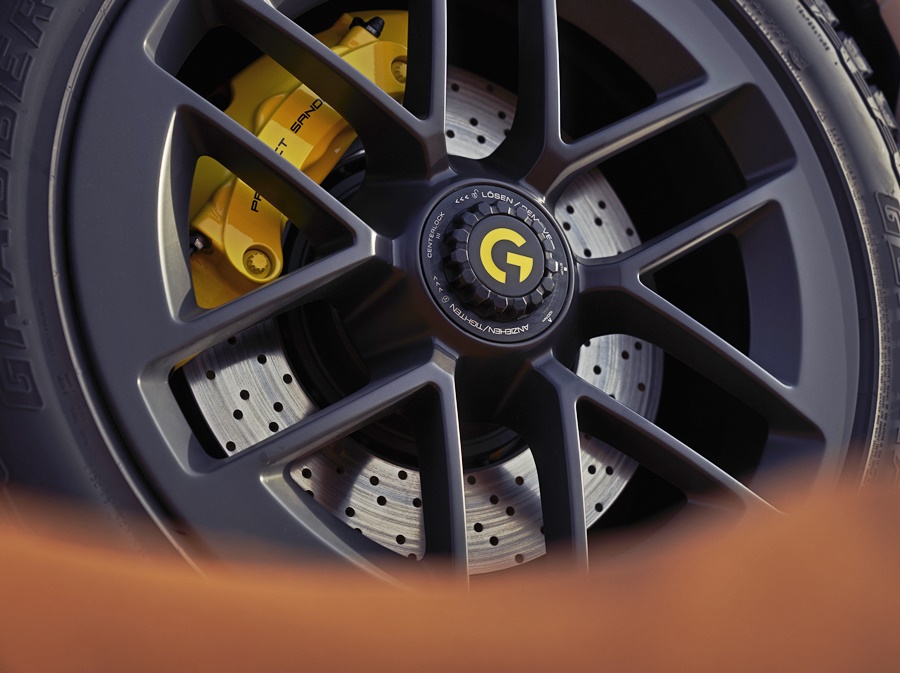
Drivers looking for the ultimate off-road experience and don’t mind limited road usability can fit an optional off-road package. This is equipped with Reiger Suspension rally specification off-road dampers further enhancing the suspension travel and increasing the ground clearance to a fixed off-road ride height.
The MARSIEN is currently undergoing a full road homologation process, which includes crash tests,  in order for it to be legally used on roads in target markets. The markets that Gemballa is looking at are in Europe, the Middle East, the USA, as well as other major global markets later on.


With the ongoing Movement Control Order (MCO) which began on 1 June 2021, many business sectors  have had to remain closed. This has had an impact and in the auto sector, new vehicle sales for  the whole industry have dropped tremendously in the month of June.

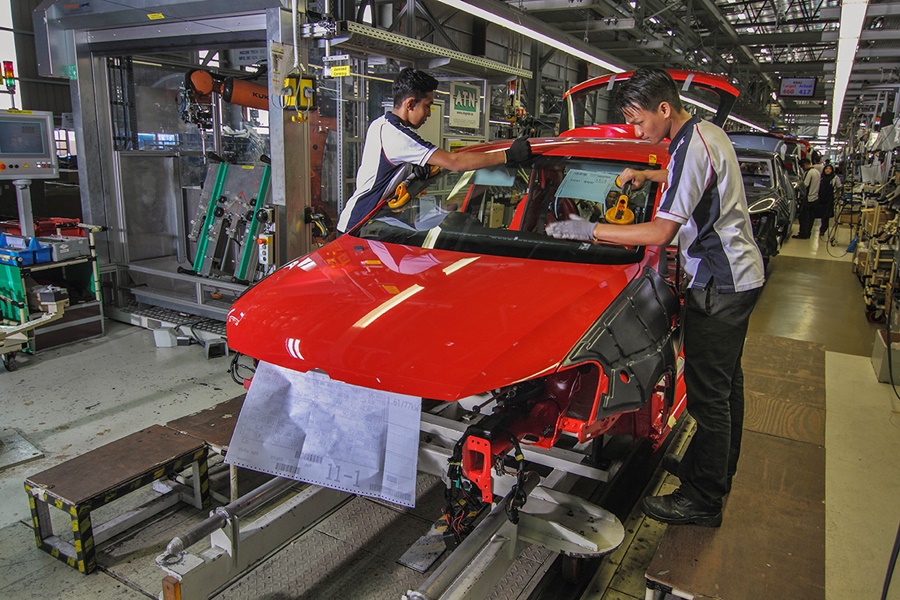
Commenting on the situation, President of UMW Toyota Motor (UMWT), Ravindran K., said that  the continued closure of all Toyota and Lexus showrooms nationwide meant that no business  could be conducted. Manufacturing of vehicles including the supply chain and logistic efforts have also come to a halt. While accepting that the Government has had to act  for the good of the country, it has presented a challenge for the company.

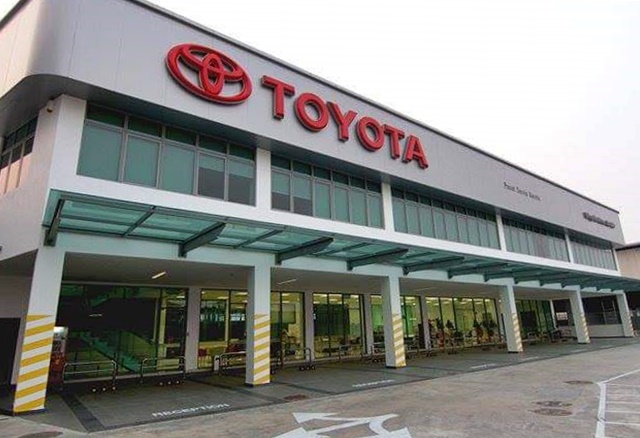
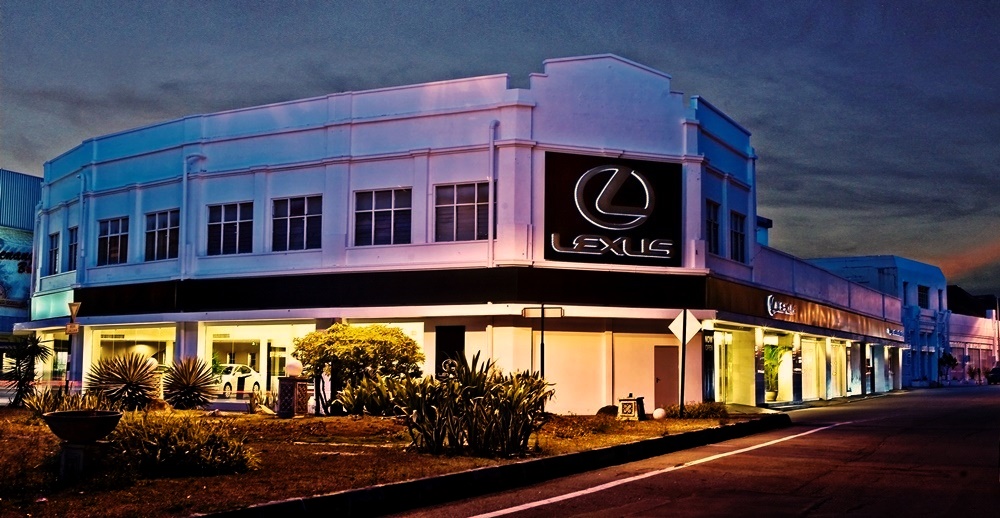
Lexus and Toyota showrooms throughout Malaysia have to remain closed, which has meant that no sales can be conducted.

“We still have an encouraging order bank for the various models. Nevertheless, we are hopeful  that the restrictions of the lockdown can be eased to allow us to operate in a limited and safe  way. Naturally, we will abide by all Standard Operating Procedures, as we have during the past  year,” he said.

Online showrooms and booking available
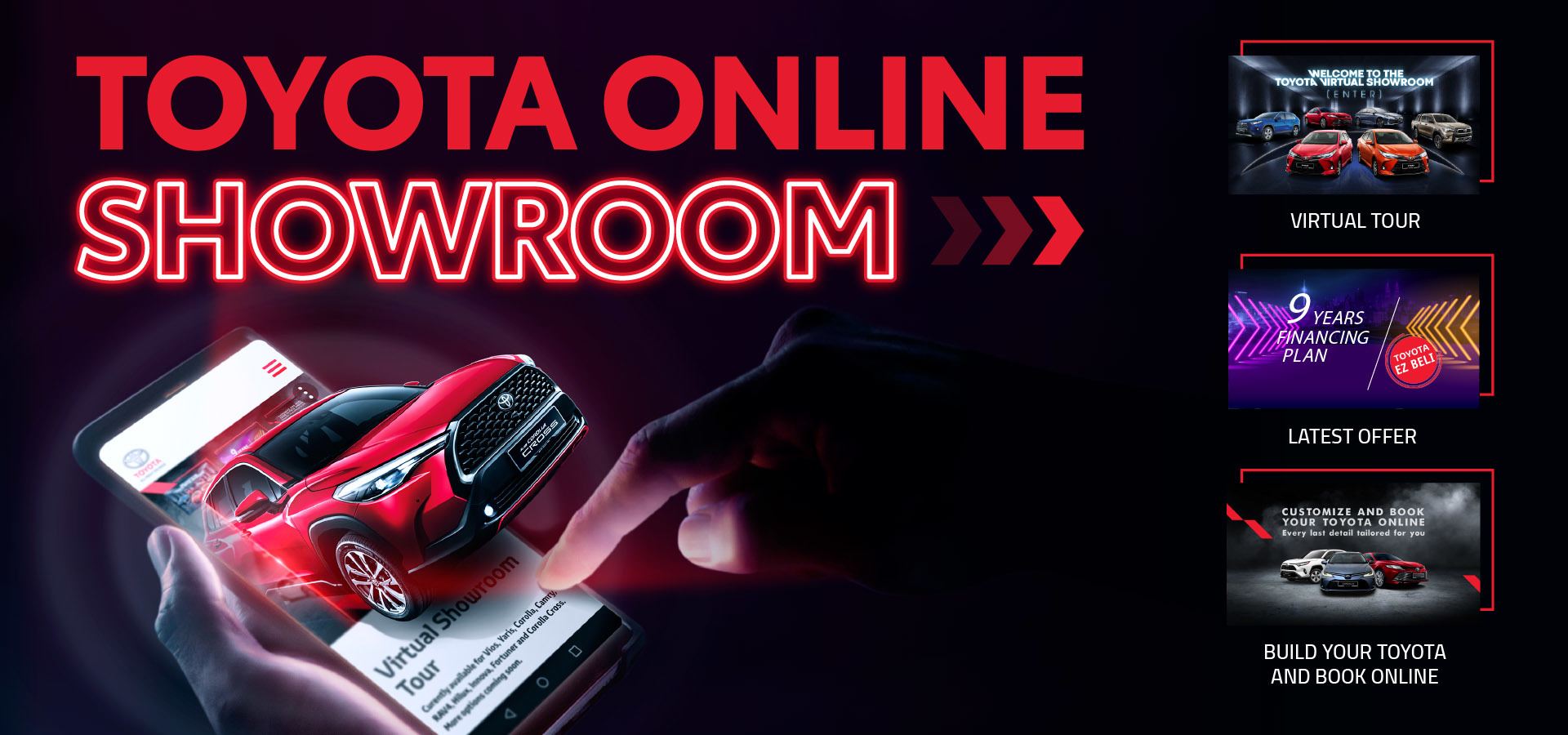
While the showrooms remain closed, the public can still obtain detailed information about Toyota  and Lexus vehicles at their respective websites – toyota.com.my and lexus.com.my. They can find  out about the models available in Malaysia and the attractive financing schemes for different  requirements. Bookings can also be made online.

Mr. Ravindran reminded customers of the exemption of Sales & Service Tax (SST) which is extended  until the end of 2021. The exemption covers both locally-assembled and imported Toyota and  Lexus models and provides meaningful savings.

“We encourage customers to make their bookings online as we can then plan production at our two assembly plants to minimize waiting time when the restrictions are lifted, to enable  customers to enjoy the current financial incentives,” he added.

Toyota and Lexus owners can still get help in emergencies as support services are still allowed to operate 24/7.

Aftersales support still available 
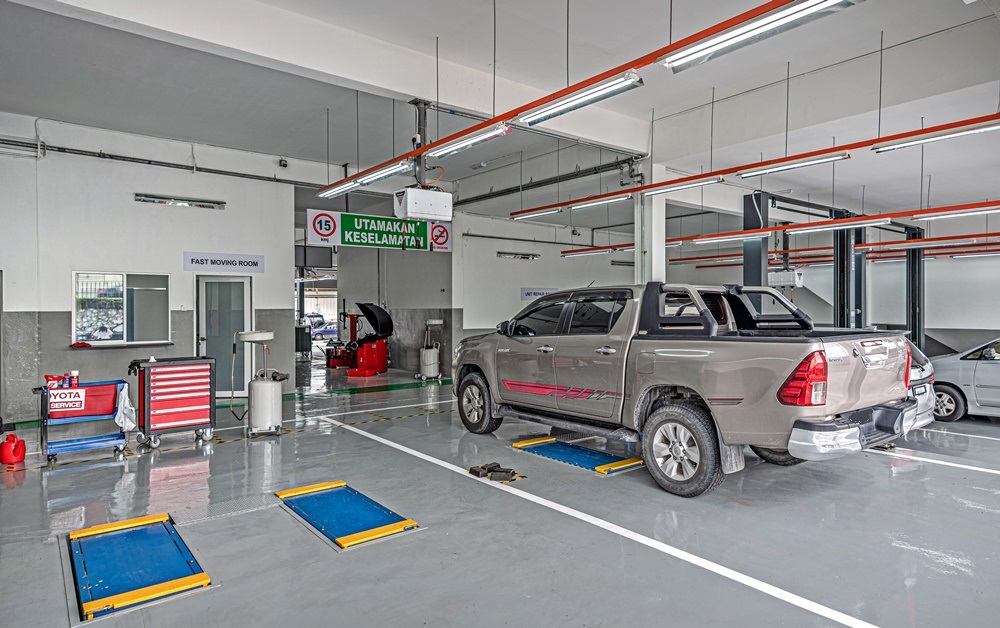
Selected UMWT service centres continue to operate according to the provisions by the state and local authorities. Vehicle owners can therefore obtain assistance in emergencies. For assistance at any time, owners can call the Toyota and Lexus Helplines at 1-800-888- 247 and 1-800-225-3987, respectively.

Effects of prolonged restrictions 
“While the government has formulated a National Recovery Plan (NRP) in four phases, we are still  in Phase 1, which is the most restrictive. The current situation also makes planning for recovery  difficult,” said Akio Takeyama, Deputy Chairman of UMW Toyota Motor.

Mr. Takeyama said that prolonged restrictions on vehicle production can have an impact not just on  passenger vehicles but also commercial vehicles, which are essential for transportation of goods  around the country.

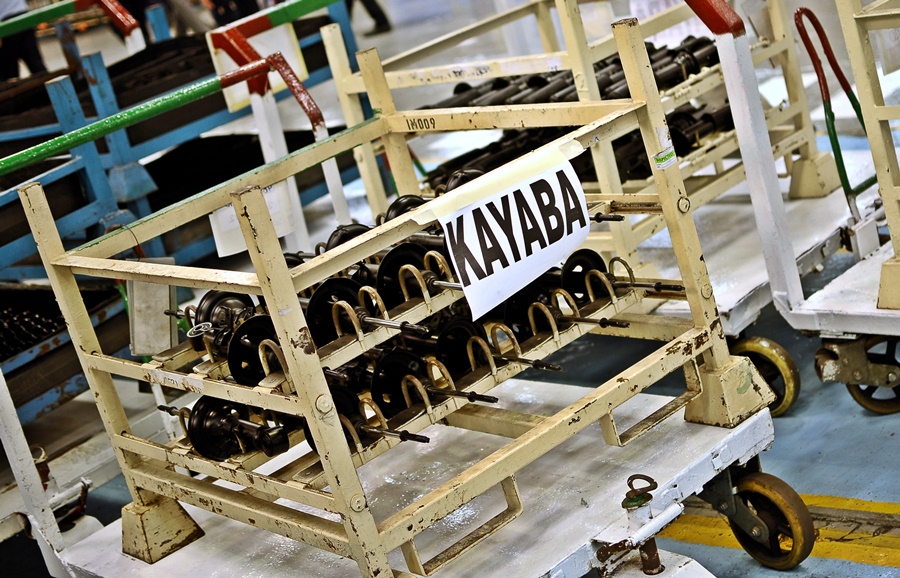
Some of the parts which are made in Malaysia and supplied to local assembly plants as well as exported to factories in other factories assembling Toyota vehicles.

“Furthermore, export business will be affected as well as our subsidiaries export a substantial  amount of automotive components as part of Toyota’s global supply chain. If this situation  continues for long, we are concerned that our overseas customers may look for new suppliers as  they cannot have their own production delayed due to shortage of parts from Malaysia. This could  have an impact on Malaysia’s economy as a whole if export business declines,” he warned.

The prolonged situation could also impact progress with regard to the company’s initiatives for carbon neutrality through the manufacturing of hybrid electric vehicles. This was announced earlier in the month and will see UMWT making a RM270 million investment at its assembly plant in Selangor.

TOYOTA GAZOO Racing Festival 
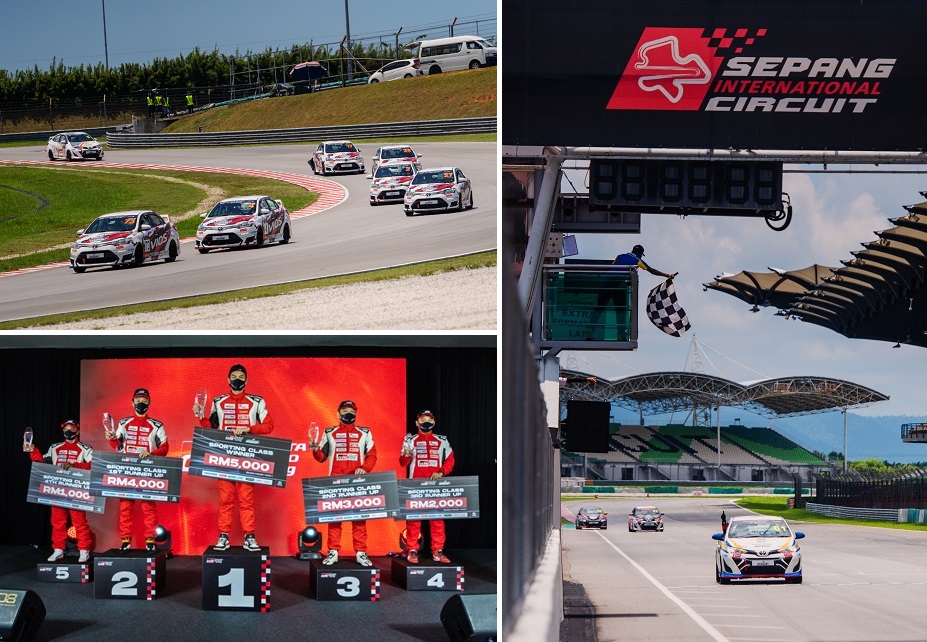
This year sees the TOYOTA GAZOO Racing Festival (TGR Festival) being run for the fourth  consecutive season. The event has grown in popularity and scale over the years, with the highlight  being the Vios Challenge which is the only one-make race in Malaysia.

Only the first round of the fourth season of the TOYOTA GAZOO Racing Festival’s Vios Challenge could be held so far.

“It is unfortunate that the ongoing pandemic and strict MCO conditions do not allow running of  public events. This includes motorsports so the fourth season of the TOYOTA GAZOO Racing  Festival (TGR Festival) and Vios Challenge are on hold. When we ran the exciting first round on March 2 at the Sepang International Circuit, we were looking forward to the next two rounds as well as the introduction of the GAZOO Racing Vios Sprint Cup and GAZOO Racing Enduro Cup,” said Mr. Takeyama, who is also Chief Motorsports Officer of GAZOO Racing Malaysia.

“Let us all do our part and pray that the number of COVID-19 cases quickly reduces, and the  government will be able to relax the regulations to allow public events,” he said.

Toyota and Lexus owners assured of assistance and support during FMCO

StayAtHome

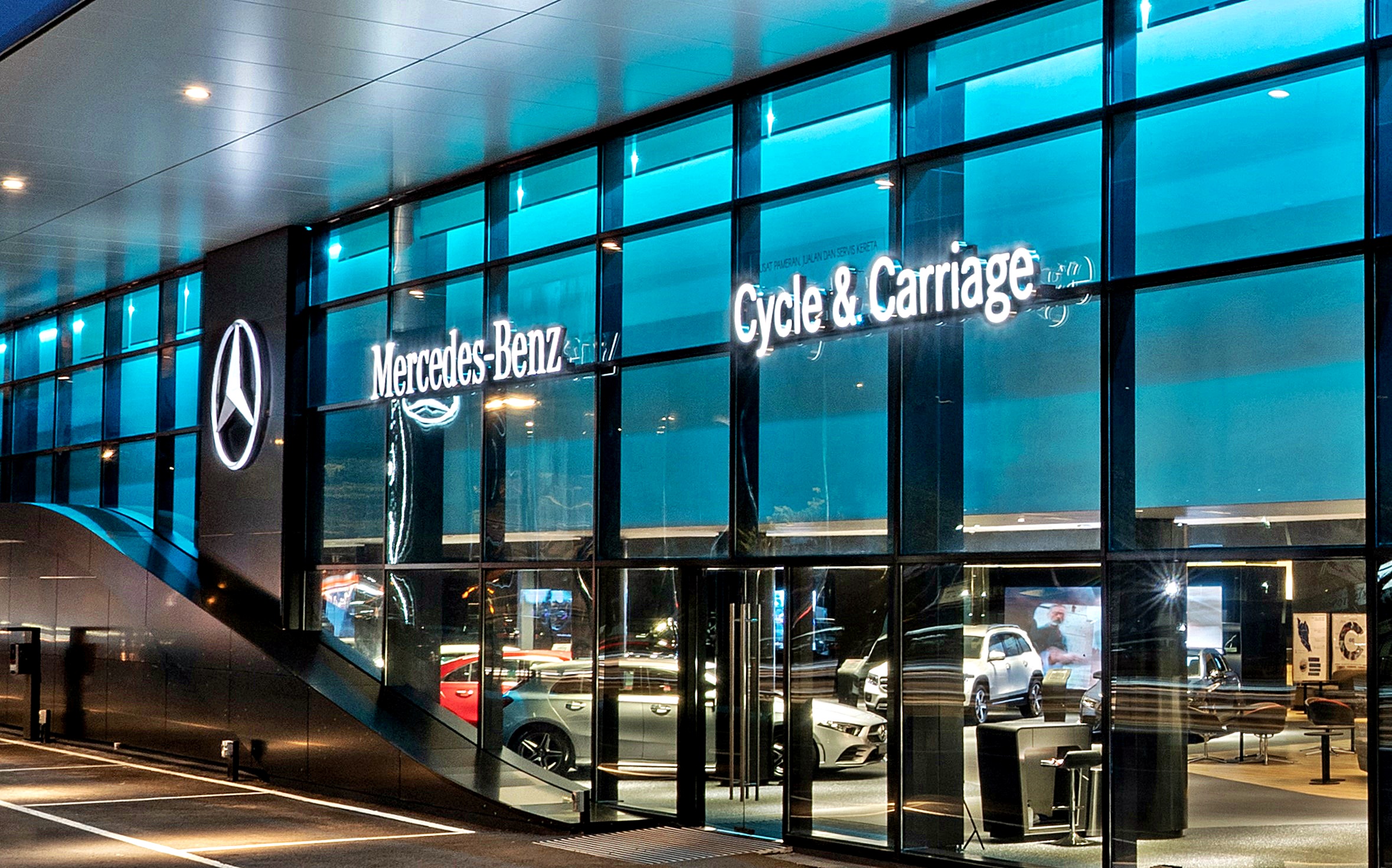
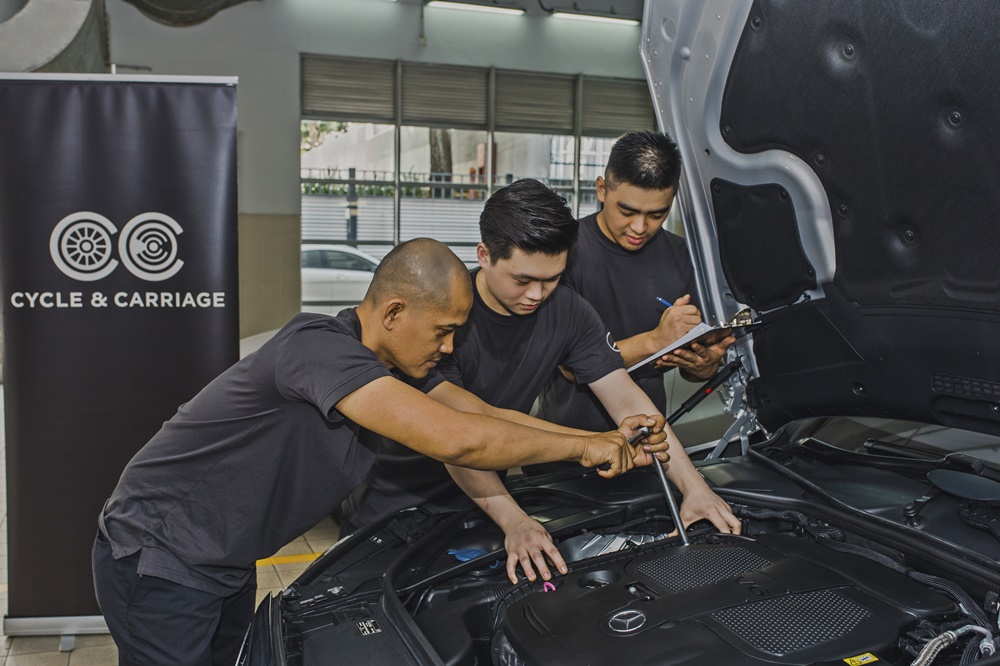
Cycle & Carriage Bintang Berhad is now accepting applications for its Study Grant. The company, which brought Mercedes-Benz to Malaysia and has a wide dealership network, has been offering this grant for the past two years. It is intended to benefit local youths interested in a career in the automotive sector by supporting their access to quality technical and vocational education.
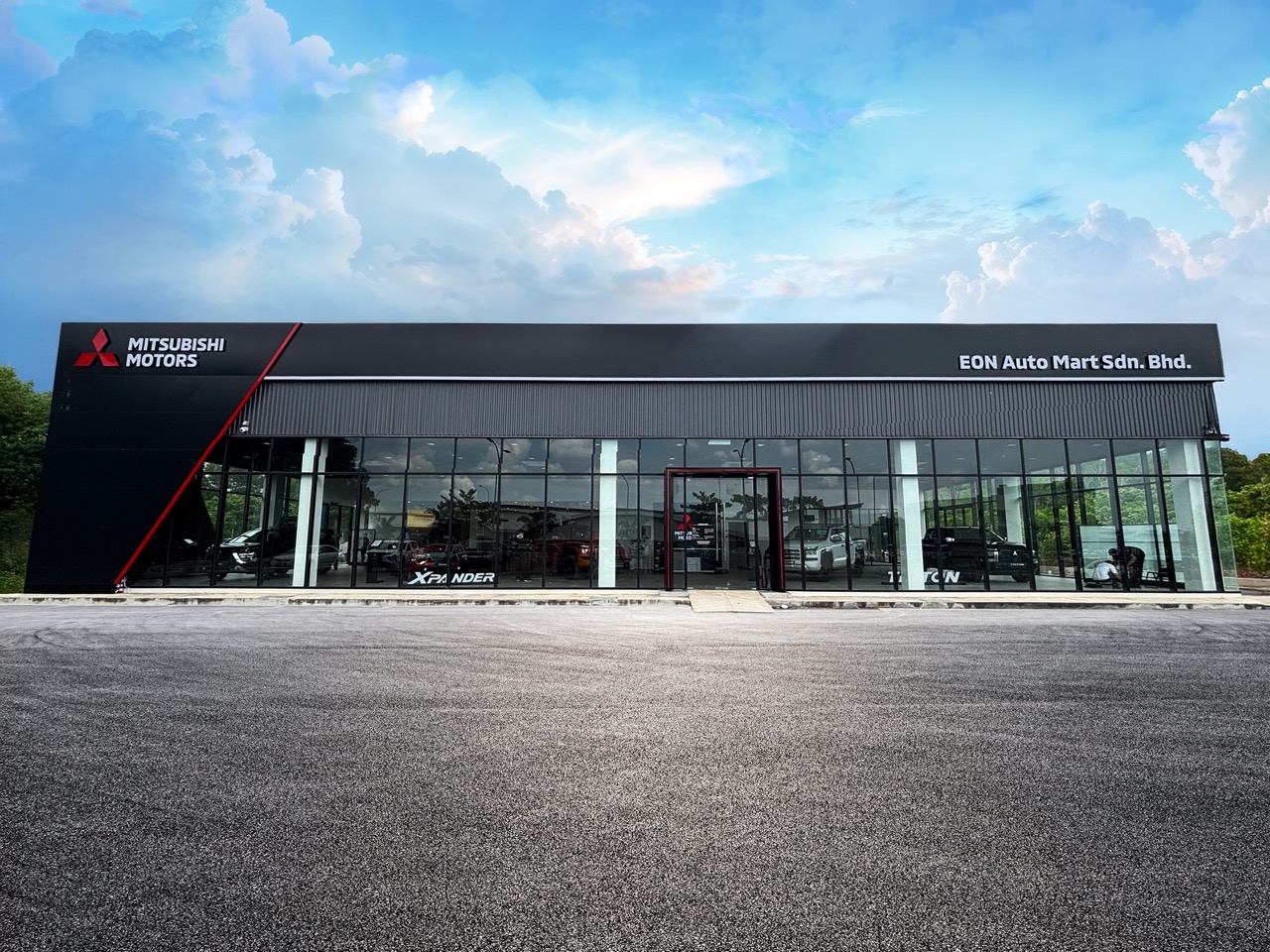
“Talented individuals form the bedrock of our promise to deliver exceptional journeys. For that reason, we believe strongly in planting the seeds for the next generation of industry professionals. Each recipient deserves the support to help fuel their academic and professional career. We are ready to welcome talented individuals into our network, including a confirmed placement at Cycle & Carriage upon graduation,” said Wilfrid Foo, CEO of Cycle & Carriage.

C&C Study Grant Signing Ceremony_2019
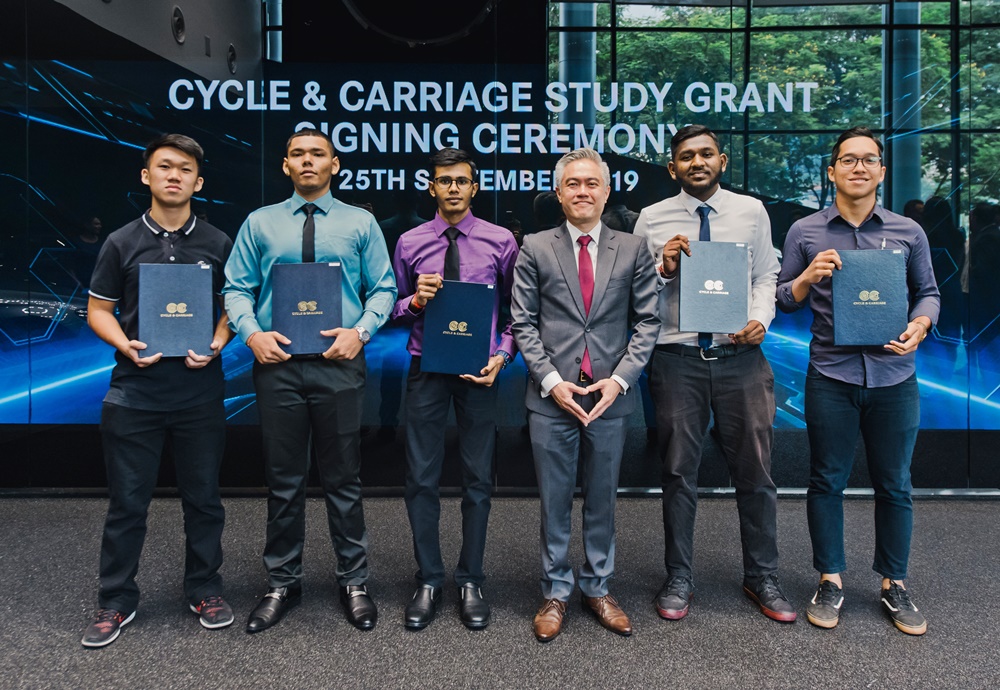
First recipients of the Cycle & Carriage Study Grant in 2019 with Wilfrid Foo, CEO of Cycle & Carriage (third from right).

The Study Grant is part of Cycle & Carriage’s ongoing commitment to the social development of the local community and the nation’s technical and vocational education. Since its inception in 2019, Cycle & Carriage’s Study Grant has launched the careers of 10 individuals.

Applications are now open for those who meet the following criteria:

  1. Malaysian youths aged 16 years and above.
  2. Currently enrolled in (or have secured a placement) in an automotive course within a skills-training institution accredited by the Department for Skills Development (DSD) of the Ministry of Human Resources or Ministry of Higher Education.
  3. Applicants must also possess a minimum credit in English and Mathematics either at the Pentaksiran Tingkatan 3 (PT3), Sijil Pelajaran Malaysia (SPM) or Sijil Vokasional Malaysia (SVM) level.
  4. From a household with a monthly income of RM4,850 and below.

The successful recipients will receive a bursary of up to RM5,000 for a maximum of 3 years of study. Grant recipients will also receive internship opportunities during the semester break and career placement with the company.

Applications will be accepted up till August 31, 2021. To know more or to obtain an application form, click here.

Cycle & Carriage Bintang sends the service centre to your home

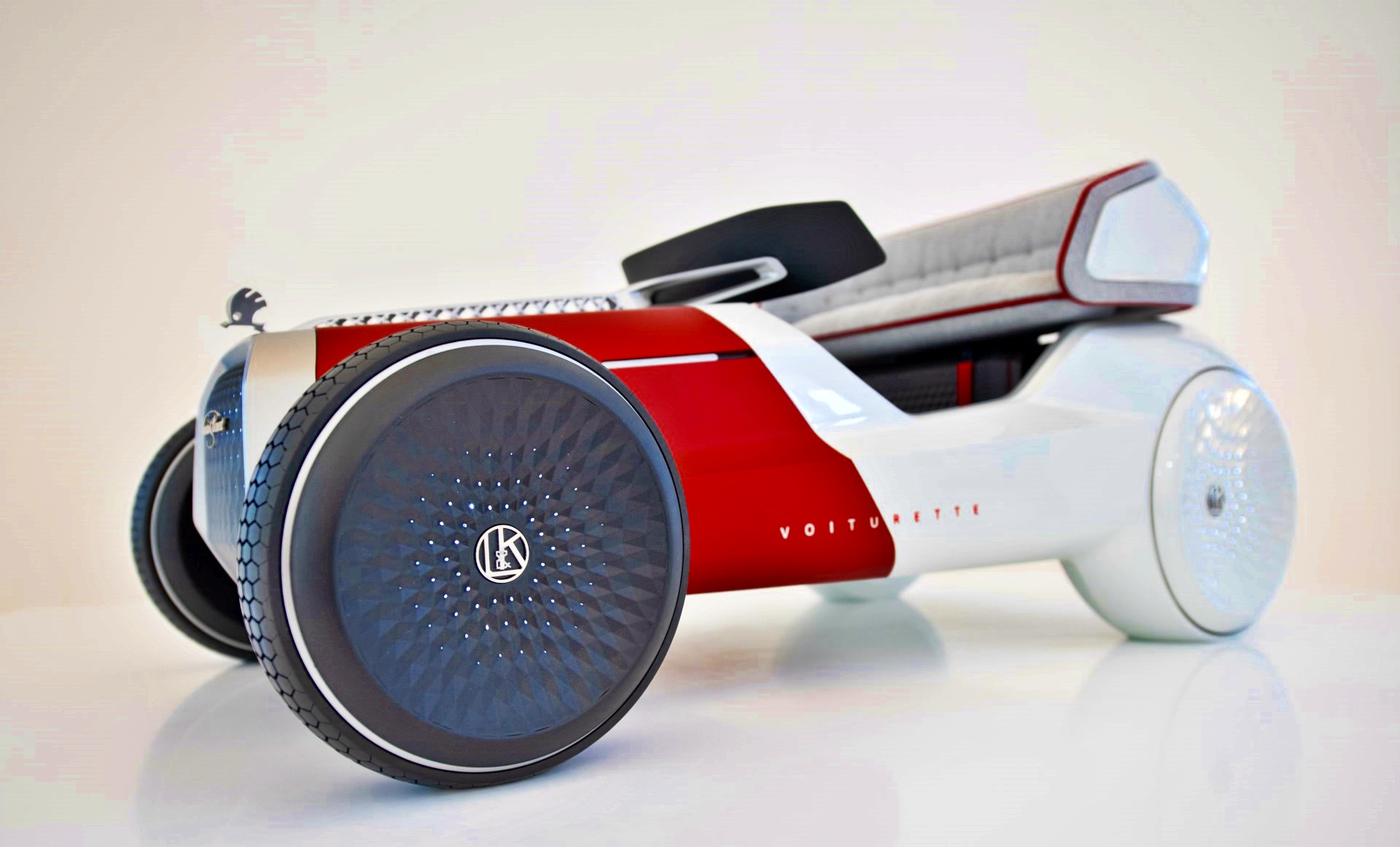
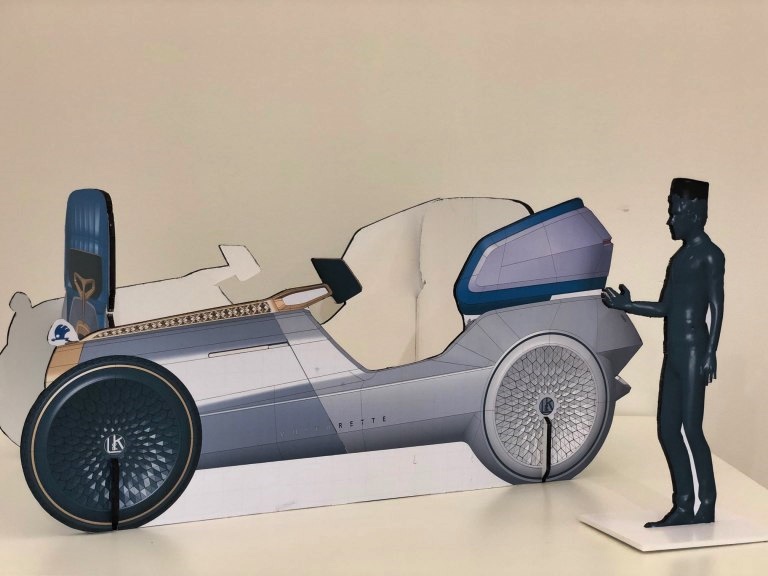
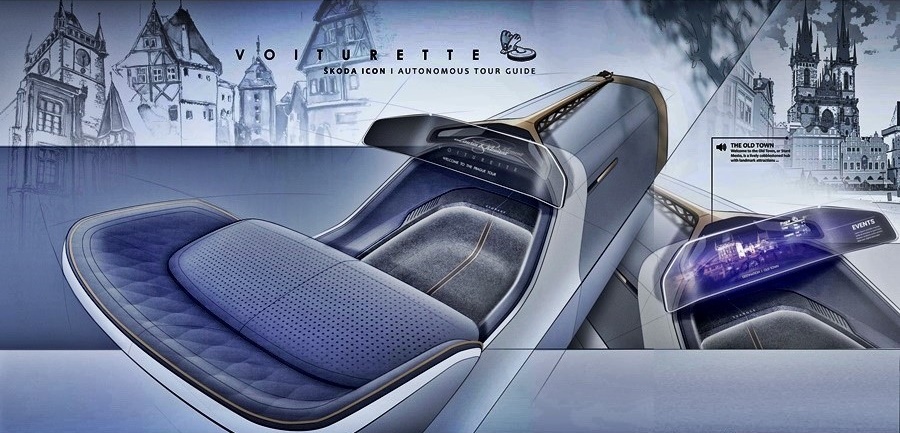
What began as a young designer’s vision of the car of the future has been transformed into a real model called the eVOITURETTE. The vision was created as part of Skoda Storyboard’s Icons Get a Makeover series and is the work of Yuhan Zhang, a member of the interior design team at Skoda.

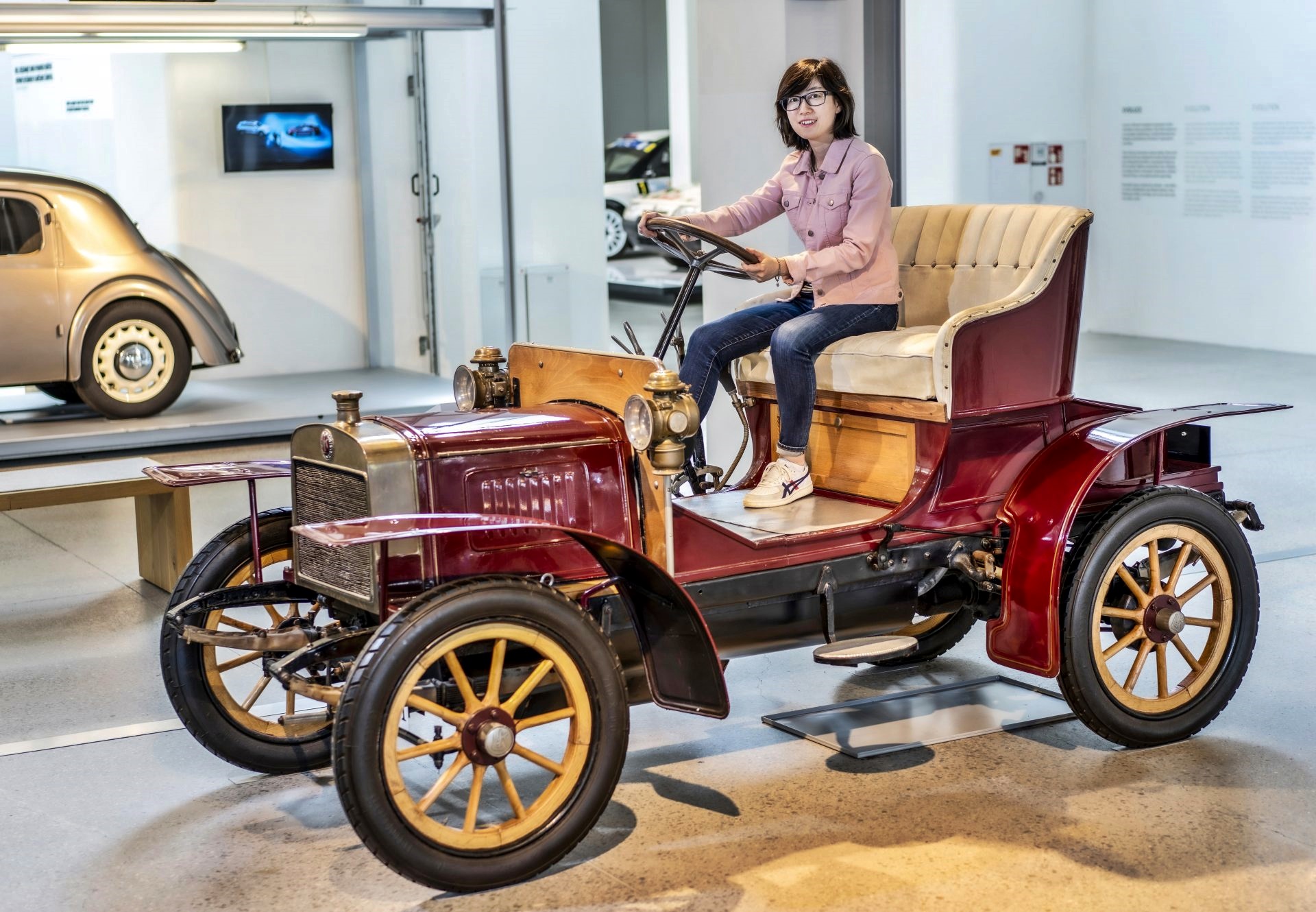
Zhang was inspired by the Czech brand’s first-ever production car, the Voiturette A produced by Laurin & Klement (Skoda Auto’s original name) in 1905. It was her aim to create a modern take on one of the legends in the carmaker’s history, fusing traditional design in a futuristic carriage.

2021 Skoda eVOITURETTE by Yuhan Zhang (3)

2021 Skoda eVOITURETTE by Yuhan Zhang (3)
Yuhan Zhang in one of the 44 units of the Laurin & Klement Voiturette A produced between 1905 and 1907. The first car made by the original Skoda Auto company, it had a V2 engine with 7 hp engine that took the car to a top speed of 40 km/h.

The idea to convert the VOITURETTE A into such an unusual vehicle came to Zhang fairly quickly – around 20 hours of work to convert the idea into a sketch. “I started with a pencil on tracing paper – the first thing I worked on was the exterior. I scanned the sketch into the computer and carried on from there,” she explained, adding that the initial outline makes up around 20% of the development of this kind of sketch, and is the most important part.

Design freedom
After the exterior, she used the same process on the car’s interior, consulting design chief Oliver Stefani. As this was a vision of a car of the future without a strict brief, his comments were minor. “He told me to get rid of some details that resemble solutions we were still working on for our mass-produced cars,” Zhang recalled.

2021 Skoda eVOITURETTE by Yuhan Zhang (3)

It was this freedom she had when creating her vision of a futuristic car that was a nice change for her. “A lot of our work is secret and has a very clear brief. Our day-to-day work doesn’t leave much time for projects that show off our vision and talent. But this time, there was a surprising amount of freedom,” she said.

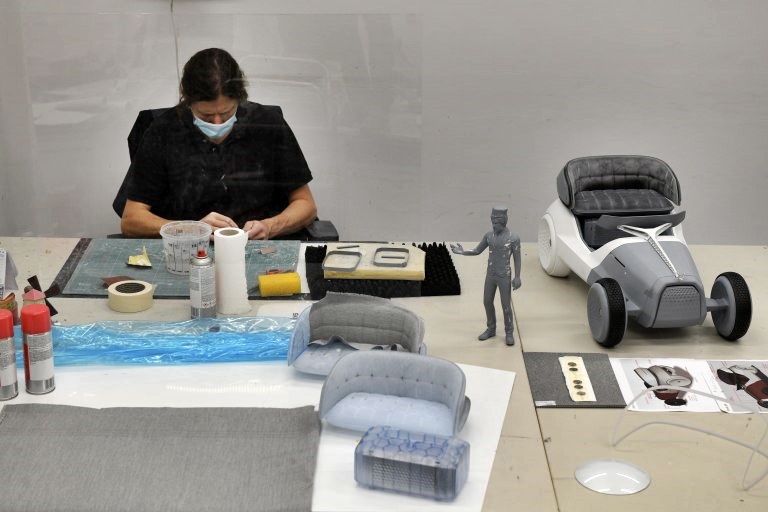
It took 400 difficult hours of work to produce a full-sized model of the eVOITURETTE. “Due to the model’s delicacy but intended long-term use as an exhibit in a museum, emphasis was placed on high-quality workmanship,” says Vlastimil Pazout, the model’s construction coordinator.

“The designer worked closely with us from the beginning. She prepared the basic data in a 3D sketch, which we then converted into production data before actually making it,” said his colleague Lukas Hrncir.

2021 Skoda eVOITURETTE by Yuhan Zhang (3)

2021 Skoda eVOITURETTE by Yuhan Zhang (3)

Made of artificial wood
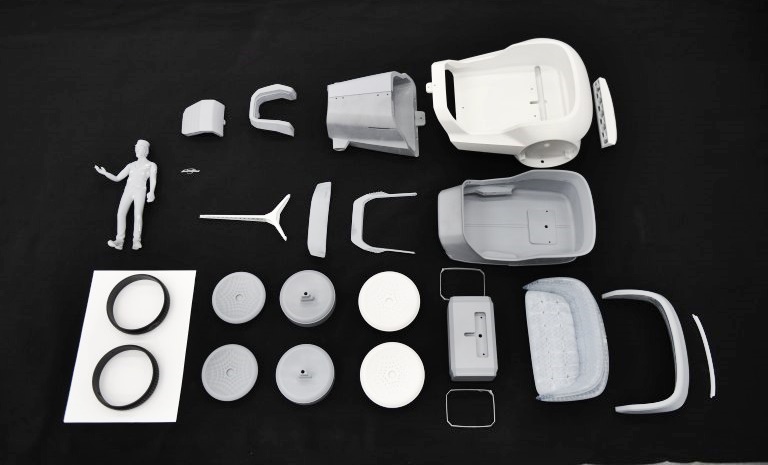
The need for quality and durability persuaded the modellers to use a combination of traditional and modern techniques. The main body of the model – a relatively bulky part – is milled from ‘artificial wood’, while many parts come from a 3D printer.

“For example, we printed the logo and some of the finer parts, such as the holder of the interactive display that forms the dashboard,” said Zhang. One special feature of the model is the LED backlighting of certain parts. In her sketches, the artist included the LEDs as a kind of communication tool between the vehicle and its surroundings, so the modellers incorporated them into the real-life model.

10-kg full-size model
In addition to the designer, modellers and constructors, other members of the Skoda Design team, such as those from the Colour & Trim department, were involved in the creation of the model, as well as members of the Skoda Museum team. Measuring 688 x 355 x 327 mm, it weighs almost 10 kgs.

“After consulting with experts from the museum, we changed the model’s colour scheme. Unlike the original design with its shades of blue, we opted for a more distinctive red and white colour combination that reinforces the link between past and future,” explained Zhang. But in all other regards, the model is faithful to the sketch, including all details and proportions, which remained unchanged.

During the construction process, however, some specific parts were modified to make the model look as good as possible. “Probably the most important change was to the surface of the seat. It was originally supposed to be painted but, in the end, we covered the seat with fabric in cooperation with the Colour & Trim department,” said Pazout. The seat has additional stitching buttons so it looks very realistic indeed. “Due to the thickness of the fabric, this made it necessary to remake the 3D printed parts of the seat,” said Hrncir.

2021 Skoda eVOITURETTE by Yuhan Zhang

“It was a short and intense project, which brought my dream to life. It was fun to let my imagination run wild and not have to stick within today’s technical limitations,” said Zhang, who is originally from China and joined the company in 2015.

On permanent display at Skoda Museum
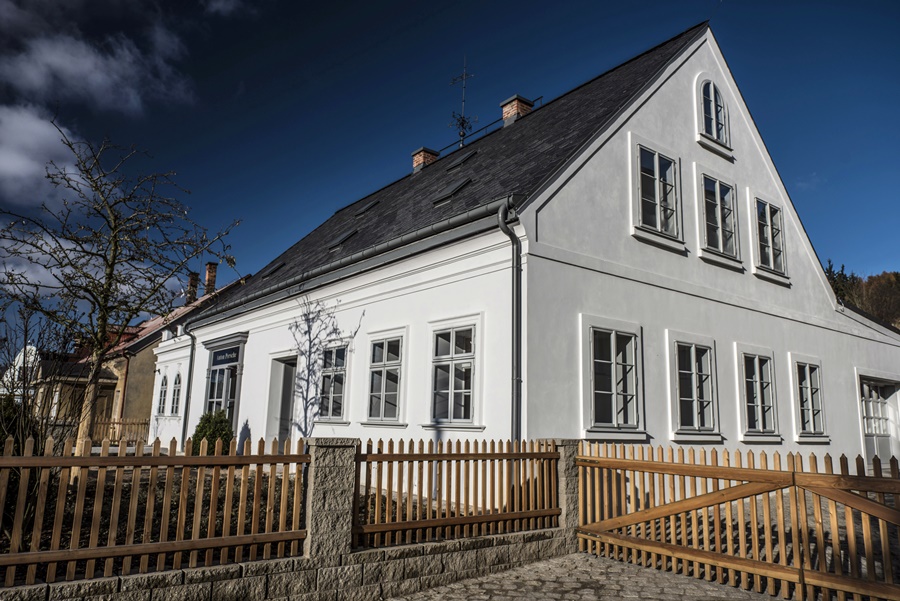
The eVOITURETTE is on permanent display at the Skoda Museum and Ferdinand Porsche Birth House. The museum is so named because that is where Porsche was born in 1875. The building, which has been owned by Skoda since 2011, shows visitors Czech industrial traditions, engineering and enthusiasm for technology.

Skoda Museum and Ferdinand Porsche Birth House
The Skoda Museum and Ferdinand Porsche Birth House.

StayAtHome

COVID-19

The Malaysian auto industry, like many other industries in the country, has been badly impacted by the measures taken to fight the COVID-19 pandemic since last year. Representing the new motor vehicle distributors, assemblers and manufacturers, the Malaysian Automotive Association (MAA) commends the government for its efforts to contain the spread of the coronavirus in order to save lives.

However, the MAA feels the Enhanced Movement Control Order (EMCO), Phase 1 and Phase 2 of National Recovery Program approach needs to be reviewed and re-considered, especially for key economic states like Selangor, Wilayah Persekutuan Kuala Lumpur, Perak, Johor, Penang and Negeri Sembilan. The EMCO approach had been enforced in Selangor and WP Kuala Lumpur for more than 2 weeks now while some states have transitioned into Phase 2 of the NRP.

Whole supply chain affected
“The whole supply chain in the automotive sector has been seriously affected particularly by the complete shutdown of operations in EMCO states/localities like Selangor and WP Kuala Lumpur. Feedback received from many of our members indicated that business operations – even in non-EMCO states – are hampered due to disruptions in the supply chain”, said Datuk Aishah Ahmad, President of MAA.

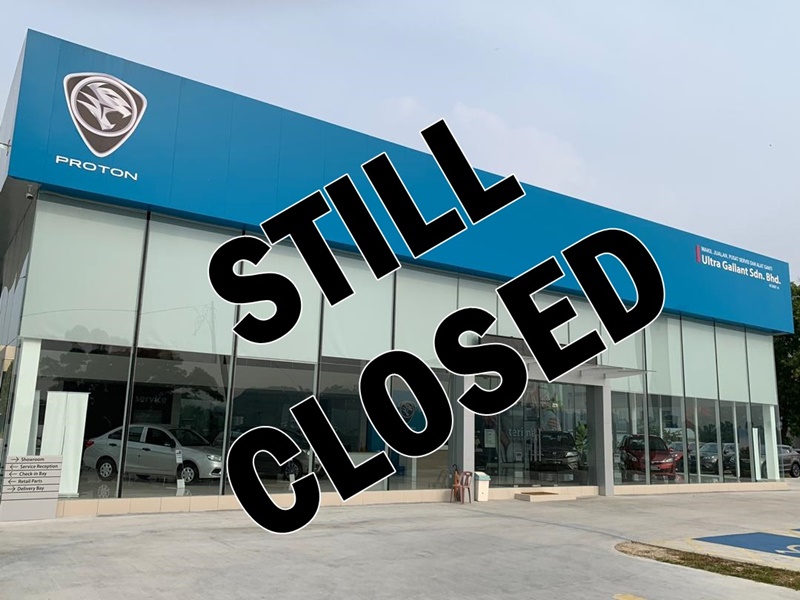
During the EMCO stage, not a single business activity from the automotive sector is allowed to operate, while for states under Phase 1 and Phase 2 of the NRP, the vehicle showroom and distribution centres are still not allowed to operate despite the opening up of most of the other economic sectors.

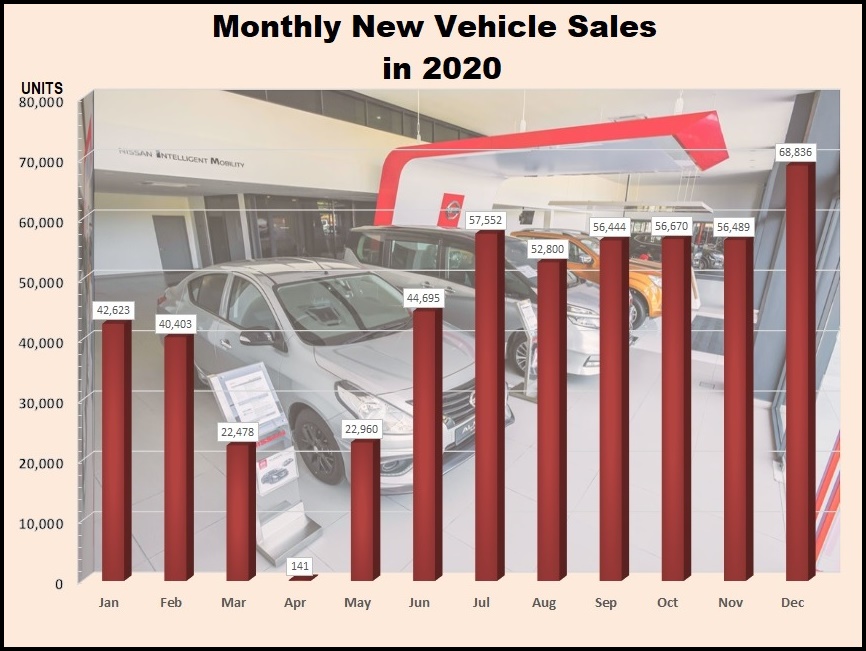
Production and distribution of automotive products (motor vehicles, components and parts) and sales of vehicles have been halted since June 1, 2021. The stoppages of all these activities will have far-reaching implications to the entire automotive ecosystem nationwide. In April last year, sales and production plummeted to almost zero when the first MCO was in force.

Implications of continuing closures
While automotive companies may suffer from loss of revenue, profitability, export markets and closure of businesses, their employees face issues such as pay cuts, loss of income (particularly for sales personnel) and even retrenchment in certain cases. The government will also lose in terms of lower revenue collected from excise duties, import duties, sales taxes and road taxes for motor vehicles.

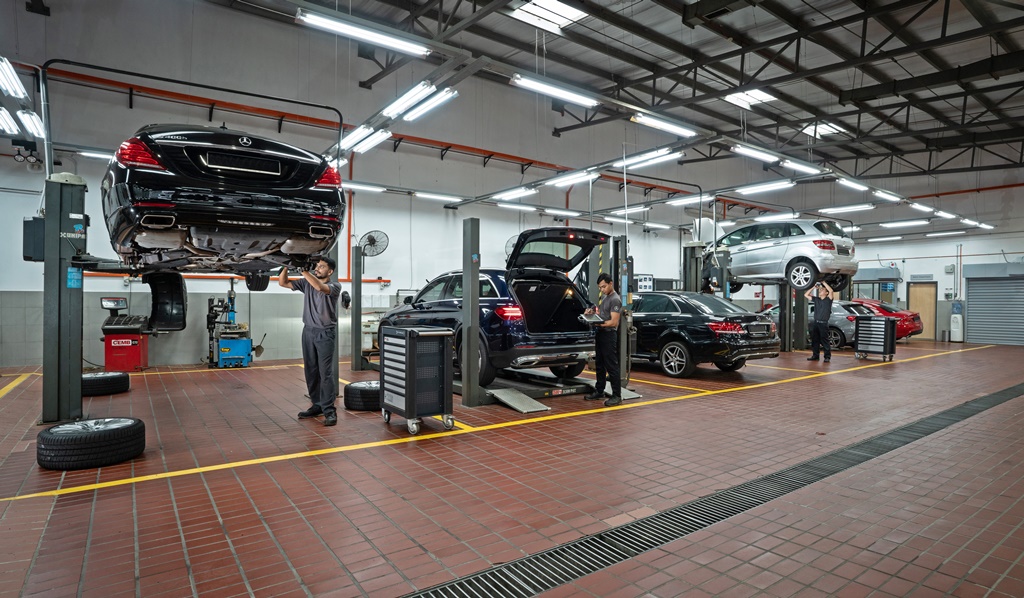
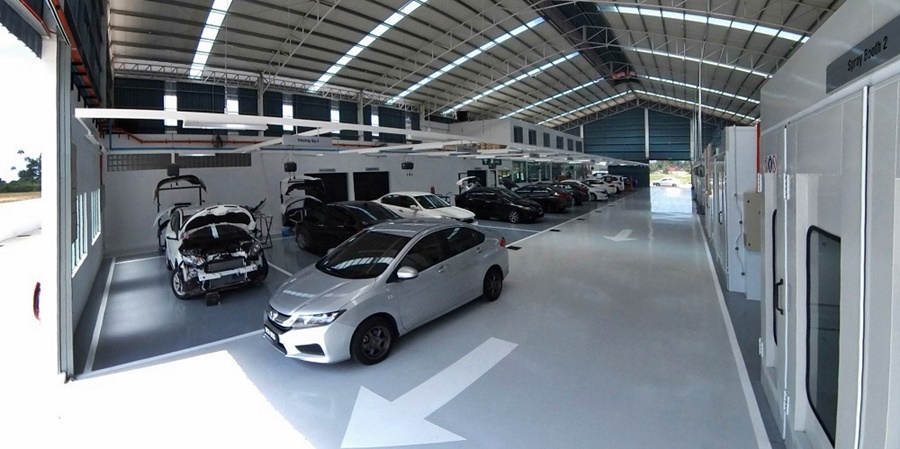
The closures of automotive workshops and parts centres in EMCO states/localities such as Selangor and WP Kuala Lumpur will not only cause inconvenience to all vehicle owners in general but may also endanger those whose vehicles may have defects or problems. Failure to repair faulty parts in such vehicles can pose a serious risk to all road-users. These include vehicles which may be belonging to frontliners such as those in the PDRM, Ministry of Health, etc. who may encounter damages or breakdown in the course of doing their work.

With factories and distribution centres (for vehicles and parts) in EMCO states/localities unable to operate, this will disrupt the supply chain to business operations in states/areas under Phase 1 and 2 of the National Recovery Plan (NRP). As a result, the recovery efforts by the government will be negated.

Increasing damaged inflicted
The consequences arising from stoppages of the automotive factories, workshops, and distribution centres (for vehicles and spare parts) in EMCO states/localities is indeed very serious, the MAA stresses. The longer these facilities do not operate, the greater the damages inflicted on to the automotive industry in particular, and the country in general.

The MAA is therefore appealing to the government to allow automotive sector activities (workshops and distribution centres for passenger and commercial vehicles and spare parts) to operate with immediate effect albeit at certain capacity and with strict SOPs in place in states under EMCO, Phase 1 of NRP and Phase 2 of NRP.

Selangor and WP Kuala Lumpur account for close to 50% of Malaysia’s total industry volume of new vehicles each year. Many of the key automotive companies for both production of vehicles and components are located within these two states. In addition, some MAA members also have their sole and or central distribution centre (for vehicles and spare parts) located within the Klang Valley.

In addition, to reduce congestion at ports, the MAA is proposing to allow a window of two to three days per week for receiving and storing cargos for the automotive sector similar to what was practiced during MCO 1.0 last year. The Malaysian automotive industry is heavily dependent on the domestic market. Export markets exist but are insufficient to sustain the industry.

StayAtHome

Archive

Follow us on Facebook

Follow us on YouTube