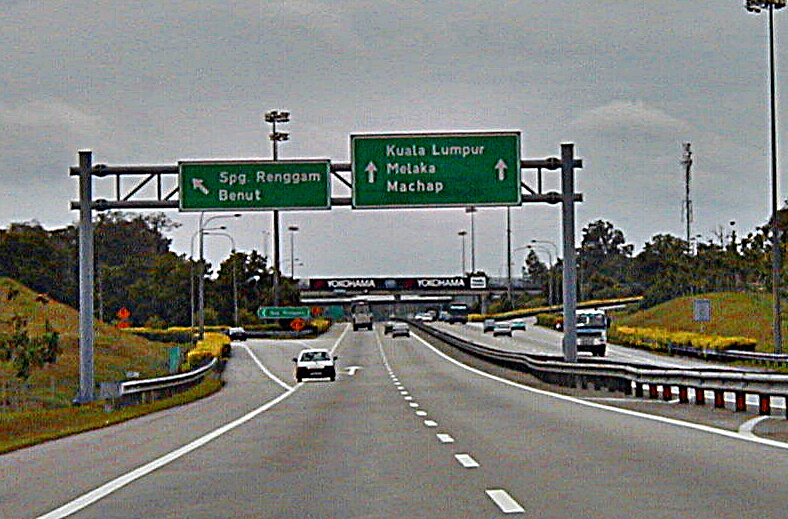
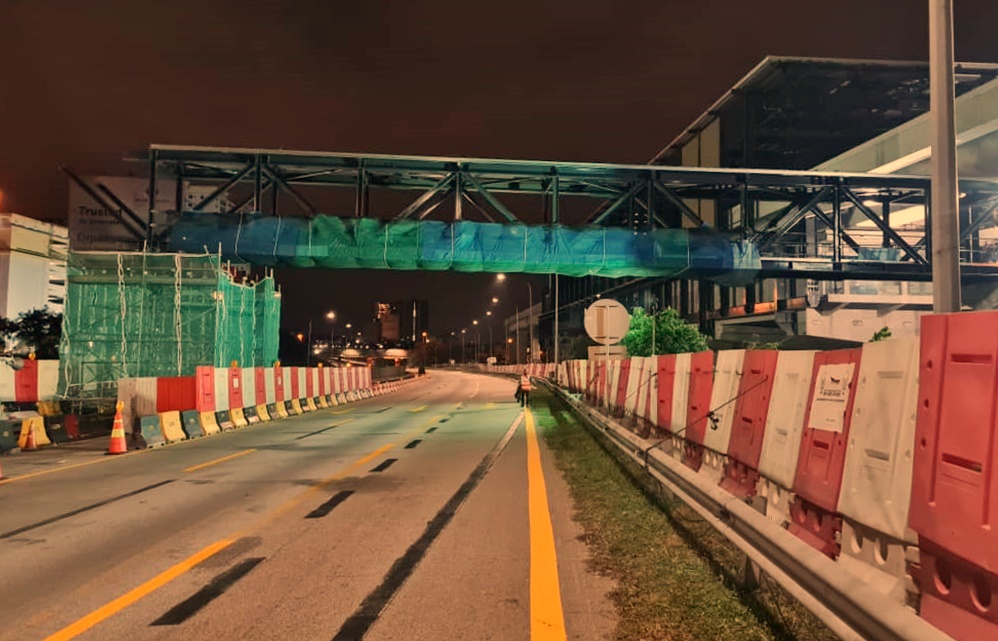

During major construction of infrastructure projects around the country, some of the work may cross highways and this may require adjustment to traffic movements for safety and reduction of inconvenience. This is the case on the North-South Expressway (also referred to as KL-Seremban Highway) between Sungai Besi Toll Plaza and the UPM Interchange in Selangor where the MRT Project is underway.
To facilitate the construction of a pedestrian overhead bridge, PLUS Malaysia Berhad (PLUS) is staggering contra-flow along the affected sector with temporary bound closure betweenKM307 and KM309.
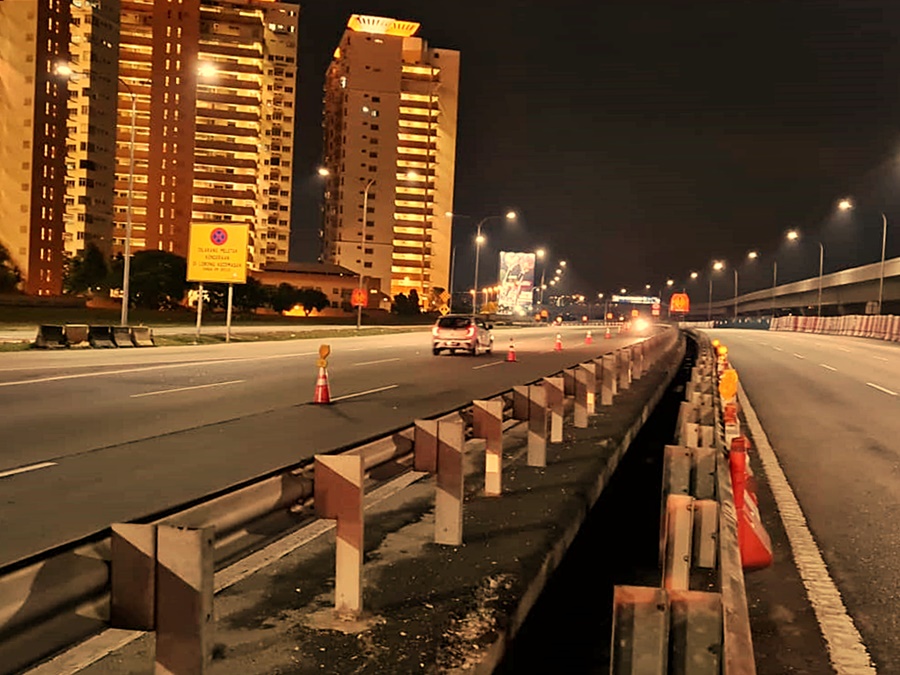
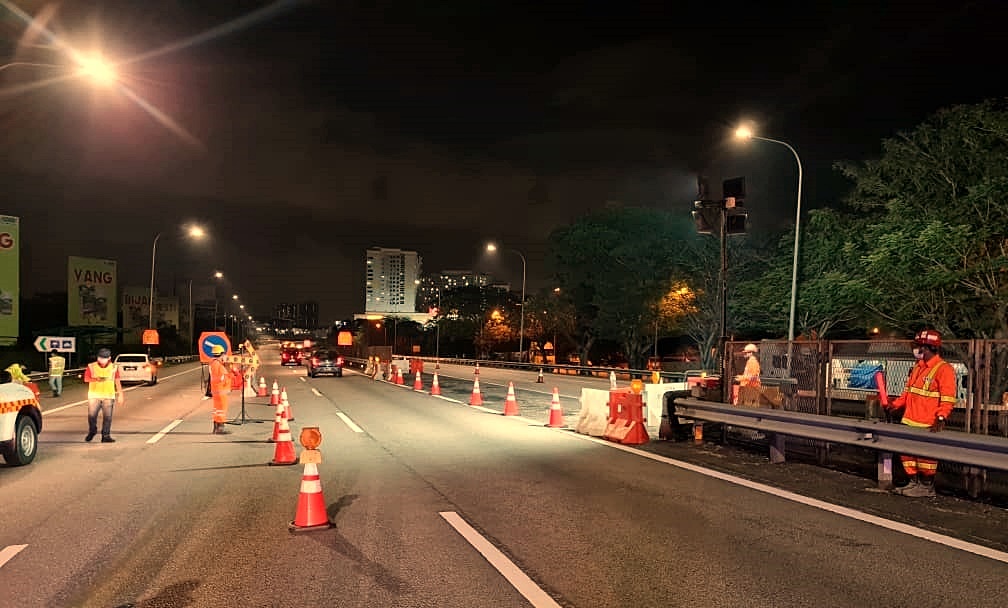
This will be for 8 days from Monday, January 25 until Tuesday, February 2, 2021, from 10 pm until 5 am daily. However, the closures will be implemented in stages where only one bound closure will be implemented at one time.
All highway users are strongly advised to plan their journey using the PLUS App and check the latest traffic conditions via CCTV feeds or use the SOS button in the app to request for help from PLUSRonda team, if required. Do follow all the traffic signs and directions for personnel.

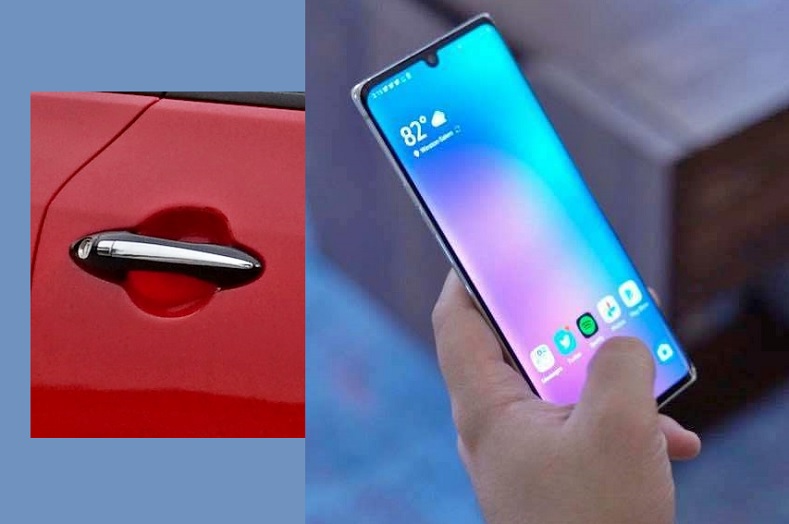

The age of the car key – to unlock the doors and start the engine – is almost past. Today, almost all new cars sold have keyless entry and many have a button to start the engine, even the lower-priced ones. Not having to fumble with a key is a great convenience which anyone would appreciate.
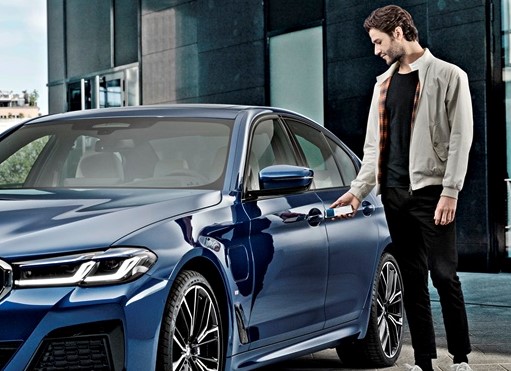
Now, even that is set to change as the industry looks at using the smartphone to store a ‘digital key’. According to Strategic Analytics, a global market research institution, the number of vehicles with a digital key in the global market will increase by 360% from 6.3 million units in 2020 to 28.9 million units in 2025. BMW has already begun offering such a feature using Apple’s iPhone and it is not only to unlock doors but can also be used to start the engine.
Available to the industry
The feature is likely to soon spread to other carmakers as Korea’s LG Innotek has succeeded in developing a digital car key module which can be offered to other companies. The module is a communication component that is installed in a car and allows wireless data transmission between a car and a smartphone.
As the car sharing and rental services have grown recently, the demand for a digital car key module has increased every year. But the existing digital car key modules have had low location detection precision and concerns for low security as they were prone to hacking, etc. LG Innotek’s module is said to detect the smartphone location 5 times more precisely than existing modules and provides enhanced security. The module’s error range between the actual smartphone’s location and the recognition location has been reduced from 50 cm to under 10 cm.
For example, if an existing car key module detects that a smartphone is located between 4.7 metres and 5.2 metres from the module when the phone is actually 5 metres away, LG Innotek’s module can detect that the smartphone is located between 4.9 metres and 5 metres, which is a fairly good accuracy.
Increased security
The digital car key module developed by LG Innotek uses the ultra-wideband technology (instead of Bluetooth low energy technology), which is a wireless LAN communication technology, and a proprietary algorithm, improving the location detection precision. In addition, the module has increased the security by applying a proprietary hacking prevention technology.
The more precisely the module detects the location of a smartphone, the more diverse and more convenient functions can be implemented, eg unlocking the driver’s door in advance or even starting the engine automatically. The smartphone must be inside the car to drive it, reducing the risk of car theft.
Easier sharing of digital key
Users can lend the digital key to another person or allow only specific functions, such as opening or closing of the boot, using a smartphone app. In addition, it can provide a driver with personalized driving environment. When several people use the same car, the module can recognize the smartphone location and set the driver’s seat or door mirrors automatically for the corresponding driver. The smartphone can also provide an overview of vehicle conditions, such as driving distance, fuel efficiency, tyre pressure, etc.
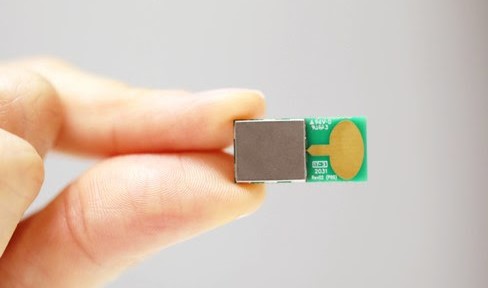
The digital car key module is compact and slim -similar to the size of a single clip – thanks to the ultra-precision high integration technology. It contains around 60 components including an RF (radio frequency) element and power block element. With its compact size, it can be freely installed anywhere inside and outside the vehicle.
The module complies with the latest standards of the Car Connectivity Consortium, a global digital key standardization organization, allowing it to be used regardless of country and vehicle type. With this component, LG Innotek plans to actively make inroads into the market for next-generation communication components. The company is actively running promotions targeting global manufacturers of vehicles and vehicle components in the US, Japan, and Europe as well as in Korea with the aim of mass-producing the product later this year.
Samsung Digital Cockpit continues to evolve with new ideas (w/VIDEO)
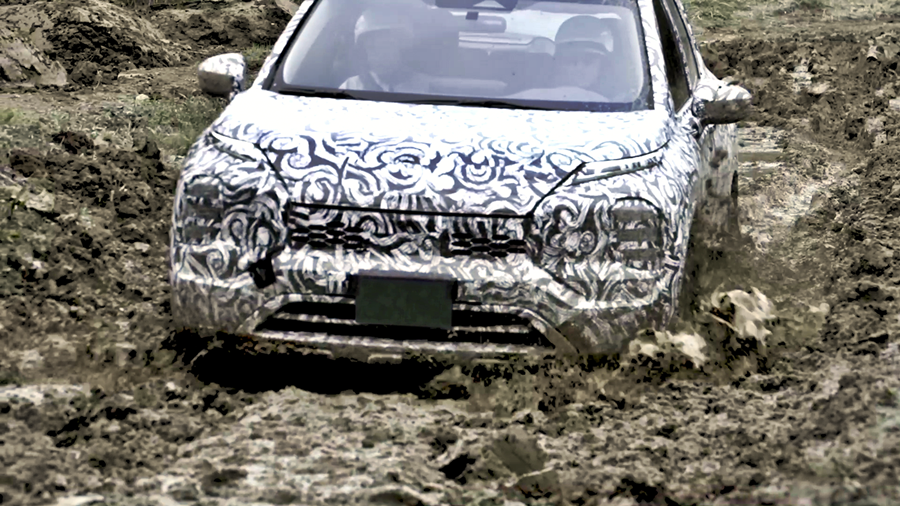
The next generation of the Mitsubishi Outlander is under final tuning and testing with its global debut to take place on February 17, 2021. Engineers at Mitsubishi Motors Corporation (MMC) are putting the SUV through its paces in severe weather and road conditions.
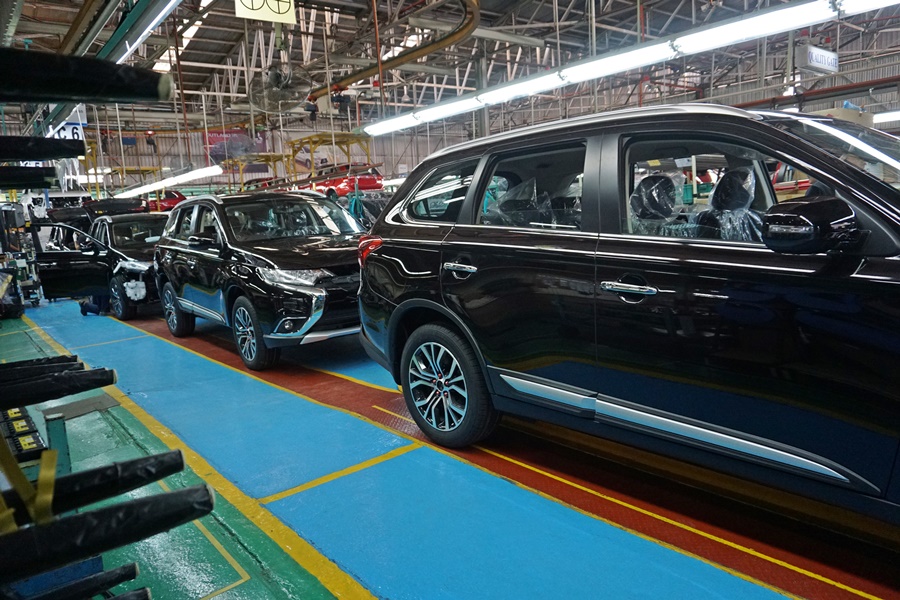
This will be the fourth generation of the Outlander, which MMC traces back to the Airtrek of 2001. While the Airtrek was sold in Malaysia earlier when USF was handling Mitsubishi SUVs, the Outlander was not and it was only with the third generation that the model was offered in the market by Mitsubishi Motors malaysia. Initially, it was imported in CBU (completely built-up) form and a year after launch, in 2017, local assembly began at the Tan Chong assembly plant in Kuala Lumpur.
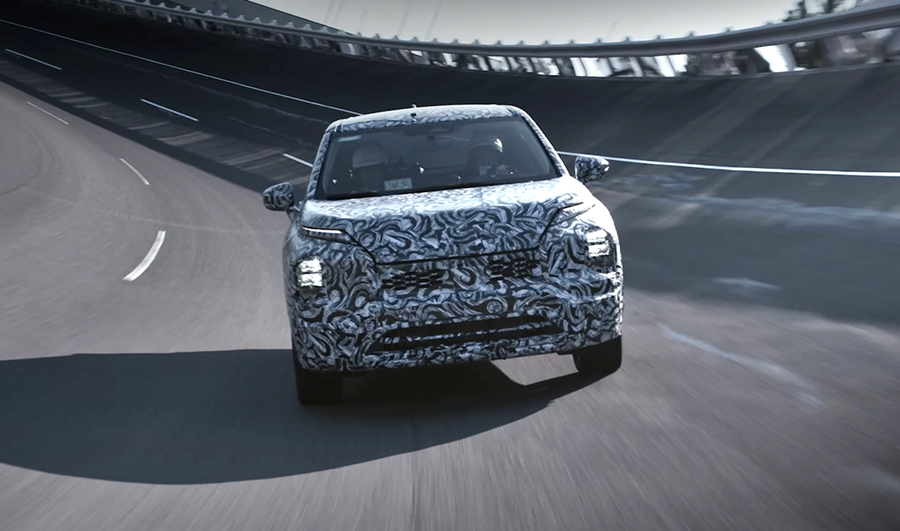
Super-All Wheel Control system
With the fourth generation, MMC will introduce its latest Super-All Wheel Control system. The system advances the company’s pioneering all-wheel drive technology which has been developed with experience in years of competition in the tough Dakar rallies.
Preliminary information indicates that the new Outlander will be bigger and has been developed with the product concept of ‘I-Fu-Do-Do’, which means ‘authentic and majestic’.
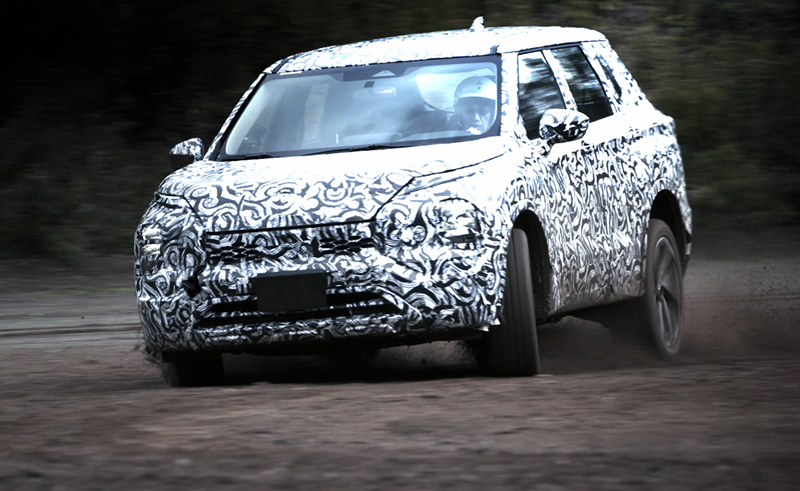
The Outlander has been available with different powertrains, including a hybrid one which has been popular in Europe. With electrification being the trend in the industry, the new model should also continue with this powertrain in its line-up.
New Drive Mode
“We took everything we know about on and off-road driving from the rally experiences to apply the latest Super-All Wheel Control technology in our newly developed platform. We also specifically developed a new drive mode selector to provide confident driving at all times and in all weather conditions,” said Kentaro Honda, segment chief vehicle engineer (lead engineer) for the new SUV that will be a flagship model.
Click here for other news and articles about Mitsubishi Motors.

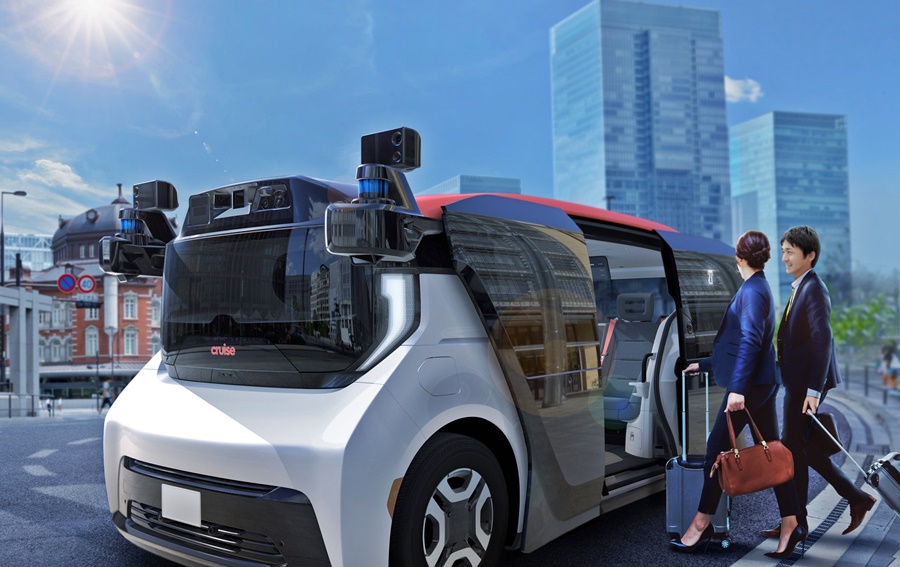

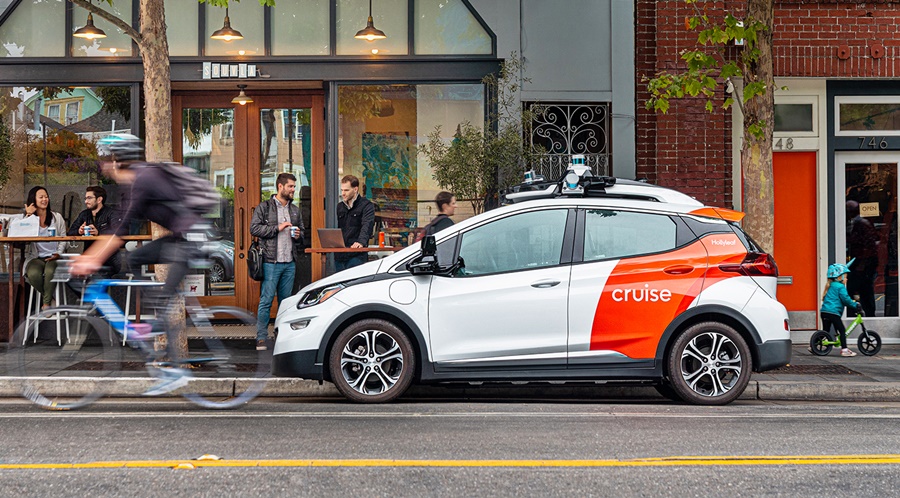
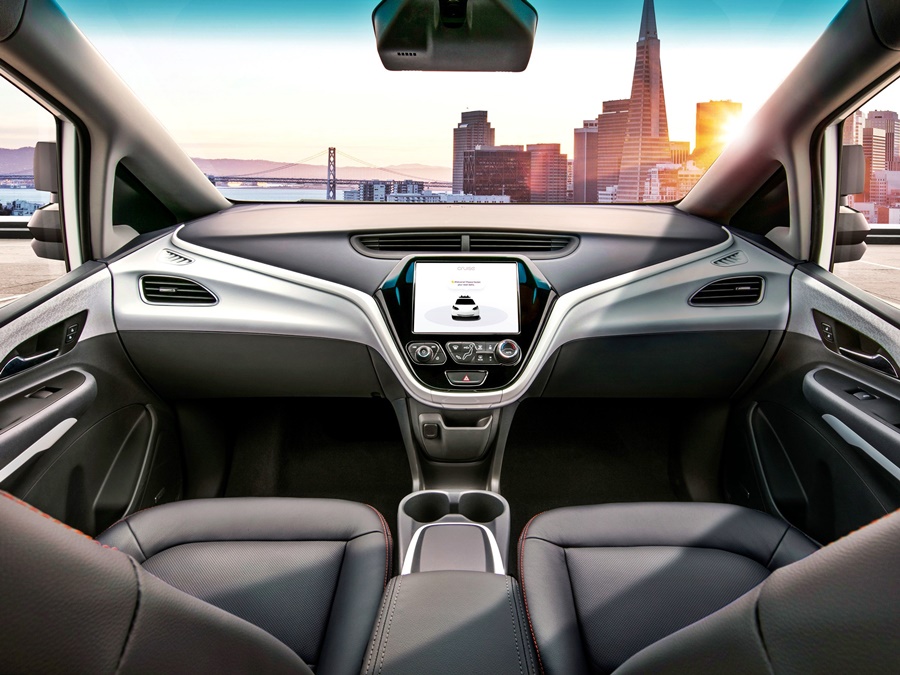
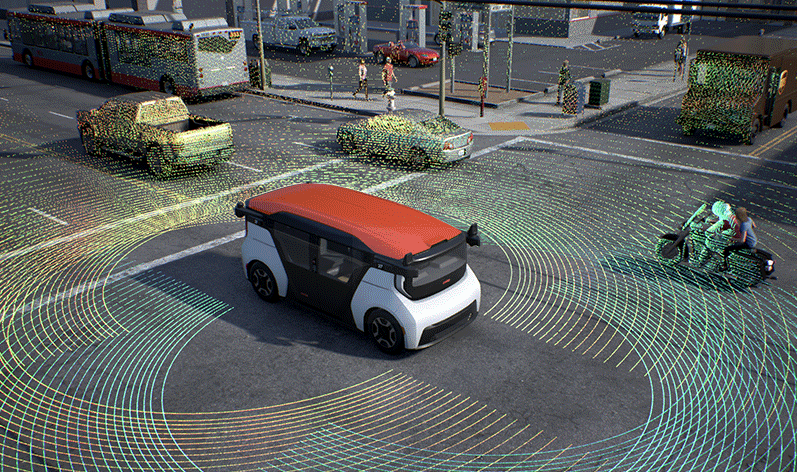
Cruise, a company specialising in autonomous vehicle technology, and General Motors have entered a long-term strategic relationship with Microsoft to accelerate the commercialization of self-driving vehicles. The companies will bring together their software and hardware engineering skills, cloud computing capabilities, manufacturing know-how and partner ecosystem to transform transportation to create a safer, cleaner and more accessible world for everyone.
To unlock the potential of cloud computing for self-driving vehicles, Cruise will leverage Azure, Microsoft’s cloud and edge computing platform, to commercialize its unique autonomous vehicle solutions at scale. Microsoft, as Cruise’s preferred cloud provider, will also tap into Cruise’s deep industry expertise to enhance its customer-driven product innovation and serve transportation companies across the globe through continued investment in Azure.
Accelerating digitization initiatives
In addition, GM will work with Microsoft as its preferred public cloud provider to accelerate its digitization initiatives, including collaboration, storage, artificial intelligence and machine learning capabilities. GM will explore opportunities with Microsoft to streamline operations across digital supply chains, foster productivity and bring new mobility services to customers faster.
Cruise will also send its self-driving vehicles to Japan and start development for testing this year as part of Honda’s new mobility business. This is a collaborative venture with Cruise and GM on self-driving vehicles for its autonomous vehicle mobility service (MaaS) business in Japan,
Autonomous vehicle mobility service
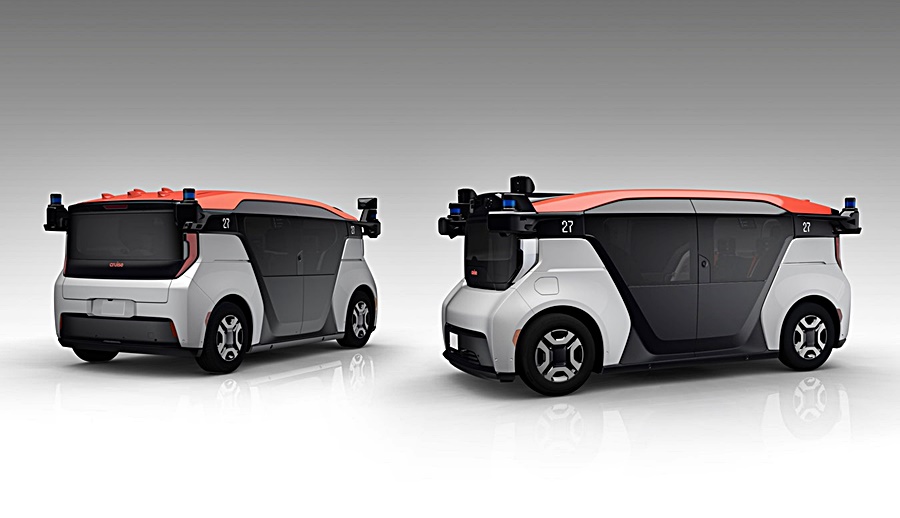
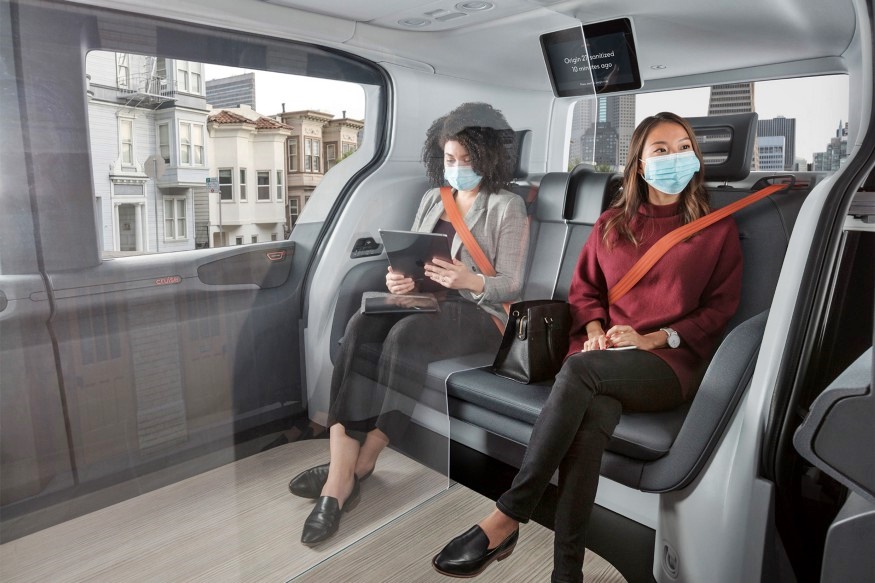
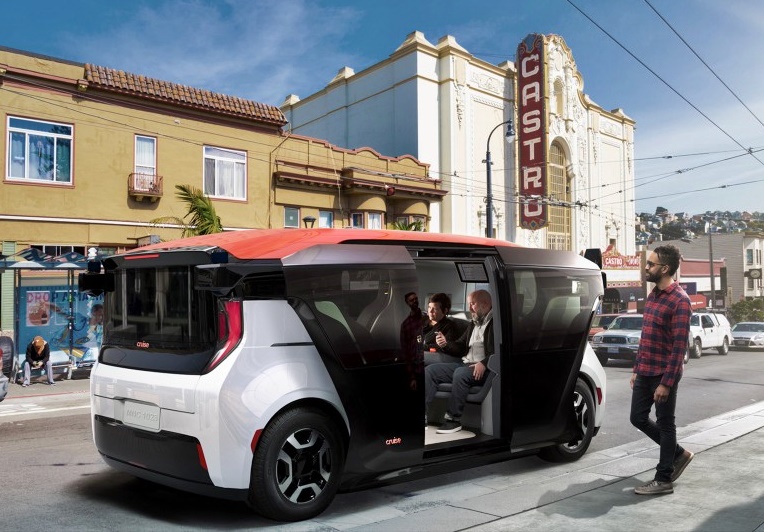
In due course, Honda aims to launch its MaaS business using the Cruise Origin, a vehicle the three companies are jointly developing exclusively for autonomous vehicle mobility service businesses. Honda Mobility Solutions Co., Ltd., will be the operator of the business in Japan.
“This collaboration with Cruise will enable the creation of new value for mobility and people’s daily lives, which we strive for under Honda’s 2030 Vision of serving people worldwide with the joy of expanding their life’s potential. Through active collaboration with partners who share the same interests and aspirations, Honda will continue to accelerate the realization of our autonomous vehicle MaaS business in Japan,” said Takahiro Hachigo, President & Representative Director of Honda Motor.
“Cruise’s mission to provide safer, cleaner and more accessible transportation is not limited to the USA. These are major changes that are needed almost everywhere in the world, and this is a small, but symbolic step with Honda on our global journey,” added Dan Ammann, CEO of Cruise.
Cruise was established in 2013 and has fully integrated manufacturing resources at scale, building all-electric, zero-emission, self-driving vehicles, especially for dense urban settings.
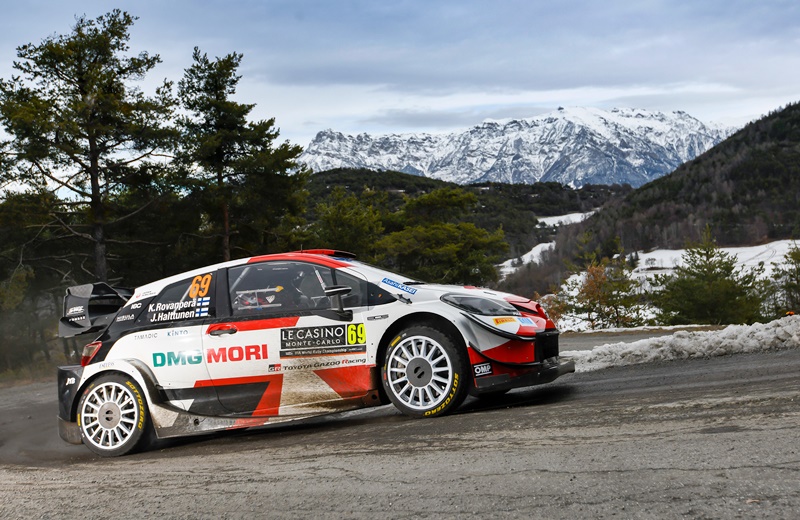
The TOYOTA GAZOO Racing team got off to a great start for the 2021 motorsport season with victory in the Rallye Monte-Carlo. Besides a 1-2 finish, Sebastien Ogier and his co-driver Julien Ingrassia also won the legendary event for a record eighth time. The victory was also the 50th for Ogier and Ingrassia in the FIA World Rally Championship, becoming only the second competitors recording such an achievement.
This is the first time that the team has won the WRC’s most prestigious event with its Toyota Yaris WRC, having made the podium every year since its debut in 2017. It is only the fourth Rallye Monte-Carlo win in Toyota’s history, the first time being in 1991.
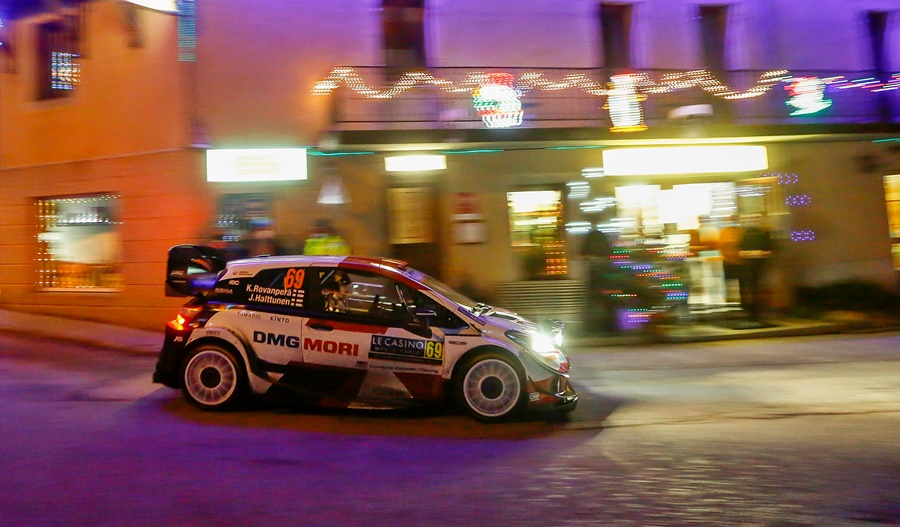
The event lived up to its reputation as the most demanding event on the WRC calendar with special challenges for this year’s edition. To start with, the route was different and a modified schedule to follow coronavirus restrictions in France meant that some stages took place in the darkness before dawn.
Then WRC teams also had to get to grips with tyres from the new sole supplier, Pirelli. This year, conditions were very wet with snow and ice, making tyre choice even more critical to the outcome.
The Toyota team led the rally from the third stage early on Friday morning, with each of its three entries all taking turns in the lead over the course of the rally’s longest day. On his home event, Ogier claimed the lead back with a storming stage win on Saturday’s first test. He took a 13-second advantage over Evans into the final day, when he won three of the four stages – including the rally-ending Power Stage – to begin the defence of his title in the perfect way.
With second place Evans also makes a strong start to his championship campaign, while Rovanpera begins his second season having fought for the podium on such a demanding event. Tyre damage on Sunday’s first stage contributed to Rovanpera missing out on the top three, but he did finish with the second fastest time in the Power Stage.
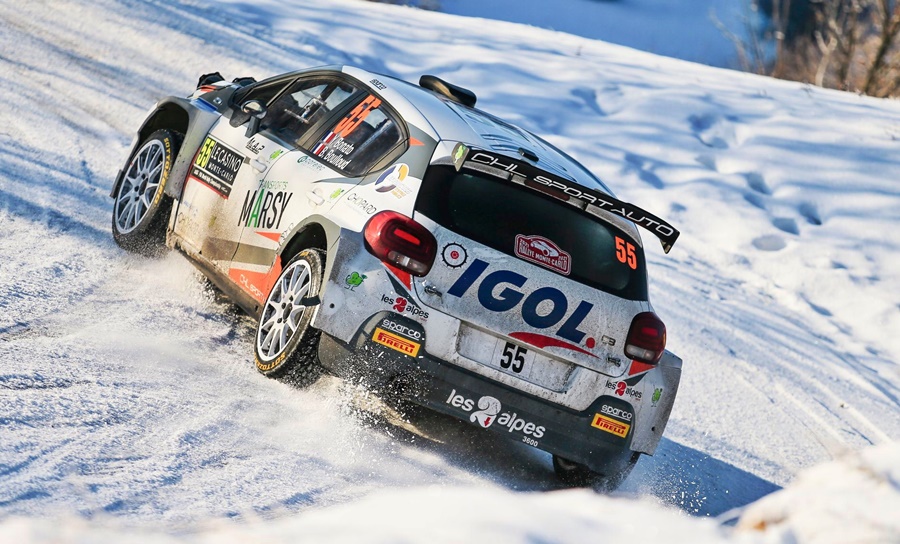
With Evans third quickest, the team locked out the top three positions on the Power Stage, which from this season also gives bonus points towards the manufacturers’ championship. This, combined with the 1-2 finish in the rally, means the team takes maximum points from the opening round.
TOYOTA GAZOO Racing WRC Challenge Program driver Takamoto Katsuta also made it four Yaris WRC drivers in the top six as he completed Rallye Monte-Carlo for the second year in a row and scored his best WRC result so far in sixth place.
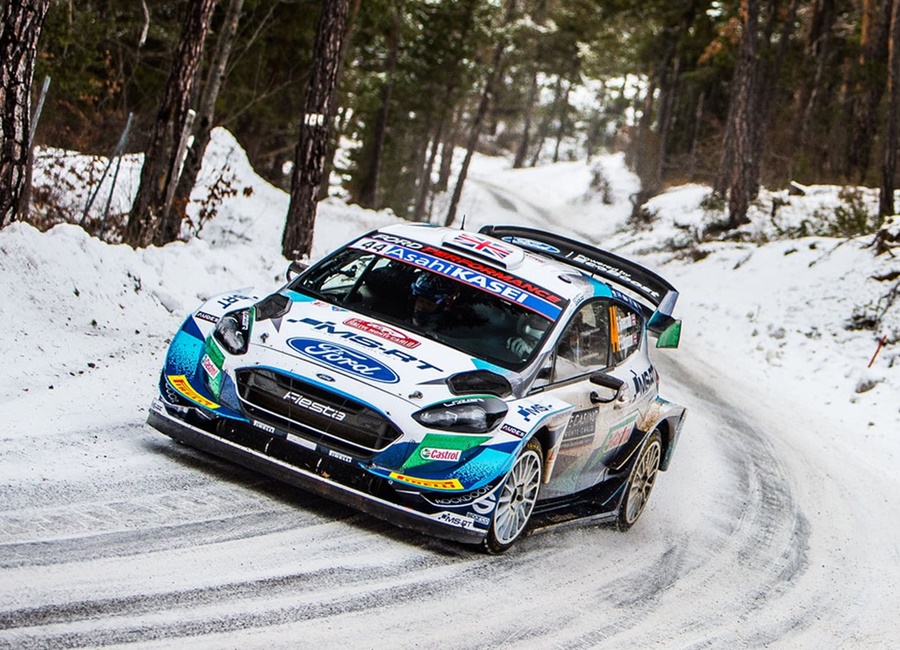
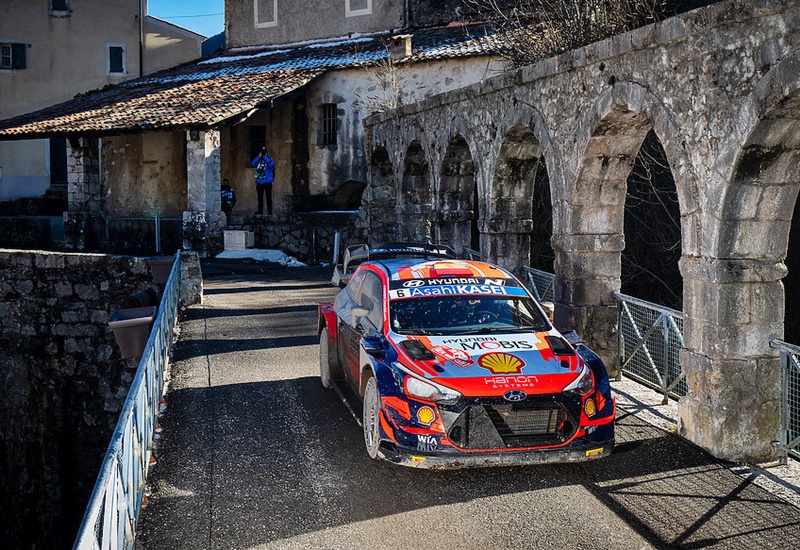
Arctic Rally Finland (February 26-28) is a new addition to the WRC calendar for 2021, taking the place of the cancelled Rally Sweden as the year’s only pure winter event. The rally will be based in Rovaniemi – capital of Finland’s northernmost region (and also the ‘home’ of Santa Claus) – with stages to take place inside the Arctic Circle on roads with a good covering of snow and ice.
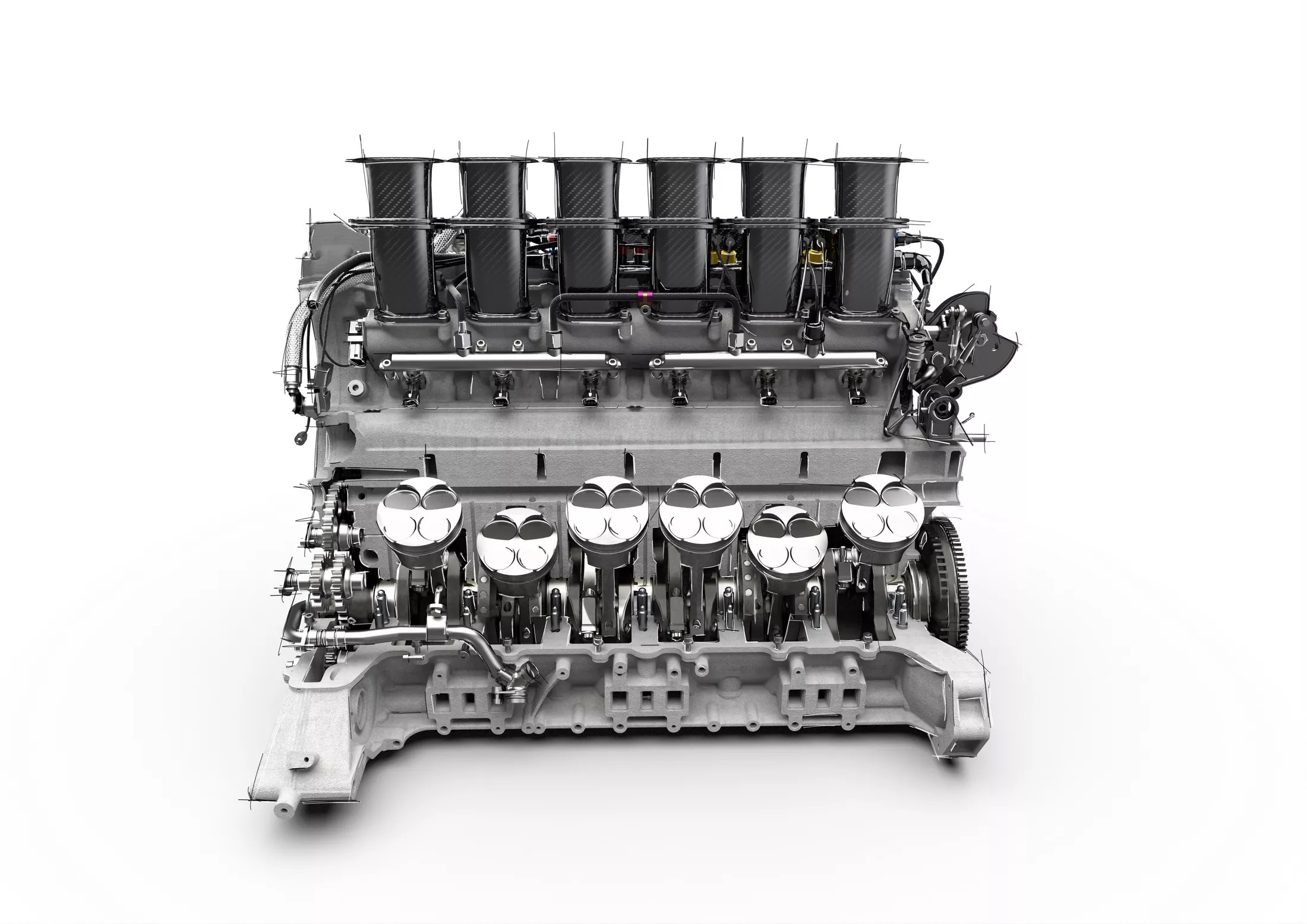
Toyota GAZOO Racing reveals GR010 HYBRID Le Mans Hypercar for 2021 WEC