Piston.my

EV

‘Range anxiety’ was something which concerned many who were considering a battery electric vehicle (BEV). The earlier models could go just a 100+ kms on a fully charged battery pack but the distance gradually increased as battery technology advanced. As battery packs were made more energy-dense to store more electricity, the vehicle could go further and further before recharging was needed. Today, the average is around 350 kms but just as with the consumption of fuel by combustion engines, range is affected by driving conditions and driving style.
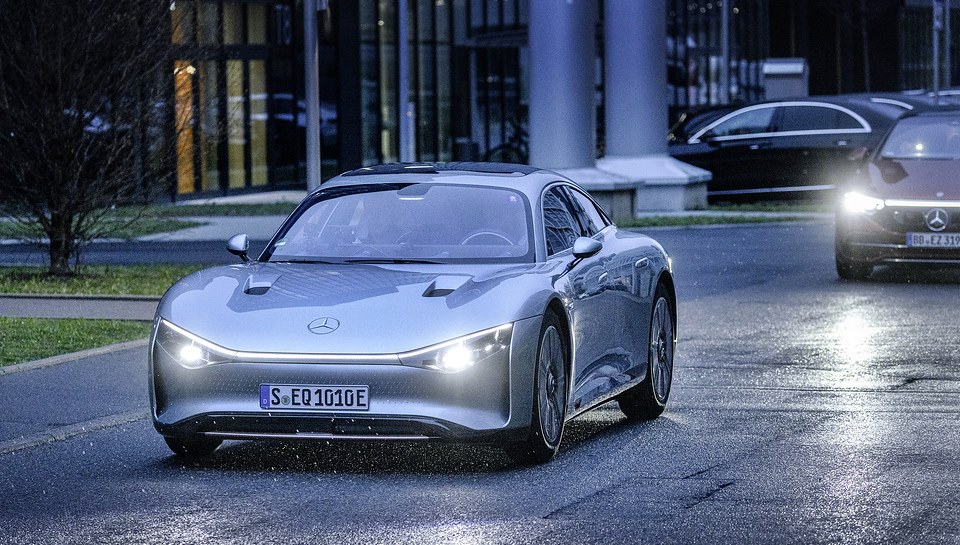
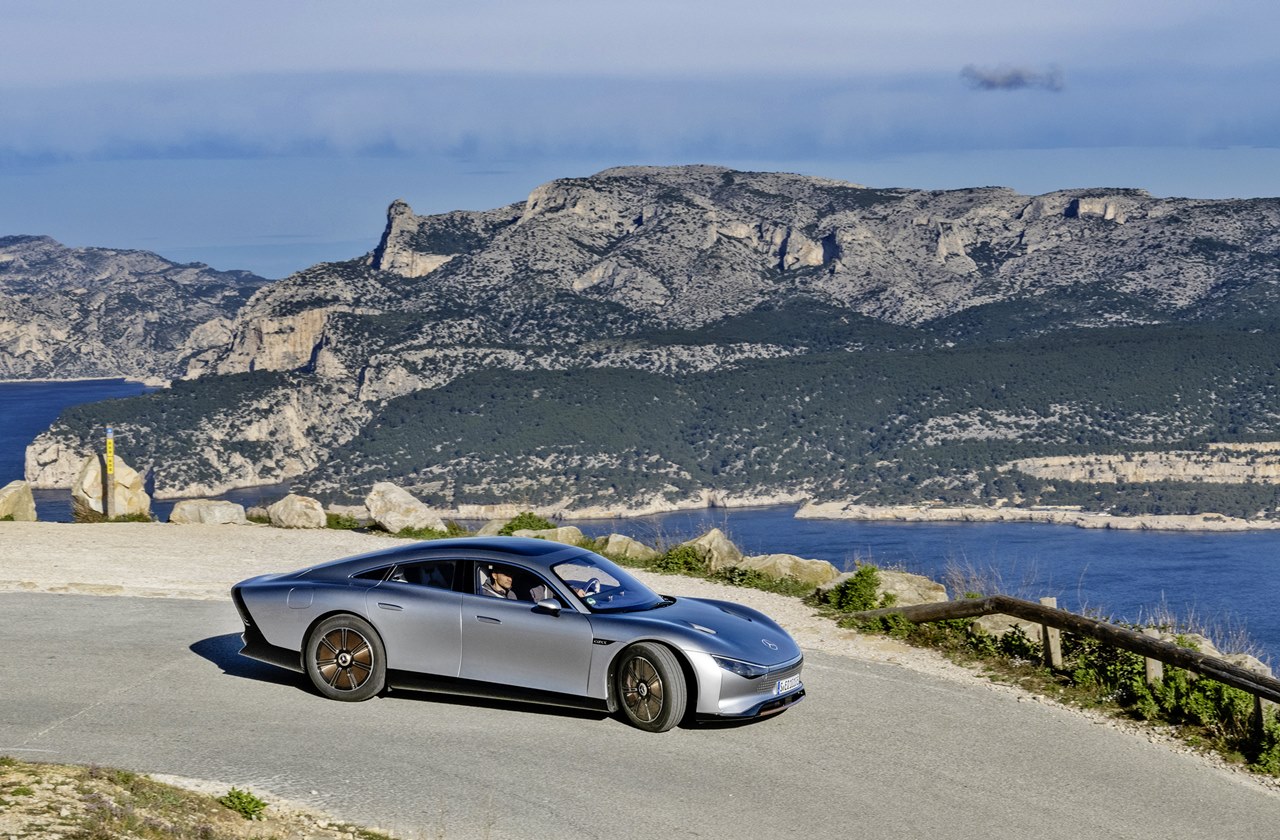
Mercedes-Benz VISION EQXX

But range anxiety is now less concerning not only as cruising distances increase but the network of recharging stations is also growing. So it is possible to ‘refill’ along the way on a long journey and now, it is more a matter of how long that takes – and manufacturers are also reducing the time.

Battery technology has come a long way in the past decade and if we take the Nissan LEAF as an example, the range with the first generation launched in 2010 was under 200 kms; today, the latest generation is claimed to be able to go up to 385 kms.
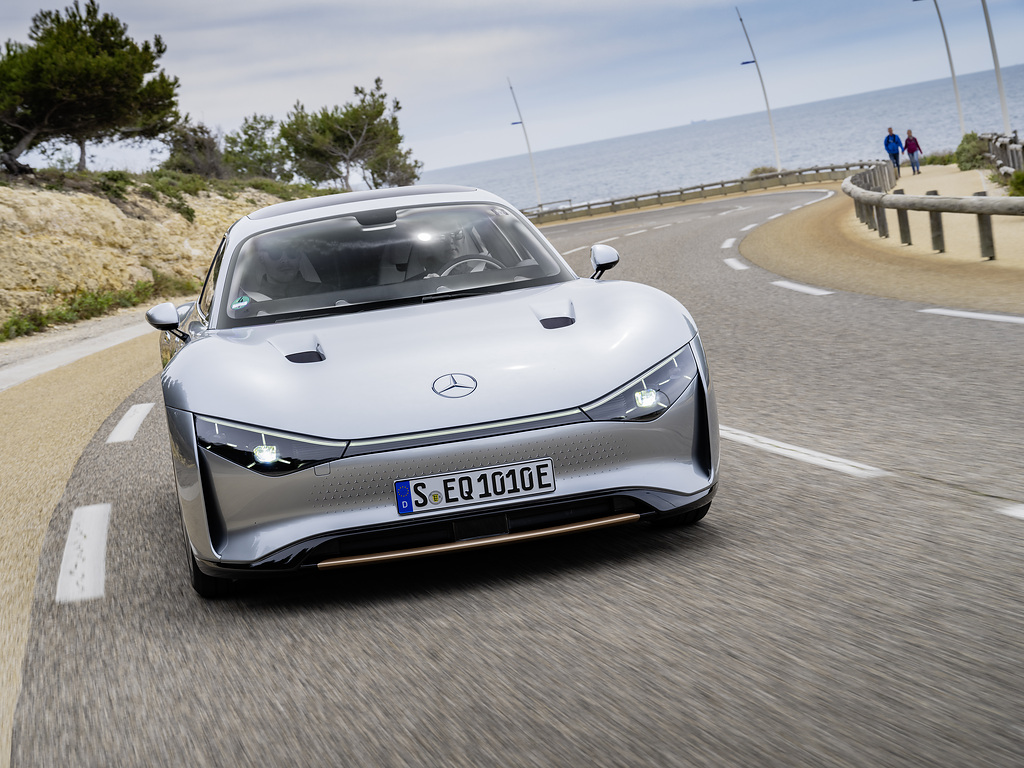
Mercedes-Benz VISION EQXX

Breaking through technological barriers
In future, the distance will be even greater and Mercedes-Benz has proven that it is possible to go up to 1,000 kms on a single charge. This was achieved with the VISION EQXX technology demonstrator which the company is using to test technologies under development. This software-defined research prototype is part of a far-reaching technology programme that combines the latest digital technology with the brand’s pioneering spirit, the agility of a start-up and the speed of Formula 1. The mission in developing the VISION EQXX was to break through technological barriers across the board.

“The VISION EQXX is the result of a comprehensive programme that provides a blueprint for the future of automotive engineering. Many of the innovative developments are already being integrated into production, some of them in the next generation of modular architecture for compact and midsize Mercedes‑Benz vehicles. And the journey continues. With the VISION EQXX, we will keep testing the limits of what’s possible,” said Markus Schafer, Member of the Board of Management of Mercedes-Benz Group AG, Chief Technology Officer responsible for Development and Purchasing.
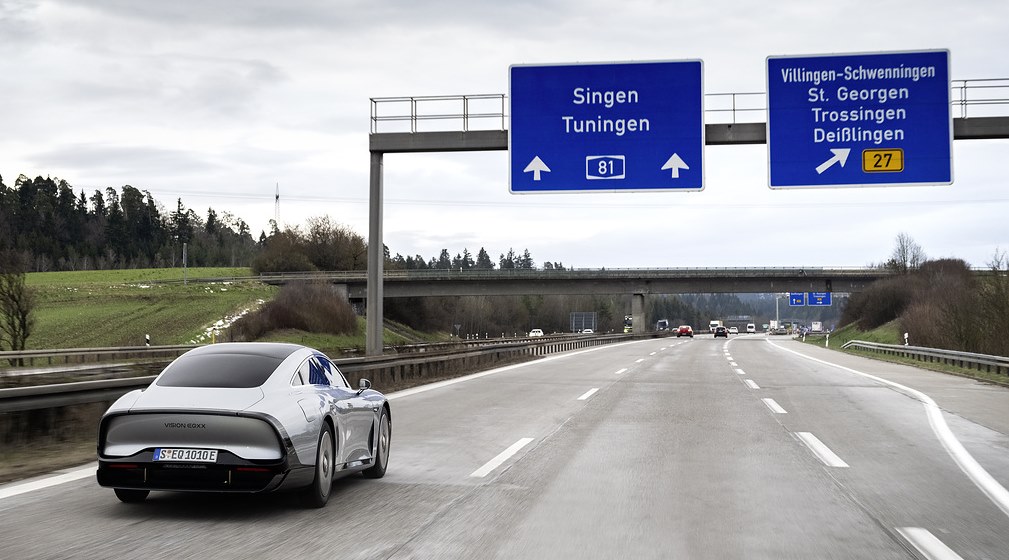
Mercedes-Benz VISION EQXX

From Germany to the south of France
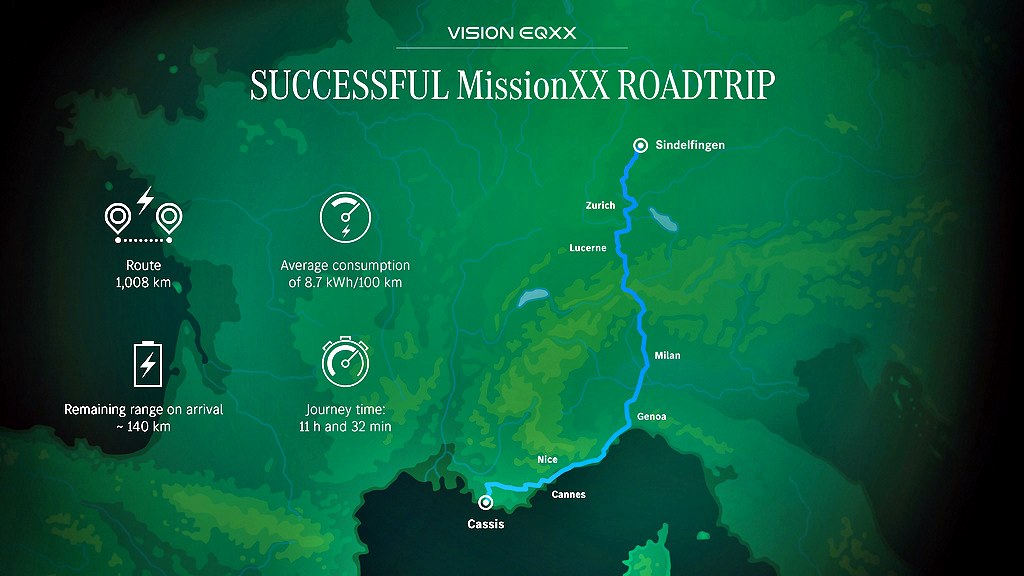
To show what is electrically ‘feasible’, the research vehicle completed a 1-day road trip across several European borders: from Germany across the Swiss Alps to Switzerland, on to Italy, past Milan and finally to its destination, the port town of Cassis in the south of France. The journey started in cold and rainy conditions and proceeded at regular road speeds, including prolonged fast-lane cruising at up to 140 km/h on the German autobahn and near the speed limits elsewhere.

The route profile set and the weather conditions presented the VISION EQXX with a wide variety of challenges. Different various sections of the route helped document the effect of the many efficiency measures. These measures include tyres specially developed by Bridgestone with extremely low rolling-resistance.
Mercedes-Benz VISION EQXX

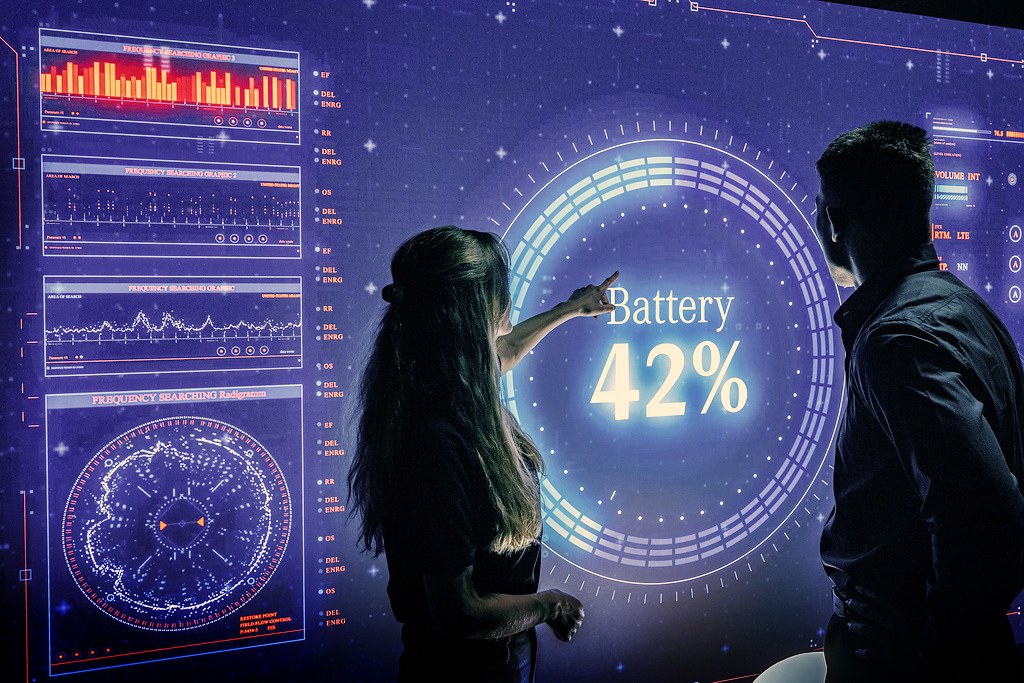
Throughout the journey of 11 hours and 32 minutes, it was not recharged and covered 1,008 kms in everyday traffic – with the battery’s state of charge on arrival shown as being around 15%. That was estimated to be good for another 140 kms or so, and the average consumption was a record-breaking low of 8.7 kWh per 100 kms.

Power from sunshine
However, Mercedes-Benz reveals that although it did not receive conventional recharging, it still received electricity from an external source – the sun. On its roof are 117 solar cells to collect sunshine which is converted to electricity and fed to the 12V battery. This battery does not power the electric motors but supplies power to auxiliary areas such as the navigation system. This this removes the demand from the high-voltage battery pack. The solar panel feature is said to increase  the range by more than 2%, which adds up to 25 kms on a journey of over 1,000 kms.
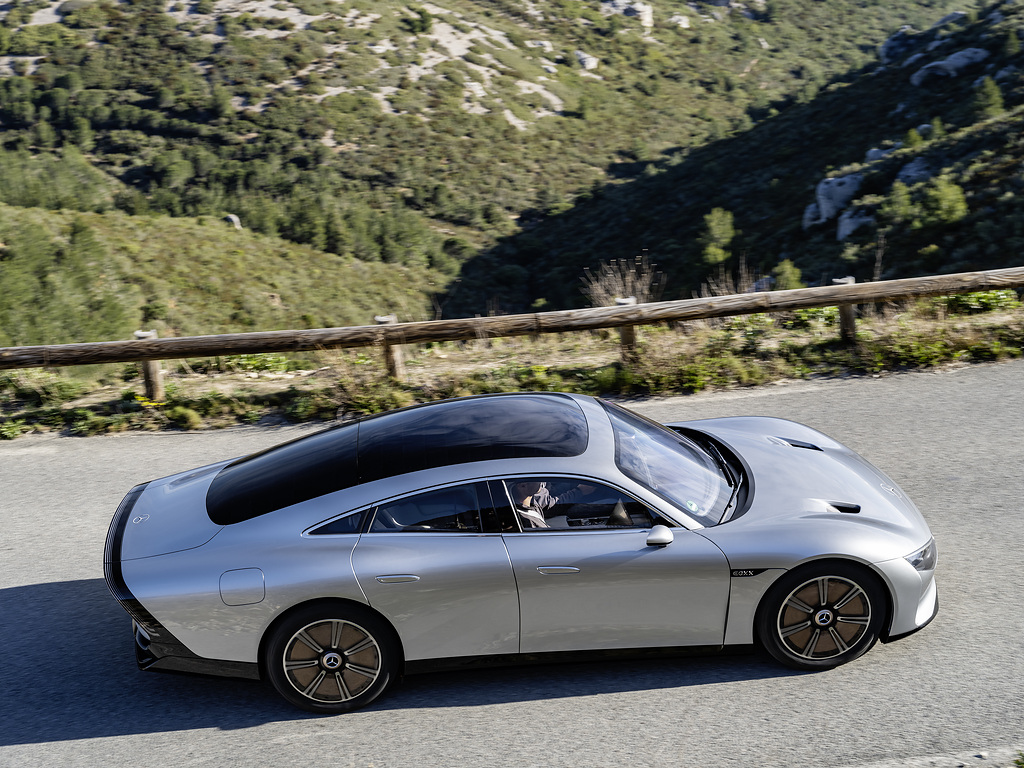
Mercedes-Benz VISION EQXX

Like most other BEVs, the VISION EQXX also uses recuperation – the recovery of braking energy – to provide some energy to the battery pack while on the move. The recuperation effect occurs on any type of gradient and during every braking manoeuvre.

The VISION EQXX was driven in real-life conditions and to have independent proof, the charging socket was sealed, and the car accompanied by a representative from TUV Sud, the independent German certification body.
Mercedes-Benz VISION EQXX

Technological advancements accelerating
In the early era of the PC (personal computer) in the 1980s, the processing power doubled every two years, but this has accelerated as time passed. It might be the same for battery and EV technology which is continuously advancing each year so from the 500 kms possible in some models today, the increases might be greater and who knows, by the next decade, the 1000-km range which is amazing today might be possible in BEVs for sale to the public.
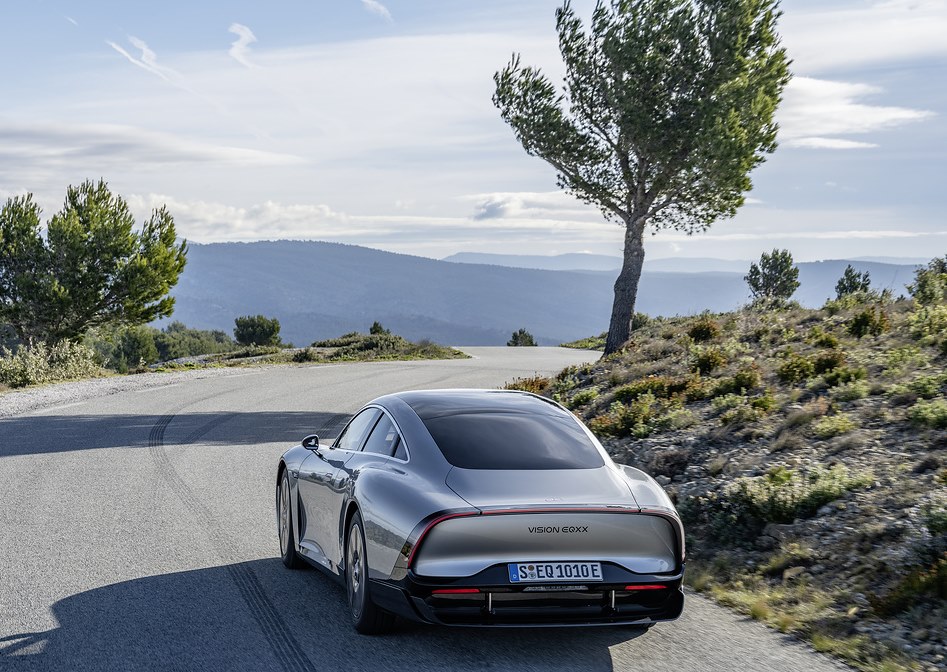
Mercedes-Benz VISION EQXX

The most efficient Mercedes-Benz ever built – the Vision EQXX

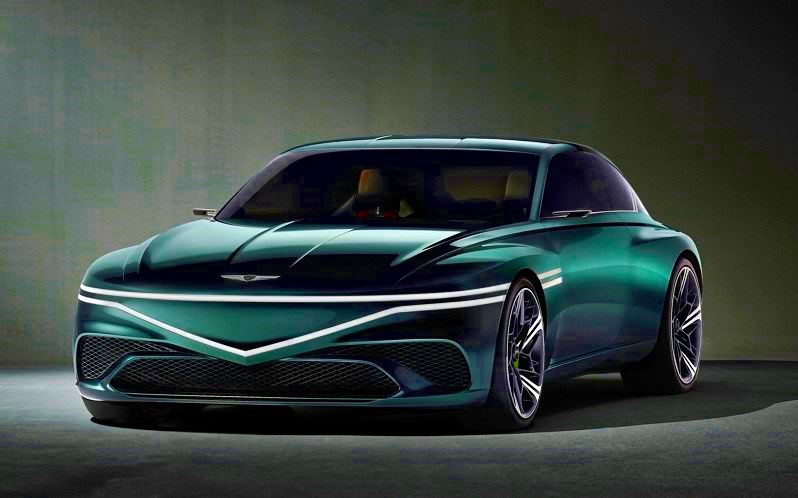
While the Hyundai IONIQ 5 was in the spotlight being announced as the 2022 World Car of the Year award at the New York International Motor Show, Genesis – the third brand in the Hyundai Motor Group – unveiled the X Speedium Coupe to give a preview of what the luxury brand’s next wave of electric vehicles will be liked.
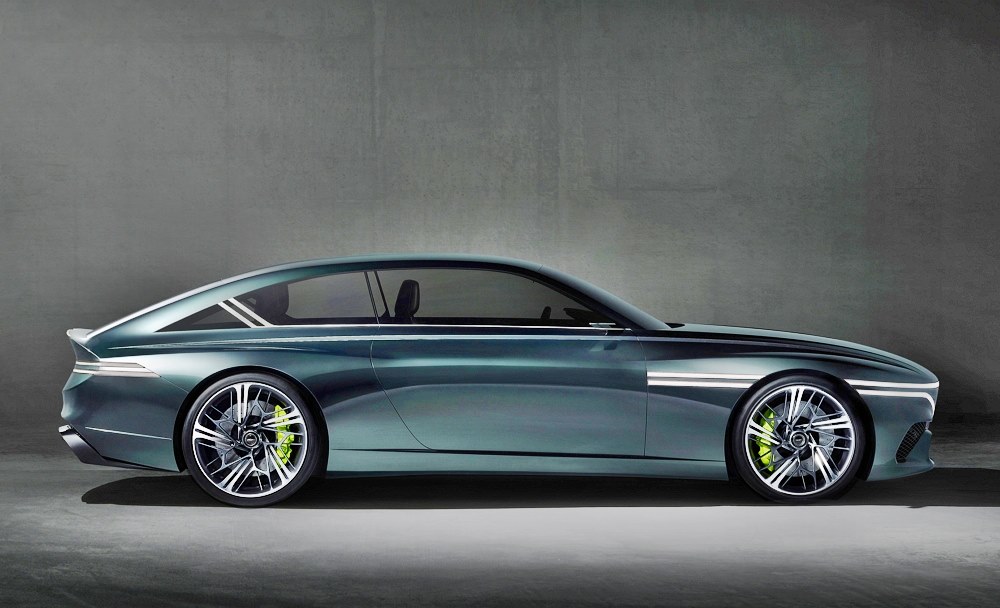
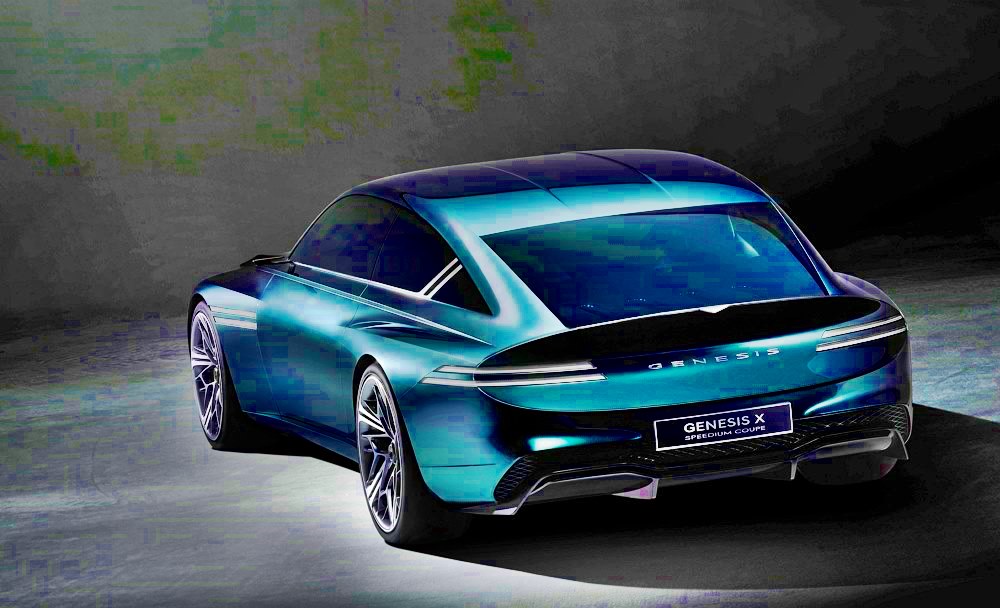
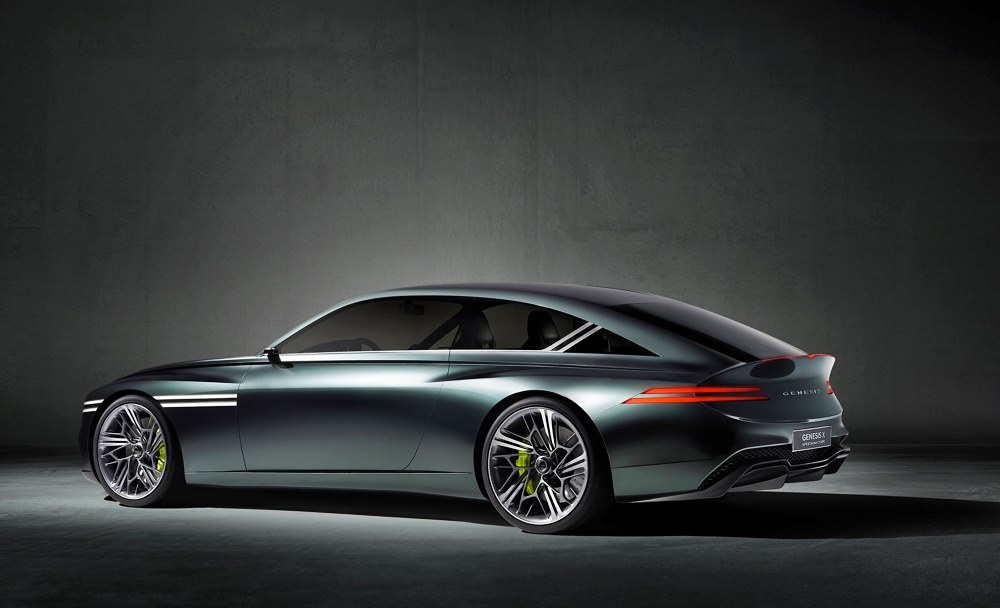
The concept car reflects Genesis’ principle of reductive design with Genesis’ wings and Two Lines prominent, while an hourglass silhouette gives the car its muscular presence. It was born out of a ‘freestyle’ design exercise based on the Genesis X Concept  and inherits the brand’s design philosophy of ‘Athletic Elegance’.

2022 Genesis X Speedium Coupe Concept

Inspired by passion for motorsports
The name ‘Speedium’ was inspired by the passion for motorsports which Genesis designers felt at the Korean racetrack. It also encapsulates the brand’s belief that the emotional value of driving will remain strong in the era of electrification, while the addition of the ‘coupe’ further accentuates the enjoyment of driving through aesthetic designs.

On the front, Genesis’ signature Two Lines lamps have evolved into a full-width element that encompasses the shape of the crest resembling the Genesis Crest Grille. It is designed to carry the brand signature of the wing face for the electrification era by integrating the daytime running lamps with the low beam and high beam together. It carries an EV face that symbolizes Genesis’ transformation towards becoming an all-electric car brand with a 6-model line-up by 2030.

2022 Genesis X Speedium Coupe Concept

From an overhead perspective, the hourglass silhouette is evident, while the curvaceous and sensuous form accentuates the wheelarches creating muscular presence. Viewed from the side, the Parabolic Line extending from the front to the rear of the car maintains a certain tension in the design as a classic car would.

The concept car’s metallic emerald green shade is referred to as ‘Inje Green’. The reference to a Korean racetrack is seen in the colour which encompasses the mountainous landscape where the track is located.

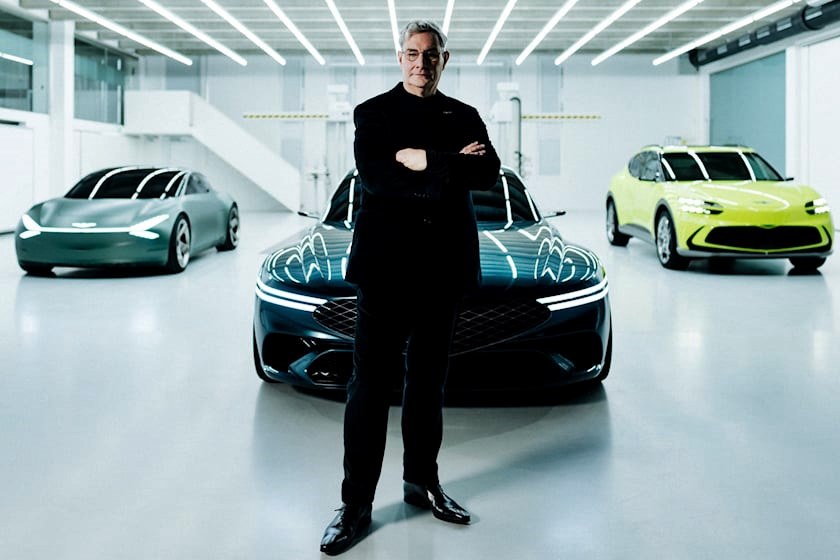
According to Luc Donckerwolke, Chief Creative Officer of the Hyundai Motor Group, the X Speedium Coupe challenges the status quo of a defined car type. This car is an open-door moment in Genesis’ journey towards our future EV design. This is not a showcar… it’s a look into our design processes as we explore ideas for the next wave of EVs, one that incorporates Genesis’ DNA,” he said but clarified that it is also not a conventional concept car that previews plans for the production line-up.

Genesis House in New York
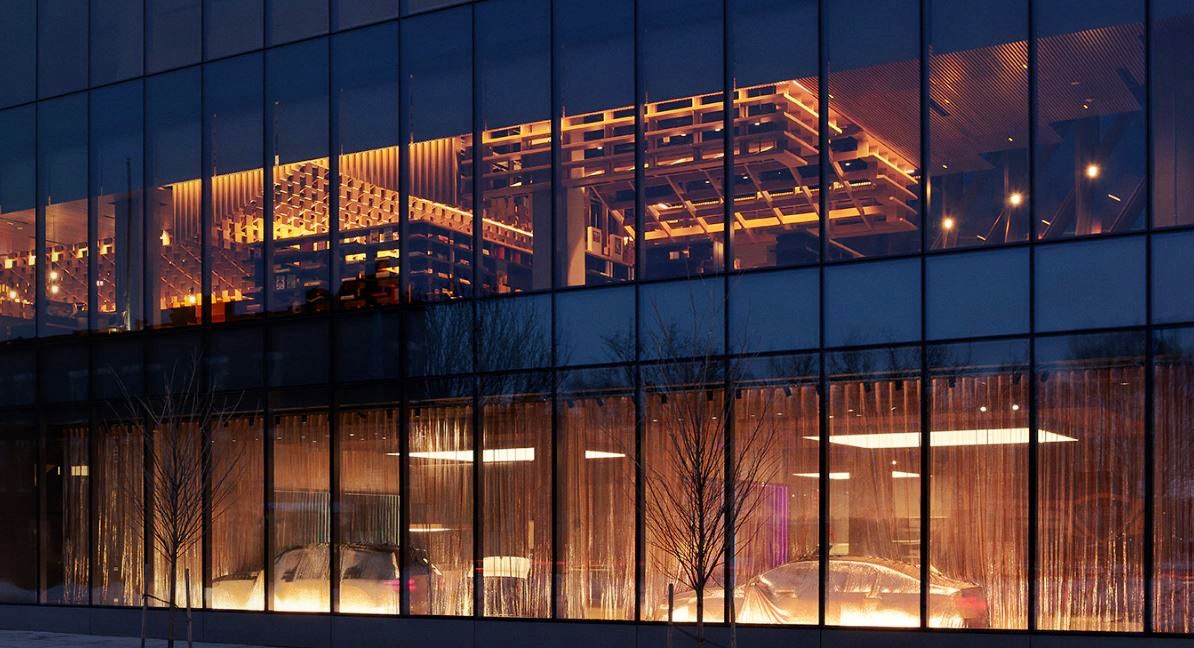
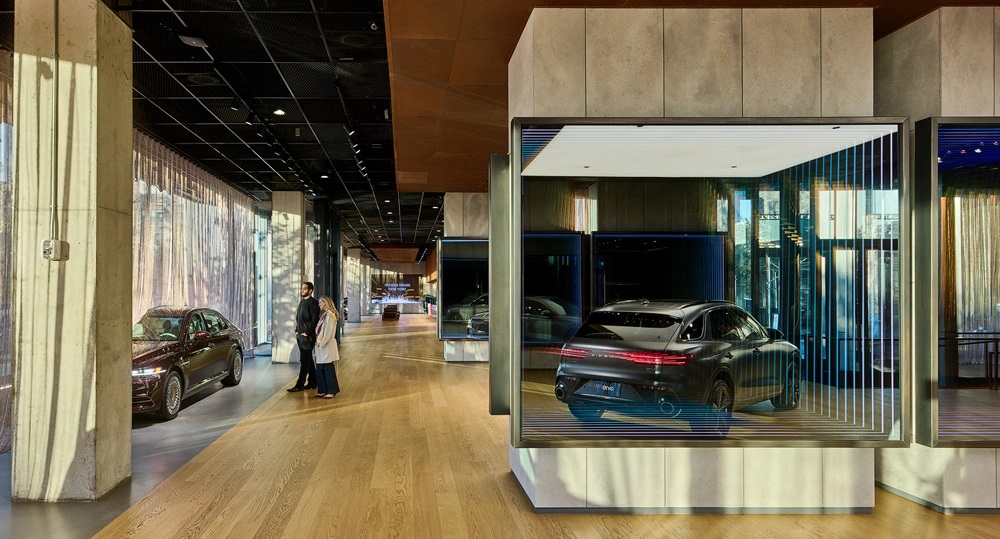
The X Speedium Coupe was unveiled at Genesis House in New York, a cultural space which opened in 2021as the brand’s home in the USA. Measuring 4,340 square metres and consisting of 3 floors, it has been a venue for numerous events held in collaboration with various artists and the local community. The environment at Genesis House also allows guests to enjoy a Korean cultural experience with a restaurant and Tea Pavilion.

Genesis House in New York

Genesis House in New York

Genesis House in New York

Besides a library, there is also an exhibition space displaying the Genesis line-up of existing models and concept cars. Tessellated mirrors set off the design of the cars on display, and a curator is on hand to provide detailed explanations in various languages.

Design of new generation of Genesis G90 flagship revealed

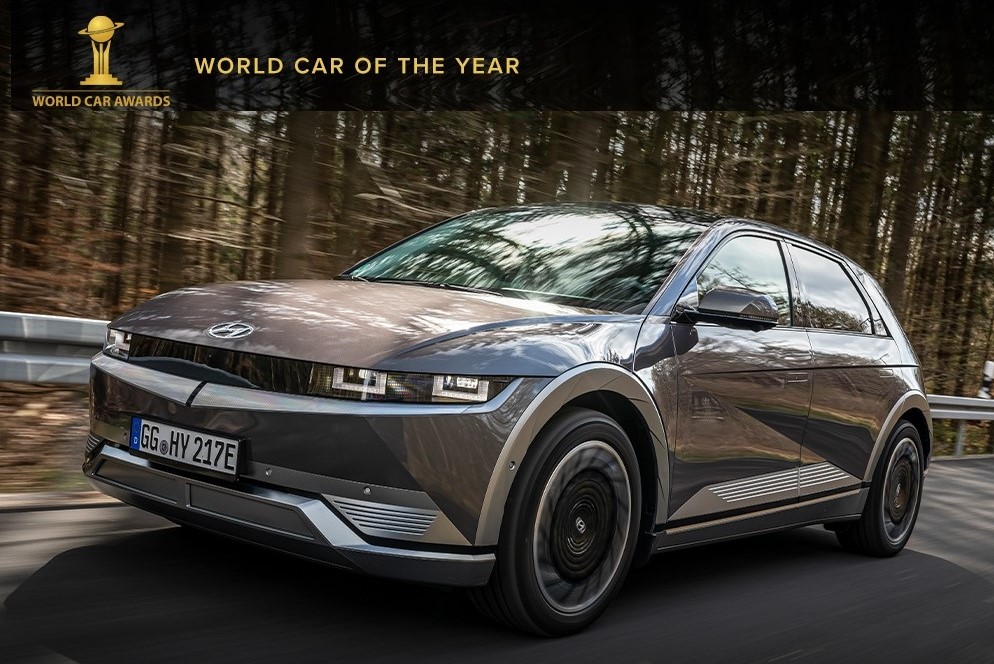
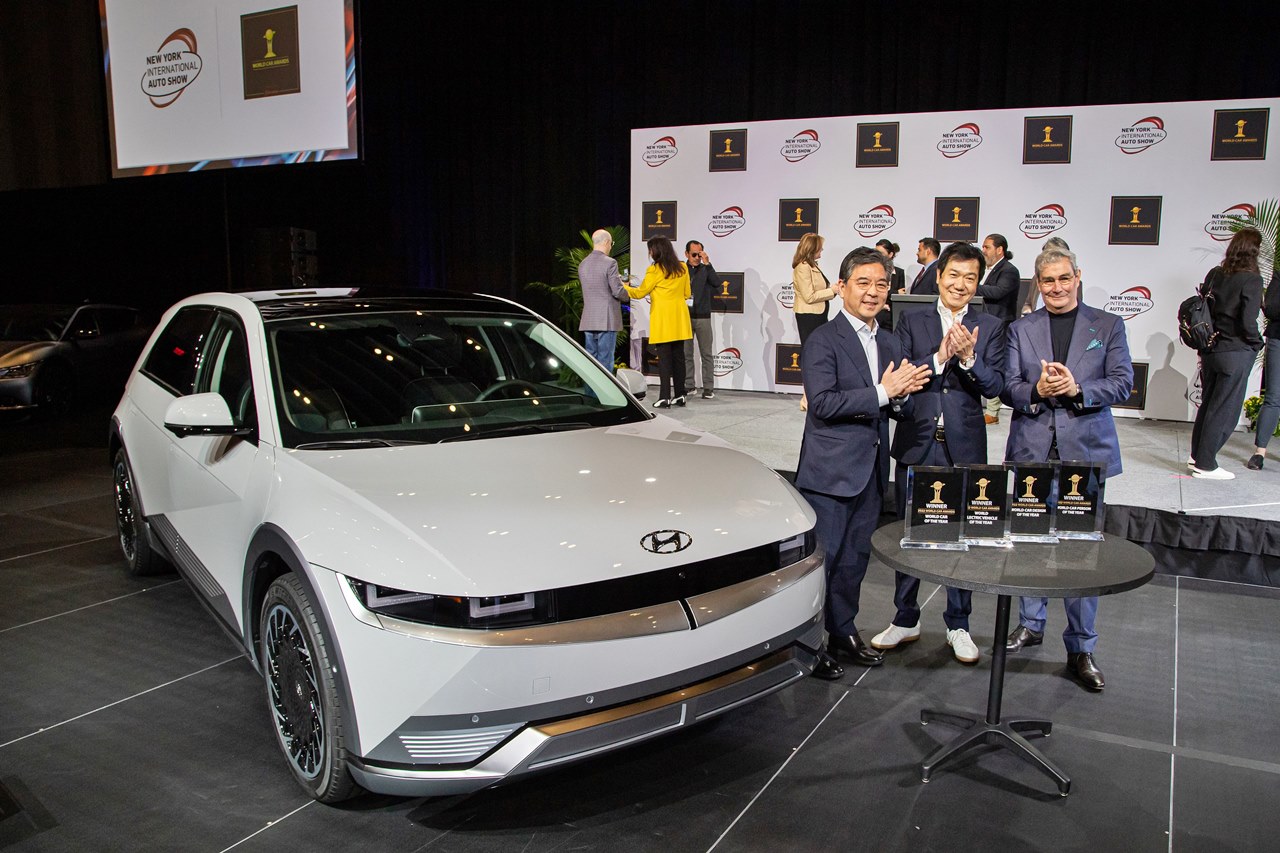
Continuing its collection of awards, the Hyundai IONIQ 5 has been voted as the 2022 World Car of the Year, besides also winning the 2022 World Electric Vehicle of the Year and the 2022 World Car Design of the Year awards in the same event. The battery electric vehicle (BEV), which entered the market last year, was chosen from an initial list of 28 candidates, and then from 3 finalists. This is the second consecutive year an EV has won the title and the fourth EV in the event’s history.

To be eligible for the overall title, vehicles must be produced in a volume of least 10,000 units per year, priced below the luxury level in their primary markets, and on sale in at least 2 major markets on at least 2 continents at some time between January 1, 2021 and March 30, 2022.

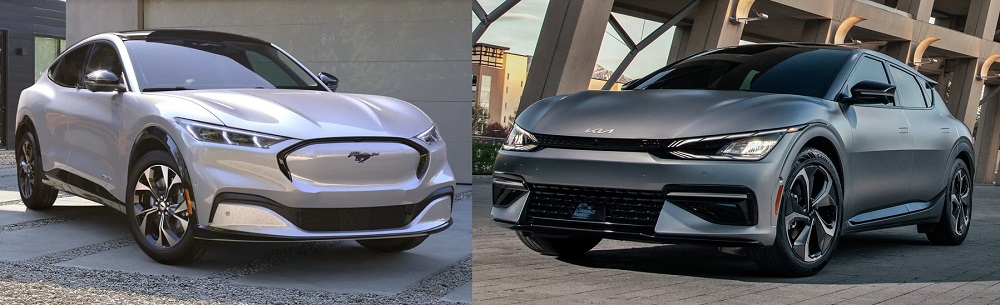
The jury of consisted of 102 automotive journalists from 33 countries who began assessing candidates from August 19, 2021. The preliminary assessments ended with 3 finalists being selected which reflected the industry trend towards electric vehicles: besides the Hyundai, were the Ford Mustang Mach-E and Kia EV6.

The Ford Mustang Mach-E and Kia EV 6 were the other two finalists from 28 candidates.

For the World Car Design of the Year award, a design panel consisting of 6 highly respected design experts was asked to first review each candidate, and they then established a shortlist of recommendations for the jurors’ final vote in February.

The IONIQ 5 received a total of 815 points covering Occupant Environment, Performance, Value, Safety, Environment, Market Significance, Emotional Appeal and Innovation. The EV6, which is the Kia version of the same car, scored 808 points, while the Mustang received 773 points. A closer look at the scores shows that the winner could have been either one as the Kia also scored higher points in some areas such as market significance and performance. But whichever won, it was still a victory for the Hyundai Motor Group which both brands are in. In addition, the 2022 World Car Person of the Year was Luc Donckerwolke, Executive Vice-President, Chief Creative Officer, Hyundai Motor Group.

An additional award for the Hyundai Motor Group’s – Luc Donckerwolke was also chosen as the 2022 World Car Person of the Year.

“We are truly honoured to receive these prestigious awards, which recognize the talent and hard work of all our people and business partners at Hyundai Motor Company. Our vision is to enable Progress for Humanity, and this endorsement of our approach will serve to embolden our commitment to make this vision a reality,” said Jaehoon Chang, President & CEO of Hyundai Motor Company.

“IONIQ 5 represents a pivotal achievement for us as we pioneer a new generation of smart mobility solutions with its innovative E-GMP platform technologies, exceptional performance, and disruptive approach to design and space. Our game-changing EV has made a strong impact on increasingly eco-conscious and demanding consumers around the world, and its success supports the acceleration of electrification of the automotive industry. The pace of change at Hyundai will continue unabated through the rest of 2022 as we will soon be adding to our award-winning IONIQ range,” he added.

The winners of the other categories were as follow:
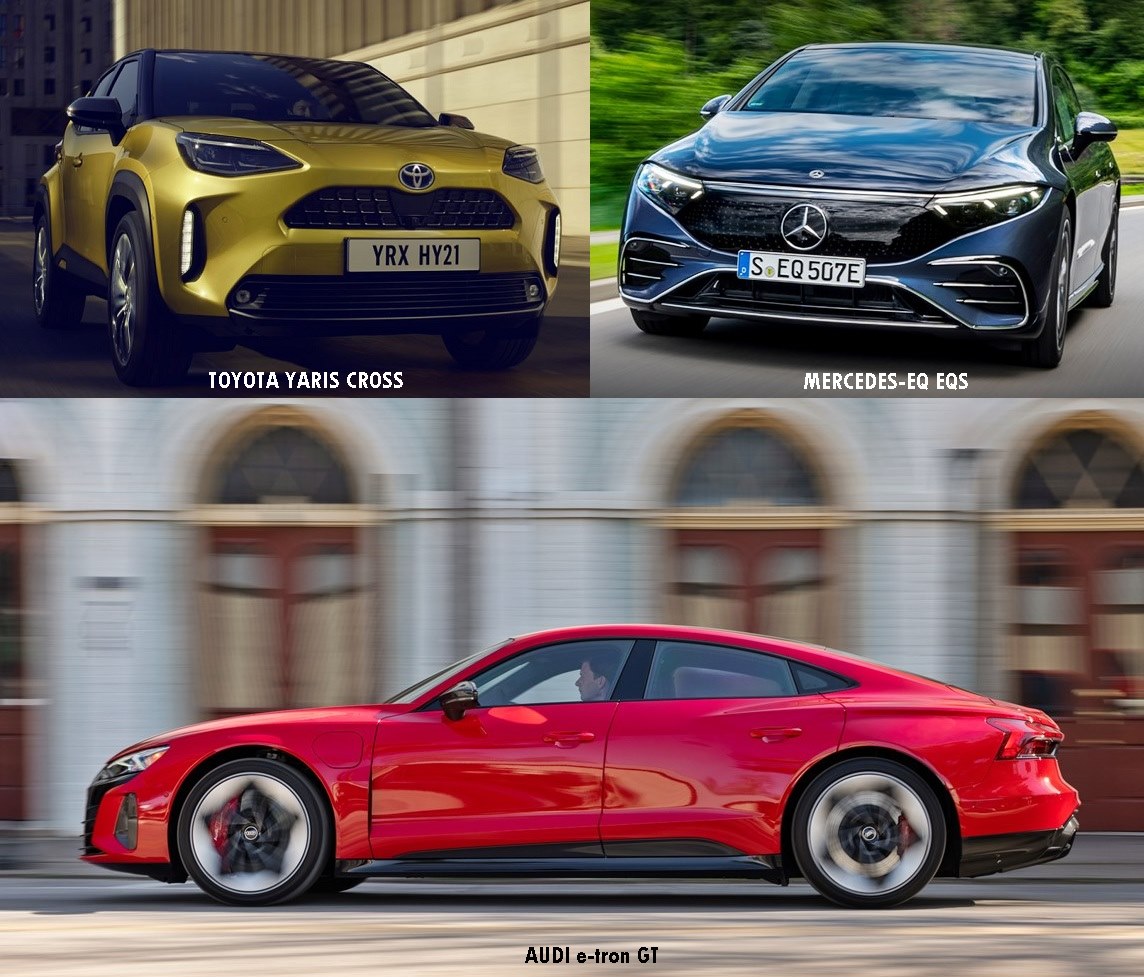
World Luxury Car: Mercedes-Benz EQS
World Performance Car: Audi e-tron GT
World Urban Car: Toyota Yaris Cross
World Car Design of the Year: Hyundai IONIQ 5
World Electric Vehicle of the Year: Hyundai IONIQ 5

PREVIOUS OVERALL AWARD WINNERS
2021 – Volkswagen ID.4
2020 – Kia Telluride
2019 – Jaguar I-PACE
2018 – Volvo XC60
2017 – Jaguar F-PACE
2016 – Mazda MX-5
2015 – Mercedes-Benz C-Class
2014 – Audi A3
2013 – Volkswagen Golf
2012 – Volkswagen UP!
2011 – Nissan LEAF
2010 – Volkswagen Polo
2009 – Volkswagen Golf 7
2008 – Mazda2
2007 – Lexus LS460
2006 – BMW 3-Series
2005 – Audi A6

Hyundai Sime Darby Motors launches second EV – the Hyundai IONIQ 5, priced from RM199,888

In the mid-1960s, when the Malaysian government started the auto industry with a call to manufacturers to assemble vehicles locally, the first ‘auto city’ began to form in the Klang Valley. Vehicle assembly plants were set up in the newly created Shah Alam industrial area of Selangor and related businesses also built factories nearby to supply them parts.

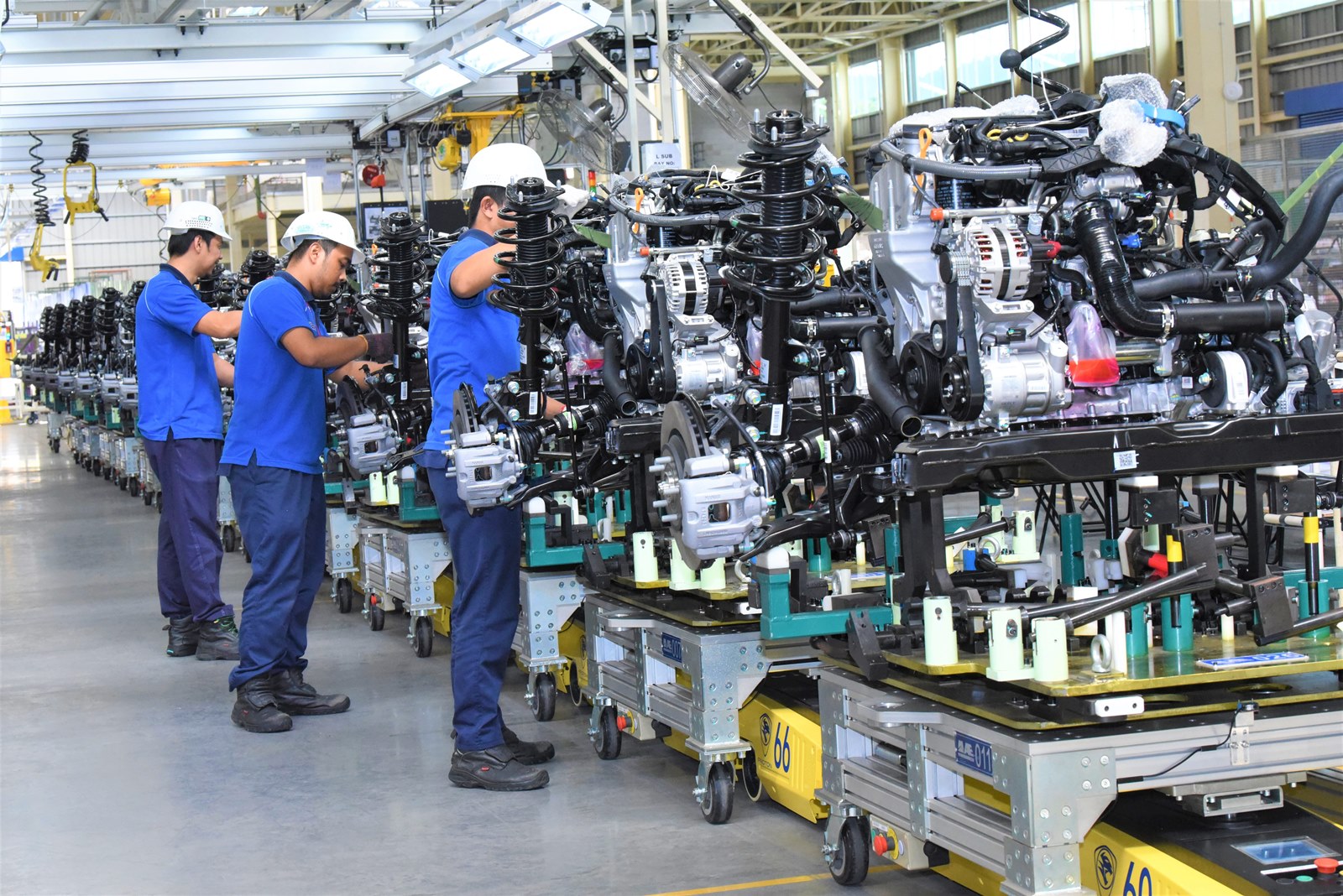
As the industry grew, other areas of the country also saw auto-related factories and businesses being developed. These were in the Tampoi area of Johor and also in Pekan, Pahang, where manufacturers like General Motors, Honda, Mitsubishi Motors, Fiat and Tata had their vehicles assembled.

Pekan in Pahang also has a small automotive manufacturing complex which was developed by DRB-HICOM since the 1980s. Carmakers such as Isuzu, Mercedes-Benz, Mitsubishi Motors and Volkswagen assemble their vehicles there today.

When the National Car project started in the early 1980s, the Proton factory was situated in Shah Alam, mainly because many suppliers were also in the Klang Valley which also has the largest concentration of new vehicle sales. Perodua, however, chose an area in northern Selangor near Rawang for its manufacturing complex but with the North-South Highway, it had easy connections to the Shah Alam area for suppliers to deliver parts.

By the late 1990s, the auto industry was booming and Proton was seeing rapid growth in volumes that it needed a second factory. Tanjong Malim in Perak was chosen and though far from the Klang Valley, the distance was no longer an issue with the highway connection that also went to Port Klang. DRB-HICOM even made plans to create a ‘Proton City’ which would be an ‘auto city’ like Toyota City in Japan and Detroit in the USA.

The Proton factory in Tg Malim, Perak.

However, the late 1990s saw the Asian Financial Crisis seriously affecting the country’s economy and projects like Proton City could not proceed as planned. It had been planned that suppliers would set up factories in the area to support the Proton factory which was designed to produce up to 500,000 vehicles. However, response was poor and with the severe downturn, the idea of Proton City could not take off although Proton began operations at its factory to make a new generation of models.

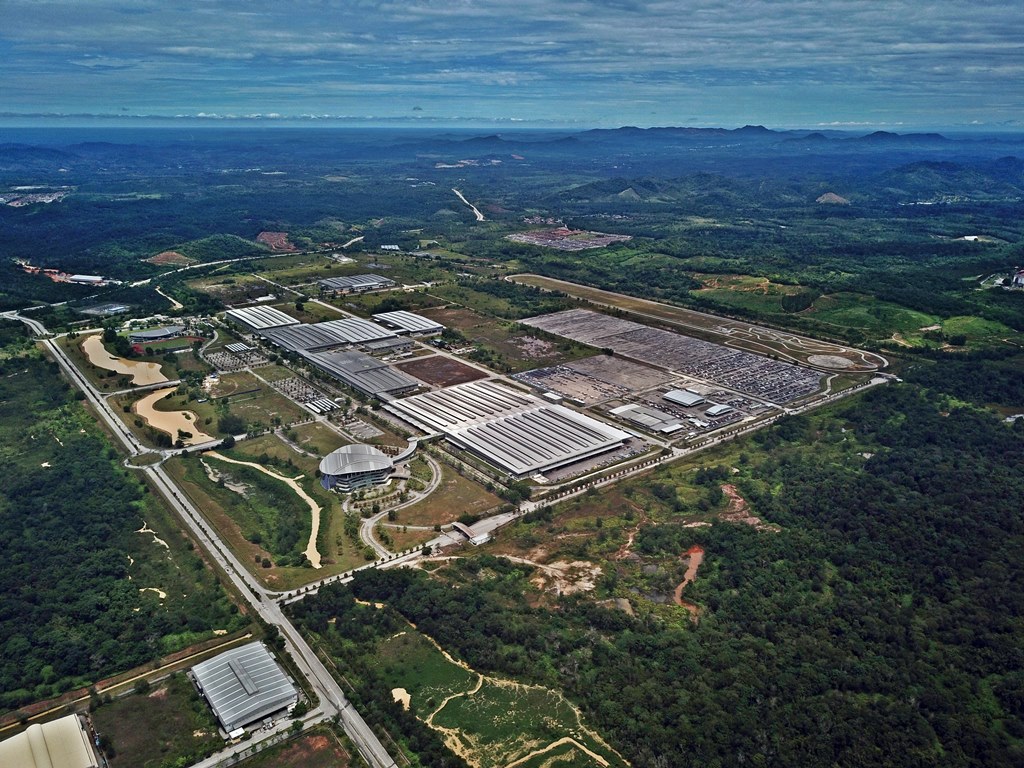
20 years later, the Proton City idea is restarting although this time, the concept has been updated to take into account changes in the auto industry. Rather than being just a ‘Proton City’, DRB-HICOM will develop the Tanjong Malim area into an Automotive Hi-Tech Valley (AHTV) with the aim of becoming an industry hub for the ASEAN region.

Besides supporting Proton, the AHTV is expected to attract businesses which are involved in new technologies and systems relevant to the global automotive industry. These would include electrification, Artificial Intelligence, autonomous technologies and advanced connectivity.

AHTV will be developed with an integrated ecosystem that will be a catalyst to revitalize domestic automotive sector in line with the direction of the National Automotive Policy 2020. Its aim is to bring Malaysia’s automotive industry to be on par, if not more advanced, than those in neighboring countries.

Perhaps it could help make Malaysia once again the best place in ASEAN to manufacture motor vehicles, which was the case in the 1970s. Back then, this country had the best infrastructure, a growing economy, well educated workforce and a level playing field which was attractive to investors.

An early supporter of the AHTV is the Geely Holding Group, which is also DRB-HICOM’s partner in Proton. The Chinese company has signed an MOU (Memorandum of Understanding) to jointly develop AHTV and collaborate to identify vendors and investors to the hub. The involvement of Geely, which has rapidly become a diverse global automotive group, will bring their technological strength in the automotive ecosystem as a boost for AHTV. This can be an impetus for auto and component manufacturers, especially from China, to invest in local production facilities, to create new business and export opportunities. Essentially, AHTV has the potential to become a gateway to ASEAN and other markets for companies that make it as their base. To date, there are already 17 vendors with facilities within the area.

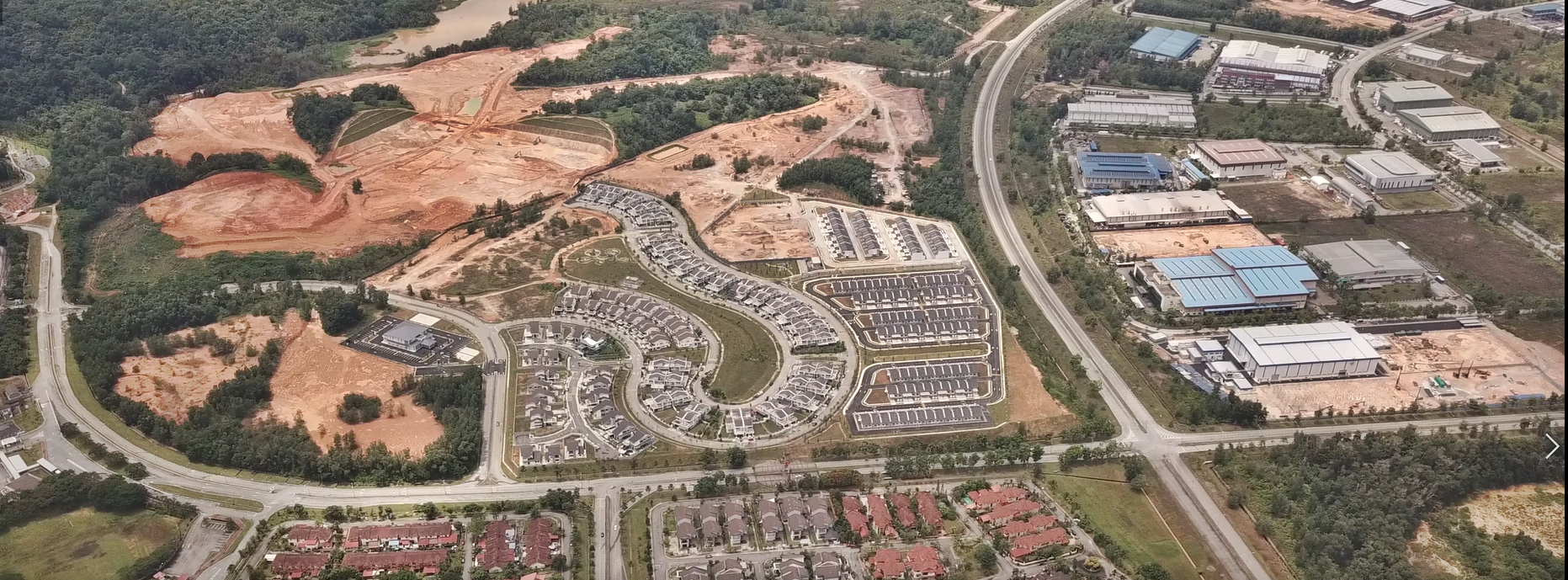
DRB-HICOM has also signed another MoU with the Perak state government to jointly identify suitable additional land in the area for AHTV development.  The current area surrounding the Proton factory measures 4,000 acres, with most already occupied by University Pendidikan Sultan Idris, factories of existing vendors, commercial premises and residential properties.

Part of the area originally developed as Proton City which will now be developed into the Automotive Hi-Tech Valley.

To boost the automotive talent pool in Malaysia, AHTV will establish a research university. This will create an educational framework to nurture a new generation of engineers for the automotive industry in areas of Engineering, IT, Design, Artificial Intelligence, Mobility Solutions & Software Development. This will strengthen local R&D capabilities and ensure competitiveness of local original equipment manufacturers.

The scale of the AHTV will see some 370,000 job opportunities being created in the area, with more than 160,000 opportunities during the first phase of development.

Proton constructing additional stamping facility at Tanjung Malim factory


Every major global carmaker, especially those in Europe, have announced electrification plans that will see their brand going fully electric or having a mix of hybrid electric and battery electric (BEV) models. This is an industry-wide move to address climate change and environmental issues, and the auto industry is responding by switching to vehicles with electrified powertrains that generate very low or zero emissions. There is an urgency so the end of this decade is set as the target for completing the changes.

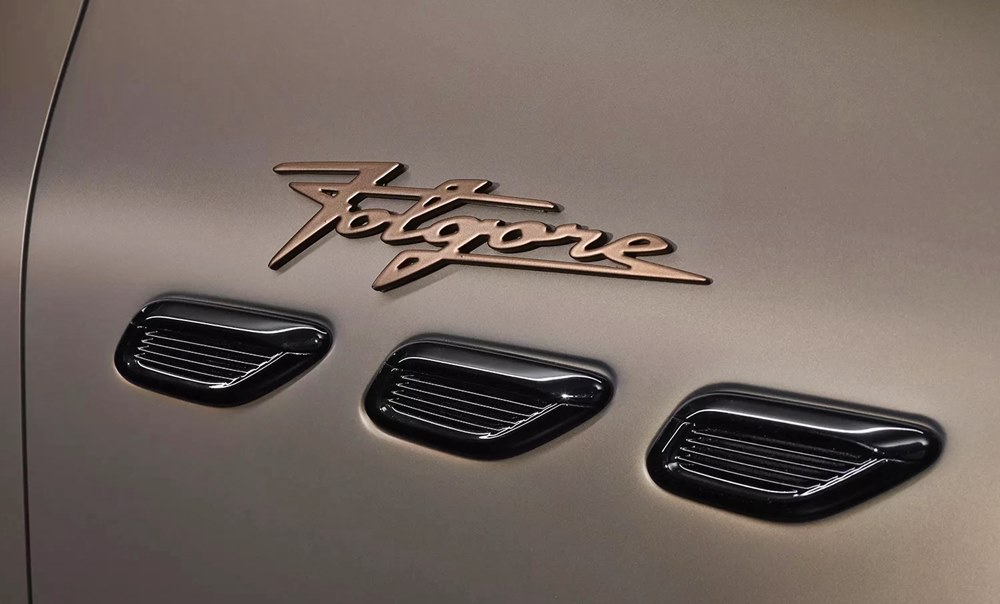
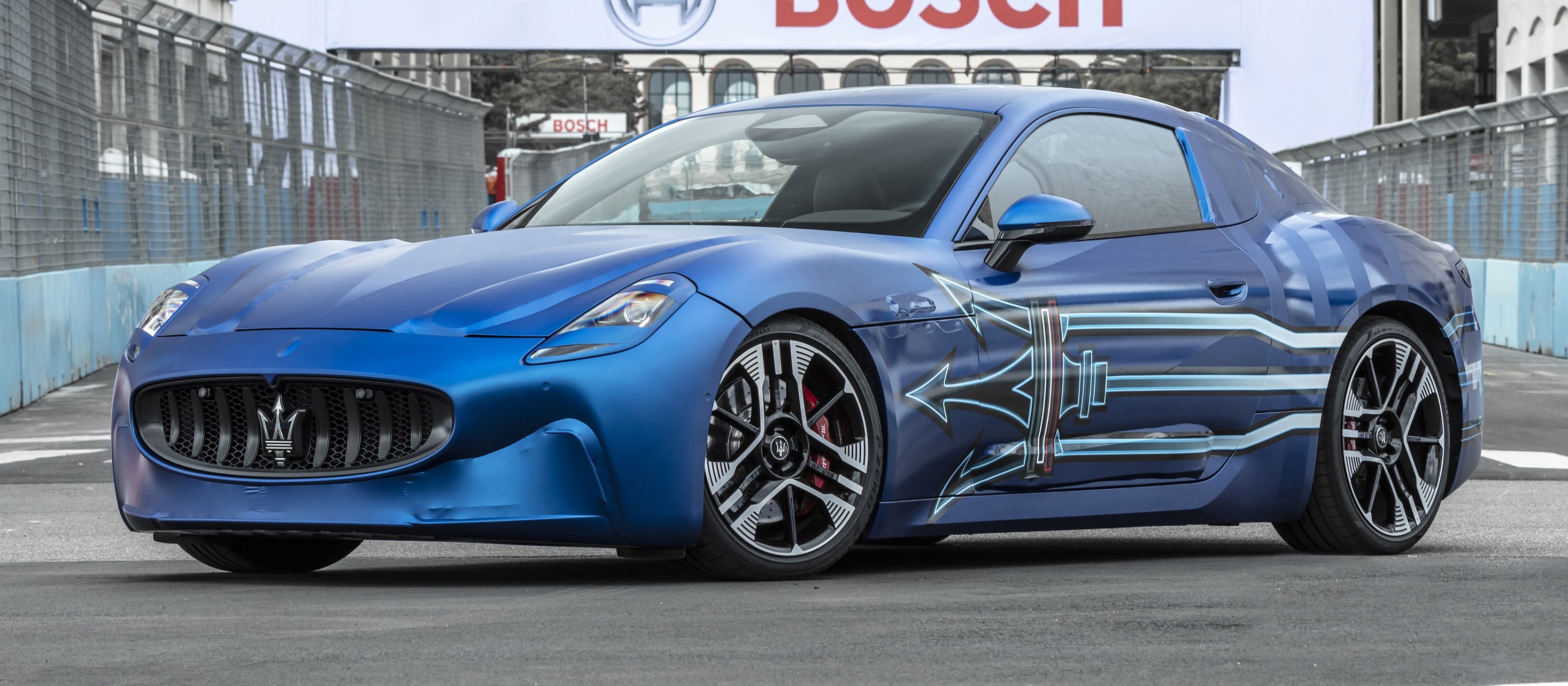
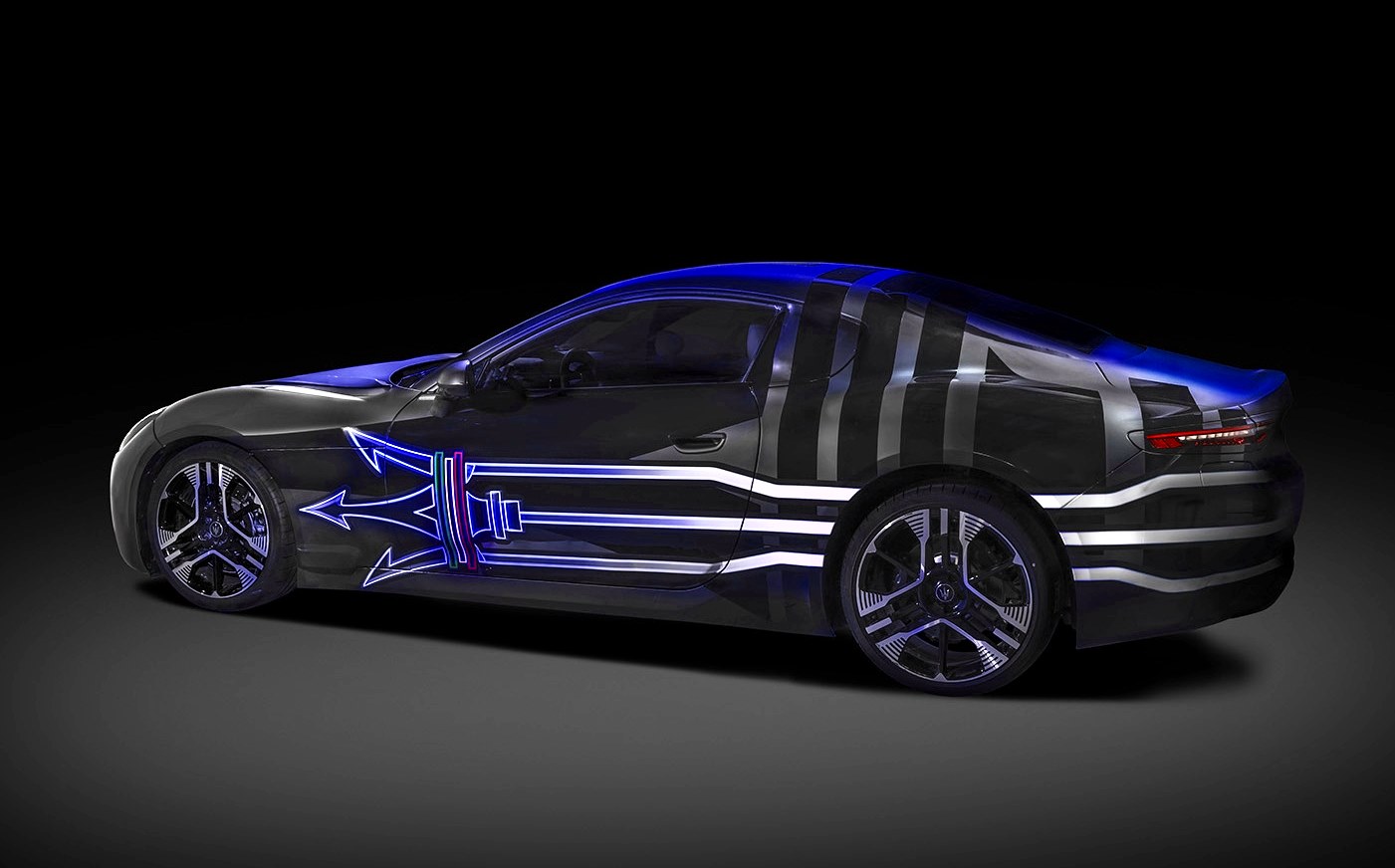
Maserati will be the first among the Italian luxury car brands to produce full-electric models, with the first one to be launched in 2023 and an aim to be the first to complete its electric line-up by 2025. All the fully electric models will be developed, engineered and entirely produced in Italy and form the new Folgore range (‘folgore‘ is Italian for ‘lightning’).

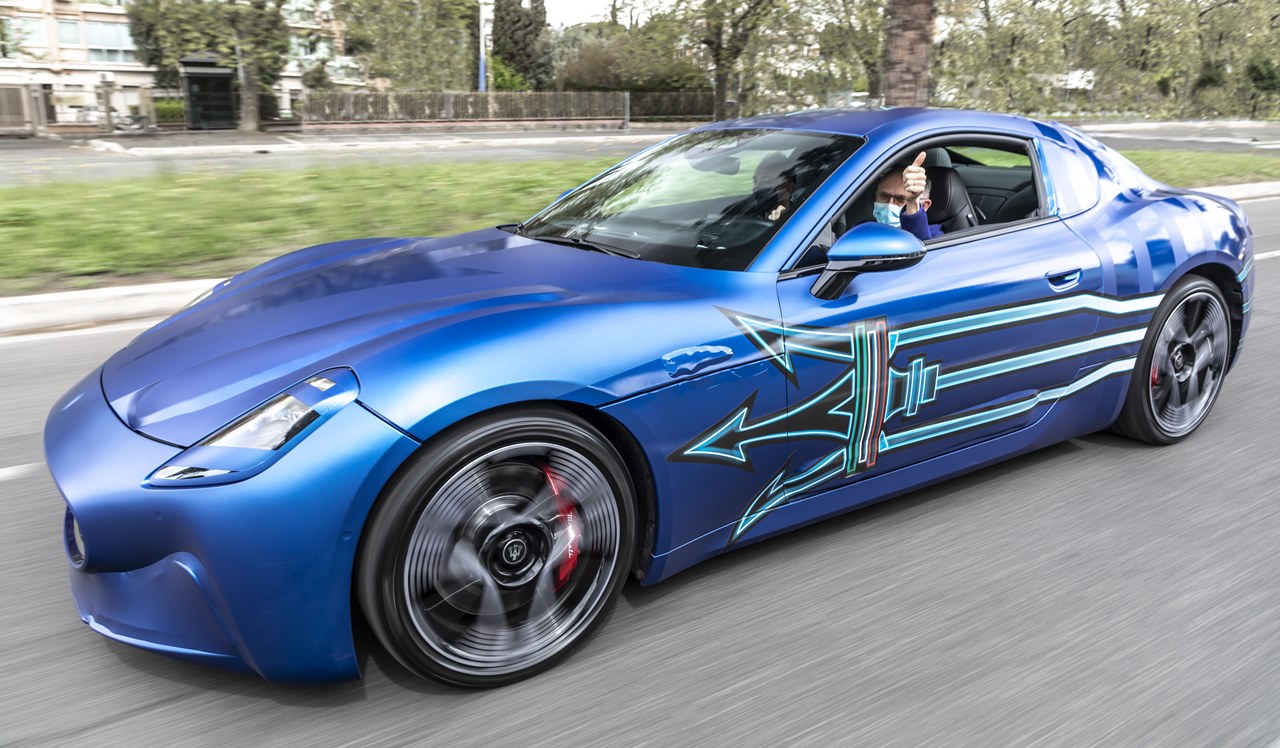
A prototype of the Gran Turismo Folgore was shown at the recent Formula e-Prix in Rome, Italy. It was driven by Carlos Tavares, CEO of Stellantis, which Maserati is part of.

The first model will be the Gran Turismo Folgore, a coupe which the company says will have ‘cutting-edge technical solutions, superb performance, comfort and elegance’. Technical details are not revealed yet although it is believed that the powertrain will have 3 motors and a total output of up to 1,200 ps.

Maserati has given assurance that while exhaust emissions will fall to zero, one iconic element of the cars with the Trident will still be present: the distinctive growl. Of course, the equivalent for electric motors would usually be a high-pitched whine so it will be interesting to see how the engineers incorporate that familiar adrenalin-pulsing roar.

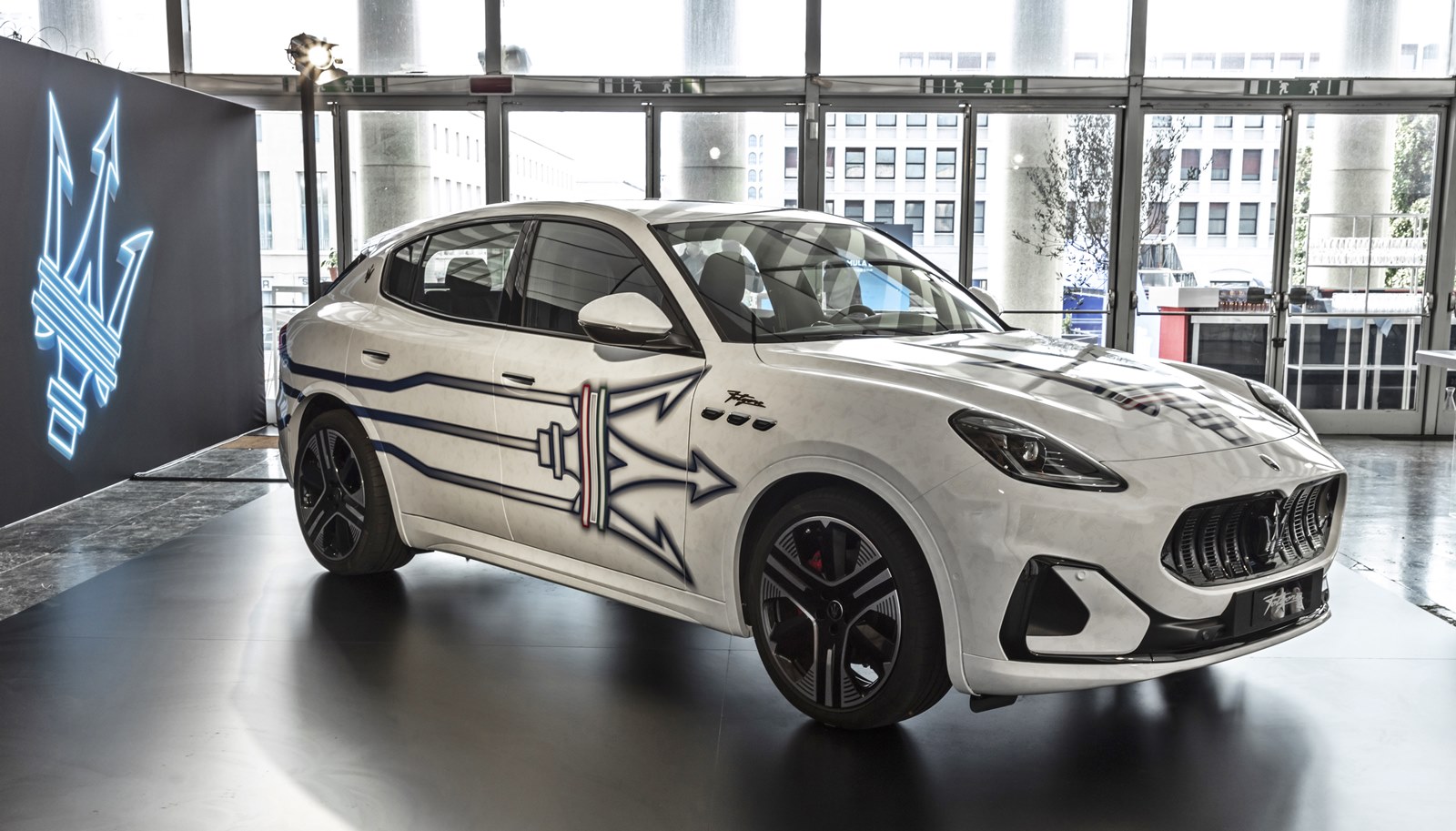
The Grecale Folgore.

Following the Gran Turismo Folgore will be the Grecale Folgore, which is a fully electric variant of the second Maserati SUV model. It will have a 105-kW/h battery pack using 400V technology and two motors which will generate a total of up to 800 Nm of torque. This is also scheduled for launch towards the end of 2023 so it might go on sale only in 2024.

For 2025 or 2026, the next generation of the Quattroporte sedan and Levante SUV will make their debut and are likely to be only available with electric powertrains. By then, as mentioned earlier, Maserati will have every model in its range electrified. The other target for the end of the decade would be when it no longer has a combustion engine powertrain in any of its models.

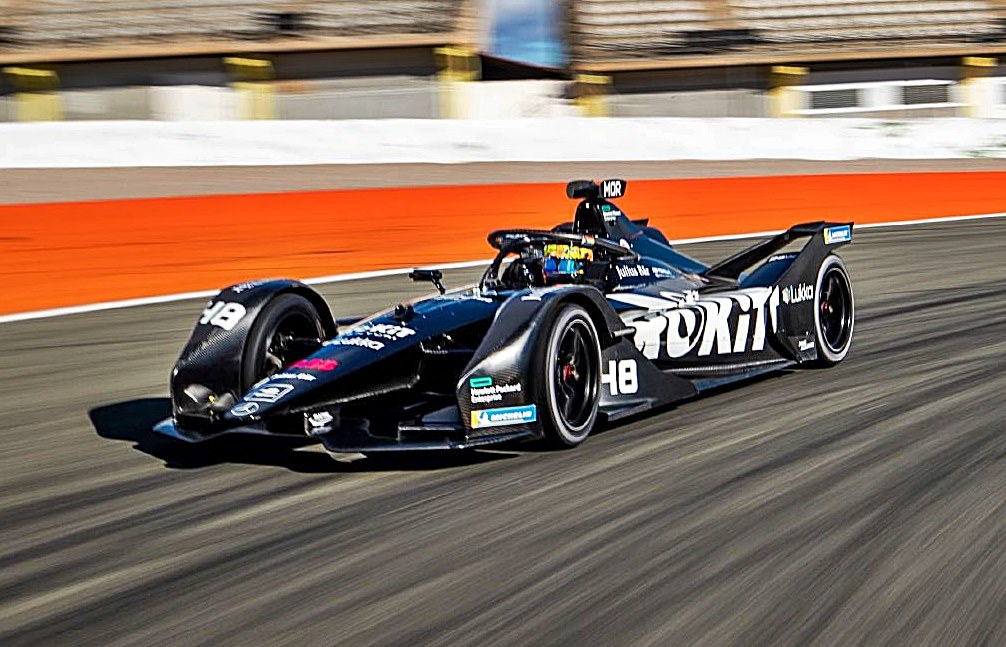
Next year, Maserati will partner the ROKIT Venturi team to participate in the Formula E World Championship for all-electric single-seaters.

As part of its journey onwards to electrification, Maserati will also make its debut in the next season of Formula E (season 9) next year. It will be the first Italian brand to enter Formula E and its partner will be the ROKiT Venturi Racing team, already successfully running in the series. Season 9 will see a new generation of racing cars that have a range of innovations in terms of design, production and technology.

Maserati starts electrification journey with new Ghibli Hybrid

Though seemingly a good idea at the start in the 1990s, the original low-cost concept of Nicolas Hayek, creator of the Smart watches, never worked once Mercedes-Benz took over. The engineering costs bumped up the price and it became a niche product that had difficulty meeting ambitious sales targets.

After trying various approaches in the USA, a market it hoped would take to the little car, Mercedes-Benz ended sales there in 2019. It continued to sell the car in Europe and then Geely came into the picture to form a joint-venture and the brand gained a ‘second wind’.

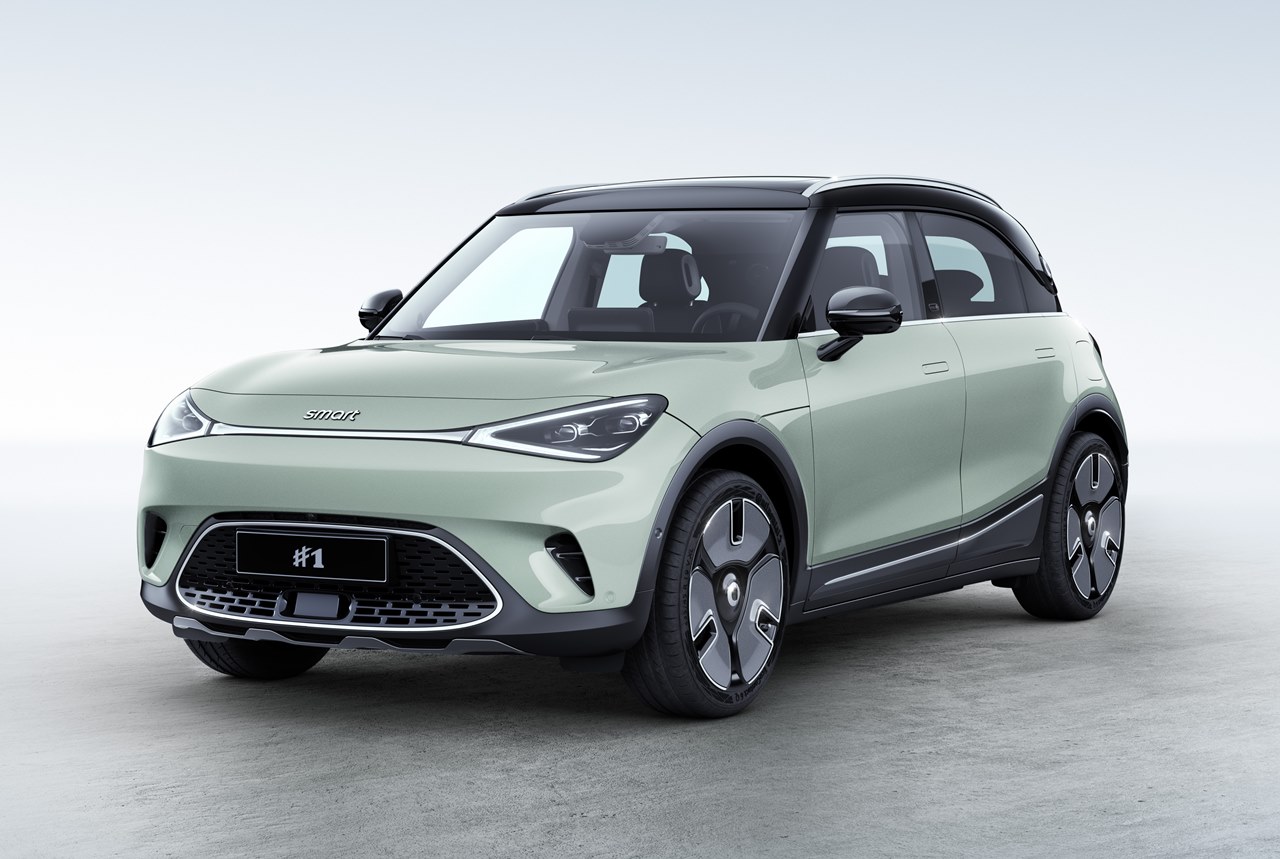
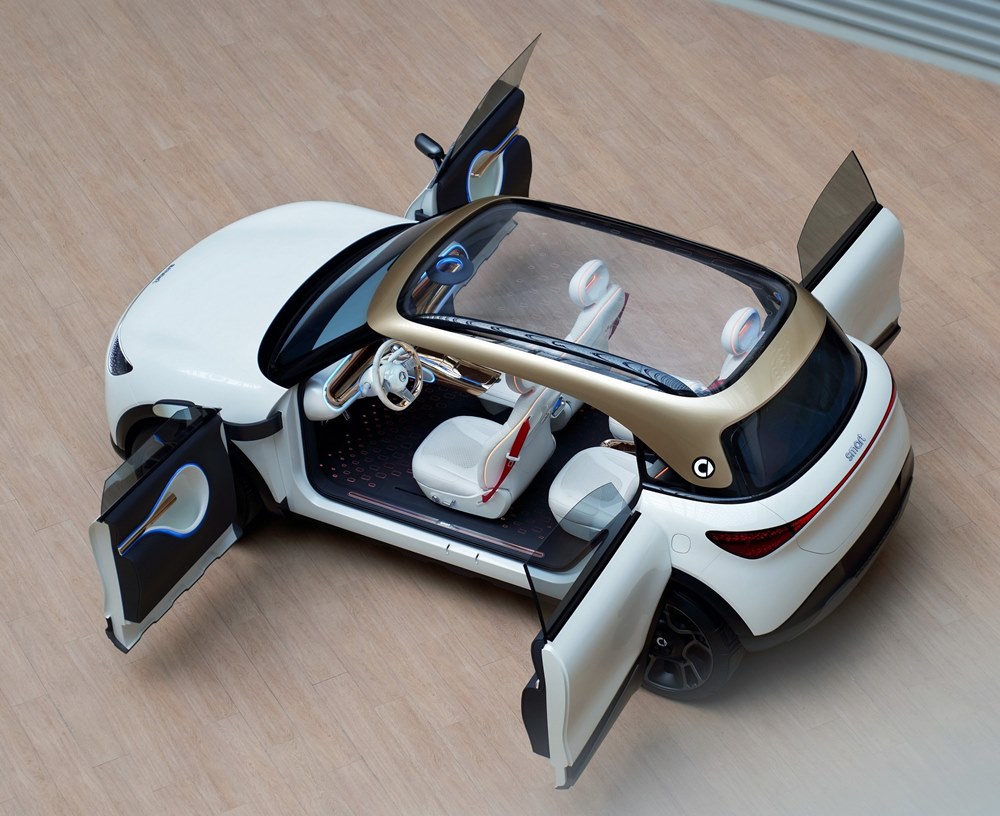
Very quickly, a brand new product was developed with the involvement of Mercedes-Benz design teams who used the Geely’s SEA architecture dedicated to electric vehicles. By 2020, a concept car called the Concept #1 was revealed and this week, the production model has been presented to the world.

2023 smart #1

smart concept #1

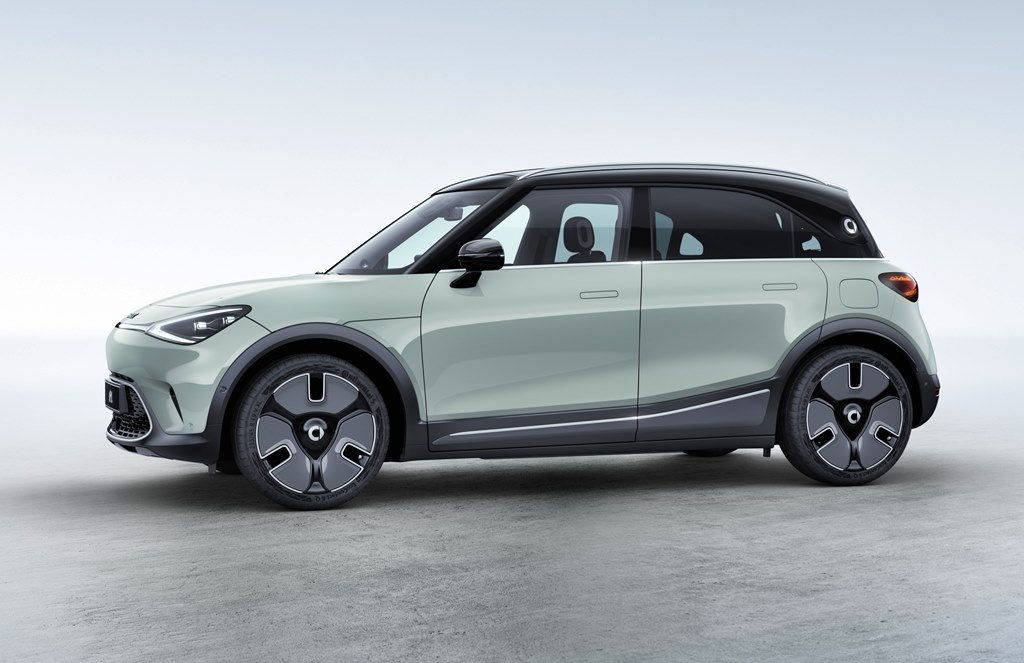
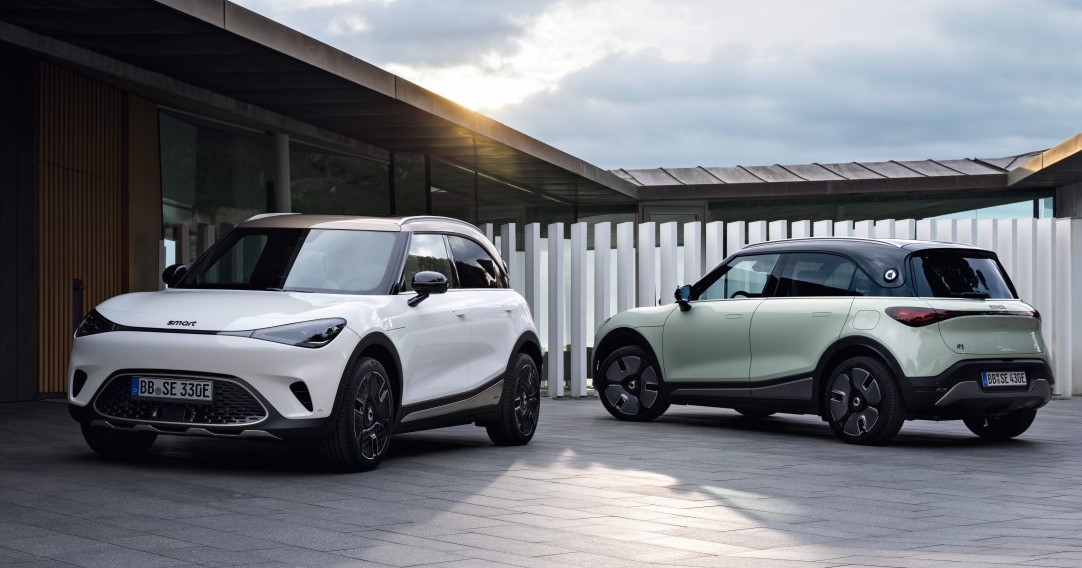
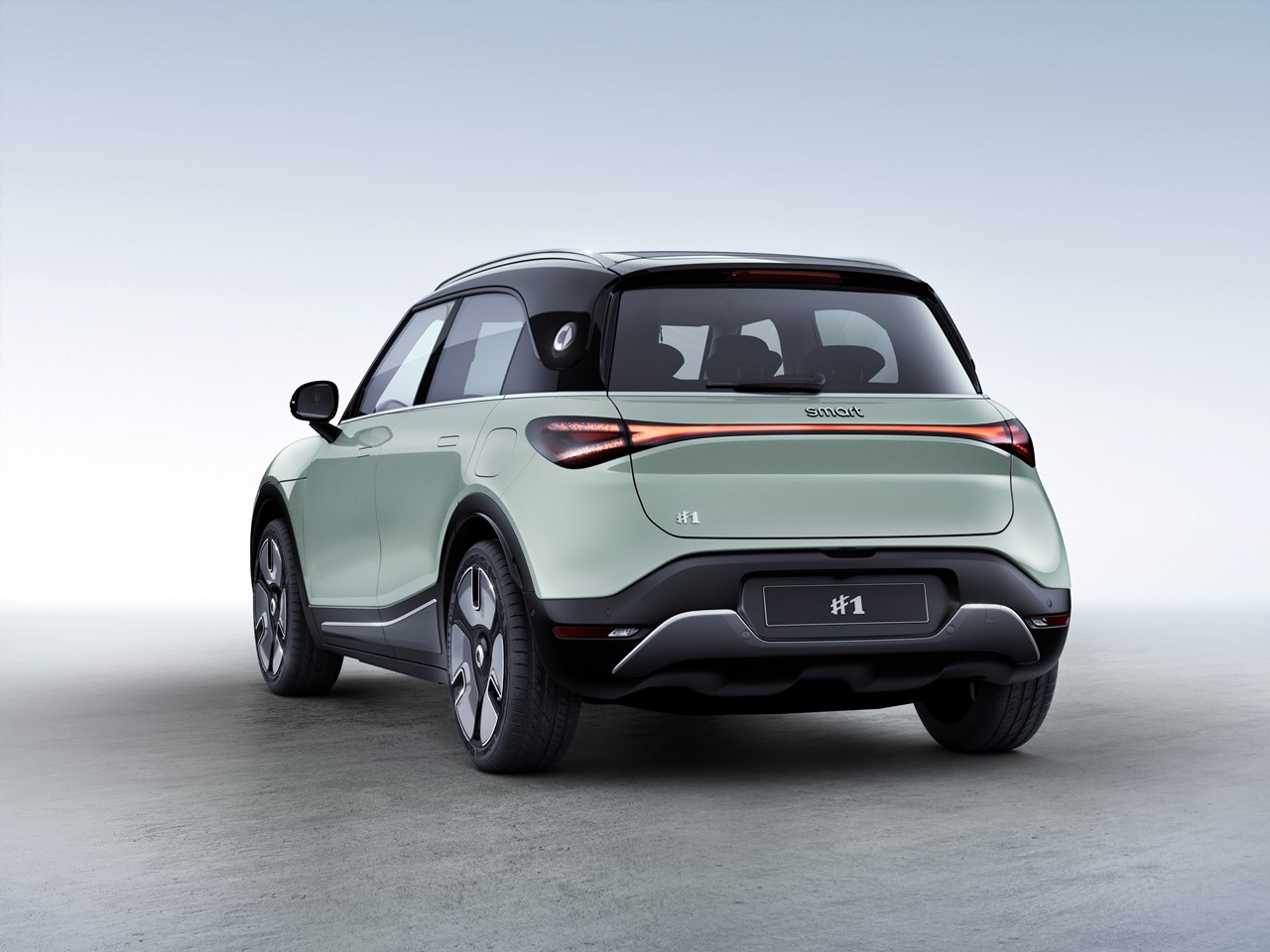
This isn’t smart’s first EV as the brand went fully electric after 2019 but it is an entirely new product, simply called smart #1. While the crossover has blurred the lines between a hatchback and SUV, the smart #1 is presented as a SUV with an overall length of 4270 mm and a width of 1822 mm with a wheelbase that is 2750 mm. That makes it larger than the Proton Iriz and almost the same length as a Saga.

Although there have been smart concept cars that proposed a SUV design, the brand has never sold one so this would be its first SUV. It is, however, considered a city car as well because of its proportions although its weight of 1,820 kgs is certainly much more than city cars of the same size.

The weight largely comes from the NCM (nickel-cobalt-manganese) battery pack which also uses lithium-ion chemistries to store electricity up to a maximum capacity of 66 kWh. The charging system can accept fast-charging up to 150 kW and if that is used, charging time can be 30 minutes (from 10% to 80%), it is claimed. With a more common 22 kW supply, the time needed would be around 3 hours.

The battery pack powers a single rear-mounted electric motor with an output of 200 kW (272 ps) and maximum torque of 343 Nm, available almost from the moment the car moves off. The top speed is claimed to be 180 km/h, pretty fast for a car in this class.

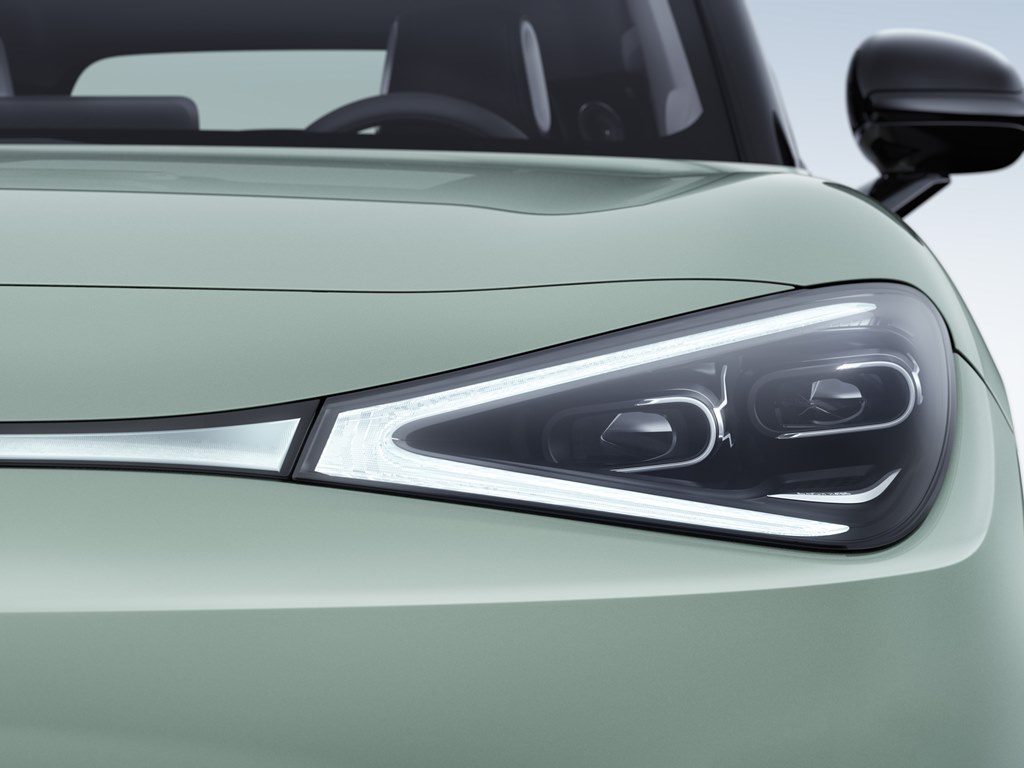
The styling of the #1 is pretty much like that of the concept car with Matrix LEDs under the triangular shapes of each headlight. The headlights form a unique visual signature at the front which stretches right across, and the same feature is also present at the back.

2023 smart #1

To remove that tiny bit of drag-inducing turbulence that door handles cause, those on the #1 are flush when the car is on the move, extending only when needed to open the doors. It’s a feature usually found in higher-end cars, reflecting the premium positioning of the #1.

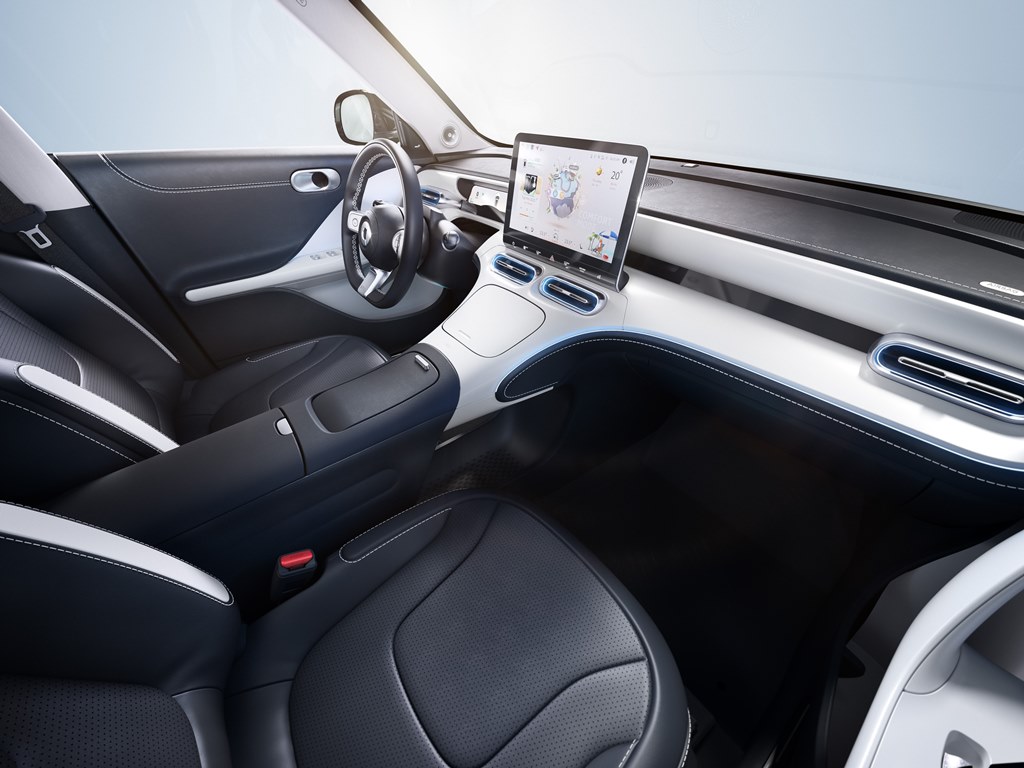
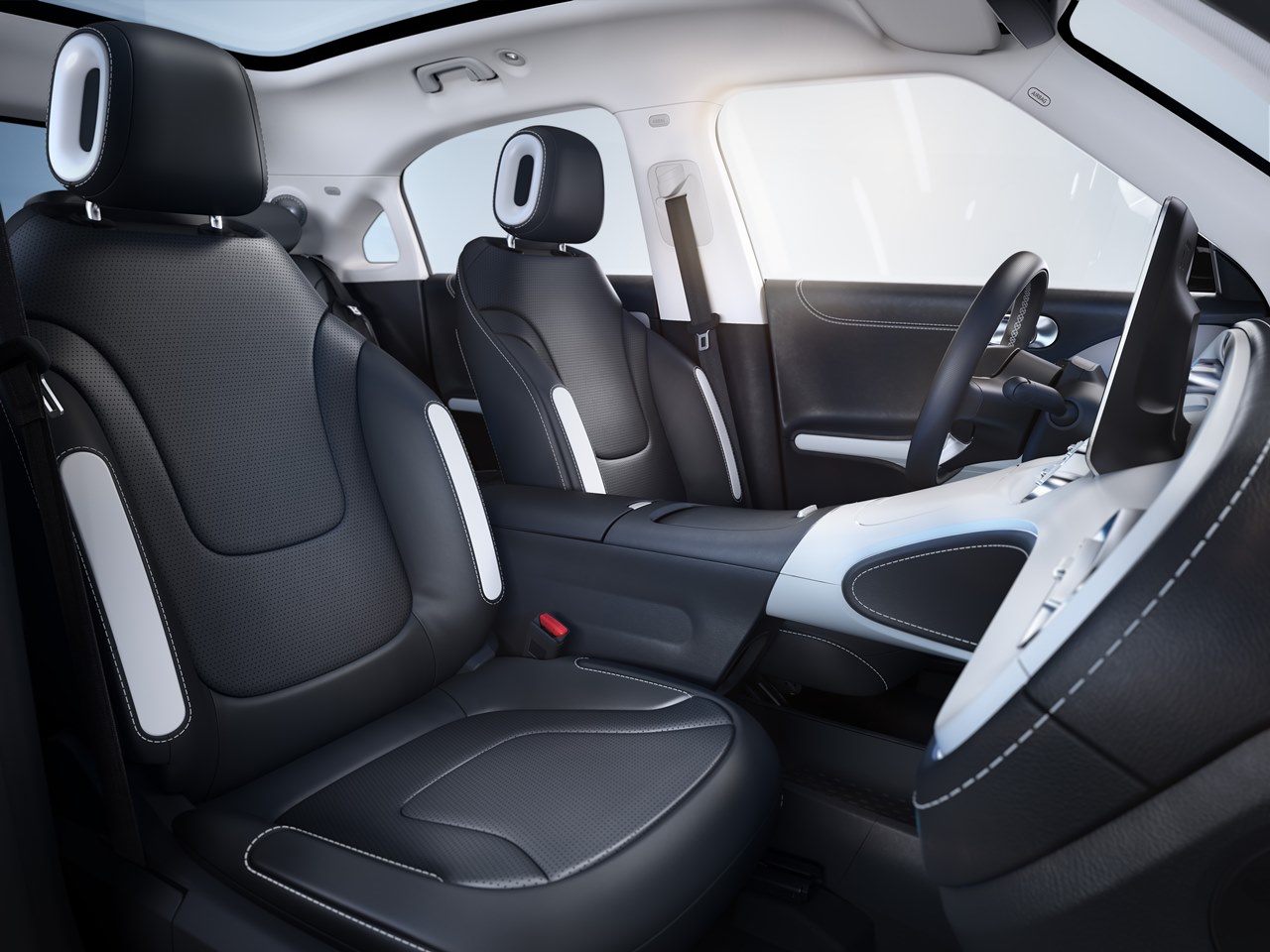
Thanks to a high footprint-to-space ratio with the long wheelbase, the interior is more spacious than would be expected with the compact exterior. The floating centre console provides better space efficiency with a reduction of elements creating a more open environment. To enhance this sense of spaciousness is a panoramic halo glass roof, one of the features on the concept car. The rear seats have a variable position over 13 cm and behind them is a variable boot space.

2023 smart #1

2023 smart #1

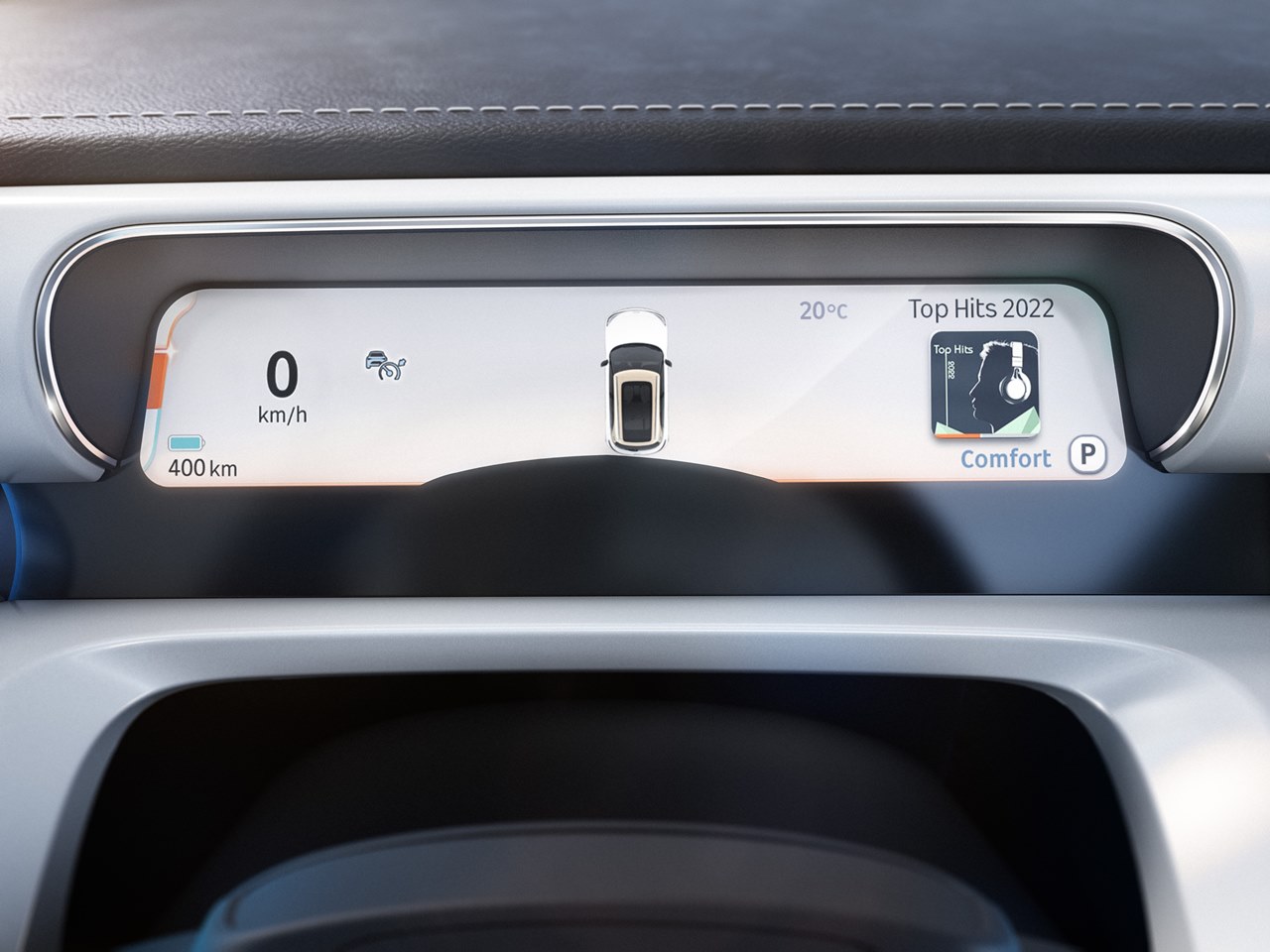
As with many of the latest cars, the displays are digi-graphic with a 9.2-inch panel in front of the driver (supplemented by a head-up display), and a 12.8-inch touchscreen on the dashboard. The ambient lighting can be customized with mix of 64 colours and 20 illumination levels, setting just the right mood for a drive.

2023 smart #1

The premium audio system has Beats high-end sound technology and consists of an amplifier module and 13 speakers (including a sub-woofer). The driver can  enable digital key sharing through the smart app which also allows for remote engine starting.

There will be a ‘Launch Edition’ of the car with exclusive trim. Production will be at a joint-venture factory in China, starting in the second half of 2022. Exports are expected to start towards the end of the year so Proton Edar, which has been appointed distributor for Malaysia and Thailand, should be launching the car in early 2023. As it is a joint development between Geely and Mercedes-Benz, it is unlikely that it will become a Proton-badged model but by selling it, Proton would gain insights and experience into EVs which it will be producing and selling towards the end of this decade.

2023 smart #1

Mercedes-Benz and Zhejiang Geely Holding Group establish new joint-venture to handle smart brand globally

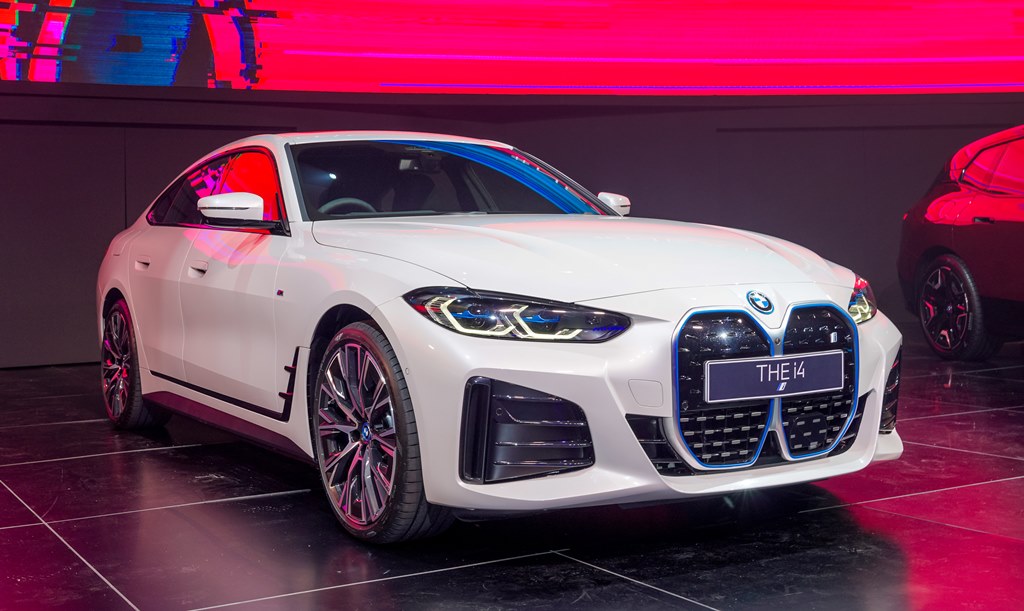
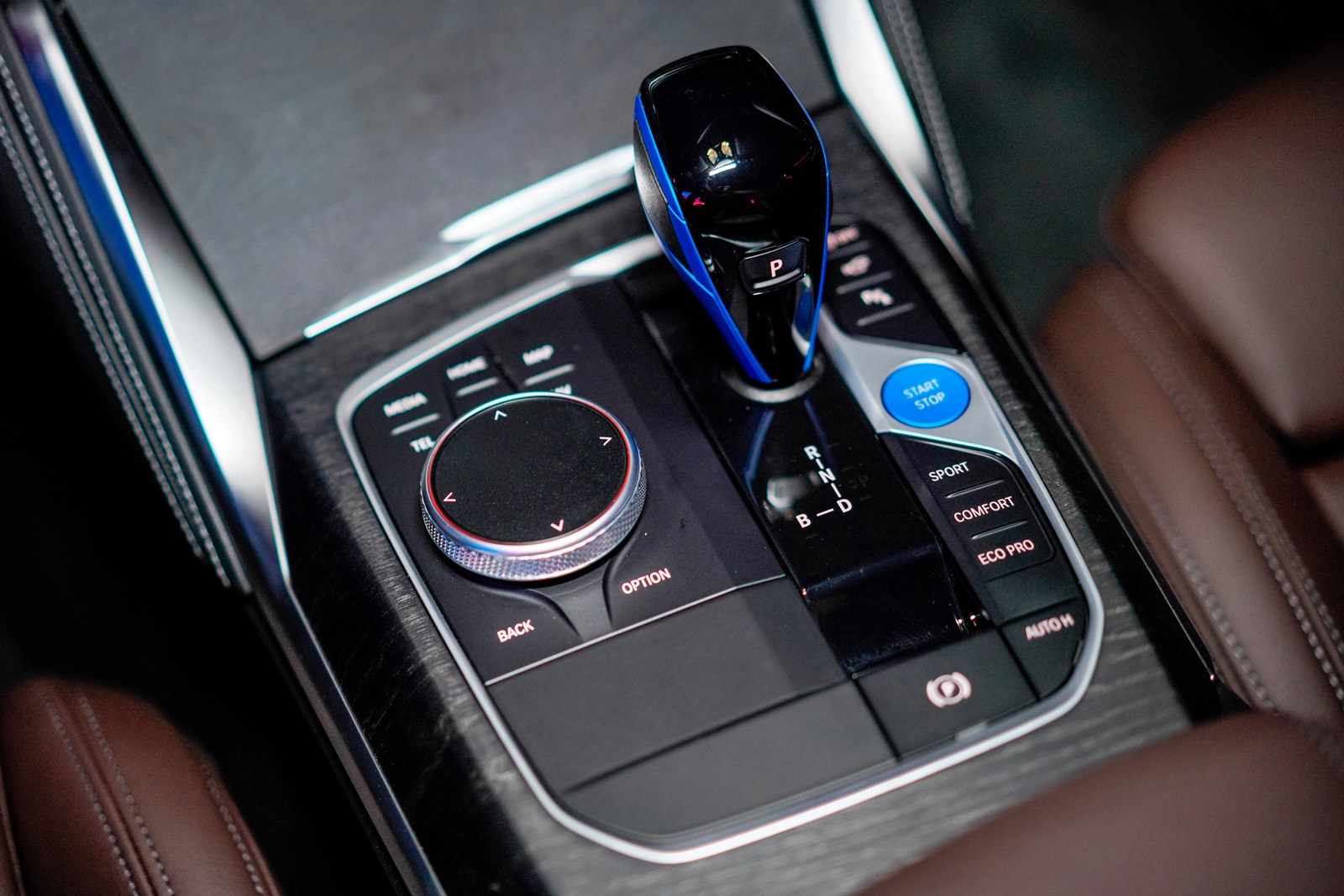
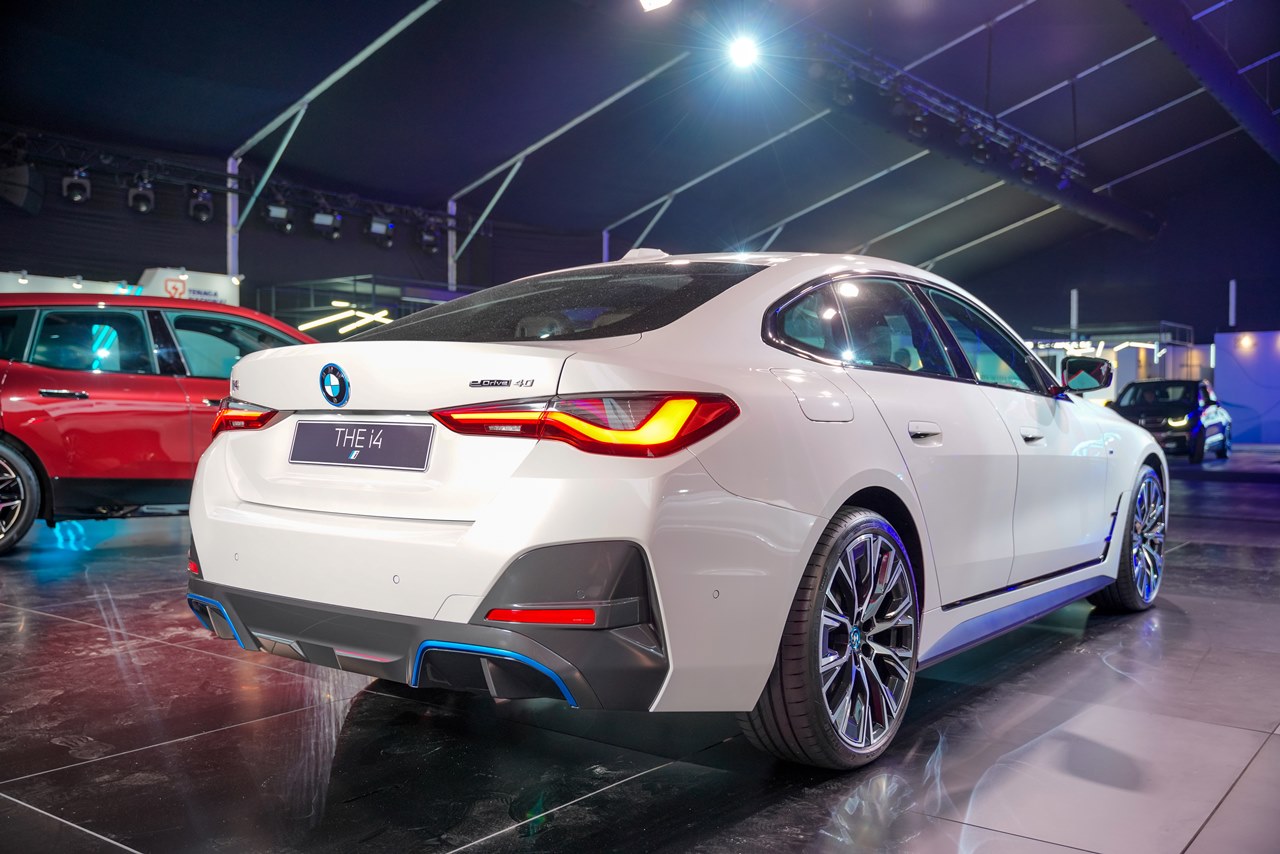
The BMW i4, fourth model in the German carmaker’s electric BMW i sub-brand, can now be pre-booked in Malaysia. It was first shown in the country at NEXTGen Malaysia in January this year. The retail price starts from RM389,800 (without insurance) with an Extended Warranty & Service Package included. For those who use BMW Group Financial Services Malaysia’s financing plan, monthly instalments can start from RM4,306 (terms and conditions apply).

Customers can choose from Black Sapphire, Mineral White and Dravit Grey for exterior colours which will be supplemented with Sanremo Green, M Portimao Blue and M Brooklyn Grey later in the year. Interior upholstering is available in Black, Mocha and Tacora Red Leather Vernasca.

2022 BMW i4 eDrive40 M Sport

The new i4, which went on sale in Europe in late 2021, is part of a comprehensive product offensive by the BMW Group in the field of models with electrified drive. The company currently has the biggest range of battery electric vehicles (BEVs) and plug-in hybrid (PHEV) models and by next year, it expects to have 25 models with electrified drive on sale.

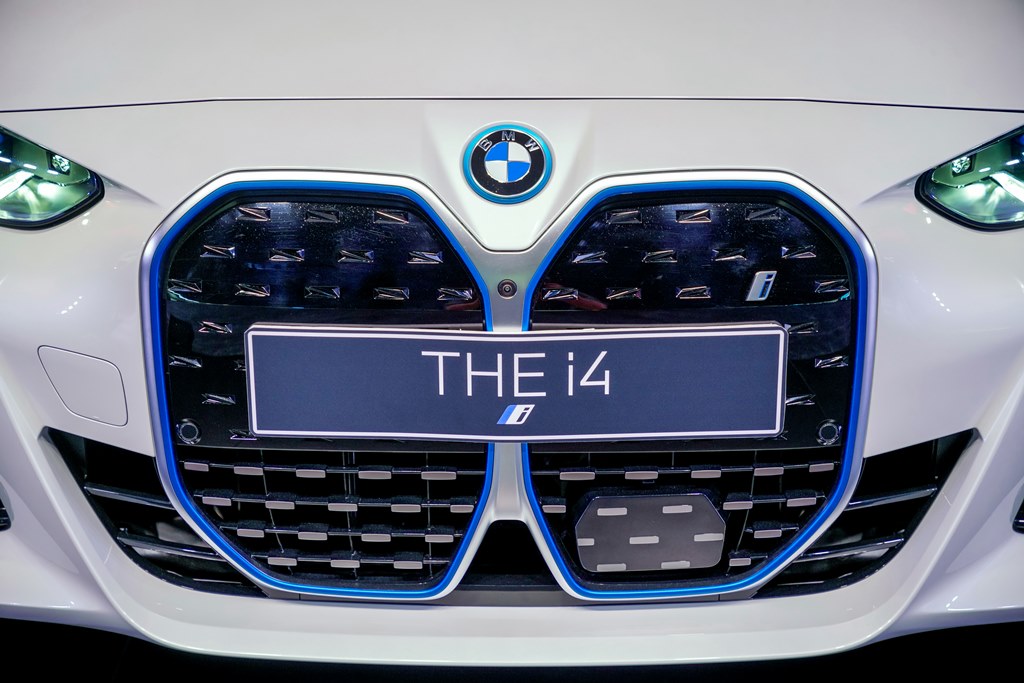
Designed by a team led by Kai Langer, Head of BMW i Design, the i4 is the brand’s first Gran Coupe with electric drive in the classic rear-wheel drive layout. The smoothly contoured panels with a clear surfacing language incorporate aerodynamic details that are vital to keeping wind resistance low, particularly for a BEV.

2022 BMW i4 eDrive40 M Sport

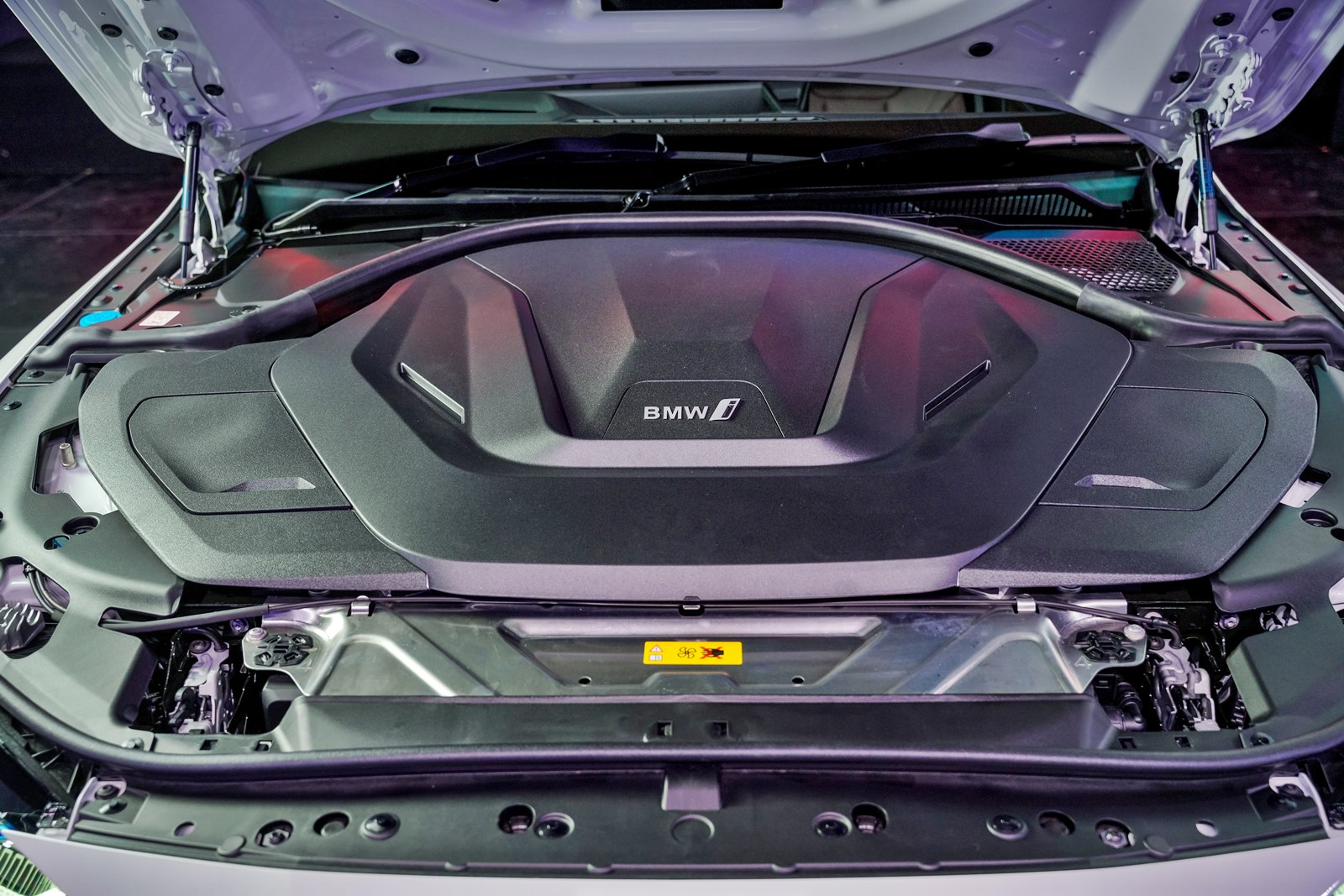
The powertrain is a 5th generation BMW eDrive system which has an electric motor that can generate a maximum output of 250 kW (340 ps) with peak torque of 430 Nm. This gives it a capability of 0 to 100 km/h within a claimed 5.7 seconds.

The eDrive system has a Combined Charging Unit (CCU) with a built-in 4 kW voltage transformer for flexible battery charging. Recharging can be done a domestic power socket, a BMW i Wallbox or DC fast chargers. Depending on the power source, charging time can be 31 minutes (from 10% to 80%) or up to 8.25 hours. A fully charged lithium-ion battery pack will provide up to 590 kms of range, depending on driving conditions.

2022 BMW i4 eDrive40 M Sport

The version officially imported by BMW Group Malaysia is the i4 eDrive40 M Sport which is equipped with the M Sport package. This has the M Aerodynamics exterior with M High-gloss Shadow Line, 19-inch M Aerodynamic Wheels 860 M Bicolour with staggered widths, and M Sport brakes. Standard on the i4 are BMW Laserlights with Automatic High-beam Control.

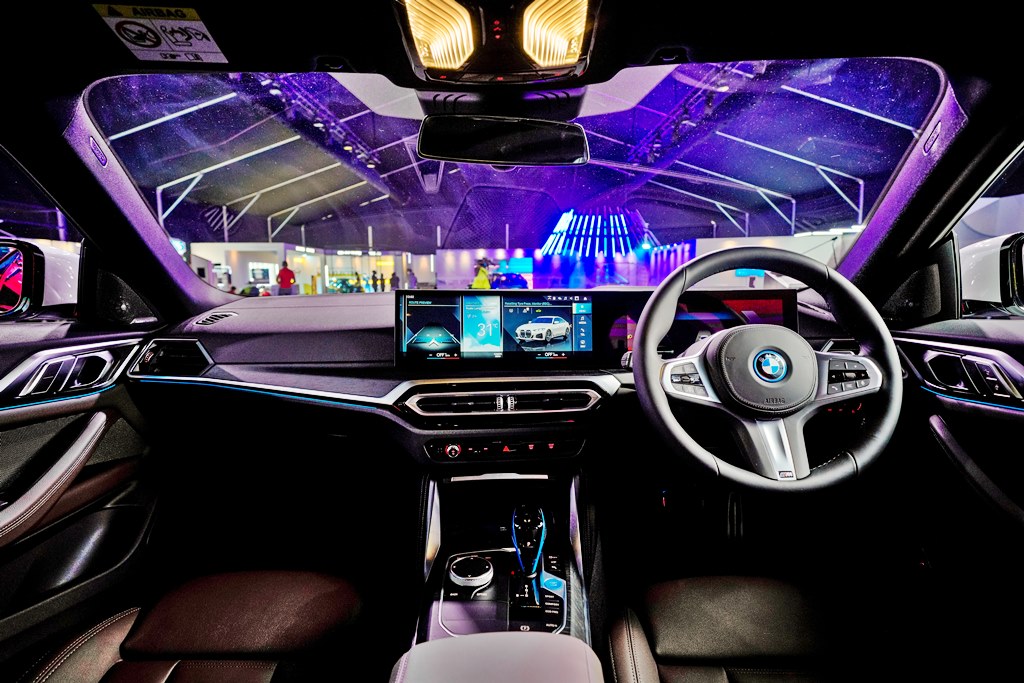
The cabin, appointed with Aluminium Rhombicle Anthracite Interior Trim, also has the BMW M treatment with the M Anthracite Headliner, M Leather-wrapped Steering Wheel, while the instrument panel is in Sensatec. Functional features include variable sports steering, electric seat adjuster with memory function, Interior and Exterior Mirror Package, as well as automatic air conditioning.

2022 BMW i4 eDrive40 M Sport

2022 BMW i4 eDrive40 M Sport

2022 BMW i4 eDrive40 M Sport

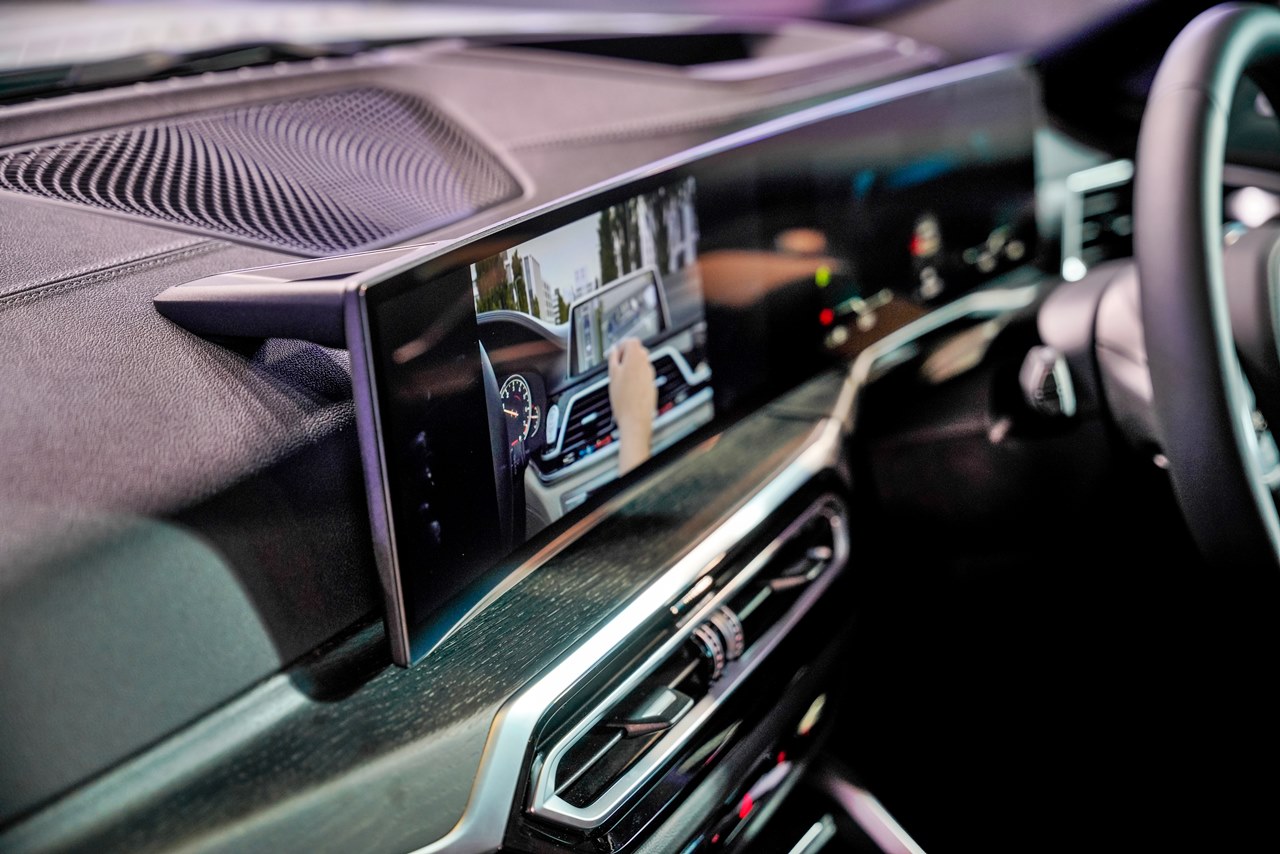
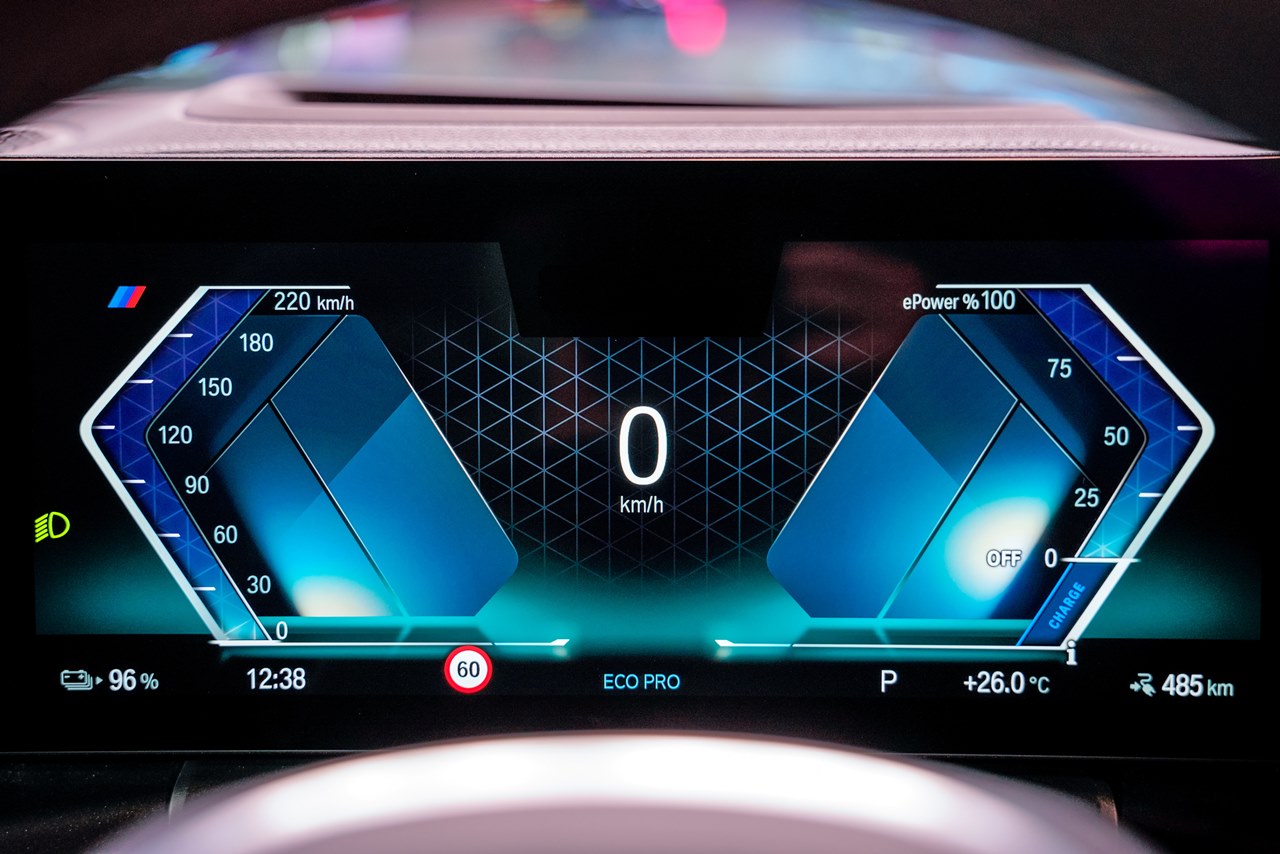
For entertainment, information and connectivity, the i4 eDrive40 M Sport has the BMW Live Cockpit Professional and BMW ConnectedDrive Services as standard. Additionally, there’s also BMW Connected Package Professional, Intelligent Emergency Call, Teleservices, Smartphone Integration, and a 17-speaker Harman Kardon surround system.

“Sheer Electric Driving Pleasure with a modern, striking yet elegant silhouette – we are thrilled to bring to Malaysia the First-Ever BMW i4 eDrive40 M Sport that retains the hallmark design characteristics of a contemporary four-door BMW Gran Coupe, while also exemplifying the exceptional sporting prowess and efficiency that the fifth-generation BMW eDrive is capable of delivering,” said Hans de Visser, Managing Director of BMW Group Malaysia.

2022 BMW i4 eDrive40 M Sport

Malaysians understand merits of EVs but misconceptions remain, BMW survey finds

SUVs makes up the largest market segment today and this is the case in every market in the world, even in India where foreign brands have been introducing new SUV models in recent years. The Indian carmakers also have their own SUVs although most are still the more ‘traditional’ type designed more for ruggedness than style.

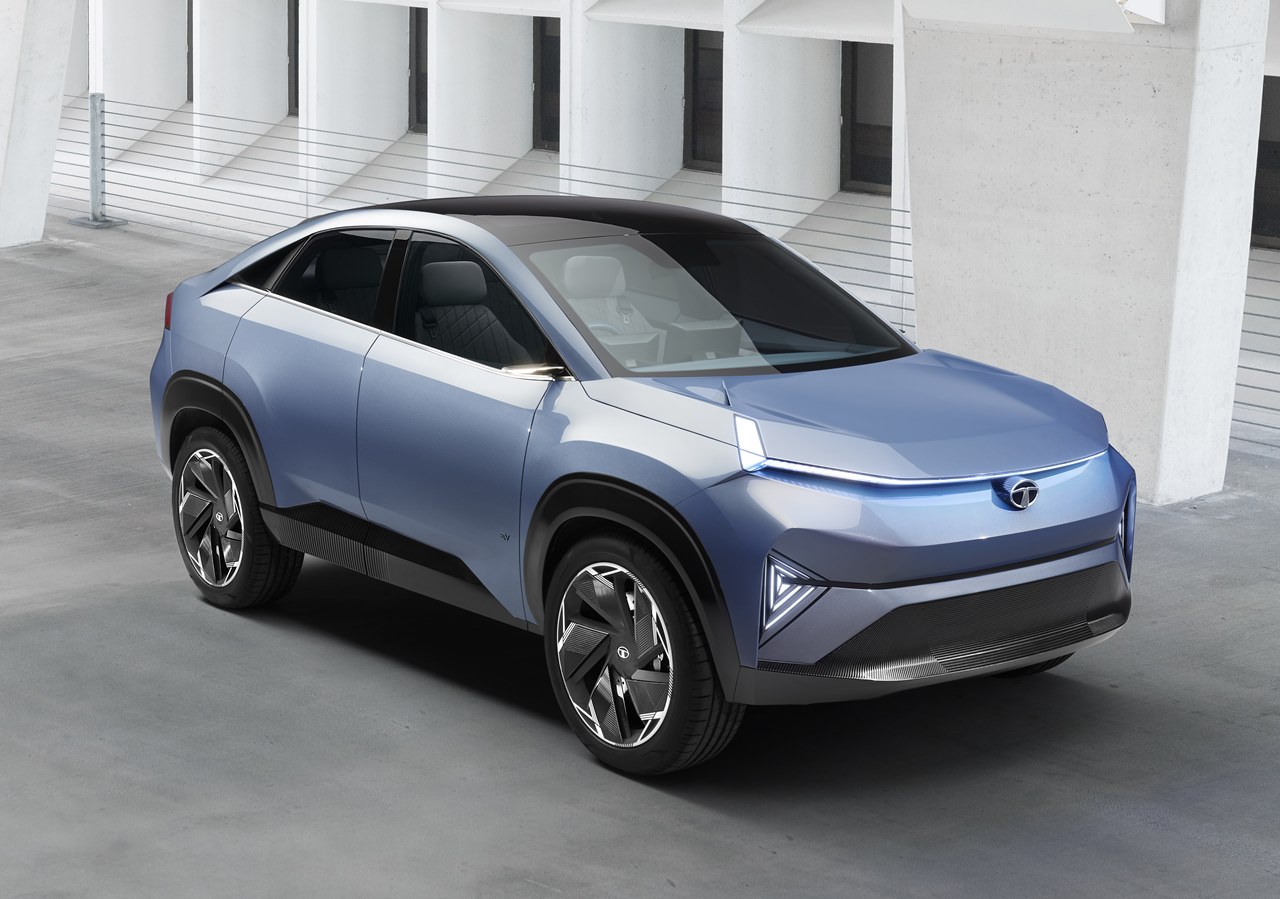
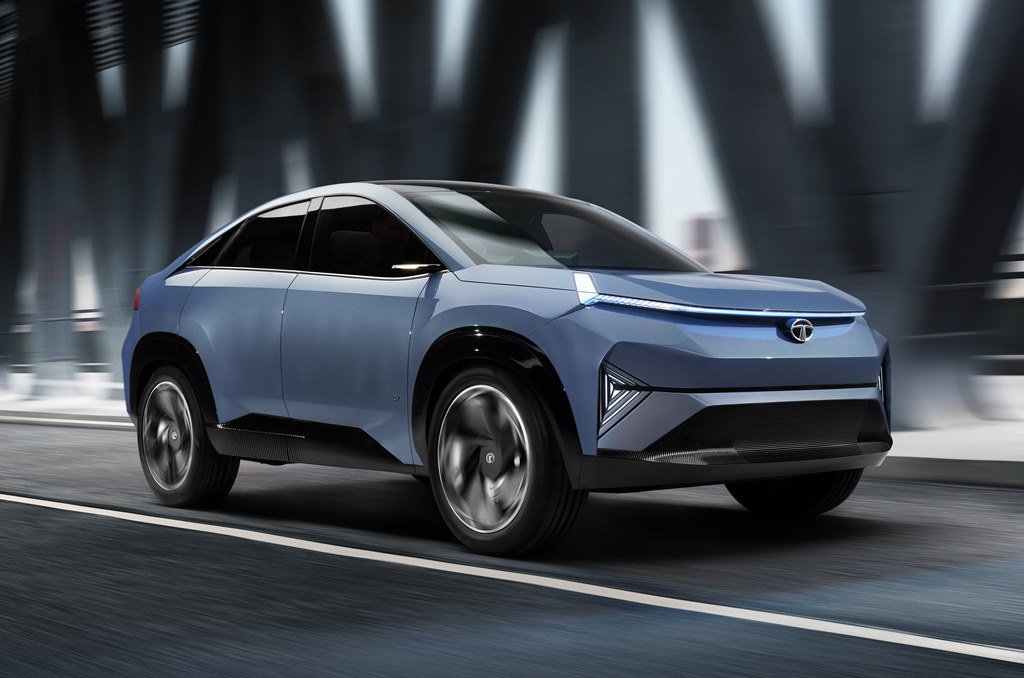
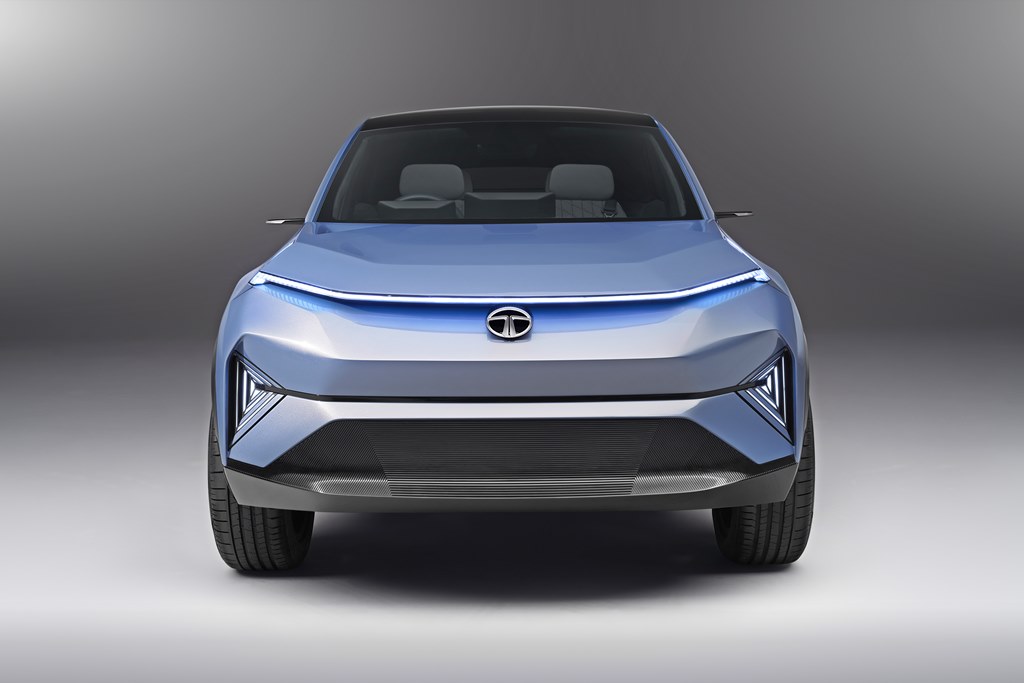
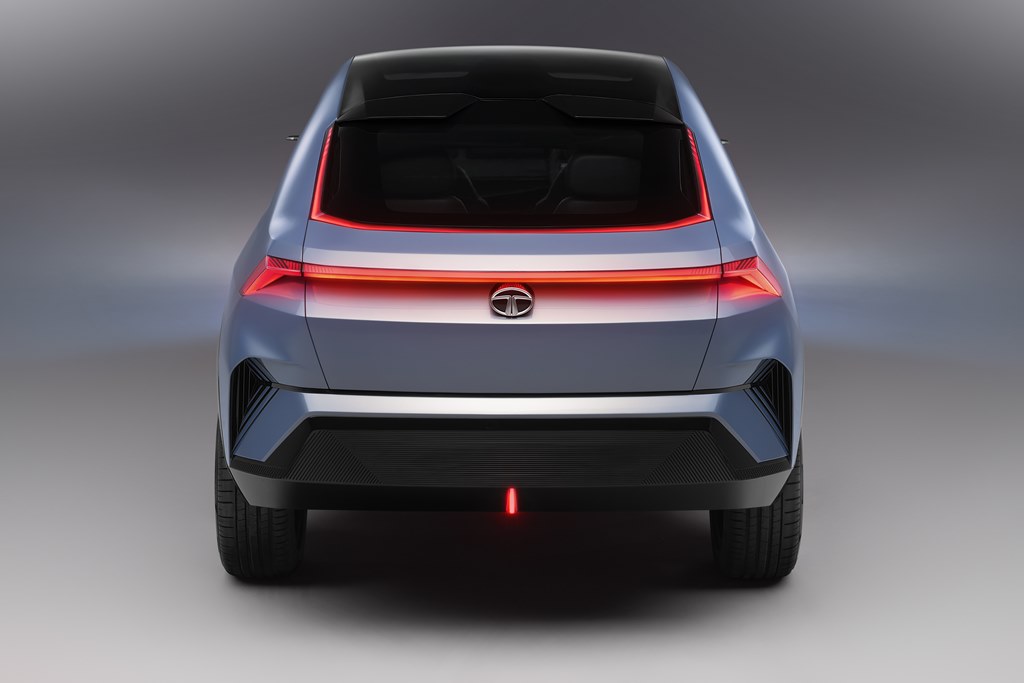
But that will soon change if a new SUV concept by Tata Motors is any indication. The concept, called CURVV, has a design more like the crossover SUVs of today. It’s an edgy sporty look with a coupe profile that is typical of modern SUV typology. Presumably, the design has been done in-house and is proposed with an electric powertrain as well as a combustion engine powertrain.

In keeping with its SUV image, there is extra ground clearance so it stands tall, with a large offset for the front and rear ends. Cladding with a grooved pattern below the sills give a a visual sense of ruggedness. At the lower front and rear, the protective panels also have a similar pattern.

The lighting concept at the front is unique and whether it will actually be in the production model remains to be seen. There is a thin line that runs across the edge of the bonnet and is illuminated with ultra slim LEDs. Together with triangular shaped headlamps, there is a visual signature for the model. The same full-width LED feature is used at the rear as well, with the LEDs illuminating in red.

Much thought has gone into aerodynamic efficiency and airflow around the pillars has been made as smooth as possible. The wheels also have ‘aeroblade’ inserts to close off the openings which can cause micro turbulence.

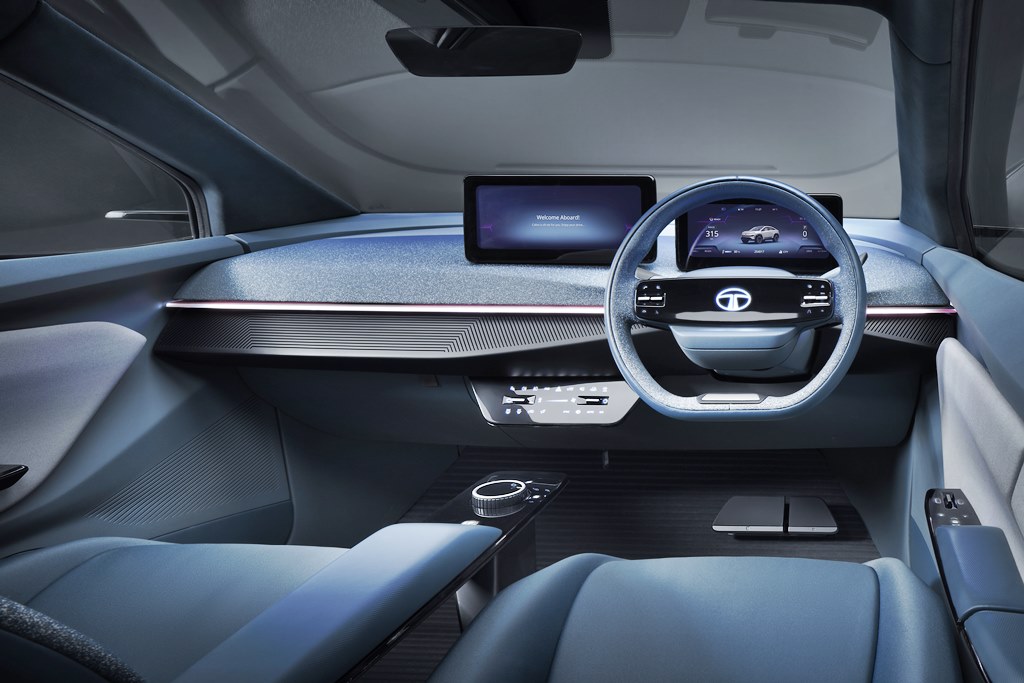
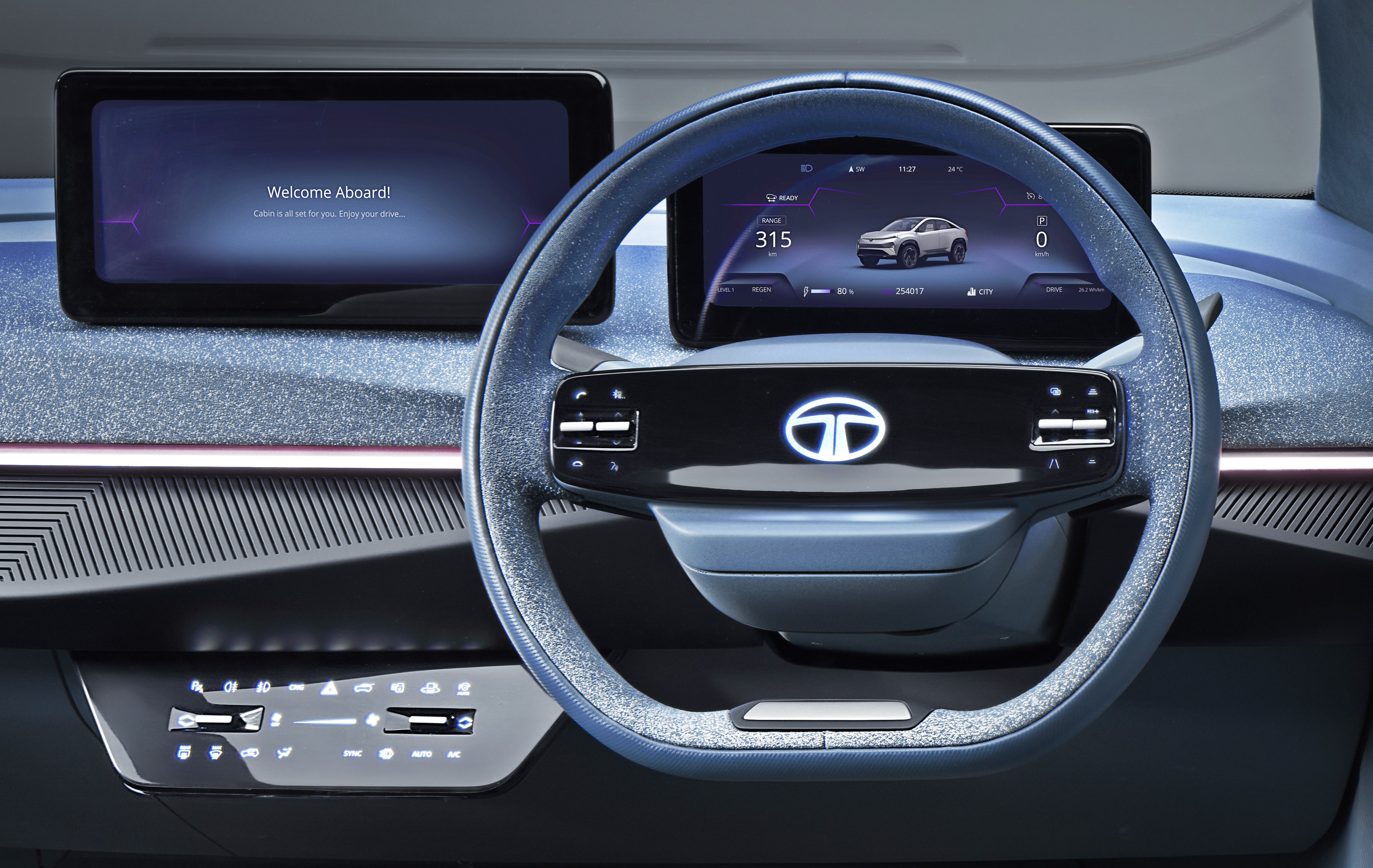
The interior has been kept simple with a clean dashboard although the production model might not be as clean when equipment like the audio system and air-conditioning is added. But what is important, according to Tata, has been the integration of new technologies and the Human-Machine Interface (HMI). Apart from more efficient interior packaging, the designers have also aimed for a more premium feel through the use of high quality materials and finishes. To brighten up the interior, there’s a panoramic sunroof which covers much of the roof.

From statements by senior Tata executives, the concept model seems very much like a preview rather than just a showcar. In fact, it is expected to become a production model within the next two years.

“With this magnificent Electric SUV Concept – CURVV, our focus has been to enable customers with a product option that is the perfect amalgamation of modern functionality and design.  With a robust SUV DNA at its core, and a plethora of new age materials, features and interfaces, we are confident that this concept will redefine mainstream SUV design,” said Shailesh Chandra, Managing Director, Tata Motors Passenger Vehicles Ltd., and Tata Passenger Electric Mobility Ltd.

“Furthermore, with the concept CURVV, we now enter the Generation 2 EV architecture which will further enhance the adoption of EVs in India by overcoming the current barriers. With this new architecture, we will strengthen the key pillars of range, performance and technology, while retaining safety and reliability,” he added.

Tata Motors to launch EV models with ZIPTRON technology developed in-house

While most carmakers have formed alliances and even merged to face the new challenges of the 21st century, Honda has often chosen to proceed alone with its own resources. It has collaborated with other carmakers from time to time in specific areas, and often, it has been other manufacturers wanting to have access to Honda’s technology or products.

However, with the electrification of the industry which has a degree of urgency (with targets set for the end of this decade), even independent-minded Honda has seen it more practical to have closer working relationships with other carmakers. Other Japanese companies have already formed their own collaborative groups – Nissan and Mitsubishi in the alliance with Renault, and Toyota having joint programs with Mazda, Subaru, Suzuki and of course, Daihatsu and Hino which are within its own group.

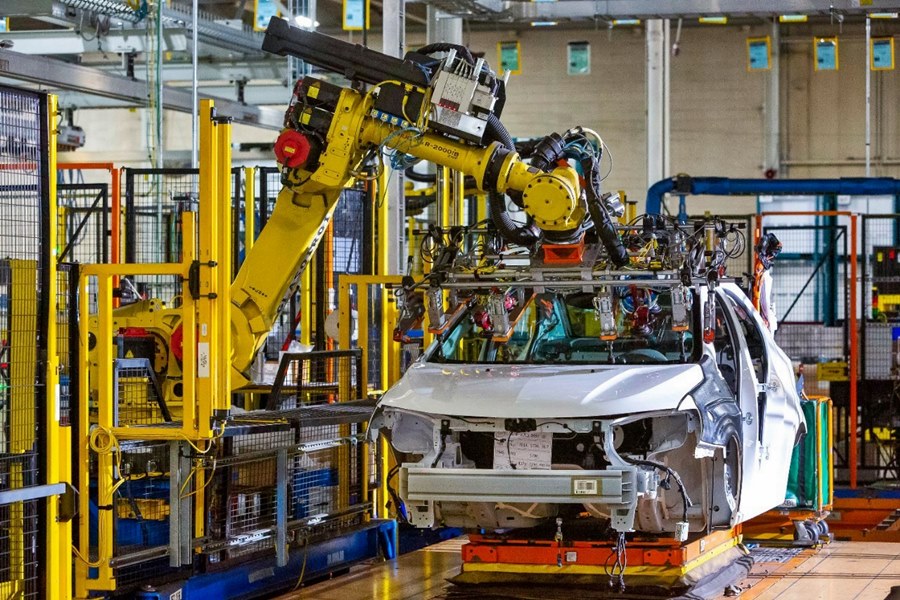
With an eye on the US market, Honda has chosen to expand its relationship with General Motors to co-develop a series of affordable electric vehicles. This follows on from the 2020 announcement to jointly develop two all-new electric vehicles for Honda, based on GM’s flexible global EV platform powered by proprietary Ultium batteries. The EVs will be manufactured at GM plants in North America with sales expected to begin in the 2024 model year in North America.

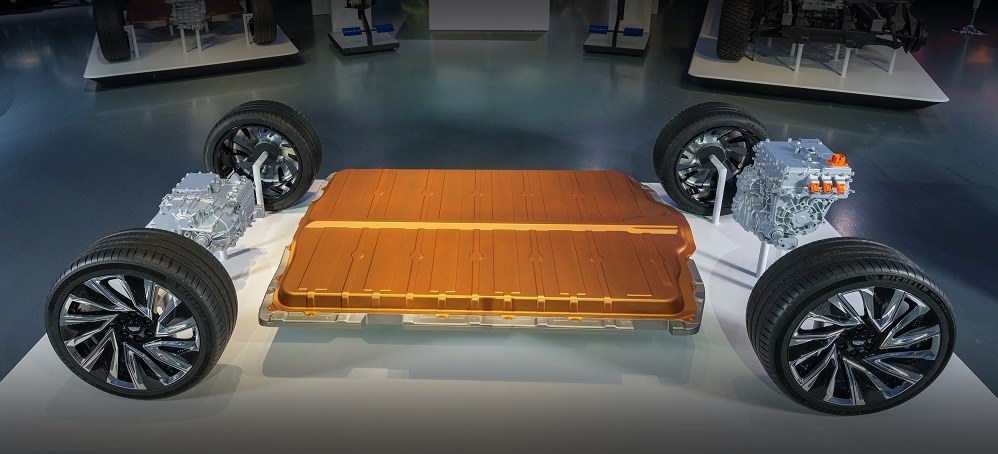
For this new joint venture, the EVs will be based on a new global architecture using GM’s next-generation Ultium battery technology. GM’s Ultium batteries are unique in the industry because the large-format, pouch-style cells can be stacked vertically or horizontally inside the battery pack. This allows engineers to optimize battery energy storage and layout for each vehicle design. The cells use a proprietary low cobalt chemistry and ongoing technological and manufacturing breakthroughs will drive costs even lower.

GM’s Ultium battery pack.

Ultium energy options range from 50 to 200 kWh, which could enable a GM-estimated range up to 640 kms or more on a full. Motors designed in-house will support front-wheel drive, rear-wheel drive, all-wheel drive and even performance all-wheel drive applications.

A joint statement says that there will be ‘global production of millions of EVs starting in 2027’ and these will include compact crossover vehicles which today account for the largest segment in the world, with annual volumes of more than 13 million vehicles.

Honda will use GM’s factories in America to build the new EVs, which will also be built in other markets as well.

Both companies will contribute their technology and design expertise as well as sourcing strategies. By standardizing equipment, it is expected that world-class quality, higher throughput and greater affordability can be achieved. A flexible, modular approach to EV development is expected to enable  significant economies of scale for lower production costs.

“Honda is committed to reaching our goal of carbon neutrality on a global basis by 2050, which requires driving down the cost of electric vehicles to make EV ownership possible for the greatest number of customers,” said Toshihiro Mibe, Honda’s President & CEO. “Honda and GM will build on our successful technology collaboration to help achieve a dramatic expansion in the sales of electric vehicles.”

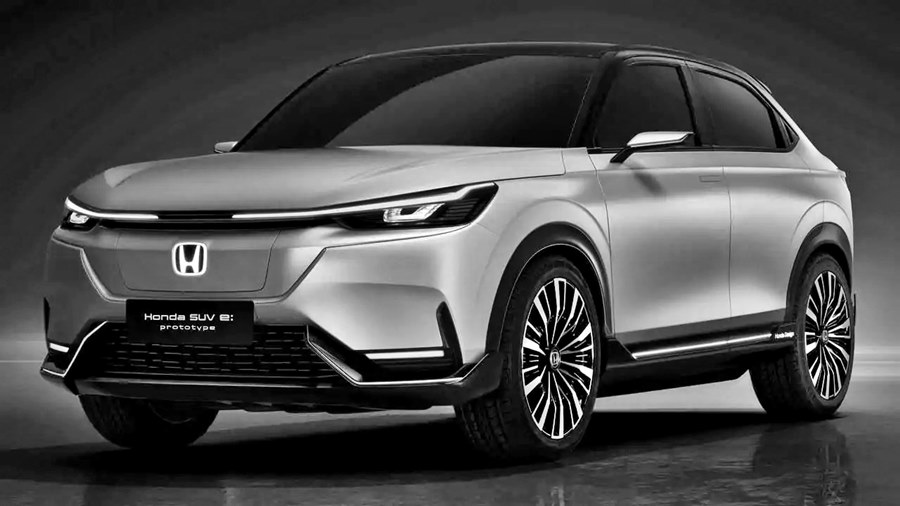
Prototype of Prologue SUV BEV.

“The progress we have made with GM since we announced the EV battery development collaboration in 2018, followed by co-development of electric vehicles including the Honda Prologue, has demonstrated the win-win relationship that can create new value for our customers,” added Shinji Aoyama, Senior Managing Executive Officer at Honda. “This new series of affordable EVs will build on this relationship by leveraging our strength in the development and production of high quality, compact class vehicles.”

Earlier projects involving the two carmakers have focused on electric and autonomous vehicle technologies. In 2013, the two companies began working together on the co-development of a next-generation fuel cell system and hydrogen storage technologies. In 2018, Honda joined GM’s EV battery module development efforts.

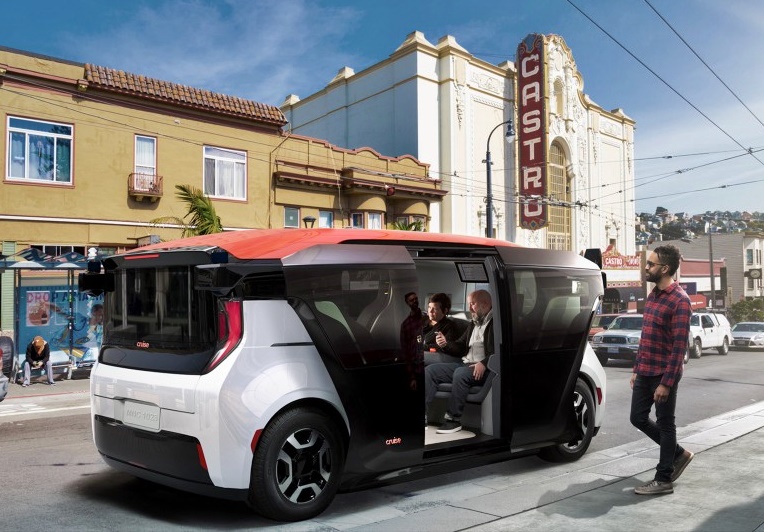
They also have an ongoing relationship with Cruise and are working together on the development of the Cruise Origin, one of the first purpose-built fully autonomous vehicles designed for driverless ride-hail and delivery. The Cruise project, which involves Microsoft, is part of Honda’s new mobility business in Japan.

Cruise Origin autonomous vehicle.

GM and Honda will also discuss future EV battery technology collaboration opportunities, to further drive down the cost of electrification, improve performance and drive sustainability for future vehicles. GM is already working to accelerate new technologies like lithium-metal, silicon and solid-state batteries, along with production methods that can quickly be used to improve and update battery cell manufacturing processes. Honda is making progress on its all-solid-state battery technology which the company sees as the core element of future EVs.

“GM and Honda will share our best technology, design and manufacturing strategies to deliver affordable and desirable EVs on a global scale, including our key markets in North America, South America and China,” said Mary Barra, GM Chair & CEO. “This is a key step to deliver on our commitment to achieve carbon neutrality in our global products and operations by 2040 and eliminate tailpipe emissions from light duty vehicles in the USA by 2035. By working together, we’ll put people all over the world into EVs faster than either company could achieve on its own.”

Honda will stop selling models with combustion engines from 2040, range to be fully electric

COVID-19

Since the 1990s, China has been the market every carmaker wants to be in. When the country’s economy opened up in the 1980s, the auto industry saw huge investments in preparation for demand for new cars that would explode and make the country the world’s largest market. Because of its gigantic volume, carmakers are even prepared to develop models exclusively for the market because the potential volume justifies the R&D cost.

For BMW, China has become a very important market and in 2021, 846,237 BMW and MINI vehicles were sold there and that was 40% of its global sales for the year. Over the years, the German carmakers has developed long-wheelbase versions of various model series because buyers there want longer cars.

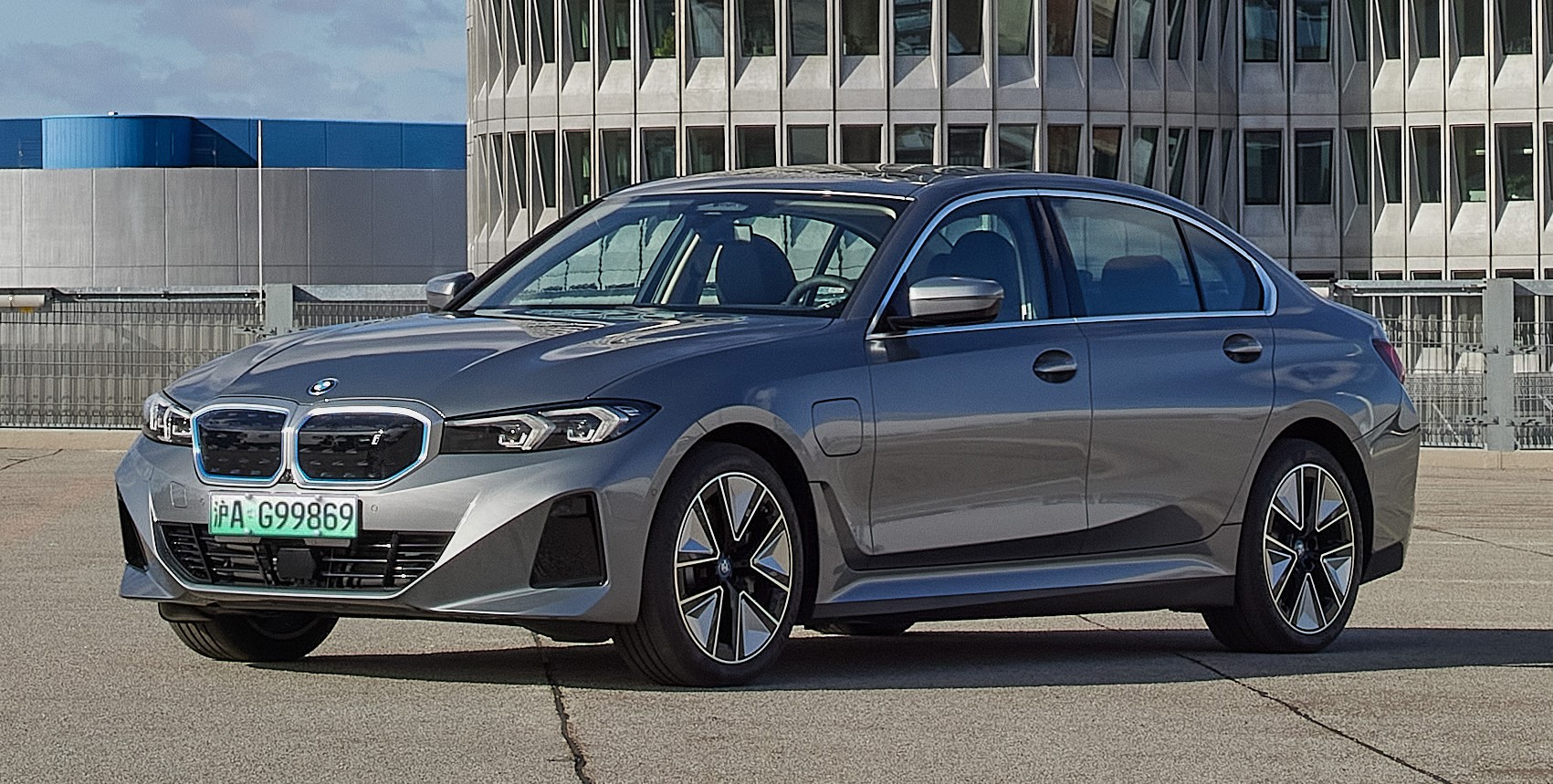
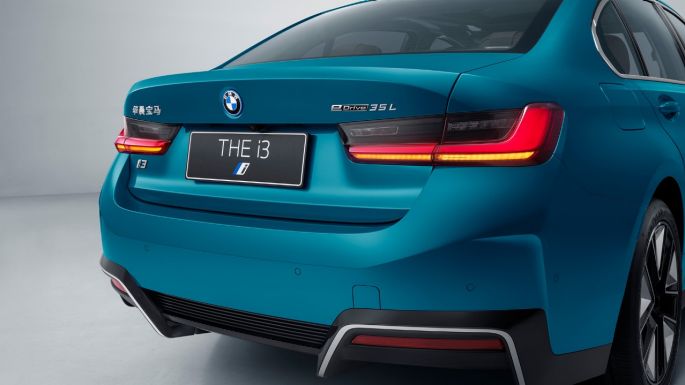
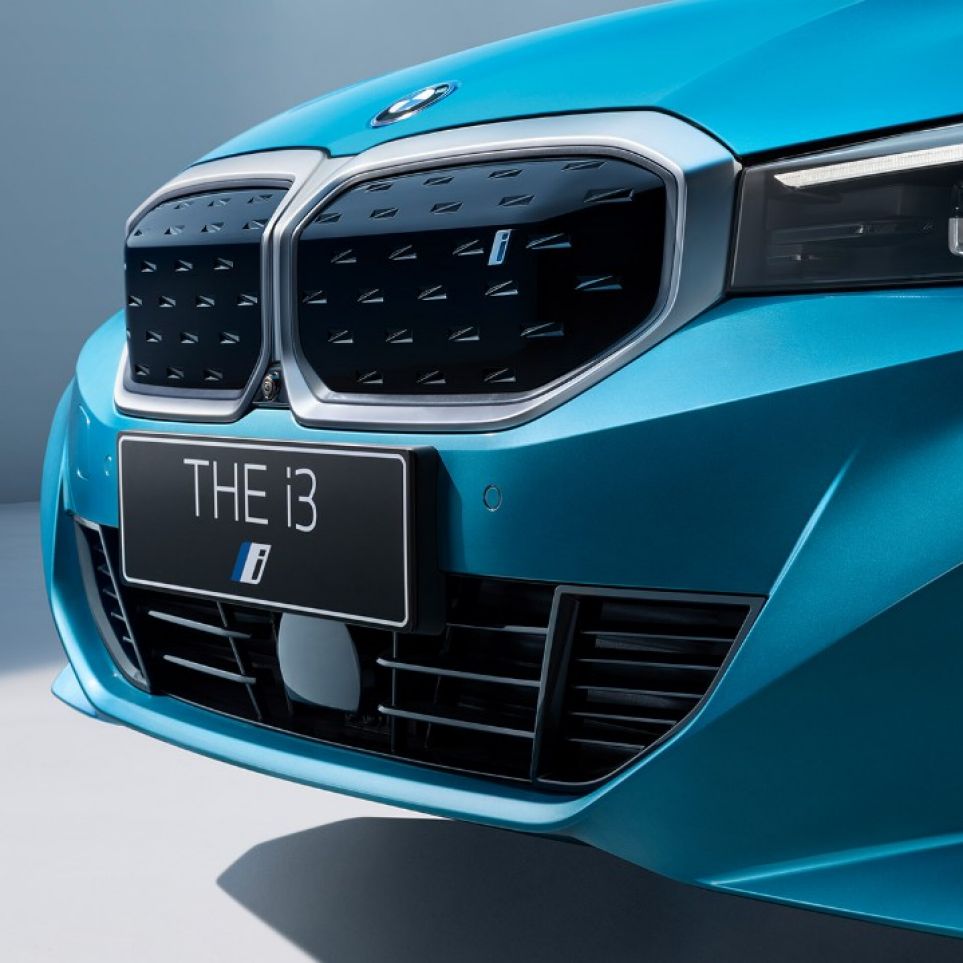
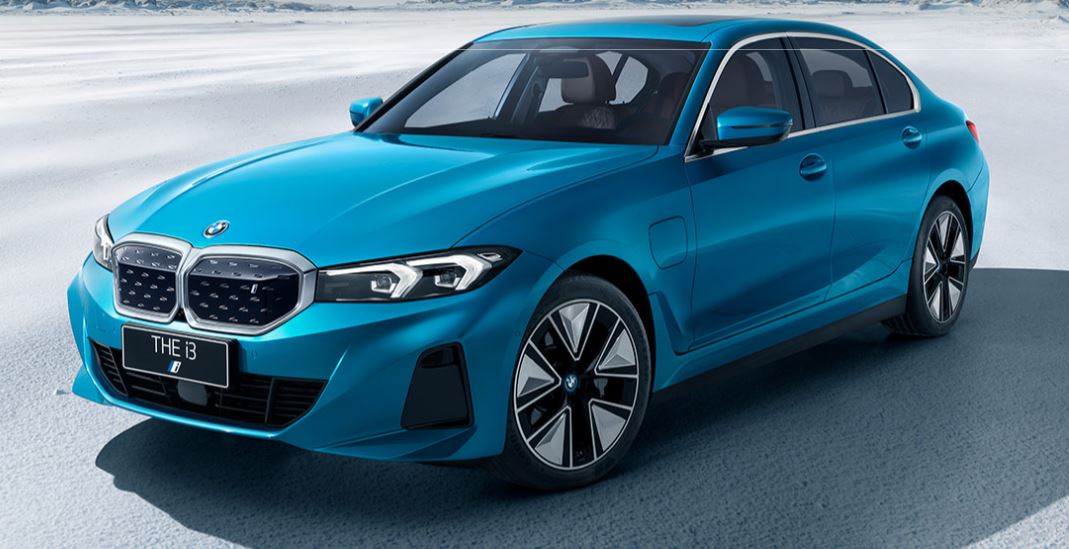
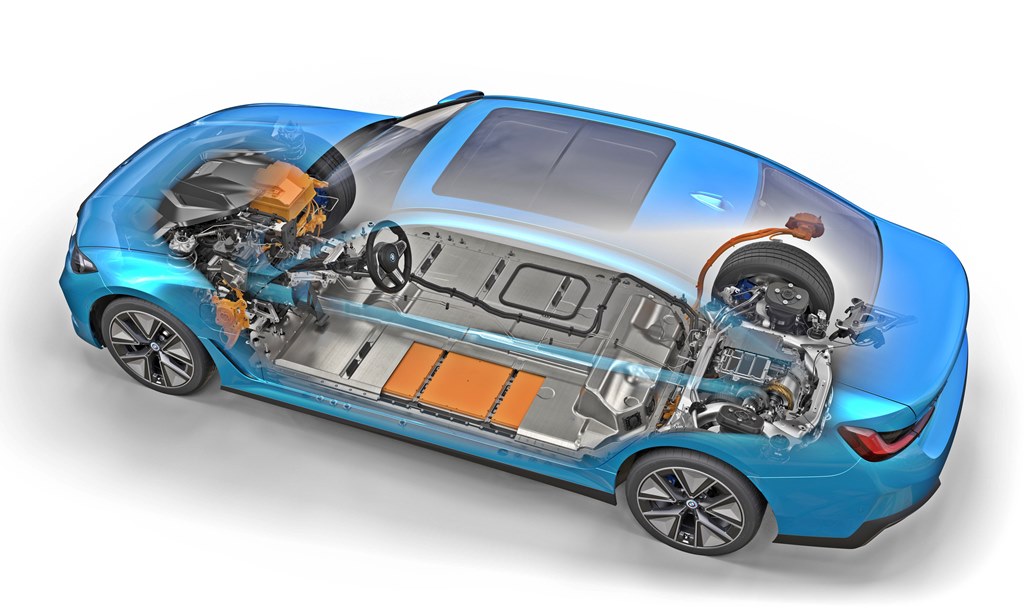
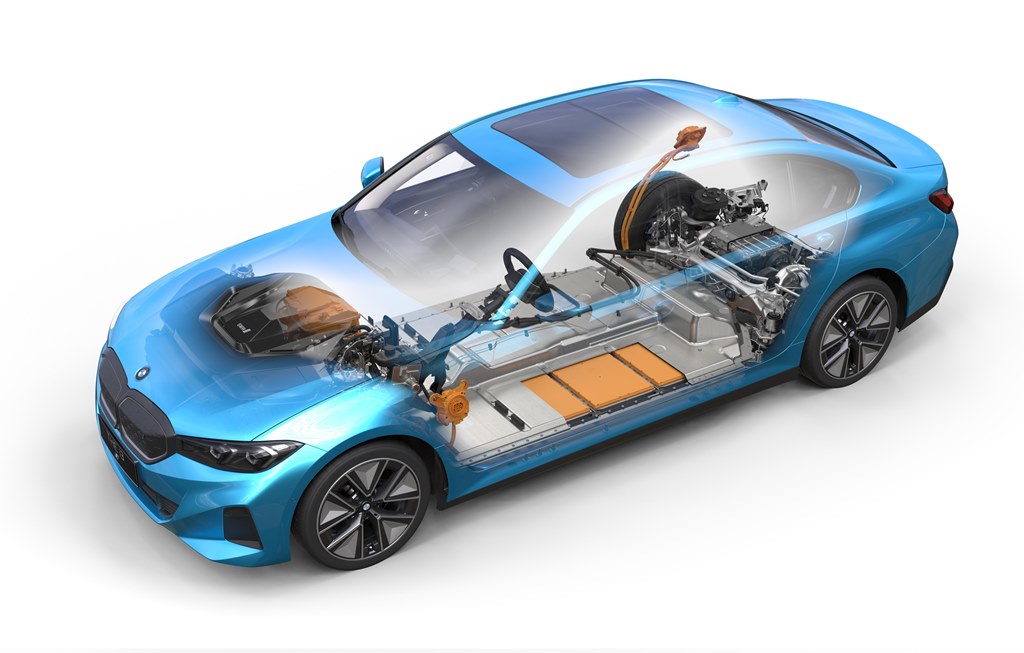
Now, it’s also developed a 3-Series that is fully electric, the first of its type in the world and for now, it is meant only for China. To go on sale in May this year, it has the same shape as a long wheelbase 3-Series sedan (110 mm longer than a standard body) and is badged as a ‘BMW i3 eDrive35L’.

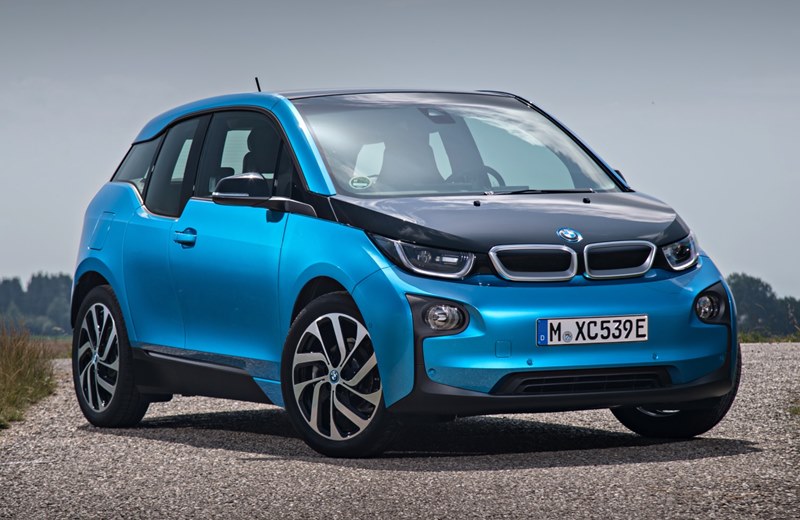
The original i3
That will, of course, makes people a bit puzzled because the i3 that we have known all along was an independent model line and the first volume-produced battery electric vehicle by BMW, and it also introduced the BMW i sub-brand. Entering the market in 2013, it was a B-segment hatchback and had an advanced structure along with new technologies.

The original i3, BMW’s first zero-emissions vehicle, which entered the market in 2013.

At the end of 2019, BMW said the i3 would end production within 5 years and there was no plan for a follow-up generation. This was probably because the new iX range of BEVs was moving into a more prominent position and could be used for a broad spread of segments.

BMW doesn’t explain why it has chosen to offer such a model other than that ’it is perfect fit for the particular requirements of Chinese customers’. It could well be that market studies indicated that there is a segment of customers who still want something looking conventional and also with the generous legroom afforded by a long wheelbase.

Specially adapted for China
From what is known, the model was ready for production at the end of last year and was submitted for homologation. Fine tuning of the suspension systems to Chinese road conditions was carried out by the joint-venture BMW Brilliance Automotive Ltd. R&D division, which also adapted some of the car’s componentry to the requirements of the supply chain in China. It will be made at the joint-venture factory in Shenyang.

Gen5 eDrive
The ‘eDrive35L’ in the badge indicated that it will have the latest BMW Gen5 eDrive powertrain already used in the iX3, i4 and iX. The battery pack has a gross capacity of 70.3 kWh and with DC fast-charging, going from 10% to 80% is claimed to take 35 minutes. A full battery pack is expected to provide a range of up to 526 kms. If there is an urgency, a 10-miunte fast-charge can give up to 97 kms of range.

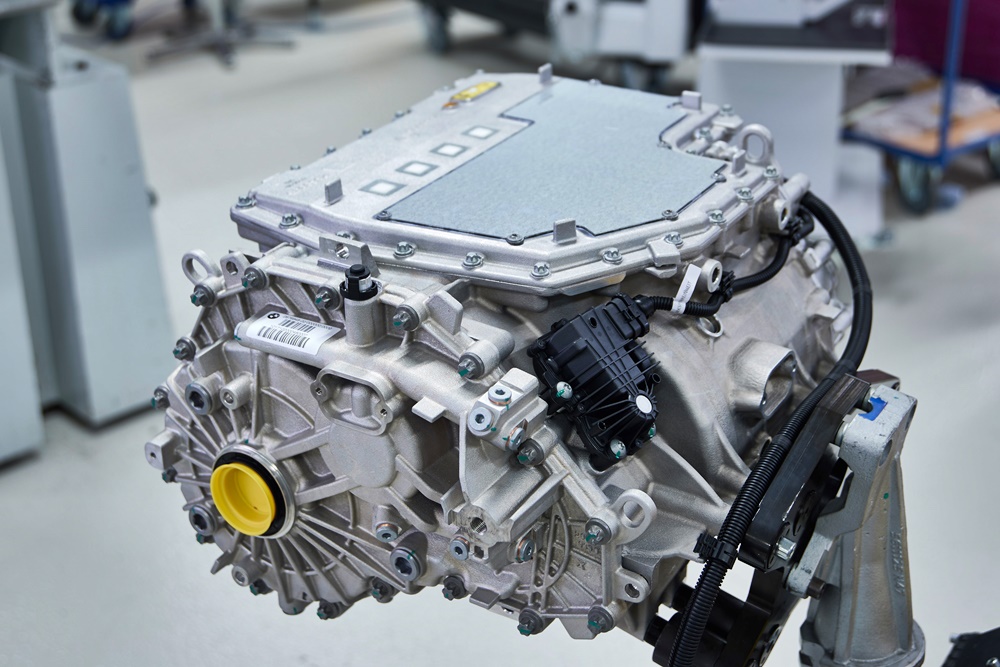
The eDrive powertrain has a rear-mounted electric motor with a maximum output of  210 kW (285 ps) and 400 Nm of torque. Claimed 0-100 km/h time is 6.2 seconds and, of course, the driving dynamics that all BMWs are known and appreciated for will also be available.

BMW eDrive
The core of BMW’s 5th generation eDrive technology.

Also included on-board will be BMW OS8 operating system and a wide range of digital features and services, like high-end connectivity and the Digital Key.

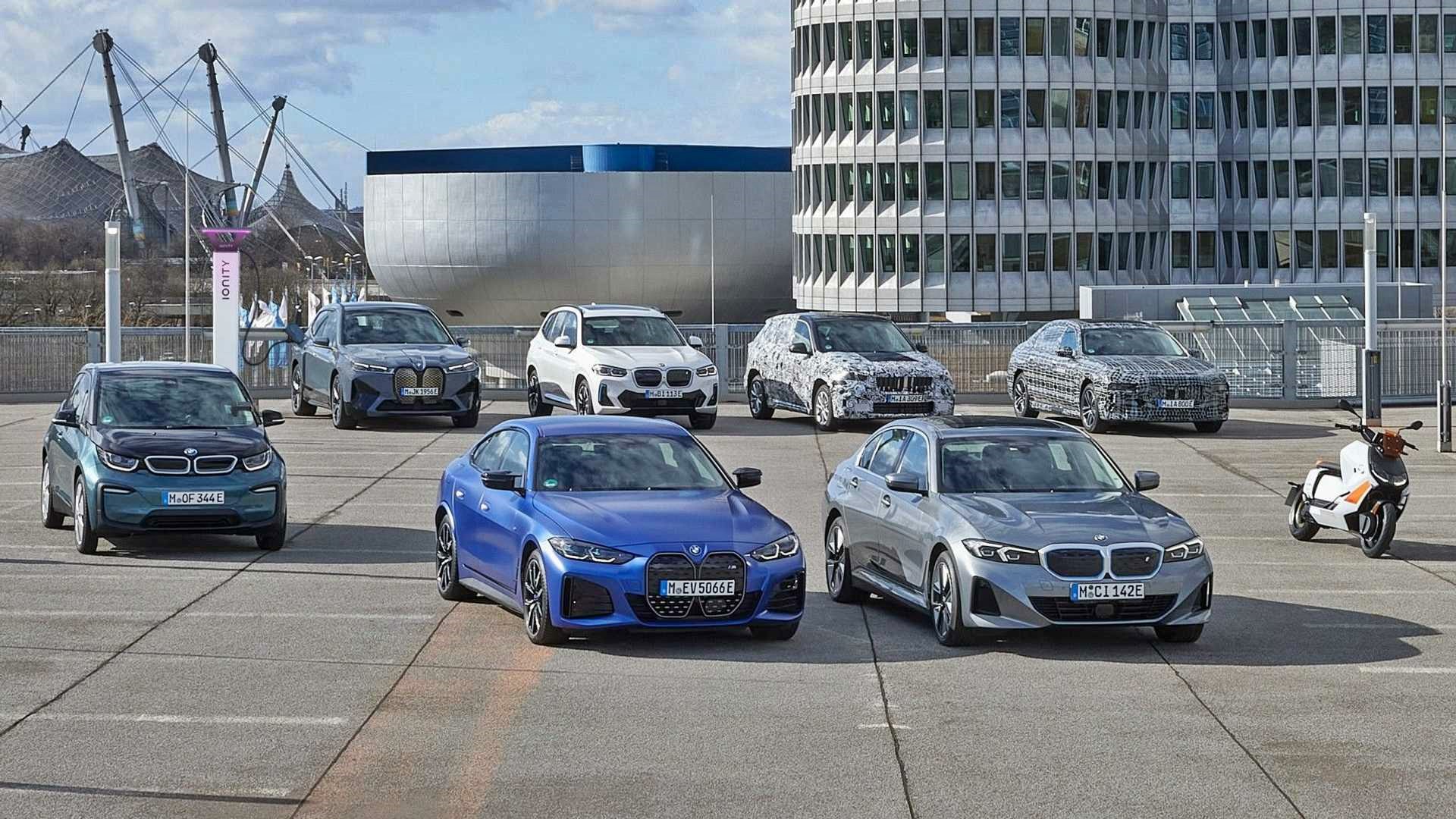
With the i3 eDrive35L, the BMW Group portfolio of fully electric cars now comprises 6 models. The BMW Group is aiming for fully electric vehicles to account for 50% of its global sales by 2030 as it aims for carbon neutrality.

The BMW EV range in 2022 (together with a couple of models not yet launched).

China now, the world later?
While the new i3 is intended for sale only in China, this may be an initial plan. It is likely that eventually, distributors in other markets will ask for it because customers will also want it as it still has that ‘classic’ look instead of the future-oriented designs of the new iX models.

Malaysians understand merits of EVs but misconceptions remain, BMW survey finds

Archive

Follow us on Facebook

Follow us on YouTube