
Piston.my

EV

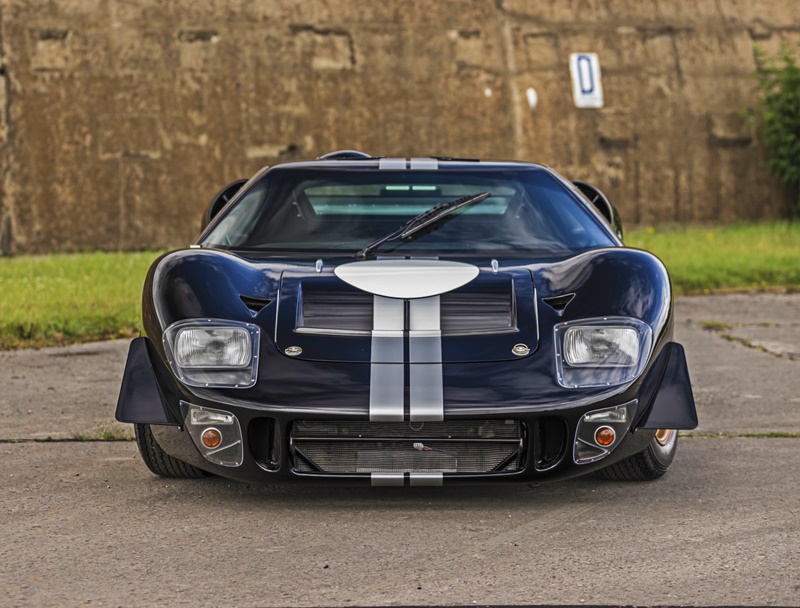
A couple of months back, we wrote about Everrati Automotive Limited and its new flagship 500-bhp Signature adapted from a Porsche 911. The British company, which specialises in converting iconic cars to run with electric powertrains, has now teamed up with Superformance to build an electrified version of the GT40.

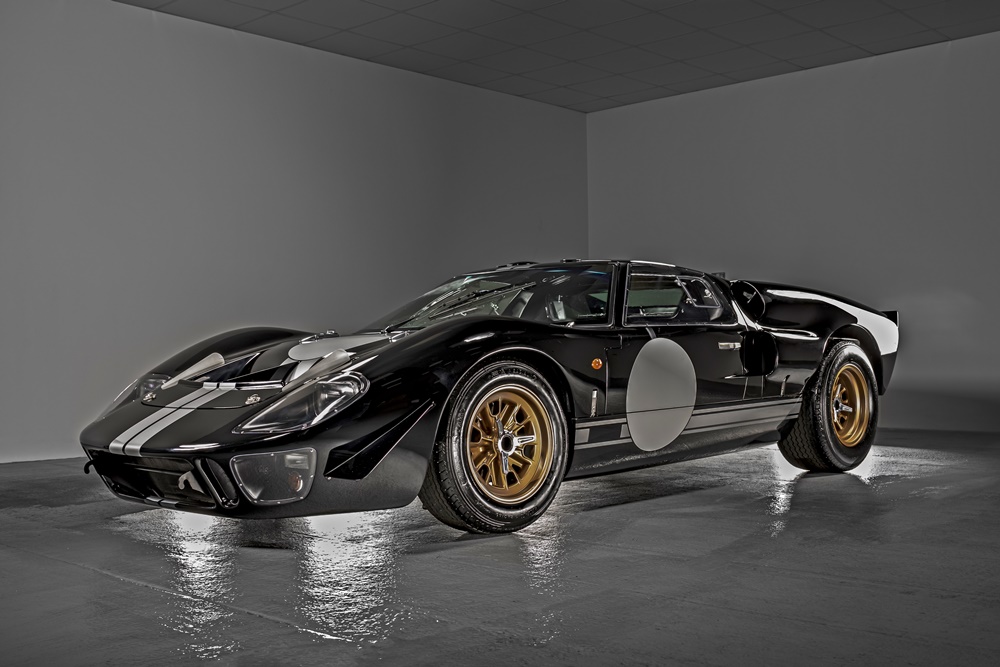
Superformance is a specialist in 1960s-era continuation component sports cars and the GT40 will be the first new model from the partnership. The iconic endurance racing car will be ‘future-proofed’ with a high-performance electrified powertrain and join Everrati’s offerings. The range includes EV versions of the Porsche 911 (964), Land Rover Series IIA and Mercedes-Benz SL Pagoda.
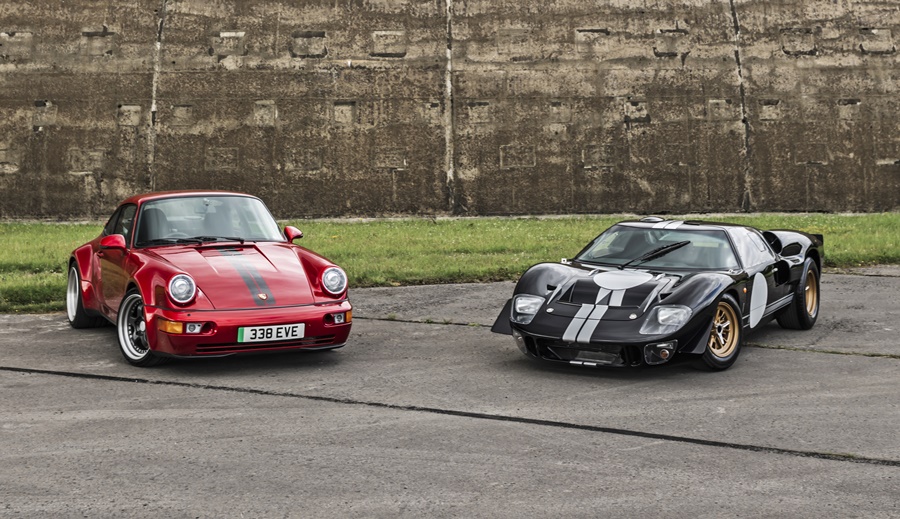
The 500-bhp Signature adapted from a Porsche 911 (left) and GT40.

Everrati Superformance GT40 EV

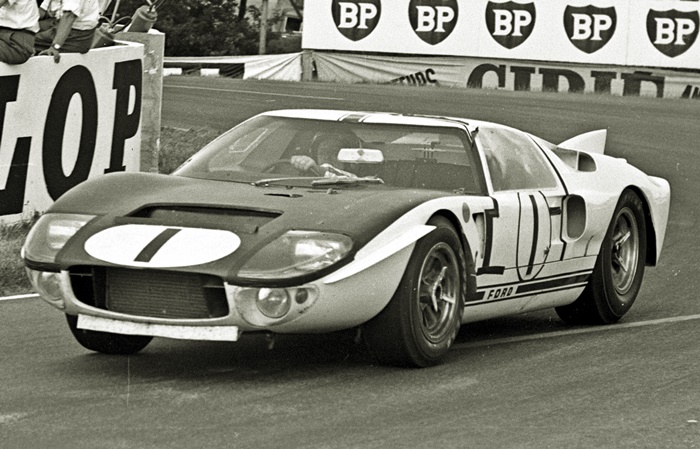
The original Ford GT40 which was raced at Le Mans and Daytona.

Furthering the legacies of iconic cars
Everrati was founded to further the legacies of some of the most desirable and iconic cars in the world, redefining and precision re-engineering them with state-of-the-art electric drivetrains, maintaining and enhancing the character of the original.

Each Everrati is fitted with a custom-designed electric power unit and battery system, leading to enhanced performance and a zero-emissions future. A prototype chassis has been built and is being comprehensively adapted from combustion engine powertrain to advanced electric propulsion at Everrati’s UK development centre located at a former US airbase in England.
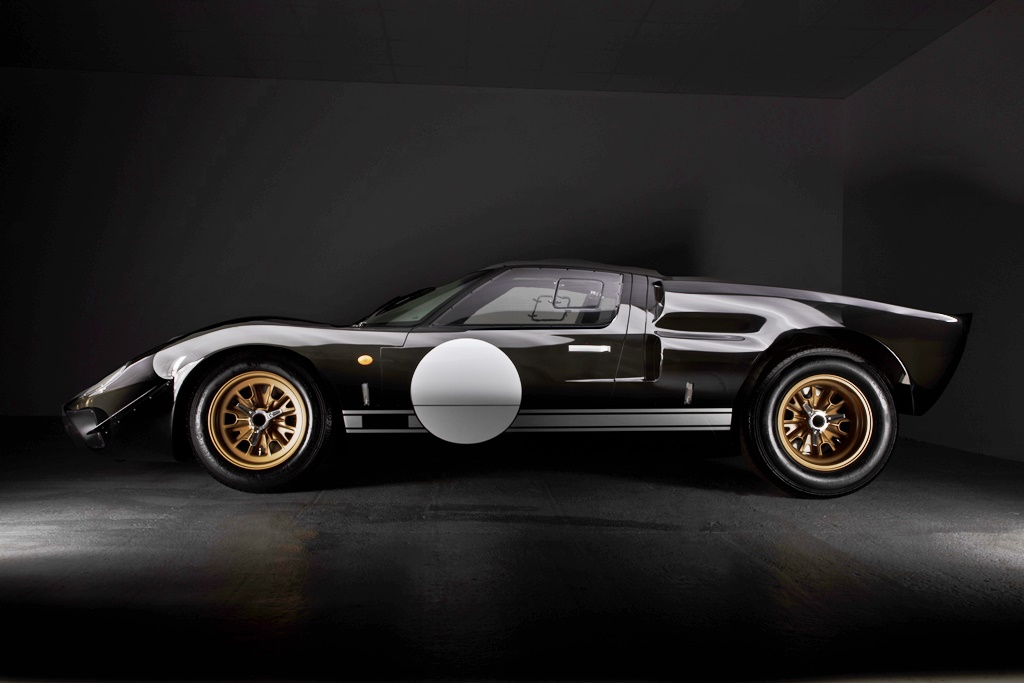
Everrati Superformance GT40 EV

Superformance already offers a full line of high-performance component cars based on some of the most iconic vehicles of all time. All vehicles are built under license from trademark holders including GM and SAFIR GT40, adding authenticity and value. Sold as a rolling chassis, a Superformance car can be configured with heritage or modern drivetrains.

As with all Everrati vehicles, meticulous attention to detail is being applied to key factors such as battery location and weight distribution to maintain and enhance the character and soul of the original.
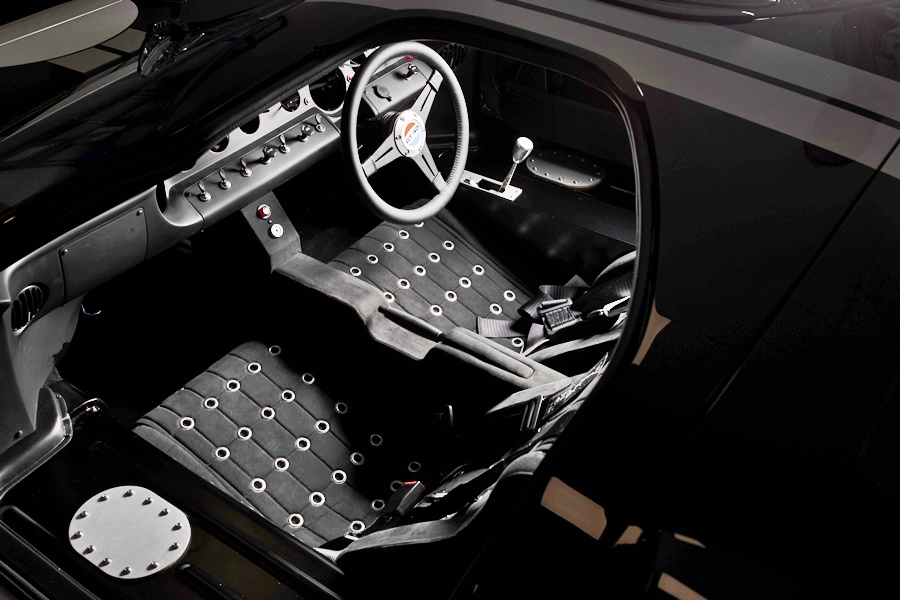
Everrati Superformance GT40 EV

Angle-American partnership
“So many legendary cars were created by Anglo-American partnerships during the 1960s. In fact, the very first GT40 was brought to life in the early Sixties by a UK-based team led by British engineer, Roy Lunn, at Ford Advanced Vehicles in the UK. Its body was even made by Abbey Panels in Coventry, before the finished car was shipped to the US for its unveiling the day before the New York Auto Show, in April 1964,” noted  Justin Lunny, Founder & CEO of Everrati.

“So, it feels highly appropriate for Everrati to be partnering with Superformance, furthering not only the legacy of automotive icons but the partnership between the UK and US. Another cross-Atlantic connection is that our development HQ is located on a former US air base in the Oxfordshire countryside,” he added.

The Superformance factory in California is one of the world’s largest specialty car production facilities. It has produced and distributed more than 5,500 rolling chassis through 25 independent dealerships worldwide.
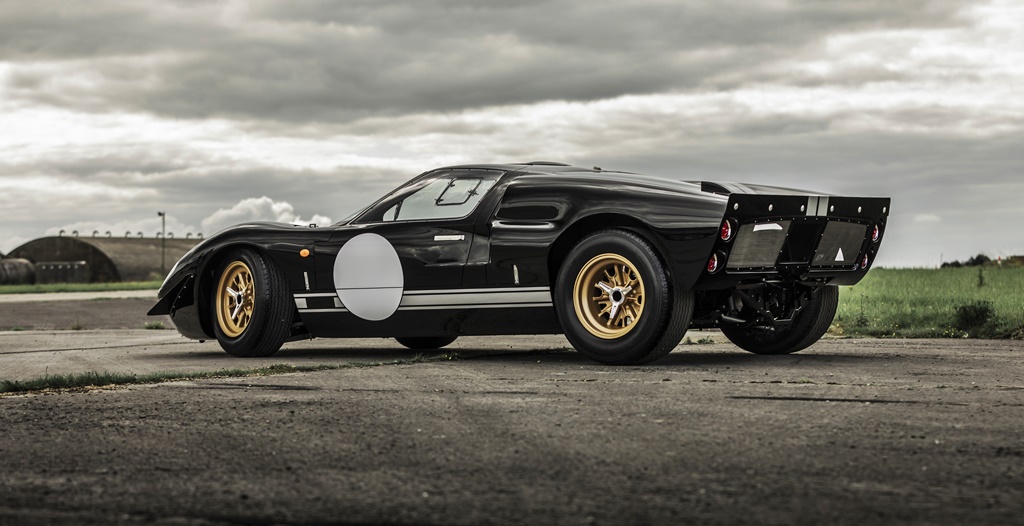
Everrati Superformance GT40 EV

Everrati Signature Widebody – an electrified Porsche 911 (964)

StayAtHome

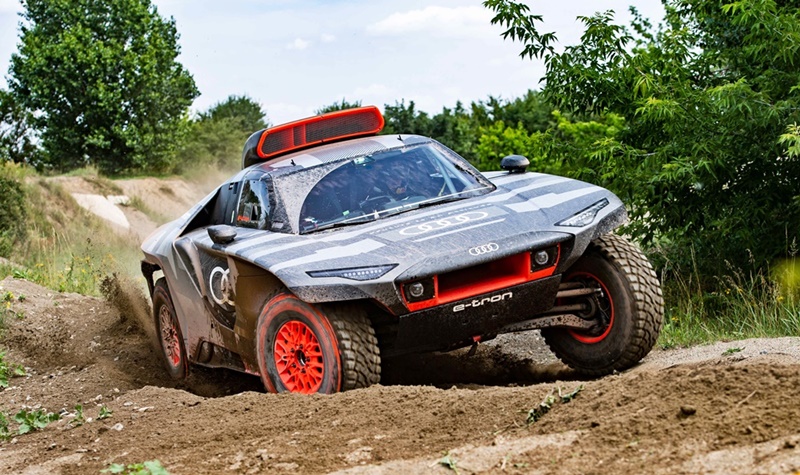
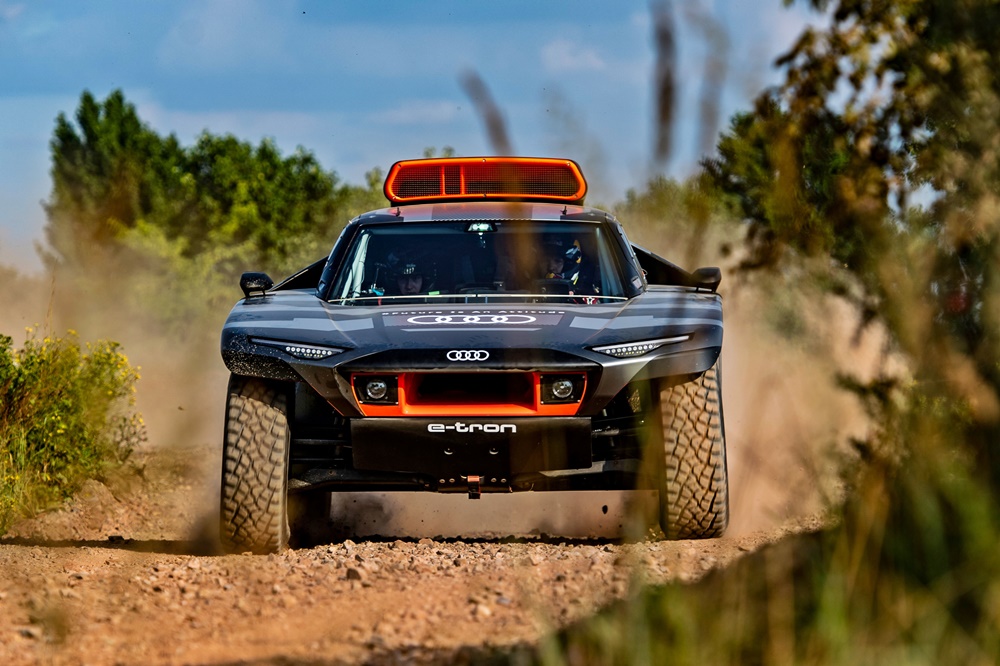
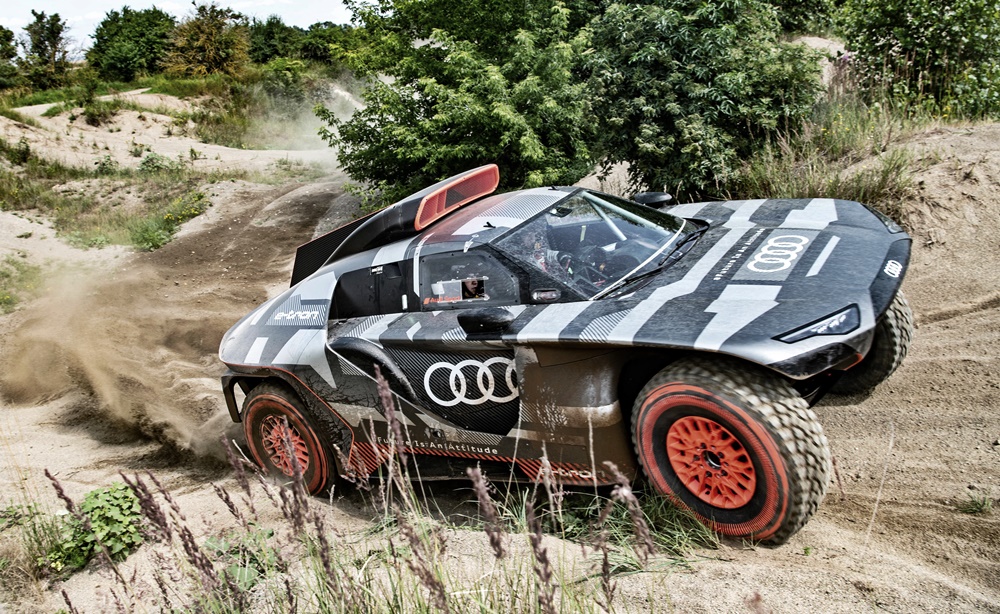
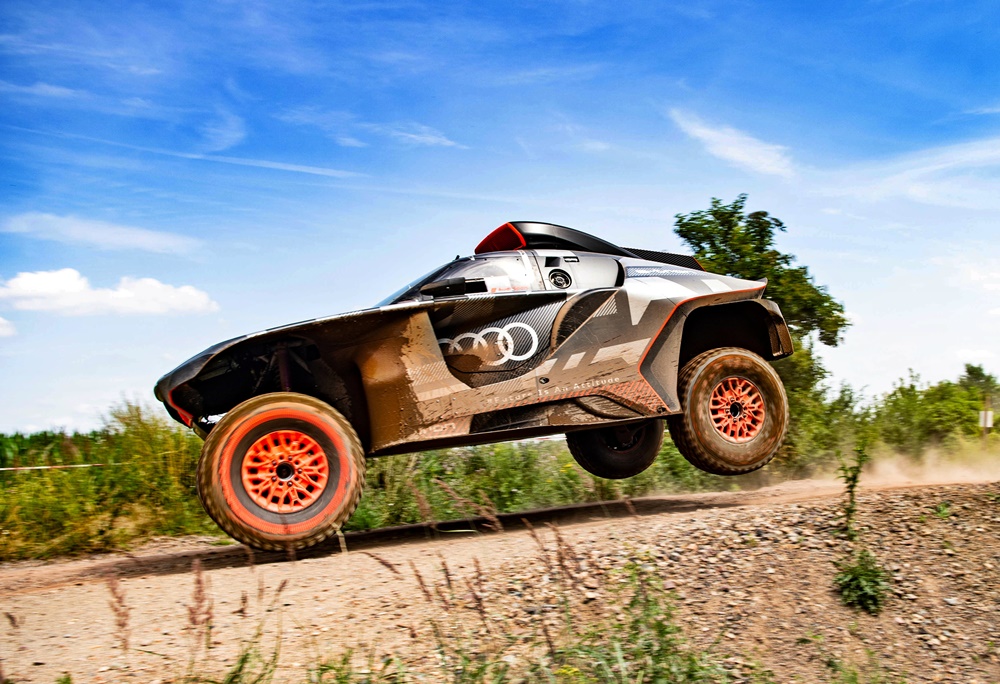
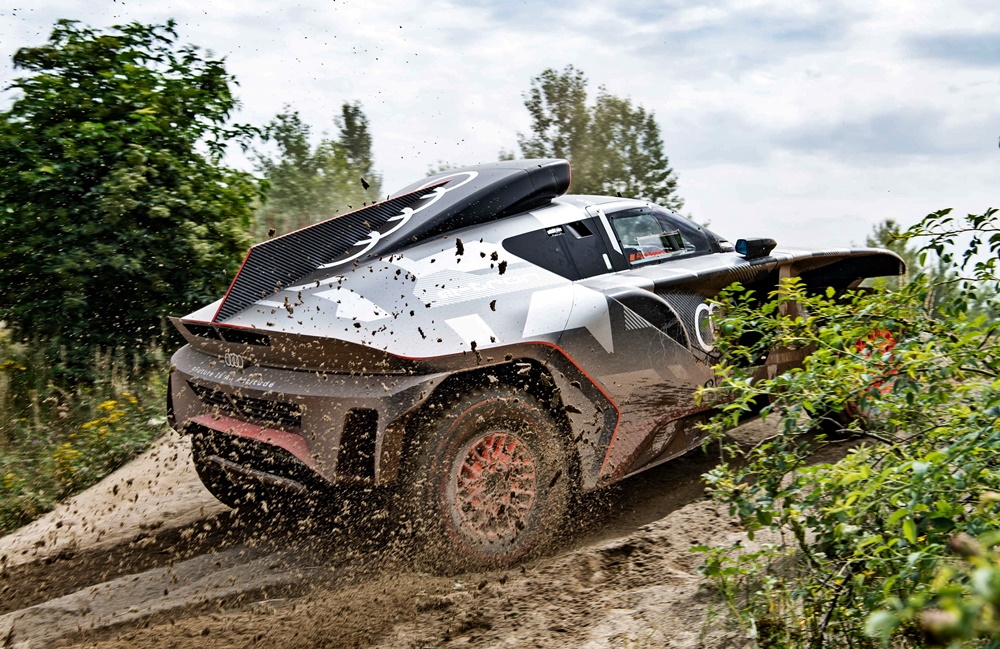
At the very beginning of 2022, the Dakar Rally will be on again in Saudi Arabia. Among the participating teams will be Audi Sport which was a pioneer in the World Rally Championship with the quattro all-wheel drive in a rallycar. This time, it wants to be the first car manufacturer to use an electrified drivetrain to compete for overall victory against conventionally-powered competitors in the world’s toughest rally.

“The quattro was a game-changer for the World Rally Championship. Audi was the first brand to win the Le Mans 24 Hours with an electrified drivetrain. Now, we want to usher in a new era at the Dakar Rally, while testing and further developing our e-tron technology under extreme conditions,” said Julius Seebach, MD of Audi Sport which is responsible for motorsport at Audi.

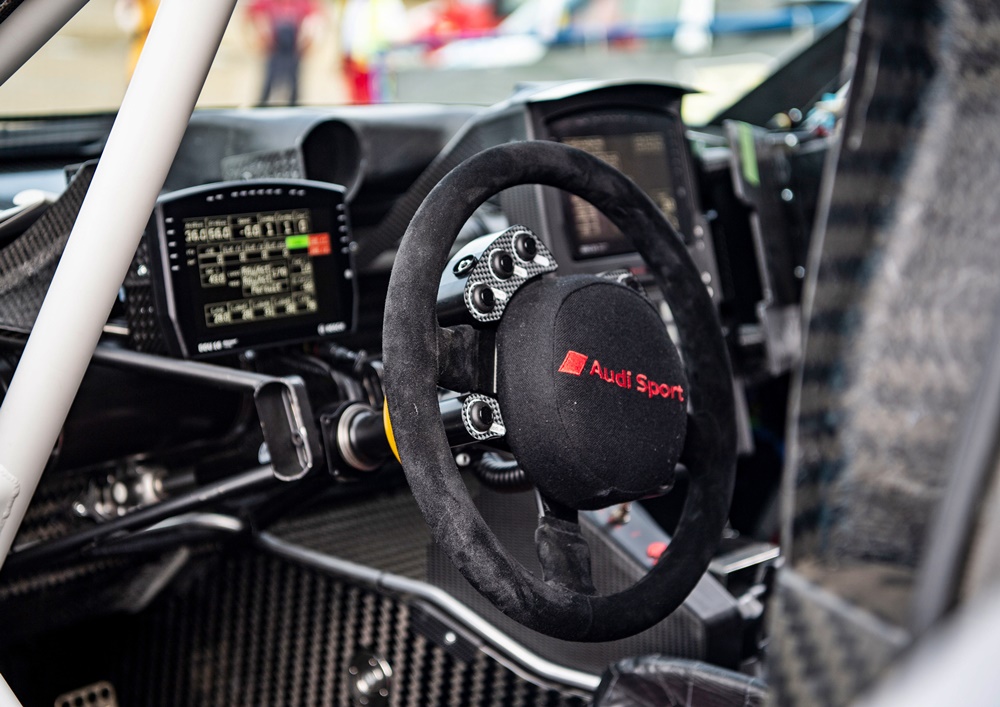
2022 Audi RS Q e-Tron for Dakar Rally

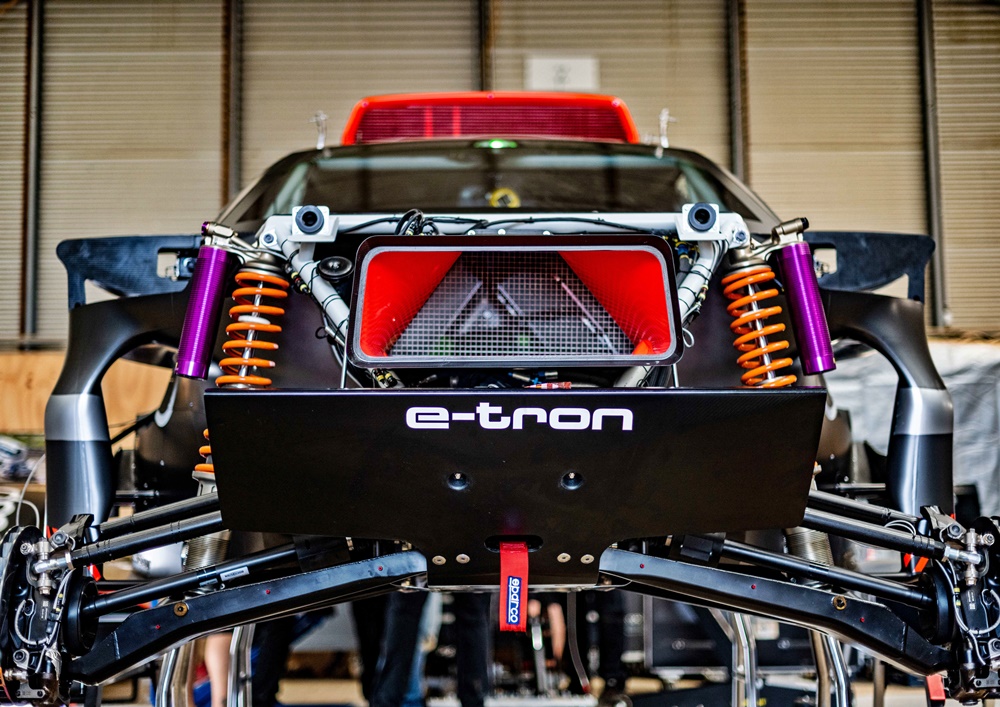
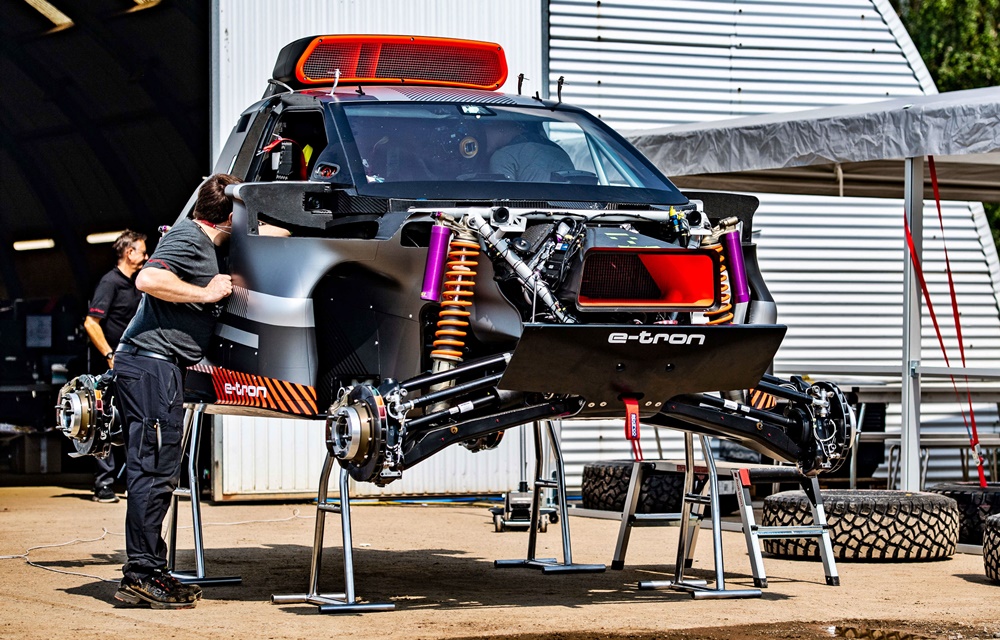
Testing and preparation are underway with the new RS Q e-tron which has an all-electric drivetrain. The front and rear axles are both fitted with a motor-generator unit (MGU) from the current Audi e-tron FE07 Formula E car which has been developed by Audi Sport for the 2021 season. Only minor modifications had to be made to use the MGU in the Dakar Rally.
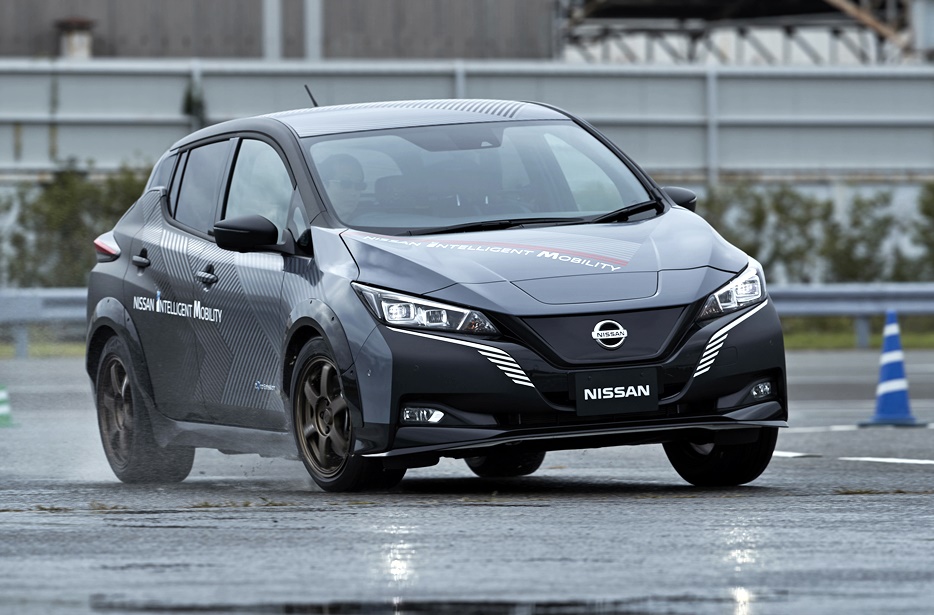
The characteristics of the Dakar Rally present the engineers with special challenges. The marathon event lasts 2 weeks and the daily stages are up to 800 kms in length. “That’s a very long distance,” said Andreas Roos who is responsible for the Dakar project at Audi Sport. “What we are trying to do has never been done before. This is the ultimate challenge for an electric drivetrain.”

2022 Audi RS Q e-Tron for Dakar Rally

Because there are no charging opportunities in the desert, Audi has chosen an innovative charging concept. On board of the car is the highly efficient TFSI engine from the DTM. It is part of an energy-converter that charges the high-voltage battery while driving. Since the combustion engine is operated in the particularly efficient range of between 4,500 and 6,000 rpm, the specific consumption is well below 200 grams per kWh.

A third MGU, of identical design, is part of the energy converter and serves to recharge the high-voltage battery while driving. In addition, energy is recuperated during braking. The battery weighs about 370 kgs and has a capacity of around 50 kWh.

The maximum system power of the e-drivetrain is 500 kW. How much of this may be used during the Dakar Rally is still being finalized by the organizers. The electric drivetrain offers many advantages. The electric motors can be controlled extremely precisely and can thus ensure good drivability. In addition, braking energy can be recovered.

2022 Audi RS Q e-Tron for Dakar Rally

The RS Q e-tron only needs one forward gear. The front and rear axles are not mechanically connected, as is also common in electric vehicles. The software developed by Audi takes over the torque distribution between the axles and thus creates a virtual and freely configurable centre differential, which has the positive side effect of being able to save the weight and space that would have been required by propshafts and a mechanical differential.

“As engineers, we basically see development potential in every component. But in terms of the drivetrain system, we have already achieved a system efficiency of over 97% in Formula E. There’s not much more room for improvement,” revealed Stefan Dreyer, Head of Development at Audi Sport for motorsport projects.

“The situation is quite different with the battery and energy management. This is where the greatest development potential lies in electromobility in general. What we learn from the extremely challenging Dakar project will flow into future production models. As always, we are also working closely with our colleagues from road car development on this project,” he added.

2022 Audi RS Q e-Tron for Dakar Rally

2022 Audi RS Q e-Tron for Dakar Rally

The Dakar Rally entry is being run in conjunction with Q Motorsport. “Audi has always chosen new and bold paths in racing, but I think this is one of the most complex cars that I have ever seen,” said team principal Sven Quandt. “The electric drivetrain means that a lot of different systems have to communicate with each other. Besides reliability, which is paramount in the Dakar Rally, that’s our biggest challenge in the coming months.”

Quandt compares Audi’s Dakar project to the first moon landing. “Back then, the engineers didn’t really know what was coming. It’s similar with us. If we finish the first Dakar event, that’s already a success!” he said.

2022 Audi RS Q e-Tron for Dakar Rally

The prototype of the RS Q e-tron had its first roll-out in the plant only at the beginning of this month. An intensive test program and the first test entries at cross-country rallies are on the agenda from now until the end of the year. “This project’s schedule is extremely packed and challenging,” said Roos. “Less than 12 months have passed since the project officially started. We had to begin the development while the regulations for alternatively-powered vehicles had not even been finalized yet. And all of the development took place during the coronavirus pandemic. You mustn’t underestimate that either. What the team has achieved so far is unique. The roll-out was a very special moment for everyone.”

2022 Audi RS Q e-Tron for Dakar Rally

Audi to compete in Dakar Rally 2022, return to WEC, and leave Formula E after 2021

Mercedes-Benz is getting ready to go all electric by the end of the decade – but only where market conditions allow. The carmaker, like a few others, understands that there will be some markets where electrification may not be sufficiently wide and conventionally powered vehicles will still be in demand.

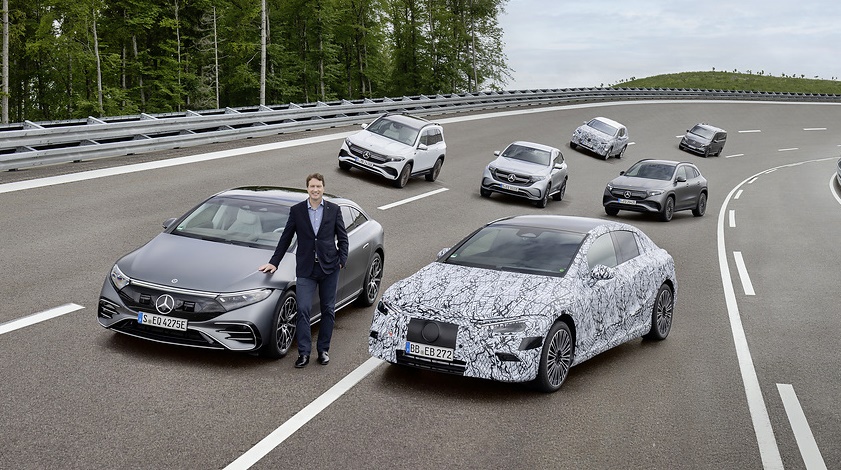
Mercedes-Benz began in journey to electrification some years back and by 2022, it will have battery electric vehicles (BEV) in all segments which the brand competes in. From 2025 onwards, all newly launched vehicle architectures will be electric-only and customers will be able to choose an all-electric alternative for every model the company makes.

“The EV shift is picking up speed – especially in the luxury segment, where Mercedes-Benz belongs. The tipping point is getting closer and we will be ready as markets switch to electric-only by the end of this decade,” said Ola Kallenius, CEO of Daimler AG and Mercedes-Benz AG. “This step marks a profound reallocation of capital. By managing this faster transformation while safeguarding our profitability targets, we will ensure the enduring success of Mercedes-Benz. Thanks to our highly qualified and motivated workforce, I am convinced that we will be successful in this exciting new era.”

To facilitate this shift, Mercedes-Benz has a comprehensive plan which includes significantly accelerating R&D. In total, investments into battery electric vehicles between 2022 and 2030 will amount to over €40 billion. Accelerating and advancing the EV portfolio plan will bring forward the tipping point for EV adoption.

The Technology Plan
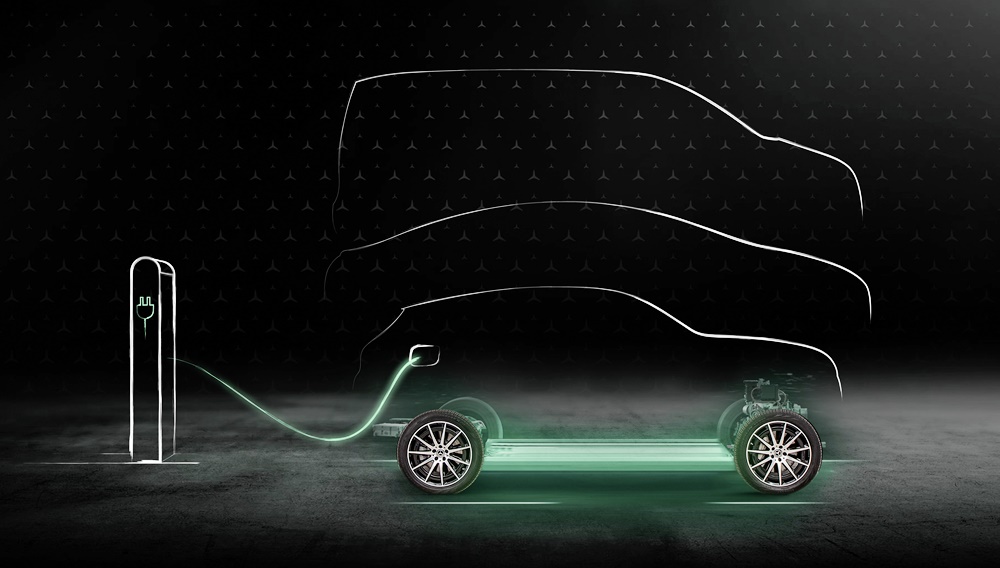
In 2025, Mercedes-Benz will launch three electric-only architectures – MB.EA, AMG.EA and VAN.EA. These will cover a broad spread of products, including those in the commercial vehicle sector. MB.EA will be for all medium to large size passenger cars, establishing a scalable modular system as the electric backbone for the future EV portfolio. AMG-EA, as the three letters hint, will be a dedicated performance electric vehicle platform, while VAN.EA will usher in a new era for purpose-made electric vans and Light Commercial Vehicles.

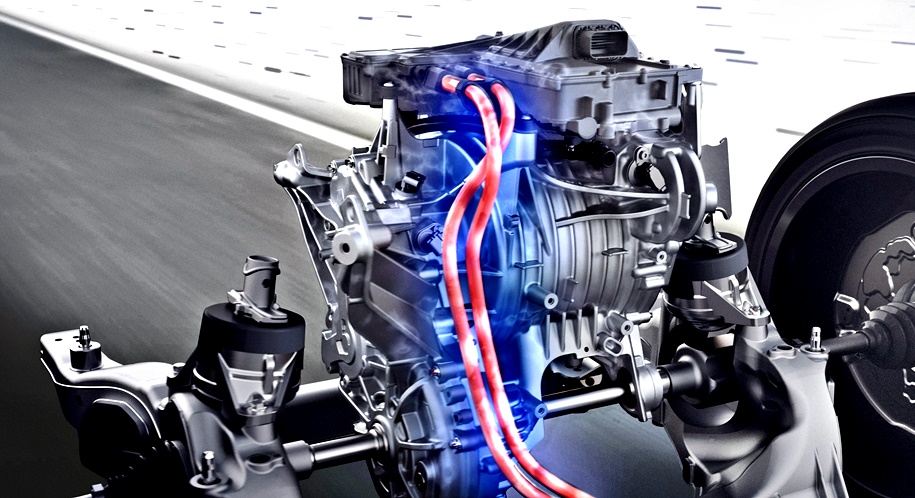
The eATS is the engine unit of electric vehicles. The eATS consists essentially of the three subsystems: an electric motor, its power electronics and the transmission part for power-transmission.

After reorganising its powertrain activities to put planning, development, purchasing and production under one roof, Mercedes-Benz will deepen the level of vertical integration in manufacturing and development, and insource electric drive technology. In-house electric motors, such as the eATS 2.0, are a key part of the strategy with a clear focus on efficiency and the overall cost of the entire system. China, the world’s largest new energy vehicle market, which is home to hundreds of companies and suppliers specialized in EV components and software technologies, is expected to play a key role in accelerating the Mercedes-Benz electrification strategy.

Ensuring supply of batteries
To ensure that there will be an assured supply of batteries, Mercedes-Benz will need a battery capacity of more than 200 Gigawatt hours. This calls for setting up 8 Gigafactories for producing battery cells, and is in addition to the already planned network of 9 plants dedicated to building battery systems.

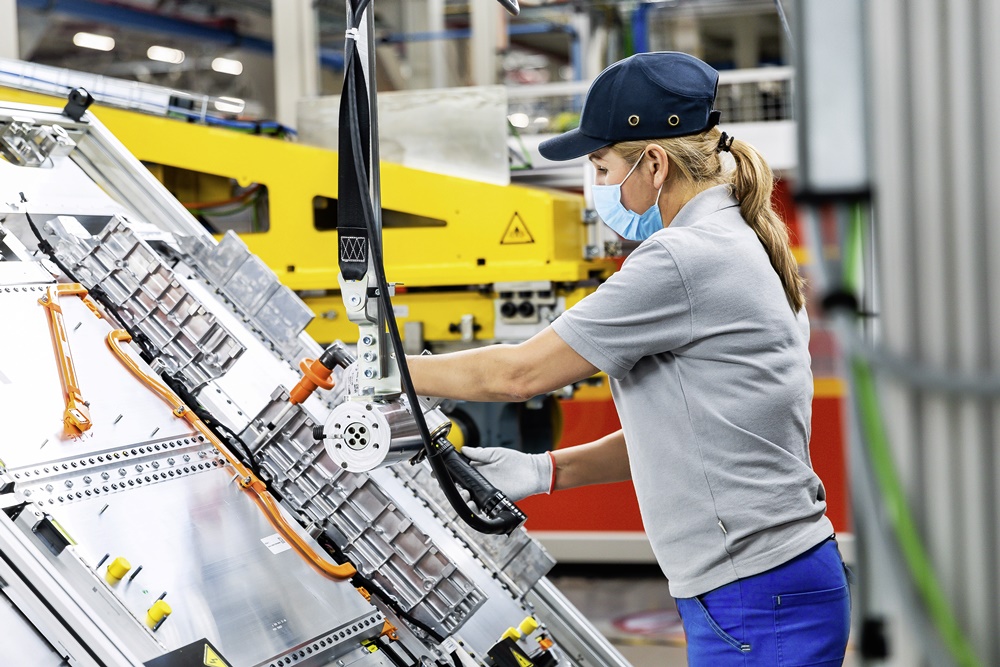
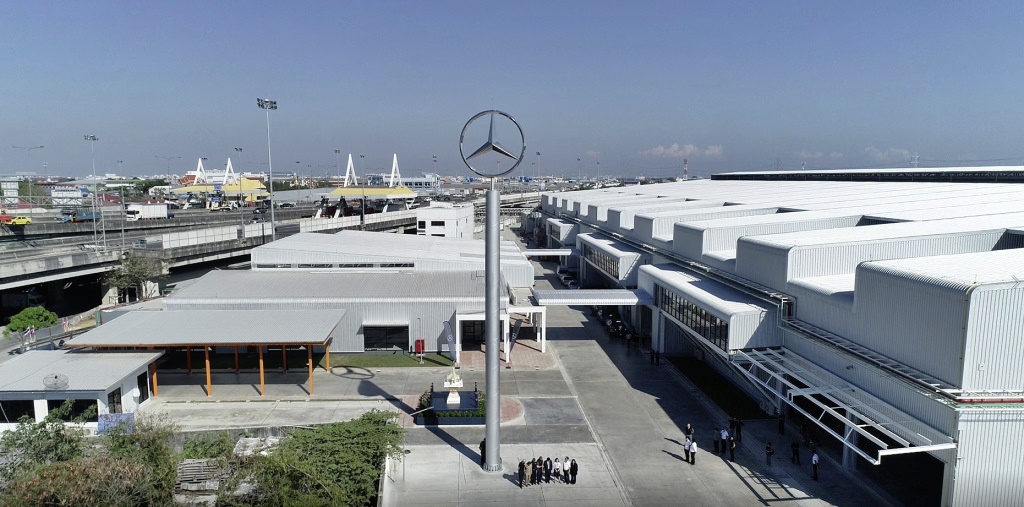
Battery production is a very important part of electrification since batteries are needed in every vehicle. Mercedes-Benz has already established a network of battery production sites around the world, with the one in Thailand (below) having started operations in 2019.

Mercedes-Benz battery pack production in Thailand

Next-generation batteries will be highly standardized and suitable for use in more than 90% of all Mercedes-Benz cars and vans while being flexible enough to offer individual solutions to all customers. Cell production will give Mercedes-Benz the opportunity to transform its established powertrain production network. By continuously integrating the most advanced battery cell technology in cars and vans, Mercedes-Benz aims to increase range during the production lifecycle of a model.

The recharging network
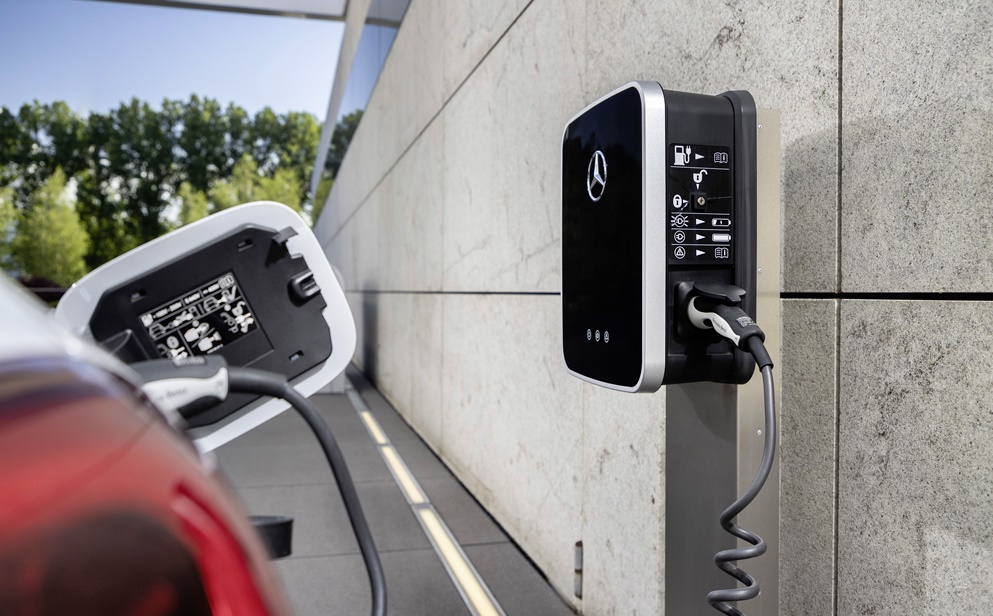
For EV owners, the issue of recharging is an important one and unless they can be assured of a convenient and widespread network, switching to an EV will not be readily considered. In this area, Mercedes-Benz is also working on setting new standards in charging that will allow customers to plug-in, charge and unplug without extra steps needed for authentication and payment processing.

As for networks, Mercedes me Charge is already one of the world’s largest charging networks and currently has more than 530,000 AC and DC charging points worldwide. Mercedes-Benz is also working with Shell on expanding the charging network which will have over 30.000 charge points by 2025 in Europe, China, and North America.

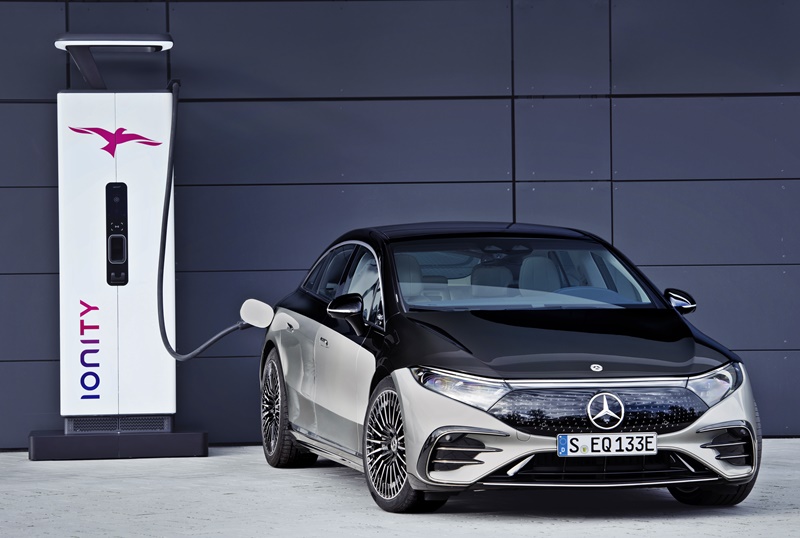
Mercedes-EQ EQS – the first luxury EV limousine

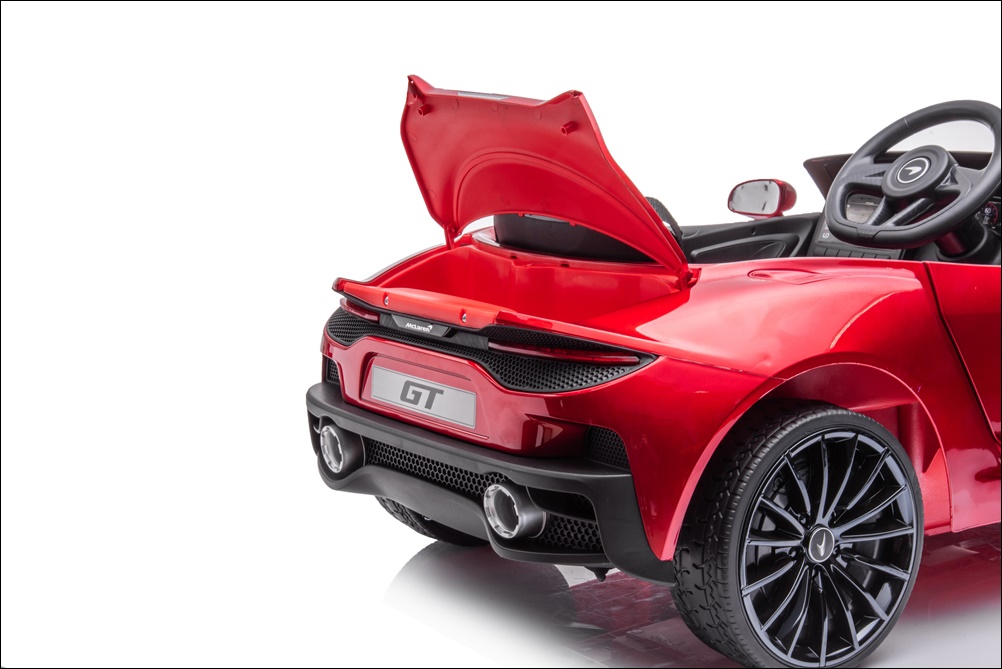
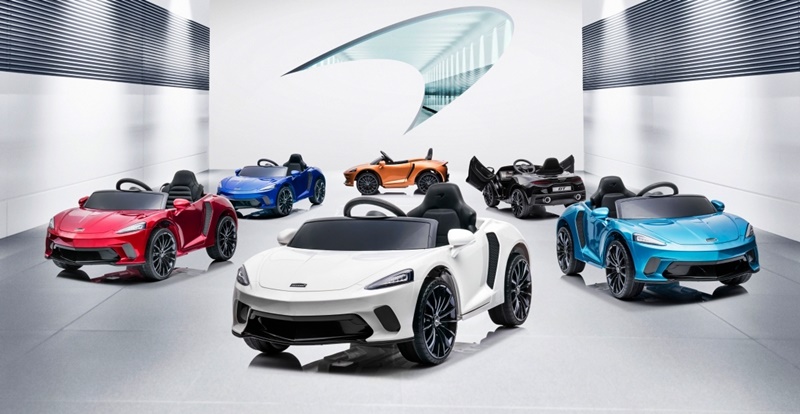
If you’ve long been thinking of having a McLaren sportscar in your home, it’s easier than you think. Perhaps you’ve never known about the carmaker’s junior Ride-On range which models such as the P1, 720S and Senna. And now comes the latest addition – the McLaren GT.

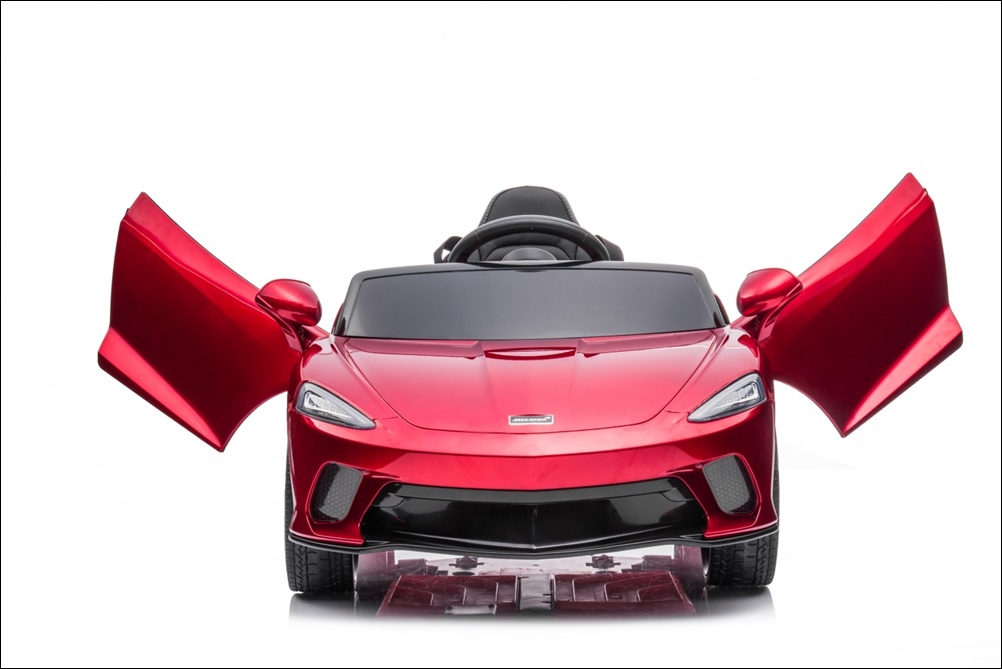
Based on the lightest and quickest accelerating vehicle in its class, the McLaren GT Ride-On is ahead of the other larger models the carmaker offers today as it is fully electric. Suitable for supercar enthusiasts aged 3 to 6, the GT Ride-On comes with McLaren’s iconic dihedral doors, functional storage compartment and brake pedal with working LED lights

Many options to add
Like all McLarens, the new Ride-On model has an impressive list of standard options including authentic McLaren design detailing. Working dihedral doors make for the ultimate entrance and getaway and a functional storage compartment is ideal for stowing any junior driving essentials.

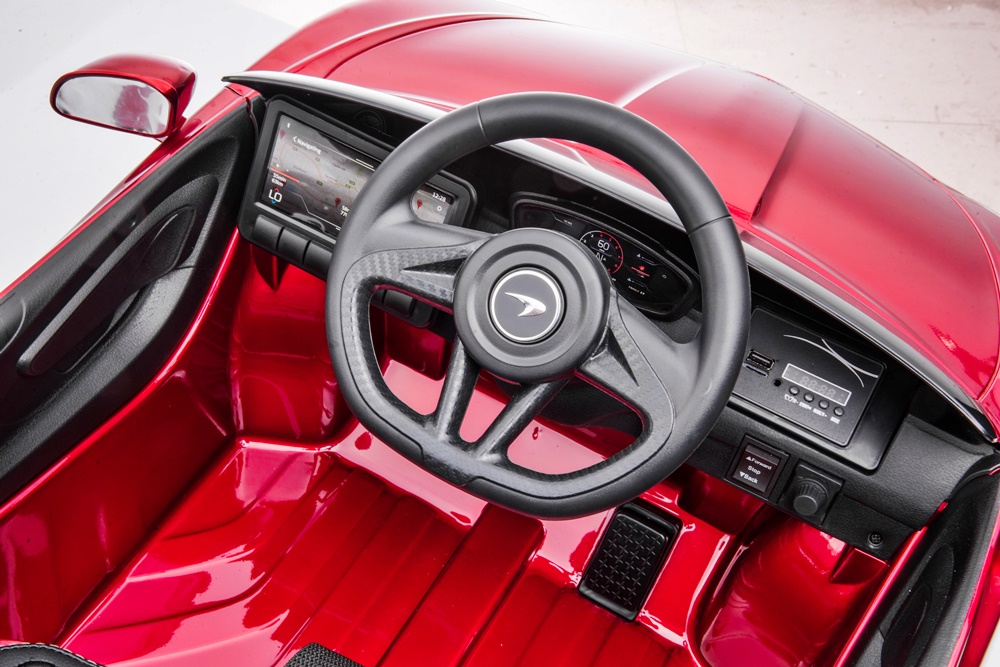
There’s also a workable dashboard controls with key start that activates McLaren engine sounds. Journeys can also be accompanied by music, played through an infotainment system that can access files from a USB device or SD card with optional MP4 display screen.

The little drivers will get a thrill from the working accelerator with revving sound and brake pedal with brake light function as they speed off on their adventures.

To inspire future enthusiasts
‘’At McLaren Automotive, we aim to inspire the future generation of supercar enthusiasts. The new GT Ride-On allows even the smallest of fans to discover the magic of our pioneering supercars. We’re proud to develop and encourage younger minds and seek to create the next generation of drivers, engineers, and automotive designers,’’ said Hayley Robinson, Merchandise, Licensing & Partnerships Manager at McLaren Automotive.

Available in 6 authentic McLaren colours – Burnished Copper, Silica White, Onyx Black, McLaren Orange, Amaranth Red and Burton Blue – it is priced from £163.00 to £234.00 (around RM840 – RM1,350).

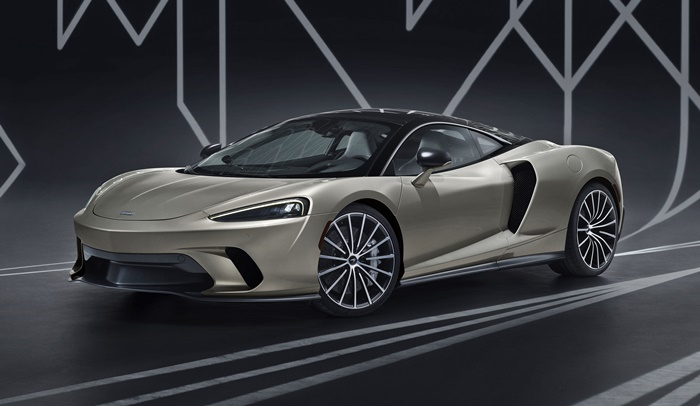
The larger full-sized McLaren GT costs considerably more…

McLaren Elva joins LEGO Speed Champions series

Electric vehicles run on electricity, so they will not give off smells that have been associated with the motorcar for over 100 years. Those smells are typically the fumes of the fuel, exhaust gases and also lubricants in some cases.

In a Ford-commissioned survey, one in five drivers said the smell of petrol is what they would miss most if they switched to an electric vehicle, with almost 70% claiming they would miss the smell of petrol to some degree. Petrol also ranked as a more popular scent than both wine and cheese, and almost identically to the smell of new books.

Association with the Mustang
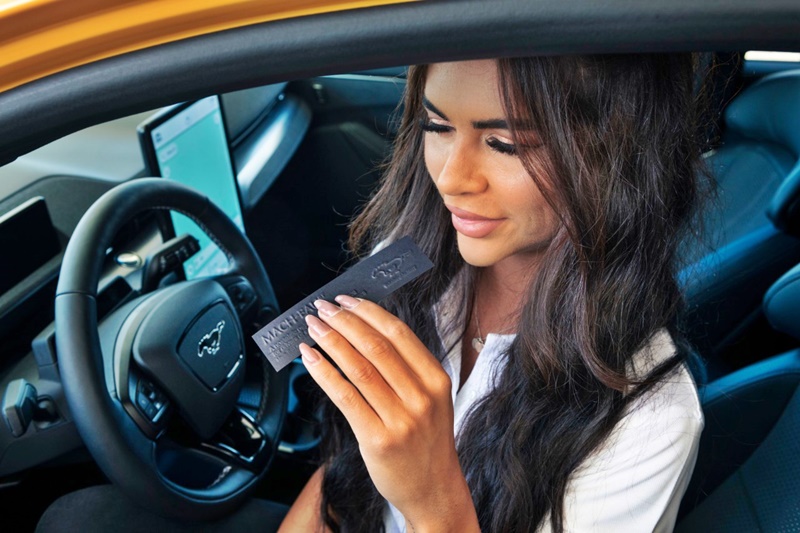
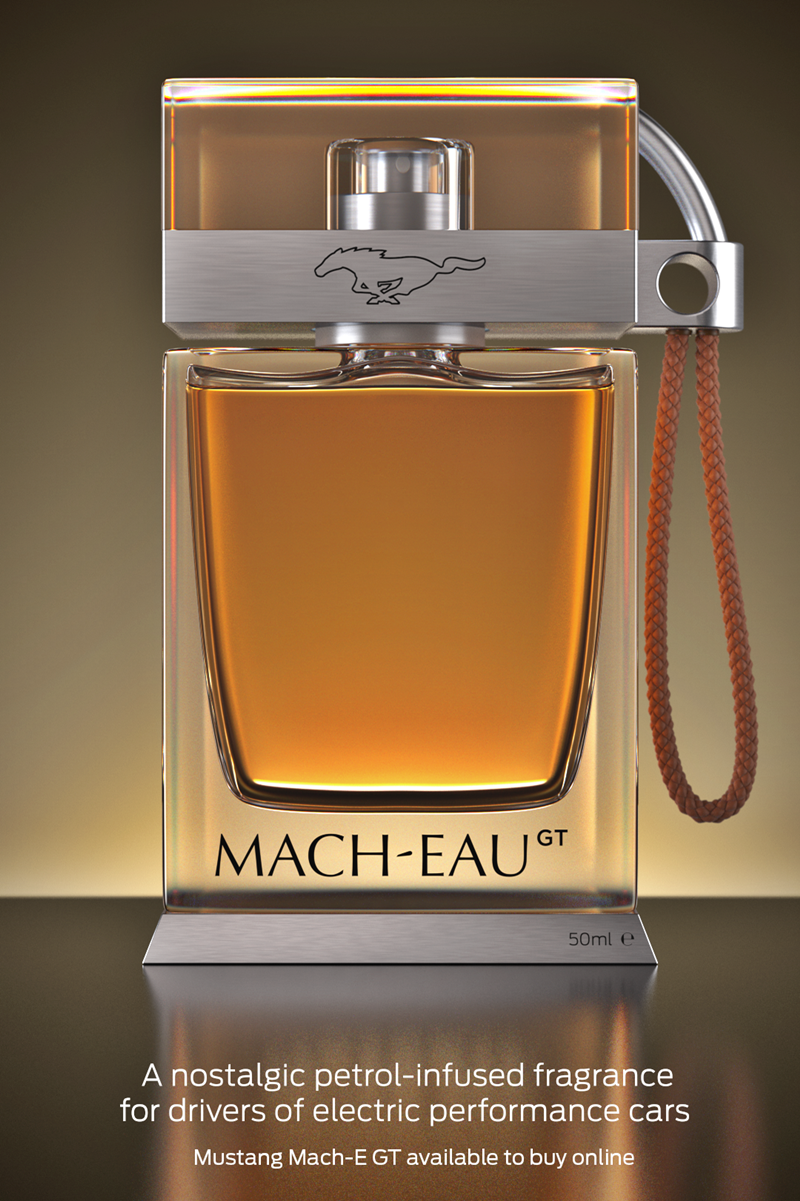
This led Ford to look for a way to help those with a fondness for the evocative smells of traditional petrol cars to make the transition. Their solution: a high-end fragrance that fuses smokiness, aspects of rubber and even an ‘animal’ element to associate with the Ford Mustang heritage.

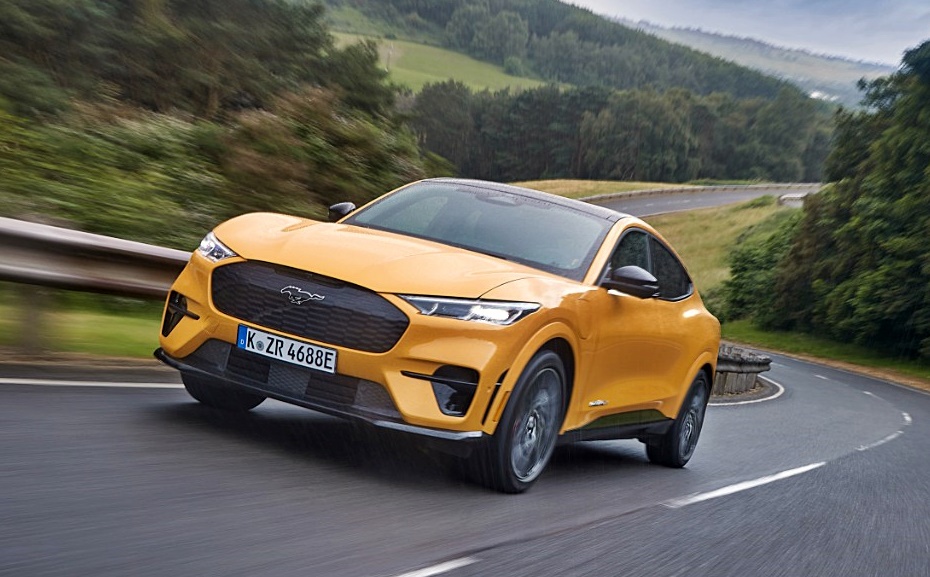
The Mustang connection is because Ford is now selling an electrically-powered variant of the bestselling sportscar in the world – the Mustang Mach-E GT. It was revealed over last weekend at the Goodwood Festival of Speed in England. However, it’s not for sale and is part of the carmaker’s ongoing mission to help dispel myths around electric cars and convince traditional car enthusiasts of the potential of electric vehicles.

Created by a perfume specialist
Known as ‘Mach-Eau’, the fragrance was created by British fragrance specialist, Olfiction, with ingredients that each add a specific element of the scent’s story. Olfiction’s Pia Long, an Associate Perfumer in the British Society of Perfumers, has been creating fragrances for some of the most famous perfume brands and was instrumental in its inception.

Her starting point was to look into the chemicals that are emitted from car interiors, engines and petrol. This included benzaldehyde, which is an almond-like scent given off by car interiors, and para-cresol which is key in creating the rubbery scent of tyres. These were blended with ingredients like blue ginger, lavender, geranium and sandalwood that added metallic, smoky and further rubbery accents. An ‘animal’ element was also included, giving an impression of horses to underline the Mustang heritage. The bottle also comes in a container shaped like a fuel pump.

The all-electric Mustang Mach-E GT.

“Judging by our survey findings, the sensory appeal of petrol cars is still something drivers are reluctant to give up. The Mach Eau fragrance is designed to give them a hint of that fuel-fragrance they still crave. It should linger long enough for the GT’s performance to make any other doubts vaporise too,” said Jay Ward, director, Ford of Europe Product Communications.

Other carmakers have perfumes too
While Ford has no plans to commercialise the Mach Eau fragrance, other carmakers have licensed the use of their brand names on perfumes for many years. Exotic carmakers like Lamborghini and Ferrari have a line of perfumes though they are essentially perfumes without that ‘connection’ the car smells.

Mazda Design also got involved in the carmaker’s first perfume product in 2017. The perfume, with a blend of wood, rose and leather fragrances, was intended to be associated with Mazda’s KODO: Soul of Motion design concept. While the bottle was typical of such products, the outer case that it was stored in was meant to symbolize the KODO design and won a gold award in Germany’s iF Design Awards.

Mazda’s KODO: Soul of Motion perfume (left) and two of the many Ferrari perfumes in the market.

StayAtHome


In everyday driving, the brain has to be quick enough to analyse and get a driver to act correctly in any situation – millions of times on a journey. And that’s at a moderate speed too. For racing drivers, the demands are even greater as they travel at far higher speeds so they need quicker reactions and faster abilities to assess situations.

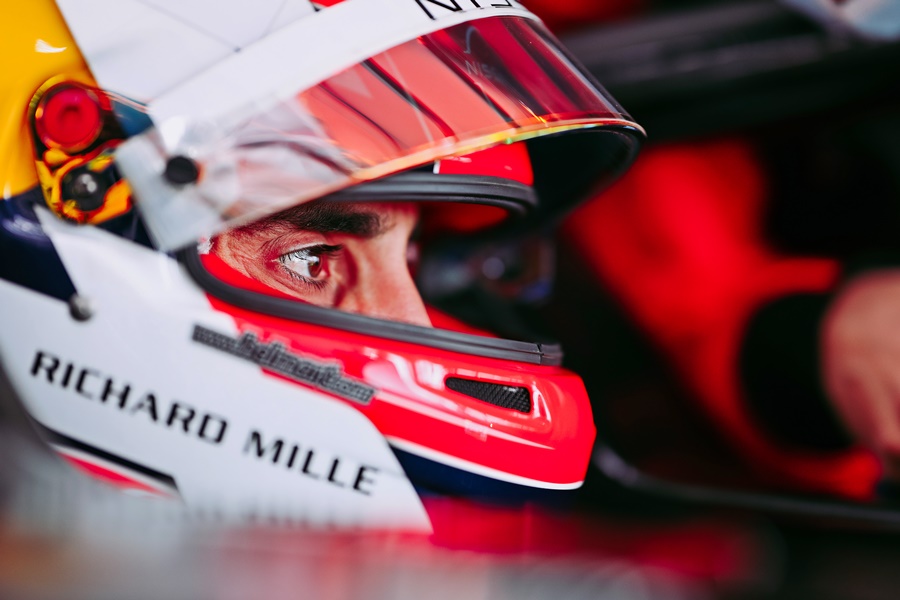
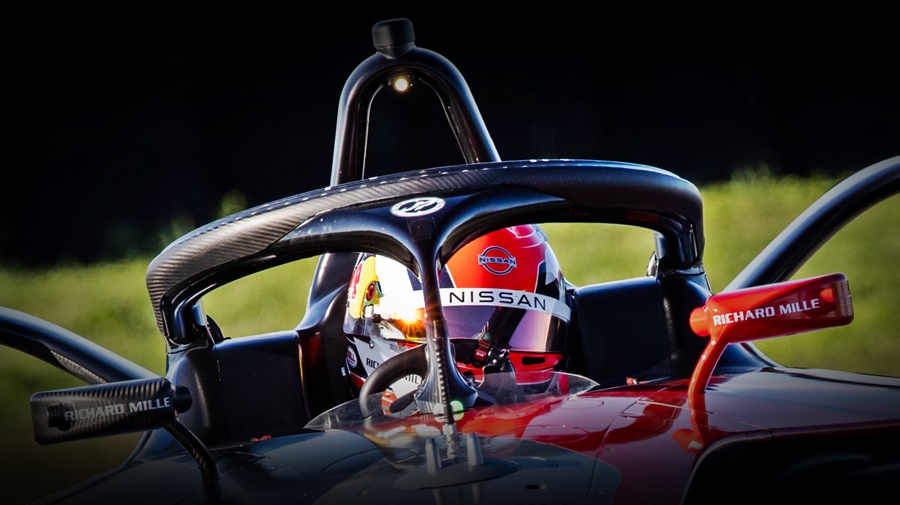
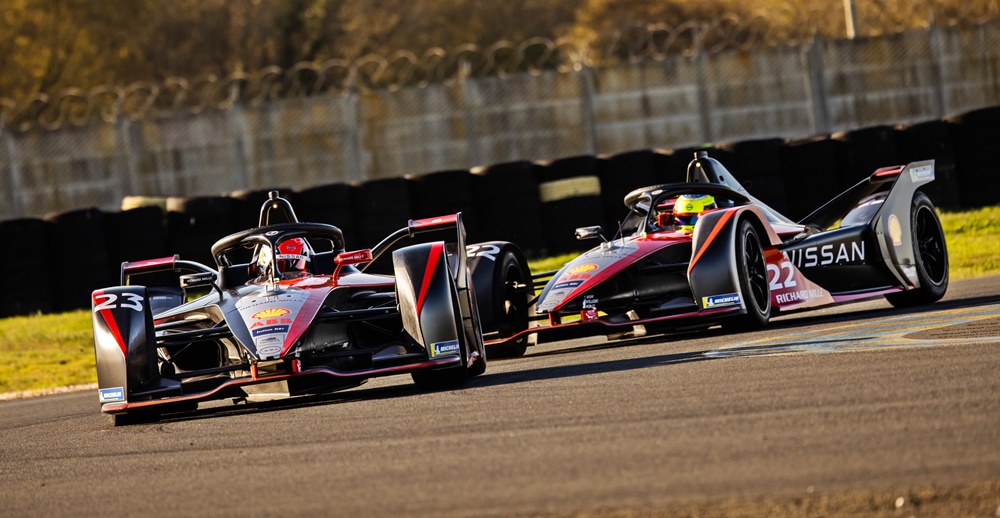
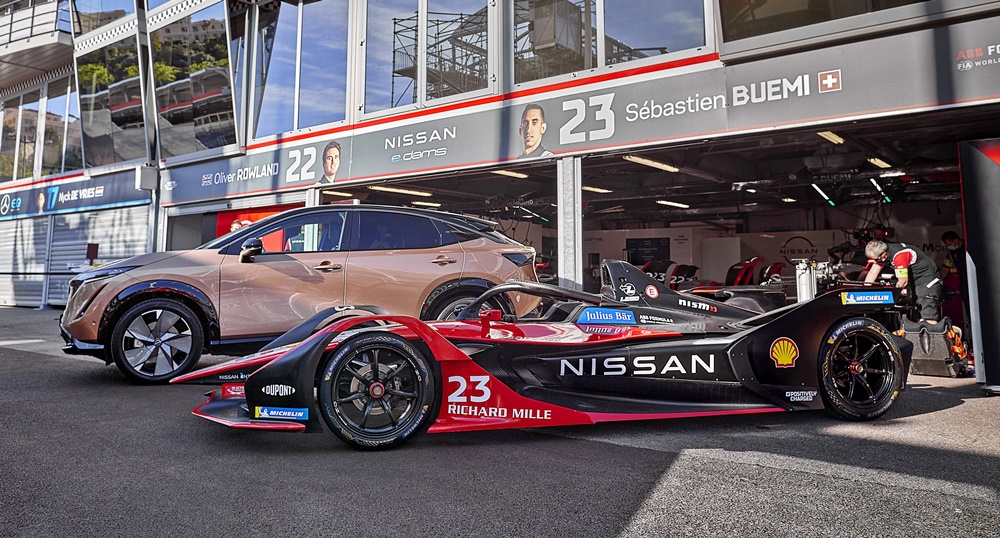
To help its Sebastien Buemi and Oliver Rowland, Nissan’s racing drivers in the all-electric Formula E series, the carmaker has developed an innovative program focused on brain function and anatomy research, training and development in the motorsport field.

Nissan Brain to Performance, as the program is called, uses advanced brain imaging and analysis to determine the anatomical specifics of high performance, professional drivers. The program aims to develop bespoke, optimized training to enhance the brain functions and anatomy related to driving and racing.

“At Nissan, we dare to do what others don’t. With this groundbreaking program, we aim to understand our racing drivers’ brain functions like never before and push the boundaries of on-track performance in Formula E,” said Tommaso Volpe, Nissan’s Global Motorsports Director. “What if, through advanced brain function analysis and training, we could help make our drivers perform better? Every tenth of a second counts in Formula E, so we’re excited to see how our cutting-edge Nissan research team can enhance the drivers’ already high-performing brain functionality.”

Better connection between people and vehicles
The program will be coordinated by Dr. Lucian Gheorghe, a leader in the field of brain analysis and training, and a driving force behind Nissan’s forward-looking research on how to better build the connection between people and Nissan vehicles. The immediate priority of the program is to enhance the performance of Nissan’s Formula E racers.

“Our brains are incredibly powerful. Without us realizing it, they perform a multitude of critical functions every second we drive our cars. Our highly trained and experienced Nissan Formula E drivers perform these functions under intense pressure and at great speed as they constantly search for faster lap times. Our new Nissan Brain to Performance program seeks to understand what it is about their brains’ electrical activity that enables them to do what they do,” said Dr. Gheorghe.

“If we can, we’d like to help them further improve their performance through bespoke brain training. In the future, could our cutting-edge research help improve the driving skills of the average driver, and inform the development of our road-going EVs? We hope so,” he explained.

The first stage of the new program will involve detailed analysis and testing of the Formula E racers’ brain functions, compared against a control group of ‘average’, non- racing drivers. All drivers will perform a range of tasks on state-of-the-art driving simulators while their brain activity is monitored and recorded. Based on the results, a bespoke driver training program involving electrical brain stimulation will be developed with the aim of improving driver performance.

Key research areas
To understanding how a Nissan Formula E drivers’ brain functions and anatomy differ in comparison to average drivers, the program establishes a spectrum of driver brain activity first. Attempts will be made to see if, through the use of electrical brain stimulation, a professional driver’s brain be enhanced to improve on-track performance.

The longer-term goal is related to future Nissan EV product development, with a focus on achieving the highest level of driver excitement and focus. An increased understanding of bio-electricity will further enhance the driving experience and intuitive nature of future EV operation.

Nissan gets experts from the creators of Pac-Man to help develop better in-car sounds

StayAtHome

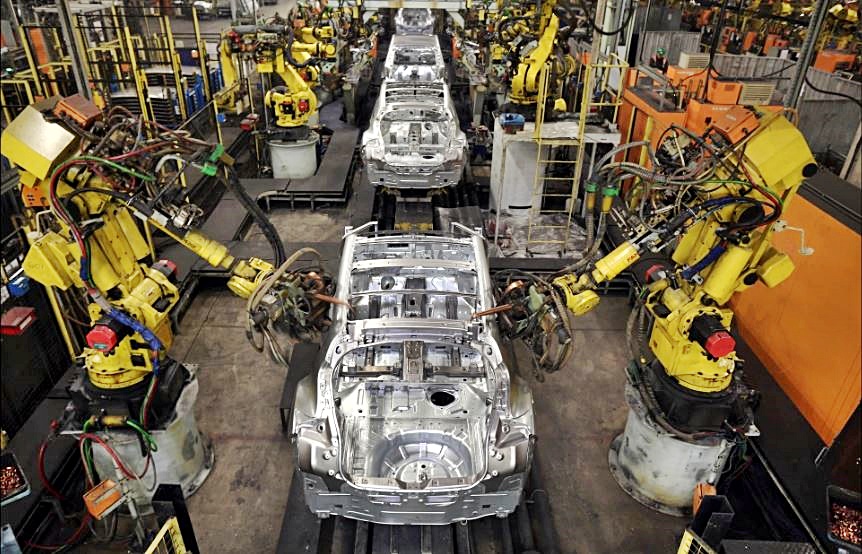
The auto industry is accelerating towards electrification of products, ultimately leaving behind the combustion engine that has been blamed for causing pollution of the environment and bringing on climate change. However, unlike previous transitions, this one is a radical one that calls for a change in the ecosystem of the industry. The existing ecosystem has evolved over 100 years around the combustion engine and now, with electrification, manufacturing processes and supply chains need to be changed.

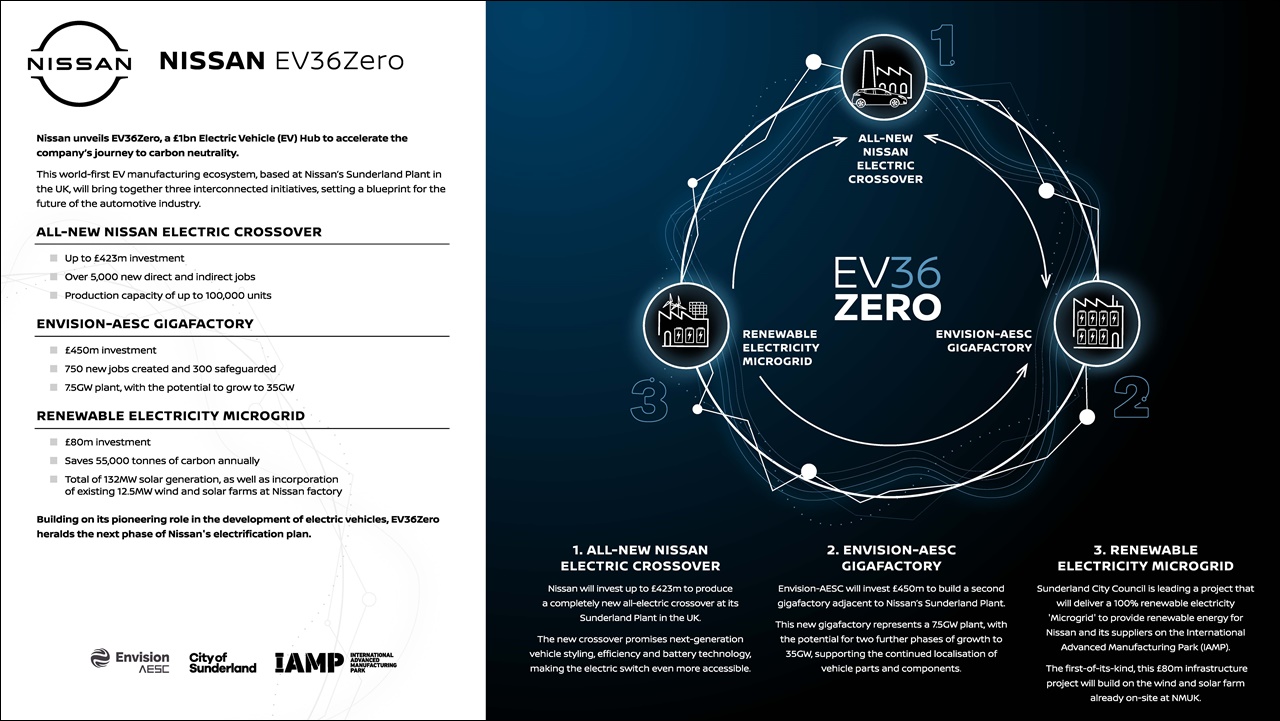
Different carmakers are taking different approaches and Nissan will make a total investment of £1 billion (about RM5.82 billion) in establishing a flagship Electric Vehicle (EV) Hub as a world-first EV manufacturing ecosystem. To be known as Nissan EV36Zero, the core of this hub will be at its 35-year old manufacturing complex at Sunderland in the United Kingdom.

The transformational project has Envision AESC, a global player in world-leading battery technology, and the Sunderland City Council as partners. Made up of three interconnected initiatives, Nissan EV36Zero brings together electric vehicles, renewable energy and battery production, setting a blueprint for the future of the automotive industry.

“This project comes as part of Nissan’s pioneering efforts to achieve carbon neutrality throughout the entire lifecycle of our products. Our comprehensive approach includes not only the development and production of EVs, but also the use of on-board batteries as energy storage and their reuse for secondary purposes,” said Nissan President & CEO, Makoto Uchida. “The experience and know-how gained through the project will be shared globally, enhancing Nissan’s global competitiveness.”

Building on Nissan’s historic presence in Sunderland, the projects represent 6,200 jobs at Nissan and its UK suppliers, including more than 900 new Nissan jobs and 750 new Envision AESC jobs at its new smart, low-carbon battery plant. Longer-term, the transformational project modernises and expands Nissan’s EV production capability in the UK.

Envision AESC will deploy integrated AIoT smart technology to monitor and optimize energy consumption, manufacturing and maintenance at its new gigafactory, enabling it to rapidly increase production and provide batteries to power up to 100,000 Nissan electric vehicles a year.

New-generation electric crossover
As part of the investment, Nissan will invest up to £423 million to produce a new-generation EV in the UK. Utilising the Alliance CMF-EV platform, it will be designed for global markets with forecasted production capacity of up to 100,000 units to be installed.

Next-generation EV batteries
Envision AESC already owns and operates Europe’s first battery plant in Sunderland, established in 2012 for the localisation of Nissan LEAF battery production. The factory’s UK team therefore has 9 years’ expertise of supplying batteries to the Nissan LEAF and eNV200, having produced enough cells, modules and packs to power over 180,000 electric vehicles in 44 countries, meeting global benchmark levels of quality, performance, safety, reliability and cost.

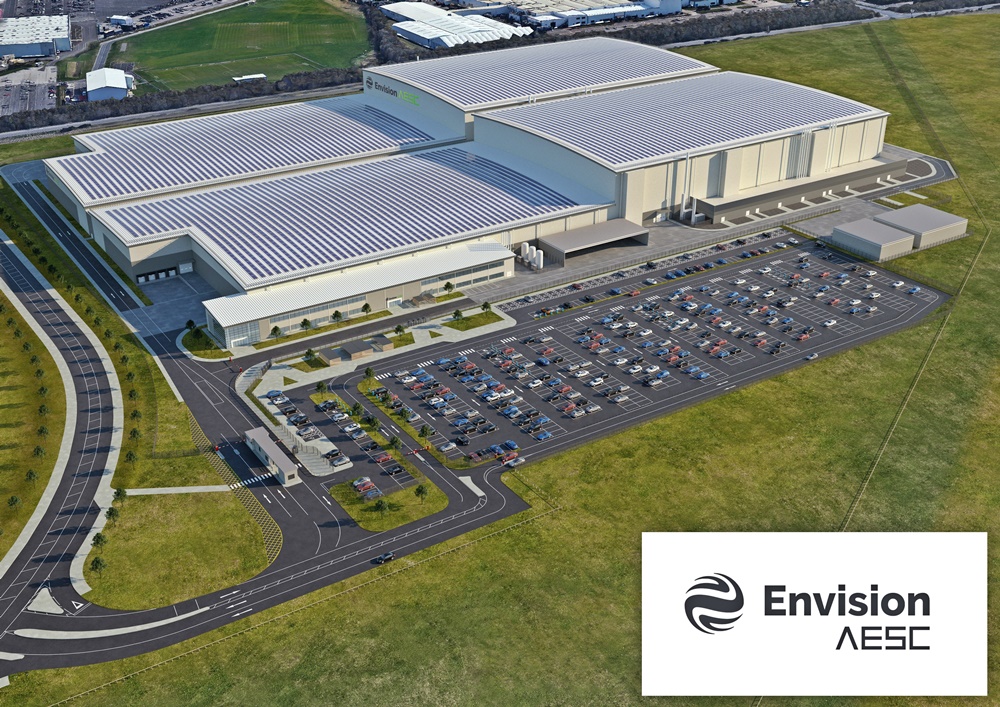
Supporting this new model allocation, Envision AESC will invest £450 million (about RM2.62 billion) to build the UK’s first gigafactory on the International Advanced Manufacturing Park, adjacent to the Nissan plant, powered by renewable energy and pioneering next-generation battery technology. This new plant will increase the cost-competitiveness of EV batteries produced in the UK, including through a new Gen5 battery cell with 30% more energy density which improves range and efficiency. It will also make batteries cheaper and EVs more accessible to a growing number of customers in the future.

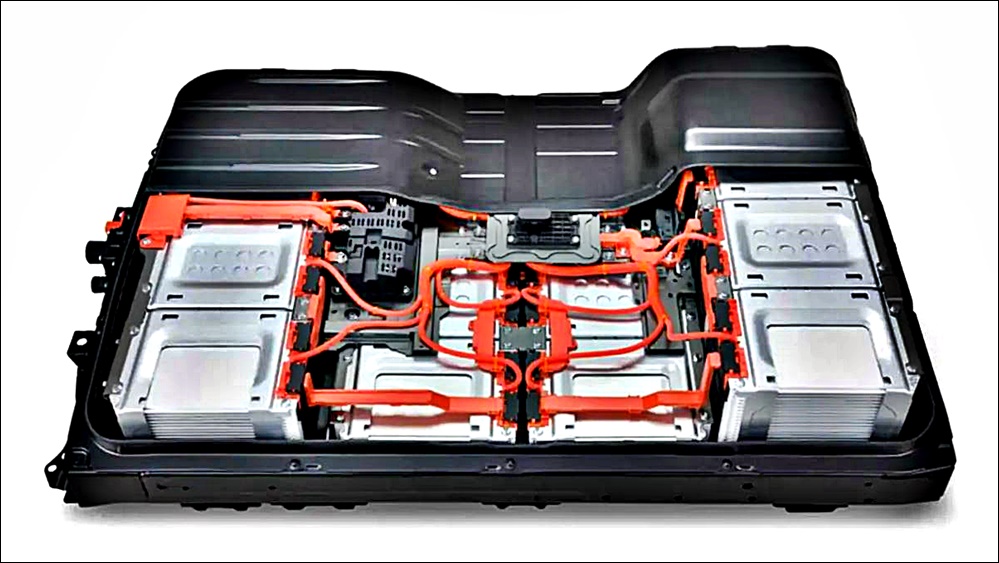
Nissan LEAF battery pack.

Used battery packs have second life
There are also plans for a 1MW battery storage system using second-life Nissan EV/Envision AESC batteries, which will also allow for excess energy generated during daylight hours to be captured and used at another time, helping to balance demand on the grid.

Nissan EVs as mobile power supply units in disaster areas (w/VIDEO)

The National Vaccination Program in Malaysia is free of charge.

Nissan EVs as mobile power supply units in disaster areas (w/VIDEO)

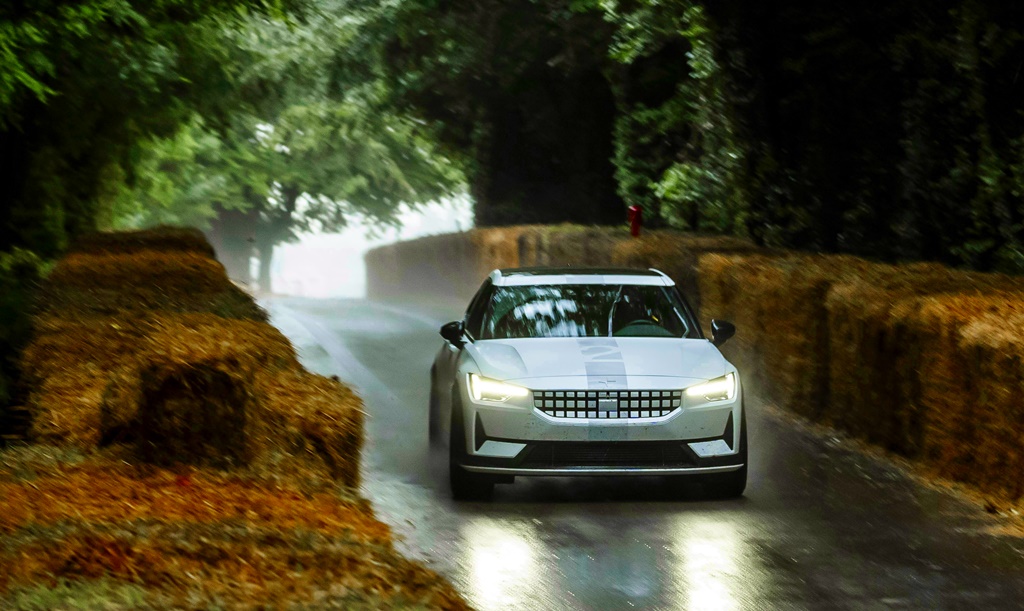
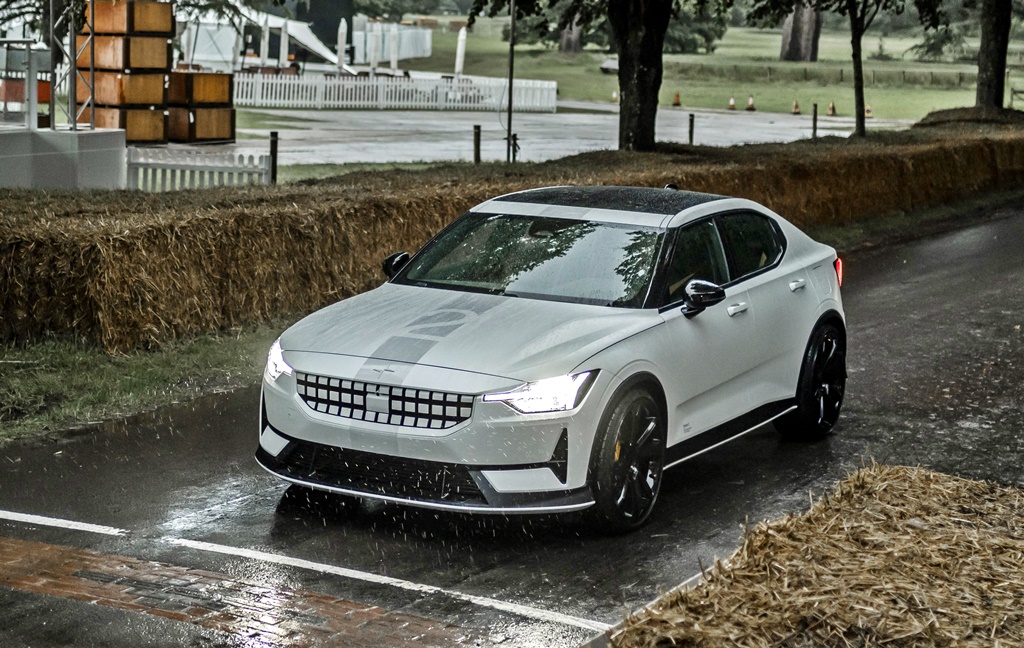
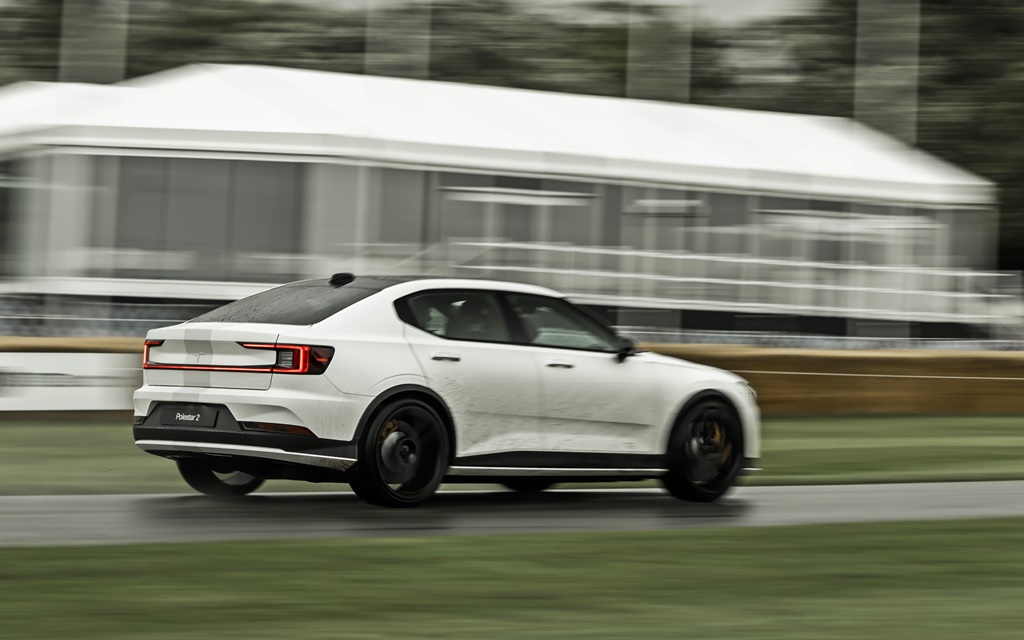
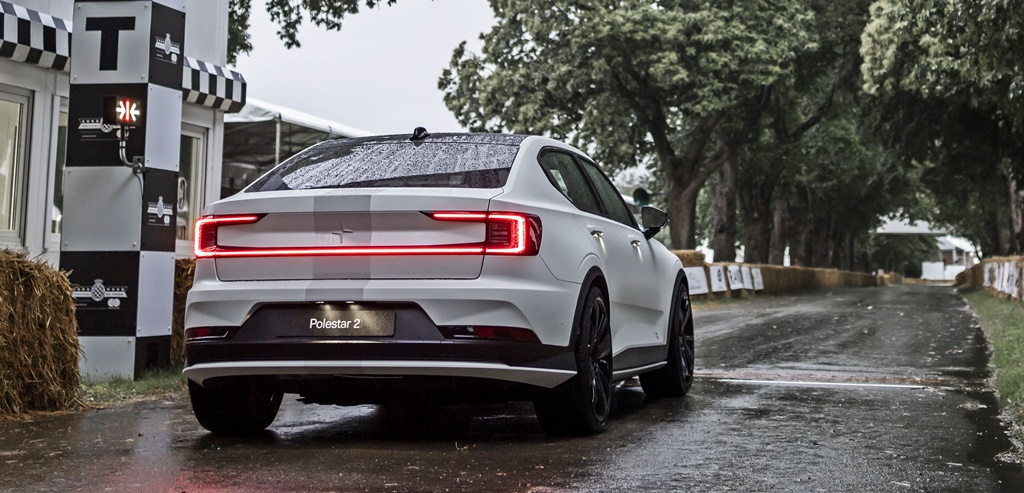
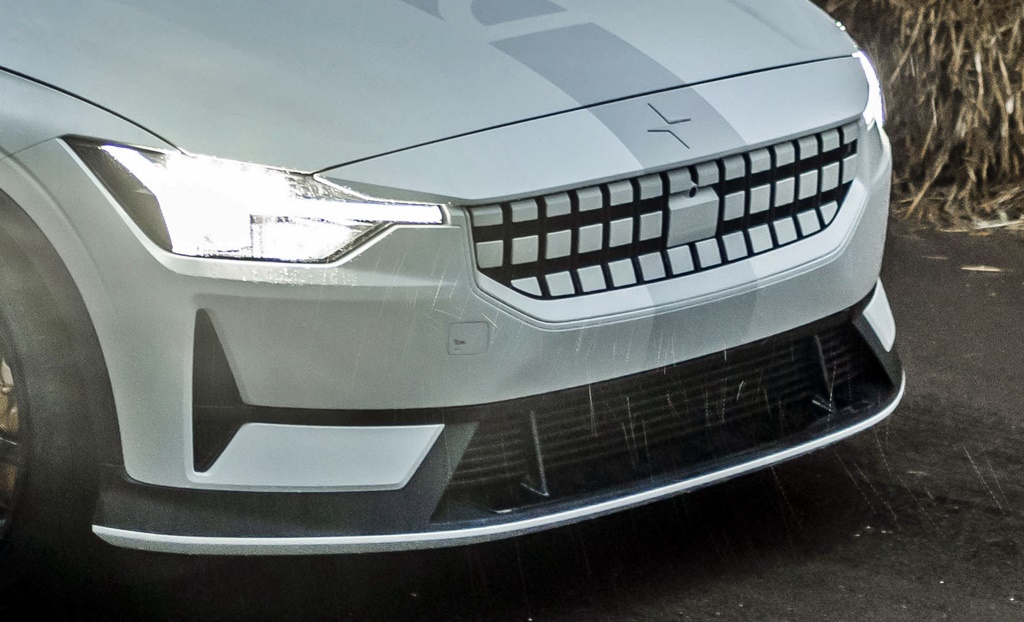
Polestar has revealed an experimental version of the Polestar 2 at the Goodwood Festival of Speed in England this weekend, where it was raced up the hillclimb at the venue. While the standard Polestar 2 – which uses a fully electric powertrain – has an output of 300 kW (408 hp), the experimental model generates up to 350 kW (476 hp).

Experimental Polestar 2 2021 Goodwood

The project was proposed by the company’s CEO, Thomas Ingenlath, who wanted to push the boundaries of the performance fastback’s design and performance potential. “I challenged the design and engineering teams to play with Polestar 2 and come up with something that makes a strong statement for Goodwood. We want to flex our muscles and explore opportunities,” he said.

“For a few months, I have enjoyed driving another experimental Polestar 2, nicknamed ‘Beast’, around our Gothenburg campus, which inspired the team to come up with this version for Goodwood,” he revealed.

Experimental Polestar 2 2021 Goodwood

Besides the higher output from its two electric motors, the car has been given a stronger stance, with a wider track (+10 mm on each side) and 30 mm lower ride height. Widened wheel arches have been fitted, necessary to house the 9×21-inch wheels and 6-piston Akebono front brakes from the Polestar 1. The 275/30R21 Pirelli PZero Rosso performance tyres are also carried over from the Polestar 1.

The springs have been stiffened by 80% at the front and 40% at the rear compared to the original performance units, and the adjustable Ohlins DFV dampers have been upgraded to Ohlins 3-way performance dampers which are approximately 30% stiffer than the road and track originals. To further increase rigidity, the carbonfibre front suspension strut bar from a Volvo S60 Polestar Engineered has been fitted, complemented by a custom-fabricated rear strut bar.

Experimental Polestar 2 2021 Goodwood

“This car is what happens when we are given freedom to go beyond our limits,” said Joakim Rydholm, Polestar’s chief chassis engineer. “We already have such great handling and performance characteristics in Polestar 2 but when Thomas asked me to make something special for Goodwood, I was really excited to up the stakes.”

In addition to the mechanical upgrades, the car features updated front and rear bumpers. The car is finished in Snow Matte with a Magnesium Matte racing stripe, colour-coded front grid and glossy black mirrors. Bumpers and side skirts feature an additional colour-coded design accent. The wheels feature dual tonality of glossy and matte black surfaces.

Experimental Polestar 2 2021 Goodwood

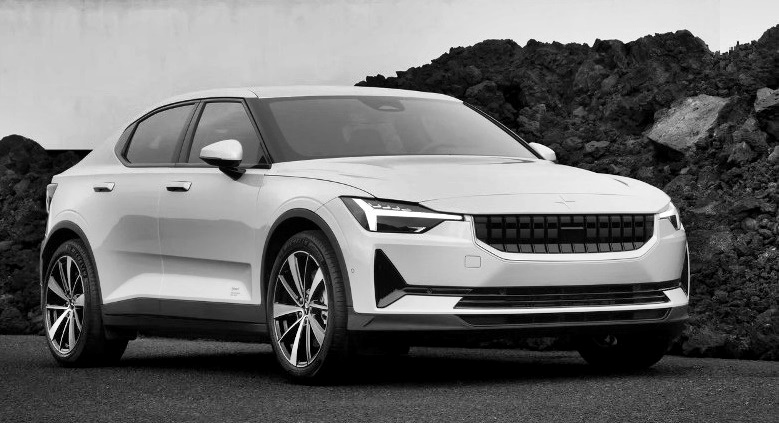
Standard Polestar 2.

“It’s always exciting to push a little bit further. This is one of the benefits of being a start-up like Polestar – we don’t have a mould to fit into so we can experiment with fun projects like this,” added Maximilian Missoni, Head of Design.

Polestar confirms Precept as production model

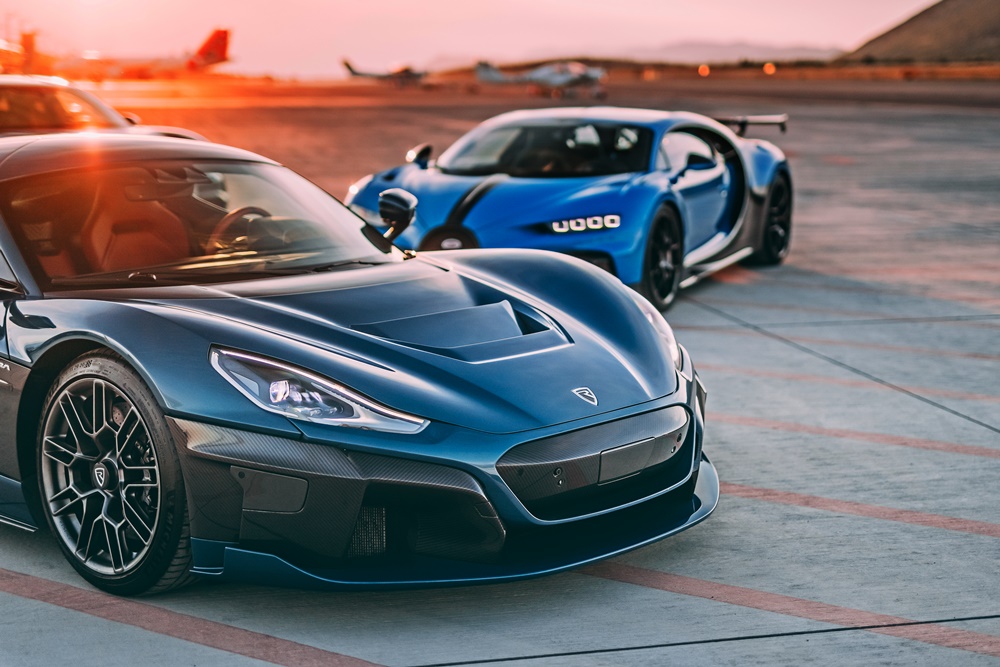
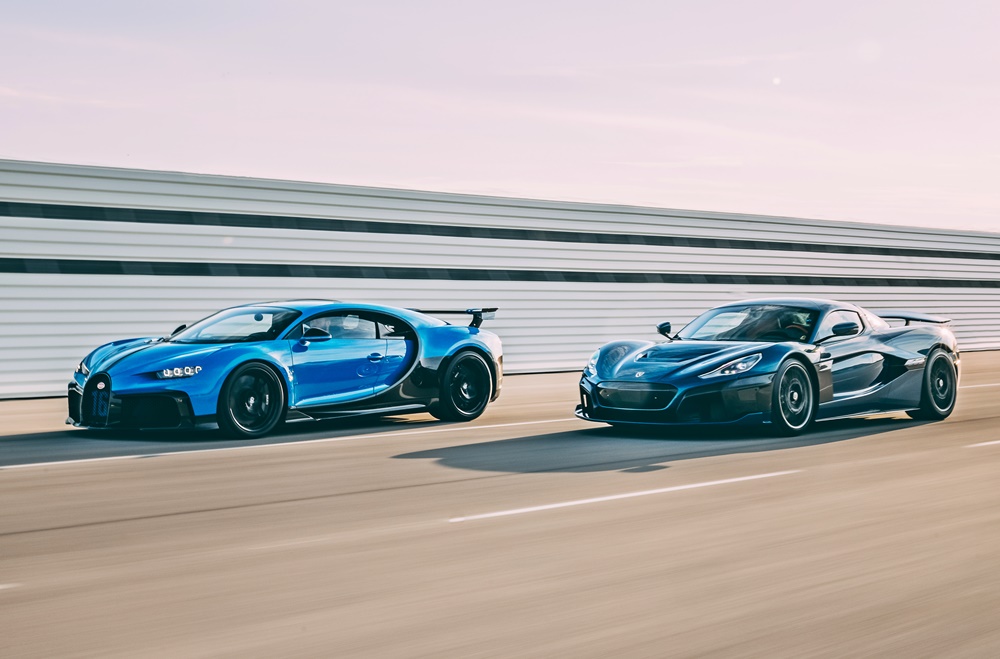
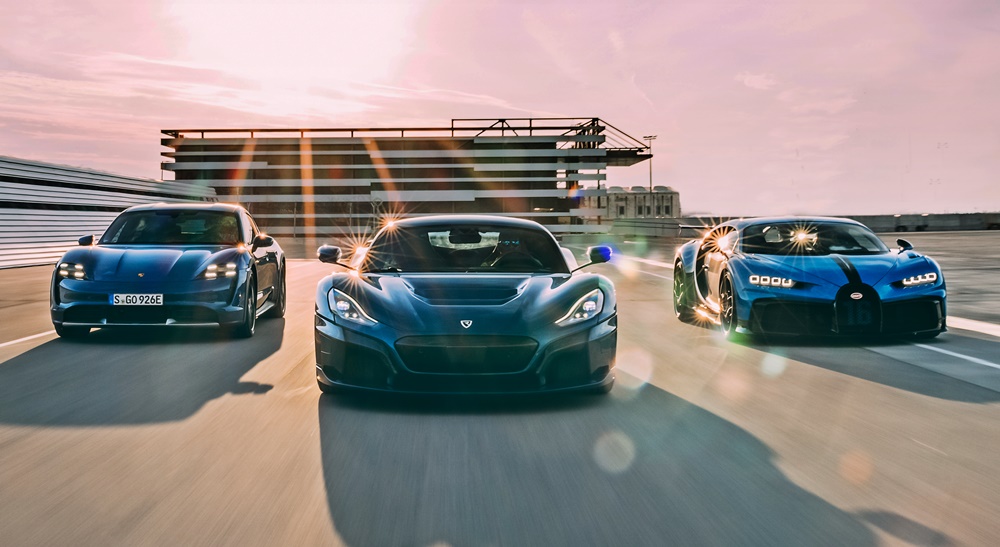
While the Volkswagen Group is unwilling to sell off Lamborghini (which is in the group via Audi), it has divested its stake in Bugatti and Croatian carmaker Rimac Automobili is taking a controlling stake in the French supercar company. However, rather than referring to it as an acquisition, it is described as ‘combining forces’ since the move will see the creation of a new company known as Bugatti Rimac.

Porsche and Hyundai shareholders as well
As part of the deal, the restructured Rimac Group will be the major shareholder with a 55% stake. Mate Rimac, the founder, will retain his original 37% shareholding in the Rimac Group with Porsche holding 24%, the Hyundai Motor Group having 12% and the remainder of 27% held by other investors.

Rimac’s business of development, production and supply of battery systems, drivetrains and other electric vehicle (EV) components will be handled by Rimac Technology, a newly formed company which will be fully owned by the Rimac Group. Rimac Technology will remain an independent company working with other global carmakers.

Some of Rimac’s clients which draw on its expertise in electric vehicle technology and component production.

Founded in 2009 as one-man garage
Rimac Automobili is a rather young company in the industry, having started in 2009 from a one-man garage. In that short period, his company has grown at ever-increasing speed, specializing in EVs and becoming a consultant for some companies wanting to develop such vehicles but preferring to let a more focussed outfit handle the work.

Bugatti was established in 1909, a hundred years earlier than Rimac.

As CEO of the Rimac Group, 33-year old Mate Rimac will lead the new company and run both Bugatti Rimac and Rimac Technology. Bugatti and Rimac will both continue as separate respective brands, retaining existing production facilities and distribution channels. Bugatti Rimac will develop the future of both Bugatti and Rimac vehicles by joining resources and expertise in R&D, production and other areas.

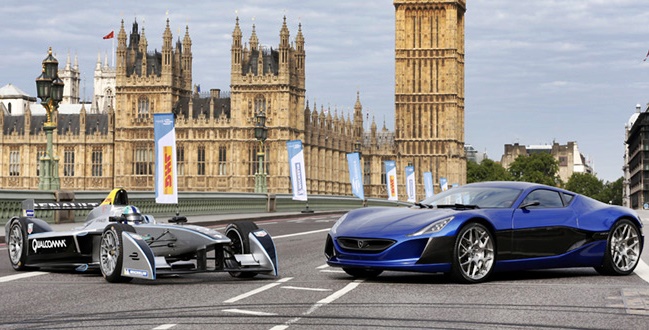
During the 2015 season of the all-electric single-seater Formula E series, Rimac provided its Concept One prototype (right) for use as the Race Director’s Car.

Going to a new level
Commenting on the development, Rimac said: “This is a truly exciting moment in the short, yet rapidly expanding history of Rimac Automobili. We have gone through so much in such a short space of time, but this new venture takes things to a completely new level. Rimac and Bugatti are a perfect match in terms of what we each bring to the table. As a young, agile and fast-paced automotive and technology company, we have established ourselves as an industry pioneer in electric technologies.”

“We have just launched our latest hypercar – the Nevera – to universal global acclaim. So I can’t begin to tell you how excited I am by the potential of these two incredible brands combining knowledge, technologies and values to create some truly special projects in the future,” he added.

2021 Rimac Nevera – the 412 km/h hypercar from Croatia

StayAtHome

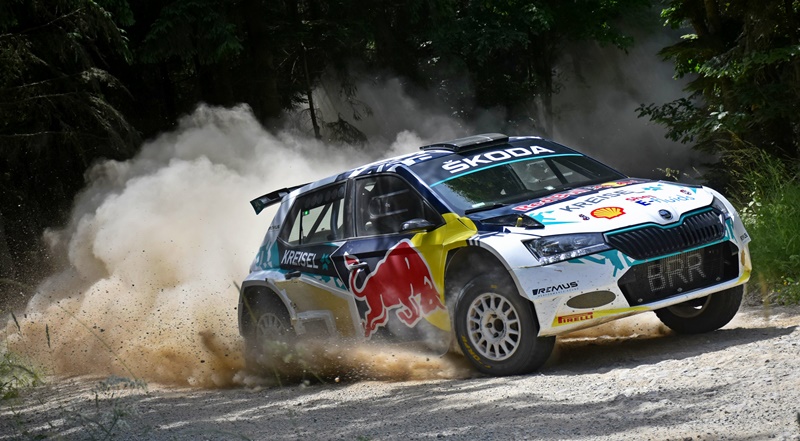
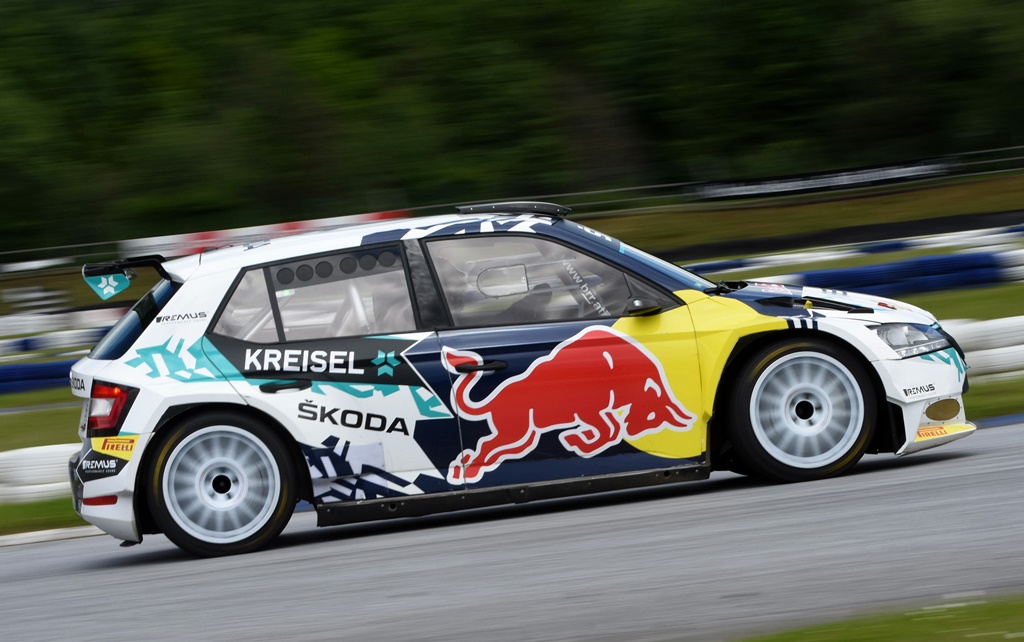
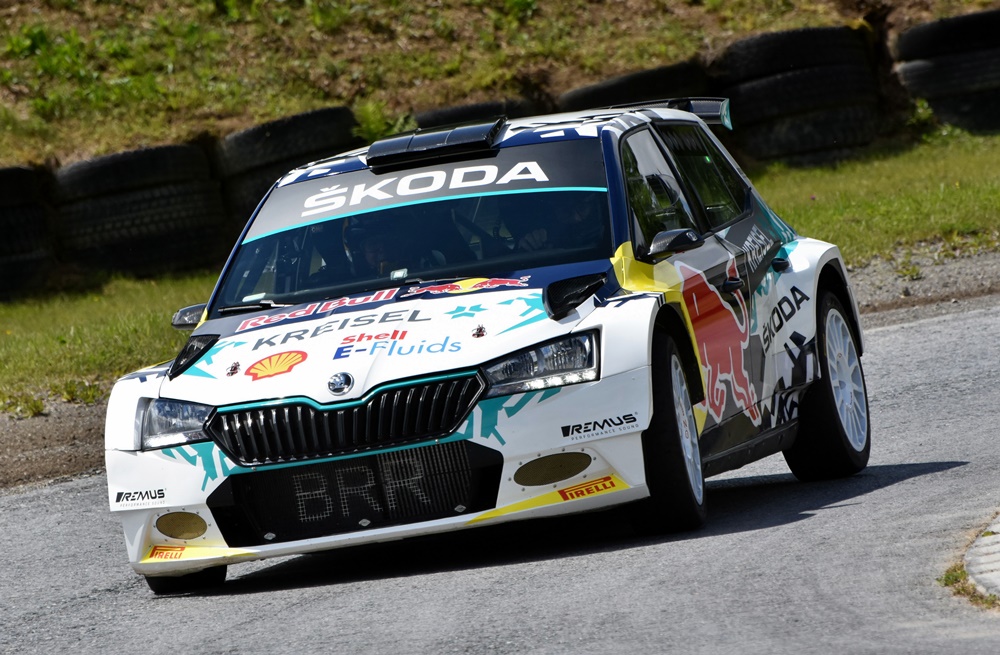
Complementing its electrification plans, Skoda is also starting development of a fully electric rallycar which will be used in FIA-sanctioned events. Based on a Fabia Rally2 evo bodyshell, the rallycar has been homologated by the Austrian Motorsport Federation which allows it to enter the Austrian Rally Championship from this month.

In partnership with Kreisel Electric
The project was initiated when Kreisel Electric, supplier of the mandatory hybrid technology of the generation 2022 World Rally Cars for the World Rally Championship (WRC), looked for partners to develop a fully electric rallycar. Skoda Motorsport saw this as an interesting opportunity, especially as it has the most successful car of the Rally2 category with more than 400 units sold.

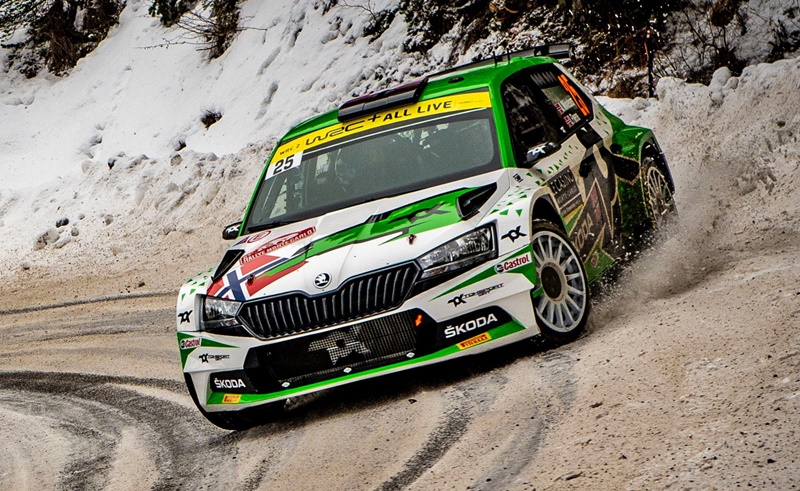
Skoda Fabia Rally 2 evo rallycar in action at the Monte Carlo Rally earlier this year.

Mechanical elements similar to the Faboa Rally2 evo
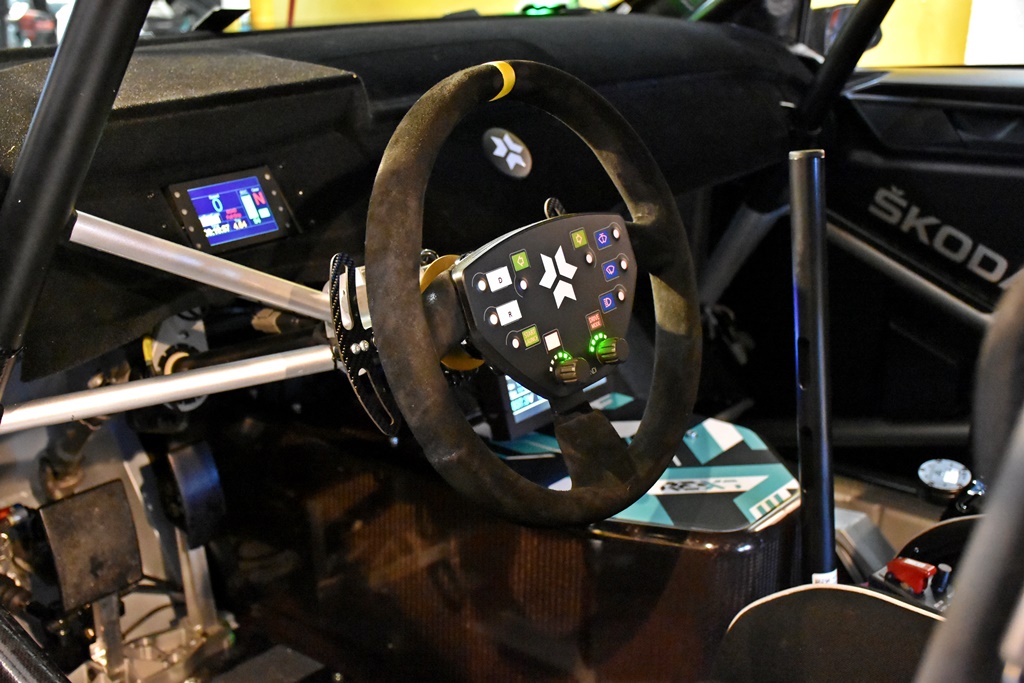
The electric rallycar known as the RE-X1 Kreisel sits on an updated a FABIA Rally2 evo chassis fitted with Kreisel’s electric powertrain and innovative battery technology. The Kreisel Electric engineered e-motor delivers peak power of 260 kW (191 ps) and 600 Nm, compared to 157 ps/425 Nm of the current Fabia Rally2 evo with a standard 1.6-litre turbocharged petrol engine. The other mechanical elements are largely similar to the Fabia Rally2 evo rallycar with some modifications.

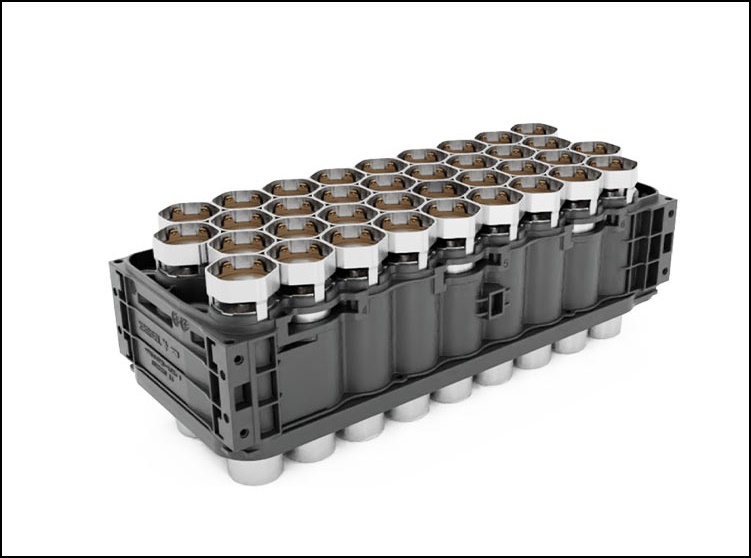
Some of the modifications include alterations to the suspension and to engineer the bodyshell floor to install the battery pack. The Kreisel high-performance lithium-ion 860V battery pack has a capacity of 52.5 kWh. For optimum performance, the battery block is mounted as low as possible in the chassis and liquid-cooled by Shell E-Fluids.

Kreisel lithium-ion battery pack architecture.

“The Skoda RE-X1 Kreisel is an exciting combination of traditional and future-orientated technology. We provided our best experience, based on developing already three generations of the rally-going Skoda Fabia,” said Michal Hrabanek, Head of Skoda Motorsport. “The rallycar offers all the set-up possibilities of the latest generation Skoda FABIA Rally2 evo, but with a fully electric powertrain and I really believe rally fans will find such a combination truly interesting.”

Development with FIA-sanctioned events in mind
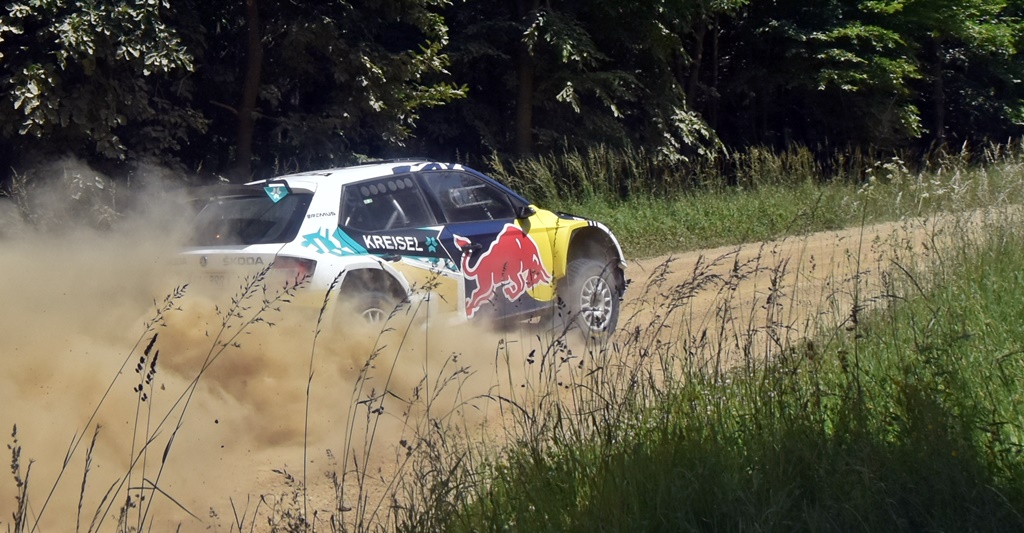
The first chassis built by Skoda Motorsport is in asphalt spec. But Baumschlager Rallye & Racing, the project’s partner for the testing program and future competition activities, has already started to put the RE-X1 Kreisel through its paces on gravel as well.

Skoda Motorsport intends to develop the rallycar to be ready for future entries into FIA-sanctioned rallies. It is closely involved with Kreisel Electric, providing further know-how and technical consultation during the ongoing development process.

Classic Skoda models reimagined for the 21st century

StayAtHome

Archive

Follow us on Facebook

Follow us on YouTube