
Piston.my

EV

Since the 1970s, Volvo Cars has displayed many concept cars and design studies. Many have been just studies while a handful, like the ECC of 1992 and the XC60 Concept of 2007, have been previews of near-term production models. In many cases, if you look at the new models that come out, there will be elements of concept cars in their design even if the concept car’s looks do not become a reality.

New paradigm in car design
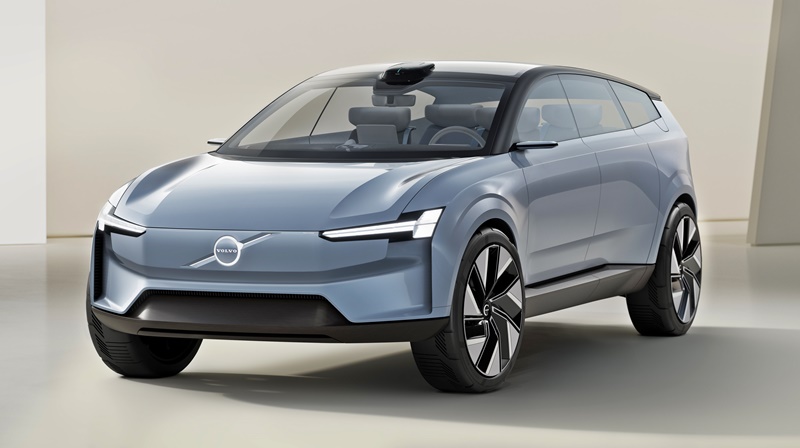
With the Volvo Concept Recharge, the Swedish carmaker is giving a preview of its new paradigm in car design, a manifesto for the next generation of all-electric Volvos to be led by the next XC90 SUV to be launched next year.
2021 Volvo Concept Recharge

True to the heritage of Scandinavian design, the Concept Recharge has the mantra of ‘less but better’ at its core. For example, with an electric powertrain removing the complexity of the internal combustion engine, the designers have been able to evolve the car’s proportions to increase interior space while also improving aerodynamic efficiency.

Architecture purely for electric powertrains
This isn’t Volvo’s first range of electric cars but before this, the designers have had to utilise architecture developed with combustion engine-powered cars in mind. That meant that the full benefits of an electric powertrain were not exploited as there was a need for a balance in proportions and space to be able to accommodate both a battery pack and an internal combustion engine.

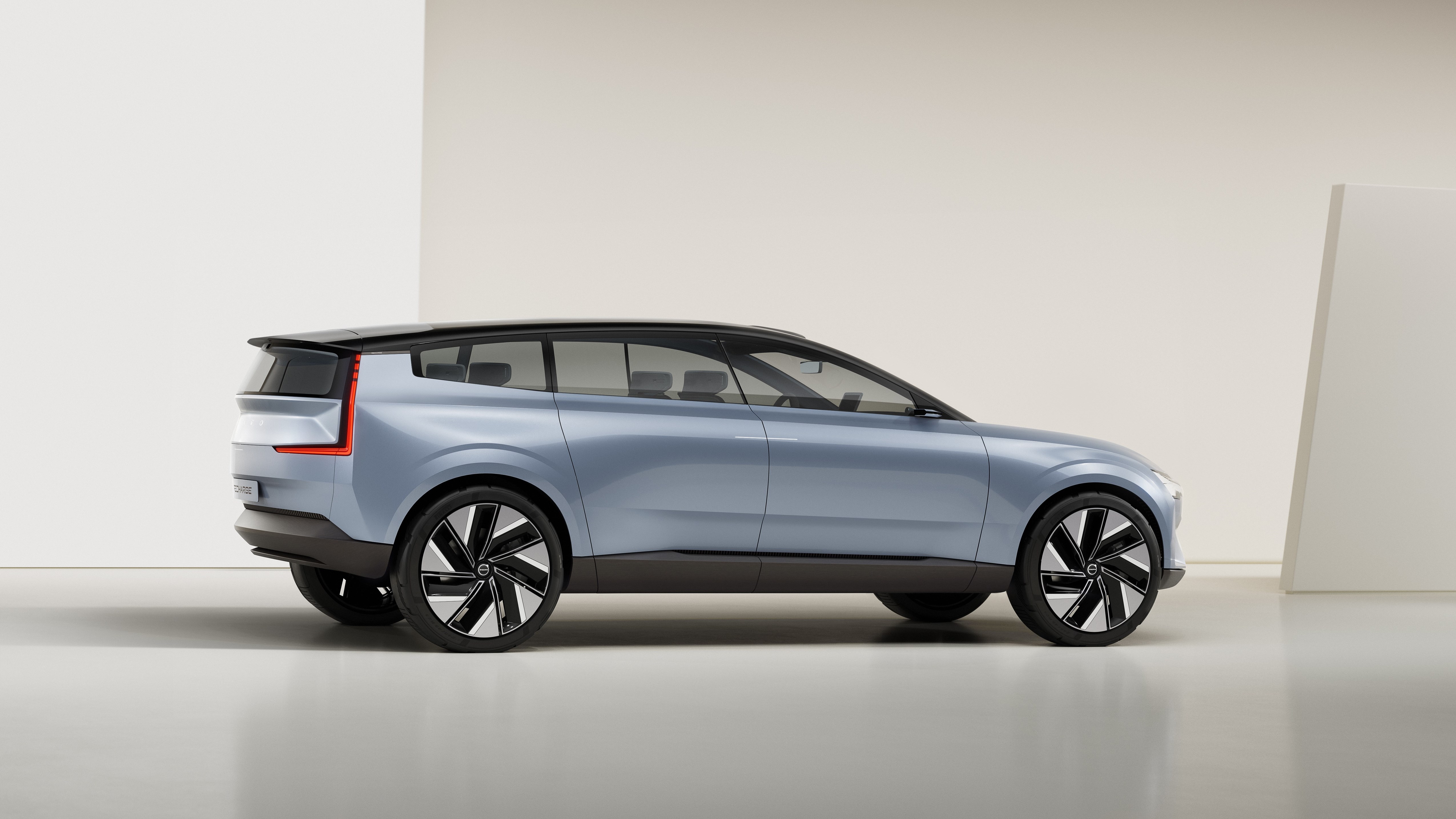
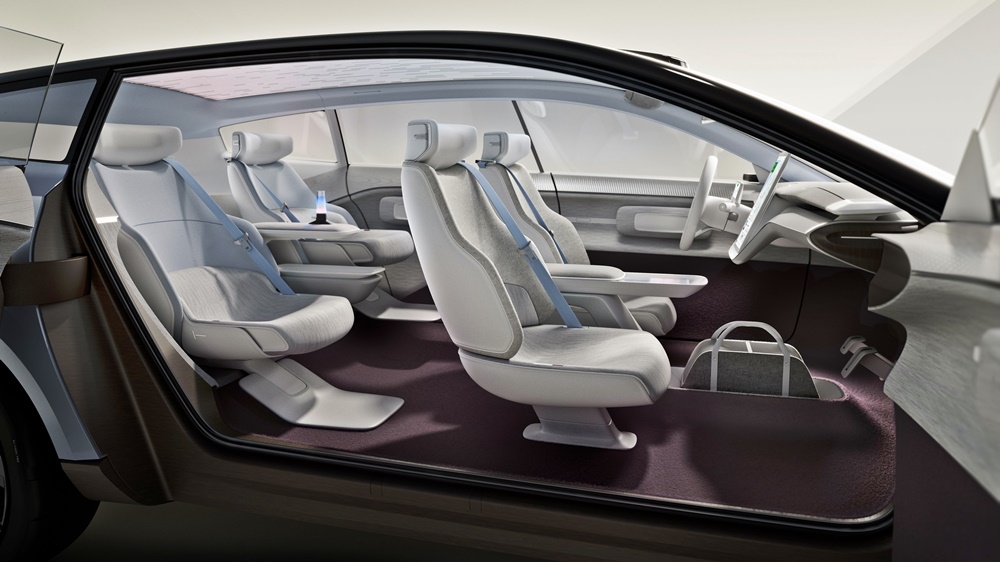
The Concept Recharge breaks free of this association, using a completely new electric-only technology base. By removing the engine and replacing it with a full battery pack under the flat floor, the designers have extended the wheelbase and the wheel size of the car. The result is shorter overhangs, as well as a lot more interior space including a large storage area between the front seats.
2021 Volvo Concept Recharge

In the Concept Recharge, these advancements have led designers to reposition the seats, optimise the roof profile and lower the bonnet of the car, while retaining the high eye point beloved by drivers of SUVs. This approach creates efficiency gains in aerodynamics compared to a typical SUV, which improves range.

New Volvo design language
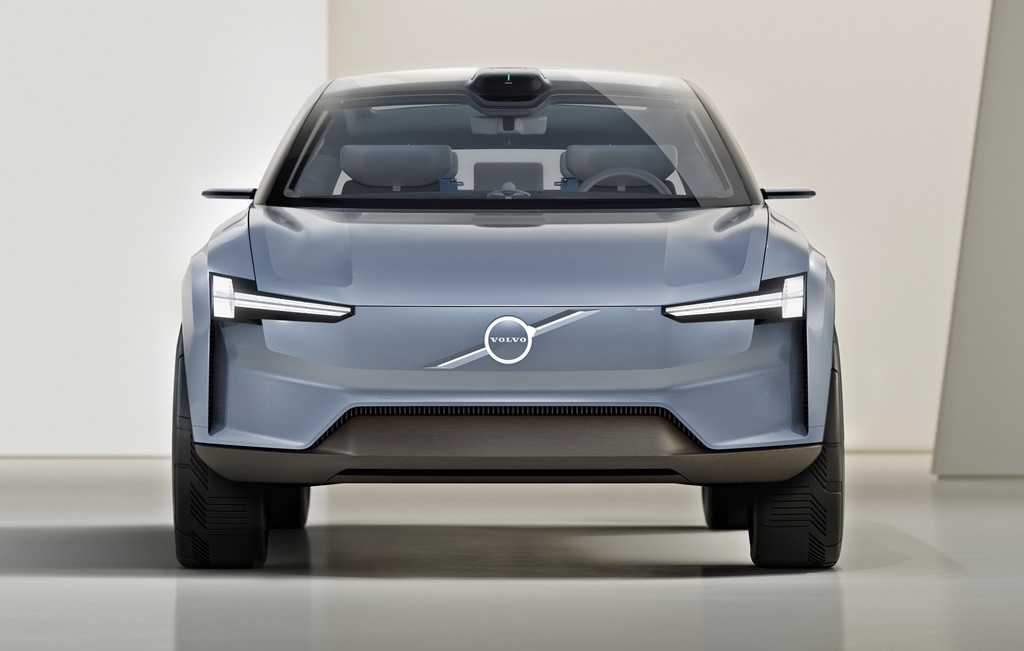
This concept car also introduces a new Volvo design language. Continuing the theme of ‘less but better’, all unnecessary elements have been removed and what remains is treated with a high-precision, flush execution.
2021 Volvo Concept Recharge

The traditional grille has been replaced with a shield-like structure; there is no longer the need for openings in the nose to let air in to help in cooling the radiator and engine. At either corner is a new interpretation of Volvo Cars’ Thor’s Hammer headlight design. These lighting units include the latest HD technology-enabled pure graphic which open at night to reveal the main lamp units.

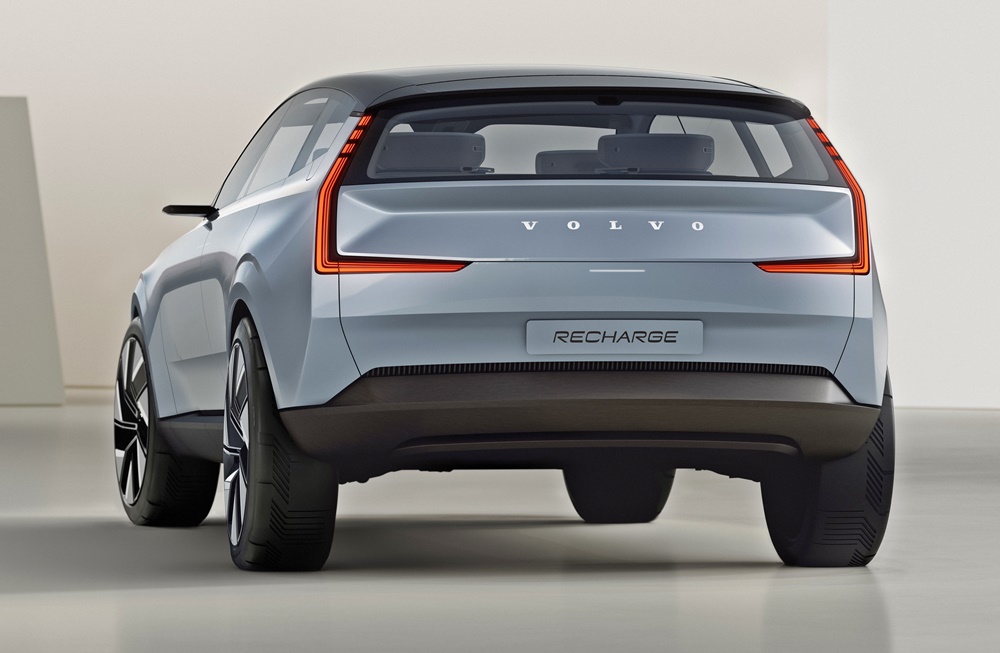
The rear view also shows signature slim vertical rear lamps which first appeared on the 850 Wagon in the late 1990s. A visual connection to the brand’s strong design heritage, they have been reimagined with a set of wings that extend at higher cruising speeds to further improve overall aerodynamics.
2021 Volvo Concept Recharge

“Our Concept Recharge represents a manifesto for the all-electric future of Volvo Cars, as well as a new type of vehicle,” said Robin Page, head of design. “It displays new and modern proportions that go hand-in-hand with increased versatility and shows what technology can enable in terms of design.”

New user experience inside
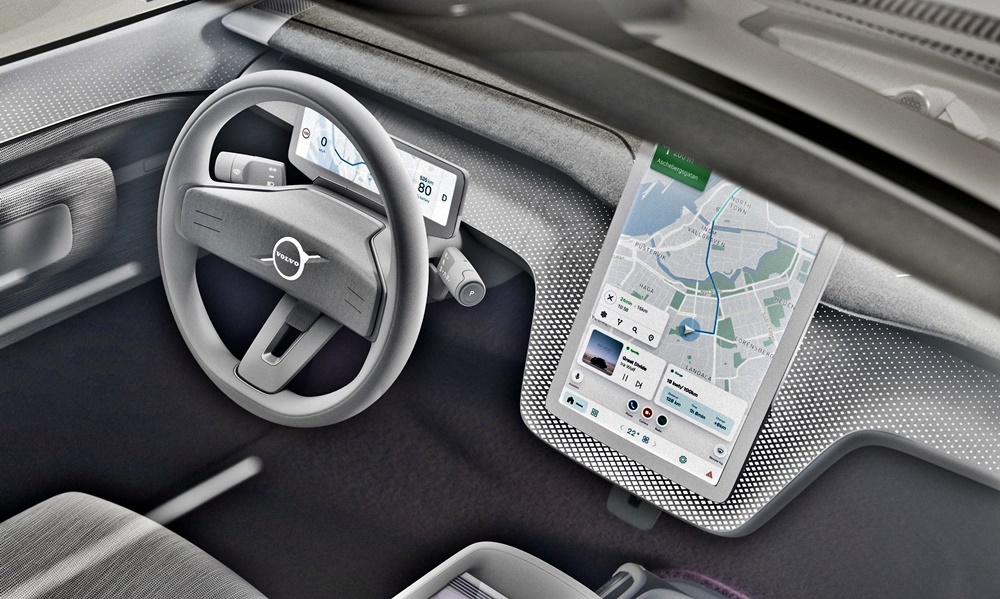
The Volvo design language also takes a new form inside. The flat floor provides more space and a better seating position for all those inside the car. A large, 15-inch standing touchscreen is the centre of the user experience for the company’s next-generation connected infotainment system.
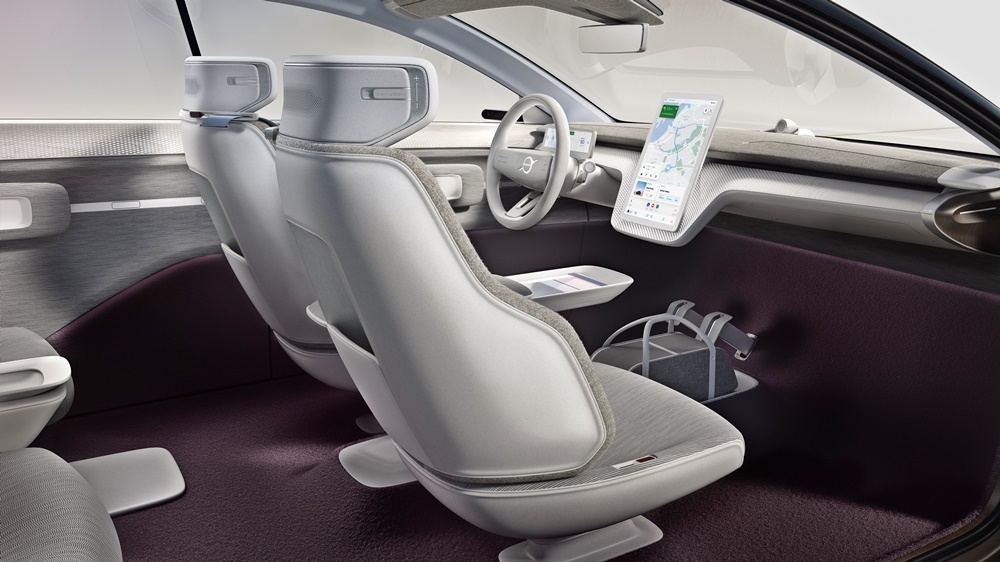
2021 Volvo Concept Recharge

2021 Volvo Concept Recharge

“Inside the Concept Recharge, we create a truly Scandinavian living room feeling,” said Page. “The interior integrates our latest user experience technology with beautiful, sustainable and natural materials. Each part of the interior is like a piece of art and could stand alone as individual furniture in a room. We use the latest technologies but not for their own sake. We always focus on the benefits that technologies can bring.”

It doesn’t need to be said that the Concept Recharge also reflects Volvo Cars’ safety ambitions in coming years. A LiDAR sensor, built by technology company Luminar and a critical part of Volvo Cars’ plan for forthcoming safe autonomous drive technology, is placed in an optimal position on the roof to collect data on the environment around the car.
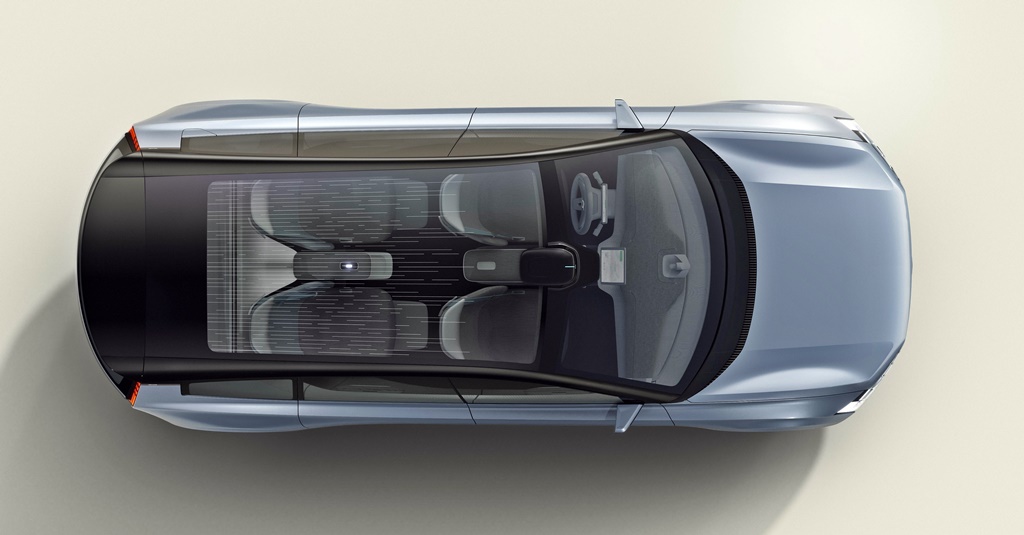
2021 Volvo Concept Recharge

Next Volvo XC90 to have LiDAR technology and AI-driven supercomputer as standard

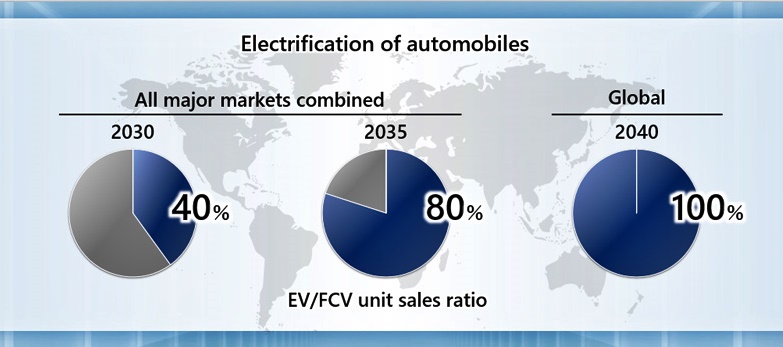
In April this year, Honda announced that by 2040, it will sell only fully electric vehicles (not even hybrids), a bold move that will end its relationship with the internal combustion engine much loved by Soichiro Honda.

While different regions may move at different speeds along the road to electrification of their vehicles on a national basis, advanced markets like North America are likely to start having a higher proportion of electric vehicles (EVs) in the coming years.

New BEV series for North America
Honda will therefore be focussing on products for that market and has announced that it is working on a new series of high-volume battery electric vehicles (BEV) to introduce in North America in early 2024. The range will be known as PROLOGUE and will be led by an all-new SUV and herald the new electrified era for the company.

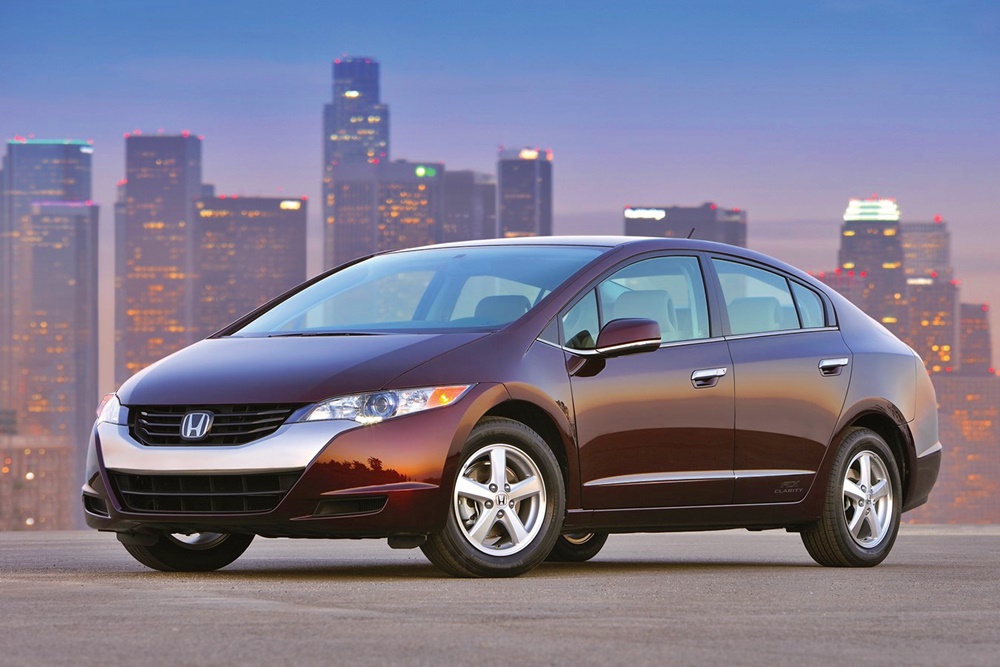
The carmaker already has a range of electrified vehicles on sale, but these are mostly with hybrid powertrains, apart from the Clarity which uses hydrogen fuel cell technology to generate electricity for powering the car.

In addition to the Prologue, the company will introduce an all-electric model under the Acura brand as well. Acura currently has hybrid models as well, including the 573-bhp NSX and the new all-electric model will be a SUV as well.

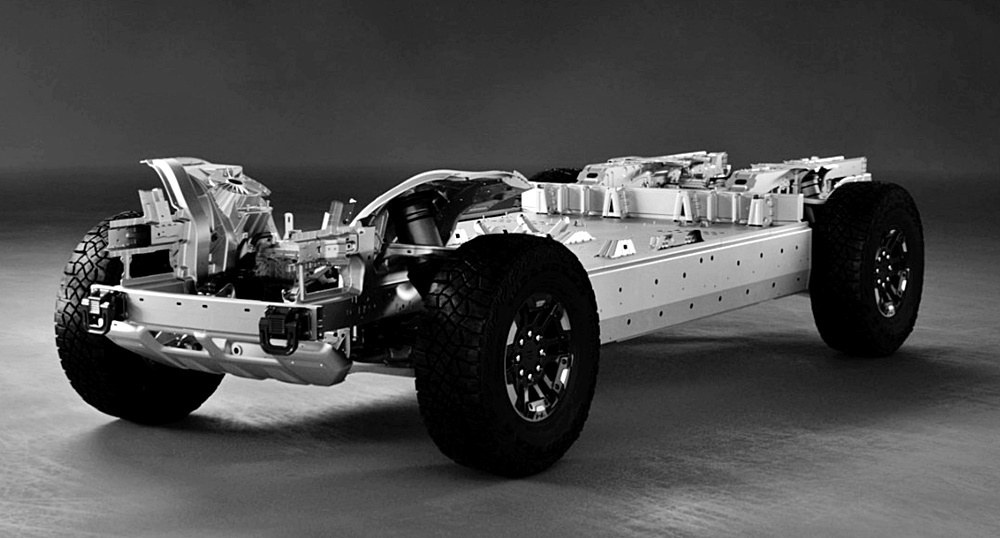
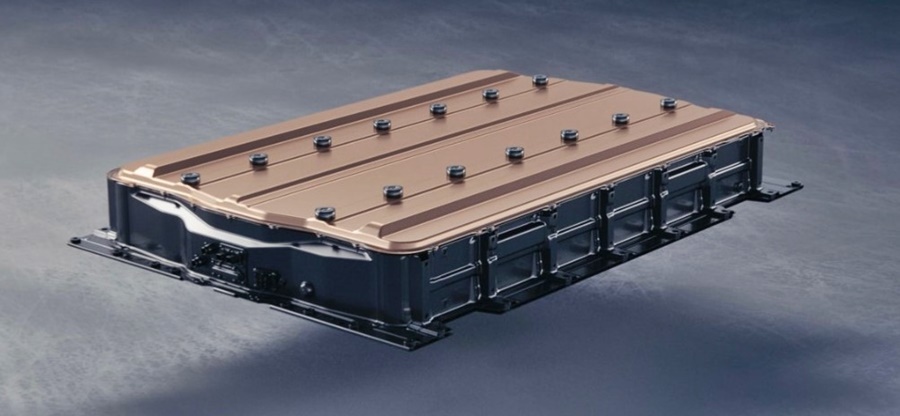
GM Ultium platform and battery pack (below).

GM’s Ultium platform for EVs to be used
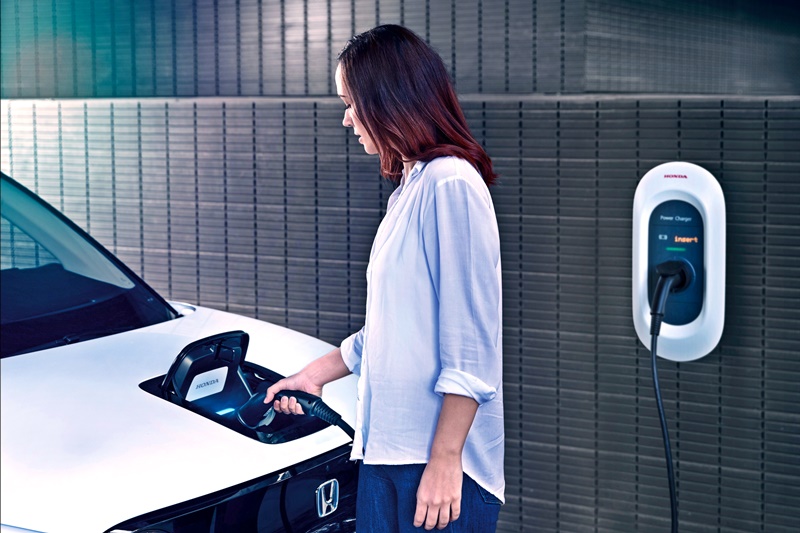
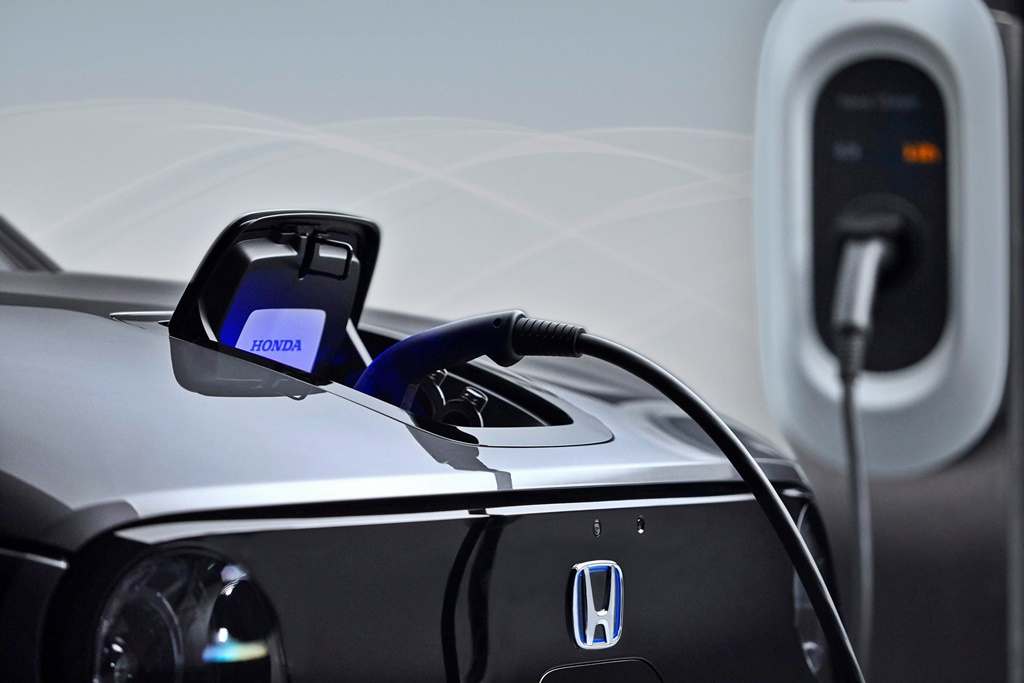
Both the Honda and Acura vehicles will utilize the highly flexible global EV platform powered by Ultium batteries developed within the strategic partnership with General Motors. The platform will be engineered to support Honda’s driving character. As part of the agreement to jointly develop electric vehicles, Honda will incorporate GM’s OnStar safety and security services into its new SUVs, seamlessly integrating them with HondaLink.

Production of the SUVs will combine the development expertise of both companies, and they will be manufactured at GM plants in North America. In the second half of the decade, Honda also plans to launch a new series of EV models based on a new e:Architecture, with development led by the Japanese carmaker. These new models will be launched in North America first, followed by other regions.

Honda’s EV History
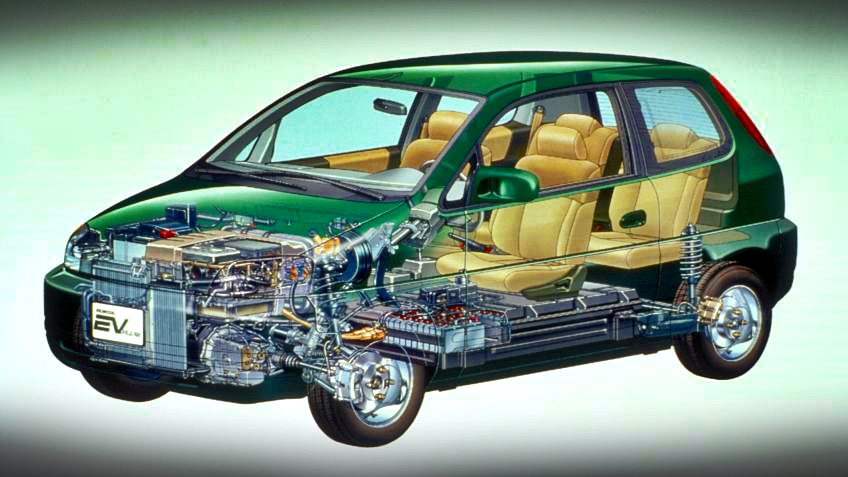
Though EVs have grown in prominence in recent times, Honda has been involved in developing and producing such vehicles for almost 25 years. In 1997, it introduced the EV Plus, a small electrically-powered hatchback which was the first BEV from a major automaker to use nickel-metal hydride batteries instead of heavy lead-acid batteries.

Honda EV Plus 1997
EV Plus was produced between 1997 and 1999.

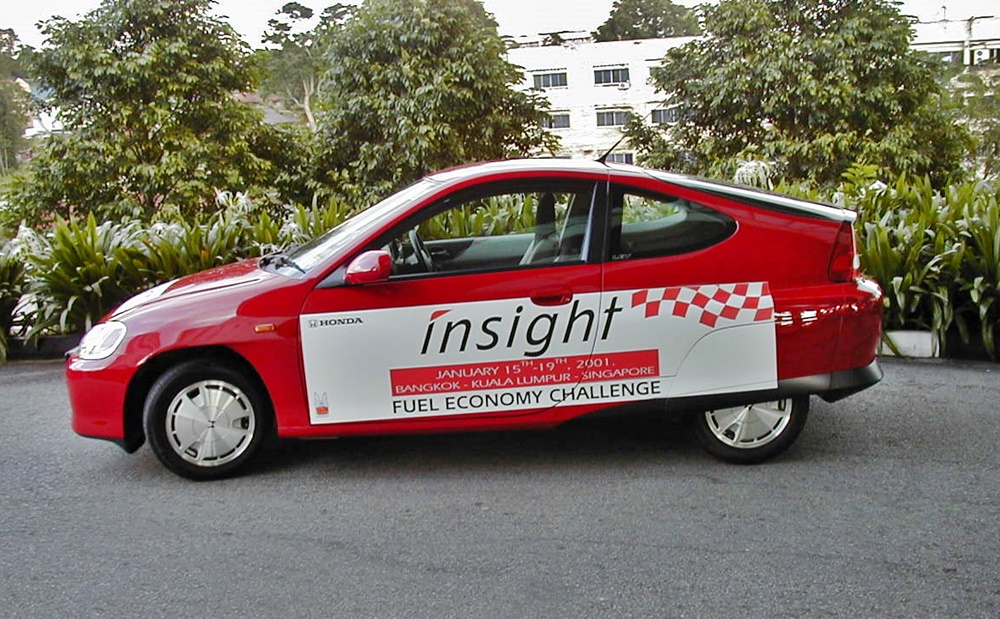
After the limited production of the EV Plus, Honda came out with the Insight in 1999. This was one of the first volume-produced hybrids in the market. The FCX came out in 2002 and it was the industry’s first commercialised vehicle using fuel cell technology that was originally developed for the space program. The FCX was succeeded by the Clarity in 2017.

First generation of the Insight, one of the early volume-produced hybrids. This unit was driven from Thailand to Singapore in January 2001 to demonstrate the high fuel efficiency.
FCX – the first hydrogen fuel cell vehicle (FCEV) which was commercialised.

“We know customers who have a good experience with a hybrid vehicle are more likely to buy a battery electric vehicle in the future,” said Dave Gardner, Executive Vice-President of American Honda. “Our strategy is focused on introducing a higher percentage of hybrids in core models in the near term, making a committed effort to achieve higher volume leading to the introduction of our Honda PROLOGUE.”

Honda will stop selling models with combustion engines from 2040, range to be fully electric

StayAtHome

Malaysians would remember SsangYong, the Korean brand which was marketed during the 2000s. Like the other Korean carmakers, SsangYong Motor had been in existence for some time before it appeared in Malaysia. SsangYong’s management saw how the other carmakers in their country had already established themselves globally, so SsangYong decided it would move a bit more upmarket than them. In the 1990s, it got Mercedes-Benz technology to use under licence from Daimler-Benz and developed a SUV as well as a large sedan and adapted a Mercedes-Benz van to sell under its own brand.

SsangYong in Malaysia
The model that did well was the Rexton SUV, which was competitively priced and well equipped. Competitive Supreme, the importers and distributors, even had the second generation Rexton II assembled locally as it showed much potential. The company also offered other models in the SsangYong range, but market conditions changed and after a run of some 17 years, sales of SsangYong ceased and the brand faded away from the local market.

During the 2000s, Competitive Supreme, the SsangYong importers and distributors, were very active in building the Korean brand. They were encouraged by the response to the Rexton and decided to have the Rexton II assembled locally (below) at the DRB-HICOM manufacturing complex in Pahang.

From Chinese to Indian owners
SsangYong itself went through difficult times too, and ownership changed hands a few times. China’s SAIC had it for a while and then India’s Mahindra & Mahindra acquired it for US$463.6 million in 2011. It seemed to make steady progress under Mahindra & Mahindra but in December 2020, it was revealed that the company’s debts had accumulated to US$285 million, which it could not repay and therefore had to file for bankruptcy.

SsangYong applied for the court receivership procedure which saw a private rehabilitation program that allows the company to restructure the business while it works with creditors. It is allowed to remain fully operational, business as usual. The company aims to quickly end the rehabilitation procedures and create an environment that leads to a successful M&A (merger & acquisition) by looking for a new investor that will commit to continuous future investment.

Accelerating new vehicle development
Central to its self-rescue plan is a full-scale move towards meeting the future demands of the international automotive market. This involves accelerating new vehicle development in preparation for its future (and also to show potential investors what products can be available). This will also include cost-reduction and system efficiencies achieved through production and human resources management.

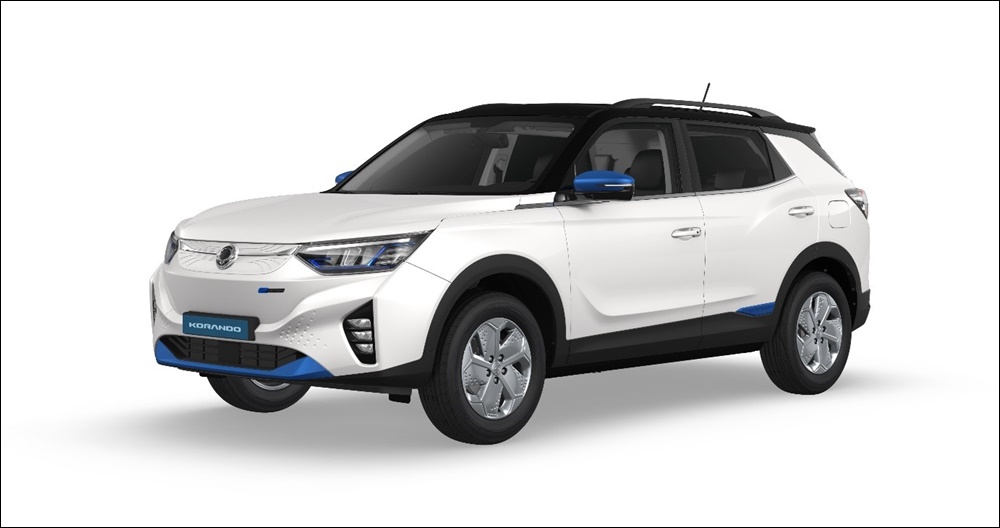
The first tangible result is the announcement of SsangYong’s first electric vehicle; developed under the project name of ‘E100’, the Korando e-Motion (shown above) went into full-scale production last Monday, June 14. This is the first mid-sized electric SUV in Korea and its name was the result of a competition run within the company. Brand experts who were consulted expect the name to work well in overseas markets.

Due to restricted supplies of semi-conductors, affecting all manufacturers, the Korando e-Motion is scheduled to be shipped in August for sale in Europe and the UK later in the year. Launch plans for the domestic market will be announced as soon as the availability of semi-conductors becomes clearer.

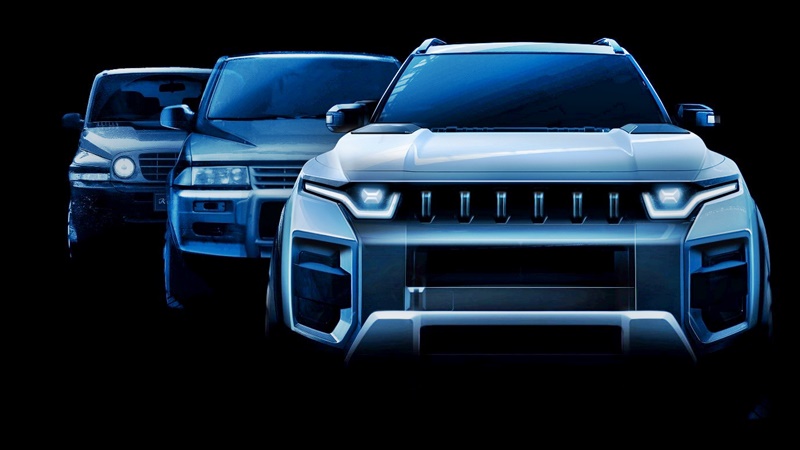
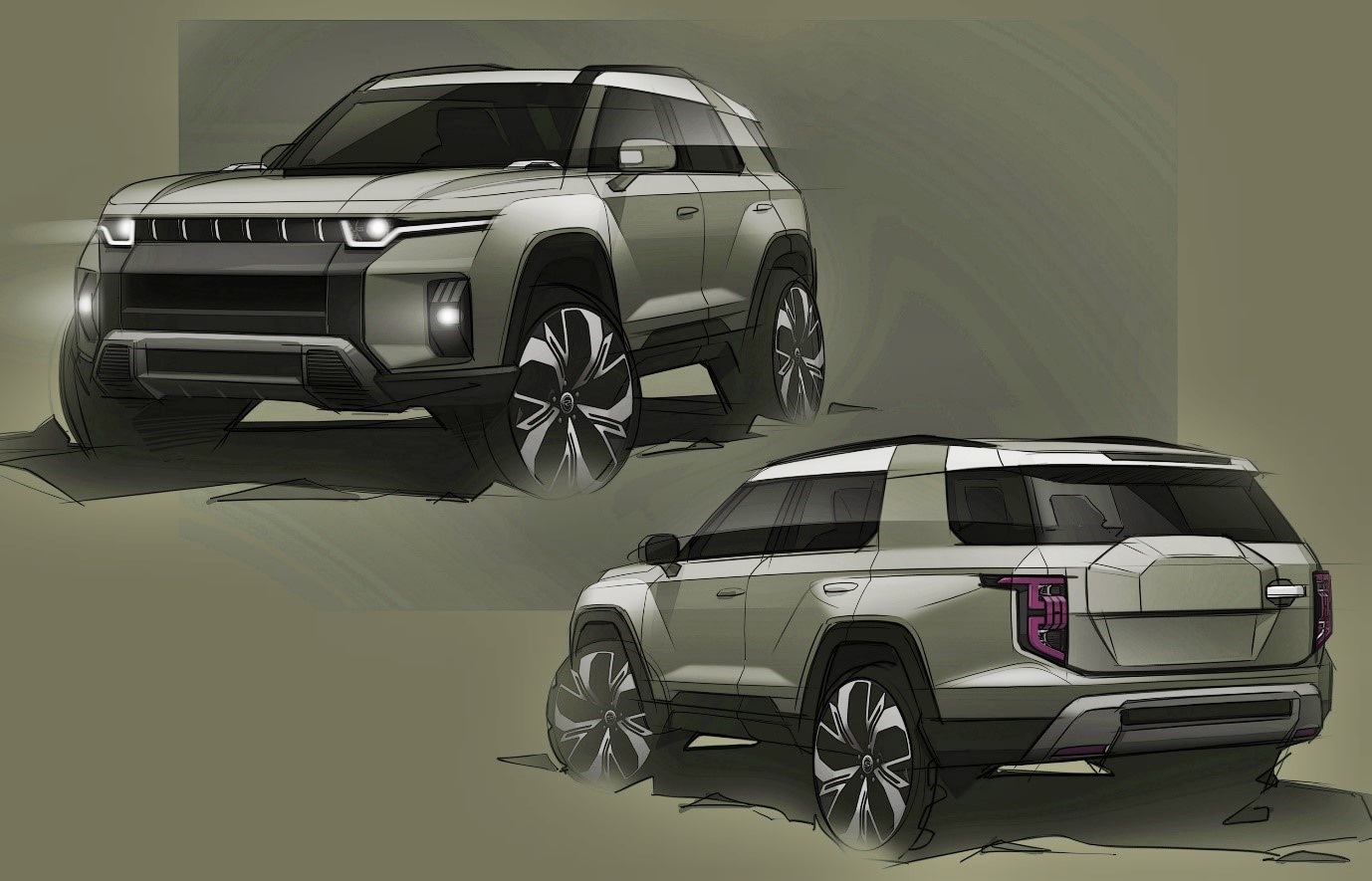
The company has also announced that it is accelerating the development of its next EV, a medium-sized SUV under the project name ‘J100’, This model (shown in concept for in the sketches above) will be launched in 2022. SsangYong has long been associated with SUVs and it promises to offer a ‘modern, authentic SUV’.

SsangYong Motor is bankrupt – again

Even after you recover from COVID-19 infection, your quality of life may be affected and you will still suffer for a long period after that. Avoid being infected by taking the necessary measures to protect yourself as well as others – and get vaccinated.


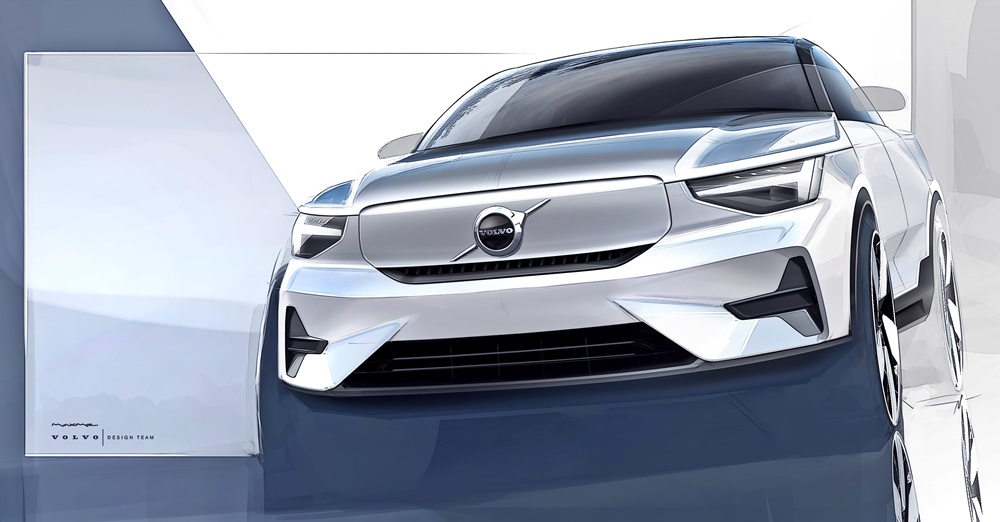
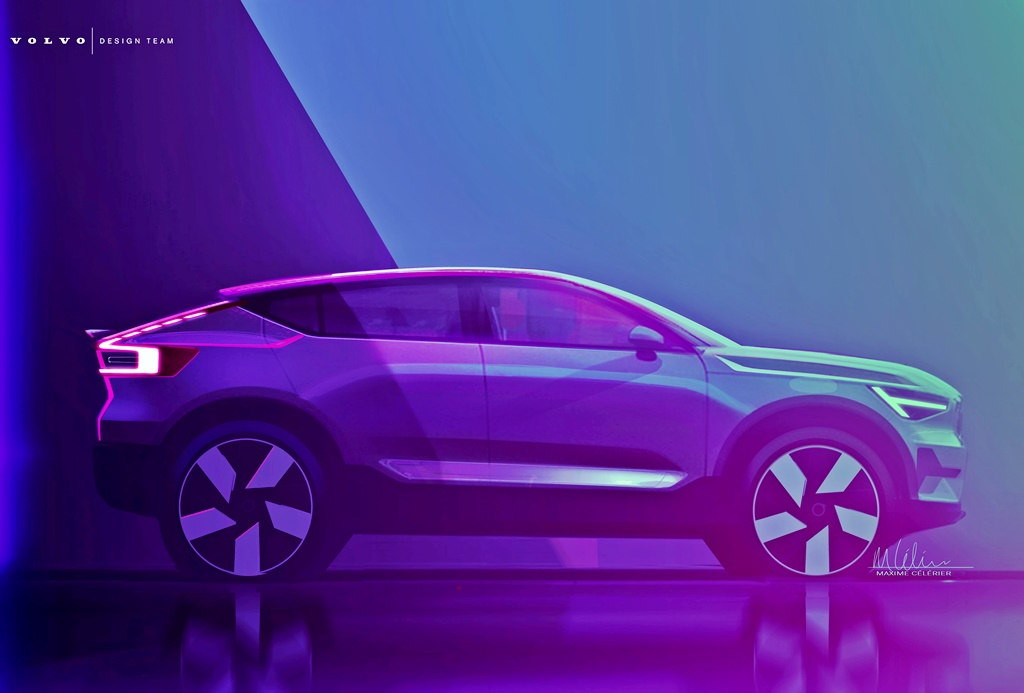
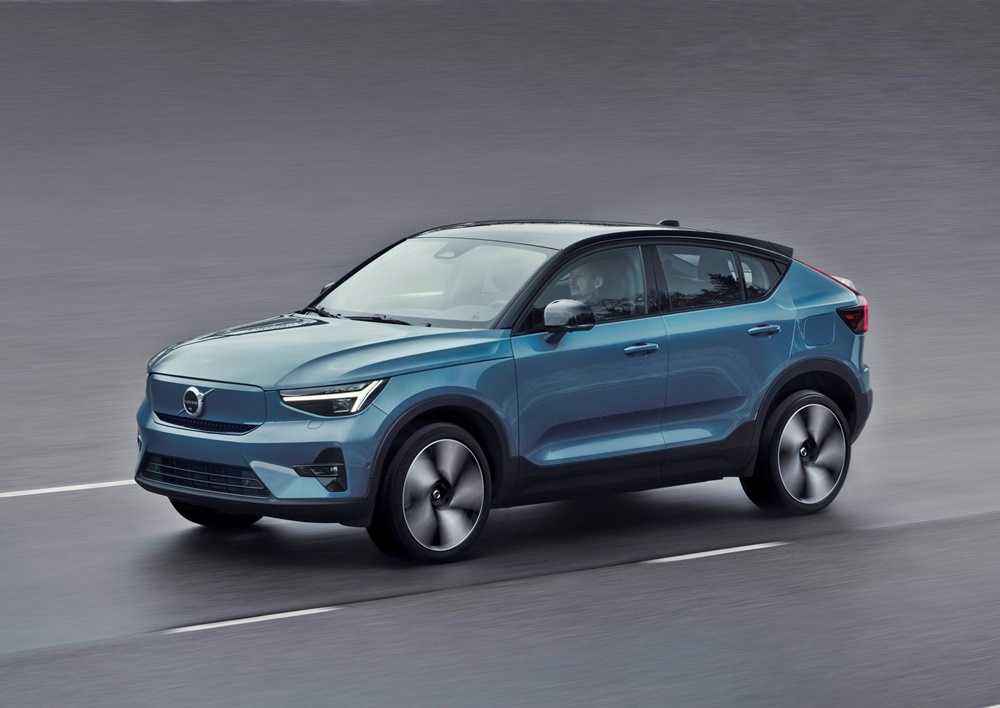
Electrically-powered cars are not new to Volvo but the new C40 Recharge will be the first such vehicle that the public can buy. It’s the first Volvo model in history designed as pure electric only, spearheading the future of the Swedish brand. Its SUV elements and benefits combined with a lower profile means that Volvo Cars also enters a new segment – and it does so with cutting-edge design and features not previously seen on Volvo cars.

“The C40 is a car that symbolises electrification and delivers on it,” said Robin Page, head of design at Volvo Cars. “It has the personality of the XC40, which proved to be attractive to many, but it’s dialled up even more through its dynamic expression and sleek profile. It’s a really attractive product for people who are looking for the easy-to-live-with aspects of an SUV with more of a modern statement.”

Though it seems like a variation of the XC40, it is actually much more that than (apart from the fact that it has an electric powertrain), adopting only the fundamental building blocks of the XC40. Similar to the birth of the XC40, the C40 started as a spontaneous sketch by one of the designers in the team. It was Yury Zamkavenka’s sketch which ‘hit the ground running from the initial idea’, according to T. Jon Mayer, Head of Exterior Design.

2021 Volvo C40 Recharge

“That doesn’t happen very frequently. When it does, it’s always some of the more characterful ideas that flourish, because it’s such a pure statement from that first sketch,” Mayer explained, adding that the uniqueness of the car – its commanding seating position combined with a streamlined form – becomes very clear when it’s on the road next to other cars.

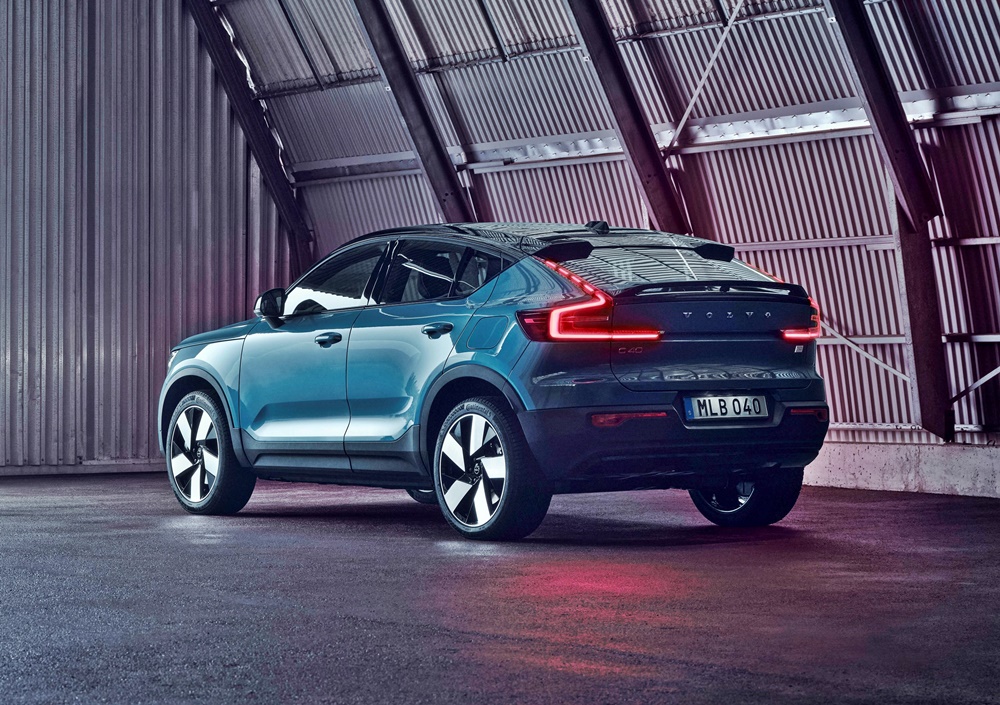
“One of my favourite views of the car is the rear seven-eighths, which gives you a view of the side and the coupé line profile,” he said. “You see the SUV elements as it sits on these really big wheels, and it’s this tough little character but with a very sleek approach to the roof. It’s built upon the solidity of the XC40, but in a more dynamic way. These combinations give it a totally different expression, while still carrying on our DNA.”

2021 Volvo C40 Recharge

Breaking new ground
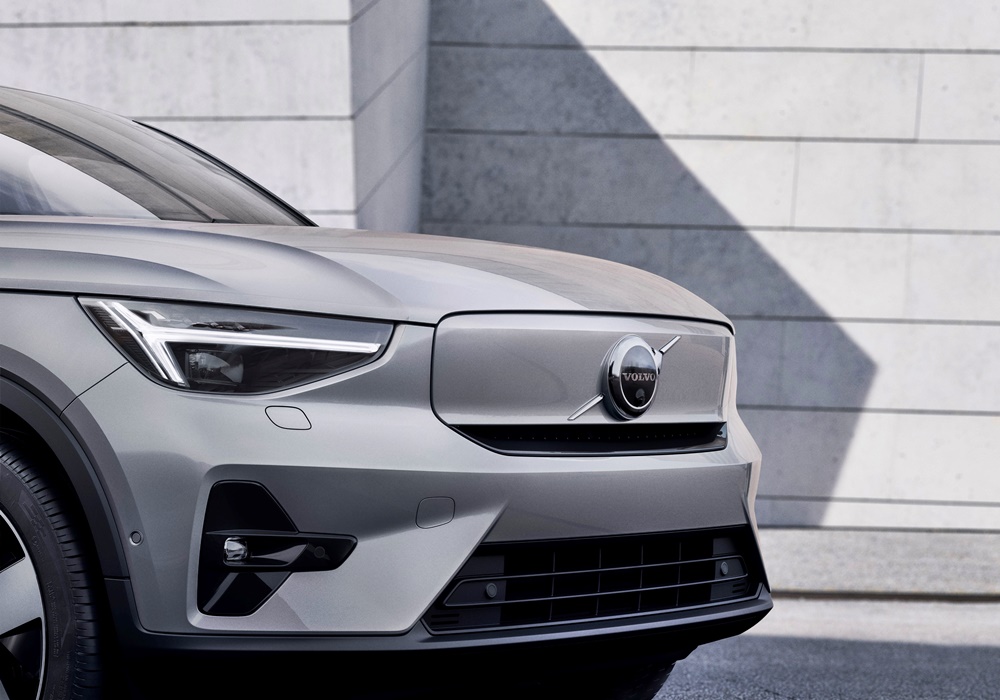
The idea of breaking new ground with something familiar is mirrored in individual details. For example, the signature Thor’s Hammer headlights are augmented with new pixel LEDs, which automatically adjust to light conditions and switch on and off independently to optimise the light pattern. The equally emblematic vertical rear lights are segmented, providing a testament to the engineering challenge of extending one big lamp along the roofline, while also creating a modern take on a classic design.

2021 Volvo C40 Recharge

The DNA is distinguished by a Scandinavian approach in the form language: sections are shaved and carved out of the solid form, creating a sense of purity and refinement; an understated confidence. “It communicates a solidity, which can also link to a feeling of safety,” Mayer said. “Subconsciously, this is a powerful beast that’s protective, yet we sculpt it in a way to make it as lightweight and efficient as possible.”

2021 Volvo C40 Recharge
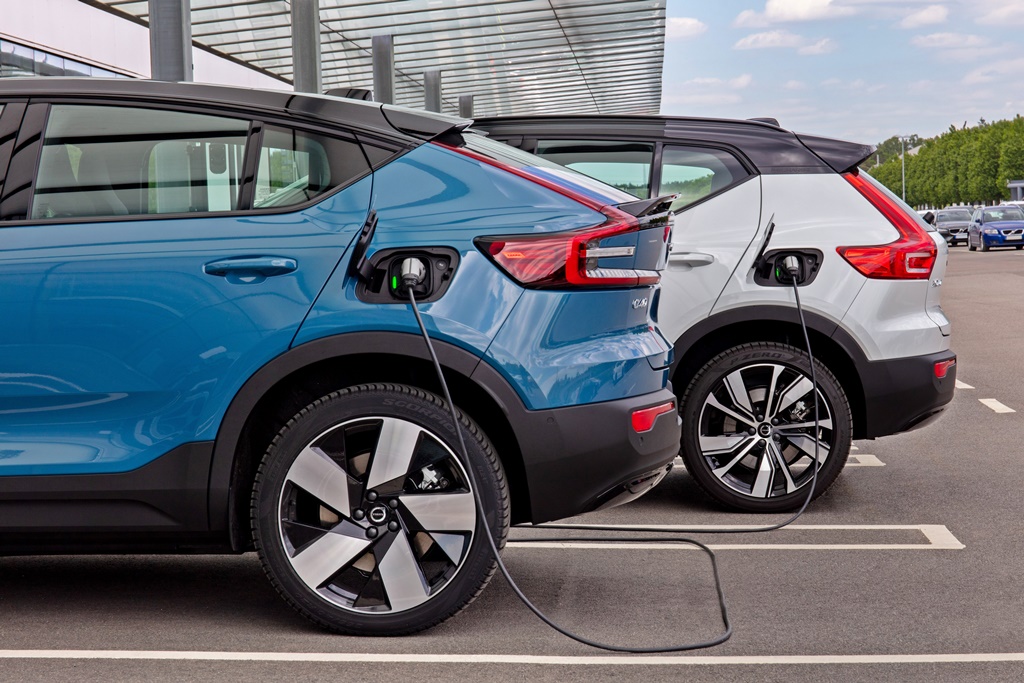
Rear ends of C40 Recharge (blue car) and XC40 (silver car).

Nature and light
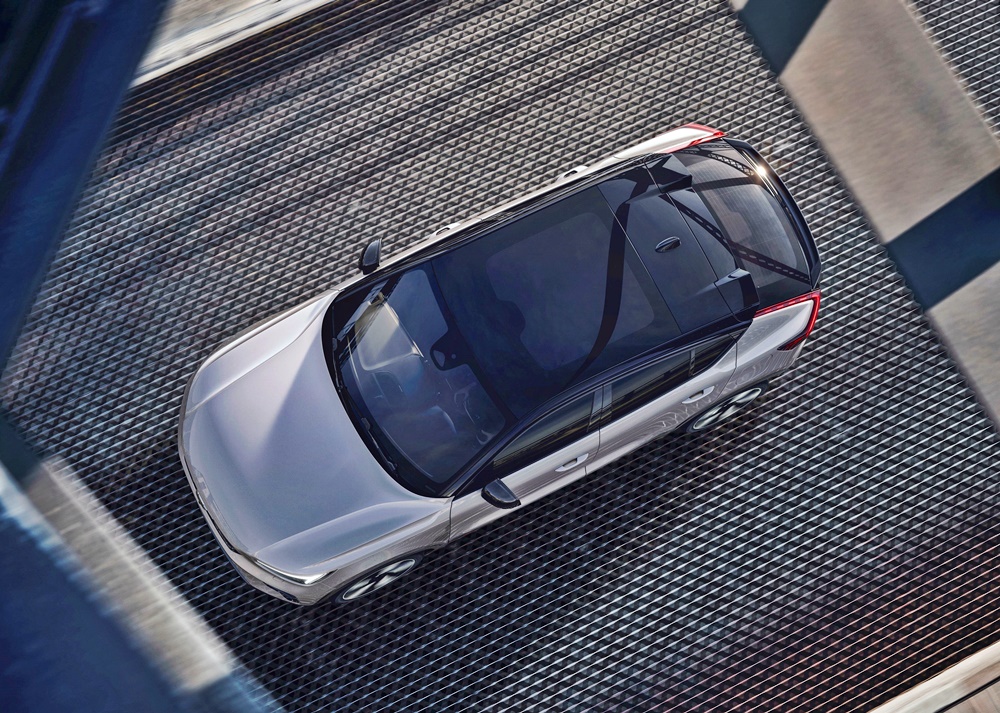
Using these design principles – as well as inspiration from the Scandinavian landscapes with their quiet atmospheres, light and freedom of space – the confidence of the exterior design is tied together with an interior design characterised by the calming effects of nature. There’s the large, panoramic glass roof that enhances the airiness of the cabin, making the most out of short winter days, while blurring the line between outside and inside during bright summer nights.

“In Sweden, it’s dark and grey most of the year – but when the sun shines, the colours come to life much more vibrantly than anywhere else,” said Lisa Reeves, Head of Interior Design. “The grass looks greener, the sea looks bluer. You see this reflected in the architecture here: houses have a lot of glass, designed to really let in the light and the open floor plans spread the light within the house. Light and nature are strong parts of the culture and are important themes for the C40 interior.”

2021 Volvo C40 Recharge

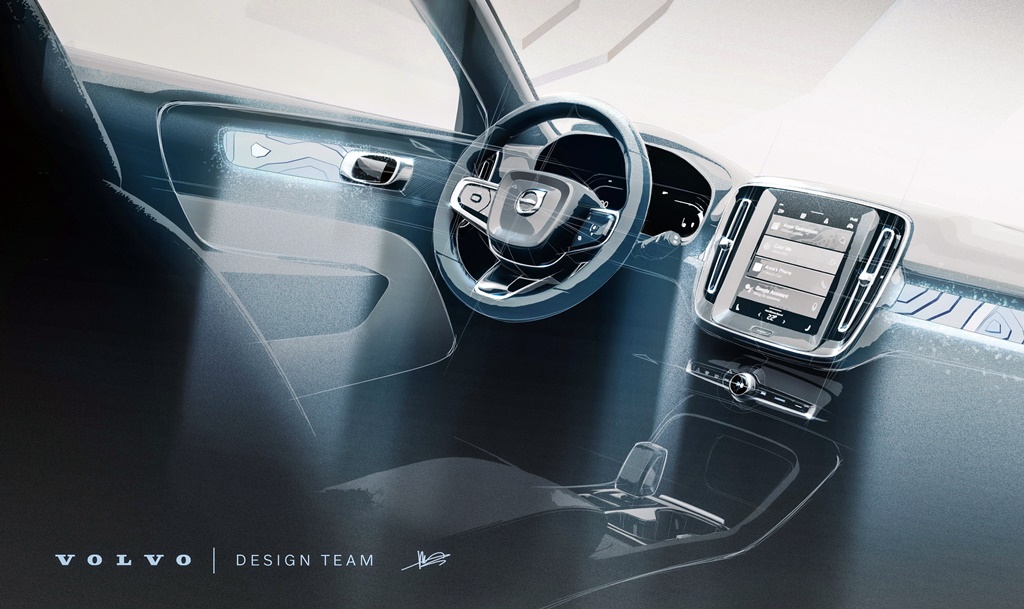
The Fjord Blue colour, inspired by the deep inlets on the Scandinavian west coast, flows from the exterior and creates a continuation inside by colouring the large swathes of carpet that extends up from the floor to the sides of the tunnel console and the front doors. This provides a foundation for the backlit translucent graphics on the dashboard and front door panels, which are a nod to the dramatic, yet serene mountain sceneries in Sweden’s Abisko national park.

“We traced the topography of the park and used the contours to create an abstract digitalised design with a layered pattern,” explained Rekha Meena, Senior Design Manager, colour and material. “When the light from LED lamps comes through across the surface, it creates this really nice, atmospheric three-dimensional effect.”

Sustainable materials
Hand-in-hand with nature as a source of inspiration is the high amount of sustainable materials used for the interior. The topography trim panels are partly made of recycled plastic, while the carpet is made of 100 per cent recycled PET plastic bottles. The C40 offers Volvo Cars’ first leather-free interior, with one upholstery option containing naturally renewable wool fibres, and a second option using a combination of suede textile (also made of recycled plastic) and micro-tech material.

The layout of the interior gives a sense of organisation and thoughtfulness, where functionality is key. The C40 repeats the XC40’s ‘uncluttering’ approach, providing smart and thoughtful ways to store all important belongings within arm’s length. Minimalism is an overarching theme, which becomes even more evident when looking at the instrument panel.

2021 Volvo C40 Recharge

Symbolism and function
Using renewable and recycled material is one part of the sustainability equation, and the car being fully electric is another. But to really get the message of electrification across, the C40 needs to look the part as well, and it does so with features that blend symbolism and function together.

The new wheel design, influenced by the Volvo 360c concept car from 2018, helps with aerodynamics while creating a dynamic look fitting the driveline; the rear spoiler both characterises and supports downforce on the car; and the roofline boosts aerodynamic efficiency, giving it a functional as well as a visual relationship to range. And then there are the elements where messaging slightly takes the upper hand, like the closed grill and the contrast roof.

“To symbolise the electric car, the face is really important,” said Page. “Part of our design language is about honesty, and the reality is that we don’t need a large air intake for an electric car. This car originates from the XC40 – which does have a grill – so it’s not a case where we can just ignore that and do a super low, fully moulded front. And we wouldn’t want to do that on this car anyway, because the C40 has a characterful face. We achieved a good solution, with strong, pure graphical lines. Together with the contrast roof, which we’ll use to distinguish our 40 cluster electric cars, it’s one of the ingredients that communicates our journey towards full electrification.”

LOOKING BACK: The car that saved Volvo in the 1980s

Social distancing

Social distance

StayAtHome

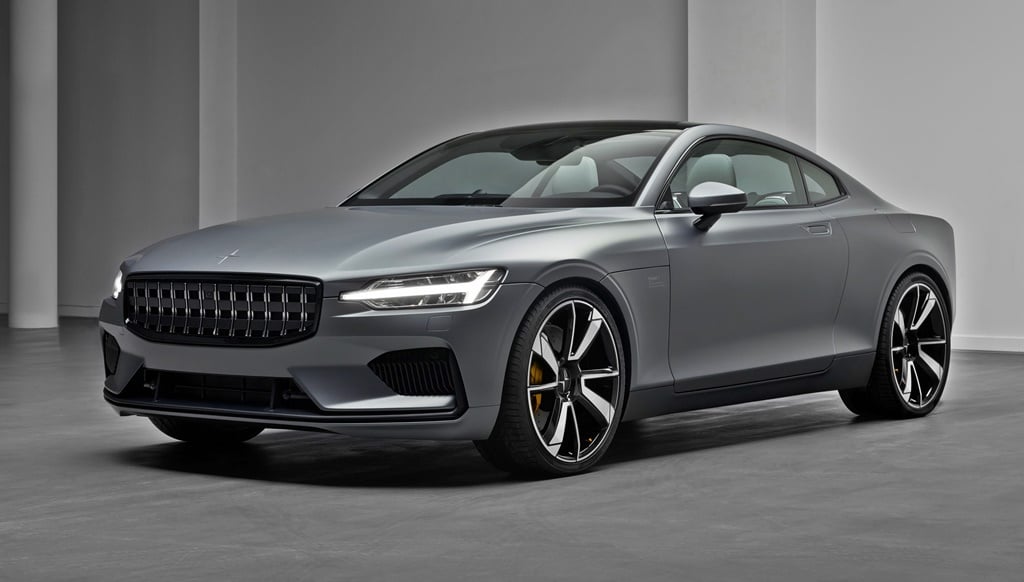
Polestar, the company created as a joint venture between Volvo and Geely Holdings, is known for exploring new ways of operating in the car industry. For example, rather than following the decades-old way of selling cars via a network of dealerships, it is connecting directly to the customer with a digital sales model through its website or via an app.

Its latest idea is a first-of-its-kind initiative which allows artists and collectors to trade art for a Polestar 1, a low-volume model which will have production coming to an end later in 2021. It’s not known exactly how many cars have been built at the factory in China although the company did mention, in 2019, that its production run would be 500 cars a year over a 3-year period.

The halo electric performance hybrid has a price of 155,000 euros (about RM777,720) and Polestar will consider all forms of art, including paintings, sculptures, photography, installations and more. It is Polestar’s intention to, after a period of ownership, sell the art, either via the above auction houses or through the dealers that represent the artists. So the items are not going to end up permanently on display at the company’s headquarters or CEO’s office.

“I love the idea of letting artists and collectors buy a Polestar 1 with art – it is such a special car and we wanted to find a unique way of celebrating it before its production reaches an end. It is hand-made, precious and tangible, much like a piece of art,”  said Thomas Ingenlath, CEO of Polestar.

Polestar 1 Special Edition 2021

Polestar’s initiative comes amidst a recent art boom with new ways of trading art emerging, from non-fungible tokens (NFTs) to a pair of Kanye West-designed shoes selling for US$1.8 million at a recent auction – as well as auction prices for classic and contemporary art recently soaring.

“Historically, many significant art transactions have taken place outside of what we today associate with the art market,” explained Theodor Dalenson, a leading private art advisor who serves as Polestar’s advisor on this initiative. “Going back several hundred years in time, art trading mainly took place between artists and patrons. Painters like Picasso were known to trade sketches for restaurant meals. Polestar’s initiative is essentially a very natural extension of the tradition of art being used as payment for precious goods.”

Incoming proposals will be reviewed by Dalenson and, if deemed relevant, receive a valuation estimate by the two largest auction houses: Sotheby’s and Philips.

The scheme began on June 10, 2021, and will be on until August 15, 2021 in Europe and North America.

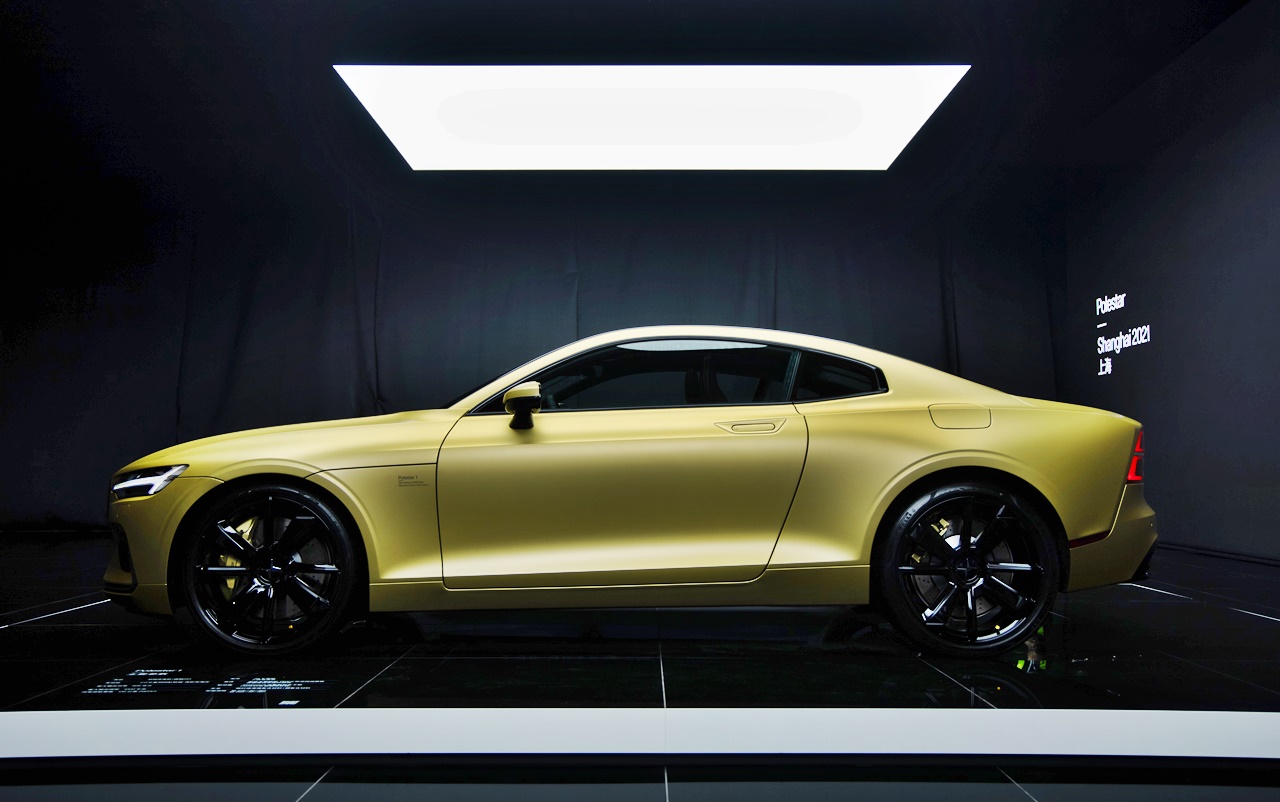
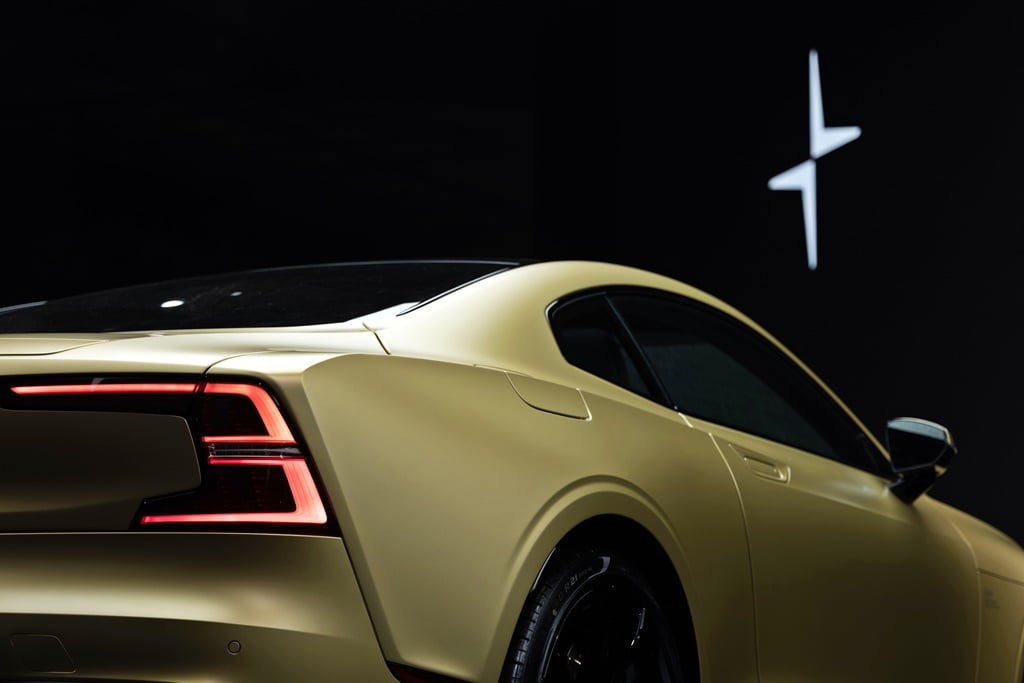
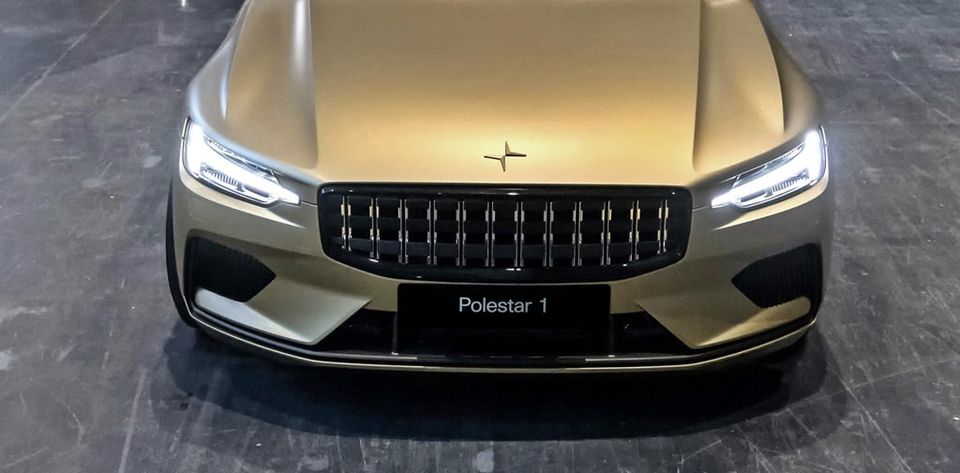
In April 2021, a special edition Polestar 1 (above) was revealed at the Shanghai auto show, featuring a bespoke matte gold exterior paint job with matching brake calipers and black wheels. Inside, colour-matched gold stitching gives the interior an even more unique feel. A maximum of 25 will be built and a handful will be eligible for this initiative.

Croatia, a country across the Adriatic Sea from Italy, is not a particularly large country. Its population of 4.13 million is less than Singapore’s 5 million+ and annual sales volume has been around 63,000 units (apart from last year when new vehicle sales contracted worldwide due to the pandemic). It has a fairly active auto industry with many factories producing autoparts for export as well as a few domestic carmakers.

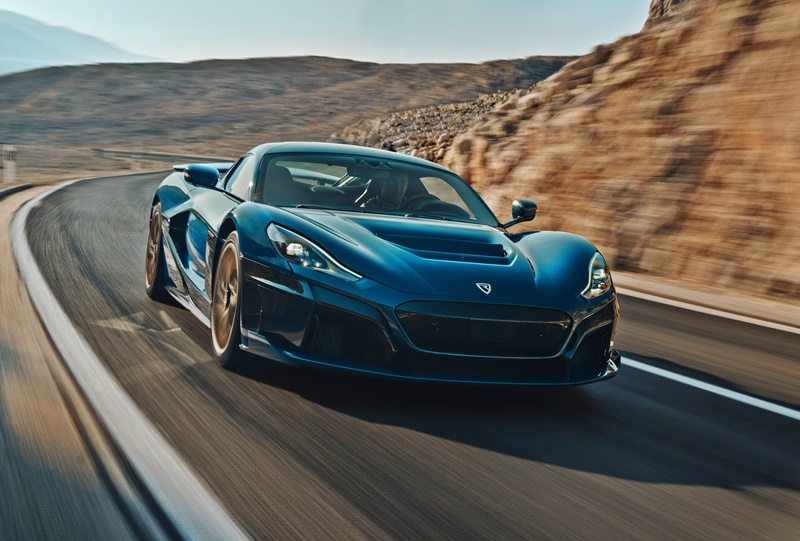
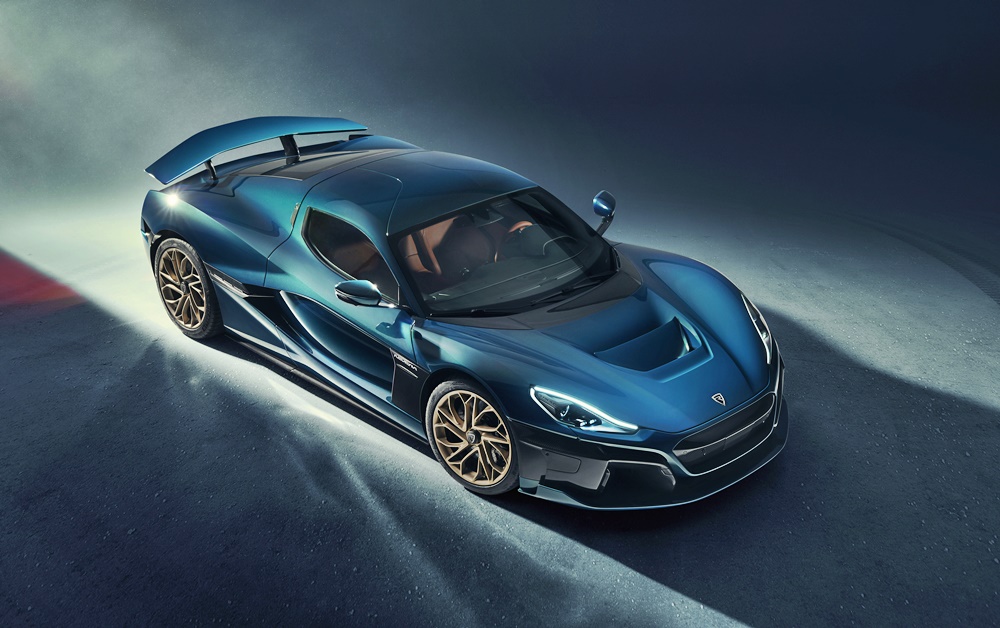
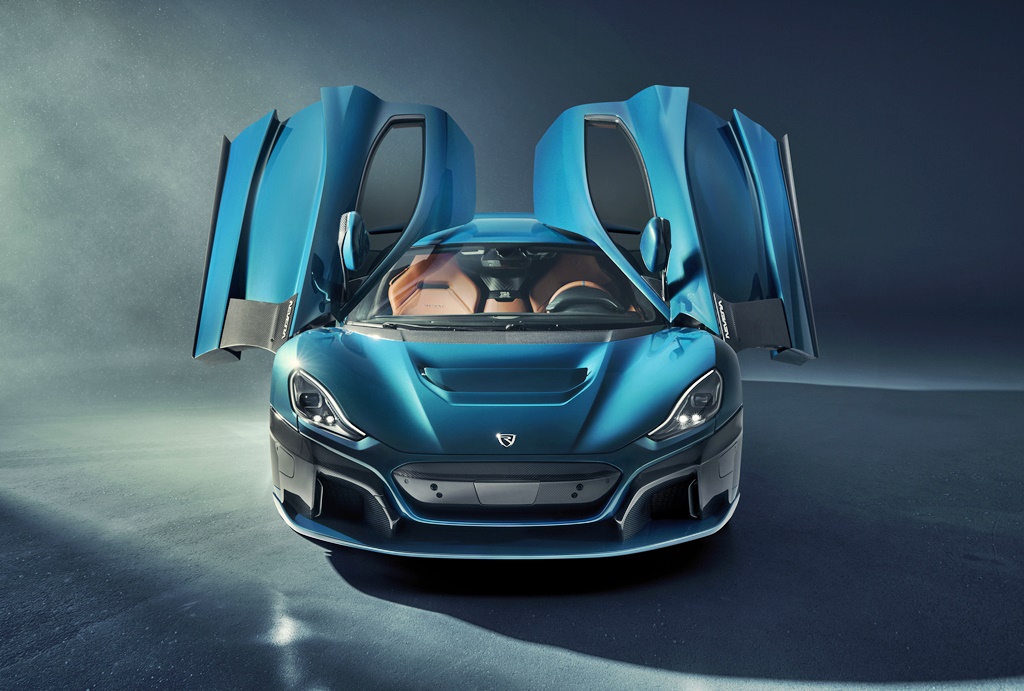
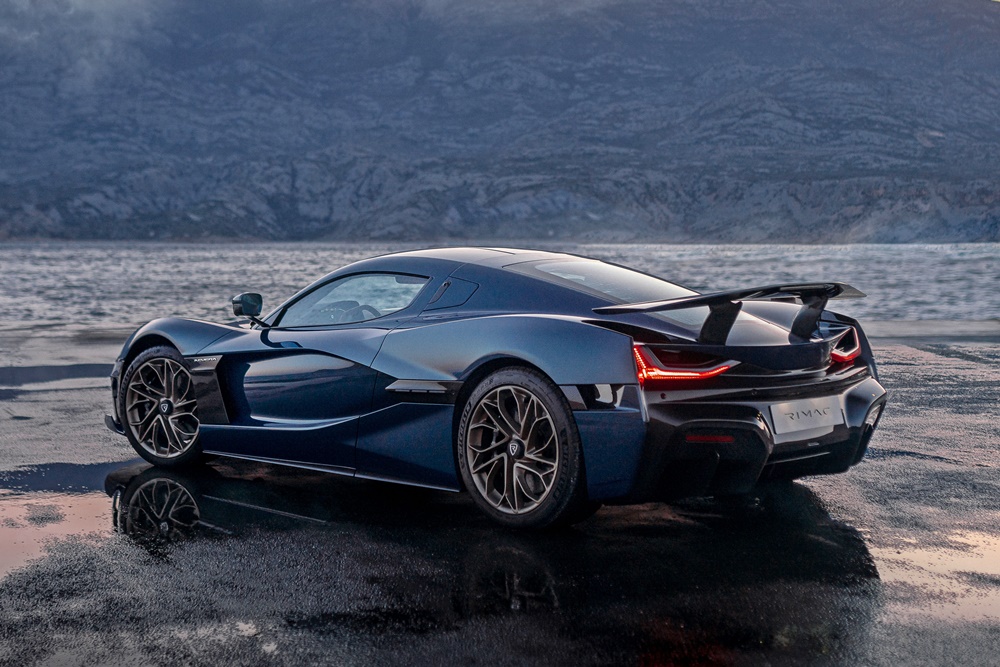
Notable among these is 11-year old Rimac Automobil, an ambitious carmaker which specialises in high-performance electric cars. Its earlier Concept One gained global exposure as an official track car during the first season of the all-electric Formula E championship in 2014. Since then, the company has continued to develop models with new technology and its latest is the Nevera hypercar. The Nevera is the production-ready iteration of the Rimac C_Two concept car, which was revealed at the International Geneva Motor Show in 2018. Since then, Rimac’s engineers have refined their new flagship through an extensive development program.

2021 Rimac Nevera hypercar

A 10-year ‘impossible’ journey 
“This is it. This is the car I had in mind when I embarked on the ‘impossible’ journey ten years ago. All our hard work has resulted in the Nevera – our record-breaking hypercar. This car was born to outperform, and to raise the bar, redefining the norm for performance cars. And not only in performance – but as an all-around package,” said Mate Rimac, founder and CEO of the company.

“The Nevera proves what is possible when there are no restraints placed on technology, development, or ambition. We have now unveiled a car that pushes the hypercar market to a higher level, we have utilized the full potential of the electric powertrain today, proving what we’ve always been saying – that electric hypercar, in the form of the Nevera, is beyond exciting, and that is as thrilling on the track, as it is crossing continents,” he said.

2021 Rimac Nevera hypercar

Signature ‘cravat’ feature
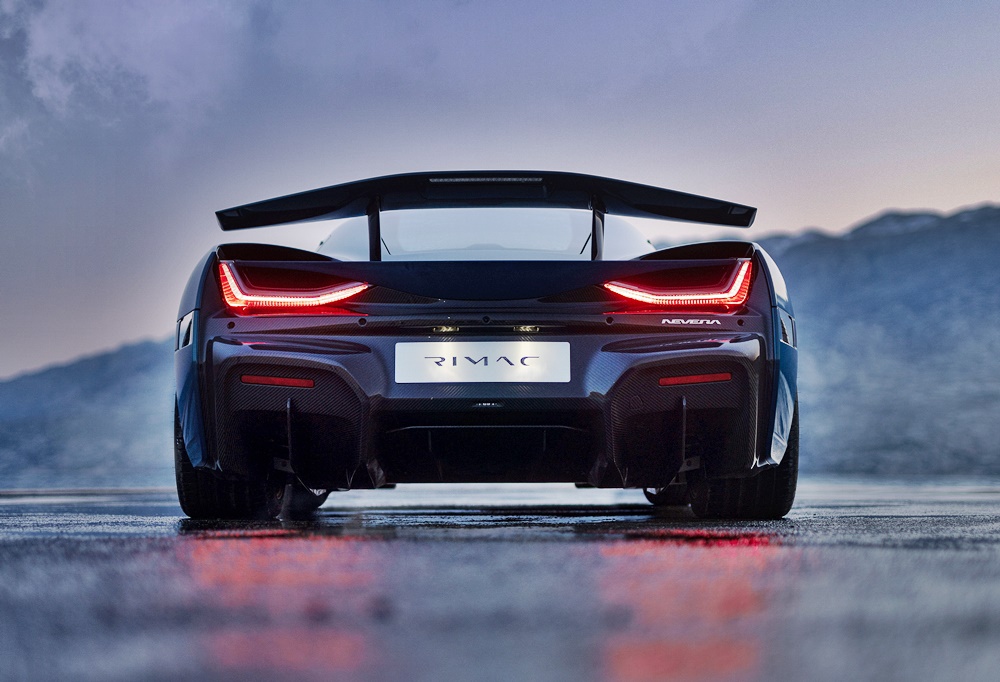
Rimac favours lean and effective engineering at every stage, and that philosophy is exemplified in the form-follows-function nature of the Nevera’s design. It is applied to every single detail, including the car’s signature ‘cravat’ feature, which is incorporated into its flanks. It is functional too, serving as an air intake for the rear cooling systems.

As the design evolved, many changes were made to the Nevera’s bodywork; for example, the redesigned air diffusers and intakes deliver a 34% improvement in aerodynamic efficiency over the early prototypes. The profile of the bonnet, the shape of the pillars and the design of the diffusers, splitters and radiators have all been intensively analysed and refined to improve airflow and downforce. Inlets and cooling channels have been painstakingly developed to increase the cooling efficiency of both the brake and powertrain systems, resulting in a 30% improvement at low speeds and a 7% enhancement at high speeds.

2021 Rimac Nevera hypercar

Rimac has also created many new innovative active aerodynamic elements for better cooling, performance, stability, and efficiency. The front bonnet profile, underbody flap, rear diffuser and rear wing can each move independently, driven by complex algorithms that provided the optimum aerodynamic configuration for every driving situation. Switching from ‘high downforce’ to ‘low drag’ mode reduces aerodynamic drag by 17.5% to create a drag value of 0.3 Cd. Changing back into ‘high downforce’ mode increases downforce by 326%.

World’s most advanced monocoque construction
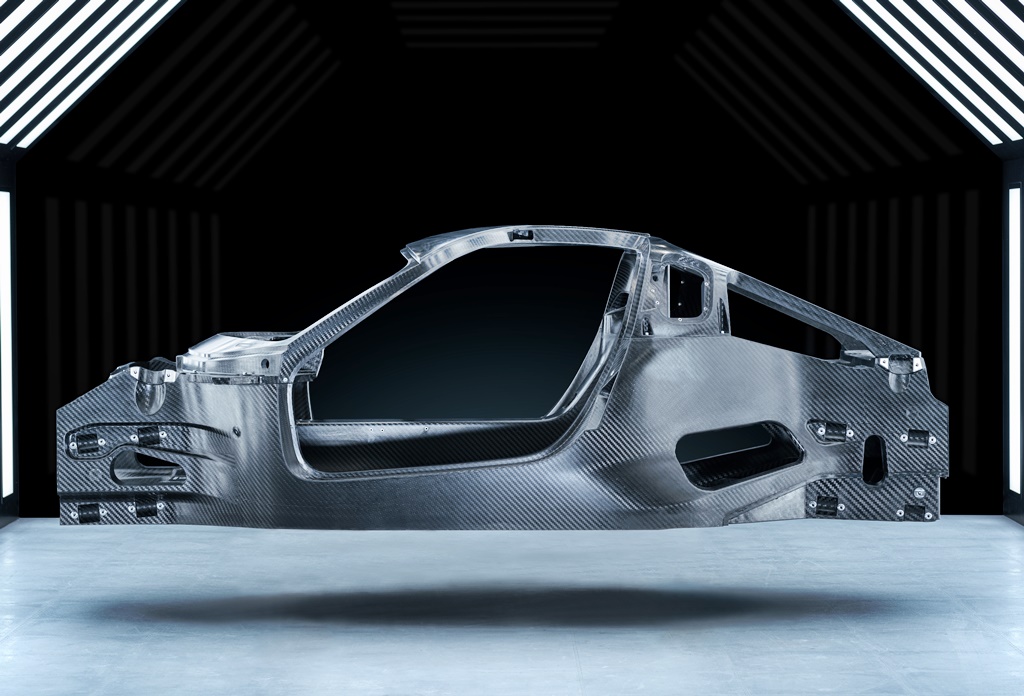
The hypercar’s groundbreaking monocoque incorporates a bonded carbonfibre roof, integrated structural battery pack and rear carbonfibre subframe. This is believed to be the largest single carbonfibre piece in the entire automotive industry. Weighing less than 200 kgs and utilising 2,200 carbon fibre plies with 222 aluminium inserts, the monocoque encases the car’s battery to form a compact yet incredibly strong structure.

2021 Rimac Nevera hypercar

Powertrain developed in-house
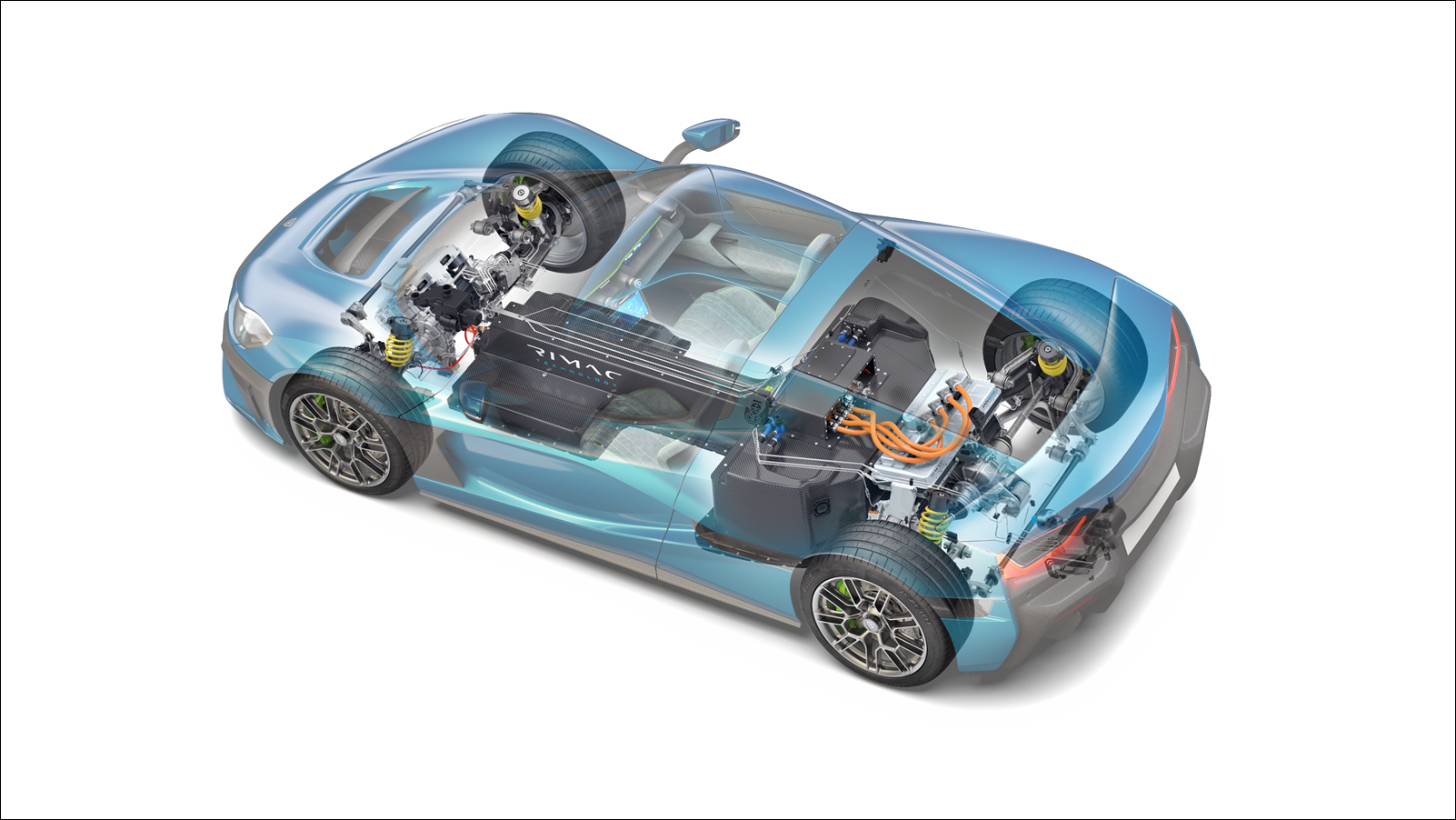
The key to the Nevera’s high performance is Rimac’s pioneering electric powertrain. The unique H-shaped, liquid-cooled, 120kWh, 6960-cell battery pack was designed from scratch by. Capable of producing 1.4MW of power, the lithium-manganese-nickel battery pack also forms an integral part of the car’s core, adding 37% structural stiffness to the carbonfibre monocoque.

The battery pack’s optimum positioning low and central within the car’s floor contributes to an ultra-low centre of gravity. This helps create an excellent 48:52 front/rear weight distribution and the best possible handling balance. High-power recharging can ‘refuel’ an empty battery pack to 80% in 19 minutes, it is claimed, and the range is 550 kms.

2021 Rimac Nevera hypercar

Four bespoke surface-mounted permanent magnet motors drive the four wheels individually. Together, they generate 1,914 hp and 2,360Nm of torque, which is triple the output of a ‘conventional–engined’ supercar. The front and rear wheels are each connected to a pair of single-speed gearboxes. The electric motors are 97% efficient and completely maintenance-free throughout their operating life. The Nevera is claimed to take 1.85 seconds from 0 to 60 mph (96 km/h) and if there is a road which is long enough – and no speedtraps – it should be able to reach a maximum speed of 412 km/h.

An experienced person will find the available driving modes useful for a more engaging drive. The SPORT mode sharpens the response of the throttle, brakes, suspension and steering, while DRIFT mode sends more torque to the rear wheels to accentuate oversteer and help hold the car in a controlled power slide on the track. In expert hands, TRACK mode sets the Nevera to full, unrestrained configuration to allow drivers to exploit the car’s full potential.

2021 Rimac Nevera hypercar

Minimalist design cabin
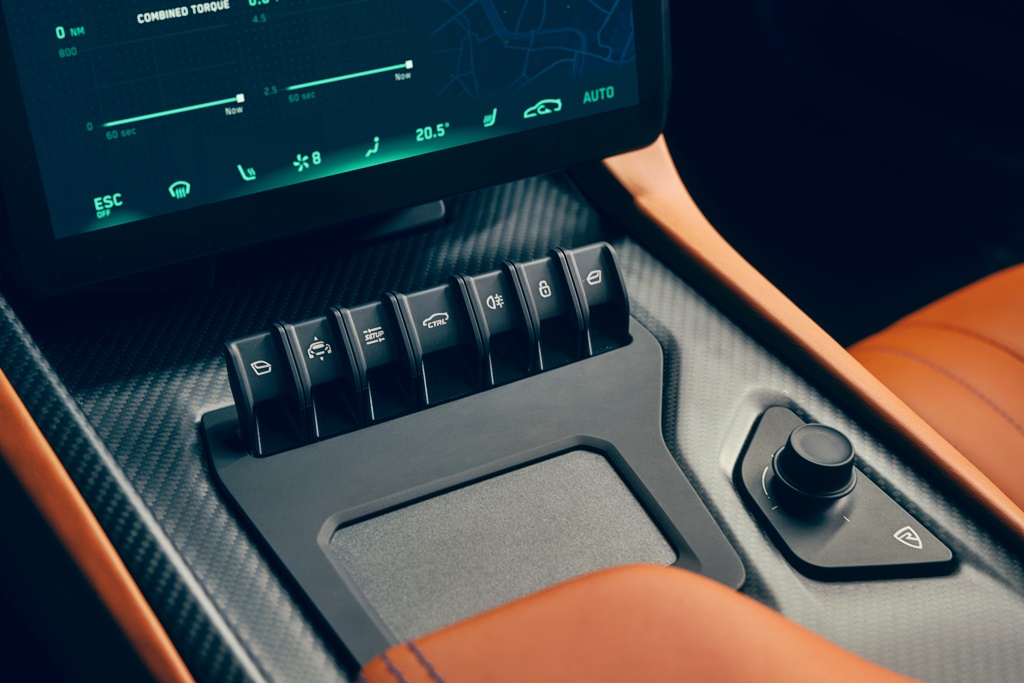
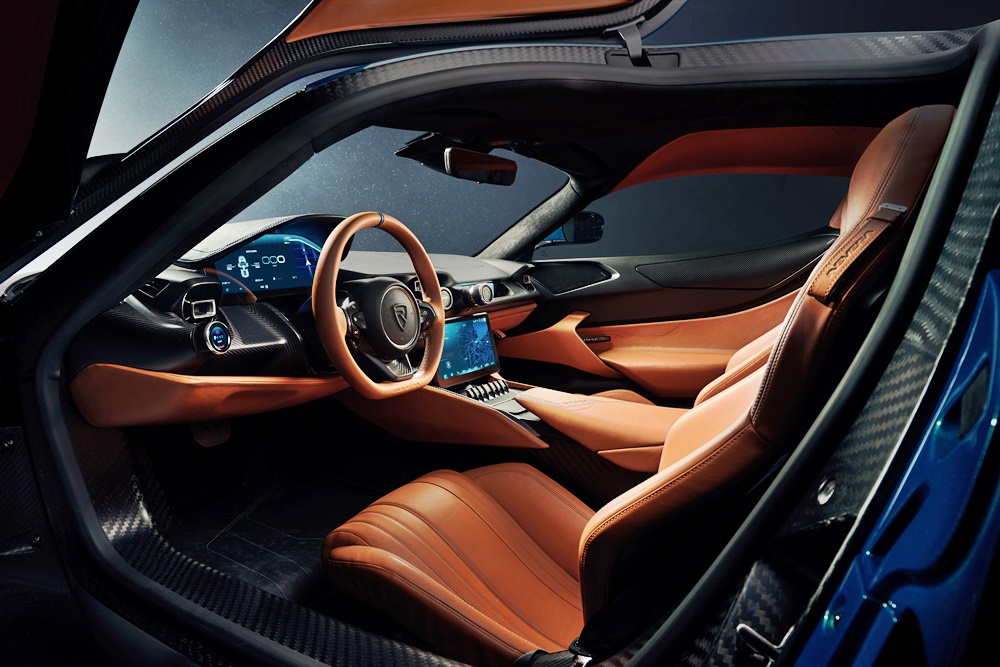
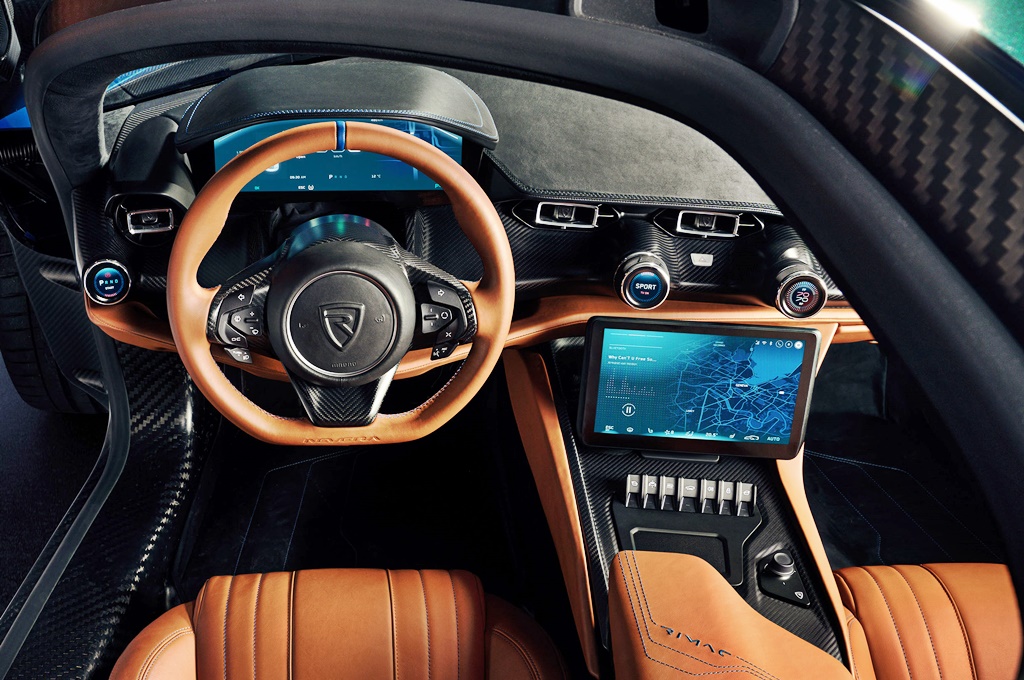
The Nevera is as much a capable grand tourer as it is a performance hypercar with space for two occupants and their luggage. Configured for both track driving and comfort, the layout of the cockpit is divided into two zones. Digital screens eliminate switchgear, with only essential tactile controls present, thereby freeing up space.

The cockpit features a trio of high-definition TFT screens, which present as much, or as little, information as the user requires. The focus of the top segment is entirely placed on driving pleasure and performance, while the lower part houses the infotainment system, comfort controls and driving data. From the cockpit, the driver can monitor every aspect of the car’s performance with real-time telemetry – downloadable to a laptop or smartphone for later review.

2021 Rimac Nevera hypercar

2021 Rimac Nevera hypercar

World’s first AI Driving Coach
To enable drivers to extract maximum performance and help them further develop their track driving skills, Rimac has developed the world’s first AI (Artificial Intelligence) Driver Coach. Using 12 ultrasonic sensors, 13 cameras, 6 radars, and the very latest NVIDIA Pegasus operating system, the Rimac Driving Coach adds an additional, immersive experience behind the wheel. The system overlays selected race circuits in real-time, offering clear and precise audio and visual guidance, to enable drivers to perfect their racing lines, braking and acceleration points and steering inputs.

Only 150 units will be available and no two Neveras will leave the factory looking the same or bearing the same specification. The customer will have the ability to choose from a comprehensive range of bespoke trims and material options. In addition to the company’s premium individual personalisation program, Rimac will offer its flagship in various editions: GT, Signature, Timeless or Bespoke. The price of a Nevera starts at 2 million euros (around RM10 million) but after all the personalisation, the final amount will obviously be more.

2021 Rimac Nevera hypercar

Aspark Owl – first Japanese electric hypercar – claims acceleration record

The petrol station of today has evolved through many decades from being just a small shack by the roadside with a fuel pump, to a spacious facility that not only sells fuel but also has a convenience store and motorists can have their cars washed as well. The layout of these facilities is pretty much standardised, apart from the buildings which may be more than mere blocks.

With the increasing number of electric vehicles – fully electric and plug-in hybrids – the role of the station will have to change and besides supplying fossil fuels, facilities for recharging will also be expected. However, because recharging at this time still takes a while, the concept of such facilities will need to be adapted.

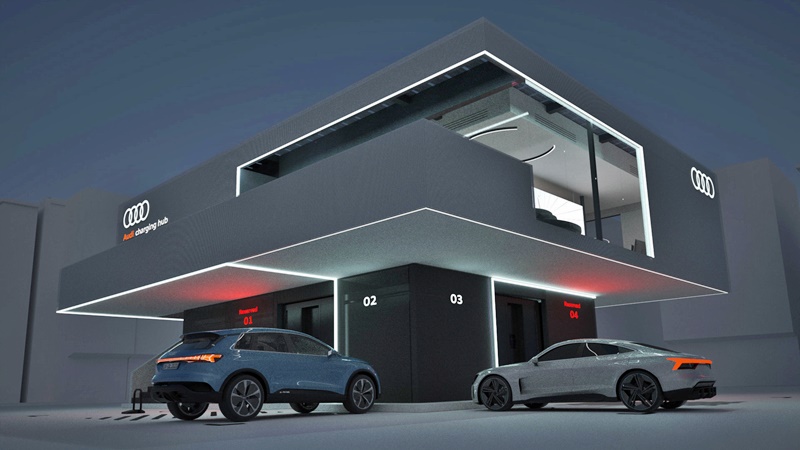
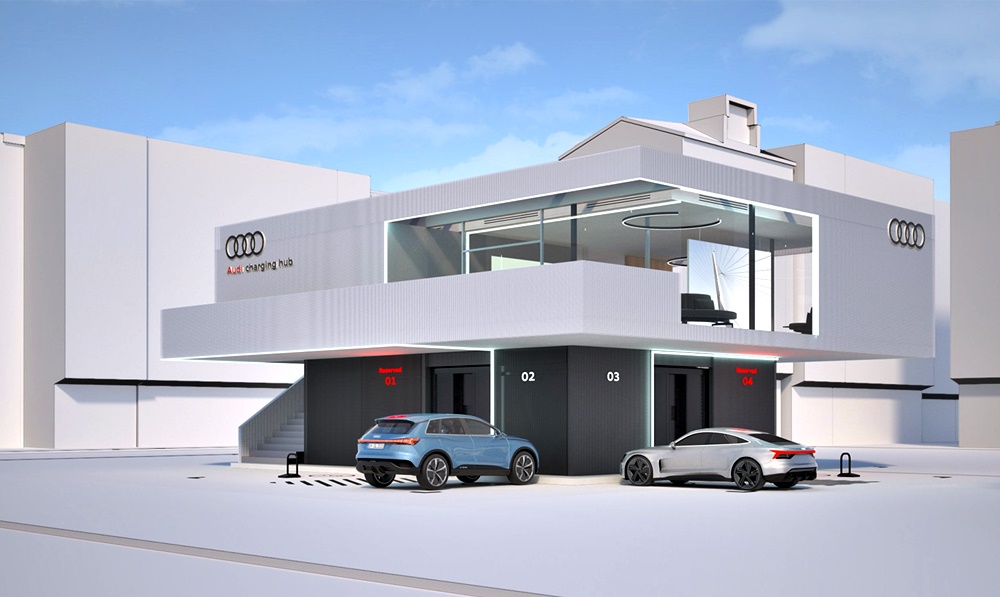
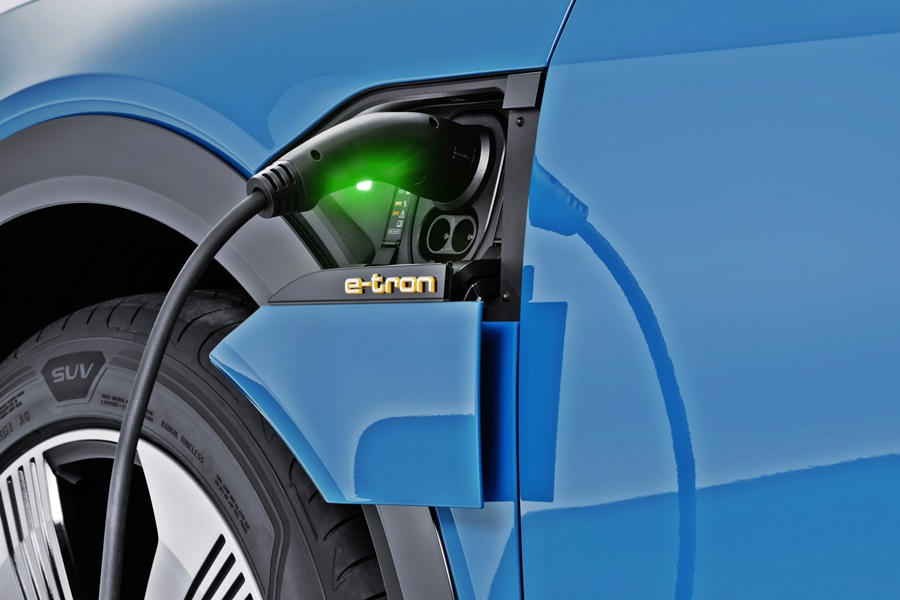
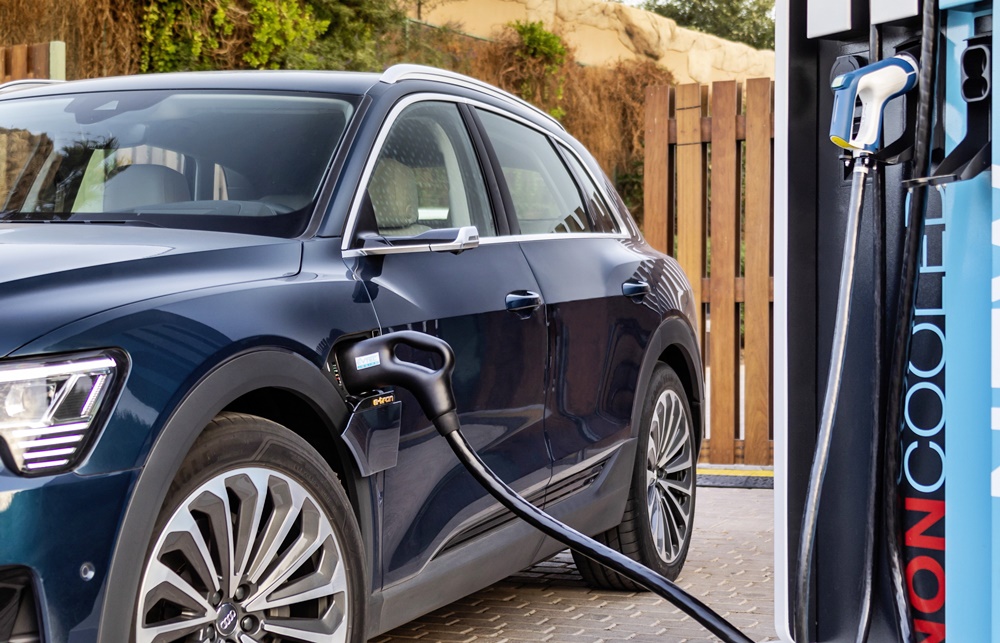
Audi Charging Hub EV

Pilot project with new concept
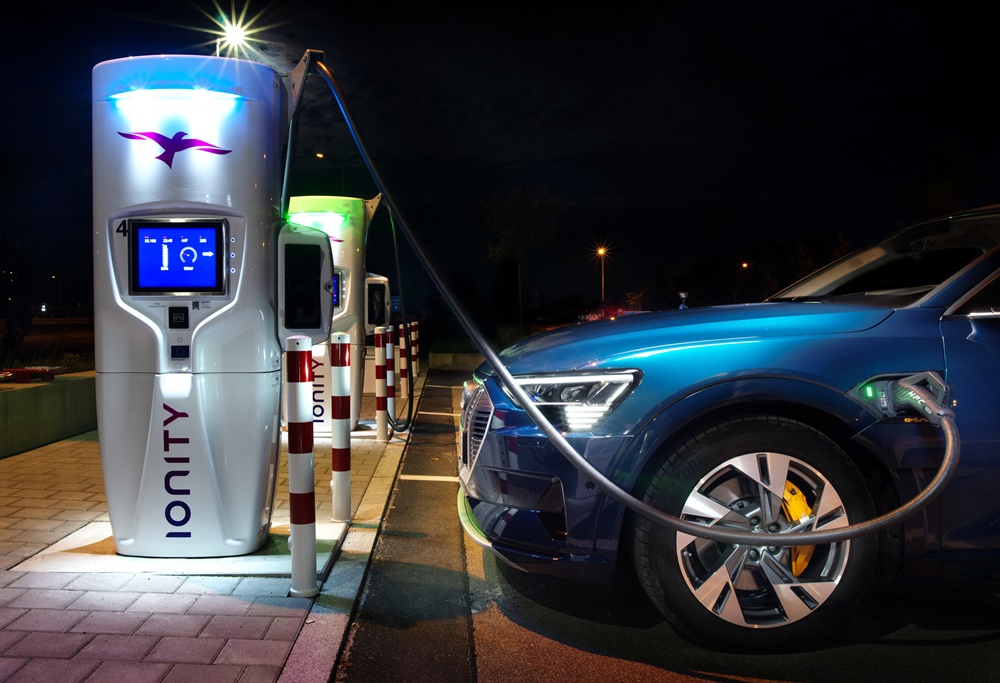
Audi, which plans to have a range of more than 20 fully electric models by 2025, is also looking at this aspect since the key to success of electrification greatly depends on the  charging infrastructure. The carmaker has come up with a concept which will be assessed in a pilot project in the second half of the year.

The concept is the Audi Charging Hub with high-power charging (HPC) stations that can be reserved in advance to provide a high level of planning security. A lounge area directly nearby will provide an attractive, premium place to pass the time.

Audi EV

Cubes form the foundation of the Audi Charging Hub and these flexible container cubes fulfil various technical requirements and house charging pillars as well as used lithium-ion battery packs for energy storage. The use of second-life modules from disassembled development vehicles doesn’t just give the battery cells a new, sustainable purpose – it also provides a great benefit in their suitability as ancillary storage for direct current. This makes complex infrastructure with high-voltage lines and expensive transformers unnecessary.

Thanks to this huge interim storage – roughly 2.45 Mwh – the 6 charging stations, which will have a charging output of up to 300 kW, only need a standard 400Vt high-voltage hook-up. That makes output starting at 11 kW per cube sufficient to be able to fill the three storage modules with a total capacity of 2.45 MWh continually and to charge them overnight.

Audi Charging Hub EV

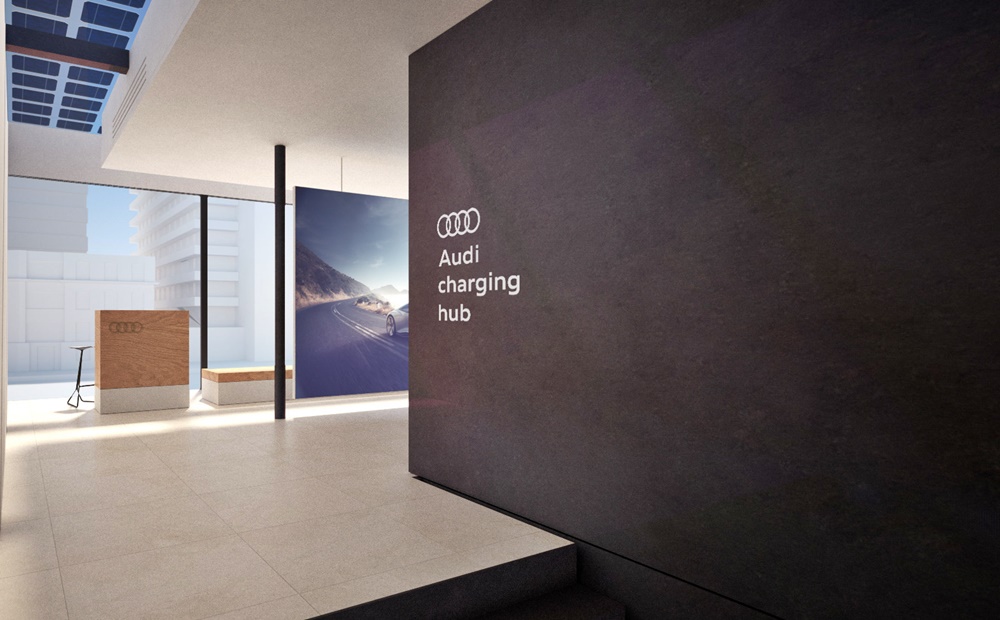
Premium lounge area
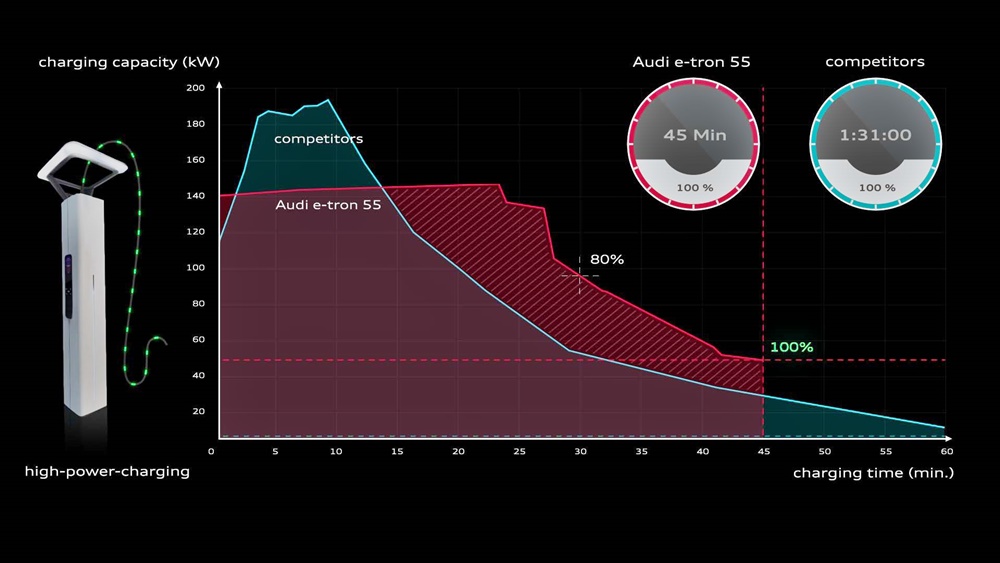
Different electric vehicle models will have different charging times for their battery packs. The latest Audi models take a little longer than a coffee break; the e-tron GT, for example, can be recharged with enough energy for up to 100 kms in about 5 minutes, with a charge from 5% to 80% taking roughly 23 minutes under ideal conditions. Audi customers need not stand around waiting as the pilot facility will have a lounge for them to relax in, with amenities commensurate with the premium image of the brand.

Photovoltaic modules on the roof will provide additional green energy. This not only makes it easier to selection possible locations, but it also reduces the planning time required and the costs while also saving resources. In addition, the modular concept provides maximum flexibility and scalability. The hub can be transported, installed and adapted to the individual location quickly, largely independent of local network capacities.

Audi e-tron EV

Audi

“The charging hub embodies our aspiration for the electric era and highlights Audi’s commitment to ‘Vorsprung durch Technik.’ A flexible high-performing HPC charging park like this does not require much from the local electricity grid and uses a sustainable battery concept. Our customers benefit in numerous ways: from the ability to make exclusive reservations, a lounge area and short waiting times, thanks to high-performance charging. This is consistent with the premium concept,” said  Oliver Hoffmann, Member of the Board for Technical Development of Audi AG.

Trials and practical test
The search for a location in Germany for Audi’s pilot project and talks with possible partners are currently underway. It is planned to go into operation in the second half of the year. The findings about day-to-day operations and customer acceptance generated from this will be decisive for further implementation of the concept.

Audi Charging Hub EV

“We are testing what the optimal technical solution is in a very realistic way. The focus in doing so is firmly on the needs of our customers,” said Hoffmann. ”The plan for the pilot phase also calls for drivers of other brand cars to be able to use charging stations that are open and not reserved as well as parts of the lounge.”

The approach being taken by Audi could be a practical way in the transition period as vehicles with combustion engines are gradually phased out (which will take some time). The Audi Charging Hub can complement the existing fuel station infrastructure and could be set up adjacent to an existing station, if the space is available.

Audi A6 e-tron concept (w/VIDEO)

StayAtHome

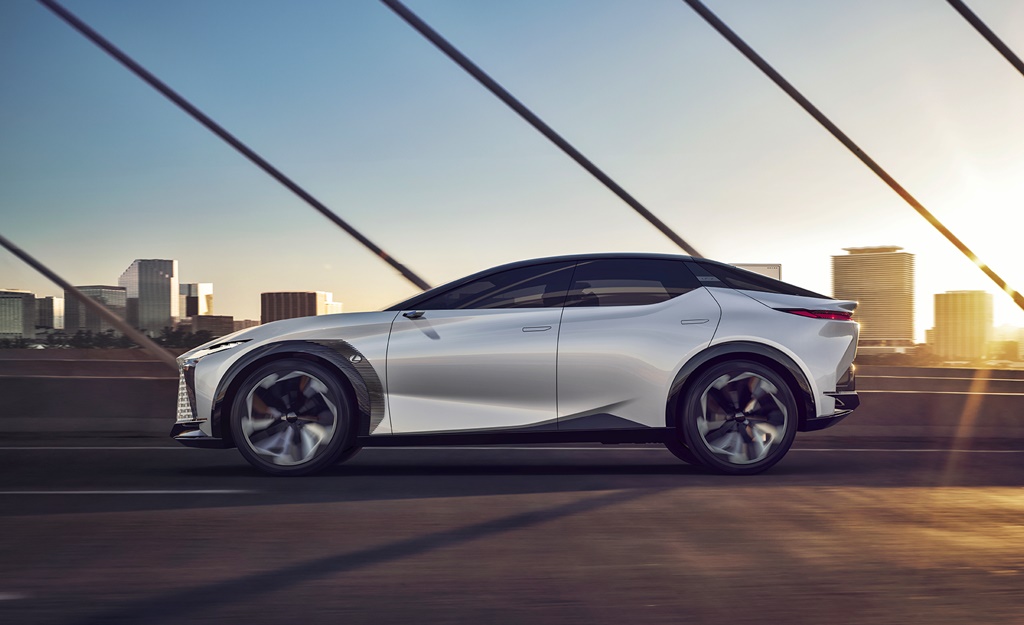
Lexus, like the Toyota brand, is headed along the electrification road and more fully electric models will be added to the range in coming years. This next chapter has been started by the LF-Z Electrified, concept vehicle which made its world debut at the end of March this year. While a model looking exactly like the LF-Z Electrified might not be in showrooms, the concept car suggests the direction of the evolution of Lexus styling.

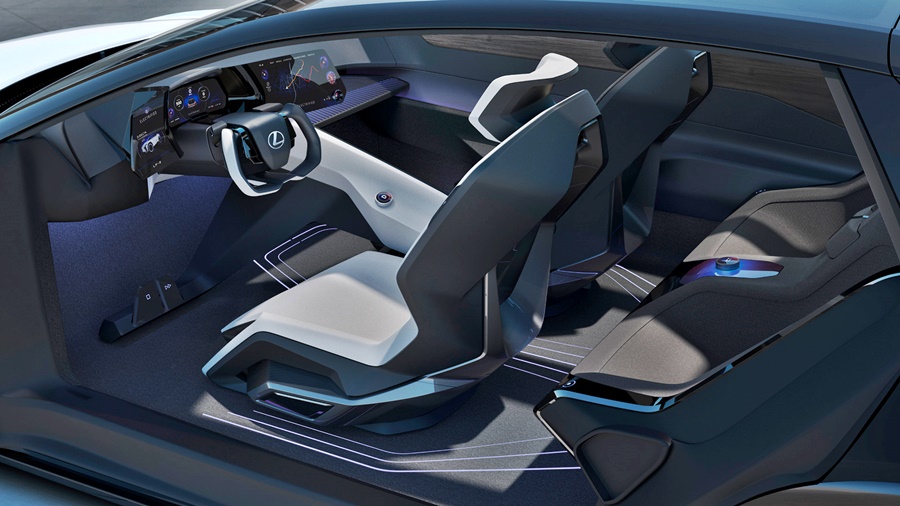
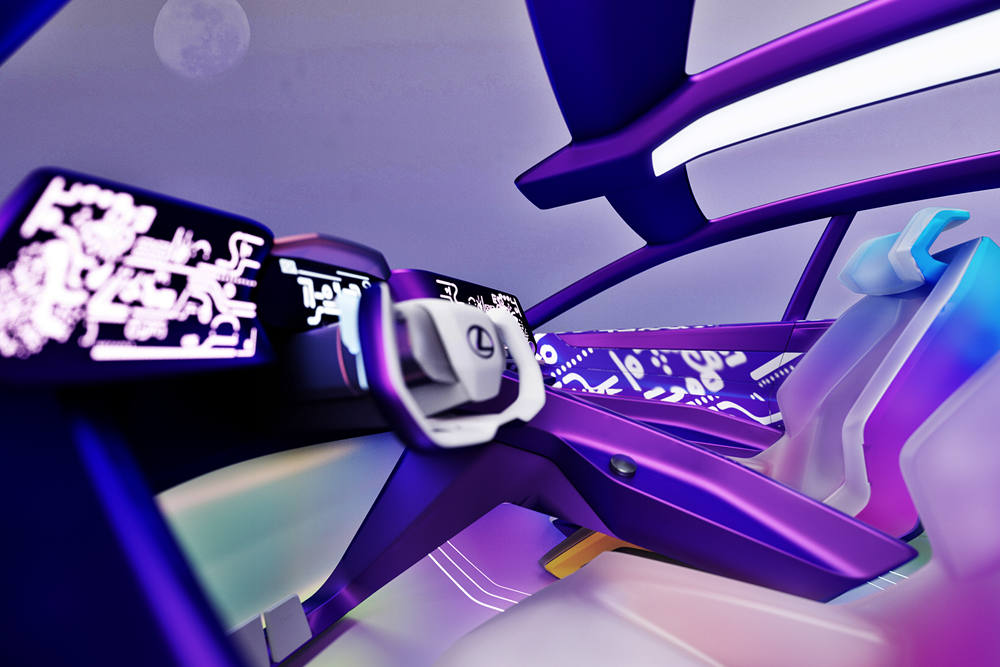
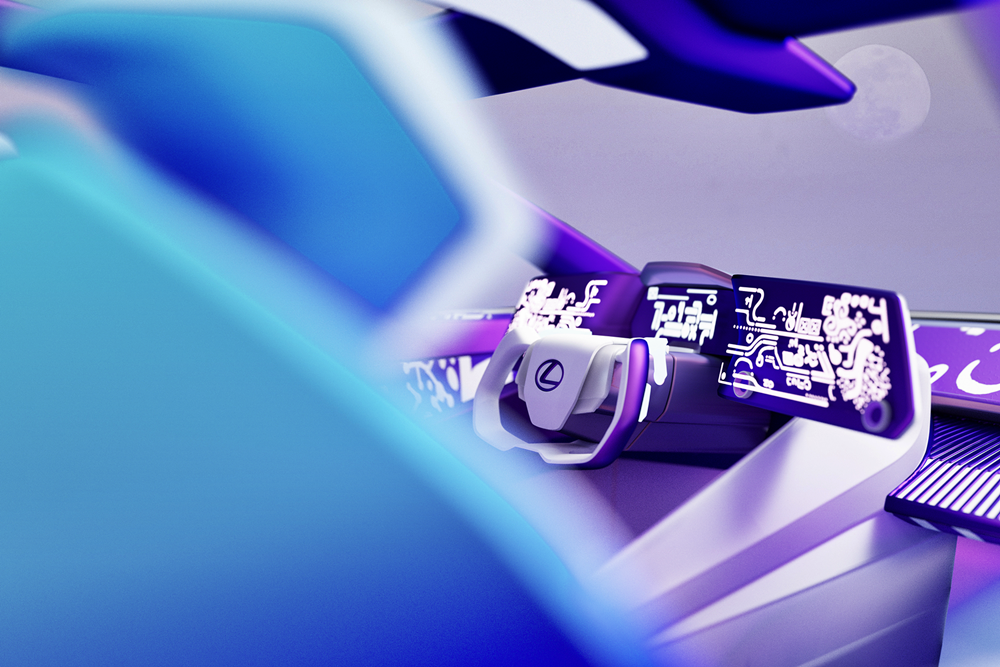
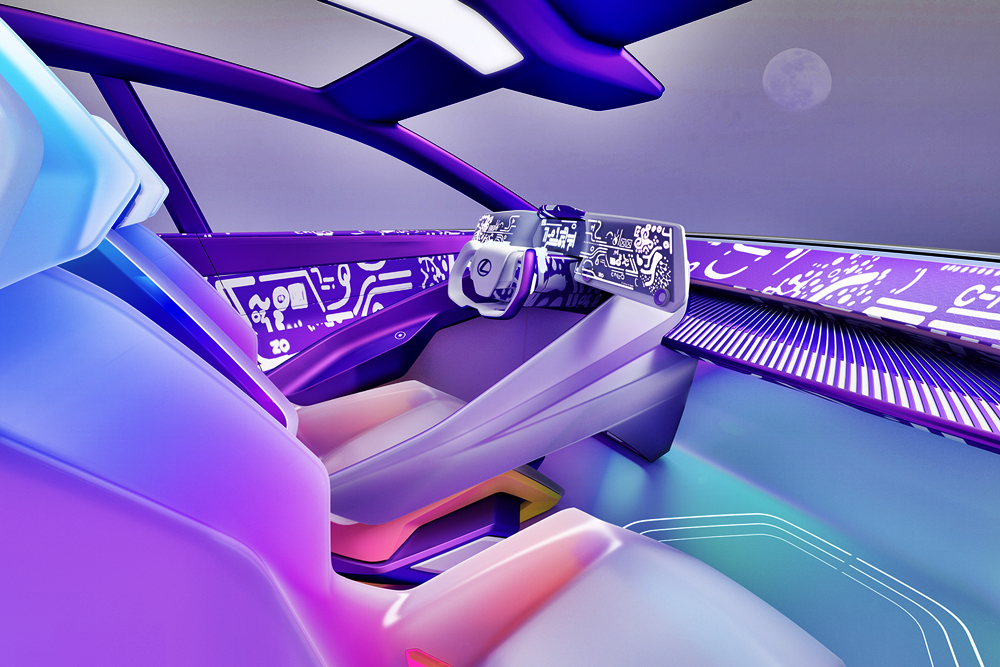
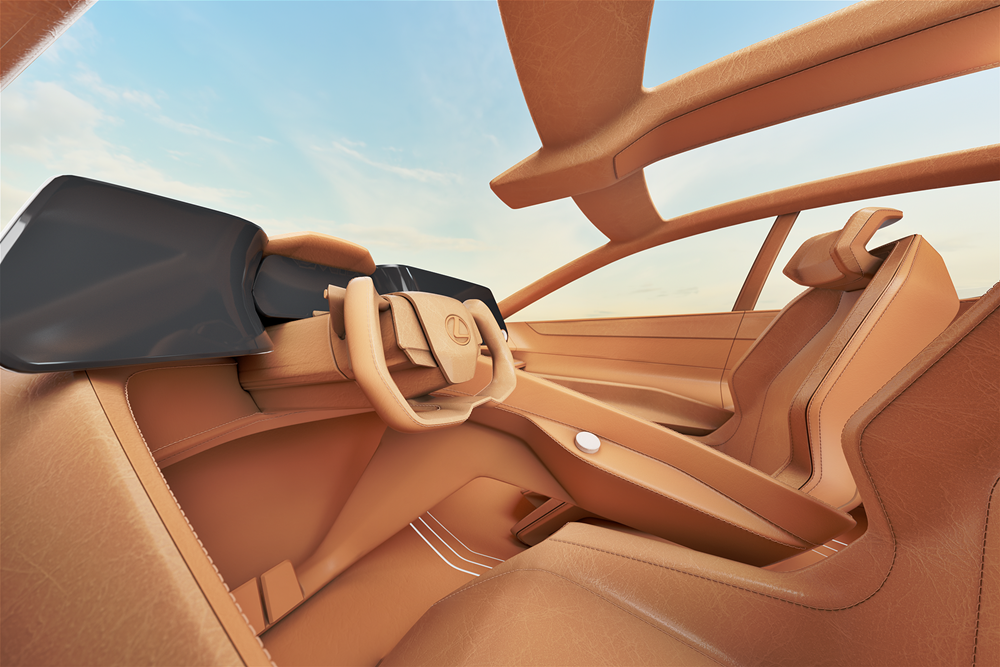
The interior of the concept car was developed by Lexus’ own designers and has many futuristic elements, as would be expected. Now, in a new approach, the brand has introduced the LF-Z Electrified Virtual Interior series to create a synergy between art, fashion, lifestyle, and technology that challenges the status quo of the automotive space. Conceived as a platform for collaboration, it  brings together ambitious and innovative talent across a range of creative practices.

2021 Lexus LF-Z Electrified Concept
The LF-Z Electrified concept and the interior developed by Lexus designers (below).

For the Virtual Interior series, Lexus has partnered with three pioneering artists and designers to re-imagine the concept car’s interior. Star footwear designer Salehe Bembury, digital artist Ondrej Zunka and Japanese fashion label Hender Scheme bring virtually rendered interiors with future-inspired design, Japanese heritage and takumi craftsmanship, and an enhanced human-machine connection.

“LF-Z Electrified embodies the future of the Lexus brand, so it is exciting to see that future represented by such diverse talent across the design space,” said Brian Bolain, General Manager at Lexus International. “Each of the collaborators brings a fresh energy that not only reinterprets the interior of the LF-Z but also examines the themes of Lexus’ next chapter.”

Salehe Bembury
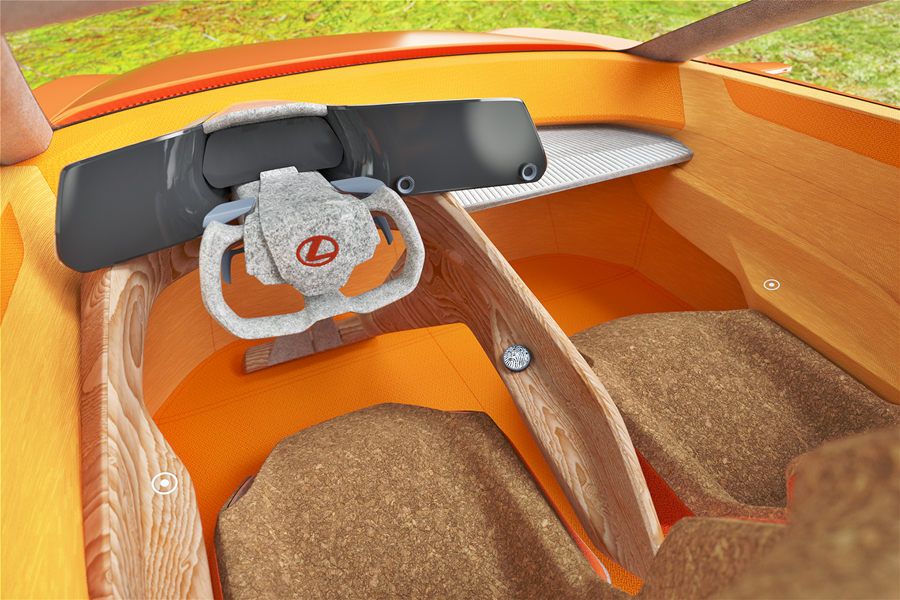
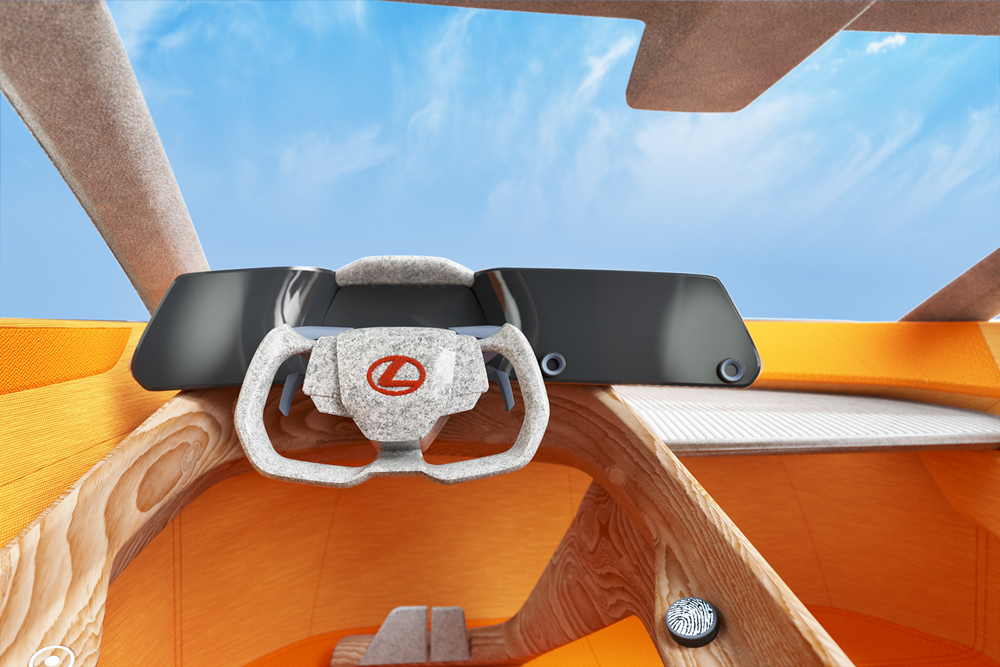
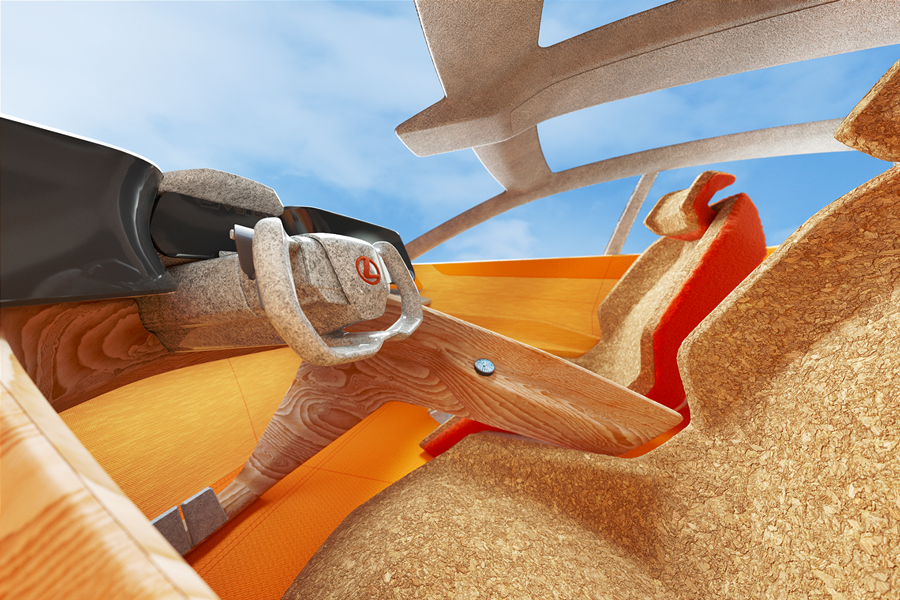
Kicking off the series is award-winning footwear designer Salehe Bembury, whose interior design concept embraces the future. Bringing his nature-inspired design approach to the LF-Z Electrified, Bembury conceptualized a virtual interior that blends both a futuristic aesthetic with organic materials alongside his signature use of bright colour.

His concept interior uses colours inspired by sandstone landscapes and other natural tones, setting aside traditionally futuristic materials in favour of natural materials like cedar, cork and granite. These natural materials sit alongside textiles and patterns that reference Bembury’s background in sneaker design, such as a ‘hairy’ suede used on the seatbacks, and a fingerprint motif that is often found in the designer’s work, applied here for a personalized control panel.

Ondrej Zunka
Forgoing traditional notions of car design and transporting the LF-Z Electrified further into the future, Ondrej Zunka’s cabin concept features space-age mechanisms, sci-fi materials and multidimensional hues that transcend both time and space.

“This interior design is purely speculative, so I allowed for free associations and pure imagination and creativity,” explained Zunka. “I wanted to make the interior feel as if it wasn’t made by humans, but maybe designed by a sophisticated Artificial Intelligence. I wanted to go past any known language and design concepts and forget about what is usually used in automotive interior design.”

Looking at Lexus’ commitment to intuitive technology, Zunka, through the lens of his digital art practice, renders a virtual interior that pushes the boundaries of functionality and design. The tech-forward interior imagines intelligent lighting along the car’s panels that emit an entirely visceral sensation that subtly regulates mood. Translucent silicone seat cushions with memory foam-like properties and a panoramic ceiling, crafted from brushed chrome, complete Zunka’s hyper-futuristic vision for the Lexus LZ-F Electrified.

Hender Scheme
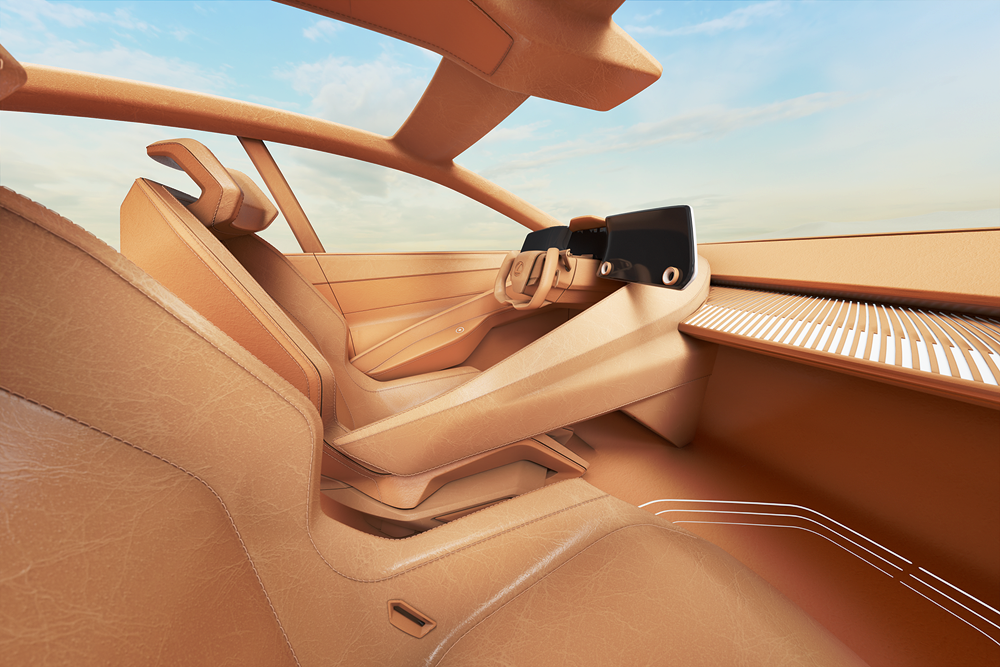
With their deep focus on the natural material characteristics of leather, Tokyo-based fashion label Hender Scheme was a natural fit to reflect Lexus’ Japanese heritage and takumi craftsmanship. For virtual interior, Hender Scheme imagined an entirely leather interior juxtaposed with the concept vehicle’s groundbreaking technology. The untreated, organic material will develop a ‘patina’ over time, deepening in colour and becoming unique to each vehicle. The concept reflects the passage of time and the driver’s relationship to the vehicle.

In a process that mirrors the 60,000 hours of experience required of a Lexus takumi craftsman, the design is rooted in the work of specialty craftsmen. At the beginning of the process, leather requires trained eyes to identify its natural material characteristics for use on the project such as thickness and elasticity. From there, molding methods would be introduced to shape the leather to the roof, doors and dashboard, beautifully finishing these sculptural parts.

Lexus LF-Z Electrified Concept


COVID-19

StayAtHome

Visit www.bhpetrol.com.my for more information.

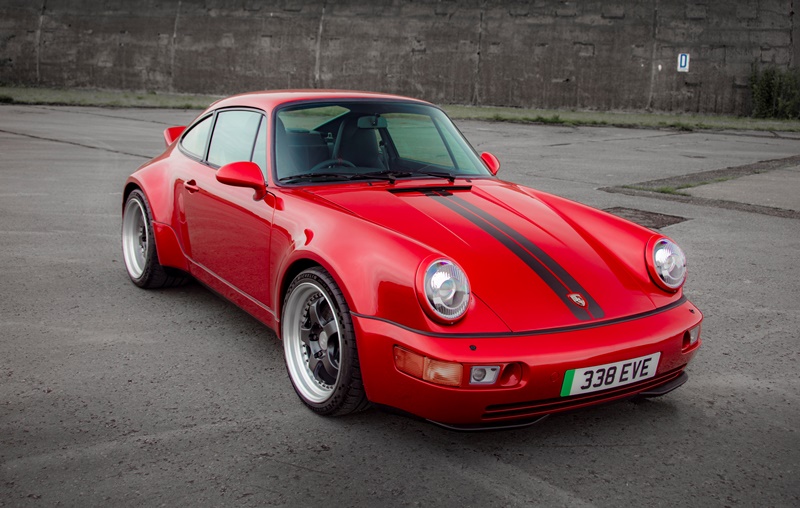
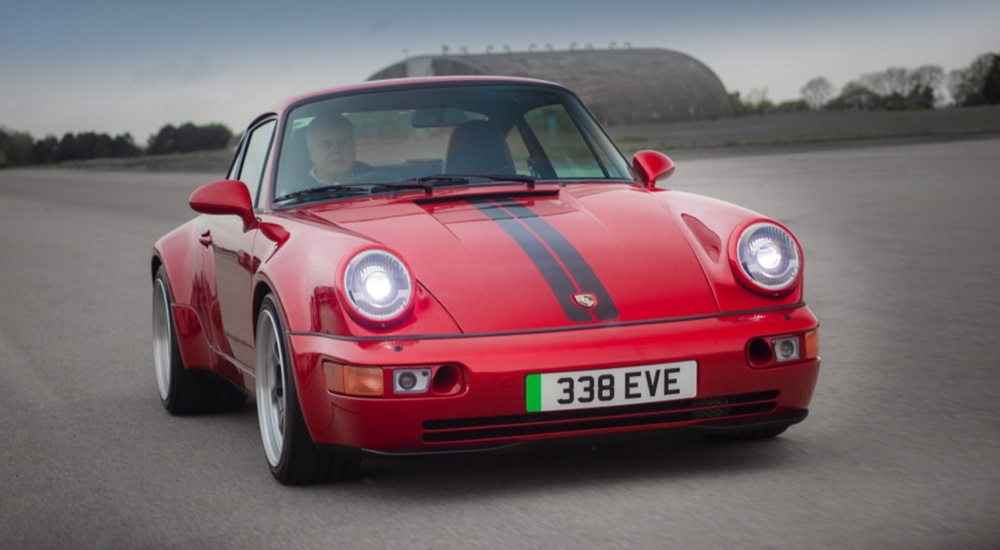
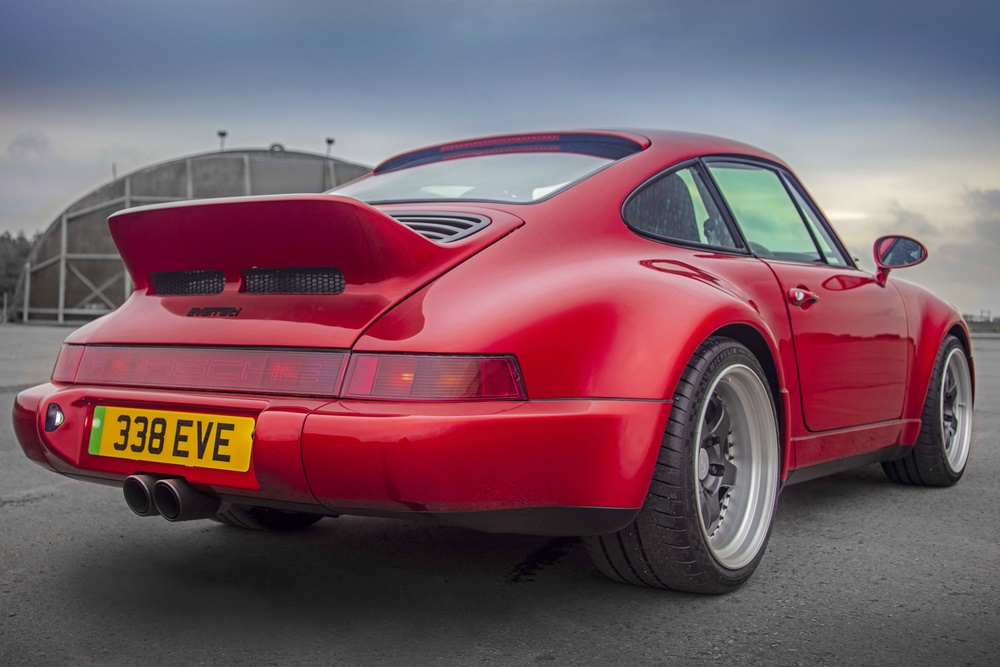
Everrati Automotive Limited, a British company specialising in converting iconic cars to run with electric powertrains, has unveiled its new flagship, the 500-bhp Signature. It is developed from a fully restored 1991 Porsche 911 964 and has been given widebody treatment with carbonfibre elements.

The Signature joins other Everrati electrified models such as the Mercedes-Benz SL Pagoda (its first conversion in 2019), along with 911 (964) Coupe and Targa models, a 911 (964) Gulf Signature Edition, and a Land Rover Series IIA.

Everrati Signature Widebody (2021)

Carbonfibre parts, including roof
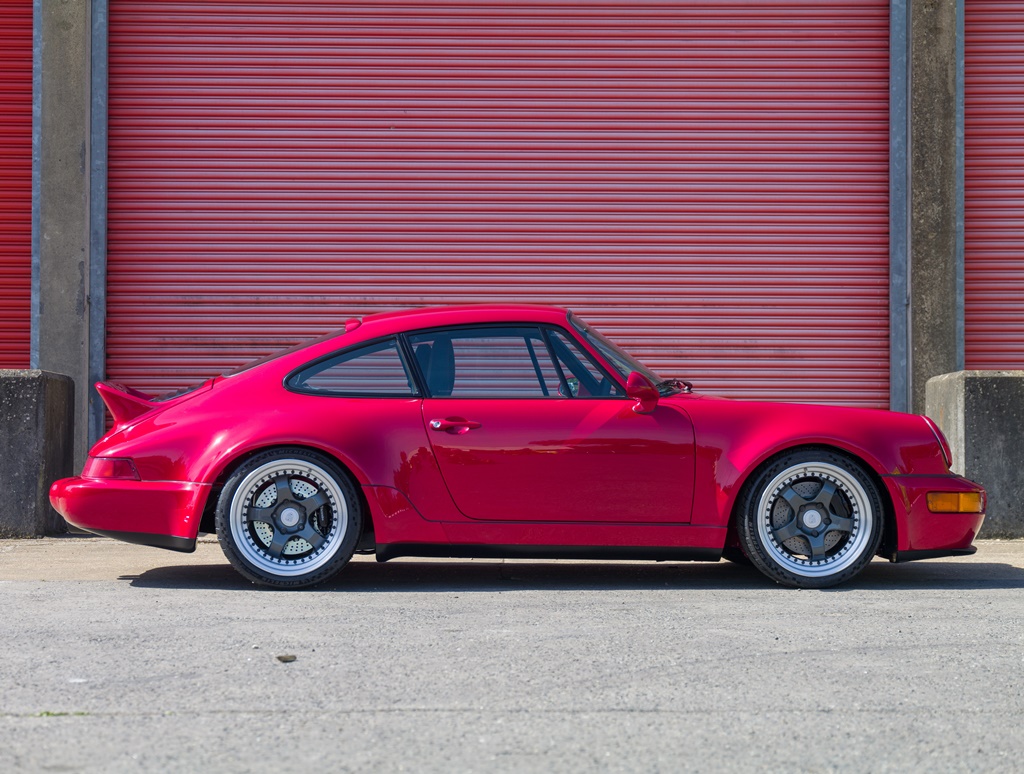
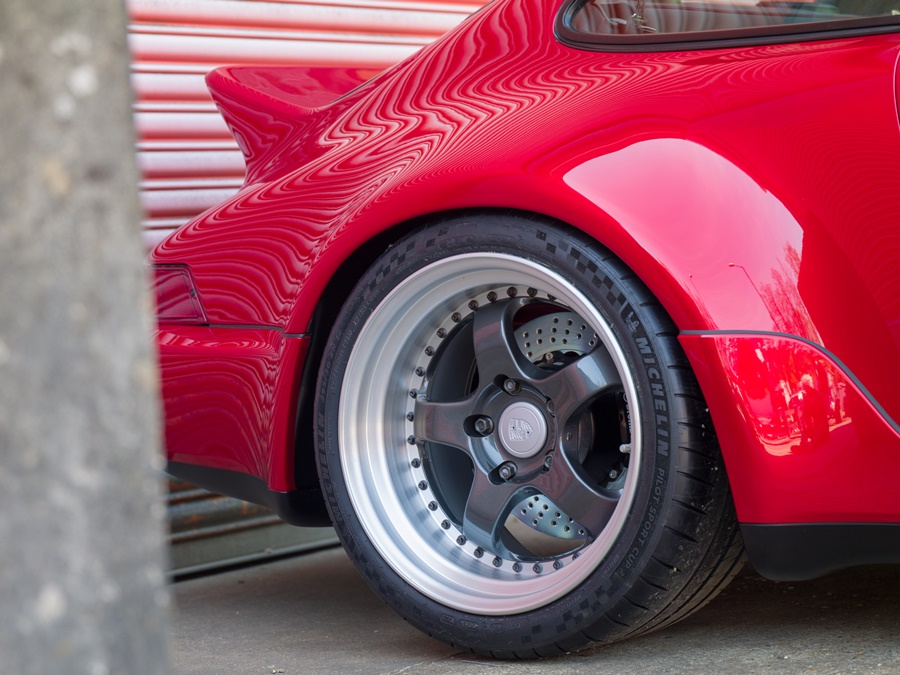
To create the wide body, Everrati replaced the steel front and rear wings and bonnet with custom produced carbonfibre parts. The same material is also used for the doors, although these are reinforced with high-strength steel to retain side impact protection.

A carbonfibre roof is offered, along with the choice of a steel item for customers who wish to retain a sunroof where fitted to their car. The front and rear bumpers are refitted with genuine Porsche widebody items, to which RS Cup air vents are added. Thanks to this high-tech and meticulous approach to weight saving, the Signature widebody weighs less than the original 911 (964) Coupe.

Everrati Signature Widebody (2021)

A key part of the meticulous, sympathetic restoration and re-engineering process is the integration of the car’s new, sustainable-focussed heart – the electric propulsion system. “We install a state-of-the-art EV powertrain, which has its power delivery optimised specifically for the Signature widebody and is coupled to a 53-kWh battery pack and battery management system,” explained Everrati Director of Engineering, Mike Kerr.

500 bhp and 500 Nm
Sending 500 bhp to the rear wheels, the Signature widebody has more than double the power output of an original 1990s Porsche 964. With 500 Nm available from almost standstill, the car can accelerate to 100 km/h in less than 4 seconds and depending on driving style, travel for 240+ kms on a full charge, it is claimed. Recharging the battery pack to full from 10% is said to be possible in less than an hour with a DC fast charger.

Everrati Signature Widebody (2021)

Everrati retains the car’s aluminium rear trailing suspension arms, refurbished to new, with all bushes and drop-links fully uprated. Customers are offered a choice of two suspension settings:  standard suspension with fully adjustable motorsport-grade coil-over spring/damper units, and a fully adjustable package with adaptive dampers that are fully programmable from within the cockpit via a touchscreen.
Brembo stopping power
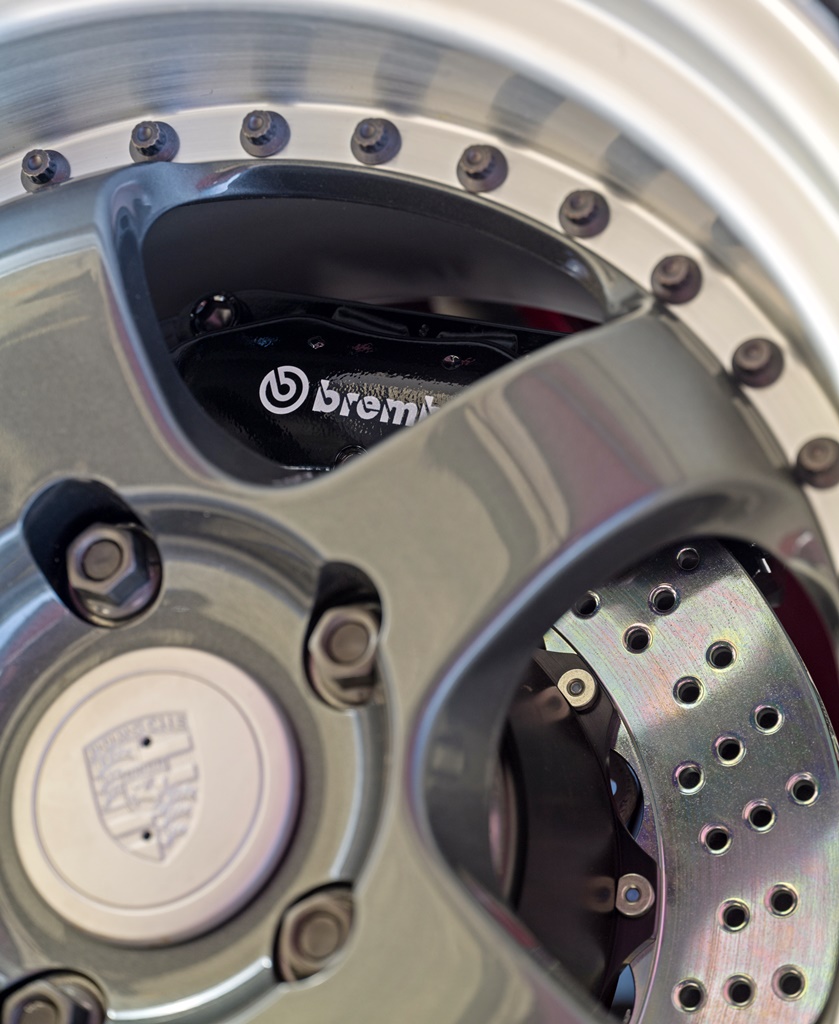
The EV powertrain provides regenerative braking when the driver lifts off the accelerator pedal, capturing energy that would be wasted. The driver can adjust the level of regenerative braking force available to enable one-pedal driving. The uprated mechanical braking system features fully renewed Brembo Porsche calipers with new drilled, ventilated discs all around. An optional, even more powerful braking system is available with larger Brembo calipers front and rear.

Everrati Signature Widebody (2021)

Customised and original
As for the interior, the cabin can be personalised to customers’ individual tastes in numerous ways, thanks to a wide range of optional materials and fittings. The original Porsche seats are fitted, which are significantly enhanced for comfort and replicate the look of the original RS Touring Seats, and optional Carbon RS seats provide an even more sporting ambience. The upholstery can be in leather, alcantara, or other materials and in a wide choice of colours and optional finishes and textures.

Everrati Signature Widebody (2021)

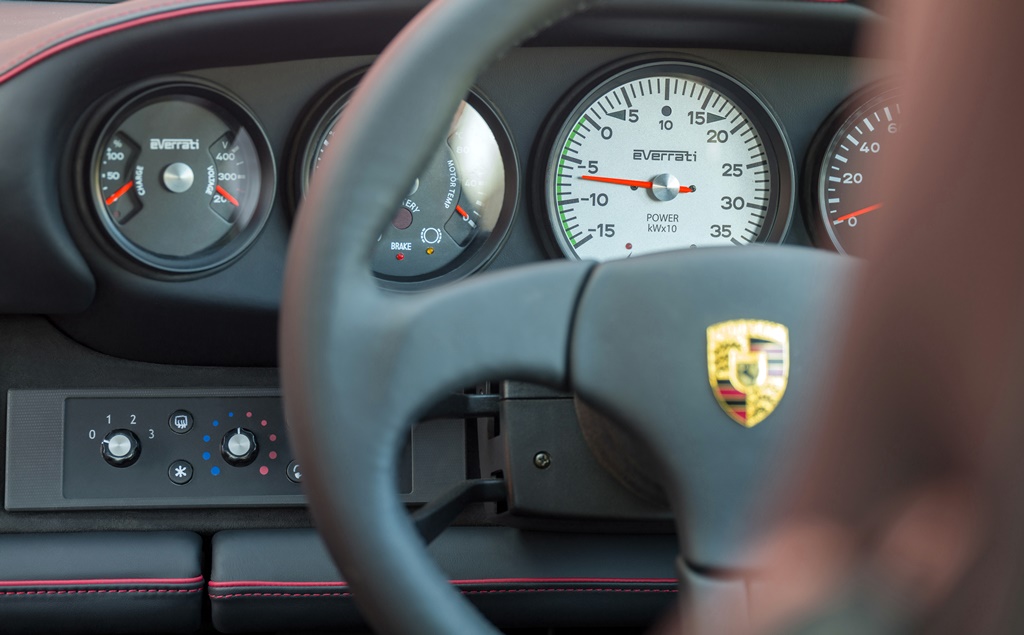
Customers can also have  custom-designed heating and air conditioning system and add a modern Porsche Classic Communications Management with full touchscreen navigation, DAB+, Bluetooth, and Apple Car Play. All of the car’s traditional gauges are replaced with Porsche-inspired EV gauges, and as with the internal combustion engine and transmission components, the original gauges can be retained for the customer on request.

Reversible engineering
“At Everrati, it is sacrosanct that all engineering is reversible, should current or future owners want to revert back to the car’s factory specification,” said Nick Williams, Everrati’s Founder and COO, who previously held senior roles with Daimler and the Volkswagen Group. “If customers wish, the car’s original internal combustion engine and transmission can be refurbished and placed in storage, or even incorporated into a piece of art, such as a glass gable or Perspex box. Whatever the customer can imagine, we will do our utmost to make it a reality.”

Everrati Signature Widebody (2021)

Over the coming months, the Signature widebody will continue to undergo its full development programme. For those who are interested in acquiring one, prices start at £250,000 (about RM1.47 million), based on a customer-supplied donor car.

Bringing modern connectivity to old Porsche models

Visit www.bhpetrol.com.my for more information.

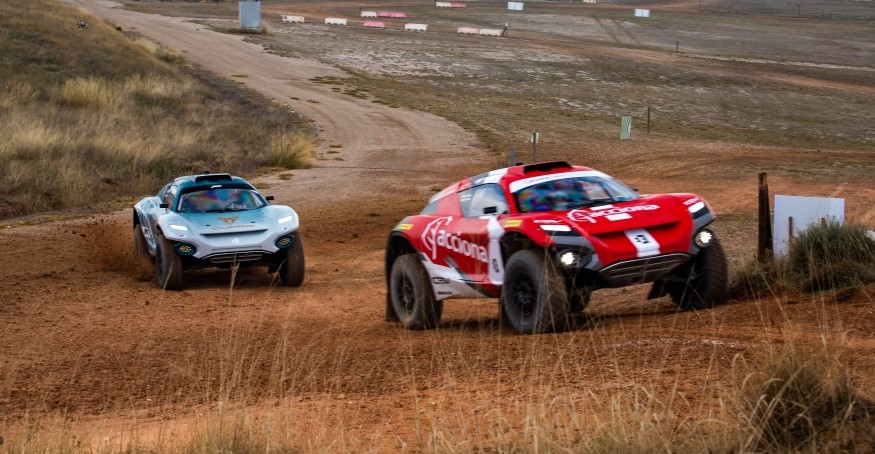
Extreme E – the unique off-road series for electric SUVs – will run its second round this weekend, this time in Lac Rose on the Senegalese coast of West Africa. Known as the Ocean X Prix, the event will be run along the shores of Lac Rose. It is situated 37 kms from the capital, Dakar, a name that was the finish of the world’s most famous cross-country rally – the Paris-Dakar – on numerous occasions between 1979 and 2007 (the Dakar Rally is still running, except that it is now in Saudi Arabia).

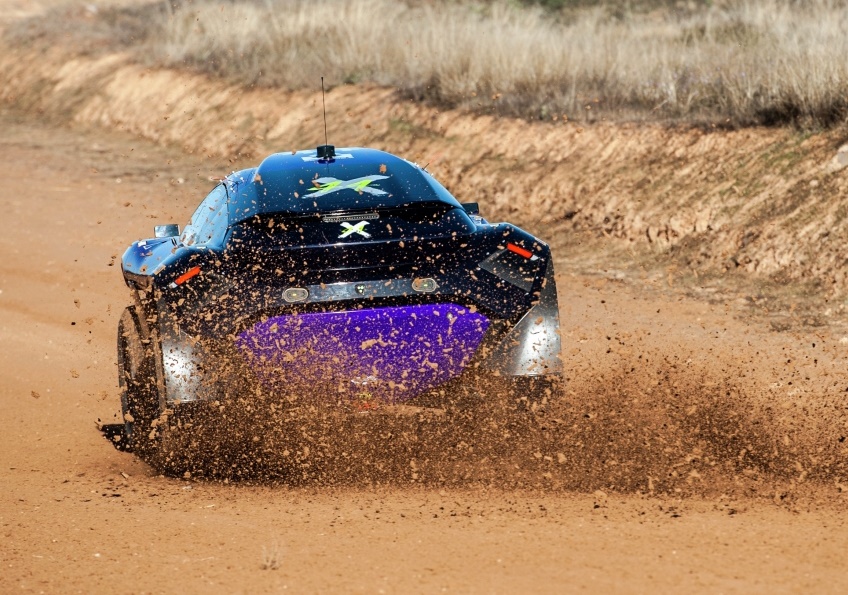
Out on the course, the drivers will once again face a mostly sandy terrain, though a very different challenge and location to the deserts of Saudi Arabia. Here the race will take to the existing tracks surrounding the lake, named after, and renowned for its striking pink colour, caused by algae that thrives within its highly-saline waters.

9 teams with dual-gender crews
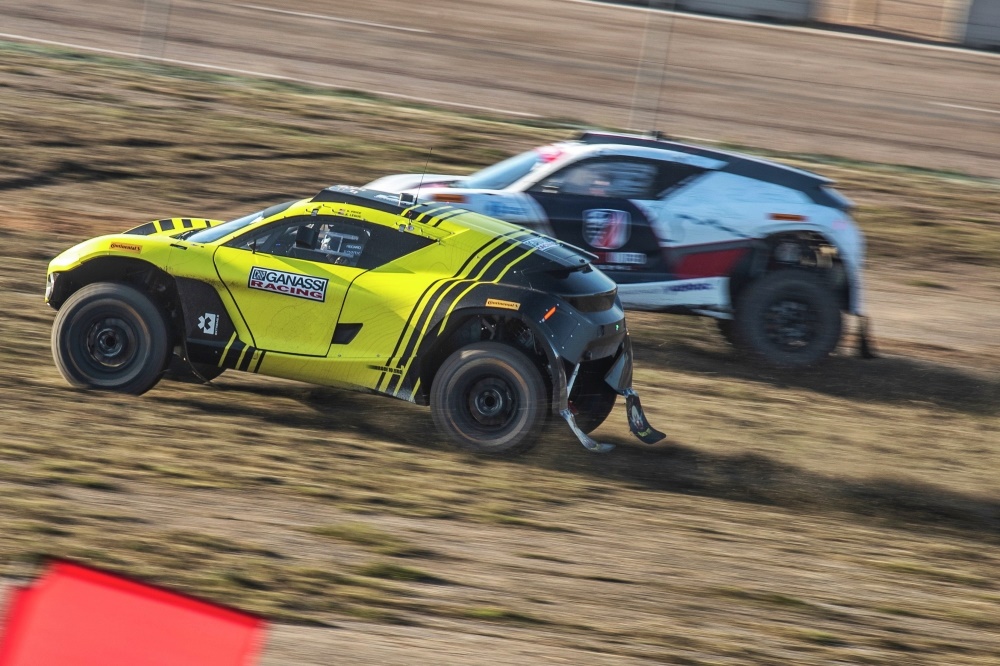
Once again, 9 teams and 18 drivers – each comprising one male and one female – will compete but in a slight change to the Saudi Arabia race format, the Final will be a 4-car battle, with two teams from each of the two Semi-Finals progressing to the concluding race of the weekend.

Like the Desert X Prix, Qualifying consists of two rounds of time trials. The team starting order is decided by a draw for Qualifying 1 and Qualifying 2. All races feature two laps with the incorporated driver ‘Switch’ feature.

No clear leader yet
Rosberg X Racing (RXR) took victory in the inaugural X Prix last month but doesn’t have a clear lead as the top three teams are within 7 points of each other. So there should be a thrilling racing action as each team tries to score as many points as possible.

Teams can benefit from a ‘HyperDrive boost’ available to each driver on each lap of the race. Activated when the driver presses a button on the steering wheel, they will enjoy an extra push of continuous power for a few seconds.

New for the Ocean X Prix is the ‘Super Sector’ – a part of the course where the fastest driver in that section over the weekend will earn 5 points for their team. This ensures that whatever position the teams find themselves in, there is always an incentive to push to the limit as points are up for grabs.

Each year, the famous Paris-Dakar Rally ended in Dakar until security concerns forced the organizers to stop travelling through the region.

“I am delighted to be back in Dakar, a place with a vast motorsport heritage, and I can’t wait to see our world-class line-up of drivers compete on this latest course we have devised. The Desert X Prix delivered some truly thrilling racing with a stunning backdrop and I’m sure Senegal will provide the same,” said Alejandro Agag, Founder and CEO of Extreme E.

“In Lac Rose, we find an area suffering at the hands of the climate crisis, which is the true reason we are here. It doesn’t take long upon arrival to see one of the biggest issues, plastic pollution, which is affecting the local community and its marine life. Through our Legacy Programmes, we are supporting the local community to make change, and I can’t wait to see it for myself and help where I can,” he added.

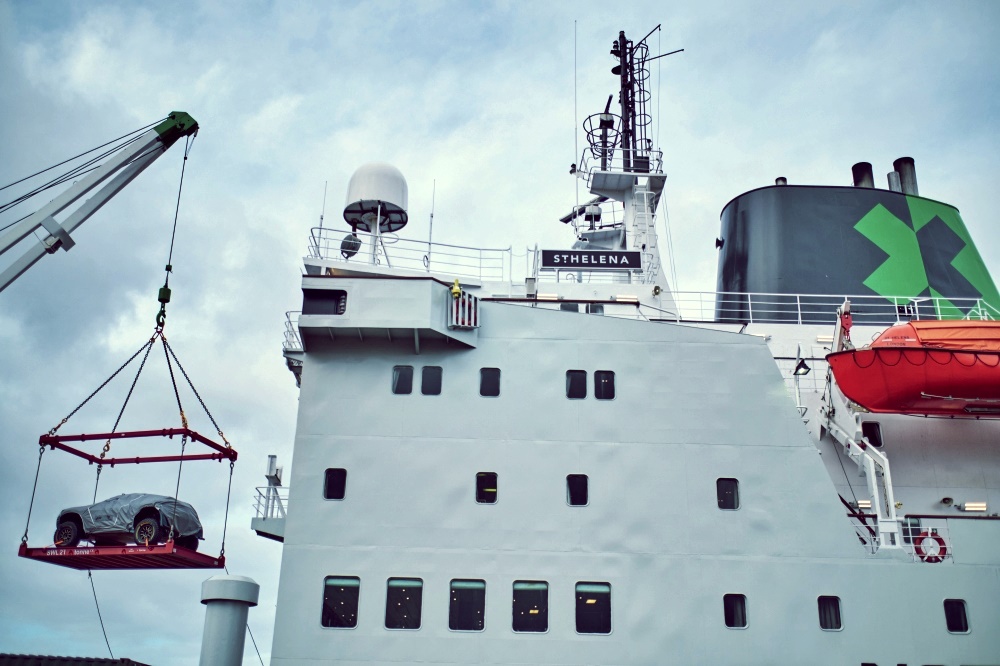
To reduce the carbon footprint of the event, a ship is used to transport the vehicles and event equipment to each location. The ship also serves as a floating laboratory for scientists.

Why Senegal?
Extreme X, while being a motorsport event, is unique in that it also uses its global coverage to create awareness of environmental issues. Senegal was chosen as one of the venues to support the fight against the climate crisis and the local communities suffering due to the many issues it brings.

In addition, plastic pollution is another major issue affecting Senegal, with the mountain of single-use plastic washing up on the shores growing day-by-day and threatening marine species and human health. This is something that not only impacts Senegal but also globally and if left unchecked, it’s estimated that 4 billion tonnes of plastic pollution will enter our land and oceans by 2050 under a ‘business-as-usual’ scenario.

Extreme E will be supporting two projects in Senegal. For the first, the championship has teamed up with a local NGO to plant one million mangrove trees in the country across 60 hectares with the aim of reforesting mangroves, providing education to local populations and improving social cohesion.

The second project is the EcoZone Project, a living lab that addresses the Lac Rose community’s primary needs while preserving the environment through experiential learning, regenerative agriculture and a circular economy. As part of this, the EcoBrique Challenge was launched which tasked the community to create bricks for construction from plastic waste.

Shakedown and qualifications will be aired through Extreme E’s official website (www.extreme-e.com and social channels and the Finals will be shown in more than 180 countries by 75 broadcasters.

Rosberg X Racing team wins first round of the new Extreme E electric off-road series (w/VIDEO)

Archive

Follow us on Facebook

Follow us on YouTube