Piston.my

EV

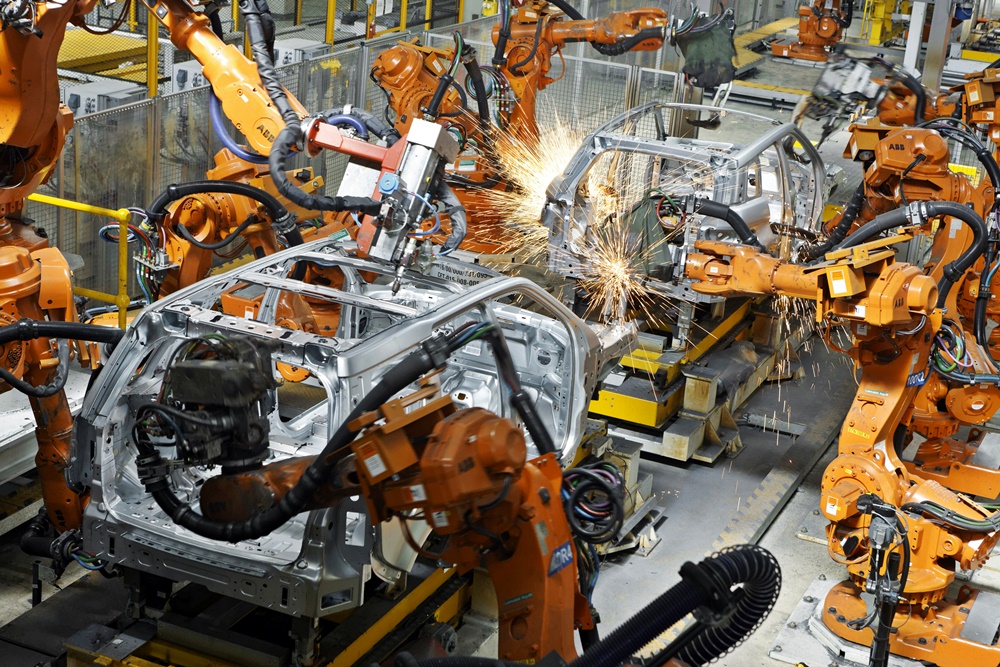
Europe’s electric vehicle (EV) market is facing significant challenges, despite the environmental and technological benefits of EVs. The European Automobile Manufacturers’ Association (ACEA), representing 15 major European brands such as BMW, Ferrari, and Volkswagen, has raised concerns over a steep decline in EV sales, with unit sales down 8.4% this year. Hybrid sales have fallen even further, down nearly 14%. This downward trend, exacerbated by several compounding factors, poses a risk to Europe’s automotive future and its climate targets.

Factors Behind the Decline:

  • Insufficient Charging Infrastructure: EV adoption is hindered by the lack of readily available charging points, leaving consumers anxious about the feasibility of long trips or quick recharges.
  • Green Energy Production Gaps: While EVs rely on electricity, not all of it is generated sustainably, creating a disconnect between the promise of green vehicles and the actual energy supply.
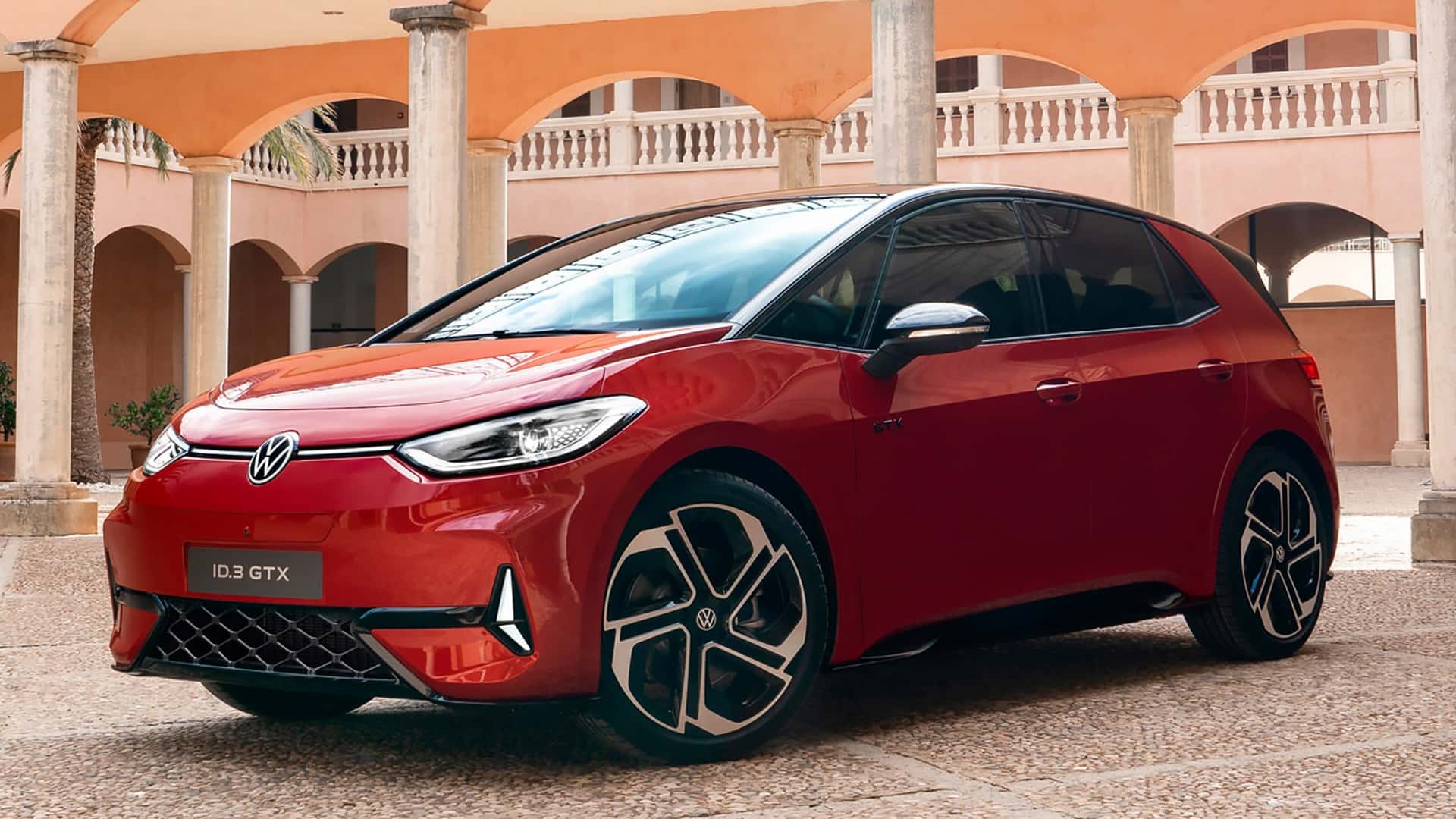
  • Uncompetitive Manufacturing Regulations: European carmakers must comply with strict environmental rules, while competitors from countries with looser regulations, particularly China, gain a price advantage in the EV market.
(more…)

Malaysia sedang berhati-hati dalam menghadapi ketegangan perdagangan global, khususnya dengan ketegangan antara AS dan China, yang berpotensi memberi kesan terhadap rantaian bekalan teknologi. Menteri Pelaburan, Perdagangan dan Industri, Tengku Zafrul Aziz, menekankan bahawa Malaysia komited terhadap dasar penglibatan terbuka dan seimbang dengan kedua-dua kuasa besar ini. Malaysia juga terus berusaha untuk kekal kompetitif dalam industri kenderaan elektrik (EV) yang berkembang pesat.

Ketika syarikat-syarikat global berusaha mempelbagaikan rantaian bekalan mereka, Malaysia menjadi destinasi pilihan untuk pelaburan teknologi dan automotif. Namun, terdapat cabaran besar. Sebagai contoh, industri solar Malaysia telah terkena tempias daripada tarif AS yang ditujukan kepada produk China, manakala sektor EV tempatan berdepan dilema antara menumbuhkan industri domestik dan menghadapi persaingan import China.

(more…)

Malaysia is cautiously navigating global trade tensions, particularly as it seeks to maintain competitiveness in its growing electric vehicle (EV) industry, according to Investment, Trade, and Industry Minister Tengku Zafrul Aziz. In an exclusive interview, Zafrul highlighted the potential global impact of rising US-China tensions, especially regarding the tech supply chain, while underscoring Malaysia’s commitment to an open, balanced engagement with both superpowers.

As businesses around the world seek to diversify supply chains due to geopolitical uncertainties, Malaysia has become an attractive destination for investments from tech companies and automakers. Yet, the country faces hurdles. Malaysia’s solar industry risks tariffs because of Washington’s anti-China policies, and the EV sector must strike a balance between fostering domestic growth and managing the influx of Chinese imports.

Chinese EV manufacturers are expected to expand their presence in Southeast Asia, particularly after facing restrictions in the US and Europe. While some countries have imposed tariffs to limit Chinese imports, Malaysia has so far avoided such measures. Zafrul emphasised the importance of fostering competition among local automakers like Perodua and Proton, while maintaining an open economic policy.

(more…)

Toyota kini sedang mempertimbangkan untuk mengurangkan sasaran pengeluaran kenderaan elektrik (EV) bagi tahun 2025, menurunkan anggaran daripada 1.5 juta kepada 1 juta unit. Menurut jurucakap Toyota, angka ini lebih kepada garis panduan bagi membantu memperkukuh infrastruktur dan rantaian bekalan kenderaan elektrik bateri (BEV) mereka, bukannya sasaran yang ketat.

Langkah Toyota ini selaras dengan perubahan strategi beberapa pembuat kereta lain. Sebagai contoh, Volvo telah menangguhkan hasrat untuk menjadi jenama elektrik sepenuhnya menjelang 2030, sebaliknya akan mengekalkan model hibrid di samping EV penuh, menyasarkan sehingga 100% jualan daripada hibrid dan EV menjelang 2030. Porsche juga mengurangkan matlamatnya untuk mencapai 80% jualan EV pada tahun yang sama, bergantung kepada permintaan pasaran dan kemajuan teknologi.

(more…)

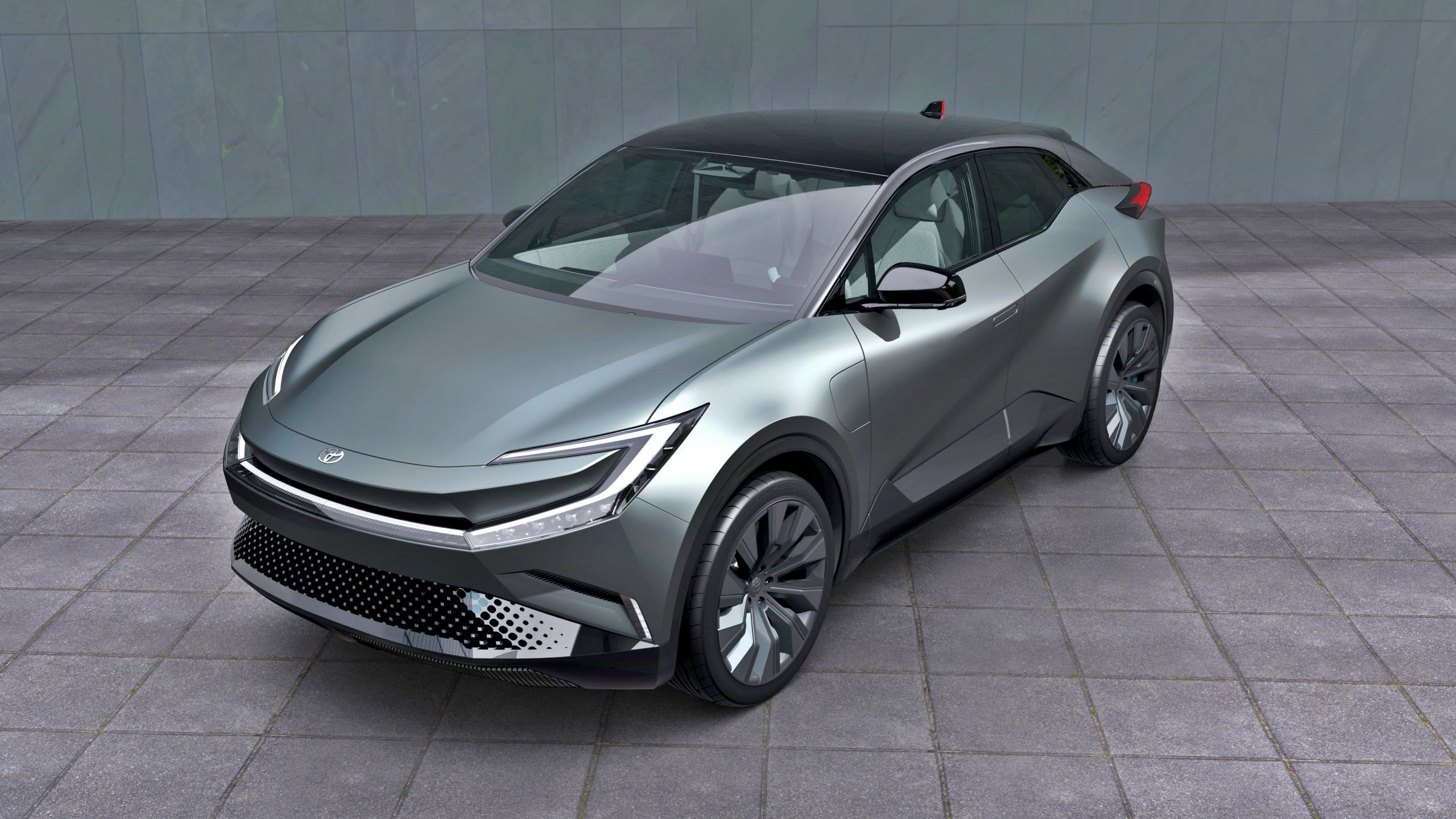
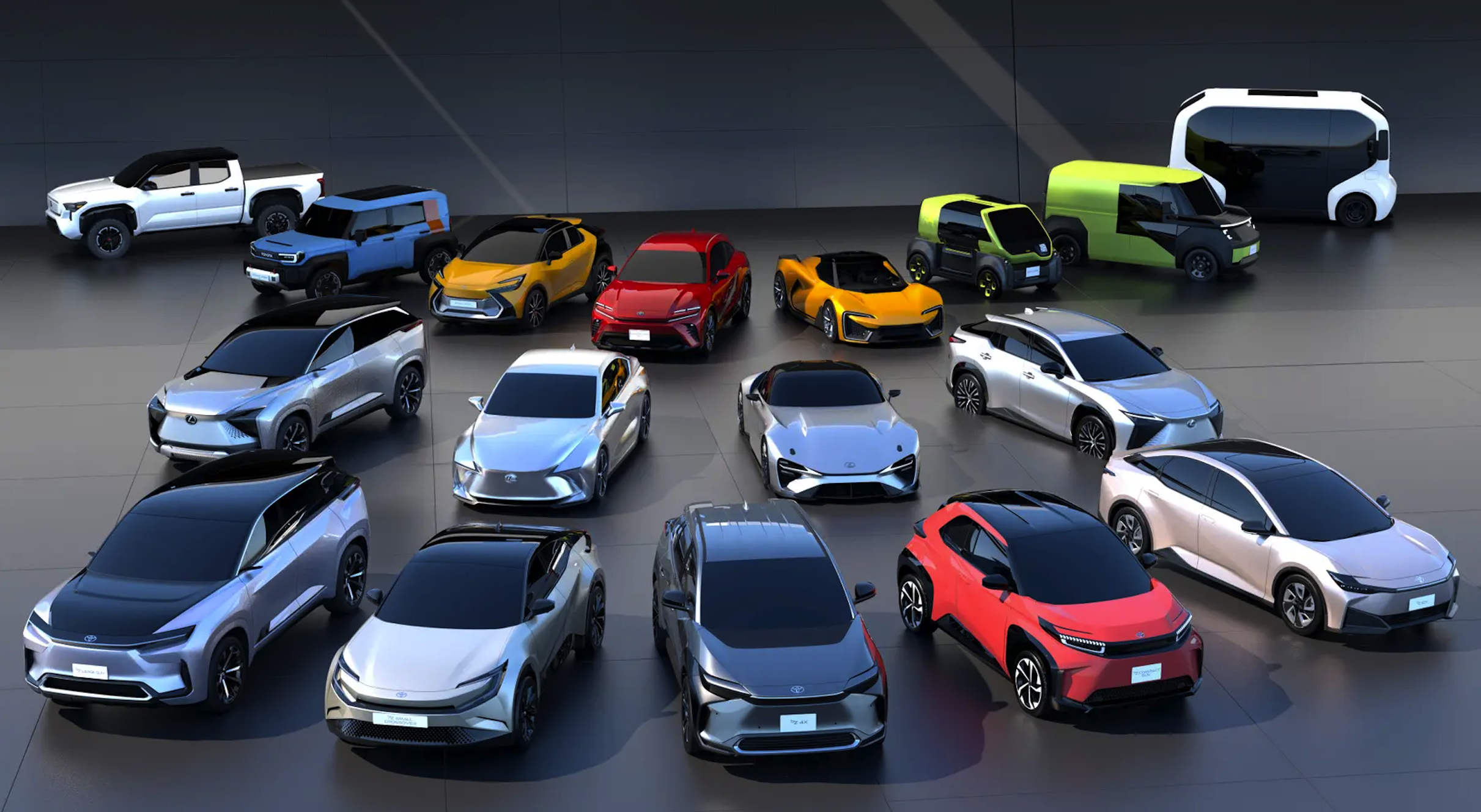
Toyota is preparing to reduce its electric vehicle (EV) production goals for next year, revising its original target of producing 1.5 million EVs by 2026 to 1 million. A Toyota spokesperson clarified that this figure isn’t a strict target but rather a guideline aimed at improving the company’s infrastructure and supply chain for battery electric vehicles (BEVs).

However, Toyota isn’t alone in reassessing its EV ambitions. Other major automakers like Volvo, Porsche, Mercedes-Benz, General Motors, and Ford have also scaled back their EV production plans.

Recently, Volvo revealed it would no longer aim to be fully electric by 2030. Instead, it plans to retain some hybrid models, targeting 90-100% of its sales to be from fully electric or plug-in hybrids by 2030. Similarly, Porsche announced in July that its goal of achieving 80% EV sales by 2030 depends on market demand and technological advances.

(more…)

Japan is intensifying its efforts to bolster electric vehicle (EV) battery production with an investment of $2.4 billion in subsidies to strengthen the nation’s battery supply chain. The government has earmarked support for 12 projects focusing on storage batteries and related components, aiming to expand Japan’s annual battery production capacity by 50% to 120 gigawatt-hours (GWh), up from the current 80 GWh.

Minister of Economy, Trade and Industry, Ken Saito, emphasised that this initiative is designed to improve Japan’s battery industry’s global competitiveness. Major automotive and battery manufacturers, including Toyota, Nissan, Panasonic, Subaru, and Mazda, are involved in these efforts, which reflect Japan’s strategic push to increase domestic battery production.

(more…)

The Ministry of Transport (MOT) and the Road Transport Department (JPJ) have officially initiated the pilot phase of the new standardised number plates, known as JPJePlate. This new system is mandatory for all new battery-powered and hydrogen fuel cell electric vehicles (excluding motorcycles) delivered from today onwards. The objective of JPJePlate is to introduce a national standard for vehicle plates, beginning with electric vehicles (EVs) and hydrogen-powered cars.

Key Details of the JPJePlate:

  • Pilot Phase: Initially applicable to new electric and hydrogen fuel cell vehicles delivered during this phase.
  • Existing EV Owners: Existing EV owners can begin ordering JPJePlate starting November 9, 2024, although registration of interest is available now.

Pricing and Package Information:

  • Cost: Each JPJePlate set is priced at RM98.
  • Availability: Currently, JPJePlates can only be ordered by car manufacturers and dealers via the official JPJePlate website.
  • Package Contents:
    • 1x Front vehicle plate
    • 1x Rear vehicle plate
    • 1x RFID windshield sticker
    • 1x Set of anti-theft one-way screws
  • Delivery: The RM98 cost includes delivery to an authorised installation partner, but plates will be sent directly to dealerships at this stage.

(more…)

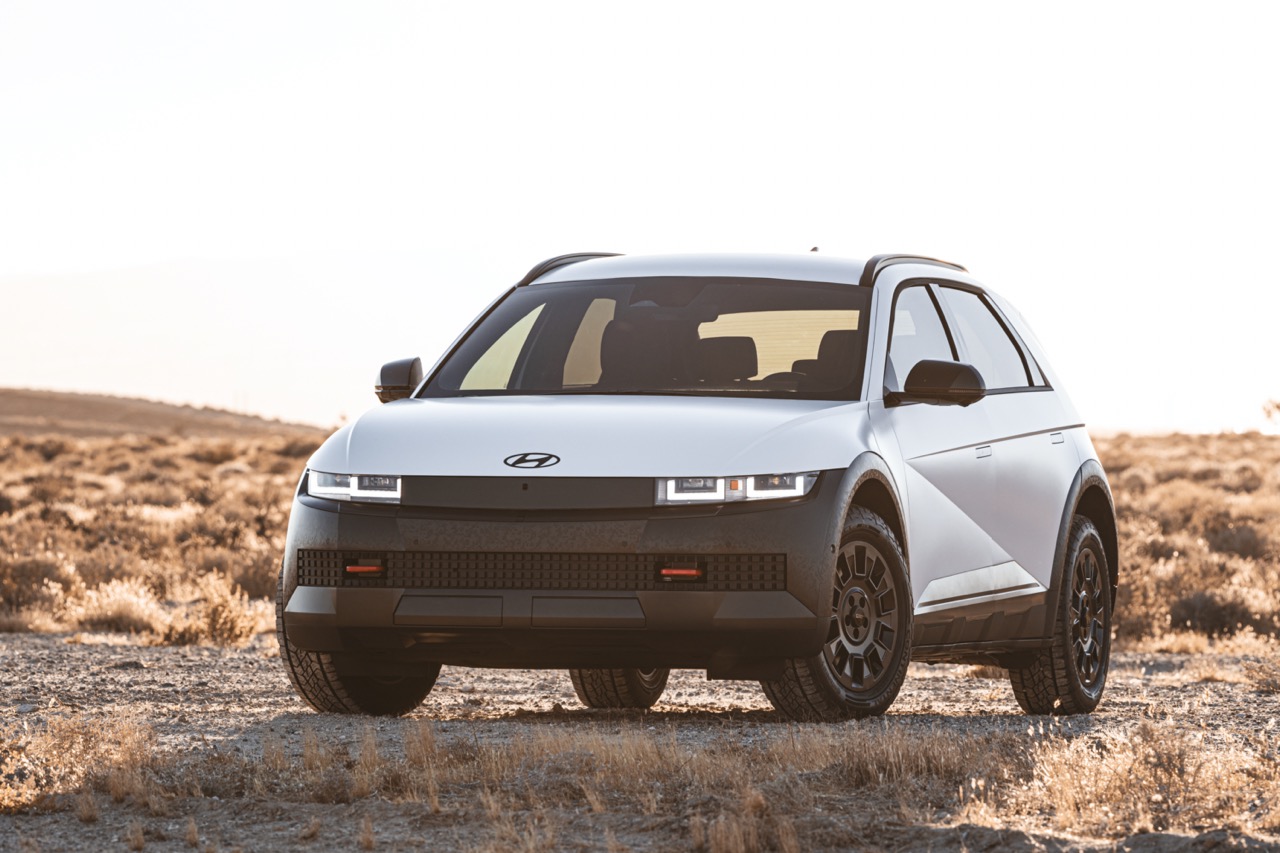
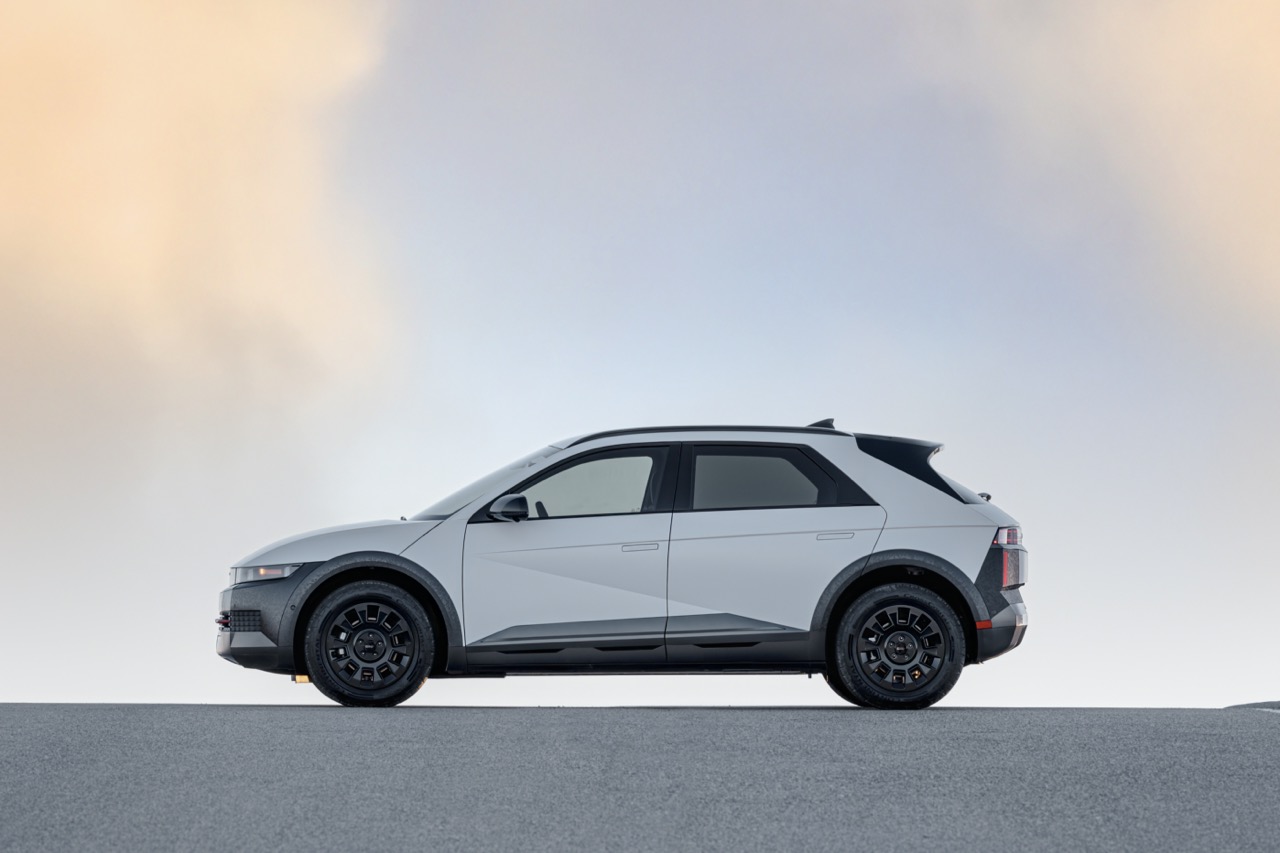
Untuk model tahun 2025, Hyundai telah memperkenalkan versi terkini Ioniq 5 dengan lebih banyak elemen yang menguatkan warisan rali, termasuk penambahan trim XRT yang direka khusus untuk jalan tanah dan denai ringan. Ini menjadikan Ioniq 5 lebih berdaya tahan terhadap cabaran luar jalan sambil membawa peningkatan prestasi dan ciri baharu.

Trim XRT menampilkan pacuan semua roda dwi-motor serta lif suspensi 0.9 inci, yang meningkatkan kelegaan tanah dan sudut pendekatan serta sudut berlepas yang lebih baik. Ia bukanlah model untuk keadaan luar jalan ekstrem, tetapi tayar 18 inci dengan tayar semua rupa bumi dan reka bentuk estetik yang lebih garang, seperti bampar hitam dengan corak penyamaran piksel dan cangkuk pemulihan merah, menjadikannya sesuai untuk denai ringan dan rupa bumi yang tidak terlalu kasar.

(more…)

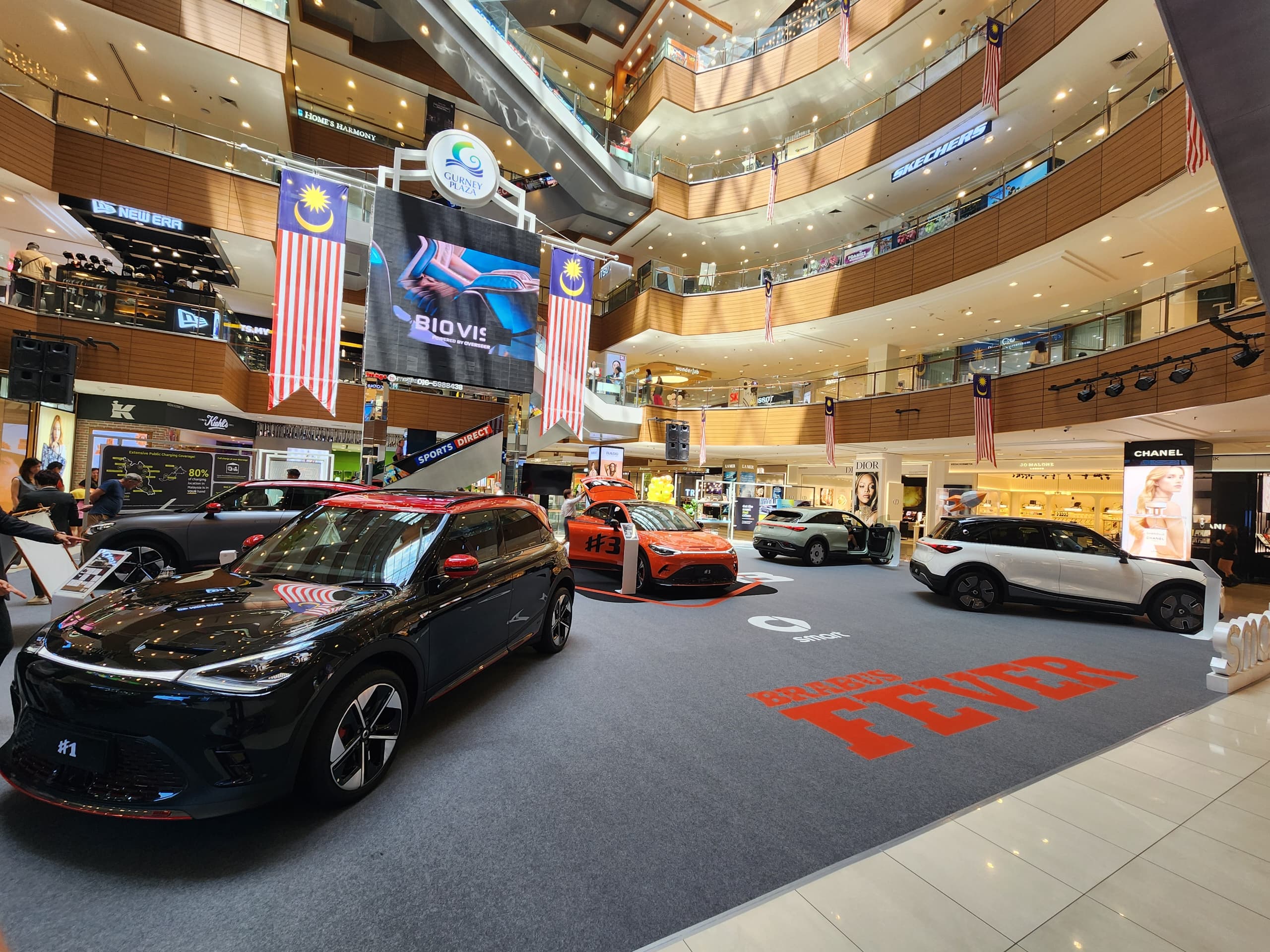
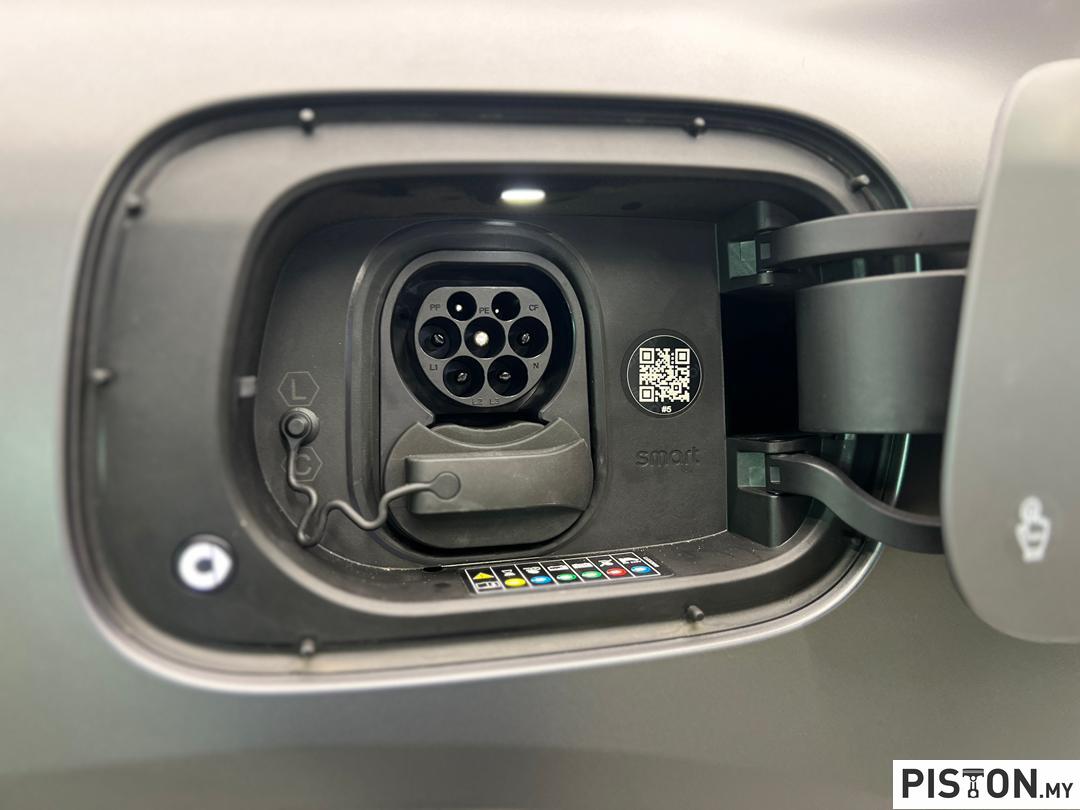
smart Malaysia is thrilled to announce the arrival of the smart Tour Brand Roadshow in Penang, continuing its nationwide showcase of the innovative smart #1 and #3 electric vehicles. This roadshow offers electric vehicle enthusiasts the chance to explore these groundbreaking models up close, with live demonstrations highlighting key features such as Vehicle-to-Load (V2L) capabilities and the Hello smart app.

(more…)

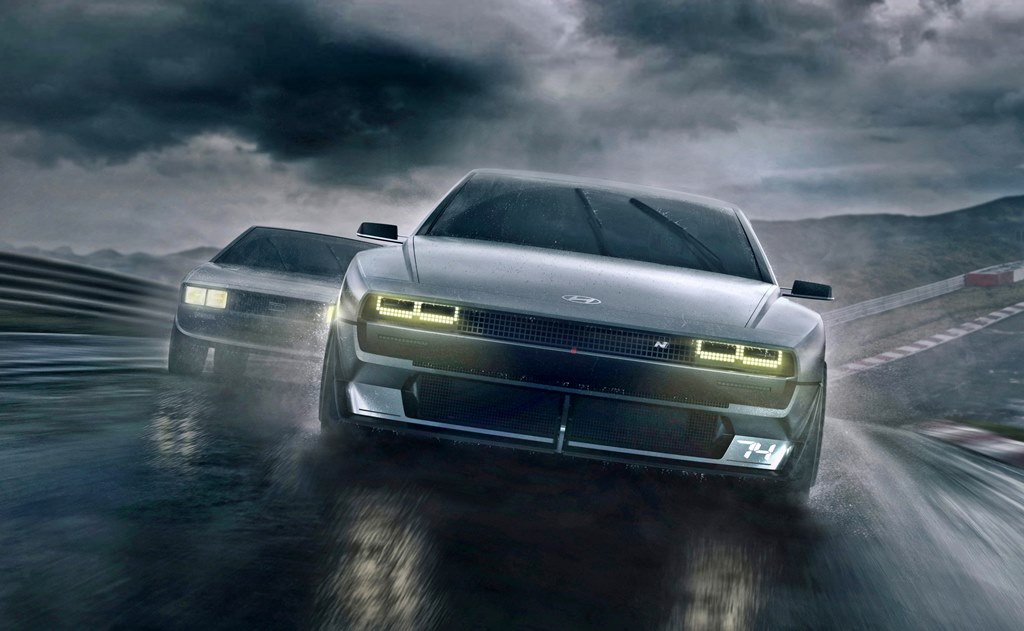
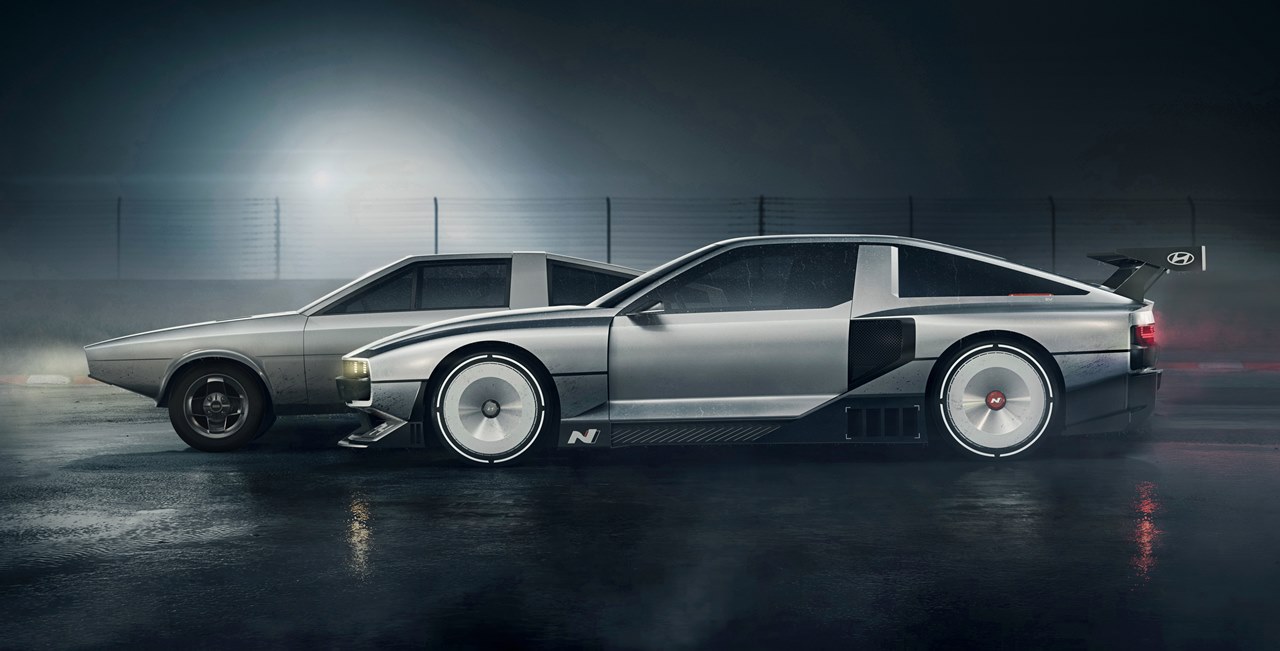
Hyundai Motor Group is pushing the boundaries of automotive innovation, especially with electrification, hybrid, and hydrogen-powered vehicles at the core of its future strategy. While many traditional car manufacturers are cautiously advancing in these areas, Hyundai’s recent 2024 CEO Investor Day presentation showcases its bold plans, particularly with its thrilling N Vision 74 concept. This concept, a hydrogen hybrid sports car, will become a production model, signalling Hyundai’s commitment to groundbreaking technology.

2022 Hyundai N Vision 74 prototype

The N Vision 74 concept made its debut two years ago with Hyundai President and CEO Jae Hoon Chang taking it for a spin at the Nürburgring racetrack. The car’s design takes inspiration from the 1974 Hyundai Pony Coupe, designed by the legendary Giorgetto Giugiaro. Despite the retro nod, the N Vision 74 boasts a modern aesthetic with sharp lines, a large rear spoiler, and digital lighting reminiscent of the Ioniq 5. However, the car’s real innovation lies in its unique powertrain.

(more…)

Archive

Follow us on Facebook

Follow us on YouTube