Piston.my

EV

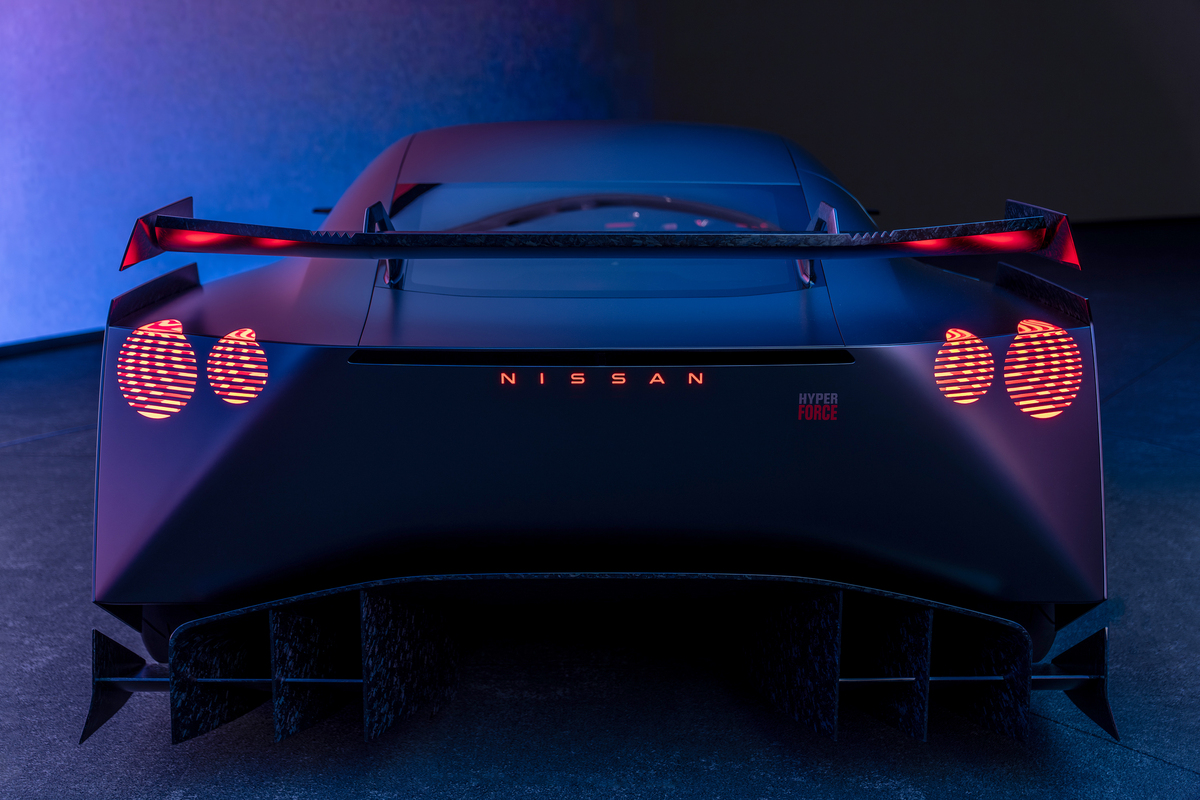
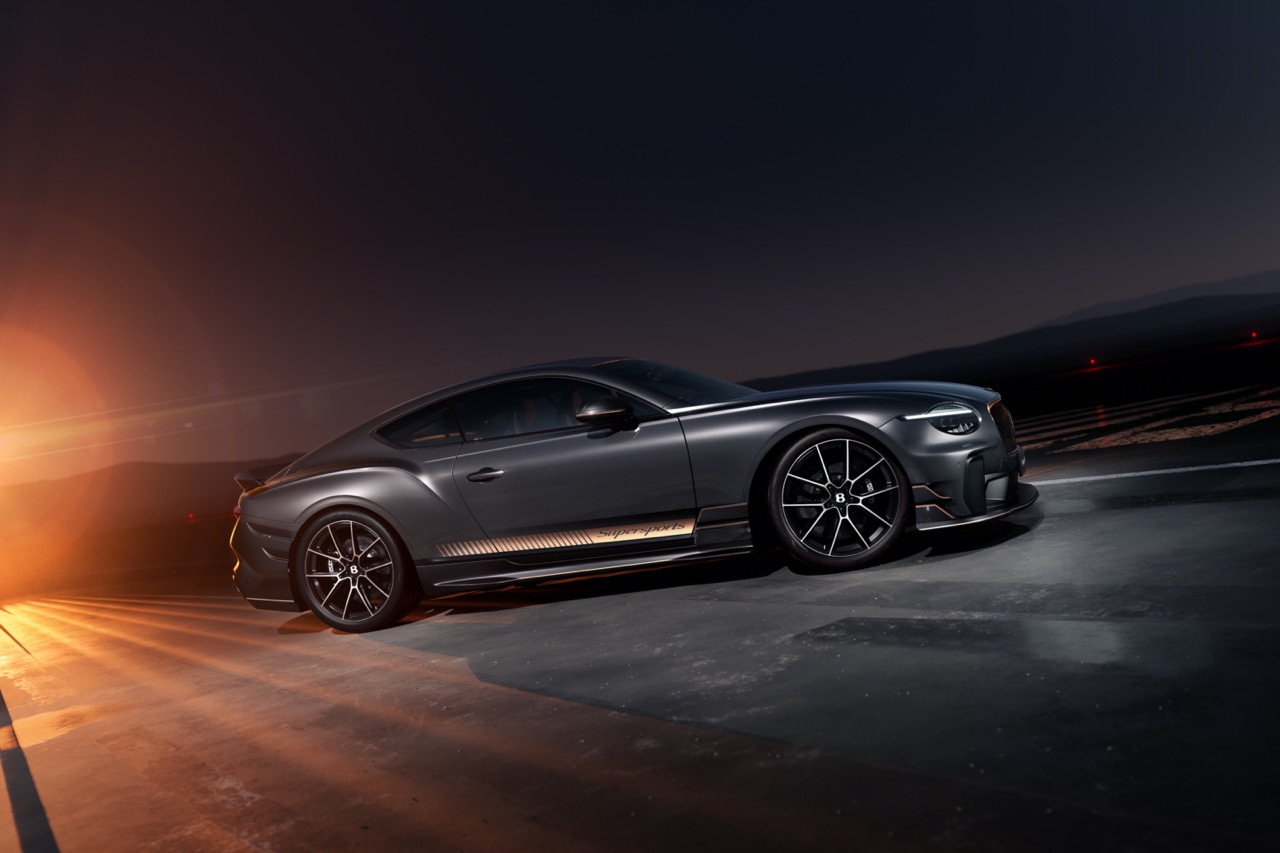
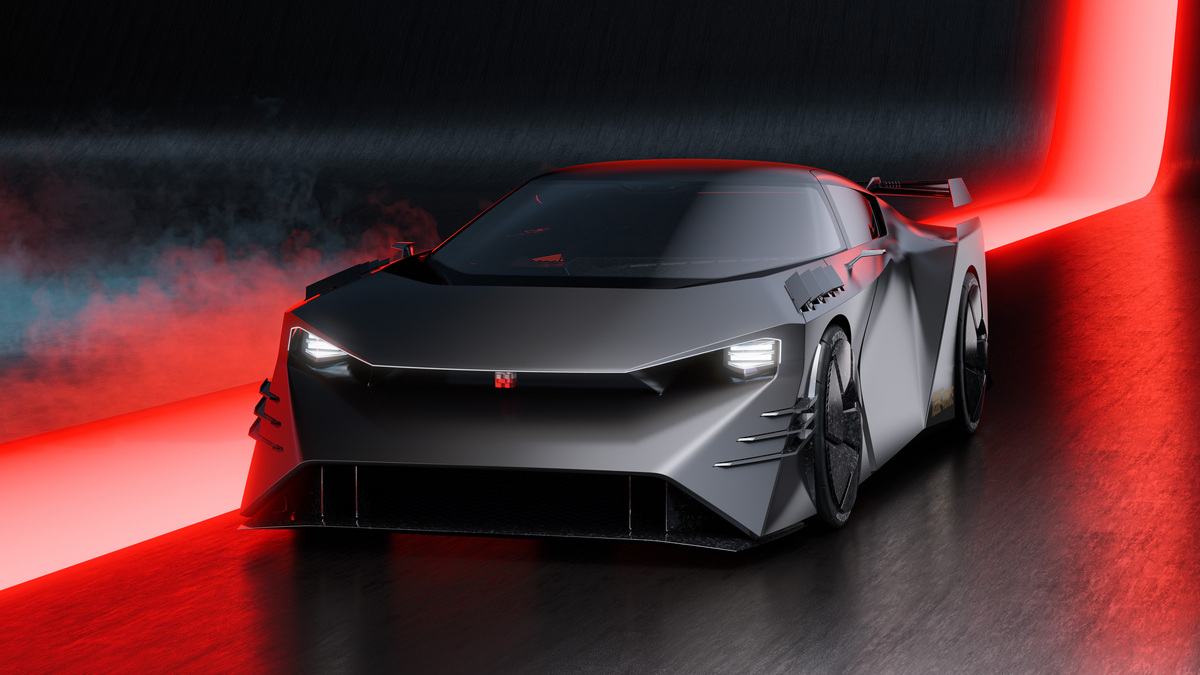
Nissan is preparing to electrify its iconic GT-R, and the model is expected to be the brand’s first to utilise cutting-edge solid-state batteries. As the new technology continues to develop, Nissan has hinted that these batteries could boost the electric GT-R’s power output significantly.

The first glimpse of this transformation came when Nissan revealed its Hyper Force EV concept in October last year. Described by Nissan as a “game-changing hyper EV,” the electric sports car is touted to deliver over 1,300hp. In comparison, Tesla’s Cyberbeast edition of the Cybertruck reaches a maximum of 845hp.

(more…)

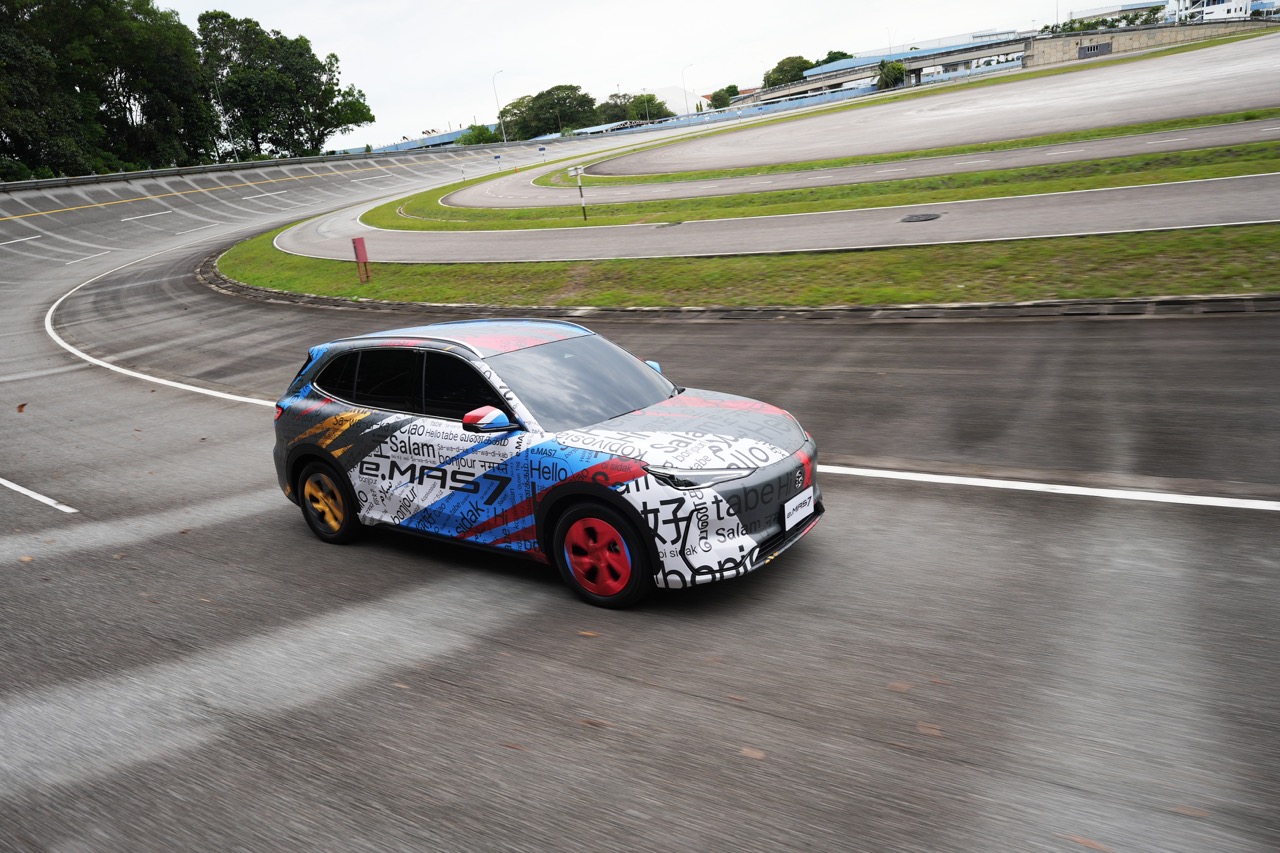
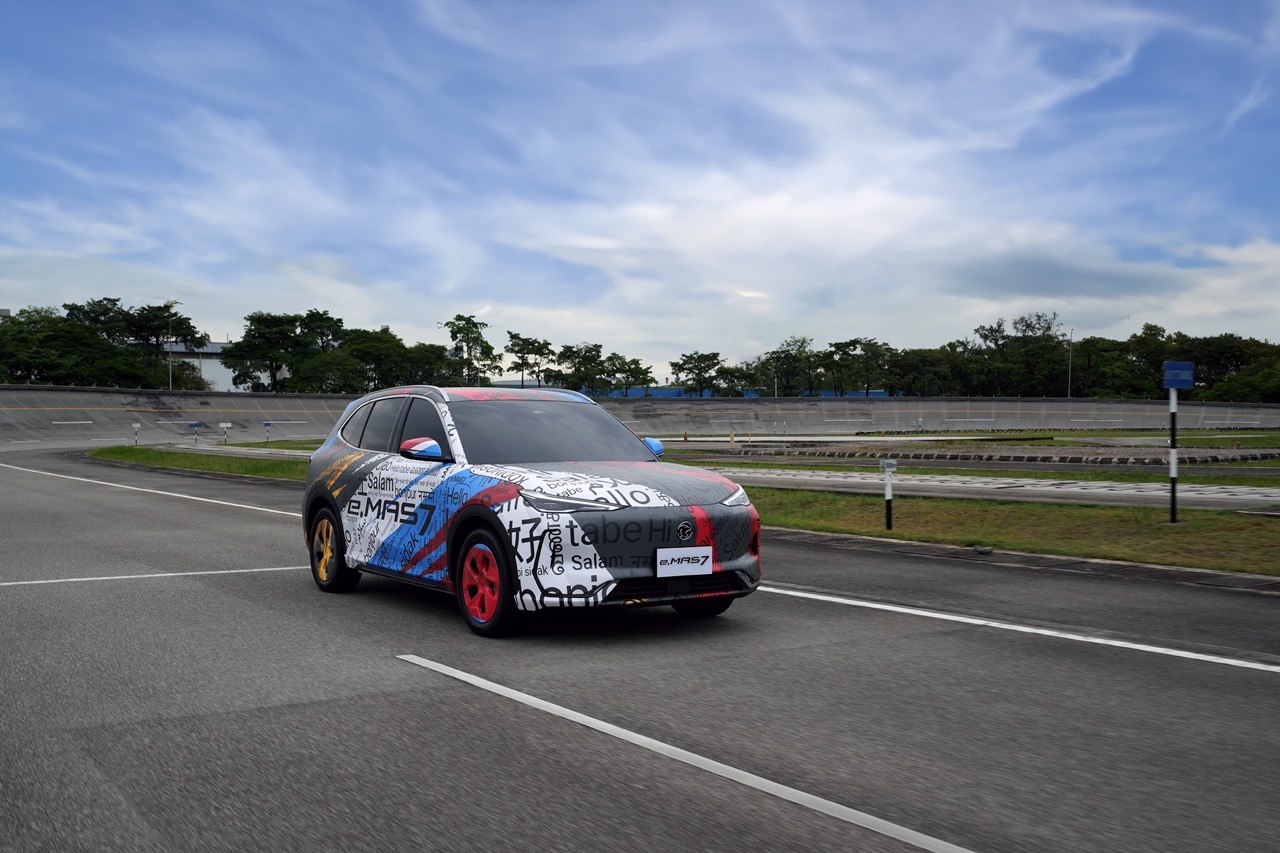
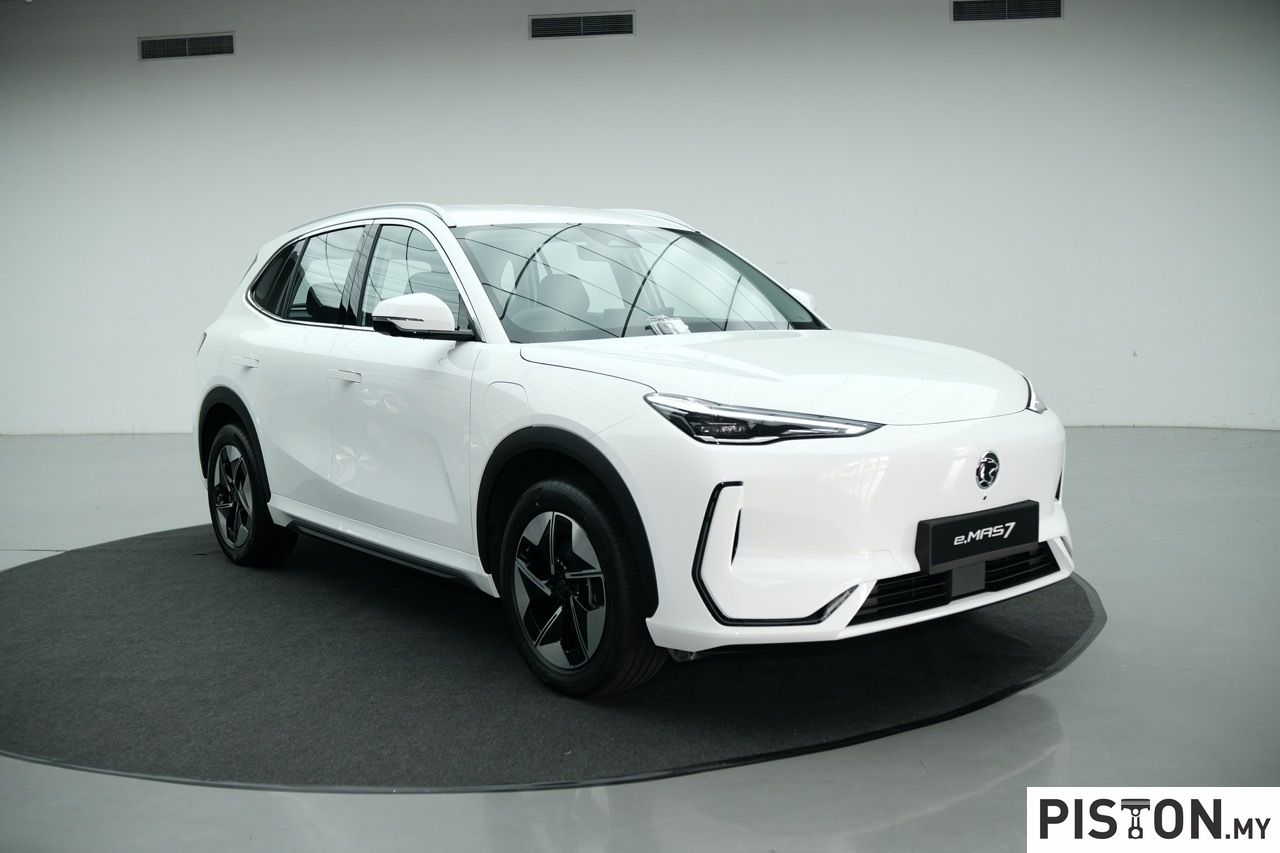
Malaysia’s 67th National Day celebration on August 31st will be marked by a special event for the national automotive industry. Proton will unveil its first-ever electric vehicle (EV), the Proton e.MAS 7, in its first public appearance during the National Day parade. First previewed to the media on August 2nd, the e.MAS 7 is set to officially launch later this year. In a nod to Malaysia’s patriotism, the vehicle will be adorned in a special camouflage featuring the colours of the Jalur Gemilang.

Proton’s presence at the parade will be strong, with a 25-car contingent that spans the company’s history—from the original Proton Saga to the recently launched 2025 Proton X70. Celebrating 41 years of history, Proton has played a pivotal role in Malaysia’s industrial development and remains a key player in the country’s economy.

(more…)

Volkswagen kini menilai semula matlamat asalnya untuk mencapai kapasiti pengeluaran bateri sebanyak 200 gigawatt-jam menjelang 2030, menurut Thomas Schmall, ketua bahagian bateri syarikat itu. Berbicara kepada akhbar Jerman Frankfurter Allgemeine Sonntagszeitung (FAS), Schmall mengakui bahawa sasaran tersebut tidak “ditetapkan” dan masa depan pengeluaran bateri akan banyak bergantung kepada perkembangan pasaran kenderaan elektrik (EV).

Sebelum ini, Volkswagen telah menyasarkan kapasiti bateri sehingga 240 gigawatt-jam menjelang akhir dekad ini. Namun, sasaran yang disemak kini berada pada 200 gigawatt-jam, terutamanya melalui anak syarikat baterinya, PowerCo. Syarikat itu merancang untuk membina enam kilang bateri di seluruh Eropah menjelang 2030. Bagaimanapun, komen terbaru Schmall menunjukkan bahawa matlamat ini mungkin dinilai semula kerana syarikat sedang memantau permintaan pengguna terhadap EV.

(more…)

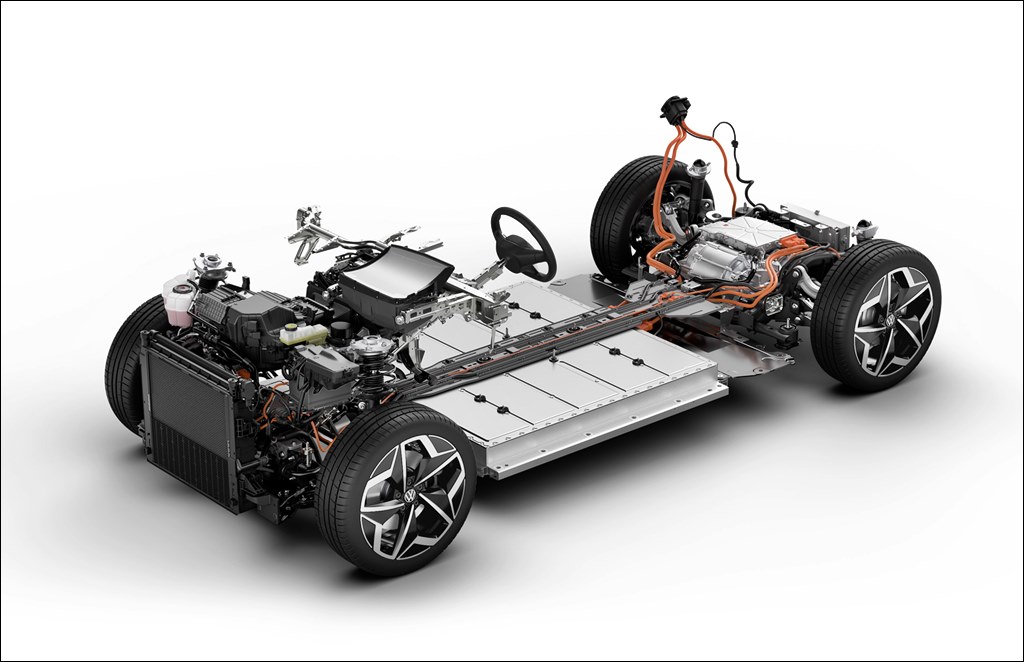
Volkswagen’s ambitious goal of producing 200 gigawatt-hours of battery capacity by 2030 is now under reconsideration, according to Thomas Schmall, the company’s head of batteries. Speaking to German newspaper Frankfurter Allgemeine Sonntagszeitung (FAS), Schmall acknowledged that the target is not “set in stone” and that future production would depend heavily on the development of the electric vehicle (EV) market.

While the carmaker had initially set a goal of reaching up to 240 gigawatt-hours of battery capacity by the end of the decade, the revised target now stands at 200 gigawatt-hours, primarily through its battery subsidiary, PowerCo. Volkswagen had planned to build six battery factories across Europe by 2030. However, Schmall’s latest comments indicate that this goal may be re-evaluated as the company monitors consumer demand for EVs.

(more…)

Dewan Perniagaan China kepada EU (CCCEU) telah menyuarakan bantahan keras terhadap cadangan Suruhanjaya Eropah untuk mengenakan duti import sehingga 36% ke atas kenderaan elektrik (EV) China, menyifatkan langkah ini sebagai tidak adil dan berisiko meningkatkan ketegangan perdagangan antara China dan Kesatuan Eropah. CCCEU menganggap tindakan Suruhanjaya sebagai langkah perlindungan yang mengabaikan prinsip perdagangan bebas dan akhirnya boleh melemahkan daya saing industri EV Eropah dengan menyekat kerjasama global.

Kenyataan ini dibuat selepas Brussels mengenakan tarif sementara sehingga 38% ke atas EV China pada bulan Julai, susulan penyiasatan anti-subsidi yang mendapati kenderaan tersebut diberi kelebihan yang tidak adil melalui subsidi kerajaan. Selain duti sedia ada sebanyak 10%, tarif tambahan ini memberikan tekanan ketara kepada pengeluar kereta China yang memasuki pasaran Eropah.

(more…)

Lima pengeluar kereta terbesar Eropah baru-baru ini melaporkan penurunan keuntungan yang ketara bagi separuh pertama tahun 2024. Penurunan ini disebabkan oleh beberapa faktor utama, termasuk permintaan yang lemah untuk kenderaan elektrik (EV), persaingan kos daripada pengeluar China, dan peningkatan kos penyelidikan dan pembangunan (R&D).

Volkswagen Menghadapi Cabaran Besar

Ketua Pegawai Eksekutif Volkswagen, Oliver Blume, menekankan tentang peningkatan kos dan kadar penggunaan kilang yang lebih rendah semasa persidangan pendapatan yang diadakan baru-baru ini. Blume berkata, “Kami telah membuat semua keputusan teknikal yang diperlukan. Kami telah melaksanakan langkah-langkah organisasi yang berkaitan. Kini, tumpuan utama kami adalah pada kos, kos dan kos.”

Kerugian terbesar Volkswagen berpunca dari sektor EV mereka. Sepanjang tempoh enam bulan yang berakhir pada Jun, jualan EV di Eropah merosot sebanyak 15 peratus berbanding tahun sebelumnya, dengan penurunan yang sama dalam jualan di Amerika Syarikat. Keuntungan bersih Volkswagen untuk separuh pertama tahun ini menurun sebanyak 14 peratus kepada €7.3 bilion. Walaupun terdapat peningkatan dua peratus dalam hasil, margin operasi menurun kepada 6.3 peratus daripada 7.3 peratus, meleset daripada sasaran tahunan syarikat sebanyak 6.5% hingga 7 peratus.

(more…)

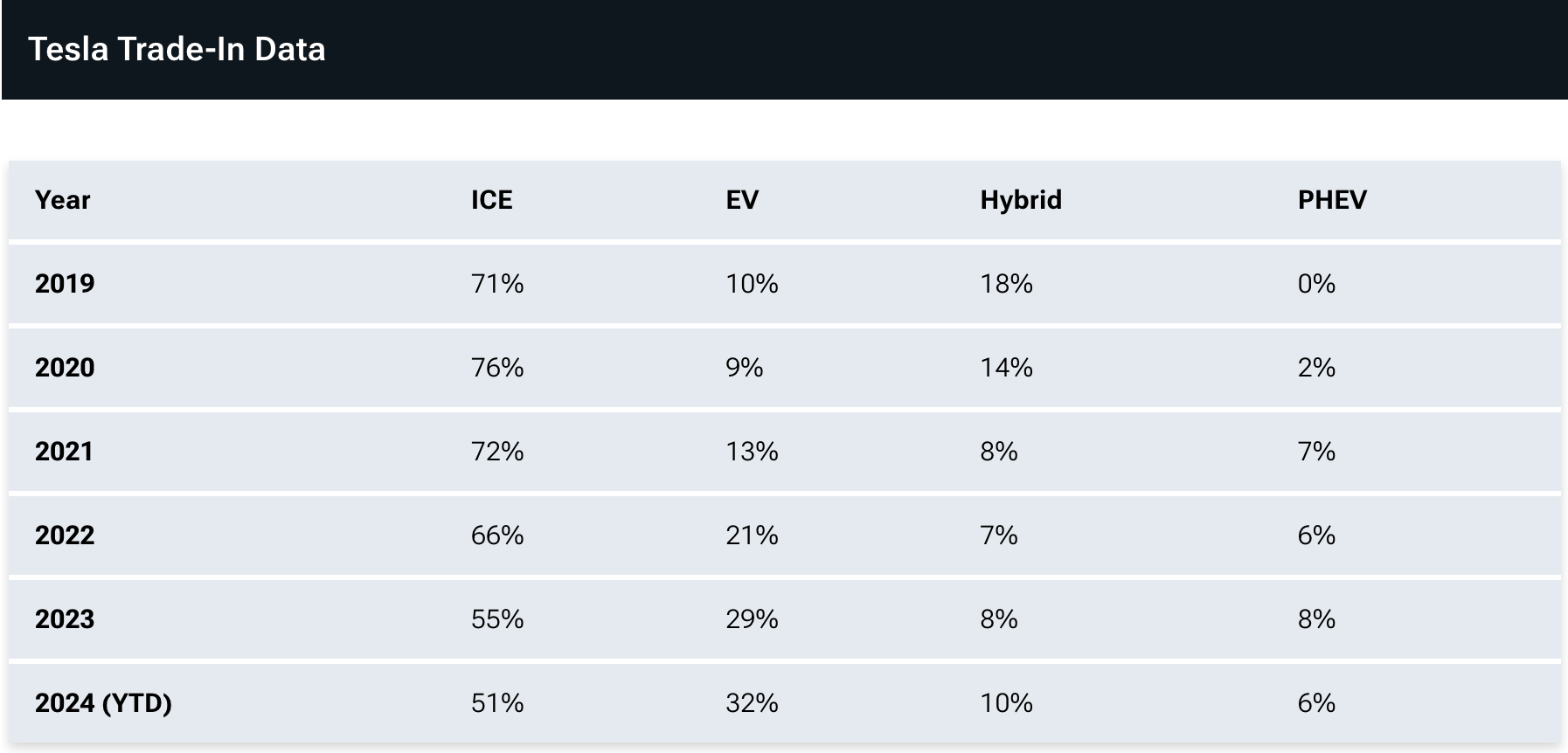
Kajian terkini menunjukkan trend menarik dalam kalangan pemilik Tesla pada tahun 2024, dengan majoriti beralih dari kenderaan elektrik (EV) kepada model enjin pembakaran tradisional atau pilihan hibrid. Berikut adalah ringkasan penemuan utama:

  • Peralihan kepada Kenderaan Enjin Pembakaran:
    • 51% pemilik Tesla beralih kepada kenderaan enjin pembakaran dalaman (ICE).
    • 10% memilih model hibrid.
    • 6% memilih hibrid plug-in (PHEV).
    • Hanya 32% pemilik Tesla memilih untuk terus menggunakan EV mereka.

(more…)

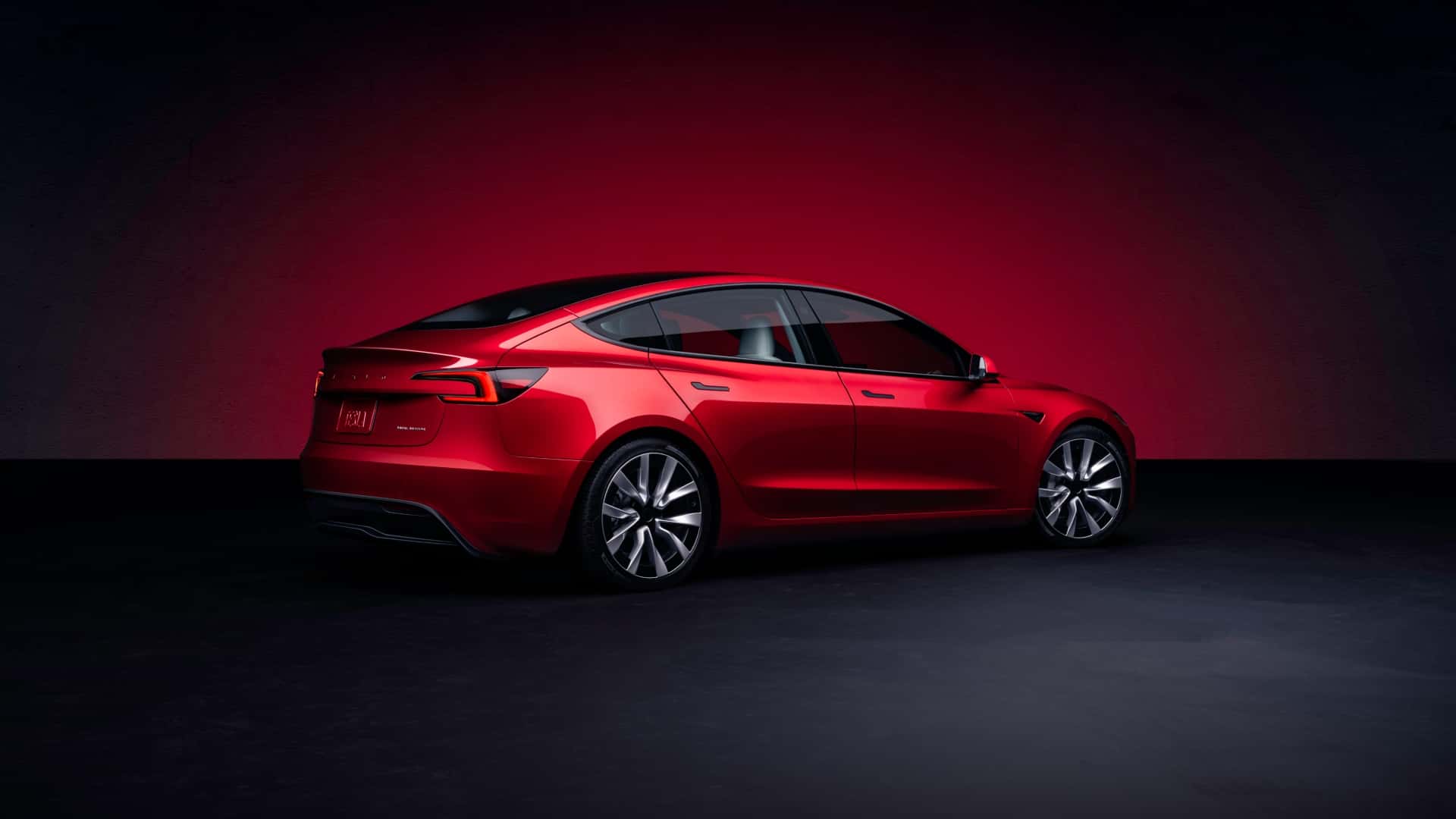
A recent study has unveiled a significant trend among Tesla owners in 2024 which is that the majority have opted to abandon their electric vehicles (EVs) in favour of combustion engine models. According to the study, only 32% of Tesla owners chose to remain with electric vehicles, while the majority made the switch to traditional combustion engines or other hybrid options.
Specifically, 51% of Tesla owners have transitioned to pure internal combustion engine (ICE) vehicles, 10% have moved to hybrid models, and 6% have opted for plug-in hybrids. These findings align with a recent McKinsey & Co. survey, which indicated that nearly half (46%) of EV owners in the U.S. are likely to revert to combustion-powered vehicles for their next purchase.

Despite this trend appearing alarming, the situation represents a notable improvement from previous years. In 2020, a significant 76% of Tesla owners abandoned their EVs for internal combustion engine vehicles, with only 9% choosing other electric models. Since then, the numbers have shown a steady decline in the rate of EV abandonment.

Tesla owners have historically demonstrated a strong tendency to exit the EV market. However, the gradual improvement in retention rates suggests that owning an electric vehicle in North America may be becoming less challenging. Still, the current figures indicate that substantial advancements are needed to make EV ownership more appealing to a wider audience.
Another key observation is that an increasing number of former Tesla owners are now purchasing electric vehicles from legacy automakers. This shift is not unexpected, given Tesla’s evolution from an EV pioneer to competing against a growing array of mainstream manufacturers in the electric vehicle segment.

Hybrids and plug-in hybrids (PHEVs) have not gained substantial traction as alternatives to Teslas. While these vehicle types are becoming more popular among new car buyers, they appear less attractive to those who have previously owned electric vehicles. Notably, the proportion of Tesla owners switching to PHEVs is higher than the overall PHEV market rate, likely due to their previous experience with EV charging challenges.
The data highlights both the progress and ongoing challenges in the electric vehicle market, emphasising the need for continued innovation and improvement to retain and attract EV buyers.

The rise of electric vehicles (EVs) is transforming the automotive landscape, presenting both challenges and opportunities for traditional mechanics. As electric cars become increasingly prevalent, the need for automotive professionals to adapt to new technology has never been more urgent.

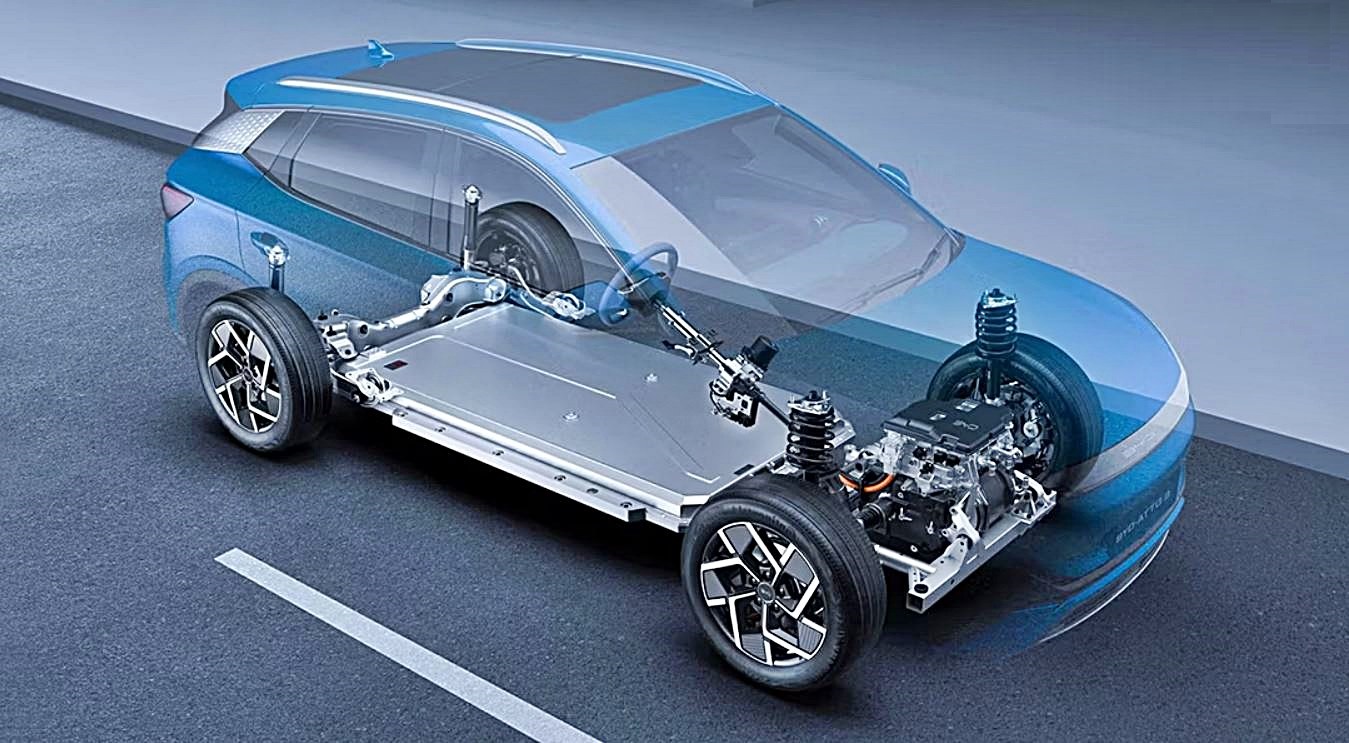
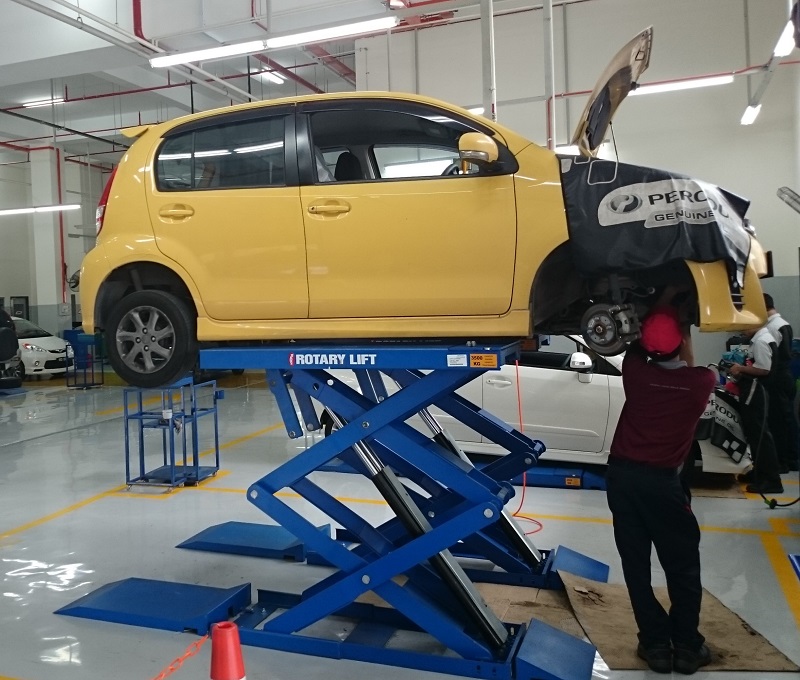
According to The Star, workshop chief mechanic Mohd Shazwan Ariffin, 37, openly admits that he is struggling with the shift from internal combustion engines to electric drivetrains. “I am stumped by these changes,” he says. “With EVs featuring electric motors instead of traditional engines, I find myself unable to offer much assistance to their owners.”

Workshop

(more…)

Honda Motor has announced significant changes to its manufacturing operations in China. This strategic move aims to increase electric vehicle (EV) production, responding to growing competition from Chinese brands in the world’s largest automotive market.

Major Changes in Production Facilities

  • Closure of Joint Venture Plant with GAC:
    • Honda will shut down a factory operated in partnership with Guangzhou Automobile Group (GAC), a state-owned Chinese automaker.
    • This plant, primarily manufacturing the Accord sedan, has an annual production capacity of 50,000 vehicles and has been operational for nearly 20 years.
    • The closure is scheduled for October.

  • Production Halt at Joint Venture Plant with Dongfeng:
    • Vehicle production will be suspended at another factory operated through Honda’s joint venture with Dongfeng, another major Chinese automaker.
    • This facility has an annual production capacity of 240,000 vehicles and will cease operations in November.

(more…)

Archive

Follow us on Facebook

Follow us on YouTube