Piston.my

EV

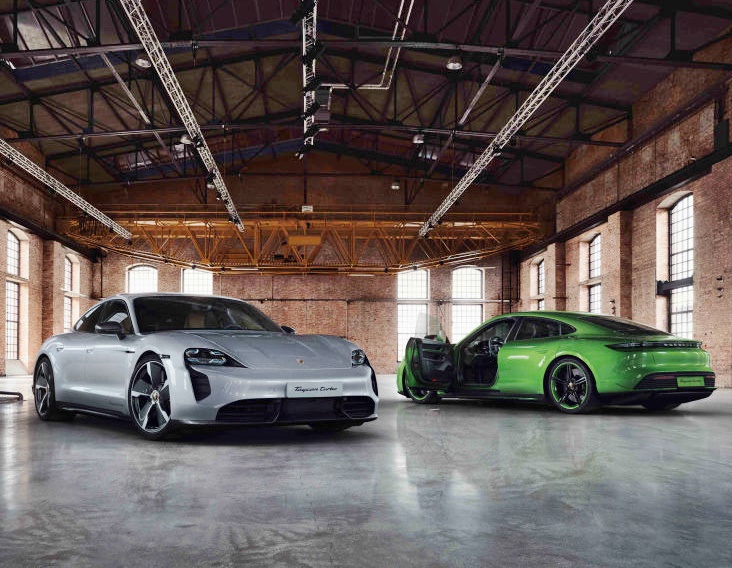
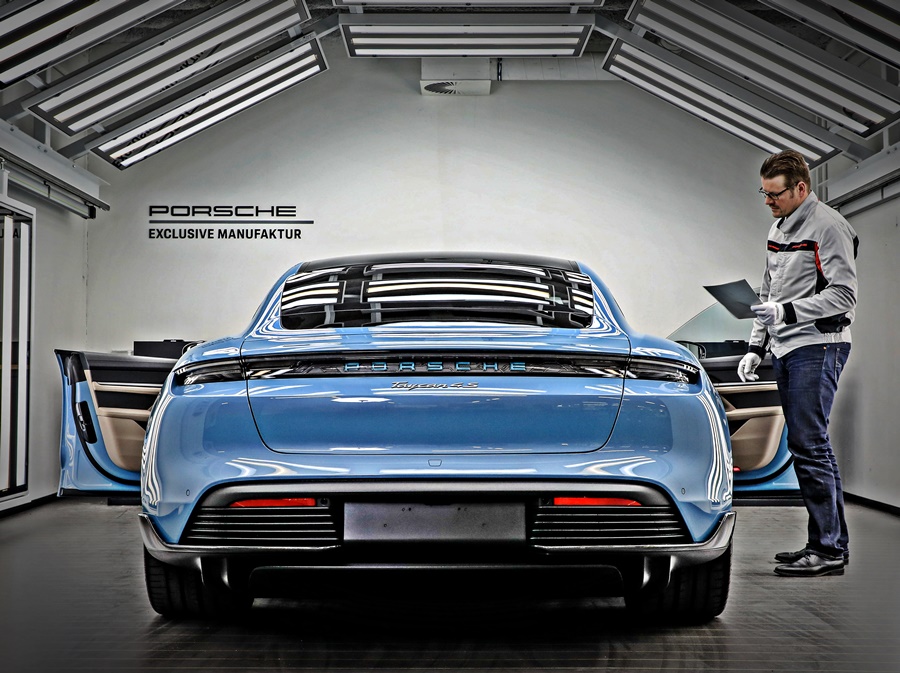
For some time to come, owning a Taycan – Porsche’s first all-electric sportscar – will already be something special. But there will be owners who want a higher degree of personalisation and for these customers, Porsche Exclusive Manufaktur offer up to 90 exclusive options to choose from. The special equipment packages for the exterior and interior are hand-finished with high-quality components so they are of the same standard as the rest of the car.

The highlights among the exclusive options offered by the company’s own manufactory include the Sport Design package in three variants and 21-inch Exclusive Design wheels with carbon aeroblades.
Porsche Exclusive Manufaktur

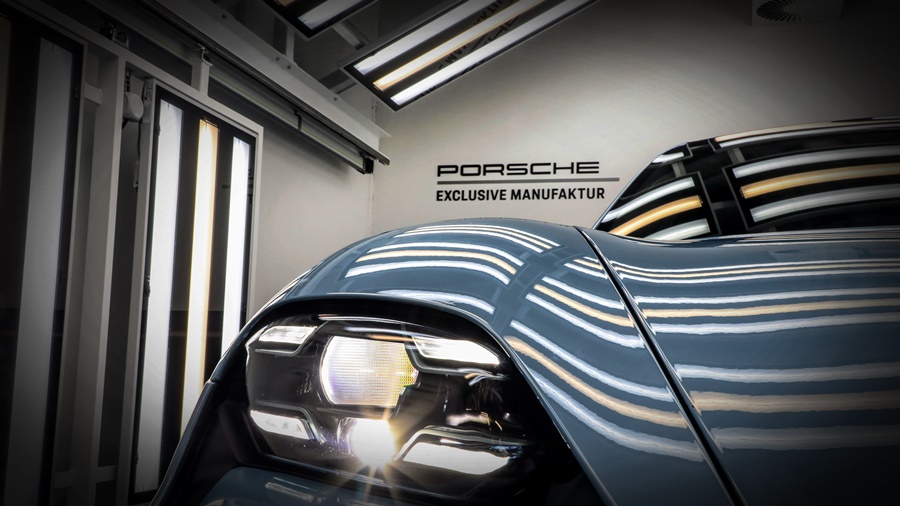
Porsche Exclusive Manufaktur has extended its capacities to coincide with the launch of the Taycan. The factory space was expanded by a third to 2,000 square metres and 4 new lifting platform workstations were added. 150 square metres of storage space was also created and the vehicle logistics were optimised with a direct connection to the finished vehicle loading facility. The team has also grown with the additional vehicle finishing experts.

Exterior options
Three variants of the Sport Design package are available, all giving a more dynamic look. They differ with respect to the inlays in the lower front apron, in the sill panels and in the side fins of the diffuser. Depending on the package, these are painted in the exterior colour or in Black (high-gloss) or are made of carbonfibre.
Porsche Exclusive Manufaktur

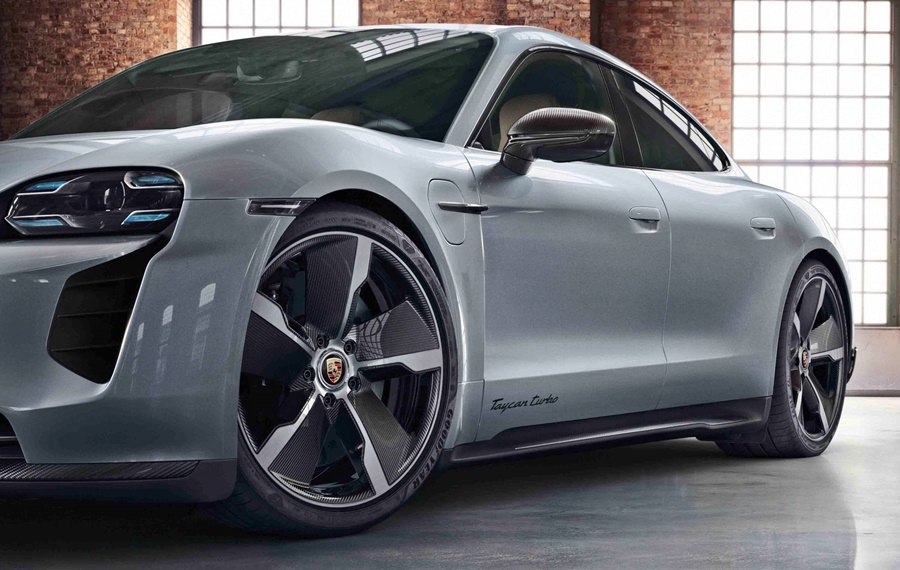
The LED matrix headlights with Dynamic Light System Plus are available with a 3-dimensional circuit board graphic in the headlight housing as well as daytime running light elements in Glacier Ice Blue. The 21-inch Exclusive Design wheels with aeroblades made from forged and milled carbon combine excellent aerodynamics with lightweight construction: The weight reduction per wheel set is more than 3 kgs compared with a similar wheel variant.
Porsche Exclusive Manufaktur

Sporty, high-quality interior
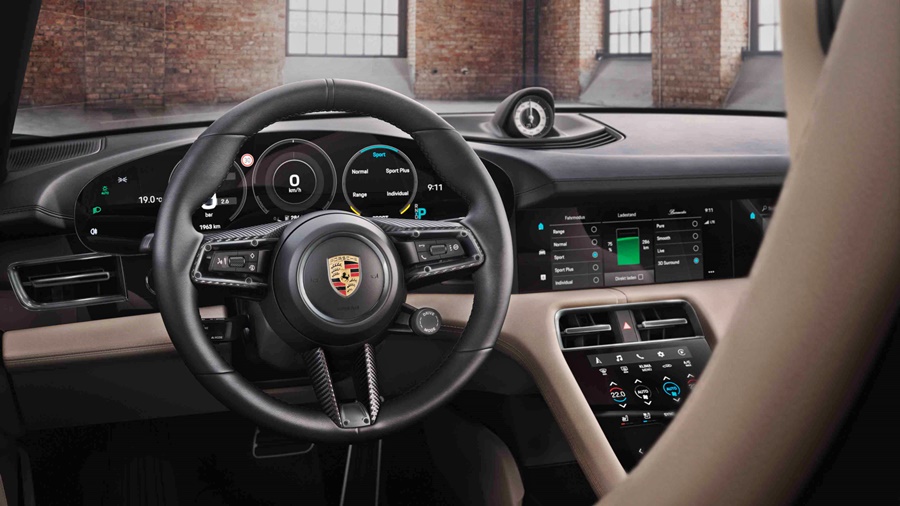
The Carbon interior package is inspired by motorsports. Large areas in the front and rear doors as well as trim elements on the sides of the centre console are finished in matt carbonfibre. The accent package also offers a choice of contrasting colours in the interior, with the front and rear door trims painted in the exterior colour.
Porsche Exclusive Manufaktur

The Taycan’s sporty character is accentuated by the seatbelts available in the colours Graphite Blue, Truffle Brown, Lime Beige, Crayon, Blackberry, Meranti Brown, Slate Grey and Bordeaux Red.

About Porsche Exclusive Manufaktur
The customisation of production vehicles is the core competence of Porsche Exclusive Manufaktur. The more than 30 employees have access to an extremely wide range of visual and technical customisation options for the exterior and interior.
Porsche Exclusive Manufaktur

Added to this is a wide range of special colours and high-quality materials such as leather, carbonfibre, aluminium and elegant wood finishes for interior elements. Even customer wishes that are not covered by the 600 order options in the customisation programme can be realised by Porsche Exclusive Manufaktur for selected models. The requirements for quality, technology, road safety and full compliance with international laws are all met.

The facility has specialised in personalisation work since 1986. Besides the special customer cars, Porsche Exclusive Manufaktur also manufactures limited production runs, such as the recent 911 Turbo S Exclusive Series. As part of the Heritage Design strategy, Porsche Exclusive Manufaktur works together with the Style Porsche design department on designing exceptional vehicle concepts which combine the footsteps of history with the contemporary cars of today. The objective is to give exclusive sportscars the finishing touch using contemporary interpretations of design elements from past icons from the 1950s, 1960s, 1970s and 1980s.

BHPetrol RON95 Euro4M

Star Wars theme for Porsche Taycan debut in Asia-Pacific region

PISTON.MY

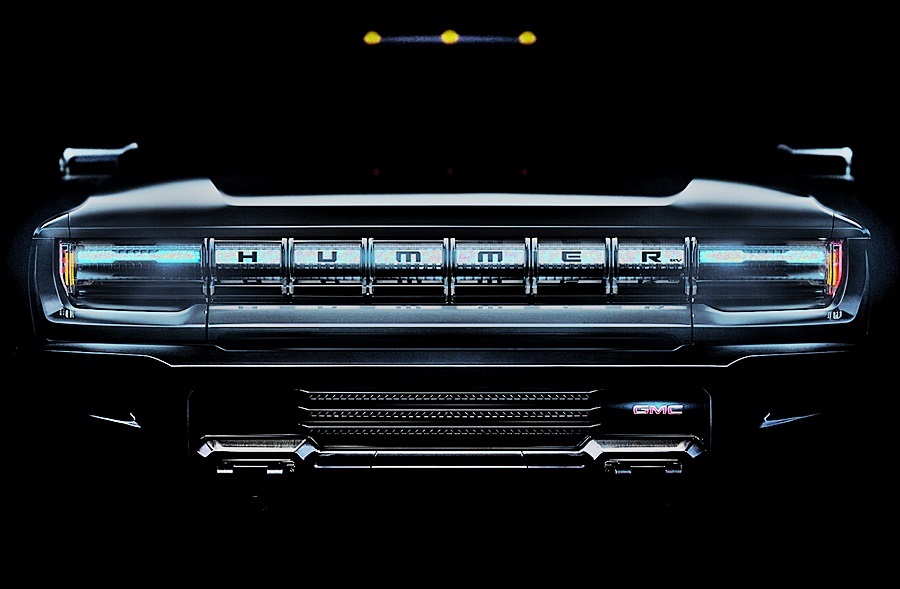
It’s been almost 10 years since the last Hummer was produced and for a while, it seemed that a company in China would take over the brand which started in 1992. However, that never happened and General Motors, the brand owner, stopped production and marketing after 2010. Although sold mainly in America, the Hummer was an iconic vehicle globally because of its looks and size and perhaps the fact that it was a civilian version of a military vehicle.
In May 2020, GM will revive the Hummer with the unveiling of an all-new model although statements by senior GM executives indicate that it will be a model name rather than a brand as it used to be. The vehicle will be sold under the GMC brand and it will be a totally different type of Hummer because it will have an all-electric powerplant instead of the 6.2-litre engine (the Hummer H3 had a smaller 3.5-litre powerplant).
It will be GMC’s first all-electric truck, a rival to Tesla’s Cybertruck which Elon Musk says already has 250,000 orders from people who paid refundable US$100 deposit. Starting off with the theme of ‘Quiet Revolution’ in advertising spots starting on May 20, the HUMMER EV, as it will be known, will have 1,000 bhp, 15,592 Nm of torque and a claimed 0 to 60 mph (96 km/h) time of 3 seconds. And without the noise and unhealthy emissions Hummers of the past generated but expected to still have superior capabilities off-road.

The HUMMER EV will be built at GM’s Detroit-Hamtramck assembly plant which has received a US$2.2 billion investment to make it the company’s first fully-dedicated electric vehicle assembly factory. GM’s first all-electric truck will be a pick-up with production scheduled to begin in late 2021. This will be followed soon after by the Cruise Origin, a shared, electric, self-driving vehicle unveiled by Cruise in San Francisco last week. Somewhere in the production schedule would also be the HUMMER EV which GMC informs will be initially available during the fourth quarter of 2021.

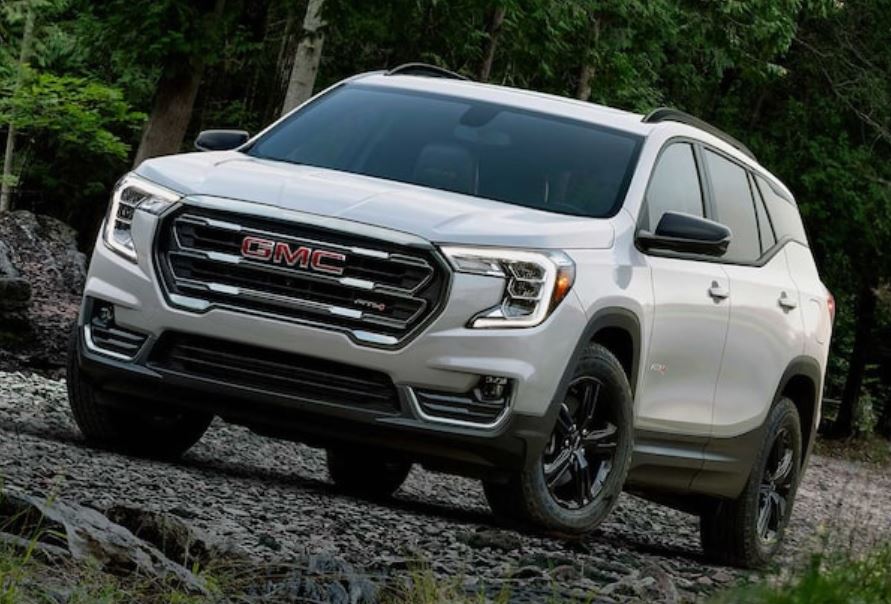
GMC Terrain
GMC has been around for almost 120 years as a truck manufacturer. Its current range includes SUVs like the Terrain (above).

GM’s joint venture with LG Chem – which is investing US$2.3 billion to manufacture battery packs – will supply battery cells for the electric vehicles manufactured at Detroit-Hamtramck. It will be interesting what size of battery packs the HUMMER EV will have – would it guzzle electricity the way the original Hummer consumed fuel at a rate of around 4 kms/litre (even the ‘lighter’ H3 did 7 kms/litre at best). That consumption figure was one of the reasons why Hummer sales died quickly as fuel prices rose, taking the company down with it.

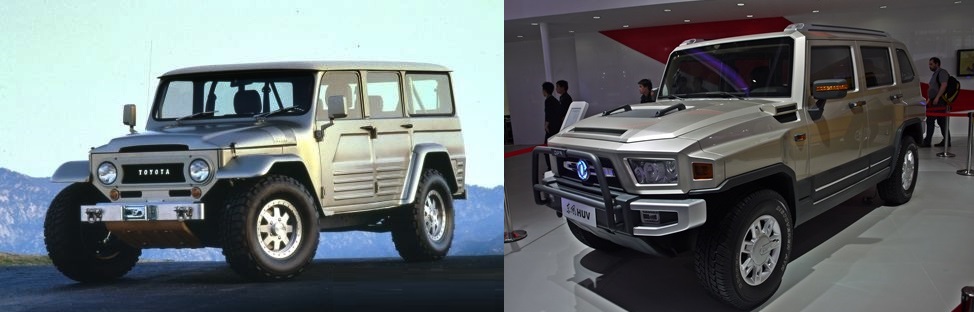
Toyota MegaCruiser and Dongfeng HUV
The Toyota MegaCruiser (left) and Dongfeng HUV were almost certainly inspired by the original Hummer.

PISTON.MY

The automotive industry is changing faster than at any time in its history, with a convergence of trends and developments shaping the face of the sector beyond all recognition. Honda predicts that by 2030, the development of automobiles will be centred around electrification, automation and services. Environmental issues, such as climate change, are driving demand for cleaner mobility and accelerating the electrification of automobiles.

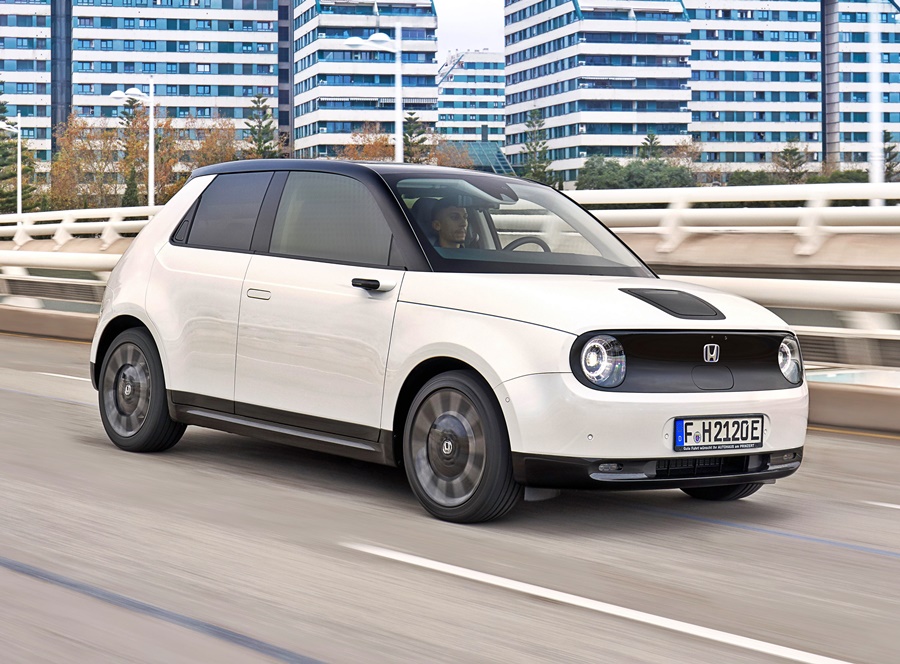
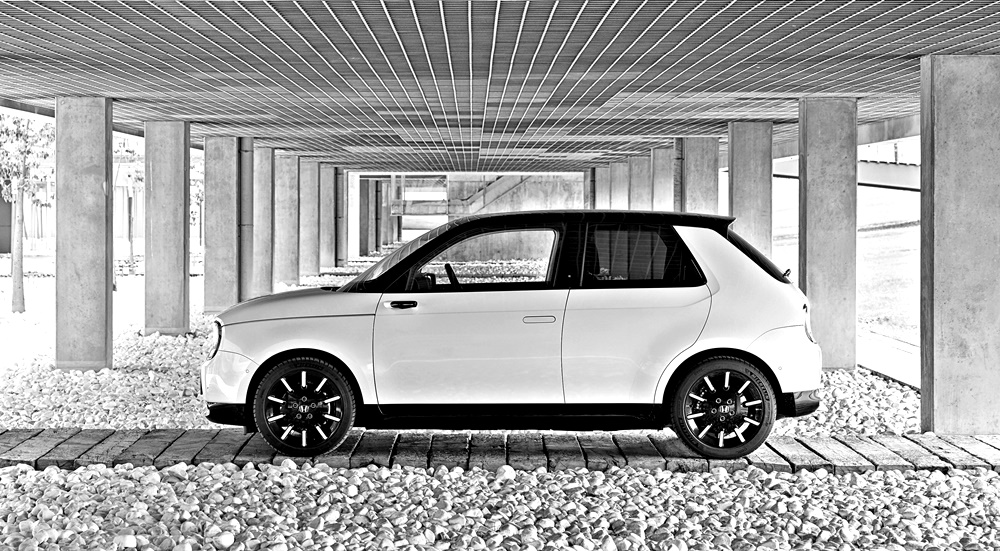
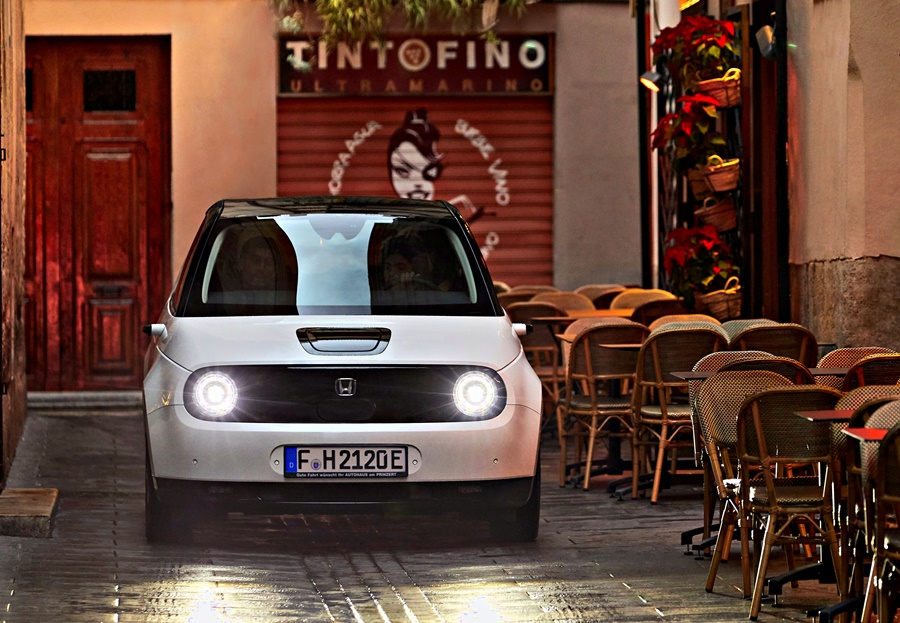
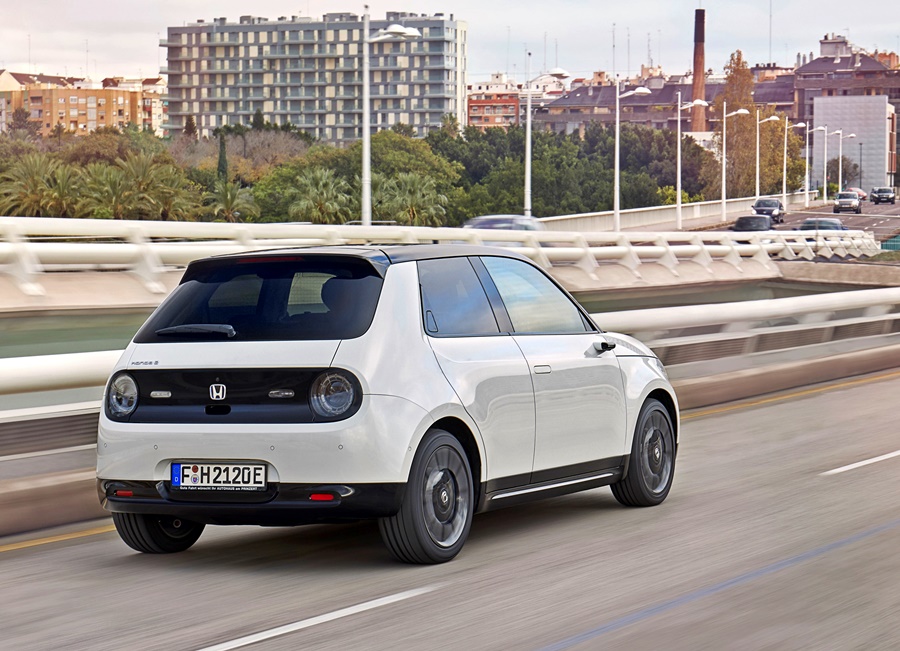
The new fully-electric Honda e is inspired by this 2030 prediction, engineered from the ground up to deliver a package perfect for the modern urban environment. It first appeared in concept form in 2017 as the ‘Urban EV’, followed by an almost production-ready prototype at the 2019 Geneva Motor Show.

2020 Honda e

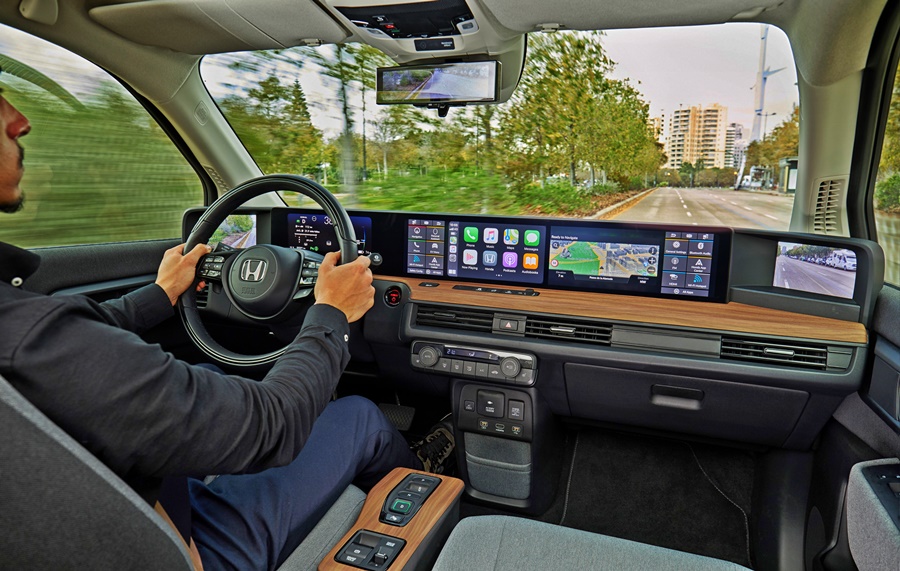
Finally having its global debut in Frankfurt last year, the compact EV features cutting-edge technology and advanced intelligent connectivity to keep owners in sync with everyday life. The Honda e sets new technology benchmarks in the compact EV segment, with intuitive infotainment services and connected apps that seamlessly integrate with the owner’s modern lifestyle, accessed via the dual touchscreen displays, Honda Personal Assistant artificial intelligence or via the My Honda+ smartphone app.

Design-wise, the Honda e has a simple and clean modern appearance which somehow also brings to mind the original Civic. That Civic was a model of innovation in its time and the Honda e reimagines the identity of a small Honda for the next era of urban mobility.

2020 Honda e

Exemplifying such design philosophy is the Side Camera Mirror System (SCMS) that replaces conventional side view mirrors, with compact cameras that provide live images to two 6-inch screens inside the vehicle. The camera technology, a first in the compact segment, brings significant benefits for safety, aerodynamics and packaging.

The interior uses subtle, contemporary materials to create a relaxing lounge-like. The generous wheelbase allows passenger space comparable with that of cars in the segment above, with step-through access contributing to the spacious interior environment.

2020 Honda e

The Honda e also offers Single Pedal Control System to improve driving efficiency in urban environments. When activated, the system enables the driver to seamlessly accelerate, slow and stop the car using only the accelerator pedal. The Single Pedal Control System provides linear deceleration control that gives the car a more agile response. By decreasing in frequency the need to use both accelerator and brake pedals, it helps the driver feel more comfortable in stop/start congested city traffic.

The wide rear bench seat provides sofa-like seating, adding further to the ambience of a modern living space. Ceiling spot lamps above the occupants’ heads and out of direct eyesight contribute further to the comfortable and sophisticated feel, like you are switching on your living room light, and are activated by a button on the B-pillar.

The Honda e provides the most comprehensive range of driver aids in its class, addressing the demand for more safety provisions that is topping consumer expectations today. An enhanced suite of safety features sees the addition of three new safety technologies. These are Collision Mitigation Throttle Control, preventing sudden acceleration in either reverse or drive upon starting the car when there is an obstacle in the way; Low Speed Brake Function which applies emergency braking while driving at low speed, and Lead Car Departure Notification System which notifies the driver when the car in front has started moving.

BHPetrol RON95 Euro4M

Providing additional support to drivers is the Honda Parking Pilot, which continues the theme of user-focused technology. The system assists the driver in locating an appropriate space and then manoeuvring the car efficiently into it. It does this through the use of 4 cameras and 12 sonar sensors. A multi-view camera detects the white line of a parking spot, while the sensors recognise the actual parking space. The system can execute up to 5 parking patterns which covers virtually all parking scenarios.

The all-new EV-specific platform (with rear-wheel drive) has been engineered to deliver fun and effortless electric performance (154 ps/315 Nm) with exceptional driving characteristics in urban environments. The claimed acceleration time from 0 to 100 km/h is 8.3 seconds, with a 136 ps variant doing it in 9 seconds.

2020 Honda e

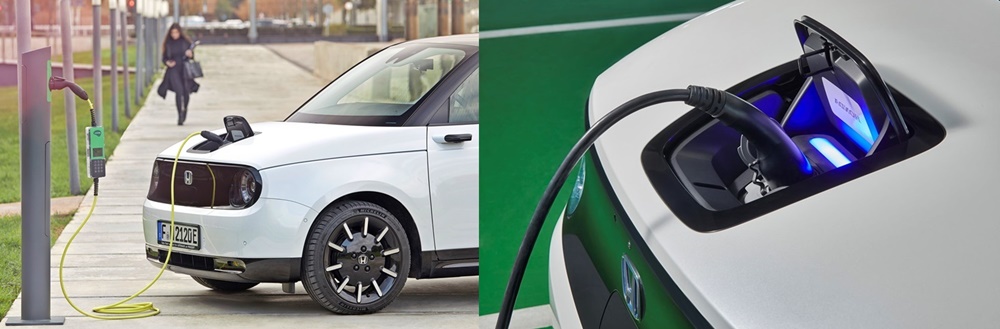
The 35.5 kWh lithium-ion battery pack provides a claimed range of 222 kms, and 80% of charge can be ‘refuelled’ within 30 minutes in rapid charging mode. Reinforcing the function-led design approach, the car’s advanced charging port is integrated centrally in the bonnet for ease of use from either side of the car. The lid is made of high-strength glass and operated via the key fob or My Honda+ app. LED lighting visible through the sleek cover welcomes the driver upon approach to the car, and communicates by illuminating blue when charging, or red if the charging system detects an error.

In the UK market, the Honda E with the more powerful powertrain will cost £28,660 (about RM152,000) while the lowered powered on will be around 9% cheaper. The prices are after a rebate is given as an incentive for purchases of EVs. The Nissan LEAF, which is the world’s most widely sold EV, costs around £32,500 (RM173,000) even with a rebate but it has a higher-capacity 62-kWh battery pack.

2020 Honda e

The Honda e is the start of the carmaker’s electrification offensive in Europe. Over the next 36 months, there will be all-new hybrid-only Jazz, a SUV and an additional battery electric vehicle. Honda’s new ‘e: Technology’ branding will unify all its electrified products under the same global name. Ahead of its European 2022 electrification goal, Honda will expand the application of its e:HEV dual-motor hybrid system to the entire line-up of Honda vehicles in Europe, starting with the next-generation Jazz, available from the middle of 2020.

Honda e previews connectivity features you could get tomorrow

PISTON.MY

“The car of the future must question existing notions and inspire with radical and ground-breaking technology ideas”, was how Mercedes-Benz studio engineer and visionary Johann Tomforde saw the evolution of the automobile back in 1972. Since then, the carmaker which is associated with the world’s first car has worked on a concept of a purely urban vehicle whose powertrain needs to be not only electric, but also a solution for future urban mobility challenges.

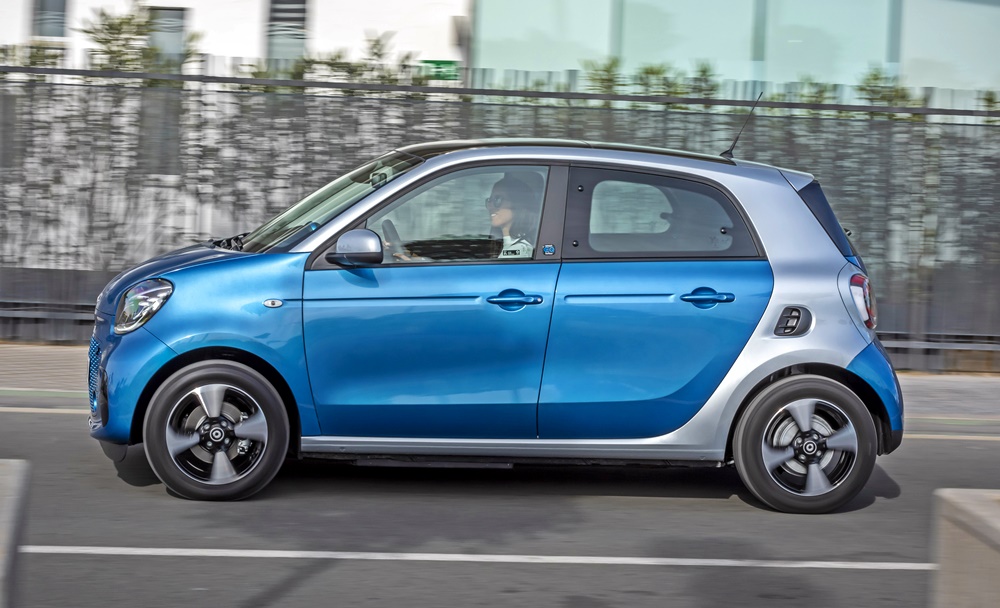
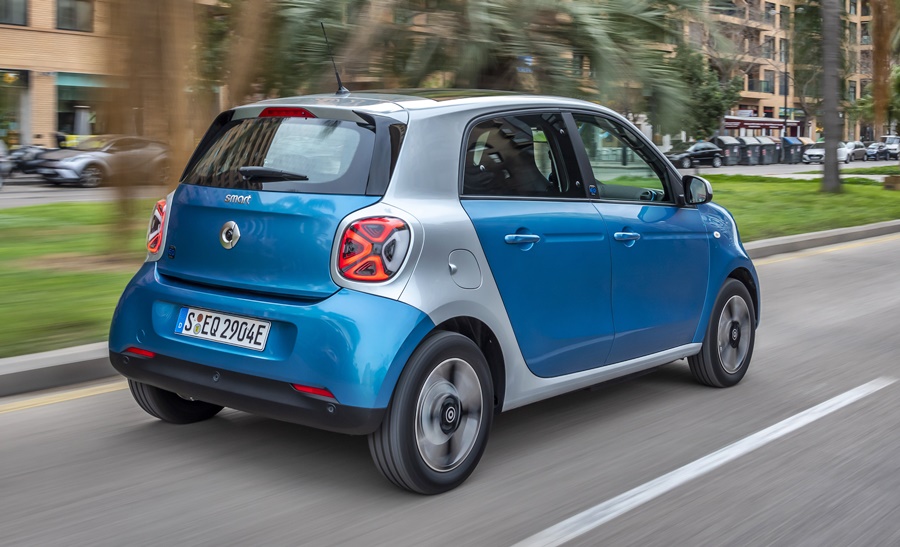
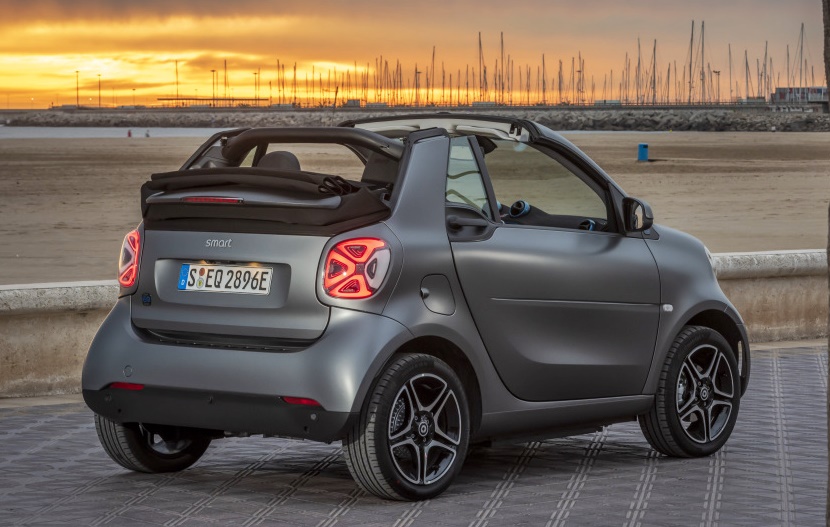
Its smart brand, in combination with progressive design and intelligent connectivity, offers a sustainable and comprehensive concept for urban mobility today. In 2007, the brand returned to its origins with the systematic switch to emission-free, battery-electric powertrains. Since then, smart has offered an all-electric option in every generation.

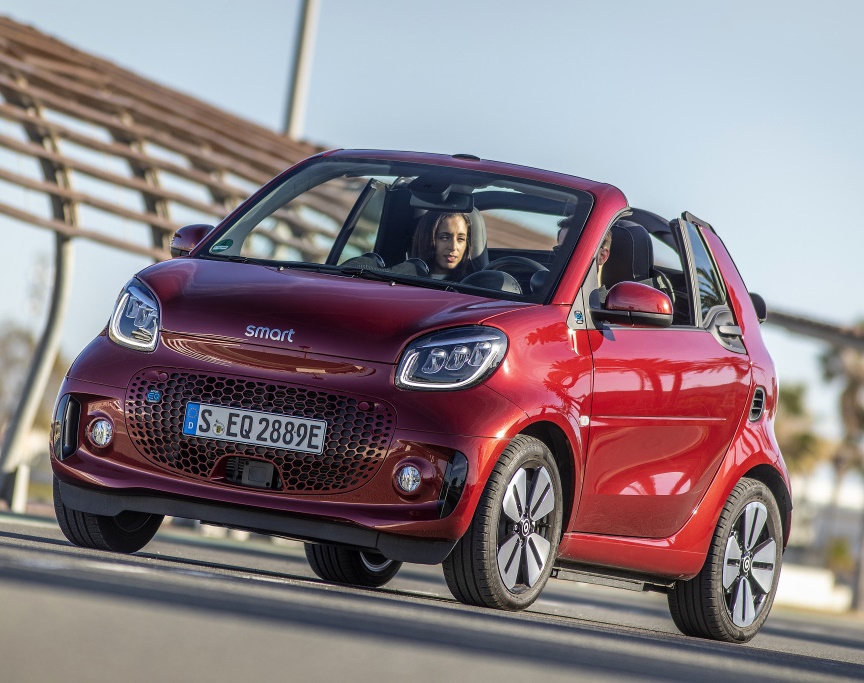
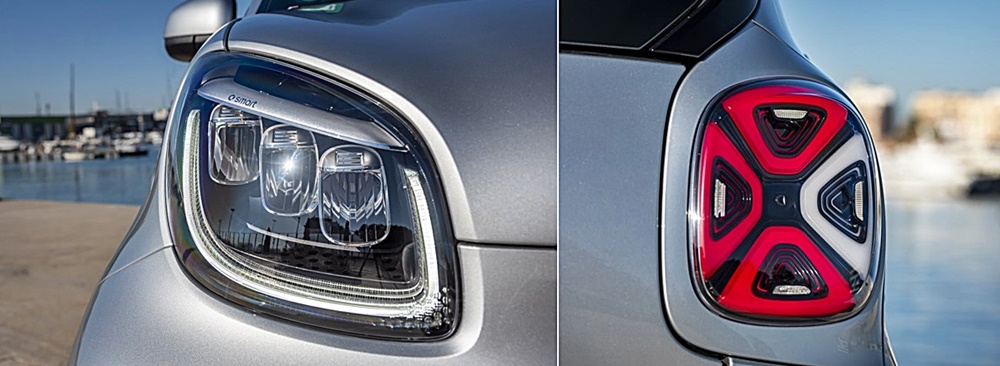
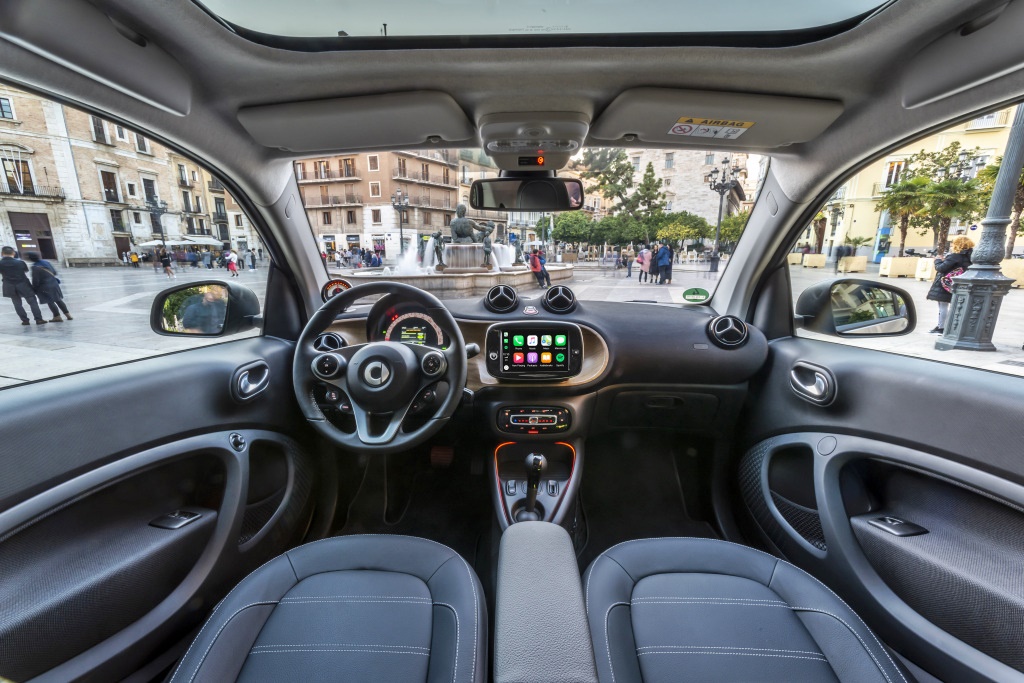
2020 smart EQ

2020 smart EQ
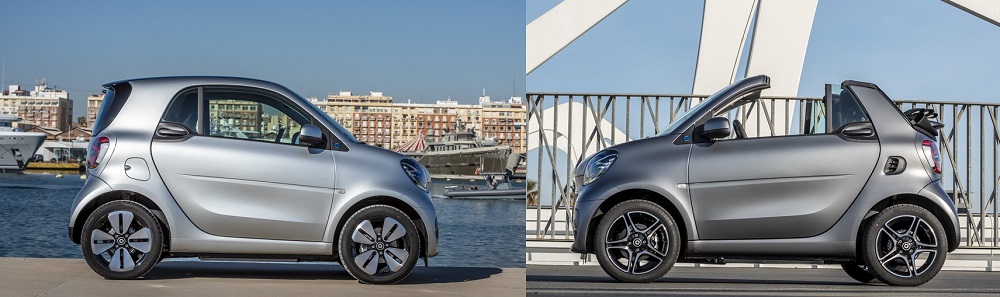
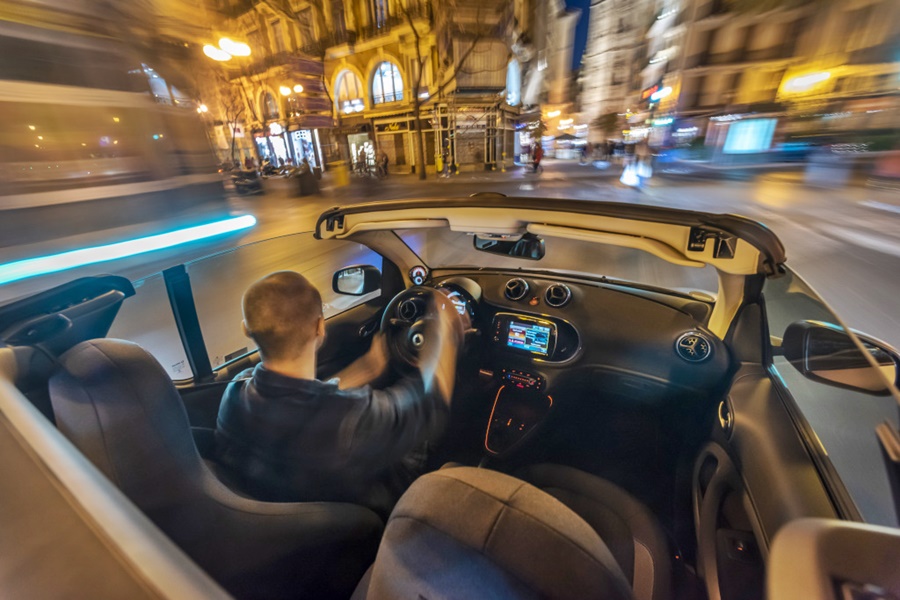
2020 smart fortwo and fortwo cabrio
2020 smart EQ forfour

With the new fortwo and forfour models, the time has finally come where the brand is switching to emission-free, battery-electric powertrain technology across the board. “As a pioneer of urban mobility, it has always been part of smart’s credo to rethink things. The switching of the entire product range to all-electric powertrains marks the start of a new chapter in the story of the smart brand. In concert with innovative sharing concepts and digital services, we are the first manufacturer to switch completely and systematically from combustion engines to solely electric powertrains,” said Daniel Lescow, Head of Brand and Product Management smart.

2020 smart EQ

2020 smart EQ

Already appealing for its fun-to-drive character, the all-electric driving experience offers a new dimension in driving enjoyment to smart owners. With 160 Nm of torque available instantly, the new electric models accelerate far better than the 60 kW (82 bhp) of the synchronous motor in the rear might suggest.

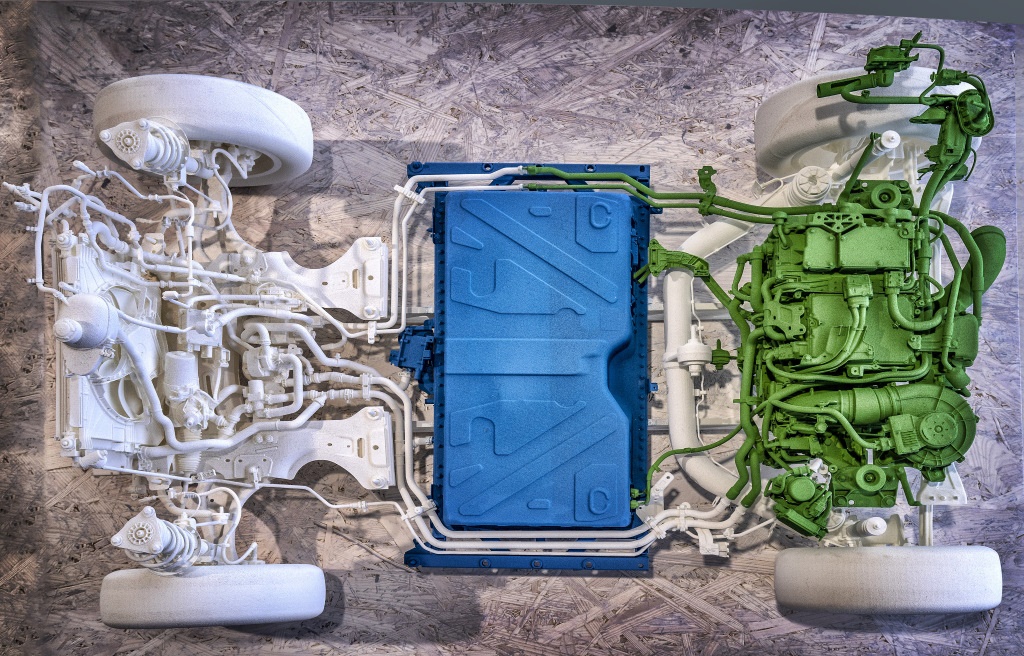
As the traffic lights turn green, the smart EQ fortwo coupe will certainly surprise as it zips off the line, reaching 60 km/h in just 4.8 seconds – and almost noiselessly too. Energy comes from a compact high-voltage lithium-ion battery pack which encloses three HV modules and a total of 96 HV cells. It has a capacity of 17.6 kWh when fully charged, sufficient for a range claimed to be up to 159 kms.

For daily driving, this corresponds not only to several times the average daily kilometres driven in Germany but above all, to a generous range in the metropolitan environment where energy can be recovered through recuperation. Radar-based recuperation in the city is a particularly convenient feature. It allows the smart to slow down automatically behind a vehicle ahead. Coasting and braking phases are perfectly coordinated to enable the maximum amount of kinetic energy to be returned to the battery.

2020 smart EQ

Powertrain and battery pack temperatures are crucial in electric vehicle. Staying cool is important for optimum performance and the engineers gave special attention to temperature management. While generously sized air cooling is enough for the electric motor, its flange-mounted power electronics are liquid-cooled.

The battery pack also gets cooling. When needed, it is integrated into the cooling circuit of the powertrain to remain in the optimal temperature range under high permanent load or during fast charging, for example. The same is true when temperatures are extremely low, which is just as bad as high temperatures. A battery heater enables warming up the battery for optimal performance and efficiency.

2020 smart EQ

To make recharging as easy as possible for drivers, smart offers comprehensive charging options. With the optional 22 kW on-board charger with rapid-charging function, the battery pack can be charged from the 10% to 80% range in under 40 minutes and without having to rely on rare DC charging stations if 3-phase charging is possible (depending on local conditions). Should charging be done from a conventional household socket at home, recharging for 6 hours would provide enough energy for average daily driving.

3 clicks instead of 45 pages
Simplicity was a key concept in the smart when it was conceived. With the new generation, that continues not just in the design and engineering but also the equipment level structure. With just a few clicks, instead of 45 pages of specs, the car can be easily configured. There are three equipment lines, and each line can be combined with one of three equipment packages. Once that is done, all the customer has to do is pick a colour and his or her new smart is complete.

2020 smart EQ forfour

2020 smart EQ

BHPetrol RON95 Euro4M

Mercedes-Benz and Zhejiang Geely Holding Group establish new joint-venture to handle smart brand globally

PISTON.MY

Many good ideas have started on the back of a napkin… the first laptop, the original Mini and, on the evening of March 3, 2011, the idea for an all-electric single-seater street racing series. These ideas all started out as nothing more than scribbles on a napkin.

Written in just a few words in a restaurant in Paris were the beginnings of what would become the world’s first all-electric international single-seater championship – Formula E. Authored by FIA President Jean Todt and Spanish businessman Alejandro Agag, the two men developed the series as a means to demonstrate the potential of sustainable mobility to help create a better, cleaner world.

Formula E first season 2014
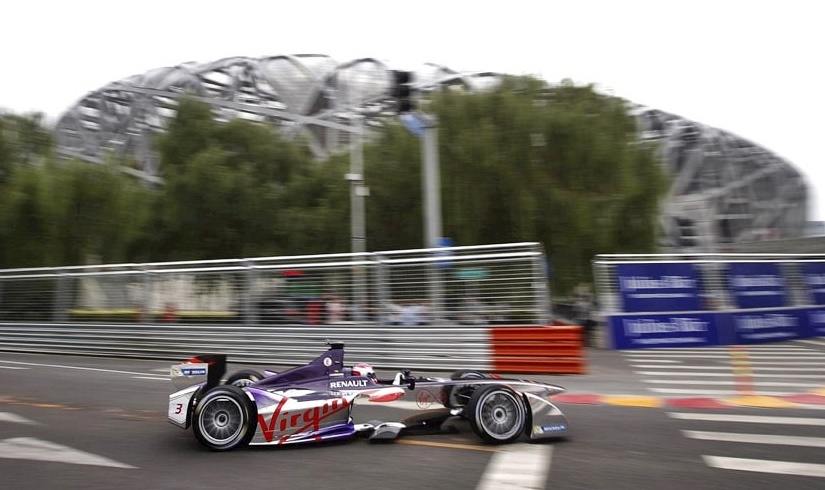
The first round of the first season was held in Beijing, China in 2014.

Since making its global debut in the grounds of the Olympic Park in Beijing in 2014, Formula E has grown into a global entertainment brand with motorsport at its heart. Now, with 11 teams and 22 drivers on the grid, the championship has attracted the world’s best motorsport teams and talent.

A new era of racing
In January 2018, Formula E welcomed global technology and robotics giant ABB as title partner of the championship, sparking a new era of all-electric street racing aided by one of the biggest names in electrification.

With a total of 9 manufacturers on board – Jaguar, Nissan, BMW, Audi, DS and Mahindra – Formula E grew in prominence and now serves as a competitive platform for global car manufacturers and mobility providers to test and develop road-relevant technologies.

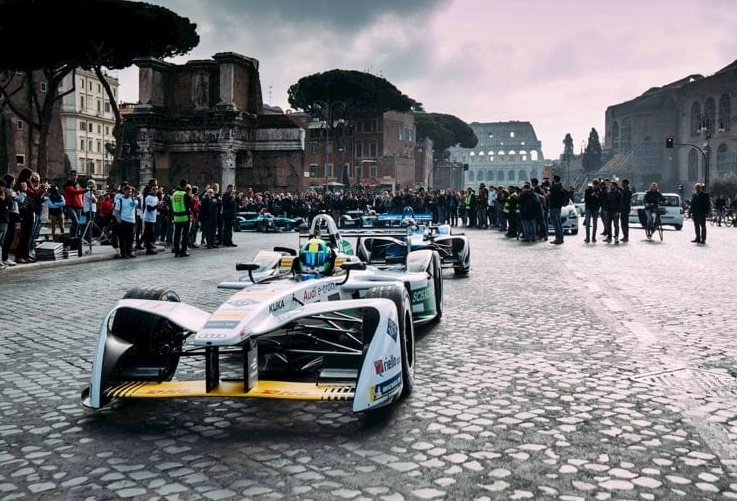
Formula E in Rome
Who would have imagined single-seater cars racing through the streets of Rome, London, Putrajaya, Jakarta and New York?

Technology transfer for EVs
By racing on the streets, the series acts as a catalyst, helping to refine the design of electric vehicles and improve the driving experience for everyday drivers of road cars. Technology developed for the racing cars can be adapted and commercialised for use in the growing number of electric vehicles that will appear in this decade.

Now, building on over 5 seasons of all-electric city street racing, the championship boasts one of the best sporting calendars in the world, with 14 races in 12 cities across 5 continents. Typically starting during the fourth quarter of the year, the current 2019/20 season sees the series being run on the streets of Seoul and Jakarta for the very first time as well as returning to London for the double-header season finale.

Gen 2 Formula E
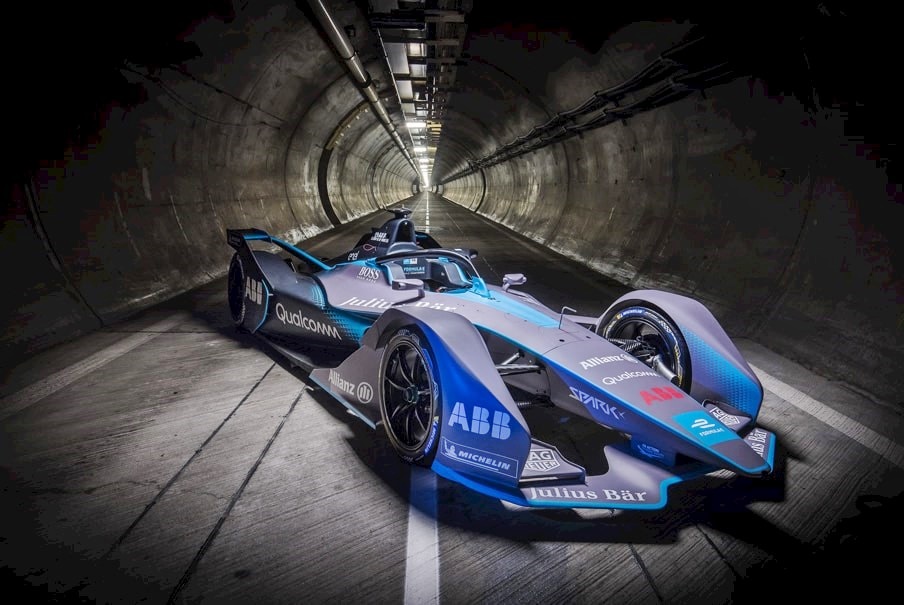
The Gen 2 Formula E racing car
Mercedes-Benz EQ
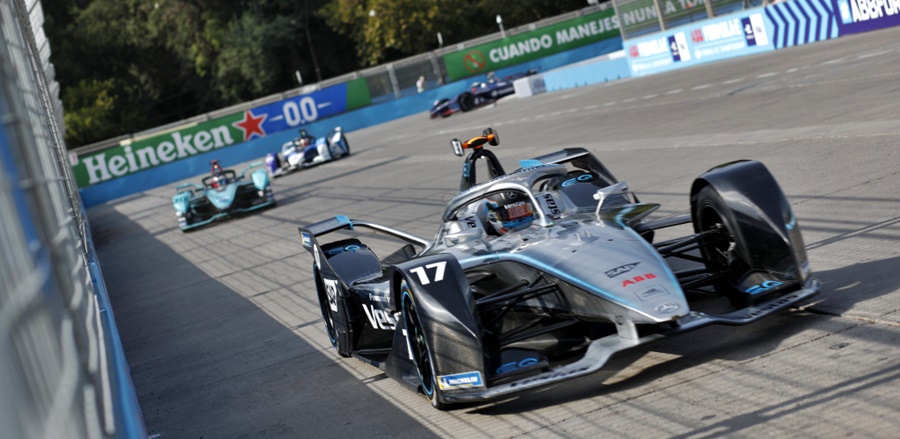
Mercedes-Benz EQ in Formula E

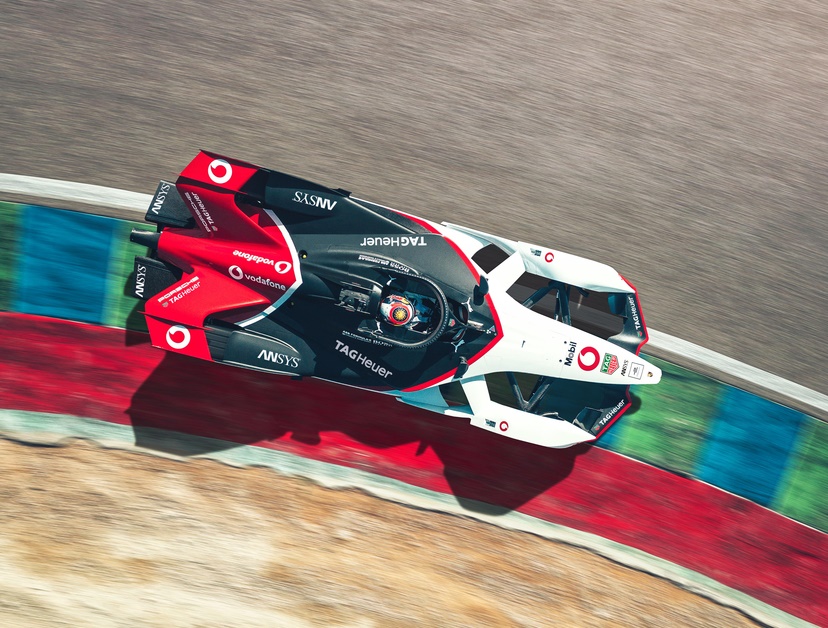
New teams Mercedes-Benz EQ and TAG Heuer Porsche have joined the grid to make the sixth season of Formula E a highly competitive one. This is the new era of racing in the 21st century that will keep growing in popularity with each new season.

PISTON.MY

BHPetrol RON95 Euro4M

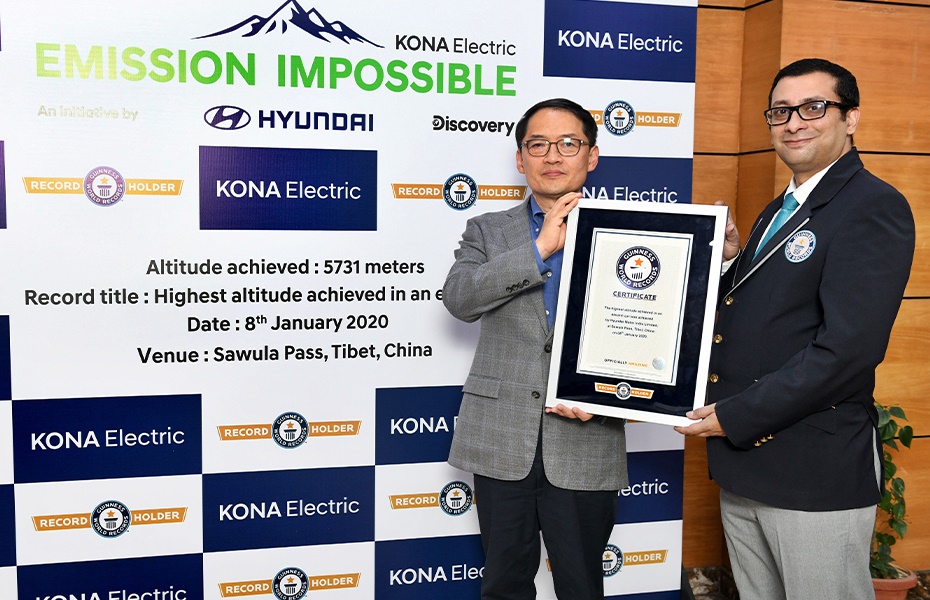
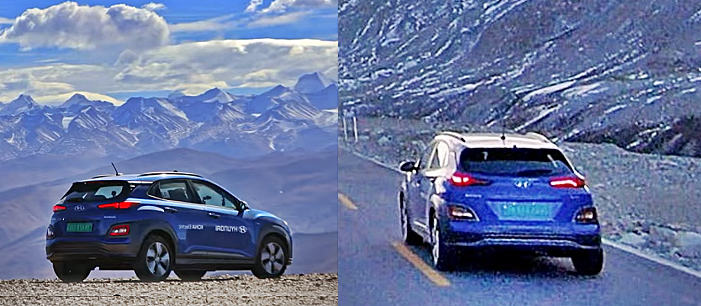
Hyundai Motor India Limited (HMIL) has gained the brand a listing in the Guinness World Records with an altitude achievement by the Hyundai Kona Electric. The first fully Made-in-India electric SUV was driven to an altitude of 5,731 metres at the Sawula Pass in Tibet, breaking the previous record of 5,715.28 metres set by any electric car.

During the entire drive, the Kona Electric was charged every night using portable chargers that are provided as standard with the e-SUV. The crew reported that there were no performance issues while climbing the peaks. When descending on the steep gradients, the smart power regeneration system in the vehicle helped to improve the driving range.

Hyundai
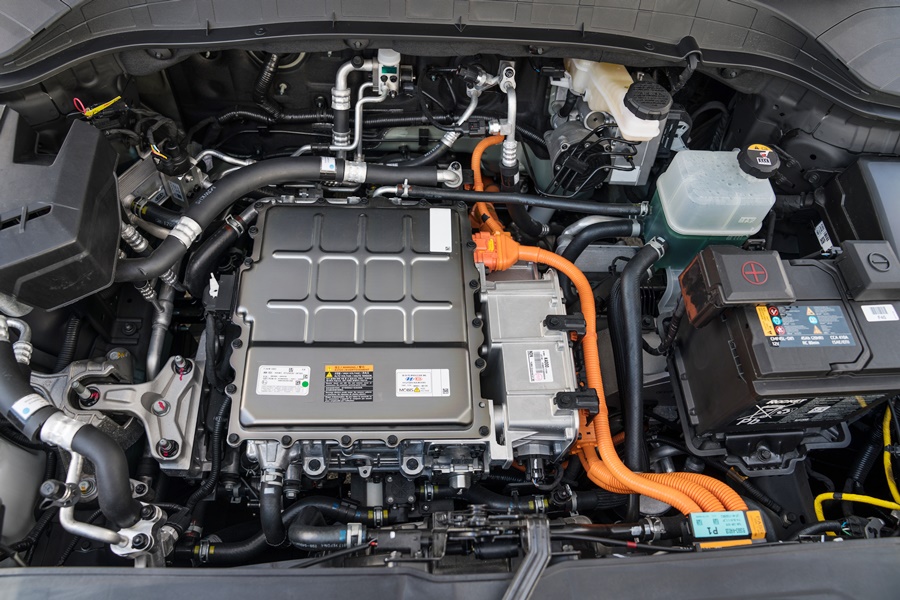
Electric powerplant of Kona Electric produces 136 ps/395 Nm. The range on a full charge is certified at 452 kms.

With this achievement, the Kona Electric has proven its reliability, even in extreme operating conditions. During the journey, it performed as a true SUV and coped with harsh weather conditions like low temperatures, continuous snowfall and icy terrain. The Electronic Stability Control (ESC) system helped the driver to maintain control as it ensured the stability of the vehicle in all road conditions.

‘Emission Impossible Mission’
Commenting on this achievement, S.S. Kim, MD & CEO of Hyundai Motor India said: “Hyundai KONA Electric making to the prestigious Guinness World Records feat is a very proud moment for everyone and remarkable feat for HMIL. KONA Electric has brought Electric Revolution by demolishing various myths about electric vehicles and is a true expression of Hyundai’s spirit of staying ahead of the curve. Under the ‘Emission Impossible Mission’, KONA Electric has proved its mettle in the world’s toughest terrains without compromising its performance.”

Hyundai

The Kona Electric, priced at Rs 23.71 lakh (around RM135,500) is the First Long Range Green SUV in India with a certified range of 452 kms on a fully charged battery pack. To avoid any range anxiety, customers are provided with two chargers along with the car – a portable charger and an AC Wall Box Charger.

Additionally, in certain Indian cities such as Delhi, Mumbai, Bengaluru and Chennai, a Special Kona Electric fleet (KONA Electric to KONA Electric) fitted with power converter will provide emergency charging support to owners. All Hyundai dealerships which sell the Kona Electric have 7.2 kW AC Charger stations which are available to customers.

2020 Hyundai IONIQ gets better electric performance

PISTON.MY

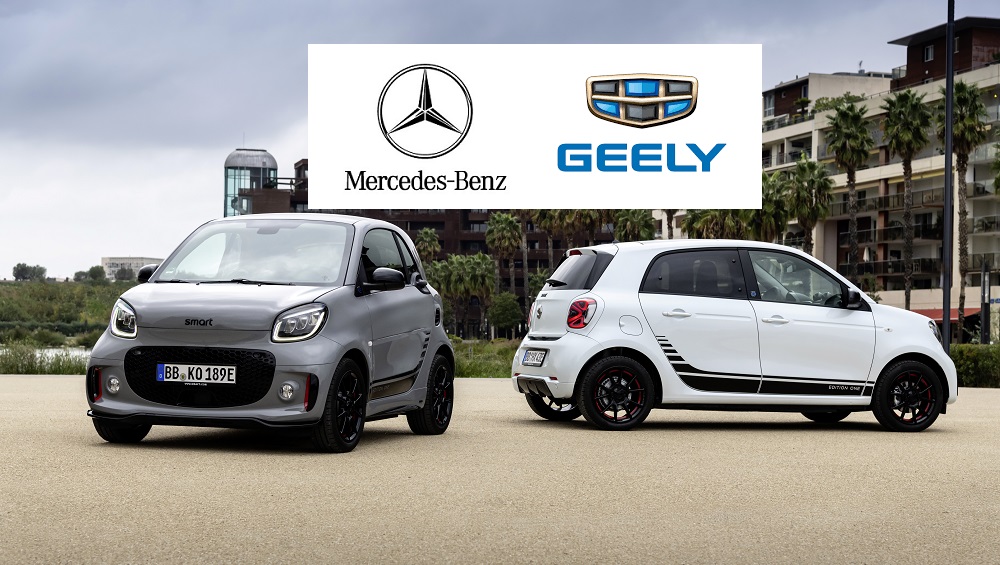
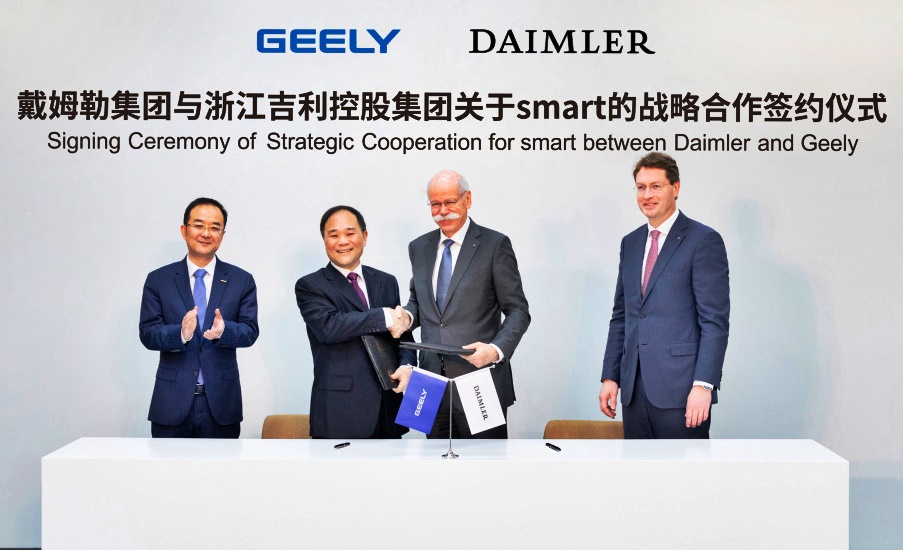
Mercedes-Benz AG and China’s Zhejiang Geely Holding Group have formally established a global joint venture company to handle the German carmaker’s smart brand. Pending regulatory approvals, the company will have its global headquarters in Hangzhou Bay, Ningbo with operational sales functions in both China and Germany.

The total registered capital of the joint venture will be 5.4 billion RMB (about RM3.18 billion) to transform smart into a leading player in premium-and intelligent electrified vehicles. Both parties will equally contribute equally, with the share of Mercedes-Benz mainly covered by the contribution of the smart brand.

Mercedes-Benz and Geely Holding gründen ein globales Joint Venture zur Weiterentwicklung von smart Daimler and Geely Holding form global joint venture to develop smart
A signing ceremony in March 2019 marked the beginning of establishing the joint venture to produce and market smart cars.

New EV model to be produced in China
A new generation of smart electric models will be assembled at a new purpose-built factory in China with global sales due to begin in 2022. The new generation will be designed by the worldwide Mercedes-Benz Design network and developed by the Geely global engineering network. As part of the vehicle-development program, the smart product portfolio will be extended into the fast-growing B-segment that are in line with smart’s brand positioning with a focus on pure premium electric and connected vehicles.

“The joint venture will bring the next generation of zero-emission smart electric cars to the Chinese and global markets. We look forward to continue our collaboration to bring desirable products and services to customers around the world,” said Ola Kallenius, Chairman of the Board of Management of Daimler AG and Mercedes-Benz AG.

smart

Boardroom composition
The board of directors of the new joint venture will be made up of 6 executives with equal representation from both parties. On the German side, representatives will be from Daimler AG and Mercedes-Benz AG. Geely board representatives will include Geely Holding Chairman Li Shufu, Geely Holding President, Geely Auto Group President & CEO An Conghui, Geely Holding Executive Vice President & CFO Daniel Donghui Li.

Tong Xiangbei has been appointed the new global CEO of the smart joint venture and will oversee all operations relating to the brand including sales, marketing, R&D, production and after sales. Tong has more than 2 decades of experience in the automotive industry. Before joining the smart joint venture, he has worked for global automotive companies in the USA and in China.

smart
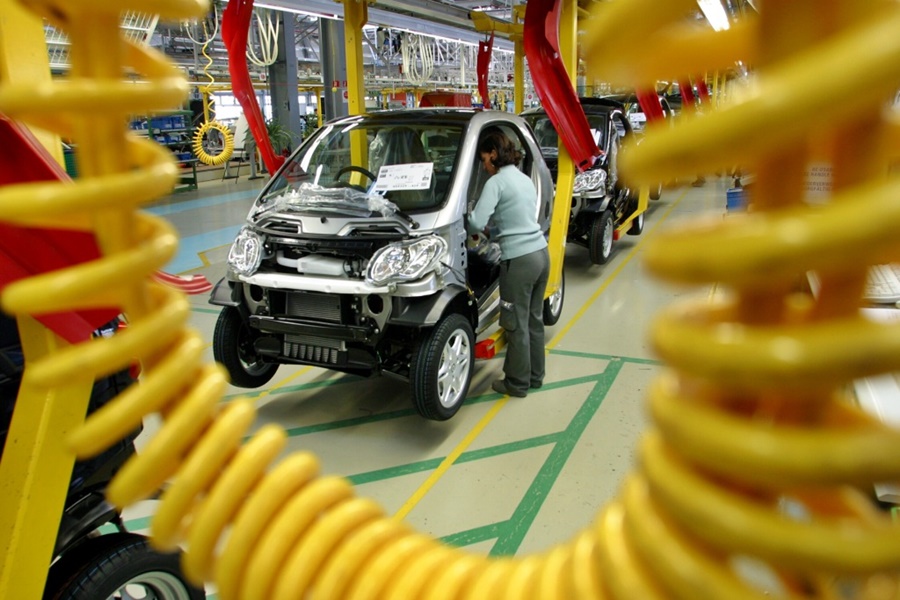
Production line at the smart factory in France.

“The smart brand has a unique value and global influence; it has grown to be a leader in urban mobility. Geely Holding will fully support the smart brand with its full advantages in R&D, manufacturing, supply chain and other fields into the joint venture and support its development in China and globally. We will work together with Mercedes-Benz to transform the smart brand into a leading player in urban premium, electric and connected vehicles to successfully develop the brand’s global potential,” said Li Shufu.

History of smart
The story of smart cars goes back to the early 1980s when Nicolas Hayek, the CEO of the company making Swatch watches, had an idea to apply the same concept of personalisation to making and retailing cars as what was done for the watches. Initially, Volkswagen was involved in the project but Hayek later tied up with Mercedes-Benz. By 1996, the German carmaker took control of the company making smart cars and embarked on a more aggressive growth plan.

smart

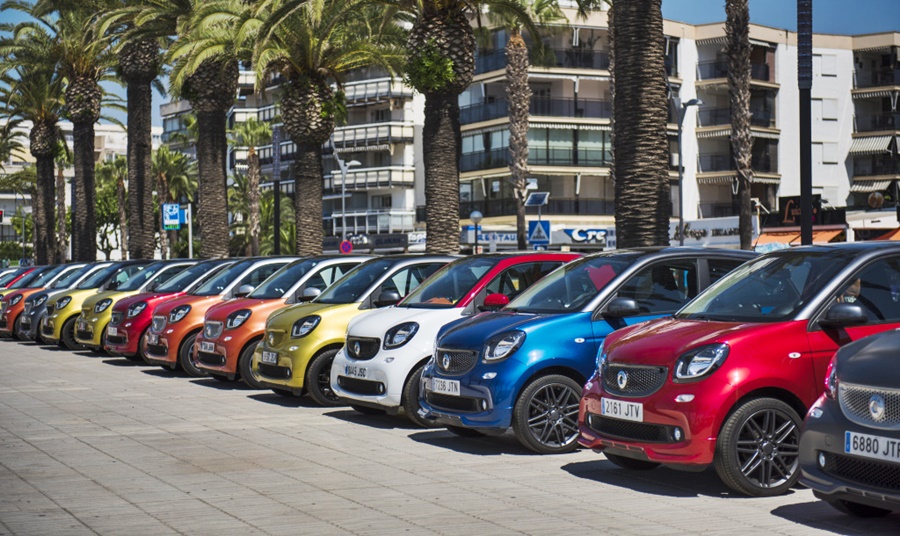
smart cars

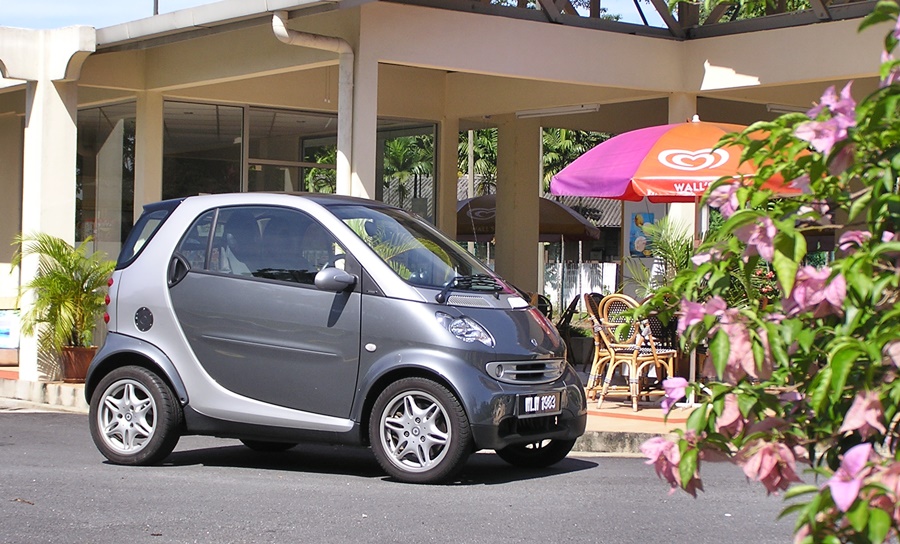
2005 smart fortwo
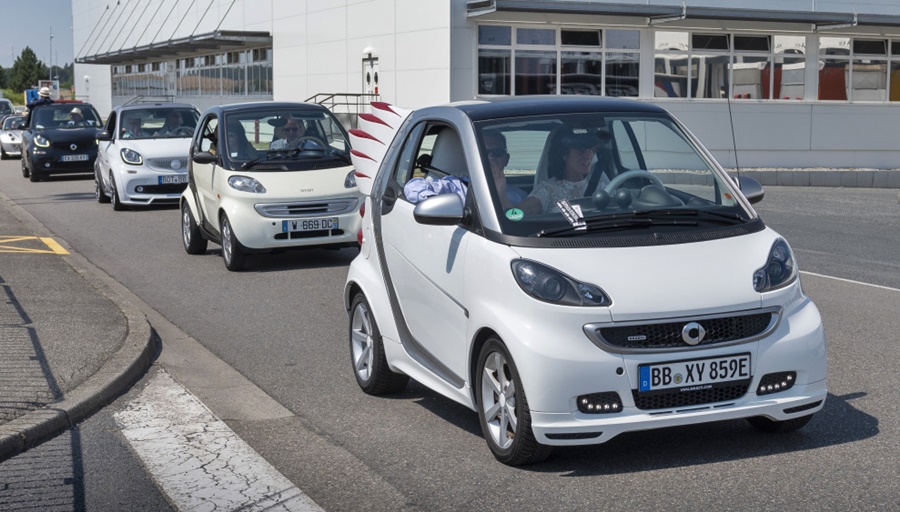
First generation of the smart fortwo was sold in Malaysia for a while.

The little smart cars found a niche as city cars but due to having to meet the demanding and high standards of Mercedes-Benz in the safety, they were not cheap. The brand also did not contribute profits and in fact, lost a huge amount of money.

However, Mercedes-Benz didn’t give up and modernised the factory in France to be more productive and cost-efficient. The third generation started rolling out in 2015 and is sold in over 40 markets worldwide. To date, 2.2 million cars have been sold since 1998.

Geely Auto retains No.1 Chinese brand position for third consecutive year

PISTON.MY

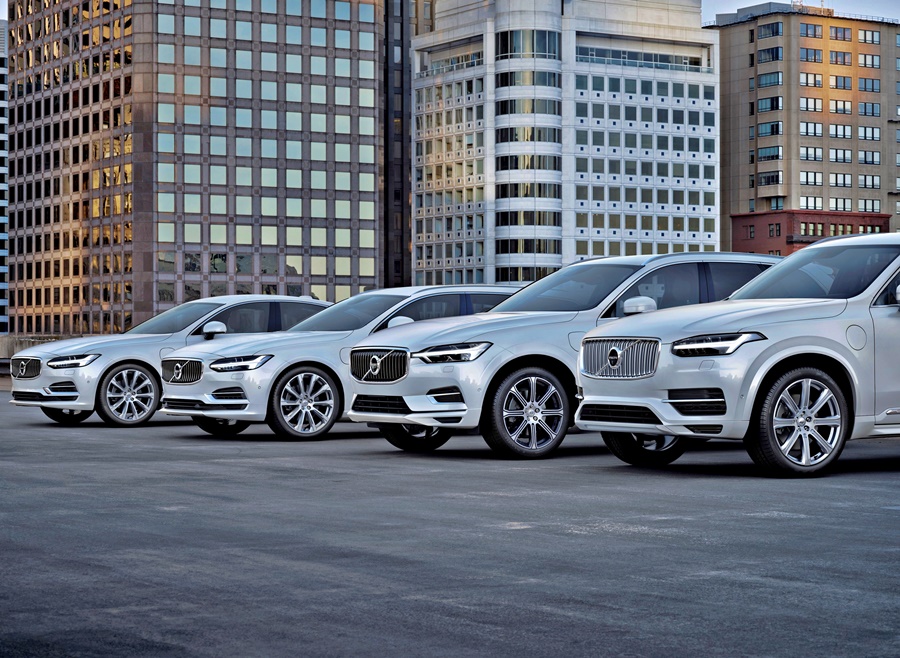
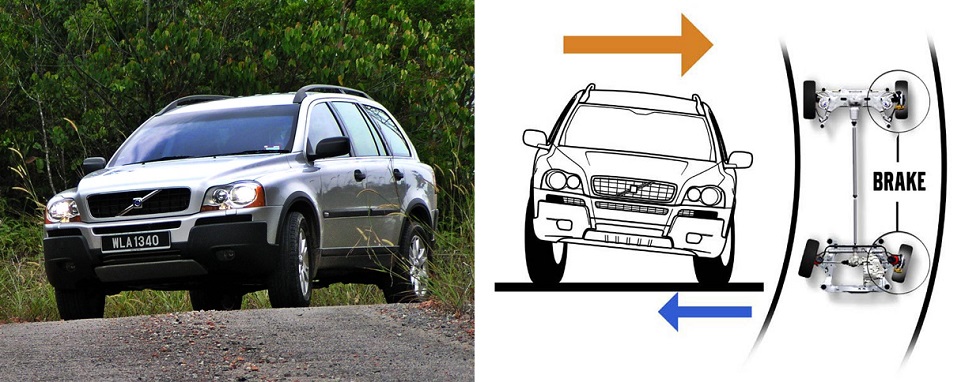
Volvo Cars was rather late in adding a SUV to its range, with its first model – the XC90 – launched only in 2002. The reason given for the delay was that it wanted to offer a SUV only when it could address known safety issues (like the effect on a tall body on handling) and resolve them. It had a strong reputation for safety, on which the brand’s strength grew, and it was not going to lose that. The XC90 certainly proved to be a SUV with innovative safety features like Roll-Over Protection which worked to counteract the risk of tipping over during hard cornering.

Volvo XC90 2002
Volvo’s first SUV – the XC90 – was launched in 2002 after the carmaker addressed safety issues with innovations like Roll-Over Protection that reduced the risk of the tall SUV tipping over during hard cornering.

Like the other carmakers, Volvo Cars gave increasing attention to SUVs, expanding its range as the segment grew. 17 years later, its SUVs have helped the company gain market share in China, the USA and Europe amid stagnating car markets.

Volvo Cars

More significantly, in 2019, the Swedish carmaker set a new, sixth consecutive global sales record, breaking the 700,000-unit level for the first time in its 93-year history. 705,452 Volvo vehicles were delivered worldwide last year, an increase of 9.8% compared to 2018, solidly outgrowing the overall market across all regions.

During the past few years, Volvo has also been moving towards electrification of its range. It aims for plug-in hybrid models to make up 20% of total sales this year. Overall, Volvo sold 45,933 plug-in hybrid vehicles in 2019, an increase of 22.9% compared to 2018 and more than double the number in 2017.

Illustrating the strength of its portfolio and its sales performance in 2019, Volvo surpassed the previous full-year sales record of 642,253 cars, set in 2018, nearly a full month before the end of the year. December was the company’s best ever sales month, with a 23.4% year-on-year increase to 74,239 cars sold.

Volvo Cars

Sales by markets
In China, home of Volvo’s parent company, the brand sold 154,961 cars in 2019, an increase of 18.7% compared to 2018 and comfortably outperforming the overall market. The result was an all-time record for Volvo in China and the highest sales number it has ever reached in a single market.

Volvo Cars
Volvo Cars manufacturing plant in China

In the USA, a market that has usually been Volvo’s strongest customer, the 100,000-unit threshold was crossed for the first time since 2007 when 108,234 vehicles were registered by December 31. Compared to 2018, the sales increase was 10.1%.

European sales were particularly strong in Germany, where the company sold more than 50,000 vehicles for the first time in its history, while it achieved its best sales result since 1990 in the UK. Other markets that recorded their best ever sales performance in the company’s history included Australia, Belgium, Brazil, the Czech Republic, Hungary, Korea, Poland and Portugal.

Sales by models
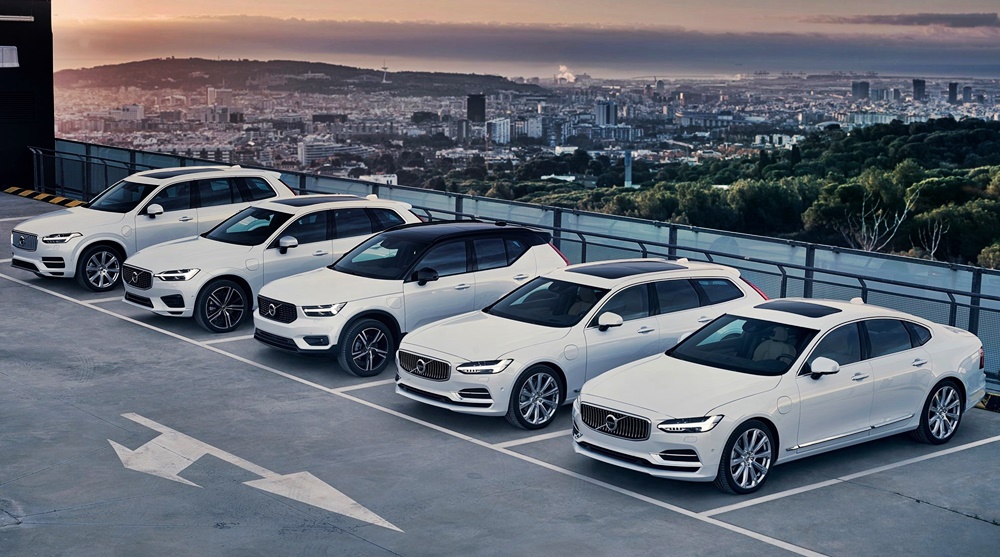
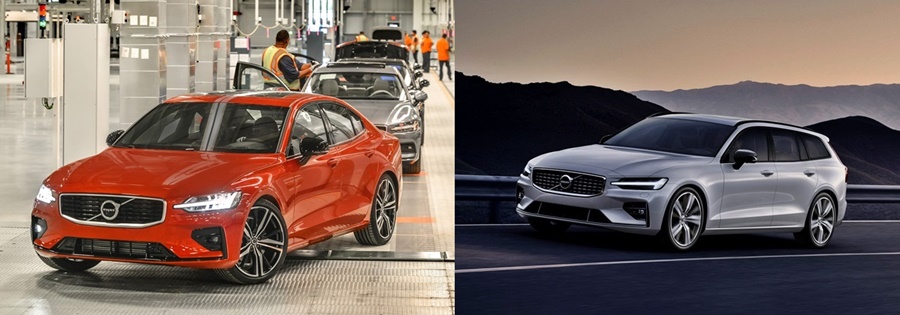
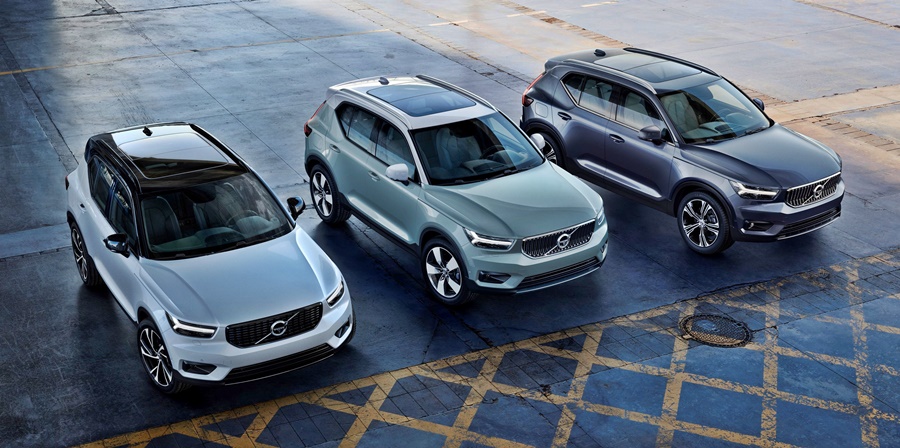
The XC60 SUV continued to be the best-selling model for the company globally, followed by the XC40 and XC90 SUVs. Sedans and stationwagons remained popular, adding to volume growth in China and Europe, respectively.

Volvo Cars

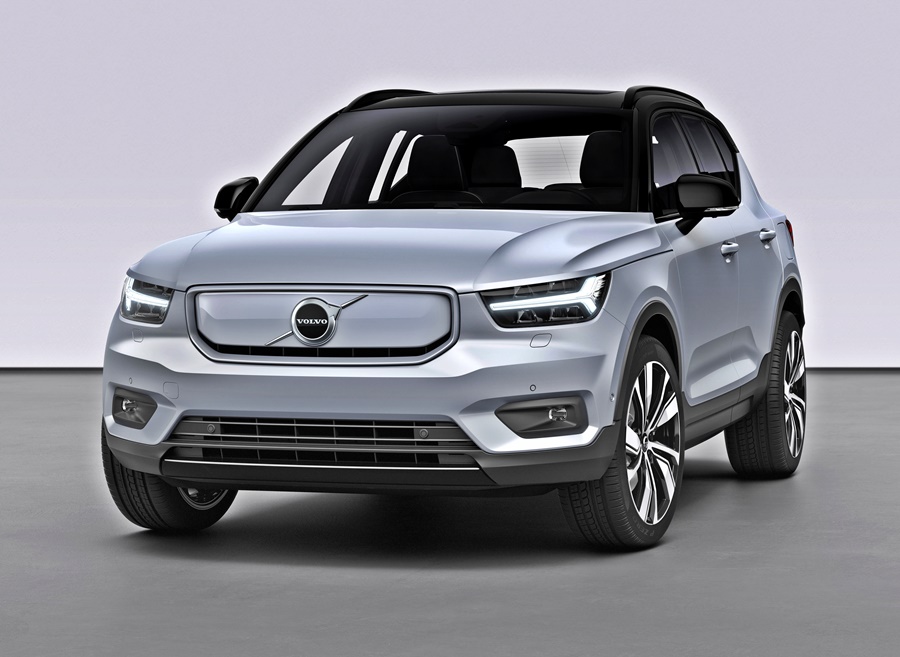
Volvo XC40 Recharge P8
The first Recharge model shares styling with the XC40 but is powered only by an electric motor.

The company will introduce its Recharge line-up in markets around the globe. Recharge will be the umbrella name for all chargeable Volvos with a fully electric and plug-in hybrid powertrain. The Recharge car line aims to further boost sales of Volvo Cars’ chargeable cars and encourage plug-in hybrid drivers via incentives to use Pure mode as much as possible.

Every Volvo model already includes a Recharge option, from the XC40 SUV via the 60-Series cars to the large XC90 SUV flagship. Volvo is the only carmaker to offer a plug-in variant on every model in its line-up, with a fully-electric model – the XC40 Recharge P8 – to appear in showrooms in due course.

Volvo Cars and Geely to merge engine operations to create stand-alone business

PISTON.MY

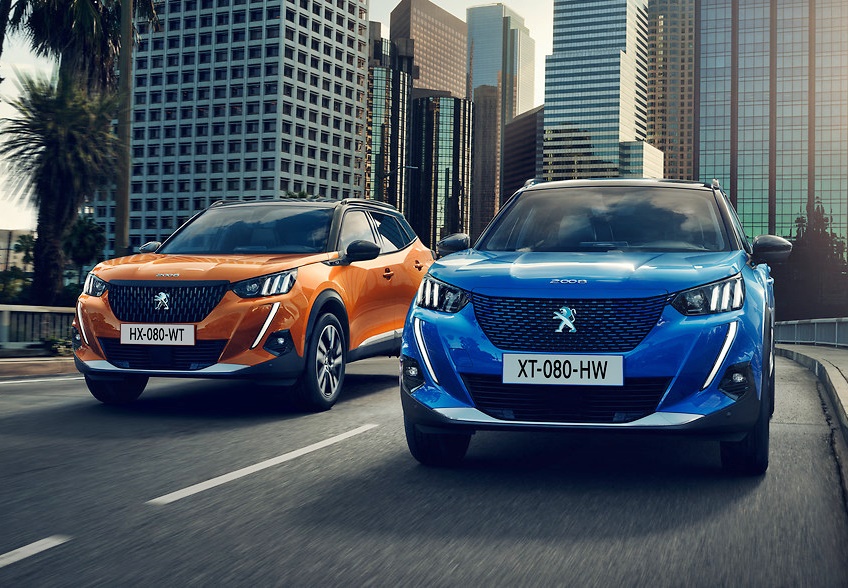
Following the global debut of the new Peugeot 2008 SUV in in Guangzhou, China, last November, sales of the model began yesterday in Europe, starting in France.  After delivering nearly 1.2 million units of the previous generation worldwide, this new generation of the 2008 uses a new design language that has a more powerful and distinctive style.

From launch, Peugeot has made the new model available with three powerplants – electric, petrol and diesel. This not only gives customers more freedom of choice but also cater to the conditions in different markets. For example, some may not be suited for the electric variant yet so the focus will be on the petrol or diesel variants.

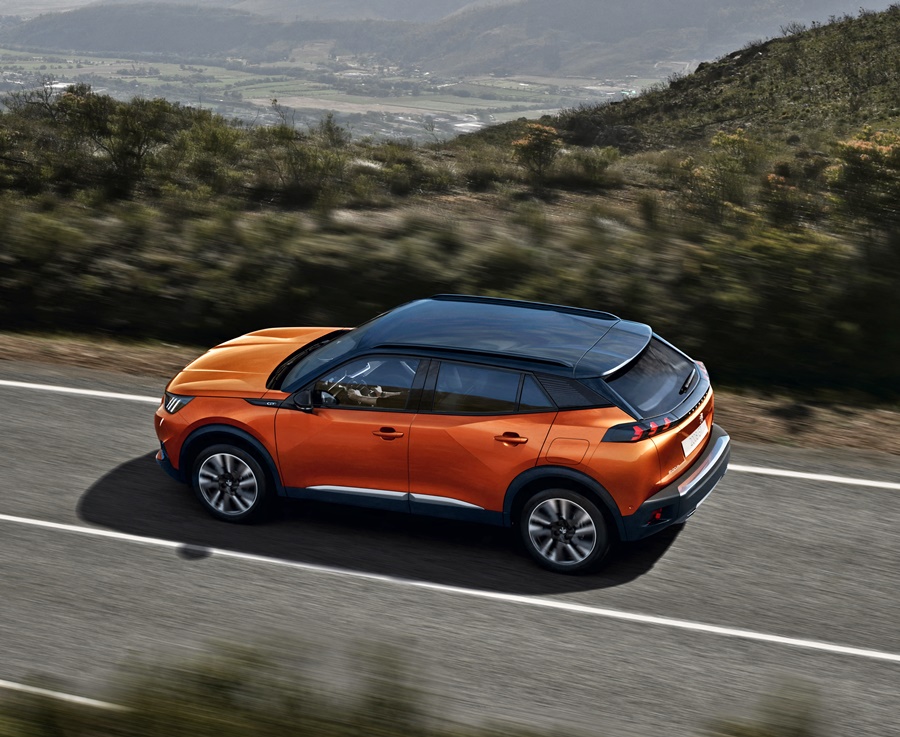
2020 Peugeot 2008

New all-electric e-2008
The new e-2008, which runs 100% on electric power, does not have a specific silhouette but will be identifiable by a few details. Forstly, there is a sparkling dichroic Lion, whose reflections alternate between green and blue depending on the angle of view. A discrete ‘e’ monogram on the front wings and tailgate identify this as a zero emissions car while the grille is body-coloured with horizontal lamp pods

2020 Peugeot 2008

Inside, exclusive Alcantara ‘Greval Grey’ seat upholstery is offered with the e-2008 GT. The on-board experience is completed by a display specific to the electric version in the 3D handset as well as in the touchscreen.

The new e-2008 is the first Peugeot all-electric SUV and is expected to provide a new experience for owners with silence and absence of vibrations. Because of the emission-free nature of the vehicle, it can be driven around town even in Green Zones (ecological zones) with restricted traffic.

2020 Peugeot 2008

Peugeot 4×4 Boxer Concept departs from traditional camper vans

PISTON.MY

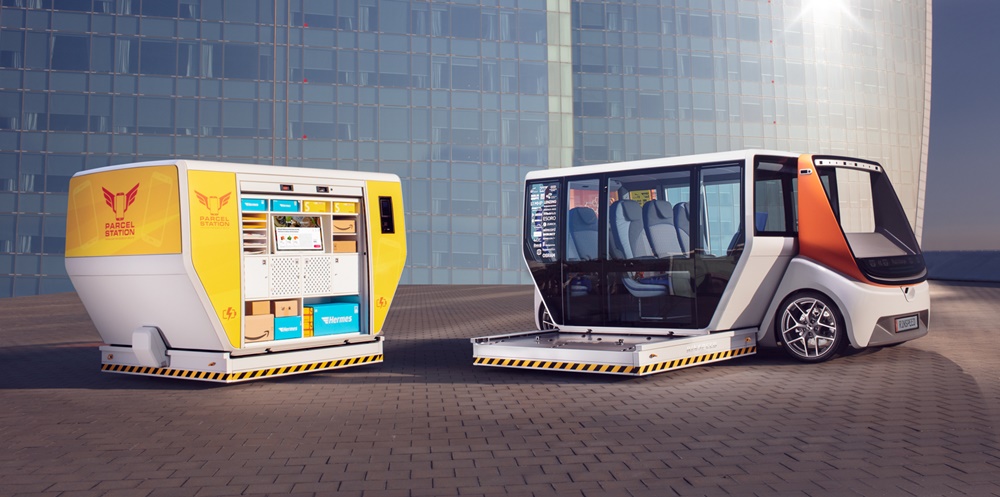
Since 1991, Swiss company Rinspeed has been presenting new ideas for the transport of people and goods in the world of tomorrow. The most recent have been the Snap and the microSNAP which were displayed at the CES event in Las Vegas in the past 2 years. These are vehicles whose chassis and bodies go their own ways; with the revolutionary separation of the two vehicle components, Rinspeed confronts the increasingly diverging life cycles of hardware and software.

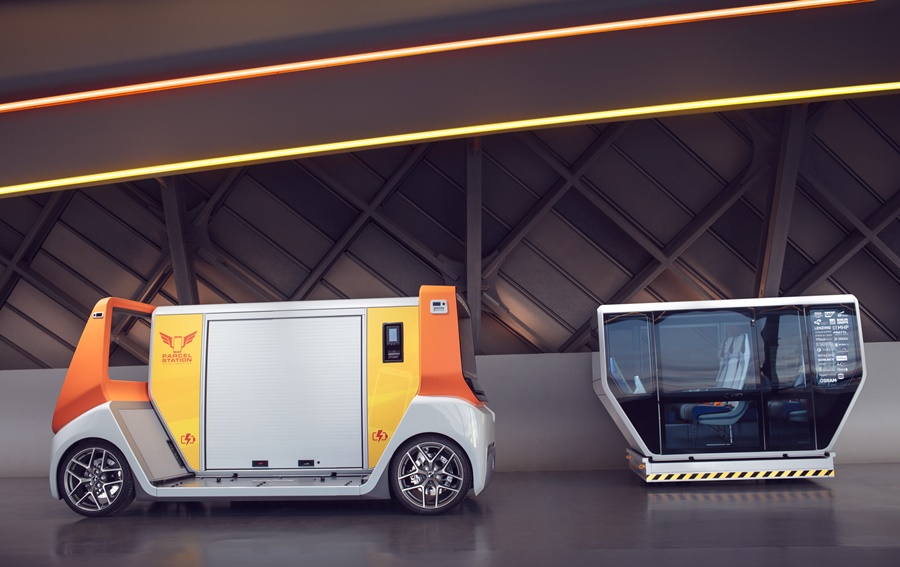
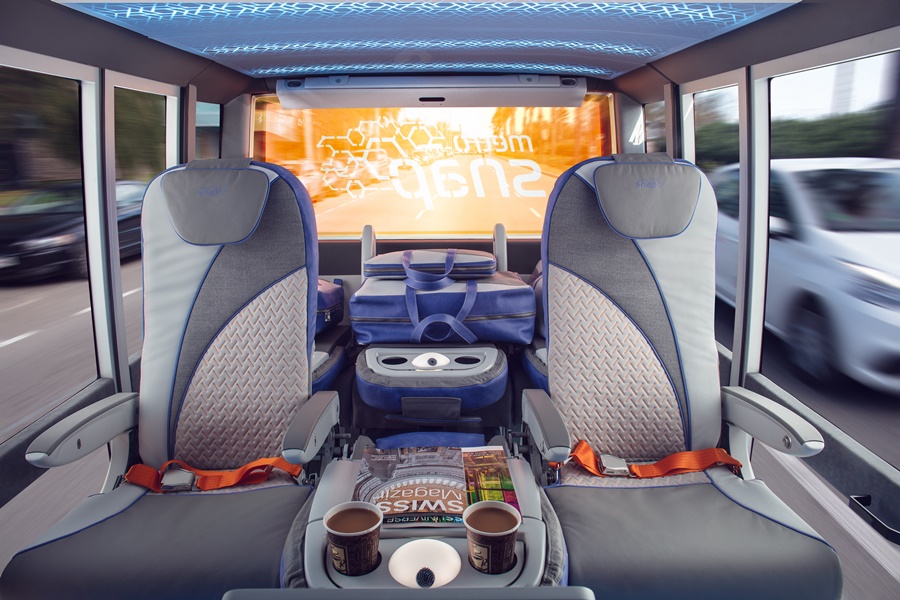
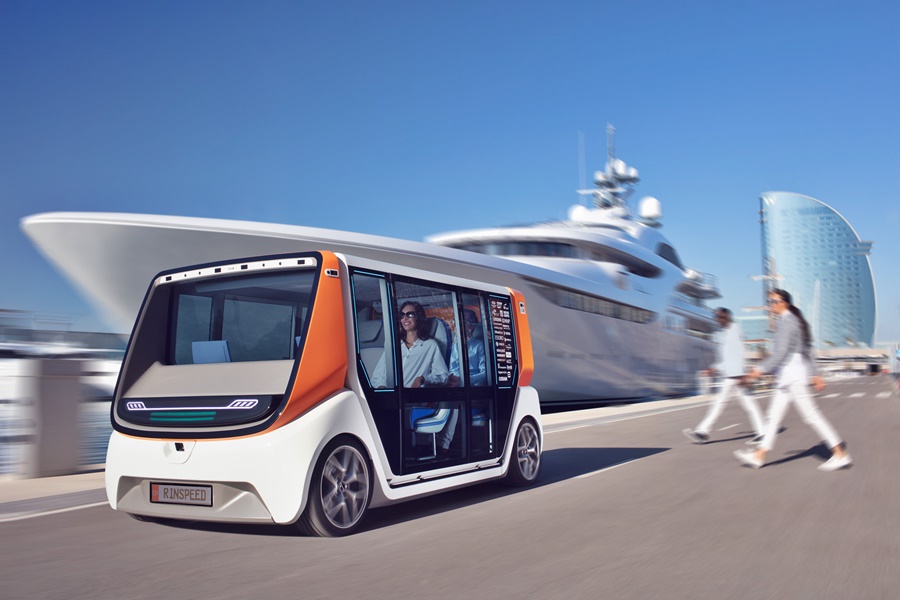
The ideas are modular mobility systems and in order to make economic sense, they must gain broad acceptance. That is precisely where Rinspeed is now once more taking a crucial step ahead with its 26th concept car – the MetroSnap. This is a simple, fast, safe and inexpensive swapping system for the vehicle bodies for which the Swiss company has filed for patent protection.

2020 Rinspeed MetroSnap

Modular vehicles can help solve many of the problems and questions posed by modern mobility. Due to the flexible use of different vehicle bodies, these vehicles not only reduce the number of tremendously expensive and systemically short-lived automated vehicles, they also satisfy – depending on the time of day and current needs – the different transport requirements of people and goods.

Thanks to the unique swapping system – inspired by aviation, and tried and tested there around the world in all weather conditions – entirely new applications become possible.  Among other things, the desired service now comes to the customer quickly and simply, regardless where he or she may be at the time – at home or at work.

2020 Rinspeed MetroSnap

2020 Rinspeed MetroSnap

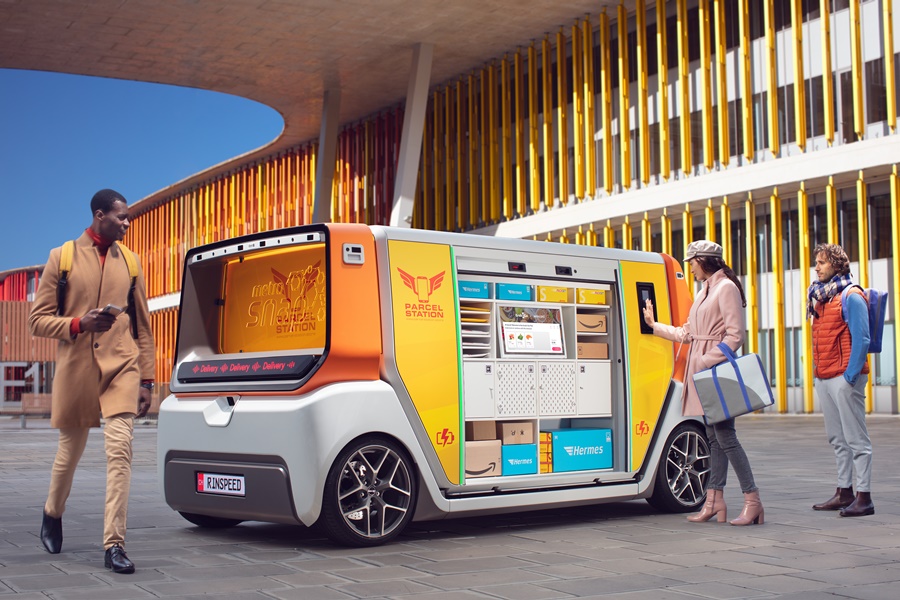
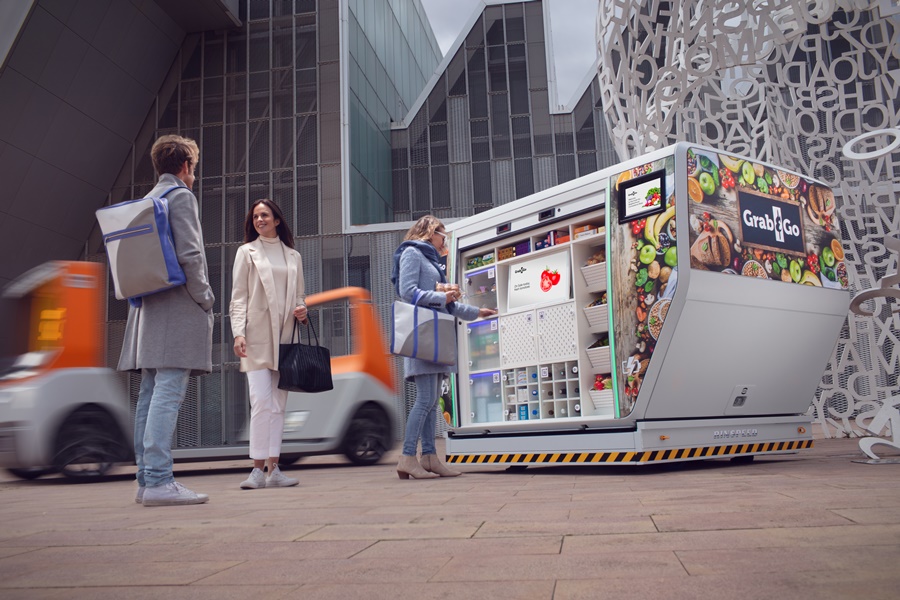
This can be customer-accessible parcel stations that are dropped off in the customer’s neighbourhood for a certain period. Even combinations with a ‘corner health food shop’ are conceivable. Limited business hours, long drives and the endless and unpopular courier caravans are thus things of the past.

Quite as an aside: no more unattended packages, no more thefts and failed delivery attempts – and no more associated pollution and traffic burden. And the really great thing about it is this innovative way of getting parcels to the customer faster and easier can already be used today with a human driver. Parcel stations on wheels, right around the corner.

2020 Rinspeed MetroSnap

2020 Rinspeed MetroSnap

2020 Rinspeed MetroSnap

Because the batteries are split up between the Pod (vehicle body) and the Skateboard (chassis), the vehicle does not need to be parked for charging. The charging process takes place without wasted time while cleaning or loading the Pod in a process referred to as ‘Hot Swap’. The swapping of the vehicle bodies, including the batteries, takes place in a matter of seconds and the vehicle is ready to go almost as quickly as a racing car after a pit stop.

The unique MetroSnap EV concept, which fuses together smart city, supply chain and passenger transport, is meeting with very strong interest in the industry even before its actual premiere. It is full of technical and visual treats contributed by a reputable network of companies from around the world.

Volkswagen tries a new approach to recharging EVs in carparks (w/VIDEO)

PISTON.MY

Archive

Follow us on Facebook

Follow us on YouTube