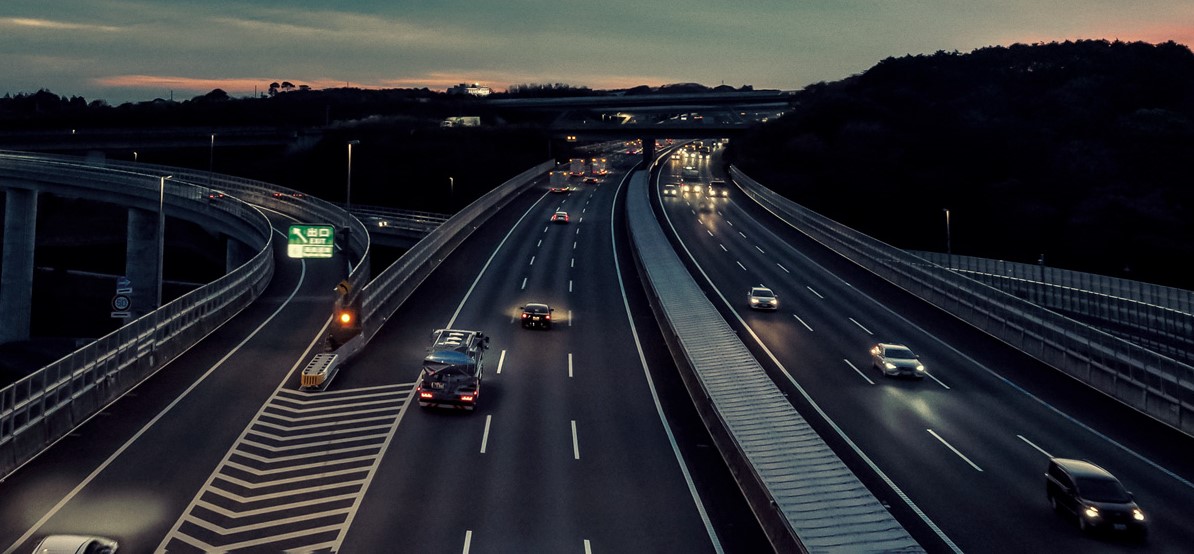
The auto industry has been developing autonomous vehicles that can operate on their own, without human control, and sometime in the future, perhaps all vehicles on the road will move around autonomously. However, besides imagery and sonar scanning to detect other vehicles and road-users so as not to knock into them, vehicles can also communicate with each other to enhance safety.
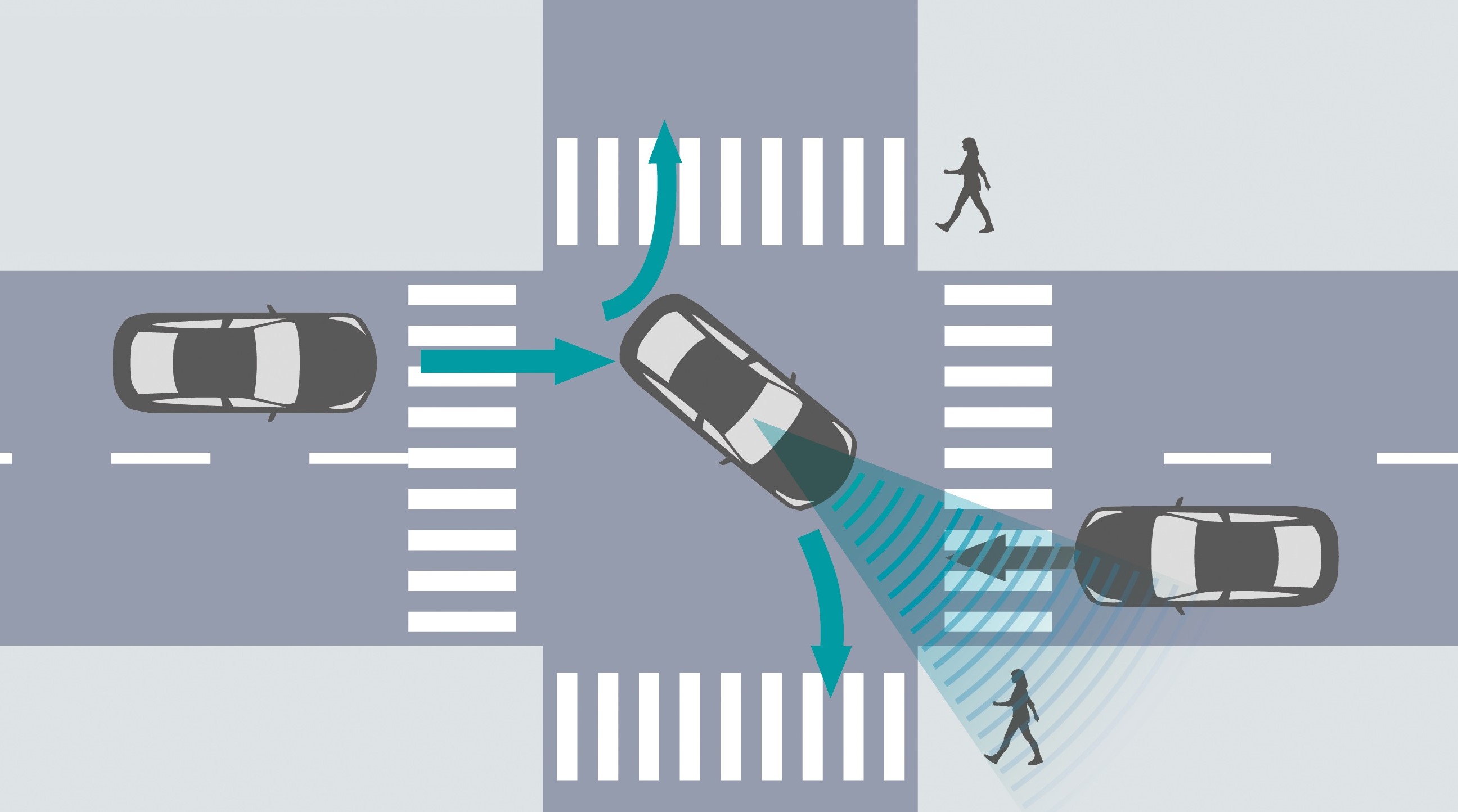
For example, if there is an accident around a blind corner, vehicles near it can broadcast the hazard and other approaching vehicles can take appropriate action to slow down. Likewise, at junctions, communications between vehicles could greatly improve safety and avoid accidents.
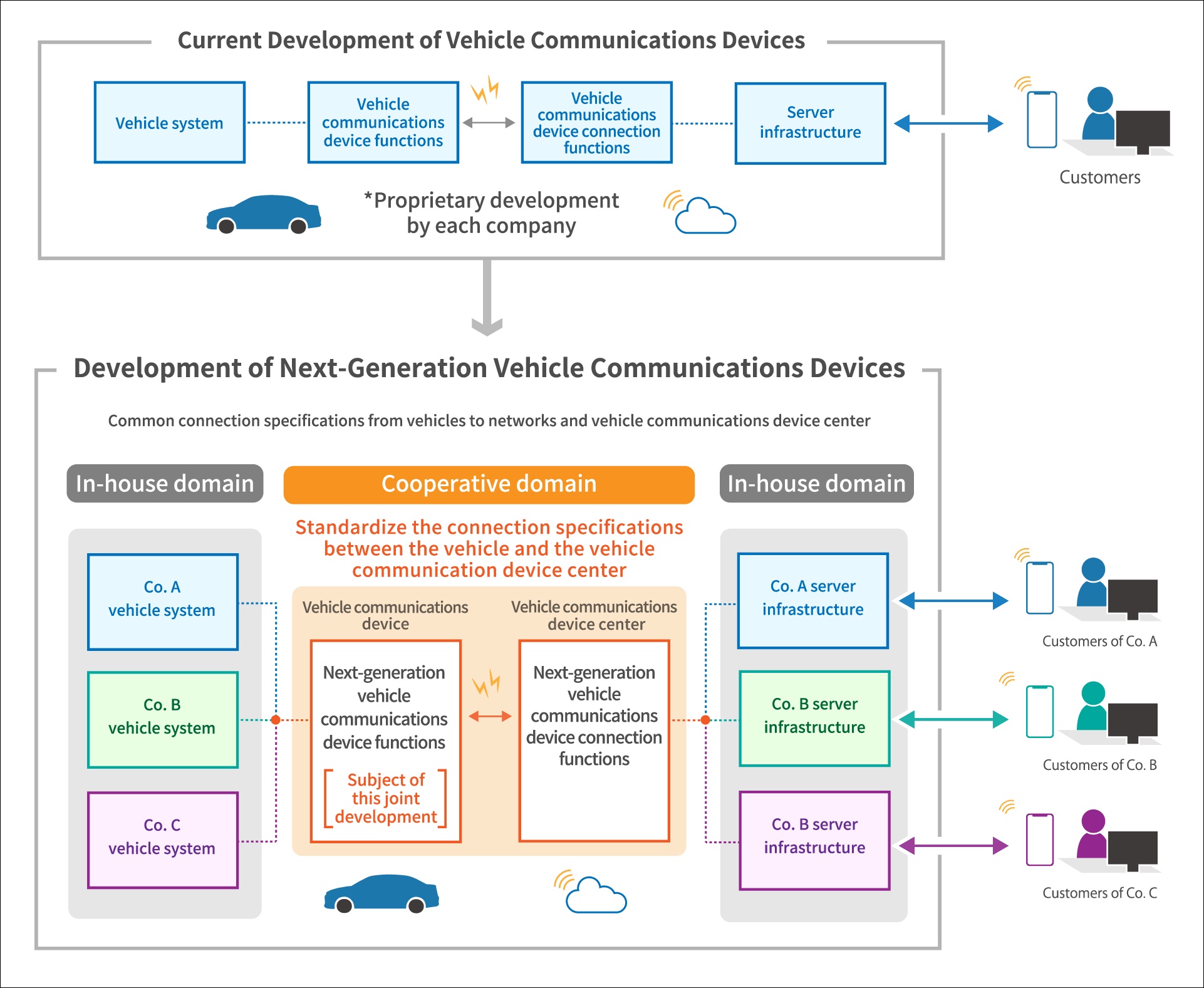
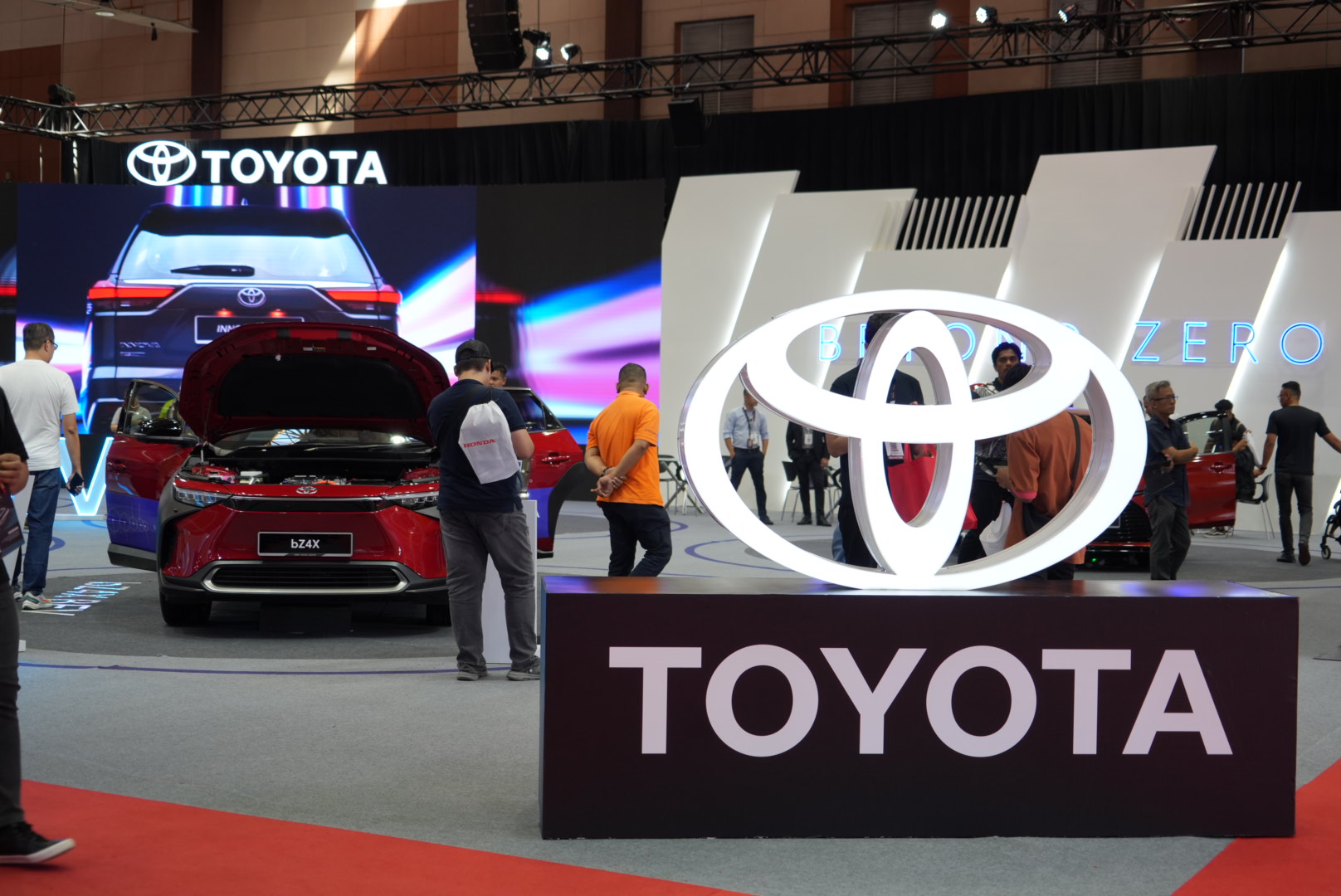
In order for this to be possible, there must be a common communications system that all vehicles can use and this is now being developed. Suzuki Motor Corporation, Subaru Corporation, Daihatsu Motor, Toyota Motor Corporation and Mazda Motor have reached an agreement to jointly develop technical specifications for next-generation vehicle communications devices and to promote the common use of communications systems.
Linking automobiles and other related elements
These systems will use connected services to link automobiles and other related elements with the aim of creating new appeal, value and services, to be standardized for early provision of safer and more convenient connected services.
Within the field of CASE (connected, autonomous/automated, shared, and electric), which is said to be bringing about major transformations in the automotive industry, rapid advances are being made in the connected domain, in relation to the communications and data aspects of technology and business including cloud services, Internet of Things (IoT), Big Data, and AI. Individual automobile manufacturers are independently developing vehicle communications devices, and even in cases where the same connected services such as remote operation functions are provided, each company is adopting a different approach in proceeding with development and deploying relevant resources.
Safer and more convenient connected services
In response to these circumstances, the companies can provide safer and more convenient connected services to customers as early as possible, by positioning the development of vehicle communications devices, which are basic functions of the connected car, as a cooperative domain; positioning the development of applications and services as an in-house domain; and achieving greater efficiency and accelerating the development of vehicle communications devices. Each company can focus more on the development of applications and services on this common infrastructure through these steps.
Having a common communications system is vital as individual systems will create a fragmented infrastructure. It can be likened to the establishment of the common Windows operating system. In the early years of computers, there were different operating systems and users could not easily communicate with each other, or even exchange data. Once the Windows system (or MS-DOS) became a common system, companies could focus on developing software that was compatible and this led to faster growth for the industry.
At this time, Suzuki, Subaru, Daihatsu, and Mazda, while incorporating their own technologies into the base vehicle communications technologies developed by Toyota, will together build systems for next-generation connected cars with common connection specifications from vehicles to networks and the vehicle communications device centre.
A common communications system will allow vehicles of different brands and types to exchange information, reducing accidents.
Optimizing R&D resources
As a result, by stabilizing the communication quality between vehicles and vehicle communications device centre further, it will be possible to provide more convenient connected services to customers, such as clearer calls between customers and operators and faster connection speeds. At the same time, it will be possible to reduce the development burdens of each participating company and simplify system operation and version upgrades that include additional new functions, thereby optimizing resources such as facilities and personnel.
The 5 companies will openly consider collaboration with other like-minded partners regarding the joint development agreed on at this time while continuing their efforts to develop services that enrich the lives of people and solve social problems.
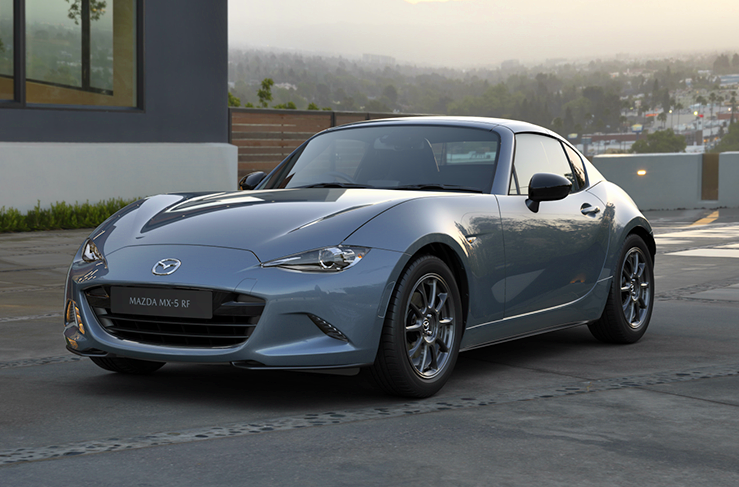
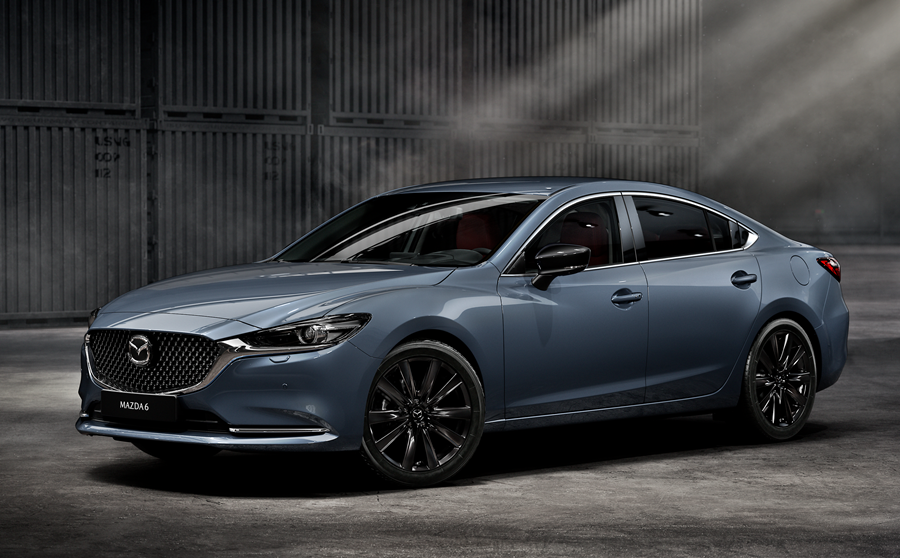
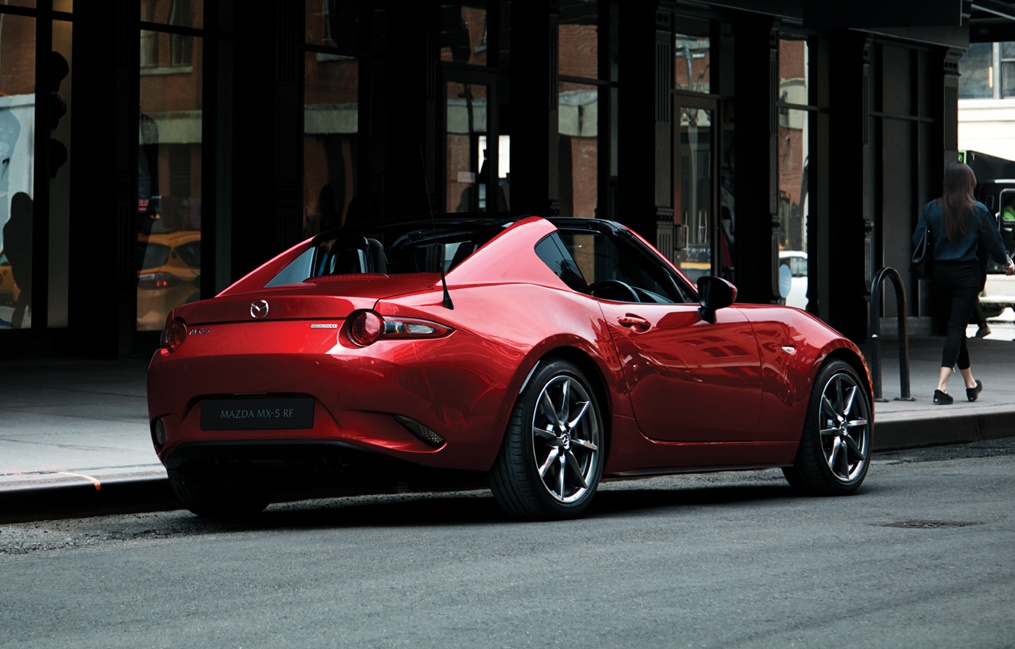
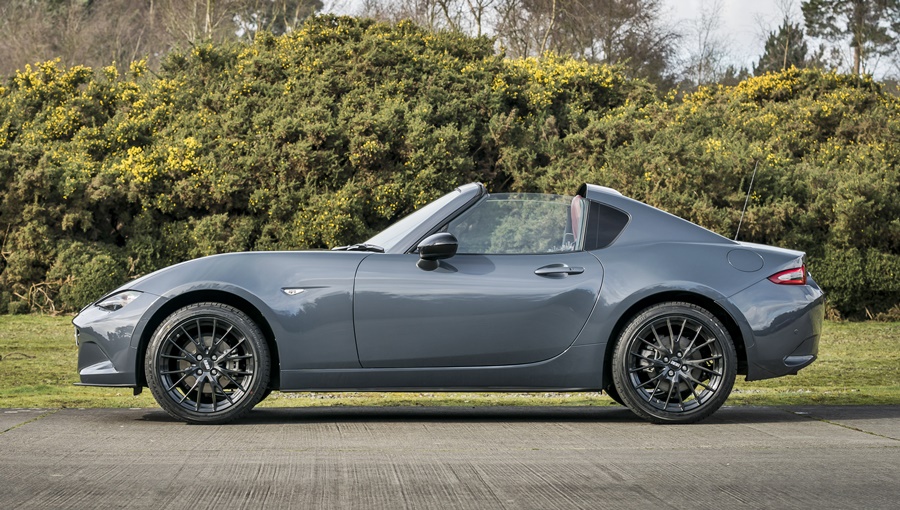
2021 versions of the Mazda6 and Mazda MX-5 RF are now available in Malaysia, Bermaz Motor announced today. Pricing (without insurance) for the models start from RM170,917 and RM258,591, respectively. Purchases made before June 30, 2021 will have 50% of the sale tax exempted under the PENJANA program.
With each new mode, Bermaz Motor offers 5-year (or maximum of 100,000 kms) manufacturer’s warranty and free scheduled maintenance for the first 5 years (or maximum of 100,000 kms). The free maintenance program includes costs for labour, parts and lubricants.
2021 MAZDA6
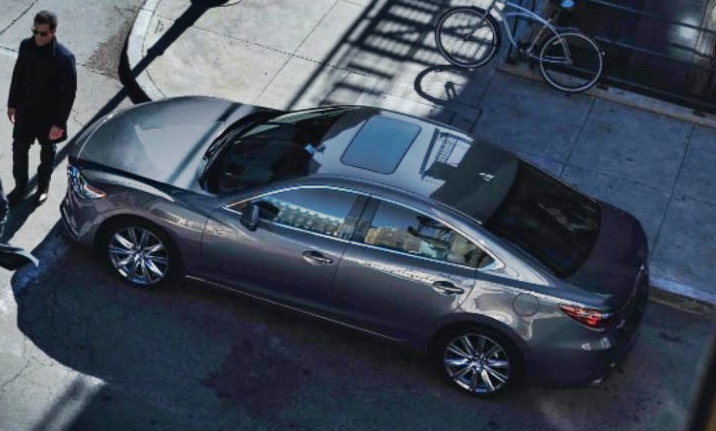
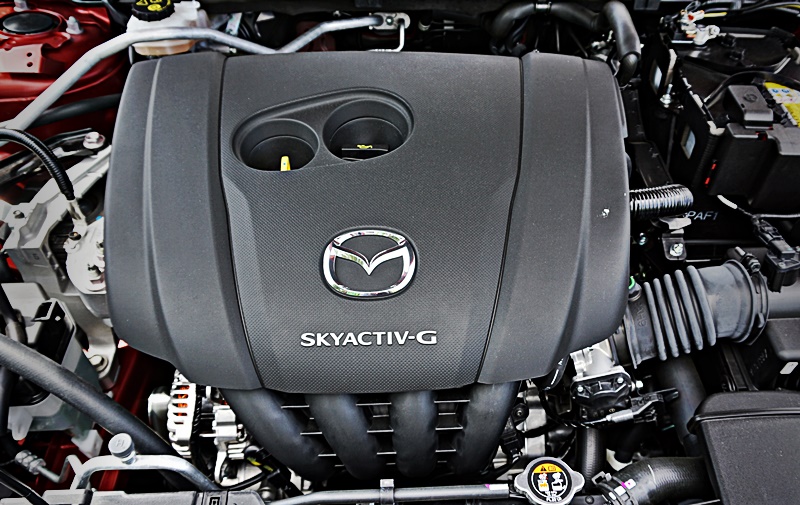
As before, this sedan model comes with a choice of SKYACTIV-G 2-litre and 2.5-litre petrol engines, coupled to the efficient SKYACTIV-DRIVE 6-apeed automatic transmission with manual shift mode. The driving dynamics are enhanced by G-Vectoring Control Plus which is the second generation of Mazda’s vehicle dynamics control technology which now has direct yaw moment control via the brakes as well.
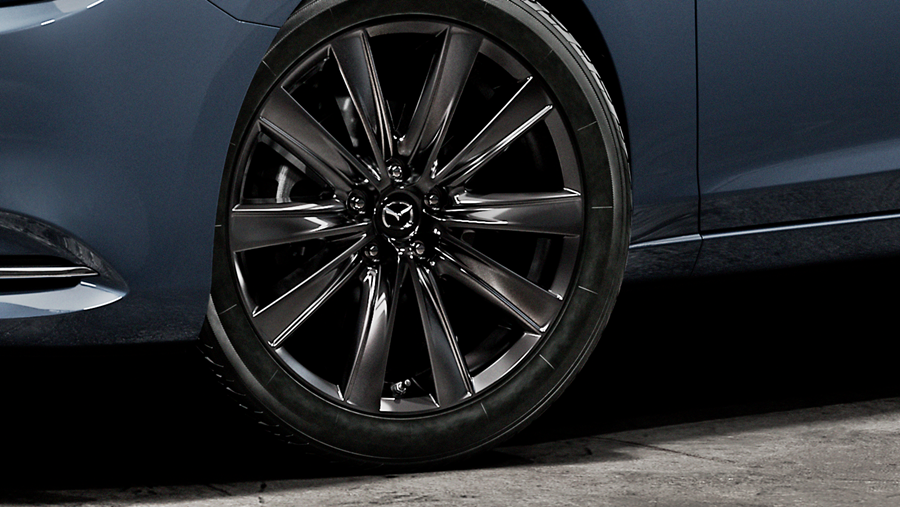
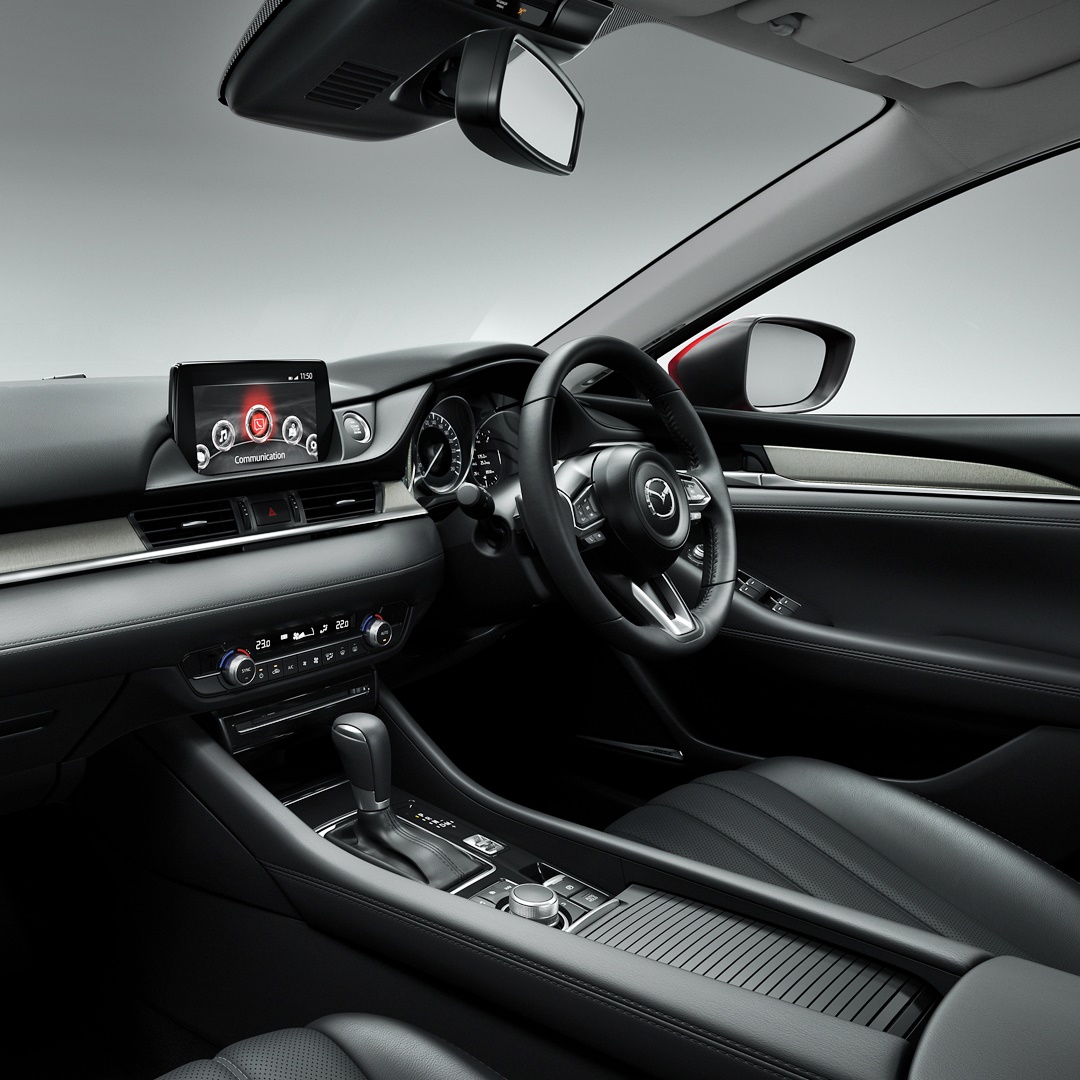
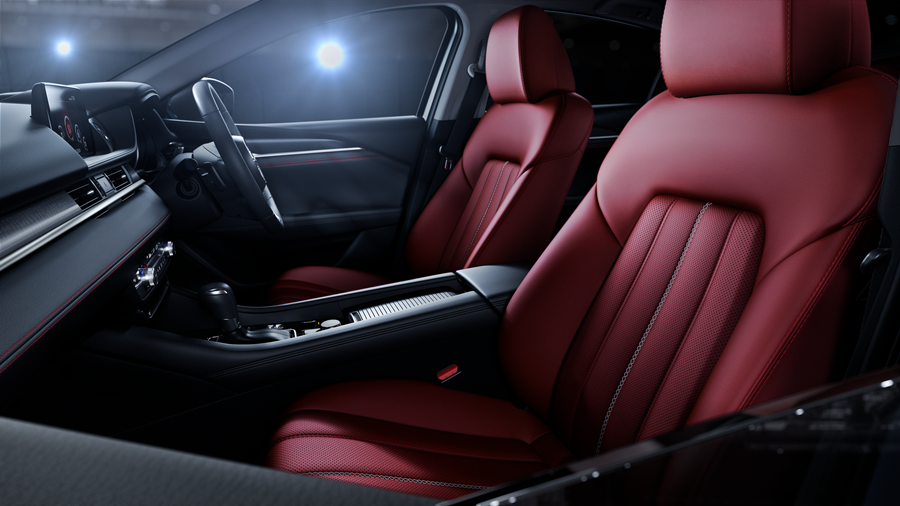
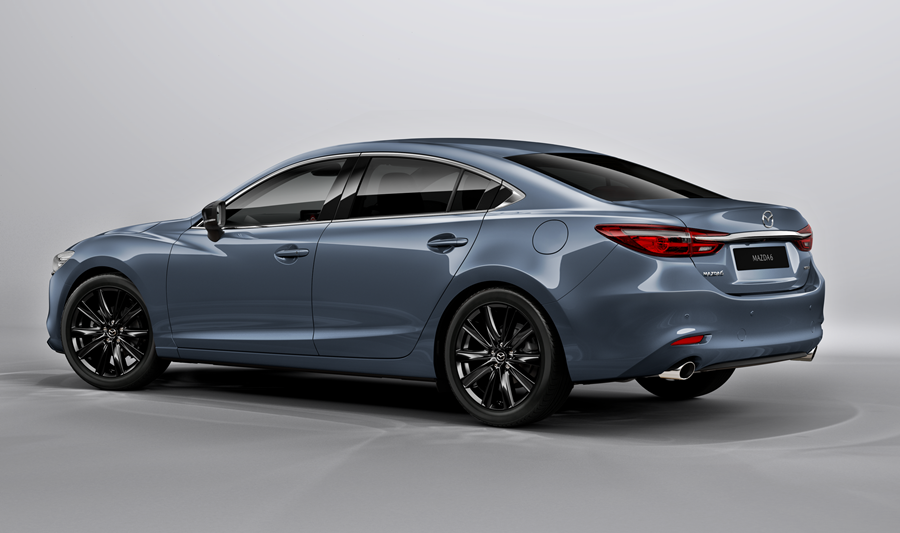
For the Mazda6 2.5, there are 19-inch alloy rims finished in metallic black and Gloss Black Door Mirrors, while the interior comes with leather upholstery throughout the cabin is in Burgundy Red with the same colour used for the stitching on the dashboard and door trims.
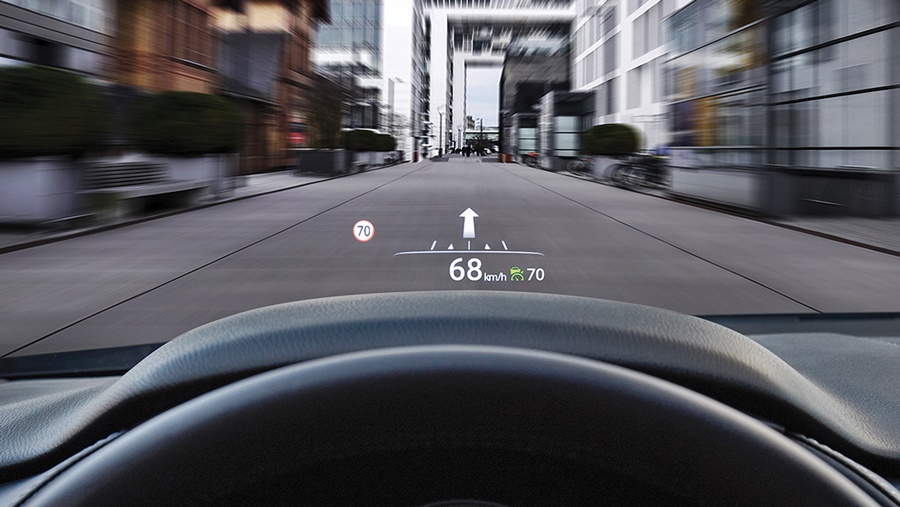
The 2-litre variant is now equipped with Advanced Keyless Entry and a Walkaway door lock feature for extra convenience while paddle shifters have been added to the steering wheel. For the 2.5-litre variant, a power sunroof and head-up display are standard.
Both variants now have Wireless Apple CarPlay which allows iPhone connectivity without the need for a Lightning cable link. It uses a combination of Bluetooth and wifi to connect an iPhone and once paired properly, projecting the apps from the smartphone to the dashboard display can occur automatically. Android Auto is also available for those with smartphones running on the Android operating system.
The 6 previous colour choices for the Mazda6 – Soul Red Crystal, Machine Gray, Snowflake White Pearl, Sonic Silver, Deep Crystal Blue, Jet Black – continue to be offered, with Polymetal Gray now added to the list.
2021 MAZDA MX-5
Bermaz Motor is importing only the RF version of the roadster and a World Car of the Year winner. The design of this version has a Retractable Fastback (RF) which preserves the iconic lines of the sportscar while providing open-air motoring pleasure.
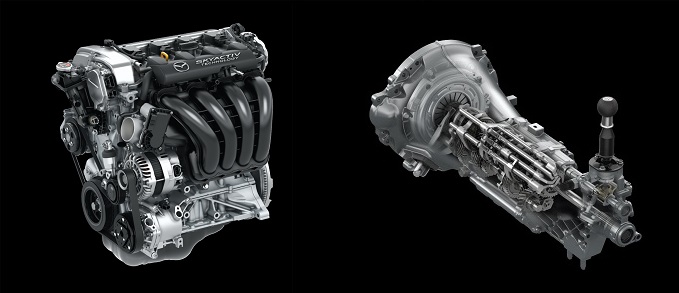
It is powered by a SKYACTIV-G 2-litre engine with a 181 ps/205 Nm output which goes to the rear wheels. Transmission options are a SKYACTIV-MT 6-speed manual transmission or a 6-speed automatic transmission with paddle shifters. Besides the kerb weight of 1,111 kgs which provides an excellent weight-to-power ratio, the driving dynamics are also enhanced by ‘jinba-ittai’, the unity between driver and car that are a must for every Mazda.
A manual transmission is also available with the SKYACTIV-G engine.
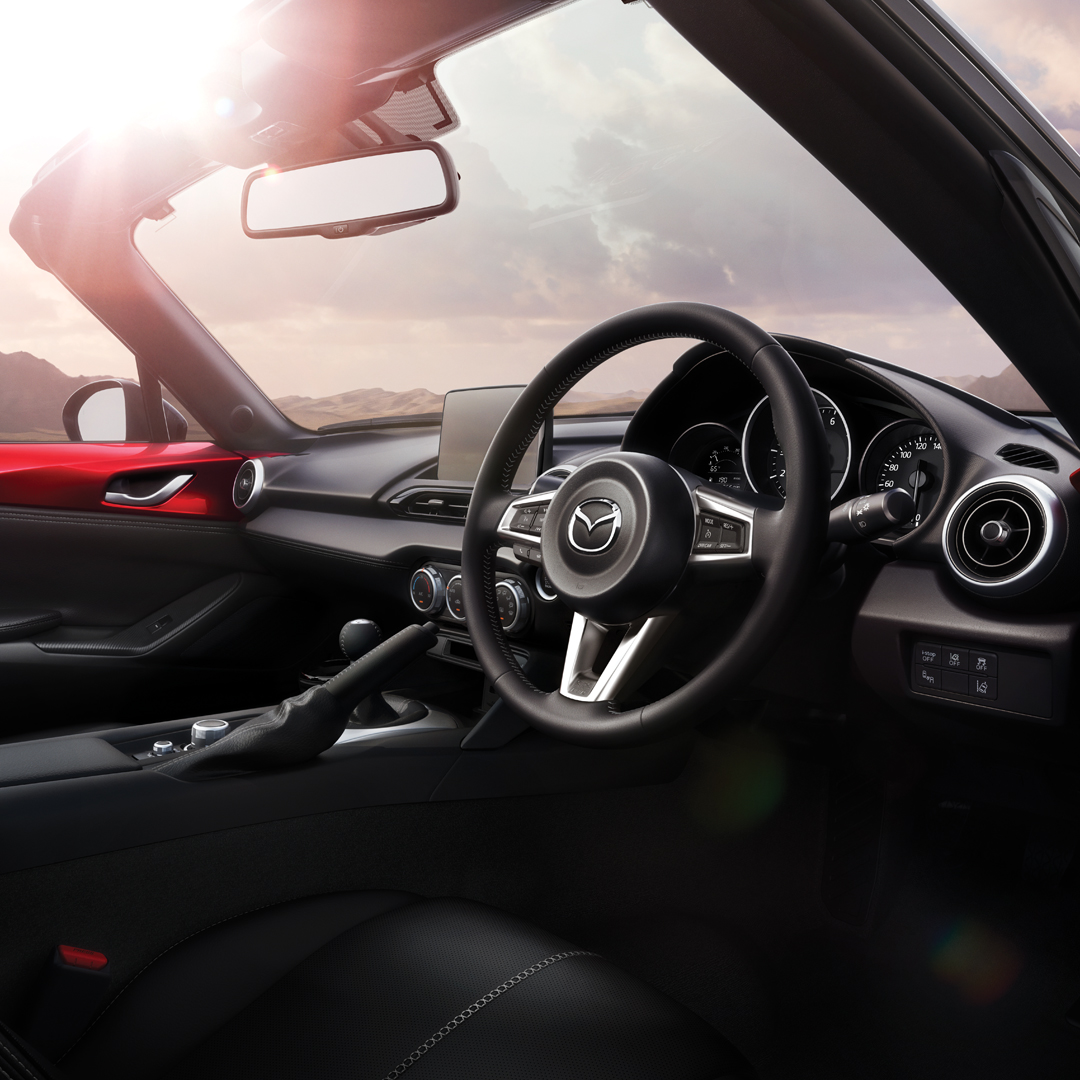
The MZD infotainment system with a 7-inch full colour touchscreen includes Android Auto and wireless Apple CarPlay (new) for ease of connectivity. Besides voice commands, the system is also managed by a multi-function controller between the front seats.
Customers have a choice of exterior colours – Soul Red Crystal, Snowflake White Pearl, Deep Crystal Blue, Machine Grey, Jet Black and Polymetal Grey.
To know more about the new Mazda6 and Mazda MX-5, visit www.mazda.com.my.
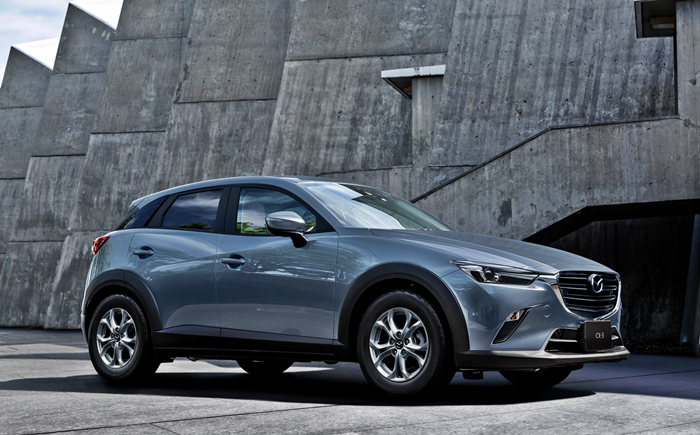
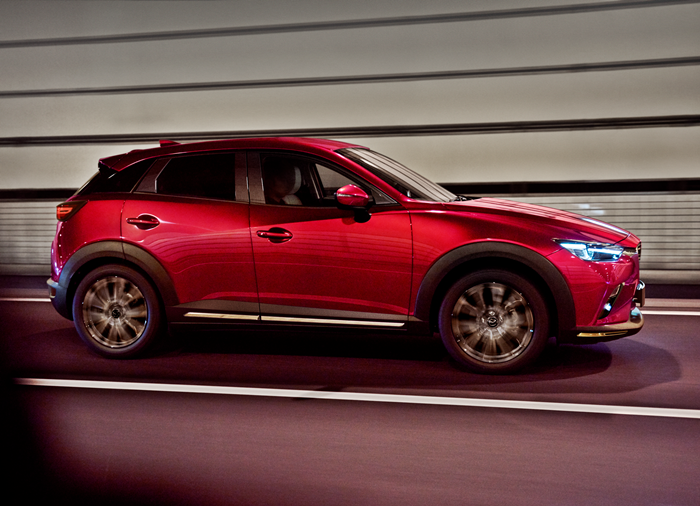
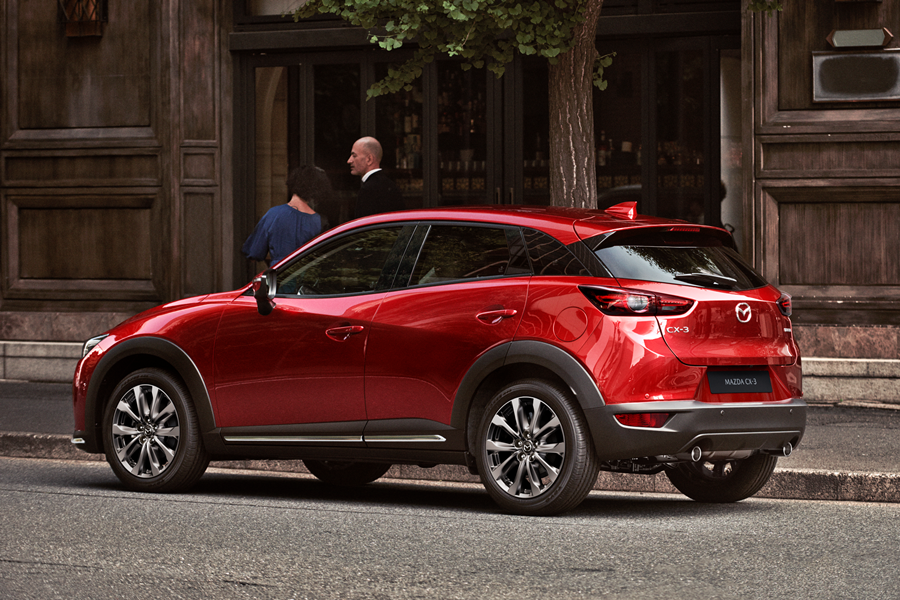
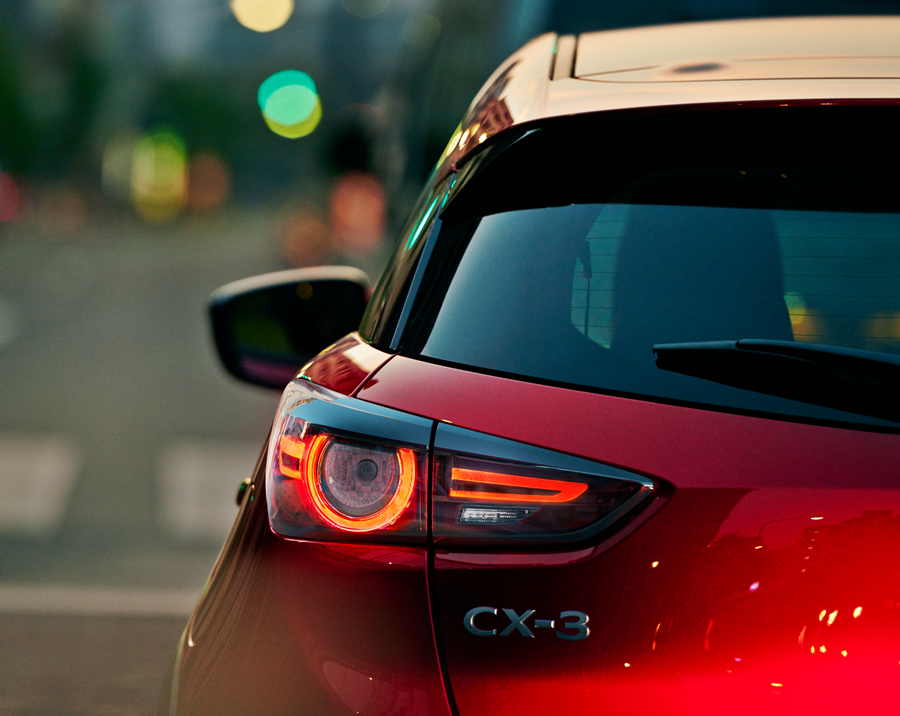
The current Mazda CX-3 has been in the Malaysian market since 2018 and although there have been many new SUVs appearing over the past 3 years, the Mazda SUV’s looks are still fresh. Perhaps this has to do with the KODO design language which gives a timeless quality to the appearance.
So not a lot needs to be done for the usual mid-cycle update in as far as exterior aesthetics are concerned for the CX-3. However, in keeping with market trends, Bermaz Motor has upgraded the specs with All-LED exterior lighting as standard. The headlights also come with automatic on/off and self-levelling capabilities.
Power sunroof added for 2021 model
Other standard equipment for the model, which comes from Japan in CBU form, include 18-inch aluminium alloy wheels, a roof spoiler, shark fin antenna, dual stainless-steel tailpipes, and new for 2021, a power sunroof as well as front parking sensors.
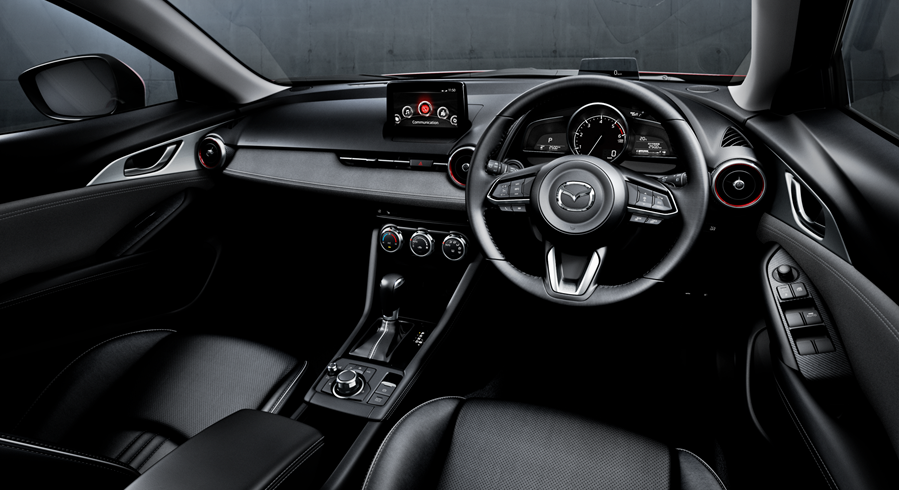
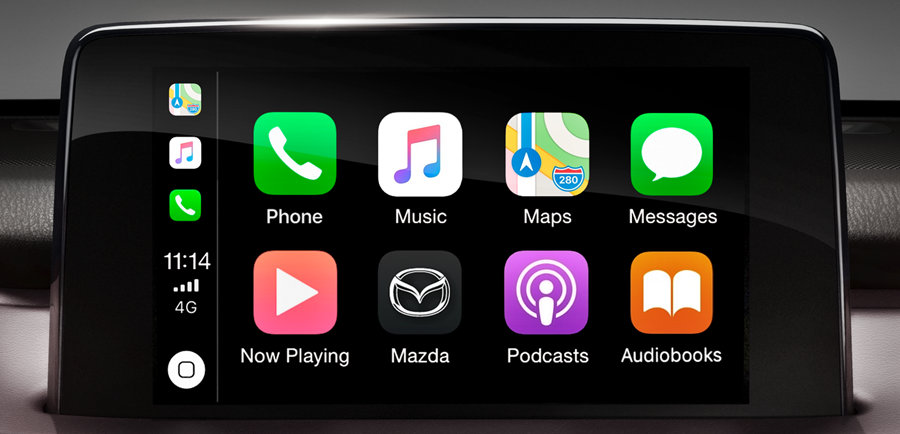
Some interior features have also been updated and there are new leatherette-fabric seats and a 360° View Monitor for the latest model. The infotainment system is equipped with Apple CarPlay and Android Auto connectivity software so smartphone apps can be transferred onto the dashboard system. Other premium standard features include an Active Driving Display, a 7-inch, full-colour touchscreen display with Mazda Connect, Bluetooth hands-free phone and audio, and a 6-speaker audio system. For ease of operation and safer motoring, the functions can be managed using the multi-function command knob between the front seats or steering wheel-mounted controls.
2-litre engine but no AWD
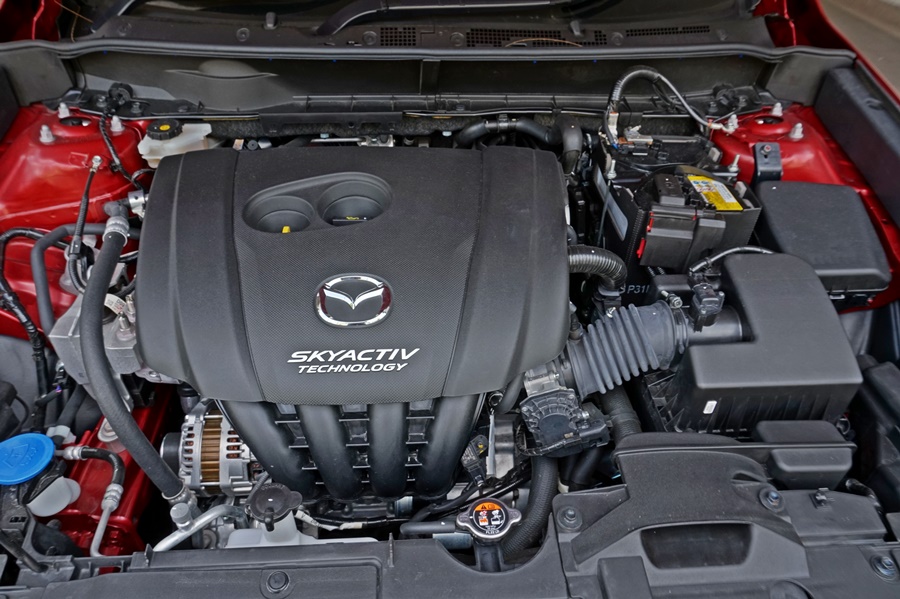
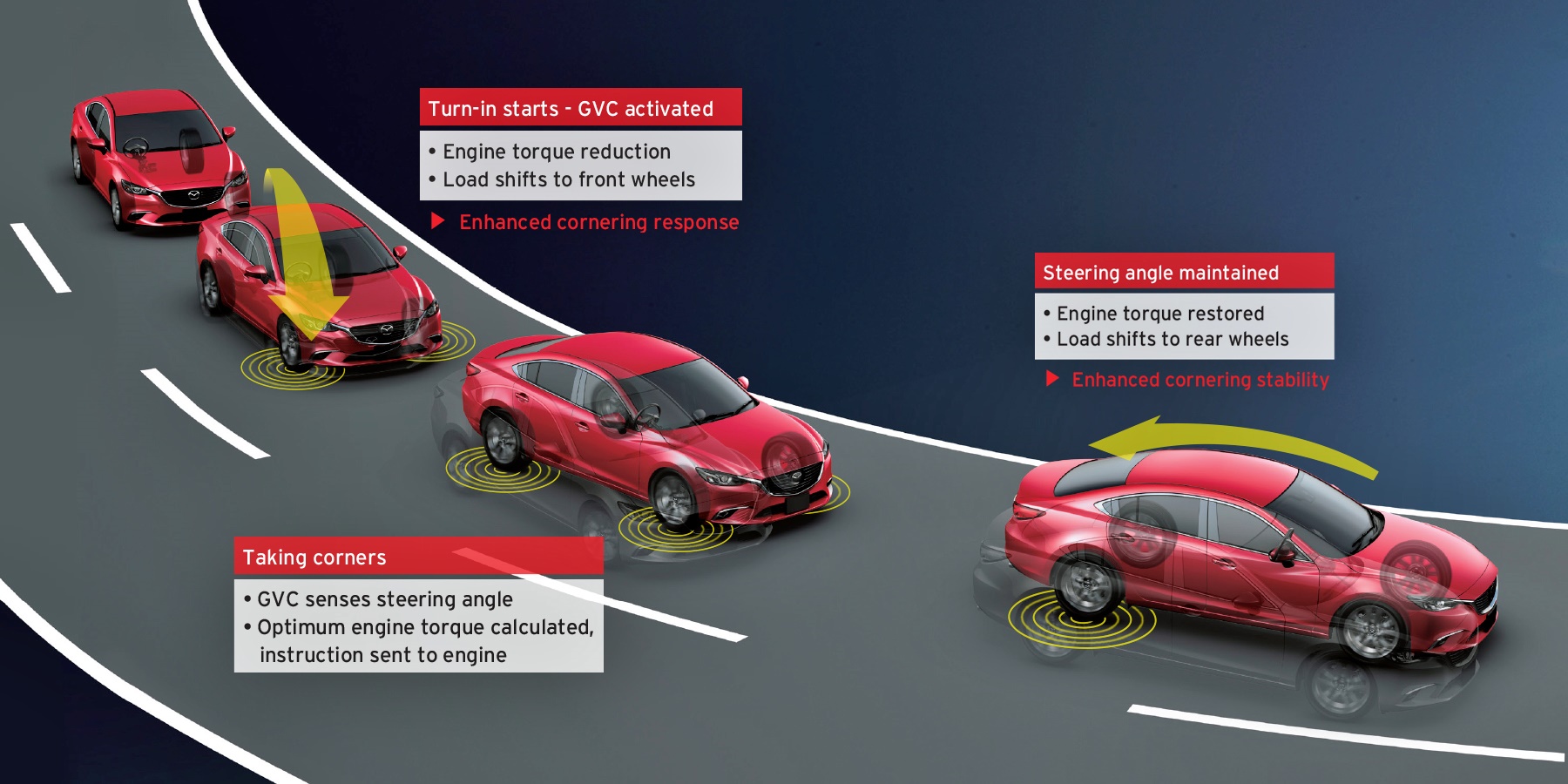
The 2021 CX-3 continues with the Mazda SKYACTIV-G 2-litre petrol engine – a rather large displacement for a small body – which produces 154 bhp/206 Nm. Power delivery is only to the front wheels through a SKYACTIV-DRIVE 6-speed automatic transmission with manual shift mode. In addition, there’s Mazda’s G-Vectoring Control technology which improves driving dynamics by making acceleration smoother and more linear.
How Mazda G-Vectoring Control (GVC) works
Comprehensive safety systems
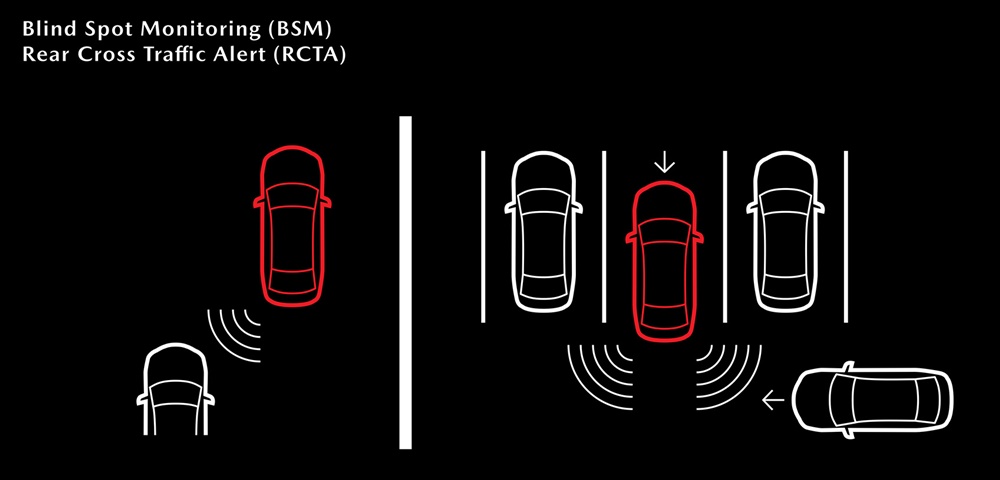
The CX-3 comes with an extensive list of safety equipment and systems that include 6 airbags, and i-ACTIVSENSE, Mazda’s integrated safety system which helps the driver to avoid accidents. The system includes automatic emergency braking and also alerts the driver if the vehicle departs from its lane. Besides a blindspot monitor, there is also active scanning of the rear as the CX-3 is reversing out. In the event of approaching vehicles from either side, the driver will be alerted, reducing the possibility of an accident.
Bermaz Motor is now accepting booking for the 2021 CX-3 which is priced from RM130,729 (excluding insurance). The price has 50% sales tax deducted under the exemption provided by the government. Although registration and deliveries will only start from July 2021, customers who make their booking before June 30 (the expiry date for the sales tax exemption) will still be entitled to the exemption.
Colours available are Soul Red Crystal, Snowflake White Pearl, Deep Crystal Blue, Machine Gray, with Polymetal Gray being a new choice for the range. All new vehicles will come with a factory warranty as well as free scheduled maintenance for the first 5 years or maximum of 100,000 kms after original registration (terms and conditions apply).
For more information, visit www.mazda.com.my or any authorised Mazda dealership in Malaysia.
The sale of pre-owned (not pre-registered) vehicles by franchise holders of various brands has been going on for some time. In fact, the first one in Malaysia might have been Federal Auto, which set up its own division to handle used cars as far back as the early 1970s. Other companies have also had used car divisions although most have not focussed greatly on this business, leaving it more to used car dealers.
These days, there is greater demand for pre-owned vehicles (a nicer term for used vehicles) and a number of companies, even premium brands, have invested in the business more substantially. They give more attention to the condition of the vehicles they offer, ensuring that the safety aspects are not compromised. In some case, they recondition the vehicle to ‘almost as good as new’.
Peace of mind purchase
Bermaz Motor, which handles Mazda, has also been dealing in pre-owned vehicles since 2015 through its Mazda Anshin centre in Glenmarie, Selangor. ‘Anshin’ is a Japanese word for ‘peace of mind’ so a selling point to customers is that they can have peace of mind buying from Mazda Anshin.
Many businesses are going online these days, partly due to the COVID-19 situation which has put limitations on interactions between people. As far as possible, companies now make it easier and safer for customers to view and know about what they offer before the need to actually be at the showroom.
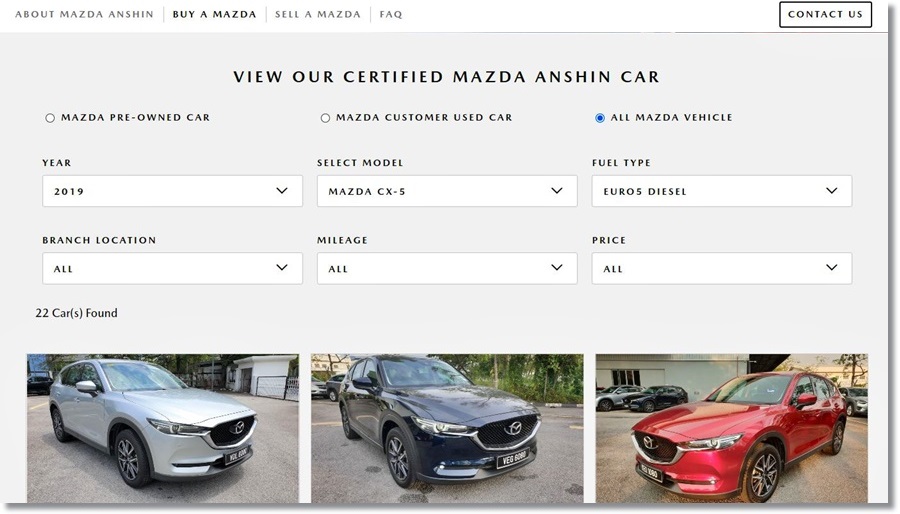
Bermaz now as a website for its Mazda Anshin business and this serves as a one-stop platform for customers to sell or buy Mazda vehicles. It offers many company demo vehicles as well as those owned by customers who may have trade-in for a new model.
Every vehicle has to go through a thorough inspection and be certified before being offered for sale on the website.
111-point inspection to be certified
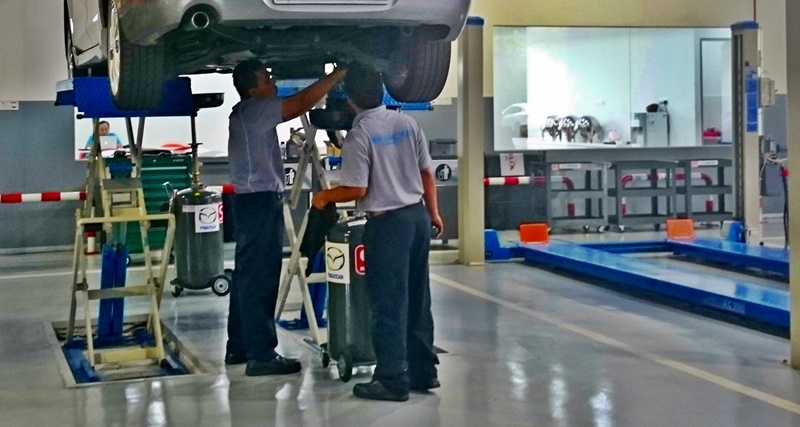
Regardless of whether the vehicles were previously demo units or in the company fleet, or a customer’s vehicle, every vehicle must undergo a comprehensive 111-point inspection. This is done by trained technicians at two authorized Mazda Service Centres in Selangor.
Owners who have this inspection done are charged a minimal fee of RM200. After the inspection, the owner will receive the best Mazda Anshin Certified Valuation and recommend selling price.
Mazda Anshin’s quality standards require that the pre-owned vehicles have had no major accident damages, no frame damages, and never been through a flood.
3 simple steps
Customers shopping for Mazda vehicles can browse through the Mazda Anshin website for the best- -value, best-quality models available, all with Mazda Anshin Certification. The existing warranty, if still in effect, will still be available to the new owner, as well as the free scheduled service based on from the original registration date.
So the next time you want a pre-owned Mazda, consider the offerings at the Mazda Anshin website. After all, it’s the company that knows Mazda best.
Companies periodically demonstrate their corporate social responsibility (CSR) by supporting worthwhile causes or organizing and sponsoring activities for the benefit of communities. In some cases, they may also fund efforts to create awareness of conservation activities to prevent certain wildlife from becoming extinct.
One example is the latest initiative by Mazda Philippines which is giving support to the efforts of the Katala Foundation, a non-profit NGO in the country that protects and conserves wildlife. The initiative by the Mazda distributor is to help raise awareness for pangolins, a critically endangered species and believed to be the world’s most trafficked mammal.
Palawan, an island on the southwestern side of the Philippines, is the natural habitat of the pangolin which is from the anteater family. Its name is said to be originally derived from the Malay word ‘pengguling‘, which means ‘one who rolls up’.
Special edition of BT-50
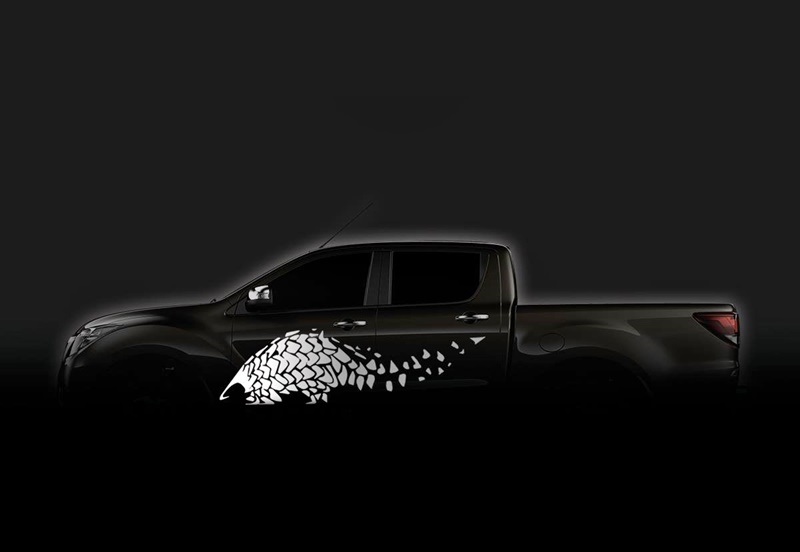
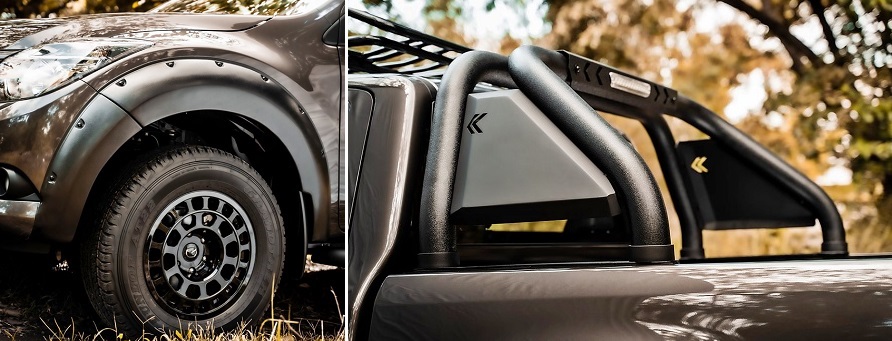
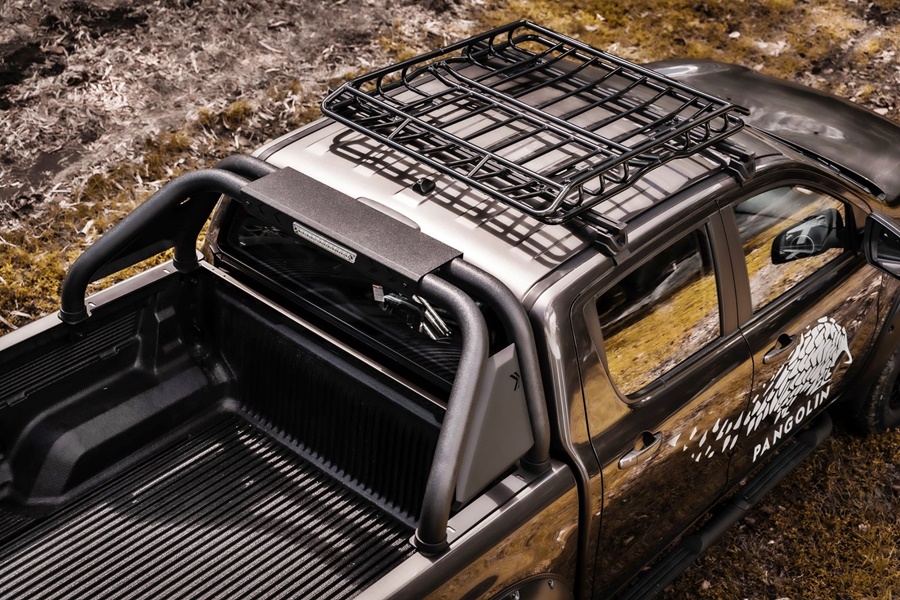
Mazda Philippines is helping to create awareness of the pangolin with the BT-50 4×4 Pangolin Special Edition which is imported from Thailand. Besides special graphics depicting the pangolin, the special edition – developed from the top version for the market – also comes with special accessories and customization.
Power comes from a 3.2-litre engine with 200 bhp/470Nm which goes to the wheels through a 6-speed automatic transmission and 4×4 drivetrain. Engineered for taking on tough duties in challenging terrain, the pick-up can take a payload of up to 1,086 kgs and tow a trailer or another vehicle weighing up to 3,500 kgs.
Even though there are accessories fitted, Mazda Philippines is selling the BT-50 Pangolin Edition for less than a standard BT-50, at a retail price of 1,400,000 pesos (about RM118,400).
“The Mazda BT-50 Pangolin is embarking on its most meaningful job ever – to help raise awareness on the critically endangered Philippine Pangolin species,” said Steven Tan, President & CEO of Mazda Philippines.
“The Philippine Pangolin deserves our attention and concern. That is why together with Katala Foundation, a non-stock, non-profit Philippine NGO that is active in protecting and conserving threatened endemic wildlife, we at Mazda Philippines will make use of the enduring nature of the BT-50 to promote awareness and inspire conservation of the Philippines’ and the world’s most critically endangered mammals,” he explained.
Mazda Philippines will also loan to the Foundation one unit of the BT-50 4×4 Pangolin Edition for a year. The NGO can use the vehicle to promote its wildlife protection advocacies, as well as perform its preservation and monitoring duties.
Media exposure of the special edition model in the Philippines would also help generate interest and awareness in the danger of extinction that the pangolin is facing.
Caring culture of Bermaz Auto Berhad group
The CSR initiative of Mazda Philippines mirrors the caring culture of Bermaz Auto Berhad, its parent company based in Malaysia. 5 years ago, it established the Mazda Medicare Fund (MMF) which provides help to renal patients urgently in need of life-saving haemodialysis but have financial constraints.
With the MMF, eligible patients can receive subsidized haemodialysis treatments at designated dialysis centres nationwide. Since 2015, the MMF has contributed a total of RM2.4 million which has supported more than 176 patients throughout Malaysia.
The MMF gets donations from individuals and corporate sponsors through fund-raising events like golf tournaments.
Besides the MMF, the companies in the group also raise awareness and contributions for good causes through events such charity golf tournaments, donations to the needy and supporting sports.
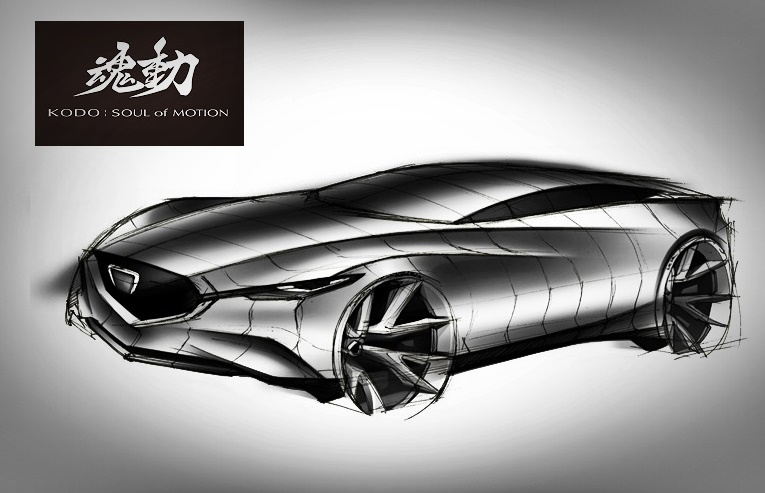
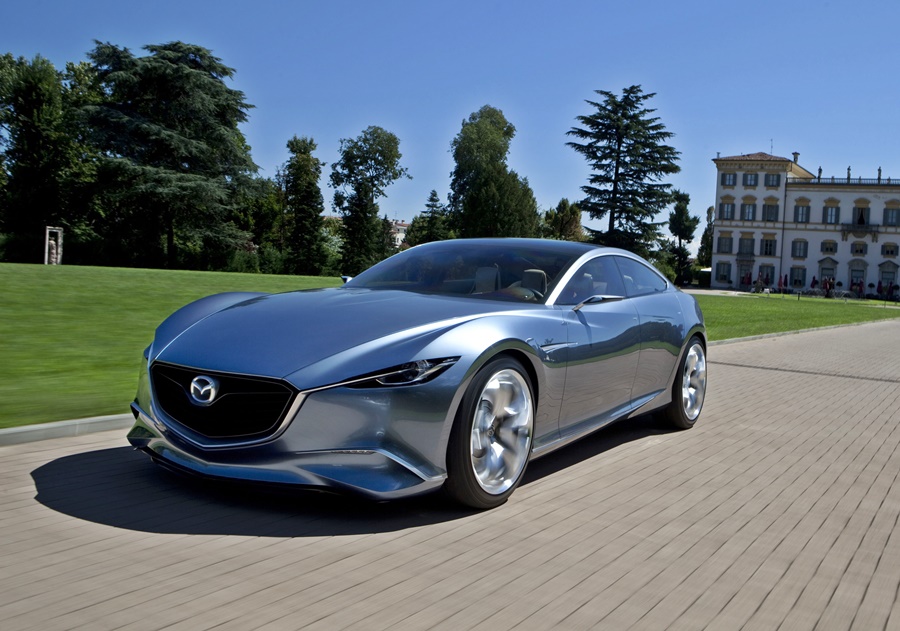
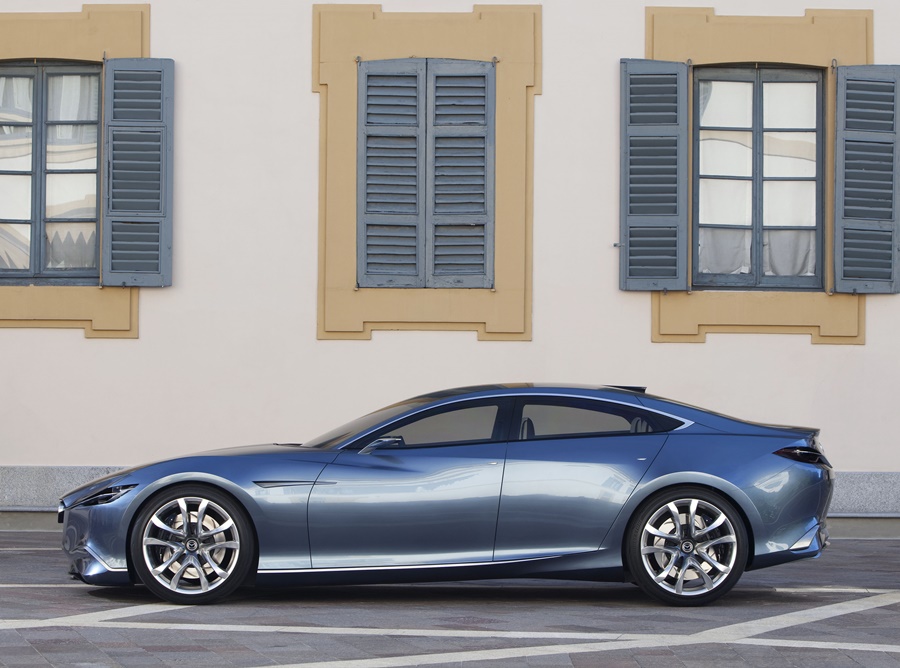
Mazda’s design philosophy – Kodo: Soul of Motion – is 10 years old, having been introduced at the Los Angeles Motor Show in 2010 with the Shinari concept car. It was a preview of how forthcoming Mazda models would look and represented a bold new direction for design at Mazda.
The word ‘Kodo’ literally translates as ‘heartbeat’, but with the added meaning of filling something with life; of giving it a soul. This idea is central to the way Mazda has always thought about design. “In Japan, we feel that craftsmen inject life into what they make. We believe that a form sincerely and painstakingly made by human hands gets a soul,” explained Ikuo Maeda, Head of Mazda Design. Therefore, ‘Soul of Motion’ takes on a double meaning, expressing both the essence of motion and the ‘soul’ imbued in the car by Mazda’s master craftsmen.
Mazda Shinari concept
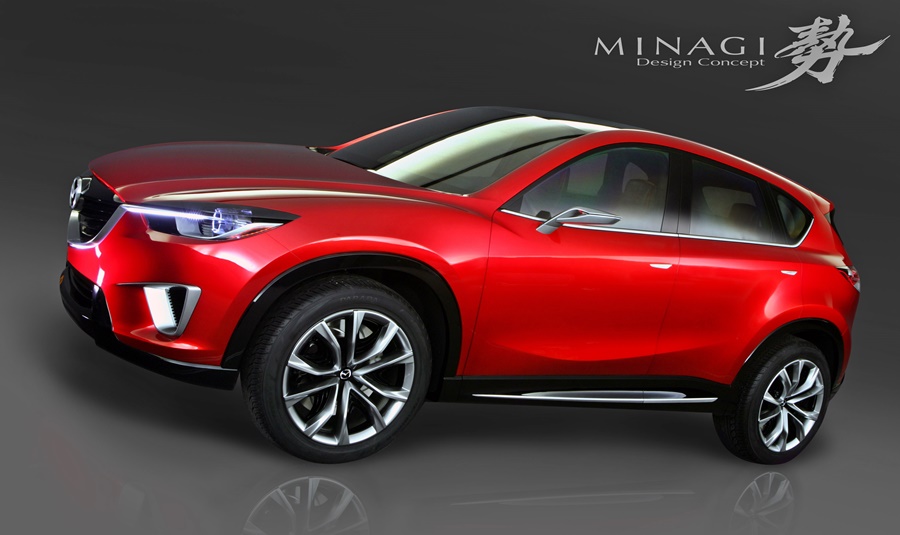
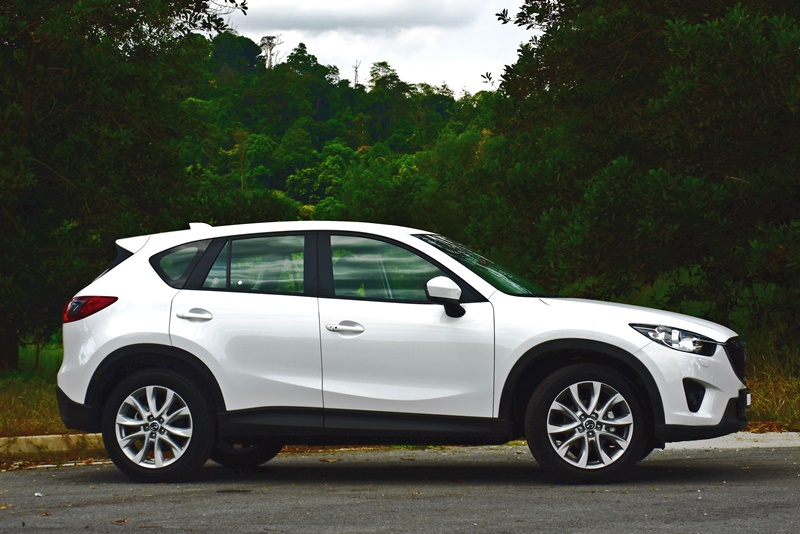
The Minagi concept which became the first CX-5 (below).
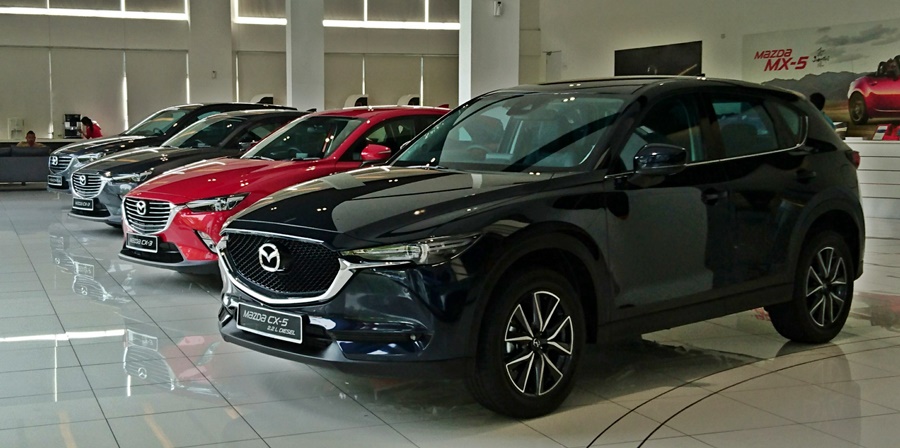
The Shinari 4-door sports coupe concept was followed in 2011 with another example of Kodo Design, the Minagi compact crossover SUV concept which later evolved into the highly successful CX-5.
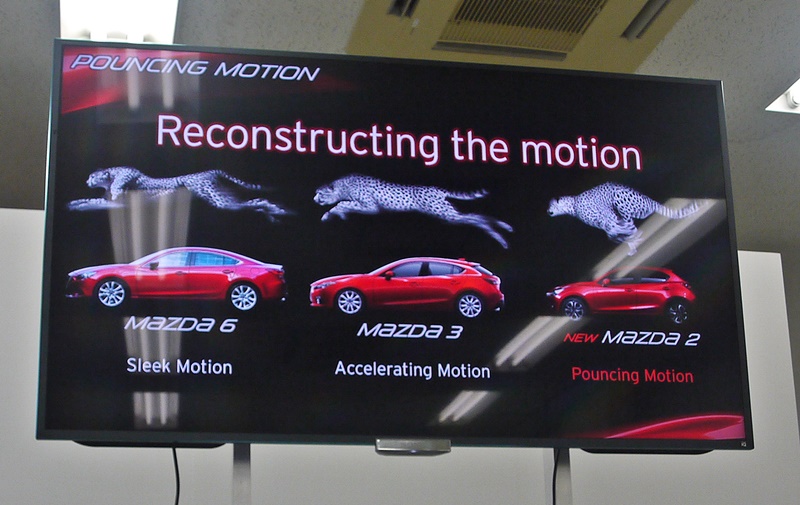
Inspired by the beauty and power of nature allied with the emotion of motion, the first Kodo designs were strongly inspired by the image of a cheetah about to pounce. Mazda designers closely observed how these powerful mammals used their entire body as a spring to convert pent-up energy into highly controlled motion.
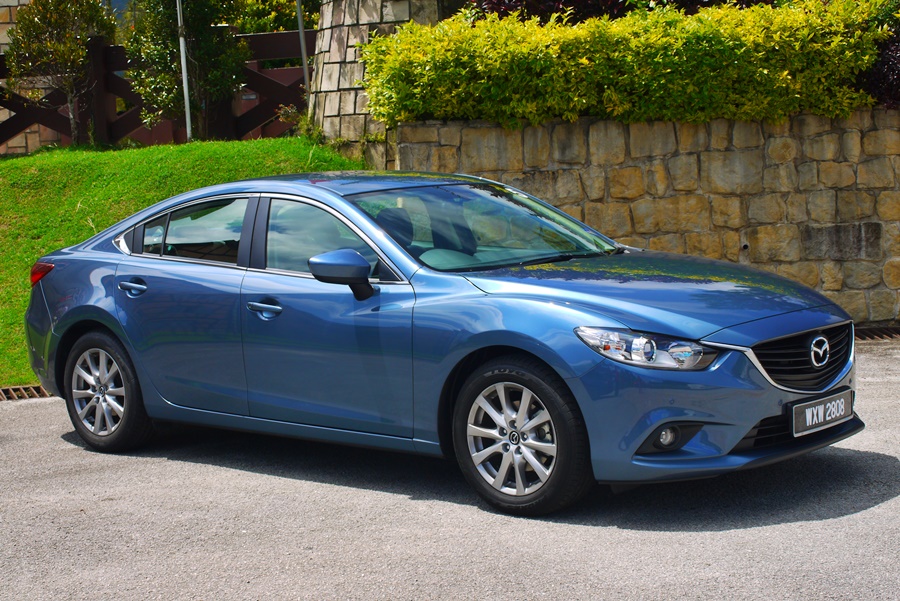
From the Shinari came the Mazda6.
Takeri and Hazumi concepts
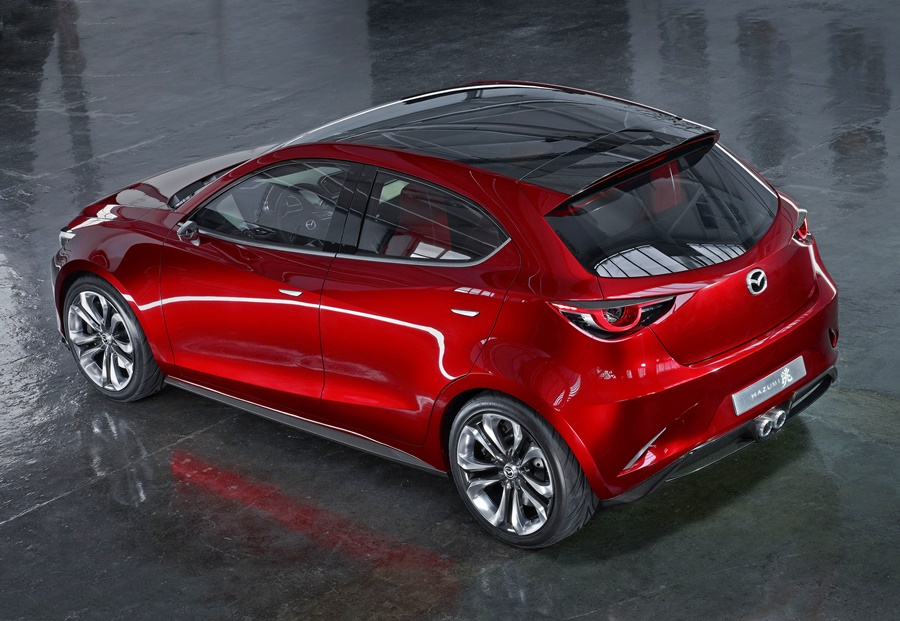
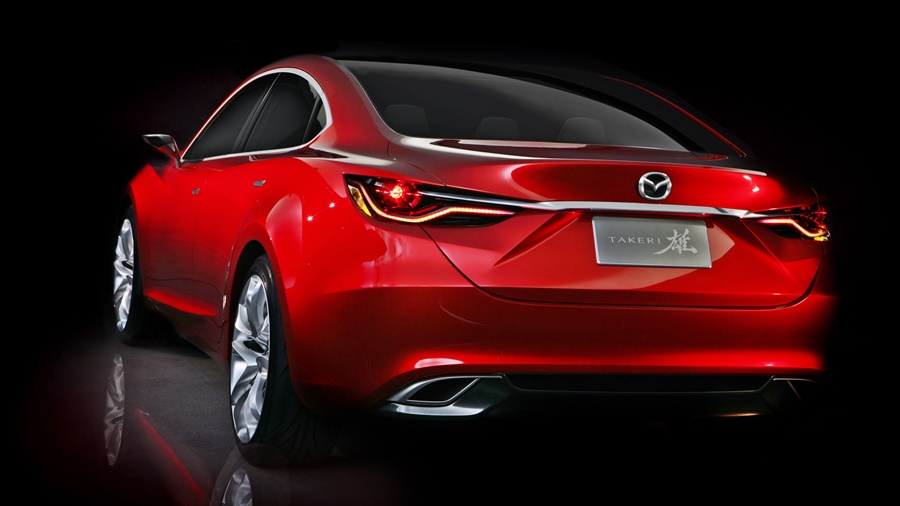
After the Shinari and Minagi concepts came the Takeri and Hazumi concepts which carried the same expression of motion that focused on the strength, beauty and tension found in the instantaneous movement seen in animals.
The Takeri offered a new level of strength and allure to the future of Mazda’s sedan styling, while the Hazumi (meaning ‘to bound’ or ‘spring up’ in Japanese) used Kodo Design to characterize the personality of a small but vigorous animal bursting with energy for Mazda’s next generation B-segment car.
Mazda Hazumi conceptMazda Takeri concept
Minimalist approach
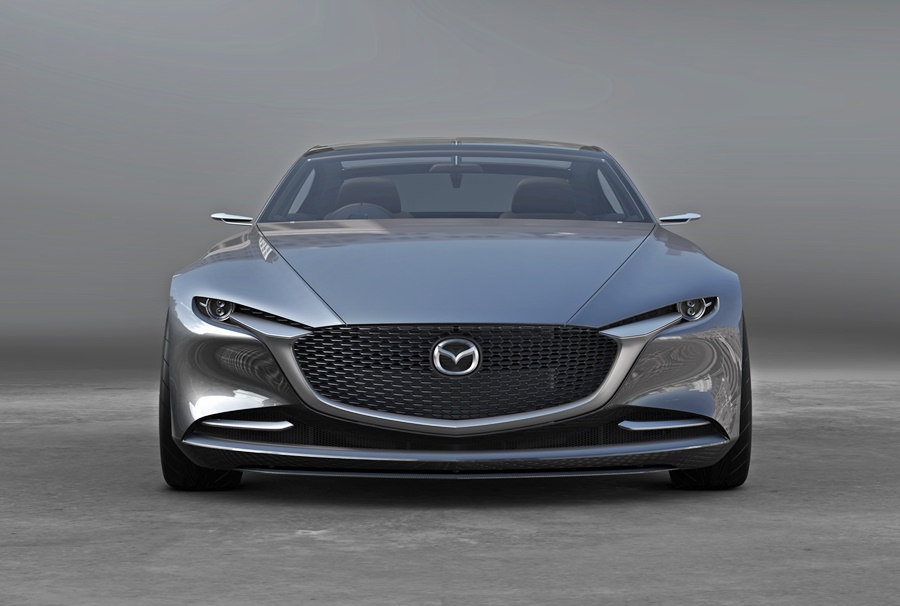
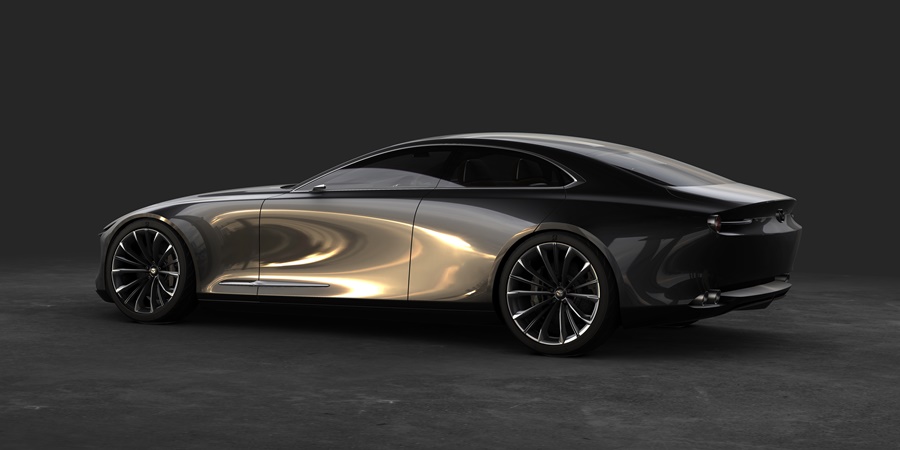
A turning point for Kodo Design was reached with the RX-Vision and Vision Coupe which evoked a powerful and emotional design with as few elements as possible. Introduced at the 2015 and 2017 Tokyo Motor Show, respectively, both concepts anticipated the new elegance and yet more pronounced minimalist aesthetic of an updated interpretation of Kodo Design. Dynamic and emotional forms are achieved by shaving off any unnecessary elements to bring out the very essence of beauty and motion.
Mazda Vision conceptMazda Vision Coupe concept
From Kai to Mazda3
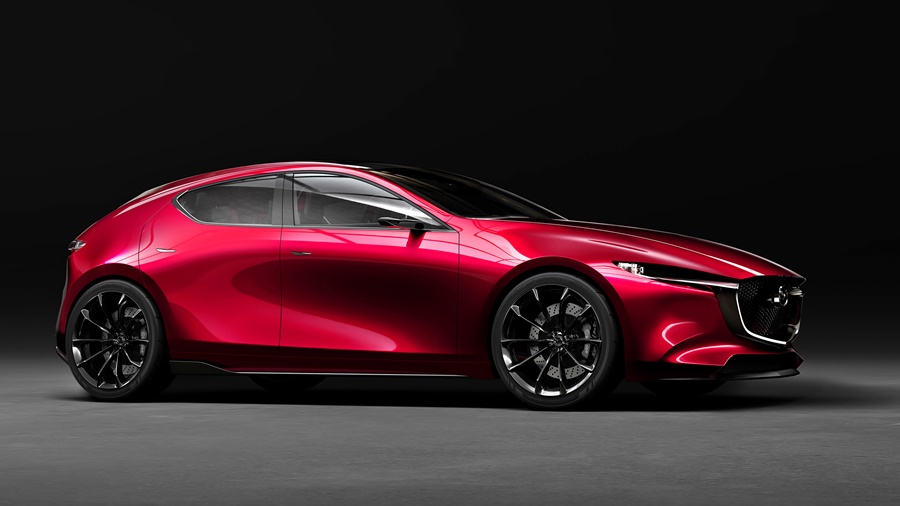
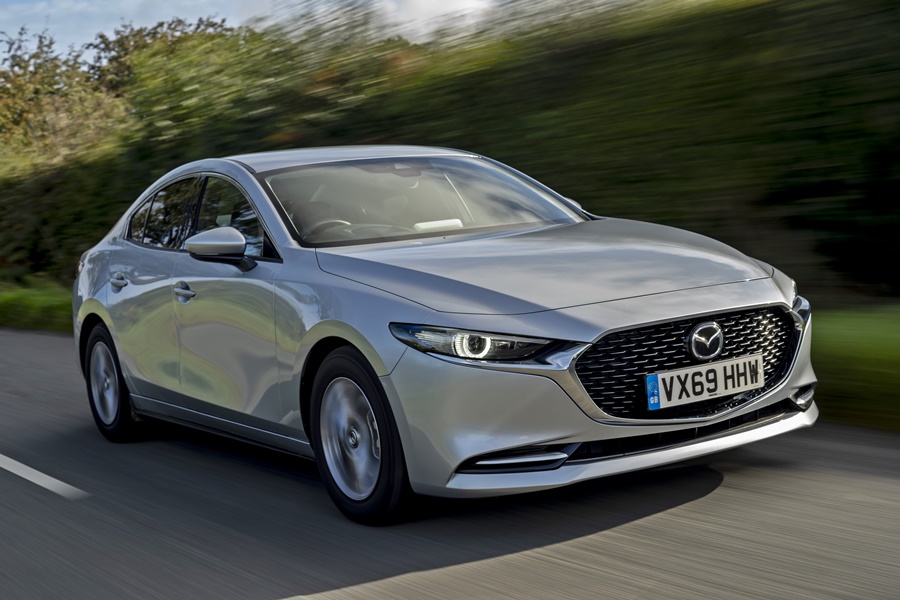
From this point onwards, Mazda designers sought to create beauty and a unique elegance through taking visual components away, not adding more. Launched in 2019, the latest generation Mazda3 was inspired by the Kai Concept and was the first vehicle to showcase the evolution in Kodo Design. It presented a more mature rendition targeting greater styling prestige through the elegance and rigor of a minimalist, less-is-more aesthetic inspired by the purest traditions of Japanese art and the beauty of space between objects.
Mazda Kai concept2020 Mazda3 Sedan
With the latest Kodo Design, which is in the current Mazda3, every element serves a purpose; nothing is superfluous or purely ornamental. Three concepts were instrumental in this design progression: Yohaku or ma, the beauty of empty space; sori, or curves with poise and balance; and utsuroi, the play of light and shadow.
For example, by eliminating character lines, an empty space is created on the vehicle’s smooth side panels and functions as a blank, endlessly changing canvas for the play of light and shadow – a special skill of Mazda designers. As the car moves through space, the change of light and shade creates a dynamic and fluid aspect with the ‘Soul of Motion’ played out on the side of the car.
It took hundreds of hours of painstaking clay sculpting and painting work to develop the Mazda3’s design that creates subtle undulations of light and shadows gliding over the car’s smooth body. It is fundamental to the uniquely Japanese elegance of Mazda’s next-generation design vision.
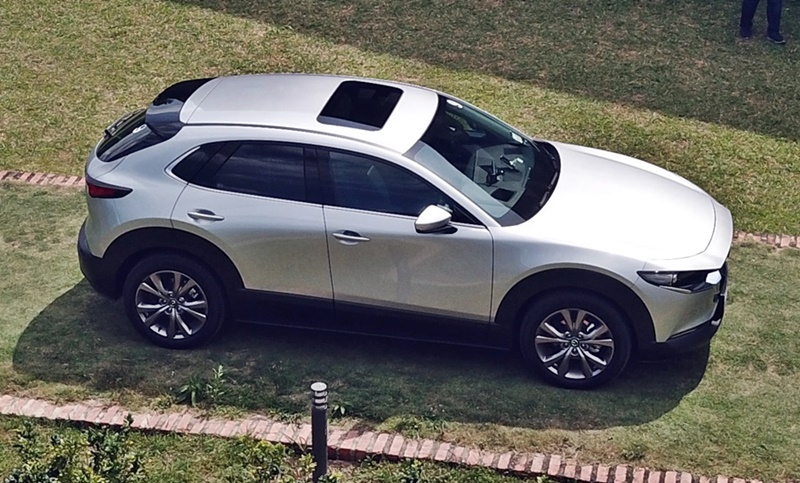
Mazda CX-30
Change and Release for CX-30
The CX-30 was developed to follow this design concept with exterior styling that has suppleness and the flowing elegance of a coupe combined with the toughness of an SUV. The vitality of Kodo Design is retained, with a new ‘Charge and Release’ design expression inspired by the brushwork used in Japanese calligraphy.
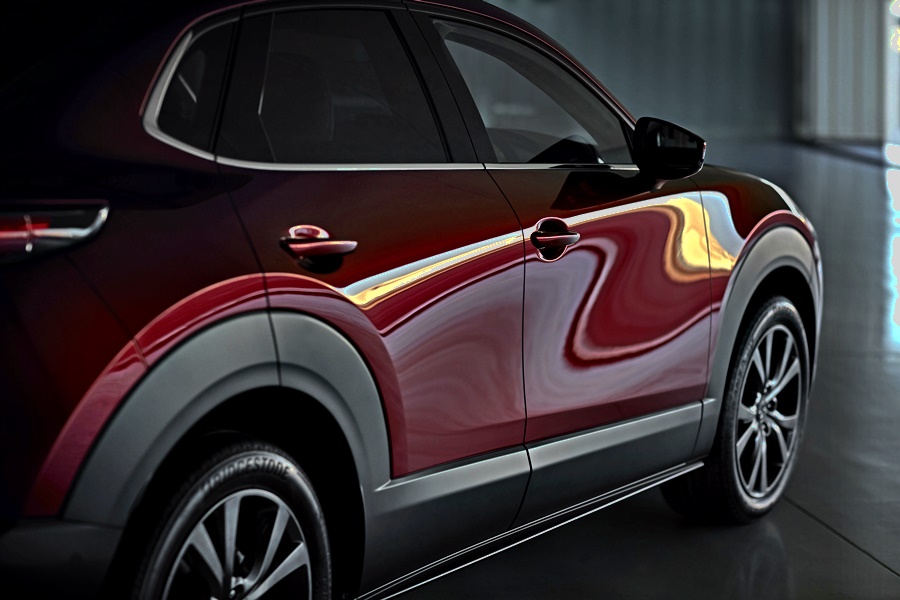
In particular, Sori is clearly embodied in the arc of the shoulder running from the front wing to the rear wheel, giving a sense of speed and vitality. Utsuroi may be seen in the body surfaces beneath the shoulder line, which reflect the surroundings in a distinctive ‘S’ shape that changes as the car moves.
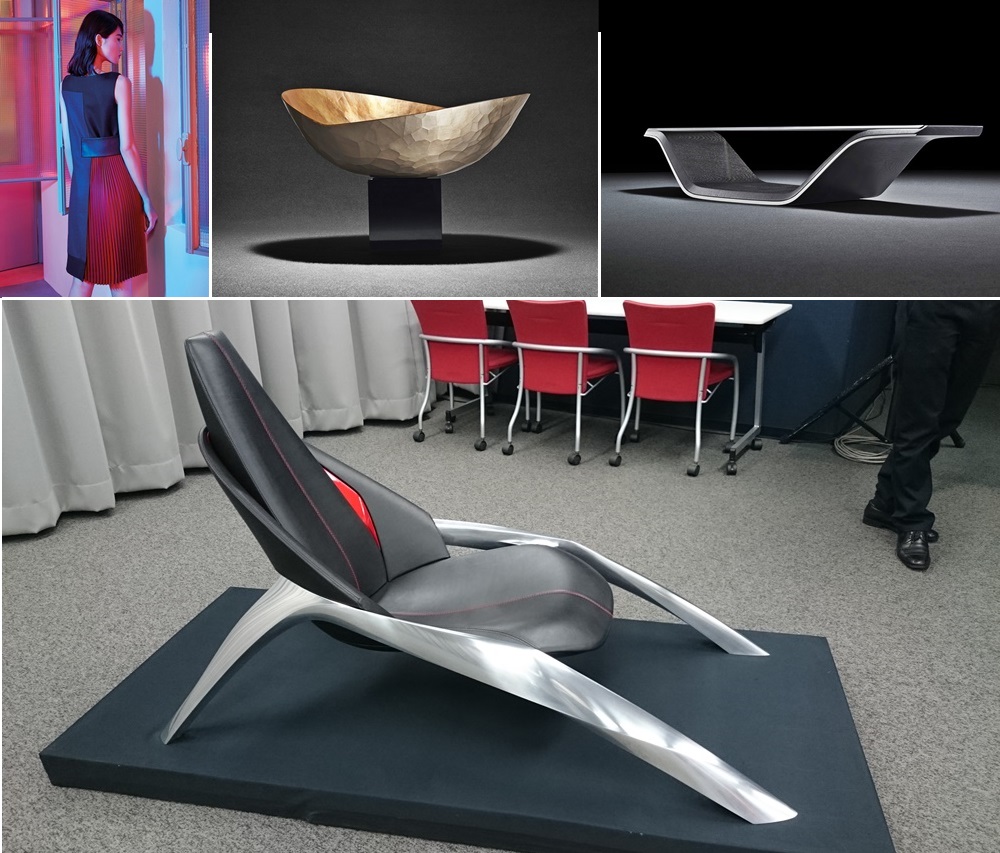
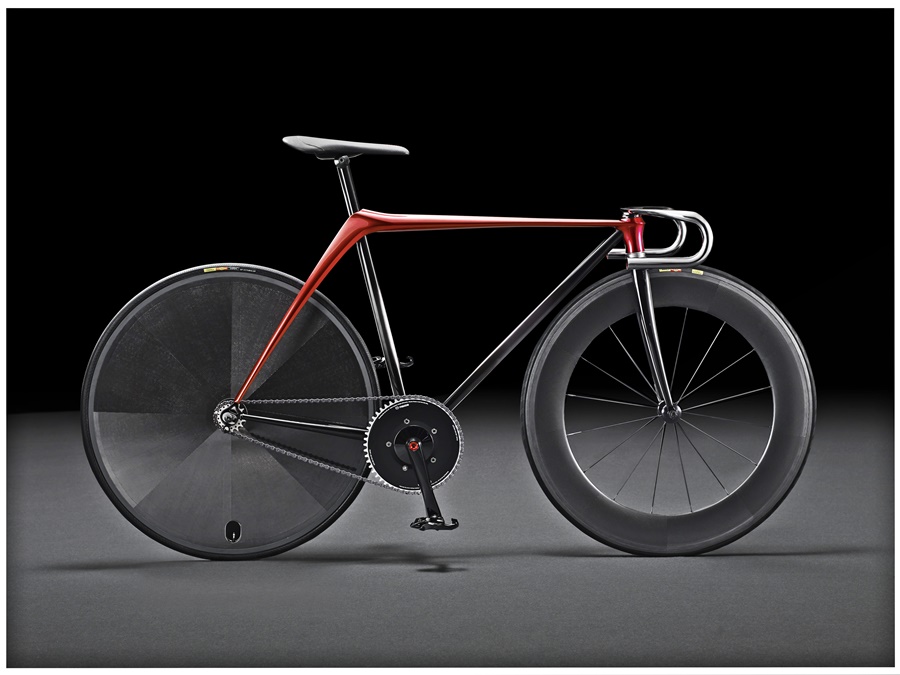
Mazda has used Kodo Design philosophy in other products like clothes, furniture, tableware and even a bicycle (below). Some of these items have been displayed at the Milan Design Week.
Award winner
Since its inception 10 years ago, Mazda’s Kodo Design philosophy has been praised and recognized by many awards. Both the RX-Vision and the Vision Coupe have been named the ‘Most Beautiful Concept Car of the Year’ and the revamped Mazda MX-5 won the ‘World Car Design Award’ in 2015.
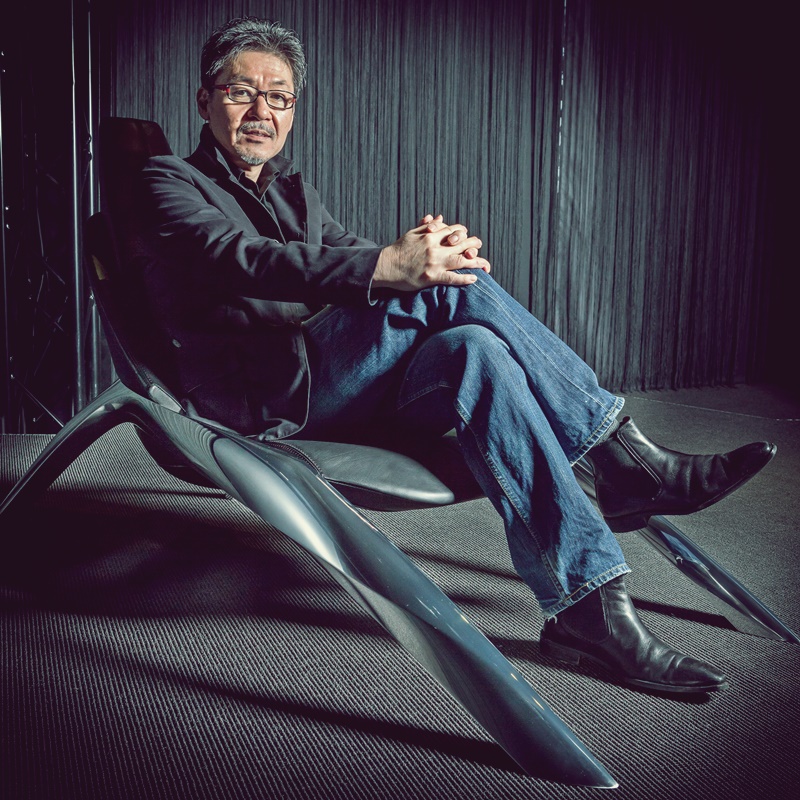
Ikuo Maeda, Head of Mazda Design, is the ‘father of Kodo Design’. His father was the man who designed the original RX-7.
More recently, the Mazda CX-30 and the new MX-30 have won a Red Dot Award 2020 in the Product Design category, while the Mazda3 was named ‘World Car Design of the Year’ in the 2020 World Car Awards. Ikuo Maeda himself has also been recognized with the Design Hero accolade earlier this year by Britain’s Autocar magazine.
The simplistic elegance and emotional appeal of Kodo Design will remain essential ingredients of the brand’s identity. After 10 years of sustained success, Kodo Design continues to push the limits of car design and define the future of Mazda. When asked if Kodo Design will be replaced by another design philosophy, Maeda told this writer: “As far as I am concerned, Kodo Design will be forever!”.
Visit www.mazda.com.my to know more about the wide range of Mazda models in Malaysia
Mazda Corporation has announced a product recall of 6 of its models which were manufactured between 2017 and 2019. The recall is a precautionary measure relating to a fuel delivery module (fuel pump) which needs to be replaced. A defect in the module could result in loss of engine power or vehicle stalling.
19,685 units in Malaysia
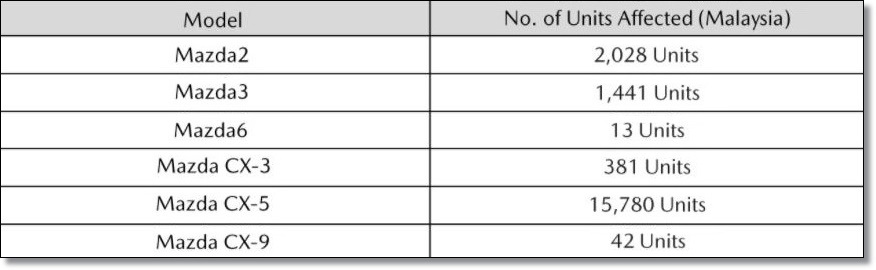
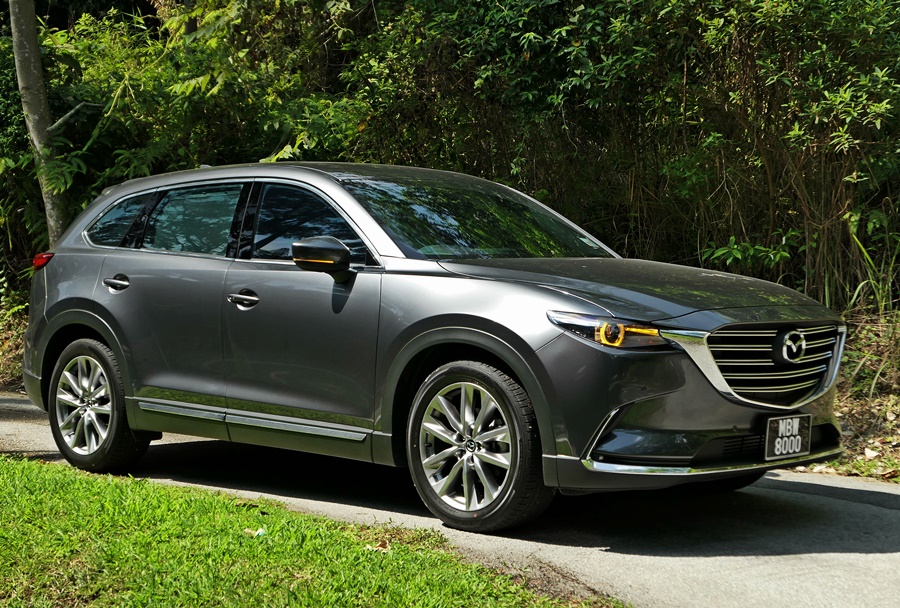
Mazda vehicles sold in China, ASEAN and other are affected and in Malaysia, Mazda has identified a total of 19,685 units of vehicles affected. The model ranges affected are the Mazda2, Mazda3, Mazda6, CX-3, CX-5 and CX-9. Bermaz Motor, the distributor, stresses that all 2020 production models are not affected.
CX-9 is among the models affected.
Owners being notified my mail and SMS
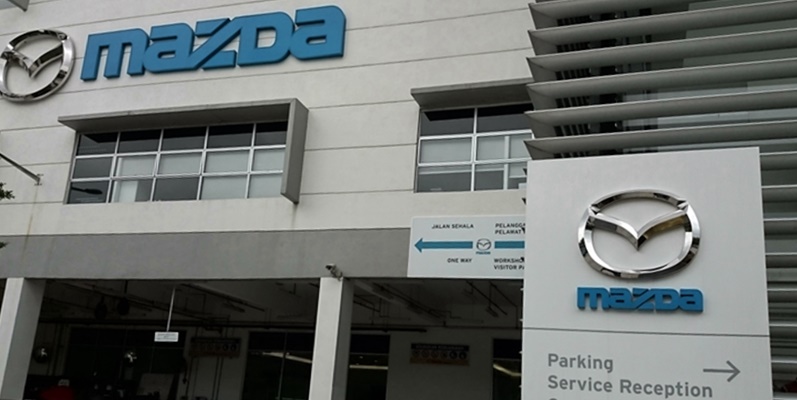
Bermaz Motor is handling the matter as quickly as possible to minimise inconvenience to owners. All owners of affected vehicle will be informed via notification letters and mobile SMS, which will include details of the product recall. Upon receipt of notification to replace the fuel pump, they should contact any Bermaz authorized service centres to make an appointment for the replacement.
In the meantime, if an owner experiences unusual conditions while driving the vehicle, it is important to stop the vehicle in a safe place and make contact with a Bermaz authorized dealer or service centre for advice and assistance.
Replacement costs are covered by Bermaz
The replacement of the fuel pump all costs related to this activity will be borne by Mazda Motor Corporation. The duration of work is estimated to take approximately 1.5 hours or slightly longer, depending on the model and the service centre workload at the time of appointment. Replacement stocks will be available in stages.
It is possible that some owners may not receive the notification as they may not be the original owners and their contact details might not be with Bermaz. In such a case, they can check by visiting the Mazda Recall Information Centre website at mazda.com.my/mazda-recall-information-centre. By providing their vehicle chassis number, they will be able to know if it is on the recall list.
On many occasions in its 100-year history, Mazda has demonstrated the superiority of its engineering capabilities in the highly competitive world of motorsports. By demonstrating its products in the public eye, putting them to the test against rival manufacturers on the circuits and in rallies, Mazda validated its technology.
When industrialist Jujiro Matsuda took charge of Toyo Cork Kogyo Company in 1921 and transformed the business first into a machine tool producer, he spotted an opportunity to promote his company. Motorcycle racing was popular in Japan in the late 1920s but most of the bikes were imported or assembled from imported parts.
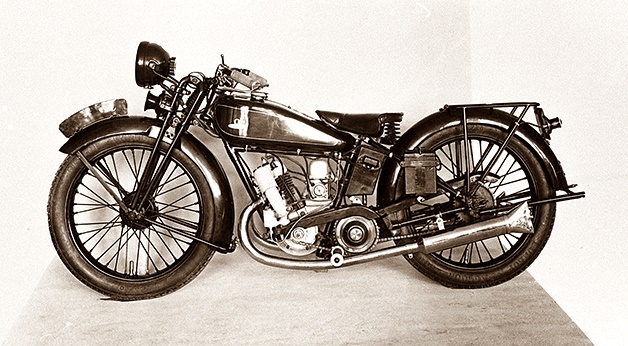
Prototype of the 250 cc motorcycle racer developed by Toyo Kogyo in 1929.
Beating the best on the first try
Toyo Kogyo, as Mazda was then known, wanted to build a domestic Japanese bike and began development of a prototype in 1929. A 250 cc 2-stroke prototype motorbike was revealed in October 1930 and to everyone’s surprise, it won its first race beating a British-made Ariel, which was one of the most-respected and fastest bikes of that period.
Toyo Kogyo went on to produce 30 more motorcycles in 1930 but then Matsuda decided to instead focus attention on the practical Go 3-wheeler that would help grow the business. This would set the company on the road to success in automobiles rather than motorbikes. So Mazda’s flirtation with motorbikes remains a small snippet in its history, but nevertheless one that started with victory in motorsport.
Entering the international arena
The approach of using motorsport to promote the company and its products was revisited three decades later as Mazda began selling cars across the globe. When Mazda introduced the Cosmo Sport which had the revolutionary rotary engine, it headed to Europe and entered the car in international motorsport in 1968.
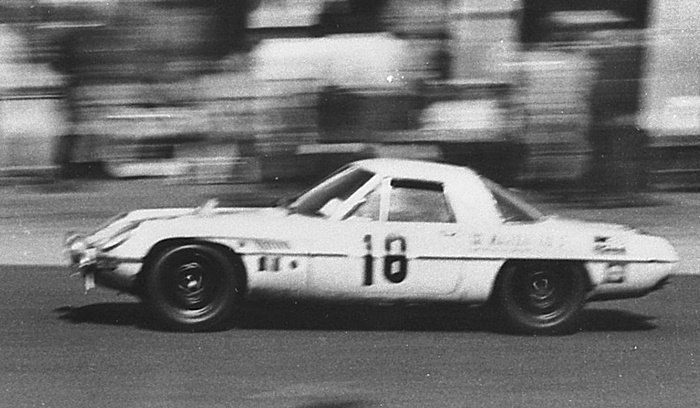
The Cosmo Sport in the 1968 Marathon de la Route – an 84-hour race around the legendary 28-km Nurburgring circuit – where it finished fourth on its first outing.
The event chosen was the gruelling Marathon de la Route – an 84-hour race around the legendary 28-km Nurburgring circuit. The aim was to test and demonstrated the endurance and reliability of the rotary engine. While one car crashed and retired, the remaining Cosmo finished fourth, beaten only by a pair of Porsche 911s and a Lancia Fulvia – considered at the time to be two of the finest sportscars in Europe. Motorsports enthusiasts began to watch the Japanese company from then on.
A R100 Coupe at Spa in 1969.
Proving speed and reliability
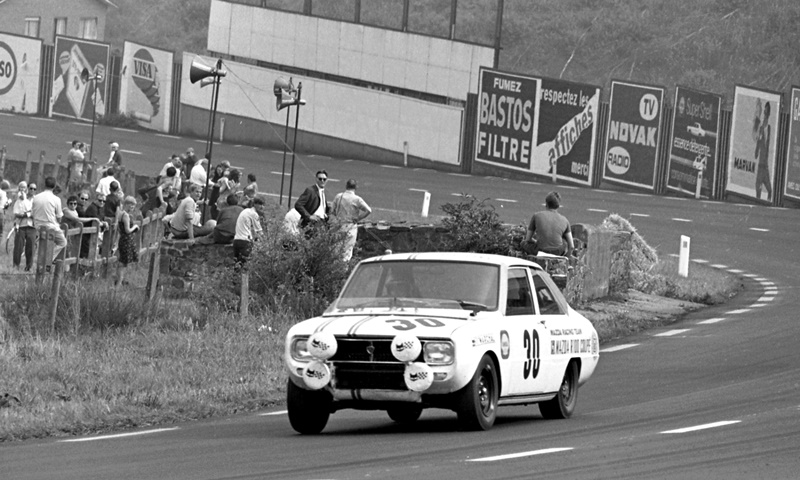
After success in the Marathon de la Route, Mazda entered the 1969 Spa 24-Hour race with three Mazda R100 coupes. The R100’s twin-rotor engine produced 200 bhp at 9,000 rpm, and the unsilenced noise of the rotary engine left European fans in no doubt about the unique engine under the bonnet. Held on the ultra-fast original 14-km Spa Francorchamps circuit, this race tragically claimed the life of Mazda driver Leon Dernier.
Against competition from BMW, Lancia, NSU, Gordini, Mini, Alfa Romeo and Porsche, the remaining Mazdas finished fifth and sixth, behind four Porsche 911s. The little rotary powered coupes had proved their speed and reliability in one of Europe’s toughest races, while repeating the success of the Cosmo the year before in the 1969 Marathon de la Route when a R100 finished fifth.
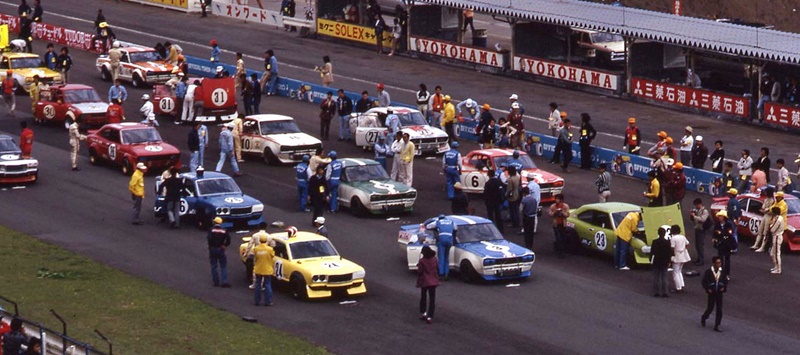
Mazdas were also popular in races in Japan, with the RX-3 taking on the Datsun Skyline.
Back home in Japan, Mazda also went racing – taking on the Datsun Skyline in domestic racing with the new RX-3 coupe. In the 1972 Fuji Grand Prix for touring cars, the RX-3s took a historic 1-2-3 finish as the battle for supremacy with Nissan reached a new level of intensity. The RX-3 also became a popular and successful race car around the world.
The car that really put Mazda amongst the sportscar greats was the RX-7, also rotary-powered. This iconic Mazda model appeared in races and rallies in numerous specifications in the hands of both factory and private entrants.
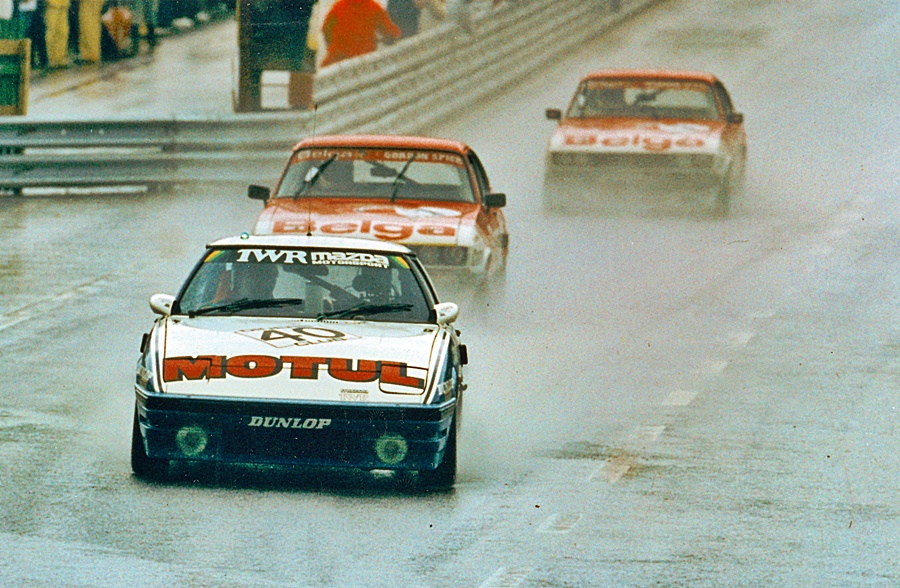
The RX-7 was used for Mazda’s first factory entry at the Le Mans 24 Hours, but it was overall victory at the 1981 Spa 24 Hours – the first for a Japanese brand – that really put the RX-7 on the map. Alongside winning the British Touring Car Championship in 1980 and 1981, these victories for the British TWR team firmly established the RX-7 in the UK.
RX-7 at Spa 24 Hours in 1981.RX-7 in IMSA race in America.
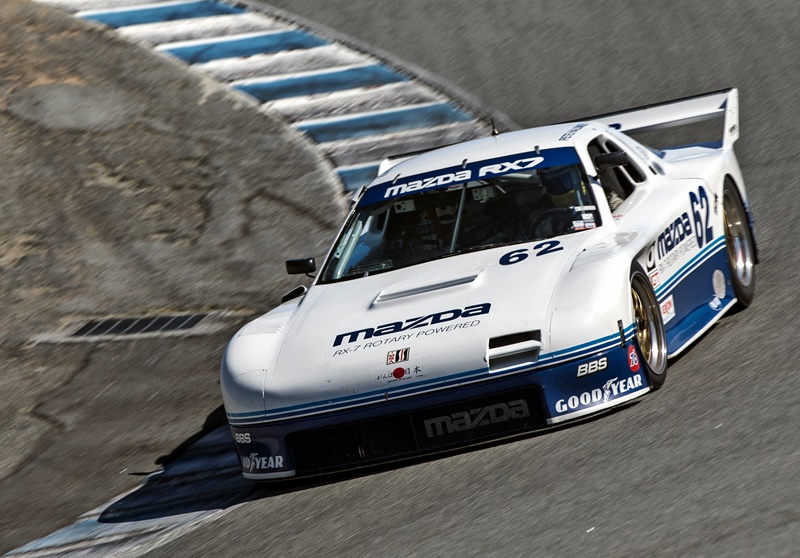
The RX-7 also made its mark on the other side of the Atlantic where it enjoyed consistent success. Competing in the GTU class for cars with engines smaller than 2.5-litres, it won the 24 Hours of Daytona at its first attempt in 1979. It then took the GTU championship for seven years on the trot. And while the class structures might have changed, the RX-7’s success remains undiminished: it has won more IMSA races than any other model in history.
Mazda in rallies
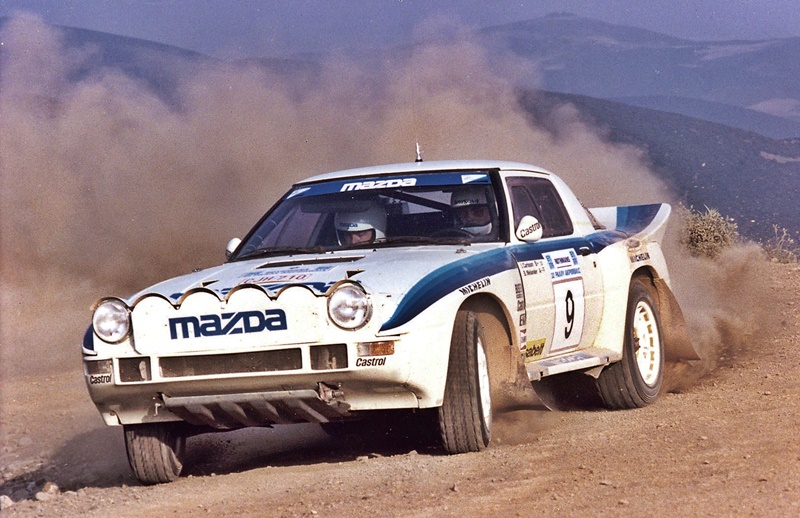
The RX-7’s rallying achievements are less well known. On February 1, 1984, the RX-7 was homologated for the Group B category of rallying. The Group B RX-7 programme was created by Mazda Rally Team Europe, an operation set up by German rally driver Achim Warmbold and based in Belgium. Unlike other Group B cars which were 4-wheel drive, the RX-7 had only rear-wheel drive.
While the Audi Quattro, Lancia Delta and Peugeot 205T16 were the well known Group B rallycars of the 1980s, Mazda also had a RX-7 developed as a Group B rallycar. Unlike most of its rivals, the Mazda had only rear-wheel drive.
Nonetheless it recorded some successes, winning the 1984 Polish round of the European Rally Championship. Possibly a more notable success was its third place in the 1985 Acropolis Rally, a round of the World Rally Championship. The RX-7 was remembered fondly by spectators for its flame-spitting rotary engine and the spectacular sideways driving due to its rear-wheel drive set-up.
Historic victory at Le Mans
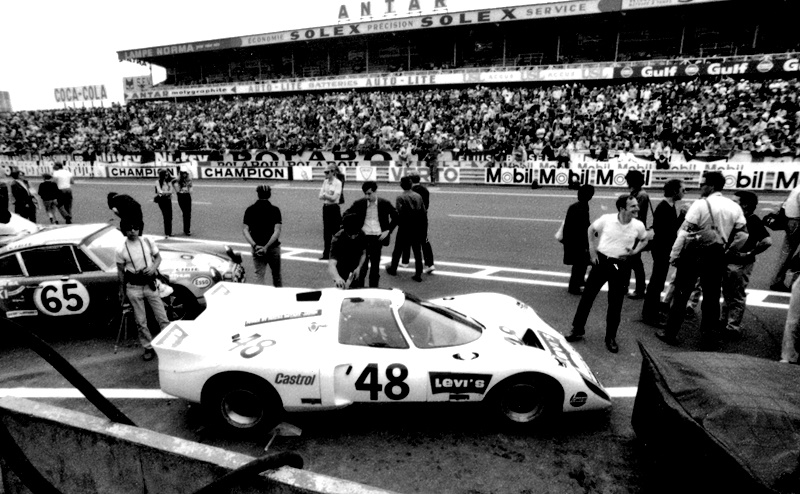
For all the brand fame achieved by the motorsport activities, it’s Mazda’s association with the 24 Hours of Le Mans that stands above all else in the company’s motorsports history. The first time Mazda’s name appeared in the event was in 1970 when a Mazda 10A rotary engine powered a Chevron of the Belgian outfit Team Levi’s International.
The first time Mazda’s name appeared at Le Mans was in 1970 when its rotary engine powered a Chevron.
During the 1970s, Mazdas would also appear in other Le Mans events, with the RX-7 making its debut in 1979. In 1981, a pair of RX-7s were entered under the Mazdaspeed name, each having powerful 300-bhp twin rotor 13B engines.
1983 saw the factory Mazdaspeed team move into the prototype ranks with the 717C. Built for the 1983 Group C regulations and entered in the smaller Group C Junior class, the 717C was powered by a twin-rotor engine and had an aluminium monocoque chassis. Its low drag bodywork and enveloped rear wheels were designed to ensure the highest possible speed along the famous Mulsanne straight and the slippery 717C had a drag coefficient of just 0.27 Cd.
However, with very little downforce and a short wheelbase, driving the Mazda was a challenge for the drivers. Its speed and endurance brought a 12th place finish overall and the Group C Junior win for Japanese drivers Takashi Yorino, Yojiro Terada and Yoshimi Katayama. The only other finisher in the Group C Junior class was the second 717C, which said something about the reliability of the engineering.
In 1983, Mazdaspeed entered the renamed Group C2 class with a pair of Mazda 727Cs, an evolution of the previous year’s winning 717C with a twin-rotor 13B engine. A pair of sleek Lola T-616s entered by an American team also entered and these were powered by the same 13B rotary engine as the factory cars.
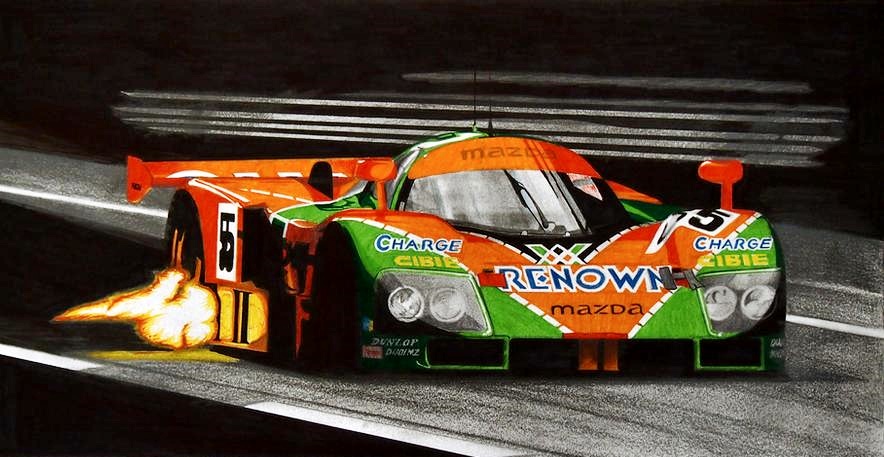
The 787B which won Le Mans in 1991, making Mazda the first Japanese manufacturer to win the legendary endurance race.
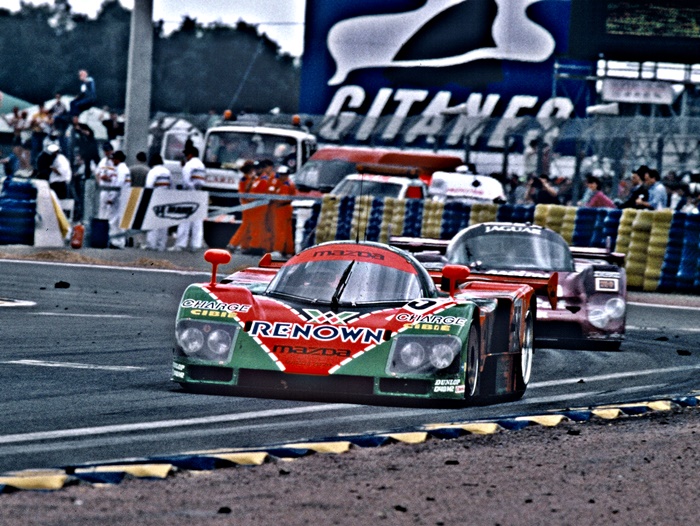
Mazda’s tally of class victories at Le Mans continued during the late 1980s and in 1991 came overall victory – the first for a Japanese brand at Le Mans. The car that did it was the 787B; it wasn’t just the powerful rotary engine but the racing car also had carbon brakes and a carbon clutch, and it was the first Mazda racer to feature telemetry.
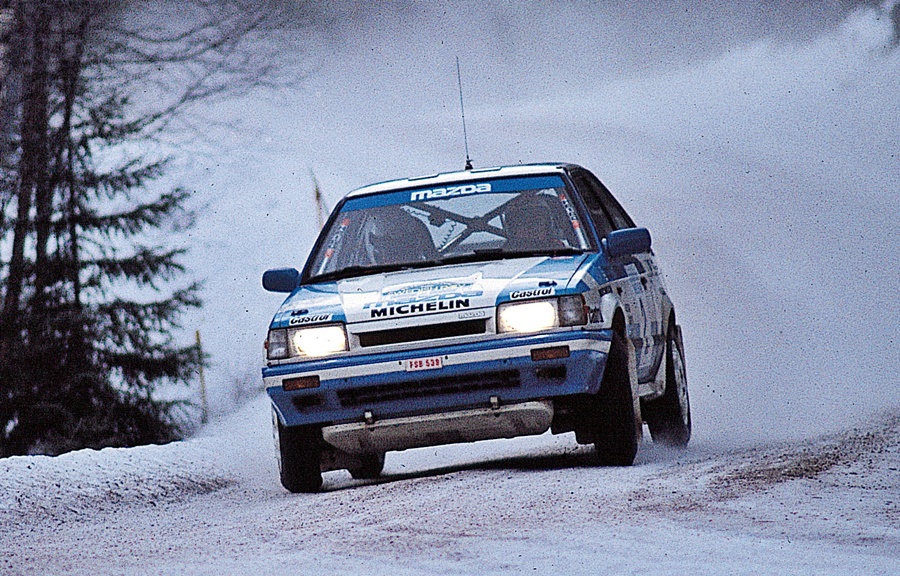
Group A 323 with all-wheel drive in 1989, after the Group B cars were banned.
However, it wasn’t just success at Le Mans that marked Mazda out in the 1980s and 1990s, with rallying changing to Group A regulations, Mazda took on contenders from Lancia, Toyota and Ford with the Mazda 323 AWD. Although its 1.6-litre engine produced just 250 bhp, the 323’s small size and nimble handling was advantageous, particularly on ice rallies.
Mazda in Malaysian motorsport
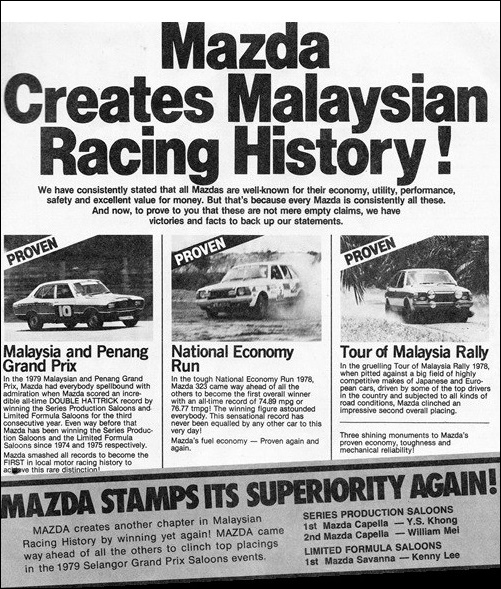
In Malaysia, Mazda was also a notable name in motorsports in the 1970s. The local distributor, Asia Motors, had prepared some models with rotary engines such as the Capella RX-2 to challenge the Alfa Romeos. In Series Production races, they won several times and also made a strong impression in other classes with the Savanna RX-3. The company also installed the rotary engine in the original 323 (with rear-wheel drive) to enter rallies.
Models like the MX-5 continue to be popular choices for motorsport events, like the long-running GRA championship in Malaysia.
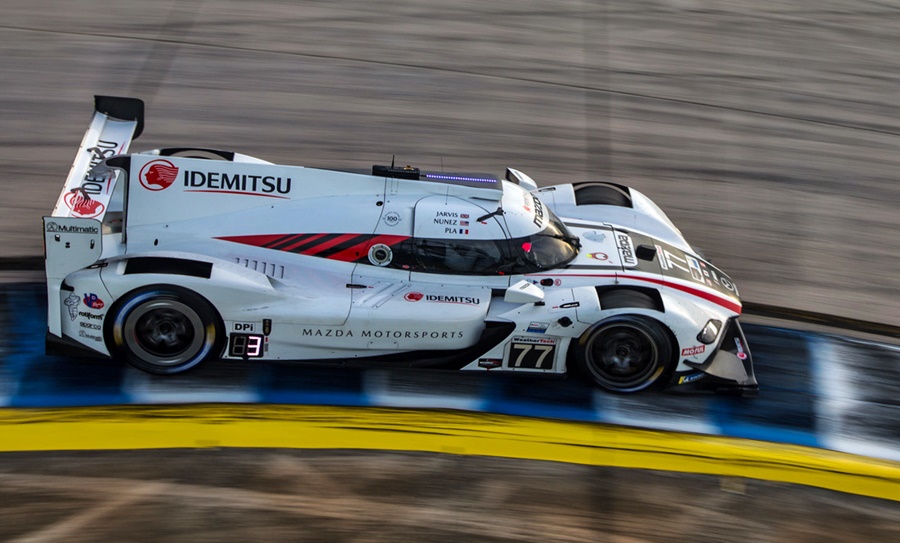
While Mazda Corporation stepped away from global motorsport at the start of the 1990s, success continued in the USA and today, Mazda Motorsports North America continues to compete at the highest level with a two-car factory supported effort in the 2020 IMSA Sportscar Championship with the RT24-P prototype.
The RT-24P currently entered in the 2020 IMSA Sportscar Championship
When you look at any car, one of the first things you will often notice is its colour. The colour can enhance the image of the car, complementing its other qualities. Mazda’s designers understand this and in their belief that ‘colour is an element of form’, there is a focus on developing colours that highlight the beauty, quality and uniqueness of its KODO design aims to evoke the same feelings as appreciating a work of art.
Since colour is an important element, Mazda has developed a selection of premium paints that use advanced technology to highlight exterior shape and beauty. With flowing body lines that show off the nuances of curves that are highlighted by the shifting reflections from the interplay of light and shadow, developing a paint to match this is a complex craft. The designers work relentlessly to stretch the possibility of paint and scrutinise the ideal colour.
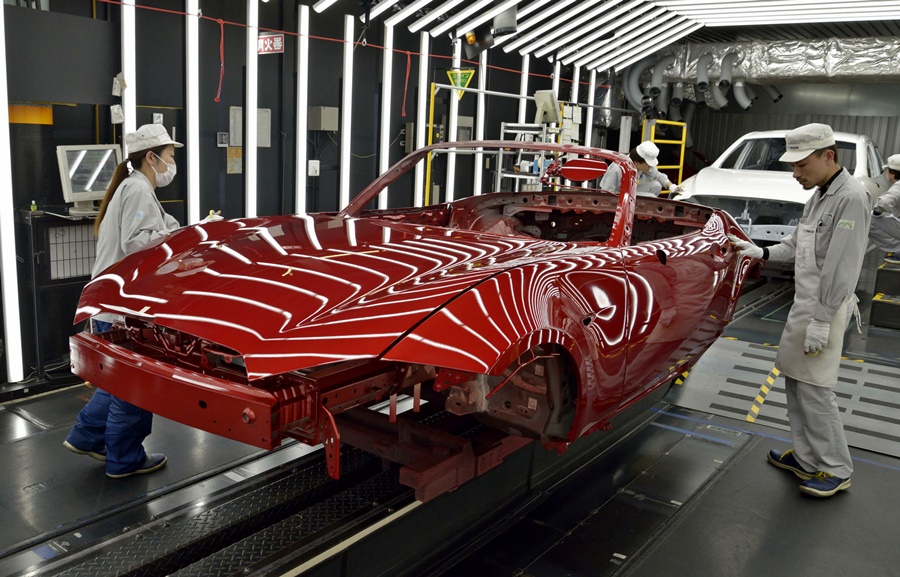
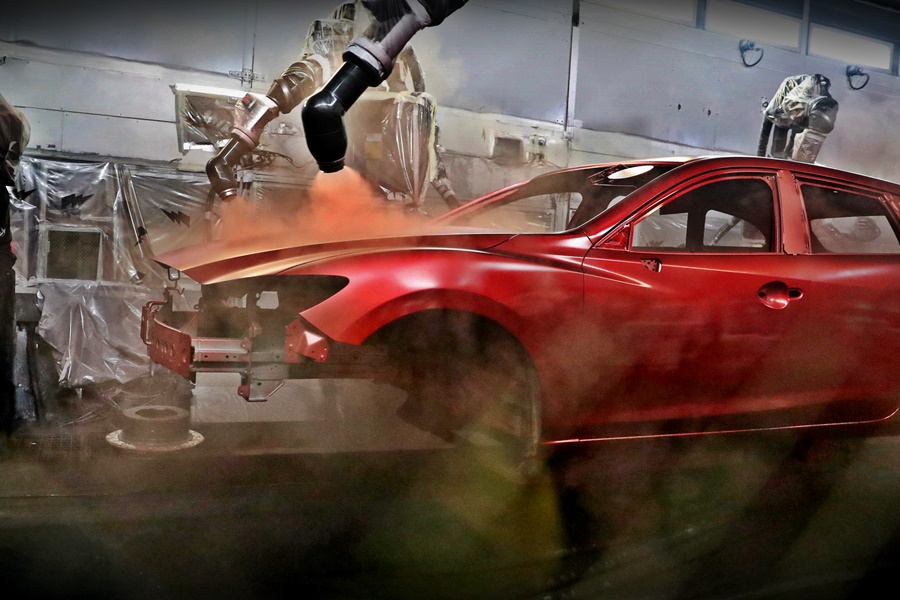
In a process called Takuminuri (Takumi: master craftsman, Nuri: painting), cutting-edge painting robots use data obtained through simulation painting with Mazda’s best craftsmen to replicate traditional techniques to give mass-production vehicles a precise, high-quality and hand-sprayed finish.
The first premium colours
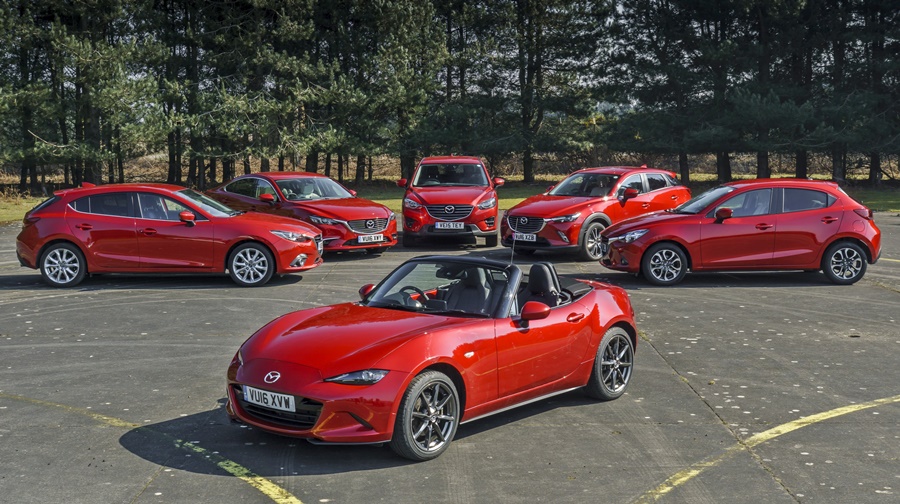
Starting with Soul Red Metallic and later Machine Grey in 2016 as the first premium colours offered, the three-layer structure comprising clear, translucent and reflective coats with aluminium flakes allowed Mazda designers to achieve colour brightness and depth at the highest level.
Building on the Takuminuri technology and with the idea to create the ‘world’s most beautiful red’ to symbolise the KODO: Soul of Motion philosophy, Mazda designers studied how people perceived colour and light and translated this ideal red into numerical values based on ergonomics to spray with Mazda’s Aqua-tech system.
Not wanting to add a fourth layer of paint due to its environmental impact, the design experts challenged convention to combine light-absorbing flakes along with high-brightness aluminium flakes in a single paint layer.
Soul Red was one of the first two premium colours from Mazda and it is available for all models today. It is also available for the Mazda models assembled in Malaysia.
Further enhancement of Soul Red
Boasting an increase of approximately 20% greater colour saturation and 50% more depth than the already popular Soul Red Metallic, the development of Soul Red Crystal achieved precisely controlled reflections which produced more vivid highlights and even deeper shadows for a fresher, lustrous appearance.
The R360 Coupe of the 1960s.
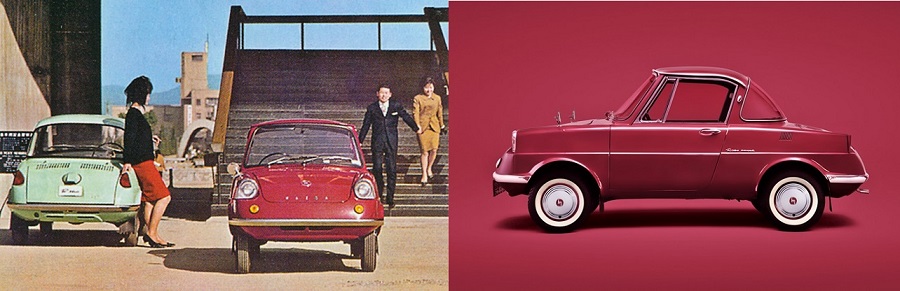
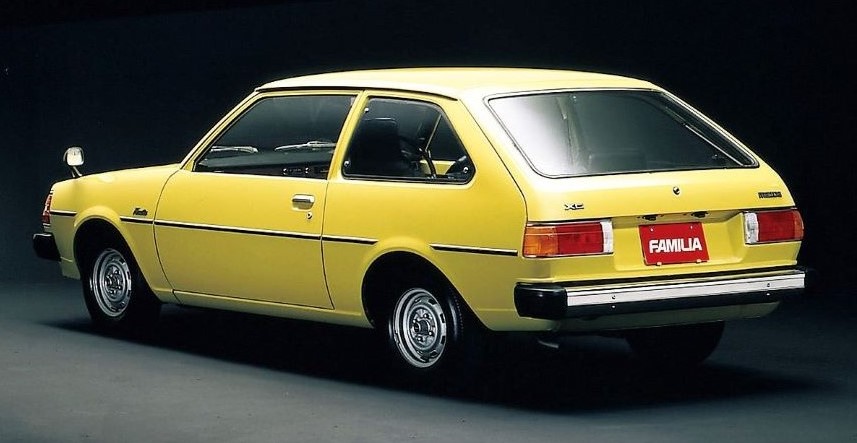
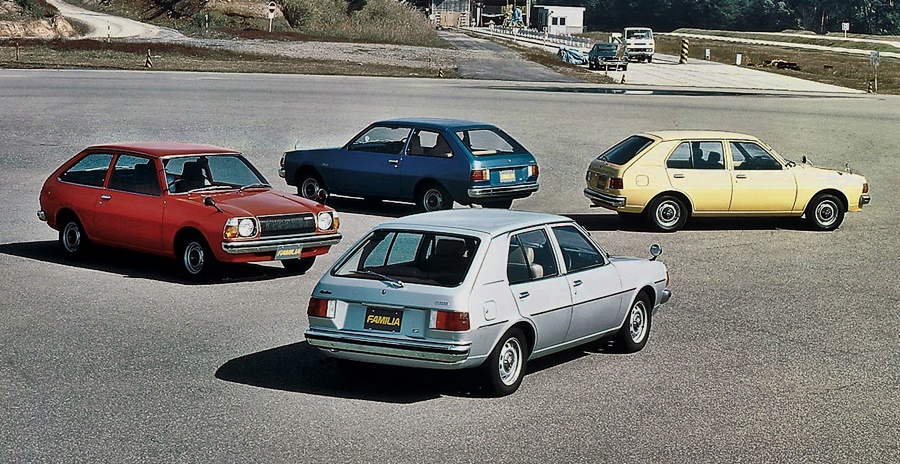
Throughout Mazda’s history, the brand has often innovated in paint technology and colours. Examples are the bright colours to highlight the form of Mazda’s first passenger car, the R360 Coupe, and colours such as ‘Grand Prix Red’, ‘Corn Yellow’ and ‘Impulse Blue’ on the 323/Familia to appeal to chic couture in the late 1970s.
Corn Yellow was the ‘hero’ colour for the 323/Familia, along with other colour choices available (below) which appealed to the consumer tastes of the 1970s.
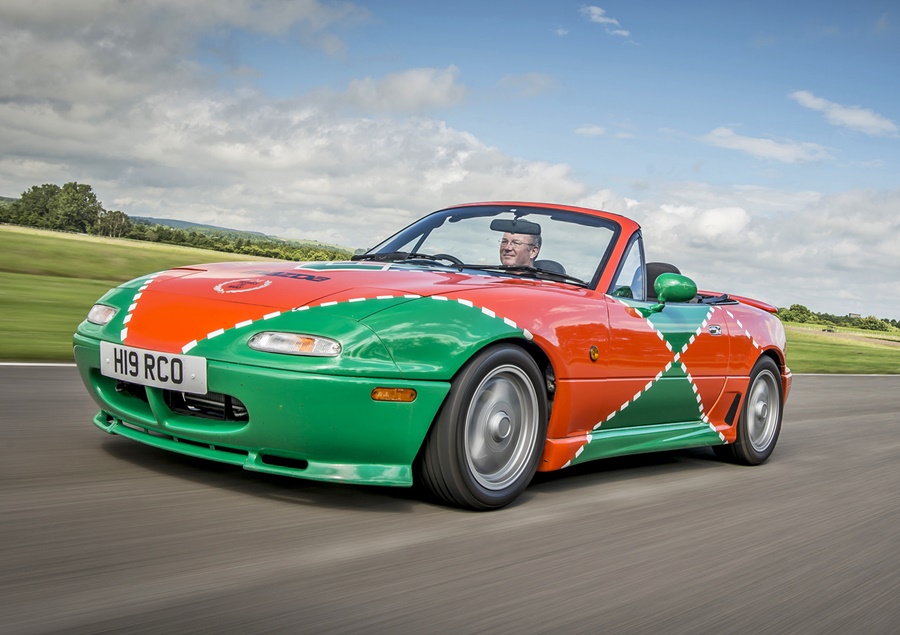
Special edition of the MX-5 in the colours of the Mazda 787B racing car which was the first Japanese car to win the Le Mans 24 Hours in 1991.
And not forgetting the world’s best-selling sportscar, the MX-5 which has had an array of limited-edition colours such as British Racing Green, the distinctive orange and green ‘Le Mans 24’ livery and the exclusive Racing Orange body paint available for the 30th Anniversary Edition.
A new premium colour
Polymetal Grey is the latest premium colour developed and will be offered on certain models. This new paint finish combines bright aluminium flakes and opaque pigment, fusing the hard appearance of metal with plastic’s characteristic glossy smoothness. The colour’s tonality changes depending on the light, accentuating the car’s form.
The MX-5 RF in Polymetal Grey, the latest premium colour.
Mazda’s approach to using advanced paint technology does not neglect the need to ensuring that there is reduced environmental impact of the painting process. This is in keeping with the brand’s long-term Sustainable Zoom-Zoom 2030 Vision.
Visit www.mazda.com.my to locate a showroom where you can view the latest Mazda models in Malaysia.
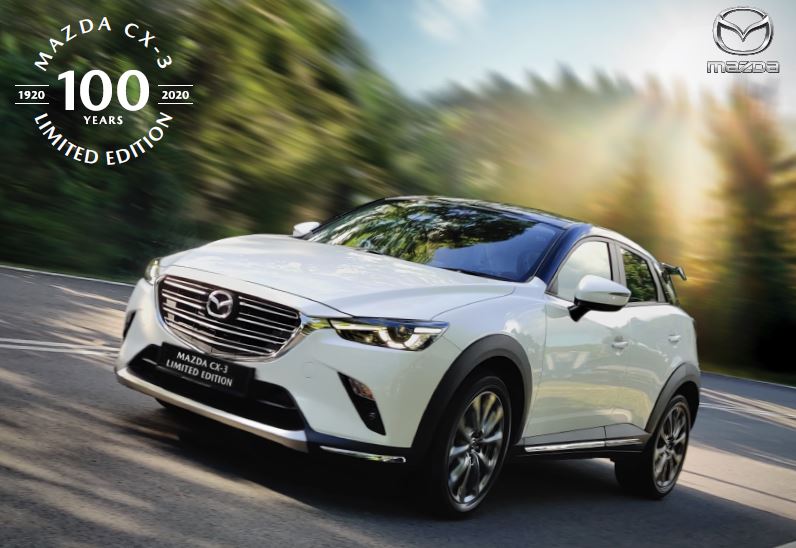
100 years is a special milestone in any history and for Mazda, it is of course especially significant. To celebrate this 100-year anniversary, the carmaker has many activities, among them, a 100th Anniversary Special Edition series of models. Unfortunately, yjpugh they are offered in Japan and selected markets, they will not be available in Malaysia.
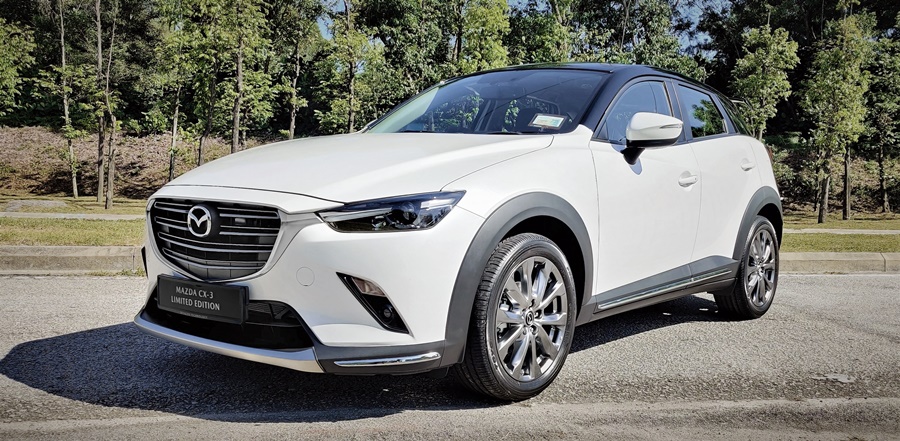
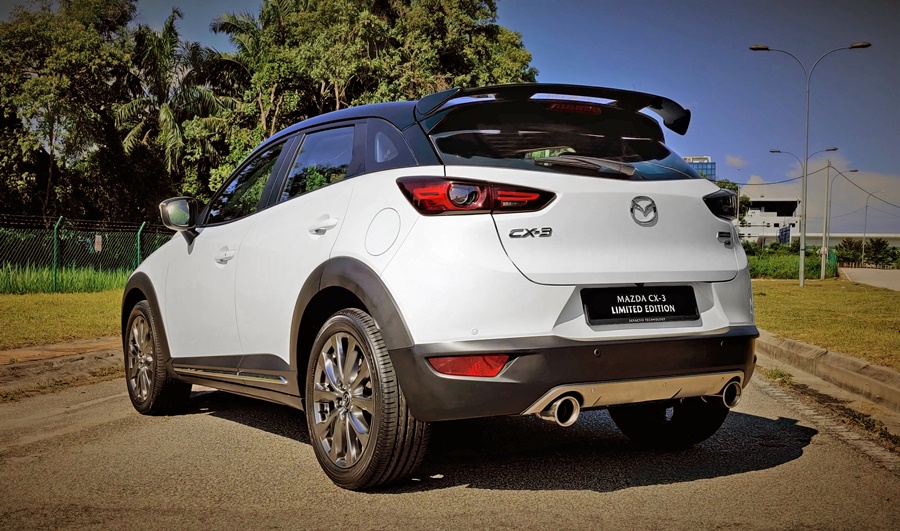
Nevertheless, Bermaz Motor, which handles the Mazda brand in Malaysia has created a special limited edition Mazda CX-3 to commemorate the occasion. Developed by the company’s MazdaSports Division, the limited edition crossover SUV features various enhancements that gives the car a unique styling and design with a high sense of sophistication.
Exlusive Snowflake White Pearl finish
For a distinctive sportier look, the limited edition CX-3 is fitted with a Front Lip Spoiler & Rear Bumper Diffuser. The body features a two-tone finish with a Piano Black Roof and matching rear boot spoiler. Only a Snowflake White Pearl colour is available.
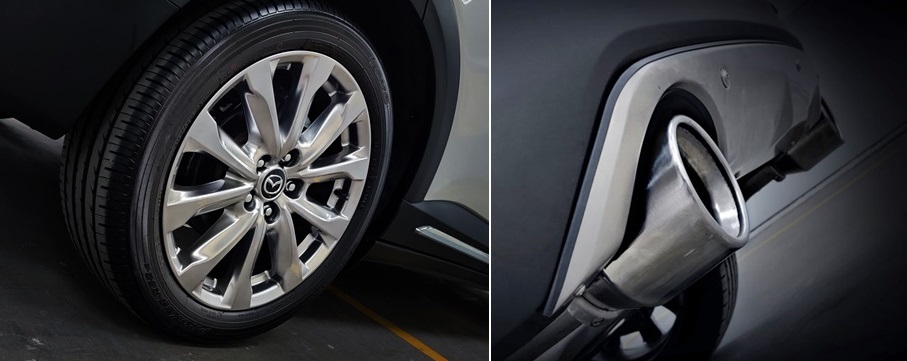
The 18-inch alloy rims are finished in gunmetal while the rear exhaust tips have a brushed aluminium finish.
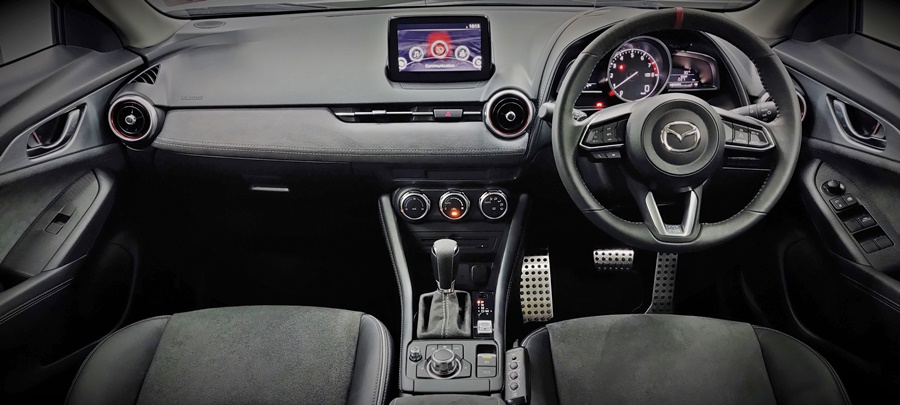
Within the SUV, the styling enhancements added to the seats, steering wheel, armrest and gearknob are in the form of a dark gray suede finish to match the dashboard and door trims. There are also brushed aluminium sports pedals and scuff plates. Black carpet mats are also provided, exclusive to this limited edition. A JBL Basspro Hub 11-inch Subwoofer is included and this delivers fast and tight, deep bass with low distortion.
Sharper driving experience
Other functional enhancements include a front strut tower brace that covers the engine as well as lower front, mid and rear chassis bars for a sportier, sharper driving experience.
The CX-3 Limited Edition is priced from RM14,500 and bookings can be placed at any authorised Mazda outlet. The accessories fitted have a 1-Year Mazda Genuine Accessory Warranty based on the period of fitment at the time of new vehicle purchase. Deliveries will start from the end of July 2020.
Visit www.mazda.com.my to locate an authorised Mazda outlet or to know more about Mazda models available in Malaysia.