Piston.my

SUV

During this decade, Kia will be electrifying its whole line-up as it aims to achieve carbon neutrality throughout the company’s value chain by 2045. Its popular SUV range is already partially electrified with some models having hybrid powertrains, and in due course, fully electric powertrains will be used.

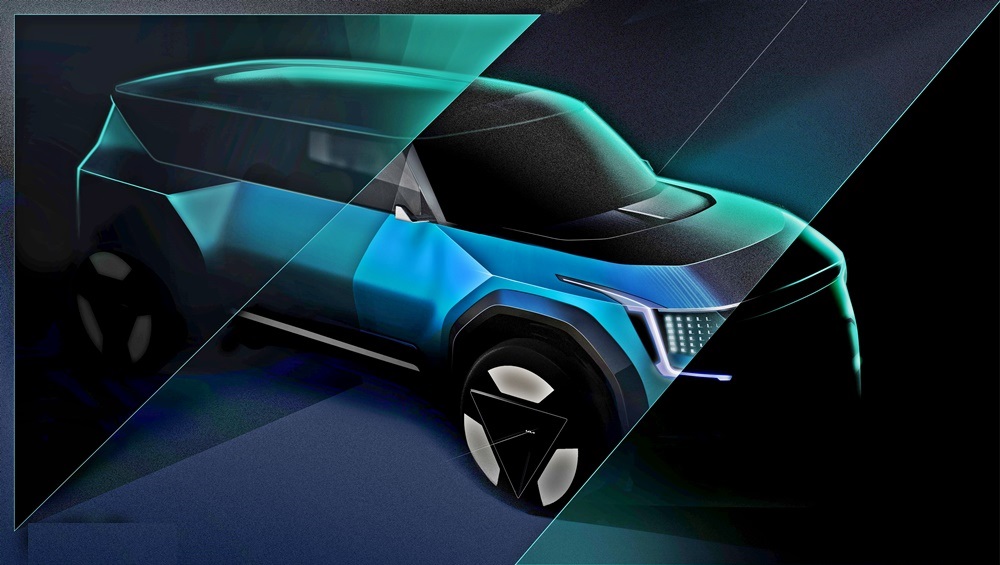
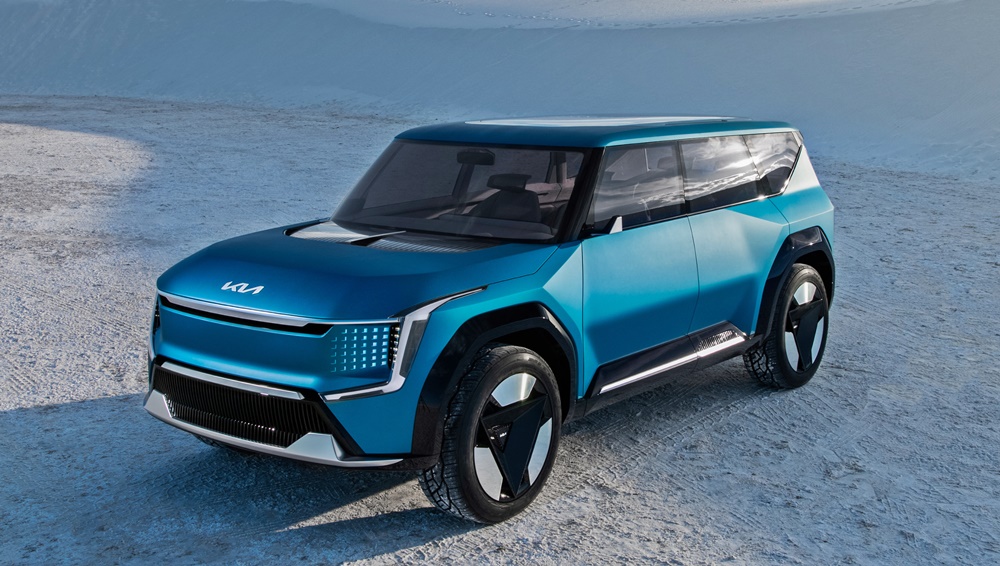
Today, the Telluride is the biggest SUV that the Korean carmaker offers and the fully electric successor could look like the Concept EV9 which is on display at the Automobility LA motorshow in Los Angeles this weekend. The Concept EV9 follows the EV6 in Kia’s BEV (battery electric vehicle) range that will continue to grow with one new model each year.
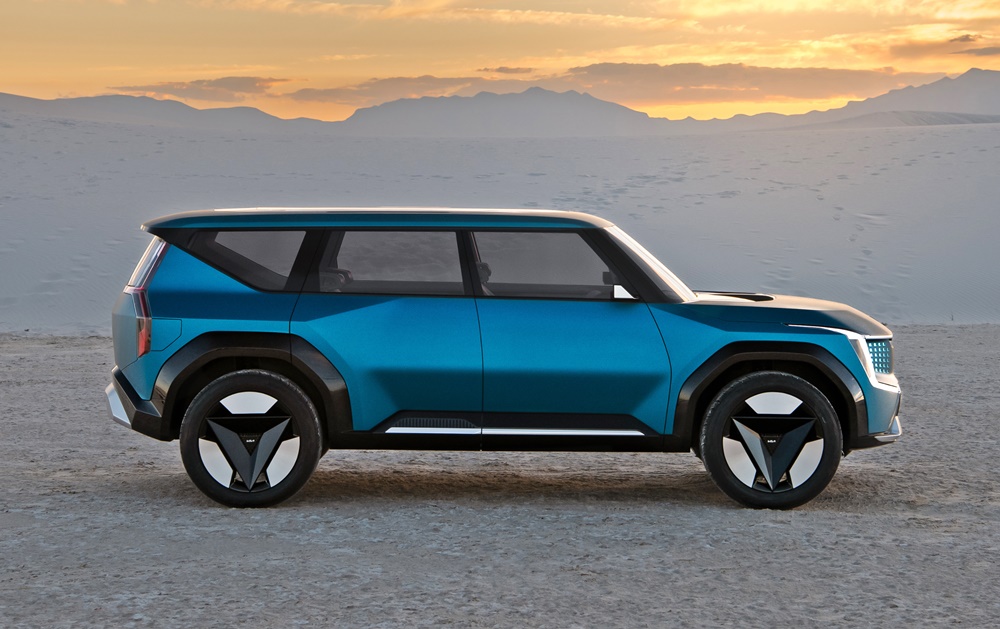
2021 Kia Concept EV9
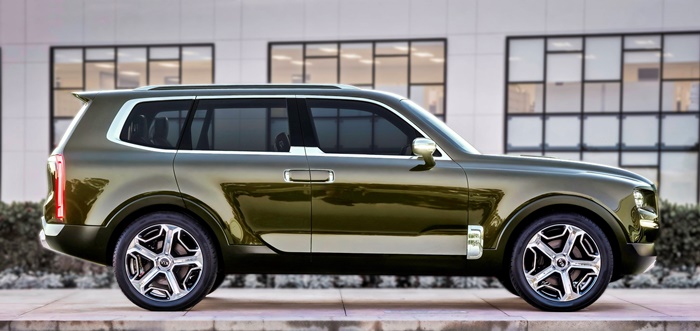
The Concept EV9 has similar proportions to the Telluride (below) which is Kia’s 3-row flagship SUV currently on sale. Could the Concept EV9 be the successor?

Platform optimised for EVs
Like the EV6, the Concept EV9 uses the Hyundai Motor Group’s Electric Global Modular Platform (E-GMP) which is developed and optimised for BEVs. This means that the advantages of an electric powertrain can be fully utilised, compared to other platforms which have been designed for conventional combustion engine powertrains as well.

The design of the vehicle was inspired by nature with striking visual aesthetics derived from Kia’s ‘Opposites United’ design philosophy. The design team was especially influenced by the ‘Bold for Nature’ pillar of ‘Opposites United’, hence the bold form meshing logical and emotional qualities with informal, rugged features and styling cues.
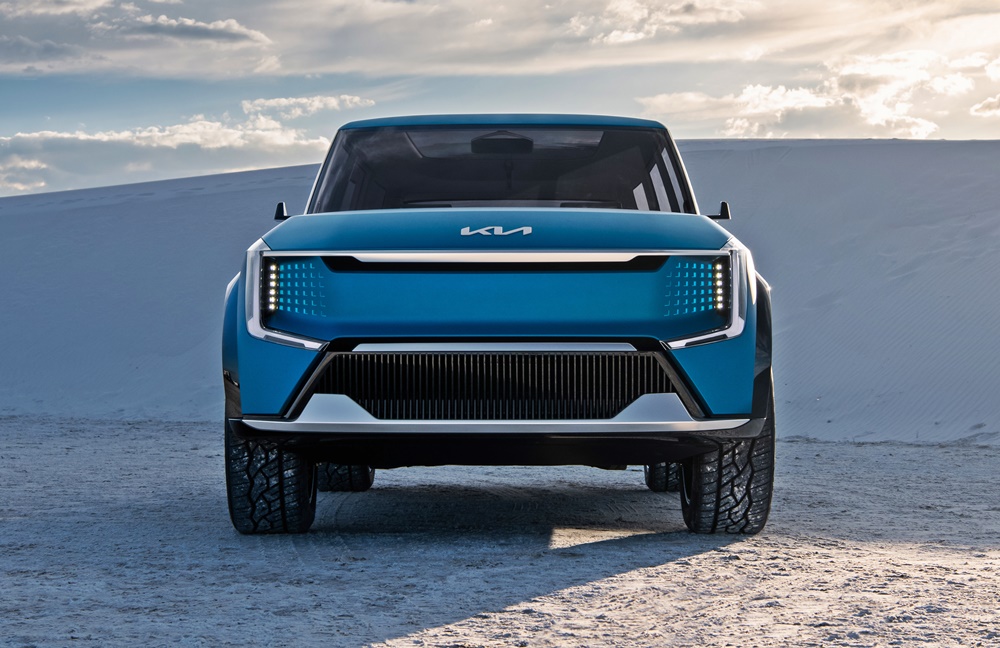
2021 Kia Concept EV9

Tiger Face goes digital
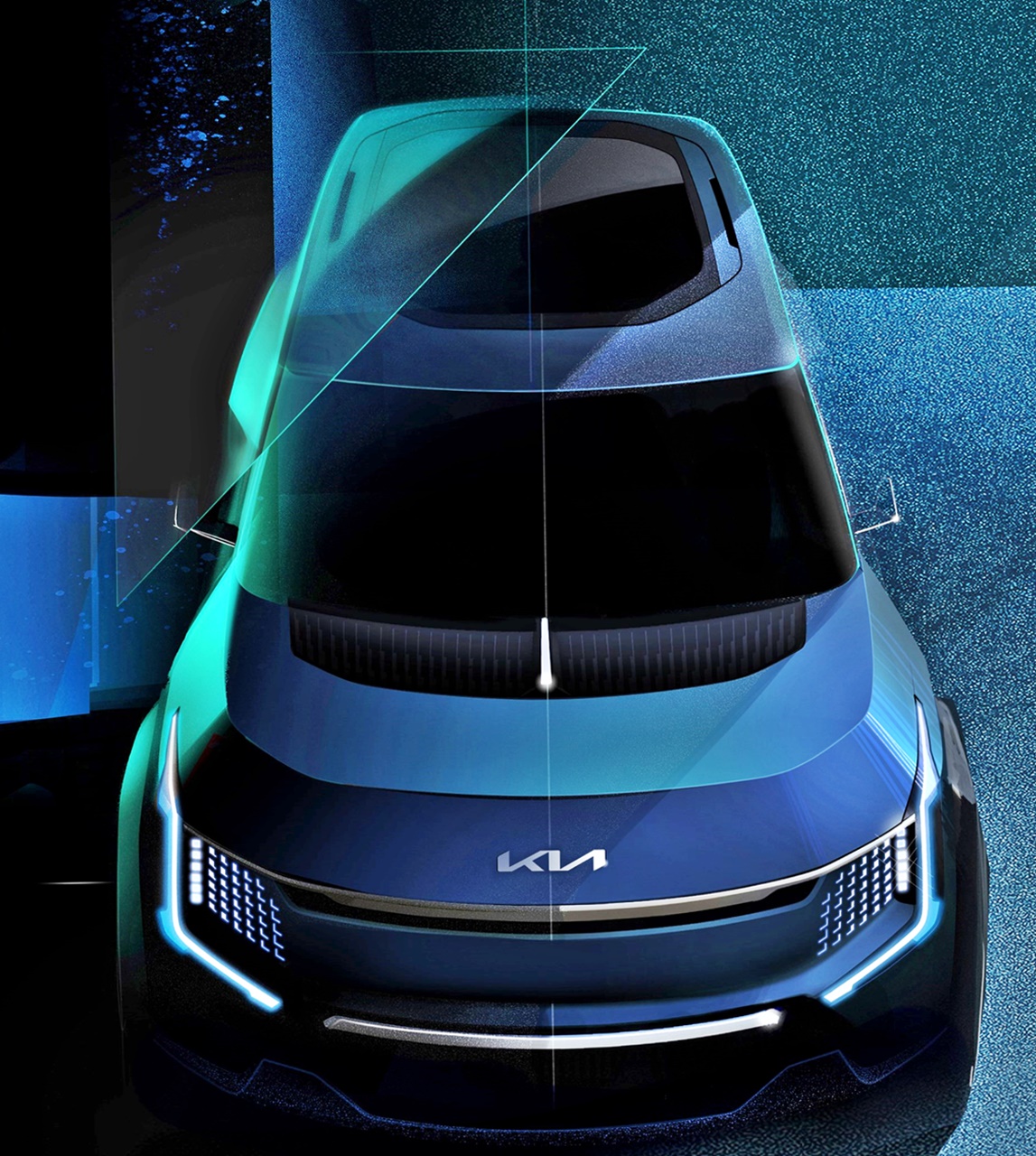
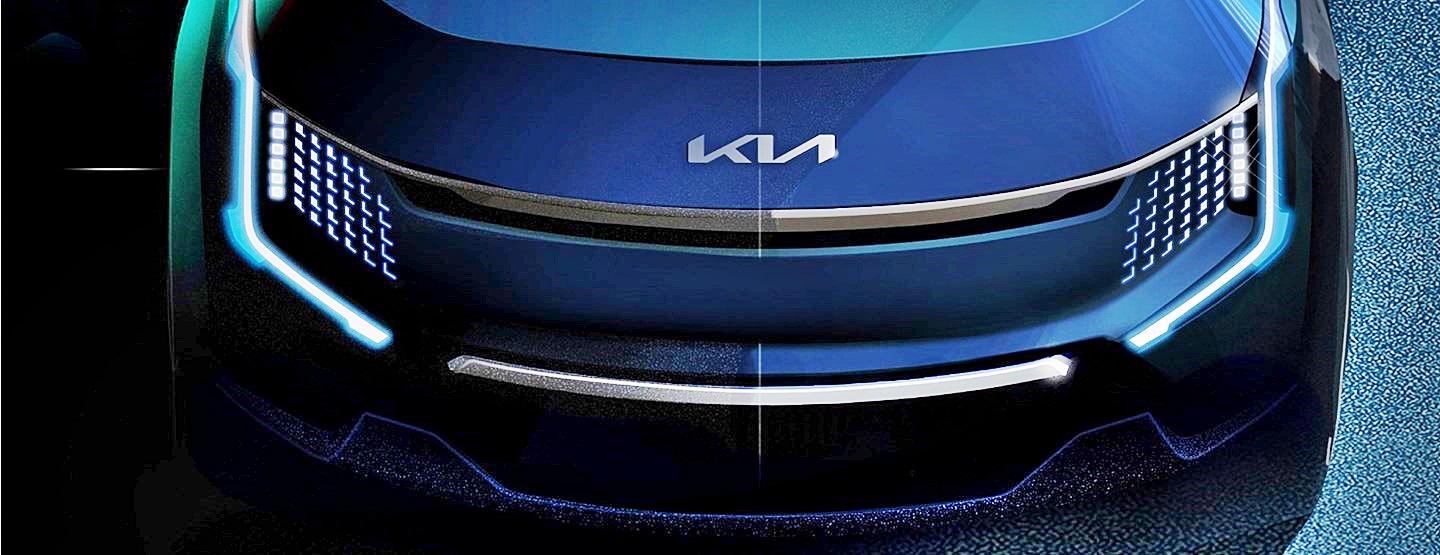
The ‘Tiger Face’ has been used in every Kia model since 2007 and has constantly evolved. This iconic feature will continue into the BEV era and is reinterpreted appropriately on the Concept EV9. With no need for a traditional grille to let air flow in, the space houses an intricate star cloud pattern display that is completely hidden behind the body when not in use. Sequential patterns create a ‘welcome light’ for the driver and also function to appropriately position lights during driving.
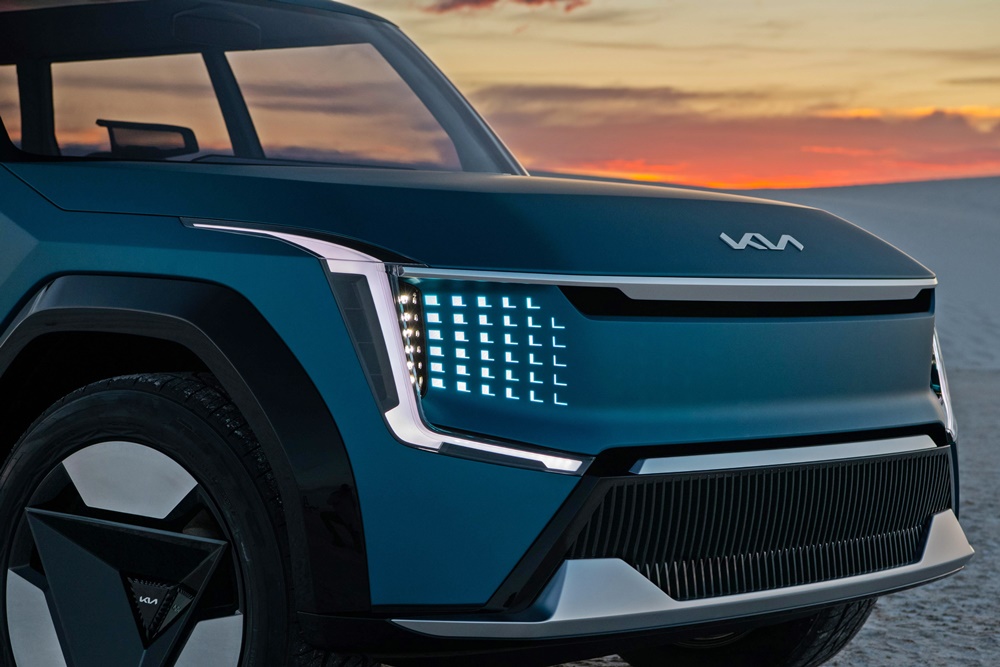
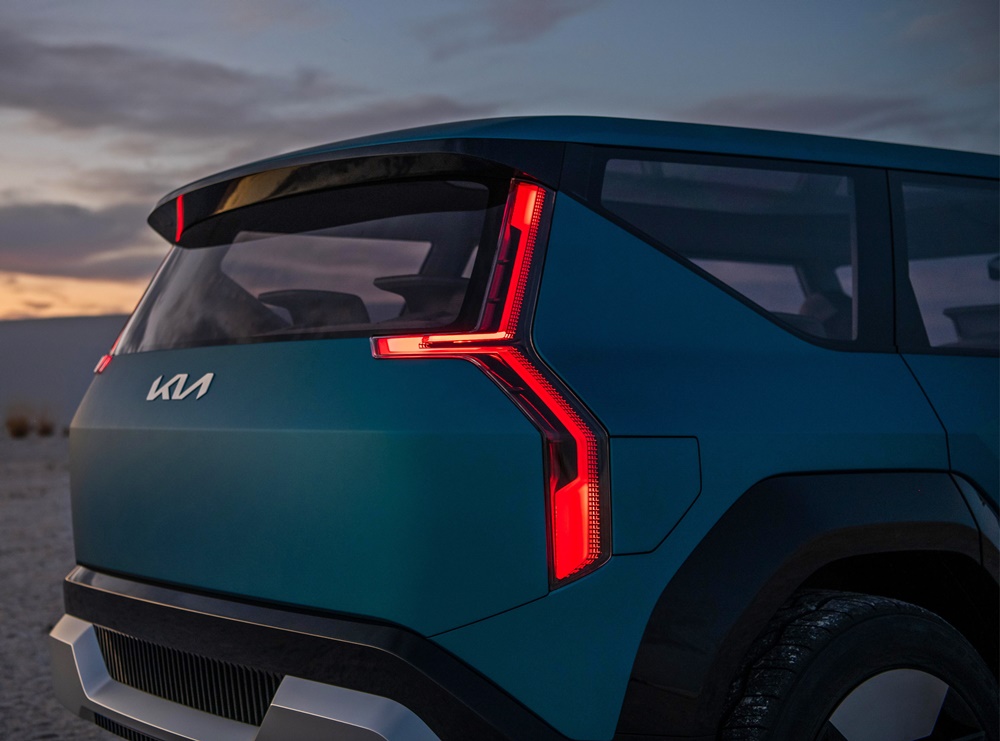
2021 Kia Concept EV9

2021 Kia Concept EV9

The opportunities afforded with a re-styled grille and the Digital Tiger Face have resulted in a new air vent design that reduces the frontal mass of the vehicle and greatly improves aerodynamics.

Measuring 4930 mm in length, 2055 mm in width and 1790 mm height, the proportions of the vehicle outline a 3-row SUV interior. Mirroring the exterior design, the interior of the Concept EV9 offers the driver and passengers a transformative interior space. It is a comparable to a first-class lounge with a panoramic roof complementing the large glazing to give a sense of lightness and being in contact with the environment.
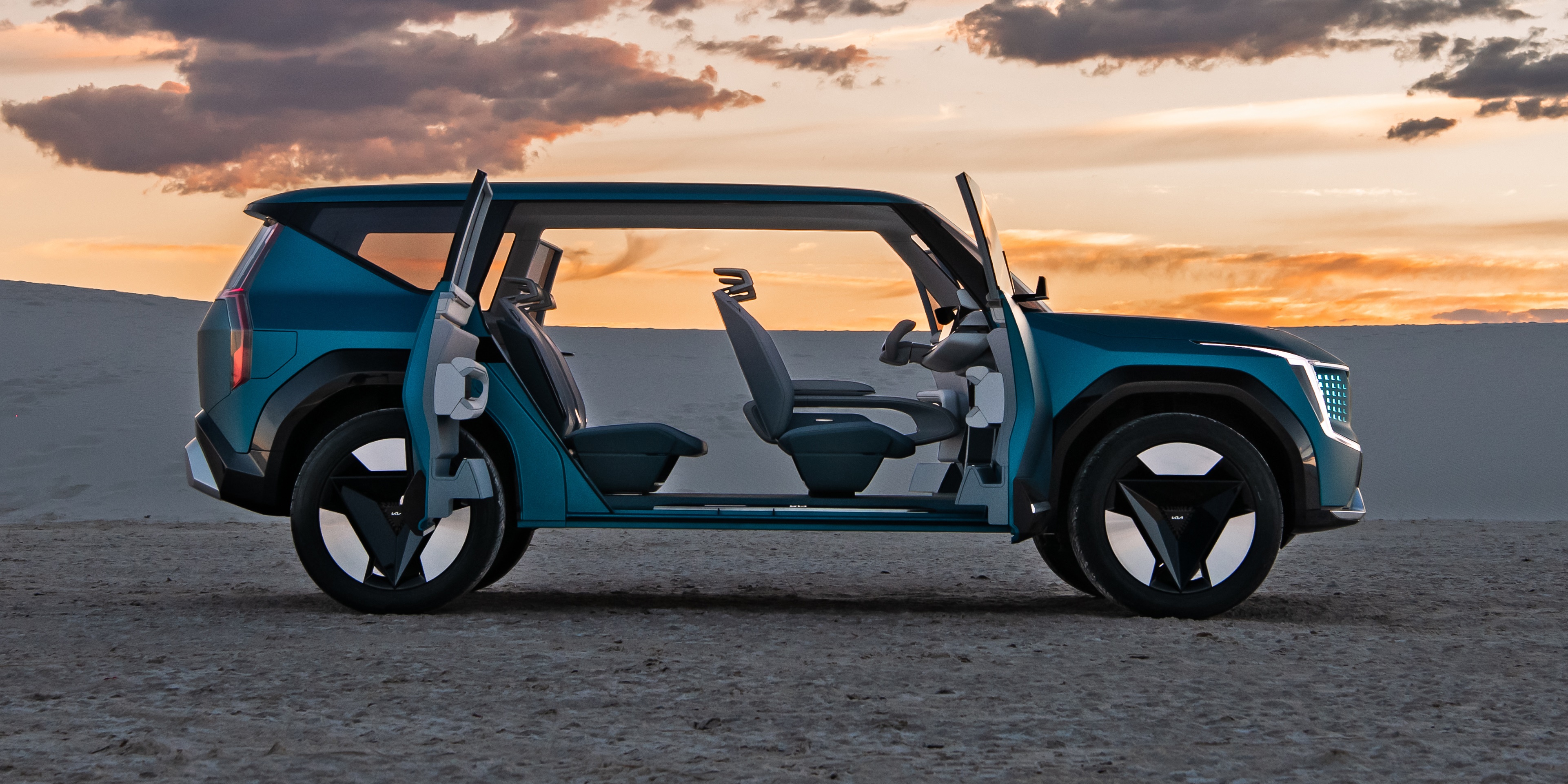
2021 Kia Concept EV9

Three interior modes
With a spacious 3.1-metre long wheelbase, the interior can be configured in 3 modes that capture different journey situations and requirements. Active Mode is when the Concept EV9 is on the move, making sure the driver and passengers have an optimal driving experience from within the all-electric SUV. The two other modes relate to when the Concept EV9 is not moving.
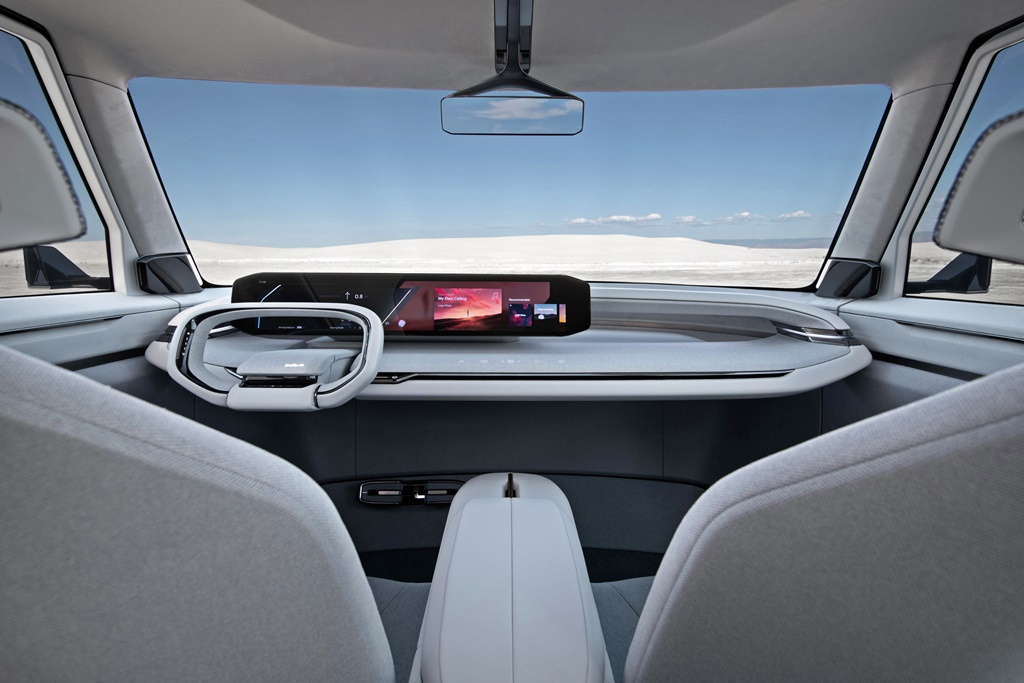
2021 Kia Concept EV9

Pause Mode modifies the interior space to be more akin to a first-class lounge, giving occupants the opportunity to directly interact with each other while benefiting from the light streaming in from above. In this mode, the seats switch around to enable occupants seated in the first row and third row to face each other. The second-row seats fold down and become a table, completing the lounge arrangement.

The second stationary mode is Enjoy Mode, which opens the interior into a downtime breakout space by turning around the 3-row seat configuration. In this mode, the tailgate opens, giving all occupants the opportunity to connect with the outside environment and gaze ahead and beyond the vehicle while sitting comfortable inside.
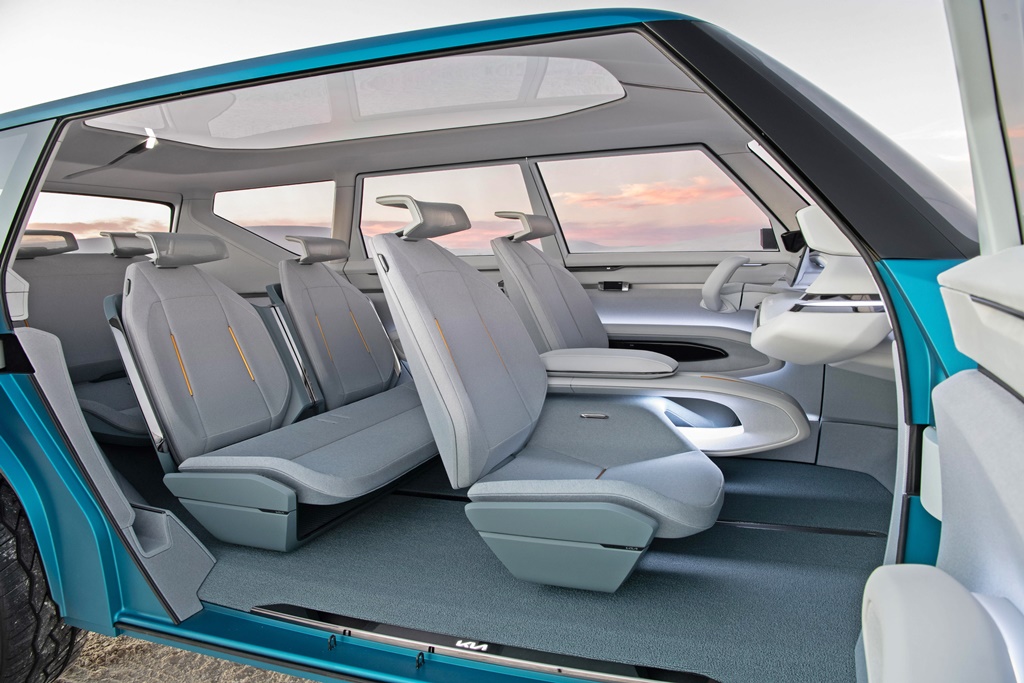
2021 Kia Concept EV9

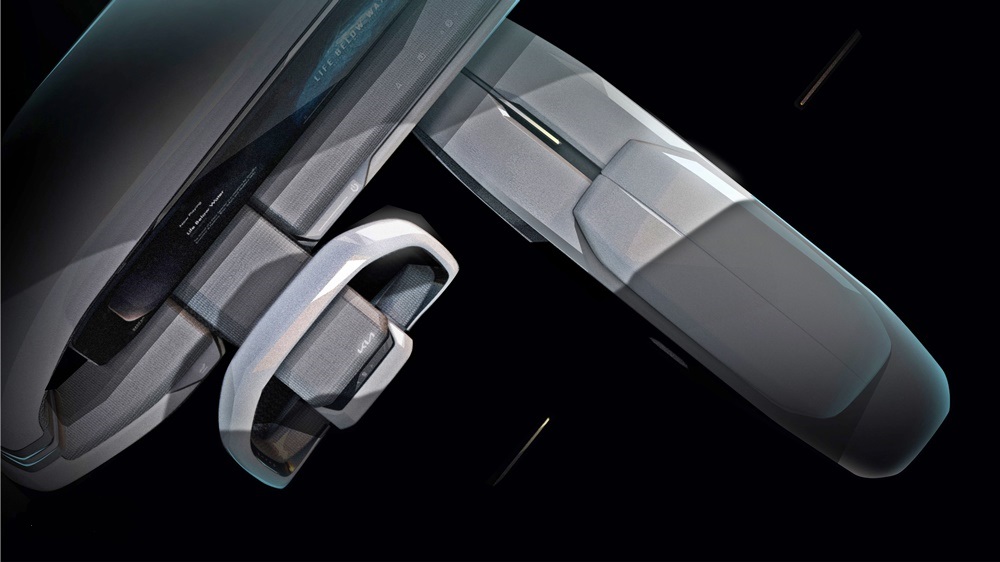
A sense of ‘tomorrow’ can be seen in the steering wheel. The automotive industry today treats the steering wheel like a separate product, like a total standalone subsystem. In the  the Concept EV9, however, this element takes a radically different approach in which the pop-up steering pad is an extension of – and integrated and harmonized within – the interior space.

An interactive 27-inch ultra-wide display connects the Concept EV9 from the real-world to the virtual one, while serving as the nerve centre for all driver and passenger requirements, including media, climate control and comfort functionality features.
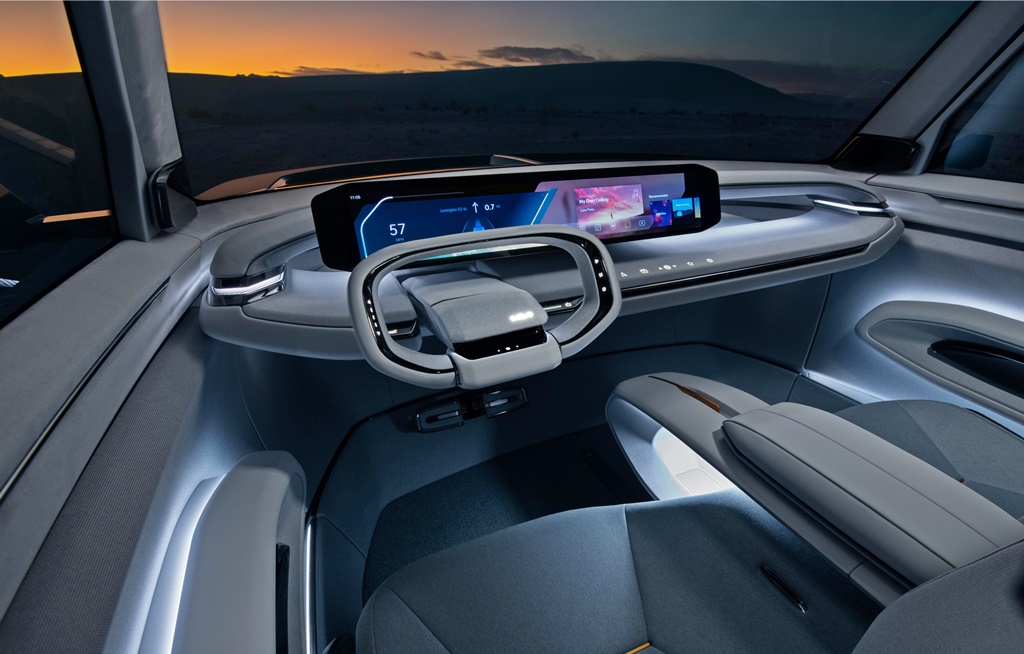
2021 Kia Concept EV9

480-km range
Details of the powertrain are not extensive and Kia says that it has a range of up to 480 kms. It is fitted with next-generation ultra-fast charging technology that uses a 350-kW charger for ‘refuelling’ the battery pack from 10% to 80% in 20 – 30 minutes.

The bonnet vent duct area is utilized as a solar panel that helps recuperate some of the electric energy for the vehicle. This gives owners an alternative source of energy when they are not close to a charging station.
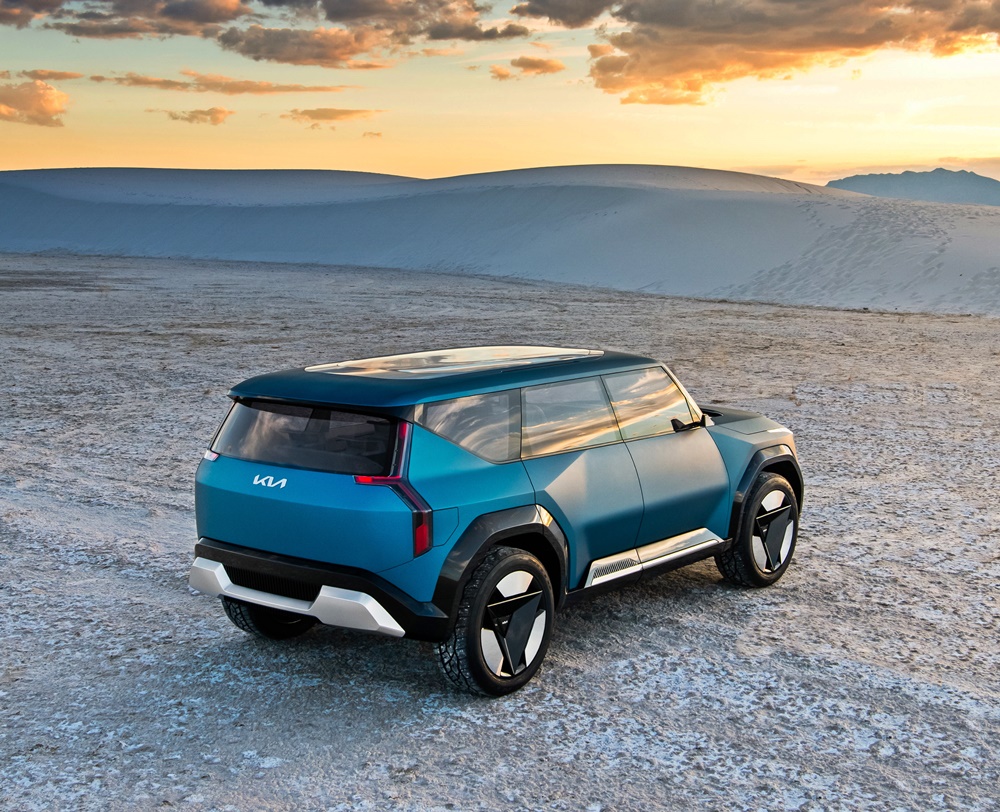
2021 Kia Concept EV9

Bermaz Auto takes over Kia business in Malaysia, with local assembly to commence in 2022.

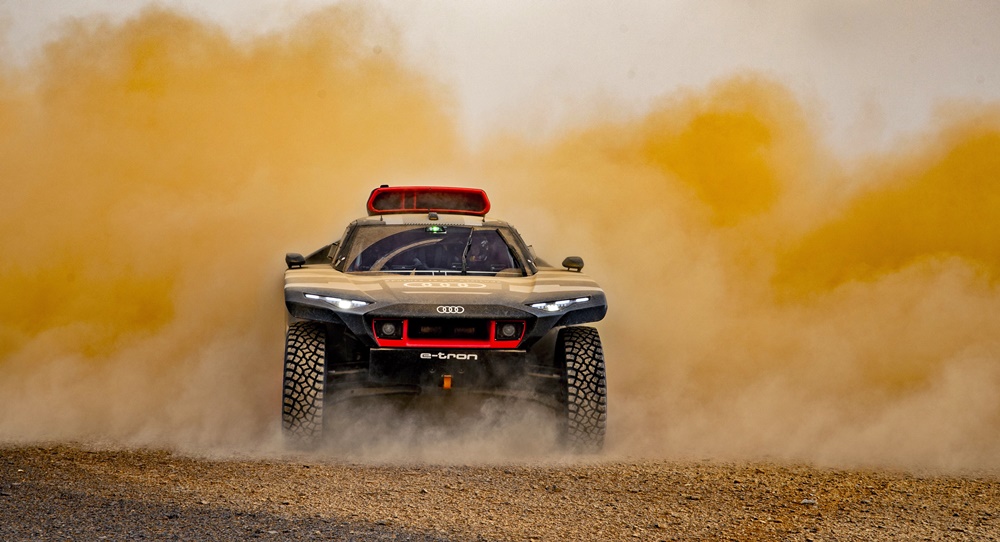
Although Audi can lay claim to having been dominant in the World Rally Championship (WRC) with its Group B Quattro rallycar, the German carmaker has never taken up the challenge of the Dakar Rally. But for the 2022 edition of the world’s toughest off-road event, Audi will be there and it will  be the first car manufacturer to use an electrified drivetrain to compete for overall victory against conventionally-powered competitors.

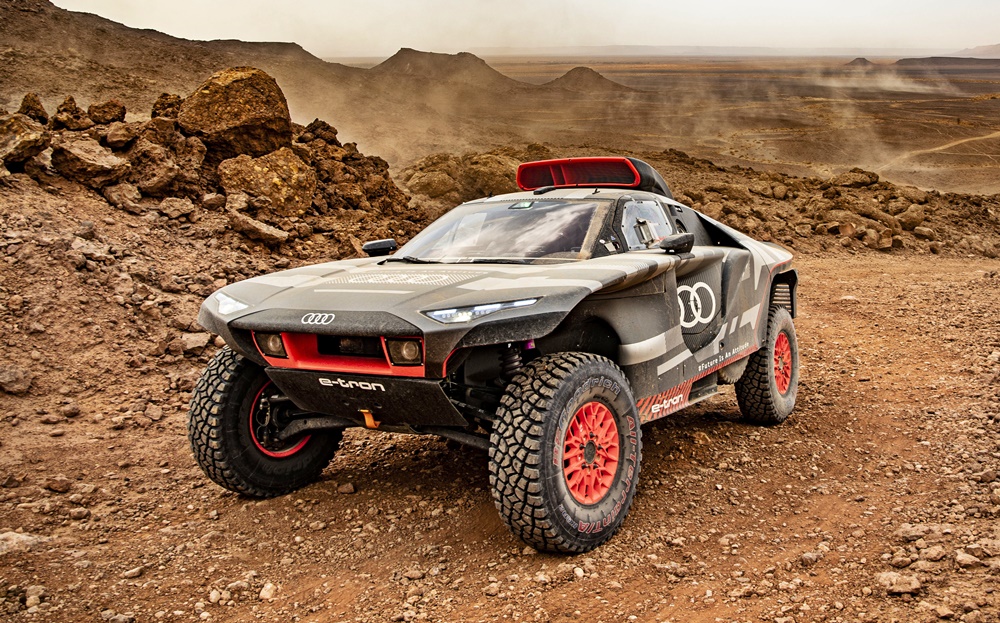
The car that the Audi Sport team will use will be the RS Q e-tron and it’s been undergoing an intensive test program since the first prototype fired up in July this year. After overcoming the challenges posed by the pandemic, the engineers now face the special challenges that the characteristics of the Dakar Rally present. The annual marathon event lasts 2 weeks and the daily stages are up to 800 kms in length. “That’s a very long distance,” said Andreas Roos who is responsible for the Dakar project at Audi Sport. “What we are trying to do has never been done before. This is the ultimate challenge for an electric drivetrain.”

2022 Dakar Rally Audi RS Q e-Tron

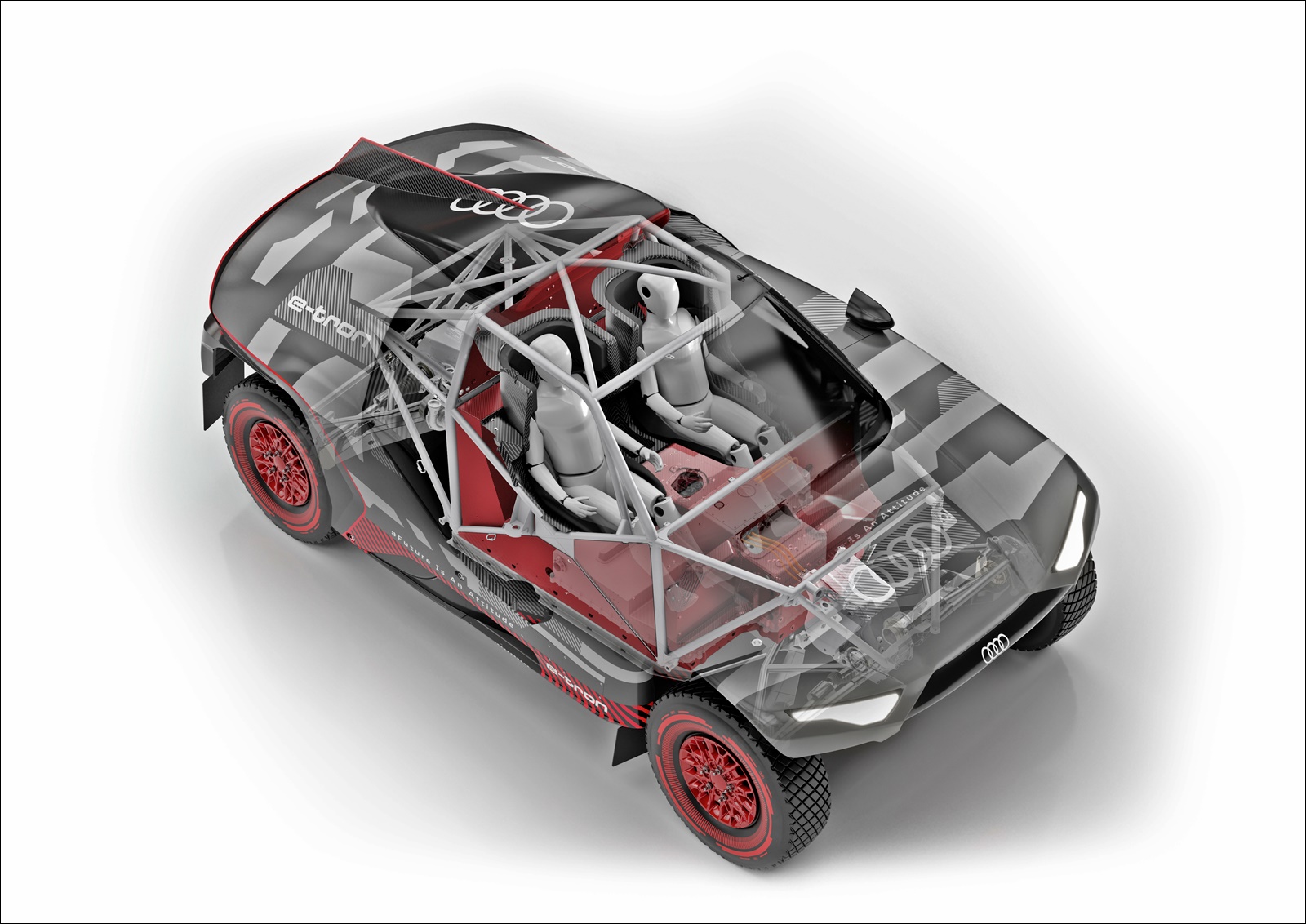
Because there are no charging opportunities in the desert, Audi has chosen an innovative charging concept. On board of the car is the highly efficient TFSI engine from the DTM. It is part of an energy-converter that charges the high-voltage battery while driving. Since the combustion engine is operated in the particularly efficient range of between 4,500 and 6,000 rpm, the specific consumption is well below 200 grams per kWh.

A third motor-generator unit (MGU) is part of the energy converter and serves to recharge the high-voltage battery while driving. In addition, energy is recuperated during braking. The battery weighs about 370 kgs and has a capacity of around 50 kWh. The maximum system power of the e-drivetrain is 500 kW. The electric drivetrain offers many advantages. The electric motors can be controlled extremely precisely and can thus ensure good drivability. In addition, braking energy can be recovered.

2022 Dakar Rally Audi RS Q e-Tron

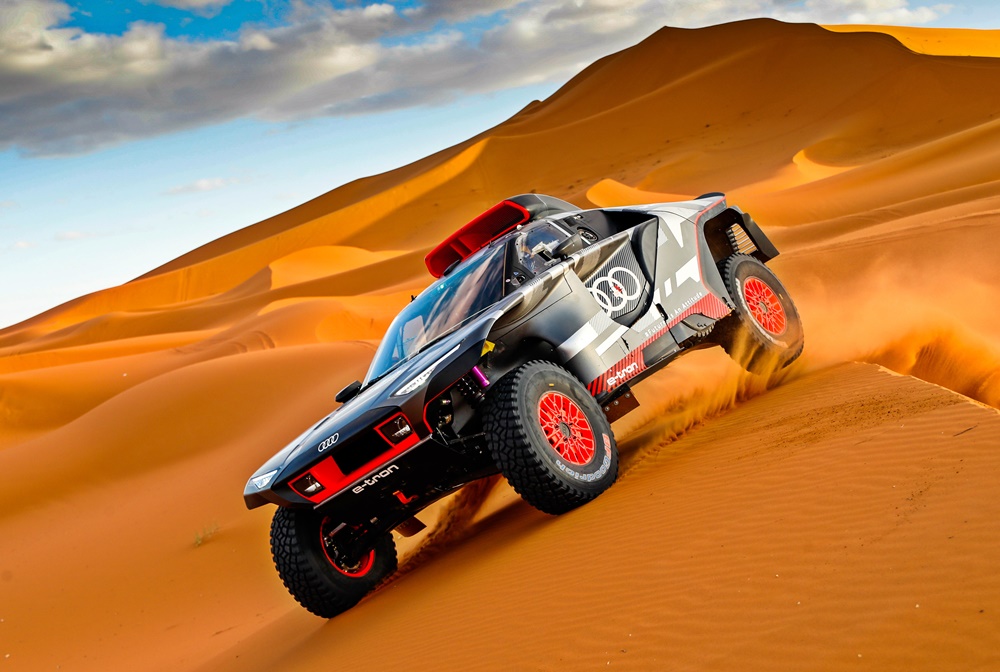
2022 Dakar Rally Audi RS Q e-Tron

The most recent testing was done in Morocco as crews Mattias Ekstrom/Emil Bergkvist, Stephane Peterhansel/Edouard Boulanger and Carlos Sainz/Lucas Cruz took turns in the cockpit of the RS Q e-tron which can now handle daily off-road distances in testing equalling the length of a Dakar stage.

The entire team is focusing its energy on continuing the development under the toughest conditions,” said Arnau Niubo, Head of Test Engineering. “It was impressive how important findings flowed back to the factory from Morocco at a daily pace. As a result, our 3 rallycars currently under construction for the Dakar Rally will have the latest technical status. At the same time, logistical preparations are in full swing.”

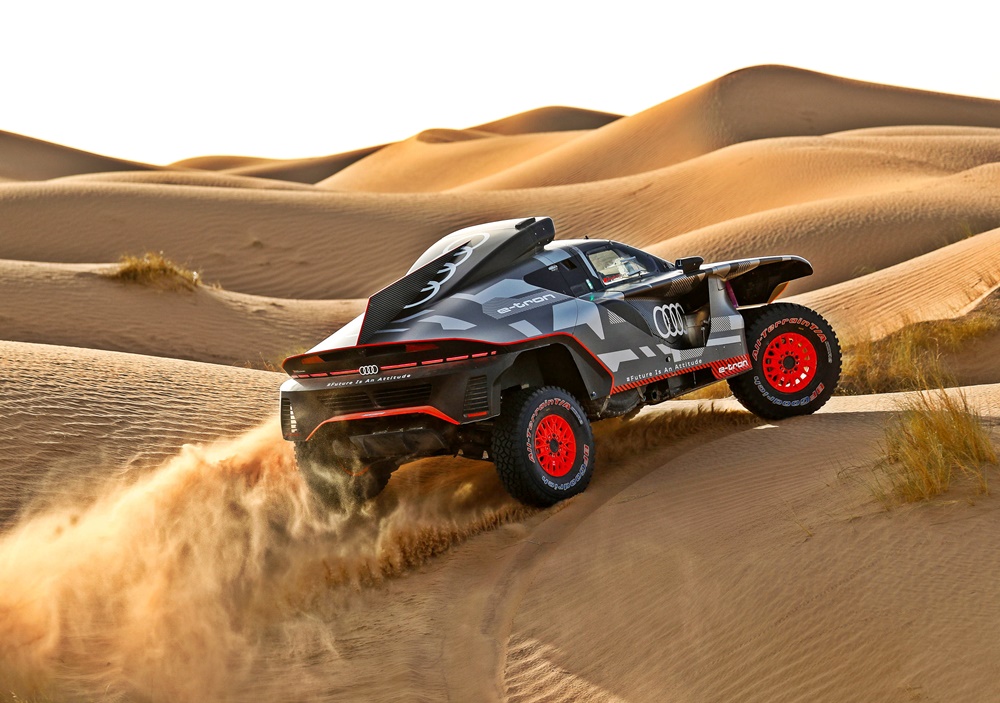
2022 Dakar Rally Audi RS Q e-Tron

The three crews subjected the prototype to a total of more than 2,500 kms over the toughest terrain. The various system tests included the engineers imposing artificially high temperatures on the RS Q e-tron. Peterhansel drove the rallycar through a dry riverbed with the cooling air intakes deliberately taped off to simulate high outside temperatures – and the electric drive didn’t fail or falter.

However, the testing was not without difficult moments. Tyre damage on the rocky tracks caused Ekstrom and his partner repeated interruptions. A suspension wishbone bent by a rock, a leaking driveshaft sleeve and other components required replacement, and the bodywork needed minor repairs. But the prototype was spared nothing during its testing.

2022 Dakar Rally Audi RS Q e-Tron

Long before Audi unveiled the RS Q e-tron to the public in mid-2021, the racing engineering team was already intensively involved in the Dakar Rally. The risks in off-road racing were at the centre of the considerations for a sophisticated safety concept. From the electrical safety of the high-voltage system to optimum passenger protection in the event of accidents, the design department had many challenges to overcome.

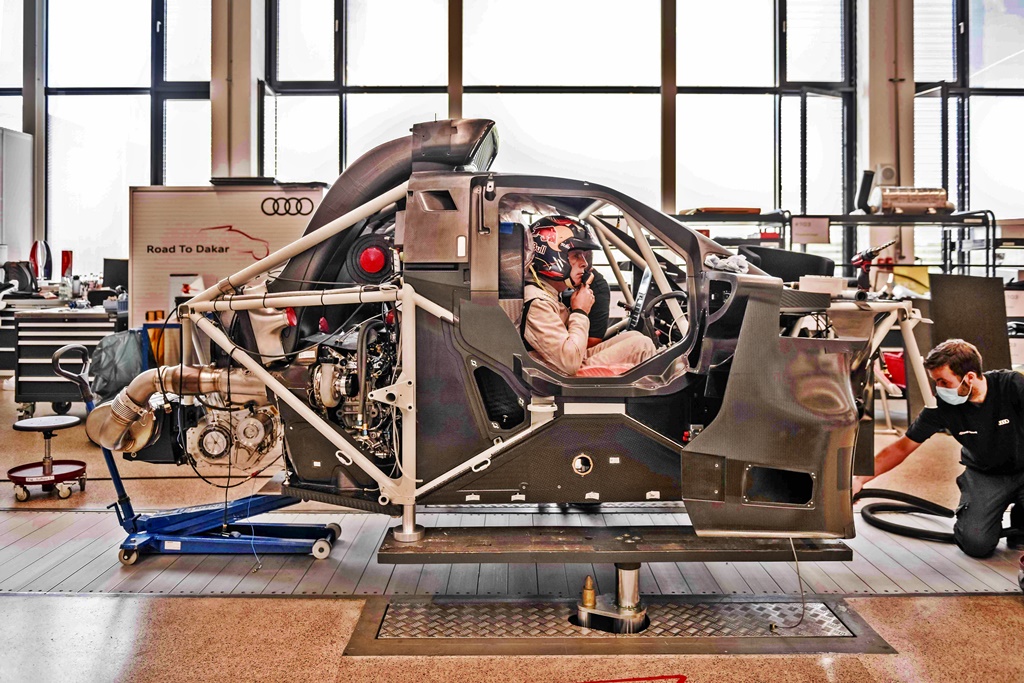
The protective and load-bearing basic structure of the RS Q e-tron consists of a tube frame. The regulations stipulate that this structure be made of metallic materials. Audi has opted for a heat-resistant, alloyed quenched and tempered steel from the aerospace industry that contains the alloying elements chromium, molybdenum and vanadium. The tube frame complies with the geometry defined in the regulations and fulfils the required static pressure tests.

2022 Dakar Rally Audi RS Q e-Tron

Additional protection for the crew is provided by panels made of composite materials in the spaces between the frame. These components made of carbon fibre-reinforced plastic (CFRP) – in some cases supplemented by the tear-resistant Zylon – prevent the penetration of sharp and pointed objects from outside.

Likewise, they protect the drivers and co-drivers from any problems with the high-voltage system. The high-voltage system of the electric drive with its energy converter itself also requires multiple protection. The encapsulation of the centrally located and thus particularly safe high-voltage battery comprises CFRP structures, some of which are reinforced by Zylon.

The protection at the bottom is very complex. In off-road sports, the underbody is the assembly subjected to extreme stresses, including metre-high jumps, whirled-up stones and large ramp angles. Its lowest layer consists of an aluminium plate that resists abrasion by hard objects and partially absorbs impact energy. The energy-absorbing foam above absorbs the impacts and distributes them to the sandwich structure above. This third structure protects the high-voltage battery and the gasoline tank of the energy converter. In the event of excessive damage, the assembly can be easily replaced during the evening service in the rally bivouac.

2022 Dakar Rally Audi RS Q e-Tron

Optimum insulation of the system against water during river crossings and an electrically insulating extinguishing agent in the on-board fire extinguishing system protect passengers in extreme physical situations. The entire team, including drivers and co-drivers, also underwent high-voltage training in advance, as did rescue teams from the organizer.

Other regulations and devices provided by the organizer round off the overall safety concept. For example, the occupants can make an emergency call via a safety tracking system including an SOS switch and be found quickly. An accident data recorder records the most important measured variables for later analysis. An onboard surveillance camera shows what is happening in the cockpit. The Sentinel system makes overtaking safer in the dust typical of the desert. And finally, the regulations limit the top speed in the T1 category to 170 km/h.

2022 Dakar Rally Audi RS Q e-Tron

Audi to compete in Dakar Rally 2022, return to WEC, and leave Formula E after 2021

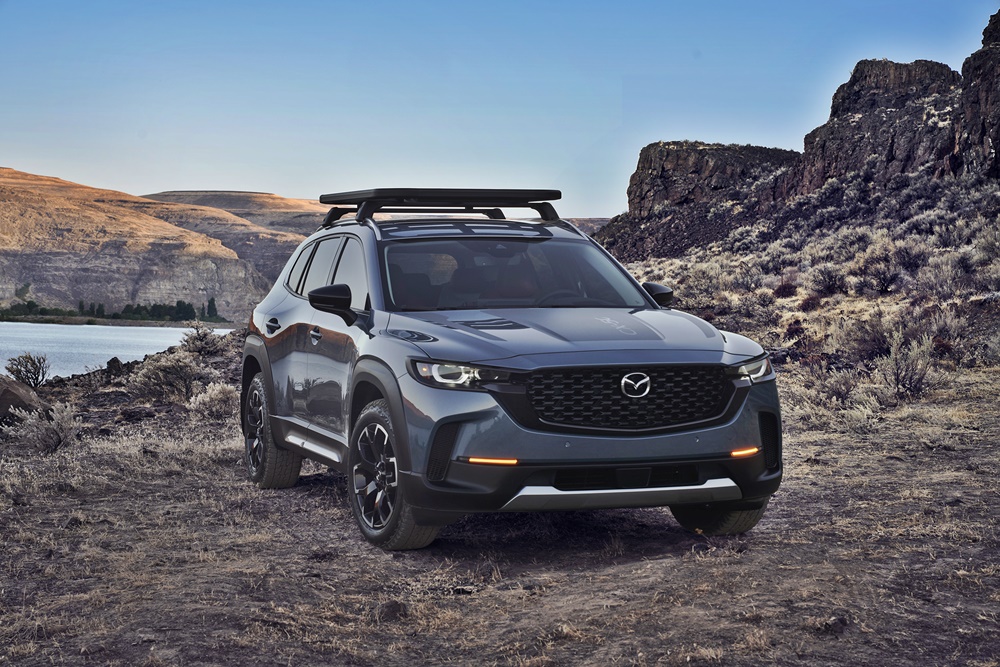
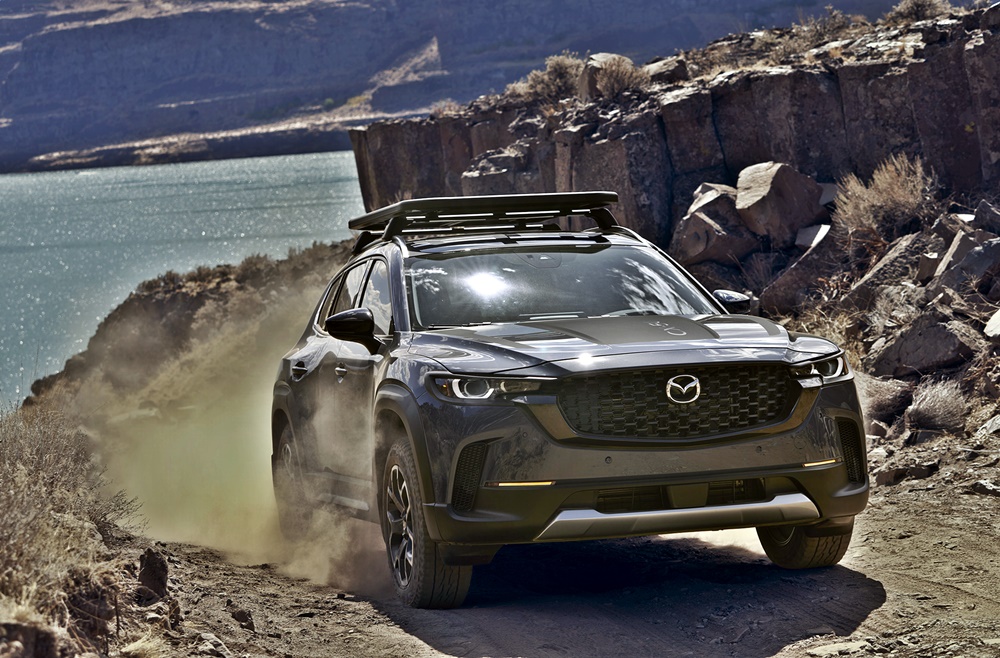
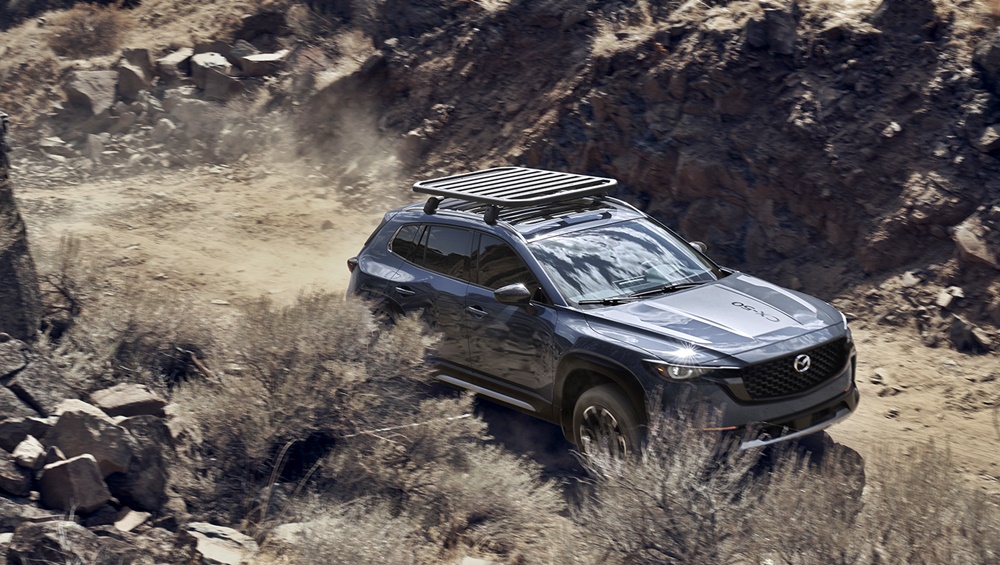
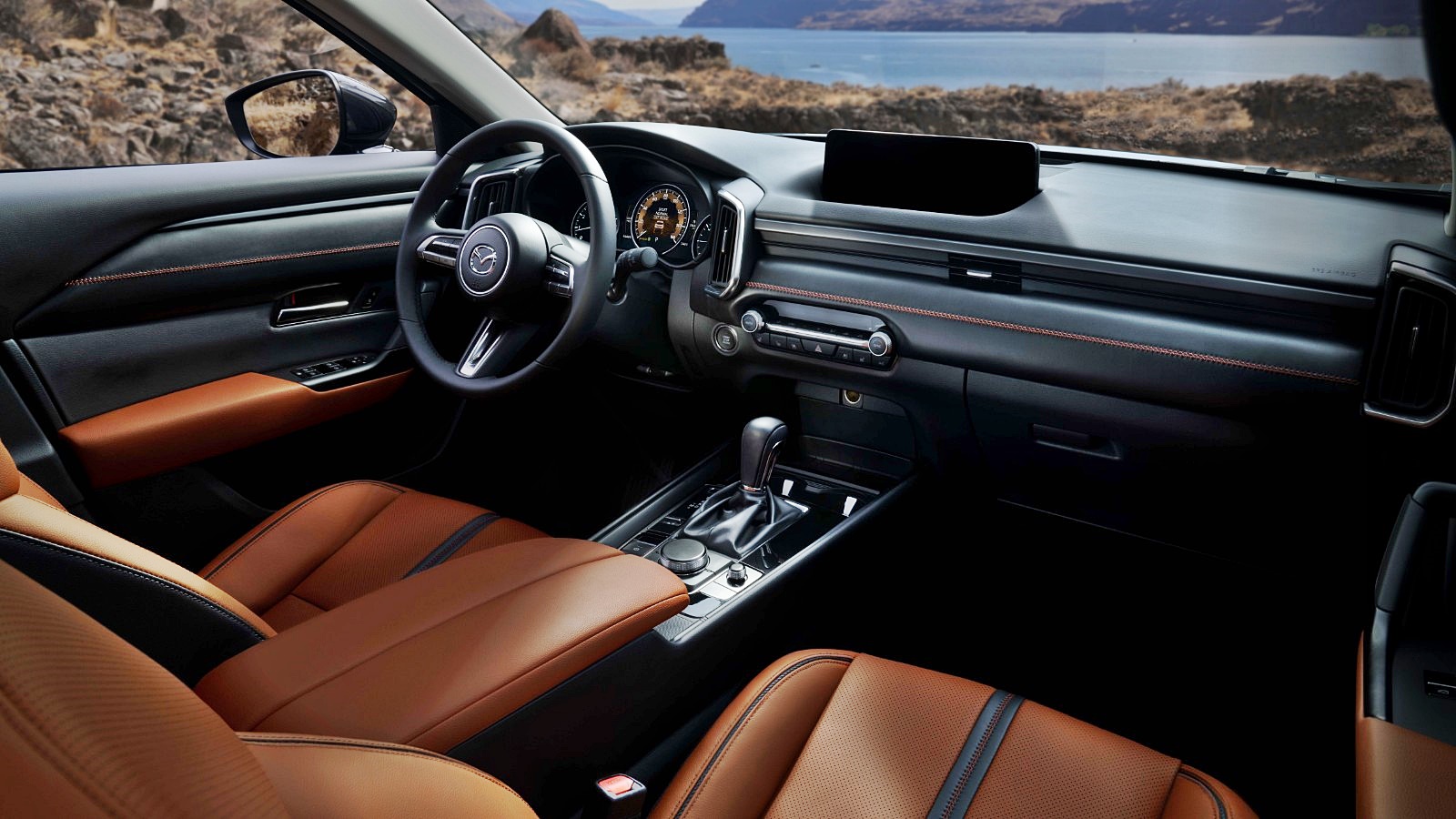
Mazda’s all-new CX-50 is another new model from the carmaker that could be seen as the beginning of a new range with the ‘0’ added at the end. With the exception of the older BT-50, we’ve had the MX-30 and the CX-30 in recent years and now a larger SUV joins this new generation of models.

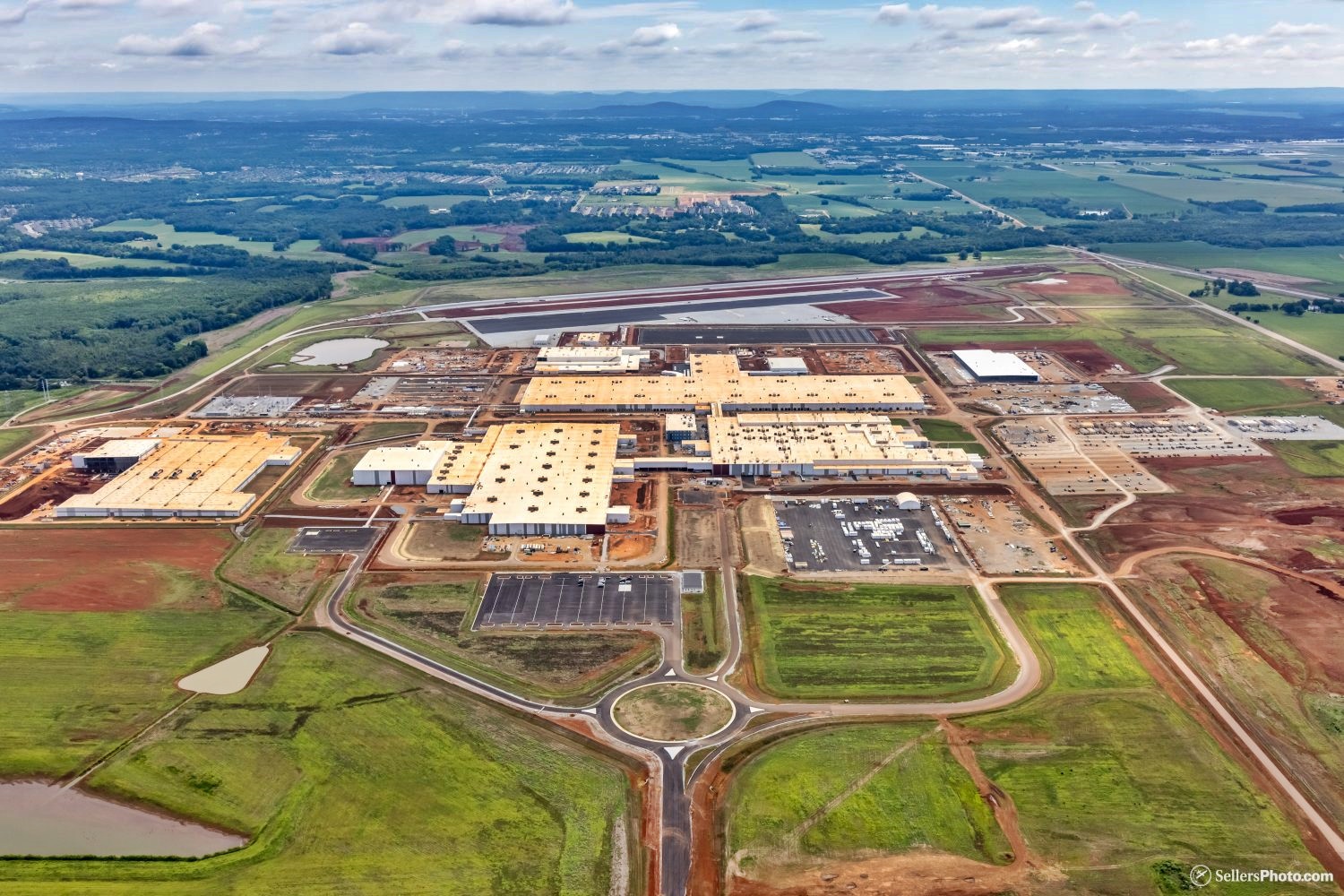
The CX-50, not intended as an immediate replacement for the CX-5, is essentially for the North American market where Mazda enjoys strong sales. Not only has it been developed for the market but it will also be built there, at the new Mazda Toyota Manufacturing factory in Alabama, with production beginning in January 2022.

2022 Mazda CX-50

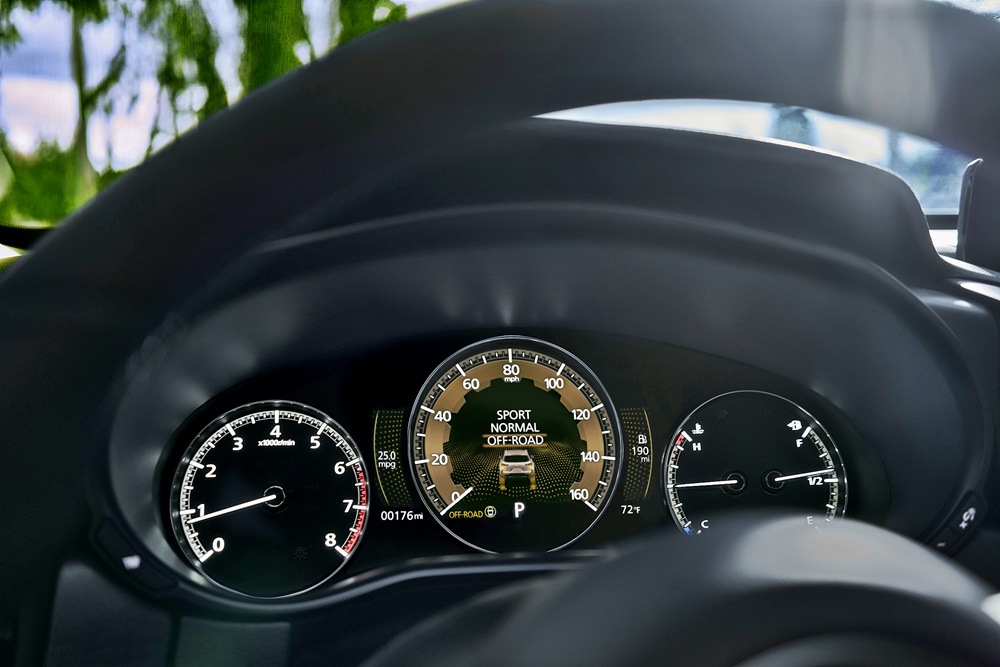
The CX-50 will have both naturally aspirated and turbocharged SKYACTIV-G petrol engines. This is a 2.5-litre 4-cylinder unit which will be paired a 6-speed automatic transmission. All versions will have i-ACTIV all-wheel drive and a new Mazda Intelligent Drive Select known as Mi-Drive.

Later on, the company plans to add electrified powertrain options. It confirms a ‘traditional hybrid model’ will be offered but no details are being provided yet. The hybrid powertrain is likely to be Toyota’s (which has often said it is willing to share its technology to promote hybrids) although Mazda engineers would also ‘tune’ it according to their own philosophy.

Up to 150,000 units of the new CX-50 will be built annually at the jointly owned Mazda Toyota Manufacturing factory in Alabama, USA.

2022 Mazda CX-50

With this new model, it appears that Mazda has adjusted the balance of highway capability and off-road capability based on market studies of how owners of SUVs use their vehicles. The present range of models are already fairly competent with jinba-ittai driving dynamics on the road and with the CX-50, some extra capability has been added for off-road motoring. Exactly what this entails is not explained but Mazda says that drivers will be able ‘to venture further into the outdoors and various terrain’.

It is likely that Mazda engineers have adapted the G-Vectoring Control (GVC) to enhance driving on loose surfaces. This proprietary system developed by the carmaker intelligently adjusts engine torque so that weight distribution is more front-biased when turning in. That could be useful on loose surfaces to enhance grip as the vehicle goes around a turn.

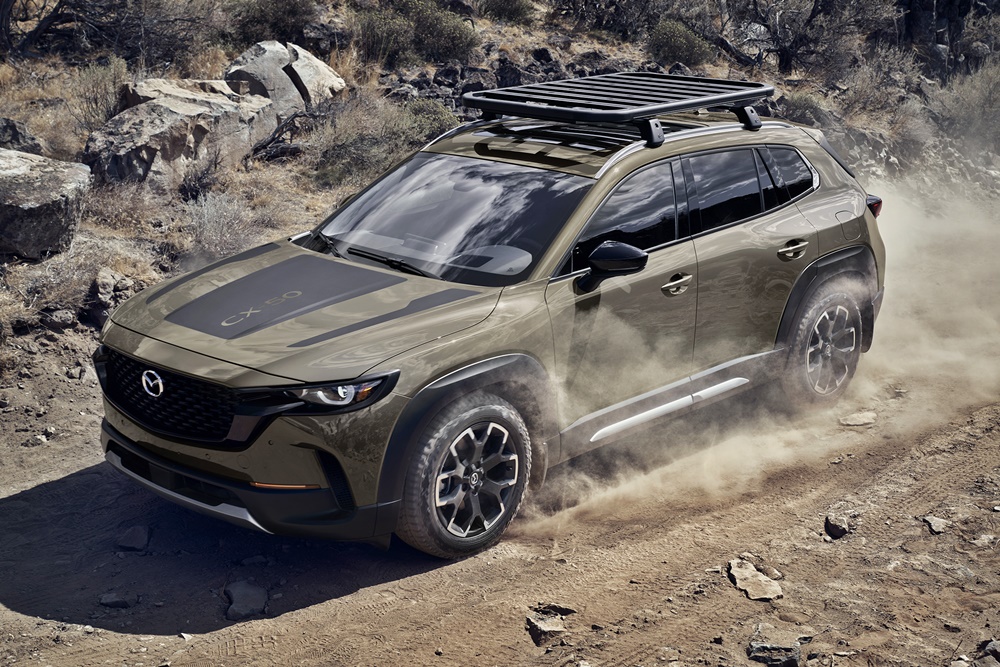
With the ‘father of KODO Design’, Ikuo Maeda (Head of Mazda Design) having expressed a hope that KODO design will exist ‘forever’, it is also adopted for the CX-50. As with each new model, there is a bit of evolution in the design language and the design elements are geared toward a  more rugged image.

2022 Mazda CX-50

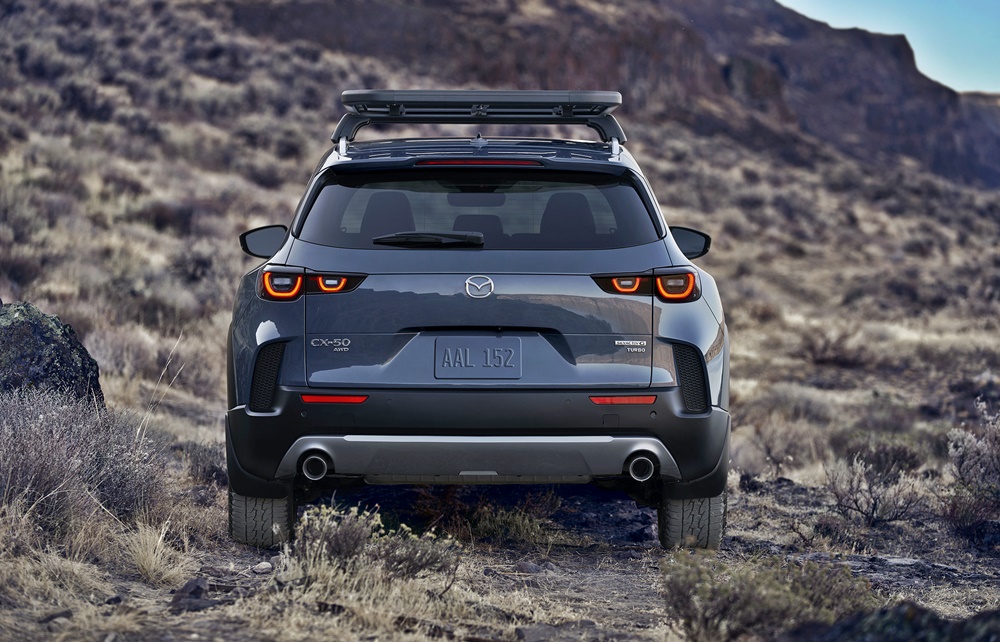
Riding on a new platform also used for the latest Mazda3 and CX-30, the CX-50 is slightly longer than the CX-5 as well as wider. However, the roofline is closer to the road and the designers have put on roof rails. While roof rails on many SUVs are more for looks, those on the CX-50 are said to be high-strength and, along with reinforced B-pillars and door jambs, allow equipment to be securely stowed on the roof. For those who have more gear, Mazda also offers a roof carrier as an option.

2022 Mazda CX-50

2022 Mazda CX-50

2022 Mazda CX-50

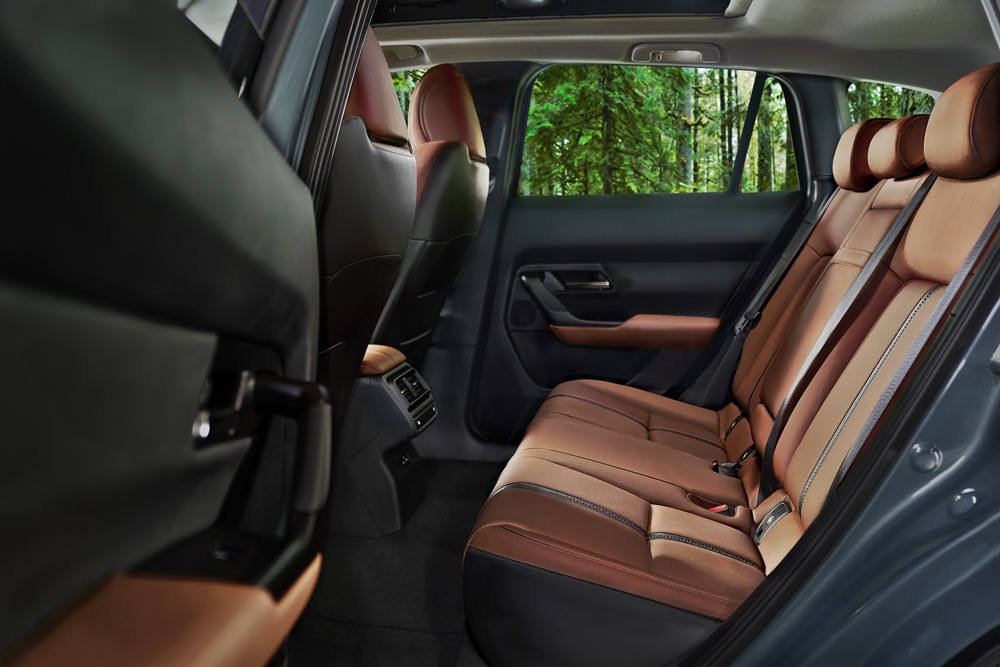
As with other current Mazdas, the cabin has a premium look with functionality that would be welcome by those who do venture off-road. The generous height and length contribute to the spacious cargo area and perhaps some of the useful lessons gained from working with Ford on the jointly developed Escape/Tribute years ago have been recalled. A new panoramic moonroof, a first for Mazda, brings the sky in, again something that will be especially appreciated off-road.

As the model is intended mainly for the North American market, it is unlikely that it will be offered in Malaysia by Bermaz. However, it might eventually appear in a later generation as the current single-digit number range transitions into the double-digit one in later years as Mazda clearly would not be having dual model ranges for too long. That has already happened with the CX-30, with the CX-3 to be discontinued in some markets next year.

2022 Mazda CX-50

To know more about Mazda models available in Malaysia, visit www.mazda.com.my.

Mazda to complete electrification of products by 2030, with major focus on European markets

Volkswagen aims to launch at least one electric vehicle (EV) every year to meet various goals of increased sales of such vehicles. By 2030, at least 70% of Volkswagen’s sales in Europe are expected to come from electric-only vehicles. In North America and China, the goal is that electric vehicles will account for at least 50% of sales. The actions taken by the carmaker are expected to decrease CO2 emissions per vehicle by up to 40% as soon as 2030.

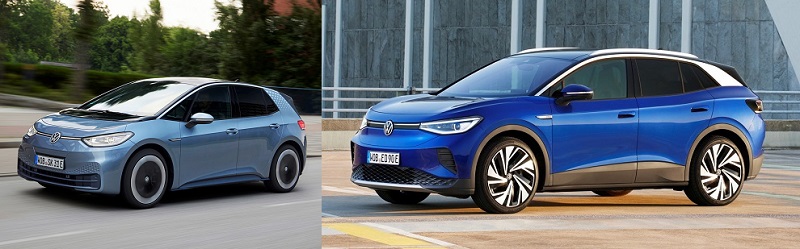
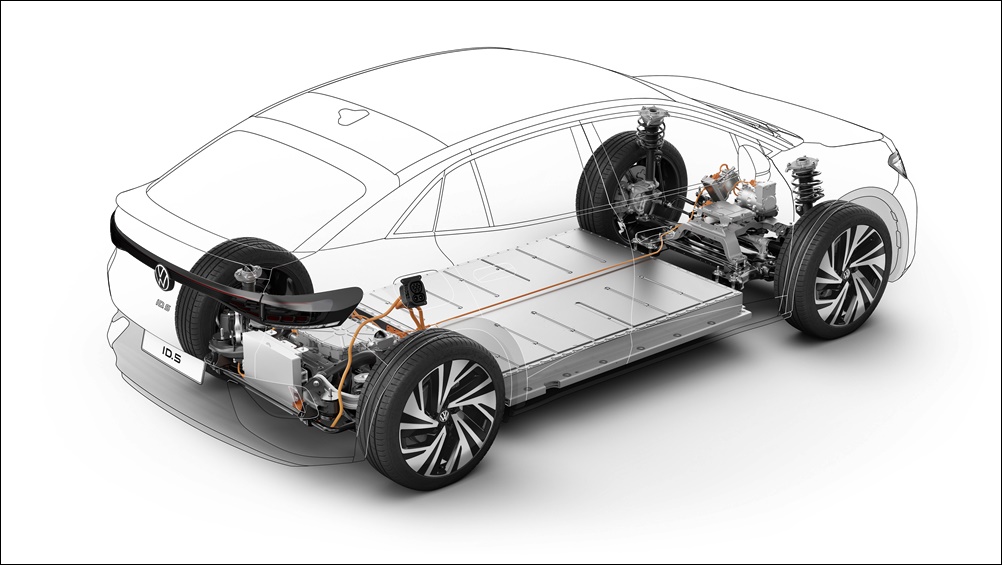
With the ID. family, Volkswagen has been advancing its electric offensive in all vehicle classes in the framework of its ACCELERATE strategy. This is a brand new family of fully-electric models (also referred to as Battery Electric Vehicles or BEVs) which began with the launch of the ID.3 and ID.4 since 2019. The range will progressively expand and all models will use the VW Group’s Modular Electric Drive Kit (MEB) which is a platform designed specifically for EVs.

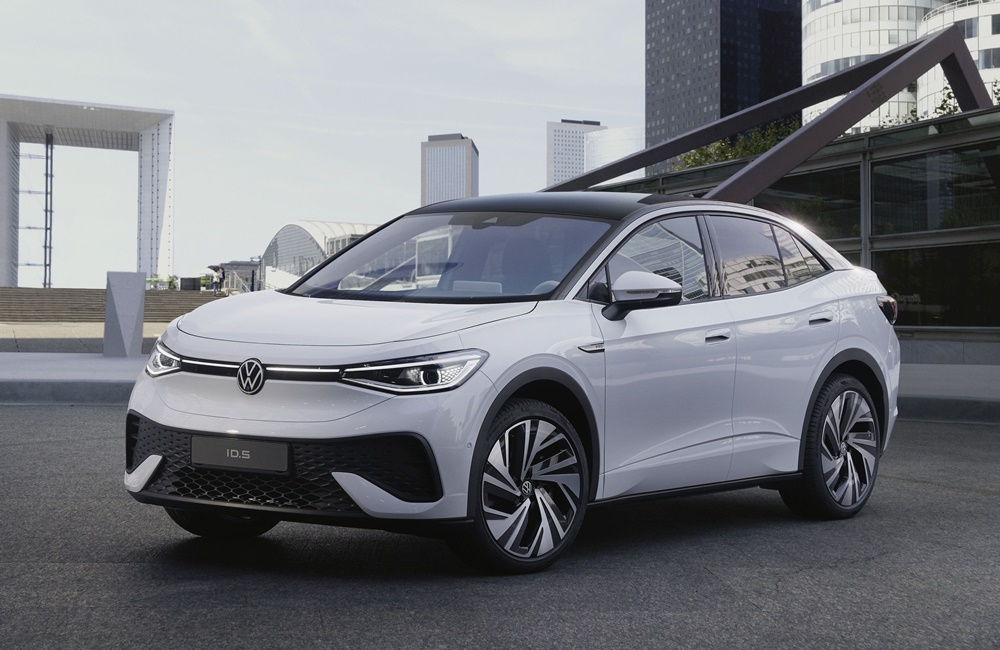
2022 Volkswagen ID.5 EV

ID.3 and ID.4 – the first two members of Volkswagen’s fully-electric ID family

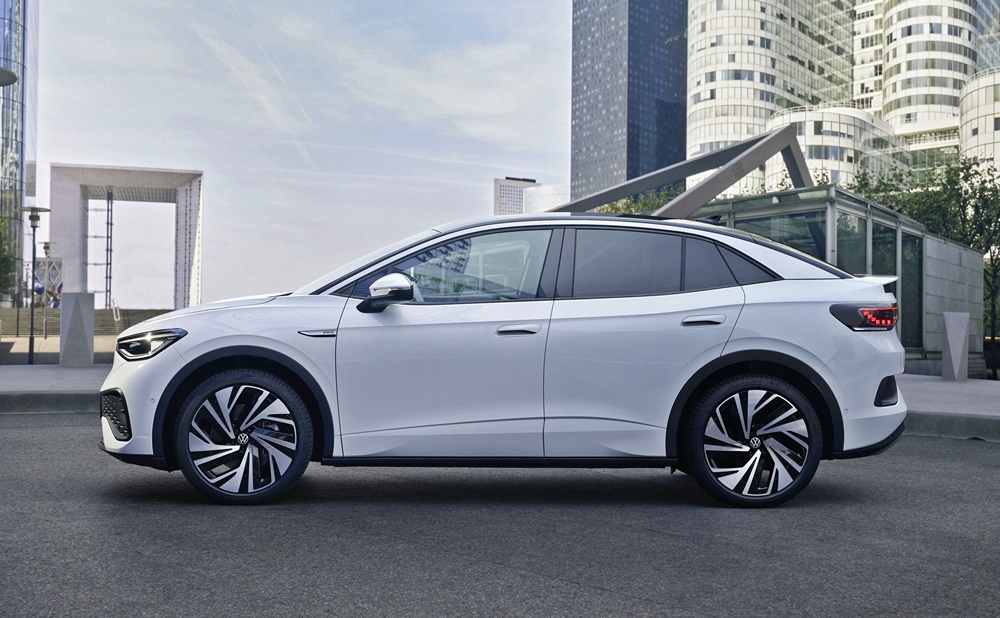
The next model will be the new ID.5 which will bring the brand into a new market segment. This member of the ID. family is an e-SUV coupe and will go on sale in 2022. The 4599 mm long vehicle will be offered with three engine options and also come with a new ID. software version for better performance and functionality.
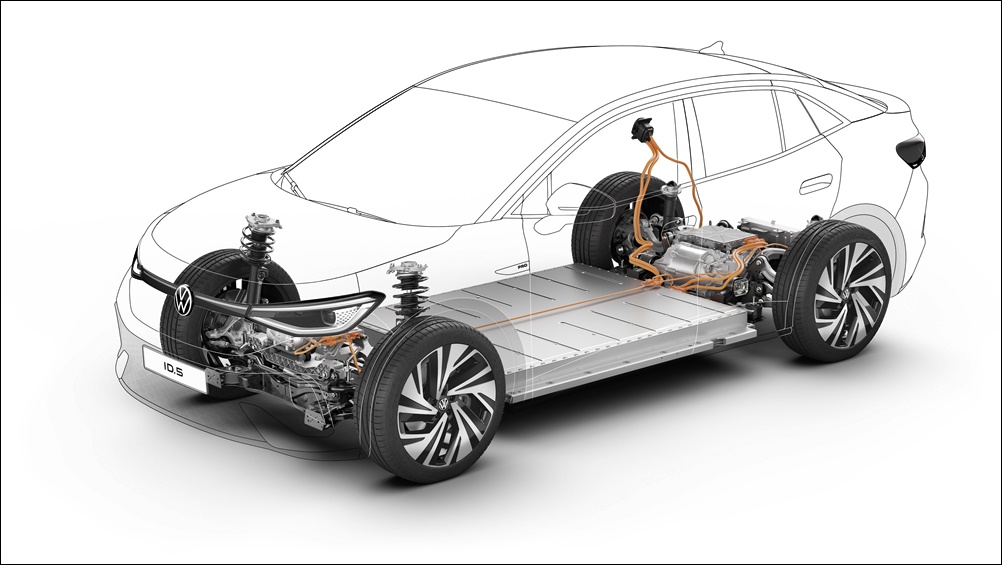
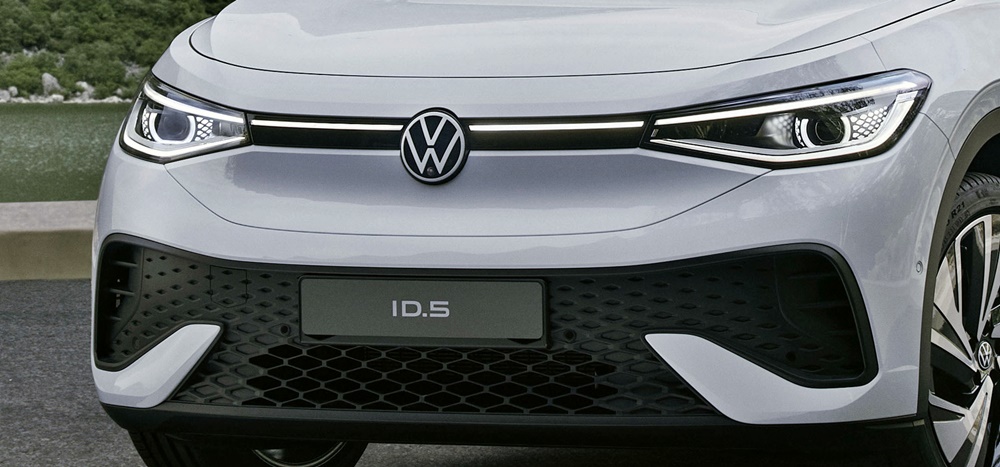
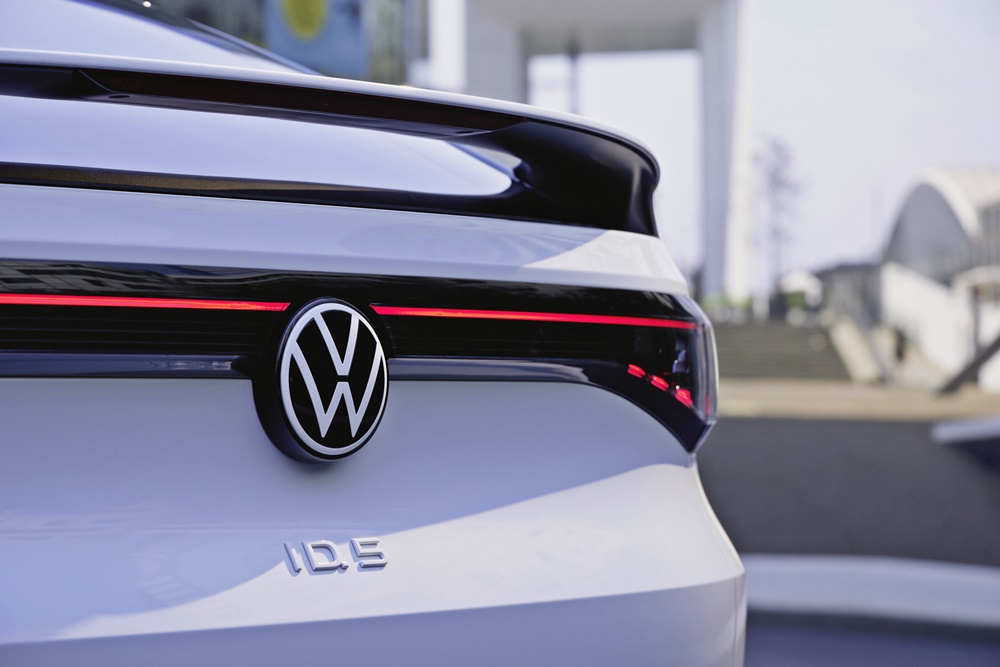
The new e-SUV coupe has light strips on the front and rear styled with visual signatures of the ID. family. Of note are the IQ.Light LED matrix headlights with intelligent high beams and 3D LED rear lights as standard to give an even more dynamic appearance (ID.5 GTX version). Many features – including the striking bumper, painted door panelling and new roof line – set the e-SUV coupe apart from the ID.4, e-SUV which was picked as the 2021 World Car of the Year.

2022 Volkswagen ID.5 EV

The Vehicle Dynamics Manager networks the drive and chassis control systems, while an optional adaptive DCC chassis can provide optimal driving dynamics. Volkswagen claims that the driver will experience an entirely new level of sporty driving pleasure, traction and driving safety.

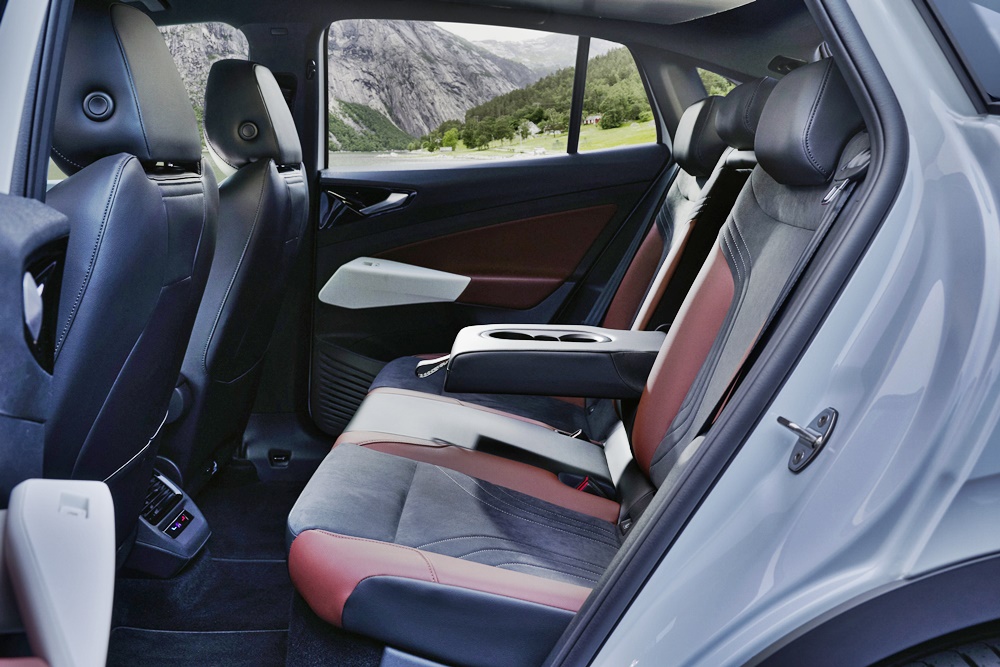
Despite its coupe-type shape, the ID.5 has just 12 mm less headroom in the back than the ID.4. The long 2766 mm wheelbase facilitates interior spatial conditions comparable to those of SUVs in higher vehicle classes.

The ID.5 will be powered by an electric motor in the rear and for the sportier GTX version with all-wheel drive, there will be another motor powering the front wheels. All versions have a large-capacity, long-range battery pack. Using a standard Mode 3 cable, recharging with up to 11 kW of alternating current (AC) is possible and charging performance can reach up to 135 kW to be compatible with fast-charge stations. While range is important to EV owners, so is charging time and the new software 3.0 improves charging performance.

2022 Volkswagen ID.5 EV

2022 Volkswagen ID.5 EV

The driving performance is enhanced by a low drag coefficient of 0.26 (0.27 in the ID.5 GTX) which also boosts the vehicle’s range. This capability is further extended by the integrated spoiler in the wide-opening, aerodynamically shaped tailgate. Electric cooling air vents in the front of the vehicle open only when necessary, so as to keep wind resistance low as much as possible.

The new software generation allows for over-the-air (OTA) updates and activation of additional functions, so that the ID.5 can stay up-to-date and perform optimally for a long time. Innovative assistance systems such as Travel Assist with swarm data and latest-generation driver assistance systems help further advance towards automated driving. Park Assist Plus with memory function will take care of personalised parking processes on request.

2022 Volkswagen ID.5 EV

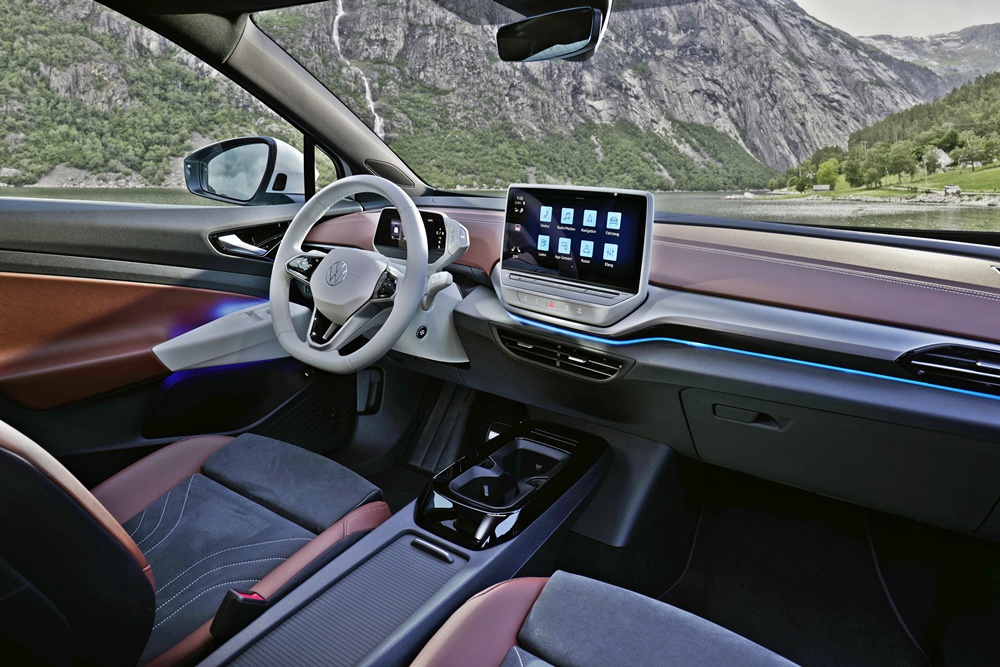
The digital cockpit offers a new operating concept with a high-resolution multimedia system delivering brilliant visuals. An innovative augmented reality head-up display within the driver’s field of vision presents additional information. The new software 3.0 features various improvements including natural voice control (Hallo ID) and is learning-enabled. It can also go online to access information from the Cloud. Where the services are available, We Connect provides the driver with real-time online traffic information, online map updates, information about charging stations, web radio, etc.

With Car2X communication, data from compatible vehicles in the Volkswagen fleet and signals from infrastructure within a radius of up to 800 metres can be locally interpreted in a fraction of a second. This means the driver can receive alerts about dangerous areas, accidents and stationary traffic.

2022 Volkswagen ID.5 EV

Now that the Malaysian government is allowing importation of BEVs with no tax imposed, many people are excited at the prospect of seeing a whole new range of cars in showrooms. Perhaps Volkswagen’s ID. models might come but the exemption is a short-term thing and companies like Volkswagen Passenger Cars Malaysia would be looking at the investment they will need to make in order to sell BEVs.

As the official marketing company for the brand, they are obliged to ensure full aftersales support for whatever they sell. Unless there are long-term plans to assemble locally – which has a slightly longer tax-exemption period – the volumes they may be able to sell may not justify the investment they need to make. In any case, Volkswagen would be occupied with meeting demand in the major markets of Europe, North America and China so the incremental volumes possible in the Malaysian market may not be of significance.

2022 Volkswagen ID.5 EV

Lower-priced Volkswagen ID.LIFE to help increase adoption of EVs

In the first 6 months of this year, 1,595 units of Aston Martin’s first SUV and first 5-seater were delivered to customers worldwide, joining the 1,516 units in 2020. That’s not a huge number by global industry standards so it is pretty exclusive (it should be for around RM1 million each) even if you get one in ‘standard’ form. But in that stratospheric segment, most customers want more exclusivity and personalisation, so the carmakers have special divisions to cater to such needs.

For those who prefer not to use the services of the carmaker, there are also companies that specialise in personalisation of any motor vehicle – in appearance, in fittings and even in upgrading performance. In recent years, such companies have given attention to SUVs, which even the luxury brands could not ignore.

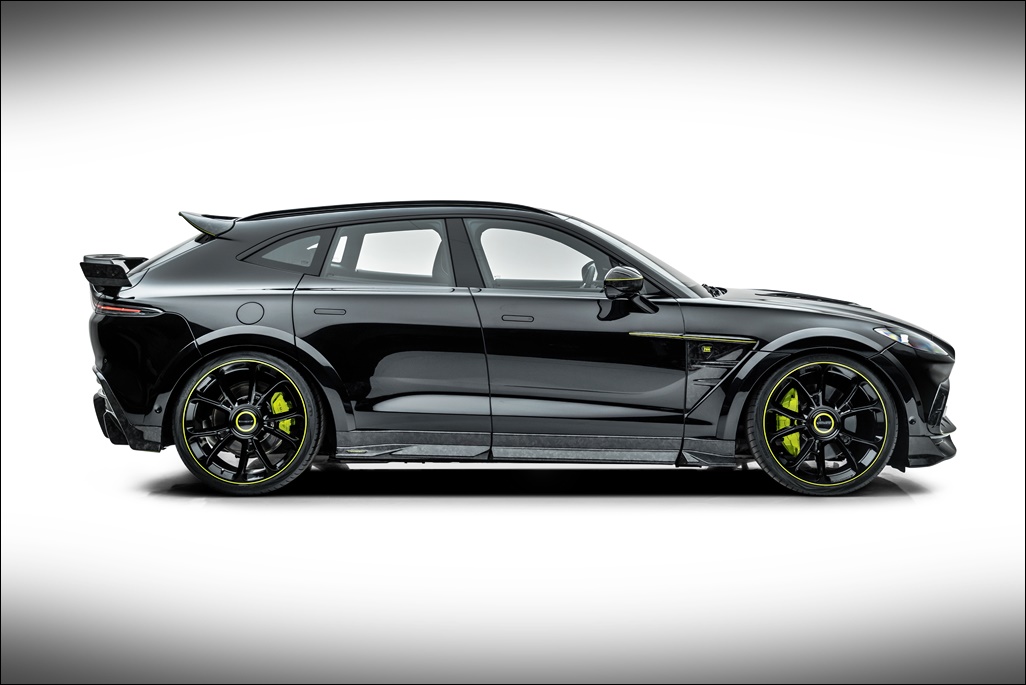
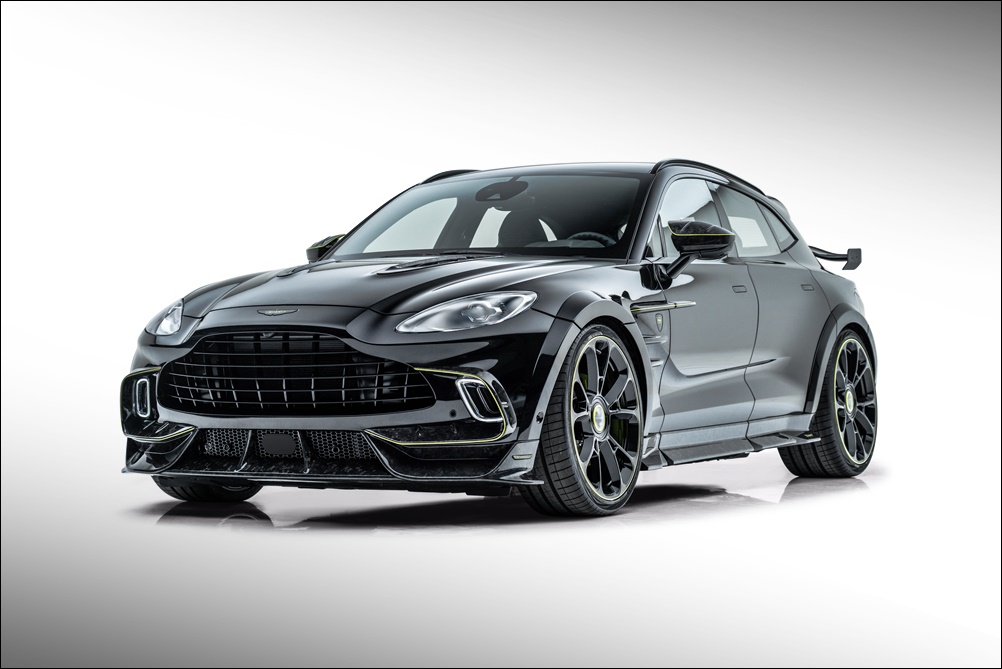
MANSORY Aston Martin DBX 2021
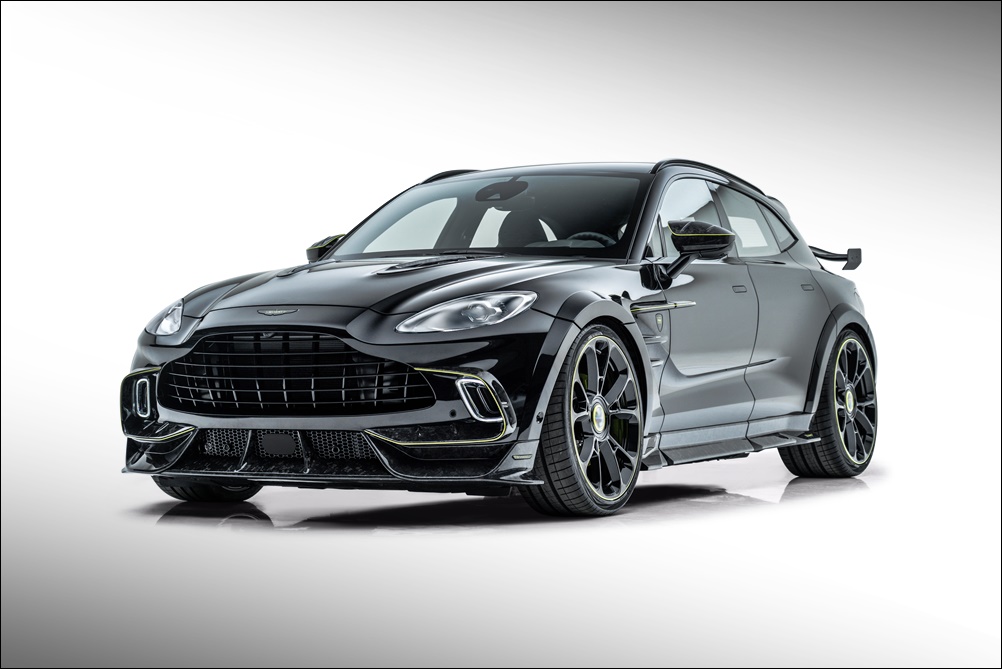
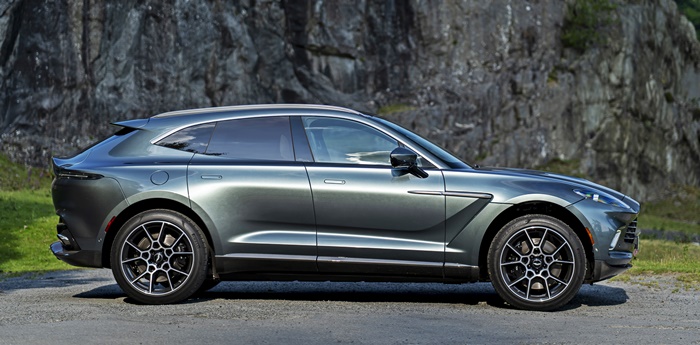
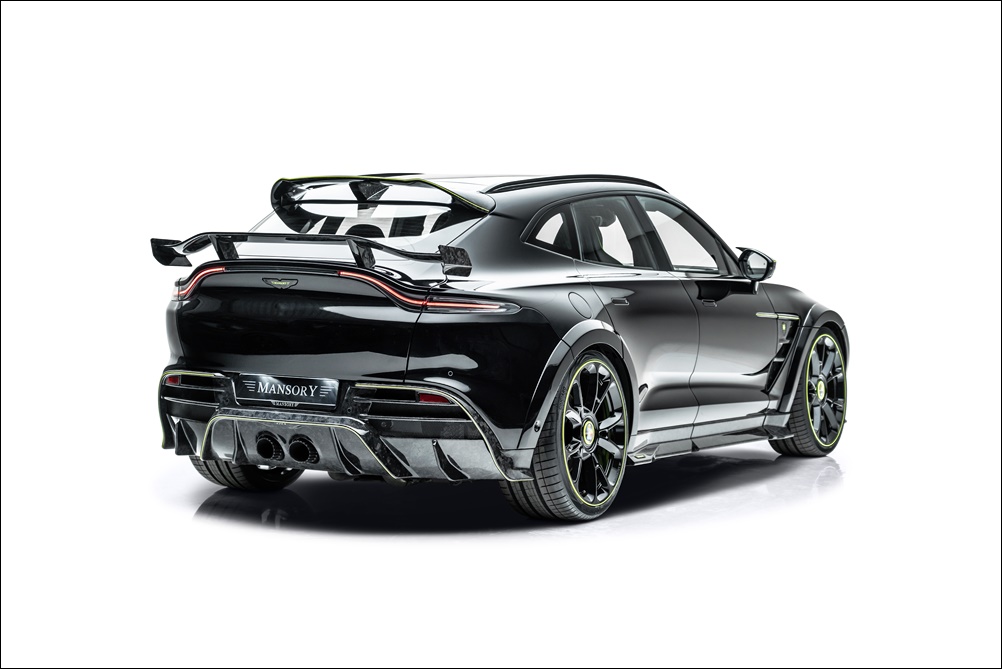
MANSORY’s complete conversion package gives a more aggressive look to the standard DBX (below) while still maintaing the recognisable form.

One of them is MANSORY, the 32-year old car modification firm based in Germany. MANSORY has already done a number of luxury SUVs and now with Aston Martin’s DBX also in the market, it offers a more exclusive model for those who must be different.

The company has developed a complete conversion for the SUV which includes upgrading of the engine by the Performance Department. The V8 twin-turbo engine of the DBX has its engine management system replaced and new and larger turbochargers are also installed. For better efficiency, a sports air filter and high-performance sports exhaust system are also installed.

MANSORY Aston Martin DBX 2021

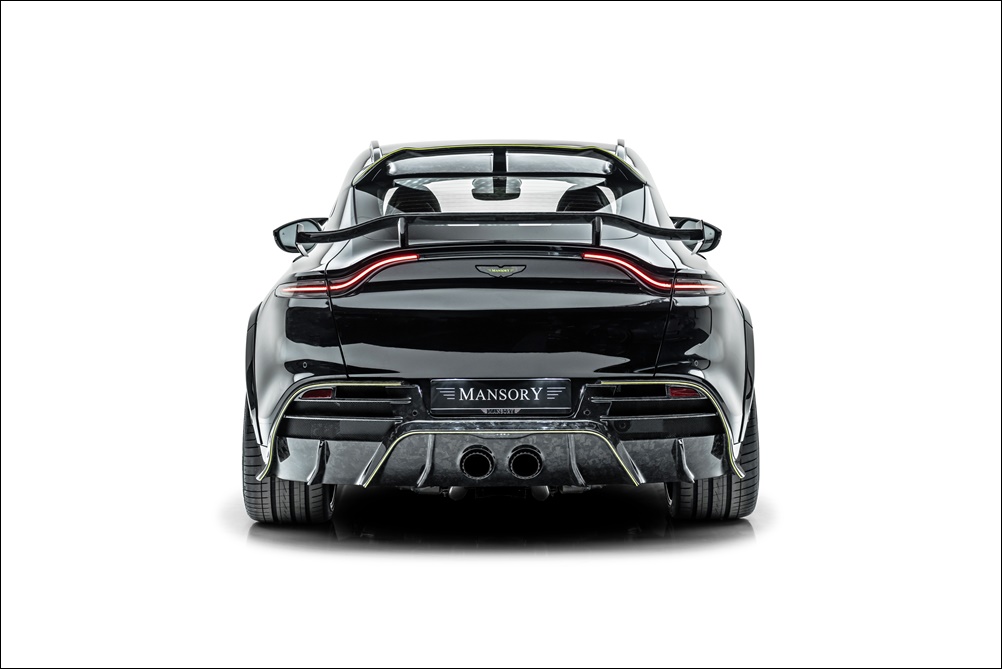
The exhaust system is offered in two versions for customers to choose. They differ recognisably in the positioning of the tailpipes; either located in the area of the standard rear apron opening, or terminating as closely spaced double pipes in the middle of the carbonfibre rear apron.

After this engine conversion, the output rises to 800 ps from the standard 550 ps while torque hits 1,000 Nm, about 43% more than standard. This improves performance to a maximum speed of 325 km/h and 0 to 100 km/in a short 3.8 seconds (according to MANSORY’S tests).

MANSORY Aston Martin DBX 2021

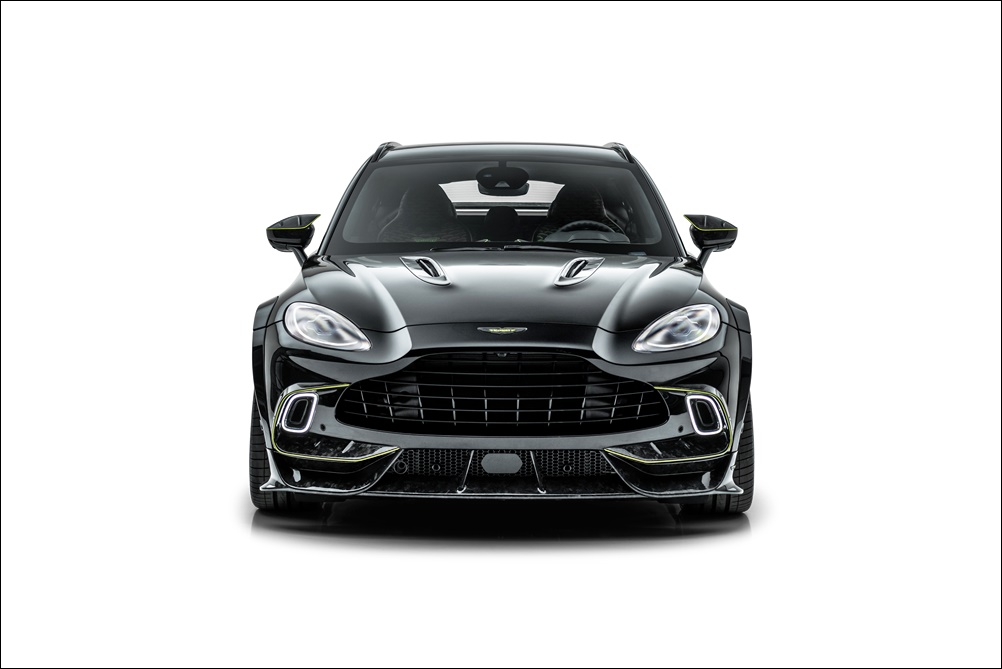
The high-speed performance is helped by the refined aerodynamics of the vehicle. This results in an impressive wide-body styling in combination with optimised aerodynamics with increased downforce for significantly improved cornering performance at higher speeds. For this purpose, the front of the DBX is redesigned with a completely new apron including an integrated front lip made of carbonfibre. The ultra-light and painted carbonfibre bonnet with additional cooling air outlets (visible carbon) revises the front section.

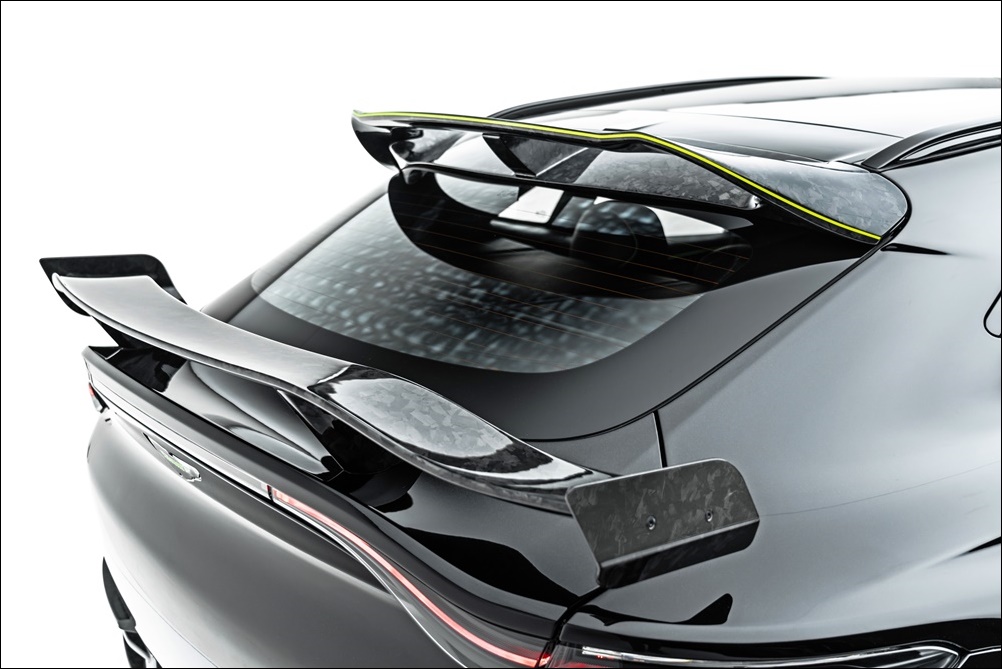
On the flanks, MANSORY-designed extensions continue the design language and make the DBX look significantly more powerful, but also lower and more elongated. To increase the downforce on the rear axle, the engineers developed a special spoiler for mounting on the tailgate and a matching roof spoiler – both of which take up the design language of the standard tear-off edge of the tailgate and are also made entirely of carbonfibre.

MANSORY Aston Martin DBX 2021

In addition, a new rear apron with diffuser skilfully sets off the striking tailpipes of the sports exhaust system. Numerous carbonfibre components such as trim strips, mirror housings and air intake trims add further striking highlights, some of which are further accentuated with accents in the special Limegreen colour.

The DBX also features a new wheel design called ‘DX.5’ in 24×10 inch (front) and 24×12.5 inch (rear) dimensions with matching 295/30R24 and 355/25R24 tyre sizes. The rim design optimises ventilation of the brake system on the one hand and emphasises the car’s dynamic appearance.

MANSORY Aston Martin DBX 2021

These not only fill out the front and rear wheel arches coherently, but also combine both sportiness and technical elegance in the best possible way. The colour scheme of the rims was chosen to match the overall colour concept of the car – black and Limegreen.

MANSORY Aston Martin DBX 2021

MANSORY Aston Martin DBX 2021

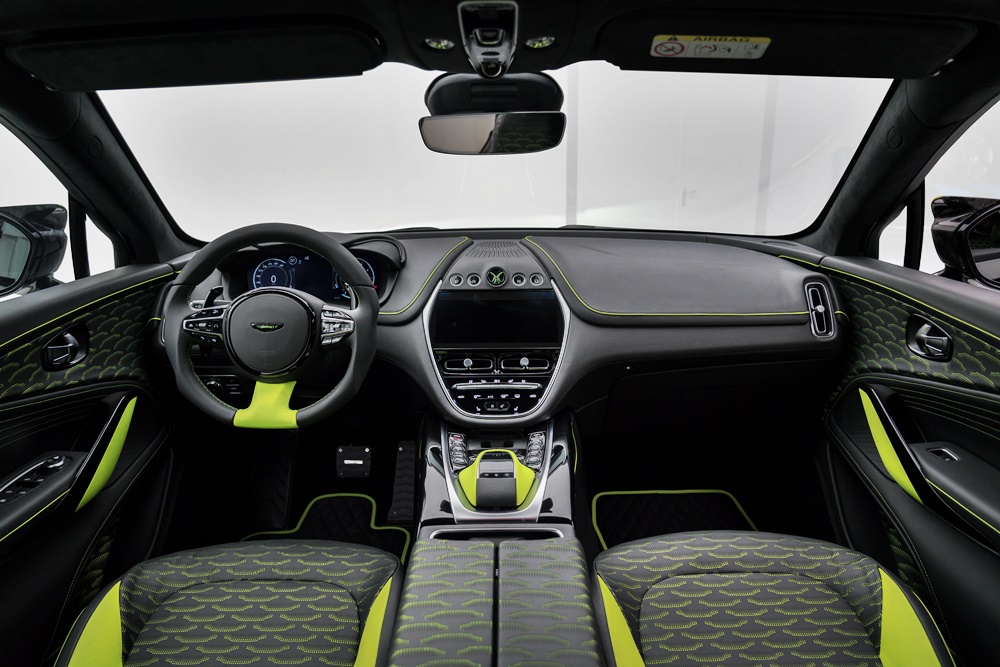
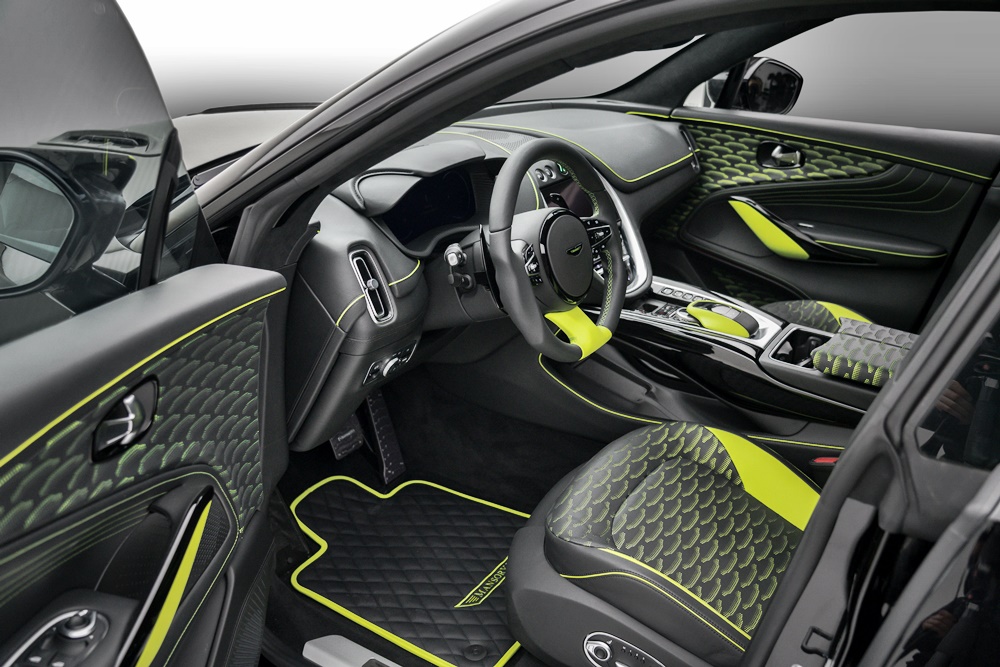
The interior – matching the exterior design – is kept entirely in black. The Limegreen colour used to accentuate details on the exterior is also found in many places in the interior. The edging of the floor mats, the seats, the centre console, the decorative stitching on the dashboard and the sports  steering wheel are all finished in this colour. Individually embroidered floor mats, the use of fine visible carbonfibre and the covering of almost all surfaces with the finest leather add further highlights to the handcrafted interior.

MANSORY Aston Martin DBX 2021

Lister Stealth to be the fastest, most powerful British SUV (w/VIDEO)

The Hyundai Motor Group (HMG) has three brands – Hyundai, Kia and Genesis – and between the three, there’s been a non-stop flow of new models and concepts. While the companies present themselves differently and probably operate differently, they also share a lot of hardware and their combined volume obviously gives HMG an edge where costs are concerned, not to mention sharing of R&D resources.

Moving forward, it’s all about electric vehicles (EVs) these days and the brands have a number of models in the pipeline between now and the end of the decade. Some of them have gone on sale, and more will be in showrooms next year and the years to follow.

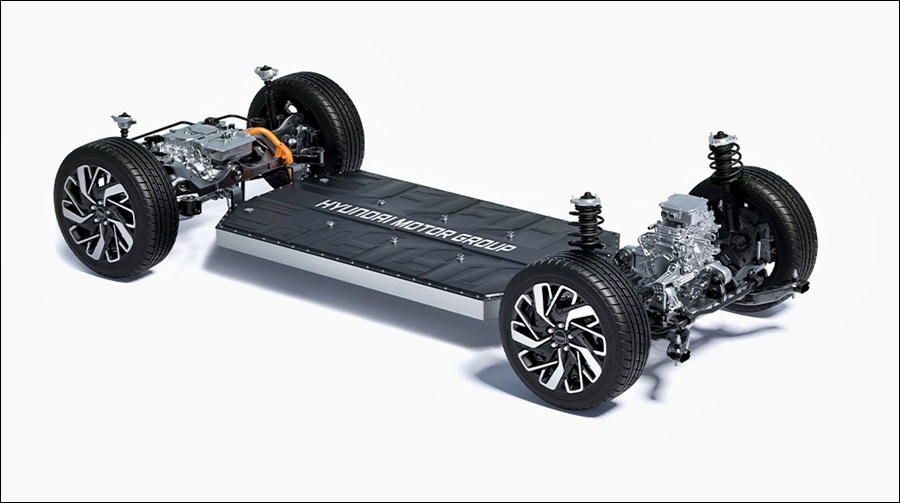
The Electric Global Modular Platform (e-GMP) developed as a dedicated platform for BEVs which will be used for Hyundai, Kia and Genesis models.

In total, Kia has revealed that there will be no less than 10 new full EV (also known as Battery Electric Vehicles or BEVs) models. It’s not the first time Kia is introducing EVs as it has had electrically-powered variants of models like the Niro and Soul. These, however, have been initially developed as conventional models with combustion engines or hybrid powertrains. So the full advantages of a BEV have not been gained and Kia, like other manufacturers, now has a new BEV range that has been originally developed and engineered only for fully electric powertrains.

Dedicated EV platform for all HMG brands
The group’s Electric Global Modular Platform (e-GMP) is a core element in HMG’s electrification plans. Being modular, it can be used for a variety of model types and the wheelbase can be extended beyond 3 metres. It is engineered to accommodate 2WD and AWD drivetrains. At this time, the range on a full charge is 500+ kms but battery technology is constantly advancing, so that will improve in coming years.

2021 Kia Concept EV9

The e-GMP was used for the first time in the new Hyundai IONIQ 5 (a different model from the original Ioniq) launched early this year. Next was the Kia EV6 which was officially launched in August and perhaps in 2022, the EV9 will also use the platform. As the end digit suggests, this future model would be positioned higher up in the range and almost certainly the flagship.

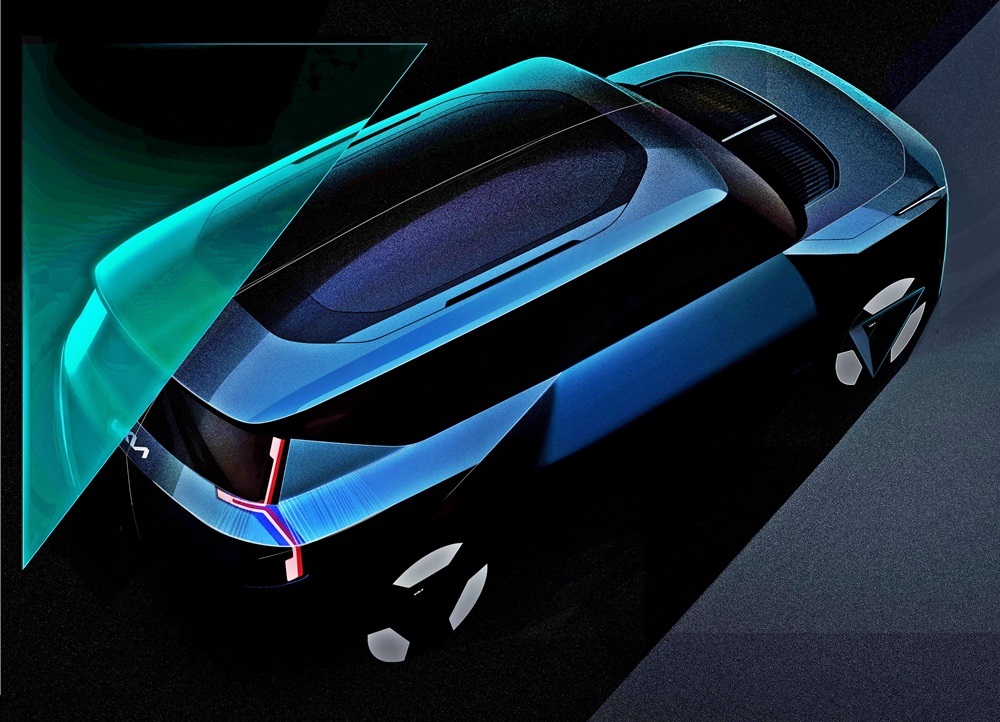
We’ll find out full details and see the full model soon at the global debut of the Concept EV9 in Los Angeles next week. For now, the first official visuals of the concept SUV show another distinctive design with the brand’s EV design language.

2021 Kia Concept EV9

Large SUV with ‘smart lounge’
The profile is fairly SUV-like and rather upright, bringing to mind the Telluride (a large SUV mode). The renderings also illustrate a highly conceptual cabin that suggest a light, flexible and adaptive interior space for the occupants on three rows. With a lot of state-of-the-art tech, it is conceived as a ‘smart lounge’ where people won’t just be seated but also entertained and connected.

2021 Kia Concept EV9

It’s hard to tell if the futuristic forms in the renderings will be what is also used in the production model. The dashboard has an ultra-wide display and the steering wheel seems to be shaped in a very impractical way. Kia says it is ‘a radical new take on the traditional steering wheel’.

Aiming for 6.6% of global EV market
The EV6 and future EV9 will help Kia achieve its target of 6.6% of the global EV market share and 25% in the eco-friendly car segment. This will mean selling 500,000 EVs annually, which its ‘Plan S’ strategy has set 2026 as the target year.

2021 Kia Concept EV9

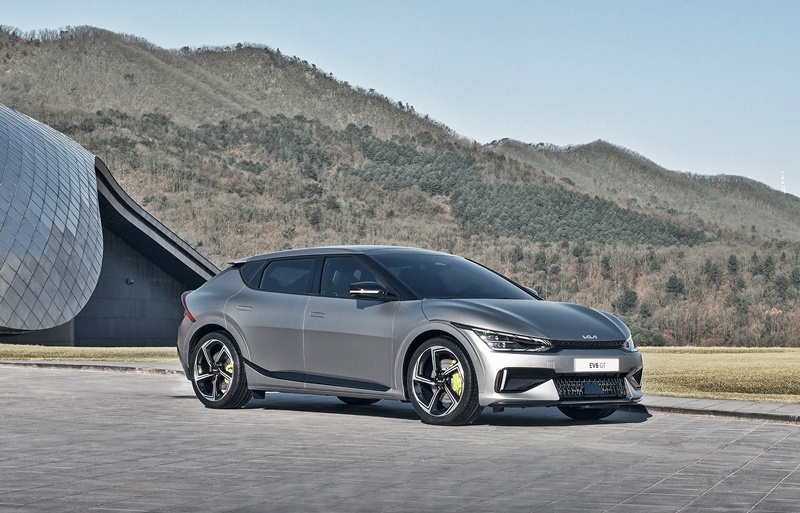
2021 Kia EV6
EV6 is the first Kia model to use the e-GMP and this model is positioned about midway in the EV range that will have models from EV1 to EV9.

Kia aims to achieve leadership position in EVs

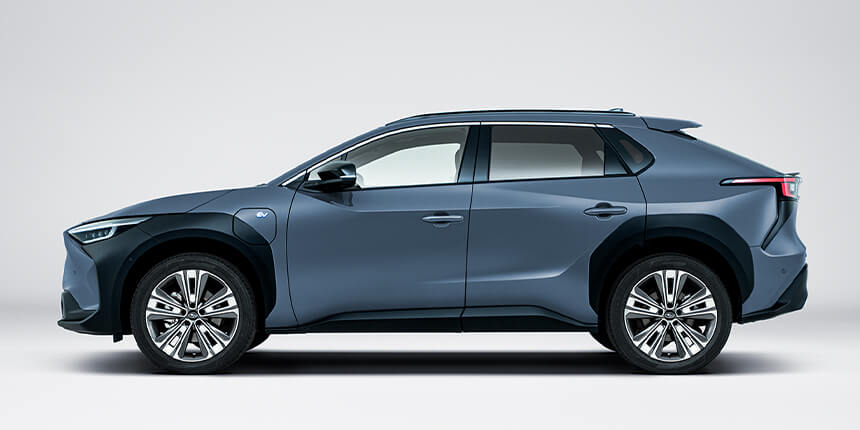
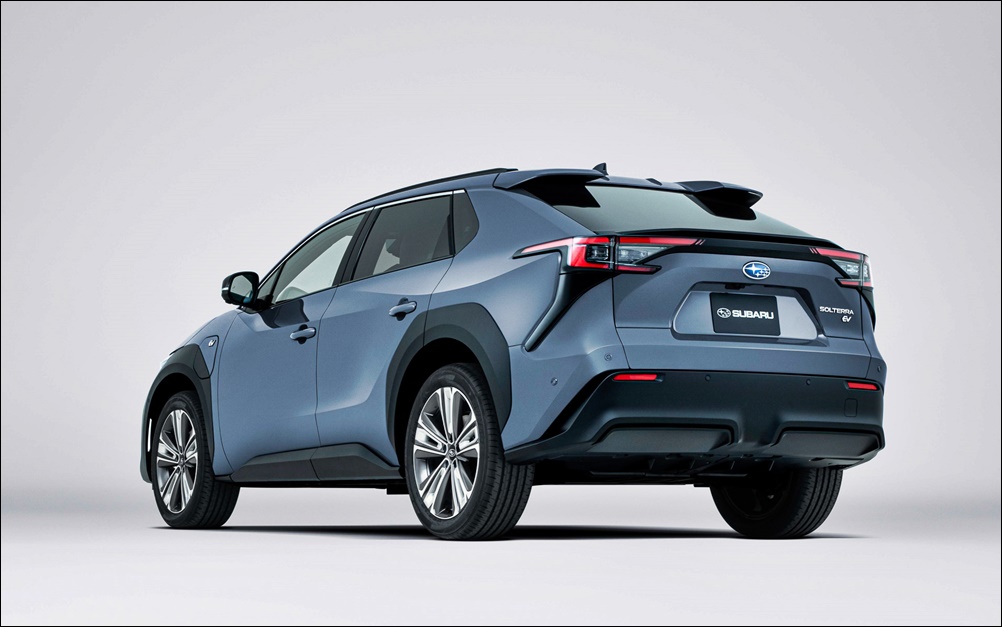
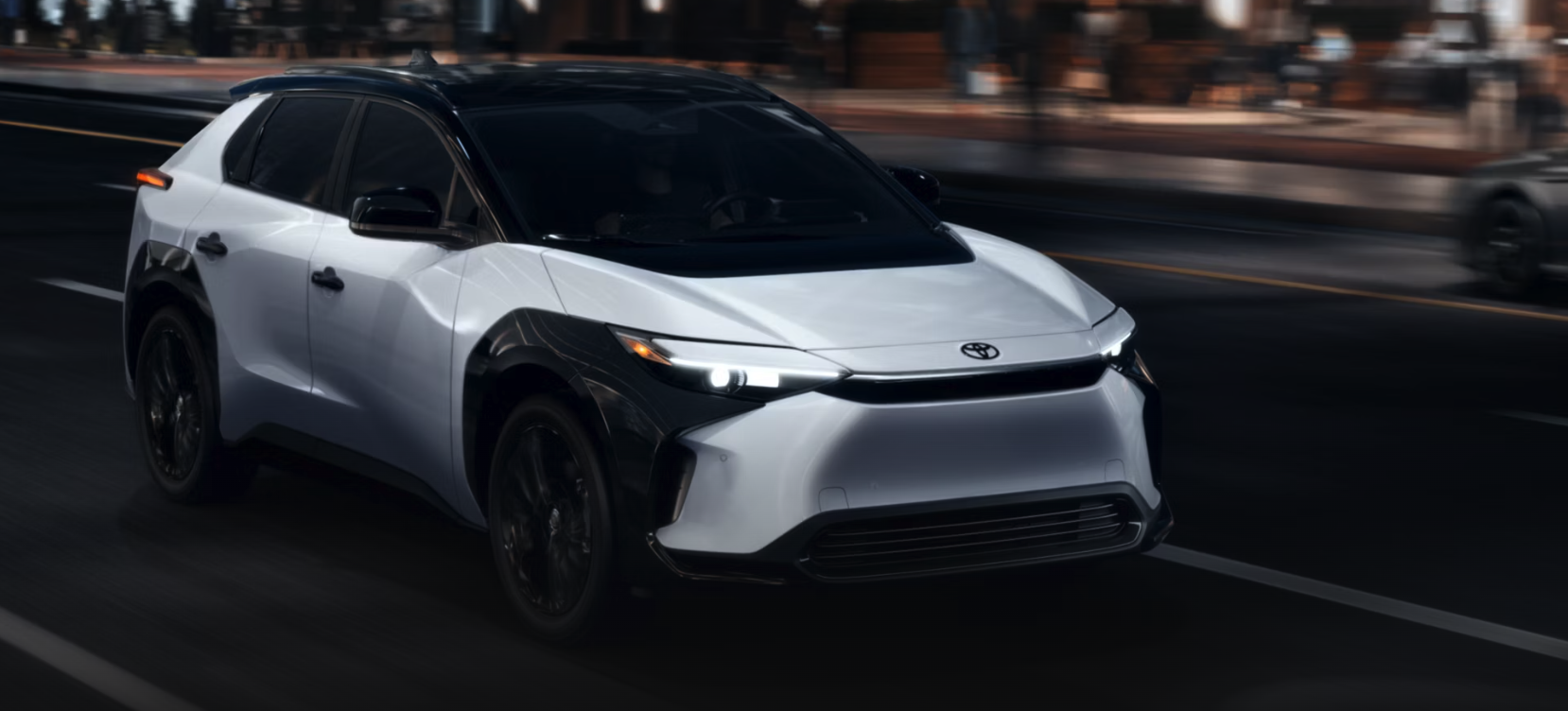
It’s no secret that the new Subaru Solterra unveiled today is essentially the same as the Toyota bZ4X that had its global debut earlier. It’s the same thing as the Toyota GR86 and Subaru BRZ, which the two companies developed jointly and which is probably necessary because of the volumes. With this new battery electric vehicle (BEV), both companies are entering a new era of high-volume pure electric vehicles that will likely become mainstream by the end of the decade and certainly in the next decade.

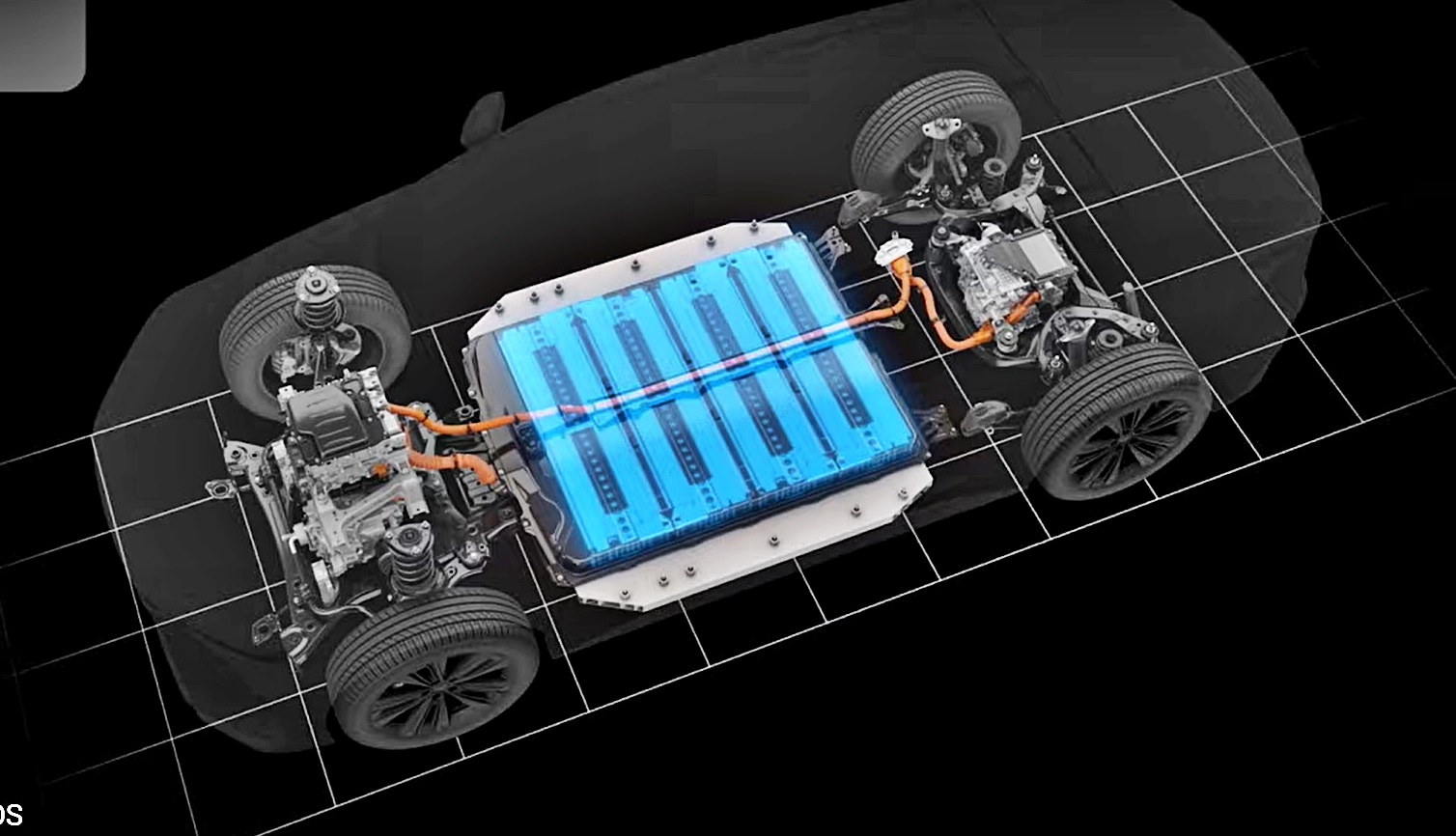
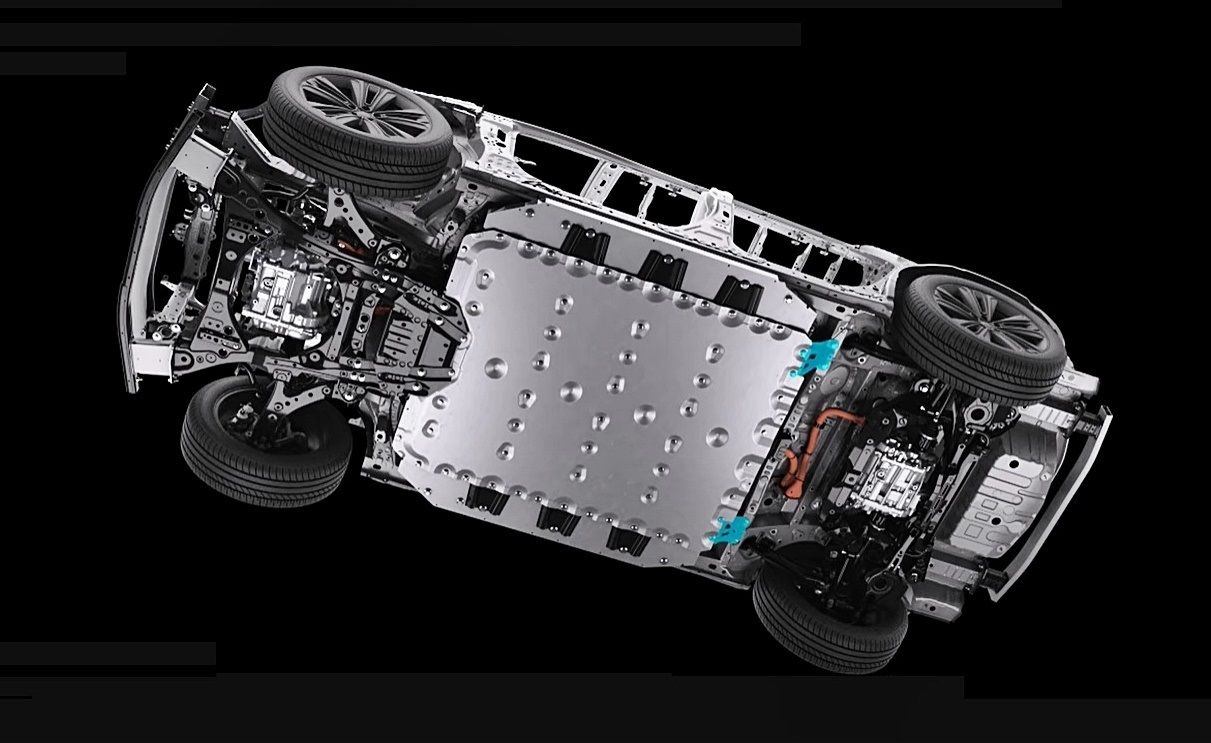
Being a joint project, the key structural elements are shared so the Solterra would use the e-TNGA architecture of the bZ4X. TNGA stands for Toyota New Global Architecture and is used for virtually all its latest models. How much involvement Subaru had in the e-TNGA, which is a BEV-dedicated platform, is unknown and just to differentiate its product, it calls the platform the e-Subaru Global Platform.

2022 Subaru Solterra EV

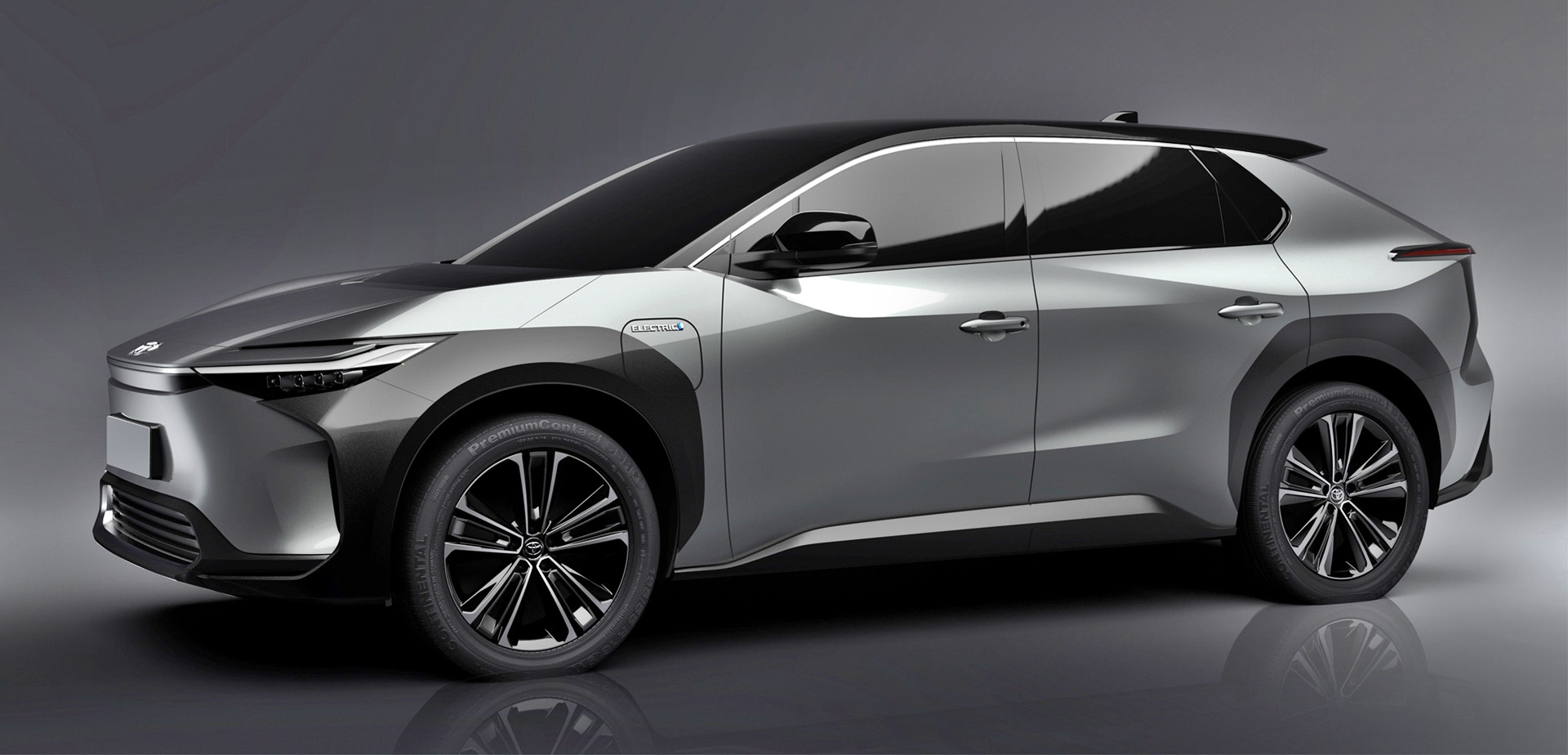
Toyota’s version of the BEV which is known as the bZ4X.

Slightly different styling
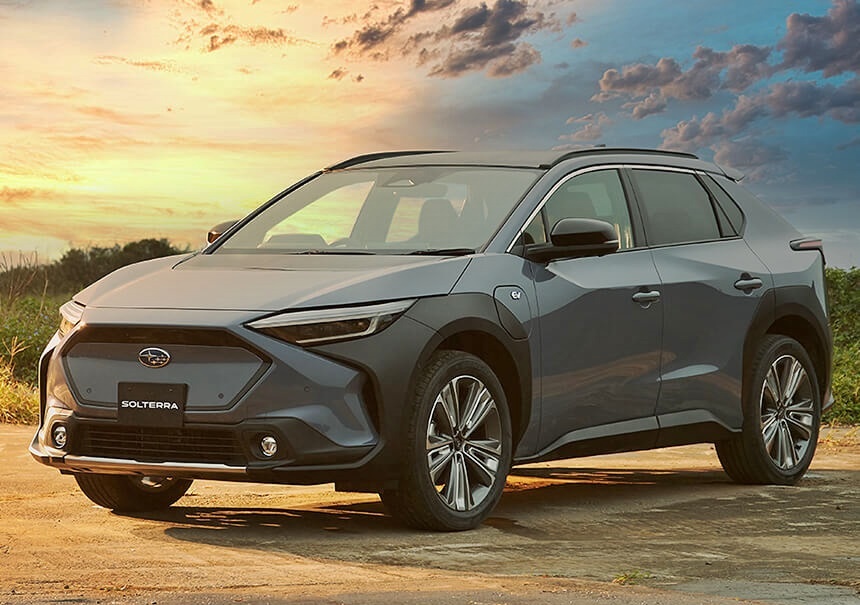
Like the Toyota model, the Solterra has sharp lines and futuristic styling. Its look certainly makes a statement that it is a different sort of vehicle (which, being a BEV, it is). The SUV profile is the same as the Toyota but as is the usual case in shared models, things like the lights and front end have different styling, along with the wheels.

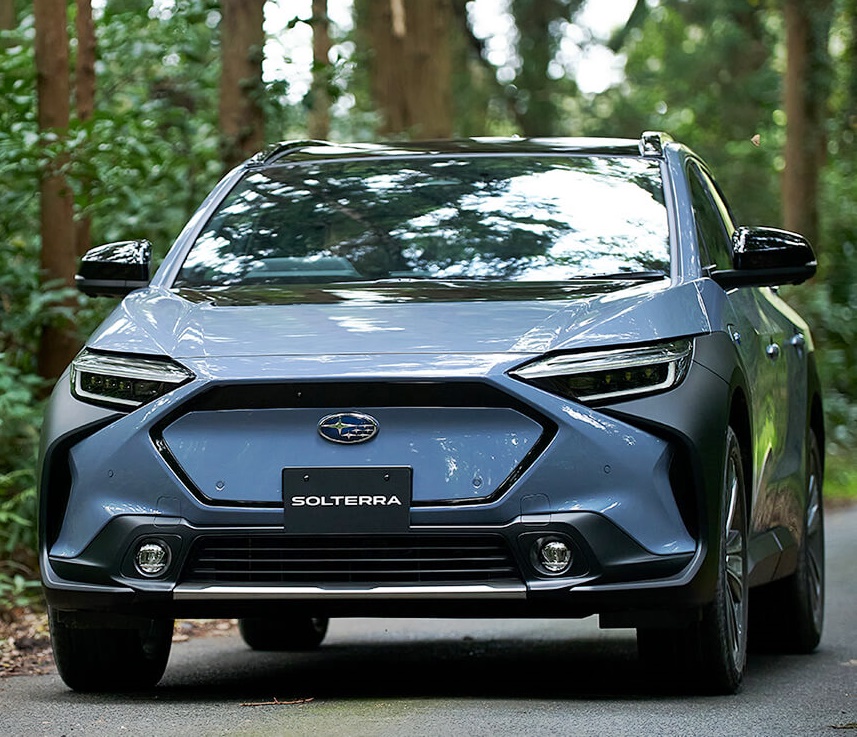
In the case of the Solterra, the front end has a hexagonal shape where the grille would be. There is no grille, since there is no radiator to be cooled, so it is just a flat panel. But the styling is rather messy, like loose jigsaw puzzle pieces and the intake vent along the lower section does not help make things any better.

2022 Subaru Solterra EV

2022 Subaru Solterra EV

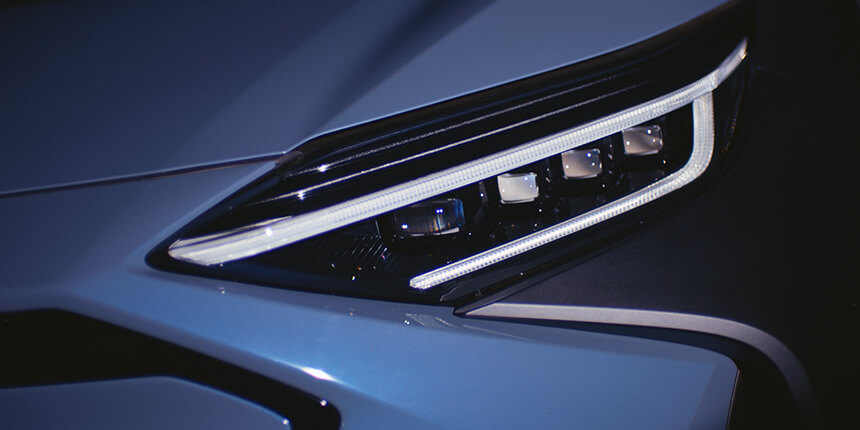
The headlights are more expressive with distinctive DRLs around 4 LED cubes. The rear lights also differ from the Toyota’s a bit but there is a similar light strip that runs the width of the body.

One of the areas that would certainly be identical is the powertrain with high capacity 71.4 kWh battery packs placed under the floor. Being part of the structure, the battery pack positioning helps in body rigidity as well as lowers the centre of gravity which helps stability and driving dynamics.

FWD and AWD
There will be front-wheel drive and all-wheel drive versions, the latter providing AWD by having a second motor at the rear axle. Total system output is 160 kW with two motors, and 150 kW with a single motor.  Factory tests have achieved ranges of around 530 kms and 460 kms for the FWD and AWD versions, respectively. Subaru doesn’t mention recharging time but for the Toyota model, an 80% charge is said to be possible within 30 minutes with a DC fast charging outlet.

The e-Subaru Global Platform for BEVs.

Subaru has had long expertise in AWD, having been a pioneer among Japanese carmakers, so its long experience and knowledge would probably have been drawn upon for developing the drivetrain. Like the other SUV models, the Solterra has an X-MODE AWD control system that enhances the sense of security on rough roads. By adding the new Grip Control function, which enables the vehicle to run at a constant speed while stabilizing the vehicle even on rough roads, the capability is further enhanced.

Identical cabin layout
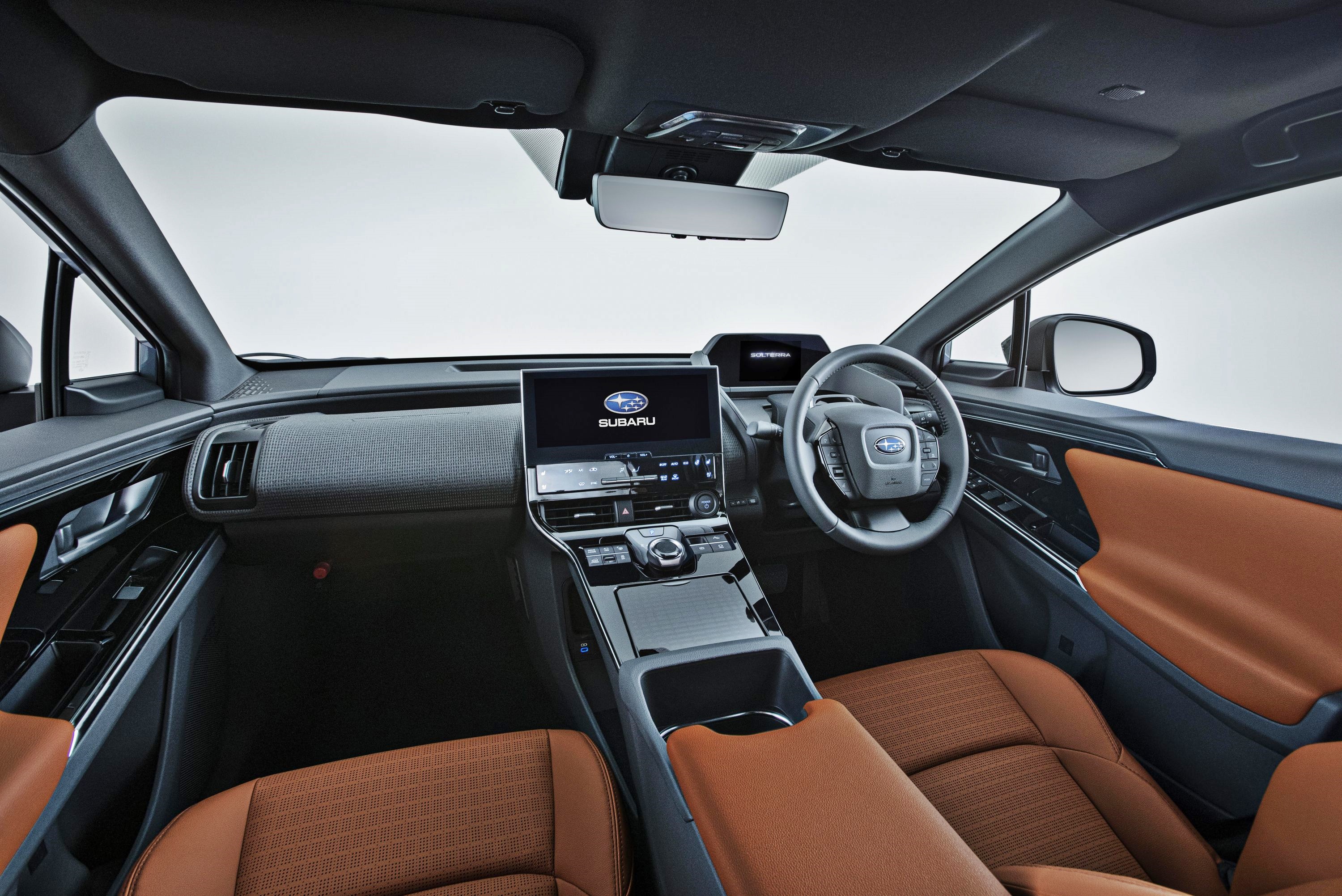
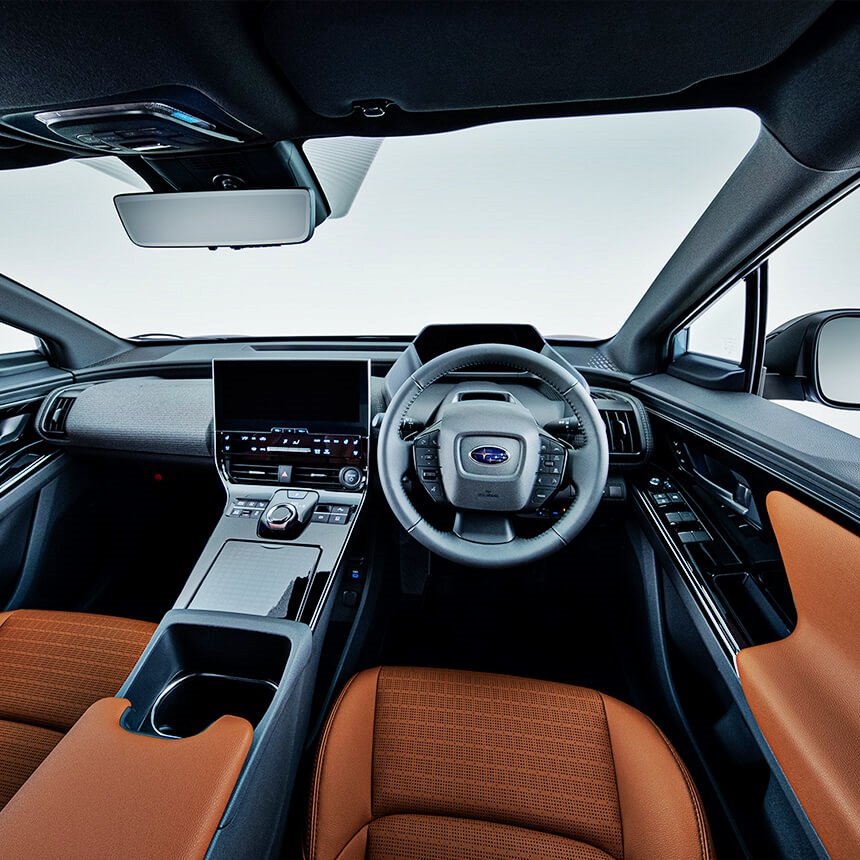
Inside the SUV, if you remove any brand identification, it would be hard to tell whose model it is. However, Subaru has not shown that it will offer the unusual yoke-like steering wheel that the Toyota has (initially for China) and provides a conventional circular one.

It is hard to have different designs for dashboards since the platform fixes many elements like vents and aperture sizes for various displays. To be very different will mean extra cost as the order to the supplier will be smaller so it is practical from the cost point of view to just have common parts and differentiate with colour and trim.

2022 Subaru Solterra EV

2022 Subaru Solterra EV

The whole dashboard is set low while the instrument panel is positioned high ahead of the steering wheel. The higher position of the panel allows the driver to view the meters while also keeping eyes on the road ahead. Over at the centre is a large tablet-like panel which shows other information and route guidance.

Subaru plans to begin selling the Solterra from the middle of 2022, which is also the same time that Toyota will start sales of its bZ4X. While the Toyota GR86 is made at Subaru’s factory alongside the BRZ, the Solterra will probably be made at a Toyota factory in Japan and perhaps also in China. Initial markets will be Japan, China, North America and Europe. Now that the Malaysian government is willing to allow duty-free import and sale of BEVs, perhaps Motor Image will be considering offering the model. However, it would also have to consider the potential volume since, as an official distributor, it will have to invest in providing full aftersales support.

2022 Subaru Solterra EV

Toyota reveals details of production bZ4X EV to be launched in mid-2022 (w/VIDEO)

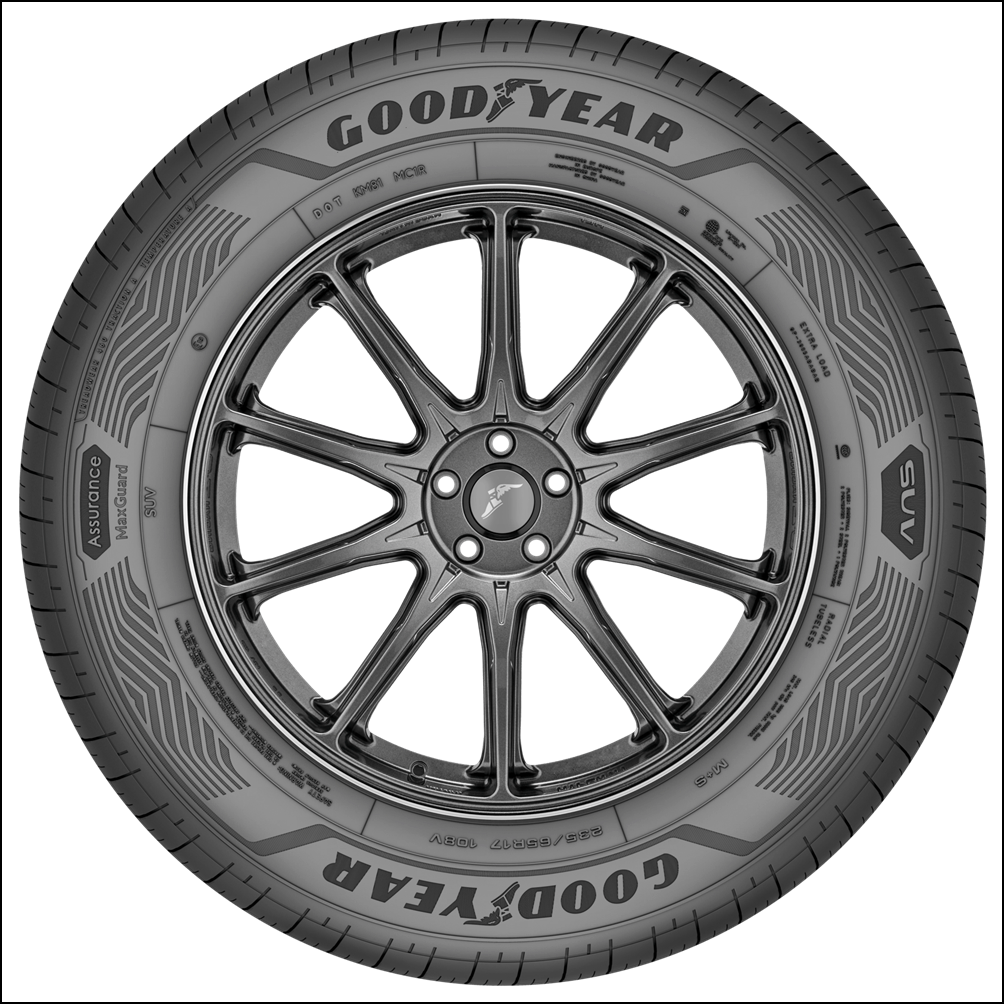
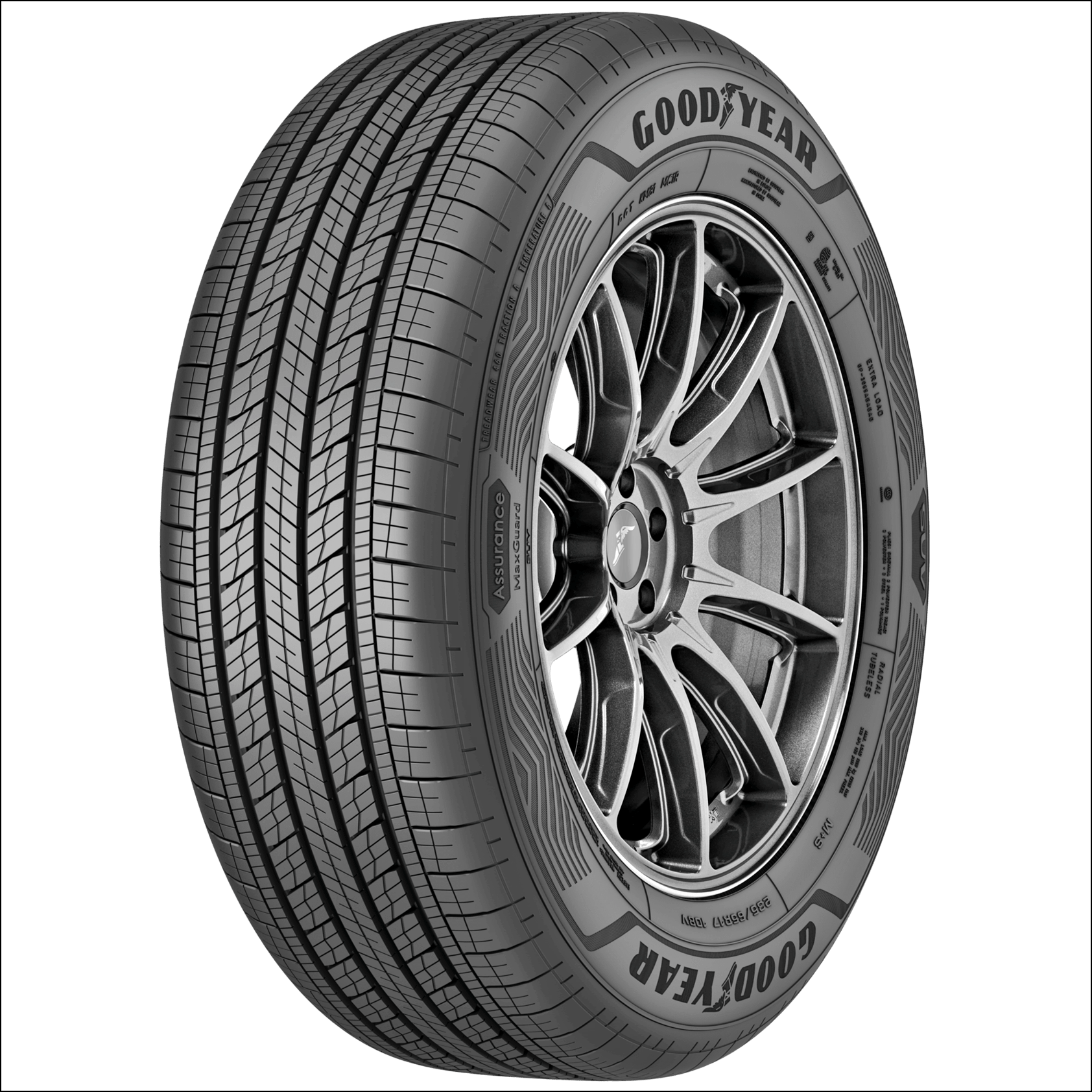
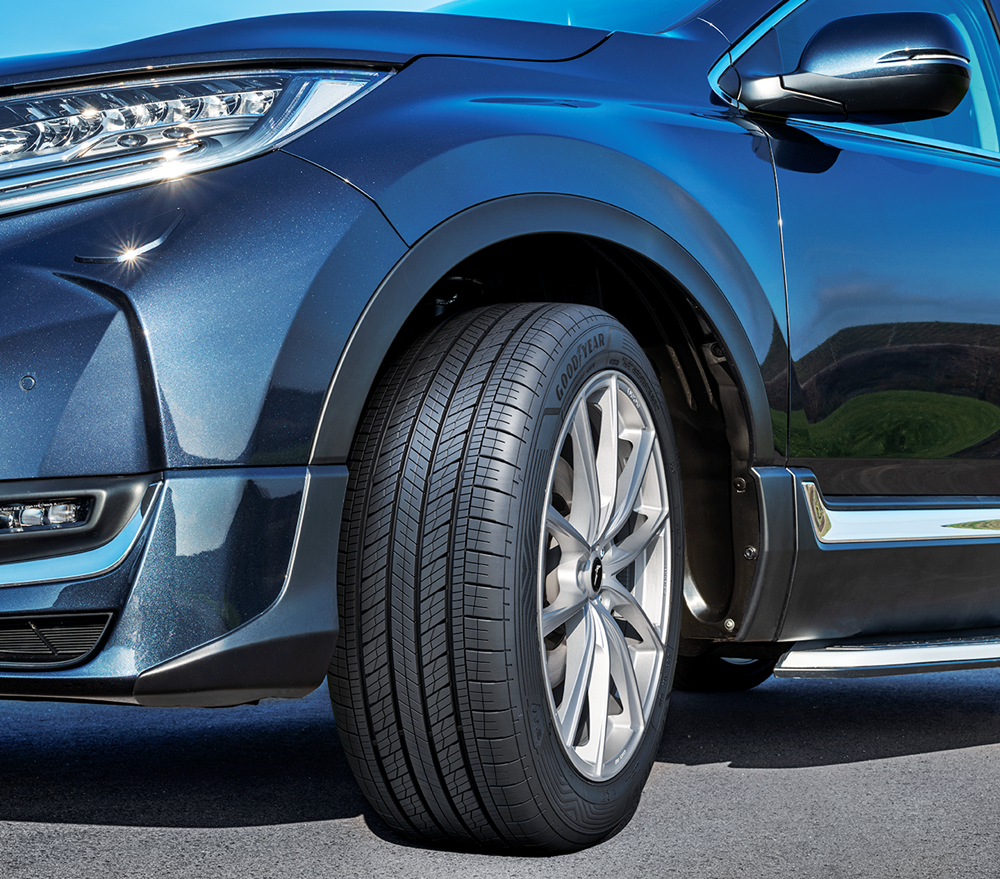
With the continuing popularity of SUVs, a segment which has been growing since the 1990s, Goodyear Malaysia has added a new tyre to cater for SUVs in the middle range. Earlier, in 2017, the company had introduced the Goodyear EfficientGrip Performance SUV which was for the more expensive models from BMW and Mercedes-Benz. Now, with the new Assurance MaxGuard SUV, they cover models in a lower segment as prices start from RM375.

The Assurance line of tyres is developed more for modern SUVs, differentiating it from the older Wrangler line which could be considered more ‘hardcore’. The Wrangler has also been available but its construction philosophy has been oriented more towards pick-up trucks and the workhorse 4×4 SUVs.

The Assurance range, on the other hand, is comfort-oriented since SUVs today are used on the road more than off-road. They are also used more for personal transport than for hauling heavy cargo to sites in the jungle. So the requirements of customers will be different and Goodyear understand this.

Of course, the nature of a SUV still makes it possible for the vehicle to go off-road, although perhaps not on serious expeditions deep into the jungle. But many people who own such vehicles may also use them to go to the seaside or on trails to fishing ponds or for other types of recreation. Therefore, there is still a need for the tyre to be robust to cope with rocks and rough terrain. This is where the Assurance MaxGuard SUV tyre’s ‘2-in-1 protection’ comes in to provide a balance of grip and braking for road use, and durability when driving on rough roads.

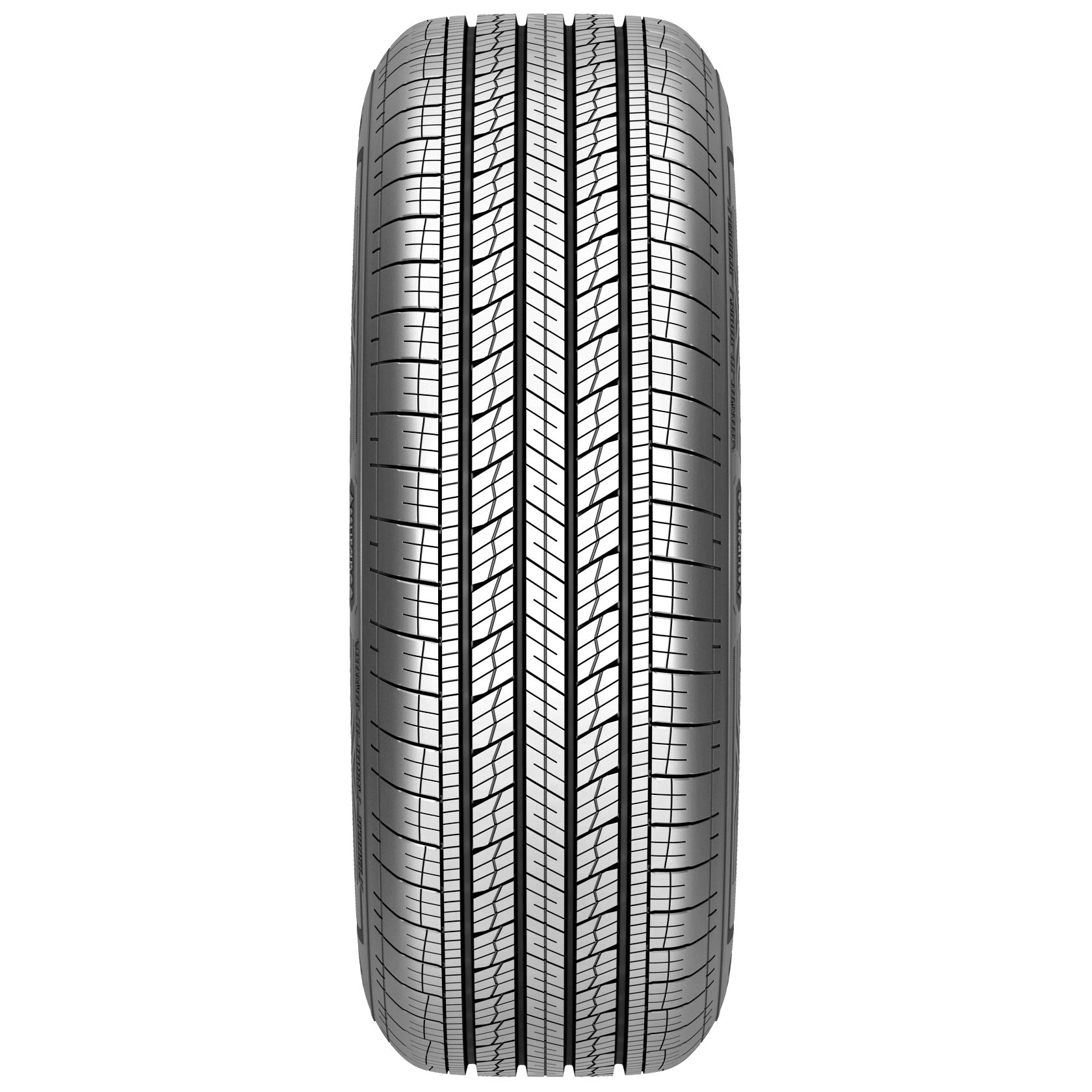
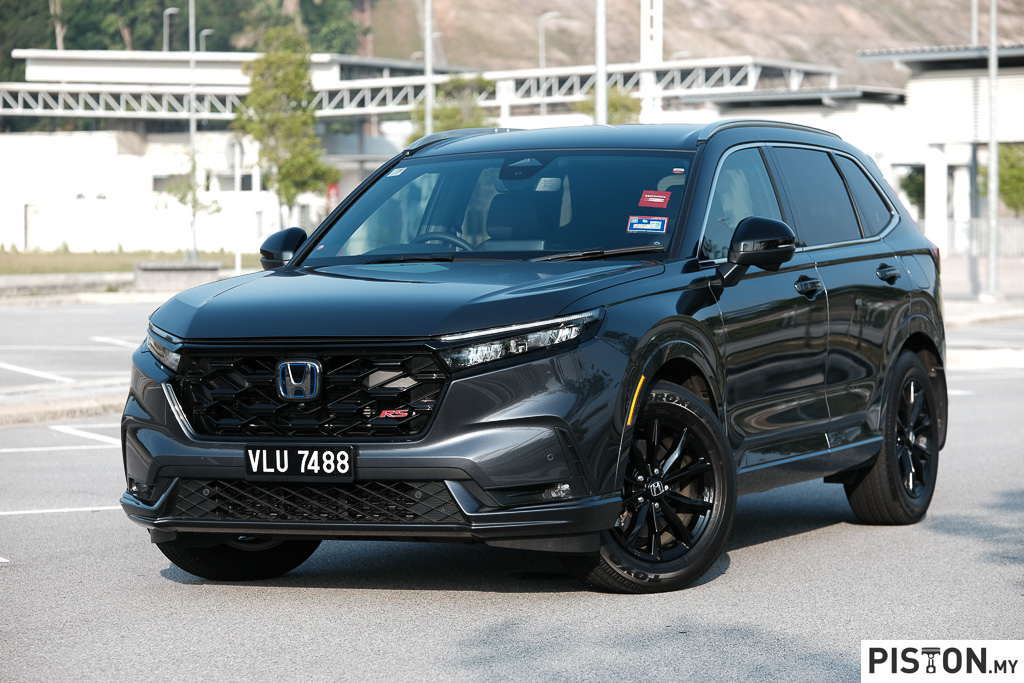
With Goodyear’s ActiveGrip Technology, the tyre is claimed to be able to brake in shorter distances on wet roads and also provide good handling and stability. This is achieved by its tread design with an increased number of multi-biting edges and optimized distribution. Goodyear’s claims were made based on factory tests using a Honda CR-V and comparing to the Wrangler Triplemax.

The tyre also uses blended silica in its cap compound for reduced rolling resistance, which helps fuel economy. Further helping to extend mileage is the enhanced tyre footprint (squarish instead of circular), optimized tread depth distribution and cavity shape. These help the tyre to last longer, maximising the value for money spent by the motorist.

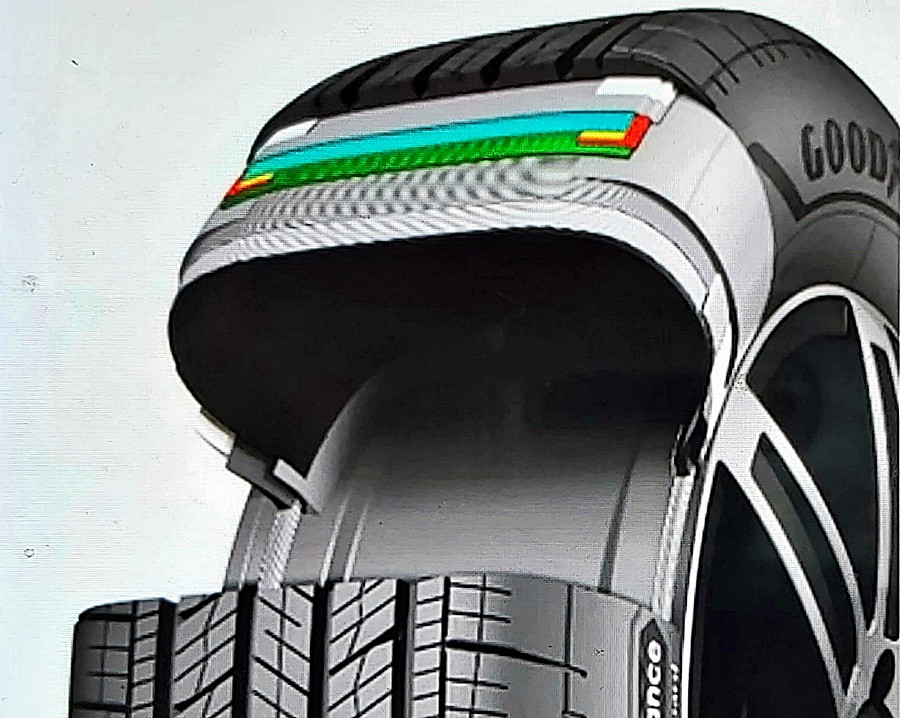
DuraGuard Technology, used in many other Goodyear tyres, makes the tyre carcass robust and that is important for withstanding cuts and punctures. The durability comes from having 2-ply construction and a strong steel belt layer that is resistant to penetration.

Because the SUVs are used more on roads and daily commuting, noise levels need to be lower. The earlier Wrangler tyres tended to be noisy because those who drove trucks were not bothered. But today’s SUVs are quieter, like passenger cars, so the tyres need to also run with less noise. Goodyear’s engineers have made sure that Assurance MaxGuard SUV meets this expectation with a carefully designed tread pattern with an angled block design that traps noise, noise reduction ribs and narrower grooves.

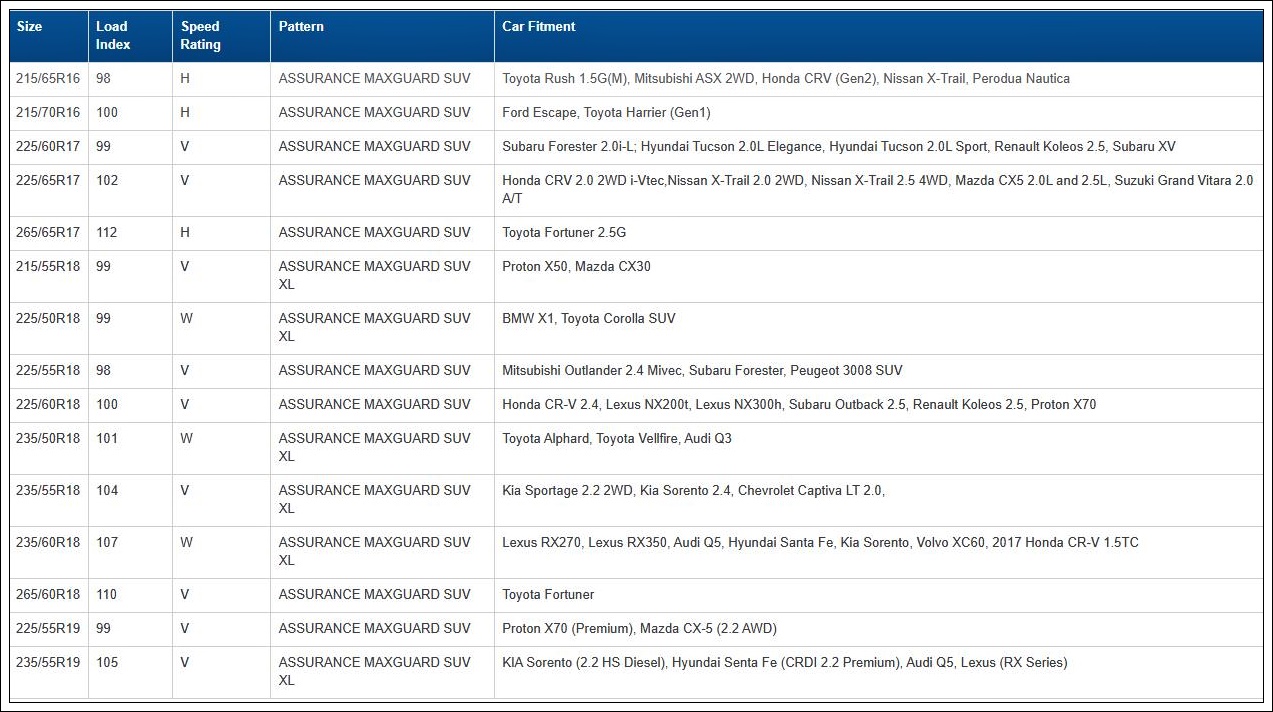
Sizes available for the Malaysian market. Prices are dependent on the size and start from RM375.

The new Assurance MaxGuard SUV is made in Goodyear factories in China, Malaysia and Thailand in a wide range of sizes for popular SUV models in Malaysia, including those from Malaysian brands such as Perodua and Proton. They are available for 16, 17, 18 and 19-inch rim sizes so quite a large portion of the SUV market is covered.

As with most Goodyear tyres sold in Malaysia, the Assurance MaxGuard SUV comes with the brand’s Worry-Free Assurance program where a customers can get free replacement tyres in the event of road hazard damage (potholes or punctures from nails) that is beyond repair (within the first 6 months of use, terms and conditions apply). Additionally, there is also a 5-year factory warranty that covers manufacturing defects.

Click here for other news and articles about Goodyear

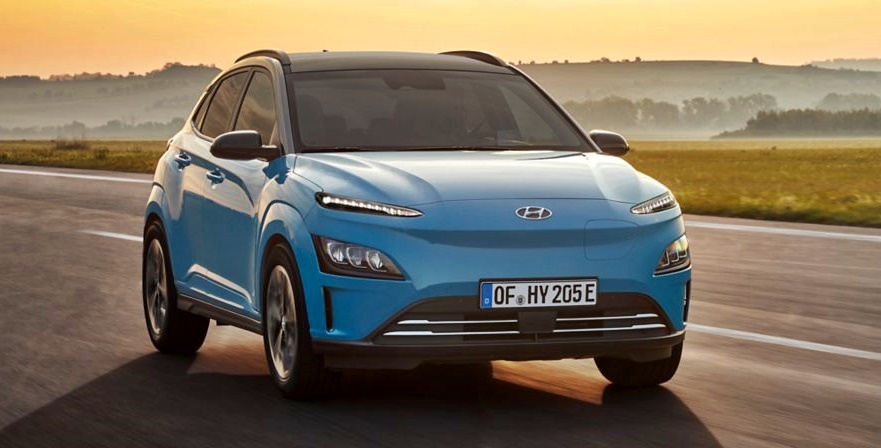
Hyundai-Sime Darby Motors (HSDM) has been quick to respond to the exemption of all import and excise duties for electric vehicles (EVs) announced just last Friday by the government for the proposed 2022 Budget. The exemption will certainly make fully electric vehicles more affordable, hopefully spurring interest among Malaysians to switch to them.

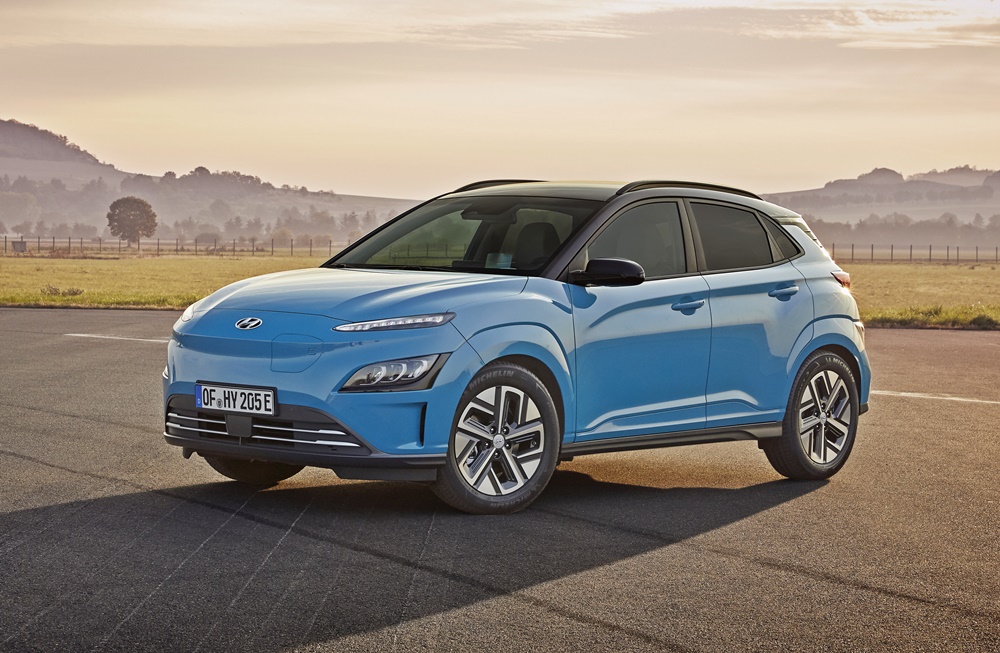
2021 Hyundai Kona Electric EV
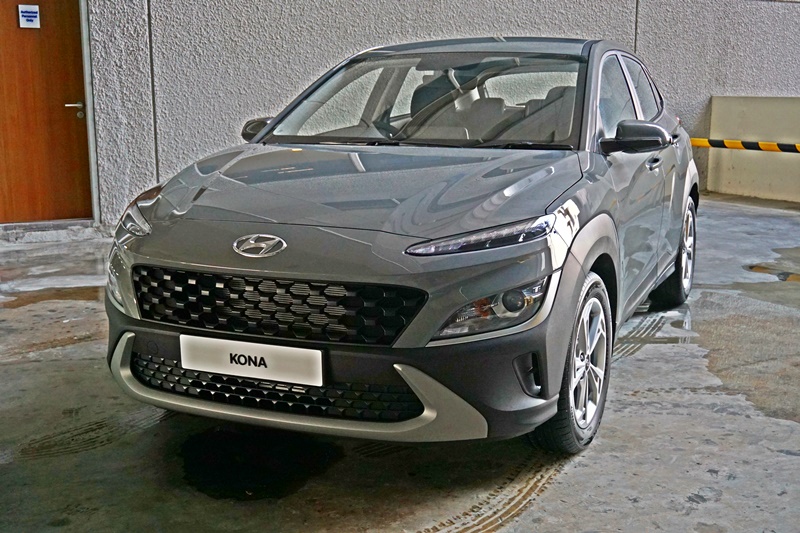
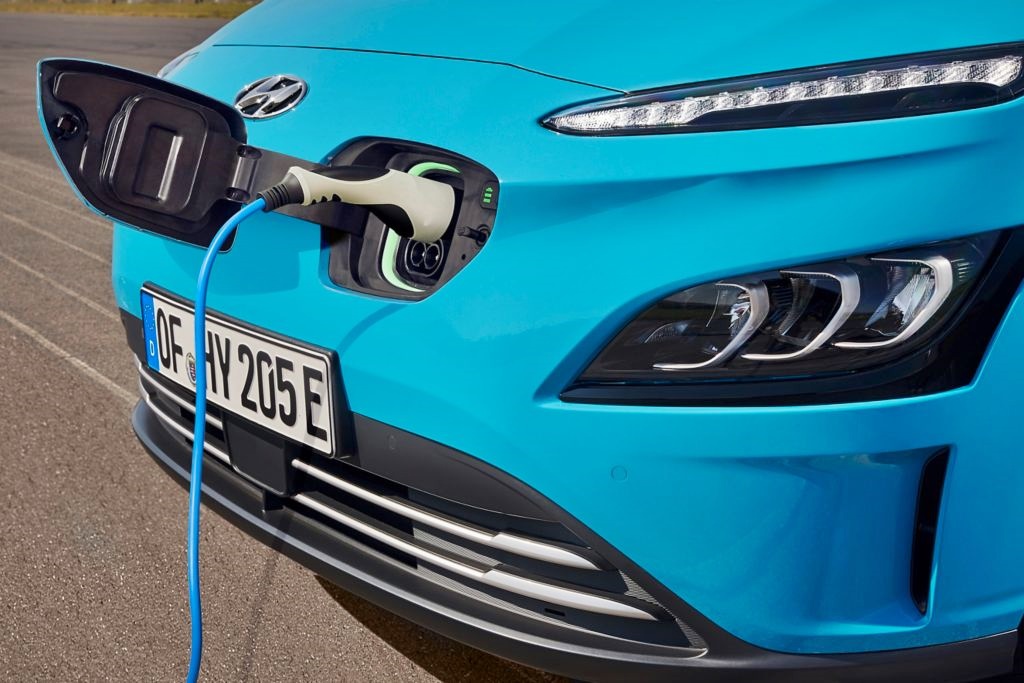
The Kona Electric has a different front end from the version with a combustion engine (below) as there is no need for the traditional grille since there is no radiator to cool.

More attractive pricing without taxes
Later this month, HSDM will begin selling the Hyundai Kona Electric, the fully electric version of the Kona SUV already sold in Malaysia since April this year. With the exemptions (normally a privilege given to royalty and diplomats), the model is expected to cost less than RM150,000 in standard form. This compares favourably with the version using a 2-litre Smartstream petrol engine that are priced at RM119,888 and RM136,888 (without insurance and 50% exemption on sales tax).

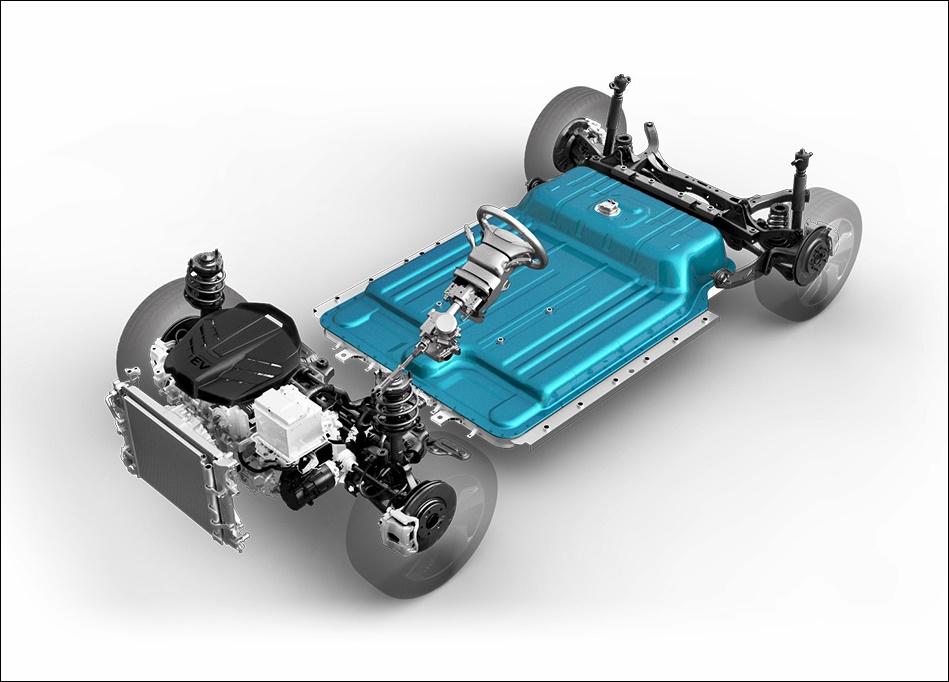
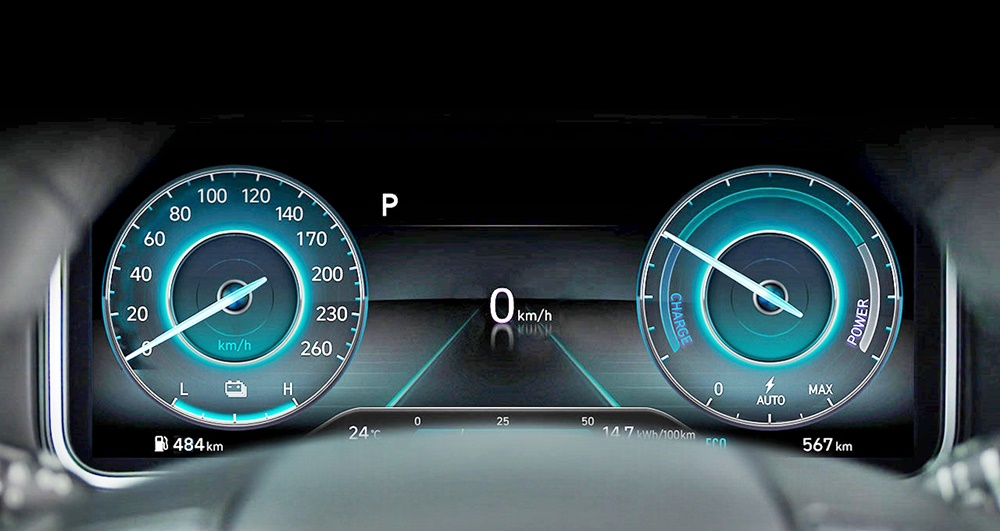
Customers will have a choice of two lithium-ion battery packs (at different prices, of course). The more powerful one will have storage capacity of 64 kWh for longer range while the alternative pack  will have 39.2 kWh. With a fully charged pack, range claims are 484 kms and 305 kms, respectively, although this would depend on driving style and conditions, just like with combustion engines.

2021 Hyundai Kona Electric EV

47 minutes recharging time

What would be of more importance to owners would be recharging time, something which will have to be a daily practice – just like charging your phone overnight. Hyundai claims that it should take around 47 minutes to recharge from 10% to 80% using a 100kW direct current (DC) fast charger.

The Kona Electric also has an optional 11-kW 3-phase on-board charger. This allows for significantly shorter charging times using public 3-phase AC charging stations or with a private compatible wall box at home. Drivers also have the option of charging their car at a compatible regular household power socket using the ICCB-cable (in-cable control box).

2021 Hyundai Kona Electric EV

Things to consider buying an EV
Owning an EV will have to be carefully considered by those interested in having such vehicles. While you will certainly save on fuel costs and help save the planet, your personal circumstances will be a factor. If you live in a condo complex or apartments, you may not have a place to recharge your vehicle if the property owner does not provide convenient power points. Then you will have to rely on public recharging stations which, at this time, are not exactly plentiful. The situation will change in coming years, but it cannot be predicted how fast the private sector will develop the recharging network.

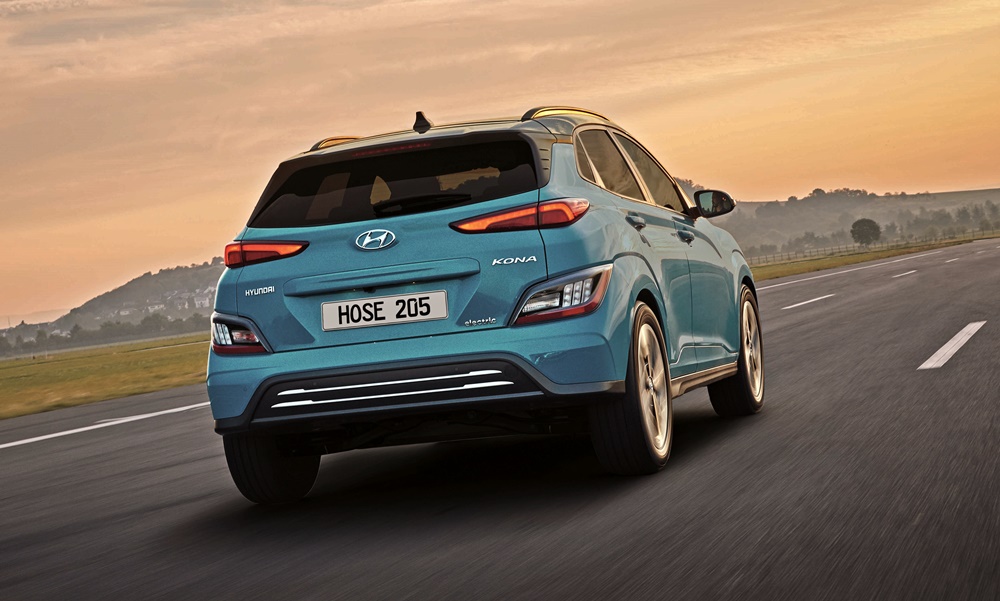
Visually, the Kona Electric resembles the other versions but has its own bumper, wheel and headlight designs. The front end is also more ‘sealed’ since the traditional grille is not needed for cooling purposes.

2021 Hyundai Kona Electric EV

2021 Hyundai Kona Electric EV

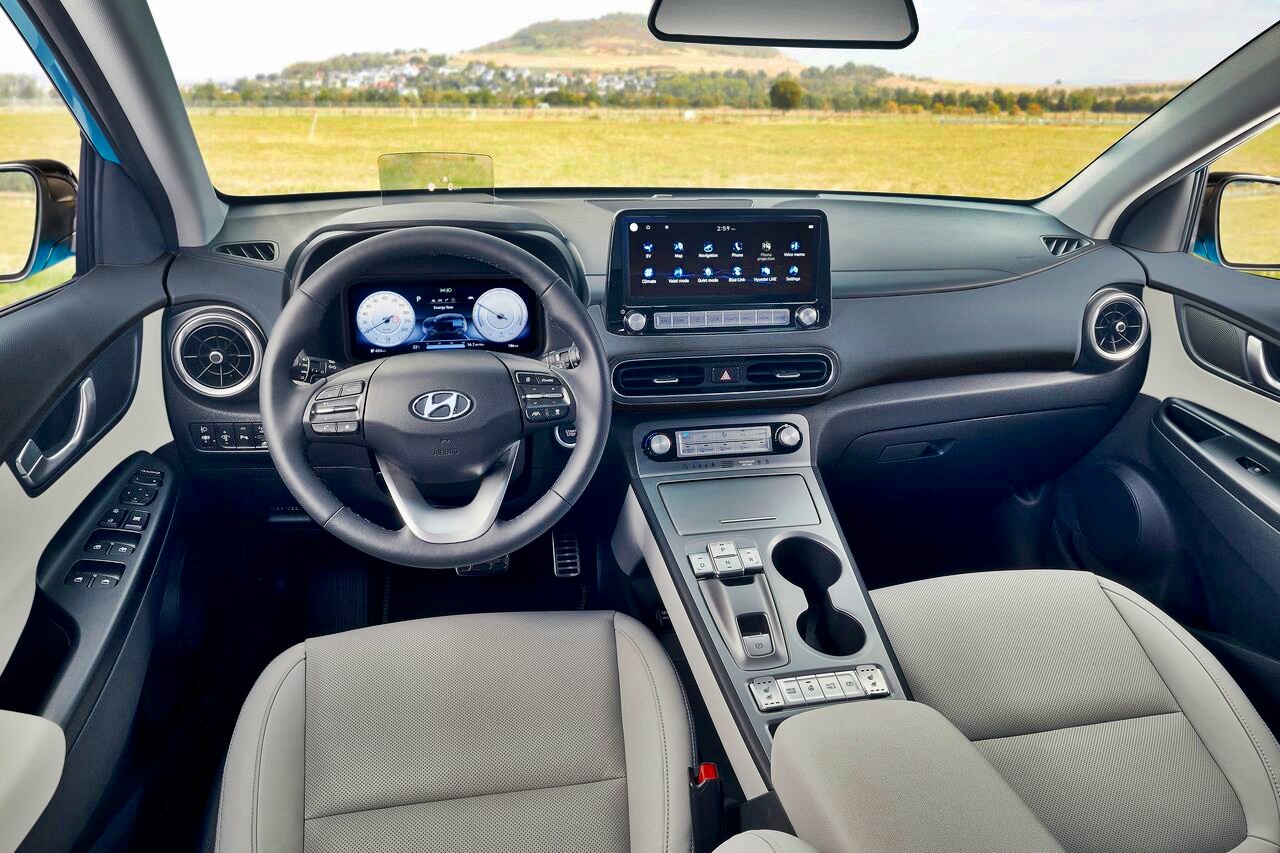
The interior has a similar horizontal layout as the other versions with new ambient lighting. The instrumentation reflects the EV-nature of the vehicle, with the tachometer space occupied by a meter showing the battery charge and power levels. There’s also a gauge to let the driver know how much range is left with the energy in the battery pack.

Performance-wise, the electric motor of the Kona Electric can generate 150 kW (equivalent to 204 ps) of power and 395 Nm of torque. You don’t get the sub-5 second times that you often read about with EVs, but it can go from 0 to 100 km/h in a claimed 7.9 seconds. The strong point about EVs is that all the torque is available from standstill so acceleration is exceptionally quick.

2021 Hyundai Kona Electric EV

The Kona Electric is one of the early models in the growing range of EVs by Hyundai. The Korean carmaker plans to introduce 12 new fully electric models by 2025 and reach a sales volume of 560,000 EVs annually. Its entire line-up will be electrified globally by 2040, by which time it expects to capture 8% to 10% of the global EV market.

Hyundai Kona Electric gets listed in Guinness World Records for altitude achievement

Vaccination does not make you immune to COVID-19 infection. You can still get infected and although you may not show symptoms, you could spread the coronavirus to others. Do not stop taking protective measures such as wearing a facemask, washing hands frequently and social distancing.

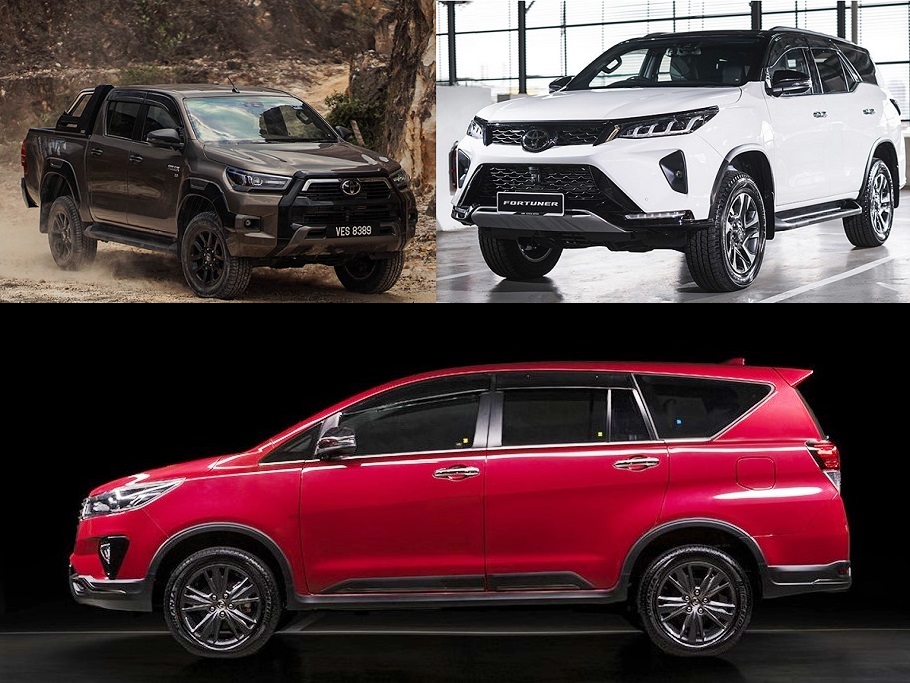
The Toyota IMV (Innovative International Multi-Purpose Vehicle) range which has been in the market since 2005 has continuously received updates over the two generations produced. The range consists of the Hilux pick-up, Fortuner SUV and Innova MPV, all conceived within the same development programme although the platforms differ due to the different operating requirements.

Another round of updates has taken place and the latest models have been announced with the following prices (without insurance):
Toyota Hilux (5 variants) – from RM92,880
Toyota Fortuner (3 variants) – from RM169,167
Toyota Innova (3 variants) – from RM115,553

Orders are now being accepted at all authorised Toyota showrooms nationwide and while the Hilux pick-up is readily available, deliveries of the Fortuner SUV and Innova will commence only in January 2022. With the extension given by the government, customers can still enjoy the full sales tax exemption next year for the Fortuner and Innova but the Hilux, being a light commercial vehicle, does not qualify for the exemption. All the models are assembled locally at the ASSB plant in Shah Alam, Selangor.

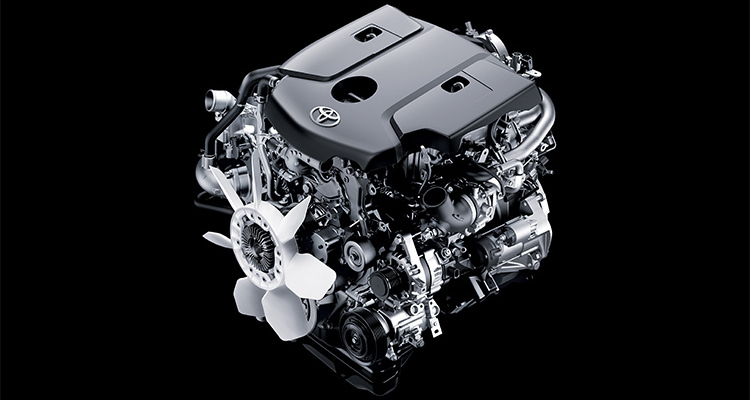
The engines have been retuned to meet stricter exhaust emission standards that will be introduced in Malaysia next year.

The updates  improve convenience and comfort, with the petrol engines tuned to meet stricter emission control standards in advance of implementation of the Euro4 standards in 2022.
“The IMV range of products has been a great success in Malaysia and other markets around the  world, providing durable and reliable mobility for thousands. The Hilux, in particular, has been the  best-selling pick-up in Malaysia for many years and even today, we see demand exceeding supply.  Rest assured that our assembly plant is rushing to fulfil outstanding orders but as always, without  sacrificing quality,” said UMW Toyota Motor President, Ravindran K.
New Hilux
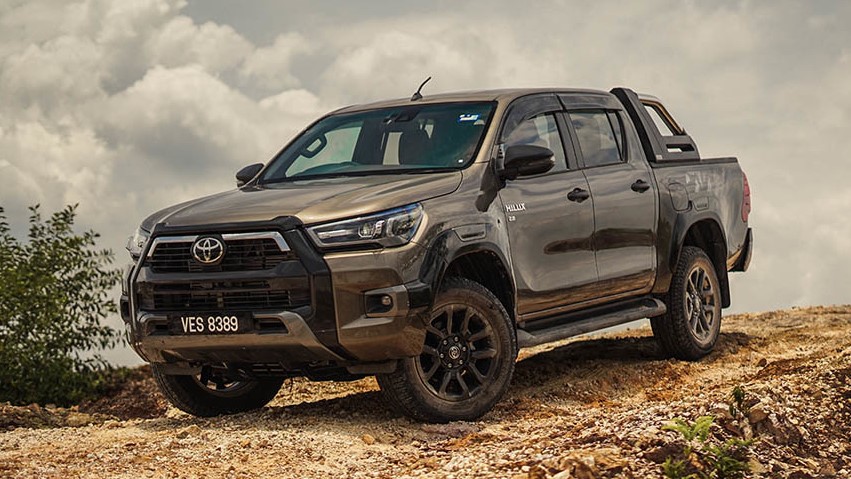
Malaysia’s best-selling pick-up truck is available in 5 with a choice of 2 turbodiesel 4-cylinder engines with 2.4-litre and 2.8- litre displacements. Both engines are fuel-efficient and extra fuel-saving can be achieved with the use of an ECO mode.

2021 Toyota Hilux

The passenger-oriented double cab variants – Hilux 2.8 Rogue, 2.4 V and 2.4 E – have 6-speed  automatic transmissions and a dual-range 4×4 system. The other variants – Hilux Double Cab 2.4 G and Single Cab 2.4 – are equipped with 6-speed manual transmissions but both also have 4×4  drivetrains. These are intended more for customers who require vehicles for heavy-duty work.

The Hilux is well equipped with a wide range of features and equipment for convenience and safety. For the latest Hilux 2.8 Rogue and 2.4 V, the front air-conditioning system is upgraded to a dual zone type in place of the single-zone type. With the dual-zone feature, the driver and front  passenger can set their preferred temperatures separately.

New Fortuner
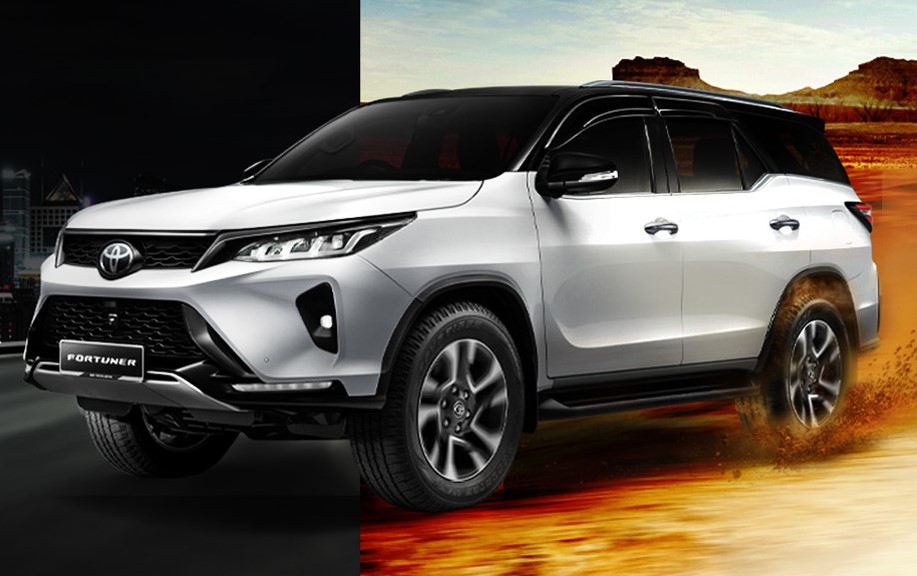
The Fortuner is a 3-row 7-seater SUV which took over the role of the Land Cruiser in ASEAN markets, The medium-sized SUV is available in three variants – Fortuner 2.8 VRZ, Fortuner 2.7 SRZ and  Fortuner 2.4. Responding to market demand, the Fortuner 2.4 is now made available throughout  Malaysia, together with Fortuner 2.8 VRZ and 2.7 SRZ.

2011 Toyota Fortuner

Like the Hilux, the front air-conditioner of the latest Fortuner 2.8 VRZ and 2.7 SRZ  have a  dual-zone feature to allow separate temperature settings for the driver and front passenger. A  wireless charger pad for compatible smartphones is now standard for all variants. The rear USB  port for the Fortuner 2.8 VRZ has also been changed to the newer Type-C port, making it more  convenient to recharge for those with the newer generation of smartphones.

The same proven and reliable powertrains are used with 6-speed electronic automatic  transmissions and dual-range 4×4 systems. The 2.7-litre petrol engine has been retuned so that it can meet stricter emission control standards, upgrading to Euro4 from Euro2 standards.

New Innova
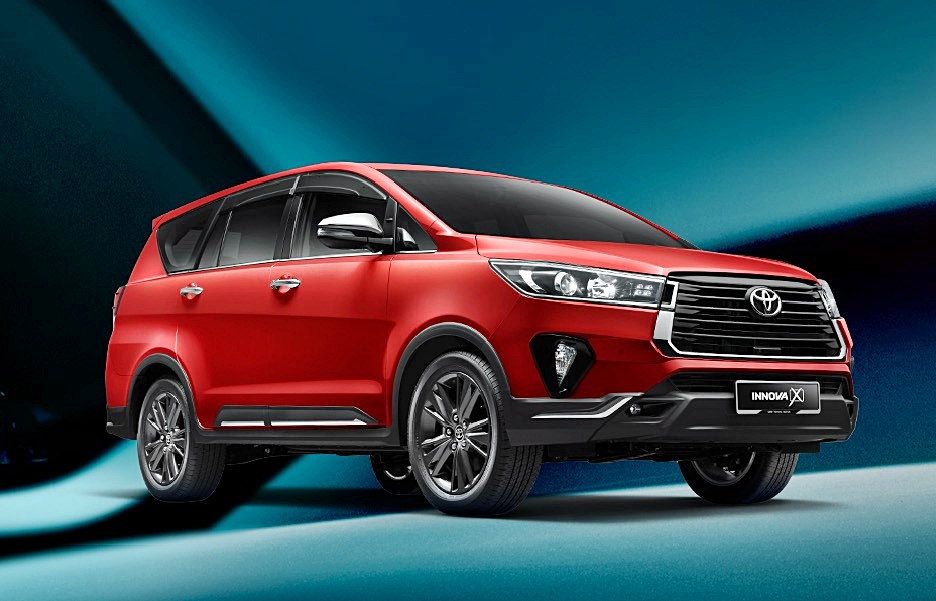
The Innova offers seating for 8 persons with generous storage space.  Currently in its second generation, this Toyota MPV is available in three variants – Innova  2.0X, 2.0G and 2.0E. While all three variants have the same 3-row cabin, the Innova 2.0X comes with generously sized Captain’s Seats in the middle (so the occupancy is reduced by one person).

For those who have compatible smartphones, a wireless charging pad is now standard in every variant. This makes it simpler to recharge a compatible phone as no cables are needed. Multiple USB ports are also available around the cabin, making it  easier to charge phones and tablets.

The fuel-efficient and reliable 2-litre 16-valve petrol engine for all three variants has also been upgraded  to meet the stricter Euro4 emission control standards.

5-year warranty
All three models come with a 5-year warranty with unlimited mileage for the Fortuner and Innova,  and a maximum of 150,000 kms for the Hilux (terms and conditions apply). UMW Toyota Motor also offers a wide range of financing plans, including subscription plans, to suit different needs. There are also financing and leasing programs for those who are purchasing vehicles for  commercial use.

For more information, visit www.toyota.com.my.

Enhanced ownership experience with new Toyota Loyal-T Programme

Archive

Follow us on Facebook

Follow us on YouTube