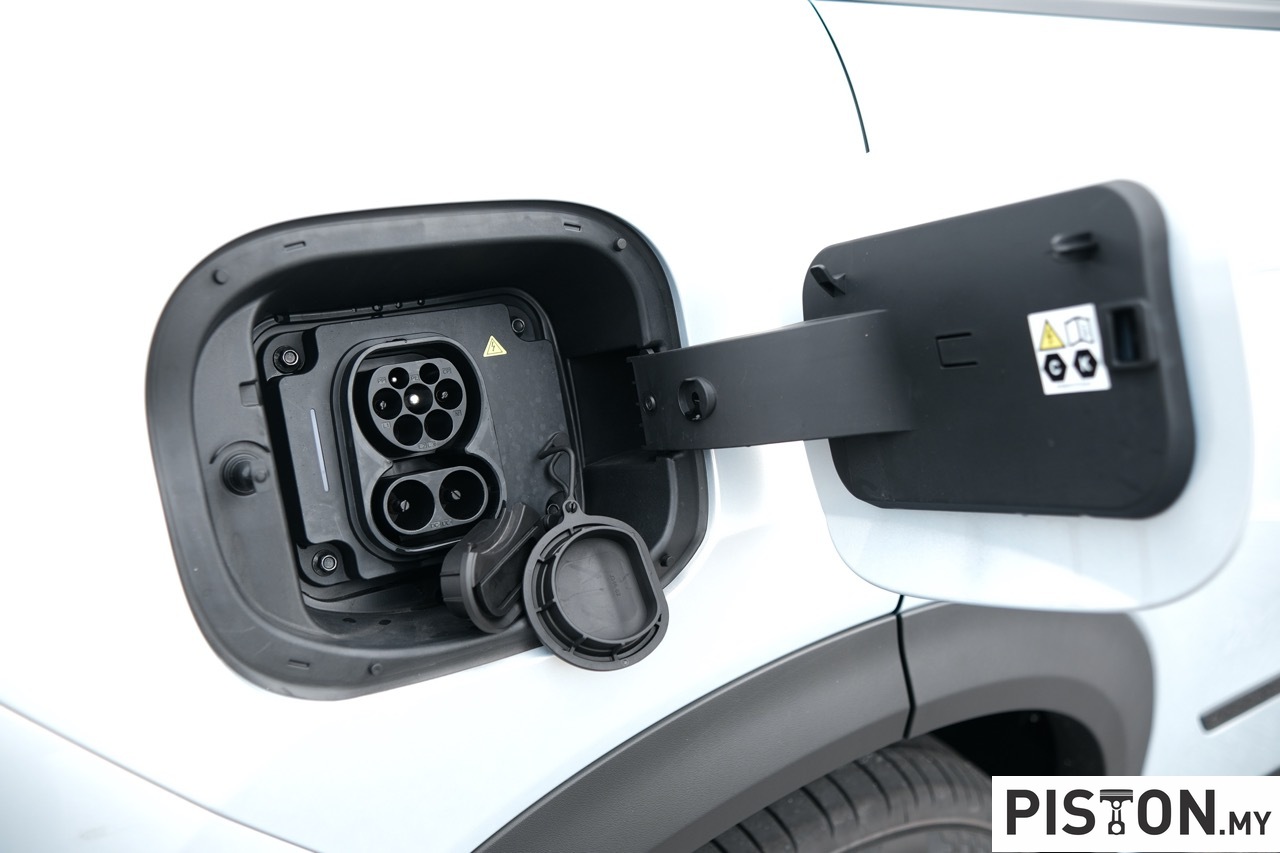
As electric vehicles (EVs) continue to gain traction globally, a growing number of passengers are reporting unexpected discomfort in the form of motion sickness. In 2024, EVs accounted for 22 per cent of all new car sales worldwide, a notable increase from 18 per cent in 2023, yet despite their rapid rise, many users are struggling with the physiological side effects of the EV driving experience.
Across social media platforms and online forums, reports of nausea while riding in electric cars, particularly from passengers in the rear seats, have become increasingly common, according to a report by The Guardian. Researchers are now working to uncover the reasons behind this discomfort, and recent findings suggest there is a scientific basis for the phenomenon.
According to William Emond, a doctoral researcher at the Université de Technologie de Belfort-Montbéliard in France who specialises in vehicle-induced motion sickness, the issue stems from a lack of prior experience with the unique motion characteristics of electric cars. The human brain, he explained, relies heavily on learned signals, such as engine revs or vibration patterns, to anticipate acceleration and deceleration. Since EVs operate far more quietly and smoothly than their combustion-engine counterparts, these familiar cues are missing, leaving the brain struggling to interpret motion accurately.
Although electric vehicles are becoming a familiar sight on roads, the general public has far more experience riding in petrol and diesel-powered vehicles. Decades of exposure to combustion engine noise, torque cues, and mechanical vibrations have conditioned the body to expect specific sensory feedback during travel. In the absence of such signals, particularly the auditory clues provided by traditional engines, the brain may misinterpret the vehicle’s motion, resulting in nausea or disorientation.
Scientific studies have supported this theory, finding links between certain EV-specific characteristics and increased susceptibility to motion sickness. A study published in 2024 found a strong correlation between the severity of motion sickness and seat vibrations in EVs. Meanwhile, a 2020 investigation identified the absence of engine sound as a potential trigger for nausea, especially in passengers unfamiliar with electric vehicles.
One of the most distinctive features of EVs, regenerative braking, may also contribute to discomfort. This technology, which allows the electric motor to recapture energy during deceleration, results in a smooth, low-frequency slowing down of the vehicle. While this is energy-efficient and reduces wear on brake systems, it introduces a deceleration pattern that is markedly different from the more abrupt braking in petrol-powered cars. Researchers have found that this prolonged deceleration is more likely to provoke motion sickness.
The underlying cause of motion sickness, according to scientists, lies in a mismatch between the brain’s expected motion and what is actually experienced. The inner ear, which manages balance, works in tandem with the eyes and body to interpret movement. When the signals from these systems conflict, for instance, when visual cues do not match the body’s sense of motion, the brain may register this as a sensory anomaly, triggering nausea and other symptoms associated with motion sickness.
Emond noted that the ability to predict motion is crucial in avoiding motion sickness. Drivers, for example, are rarely affected because they can anticipate every manoeuvre. Passengers, on the other hand, especially those unfamiliar with the near-silent operation and unique dynamics of EVs, are left without the subconscious cues their brain relies on to brace for movement.
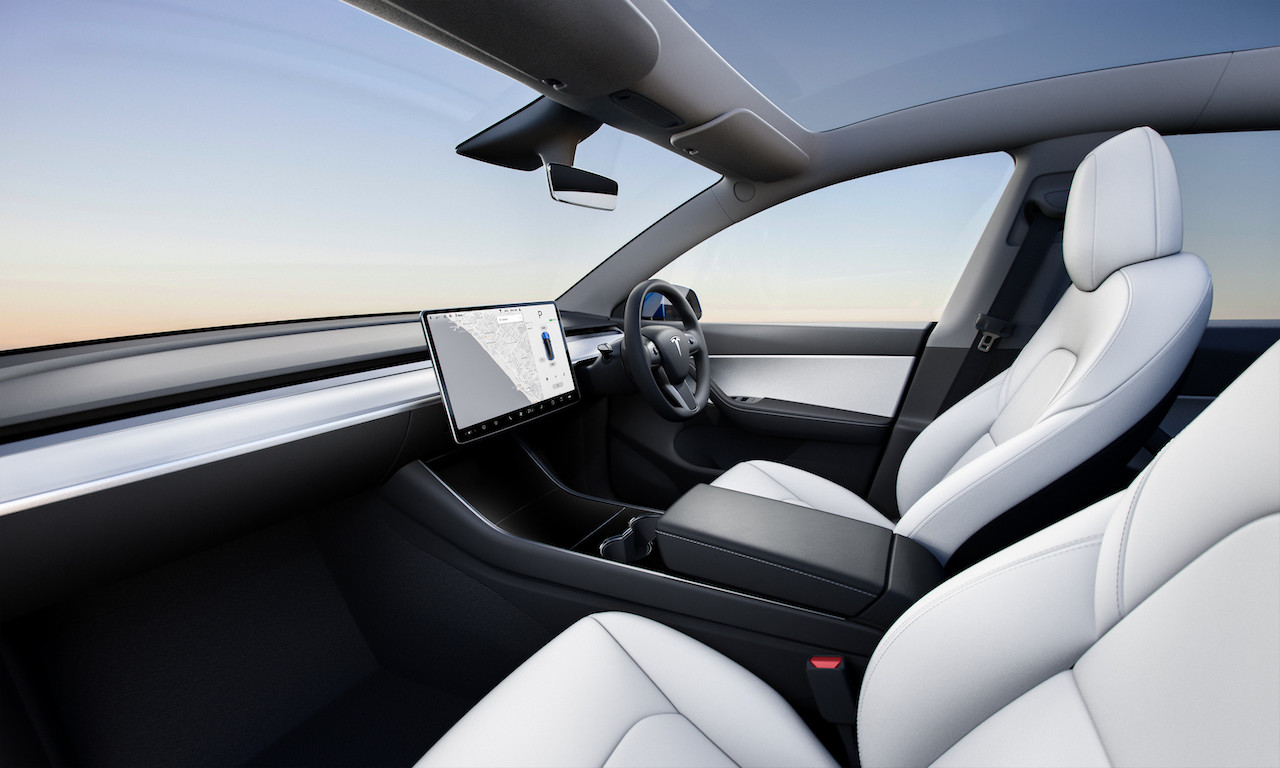
This sensory disconnect in electric vehicles mirrors experiences observed in other unfamiliar motion environments, such as zero-gravity conditions, where individuals almost universally experience nausea until they adapt. In EVs, it seems a similar period of habituation may be necessary.
With EV adoption expected to continue rising, researchers are already exploring strategies to mitigate this issue. Proposed solutions include introducing visual and auditory signals that can help passengers better anticipate vehicle motion. Concepts such as ambient lighting changes, interactive screens, and even synchronised vibrations could offer new ways to recalibrate the brain’s expectations, easing the transition from traditional engines to electric power and making the EV experience more comfortable for all occupants.