

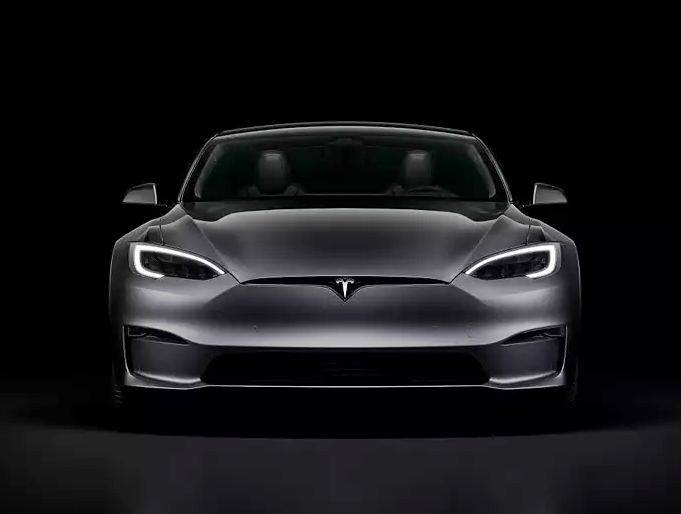
A federal jury in Miami has ruled that Tesla shares responsibility for a fatal 2019 crash involving its Autopilot system, ordering the electric vehicle manufacturer to pay $243 million (around RM1.1 billion) in punitive and compensatory damages. The verdict follows a two-week trial examining the role of Tesla’s self-driving technology in the death of 22-year-old Naibel Benavides Leon.
The case revolved around a collision in which a Tesla Model S, driven by George McGee and equipped with Autopilot, ran through a T-shaped intersection, striking Leon and her boyfriend, Dillon Angulo. Leon died at the scene, while Angulo suffered severe, life-altering injuries. At the time of the crash, McGee had reportedly dropped his phone and lost control of the vehicle. Although the driver admitted fault, the jury concluded that Tesla’s software also played a significant role in the incident.
The plaintiffs were awarded $200 million in punitive damages and approximately $43 million in compensatory damages. The jury’s decision indicates that Tesla’s technology did not perform as it should have, failing to prevent the crash despite data suggesting it recognised the impending danger.

A crucial element in the trial was an augmented video of the collision, which incorporated data from the vehicle’s Autopilot system. Although Tesla had initially claimed the footage had been deleted, forensic experts recovered the video. Analysis of the clip revealed that the car’s system was aware of the stop sign, the blinking red light, a stationary vehicle, and the presence of pedestrians — including Leon — yet took no action to prevent the crash. The system, according to the plaintiffs’ attorneys, disengaged only when a collision had become unavoidable.
Legal representatives for Leon’s family accused Tesla and its CEO Elon Musk of promoting the company’s valuation through exaggerated claims about self-driving capabilities, while failing to prioritise safety. They argued the crash demonstrated the potentially deadly consequences of overreliance on flawed autonomous technology.
Tesla has rejected the jury’s conclusion, asserting that the blame lies solely with the driver. In a statement, the company described the verdict as misguided, claiming it risks undermining progress in the development of life-saving automotive innovations. Tesla confirmed it would appeal the ruling, maintaining that Autopilot was not to blame and characterising the plaintiffs’ case as a fabrication intended to shift blame from the driver to the vehicle.

The Miami case is among the few to proceed to trial amid growing scrutiny of Tesla’s Autopilot system. While several similar lawsuits have been filed, many have been dismissed or resolved without a trial. Legal experts now believe this decision could mark a turning point for Tesla and the wider industry. Observers suggest the ruling could prompt an influx of litigation, with other victims and families potentially encouraged to come forward.
Attorneys for the plaintiffs expressed hope that the outcome would send a message to Tesla and the broader automotive industry. They stressed that the lawsuit was not just about accountability for one tragic incident, but about driving systemic improvements to prevent further loss of life.
Tesla continues to face regulatory pressure and public criticism over the safety of its self-driving features, even as it works to expand the role of automation in its vehicles. This latest ruling, if upheld on appeal, may pose a significant challenge to the company’s efforts to position itself at the forefront of autonomous driving technology.