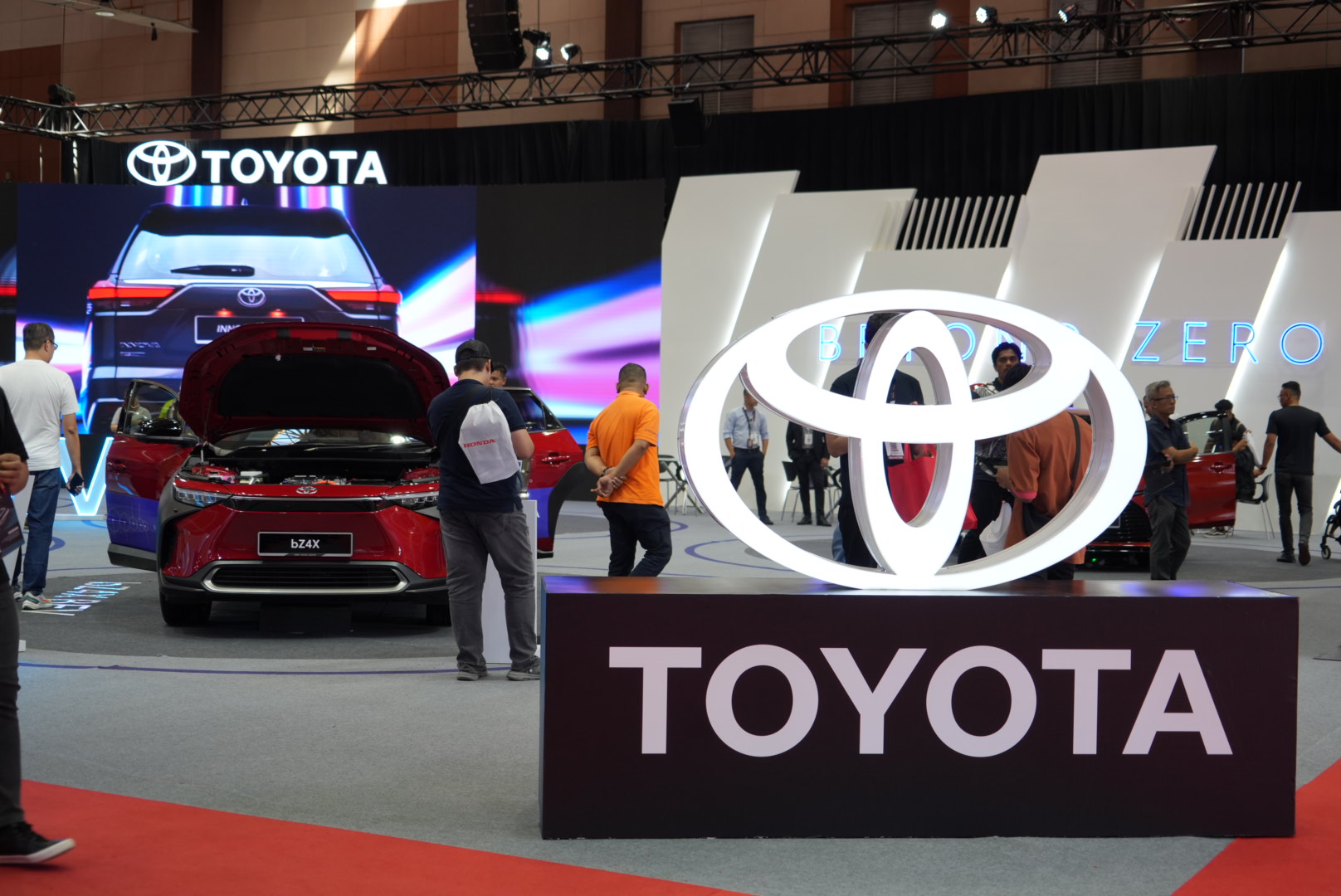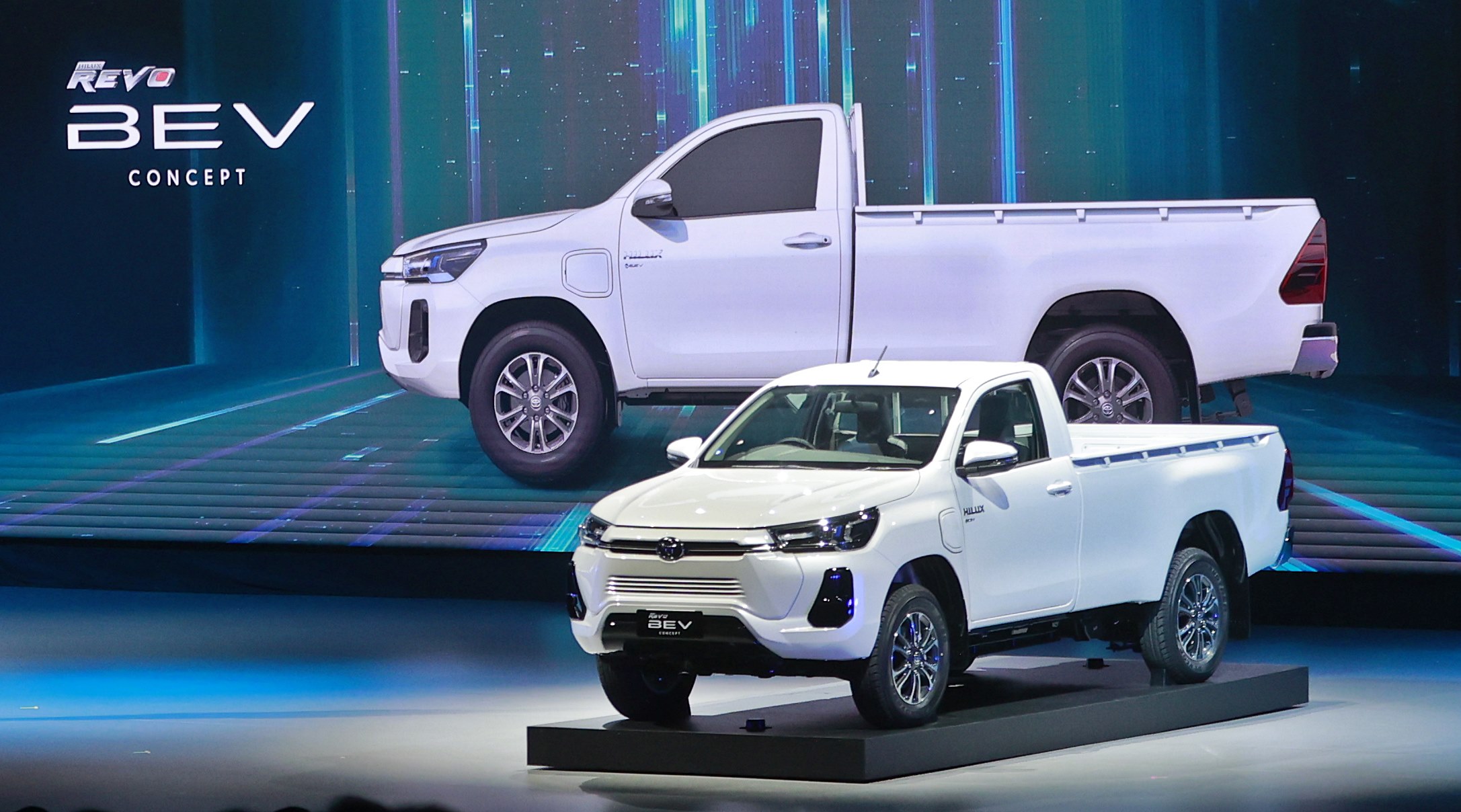
Toyota Motor is reshaping its supply strategy in Southeast Asia, turning to Chinese component manufacturers in Thailand as part of a broader cost-reduction initiative for its upcoming electrified vehicle set for launch in 2028. This strategic realignment, which involves substantial procurement from Chinese firms, marks a notable shift in Toyota’s traditional sourcing model and signals a broader transformation of the automotive landscape in the region.
Thailand, Toyota’s largest production hub in Southeast Asia, is at the centre of this shift. The Japanese automaker has begun to diversify its supplier base by incorporating parts from Chinese companies, a move that includes a partnership between Summit Group and China’s Wuhu Yuefei to establish a new components factory. This collaboration marks the first formal entry of a Chinese parts manufacturer into the Southeast Asian supply chain of a Japanese automotive firm.
The decision reflects growing pressure on Japanese carmakers in the Thai market, where their dominance is waning. Japanese brands now account for 71% of the market share, a drop that coincides with the steady rise of Chinese automakers, whose share has climbed to 16%. The increasing presence of Chinese manufacturers has not only altered market dynamics but also brought more competitive pricing and production advantages.
Toyota’s new electrified model, expected by 2028, will be built on a “multi-pathway” platform designed to accommodate various powertrain technologies. By incorporating Chinese components, the company projects a reduction in development costs of up to 30%. Key to this cost efficiency is the use of parts already being utilised in models such as the bZ3X EV, which benefit from China’s economies of scale and established electric vehicle supply chains.
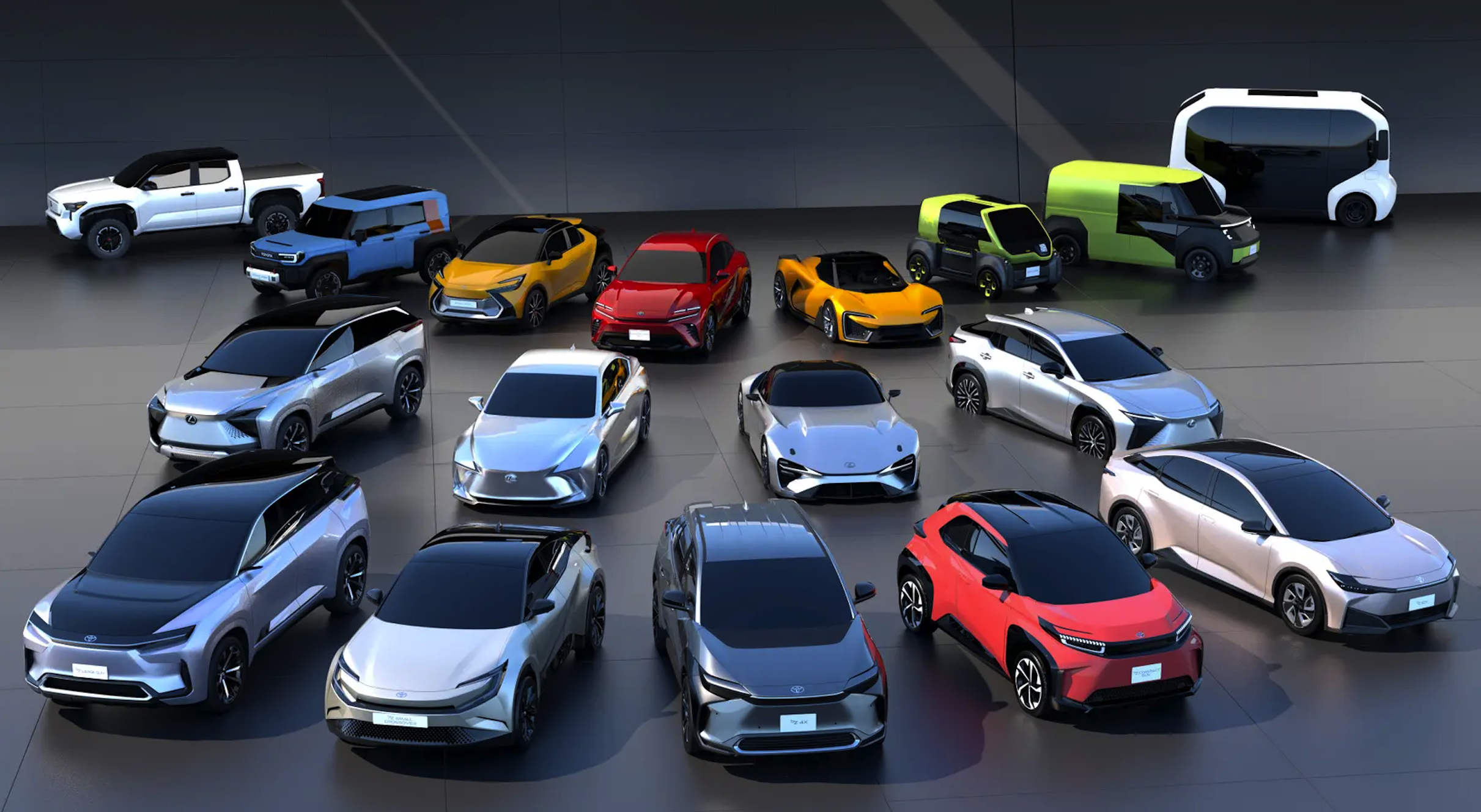
The shift is also being driven by the challenges faced by Japanese suppliers, who are under increasing financial pressure. Toyota has begun encouraging these long-time partners to consider Chinese components in their production lines to maintain competitiveness. Meanwhile, the automotive supply ecosystem in Thailand has evolved rapidly. While the country is home to approximately 3,100 auto parts manufacturers, with more than 1,400 of them being Japanese, the number of Chinese suppliers has quadrupled since 2017, now totalling around 190.
Toyota’s move not only reflects a pragmatic response to changing market and cost conditions, but also underscores a broader trend of Japanese automakers adapting to the growing influence of China in the global automotive industry. As the race to electrify intensifies, manufacturers are being compelled to rethink traditional partnerships in favour of efficiency and agility, particularly in key production hubs like Thailand.