

BMW has unveiled its next-generation iX3, signalling a bold step forward in the company’s ambition to integrate sustainability across the full life cycle of its vehicles. Developed as part of the Neue Klasse initiative, the new iX3 embodies the BMW Group’s intensified focus on decarbonisation, responsible sourcing, and energy efficiency, all central to the company’s carbon neutrality targets set for 2030 and 2050.
Through extensive environmental planning during the vehicle’s design, manufacturing, and operational stages, the iX3 50 xDrive demonstrates how BMW is reshaping premium electric mobility. When powered using Europe’s general energy mix, the vehicle achieves a lower CO₂ equivalent (CO₂e) footprint than a comparable internal combustion engine model after just 21,500 kilometres. If charged exclusively with renewable electricity, that break-even point drops to approximately 17,500 kilometres, allowing drivers to offset emissions within the first year of use.
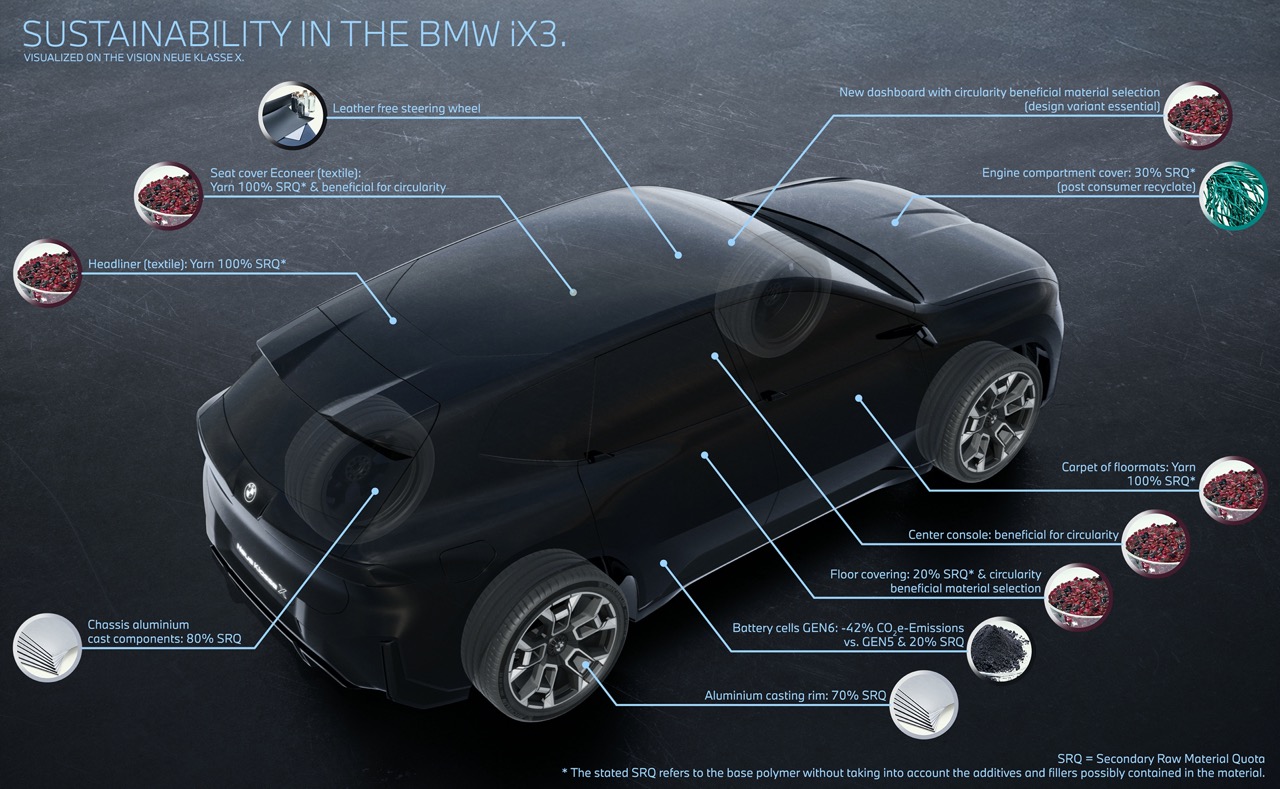
BMW’s sustainability push is most evident in the dramatic changes made across the supply chain. A reduction of 35 per cent in supply chain emissions was achieved during development, largely by relying on recycled materials and renewable energy. The Gen6 battery cells in the iX3’s high-voltage storage system use 50 per cent recycled cobalt, lithium, and nickel. Moreover, the use of renewable energy in both cell production and the processing of anode and cathode materials has led to a 42 per cent reduction in CO₂e per watt hour compared to the Gen5 cell.
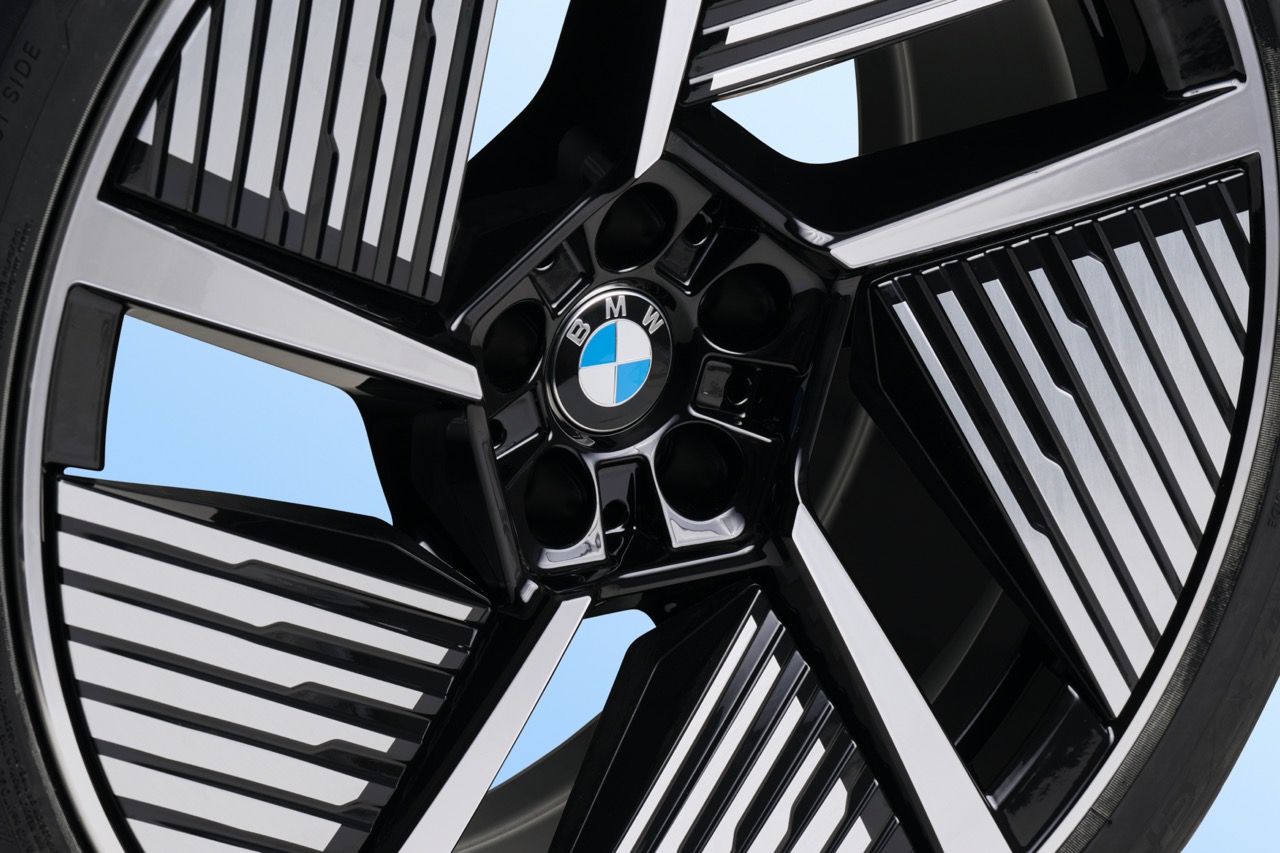
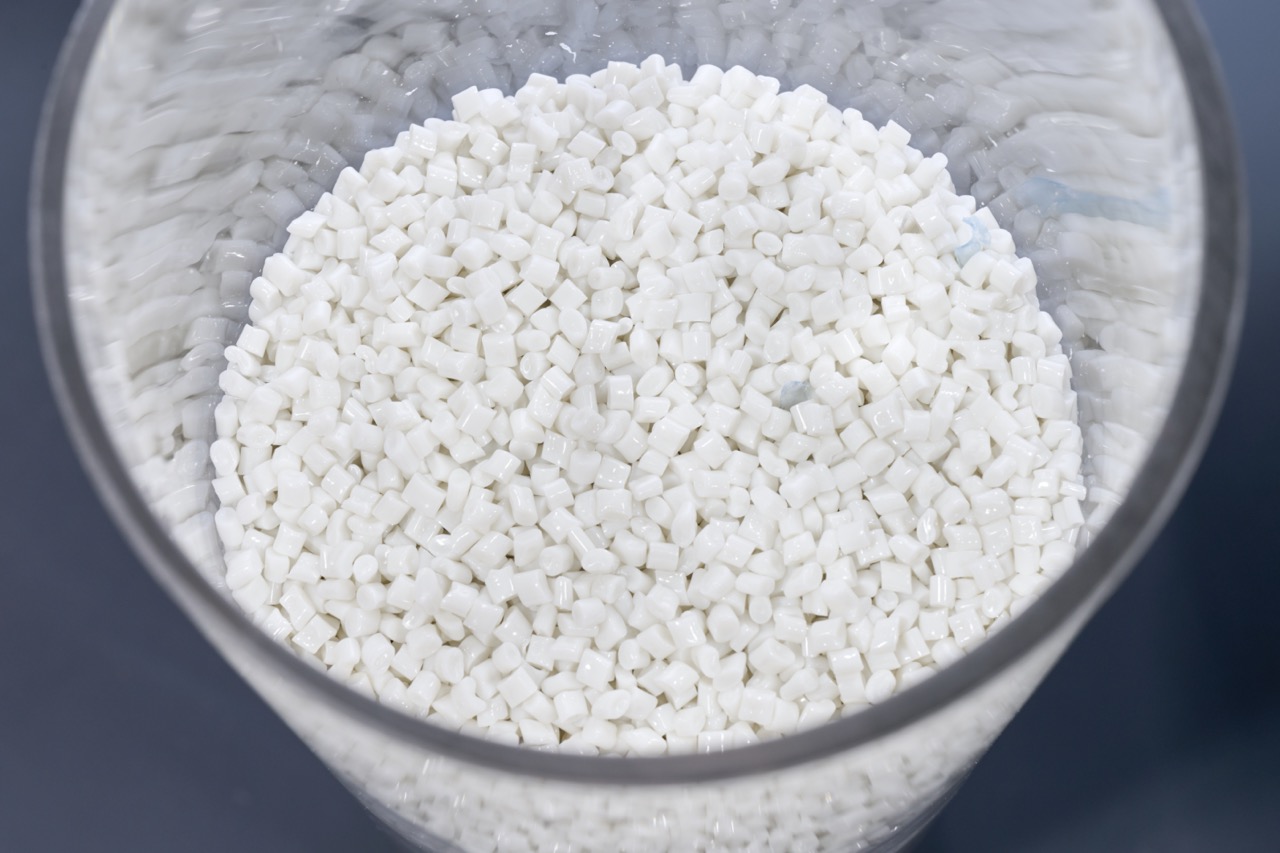
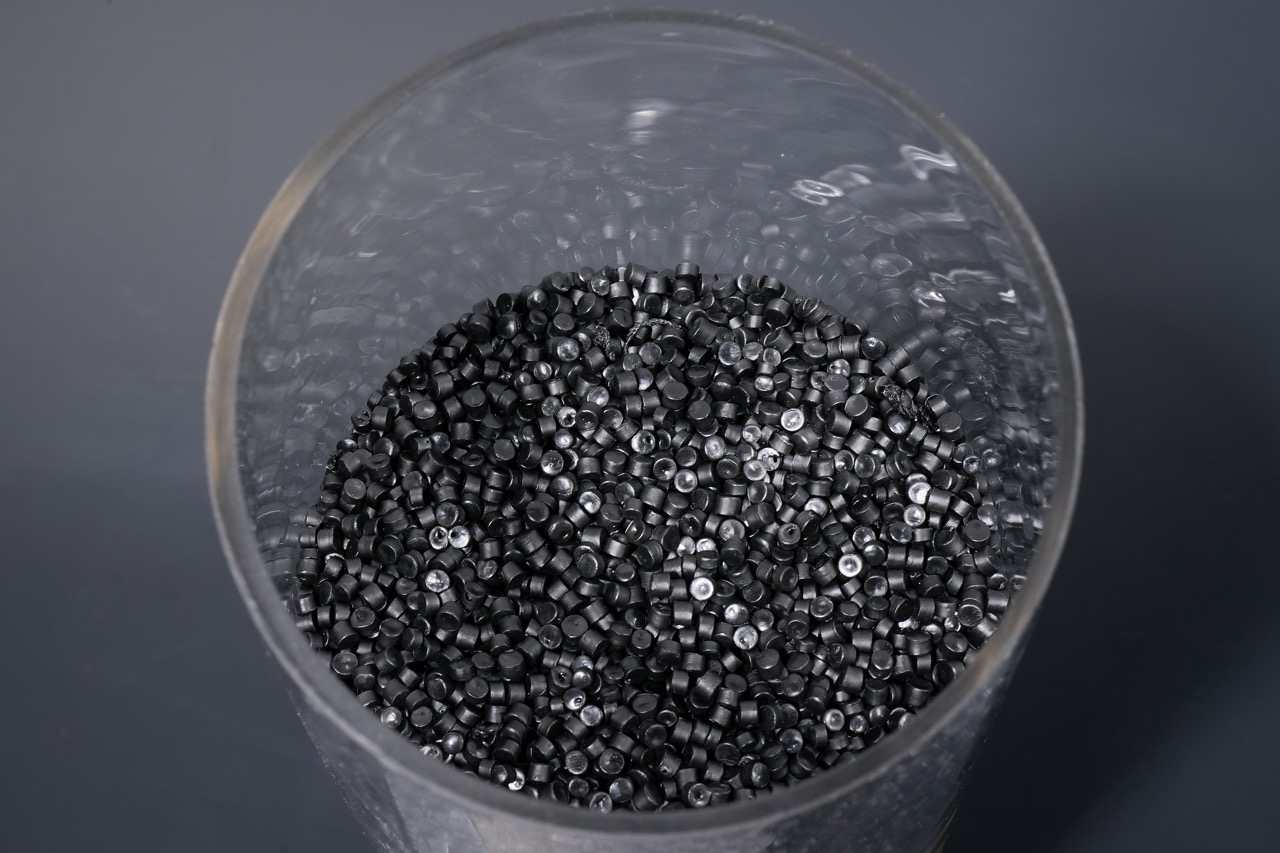
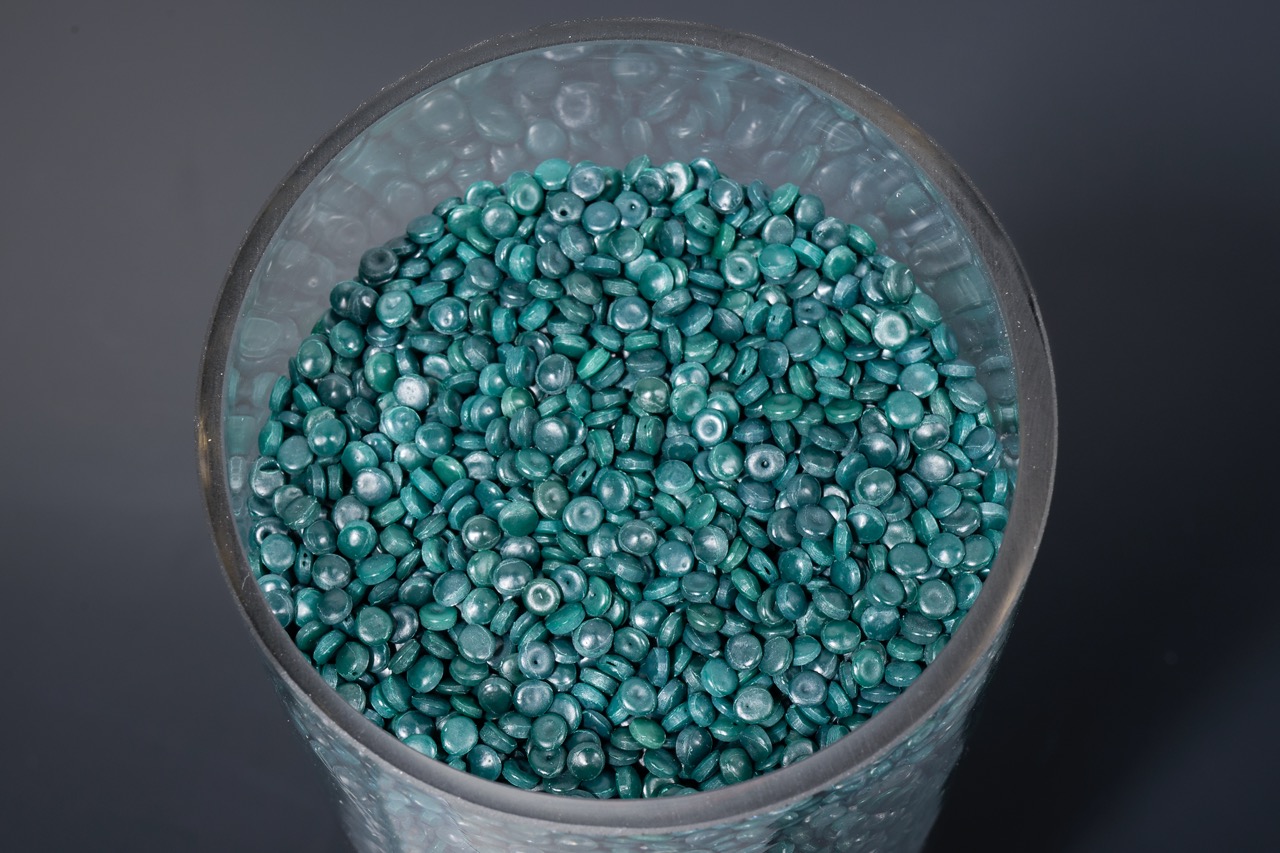
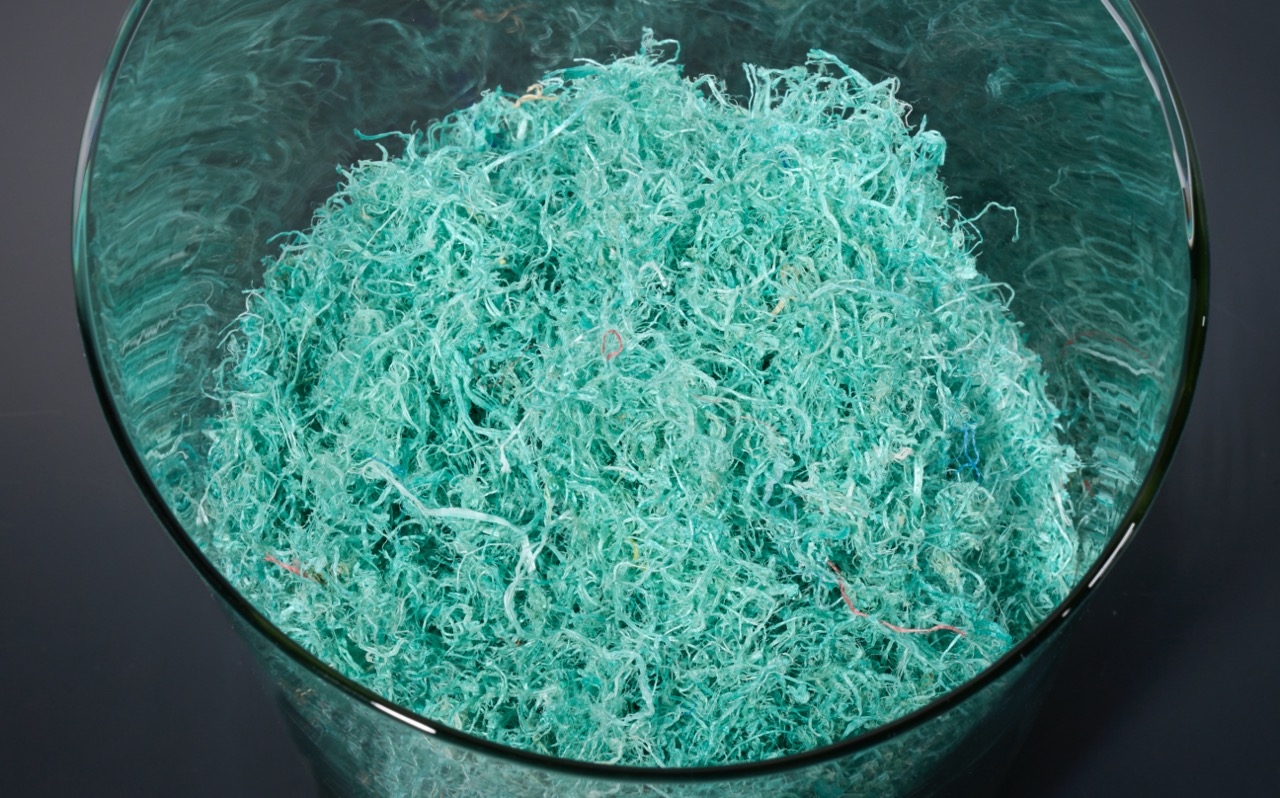
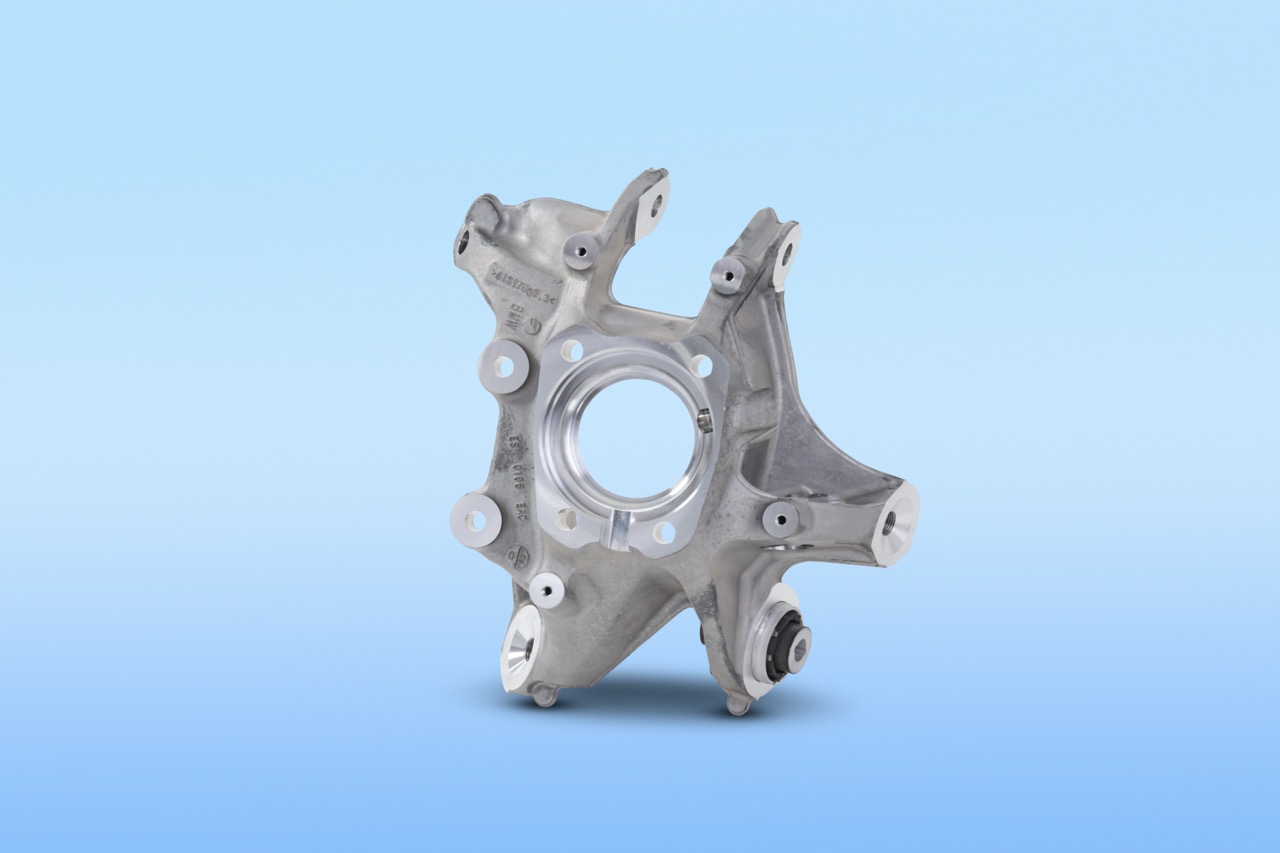
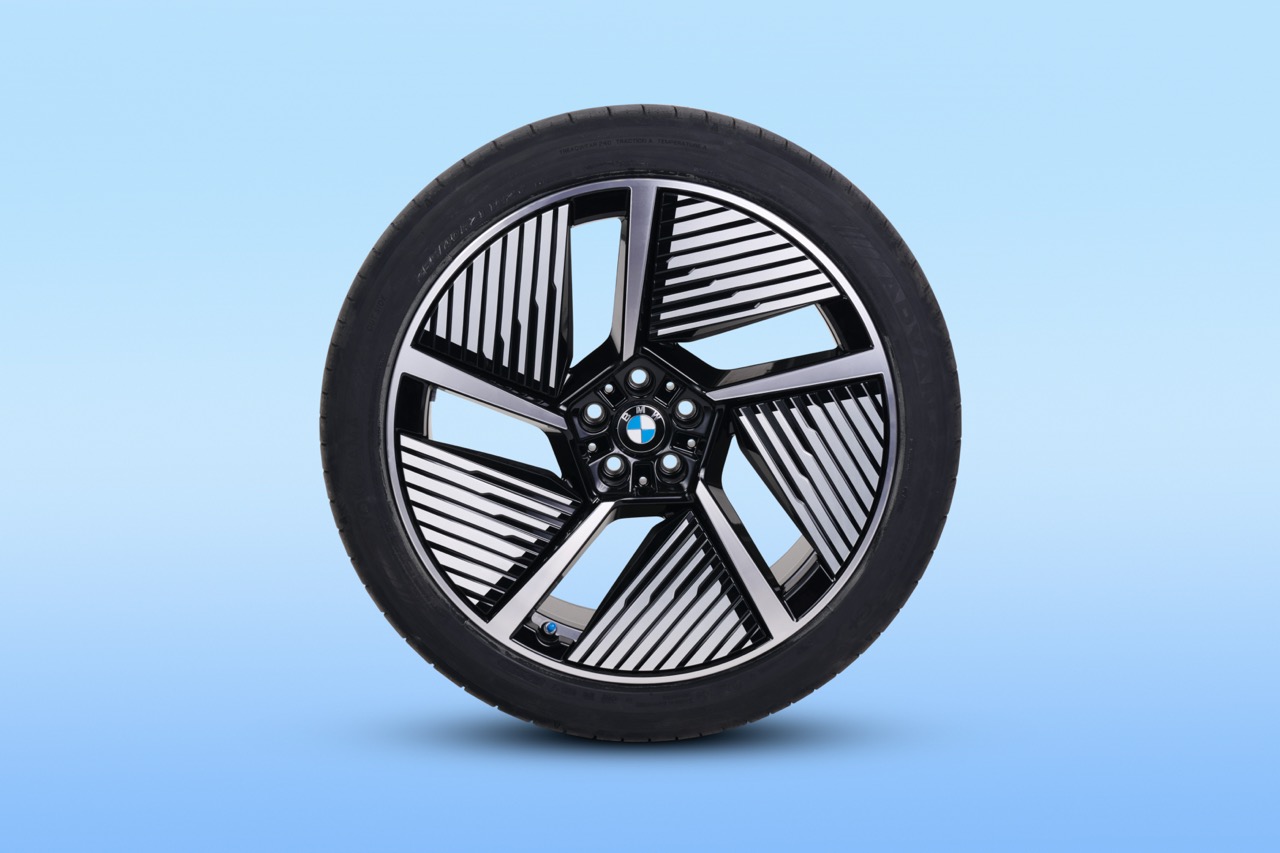
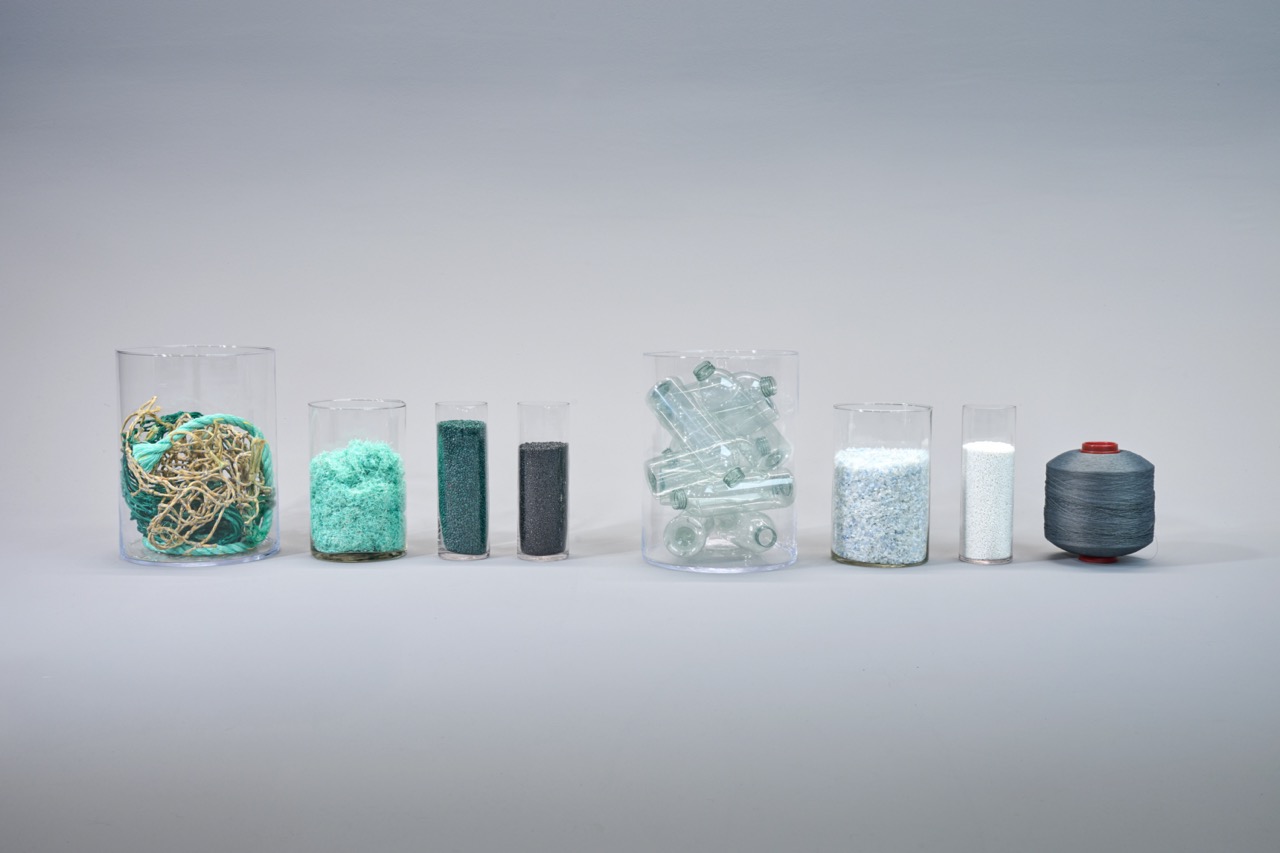
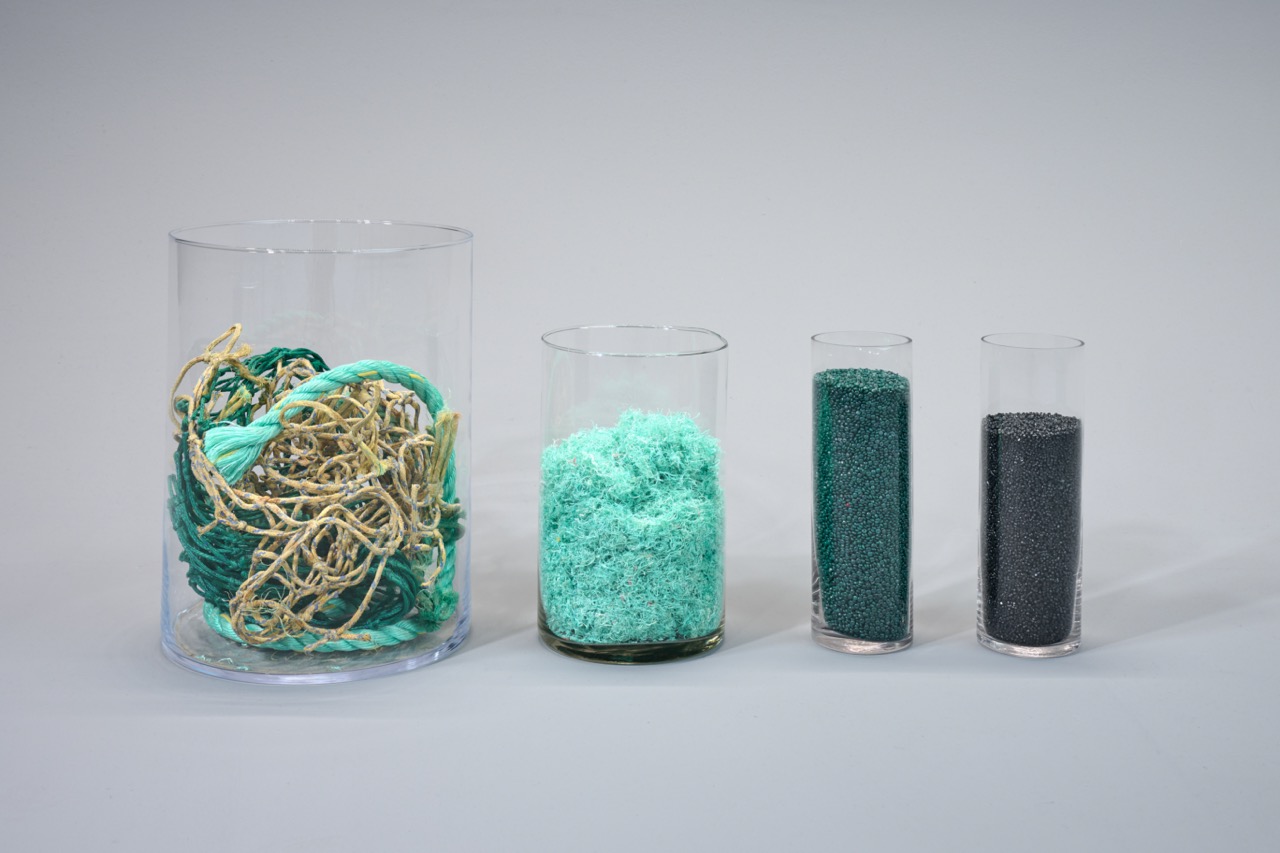
The iX3’s eco-conscious design extends beyond the battery. Secondary materials are used extensively throughout the vehicle. Around 30 per cent of the plastic in the engine compartment cover and storage bin beneath the front hatch is made from recycled maritime waste, including discarded fishing nets and ropes. Secondary aluminium makes up 80 per cent of wheel carriers and swivel bearings, and 70 per cent of the car’s cast aluminium wheels.
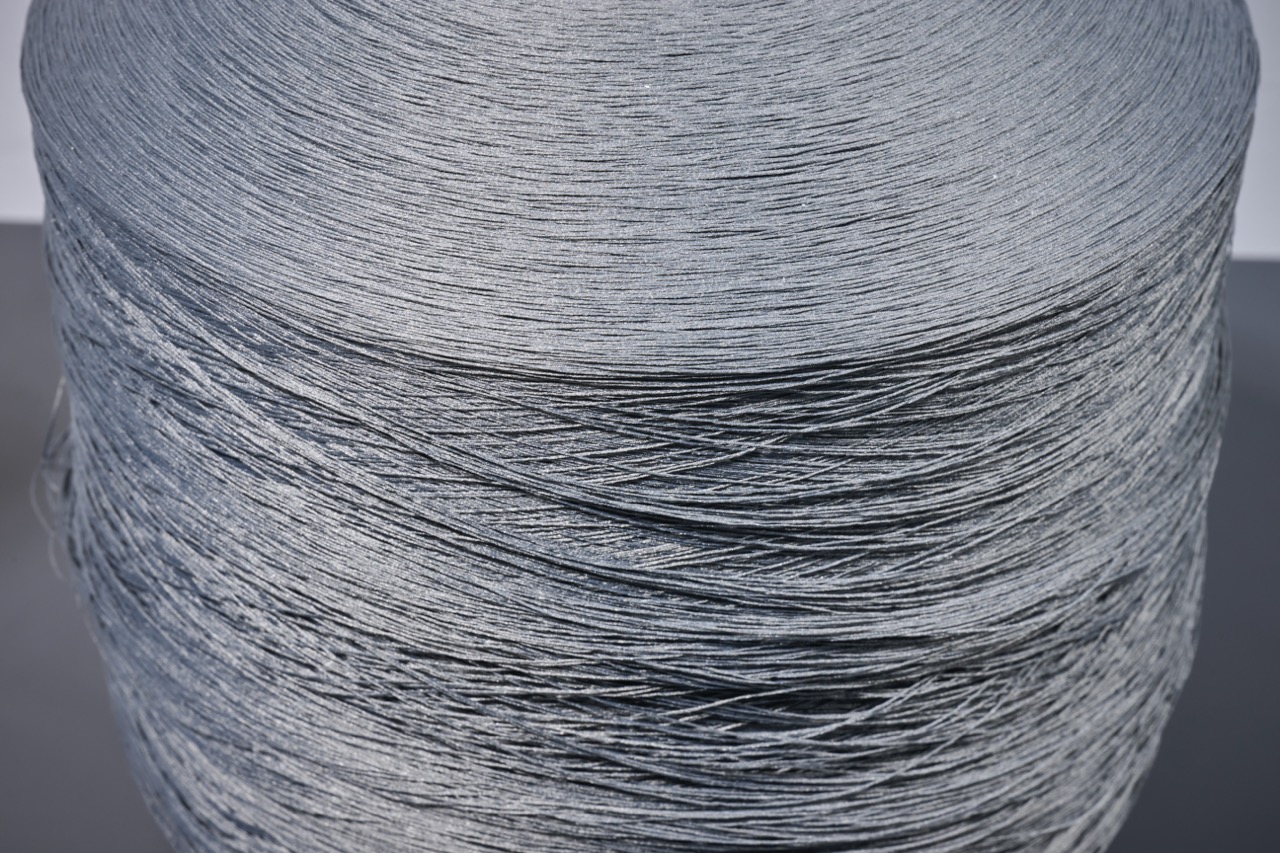
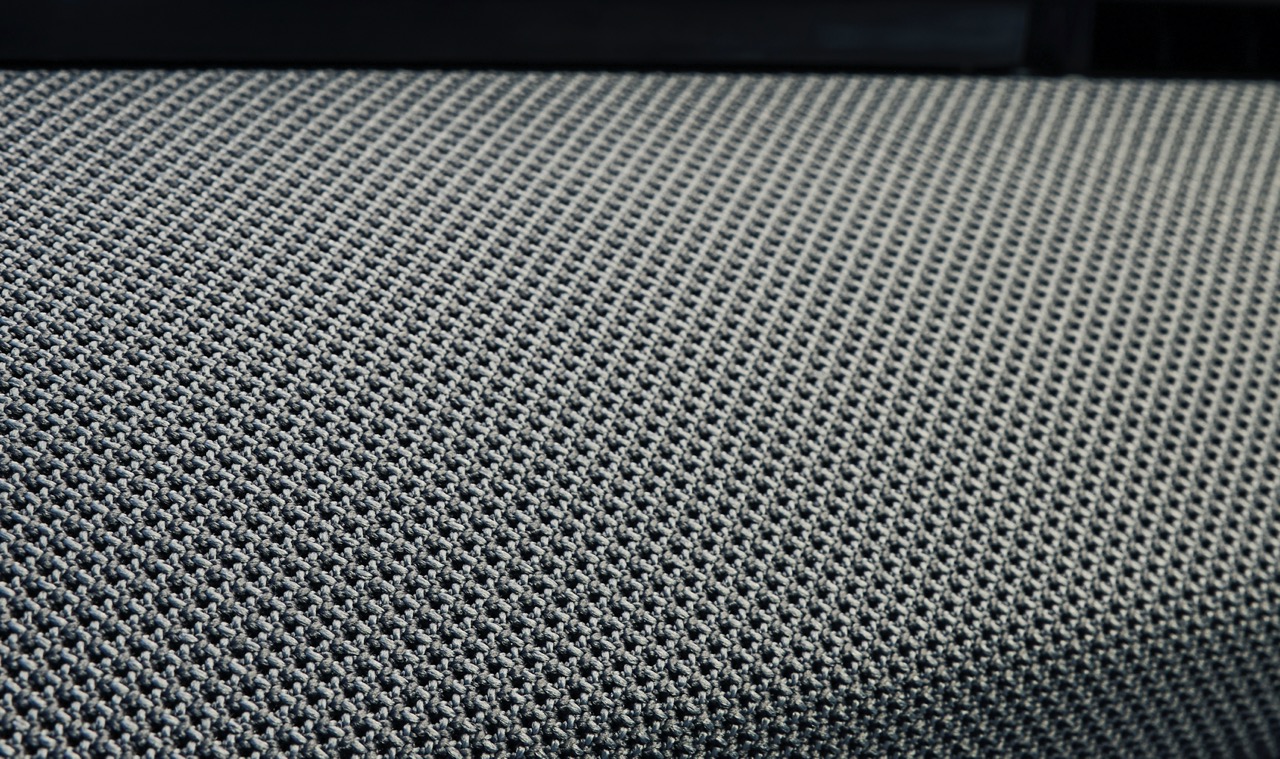
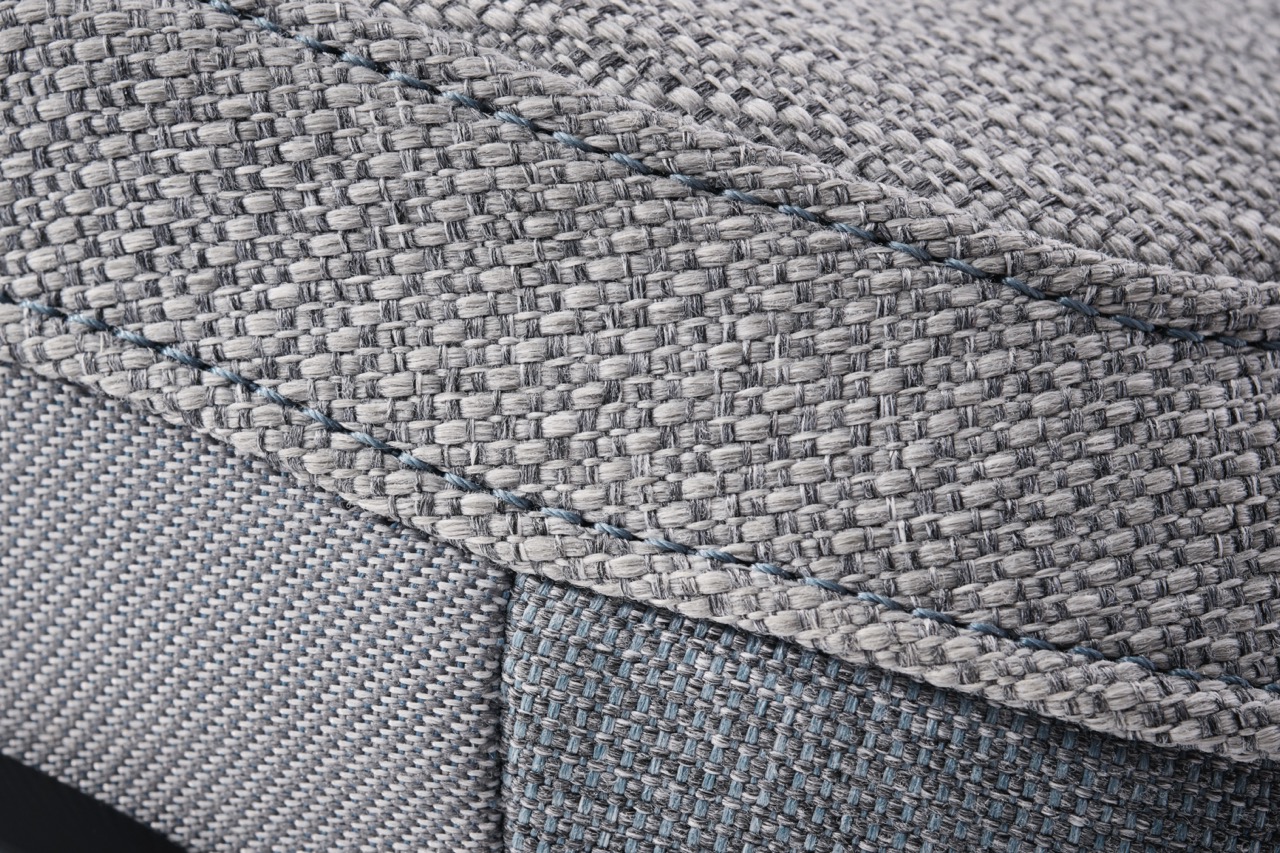
Central to the new vehicle’s development was BMW’s ‘Design for Circularity’ philosophy, which prioritises the use of recycled materials, thoughtful material selection, and ease of disassembly. This approach has enabled secondary materials to make up nearly a third of the total content in the iX3 50 xDrive. One notable example is the Econeer seat covering, found in the Essential interior trim, which is constructed entirely from PET-derived materials, including its fabric, fleece, and adhesive, enabling full recyclability. The centre console, dashboard and floor trim were also designed with these circular principles in mind.
Operational efficiency has also seen marked improvement. The new iX3 is 20 per cent more efficient than its predecessor, due to improved aerodynamics, reduced rolling resistance, lower auxiliary power consumption, and a finely balanced drive system that maintains BMW’s characteristic dynamic performance while reducing energy demand.
Production of the iX3 is housed at BMW Group’s state-of-the-art Debrecen facility in Hungary, the first in the company’s portfolio to operate entirely without the use of fossil fuels. Adhering to the BMW iFactory ethos, the plant runs exclusively on electricity, up to 25 per cent of which is generated via an on-site photovoltaic array. Excess solar energy is stored and repurposed for use in processes such as paint curing. The factory’s emissions stand at just 0.1 tonnes of CO₂e per vehicle, roughly two-thirds less than at conventional BMW plants.
These advances form part of BMW Group’s broader 360° sustainability strategy, which includes binding commitments to the Paris Climate Agreement and a goal of reaching net-zero carbon emissions by or before 2050. By 2030, BMW aims to cut its CO₂e output by at least 40 million tonnes compared to 2019 levels.
To promote transparency and accountability, the carbon footprint of the BMW iX3 50 xDrive has been independently verified by Germany’s TÜV Technical Inspection Association. The full Product Carbon Footprint report is available to the public through the My BMW app and BMW’s official channels, offering a detailed breakdown of raw material sourcing and emissions throughout the vehicle’s life cycle.
With the new iX3, BMW not only sharpens its competitive edge in the electric SUV market but also reinforces its leadership in sustainable automotive innovation, setting a new standard for the industry as a whole.