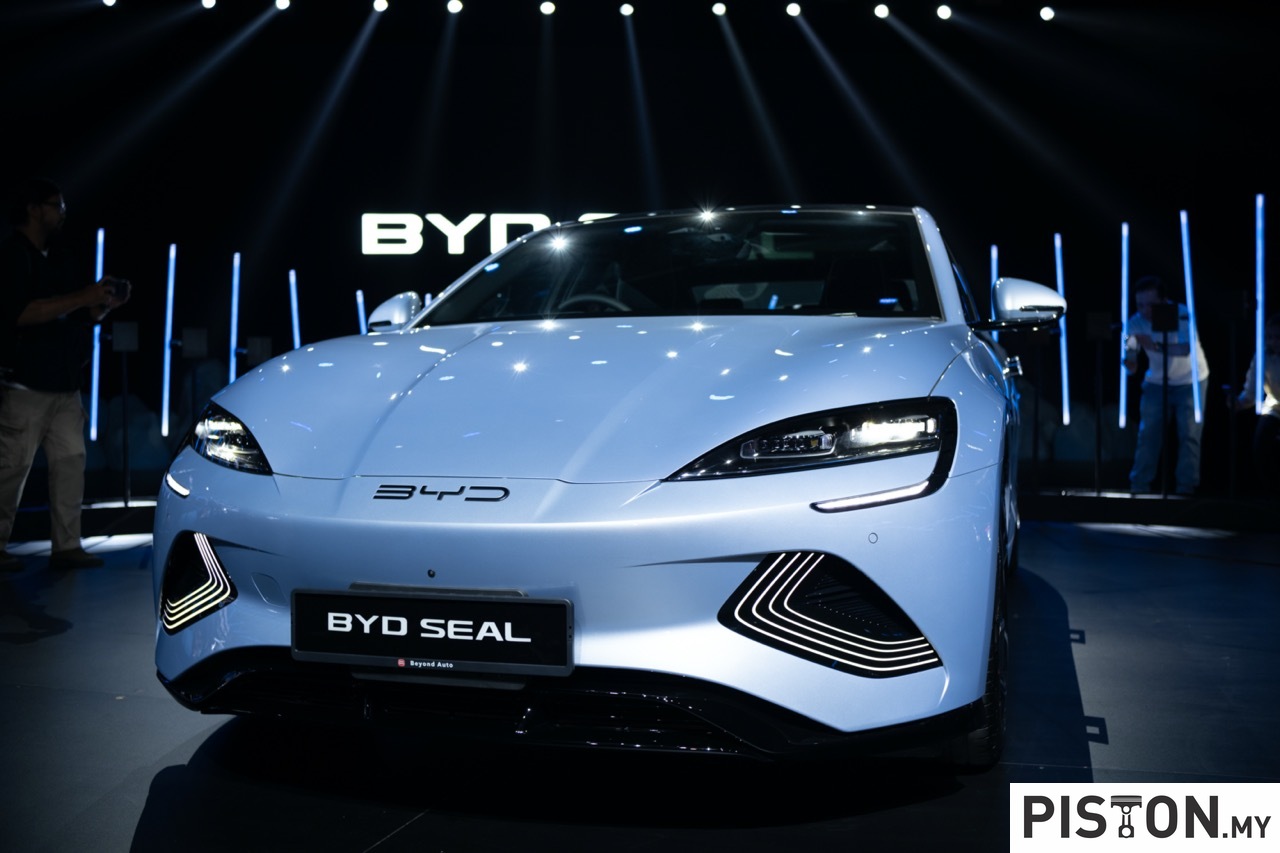
Chinese automotive giant BYD has firmly established itself as a dominant force in the global electric vehicle (EV) sector, leading sales across seven international markets during the first half of 2025.
According to CarNewsChina, the company’s General Manager of Brand and Public Relations, Li Yunfei stated that the automaker topped charts in Hong Kong, Singapore, Thailand, Indonesia, Spain, Italy, and Brazil, with particular strength in the new energy vehicle (NEV) segment comprising both battery electric vehicles (BEVs) and plug-in hybrid electric vehicles (PHEVs).
This global expansion aligns with BYD’s long-term strategy to have half of its total vehicle sales come from markets outside China by the end of the decade. In pursuit of this objective, the company has focused its export efforts across Europe, Southeast Asia, South America, and the Middle East, with continued investment in local production and infrastructure.
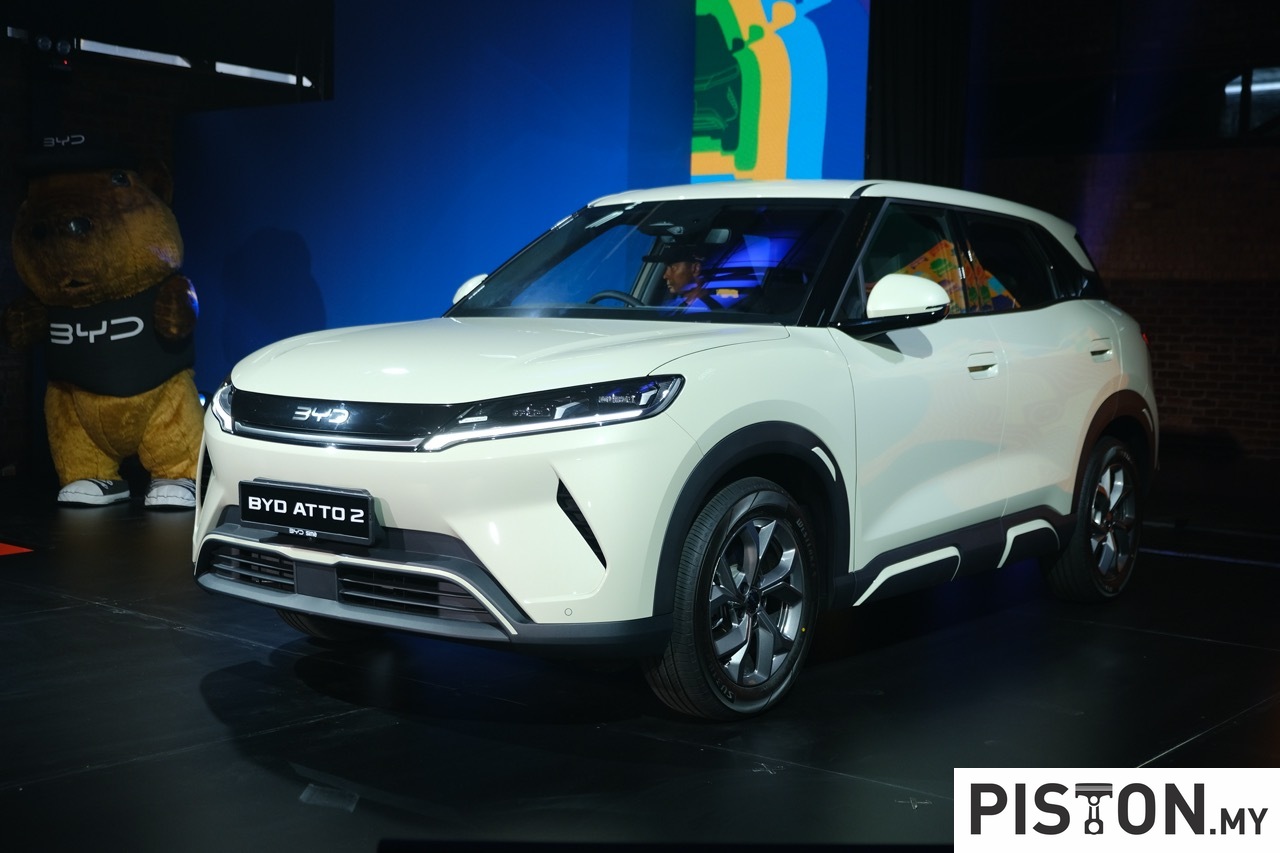
Sales data for the first half of 2025 paints a clear picture of BYD’s growing international footprint. In Hong Kong and Singapore, the carmaker emerged as the overall market leader, delivering 4,909 and 4,667 units, respectively. In Thailand, BYD’s performance was even more significant, with 24,072 units sold, representing a year-on-year increase of 64.1%. This volume was nearly four times higher than the second-best performing brand, MG. These results were bolstered by the recent launch of BYD’s Thai manufacturing facility in July 2024, which has an annual production capacity of 150,000 units and serves as a hub for ASEAN exports.
Indonesia also proved to be a high-performing market, where BYD sold 14,092 vehicles between January and June 2025. Its premium sub-brand Denza contributed an additional 5,733 units, bringing the group’s total deliveries in the country to 19,825. The combined figures outpaced rival Chinese brand Chery, securing BYD’s lead in the region.
In Europe, Spain emerged as a significant success story for BYD. The company delivered 10,196 NEVs in the country during the first half of the year, outpacing Tesla, which followed with 7,166 units. The strong European momentum has prompted BYD to consider locations for a third production plant in the region, following its existing facilities in Hungary and Turkey.

Italy also witnessed robust BYD growth, with 9,517 vehicles sold between January and June 2025, placing it ahead of both BMW and Tesla in local NEV sales. However, it is Brazil that has delivered one of BYD’s most impressive performances to date. The carmaker sold 47,107 units in the South American market, underlining its success in one of the world’s most promising emerging markets for electric mobility.
In Central Asia, BYD gained traction in Uzbekistan, where it was named the best-selling new energy brand. The company delivered 9,708 units in partnership with local automaker UzAuto. The BYD Song Plus DM-i, marketed as the Seal-U, led local sales. Vehicles are assembled at the BYD Uzbekistan plant, a joint venture with UzAuto, which currently produces 50,000 units annually. Ambitious expansion plans aim to boost this capacity to 500,000 units, positioning the factory as a future supply base for the broader Central Asian region.
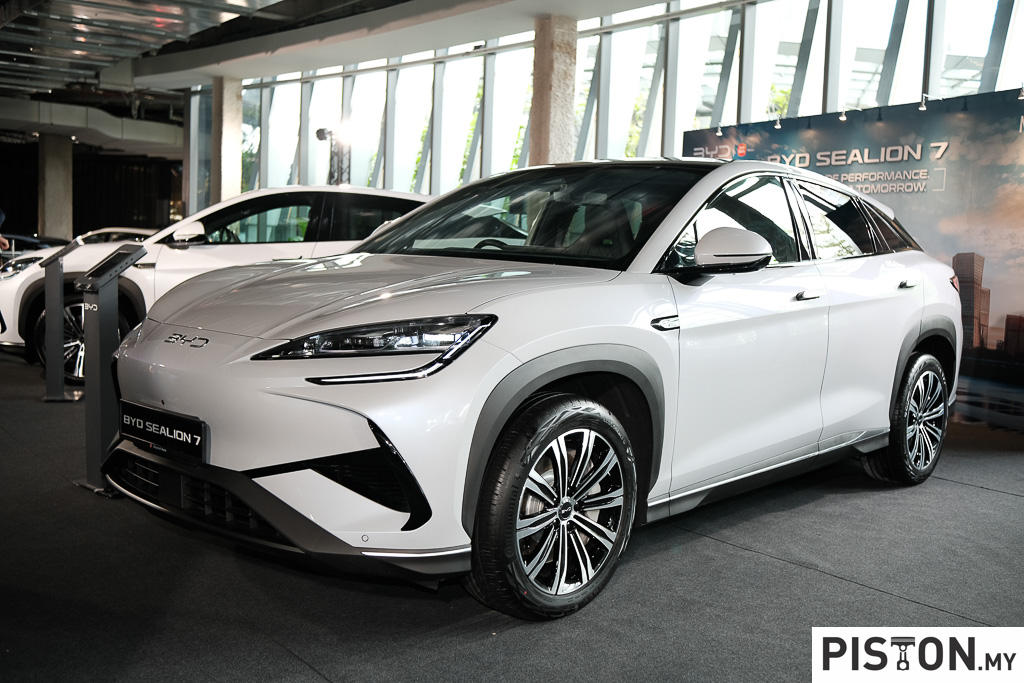
Globally, BYD recorded total vehicle sales of 2,145,954 units in the first half of 2025, further cementing its status as the world’s largest EV manufacturer. While facing increased competition in its home market, the brand continues to prioritise its international growth, supported by strategic production hubs and logistics capabilities. This includes the development of a dedicated fleet of eight car carriers, each capable of transporting between 7,000 and 9,200 vehicles, to meet the surging demand in global markets.