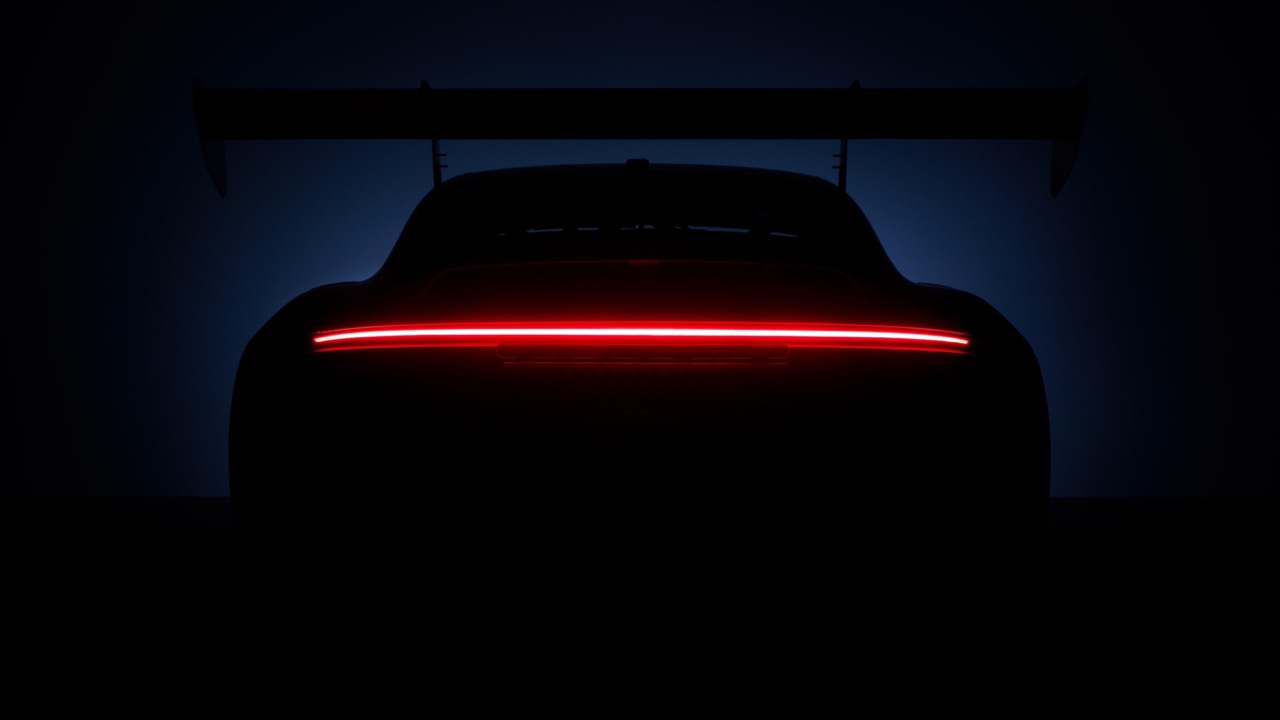
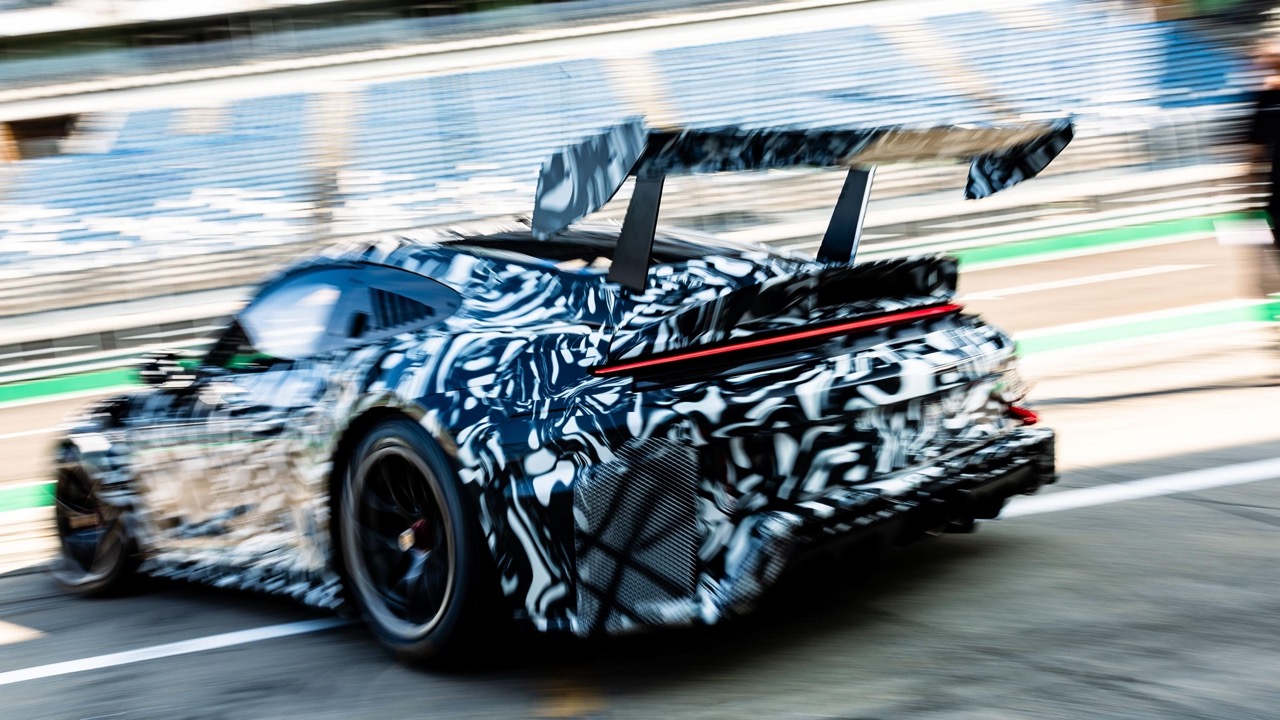
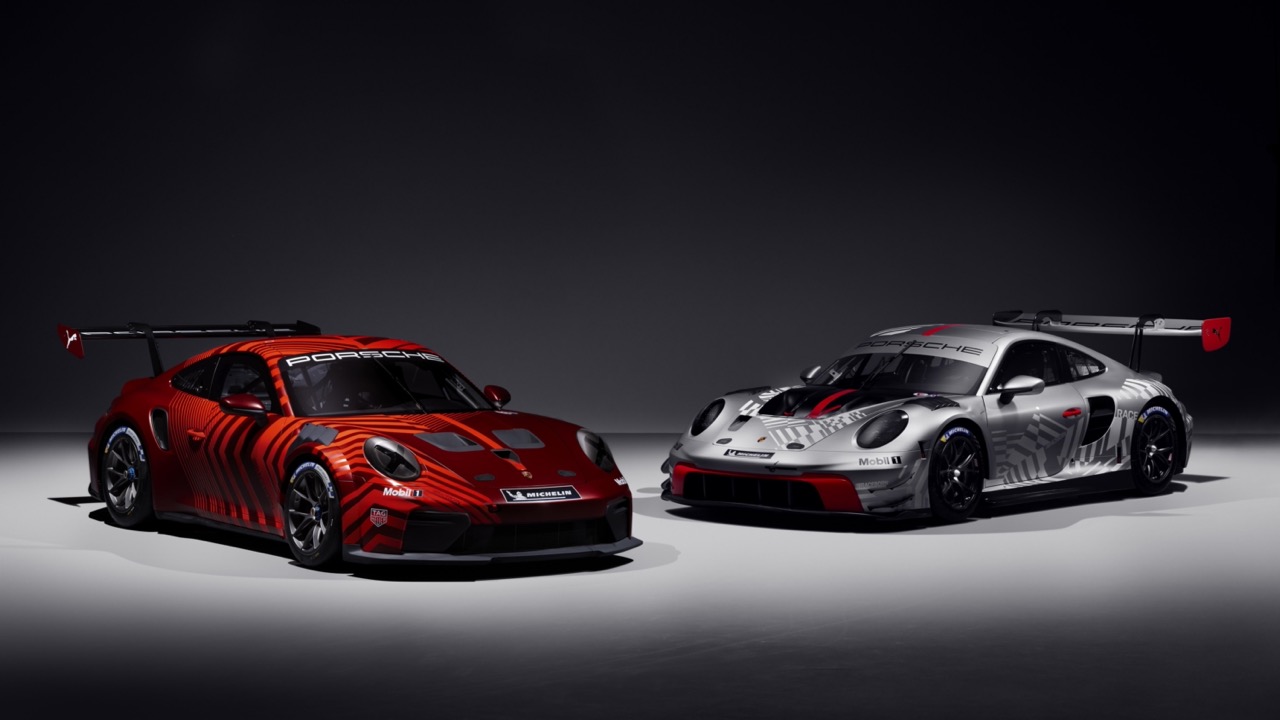
Porsche has unveiled the new 911 Cup, the latest evolution of its one-make racing car, which will compete in the Porsche Mobil 1 Supercup, the various Carrera Cup championships, and other Porsche-sanctioned series from the start of the 2026 season.
Based on the 992.2 generation of the 911, the model introduces a range of refinements aimed at increasing performance, reducing running costs, and simplifying handling for both drivers and teams. The naturally aspirated 4.0-litre six-cylinder boxer engine now delivers 520PS, an increase of 10PS over its predecessor, without affecting the 100-hour service interval before an overhaul is required.

The new naming convention sees the car officially designated as the 911 Cup, as Porsche moves to streamline its motorsport nomenclature. Future models will only carry the ‘GT’ suffix when intended for open-brand racing or specific segments, as with the new 911 GT3 R launched alongside it.
As before, production takes place at Porsche’s Zuffenhausen plant alongside road-going 911 GT models, a strategy that has already seen 1,130 units of the current 911 GT3 Cup produced since 2020, contributing to a total of 5,381 Porsche 911 one-make racing cars built to date.
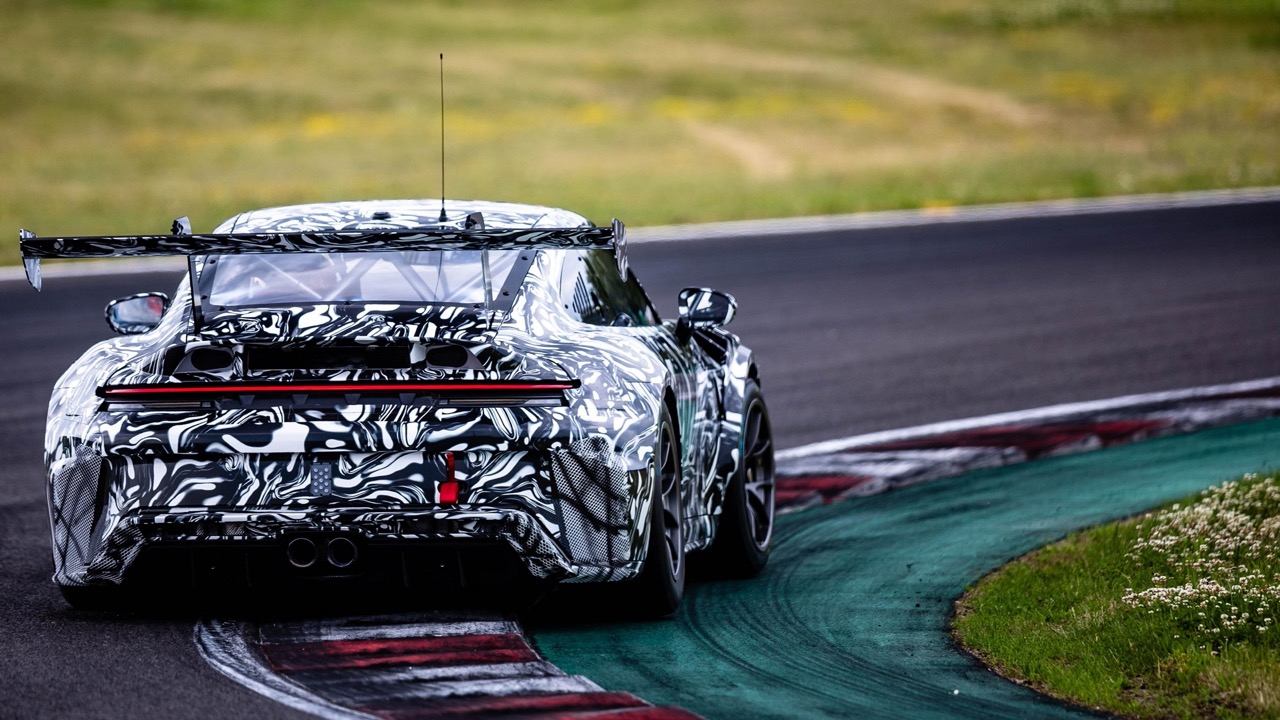
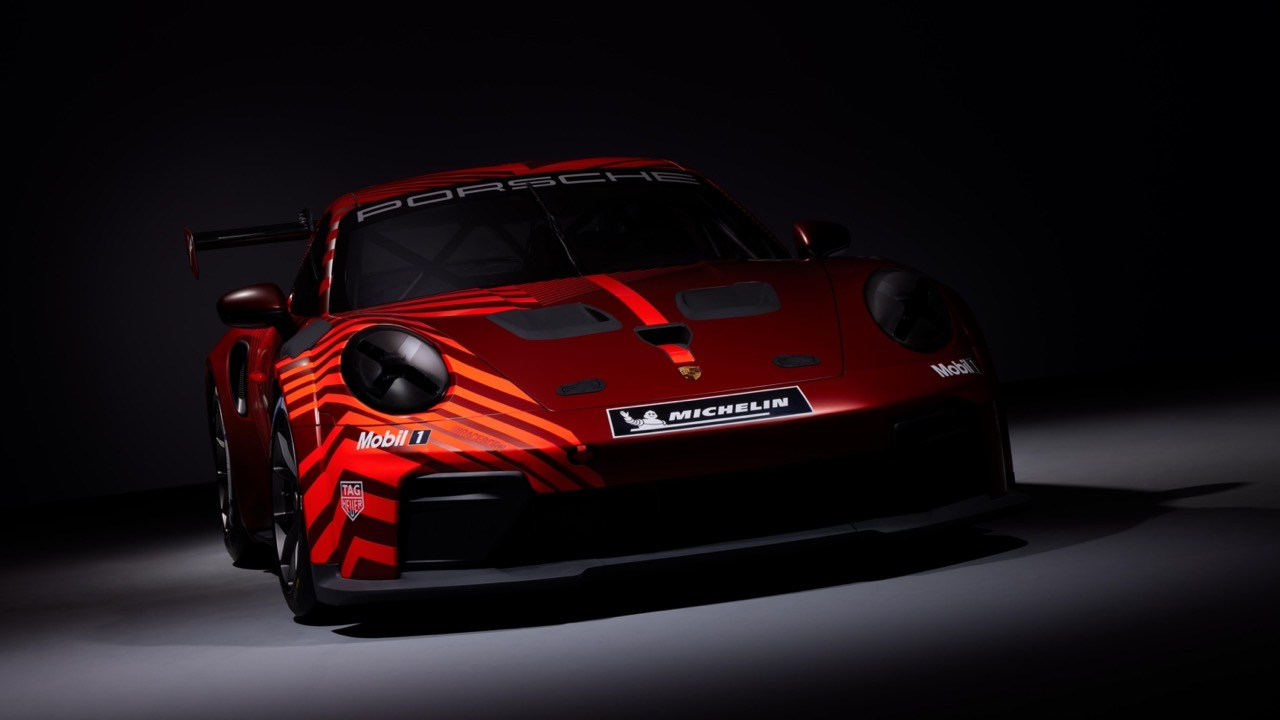
The car features a more aggressive exterior, with a front end that mirrors the 992.2-generation 911 GT3. The three-piece front spoiler lip allows damaged sections to be replaced individually, reducing spare parts costs, while the removal of daytime running lights helps prevent radiator damage in collisions. Integrated louvre vents in the front wings improve airflow and downforce, complemented by an optimised underbody and turning vanes behind the front arches for better high-speed stability and cornering precision.

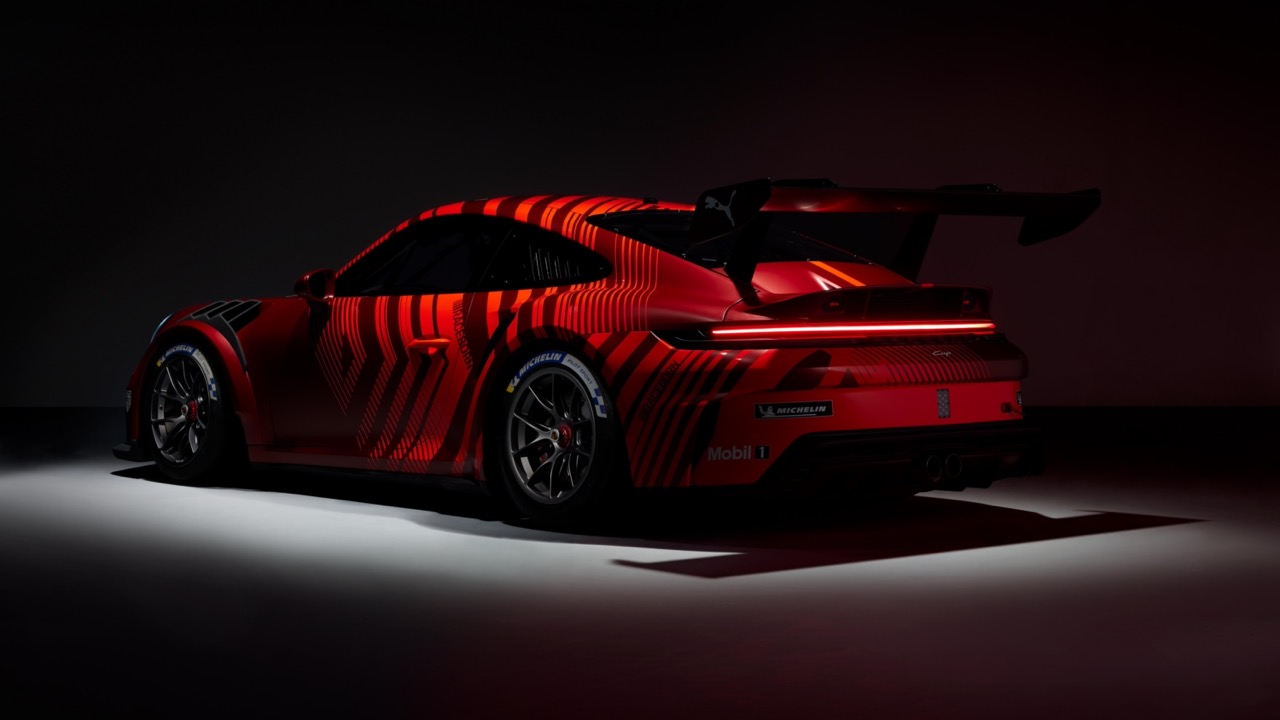
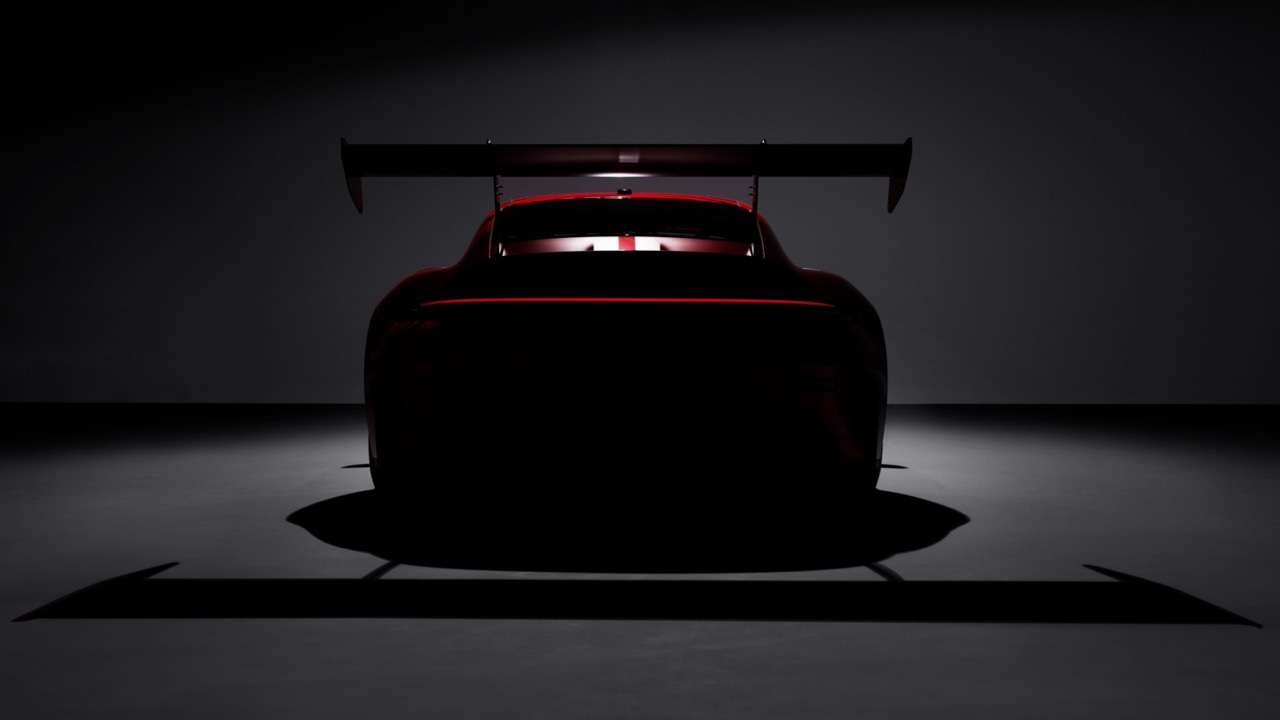
At the rear, a redesigned swan-neck wing now connects more efficiently to its supports for easier adjustment, while the reworked engine cover, like most body panels, including the doors, is made from recycled carbon fibre fleece combined with bio-based epoxy resin. This sustainable approach uses production off-cuts and helps stabilise spare parts pricing.
The upgraded drivetrain features a sturdier four-disc sintered metal racing clutch, enabling higher revs at race starts and enhancing the car’s distinctive sound. An automatic restart system engages if the engine stalls, while a stroboscope brake light function now warns following drivers during starts, replacing the previous hazard light system.
The braking system has been comprehensively revised, with larger 380mm front discs and increased thickness allowing improved ventilation and heat dissipation. Relocating the central water cooler has freed space for brake cooling airflow, while wider pads and an increased friction surface improve stopping power and extend component lifespan. A Bosch M5 racing ABS now comes as standard, featuring advanced signal detection and leak alerts, and the brake fluid reservoir has been enlarged for endurance events.
Steering improvements include adjusted stops for a tighter turning radius, aiding both urban manoeuvres and oversteer correction. Inside, the redesigned multifunction steering wheel incorporates rotary controls for ABS and traction control settings, with illuminated buttons for better visibility. The central control panel now has eight switches and allows in-car adjustment of functions such as pit lane speed and exhaust mapping, eliminating the need for a laptop connection. Additional foam padding on the door crossbar improves driver safety.
Upgraded electronics provide tyre temperature monitoring through the TPMS, while a new GPS antenna takes over lap timing and position tracking from the previous infrared system. The car also adopts technology from the 911 GT3 R, including pit lane passage timing and an automatic engine shut-off during pit stops. An electronic monitoring system now checks the fire extinguisher’s battery charge.
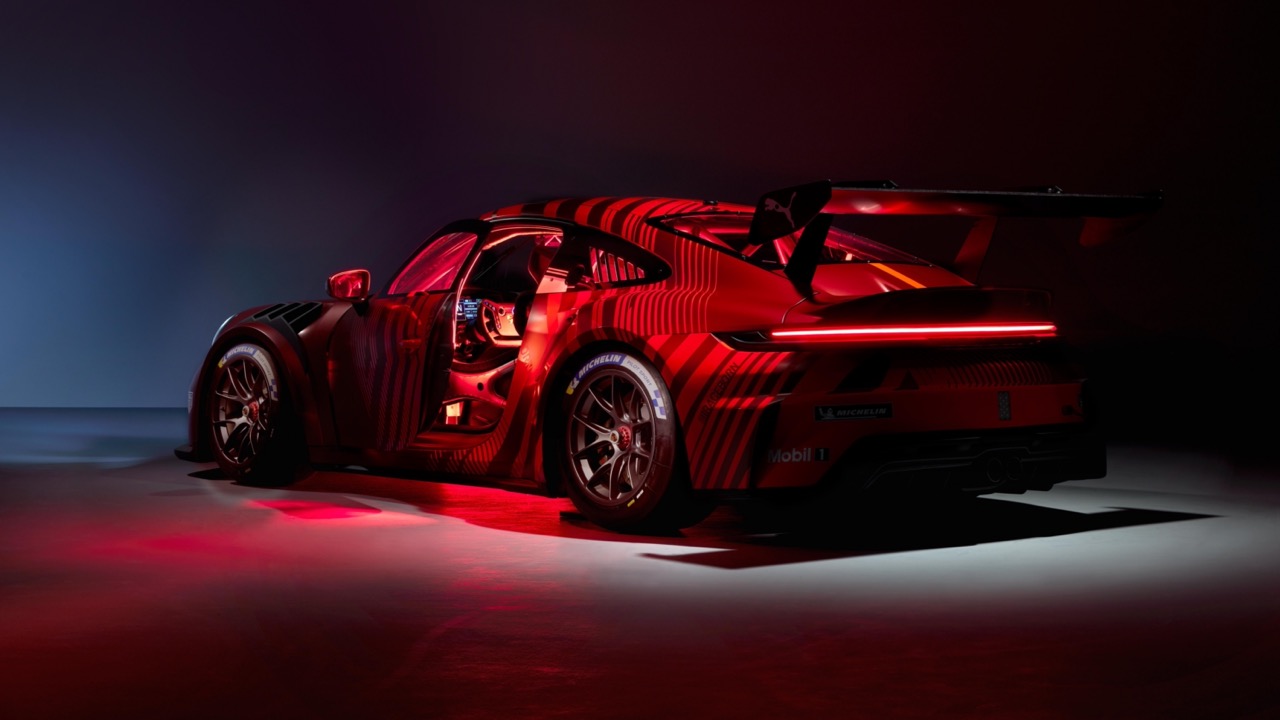
Porsche Motorsport worked with Michelin to develop a new tyre generation for the 911 Cup, testing them at Monza, the Lausitzring, and Porsche’s Weissach Development Centre.
With its mix of performance upgrades, improved efficiency, sustainability measures, and driver-focused refinements, the 2026 Porsche 911 Cup is positioned to set a new benchmark in one-make racing while continuing the legacy of its illustrious predecessors.