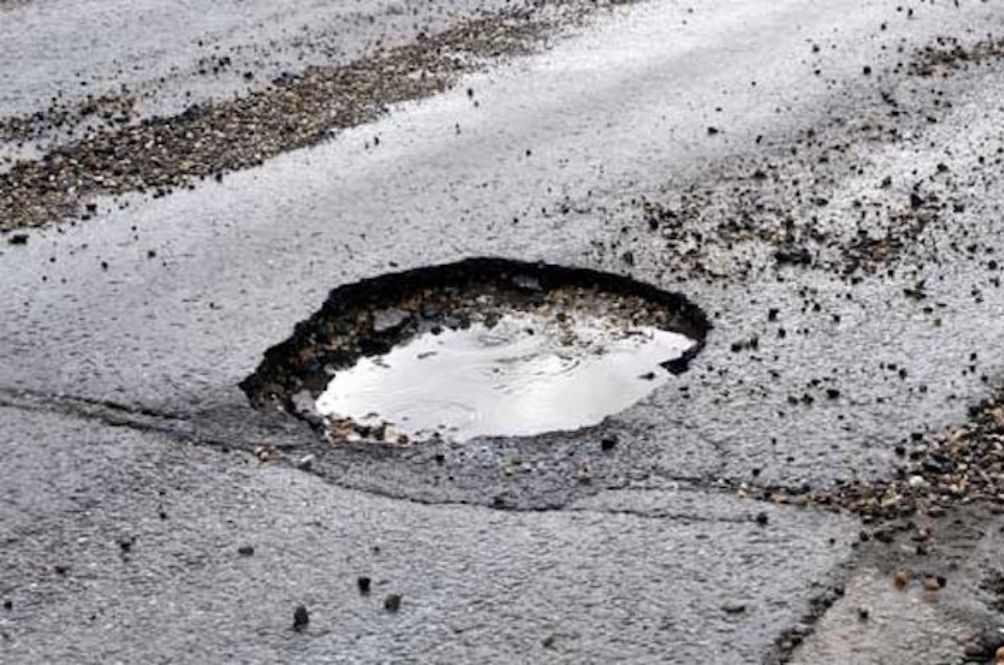
The Ministry of Works (KKR) has announced significant progress in addressing public road complaints received through the MyJalan application, with 11,860 cases resolved out of 12,459 submissions. This represents a resolution rate of 95.19 per cent, while the remaining 599 cases, or 4.81 per cent, are still under investigation or pending necessary action.
According to Bernama, since its launch in August 2023, the MyJalan app has attracted 54,330 registered users, who collectively submitted 40,938 complaints. However, not all of these fell directly under KKR’s jurisdiction. In line with the No Wrong Door policy, a total of 28,479 cases, amounting to 69.57 per cent, were redirected to the appropriate authorities. These included roads maintained by municipal councils, village administrators, agricultural bodies, state governments, and agencies such as the Ministry of Housing and Local Government (KPKT) and the Ministry of Rural and Regional Development (KKDW).
Beyond addressing road safety through the app, KKR is also pressing ahead with major infrastructure upgrades. On the East-West Highway, traffic flow remains within manageable levels according to 2024 census data, yet a RM100 million rehabilitation project has been commissioned. The project, scheduled for completion in 2026, covers resurfacing works, improvements to street lighting, and structural upgrades, alongside detailed studies, surveys, and the maintenance of both pavement and non-pavement assets.
In parallel, the Malaysian Highway Authority (LLM) has begun integrating Building Information Modelling (BIM) across all phases of highway projects — from planning to construction, and from operational management to future upgrades. This digital-first approach is in line with the 13th Malaysia Plan (13MP) and the National Construction Policy 2030, both of which emphasise digital transformation and sustainability.
BIM has already been applied in several high-profile projects since January 2023, including the widening of the Kuala Lumpur–Karak Highway, the Kajang SILK Highway expansion, flood mitigation works on the East Coast Expressway Phase 1, upgrades to the Sungai Perak Bridge, and enhancements at selected North-South Expressway rest areas. To support its adoption, LLM has rolled out training for BIM-specific roles such as managers, coordinators and modellers, while also working with the Construction Industry Development Board (CIDB) and academic institutions to develop formalised BIM Infra Guidelines.
Looking ahead, a new generation of projects will carry forward this technological transformation. These include the West Ipoh Span Expressway (WISE), Phase 3 of the SILK Highway expansion, and the Juru–Sungai Dua traffic dispersal project along the North-South Expressway.
Through these combined efforts — from the rapid response to road complaints via MyJalan to the modernisation of highway development — the Works Ministry has underlined its commitment to safer, smarter and more sustainable road infrastructure for Malaysia.