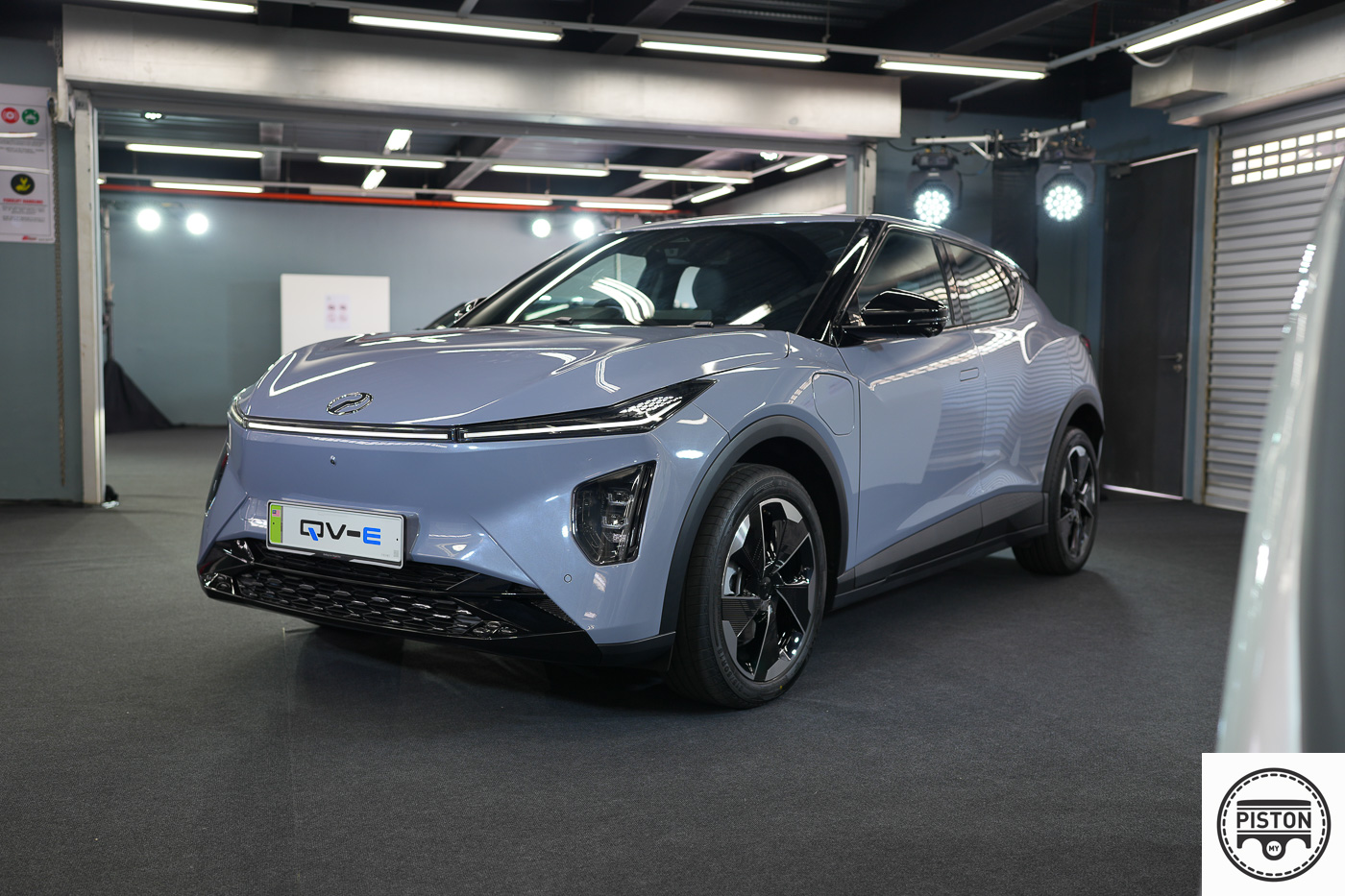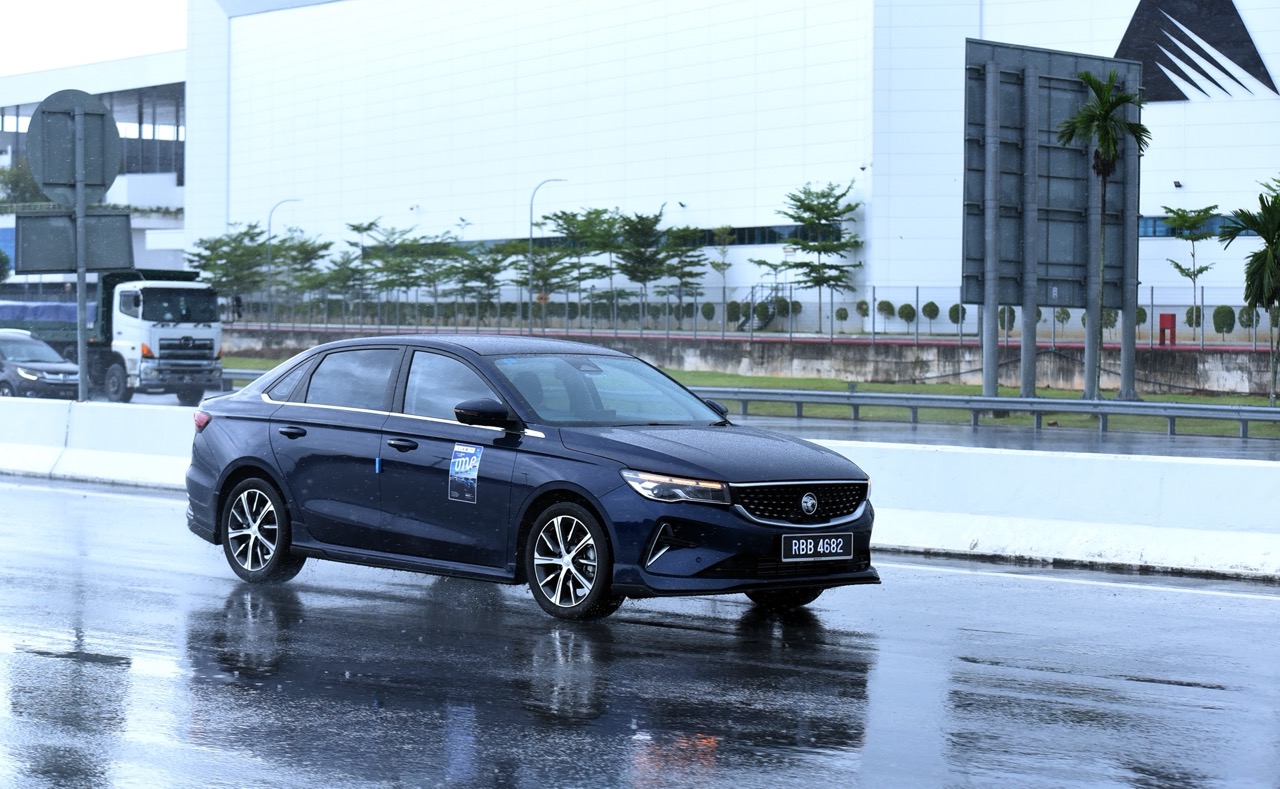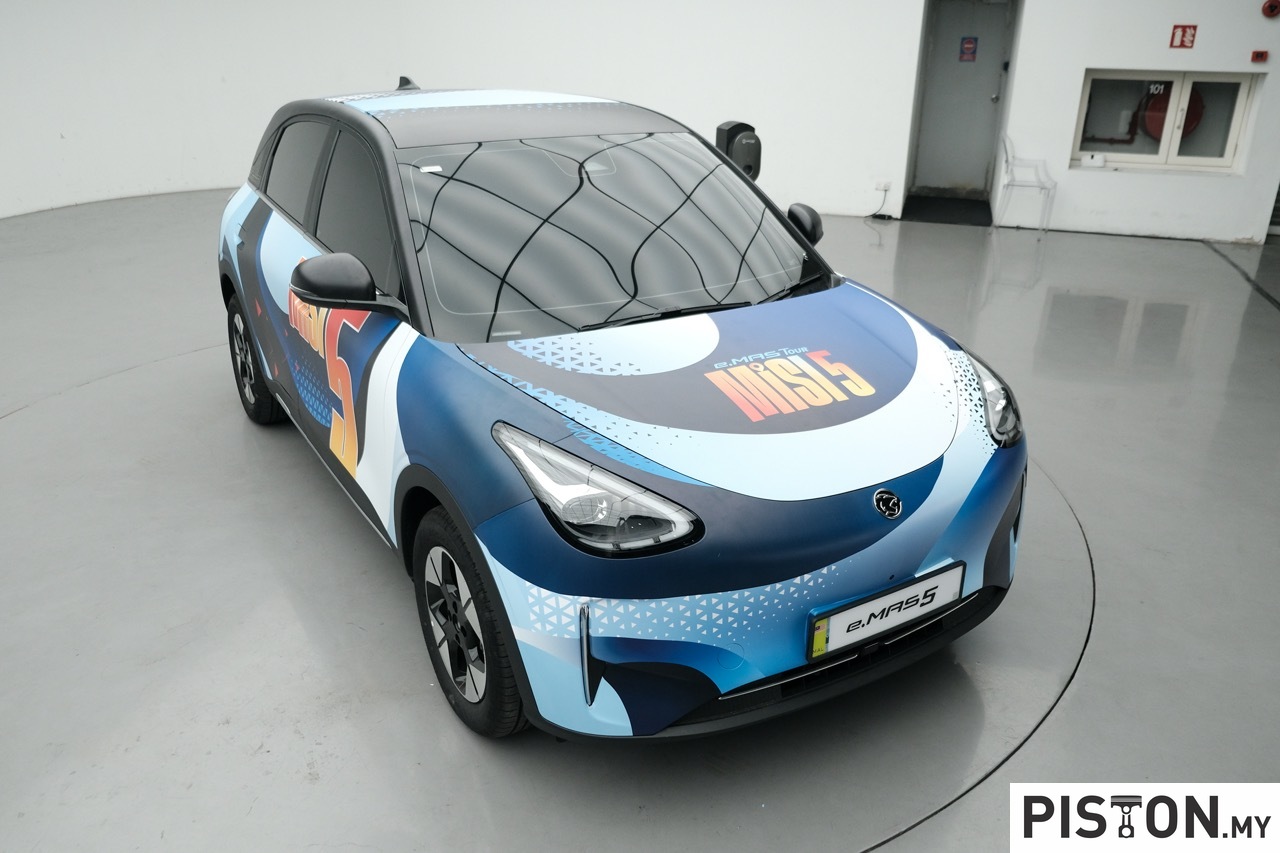
When Proton was founded in 1983, it was tasked with more than just producing a national car. The company was entrusted with the responsibility of driving Malaysia’s economic transformation from a resource-based economy into one focused on manufacturing. In the process, Proton also reshaped personal mobility, putting cars within reach of the rakyat while spreading skills, investments and industrialisation across the nation.
Forty-two years later, the national carmaker continues to play a pivotal role — not just in building cars, but in developing people. As the automotive industry undergoes its most profound transformation in history, Proton recognises that success no longer rests solely on manufacturing capability but on advanced technologies, global partnerships and the cultivation of a new generation of talent ready for electrification and beyond.
Malaysia, however, faces a challenge. Despite a 10 per cent increase in STEM enrolment over the past five years, there remains a shortage of skilled workers in critical areas such as Artificial Intelligence, digital literacy and green technologies. Proton sees this gap not as a hindrance but as an opportunity, positioning itself as a training ground for the next wave of industry leaders.
Building a Talent Pipeline
Proton’s strategy to nurture future talent began in 2018 with the launch of the Proton Young Talent (PYT) management trainee programme. Since then, 311 young Malaysians across 27 batches have been recruited into roles spanning advanced manufacturing, sales, operations and, increasingly, electric vehicle development.
Beyond its internal initiatives, Proton has forged collaborations with key government agencies such as the Department of Manpower (JTM) under the Ministry of Human Resources (KESUMA). These partnerships are designed to close the national skills gap by co-developing training modules, creating internships and attachments, and refining technical and vocational education (TVET) through the Proton Advanced Automotive Technology Institute.
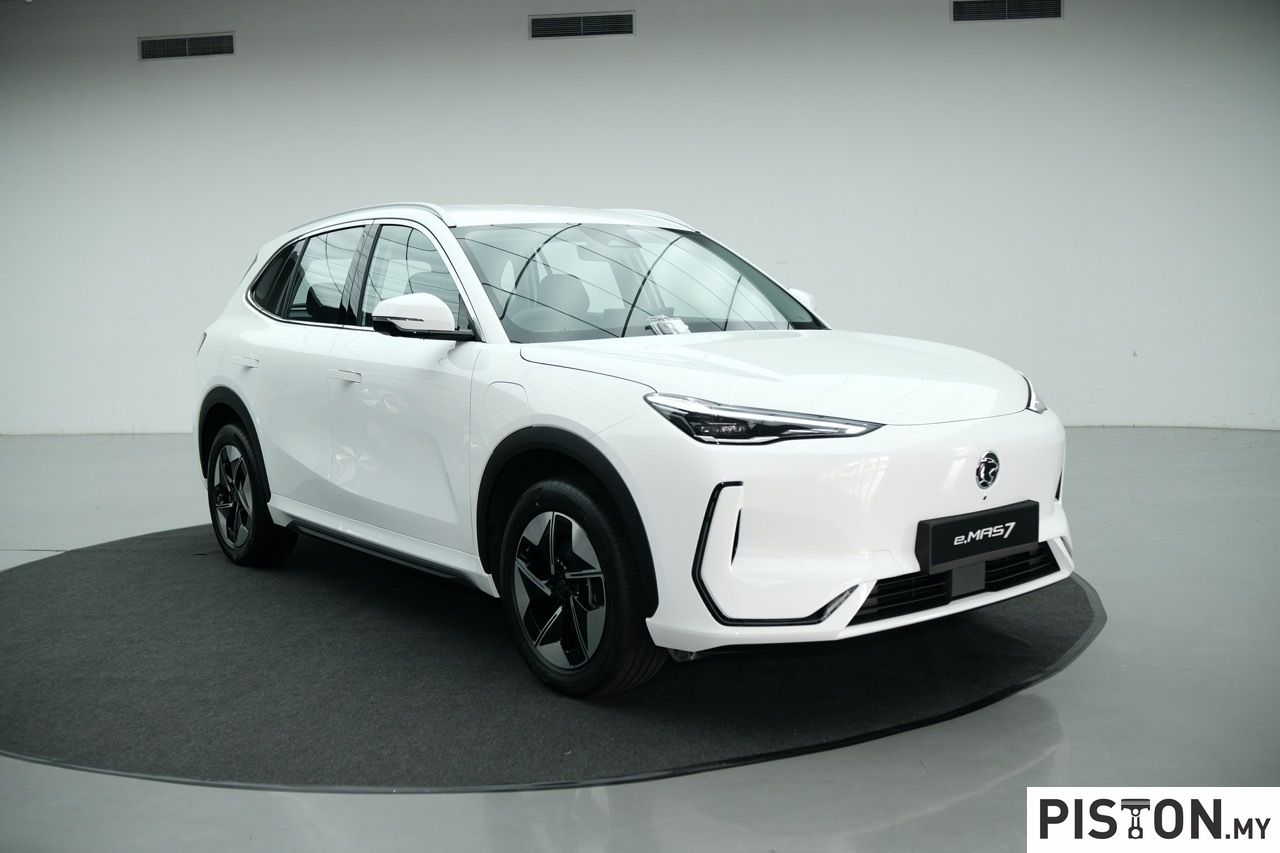
Proton does not merely train its young professionals — it entrusts them with meaningful responsibilities. A standout example was witnessed during the official launch of the Proton e.MAS 7, where a PYT participant confidently addressed more than 1,000 attendees, including Prime Minister Dato’ Seri Anwar Ibrahim. Such moments highlight Proton’s role in turning fresh graduates into leaders capable of speaking for Malaysia’s national carmaker.
Global Exposure and Local Impact
The PYT initiative also extends beyond Malaysia’s borders. Umaibala A/L Rajendiran, or Bala, a 24-year-old mechanical engineering graduate, spent six months in China working alongside Proton R&D and Geely. Immersed in suspension and braking systems development, Bala gained first-hand insight into global innovation while also absorbing the fast-paced yet supportive culture of China’s automotive ecosystem. Guidance from both Malaysian and Chinese mentors provided him with not only technical expertise but also soft skills and cultural fluency.
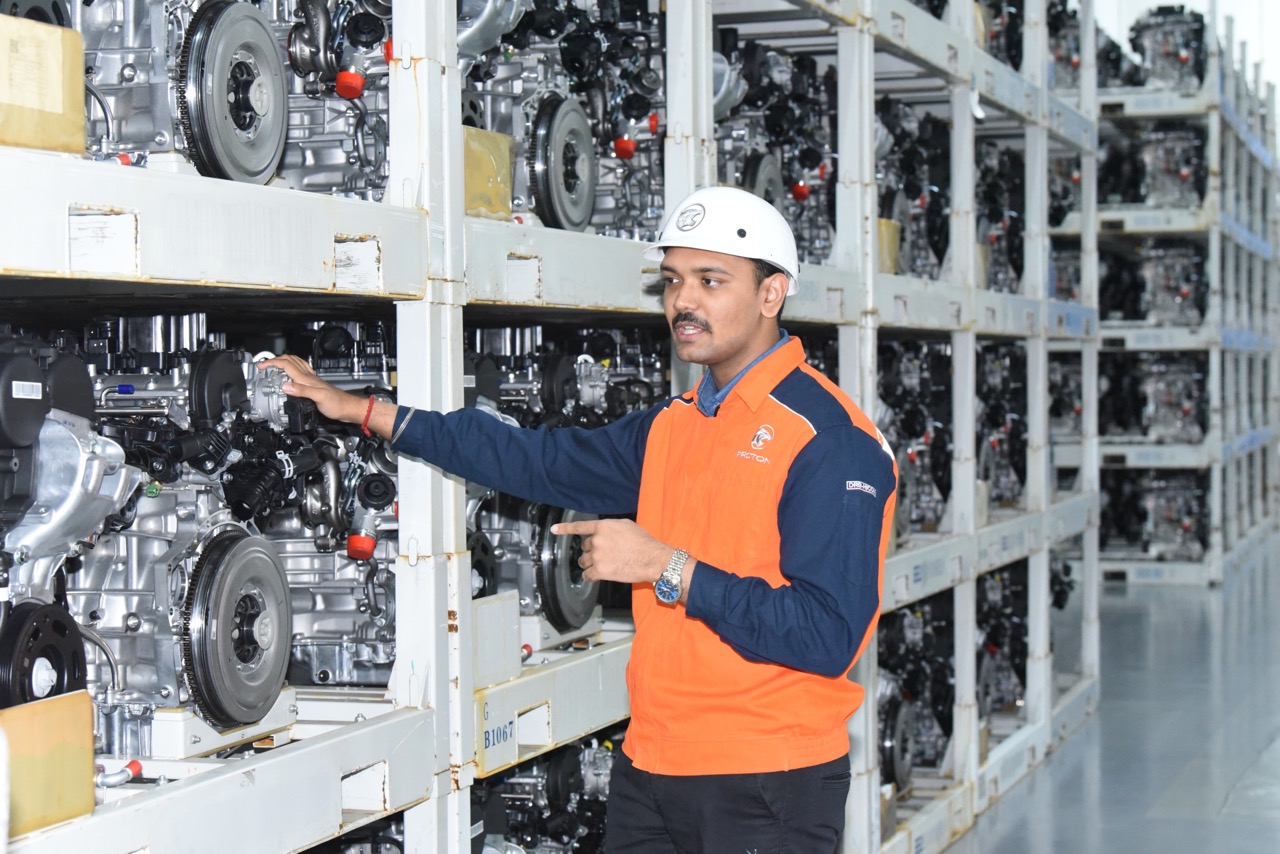
Proton also recognises that innovation requires diversity of thought. The programme has opened doors for young Malaysians from non-engineering backgrounds, proving that careers in the automotive industry extend far beyond technical roles. For accounting graduate Halisha Halim, joining Proton’s Group Communication team offered a surprising new path. She found herself responsible for shaping the company’s public narrative, drafting press releases and managing media engagements — responsibilities that showed how varied skills play a role in sustaining the brand’s reputation.

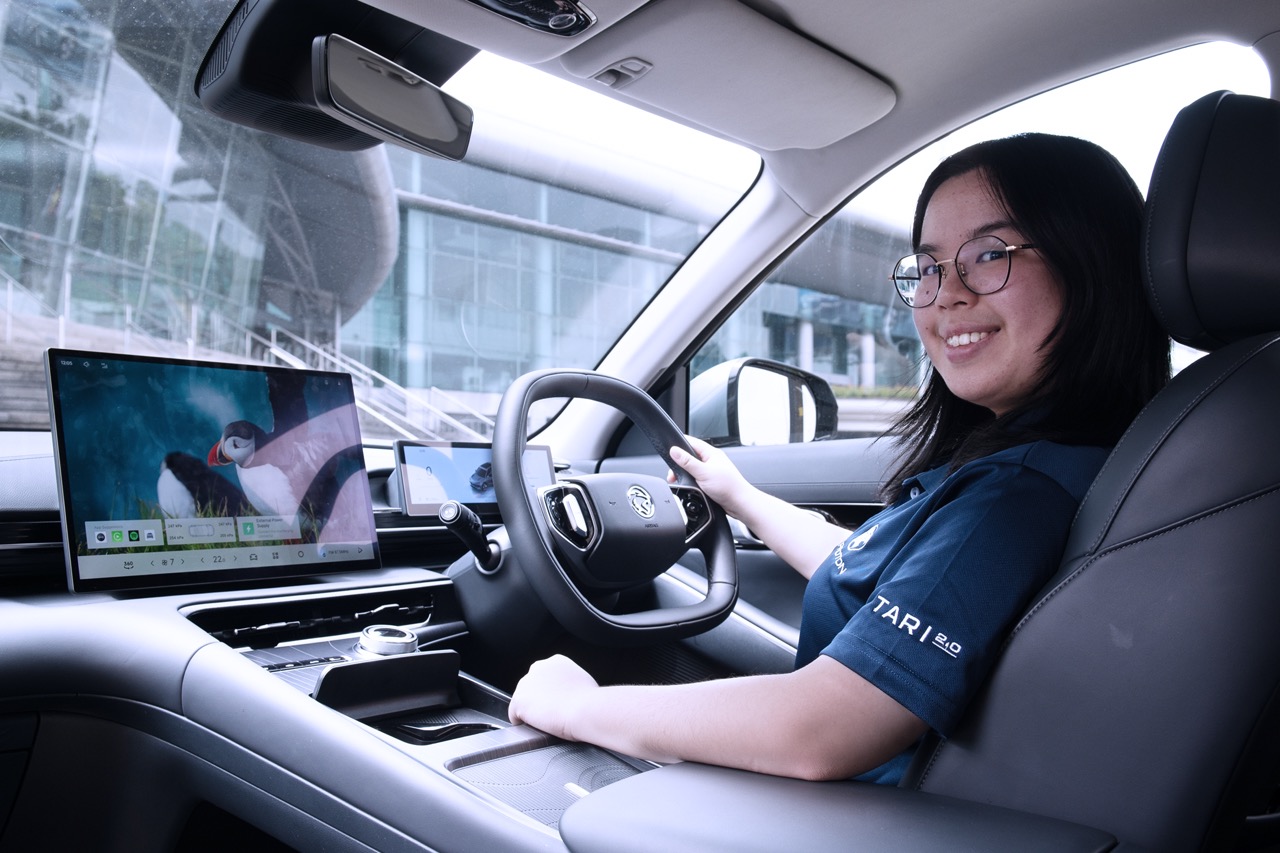
Similarly, Lan Sue Sim, a computer science graduate specialising in Artificial Intelligence, was placed at PRO-NET, Proton’s dedicated arm for electrification. Her role placed her directly at the forefront of Malaysia’s EV journey. Tasked with understanding consumer perceptions, Lan identified that hesitation among Malaysians largely stems from concerns about battery life, charging availability and range anxiety. She was quick to counter these fears, pointing out that modern EVs are engineered with sealed battery packs and advanced safety standards that make them as reliable as internal combustion engine vehicles, even in challenging weather conditions.
Shaping the Future Workforce
According to Proton’s Head of Learning & Talent Management, Shafinaz Binti Jamaludin, the company believes that leadership in the evolving automotive industry depends on talent above all else. Proton’s vision is to cultivate an environment where young Malaysians are empowered with real responsibilities, global exposure and the chance to shape the future of mobility. By doing so, the company ensures that its workforce is not just prepared for the challenges of tomorrow but is actively defining Malaysia’s position on the global automotive stage.
In essence, Proton’s legacy of building cars is now matched by its legacy of building people. From engineers and AI specialists to communicators and strategists, the Proton Young Talent programme demonstrates that the future of Malaysia’s automotive industry will be driven as much by human capital as it is by technological innovation.