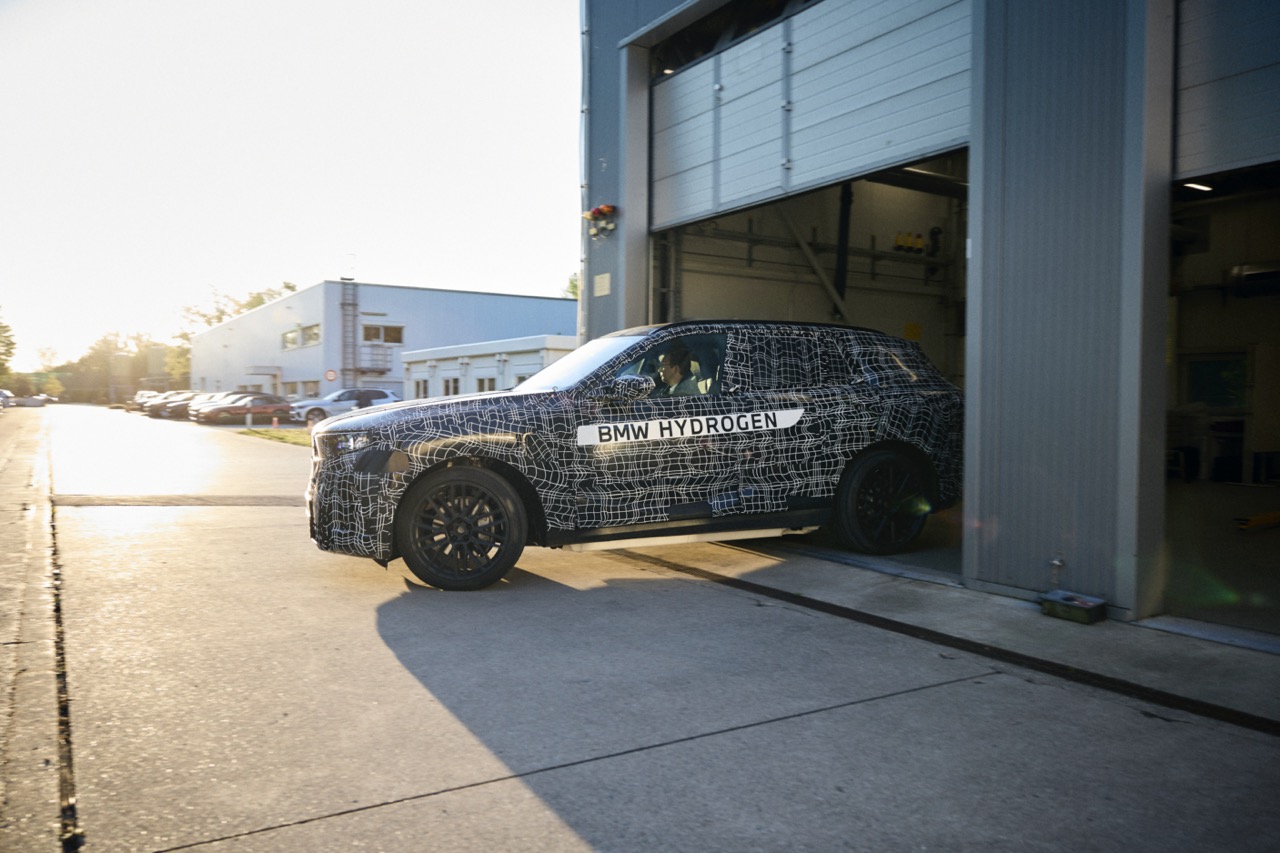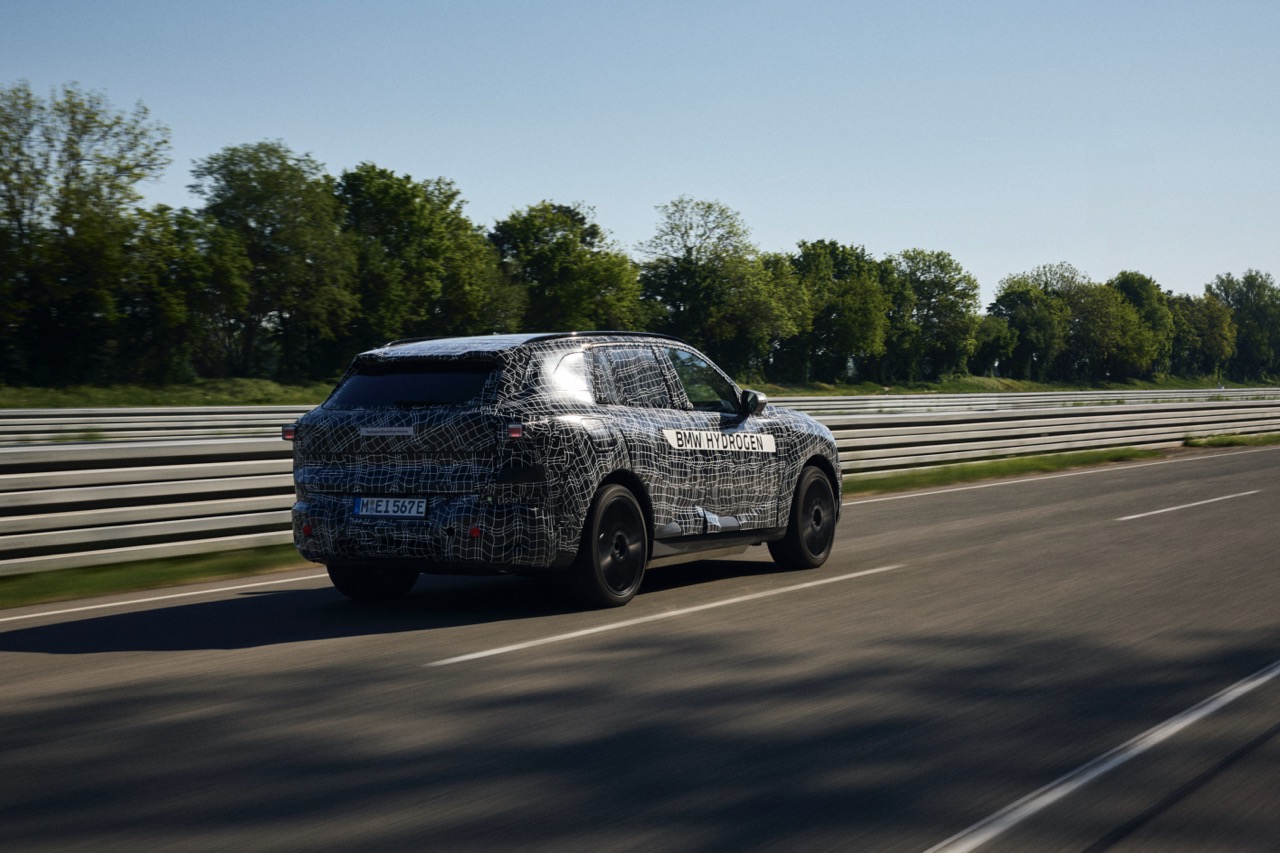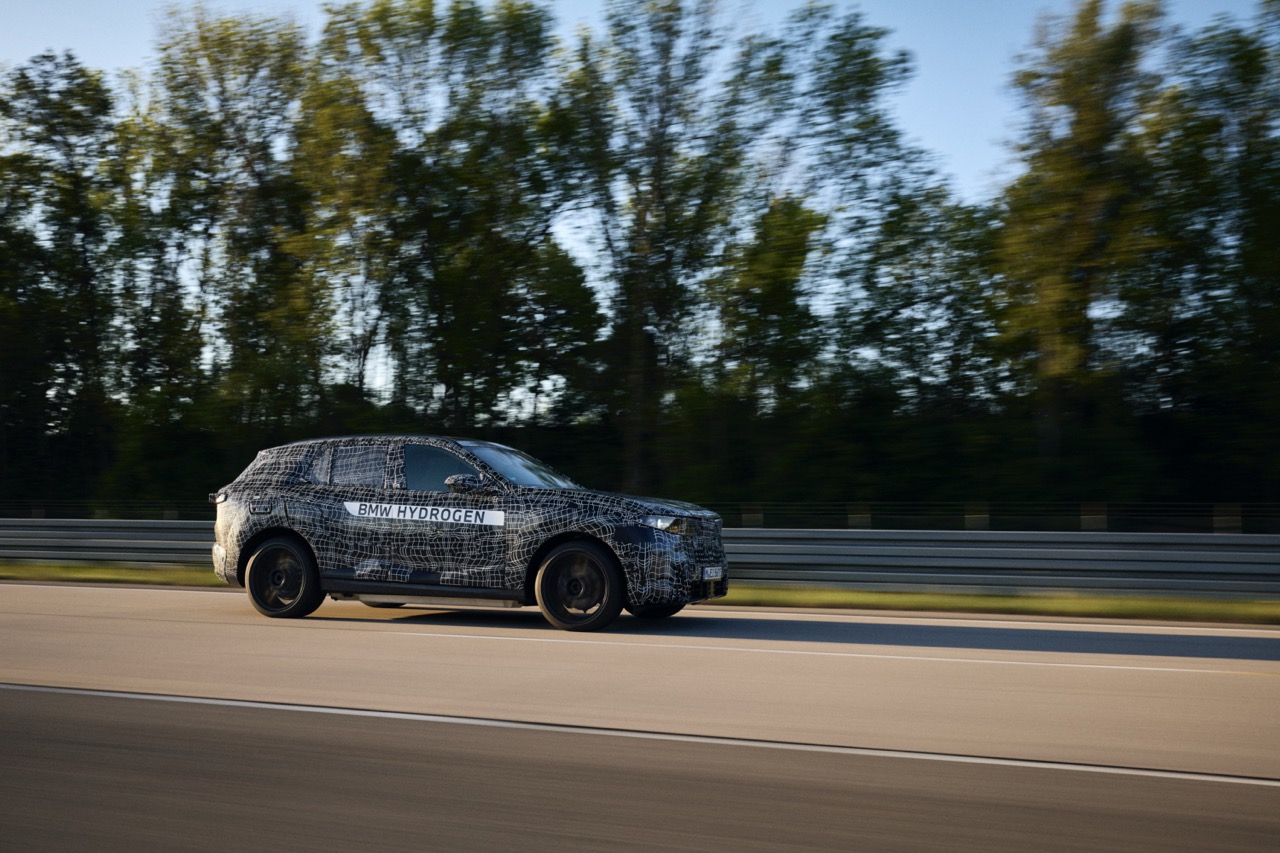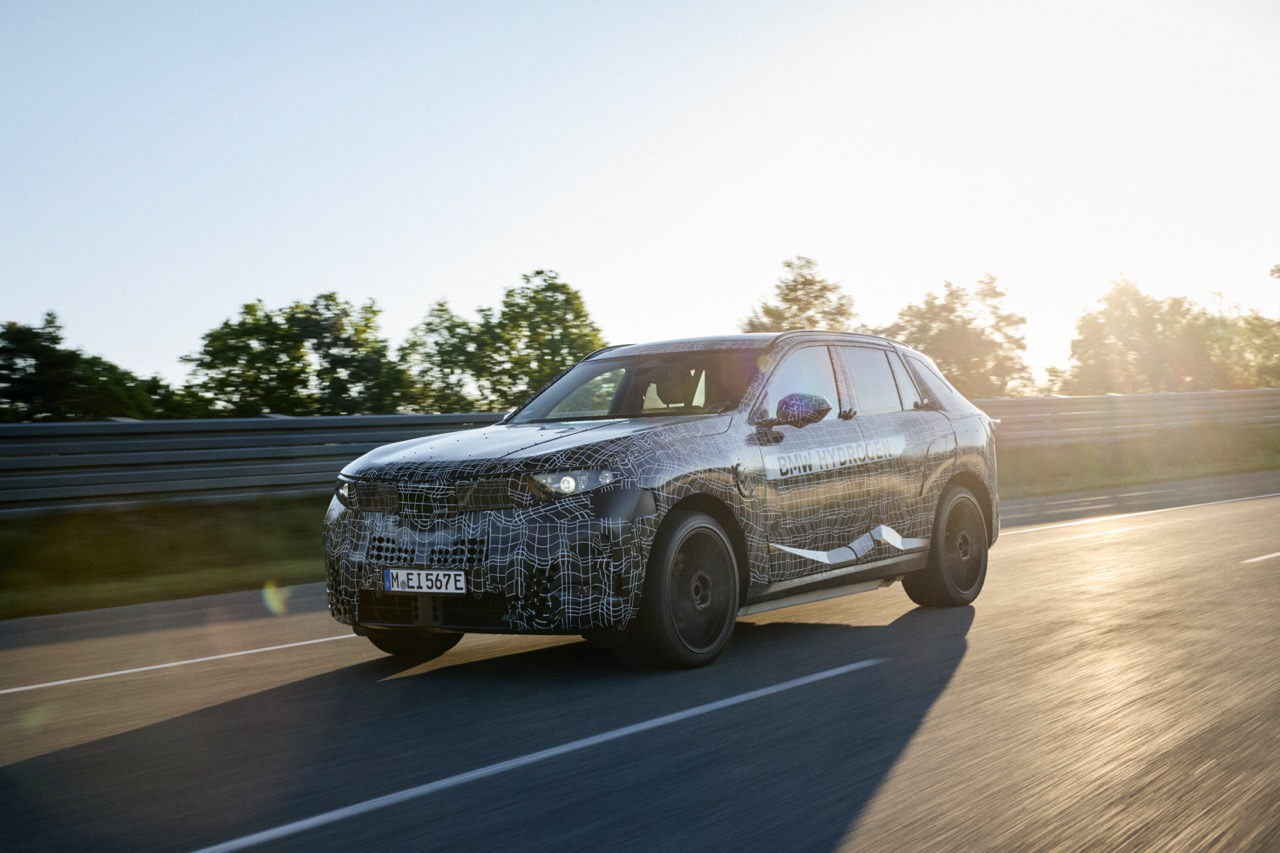
BMW is preparing to roll out the latest generation of the X5, and this time it will come with more drivetrain options than ever before. Buyers will be able to choose between battery electric, plug-in hybrid, petrol, diesel, and, for the first time, hydrogen fuel cell. It will make the X5 the first model in the brand’s line-up to feature the full range of propulsion technologies in a single series.
Alongside the car, BMW is also pushing its Hydrogen Mobility at Scale (HyMoS) programme, aimed at expanding hydrogen refuelling networks in large cities. The pilot phase is starting in Germany, before moving into France and later other markets.

The plan was presented in New York by Joachim Post, BMW AG’s Board Member for Development. He explained that hydrogen plays a crucial role in the shift to low-carbon mobility and confirmed that BMW intends to move both the technology and its infrastructure forward.
BMW’s strategy has long been described as “technology-open.” Rather than putting all its resources into one type of drivetrain, the company develops multiple options in parallel. This allows BMW to respond to different markets, regulations, and customer demands, while its flexible production systems can build vehicles powered by combustion engines, batteries, or hydrogen fuel cells on the same lines. From 2028, BMW will offer two types of all-electric vehicles: those powered purely by batteries and those driven by hydrogen.

The hydrogen model will be introduced as the BMW iX5 Hydrogen, which has already been tested globally through a pilot fleet. This will be BMW’s first series-produced hydrogen car and is positioned as a proper BMW in terms of driving feel, but with a new generation fuel cell system under the bonnet.
That system represents the third generation of BMW’s fuel cell technology, co-developed with Toyota. It is more compact, more powerful, and more efficient than earlier versions, giving better range and output while reducing consumption. The development and production of components are taking place at BMW’s facilities in Munich, Steyr, and Landshut, which are already building prototypes.
BMW sees hydrogen as a complement rather than a rival to battery-powered mobility. It enables renewable energy to be stored and transported in a more flexible way, helps balance electricity grids, and extends the usefulness of electric vehicles into areas where batteries may not be the most practical solution.
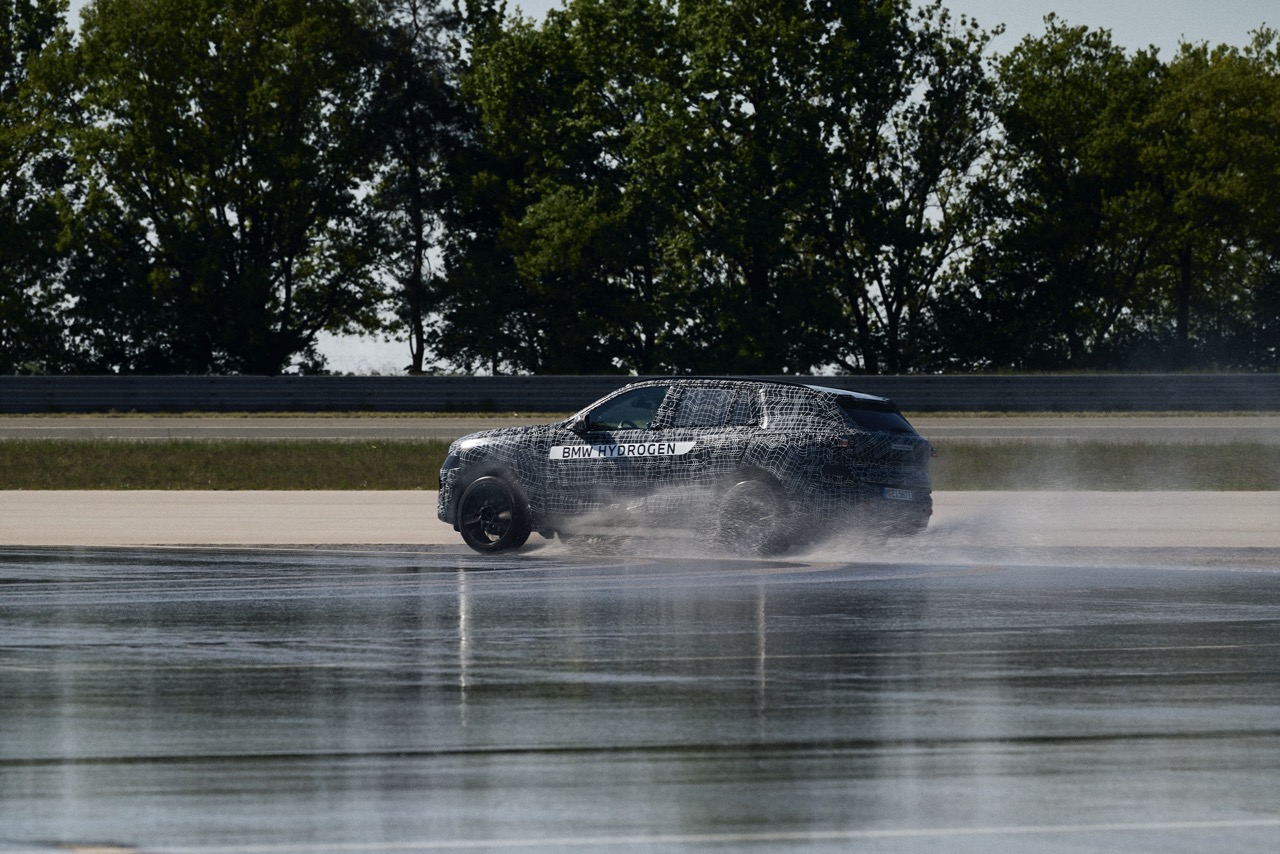
To make hydrogen adoption viable, BMW is backing HyMoS with a consortium of partners from industry and government. The initiative is designed to improve the economics of hydrogen refuelling by combining demand from cars, buses, and trucks, making stations more sustainable and efficient. Knowledge is shared between projects to help smaller pilots scale up successfully.
The arrival of the new BMW X5 with five powertrain choices, including the iX5 Hydrogen, highlights BMW’s determination to keep multiple pathways open in the move towards sustainable mobility. It also lays an important foundation for hydrogen technology to play a broader role in the years ahead.