The smart brand has always been about rethinking mobility. Back in the late 1990s, it started out with quirky two-seater city cars that were perfect for tight European streets.
Born from a collaboration between Mercedes-Benz and Swatch, the company made its name with the smart fortwo – a tiny, efficient runabout that quickly became iconic in cities like Paris and Berlin.
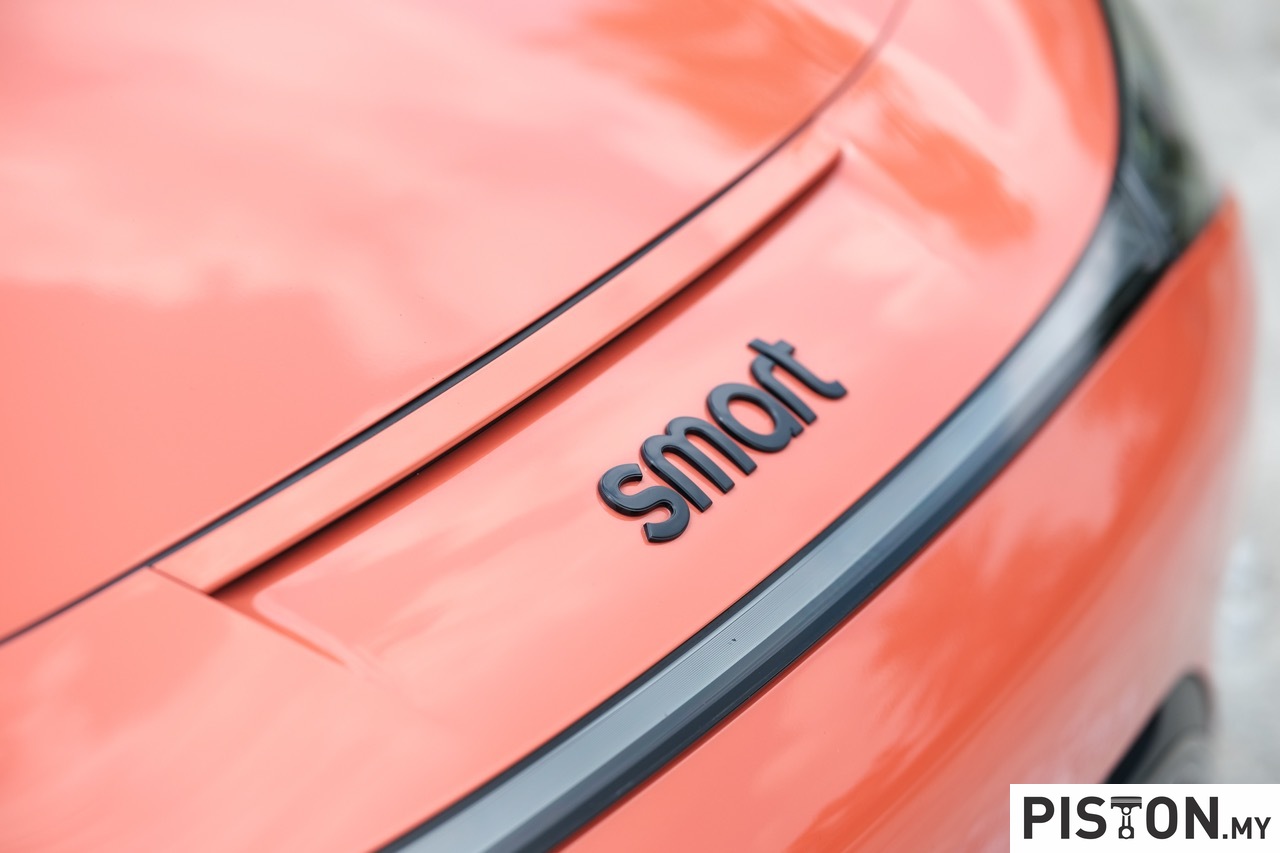
Fast forward to today, smart has evolved into a pure electric brand under the joint venture between Mercedes-Benz and Geely. By 2025, the brand’s image is no longer tied to compact oddballs, but instead stylish, high-tech EVs designed for global appeal.
In Malaysia, smart is represented by Pro-Net, and the line-up currently includes the smart #1, the larger smart #3 and the soon-to-be-launched smart #5.
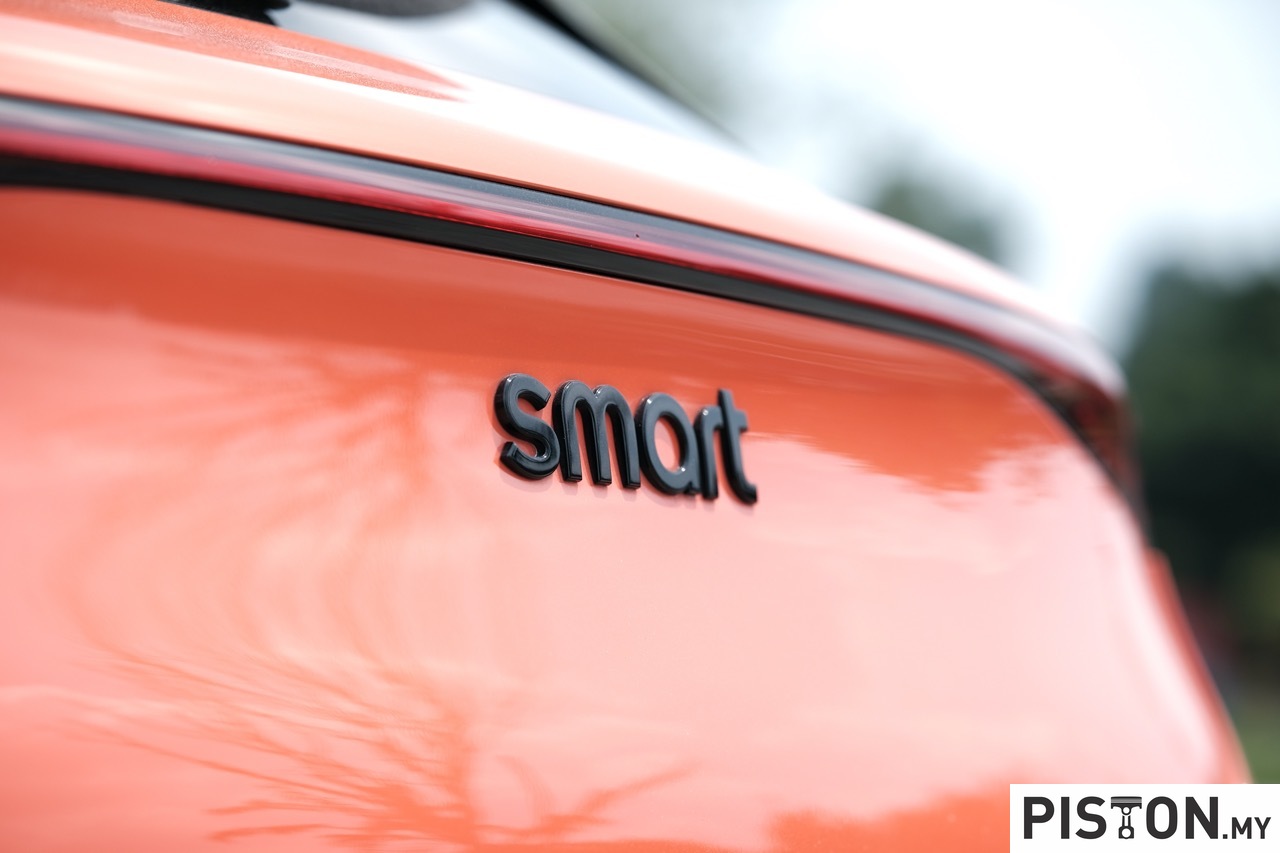
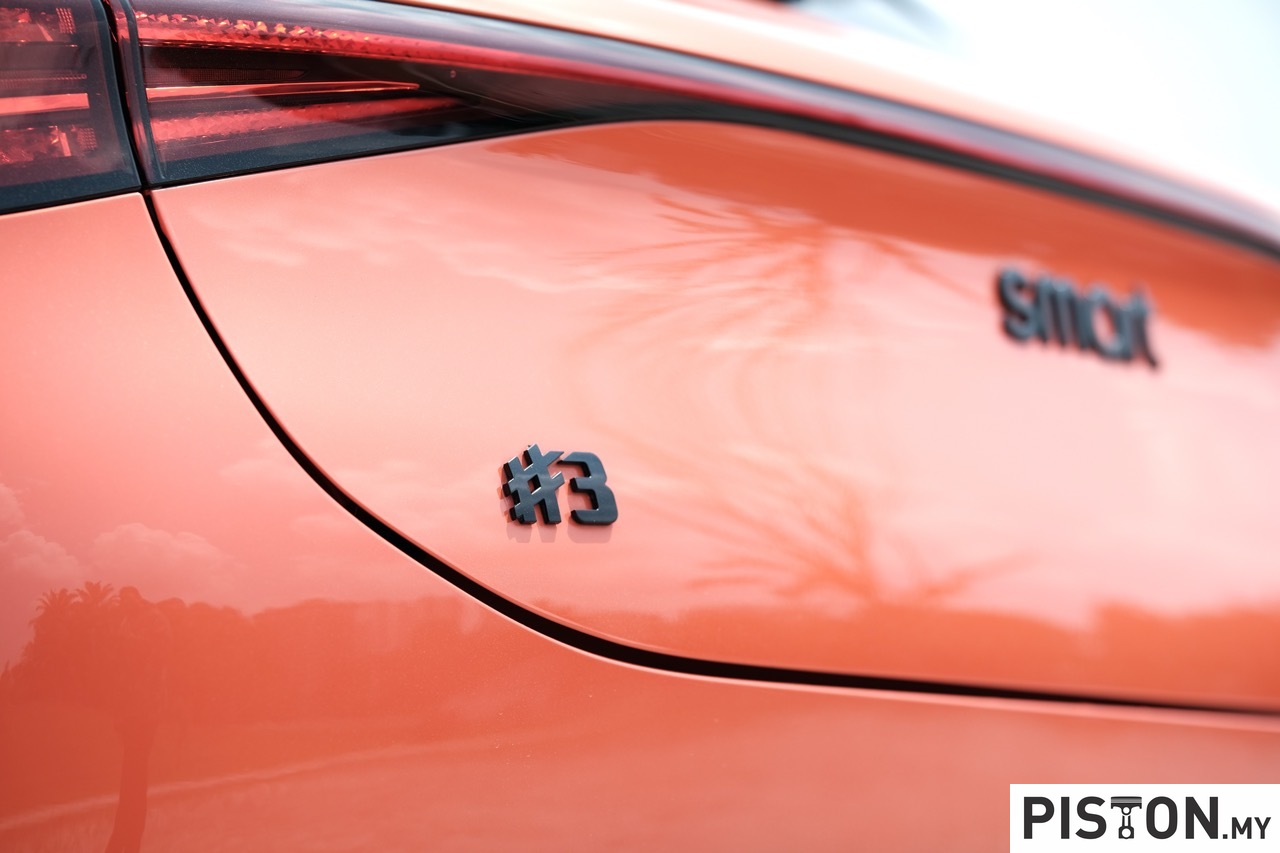
The #3 is a coupe-styled SUV aimed at those who want something more dynamic and sporty, and the Brabus version takes it up another level.
I recently had the chance to drive it, and here’s how it felt from behind the wheel.
Bold First Impressions
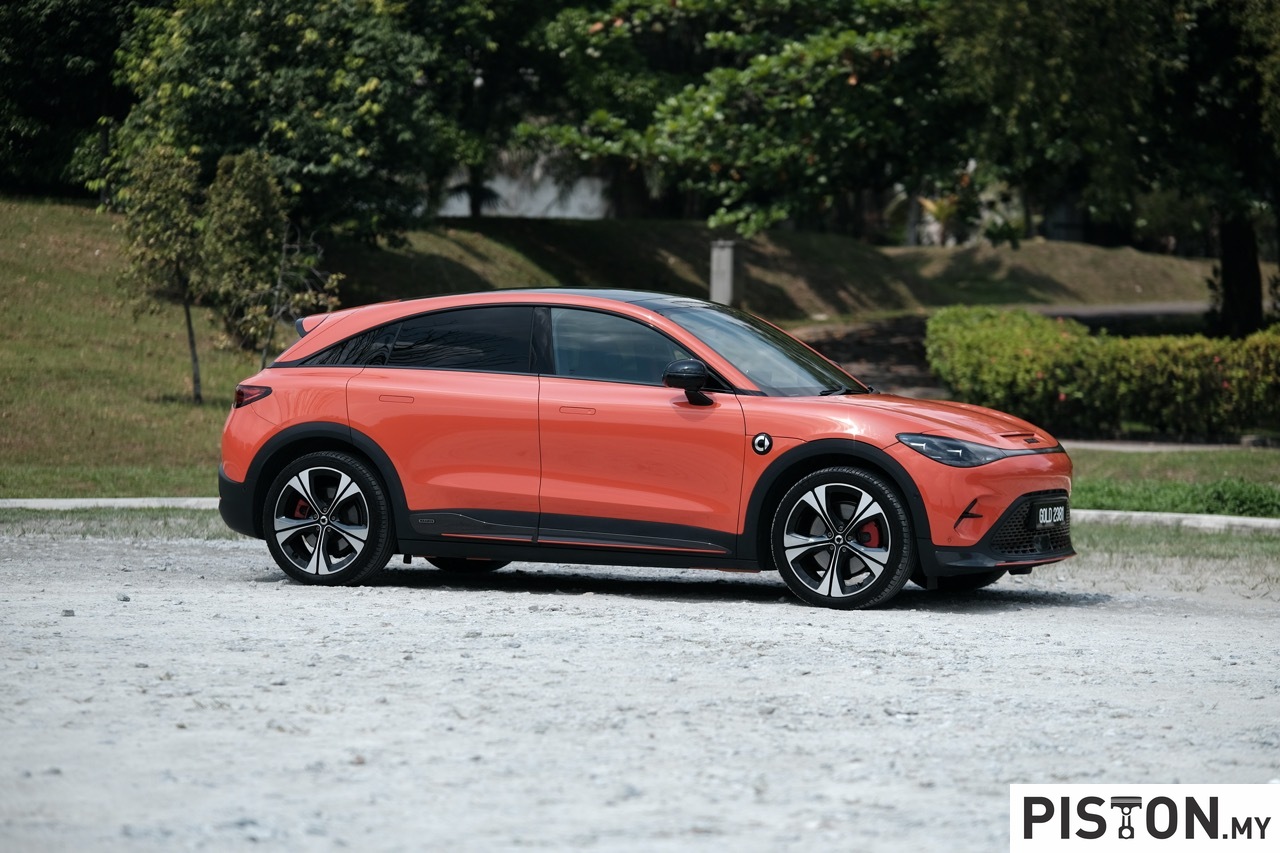
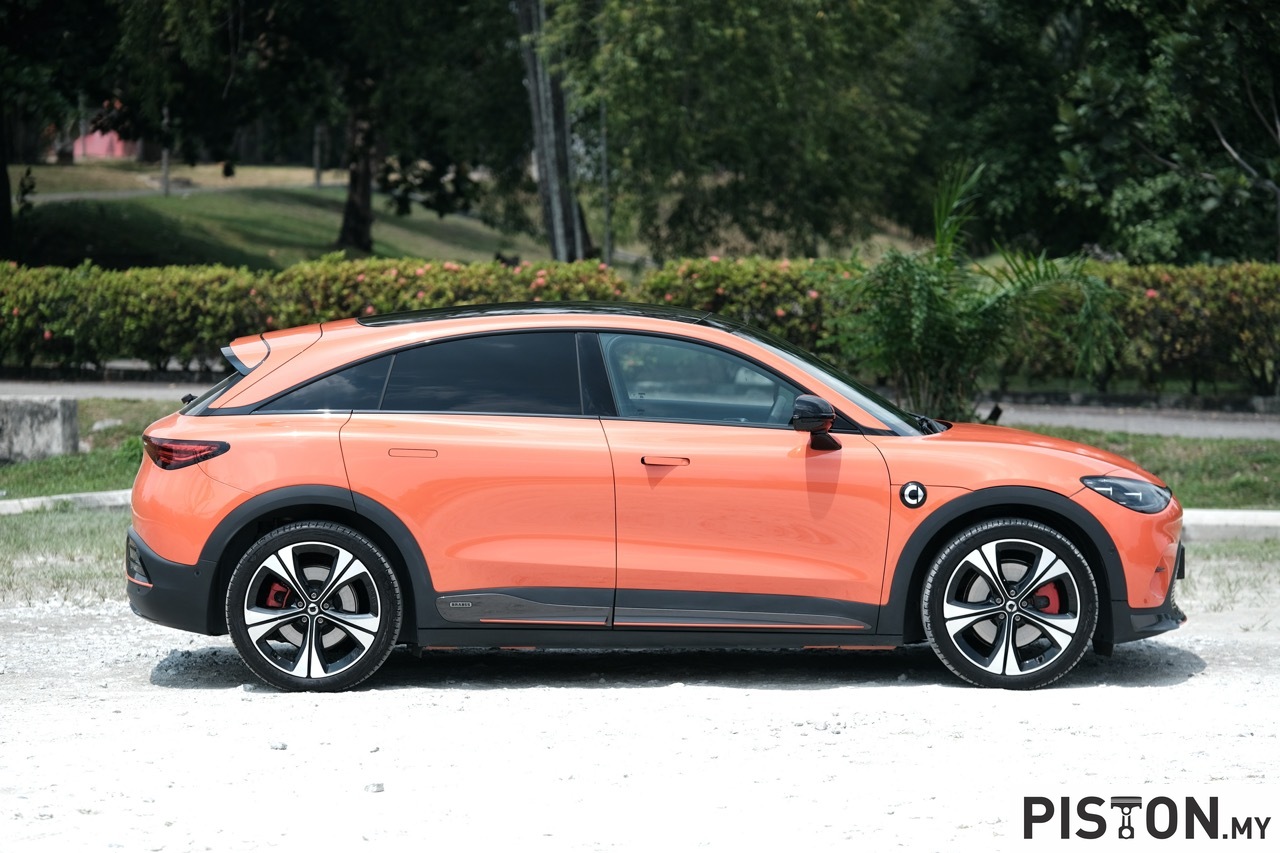
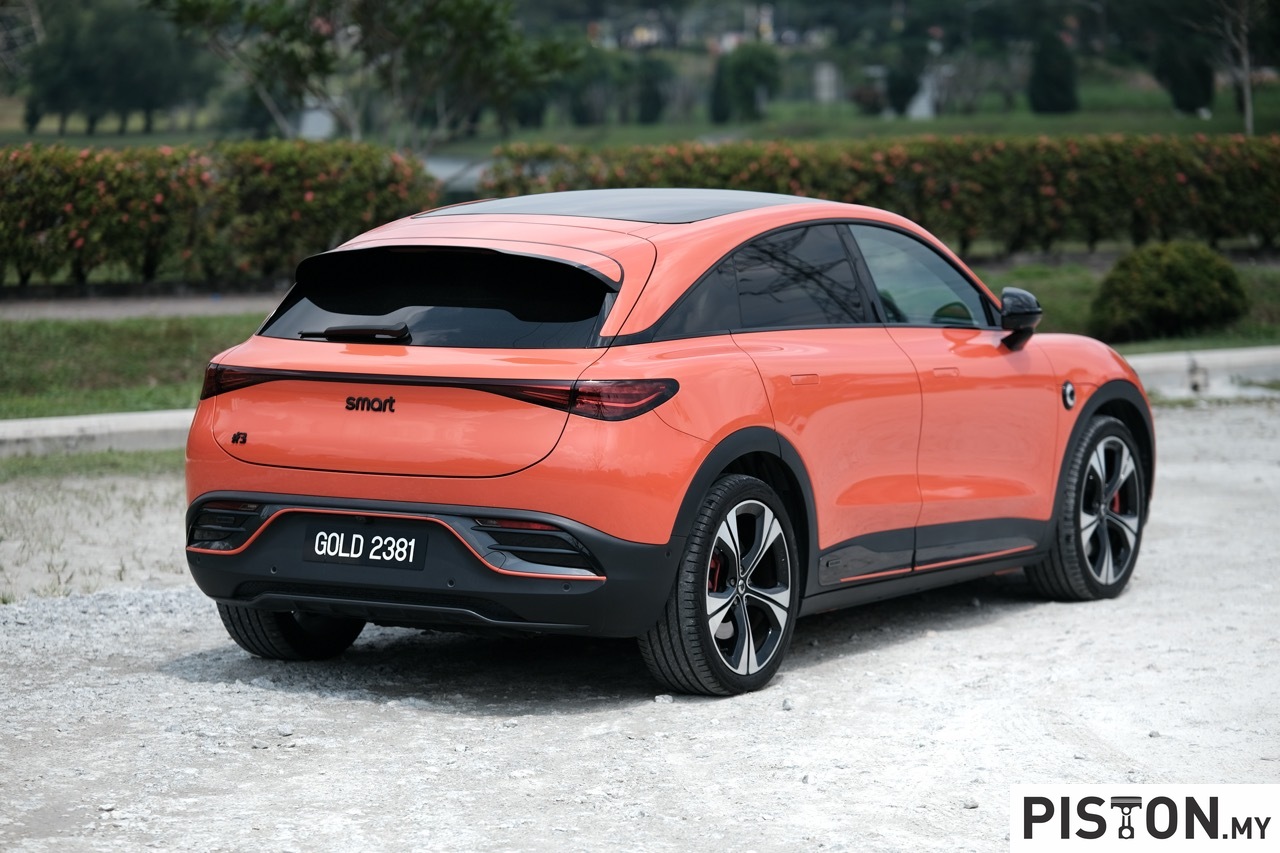
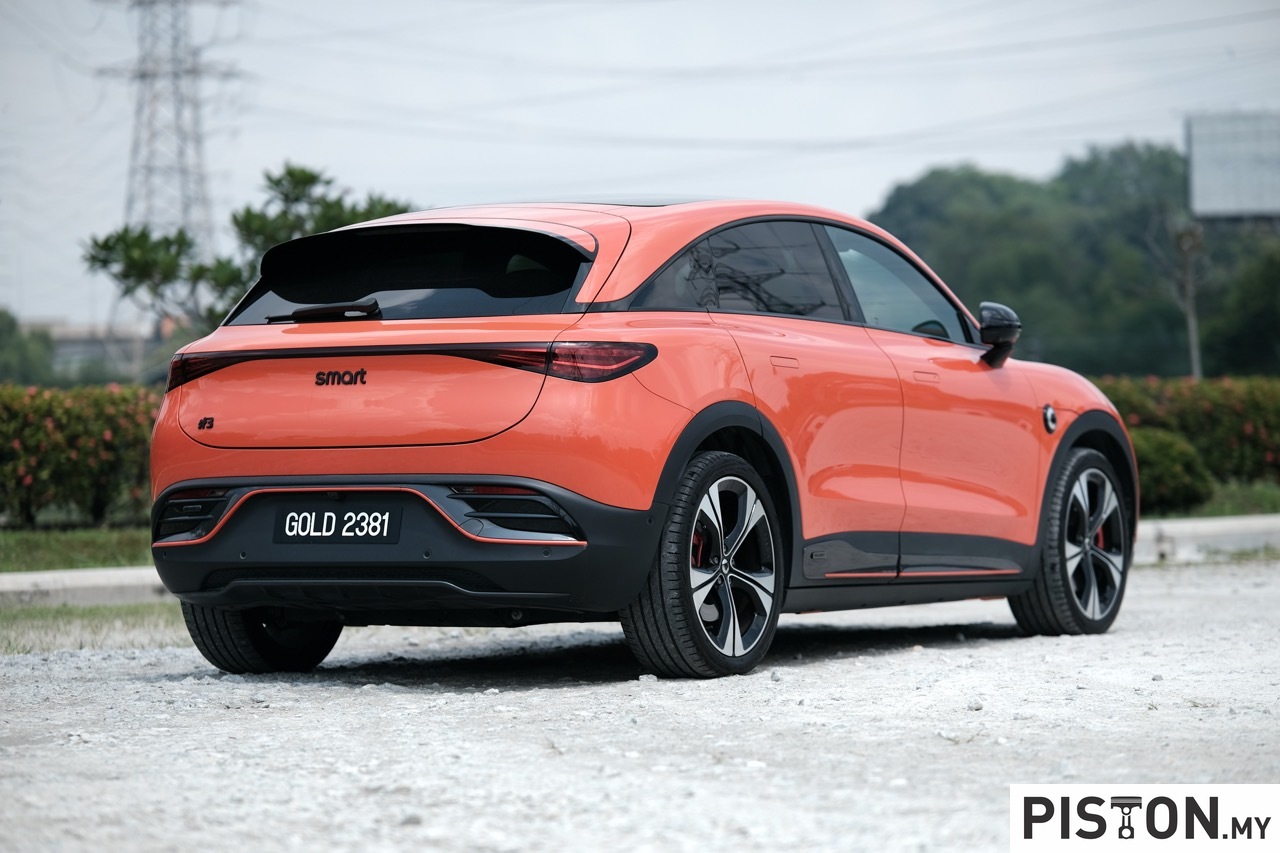
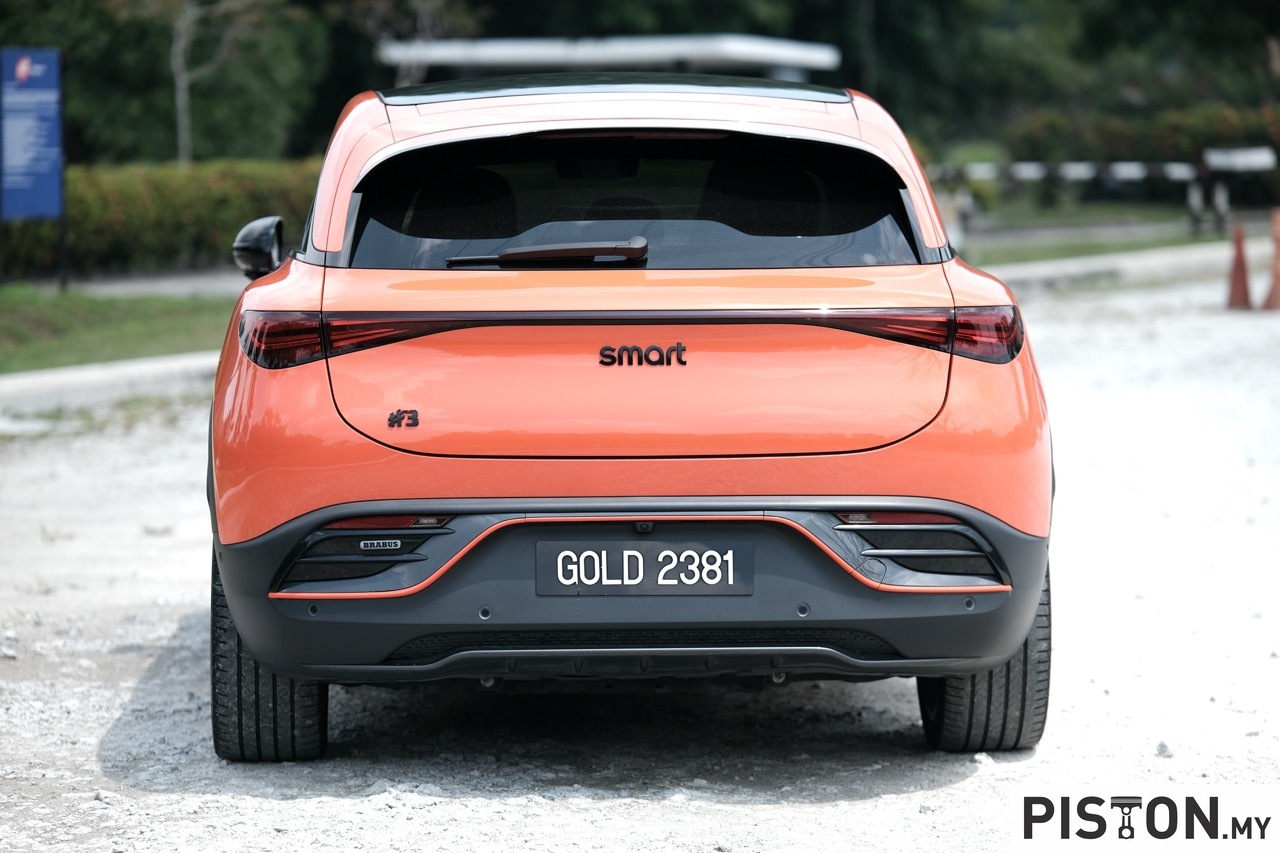
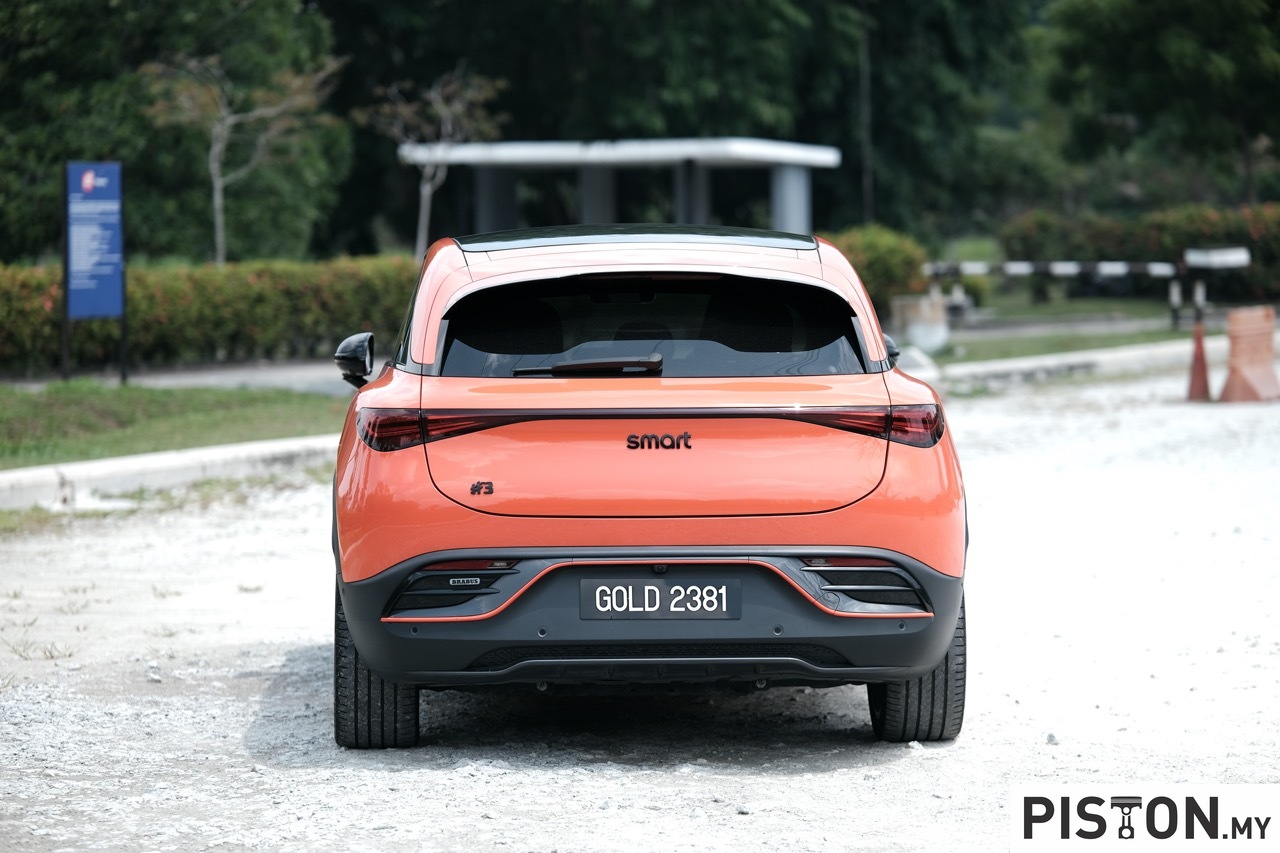
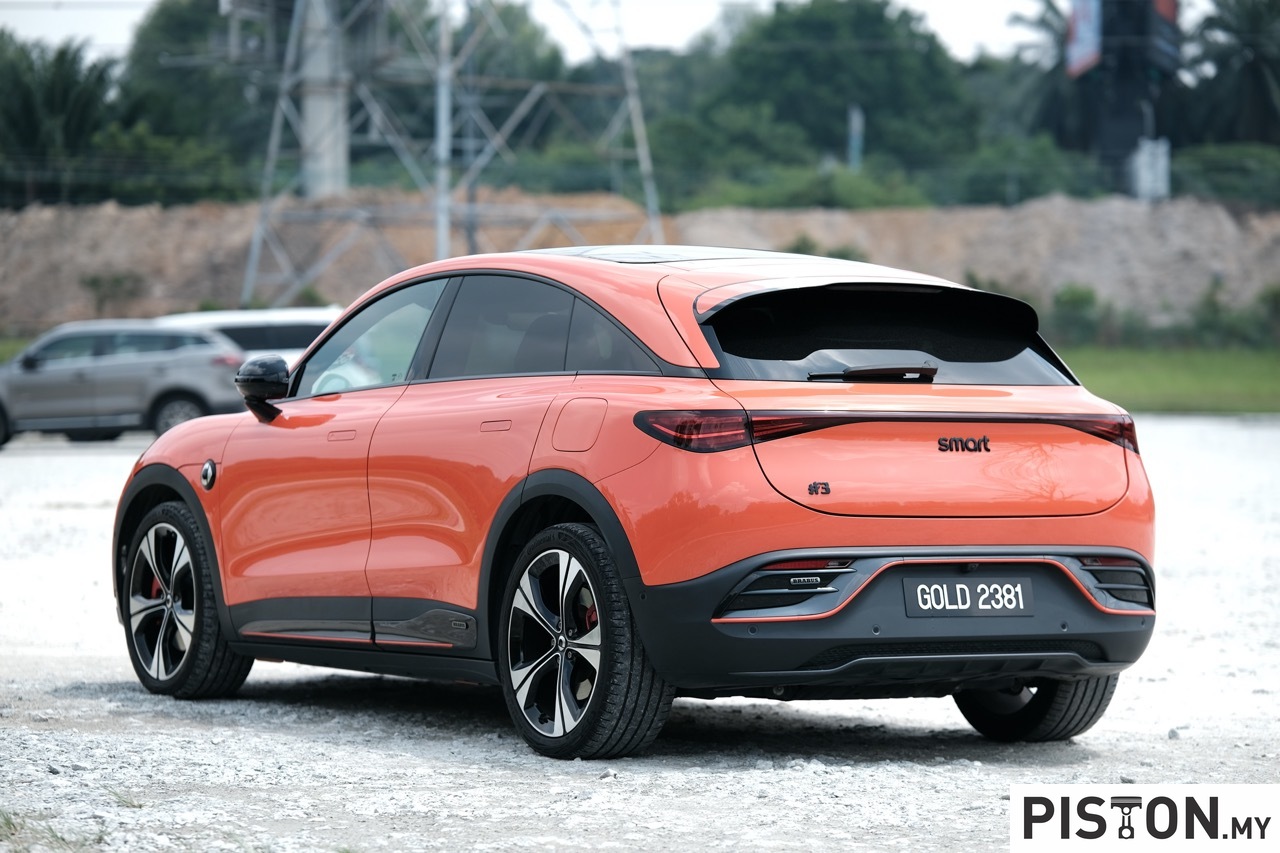
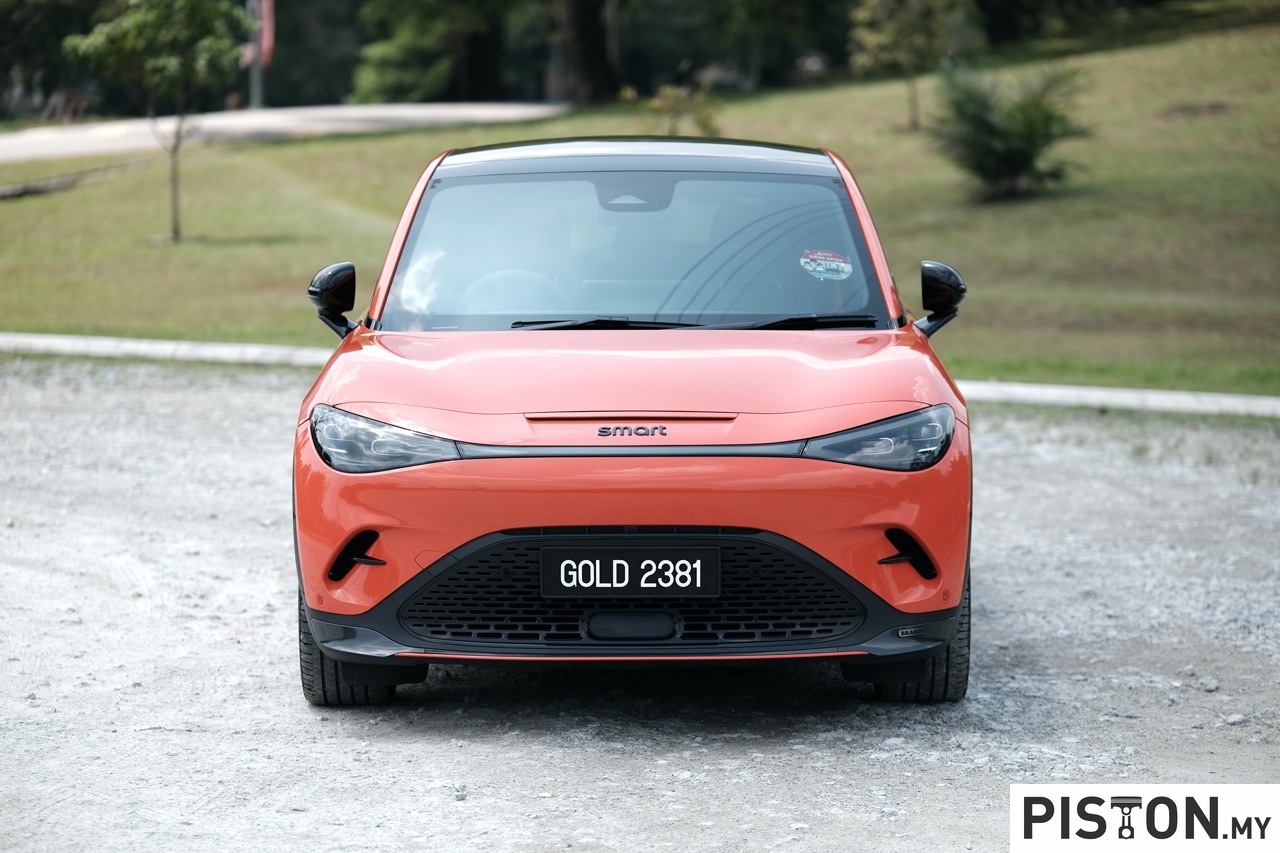
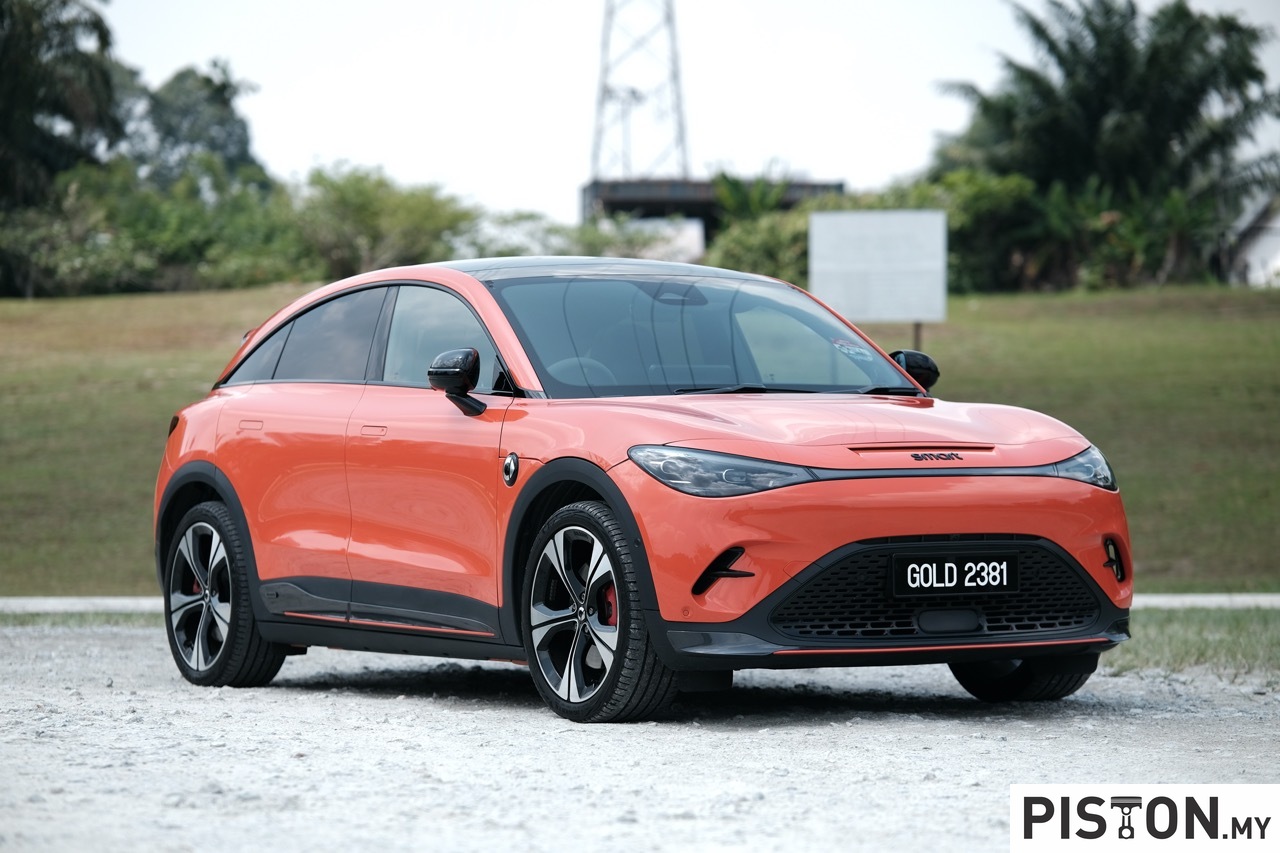
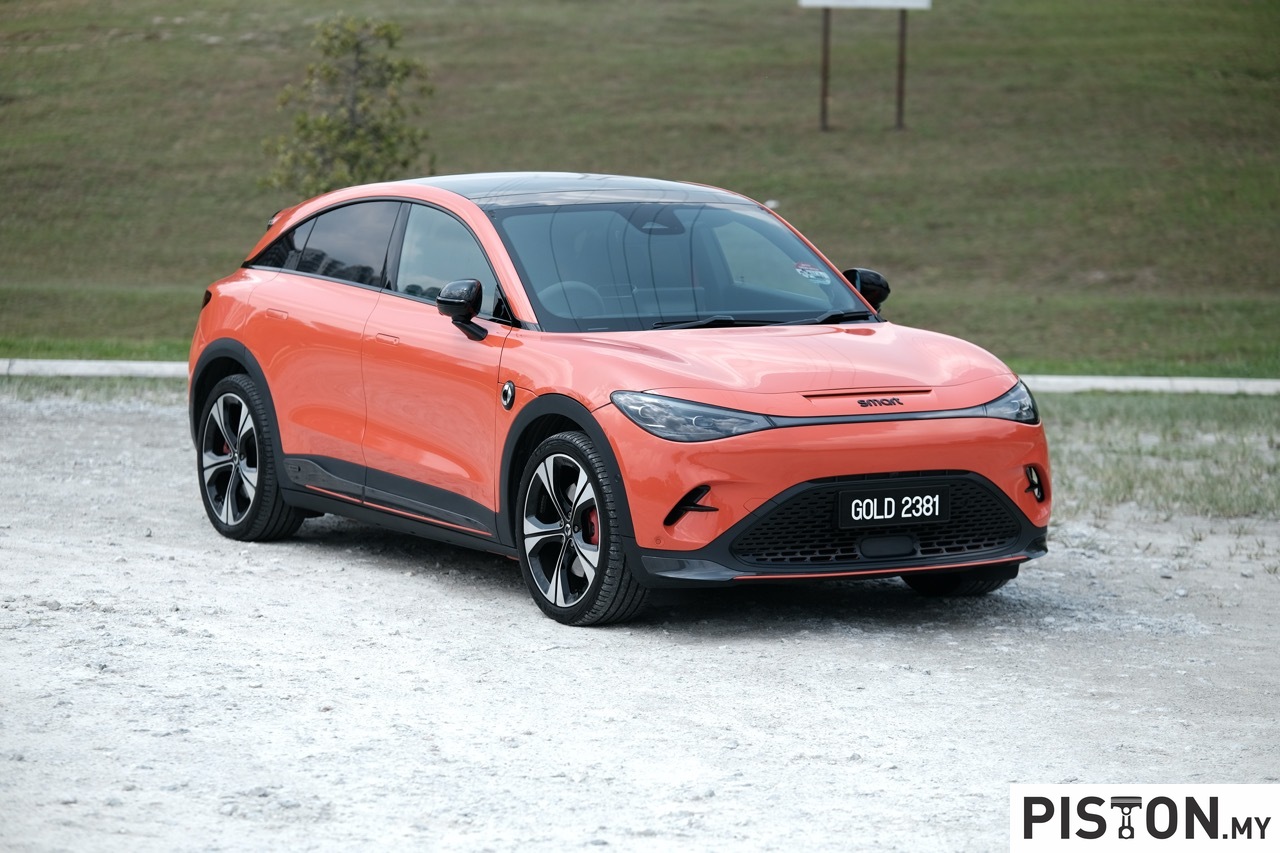
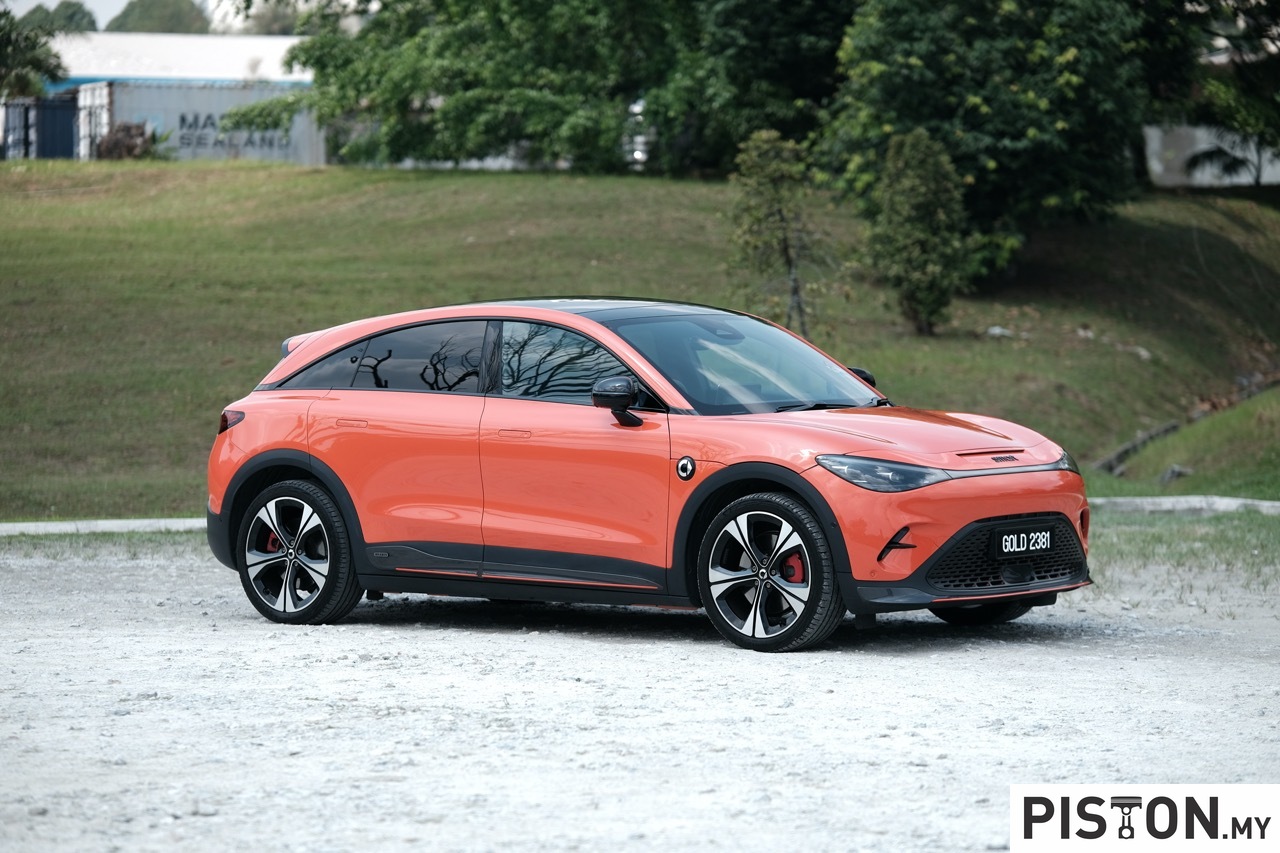
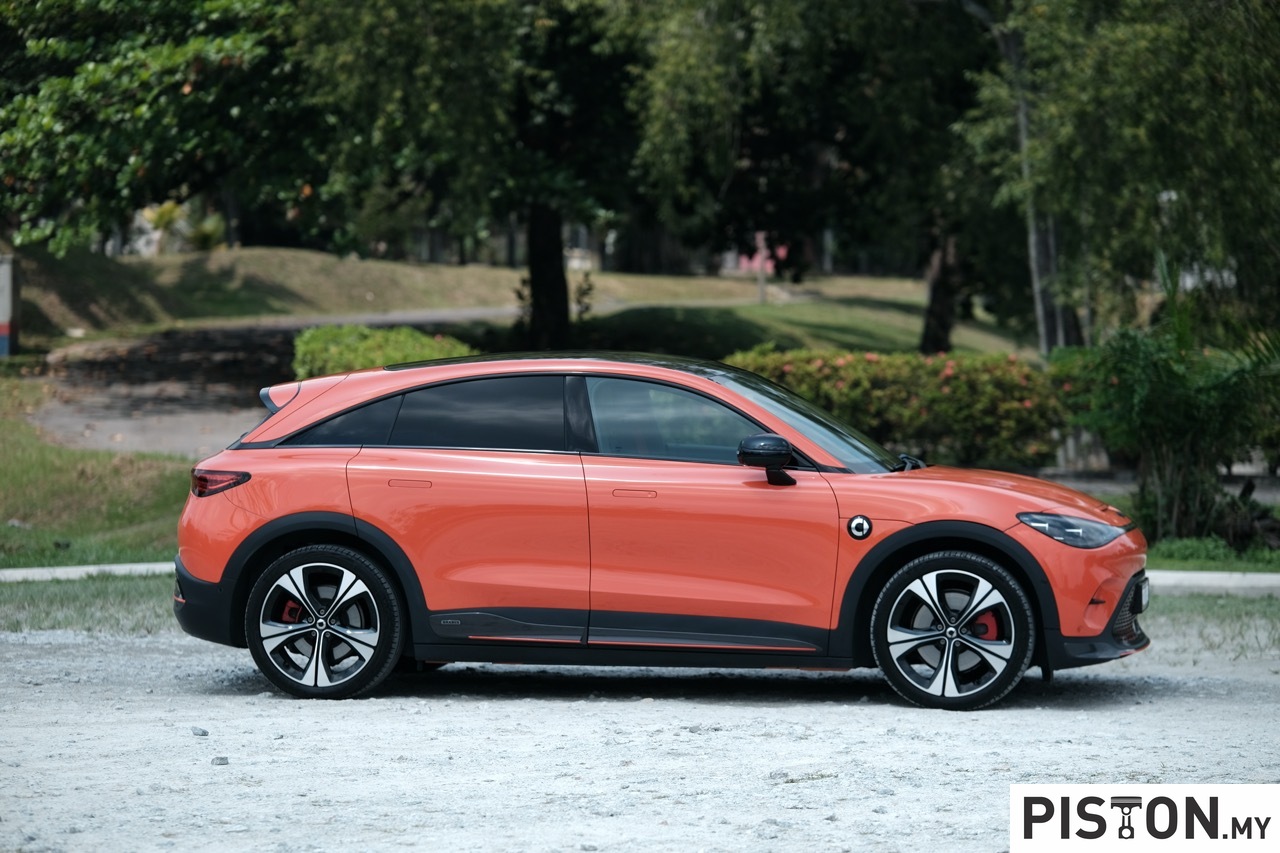
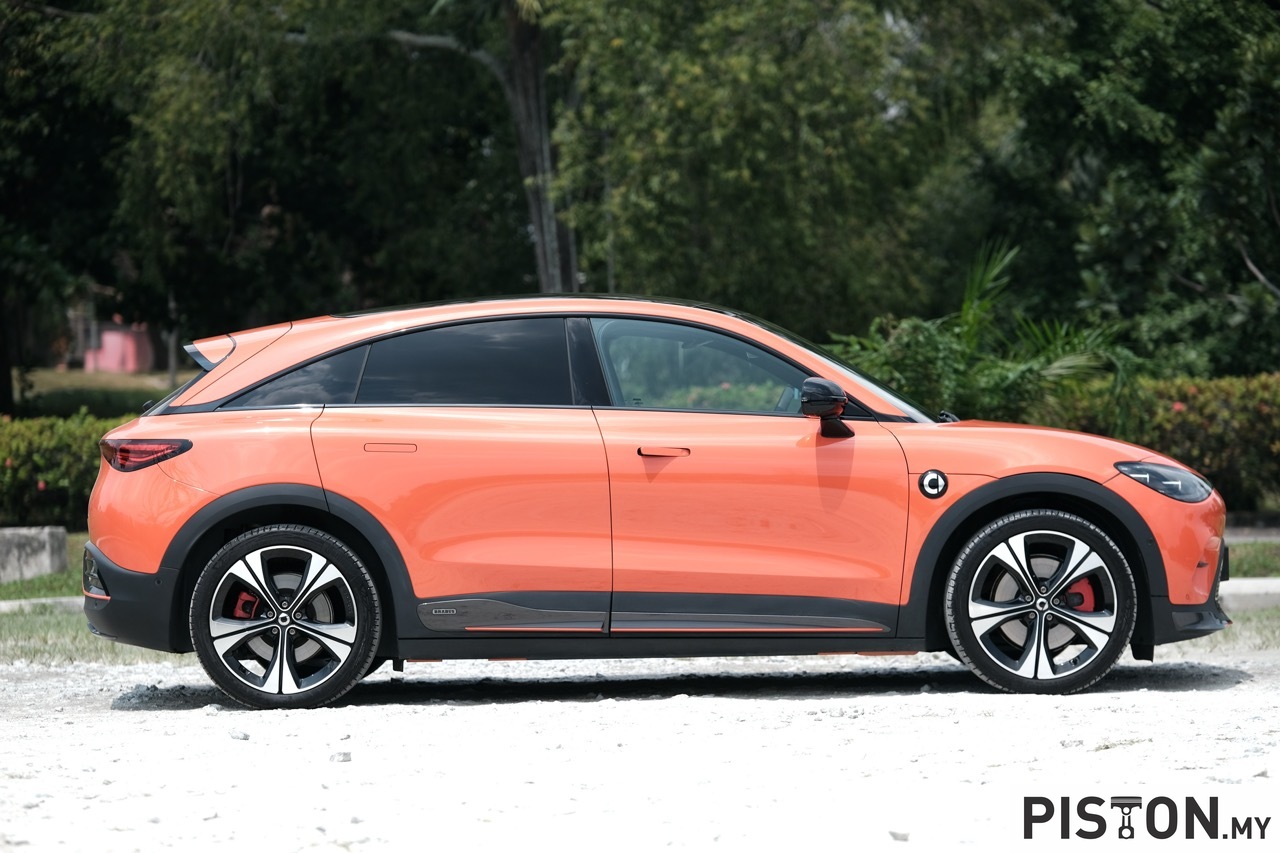
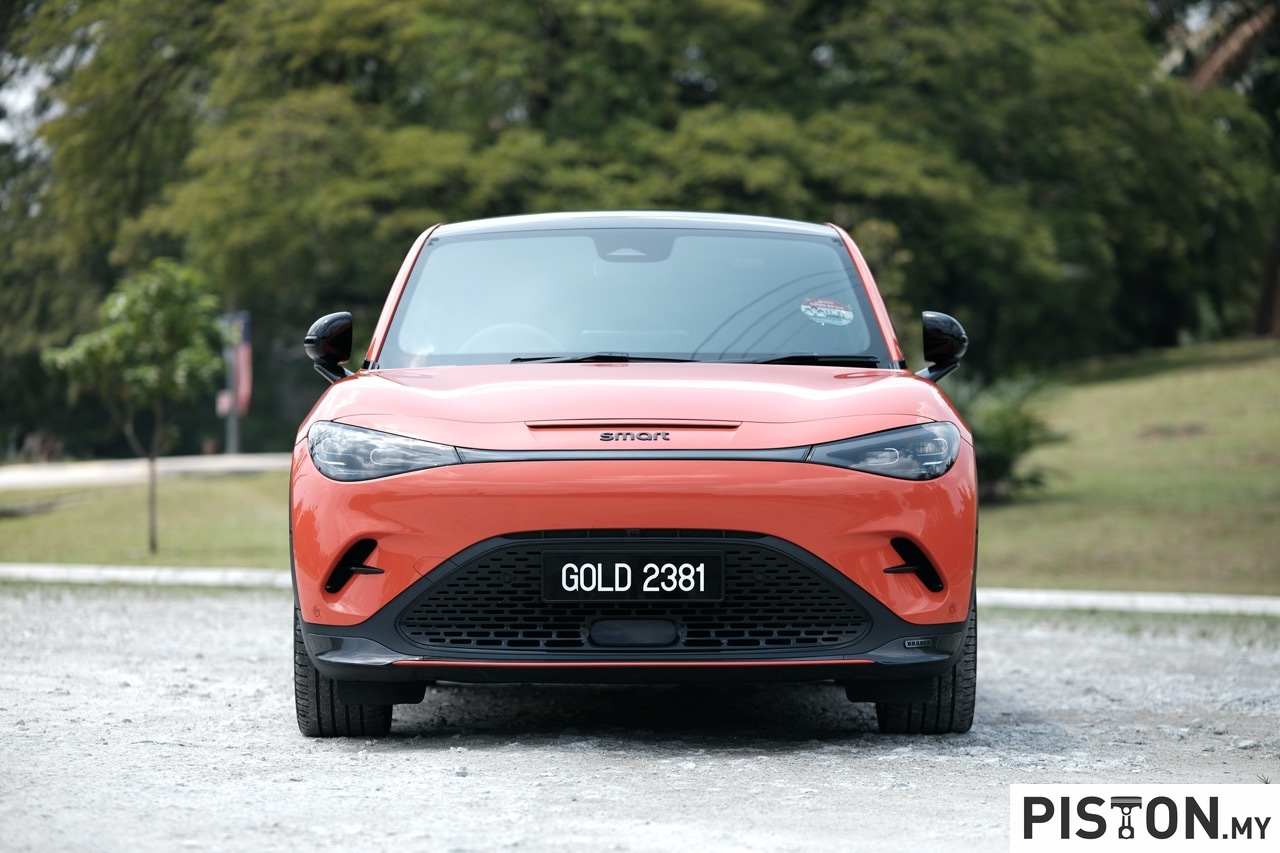
When I first saw the smart #3 Brabus in the metal, it was clear this car is designed to turn heads. Compared to the more upright smart #1, the #3 looks lower, sleeker, and sportier.
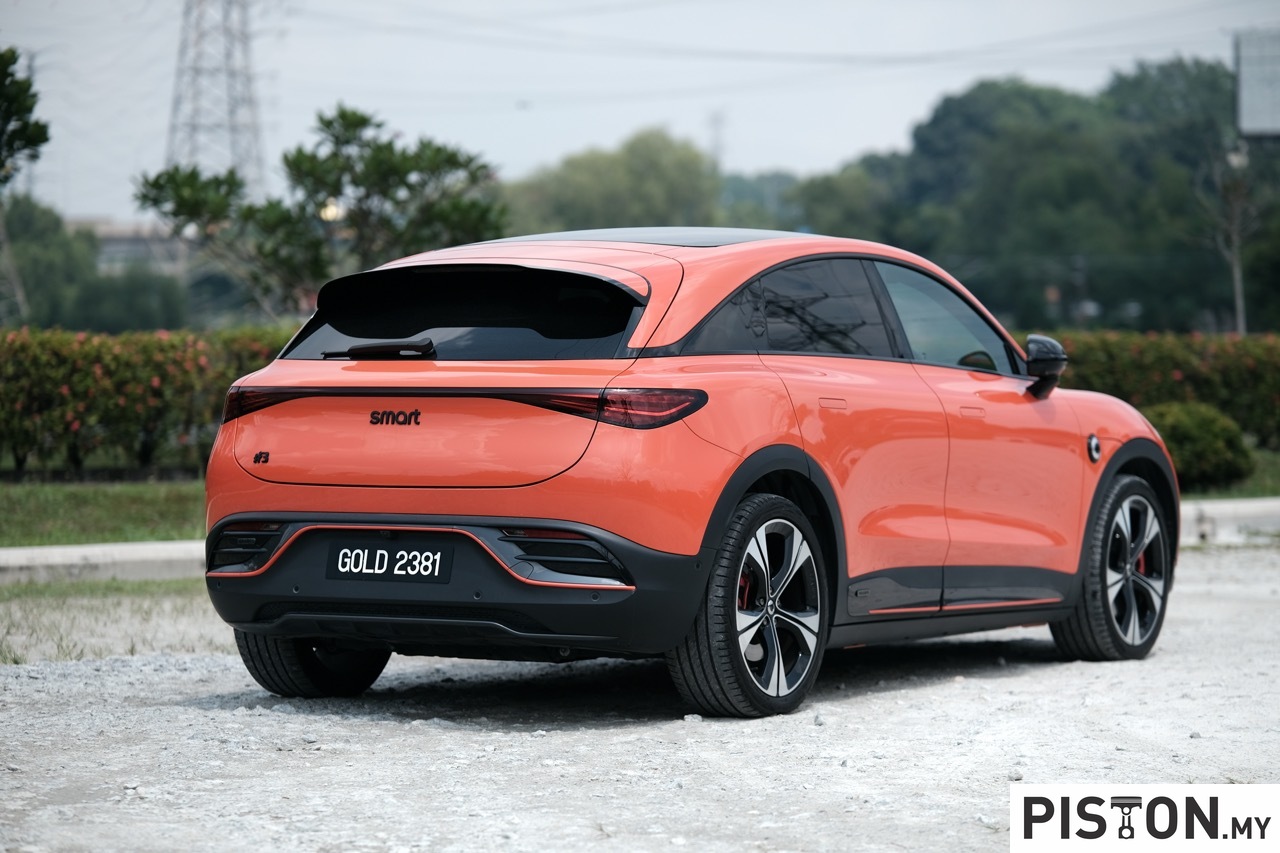
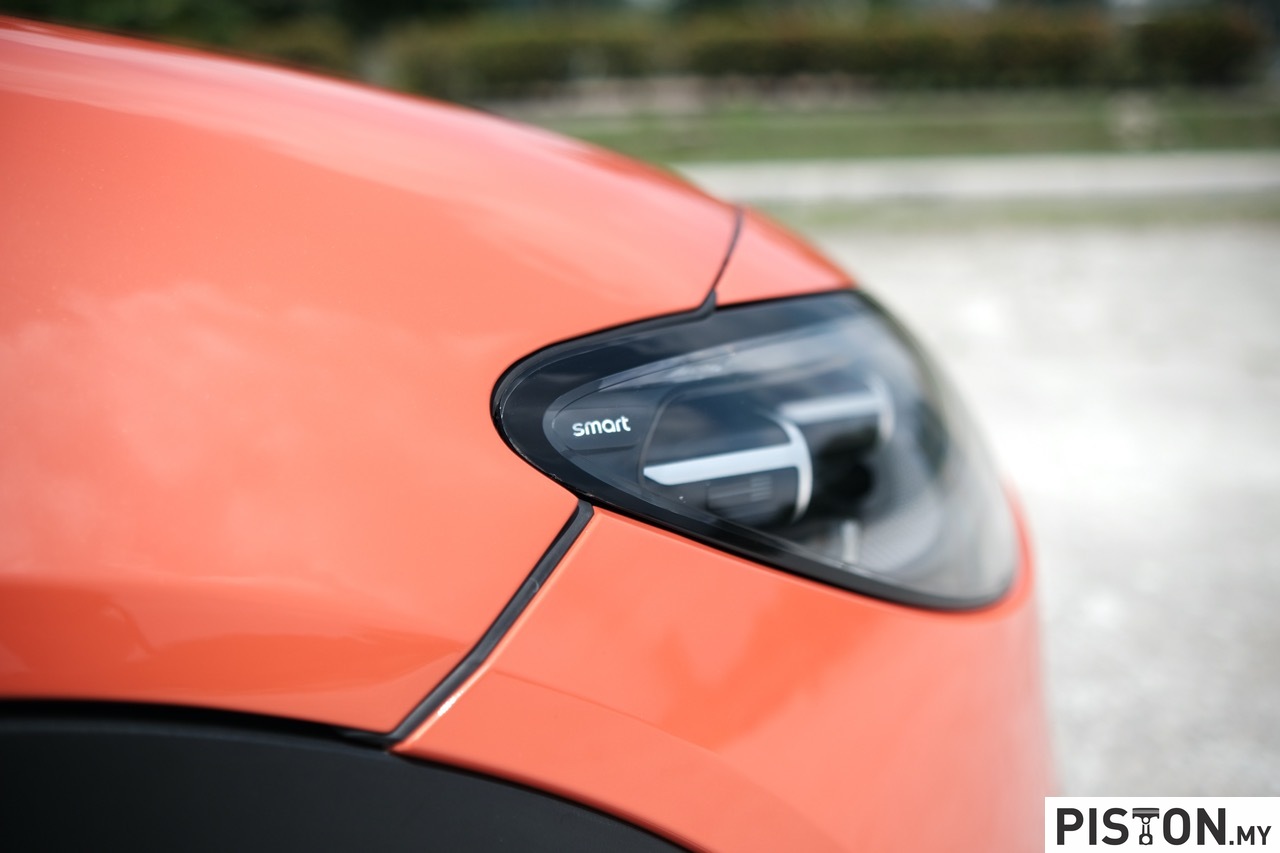
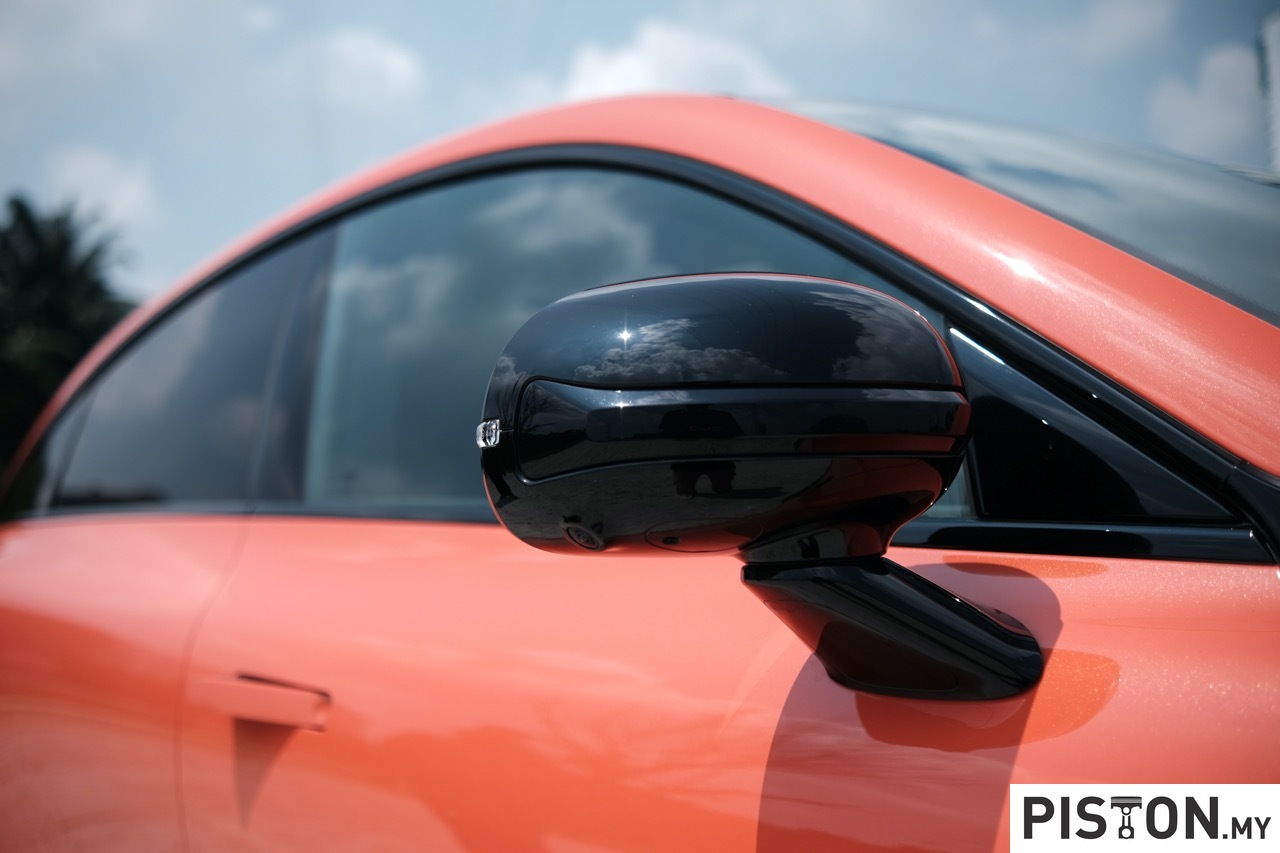
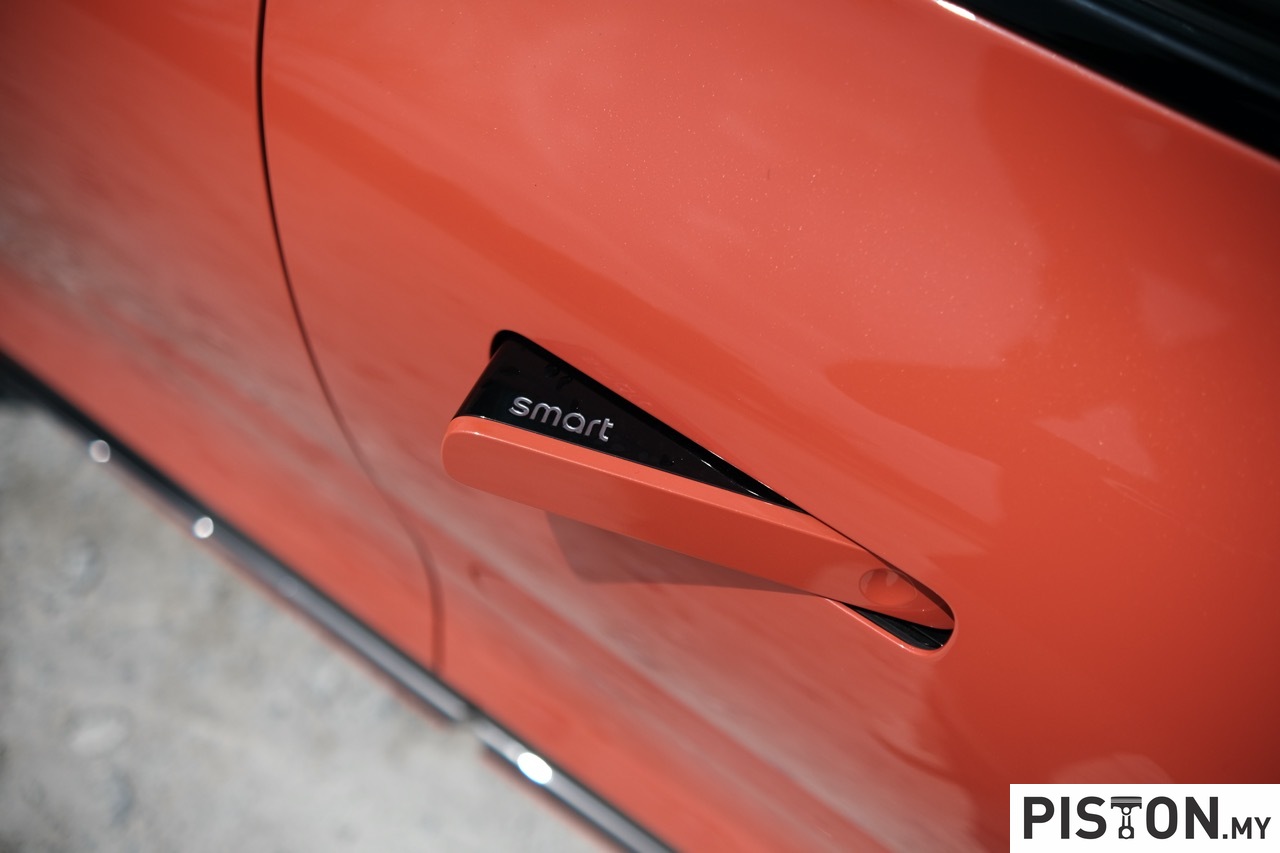
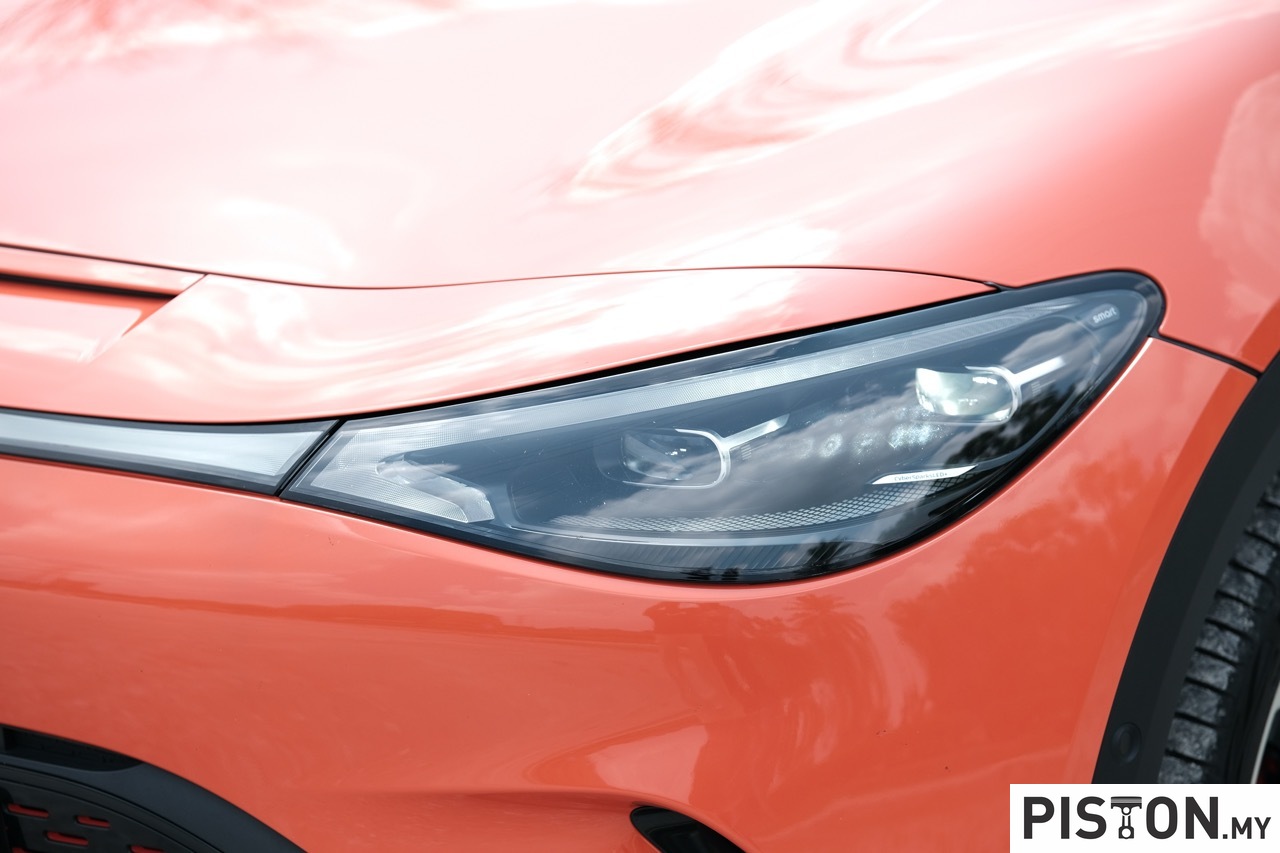
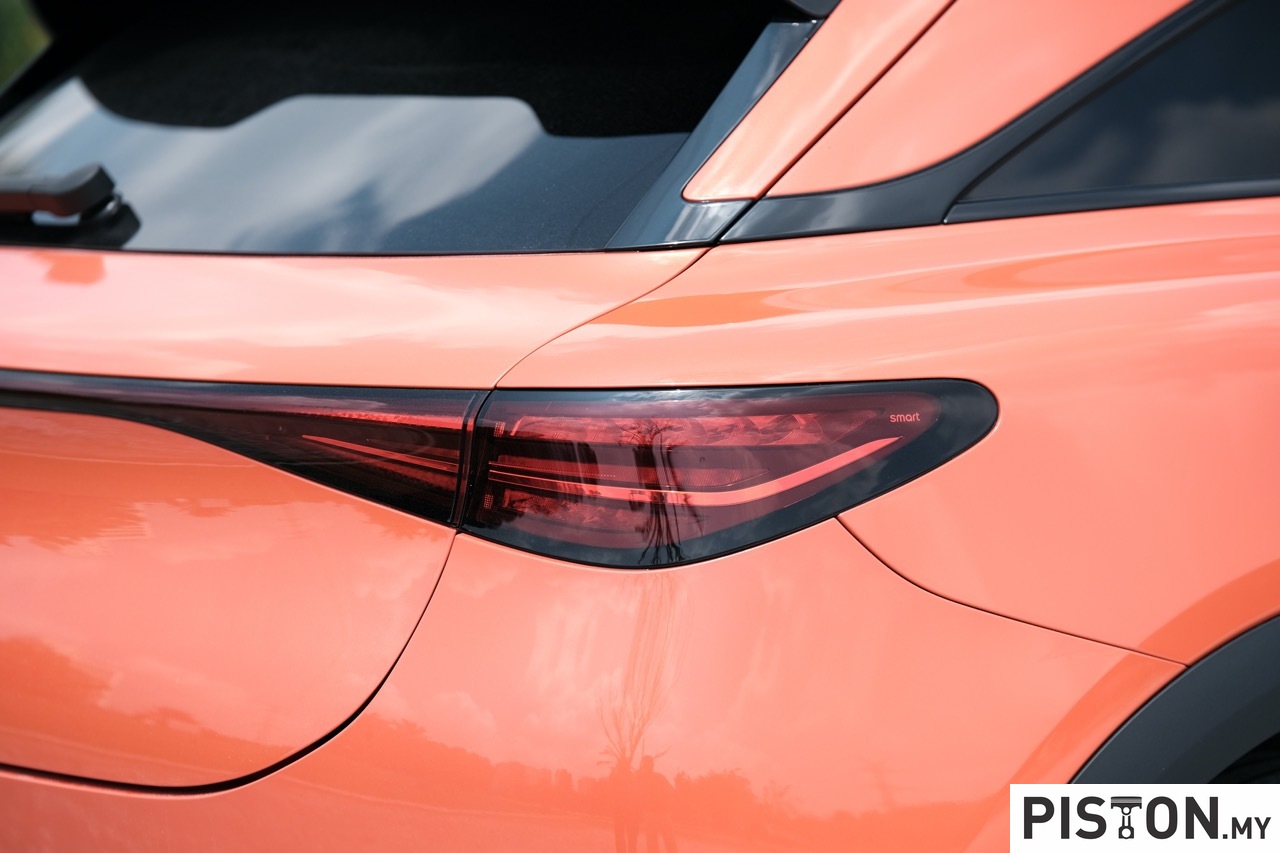
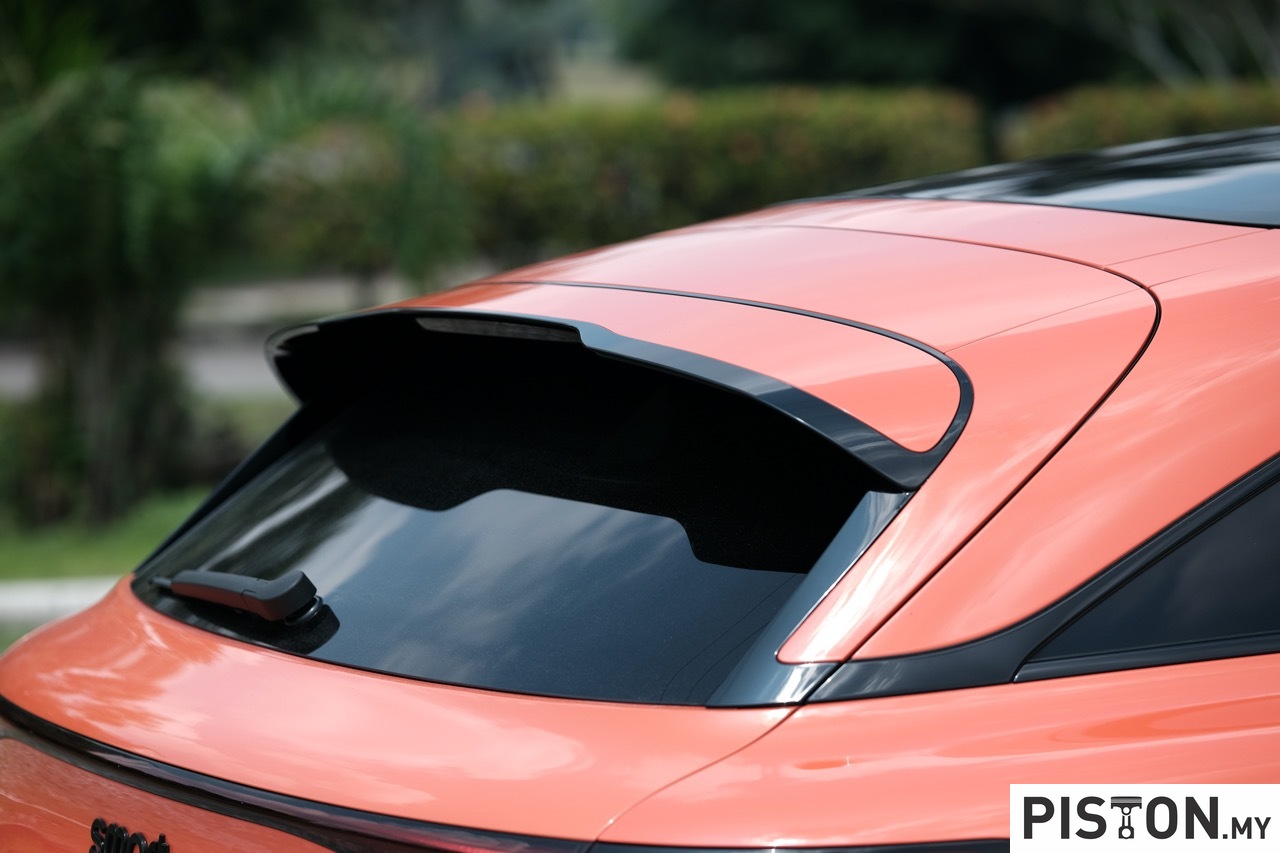
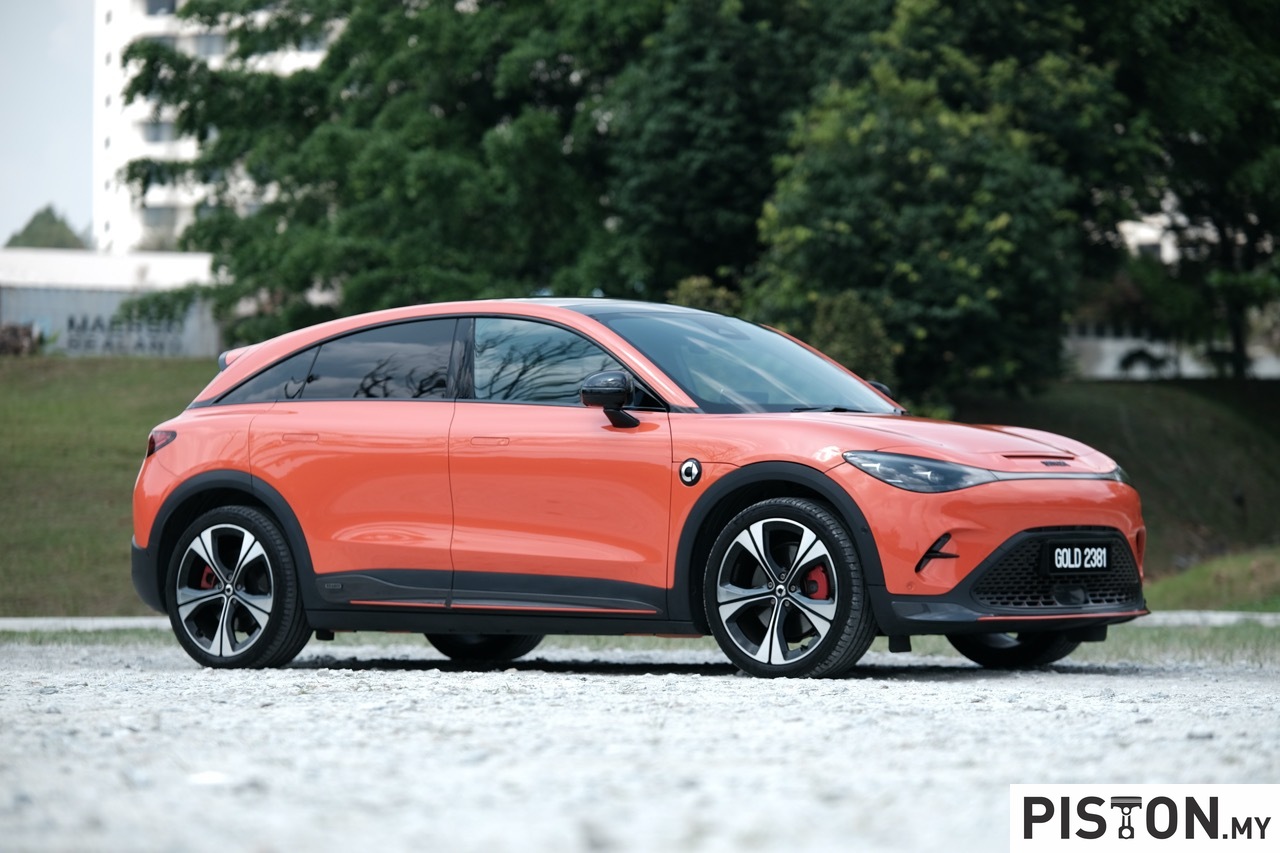
Although others have told me that the car looks too “bubbly” or “round,” to me, the coupe-SUV silhouette works really well in person, especially in the bold Photon Orange paint. The sculpted lines, slim LED headlights, and muscular rear arches all carry hints of Mercedes-Benz design DNA, which makes it look like it is about to pounce.
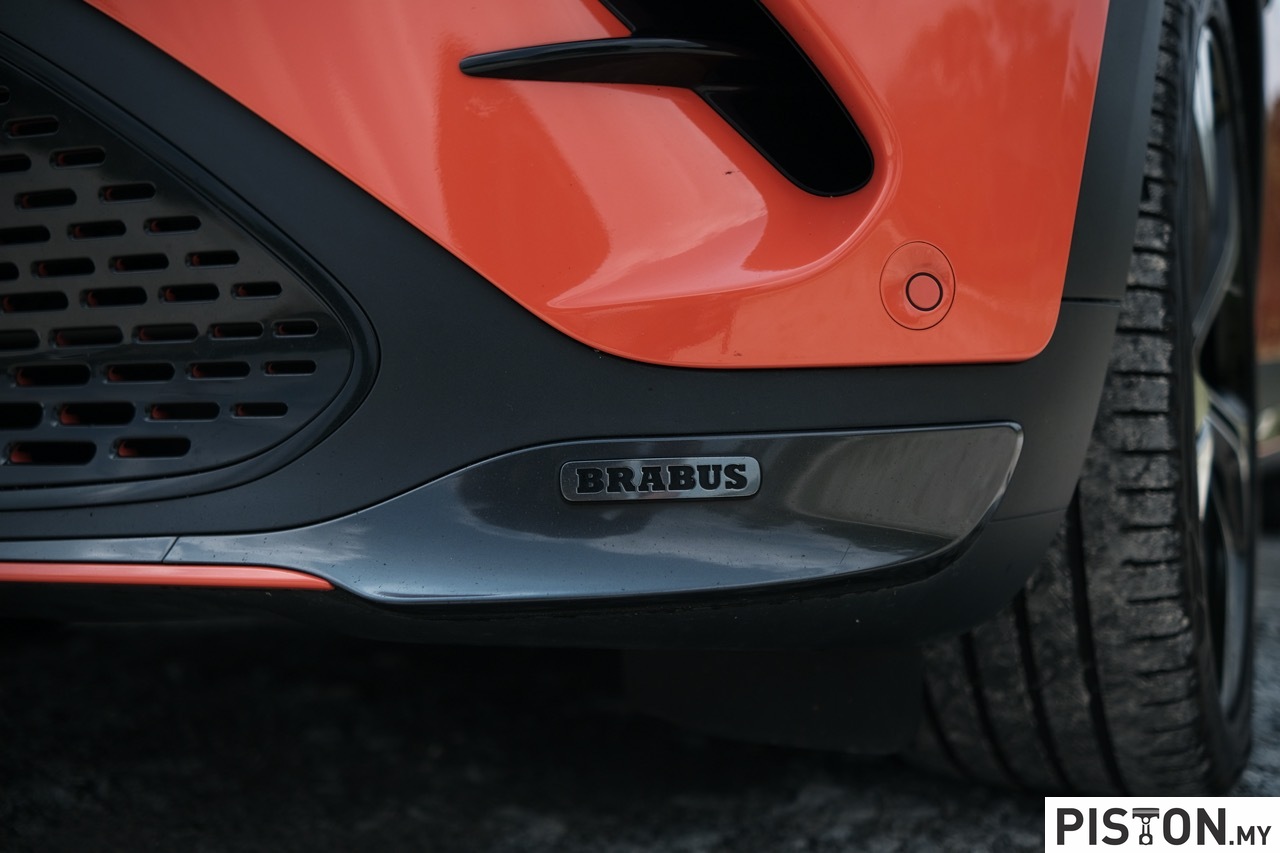
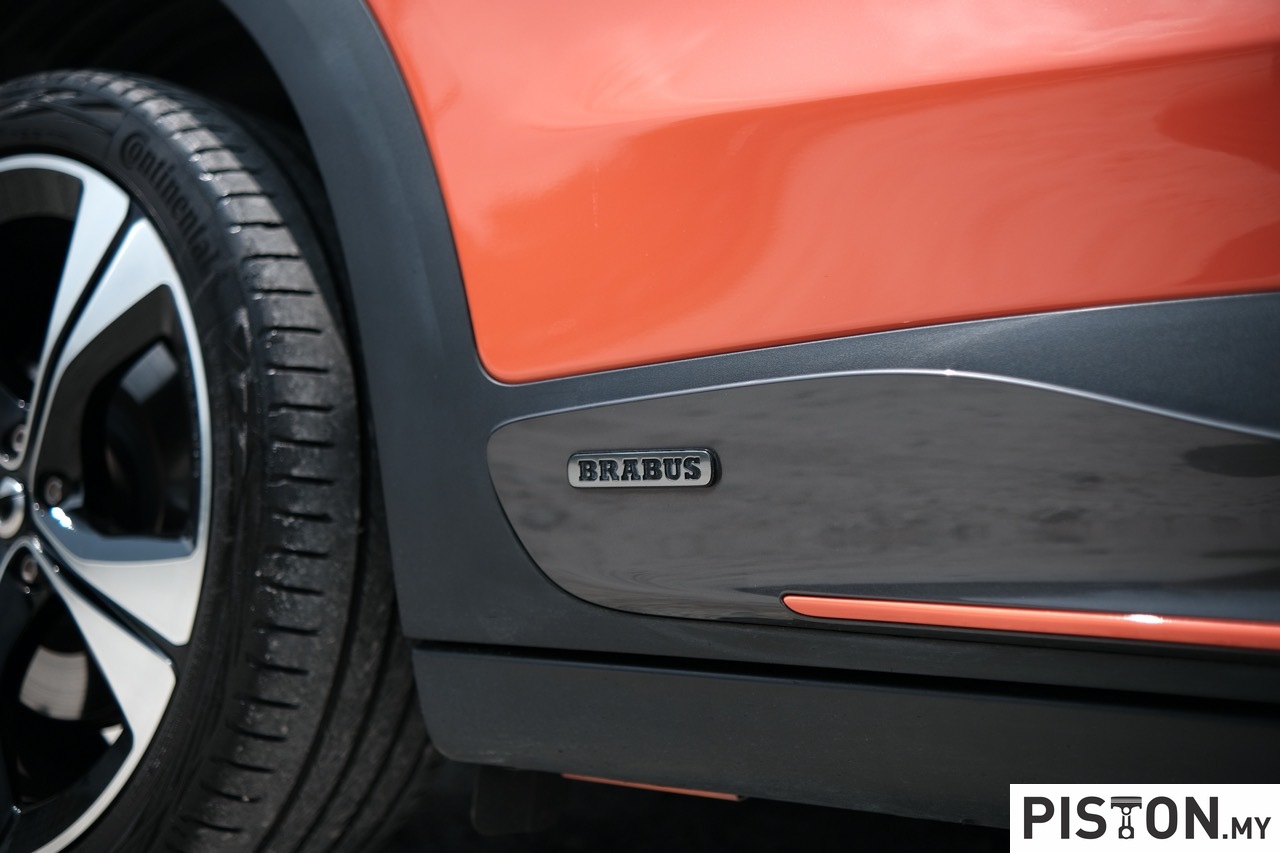
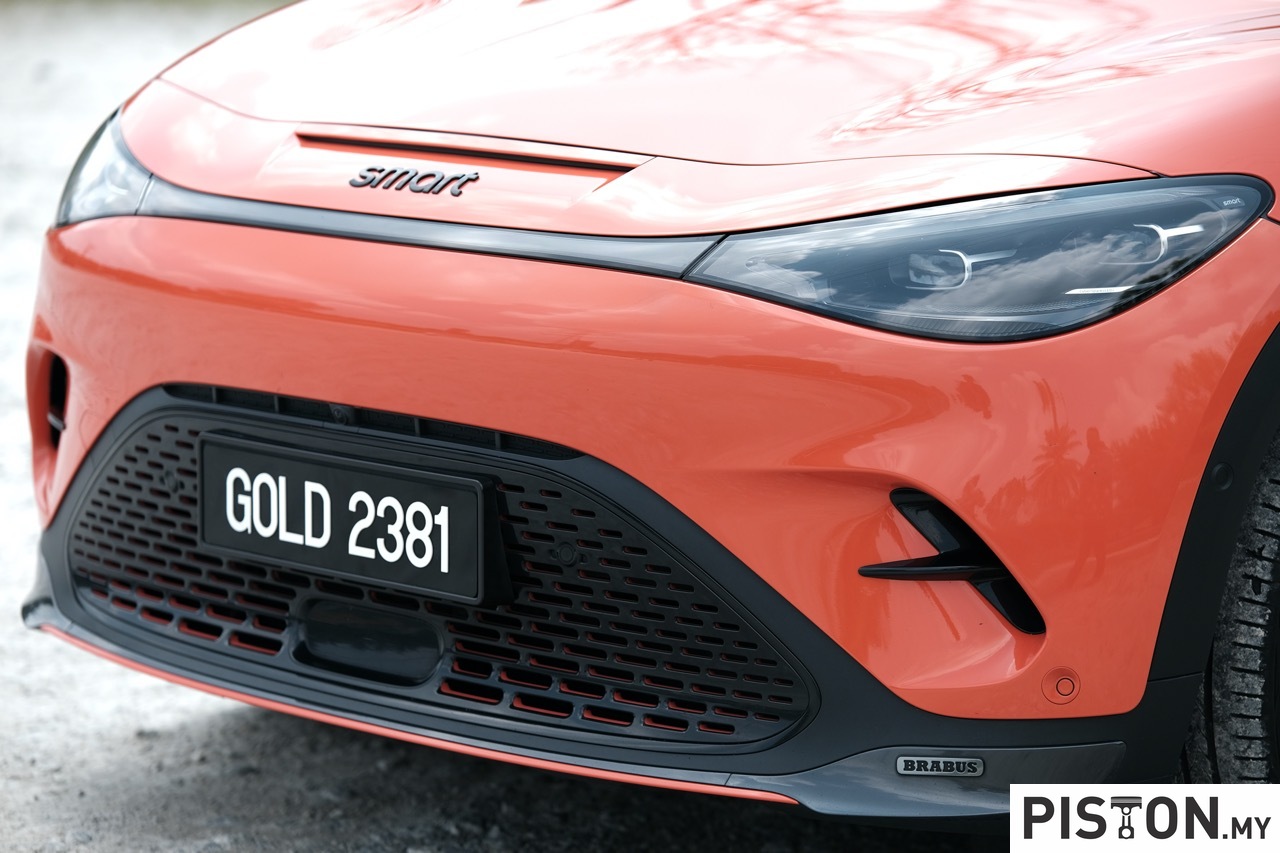
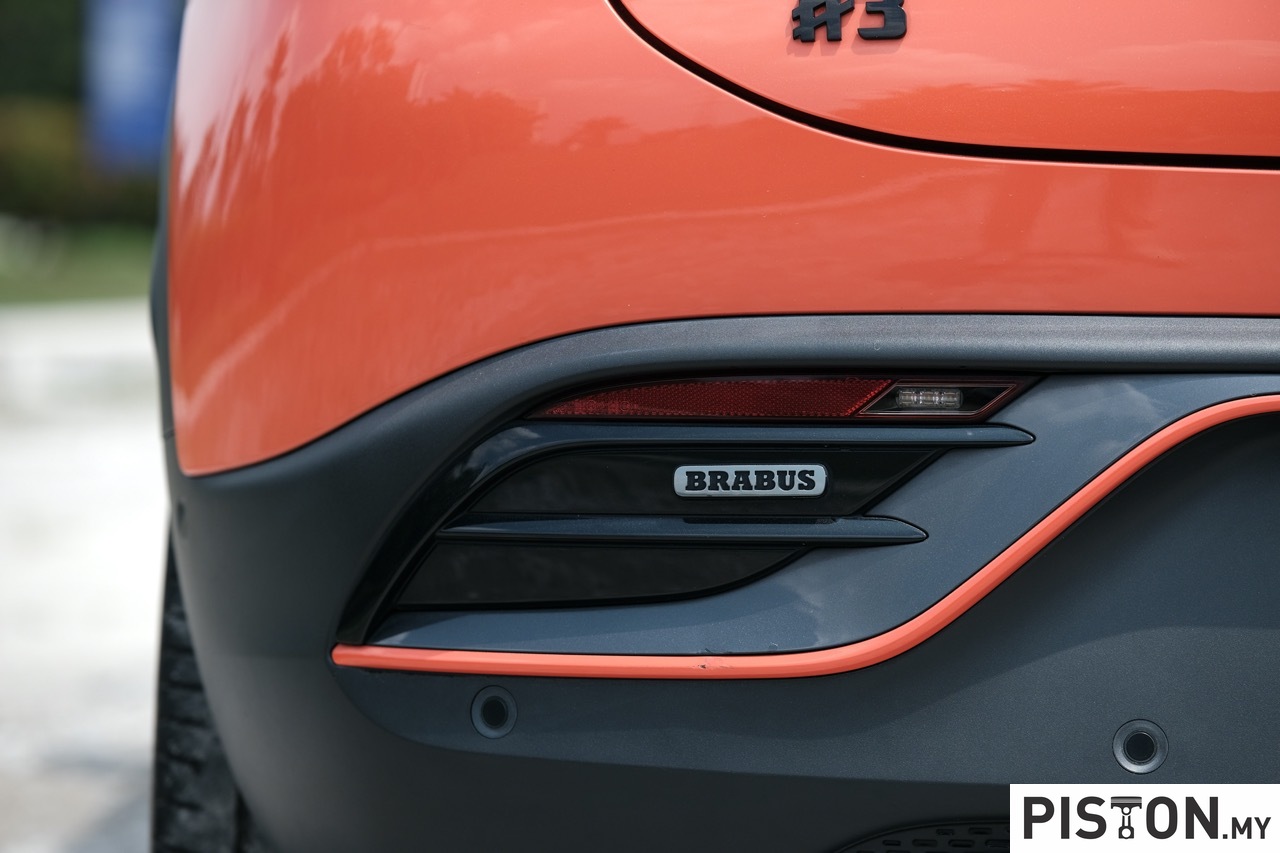
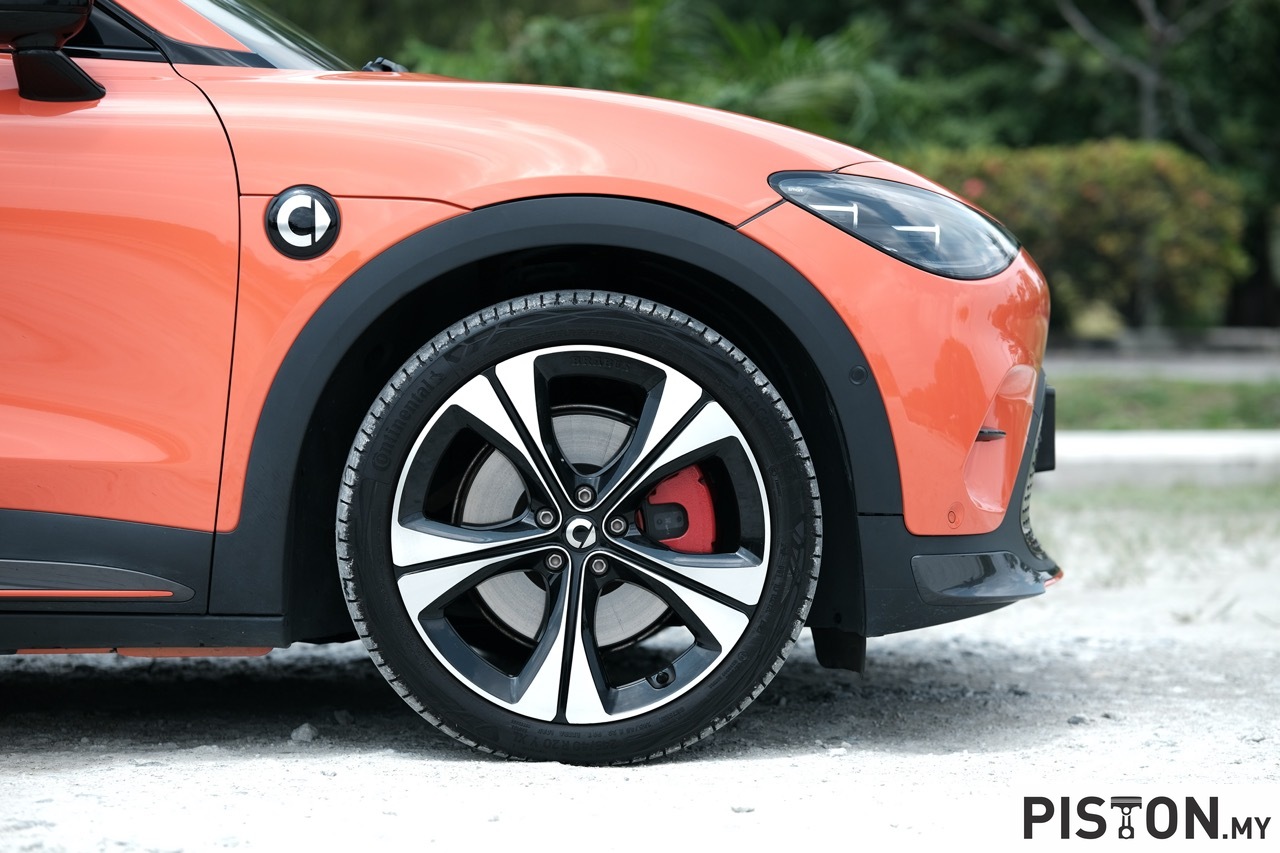
The Brabus touches give it that extra dose of attitude. The larger 20-inch ‘Synchro’ wheels fill the arches nicely, red brake callipers peek through, and the slightly more aggressive bumpers add a sense of purpose.
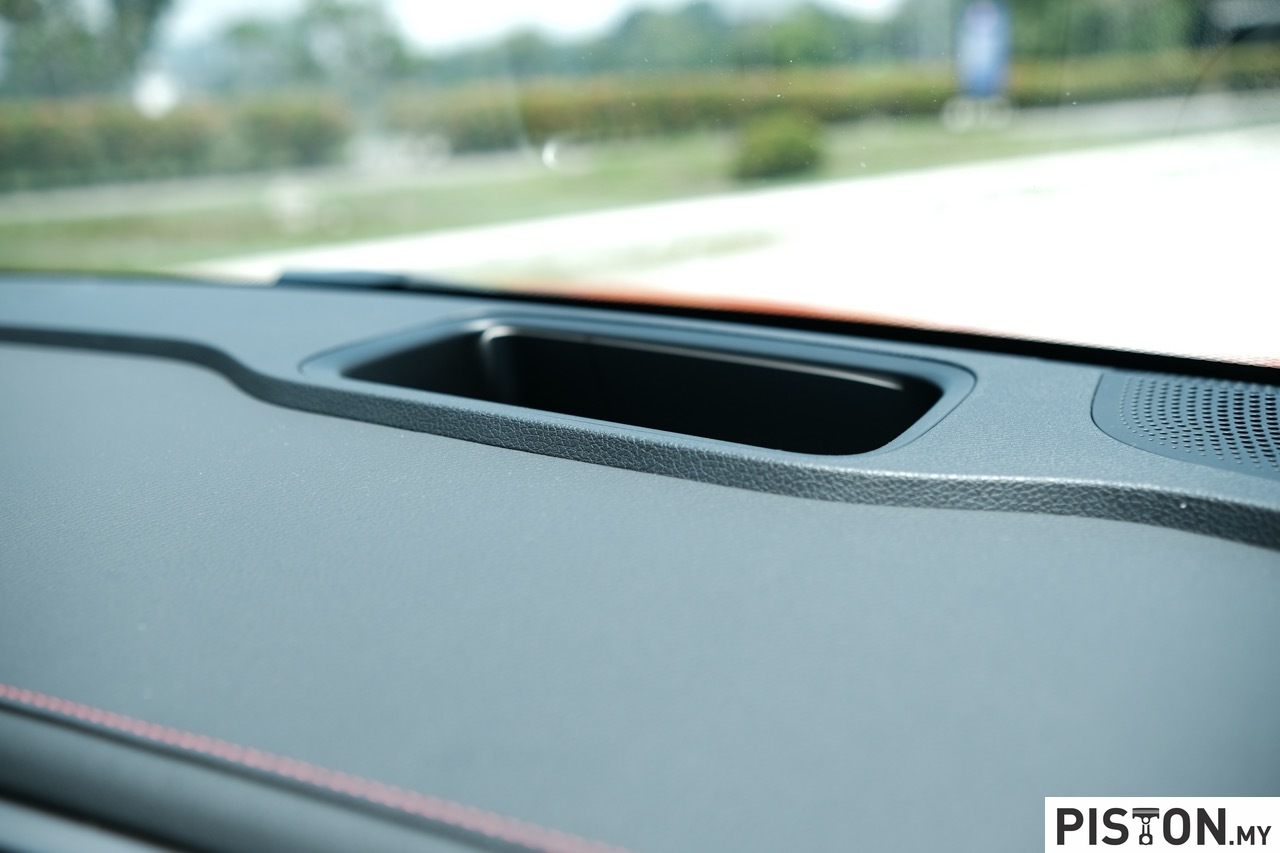
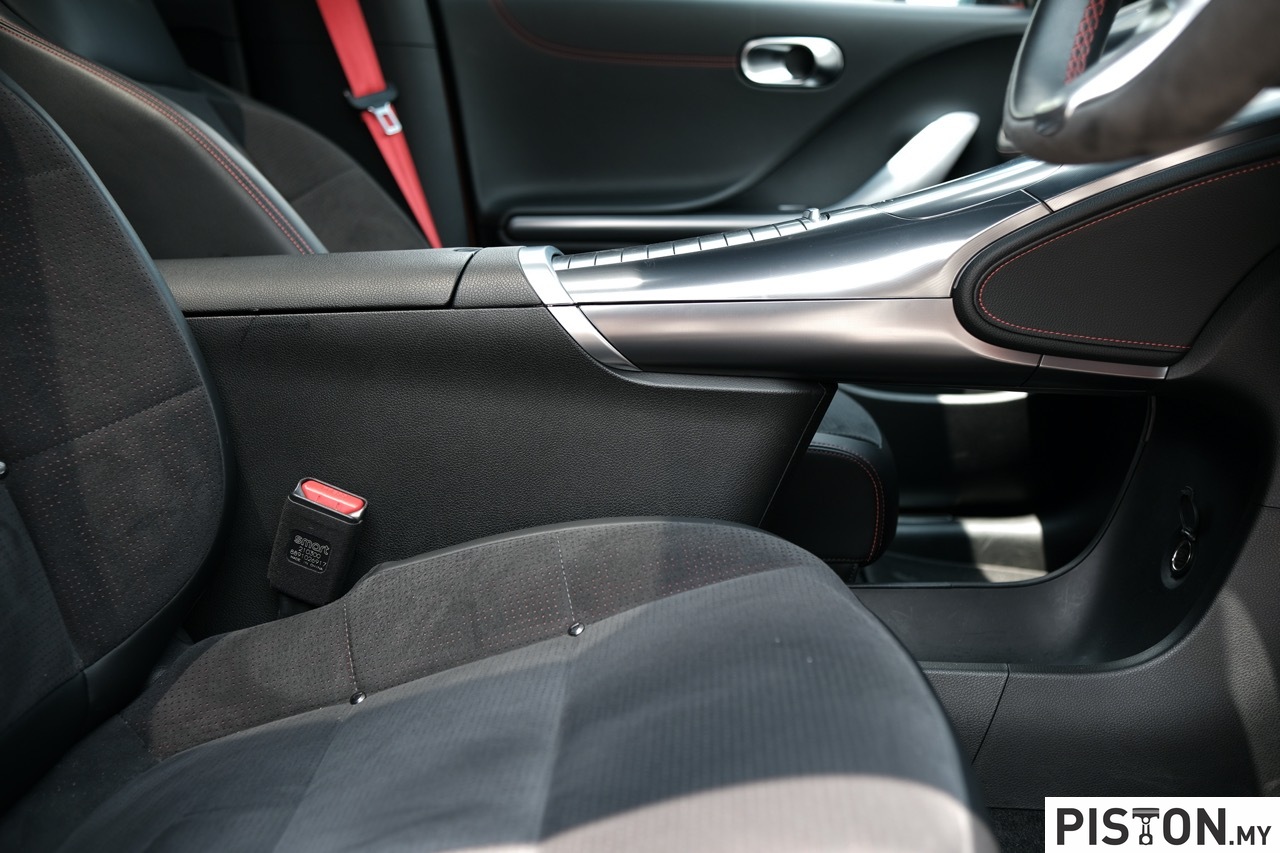
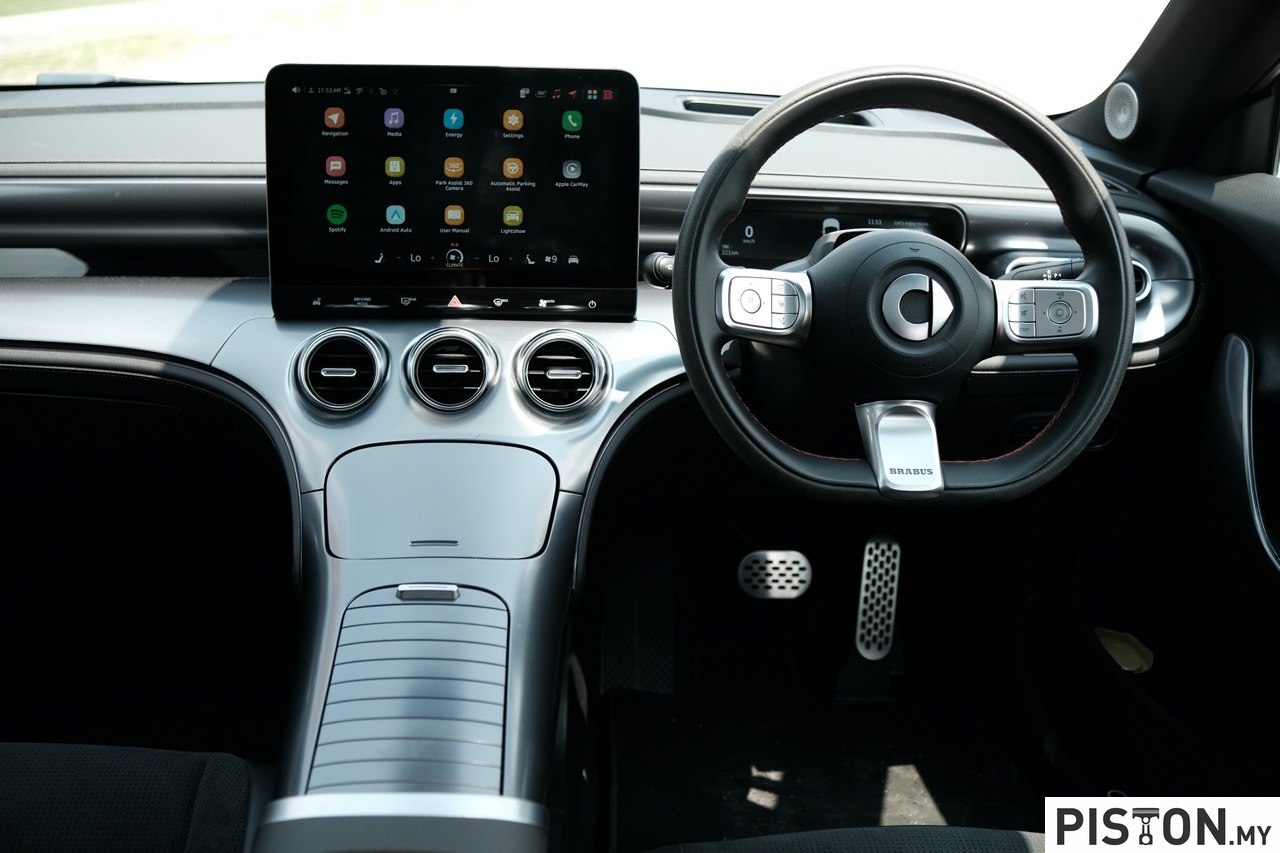
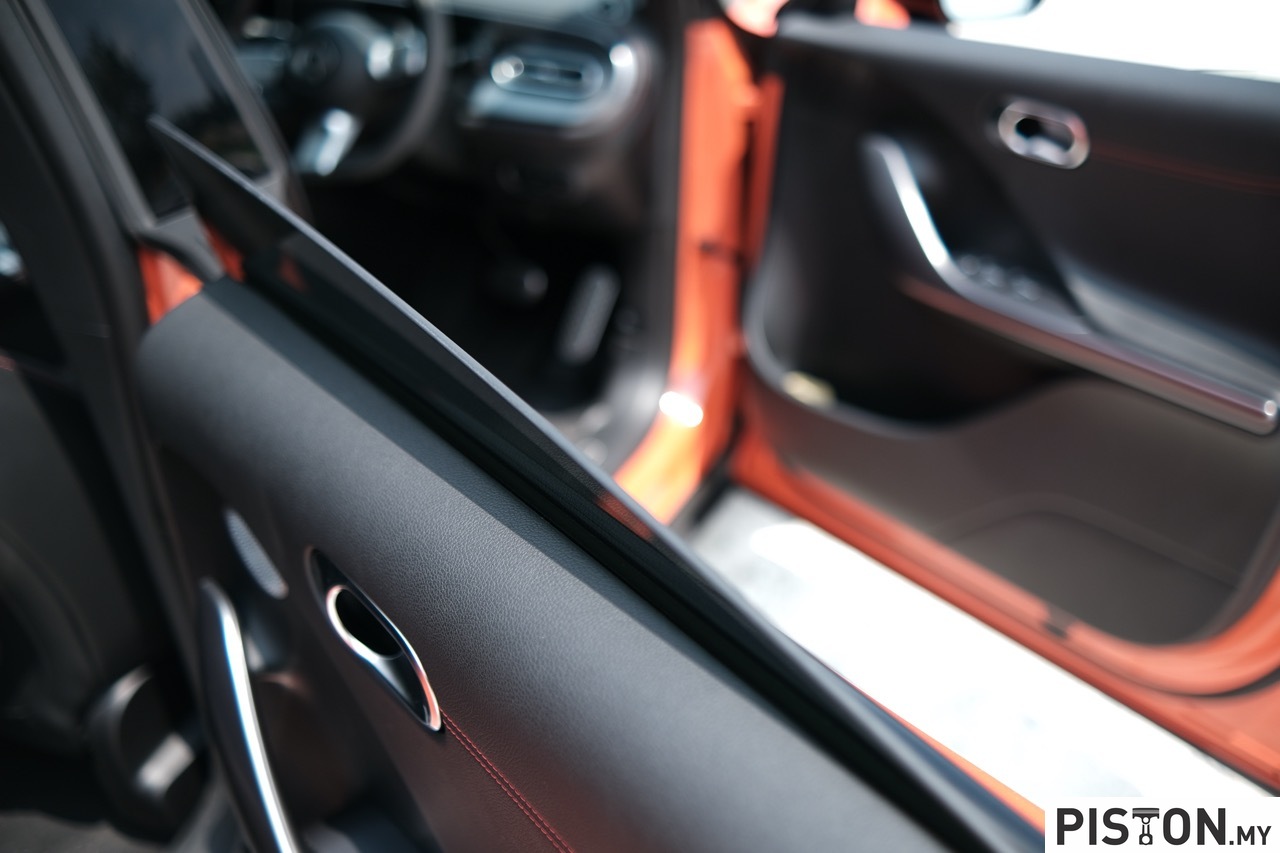
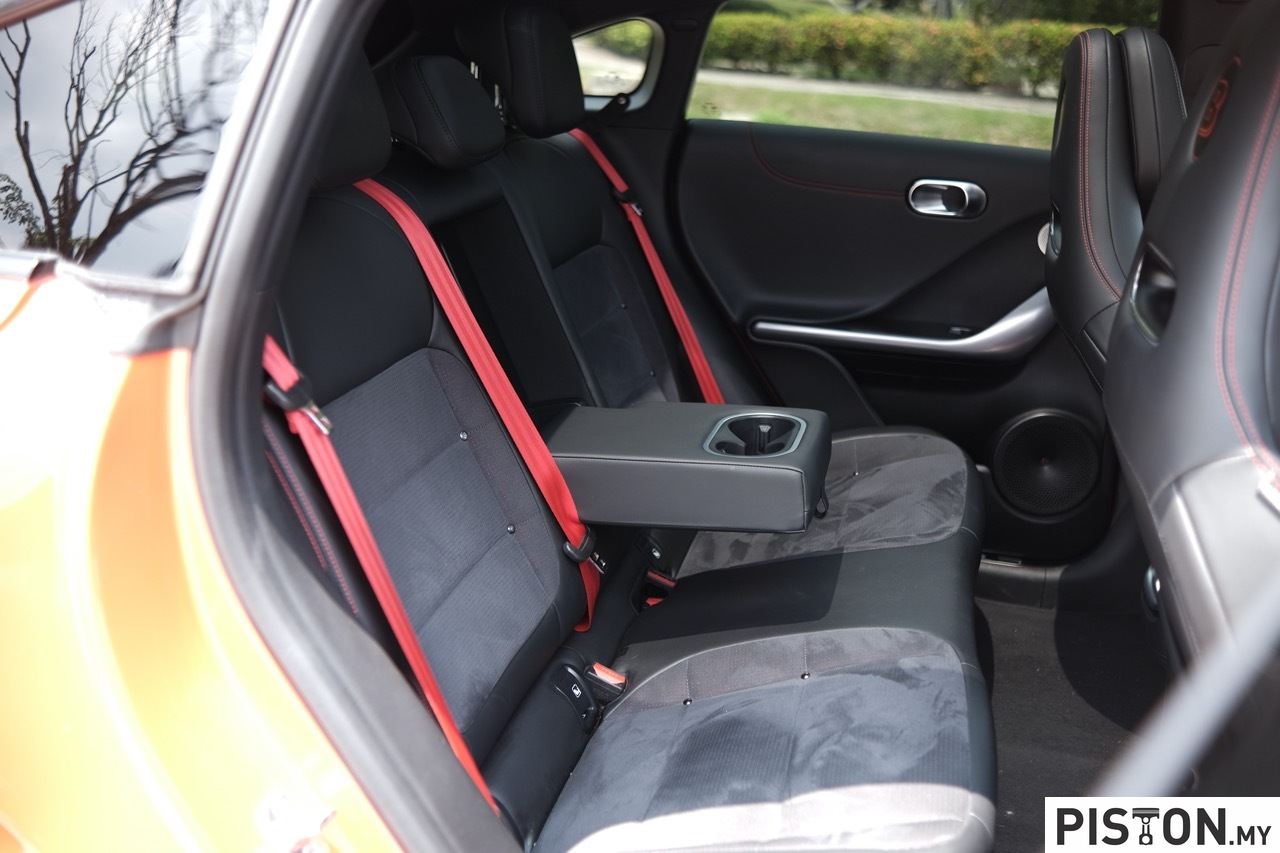
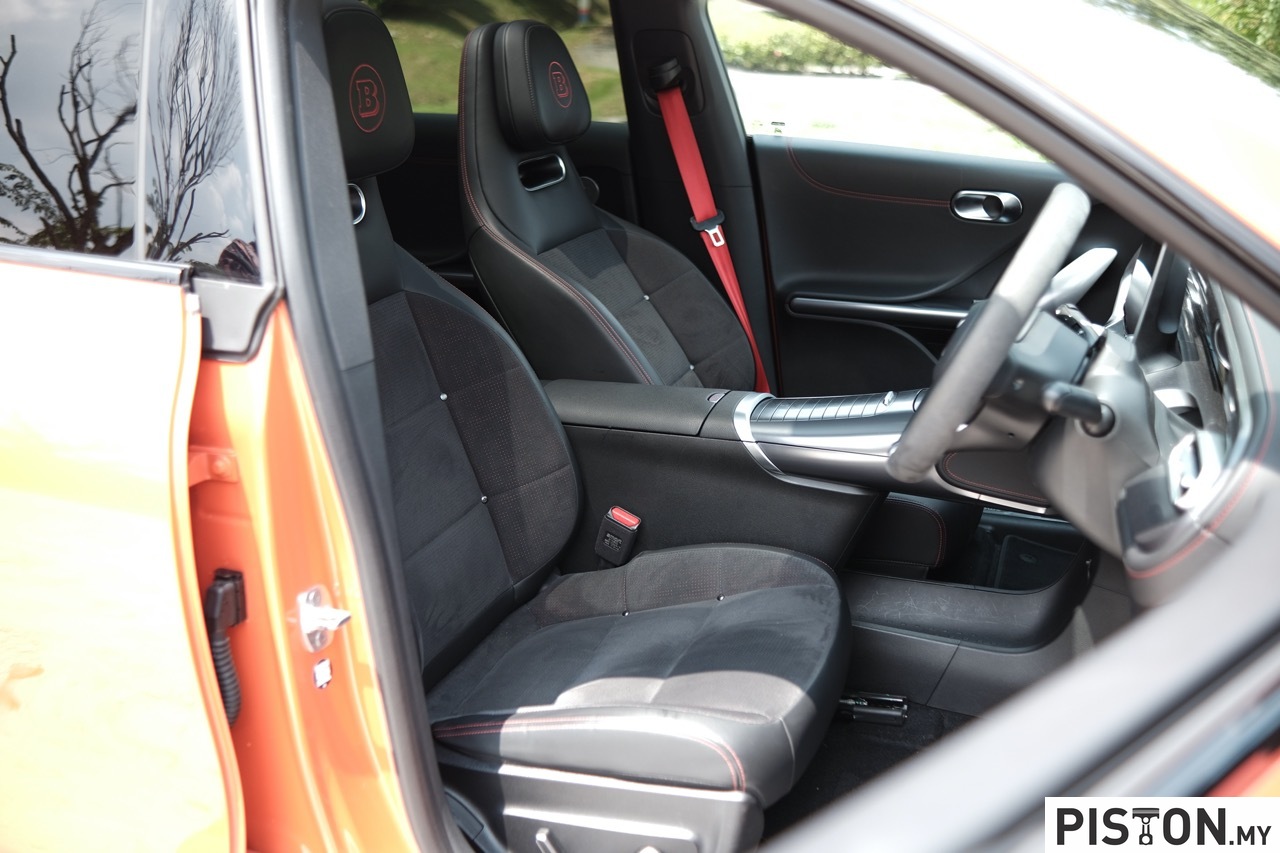
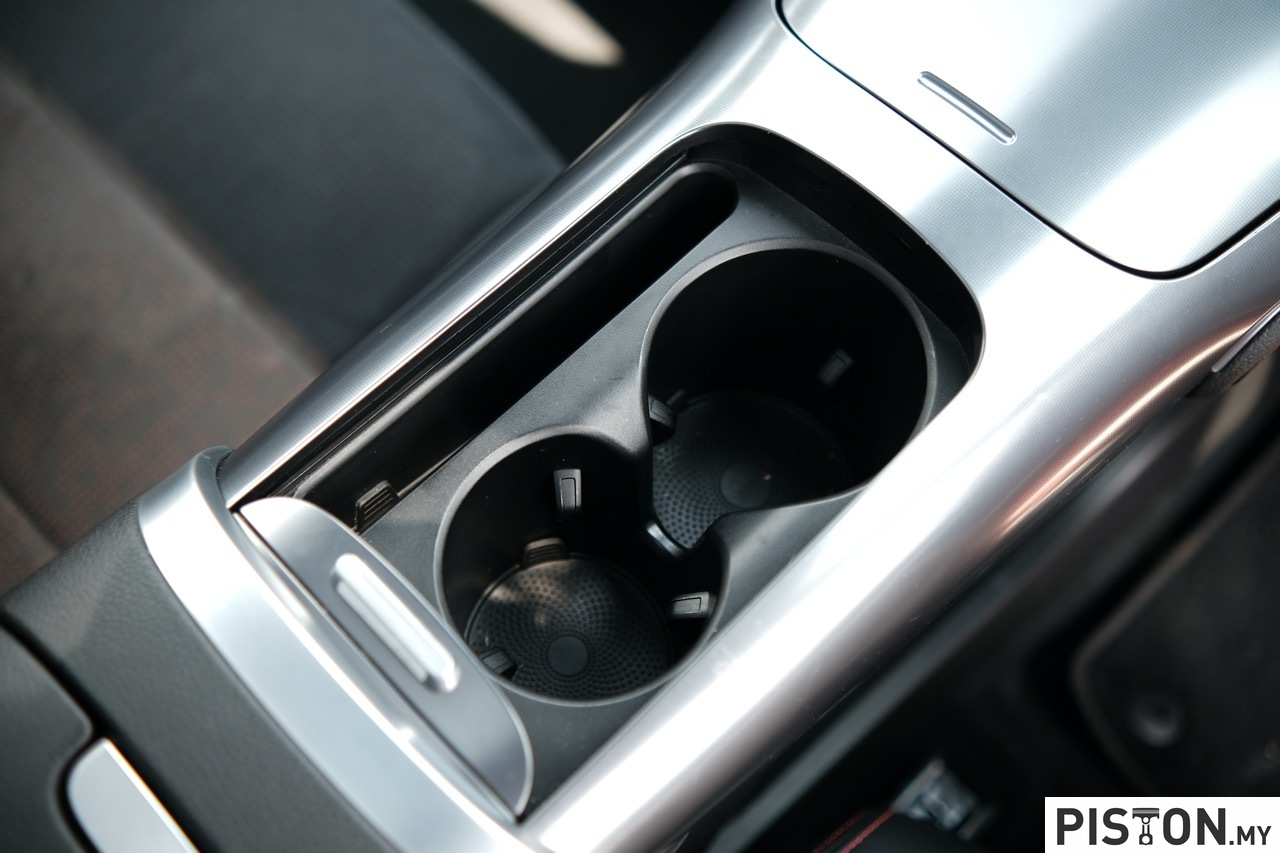
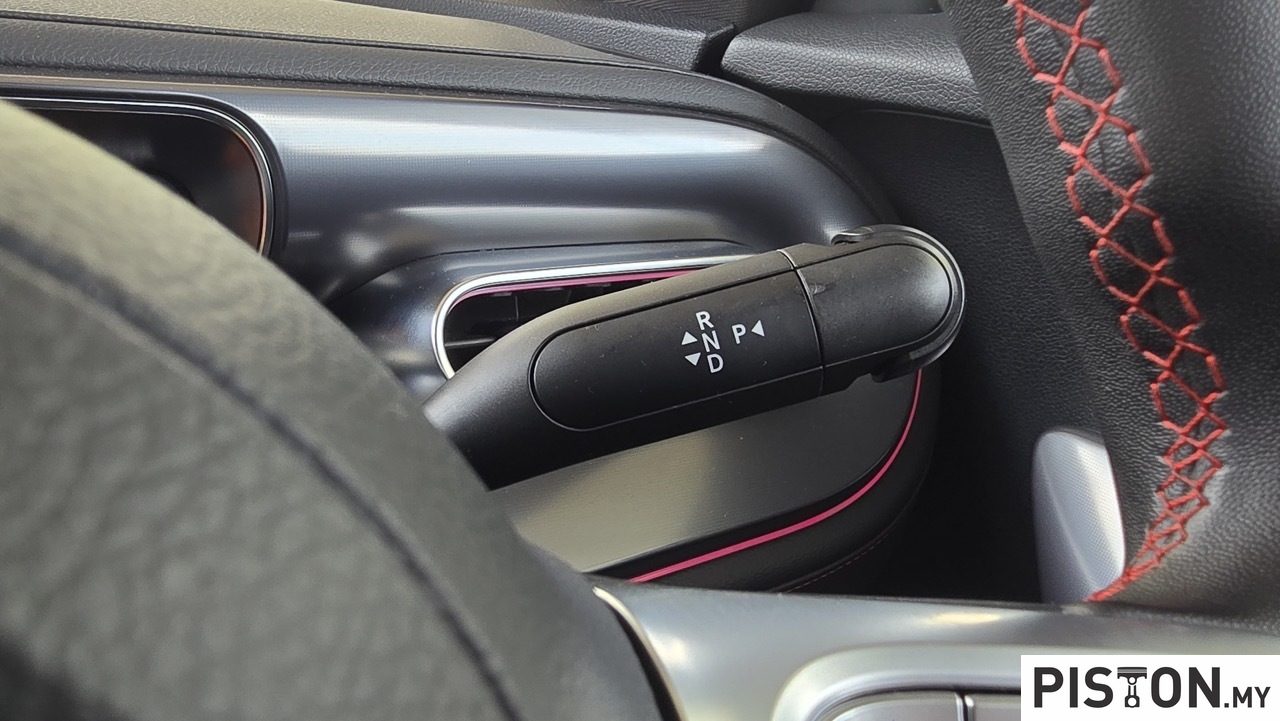
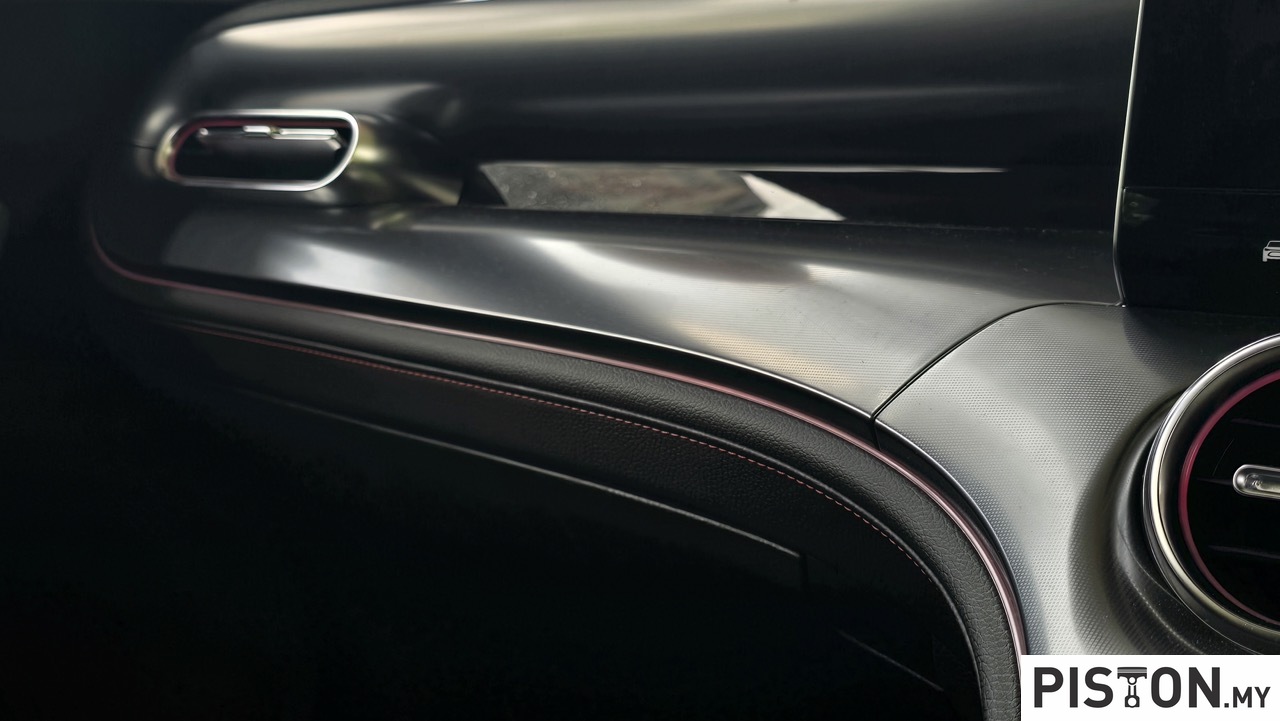
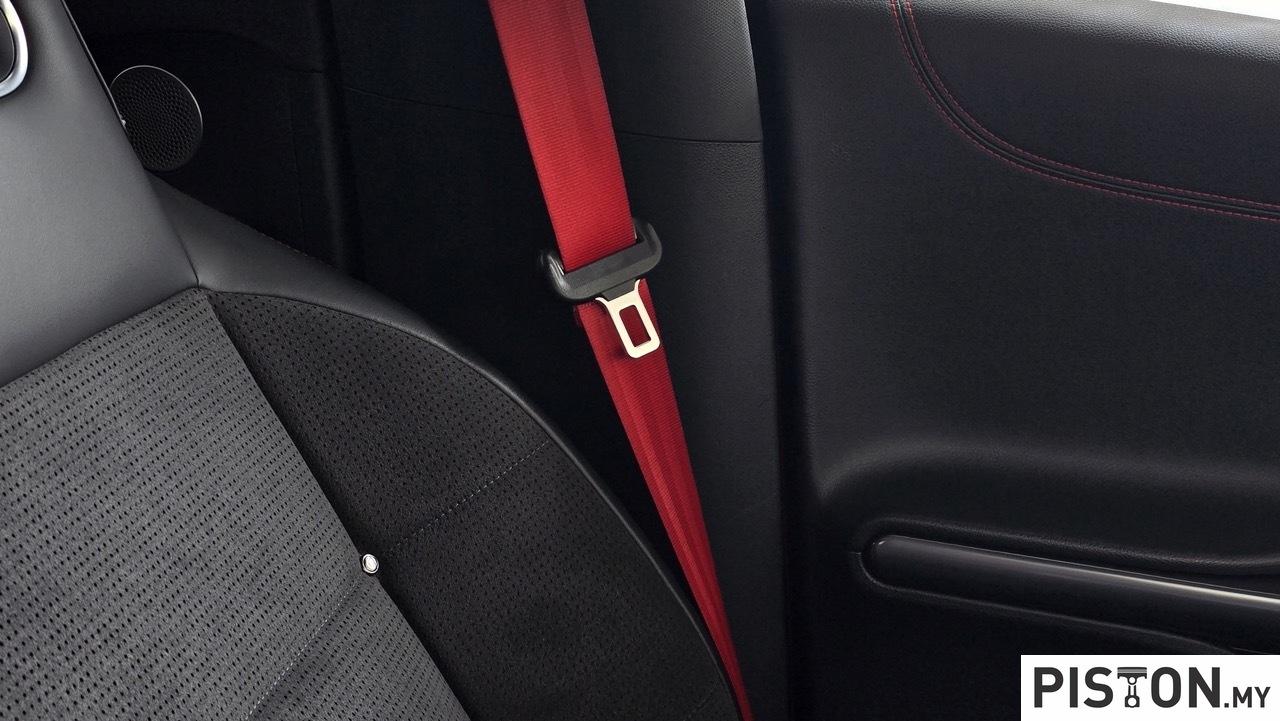
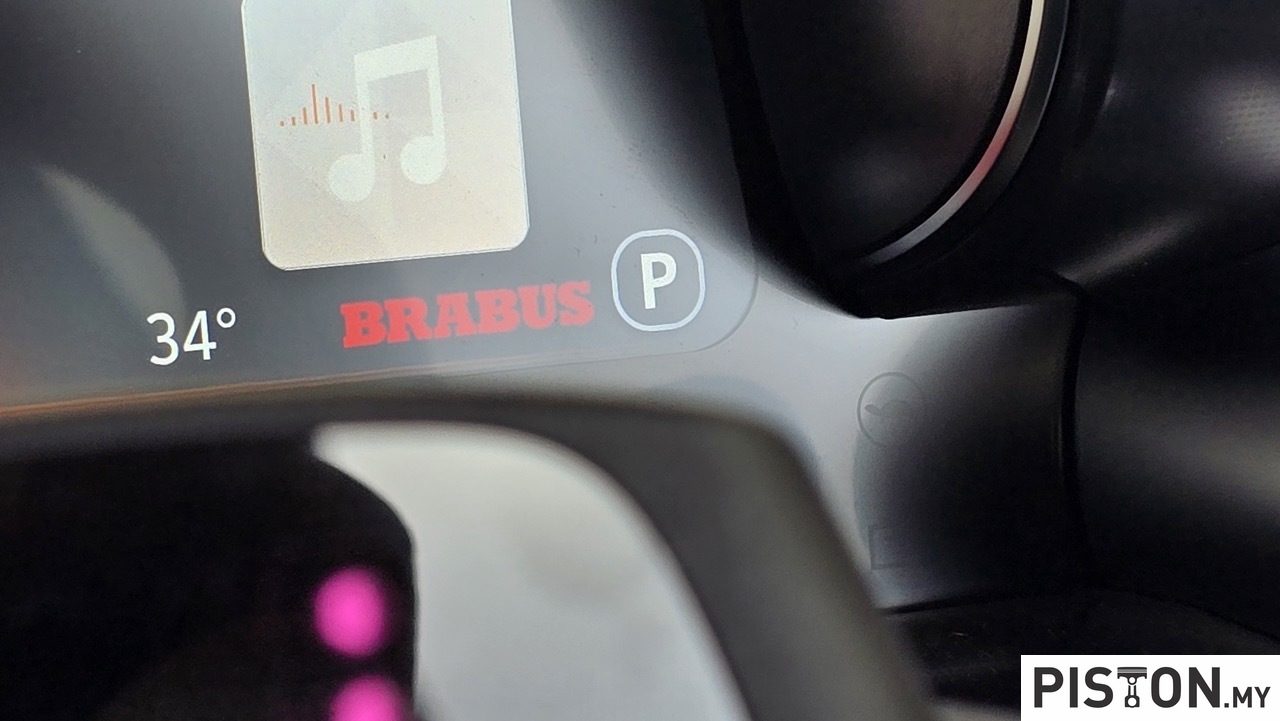
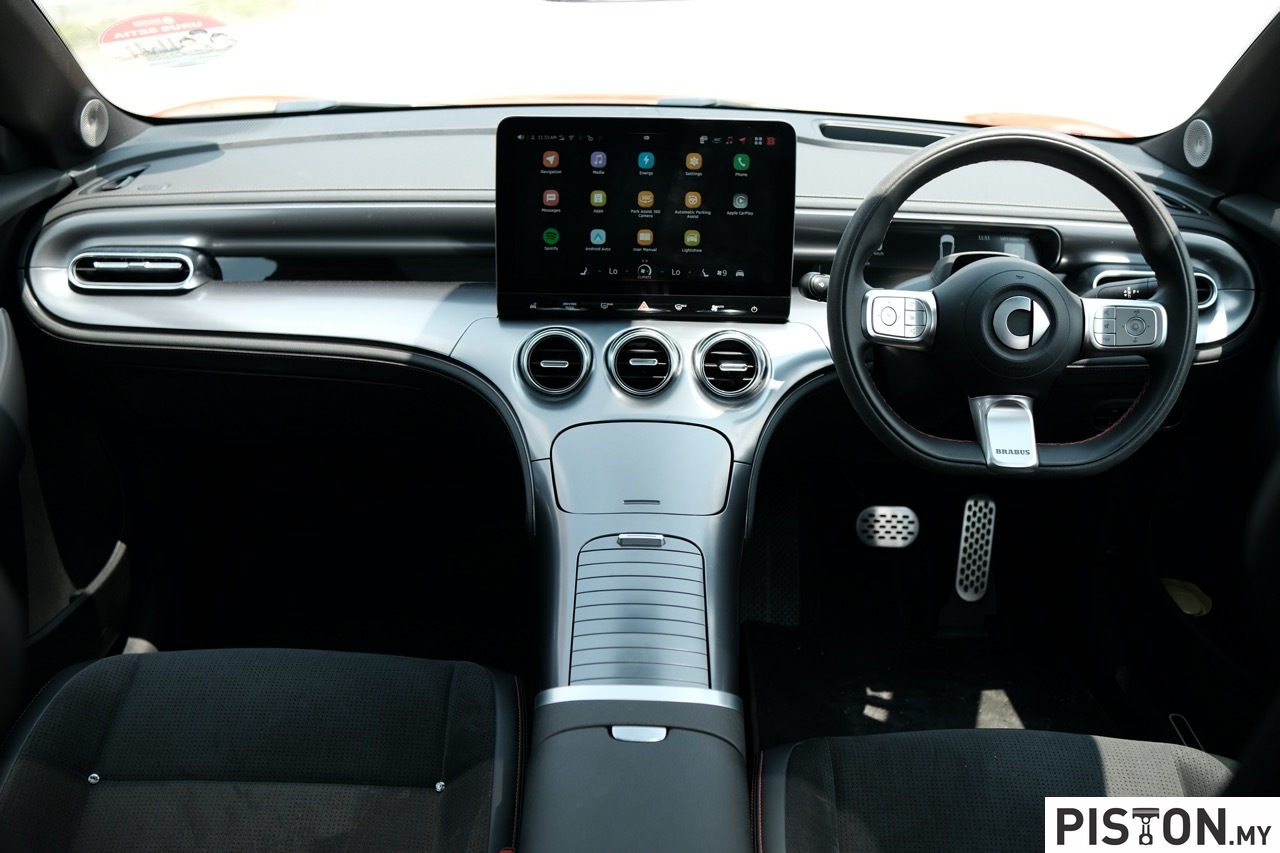
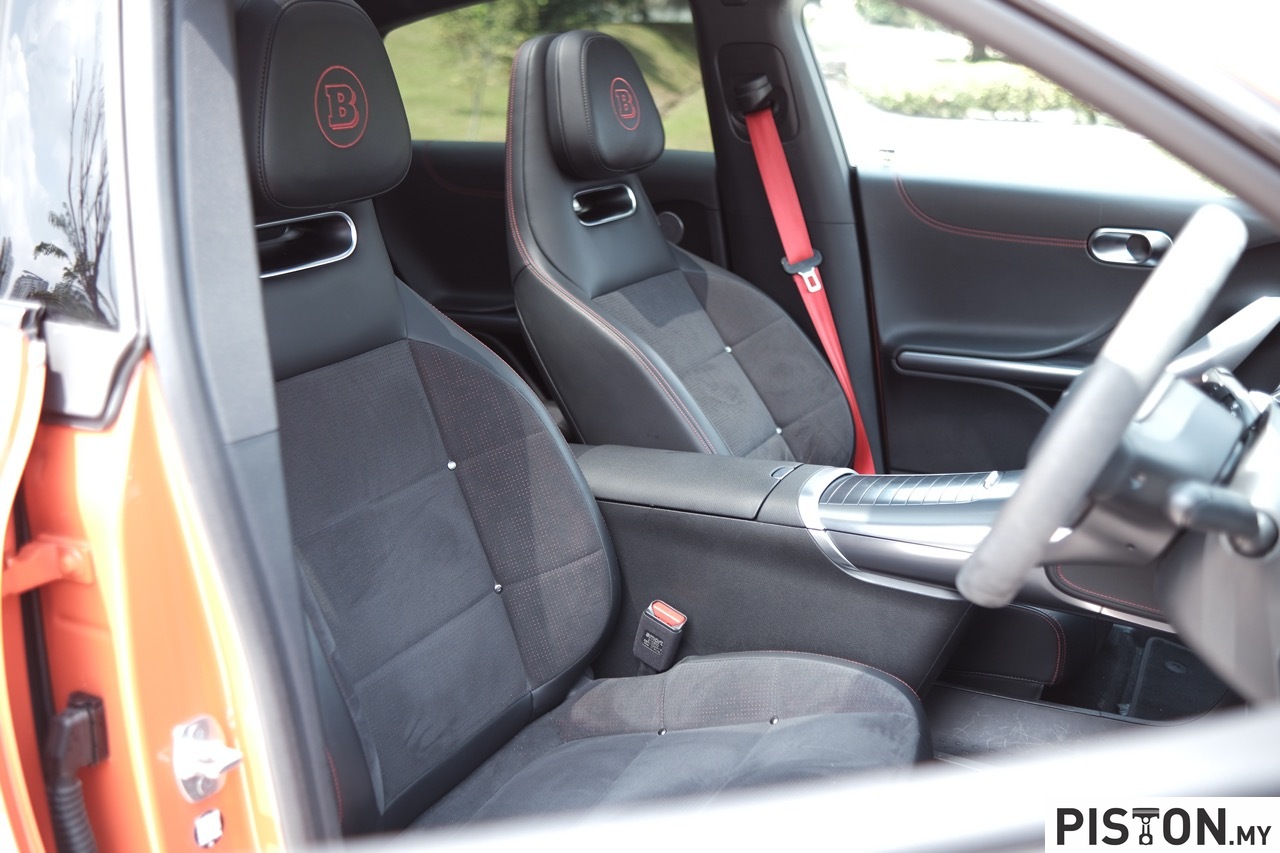
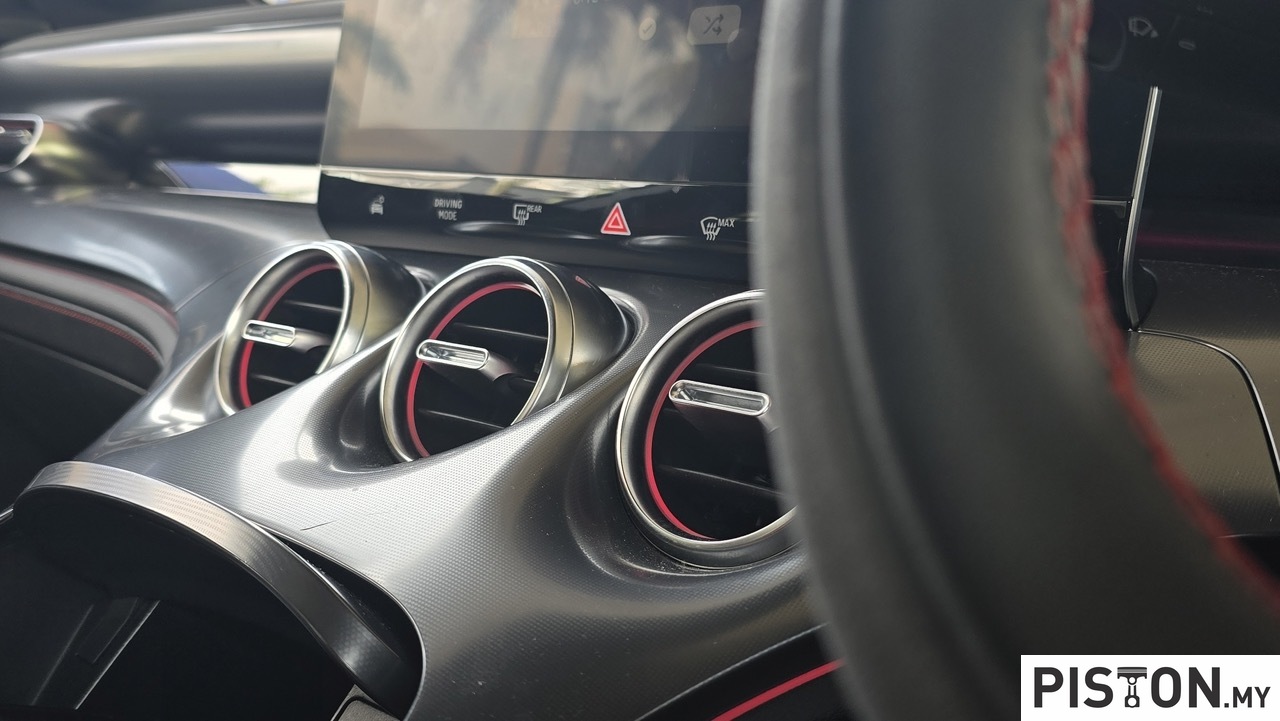
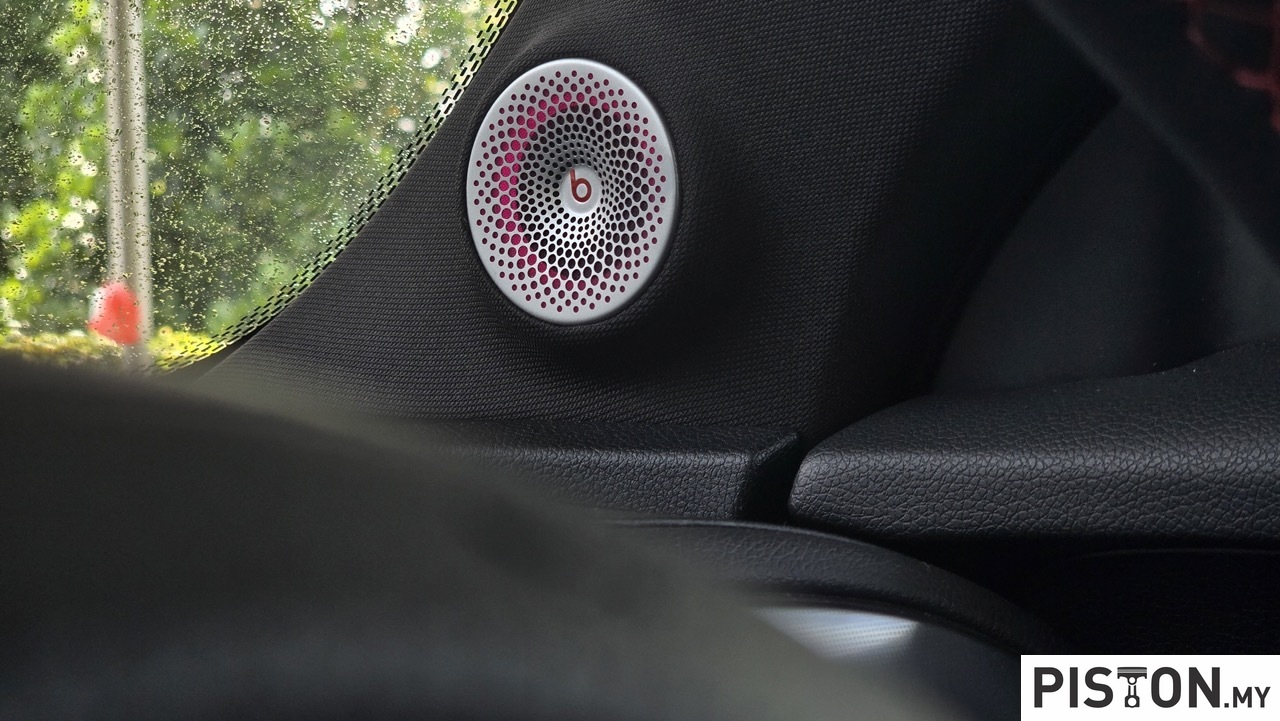
Step inside, and the cabin feels properly special. Alcantara-style upholstery with red stitching, ambient lighting, illuminated Brabus logos, and even sport pedals. It’s premium, it’s sporty, and it feels like a step above the regular versions.
Behind the Wheel
But looks are only half the story – what’s the Brabus like to drive? In a word: quick. With dual motors sending power to all four wheels, the Brabus packs 428PS and 543Nm of torque.
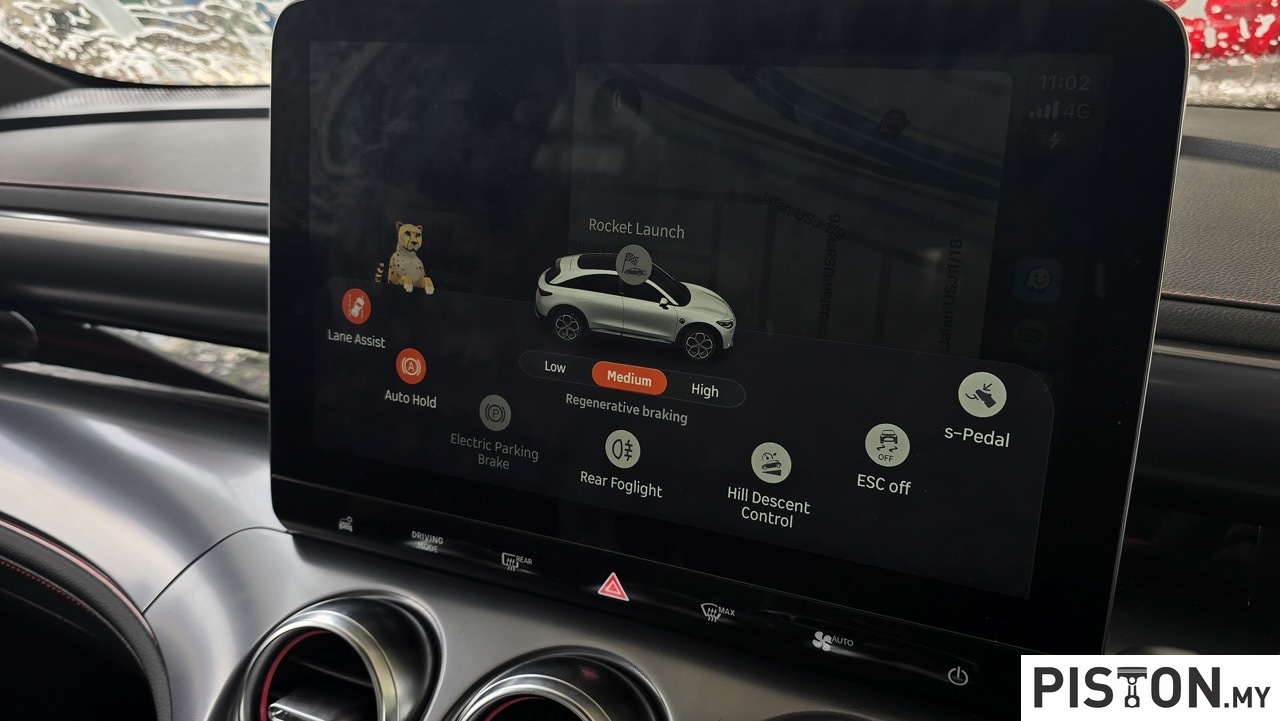
The numbers say 0-100km/h in 3.7 seconds, and it feels every bit as fast. The instant torque shoves you back into the seat, and “Rocket Launch Mode” makes those hard launches addictive.
Around town, the car is effortless. The throttle response is sharp, overtaking is instant, and it makes commuting feel fun instead of a chore. On the highway, it pulls strongly and stays composed at higher speeds. There’s a confidence in the way it puts power down that makes you want to push it.
That said, the performance focus does mean trade-offs. The suspension is on the firm side, and with the big 20-inch wheels, you definitely feel bumps and imperfections on Malaysian roads.
It’s not uncomfortable, but it’s less forgiving than the Premium variant. On longer drives, the firmness can get tiring, especially if the road surface isn’t great.
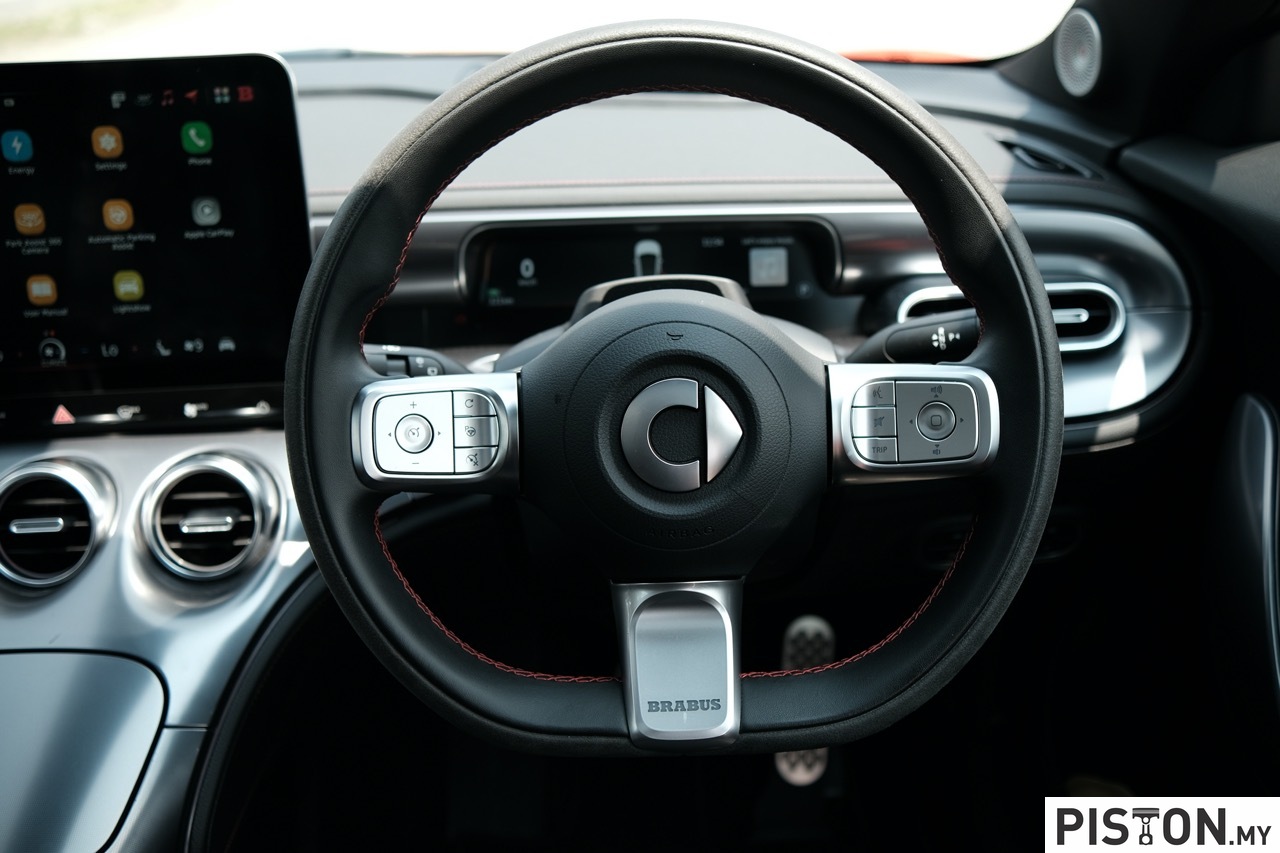
Steering is accurate but not as communicative as I’d hoped for in a car carrying the Brabus badge. It’s easy to place the car where you want it, but it doesn’t quite deliver the sharp feedback that would complete the sporty experience.
Living with It
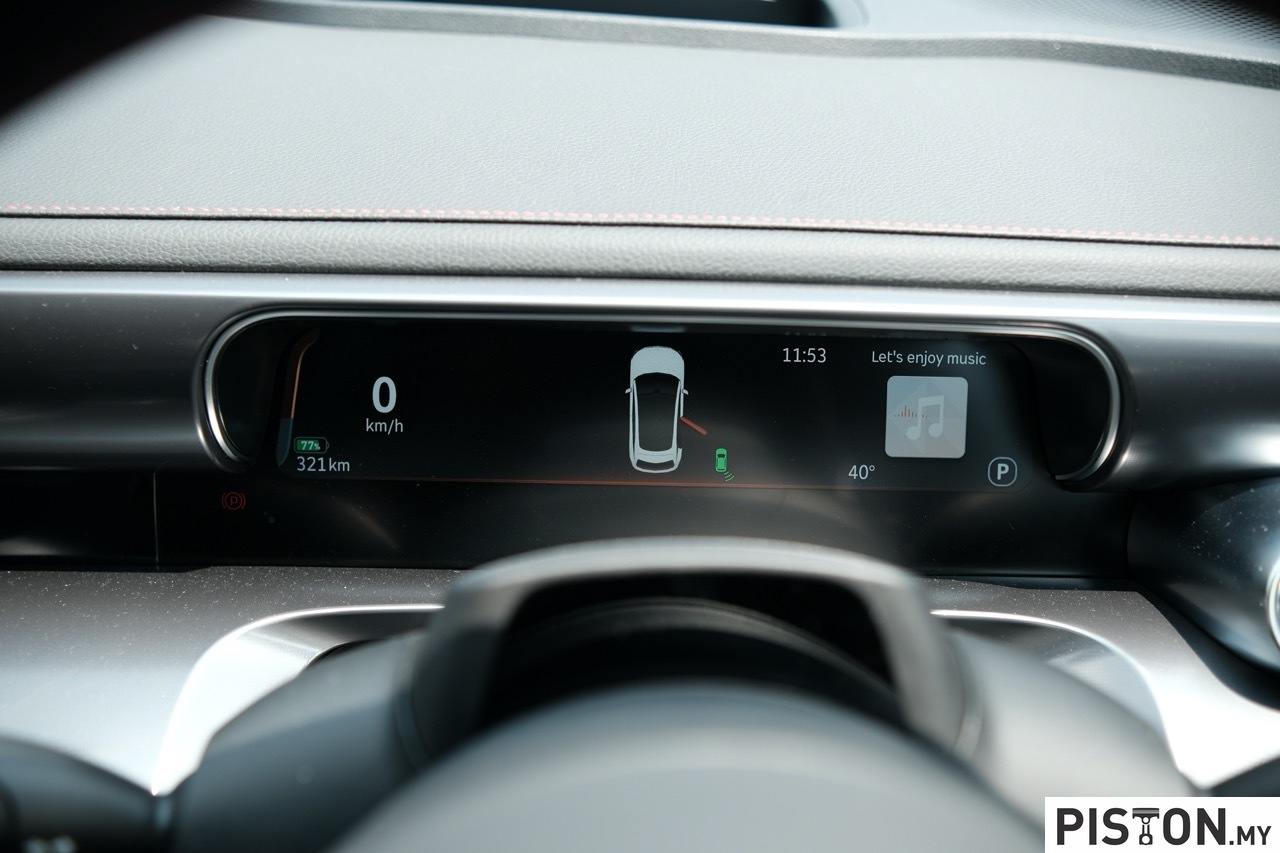
One thing that impressed me was how well the Brabus balances performance with range. Despite the power, it still manages a WLTP-rated 415km on a full charge, which is plenty for daily use.
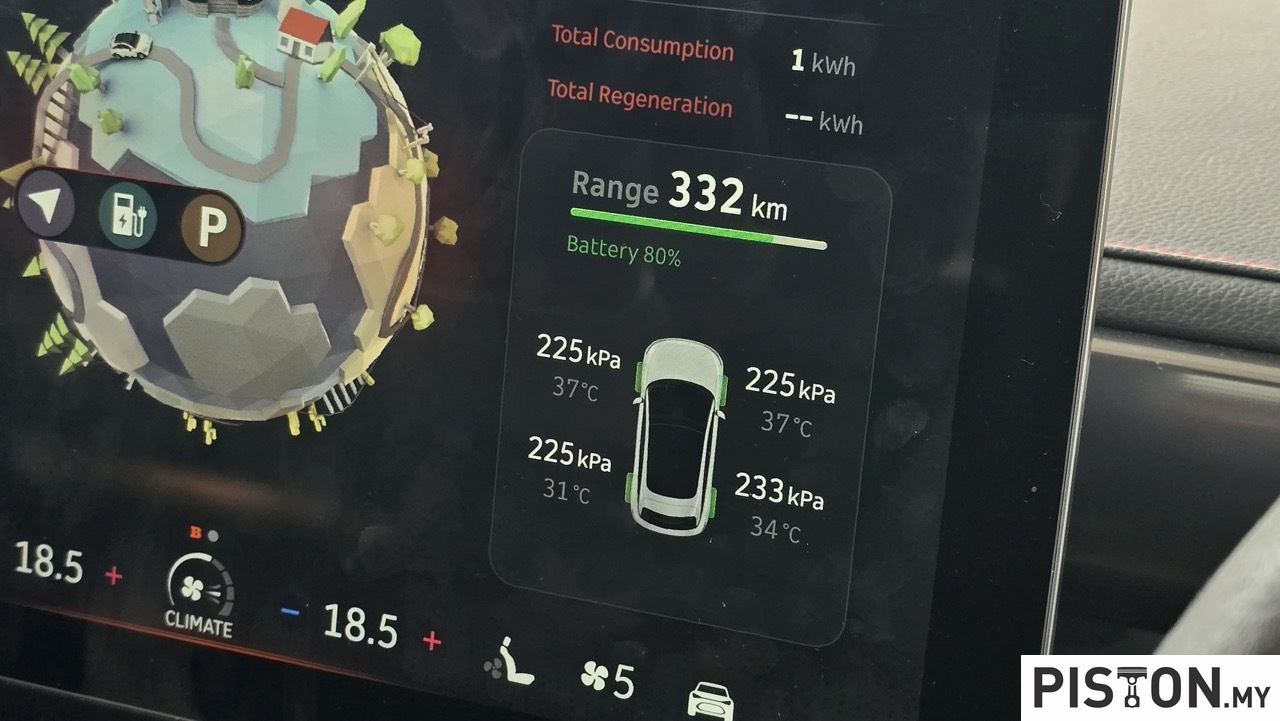
Of course, it doesn’t match the 455km range of the Premium variant, but for a performance SUV, it’s still a solid number.
But, with 428PS on tap, I could not keep from flooring it. Every open road meant putting its speed to the test. This will obviously drain the battery faster, so I found myself charging the car more than a normal person would.
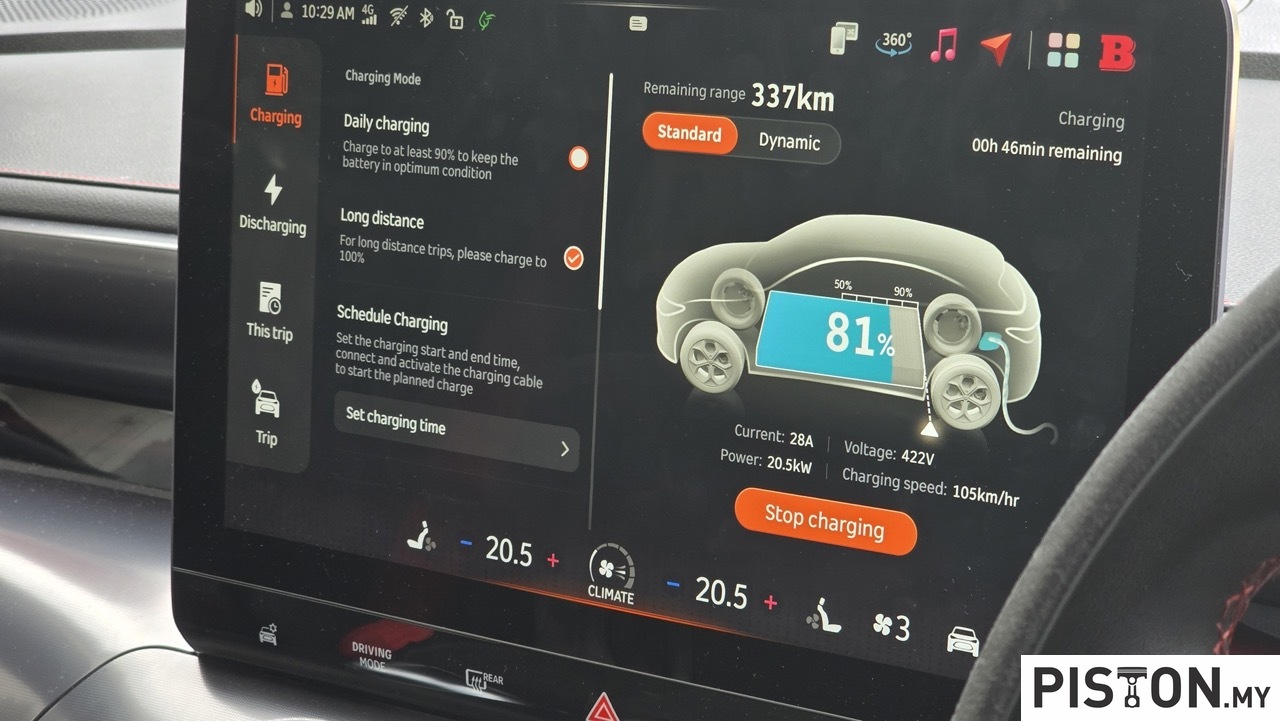
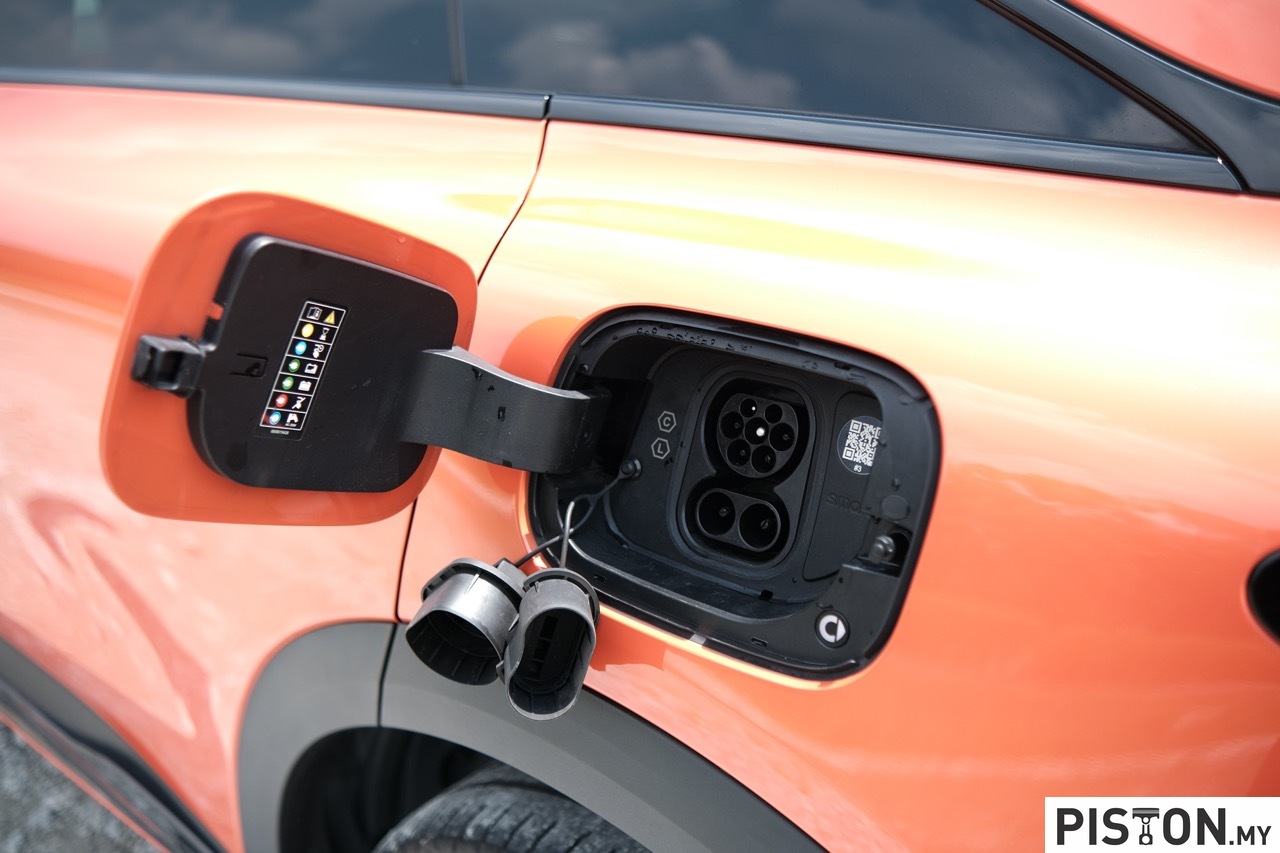
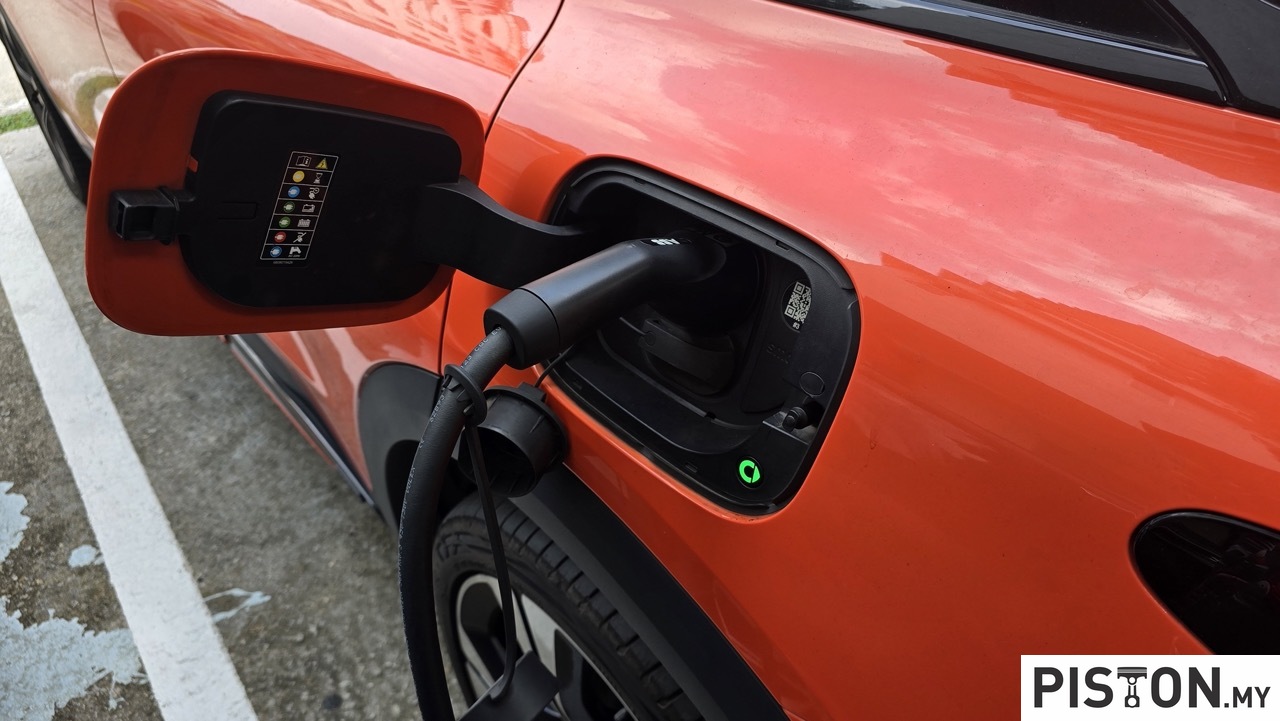
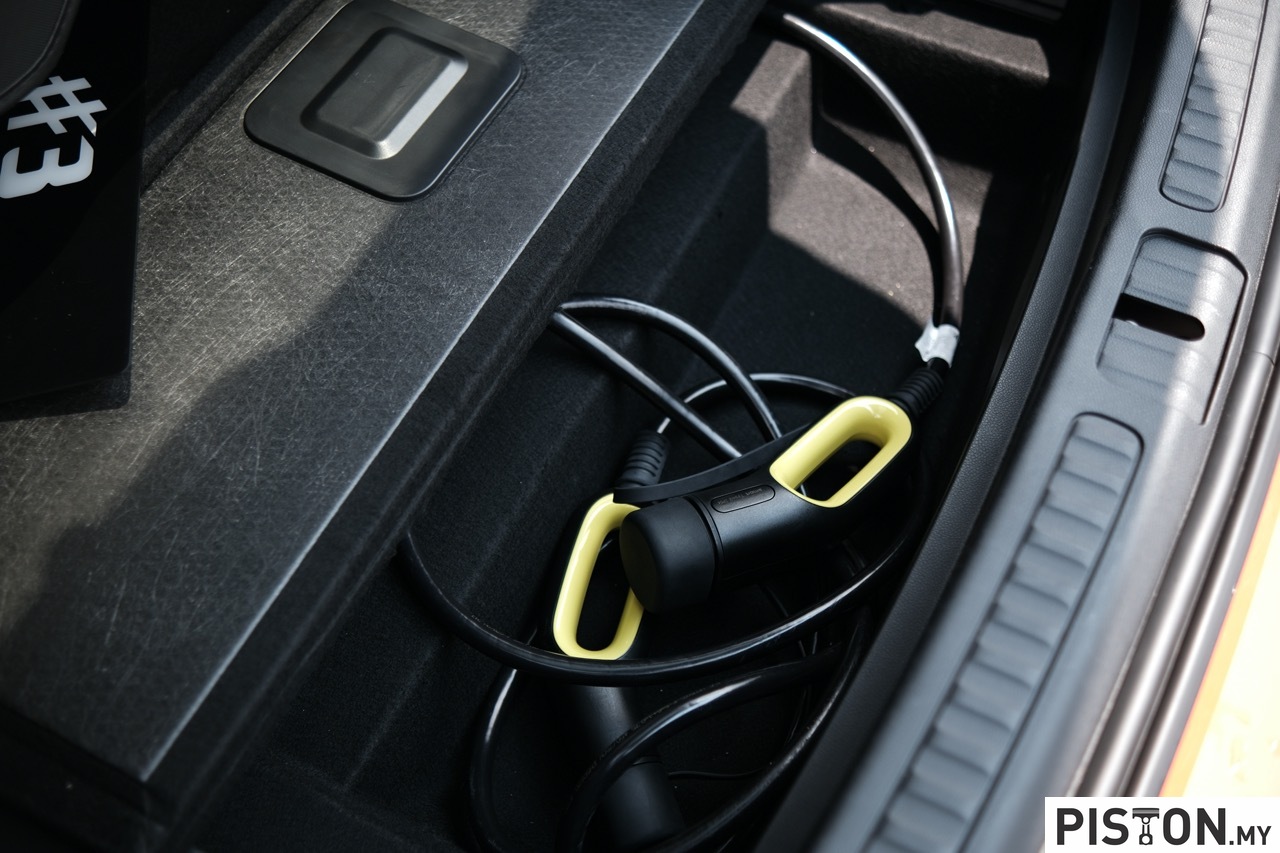
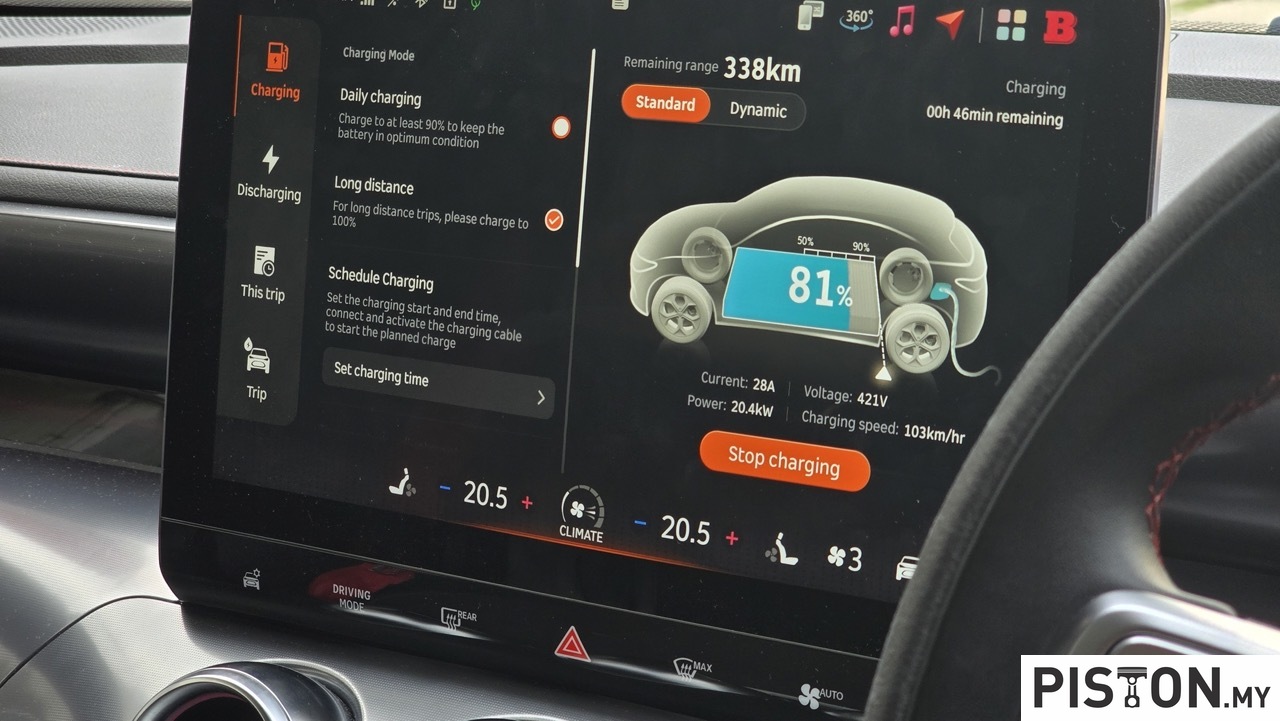
The 66 kWh nickel cobalt manganese (NMC) battery supports 22 kW AC charging for home or office setups, and when you need a quick top-up, 150 kW DC fast charging takes it from 10–80% in under half an hour. That’s convenient enough for most scenarios.
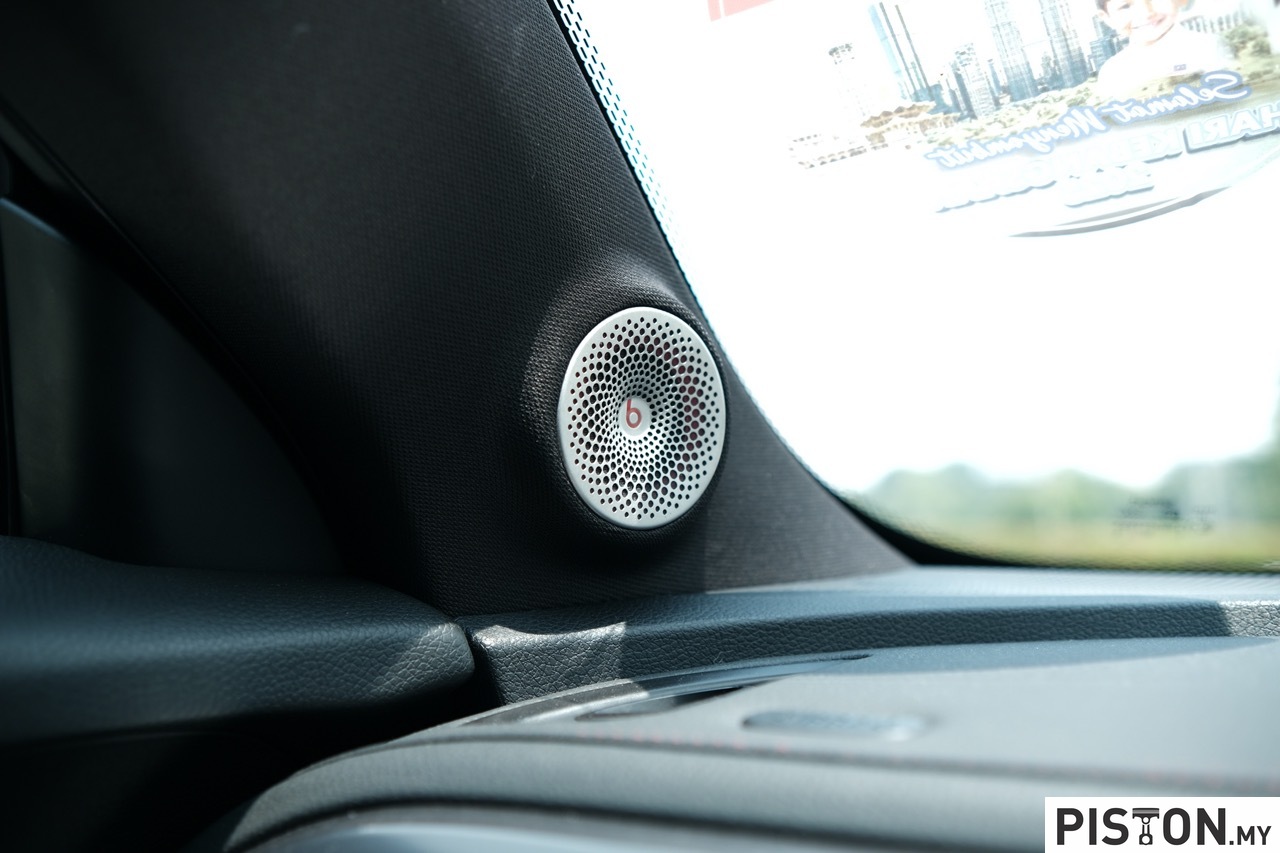
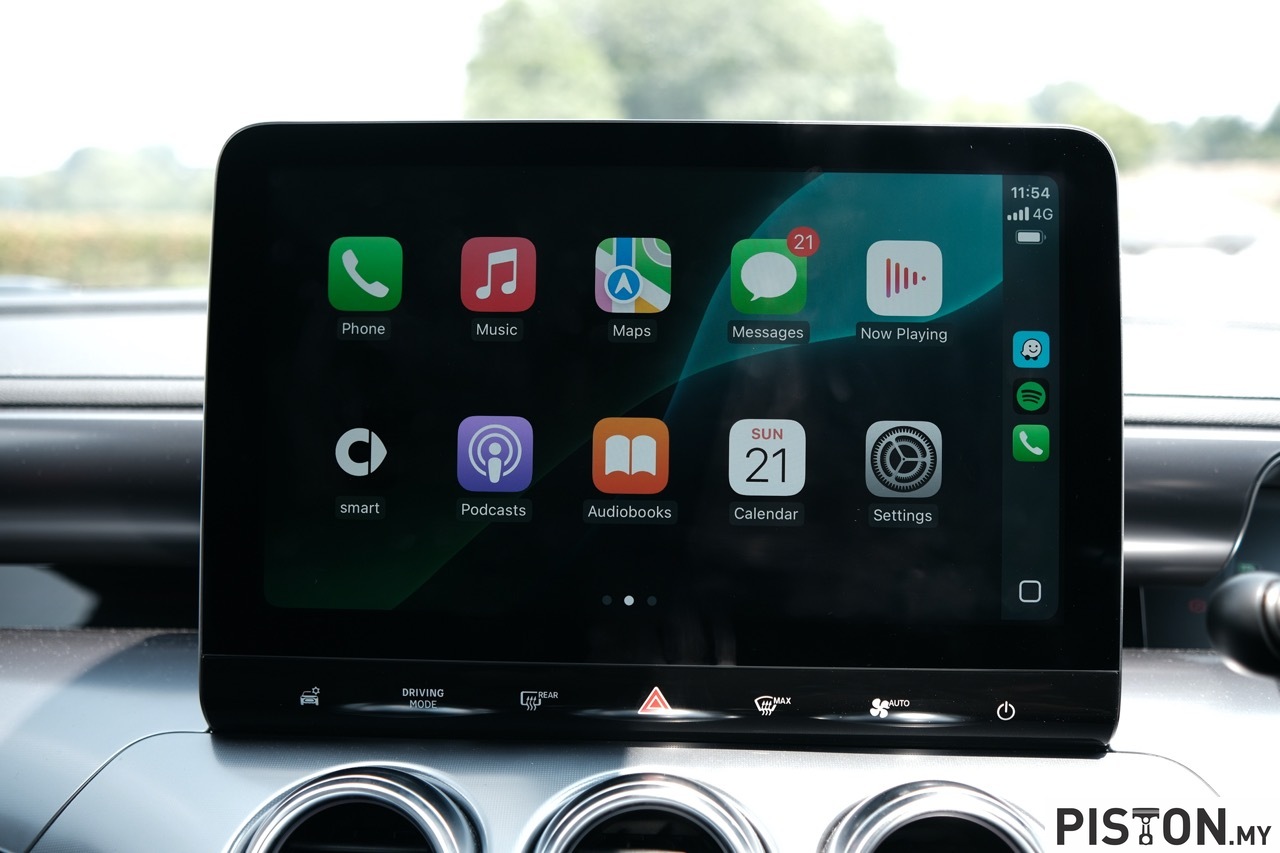
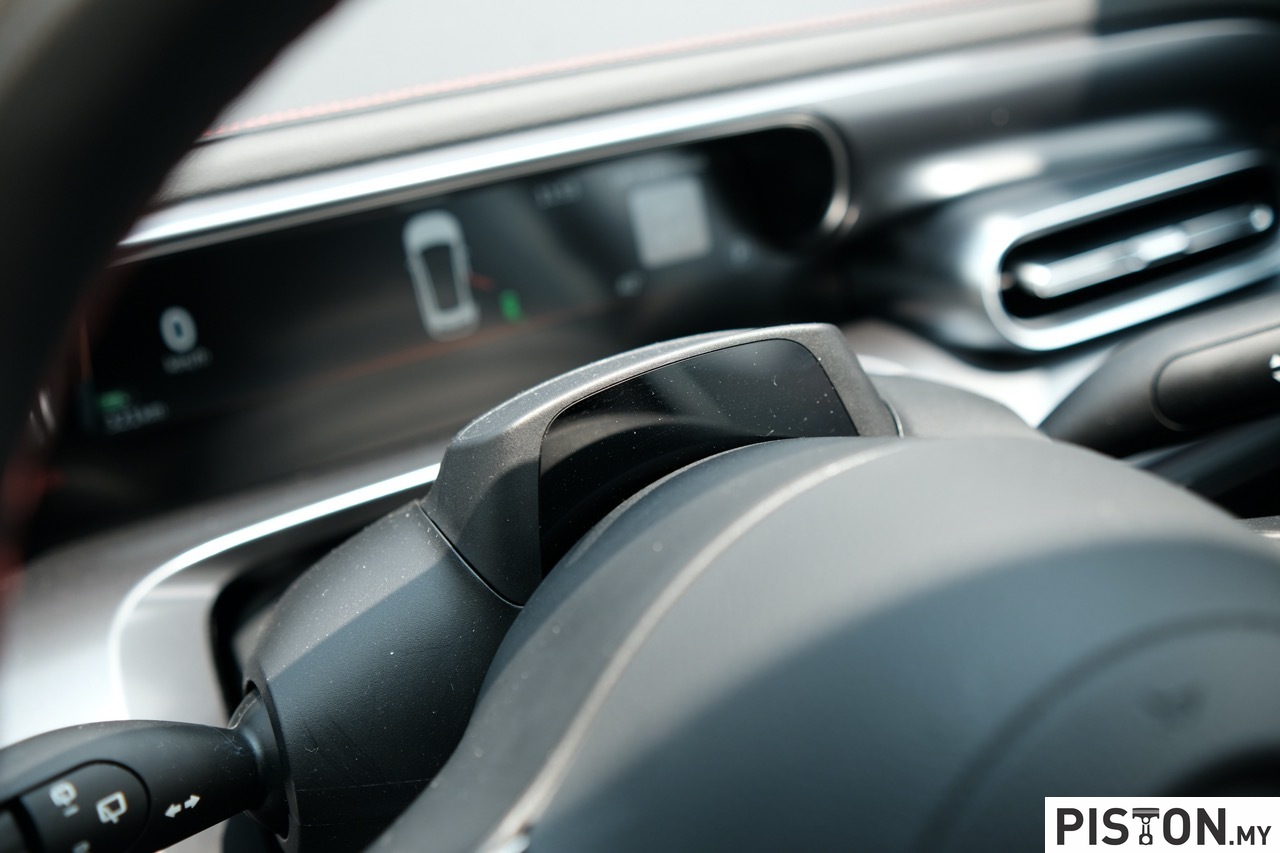
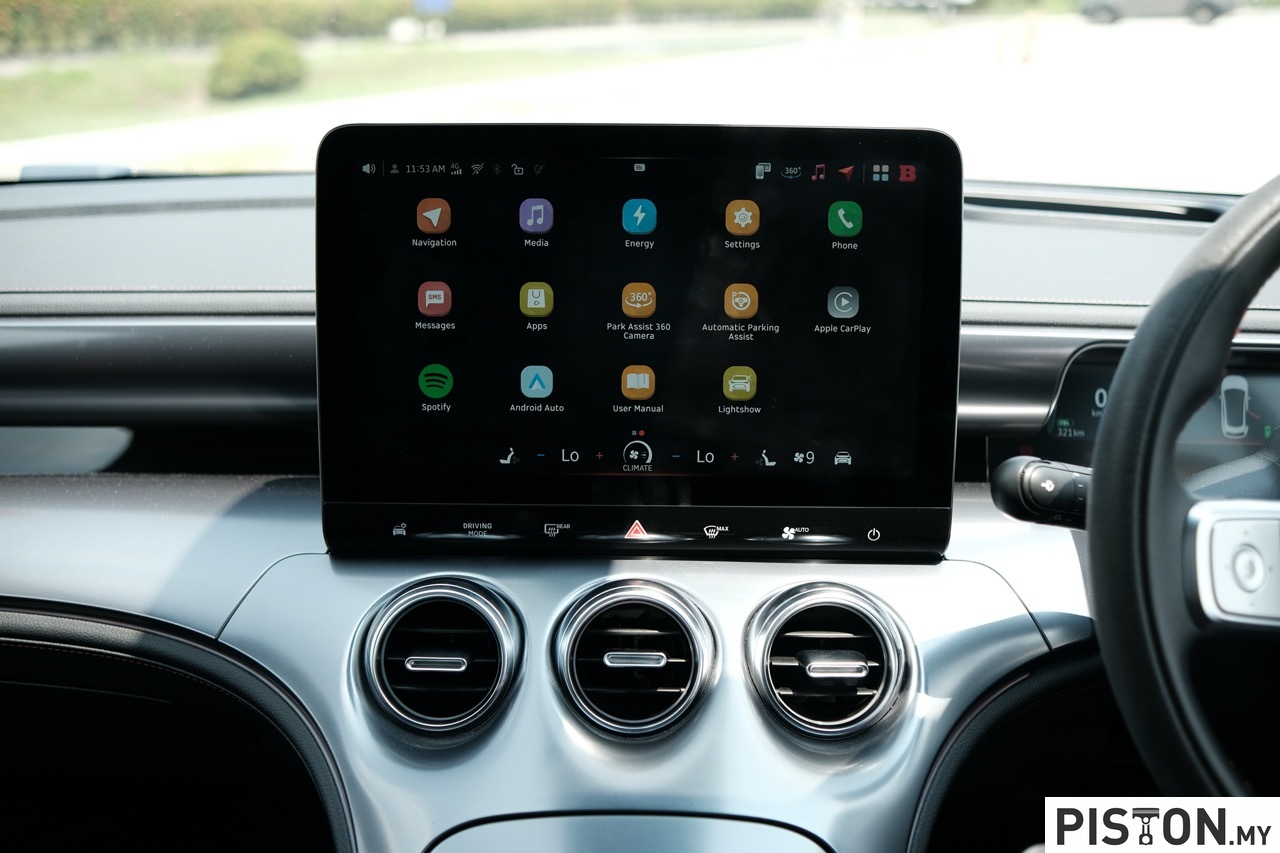
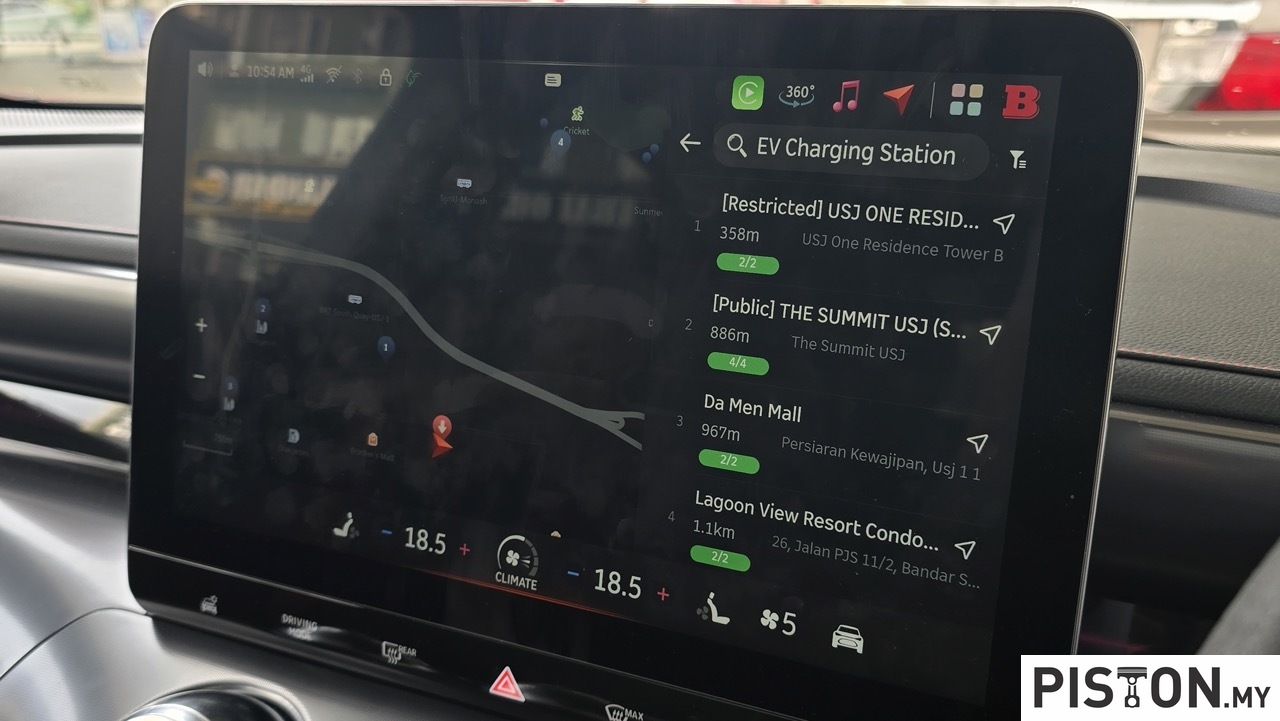
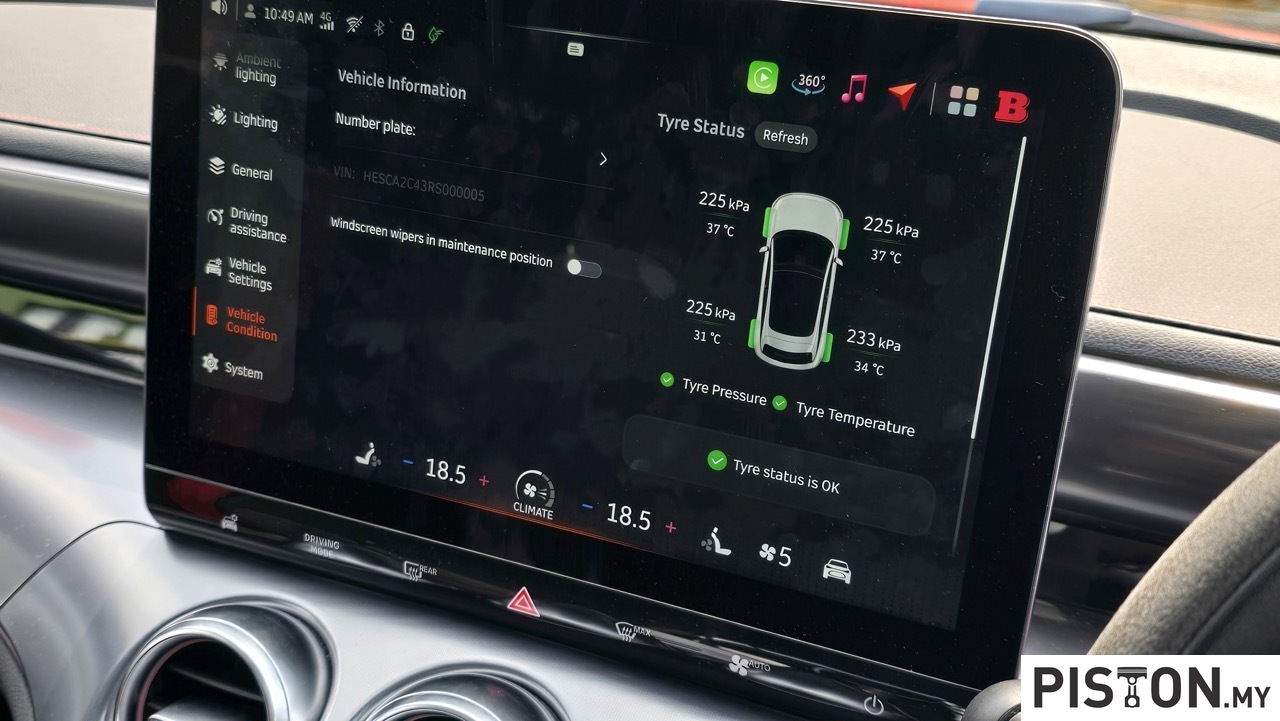
Inside, the car feels properly high-tech. The big infotainment screen dominates the dashboard, and the Mercedes influence is obvious in the design language and materials.
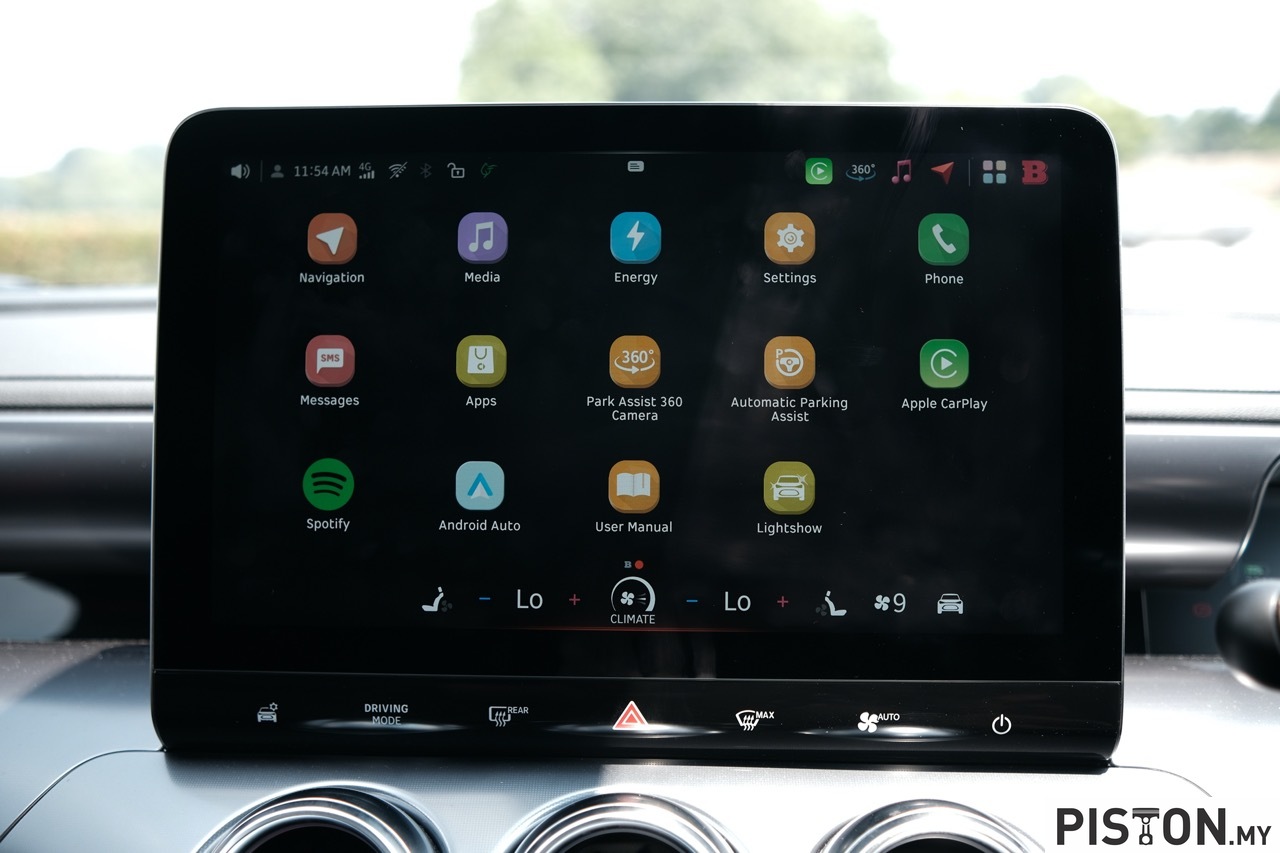
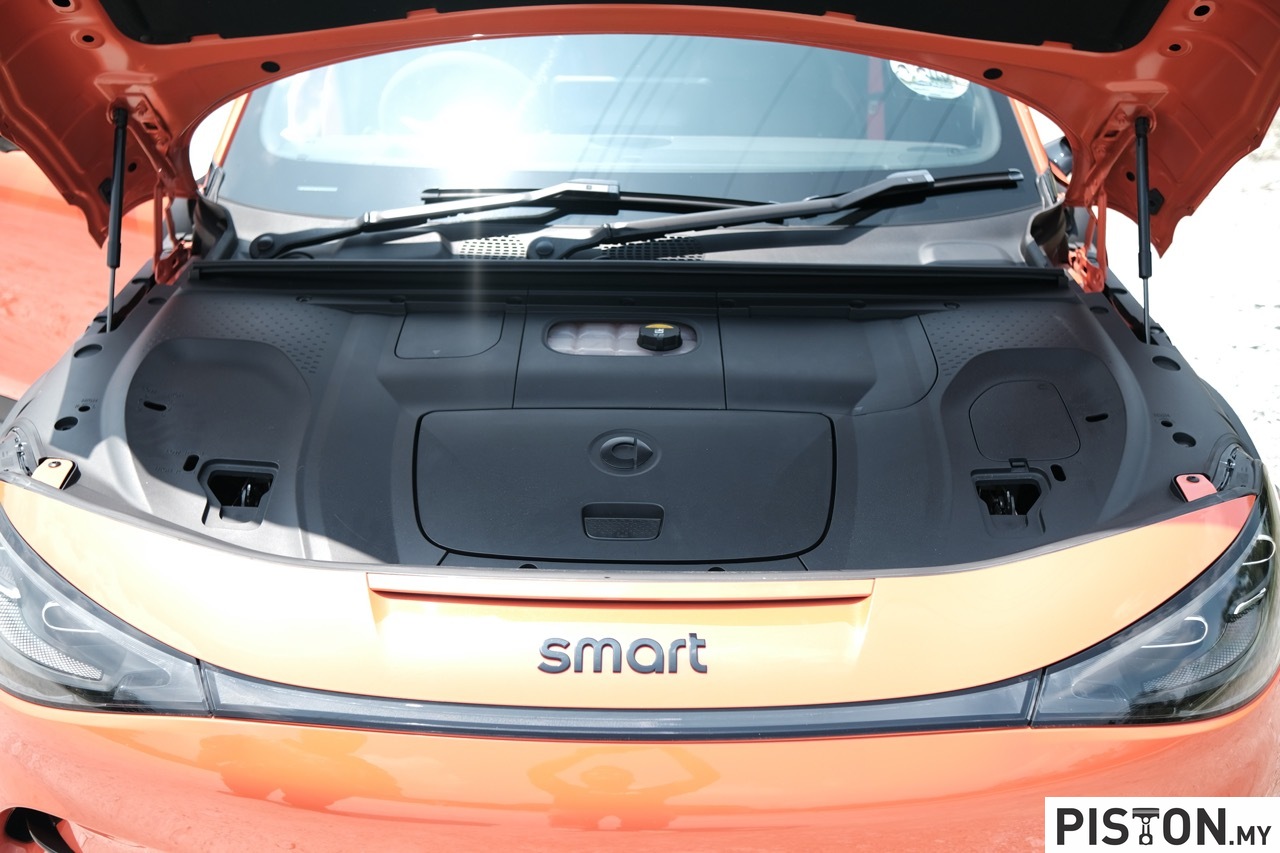
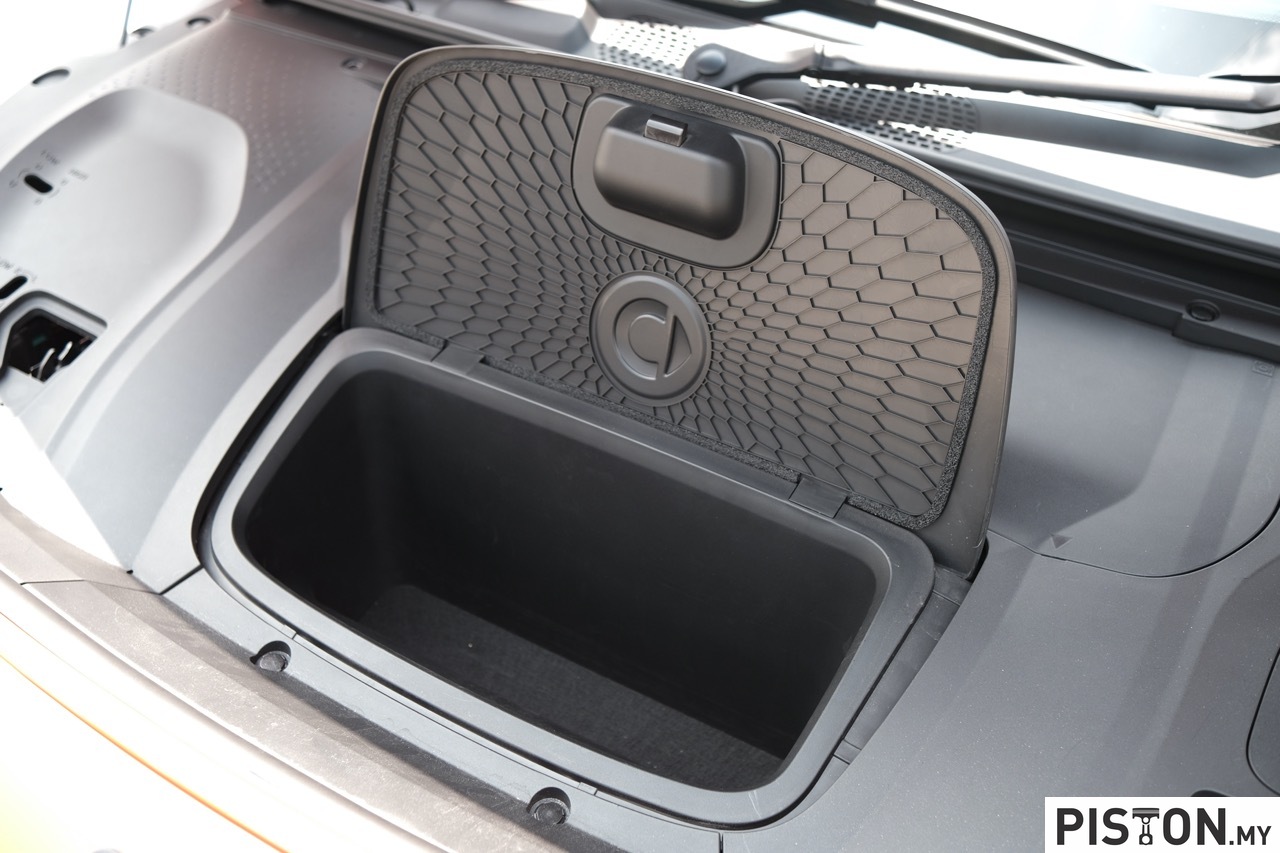
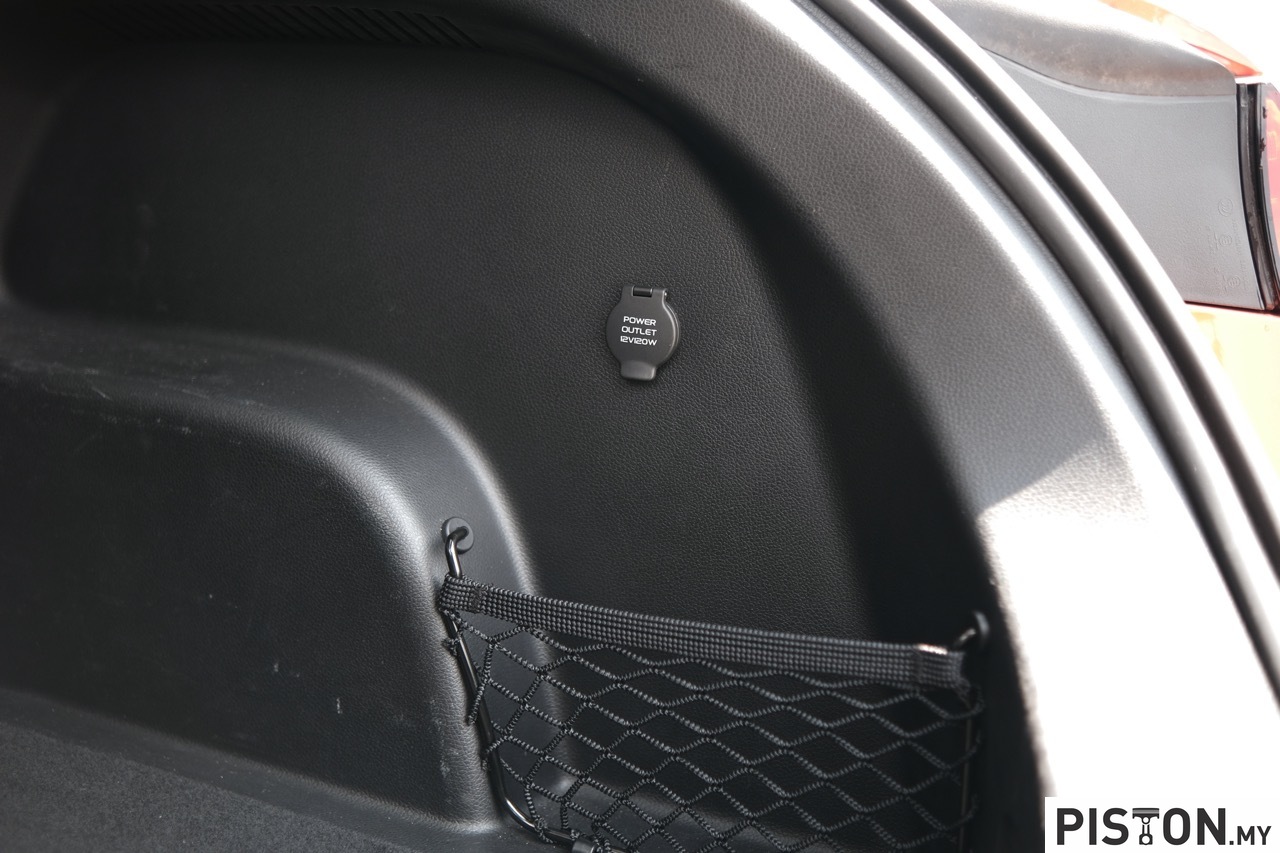
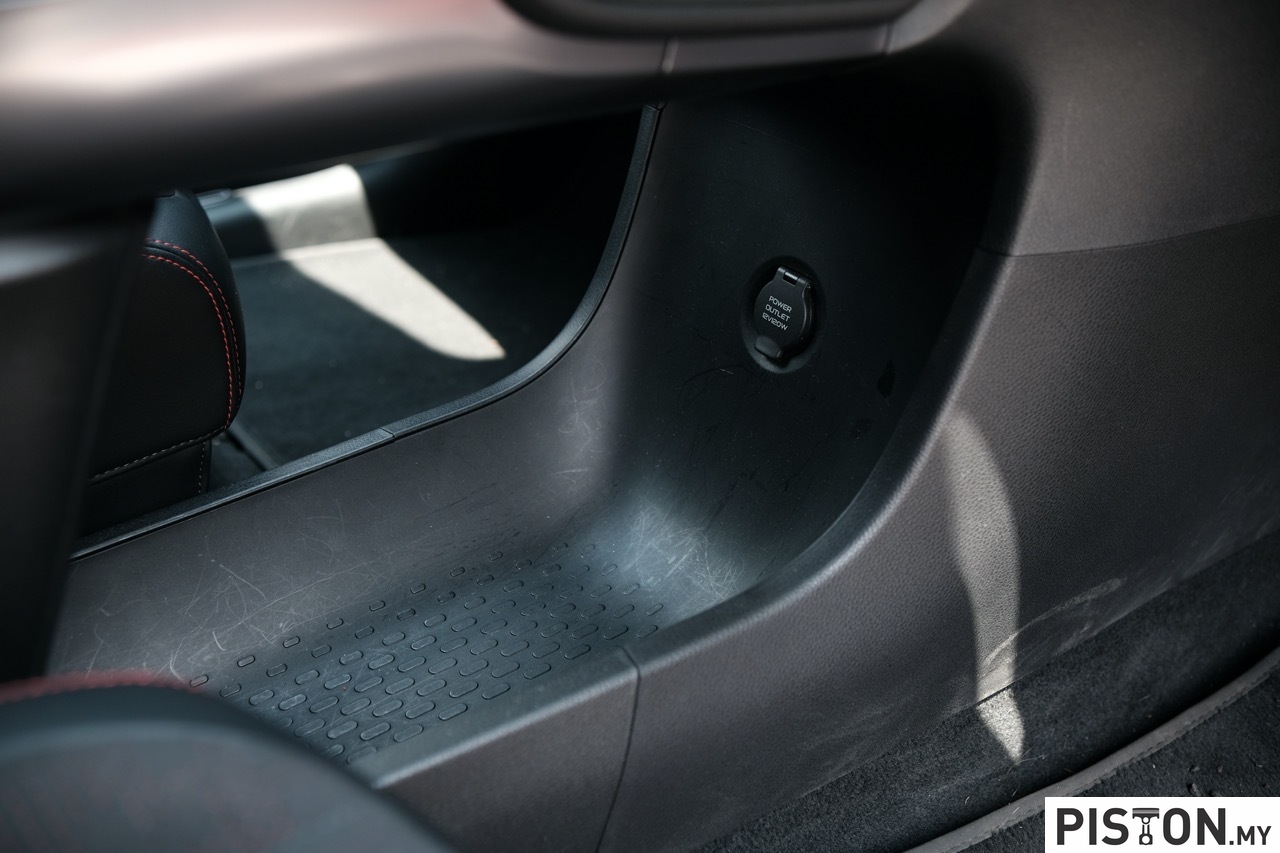
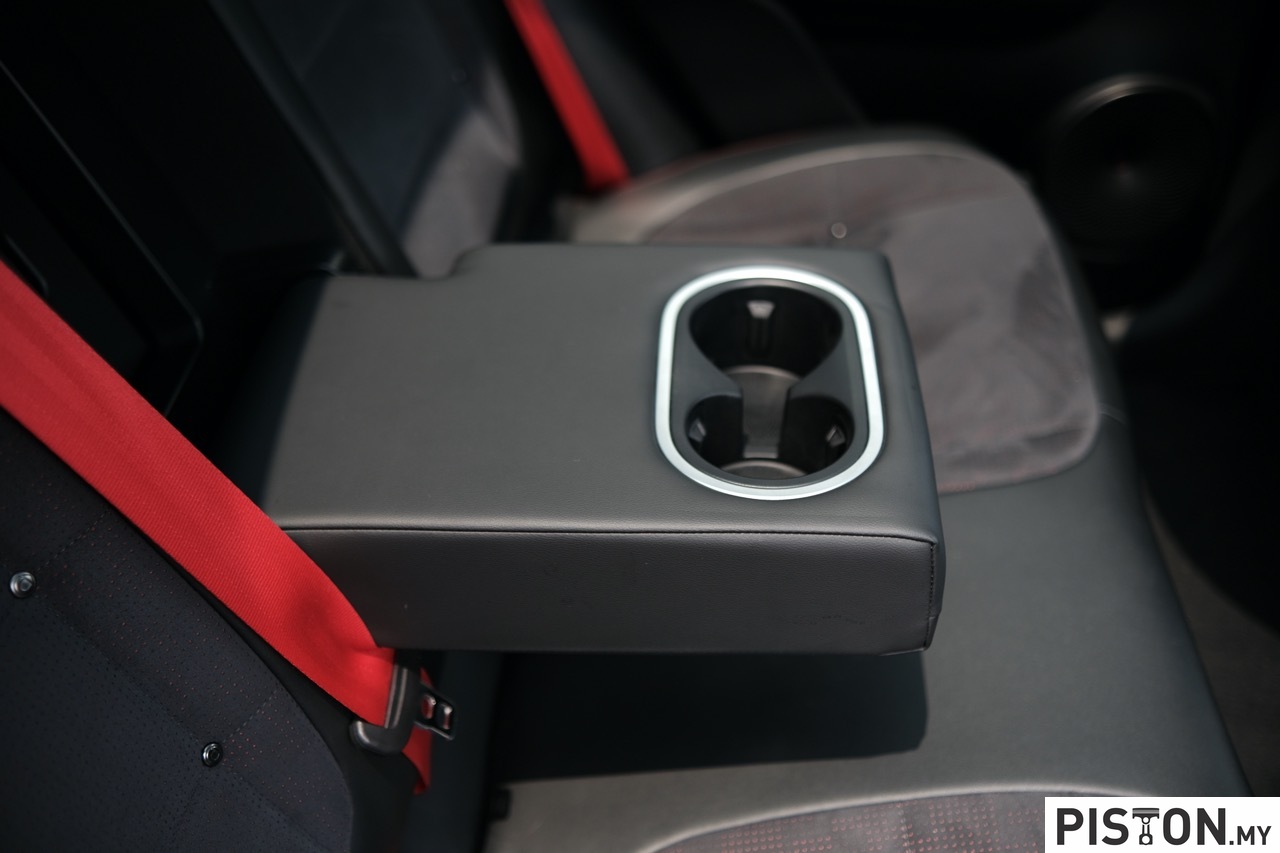
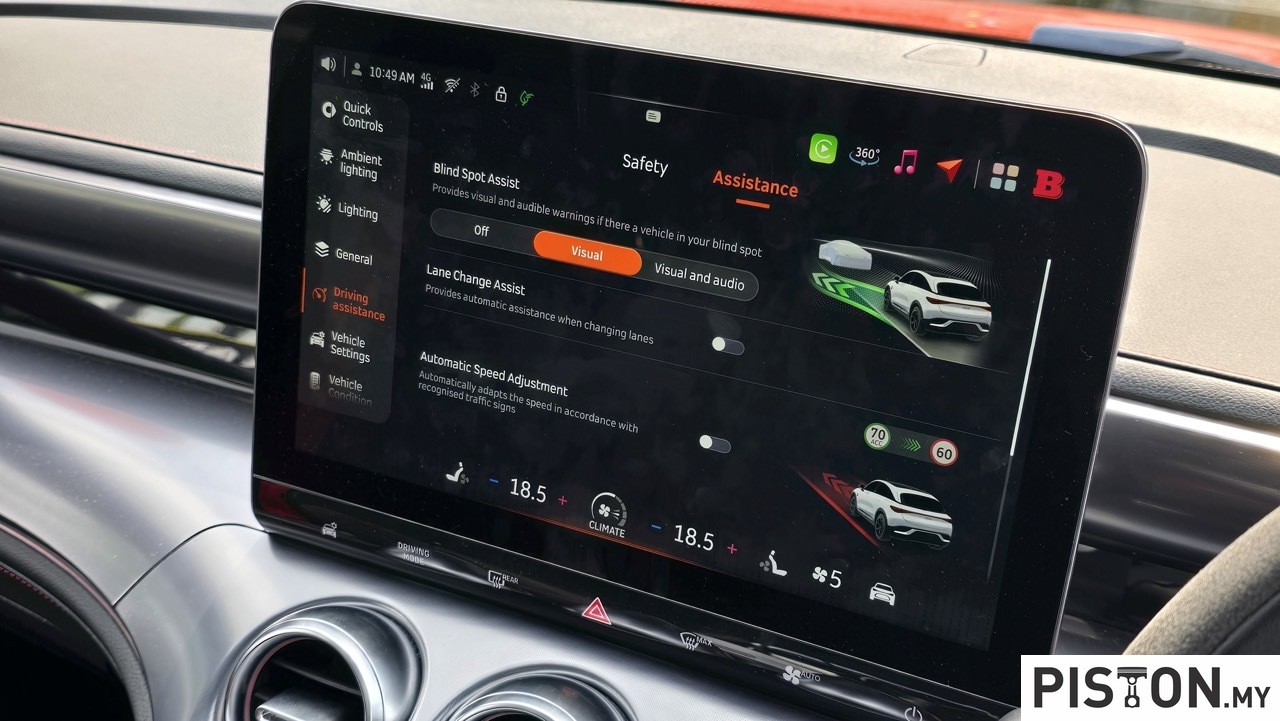
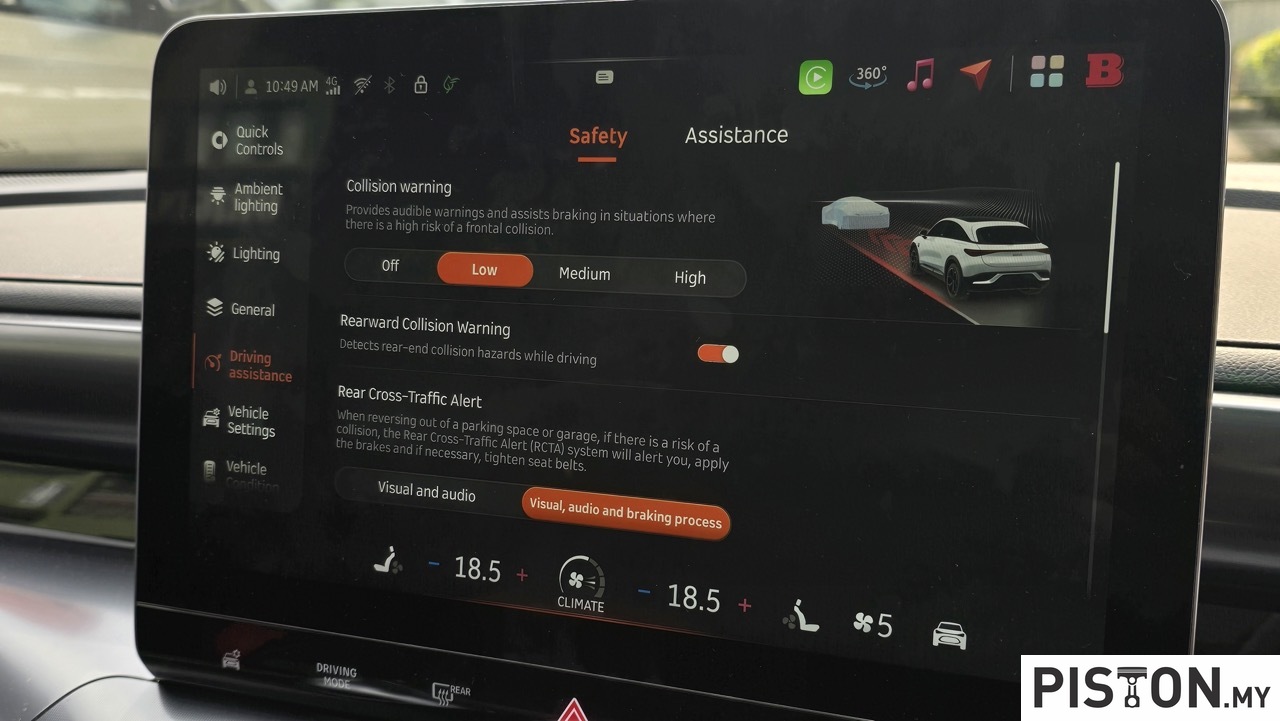
Adaptive cruise control, parking cameras, lane-keeping assist – all the safety and driver-assist tech you’d expect at this price point is included. Space is also surprisingly good. Even with the coupe roofline, the rear seats are usable for adults, and boot space is practical enough for daily life.
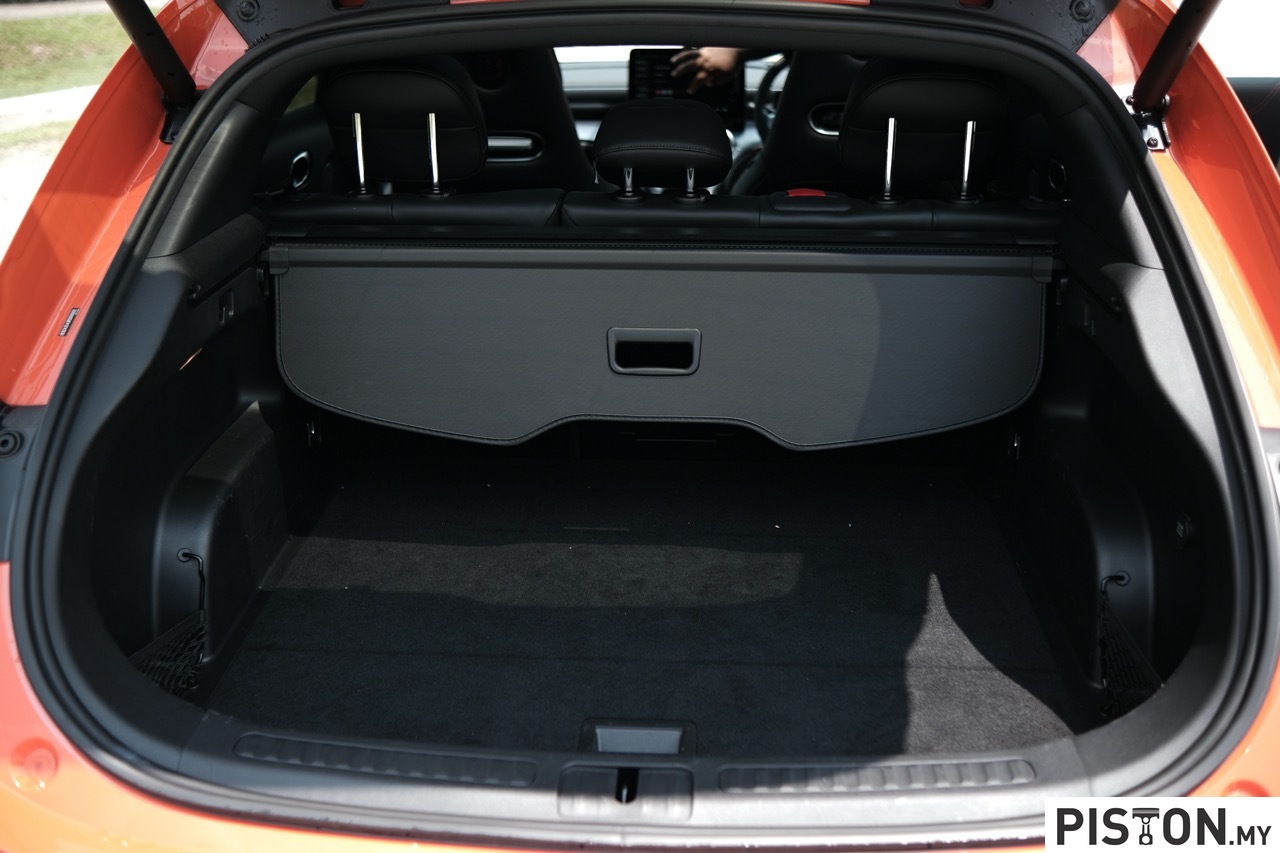
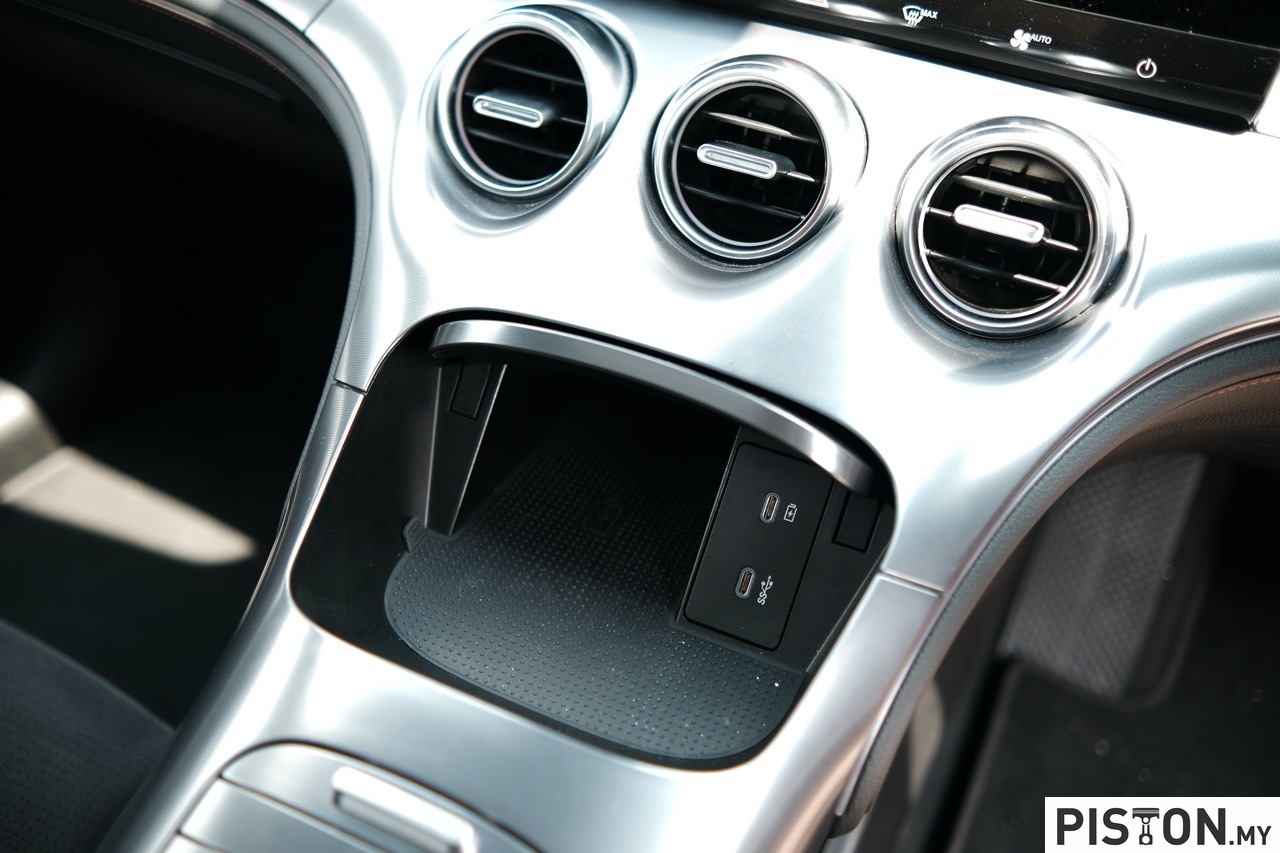
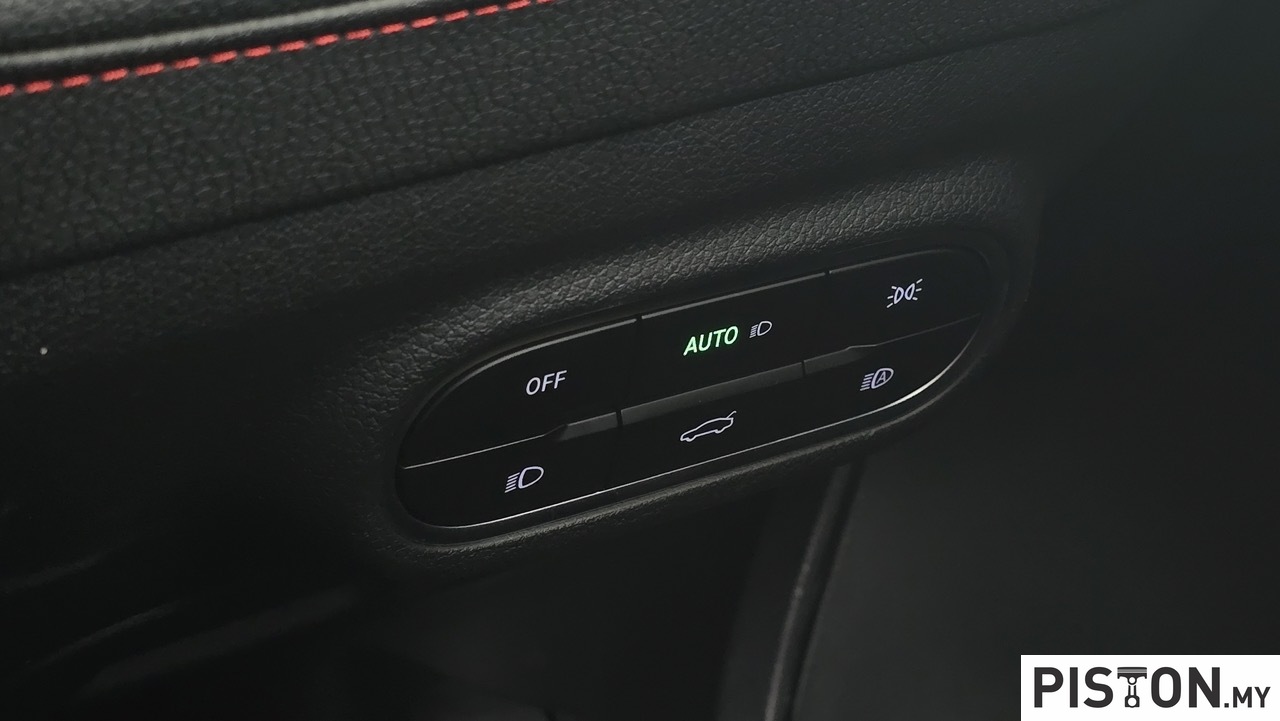
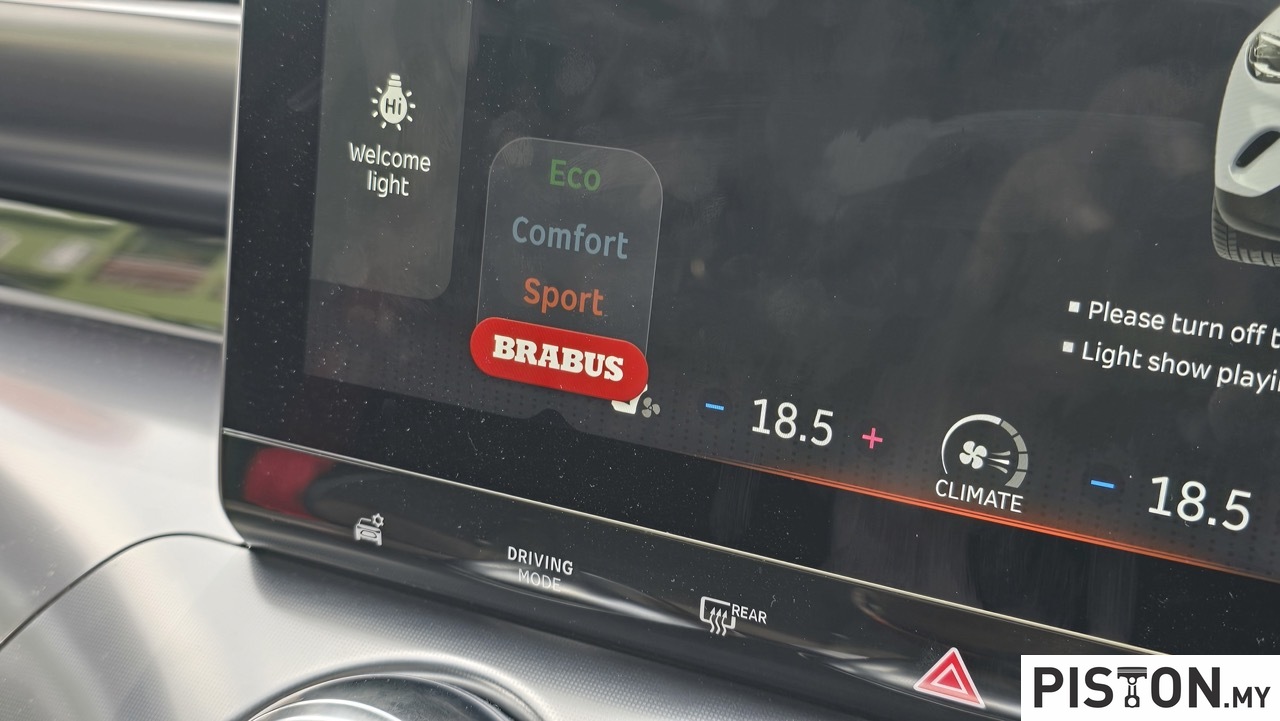
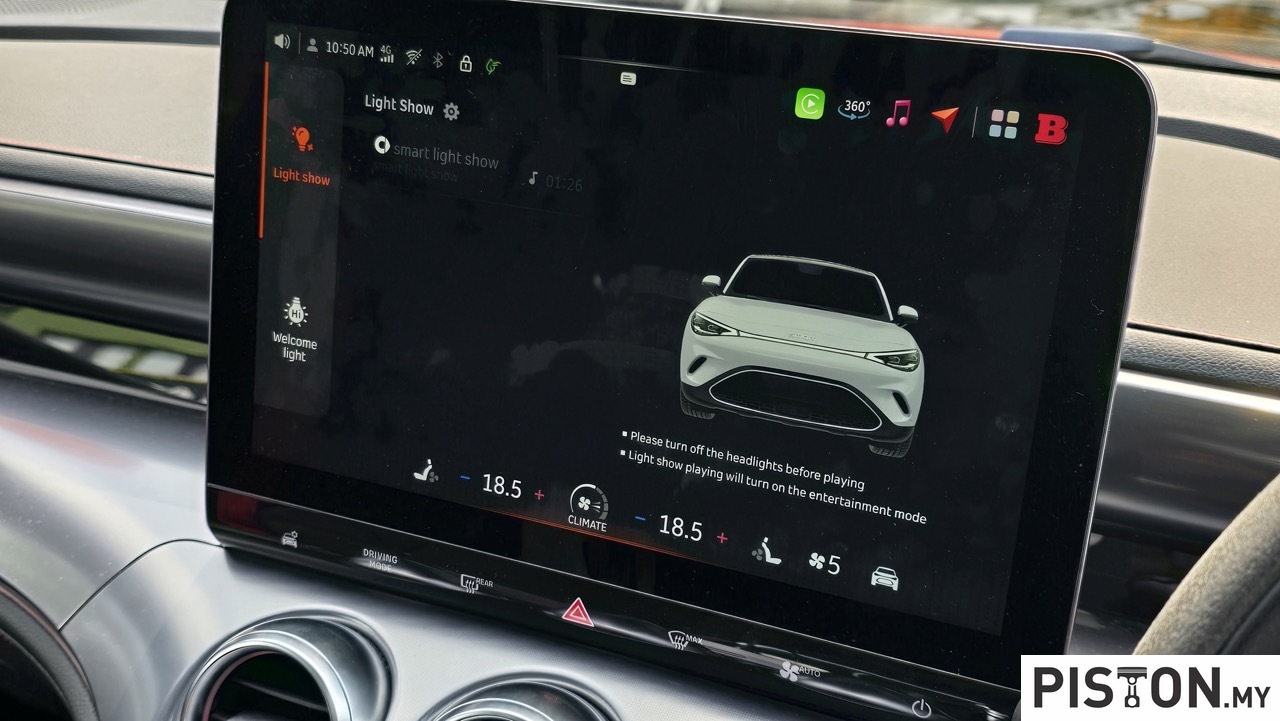
However, this is where some frustrations start to creep in. Almost every single control has been shifted to the screen.
Adjusting the air-conditioning, tweaking the side-view mirrors – all of it requires navigating through menus. It looks futuristic, but in practice, it slows you down and makes simple tasks unnecessarily fiddly.
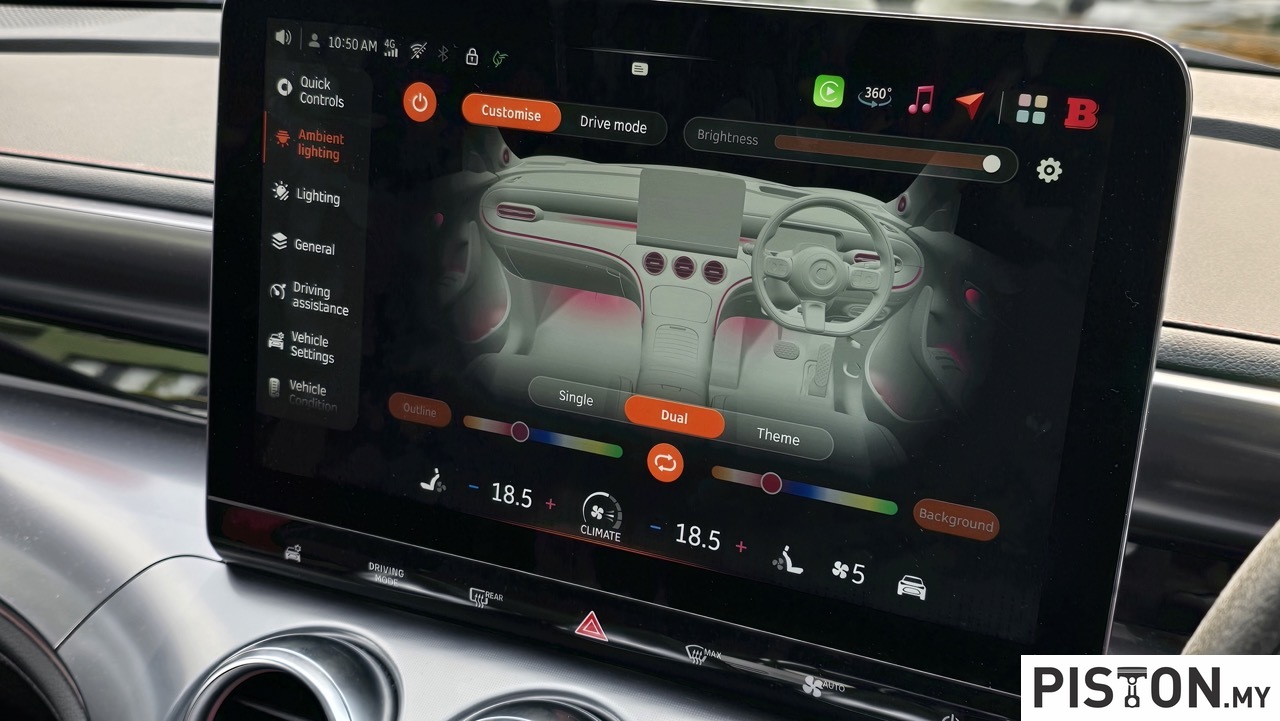
I really wish smart had left at least a few physical buttons for these everyday functions.
Another issue I noticed is the panoramic sunroof. While it’s impressive in size and really brightens up the cabin, there’s no proper shade to block out the sunlight. On hot Malaysian afternoons, the glare and heat pouring in can get overwhelming.
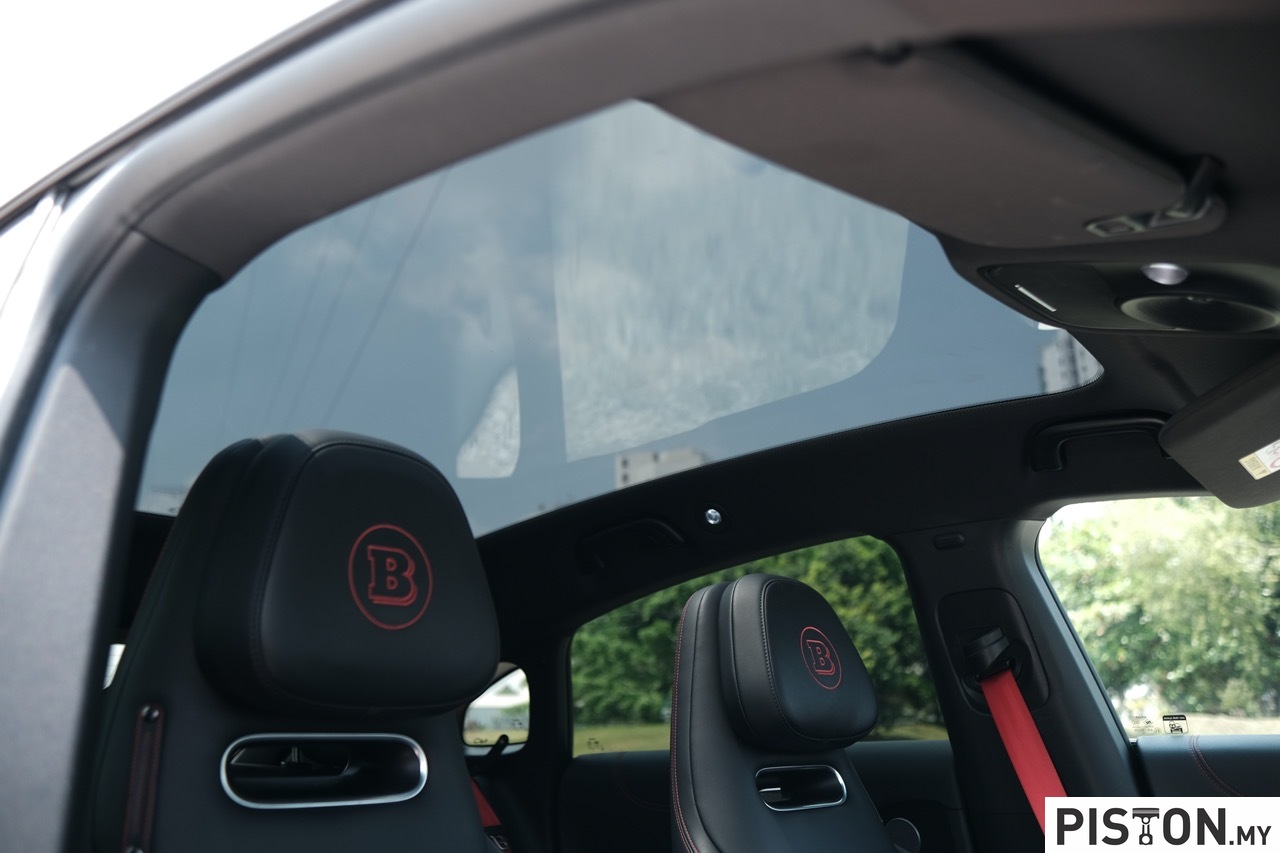
Yes, the glass is tinted, but it’s not enough. For a car at this price point, I expected a retractable cover or an electrochromic dimming system. Instead, it feels like form was prioritised over comfort.
As much as I enjoyed driving the Brabus, there are some areas where it doesn’t quite hit the mark. The firm ride is the most obvious trade-off. It gives the car stability and keeps it planted through corners, but over uneven city streets, you do get bumped around more than I’d like in a daily driver.
Another minor issue is the tyre choice. Despite the Brabus badge, some versions come with tyres that feel more eco-focused than performance-oriented. It’s not a dealbreaker, but with this level of power, I found myself wishing for more grip when cornering hard.
Range is good, but if you’re chasing maximum distance, the Premium variant does better. And then there’s the price – at RM255,000, expectations are naturally very high.
For that money, I expected everything to be flawless, from infotainment responsiveness to app connectivity. Most of it works very well, but a few small quirks and niggles stand out more because of the price tag.
Since it is an electric car, you will not be able to do any “pops and bangs” at car meets. So to compensate for that, the smart has a feature called “Light Show” where, well, the front lights, including the ones on the grille, put on a show with loud music. Not a necessity, but a fun and funky feature to turn heads.
Final Thoughts
Driving the smart #3 Brabus left me with mixed feelings – but mostly positive ones. On the one hand, it’s one of the most exciting EVs you can buy right now in Malaysia.
It looks fantastic, the interior feels premium, and the performance is genuinely thrilling. It makes every drive feel a bit more special, and in the EV world, that’s not something you can say about every car.
On the other hand, the firm suspension, over-reliance on the touchscreen for basic controls, the lack of a sunroof shade, and the premium price tag mean it is not going to be perfect for everyone.
If comfort and simplicity are your priorities, the Premium or even the Pro variant might make more sense.
But if you want your EV to stand out, go fast, and make a statement every time you hit the road, the smart #3 Brabus does exactly that. It’s not perfect, but it’s a car that puts a smile on your face, and for me, that’s what driving should always be about.
Specifications
Motor: Dual Electric Motors
Power: 428PS
Torque: 543Nm
Range: 415km
AC Charging: 22kW; 10-80% in 3 hours
DC Charging: 150kW; 10-80% in 30 mins
Price (as tested): RM255,000
We like: Performance and looks
We don’t like: Lack of physical buttons and sunroof shade